Continuing the practice of labelling new smartphones as updated editions of older models, Huawei will soon launch the Huawei P20 Lite (2019) edition. Before the official announcement of the smartphone, its full specifications and design renders have been revealed by a reliable tipster Roland Quandt.
Huawei P20 Lite Design and Features
In comparison to its predecessor, the upcoming Huawei P20 Lite (2019) has an all new design. It measures 159.1 x 75.9 x 8.3 mm and tips the scale at 178 grams. The device features a 6.4 inch LCD display with a punch hole that houses the 16 MP selfie camera. The bezels around the display are fairly thin which provide the device with a high screen to body ratio. Under the hood, the smartphone packs the Kirin 710 SoC which consists of an Octa-Core CPU and the Mali G51 GPU.
The right side of the Huawei P20 Lite (2019) is occupied by the volume rocker and the power button while the left side is free from any ports or switches. Moving to the bottom side, it is occupied by the USB type C port, loudspeaker grille and the 3.5 mm audio jack. The rear panel of the device is made out of glass and it harbours company branding, fingerprint sensor and a quad camera setup. The rear camera setup consists of an f/1.8 aperture equipped 24 MP sensor, an 8 MP sensor and dual 2 MP sensors.
Connectivity options on the upcoming Huawei P20 Lite include Bluetooth 4.2, 802.11 ac Wi-Fi, NFC and the aforementioned 3.5 mm audio jack and USB type C port. The device is powered by a 4,000 mAh battery and runs on the latest Android 9 Pie which is skinned with EMUI 9.1. The smartphone will be available in three colour options which are as follows:
Conclusively, the specifications of the device will be verified once it is officially announced by Huawei. Going by the specifications, it will be sub US $ 300 or Rs 20,000 smartphone.
Countless gadgets are released each year, with only a select few making it big. Nonetheless, many other gadgets which intend to solve a higher purpose might fail at the same. For instance, who wants to eat toast with his/her own picture imprinted on it? Well, some people do, because it’s apparently still being sold in the US and is the first gadget in our list. Speaking of lists, given below are some really weird gadgets that have been launched in the past years.
Selfie Toaster
Yes, a toaster exists that can customize your slice of bread with an image of your face. Even though it’s requirements may be very controversial, there is a reason why the US company “Burnt Impressions” still ships these novelty appliances for $75 per unit. Users can get the toaster to imprint their selfies onto a slice of bread via a custom laser-cut metal grilling plate, that is also made by the company. However, buyers have to upload their photograph at the time of purchase, which means that you will be stuck with staring at one image on a bread slice.
Pavlok
In an era of smartwatches and fitness trackers, there is a wearable that strives to make a mark as well. While conventional fitness trackers keep a track of how many steps you have walked in a day, the Pavlok has an entirely different motive, although for the betterment of many out there. The motive is pain. This may seem bizarre, but the Pavlok gives you a rather nasty zap if you are involved in a bad habit, such as biting your nails, smoking or cracking your knuckles. The body associates the pain signal to the bad habit you have cultivated, helping in lessening the same. Thankfully, the intensity of the shock can be controlled by the wearer, which can range from a slight tingle to an uncomfortable shock.
MoodMetric
There are times when some unwanted gadgets from sci-fi movies make their way into the real world, making you wonder if they actually are meant for the same. Such is the case with the “MoodMetric”, which is a ring that measures the body’s signals to determine the state of the mind of the wearer. The data is then relayed to the wearer’s smartphone, where he/she can gain insights regarding his/her mood. However, it is very unclear why a person will need a gadget to find out what their mood is like.
Sony Rolly
After the iPod hit the market and took it by storm, a lot of companies (including Sony) started experimenting on portable music players to hit the right chord. The aforementioned Japanese company made its entry with the launch of the Sony Rolly, which was a portable music player with a twist, literally. The music player was shaped like a football, and the best part was the fact that it danced to music. Costing at about US$ 399 at the time of launch, Rolly could twist, turn, roll and perform a host of other moves in sync to the music, all while flashing multi coloured lights. However, it didn’t even have a headphone jack at the time. Almost an year later, Sony discontinued the Rolly music player.
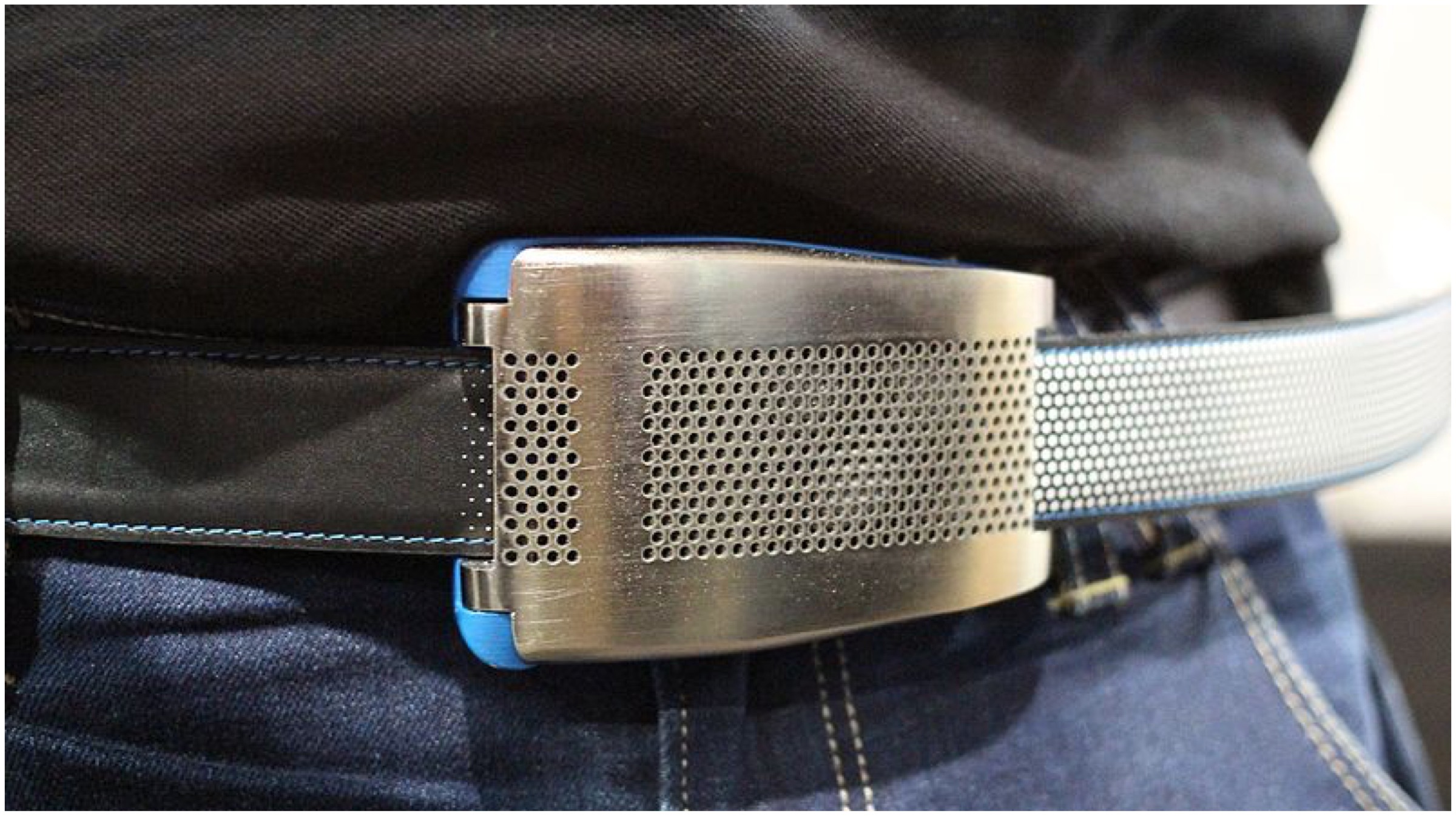
First showcased at the CES 2015, the smart belt intended to simplify some things that had to be manually simplified, simply saying. Belty could directly connect to a smartphone via an app that tracked the waist size of the wearer. Moreover, the wearer could use the application to tighten or loosen the belt on the move, which would save them the embarrassment of doing so in public. However, it’s been a long time since its announcement, and the company does not plan to release such a product in the immediate future.
Marvel Entertainment’s latest superhero saga Avengers: Endgame hit theatres on the 26th of April. The movie has since progressed to becoming one of the highest earning titles of all time, amassing over US$ 2 Billion at the worldwide box office. If you have seen the movie, loved it but didn’t understand the time travel bit, you might not be alone. While superhero movies rarely try taking the logical route, the part where they explained time travel in Endgame was murky at best. A user on Reddit has tried to dissect the plot and has derived a pretty convincing theory of what transpired in the Avengers: Endgame movie for all of us to understand. There are massive spoilers ahead for the film, so tread carefully.
Avengers: Endgame Time Travel Theory
To understand the theory better, the user claims we have to establish some principles. The first one is that travelling through time does not create alternate timelines. This was explained by Bruce Banner aka Professor Hulk in the movie when talking to Clint Barton aka Hawkeye. He explains that when someone travels to the past, their present then ends up being the past which cannot be altered. The things that have happened will happen but if you try and change the history, you will just become a part of it. The second principle is that only the absence of the infinity stones can create alternate realities. This bit was explained by the Ancient One to Bruce Banner at the time of the Battle of New York. She established that the infinity stones “control the flow of time”, such that if one stone was removed from the timeline, it would cause a different branch of reality to be created without changing what happened in the original reality.
This led to Bruce promising that he will make sure the stones are replaced at the exact moment they were taken, so the creation of an alternate reality is spared. The theory then explains when Captain America travels back to return the stones, he helps the Avengers in the year 2012 look for Loki in time for the 2012 movie’s ending. When the Power Stone is returned, Star-Lord just wakes back up and steals it in the year 2014. This stops any alternate realities from being created as the stones are replaced the exact moment they were taken.
The third principle states collective Infinity Stones have no power over life. It cannot snap life force away from someone and cannot create life force where there is none. This makes the movie’s big bad Thanos wrong about them. If you have already grabbed a pitchfork and are claiming he altered the life of Vision in Avengers: Infinity War, know this; Vision was a vessel for the Mind Stone and while behaved like a sentient being, he also has mentioned he hasn’t eaten anything yet. Not to forget his body is literally made synthetically by Ultron and the Avengers.
The stones can be used, however, to decimate someone using their energy/radiation directed towards the particular person. So when Thanos snaps, the people aren’t really gone, they have just been transported through space and time to the year 2023 when they are called back by Hulk’s reverse snap. Getting confusing? Here is what the individual stone was used for in the snap.
Space Stone: Altering Space for the Snap
Time Stone: Altering Time for the Snap
Power Stone: Needed for powering the Snap
Soul Stone: Capturing billions of souls for the Snap
Mind Stone: Computing the magnitude of the Snap
Reality Stone: Altering the reality after the Snap
The above explanation indicates that when Iron Man snaps the gauntlet containing the stones at the end of the movie, Thanos and his army were transported back to the year 2014 with the Mind Stone wiping their memory. As for Nebula who was shown as shot in a previous scene, she can be replaced for parts later. While the purple giant might not have a memory of what happened in 2023, he did sense defeat and failure, which explains his calm demeanour in Infinity War. The last scene too, where Captain America goes back in time to live with Peggy Carter, that has already happened.
This explains why no photos of proofs of her husband have been shown in previous movies because Old Man Cap was hiding in plain sight. While this theory is as crazy as it sounds like, the writers for Avengers: Endgame have themselves confirmed the part; where Steve Rogers is Peggy’s husband all along. You can check out the detailed insight into this theory on Reddit and might end up disagreeing with it, but this fan theory seems like the most plausible way to understand the time travel mess in Endgame. What do you think of this theory? Tell us in the comments below.
As per statistics, more than 370,000 people die of coronary heart disease annually. The disease refers to a narrowing of the coronary arteries that supply oxygen and blood to the heart. As per latest research reports, a kind of rare gene mutation may prevent major heart diseases. Previously, scientists have abstained from targeting apolipoprotein B (APOB) gene because it carries a risk of fatty liver disease. However, naturally occurring mutation suggests otherwise.
The study was co-led by a researche from the Boston University of Public Health (BUSPH). The study unearths that protein truncating variants in the aforementioned apolipoprotein B (APOB) gene are directly linked to lower triglyceride and LDL cholesterol levels, which significantly lowers the risk of coronary heart disease by almost 72 percent.
What is FHBL?
Familial hypobetalipoproteinemia (FHBL) is a disorder that deprives the body of the ability to absorb and transport fats. The protein truncating genomes in the APOB are the major causes of the disorder. The people with FHBL are usually at a high risk of developing fatty liver disease. Using genetics, the researchers can target the gene responsible for the same and thereafter greatly reduce the risk of coronary heart disease.
The researchers sequenced the APOB gene in different members of almost 29 Japanese families with FHBL. Eight of the Japanese families had the previously mentioned protein-truncating variants in APOB, and the rest of individuals with one of those variants had lower LDL cholesterol levels than individuals who did not have an APOB variant. This clearly indicated that the carrying gene variants in APOB greatly reduce the risk of coronary heart disease. This discovery may lead to a massive reduction of such cases across the globe in the future.
When the mobile battle royale version of the popular FPS game Call of Duty was announced, fans were quite excited to witness the game in action on their smartphones. The company started accepting pre-registrations for the the same back in March 2019, and after two months, the closed beta of the game is now available for closed beta testing in select countries, including India. Moreover, new features of the battle royale game have been revealed by Activision.
Confirmed Features By Activision
Call of Duty has been confirmed with a host of new features, including several multiplayer modes as follows:
Free-For-All
Team Deathmatch
Hardpoint
Frontline
Domination
Except the Free-for-all mode which supports 8 players, all the other game modes support a total of 10 players per match. In the future, the game can be updated with popular game modes from the PC version of CoD (Call of Duty) such as Search and Destroy and Kill confirmed.
automatically when the crosshair is focused on the enemy, whereas in advanced mode, the player has to fire the weapon manually. Moreover, players can choose how they hold each weapon by default. For instance, shotguns can be set to hip-fire by default, while rifles can be set to ADS (aim down sights) by default. Apart from tweaking the HUD, players can customize their aiming sensitivity via a total 17 different sliders.
A total of seven maps have been announced by the developer, 5 of which are listed below:
Crossfire: Small desert town, good for shotgun-based gameplay
Standoff: Set in the border town between China and Kyrgyzstan
Crash: Features blind corners and great sniping spots
Killhouse: Great for small teams, set in a warehouse interior
Firing Range: Set in Cuba, this map will be a house to hectic domination games
As mentioned previously, the game will be available on both iOS and Android devices. If users have pre-registered for the game and haven’t received an email from the company yet, they just need to wait. As per Activision, the access to Call of Duty: Mobile will be rolled out in batches. The game is looking to go head-to-head against other battle royale games like Fortnite and PUBG Mobile.
American technology giant Google has been accused of breaching the internet privacy of users; and collecting their data to serve them advertisements online multiple times in the past. The company has released statements denying the claims but latest reports from a reputed media source reignite the accusations. It alleges the search engine behemoth also tracks the entire purchase history of its users ever since they signed up for Gmail, its email service.
Gmail Purchase History
The report affirms Google has been tracking the purchase history of Gmail users via the confirmation or order receipts when they make a purchase. Notably, this only works if the outlet or place the person has made a purchase from has their email address. The company has clarified in a statement that it has built this tool to help its users easily view and keep track of their purchases, bookings and subscriptions in one place. It claims the information can only be seen by the user and no one else. The information about user’s orders can also be saved in other Google’s services. The aforementioned revelation is expected to be a huge privacy controversy, as the information is not stored locally but instead on the company’s cloud services.
While Google storing your purchase data on its servers might sound like a grim situation, luckily, there is a way to delete the information. Users can go to this page and check their purchase histories. To delete the data, users need to click on the order details and select the option on the bottom of the page. Unfortunately, deleting the details is only possible if the original email containing the receipt or order detail is deleted, which might be inconvenient for some users.
The National Aeronautics and Space Administration in the US is planning to get women to the surface of the moon by the year 2024. In light of recent reports, it has been declared that the mission will be named Artemis, after the Greek Goddess of the Moon. This lines up perfectly with the fact that the first moon missions were named Apollo, after the Greek God of Sun and Light. NASA’s famous Apollo Missions introduced the Moon’s surface to the first men who walked on it, namely Neil Armstrong and Buzz Aldrin in 1969.
NASA Administrator stated that it is very fortunate that after almost 50 years after the first moon mission, the Artemis program will carry the next man and the first ever woman to the surface of the moon. He further added that within the next five years, the milestone will most likely be successfully shattered.
NASA announced the name of the mission report on May 13 2019, shortly after it unveiled its updated budget request for touching down on the moon by 2024. The program is still in its early stages. Reportedly, NASA has been working on space vehicles and capsules for a long time now, and even though they have not been occupied by any astronauts till date, NASA will commence test runs soon. A lot of new hardware, such as Lunar Landers are also being manufactured for the Artemis mission, which will soon become a reality.
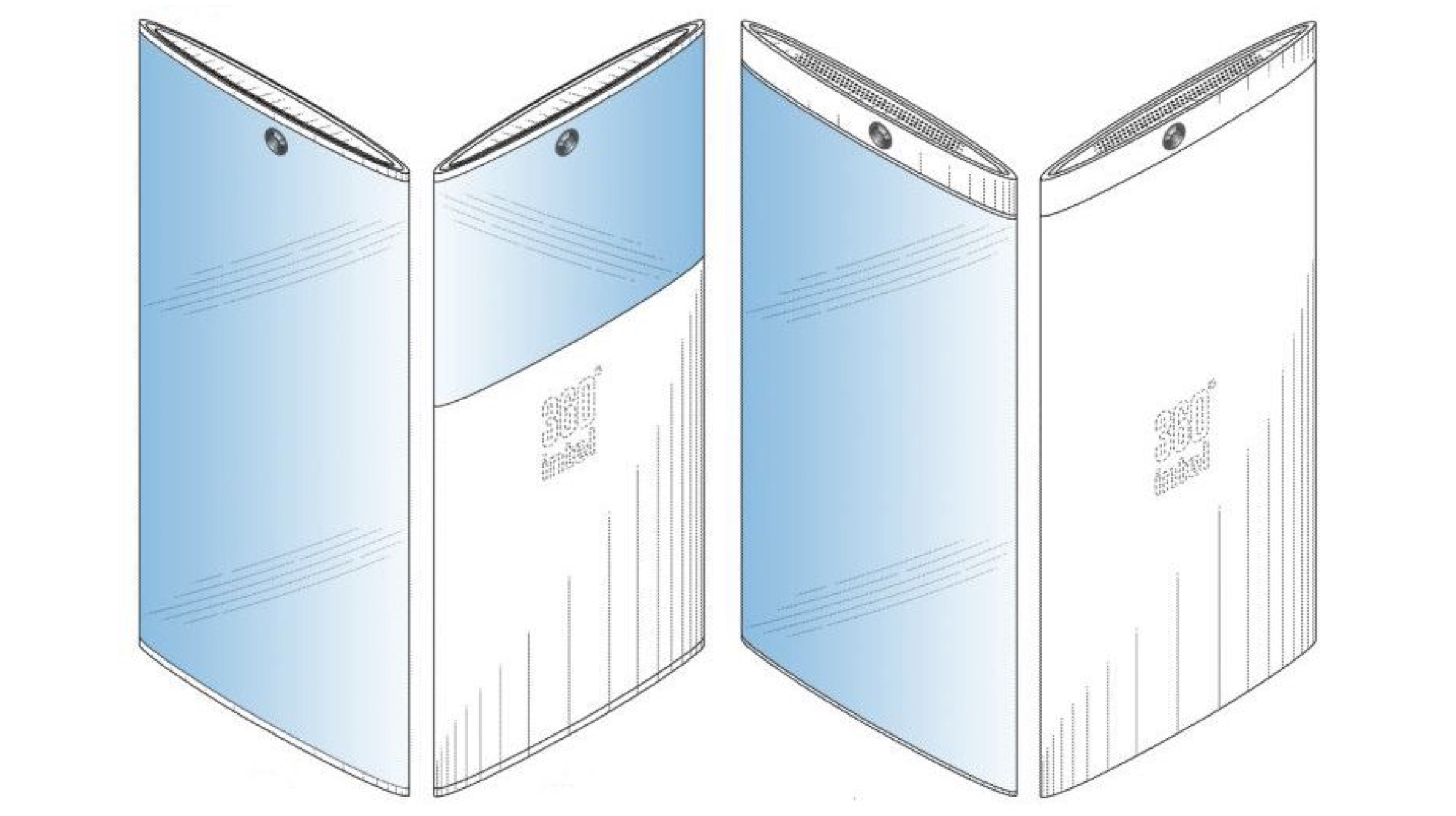
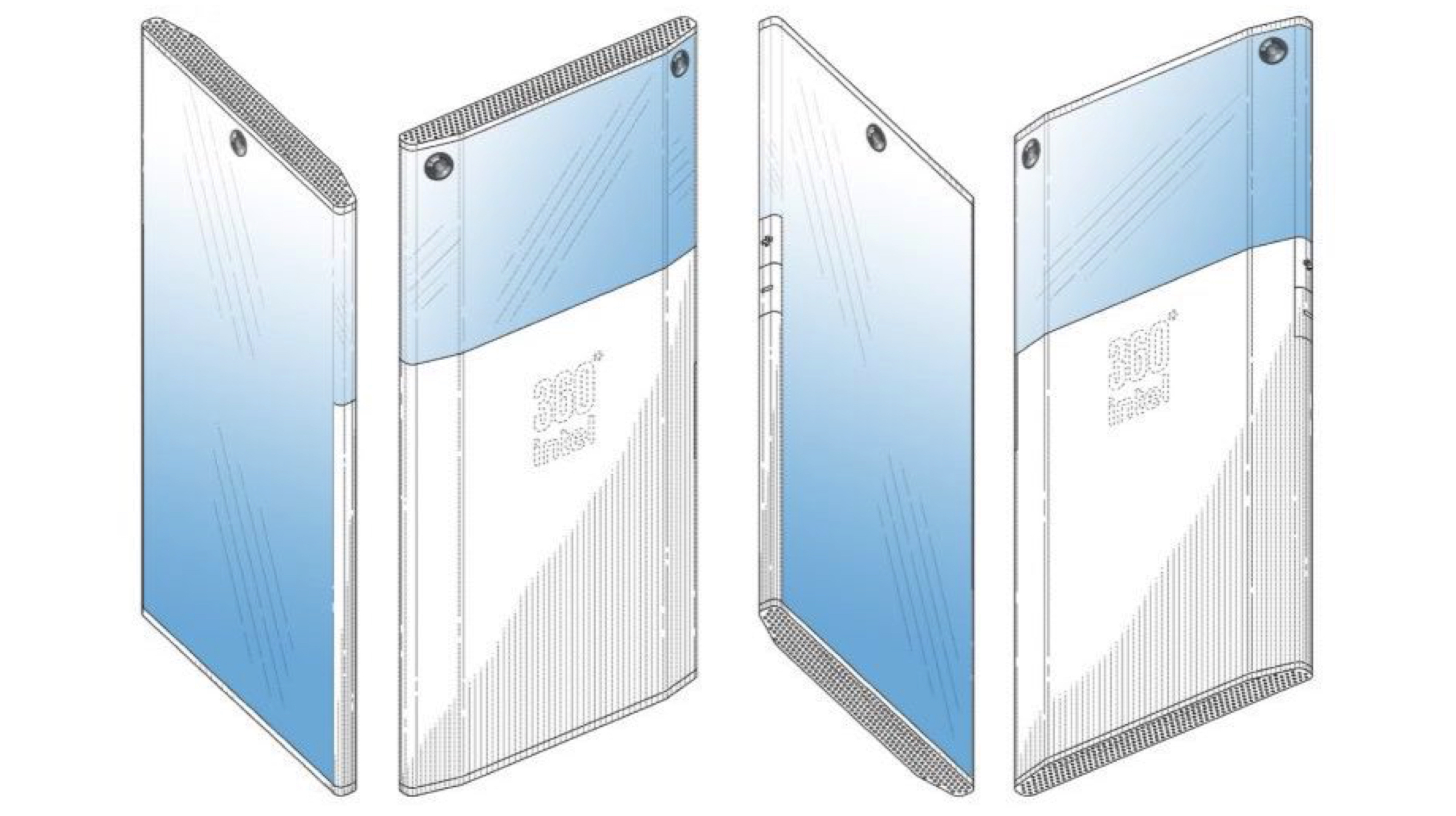
American technology giant Intel is known for its desktop processors and computer components. Now, fresh leaks suggest the company may be working on a unique smartphone which it may introduce soon. According to reports, Intel applied for two patents in the year 2016 for a smartphone design with a 360 Degree Camera system. This was later published on the official website of the World Intellectual Property Office (WIPO) on the 14th of May.
Intel Smartphone With 360 Degree Camera
The patents reveal two smartphone designs, with both of them showing a near bezel-less smartphone; with some minor differences in design. The first one has a full screen without any borders. A flexible display seems to be on use in the device on the front and back which extends all the way to its sides. The standout feature of the image is the placement of the cameras. The displays on both sides have an off centre placed camera which is a lot like the one found in the Galaxy S10 series of smartphones. The significance of the number 360 written on the back is expected to be related to the capabilities of the setup. Reports claim the handset will utilise both cameras to capture images and video in 360 degrees.
More images from Intel’s patent reveal a similarly designed smartphone with components placed differently. In one image, a device with a single rear camera in the centre and two cameras, placed on the left and right respectively is visible. The handset in question here may also utilise the 360-degree camera technology as the one showcased earlier, as it also has a similar text on the back. The patents imply the company is working on a smartphone with a similar design. Unfortunately, it is not known when it will be launched or if Intel will end up selling this. This could also simply be a concept design, and proof of concept from Intel.
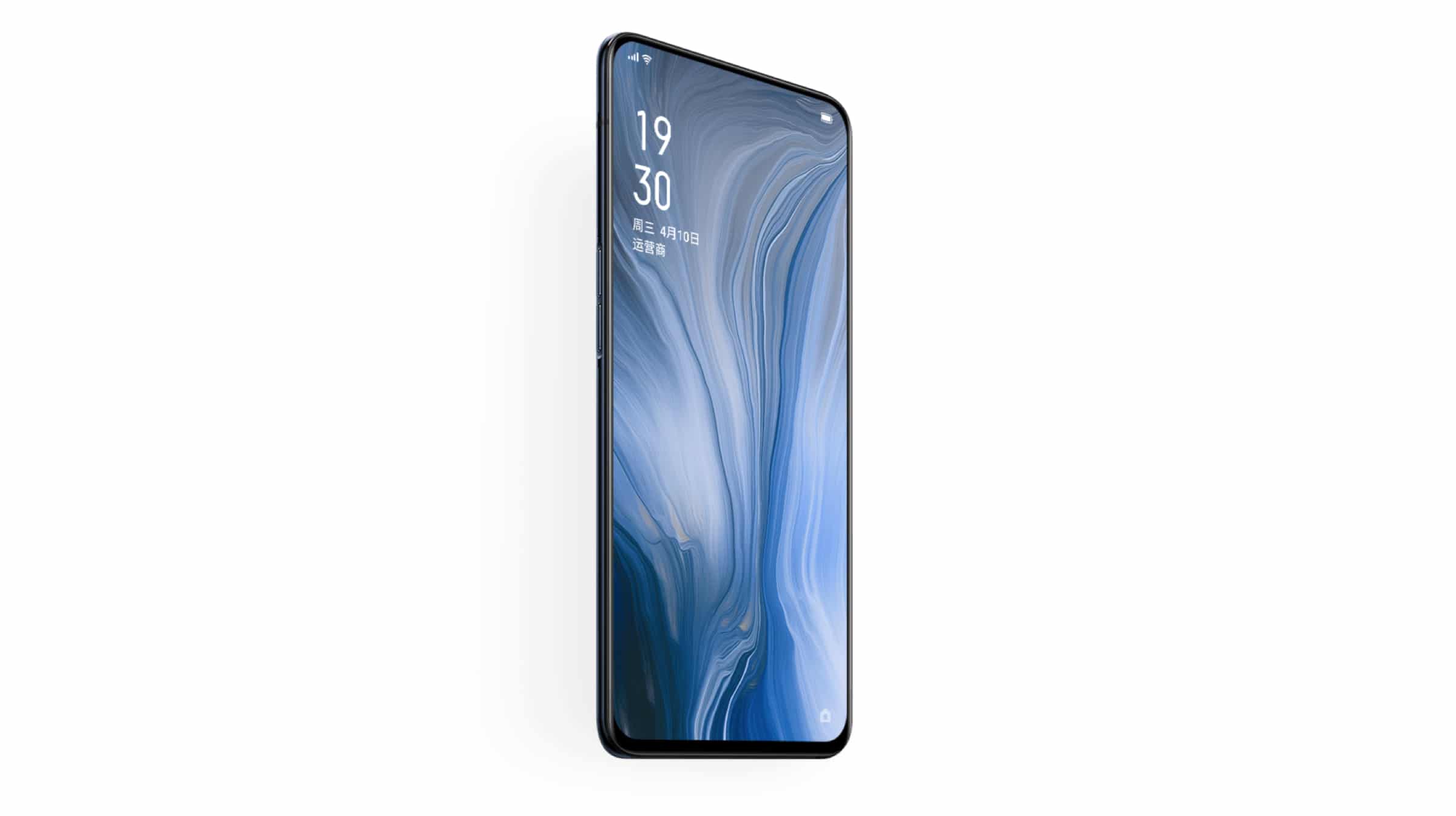
With the intention of providing a full-screen experience to users, smartphone brands are incorporating different styles of front cameras in their devices. For instance, the OnePlus 7 Pro has a pop-up camera, whereas the Samsung Galaxy A80 has an innovative rotting camera setup. Following a similar trend, Chinese smartphone manufacturer Oppo seems to be working on a smartphone with a rotating camera module.
About The Patent
After the launch of the Oppo Reno with the unique shark-fin design, the company has been granted a patent which depicts a smartphone with a rotating camera system. The patent was filed by Guangdong Oppo Mobile Telecommunications in the end of the year 2018 with the WIPO (World Intellectual Property Office). The design was titled as a “Mobile Terminal” and was published on May 16, 2019. As mentioned previously, the patent exhibits a camera module design that can rotate 180 degrees around a pivotal axis.
The complete camera system consists of a total of 3 cameras, with two cameras placed together on one side and a single camera on the other side. Both the sides accommodate an LED flash. As per the patent, both the dual camera and single camera system can act as a selfie camera as well as the primary rear camera module. However, the patent provides no information regarding the fact whether both the cameras can be utilized simultaneously or not.
The camera system extends upwards via a 180 degree rotation. This will be possible with the help of a motor, although manual operation may be included as a feature as well. Similar to the ASUS Zenfone 6, the camera module can be held midway so as to capture the images from the desired angle. This feature can be used to shoot panoramic images as well. Since a variety of smartphones with similar design statements are expected to launch in the near-future, Oppo may follow suit as well.
Xiaomi has never confined itself in terms of the number of products it offers. It has an ever-expanding portfolio of products ranging from consumer electronics to clothing to even electric scooters. A fresh report claims that the company will soon launch an ultraportable laptop which will carry the RedmiBook 14 moniker. To further strengthen the claims, the specification sheet of the laptop has also been leaked.
RedmiBook 14 Features and Design
Mi Notebook Air
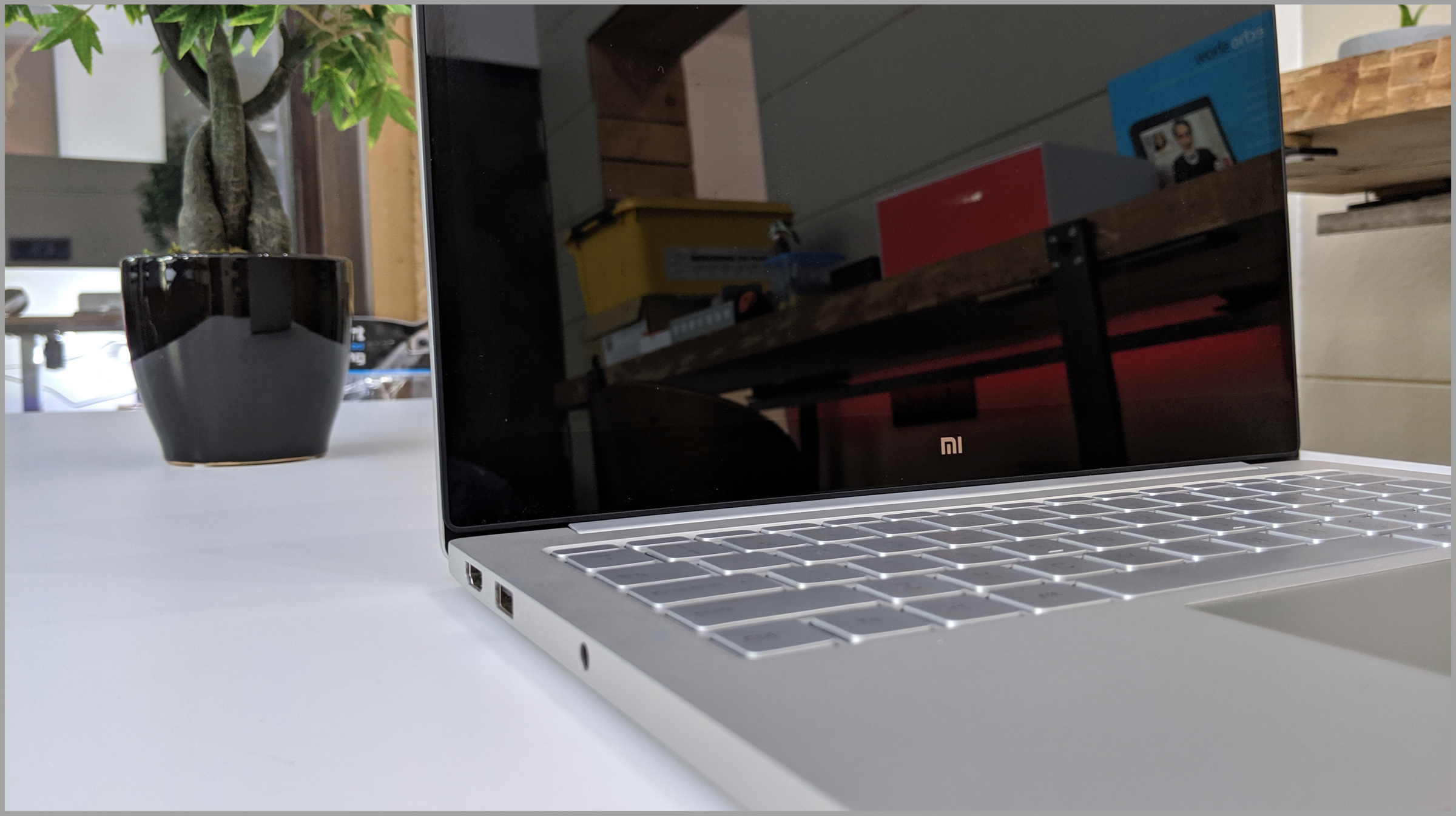
Even though the source lacks real-life images of the RedmiBook 14, it reports the upcoming device will have a silver metal body that measures 309.6 mm x 210.9 mm x 14.8 mm and weighs 1.3 Kg. As the name suggests, it will sport a 14-inch display that has a resolution of 1920 x 1080 px. Under the hood, it will pack an 8th Gen Intel Core i5 CPU which has dual cores and four threads.
The RedmiBook 14 will run on the Windows 10 64 bit operating system. In terms of memory and storage, it will be available in two storage variants which are as follows:
4 GB DDR4 RAM + 128 GB SSD
8 GB DDR4 RAM + 256 GB SSD
The upcoming device also has a MicroSDHC card reader which can either be used for increasing the inbuilt storage or transferring data. For easy operability, it will have a full size island-style backlit keyboard with numeric keypad. An island style keyboard has isolated keys that decreases the chances of mistyping. Like most modern smartphones, it will also have a fingerprint sensor for securely unlocking the device.
Xiaomi is yet to reveal the official launch date of the RedmiBook 14. However, the source claims it will be released in the month of July later this year. The precise price of the ultraportable laptop will be revealed at the time of the official launch. Though coming from the house of Redmi it will be priced aggressively.
It has been long speculated that Xiaomi’s subsidiary Redmi will launch a flagship smartphone. This device has been revealed to be called the K20 and will be the first flagship offering by the company since it separated from its parent company back in the month of January. Redmi has been dropping hints and teasing the handset left and right, in addition to which the previous leaks of the K20 have revealed almost every key detail about it. Here is what to expect from the upcoming flagship smartphone from Redmi.
Redmi K20
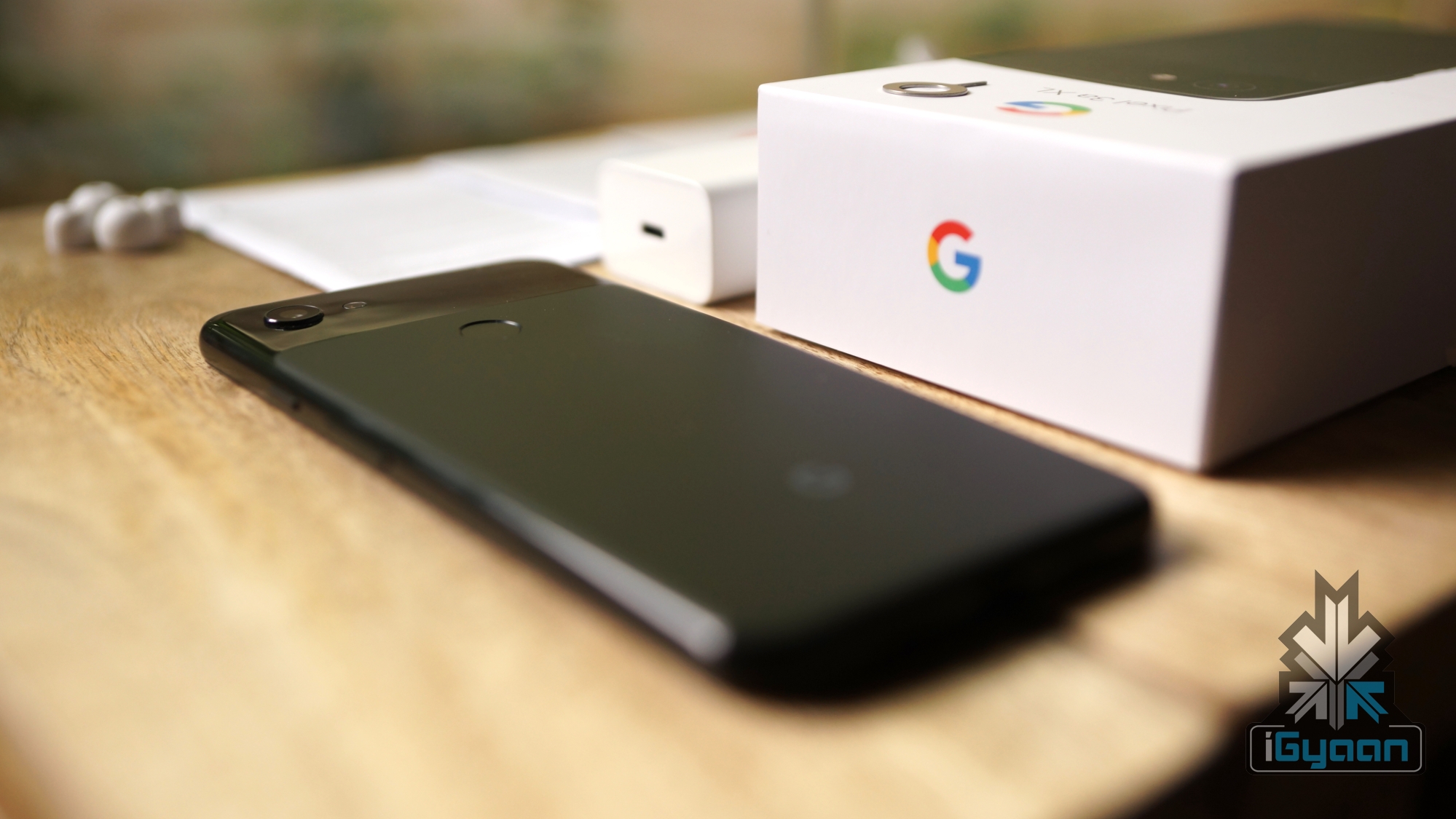
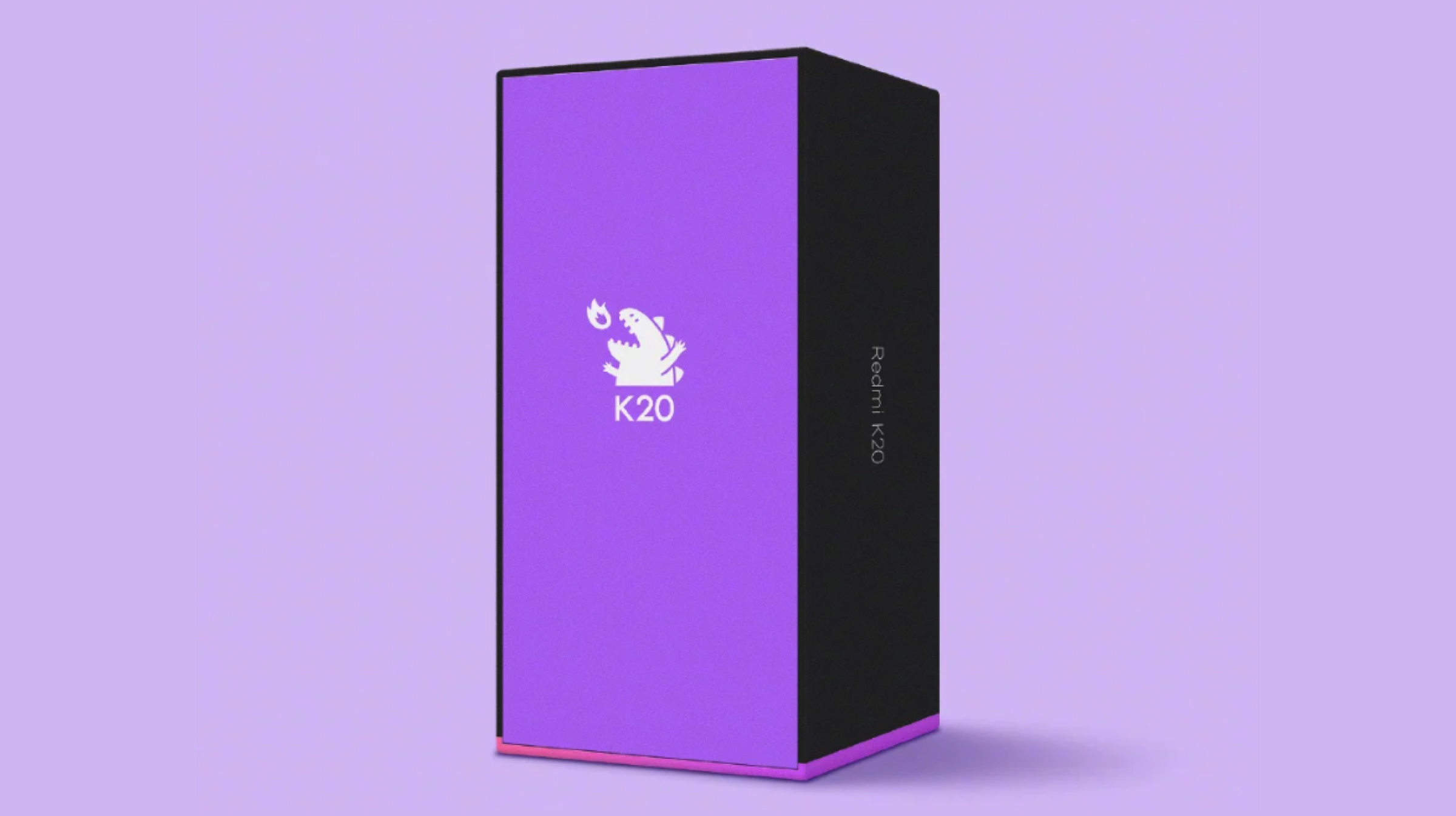
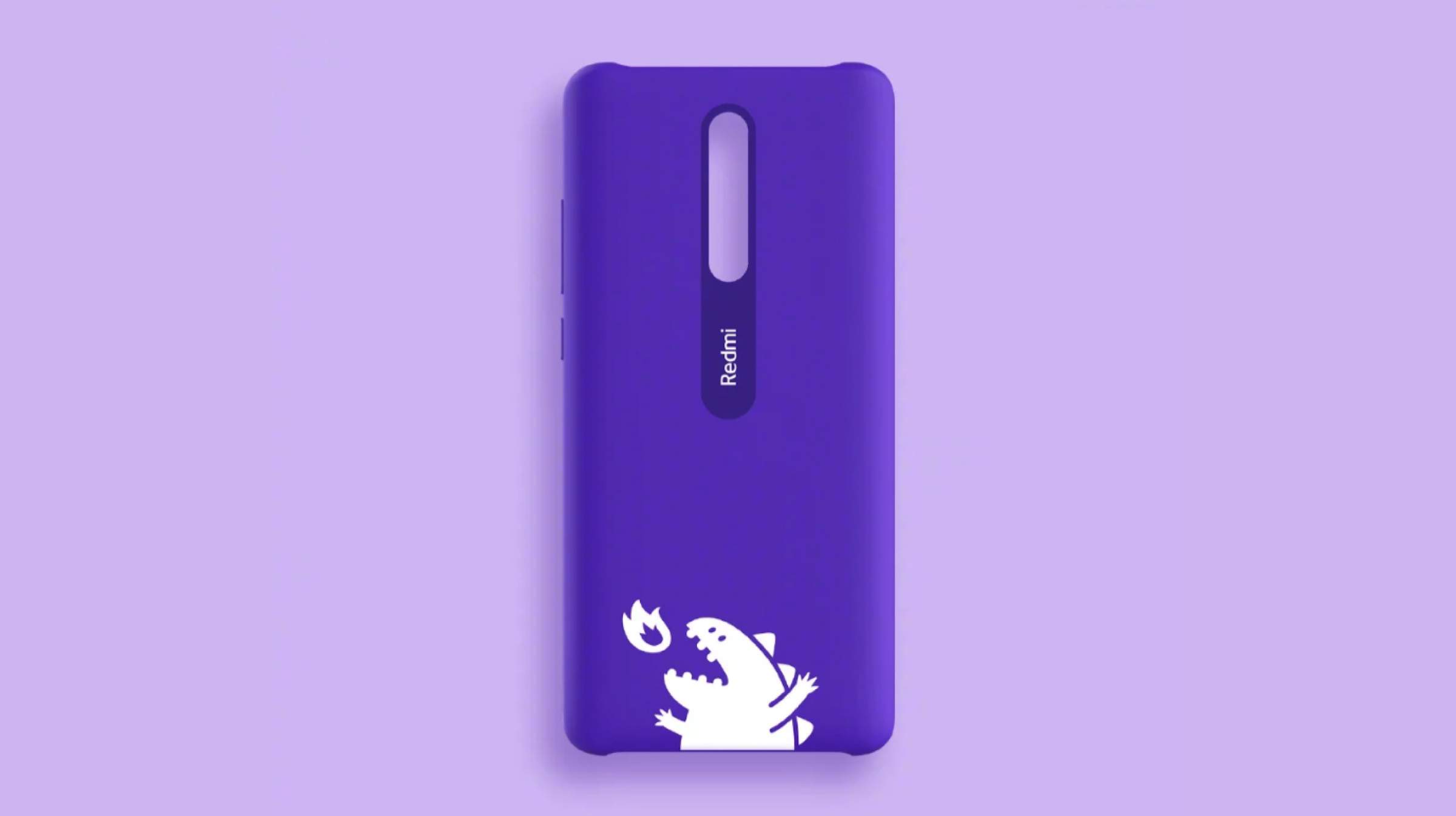
As mentioned above, the Redmi K20 will be the first flagship offering by the company. It has gone all out in promoting the smartphone on the Chinese social networking website Weibo. To maintain the hype regarding it, the retail packaging and official case of the K20 has been showcased.
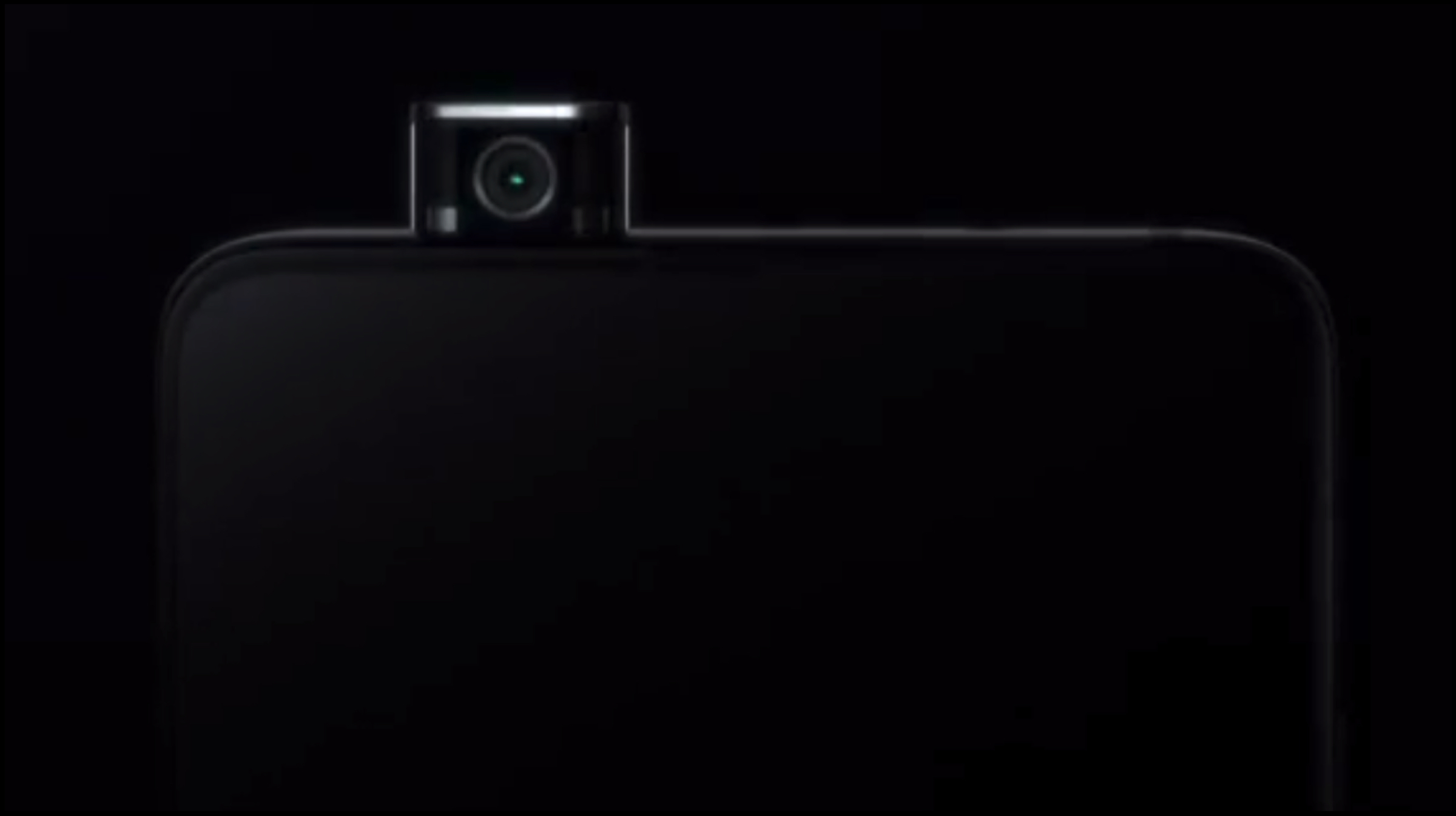
Previous leaks reveal the device will have a 6.39 inch Super AMOLED display with a resolution of 2340 x 1080 px. The front of the device will be protected using the Corning Gorilla Glass 6 which should make it resistant to scratches and drops from a considerable height. To maximise the screen real estate, a pop-up mechanism to house the front-facing camera is expected. For biometric security, the company has confirmed the handset will have an optical in display fingerprint scanner.
The past leaks claim the Redmi K20 will be kitted with the 7nm Snapdragon 855 SoC. It is comprised of an Octa-core CPU and the Adreno 640 GPU. In terms of optics, images of the case exhibit a vertical camera setup. This has been leaked to be a triple camera arrangement comprised of an f/1.8 aperture equipped 48MP primary sensor; combined with an f/2.4 aperture equipped 13MP ultra wide sensor; a tertiary f/2.4 aperture equipped 8MP telephoto sensor. For selfies, an f/2.0 aperture equipped 20MP front-facing camera may be housed in the pop-up mechanism on top of the handset. For memory and storage, the device is expected to be available in a plethora of options, which are listed below.
The leak also insinuates the Redmi K20 will be powered by a 4000 mAh battery with support for Qualcomm’s Quick Charge 4+ technology. The company has confirmed the smartphone will have a 3.5mm headphone jack and support for NFC. In terms of colour options, the device will be available in three colour options namely, Carbon Fiber Black, Glacier Blue and Flame Red. It is expected to be unveiled on the 20th of May at a lucrative price tag. The handset will compete with the latest OnePlus 7 Pro and the company has been throwing jabs at the latter while teasing the K20.
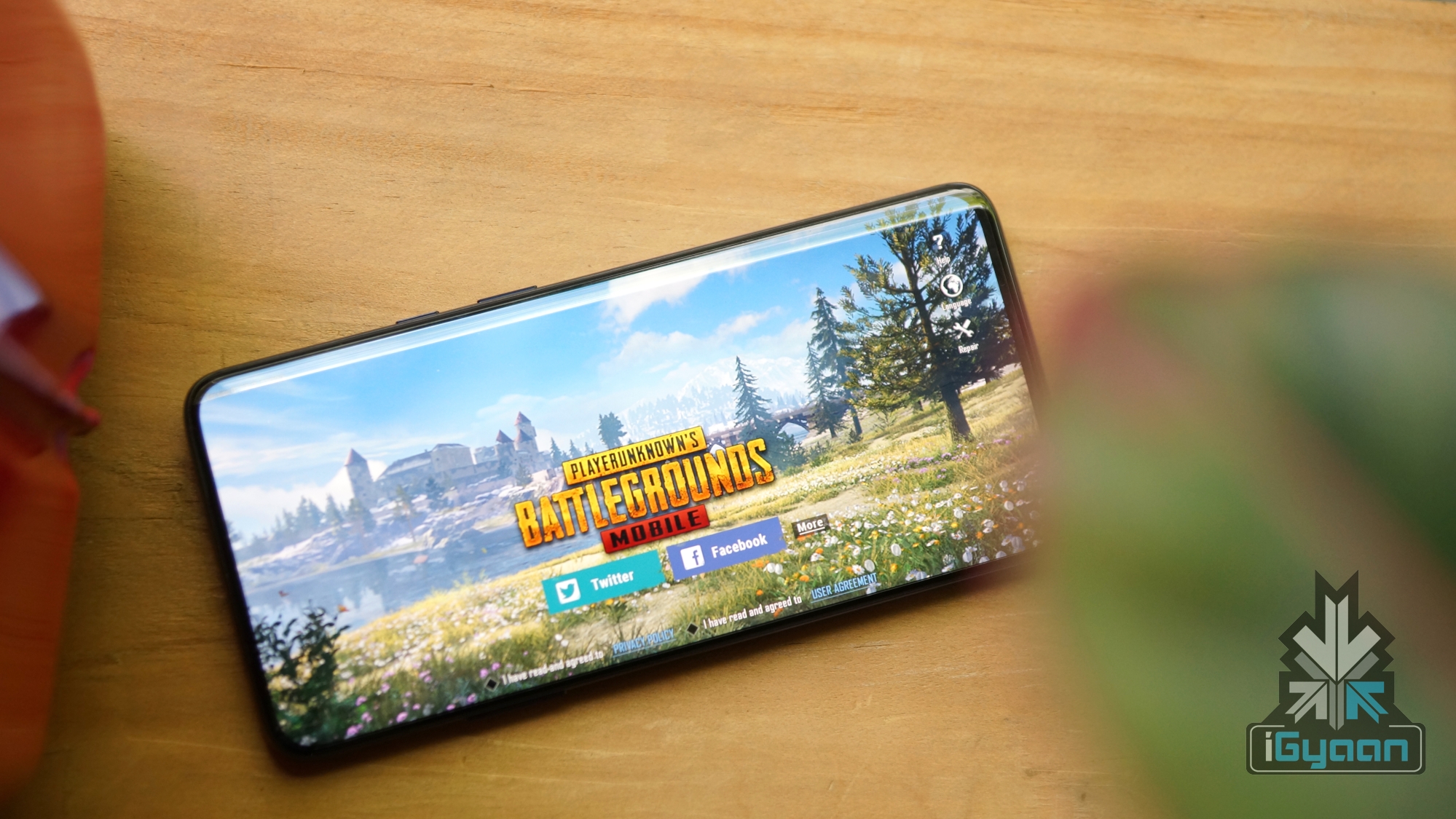
PlayerUnknown’s Battlegrounds (PUBG) Mobile since its launch last year, has seen unprecedented popularity. The title has witnessed six successful seasons, the last of which ended on the 15th of May. In a post on microblogging website Twitter, the official account of PUBG Mobile announced the start of the next season in the game. It has officially begun starting 17th of May and adds a host of changes, especially for Royale Pass holders.
PUBG Mobile Season 7
The new Season of PUBG Mobile as mentioned above kicks off starting the 17th of May. New features and additions added to the game include new gun skins, costumes and accessories. A new parachute and aeroplane trail also has been added in a bid to refine the gameplay experience. While the above-mentioned features are all but exclusive to people holding the Royale Pass or purchasing the entry to the season; the game has also added a new weapon called Skorpion. It is a machine pistol that is capable of firing 9mm rounds. It will be available in all the maps inside the game.
Another addition to PUBG Mobile is called the EZ Mission License, which unlocks and lets users play challenges a week in advance. It is also capable of letting users skip 10 mission requirements for Week 8. This will, in turn, earn them a chance to get the elite chest. However, the License is only available if the PUBG Mobile Season 7 Royale Pass is purchased. Buying 3 Passes simultaneously during Season changes will let users have the EZ Mission License for free. Other minor changes in the update include a tuned subscription feature, new category tab in the ship and better audio to reduce interruptions. The update has been rolled out with the version number 0.12.5 which will be globally available starting May 17.
Redmi is making an aggressive entry into the budget-midrange smartphone segment in India. The company received positive reviews for its latest devices, the Redmi Y3 and the Redmi 7, which targeted the budget smartphone segment. As per previous leaks and reports, Xiaomi is gearing up for the release of the Redmi Note 7s on May 20. Ahead of the launch of the same, camera samples of the Redmi Note 7s have been revealed by the company, which confirms that it will feature a dual rear camera system.
The samples include a multitude of images, which are captured in different lighting conditions. The daylight-captured images depict a sharp image with good colour contrast. The images captured in a low light showcase a decent amount of details with low noise. Since both the Redmi Note 7 and Note 7 Pro feature Night Mode, the upcoming device is expected to sport a similar option as well.
In terms of optics, the smartphone is expected to feature a dual rear camera module with a 48MP primary sensor and a 2MP secondary sensor. The watermark on the revealed images confirm this speculation. For selfies, the smartphone will have a 13MP front camera that is expected to be housed in a waterdrop notch up front. Under the hood, it is expected to be kitted with the Snapdragon 660 chipset, which consists of an octa-core CPU and the Adreno 512 GPU. Xiaomi is expected to keep the specifications of the Redmi Note 7s similar to the Chinese variant of the Redmi Note 7. As far as the price is concerned, it is expected to be priced between INR 10,000 and INR 15,000.
The highly anticipated OnePlus 7 Pro has finally been launched. It is the successor to the OnePlus 6T which was launched in the Q4 of 2018. The OnePlus 7 Pro has an all new design and significantly bumped up specifications. Here is our experience with the Unboxing and Hands-On of the newly launched flagship.
What’s In The Box?
OnePlus 7 Pro
Quick Start Guide
30 W Warp Charge Adapter
USB Type C Reversible Cable
SIM Ejector
Protective Case
Screen Protector (pre-applied)
Design
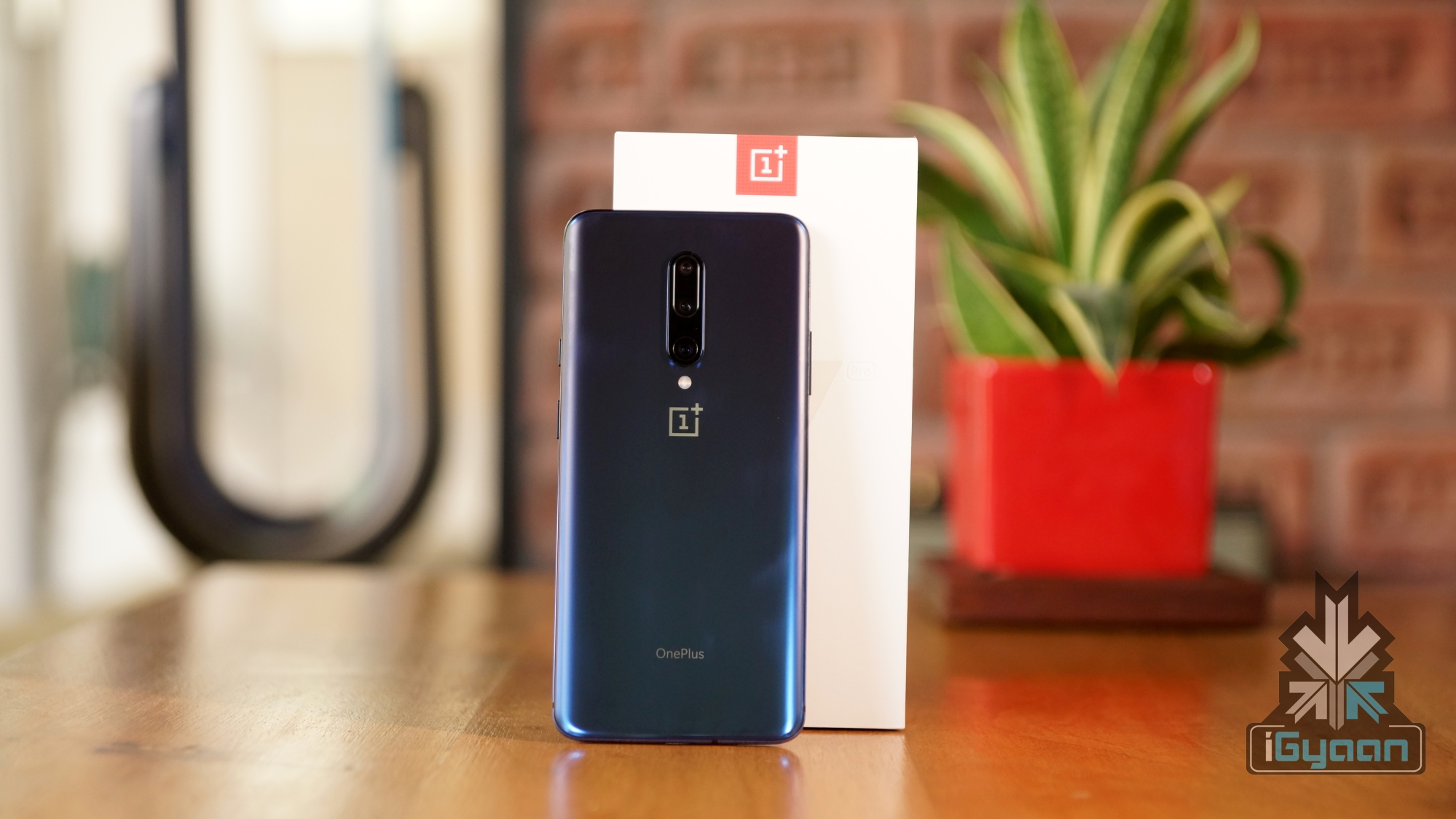
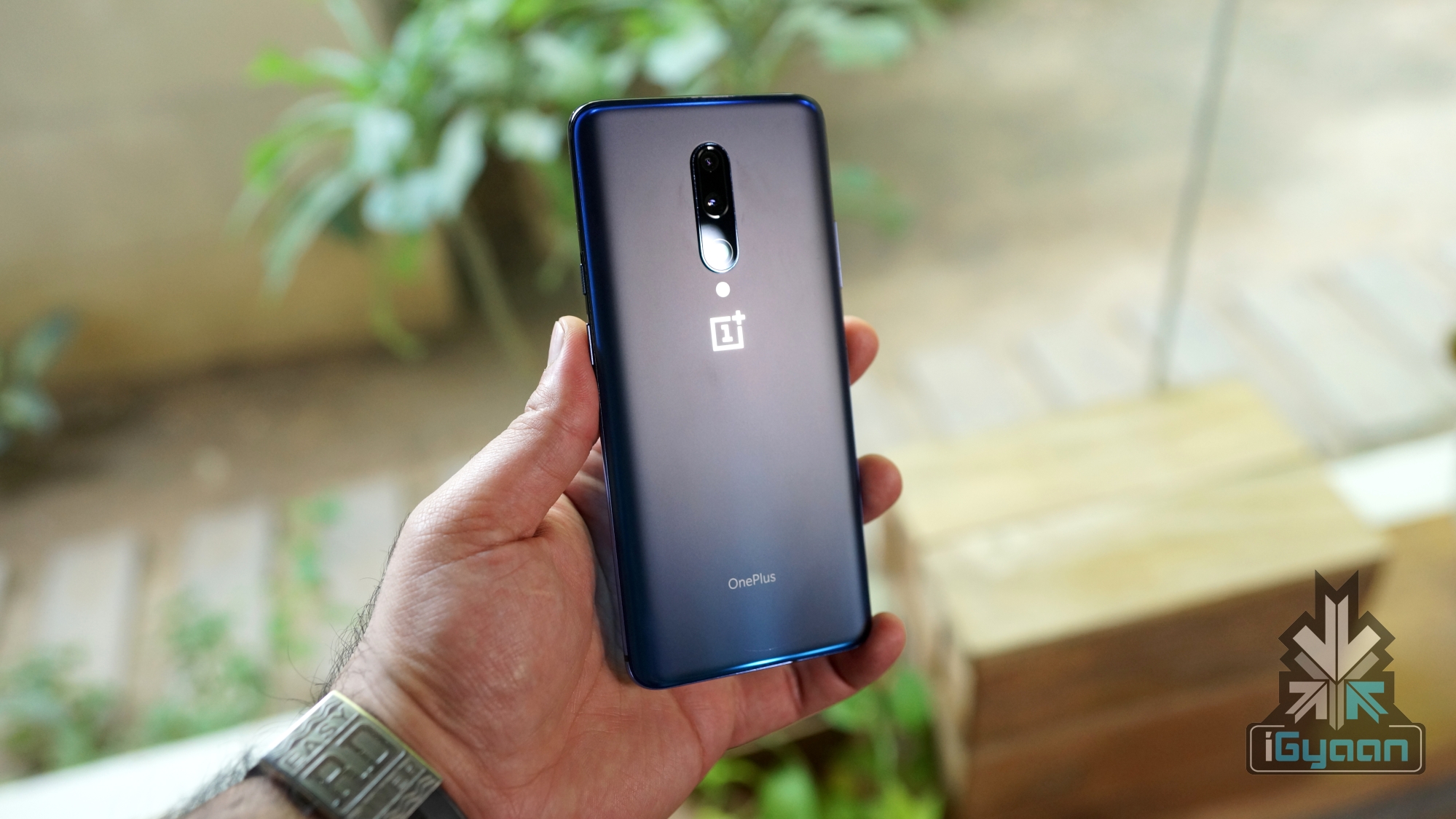
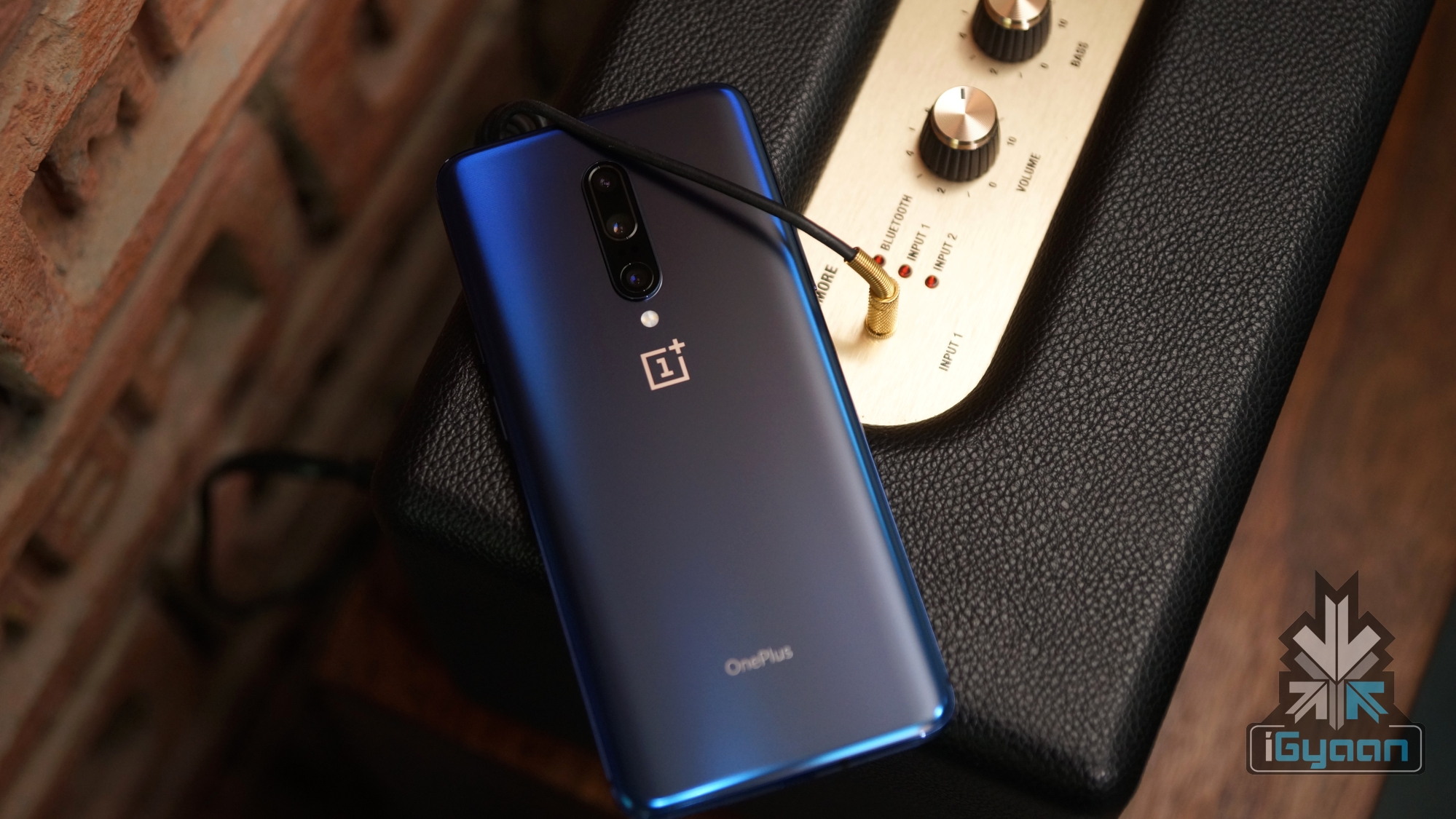
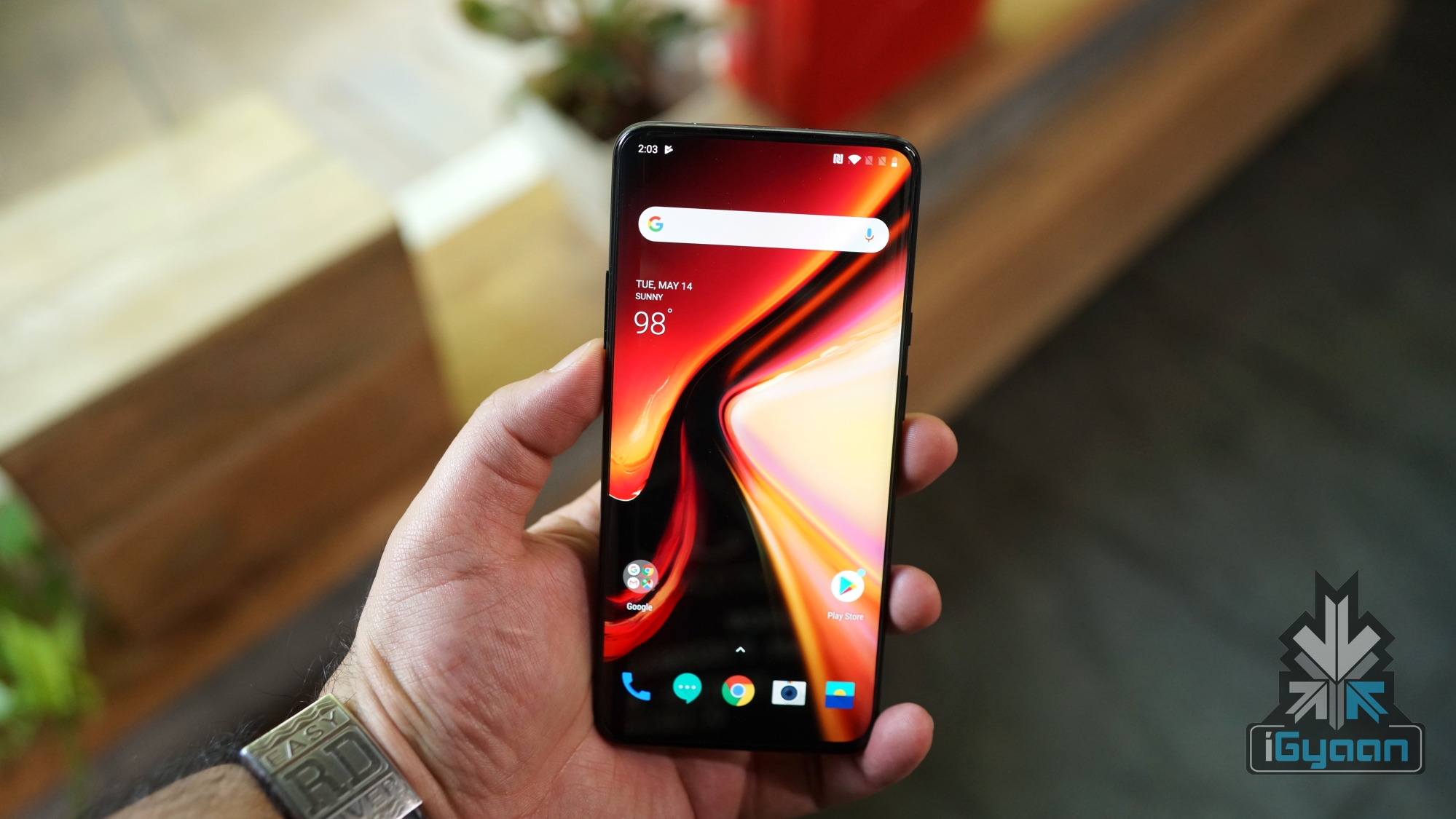
The design of the OnePlus 7 Pro has been thoroughly revamped in comparison to its predecessor. The device measures 162.6×75.9×8.8 mm and tips the scale at 206 grams. It has a robust build with glass on both the front and back which is held together with a metal chassis. The front of the smartphone has negligible bezels on all sides with no obstructing notch in sight.
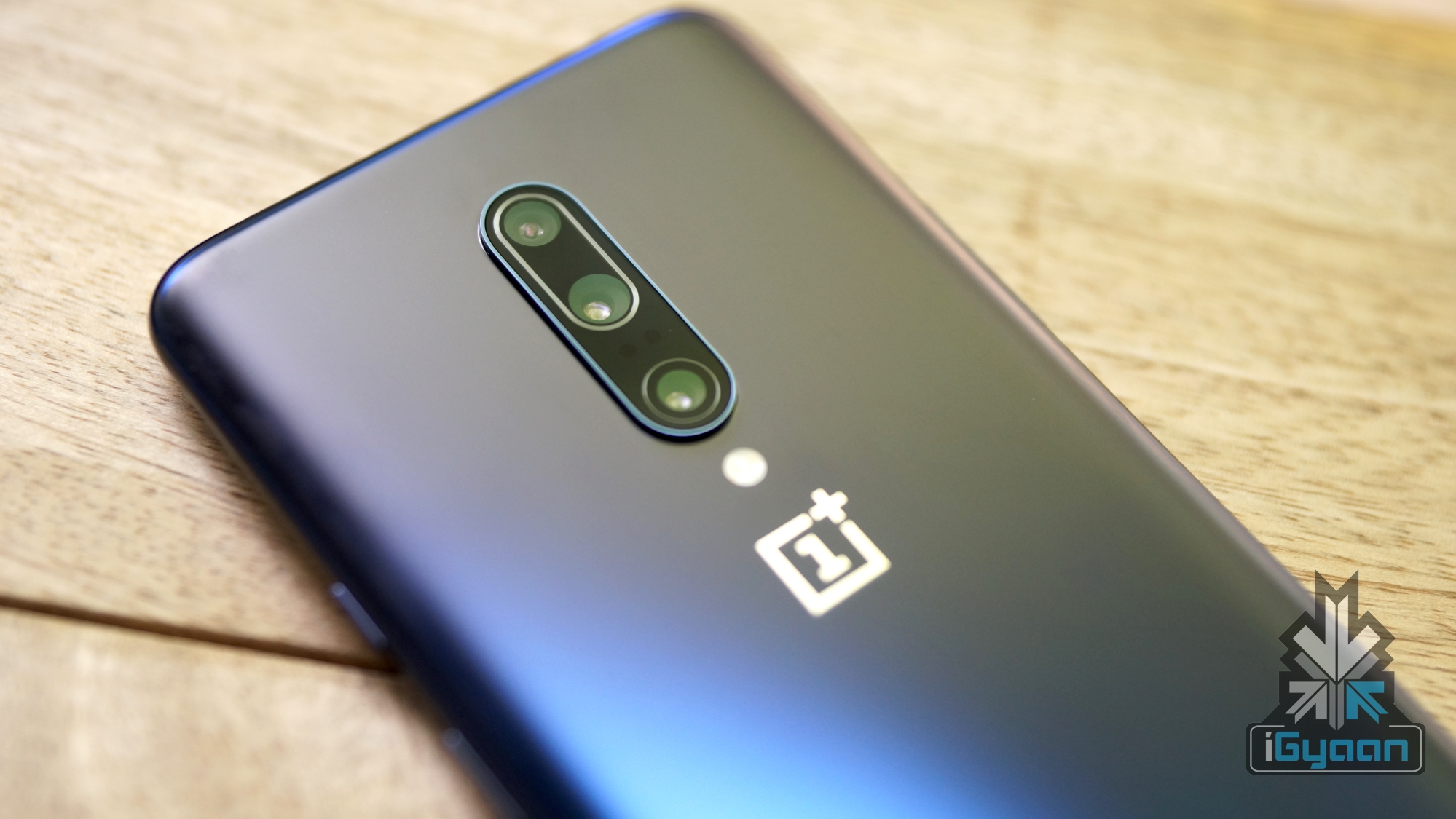
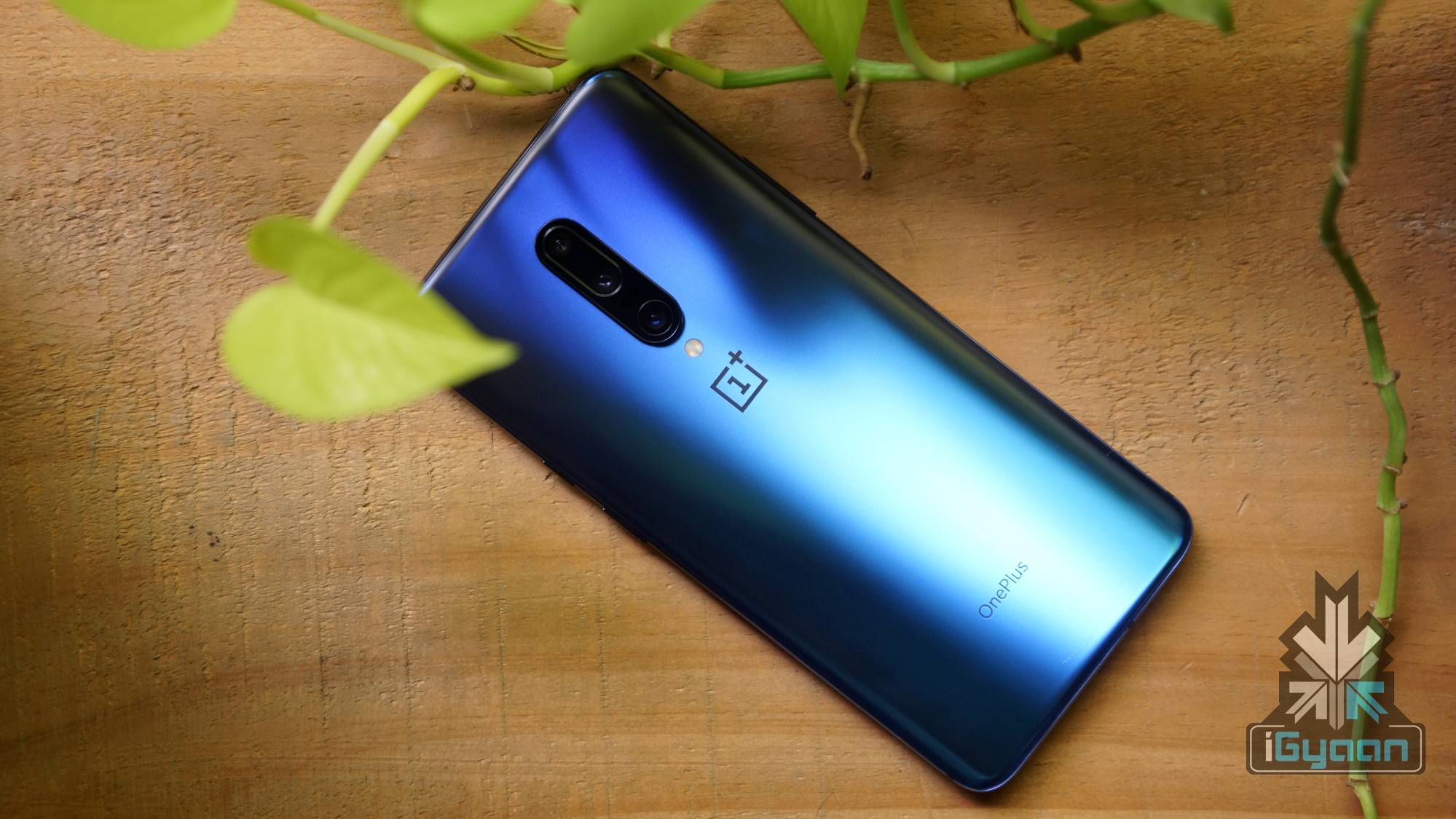
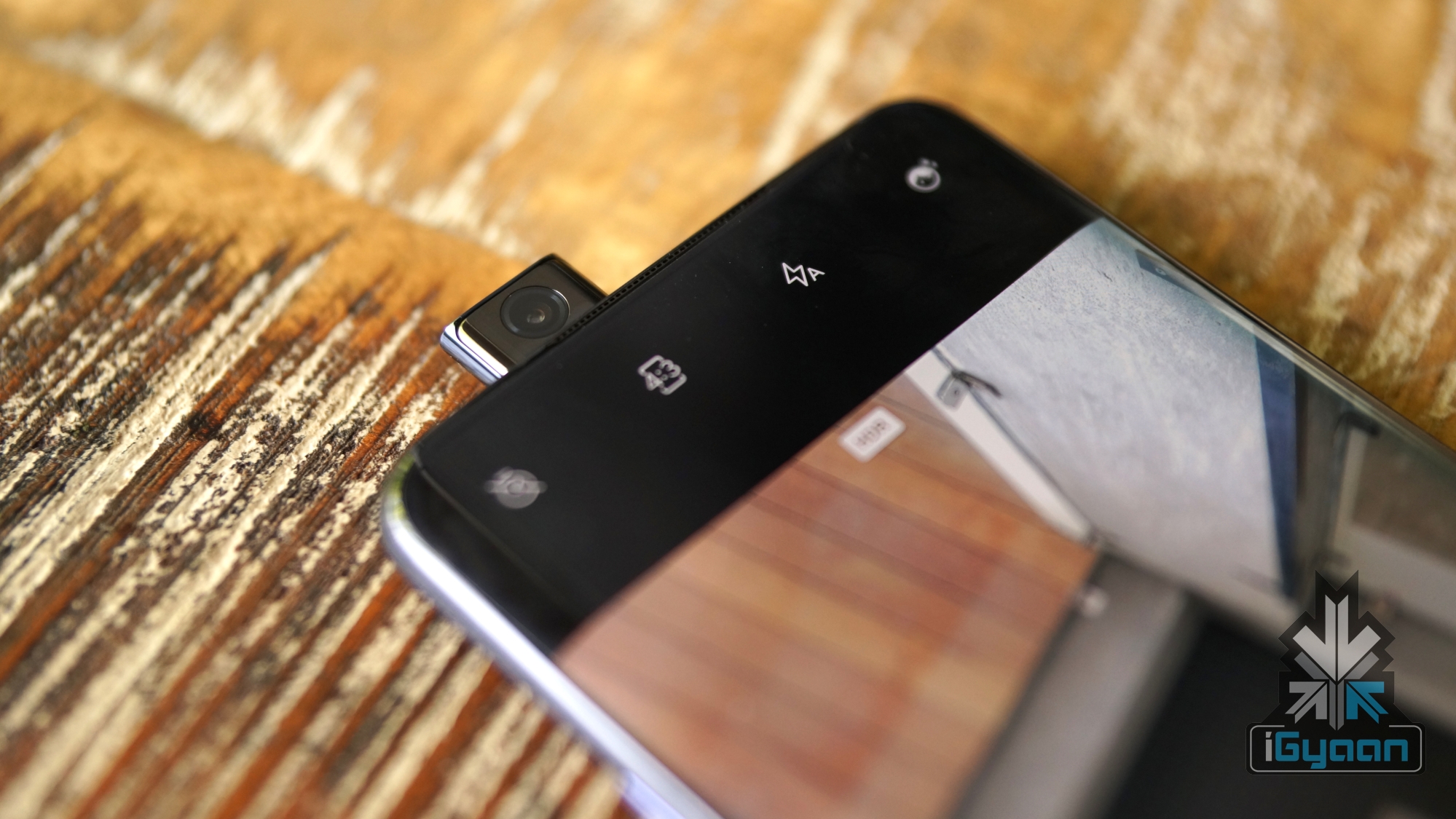
The OnePlus 7 Pro has a pop-up selfie camera which is similar to the one present on the Vivo V15 Pro. The rear of the handset has an attractive gradient coloured panel which houses the company branding and triple camera setup. The right side of the smartphone is occupied by the power button and the sound profile selector while its left side is occupied by the volume rockers. Disparate to its predecessor, the new device has SIM Card slot on the bottom.
Display
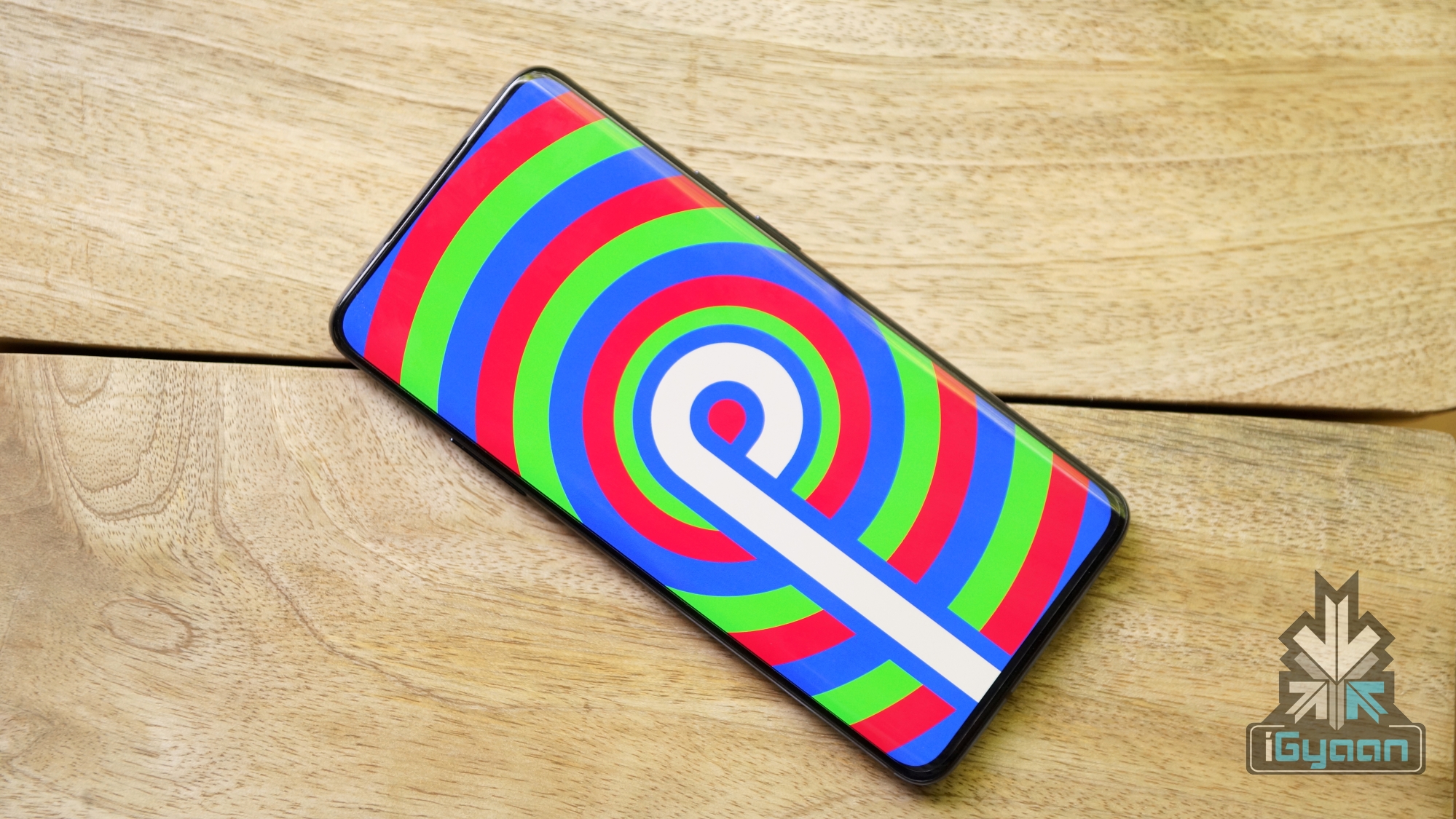
The OnePlus 7 Pro is fitted with a gorgeous 6.67 inch Fluid AMOLED display that tapers towards the sides. The display panel has a praiseworthy QHD+ resolution of 3120 x 1440 px and a pixel density of 516 ppi. Another notable feature of the display is it’s 90 Hz refresh rate which provides for an enhanced viewing experience.
Furthermore, the display of the smartphone is laminated with Gorilla Glass 5 which safeguards it against scratches and accidental drops. Like the OnePlus 6T, the new device also features an in-display fingerprint sensor along with support for face unlock and the conventional pattern lock.
Processor
One of the key highlighting features of the OnePlus 7 Pro is its chipset. The smartphone is kitted with the Snapdragon 855 SoC which is also present on devices including the Galaxy S10 lineup (US Variant) and the Xiaomi Black Shark 2. The chipset is manufactured using a 7 nm fabrication process which makes it highly power efficient in comparison to the Snapdragon 845 that the OnePlus 6T incorporates. The Snapdragon 855 consists of an Octa-Core Kryo CPU and the Adreno 640 GPU.
Memory and Storage
The OnePlus 7 Pro is the world’s first smartphone to utilise the UFS 3.0 2 lane storage standard which has very high read and write speeds. It also packs high-speed LPDDR4X RAM which contributes to nimble performance. The smartphone is offered in three storage variants which are listed below:
6 GB RAM + 128 GB ROM
8 GB RAM + 256 GB ROM
12 GB RAM + 256 GB ROM
Camera
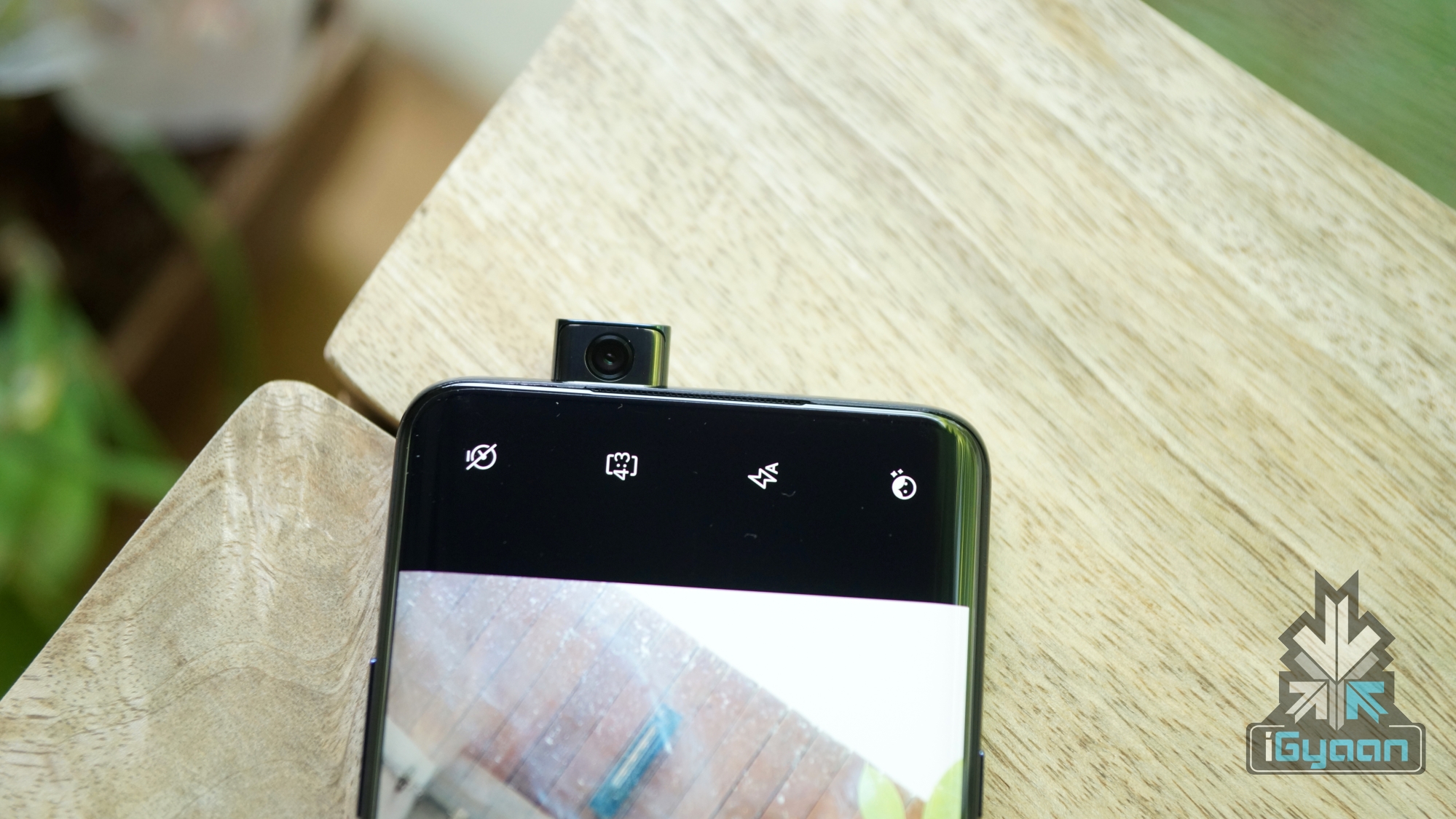
Talking about the cameras on the OnePlus 7 Pro, it has a single front-facing selfie camera and triple rear facing cameras. The front camera is an f/2.0 aperture equipped 16 MP sensor that resides in the aforementioned pop up mechanism. OnePlust claims that the front camera elevator mechanism has been tested over 3,00,000 times and assures unaltered functionality for 5 years if it is used 150 times a day.
To further protect the elevating module, the mechanism can instantly retract itself when it is in freefall which is detected using the accelerometer and the gyroscope on the device. The triple rear camera setup of the OnePlus 7 Pro is vertically arranged in an elongated capsule-like module that slightly protrudes out of the back panel. The setup consists of an f/1.6 aperture equipped 48 Sony IMX586 sensor, an f/2.4 aperture equipped 8 MP telephoto sensor and an f/2.2 aperture equipped 16 MP ultra wide sensor that has a field of view (FOV) of 117°.
Battery and Other Features
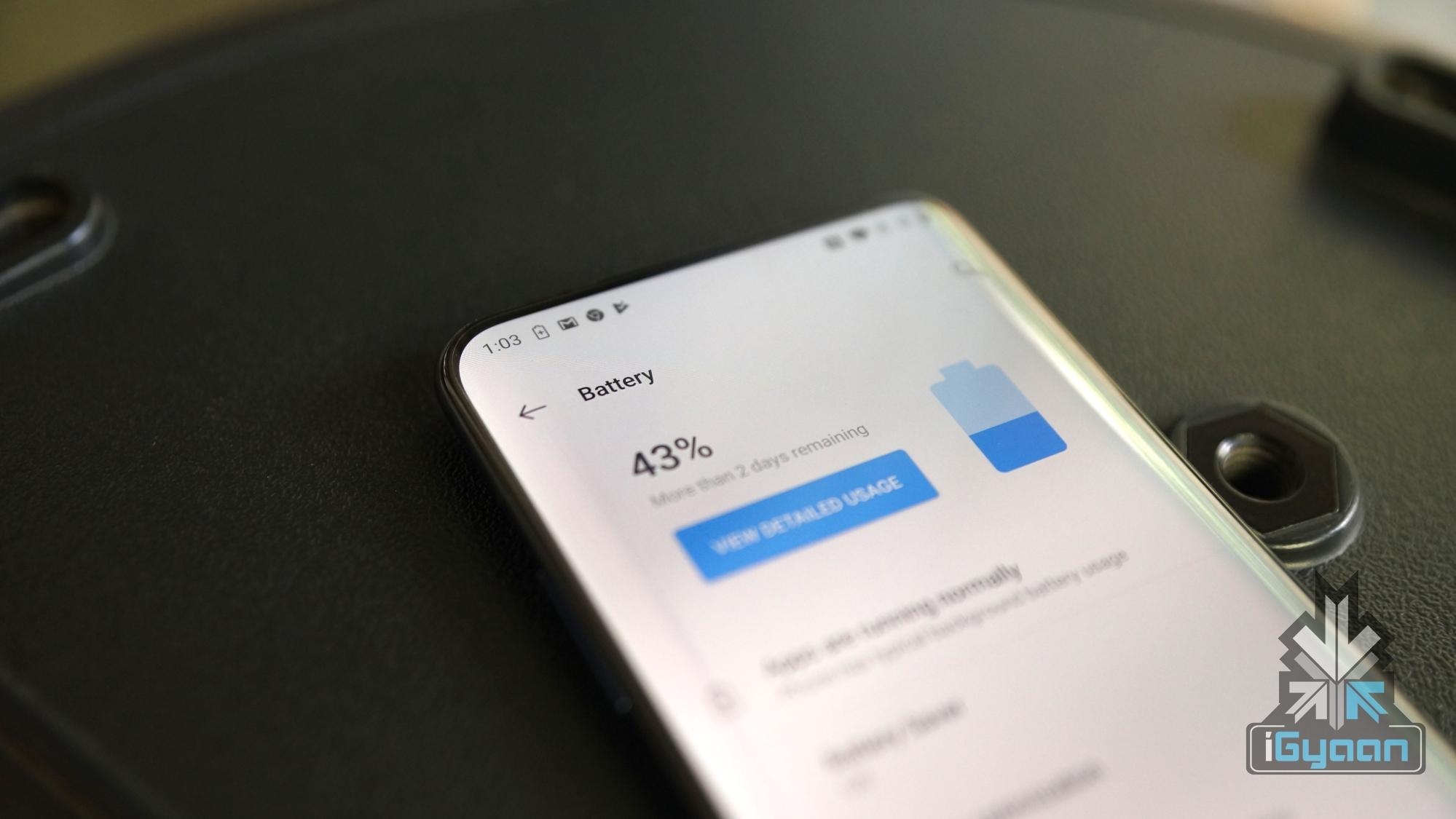
The OnePlus 7 Pro is powered by a large 4,000 mAh battery that supports 30 W Warp Charge. The Warp Charge 30 was first introduced with the limited McLaren Edition of the OnePlus 6T. The smartphone runs on OxygenOS 9 which is built on top of the latest Android 9 Pie. It also packs dual Stereo speakers which are Dolby Atmos certified that deliver loud and clear audio output. To keep the temperatures of the device in check while running resource hungry tasks like games, the OnePlus 7 Pro has 10 layer Liquid Cooling System.
Connectivity and Colour Options
Connectivity options on the OnePlus 7 Pro include dual 4G LTE, Wi-Fi 802.11 a/b/g/n/ac, Bluetooth 5.0, NFC, GPS and bottom mounted USB Type C Port. It also has a whole host of sensors which include an Accelerometer, Gyroscope, Proximity sensor, Ambient Light Sensor, Electronic Compass and a Laser Sensor which is used by the rear camera setup. The OnePlus 7 Pro is available in three colour options which are listed below:
Nebula Blue
Mirror Gray
Almond
Price and Availability
Also Read:OnePlus 7 Pro Launched With 90Hz Display And Snapdragon 855 SoC
The OnePlus 7 Pro is available in three storage variants for which the price is as follows:
OnePlus at an event on the 14th of May has launched the OnePlus 7 Pro flagship smartphone. It was announced alongside the regular OnePlus 7, the Bullets Wireless 2 and the OnePlus Warp Car Charger. The device was launched in three locations, namely New York in the US, London in the UK and Bengaluru in India simultaneously.
OnePlus 7 Pro
<
The OnePlus 7 Pro as mentioned above, is the latest flagship offering from the company and the beefed-up variant of the OnePlus 7. The smartphone measures 162.6 x 75.9 x 8.8mm and weighs 206 g. It has an all-glass design on the front and back with a metal chassis for reinforcement. The device has a 6.67 inch Fluid AMOLED display with a resolution of 3120 x 1440 px which gives it a pixel density of 516 ppi.
The display on the OnePlus 7 Pro has a maximum refresh rate of 90Hz which is also seen in handsets like the Asus ROG Phone and Nubia Red Magic 3. To maximise the screen real estate, the smartphone has minimal bezels on all sides of the display and utilises a pop-up mechanism to house the front-facing camera. For biometric security and rapidly unlocking the device, it features an in display fingerprint scanner with support for face unlock technology.
Under the hood, the OnePlus 7 Pro is kitted with the 7nm Snapdragon 855 SoC which consists of an Octa-core CPU and the Adreno 640 GPU. In terms of optics, the smartphone has a triple rear camera setup comprised of an f/1.6 aperture equipped 48 MP primary sensor; and an f/2.4 aperture equipped 8 MP telephoto sensor with 3x optical zoom; the third sensor used is an f/2.2 aperture equipped 16 MP ultra wide angle lens with a Field of View (FoV) of 117 degrees.
It can capture 4K videos at 60fps and supports Optical Image Stabilisation (OIS) for smoother footage. For selfies, an f/2.0 aperture equipped 16 MP camera is housed in the pop-up mechanism on top of the display. Video from the front camera is capped at 1080p resolution at 30fps. In terms of memory and storage, the handset will be available in the following variants.
6GB RAM and 128GB ROM
8GB RAM and 256GB ROM
12GB RAM and 256GB ROM
The OnePlus 7 Pro is powered by a non-removable 4000mAh battery with support for 30W Warp Charging technology. The smartphone uses a new X-axis Haptic Vibration Motor which the company claims will provide it with better haptic feedback than the OnePlus 6T. In terms of connectivity, the device supports Wi-Fi 802.11a/b/g/n/ac, Bluetooth 5.0 and NFC. The OnePlus 7 Pro also boasts of Dual Stereo Speakers and Audio tuned by the Dolby Atmos technology. It is the first globally available smartphone to feature the Universal Flash Storage (UFS) 3.0 standard, which should result in fast read and write speeds. It will be available in three colours at launch, namely Mirror Grey, Nebula Blue and Almond.
The OnePlus 7 Pro has been launched for a price starting Rs. 48,990 for the variant with 6GB of RAM and 128GB internal storage. The version with 8GB RAM and 256GB version has been priced at Rs. 52,990. For the version with 12GB RAM and 256GB internal storage, customers will have to shell out Rs. 57,999. The smartphone will be available in India starting the 17th of May exclusively on Amazon and select retail stores offline.

 In comparison to its predecessor, the upcoming Huawei P20 Lite (2019) has an all new design. It measures 159.1 x 75.9 x 8.3 mm and tips the scale at 178 grams. The device features a 6.4 inch LCD display with a punch hole that houses the 16 MP selfie camera. The bezels around the display are fairly thin which provide the device with a high screen to body ratio. Under the hood, the smartphone packs the Kirin 710 SoC which consists of an Octa-Core CPU and the Mali G51 GPU.
 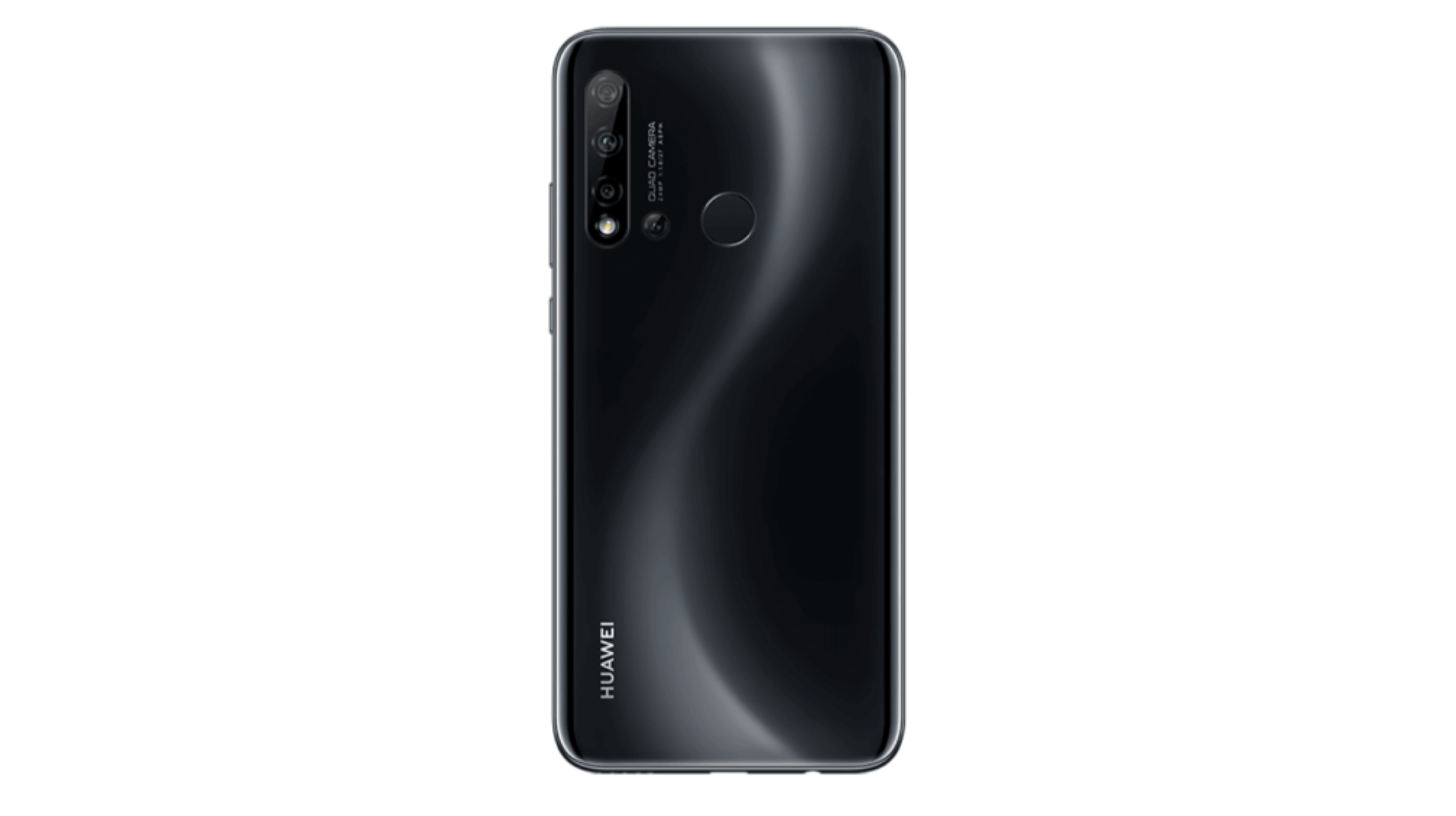 The right side of the Huawei P20 Lite (2019) is occupied by the volume rocker and the power button while the left side is free from any ports or switches. Moving to the bottom side, it is occupied by the USB type C port, loudspeaker grille and the 3.5 mm audio jack. The rear panel of the device is made out of glass and it harbours company branding, fingerprint sensor and a quad camera setup. The rear camera setup consists of an f/1.8 aperture equipped 24 MP sensor, an 8 MP sensor and dual 2 MP sensors.

 Yes, a toaster exists that can customize your slice of bread with an image of your face. Even though it’s requirements may be very controversial, there is a reason why the US company “Burnt Impressions” still ships these novelty appliances for $75 per unit. Users can get the toaster to imprint their selfies onto a slice of bread via a custom laser-cut metal grilling plate, that is also made by the company. However, buyers have to upload their photograph at the time of purchase, which means that you will be stuck with staring at one image on a bread slice.
 There are times when some unwanted gadgets from sci-fi movies make their way into the real world, making you wonder if they actually are meant for the same. Such is the case with the “MoodMetric”, which is a ring that measures the body’s signals to determine the state of the mind of the wearer. The data is then relayed to the wearer’s smartphone, where he/she can gain insights regarding his/her mood. However, it is very unclear why a person will need a gadget to find out what their mood is like.
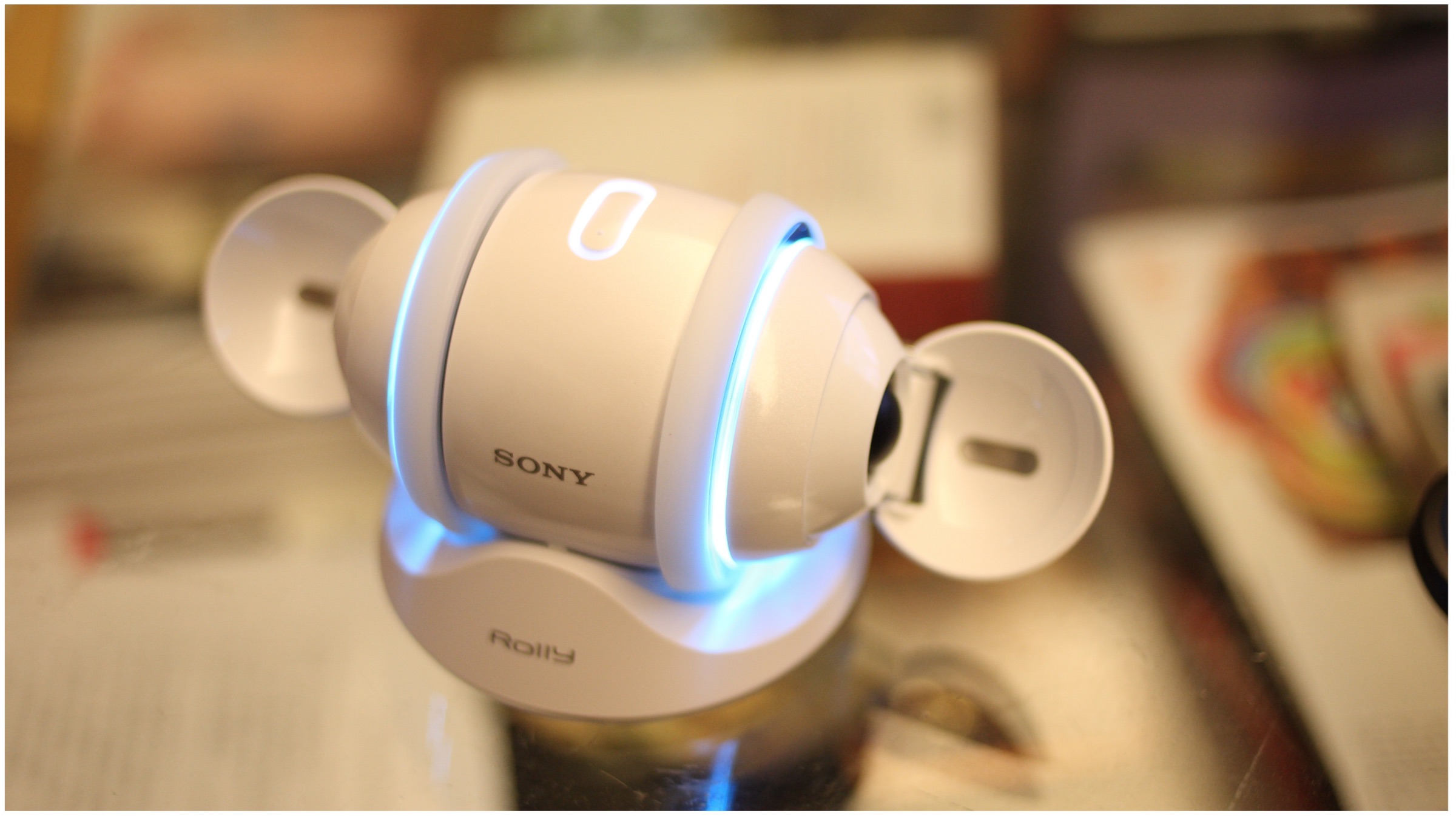 After the iPod hit the market and took it by storm, a lot of companies (including Sony) started experimenting on portable music players to hit the right chord. The aforementioned Japanese company made its entry with the launch of the Sony Rolly, which was a portable music player with a twist, literally. The music player was shaped like a football, and the best part was the fact that it danced to music. Costing at about US$ 399 at the time of launch, Rolly could twist, turn, roll and perform a host of other moves in sync to the music, all while flashing multi coloured lights. However, it didn’t even have a headphone jack at the time. Almost an year later, Sony discontinued the Rolly music player.
 Also Read:




 The study was co-led by a researche from the Boston University of Public Health (BUSPH). The study unearths that protein truncating variants in the aforementioned apolipoprotein B (APOB) gene are directly linked to lower triglyceride and LDL cholesterol levels, which significantly lowers the risk of coronary heart disease by almost 72 percent.

 automatically when the crosshair is focused on the enemy, whereas in advanced mode, the player has to fire the weapon manually. Moreover, players can choose how they hold each weapon by default. For instance, shotguns can be set to hip-fire by default, while rifles can be set to ADS (aim down sights) by default. Apart from tweaking the HUD, players can customize their aiming sensitivity via a total 17 different sliders.






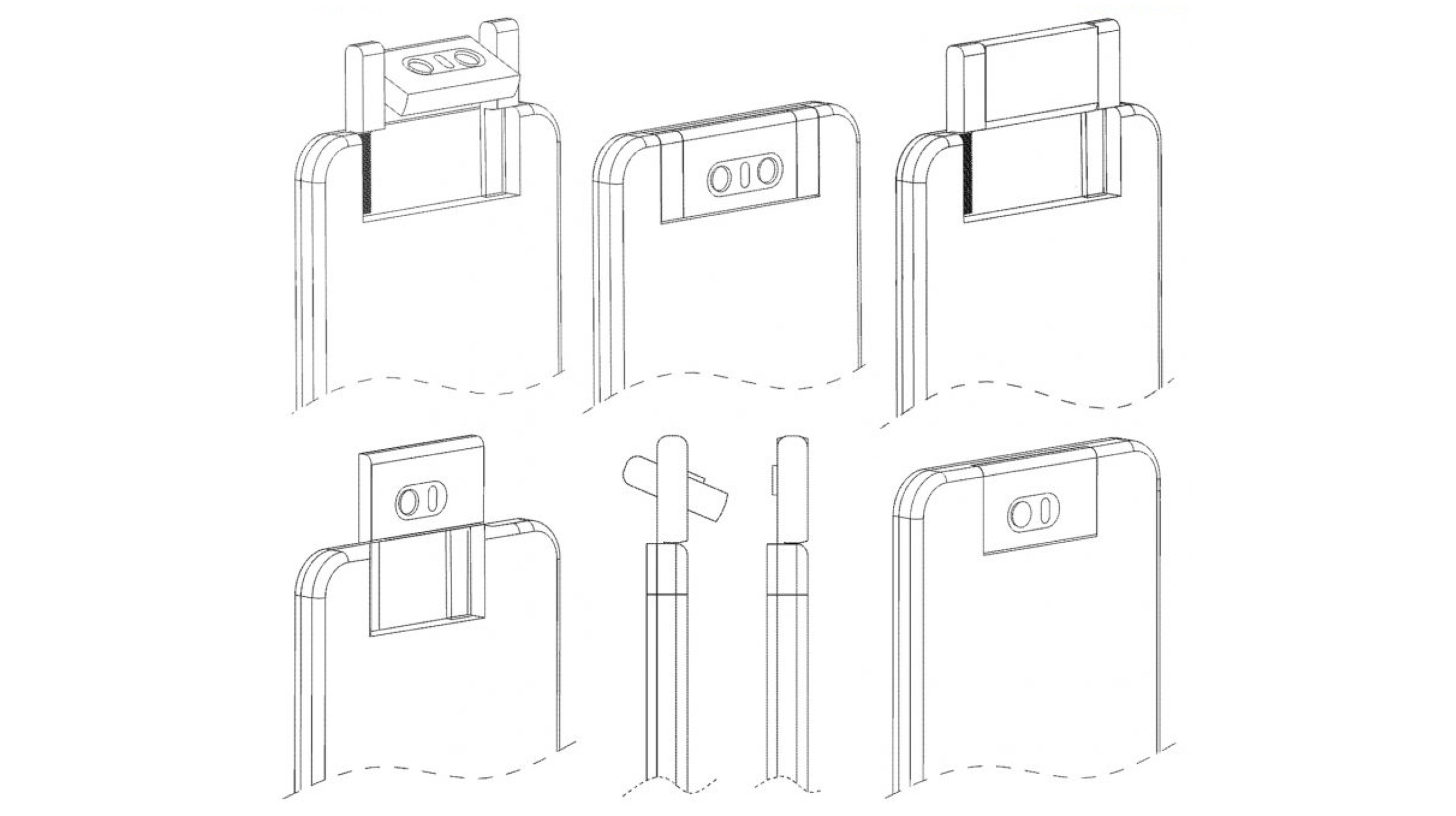 After the launch of the Oppo Reno with the unique shark-fin design, the company has been granted a patent which depicts a smartphone with a rotating camera system. The patent was filed by Guangdong Oppo Mobile Telecommunications in the end of the year 2018 with the WIPO (World Intellectual Property Office). The design was titled as a “Mobile Terminal” and was published on May 16, 2019. As mentioned previously, the patent exhibits a camera module design that can rotate 180 degrees around a pivotal axis.
  Also Read: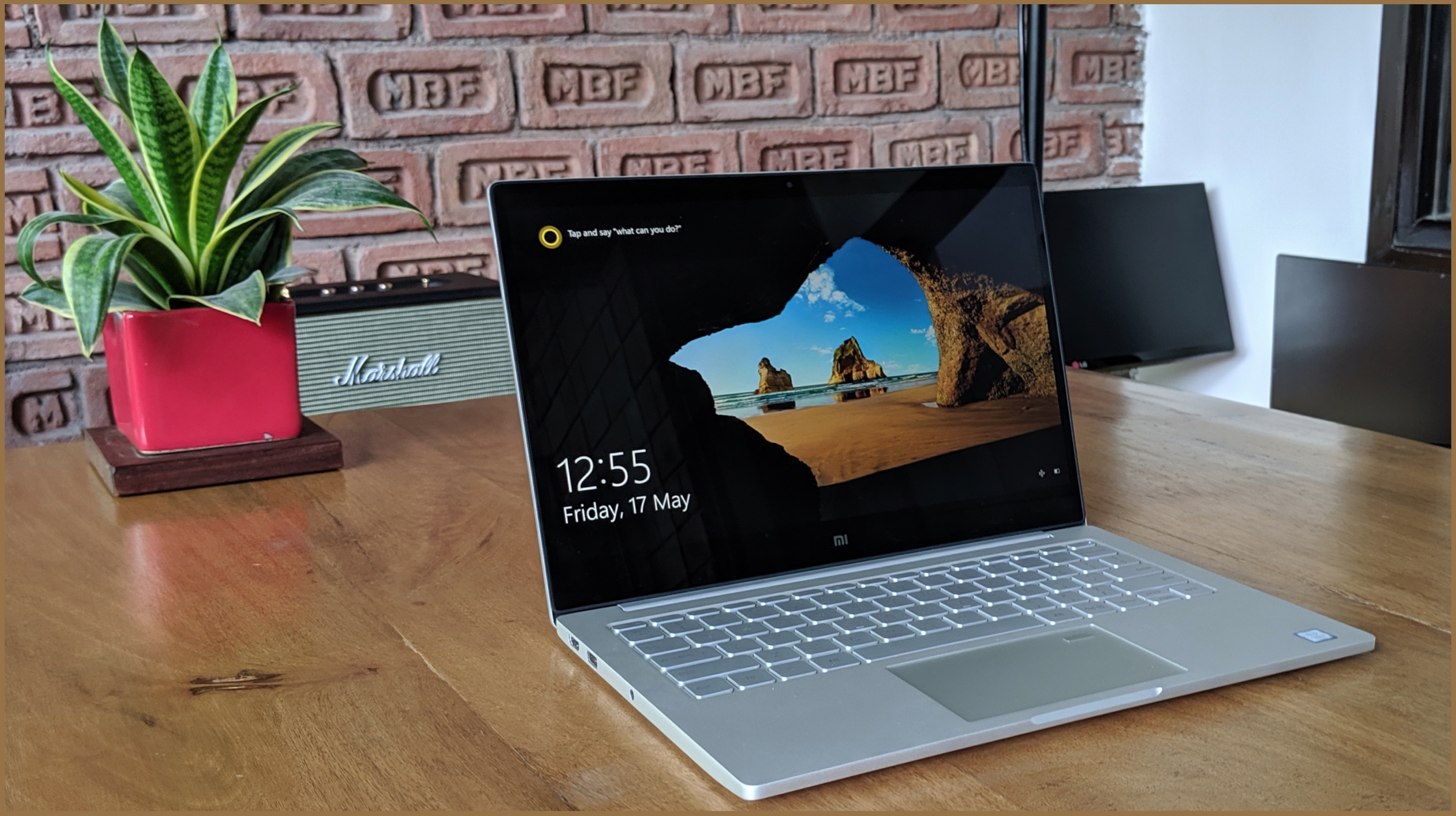


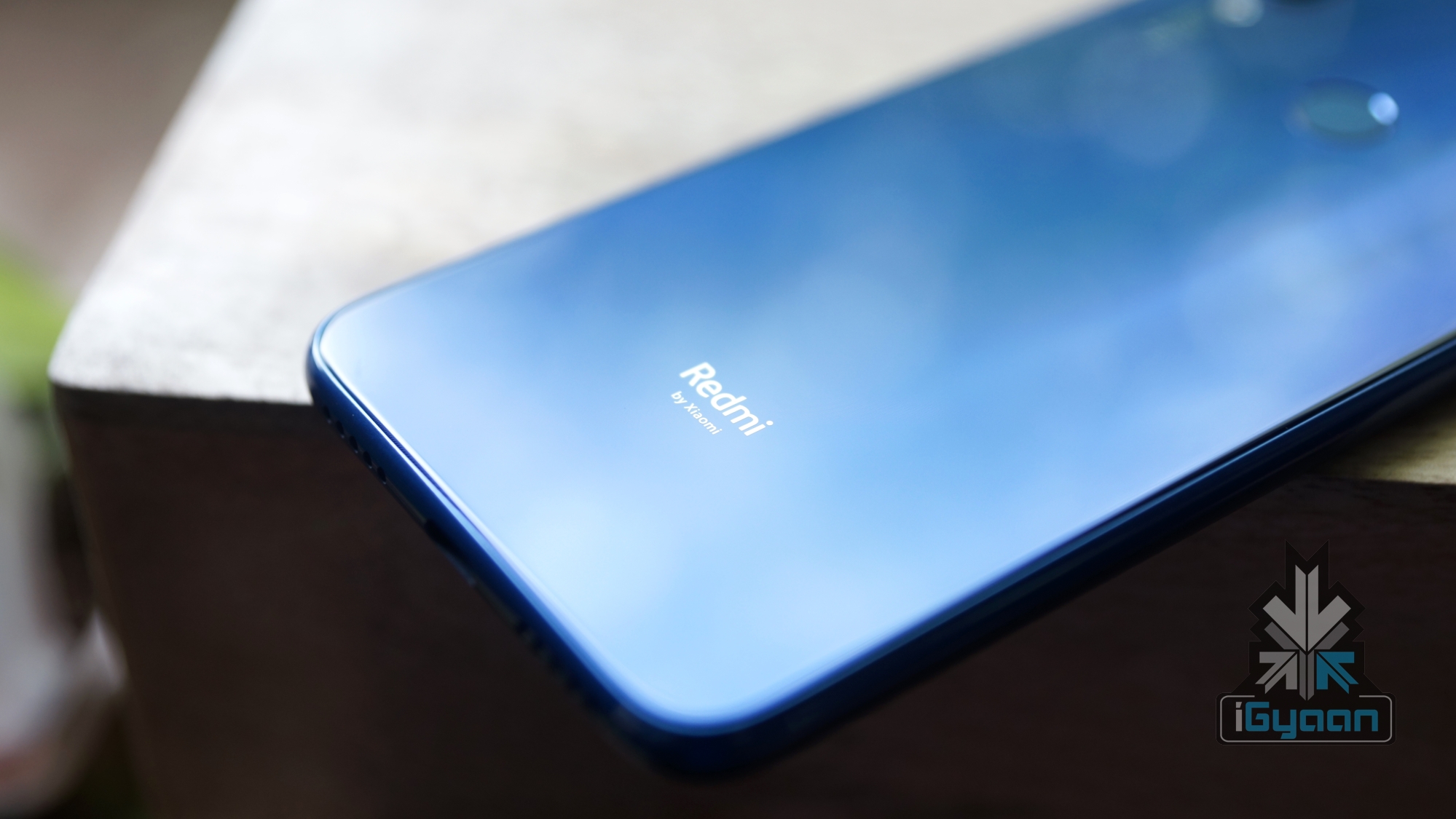
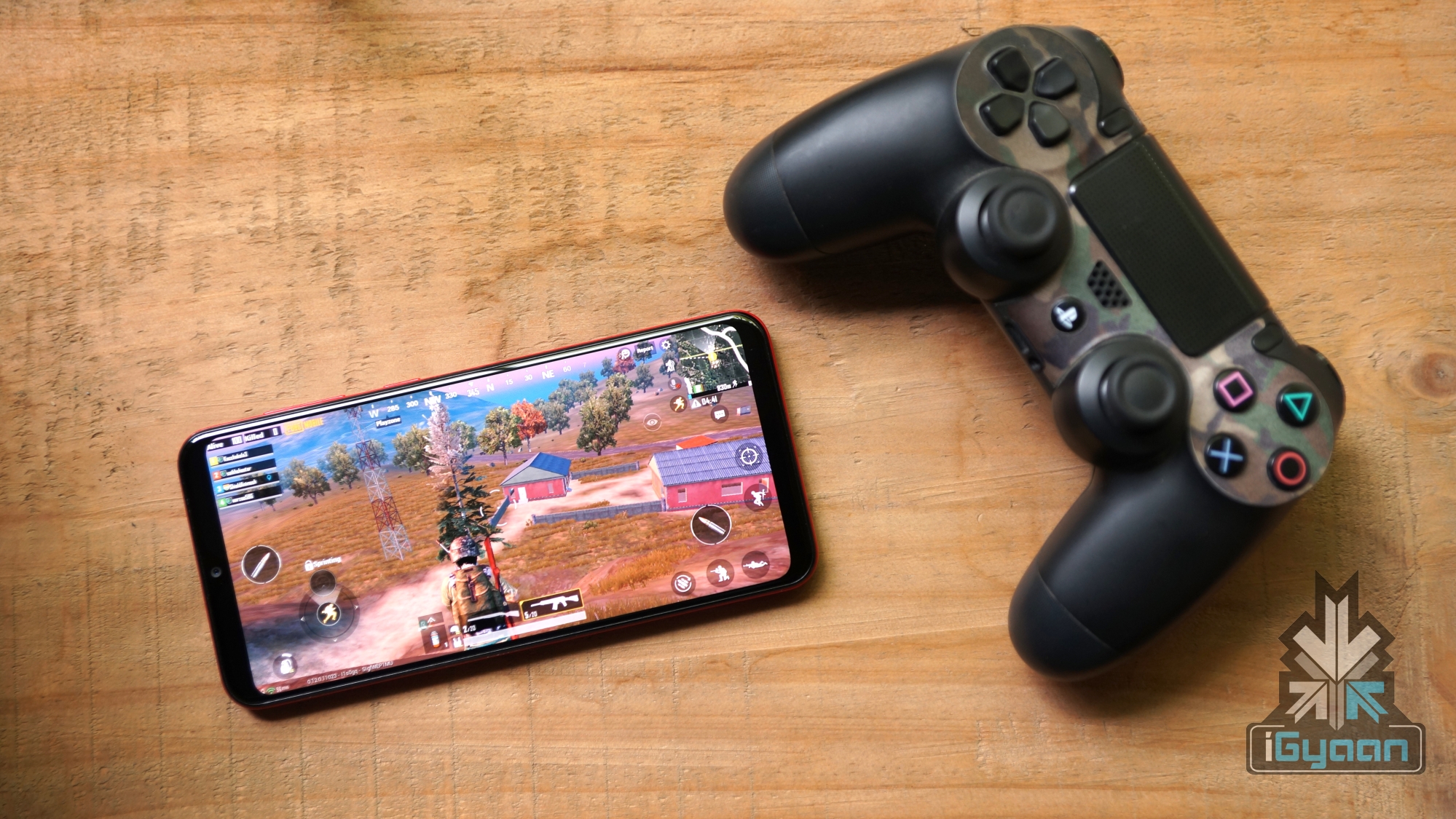


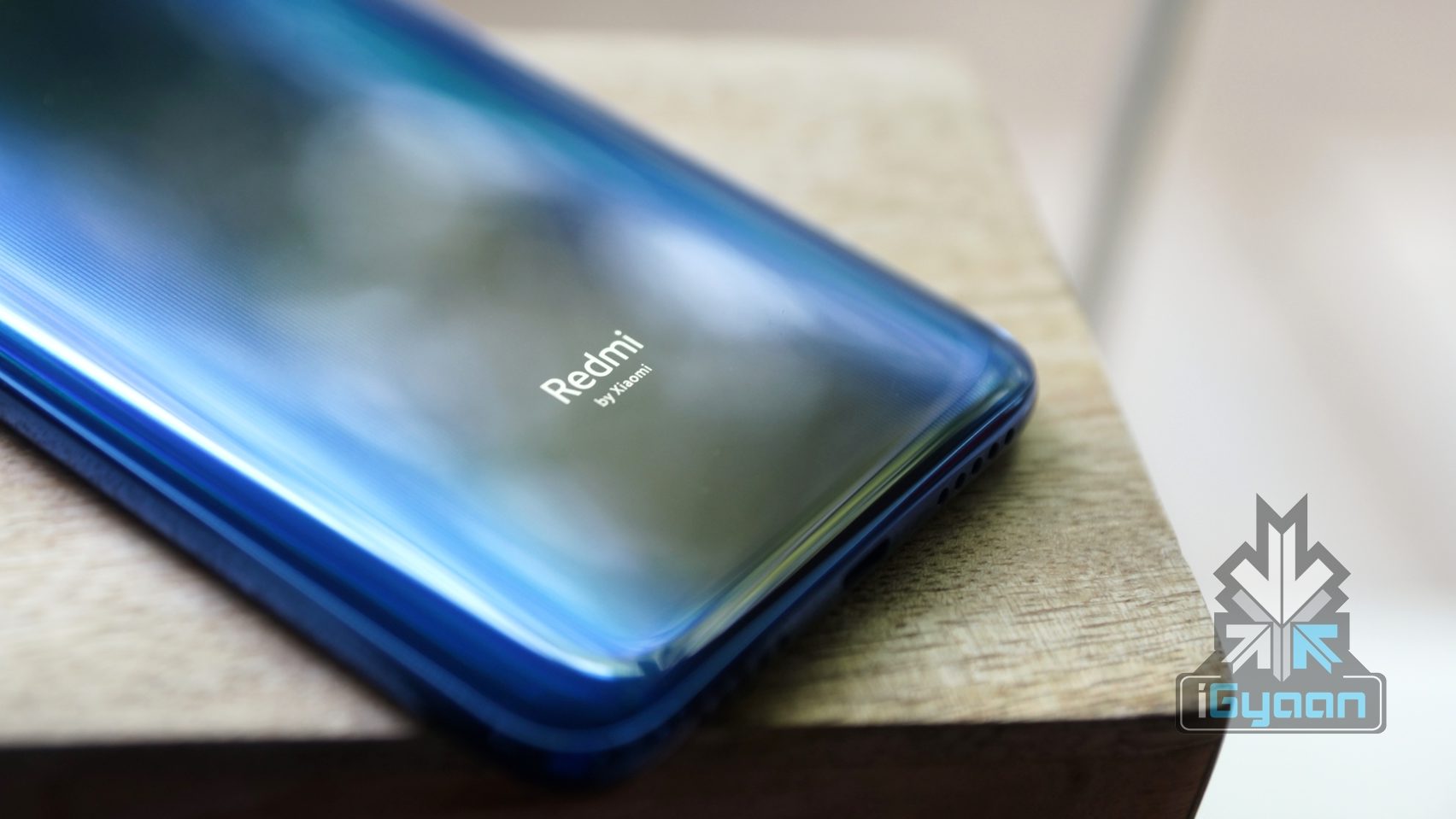
 The samples include a multitude of images, which are captured in different lighting conditions. The daylight-captured images depict a sharp image with good colour contrast. The images captured in a low light showcase a decent amount of details with low noise. Since both the Redmi Note 7 and Note 7 Pro feature Night Mode, the upcoming device is expected to sport a similar option as well.
  In terms of optics, the smartphone is expected to feature a dual rear camera module with a 48MP primary sensor and a 2MP secondary sensor. The watermark on the revealed images confirm this speculation. For selfies, the smartphone will have a 13MP front camera that is expected to be housed in a waterdrop notch up front. Under the hood, it is expected to be kitted with the Snapdragon 660 chipset, which consists of an octa-core CPU and the Adreno 512 GPU. Xiaomi is expected to keep the specifications of the Redmi Note 7s similar to the Chinese variant of the