Tag: lawsuit

  • Samsung Galaxy Owners Accuse Company Of Misleading IP Rating

    Samsung Galaxy Owners Accuse Company Of Misleading IP Rating

    Anyone who owns a TV will have inadvertently seen a Samsung ad for its Galaxy smartphones. The South Korean company is one of the largest mobile OEM in the world and has the capital to heavily invest in marketing their various products. Problem thereon lies with companies being capable of illustrating their devices with an over-the-top or exaggerated fashion. 

    Samsung is currently being charged for such a fraud on misleading advertisement by the Australian Government.
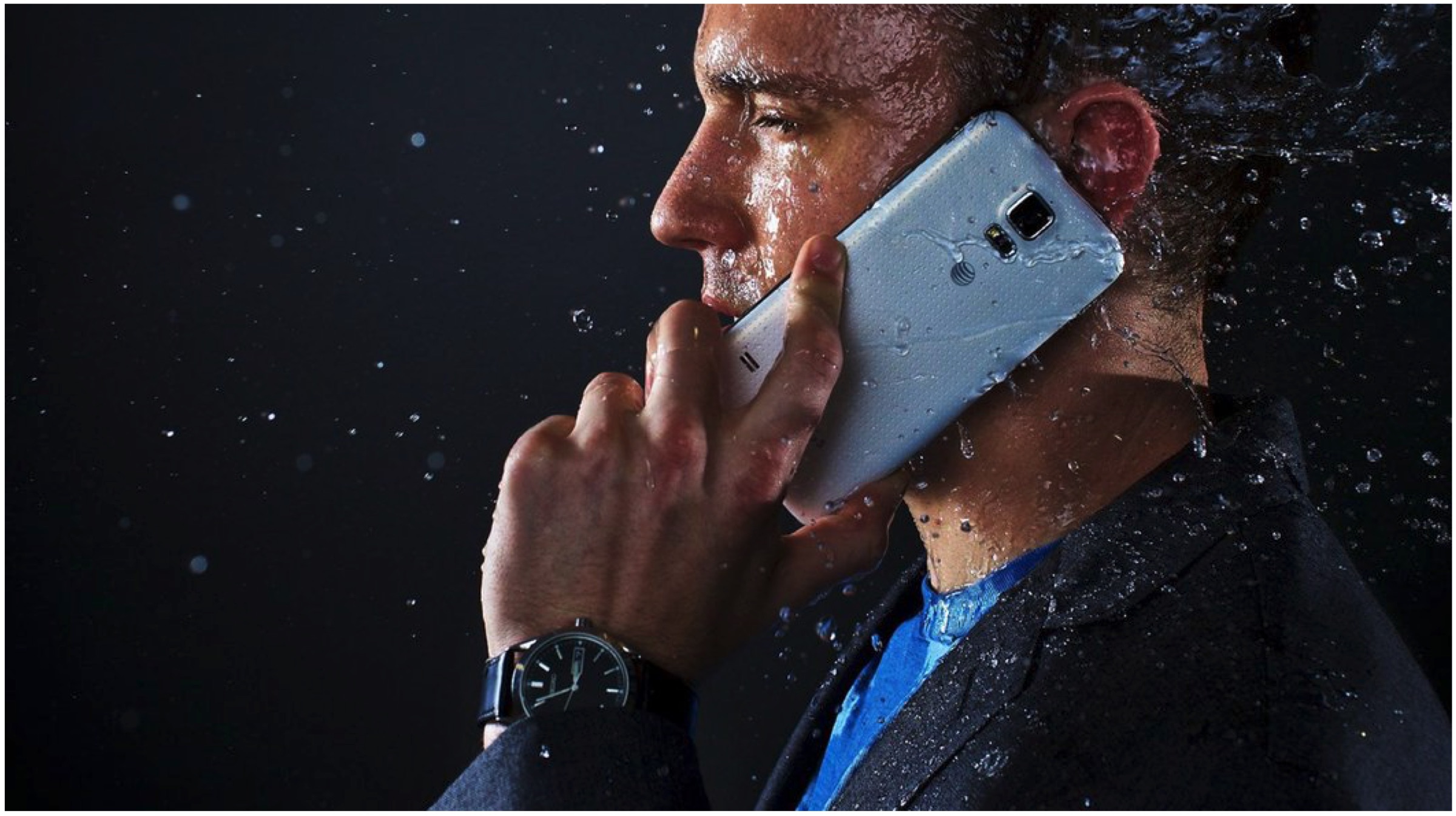
    Samsung

    The Australian Competition and Consumer Commission (ACCC) has alleged that Samsung is misleading its customers over the nature of its various water resistant smartphones. The ACCC claims that the company has portrayed its handsets in or near unsuitable environments such as swimming pools and oceans since 2016. Furthermore, Samsung reportedly did not have any grounds to illustrate it in an aforementioned manner.
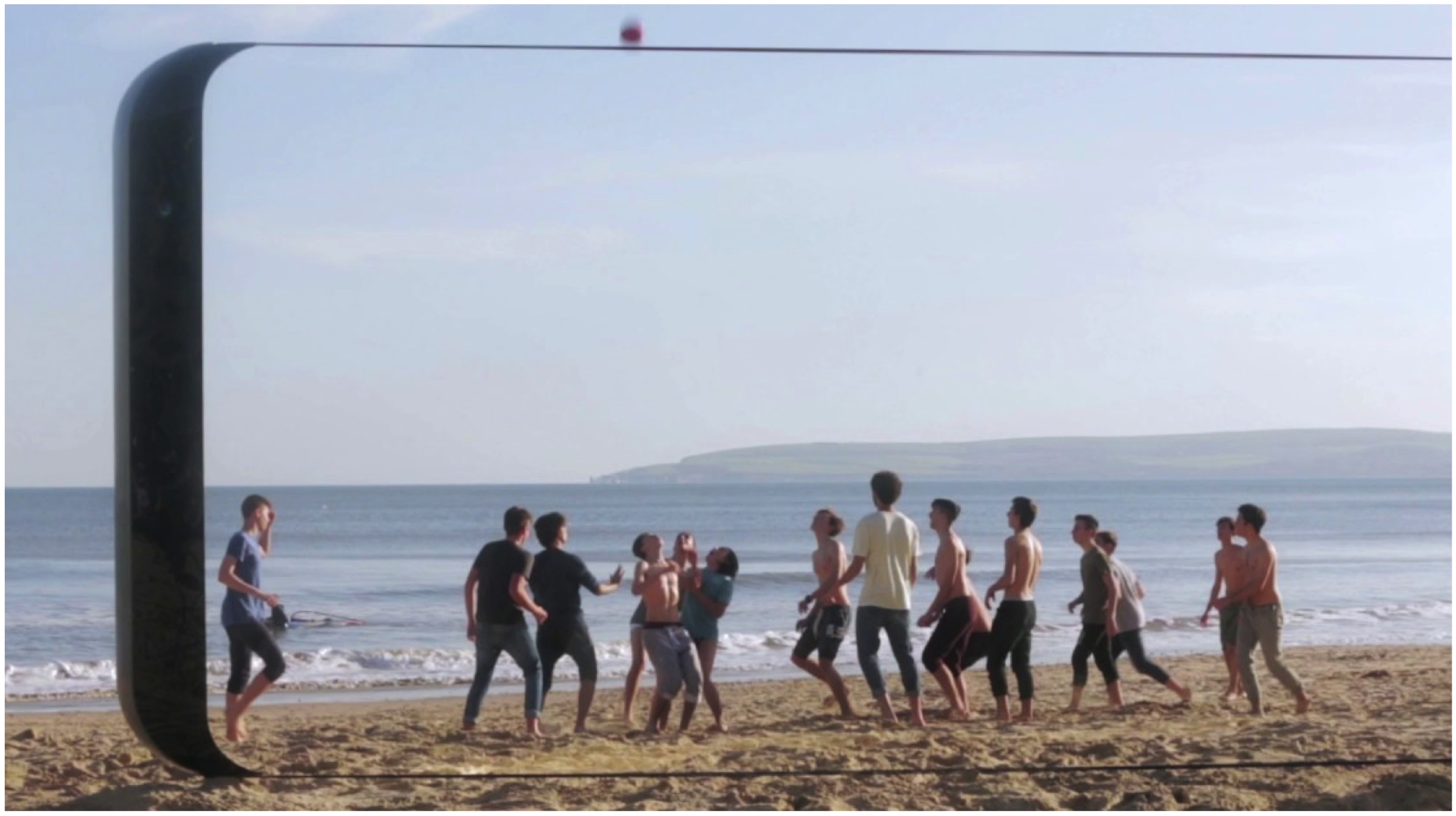
    Samsung

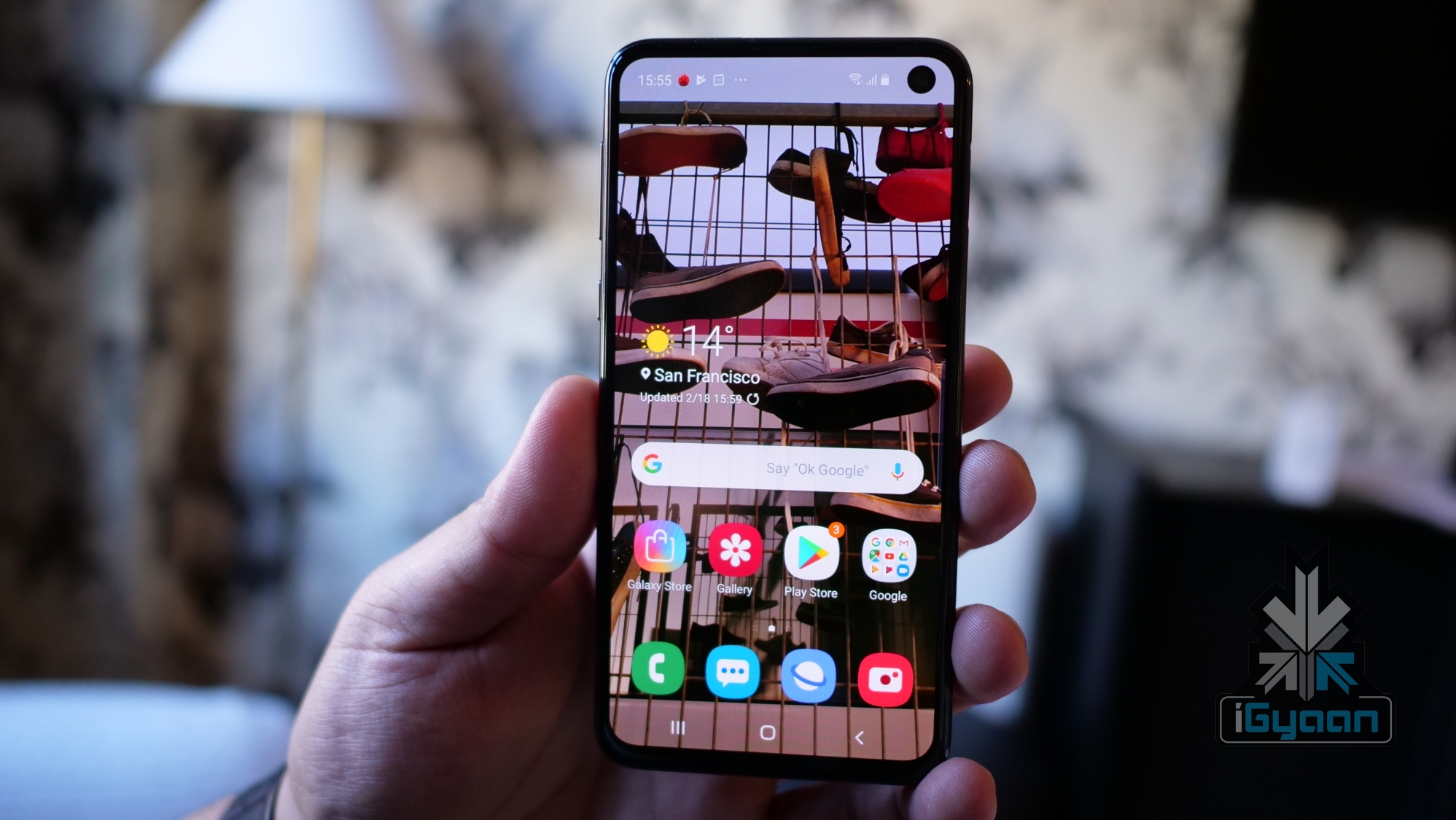
    Samsung sells a good portion of its smartphone lineups with IP68 water resistance; this means that it can last in 1.5meters deep water for 30 minutes. However, the ACCC pointed out, that this does not cover all types of water. The tech giant has claimed themselves that the Galaxy S10 isn’t suitable for beach use. Samsung is allegedly attracting customers with false ads that are not suitable for real-world practices. The corrosive nature of water with a high amount of salt is not taken into account in such ads. It can potentially harm the water-resistant devices and cause loses to unaware users.
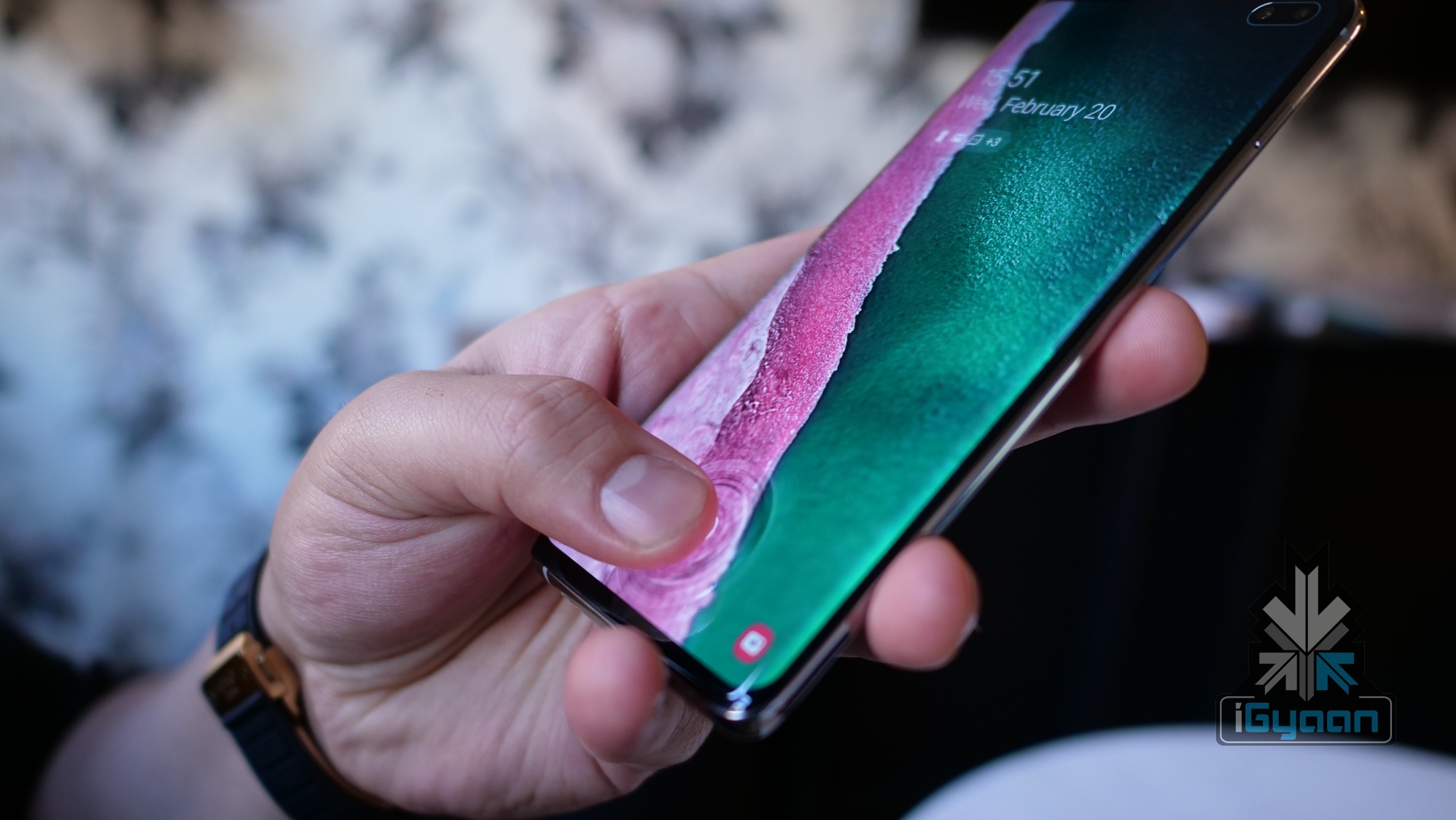
    Galaxy S10

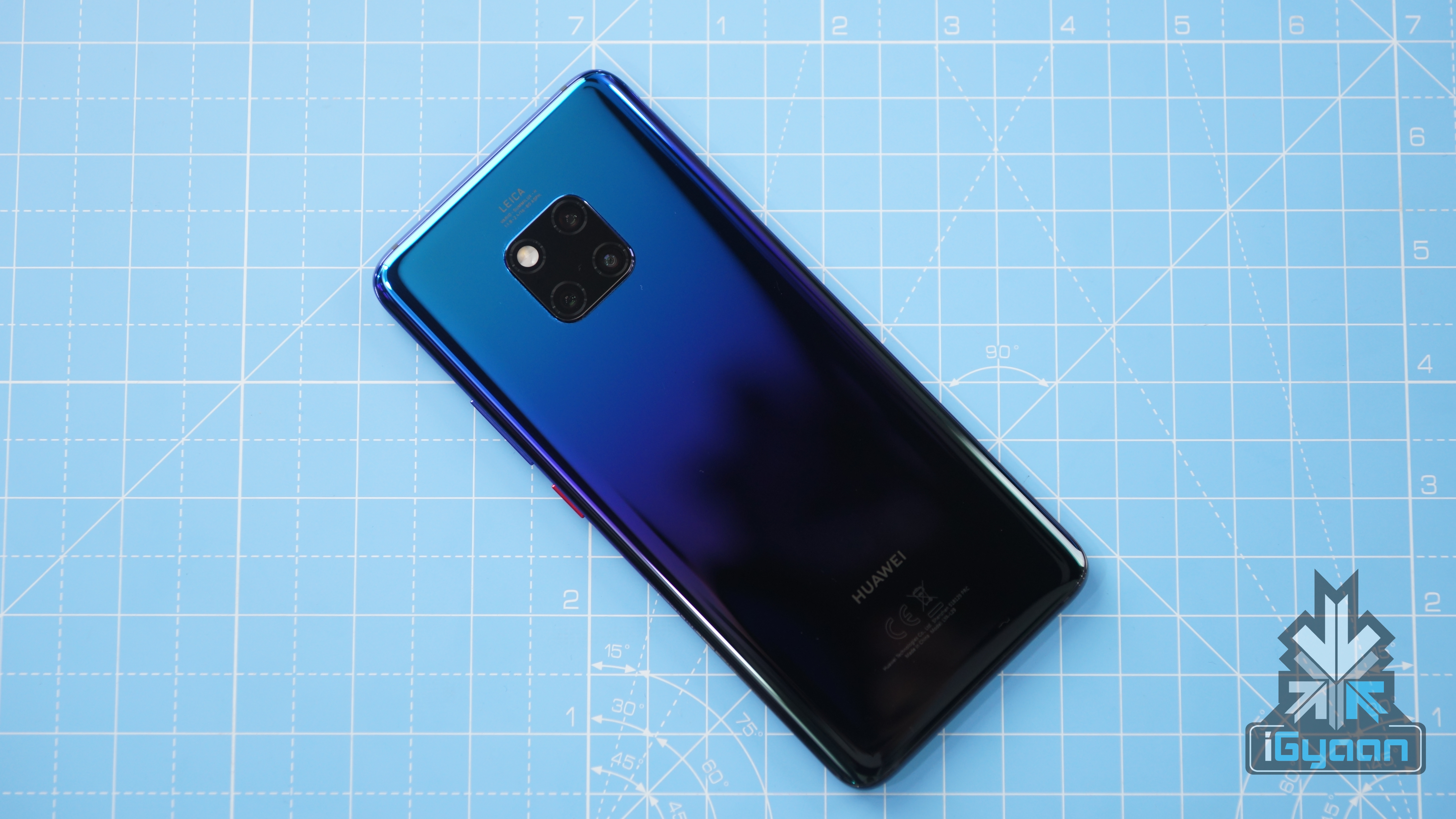
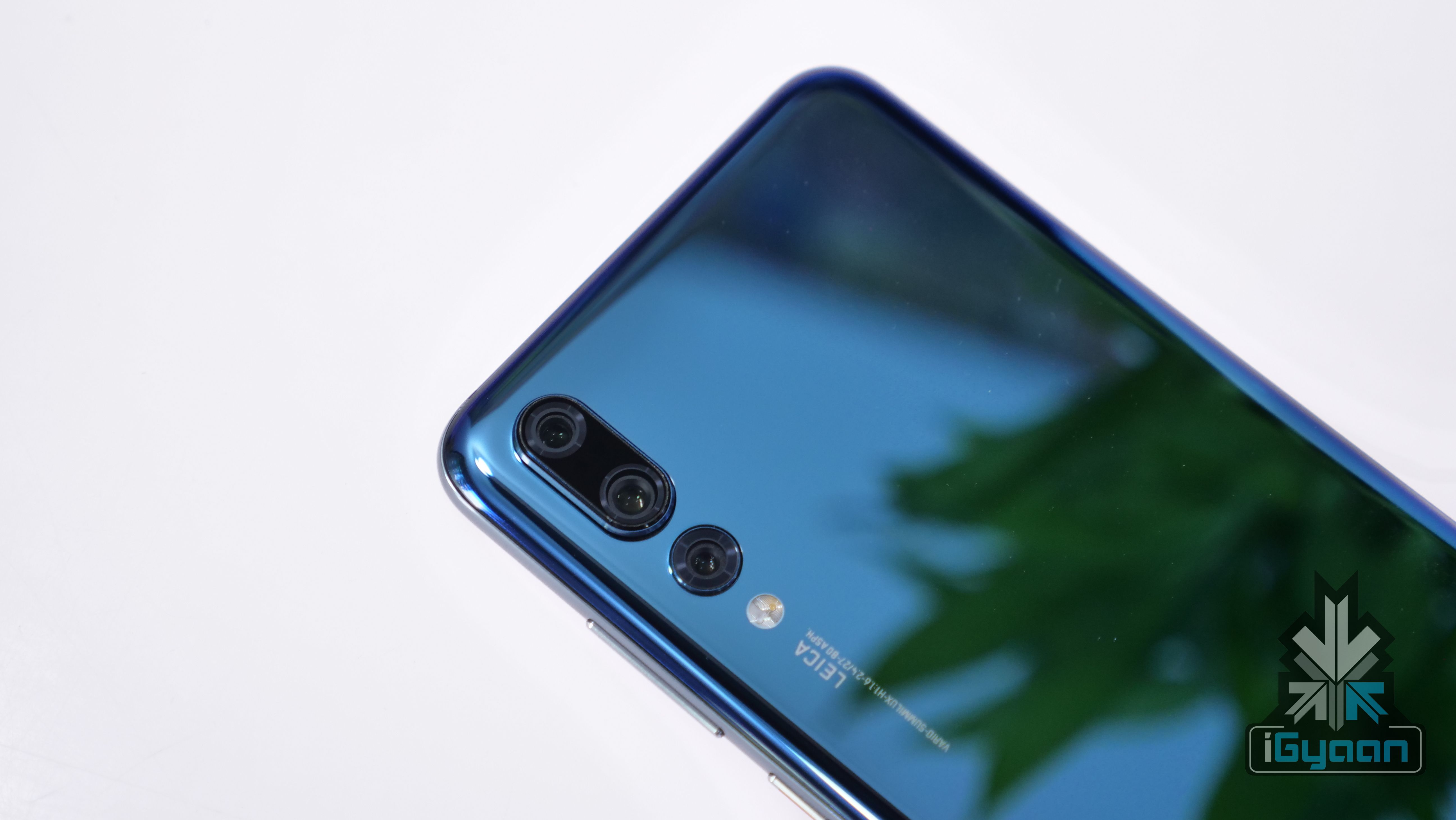
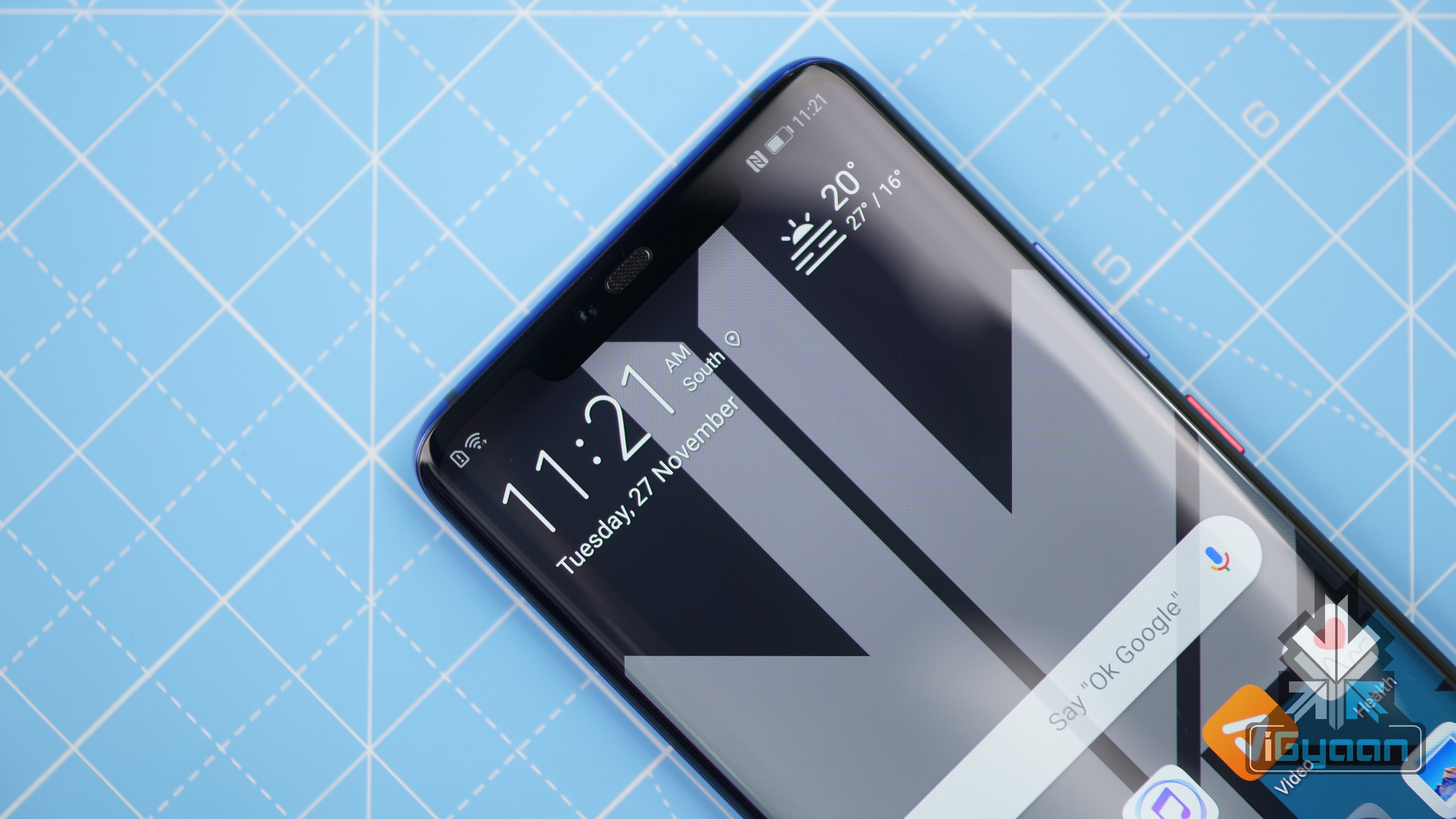
    Also ReadHuawei Working On A Smartphone With Camera Under Display

    Samsung is reportedly going to take a stand and stick to its marketing strategies. The company will fight the case against the Government agency’s allegations. It goes to show how large OEMs with massive amounts of capital can potentially opt for unfair business practices at the potential cost of its customers. These practices can go on to harm lower business rivals and other companies. Companies like these do not have such a large sum of monetary funding.
  • Apple, Qualcomm Drop All Lawsuits, Sign A Six-Year License Agreement

    Apple, Qualcomm Drop All Lawsuits, Sign A Six-Year License Agreement

    In a surprising turn of events, Apple and Qualcomm have dropped all the pending lawsuits against each other. The companies have also signed a six-year license agreement, which may be further extended. Both the companies, the known electronics giant Apple and mobile chip maker Qualcomm had filed multiple lawsuits against each other for copyright infringement. A few days ago, Apple was found guilty and was asked to pay 31 million US $ as a fine.

    About The Case
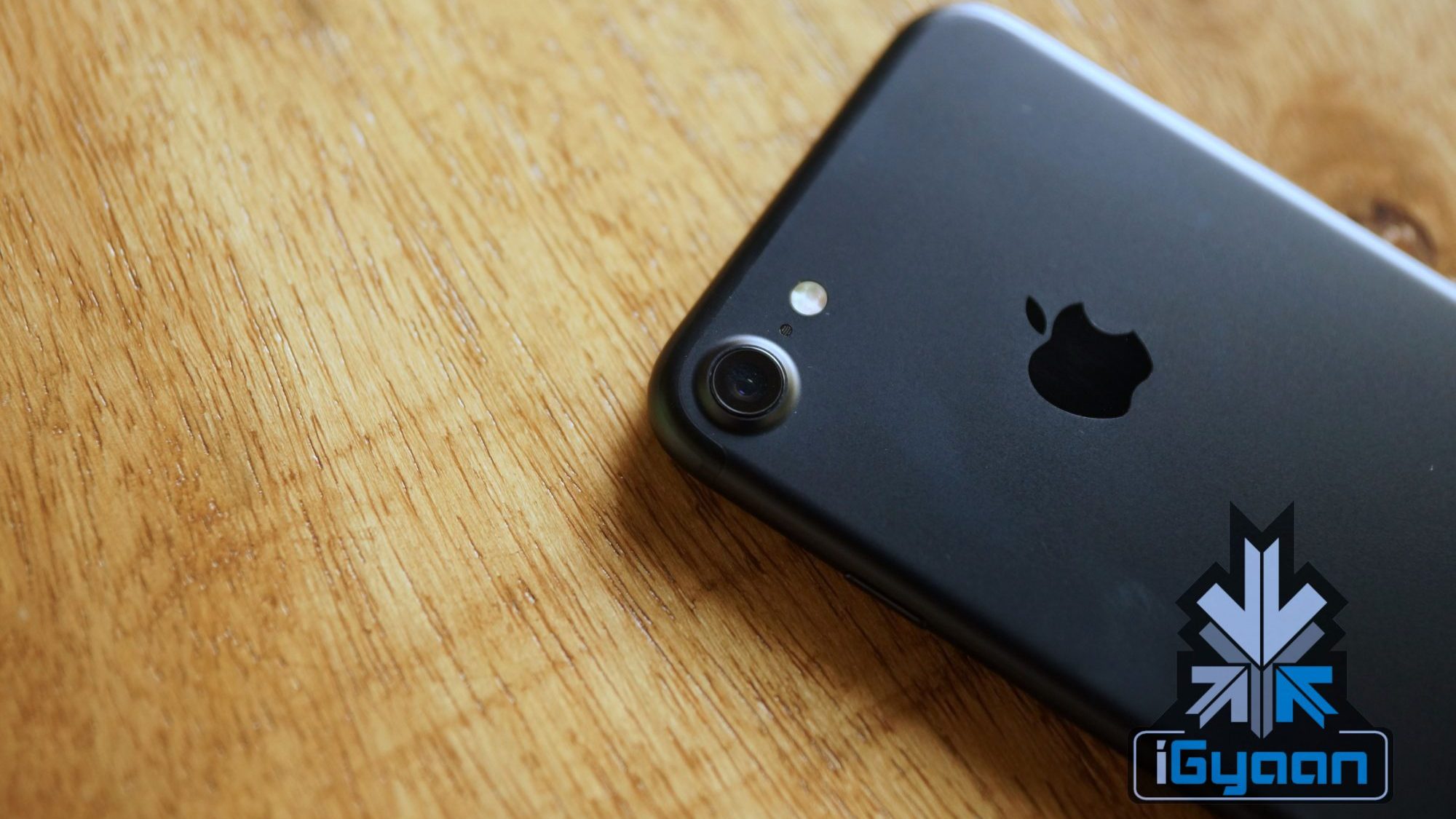
    iPhone 7

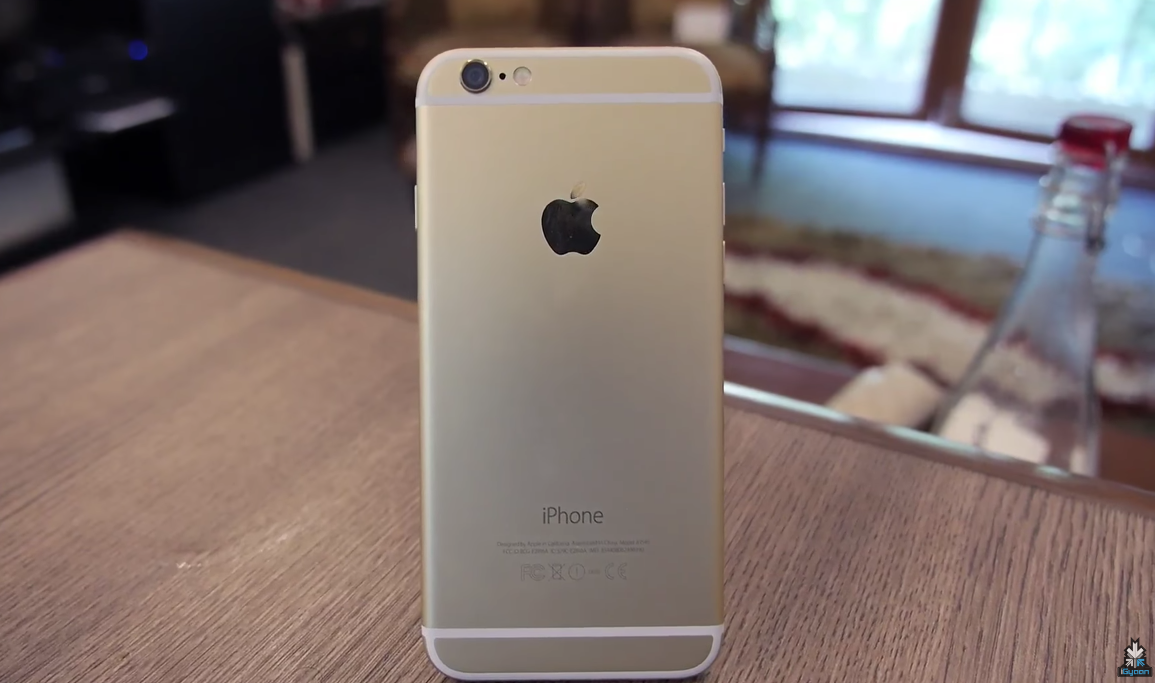
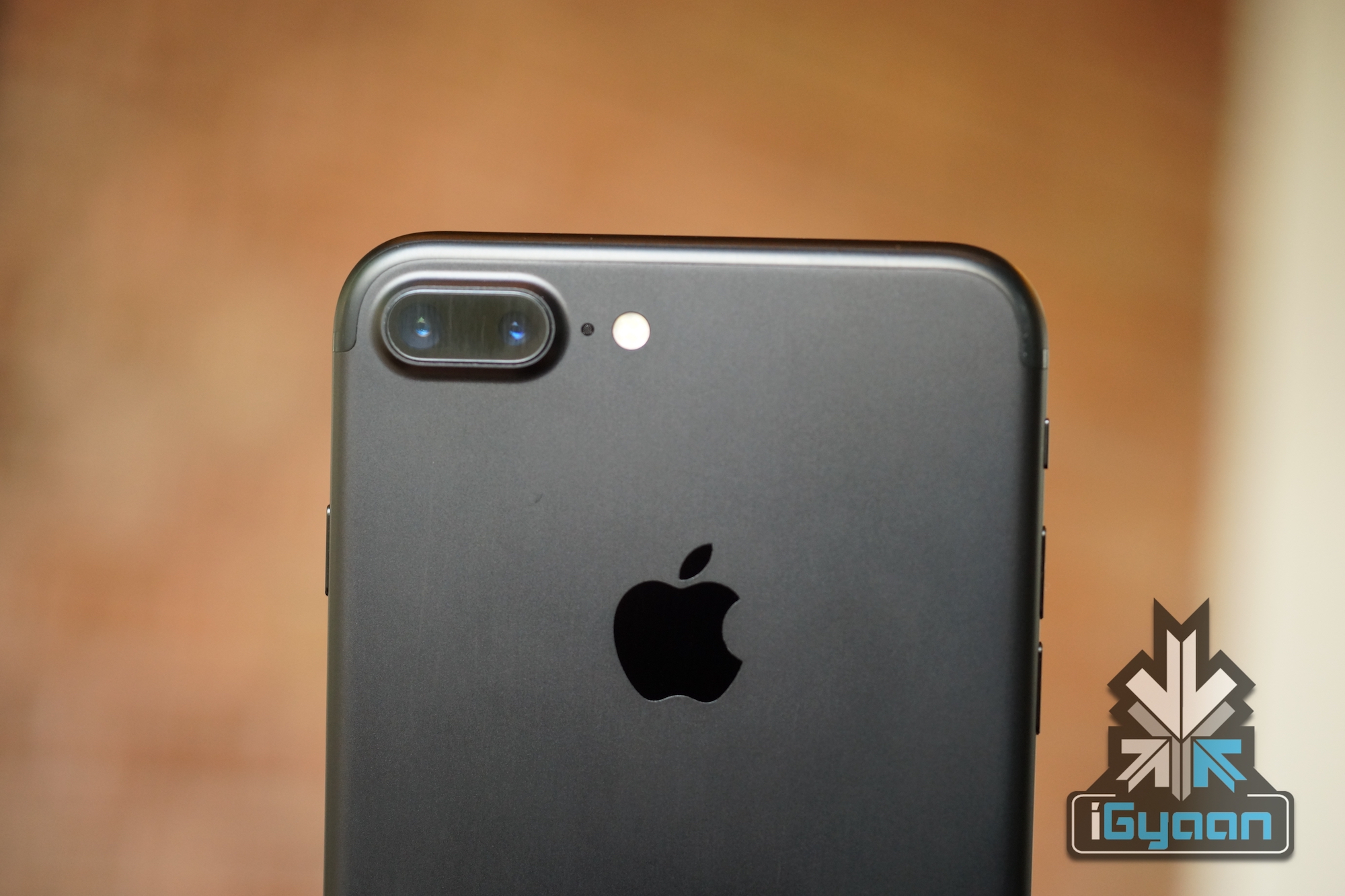
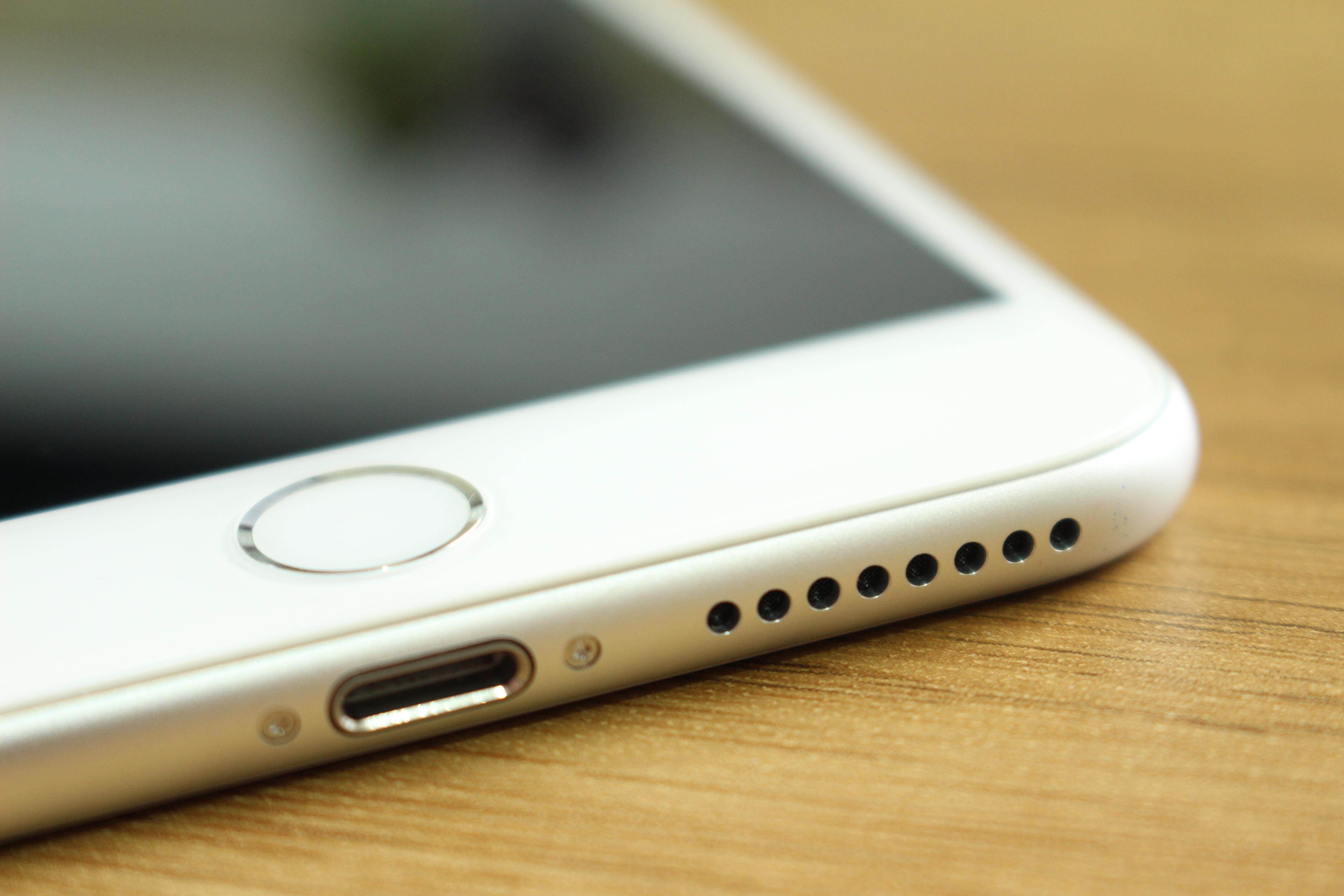
    The lawsuit filed by Qualcomm cited that Apple had violated at least three patents. The damages that it asked for applied to iPhones sold July 2017 onwards, which were kitted with Intel chips. Later in the year 2017, Apple replaced Qualcomm with Intel as its exclusive components supplier. As per reports, in the year 2016, Apple was also using Intel modems in some iPhone variants instead of Qualcomm modems. The devices included the iPhone 7 and 7 Plus. The patents relate to the following functions on mobile devices.

    • Allowing phones to connect to the internet instantly after being switched on
    • The efficiency of the smartphone’s battery and its relation with graphics processing
    • A traffic management function enabling faster data downloads
    The Settlement

    Both Apple and Qualcomm have agreed to reach a settlement as per the former company’s announcement. According to reports, the iPhone maker will have to make a payment to Qualcomm for an undisclosed amount as a part of the settlement. However, the companies have signed a licensing agreement for at least six years and the chipset maker will now supply parts to Apple. This may lead to iPhones sporting Qualcomm’s chips appearing on the shelves once again. 

    Also read: Sony PlayStation 5 With 8K Graphics Teased In An Interview

    Interestingly, Intel, who was the interim supplier for iPhone modems to Apple, has announced it is quitting the manufacturing of 5G modem for smartphones. As the iPhone maker and Qualcomm have finally struck peace, it is expected to lead to the latter supplying its 5G modems in the future smartphones by the former. 

  • Google And Huawei To Pay $400 To Each Nexus 6P Owner For Bootloop Issues

    Google And Huawei To Pay $400 To Each Nexus 6P Owner For Bootloop Issues

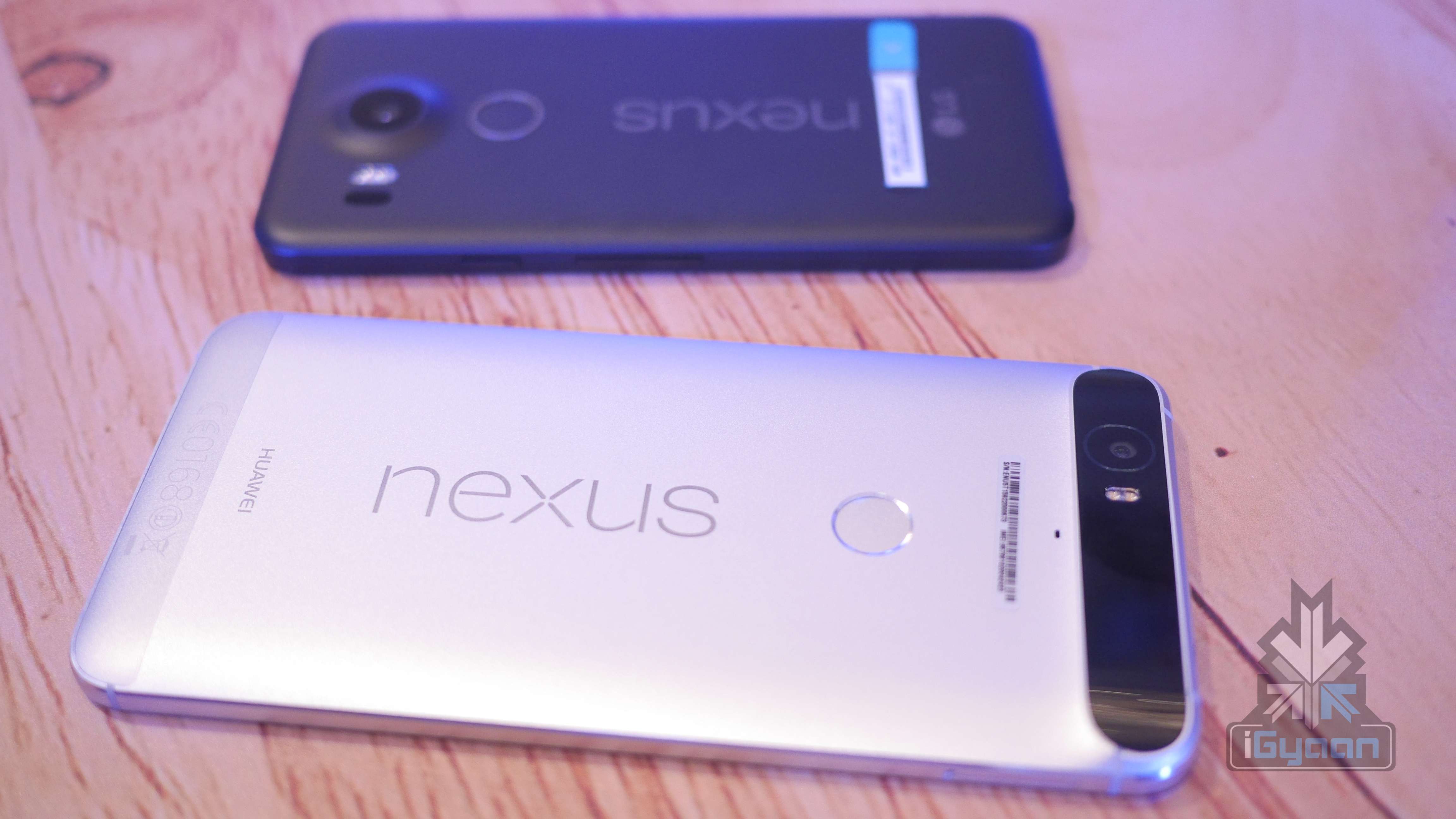
    Google released the last smartphones in the Nexus lineup, the Nexus 6P and Nexus 5X in the year 2015. While the latter was made in collaboration with LG, the former was produced as a result of Google’s partnership with Huawei. Both the handsets, while offering a clean software and capable hardware had their fair share of problems. Among them, the most prevalent one was bootloop issues. This made the devices restart randomly regardless of the battery percentage and sometimes would get stuck in an infinite restart loop.

    Nexus 5X and Nexus 6P

    A lawsuit filed in the year 2017 alleged the issue of the bootloops was known by the manufacturers and wasn’t fixed knowingly. As a result, Google and Huawei have been directed by the court to pay $9.75 million as a settlement fee to the owners of the Nexus 6P. This results in payments of up to US$400 (Rs. 27,600) for participating plaintiffs. 

    About The Case

    In a lawsuit filed in April 2017 by owners of the Nexus 6P who claimed Google and Huawei breached the warranty on the smartphone. It further stated the companies were fully aware of the issue but failed to fully respond to it and continued to sell the device. While the settlement has been directed, it is expected to be approved at the next court hearing, scheduled to take place on May 9. Notably, the amount will be available for owners who purchased the Nexus 6P after September 25, 2015. 

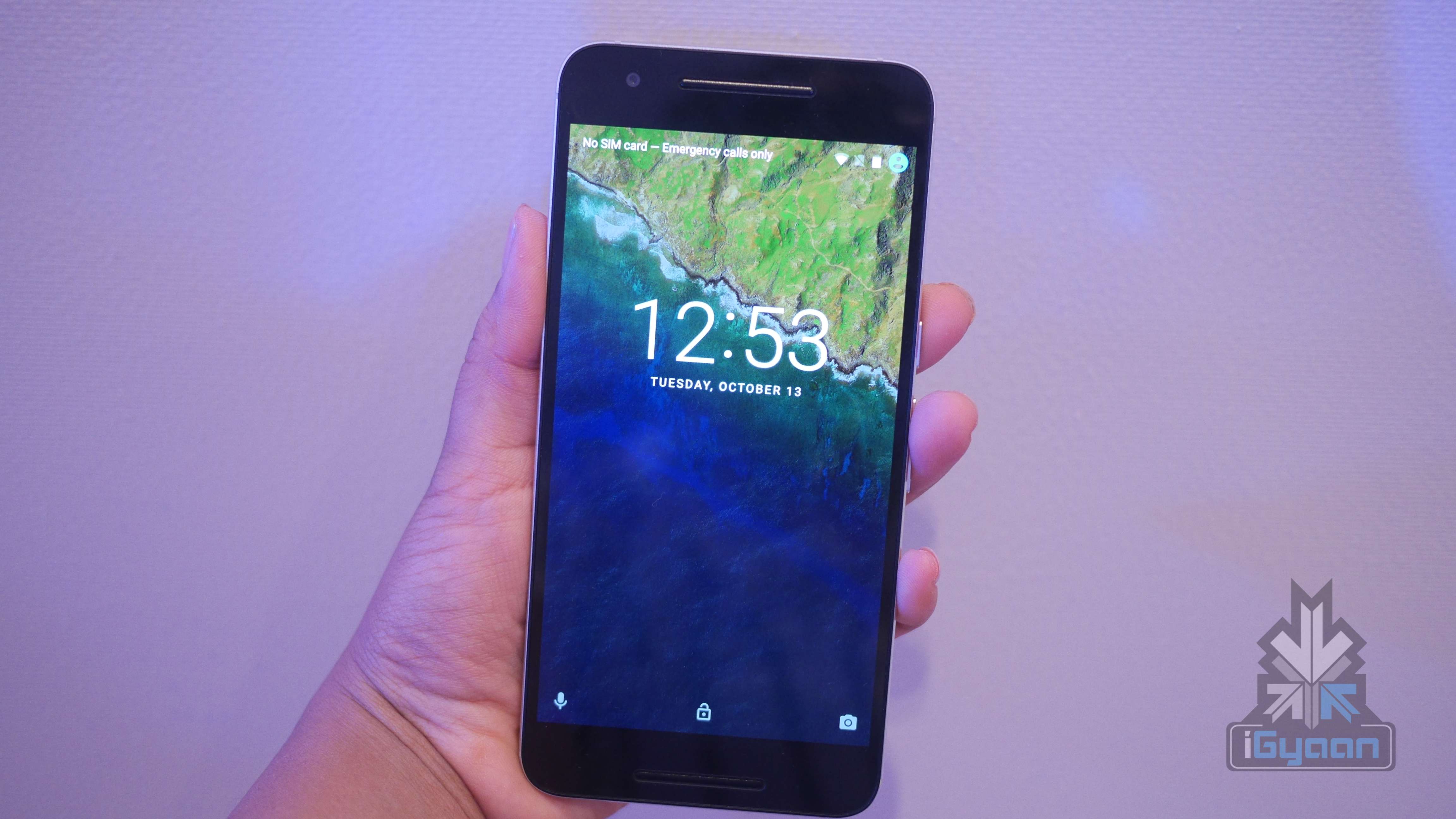
    Nexus 6P

    Also read: Full Details Of The Realme 3 Pro Leak Before Official Announcement

    Furthermore, the users of the Nexus 6P smartphone who weren’t part of the lawsuit may still be eligible for a settlement amount. They would need to submit proper documentation of the issues and will get at least US$ 10 (Rs. 700), leading to a maximum amount of US$ 75 (Rs. 5,200). Interestingly, a similar lawsuit was filed against LG for bootloop issues in its G4, V10, V20, Nexus 5X and G5 smartphones, wherein it was directed to pay US$ 425 (Rs. 29,400) per owner or US$ 700 (Rs. 48,400) in discounts.

  • Huawei Sues The US Government Over The Ban On Its Devices

    Huawei Sues The US Government Over The Ban On Its Devices

    Huawei has announced on March 7 that it is suing the government of the United States of America (USA) owing to the ban of its products the country put in place. The company has claimed that it has filed a lawsuit in the US district court in Plano, Texas. A senior executive of the company claims that the company was left with no choice other than to take legal actions against the government. It also called the ban on its devices ‘unlawful’ in a bid to justify its actions.

    Huawei’s Lawsuit On The US Government

    Huawei

    In a press conference on Thursday, March 7, Chinese telecommunications giant Huawei announced its decision to file the aforementioned lawsuit. It claimed the ban on its devices in the country is ultimately harming US consumers. It said it is looking forward to the court’s verdict and trusts that it will eventually benefit both Huawei and the people of America. The lawsuit arrives after several accusations of the company spying for, and having ties with the Chinese government.

    The ban on the company’s products was taken into effect in August 2018. It was earlier set to enter the US market with its smartphone Mate 10 and Mate 10 Pro in 2017. Not only the company’s deal with telecom carrier fell flat, but the President of the country, Donald Trump also signed a provision of the National Defence Authorisation Act; which prevented government agencies using third-party contractors to use Huawei products. 

    Also read: Google Launches Bolo App To Improve Children Literacy In India

    Huawei alleges that by singling out the company for punishment without a fair trial, the US government has violated the terms of its own constitution. The company also fired back at reports claiming it installs backdoors in its devices to spy on the users. Notably, Huawei is the world’s largest supplier of telecoms equipment, the second largest smartphone maker and is currently one of the global leaders in the development of wireless 5G networks. 

  • Google And Facebook Sued For US$ 8.8 Billion For Coercing Users Into Sharing Their Personal Data

    Google And Facebook Sued For US$ 8.8 Billion For Coercing Users Into Sharing Their Personal Data

    In the past couple of day, you must have bee bombarded by every app notifying you of the change in their privacy policy. From Twitter, Facebook to Splitwise, every app has sent a notification to their users about the changes and these changes can have huge ramifications. Facebook and Google, for example, have been hit with lawsuits worth US$ 8.8 billion for coercing users into sharing personal data. The lawsuits were filed by Austrian privacy rights activist Max Schrems.

    [amazon_link asins=’B0772YB7Y1′ template=’ProductAd’ store=’igyaan-21′ marketplace=’IN’ link_id=’c72e3f28-60af-11e8-b479-b7071a16be34′]

    For context, GDPR or the General Data Protection Regulation is a rule passed by the European Union in 2016, resetting guidelines and rules for how companies manage and share a user’s personal data. While the rule applies to EU nations only, the internet’s global nature means that companies had to reset their policies in general. Hence, everyone received notifications about the privacy policies.

    It is worth noting that Google and Facebook have rolled out the new policies since GDPR was enforced. Schrems believes, however, that those policies don’t go far enough. He has singled out the way Google and Facebook obtain consent for the privacy policies, asking users to check a box in order to access services. This is a very common practice of almost every internet service, but, the lawsuit argues that this method forces users into an all-or-nothing choice. That is a clear violation of the GDPR’s guidelines around particularised consent.

    Both Google and Facebook have argued that the measures taken comply with the GDPR guidelines. In a statement, Google said:

    We build privacy and security into our products from the very earliest stages, and are committed to complying with the EU GDPR.

    Must Read: Android 9 P: Google I/O 2018 New Features

    Facebook has said that, “We have prepared for the past 18 months to ensure we meet the requirements of the GDPR.” This is not the first lawsuit Google is facing for violating the privacy of users. The company was recently sued for GBP 3.2 billion for secretly collecting browsing data of iPhone users in 2011 and 2012.

  • Apple Sued By 60,000 South Korean Users For Slowing Down Older iPhones

    Apple Sued By 60,000 South Korean Users For Slowing Down Older iPhones

    Apple recently released iOS 11.3 software update with new features. In fact, this update also solves the CPU throttling issue on older iPhones. Users, who own an older iPhone model can now toggle between performance or battery life in the settings menu. However, the company warns that manually enabling the performance will drain the battery. Now, a large group of iPhone users in South Korea have filed a class action lawsuit with the Seoul Central District Court against Apple for slowing down older iPhones.

    Apple started to slow down (by throttling the CPU frequency) older iPhones with degraded batteries to offer better battery life. However, this was done without user’s consent. As soon as the news went viral, Apple CEO Tim Cook apologised the users and announced a new battery replacement programme at an affordable price.

    The Lawsuit

    60,000 iPhone users in South Korea are now demanding a compensation of US$ 188 per customer or US$ 12 million in total. This is also the one of the biggest action lawsuit that in South Korea. However, the initial number of users who wanted to file a lawsuit was near 400,000. The number lessened at the time of document verifications and other legal procedures. Similarly, Civic Group Activists have already filed a class action suits against Apple in South Korea in early 2018. They won the lawsuit with a compensation amount of US$ 2.2 million.

  • BlackBerry Sues Facebook For Patent Infringement

    BlackBerry Sues Facebook For Patent Infringement

    Once considered to be one of the biggest mobile makers in the world, BlackBerry has gone through its fair share of dip. Ever since the rise of iOS and Android OS platforms, BlackBerry and its popularity has been on a decline. The BlackBerry Messenger used to be one of the most popular messaging services and has since been replaced by the likes of WhatsApp. However, it appears that BlackBerry feels undone by Facebook as it has sued the social networking company for patent infringement.

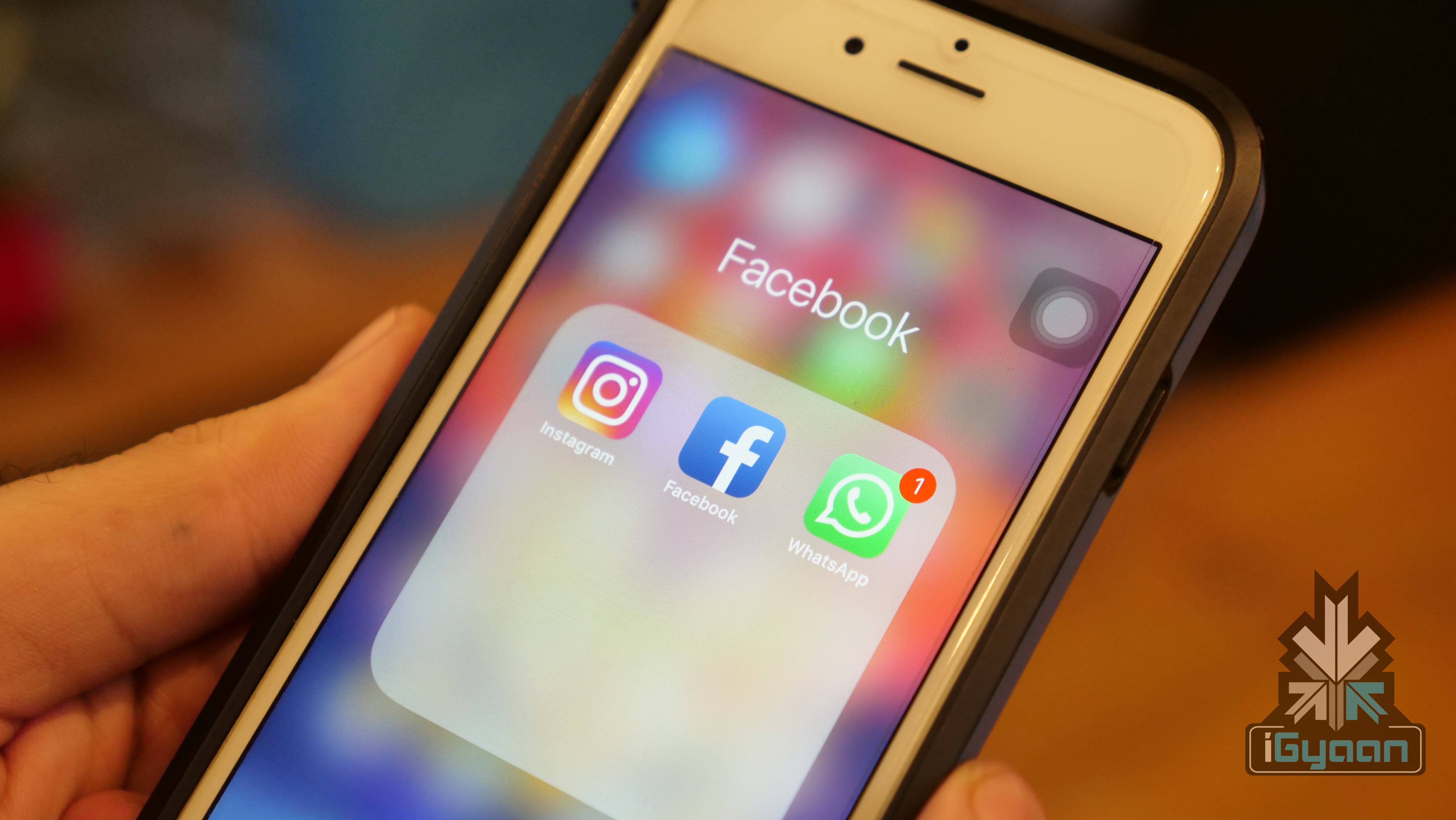
    In a Los Angeles Federal Court, BlackBerry, Ltd. filed a lawsuit against Facebook, Inc. for infringing a patent on its messaging technology. The lawsuit focuses on Facebook Messenger and Facebook-owned properties like WhatsApp, Instagram. BlackBerry claims that for several years, it has attempted to have a dialogue with Facebook over the infringed patents.

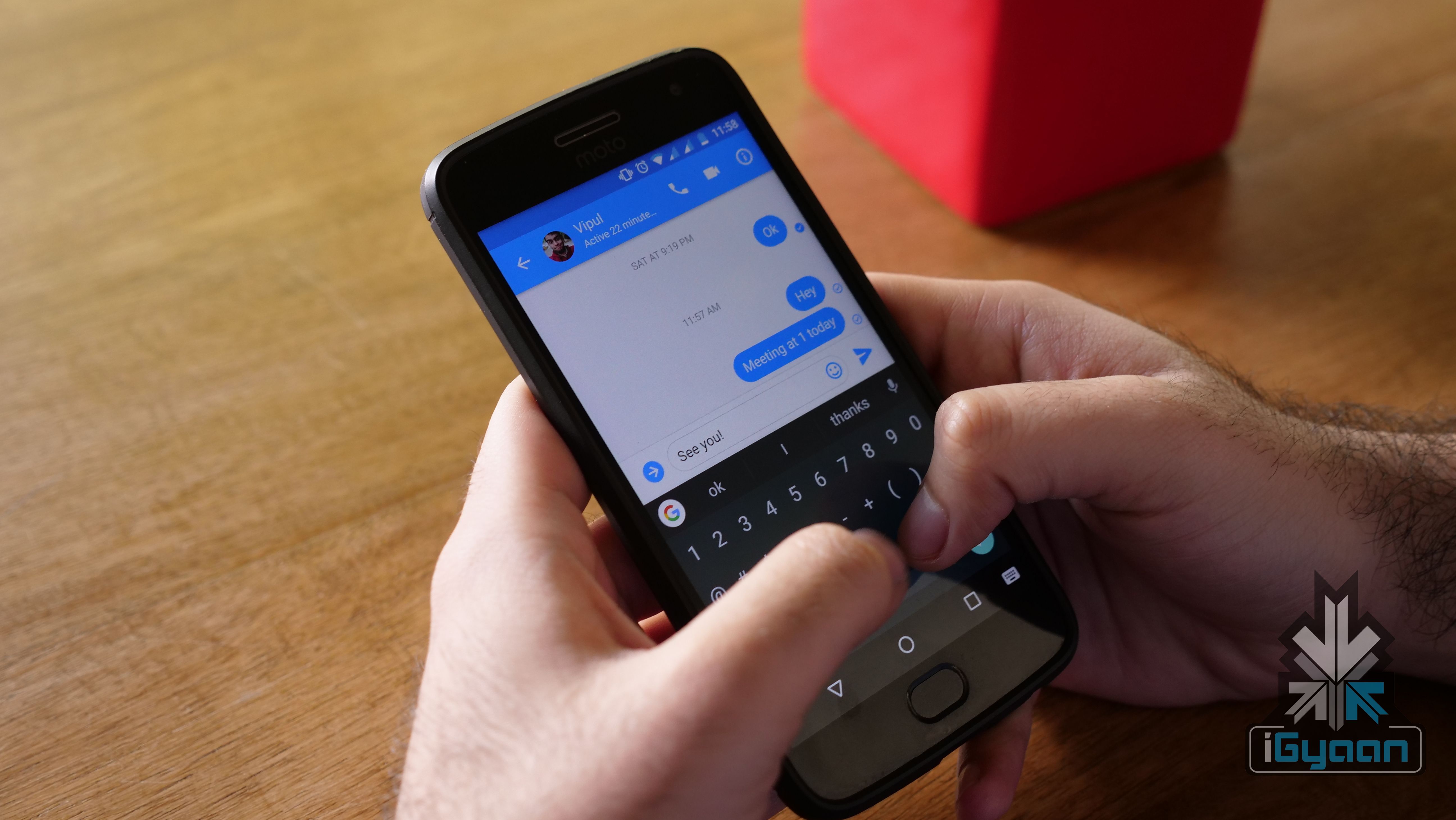
    Facebook Messenger

    A few things that have been noted in the lawsuit include showing an unread message indicator on top of an icon. Something that WhatsApp and Facebook Messenger introduced a while ago. Here are a few other features noted in the lawsuit:

    • Showing multiple incoming messages in the inbox
    • Not showing timestamps of every message in a thread
    • Selecting a Photo Tag

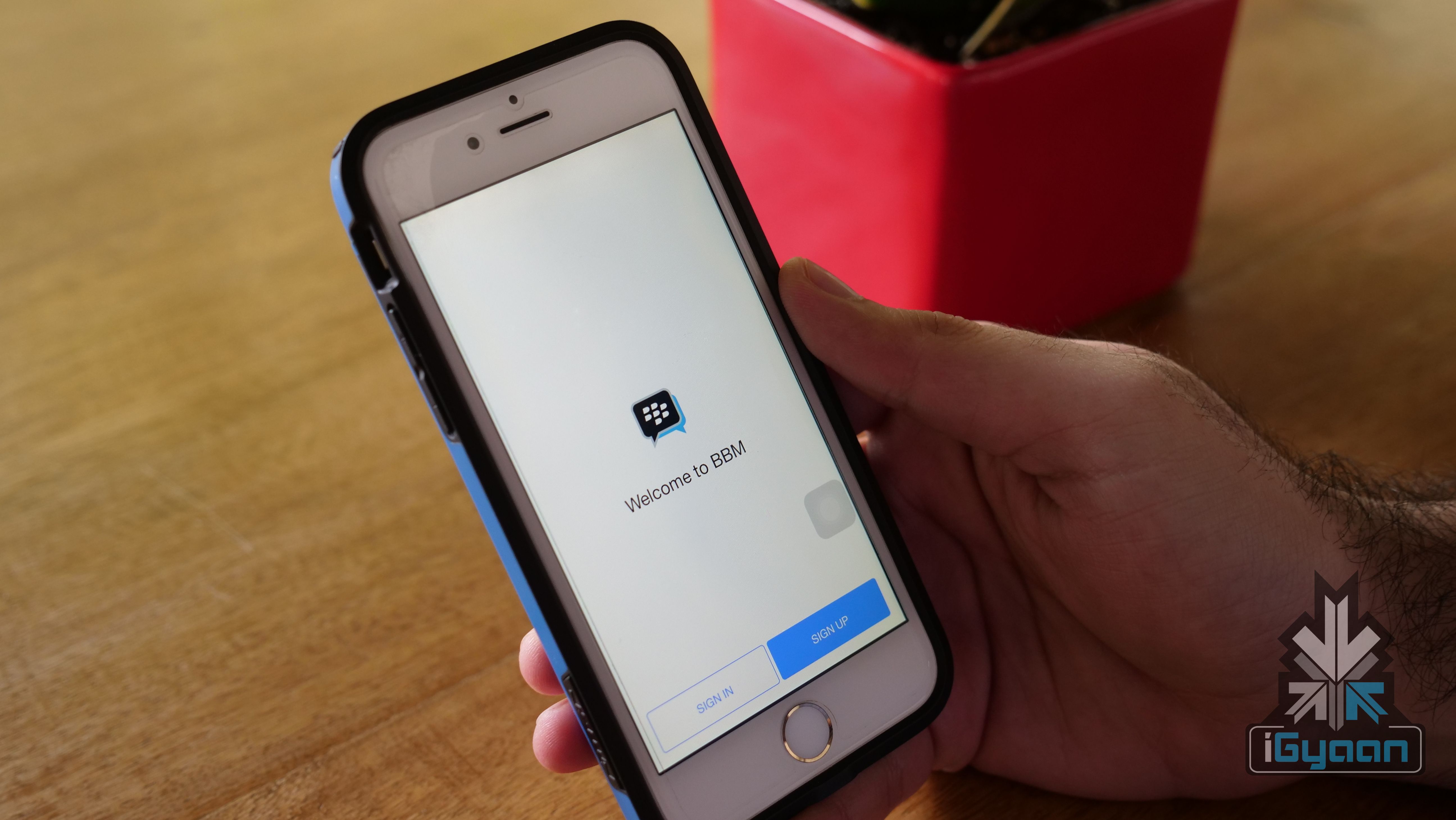
    The lawsuit appears to be related to BBM, once highly popular and now, obsolete. Using BBM, users could send unlimited messages to each other, a lot like iMessage. However, as the popularity of Blackberry devices dwindled, the company made the messaging service available for iOS and Android.

    Considering companies like Apple, Google have similar messaging apps, it is surprising that they weren’t in the firing line as well. Facebook, on the other hand, has come out with a harsh response to the lawsuit:

    BlackBerry’s suit sadly reflects the current state of its messaging business. Having abandoned its efforts to innovate, BlackBerry is now looking to tax the innovation of others. We intend to fight.

    Conclusion

    If past lawsuits are anything to go by, this legal battle will be on for a while.

  • Ford Sues John Cena For Breach Of Contract

    Ford Sues John Cena For Breach Of Contract

    One of the most famous superstars in the Hollywood John Cena has been sued American car-maker Ford.

    Last year, Ford handpicked 500 applicants out of total of about 7,000 aspirants to purchase the company’s new Ford GT. Some of those chosen were high-profile clients, such as John Cena. It was done as a marketing gimmick to show how cool and amazing the new car is. That, however, loses a bit of sheen when a celebrity goes ahead sells that car in less than a month since getting it.

    That is exactly what John Cena did. He received the car on the 23rd of September, and sold it less than a month later, on the 20th of October. At the time of purchase, Cena had signed a contract with Ford which stated that he will keep the car for at least 2 years, which he didn’t.

    The agreement, which John Cena signed, reads:

    By signing this Order Confirmation Form you are verifying the following: … (B) You understand that being selected for the opportunity to purchase this vehicle is non-transferable and agree not to sell the vehicle within the first 24 months of delivery.

    John Cena later confirmed in a phone conversation with Ford that he had sold the car, and promised to work with the company to make things right. However, Ford has said that this has not turned out the way it should have and is now suing Cena for damages. This is what the lawsuit reads:

    Mr. Cena has unfairly made a large profit from the unauthorized resale flip of the vehicle, and Ford has suffered additional damages and losses, including, but not limited to, loss of brand value, ambassador activity, and customer goodwill due to the improper sale.

    It will be interesting how this legal battle pans out.

    [poll id=”56″]

  • Qualcomm Sues Apple Again For Infringing Palm OS Patents

    Qualcomm Sues Apple Again For Infringing Palm OS Patents

    The Apple-Qualcomm legal battle seizes to fizzle any time soon. After Apple filed a counter-suit against its bitter tech-rival, Qualcomm has responded with a new patent infringement lawsuit against the Cupertino-based tech giant.

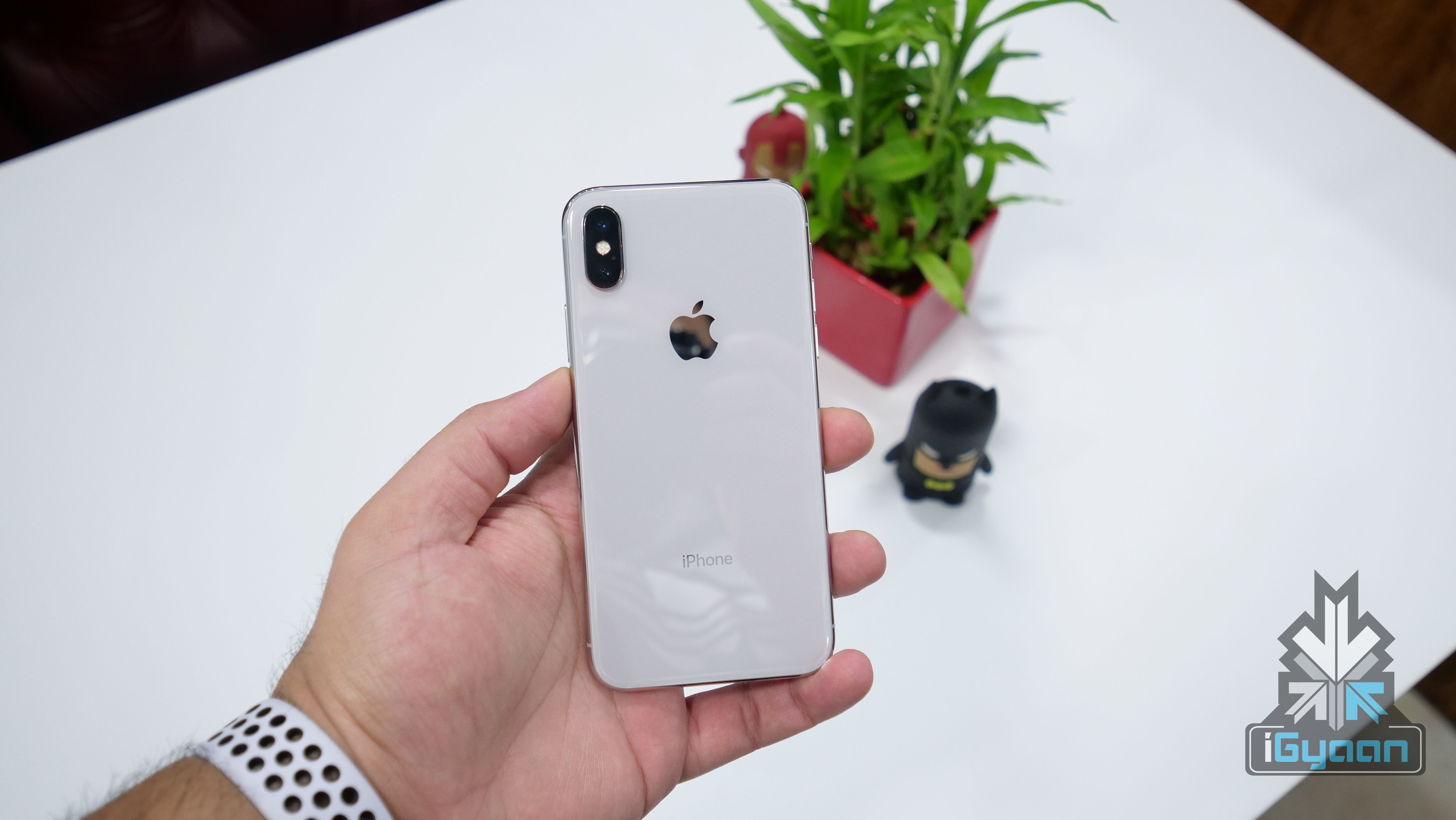
    Qualcomm wants the iPhone X banned because it claims that Apple infringed the chip maker’s patents, including some relating to improving bandwidth in devices, saving power and enhancing photos from the rear-facing camera. Qualcomm has also claimed that Apple copied some elements of the Palm OS, which Qualcomm obtained the rights to in 2014, when it bought many of Palm’s other patents.

    In its filing of the suit, Qualcomm said:

    All of these Palm inventions – owned by Qualcomm – have vastly improved the functionality of mobile devices and the user experience, and all of them are widely found in Apple products without license or permission.

    However, Qualcomm has claimed that this is not in response to Apple’s latest lawsuit. In fact, this lawsuit was in the company’s plan for a long time and the timing is just a coincidence. Donald Rosenburg said:

    You can’t react that quickly to file lawsuits. We were in the process of filing three new district court cases in San Diego today, and one new ITC case in Washington, D.C. Those involve a group of 16 patents that are additional to the ones we have already sued them on, and five of those 16 are ones we are suing them on in the ITC seeking an exclusion order.

    This is a new lawsuit by Qualcomm in quick succession. Back in October, it claimed that Apple was giving rival processor company Intel information about its chips.

  • Apple Sued By A Japanese Company Which Owns ‘Animoji’ Trademark

    Apple Sued By A Japanese Company Which Owns ‘Animoji’ Trademark

    Legal battles just doesn’t seem to go away for Apple at the moment. The Tokyo-based company, Emonster, which owns the trademark for “Animoji” in the US, is suing Apple for using the word to name its iPhone X feature. Legal worries continue for Apple with an ongoing legal battle with Qualcomm and recently losing a lawsuit against VirnetX.

    Emonster filed the suit on Wednesday in US federal court, saying,

    Apple made the conscious decision to try to pilfer the name for itself.

    Emonster owns an iOS app called Animoji that was launched in 2014, which lets people send emojis that are animated in a loop like GIFs. The app asks its users to compose the message in the lines of how you would format a line of code in Python or Javascript, with parentheses and brackets that separate the kinds of effects you want to add to text or emoji. The app costs US$0.99 on iTunes.

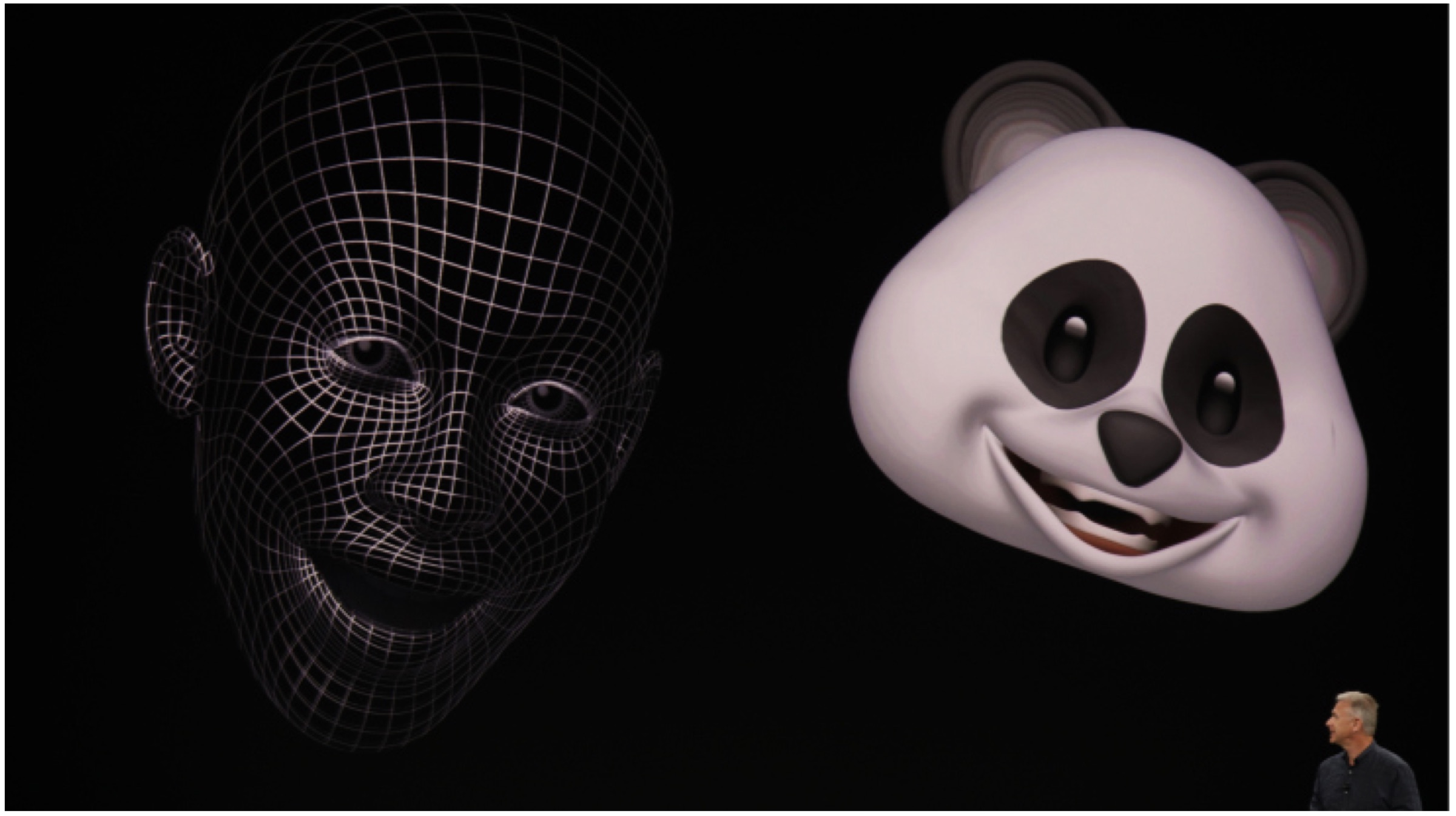
    The iPhone X’s Animoji feature, meanwhile, lets people transform their face into customised moving emoji. This is done using Apple’s face recognition technology. Apple tried to put a “fun and quirky” twist on its new flagship smartphone but, this suit couls cause some troubles to the American tech giant. The lawsuit alleges that because both the Animoji app and the iPhone X feature are on Apple’s platforms, and because both involve motion animation, the court should rule one out.

    According to the suit, Apple knew about Emonster’s ownership of the Animoji trademark since the app is in the Apple Store. Apple allegedly offered to buy the trademark, and when that didn’t work out, it kept using the name anyway. Emonster is seeking an undisclosed amount of money in damages and a court order to block Apple from continuing to use the name “Animoji” with immediate effect.

    It is reported that Emonster has owned the trademark for Animoji since 2015, Apple filed a petition in September 2017 to cancel the trademark, so the registration is now under review. Apple said that because of a filing error, Emonster registered the trademark to a nonexistent business and therefore can’t actually own the trademark for ‘animoji’.

  • Apple Has To Pay US$439.7 Million For Patent Infringement

    Apple Has To Pay US$439.7 Million For Patent Infringement

    Apple has been dealt with a US$439.7 million fine for apparently infringing four patented technologies of VirnetX used in FaceTime and other iOS apps. While this is the final judgment from the US District Court, Apple has plans to appeal the ruling which will prolong the legal battle which began back in 2012.

    Legal battles between these two companies has been a back and forth tennis match since 2010. VirnetX first filed suit against Apple in 2010, winning US$368 million two years later. It then sued Apple again in 2012, which is the suit that was being ruled on this time.  Apple initially lost the suit, and then filed for a mistrial. It won a new trial, lost that trial, and was ordered to pay around US$300 million, then lost some more money and is now having that amount increased even further. This happened because a judge found Apple guilty of wilful infringement, bumping its payment amount from US$1.20 per infringing Apple device to US$1.80 per device. In response to the ruling, VirnetX has said that this was a “reasonable amount.”

    US$440 million might not be a huge amount for Apple and the money involved is certainly not the reason behind Apple’s effort to appeal against the judgement. VirnetX has been known to make money out of filing patent infringement suits. The company’s SEC filing states, “Our portfolio of intellectual property is the foundation of our business model.”

    Legal battles seem to be following Apple nowadays. Qualcomm recently filed a lawsuit against Apple in China in an attempt to stop manufacturing and sales of iPhones in China. China is the largest smartphone market in the world and this lawsuit has come at an extremely crucial time as the company gears up for the sales of the iPhone X.

  • Qualcomm Confirms Lawsuit Against Apple In China

    Qualcomm Confirms Lawsuit Against Apple In China

    Qualcomm Inc, the San Diego based chipset maker has filed a lawsuit against Apple Inc in China. Qualcomm seeks to ban the sale and manufacture of iPhones in the country, the company’s biggest shot at Apple in a bitter and prolonged legal fight. Qualcomm filed the suits in a Beijing intellectual property court claiming patent infringement and seeking injunctive relief, according to Christine Trimble, a company spokeswoman.

    Qualcomm made the filings at the Beijing court on Sept. 29. The court has not yet made them public. Qualcomm wants to halt the manufacturing and sale of iPhones in world’s largest smartphone market. Apple’s iPhone business contributes to two-thirds of Apple’s revenue. In its statement, Qualcomm said:

    Apple employs technologies invented by Qualcomm without paying for them.

    Qualcomm’s suits are based on three non-standard essential patents. They include power management and a touch-screen technology called Force Touch that Apple uses in current iPhones.

    In its response to the lawsuit, Apple said:

    In our many years of ongoing negotiations with Qualcomm, these patents have never been discussed. Like their other courtroom manoeuvres, we believe this latest legal effort will fail.

    The two companies are months into a legal dispute that revolves around Qualcomm’s technology licensing business. While Qualcomm makes the majority of its money from making phone chipsets, it rakes in most of its profit from charging fees for patents. The legal battle started in early-2017 when Apple filed an antitrust suit against Qualcomm arguing that the company’s licensing practices are unfair and that it abuses its position as the biggest supplier of chipsets in the market. Qualcomm has countered with a patent suit and argued that Apple encouraged regulators from South Korea to the U.S. to take action against it based on false testimony.

    This isn’t an ideal time for Qualcomm either, just last week it was fined a record US$773 million by the Fair Trade Commission of Taiwan

  • Apple Settles Patent Lawsuit With Nokia For A Whopping US $2 Billion

    Apple Settles Patent Lawsuit With Nokia For A Whopping US $2 Billion

    Apple seems to be in a mood for catching a break from the “Smartphone Patent Wars”. After battling the patent violation lawsuit with Samsung, Apple seems to have decided on settling the patent infringement dispute with Nokia back in May. Apple seemed eager to avoid the legal battle like the one with Samsung and both the companies agreed on moving from adverseries to business partners.

    The details of settlement were initialy announced without disclosing the terms and the value of the settlement. According to the recent reports, Nokia announced that it has received a US $2 billion upfront cash payment from Apple (€1.7 billion) to settle the case. The terms of the new licensing deal are yet to be disclosed, including, whether Nokia would receive a US $2 billion quarterly payment or whether this was non-recurring catch-up settlement. Though the possibility of Apple paying US $2 billion quarterly to Nokia seems highly unlikely.

    The original lawsuit began in December with Nokia accusing Apple of patent infringement in multiple countries. Apple was also accused of infringing patents from Nokia subsideries – NSN and Alcatel-Lucent.

    At the center of the dispute were 32 patents involving the iPhone 3GS and subsequently launched iPhones (along with other Apple products) which Apple claimed Nokia intentionally left out of a 2011 licensing agreement. The lawsuit allegedly covered many elements of smartphone handset design and functionality, with Nokia’s patent portfolio spanning display technology, antennas, chipset, user interface and more.

    Apple responded to the lawsuit with its own and removed Withings’ products (a division of Nokia) from its online store and worldwide Apple stores. Both companies, soon after resolved the issues as Apple started restocking Withings products, with new licensing terms and agreeing to a joint effort to explore “future collaboration in digital health initiatives.”

    After the settlement, Apple and Nokia decided to take the usual patent licensing deal a step further by collaborating on technology along with research and development. The collaboration indicates that Apple might be paying Nokia to help explore the technologies related to digital health, optical network and IP routing.

    No information has been received about how Nokia plans to invest the upfront cash payment received from Apple. Whereas for Apple, it may not be a major financial setback, as according to reports, the company has more than a 750 billion dollars in cash and investments.

  • Nokia Sues Apple For Several Patent Infringements

    Nokia Sues Apple For Several Patent Infringements

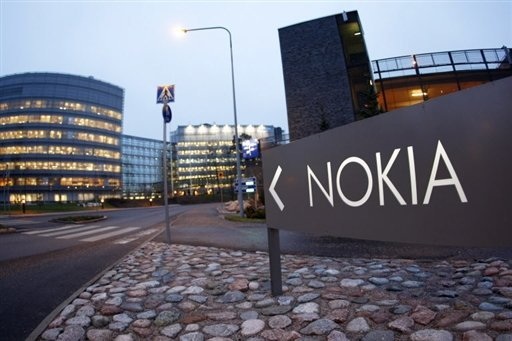
    Nokia may not be officially back, but, it has made sure you take notice, as the company files a suit over several patent infringements against Apple inc. over technologies that Apple’s been using in heir devices.

    The suit was filed in Regional Courts in Dusseldorf, Mannheim and Munich in Germany and the US District Court for the Eastern District of Texas.

    Through our sustained investment in research and development, Nokia has created or contributed to many of the fundamental technologies used in today’s mobile devices, including Apple products,” said Ilkka Rahnasto, Nokia’s head of Patent Business

    The suit covers 32 patents for a range of technologies that include things like the display and user interface to chipsets and video encoding for video captured.

    According to Apple, the patents belong to PAEs, which include Acacia Research and Conversant Property Management. They are “conspiring with Nokia in a scheme to diffuse and abuse and, as the PAEs and Nokia fully intended, monetise those false promises by extracting exorbitant non-FRAND royalties in way Nokia could not.” Apple claims that this is “anticompetitive and abusive” to the Apple inc and other technology firms.

    Apple has a long history of lawsuits with the largest one with Samsung, and several others where the company has paid out over 650 Million US$ in settlements. If the suit goes to court, the hearings will be held in 2017 and will definitely make things exciting as Nokia returns to the ring with it’s smartphones.

  • Apple Finds Itself in Another Lawsuit, This Time Over Haptic Touch

    Apple Finds Itself in Another Lawsuit, This Time Over Haptic Touch

    Apple loves court-room drama because it clearly can’t keep itself out of them. The latest name to be added to the list of Apple lawsuits is Immersion. Immersion, another California based company, has taken Apple to court over what it claims is infringement of three patents related to haptic touch used in iPhone 6, 6 Plus, 6s, 6s Plus, Apple Watch and Apple Watch Sport Edition. Phew.

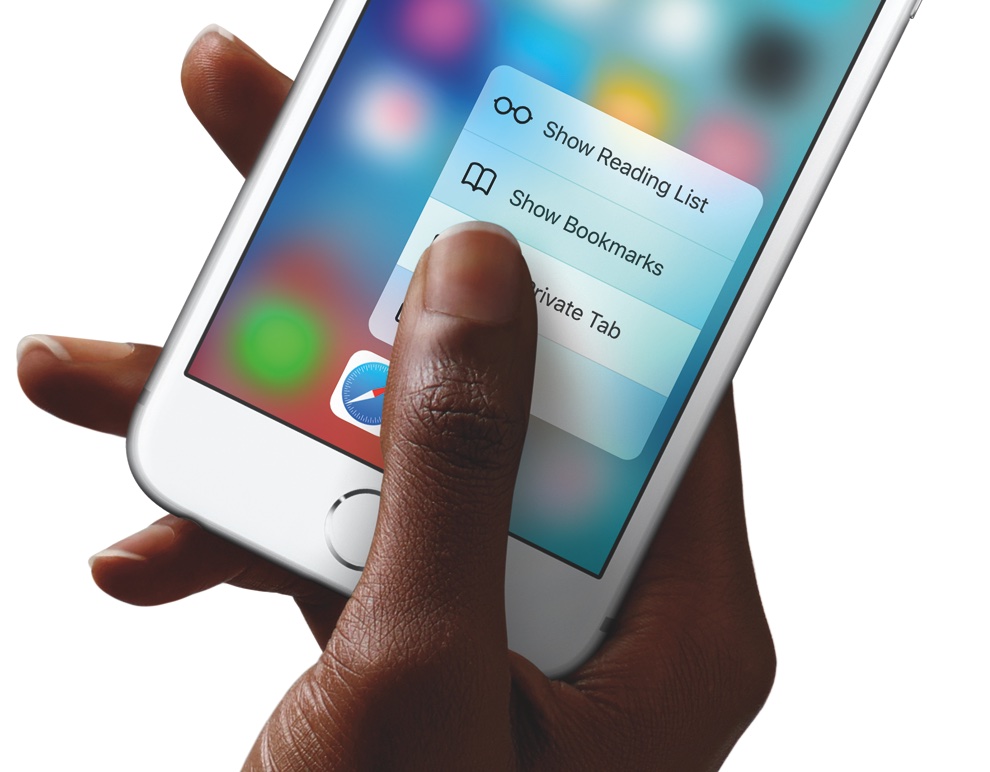
    The patents include “Haptic Feedback System with Stored Effects” and “Method and Apparatus for Providing Tactile Sensations”. Additionally, two more Apple devices,  the iPhone 6s and 6s Plus have led to the infringement of a third patent called “Interactivity Model for Shared Feedback on Mobile Devices.”iPhone 6s 3D Touch

    Apple devices have used haptic touch before Immersion’s patent. However, the company added an upgrade in its devices post the iPhone 6s and 6s Plus, called “Taptic Engine” which provided them with 3D Touch/Force Touch.

    “We will vigorously defend the intellectual property we have developed when it is infringed”, said Immersion in an official statement.

    Immersion has a history of dragging other significant names of the tech world to the court. This includes AT&T, Microsoft, Motorola and Google. Before things turned sour between Immersion and Apple, there were rumours of the former actually working with the latter on haptic touch tech in its devices. But alas, now we all now how that ended.

    Source

iGyaan Network
Privacy Overview

This website uses cookies so that we can provide you with the best user experience possible. Cookie information is stored in your browser and performs functions such as recognising you when you return to our website and helping our team to understand which sections of the website you find most interesting and useful.