American technology giant Google has announced a new tool called Game Builder. As the name suggests, it allows users to build, or create their games without any knowledge of coding. While first released in November last year; this is the first time the company has announced the confirmed the software in any manner. It has been introduced via a Google blog post on the 13th of June.
Game Builder
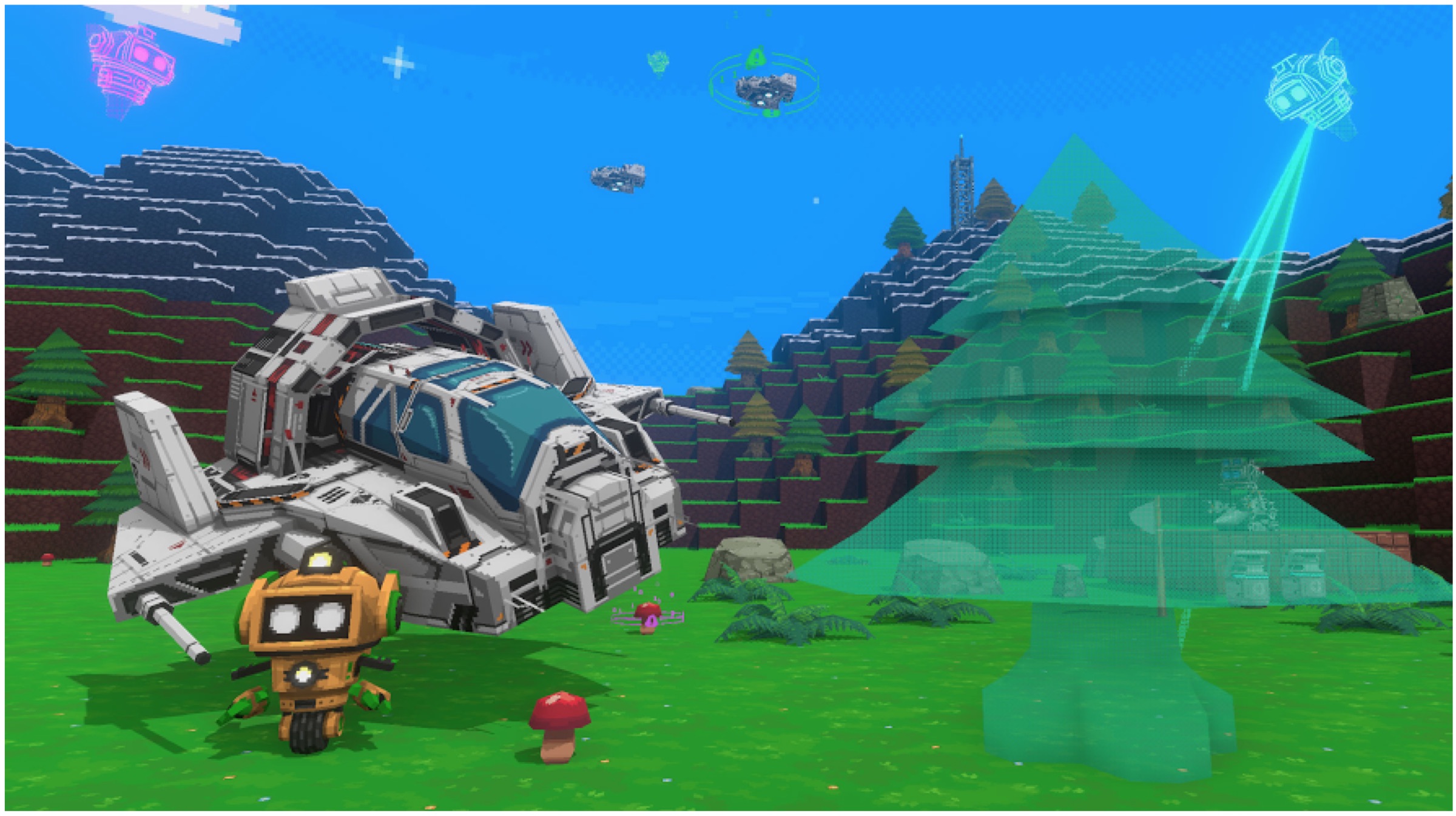
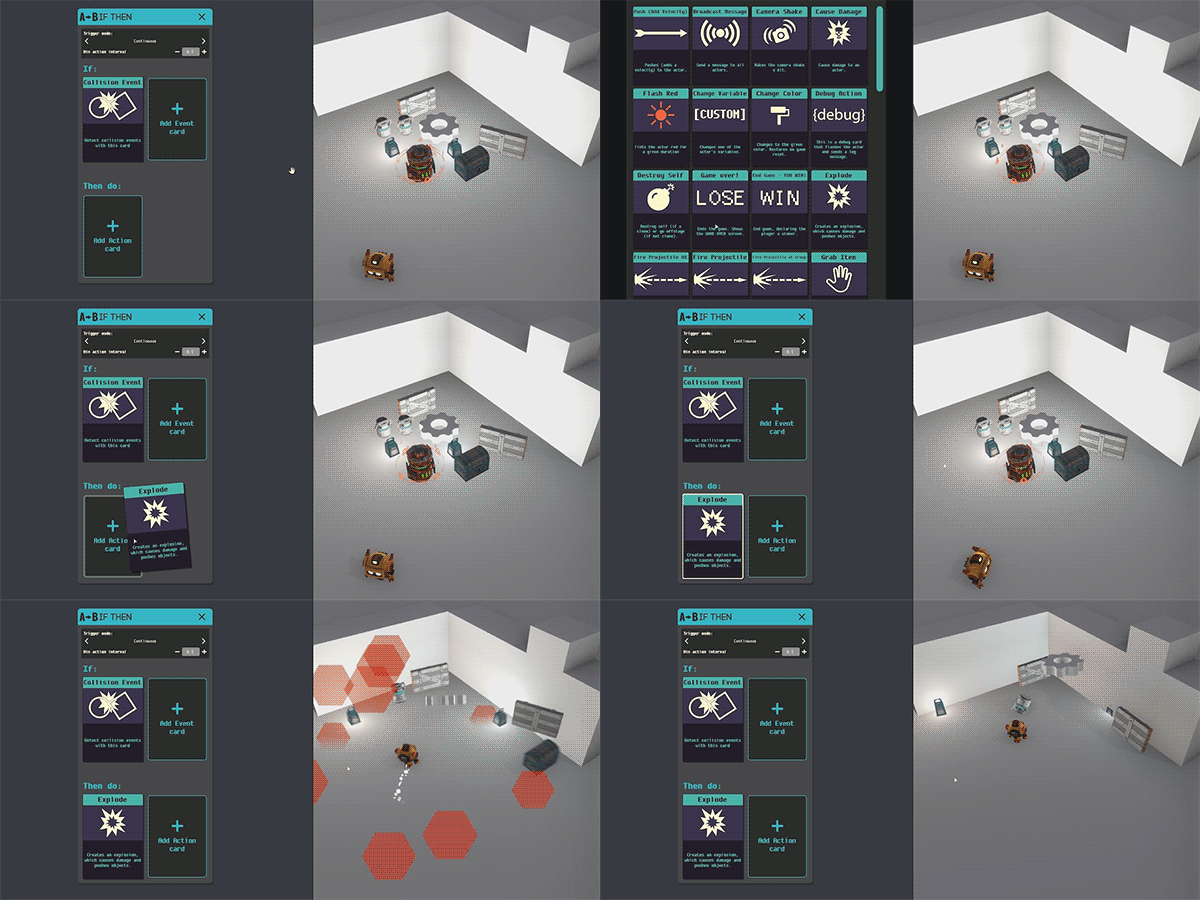
As mentioned above, Game Builder is a tool designed to create video games without coding. It is developed by Google’s in house Area 120 team which has been responsible for a few experimental projects in the past. When running for the first time, it asks the user what screen size they are aiming for the resulting game to run on. Then it offers an option to either start a new project, work on an existing one or try sample projects. These sample projects include a variety of options, like a first-person shooting game, a platformer title; or show a demo of the Game Builder card system for trying complex interactions inside a game.
The design inside Game Builder is reminiscent of Mojang’s Minecraft game due to the blocky nature of the graphics. To make a game, users will have to select a variety of cards to choose how the player interacts inside the game. The movements can also be selected by using real-time javascript functionality; which does not require compiling to save a command. Google claims the tool has thousands of 3D objects like animals and plants which can be placed inside the game. Game Builder is available for free on Valve’s Steam platform for both the Windows and MacOS platforms. While not for everyone, the Game Builder tool seems to be a great platform for people wanting to create their own game without wanting to learn complex coding.
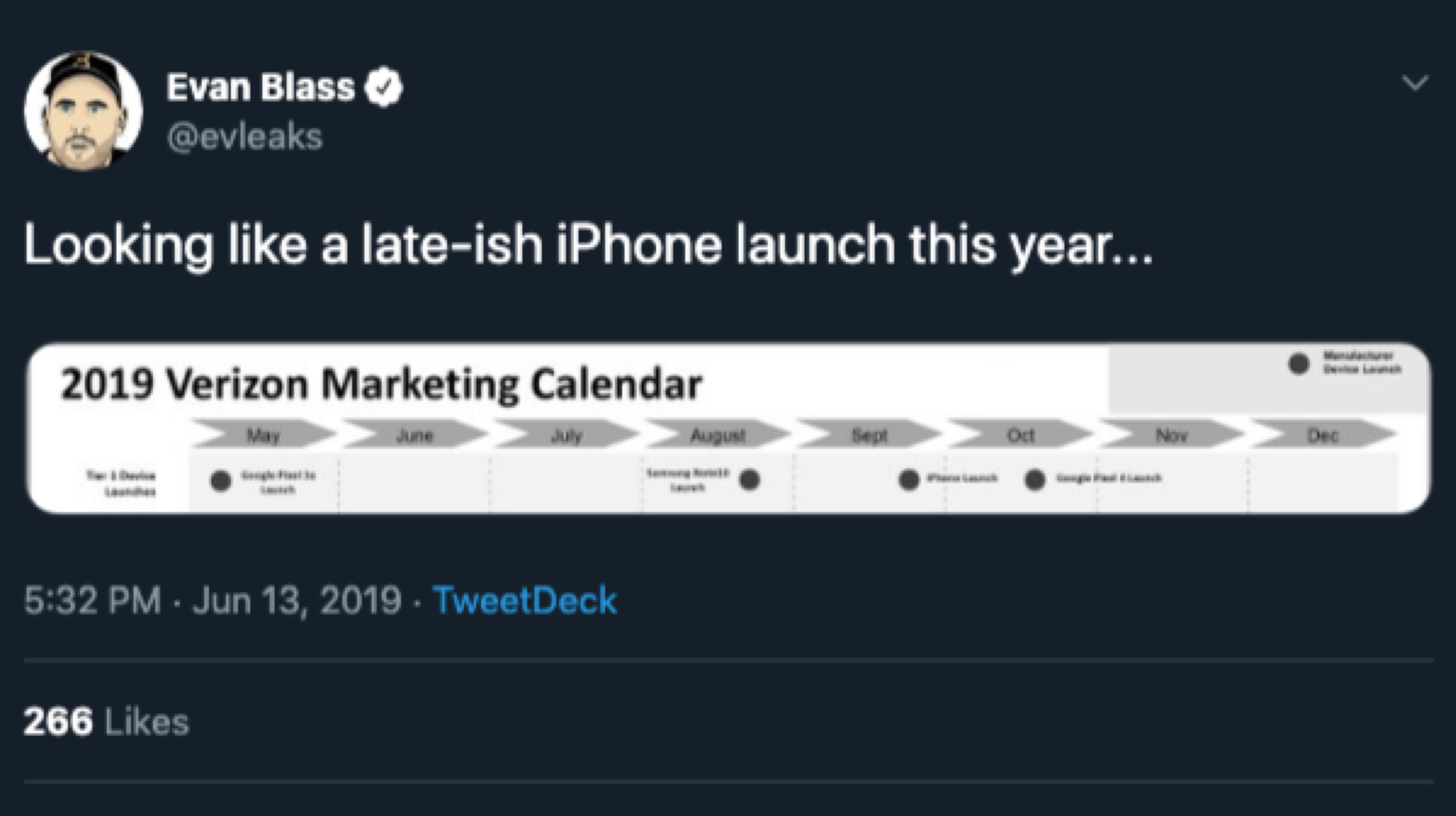
A new leak has surfaced that points at the supposed launch of the upcoming Google and Samsung flagships. The Galaxy Note 10 and Pixel 4 smartphones release date was apparently detailed by Verizon, a cellular network provider, in the company’s roadmap. This release cycle will in a manner follow the same pattern and release bracket of the latest generation iPhones.
The Google Pixel 4 and Samsung Galaxy Note 10 had both of their respective launch dates uncovered by a well-known leakster on Twitter. A photo tweeted by Evan Blass (@evleaks) showcased an October launch for Pixel 4, while the Galaxy Note 10 will receive an August release date. Apple’s 2019 iPhone, on the other hand, sits in the middle of both these releases, with a September reveal.
The Pixel 4 launch is similar to that of last years, denying rumours of an early launch despite Google revealing an early look at the smartphone. Furthermore, both the Samsung Galaxy Note 10 and Google Pixel 4 are being prepared for a launch in the latter halves of their respective month of launch. The iPhone is also expected to launch near the end of September. It can be noted that the aforementioned companies still have a couple of months between the launches and the dates might change.
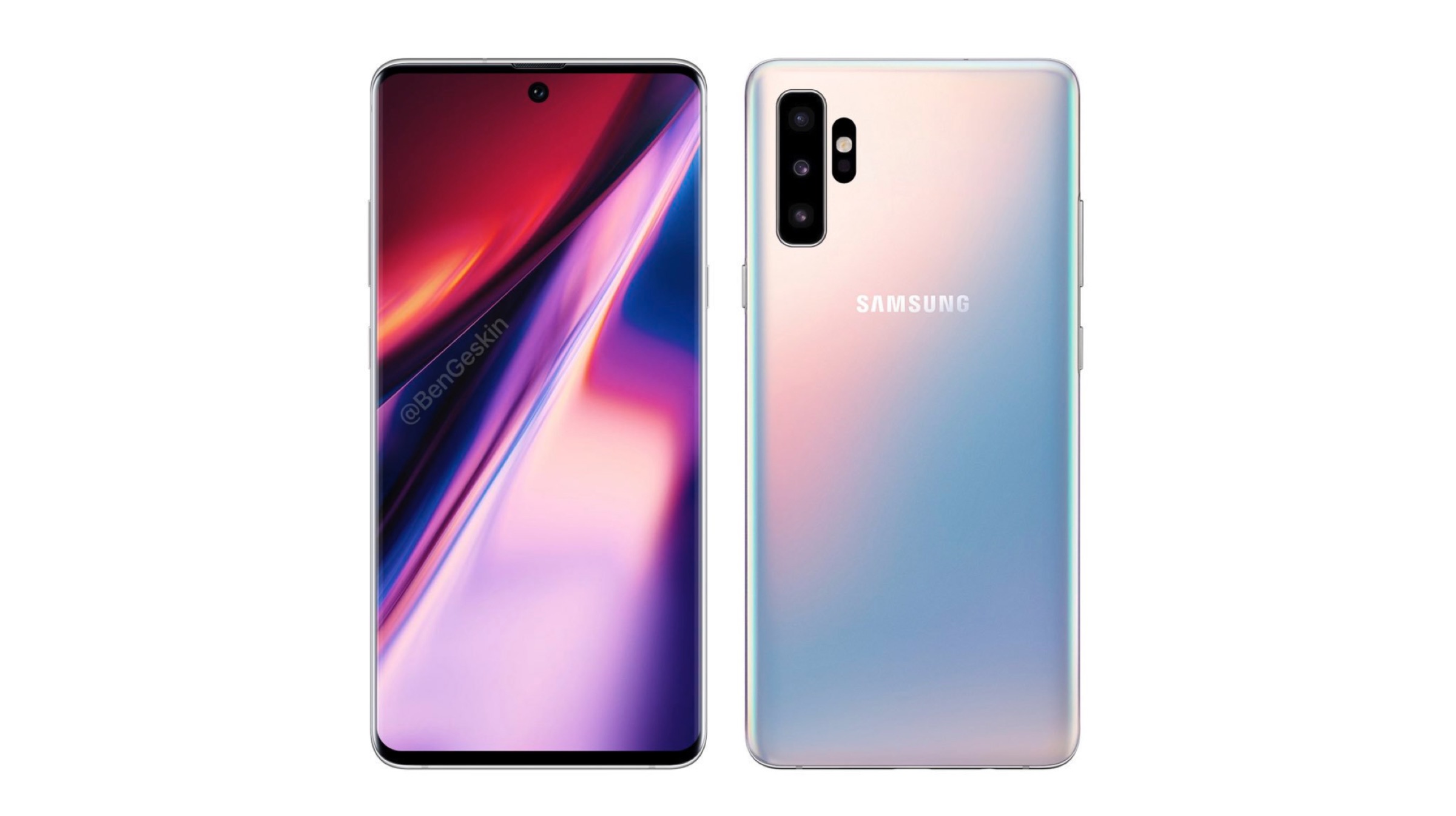
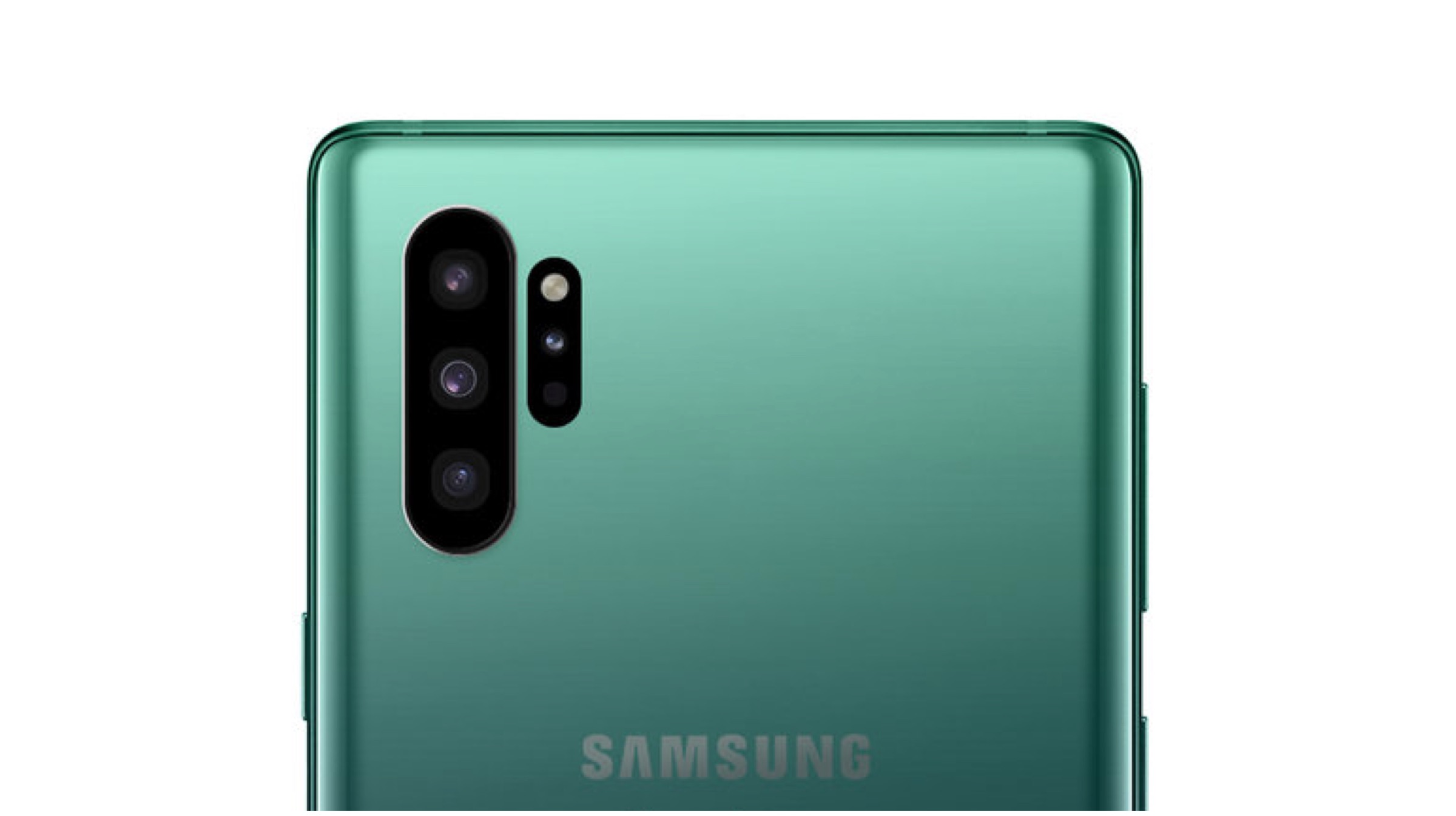
The Galaxy Note 10 will be the latest entry in the popular Note series by Samsung. Apart from leaks, rumours and a couple of educated guesses, not a lot of information on the upcoming flagship is available. Renders of the smartphone have suggested that bezels have been trimmed even further. A picture of the protective screen guard for the device has made it apparent that bezel sizes are noticeably smaller when compared to the Galaxy Note 9.
Pixel 4, however, was made public by Google themselves, unveiling the smartphone design and form factor on Twitter. The company although has not revealed any information regarding the handsets internal specifications. The next couple of months would see the launch of some of the industries best flagship smartphones that are equipped with cutting edge technology. Everyone can expect new innovations within the said devices that bring added benefits and functionality to one’s life.
Earlier this year, Google surprised the world by unveiling a dedicated gaming platform dubbed Stadia. The platform will allow users to play high end games on max visual settings without shelling out money for buying new high end hardware. Any device that can run Chrome browser can be used to play the said high end games with the help of Stadia services. Talking about the functionality of the service, the computing power required to run graphics intensive games will take place remotely in Google’s data centres which will be streamed directly on to the Chrome browser running on the user’s machine. Even though Google has done away with the need for high end processing power with Stadia, the dependence on high speed remains. In fact with the new service, not only is the essential game data transferred over the internet, the HD game stream itself is transmitted online.
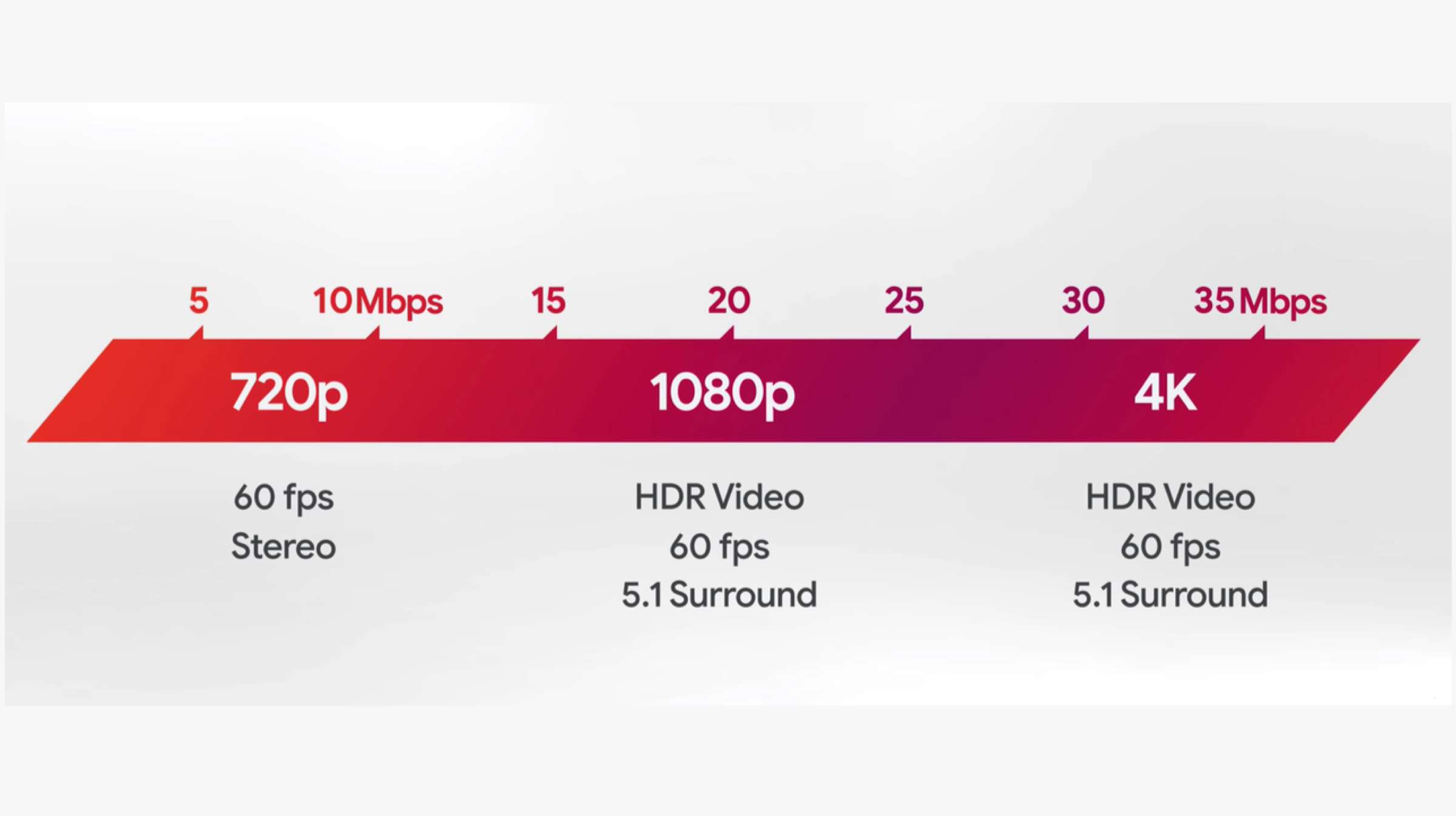
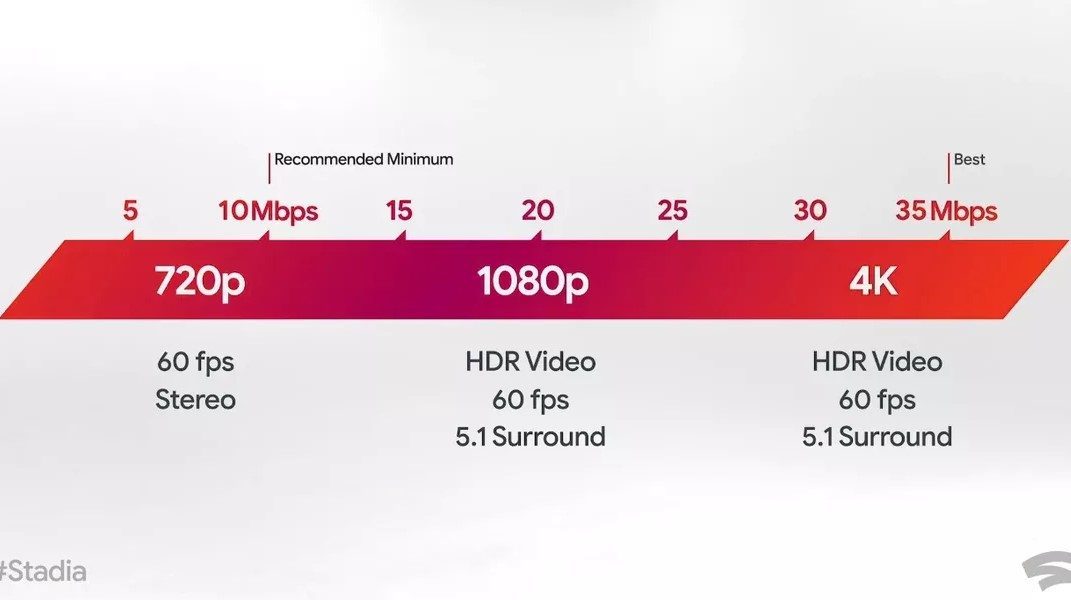
In order to make sure, the users are able to smoothly play games on Stadia, Google has revealed minimum internet speeds required to stream games in different video quality. The data sheet is attached below:
To enjoy games in the highest available video quality and 5.1 surround sound, it requires an internet connection with 35 Mbps transfer speeds. According to data collected by contributors on Speedtest, the average download speed in the United States was higher than 35 Mbps in the year 2018. Therefore, the maximum number of users hailing from the country can use the Stadia service at its maximum available quality. However, in countries like India, where the internet quality is not at par with some of the developed countries, users might be limited to using the service at 720p or 1080p quality.
Conclusively, only time will tell what the future holds for the hyped up gaming service from Google which is set to roll out later this year. Also, Sony and Microsoft have teamed up for a similar game streaming service which will compete against Google Stadia. Interested readers can find the pricing of Stadia service here.
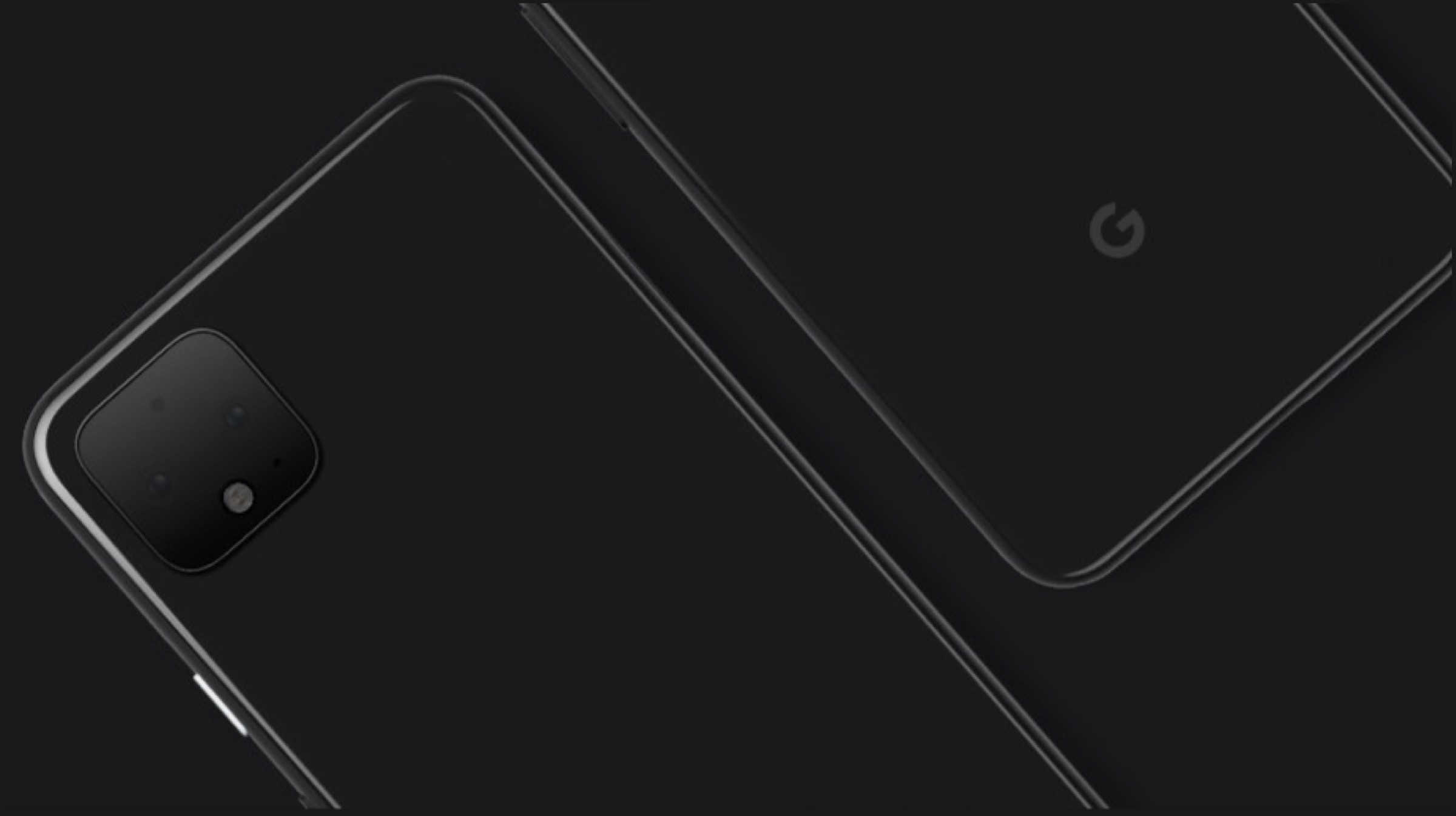
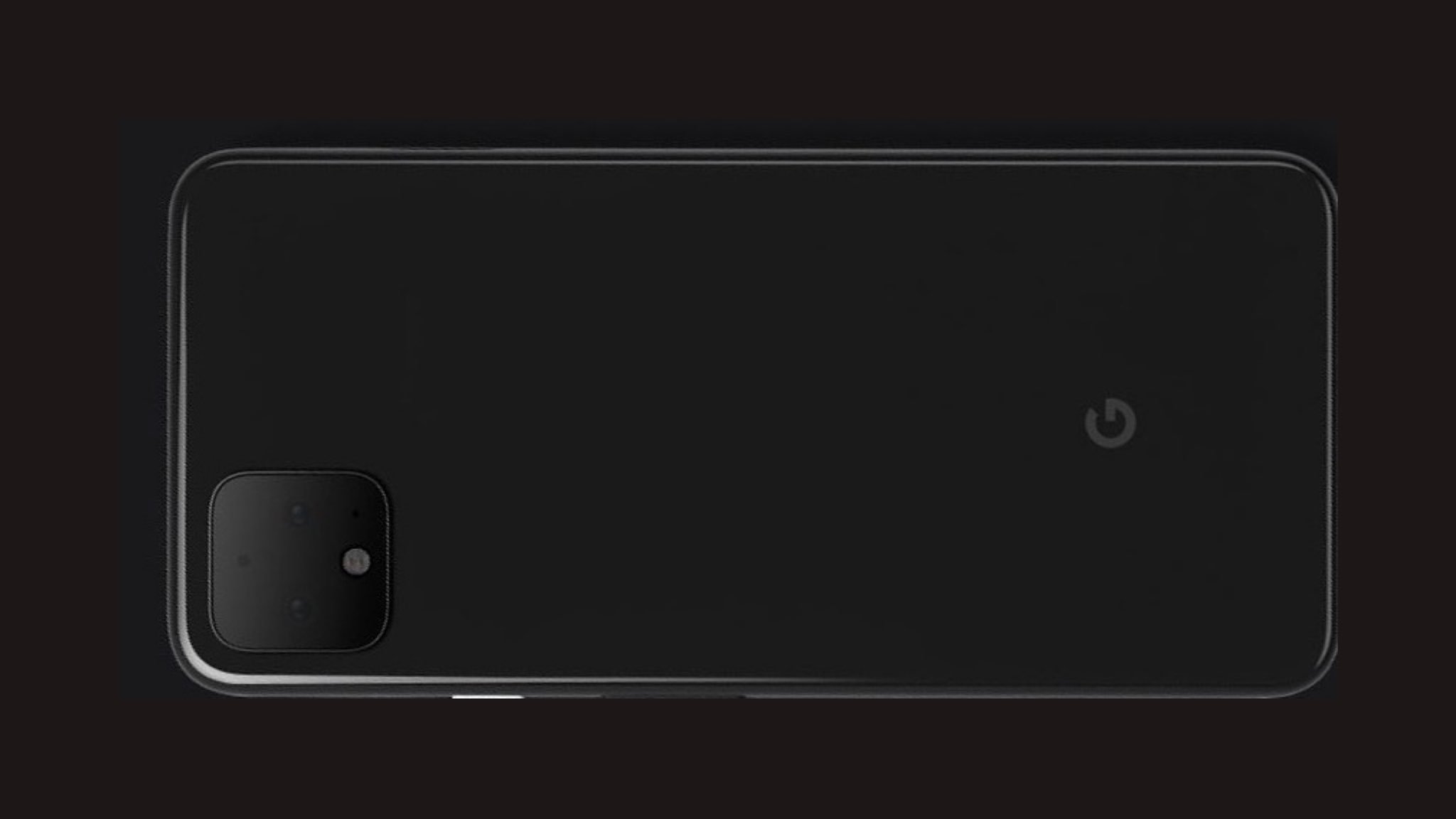
Google is expected to launch the next generation of its flagship smartphone lineup, known as the Google Pixel in the following months. Going by the company’s track record in the past, the official announcement may take place in the month of October. While still a few months away from the unveiling, a popular gadget tipster leaked the design of the upcoming Pixel 4 smartphone a few days ago. Now, in what could be called an unpredictable move, Google has put an end to all speculations and rumours by posting a picture on microblogging website Twitter confirming the design of the Pixel 4 series.
As mentioned above, Google has confirmed the design of its upcoming smartphones, allegedly called the Pixel 4 and Pixel 4 XL. While the images only showcase what the rear of the devices will look like, it seems to be quite the change from their predecessors, the Pixel 3 and Pixel 3 XL. It has been revealed that the handsets will utilise a square camera housing similar to the rumoured iPhone XI. The upcoming Google smartphones will have a dual camera setup; which may be comprised of a primary lens, a wide angle lens and an additional spectral sensor which handles light flicker while recording video.
The images of the Pixel 4 revealed by Google also exhibit a glass back which suggests the presence of wireless charging like its predecessor. There is no physical fingerprint scanner present anywhere on the back of the smartphone. This insinuates that the upcoming device will have an in display fingerprint scanner or will rely entirely on some kind of face unlock technology. It is believed that Google will launch Pixel 4 in the aforementioned month of October. In the past, gadget leaks have been complained about of ruining the experience for the brand. So this move by Google leaking their smartphone officially, confirming the design of their upcoming product is a surprising and a welcome change.
It is expected that Google will launch the latest iterations of its Pixel lineup of smartphones in October this year. These devices, allegedly called the Pixel 4 and Pixel 4 XL will be the successor to the Pixel 3 and Pixel 3 XL from last year. While the launch of the devices is a few months down the road, details about them have already started pouring in. Now, fresh leaks in the Android Q source code reveals that the upcoming Pixel 4 handsets may have the support for Air Gestures, presumably for music playback.
Air Gestures in Pixel 4
Google Pixel 3XL
According to reports, Google is working to incorporate air gestures in Pixel 4. This is believed to be because of two commands named ‘Skip’ and ‘Silence’ found in the code of the Android Q Beta. Likely to be media controls, the commands may be enabled via dedicated hardware detecting the user’s hand movements. As the Pixel lineup is the poster child for Android and all its core features; it is assumed that the gestures might make an appearance in the next generation of the smartphones. The new gestures will require an always aware sensor present inside the Pixel 4.
Google installing air gestures in Pixel 4 falls in line with the company reviving its Project Soli, which was first shown off in the year 2015. Soli showcased a gesture-based control system for electronic devices. So the company may install the technology required for the gesture system to work on smartphones. A similar implementation was seen in the LG G8, which utilised a Time of Flight (ToF) sensor to capture hand movements for controlling certain elements of the device. Unfortunately, more details about the Pixel 4 are not available yet, but it is expected that more information is unravelled; as we move closer to the launch of the handsets in October.
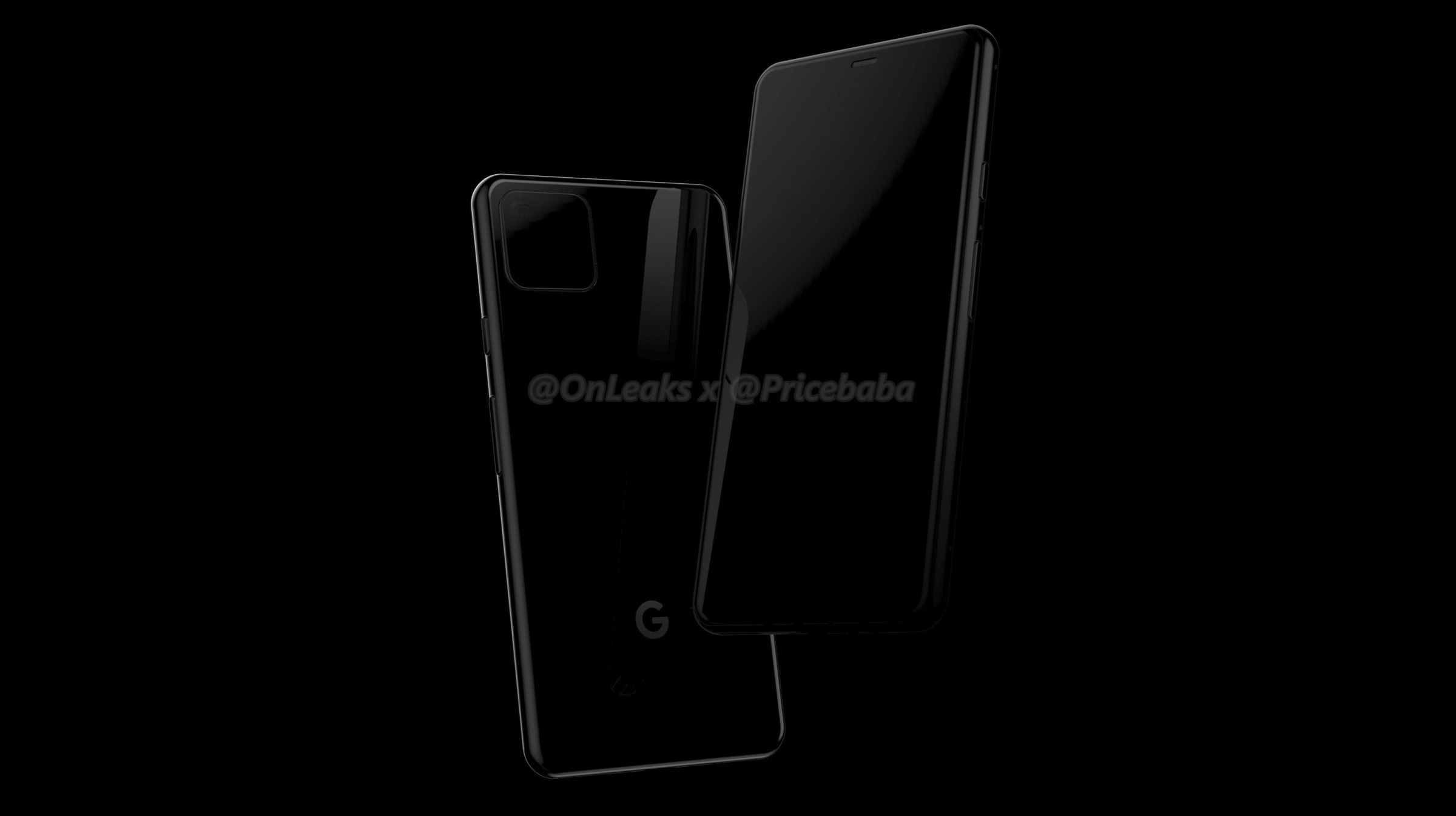
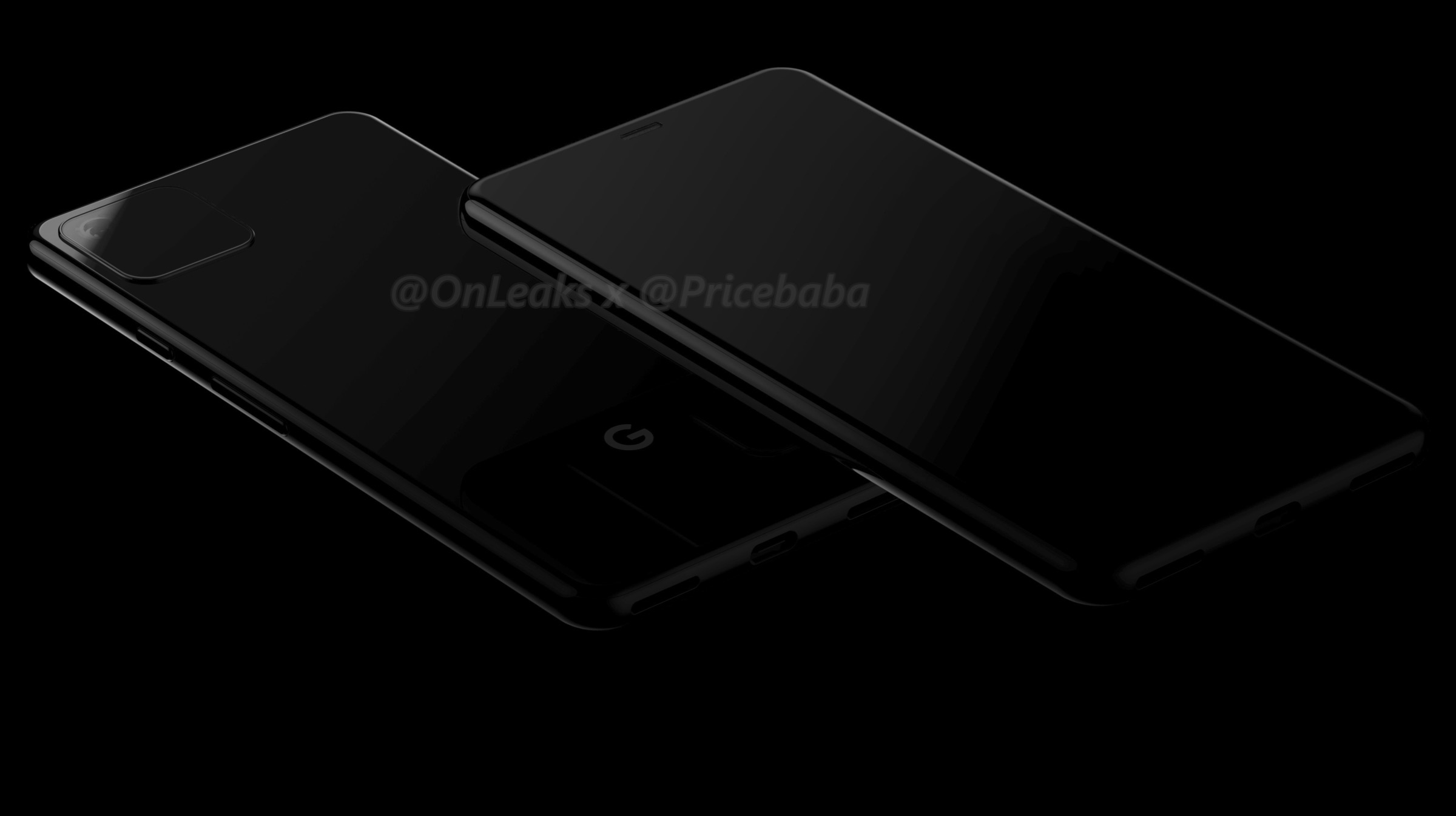
Google’s flagship smartphone, the Pixel series, are now caught amidst various rumours. Leaks across the internet showcase entirely different form factors and design. One of the most reliable sources from which information can be gathered is from a leakster OnLeaks on Twitter. Google had recently launched its mid-range handsets, the Pixel 3a and 3a XL. Anticipation regarding its upcoming flagship smartphones lineup has been building up nearing its announcement in October. The famous leakster OnLeaks (on Twitter) leaked out planned schematics of the Pixel 4. The 5K renders of the latest Pixel flagship are claimed to be based on prototypes and might undergo slight changes before its actual launch.
And here comes your very first glimpse at the #Google#Pixel4 in form of gorgeous 5K renders based upon early prototyping schematics, on behalf of my Friends over @Pricebaba -> https://t.co/gjbtMlybdg (Please read the full story before reacting in order to make educated comments) pic.twitter.com/ZZAiseB9WP
The most notable aspect of the renders points at the square camera module, similar to the leaked Apple iPhone XI renders. Google Pixel smartphones are known for their class-leading camera capabilities with its single camera sensor setup. The new leaks have pointed to a dual and, quite possibly, a triple camera module at the rear. This will be the first multi-camera function utilized on the Google Pixel. Renders also highlight the lack of a fingerprint sensor, that is traditionally placed on the back of the company’s smartphones.
The American company might be going for 3D face recognition tech in addition to in-display fingerprint sensor with the Google Pixel 4. Due to an earpiece being seen in the renders, it is safe to assume a notch will be present this year as well. Two speaker grills are seen on the sides of the USB Type-C port, ditching its front-facing speakers seen in previous iterations. Physical buttons for volume and power can be found on the right side of the device with the left being devoid of any seams. Similar to its predecessors, the Google Pixel skips out on the 3.5mm headphone jack.
Finer details regarding the Google Pixel 4 and any of its variants are yet to be discerned. Being a flagship grade device, it is most likely to be equipped with the Qualcomm Snapdragon 855 SoC which is one of the few options for high end SoCs. The device from the search engine giant might finally cross the 4GB RAM threshold with alleged benchmarks of 6GB variants being seen. Since it is a Google flagship handset, it is destined to ship with the latest version of Android OS which will be Android Q at the time of launch.
Google, ahead of the gaming expo E3 2019, has unveiled the details for its new game streaming service. The company’s announcement in March for Google Stadia had left out many of the finer details that have since been disclosed. Google will directly compete with companies like Sony and Microsoft, that are suddenly dealing with a new platform that had no hardware limitations, in the widely popular and ever-growing cloud based gaming market.
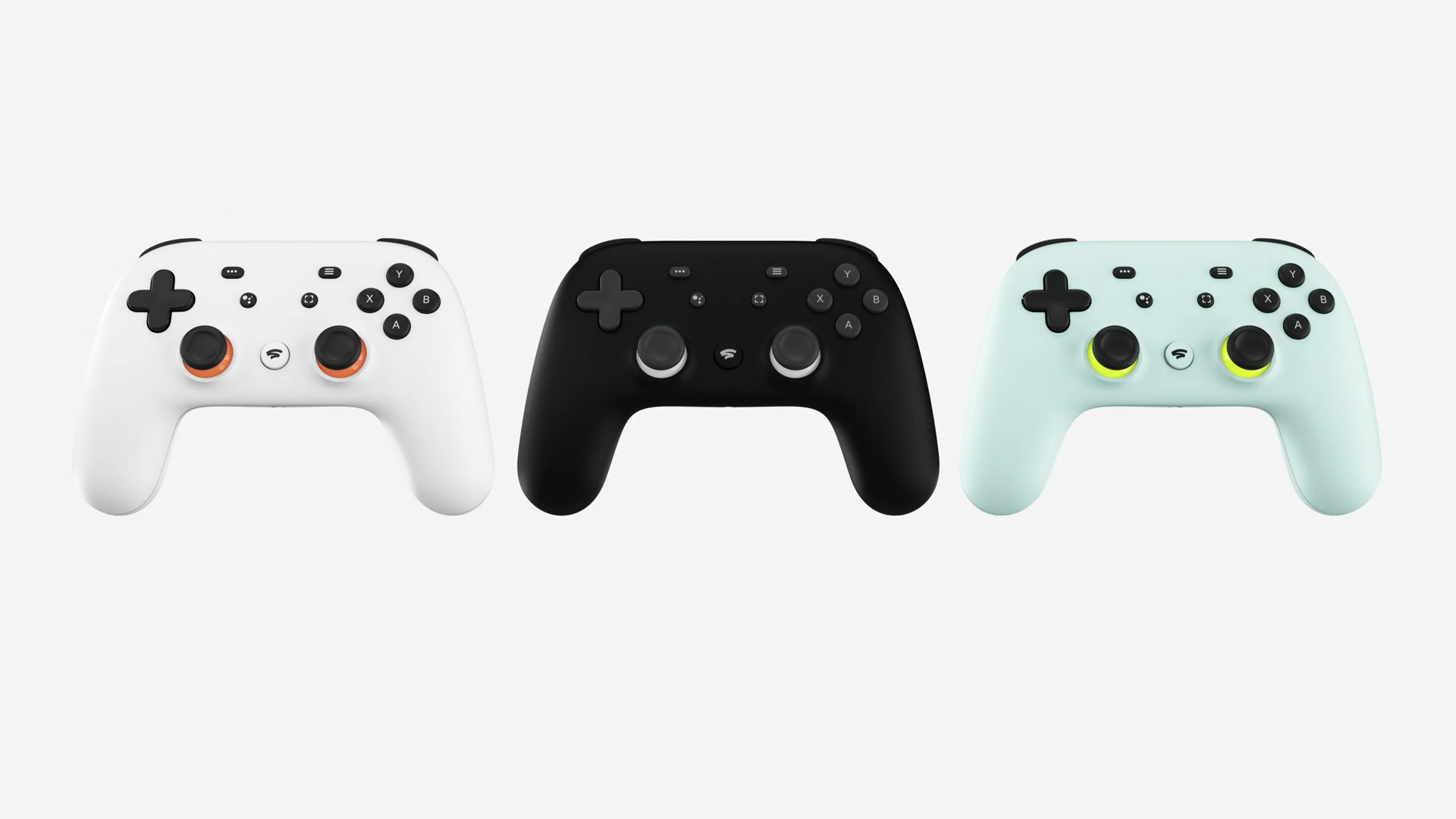
Google Stadia is confirmed to launch in November 2019. 14 regions will be in the first wave of countries to receive the game streaming service, such as the US and Canada. 31 games from 21 different publishers will be available at the initial launch with the “Founder’s Edition”. The special edition will cost $130 (approx. Rs.9,000) for a hardware starter kit (bundling a $70 or Rs.4,000 controller) with 3 months of premium service, and a $10/per month (approx. Rs.700) after the complimentary period ends.
The company has only announced the pricing of one tier in Google Stadia’s subscription options. Stadia Pro that is priced at $99.9 (approx. Rs.7,000) will offer 4K gaming at 60fps streaming with HDR and 5.1 surround sound. This pack requires a stable 35Mbps of bandwidth connectivity. Google Stadia promises more games in its free category alongside exclusive discounts on games. A Standard edition is being prepared as well, with no details given on that version, more information might be revealed at E3 2019.
Google is also planning a separate free tier that will be seen sometime in 2020. Pre-orders for the “Founder’s Edition” of Google Stadia are now open in 14 countries that receive the service first. The quality of this service is yet to be determined in the real world since Stadia has only been seen in action under controlled environments. Stadia should not be grouped with services like Netflix, in which users pay a monthly subscription and watch movies or a series. Google only offers a platform in which users can buy the games that they wish to play, along with a monthly fee for the online service. The only game that comes free with just the subscription is Destiny 2 by Blizzard-Activision, as of right now.
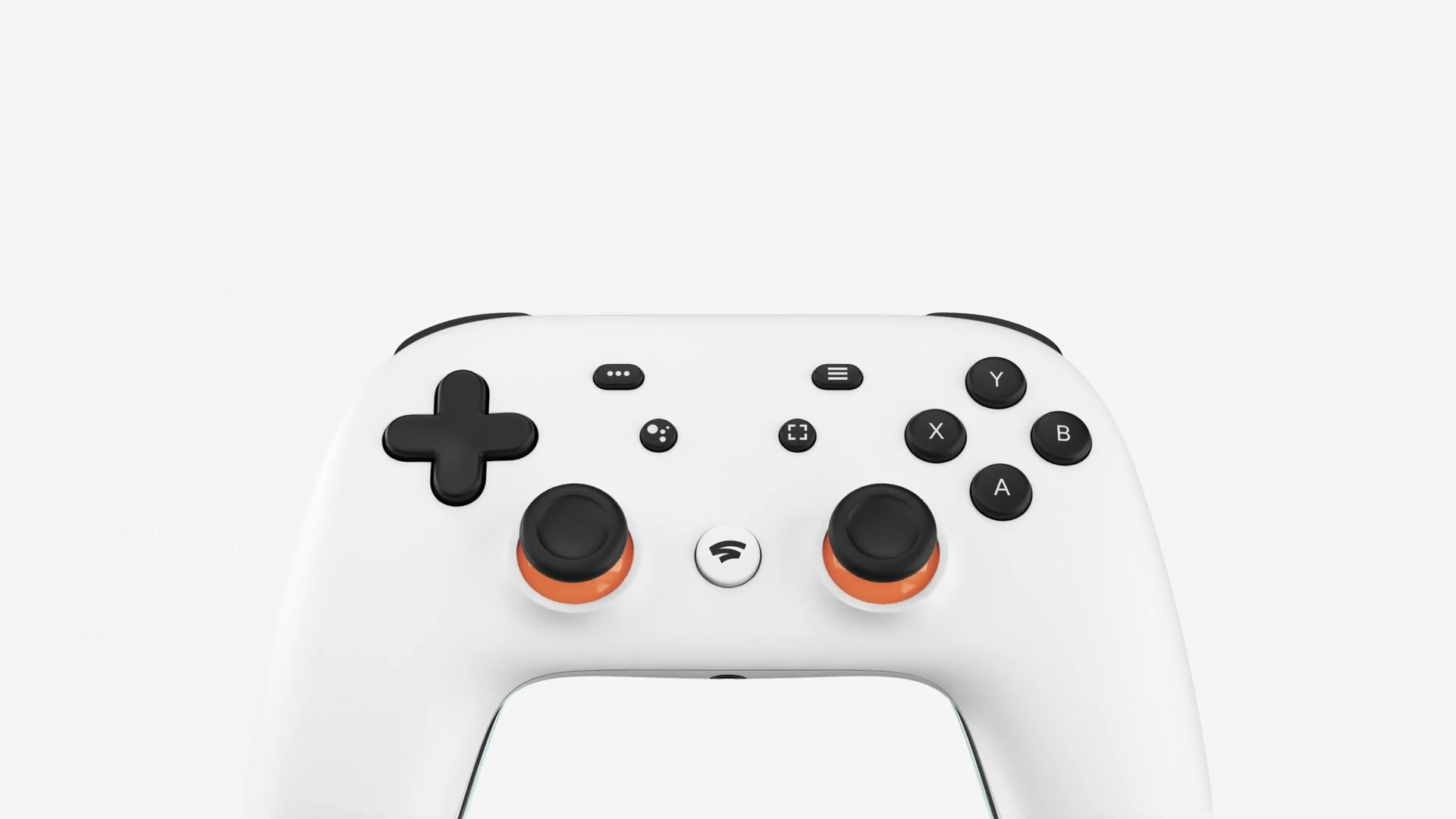
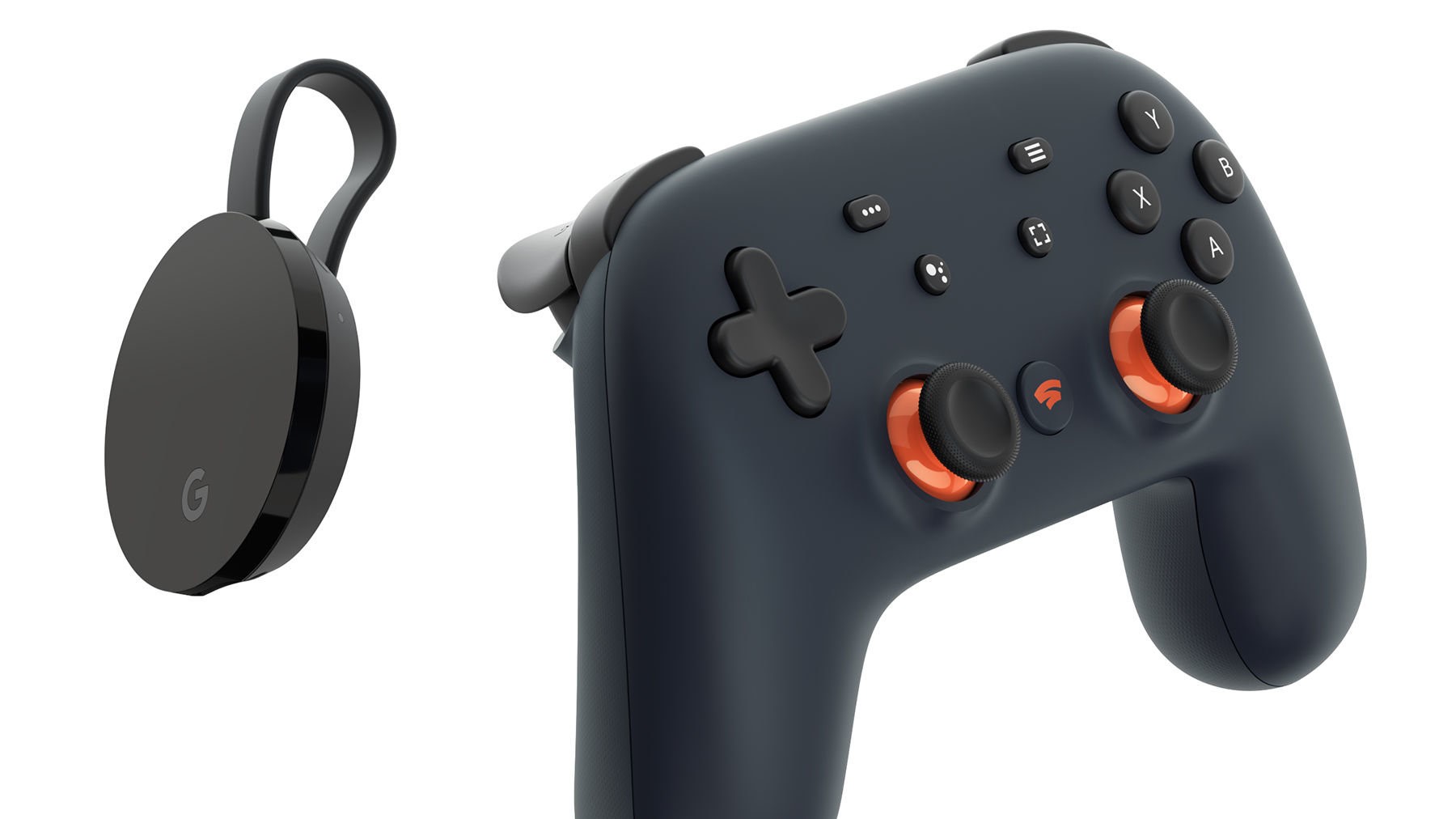
Google Stadia in practice is closer in resemblance to Steam, the digital game store by Valve. Apart from the 31 game titles at launch, like Mortal Kombat 11 and Assassin’s Creed Odyssey, more games will be added eventually along the way. However, it is still unclear if Google Stadia will be a host for games developed exclusively for the platform. Notably, the $130 price tag for early buyers is still a cheaper alternative to any gaming console currently available in the market, namely PS4 and Xbox One. Google is currently bundling the Chromecast Ultra that plugs into TVs with a limited-edition dark blue version of Stadia’s controller.
The cross-platform streaming of games from Xbox allows users to play on any PC, Pixel 3 or 3a device (Google plans on supporting more smartphones soon) or Chromecast TVs. Google Stadia has led Microsoft and Sony to develop their own game streaming services such as xCloud and PlayStation Now respectively. A move just to stay relevant in the market and in the future. With the advent of network advancements like 5G, digital media is growing at an ever-increasing pace.
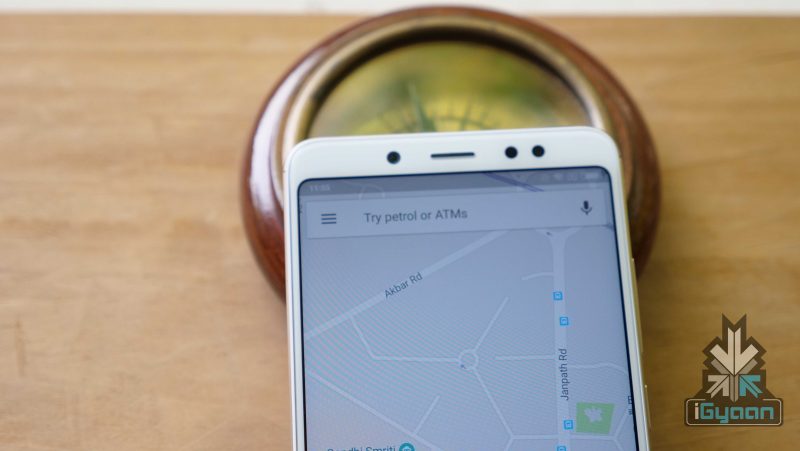
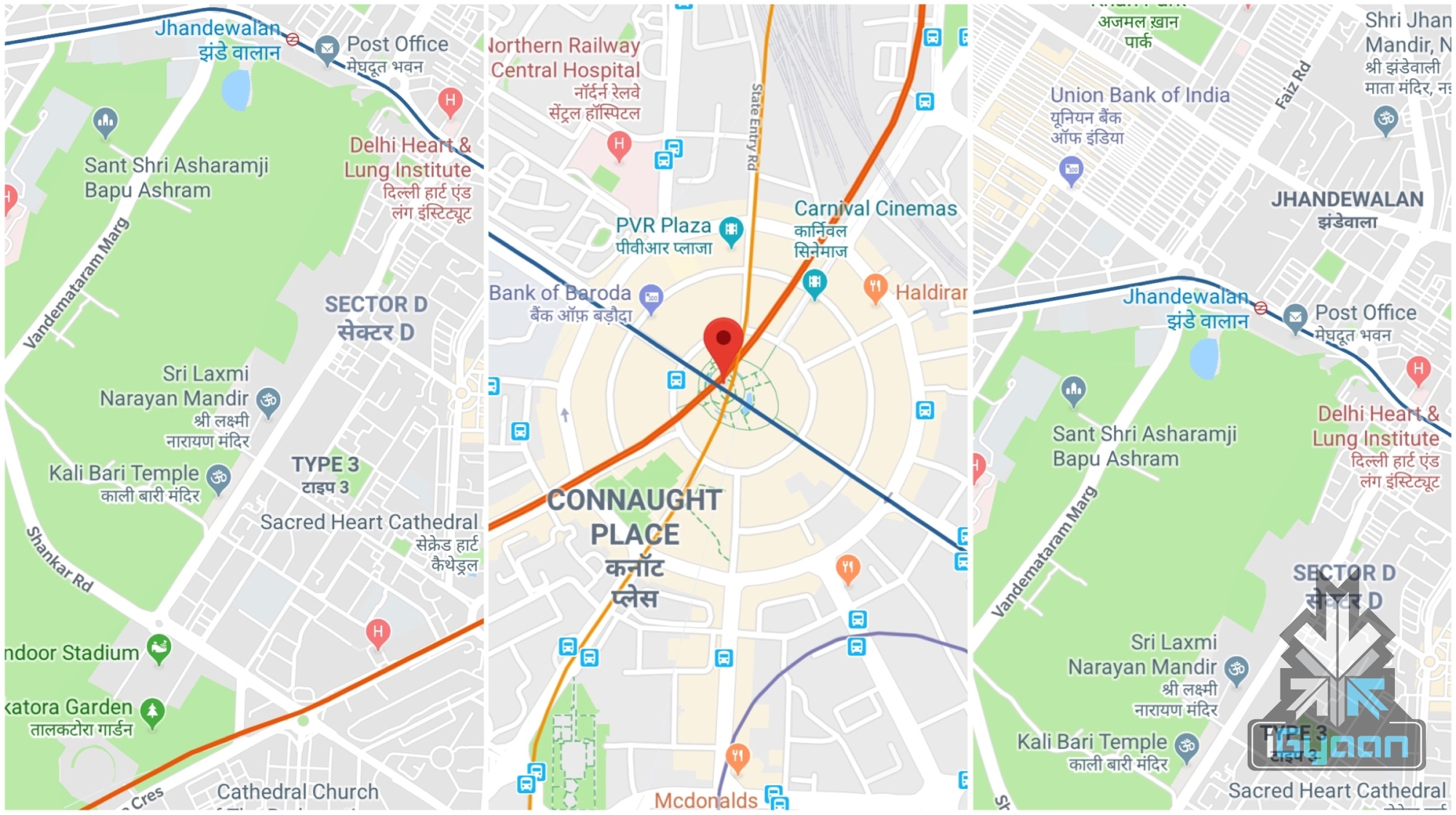
In a modern day world where time is money, information regarding an individual’s commute is extremely important. In Indian states like Mumbai where trains are the most common form of transportation for the masses, details regarding the status of various trains is quite crucial. In a new announcement, Google has unveiled its plans for adding practical (and much needed) features to Google Maps for its Indian user base.
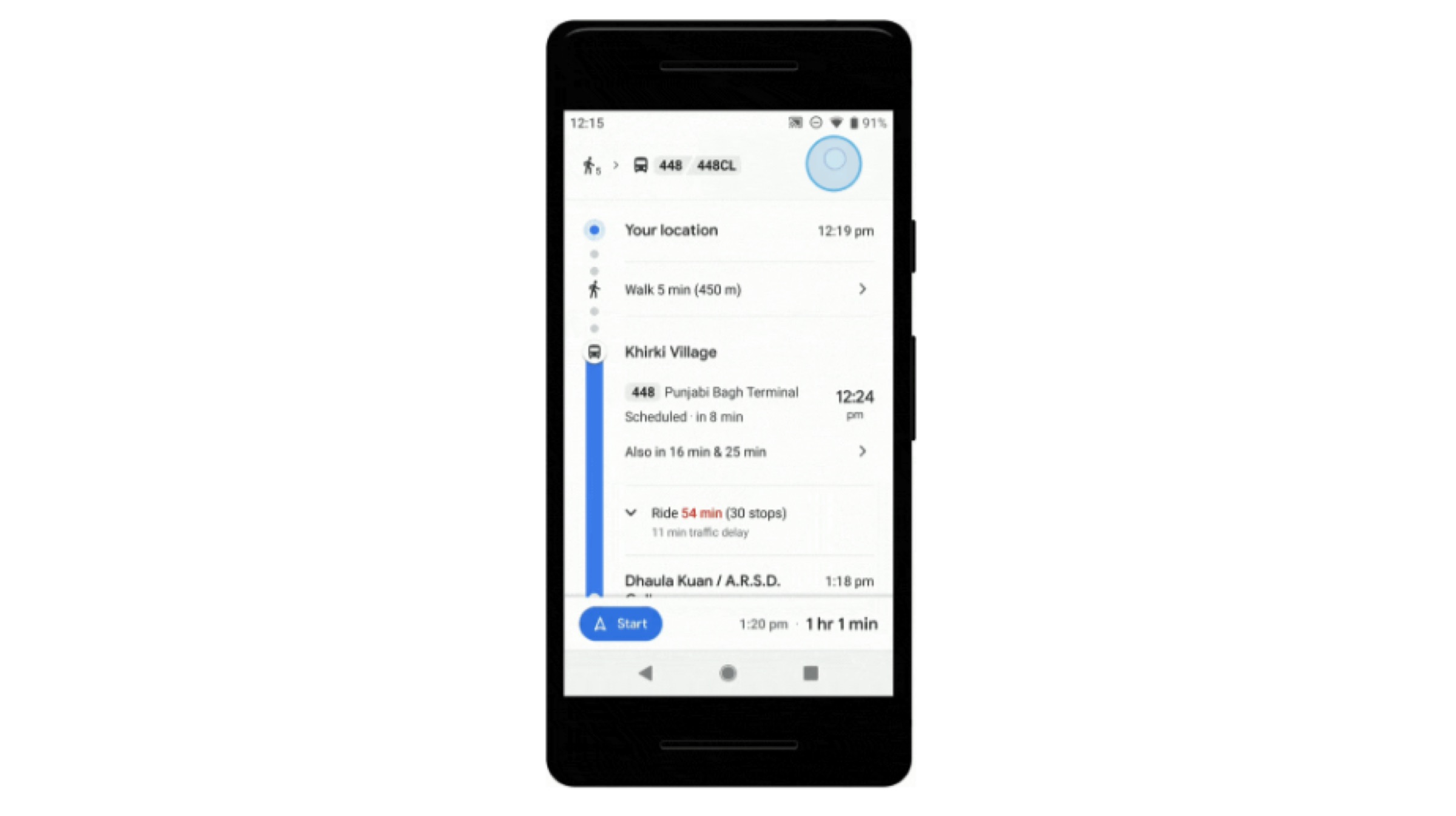
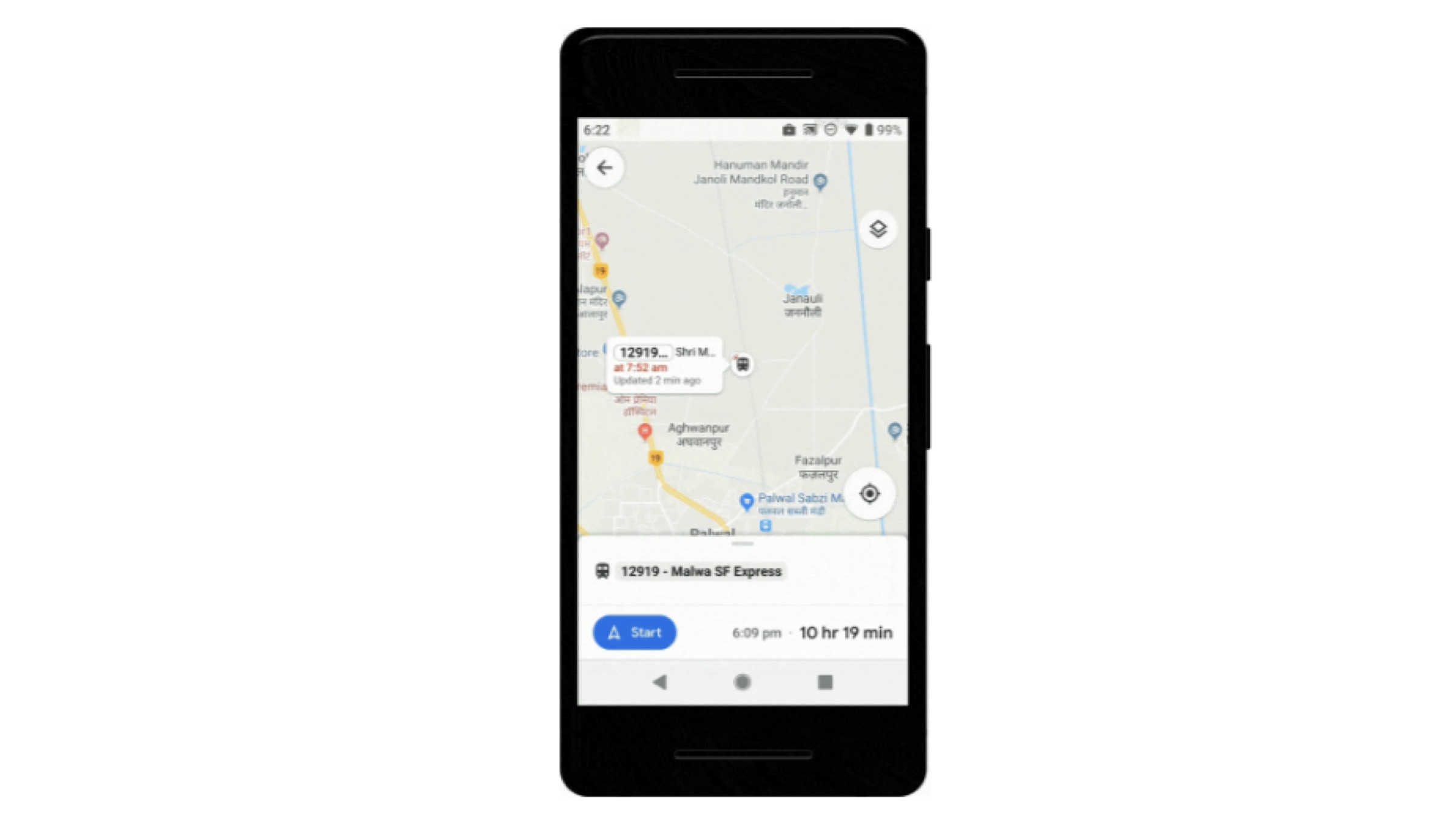
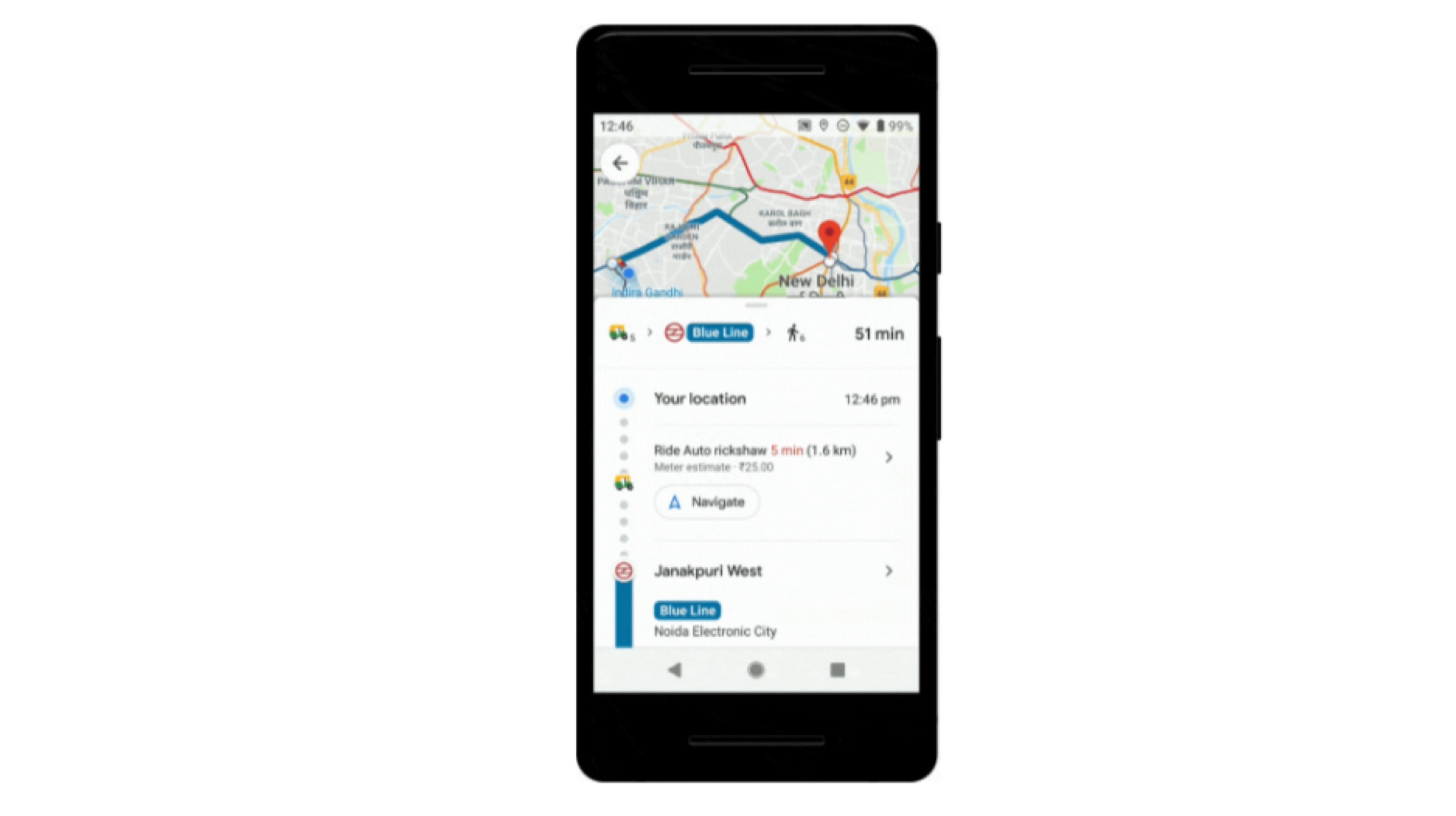
With the new update, Google Maps can provide the user with real-time information on bus travel times derived from live traffic conditions. Furthermore, users will now also be able to track live statuses of Indian Railway trains. The update is set to be introduced to ten major cities in the country. A mixed-mode commute feature will also be introduced. This feature combines auto-rickshaws with public transport for a more detailed route to the user’s destination.
Bus & Public Transport
The aforementioned feature will work hand-in-hand with Google Maps pre-existing live traffic data and public bus schedules. This will provide accurate travel times regarding buses in real-time. Bangalore, Mumbai, Hyderabad, Pune, Lucknow, Chennai, Mysore, Coimbatore, and Surat will be the first cities to receive this feature. The new update will be tested out for the first time in the real world and will help in relaying more detailed information regarding buses to the users.
Indian Railways
Trains will also receive a similar set of updates. Information regarding delays and travel times will now be available on Google Maps. Upon searching for the user’s current location and destination, the app will provide inter-state data regarding train routes. This feature was developed with the help of ‘Where is my train’ app, that was acquired by Google in the year 2018.
With the inclusion of the new mixed-mode feature, route results now also highlight auto-rickshaws. This form of travel is popular in India for quick and short duration rides. Google Maps will suggest rickshaws during trips in public transport only if it is a viable alternative. This particular feature, however, will be only available in Delhi and Bangalore and will eventually spread to other cities as well.
Early morning on June 2nd 2019 Google engineers struggled with a four hour Google cloud services outage. This took out critical Google services down, including Google Drive, Gmail, Youtube, and also affected sever other companies including Vimeo and Snapchat who use Google Cloud Services to host their platforms globally.
This comes soon after an announcement from Google stating that the company will remove Huawei as an authorized Android supported OEM and that the company will not officially get Android updates, or future security updates. Google’s services are crucial for any Android smartphone maker and allow for markets outside of China to fully utilize the devices.
This “ban” originated at the US governments blacklisting of Huawei. which banned US companies from using Huawei hardware or doing any kind of business with Huawei. And while a 90 day grace period was granted to the state funded Chinese Electronics and telecom giant, the future looks bleak for the company, and revenue estimates along with market value of the brand has dropped drastically.
China is not happy about this and has suggested a rare minerals export ban, which could intern affect US manufacturers.
“What is interesting is the timing of the outage,” claims our source ( An Ex Huawei Employee ) “this is the company fighting back”, Suggesting that Huawei or those close to Huawei are responsible for the outage.
While Google has not explained what caused the outage publicly and managed to restore services back in four hours, with no impact to infrastructure or data. A large scale attack on Google’s crucial servers could be a possible reason. Google services were detected down in 249 locations in 170 cities around the world something that could have had long term implications on business and productivity. And if this was a third party attack, it could be considered a warning.
Starting between 12-12:15pm PT ThousandEyes detected a global outage in @GCPcloud that is currently ongoing. At this time we can simply confirm the large scale nature of the outage. #gcpdownpic.twitter.com/8Y2jsQNQi7
It seems that Facebook and Instagram are not the only platforms that suffered outages in the year 2019 so far, as Google Cloud services were down as well on June 3, 2019. The outage affected multiple applications such as Gmail and Nest. Furthermore, applications that implement Google Suite including Snap and popular voice-chat platform, Discord were offline as well. First reported by users in the United States, a similar issue was also brought to light by other users across the world.
As per a statement released by the company, the Google Compute Engine was suffering from a multi-region issue that was affecting Google Cloud services. Owing to network congestion in Eastern USA, users were experiencing extremely slow loading times and errors. Moreover, people reported issues with Google Nest that was not allowing them to change the temperature in their homes and apartments.
Reportedly, the issue was resolved a few hours later after its occurrence. Another statement put forward by the company confirmed that Google was conducting an internal investigation of the problem in order to prevent future recurrence of the same. However, concerns were raised regarding the vulnerability of Cloud-based software and applications. Since a multitude of services relies on Google’s Cloud Service, a lot of developers and organizations may start thinking about contingency plans in case an outage occurs again.
Even though the cost of hosting applications on a third-party cloud platform is quite low, it basically implies that the entirety of the service is dependant on one platform to function. In such a case, a backup storage or cloud storage can be helpful for the organization. This particular outage experienced by Google may be a wake-up call for network-dependant applications that suffer if the service stops functioning even for a short duration of time.
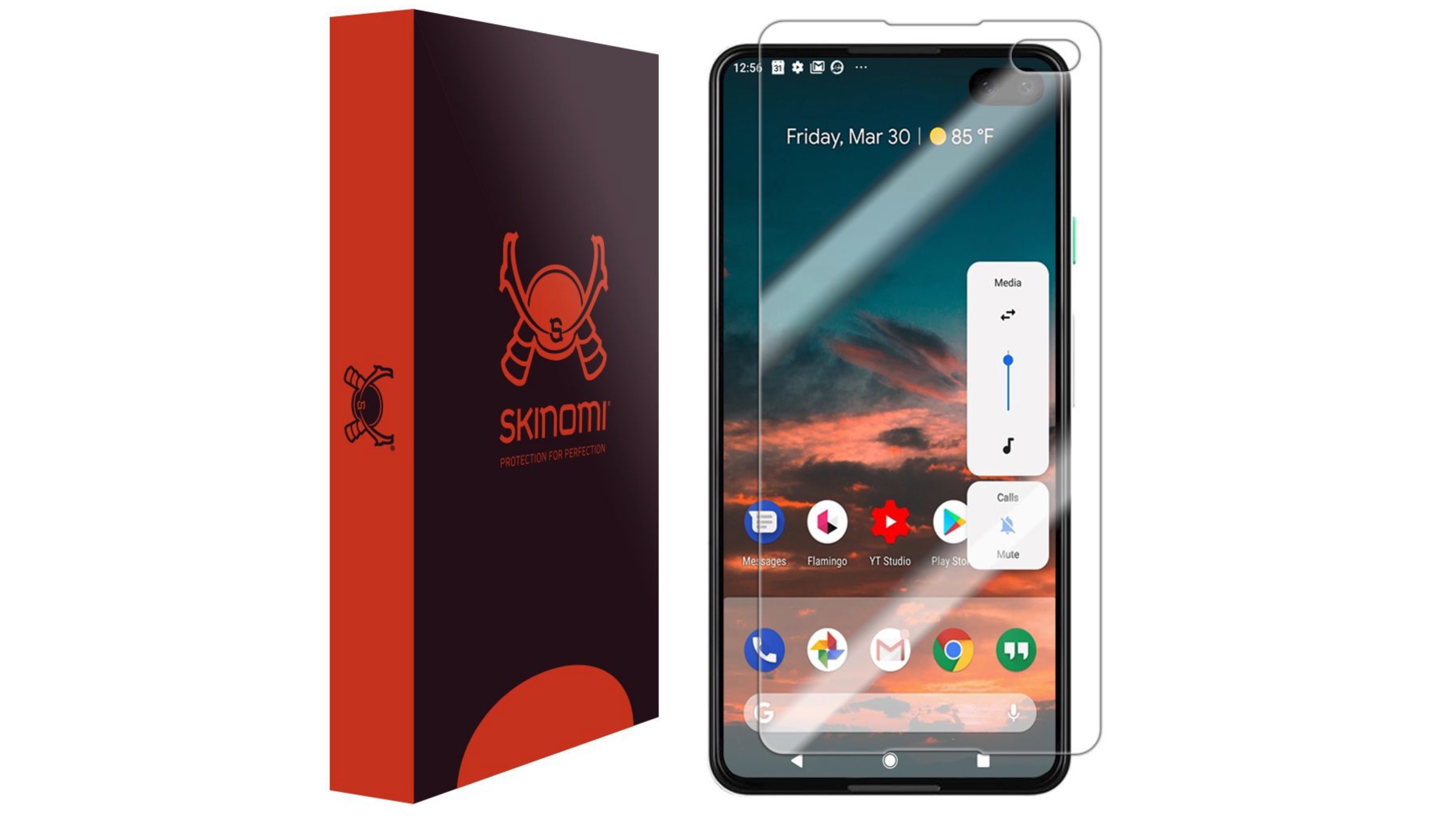
Google is expected to launch its latest iteration of flagship smartphones in the month of October this year. These devices, allegedly called the Pixel 4 and Pixel 4 XL, will succeed the Pixel 3 and Pixel 3 XL from 2018. While there is still a considerable amount of time before the company announces the upcoming handsets, early details about them have already started to trickle in leaks and renders. Now, a smartphone accessory maker Skinomi has listed screen protector for the Google Pixel 4 on its website. In the listing, a render of the handset’s front panel is also visible, which reveals its design.
Google Pixel 4
The images showcased on the website of Skinomi exhibit the design of the Pixel 4. It has been reported that Google will opt for a punch hole display for its upcoming smartphone, whose claim is further strengthened by the renders. Also evident from the pictures is the lack of considerable bezel around the device’s display, giving it a modern look. The screen protector for the handset has two cutouts on the top and bottom, which may be for the front-facing stereo speaker setup; which was introduced to the lineup with the Pixel 2 and Pixel 2 XL in the year 2017. Notably, the listing on Skinomi’s website claims the screen protector will be shipped starting 20th November 2019. It can be pre-ordered now for a price of US$ 8.95 (Rs. 625).
While the render falls in line to the previous leaks regarding Pixel 4, it is recommended to be taken with a grain of salt. Because of the seemingly far launch date of the upcoming smartphone, the image may turn out to be fake. However, considering how much Google received flak for the design of its previous devices, it may not be all that surprising if the company finally decides to take the aforementioned design into consideration. As previously mentioned, the company is expected to unveil the Pixel 4 in the month of October at the Made by Google event.
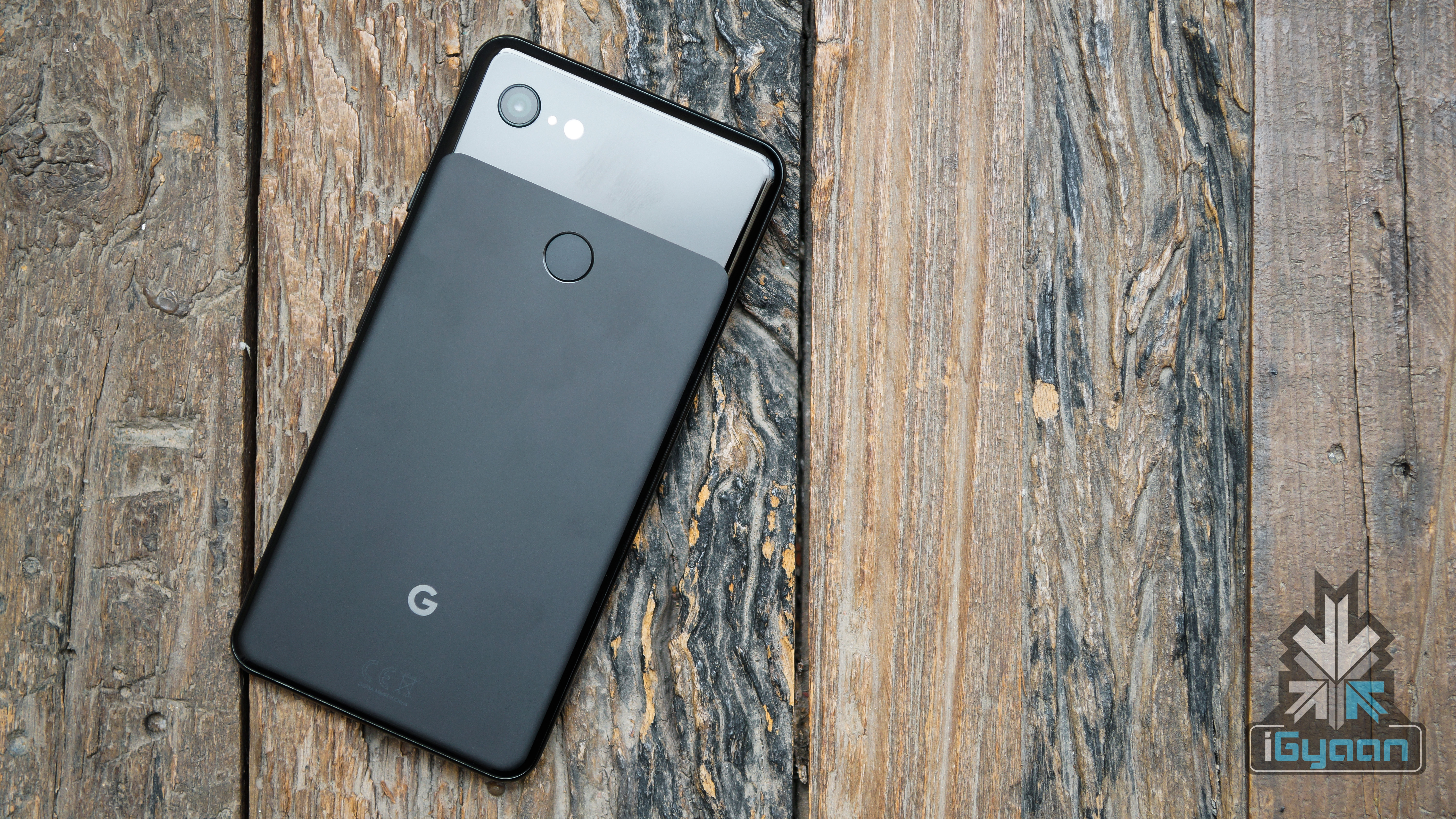
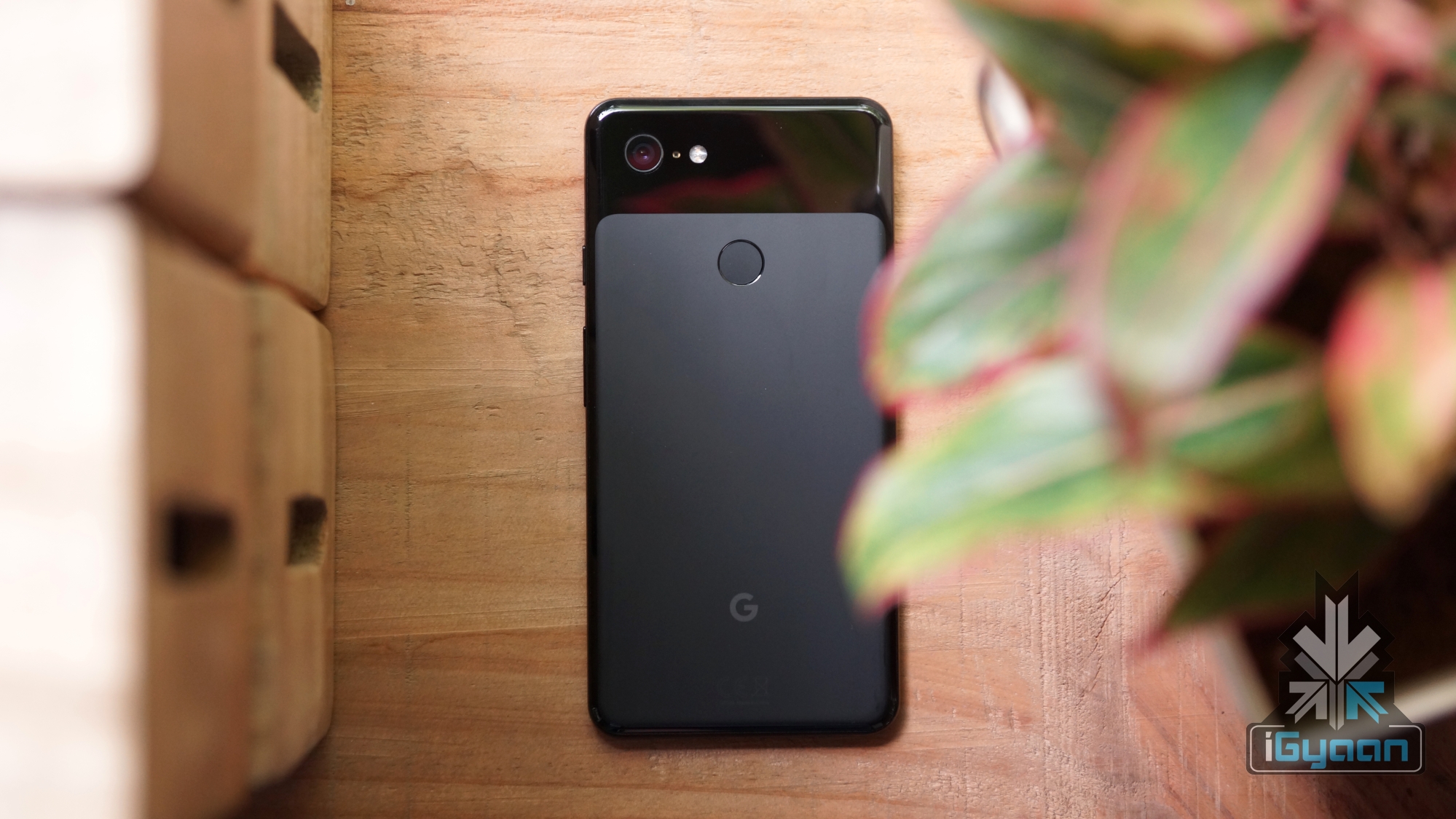
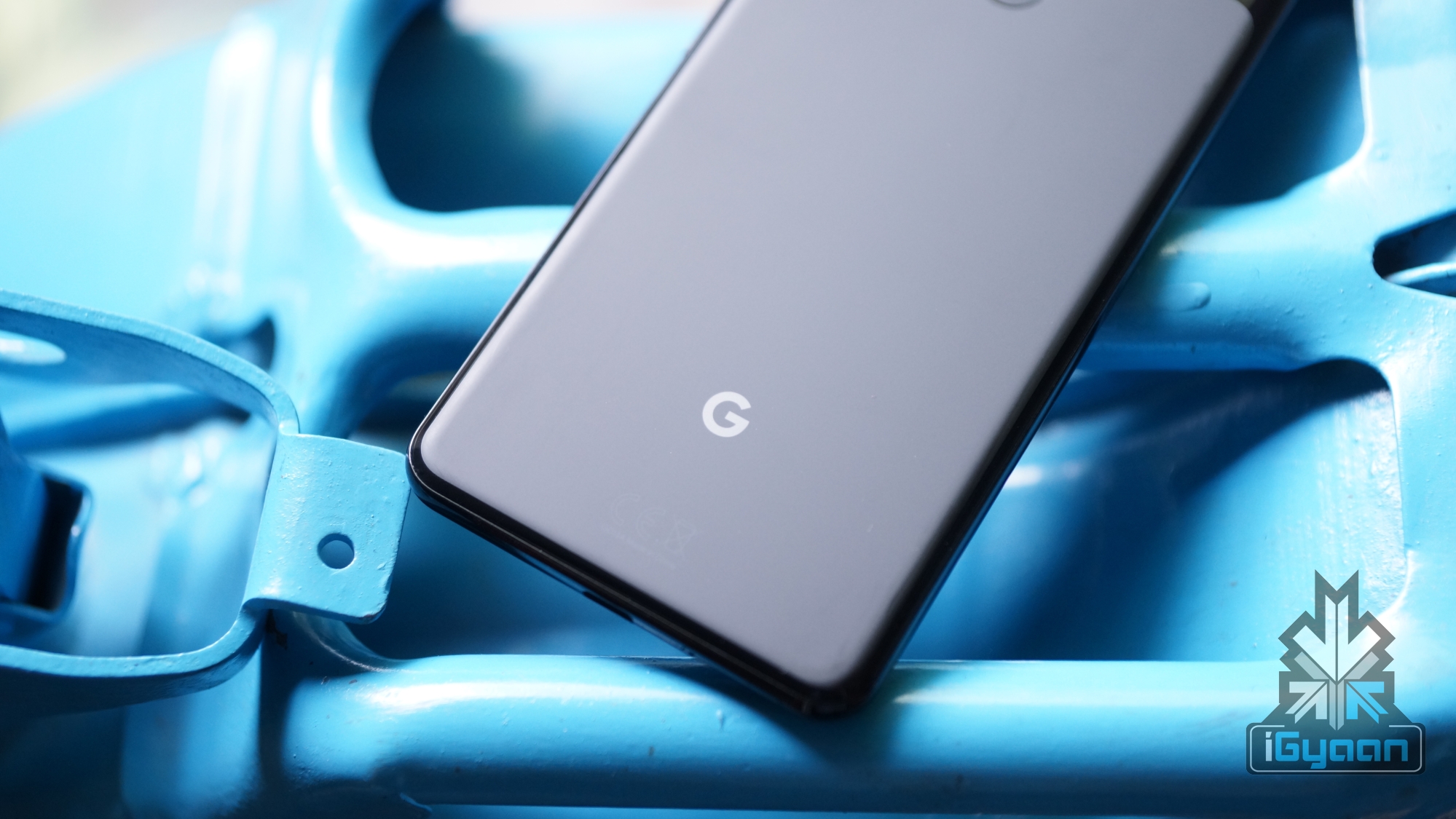
As time passes by, smartphone companies tend to provide discounts on their ageing devices. Similar is the case with the Google Pixel 3 and the Google Pixel 3 XL which were launched in the Q4 of 2018. However, instead of a minor discount, the Pixel smartphone duo has received a whopping price cut of upto Rs 28,000 in India. Both the Google Pixel 3 smartphones are now available on Flipkart at revised prices which are as follows:
Pixel 3 (4 GB + 64 GB)- Rs 52,499
Pixel 3 (4 GB + 128 GB)- 58,999
Pixel 3 XL (4 GB + 64 GB)- Rs 54,999
Pixel 3 XL (4 GB + 128 GB)- Rs 65,999
Though it is not yet clear, whether the price cut is temporary or permanent, it is hard to argue otherwise. Nonetheless, if you have ever thought of buying a Pixel 3 smartphone that is known for its camera prowess, now might be the right time.
To recall the specifications of the two smartphones are as follows:
Google Pixel 3 and Pixel 3 XL Specifications
Pixel 3 XL
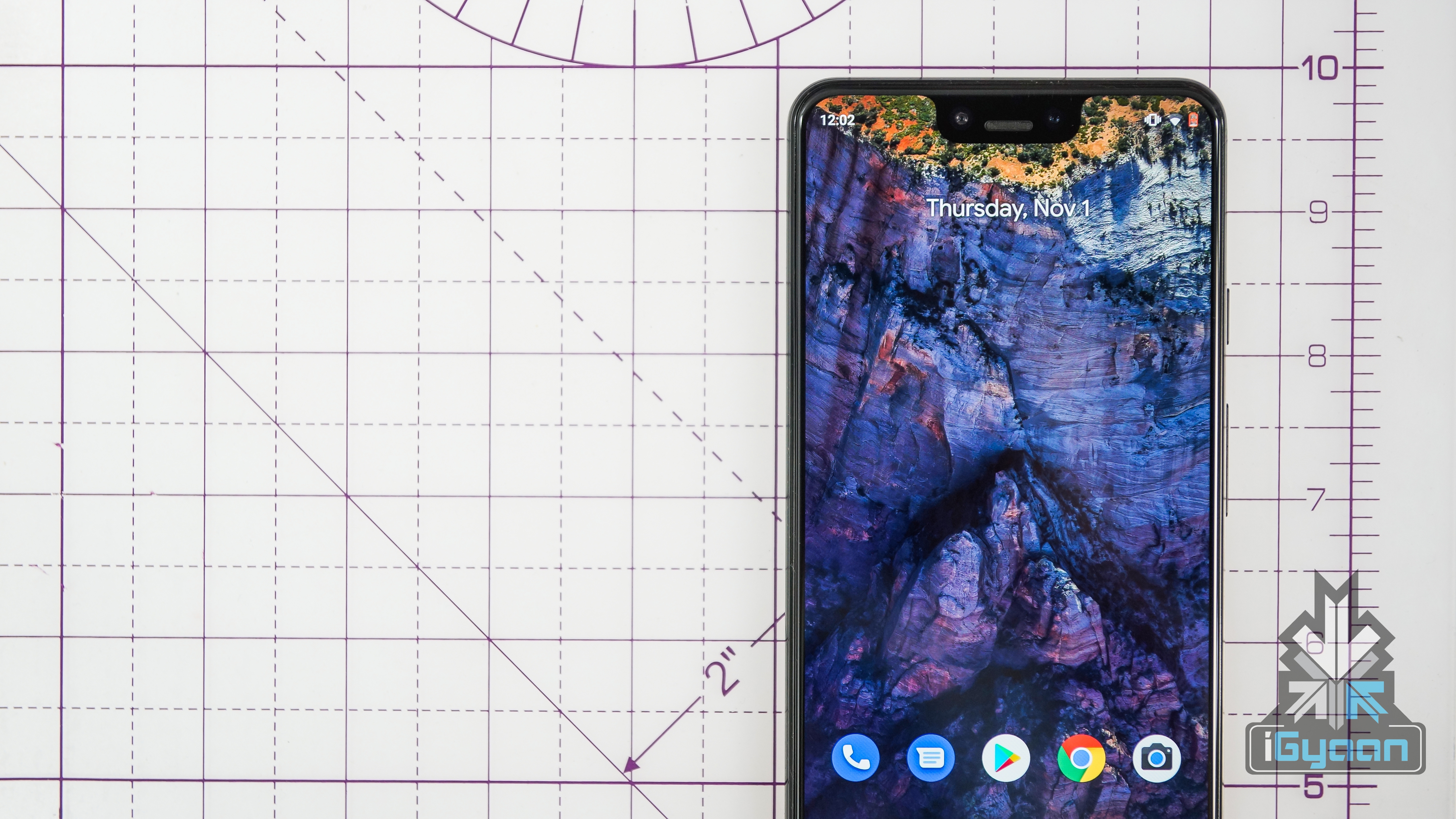
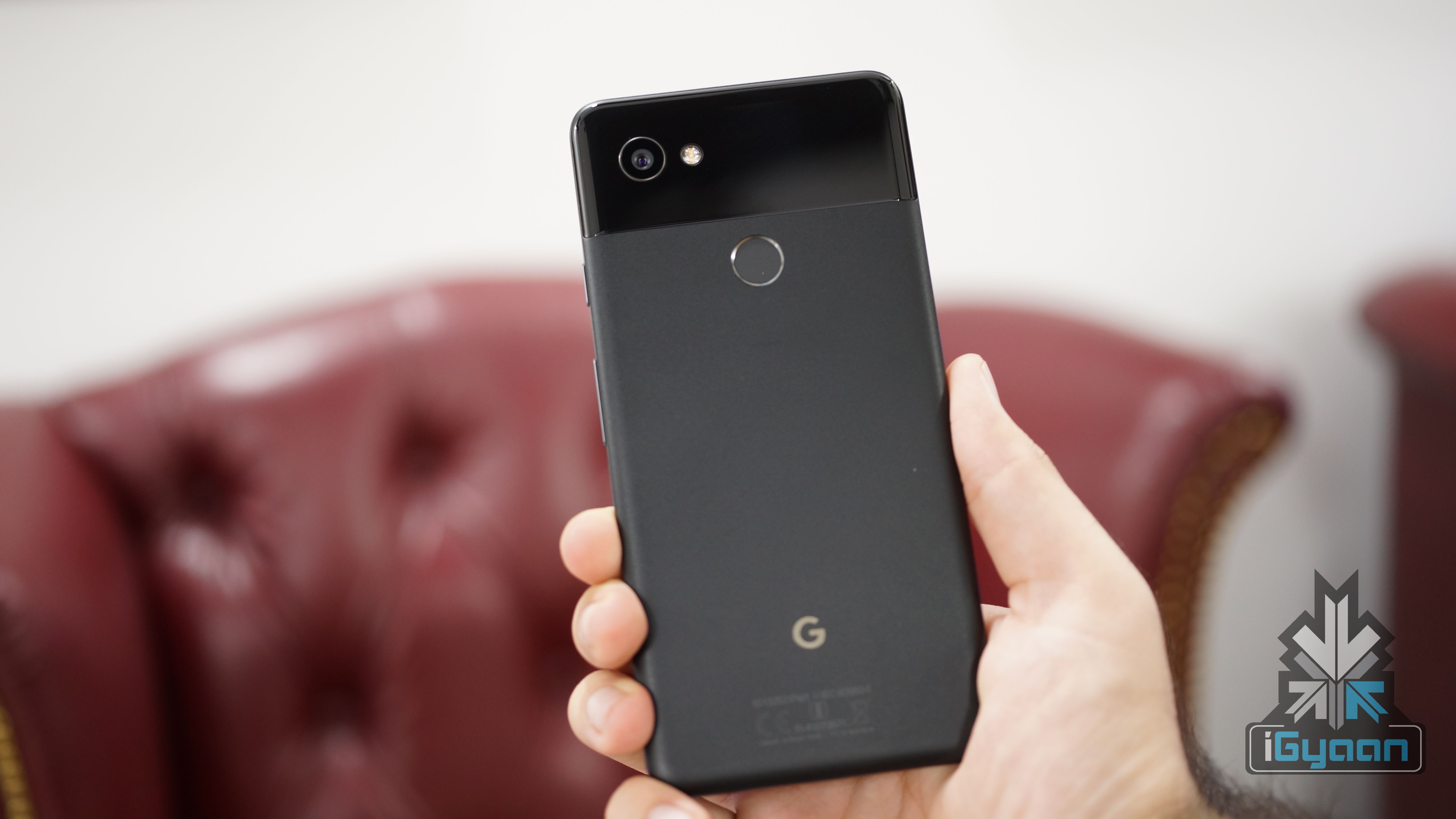
The Google Pixel 3 features a 5.5 inch display while the Pixel 3 XL features a 6 inch display with a wide notch up top. Both the smartphones are kitted with the Snapdragon 845 SoC which consists of an Octa Core CPU and Adreno 630 GPU. For biometric security, the two devices feature a rear mounted fingerprint sensor along with support for the traditional pattern lock.
Talking about optics, The Google Pixel 3 and the Google Pixel 3 XL have heterogeneous sensors. The smartphones feature a 12.2 MP rear facing camera and dual 8 MP + 8 MP front facing cameras. Connectivity options on the two devices include 4G VoLTE, Wi-Fi 802.11 ac 2.4G + 5G, Bluetooth 5 .0, NFC, GPS and bottom mounted USB Type-C port. The smaller handset is powered by a 2915 mAh battery while the elder Pixel 3XL is powered by a 3430 mAh battery.
Google’s latest blog post had focused on how depth perception works in videos where both the subject and the camera are in motion. A huge amount of data and footage was required for the study that aimed at training an AI. The foundation for the AI’s training was to detect scenes where the camera was in motion but the subject remained stationary.
Remarkable resourcefulness was shown as Google used its own source that was perfect for the job. YouTube (Google’s video sharing platform) had a vast amount of footage that fit the study’s required parameters. The Mannequin Challenge had a person and more often a group of people which stays perfectly still, anywhere from sitting to the bizarre handstands, while one person pans the camera around the still subjects (Mannequin’s) position.
To train the AI to detect human figures in various different scenes, Google used approximately 2000 videos from YouTube on the Mannequin Challenge. Interestingly, when depth perception comes into play multiple cameras are generally utilized from different angles to sense depth. Google, on the other hand, taught its AI to create depth maps from footage that only had one view, i.e perception from a single camera unit.
With the Pixel line up of Google smartphones, the company has already achieved similar results with its still images on portrait mode effect that produce the bokeh effect. The benefit of the study extends towards the augmented reality that the company is known to dabble with, Playmojis from Google’s Playground is one such example.
If the feature arrives on videos, it’ll open up new and previously impossible effects in video capture such as live bokeh effect similar to the one found in most smartphones. This may also one day lead to 3D images and 2D scenes being shot on smartphone cameras. Google’s progress on the software spectrum proves that just hardware improvements are not always what lead to great strides in photography and videography.
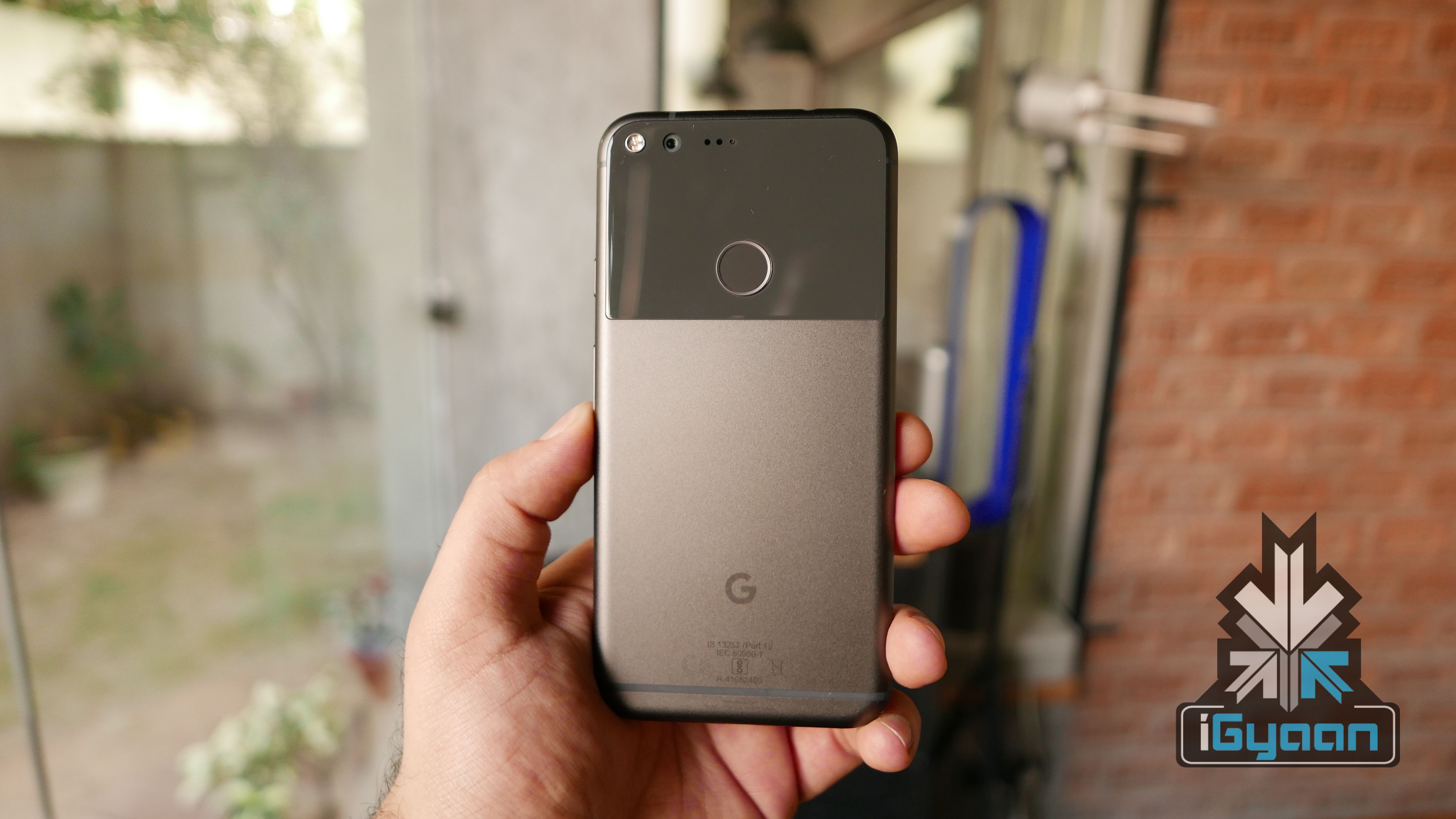
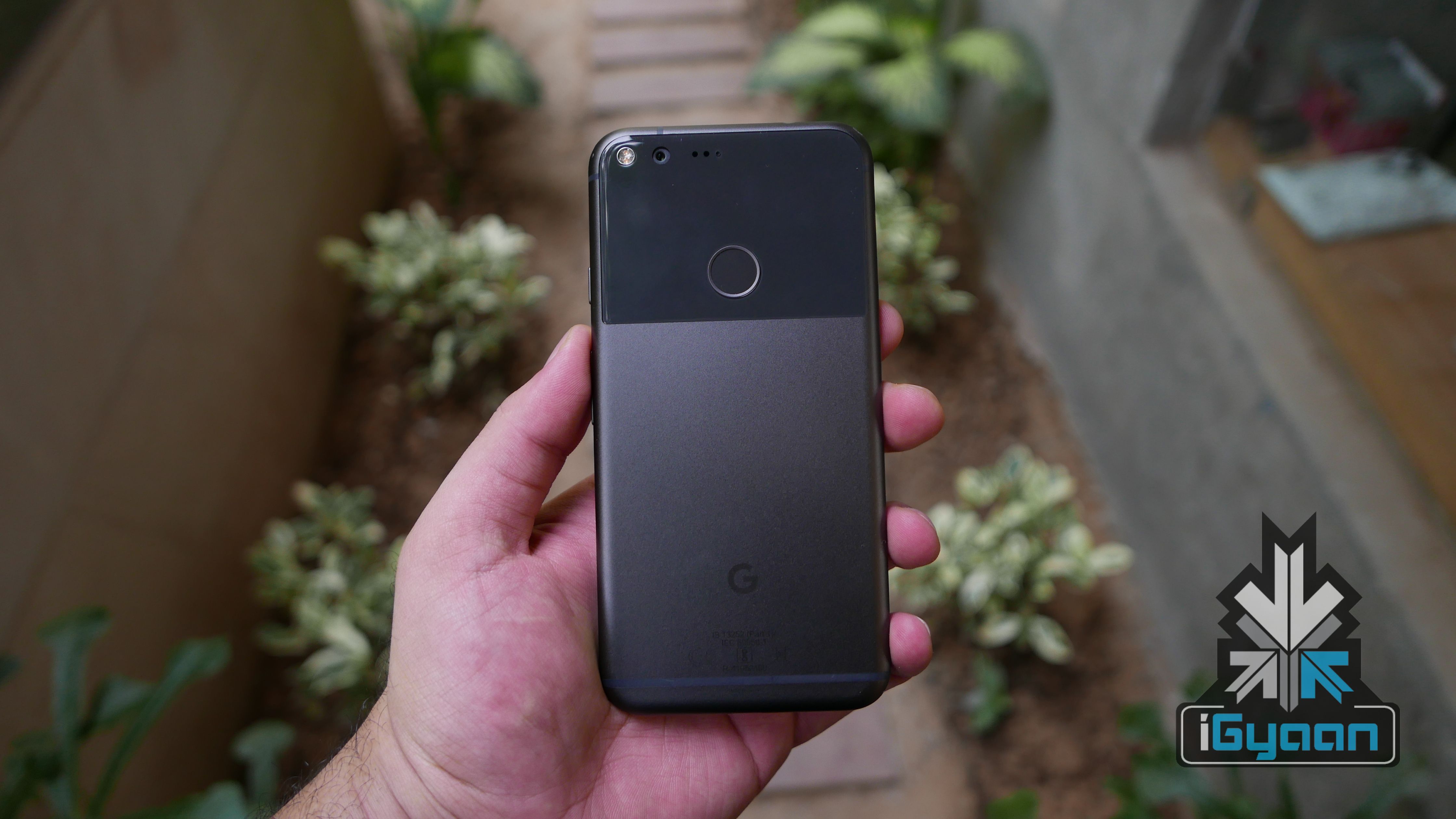
Since Google unveiled the first Pixel device back in the year 2016 , it has continued to improve the design and features of the smartphone. However, the company particularly focused on the camera which has outshined most other smartphone cameras in the market. Lately, however, incidents are inadvertently pointing towards the fact that Google might not be paying enough attention to its southeast Asian market. Is there a reason behind this, or is the organization just acting ignorant towards the obvious?
Google Pixel XL
Earlier in May 2019, Pixel users around the world reported a variety of malfunctions with their devices. Further probing led to the discovery of the fact that Google had knowingly retailed Pixel smartphones that had faulty solder connections. Google admitted that some phones (less than 1 percent) exhibited an issue with calling and the Google assistant. The anomaly was traced back to a hairline crack on the audio codec’s solder point/connection.
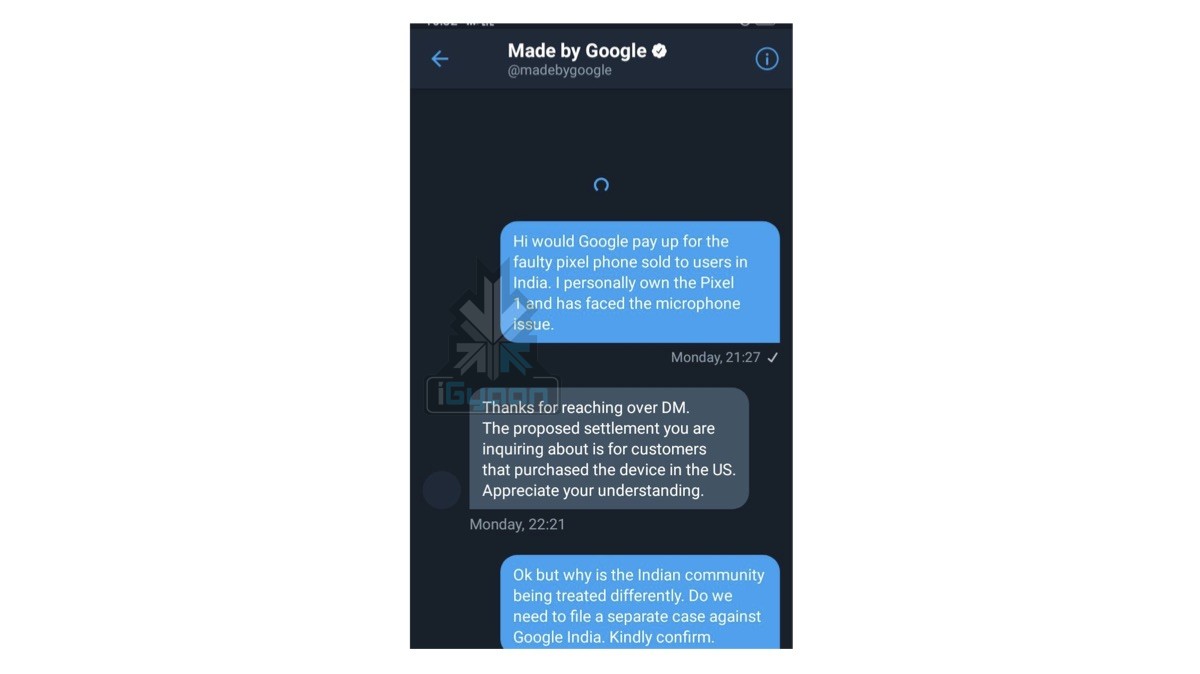
As a conclusion to the aforementioned accusation, the company ended up paying US$ 7.25 million to settle a class-action lawsuit filed by “angry” Pixel users. Google settled the case, and as per reports, it owes Pixel Owners an amount of up to US$ 500 per device. Even if owners are not eligible for the complete reimbursement, some money is surely arriving their way. Except, the company is reimbursing solely US-based Pixel smartphone owners. No, India isn’t on the list. A screenshot sent to us by an anonymous Indian Pixel smartphone buyer clearly depicts the attitude of the company towards the consumer base.
A noteworthy point is that the American technology giant was also receiving reports from countries other than the United States, including India. However, Google has not released any statement regarding refunds for India-based Pixel smartphone owners or any other country for that matter. Is it because of a selfish motive, or is it just a part of the company’s plan to tackle this situation in the best way possible?
A major factor why Google is reimbursing US-based Pixel users can be the enforcement of consumer laws in the United States. The FTC (Federal Trade Commission) of the US puts forward laws that aim to curb unfair, deceptive and fraudulent business practices by collecting complaints and conducting investigations. It is highly probable that in order to avoid such a situation, Google may have decided to take the “refund” road. On the other hand, Consumer laws in India are not enforced as strictly as compared to selective other countries, which may be a probable reason for the same.
Pixel 3 XL
Another point that can be taken into consideration is the number of Pixel devices being sold by Google in both the regions. Talking about US, Google Pixel is one of the fastest growing brands as of February 2019. Even though the company’s current Pixel 3 flagship lineup hasn’t really made a dent in the market, the company maintains a strong position in the United States.
In contrast, Google has not really managed to retail a whole lot of Pixel devices in India. This may be because of the higher price point of Pixel smartphones in India as compared to the States. For instance, the Google Pixel 3a retails for US$ 399 in the US. Roughly converting the price to INR yields an amount of INR 27,900, which is miles apart from the price it is being actuallyretailed in India i.e. INR 39,999. When a lot of consumers prefer smartphones from Chinese brands that offer more value-for-money, it is less likely that premium brands can make a greater impact in the market. For the same reason, it is possible that Google wants to hold its spot in the US Market.
In spite of all facts, figures and speculations, there might be a slight possibility that once an increased number of reports and conflicts start pouring in, Google might consider a similar way out of the “Pixel” situation in India. However, no official statement from the company has been received as of now, indicating that Google may act dry on this particular incident.
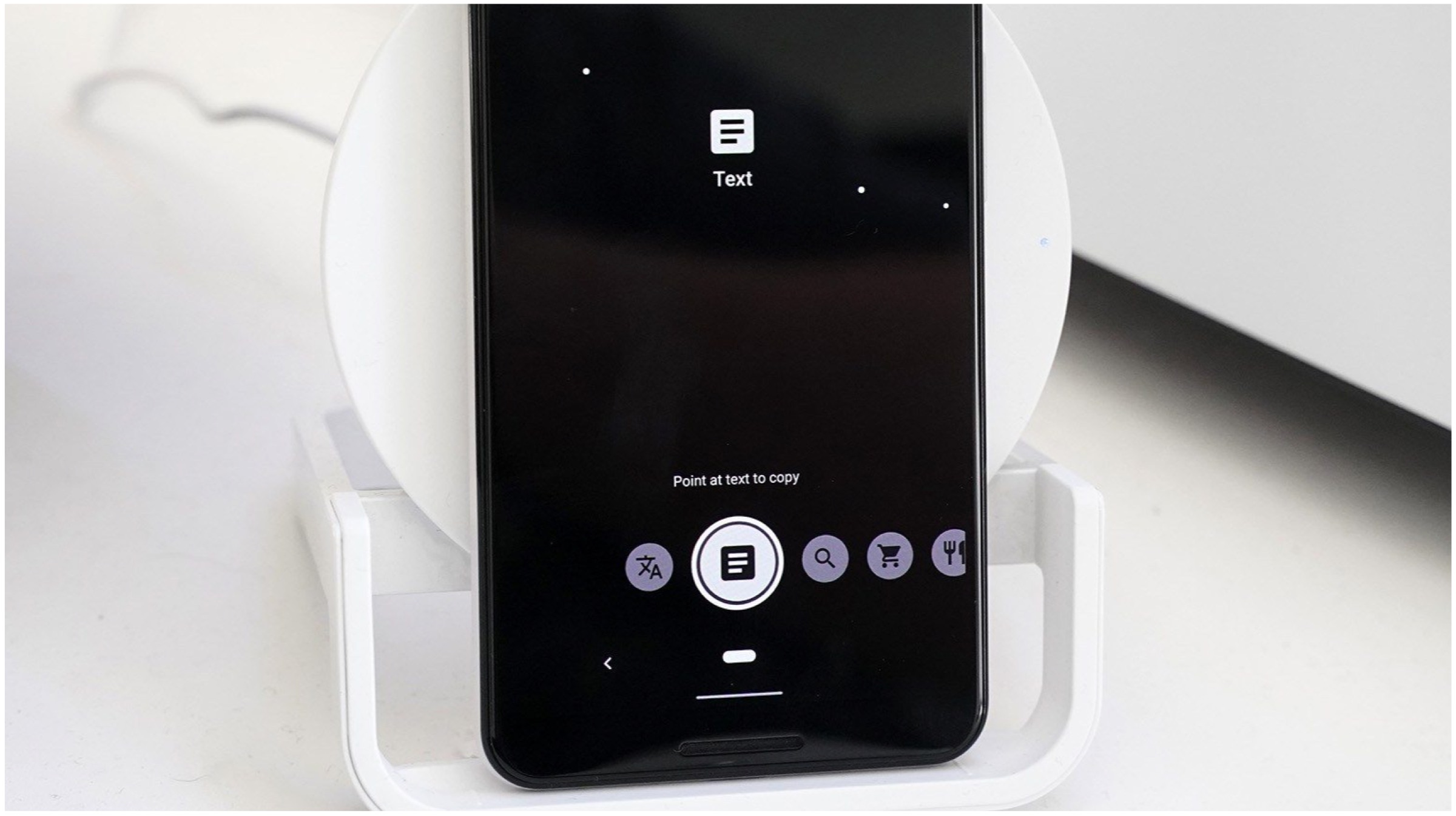
The American multinational technology company Google first announced an update to its popular utility application, Google Lens at the Developer’s Conference held 7 May onwards. The application is widely used for retrieving data based on a visual analysis of a product, test or the environment. The revamped version of the application will bring additional functionality, like dividing a food bill amongst a group of people and some informative features such as watch a recipe video. The updated Google lens has a new slide-up menu that houses circular buttons with a variety of functionalities. The older buttons that were previously used to scan barcodes/QR codes and Copy Text have been sacrificed to bring in new buttons. The first button will allow the user to directly overlay the translated text in their own language, without opening the Translate application. The second button is again familiar to a lot of users, which allows them to copy the text in an image and paste it elsewhere.
The third button is the standard Lens button, which will use the device’s camera to recognize everything displayed in the frame. For instance, if you point the camera towards different buildings in an area, it will provide the user with addresses and information regarding the same (provided it is available in the database). There’s a new “shopping” button which will open a mode where users can check the availability of products on e-commerce platforms. The last button is the “dining” button, which will allow users to highlight the most popular dishes in a dining area simply by pointing the camera towards the menu.
The new Google Lens update is reportedly available on Pixel Devices running the latest v9.91 build of the Google application. Furthermore, users who are currently using the latest beta version of the Google application can use the redesigned Google Lens features as well.





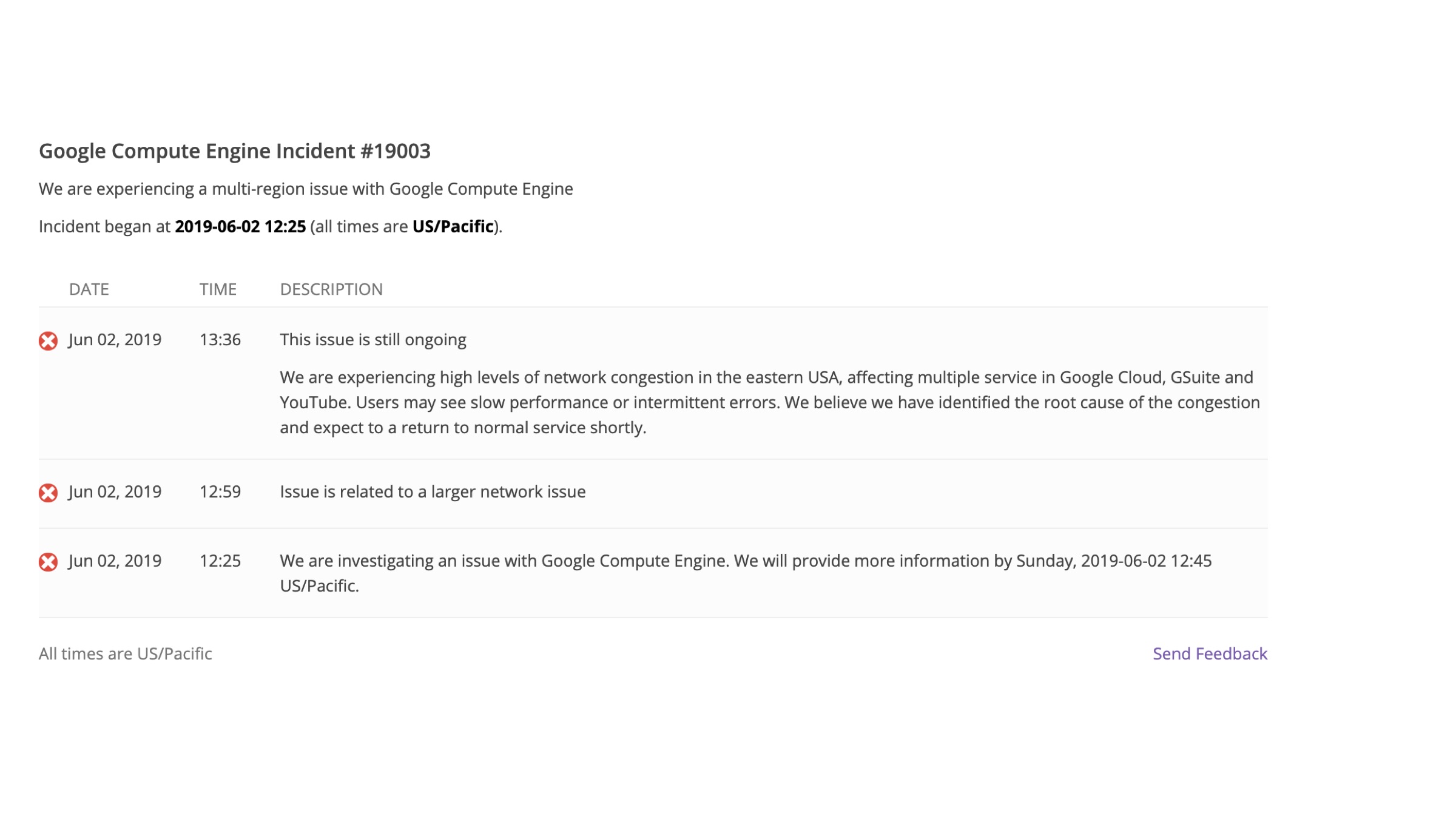 As per a statement released by the company, the Google Compute Engine was suffering from a multi-region issue that was affecting Google Cloud services. Owing to network congestion in Eastern USA, users were experiencing extremely slow loading times and errors. Moreover, people reported issues with Google Nest that was not allowing them to change the temperature in their homes and apartments.
  Also Read:


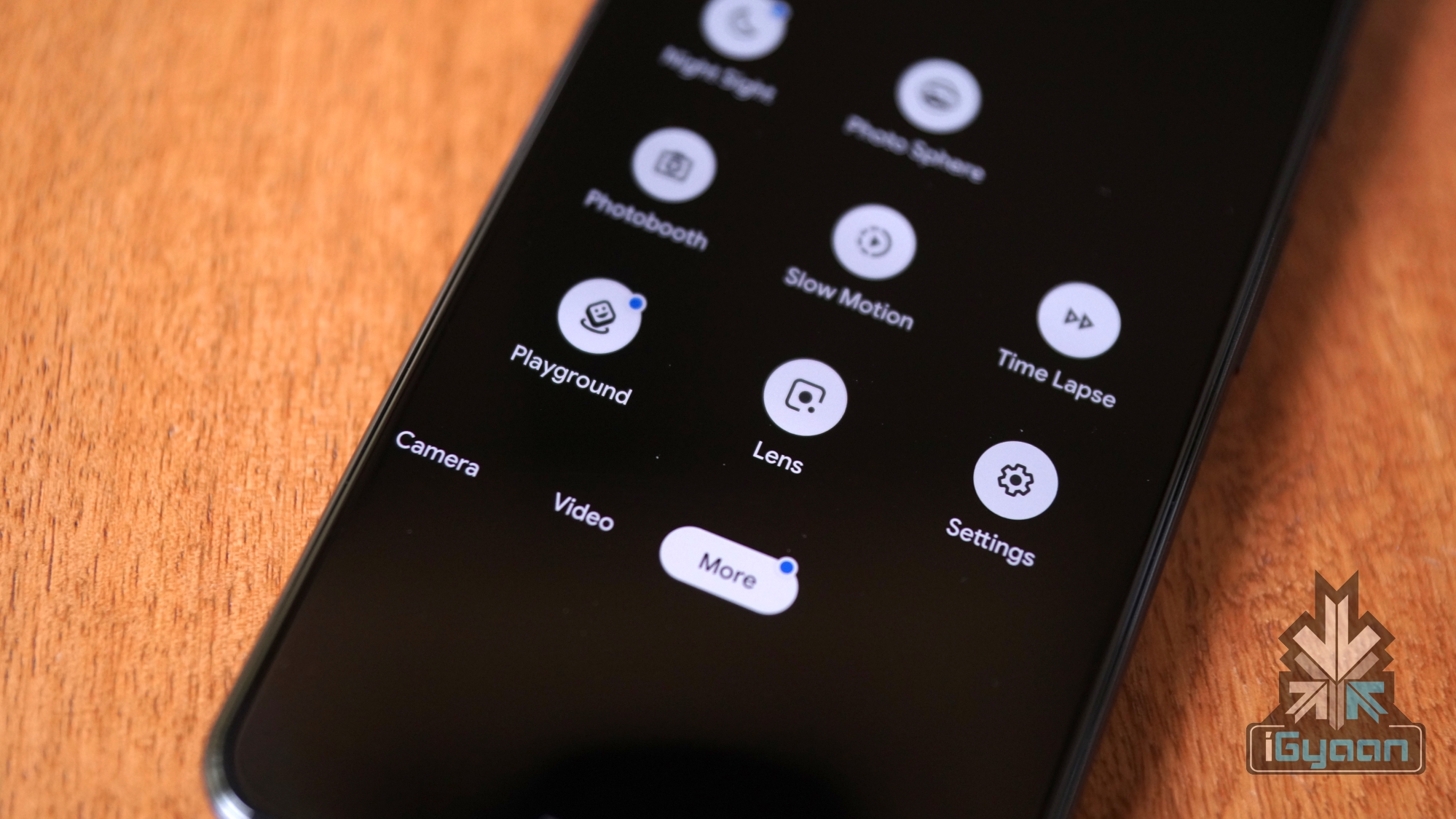 The updated Google lens has a new slide-up menu that houses circular buttons with a variety of functionalities. The older buttons that were previously used to scan barcodes/QR codes and Copy Text have been sacrificed to bring in new buttons. The first button will allow the user to directly overlay the translated text in their own language, without opening the Translate application. The second button is again familiar to a lot of users, which allows them to copy the text in an image and paste it elsewhere.
 Also Read: