Category: Business

  • Apple Will Sell Its Products Online In India For The First Time Through Its Official Website

    Apple Will Sell Its Products Online In India For The First Time Through Its Official Website

    Apple has faced long-standing obstacles in its way to fully penetrate the Indian market. The company is one of the industry leaders across the globe but is still a minor player in the world’s fastest-growing smartphone market. There were many reasons for this that include Indian policies, pricing and more that led to Apple never officially stepping a foot on the South Asian subcontinent. Now, thanks to the relaxation of a few rules the company is finally set to officially sell its products in India through its online store.

    So How Did Apple Sell In India Before?

    Technically, Apple was never really in India as an official retailer of its electronic products. However, it had collaborated with many 3rd party retailers, for example, Imagine stores, for the sale of its products. The company had to take such measures owing to certain laws and regulations imposed by the Indian Government. In India, companies that wish to sell their products officially through its own online or offline channels must first source 30% of their products locally. For those unaware, electronic imports in India carry a 20% customs duty which is why some products are more expensive than its MRP in foreign countries.

    Apple’s Online Store

    Apple’s global online store has the option that allows people to buy its products directly from its website. However, in India, there is no such option. On the official Indian website, users are only informed as to which offline and online store sells its products indirectly. Now, owing to the easing of certain laws, Apple will no longer have to source 30% of its product locally. Currently, the company has most of its products sourced and manufactured in China but is shifting some of its production to India as well. In other words, Apple can finally start selling its own products through its own website for the first time.
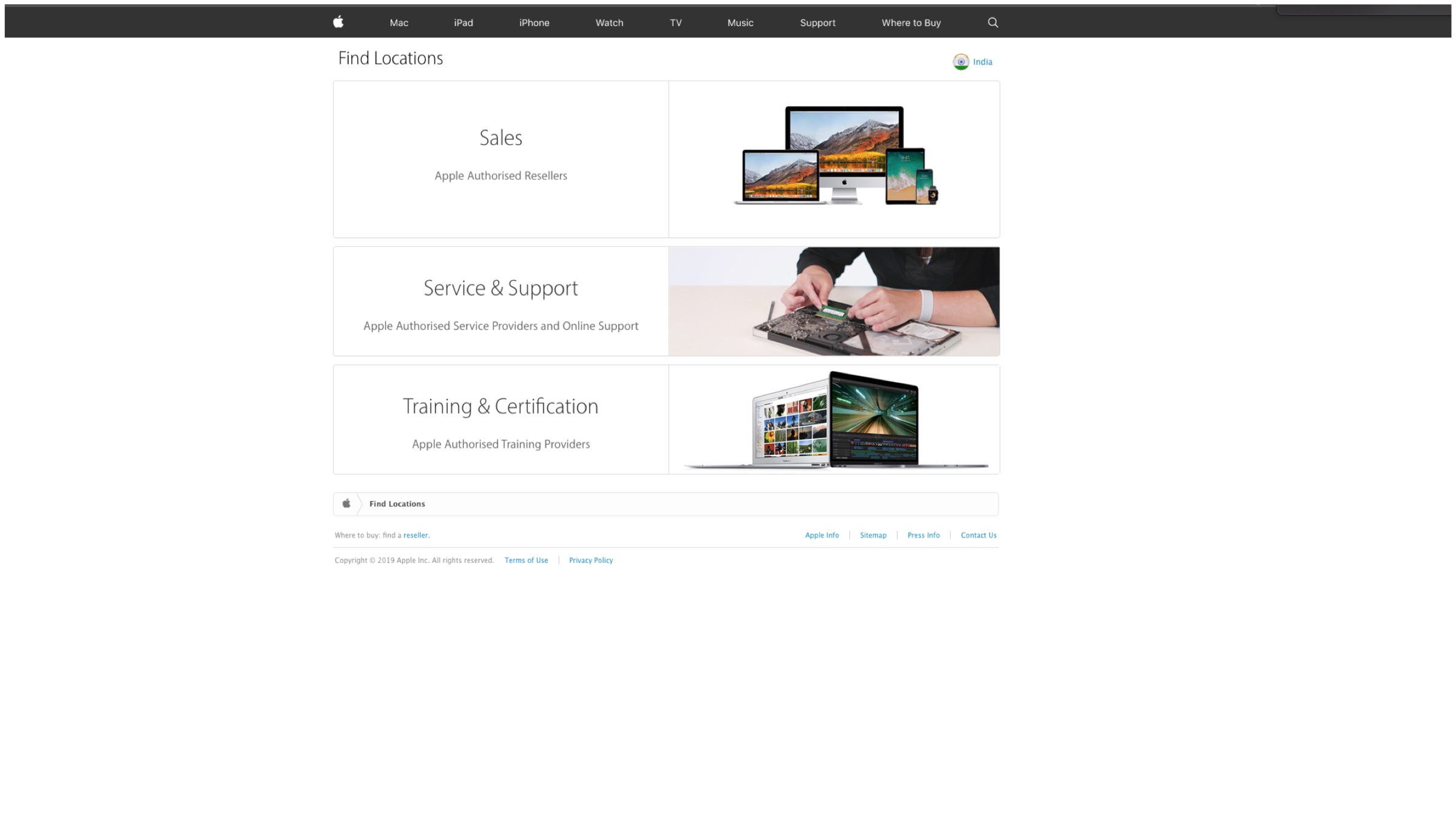
    Apple
    Apple.in
    So What Does This Have To Do With You?

    If you’re an Android and Windows users, the changes aren’t going to affect you. But if you are into the Apple ecosystem then this change is a big deal. Soon, users will be able to officially buy Apple products which will now be noticeably cheaper since they are not, for the most part, imported from abroad. Furthermore, users can get more customizability option with Apple’s computing products such as its MacBooks and Macs. The website will be updated for direct purchases in the next few months as the company gears up for the launch of its latest iPhone generation.
    Apple

    Also ReadRealme XT Has Its Specs Revealed, With 64MP Quad Camera And Snapdragon 712 SoC

    The American company already has certain devices being manufactured in India which allows for its lower pricing than before. Additionally, the company is also opening its first official store in Mumbai. Selling online through official channels will also allow the company to control the quality and dissuade counterfeiting. Conclusively, Apple is finally arriving at the heated Indian market which holds one of the highest potentials in the world. 
  • Xiaomi Is The Number One Smartphone Seller In India For Q2 Of 2019

    Xiaomi Is The Number One Smartphone Seller In India For Q2 Of 2019

    India being one of the most populated country in world, also has a massive smartphone user base. The research firm, Canalys has shared an India bound sales report that exhibits the sales performance of different smartphone OEMs in the country. 

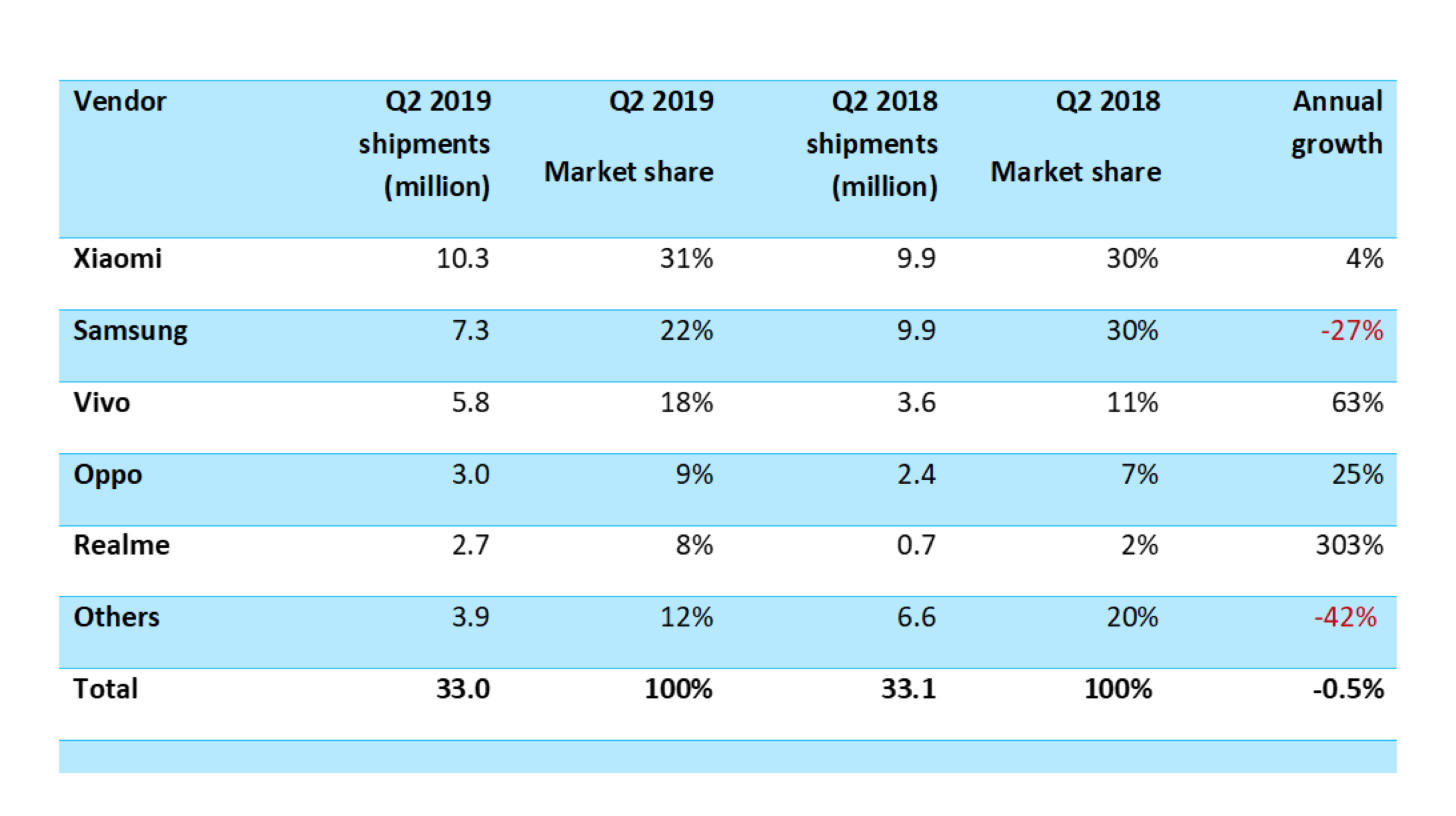
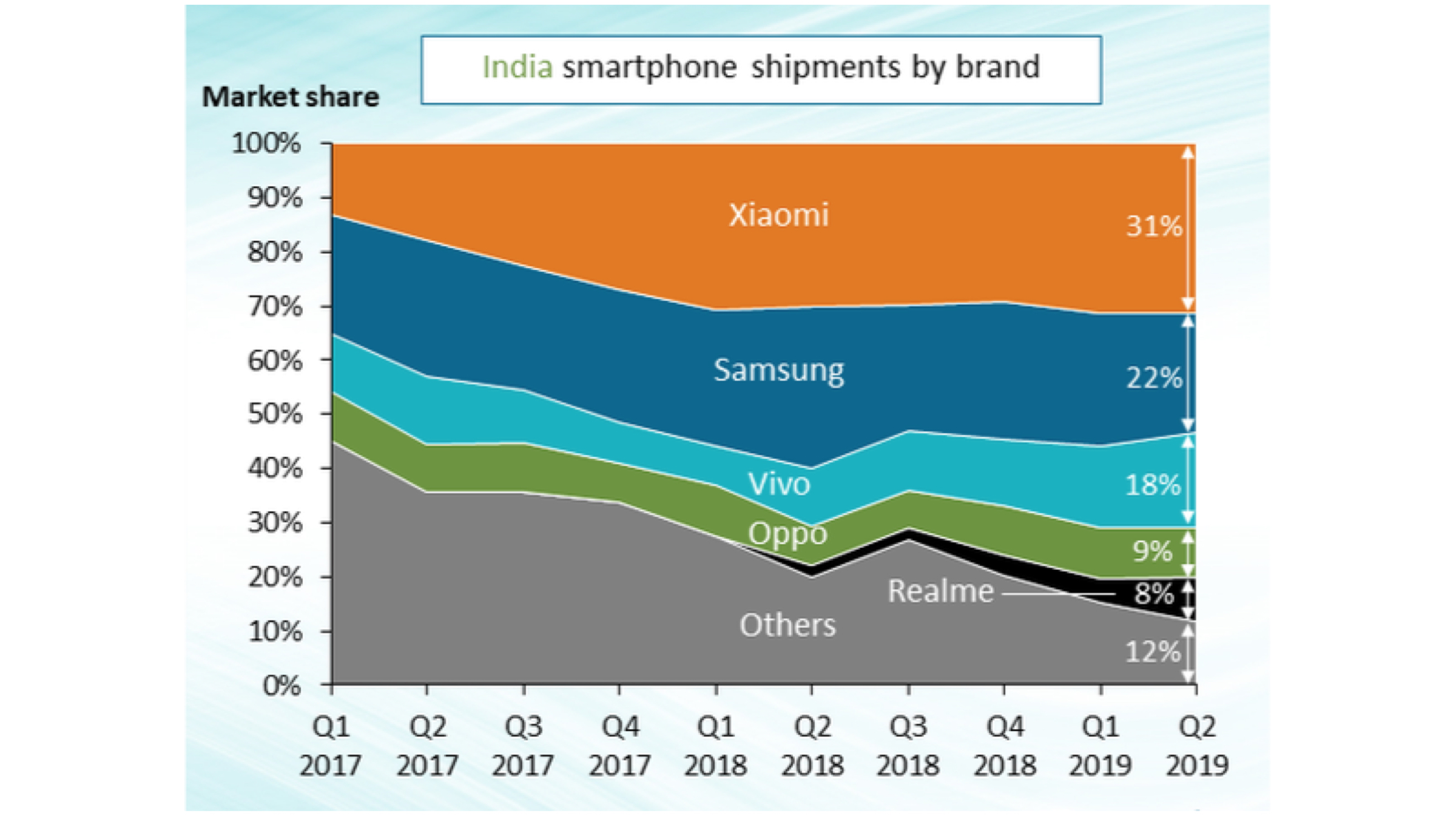
    According to a report published by Canalys, Chinese smartphone maker, Xiaomi has once again come out on top as the most selling smartphone maker in India for the Q2 of 2019 (April to June). Noteworthy, the position has been held by Xiaomi since 2017 after it surpassed Samsung that held the postition for an extended period of time.Most Selling Smartphone Brand India Q2 Of 2019

    In terms of sales figures, Xiaomi sold 10.3 million (1.03 crore) smartphones in the Q2 of 2019 which is 4 percent higher in contrast to its yesteryear’s comparable quarter. 

    On the other hand, the Korean giant, Samsung secured the number two position as it sold 7.3 million smartphones in the same time period. However, in comparison to Q2 of 2018, overall shipments have slumed by 27 percent which is sharp downfall.  
    The third postion in list is held by Vivo which surprisingly has registered extraordinary growth due to its strong offline penetration. The company sold 5.8 million smartphones in Q2 of 2019 which is 63 percent higher in comparison to previous years corresponding quarter, in which, it sold 3.6 million units. Most Selling Smartphone Brand India Q2 Of 2019

    Vivo’s sister company’s Oppo and Realme also showed notable growth which hold the number fifth and sixth spot in the list. Oppo saw a growth of 25 percent YoY for Q2, while the newly incorporated, Realme saw exceptional growth of 303 percent YoY. 

    Last but not the least, other brands collectively that include Apple, Micromax and many more saw a sales dip of 42 percent in comparison to the year 2018.

    Also Read: HTC Wildfire X Listed On Android Enterprise Website, Expected To Launch Soon

    Overall, the Indian smartphone industry saw a negative sales growth of 0.1 million smartphones in comparison to Q2 of 2019 and Q2 of 2018. Nevertheless, the all inclusive sales are 33 million or 3.3 crore which is an enormous figure. 

  • Apple To Buy Intel’s 5G Modem Business For US$ 1 Billion

    Apple To Buy Intel’s 5G Modem Business For US$ 1 Billion

    American technology giants Apple and Qualcomm dropped all pending lawsuits against each other and signed a six-year licensing agreement back in the month of April this year. As a repercussion of the decision, chipmaking giant Intel, who was the chief supplier of smartphone modem for the Apple iPhone for the last few years; announced that it is quitting any development on 5G modems. Now, the latest reports reveal that Apple is in advanced talks in buying the dormant 5G modem division from Intel for a hefty sum of US$ 1 Billion.

    About the deal

    Apple

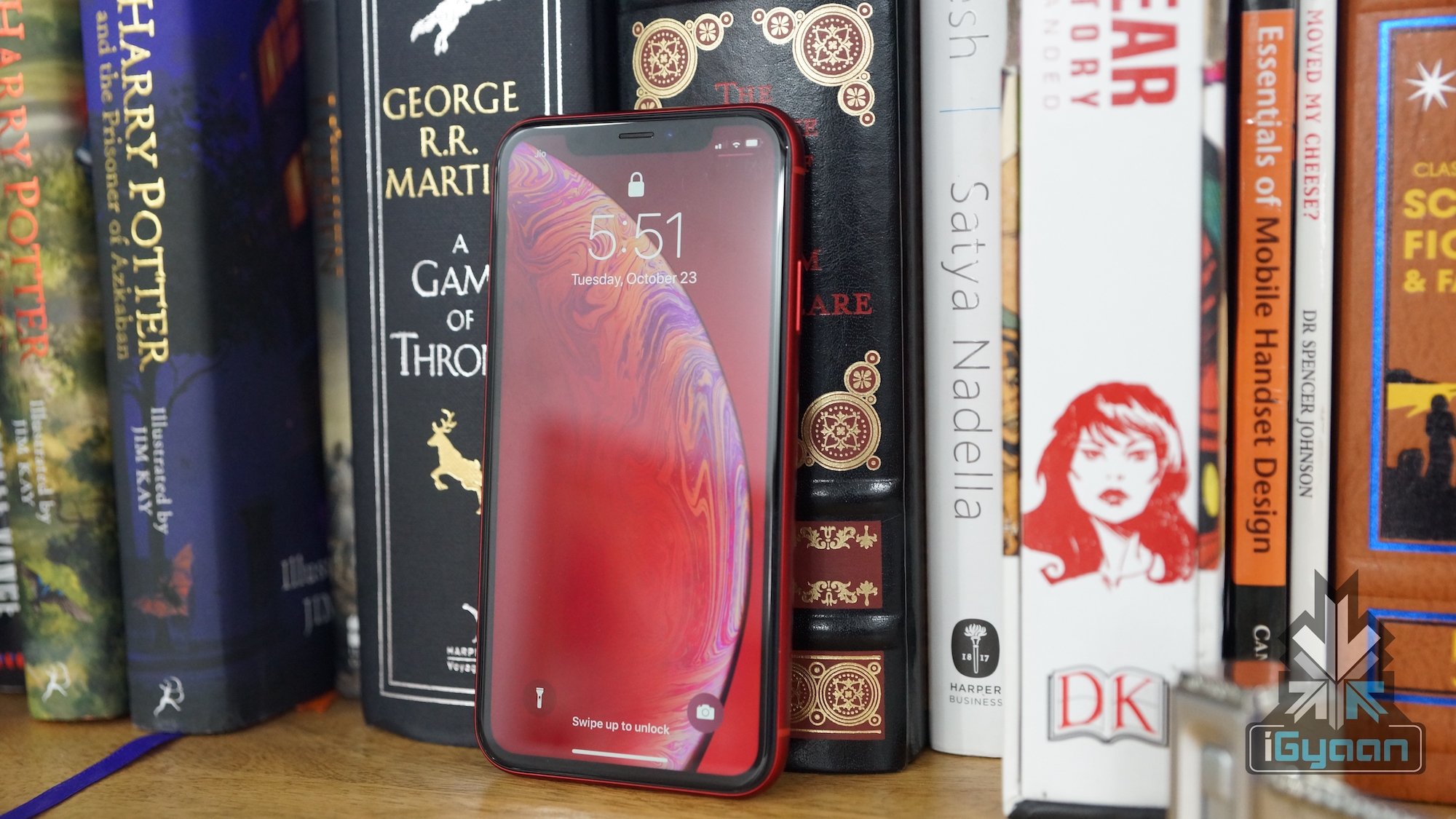
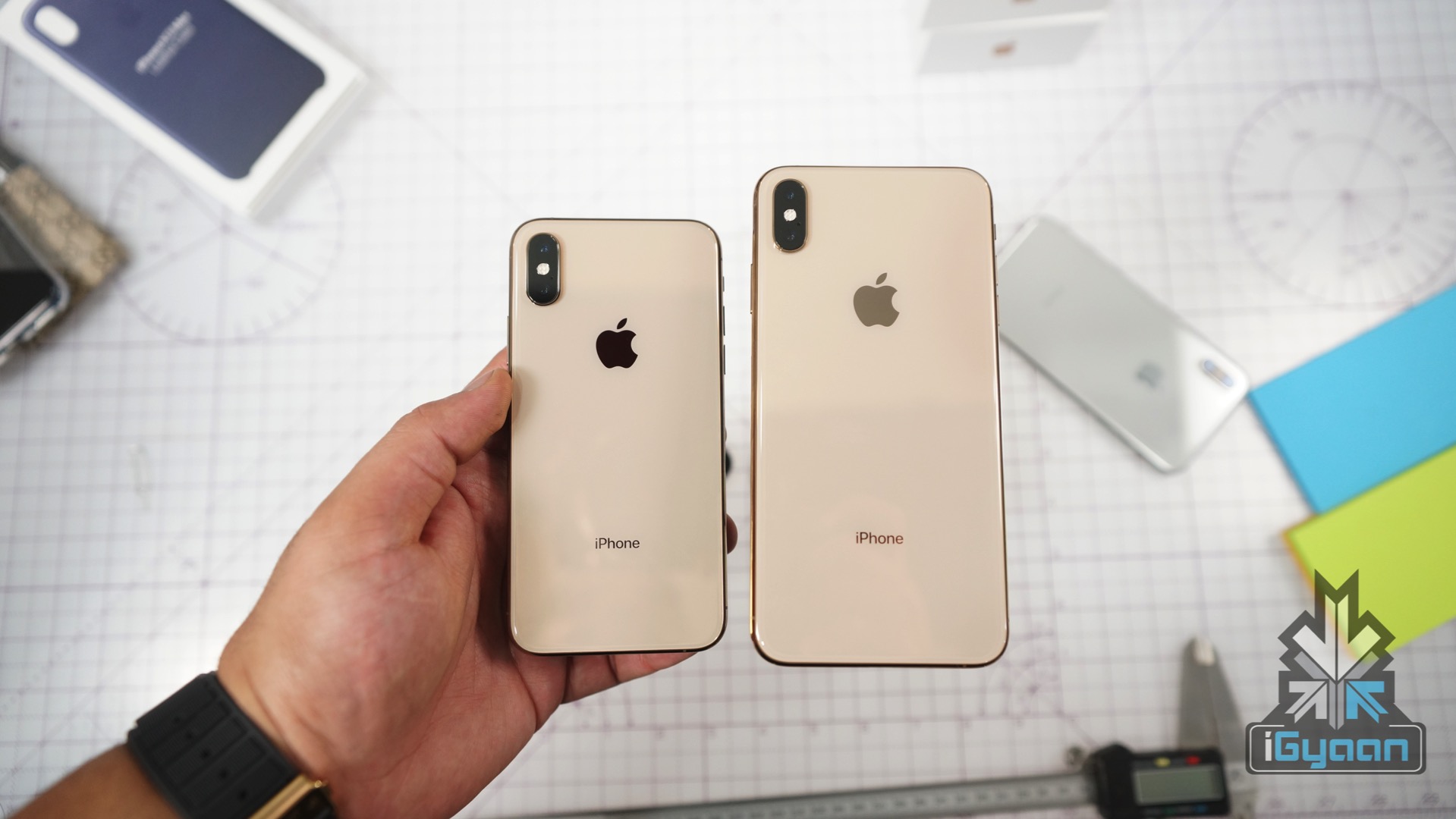
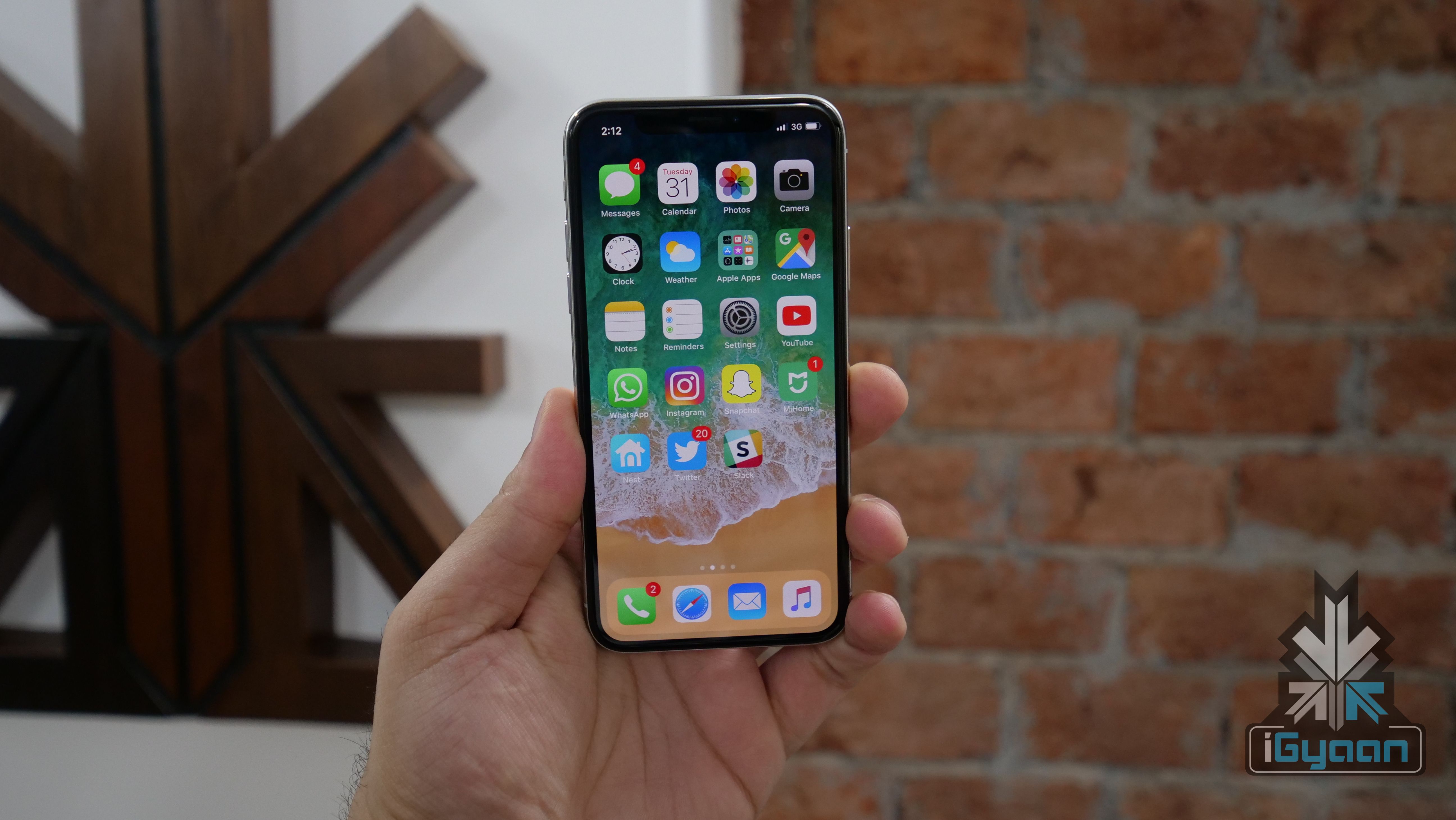
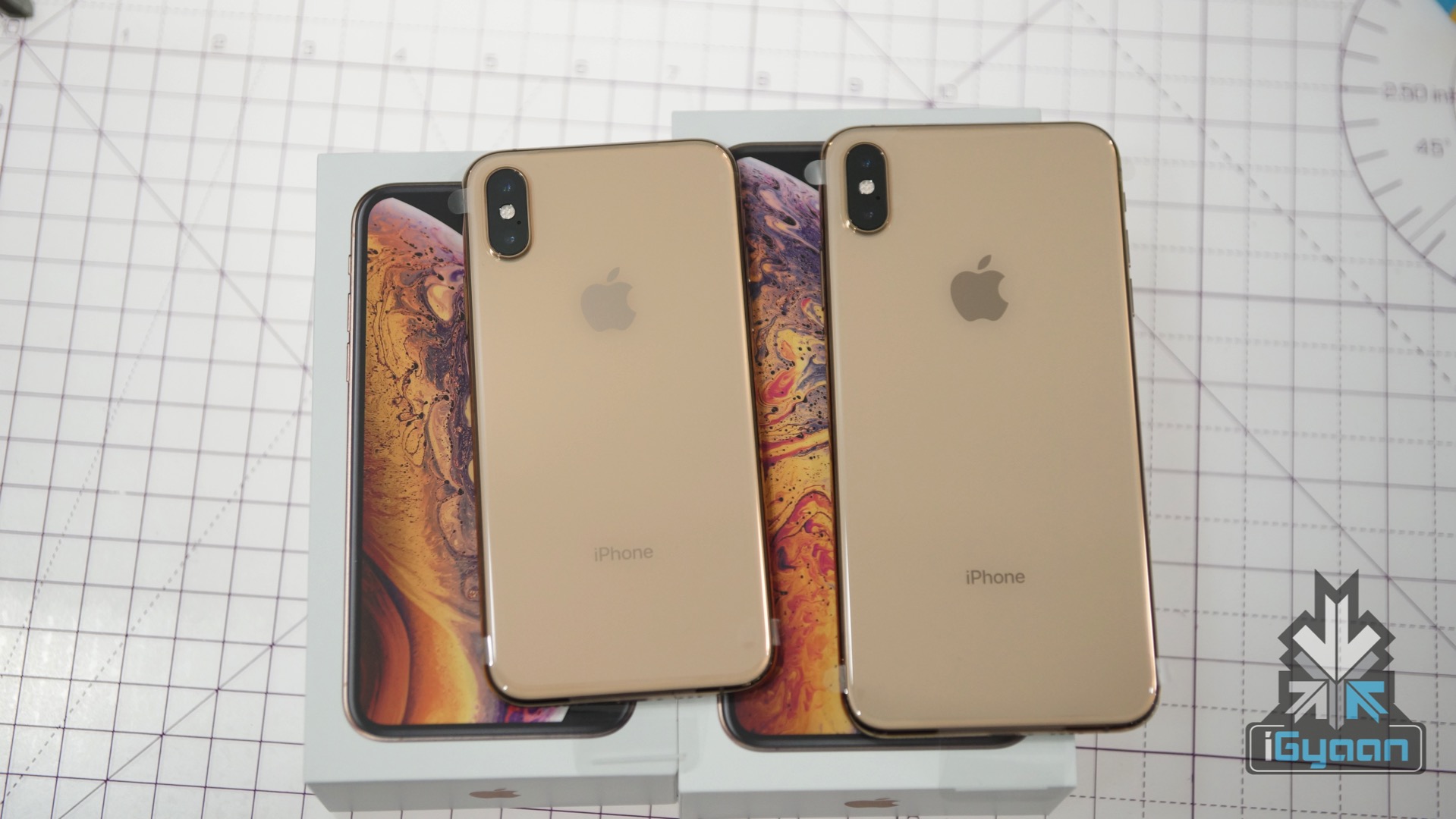
    As mentioned above, due to the settlement between Apple and Qualcomm, Intel announced that it is quitting the 5G modem business. The reason cited of the decision by the latter was that Apple is its most important client and without it, the company does not see a path forward. With the chipmaker moving out of the modem business, Apple could really benefit with the company’s resources and expertise. Intel was also the sole supplier of network modems for the iPhones launched in the year 2018, which include the iPhone XS, iPhone XS Max and iPhone XR.

    Apple

    Also read: Huawei’s First 5G Smartphone Will Soon Be Commercially Available

    It has been rumoured time and again that iPhones with support for 5G connectivity may arrive as soon as next year. And Apple is looking forward to using its own 5G modems inside the devices. However, for the near future, the company may have to use third-party modems, like the Qualcomm Snapdragon X50/X55 ones; as it may take years for it to develop a viable and sustainable modem business for its handsets. It is speculated that when the deal with Qualcomm ends in the year 2025; Apple will be ready with its own smartphone modems for use in future iPhones.

  • Made In India iPhones Now Being Exported To Europe

    Made In India iPhones Now Being Exported To Europe

    Following the initiation of “Make In India” movement several electronic companies setup their assembly plants in India. Wistron, which is contract manufacturer for Apple started assembling iPhones in the country in the year 2016.

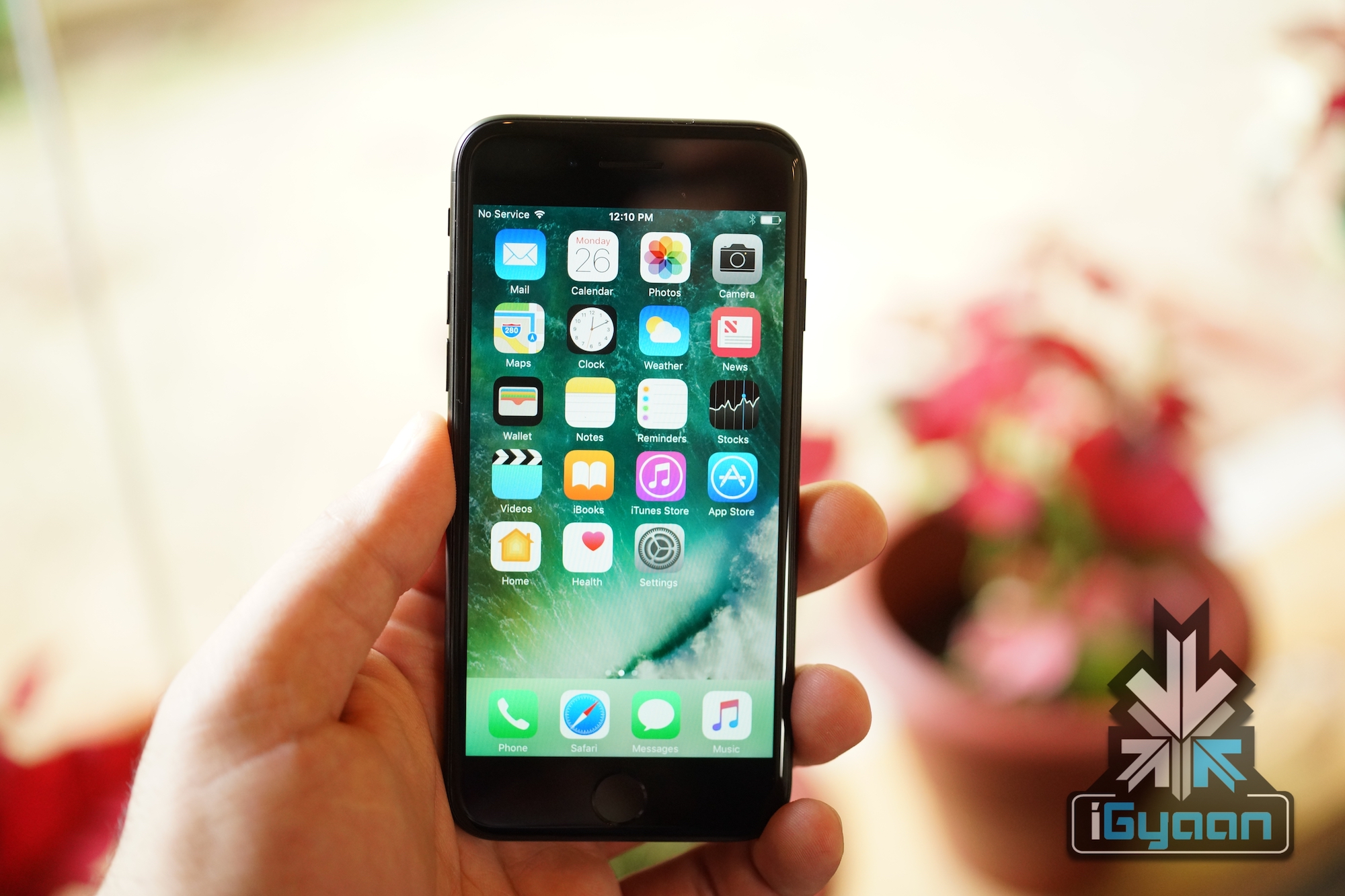
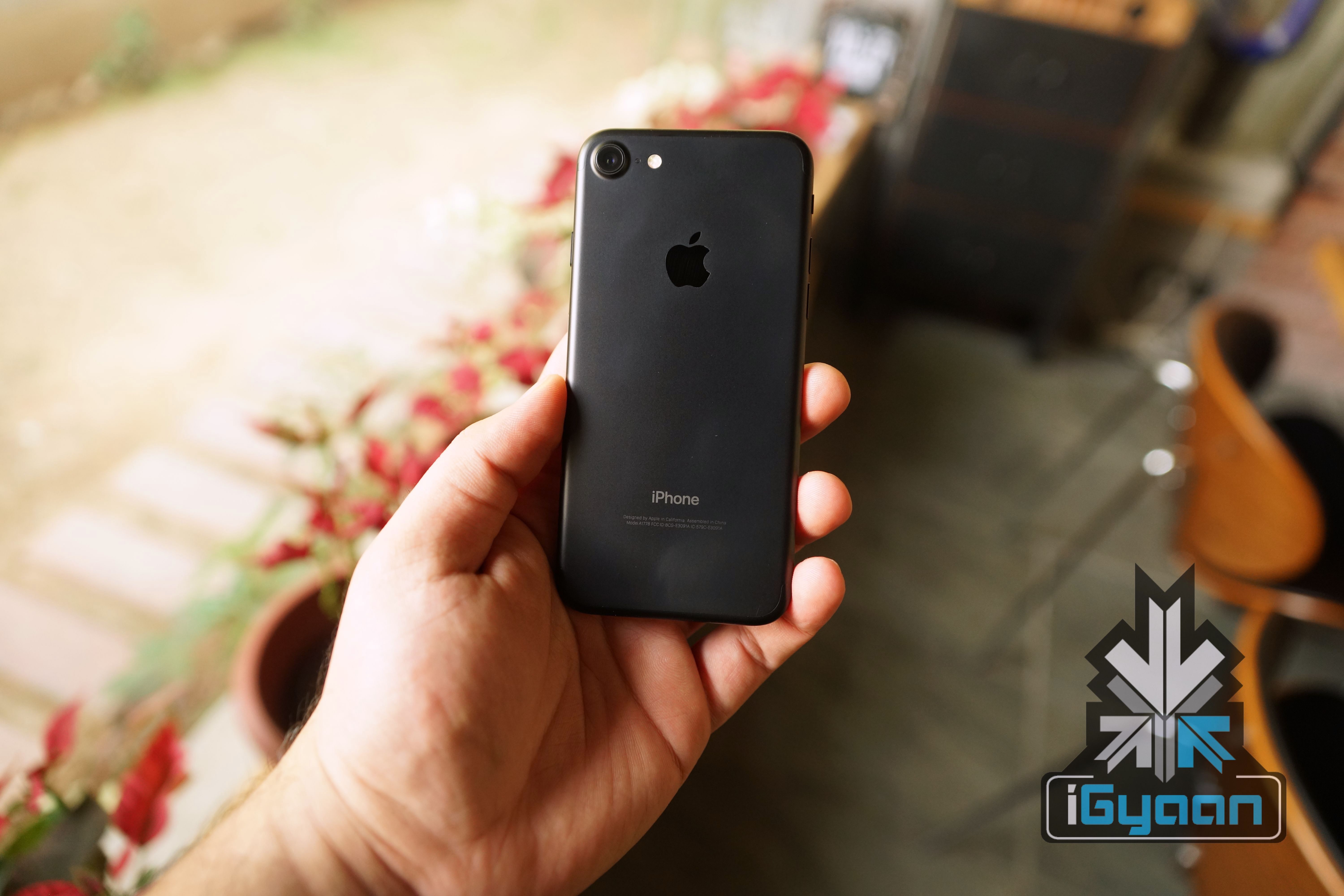
    Surprisingly, a report states that India made iPhones which are manufactured by Wistron are now being exported to the European markets as well. According to a senior executive at Counterpoint research, Apple is currently exporting the iPhone 6s and the iPhone 7. Speaking of numbers, close to 1,00,000 units are exported each month.  

    The iPhone’s that are being exported to Europe are put together at the Wistron facility which is located in Bengaluru. The facility has been manufacturing the iPhone 6S since the year 2018, while the iPhone 7 production began earlier this year(1).

    Analysts believe that the move to use India a centre of export would turn out fruitious for both Apple and the country. Besides, it will bolster India’s position as an attaractive destination from foreign investors. Moreover, it will allow Apple to elevate its high dependence on China which is where most of the iPhones are made as of now.  

    Amidst the rising trade tensions between US and China, Apple had asked its suppliers which include Pegatron, Wistron and Foxconn to move 30 percent assembly lines to locations outside China. Therefore, India holds the potential to becoming one of the biggest Export hub for Apple. 2018 Apple iPhone

    Also Read: Mi Superbass Wireless Headphones To Launch In India Soon

    In addition to Wistron, Apple’s another supplier, Foxconn will soon begin manufacturing high end iPhones including iPhone X in the country. It is estimated that out of the total production capacity of 2,50,00 units, 70 percent of the devices will be exported.

    Conclusively, if trade tensions between US and China continue to rise, and concurrently Indian government provides lucrative incentives, India could become the second biggest hub for iPhone production and other Apple products. 

  • LG Working On A Cryptocurrency Wallet Suggests Patent

    LG Working On A Cryptocurrency Wallet Suggests Patent

    With the rise in the popularity of cryptocurrencies since the last few years; many major smartphone OEMs have also tried to take advantage of the trend. Taiwanese electronics giant HTC launched its Exodus handset which is based on the blockchain technology for trading and buying cryptocurrencies. Samsung also launched a wallet supporting the currencies with its Galaxy S10 lineup of devices. Now, reports of another major smartphone manufacturer getting into the cryptocurrency market have surfaced online. Latest patent filings by LG reveals it is working on a cryptocurrency wallet for use in its devices. It will be called the ThinQ Wallet and may be introduced soon.

    LG ThinQ Wallet

    LG ThinQ Wallet

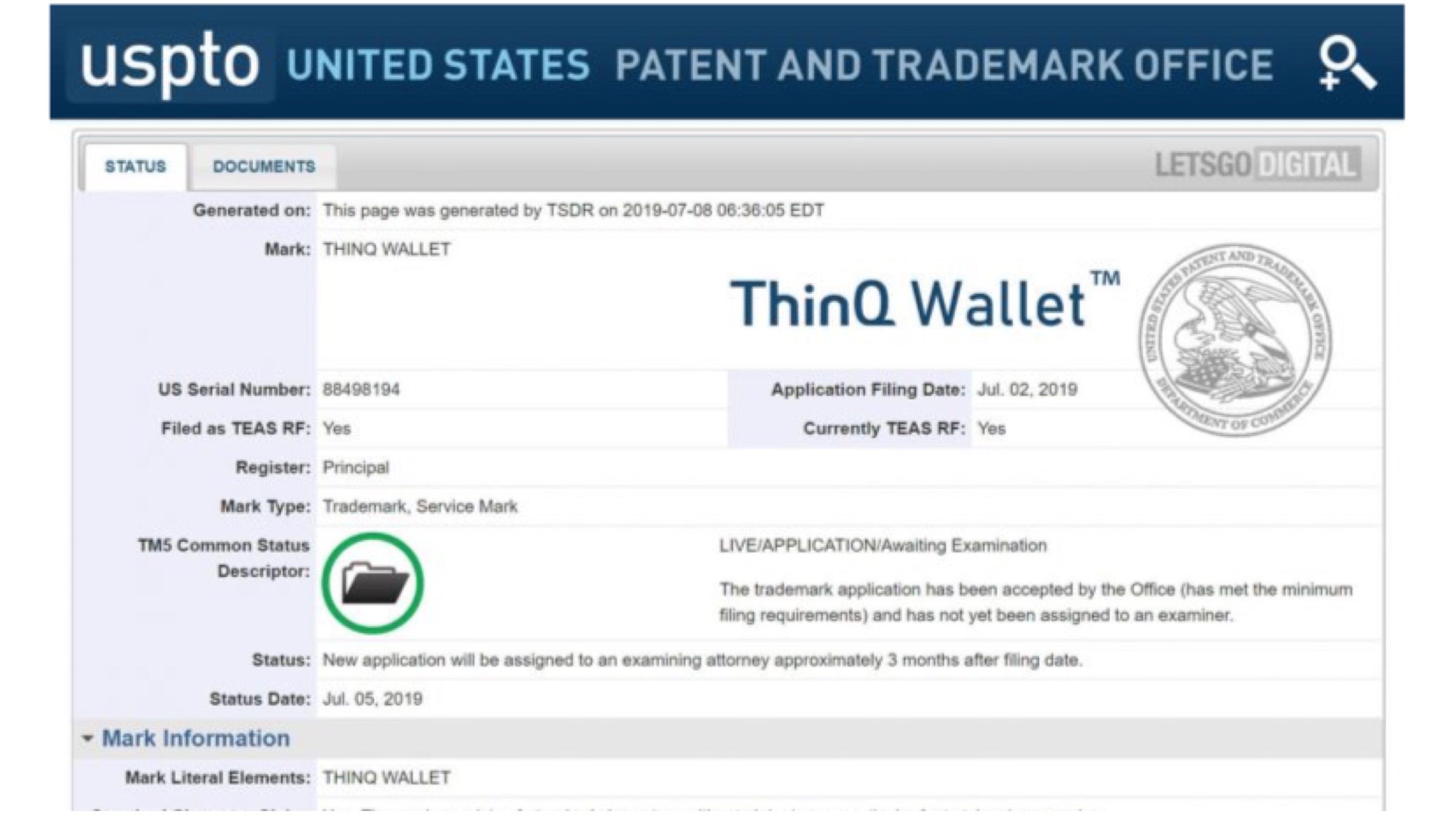
    As mentioned above, LG has filed for a patent for a cryptocurrency wallet called the ThinQ Wallet. The patent was filed at the USPTO (The United States Patent and Trademark Office). The description of the listing mentions it is a software for smartphones that specialises in payments. It will use blockchain technology, which is what all the cryptocurrencies are based on. Using it, the company is working on a digital wallet for the currencies, so they will work as a traditional wallet application which specialises in cryptocurrencies like Bitcoin and Ethereum.

    LG
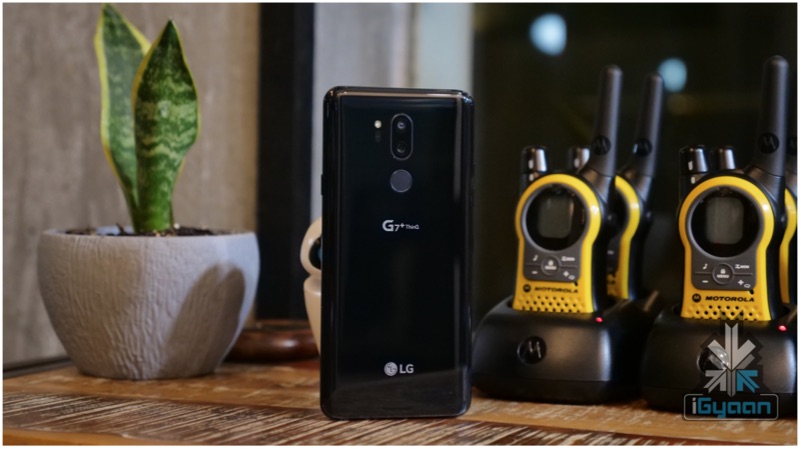
    LG G7 ThiNQ

    Also read: Galaxy Note 10 Will Allegedly Support 20 W Wireless Charging, First On A Samsung Device

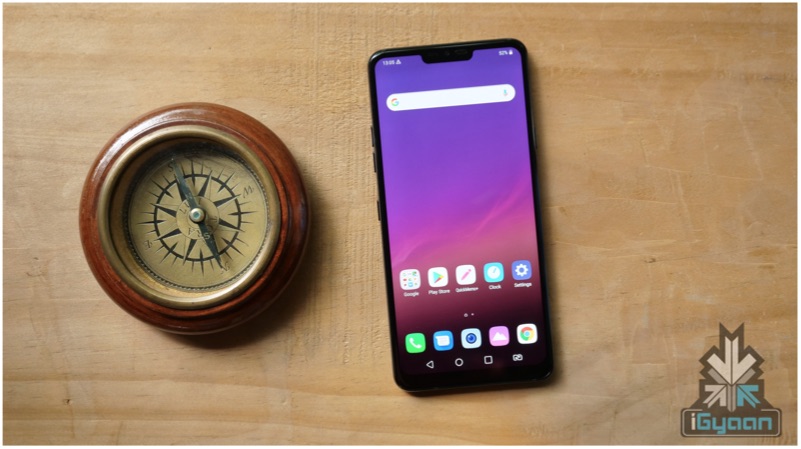
    The name ThinQ is used by LG in products that boast of some form of Artificial Intelligence technology; so it may be the case that the wallet when launched will feature AI as one of its features. It is speculated that the company may introduce the ThinQ Wallet alongside a flagship smartphone in the following weeks. Unfortunately, more details about the upcoming device or the cryptocurrency wallet are unknown at the moment. However, the patent listing suggests that we may not have to wait too long to hear about them.

  • Airtel Joins Hands With Tata To Survive The Jio Storm

    Airtel Joins Hands With Tata To Survive The Jio Storm

    The introduction of the Reliance Group’s Jio network has brought substantial changes in the Indian telecom industry. It is a common occurrence in businesses to have acquisitions and mergers taking place for mutual benefit between two or more parties. The added edge of two companies working together helps provide an advantage to both parties and increases economical prospects, such as the Airtel and Tata merger.

    According to a new report, Tata Teleservices’ Consumer Mobile services have now officially been integrated into Bharti Airtel. The news of the completion of the merger arrived after a joint statement issued by both the companies.

    Telecom services

    The aforementioned companies have seen their fair share of business troubles ever since the debut of the highly competitive Jio network. Reliance Group’s critically acclaimed network had brought data packages and call rates to an all-time low. Noteworthy, India currently holds the title of consuming the highest amount of mobile data per head, which is somewhat due to the Jio revolution. This seemingly undercut every one of the prevailing competitors such as Airtel, Vodafone and Idea. Furthermore, the move caused massive losses to other telecom service providers and forced many to slash rates or start a joint venture, such as the Idea India and Vodafone merger.

    Airtel

    As of July 1st 2019, the arrangement regarding the merger of the Consumer Mobile Businesses of Tata Teleservices and Tata Teleservices (Maharashtra) into Bharti Airtel and Bharti Hexacom are now in effect. In accordance with the merger, Airtel will absorb the Tata Telecom services operations in 19 telecom circles. It has also agreed to take all the customers, assets, spectrum, and agreed liabilities of the Consumer Mobile Business from Tata.

    Tata

    Also ReadA 15 Year Old Indian Stabs Elder Sibling Over PUBG Mobile

    The merger will boost Airtel’s spectrum pool with a significant addition of 178.5MHz spectrum in 1800, 2100 and 850 MHz bands. These are used in 4G and translate to better overall connectivity, spread and penetration of the network. This is a welcomed move as existing Airtel and even Tata customers will largely benefit from the business merger. It is yet to see how performance is affected in real-world practice but positive results are expected all across the board.

  • The US Clears Huawei Off Its Entity List, Can Restore Relations With American Firms

    The US Clears Huawei Off Its Entity List, Can Restore Relations With American Firms

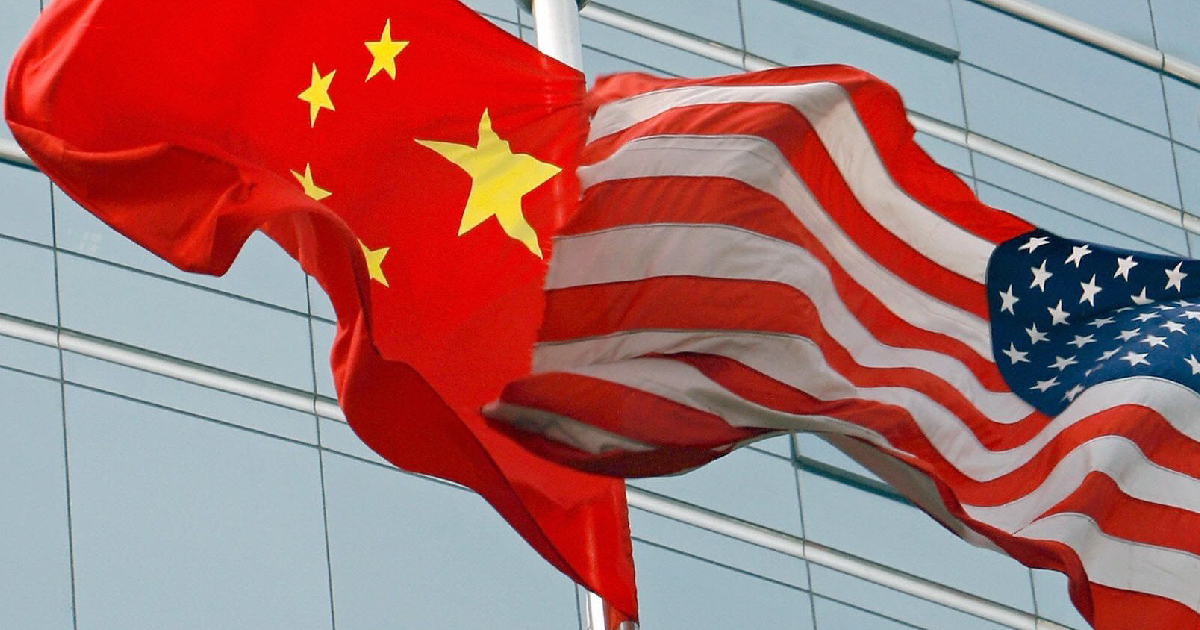
    In the month of May, the US Commerce Department designated the Chinese tech titan, Huawei to an entity list. This move revoked all American companies from having any sort of trade relations with the Chinese corporation. 

    Subsequently, Huawei had to deal with a significant setback as major companies including Google and Microsoft had to withdraw their software support for the former’s hardware offerings. As it seemed things could not get worse, ARM, the British semiconductor and software design company also pulled off the plug. Hence, Huawei could no longer manufacture its Kirin chipsets as they incorporated Cortex architecture which is developed by ARM.

    Nevertheless, the reason that induced the ban on Huawei in the first place is that the US government accused the company of installing backdoors on its 5G equipment which was considered as a threat to the national security. 

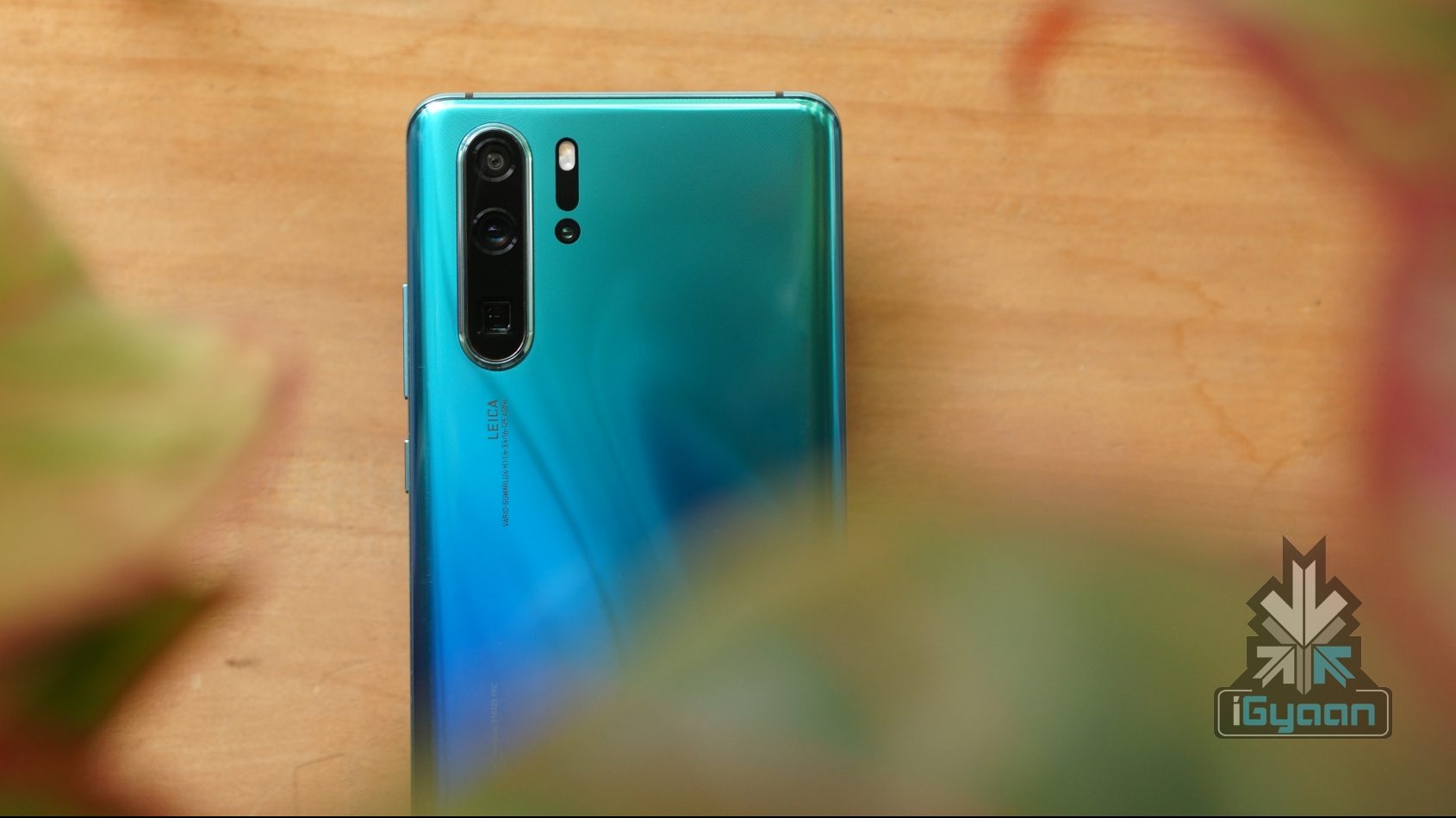
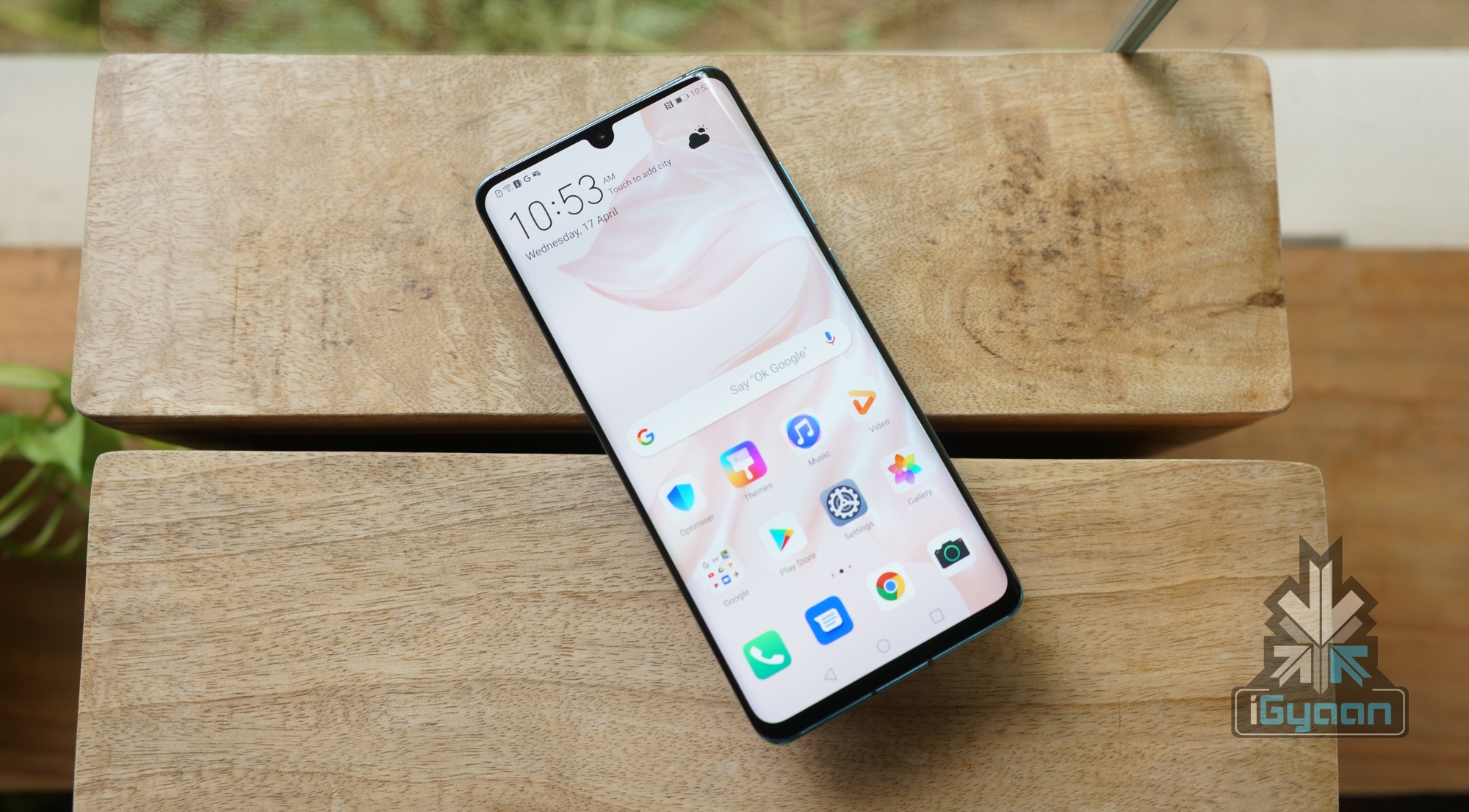
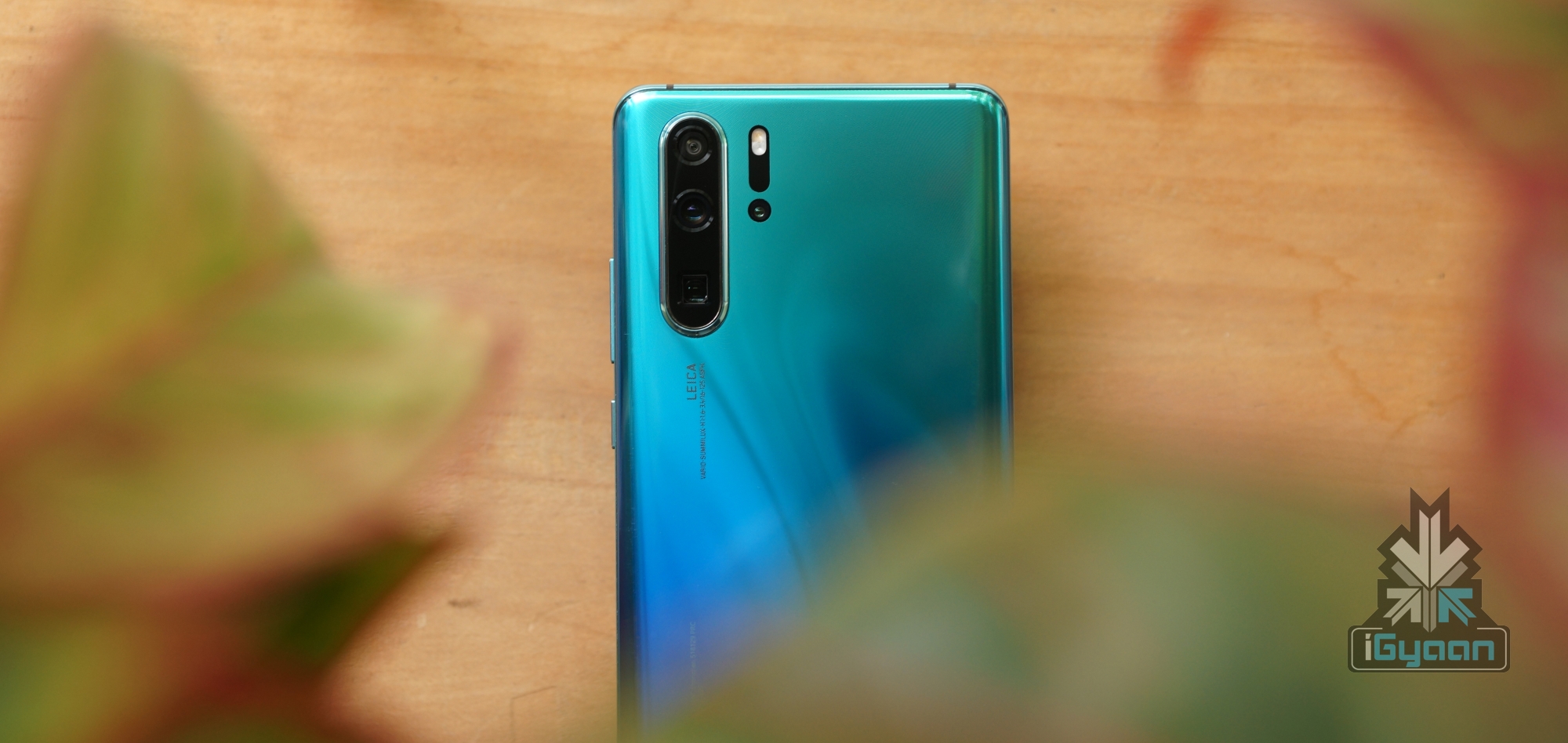
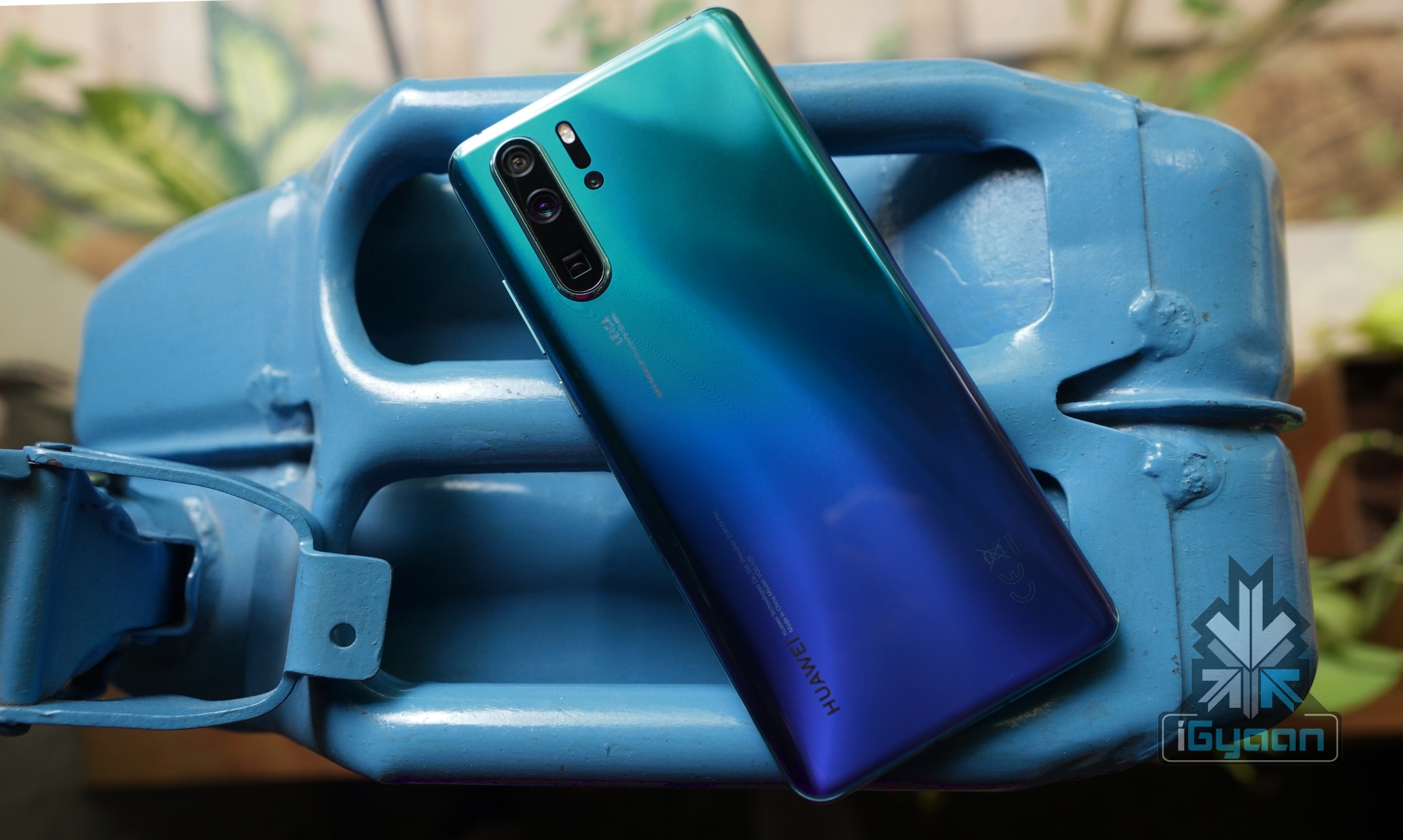
    Following a month of turmoil, things may get back on track for Huawei. At the G20 summit which is currently being held in Osaka, leaders of both the countries sat together to discuss trade tensions which has now been de-escalated to some extent. According to reports American president, Donald Trump, for the time being, has allowed US-based companies to restore trade relations with Huawei. Therefore, the Chinese corporation can once again buy products and services from American businesses until further notice. Huawei P30 Pro

    Intriguingly, the US government stated that it will hold the tariffs on China which were previously expected to see a significant rise. In return, China will be purchasing huge quantities of agricultural products produced by US locals. 

    Despite the fact, circumstances have gotten much better for Huawei, at least for now, the company might take some severe steps to ensure it never has to go through such hardships in the future. 

    Though the company can again register new smartphones with Android OS, it may still decide to launch a handful of devices with Ark OS or HongMeng Os, the companies in house developed operating system. This will allow Huawei to break free from the monopoly that has been created by the American companies. 

    Also Read: Apple Shifts Mac Pro Production From US To China

    All in all, not much can be said about the plans that Huawei might have formed during the short yet difficult period it had to endure. Only the future will unravel what lies in store for Huawei.

    Though this is definitely a positive report for all Huawei and Honor device owners which are now likely to get extended software support on their smartphones or tablets.

  • Apple Shifts Mac Pro Production From US To China

    Apple Shifts Mac Pro Production From US To China

    At the Apple WWDC 19 event, which was held in the month of June, the company announced its latest Mac Pro computer which is designed for pro consumers, professionals and movie makers. Before the launch of the current gen computer, all Mac Pro machines completed their final assembly in the USA at the Austin, Texas assembly line.

    But with the new Mac Pro, Apple is shifting the last stage of assembly of these high-end computers from the United States to China. Noteworthy, even if the last generation Mac Pro was assembled in its home country, components used in it were manufactured in several countries.

    According to reports, this effort could help reduce costs related to shipping components to the United States for the last production step. Nevertheless, Apple has partnered with Quanta Computer in China which will be held responsible for finalising assembly of the 2019 Mac Pro future onwards. Users who are unaware can read about the new Mac Pro below:

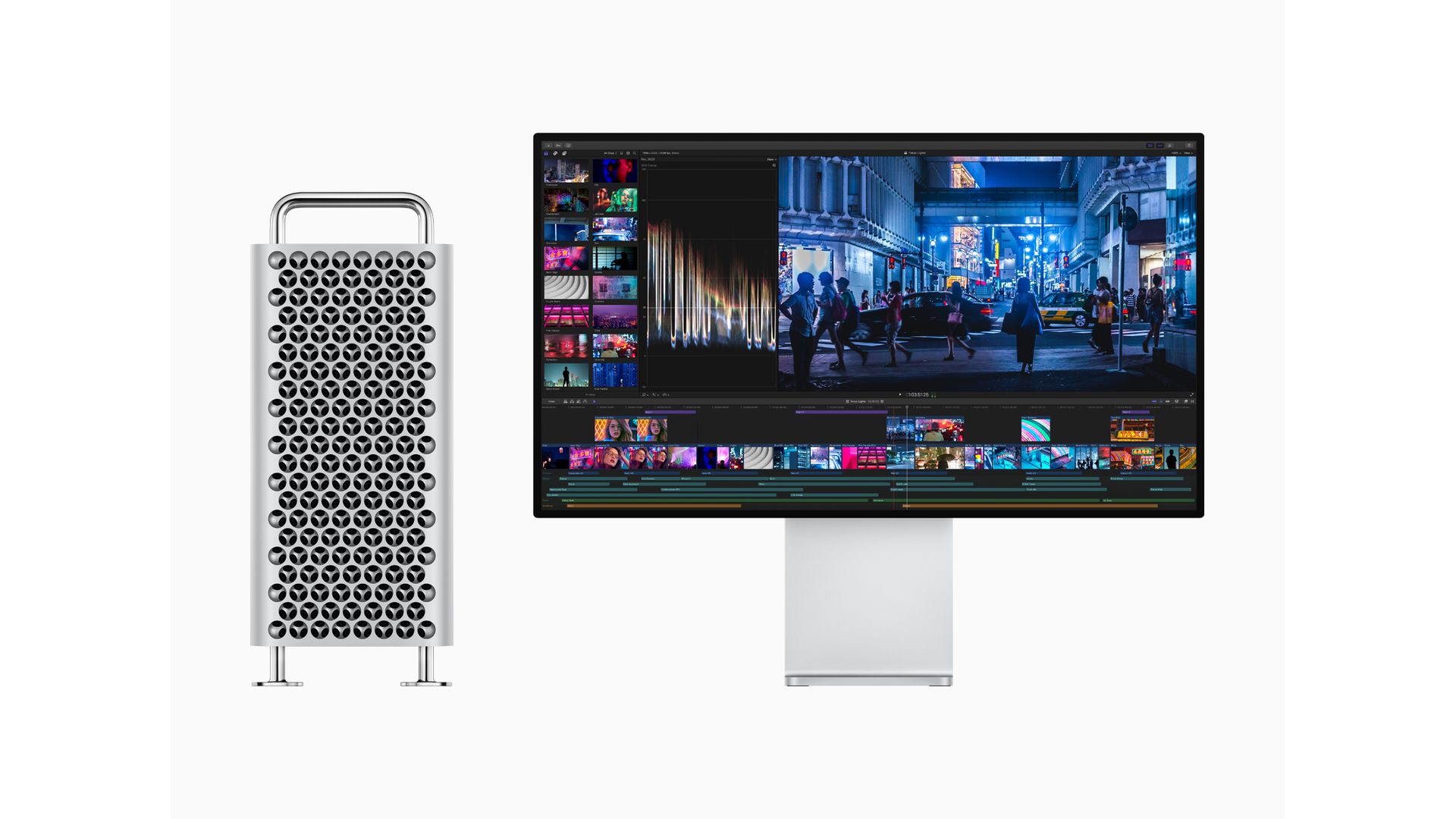
    Apple Mac Pro

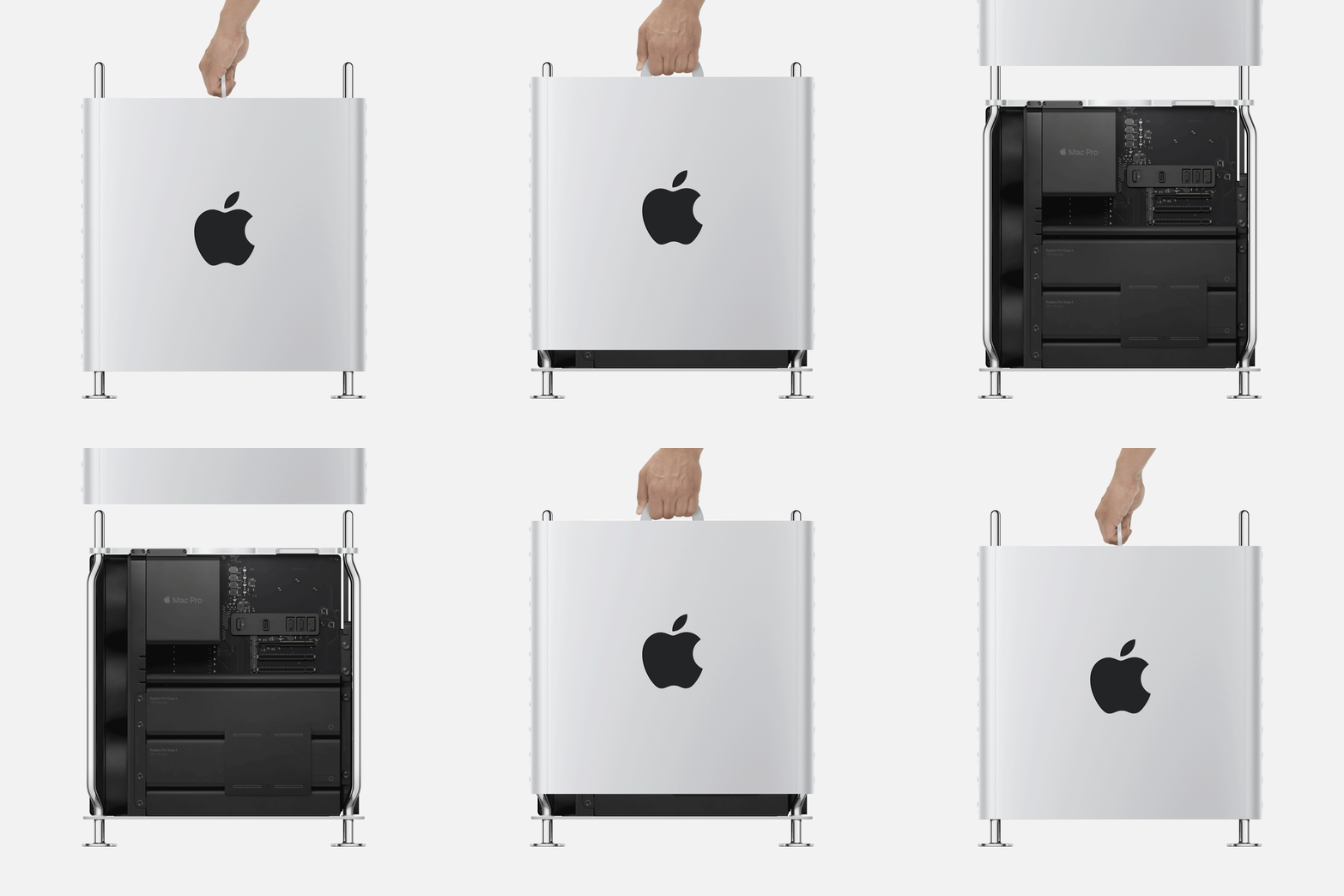
    The Apple Mac Pro is a considerably larger machine in comparison to its predecessor, it measures 529 X 450 x 218 mm and tip the scale at 18 KG. It has two steel handles on top which can be used to easily relocate the computer. The case can also be fitted with optional wheels to enable mobility of the system.

    According to the company, the new computer offers state-of-the-art cooling with three large fans which can disperse 300 cubics of feet per minute. This will allow the processor and other components to run at maximum power without thermal throttling.

    The latest Apple Mac Pro can be configured with the 28 core Intel Xeon processor with 300W of power. In terms of memory, the Mac Pro supports up to 1.5TB of RAM, which can be divided between six-channel memory across 12 DIMM slots (Dual In-Line Memory Module). The machine has eight built-in PCI Express slots which can be used to install upgrades as the need of the user.

    The Mac Pro includes 2 USB-C which can also double up as Thunderbolt 3 ports and two USB-A ports that are present on the front of the case. For wireless connectivity, it also has 802.11 ac Wi-Fi and Bluetooth 5.0

    The components of the Mac Pro are powered by a 1400W power supply unit (PSU) which can even compensate for additional components that the user may add in the future. The computer starts at a price of US $ 6000 and it will start shipping later this year. 

    Also Read: Xiaomi Huami Amazfit Bip Lite Smartwatch Launched In India

    All in all, the new Mac Pro is an absolute beast of a computer. However, Apple needs to make sure that the product sells at a profit rather than burning a hole in its pocket. Therefore the move of shifting its production to China from the US that has significantly higher labour costs can be justified. 

  • Apple Increases iPhone Production After Huawei US Ban

    Apple Increases iPhone Production After Huawei US Ban

    Apple and Huawei have been neck-and-neck in regards to their global smartphone market share. The lead is taken by Samsung while the aforementioned companies go back and forth for the second place. Huawei had almost cemented its lead when the US-China trade wars severely hampered the company’s business. A new report now points at Apple raising its iPhone production following the ban on the Chinese company.

    Apple

    Huawei had been accused of installing backdoors on its networking equipment and providing the data to its home Government, China. The ban sought to isolate the eastern tech giant due to concerns regarding data security by the US Government. Apple is reportedly taking advantage of the ban and is increasing the production of its handsets across the entire quarter. The report has claimed that the American company will make an incremental rise over past estimates. 

    Apple was originally reported to have planned manufacturing about 39 million units, which has now been estimated to rise to 40 million. The increase will last till the end of Q2, that is the end of June. It has been speculated that Apple is increasing production to respond to increasing demand for the iPhone in a few markets. The increase should fill the gap in the market left behind by Huawei, one of the largest smartphone OEM.

    iPhone

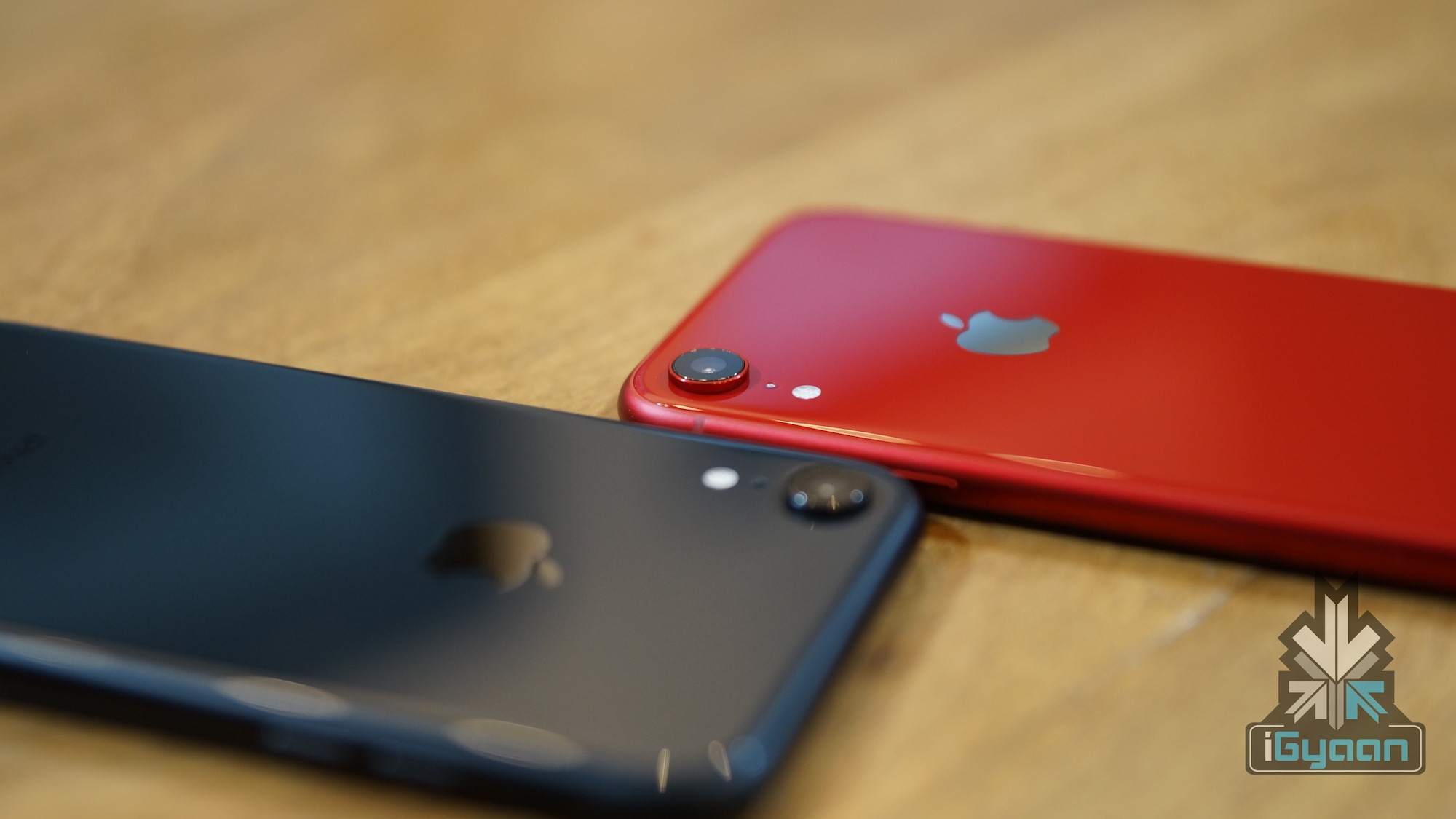
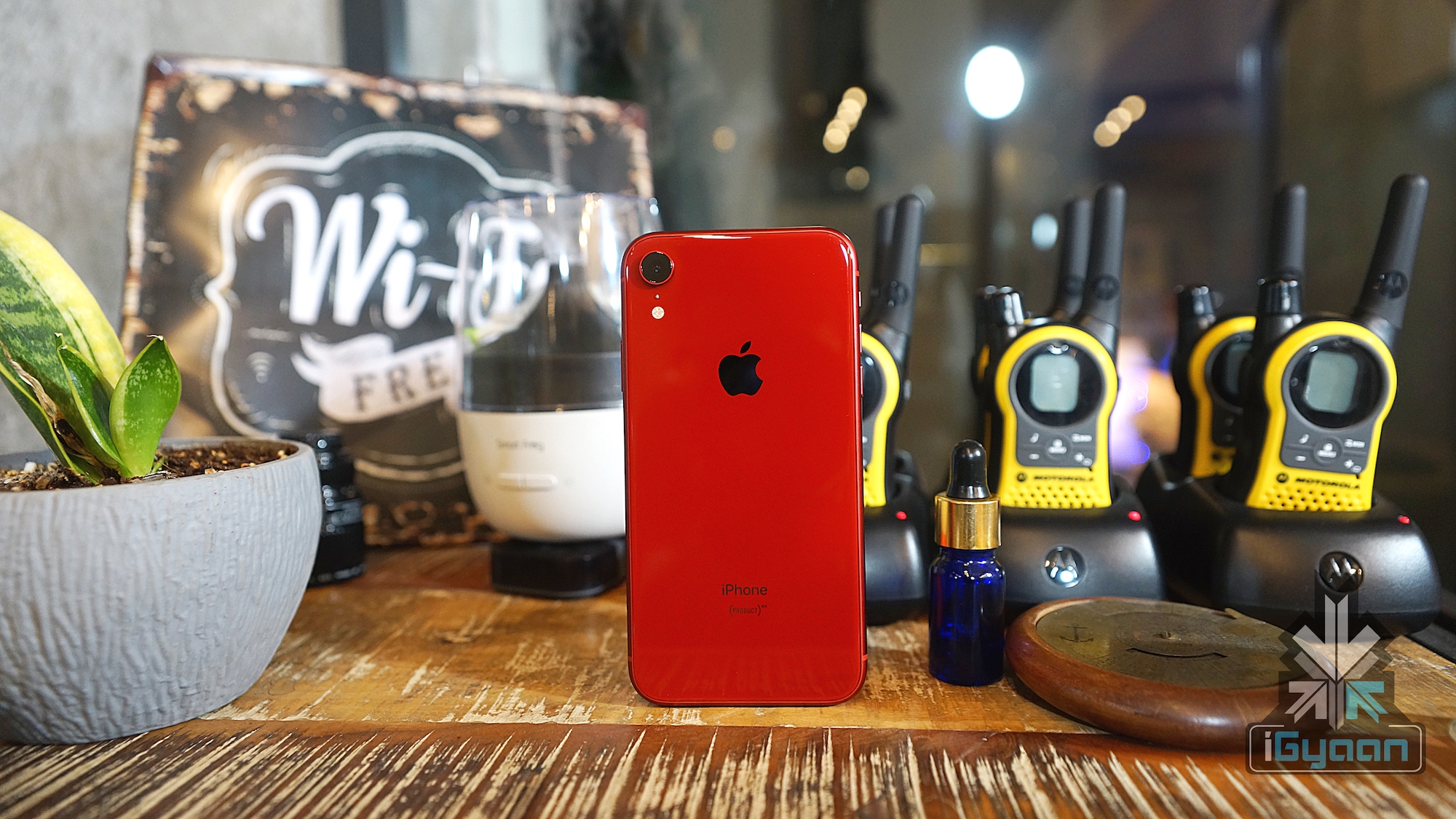
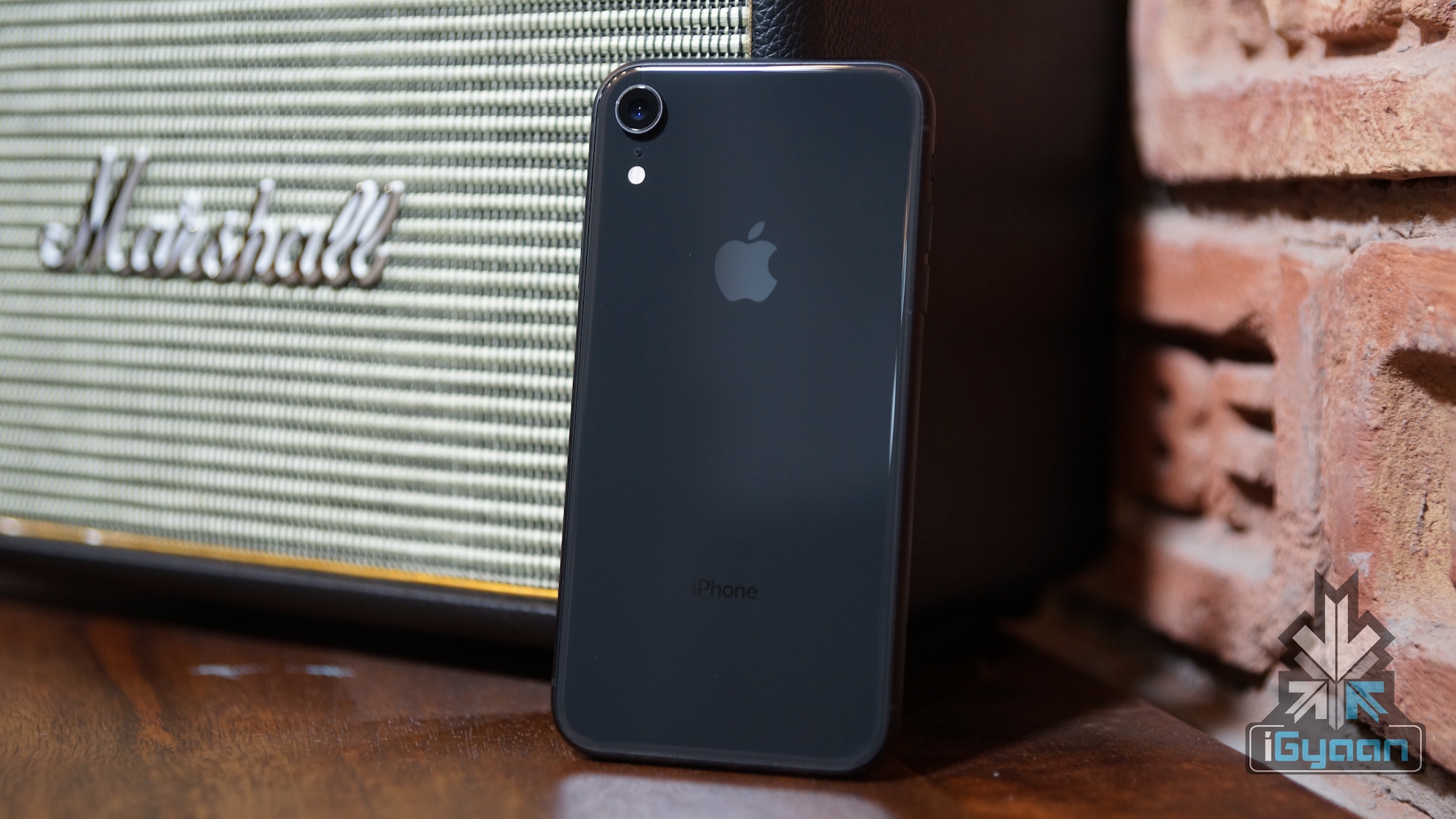
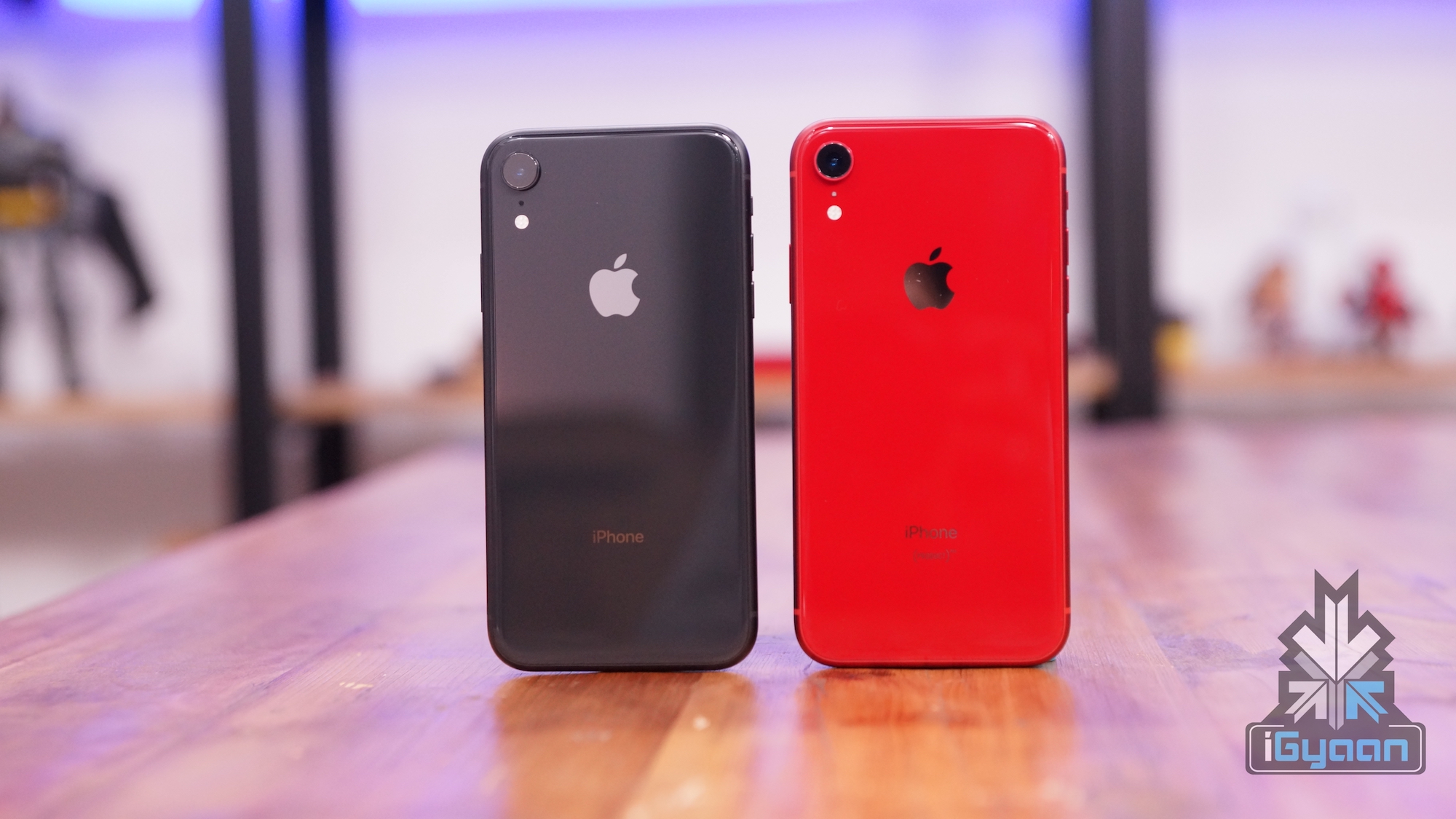
    Apple is predicted to focus 75% of its increased production on iPhone XR, iPhone XS and iPhone XS Max models. The remainder will be spread largely across the iPhone 7 and iPhone 8 lineups. The bump is a temporary measure as the tech giant cannot hope to maintain the rise in the long run. Apple could potentially warrant US tariffs on iPhone sales due to the production of its devices in China.

    iPhone

    Also ReadHonor Promises Continued Support For Existing Android Smartphones

    The US Trump ban on Huawei has barred the company from sales of technology and components from American-based companies. Apple will take full advantage of the situation to secure a lead over its crippled competitor. Furthermore, the iPhone 2019 flagship models are just around the corner. It is expected to release in September to its global audience and will be a great new addition to its wide offerings of electronic devices.

  • OnePlus Now Holds 2% Share In Premium Smartphone Market

    OnePlus Now Holds 2% Share In Premium Smartphone Market

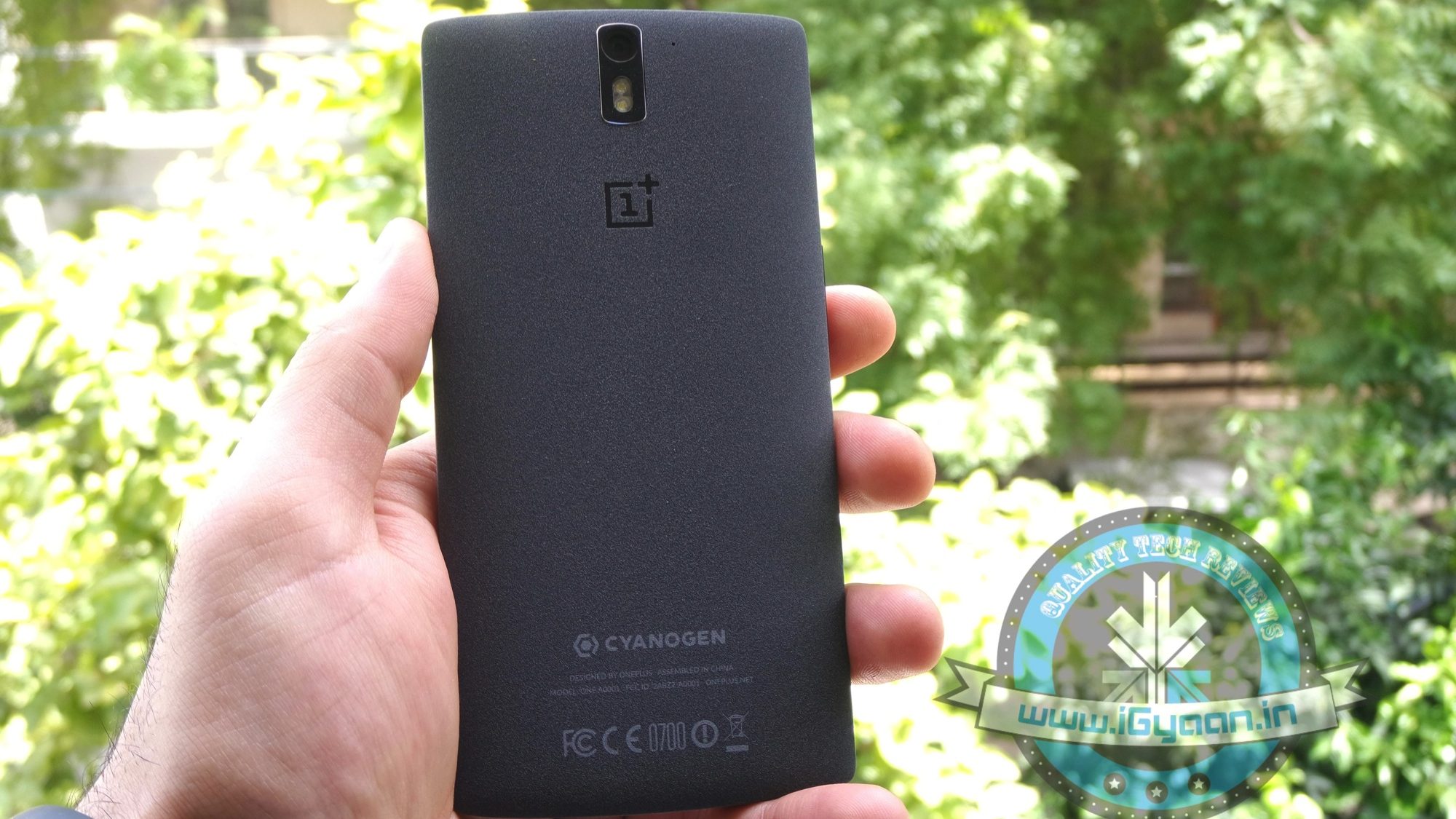
    Even though it has been six years since OnePlus came into existence, it is still a young company in comparison to the likes of Apple and Samsung. The company launched its first handset in the year 2013 which was the OnePlus One. The device due to its worthy hardware and software received a warm welcome from the global audience.

    Following the successful launch of its first handset, the company has never looked back. A freshly shared report by counterpoint research has revealed intriguing findings of the company’s performance. The report states that OnePlus’ has managed to grow steadily, despite the fact that the global premium smartphone market fell by eight percent in Q1 2019. 

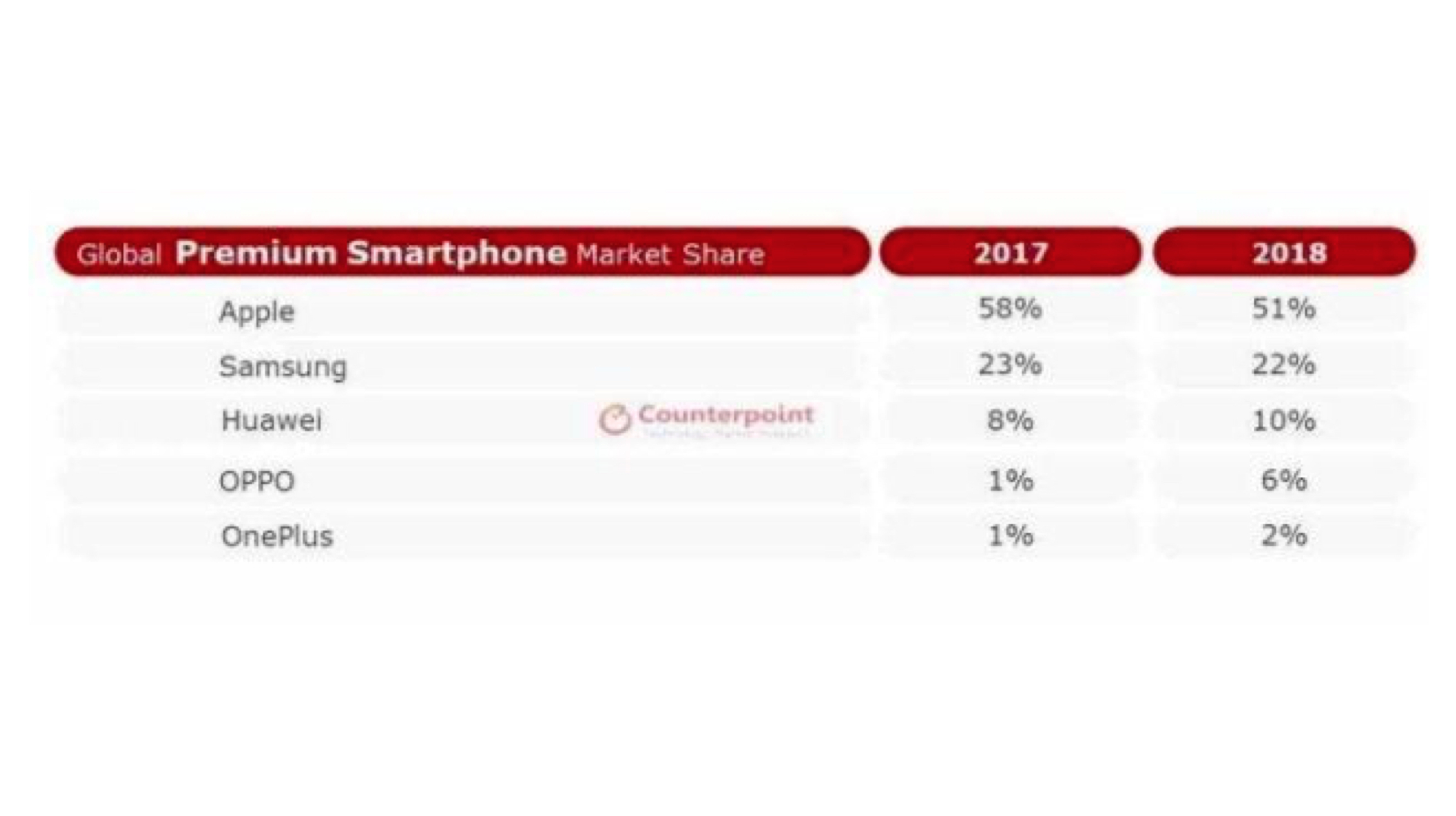
    Notably, the company now holds 2 percent of the global smartphone shipments in the premium segment. Considering the fact that it has been limited to China, India and European markets until the second half of 2018, this achievement is worthwhile for the company. 

    The company has been registering strong growth since 2017. Notably, its sales increased over 45 percent in between the Q1 of 2017 and Q1 of 2018. Especially in India, the OnePlus 6T became the top selling premium smartphone. Besides, it is currently one of the top five smartphone companies in North America and has also recorded an upward graph in Western Europe.

    Apple iPhone 2020
    iPhone XR

    In contrast, Apple which is the leader in the premium smartphone market saw a decline of 7 percent as it’s market share fell from 58 percent to 51 percent between the Q1 of 2017 and the subsequent year. Likewise, the Korean giant, Samsung also recorded a slight drop in market share during the same time period as the market share fell from 23 percent to 22 percent.

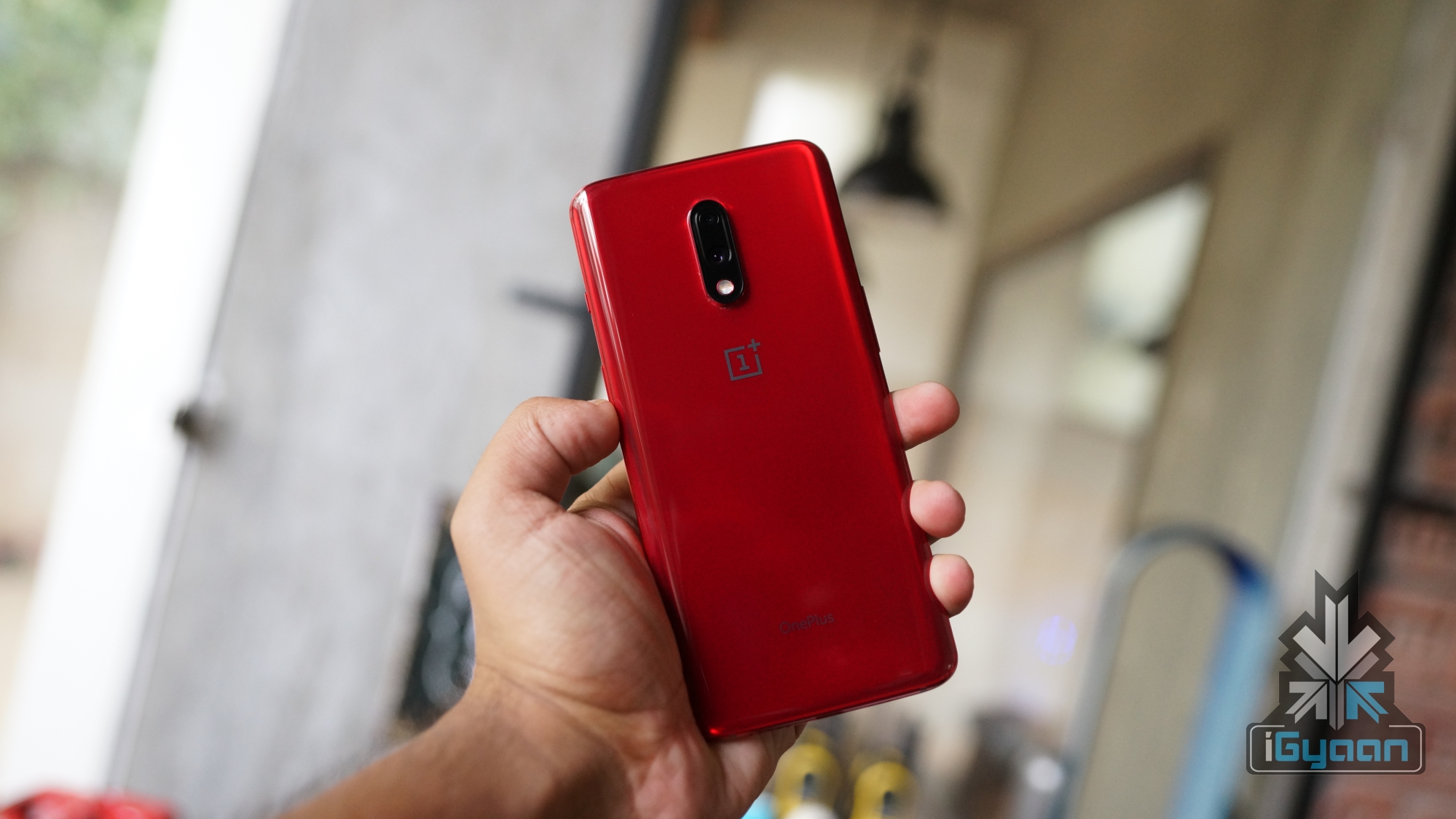
    Following the launch of OnePlus 6T, the company registered its highest ever shipments in a single quarter (Q4 2018) in India. Falling into the footsteps of their predecessor, the company has launched two new handsets which include the OnePlus 7 and the OnePlus 7 Pro.

    OnePlus, in a press letter boasting of its achievement is hyped up for the market performance of its current gen device in the coming time. The company aims to further increase it reach in the global premium smartphone.

    Also Read: Samsung Galaxy Note 10 To Pack In A Time Of Flight Sensor

    All in all, only time will tell what the future beholds for the company.

  • Facebook Announces Its Cryptocurrency Named Libra

    Facebook Announces Its Cryptocurrency Named Libra

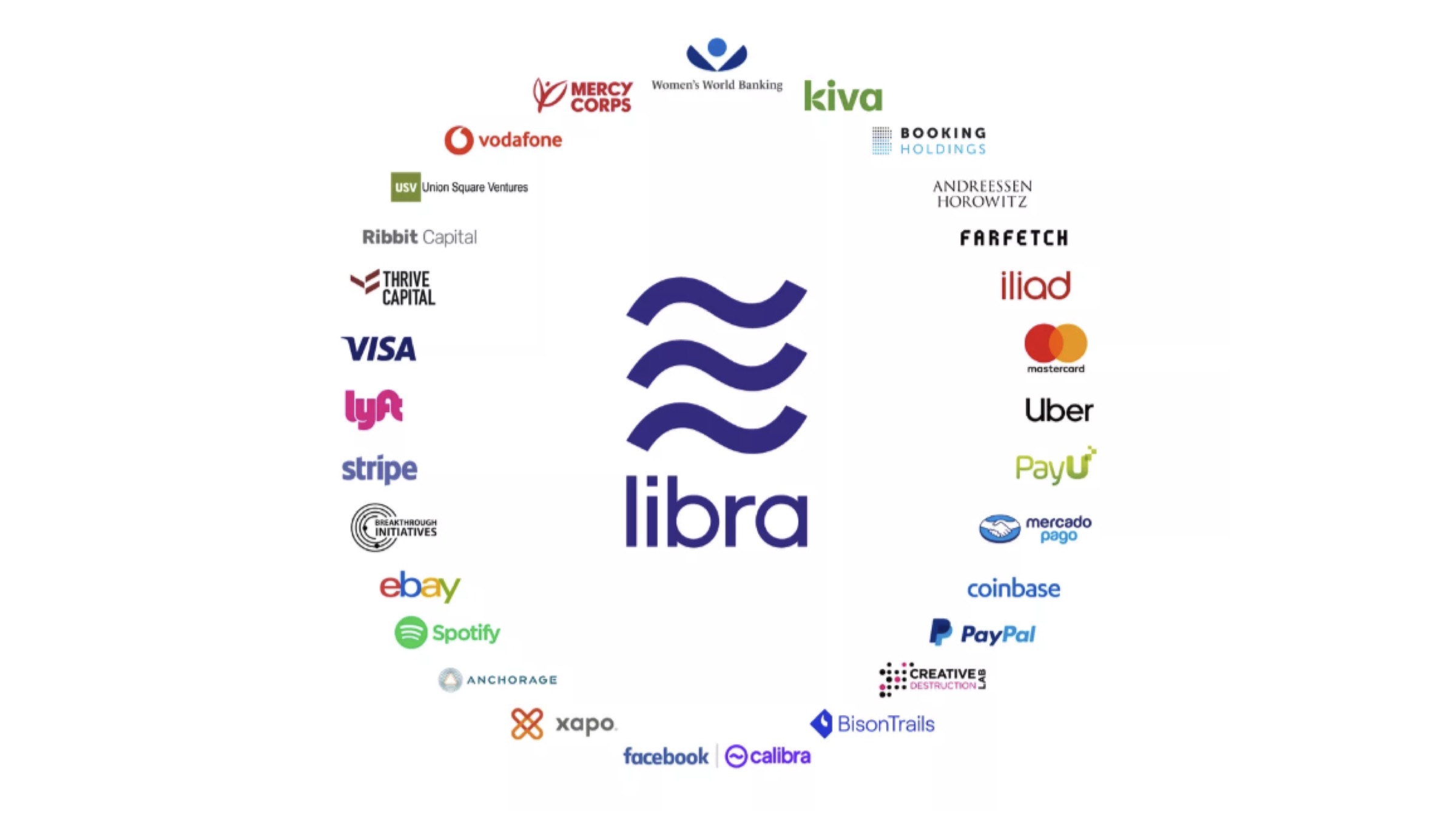
    American social media giant Facebook has announced a digital currency called Libra on the 18th of June. It is a cryptocurrency that aims at allowing billions of Facebook users to make transactions globally. Libra is expected to debut in the year 2020 alongside a blockchain network supporting it. The company also introduced its newest subsidiary called Calibra, which is a payments interface that will leverage the various assets of Facebook like Messenger and WhatsApp. 

    About Libra

    Facebook Libra

    As mentioned above, Libra is the latest cryptocurrency backed by Facebook. The company believes it will be used for money transfer between people in developing countries; who do not have access to a proper banking structure. The final goal though is to develop the first mainstream cryptocurrency, which is in use more than Bitcoin. Facebook believes Libra will grow into a currency which is stable and decentralized; this means no country will have ruling rights over it. Although the social media company is developing the currency, it has formed the non-profit Libra Association alongside 27 other partners so help it develop and get the cryptocurrency into the mainstream market. These partners include names like Mastercard, Visa, eBay, PayPal, Uber and Vodafone.

    Facebook Libra

    Also read: Revolt RV400 Launched, First All-Electric MotorBike

    The aforementioned organizations together are set to contribute to an asset pool known as Libra Reserve. This will make sure that every Libra (a unit of the currency) is backed by something essential in nature. This is different than how Bitcoin works, as it relies on its rarity and insufficiency to increase in value. Facebook’s Libra is being viewed as a financial behemoth, due to the sheer number of people using Facebook actively, which is around 2.4 billion each month. However, as the company always finds itself in the middle of a privacy debate, it may also face a lot of criticism when it lands next year.

  • Huawei Smartphone Shipments To Drop By Up To 60 % Due To US Ban

    Huawei Smartphone Shipments To Drop By Up To 60 % Due To US Ban

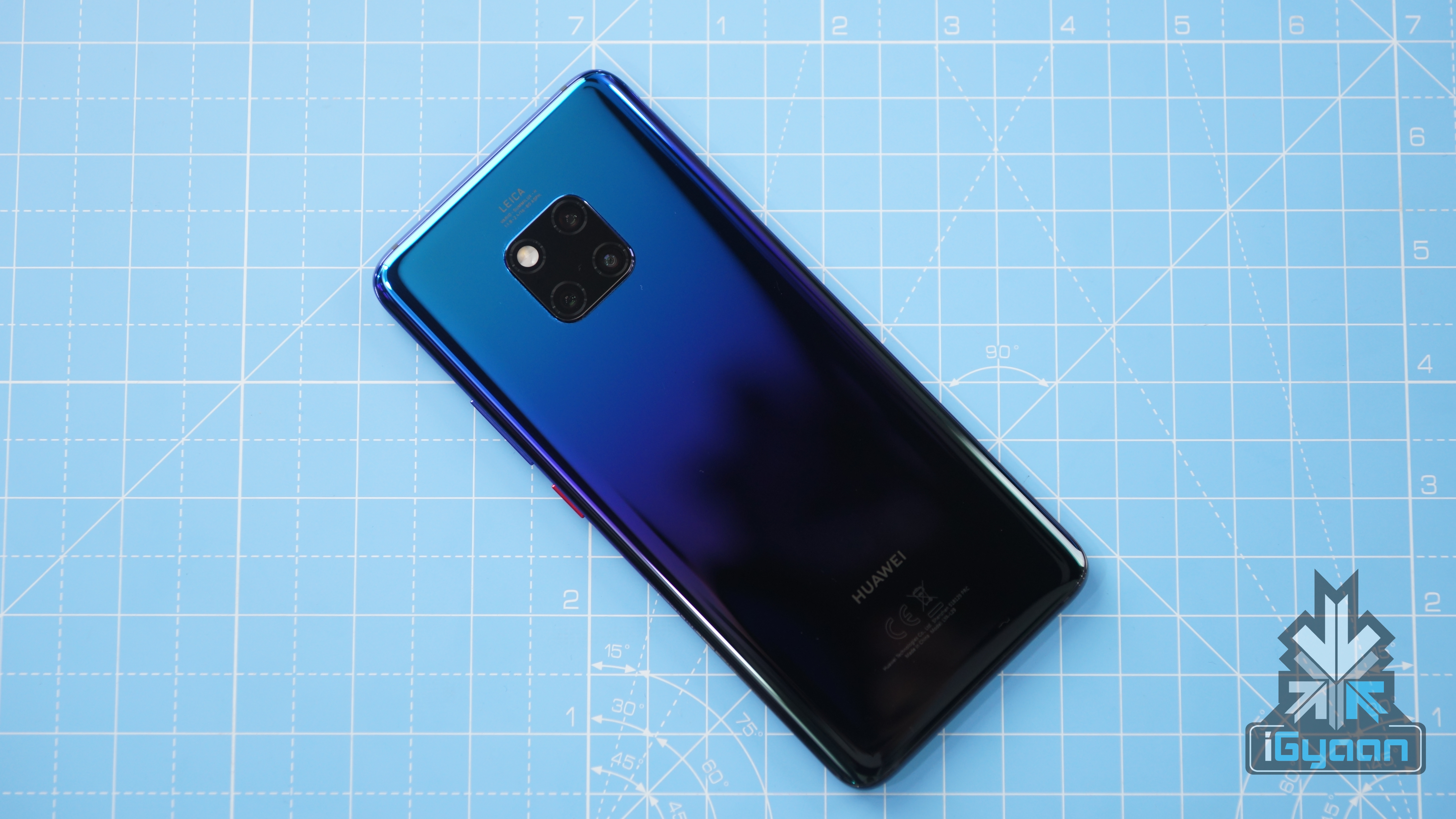
    Last month, the United States government put Chinese telecom giant Huawei on an entity list which barred all American companies from doing business with it. Due to the decision, Huawei lost access to business with companies like Google, Microsoft and Intel. The former was the most important for its smartphone business, as it meant the company will not be able to provide software updates to its devices. It was expected that due to this decision, sales of the company’s handsets will reduce drastically. Now, a report claims Huawei will face a drop in smartphone shipments by up to 60% in 2019 in comparison to last year.

    About the report
    Huawei mate 20 pro
    Huawei Mate 20 Pro

    As mentioned above, Huawei is expected to face a dip in its smartphone shipments from 40 percent to 60 percent over last year if the ban continues. This dip in sales is claimed to last until the year 2021 starting when the company is expected to recuperate. The percentage might translate to a drop in shipments volumes ranging between 40 million and 60 million devices. Due to the loss in sales, Huawei may also be planning to stop all shipments of its latest Honor 20 series; which is supposed to go on sale in Europe starting the 21st June and is a flagship smartphone of its subsidiary Honor.

    Huawei P30 Pro
    Huawei P30 Pro

    Also read: Google Accused Of Copying Song Lyrics In Search Results

    To counter the US inflicted ban, Huawei has been reported to be working on its operating system for a while. The new software may be based on Android and arrive without any Google services whatsoever. While the name of the OS is still a mystery; it is believed it will be called the HongMengOS in China and as the OakOS/ArkOS globally. Unfortunately, it is not known when Huawei will announce its latest operating system; but it is expected to be unveiled in the fall, which refers to the fourth quarter of the year.

  • US Chipmakers Want TO Remove The Huawei Trade Ban

    US Chipmakers Want TO Remove The Huawei Trade Ban

    In the month of March, the US Commerce Department put Chinese tech giant, Huawei in an entity list. This move barred all American companies from having any sort of trade relations with the Chinese corporation which has caused a global stir up. Following the ban, Huawei was left stranded due to the withdrawal of support from American companies for its software and hardware offerings. The major impact of the ban was received by the company’s smartphone division which was once anticipated to take over Samsung in the year 2020. Huawei Nova 5i

    Huawei is not the only company that is undergoing discomfort after the ban. As US-based chipmakers including Qualcomm and Intel are losing a lot of business. Therefore, in order to curb the losses, American companies are lobbying against Huawei’s trade ban. According to a Reuters report, officials from several US based companies are questioning US Commerce Department about the ban imposed on the Chinese company. Speaking of figures, Huawei spent $70 Billion buying components in the year 2018, out of which $11 billion went to U.S. firms including Qualcomm, Intel and Micron Technology Inc. 

    Huawei P30 ProHuawei is accused of installing backdoors on its networking equipment which incorporates proprietary components developed in house by the company. Taking this fact into consideration, American Chipmakers want the US government to lift the ban from the Chinese company’s smartphone division. As these devices utilise commonly available components which are unlikely to present the same security concerns as companies networking gear. 

    Earlier this month, Huawei Chairman, Liang Hua told the Chinese press that Google, which sells hardware, software and technical services to Huawei, has also advocated in favour of lifting the ban so it can keep the trade relation alive. 

    Also Read: Amazon Sued Over Alexa Recording Children’s Voices

    Another senior executive from Huawei’s Mexico division stated that the company has not asked anyone specifically to lobby on its behalf. Following is the statement of the said executive.

    “They’re doing it by their own desire because, for many of them, Huawei is one of their major customers,” he said, adding that chipmakers knew that cutting Huawei off could have “catastrophic” consequences for them.

    Amidst all the pandemonium, only time will tell what the future beholds for Huawei. 

  • Xiaomi’s Component Supplier, Holitech Sets Up A Massive Manufacturing Unit In Noida

    Xiaomi’s Component Supplier, Holitech Sets Up A Massive Manufacturing Unit In Noida

    India was one of the first countries where the Chinese smartphone maker, Xiaomi launched its offerings. The company over the last few years due to value for money products has seen significant growth in the Indian market. To further increase its affinity with the local customers, the company has been promoting locally assembled devices. The “Make In India” movement initiated by the Indian government has also been well embraced by the company. To take the local assembly step further, Xiaomi’s key component supplier Holitech has set up a massive plant in the city of Greater Noida.

    Speaking of “Make In India” movement, several companies including Xiaomi, imported key components of smartphones from China which were locally assembled into functional smartphones. This partial local manufacturing has also seen somewhat of a backlash from users who were aware of this strategy. However, it must be noted that these companies were forced into opting for the aforementioned choices. As manufacturing of vital components like display, chipset, fingerprint sensors takes state of the art infrastructure for which takes a lot of capital upfront. Xiaomi Redmi 7

    With the growing demand for smartphones and conditions favourable for setting up large assembly units, Holitech has inaugurated the is first assembly facility in Noida which spans across 25000 square metres. Talking about investment figures, the company will invest a sum of over 200 Million USD in it over the next three years. Noteworthy, the manufacturing unit will reportedly generate 6000 jobs. Xiaomi Redmi Note 7

    The components that Holitech Technology will manufacture locally in the Greater Noida plant include Compact Camera Modules (CCM), Capacitive Touch Screen module (CTM), Thin Film Transistor (TFT), Flexible Printed Circuits (FPC), and fingerprint modules. Praiseworthy, the Holitech plant also boasts of class 1000 and class 100 clean room which is an industry first. A cleanroom is a contained space where provisions are made to reduce particulate contamination and control other environmental parameters such as temperature, humidity and pressure. 

    Also Read: Adobe Trains AI To Undo Facial Manipulations In Photoshop

    All in all, this is a positive step for Xiaomi’s growth in the country. Although not discussed by the company officials, locally assembled components might further drive down the costs of smartphones which are already aggressively priced. 

  • Xiaomi Leads The Wearables Industry With 21 Percent Market Share

    Xiaomi Leads The Wearables Industry With 21 Percent Market Share

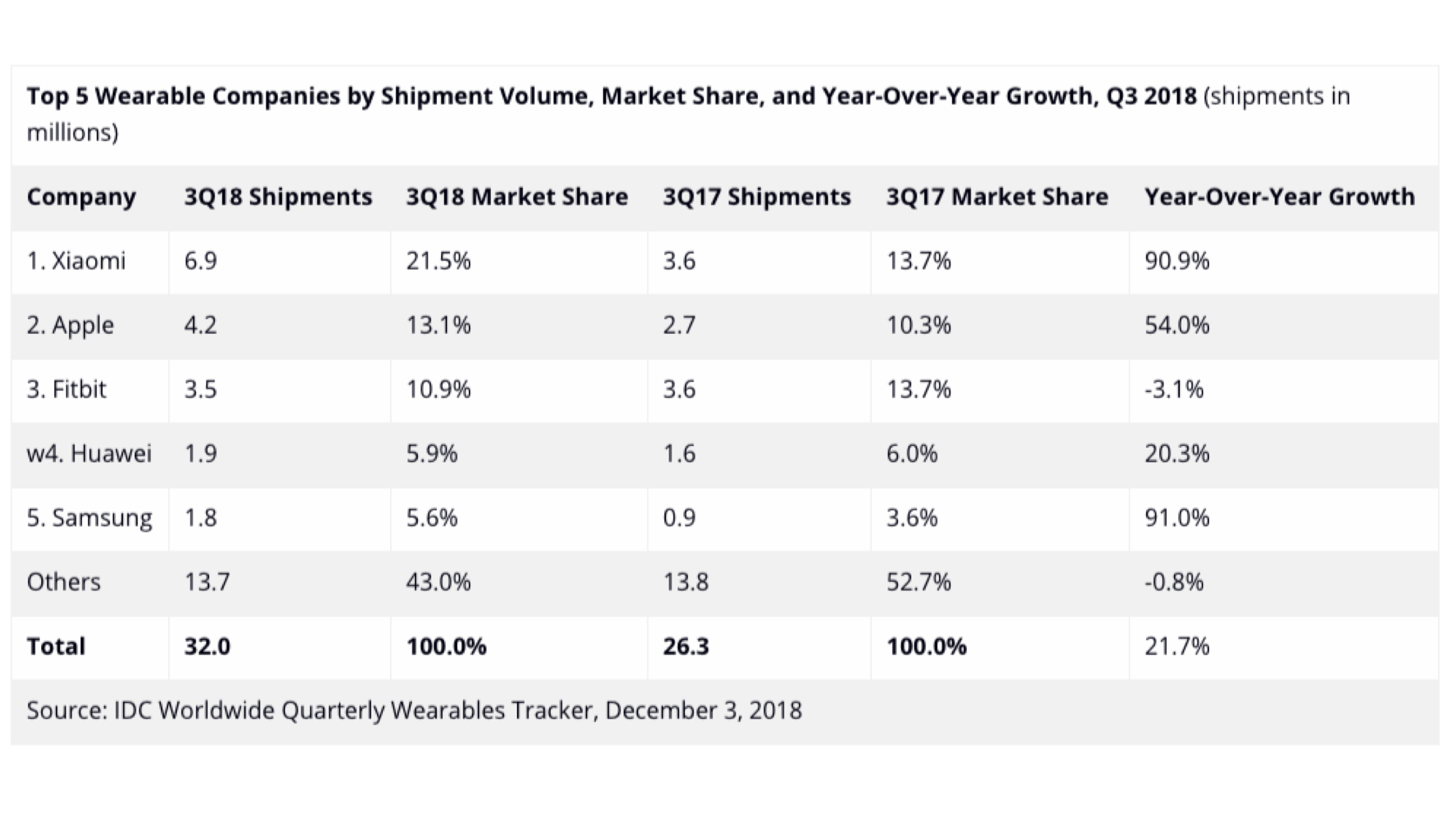
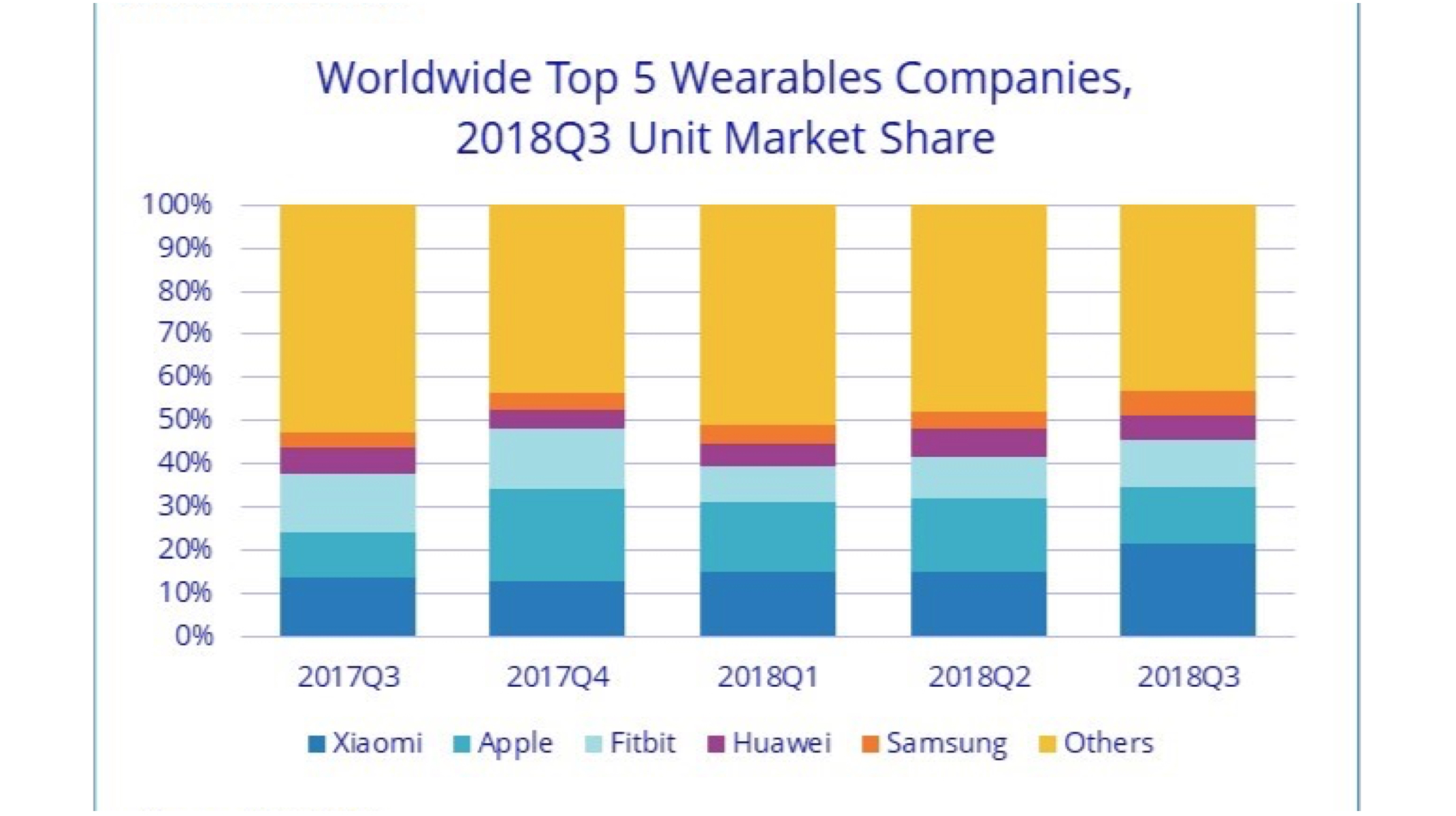
    IDC short for International Data Corporation has revealed that global shipments of wearable devices have grown significantly YoY from the year 2017 to 2018. The biggest gainer in market share and the top spot for the maximum number of devices sold is held by Xiaomi. The full chart for shipments from different companies can be found below.

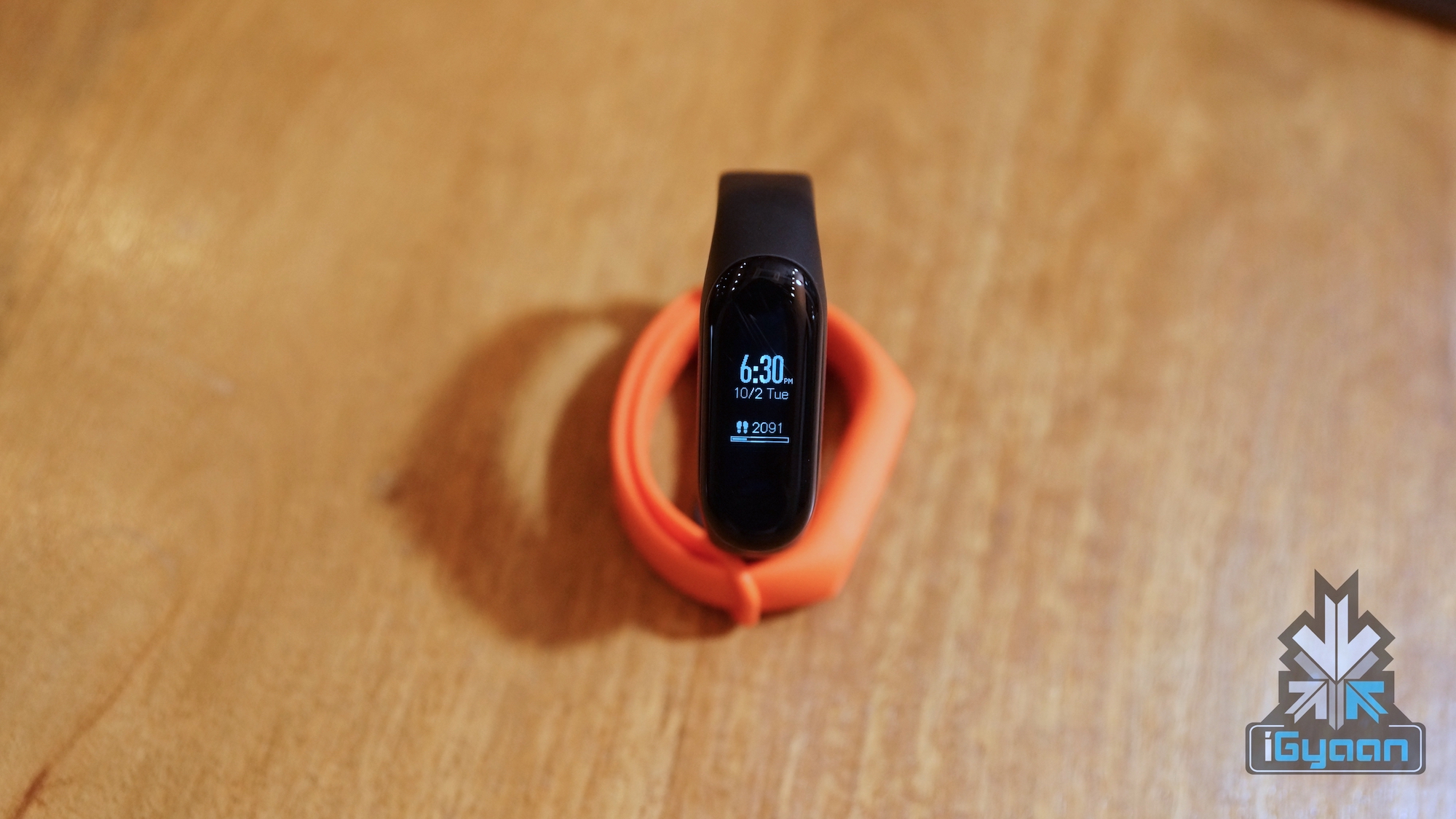
    According to the report published by IDC, Xiaomi sold 6.9 million wearable devices in Q3 of 2018, up from 3.6 million in Q3 of 2017. Major contributors in Xiaomi’s portfolio is the Mi Band which is an affordable fitness band. Noteworthy, Xiaomi’s stake grew from 13.7 percent to 21.5 percent which is significant growth. Apple Watch Wearable

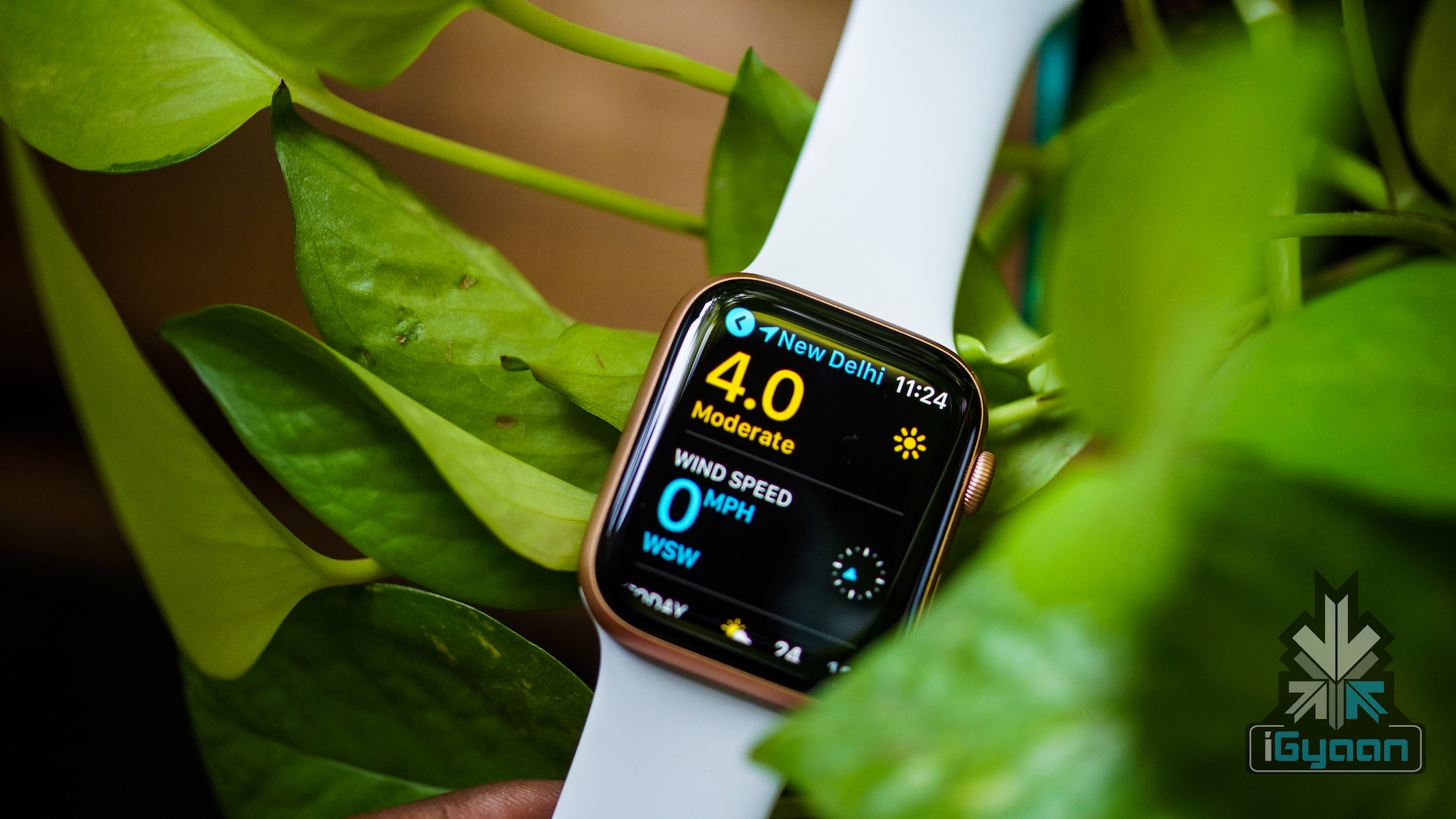
    Following Xioami in the list is the American giant, Apple which sold 4.2 million smart wearables in Q3 of 2018. The devices in Apple’s portfolio include the Apple Watch and Apple AirPods. In comparison to Q3 of 2017, Apple saw close to 3 percent growth in the overall marketshare which grew from 10.3 percent to 13.1 percent. IDC Wearable Report

    Coming in at number three is Fitbit whose sale fell slightly YoY. In the Q3 of 2017, the company sold 3.6 million wearables, whereas in Q3 of 2018 it sold 3.5 million units. The overall YoY growth for the company fell over 3 percent. In Q3 of 2017 Fitbit had a market share fo 13.7 percent which fell to 10.9 percent in third quarter of the following year.

    Other companies including Huawei and Samsung also sold a considerable amount of wearable devices in two years. Both companies saw an upward trend in terms of sale. Noteworthy, the market share of Korea based Samsung grew 91 percent between the two time frames. The company sold 0.9 million wearable devices in the third quarter of 2017 which double to 1.8 million for Q3 of 2018.

    Also Read: Huawei Cancels MateBook X And E Over US Trade Ban

    Conclusively, the data reveals that the demand for wearable devices is seeing rapid growth and 2019 is expected to translate into the charts climbing even higher. 

iGyaan Network
Privacy Overview

This website uses cookies so that we can provide you with the best user experience possible. Cookie information is stored in your browser and performs functions such as recognising you when you return to our website and helping our team to understand which sections of the website you find most interesting and useful.