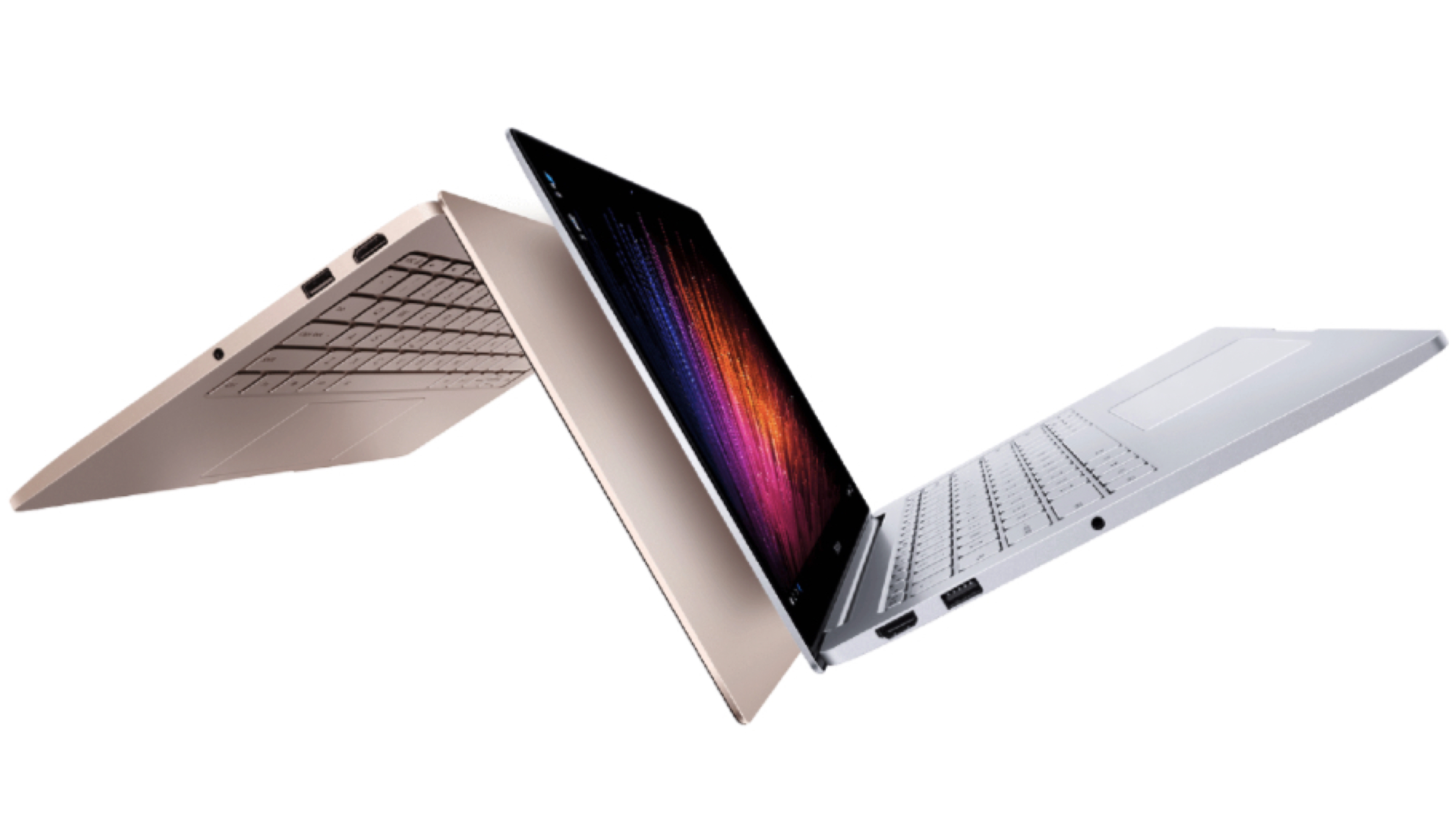
Xiaomi has launched the updated Mi Notebook Air at an event in China today. The new notebook boasts of a lightweight design and updated specifications. It is the successor to the original Mi Notebook Air which was launched in December last year. Notably, the latest device weighs 1.07Kg, which is significantly lighter than the Apple MacBook Air from the yesteryear, which weighs 1.25Kg. The device has been launched in two different models.
Mi Notebook Air 2019
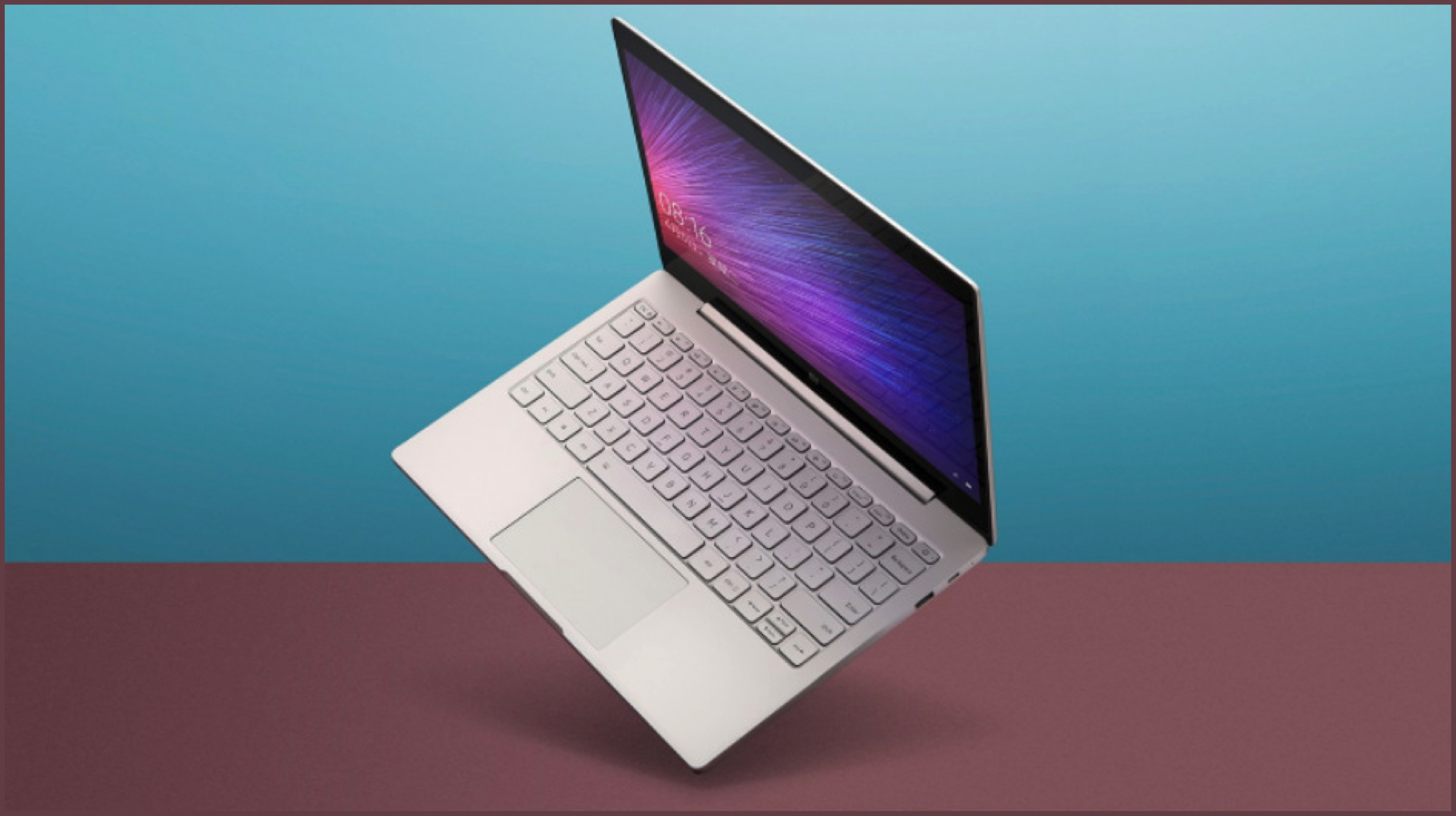
The update to the Mi Notebook Air has been only on the hardware side. The device has been renewed to the latest Intel 8th Generation Processors. Both the models have a 12.5-inch display with a 1920 x 1080 px resolution. The design is similar to its predecessor, complete with a metal body and slim bezels around the display. There are speakers tuned Harman, which is a reputed brand in the audio department. Xiaomi claims that the battery backup on the device is better than the last generation and it can charge from 0 to 50 percent in 35 minutes.
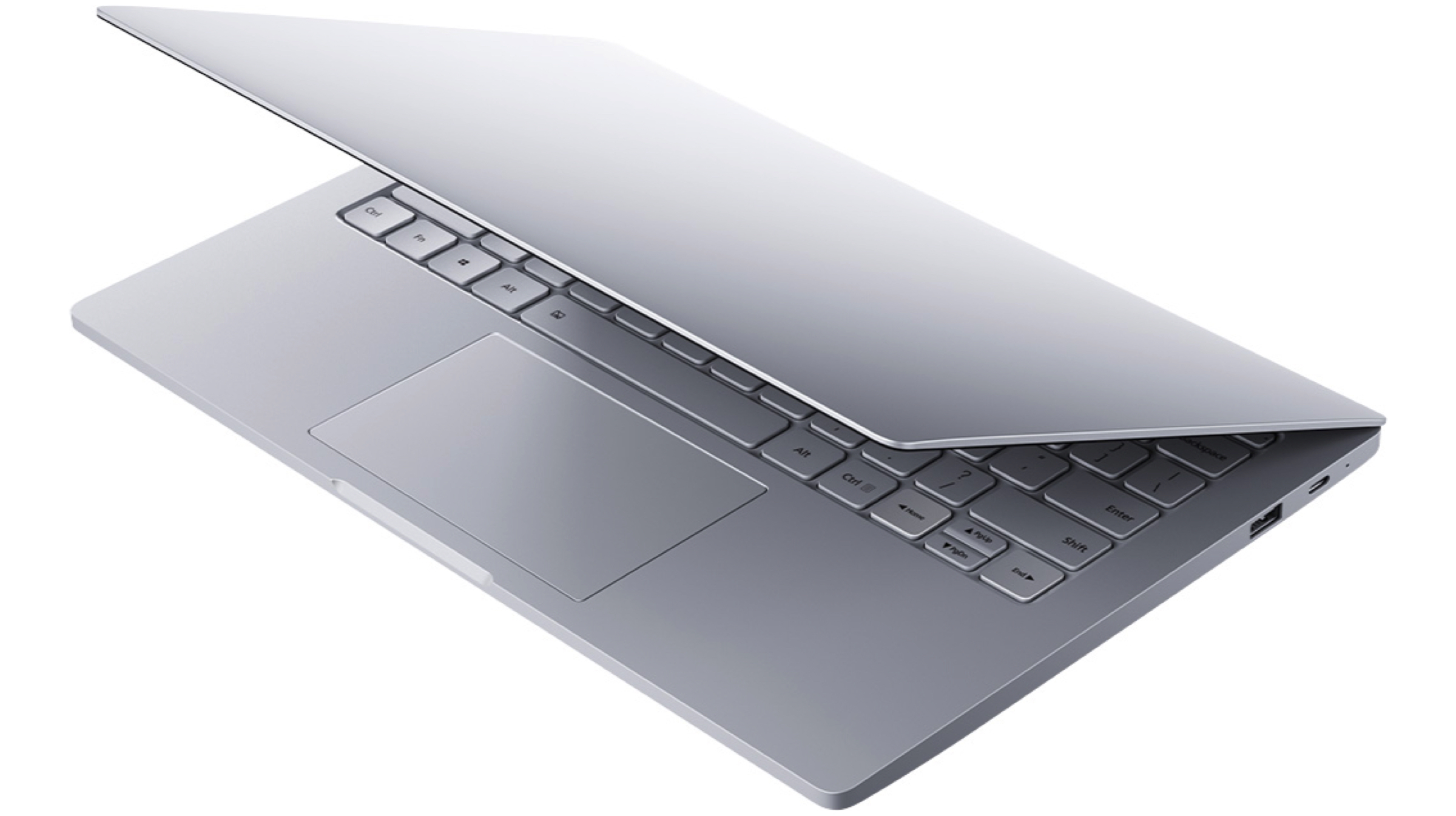
The first model of the Mi Notebook Air runs on the Intel Core M3 processor which is coupled with 4GB of RAM and an option of either 128GB or 256GB of SATA SSD storage. The second variant has an 8th gen Intel Core i5 processor combined with 4GB of RAM and 256GB of SATA SSD storage. In terms of ports, the device features a USB Type-C port; combined with two USB Type-A ports and a headphone jack.
Pricing & Availability
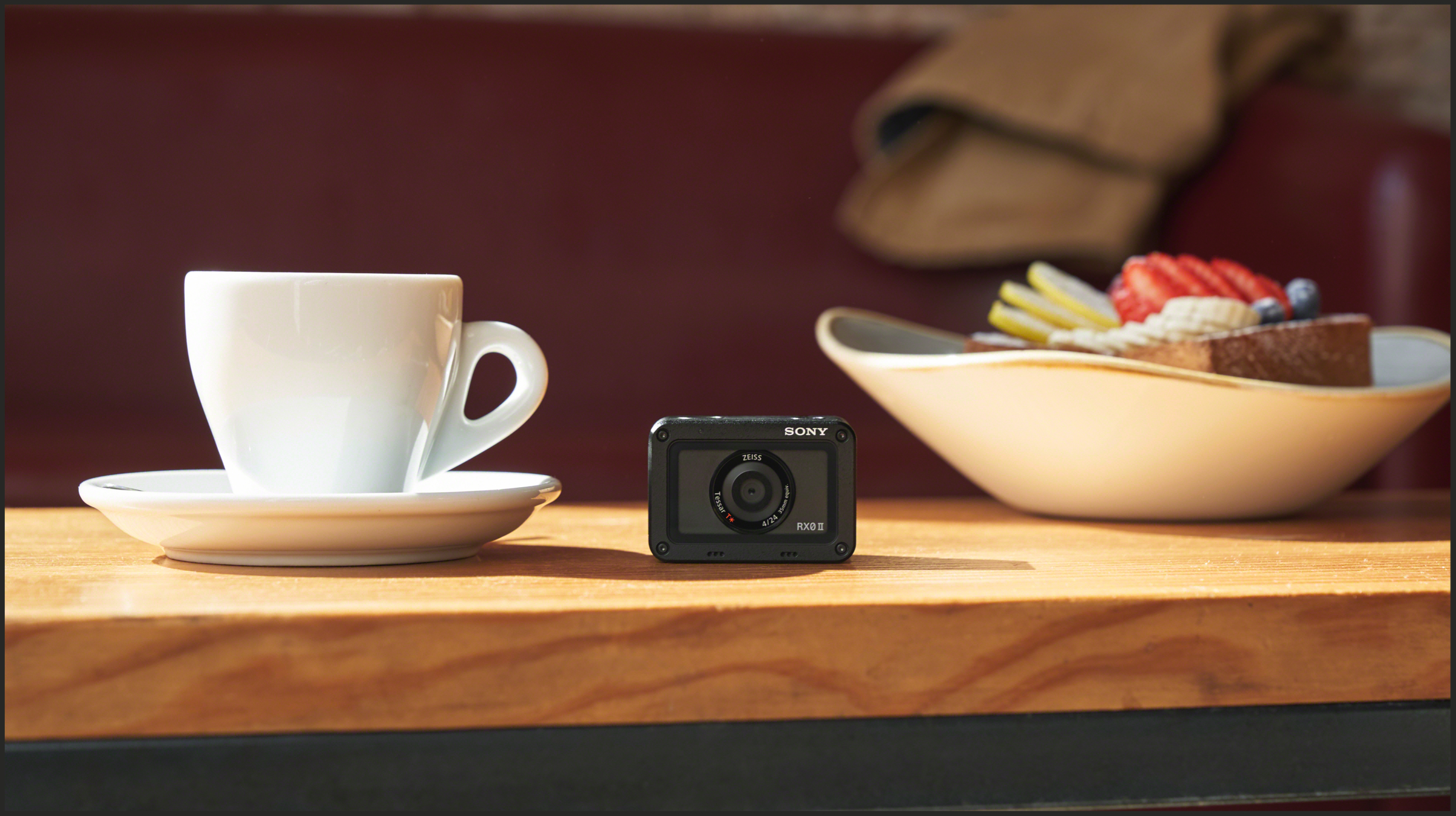
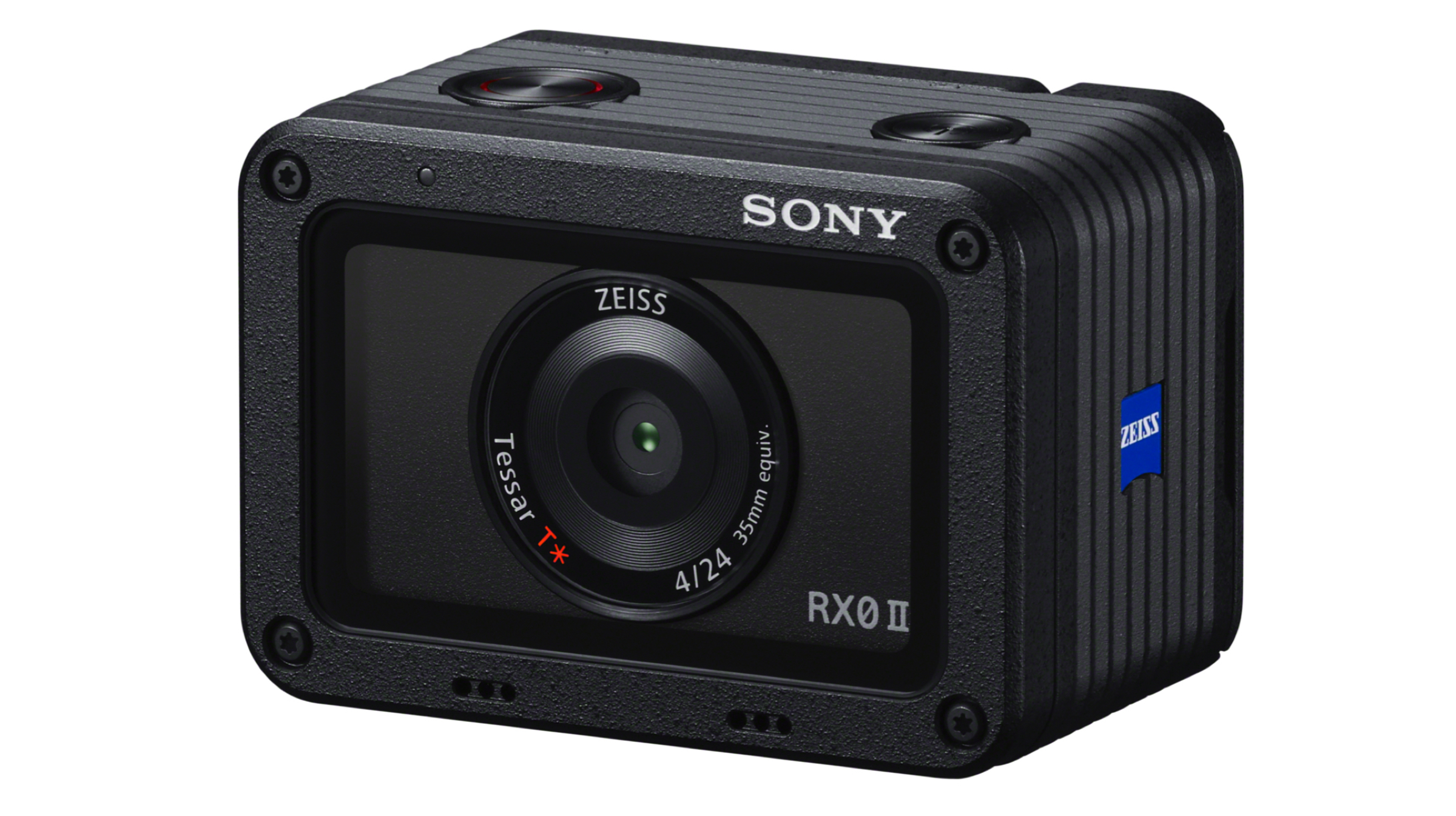
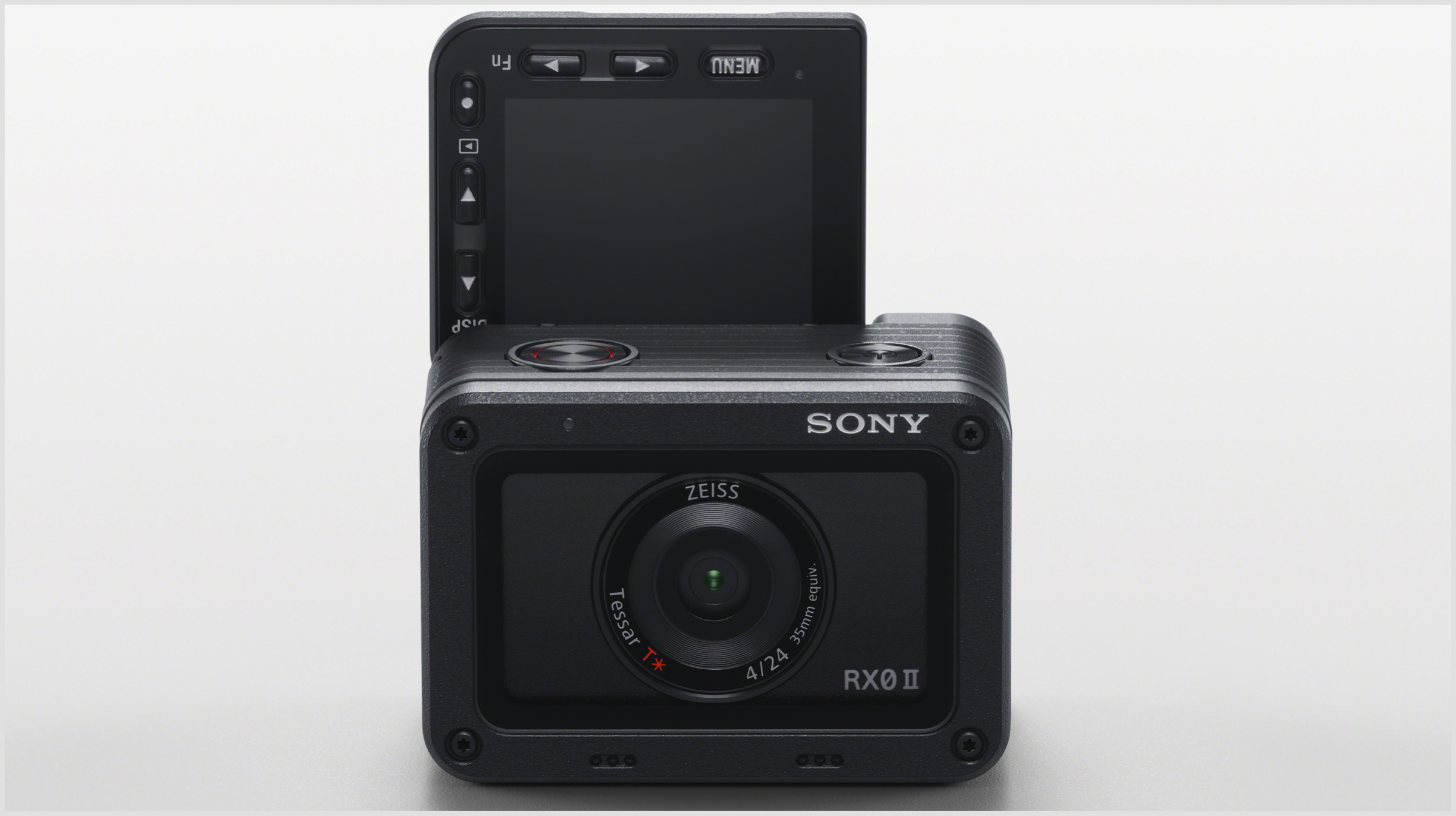
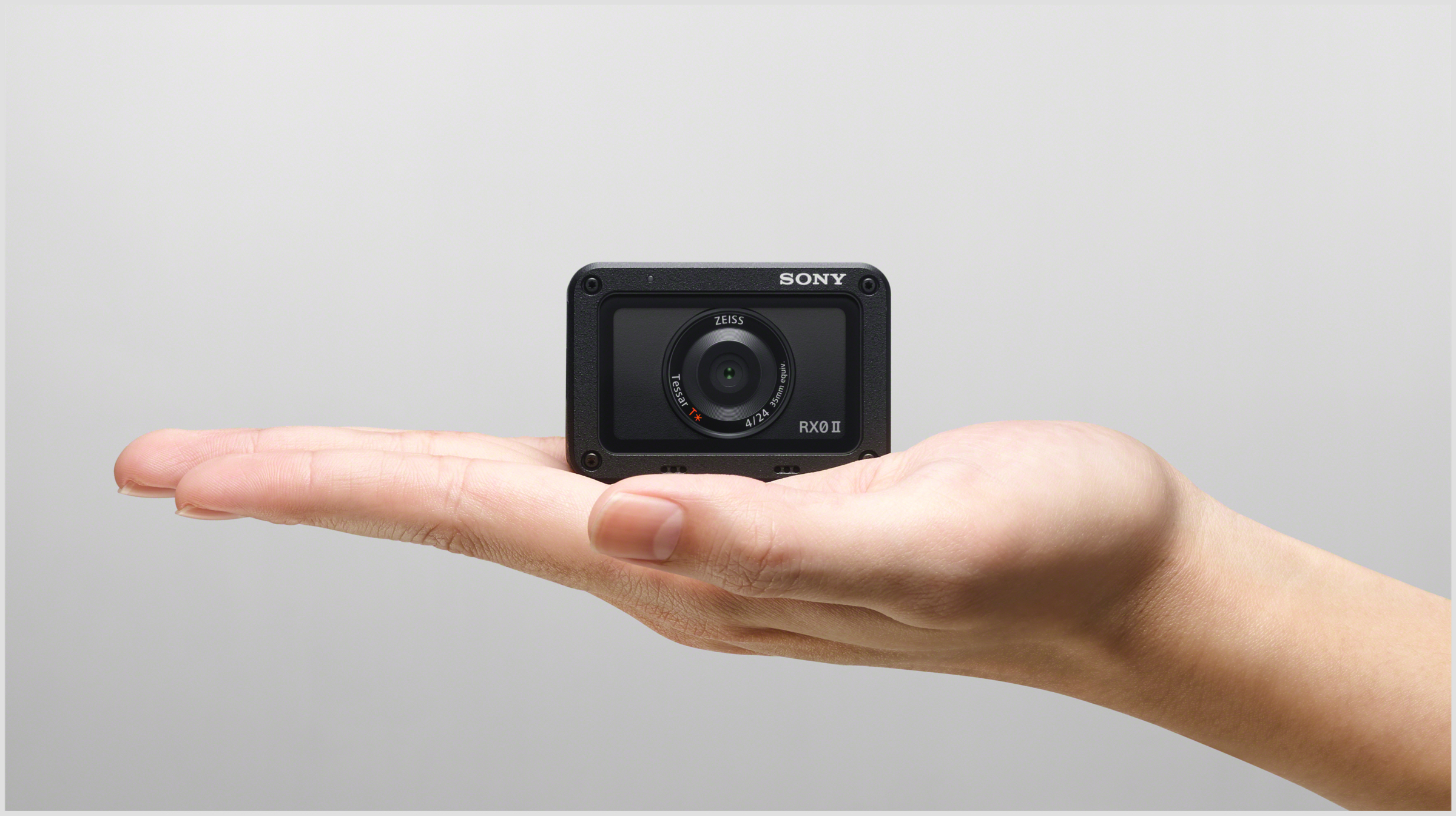
Also read: Sony Launches RX0 II, The World’s Smallest 4K Video Camera
The updated Mi Notebook Air for the year 2019 will be available in two colour options, namely Gold and Silver. The base variant with Intel Core M3, 4GB RAM and 128GB storage has been priced at CNY 3599 (Rs. 36,960). The model with Intel Core M3 processor, 4GB RAM and 256GB storage will cost CNY 3999 (Rs. 41,068). The top end variant with Intel Core i5 processor, 4GB RAM and 256GB storage has been priced at CNY 4299 (Rs. 44,149).
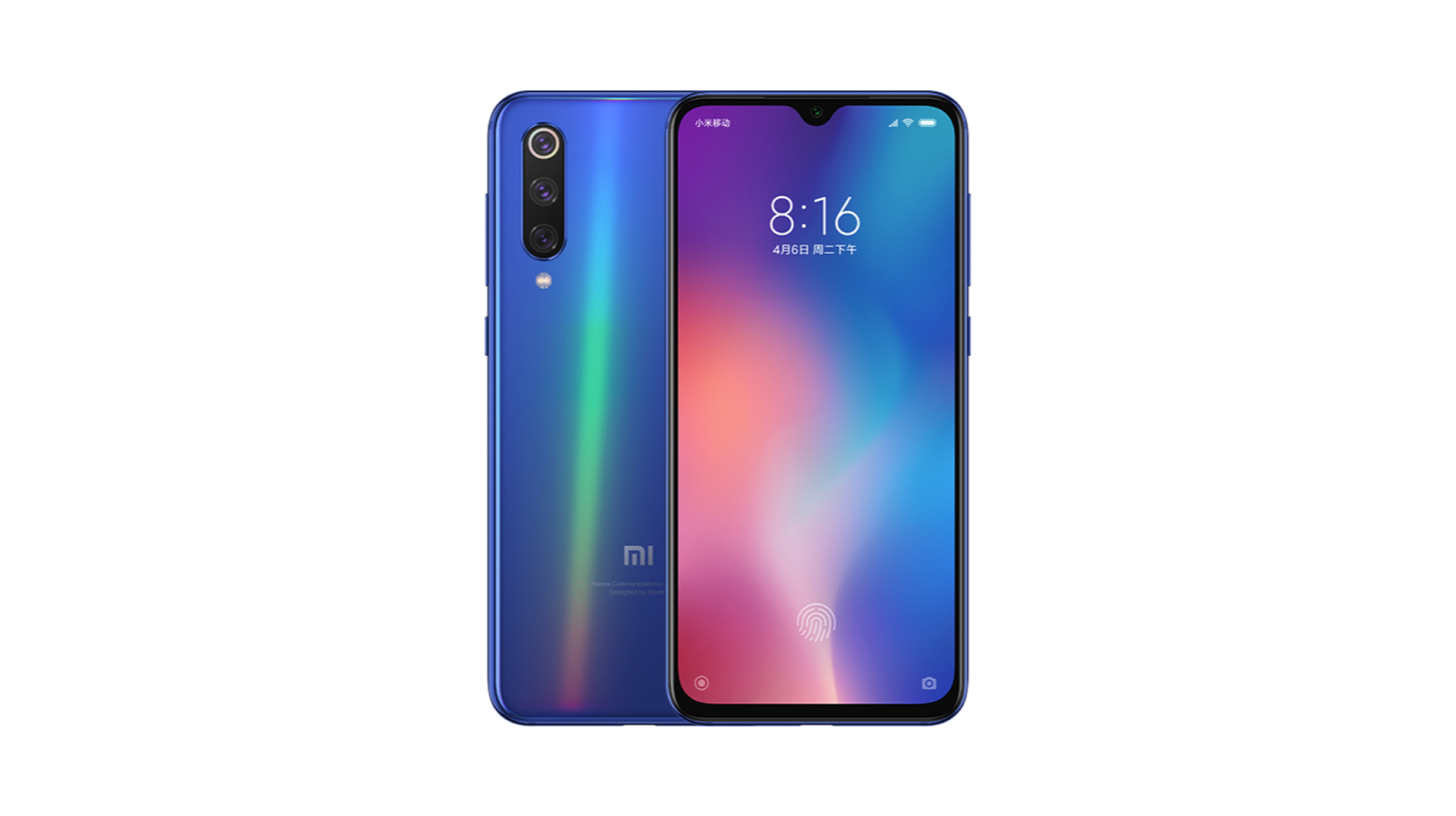


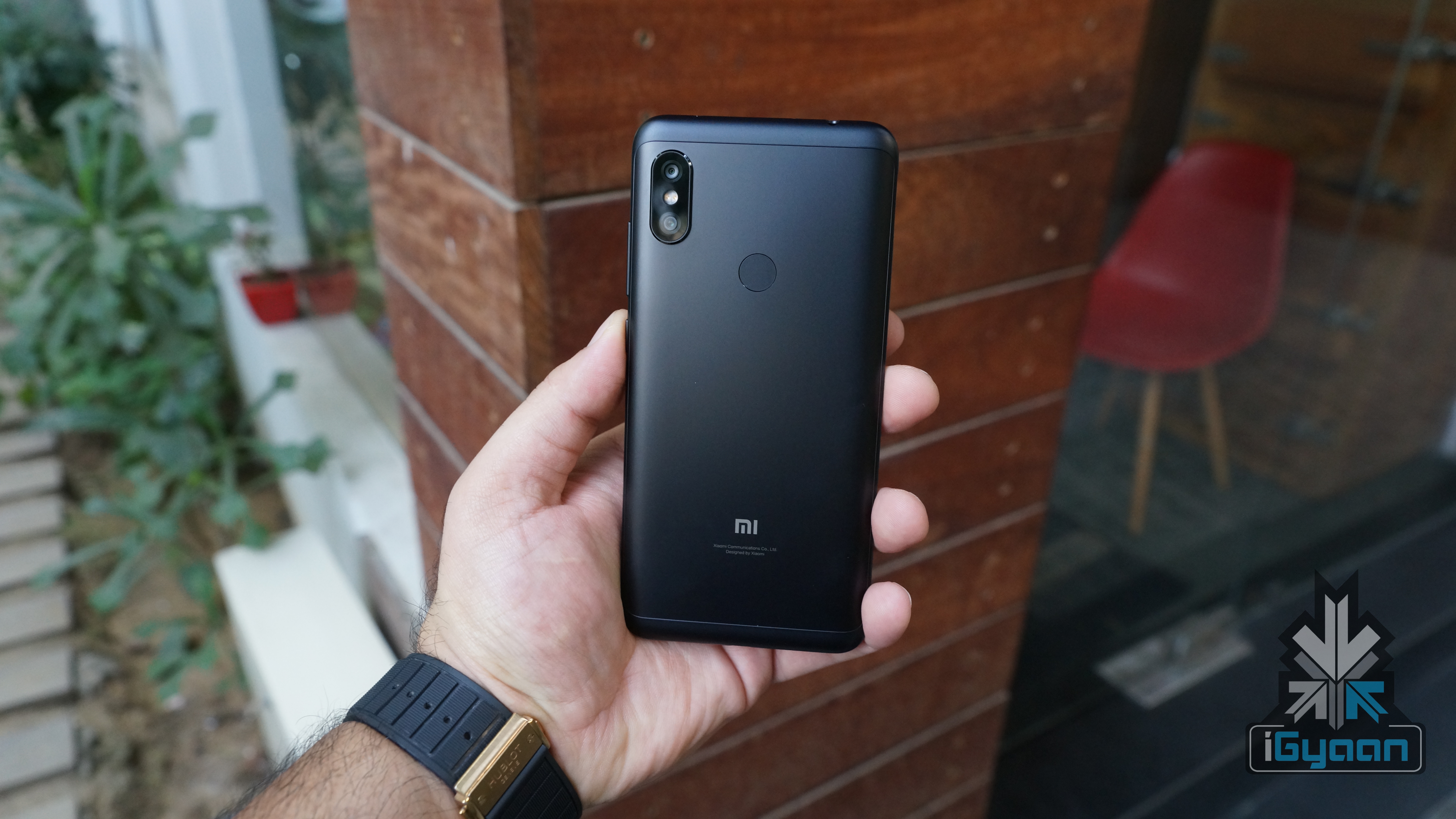
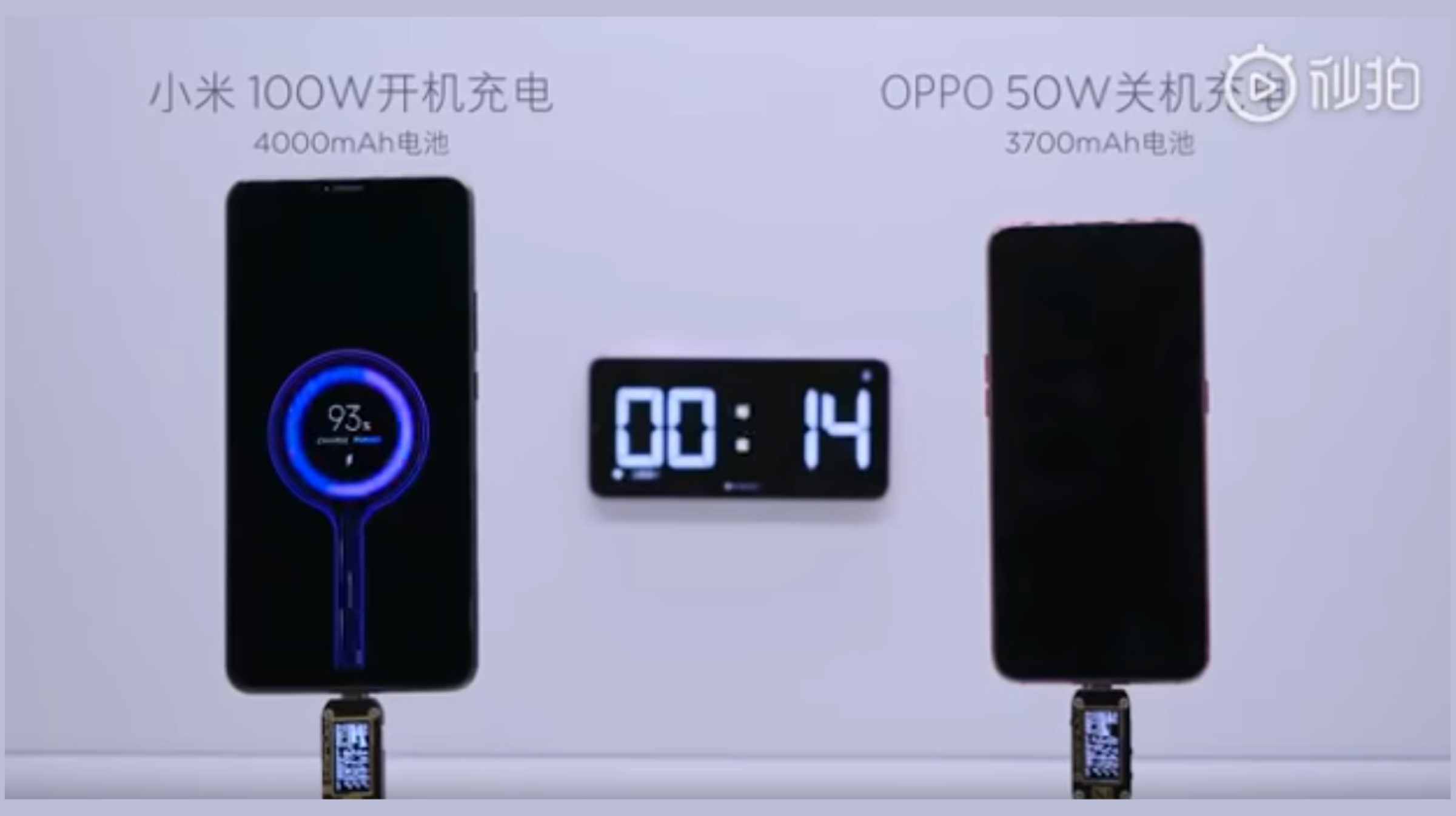 The battery charge percentage was progressing at a never-seen-before speed as the timer hit 17 minutes. Moreover, the company was comparing its Super Charge charging speed with the aforementioned Oppo’s SuperVOOC charge speed in the video. Remarkably, and as expected, the Oppo smartphone was able to attain a battery charge of 65% in the time that the Redmi device hit full charge. Noteworthy, the Oppo device has a battery of 3,700 mAh, while the Redmi handset is labelled with a 4,000 mAh battery capacity.
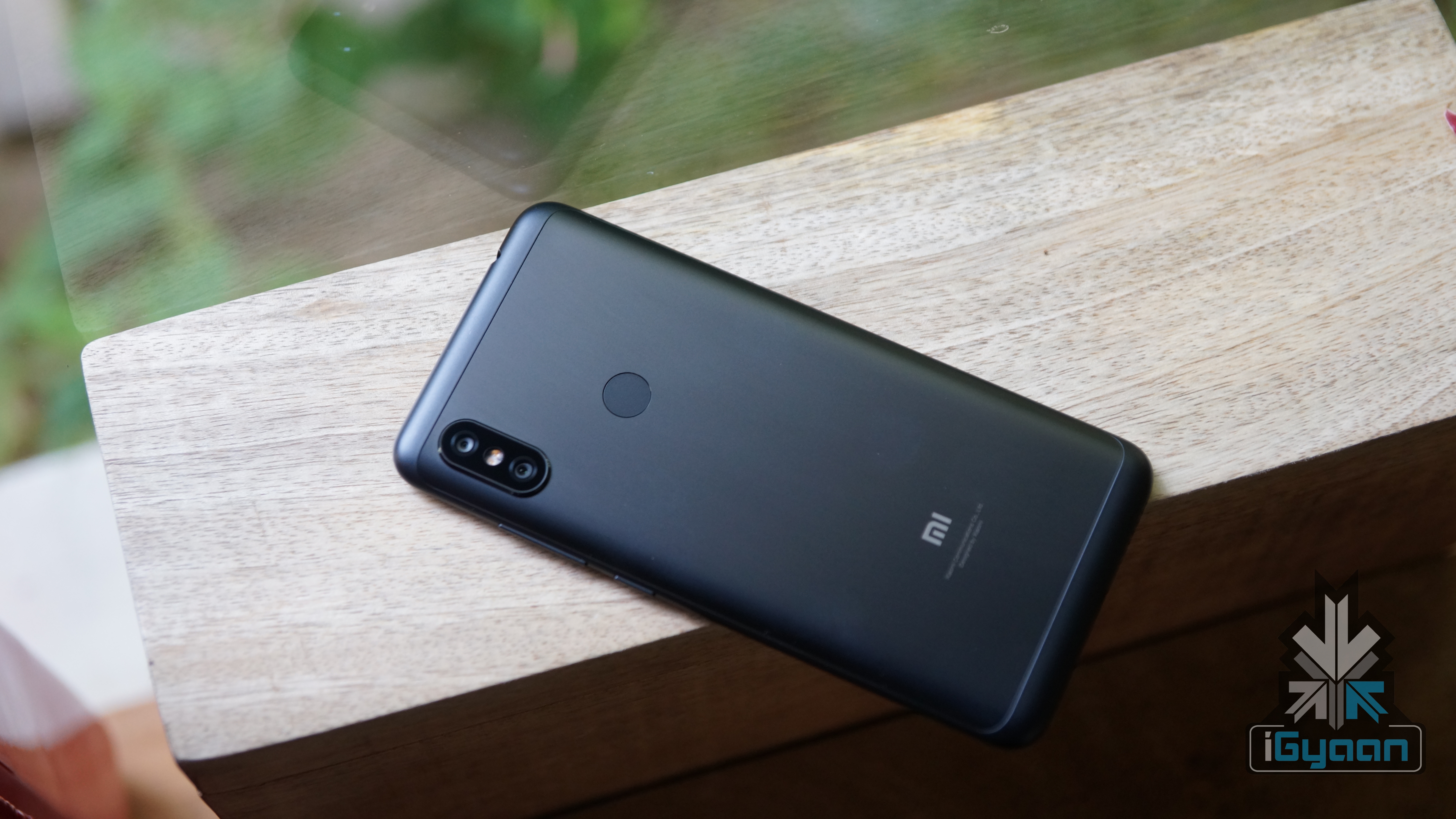 Also Read: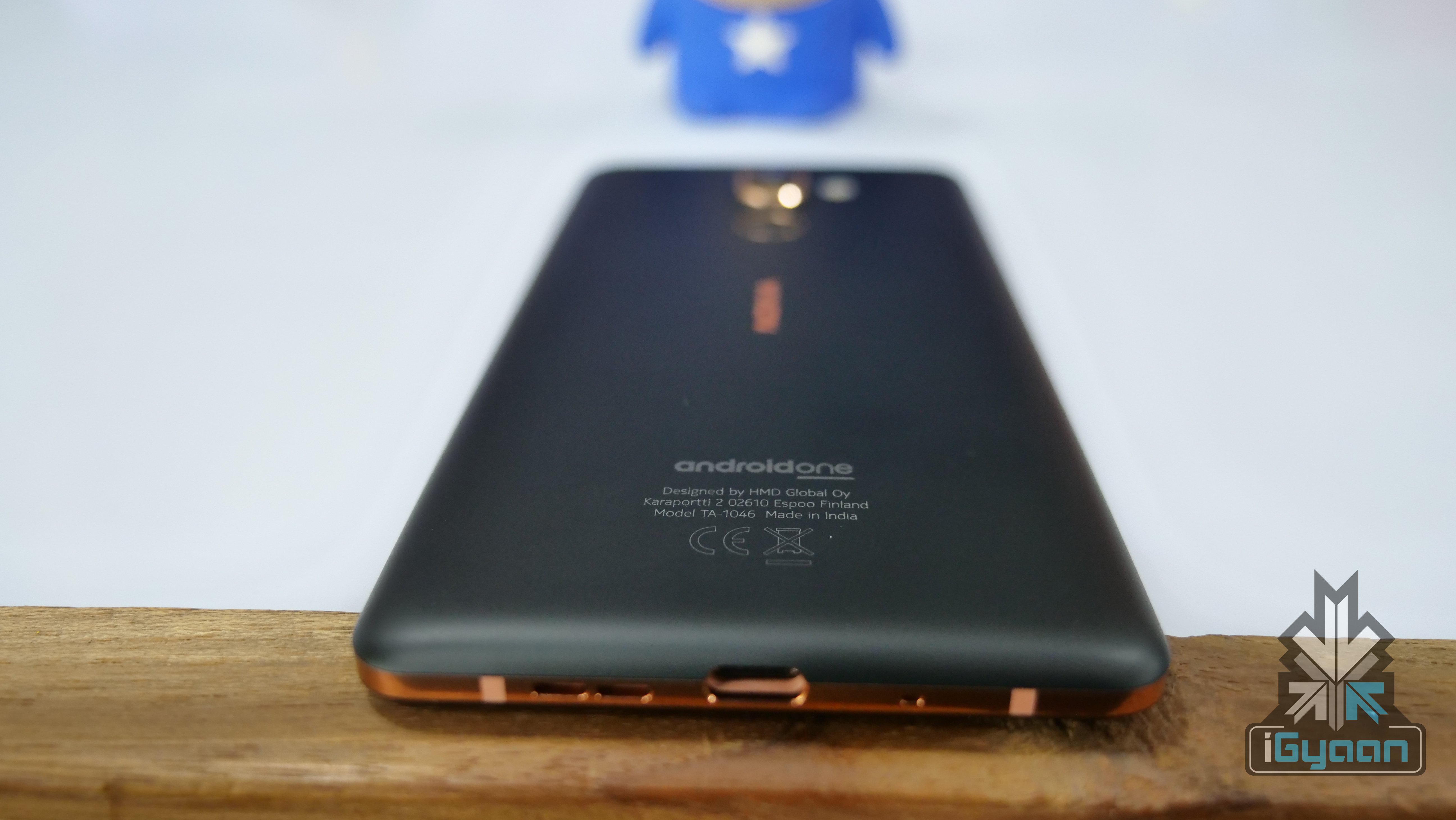
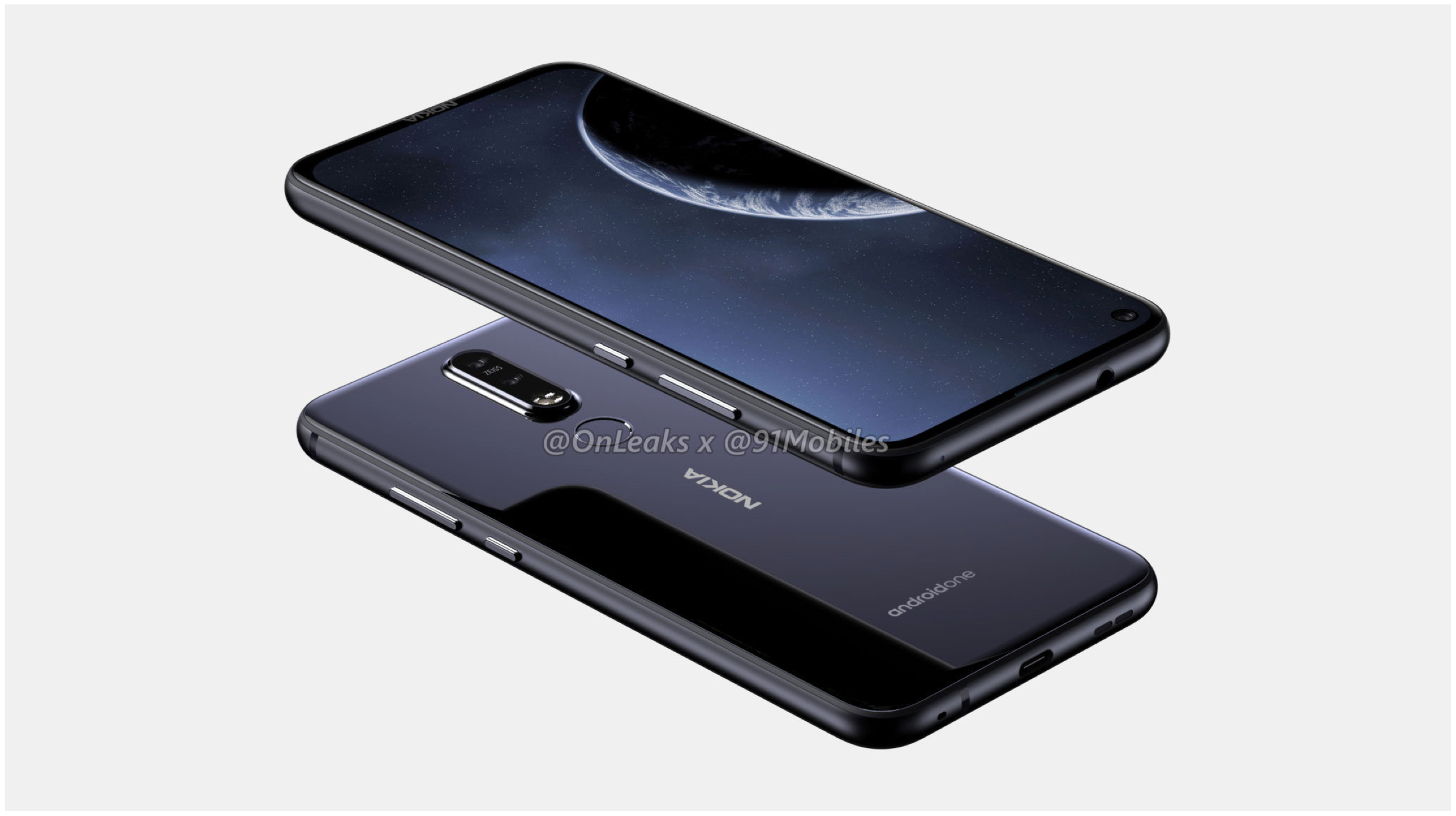 Till now, HMD Global has not released a full-display touchscreen smartphone, so it will be interesting to see the Nokia X71 in action. In addition to a punch-hole (which was previously seen on devices such as
  Possibilities are floating around regarding the fact that the Nokia X71 will debut as the Nokia 8.1 Plus, which will be a specced-up variant of the
  Also Read: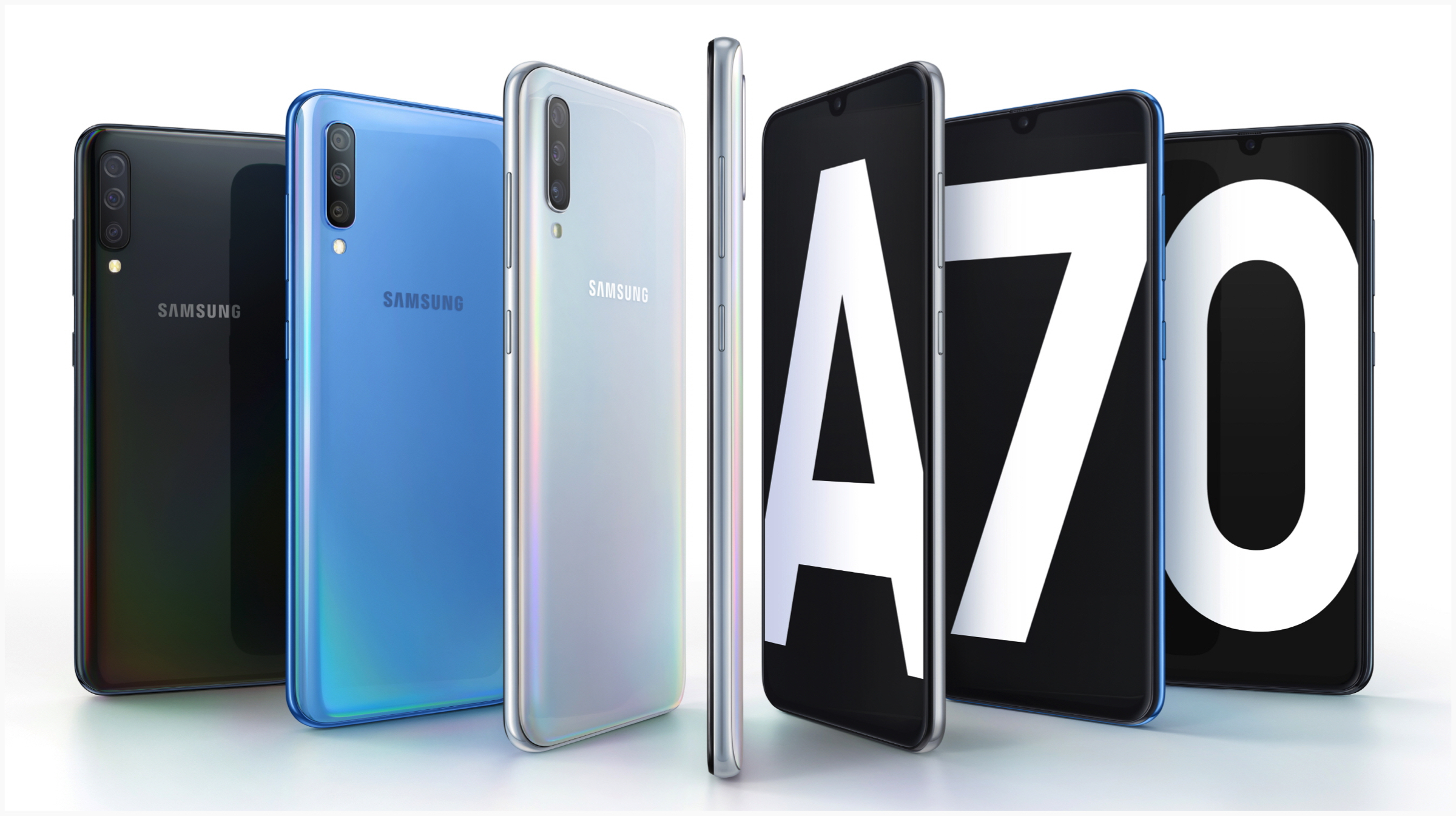





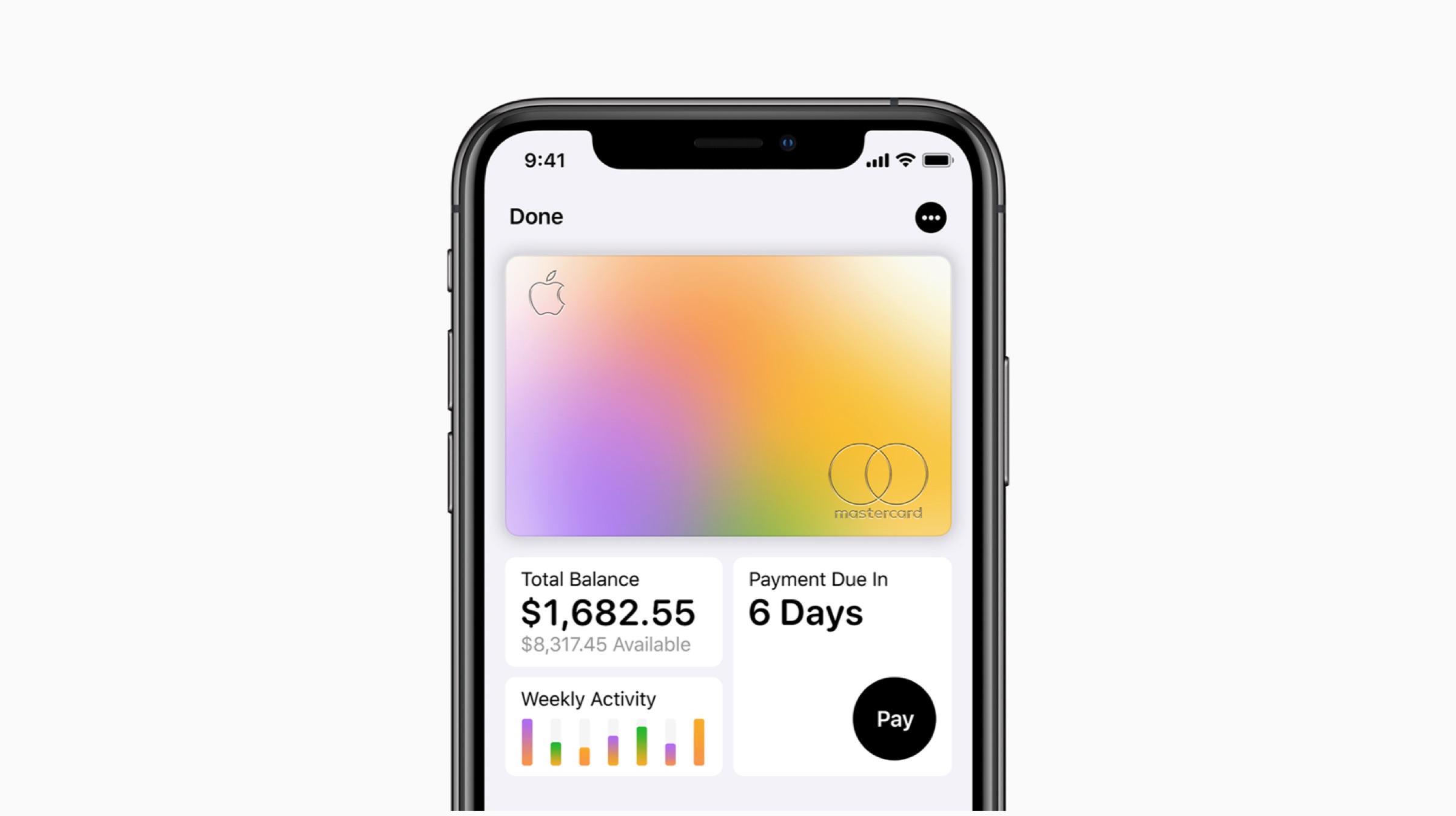





 Similar to other mainstream subscription services, Apple News Plus aims to provide paid readable content from different magazines to its premium users, who will pay a monthly fee. One of the many news sources that Apple partnered with is the Wall Street Journal, which will cater general news to the company so that Apple can do the same for its users. The News Plus subscription service will be priced at $9.99 per month for users in the United States, whereas Canadian users will have to pay $12.99 per month for the same. A welcoming piece of information is the fact that up to six members of a family can share the subscription. Furthermore, the service offers its users a free month of trial before they decide whether to pay for the premium News curation or not. First seeing the light of Canada and the US, Apple News Plus will be launched in the UK and Australia later this year.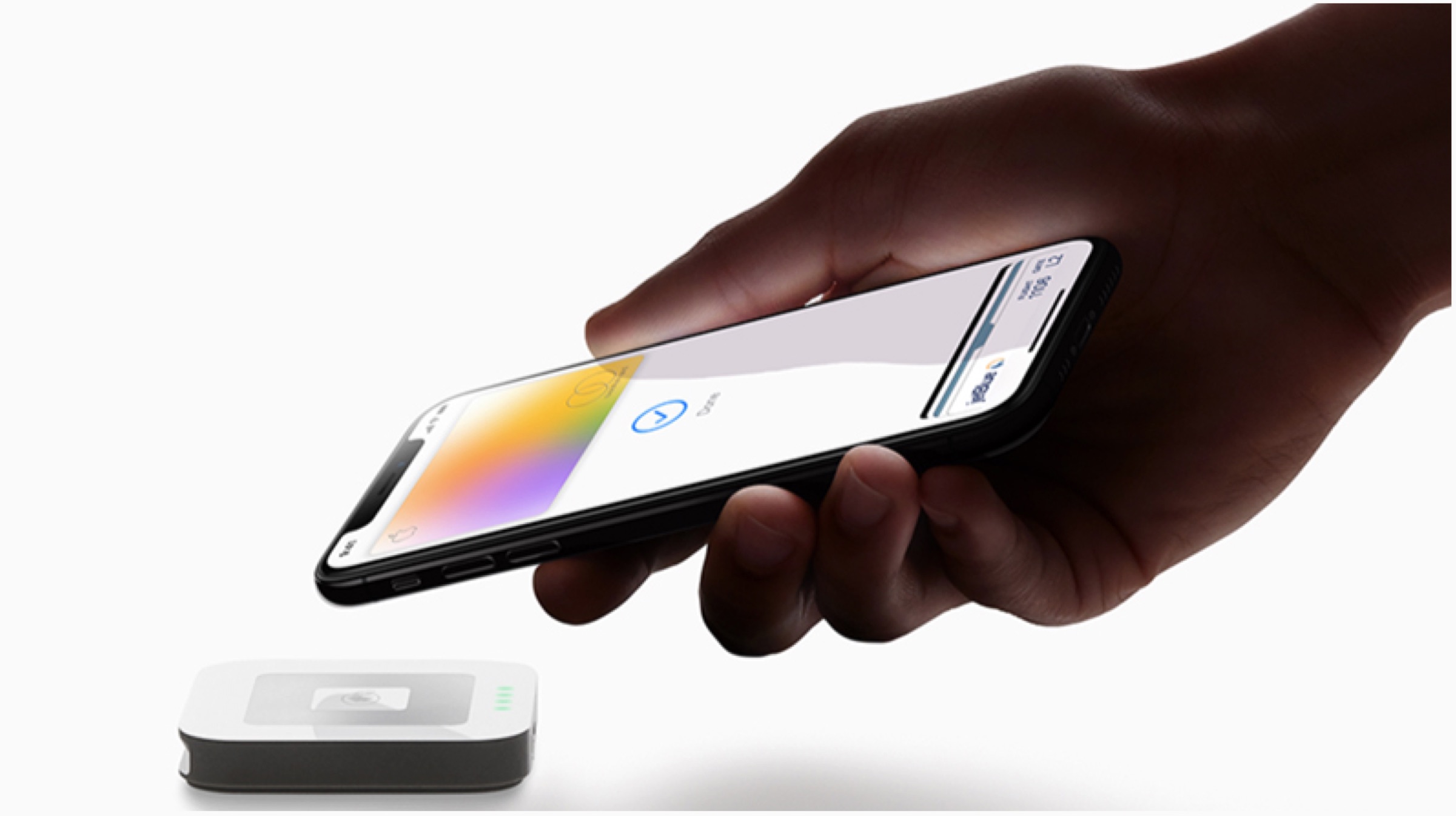



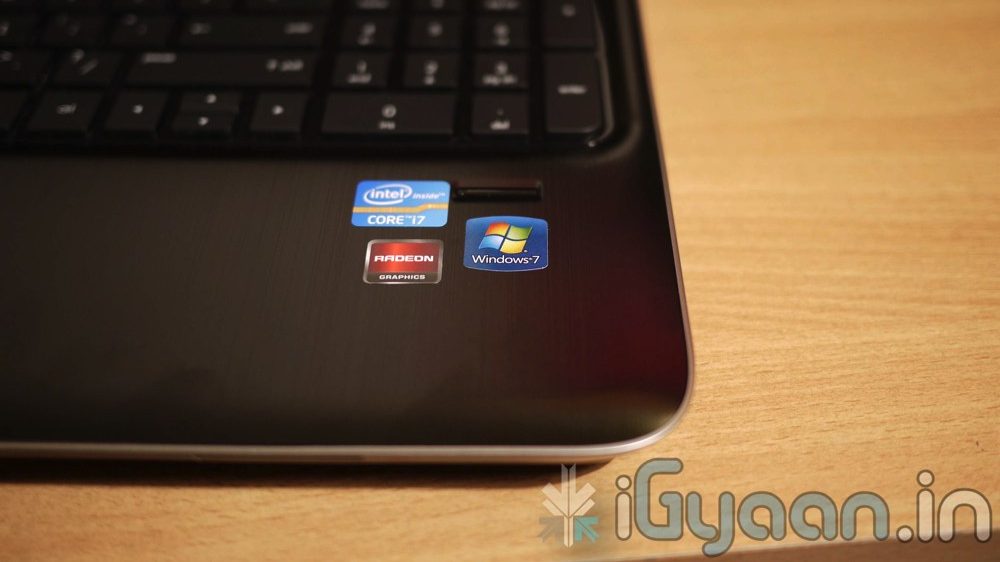
 Microsoft has already started notifying Windows 7 users regarding the removal of support for the same. The company is also recommending its users what OS should they move to next. Furthermore, it is also eager to clear any doubts regarding the end of support with the OS. As per reports, Windows users will have a time period of approximately 9 months to upgrade to the OS to Windows 10, which is the latest (and widely used) operating system from the company.
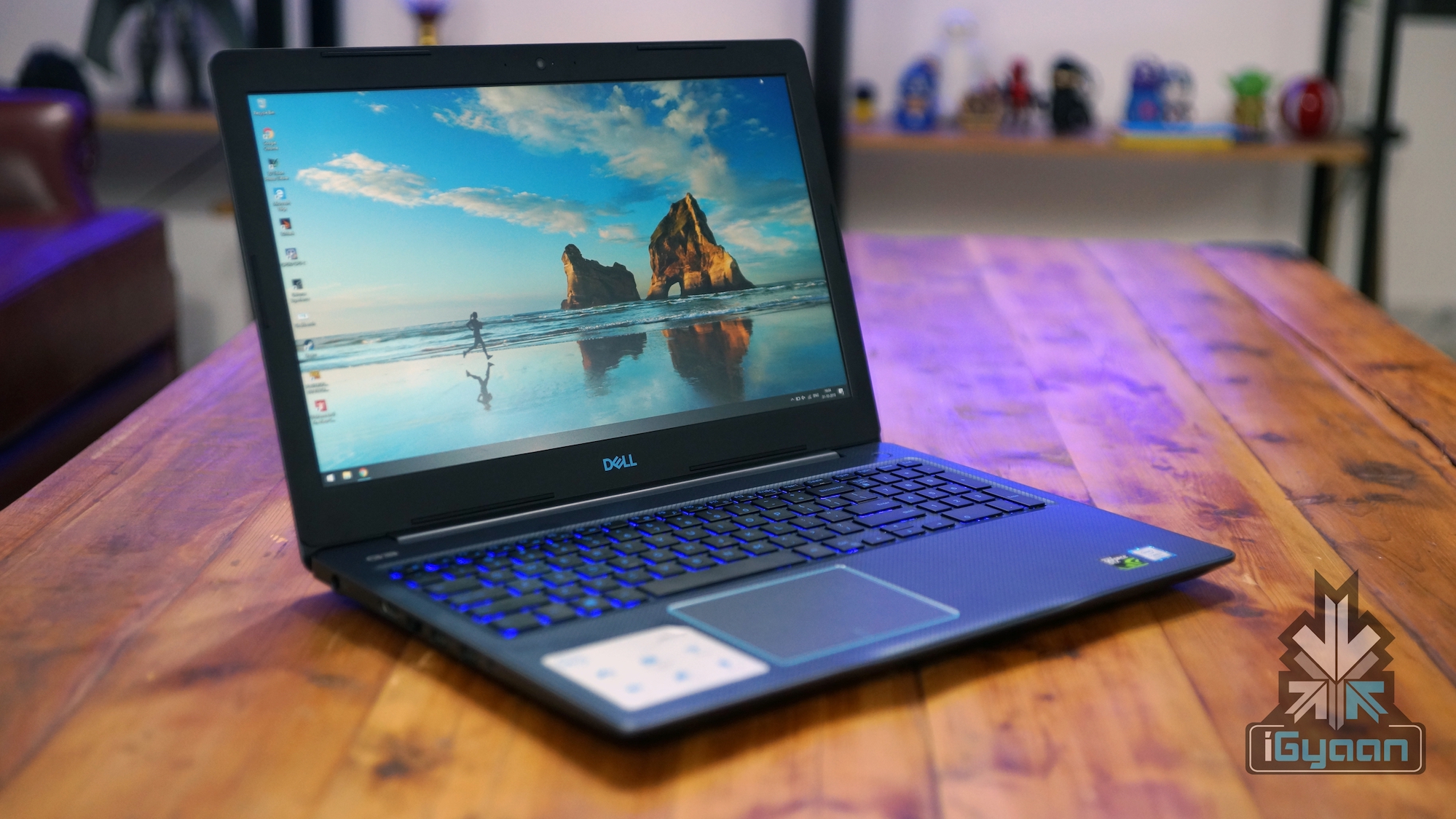
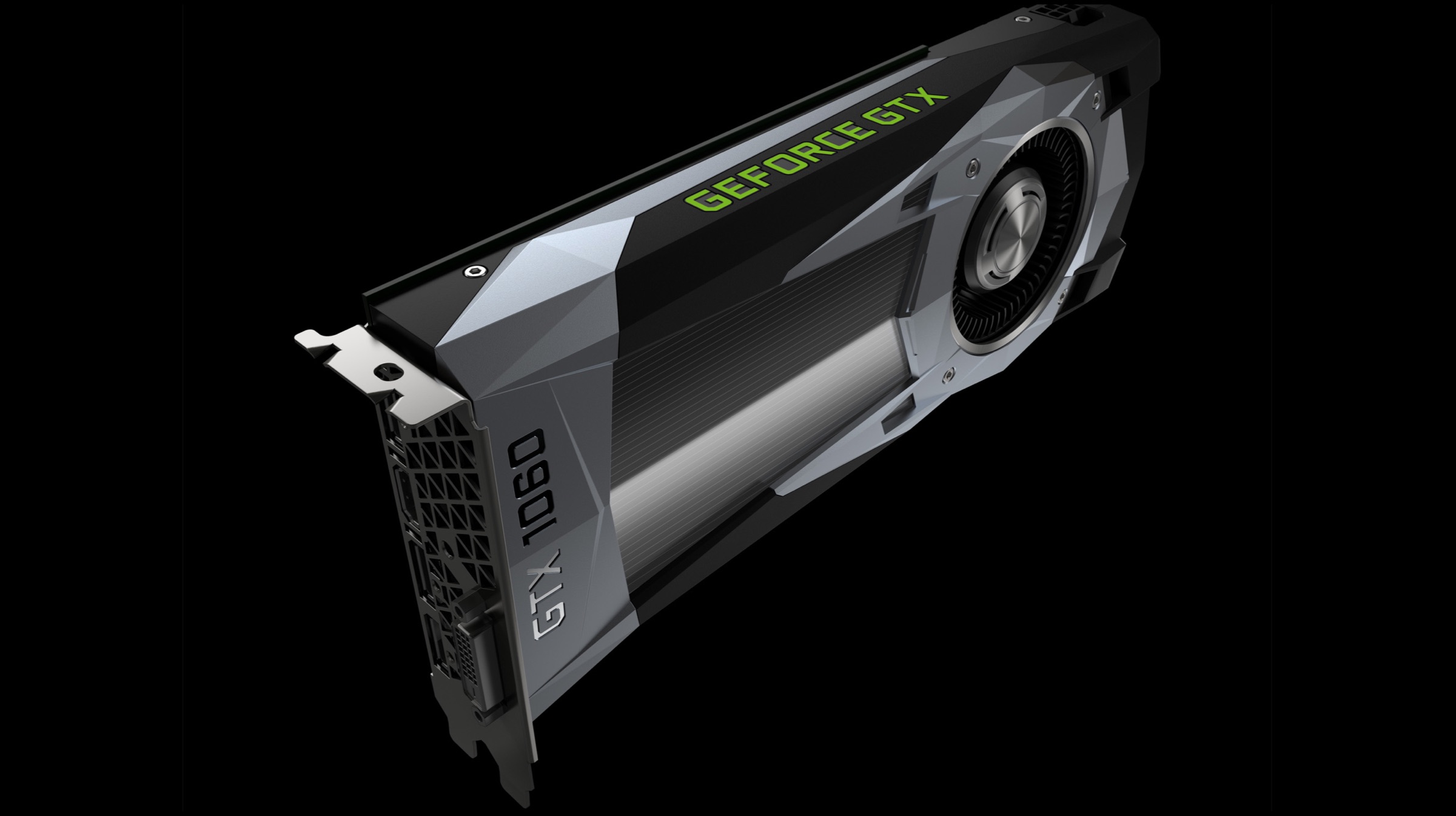
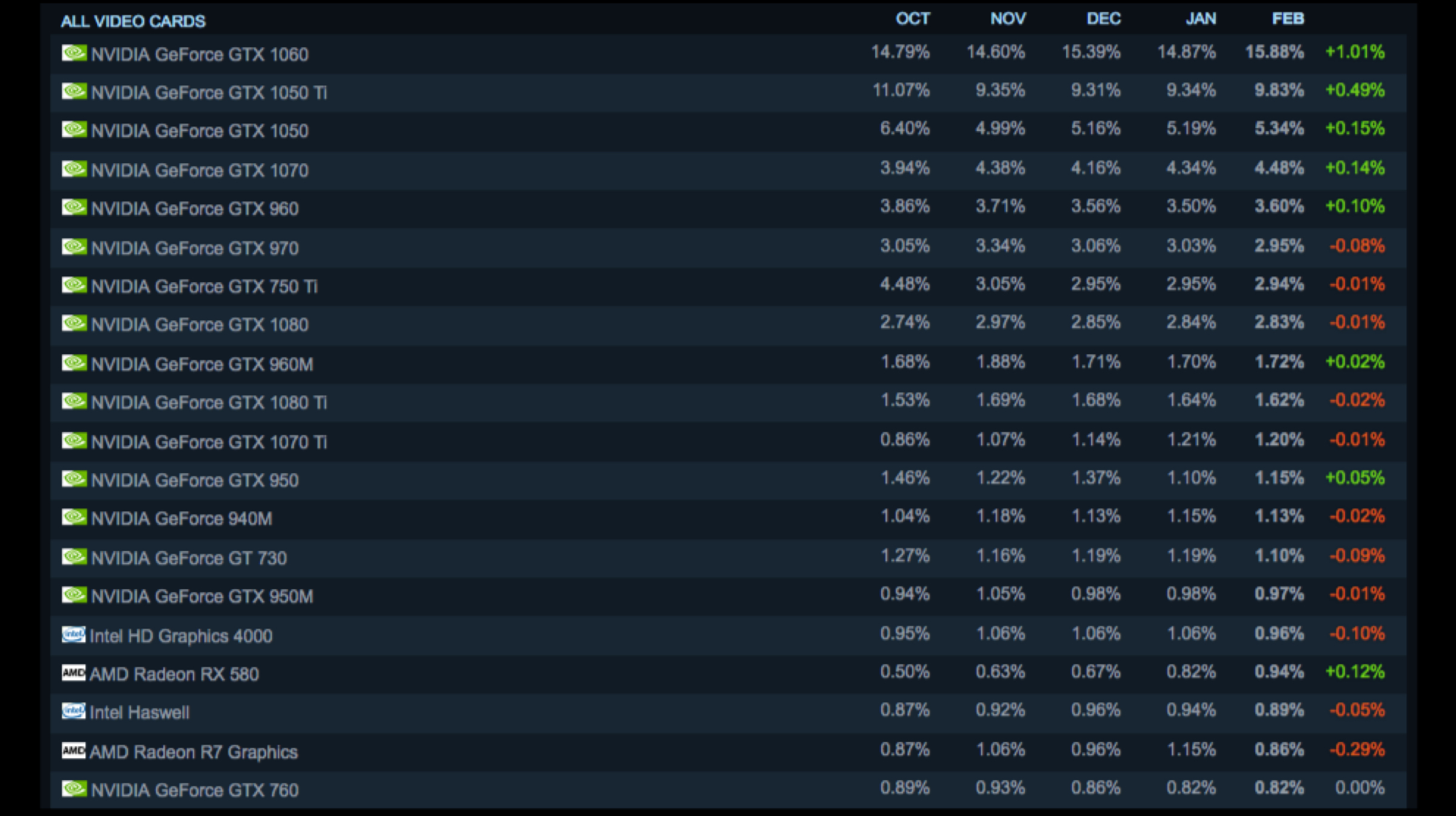 The RX 580 is AMD’s most popular graphics card, and yet only 0.94 % of the total Steam user base uses the aforementioned model. Even Intel HD Graphics 4000 is placed higher on the list, with a total of 0.96% of gamers relying on the inbuilt graphics module. AMD as a whole is just hanging by the ledge, with a total market share of a mere 0.50%, compared to NVIDIA’s mammoth share.
 Almost 16% of Steam gamers have the GTX 1060 as their primary graphics, clearly exhibiting the popularity of the mid-budget graphics card. The Pascal-based GTX 1050 Ti, 1050 and 1070 are next on the list with 9.83%, 5.34% and 4.48% market shares respectively. Surprisingly, the older Maxwell-based graphics cards, GTX 960 and GTX 970 maintain their share at 2.95% and 2.93% respectively. The top performer in the 10 series, the 1080 Ti makes the list at 1.62%
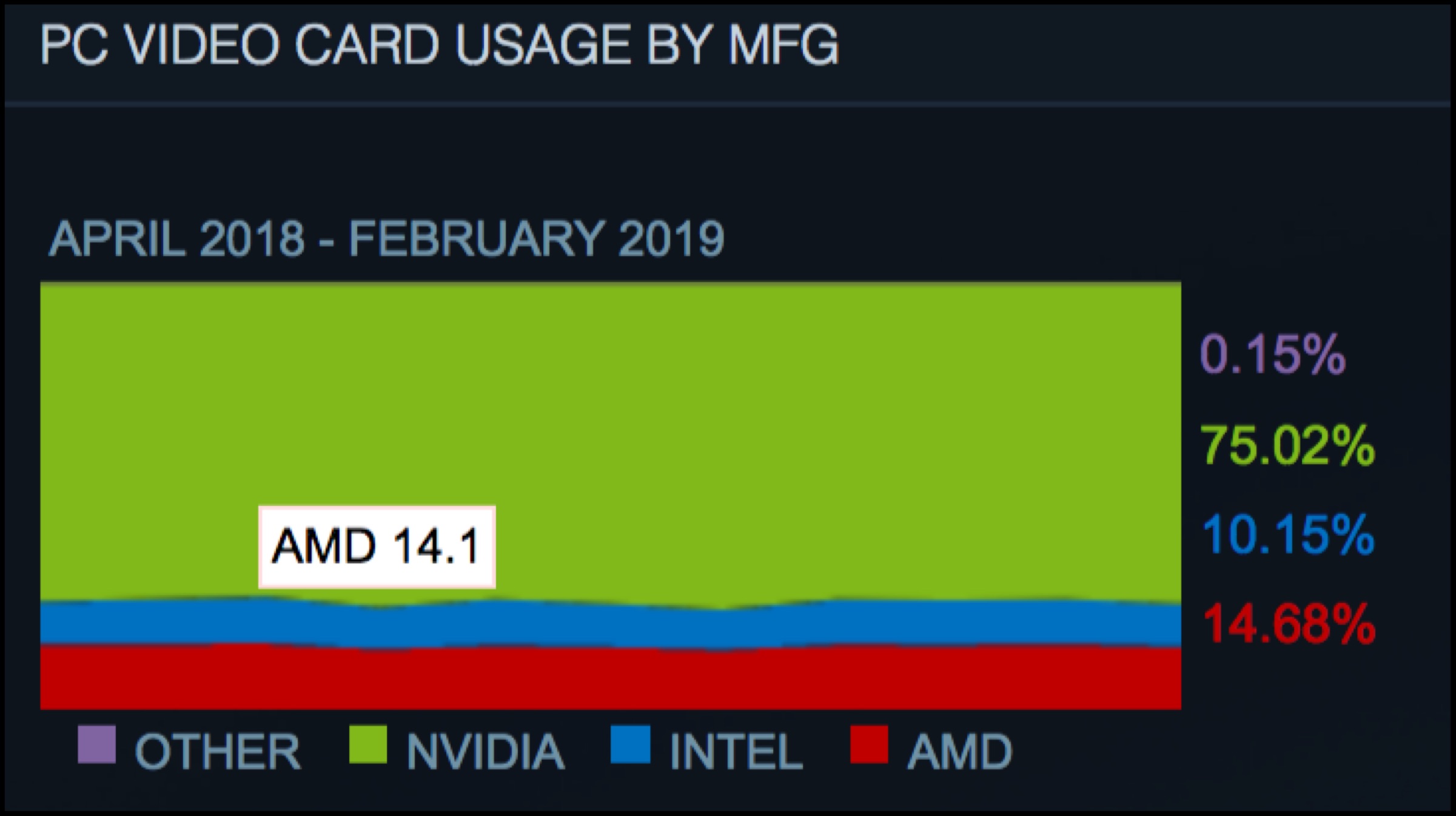 Turing based cards were launched in the month of September 2018, and they have been steadily gaining popularity over time, as seen in the survey. The RTX 2070 is at 0.50%, whereas the RTX 2080 Ti and 2080 stand at 0.21 and 0.40 percent respectively. On the other hand,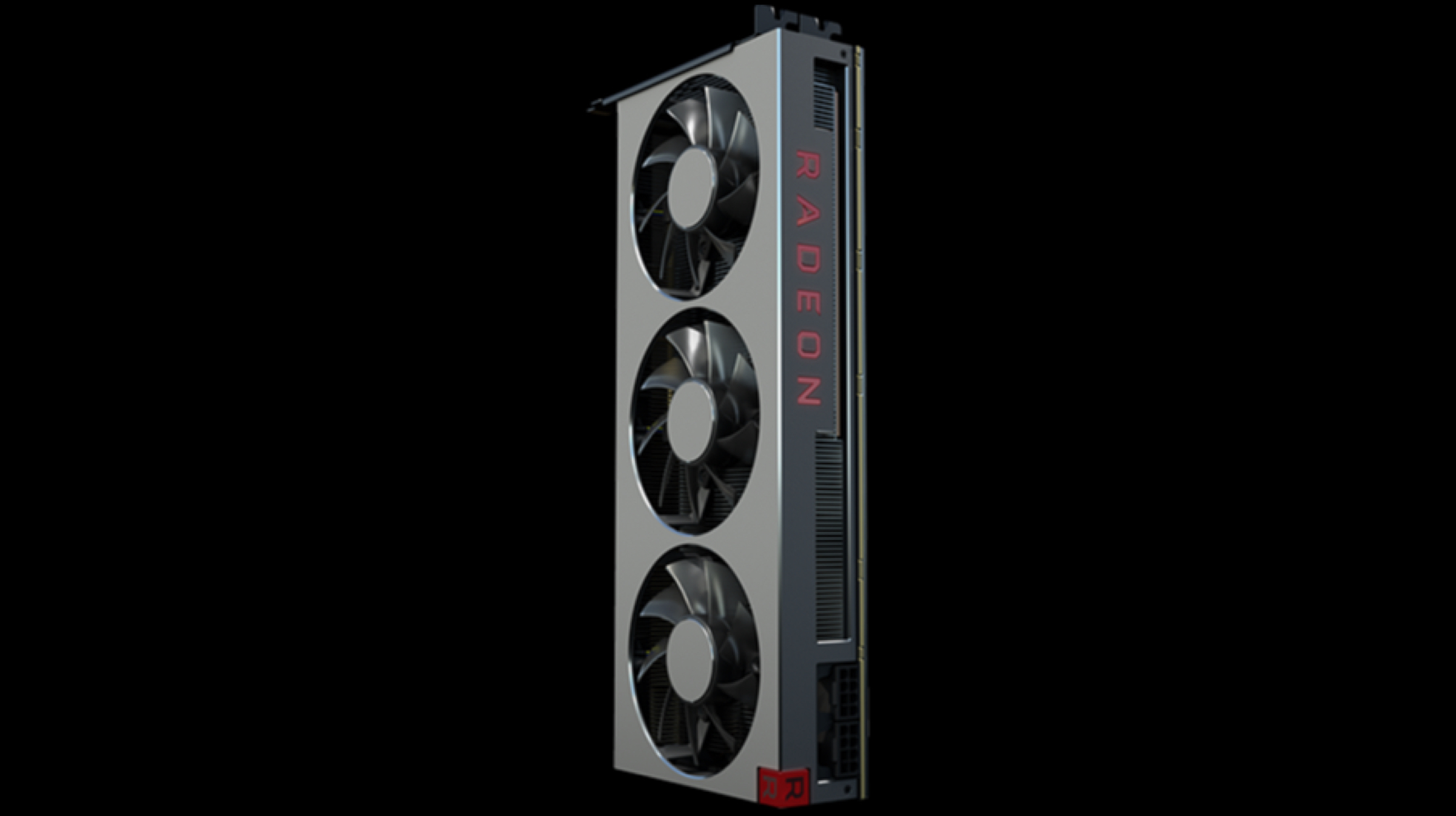
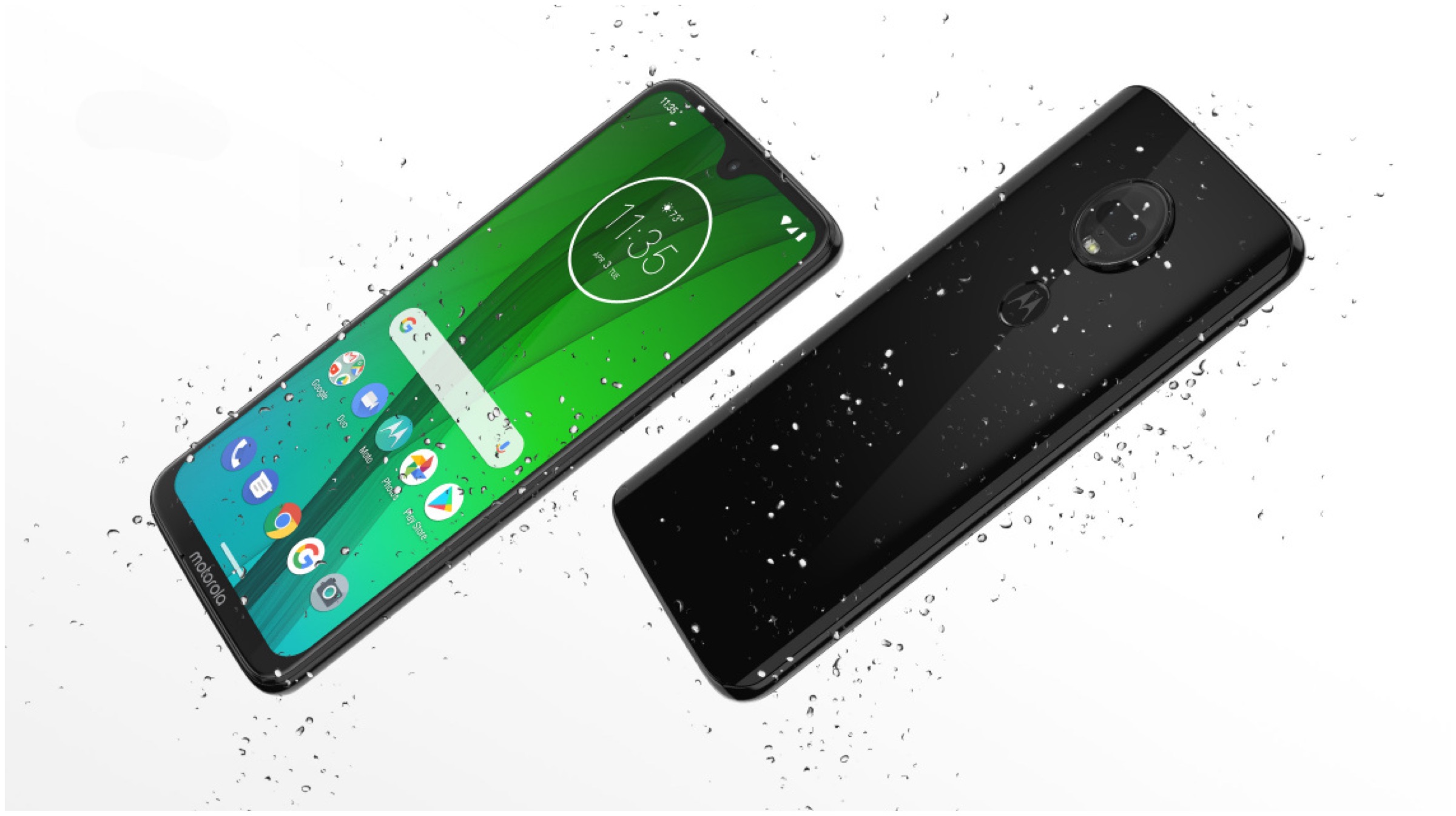

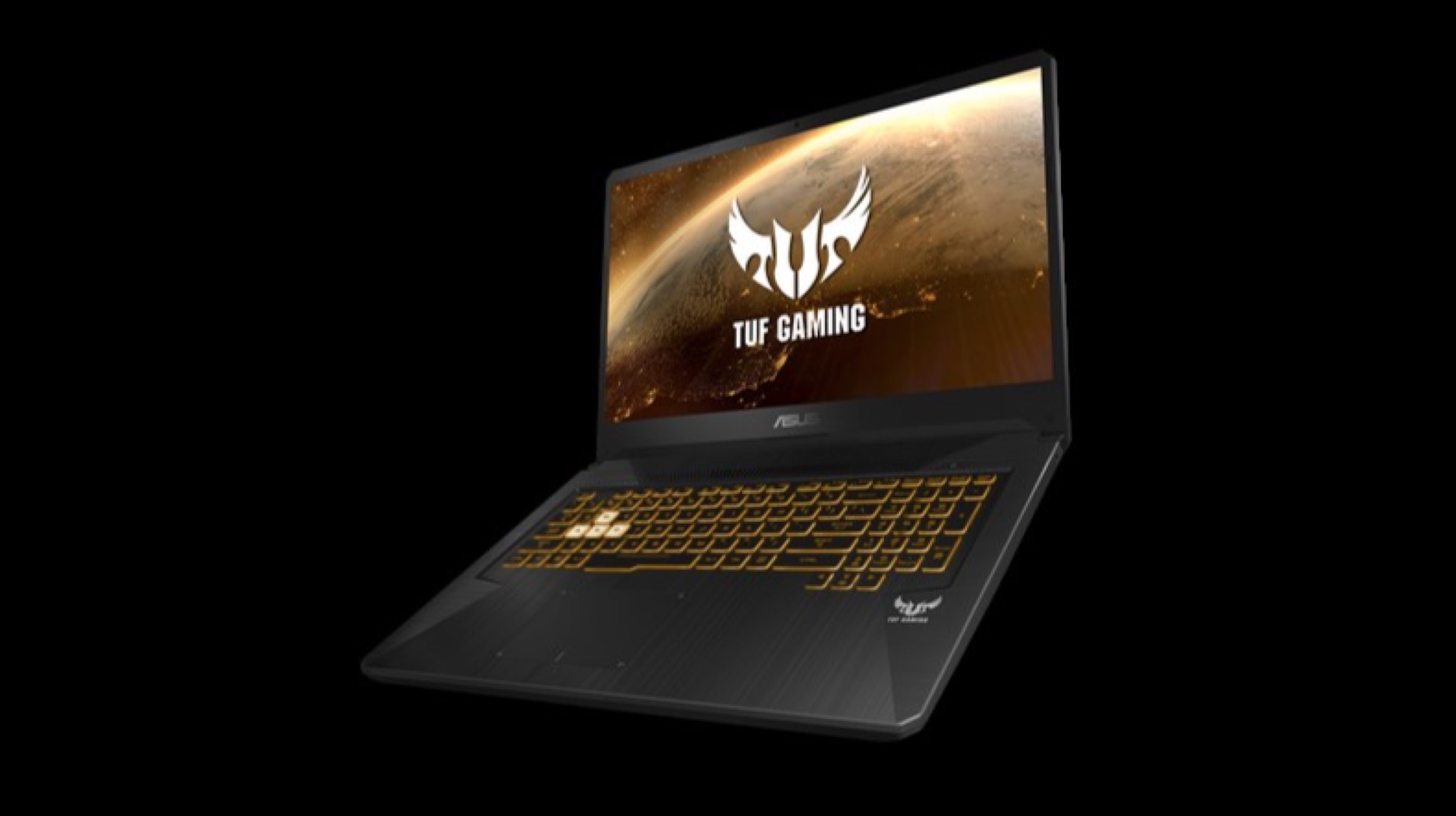
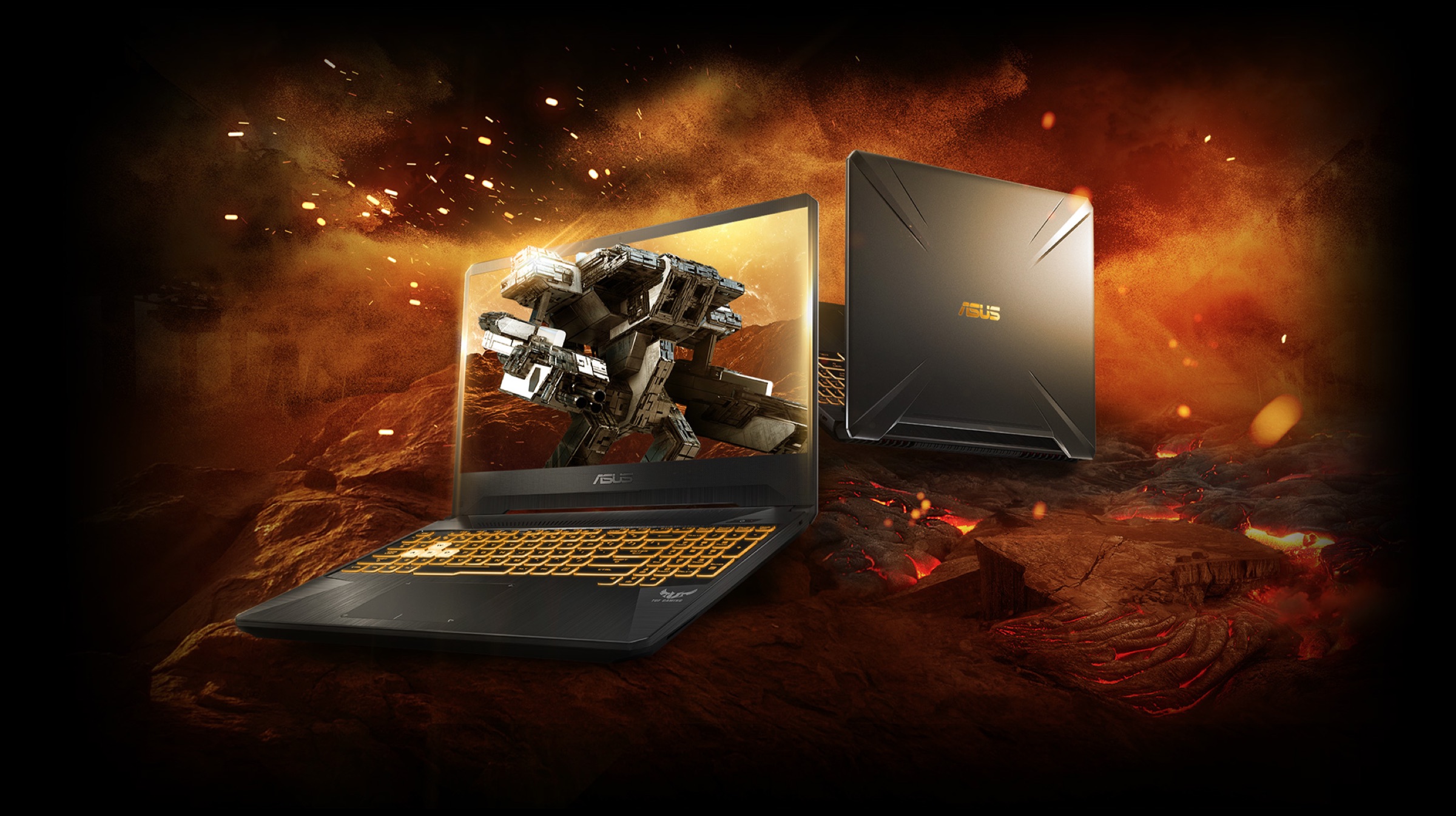
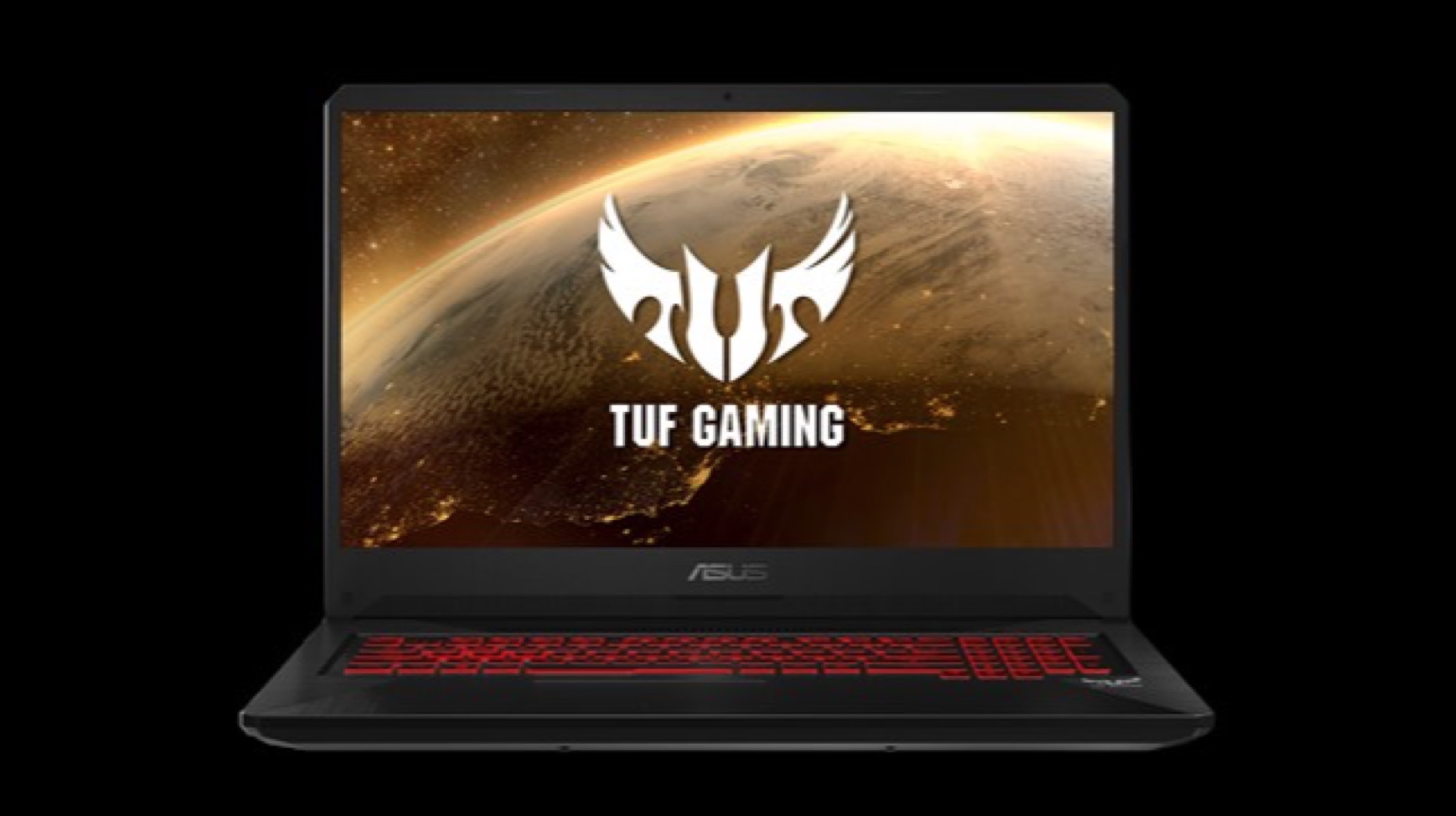 The ASUS FX705 features a 17.3-inch FHD display, with a 60Hz refresh rate, AMD’s FreeSync and a resolution of 1920 x 1080 px. The laptop runs on the AMD Ryzen 5 3550H, coupled with the Radeon RX 560X GPU. In terms of storage, the FX505 has a 1 TB FireCuda SSHD and up to 512 GB of SSD. The gaming laptop supports up to 32 GB of Dual Channel SDRAM.
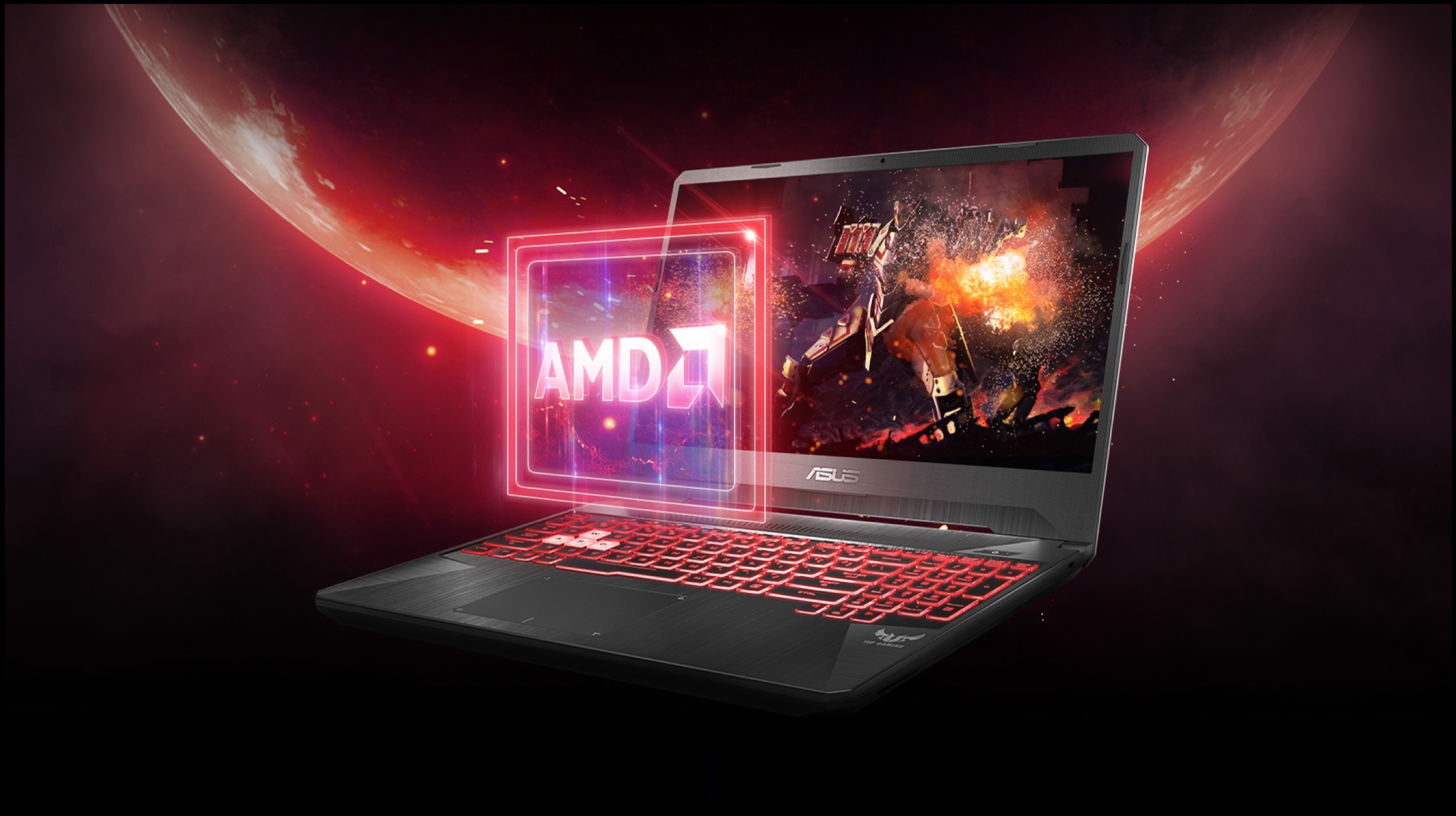
 The ASUS FX505 is slightly toned down from the FX705. It features a smaller 15.6-inch FHD display, with a 60Hz refresh rate, AMD’s FreeSync (optional) and a resolution of 1920 x 1080 px. The laptop runs on the same AMD Ryzen 5 3550H, paired with the Radeon RX 560X GPU. The FX505 has a 1 TB FireCuda SSHD and up to 512 GB of SSD as per the user’s choice. It also supports up to 32 GB of dual-channel SDRAM.
  Both the laptops have the option of choosing between an illuminated chiclet keyboard or a non-illuminated one. The FX305 and the SX505 have 2W speakers with array microphones to improve sound capturing while streaming. The laptops also have an HD 720p webcam for video calling and streaming. Noteworthy, the FX505 has a 3-cell 48 Wh battery, whereas the FX705 has a 4-cell 64 Wh battery. The gaming laptops meet military-grade MIL-STD-810G standards, which renders them tougher as compared to similarly priced laptops. Also, the FX705 weighs almost 0.4 kg more than the FX505, which weighs at 2.2 kilograms.
 Also Read: