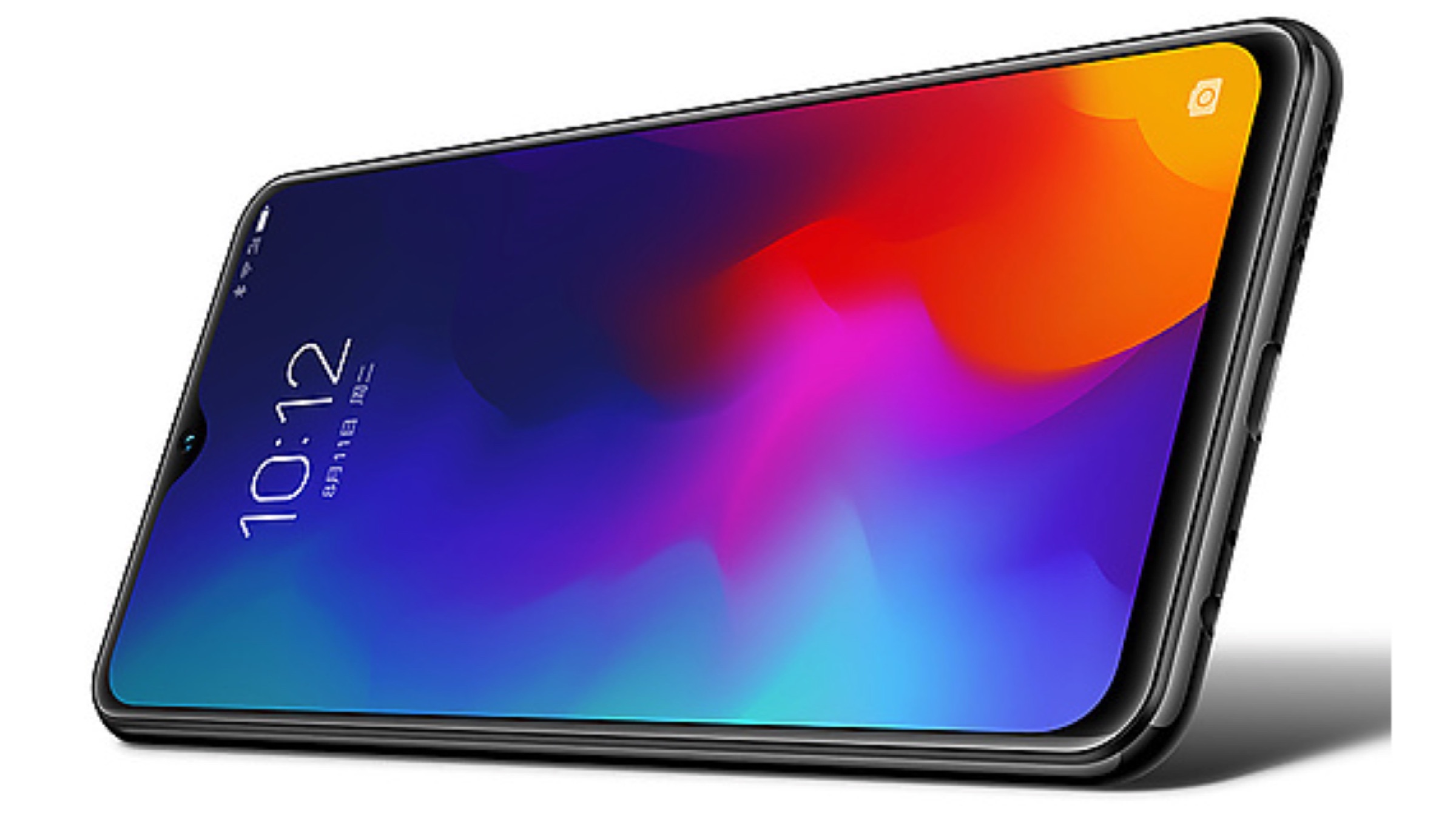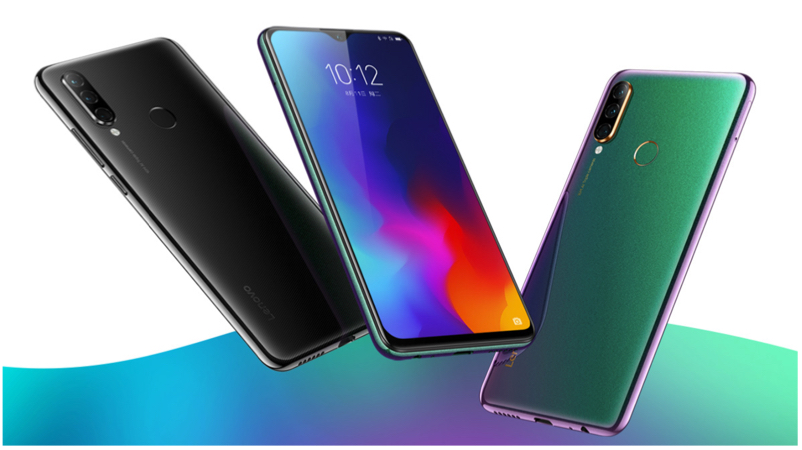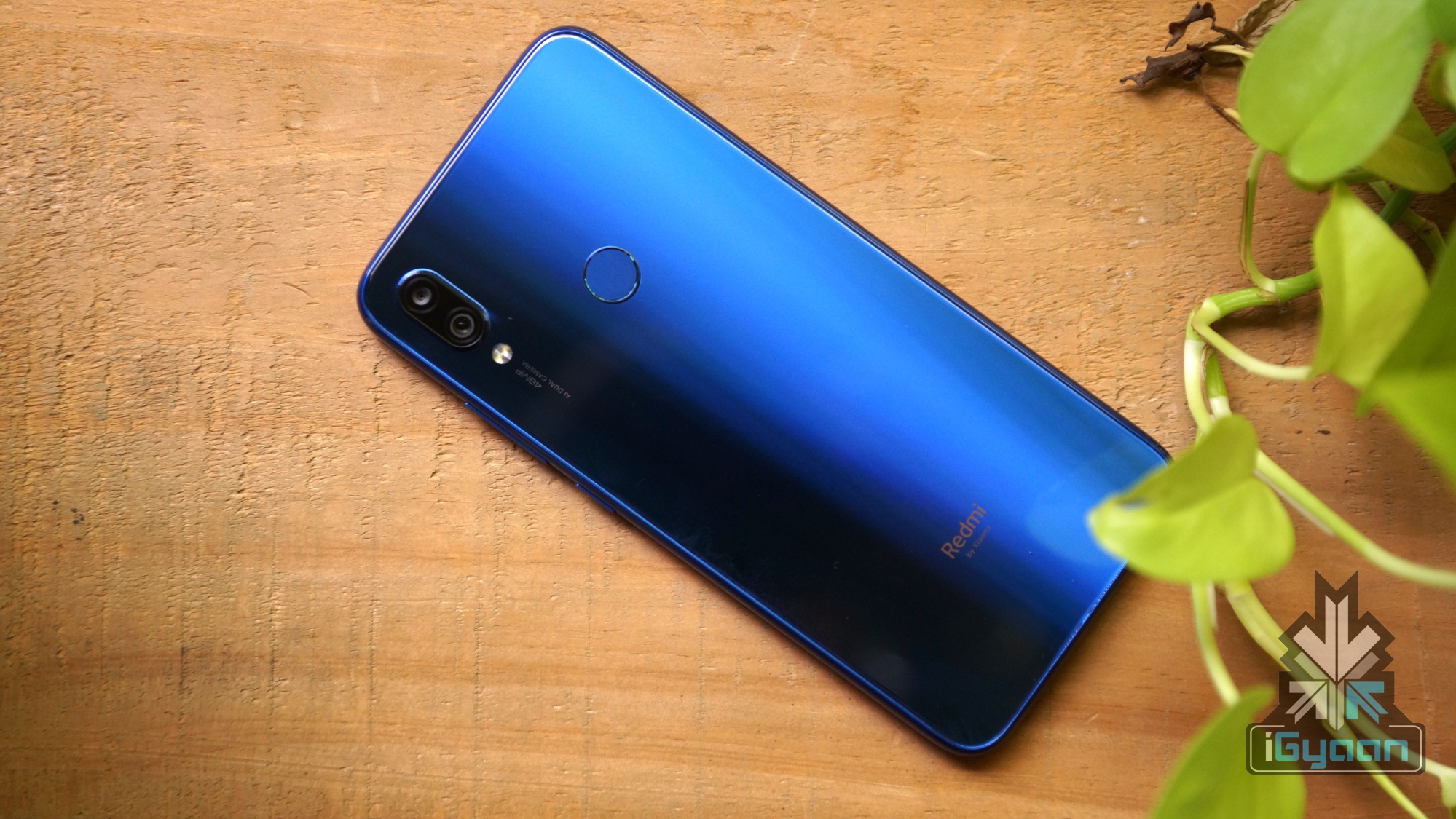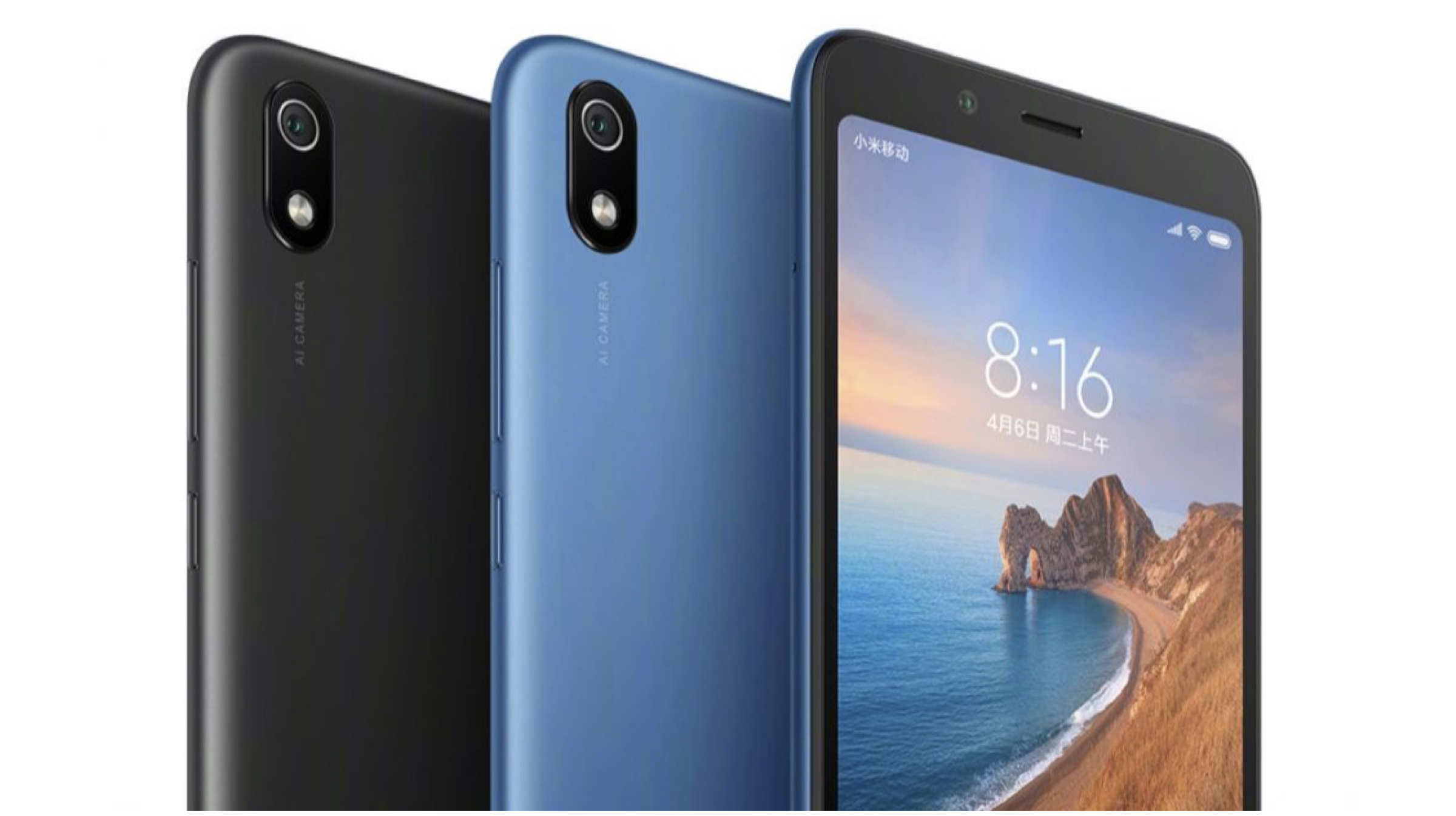
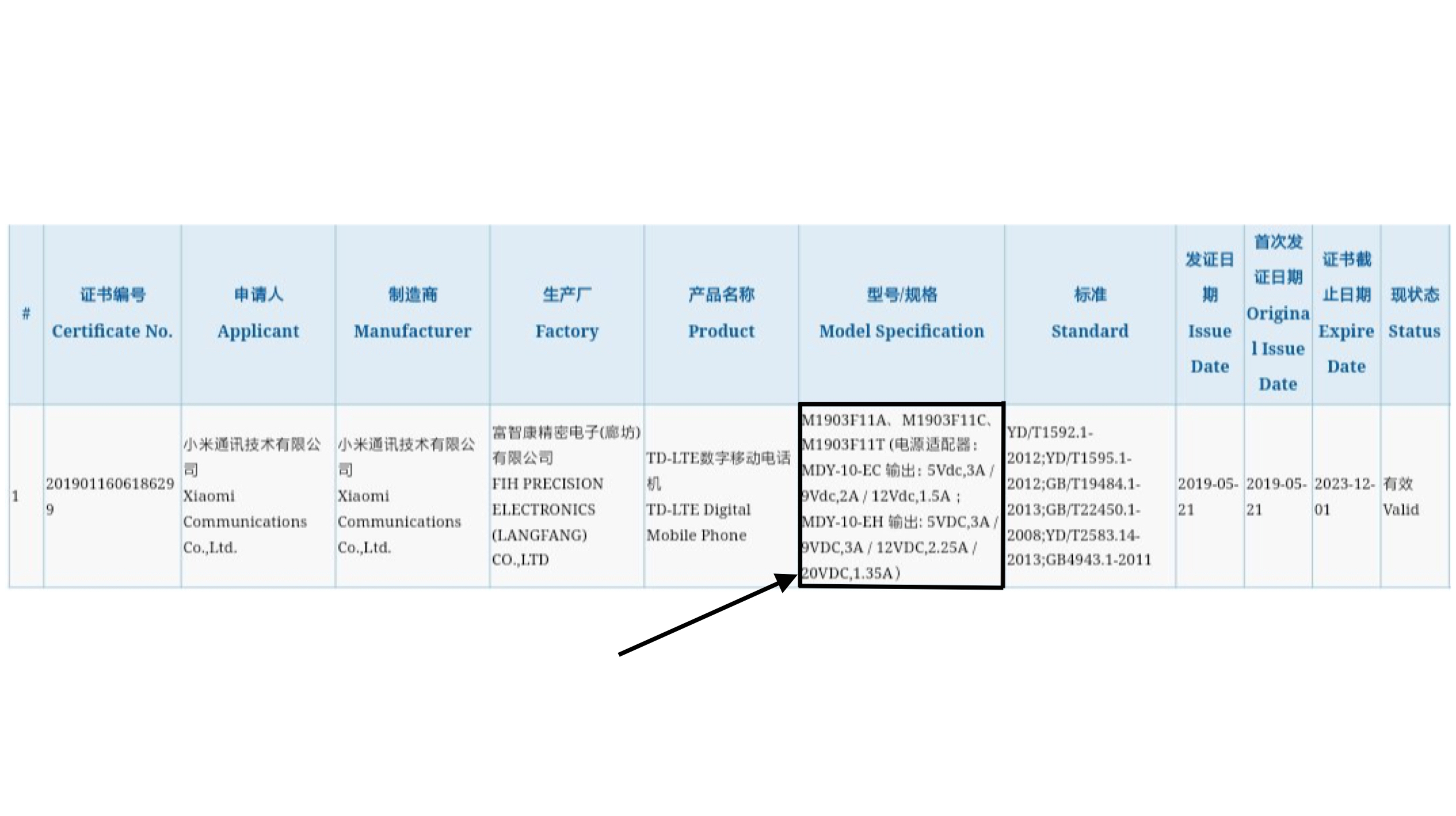
Redmi, a subsidiary of Chinese smartphone maker Xiaomi has announced its latest budget smartphone in its home country on the 24th of May. Called the Redmi 7A, the device is the successor to the Redmi 6A launched last year. Notably, the latest handset was leaked a few days ago on certification website TENNA and boasts of competitive specifications at a lucrative price.
Redmi 7A
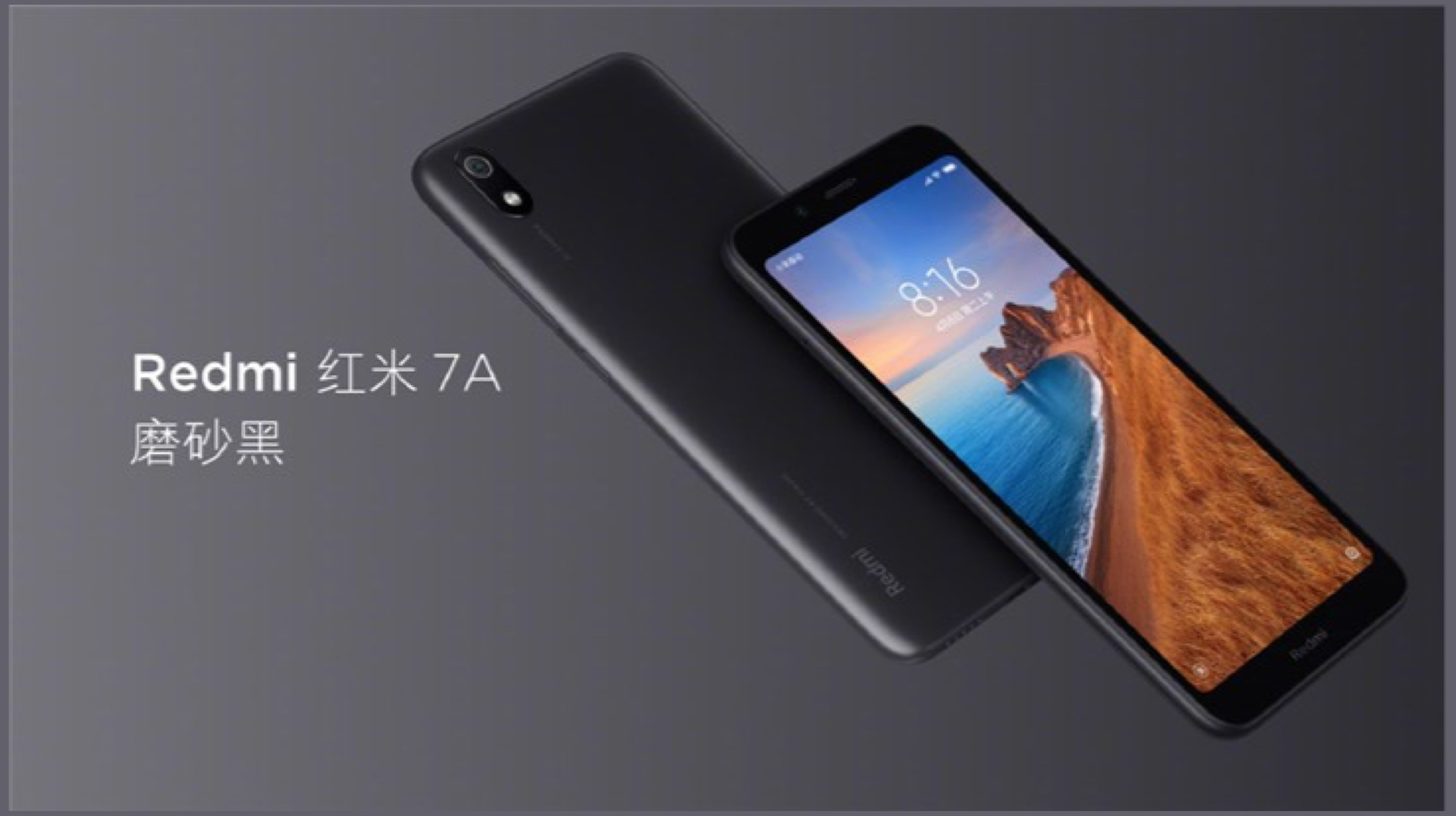
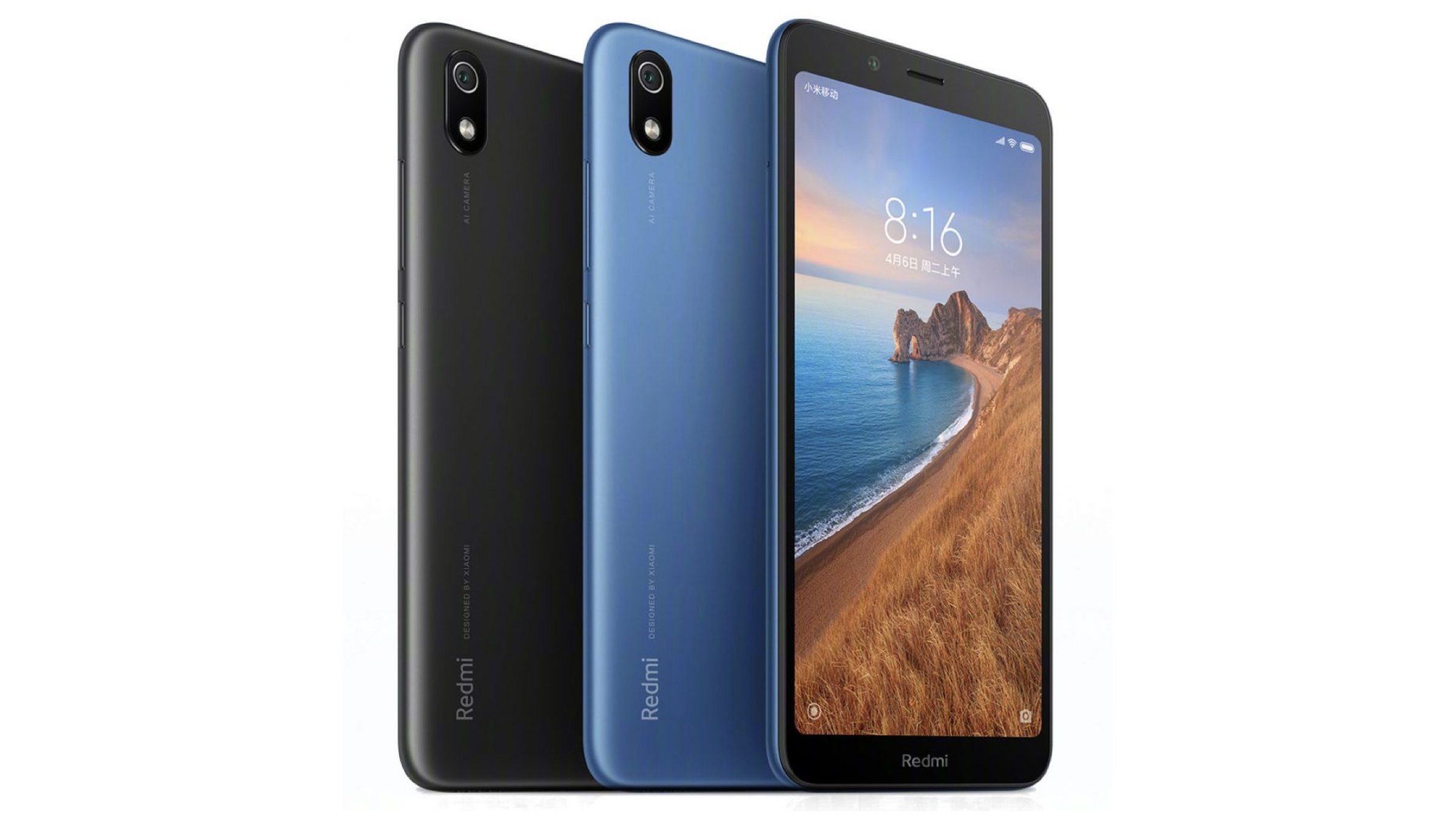
As mentioned previously, the Redmi 7A is the latest budget offering from the company. It measures 146.30 × 70.41 × 9.55mm, weighs 150g and has a polycarbonate construction with a similar design to its predecessor. It has a 5.45 inch LCD display with a resolution of 1440 x 720 px and an aspect ratio of 18:9. There are significant bezels on the top and bottom of the device with the company branding at the chin. As it is a budget device, it lacks any form of biometric security like a fingerprint scanner; and users will have to rely on conventional unlocking methods such as numerical pins, patterns and passwords to access the smartphone
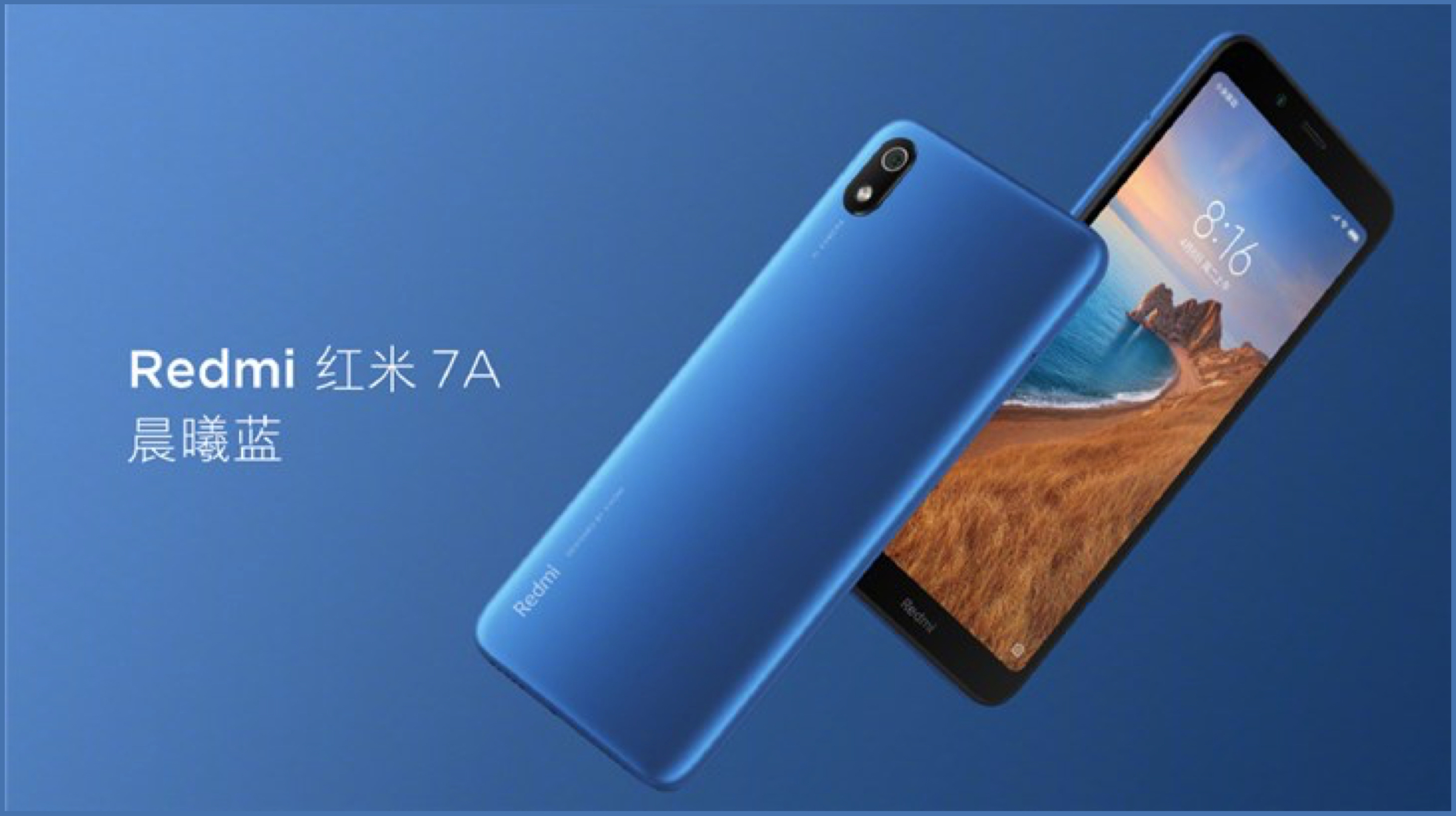
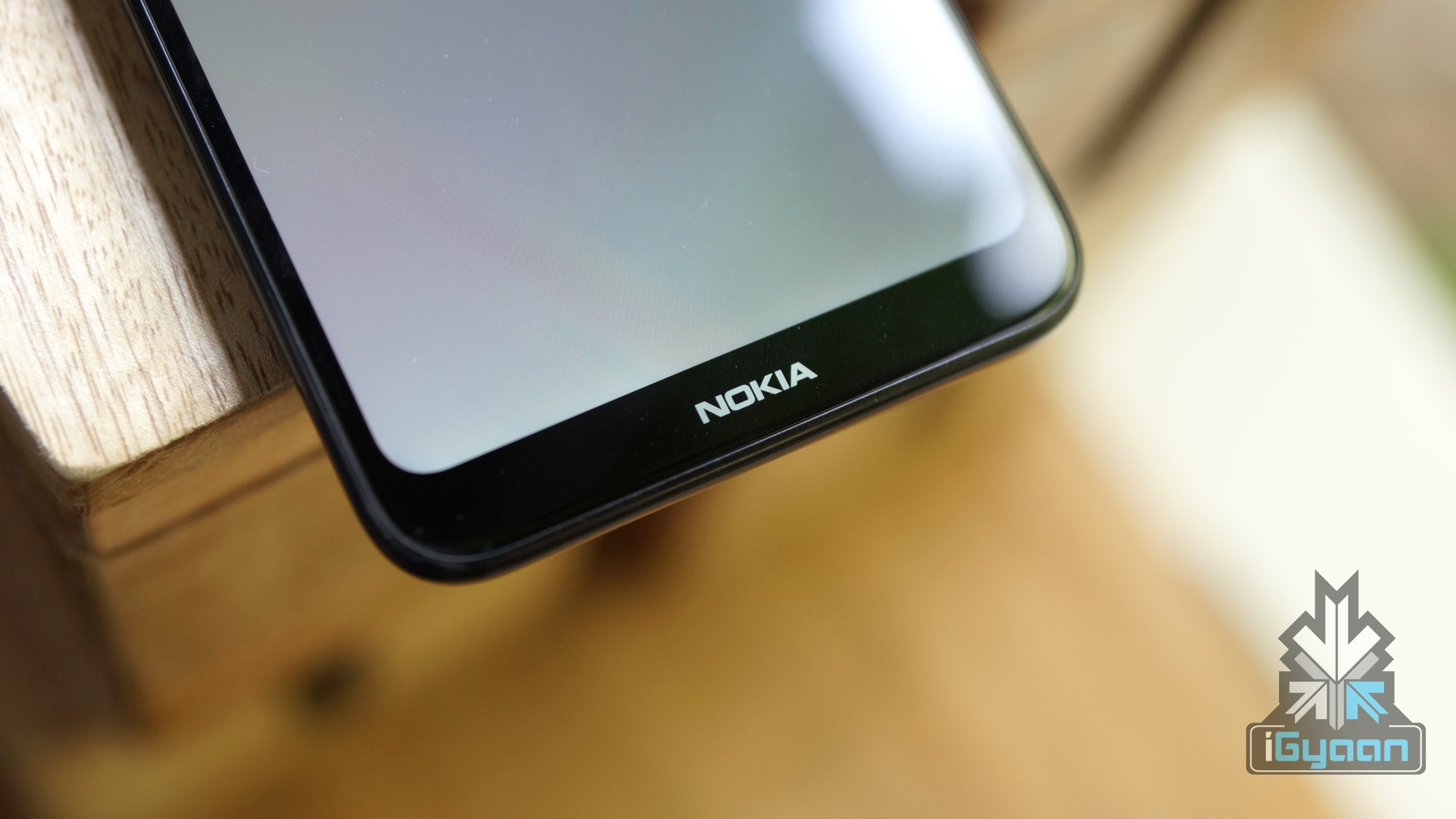
The Redmi 7 runs on the 12nm Snapdragon 439 SoC which is also seen in the Nokia 4.2 (Review). The chipset is comprised of an Octa-core CPU and the Adreno 505 GPU. In terms of optics, the smartphone has a single 13MP rear camera with LED flash. For selfies, a 5MP front-facing camera is also present on the handset. For memory and storage, the handset will be available in the following variants.
- 2GB RAM and 16GB ROM
- 3GB RAM and 32GB ROM
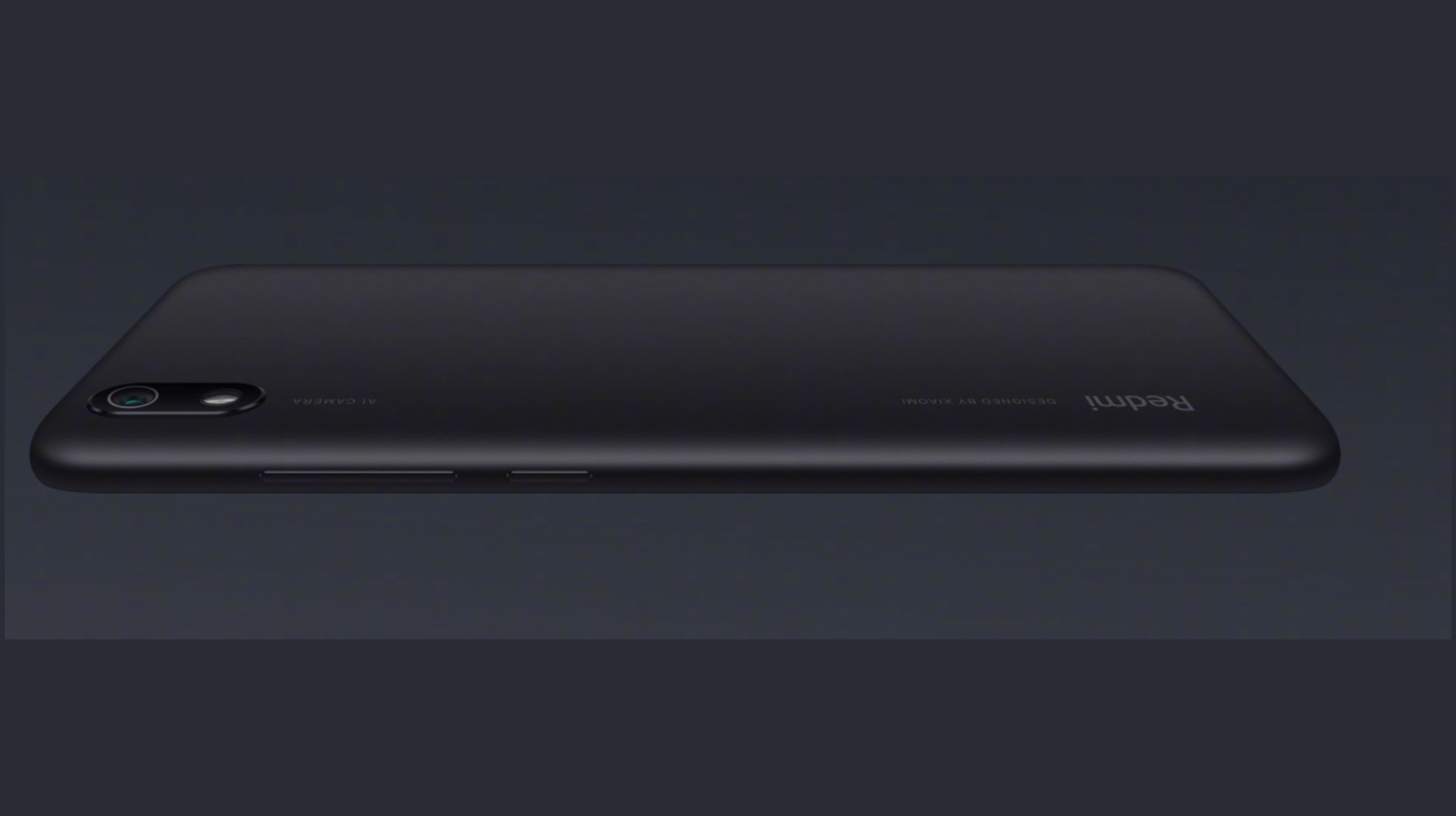
The Redmi 7A will be powered by a 4000 mAh battery with support for 10W wired charging. Furthermore, the handset has a triple card slot which supports two SIM cards; and a separate microSD card of up to 256GB in capacity. It has a hydrophobic P2i coating which should make it resistant to a degree of liquid splashes. The device runs on MIUI 10 on top of the current Android 9 Pie.
Pricing & Availability
Also read: Samsung Galaxy M Series To Receive Android 9 Pie Based OneUI Update Next Month
While Xiaomi has officially announced the Redmi 7A in China, the pricing of the smartphone will be revealed on the 28th of May. Unfortunately, the company has not provided any information on when it will launch in India but it is expected to be introduced soon at a starting price of Rs. 5,999.

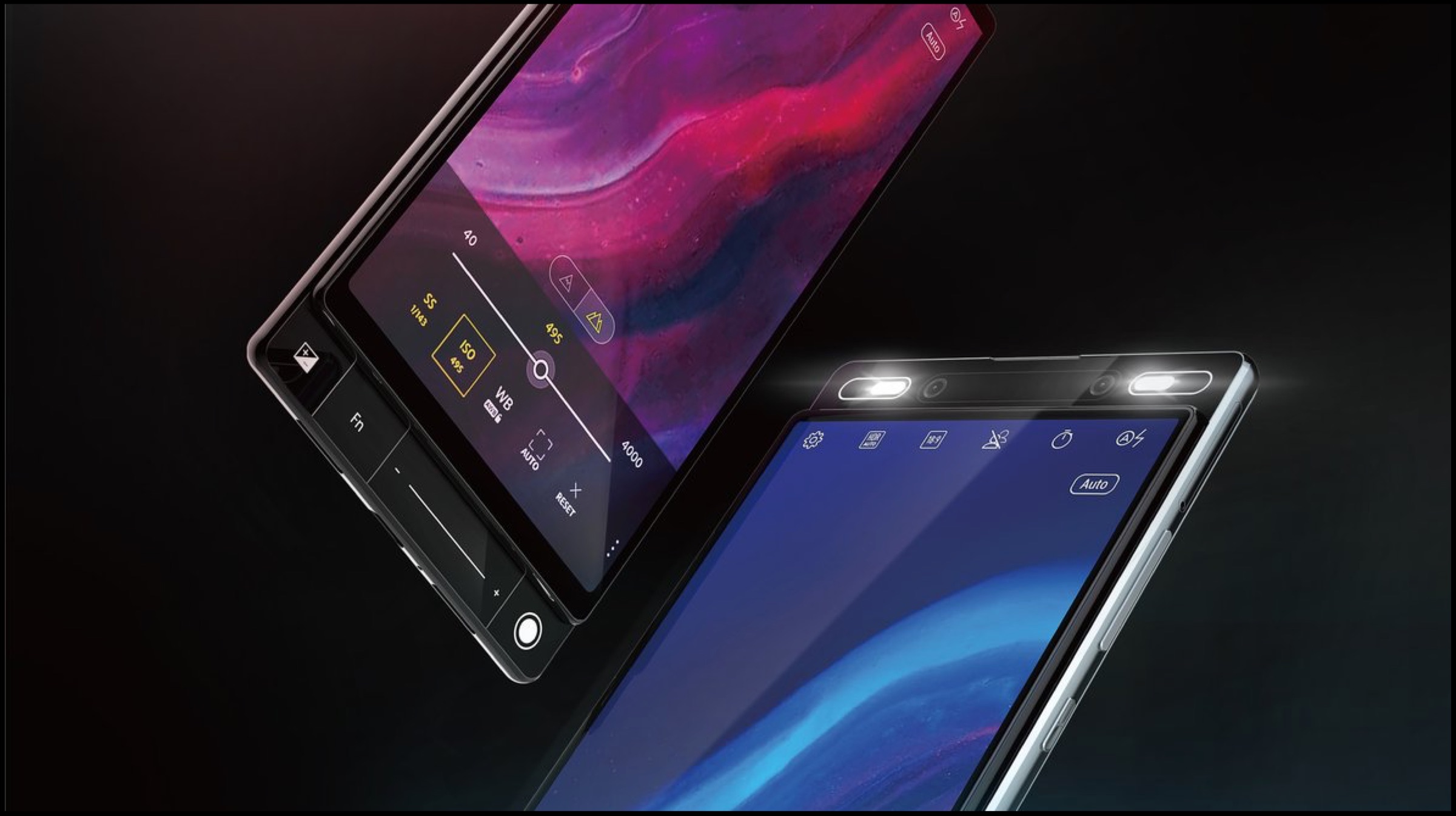
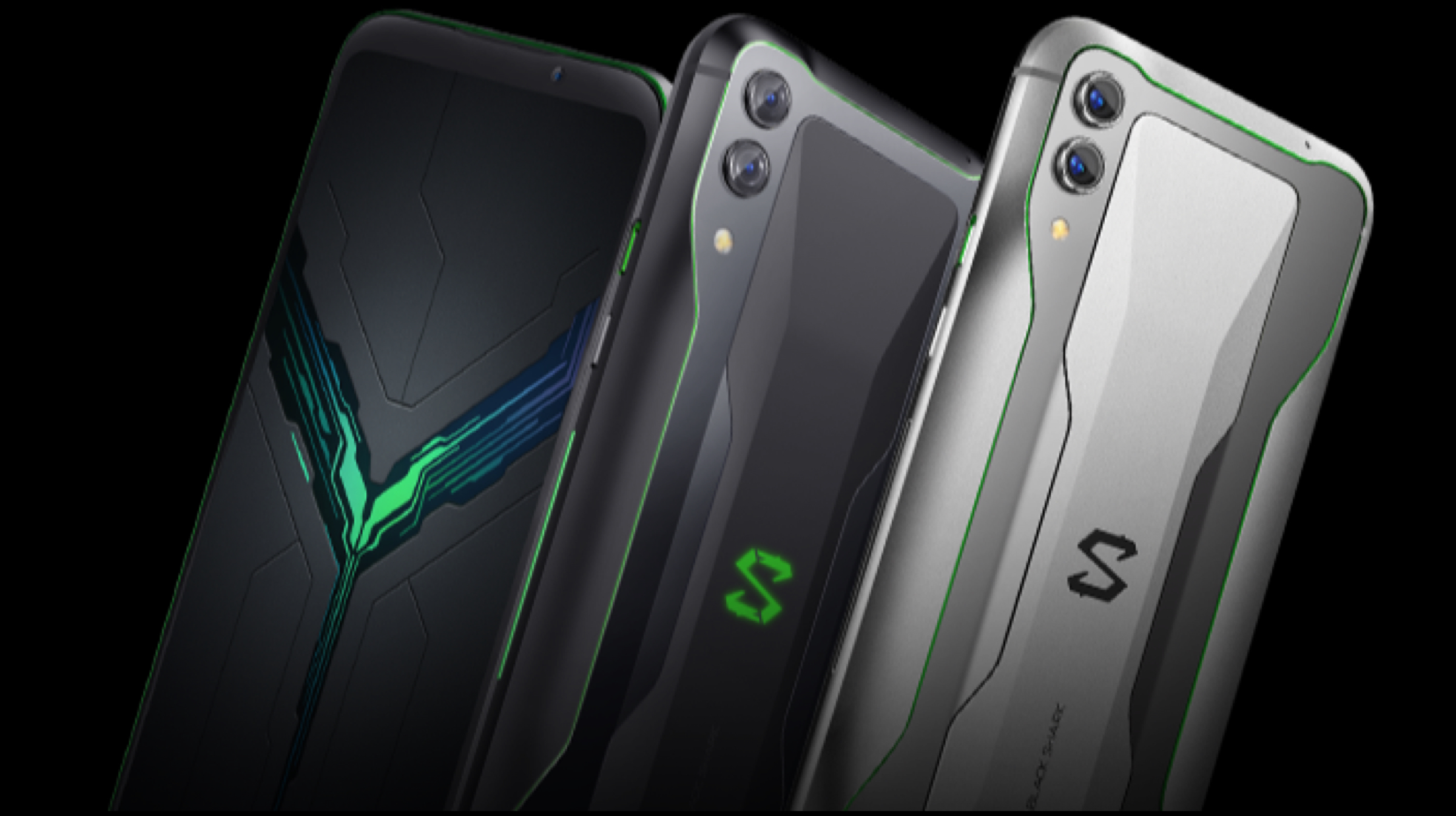
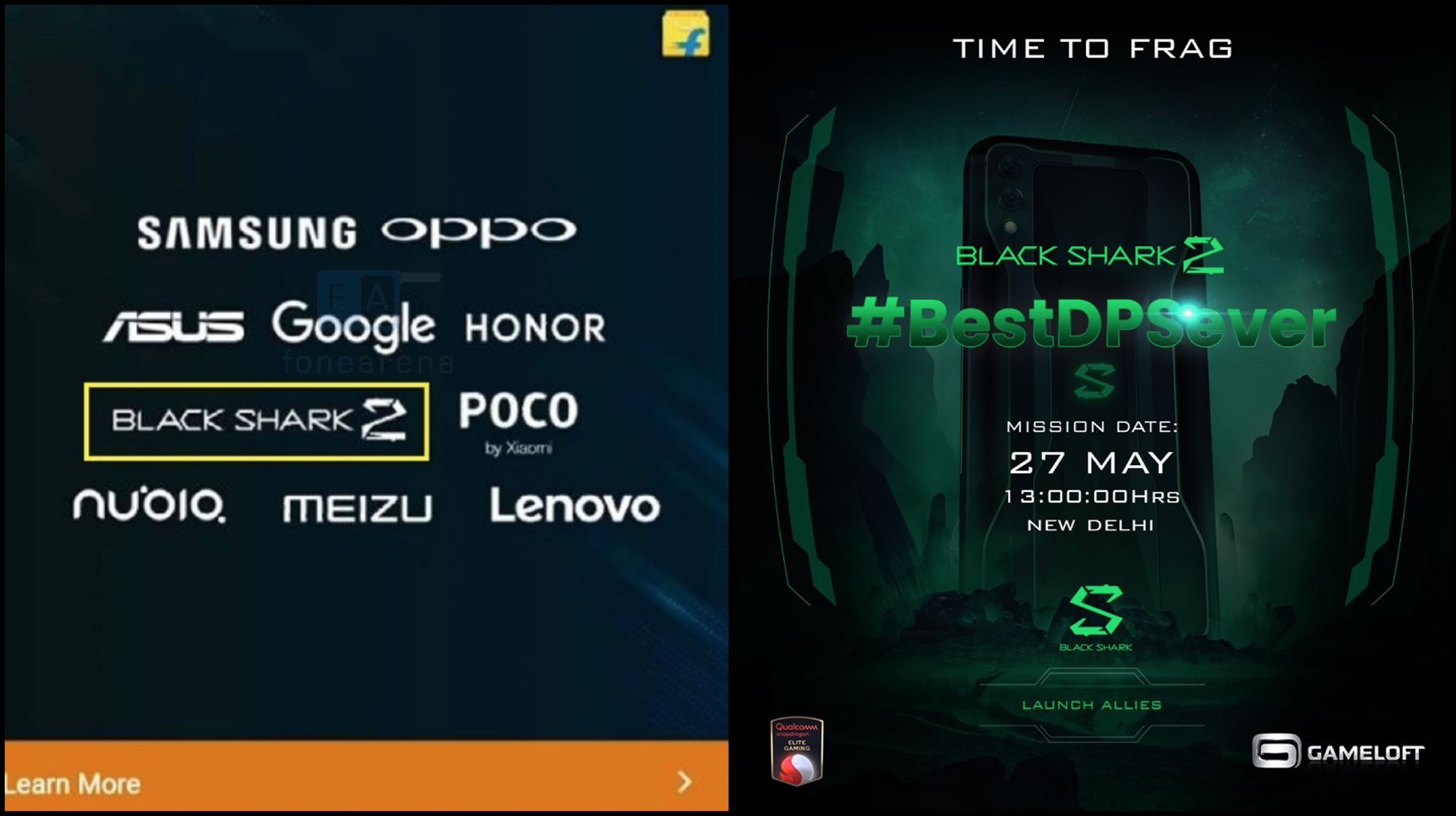 The Black Shark 2 has a modern design with a distinctive design on the rear and a large screen display on the front. The smartphone measures 163.61 x 75.01 x 8.77 mm and weighs in at 205 grams. It sports a 6.39 inch AMOLED display which is surrounded by thin bezels on all sides. The smartphone’s display has a resolution of 2340 x 1080 px and a pixel density of 403 ppi. The display panel can reach brightness levels of upto 430 nits and has an aspect ratio of 19.5:9.
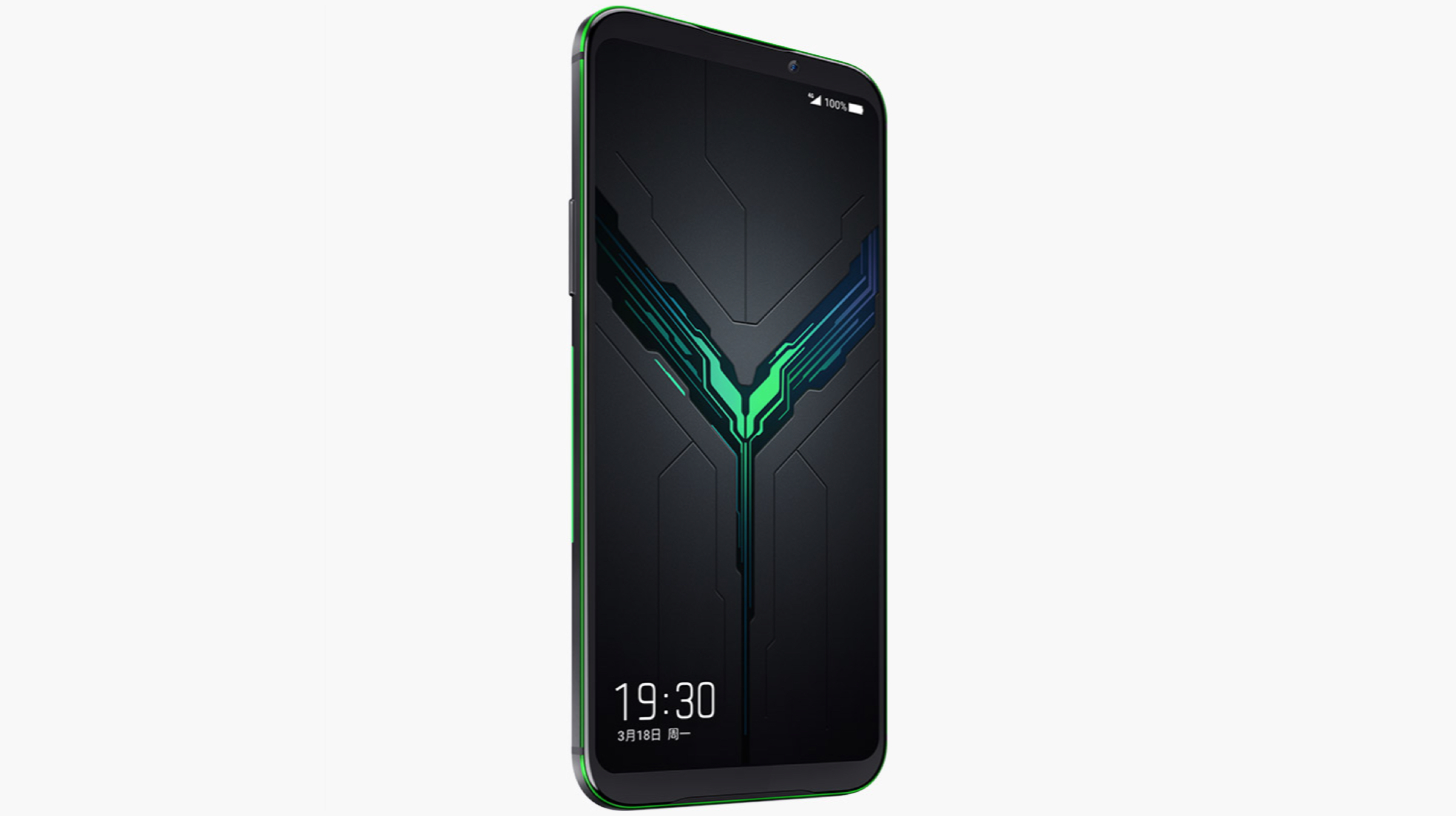 Noteworthy, the AMOLED display also supports pressure sensitive controls which means the amount of pressure applied to the screen while playing games would affect the on-screen controls. For securely and swiftly unlocking the device it also features an on display fingerprint sensor. Talking further about the design of the Xiaomi Black Shark 2, its right side houses the power button and a shark slider which when toggled turns on gaming mode for optimized performance while the left side houses the volume rockers. The bottom of the device accommodates the USB Type-C port. To keep the temperature of the device under check during game-intensive sessions, it also has a vapour cooling chamber.
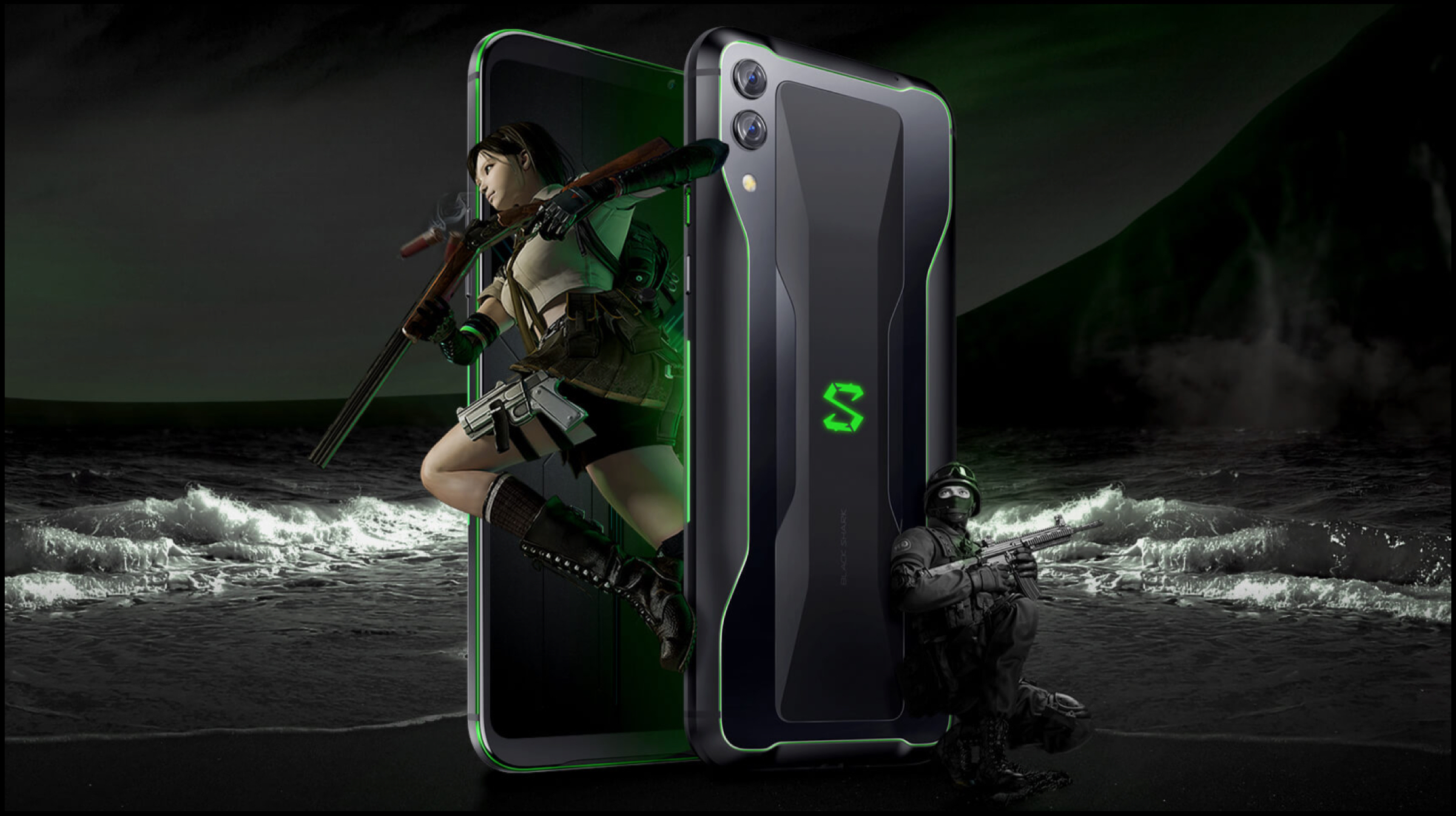 As mentioned before, the rear of the Xiaomi Black Shark 2 has a unique design with green coloured decals that run along the sides of the smartphone. The rear panel also harbours the company logo and dual camera setup. The dual camera setup consists of a 48 MP sensor, 12 MP sensor and an LED Flash which can also capture 2160p videos at 30 fps. It also has a 20 MP front-facing selfie camera which is placed in the bezel above the display. The front camera can also capture 1080p videos at 30 fps.
 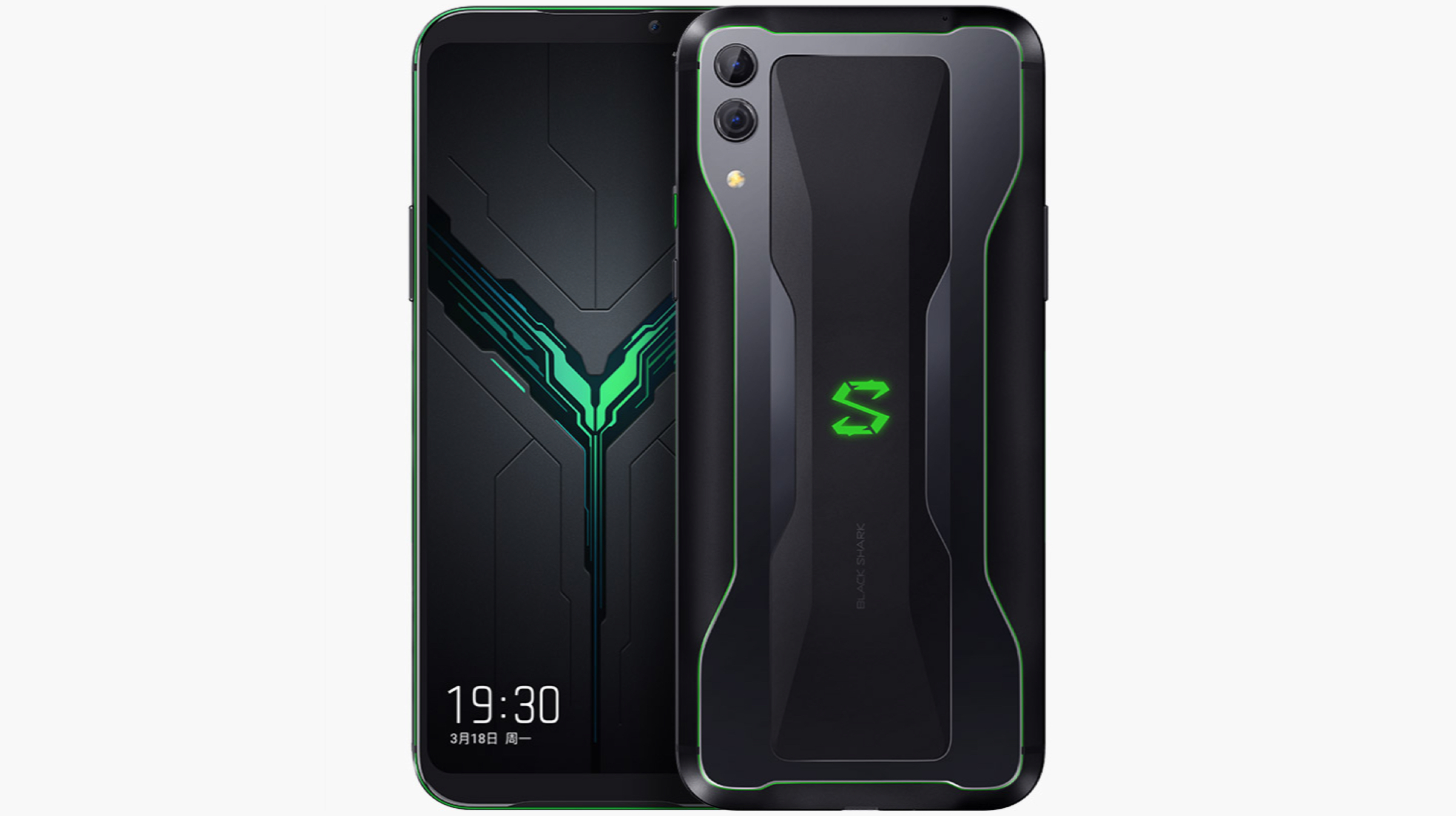 Under the hood, the Black Shark 2 runs on the Snapdragon 855 SoC which consists of an octa-Core CPU with the Adreno 640 GPU. The smartphone is powered by a huge 4,000 mAh battery which supports fast charging upto 27 W. Connectivity options on the device include 802.11 ac Wi-Fi, Bluetooth 5.0, Dual 4G VoLTE and GPS.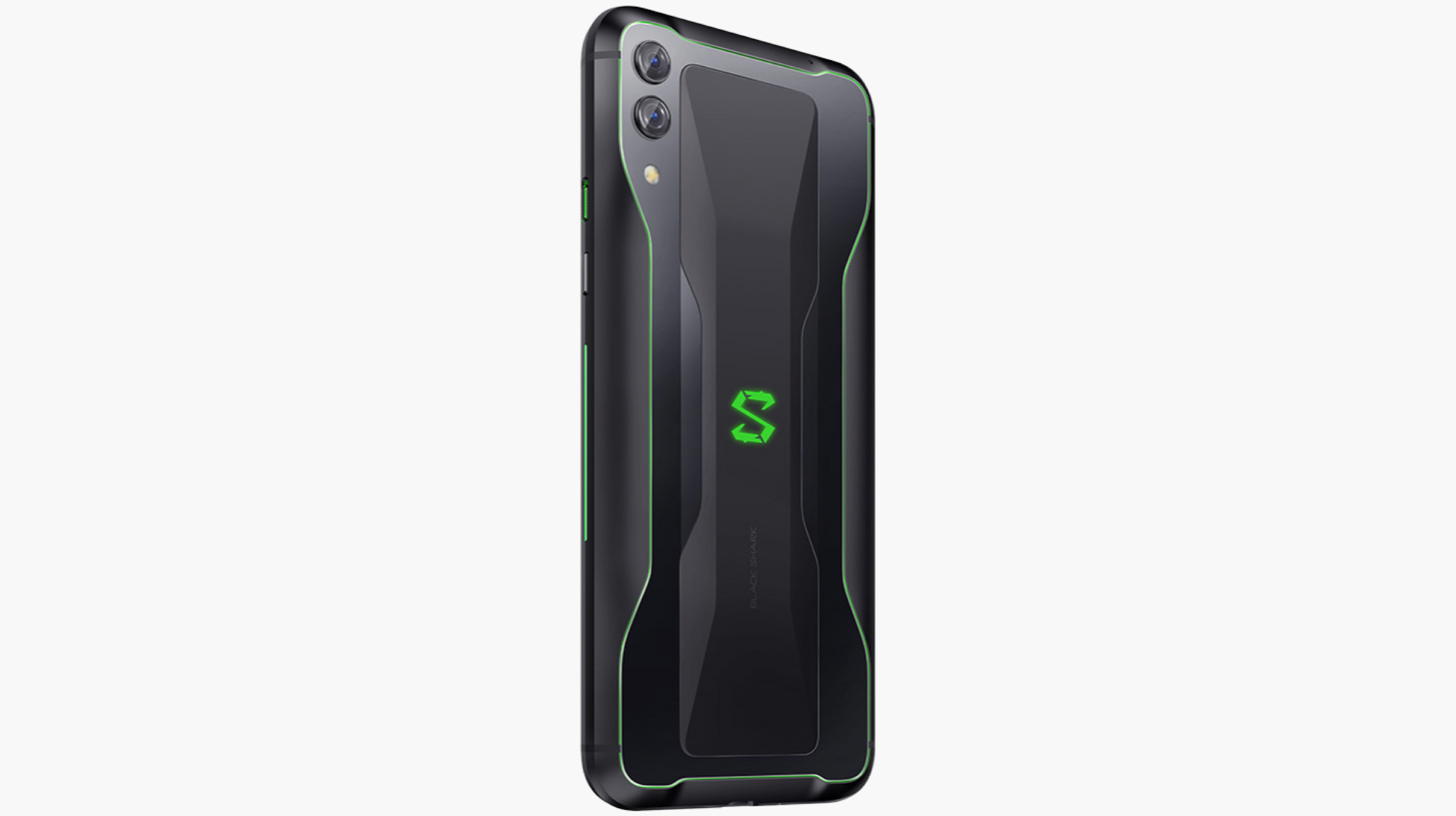

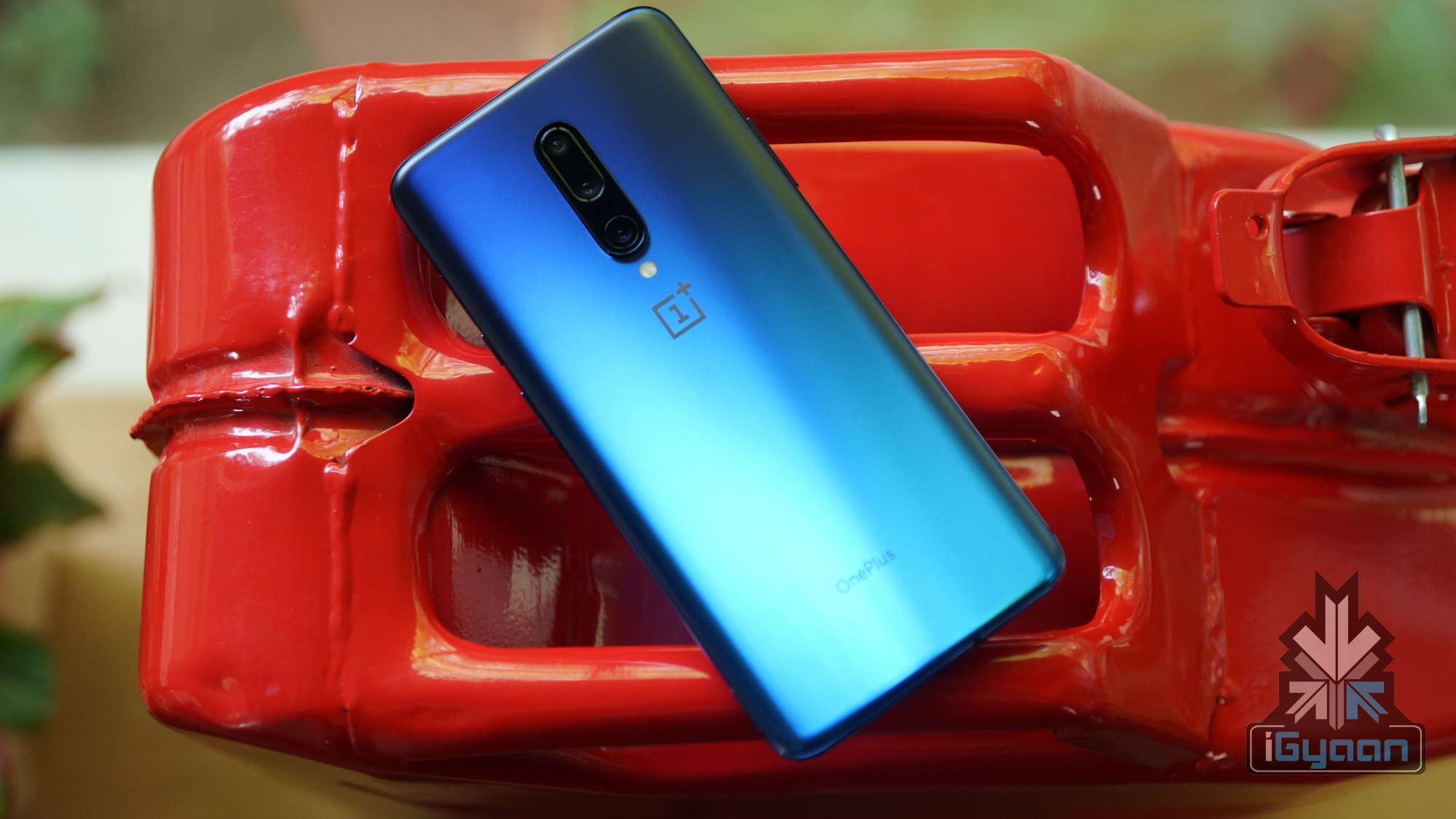
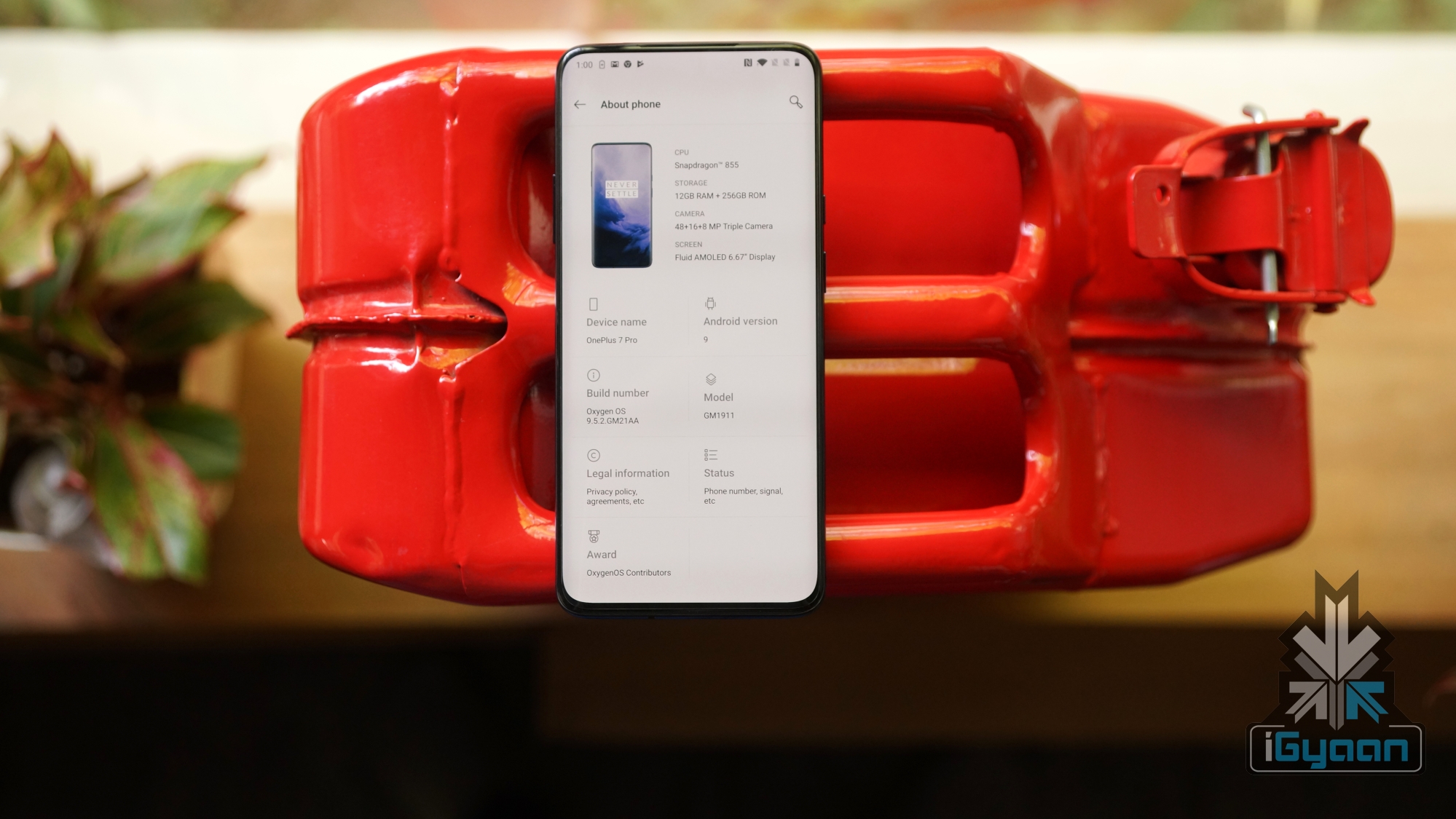
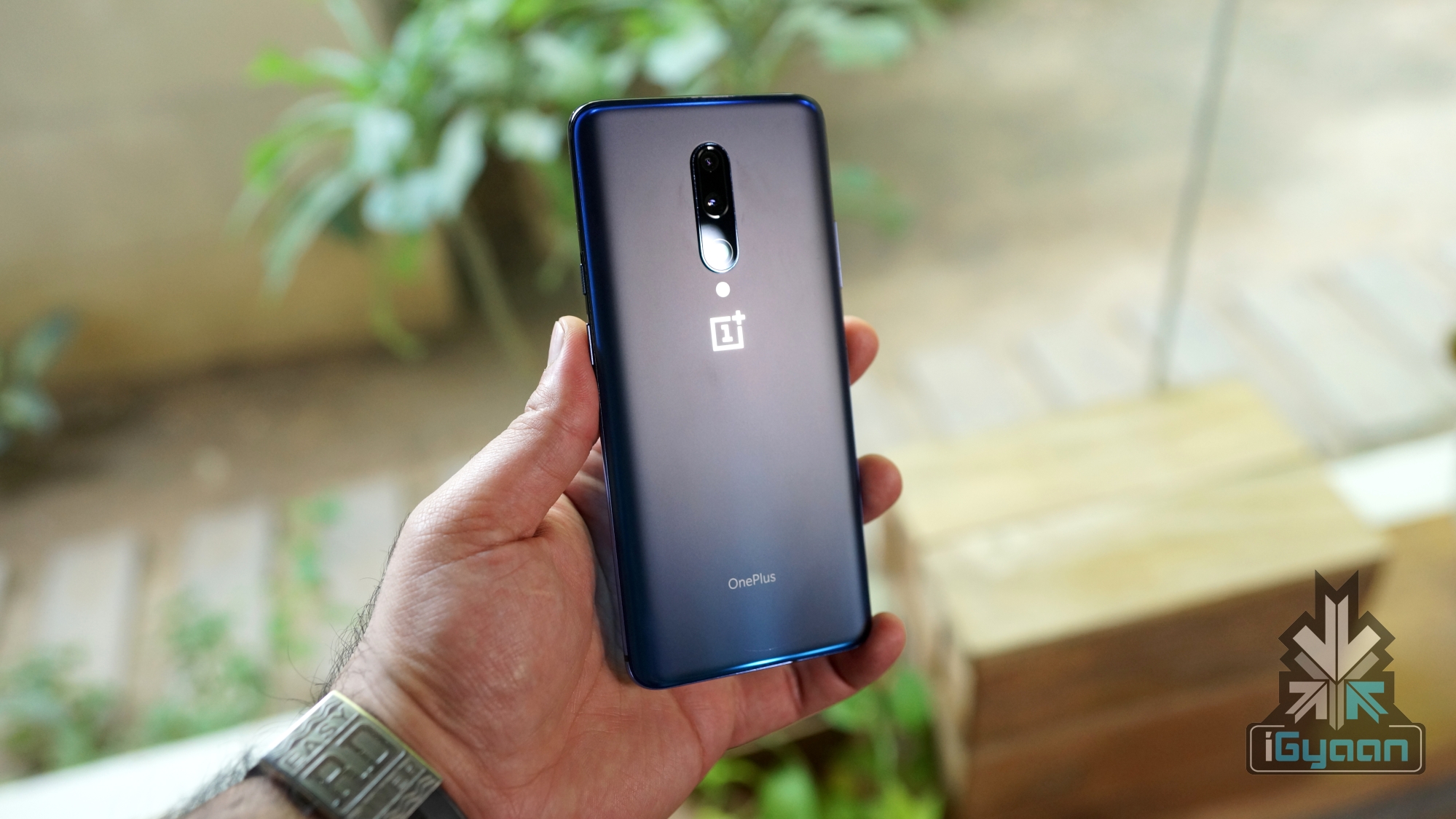 Zen Mode is a feature that basically locks a user out of his/her device for 20 minutes. The user will not see/hear any notifications on the device, and at the same time, applications will be unusable as well. The only two features that are accessible is the call application and the camera. In case users decide to turn off Zen Mode before the time period of 20 minutes, they are out of luck, since no workaround will disable Zen Mode. Even restarting the OnePlus 7 Pro doesn’t help, as the Zen Mode timer continues from the same point you left it on.
 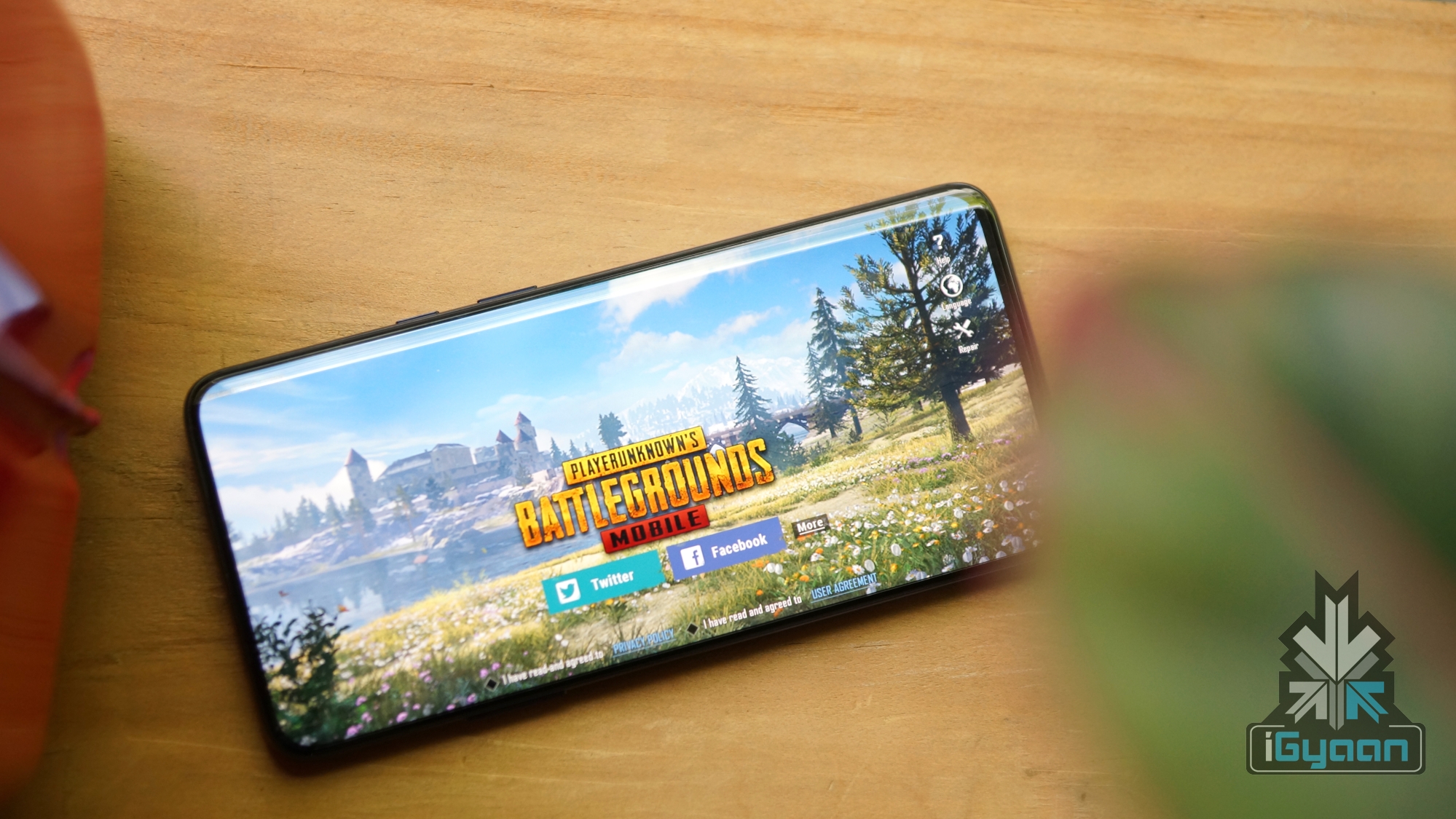 The screen recorder, on the other hand, allows native recording (in the same number of frames per second) of the screen’s display without any overlay or watermark. Gamers can record their gaming sessions and export them, or users can create how-to videos for conveying specific information. As per reports, some OnePlus users side loaded these two applications into their older devices, which didn’t function as desired. For instance, sound capture was disabled during screen recording and Zen Mode was still allowing notifications to push through.