Category: Mobile

Smartphone News and Reviews, Latest Cellphones, Accessories, New Launches, Specifications, Details with Image and Video from Apple, Samsung, Lenovo, Moto, HTC, Xiaomi, Oneplus, Meizu, Sony, Lava, Micromax Yu Mobile and More.

  • Samsung Is Developing A Smartphone With An Invisible Punch Hole Camera

    Samsung Is Developing A Smartphone With An Invisible Punch Hole Camera

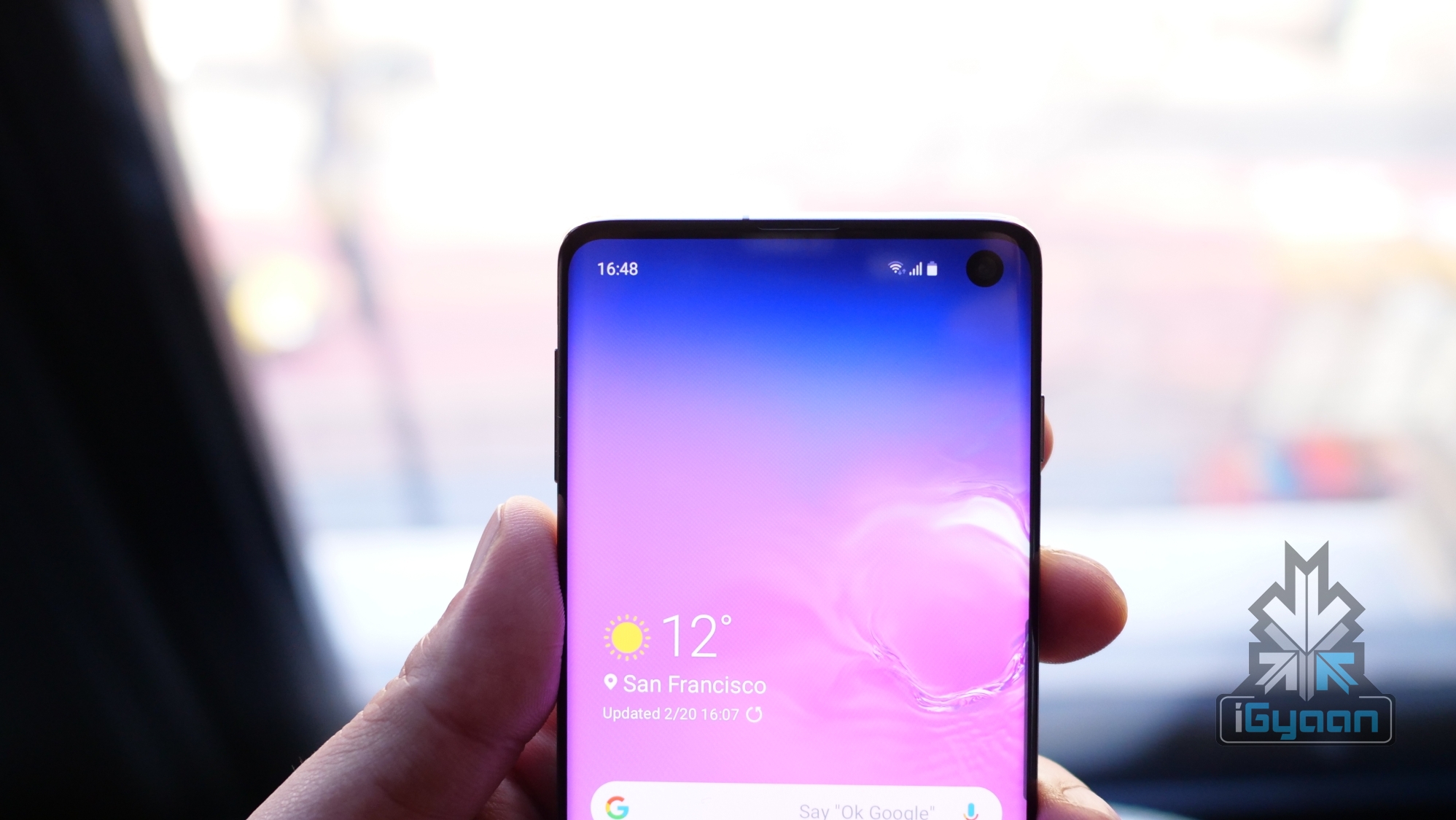
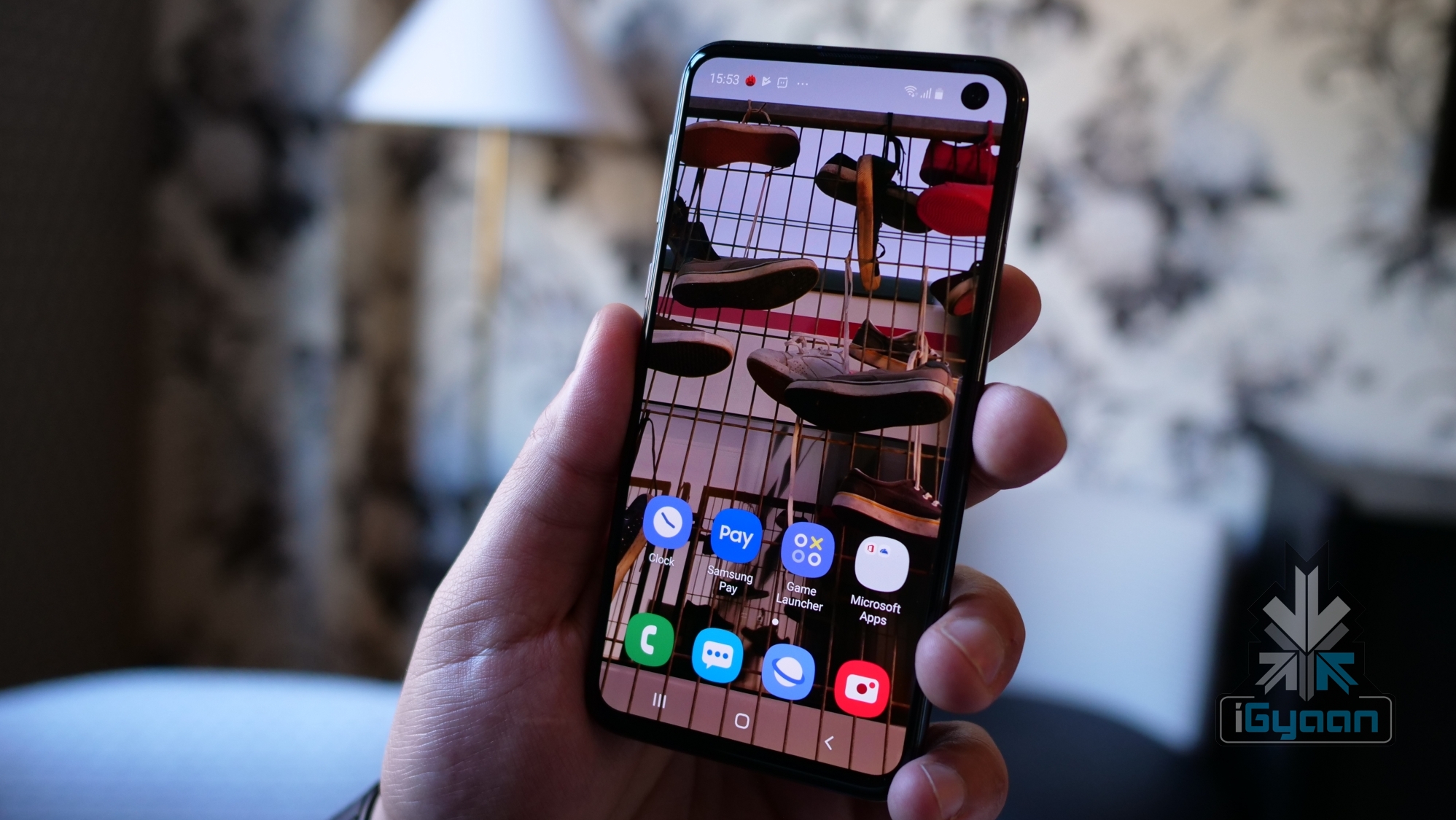
    Korean electronics Giant, Samsung launched the Galaxy S10 lineup of smartphones last month which are packed with top tier specifications. Out of all the remarkable features, one evident feature that stands out is the punch hole selfie camera. This feature has allowed Samsung to manufacture smartphones that have a considerably high screen-to-body ratio. As of now, Samsung has only released a handful of smartphones with a punch hole camera, a fresh report claims that the company wants to push the boundaries of this technology even further. According to a senior Samsung executive, the company is working towards developing a smartphone with an invisible punch hole camera.

    In simple words, the smartphones with this type of display will have a punch hole camera which would stay concealed during regular usage. The light pixels on the display in front of the camera will have a clear back. Given that the user turns on the selfie camera on the smartphone with this type of display, the pixels in the concerned area will turn off. Due to the transparent back of the pixels, the camera underneath them will function as a regular punch hole camera which can unobstructedly capture videos and images.

    In addition to the display with a hidden selfie camera, Samsung is also working on another praiseworthy technology for displays of future smartphones. The company is developing displays which will have an inbuilt speaker eliminating the need for an additional earpiece. This technology has already been seen on the LG G8 ThinQ which was launched at the MWC 2019. Such a display would have a piezoelectric sensor mounted underneath with whose help the entire display will function as an earpiece. 

    Also Read: A Comprehensive Look At All The Android Skins

    Although Samsung has not announced a date for the launch of a device with the aforementioned technologies, it is reported to make its way into the market within the next 1-2 years. 

  • Here Are All The Major Android Skins Currently Available

    Here Are All The Major Android Skins Currently Available

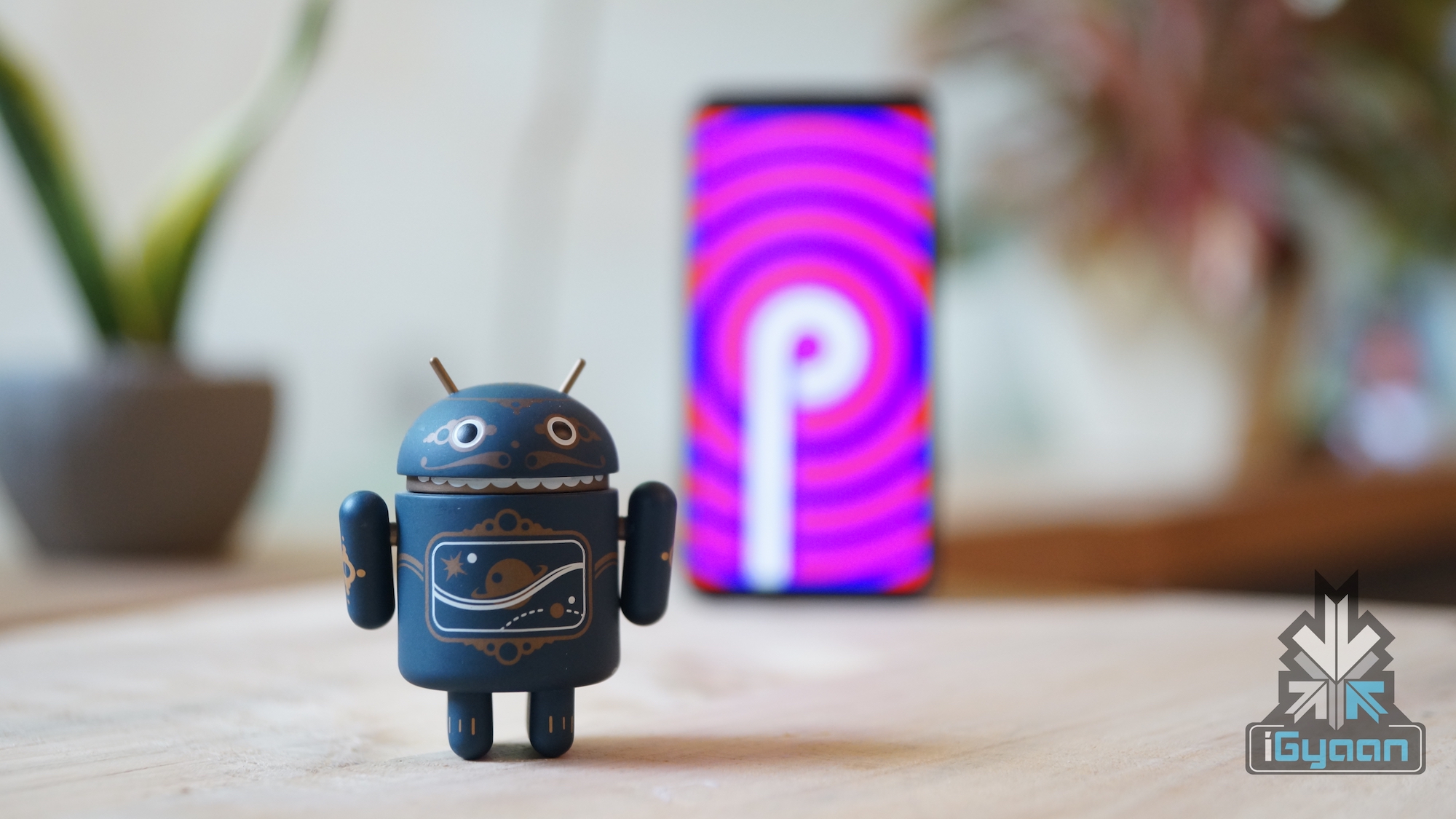
    One of the best things about Google’s Android OS is how diverse and customisable it is. With every new smartphone manufacturer, there is a different flavour of Android available. It often differs on features, looks and sometimes by overall performance too. But with so many different Android skins present, it can get confusing to differentiate between them. To make you understand better, we have compiled a list of all major Android skins that are currently available in the market.

    Stock Android / Pixel UI
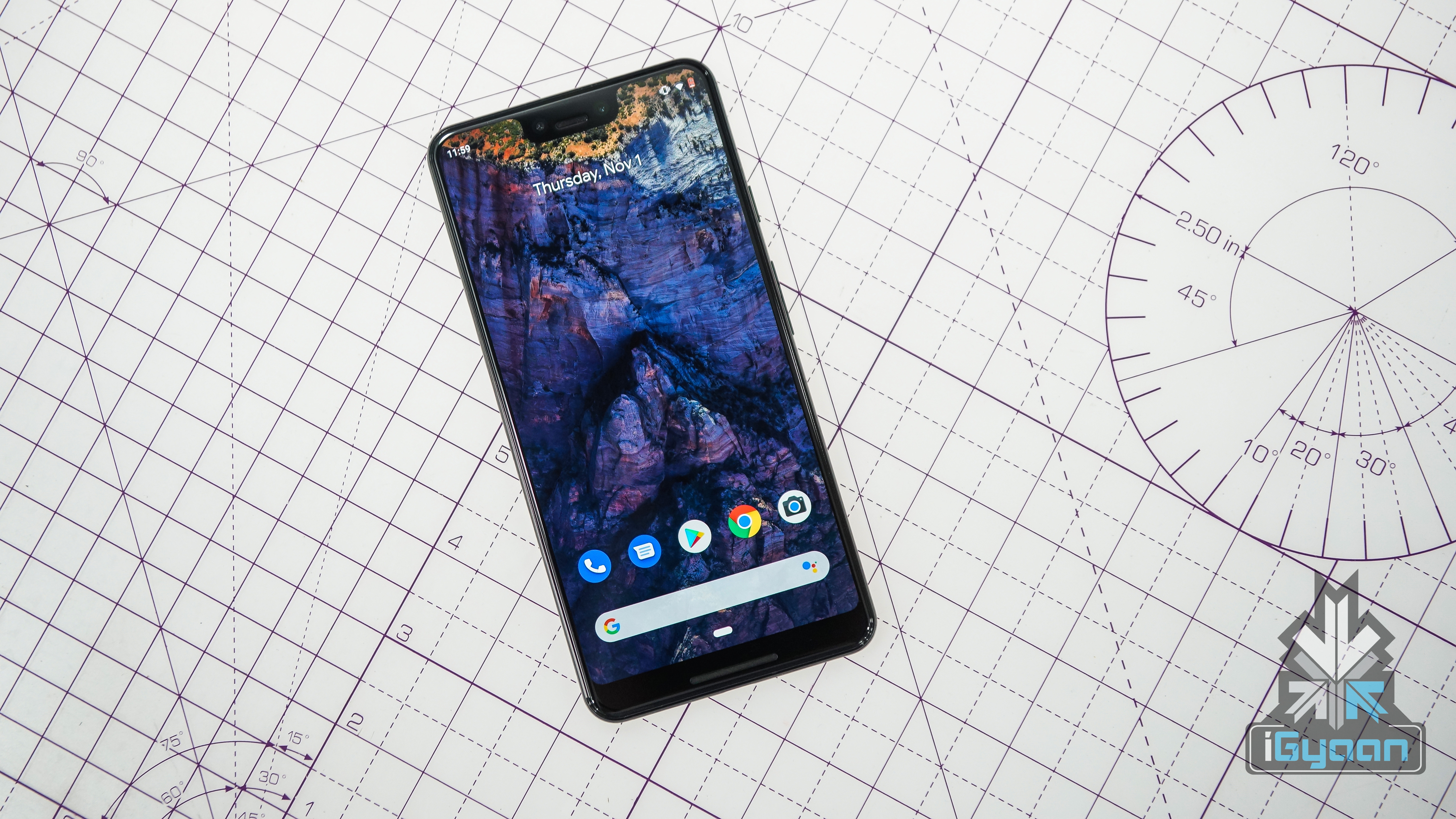
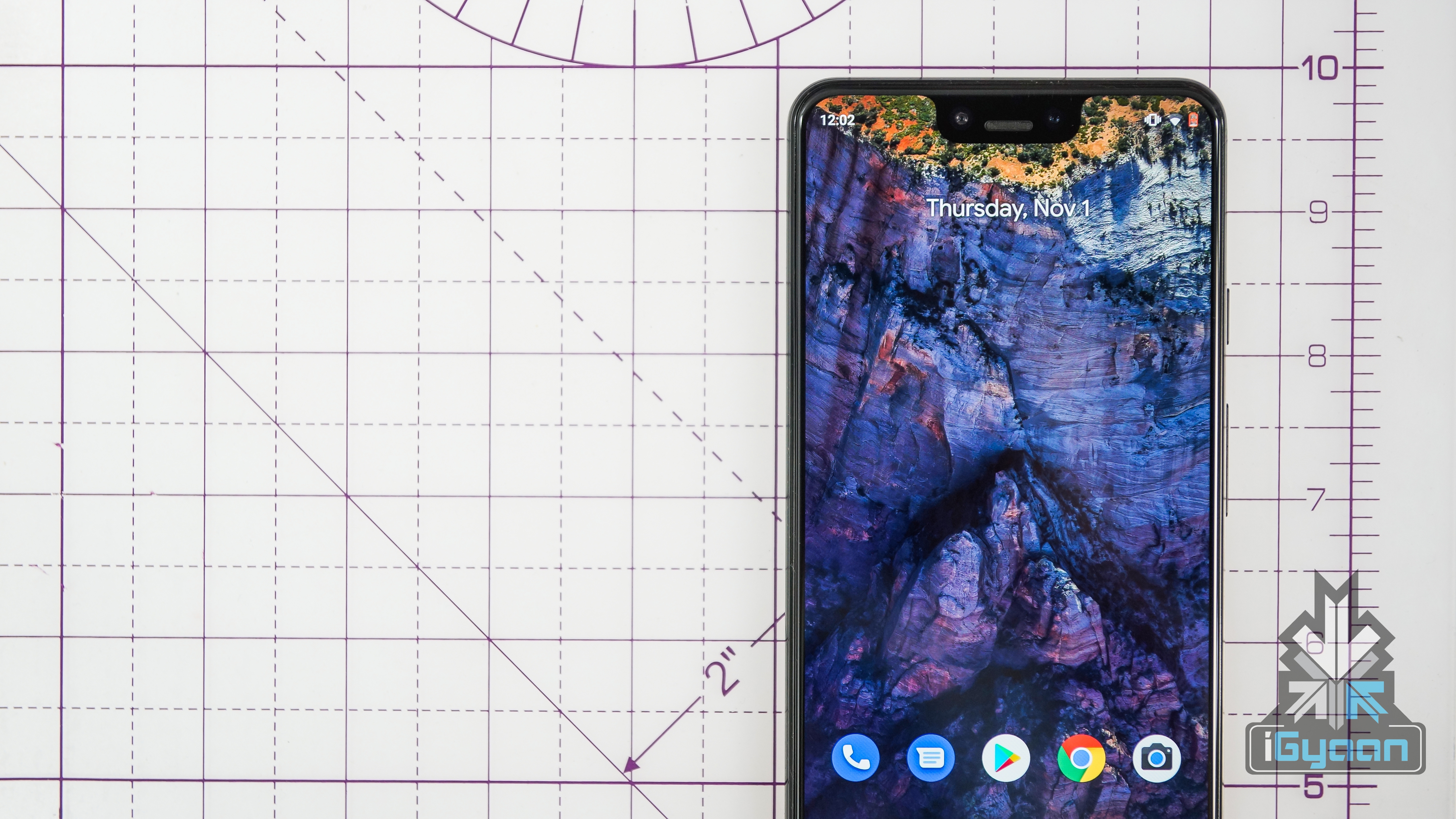
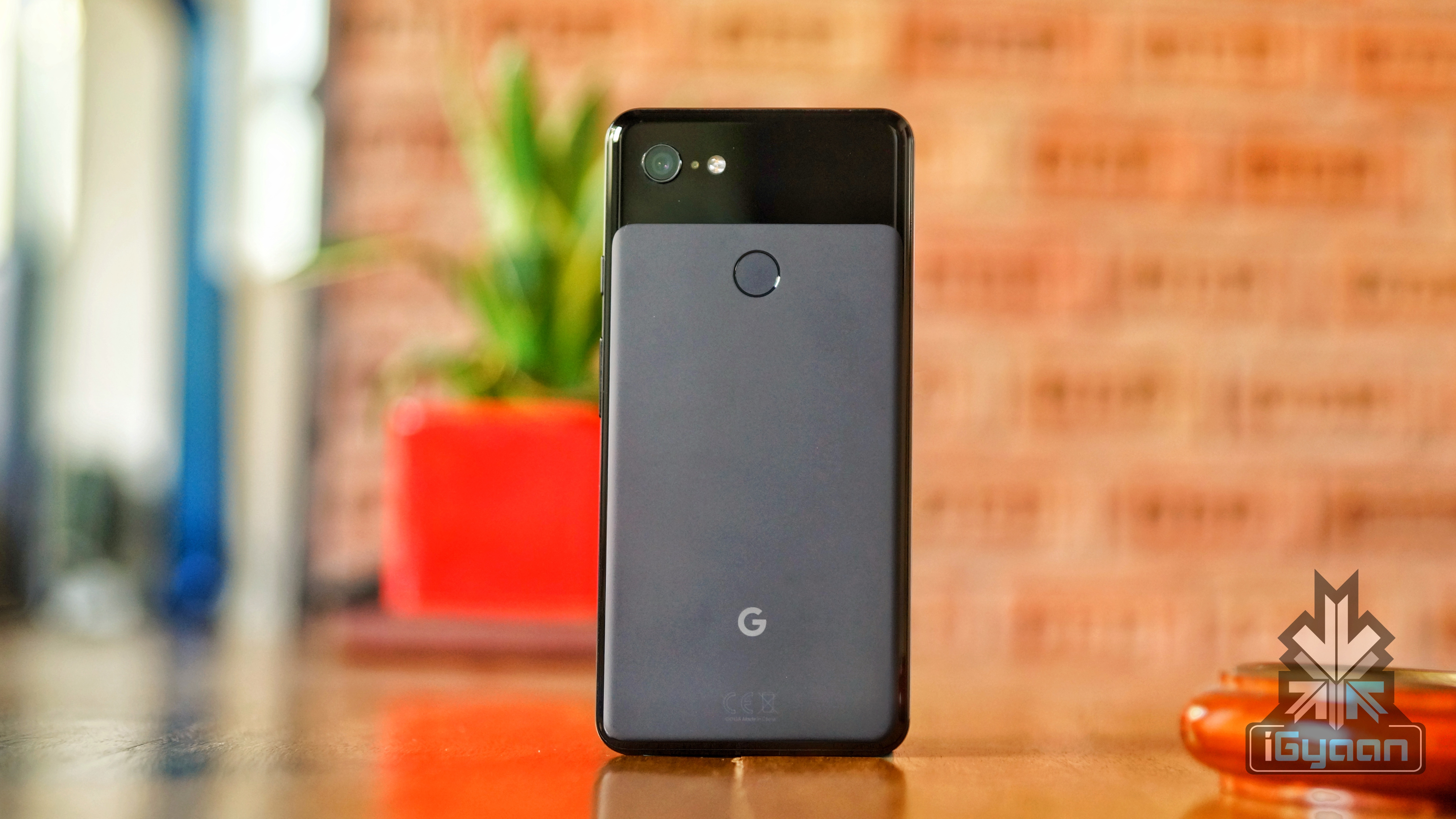
    Stock Android is the OS in its purest form, without any customisation or bloatware. After the arrival of the Google Pixel, the definition of Stock Android has changed, as it offers a little customisation on its own. But the closest a skin is to the Pixel devices, the more stock it is considered. The advantage of having a stock Android skin is that the device will be work smoothly for a longer period as it is without any bloat or unnecessary software. Devices with stock skin are also believed to get faster system updates, but that is completely dependent on the smartphone OEMs.

    Android One

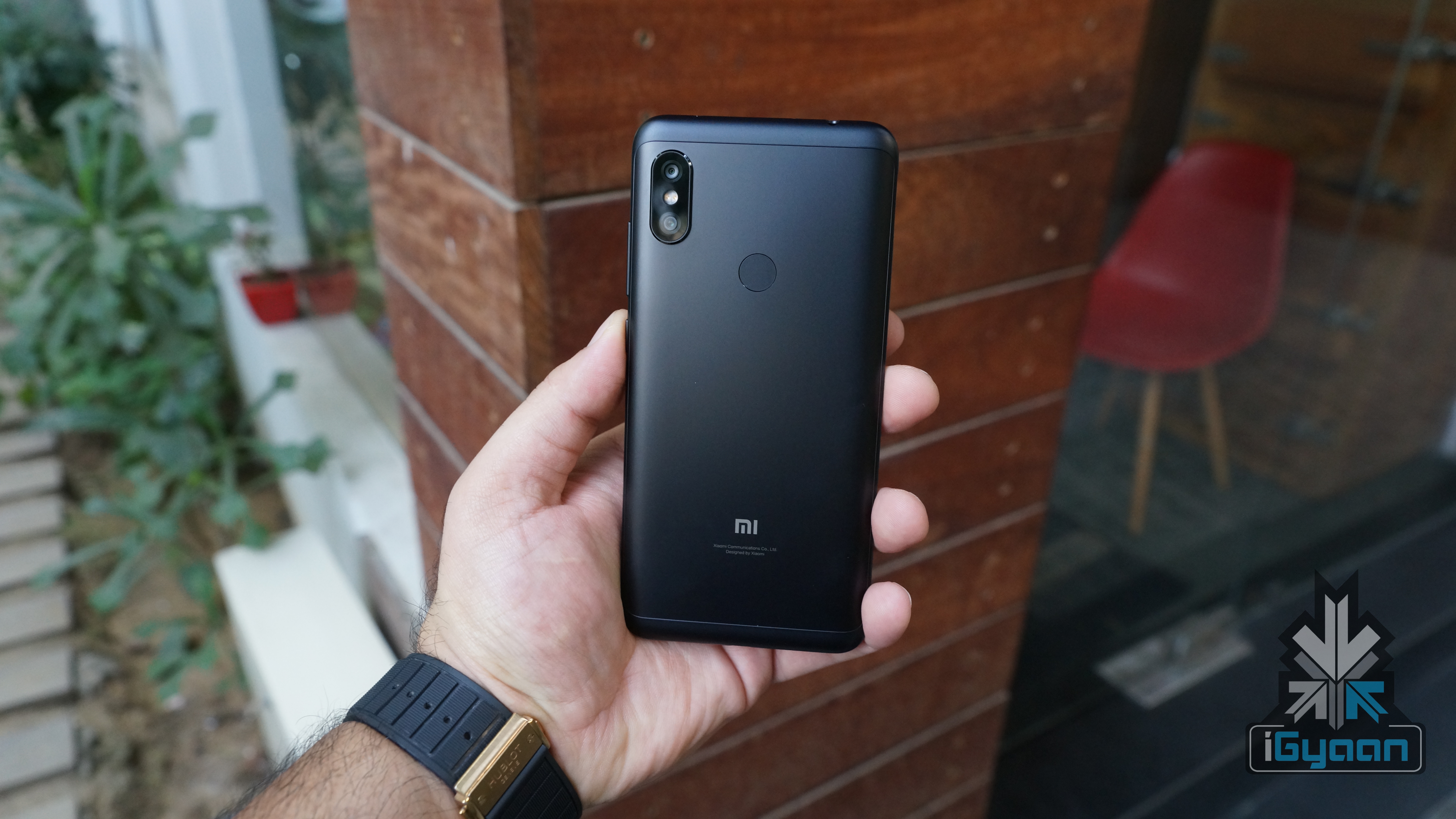
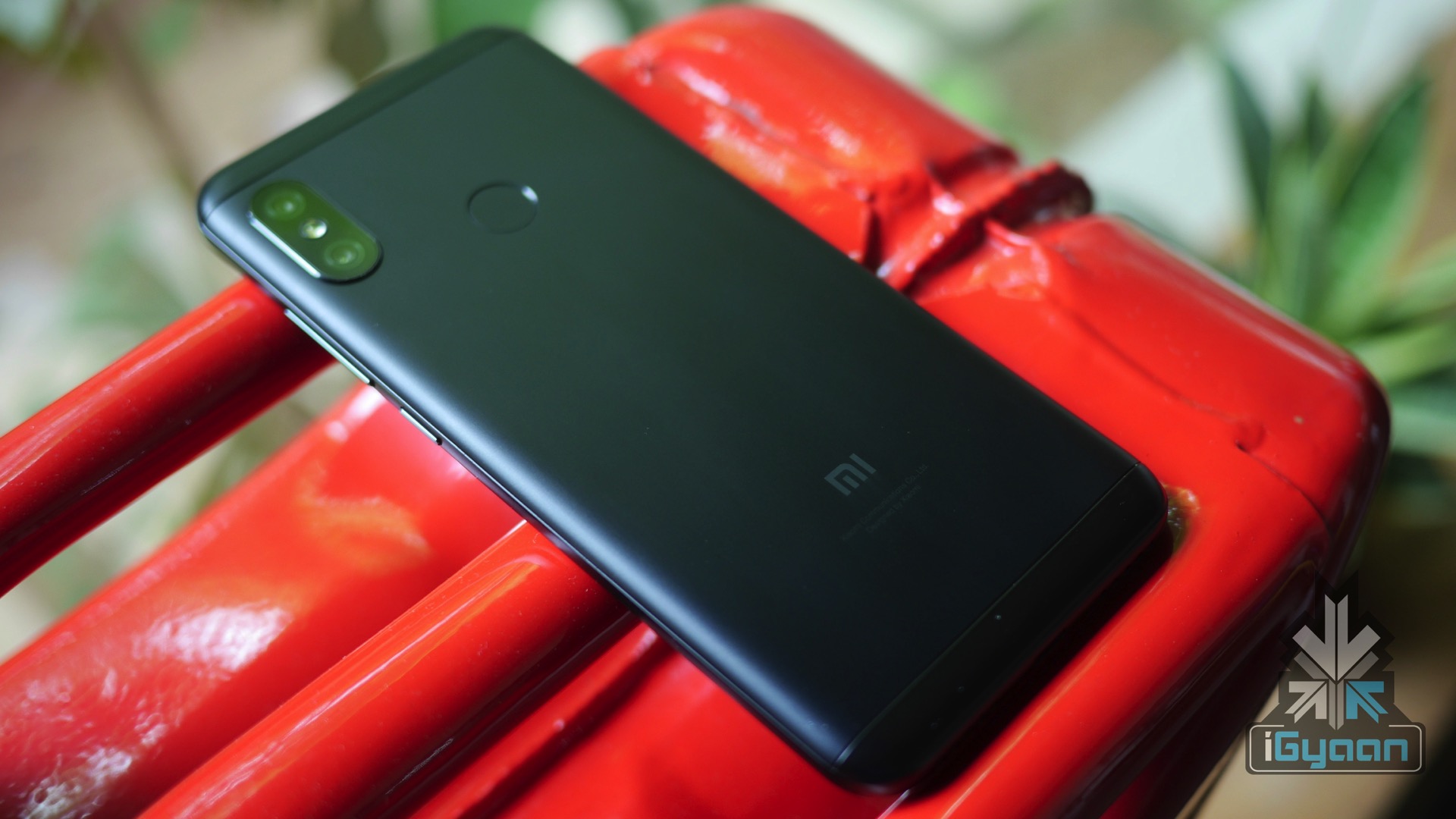
    Xiaomi Mi A2

    Android One was earlier launched to cater to devices with humble specifications to run Android OS better and to increase the life span of the devices. The certification has since expanded to mid-range devices like the Xiaomi Mi A2 and flagship smartphones like the Nokia 9 PureView. Devices running Android One software have a clean, bloatware free UI with the promise of software updates for two years. It is considered to be the next best thing after Pixel UI.

    OxygenOS By OnePlus
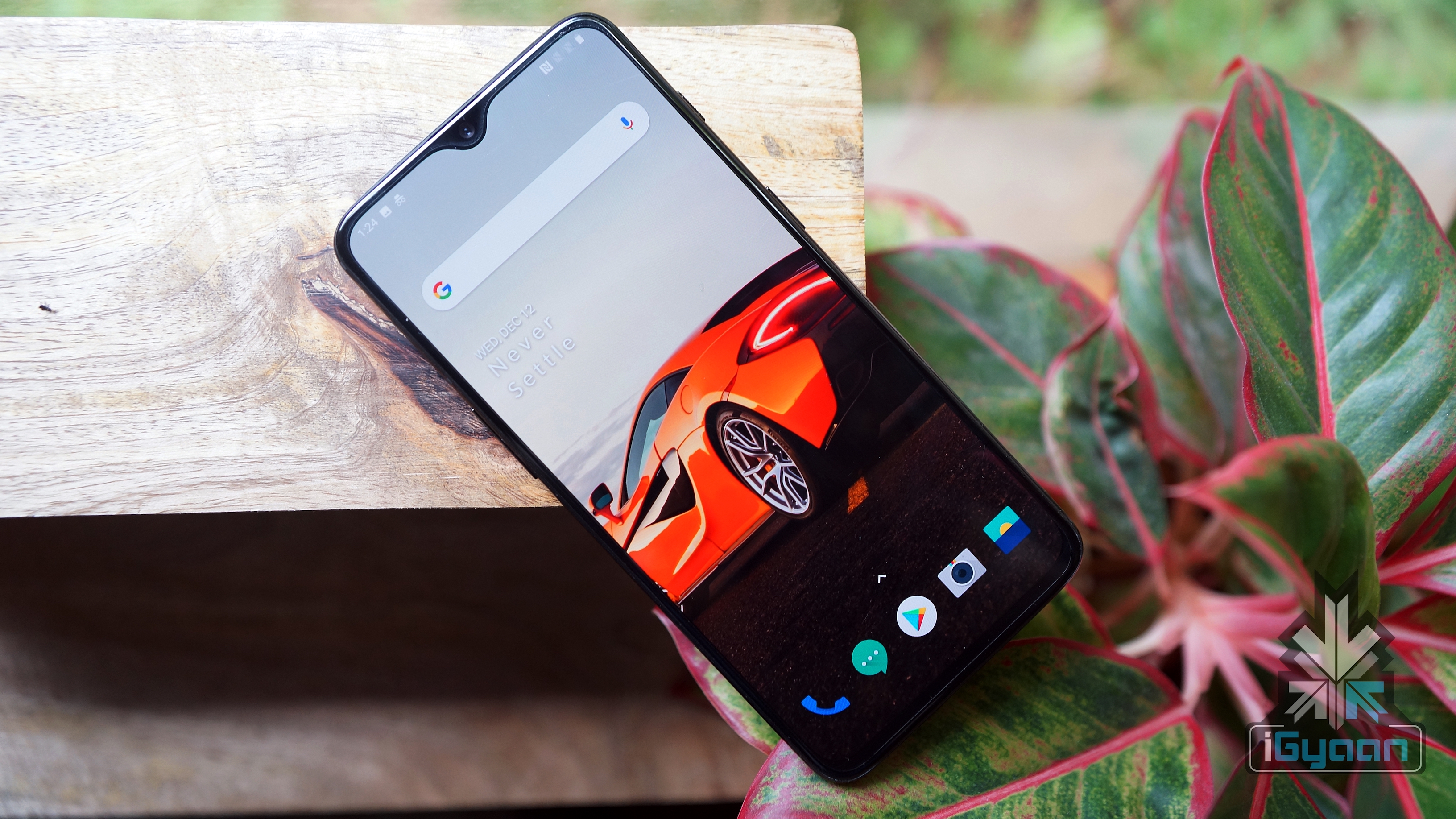
    Argued by many as better skin than Stock Android, OxygenOS found on OnePlus devices is known for its fast animations and a UI that is close to stock. Although it has a few customisations up its sleeve, most of them are useful, nifty additions to the vanilla Android experience. Devices with OxygenOS has been also known to get faster updates and longer software support. This makes it one of the most sought after skins in the Android world.

    OneUI By Samsung
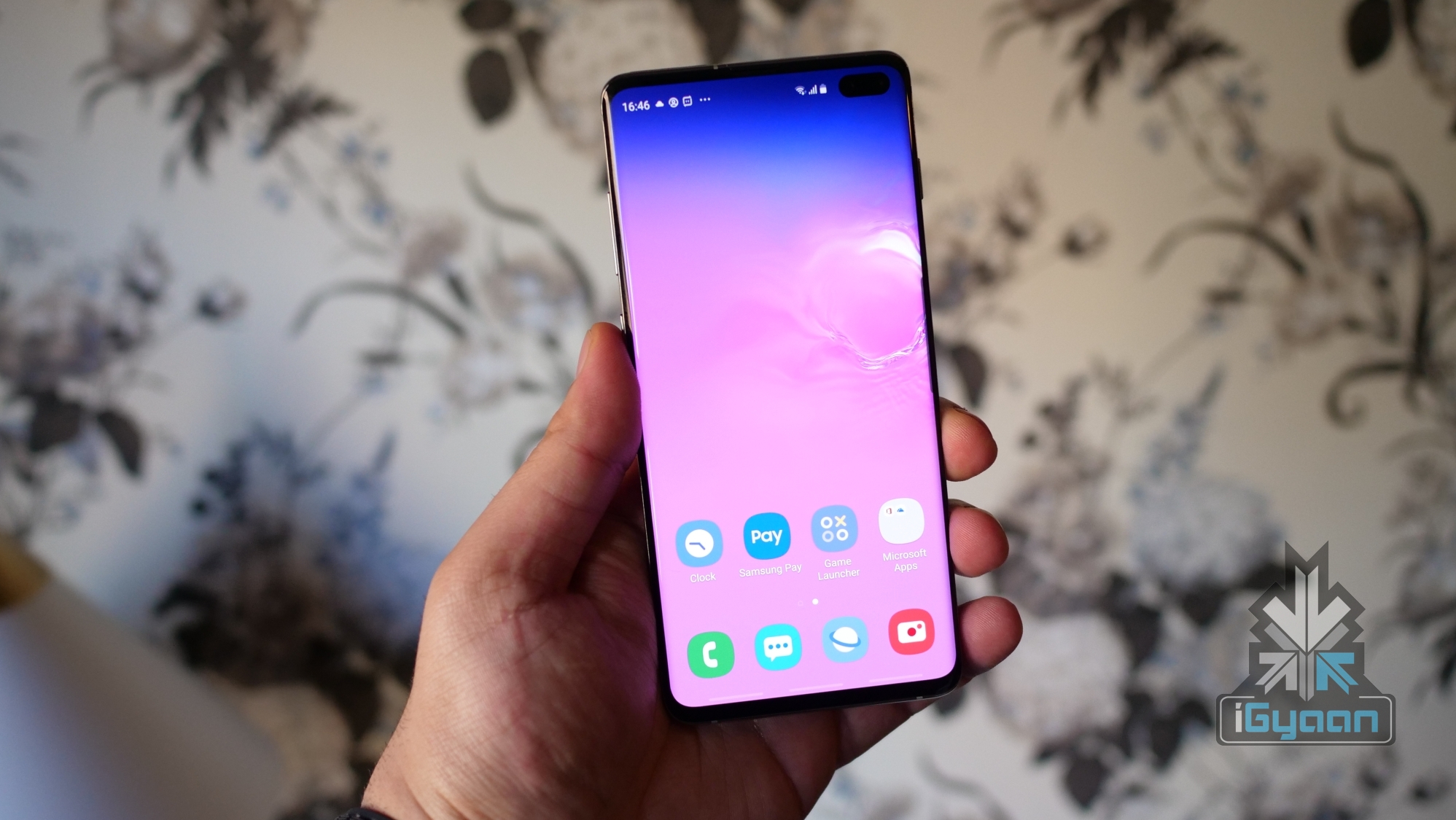
    Taking charge from Samsung’s infamous ExperienceUI, OneUI is a refreshing take on the company’s vision for an Android skin. The Android skin was announced last year and has lately made its way into current Samsung devices like the Galaxy S10. It focusses on better one-handed usage and easy accessibility. The company has been notoriously late in providing a software update to its devices. But with no history to OneUI and updates, it will be interesting to see how Samsung takes it forward.

    EMUI By Huawei
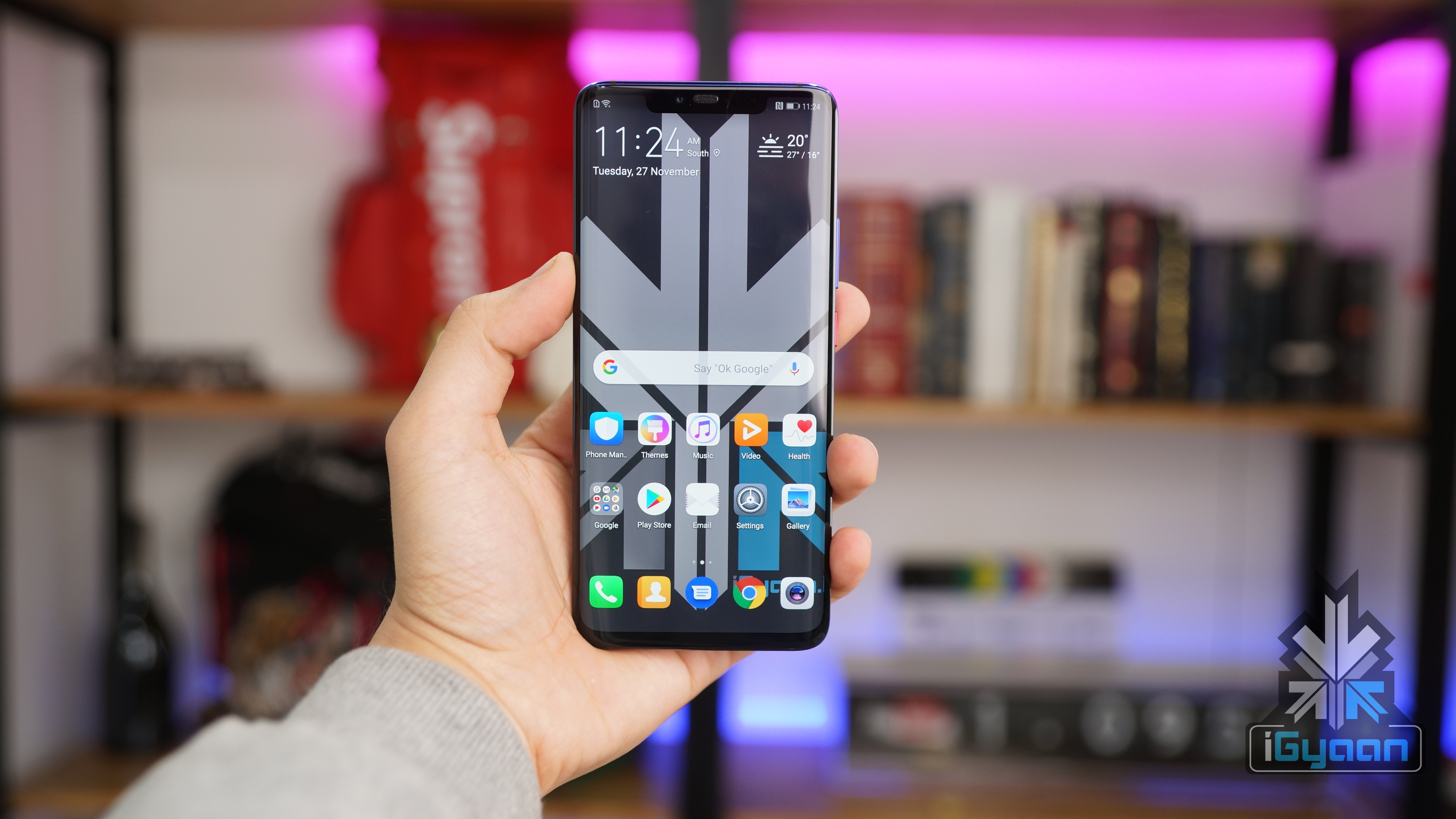
    Largely inspired by Apple’s iOS software for iPhones and iPads, EMUI is an Android skin developed by the Chinese electronics giant Huawei. There are a lot of customisations available in the skin and it offers a substantial amount of bloatware. But, the aggressive RAM and Battery management of EMUI is considered one of the best in the industry; and improves the usability of its devices by a fair margin. However, Huawei is not very quick with updates and a heavy skin like EMUI only bogs it down from proving them faster.

    MIUI By Xiaomi
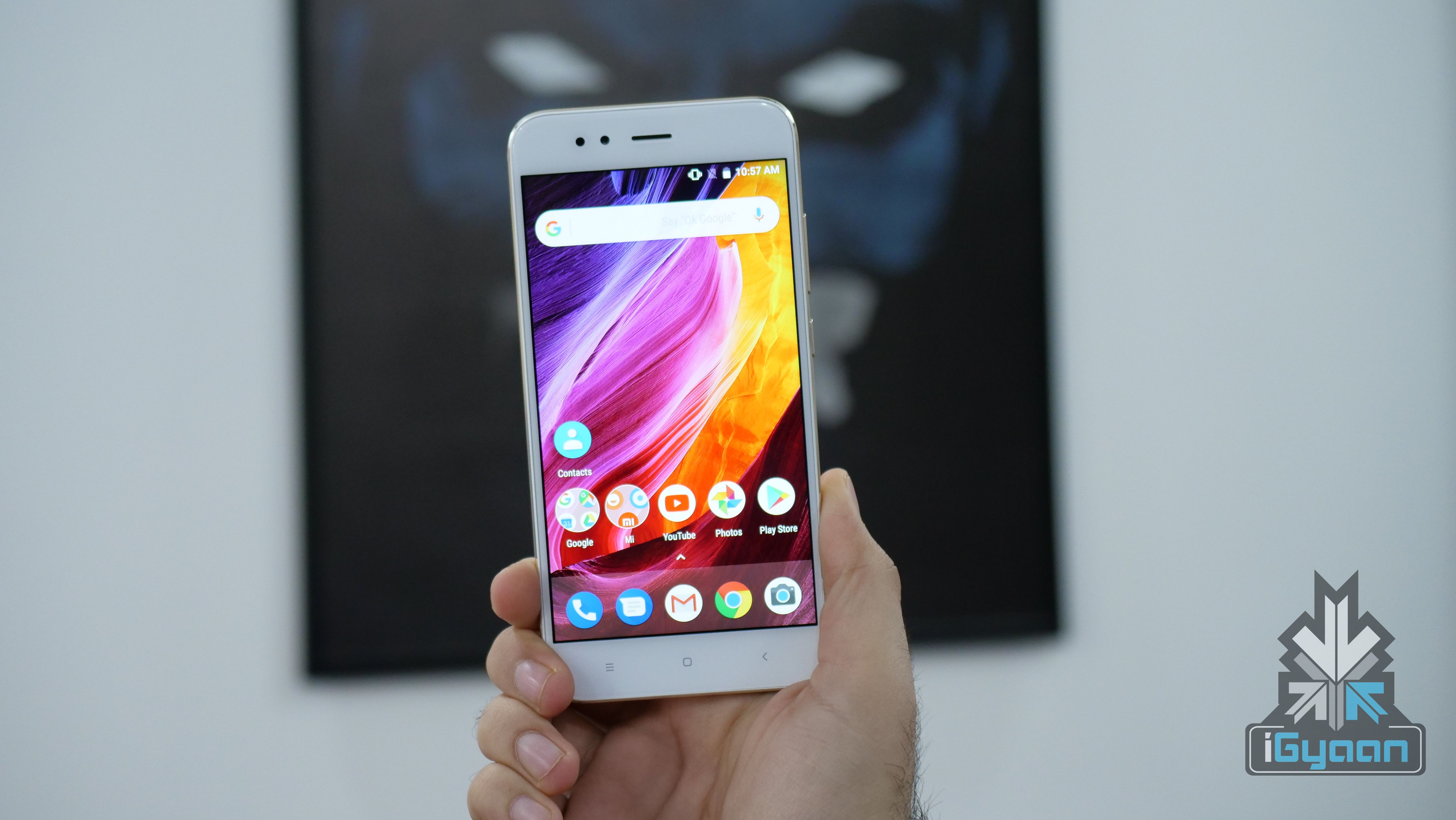
    One of the more easily recognisable Android skins, Xiaomi’s MIUI is another lookalike of iOS. The skin lacks any app drawer support and has a tonne of bloatware. It is though, heavily customisable and has a lot of features for everyone. The battery management is also considered excellent on MIUI. However, it is infamous for advertisements inside the UI and has been continuously criticised for the same. 

    ZenUI By Asus
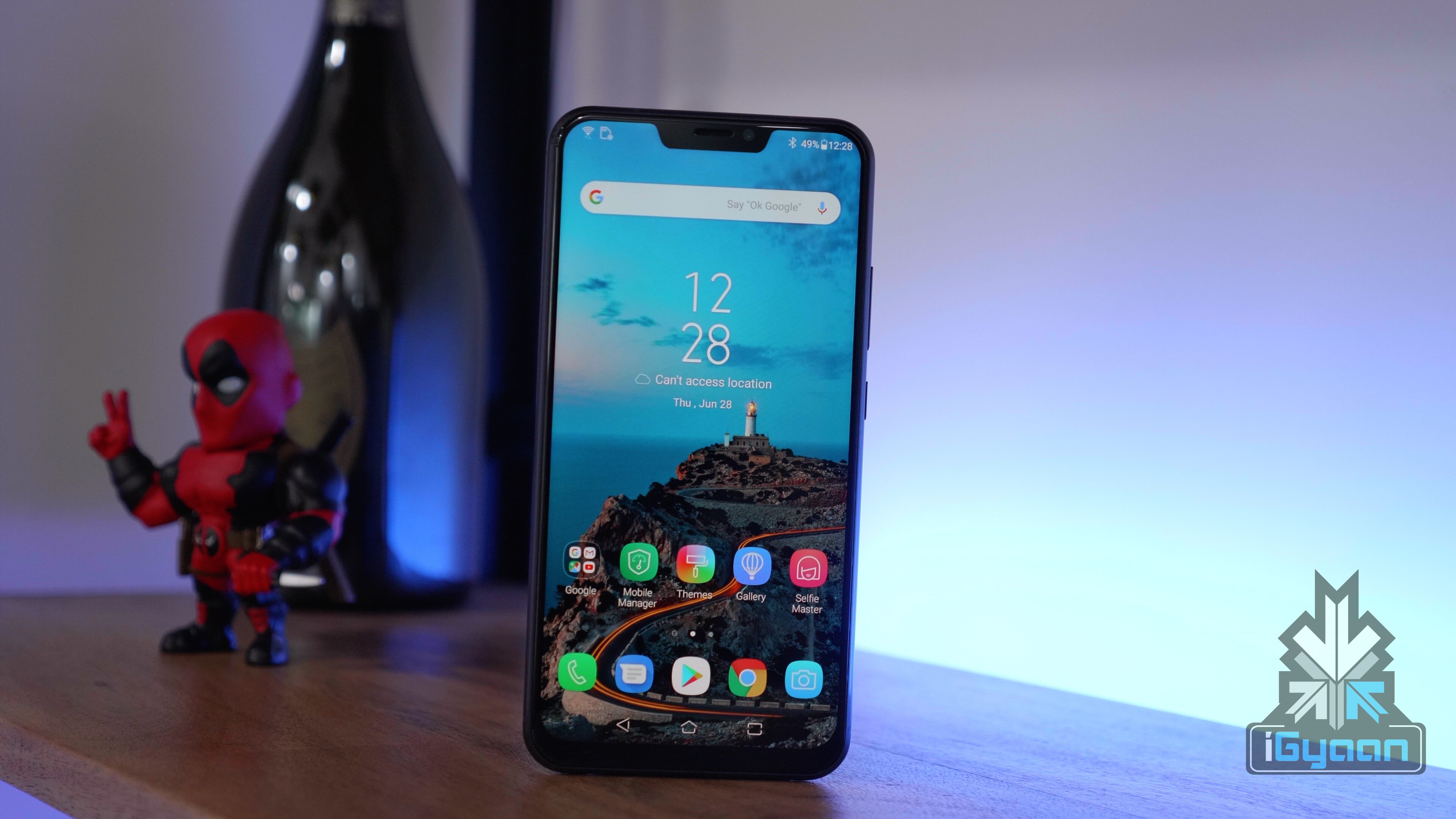
    One of the lesser known Android Skins, ZenUI is seen in most Asus smartphones. It offers a lot of customisations and not a lot of bloatware. The UI is also very clean and doesn’t differ much from Stock Android. It is one of the better skins in the market although the software updates on Asus devices are not as frequent.

    LG UX
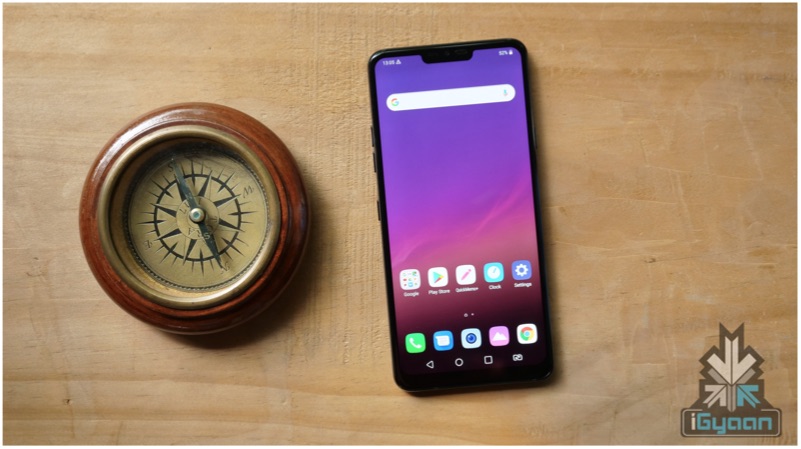
    LG G7+ThinQ

    LG devices have had great hardware and specifications but have been constantly criticised for their software. The LG UX is the main culprit behind it. It draws close inspiration to iOS and while it does offer an app launcher, the UI itself is cluttered and confusing. The software updates on LG devices have also been increasingly sparse in recent times.  

    Sony Xperia UI
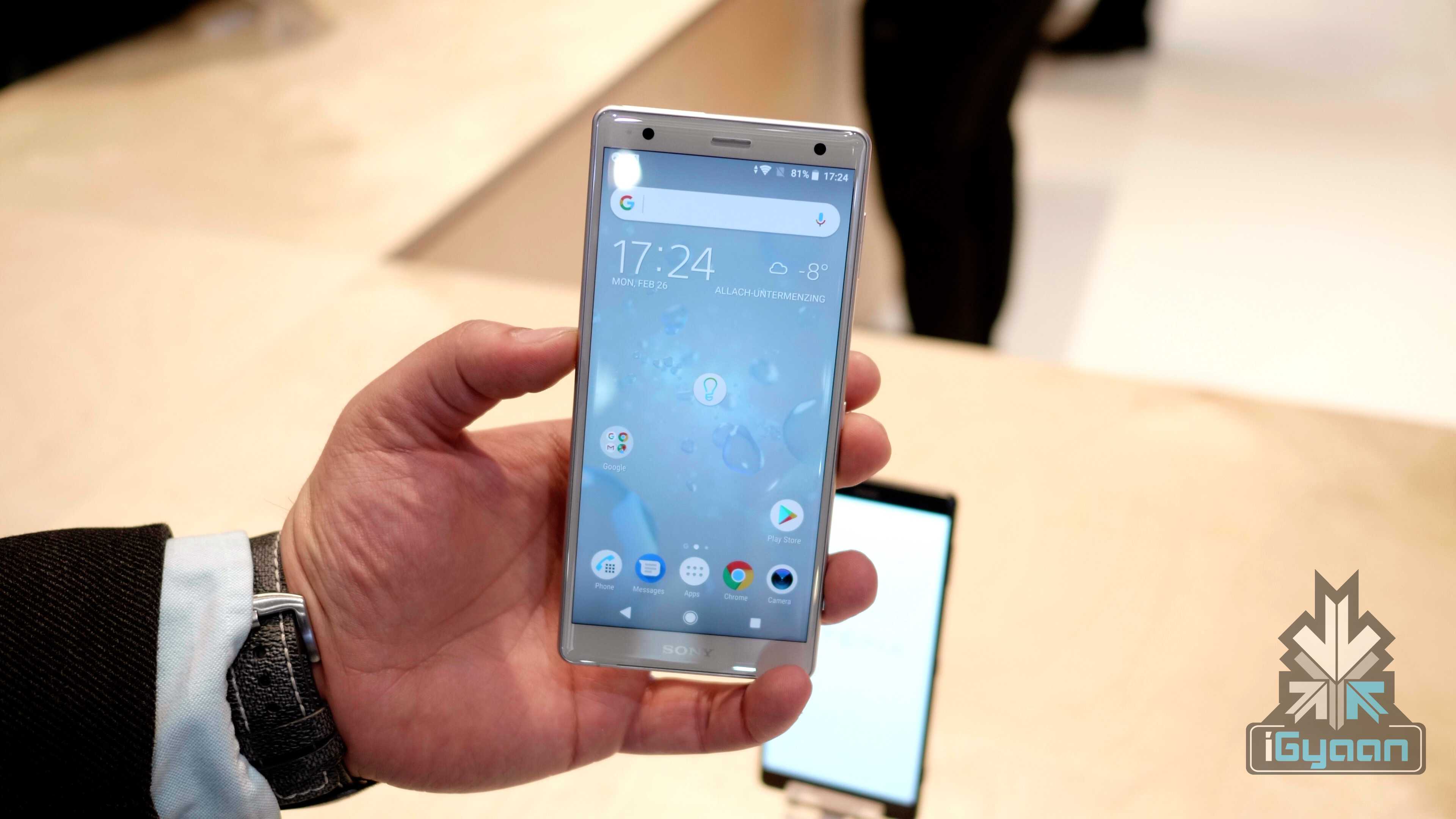
    Sony Xperia XZ2

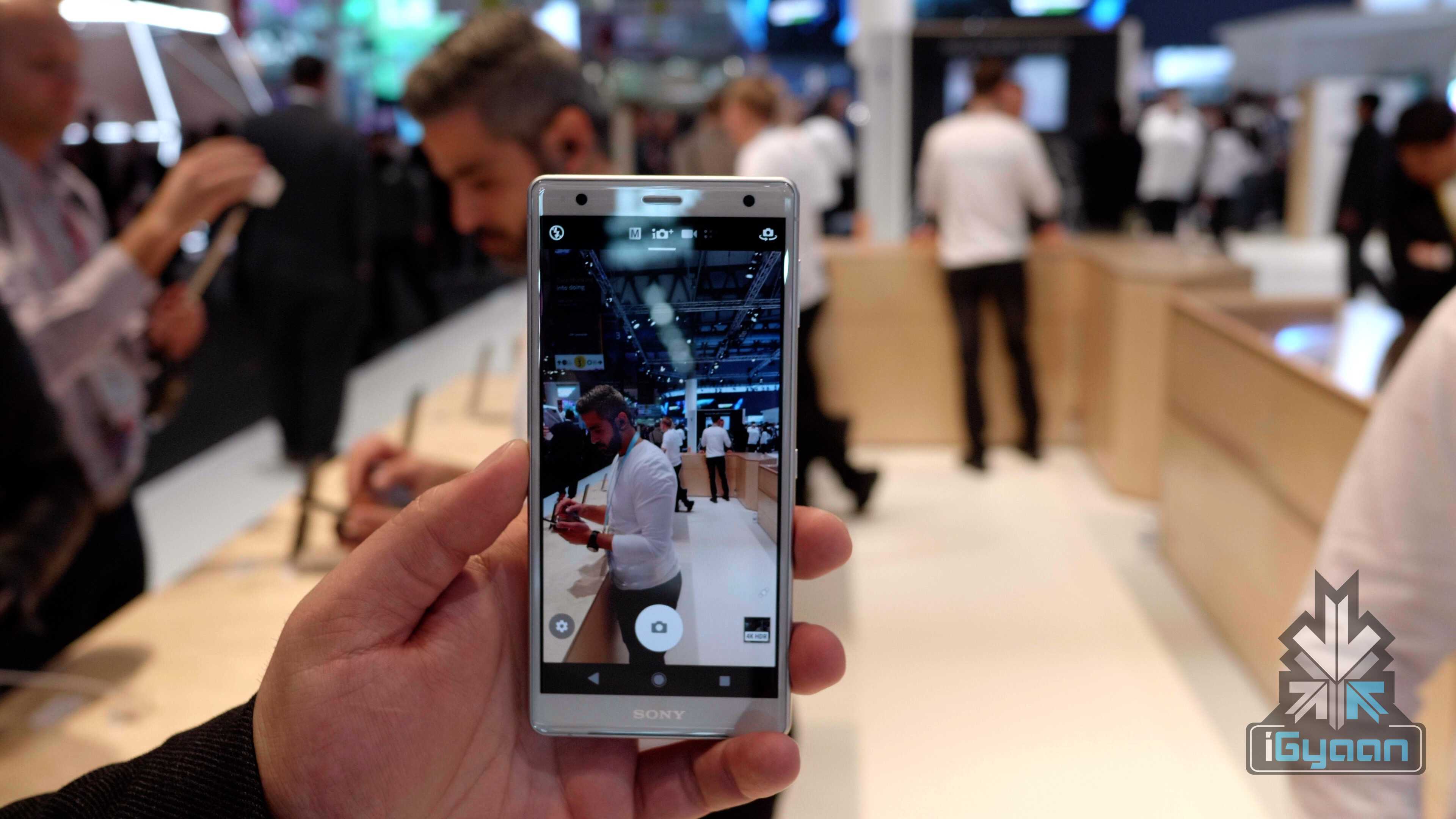
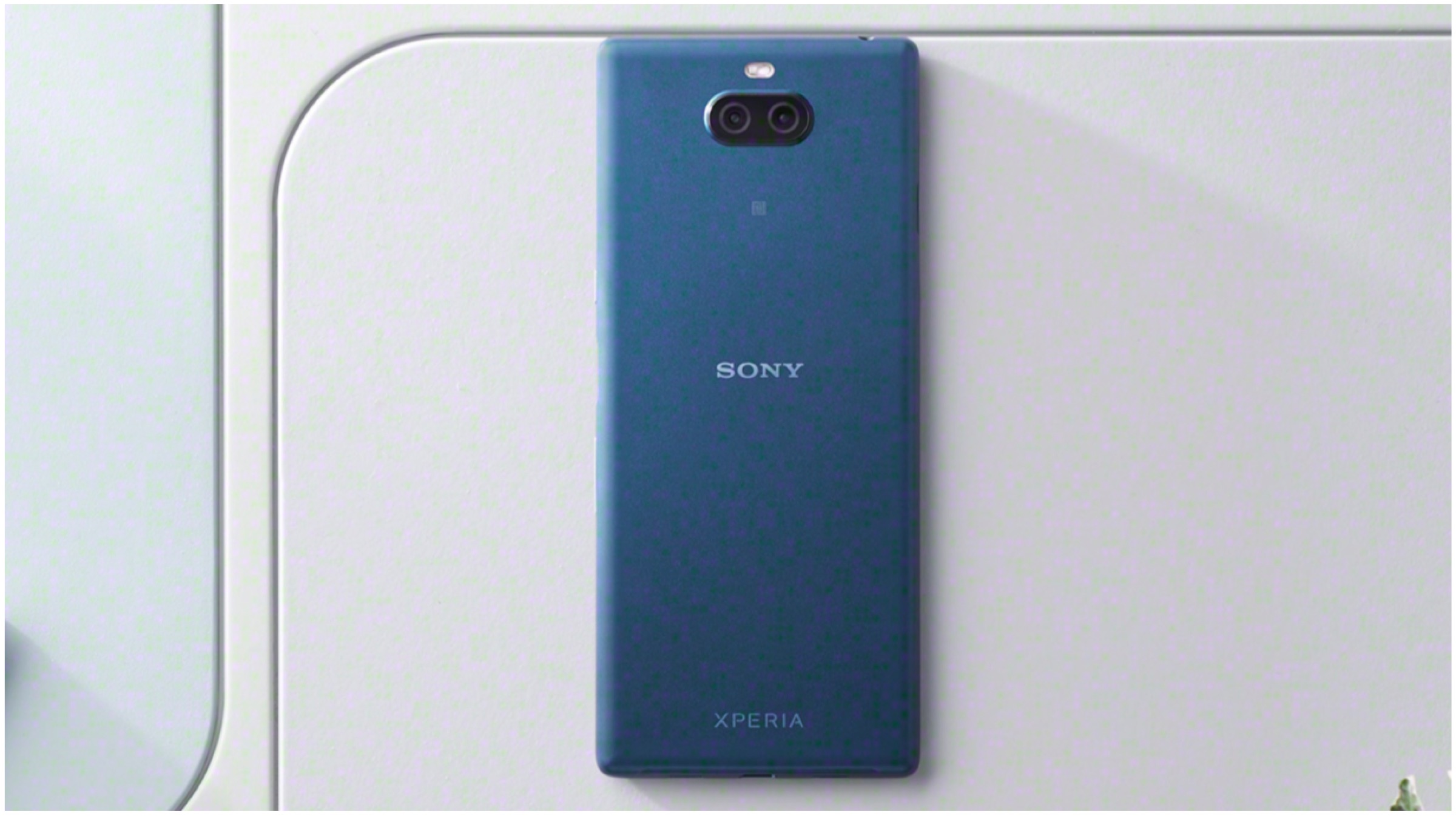
    The Xperia UI was known as Sony Timescape when it was launched. It has been since made closer to stock Android, and provides a clean and smooth experience with minimal bloatware. The battery management on the Xperia UI is one of the best in the market and the software update on Sony flagships has also been consistent. While the Android skin is one of the best out there, it is bogged down by the company’s underwhelming devices.

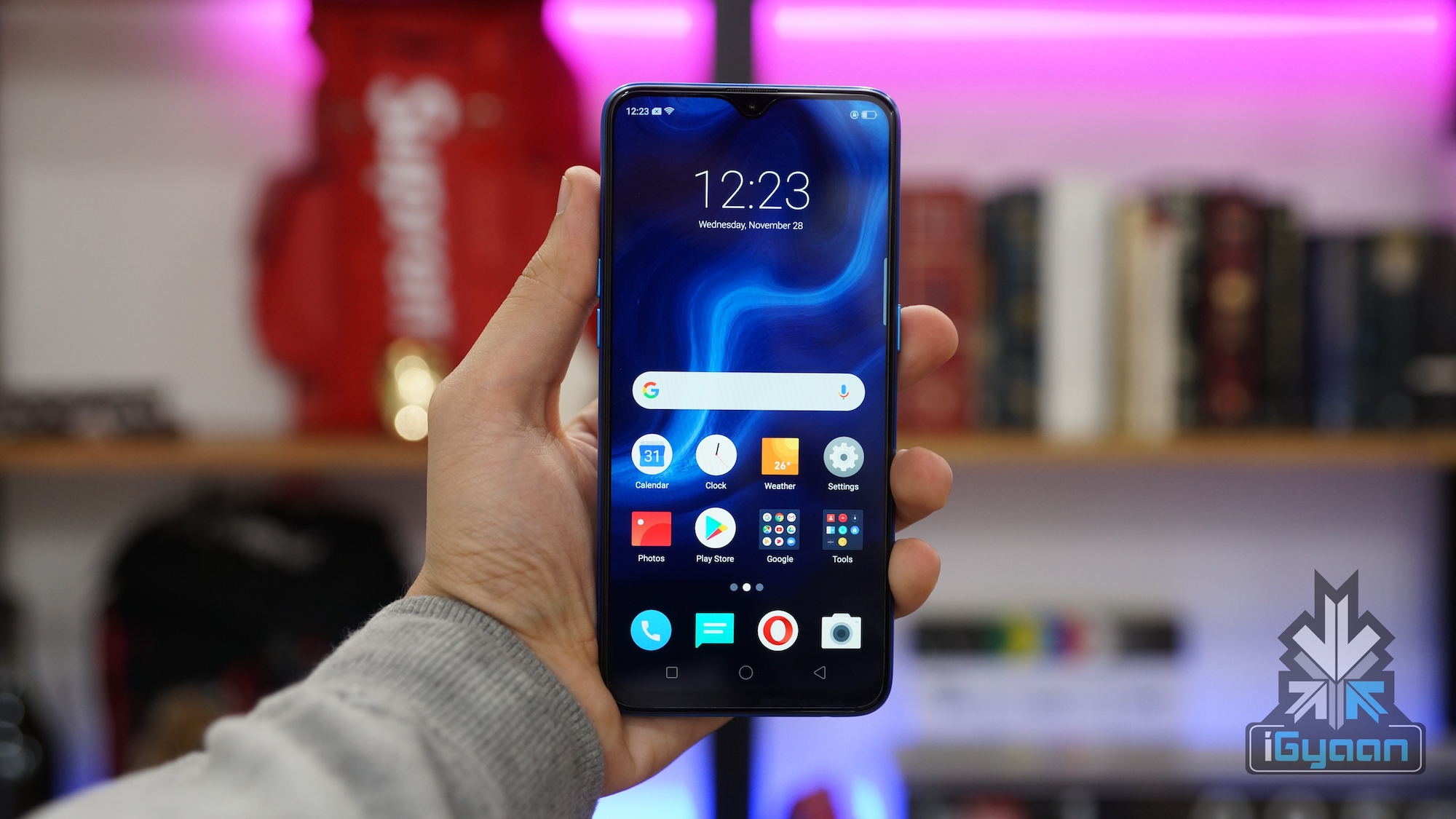
    ColorOS By OPPO
    Also read: Twitter Camera Makes Sharing Photos And Videos Easier

    ColorOS by OPPO is another Android skin trying to imitate Apple’s iOS. It is a substantially heavy skin and is seen on OPPO and Realme devices. While it offers a lot of features and customisations, the UI is cluttered and can get confusing at times. The Android skin is also not the one to get fast software updates. With the advent of the latest ColorOS 6.0, the company has finally added an application drawer that was highly requested by the consumers.
  • Samsung Galaxy A70 Passes Bluetooth Certification, Launch Imminent

    Samsung Galaxy A70 Passes Bluetooth Certification, Launch Imminent

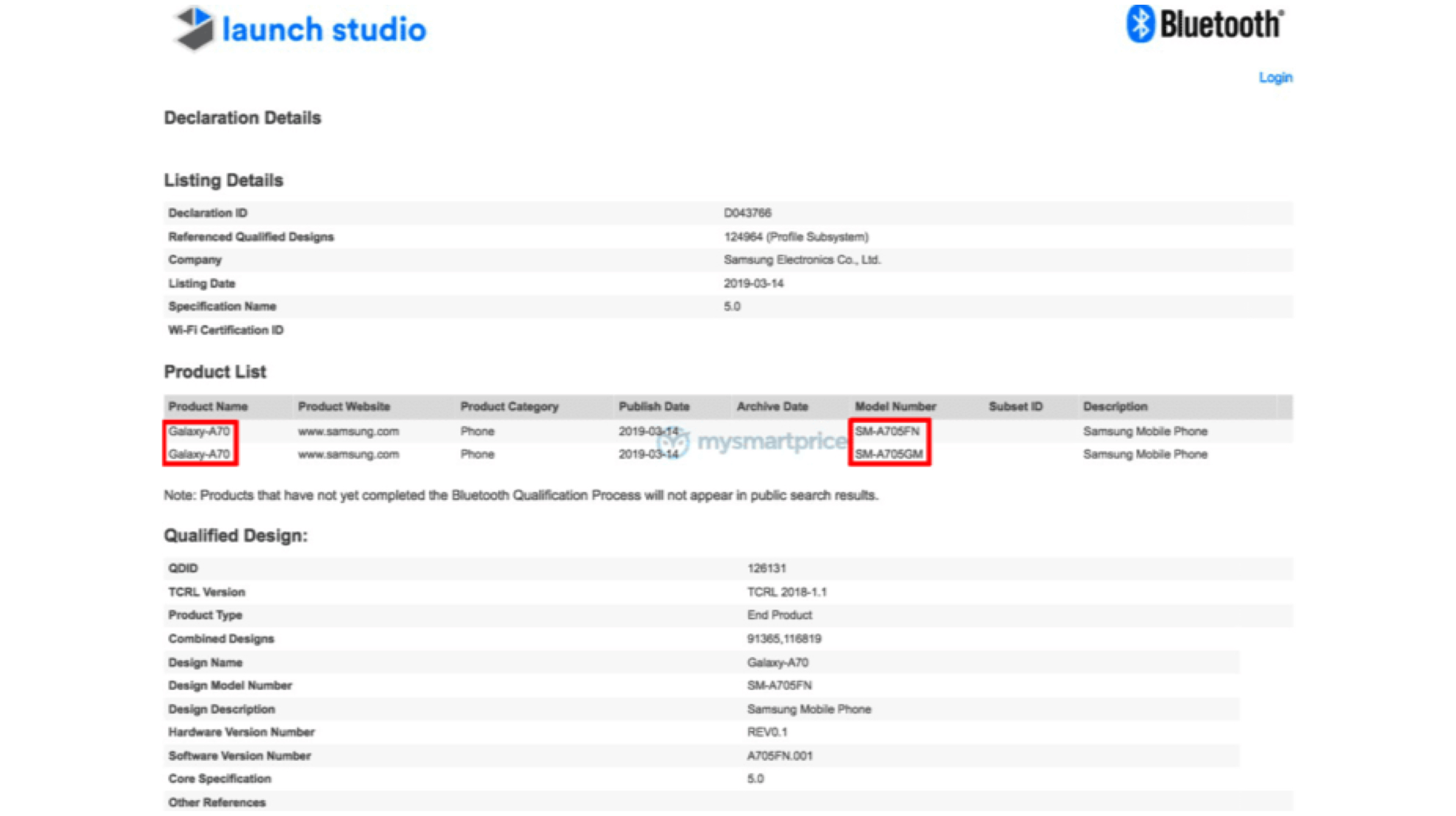
    Samsung announced the latest entrant in the Galaxy A series, the Galaxy A10Galaxy A30 and Galaxy A50 on February 28 in India. There were reports about a possible Galaxy A40, Galaxy A60 and Galaxy A90 in the works for some time too. Another upcoming device claimed to be the Galaxy A70 has passed Bluetooth certification. This suggests that the launch of the device is imminent.

    Samsung Galaxy A70 Specifications

    The Bluetooth Special Interests Group (SIG) has certified two variants of the Galaxy A70: SM-A705FN and SM-A705GM. This confirms the smartphone will have support for the latest Bluetooth 5.0 connectivity on board. Unfortunately, the listing does not mention any key specifications of the device.

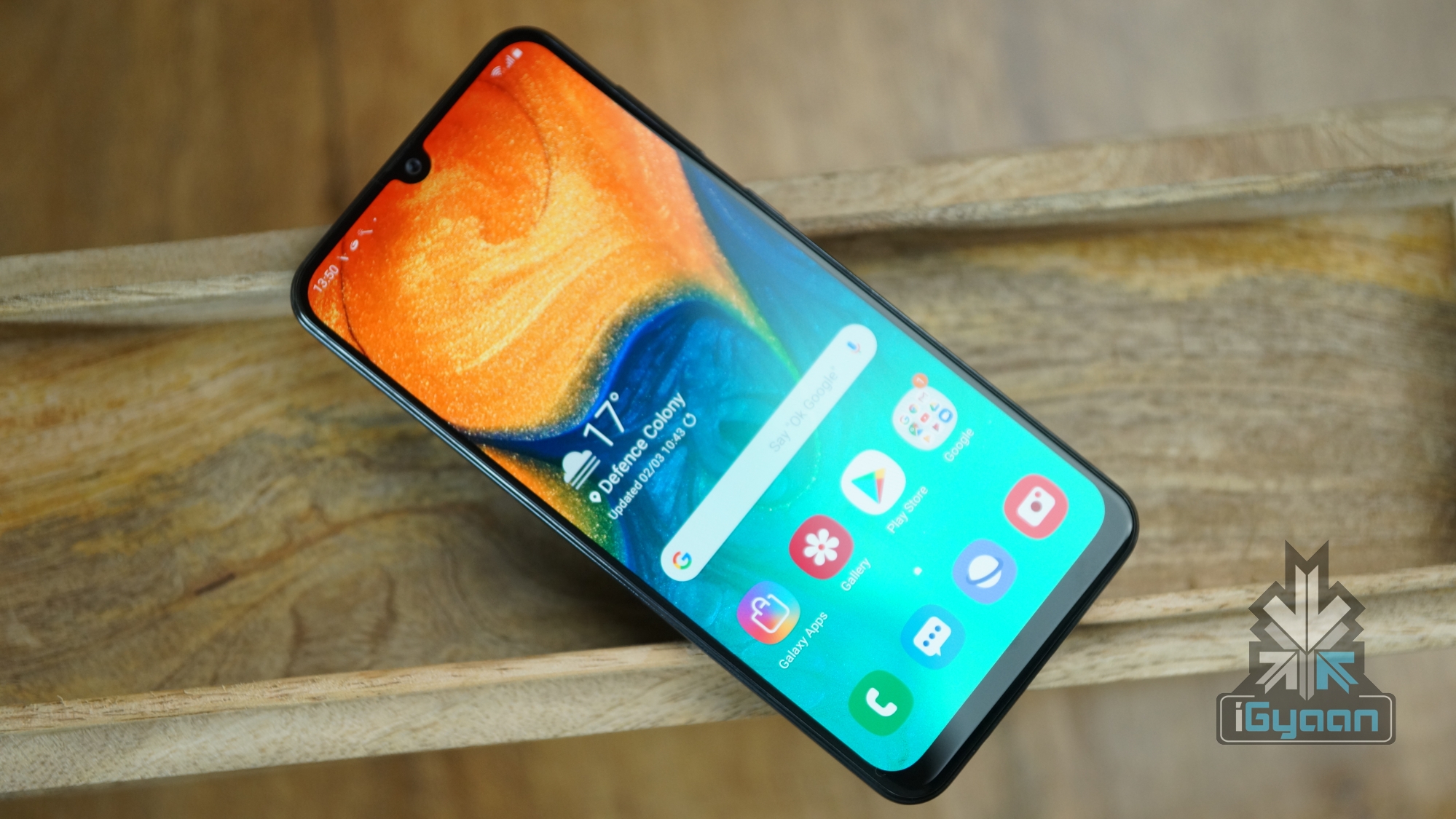
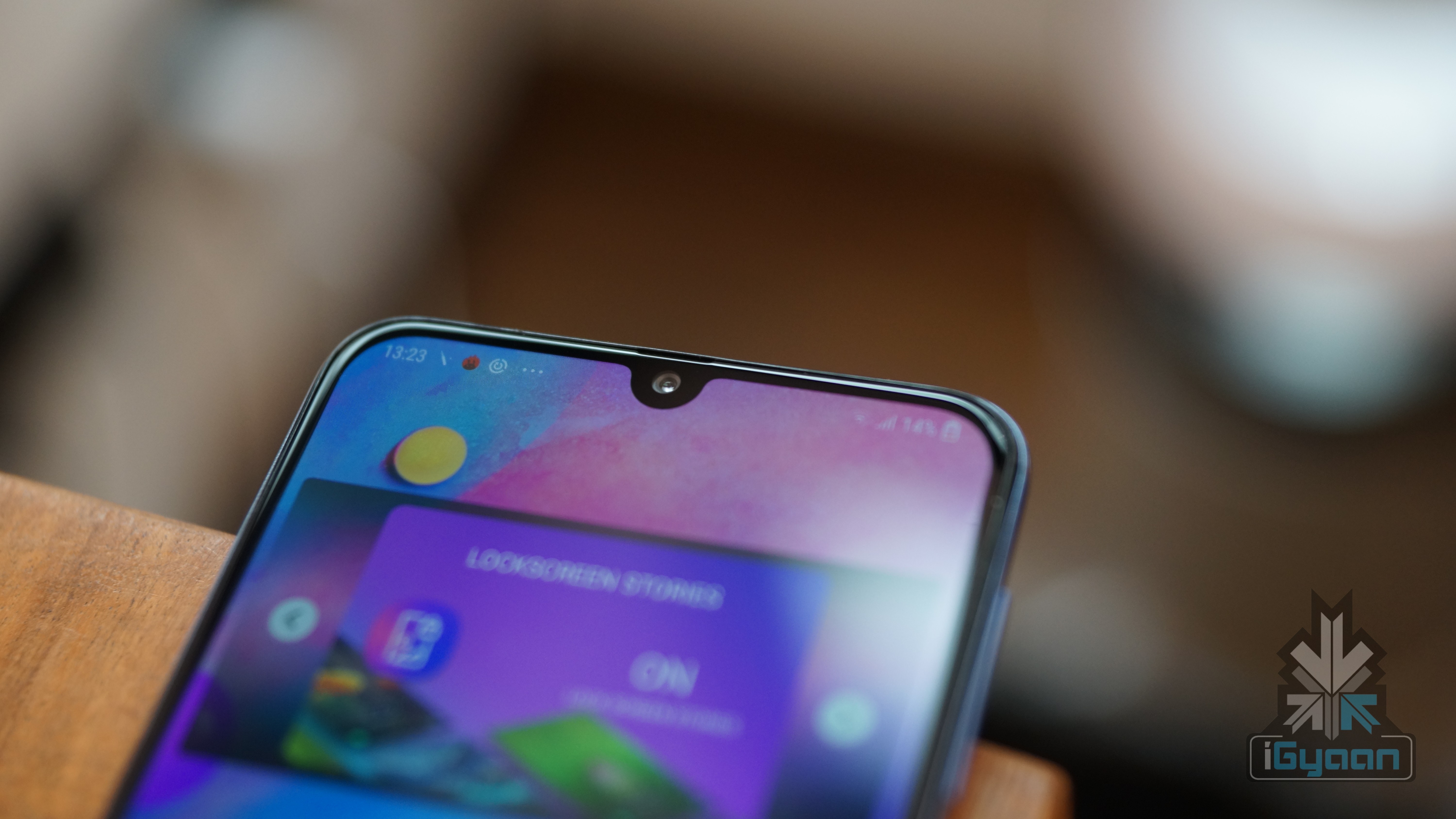
    Like the current smartphones in the Samsung Galaxy A series, the Galaxy A70 is also expected to retain the same design language. It may have the ‘Glasstic’ gradient design on the back. The leaks suggest that the device will have a 6.7-inch Super AMOLED display with minimal bezels and an Infinity-U notch on top of it. Like the Galaxy A50, it will have an in-display fingerprint scanner and will also support face unlock technology. 

    Previous reports cited that the Galaxy A70 will run on the Snapdragon 675 SoC which is manufactured using 11nm fabrication process. The chipset has an Octa-core CPU and Adreno 612 GPU. Unfortunately, no leaks regarding the optics of the smartphone have surfaced online. But like the Galaxy A50, it may have a triple rear camera setup and a single selfie camera housed in the Infinity-U notch. For memory and storage, the Galaxy A70 may be available in the following variants:

    • 6GB RAM and 128GB ROM
    • 8GB RAM and 128GB ROM
    Pricing and Availability

    Also read: Samsung Launches New 12GB RAM Modules For Future Smartphones

    While there is no official confirmation on the launch date of the Galaxy A70, the Bluetooth certification suggests that it may launch in the following weeks. Reports also suggest that it may launch for Rs 29,990 for the base variant and Rs 32,990 for the version with 8GB RAM and 128GB of internal storage.

  • Huawei Patents Smartphone With Second Display And Periscopic Camera

    Huawei Patents Smartphone With Second Display And Periscopic Camera

    Huawei is known for incorporating the latest innovations with each iteration of its smartphones, seeing how the Chinese manufacturer has launched some really popular devices over the last couple of years. The company has announced that it will unveil the highly anticipated P30 series of smartphones on the 26th of March 2019. Huawei has been teasing an extraordinary feature of the P30’s camera, called lossless zoom. It will enable users to zoom up to 10x without any loss in image quality. On March 13, a design patent was granted to the company, which indicates that it is working on a device with two displays and a similar aforementioned camera. 

    About The Patent

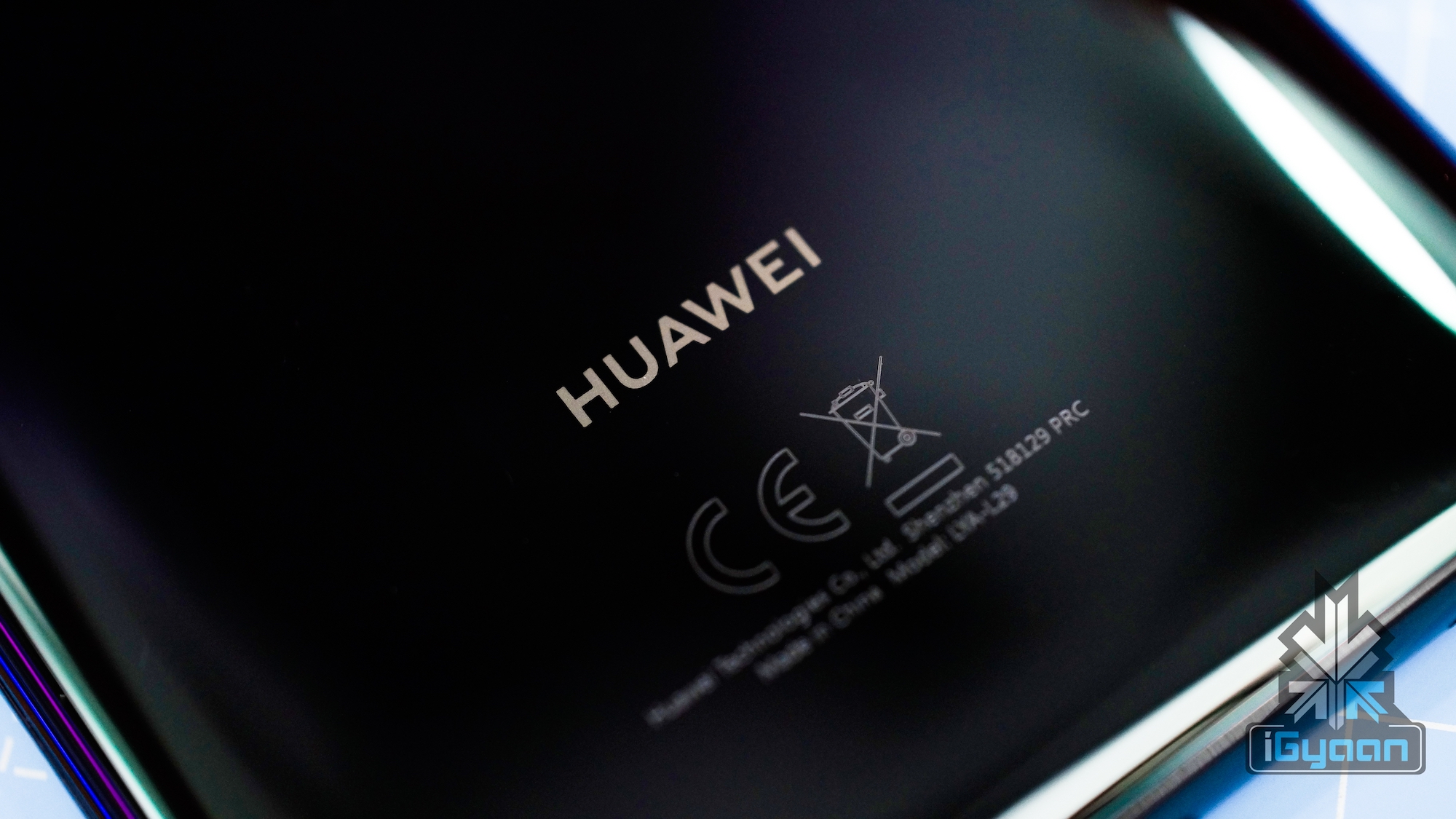
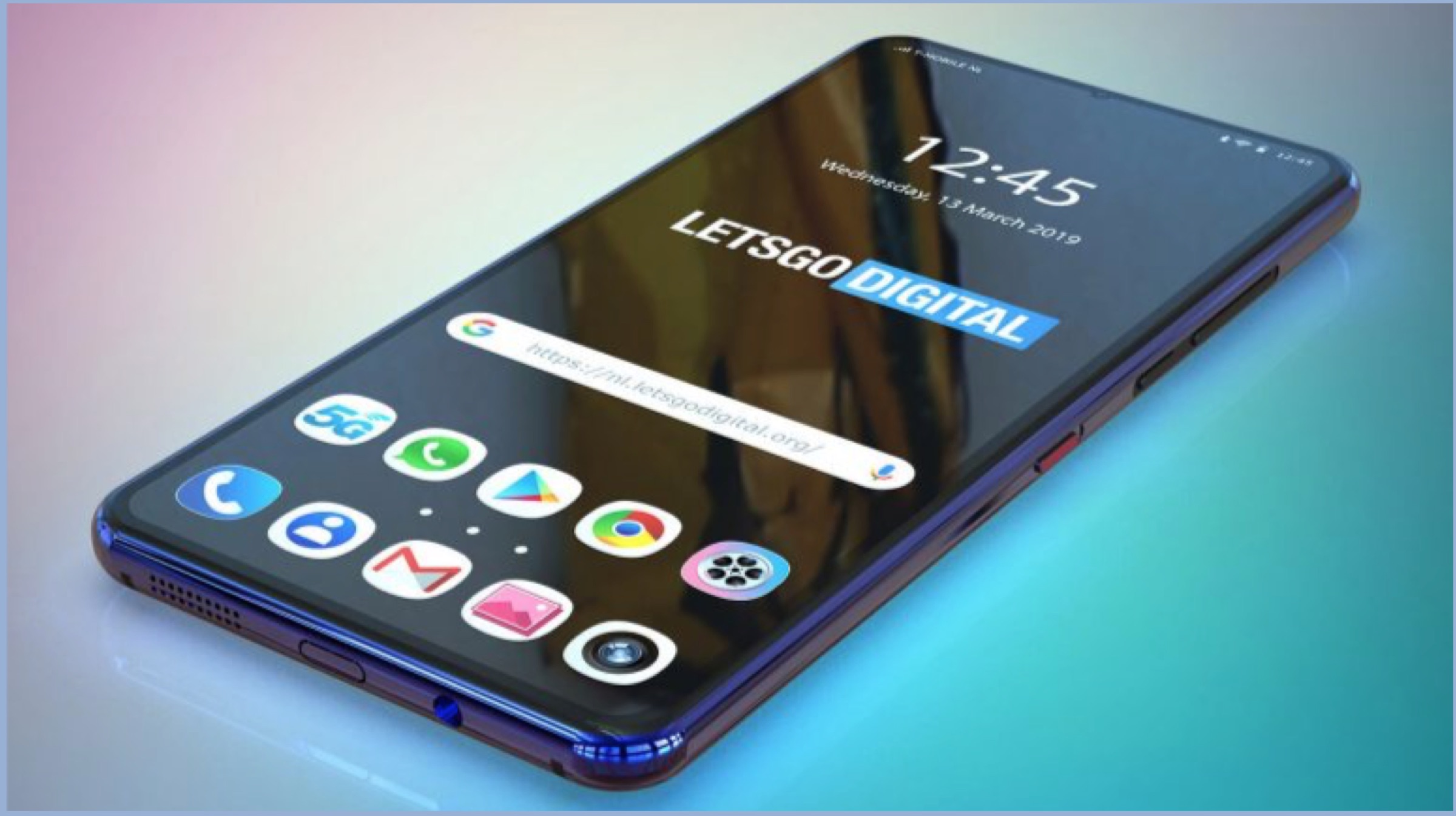
    The freshly granted patent reveals that Huawei’s new device will sport a periscopic camera lens as well as dual displaya. The smartphone from the patent will most likely succeed the Huawei Mate 20 series. The design patent was filed on November 28 2018, by a law firm based in Germany on the behalf of Huawei Technologies. The patent was published on February 28, 2019, by both the European Union Intellectual Property Office (EUIPO) and the World Intellectual Property Office (WIPO).

    Design And Features

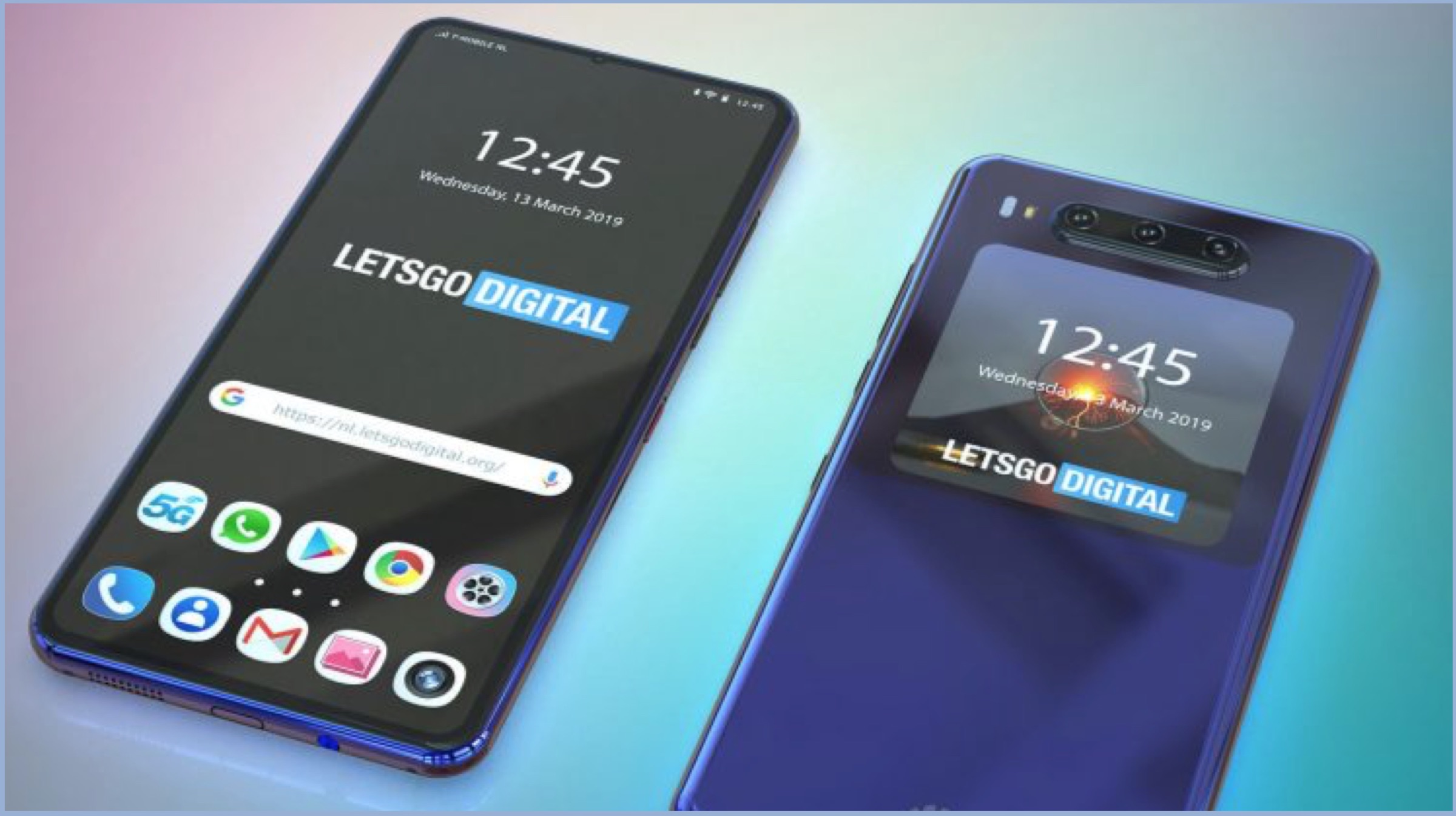
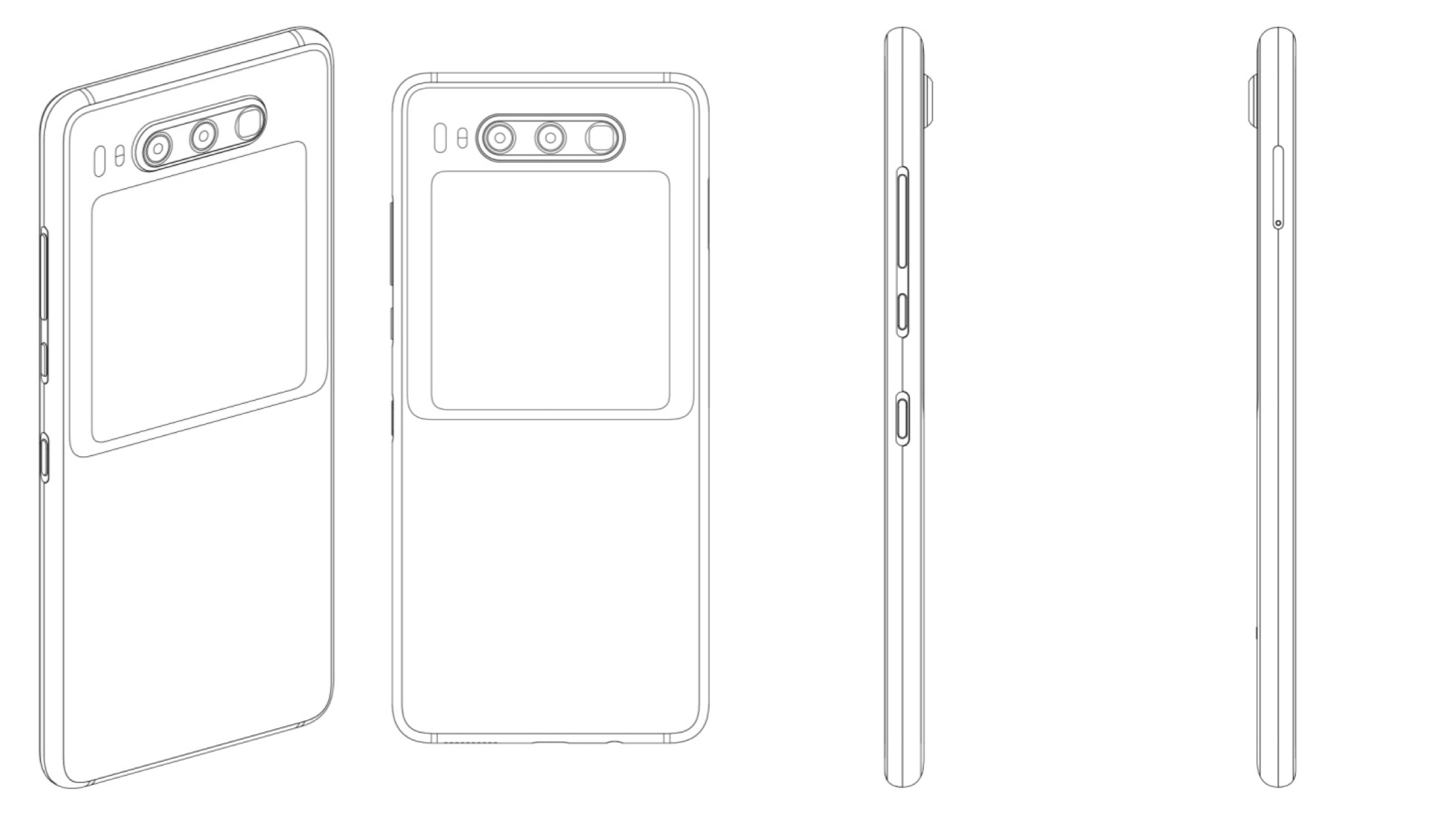
    The most unique feature of this patent is evidently the second smaller display that is placed on the rear. Placed directly below the camera, the “almost square” screen will supposedly be used to take improved selfies in portrait mode, thanks to the advanced camera module of the device. Moreover, the user will be able to use the device even while it’s upside down. A similar screen setup was previously seen in the Vivo Nex, which was launched in the year 2018. The Nex was also equipped with a second screen which covered the back of the smartphone

    The Huawei smartphone will be equipped with a horizontal triple camera setup at the back, unlike the vertical camera setup in the upcoming P30. A square shaped lens in the setup suggests that the company will use a similar periscopic camera system which will also be present in the upcoming P30 series. Also, the patent indicates an LED flash and built-in laser autofocus on the device.

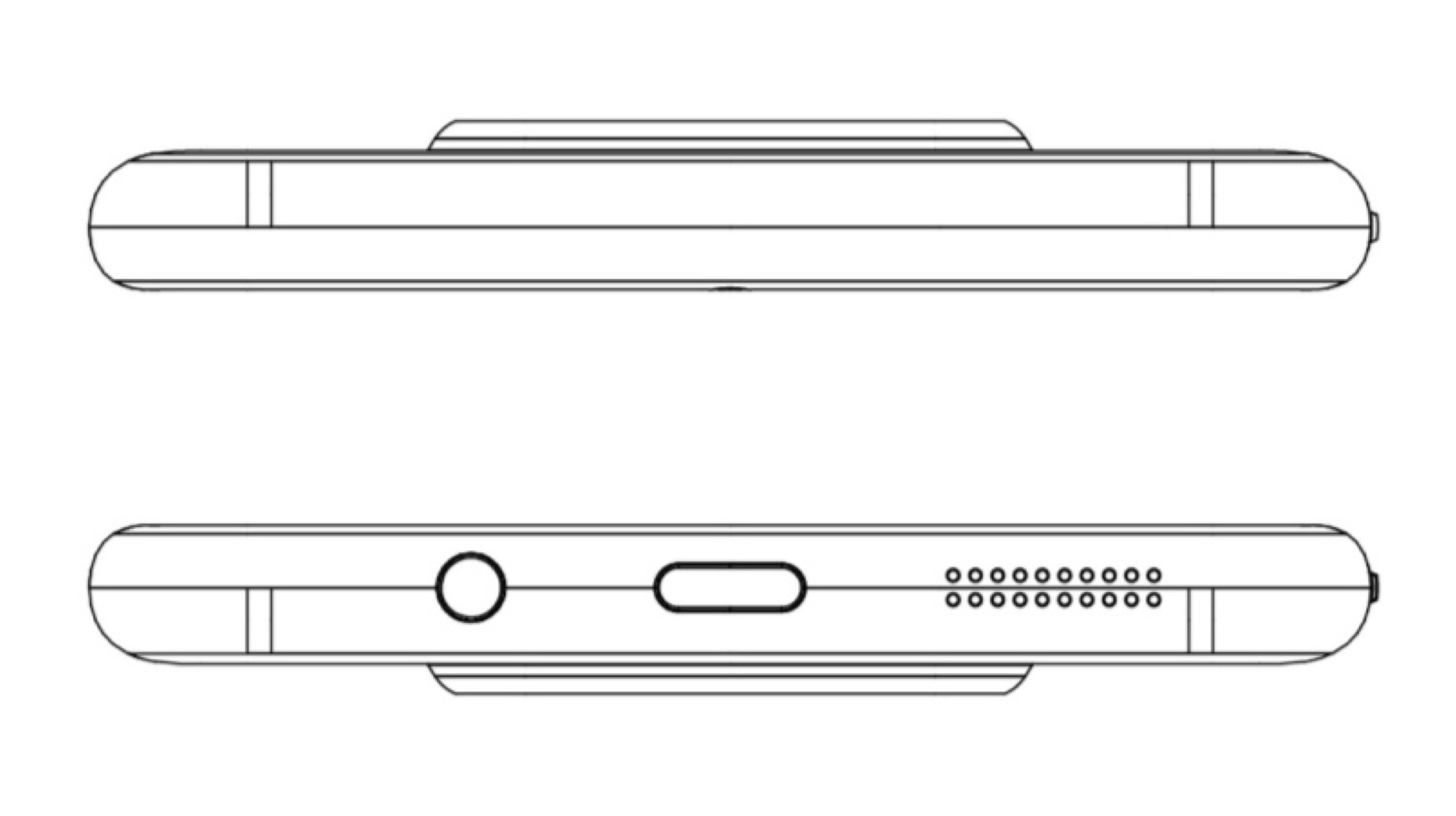
    The patent shows that the Huawei device also houses a ToF (Time of Flight) sensor in the front notch for face recognition. Noteworthy, the Vivo Nex was launched without a front camera or sensor so as to implement a full-screen design. Furthermore, the patent also shows a 3.5 mm headphone jack placed at the bottom of the device, placed right next to the USB Type-C port and the loudspeaker grille. The left side of the smartphone houses the volume rockers and the lock/power button, along with another button that may be used to hot-switch between the two screens. The right side, on the other hand, houses the SIM card tray.   
    Availability

    Also Read: Google To Launch A Gaming Console And Streaming Service At GDC 2019

    Huawei will probably launch the speculated Mate 30 series in the second half of the year 2019. The device is expected to be a strong contender in the premium flagship segment, considering the fact that the Mate 20 and Mate 20 Pro received rave reviews globally. The EUIPO patent can be viewed here and the WIPO patent can be viewed here.  


  • Specifications Of The Motorola Razr Foldable Smartphone Leak Online

    Specifications Of The Motorola Razr Foldable Smartphone Leak Online

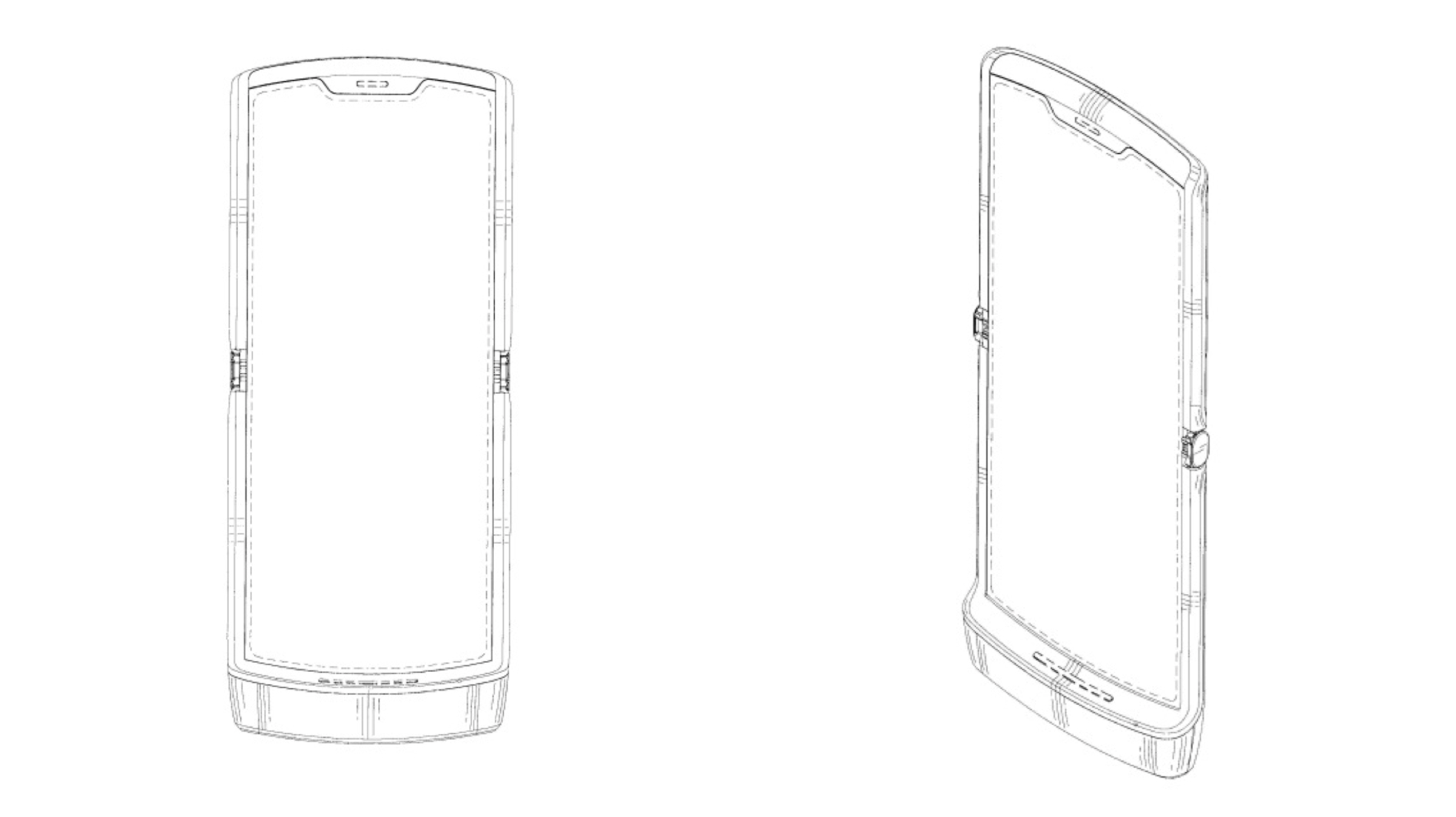
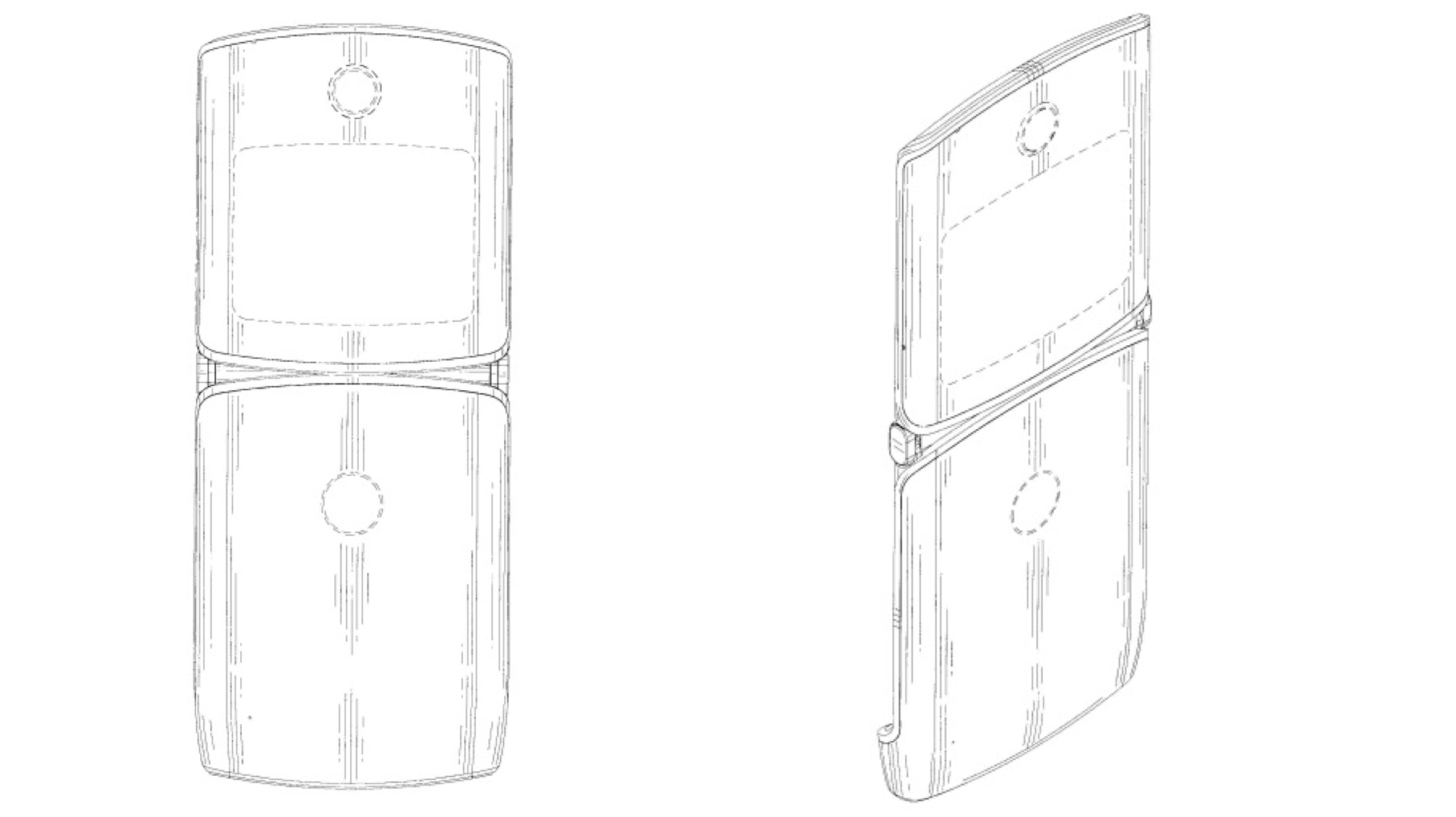
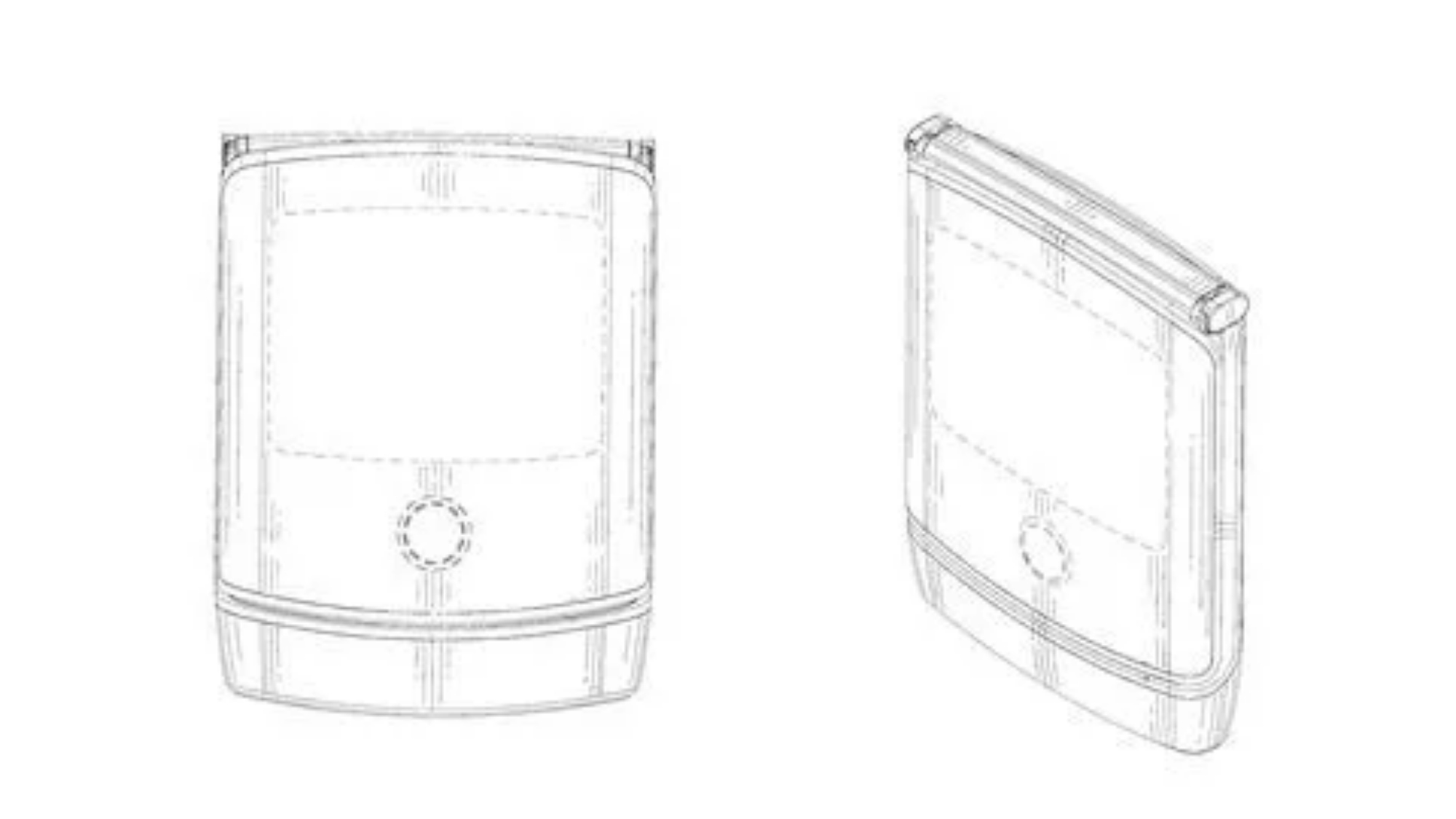
    Motorola is expected to revive the much appreciated Moto Razr flip phone which was first introduced in the year 2006. The device will arrive as a foldable smartphone from the company and will be a premium offering. While the company itself confirmed the existence of the device a few weeks ago, there were no details shared. Fresh reports have surfaced online that exhibit the specifications of the upcoming device.

    Motorola Razr Specifications

    The Razr foldable smartphone from Motorola will be its first foldable device in the market. Previous leaks and reports suggested that the device is codenamed ‘Voyager’ and will release soon. They also revealed how it may look like. Unlike the Samsung Galaxy Fold and Huawei Mate X which fold horizontally, the Moto Razr will have a vertically folding display which will measure 6.2 inches when in its unfolded state and will utilize an OLED panel. The display panel will have a resolution of 2142 x 876 px and an unusually tall aspect ratio. The secondary display present on the outside will have a resolution of 800 x 600 px but unfortunately, its size is unknown as of now. For swiftly and securely unlocking the handset, it will also have a rear-mounted fingerprint scanner.

    Reports claim that the cover display on the upcoming Motorola Razr will be limited to certain applications. It is likely to be used for operating the following features on the device:

    • Accessing camera controls.
    • Using its a trackpad for applications that can be browsed vertically.
    • Accessing Quick Settings tiles.
    • Launching Google Assistant
    • Displaying the clock widget and unread notifications
    • Controlling media including music

    Under the hood, the Motorola Razr is reported to run on the 10nm Qualcomm Snapdragon 710 SoC. The chipset consists of an Octa-core CPU and Adreno 616 GPU. While the details on the smartphone’s optics are not known yet, the leaked image suggests it will have a single camera which will be located on the top half. Accordingly, the camera sensor can also be used to click selfies. In terms of memory and storage, the smartphone will be available in the following variants:

    • 4GB RAM and 64GB ROM
    • 6GB RAM and 128GB ROM

    The Motorola Razr will be powered by a 2,730mAh battery with support for fast charging. The smartphone will be available in three colours, namely White, Black and Gold. It will run on the latest Android 9 Pie operating system which will be optimised for the vertically folding display of the smartphone.

    Pricing & Availability

    Also read: YouTube Music And YouTube Premium Launched In India

    Motorola is expected to announce the Razr in the first half of this year. Unfortunately, the company hasn’t released any information on pricing yet, but early estimates suggest that it will be priced at US$ 1200 (Rs. 83,544).

  • Huawei P30 Pro Stops By Antutu Revealing Its Key Specifications

    Huawei P30 Pro Stops By Antutu Revealing Its Key Specifications

    Huawei will soon launch another lineup of flagship smartphones which will carry the P30 branding. The upcoming devices will supersede the P20 lineup from yesteryear and like their predecessors will have a focus on photography. The company is expected to launch three smartphones under the P30 branding which include the P30 Pro, the standard P30 and the P30 Lite. The upcoming devices have been subjected to several leaks in the past which revealed some features about them including a camera with 10x optical zoom capabilities. A Huawei smartphone with top notch features has been spotted on the benchmarking website, Antutu uncovering its key specifications.

    Specifications and Benchmark Scores

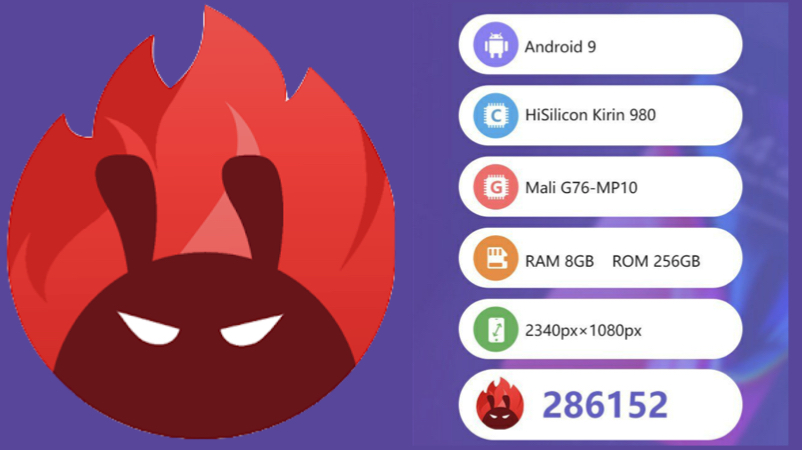
    The freshly listed Huawei smartphone on Antutu website carries the model number “VOG-L29” which is assumed to be the P30 Pro due to its top tier specifications. The device records a score of 286152 point which is slightly lesser than its cousin, the Mate 20 Pro. However, this score can vary depending on the software. Therefore, the company can give the numbers a boost with an optimised update.

    The Antutu listing reveals that the smartphone runs on the latest Android 9 which is destined to be skinned with EMUI. The device is kitted with the HiSilicon Kirin 980 chipset which consists of an Octa-Core CPU and the Mali G76-MP10 GPU. Praiseworthy, the chipset is manufactured using a 7 nm fabrication process which results in a highly power efficient computing chip. In terms of memory and storage, the handset has 8 GB of RAM and 256 GB of inbuilt storage. However, Huawei is expected to launch the smartphone in other storage variants as well. The resolution of the device’s display is 2340 x 1080 px which will result in a sharp and blur-free output. Other details including the resolution of the cameras, battery capacity and price of the smartphone will only be broadcasted once the company officially unveils it. 

    Huawei P30 Lineup Launch Date

    The Huawei P30 lineup is set to unveil at a launch event on the 26th of February which will be held in Paris, France. India launch of the smartphones is expected to follow soon after their European launch. 


  • Redmi Note 7 Pro To Go On Sale For The First Time In India Today

    Redmi Note 7 Pro To Go On Sale For The First Time In India Today

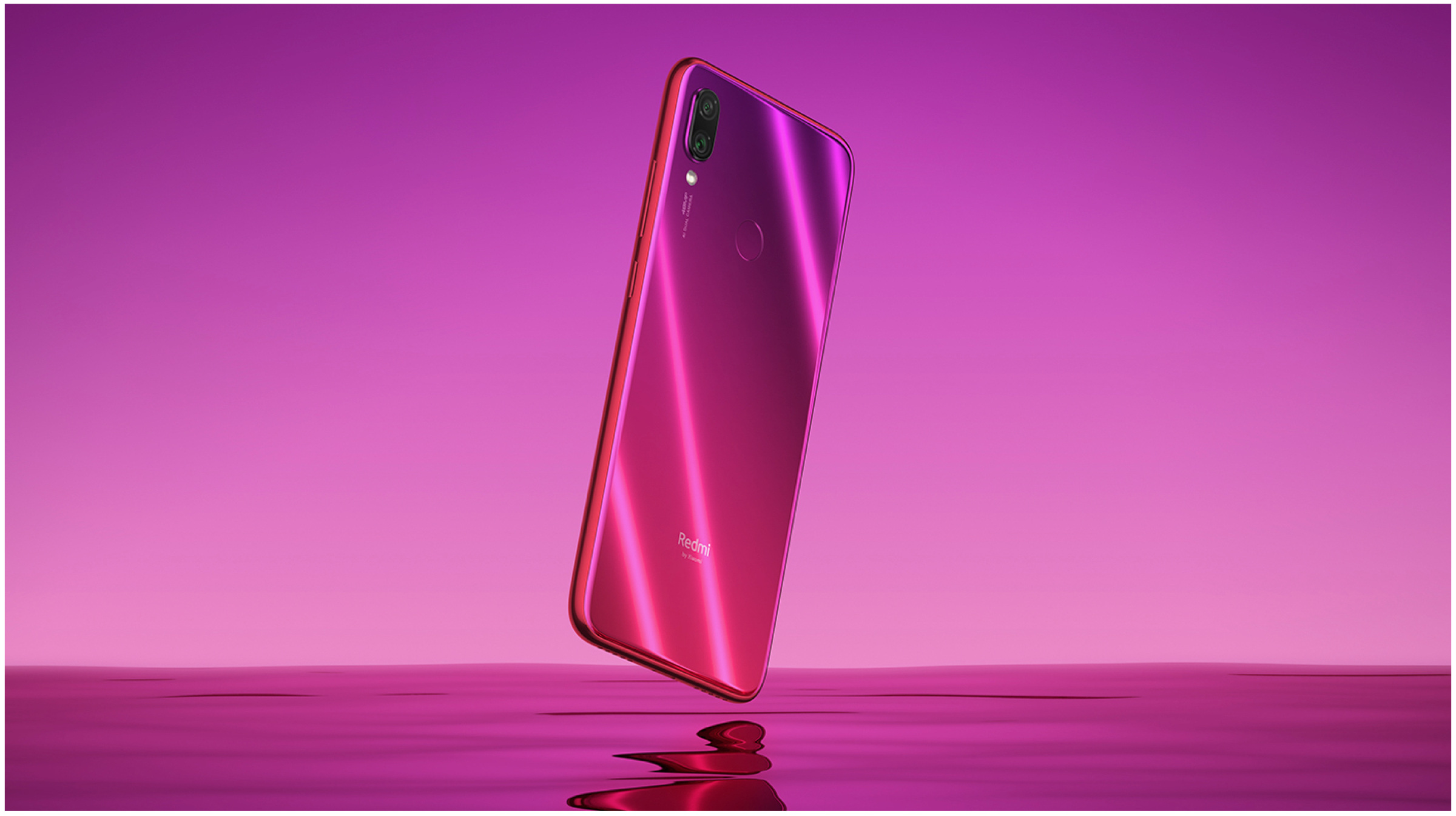
    The Redmi Note 7 Pro is all set to go on sale in India for the first time today. The smartphone was launched alongside the Redmi Note 7 on February 28. It is the first phone that Redmi has launched in India after separating from its parent company Xiaomi. The device features a modern design and ambitious specifications with a lucrative price tag.

    Redmi Note 7 Pro: Where To Buy?


    Click here to buy the Redmi Note 7 Pro

    The Redmi Note 7 Pro will be available at a price of Rs 13,999 for the version with 4GB RAM and 64GB of onboard storage. The variant with 6GB RAM and 128GB of internal storage has been priced at Rs 16,999. The smartphone will be available to order via flash sales on Flipkart and Mi.com from 12 noon on March 13. It will also be available offline from Mi Home outlets starting today. 

    Redmi Note 7 Pro: Specifications & Features

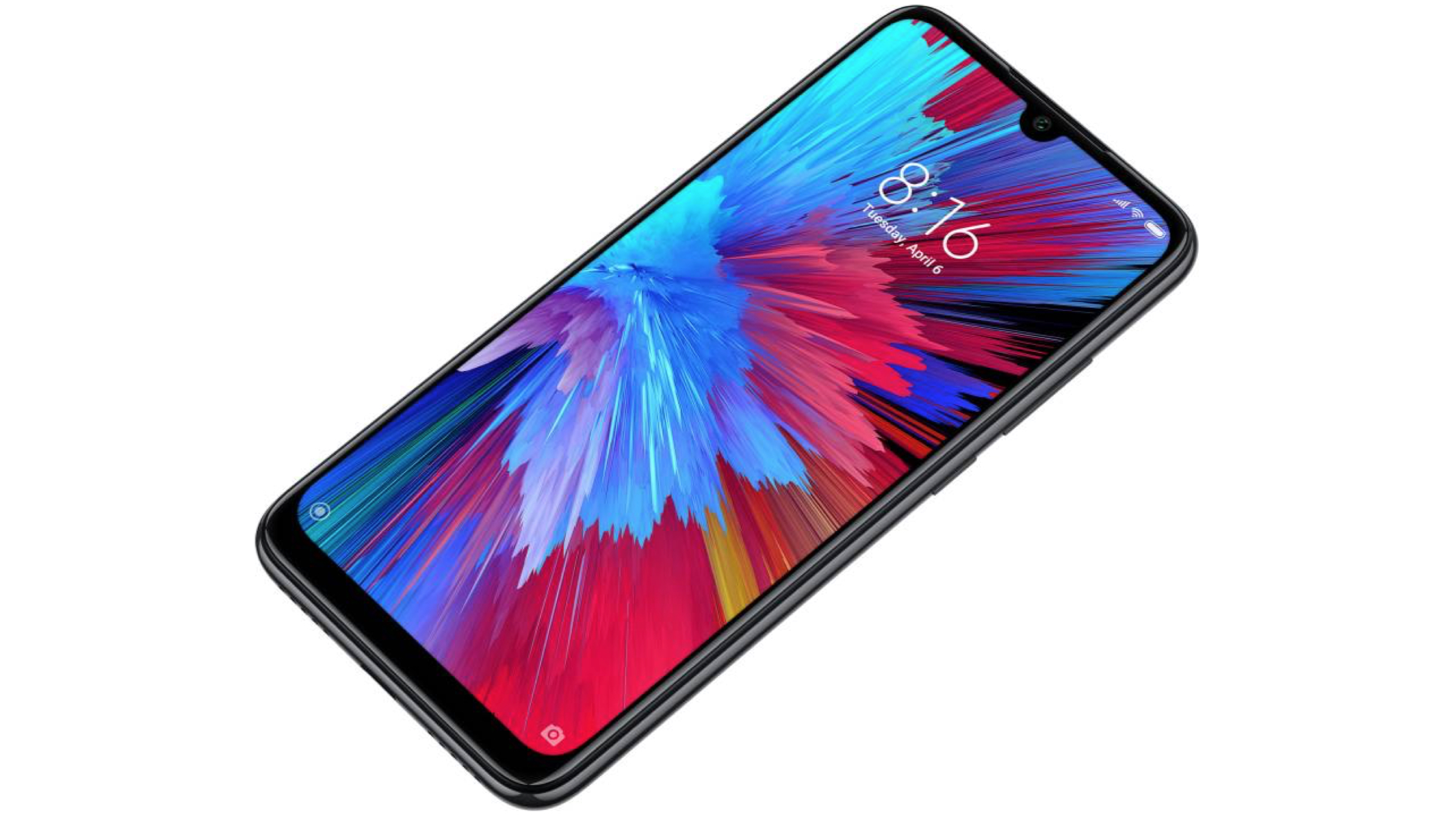
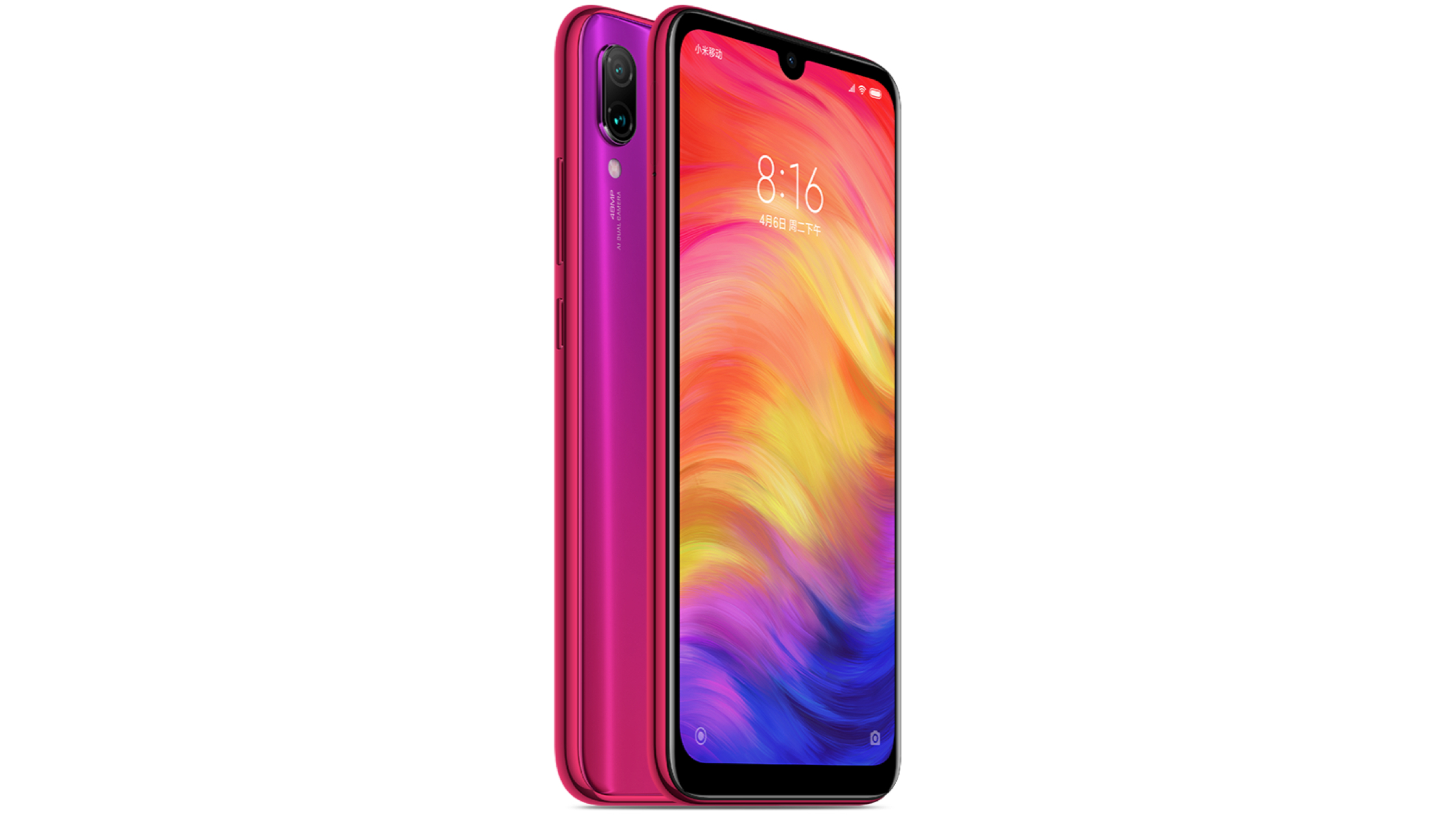
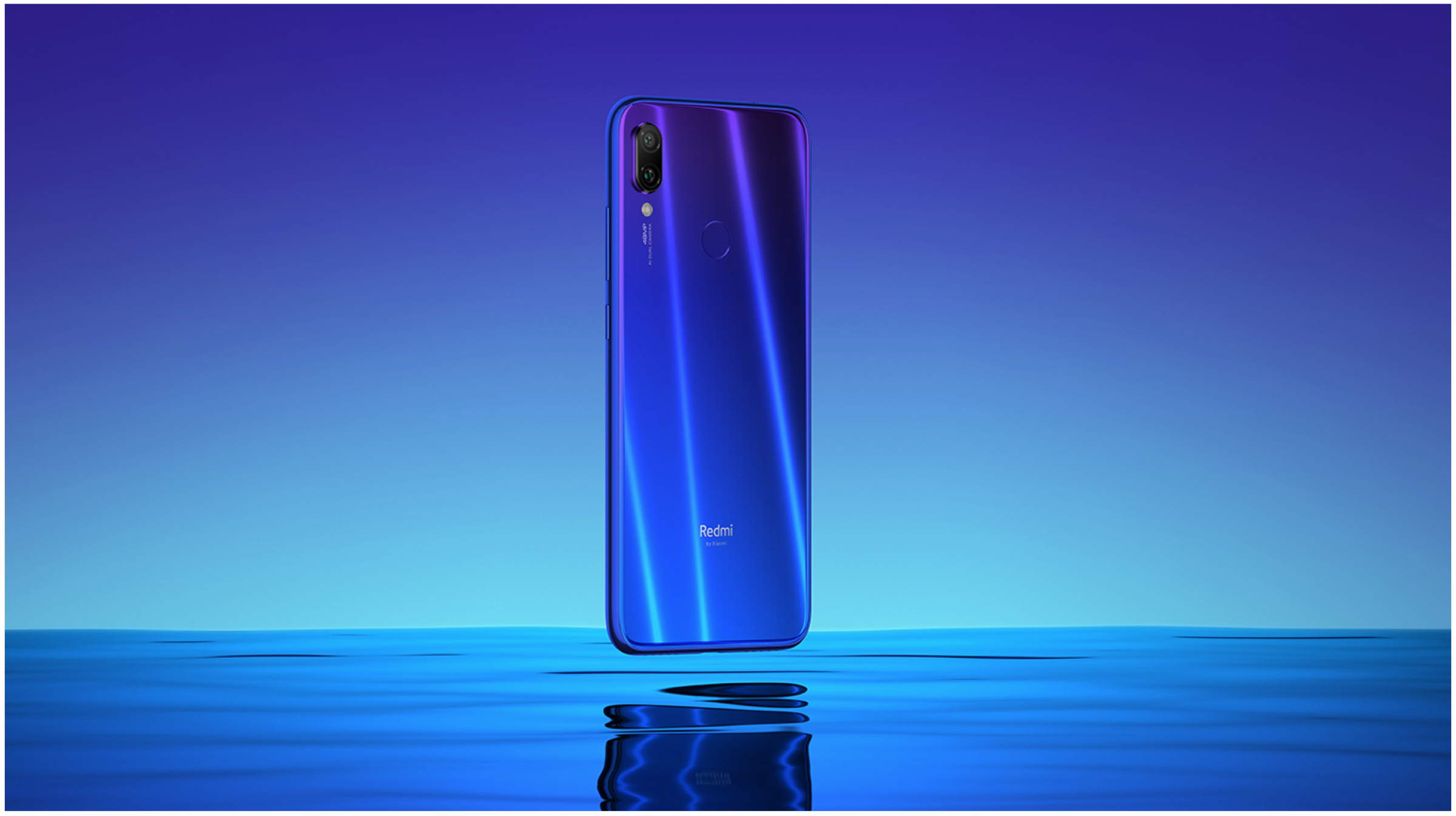
    To recall, the Redmi Note 7 Pro is a budget offering from the company and features a modern design with Gorilla Glass 5 on the front and the rear. The smartphone has a 6.3 inch LCD display with a small waterdrop notch up top. The display panel has a 19.5:9 aspect ratio with a resolution 2340 x 1080 px and pixel density of 409 ppi. There is a fingerprint scanner on the back of the device and it also supports face unlock technology.

    The Redmi Note 7 Pro runs on the 11nm Snapdragon 675 chipset. It consists of the Kryo 460 CPU with two Cortex A76 cores clocked at 2.0 GHz and 6 Cortex A55 cores clocked at 1.7GHz. The CPU is paired with the Adreno 612 GPU. The smartphone is available in two variants, a 4GB+64GB variant and a 6GB+128GB model. It also has the Qualcomm Spectra 250L ISP (Image Signal Processor) for improving camera performance. The Redmi Note 7 Pro has Android 9 (Pie) out of the box, with Xiaomi’s own MIUI 10 on top. Reputably, the device also supports memory expansion up too 256 GB via a microSD card. 

    The Redmi Note 7 Pro features a dual camera module on the back of the smartphone, which comprises of a primary 48 MP Sony IMX586 sensor and a secondary 5 MP depth sensor. Noteworthy, the Sony IMX586 sensor is found in higher-end devices like the Honor View 20. The camera also supports 4K recording at 30 fps. In terms of the front camera, it has a 13 MP front facing camera with AI integration.

    Also read: World Wide Web Turns 30, Top 10 Internet Moments

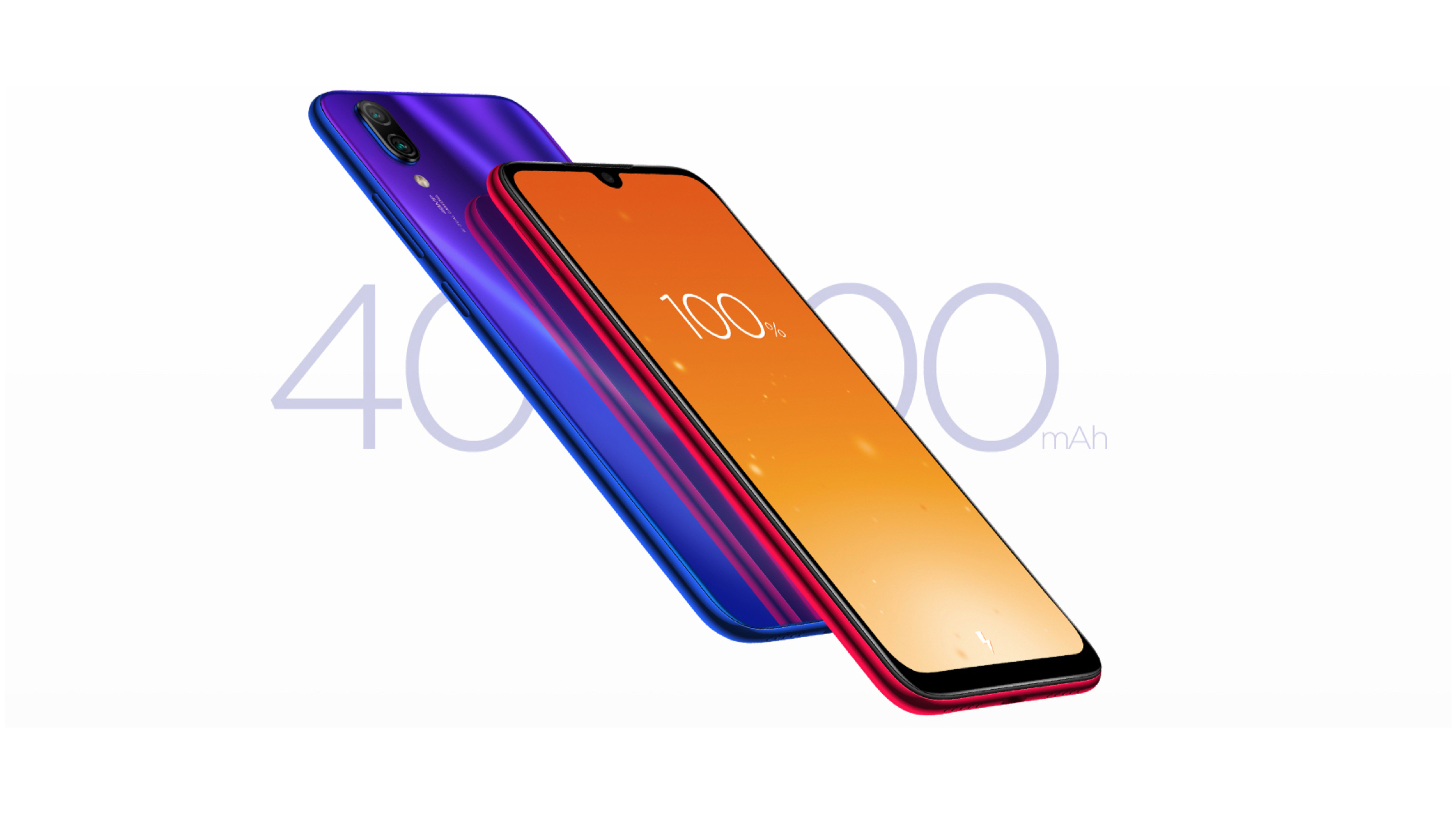
    The Redmi Note 7 Pro is powered by a 4,000 mAh battery which supports 18W Quick Charge 4.0, although the device ships with a 10W charger in the box. As mentioned before, the device has an IR blaster, similar to the one seen in previous iterations of the smartphone. Biometric security is limited to a rear-mounted fingerprint sensor. The smartphone is available in three colour options, Neptune Blue, Nebula Red and Space Black.

    Click here to buy the Redmi Note 7 Pro

  • Specifications Of Sony Xperia 4 Leak Before Official Launch

    Specifications Of Sony Xperia 4 Leak Before Official Launch

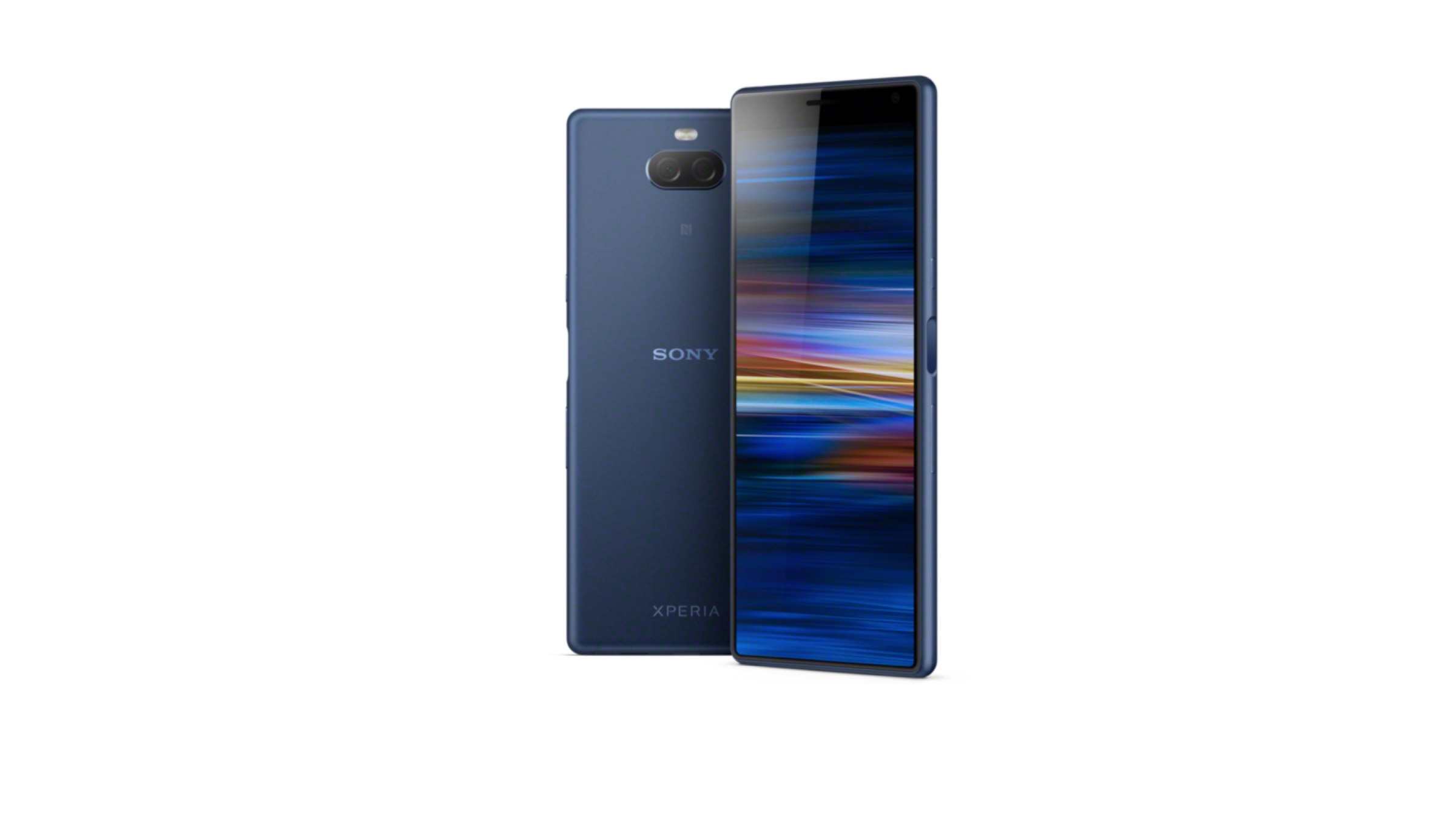
    Sony launched the Xperia 1 flagship smartphone at the Mobile World Congress (MWC) in Barcelona last month. The device was the world’s first to have an aspect ratio of 21:9 which the company calls ‘CinemaWide’ display. Fresh reports of a mid-range smartphone from Sony have surfaced online, claiming a device named Xperia 4 is in the works with a tall 21:9 aspect ratio.

    Sony Xperia 4 


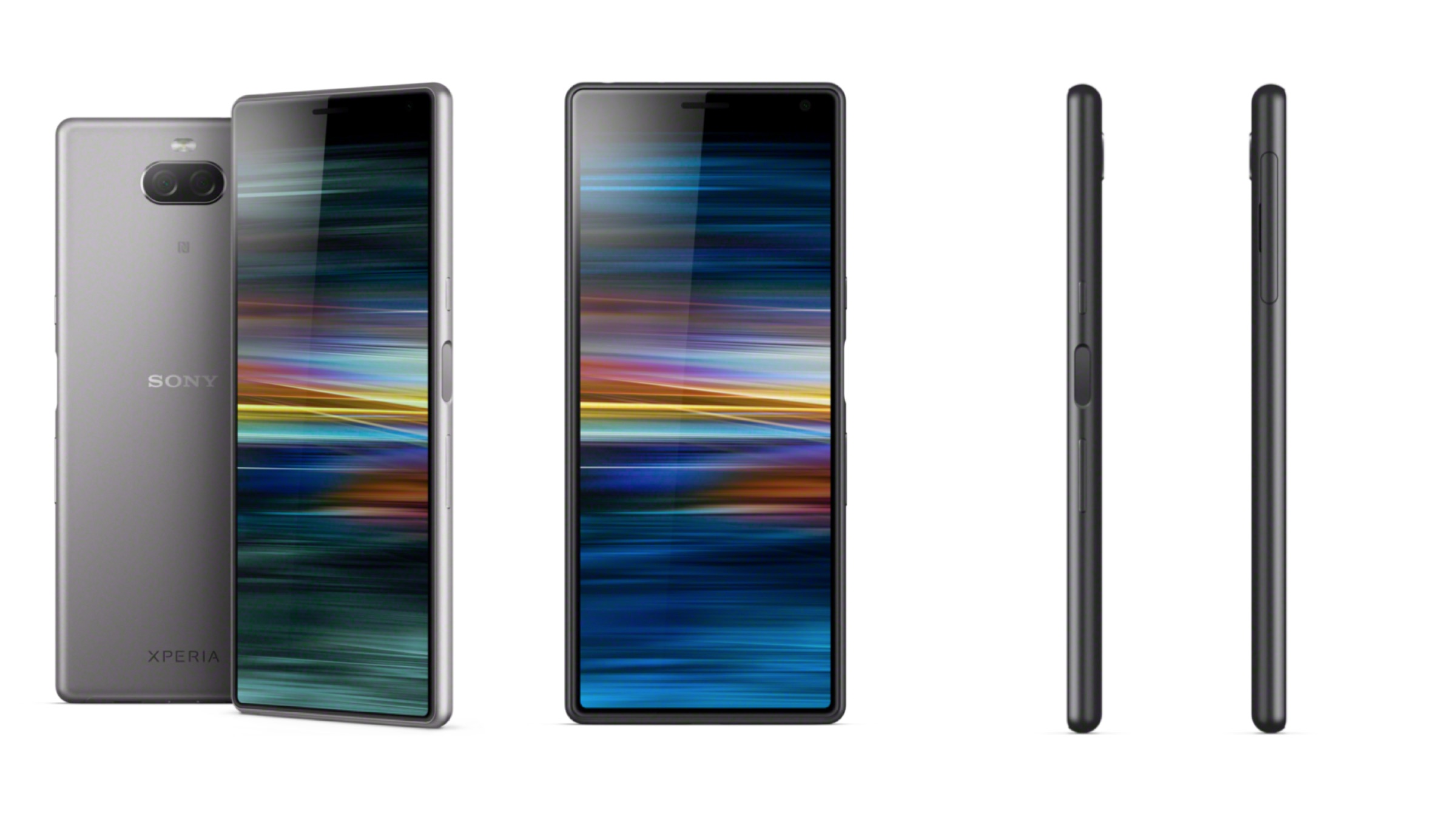
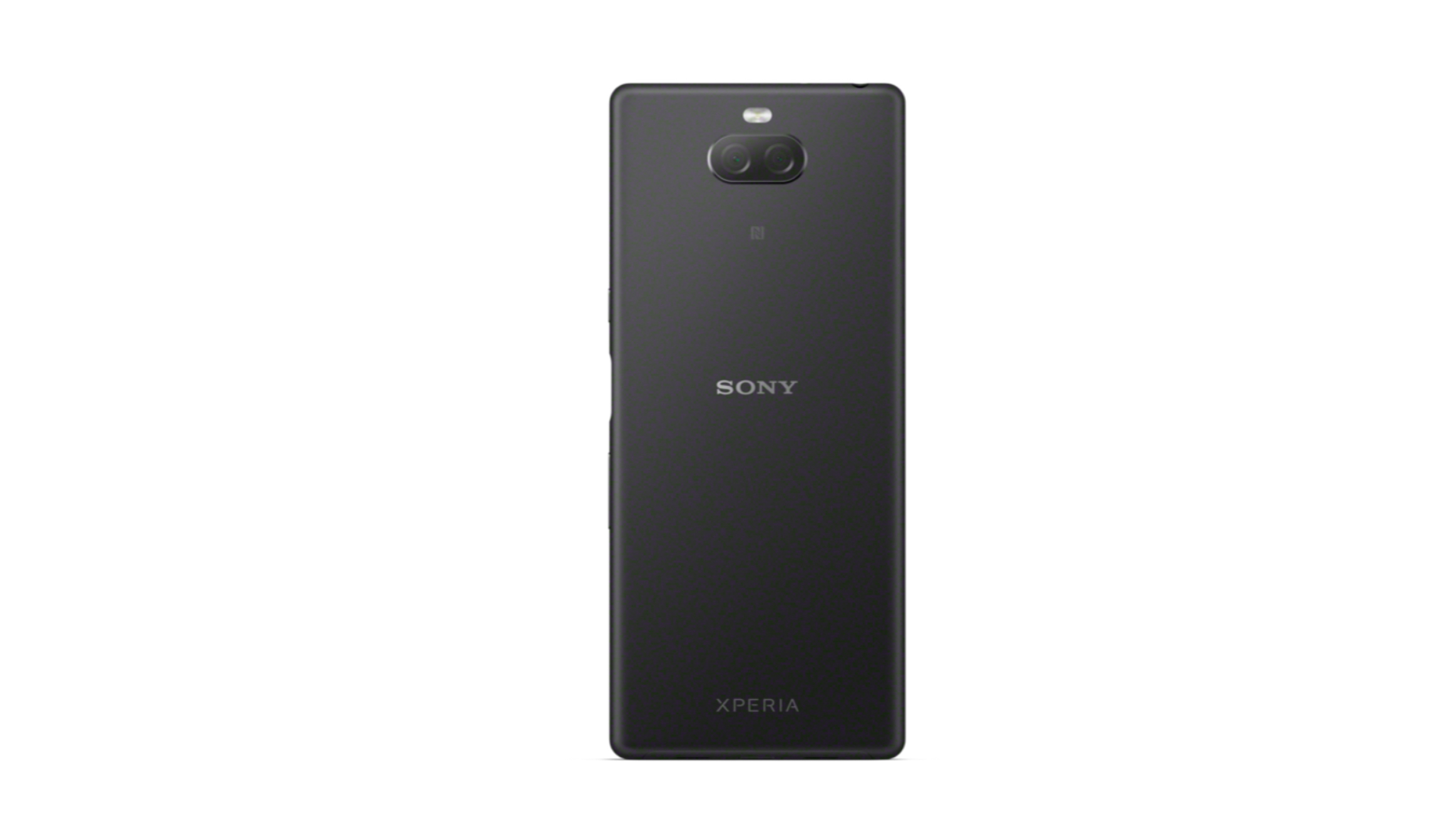
    According to the leak, the Sony Xperia 4 will measure 149.5 x 65 x 9.4mm. It may have a similar design to the Xperia 10 and Xperia 10 Plus, which have a considerable bezel on the top and minimal bezels all around the screen. The Xperia 4 will have a 5.7-inch display with a resolution of 2520×1080 px. Like its siblings, the smartphone is expected to have a side mounted fingerprint scanner, embedded in the power button and will support face unlock technology.

    The report claims that under the hood, the Xperia 4 will run on the Snapdragon 710 SoC which is manufactured using 10nm fabrication process. The chipset has an Octa-core CPU and Adreno 616 GPU. In terms of optics, the smartphone will have dual rear cameras, details of which are unknown currently. There will be a single front-facing camera housed above the display for selfies. In terms of memory and storage, the device will have 4GB of RAM and 64GB of internal storage. 

    The Xperia 4 will be powered by 2800 mAh battery which will support Sony’s adaptive charging technology. One surprising omission from the smartphone is reported to be the 3.5mm headphone jack. Until now, the company only removed the port from its flagship devices, but the mid-range Xperia 4 will also allegedly lack the support for it. The handset will be available in four colours, which include Silver, Black, Purple, Red.

    Pricing & Availability

    Also read: Apple Sends Out Invites For March 25 Event, Streaming Service Expected

    The Sony Xperia 4 will be a mid-range offering from the company, so it is expected to be priced around the US$ 500 range (Rs. 34,000). The smartphone is expected to be unveiled in the month of April in markets like Japan and Europe.

  • Google Pixel 2 Spotted Running Android Q Beta On Geekbench

    Google Pixel 2 Spotted Running Android Q Beta On Geekbench

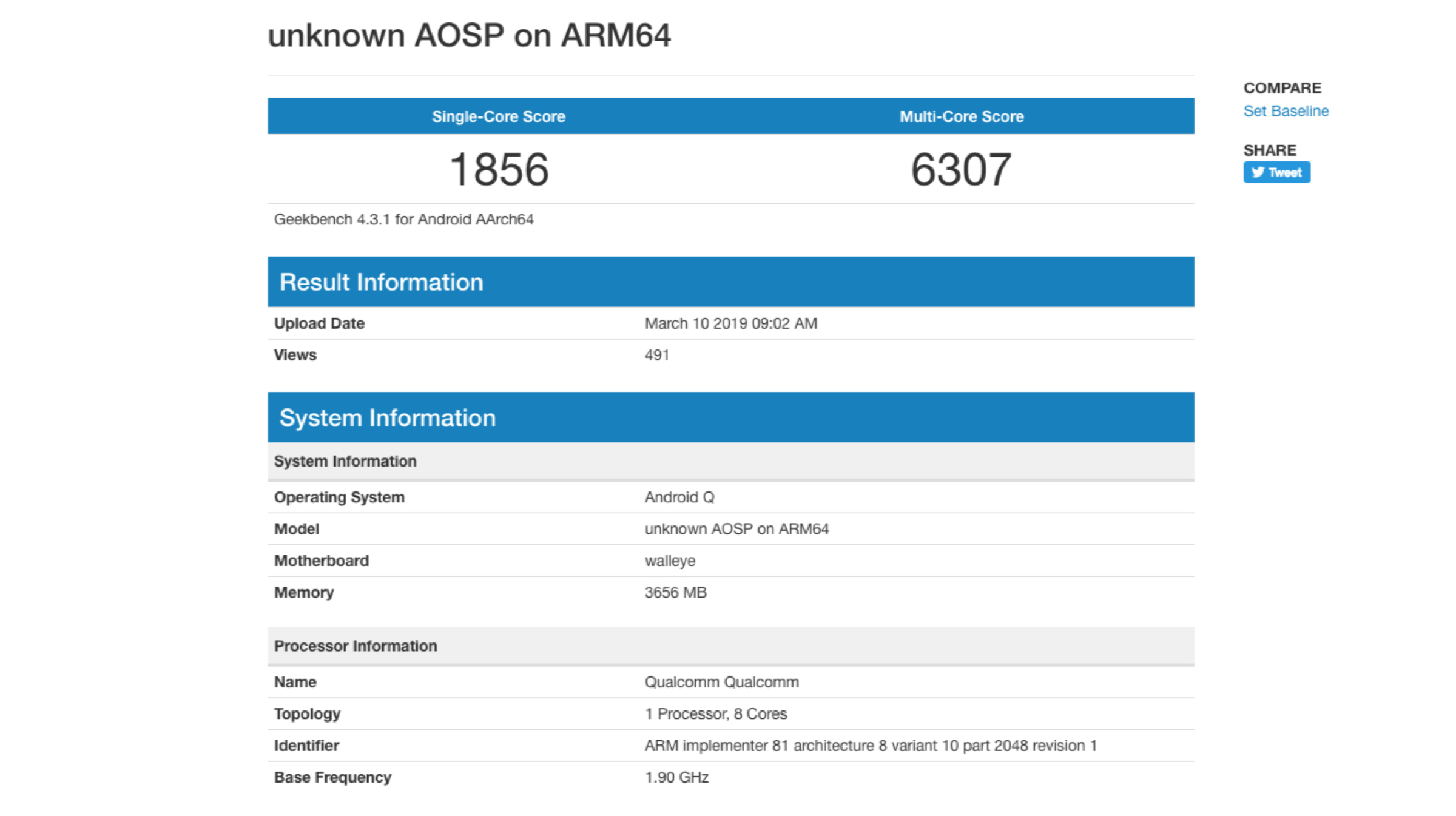
    Mountain View, California based Google is soon expected to release the first Android Q beta for Pixel smartphones. Before its official rollout,  a Google Pixel 2 smartphone running the aforementioned version of Android has been spotted on Geekbench. The device secures a single core score of 1856 points and a multi-core score of 6307 points which is comparable to a device running Android 9 Pie.

    Although Google has not yet confirmed the date of the rollout, the listing indicates that the update will be dispensed soon. Last year, the company released the first Android P developer preview for Pixel smartphones on the 7th of March. For at least a few weeks, the developer preview will only be exclusive for Google Pixel smartphones which will later be followed by devices of other OEMs. Notably, a Google executive in a podcast announced that updates of Android Q public beta will be rolled to several other devices as well. 

    What Features Will Android Q Bring To The Table?

    With every Android update, Google strives to make the mobile OS smooth and bug-free. Therefore, the first and foremost change with Android Q will be speed and performance optimisation. A notable feature, that Android Q is confirmed to bring is system-wide dark mode. This feature will especially be useful for users of smartphones with an OLED display as it will prolong the battery life of the device. Other possible features that the upcoming Android update is believed to improve or add are as follows:

    • Inbuilt Screen Recording Support – As the name suggests, it allows the user to record the media or games that are being displayed on the screen. With the surge in mobile games streaming, this feature has been in high demand. Although this feature could have been added to any Android device running versions below Android Q with the help of 3rd party applications, an inbuilt screen recorded would surely be appreciated.
    • Desktop Mode – This feature will allow the user to project the display the contents of their Android device on a large screen. Hence, an Android device could be used as a desktop computer. Companies including Samsung and Huawei in the past have included a similar feature on their Android devices. However, the integration of this feature on a deeper level will result in better performance. Also, it will end the exclusivity which the users of a handful of companies are able to enjoy.  
    • Improved Facial Recognition – Facial recognition is not a new feature that Android Q will bring. However, the latest update will further enhance the feature so that it is faster and more secure than before. 

    Also Read: OnePlus To Launch A Pair Of Truly Wireless Earbuds With The OnePlus 7


    Other features of the Android Q will only be revealed once Google officially lifts the curtains off its latest software offering.


  • Realme 3 To Go On Sale In India For The First Time Today

    Realme 3 To Go On Sale In India For The First Time Today

    Amidst the launch of a number of budget-aggressive smartphones in India, Realme 3 was launched on March 4, 2019. Succeeding the Realme 2, the device offers significant performance and design upgrades over its predecessor and will go up against devices like the Redmi Note 7 and the Samsung Galaxy M20 in India.

    Specifications, Design And Features

    Click here to buy the Realme 3 on Flipkart.

    The Realme 3 sports a 6.2 inch IPS LCD with a 1520 x 720 px resolution. The device has a dewdrop notch display and is encompassed by narrow bezels which add to the elegance of the device. The rear unibody panel of the smartphone is made out of polycarbonate with a 3D gradient finish on top. The back of the device houses the dual camera module with the LED flash, the Realme branding and a fingerprint scanner. The left side of the Realme 3 is occupied by the volume rockers and the SIM card tray with a dedicated microSD card slot (up to 256 GB), whereas the right side is occupied by the power button. The bottom of the handset accommodates the micro USB port, the speaker grille and the 3.5 mm headphone jack.

    The smartphone runs on the Helio P70 chipset which comprises of a 2.1 GHz octa-core CPU and the Mali G72 GPU. The Realme 3 has two memory variants, one with a 3 GB of RAM and 32 GB of internal storage and the other with 4 GB RAM and 64 GB ROM. The device has the Color OS 6.0 on top of Android 9 (Pie) out-of-the-box. The OS features gesture navigation and AI battery management.
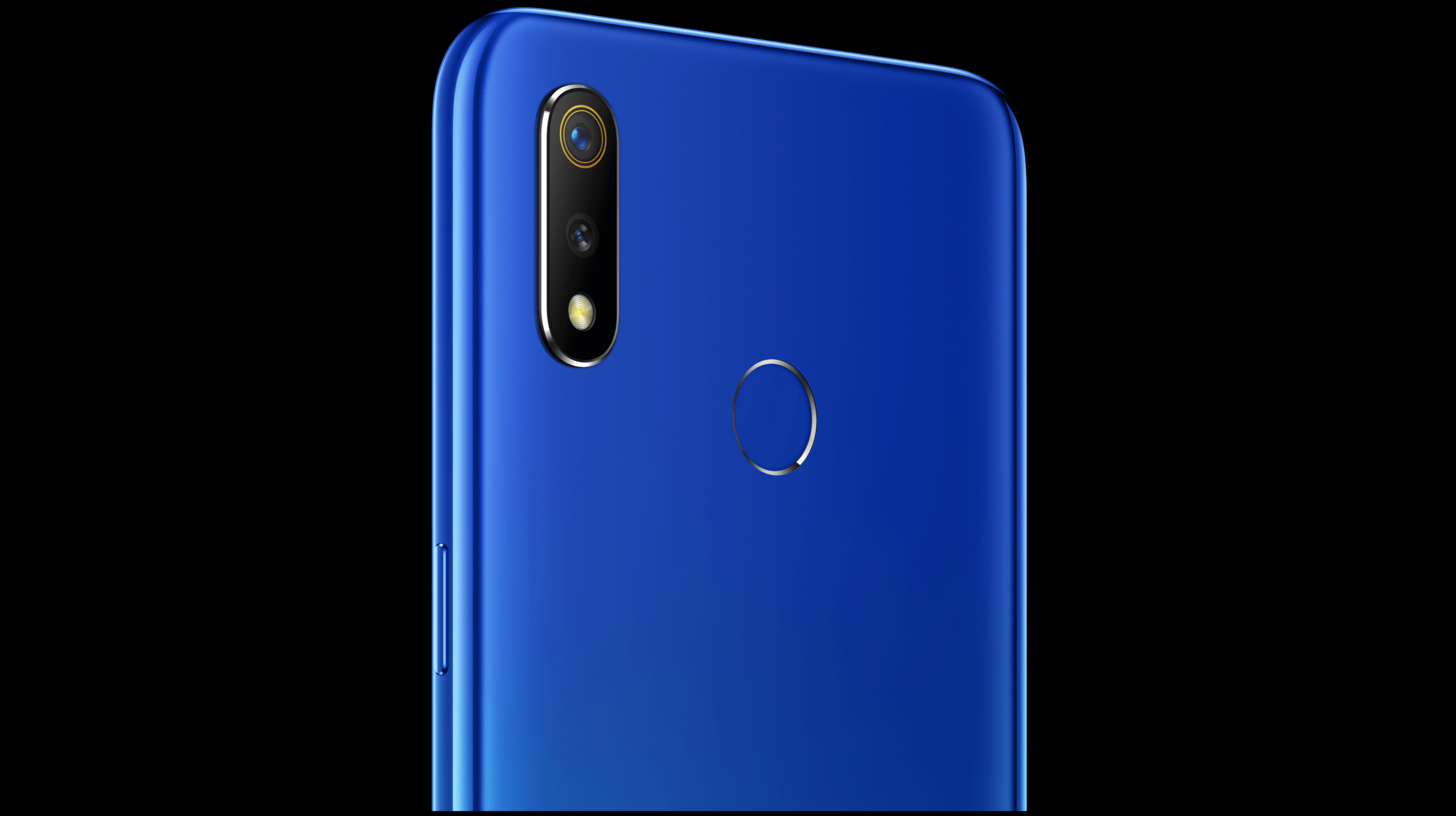
    The dual camera module consists of a primary 13 MP (f/1.8) camera sensor and a 2 MP depth sensor. The camera has features like Nightscape and Chromaboost, which are first-in-class. In terms of the front camera, the device has a 13 MP selfie shooter. It is powered by a 4,230 mAh battery with 10 W charging support. Notably, the Realme 3 also sports Bluetooth v5.0.
    Price And Availability

    https://www.youtube.com/watch?v=9khBEFQgIPc

    Also Read: Realme 3 With 3D Gradient Unibody Launched

    The Realme 3 is available in three colour options which include Dynamic Black, Radiant Blue, and Classic Black. It is available for purchase on the Flipkart online store, as well as Realme offline stores. As mentioned before, it is available in two storage variants for which the prices are as follows:

    • 3 GB RAM + 32 GB ROM – Rs 8,999
    • 4 GB RAM + 64 GB ROM – Rs 10,999

    Click here to buy the Realme 3 on Flipkart.


  • Samsung Is Working On An Ingenious Foldable Phone Claims Patent

    Samsung Is Working On An Ingenious Foldable Phone Claims Patent

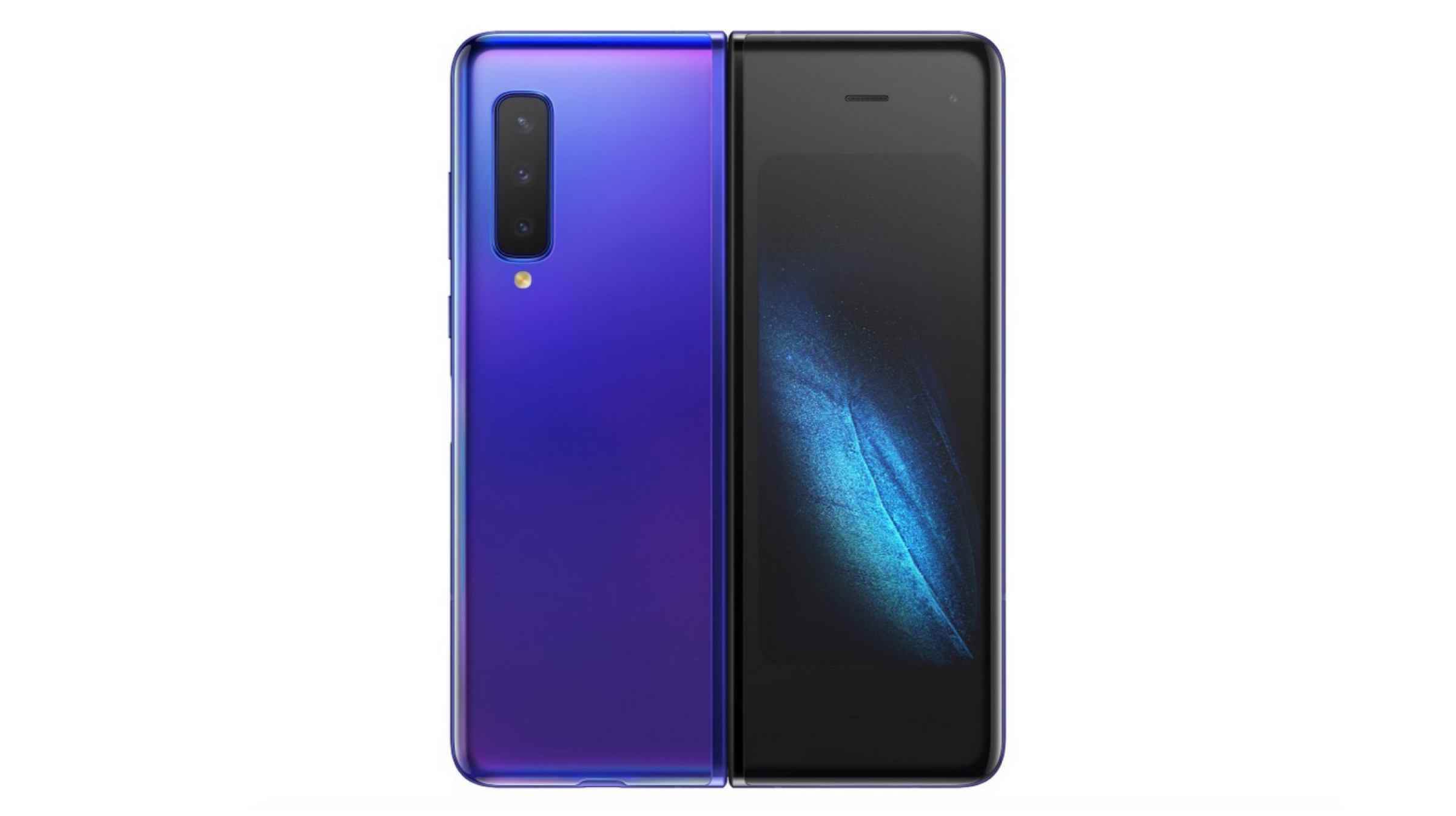
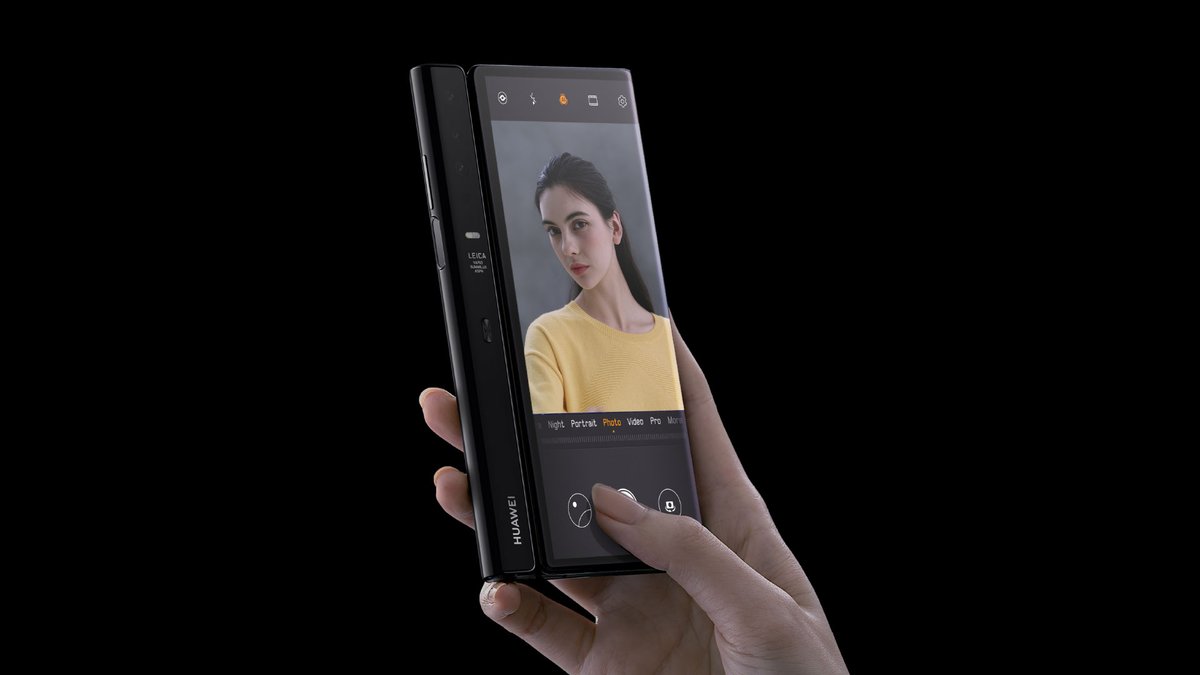
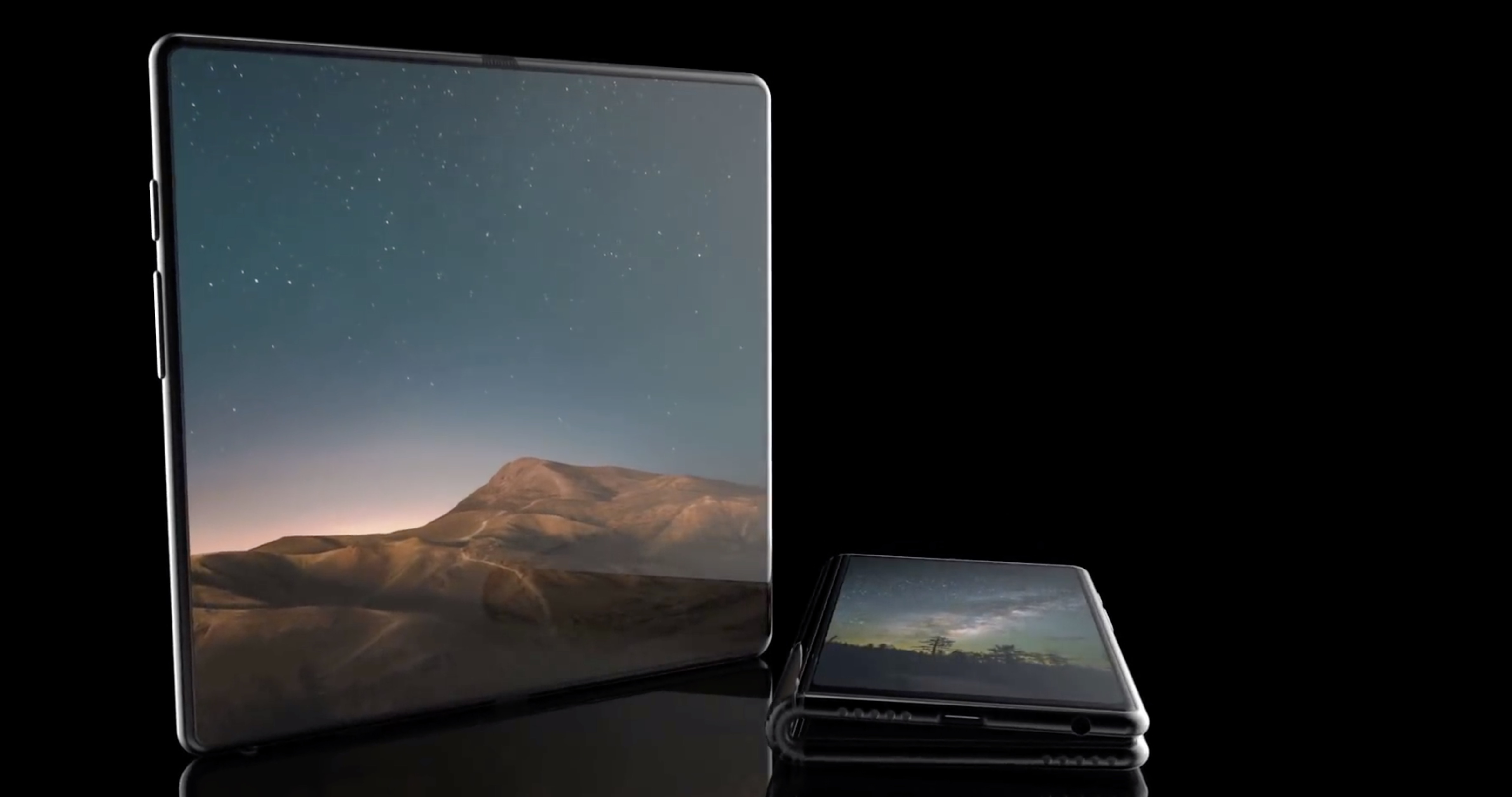
    Late last month, the Korean Electronics giant, Samsung launched its first foldable smartphone called the Galaxy Fold. The device has an unconventional design with a large foldable inner display and a primary cover display. Soon after the launch of the Galaxy Fold, Huawei launched its first foldable smartphone that carries the Mate X moniker. The key difference between the two newly launched devices is the type of foldable display. The Samsung Galaxy Fold has an inner folding display while the Mate X has an outward folding display which the company refers as a falcon wing design. A freshly granted patent to Samsung proposes that the company is working on another foldable phone with an ingenious design. The patent also raises the question of whether the device is a successor to the Galaxy Fold or an entirely different smartphone. 

    Patent Disclosures

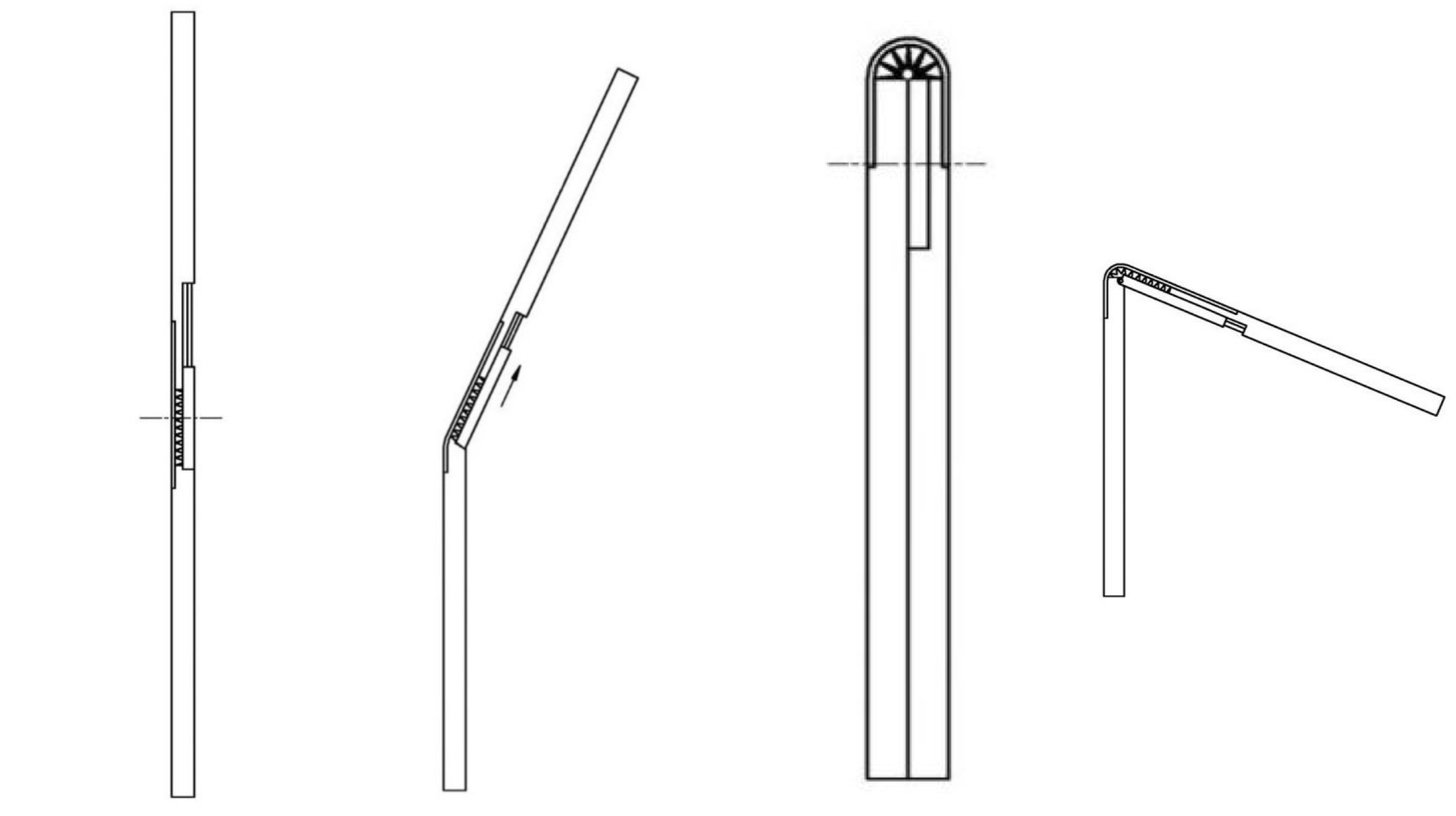
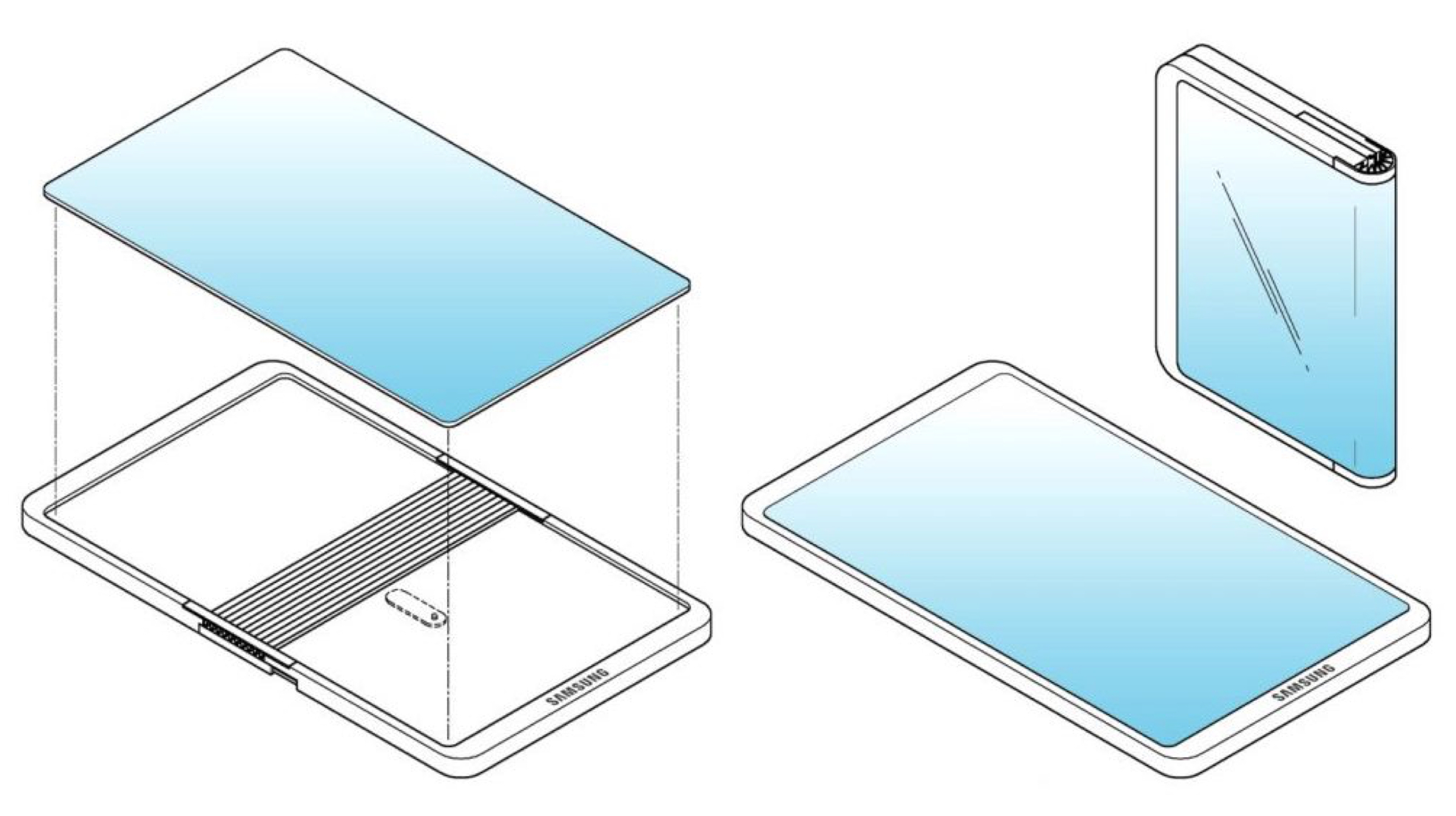
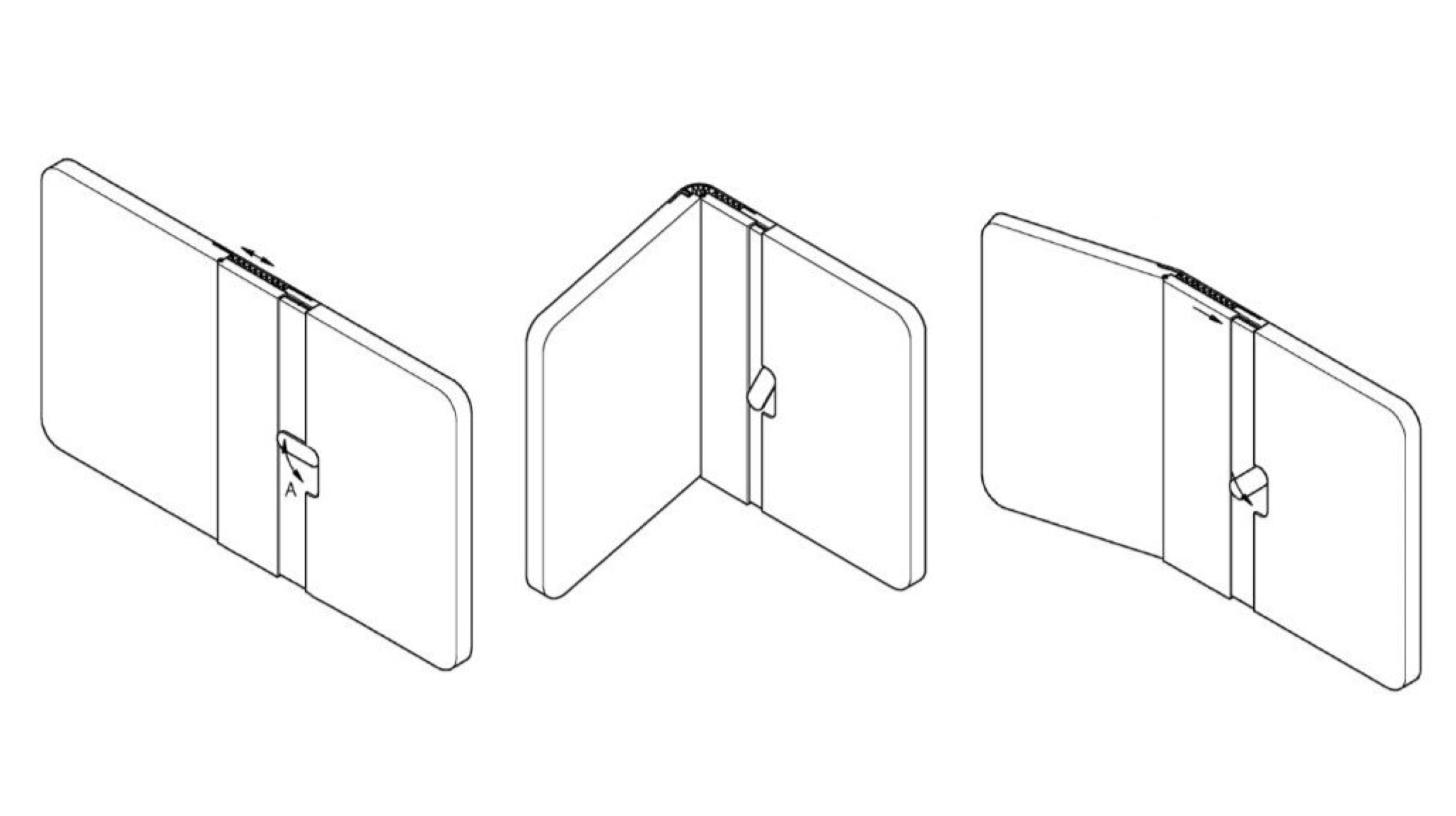
    Samsung filed the patent for the aforementioned foldable smartphone with WIPO (World Intellectual Property Organization) on the 21st September 2018 which it was granted on the 4th of January 2019. The front of the device houses a large screen foldable display which is stabilised via a complex spring-loaded mechanism. The left and right halves of the foldable device are consolidated with the help of a flexible material which conceals the previously mentioned mechanism.

    The spring that drives the mechanism stays in a rested position when the device is in its folded state. However, to maintain a flat unfolded state the user must turn a small latch at the rear of the device which tenses the spring to present a smooth and wrinkle-free display. As the display of the device from the patent stays exposed it is highly susceptible to scratches and scuffs. Therefore, the company is also expected to develop a protective case for the device. Surprisingly, the patent does not exhibit any camera sensor on the front or the rear of the device. Any details about the specifications of the foldable smartphone are currently unavailable. We will have to wait for the company to spread some light on the foldable smartphone from the freshly granted patent. 

    Is It The Galaxy Fold 2?

    Also Read: Indian Government Implements cVIGIL App To Prevent Devious Voting

    The answer to this question is not certain, however, presumably the freshly patented device will co-exist alongside the Galaxy Fold. The market for foldable phones has just started to bloom and Samsung being a leader would want to take full advantage of the market that is soon expected to explode. Accordingly, the company is likely to launch several foldable phones with disparate sizes and forms to examine the choices of the consumers.

  • Redmi 7 To Launch In China On March 18

    Redmi 7 To Launch In China On March 18

    Earlier this year, Redmi separated from its parent company Xiaomi as an independent brand. The company launched its first smartphone the Redmi Note 7 in China in the month of January. On the 28th of February, Redmi launched the Redmi Note 7 and its beefed-up sibling the Redmi Note 7 Pro in India which made its global debut. The company has announced that the latter will launch in China on March 18. Fresh reports claim that it won’t be the only device to be launched then, as the Redmi 7 is also presumed to make its debut at the event.

    Redmi 7 Specifications

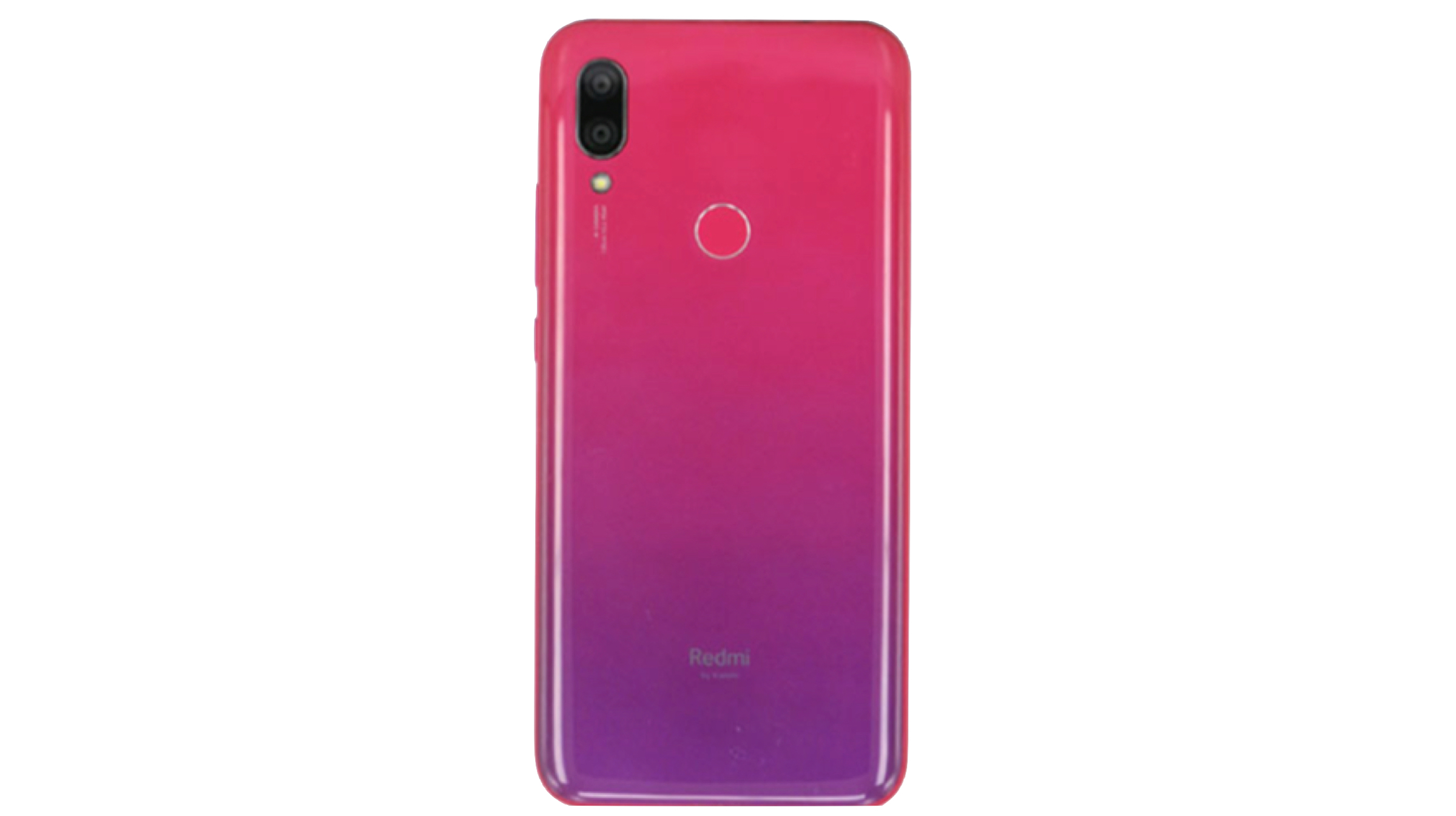
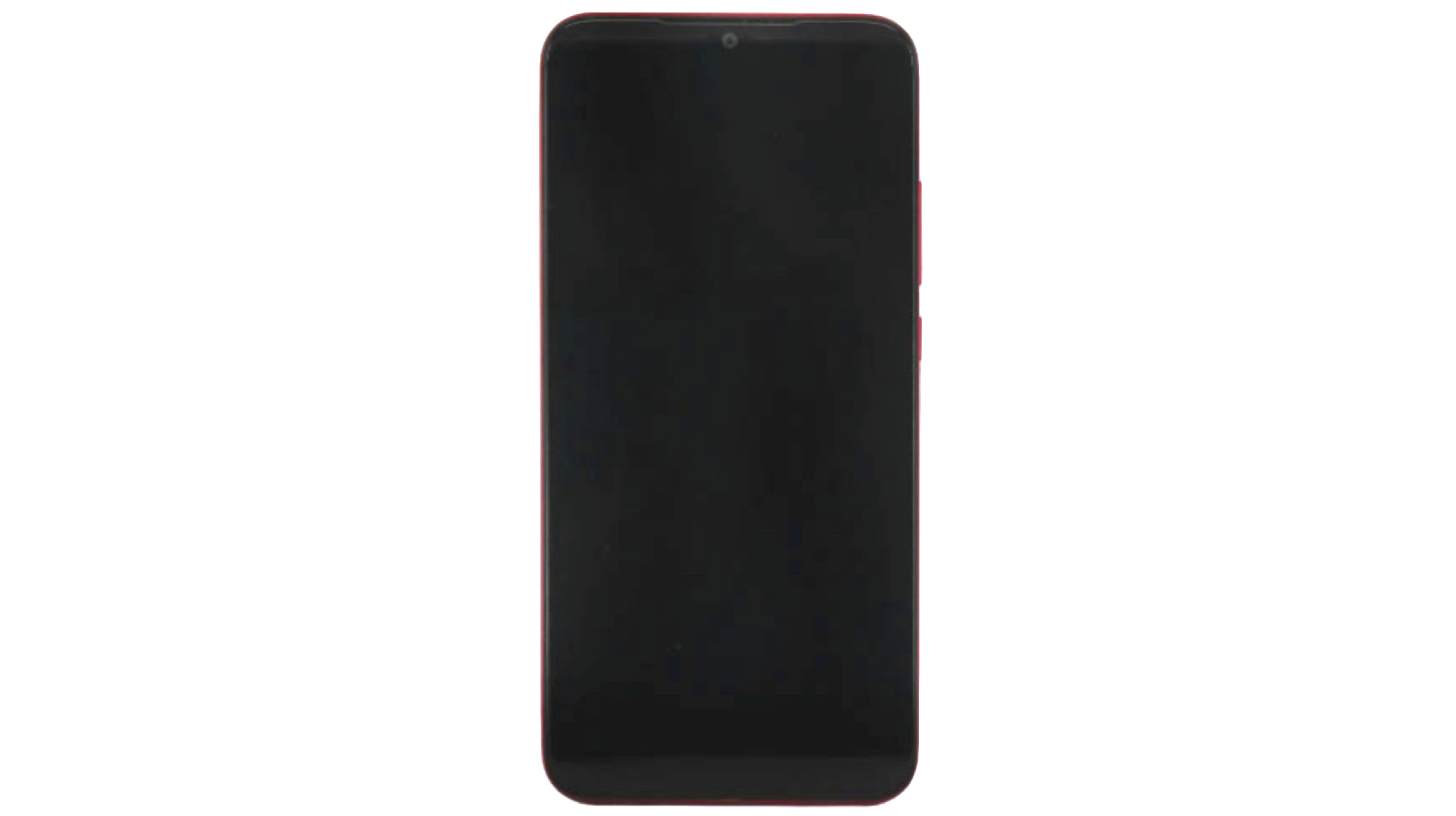
    The Redmi 7 will succeed the Redmi 6 as a budget smartphone from the company. A few days ago, specifications of the device were leaked online. According to the leaks, it will have an all-new design with a polycarbonate frame and a colourful gradient back. The display will be a 6.2 inch IPS LCD panel with a resolution of 1520 x 720 px. There will be a waterdrop notch on the top with minimal bezels on all sides of the display. The smartphone has a rear-mounted fingerprint scanner with support for face unlock technology.

    According to leaks, the Redmi 7 will run on the Snapdragon 632 SoC which is manufactured using 14 nm fabrication process. The chipset is comprised of an Octa-core CPU and Adreno 506 GPU. In terms of optics, the smartphone will feature dual rear cameras which consist of a 12MP sensor combined with a 2MP depth sensor for enhanced portrait shots. For selfies, the smartphone has an 8MP camera housed in the notch on the top of the display.

    The Redmi 7 will be powered by a 4000mAh battery with support for fast charging. It will run on the latest MIUI 10 which is built on top of the latest Android 9 Pie. The company has confirmed on the Chinese social networking website Weibo that the handset will also have an infrared blaster and a 3.5mm headphone jack. In terms of memory and storage, the smartphone will be available in the following variants:

    • 2GB RAM and 16GB ROM
    • 3GB RAM and 32GB ROM
    • 4GB RAM and 64GB ROM

    In addition to the inbuilt storage, it will also support memory expansion via a microSD card. Although not yet confirmed, it is likely to support cards of up to 256 GB. 

    Price & Availability

    Xiaomi Redmi 6 Pro

    Also read: Google To Add More Smartphones To The Android Q Beta List In 2019

    The Redmi 7 will launch alongside the Redmi Note 7 Pro in China on March 18. It is also expected to soon make its way into the Indian markets. Unfortunately, the company has not revealed the price of the device but reports claim it will be available starting CNY 700 (Rs. 7,200) for the variant with 2GB RAM and 16GB internal storage; the version with 3GB RAM and 32GB of onboard memory will cost CNY 800 (Rs. 8,300); and the version with 4GB RAM and 64GB internal storage will be priced at CNY 900 (Rs. 9,300). Pleasingly, we won’t have to wait for long as the launch of the device is imminent. 

  • Google To Add More Smartphones To The Android Q Beta List In 2019

    Google To Add More Smartphones To The Android Q Beta List In 2019

    Each year Google announces changes and upgrades in its Android Operating System (OS) at its developer’s conference called Google I/O. Last year, it surprised the audience by announcing that the Android 9 Pie Beta will be made available for smartphones other than the company’s own Pixel lineup. This step was taken in order to curb Android Fragmentation, which means an alarming difference in the various available Android versions in the market. Fresh reports claim that the company is planning on adding more smartphone OEMs to this list for the year 2019 with the upcoming Android Q Beta update.

    Android Q Beta

    Google is expected to announce the first Android Q Public Beta at the Google I/O event which will be held in the month of May this year. The update will bring about significant changes in the design and usability of the OS. Previous leaks suggested that with the next version, the company is planning on removing the back navigation button completely in favour of new gestures; which will be used to navigate around the UI. Last year, it added smartphones from different OEMs which were eligible to get the first Android P Public Beta. Those devices included:

    A senior Google executive was noted saying the company will add a host of new smartphone OEMs to the list of devices supporting Android Q Public Beta. Unfortunately, as of now it is not known which devices will be added to the list but speculated names include smartphones from Motorola, Samsung, LG and Huawei. The brands from last year will be retained and their latest devices are also expected to be provided with the update.

    Also read: Qualcomm Demands US$ 31 Million In Damages From Apple

    The Android Q Public Beta update is being provided with the help of Google’s Treble project. It was released with Android 8 Oreo in the year 2017 and separated the chipset maker from the update process. This was aimed at streamlining the software updates, which differed drastically with each brand. This initiative of adding more smartphones to the beta update list by Google aims at fixing the issue of fragmentation in Android. It will be announced at the upcoming Google I/O, which will take place from May 7 to May 9 at the Shoreline Amphitheatre in California, USA.

  • Xiaomi’s Foldable Phone Will Launch Q2 For Half Price Of The Galaxy Fold

    Xiaomi’s Foldable Phone Will Launch Q2 For Half Price Of The Galaxy Fold

    Foldable phones are all the rage in 2019. And even before Samsung could show off their first foldable phone, the Galaxy Fold, many devices were teased and one was even on display at the CES 2019. 

    Xiaomi was one such company that released a video showcasing their version of the foldable phone. Xiaomi not only showed off a working prototype of the device but also showed that the phone worked well and was relatively easy to use and fold up.

    The Samsung Galaxy Fold became the first device to be launched by the electronics giant, and with that, the company officially opened the market to potential competition. Samsung’s foldable phone was soon followed by Huawei Mate X which also showed a new falcon wing design and a more premium price bracket. Samsung wants to retail the Galaxy Fold for US$ 1980 while Huawei Mate X was launched for US$ 2600.

    Investors in Xiaomi’s supply chain reveal that the Chinese electronics company will launch their foldable phone as soon as the end of April or early June. Xiaomi will hold a separate event in China which will be a global launch of the product followed by several localised launches in its important markets.

    Our source also reveals that Xiaomi plans to sell the Foldable device at a US$ 999 price mark. Which will make it the cheapest foldable smartphone. Xiaomi will also bring the phone to Europe for €999 and to India for Rs.74999.

    If Xiaomi manages to launch the Foldable Mi device at such an aggressive price it will surely be able to gather some attention for the product.

    Part of the reason Xiaomi will manage this low pricing is the display. While Samsung and Huawei are using higher quality OLED panels manufactured by Samsung and BOE display. Xiaomi will use Visionox Technology OLED displays. Visionox has developed the foldable displays as per Xiaomi’s requirements. Xiaomi has also funded development and manufacturing resource infrastructure costs for Visionox Technology to be able to develop this display. The company recently filed a patent for the foldable display.

    If Xiaomi manages to launch the Mi Fold / Flex at the above price, it will surely generate enough excitement to warrant sales for the phone. The smartphone will continue to have flagship specifications including the Snapdragon 855 chipset and 8GB to 10GB of RAM.

  • OnePlus 7 Listed Online Confirming Price & Specifications

    OnePlus 7 Listed Online Confirming Price & Specifications

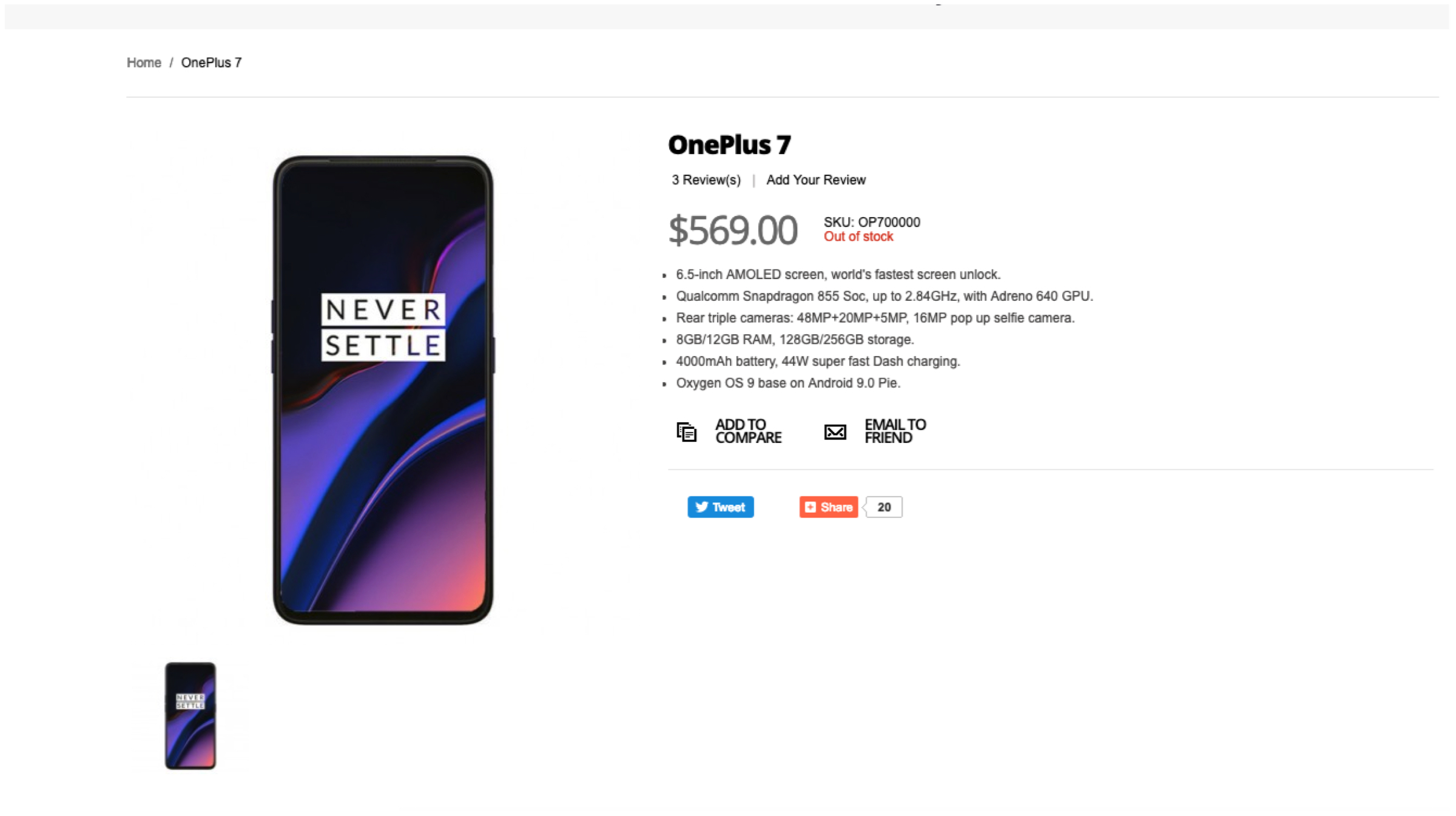
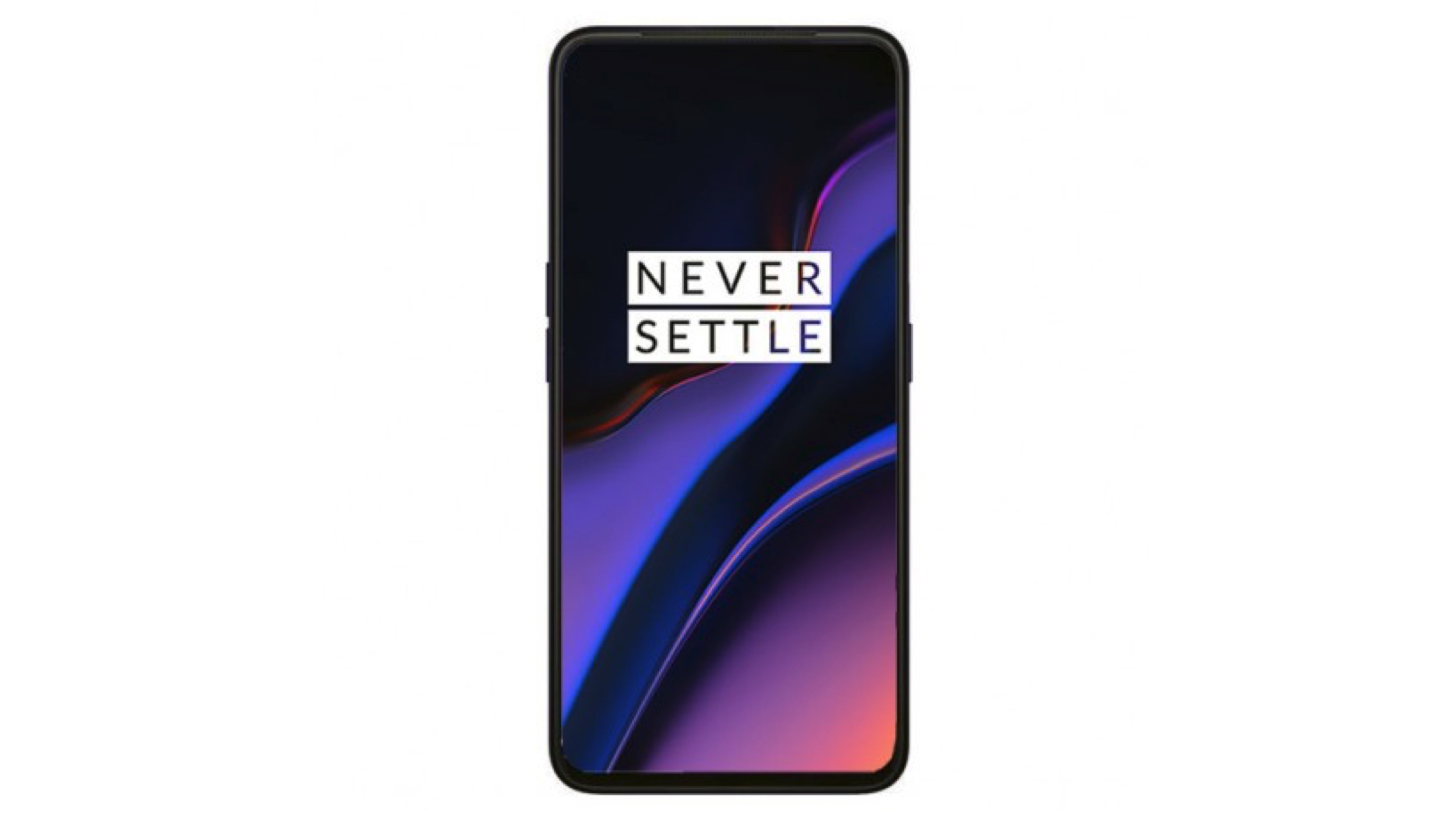
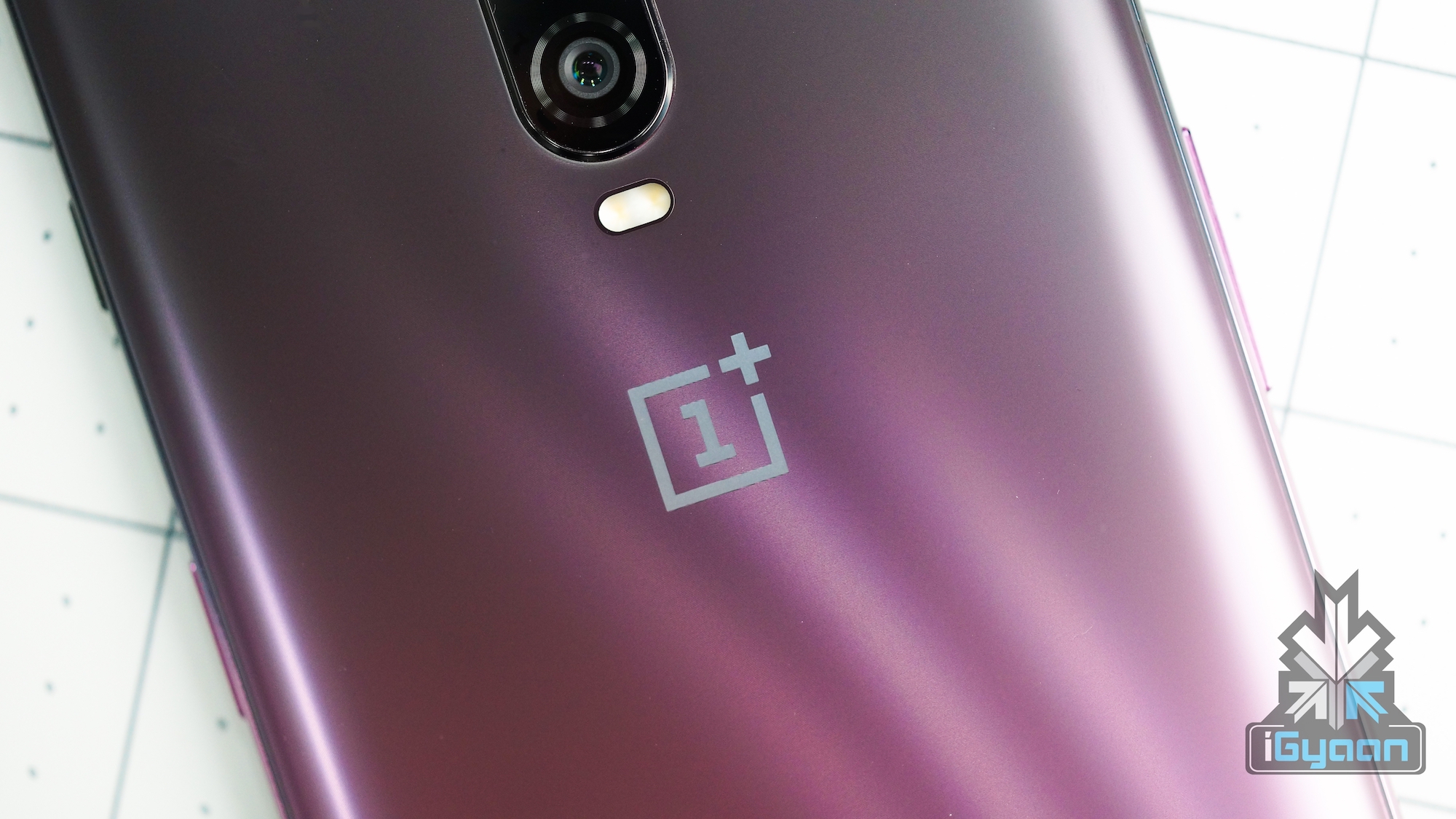
    OnePlus is expected to launch its newest flagship, the OnePlus 7 in a few months. The smartphone is expected to be a significant change over its predecessor, the OnePlus 6T in terms of design and specifications. A fresh listing on Chinese E-commerce website Gizbot has leaked the price and specifications of the upcoming device. This news arrives after the renders of the OnePlus 7 were leaked online a few days ago.

    OnePlus 7 Specifications

    According to the listing, the OnePlus 7 has a glass on the back and the front with minimal bezels around the display. It has a 6.5 inch Super AMOLED display with an FHD+ resolution. Unlike its predecessor, the upcoming device does not have a notch and it rather has a pop-up selfie camera like the Vivo V15 Pro. The smartphone has an in-display fingerprint scanner which has been carried forward from the OnePlus 6T.


    Under the hood, the OnePlus 7 runs on the Qualcomm Snapdragon 855 SoC which is manufactured using 7nm fabrication process. The chipset consists of an Octa-core CPU and Adreno 640 GPU. In terms of optics, the smartphone has a triple rear camera setup consisting of a 48MP primary sensor, 20MP secondary sensor, and a third 5MP sensor. For selfies, the device has a 16MP camera hidden in the pop-up mechanism on the top of the device. For memory and storage, the OnePlus 7 will be available in the following variants:

    • 8GB RAM and 128GB ROM
    • 8GB RAM and 256GB ROM
    • 12GB RAM and 256GB ROM

    The OnePlus 7 will be powered by a 4000mAh battery with support for 44W fast charging. It will run on the company’s OxygenOS 9 which is built on top of the latest Android 9 Pie. Although the listing has leaked most of the upcoming smartphone’s specifications, we will still have to wait for the company to confirm them aforementioned details. 

    Price & Launch

    Also read: SpaceX’s Crew Dragon Marks Yet Another Significant Achievement

    The OnePlus 7 is expected to launch in the month of June and will be available for sale soon after. According to the listing, the smartphone will be priced starting US$ 569 (Rs. 40,000). The company is known for increasing the price of its devices with each iteration, so the news of a price hike might not arrive as a shock to the prospective buyers.

iGyaan Network
Privacy Overview

This website uses cookies so that we can provide you with the best user experience possible. Cookie information is stored in your browser and performs functions such as recognising you when you return to our website and helping our team to understand which sections of the website you find most interesting and useful.