The National Aeronautics and Space Association (NASA) of the United States has announced a new mission called Dragonfly. This mission will send multiple sorties or drone-like aircraft to the Titan, one of Saturn’s natural satellites. The icy celestial body is the largest moon of Saturn and the second largest natural satellite in the solar system. It is also the only moon to have a dense atmosphere, which is why the Dragonfly mission is being sent to study clues of life.
NASA’s Dragonfly Mission
The Dragonfly Mission by NASA is scheduled to launch in the year 2026 and will take eight years to reach Titan in 2034. The rotorcrafts or drones will fly to dozens of locations on the satellite to look for prebiotic chemical processes, which are a link between Titan and Earth. It will mark the first time the organization will fly a multi-rotor vehicle on another celestial body. This device is claimed to have eight rotors and will fly like a normal drone or UAV (Unmanned Aerial Vehicle). The moon is credited to have four times the dense atmosphere than of Earth; which will be taken advantage of by Dragonfly in flying its science equipment payload to new places for repeatable access to materials on the surface.
The icy moon of Saturn is claimed to be the analogic representation of prehistoric Earth. During the 2.7 years long Mission Dragonfly, it will explore different environment factors; to search for the possibility of life. It is said that that the key to life once existed on Titan tens of thousands of years ago. So while the mission may or may not find the existence and sustenance of life there, it is said to give us the chemical evidence of the past or extant life on the moon.
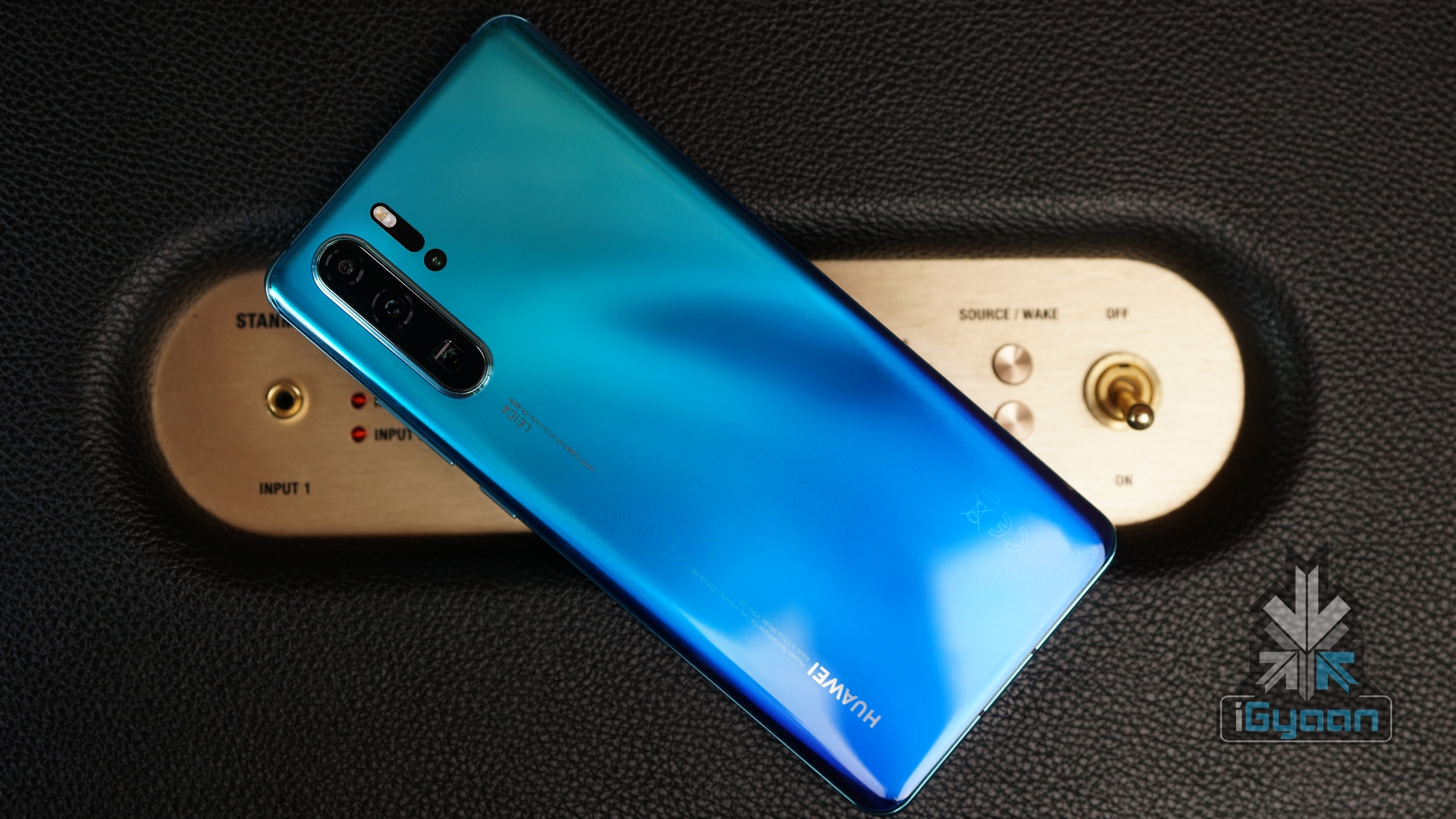
Apple and Huawei have been neck-and-neck in regards to their global smartphone market share. The lead is taken by Samsung while the aforementioned companies go back and forth for the second place. Huawei had almost cemented its lead when the US-China trade wars severely hampered the company’s business. A new report now points at Apple raising its iPhone production following the ban on the Chinese company.
Huawei had been accused of installing backdoors on its networking equipment and providing the data to its home Government, China. The ban sought to isolate the eastern tech giant due to concerns regarding data security by the US Government. Apple is reportedly taking advantage of the ban and is increasing the production of its handsets across the entire quarter. The report has claimed that the American company will make an incremental rise over past estimates.
Apple was originally reported to have planned manufacturing about 39 million units, which has now been estimated to rise to 40 million. The increase will last till the end of Q2, that is the end of June. It has been speculated that Apple is increasing production to respond to increasing demand for the iPhone in a few markets. The increase should fill the gap in the market left behind by Huawei, one of the largest smartphone OEM.
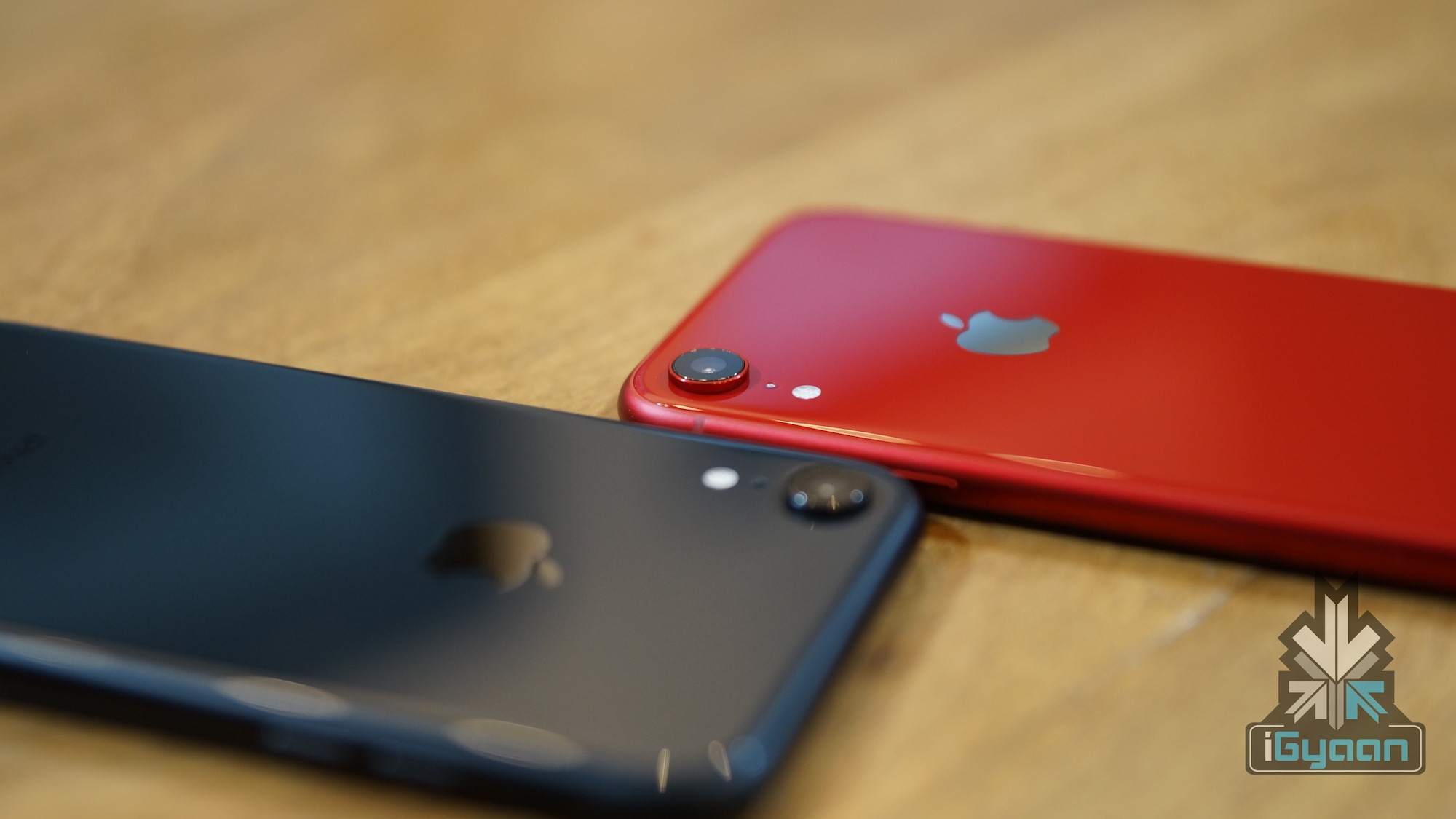
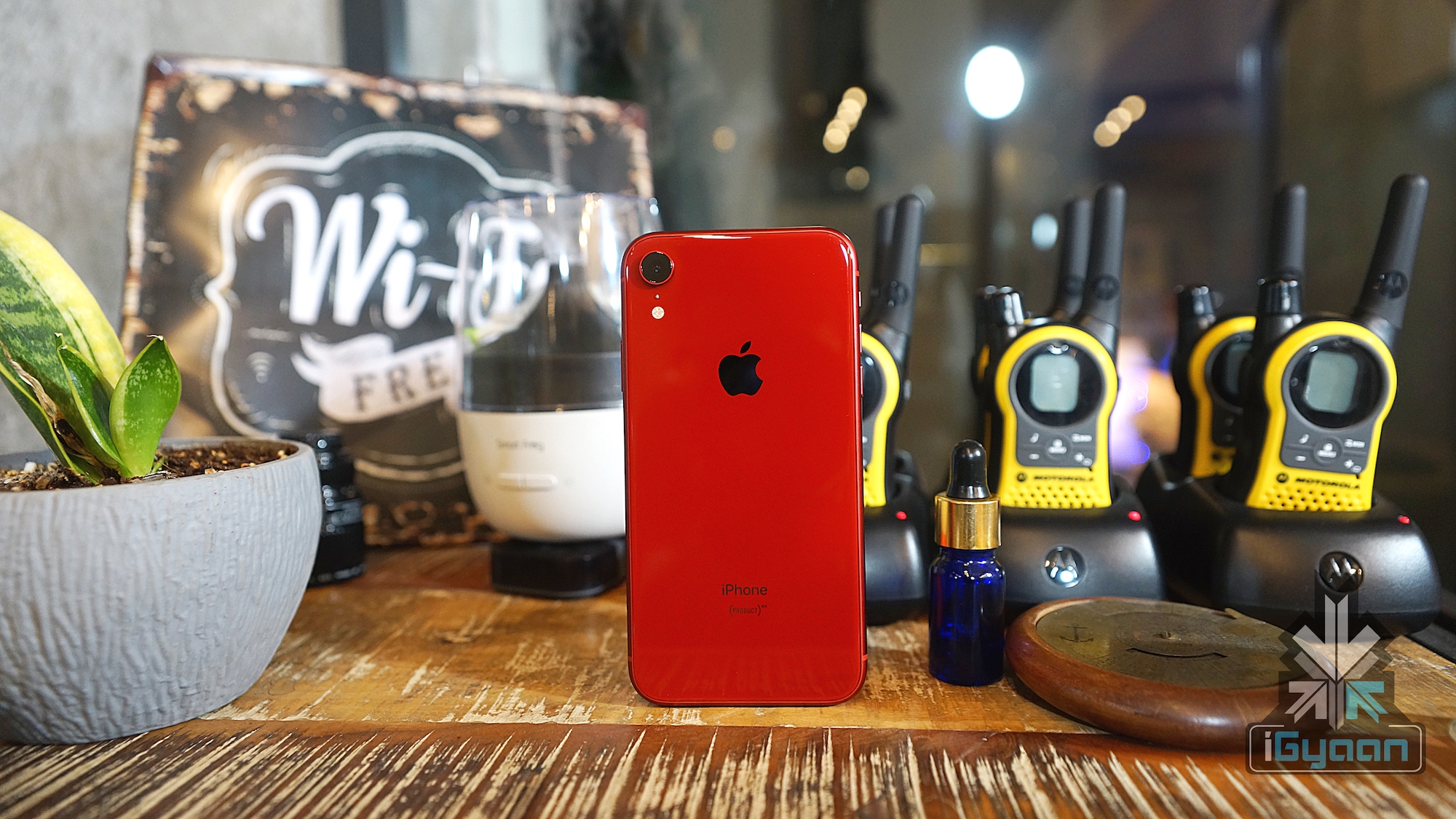
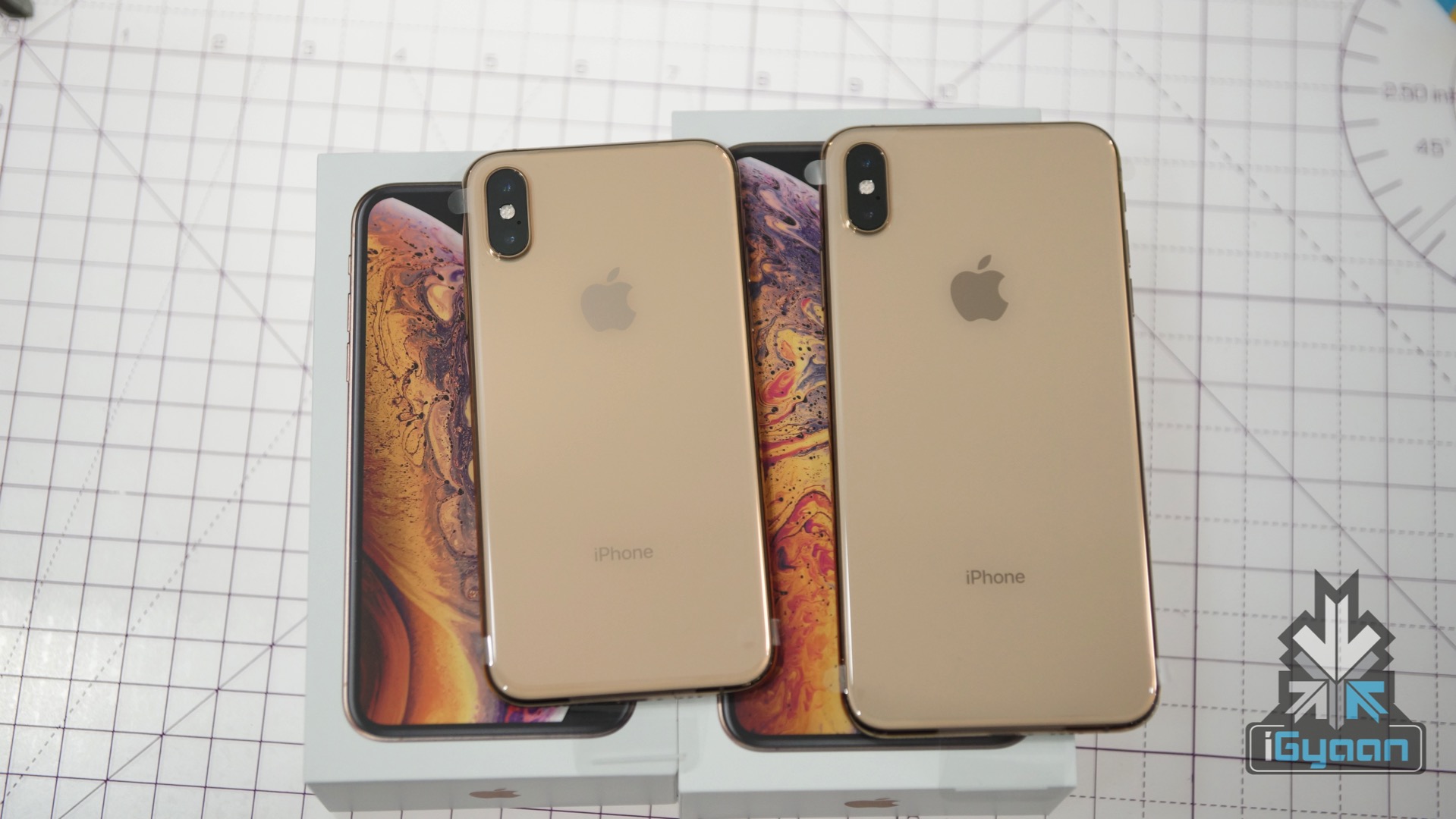
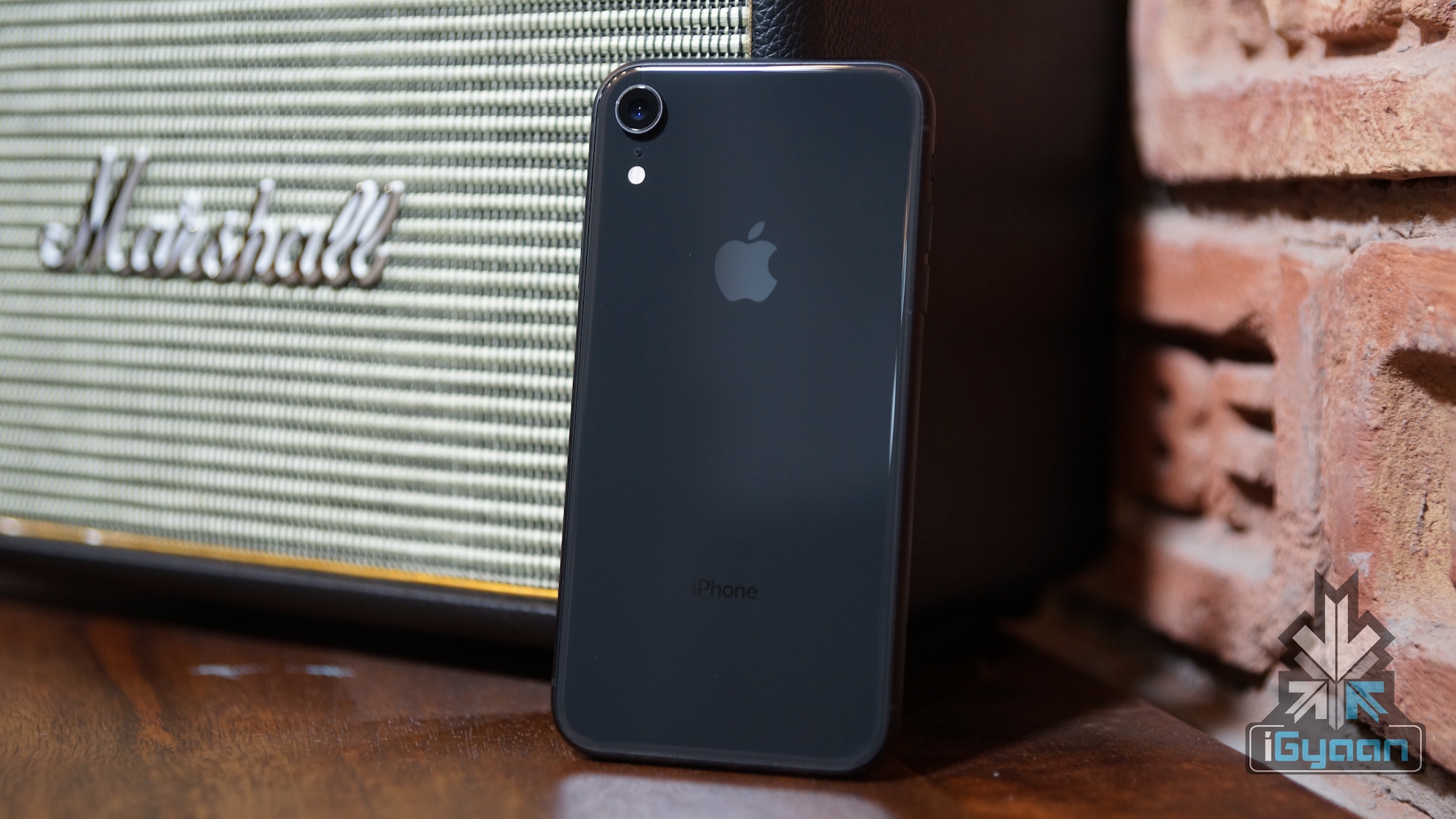
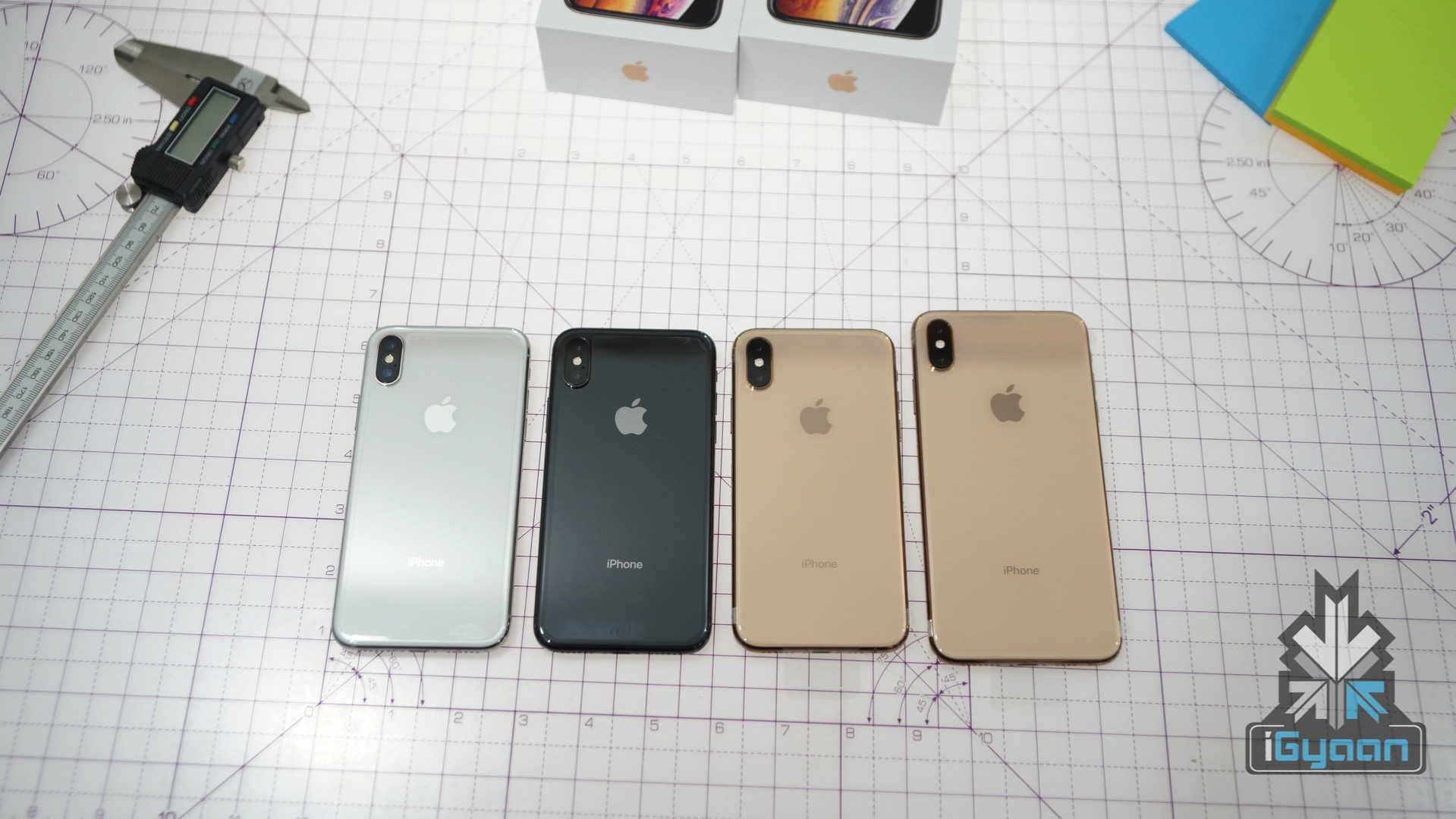
Apple is predicted to focus 75% of its increased production on iPhone XR, iPhone XS and iPhone XS Max models. The remainder will be spread largely across the iPhone 7 and iPhone 8 lineups. The bump is a temporary measure as the tech giant cannot hope to maintain the rise in the long run. Apple could potentially warrant US tariffs on iPhone sales due to the production of its devices in China.
The US Trump ban on Huawei has barred the company from sales of technology and components from American-based companies. Apple will take full advantage of the situation to secure a lead over its crippled competitor. Furthermore, the iPhone 2019 flagship models are just around the corner. It is expected to release in September to its global audience and will be a great new addition to its wide offerings of electronic devices.
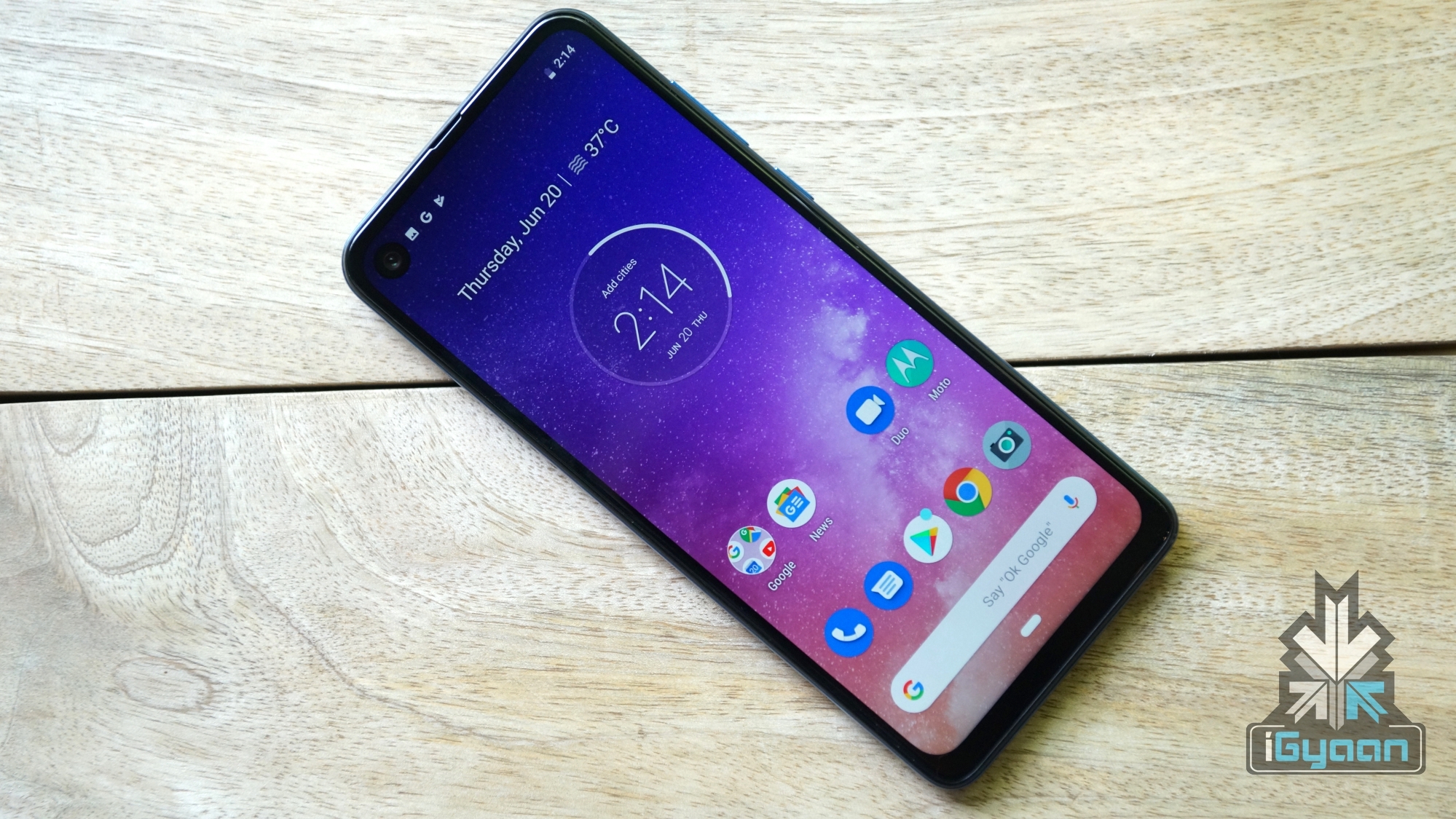
Apart from the G series of handsets, Motorola is also populating the One series which is targeted towards the mid range and premium segment. Earlier this month, the company unveiled the Moto One Vision that has a bunch of unique features. The said features include an unconventionally tall display that has a 21:9 aspect ratio and a punch hole selfie camera.
Motorola One Vision
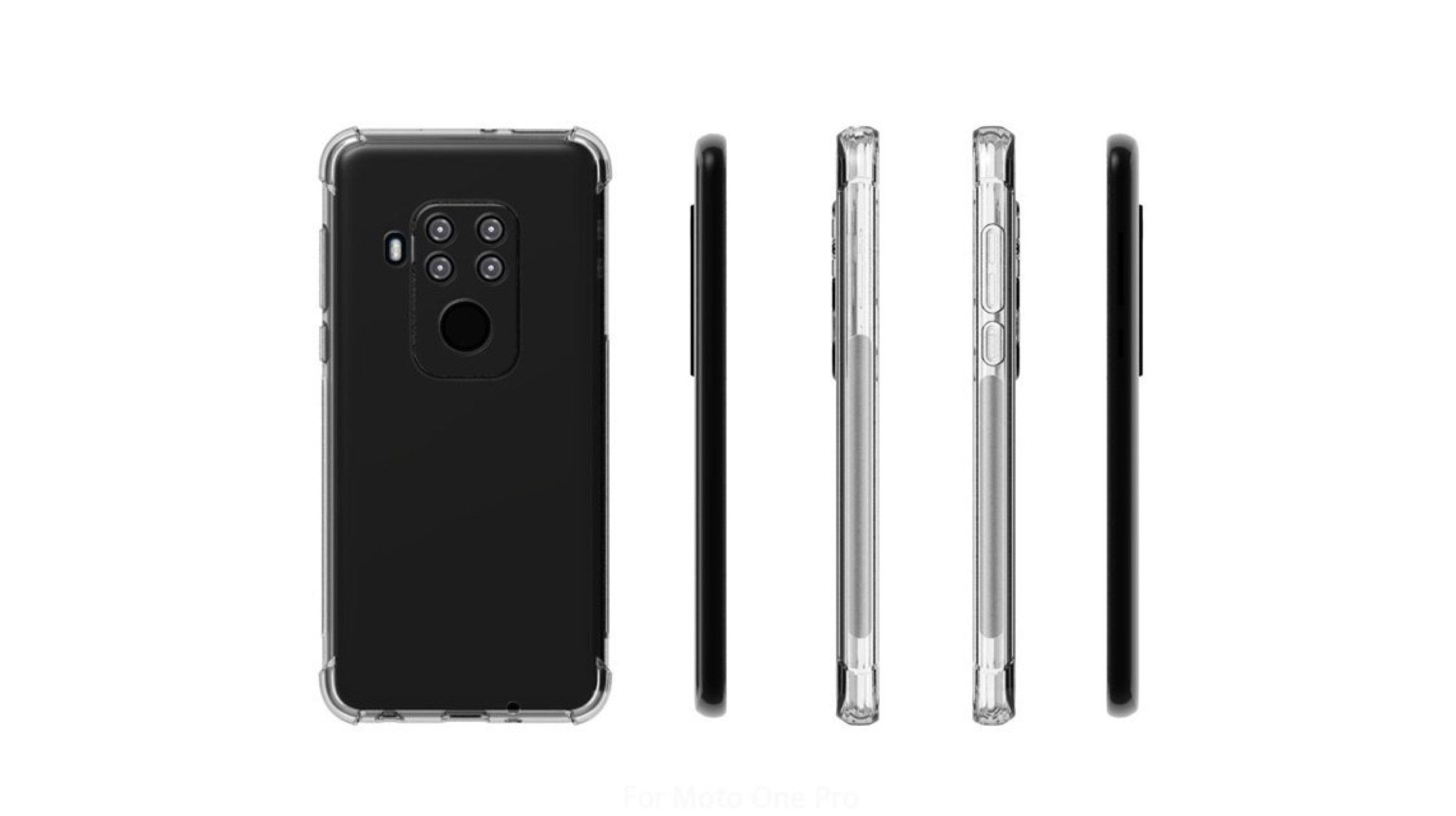
Another smartphone that Motorola has been rumoured to introduce in this lineup is the Motorola One Pro which will be a flagship-grade device. Although the launch date of the device is still unknown, it has been spotted in the wild previously. To reiterate the past claims, a Twitter user has shared the case images of Motorola One Pro which has revealed its design from all angles.
Motorola One Pro Design and Features
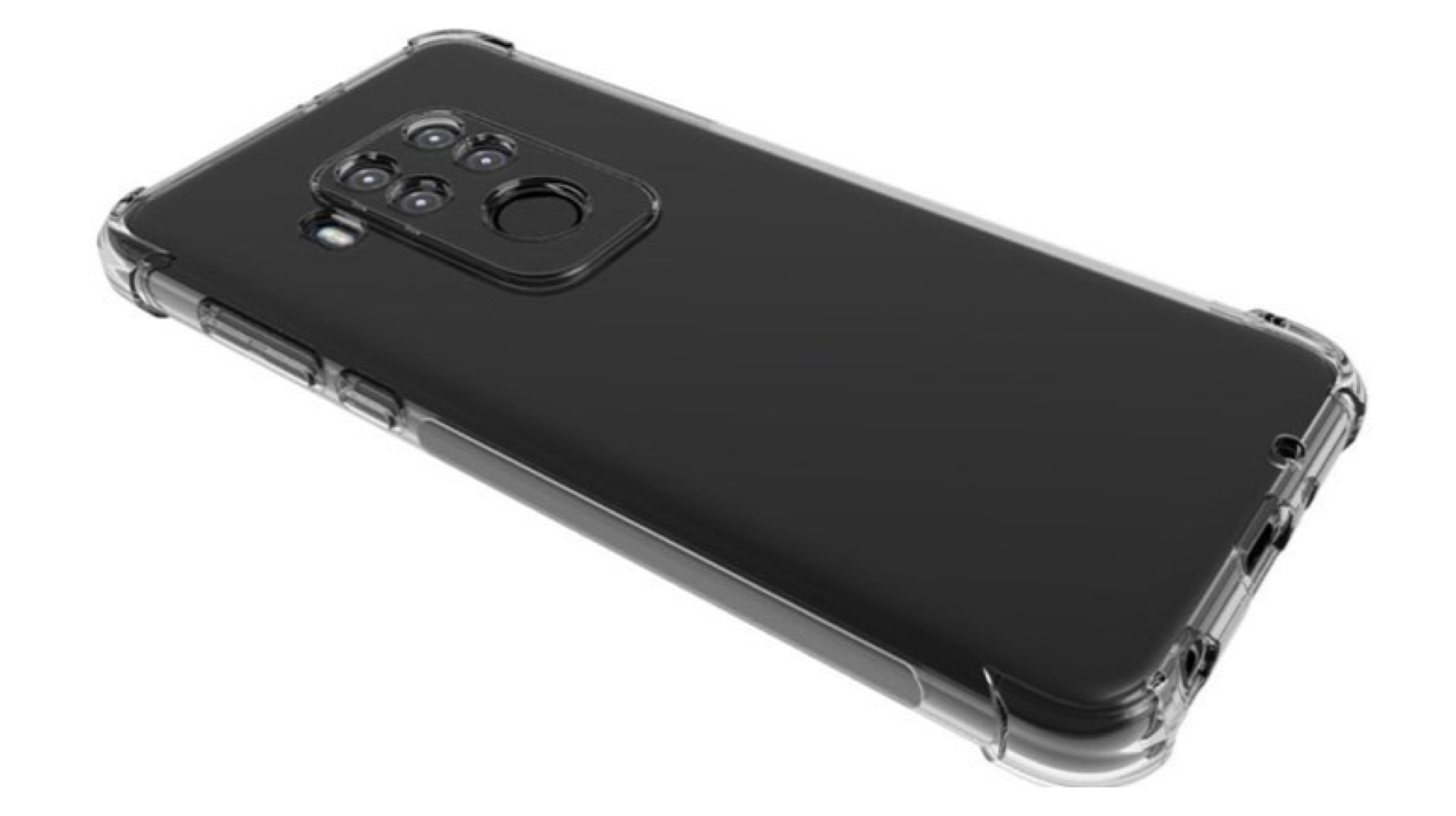
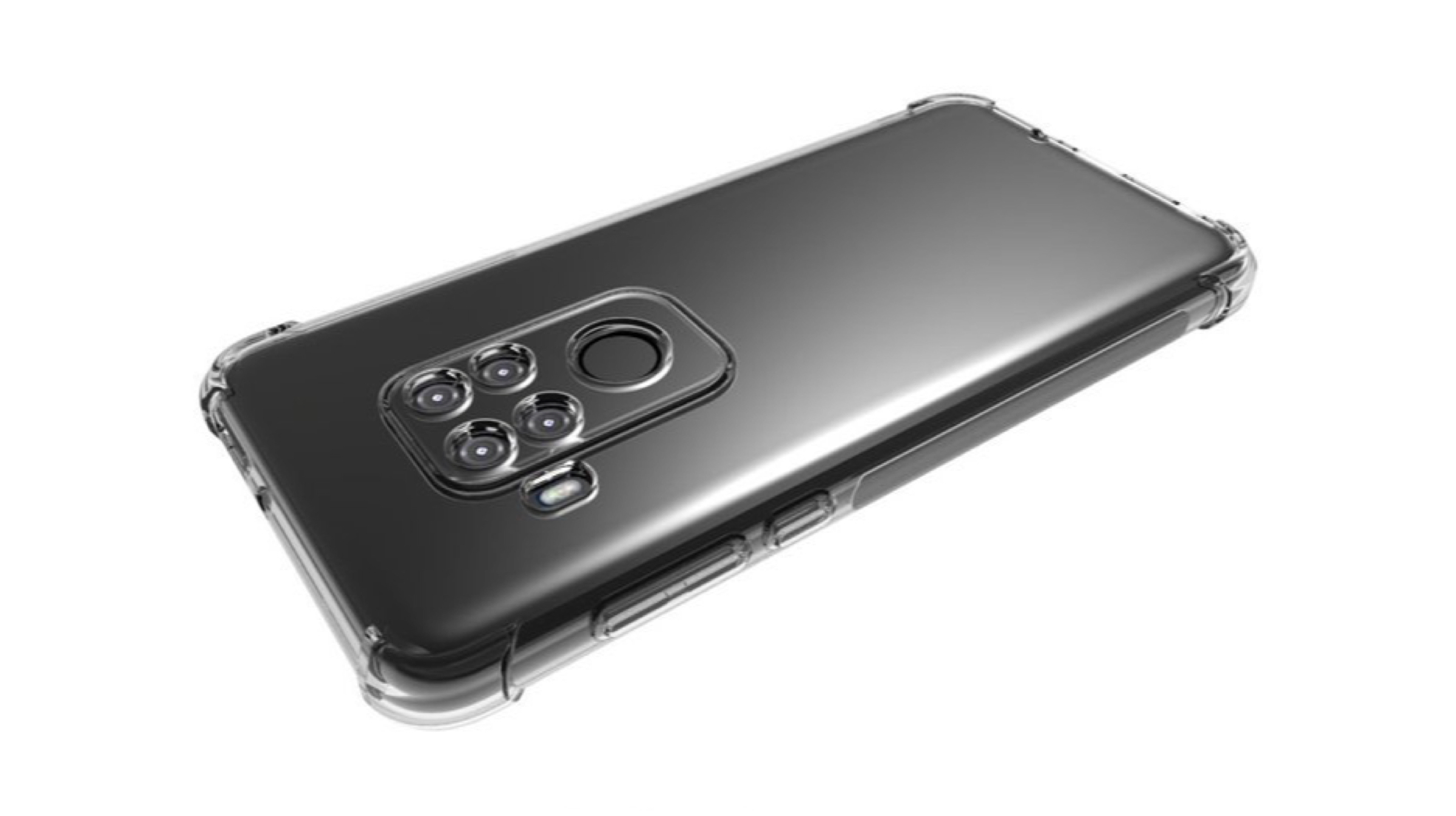
As per the source, the Motorola One Pro seems to have a metal rear panel that tapers towards the edges. The rear of the device houses a fingerprint scanner and quad camera set up along with an LED flash. Surprisingly, the loudspeaker on the device is mounted on the top which is unlike any past offering from Motorola.
The right side of the Motorola One Pro is occupied by the power button and volume rockers while its left side is devoid of any controls. The cutouts in its case reveal that the bottom of the smartphone harbours the USB Type C charging port and a 3.5 mm jack which is a welcome addition.
The source does not provide any information about the front of the Motorola One Pro, though they can be derived from the past leak. Accordingly, the Moto One Pro features a 6.2 inch waterdrop notch display on the front that is assumed to have FHD+ resolution. In terms of dimensions, it measures 158.7 x 75 x 8.8mm.
All in all, the Motorola One Pro looks like a promising premium handset with up to date features. If Motorola is able to launch the handset at an aggressive price while maintaining the build quality it offers on its current devices, the smartphone is likely to see a warm welcome from the consumers.
Xiaomi announced its latest CC smartphone series last week. This lineup was revealed to have been made in collaboration with another Chinese manufacturer Meitu; of whose hardware business the former took control of last year. The first devices that are expected to be launched in the series are the Mi CC9e and the Mi CC9, which may be announced at an event in China on the 2nd of July. Now, a senior Xiaomi executive has confirmed that a special edition of the latter called the Mi CC9 Custom Edition will also make an appearance at the event. In a post on the country’s popular social networking website Weibo; the executive has also revealed the retail box and storage options of the special edition handset.
Mi CC9 Custom Edition
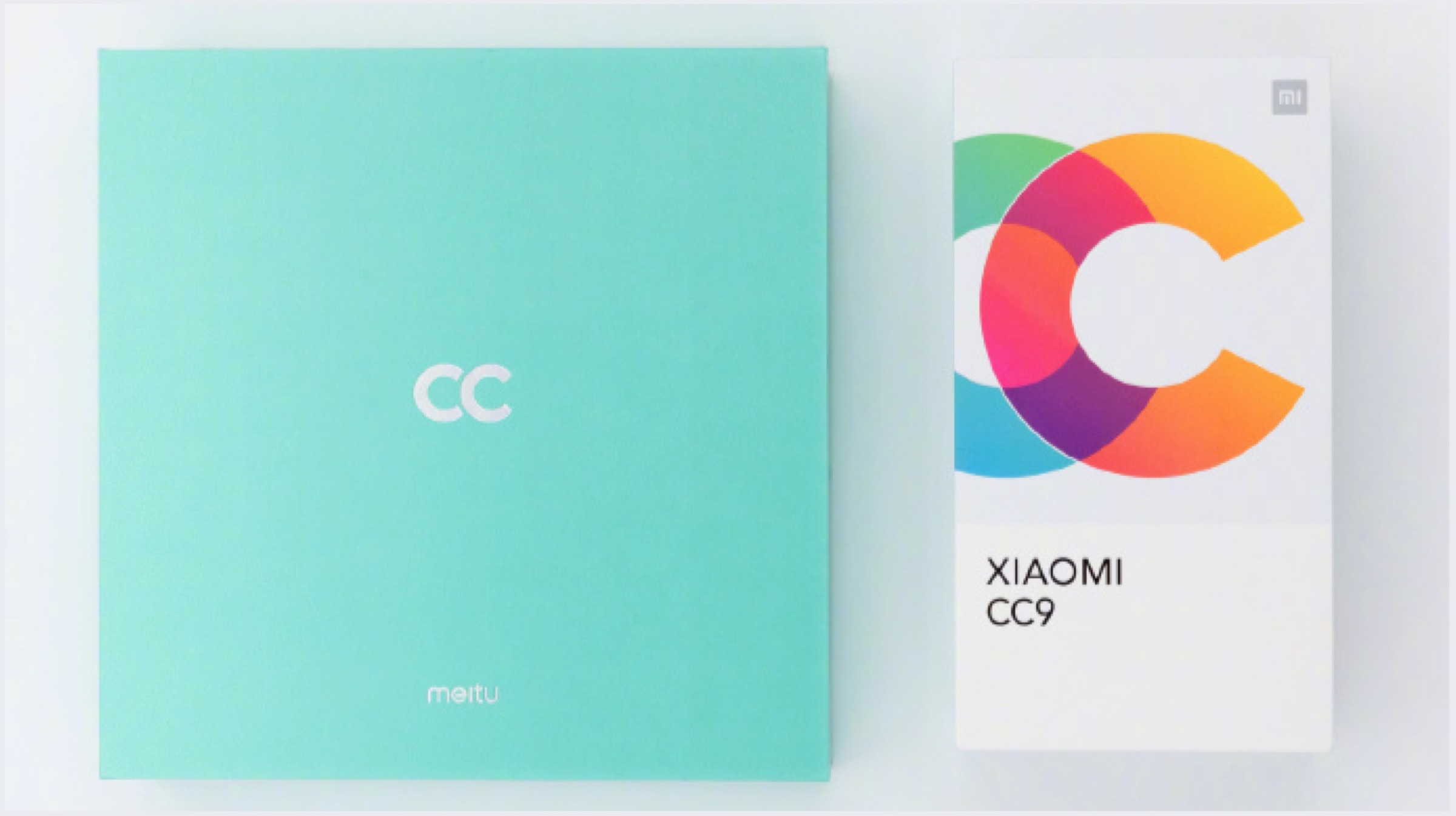
As mentioned above, the Mi CC9 Custom Edition will be a special edition version of the regular Mi CC9. The image shared on the social media by the Senior Xiaomi executive reveals a retail box of the smartphone, alongside the box for the regular variant. It is significantly larger than the retail box for the Mi CC9; which may indicate that the device will be bundled with different accessories or will have a new design altogether.
Alongside the retail box, it has also been confirmed that the handset will arrive in a new colour variant. In terms of optics, while the Mi CC9e and Mi CC9 were revealed to have image optimisations done by Meitu, the Custom Edition will have a camera setup developed by it. This explains the special place for the Meitu branding on the retail box.
Other details revealed about the Mi CC9 Custom Edition by the Xiaomi executive; is the presence of 8GB RAM alongside 256GB internal storage in the smartphone. As it is a special edition version, the smartphone may be available to purchase in limited quantities. It is also expected to cost significantly higher than the regular Mi CC9. Unfortunately, more details like the specifications and the exact pricing of the CC9 Custom Edition are not available yet. But all our question will be answered next week when the company officially reveals the device on the 2nd of July.
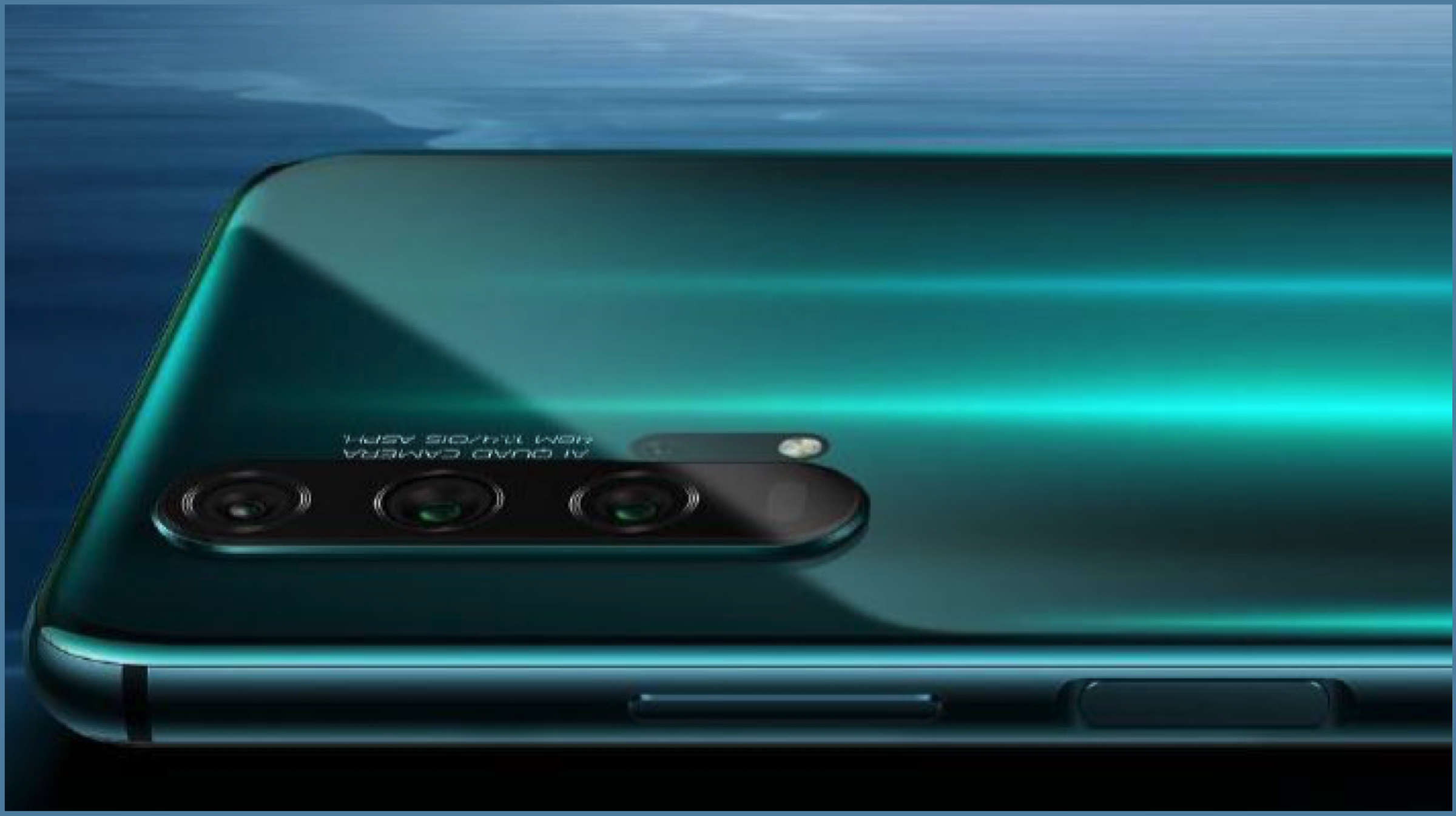
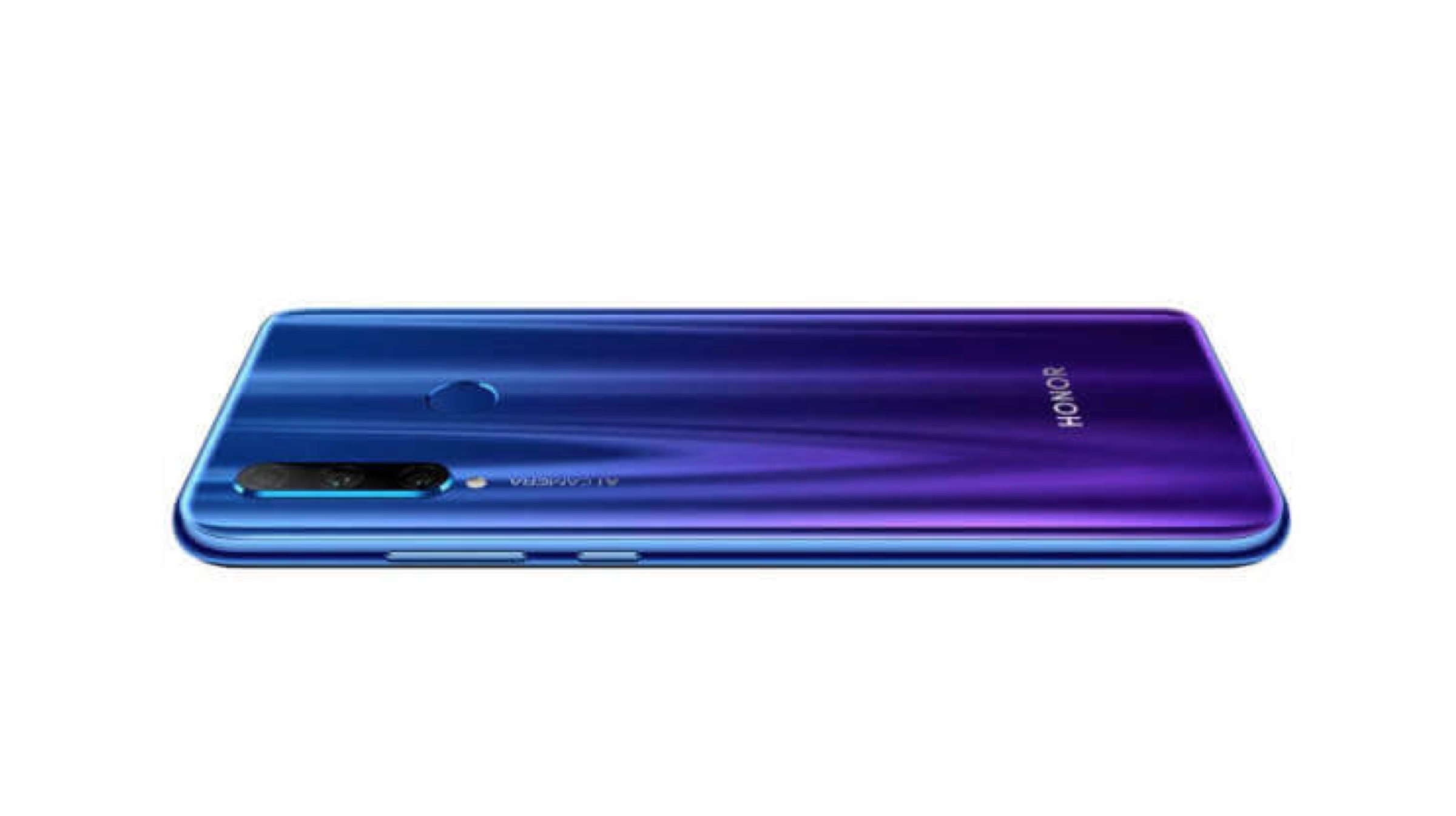
Huawei has been going through extremely rough waters for the last couple of weeks. The Chinese company, however, has not taken a step back with its business in any manner. The tech giant has shown no signs of slowing down, with new smartphones such as the Nova 5 series being released. Now, Honor, Huawei’s subsidiary, announced its commitment towards every one of its users with continued Android support and updates.
The sub-brand was made by Huawei as a dual-brand strategy. The former will aim at mid to low budget smartphones while the latter will compete in the premium markets. Honor provides smartphones that target younger consumers and is known to release tablet and wearable electronic gadgetsas well.
Honor India went on Twitter to share a few lines dedicated to its loyal customers in a reassuring move. The tweet has the company promise its continued support for existing as well as upcoming smartphones that have been unveiled in the recent past. The support will encompass Android and its various security patches and updates. This claim will include every Honor smartphone and tablets that have already been launched.
Honor’s tweet will seek to ease tensions surrounding the uncertainty of support on their handsets. The public message was for all existing and future owners of Honor smartphones. Furthermore, devices in the Honor 20 series, namely the Honor 20, 20 Pro, 20i will receive Android Q in the near future. The company has also planned the Android 10 update for more of its “popular” handsets, although no official list has yet been given. The move from Huawei’s sub-brand should alleviate concerns from its loyal customers and prospective buyers.
The China-based company’s words will have its customers breathe a sigh of relief. Honor has been successful in India due to its wide range of smartphones that are available at every price bracket. The devices essentially cater to every possible demographic of users. The arriving weeks will tell how true the promise turns out to be, and how the company fares under increasing tensions.
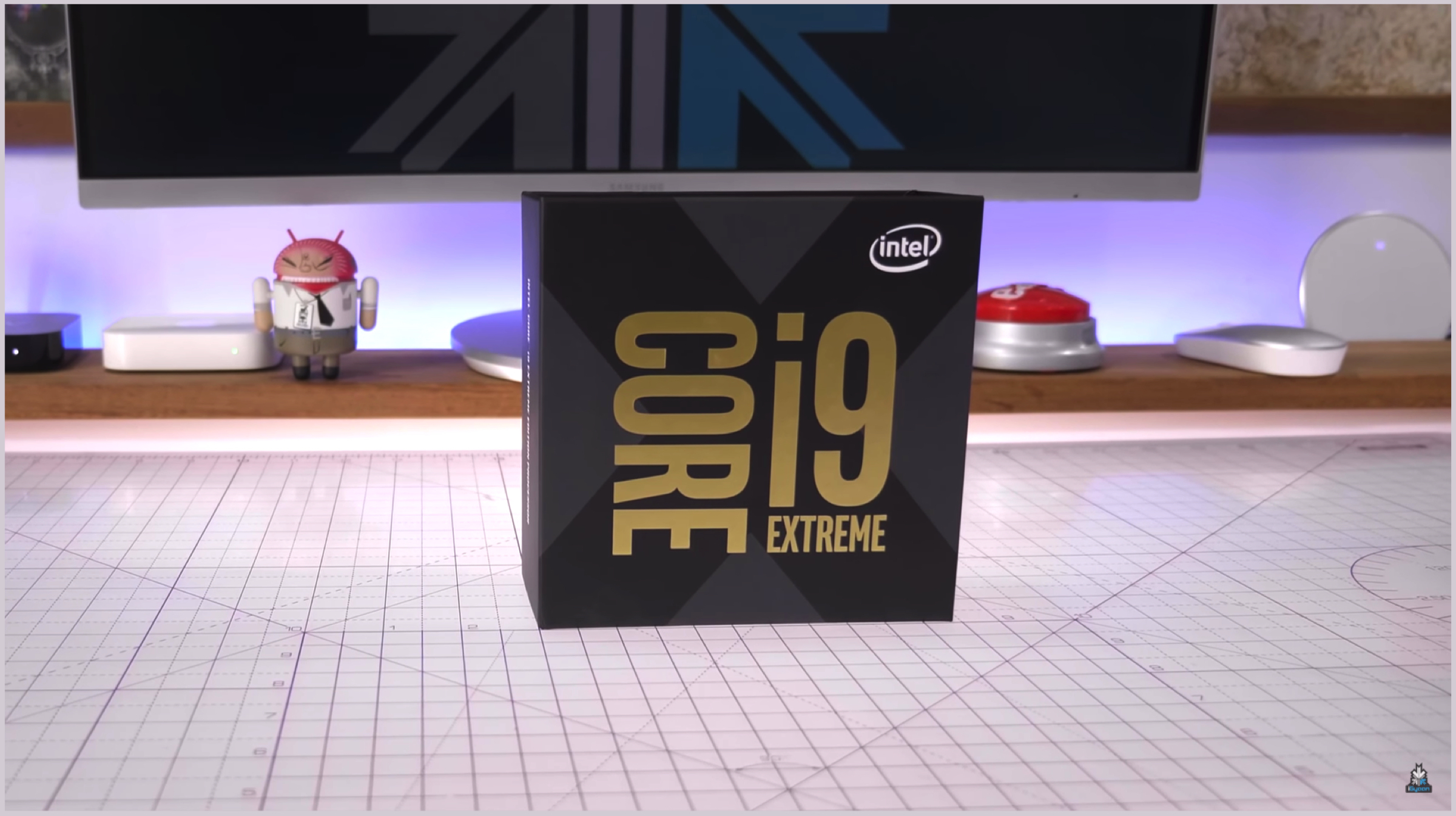
When we at iGyaan started to build the ultimate “Beast” gaming PC, a lot of people had questions about our processor of choice. The Intel Core i9 9980XE did not do much to please the people and they were quick to point out that we were wrong in our choice. While the chipset maybe not the perfect choice for gaming, our primary goal was to build a machine fit for all tasks. For those interested, click here to read the first assembly of the gaming PC build.
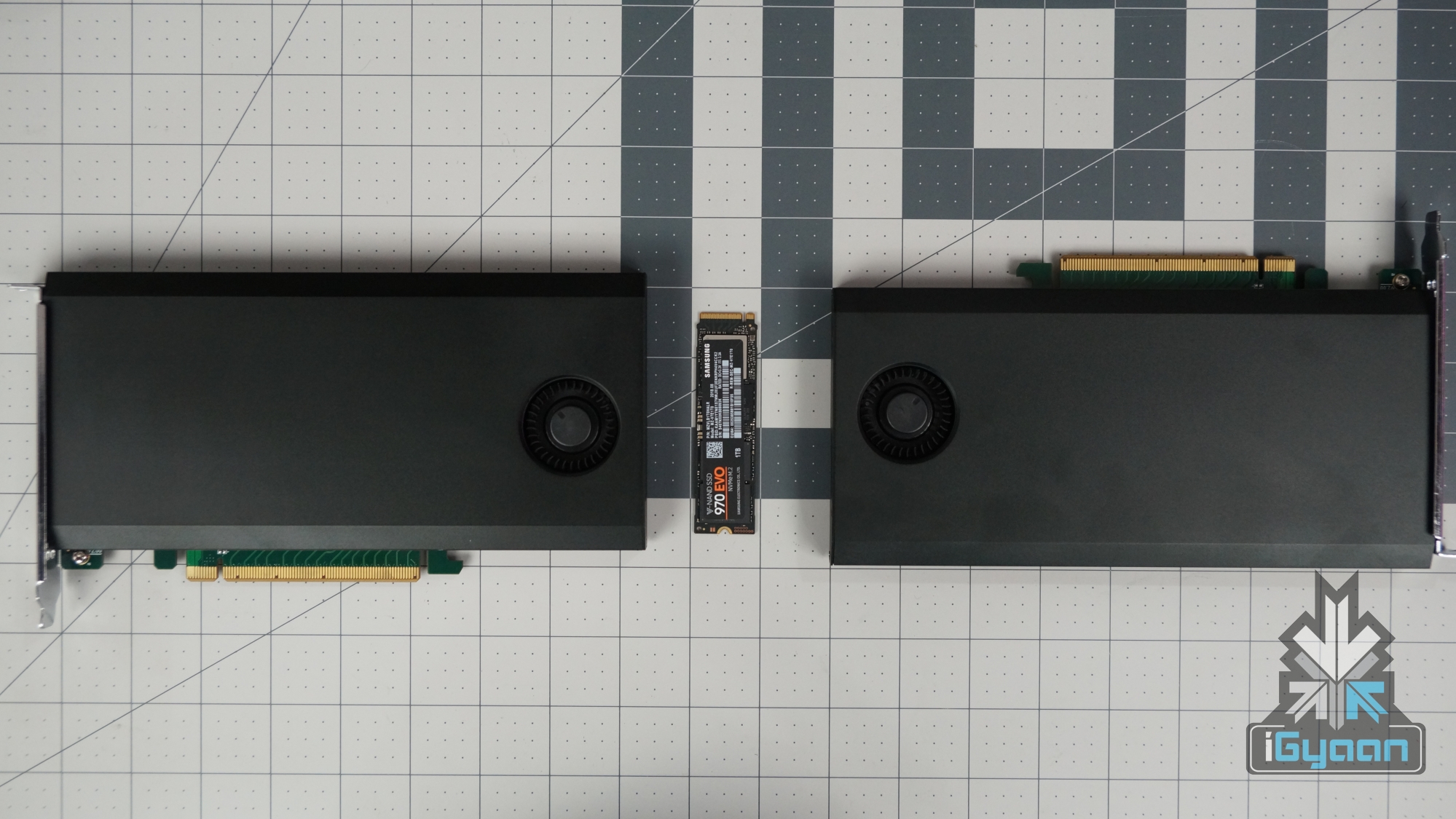
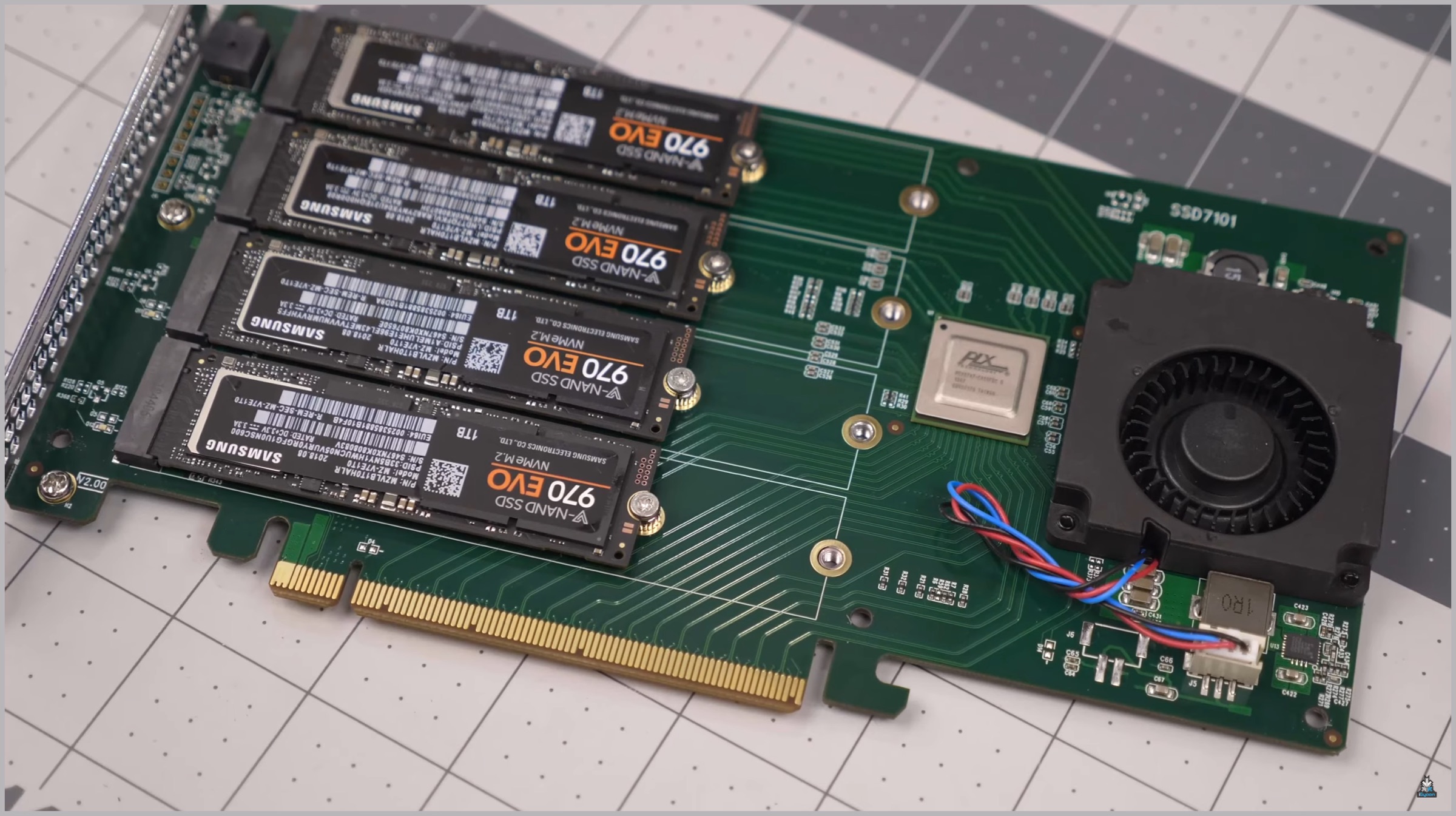
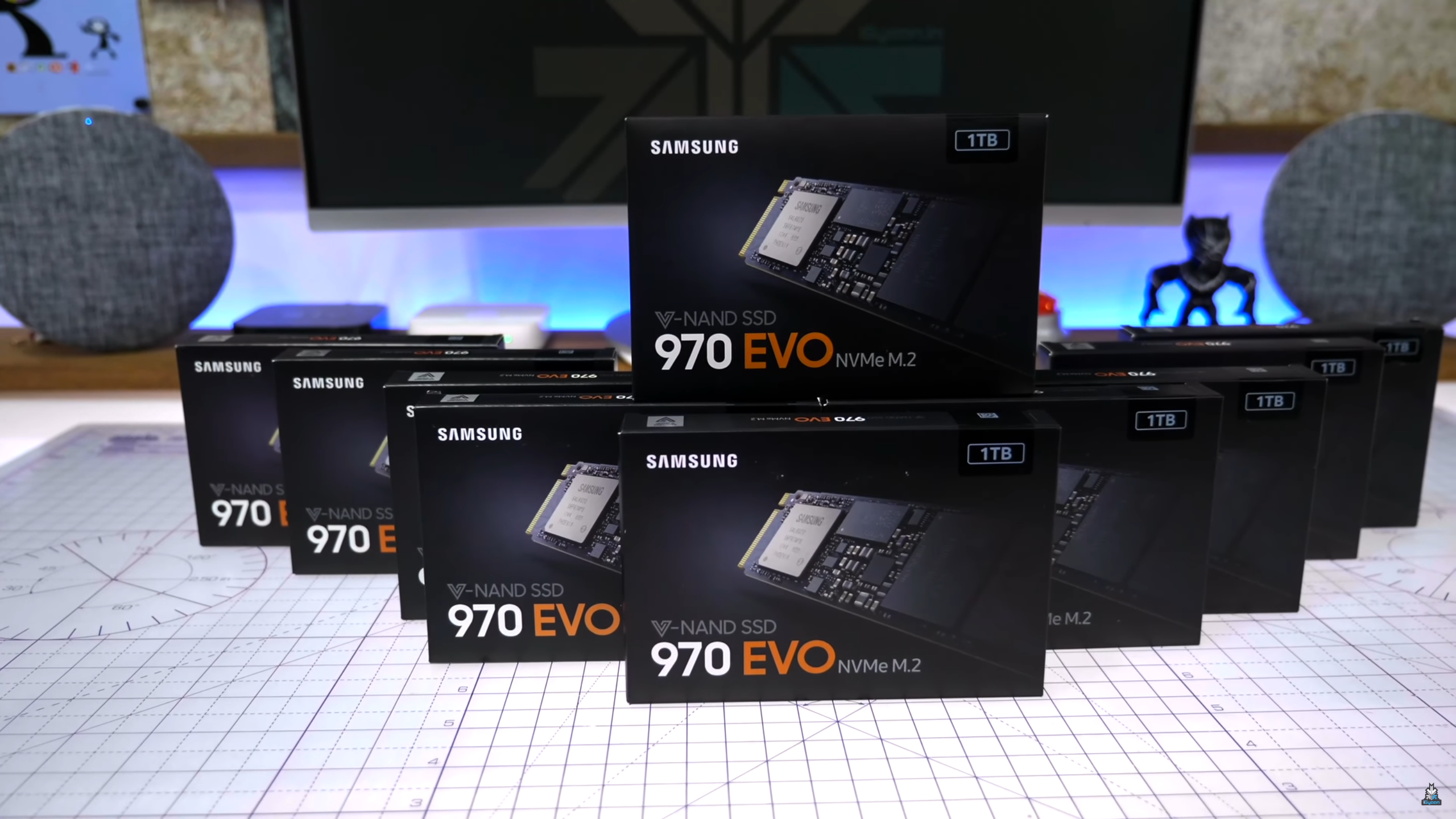
Whether it be gaming or serious editing, the PC should meet our requirements. For that, we also bought ten (that’s right!) Samsung 970 EVO SSDs and two Asus Hyper M.2 X16 cards for a RAID setup. For those of you who do not know, RAID or Redundant Array of Independent Disks is a way to store data that uses multiple disks which increases performances and decreases chances of drive failures.
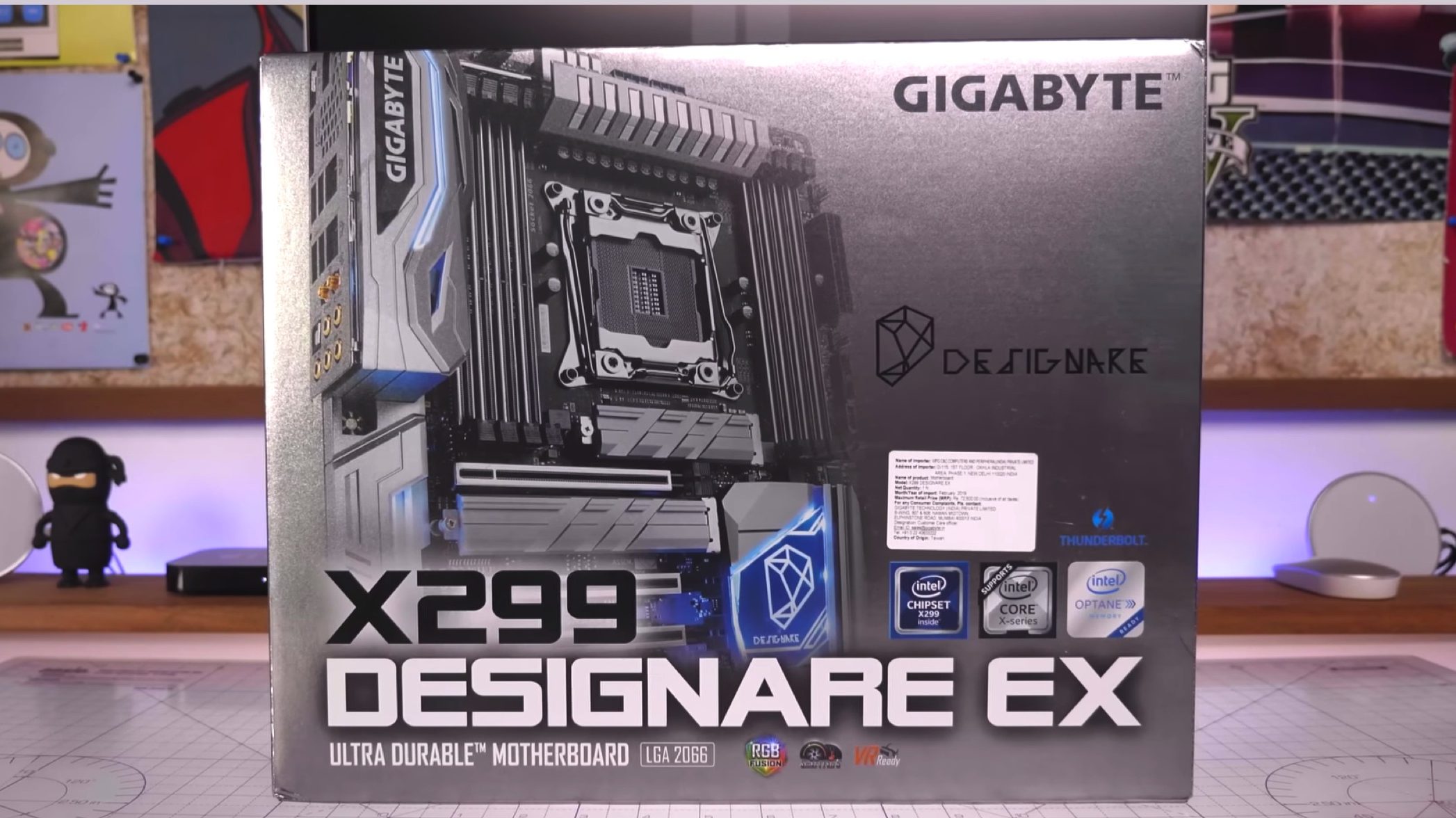
Also, the major advantage of using the aforementioned CPU was the abundant 44 PCIe lanes present on it. These lanes are important for adding the necessary PCIe components on it, like GPUs and of course the SSD RAID setup. There was a problem though, that the Asus M.2 X16 cards were not compatible with our Gigabyte X299 Designare motherboard; as they are mostly harmonious with Asus’ motherboard.
Our motherboard of choice also did not support the slot bifurcation feature; which lets you use the Asus card, which supports an x16 PCIe slot, to behave has four individual x4 slots. While this is a good feature, it is no good to us since neither our Gigabyte motherboard supports it or the Asus M.2 X16 cards. We then had to find an alternative to the card which will be of use to us. Lucky for us; we found that an American manufacturer by the name High Point makes such cards, which do not use the slot bifurcation feature but still uses the x16 lanes as four x4 lanes, which increases speed.
One point to note though, while the High Point RAID cards work perfectly fine; they are not available in India are up to eight times as expensive than the Asus one. Transferring the SSDs from the Asus card to the new one was quite simple, with us placing four SSDs in either one of the two to make two RAID cards. The High Point cards also have a very good thermal management feature, which uses a fan and various heat sinks for heat dissipation.
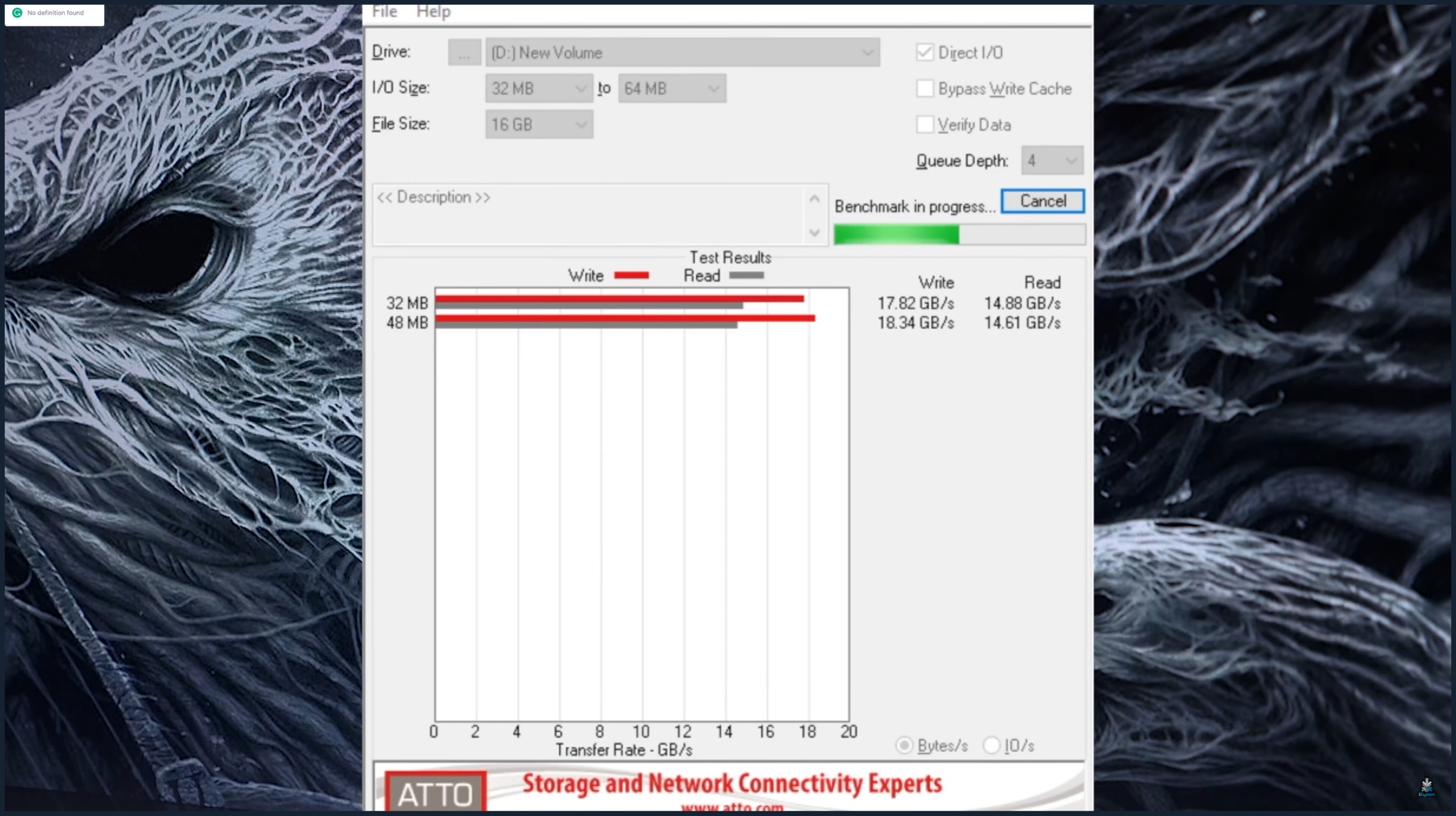
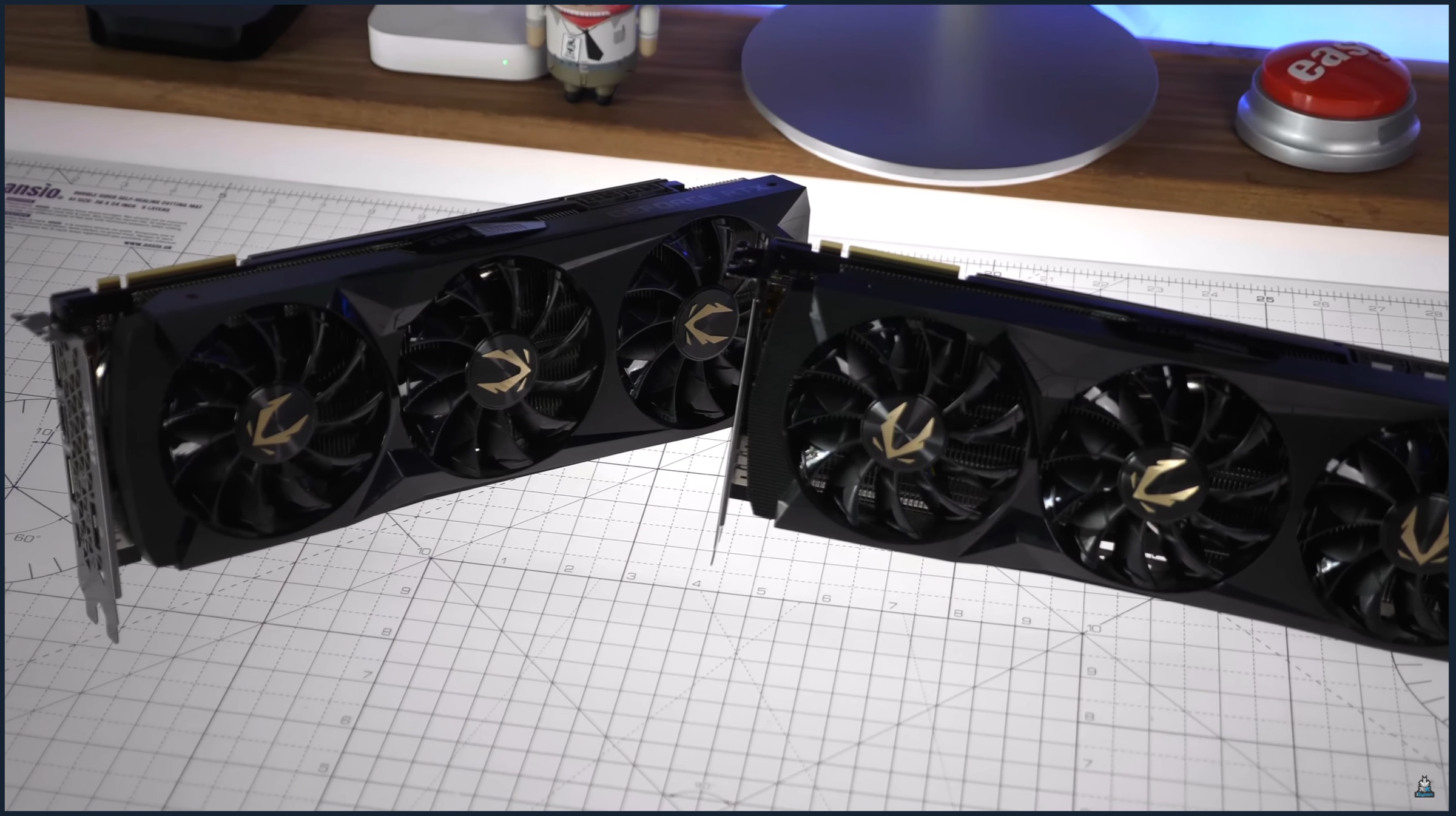
So while placing the RAID cards, we had to remove one out of our two NVIDIA 2080Ti GPUs. This was done because out of the 44 PCIe lanes available, 32 in total were taken up by the two GPUs and there were not enough lanes left for the cards to draw power from. Removing one GPU allowed us to install one High Point card with four SSDs inside after which we booted the machine up. After that, creating a storage pool using Windows Storage Space was no problem, but the speeds achieved on ATTO disk benchmark, as a result, were not as amazing as we hoped. Turns out Windows was just linking the SSDs together and not creating a RAID setup, which was a hurdle.
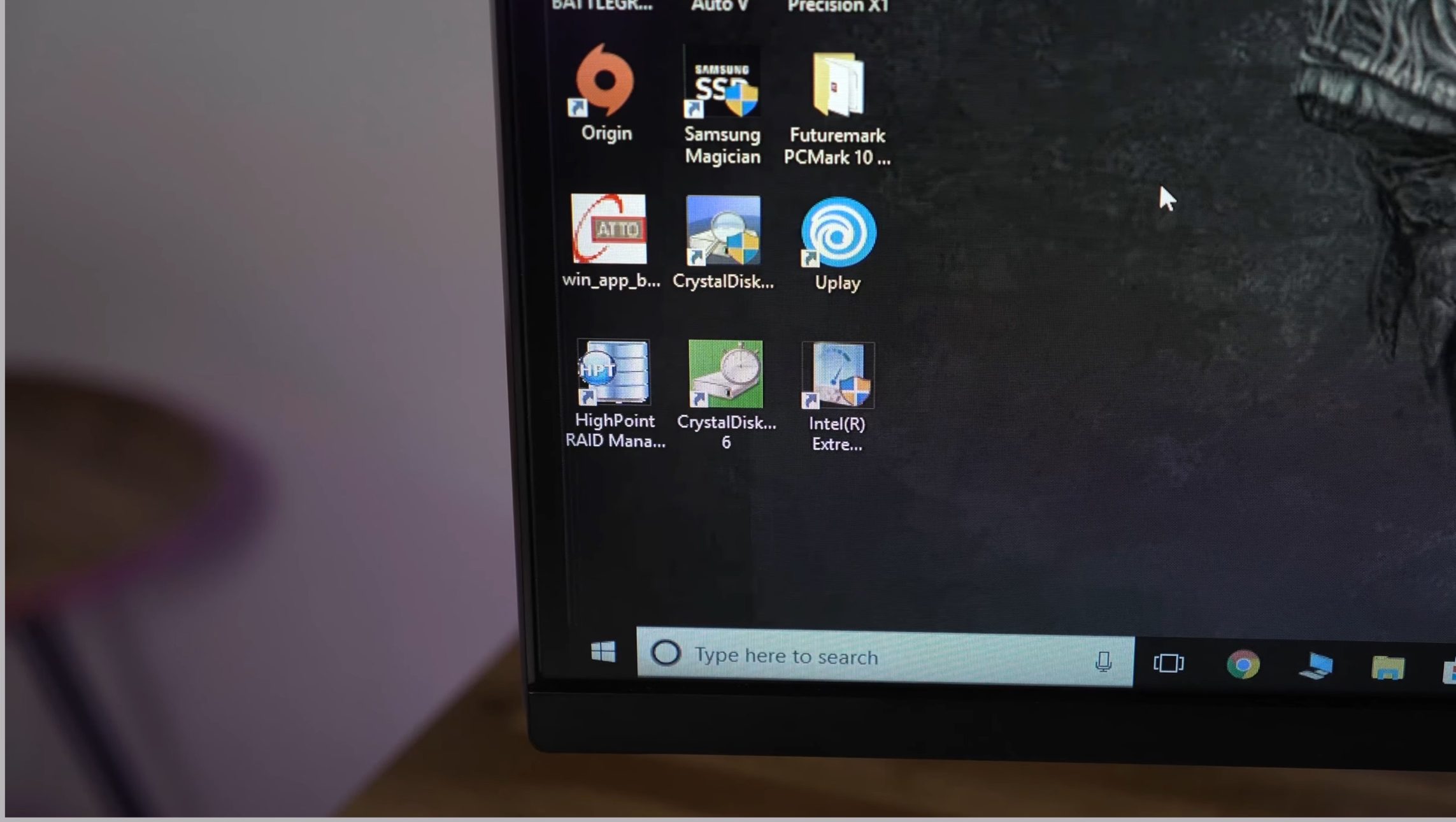
To fix that, we installed the High Point RAID utility and drivers for its cards. This allowed us to build a storage array inside its software, allowing us to create a RAID 0 drive. After creating the drive in Windows drive management and creating a simple partition, the ATTO benchmark test was finally showing a speed of 10GBps to 12GBps; with four SSDs inside the High Point card.
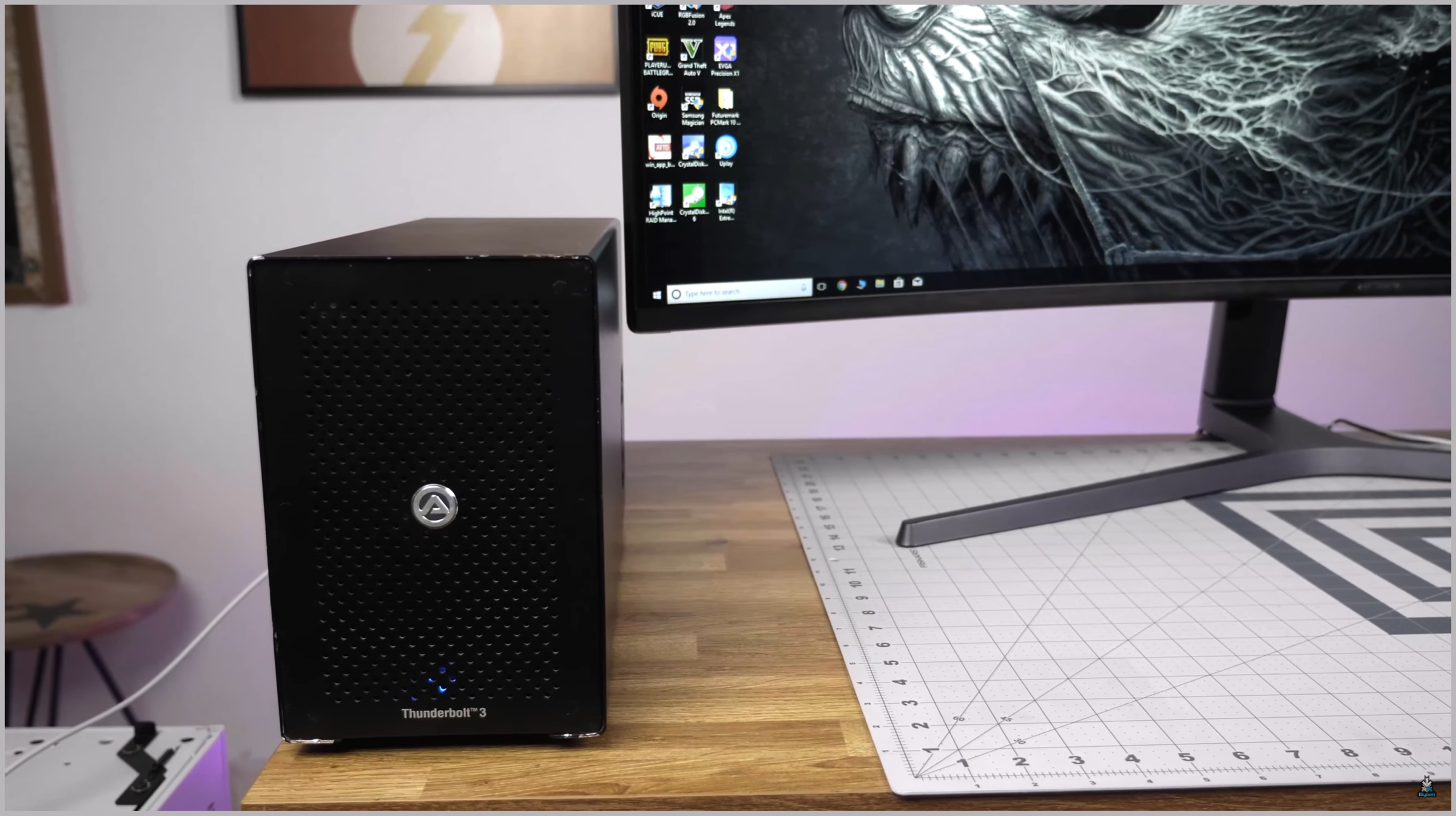
Following the success of our first test, we installed the second RAID card on our fifth PCIe slot; as recommended by our motherboard’s manufacturer. However, the speeds on ATTO were not improved by much, as it still was showing us a speed between 13GBps to 14GBps. This was because the card was using 8 PCIe slots instead of the required 16, reducing its speed. Luckily, at iGyaan, we have a lot of spare hardware, and the Gigabyte X299 Designare supports Thunderbolt 3. This lets us connect an external GPU inside an AKiTiO Node using Thunderbolt. We could finally remove the GPU from inside the motherboard and install the RAID card on it instead.
Now, both the cards, consisting of eight SSDs in total, had access to x16 PCIe lanes which should give us the theoretical read and write speeds. Running the ATTO disk benchmark test gave us a whopping speed of 18GBps, which is not quite the double we were asking for; but we will take it. It is expected that the benchmarks are not precise enough to display the RAID’s full potential so, in the real world, we should get a speed closer to 20GBps.
While we have achieved was we set out to do; which was making the ultimate RAID setup which delivered stupid fast speeds, the “Beast” gaming PC is a long way from being complete. We still have the two NVIDIA GeForce 2080Ti GPUs that had to be removed from the build. But, again lucky for us, we have two Thunderbolt slots and two AKiTiO Nodes which will be a handy item in the near future. Also, if you are asking what will we do with all this speed, we will have to show you in a quick game of, Minesweeper!
The increased hostility between the US and China have sent the rippling waves of cause and effect to the entire world. Trade tensions between the two highly influential regions have already seen victims. Huawei was one of the most notable to be caught in the crossfire. The Chinese company had been dealt a major blow to its business. To combat a similar fate, the Indian Government is considering the development of an indigenous application for chat and emails.
The US has shown that it is capable of pressurising or enforcing restrictions which have heavy implications on any organisation or country. Senior Government officials in India were in a state of alert following the US sanctioned bans on Huawei. This was due to companies like Intel, ARM, Google and Qualcomm severing ties with the company after the ban. These large MNCs important due to their technology or services that are utilized by virtually every nation. Furthermore, if for some reason the US places any country on such a blacklist, it can lead to severe complications.
India, to tackle this, is planning to develop its own proprietary chat app similar to WhatsApp with other homegrown secure communications network. The apps would generally be made available for the various Indian Government agencies, to protect the country from possible vulnerabilities. This will be a counter to any rising geopolitical tensions with other nations. The US Commerce Department banning Huawei incited strong discussions within India’s top brass. The discussion encompassed plans for developing a secure platform for exchanging strategically important information.
The southeast Asian country is considering the implementation of this system for Government communications at the very least. This will ensure a degree of autonomy and self-dependence that would not have been achievable otherwise. Indian Government officials have already begun calling for the insulation of communications with reduced reliance on private solutions. The plan details a chat app which will keep and store all important related data within the country and not on some remote servers.
The US is currently pressuring India to bar Huawei from 5G in India. This arrives after plans for the first wave of 5G trials. Huawei has asked the Indian Government to take an independent stance on this, with no “back door entry” offered. India has yet to give a response to this. The tech giant received a ban from the US on 21s May, barring Huawei’s products and also barring US companies to supply software or hardware components. A company cannot ever be completely self-reliant. It is a regular phenomenon where technology and services are exchanged within the industries. The same as how Huawei suffered from the ban, any nation could also technically be crippled by strategic nations like the US.
According to Government reports, the US Trade Representatives have already red-flagged India’s data privacy bill and intermediary guidelines. Basically, American companies like Facebook are resisting efforts of data localisation within the Indian subcontinent. The ban on Huawei only points at the possibility of any country being banned whenever they desire to do so. The localisation efforts by the Government could prevent such reliance and save the nation from a crippling state in a worst-case scenario with the “Sarkari” app.
American multinational company, Google is at the forefront of technology, be it software or hardware. Following the commendable success it has had with Android in the software domain, the company now plans to dip its toes in futuristic hardware as well. At the 2019 Google I/O developers conference, the company announced that it is working on several foldable smartphones or rather foldable devices.
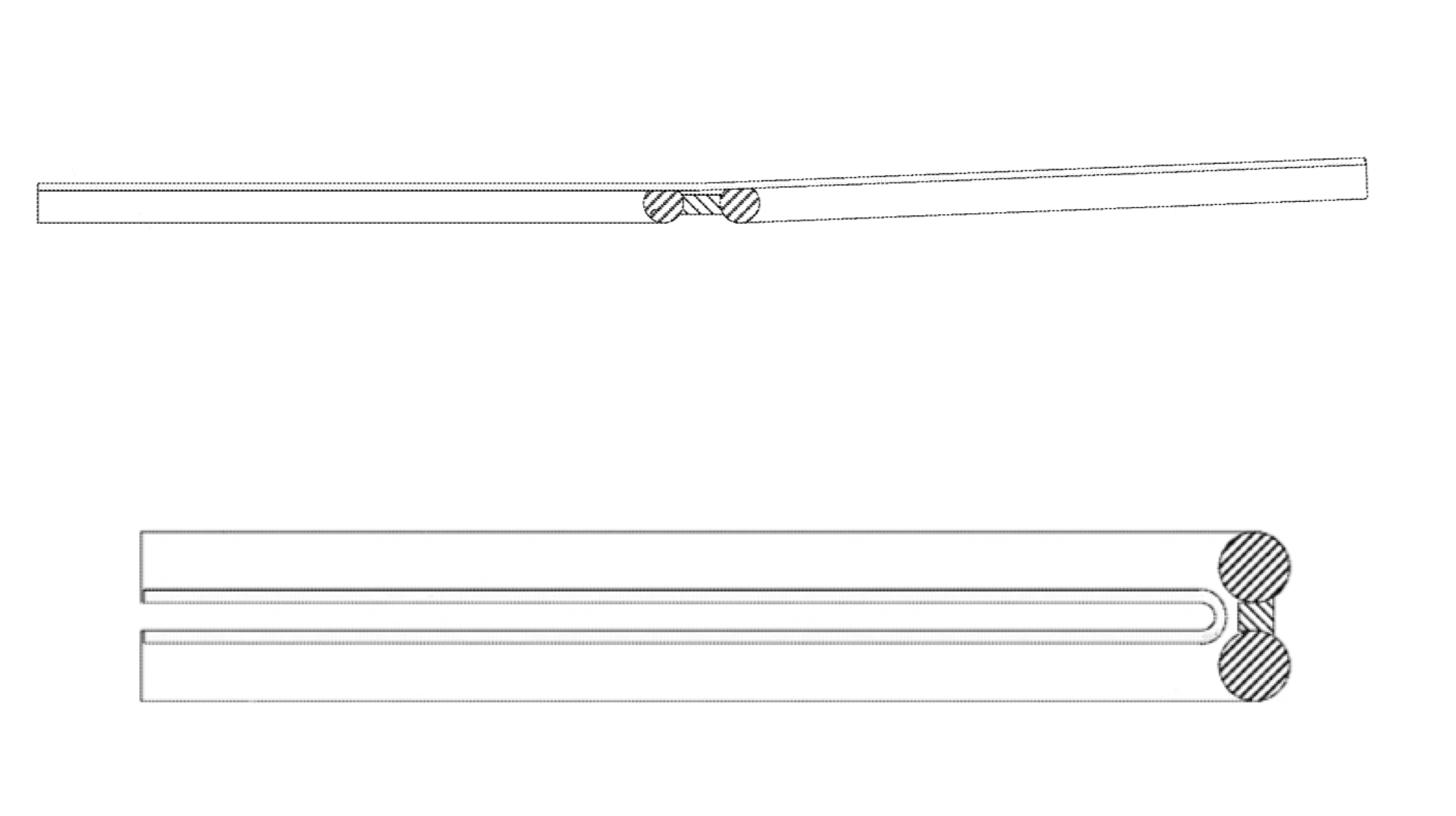
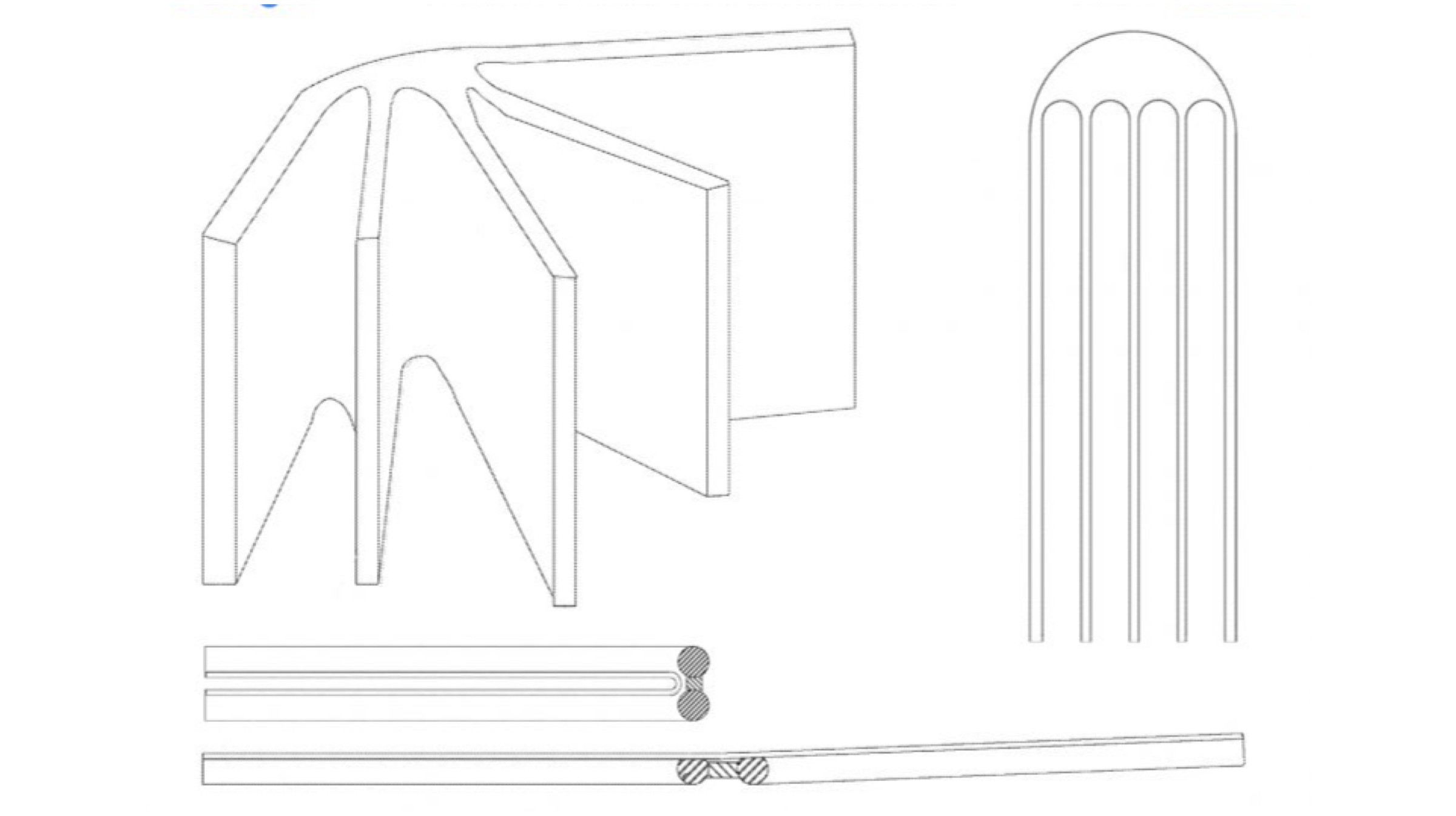
A freshly granted patent to the company goes in line with the previous announcement. Google has been granted a patent for a unique electronic device which surprisingly resembles a textbook. The device is somewhat similar to the Samsung Galaxy Fold but with a couple more displays or should we say pages.
Upon close inspection of the patent, it can be divulged that the multiple screens are held together with the main body by a sort of book spine. Speaking of the body, it may be the place where all the electronic components including chipset, motherboard and battery will be placed.
Although any concrete information about the claim cannot be derived. It is even possible that during its initial prototyping stages, the foldable device from Google may be devoid of any internal components. Instead, it could just be used a multi-fold display which is powered and provided transmission information via an external cord.
The fundamental aim behind any foldable device is to pack a large display in a body which is significantly smaller or compact than its actual dimensions. The foldable smartphone/device from Google may be conceptualised to run multiple apps simultaneously. In order to switch between applications, the user could scroll between different displays instead of swiping back and forth between apps.
To sum it all, the concept or technology seems visionary and promising but such a device seems a bit farfetched when considering the development that has been achieved in the field of the foldable display.
However, when and if Google is able to successfully develop a device with these aspects and features, it would rather patent the technology and license it to other OEMs than retailing it own devices.
Google is gearing up for the launch of its flagship smartphones, the Pixel 4 and Pixel 4 XLwhich are expected to launch in the month of September. Besides the two high end devices, the company is also rumoured to launch a smaller handset which might be called the Pixel 4 Mini.
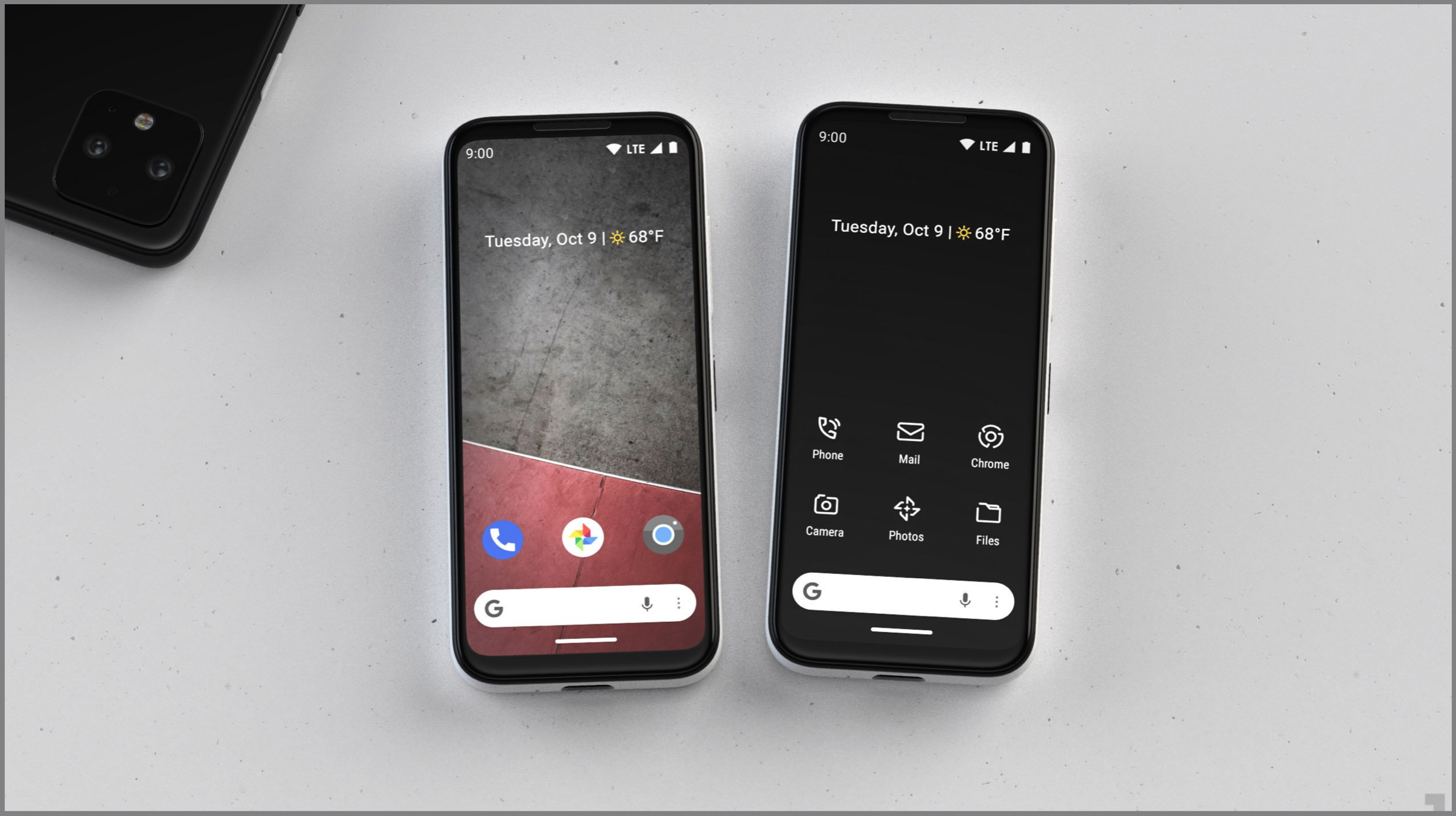
New concept renders of the device have been shared on Twitter by user PhoneDesigner. Although the renders are based on leaks and reports which lack any real evidence, they look enticing enough that Google must draw inspiration from, if it ever plans to build a miniature variant of the Pixel smartphones.
According to the concept renders, the Google Pixel Mini 4 has a compact form factor which will easily fit even in hand of users that have the smallest of hands. The bezels around the display of the device are almost negligible which provide it with an appealing look. The rear of the alleged Pixel 4 Mini seems to made out of glass that houses the company logo and a square camera module. Like the Pixel 4, the smaller device also features dual rear cameras and a dual LED flash. Speaking of ports and buttons, the device has a bottom mounted USB C port and a right side mounted power button.
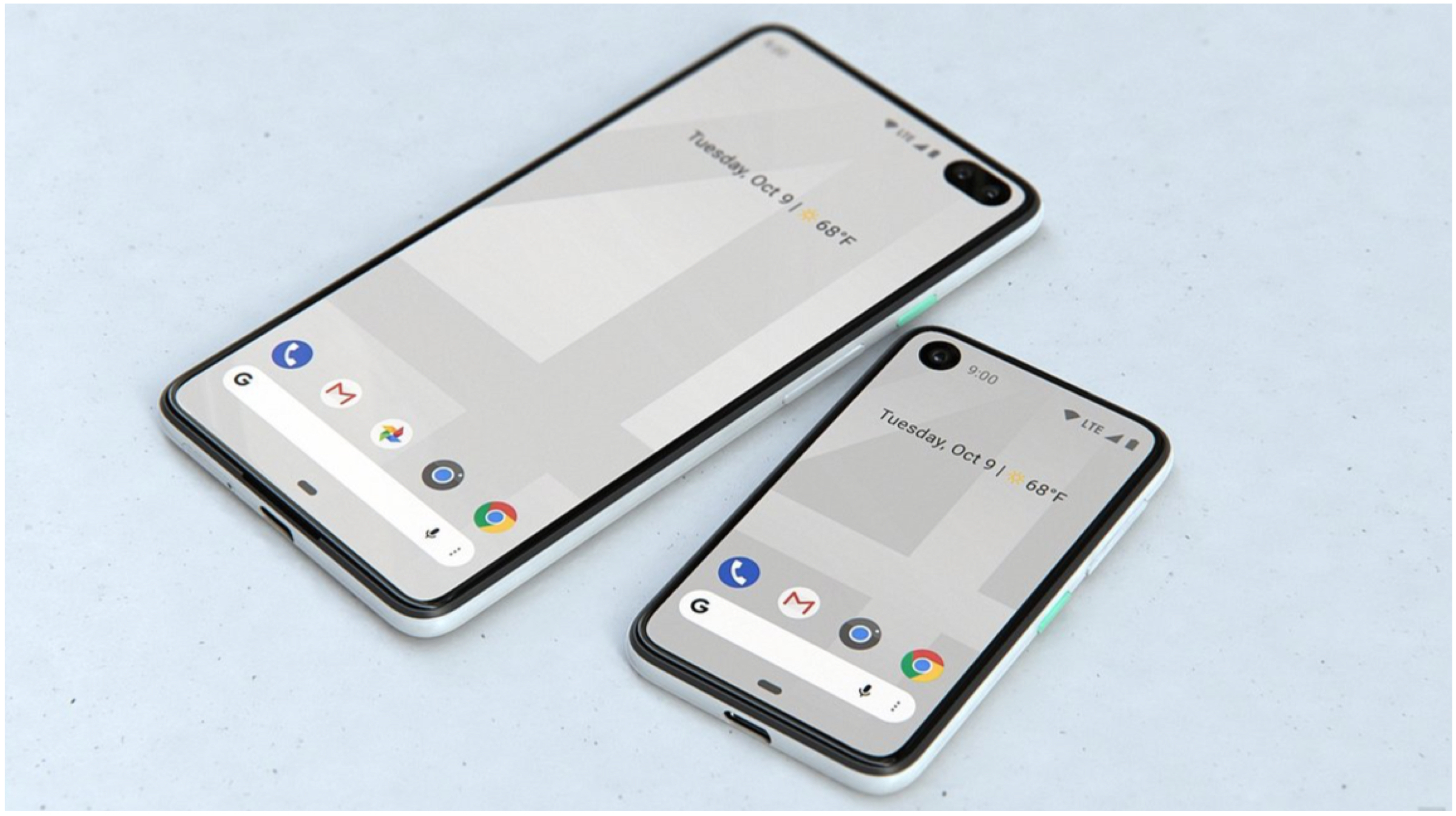
Pixel 4 Mini Render- From March
Besides, the user had previously shared another set of renders of the Pixel 4 Mini which also has a fascinating design. The key difference between the two render sets is a punch hole camera which was first introduced with the Galaxy A8s. Furthermore, the rear of the device in this render looks more like the Pixel 3 lineup rather than the official Pixel 4 teasers.
Google is yet to confirm whether the smaller Pixel 4 Mini smartphone will ever see the light of the day or not. Till the time precise details about the device are revealed by the company itself, we recommend taking these reports and renders with a grain of salt.
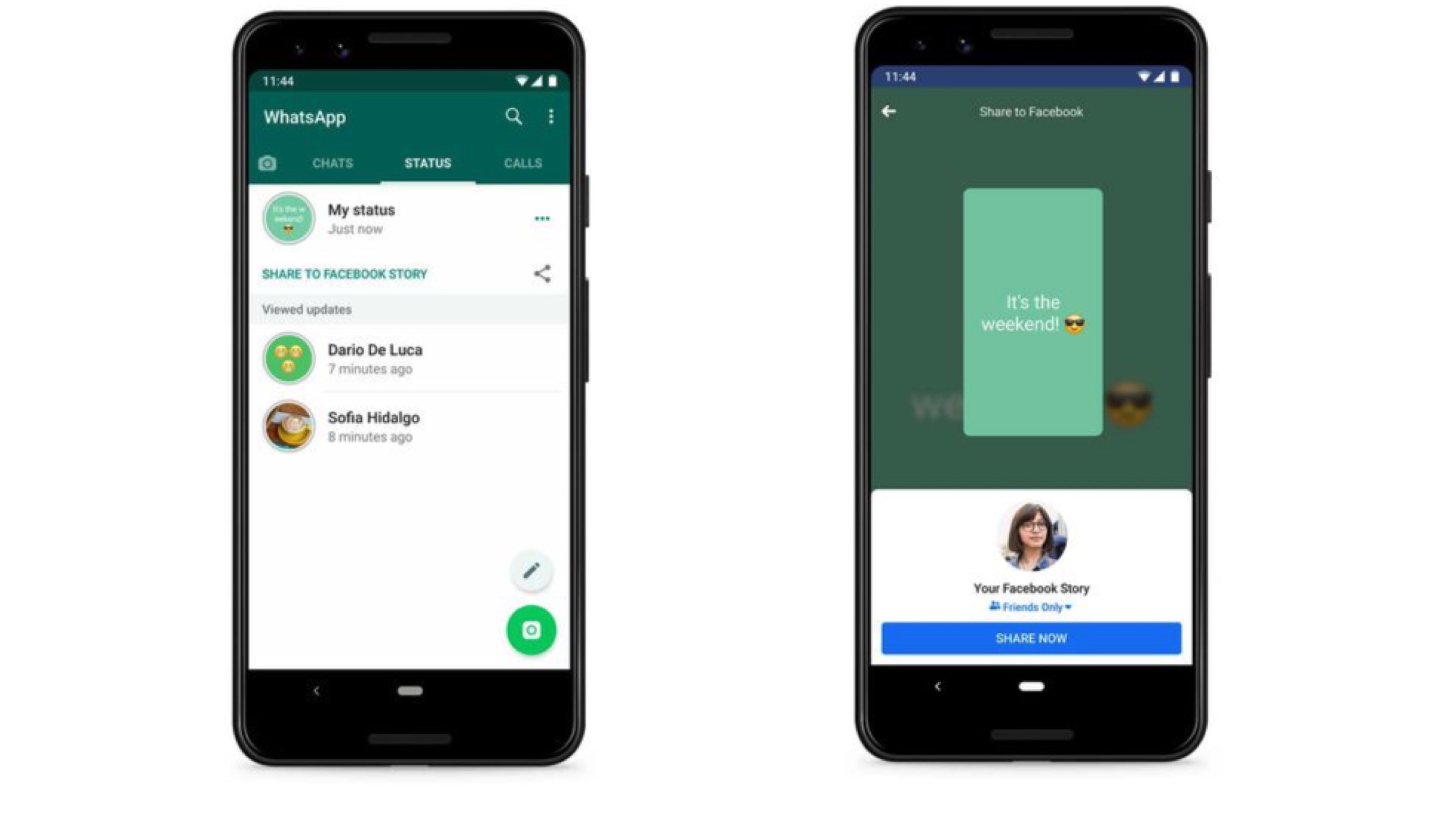
WhatsApp is one of the largest social media platforms in the world. Indians are reportedly the highest users (estimated 200 million) of the chatting app that is owned by Facebook Inc. The company is now testing a new feature, which would allow users to seamlessly share their WhatsApp status on Facebook. The move will bridge the gap between both these massively popular standalone social media applications.
WhatsApp’s status is essentially the same feature as ‘stories’ from Snapchat and Instagram. It allows users to share instances from their lives or any other creative messages intended for a broader audience. The new feature would allow such status to be directly portable to Stories on the parent company’s Facebook app. Furthermore, the status can also be shared to Instagram, Gmail and Google Photos.
According to the report, WhatsApp will not require the linking of its users’ accounts to their separate Facebook profiles to share stories. The trade, however, is made via the data-sharing API used by Android and iOS platforms. This will allow the content being shared on either platform without a direct link being established on the accounts. The feature is not activated by default and users will have to manually share their status. WhatsApp’s new status sharing feature is claimed not to share any additional user data with the Facebook app.
The link between the two social media apps has always been a serious subject. Facebook had initially acquired WhatsApp back in 2014 for a sum of US$ 19.3 billion (approx. Rs. 1,33,600 crores). The parent company has been a target of numerous allegations and scandals regarding user privacy and data tracking. Hence, the implications also affect WhatsApp’s business practices. Additionally, Facebook has already hinted at a single streamlined messaging app that combines the Messenger app, Instagram DMs and Whatsapp.
WhatsApp status was originally introduced back in 2017 and is actively used by an estimated 500 million users. The number is a large chunk of the total user base (1.5 billion) and in 2020 will become the largest platform to generate ad revenue for the company. The new feature is a welcome change that eases the transition between the two apps but the heavy implications do warrant caution. It is currently available for interested users under Whatsapp’s beta program.
YouTube is one of the largest and most recognisable platforms for viewing online content. However, the company has been a target of various criticism over the past couple of weeks. The media giant has faced multiple critiques regarding it’s Home Feed and recommendations column.
Now, YouTube has sought to give users more control over which videos that may possibly show up on their Feed.
The Problem
Users are shown a collection of videos when browsing YouTube which is cleverly provided based on their preferences and browsing history. YouTube uses an algorithm to cater to its millions of visitors every day in a personalised fashion. Advertising strategies and paid artificial boosting from content creators have unfortunately caused an issue. Users have started receiving recommendations of videos that they have neither subscribed or would likely never see. The problem lies in the implementation, not the system itself. Artificial boosting offers a healthy growth to any channel but not if it is received by a person that is not inclined to watch their videos.
New Suggestions
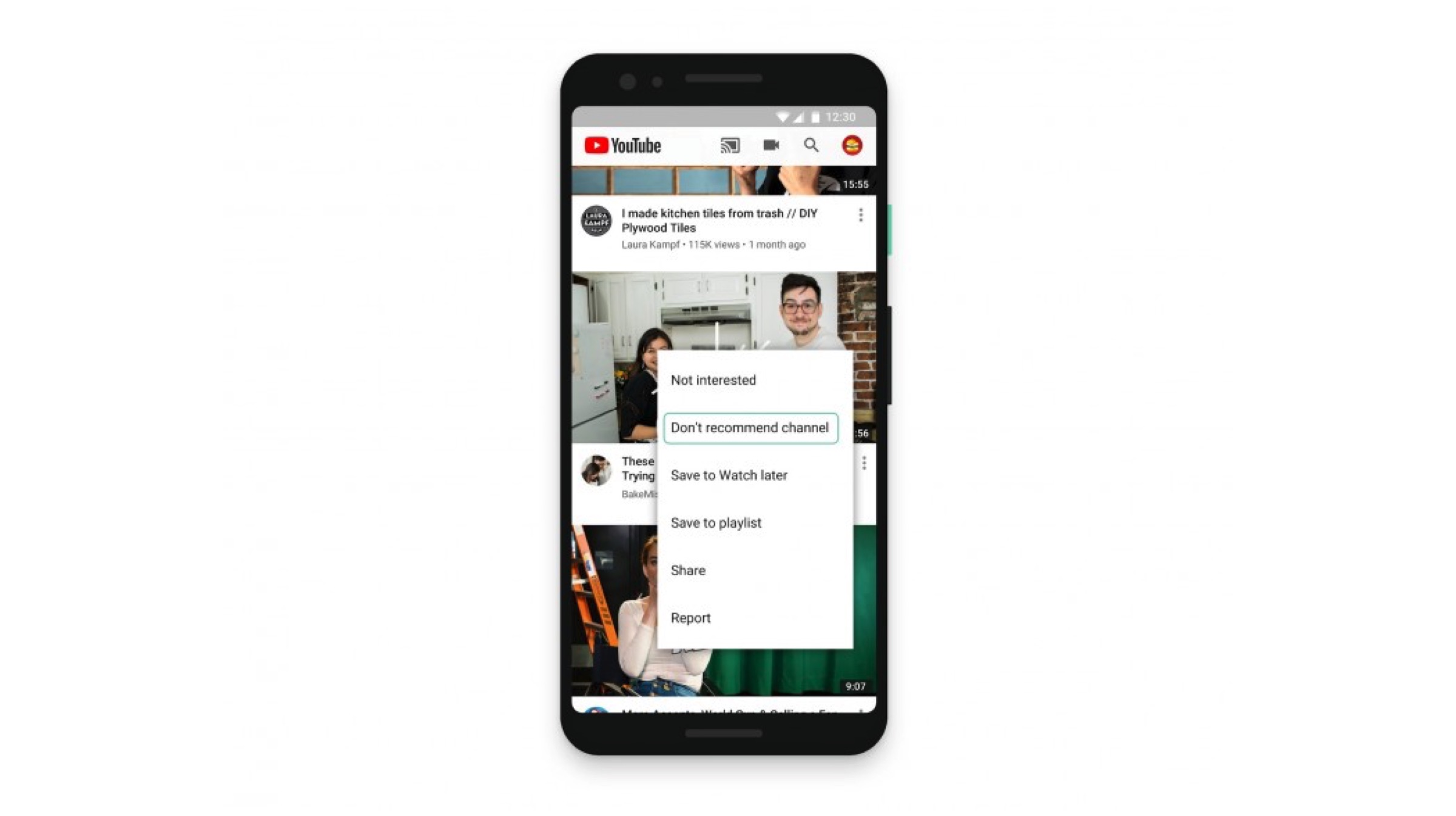
After numerous backlash, YouTube is finally offering more choices to its consumers. People who wish to stop receiving unwanted content can remove suggestions from their Home Feeds. Users can do this by tapping the three-dot menu next to a video on the homepage or Up Next, then “Don’t recommend channel.” The option, once activated, removes any unnecessary videos that one might end up receiving via notifications or in their feeds. Furthermore, users can still look up the dismissed channel by simply searching for it or their videos.
Explore Topics & Videos
The addition of the new explore topics and related videos options now allows one to browse more videos of their preferred genres. The suggestions could be related to the video a person is watching or more from the same channel. The options presented are based on users existing personalized suggestions and are meant to help them quickly find what they are looking for. Explore feature can be found on the homepage when you scroll up or on the Up Next when browsing.
Transparency
YouTube has stated that it uses the data collected via the channels a person visits and their similar interests to recommend videos. The company now plans to include a small box underneath a video that provides more information when recommending similar content. For example, a cooking video recommended might carry a tag of baking in the small box. This is done to explain why certain videos from unfamiliar new channels may end up on the homepages.
The new features will be made globally available. An update for the YouTube app on iOS will be released prior to the Android counterpart and even the desktop main website. The company has added a great new feature which is a pro-consumer move. It should help the company regain lost reputation over past mishaps and pave the way for a user-friendly business model. It is also likely to ensure YoutTube’s long-standing reign in the online multimedia segment.
Chinese smartphone maker Xiaomi introduced the Mi CC series a while ago. The device lineup was introduced in partnership with another OEM from the country, Meitu; of whose operations the former took control of last year. It was later revealed that the company is planning to launch the first two handsets in the series, which were purportedly called the Mi CC9 and Mi CC9e at an event on the 2nd of July. In a fresh report, the colour and storage variants of the latter have been leaked online.
Xiaomi Mi CC9e
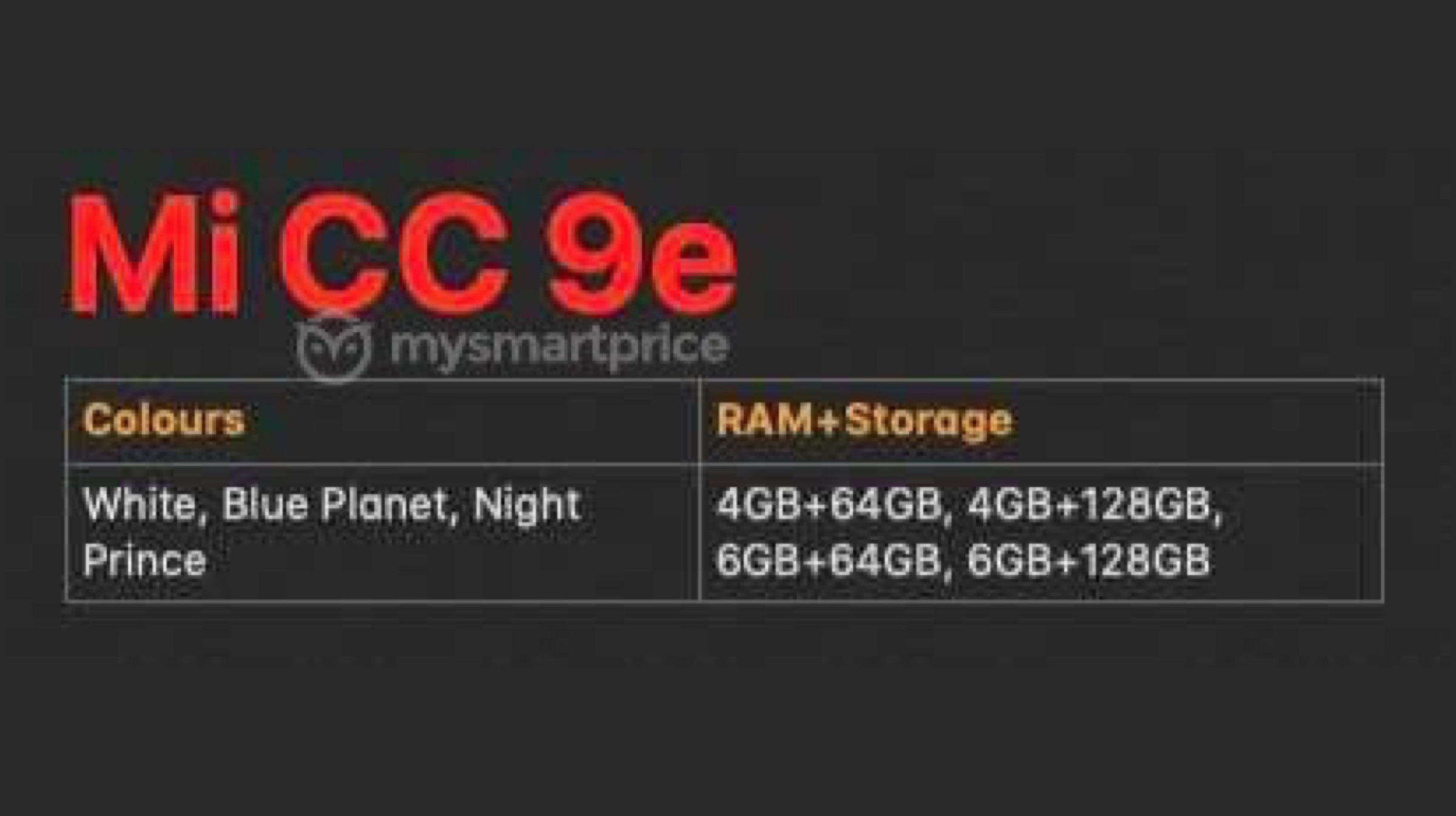
The Mi CC9e will be the more affordable offering in Xiaomi’s upcoming CC series. Latest reports reveal that the smartphone will be offered in three colours namely, White, Blue Planet and Night Prince. In terms of memory and storage, the device will be sold in four storage variants which are listed below.
4GB RAM and 64GB ROM
4GB RAM and 128GB ROM
6GB RAM and 64GB ROM
6GB RAM and 128GB ROM
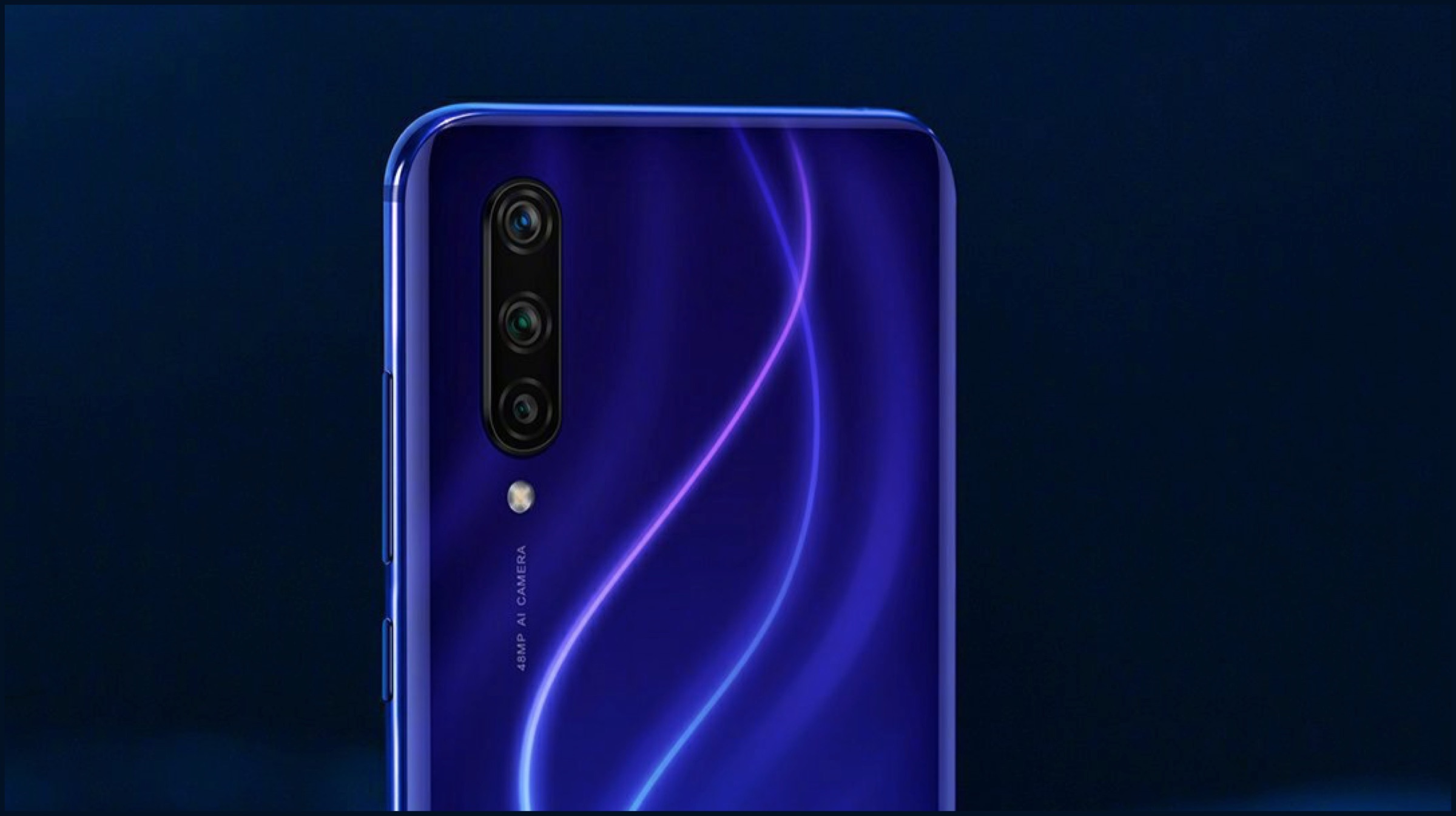
The leak claims the Mi CC9e will have a 5.97 inch AMOLED display with a resolution of 2340 x 1080 px. It will run on the 10nm Snapdragon 710 SoC which is also found in the Mi 8 SE and the Realme 3 Pro. The chipset is comprised of an Octa-core CPU and the Adreno 616 GPU. In terms of optics, the smartphone may have a triple rear camera setup, which is expected to pack a 48MP Sony IMX 582 sensor primarily; alongside an 8MP secondary and a 5MP tertiary sensor. The camera will also have a specialised beauty mode developed by Meitu.
The Mi CC9e is reported to be powered by a 3500 mAh battery with support for 18W fast charging. As far as the pricing of the smartphone is concerned, it is expected to start at CNY 1,599 (Rs. 16,100) for the base storage variant. The variant with top tier configurations may be priced at CNY 2,199 (Rs. 22,100). As mentioned above, the Mi CC9 will also make an appearance alongside the CC9e on the 2nd of July. Unfortunately, it is not known if the devices will later be introduced in the Indian market, as Meitu did not exist in the country prior to its undertaking by Xiaomi.
Claims in the past have suggested that Apple is developing ARM based Mac computers which will replace Intel processors. The company has hired one of ARM’s top CPU architect, Mike Filippo who led the development of several chips at the latter corporation between 2009 and 2019.
With the wealth of chip making the new Apple recruit brings, reports about the aforementioned ARM based Mac computers may soon turn into a reality. Users who are unaware, ARM is the company responsible for developing Cortex cores which are found on most Android mobile chipsets.
As previously mentioned, Apple designing its own ARM-based processors will allow the company to move away from Intel processors which are currently seen on all its offerings. Besides, sources within Intel have confirmed to Axios ( an American News Website) that Apple plans to transition to ARM architecture based Macs starting 2020.
As of now, the A series chipsets found on the iPhone and iPad are developed in house by Apple. Furthermore, the custom T2 security chip present in the latest Mac models is also developed in house. Some benefits that Apple will reap upon switching to self-developed ARM processors are as follows:
Due to the same underlying hardware architecture, applications designed for iOS i.e iPhone, iPad or iPod will be compatible with Mac computers. Furthermore, Apple in the past has showcased ‘Project Catalyst’ which is intended toward unifying and cross compatibility between MacOS and iOS apps.
It won’t be wrong to assume that this move will help the company to save up production costs as in house developed components are generally more economical. Besides if the company decides to pass on the benefit to customers by lowering prices of its offerings. This will result in a sales boost for Mac computers.
Apple iPhones are generally considered more secure than its Android counterparts, because of a closed ecosystem between software and hardware which are both developed by the same company. Likewise, Mac computers which are already regarded for a high level of security will become even more secure with a combination of proprietary software and hardware.
All in all, the idea of a Mac computer with ARM processor doesn’t seem farfetched at all. Aside from the fact, the current gen iPad Pro with A12x Bionic SoC is regarded as powerful as a MacBook Pro with an i7 processor. With the high end tablet computer, Apple has proved that ARM computers can not only provide a better battery backup, they are on par in terms of processing with dektop grade CPUs.
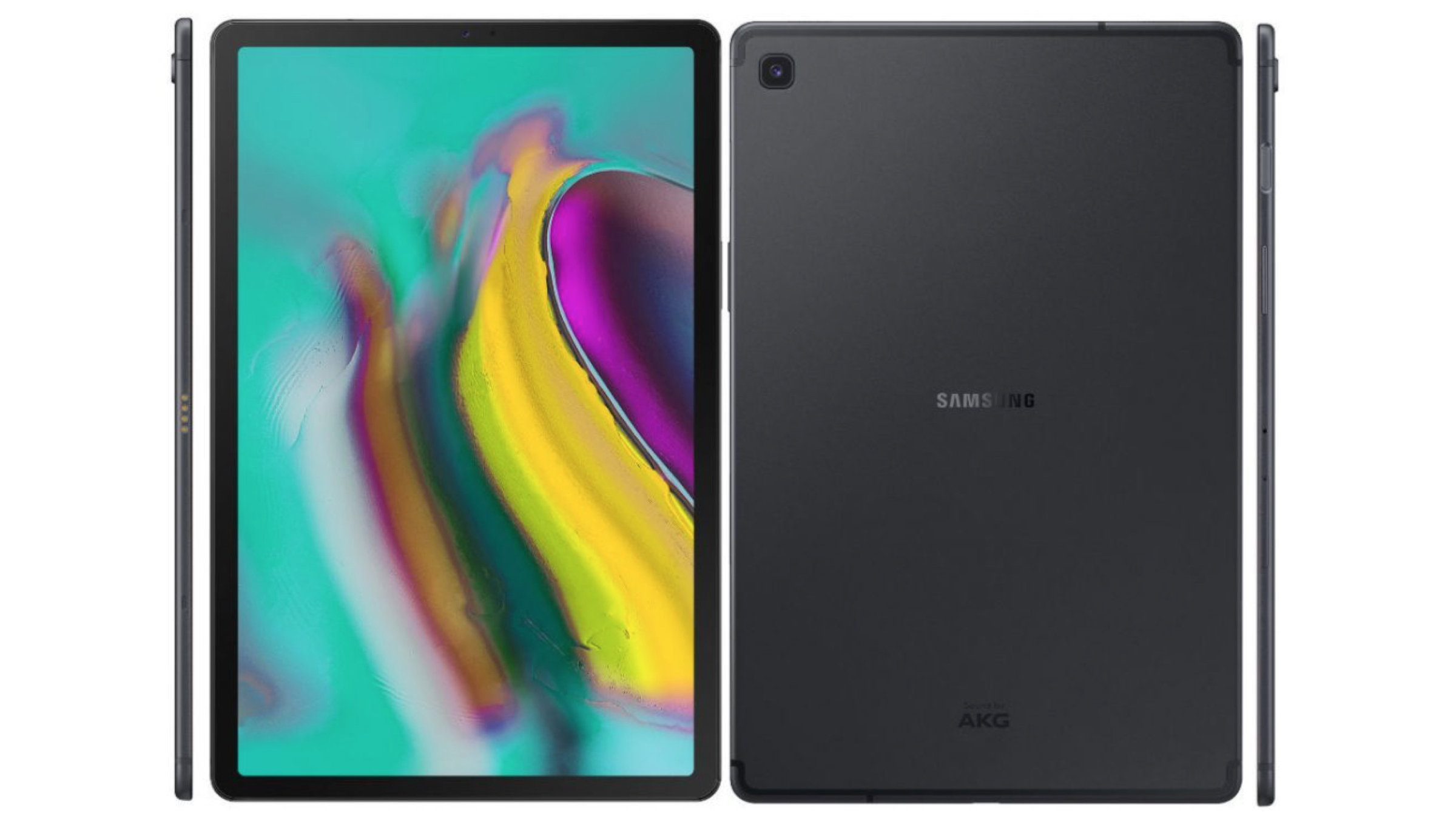
Samsung has unveiled the latest instalment in the Galaxy Tab series. Galaxy Tab S5e is a capable device that seeks to strengthen the tech giants hold over the Indian tablet market. The device features a Qualcomm Snapdragon 670 with a Full HD+ display. It is also equipped with 4GB of RAM and 64GB of internal storage.
LG has unveiled a new mid-range budget smartphone in India following the Government’s ‘Make in India’ initiative. LG W30 is equipped with a dual camera set up at the rear and a notch display with a lone camera at the front. The device sports the MediaTek Helio P22 SoC with 3GB of RAM and 32GB of internal storage.