Cellular Biology is one of the hottest fields in medical science right now. Scientists and Researchers are working on techniques to make cellular biology more accessible, and in such an effort, Researchers from the University of Connecticut have used 3D printing technique to manufacture a portable and affordable microscope that can provide high-resolution 3D images of cells, which can be further used to detect diabetes, malaria and other diseases.
Bahram Javidi, the lead of the research team states that the microscope does not require any staining and labels, which will make the microscope easy to use. He further adds that the microscope will would be of extreme convenience in places where access to high-quality healthcare and medical research is limited. A multitude of diagnostic facilities can make use of the 3D printed microscope to test out cellular structures.
Design Of The 3D Printed Microscope
 The design of the 3D printed microscope is based on digital holographic microscopy. Bahram claims that the images produced by the portable microscope are almost twice the resolution of the images produced by traditional microscopy. The applications of such a device are not limited to research and medical science, rather, it can be used in defence and education as well. Since the entire microscope is manufactured out of 3D printed parts, it can be assembled anywhere and with relative ease. Moreover, unlike other scientific equipment, the 3D printed microscope is not expensive at all. Also, the incorporation of alternative components such as image sensors could drastically reduce the price point of the microscope when/if it is mass produced at some point.
How Does The 3D Printed Microscope Function?
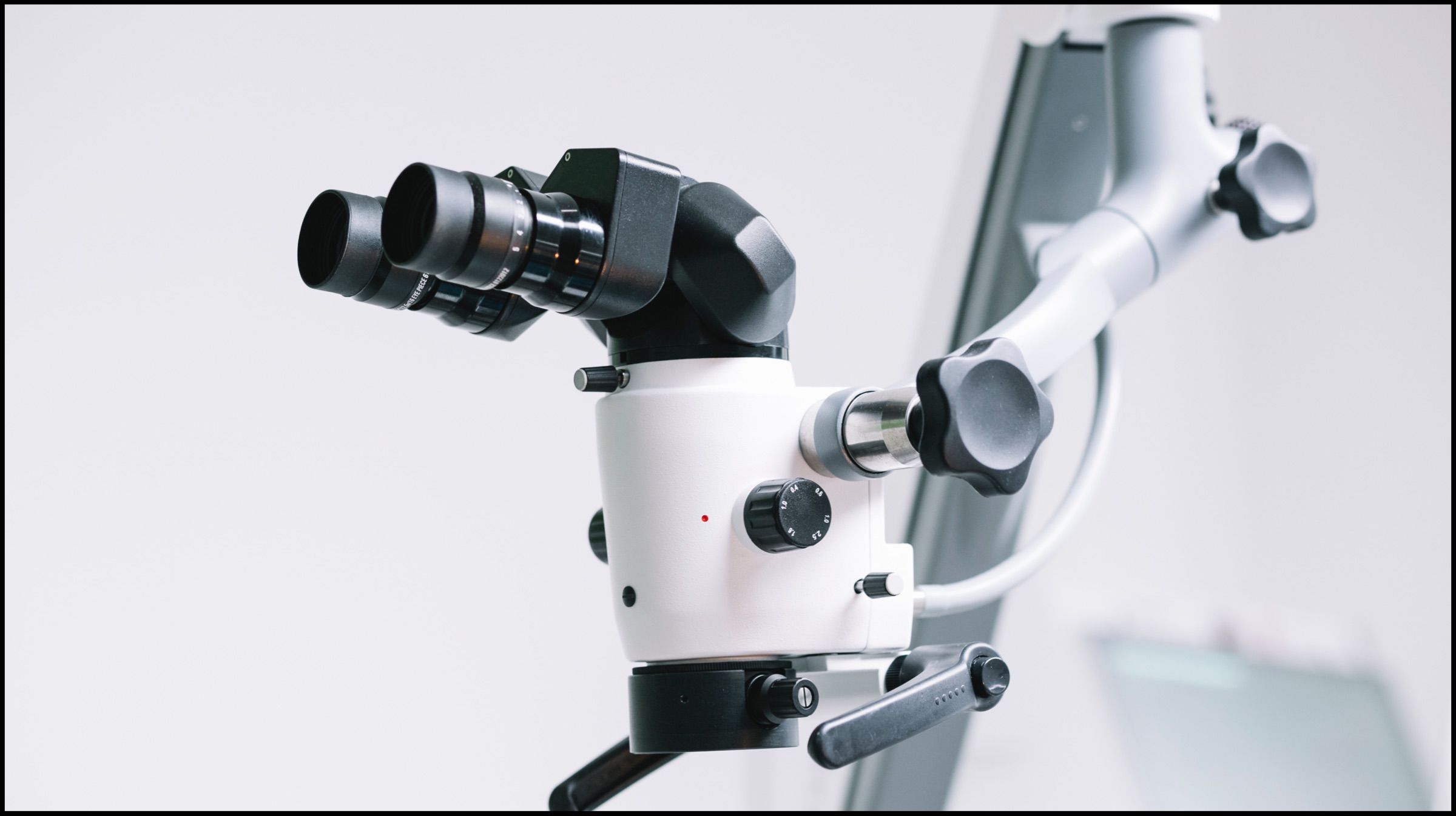
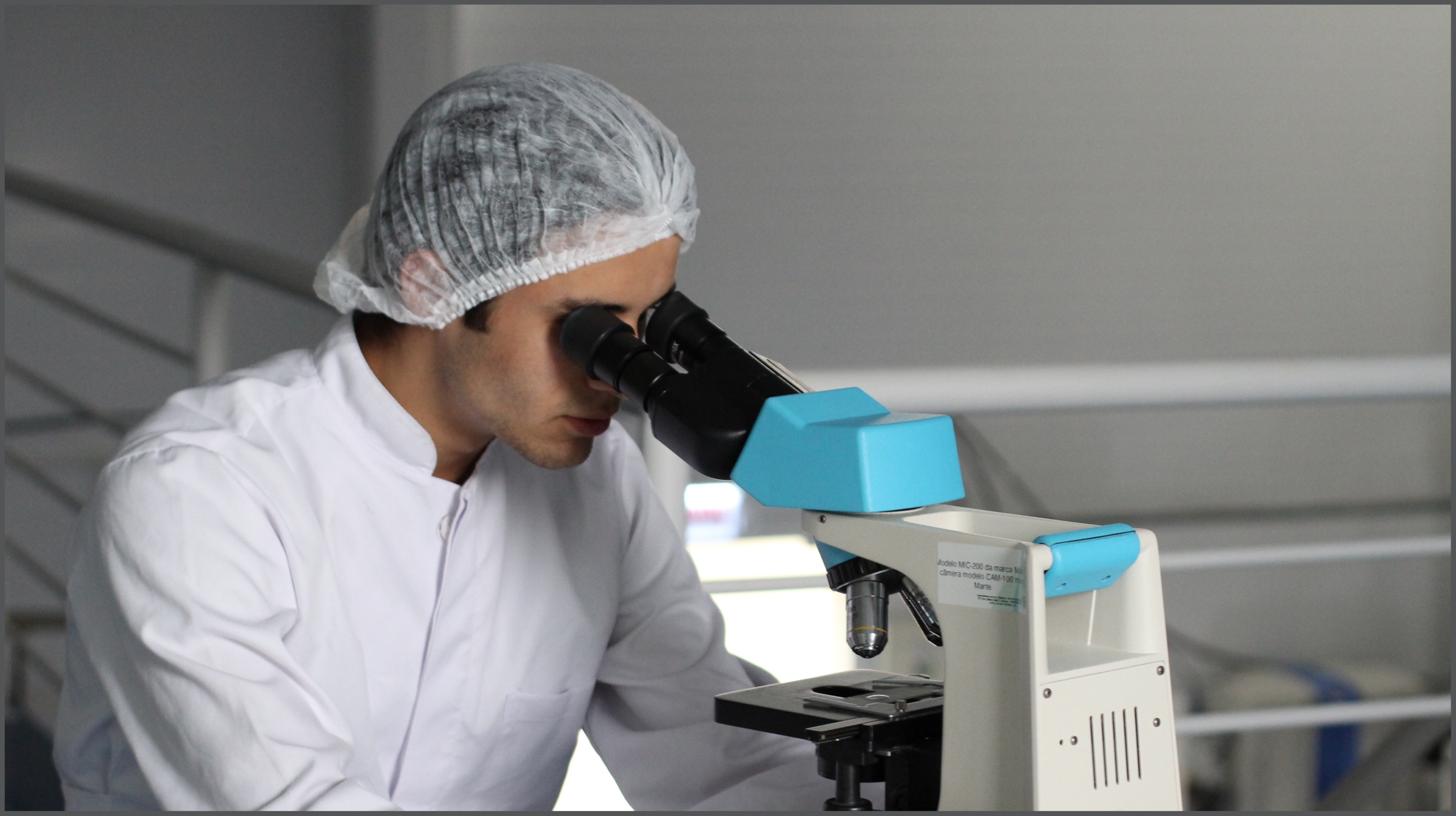 The core of the new microscope works in similar ways to a traditional digital holographic ones, where a digital camera captures the hologram generated when the light coming from the sample object interferes or colludes with the reference light wave. This process relies on a controlled setup where the environment has to be free of vibrations and temperature fluctuations. Instead, the newly manufactured equipment combines the two images using a super-resolution technique, which is scientifically referred to as Structured Illumination Microscopy. In this process, a structured light pattern is created with the help of a clear disc.
 Also Read: Huawei Kirin 985 SoC To Debut In The Second Half Of 2019
The involved researchers state that the 3D printed microscope is ready for use in the field. It can applied to a variety of fields such as diagnosing diseases and identification of concerned cellular structures. The researchers are already working to enhance the resolution of generated images and reduce the incoming noise, that too without leading to price hikes in the same.
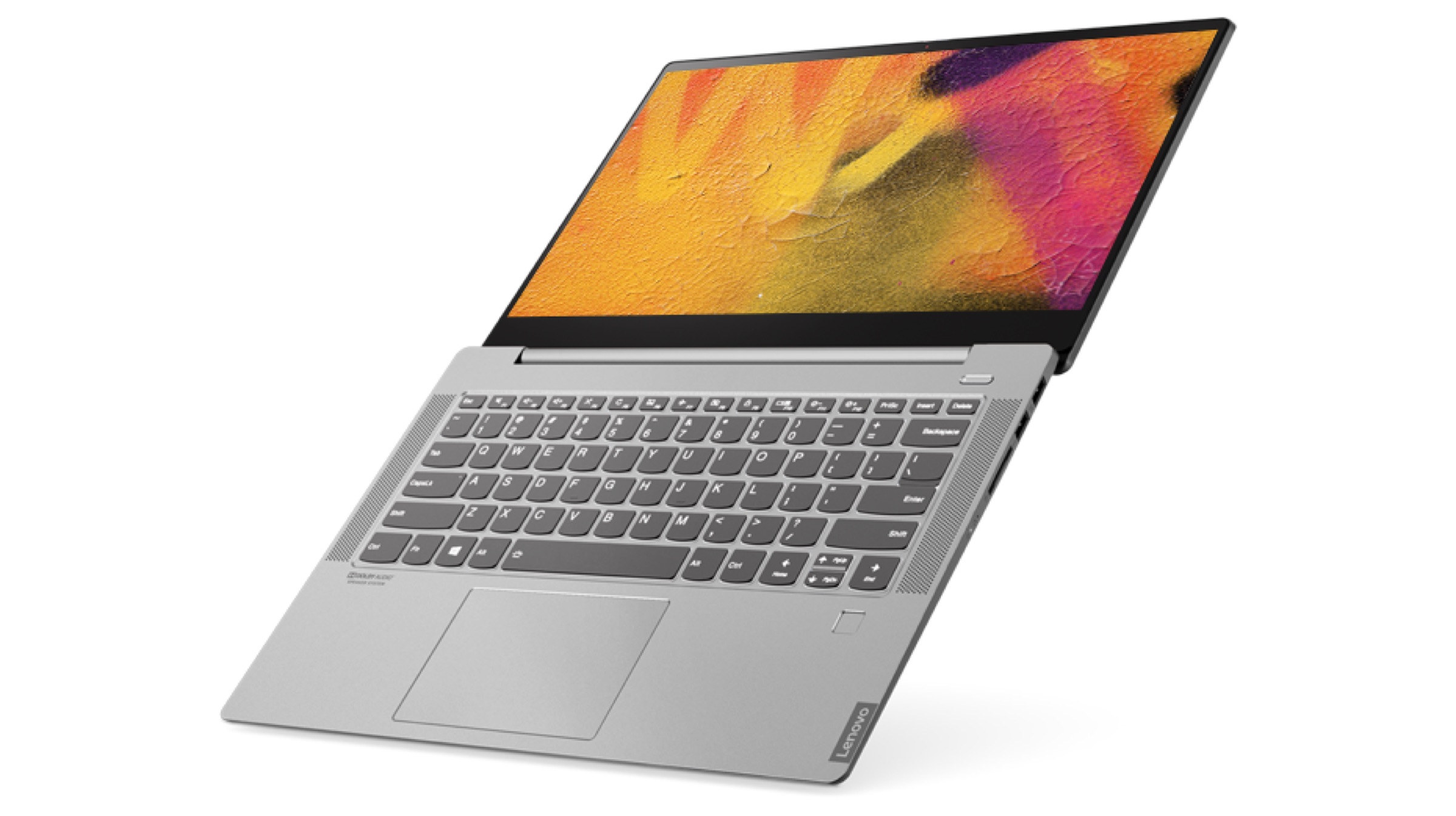
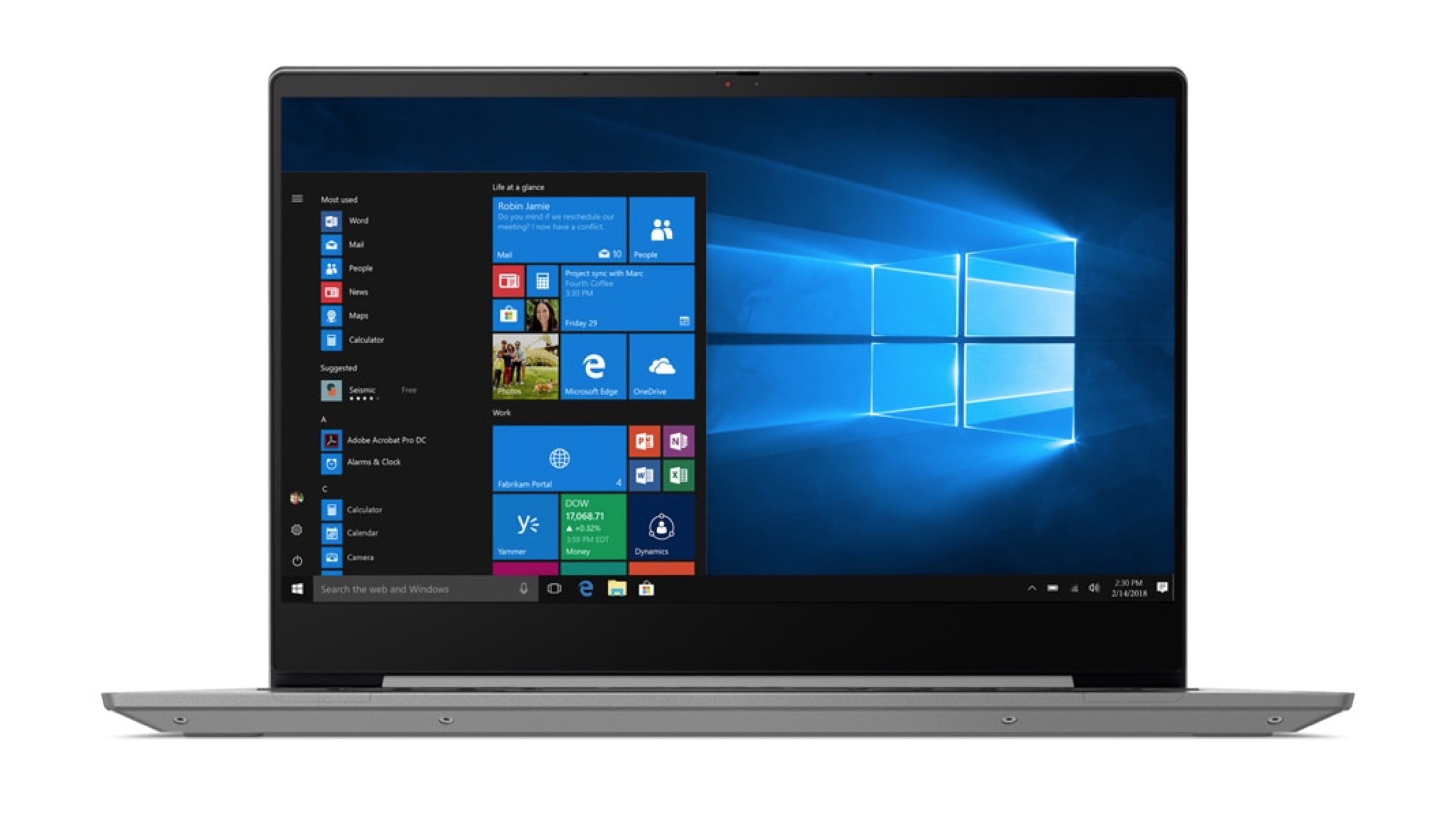 The laptop features a 15.6 inch Full HD IPS display with 300 nits of brightness. It runs on the 8th Gen Intel Core i7 (i7-8565U) processor, which is bundled with up to 12GB of RAM and up to 512GB PCIe SSD for storage. As mentioned previously, the Ideapad S540 features NVIDIA’s latest mobile graphics chip, the GTX 1650. It is based on the Turing architecture, which provides higher performance than its predecessors while consuming lesser power.
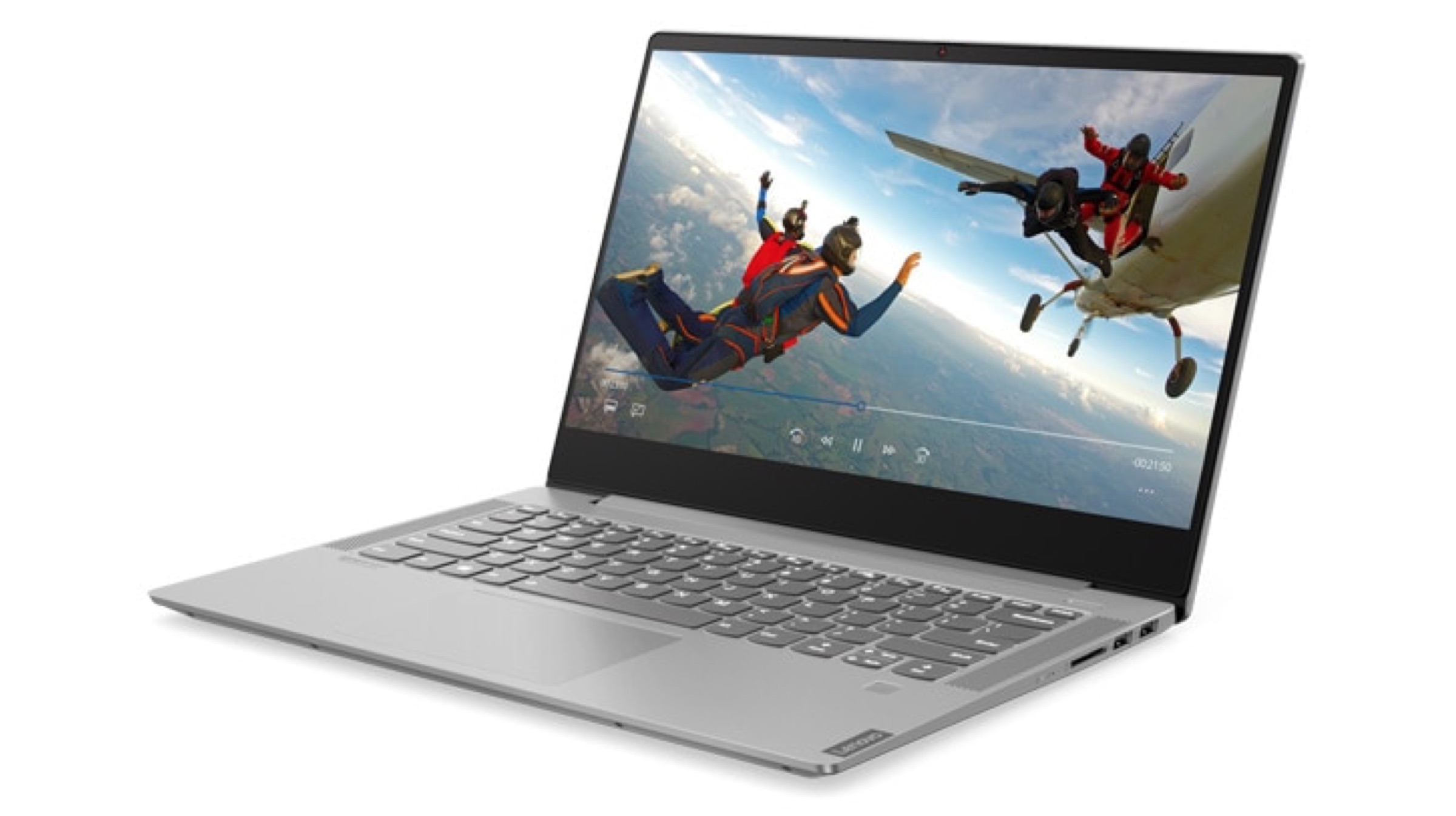
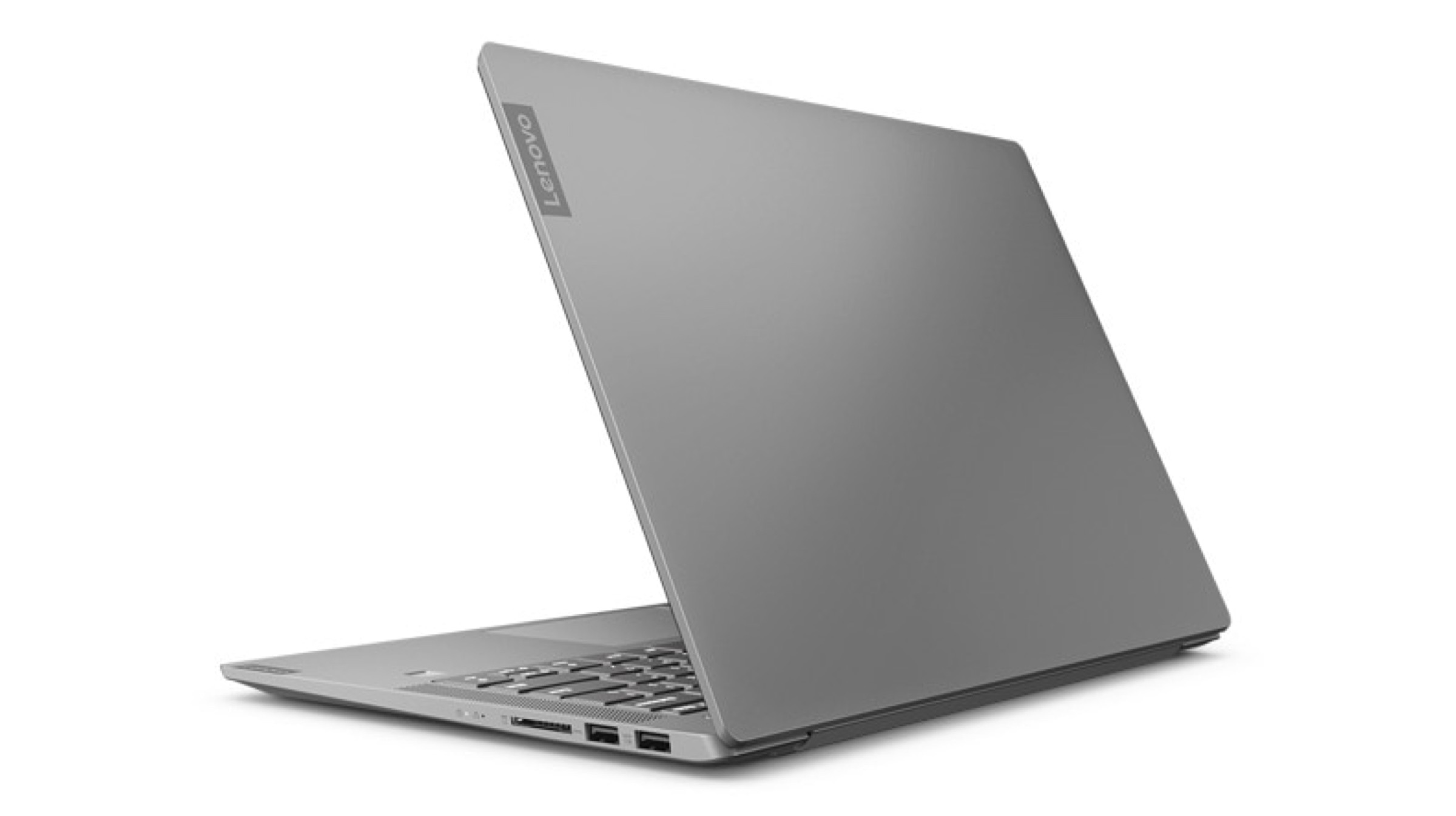 As per reports, the performance levels of the GTX 1650 are almost 70 percent better than the GeForce GTX 1050 graphics card. The 4GB GDDR5 GPU chip features a total of 896 CUDA cores with a base clock speed of 1485 MHz and a turbo boost up to 1665 MHz. It does not require it’s separate power source, instead, it consumes power from the 75W power input from the PCIe bus. The company claims that the laptop provides a power backup of up to 12 hours. The Lenovo Ideapad S540 weighs at 1.8 kilograms.
  Also Read:
























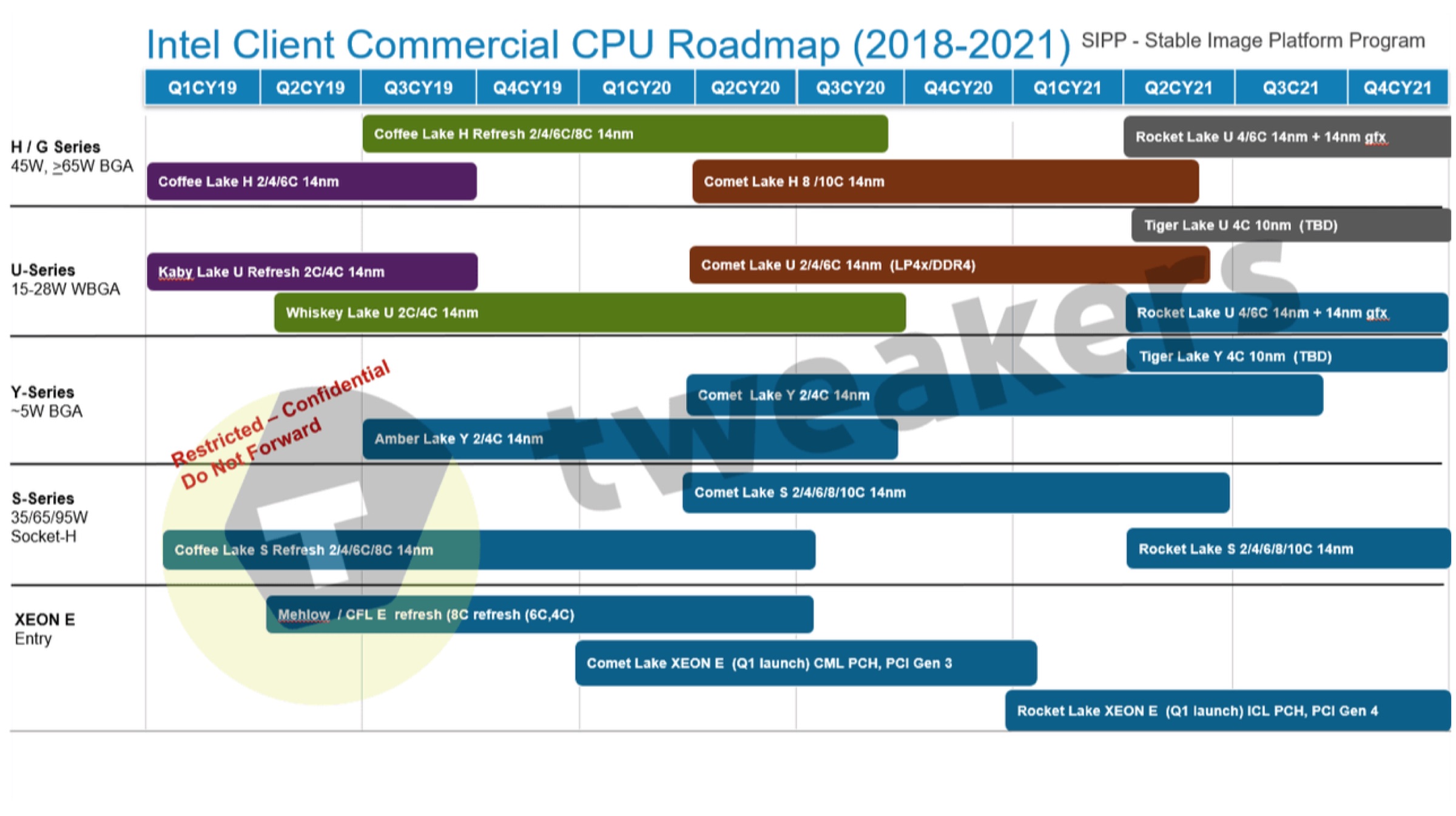 First leaked on April 24 by a Dutch website, the roadmap highlights Intel’s key plans over the next two years. As per the roadmap, the company will launch a whole new refreshed lineup of Coffee Lake CPUs in the latter half of 2019. Intel will then follow up the Coffee Lake processors with the Comet Lake series of processors in the early half of the year 2020. Since Intel often labels its desktop processors as the “S-series”, it’s clearly visible in the roadmap that Intel will keep working on 14-nm S-series processors until 2022.
  Another highlighting fact is that the company has marked its upcoming 10nm “Tiger Lake” processors as TBD, or To Be Decided. Tiger Lake architecture-based CPUs will be released as the “U-series”, and they will be specifically targeted towards mobile devices such as laptops. Planned for release somewhere in the second quarter of the year 2021, the TBD label on the aforementioned CPUs may mean that the company might have different plans for them.
  Also Read: