Category: Tech

Latest Technology News, Alternative, Bio-Tech, Medical, R&D and Innovations

  • Xiaomi Mi Band 4 Gets Bluetooth Certification, To Launch Soon

    Xiaomi Mi Band 4 Gets Bluetooth Certification, To Launch Soon

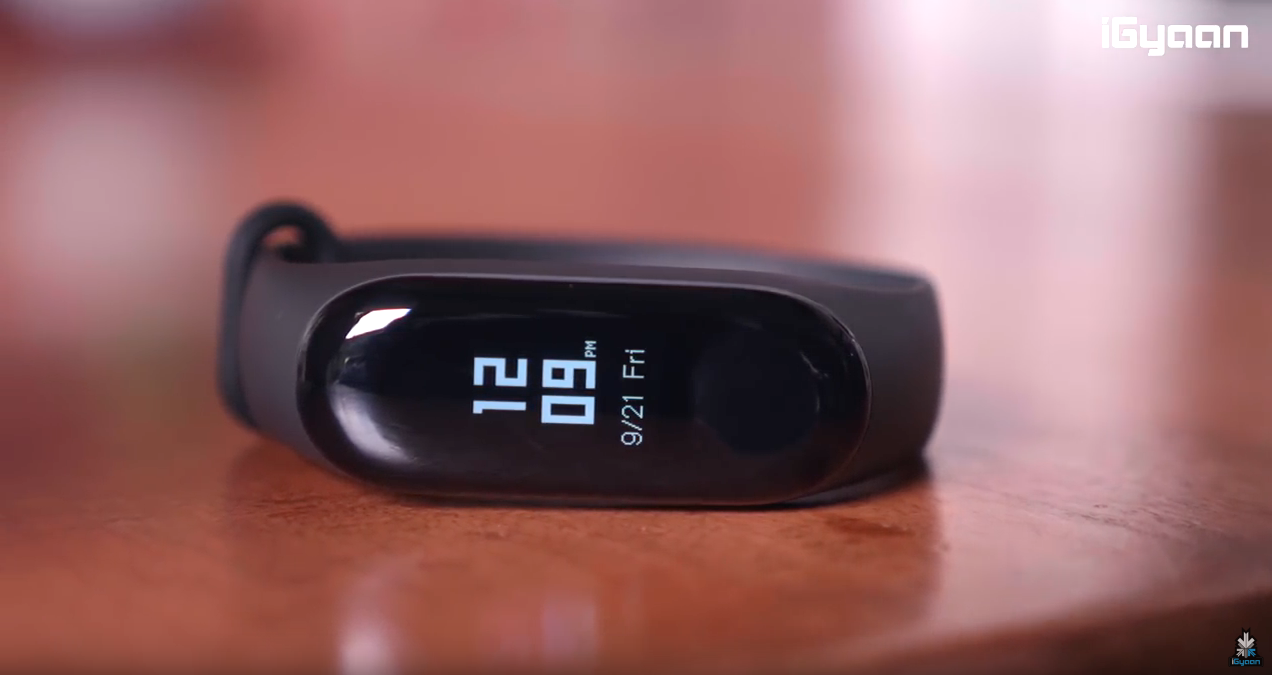
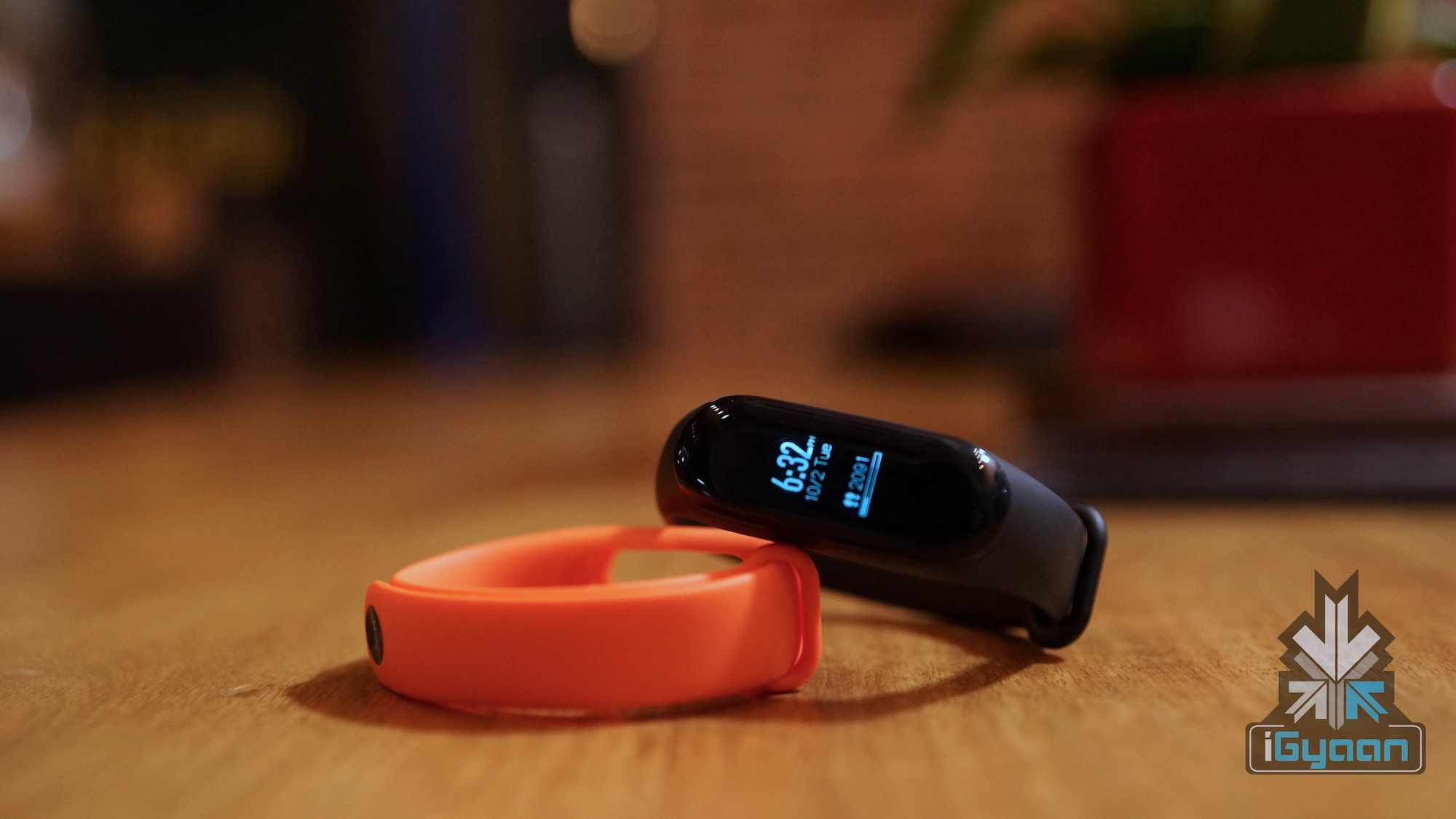
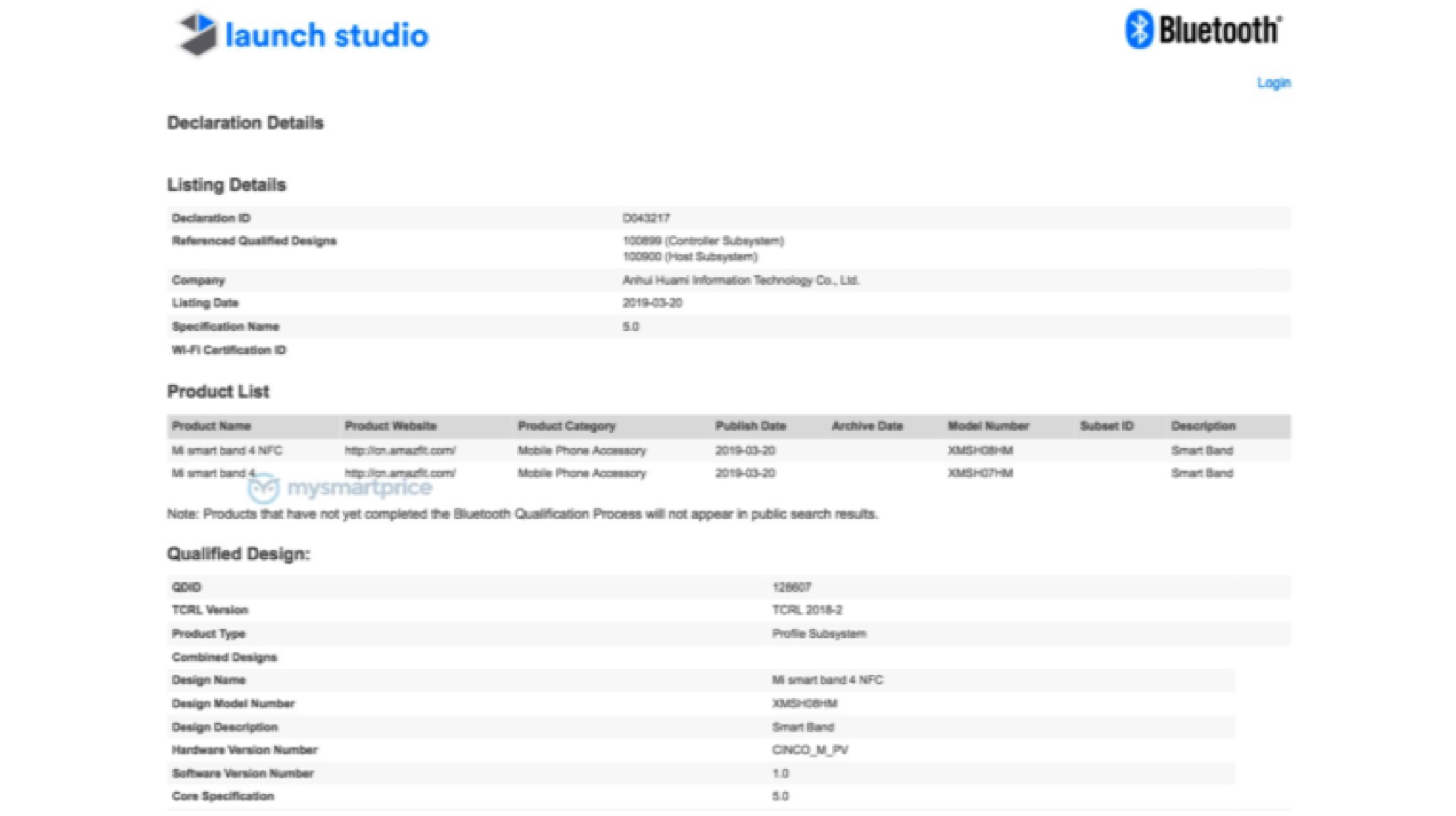
    Xiaomi Mi Band is one of the most popular fitness bands available in the market currently. It offers a mix of competitive features at a lucrative price. Its latest iteration, Mi Band 3 was launched in India last year. It was expected that Xiaomi will release a successor to the fitness band this year with updated specs and features. Fresh leaks reveal that a Mi Band 4 is indeed in the works and may launch soon. The fitness band has been certified by the Bluetooth Special Interest Group (SIG). 

    Mi Band 4

    The Mi Band 4 is expected to be a significant upgrade over its predecessor. The listing mentions the presence of Bluetooth v5.0 Low Energy, which is an upgrade over the v4.2 Low Energy found on the Mi Band 3. This change suggests better connectivity on the new fitness band by Xiaomi. Unfortunately, other details about the wearable device aren’t available yet, but going by the company’s track record, It may feature a bigger display than the 0.78 OLED touchscreen display found in the previous version. 

    The listing also mentions NFC in the name of the Mi Band 4, so the fitness band may have the connectivity feature built in. However, the NFC variant may only be released in certain global markets. Another new addition on the band is expected to be better and more expansive fitness tracking capabilities. The fitness band is reported to have Electrocardiogram (ECG) capabilities like the one found in Apple Watch Series 4. But unlike the Apple Watch, the fitness band from Xiaomi might have a limited ECG functionality owing to its affordability. 

    Also read: Nokia 9 PureView To Launch In India Soon

    Xiaomi has been known to price its devices aggressively, and the Mi Band 4 is expected to be no different. The Mi Band 3 and its predecessors were launched at a price of Rs. 1,999 in India. It is this suggested that the upcoming Mi Band 4 will also be priced similar.

  • Nokia 9 PureView To Launch In India Soon

    Nokia 9 PureView To Launch In India Soon

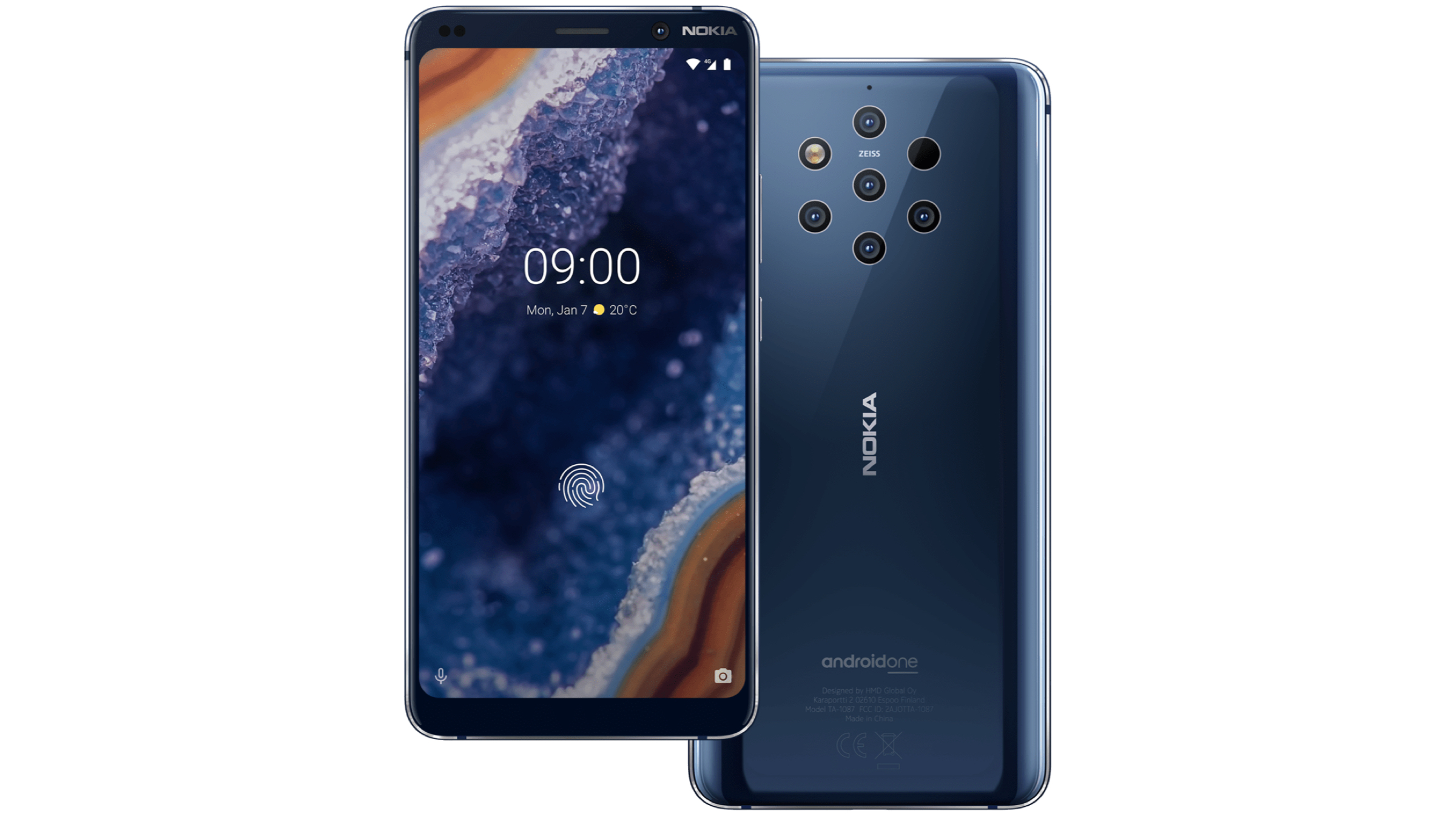
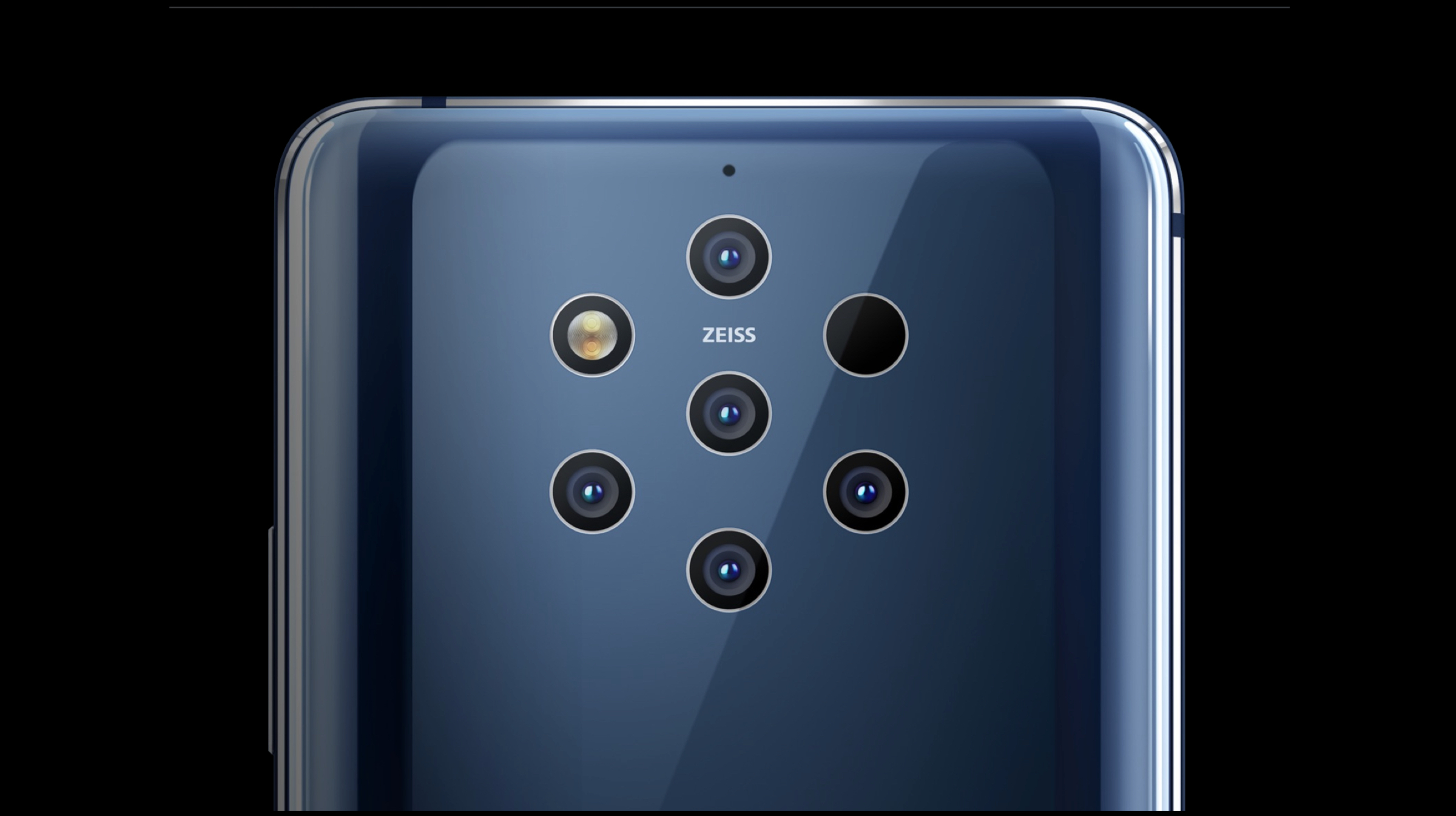
    Nokia launched its latest flagship smartphone, the Nokia 9 PureView on February 24. It is the first device to feature a Penta-rear camera setup. It was also expected that the company will launch the handset in the Indian market soon after the launch. A new teaser posted by the official account of Nokia India hints at what could be the launch of the flagship smartphone in the country. The text shared along with the video on social networking website Facebook reads “Get ready to capture the most breathtaking pictures with the all new Nokia 9. Stay tuned!” This suggests that the launch of the device is imminent.

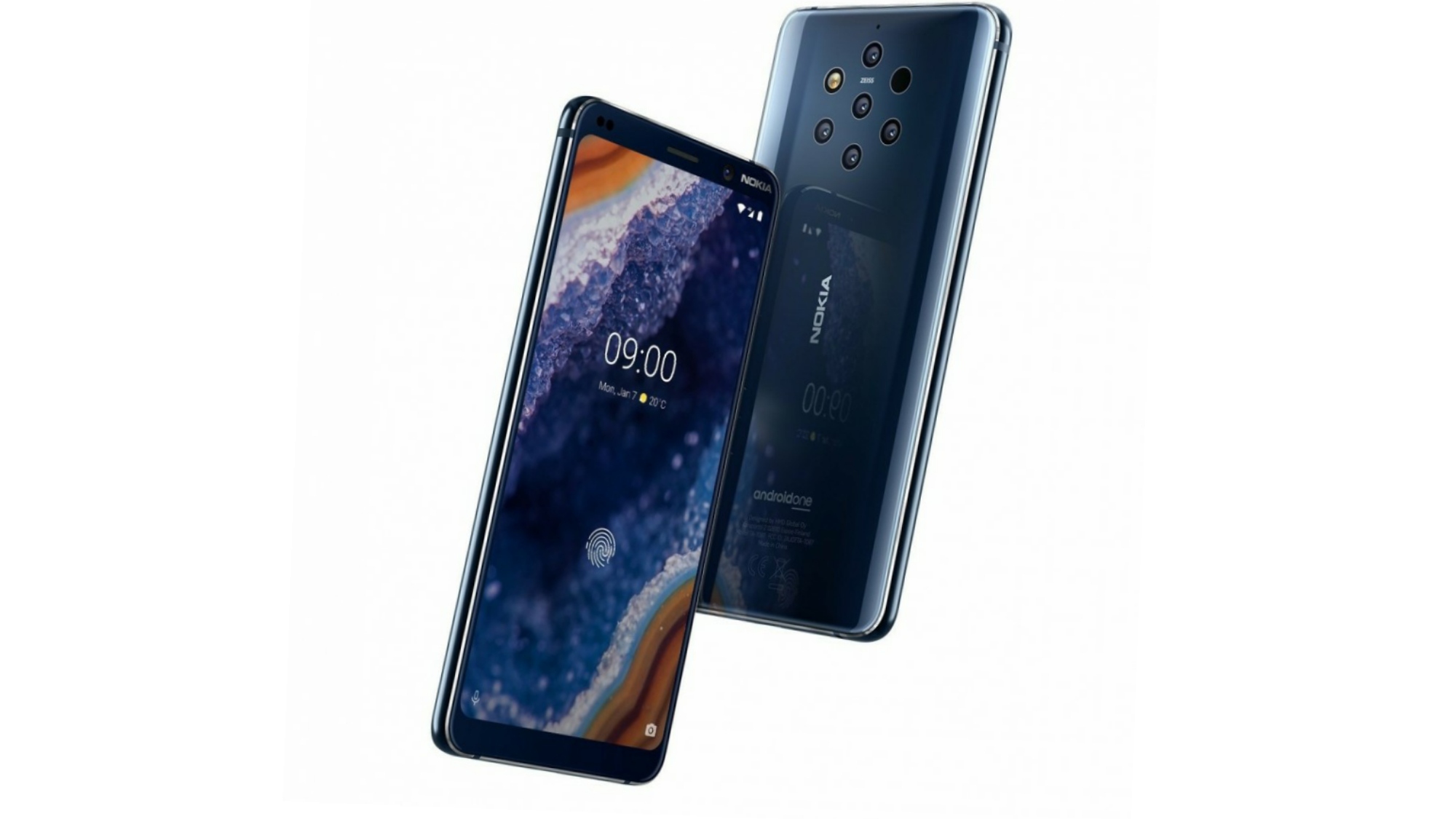
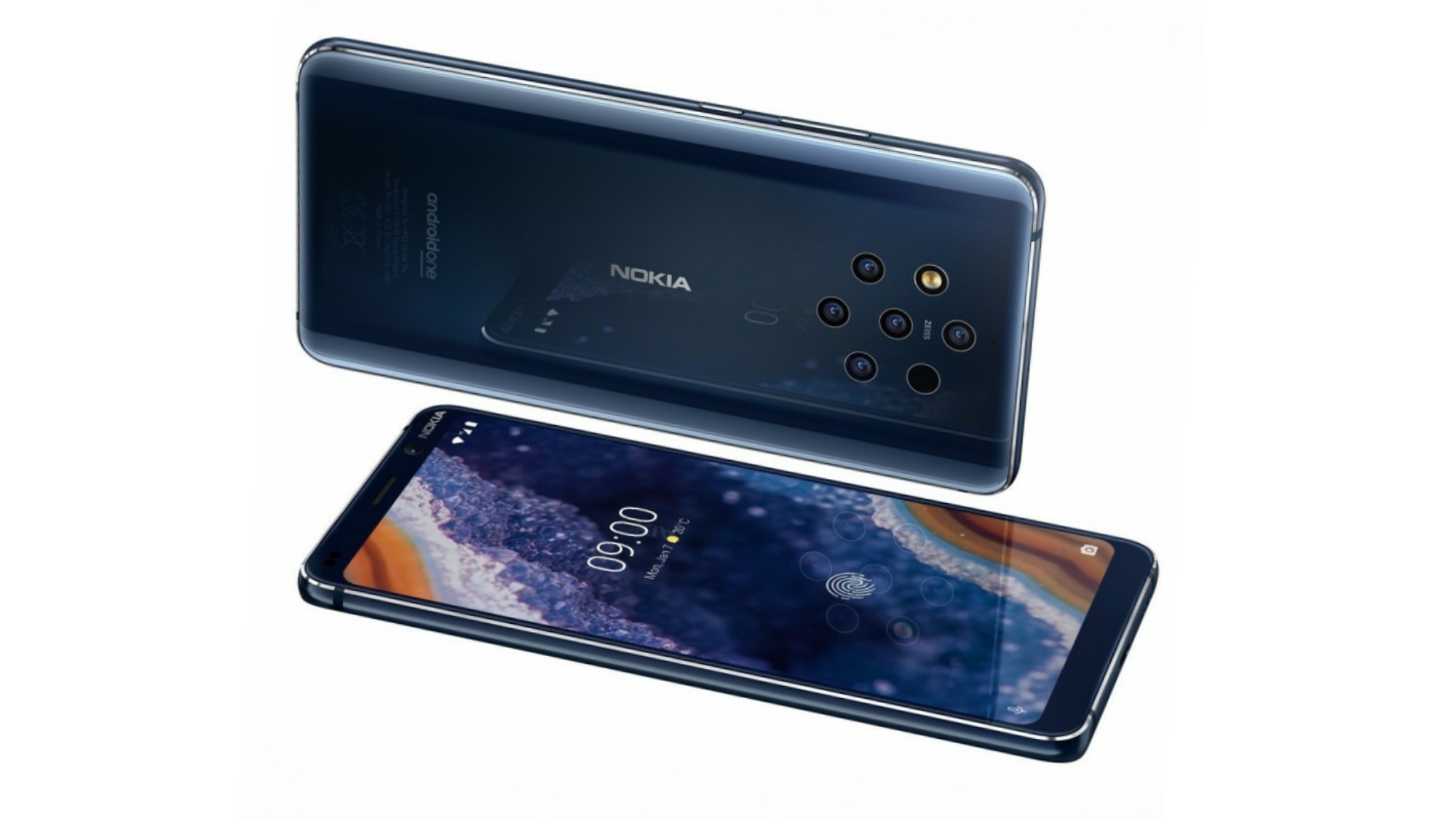
    Nokia 9 PureView

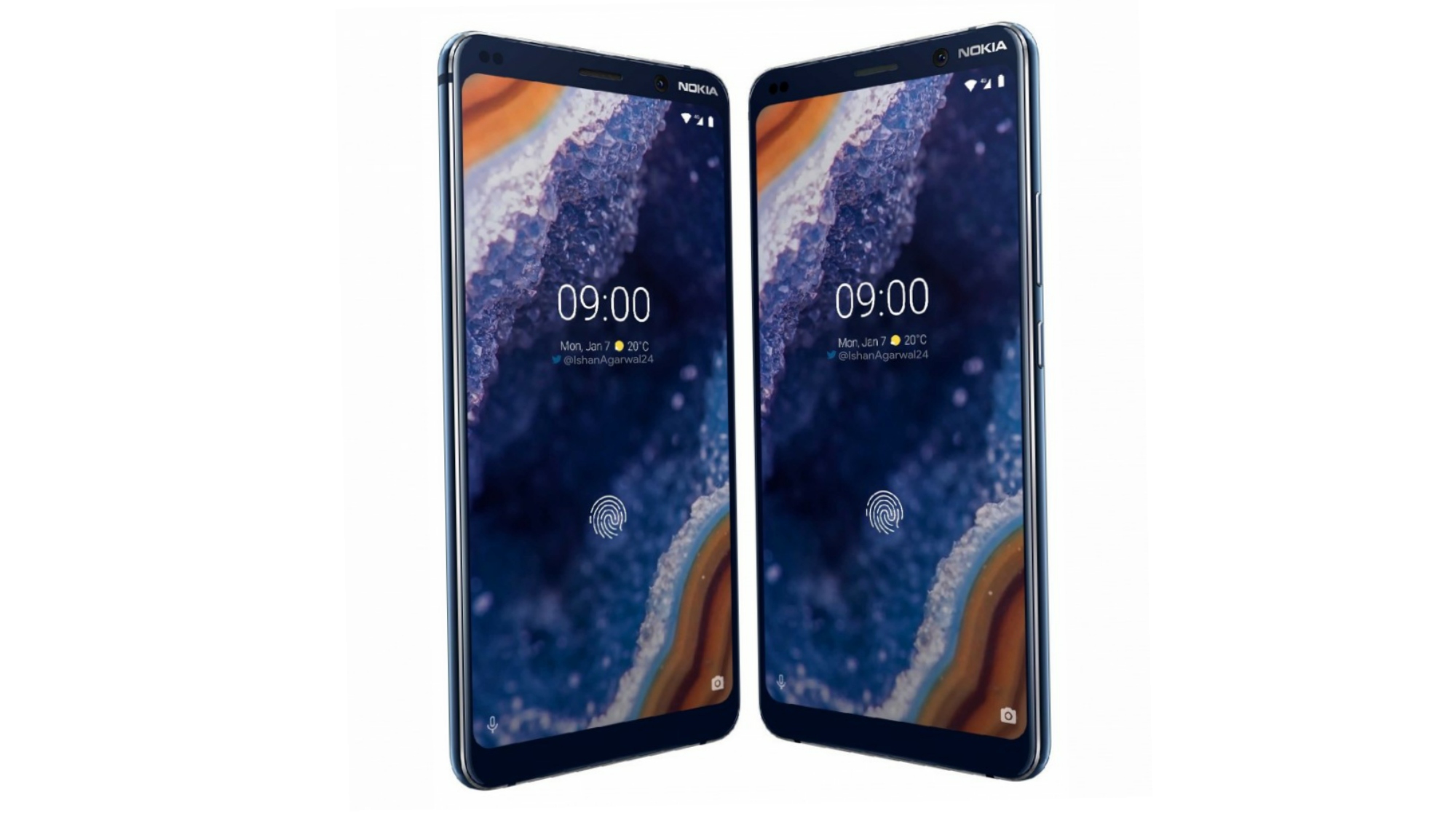
    On the front of the device sits a 5.99 inch POLED display with a resolution of 2880 x 1440 px. The display panel has an 18:9 aspect ratio and pixel density of 538 ppi. It has minimal bezels on the sides with a significant forehead and chin bezel. For biometrics, the Nokia 9 Pureview has an in-display fingerprint scanner.

    Under the hood, the Nokia 9 PureView runs on yesteryear’s 10nm Snapdragon 845 SoC. The chipset has an Octa-core CPU and Adreno 630 GPU. The highlight of the smartphone is its optics. The rear camera setup consists of five 12 MP sensor and an LED flash. Out of the five cameras, two are RGB sensors while the remaining three are mono sensors. For selfies, the device has a 20MP front-facing camera. 

    The Nokia 9 PureView is powered by a 3320mAh battery with wireless charging support. The smartphone runs on the latest Android 9 Pie and is Android One certified which implies it will receive software updates for at least two years. 

    Pricing & Availability

    Also read: Motorola To Launch The Moto G7 In India On March 25

    The Nokia 9 PureView is expected to be unveiled in India in the month of April. While no information on what the device will be priced is known, the United States price of US $ 699 (Rs. 48,112) would insinuate it would be priced under the Rs. 50,000 mark.

  • Motorola To Launch The Moto G7 In India On March 25

    Motorola To Launch The Moto G7 In India On March 25

    Motorola launched the four latest smartphones in the Moto G7 lineup in February. The devices were launched in Brazil and included the Moto G7 Play, G7 Power, G7 and G7 Plus. While the Moto G7 Power has been available in India for a price of Rs. 13,999 since last month, there was no other smartphone of the range in sight. The company has now confirmed that the Moto G7 will launch in India on March 25. 

    Features & Specifications

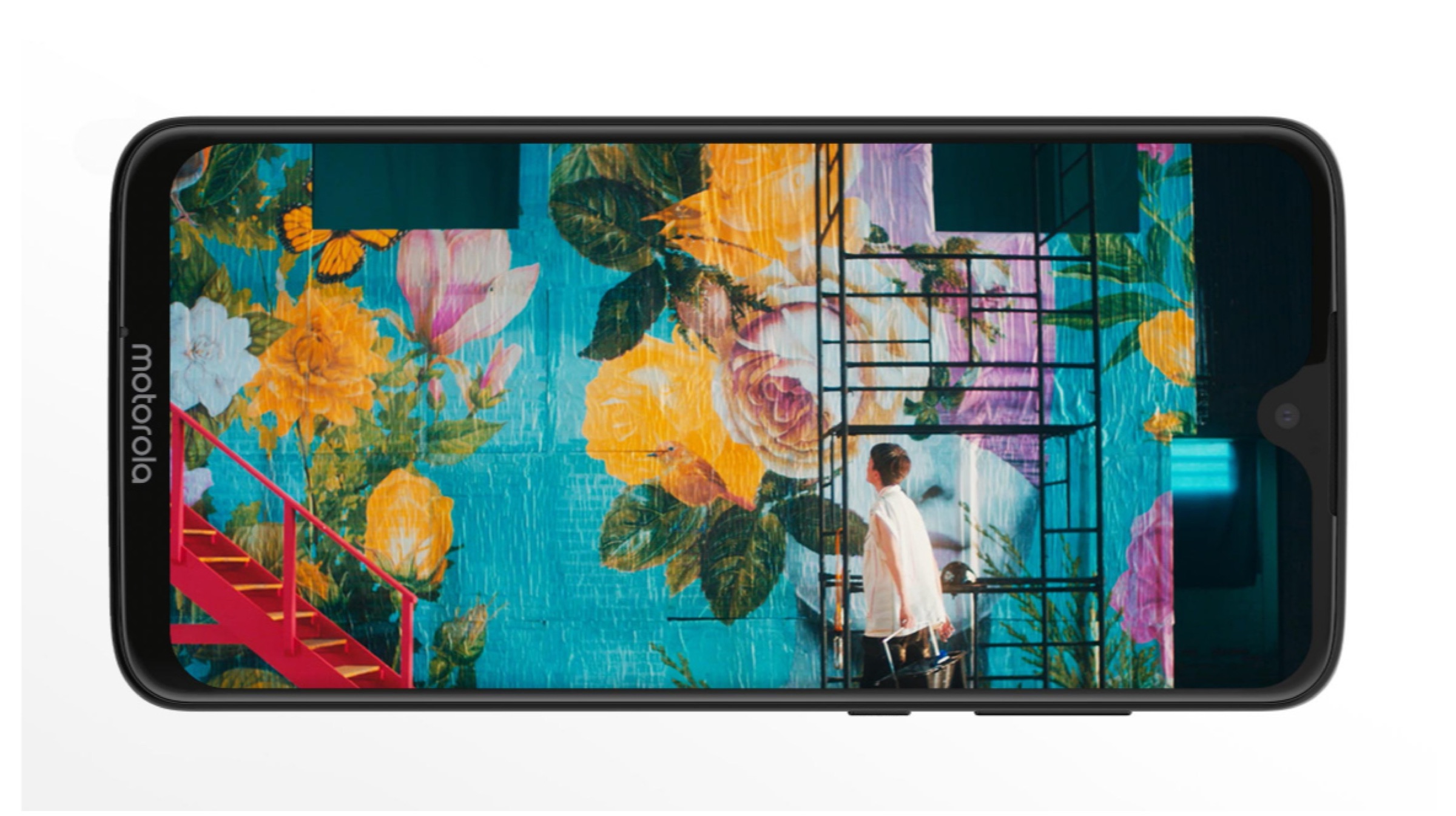
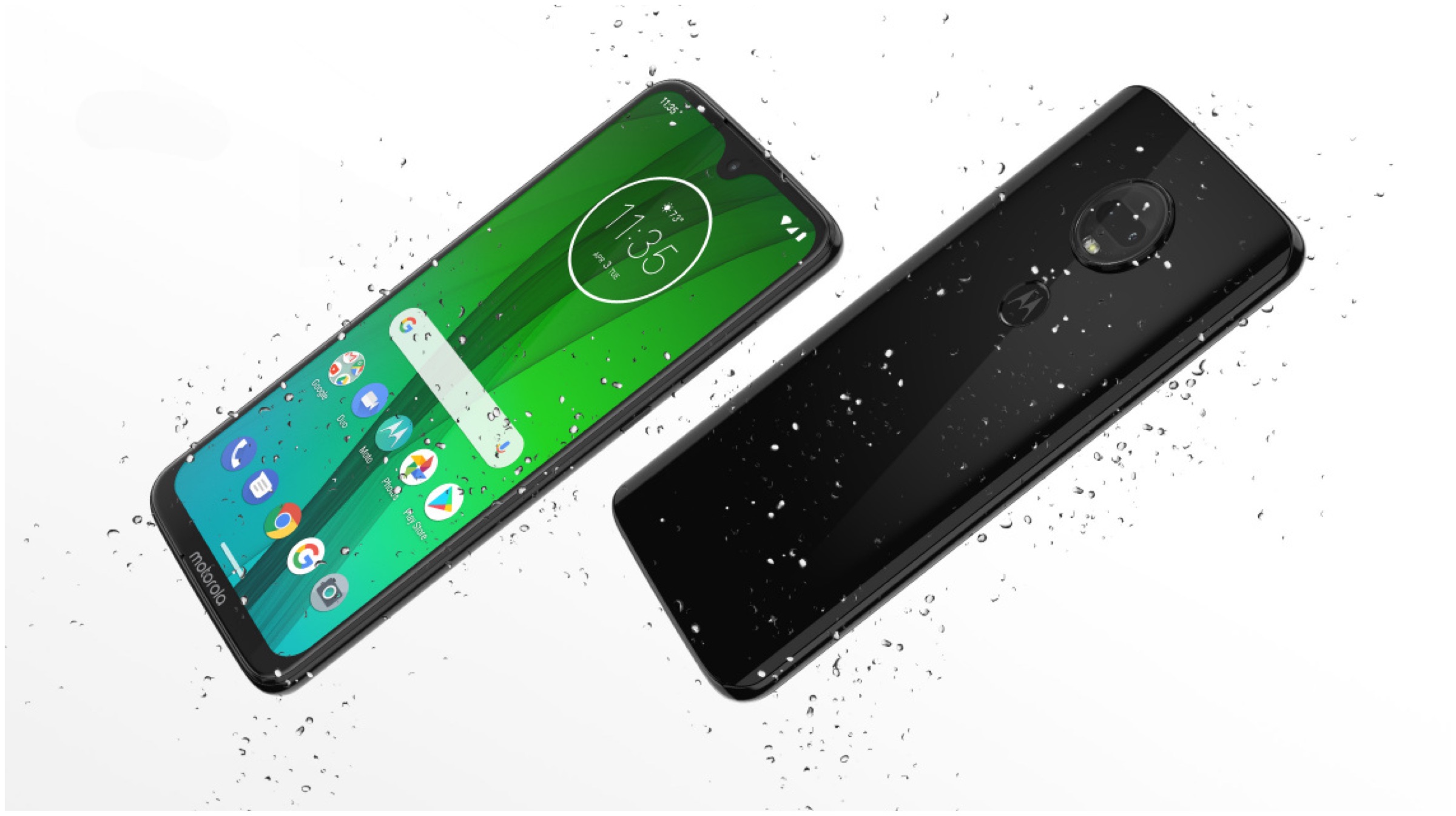
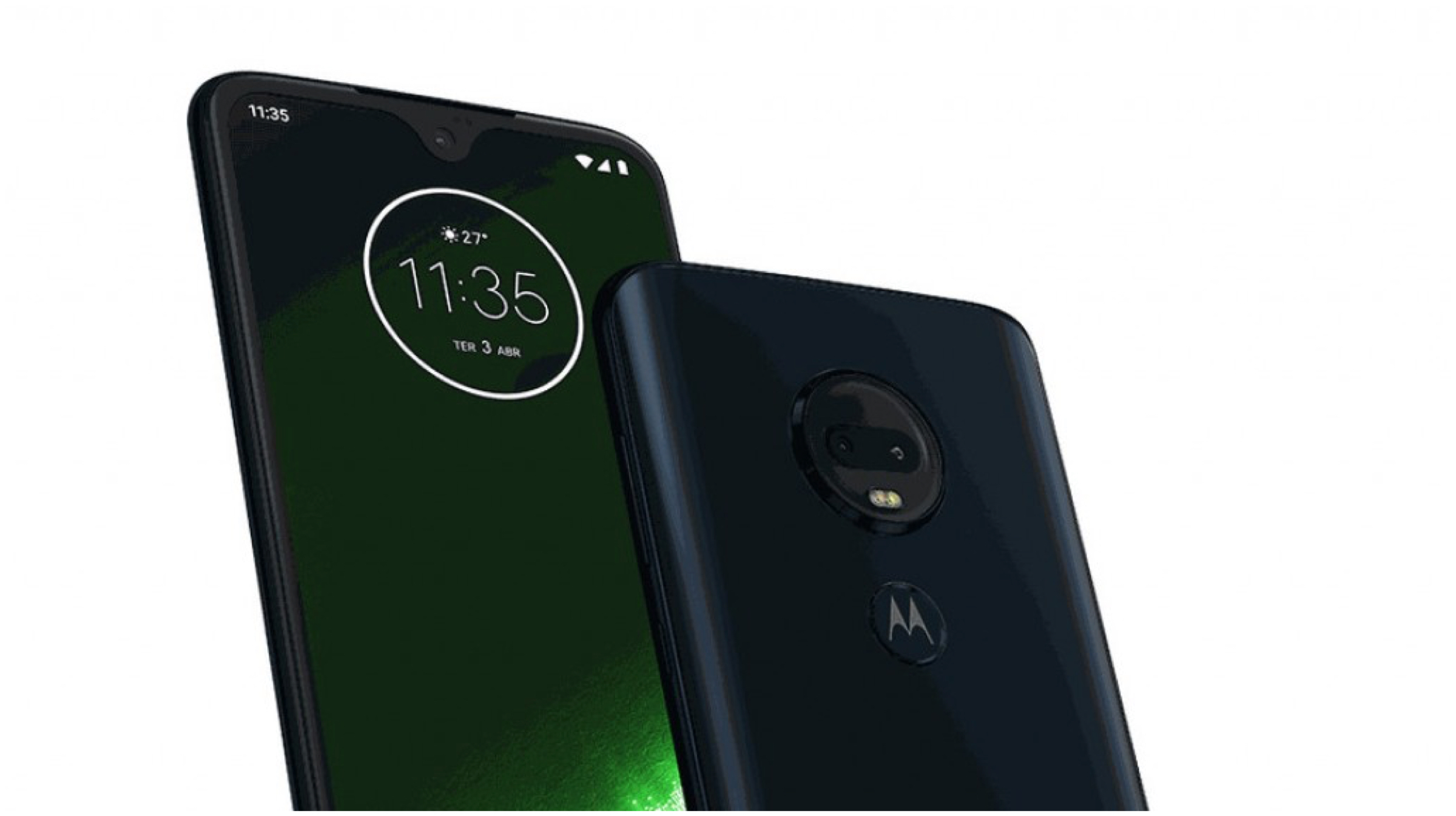
    The Moto G7 measures 157 × 75.3 × 7.92mm and weighs in at 174 grams. Design-wise, it has glass on both the front and back of the handset. The smartphone has a 6.2-inch IPS LCD display with 2270 x 1080 px resolution and a waterdrop notch up top. The device has a rear-mounted fingerprint scanner and supports face unlock technology.

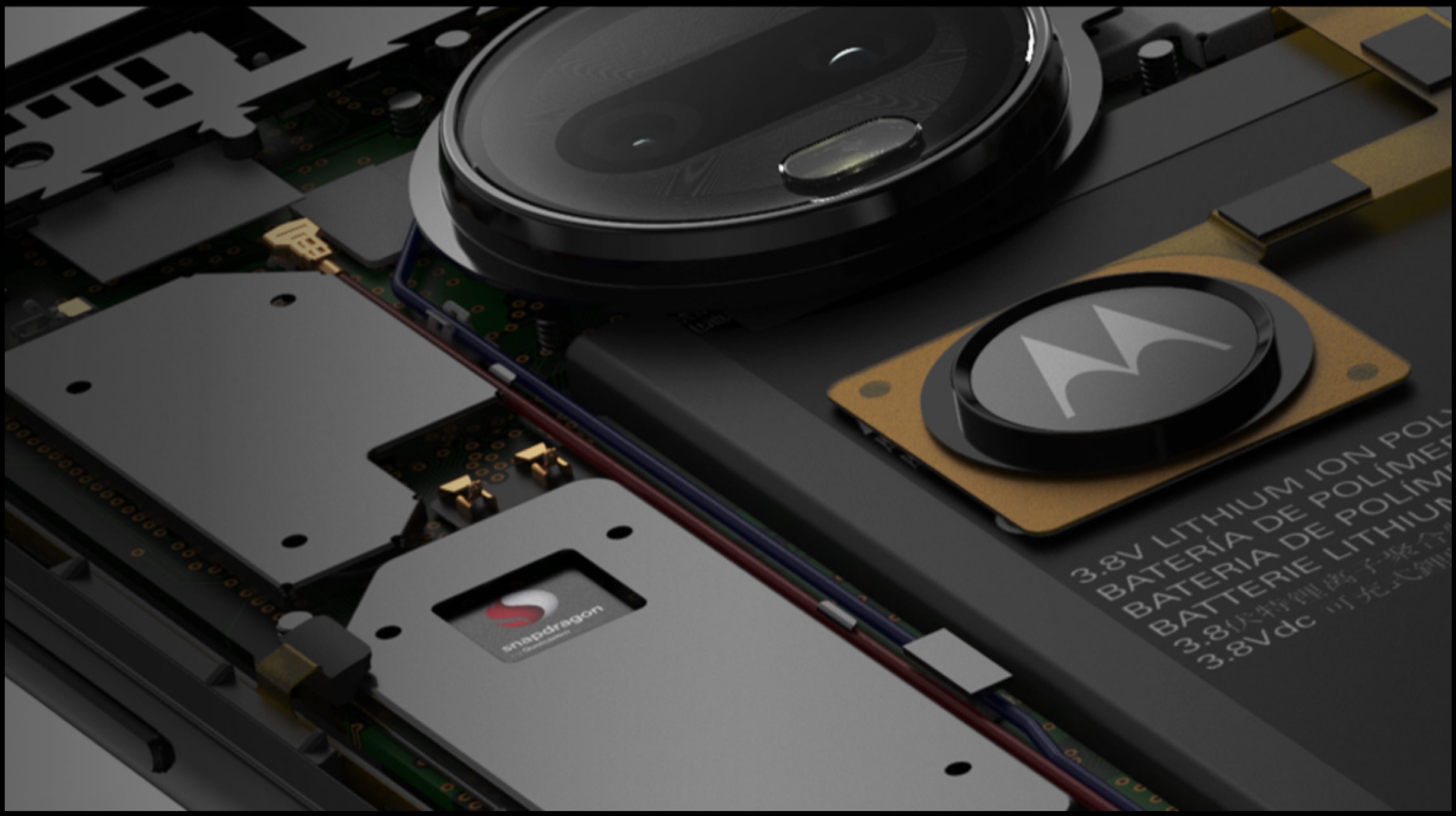
    Under the hood, the Moto G7 runs on the 14nm Snapdragon 632 SoC which consists of an Octa-Core CPU and Adreno 506 GPU. The rear of the smartphone has the dual rear camera setup which is comprised of a 12 MP sensor with an f/1.8 aperture and 5 MP secondary sensor. For selfies, the handset has an 8MP camera housed in the notch on the top of the display.

    The Moto G7 is powered by a 3,000 mAh battery which supports fast charging up to 15W with the bottom mounted USB Type-C port and runs on the latest Android 9.0 Pie. The handset also has P2i nano-coating which is certified to protect against liquid spills. Connectivity options include 4G VoLTE, 802.11 ac Wi-Fi, Bluetooth 4.2. The device is available in two colour options namely Clear White and Ceramic Black.

    Pricing & Availability

    Also read: Moto Z4 Play Passes Through FCC, Launch Imminent

    The Moto G7 will launch in India on March 25 and is expected to go on sale soon after from major online and offline carriers. While the pricing of the smartphone isn’t known yet, it costs US$ 299 (Rs. 20,585) in the United States. It is expected that the device is priced similarly in the country. 

  • LG Granted Patent For OLED TVs With Rollable Display

    LG Granted Patent For OLED TVs With Rollable Display

    With the evolution of all forms of technology, TVs are not far behind. In the modern day, a TV is not only limited to its functions and features but it is also something that can improve the aesthetic value of a living room. Manufacturers like Samsung, LG and Sony have a strong grip over the market in terms of TVs. Although the focus from TVs has now shifted to smartphones and mobile devices, these handheld gadgets cannot replace a large screen TV entirely at least for now. LG was granted a patent for a futuristic television that has an unconventional rollable display.

    LG Electronics filed three patents with the Korean Intellectual Property Office (KIPO) in August 2018. The KIPO published the three patents on February 28, 2019, and they clearly depict a roll-up display that emerges from a housing.

    Design And Features

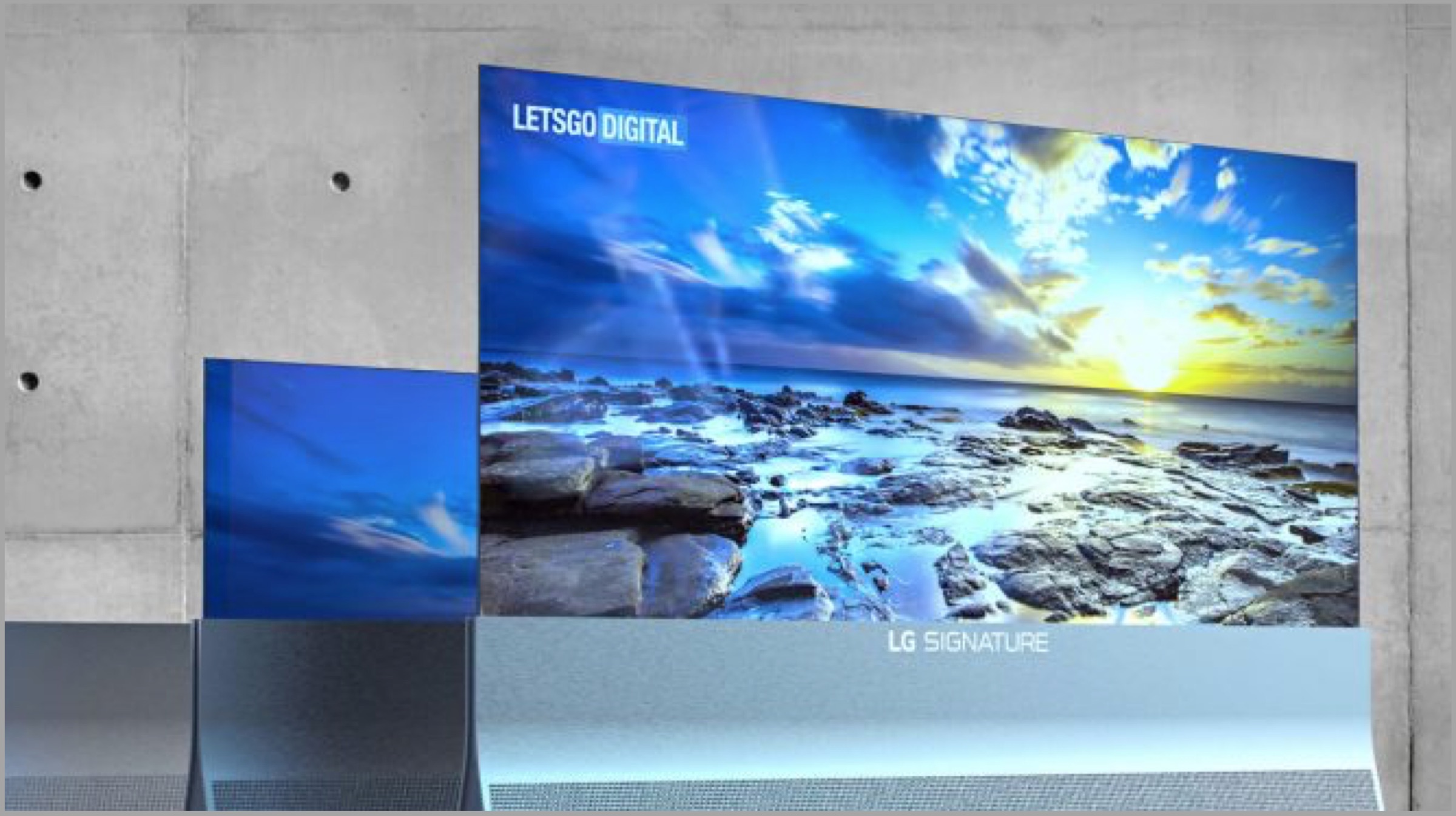
    LG unveiled its first rollable TV at the CES 2018 (Consumer Electronics Show). The company showcased a 65-inch 4K OLED TV called the LG Roled, or the LG Signature OLED R9. It retracts into a cuboidal shaped enclosure when not in use. The company previously stated that the rollable OLED TV will go on sale this year itself. This time, LG has moved past the rollable TV, instead, it is just including a rollable screen in a housing-cum-base for the device.

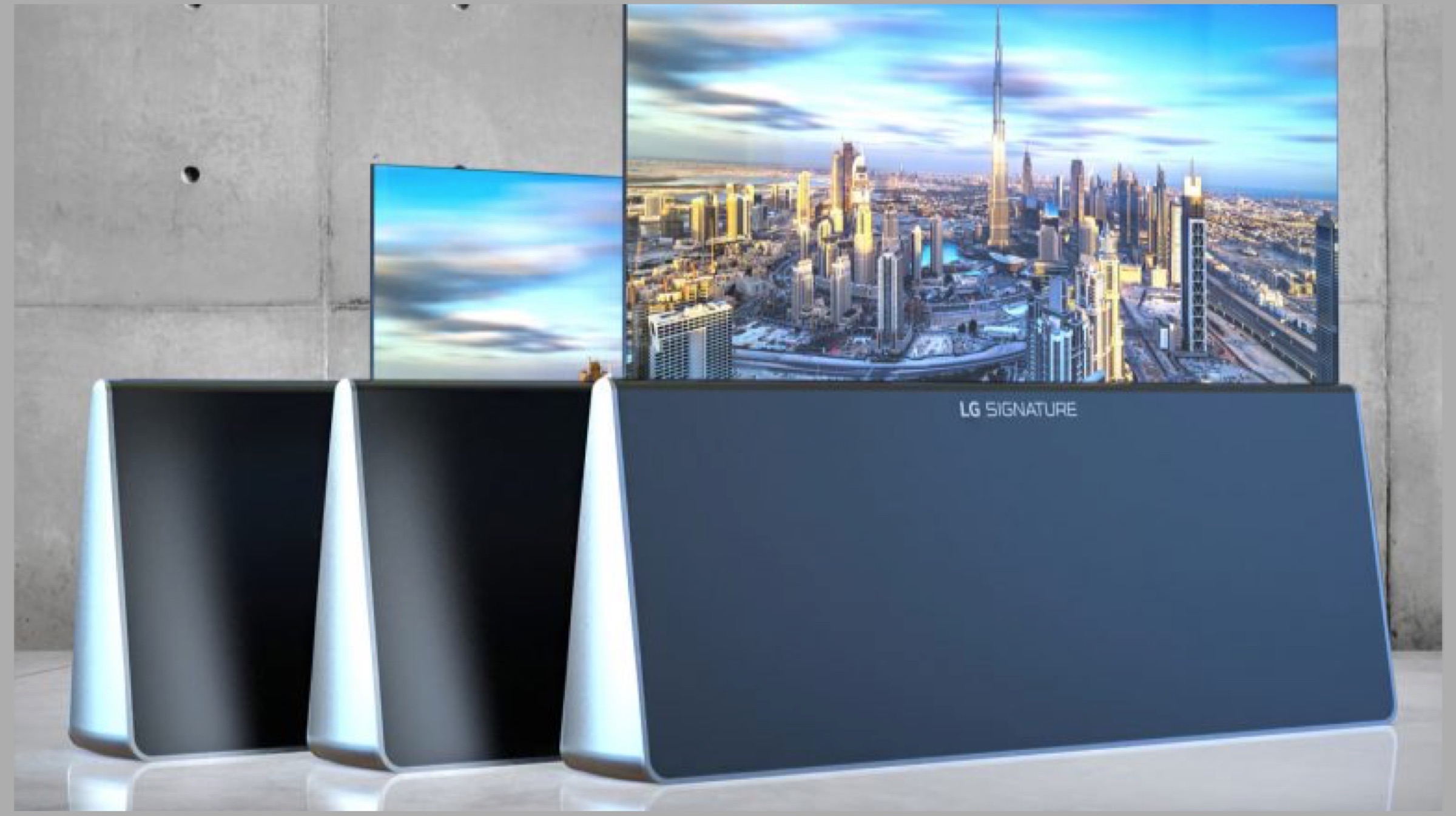
    The flexible screen is housed in three different types of casings, as shown in the patent images. The housing sports a triangular design to prevent the flexible screen from bending over. All three housing designs are a bit different from each other. The reason for this is not clear, but it may be because LG is testing out the most stable base for the Roll-up screen.

    The TV can also function as a speaker system if the display is not completely raised. Similar to LG’s TV at the CES, the upcoming TV may be equipped with a 100 Watt Dolby Atmos Speaker. The flexible screen can be completely rolled out to have a normally functioning television. In 2018, LG was granted a patent for a similar flexible display for its smartphone.

    Availability

    Also Read: Qualcomm Announces QCS400 SoCs series For Smart Speakers And Soundbars

    No information regarding the futuristic television is available yet, although it seems that the company will take its time to polish the technology before releasing it in the market. As per reports, Samsung is also planning to release a rollable TV whose screen can be rolled towards the sides unlike LG’s design. The TV is expected to be placed at a higher price point too, owing to the technology implemented in the same.

  • Moto Z4 Play Passes Through FCC, Launch Imminent

    Moto Z4 Play Passes Through FCC, Launch Imminent

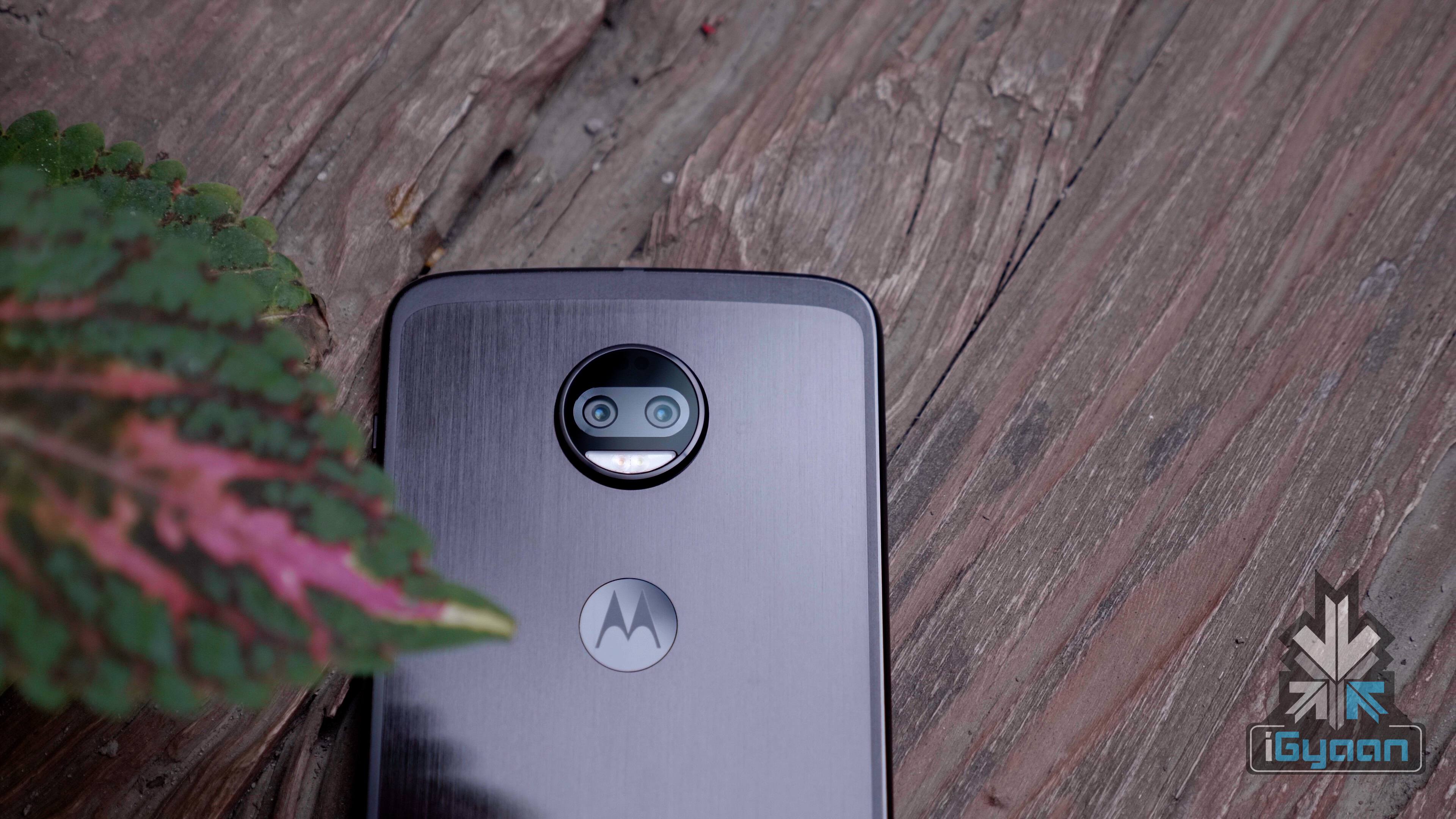
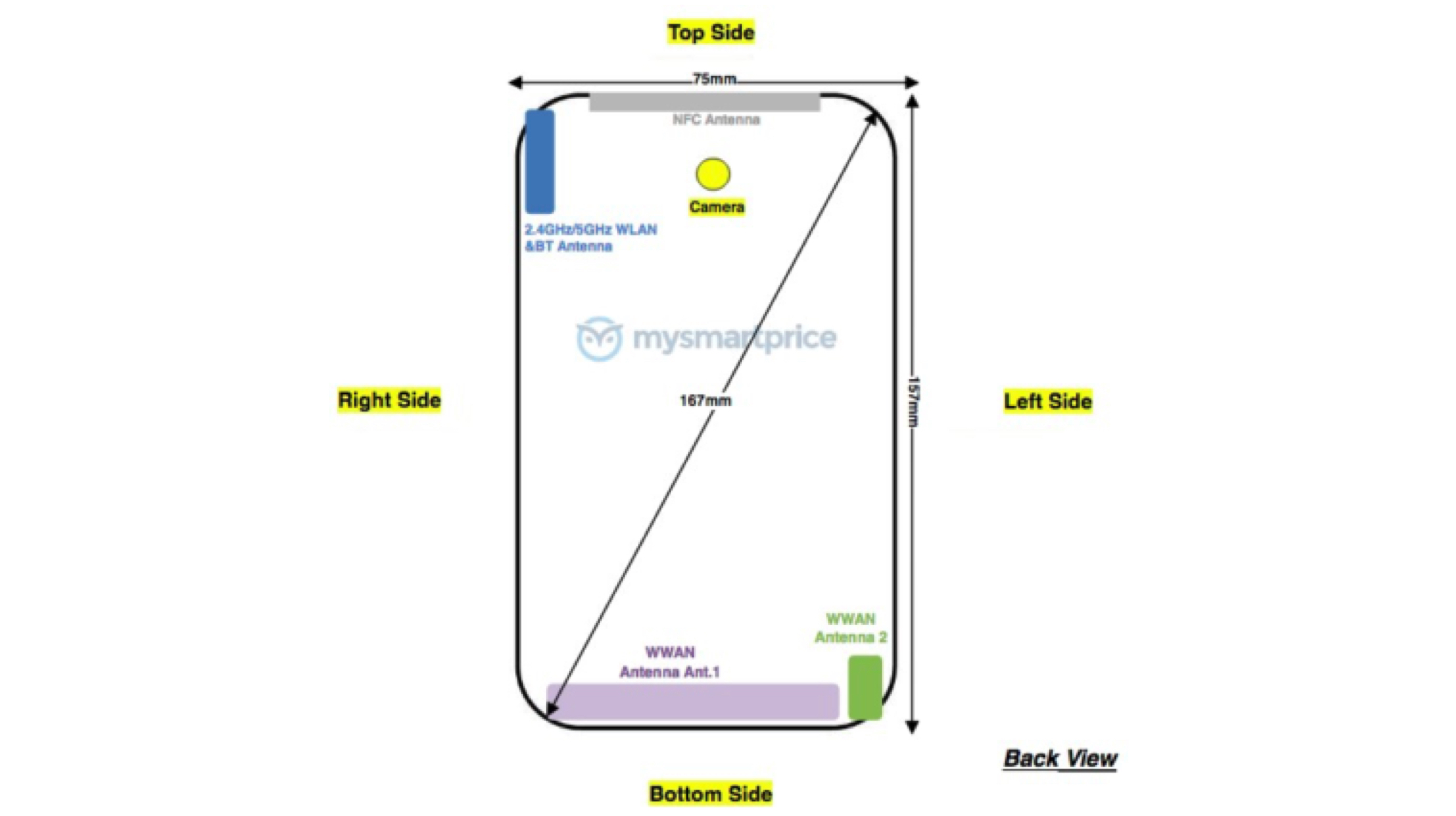
    Motorola launched the first smartphone in the Moto Z lineup back in the year 2016. The devices offered modularity in the form of accessories the company called “Moto Mods”. An unreleased handset from the company has passed through the Federal Communications Commission or FCC, revealing a few specifications of the smartphone. The model number listed on FCC’s website is XT1980-3, which corroborates with Moto Z devices in the past. It is likely that this device is the Moto Z4 Play, which has been leaked in the past.

    Moto Z4 Play

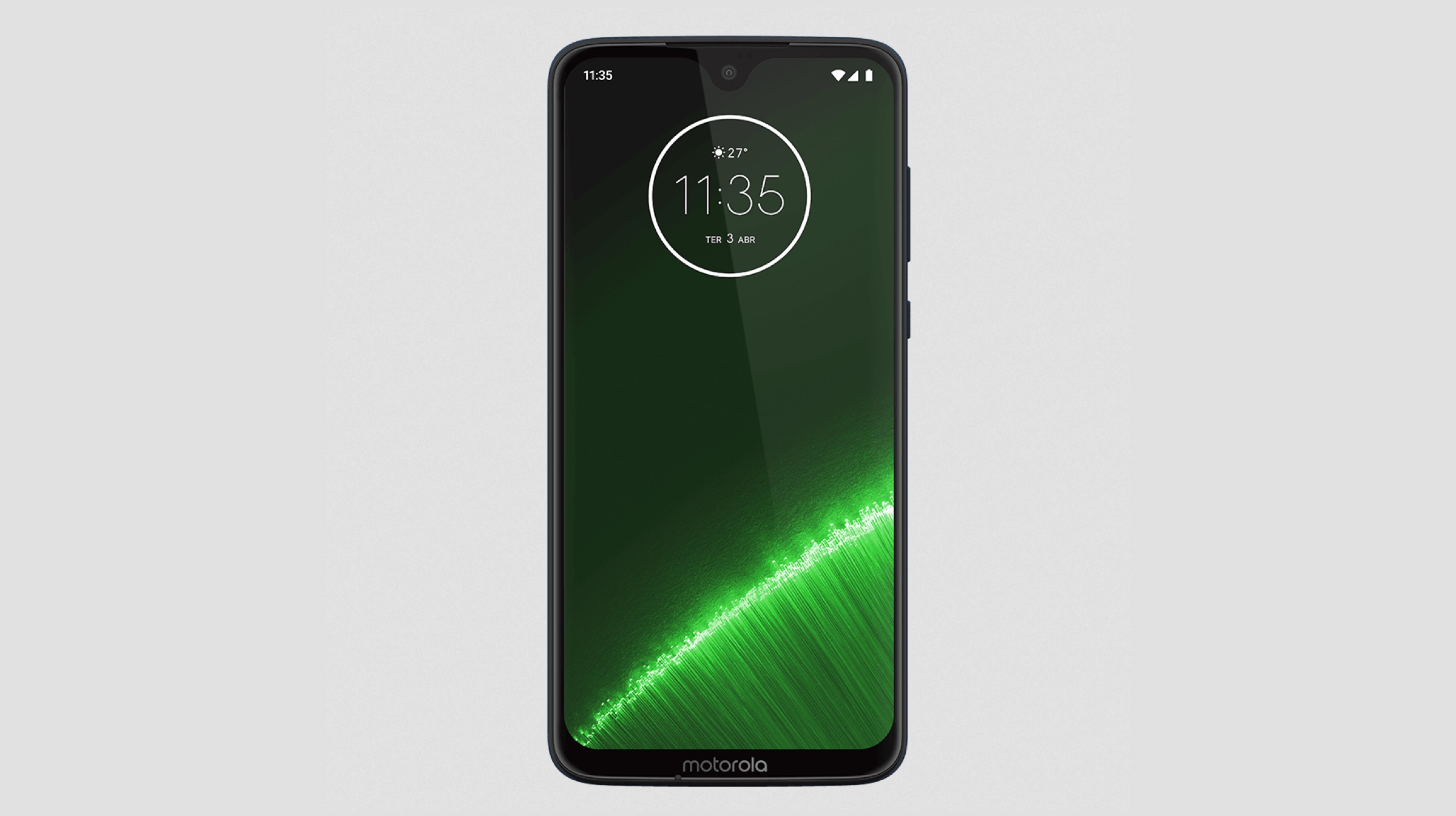
    The Moto Z4 Play will be a mid-range offering from Motorola. While the listing reveals some specifications of the device, not all details of the smartphone are available at the moment. Design wise, it is expected to have a similar design to the Moto Z3 Play, complete with thinner bezels and a waterdrop notch on the front. The front of the smartphone is expected to resemble the Moto G7 which was announced last month in Brazil. Like other smartphones in the lineup, the Moto Z4 Play is also expected to support Moto Mods with the proprietary magnetic connector at the back. The display on the smartphone may be a 6.2-inch Super AMOLED panel with a resolution of 2280 x 1080 px. For security and biometrics, there may be an in-display fingerprint scanner and face unlock support for easier authentication.

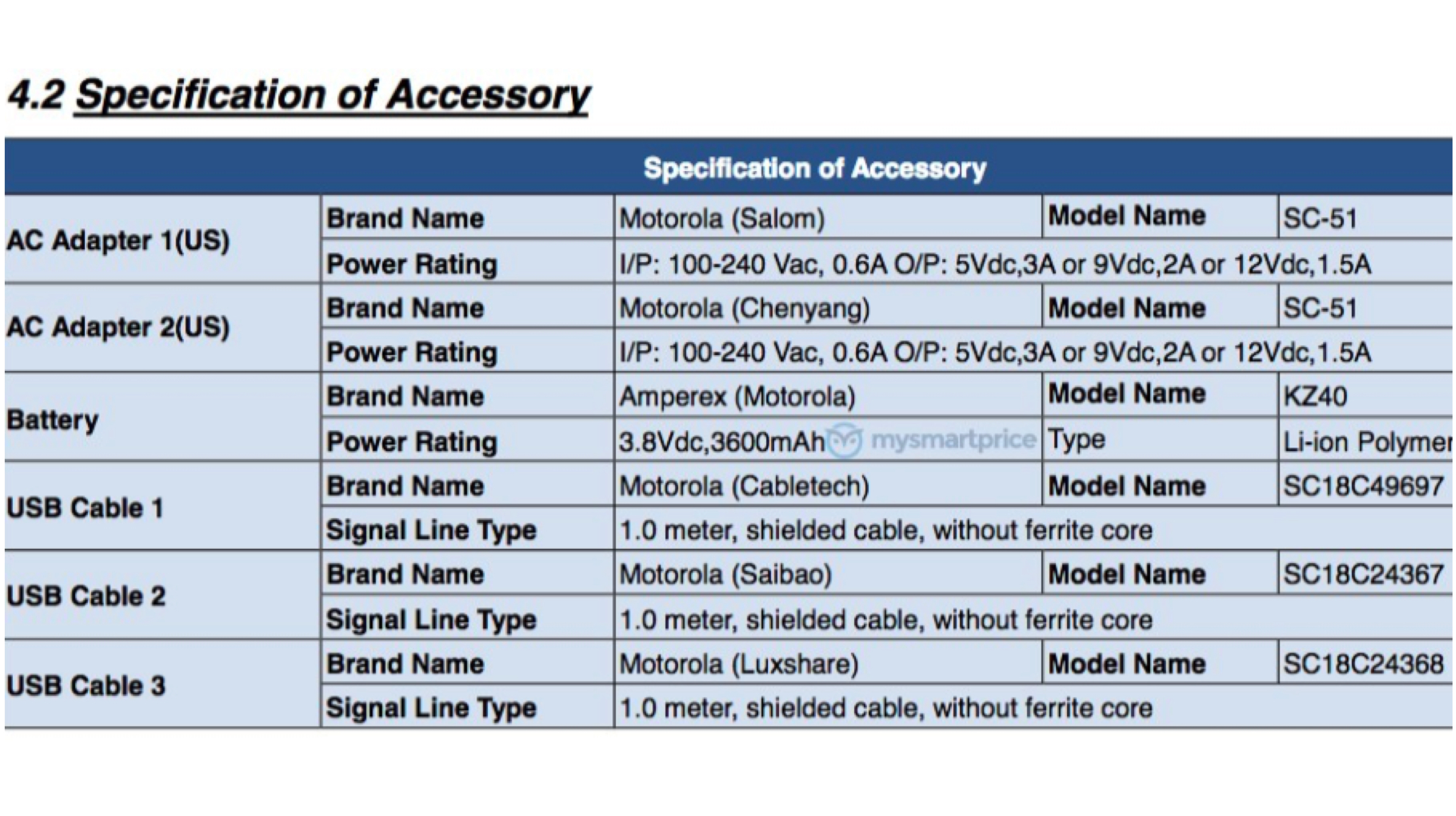
    According to the reports, the Moto Z4 Play will run on the 11nm Snapdragon 675 SoC. The chipset has an Octa-core CPU and Adreno 612 GPU. In terms of optics, the Moto Z4 Play might have a single rear camera, which is expected to be a 48MP Sony IMX 586 sensor. In terms of memory and storage, the smartphone will have 6GB of RAM and 128GB of internal storage. The FCC listing reveals that the Moto Z4 Play will have a 3600mAh battery with support for 18W fast charging. 

    Pricing & Availability

    Also read: Samsung Galaxy A40 Listed For Pre-Order In Netherlands

    The FCC listing of the Moto Z4 Play suggests that the launch of the smartphone is imminent. The device is expected to launch in the second quarter of 2019 at a reported price of US$ 450 (Rs. 30,996).

  • Samsung Galaxy A40 Listed For Pre-Order In Netherlands

    Samsung Galaxy A40 Listed For Pre-Order In Netherlands

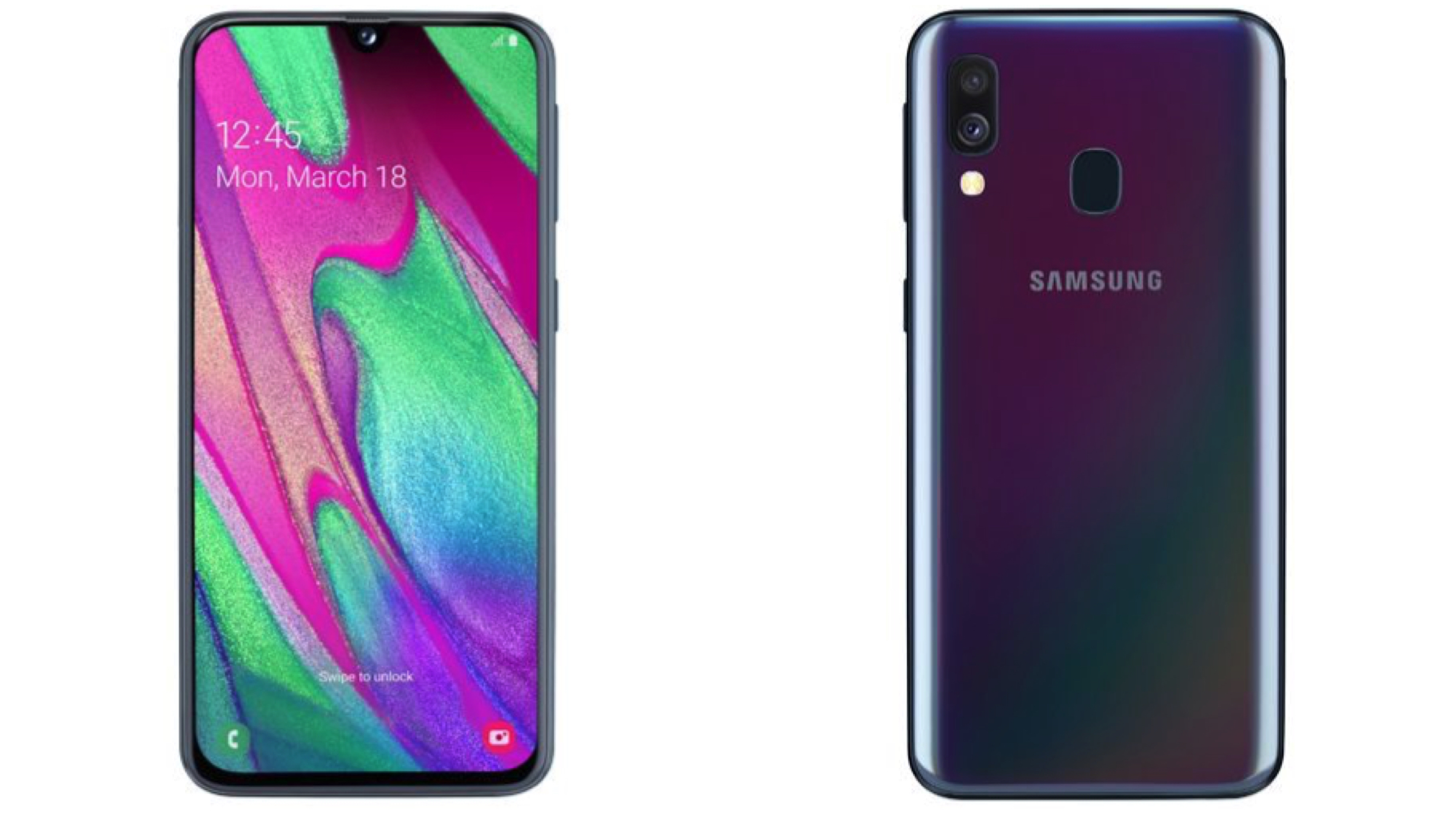
    Samsung is expected to announce three new smartphones in its Galaxy A lineup on the 10th of April. A fresh listing on a Dutch website lists one of the devices, the Galaxy A40 up for pre-order. The listing reveals the key specifications and the price of the device in Europe. Galaxy A40 is the latest budget entrant by the company and will sit between the Galaxy A30 and Galaxy A50, both of which were launched in India on February 28.

    Galaxy A40

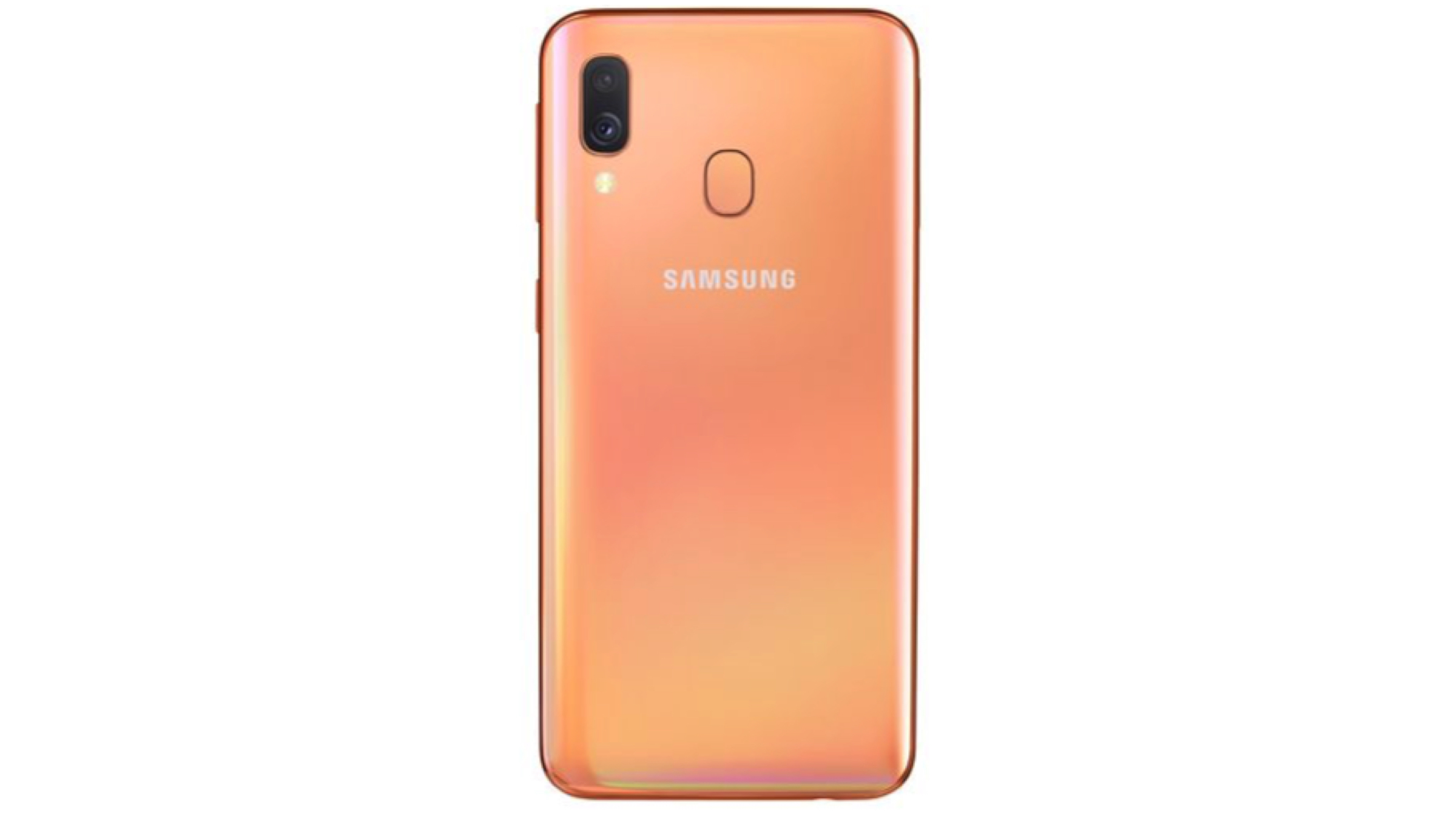
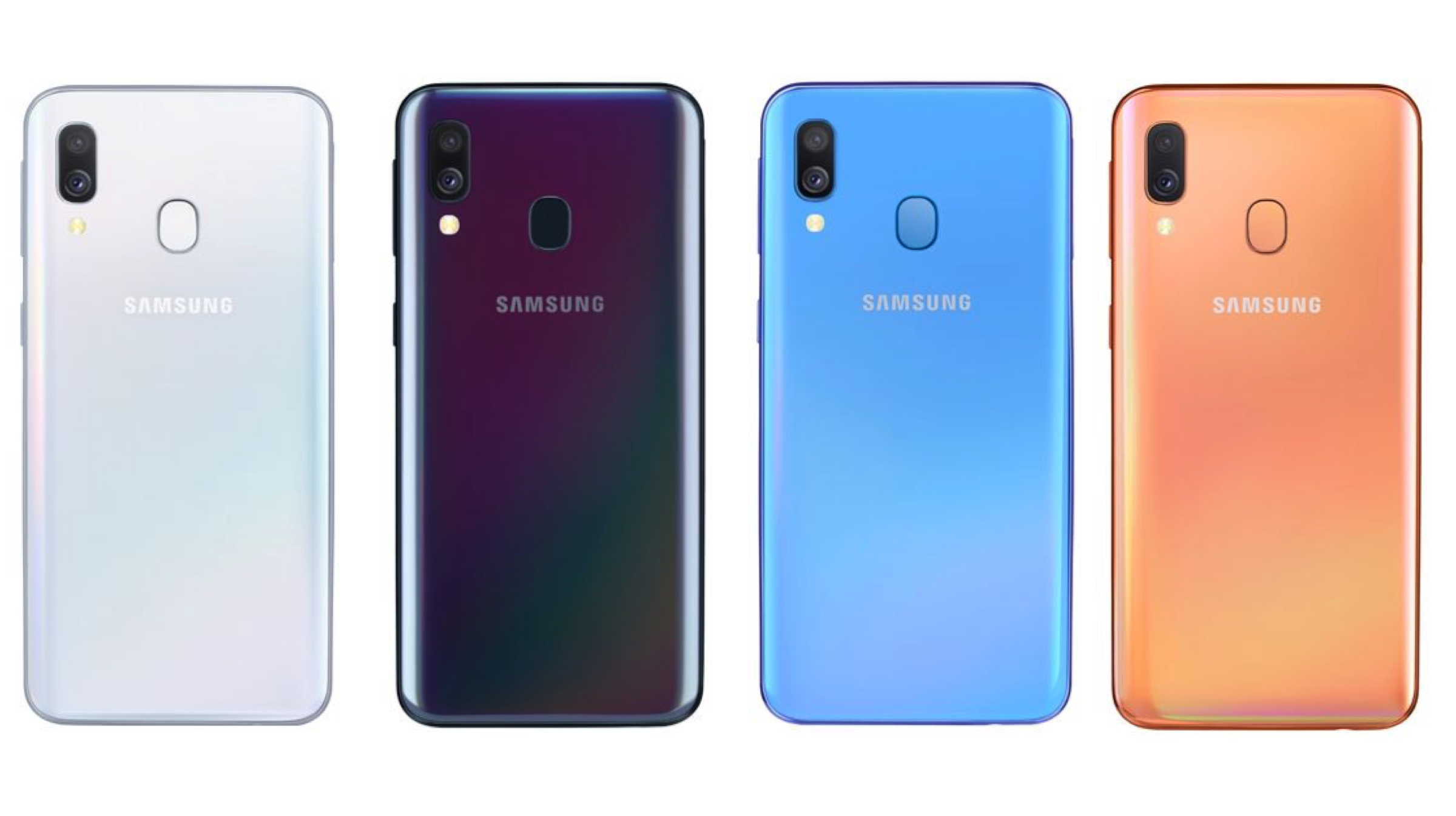
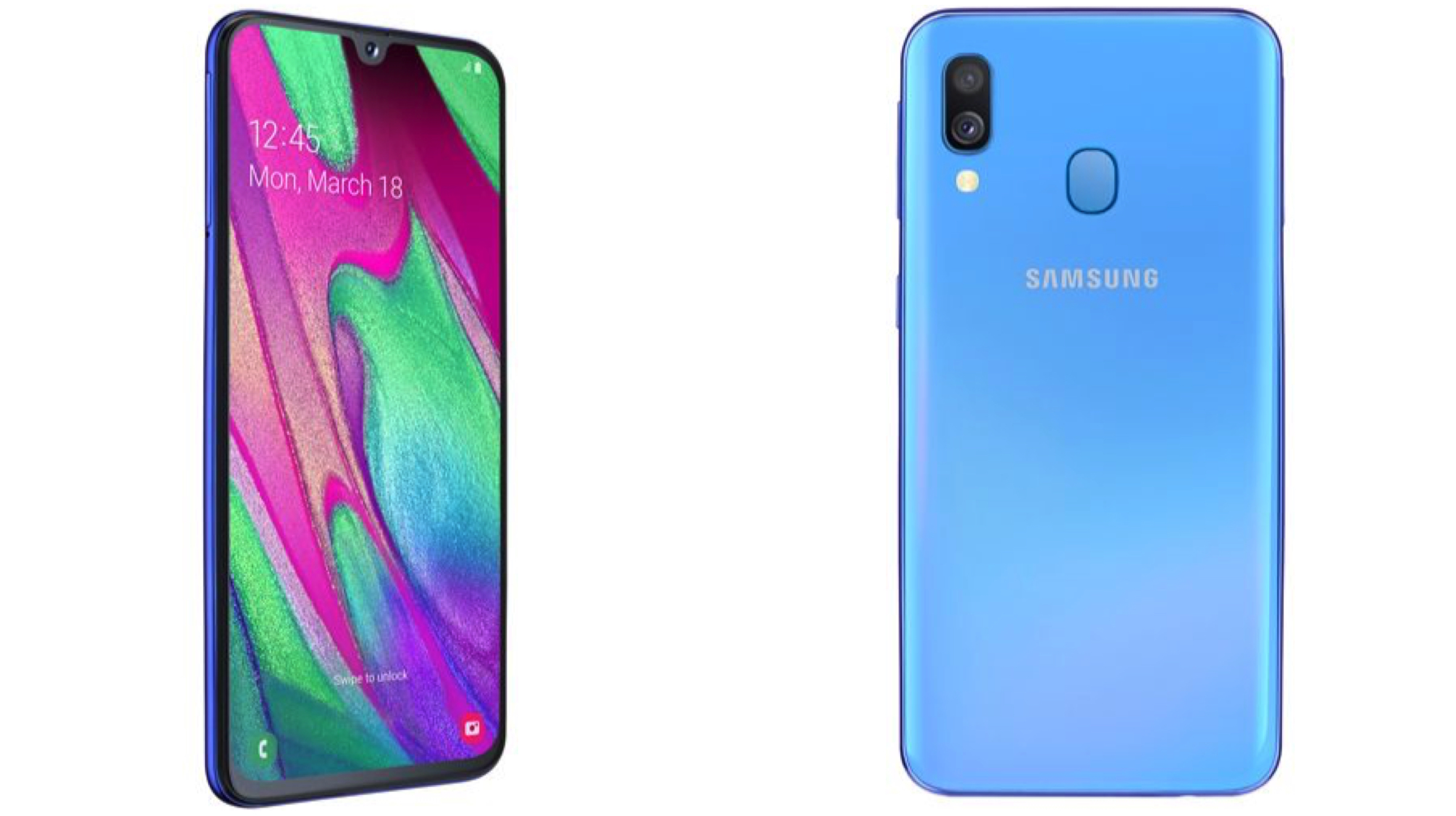
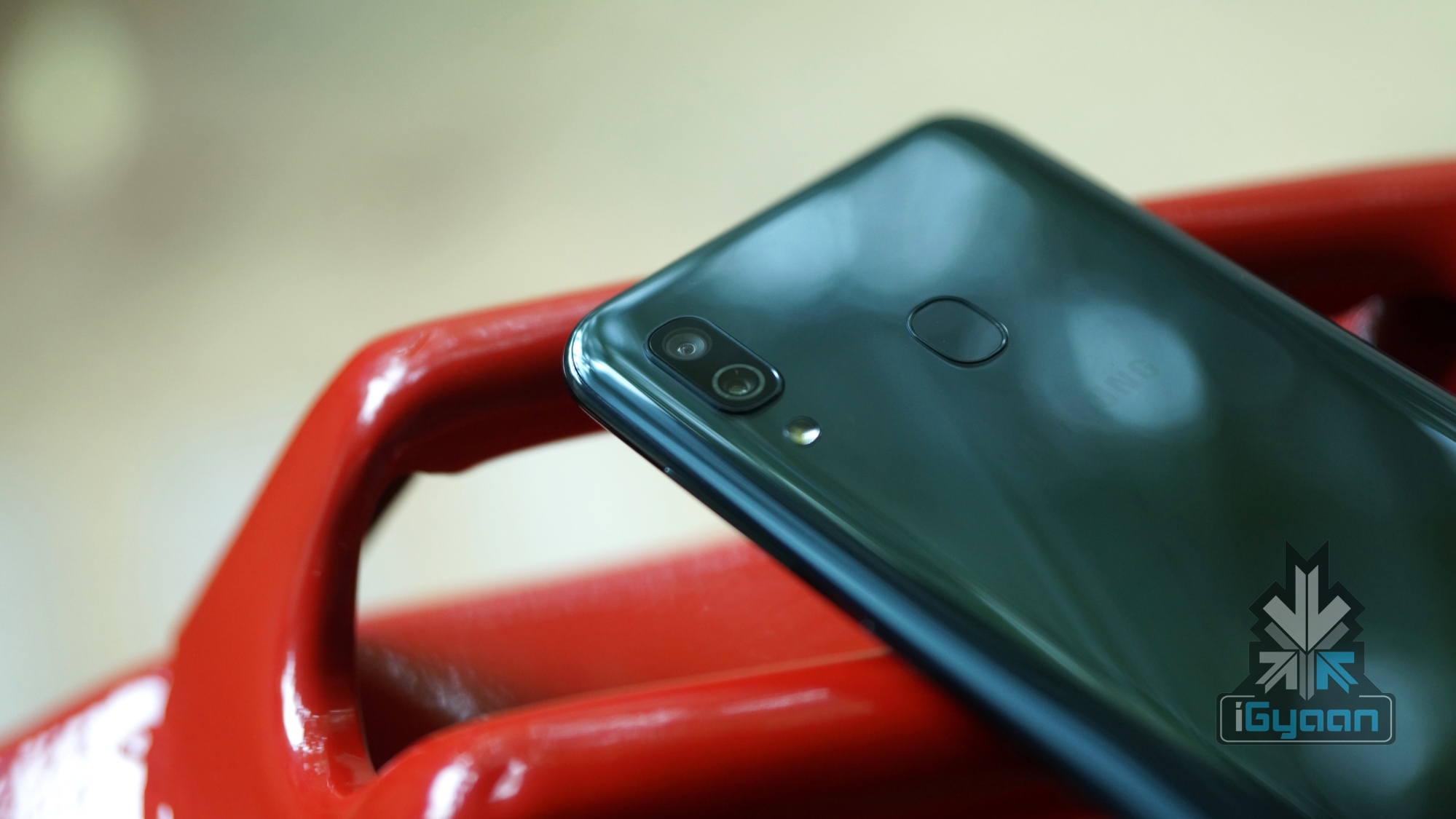
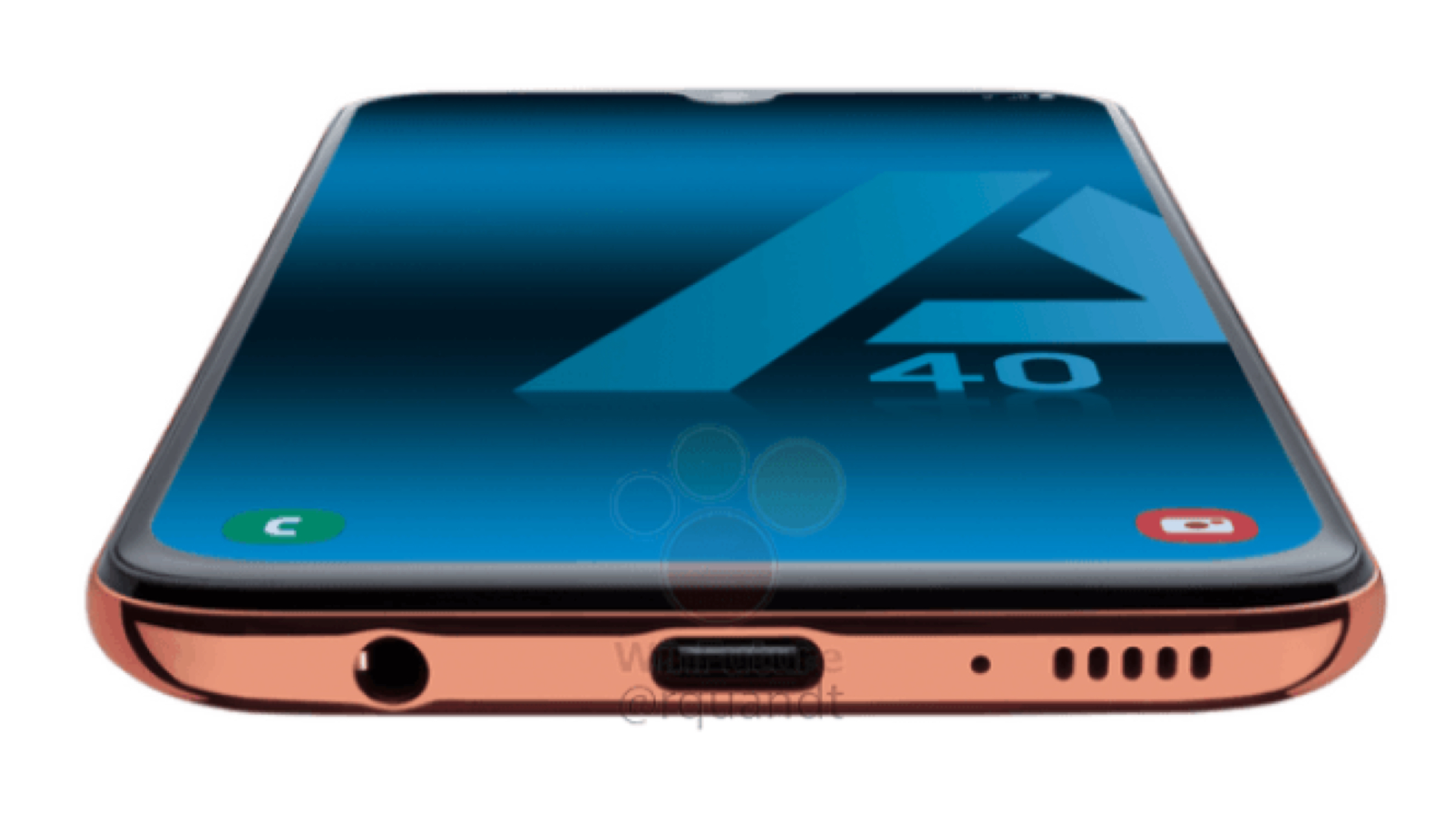
    The Samsung Galaxy A40 measures 144.3 x 69.1 x 7.9 mm and has a polycarbonate back. The rear of the smartphone is reminiscent of the Galaxy A30 and the Galaxy A50, complete with a gradient design which the company calls ‘Glasstic’. Over at the front, there is a 5.9 inch Super AMOLED display with a resolution of 2280 x 1080 px. There is a waterdrop notch on top which Samsung refers to as ‘Infinity-U’ display. The Galaxy A40 has a rear-mounted fingerprint scanner and supports face unlock technology.

    For performance, the Samsung Galaxy A40 is kitted with an Exynos 7885 SoC which is manufactured using 14nm fabrication process. The chipset has an Octa-core CPU and a Mali G71 GPU. In terms of optics, the smartphone has a dual rear camera setup consisting of a 16MP sensor with an f/2.0 aperture and a 5MP ultra-wide sensor with an aperture of f/2.2. This is the same setup found in the Galaxy A30. For seflies, there is a 25MP camera housed in the notch. Notably, this is the same sensor used in its elder sibling, the Galaxy A50. For memory and storage, the Galaxy A40 has 4GB RAM and 64GB internal storage.

    The Samsung Galaxy A40 is powered by a 3100mAh battery with fast charging support via the bottom mounted USB Type-C port. The device runs on the latest OneUI on top of current Android 9 Pie. The smartphone also supports microSD card up to 512GB. It is available in four colours namely, Black, Blue, White and Coral.

    Price & Availability

    Also read: Qualcomm Announces QCS400 SoCs series For Smart Speakers And Soundbars

    The price mentioned on the Dutch website for the Samsung Galaxy A40 is € 249 (Rs 19,520). Unfortunately, there is no information on when the smartphone will go on sale, but it is expected to be announced in the month of April.

  • Redmi Note 7, Note 7 Pro To Go On Sale In India Once Again Today

    Redmi Note 7, Note 7 Pro To Go On Sale In India Once Again Today

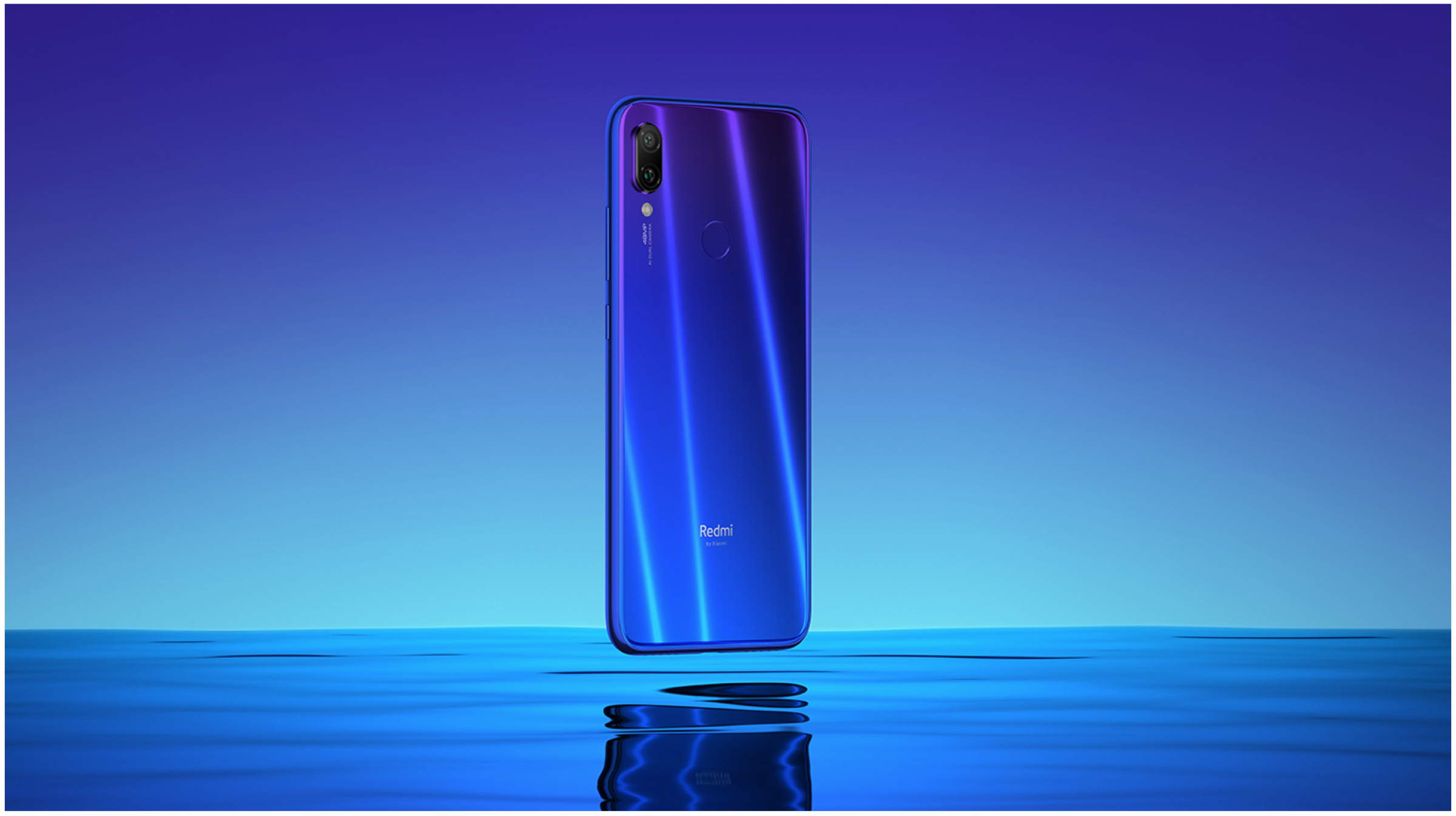
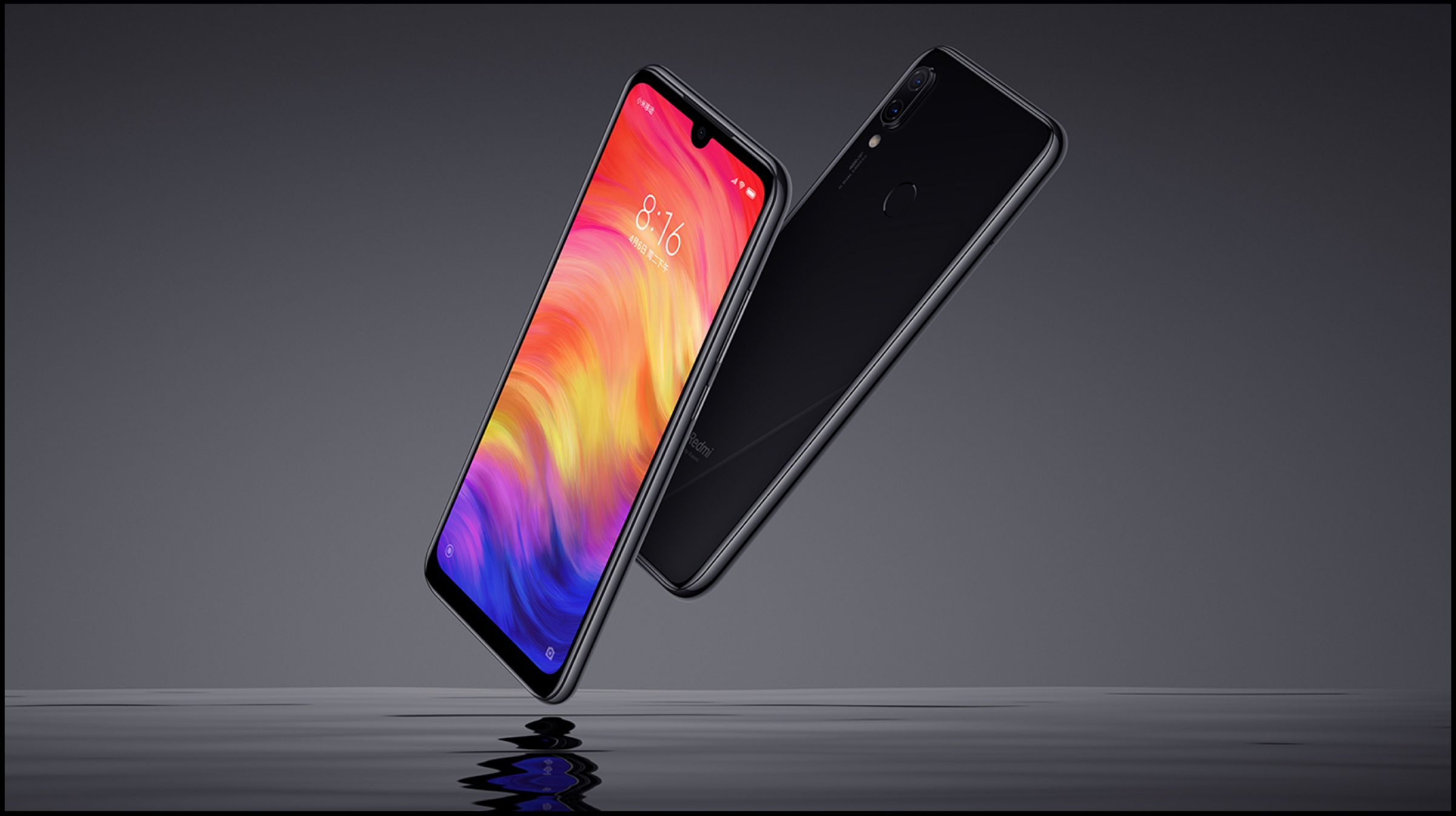
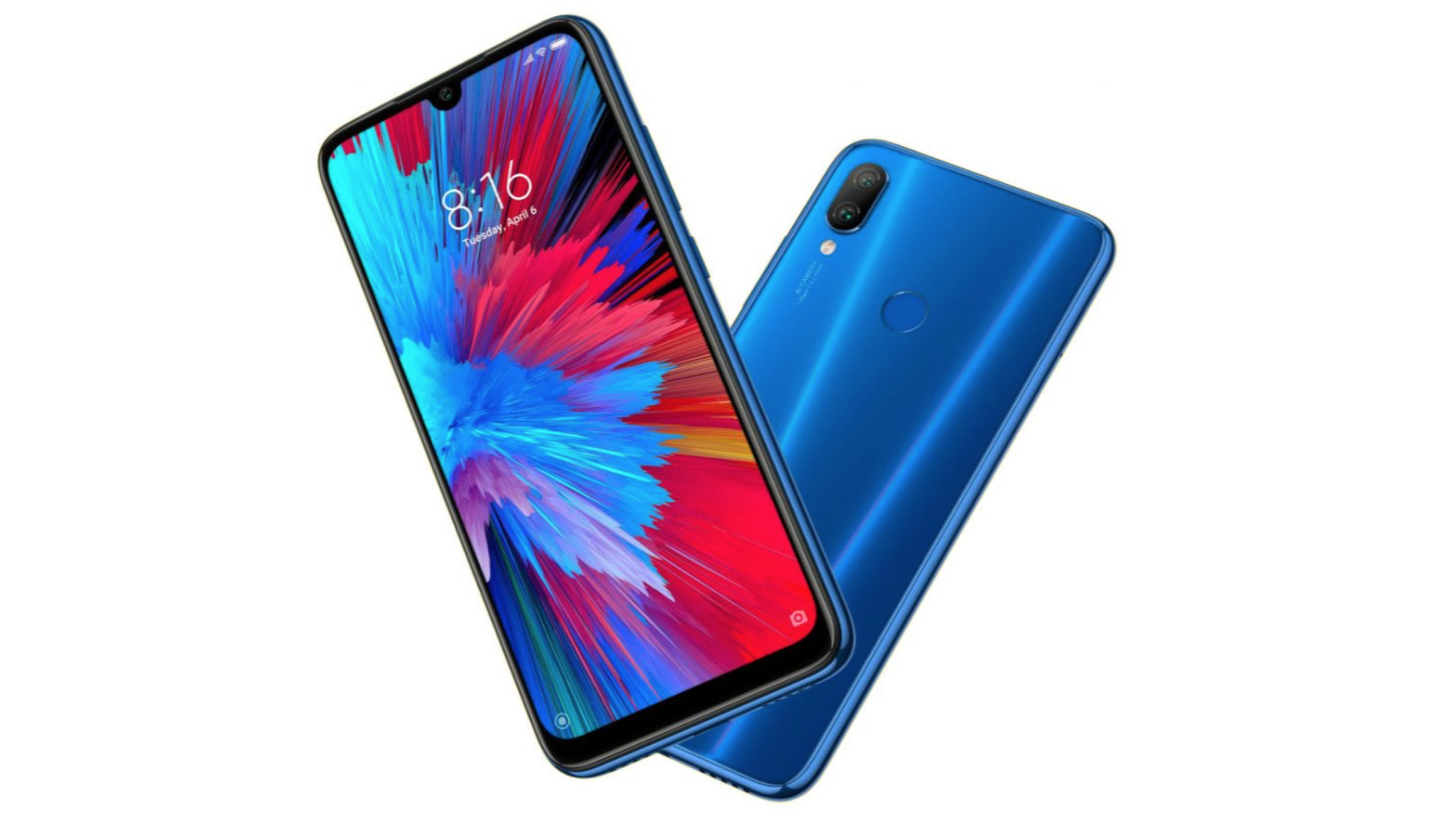
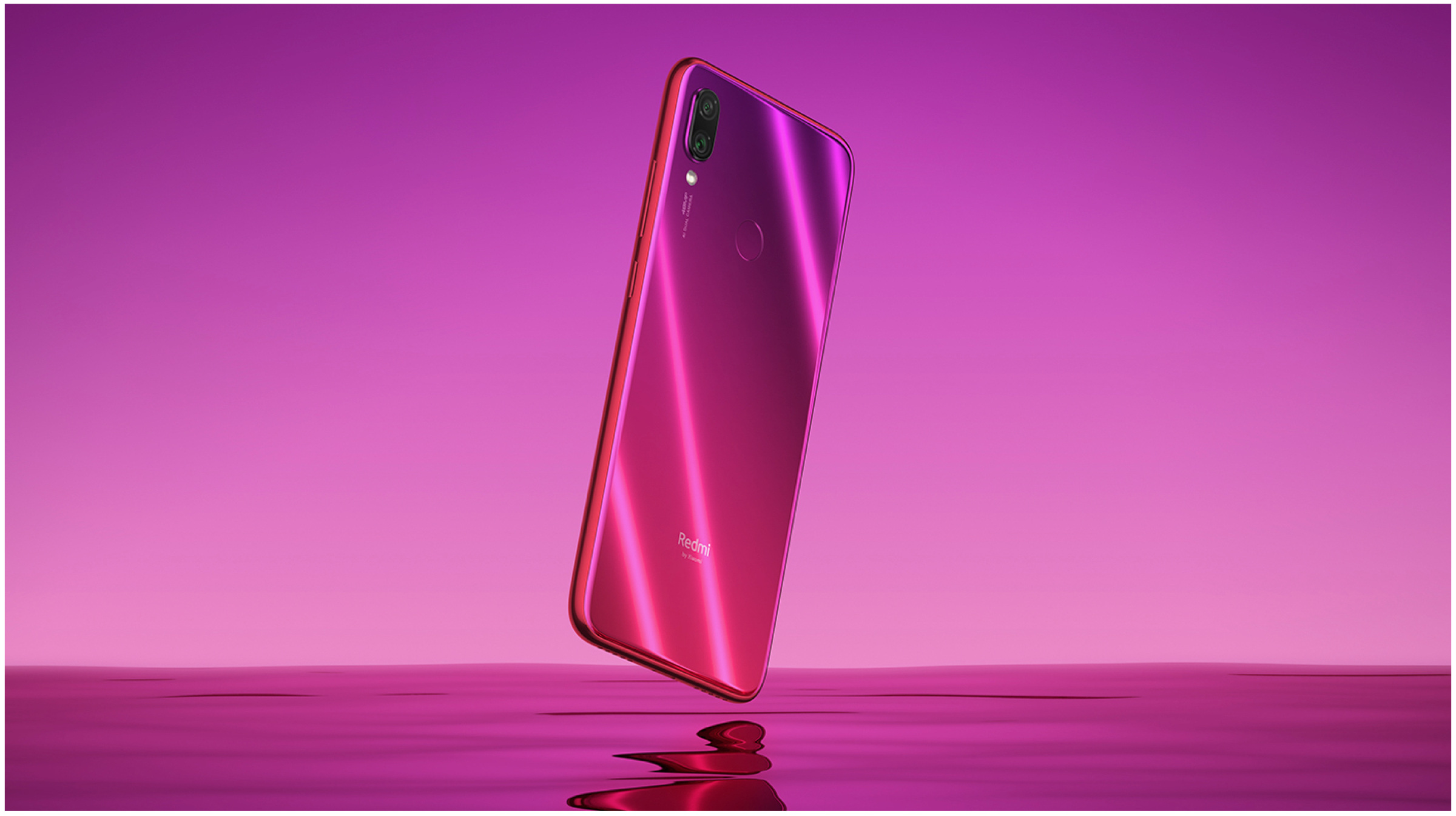
    Xiaomi’s subsidiary Redmi launched the greatly awaited budget smartphones, the Redmi Note 7 and the Redmi Note 7 Pro in India on February 28. The smartphones offer a new design language for the series, combined with competitive specifications and a lucrative price. Both smartphones will once again go on sale in the country today.

    Where To Buy?

    The Redmi Note 7 will be available at a price of Rs 9,999 for the version with 3GB RAM and 32GB of onboard storage. The variant with 4GB RAM and 64GB of internal storage has been priced at Rs 11,999. The Redmi Note 7 Pro will be available at a price of Rs 13,999 for the version with 4GB RAM and 64GB of onboard storage. The variant with 6GB RAM and 128GB of internal storage has been priced at Rs 16,999. Both smartphones will be available to order via flash sales on Flipkart and Mi.com from 12 noon on March 20. 

    Click here to buy the Redmi Note 7 Pro

    Click here to buy the Redmi Note 7 

    Redmi Note 7 & Note 7 Pro

    To recall, the Redmi Note 7 and Note 7 Pro are budget offerings from the company and feature a modern design with Gorilla Glass 5 on the front and the rear. Both smartphones have a 6.3 inch LCD display with a small waterdrop notch up top, referred to by the company as ‘Dot Notch’. The display panel has a 19.5:9 aspect ratio with a resolution 2340 x 1080 px and pixel density of 409 ppi. There is a fingerprint scanner on the back of the devices and they also support face unlock technology.

    The main difference between the two smartphones is under the hood, while the Redmi Note 7 runs on the 14nm Snapdragon 660 SoC which consists of Adreno 512 GPU and an Octa-Core CPU; the Note 7 Pro has an 11nm Snapdragon 675 SoC which also consists of an Octa-core CPU and the Adreno 612 GPU. While both smartphones have dual rear cameras, the optics differ significantly. The Redmi Note 7 has a 12MP main sensor with an aperture of f/2.2 and a secondary 2MP depth sensor; while the Redmi Note 7 Pro has a 48MP main camera with an f/1.8 aperture and a 5MP depth sensor. Both the devices have a 13MP front-facing camera housed in the notch on top of the display.

    Also read: Apple Upgrades The iMac With New Processors And GPU

    In terms of battery, both the Redmi Note 7 and Note 7 Pro are powered by a 4000mAh battery with support for fast charging via the bottom mounted USB Type-C port. They both also run on the latest MIUI 10 on top of the current Android 9 Pie, have an IR blaster on top, support microSD cards up to 256GB and have the 3.5mm headphone jack. 

    Click here to buy the Redmi Note 7 Pro

    Click here to buy the Redmi Note 7 

  • Apple Upgrades The iMac With New Processors And GPU

    Apple Upgrades The iMac With New Processors And GPU

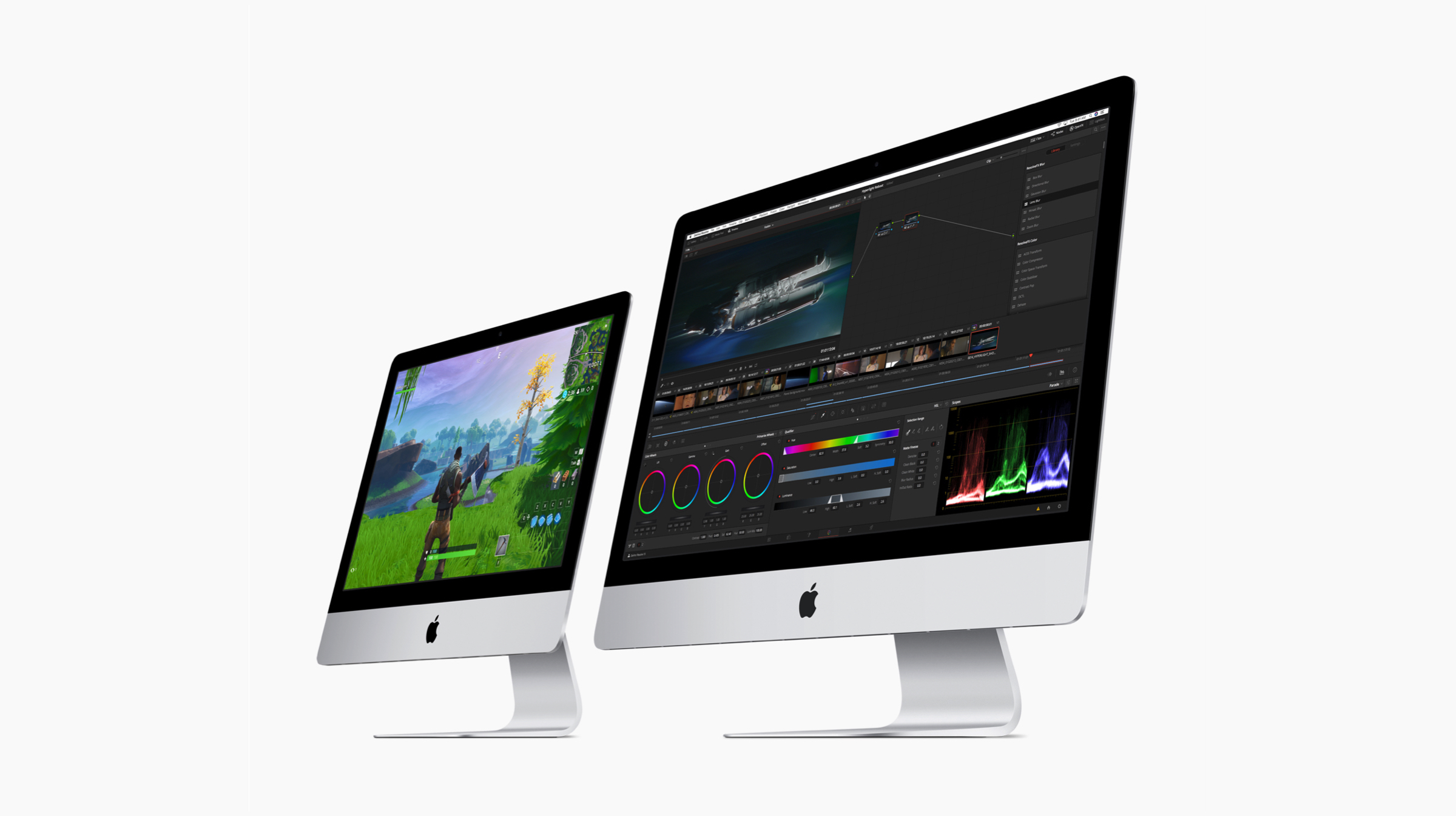
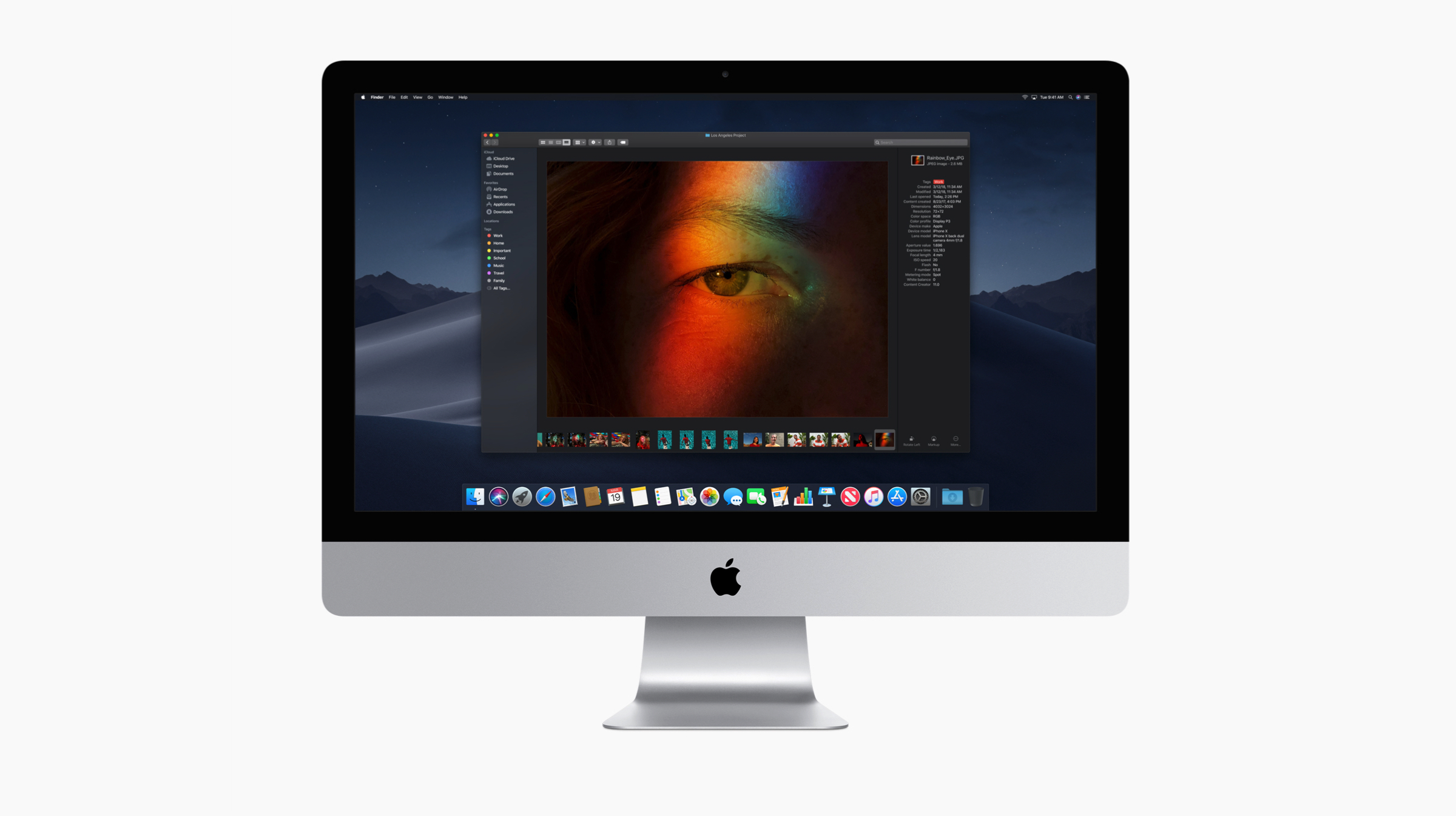
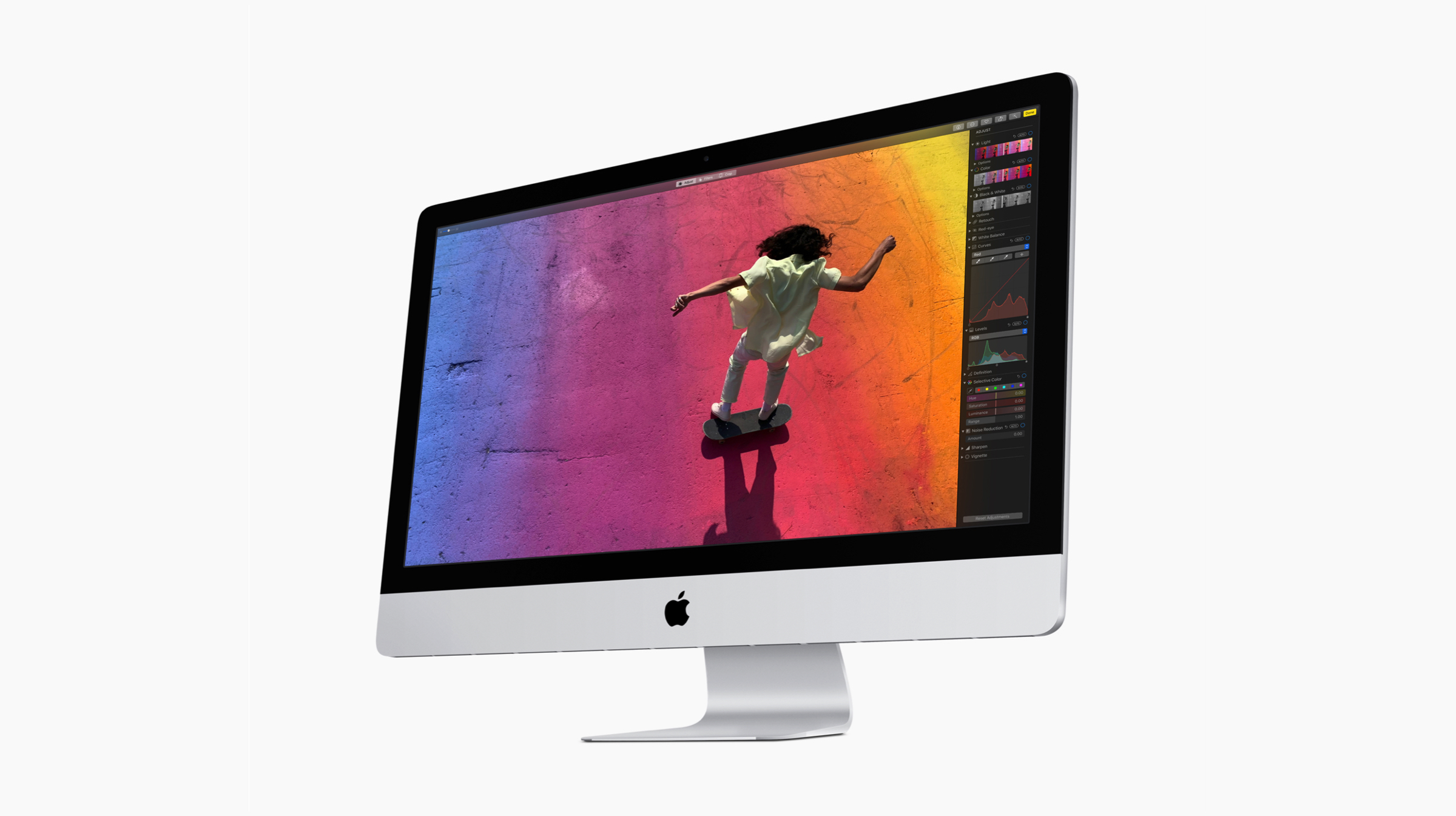
    Apple has released an update to the existing lineup of its iMacs. These computers have been upgraded with up to Intel Core 9th Generation processors and AMD GPUs. Notably, this update is applicable to the 21.5 inch and 27 inch iMacs across all models. This update arrives after they were last updated in 2017, nearly two years ago.

    Updated Apple iMacs


    The new iMacs have substantial hardware upgrades from the inside. The 21.5 inch iMac now has the 8th Generation Intel Quad-core i3 or the six core i5 CPU. In terms of graphics, the computer has either a Radeon Pro 555X GPU or a Radeon Pro 560X by default. There is also a configurable custom model with up to a six-core Intel i7 processor, 32GB RAM and AMD Radeon Pro Vega 20 GPU with 4GB memory. Notably, the specifications options of the 21.5 inch iMac are the same what Apple did with the refreshed Mac Mini.

    The 27 inch iMac gets an even more significant upgrade, with a default six-core Intel i5 processor. There is also an option to upgrade to the latest 9th Gen Intel processors which have a six and eight core CPU variant. Apple claims that this will provide up to 2.4 times faster performance than the previous generation. GPU options include a Radeon Pro 570X, 575X and 580X for prebuilt variants. For the custom configuration build, there is an option of the AMD Radeon Pro Vega 48 GPU with 8GB of memory. The graphics performance of the 27 inch iMac is claimed to be 50 percent faster than the previous generation.

    Both the sizes of the new iMacs have the macOS Mojave preinstalled. It is the latest version of the operating system by Apple. Both sizes also retain the display with a 4K resolution. These displays have support for the P3 wide colour gamut and have a peak brightness of 500 nits.

    Pricing & Availability

    Also read: What Are VPNs, And Should You Use One?

    The new 21.5-inch iMac with Retina 4K display starts at US$1,299 (INR 119,900 in India) and the new 27-inch iMac with Retina 5K display starts at US$1,799 (INR 169,900 in India). Both will be available starting next week, through Apple Authorised Resellers in the country.

  • What Are VPNs, And Should You Use One?

    What Are VPNs, And Should You Use One?

    The Internet has become an essential part of life in today’s day and age. It is really difficult to imagine what our lives would have been like if the invention of the internet didn’t happen. But if one stops and thinks how much of our life is shared through the medium; or how much of the data shared can be traced back to the user by someone with malicious intents, a feeling of trepidation is natural. To ensure that the data shared over the internet is secure and private, many people use a VPN. But what is it and should everyone get one?

    What is a VPN?
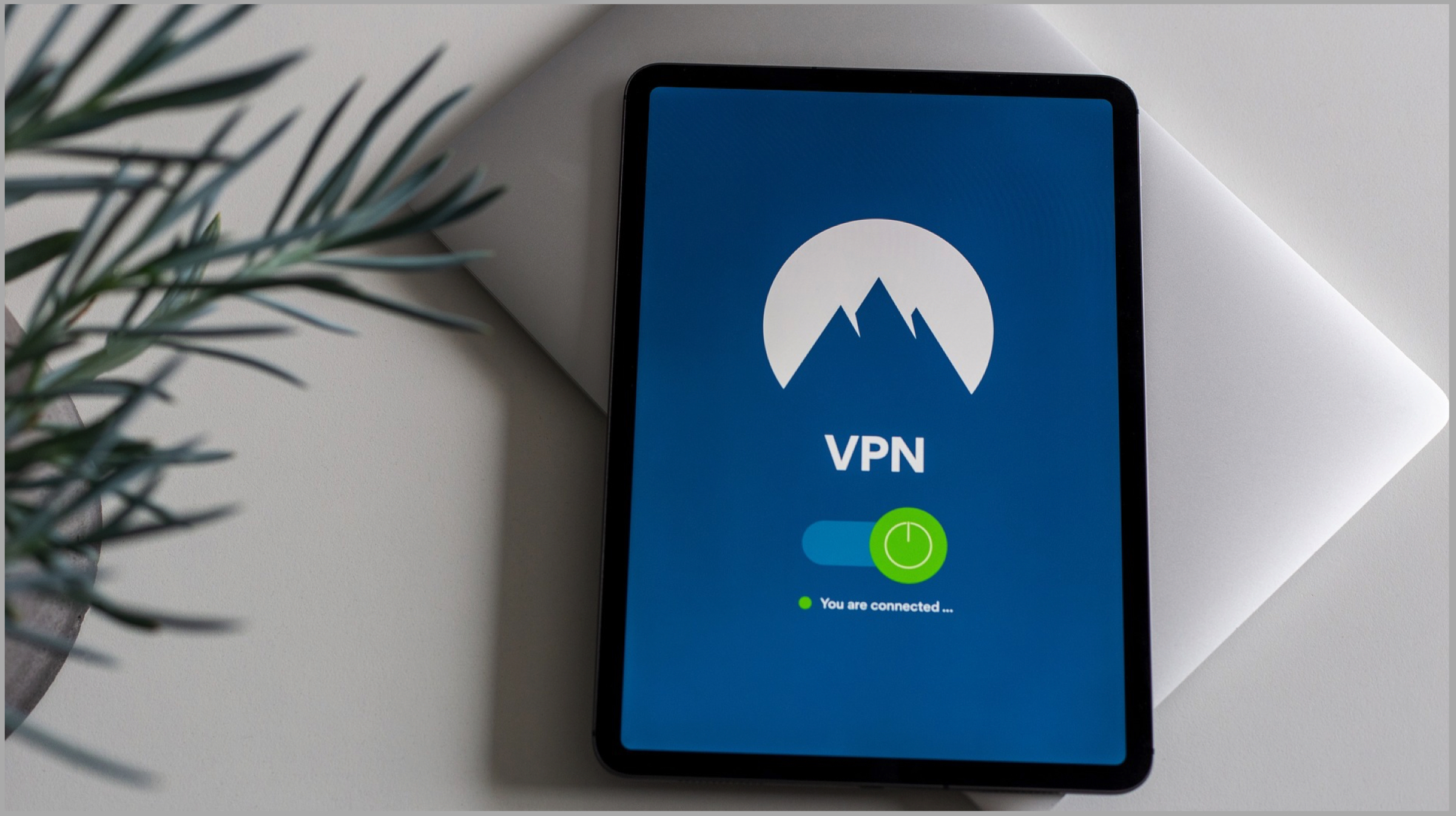
    Virtual Private Networks or VPNs for short is used to connect to another computer, usually called server anywhere on the internet. It then seems that the user is browsing through a private server. To explain it further, a VPN creates a virtual tunnel which is encrypted, so any data shared over the internet passes through the heavily encrypted tunnel; thus making it extremely difficult to track the user. The device that has the VPN installed will gain the IP address of the server, masking the original address and therefore, the user.

    Why Is VPN Useful?
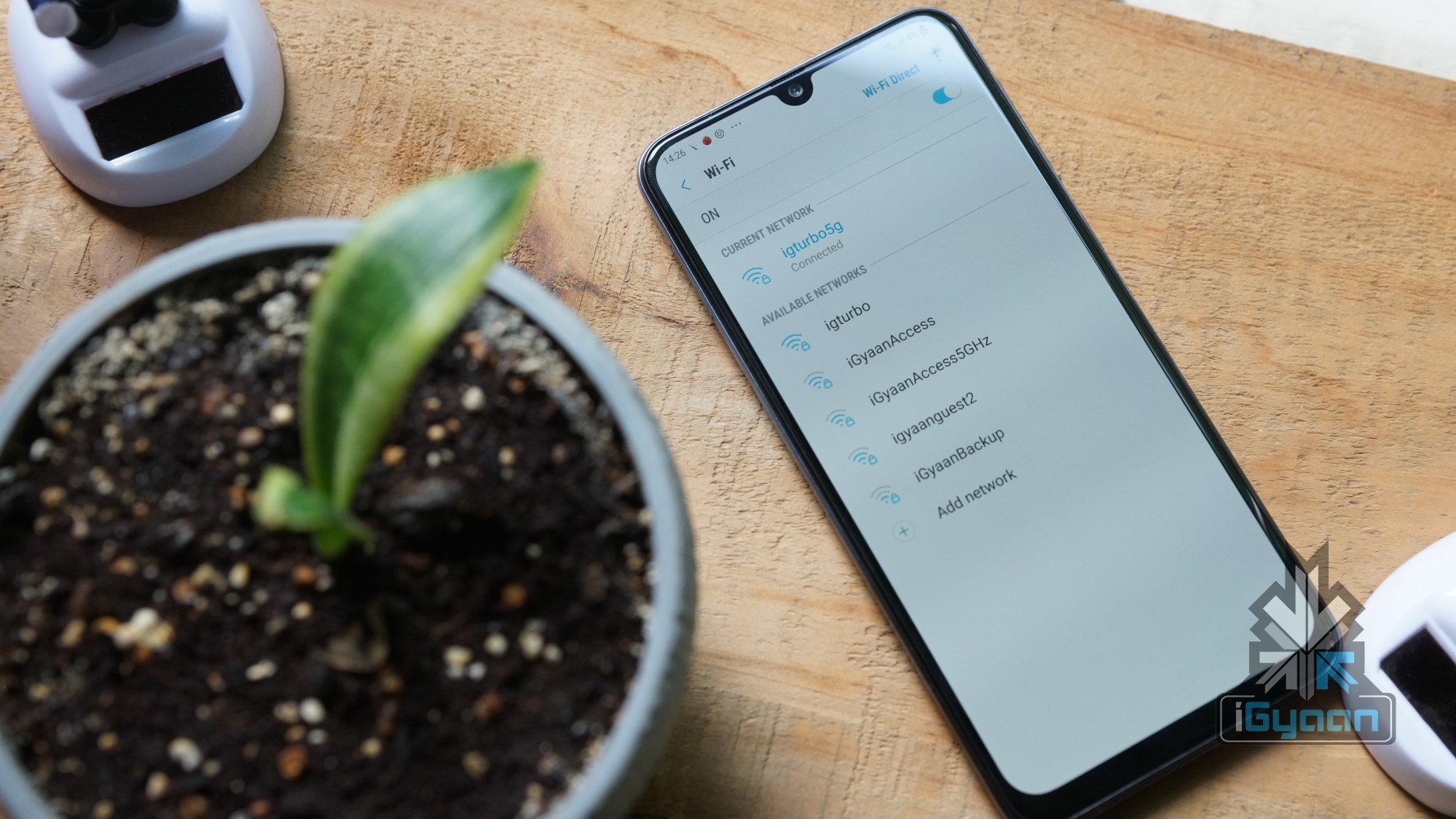
    There are many scenarios where a VPN can genuinely be useful. But to realise whether you need it or not, one has to understand the advantages of using a VPN service, some of which are highlighted below. 

    Security over public networks: Each one of us has connected to a public Wi-Fi network or a shared network connection at least once. The threat of connecting to one remains higher than ever; as public or shared connections doesn’t restrict other people connected to the same network to spy on you. A VPN acts like taking you off the grid while still connected over the same network.
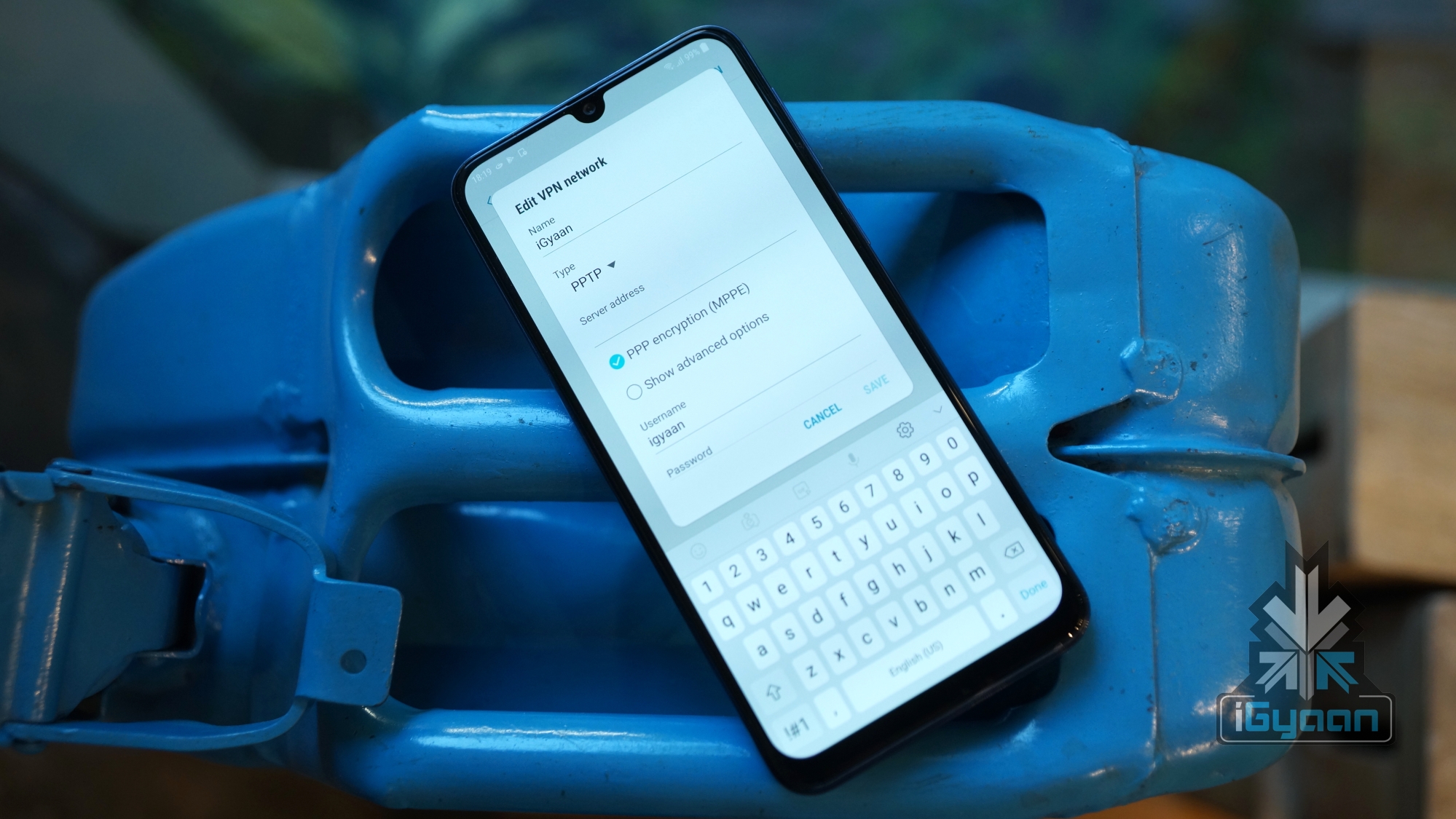
    Anonymity over the internet: Using a VPN makes it extremely difficult to track the user’s IP address, which helps in making them anonymous. The service also allows switching between servers based on countries. This, while not being totally foolproof, lets them gain at least some anonymity, making internet usage a tad bit safer.

    Keep prying eyes away: Be it the movies or an overgrowing paranoia, the fear of being tracked over the internet is growing substantially. In spite of using a private network, organizations like the Internet Service Provider (ISP) and the government; who have more access to the internet than regular people, can still track a person. Using a VPN might not eliminate the chances of them doing that entirely, but it reduces them to a great extent.

    Bypassing censorships: There is no telling when someone’s favourite website is banned because of censorships. So if a website like Reddit or YouTube is banned in a country, it can be bypassed using a VPN service and can be used normally.

    Prevent throttling: Conversations about Net Neutrality aside, major ISPs are known to favour a handful of websites over others. They also can throttle or restrict speeds to a particular website. Using a VPN bypasses that, and thus allows an unrestricted, fast internet.

    So Should You Get A VPN?
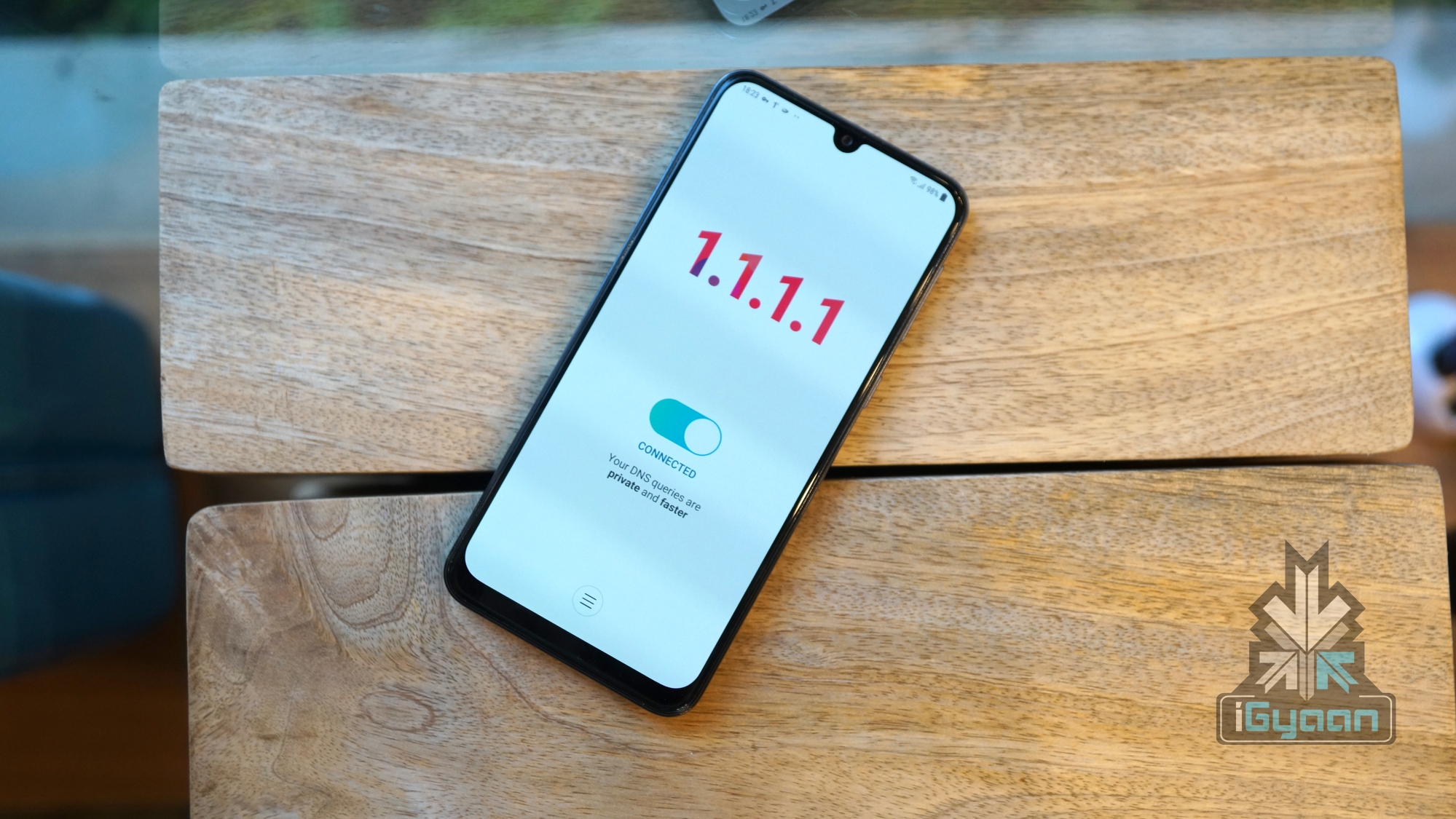
    The question of whether a VPN service is good for you or not depends on your usage, and ultimately how much do you value your privacy. Most quality VPNs offer paid subscriptions and the ones that are free offer dicey security support. The speeds of the free VPNs can also be slower than their paid counterparts. Another problem the service has is that while it advertises security over the internet, it doesn’t prevent the user from cookies employed on most websites, which can track data even after the particular website is closed. VPNs also don’t or simply can’t provide full anonymity as even after the connection is encrypted, the service can do only so much to keep you anonymous.  

    Also read: Call Of Duty Battle Royale Launching Soon For Android & iOS

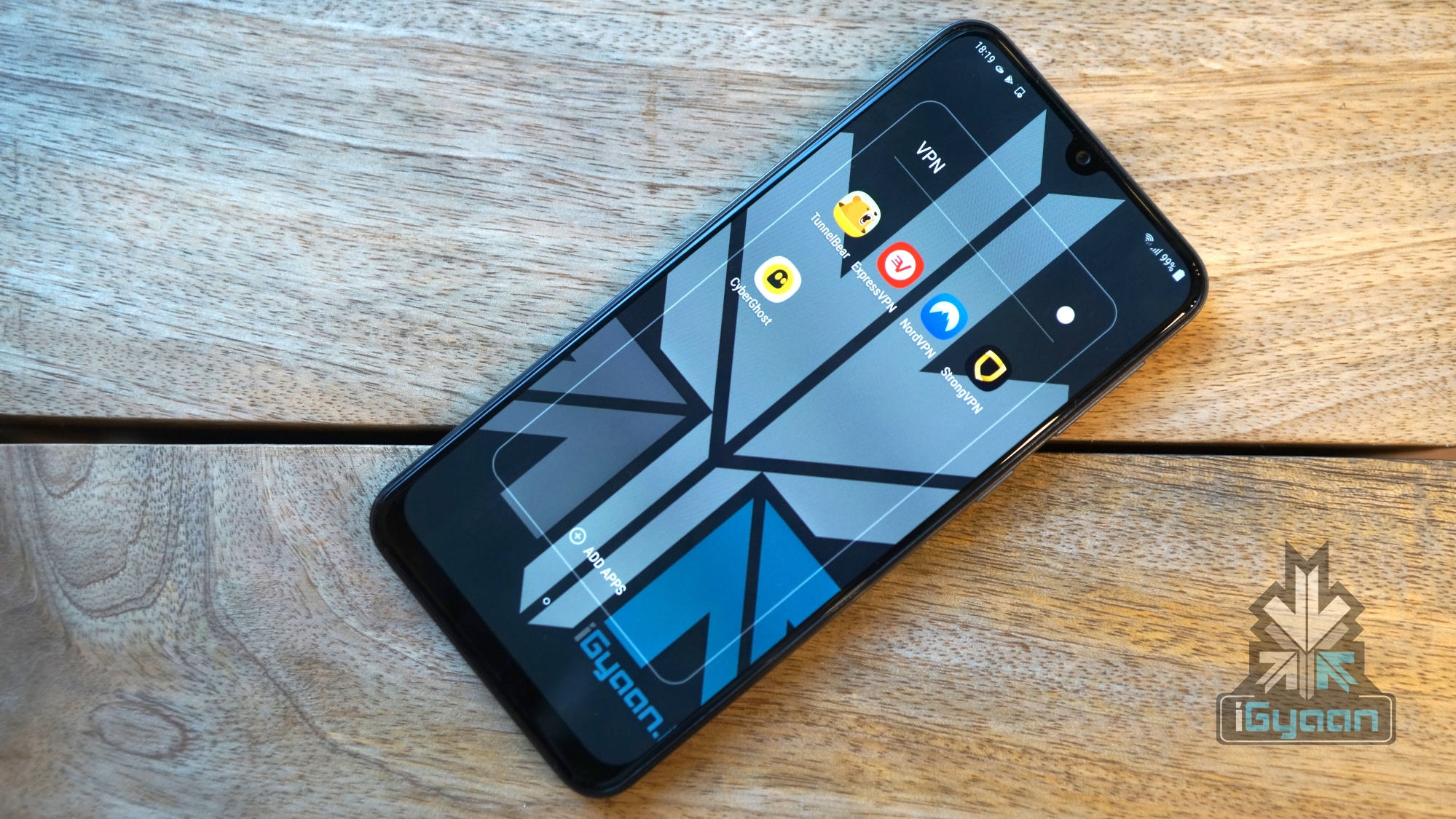
    One should decide if they value their internet privacy as a reason, which honestly, everyone should. To get started, there are many great options available if you want to try using a VPN service. Most of them also offer free trials to dip your feet once before diving all in. Some of the well-known VPN services available in the market are TunnelBear, NordVPN, StrongVPN, ExpressVPN and CyberGhost and Cloudfare’s 1.1.1.1.
  • Samsung Galaxy A20 Launched In Russia

    Samsung Galaxy A20 Launched In Russia

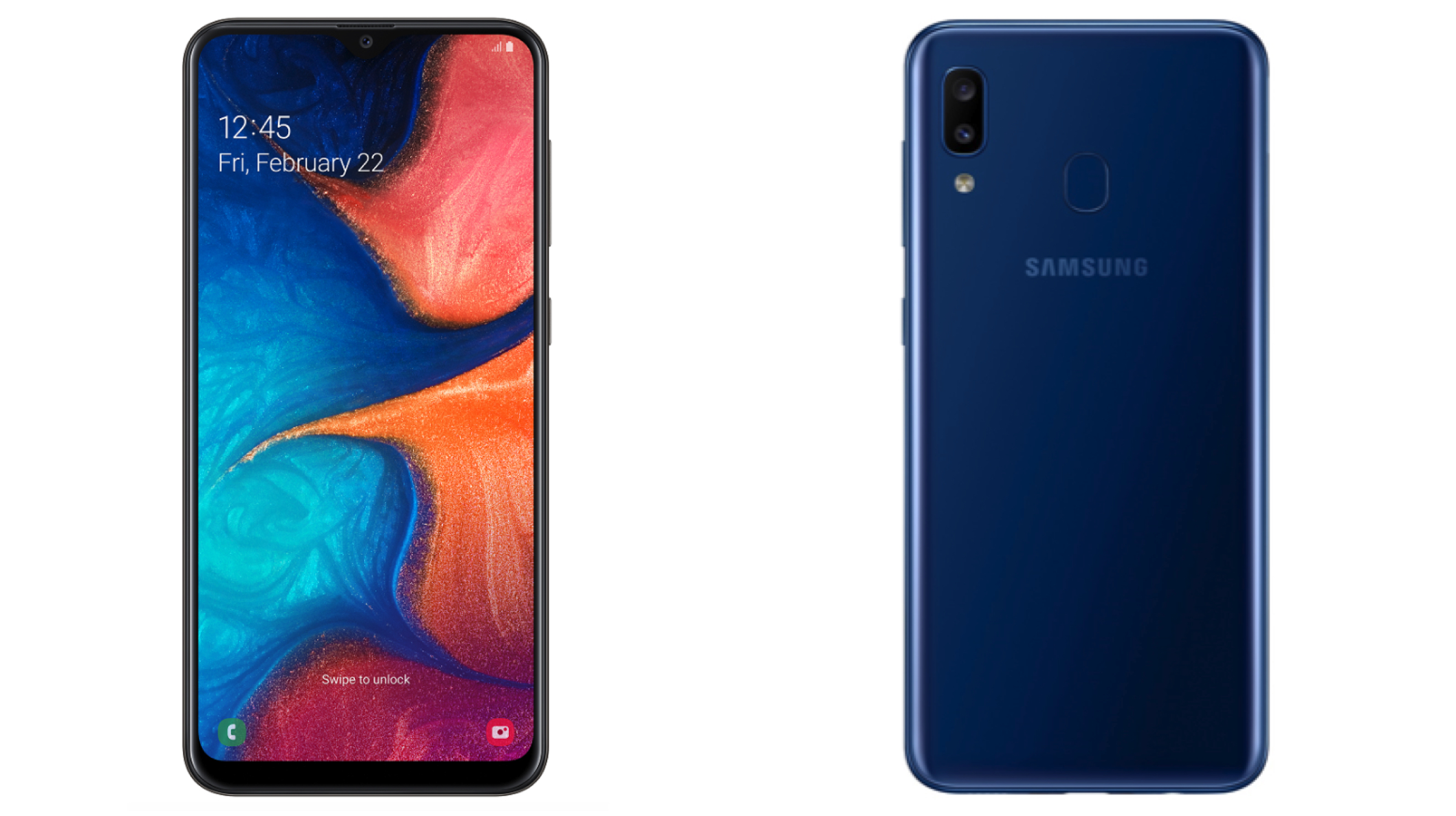
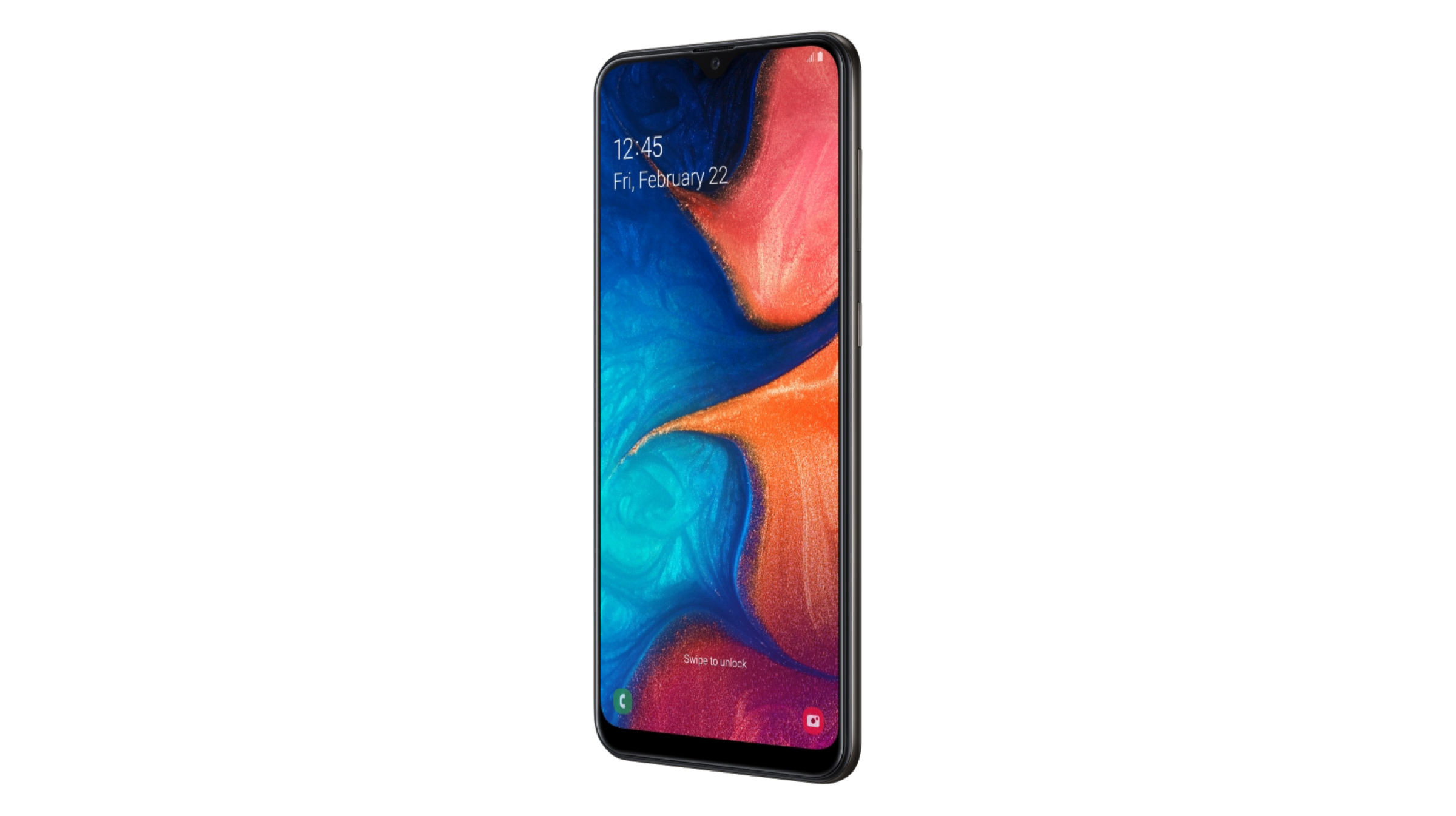
    Samsung has launched a new member in the Galaxy A series of smartphones, the Galaxy A20 in Russia. The device was launched alongside the Galaxy A30 and Galaxy A50 in the country. Interestingly, the two latter handsets have already been launched in India last month. The Galaxy A20 has been announced courtesy Samsung Russia’s press release.

    Galaxy A20: Design & Features

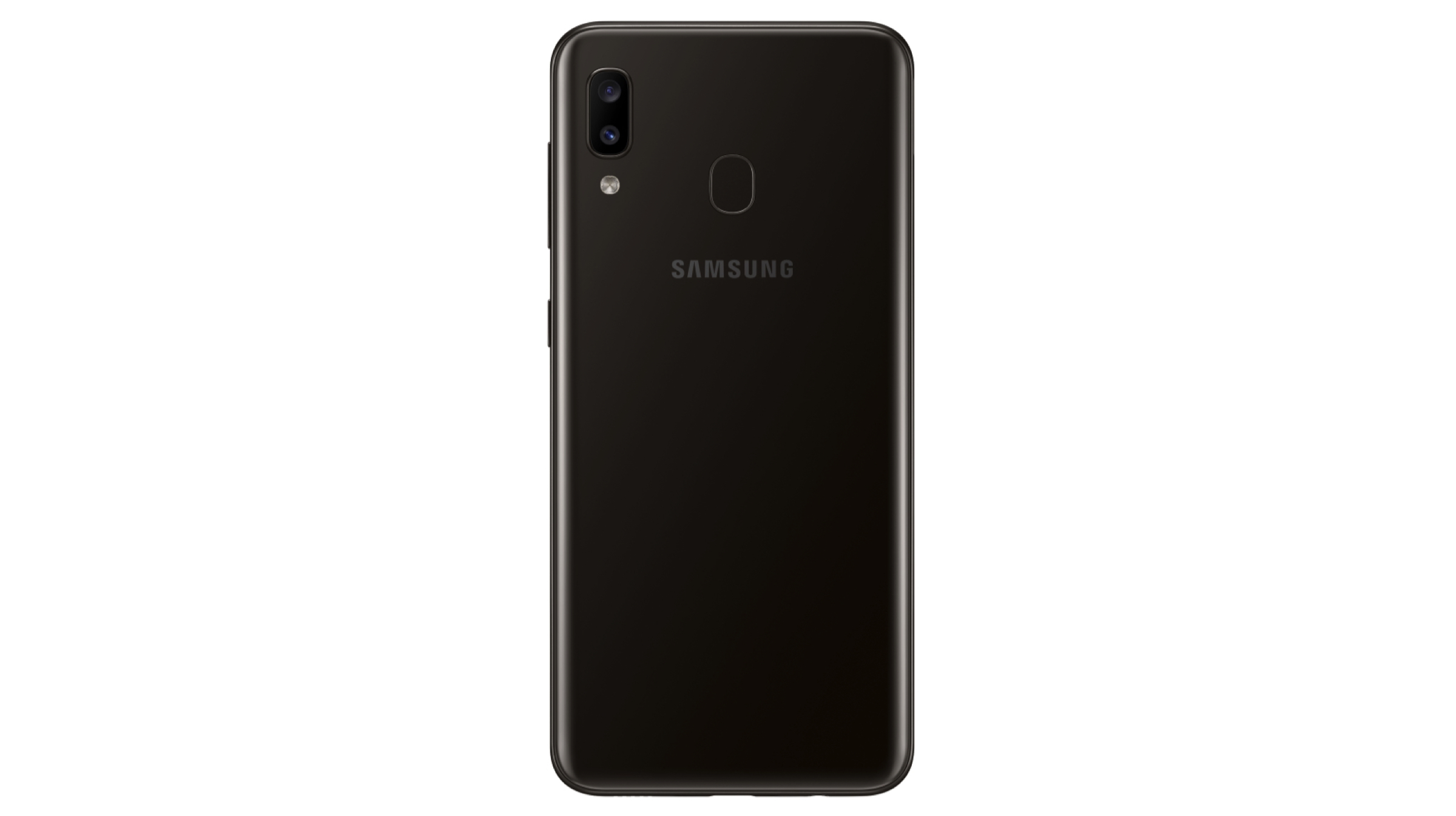
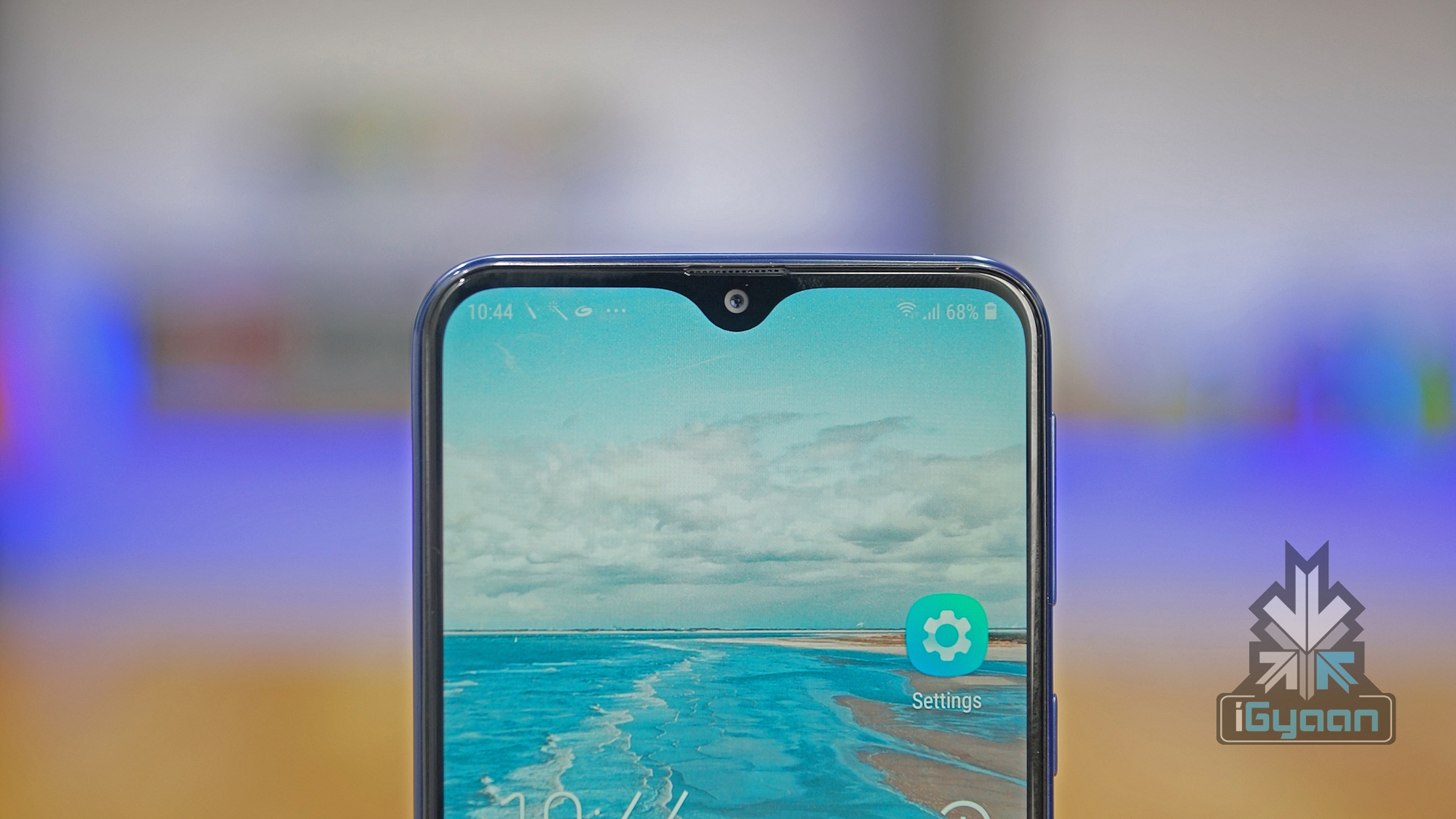
    The Galaxy A20 features a polycarbonate body with a similar design language to the Galaxy A10 and the Galaxy A30. While the front of the smartphone resembles the former handset, the back is similar to the latter. The device measures 158.4 x 74.7 x 7.8 mm and has a 6.4-inch Super AMOLED display with a resolution of 1560 x 720 px. The front has minimal bezels all around the display with a small Infinity-V style waterdrop notch on top. The rear of the smartphone houses a fingerprint sensor which allows it to securely unlocked. Additionally, it also supports face unlock technology.

    Under the hood, the Galaxy A20 is kitted with the Exynos 7884 SoC which consists of an Octa-core CPU. The device has a dual rear camera setup comprised of a 13MP sensor with an aperture of f/1.9 and a 5MP sensor with an f/2.2 aperture. For selfies, it has an 8MP camera with f/2.0 aperture housed in the notch on top of the display. The smartphone is available with 3GB of RAM and 32GB of internal storage which is further expandable by up to 512GB with microSD support. The Galaxy A20 is powered by a 4000mAh battery, which is an upgrade over the 3400mAh found on the Galaxy A10. 

    Pricing & Availability

    Also read: NVIDIA Announces $99 Jetson Nano CUDA-X AI Computer

    The Galaxy A20 has been launched in Russia for the price of RUB 13,990 (Rs. 14,999) and is already up for sale from Samsung Russia’s official website. The smartphone may be launched in global markets soon.


  • OnePlus 7 In Gradient Colours Surfaces Online

    OnePlus 7 In Gradient Colours Surfaces Online

    OnePlus is a considerably new company in contrast to competitors like Samsung and Apple. Nevertheless, the company has made a lasting mark in the heavily crowded smartphone industry. It is soon expected to launch the OnePlus 7 which will succeed the OnePlus 6T from the yesteryear. The upcoming smartphone is believed to be significantly different both in terms of design and features in comparison to its predecessor. The device has previously been subjected to several leaks which revealed its key specifications and price. A fresh leak claims that the company will launch its next flagship with new gradient coloured back panels. 

    OnePlus 7 Design And New Gradient Panels

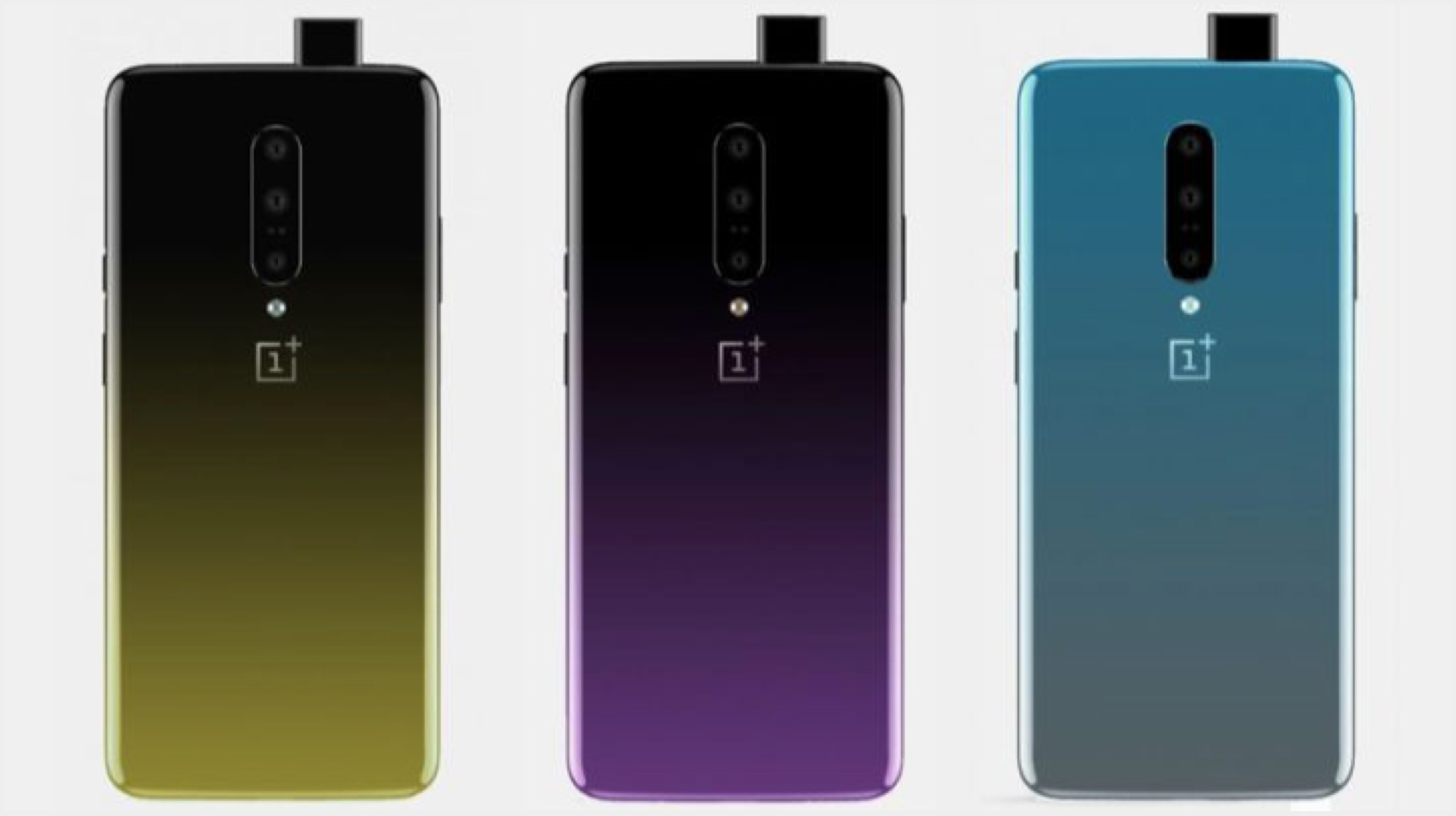
    The latest leak of the OnePlus 7 reveals a smartphone with a popup selfie camera which is reminiscent of the Vivo V15 Pro. The right side of the smartphone houses the power button and the sound profile slider while its left side houses the volume rockers. Surprisingly, the upcoming device features triple rear cameras which have been bumped up from two on its predecessor.

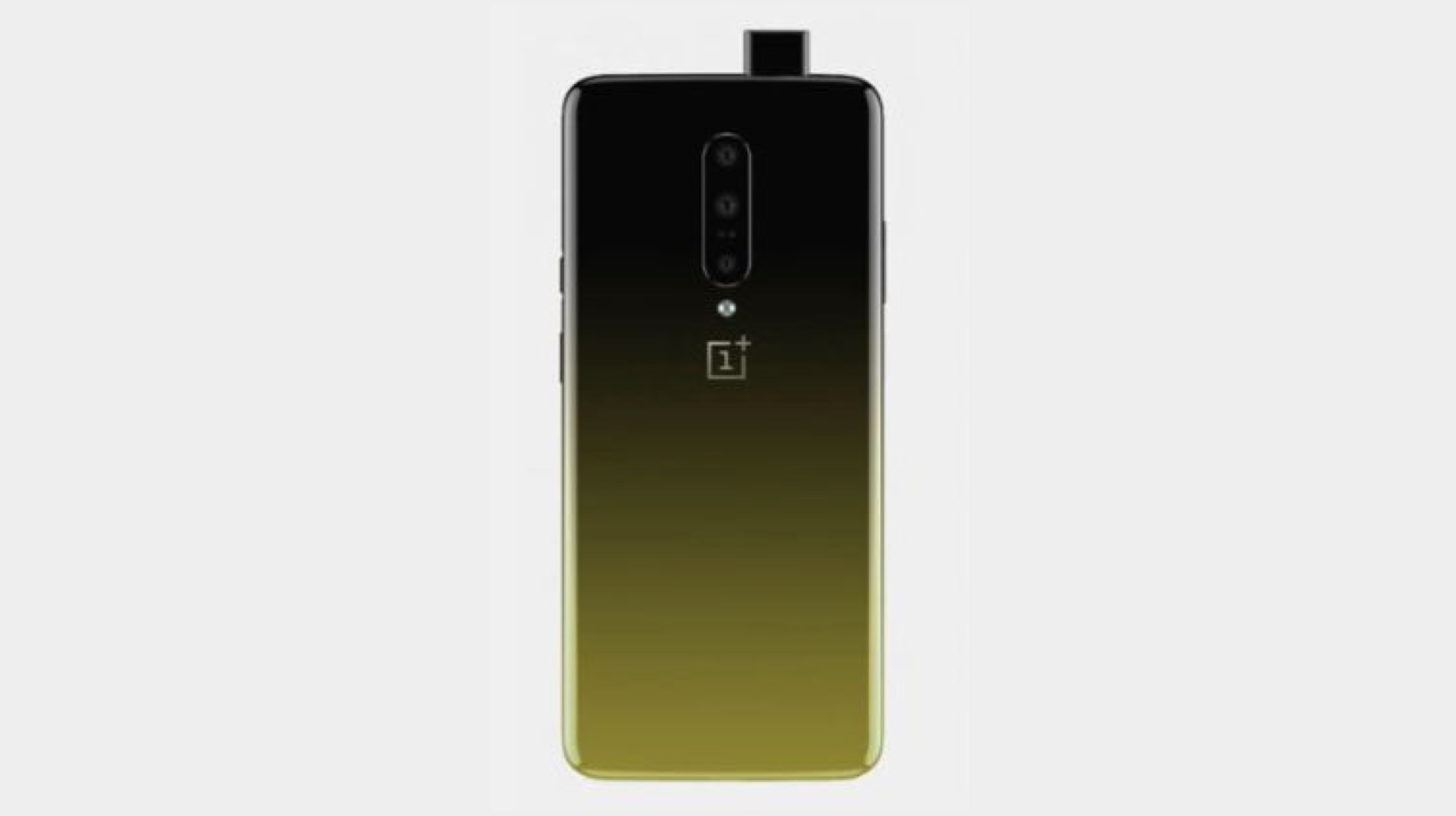
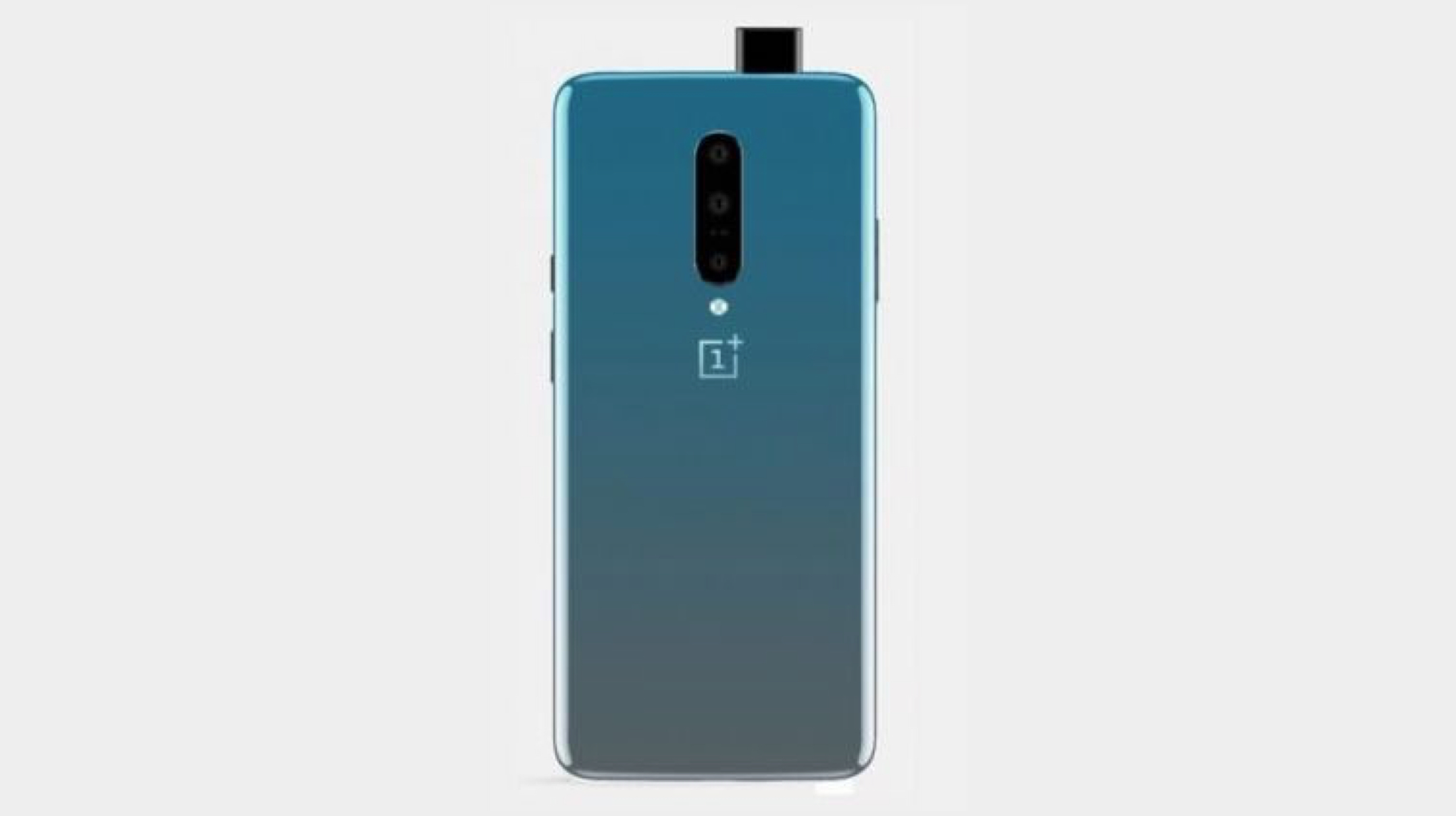
    Noteworthy, the rear panel of the OnePlus 7 which is assumed to be made out of glass has an attractive look with gradient finishes. The leaked images show three different coloured gradient finishes which include yellow, purple and cyan. The purple coloured gradient looks similar to the OnePlus 6T Thunder Purple, while the two other colours are brand new. The probability of OnePlus 7 being offered in these gradient colours is quite high.

    Not long ago, a YouTuber named Arun Maini got a chance to visit the OnePlus factory in China from where he revealed several intriguing facts. He shared a video in which he showcased a whole bunch of prototype glass panels with gradient finish for OnePlus smartphones which never made their way into the production handsets. Both the newly leaked renders and the previously shared video can be taken as a serious indication that OnePlus is likely to launch its upcoming flagships in the aforementioned gradient panels other than the traditional colours. 

    OnePlus 7 Leaked Specifications
    • Display: 5-inch AMOLED  
    • Operating System: OxygenOS 9 based on Android 9 Pie 
    • Chipset: Qualcomm Snapdragon 855
    • CPU: Octa-Core, Upto 2.84 GHz
    • GPU: Adreno 640
    • RAM: 8GB/12GB LPDDR4x  
    • Storage: 128GB/256GB 
    • Rear Cameras: 48MP + 20MP + 5MP, LED Flash 
    • Front Camera: 16MP Popup Selfie Camera
    • Security: Face Unlock + In-display fingerprint scanner 
    • Battery: 4000mAh, 44 W Super Fast Dash Charge 

    Also Read: Xiaomi Redmi Go Launched In India

    We will have to wait patiently for OnePlus’s official announcement to confirm the specifications and design of OnePlus 7. 

  • NVIDIA Announces $99 Jetson Nano CUDA-X AI Computer

    NVIDIA Announces $99 Jetson Nano CUDA-X AI Computer

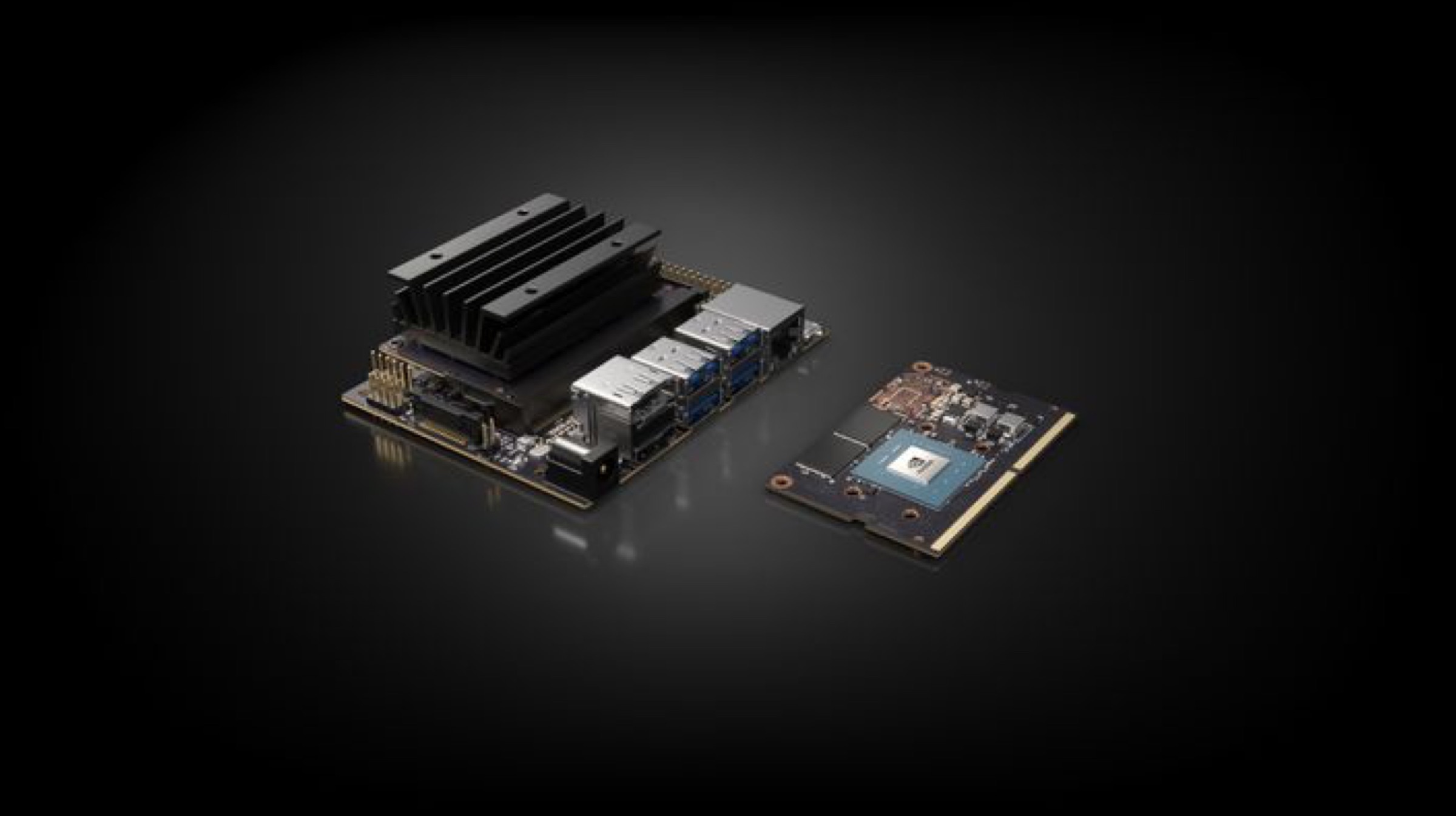
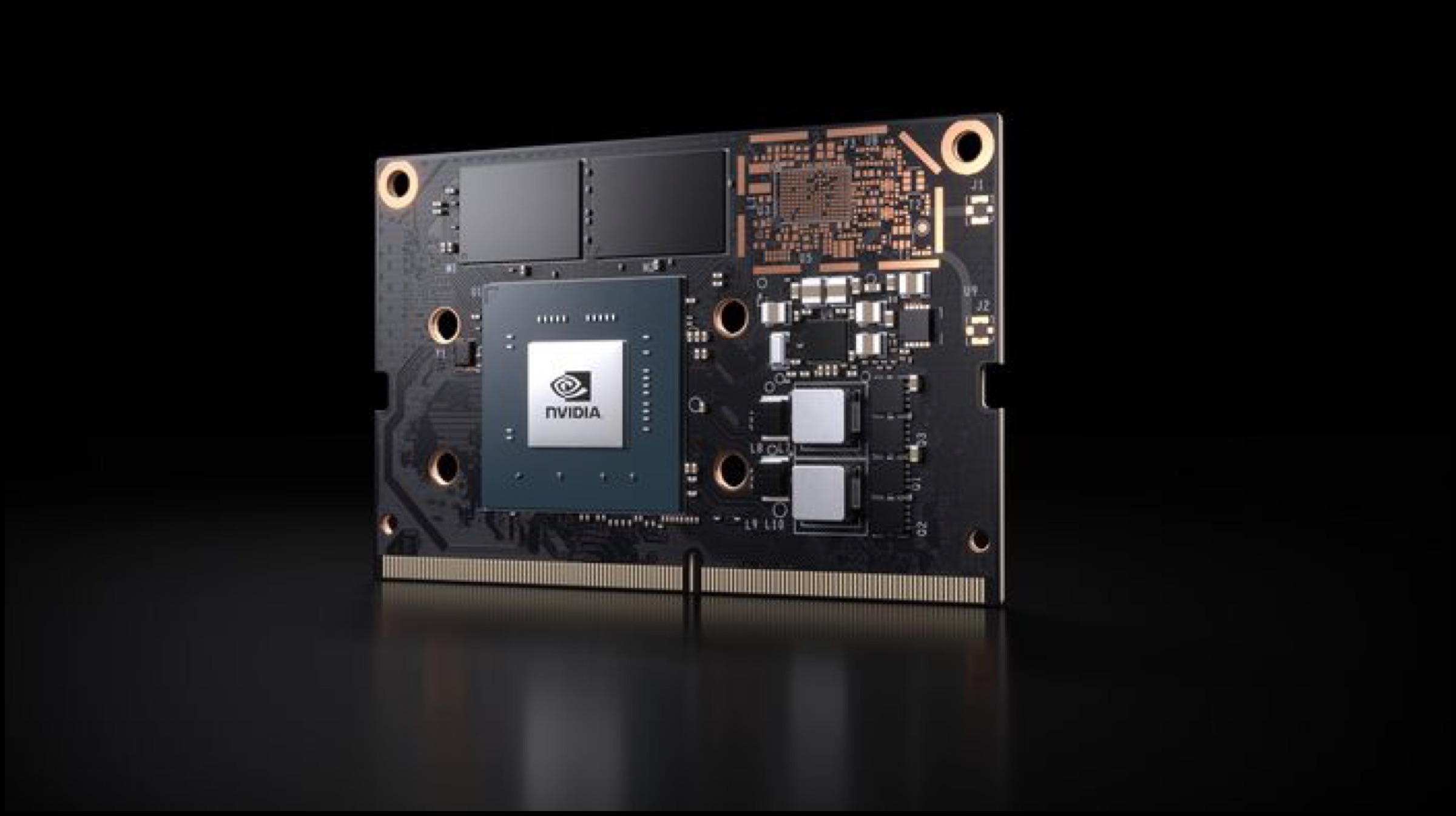
    At the GPU Technology Conference in California, NVIDIA unveiled the Jetson Nano AI computer which can be used to draft AI-based systems with ease. On March 18, the company announced that the Jetson Nano will be available in two kit options, listed below

    • Devkit for developers, makers and enthusiasts
    • Production ready module for companies
    Jetson Nano Features

    The Jetson Nano sports the CUDA-X AI computer, which brings accelerated computing to the platform. CUDA-X AI is a collection of software acceleration libraries designed on the NVIDIA’s programming model. The company claims that it delivers 472 GFLOPS of performance for AI-based computing. Remarkably, the CUDA-X consumes only 5 watts of power for operation.
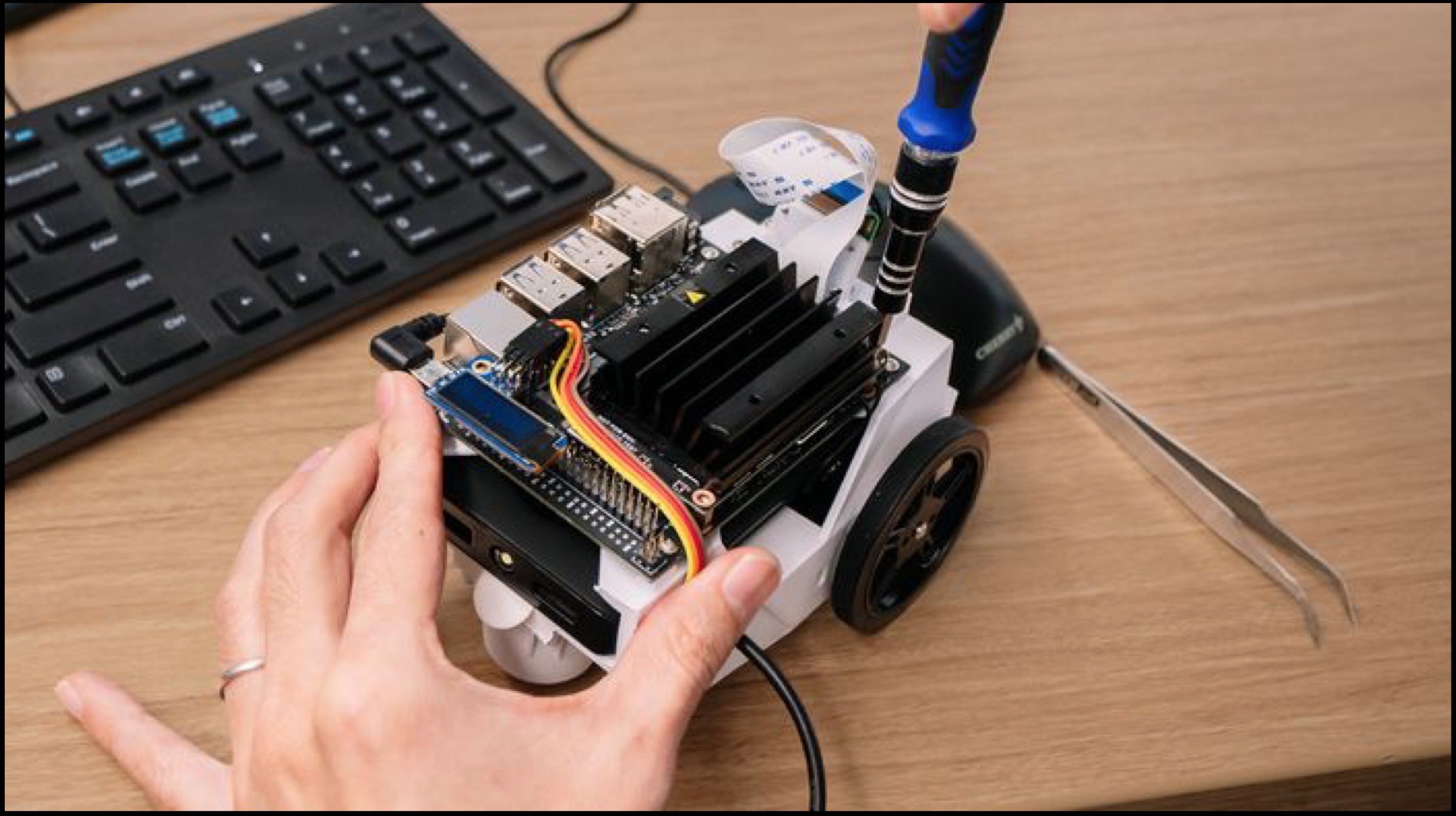
    The company previously released the Jetson AGX Xavier and the TX2 for autonomous machines and AI respectively. The latest Jetson Nano sports high resolution sensors that can process data parallelly. NVIDIA claims that it supports major AI frameworks to make it easy for developers to integrate their preferred models with the chip. It will enable users to create projects like drones and digital assistants with a framework of their choice. 

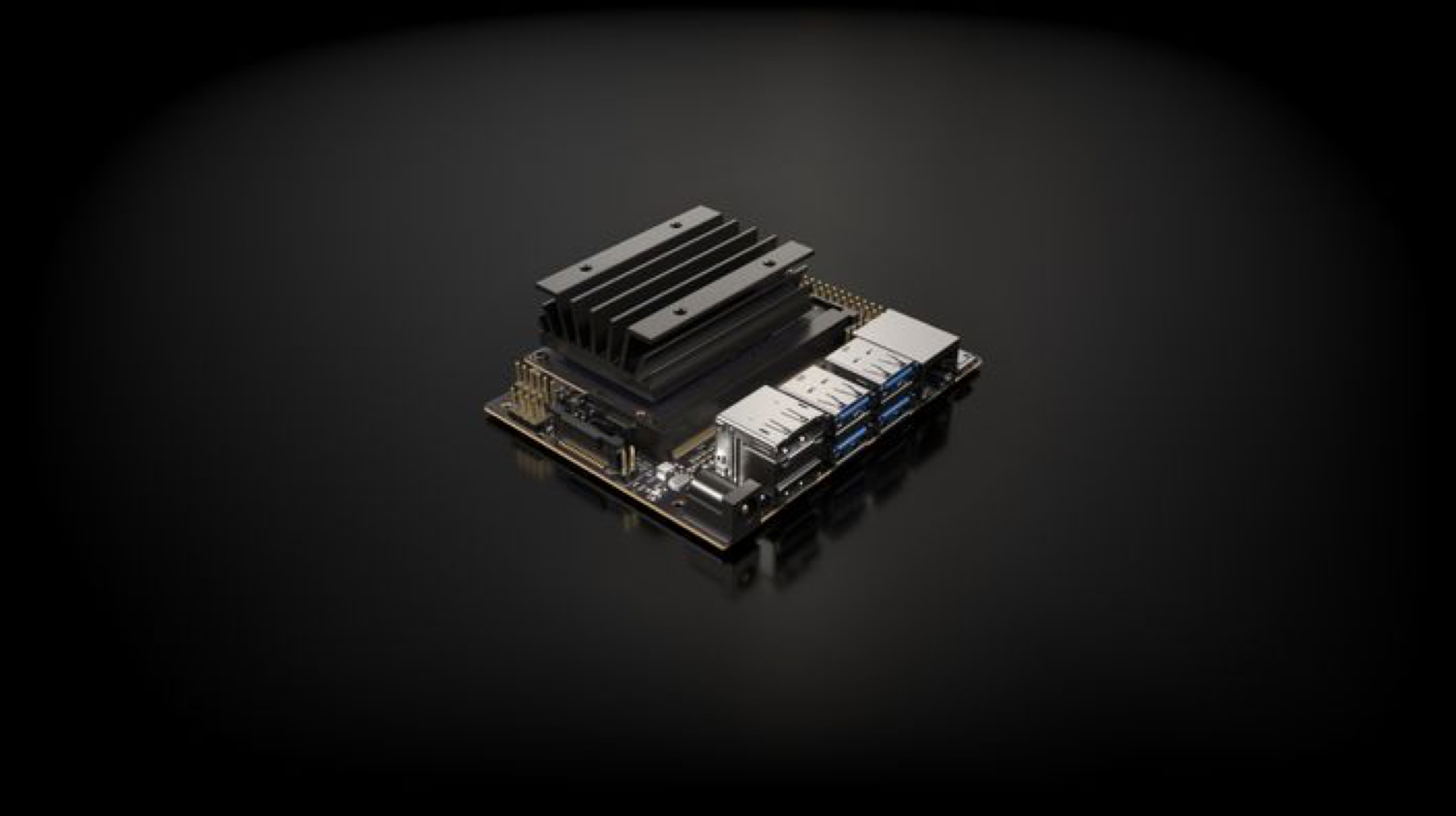
    The company also states that the chip has upgraded power management, clocking, memory and accessible input/outputs. It features Jetpack SDK, which is also designed on CUDA-X and has libraries for deep learning, computer vision, graphics and multimedia processing. It runs the Linux OS, which is fully compatible with NVIDIA’s AI platform. Moreover, NVIDIA includes a reference platform called JetBot to reduce the time taken for initial hardware assembly. All of the aforementioned source codes are available on Github, the company says.
    Jetson Nano Specifications

    The Jetson Nano runs on the quad-core ARM A57 CPU and a 128 core NVIDIA Maxwell based GPU. It supports 4K/60fps video modules. It has support for 4GB LPDDR4 memory with transfer rates of up to 25.6 Gbps, and a Gigabit Ethernet port for connectivity. As mentioned before, it runs Linux for Tegra. The module measures at 70mm x 45mm, whereas the whole devkit measures at 100mm x 80mm. 
    Price And Availability

    Also Read: Key Features Of Nubia’s Upcoming Red Magic 3 Gaming Smartphone Confirmed

    The NVIDIA Jetson Nano Developer Kit is available for US$ 99, whereas the Production ready module for the same can be purchased for US$ 129. The Jetson Nano will be available for purchase June onwards and will be retailed at NVIDIA’s global distributors.

  • Xiaomi Redmi Go Launched In India

    Xiaomi Redmi Go Launched In India

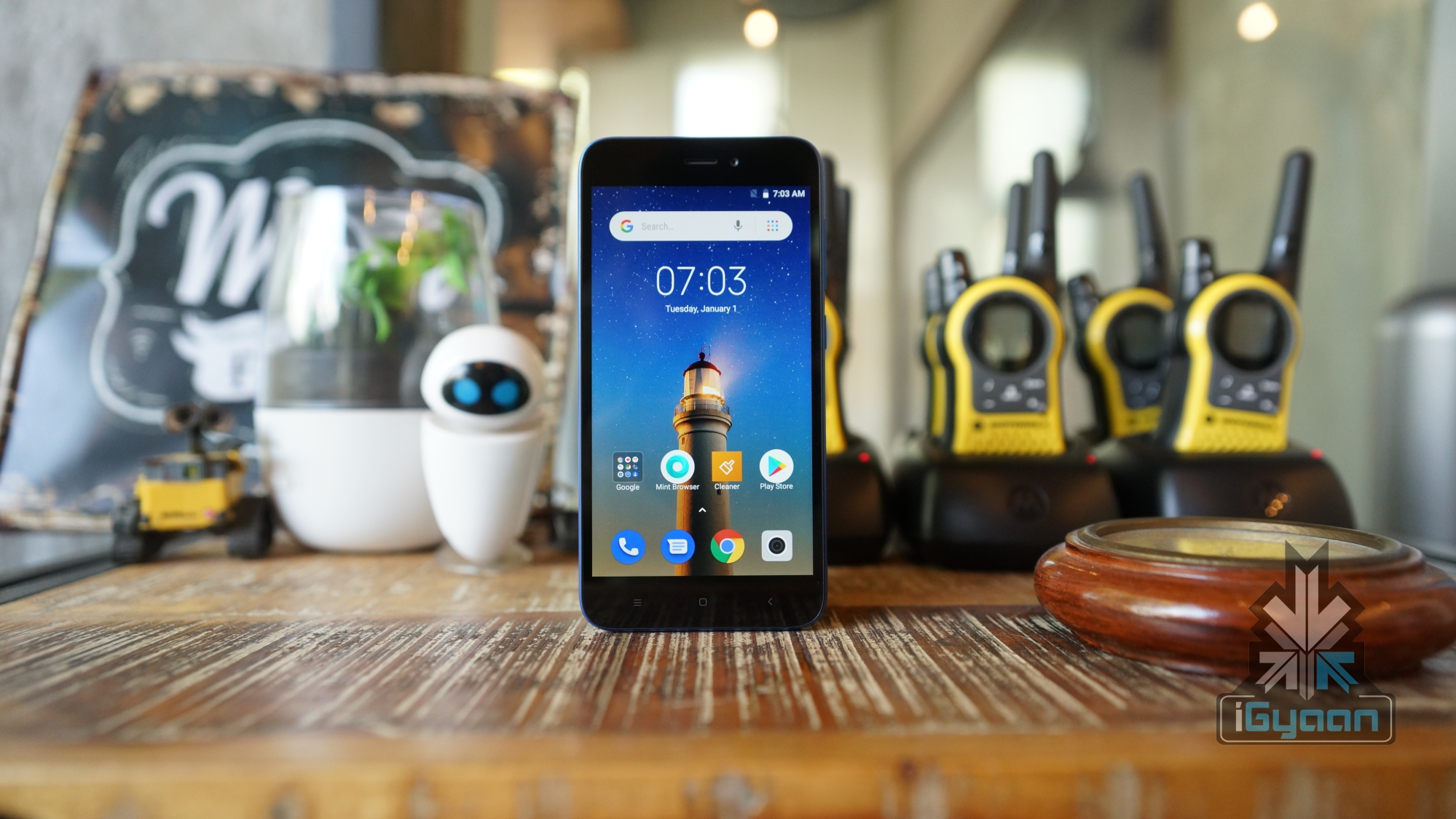
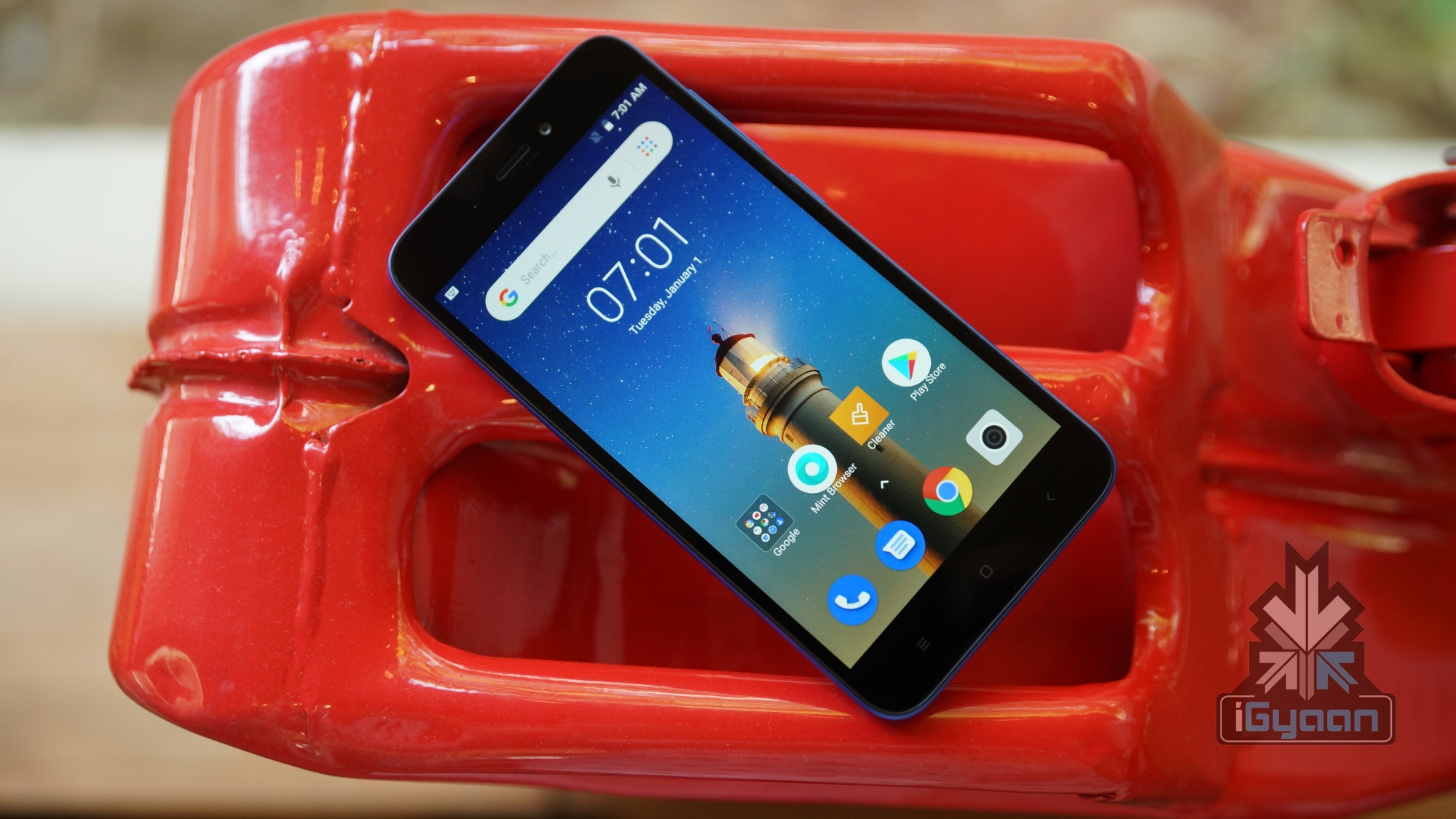
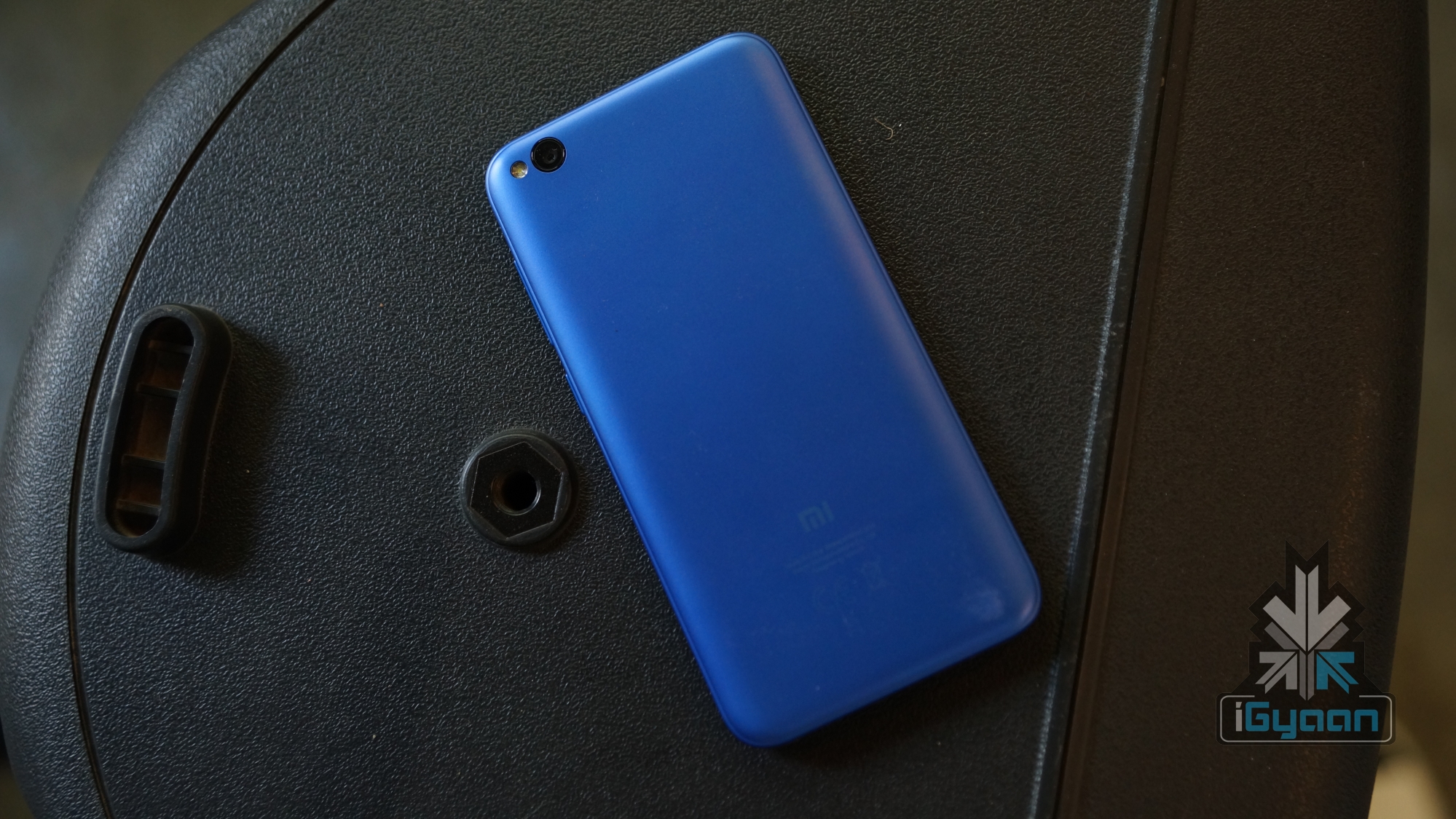
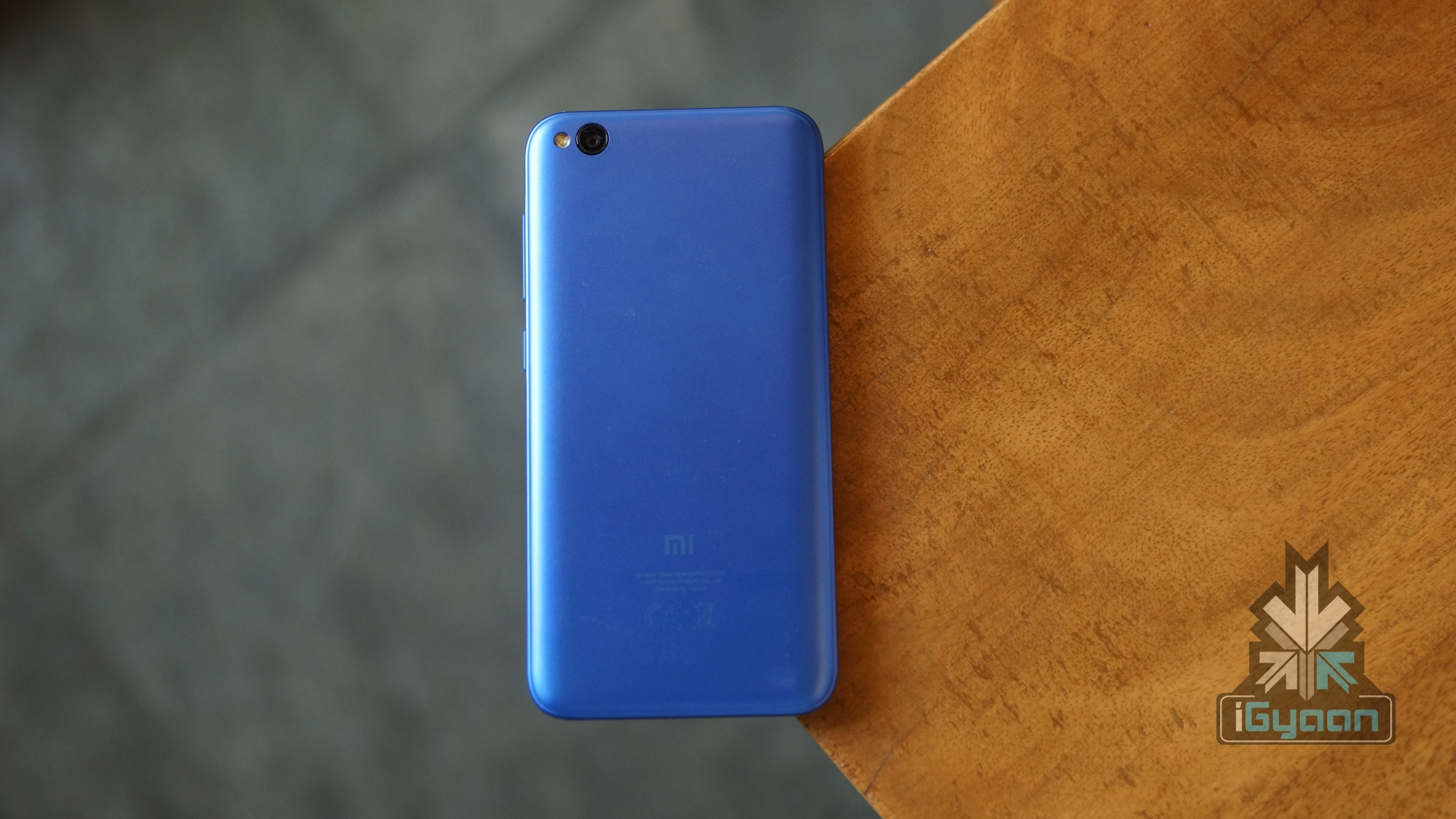
    Xiaomi at an event has launched the Android Go based smartphone, Redmi Go in India. It is the first smartphone from the company to run on the Android Go platform from Google. The devices under the initiative generally have low-end hardware and a skimmed down variant of the Android operating system which provides an optimised performance. Notably, the Redmi Go was first launched back in February in the Philippines.

    Design & Features

    The Redmi Go is the most affordable smartphone in the company’s portfolio. It has a polycarbonate body with significant bezels on the front. It measures 40.4 x 70.1 x 8.35mm and weighs 137g. It has a 5 inch IPS LCD display with a resolution of 1280 x 720. The display has a pixel density of 296 ppi and a maximum brightness of 380 nits. 

    Under the hood, the Redmi Go has been kitted with the Snapdragon 425 SoC which is manufactured using the 28nm fabrication process. The chipset has a Quad-core CPU and Adreno 308 GPU. In terms of optics, the smartphone has an 8MP primary camera at the back with an aperture of f/2.0. For selfies, there is a 5MP camera with an f/2.2 aperture on the front. For memory and storage, the Redmi Go is available with 1GB RAM and 8GB internal storage.

    The Redmi Go packs in a 3000mAh battery with support for 5W charging. The smartphone runs on the Android 8.1 Oreo Go edition out of the box. It also has a dedicated microSD support for memory expansion up to 256GB. The Redmi Go also supports more than 20 regional languages and supports the Google Assistant in Hindi.

    Pricing & Availability

    Also read: PC Gamers Will Get To Test Out Halo: The Master Chief Collection Pre-Release

    The Redmi Go has been launched at a price of Rs. 4,499. The smartphone will be available starting March 22 online on Flipkart and Mi.com. Offline sales will be handled by the company’s Mi Home outlets.


  • Samsung Galaxy A40 Official Renders Leaked, Launch Imminent

    Samsung Galaxy A40 Official Renders Leaked, Launch Imminent

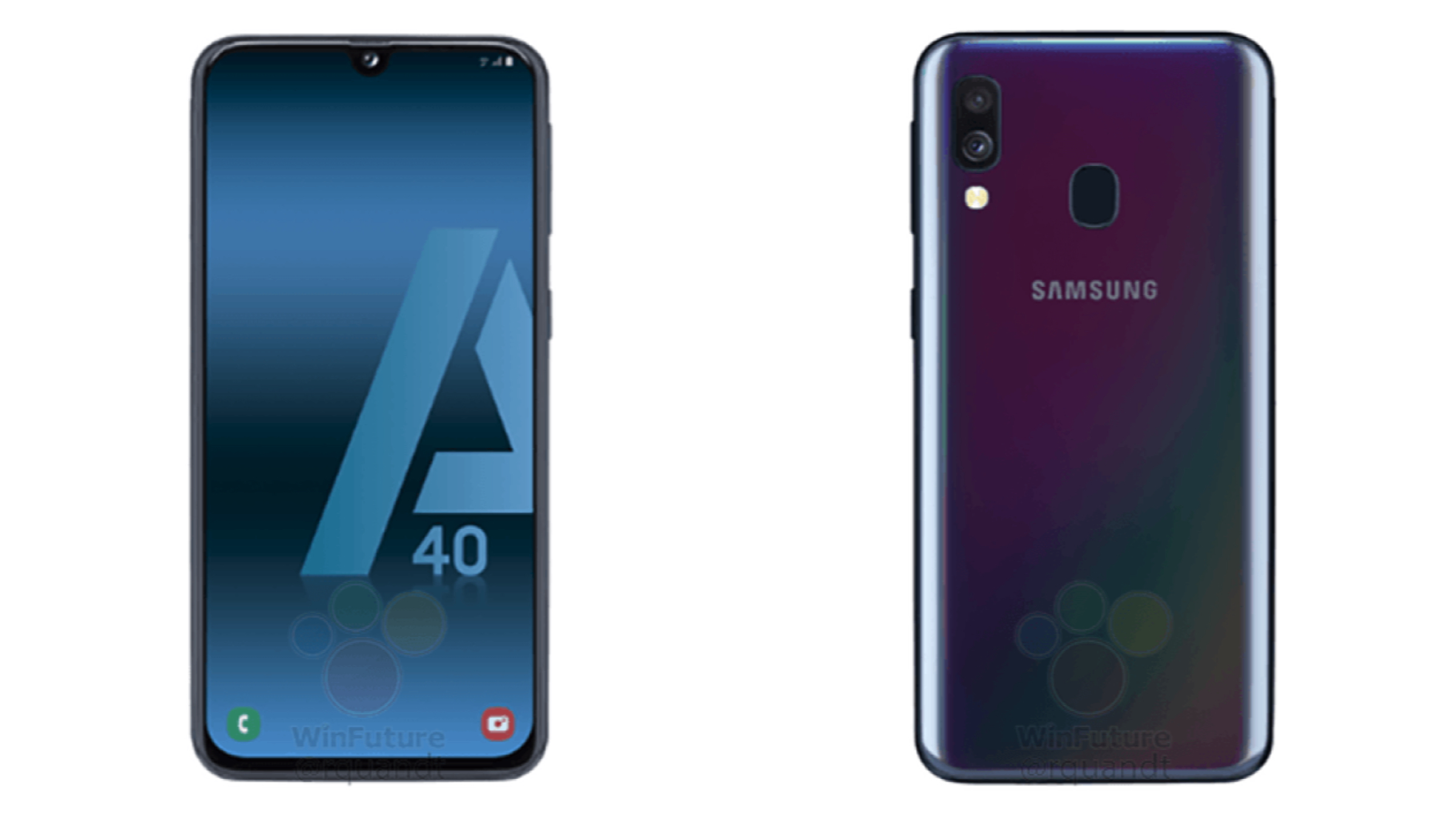
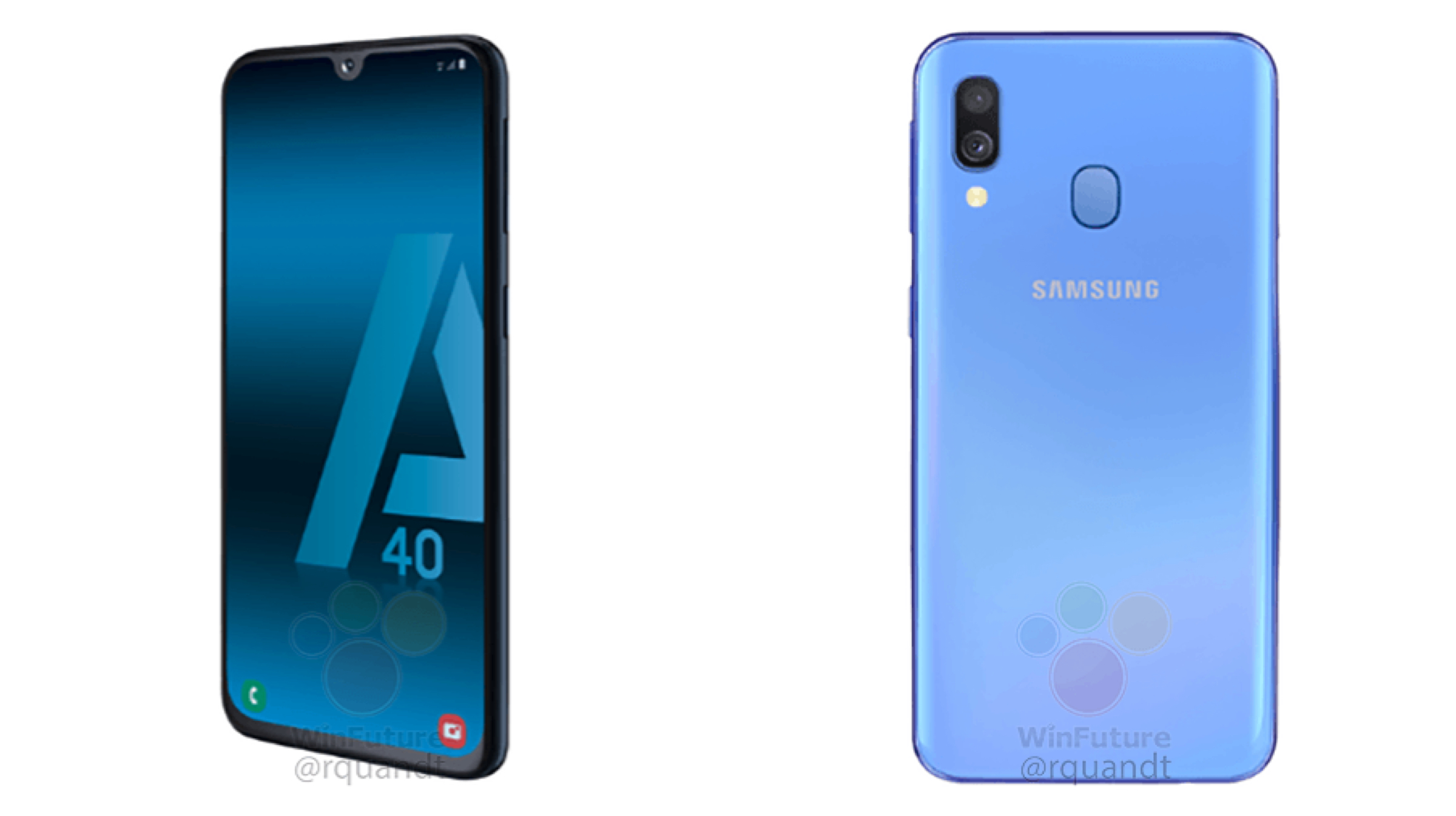
    Samsung launched the latest entrants in the Galaxy A lineup of smartphones, the Galaxy A10, Galaxy A30 and Galaxy A50 in India last month. The devices feature an all-new design, competitive specifications at an aggressive price to rival the ever increasing growth of Chinese smartphone OEMs in developing markets like India. Samsung is expected to announce a range of new devices in the Galaxy A series in the following months. One of the upcoming smartphones, the Galaxy A40 has leaked time and again and has now been freshly revealed in official renders. These renders unveil how the smartphone may look like.

    Galaxy A40

    The Galaxy A40 as the name suggests will sit between the Galaxy A30 and Galaxy A50 as Samsung’s new mid-range offering. The leaked renders reveal the smartphone will look a lot like its siblings, as the design and hardware are reminiscent of the Galaxy A30; but the gradient design on the back is similar to the one found on the Galaxy A50. While the specifications of the device aren’t known yet, it is expected to have an Infinity-U, 6.4 inches Super AMOLED display with a resolution of 2340 x 1080 px. There are minimal bezels around the display and a waterdrop notch up top. Noteworthy, this will be the same display type as the one found in its siblings. The Galaxy A40 will feature a rear mounted fingerprint sensor with support for face unlock technology.

    Under the hood, the Galaxy A40 is expected to be kitted with the 14nm Exynos 7885 SoC. The chipset consists of an Octa-core CPU and Mali G71 MP2 GPU. According to the leaked renders, the smartphone will have a dual rear camera setup which is likely to have a 13MP main sensor combined with an 8MP ultra-wide angle sensor. The front camera is expected to be a 16MP f/2.0 sensor housed in the notch on top of the display. For memory and storage, the smartphone will feature 4GB of RAM and 64GB of internal storage.

    Reports suggest that the Samsung Galaxy A40 will be powered by a 4000mAh battery like its siblings and will support fast charging via the bottom mounted USB Type-C port. It will also have a 3.5mm headphone jack and will run on the latest OneUI by the company on top of the current Android 9 Pie. 

    Pricing and Availability

    Also read: Key Features Of Nubia’s Upcoming Red Magic 3 Gaming Smartphone Confirmed

    The leaked official renders of the Galaxy A40 suggest that the launch of the smartphone is imminent. It may be announced at an event on the 10th of April. Unfortunately, no information about the pricing is known yet, but it is expected to cost around Rs. 17,999 in India.

  • Key Features Of Nubia’s Upcoming Red Magic 3 Gaming Smartphone Confirmed

    Key Features Of Nubia’s Upcoming Red Magic 3 Gaming Smartphone Confirmed

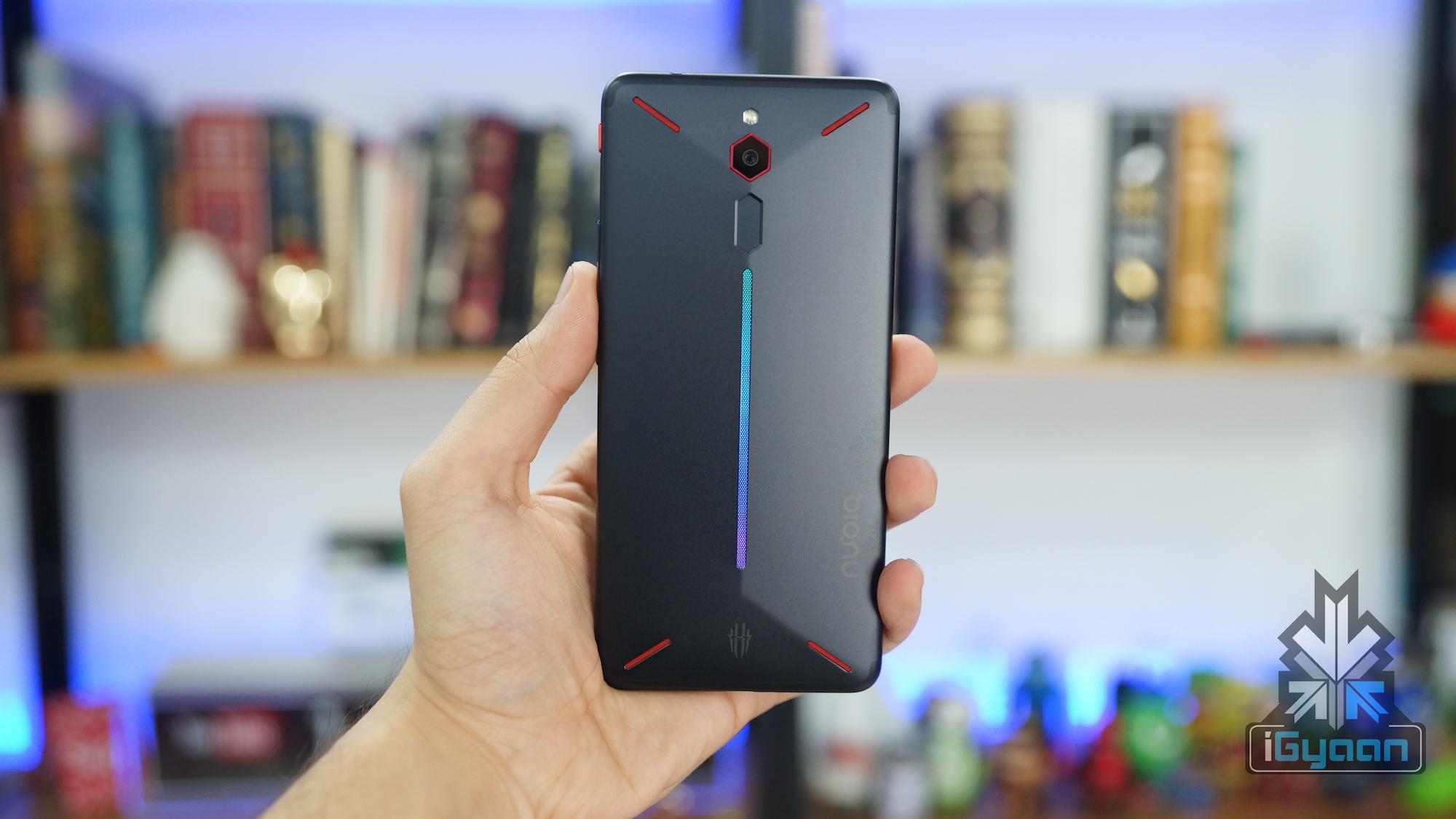
    Gaming smartphones are slowly gaining popularity, and consequently, every smartphone brand is looking towards releasing its own iteration of a gaming device. Nubia is well versed in the gaming smartphone industry, and the company will soon release its next device in the gaming segment, which is the Nubia Red Magic 3. On March 18, Nubia’s General Manager confirmed six features of the upcoming smartphone.

    Nubia Red Magic 3 Features

    The Red Magic 3 will feature a combination of air and liquid cooling to optimize the device’s temperature. The advanced cooling system will ensure that the smartphone can handle extensive thermal stress while running graphics-intensive games. In terms of the chipset, the Nubia Red Magic 3 is confirmed to be kitted with the Qualcomm Snapdragon 855 SoC. The 7nm Snapdragon 855 chipset consists of an octa-core Kryo 485 CPU clocked at 2.84 GHz and the Adreno 640 GPU.
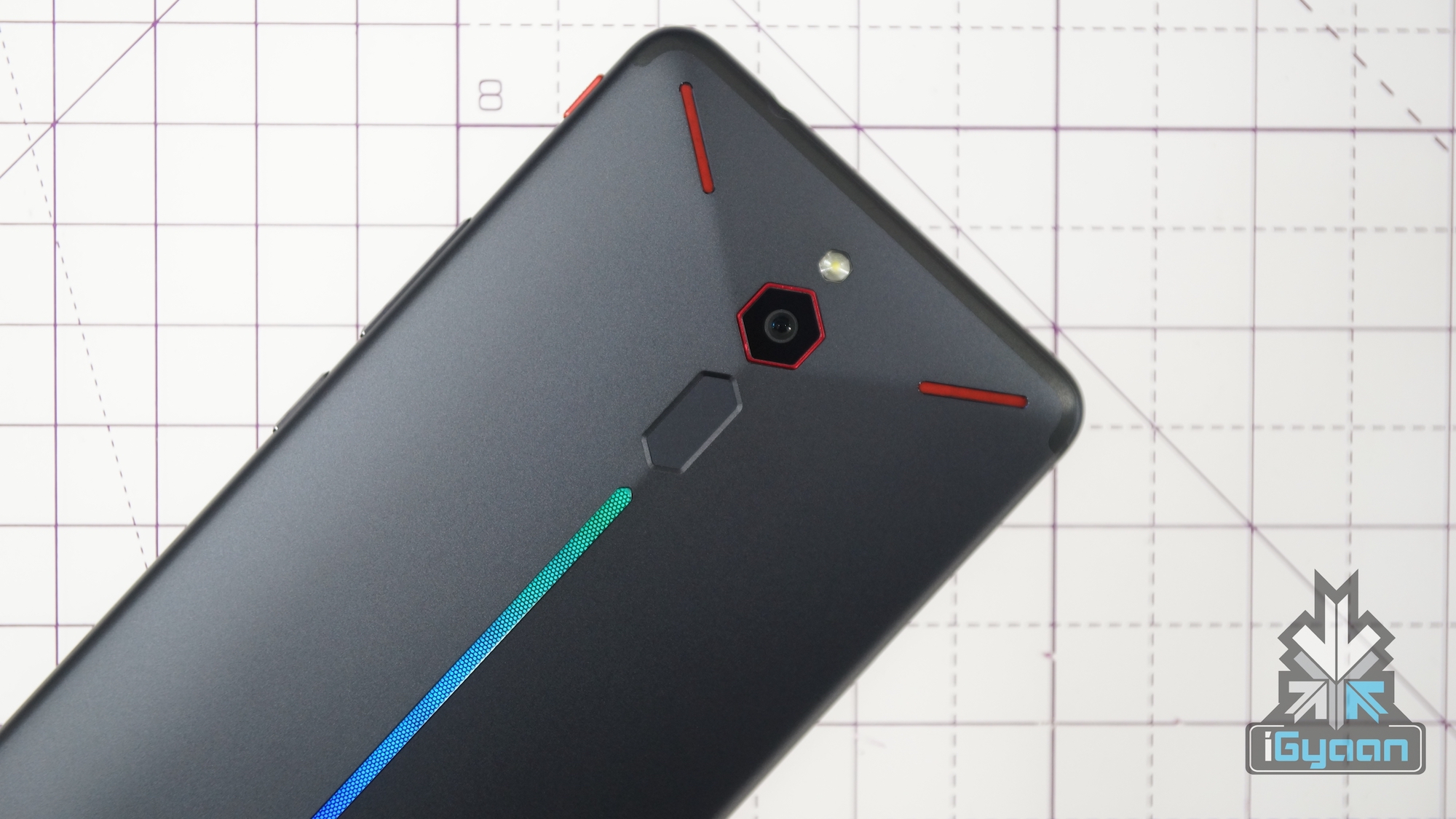
    Amongst other features, the ZTE-associated company also confirmed the presence of the highest amount of RAM in a smartphone to date. Considering that 12 GB RAM is the top industry benchmark till now, the Red Magic 3 will definitely sport the same, if not more. Another interesting feature of the device seems to be the refresh rate of the smartphone’s display. Nubia’s GM mentioned that the Red Magic 3’s screen will have the highest refresh rate ever seen in a gaming handset, which will be even higher than most gaming PCs. Razer Phone has a 120 Hz display, so it’s very interesting to see how Nubia follows up on that.
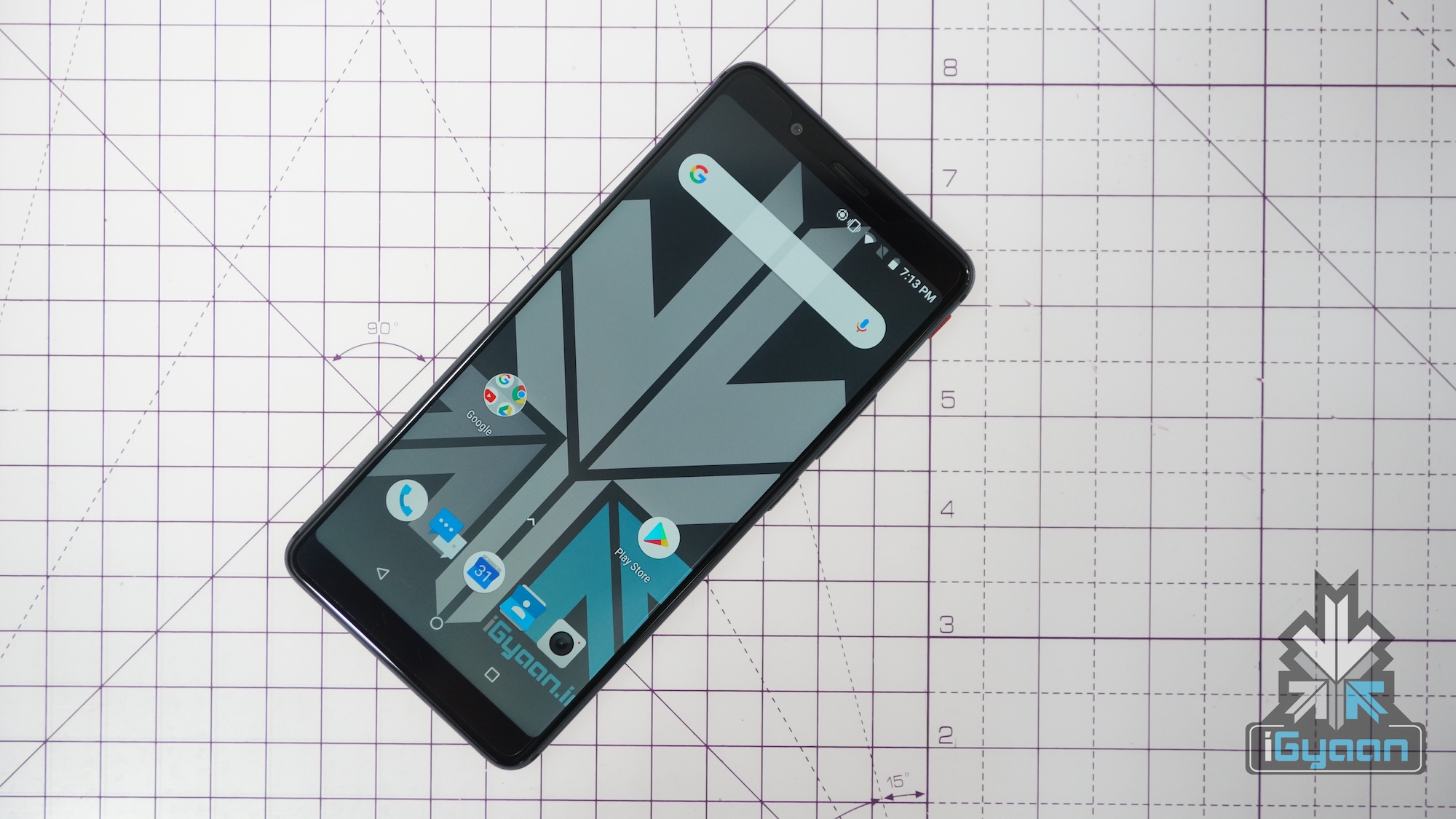
    The gaming smartphone will also feature a 4D vibration motor to enhance haptic feedback while playing games. The feedback will be customizable via an application present on the device. Last but not least, the Red Magic 3 will have an upgraded battery than its predecessor’s 3,800 mAh power cell. A better battery would mean more gaming hours on the device, which might make the device a good deal for a lot of smartphone gamers out there.
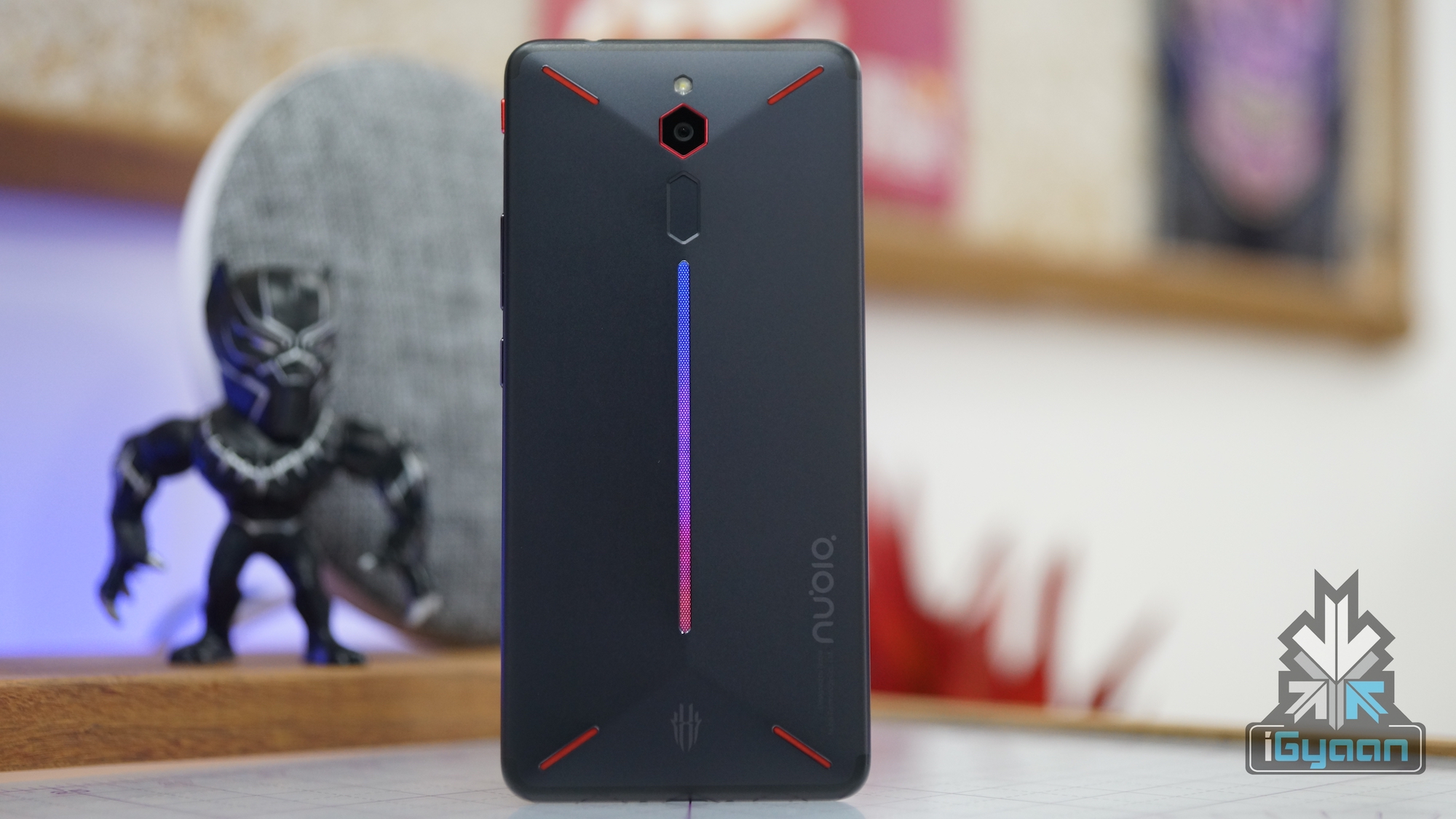
    Availability

    Also Read: Apple Launches iPad Air 10.5 & 5th Gen iPad Mini

    The Chinese smartphone manufacturer also hinted that the device may see the light of the market in April 2019, so more information may be available in the upcoming weeks. The top-of-the-line specifications present on the Red Magic 3 may just make it a neat flagship as well as an ambitious gaming smartphone.

iGyaan Network
Privacy Overview

This website uses cookies so that we can provide you with the best user experience possible. Cookie information is stored in your browser and performs functions such as recognising you when you return to our website and helping our team to understand which sections of the website you find most interesting and useful.