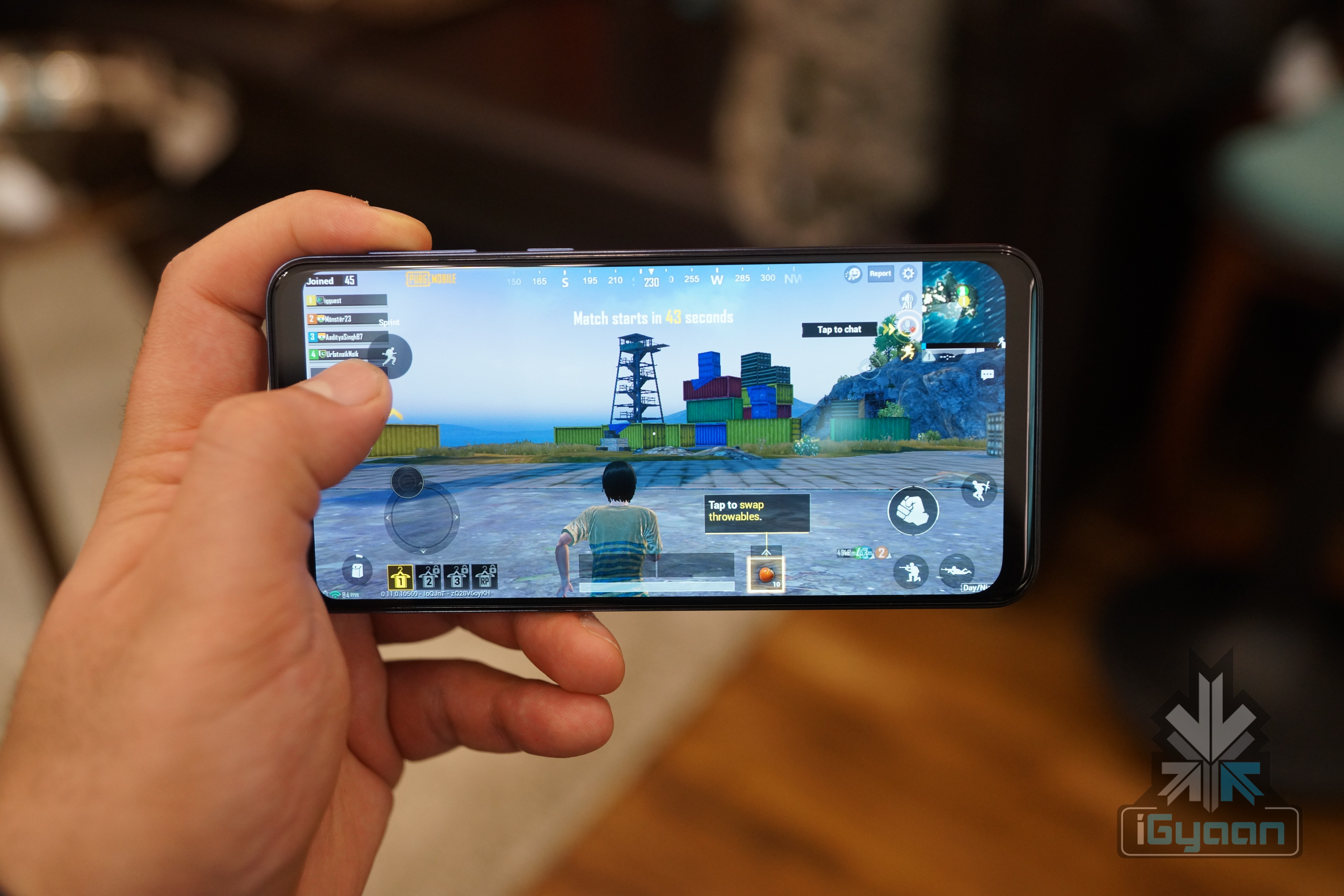
The year 2019 has seen a lot of developments in terms of gaming so far, with Google releasing their cloud-based game streaming service (named Stadia) and Apple following up with their own “Apple Arcade” gaming platform. Companies like Samsung don’t plan to stay behind for a long period of time. A recent patent granted to the company showed that the South Korean Technology company is working on a platform which will enable users to play online games via Galaxy devices.
About The Patent
The patent was first filed by Samsung in America with the United States Patent and Trademark Office, or USPTO. The trademark included details about a service called the PlayGalaxy Link, and was finally published on April 26 in the database of the European Union Intellectual Property Office (EUIPO). As per reports, the patent is categorized under Class 9 and 41. While class 9 is comprised of a broad range of trademarks for scientific, cinematographic and photographic devices, Class 41 mainly covers products which cater to entertainment purposes.
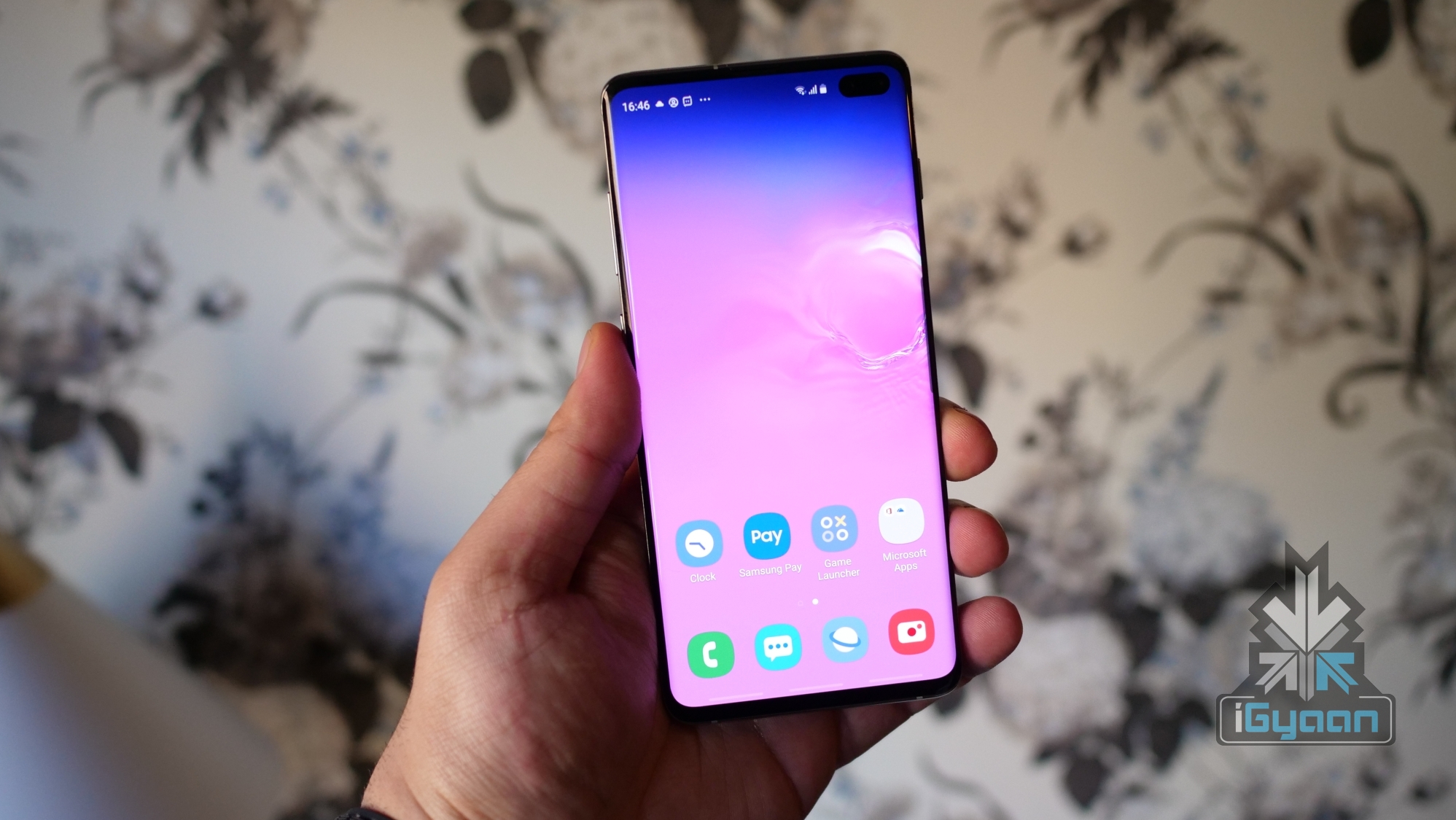
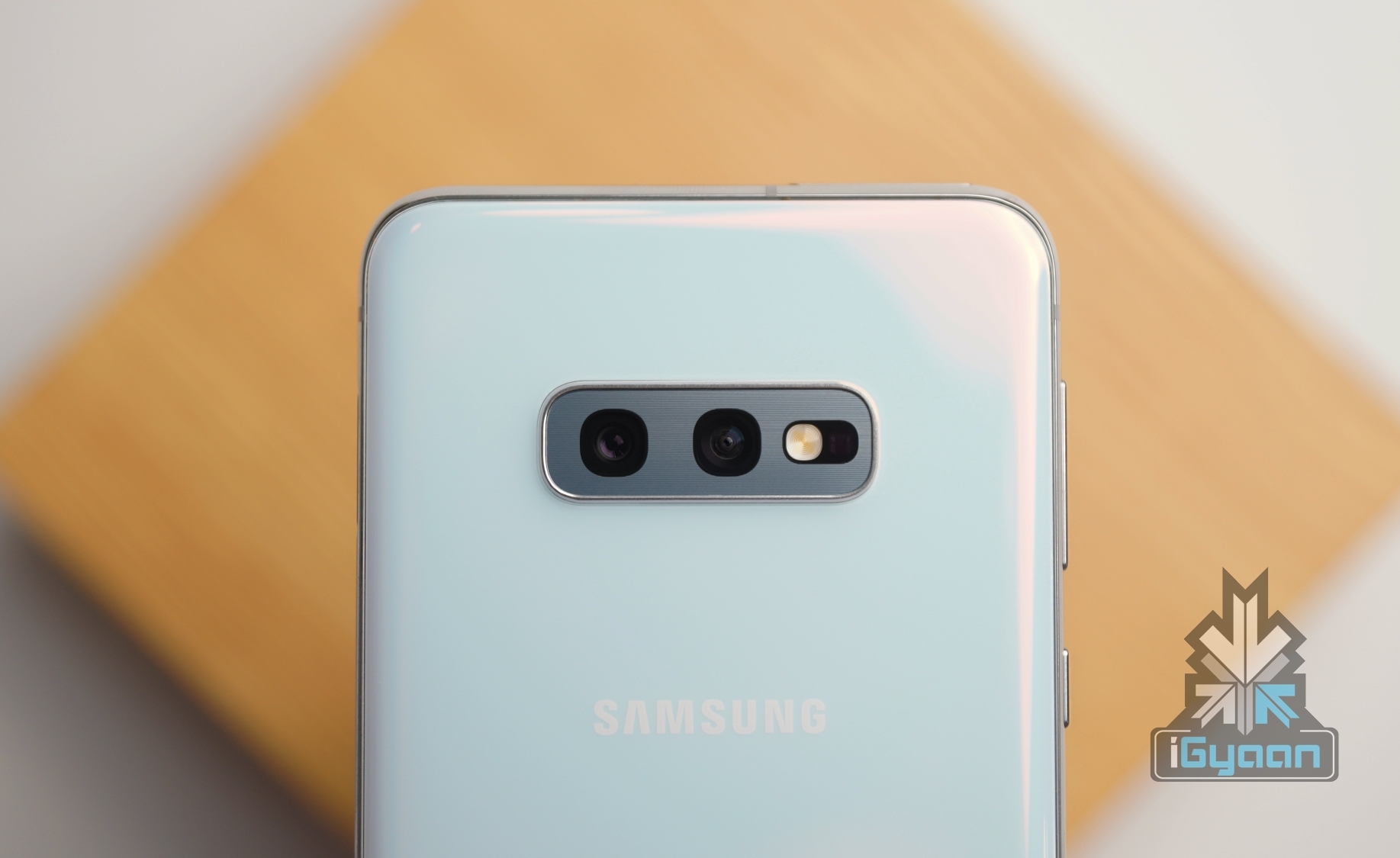
Samsung Galaxy S10e
Previously in April 2019, Samsung was reported to have partnered with Finnish organization “Hatch” to launch a new 5G cloud gaming service in Korea. Furthermore, people who buy the recently launched Galaxy S10 5G get a free three-month premium Hatch subscription. This may be the new gaming service that Samsung has been working on, but nothing can be said for sure, since the trademark for the “PlayGalaxy Link” is applied for in US, not in Korea.
Whatever the case may be, it is clear that Samsung plans to go up against American technology mega-giant Apple and it’s latest gaming service, Apple Arcade. While it is reported that Apple Arcade may be available starting this fall, Samsung may unveil its “PlayGalaxy Link” service sooner than expected. Moreover, the company is also planning to release a smartphone which will be dedicated to gaming. Reports say that such a device may be released under the Galaxy A series branding, but nothing can be confirmed as of now.
Ever since the race to a bezel-less smartphone started in the year 2016, major OEMs have tried to innovate unique solutions in a bid to maximise the screen real estate in their devices. Along the way, unconventional technologies like a display notch as seen in the iPhone X series, hole punch displays as seen in the Galaxy S10 lineup and dual displays present in Vivo Nex Dual Display and the Nubia X, have surfaced in current smartphones. A fresh patent filed by Korean electronics giant Samsung reveals it is working on a new way to increase the screen to body ratio in future handsets.
Samsung Dual Display Smartphone
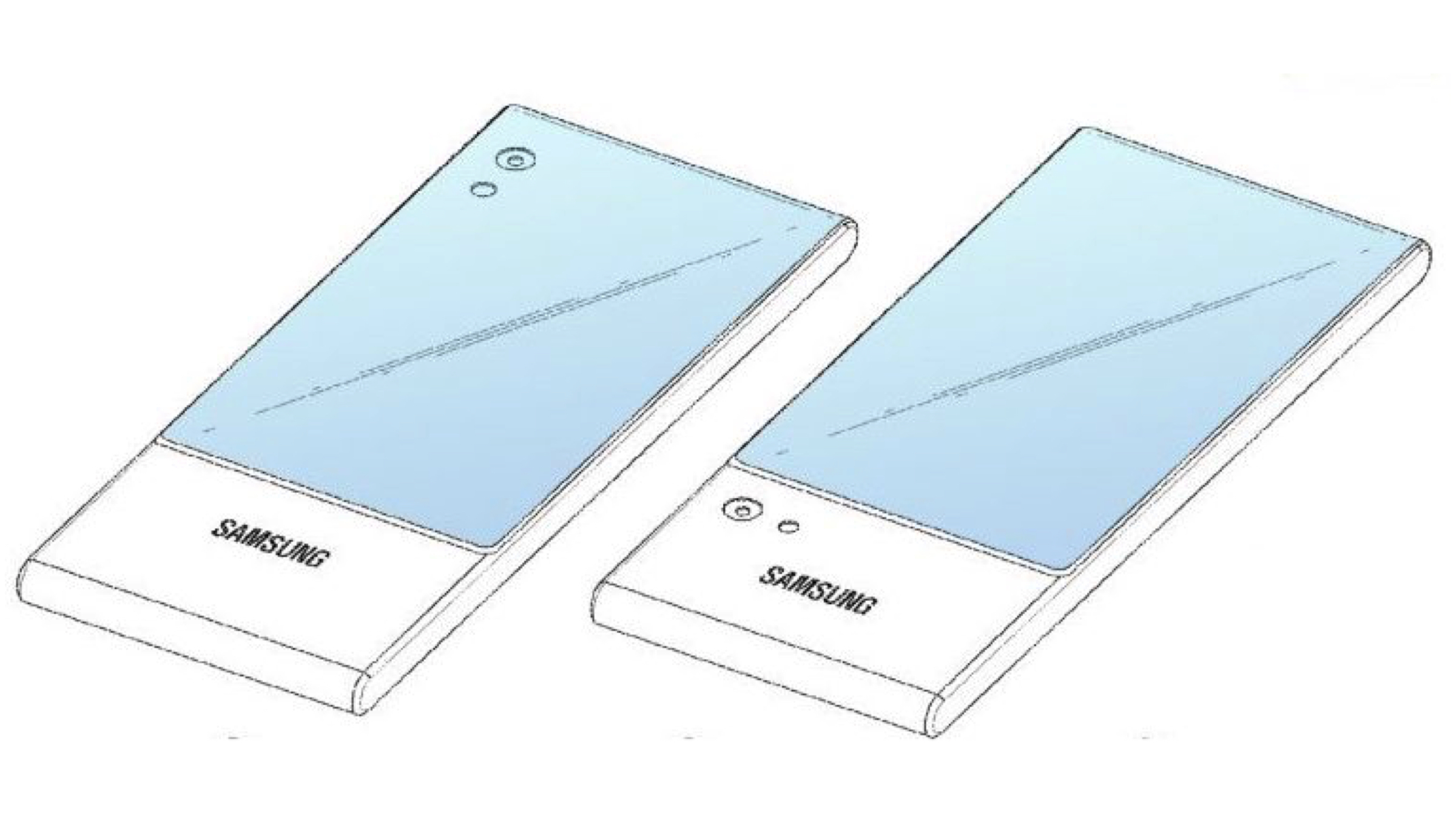
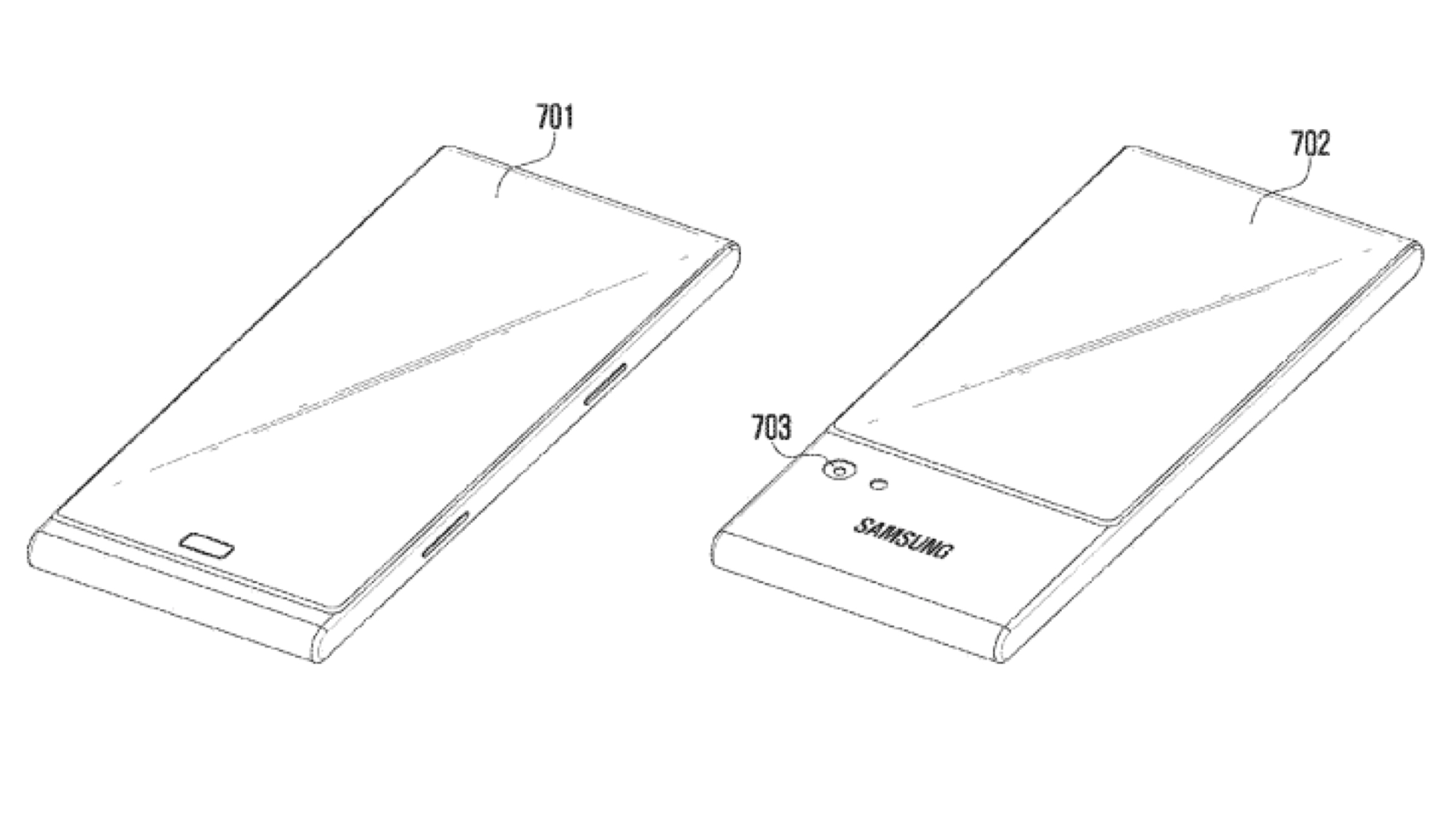
Samsung filed for a patent with the United States Patent and Trademark Office (USPTO) for the aforementioned smartphone back in October of 2016. It was approved and published in the World Intellectual Property Office (WIPO) database on the 25th of April 2019. The images in the patent reveal a mobile device with an alleged ‘Multi-Plane Display’. This essentially means a device with a display on the front and back which can be controlled simultaneously.
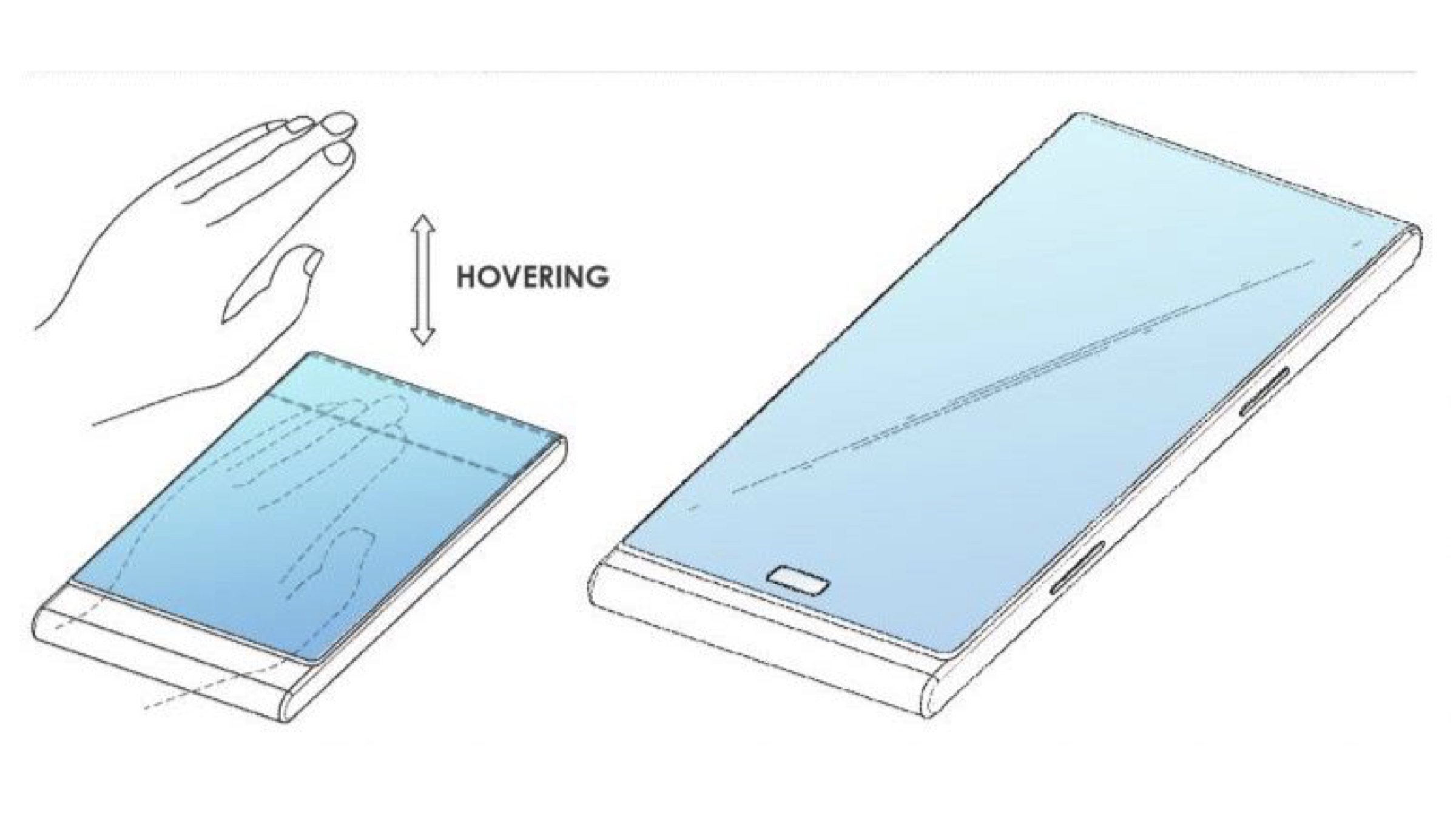
The aforementioned patent by Samsung shows a smartphone with three different parts of the display. The front of the device is entirely covered by a screen. This screen or display extends to the top of the handset and goes on to cover around 75 percent of the back of the device. While the main display seems folded, it might not need to open and close like the Galaxy Fold foldable smartphone. The patents also reveal a home button inside the display, which might provide haptic feedback when pressed. Samsung’s Dual Display smartphone, when launched may also feature a single camera sensor on the back side of the device. As there are displays on either side, images and videos can be clicked or recorded from the front as well as the back of the handset.
As far as the usability of Samsung’s Dual Display Smartphone is concerned, the patents reveal the device will use hand gestures to control the User Interface of the handset. A similar operation method was implemented in the LG G8 ThinQ launched back in the month of February. The display on the top may be limited to notifications while the rear panel may be used for taking selfies and using the smartphone with one hand. Unfortunately, no details about the release date and pricing of the device are available yet, but they are expected to be unveiled in the following weeks.
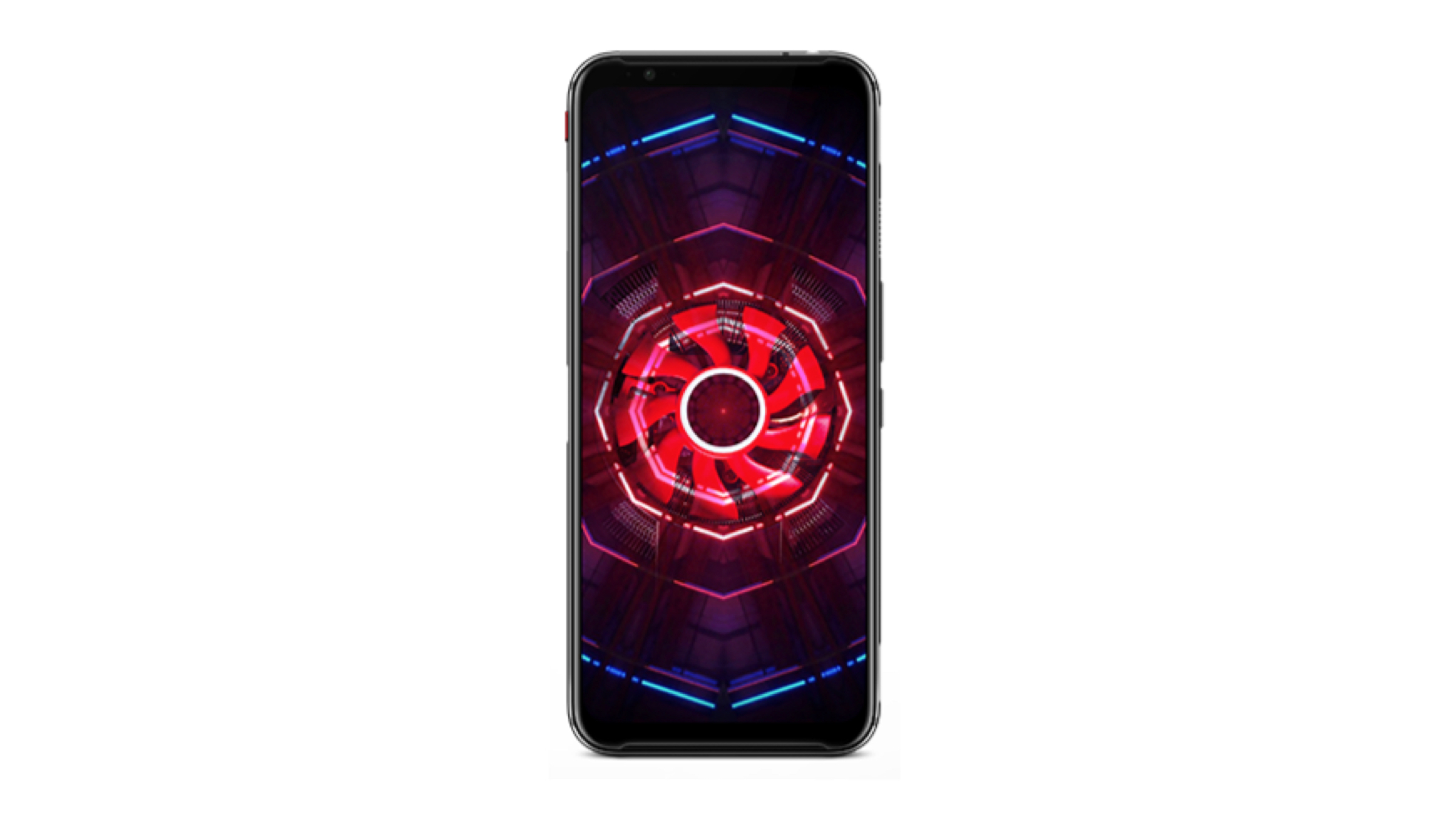
ZTE’s subsidiary Nubia is known for launching feature laden gaming smartphones at a competitive price tag. As it was previously reported, the company was planning to unveil its latest addition to the gaming smartphone family, the Red Magic 3. In an event held in China on April 28, Nubia finally announced the aforementioned gaming smartphone with a load of exciting features, such as a 90Hz display, an internal cooling fan and a 48MP rear camera.
Nubia Red Magic 3: Features And Specifications
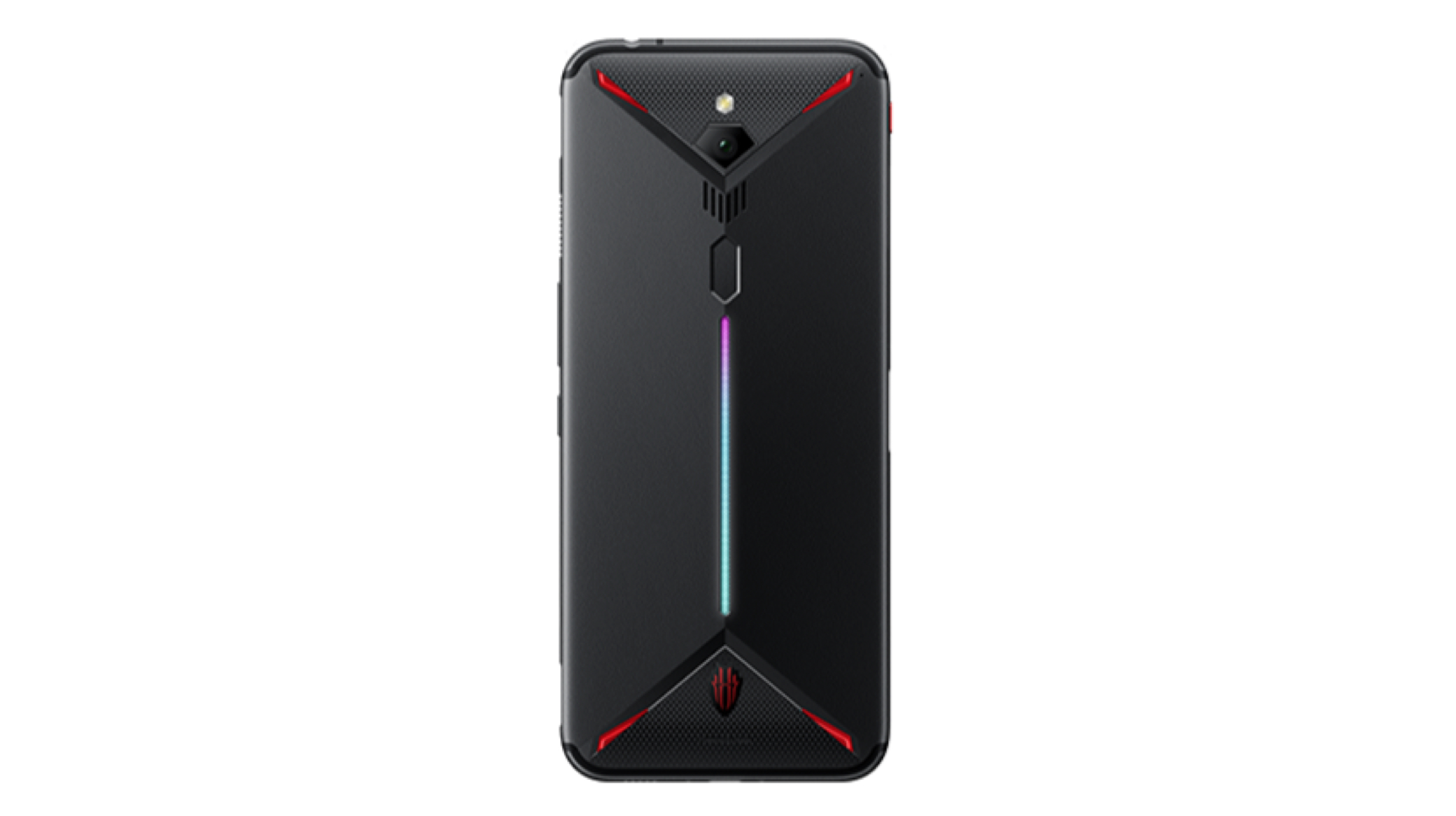
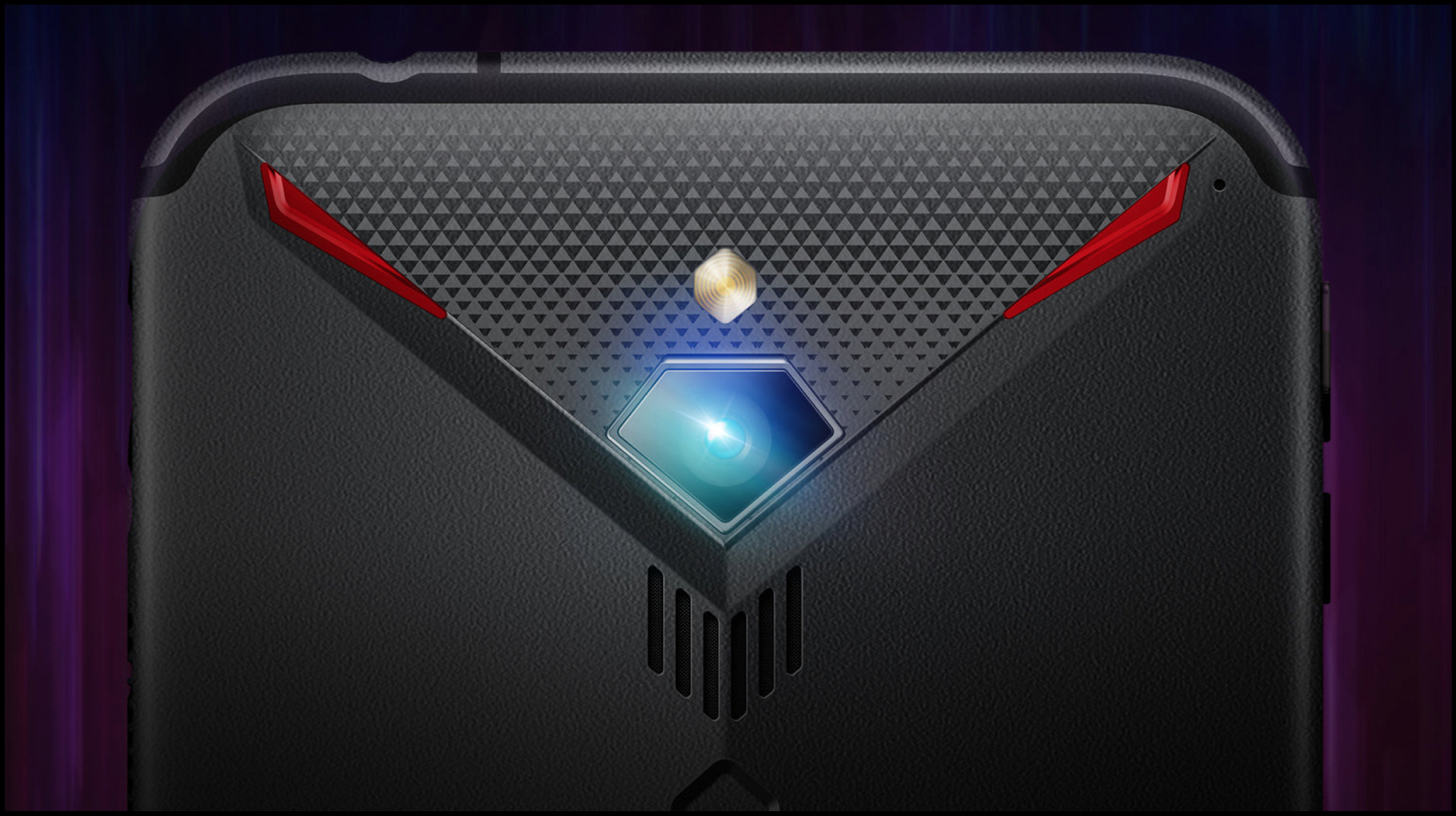
The specifications of the Red Magic 3 will provide some strong competition in a fast-growing space of gaming smartphones. The smartphone features a 6.65 inch FHD+ AMOLED display which also supports HDR playback. Owing to the presence of a 90Hz refresh rate in the device panel, gamers are expected to experience less screen tearing and almost negligible lag issues. The front of the device also houses DTS:X surround sound speakers. The rear panel of the Red Magic 3 houses the camera, an elongated fingerprint scanner and an LED strip which can be customized with a combination of 16.8 million colours.
Under the hood, the smartphone packs the powerful 7nm Snapdragon 855 chipset, which comprises of an octa-core CPU and the Adreno 640 GPU. The Red Magic 3 is available in four storage variants which are as fllows:
6 GB RAM + 64 GB ROM
8 GB RAM + 128 GB ROM
8 GB RAM + 128 GB ROM
12 GB RAM + 256 GB ROM
To provide for extensive gaming sessions, the Nubia Red Magic 3 packs a massive 5,000 mAh battery with 30W fast charging support. Noteworthy, it is the first time that a company has incorporated an active internal cooling system in a smartphone. The company claims that the fan present inside the device can operate at a speed of 14,000 rpm, which can also be manually tweaked.
In terms of optics, the Red Magic 3 features a single rear 48MP (f/1.7) Sony IMX586 camera sensor. While Nubia might not have gone “big” on the multi-camera setup here, the specifications of the camera are worthy in fact. Moreover, it has 8K video recording support and can record super slow videos at 1920 fps. The smartphone also has an f/2.0 aperture equipped 16MP front-facing selfie camera. It is IP55 dust and water resistant, which can even survive water jets. Furthermore, gamers can program two touch-based shoulder buttons in the smartphone in addition to the reprogrammable fingerprint scanner. The Red Magic 3 runs on Androdi 9 Pie out-of-the-box, with Nubia’s Redmagic OS 2.0 on top.
The Nubia Red Magic 3 will be available in China from the 3rd of May onwards, which will soon be followed by the US, UK, Canada and European launch. The price for different variants of the smartphone are as follows:
6GB+64GB: CNY 2,899 (~INR 30,100)
6GB+128GB: CNY 3,199 (~INR 33,200)
8GB+128GB: CNY 3,499 (~INR 35,300)
12GB+256GB: CNY 4,299 (~INR 44,650)
It is available in four colour options: Black, Red, Camouflage and Blue Gradient.
Redmi separated from its parent company Xiaomi back in the month of January this year. While the brand has since launched smartphones in the budget and the mid-range segment, it has been long rumouredto announce a flagship device. Key details of the handset have been leaked online time and again. The official Redmi account on Chinese social networking website, Weibo has shared a video revealing the flagship smartphone will have an elevating selfie camera like the Vivo V15 Pro. The device may also be made in partnership with the latest superhero movie, Avengers: Endgame.
Redmi Flagship Smartphone
The upcoming Redmi 855 smartphone will be the company’s first flagship device since its inception earlier this year. According to previous leaks, it will have an all-glass design on the front and back, like the Redmi Note 7 Pro. The handset will have a 6.39-inch display with a resolution of 2340 x 1080 px. The leaked video reveals the smartphone will have a pop-up camera mechanism to house the front-facing sensor which maximises the screen real estate. For biometric security and rapidly unlocking the handset, it is expected to feature an in display fingerprint scanner along with support for face unlock technology.
Previous leaks further reveal the flagship smartphone from Redmi will run on the Snapdragon 855 SoC which is manufactured using the 7nm fabrication process. The chipset consists of an Octa-core CPU and the Adreno 640 GPU. In terms of optics, the device will sport a triple rear camera setup, comprised of an f/1.8 aperture equipped 48 MP Sony IMX 586 sensor; a secondary f/2.4 aperture equipped 13 MP ultra-wide sensor, and a tertiary f/2.4 aperture equipped 8 MP telephoto sensor. For selfies, the handset will have an f/2.0 aperture equipped 32 MP front-facing camera housed in the popup mechanism on top of the display. In terms of memory and storage, the Redmi flagship may feature up to 8GB of RAM and 128GB of internal storage.
The upcoming flagship smartphone from Redmi is expected to launch in the following weeks. As mentioned above, a limited edition variant of the device might be made in collaboration with the Avengers: Endgame movie which hit the theatres on April 26. It is thus expected to launch soon while the hype of the movie is at its apex. As far as pricing is concerned, since Redmi is known for pricing its products aggressively, the handset is expected to be priced under the Rs. 30,000 mark in India.
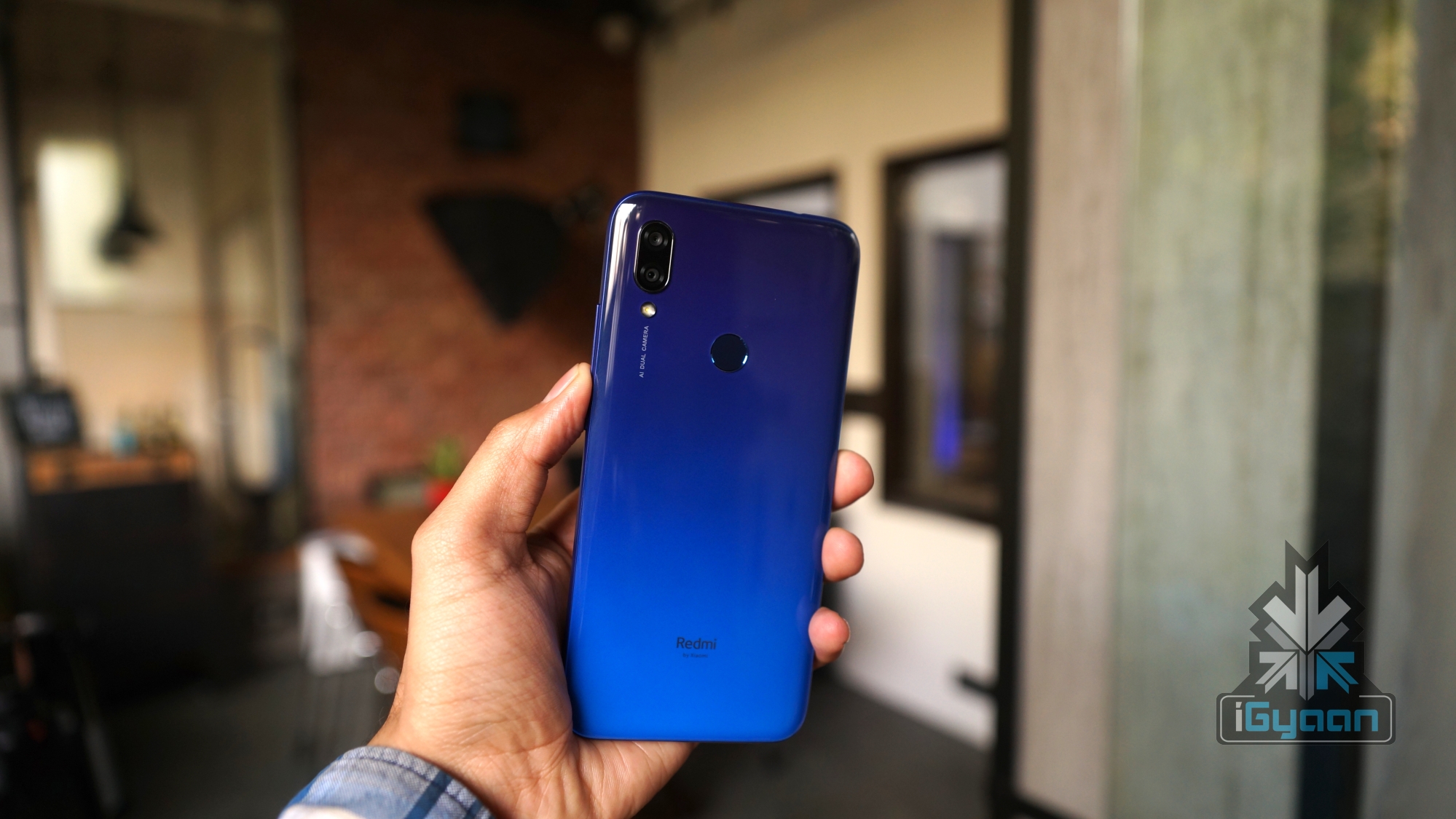
Earlier this month, Xiaomi’s subsidiary, Redmi launched two new budget-oriented smartphones which include the Redmi 7 and the Redmi Y3. Like other smartphones from the company, the newly launched devices pack competitive specs at a lucrative price tag. Even though smartphones were announced previously they were not available for purchase then. The Redmi 7 will go on sale for the first time in India today.
Xiaomi Redmi 7 Pricing and Availability
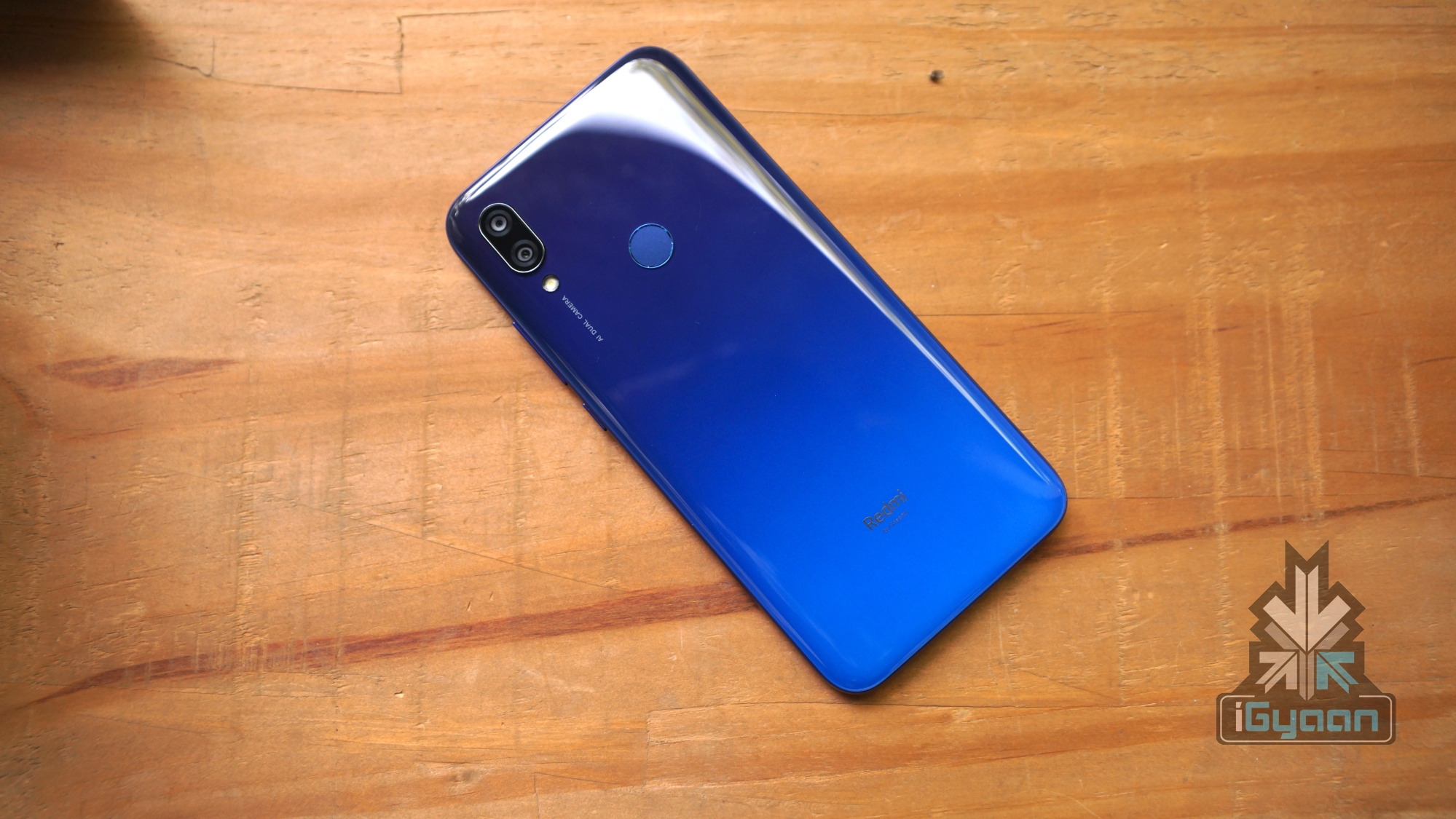
The Redmi 7 will be available for purchase from Amazon.in, Mi.com/in and offline Mi stores. The smartphone is offered in three colour options which include Lunar Red, Eclipse Black and Comet Blue. It is available in two storage options for which the price is as follows:
2 GB RAM + 32 GB ROM – Rs 7,999
3 GB RAM + 32 GB ROM – Rs 8,999
Xiaomi Redmi 7 Specifications
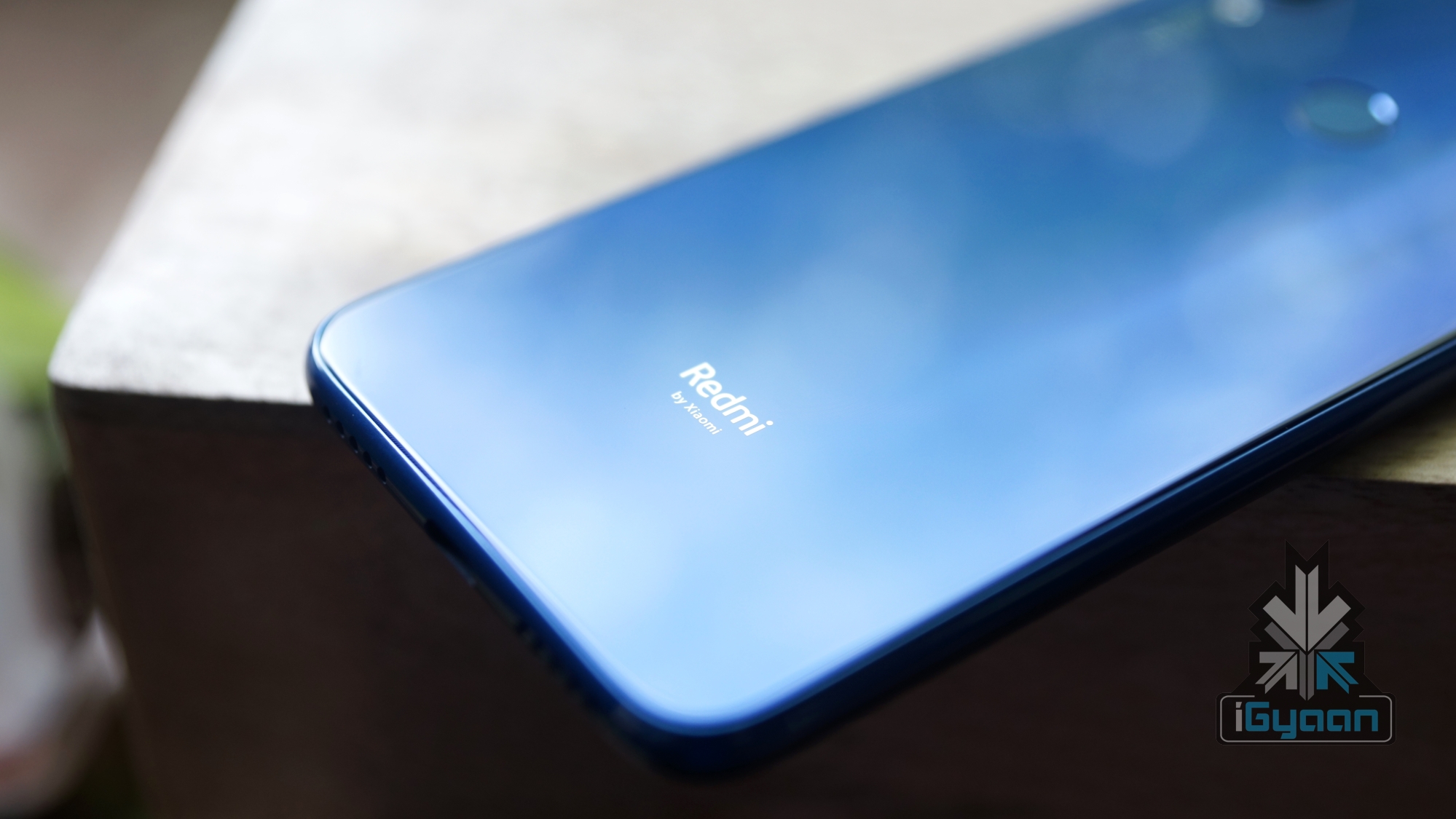
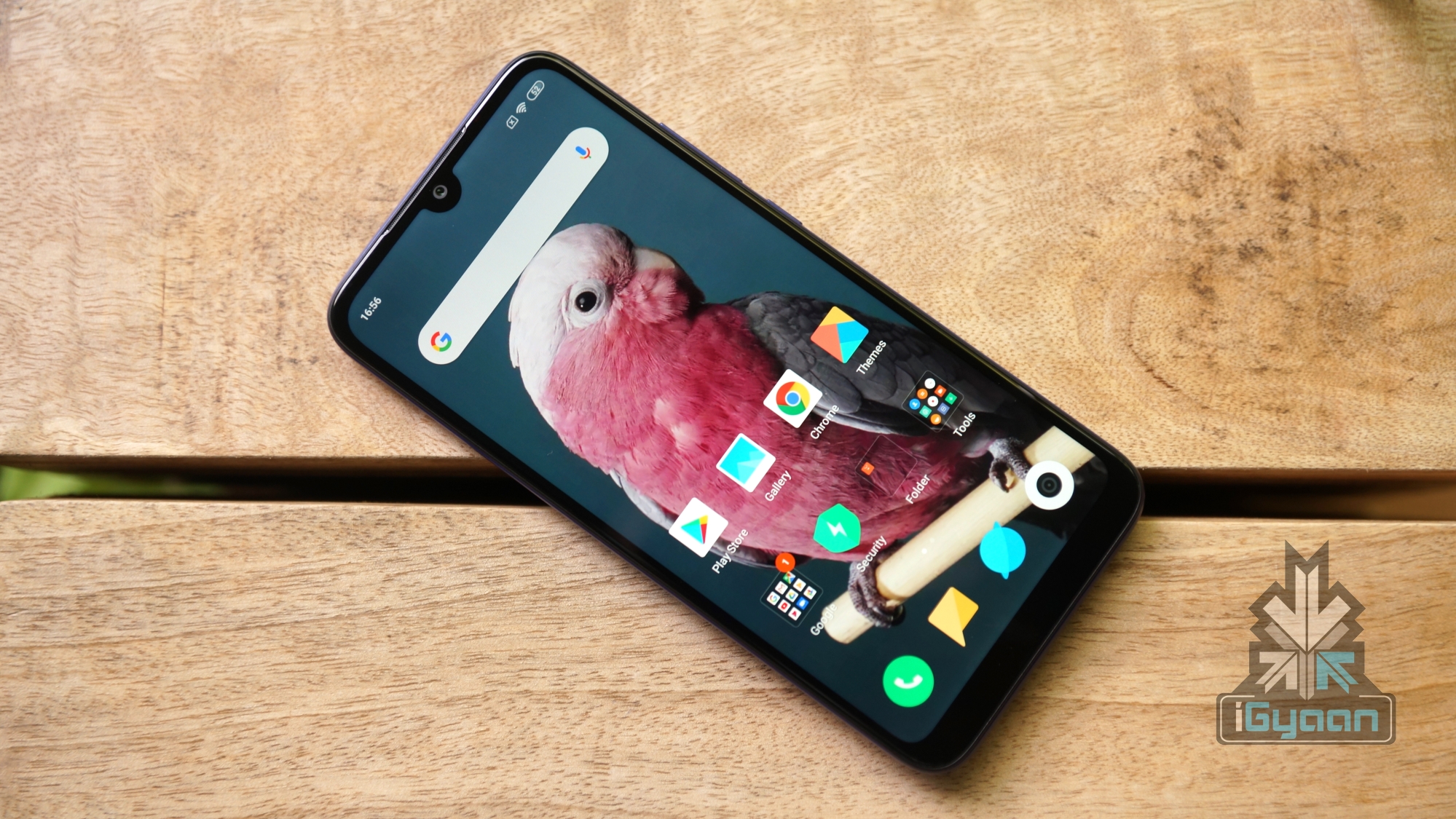
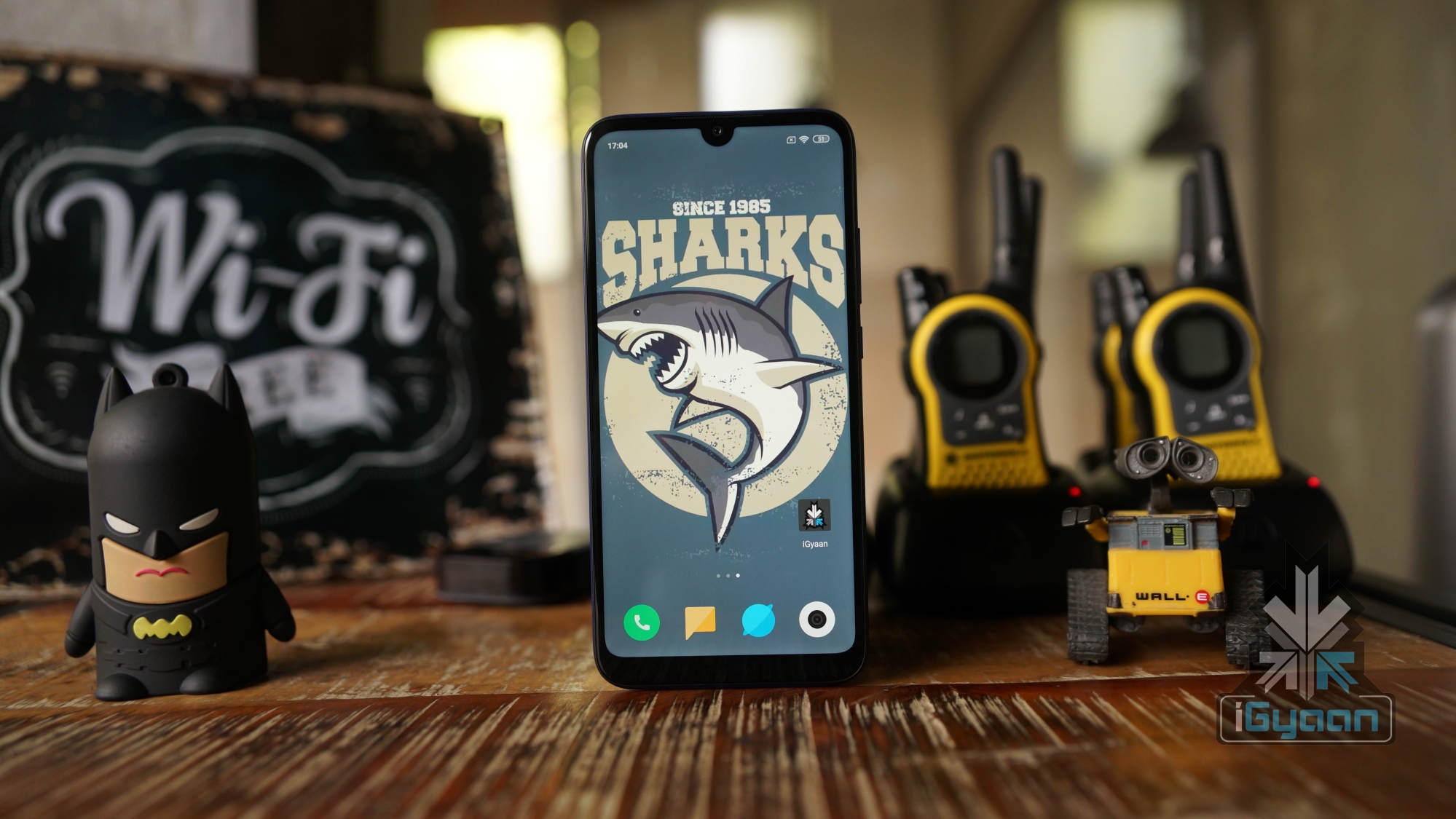
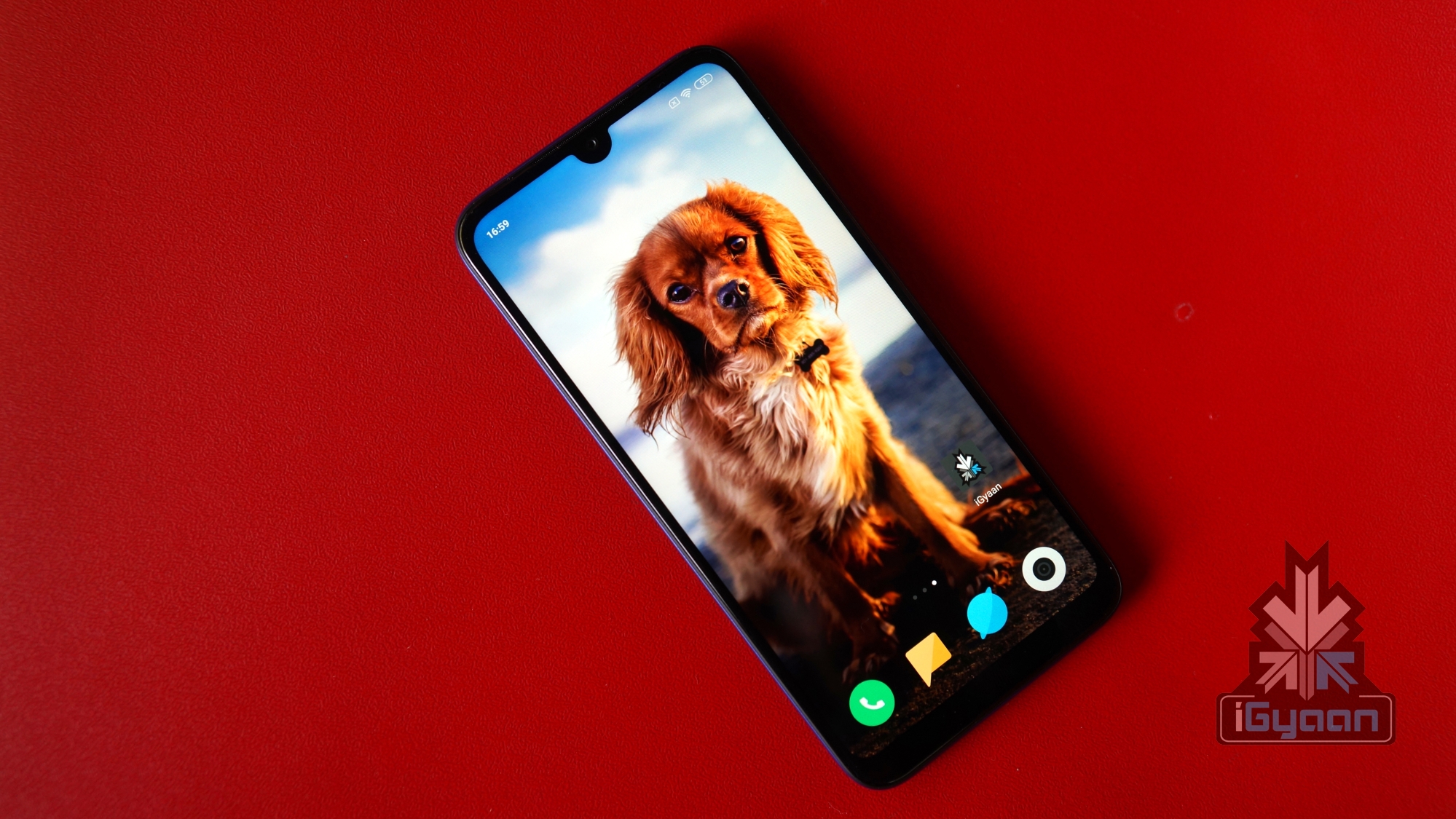
To recall, the Redmi 7 measures 158.65 x 76.43 x 8.47mm and weighs in at 180g. It features a polycarbonate body with the “Aura Smoke Design” at the back. The handset sports a 6.26 inch LCD display with a resolution of 1520 x 720 px. To maintain the maximum screen real estate, a waterdrop notch is present on the top of the display. Gorilla Glass 5 protection on the front ensures the display stays protected against scratches and accidental drops. For biometric security and rapidly unlocking the handset, it features a rear-mounted fingerprint scanner and supports face unlock technology.
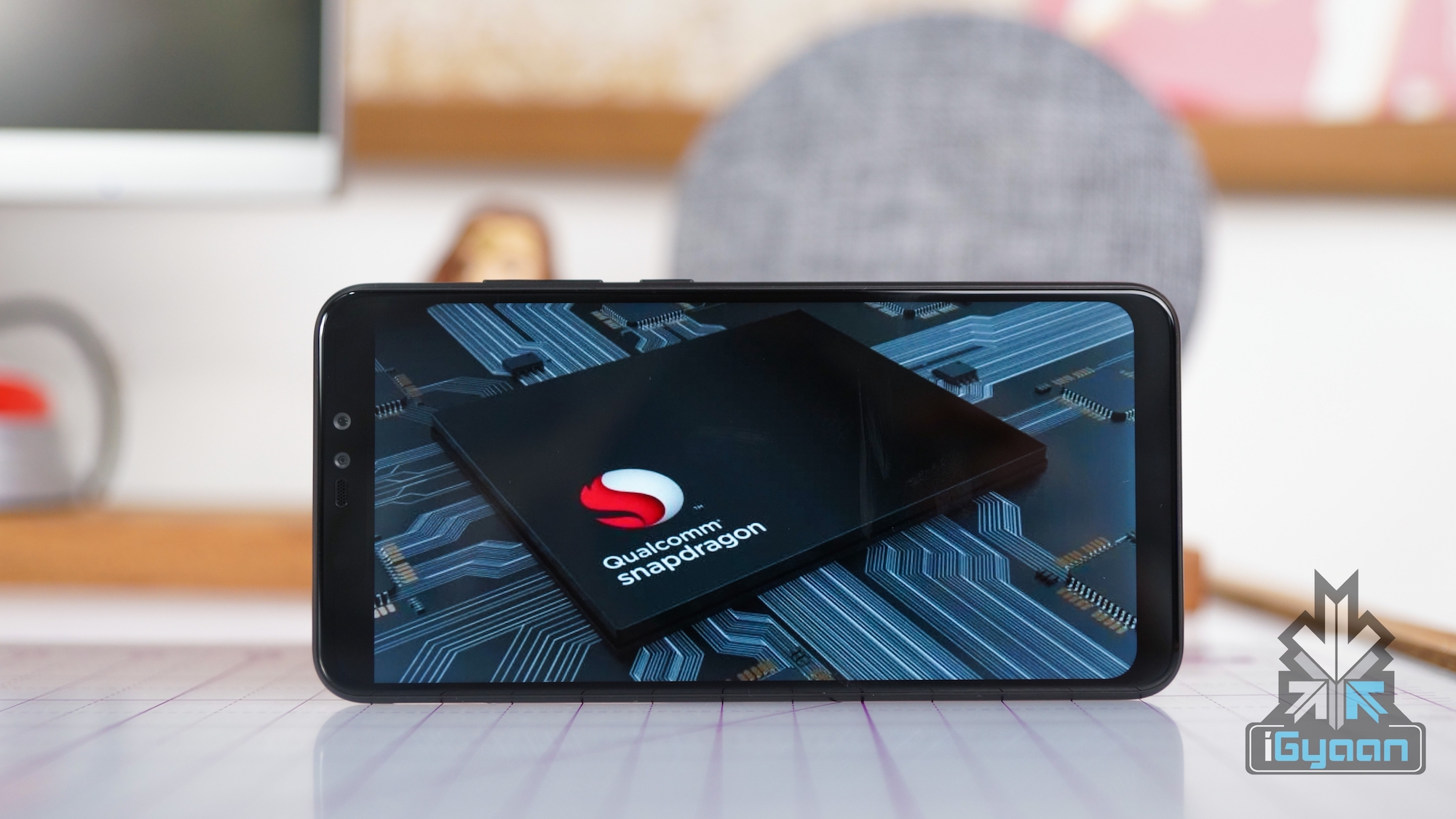
The Redmi 7 features the Snapdragon 632 SoC which is manufactured using the 14nm fabrication process. The chipset consists of an Octa-core CPU and the Adreno 506 GPU. In terms of optics, the smartphone has a dual rear camera setup comprising of an f/2.2 aperture equipped 12 MP sensor and a 2 MP depth sensor. For selfies, an 8 MP camera is housed in the notch on top of the display.
The Redmi 7 is powered by a large 4000mAh battery with support for 10W fast charging. It also supports memory expansion up to 256GB via the dedicated microSD card slot. The device also has a P2i coating which safeguards it against accidental liquid spillage or unexpected drizzles.
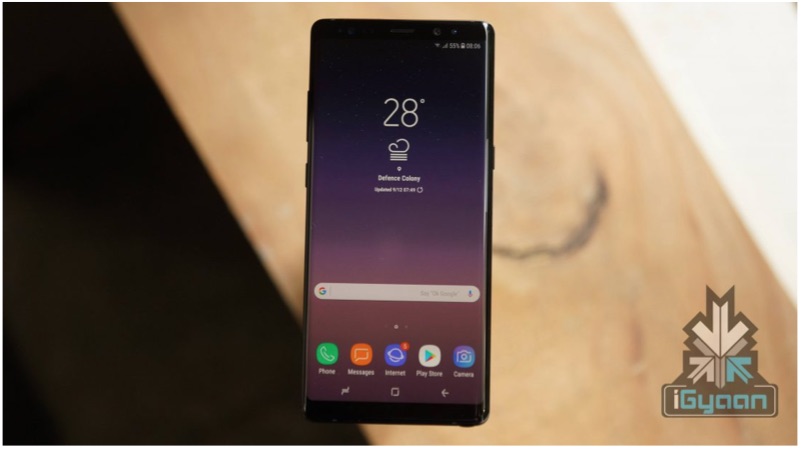
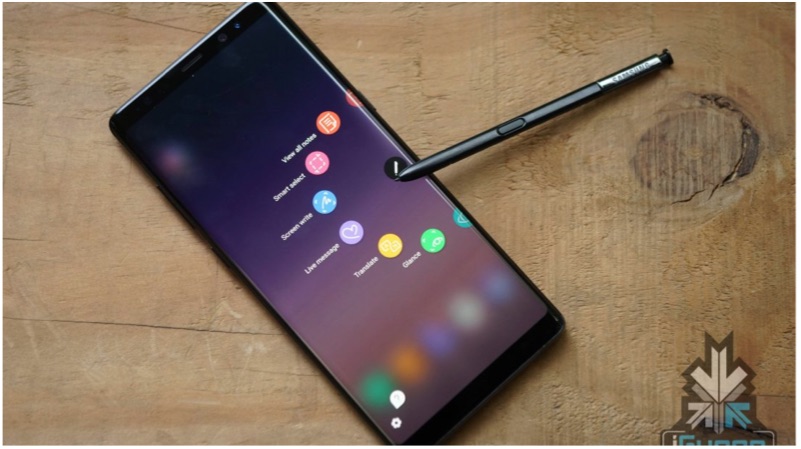
In the month of February 2019, Samsung launched its latest flagship lineup the Galaxy S10 which incorporates four smartphones, the Galaxy S10e, the standard Galaxy S10, the Galaxy S10+ and the Galaxy s10 5G. In addition to the previously launched devices, the company is expected to launch the Note 10 series of flagship smartphones which will succeed the Galaxy Note 9 from yesteryear.
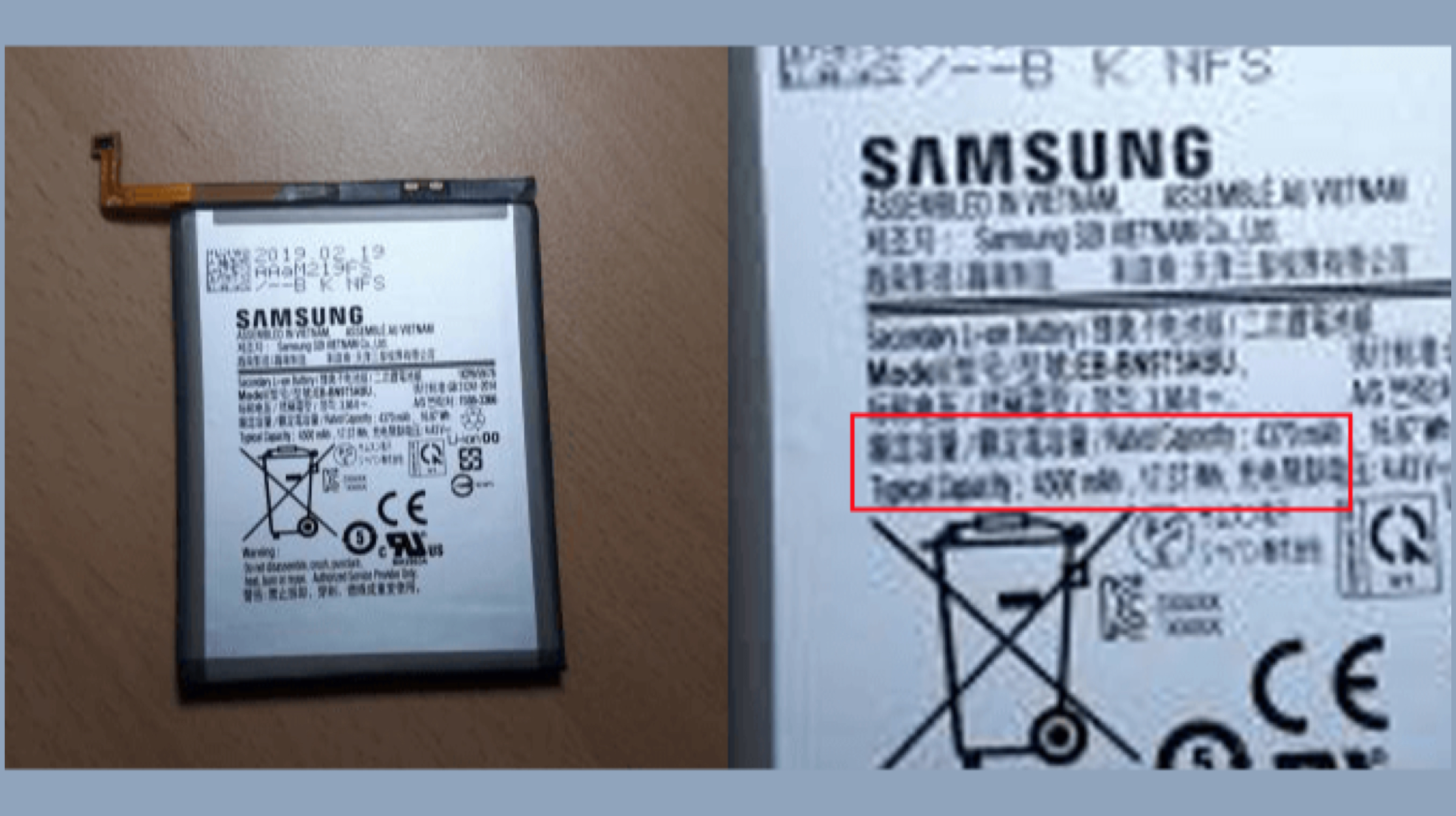
Unlike previous generations, the company will reportedly launch two smartphones in the upcoming line up which will be the Galaxy Note 10 and the Galaxy Note 10 Pro. Even though the launch of both the smartphones is distant, one key detail about the Note 10 Pro has surfaced online. According to a listing on the consumer agency of Korea, the former will pack a large 4,500 mAh battery which is a notable upgrade over its predecessor which has a 4,000 mAh battery. The leak is most likely to turn out true as the details printed on the battery match the model number of the Galaxy Note 10. The battery carries the model number SM-N975 which is comparable to Galaxy Note 9’s SM-N965.
The source does not reveal any other information about the Galaxy Note 10 smartphones but those can easily be derived from the Galaxy S10 lineup. As the Galaxy S smartphones and the Galaxy Note smartphones share a lot of features except for a larger battery, larger display and the support for a stylus.
Galaxy Note 10 and Note 10 Pro Features
Both the smartphones will either be kitted with the Exynos 9820 SoC or the Snapdragon 855 SoC which depends on the region they are sold in. Like the S10 and S10+, they will feature a single or double selfie cameras which will be housed in a hole punch in the display. In terms of the rear camera, the Galaxy Note 10 is rumoured to feature triple rear cameras while the Note 10 Pro is rumoured to feature quad rear cameras.
Additionally, both the smartphones are likely to feature and in display ultrasonic fingerprint sensor. Similar to the Galaxy S10 smartphones, the Galaxy Note 10 and the Note 10 Pro will be offered in three storage variants which include 128 GB, 512 GB and 1 TB. The smartphone duo is also expected to feature wireless charging technology. Conclusively, precise details of the devices will only be made available at the time of their official launch.
OnePlus is all set to launch its latest generation of smartphones at an event on the 14th of May which will allegedly carry the OnePlus 7 and the OnePlus 7 Pro moniker. While they are still a few weeks away from the official announcement, key details of the devices have been leaked time and again (1, 2, 3). In a fresh tweet by DisplayMate; a noted display calibration and testing company it has been revealed the high end OnePlus 7 Pro has received its highest A+ rating for the display.
What Is DisplayMate?
DisplayMate's in-depth Lab Tests of the OnePlus 7 Pro OLED Display have just been completed, earning our Highest A+ Display Rating. Our in-depth Display Shoot-Out will be published here on May 14.
DisplayMate is a well-known display benchmarking company that tests, evaluates and compares all types of displays, like monitors, projectors, mobile displays, etc. It also offers professional display calibration software for consumers. The company has been in the limelight for the last few years when it started testing and ranking mobile displays. It is often considered as an industry standard in display testing.
OnePlus 7 Pro: Specifications
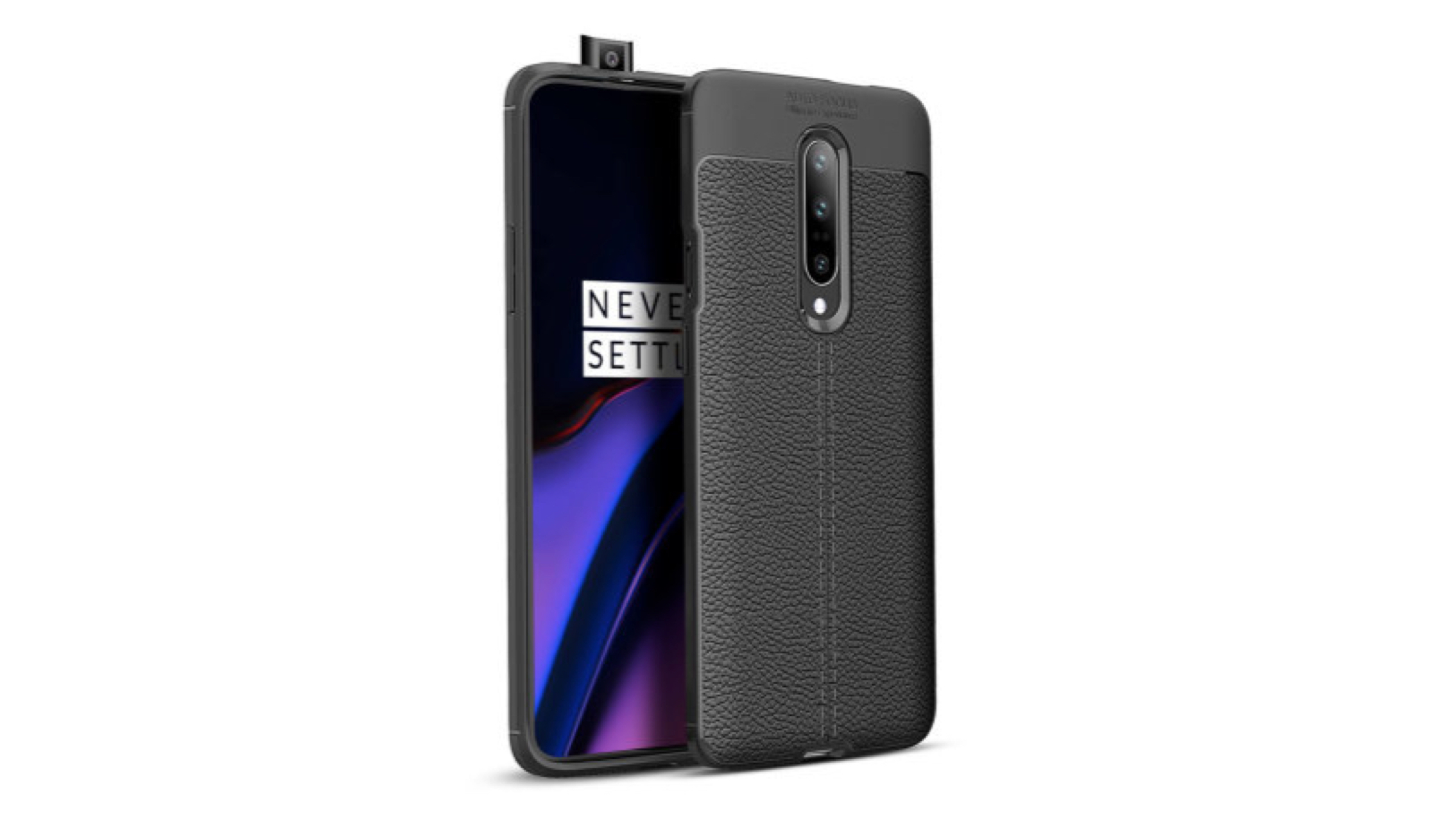
As mentioned above, the OnePlus 7 Pro will be the specced up variant of the regular OnePlus 7. It will have a similar all glass design on the front and rear, complete with a metal chassis to provide reinforcement. According to previous leaks, the smartphone will have a massive 6.7-inch Optic AMOLED display with a resolution 3120 x 1440 px and a refresh rate of 90Hz. Unlike the regular variant, the Pro variant will use an elevating pop-up camera mechanism like the Vivo V15 Pro. For biometrics and securely unlocking the device, it will have an in display fingerprint scanner and will support face unlock technology.
The leak claims, like the regular variant, the OnePlus 7 Pro will also run on the 7nm Snapdragon 855 SoC. The chipset consists of an Octa-core CPU and the Adreno 640 GPU. In terms of optics, the smartphone will have a triple rear camera setup, comprised of an f/1.7 aperture equipped 48 MP sensor; an f/2.2 aperture equipped 16 MP ultra wide sensor and an f/ 2.4 aperture equipped 8 MP sensor. For selfies, it will have an f/2.0 aperture equipped 16 MP camera hidden in the aforementioned pop-up mechanism. Reportedly, the device will have Ultra Fast Storage (UFS) 3.0 standard and will be available in the following memory variants.
The leaks also state the OnePlus 7 Pro will be powered by a 4000 mAh battery with support for 30W Warp charging. The smartphone will also be available in a 5G variant which will support the next generation of mobile connectivity standard. It will be available in three colour variants, namely Mirror Grey, Almond, Nebula Blue.
Realme, the Shenzen based smartphone OEM and a subsidiary of Oppo, launched the Realme C2 and the Realme 3 Pro smartphones on the 22nd of April in India. While the former caters to the budget segment, the latter is targeted towards the mid-range handset buyers. It boasts of competitive specifications at a lucrative price tag. The top of the line smartphone from the company, the Realme 3 Pro is all set to go on sale starting today.
Pricing And Availability
As previously mentioned, the Realme 3 Pro will go on sale starting today in India. It will be available exclusively on Flipkart and Realme.com starting 12 noon. As far as pricing is concerned, the smartphone starts at Rs 13,999 for the base variant with 4GB of RAM and 64GB of Internal Storage. The top end variant with 6GB of RAM and 128GB of onboard storage is priced at Rs 16,999.
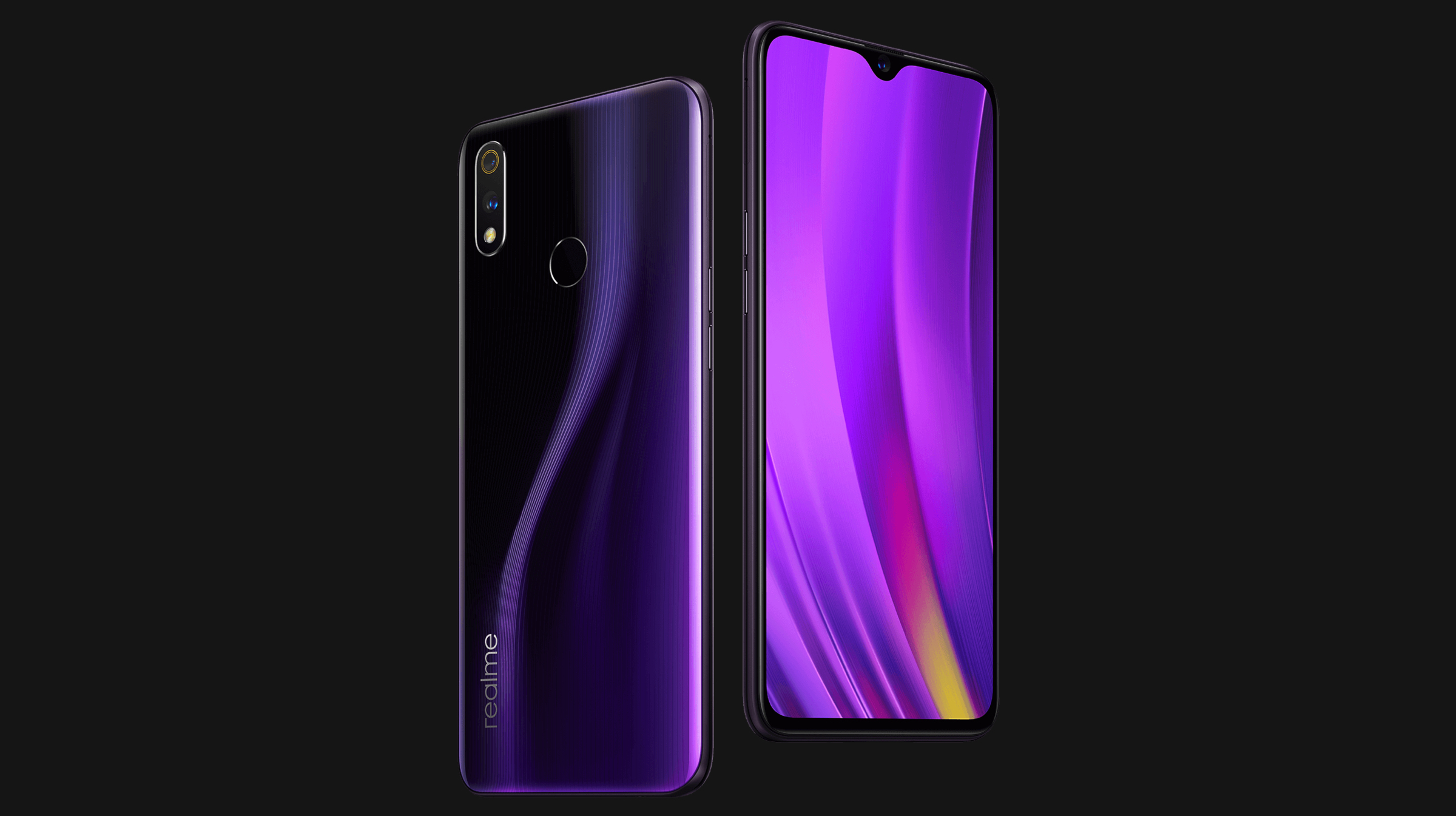
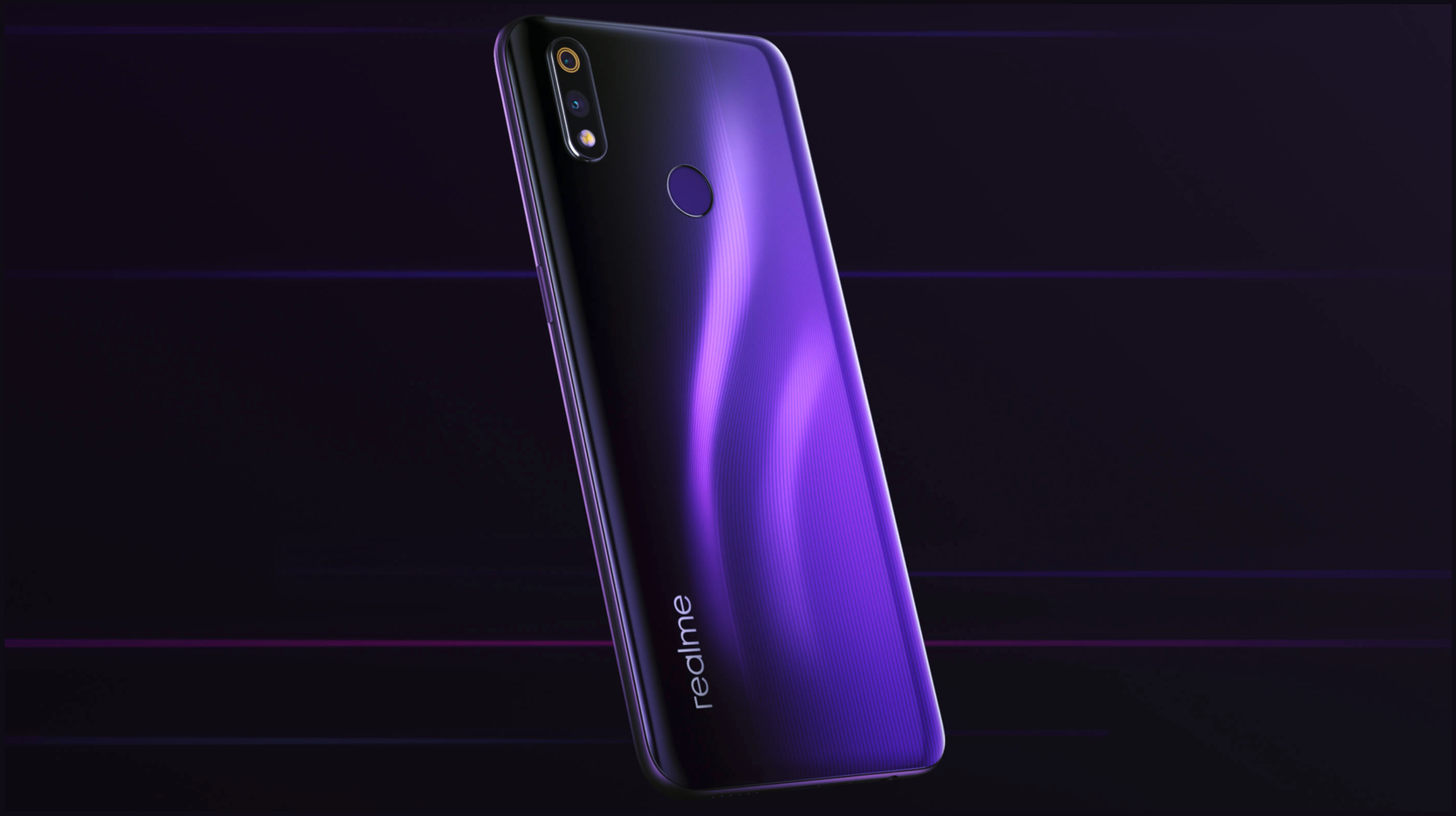
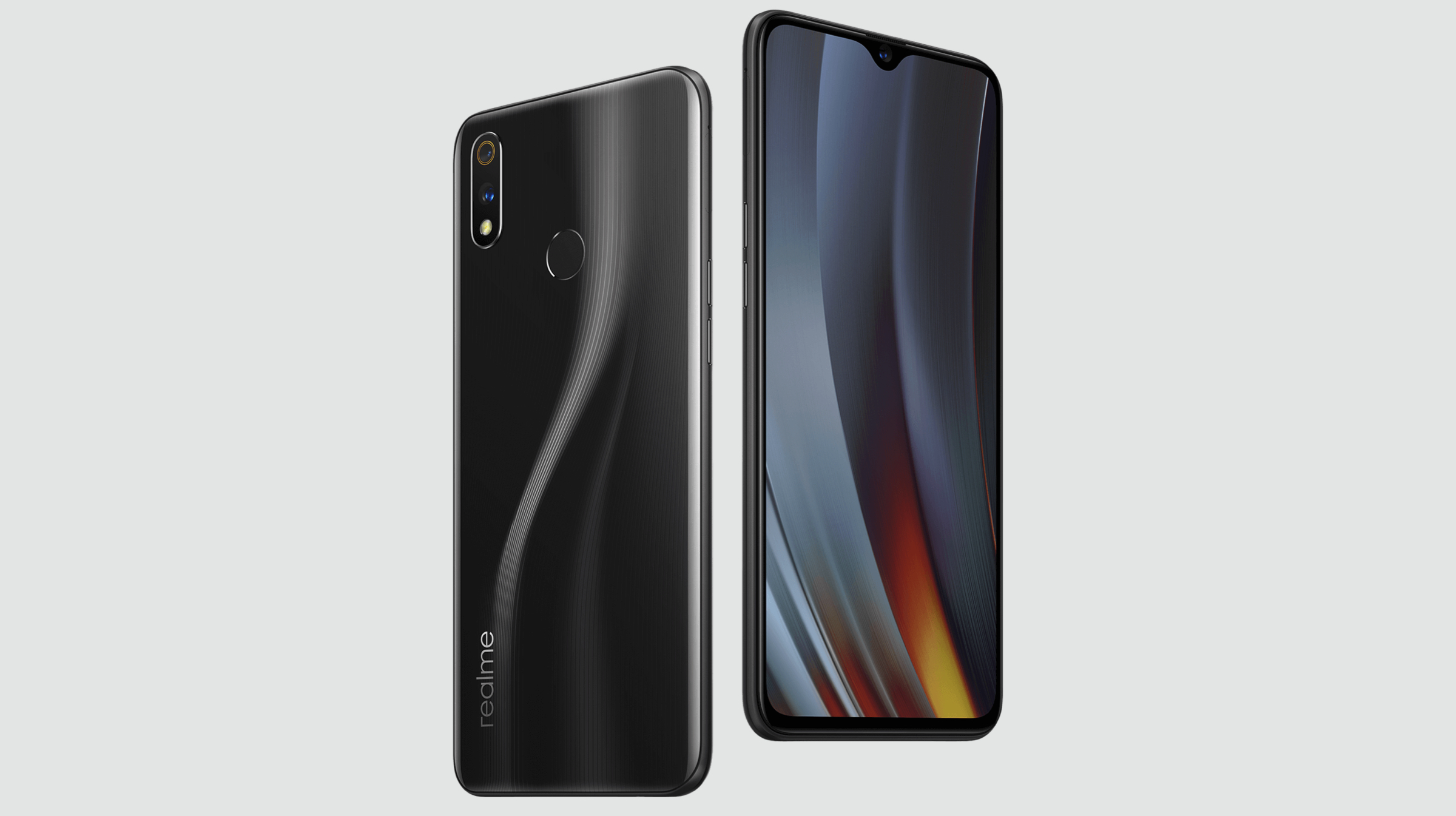
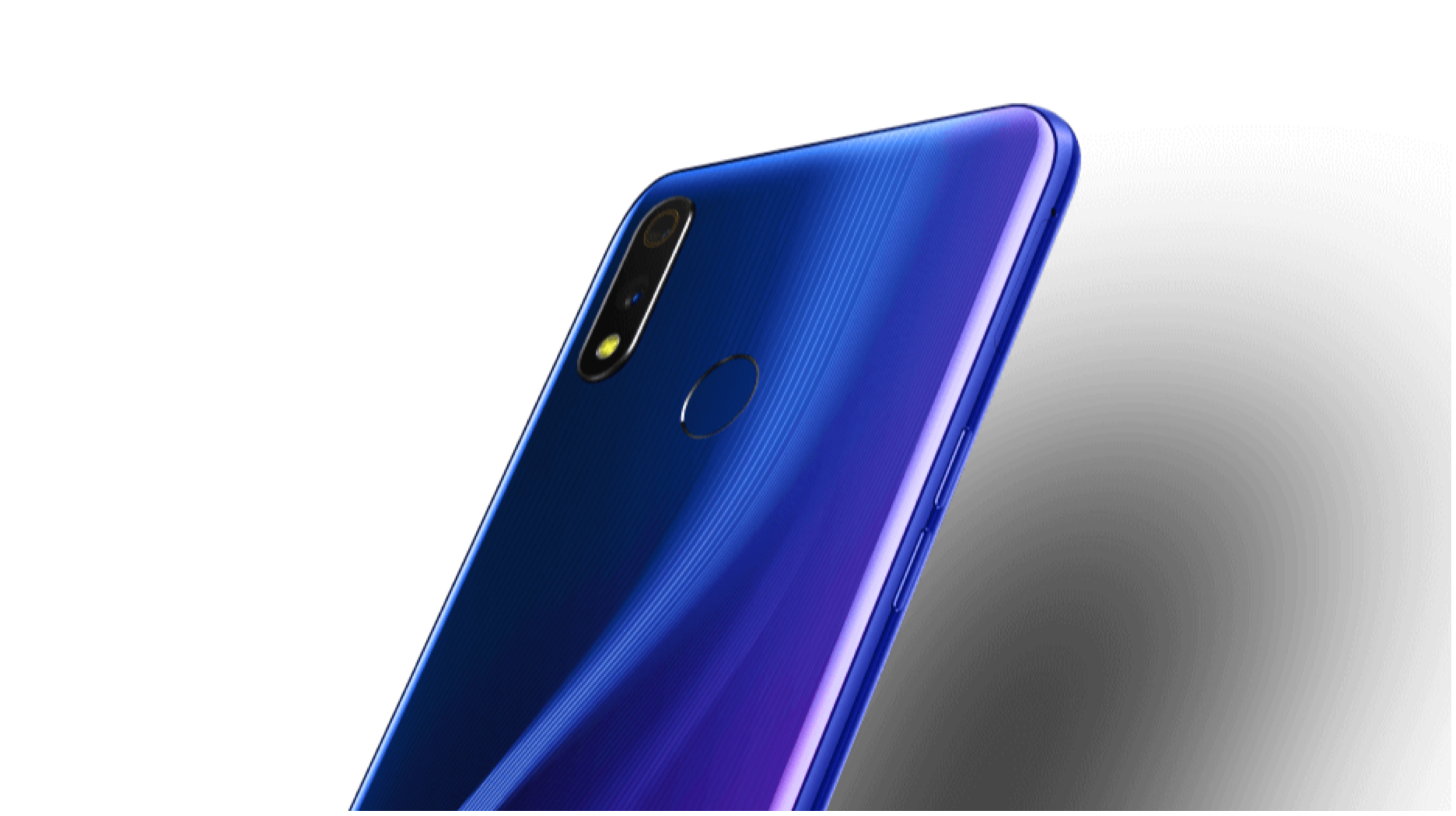
To recall, the Realme 3 Pro is the latest entrant in the company’s flagship lineup. The smartphone has a polycarbonate body with a 3D gradient design at the back and minimal bezels on the front. It has a 6.3 inch IPS LCD display with a resolution of 2160 x 1080 px. To ensure maximum screen real estate on the handset, a waterdrop notch housing the front camera and the earpiece is placed on the top of the display. For biometrics and security, it has a rear-mounted fingerprint sensor with support for face unlock technology.
Under the hood, the Realme 3 Pro is kitted with the Snapdragon 710 SoC which is manufactured using 10nm fabrication process. The chipset is comprised of an octa-core CPU and the Adreno 616 GPU. For optics, the smartphone features dual-rear cameras consisting of an f/1.7 aperture equipped 16 MP sensor combined with a 5 MP depth sensor. Notably, an ultra HD mode on the device is capable of capturing images up to 64 MP in resolution. For selfies, there is an f/2.0 aperture equipped 25 MP sensor housed in the waterdrop notch on top of the display. As far as memory and storage are concerned, the Realme 3 Pro will be available in the following variants:
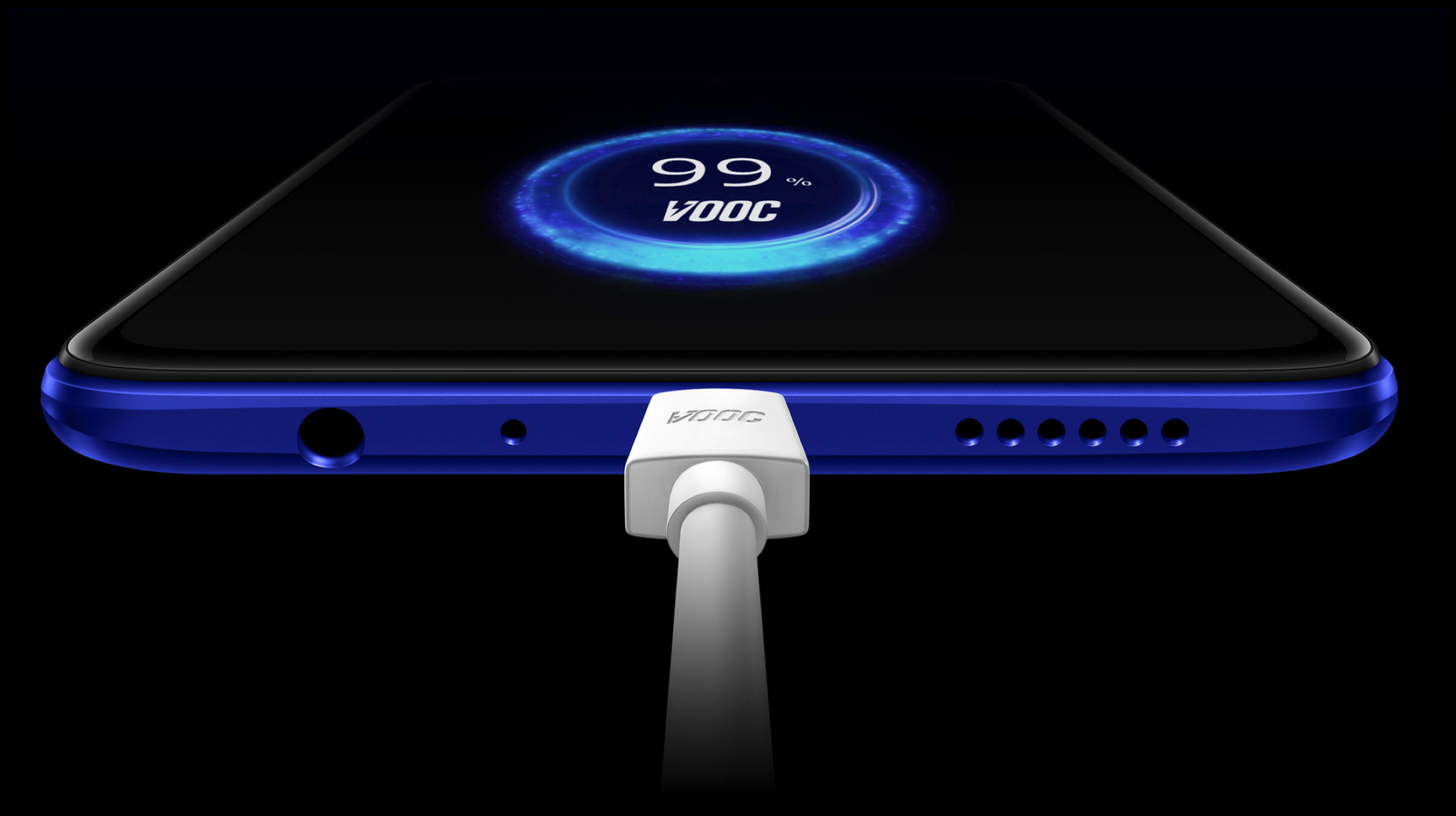
The Realme 3 Pro will be powered by a 4045 mAh battery with support for Oppo’s VOOC 3.0 20W fast charging. The smartphone has a dedicated microSD storage of support up to 512GB. It runs on the latest ColorOS 6 based on top of the current Android 9 Pie. According to the company, the device will be splashproof/dustproof as it has a P2i coating on it and will support the Camera2 API. It also will have an unlocked bootloader out of the box to allow more customisation of the smartphone. The Realme 3 Pro will be available in three colours, namely Nitro Blue, Lightning Purple and Carbon Grey.
The Moto Razr has been one of the most iconic mobile phones of the connected era. The touch screen smartphone paved the way for a candy bar only design, leaving other form factors far behind.
2019 is an interesting year as it has shown off a newer possibility for a display design, the foldable display smartphone. This new foldable display technology was first publicly launched by Samsung, followed swiftly by Huawei and many others.
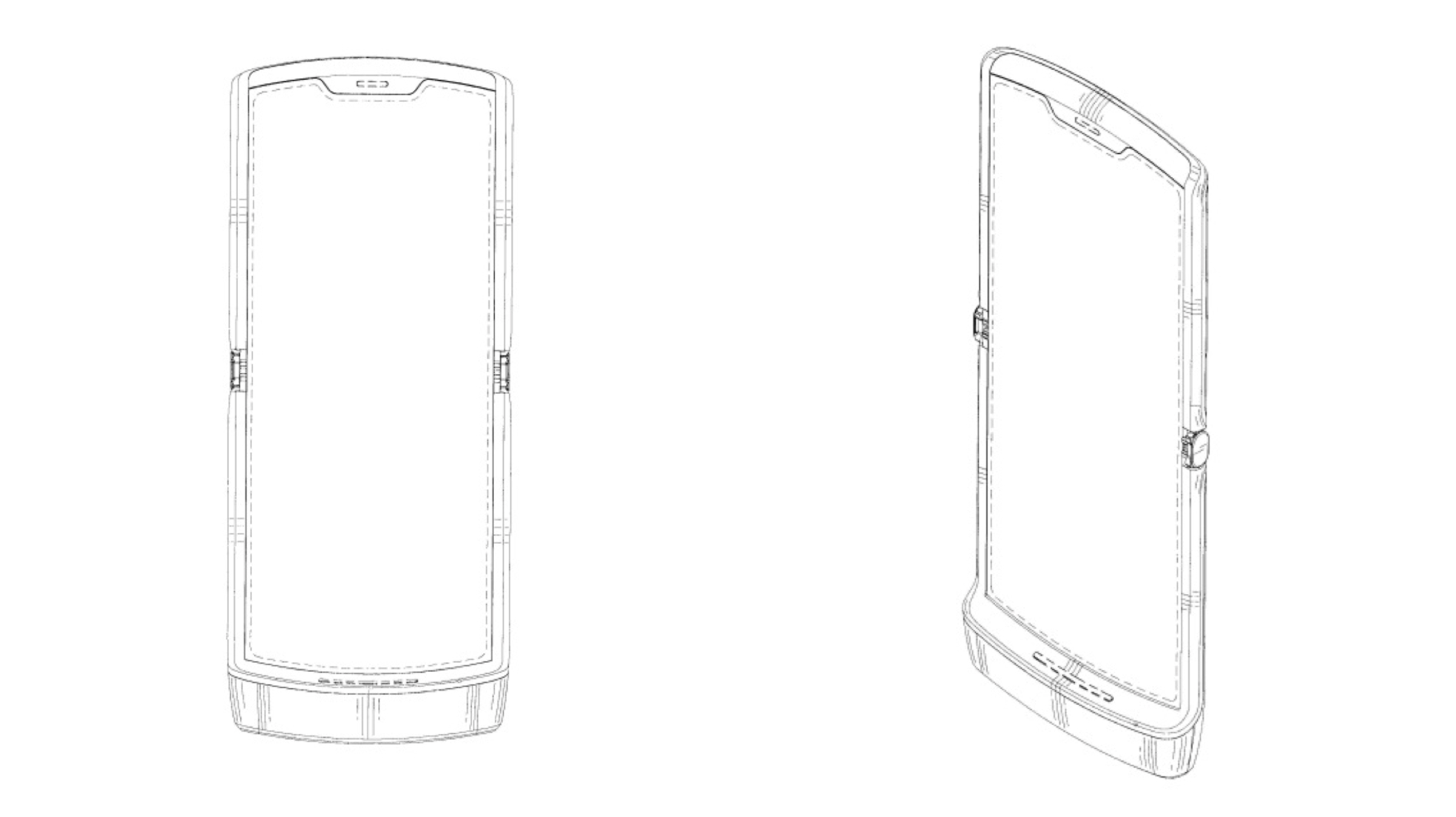
This makes it the idea time for Motorola to show off their Foldable Moto Razr concept. The device will be based on a foldable plastic OLED panel that will allow the brand to retain the clamshell design of the original phone.
The device will also be packed with the Snapdragon 855 chipset along with 8GB of RAM and 256GB of storage.
The new leaked image also shows off the packaging of the phone and the display notch on the top of the screen. You can also partially see the hinge mechanism.
The image is not very high resolution and could possibly be a good quality render. However if Motorola is indeed working on a foldable Razr phone, this is pretty close to what it should look like.
The patent filings of the device are very close to the image now leaked. But it is still unclear if Motorola will proceed with launch after the recent issues with the Galaxy Fold.
Motorola will ideally add another screen on the front of the clamshell fold, which may be used for notifications or front facing selfies. However, the first generation Moto Razr may only have the one Foldable display, reserving the secondary display for the redesign in 2020.
Medical advancements are occurring side-by-side with the progress in science and technology. Recently, using 3D printers, scientists developed a self-healing rubber material, which can be used in objects to make them last a lifetime. In other news, a fully-functioning heart was also printed using a 3D printer. All these achievements make one wonder about the limits of medical science, and for the right reasons, since MIT engineers have engineered tiny micro robots that can help nanoparticles reach unaccessible targets in the human body and administer the necessary drugs.
Challenges Faced
One of the biggest challenges while delivering drugs via nanoparticles is the exit strategy of the robots, implying that the micro robots can escape the blood vessels and accumulate in the desired spot for removal from the human body. Sangeeta Bhatia, a senior author of the aforementioned study states that it is tough to get the nanomaterials to the tissue in the lining of the blood vessel, but the use of magnetism to develop fluid forces, the nanoparticles can be pushed through the lining. The same study further states that swarms of naturally magnetic bacteria (Magnetotactic bacteria) can be also used to achieve the same result.
Schurele, the assistant professor at the Swiss Federal Institute of Technology previously worked on magnetic microbots, and consequently she aimed towards making the nanoparticle drug delivery technique more efficient when she started working with Sangeeta Bhatia. The researchers used their micro robots to target diseased sites in the human body which were usually a host of tumours. Since they faced issues with the same, the team explored their options with magnetic bacteria to devise a method to push the particles to the target in a better way.
About The Nano Robots
Regarding the involved micro robots, they are 35 hundredths of a millimeter long, which can be compared to the size of a single cell. The robot has a helix that is similar to the flagella, which empowers the movement mechanism of bacteria. For magnetic functionality, the nano robots are first printed with a high resolution 3D printer and then coated with Nickel. Simulations were then performed with these tiny robots, where the nanoparticles can travel in a system that mimics blood vessels (50 to 200 microns wide).
The research was funded by the Swiss National Science Foundation, the Branco Weiss Fellowship, the National Institutes of Health, the National Science Foundation, and the Howard Hughes Medical Institute. If this is applied in real life, administering drugs directly to affected tissues and tumours would become infinitely easier. Scientists are already working on a system where the nano robots can travel without the need for any visual feedback, and can be controlled externally as well.
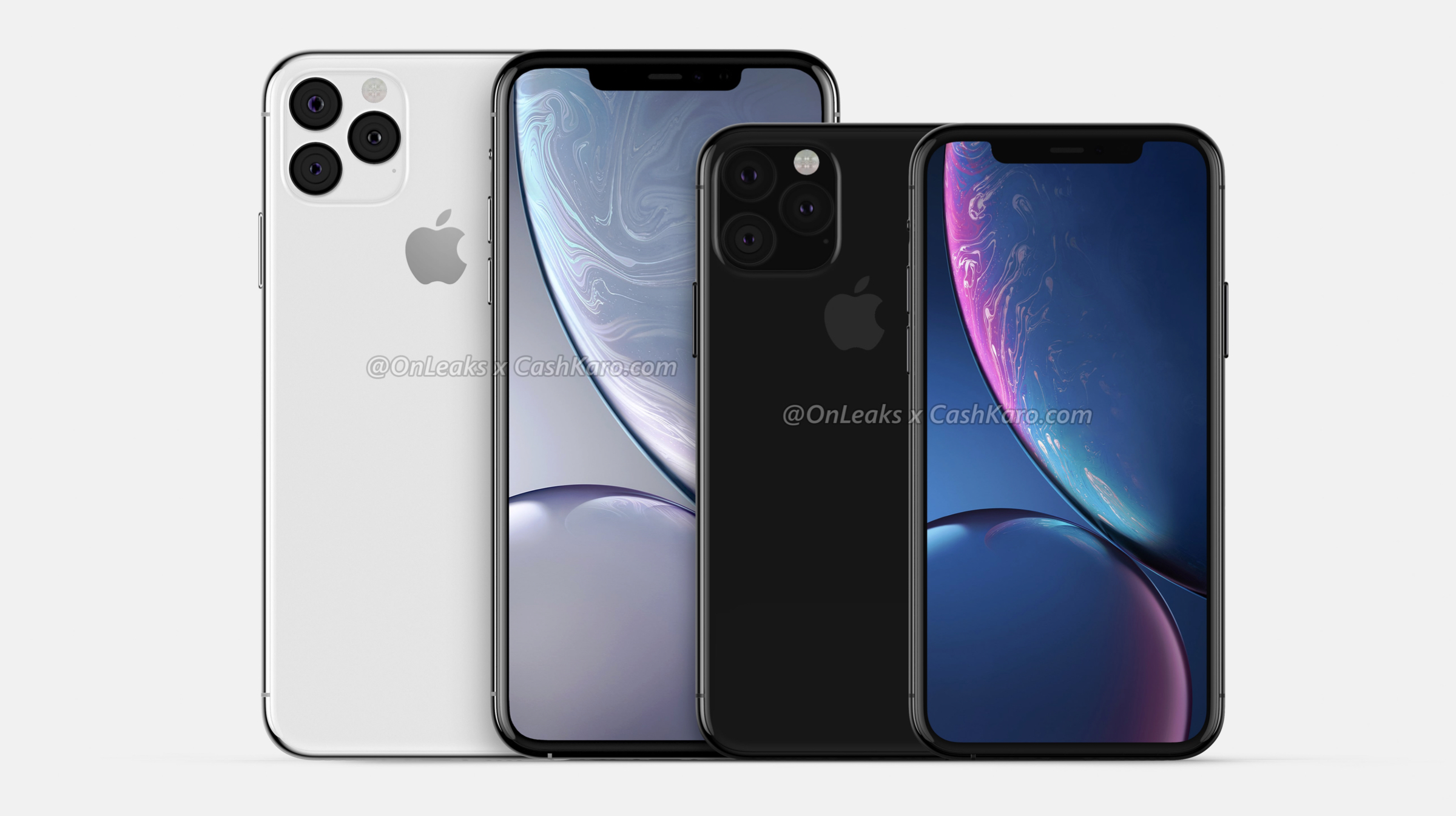
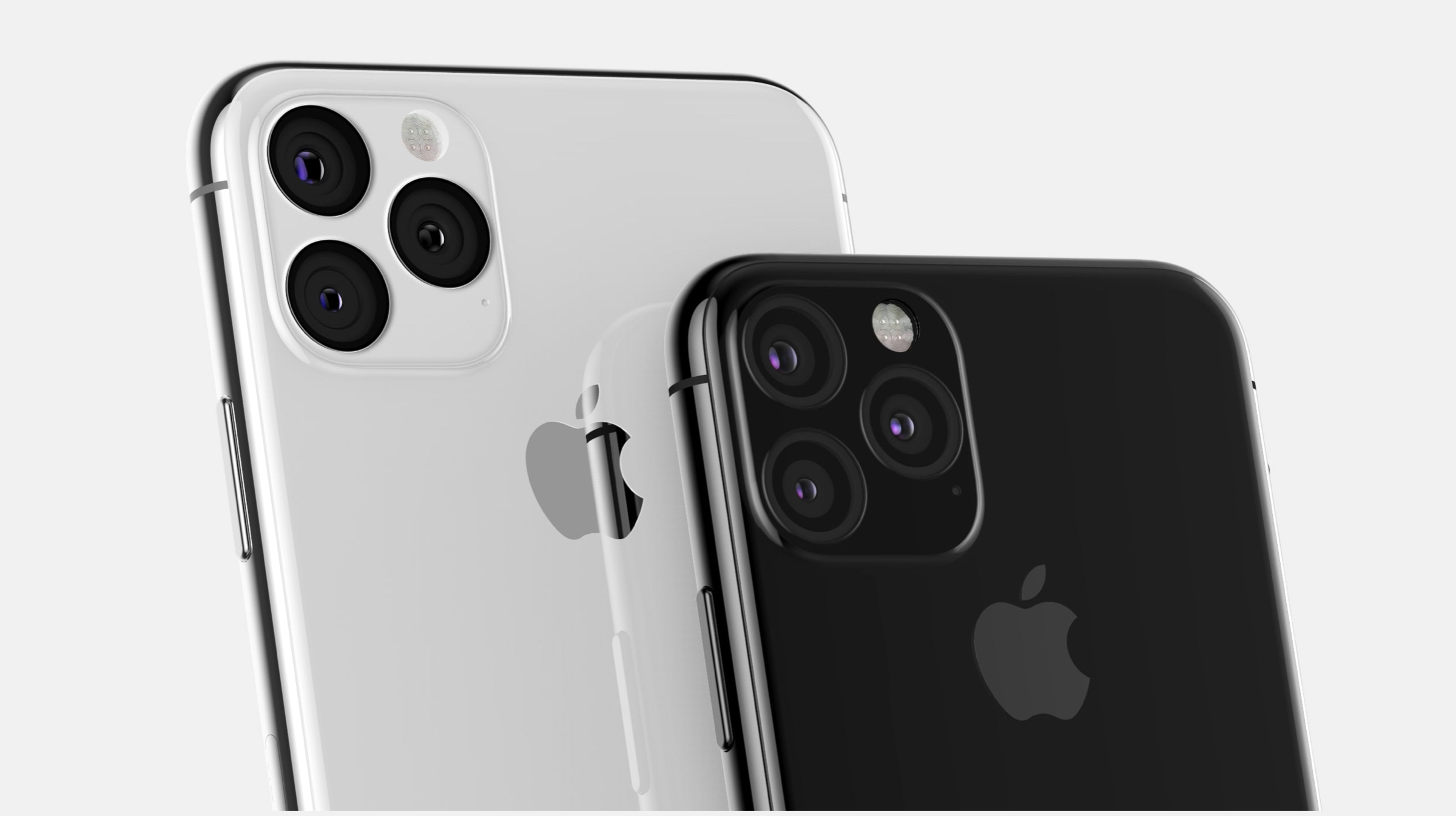
The aforementioned leak is detailed enough to reveal the layout of both the smartphones from angles. In the latest development to the leak, the source states that the previous leak is mostly correct except for one minor difference. The upcoming iPhone models will have a raised rear camera bump which will be the same colour as the body of the device. Noteworthy, the glass covering the camera bump is transparent but its get the colour from the body panel underneath it. The leakster claims it is sort of hard to explain the subtle difference but illustrations shared by him clarify the case.
Upon close inspection, it is noticeable that the glass panel covering the triple camera setup is actually transparent as claimed by the leakster. In order to verify the authenticity of the leaks, we will have to wait patiently as the launch date of 2019 iPhone models is still distant.
Monitors are probably the only part of your gaming setup which will serve you the longest, considering that a lot of users prefer upgrading the graphics, CPUs or peripherals of the system. The gaming monitor segment was once dominated by panels which guaranteed 4K video quality and 60 frames per second (fps). Instead, the gaming monitors of today offer almost 3 times the features found in conventional monitors. Since newer graphics cards pump out more juice than before, an equally capable gaming monitor becomes an absolute necessity to experience top-tier graphics
Given below is a list of 5 performance gaming monitors, which will change the way you look at games, literally.
ASUS ROG Swift PG279Q
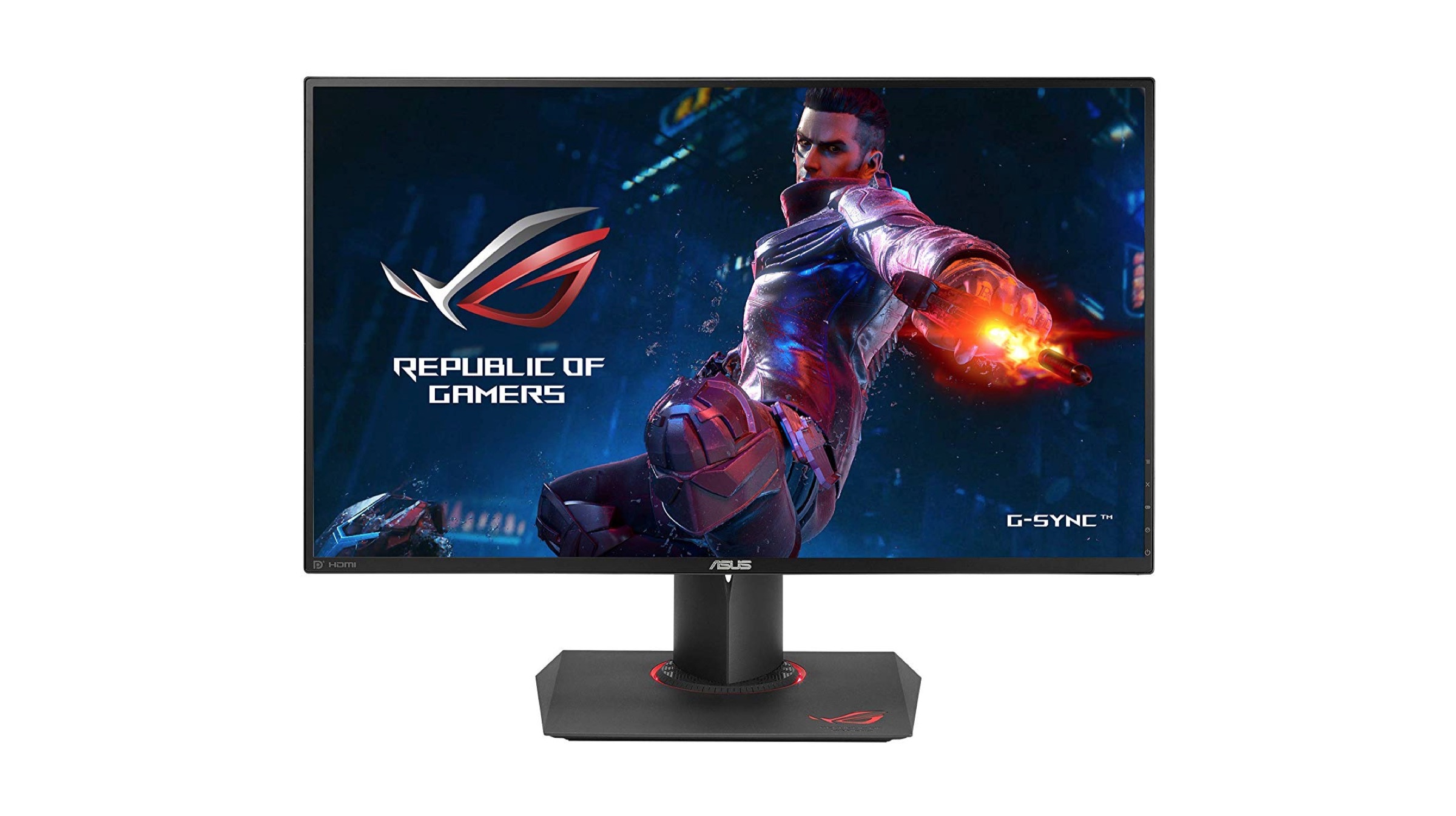
Since the beginning, gamers have been confused regarding their monitors. Should it sport an IPS panel, or should it feature a high refresh rate for a smoother gaming experience? The ASUS PG279Q features a 27-inch IPS panel with a resolution of 2560 x 1440 px, but at the same time, the monitor sports a refresh rate of 144Hz (which is further overclockable to 165Hz), making it a “best-of-both-worlds” experience. Furthermore, the monitor features G-Sync, which allows you to switch between your refresh rates only if you are using an NVIDIA graphics card. However, the monitor is slightly expensive, and it will set you back by US$ 800 or INR 83,999.
Acer Predator X27
The Acer Predator X27 is a fantastic gaming monitor, which suffers a bit owing just to the price of the same. The monitor features an IPS panel, which is topped out a refresh rate of 144Hz. It supports 4K video playback, and a resolution of 3840 x 2160 px. The monitor supports VisionCare technology, which claims to reduce eye strain during long gameplay sessions. Moreover, G-Sync allows for a variable refresh rate in the monitor, making it the perfect fit for NVIDIA’s graphics cards. The Acer Predator X27 has a multitude of ports on both sides, including a total of 4 USB 3.0 ports as well as an HDMI 2.0 and DisplayPort 1.4. The real downside is the price, which tunes in at around US$ 2,000 (~INR 1,40,000), making it one of the most expensive gaming monitors in this list.
BenQ EL2870U
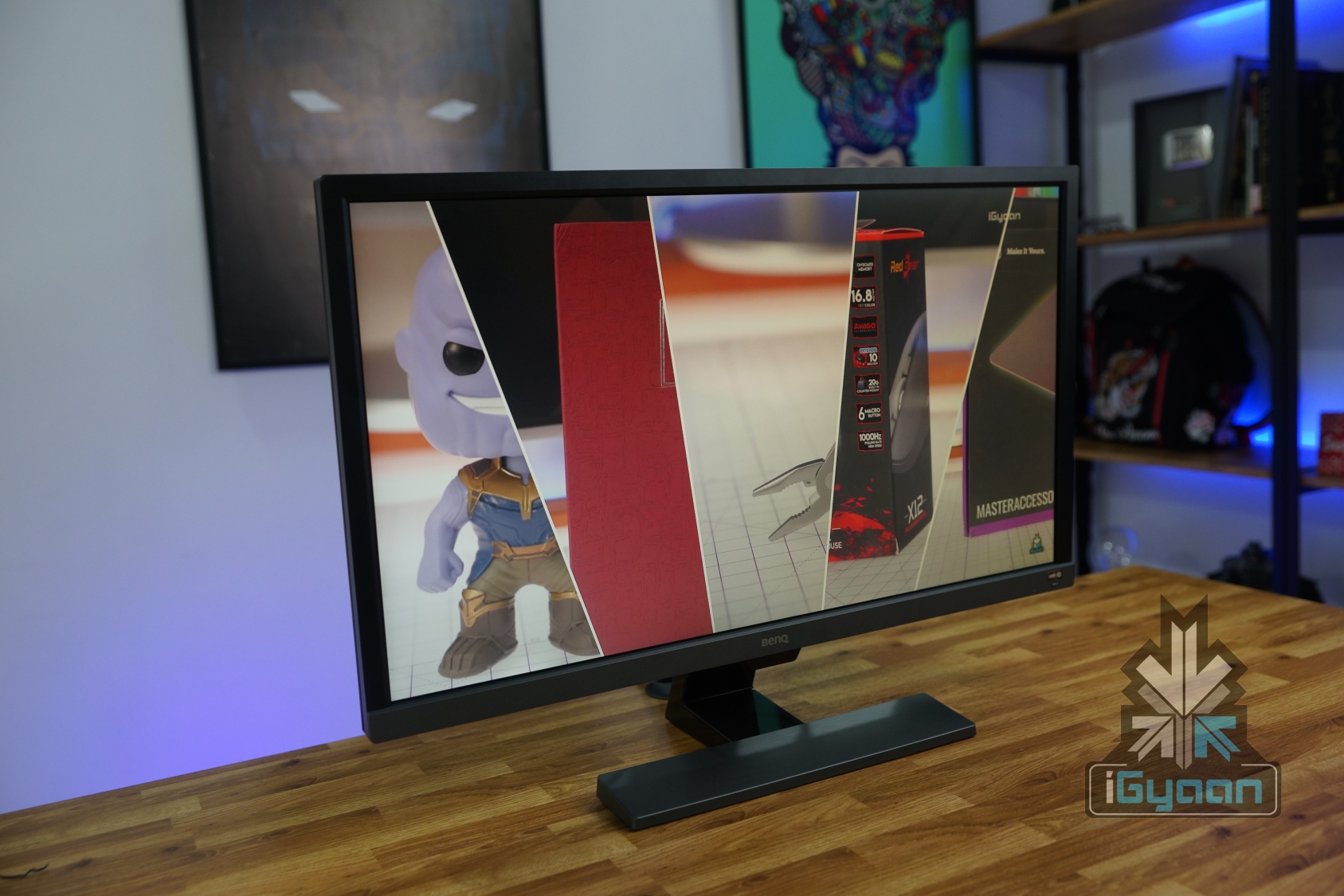
BenQ EL2870U does most of the things right, one of them being at the perfect price point. It is a 28-inch gaming monitor that won’t make you bankrupt, and at the same time, provides a host of features that fulfil almost ever major need of yours. It has a 3840 x 2160p resolution, enabling you to enjoy games in crisp 4K resolution. With a response time 1ms, the monitor even has an integrated pair of 2W speakers that might just come in handy. Moreover it sports a 3.5mm headphone jack which enhances convenience a lot. Since it’s an HDR monitor, it features a HDR button which can be used to hot-toggle the High Dynamic Range setting. On top of that, it is available at a price of INR 27,000, which is bound to turn heads.
AOC Agon AG273QCG
Few monitors in this list cater to just eSports players, and AOC AG273QCG is definitely one of them.The monitor ticks all the boxes if you’re are an avid eSports player and need a professional grade monitor to play on. It has a 27-inch screen with 1440p resolution and on top of that, it supports NVIDIA G-Sync in one variant and AMD FreeSync in the other. The monitor has a curved design and features a high refresh rate of 165Hz. Furthermore, AOC AG273QCG has a vibrance scale that has received rave reviews from a lot of users, making it the perfect pick if you’re into that thing.
The only widescreen gaming monitor on our list, the Acer XB271HU is an amazing deal if you’re willing to go for a gaming monitor that provides aesthetic value as well. It features a WQHD IPS panel with a resolution of 2560 x 1440 px. The monitor equipped with NVIDIA G-Sync and flicker-less technology, claiming to reduce annoying screen flickering that can cause eye strain when viewing the monitor for long periods of time. It has a refresh rate of of 144Hz, which can be overclocked to 165Hz. The 27 inch panel of the monitor is gorgeous to look at. It is priced at INR 47,899, which is a good deal for the features it offers.
Bluetooth speakers come in all shapes and sizes in a varied price range. The market is full of these audio devices which can be overwhelming for the consumer. Based on high demand we have compiled a list of top Bluetooth speakers under the Rs 2,000 price bracket which includes the following options:
Sony Wireless Speaker SRS-XB01
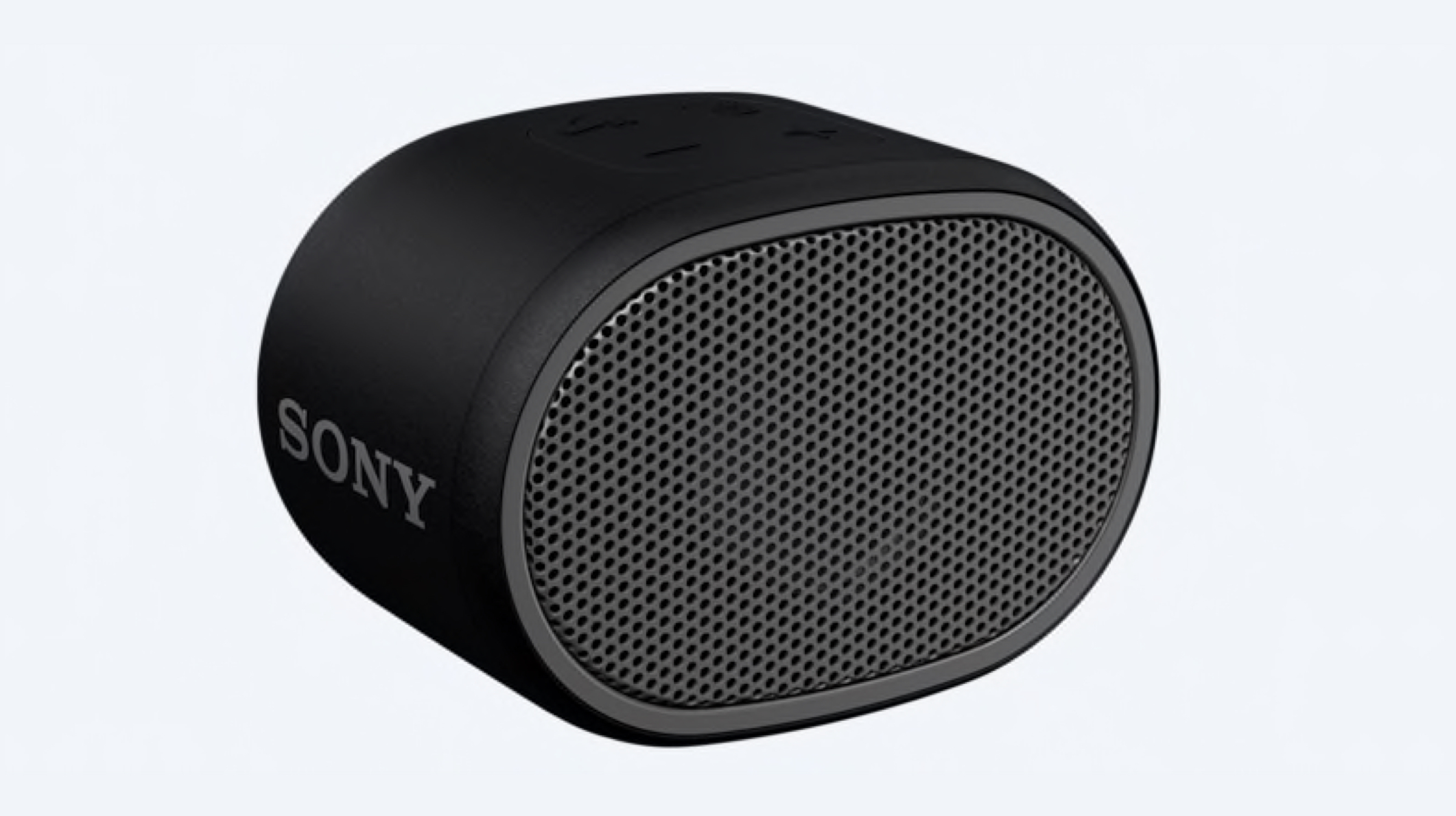
Sony is a company that is renowned for its quality products and the SRS XB01 is no exception. Noteworthy, the XB suffix in the speakers model number stands for extra bass which boasts of its worthy sound output. The Sony XB01 has a compact size and it only weighs 200 grams. The speaker has an inbuilt battery which lasts up to 6 hours and can be charged via the side mounted micro USB port. It also has a built-in microphone which allows for hands-free calling. In addition to Bluetooth connectivity, it also supports audio playback through the 3.5 mm auxiliary port. The Sony XB01 also has water resistance and is available in a variety of colours including Green, Black, White, Blue, Yello and Red.
Price: Rs 2,000
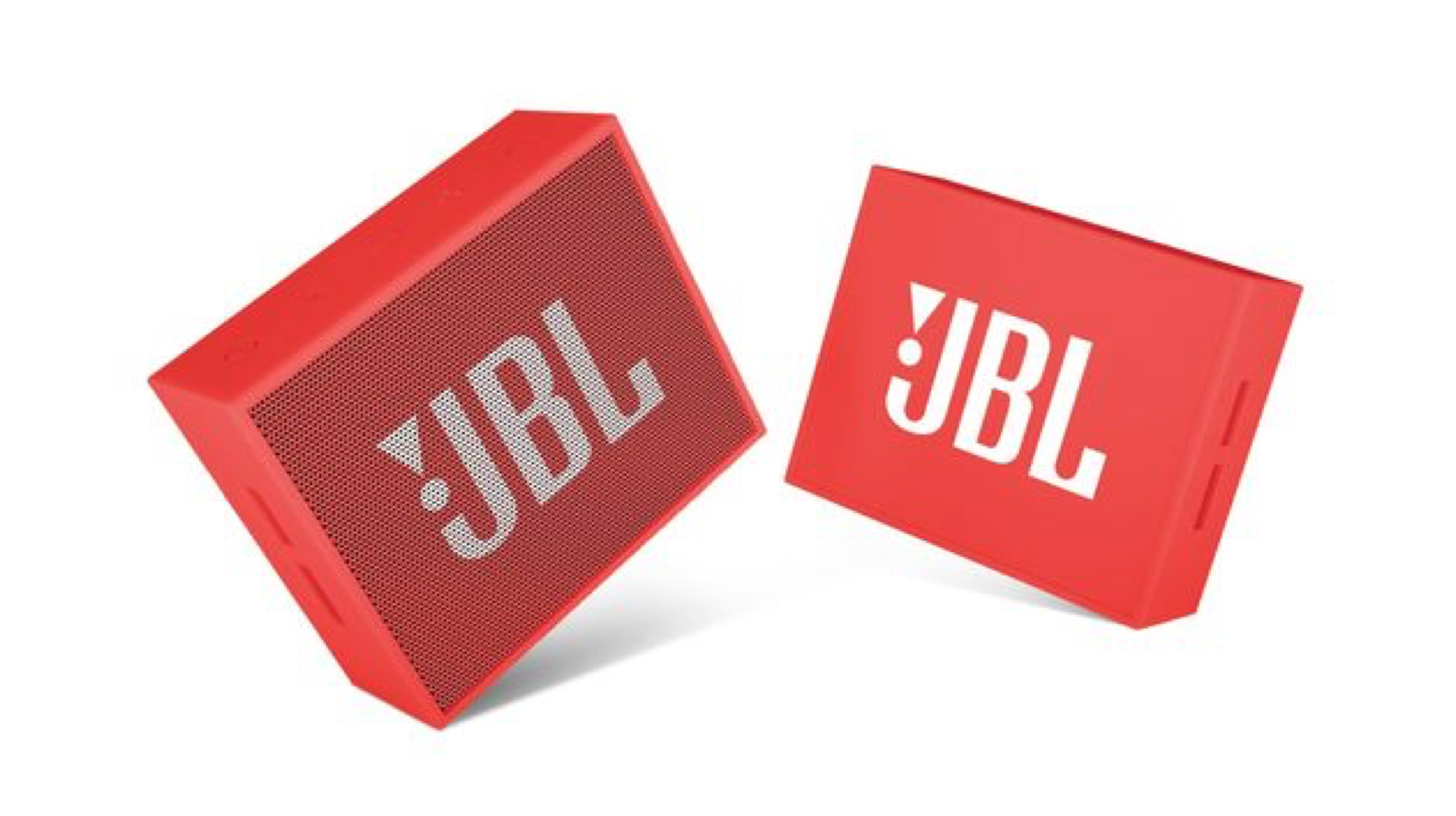
JBL GO
One of the most popular Bluetooth speaker in this list, the JBL GO has a compact footprint with powerful sound output. It has a cuboidal shape that measures 8.4 x 3.3 x 6.9 cm and weighs in at 132 grams. The speaker has top mounted control buttons and side-mounted USB port and 3.5 audio in jack. Notably, the JBL Go also supports voice-guided commands including Ok Google for Android and Hey Siri for Apple devices. It features 3 watt speakers and promises battery back up of up to 5 hours. Like the Sony speaker, it is also available in numerous colour options including Blue, Red, Green Black and more.
Similar to Xiaomi smartphones, the Mi Basic 2 Bluetooth speaker also has a sturdy feel with metal and plastic construction. The portable speaker accommodates a passive radiator and dual speakers that have a combined output of 5 watts. The Mi Basic 2 also has an integrated microphone which also to wireless answer phone calls. The top side of the speaker harbours the power button, volume button and play/pause button. While the rear side of the Mi Basic 2 is occupied the 3.5 mm aux in and micro USB charging port. It packs a 1200 mAh battery which Xiaomi claims to offers a back up of 10 hours at 40 percent volume.
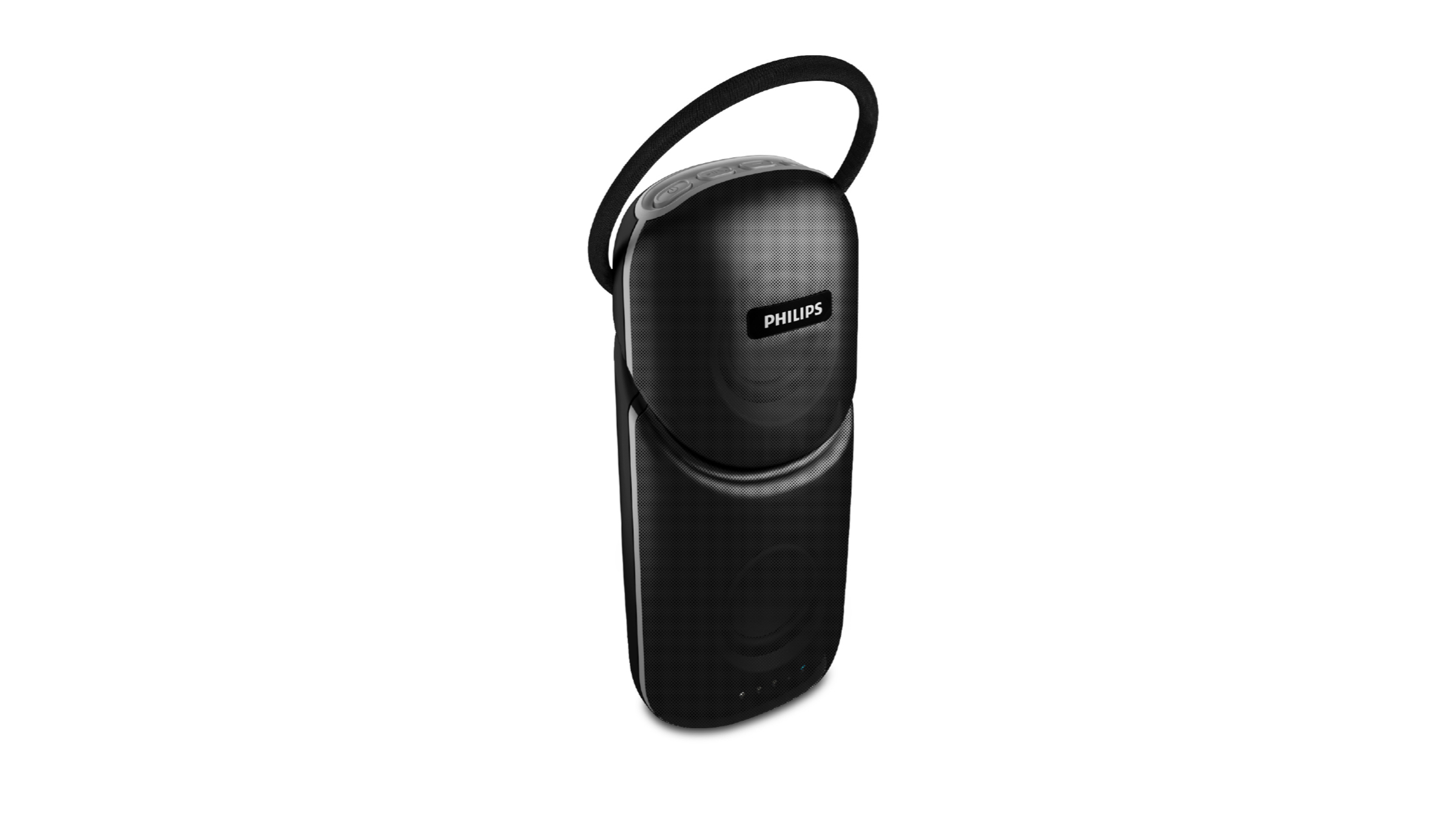
The Philips BT114 has a unique design with a metal mesh on the front and injection moulded soft rubber on the back. Unlike any other speaker in the list, the Philip BT114, instead of a landscape stance has a vertical stance. It has dual speakers which produce 12 watts of maximum sound output. In addition to Bluetooth connectivity, the Philips BT114 also supports playing music directly via a thumb drive, 3.5 audio in. Notably, it also supports FM radio which could the prominent option somebody opts for this speaker. It also has an inbuilt lanyard which makes it very convenient to carry. The Philips BT114 has top mounted control options and an inbuilt rechargeable battery.
The LG PH2 is the only Ipx4 splash-proof speaker in this list which makes it the perfect companion for people who regularly indulged in outdoor activities like rafting and camping. It has an elegant build with a circular body and thick fabric mesh on the front. The LG PH2 also has an LED strip that runs across the circumference which indicates the selected mode. The speaker has a wide strap attached to its body which allows it to hung to carabiner clips or branches of a tree. It has a thick rubber flap on the side which protects the micro USB port and 3.5 audio in port from water.
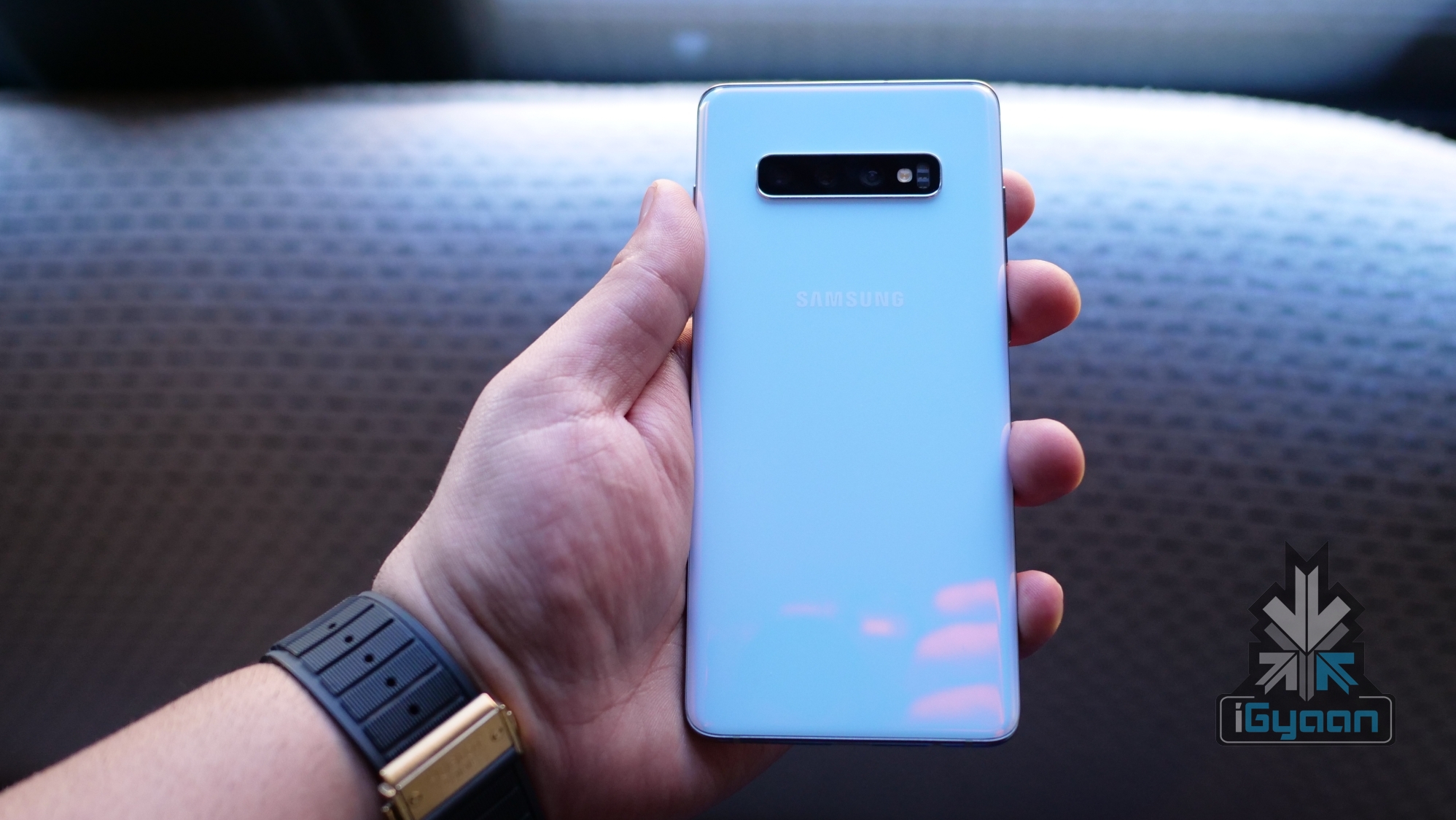
Samsung launched its latest flagship smartphones, the Galaxy S10 lineup back in the month of February. Soon followed by the global launch, the devices made their way to India. The lineup includes three smartphones, the Galaxy S10e, the standard Galaxy S10 and the Galaxy S10+. All the smartphones are loaded with top tier specifications and have a distinctive design with a hole punch display. A month after the launch of the S10 trio in the country, they are temporarily being offered at discounts of up to Rs 15,000.
Discounts Explained
The Samsung Galaxy S10 lineup is being offered at an instant discount on the Amazon India website along with a cash back discount for HDFC debit card or credit card holders.
Samsung Galaxy S10e
The most affordable and what seems to be the most practical and aggressively priced, Galaxy S10e, usually retails for a price of Rs 55,900. But during the temporary discount, users can buy it for Rs 46,900. The Rs 9,000 discount can be broken down into an instant discount of Rs 5,000 and an additional Rs 4,000 discount for HDFC card holders. The Galaxy S10e has 6 GB of RAM and 128 GB of Storage. Click hereto see full specifications and features of the Galaxy S10e.
Samsung Galaxy S10
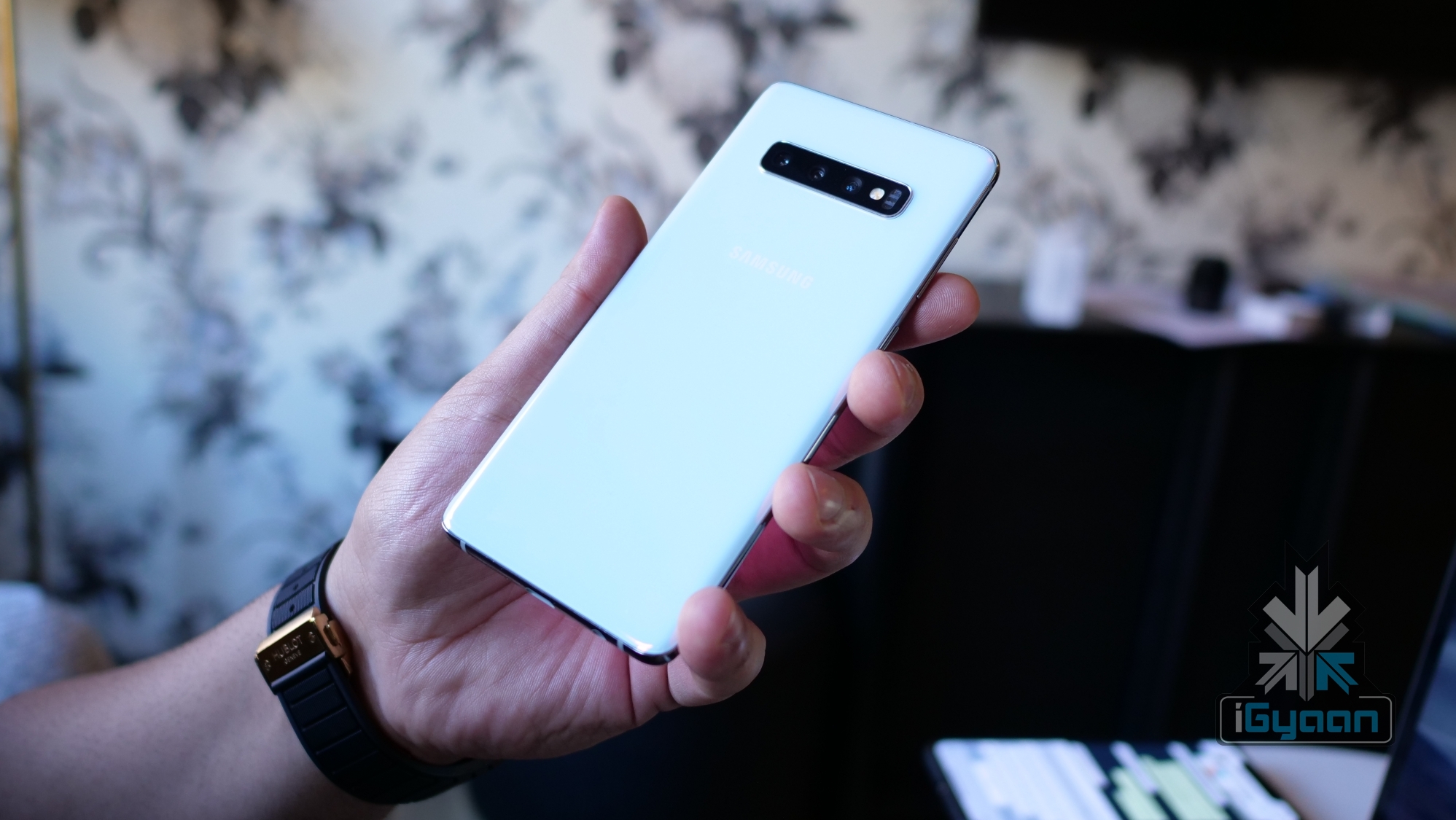
The Samsung Galaxy S10 usually retails for a price of Rs 66,900 for the 128 GB and Rs 84,900 for the 512 GB storage variant. The 128GB variant of the smartphone is being offered at a discount of Rs 11000 (Rs 5000 instant discount + 6000 HDFC cash back) while the 512 GB variant is being offered at a discount of Rs 14,000 (Rs 8000 instant discount + 6000 HDFC cash back). Click here to see full specifications and features of the Galaxy S10.
The Galaxy S10+ usually retails for a price of Rs 73,900 for the 128 GB, Rs 91,900 for the 512 GB and Rs 1,17,900 for the 1 TB storage variants.
All three variants of the smartphone are being offered at a discount of Rs 15,000 (Rs 9000 instant discount + 6000 HDFC cash back). Click hereto see full specifications and features of the Galaxy S10+.
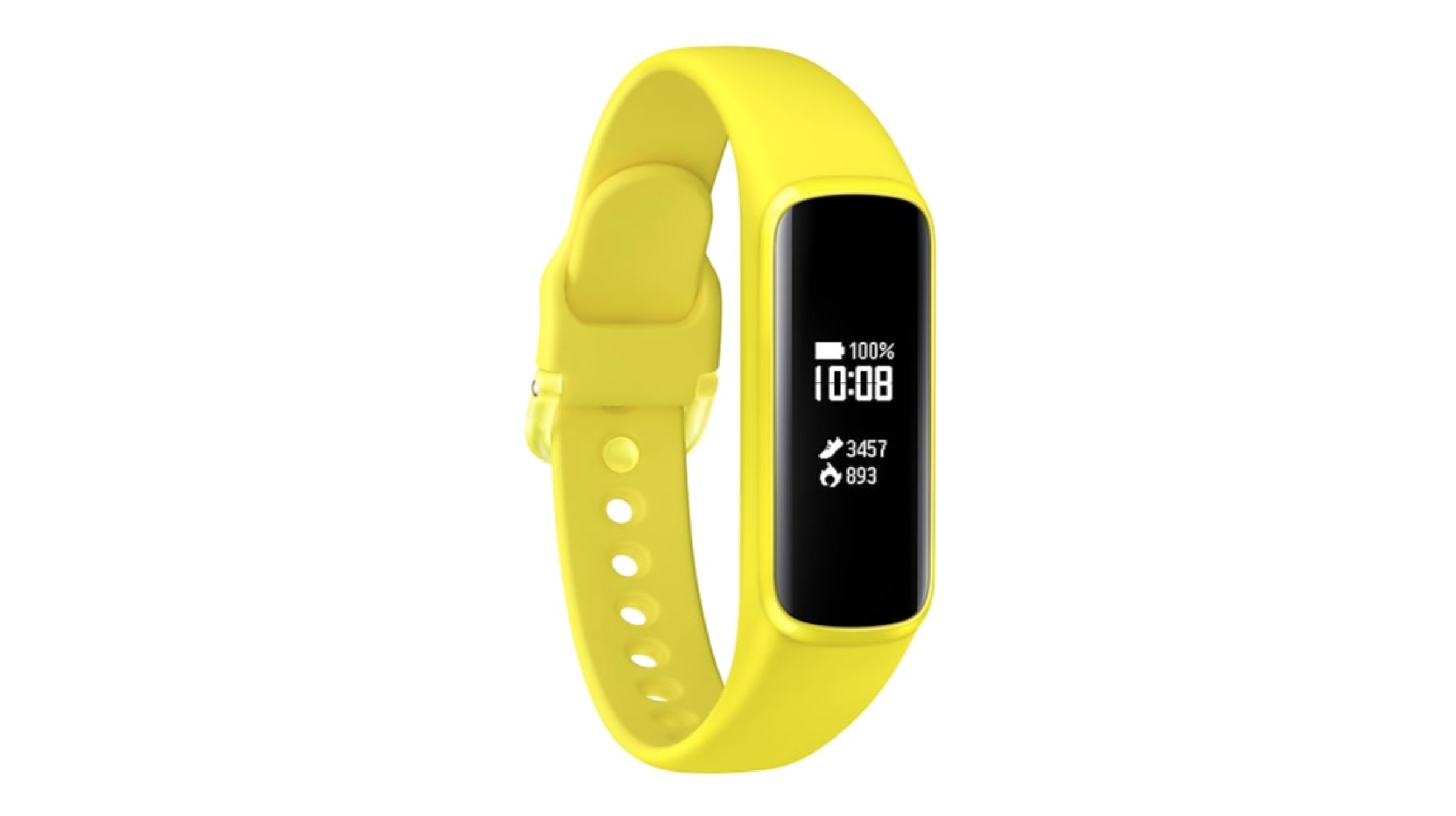
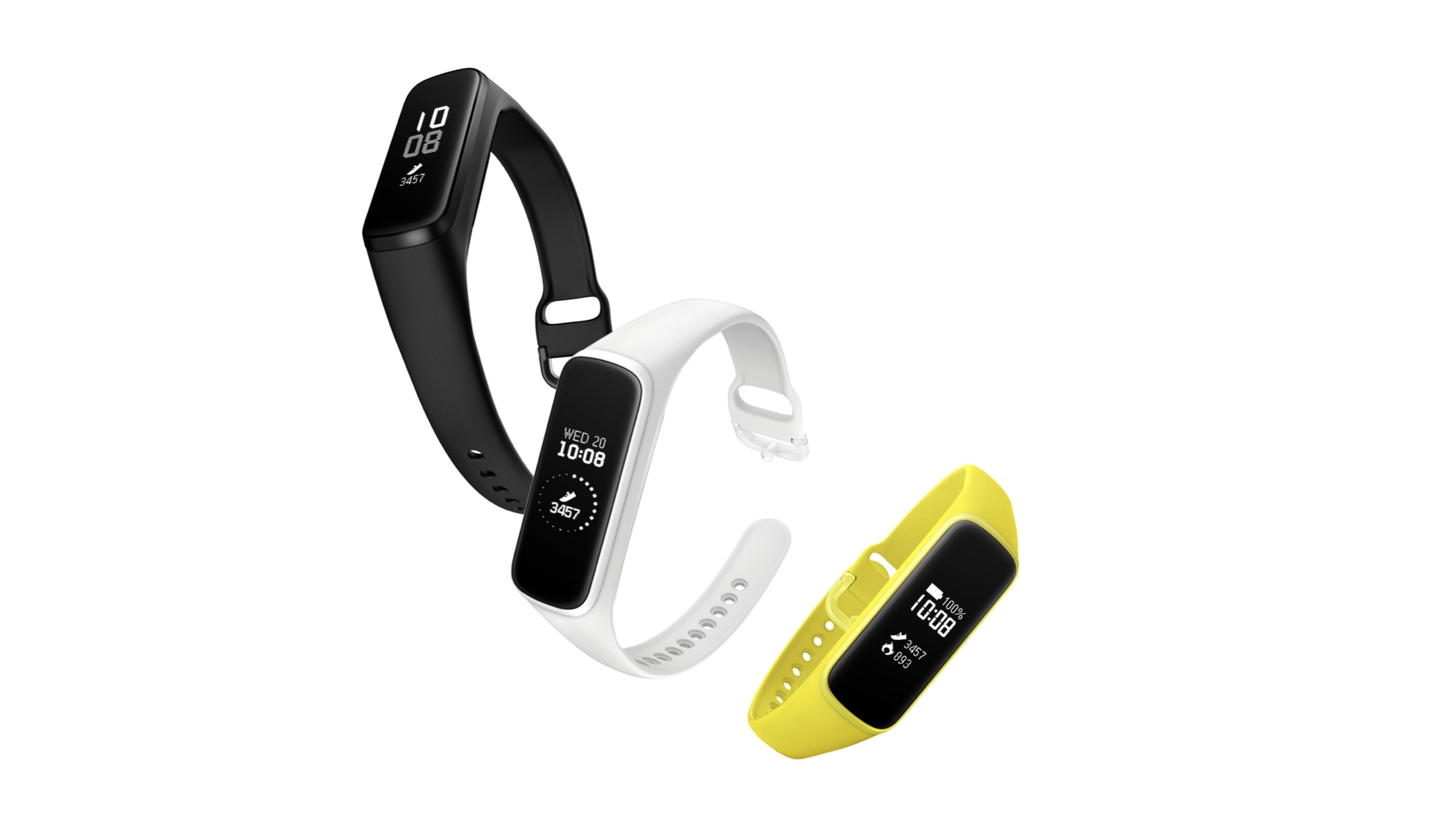
At Samsung’s Galaxy Unpacked event held in February 2019, the company announced a multitude of devices, which included the Galaxy S10 series, Galaxy Fold, the Galaxy Watch Activeand last but not least, a fitness band which will cater to the entry-level budget segment. Called the Galaxy Fit-e, the band is a very basic fitness tracker that is available at a very low cost as compared to similar products by the company. However the fitness band contains no “smartwatch features”, and was recently spotted on an Albanian Website.
As per reports, the Samsung Galaxy Fit-e was previously supposed to be launched on May 21 in the United States, hence the fitness tracking suddenly appearing on Samsung’s Albanian website is probably a mistake. Moreover, the fact that the buying links on the website are not functioning at all gives a confirmation of sorts that this page may not be intended after all.
Features And Specifications
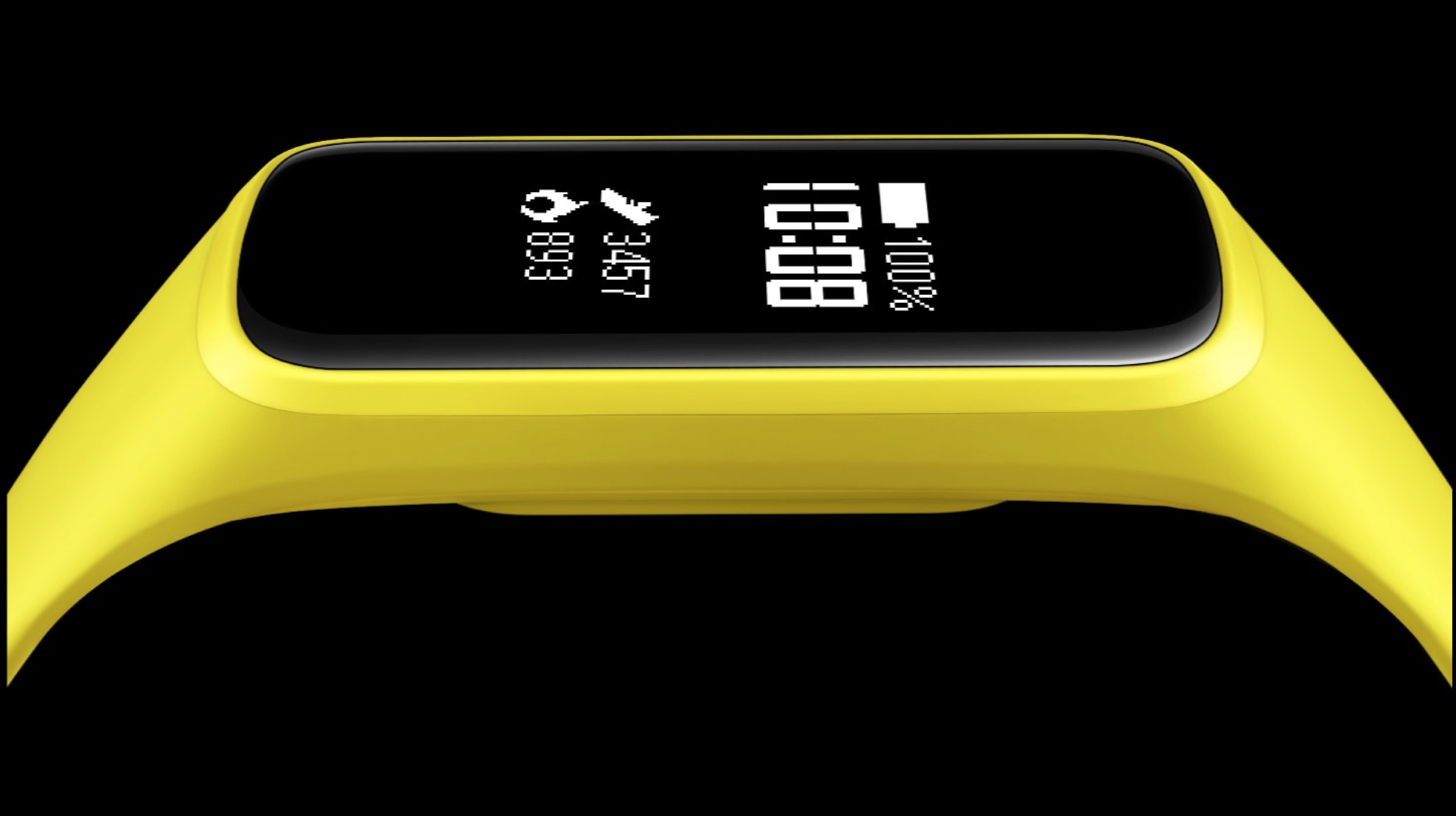
Nonetheless, the listed specifications of the Galaxy Fit-e informs that the fitness band runs on the FreeRTOS operating system. It features a monochrome PMOLED display panel, which is expected out of an aggressively priced fitness band. It sports Bluetooth v5.0, and packs a 70 mAh battery which enables the Fit-e to last an entire week, the company claims. It measures at 40.2 x 16 mm and weighs 15 grams.
Additional features of the Fit-e include the ability to analyze sleep patterns, detection of the sport being pursued and collecting related data. Also, the band detects the pulse rate and relays the corresponding data to the connected smartphone via the health application. Moreover, the fitness band can inform the user regarding any incoming calls or messages on the smartphone. It does so haptically or via an optic notification that pops up on the monochrome display. The Galaxy Fit-e is available in two colours on the Albanian website, Black and Yellow. As per the same website, the band is priced at a price equivalent to US$ 35, which will help it to go up against other fitness trackers like the Mi Band.
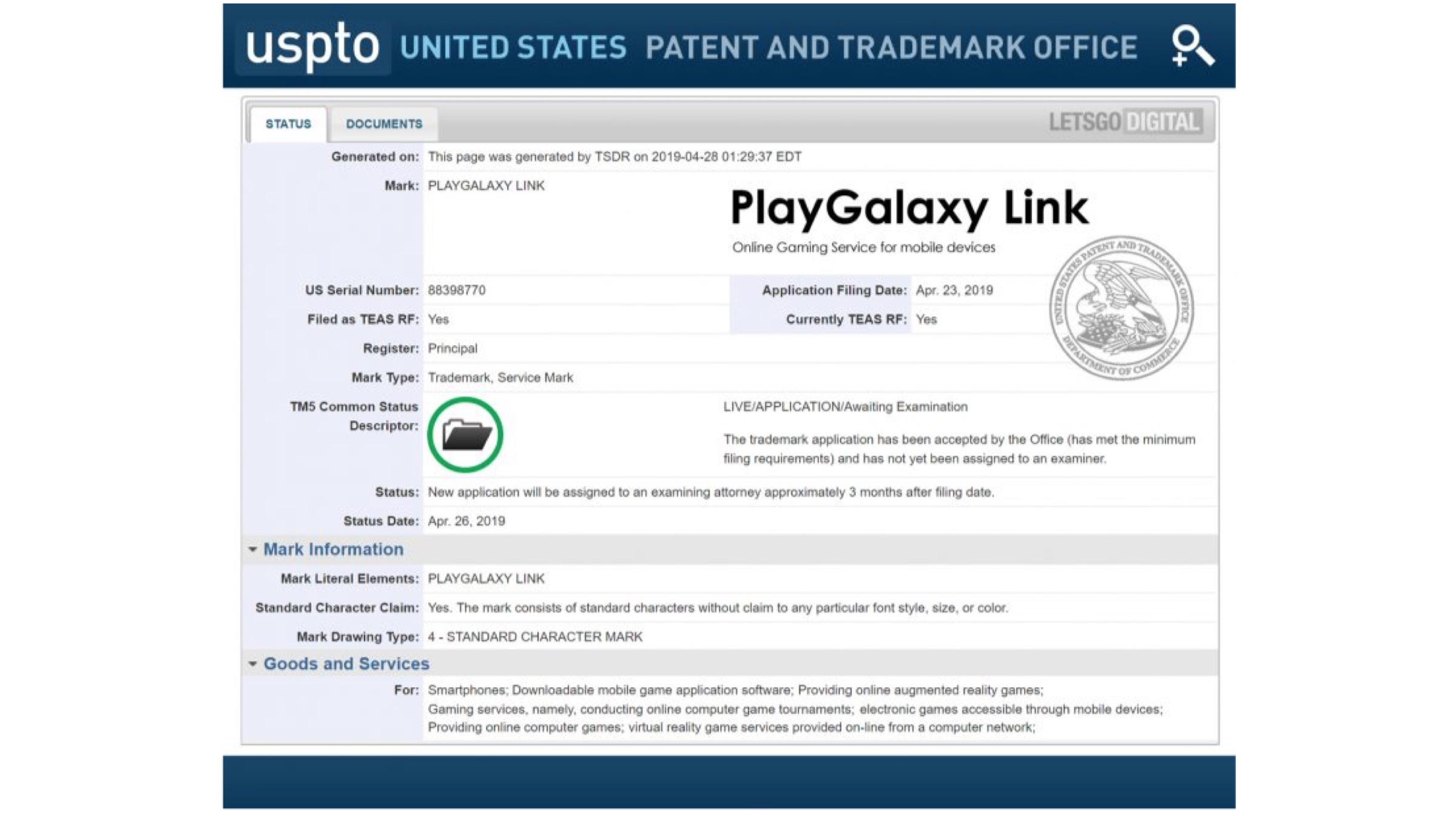 The patent was first filed by Samsung in America with the United States Patent and Trademark Office, or USPTO. The trademark included details about a service called the PlayGalaxy Link, and was finally published on April 26 in the database of the European Union Intellectual Property Office (EUIPO). As per reports, the patent is categorized under Class 9 and 41. While class 9 is comprised of a broad range of trademarks for scientific, cinematographic and photographic devices, Class 41 mainly covers products which cater to entertainment purposes.
 Also Read: The OnePlus 7 Pro Gets An A+ Display Rating From DisplayMate







 One of the biggest challenges while delivering drugs via nanoparticles is the exit strategy of the robots, implying that the micro robots can escape the blood vessels and accumulate in the desired spot for removal from the human body. Sangeeta Bhatia, a senior author of the aforementioned study states that it is tough to get the nanomaterials to the tissue in the lining of the blood vessel, but the use of magnetism to develop fluid forces, the nanoparticles can be pushed through the lining. The same study further states that swarms of naturally magnetic bacteria (Magnetotactic bacteria) can be also used to achieve the same result.
 Schurele, the assistant professor at the Swiss Federal Institute of Technology previously worked on magnetic microbots, and consequently she aimed towards making the nanoparticle drug delivery technique more efficient when she started working with Sangeeta Bhatia. The researchers used their micro robots to target diseased sites in the human body which were usually a host of tumours. Since they faced issues with the same, the team explored their options with magnetic bacteria to devise a method to push the particles to the target in a better way.
 Also Read:
 Since the beginning, gamers have been confused regarding their monitors. Should it sport an IPS panel, or should it feature a high refresh rate for a smoother gaming experience? The ASUS PG279Q features a 27-inch IPS panel with a resolution of 2560 x 1440 px, but at the same time, the monitor sports a refresh rate of 144Hz (which is further overclockable to 165Hz), making it a “best-of-both-worlds” experience. Furthermore, the monitor features G-Sync, which allows you to switch between your refresh rates only if you are using an NVIDIA graphics card. However, the monitor is slightly expensive, and it will set you back by US$ 800 or INR 83,999.
 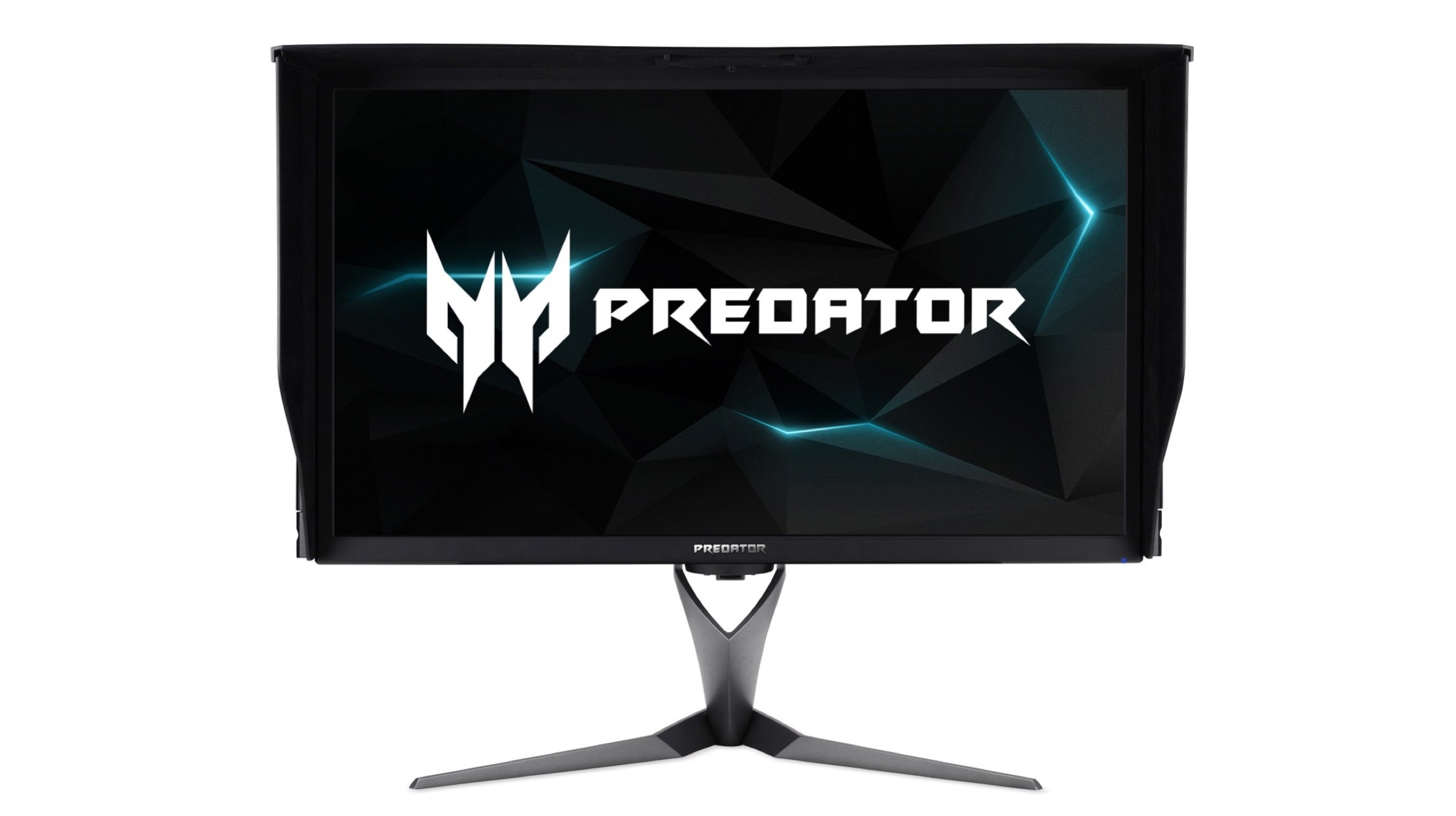 The Acer Predator X27 is a fantastic gaming monitor, which suffers a bit owing just to the price of the same. The monitor features an IPS panel, which is topped out a refresh rate of 144Hz. It supports 4K video playback, and a resolution of 3840 x 2160 px. The monitor supports VisionCare technology, which claims to reduce eye strain during long gameplay sessions. Moreover, G-Sync allows for a variable refresh rate in the monitor, making it the perfect fit for NVIDIA’s graphics cards. The Acer Predator X27 has a multitude of ports on both sides, including a total of 4 USB 3.0 ports as well as an HDMI 2.0 and DisplayPort 1.4. The real downside is the price, which tunes in at around US$ 2,000 (~INR 1,40,000), making it one of the most expensive gaming monitors in this list.
 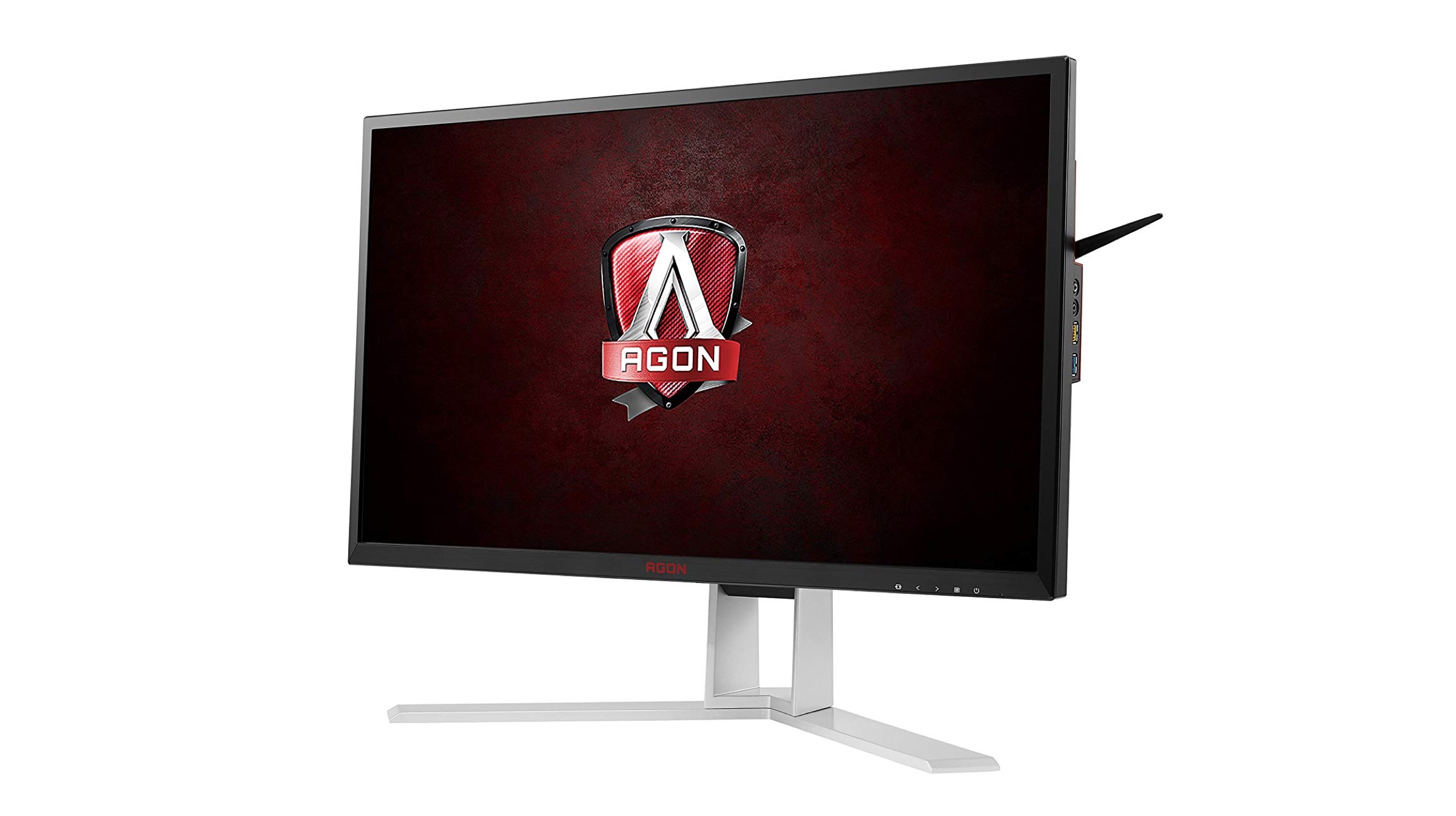 Few monitors in this list cater to just eSports players, and AOC AG273QCG is definitely one of them.The monitor ticks all the boxes if you’re are an avid eSports player and need a professional grade monitor to play on. It has a 27-inch screen with 1440p resolution and on top of that, it supports NVIDIA G-Sync in one variant and AMD FreeSync in the other. The monitor has a curved design and features a high refresh rate of 165Hz. Furthermore, AOC AG273QCG has a vibrance scale that has received rave reviews from a lot of users, making it the perfect pick if you’re into that thing.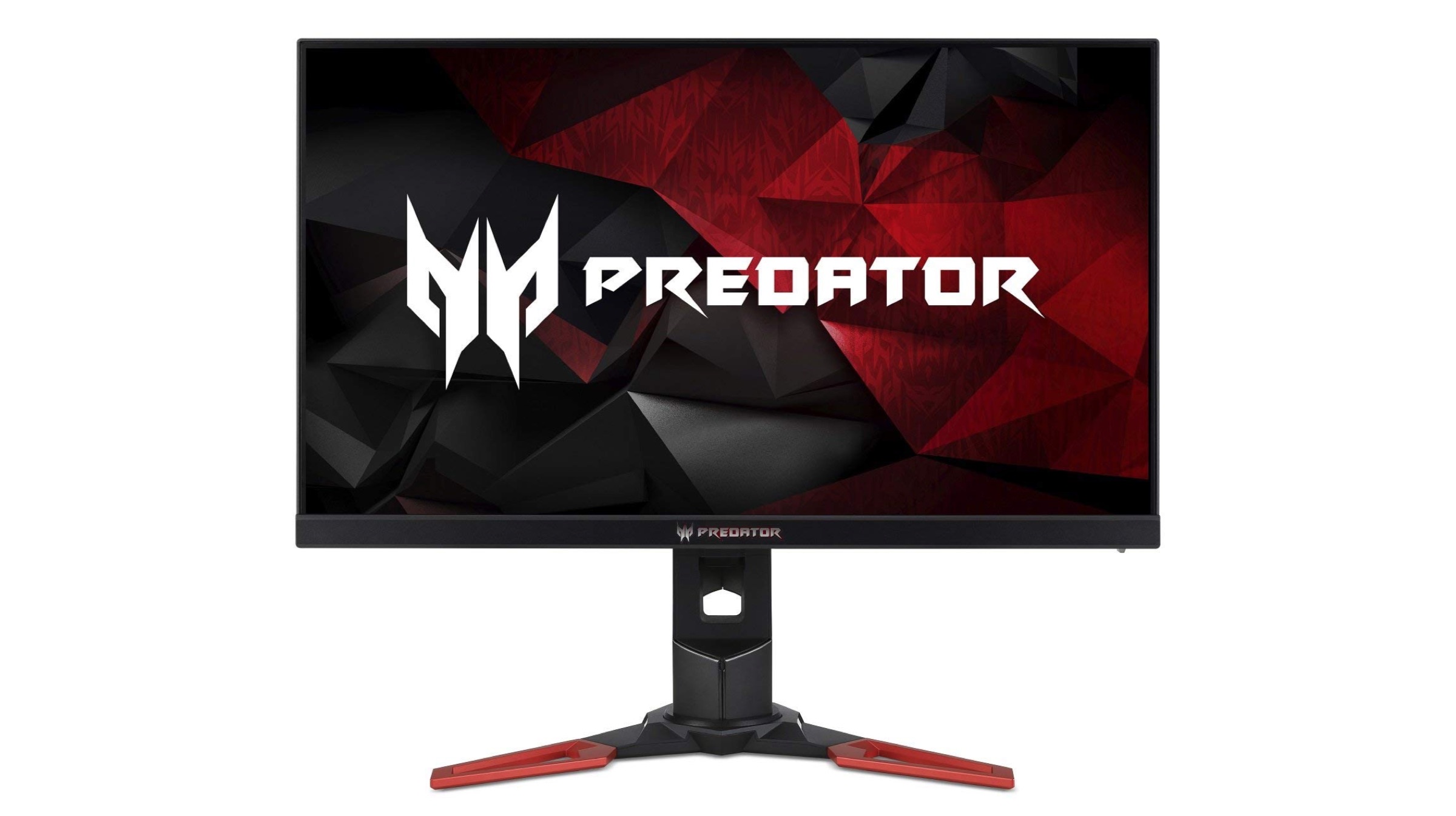




 As per reports, the Samsung Galaxy Fit-e was previously supposed to be launched on May 21 in the United States, hence the fitness tracking suddenly appearing on Samsung’s Albanian website is probably a mistake. Moreover, the fact that the buying links on the website are not functioning at all gives a confirmation of sorts that this page may not be intended after all.
  Nonetheless, the listed specifications of the Galaxy Fit-e informs that the fitness band runs on the FreeRTOS operating system. It features a monochrome PMOLED display panel, which is expected out of an aggressively priced fitness band. It sports Bluetooth v5.0, and packs a 70 mAh battery which enables the Fit-e to last an entire week, the company claims. It measures at 40.2 x 16 mm and weighs 15 grams.
  Also Read: