In the follow up of a heated lawsuit between the noted chipmaker Qualcomm and prominent electronics company Apple, the latest ruling by the San Diego court has found Apple guilty. The company was told to pay a fine of over US$ 31 million to Qualcomm. The amount roughly breaks down to US$ 1.40 per iPhone sold by the company. Notably, it is the exact amount the lawsuit was filed for by the chipmaker. Apple was found by the court to have infringed three patents held by Qualcomm. It was sued back in the year 2017 citing that the company had violated patents related to assisting mobile phones getting a better life.
What Are The Patents?
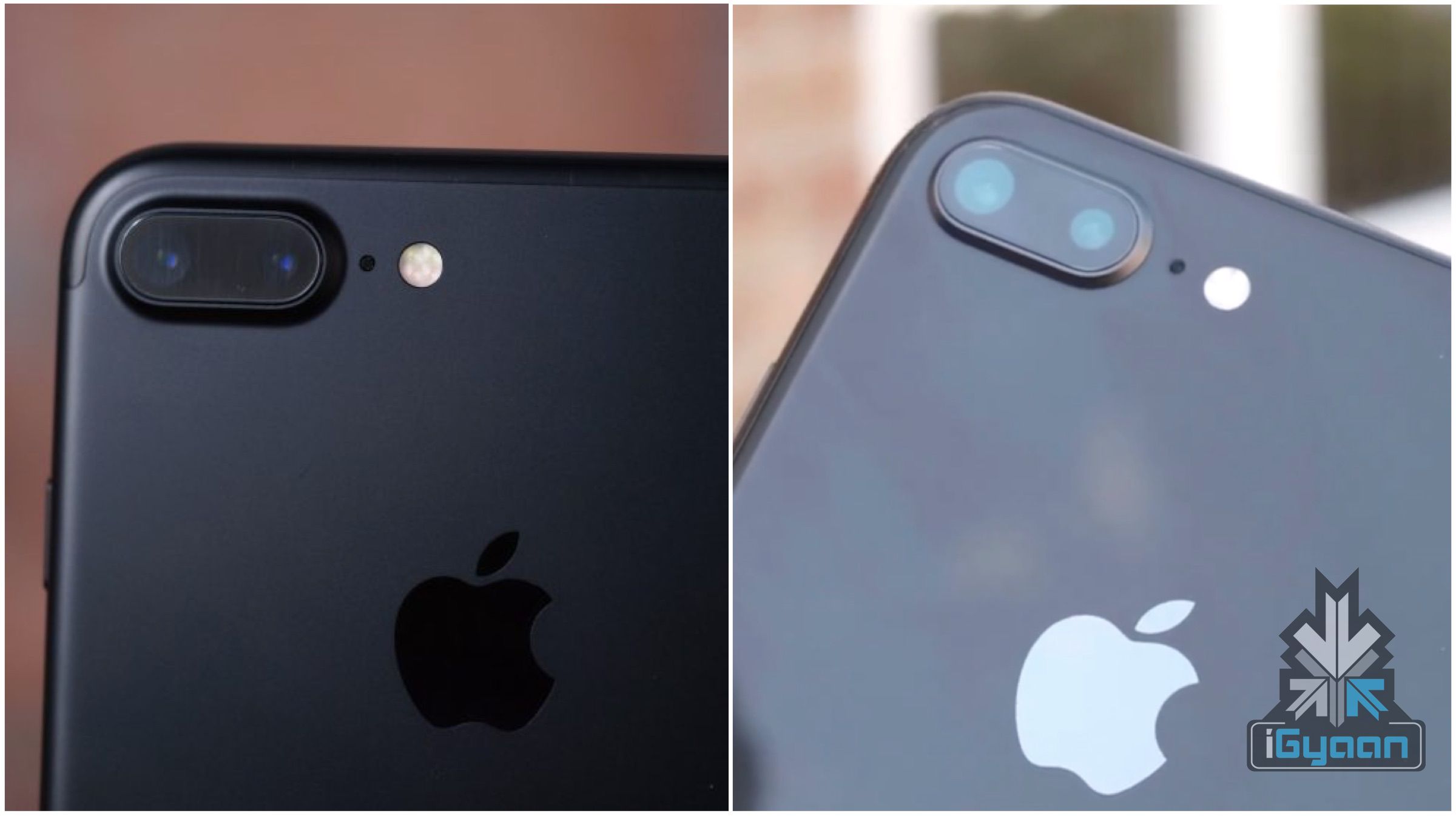
The lawsuit filed by Qualcomm cited that Apple had violated at least three patents. The damages that it asked for applied to iPhones sold July 2017 onwards, which were kitted with Intel chips. Later in the year 2017, Apple replaced Qualcomm with Intel as its exclusive components supplier. As per reports, in the year 2016, Apple was also using Intel modems in some iPhone variants instead of Qualcomm modems. The devices included the iPhone 7 and 7 Plus. The patents relate to the following functions on mobile devices.
- Allowing phones to connect to the internet instantly after being switched on
- The efficiency of the smartphone’s battery and its relation with graphics processing
- A traffic management function enabling faster data downloads
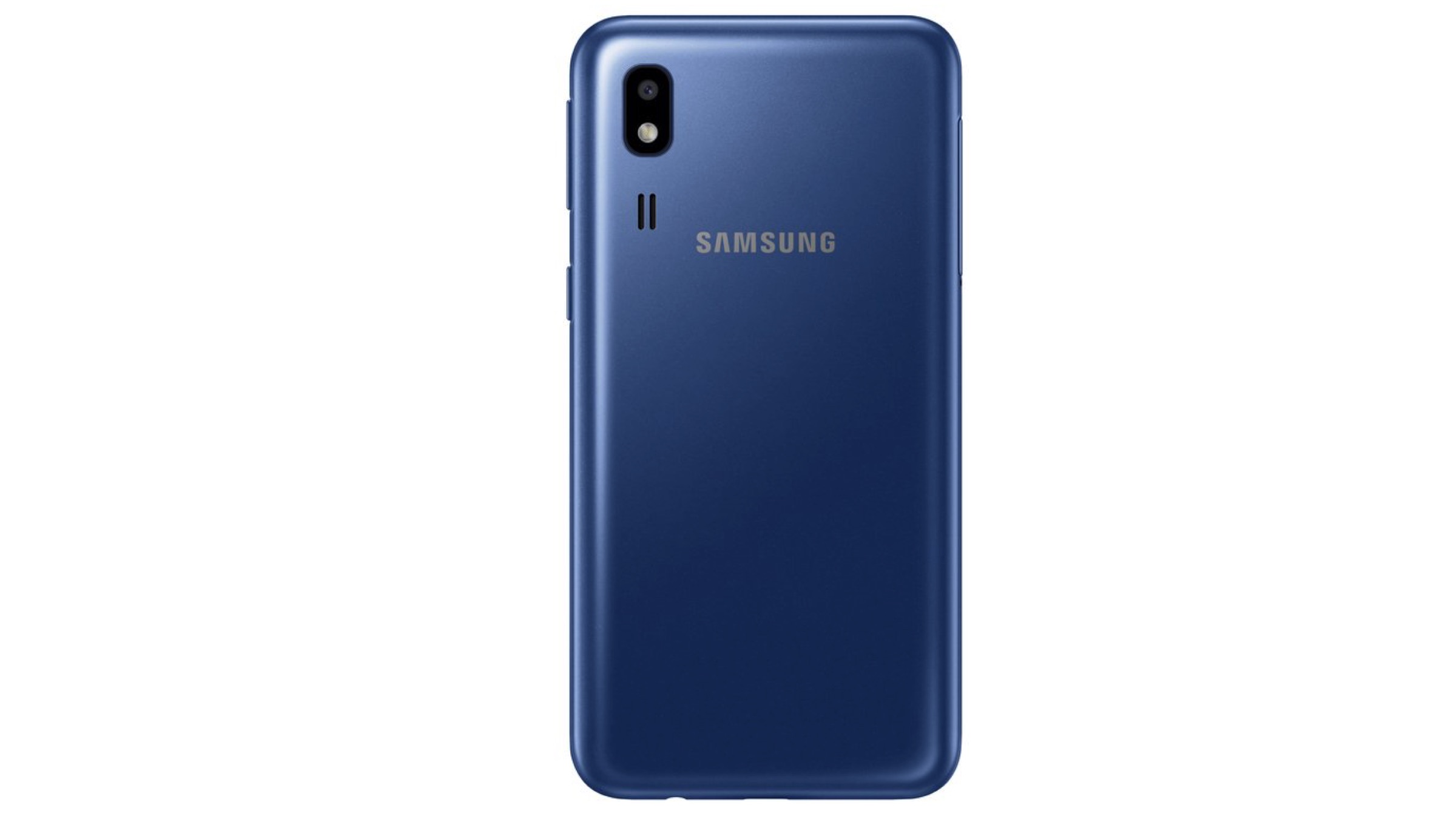
Also read: Samsung Galaxy A2 Core Android Go Smartphone Leaked
Interestingly, the past ruling by a German court banned the sales of Apple’s older iPhone models because of a similar patent infringement case. The company then swapped out the Intel’s modem that it had been lately using for the ones manufactured by Qualcomm. This leads the company to be allowed to continue the sales of the said devices. Notably, the biggest lawsuit between the companies will be settled in April 2019, in which Apple has accused Qualcomm of indulging in anti-trust practices and illegally withholding US$ 1 Billion worth of rebates from Apple.
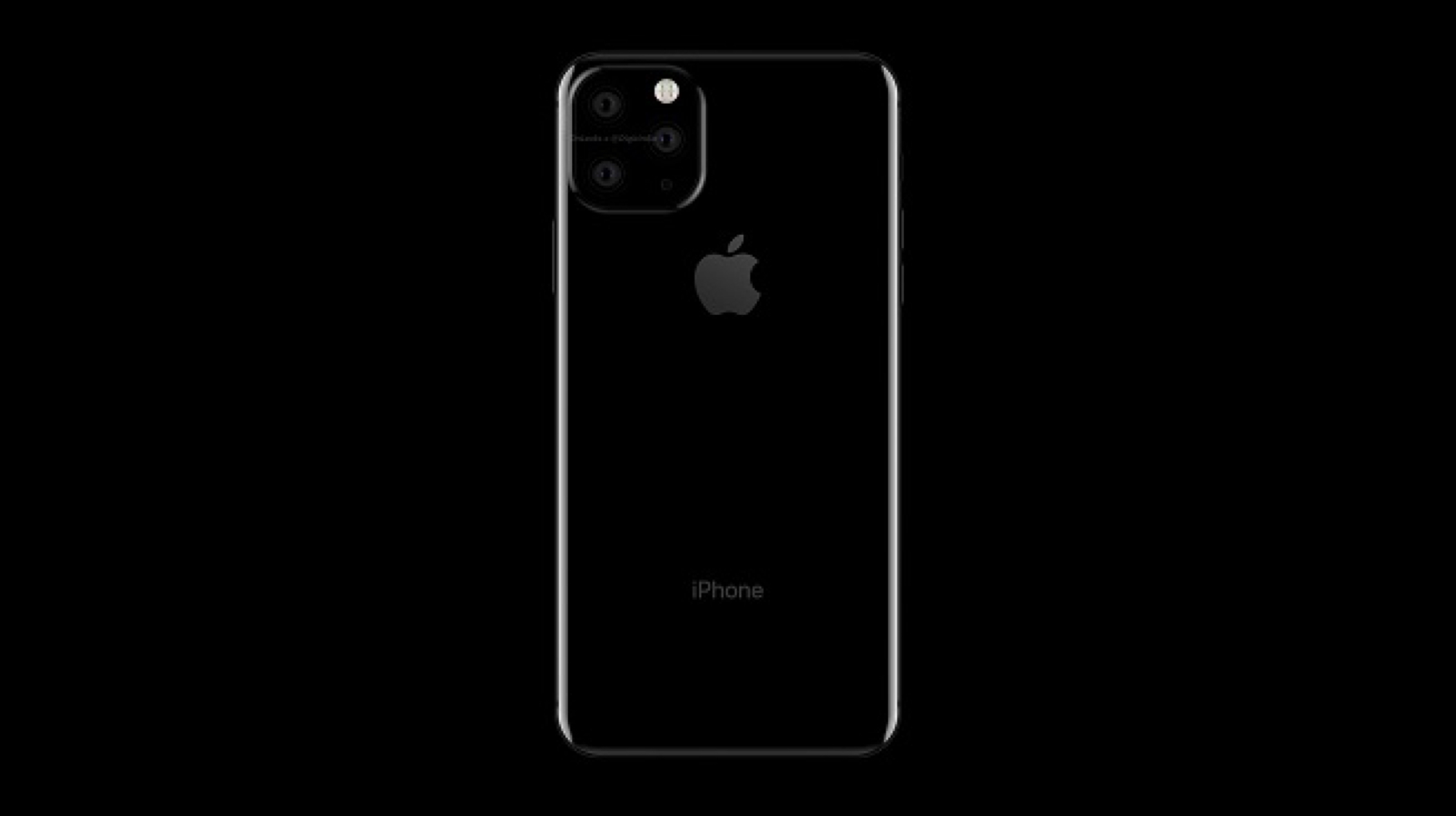

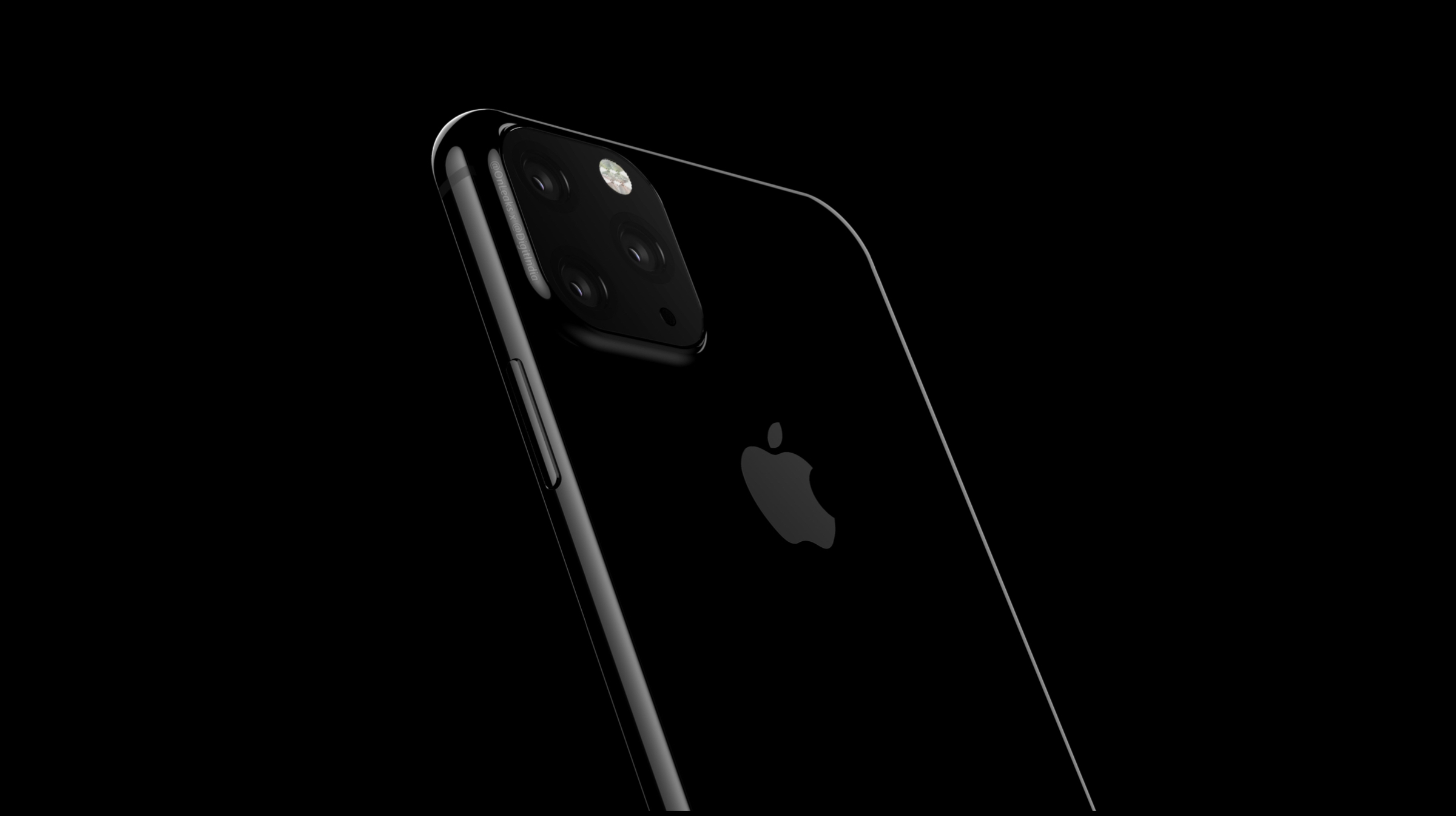
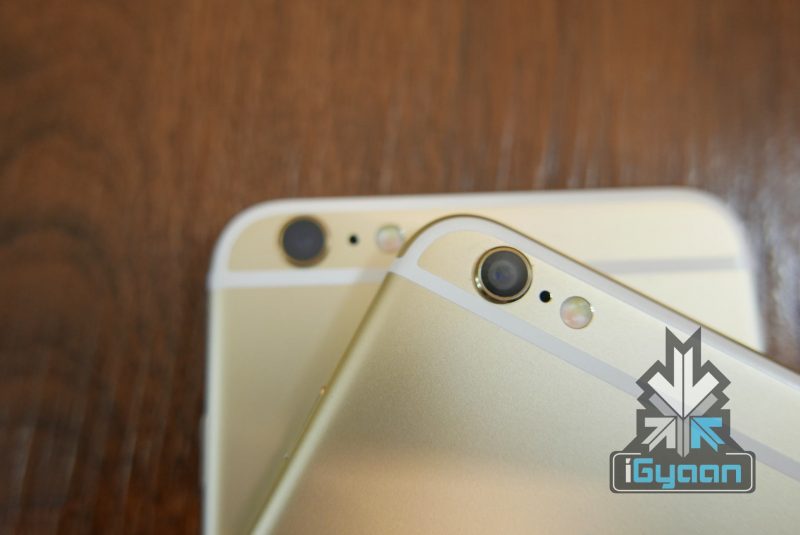 As mentioned before, it has been confirmed that Apple is phasing out the iPhone 6 and 6 Plus, leading to an increase in the entry price barrier for Apple devices. Consequently, Apple’s entry level smartphones will now be the iPhone 6S and 6S Plus, which are already retailing at a higher price point compared to the previous entry level models, the iPhone 6 and 6 Plus respectively. The American technology organization claims that even after reducing the selling prices of some smartphone models in the country, the market response is not up to its expectations. This is reflecting on the fact that Apple has a lower percentage of shares in the Indian smartphone market as compared to other countries, where Apple is the leader of market shares.
 Also Read:
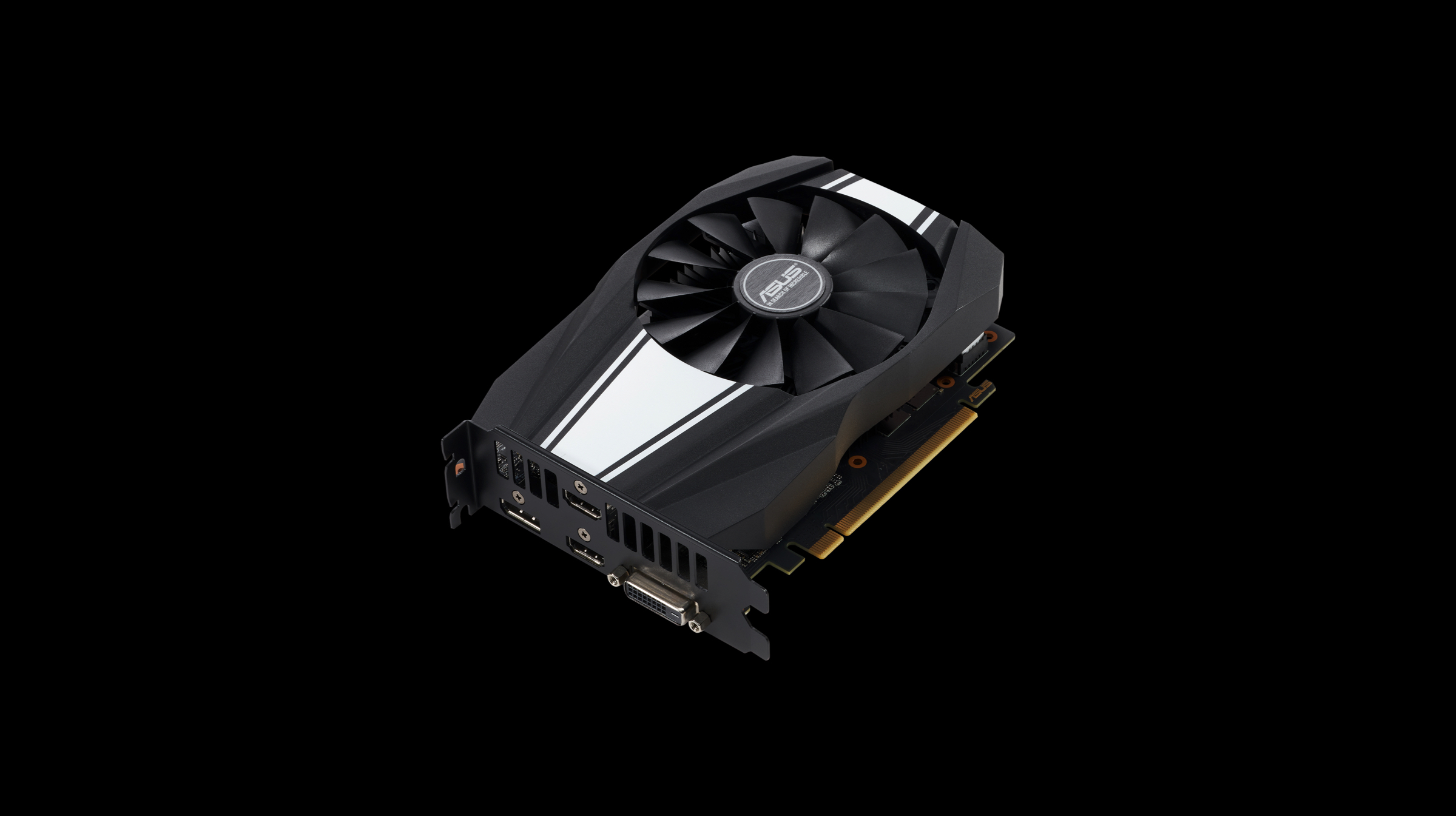
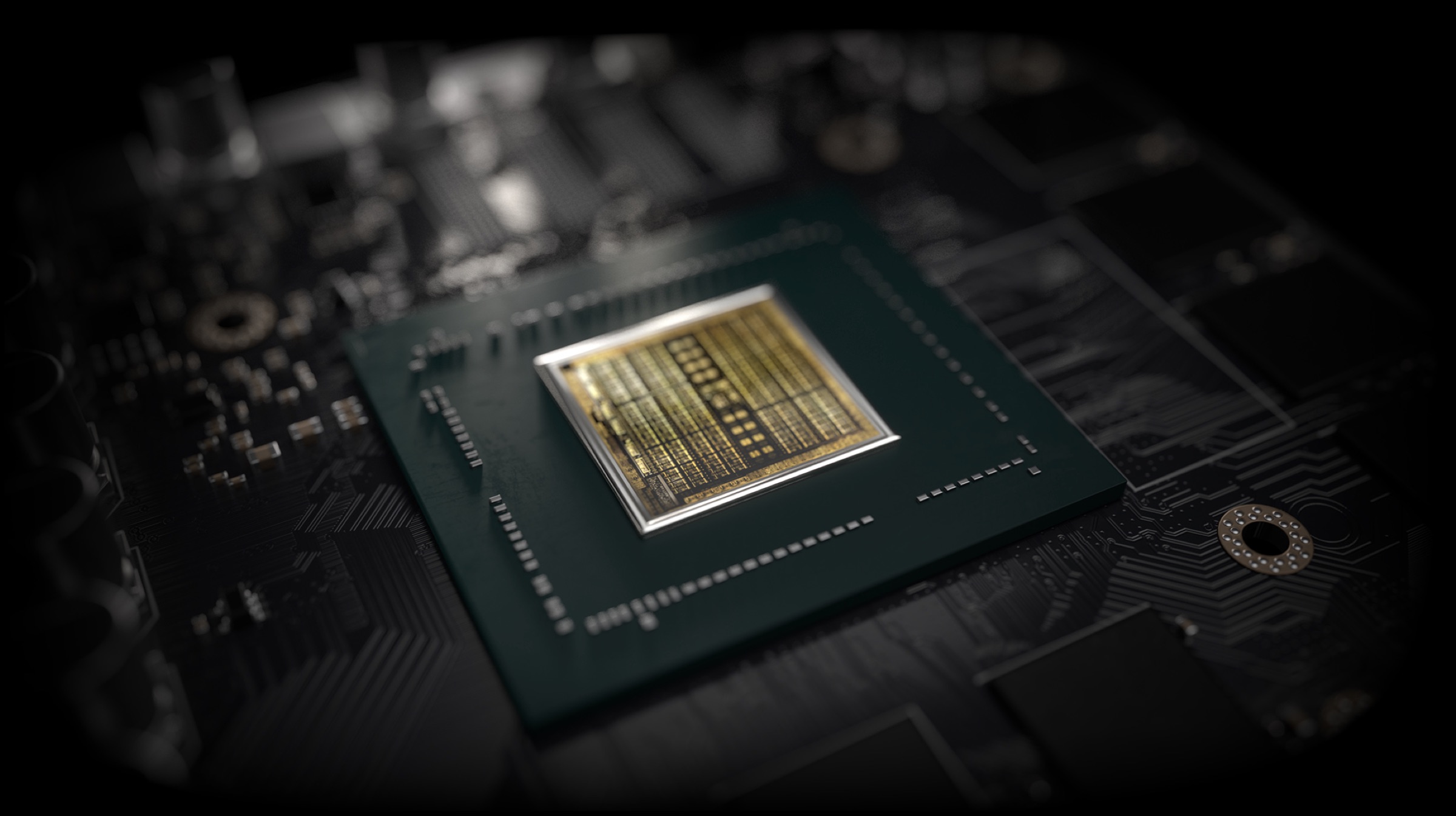
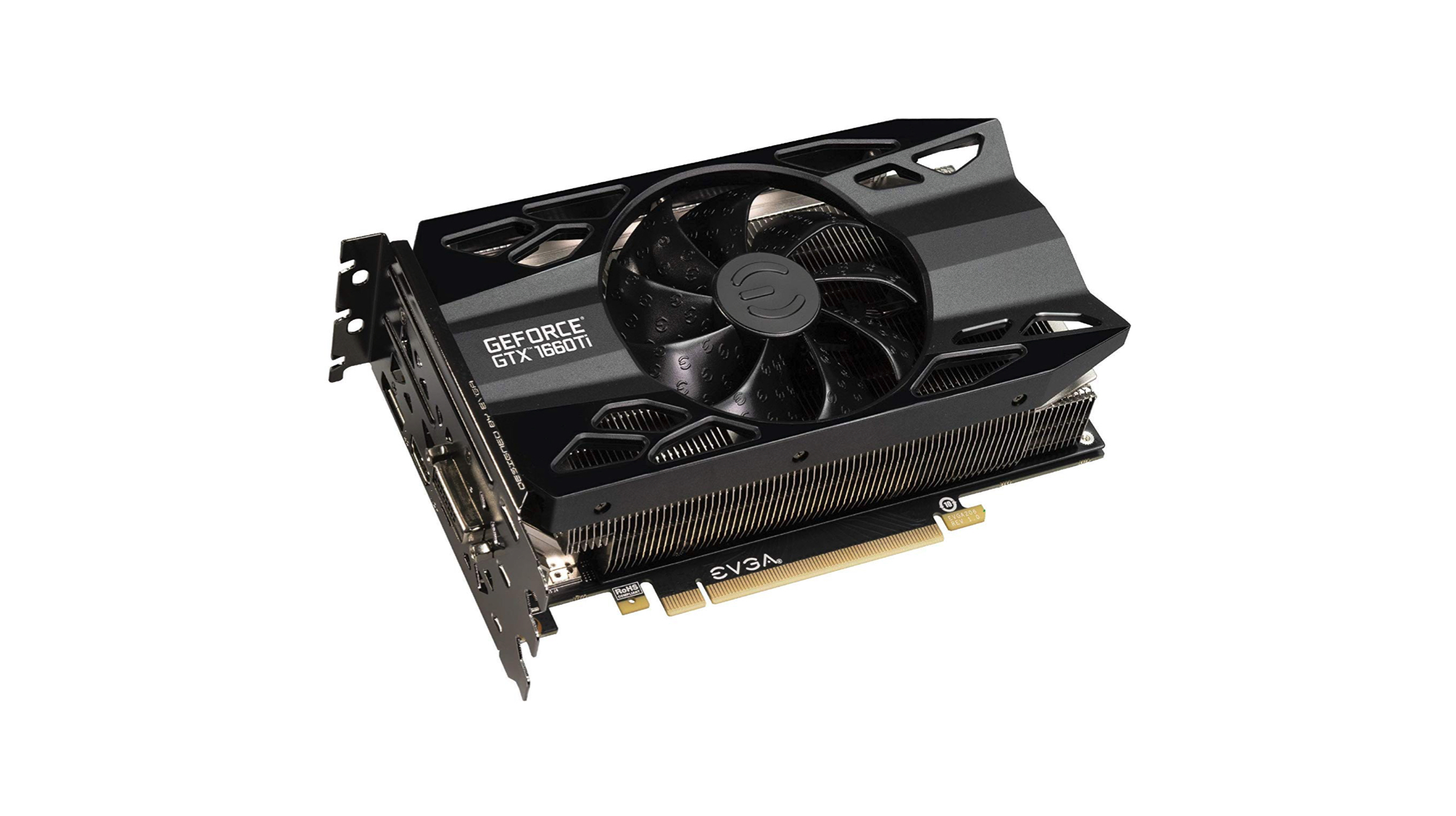
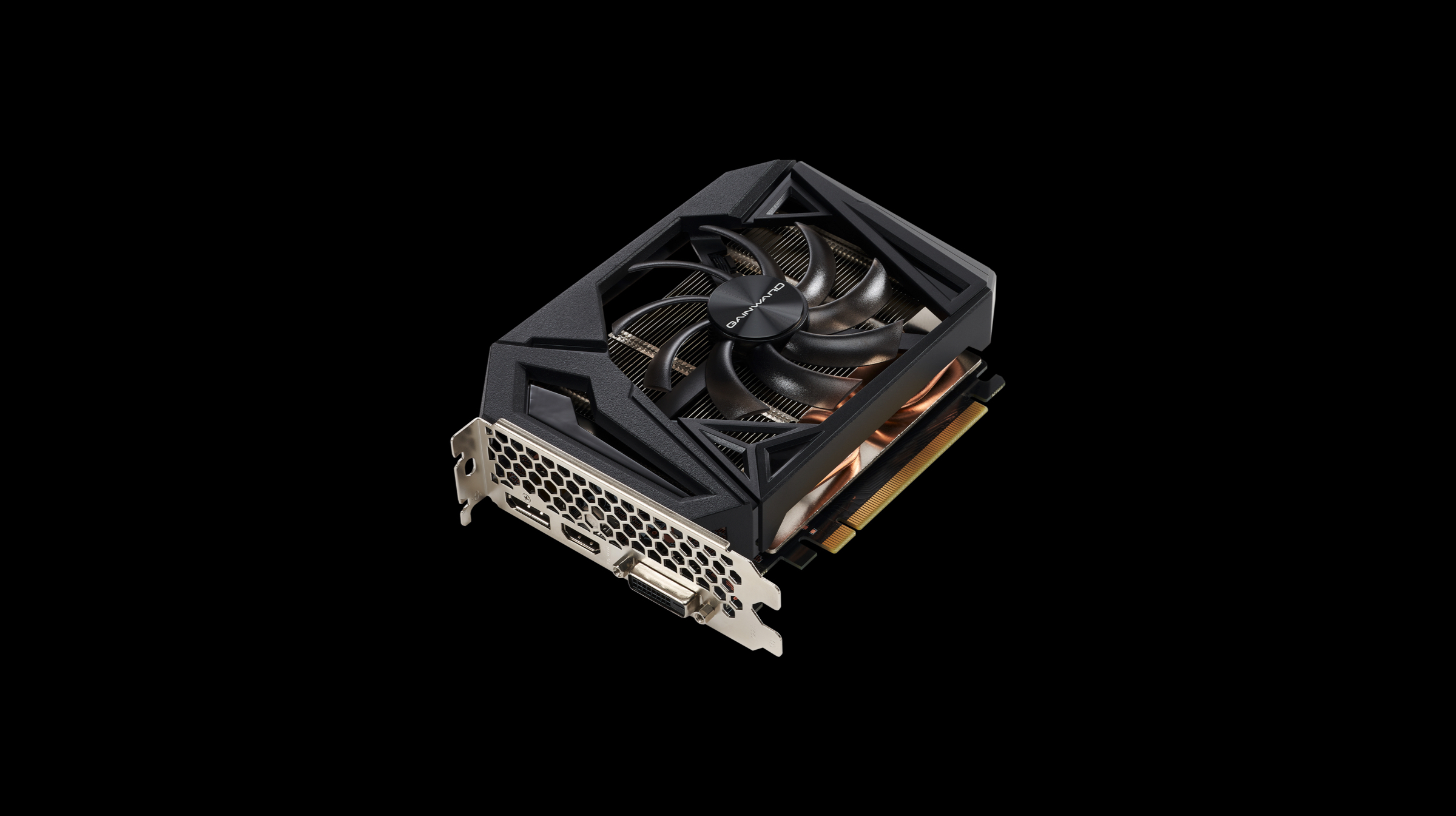 As mentioned before, the GTX 1660 is based on the 12th Generation Turning Architecture. The company claims that 1660’s architecture is much more power efficient than the standard Pascal architecture. The GPU chip requires 120 watts of power to operate optimally, which means that users with Generation 800 and 900 NVIDIA cards can upgrade to the GTX 1660 without upgrading their power supply unit. Taking increased power efficiency into consideration, NVIDIA claims that the GPU delivers the best performance per watt in its class.
 With built-in NVIDIA Ansel, the 1660 enables users to capture high quality images in-game or create 360-degree photospheres of the same. Using NVIDIA Freestyle, gamers can use post-processing to customize the way their games look.
 Also Read:
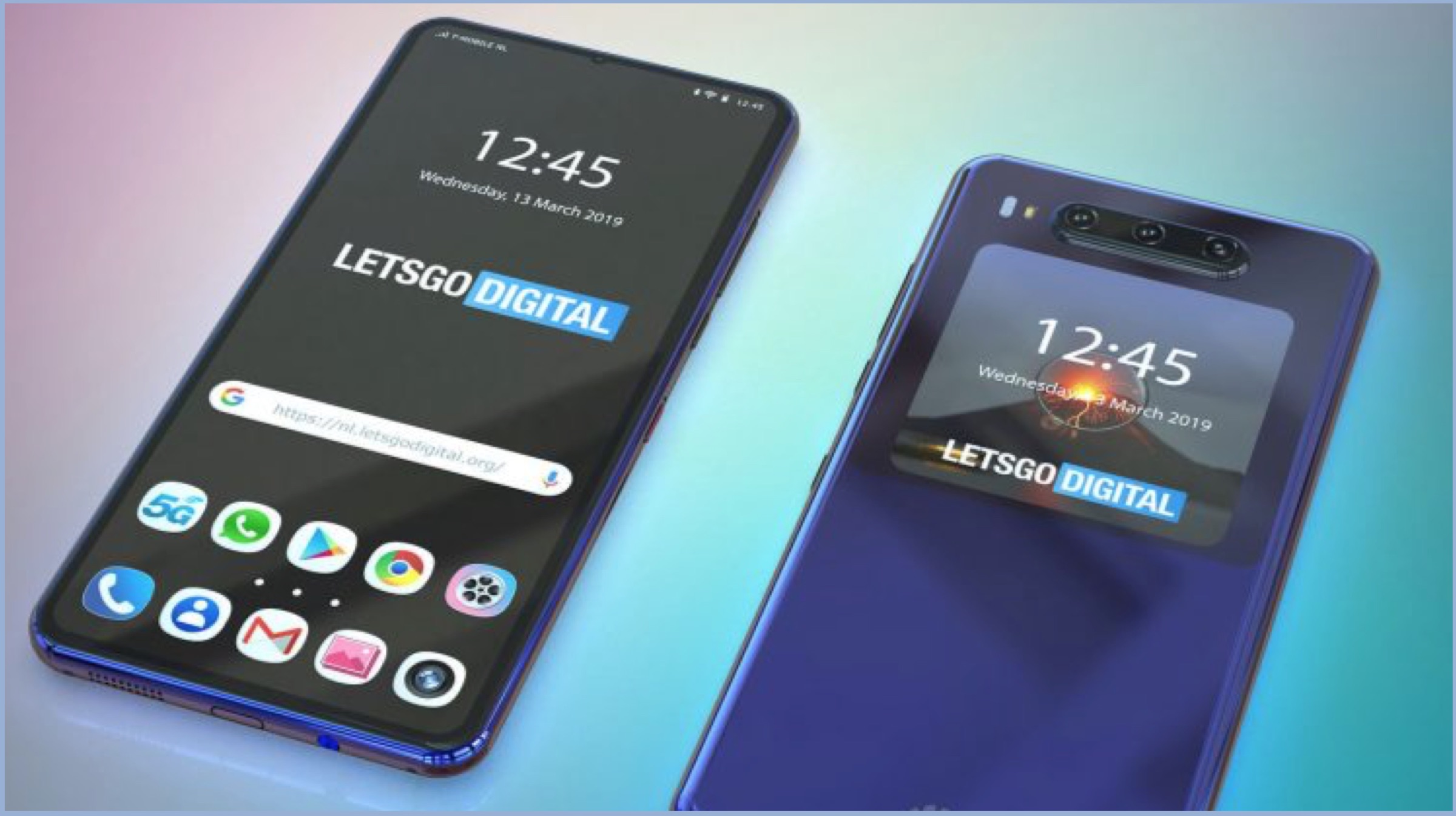
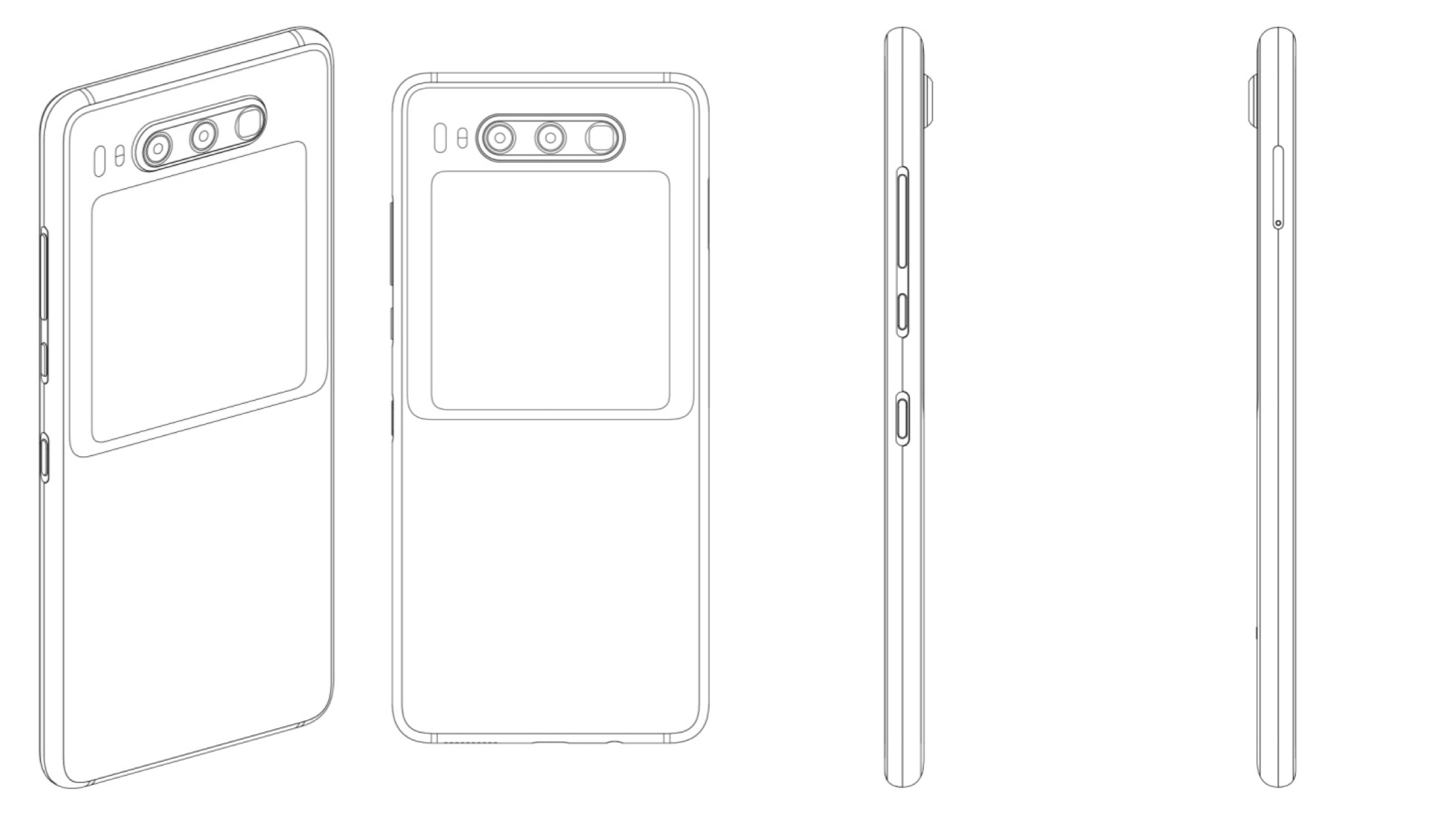 The
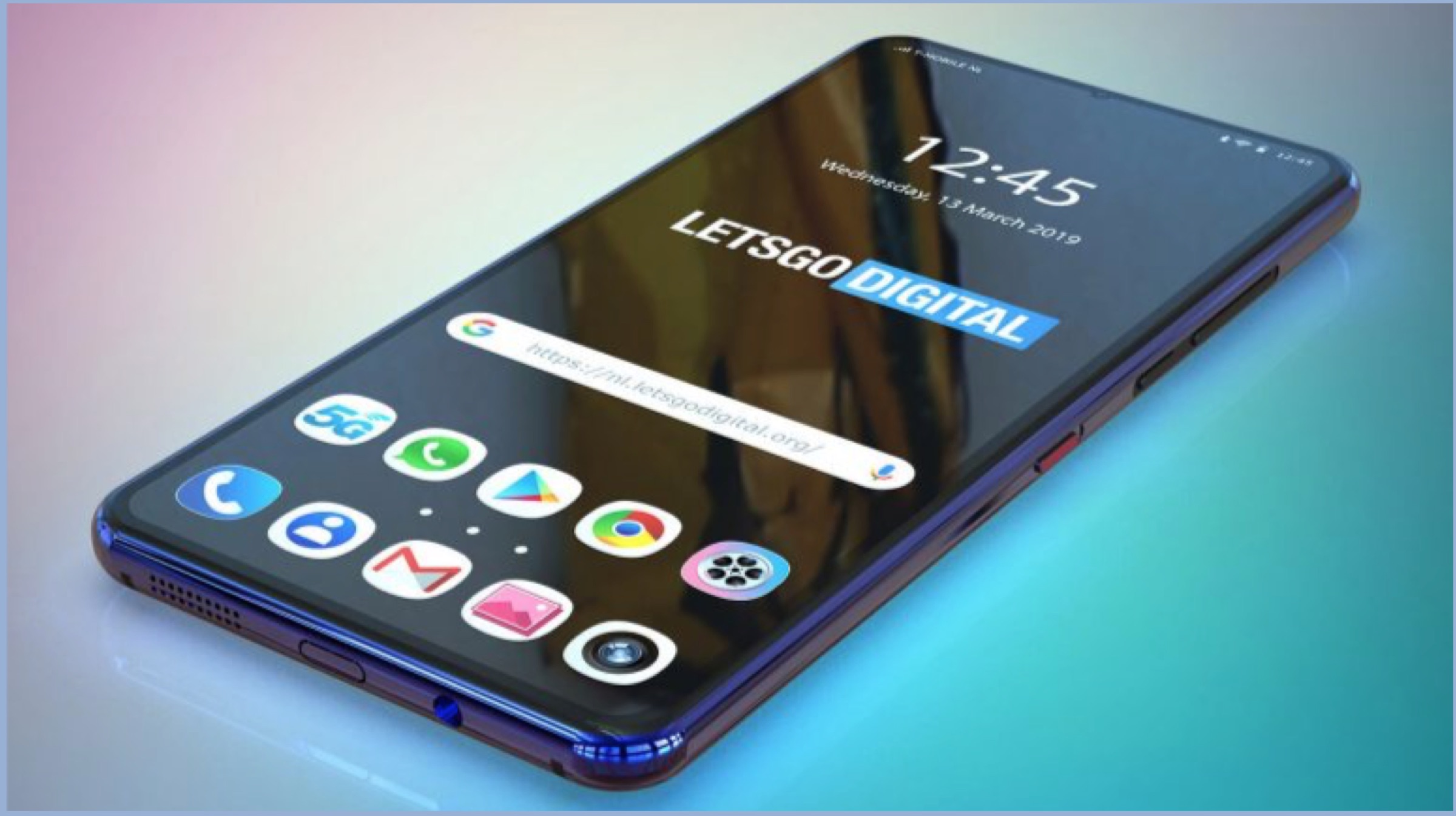
The 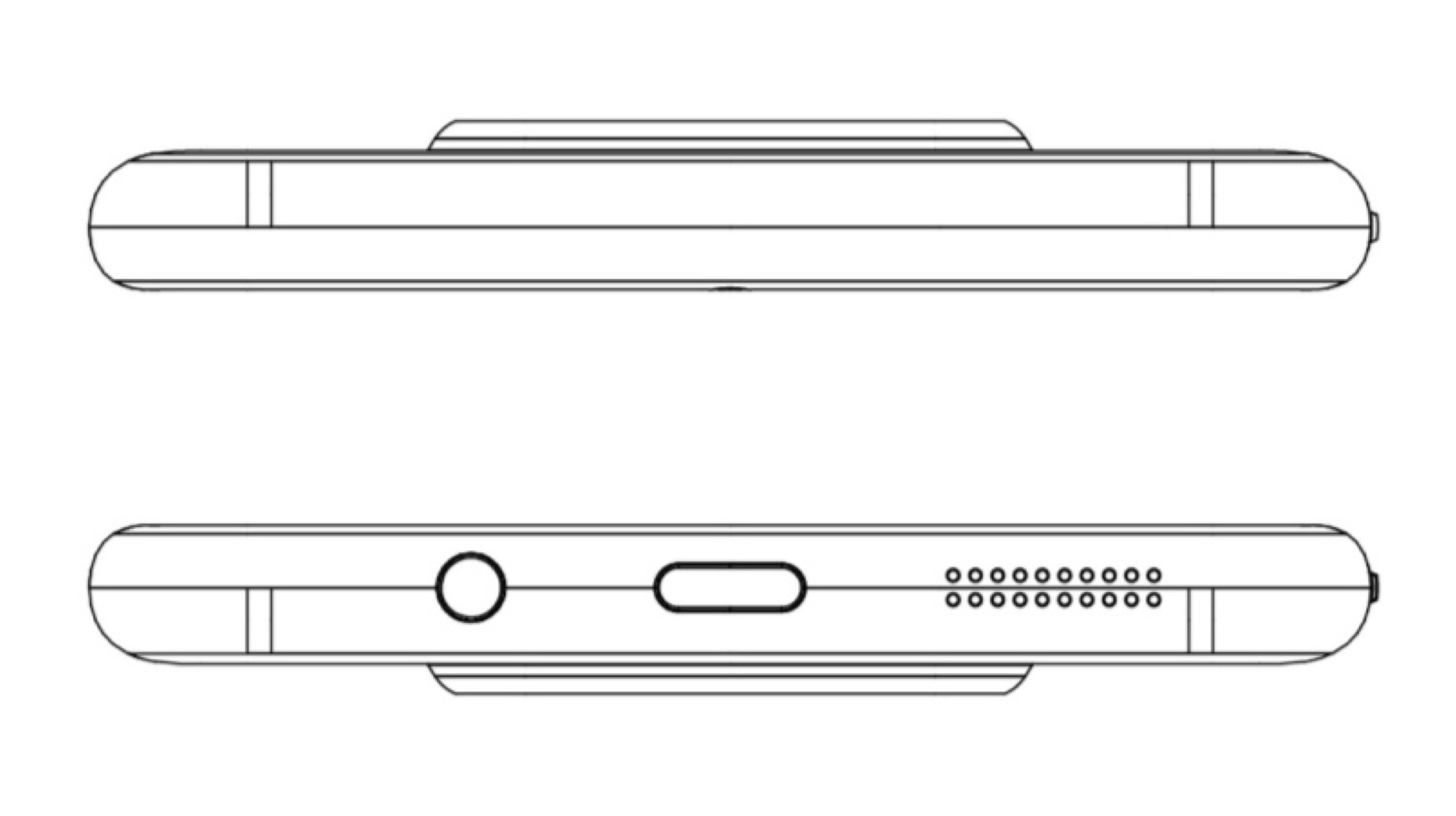 The patent shows that the Huawei device also houses a ToF (Time of Flight) sensor in the front notch for face recognition. Noteworthy, the Vivo Nex was launched without a front camera or sensor so as to implement a full-screen design. Furthermore, the patent also shows a 3.5 mm headphone jack placed at the bottom of the device, placed right next to the USB Type-C port and the loudspeaker grille. The left side of the smartphone houses the volume rockers and the lock/power button, along with another button that may be used to hot-switch between the two screens. The right side, on the other hand, houses the SIM card tray.
  Also Read: