Category: Editorial

  • Best Portable Bluetooth Speakers Under Rs. 2,000 In India

    Best Portable Bluetooth Speakers Under Rs. 2,000 In India

    With the ever-increasing advancement in technology, smartphones have evolved in a lot of ways over the years. But despite all of that innovation, one function of it hasn’t always been up to the mark. That feature is the sound or to be more precise, their inbuilt speakers. While devices like the  Apple iPhone XS, XS Max, XR, Samsung Galaxy S10 series and the Pixel 3/3XL offer stereo sound, there may always be a need for a more powerful, dedicated sound system. In selecting a good, portable wireless speaker, the options present in the market can be overwhelming. To make the choice easier, we have combined the best options under Rs. 2,000 available in the market currently.

    Mi Basic 2 
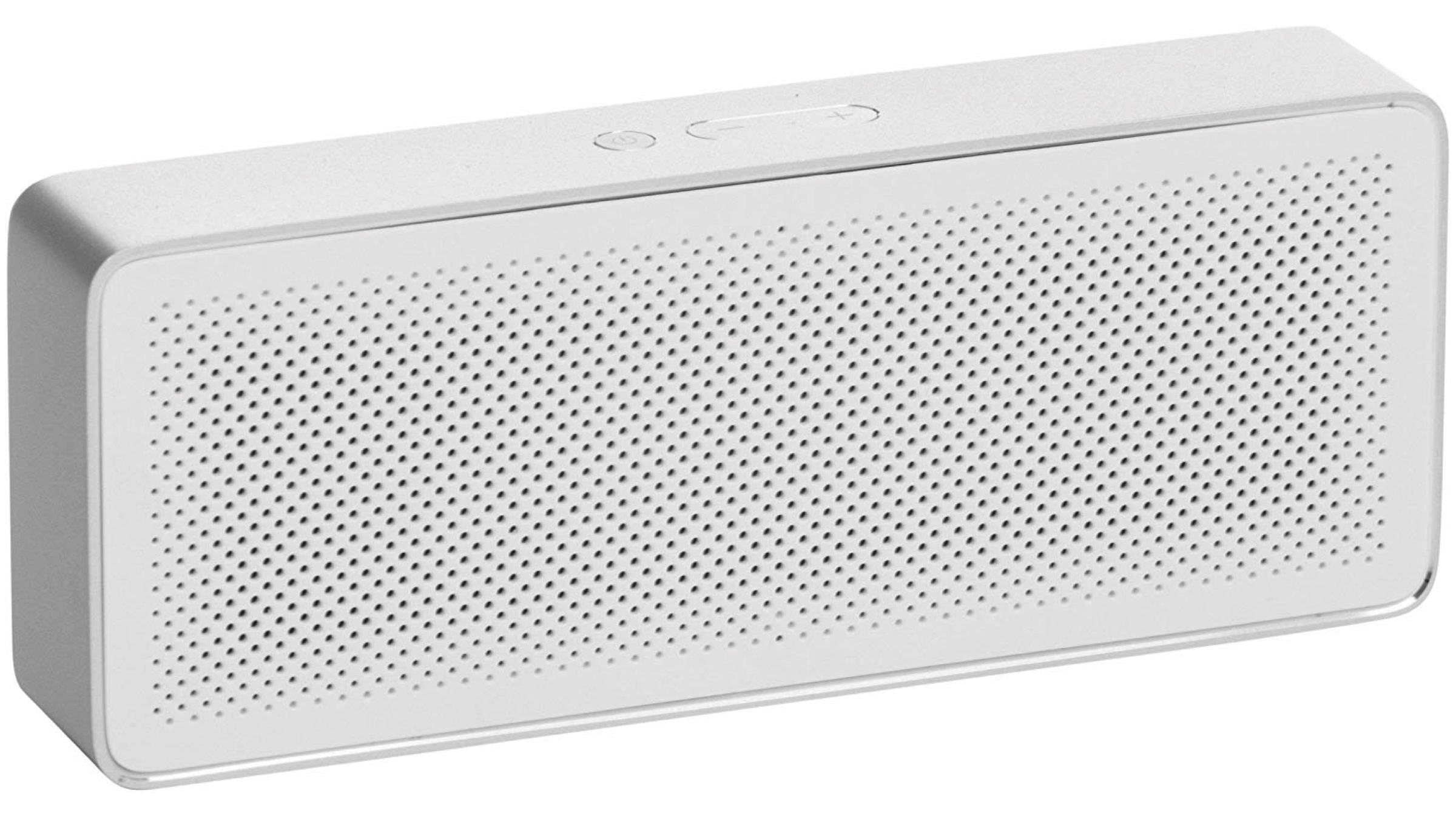
    While talking about an affordable electronic device, it is quite inevitable to talk about Xiaomi. The Mi Basic 2 Bluetooth speaker is made out of aluminium frame and weighs 237g. Rated output of the drivers is 5W and the claimed battery life is 10 hours. With a great sound quality for the price, minimalistic looks and a portable design, the speakers are one of the best choices in the market currently.

    JBL GO

    The JBL GO is one of the most popular speakers under Rs. 2,000. It is also bolstered by the fact that it is available in eight different eye-popping colours and weighs a nimble 132g. The maximum output power of the speaker is 3W. While this is lower than what the competition offers, the JBL GO is more portable and has the brand name of an audio equipment giant to back them up. Due to the sheer portability and looks alone, the speakers are one of the best options in the price range.

    Philips BT50B

    The Phillips BT50B is one of the most portable wireless speakers available in the market. Offered in four different colour variants, the sound output of the mono speaker is rated at 2W. While it doesn’t seem much on paper, it is a great sounding speaker when compared to its size. The rated battery life is 6 hours on a single charge and the weight of the speakers is a measly 90g. Also, the portability and a good sound output make it a great option in wireless speakers under the price of Rs. 2,000.

    Boat Stone 650

    The company Boat is known to make quality audio accessories at an affordable price. The Stone 650 is no different. While not the most compact options, the Bluetooth speakers offer a rugged build and an IPX5 rating for water resistance. Sound output is rated at 10W with the help of a dual driver setup inside. Battery life is also good, as the speakers are rated to last 7 hours on a single charge. Despite its size, the speakers weigh 653g which makes them fairly portable. The mix of a great sound and a competitive price makes it one of the best options in the market.

    Zoook Rocker M2-Mean Machine
    Also read: Steam Survey Shows The NVIDIA GTX 1060 As The Most Popular Graphics Card

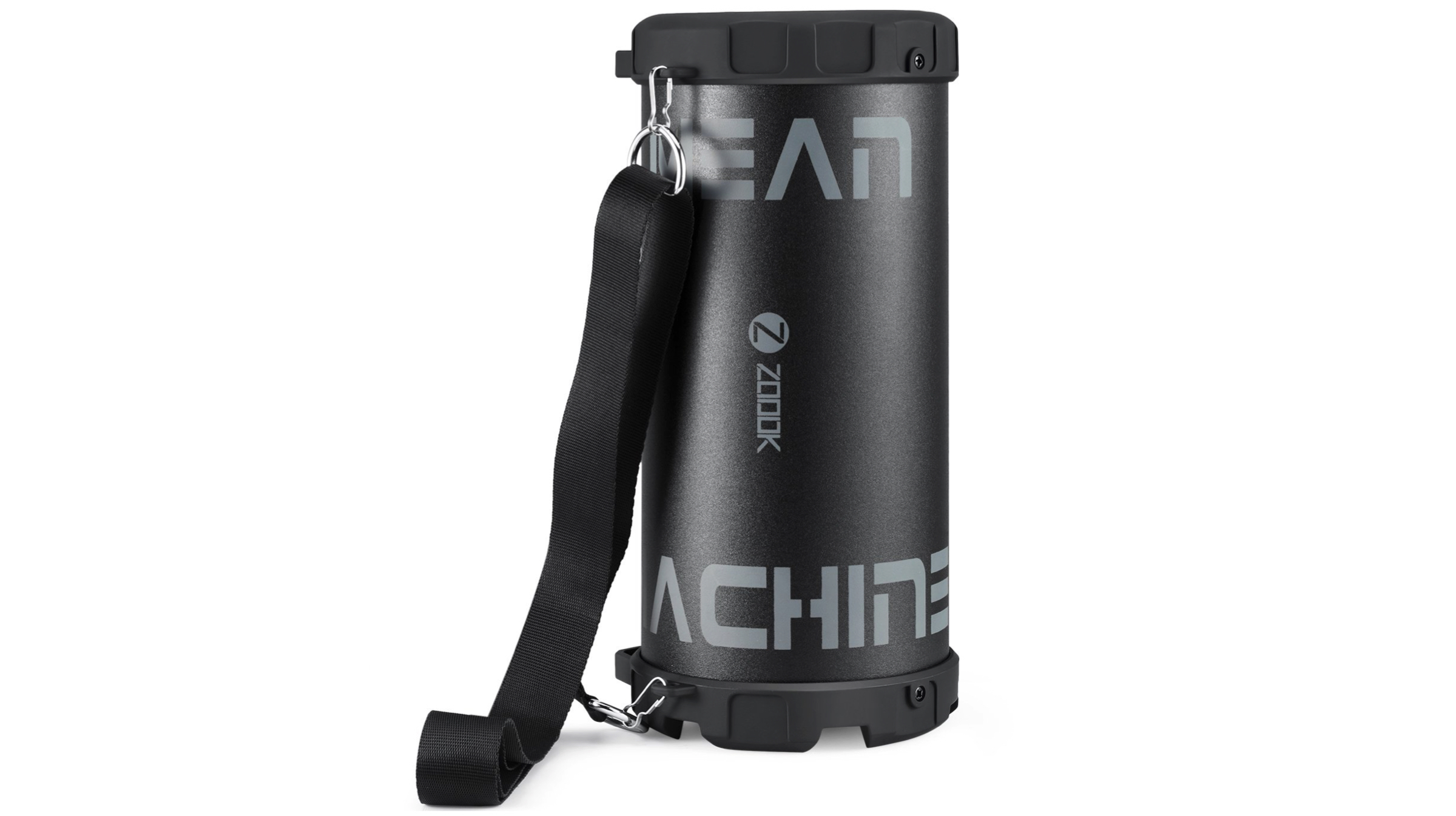
    The Bluetooth speakers justify its naming perfectly, with a rugged and cylindrical design. The Zook Rocker M2 have a barrage of ports and slots to play music and charge the device. It has a shoulder strap that is included in the box, which makes them fairly portable and easy o carry around. The rated sound output of 10W and a claimed battery life of 6 hours on a single charge make it one of the best sounding and the best options available under the price of Rs. 2,000.
  • The Real Reason Android Tablets Failed

    The Real Reason Android Tablets Failed

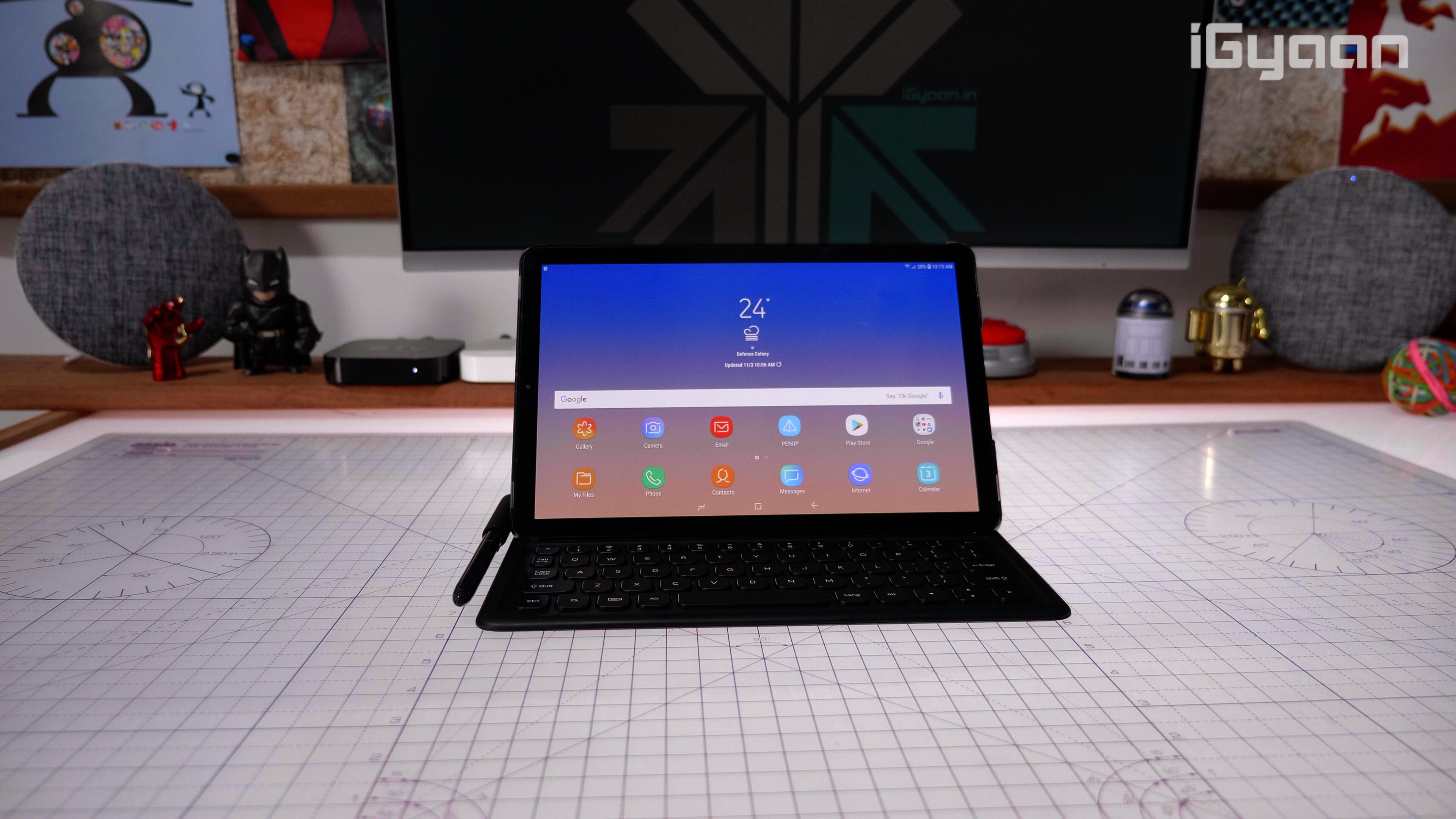
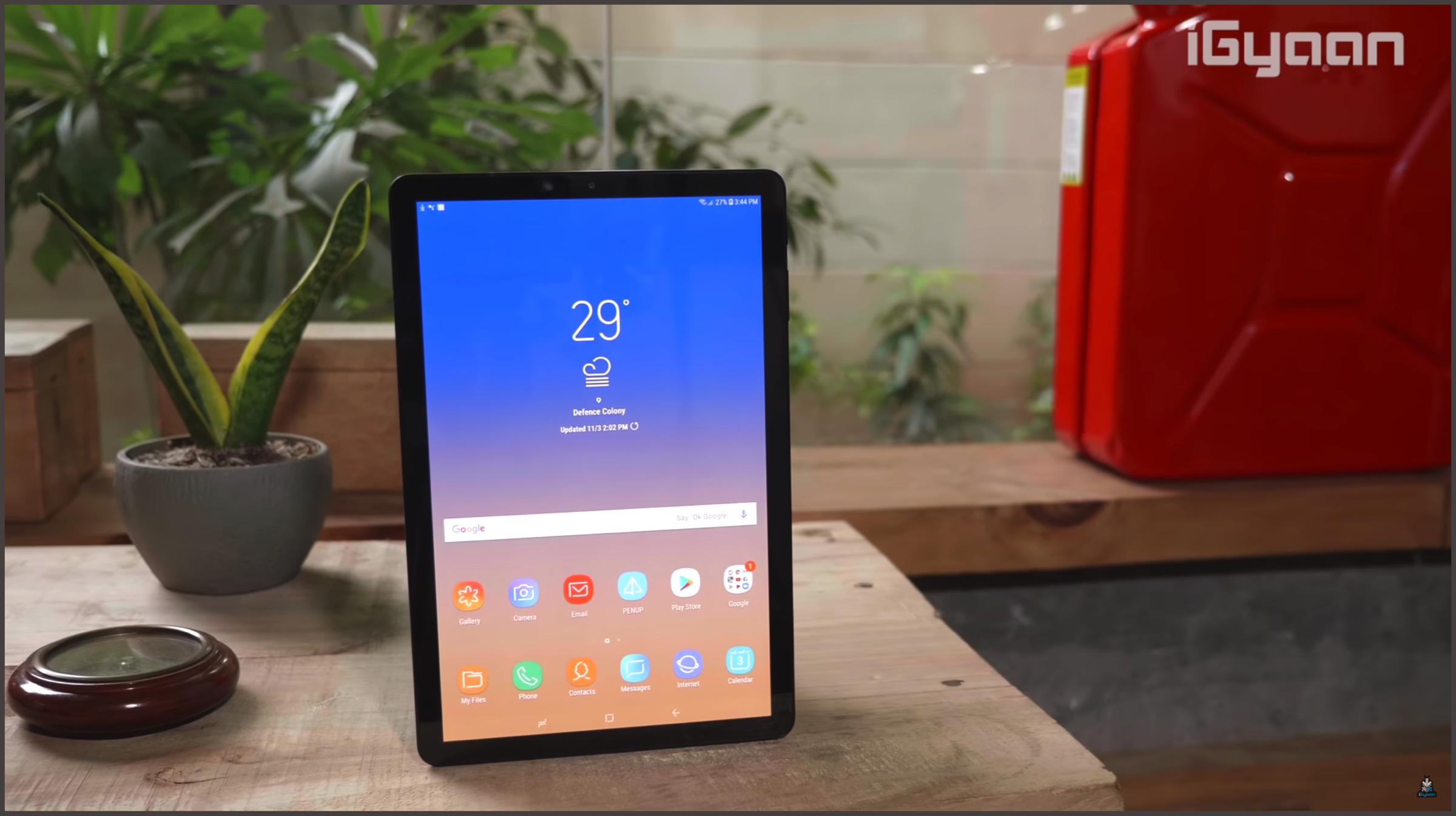
    When Apple released the iPad in 2010, it toppled the industry owing to the groundbreaking design and technology the device incorporated. It is still considered as the time which led to the advent of tablets. Many Android manufacturers including Samsung and Motorola, tried to cash in on the trend at the time but failed. The market for Android tablets hasn’t really caught on since. So, what can be the reason for the tremendous success of the Apple iPad but the dismal failure of Android tablets?

    History Of Tablets

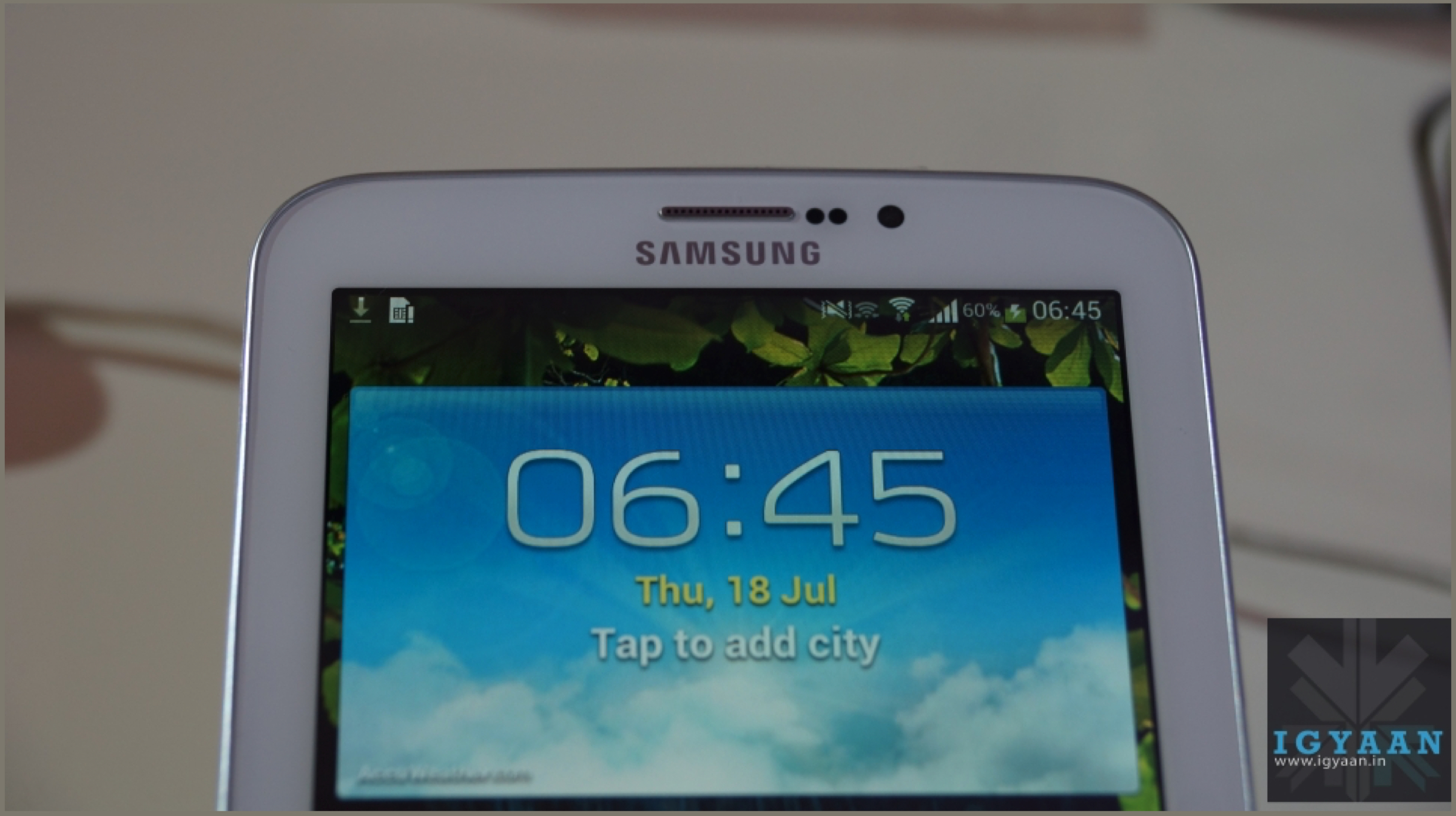
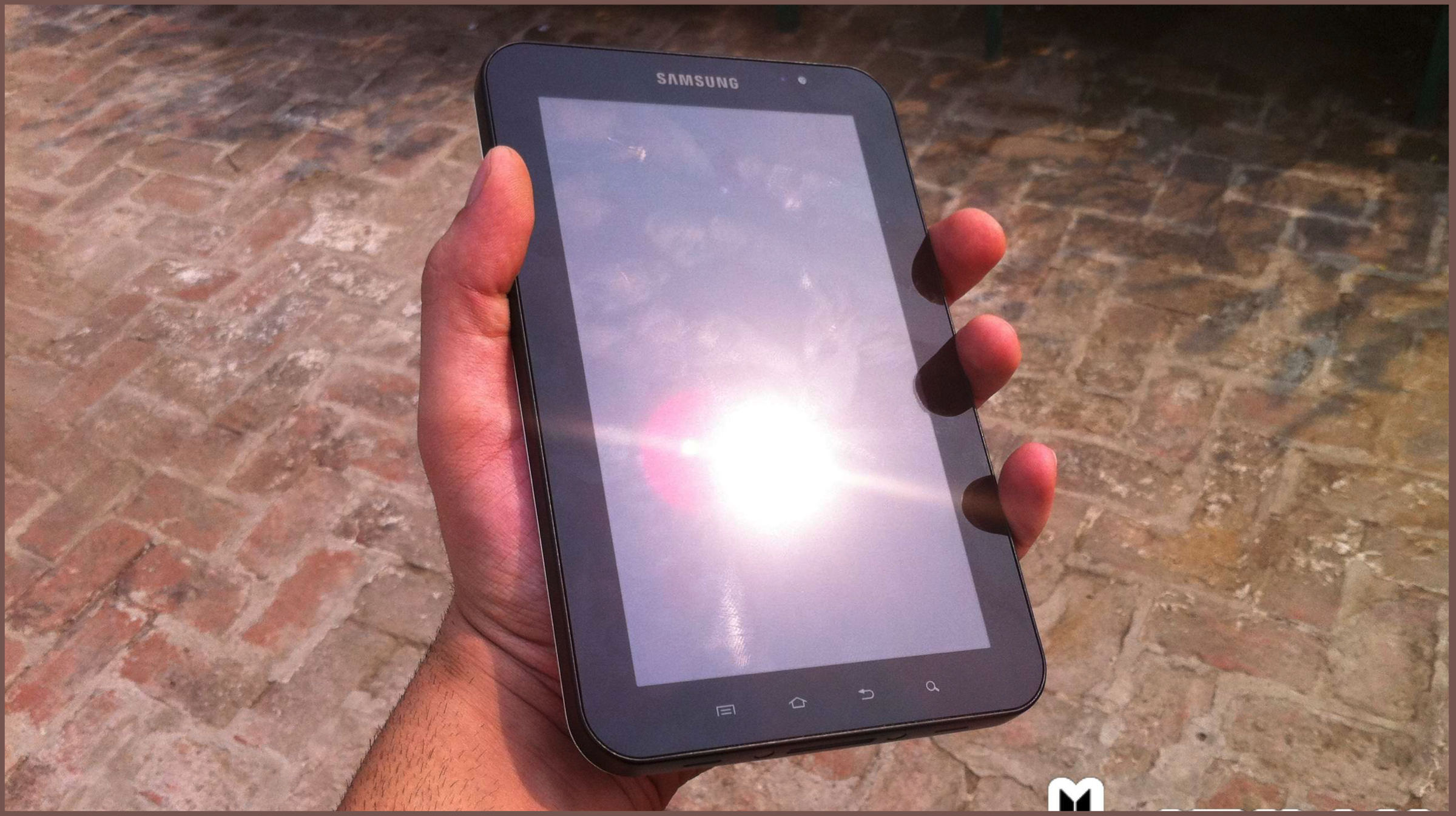
    Interestingly, the first tablet with touch input was neither running iOS or Android. While it is debatable, the Microsoft Tablet PC, announced in the year 2000, is considered to be the first tablet. It ran Windows XP and supported touch input. But the product failed abysmally, owing to the poor user experience and an uninspired design. The Apple iPad, released in 2010 by Steve Jobs is considered the reason tablets got popular in the first place. At the time, Android OS was relatively new and unpolished, so the success of the iPad was foreseen. However, manufacturers on the Android side tried catching up to the competition and we got the first Samsung Galaxy Tab.

    Released in 2010, the Galaxy Tab had a 7-inch display and ran the Samsung’s TouchWiz UI on top of Android 2.2 Froyo. The Operating System lacked any sort of optimization like on the iPad which resulted in an unrefined, laggy experience. Google tried to fix the optimization issues by releasing a new Operating System built around them. Called 3.0 Honeycomb, this allowed developers to build applications that could match the size of tablets and that did not feel out of place. Many manufacturers, like Motorola with its XOOM tablet, LG with its G-Slate and Acer’s Iconia Tab were all running the new OS by the year 2011.

    Android Tablets: Jumping Ship

    While Honeycomb was a promising OS, unlike iOS, most developers didn’t get on board to develop apps for it; due to the variety of screen sizes available, which made Honeycomb a rarity on devices because of poor app support. By the year 2011, Android 4.0 Ice Cream Sandwich was a thing, which had better compatibility with most apps, was also supported just fine on tablets.

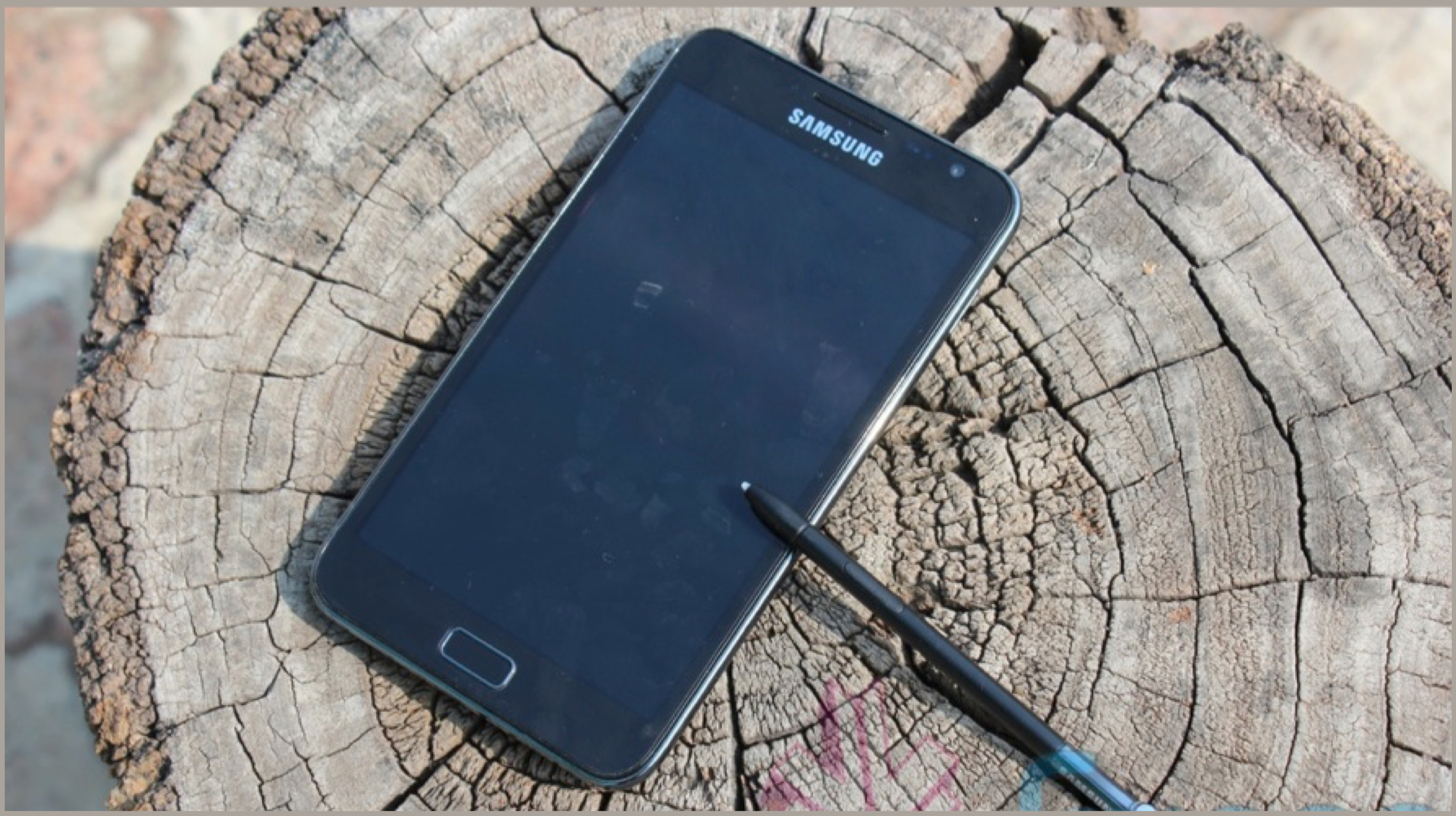
    Then arrived the Samsung Galaxy Note in 2011. The smartphone featured a 5-inch display which was considered massive at the time for mobile devices. A new term, called ‘Phablet’ was coined then. It meant a device which is a combination of a smartphone and a tablet. The device wasn’t doomed with poor app support, ran a more common version of Android and was more pocketable than tablets. So to make things more confusing, tablets which were already a device between a smartphone and laptops was slowly replaced by phablets, a mix of the smartphone and tablets.

    The Ultimate Doom

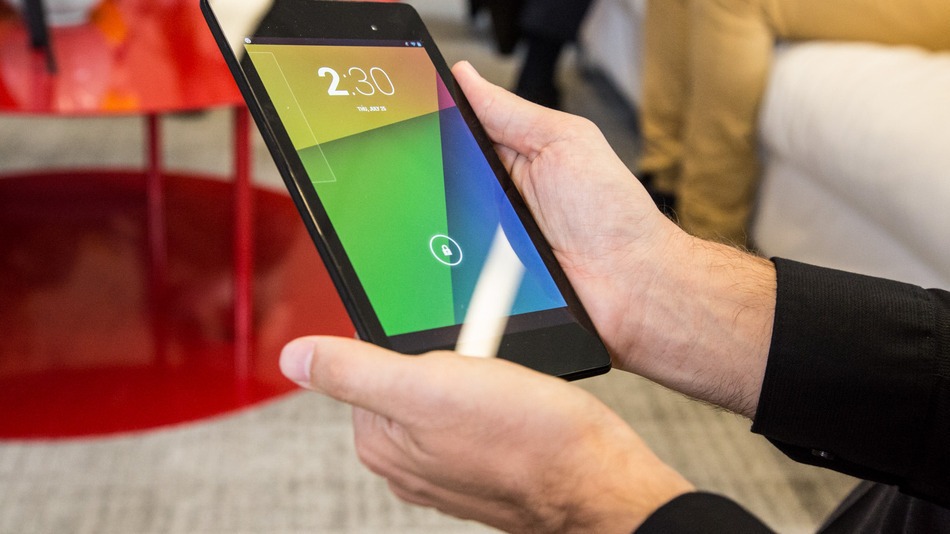
    Google tried updating its Android OS along to support both smartphones and tablets. It also released the Nexus 7 and Nexus 9 Tablets in 2013 and 2014 respectively to try reviving the slowly fading market. It did work for a while, but using Android apps on tablets was still far from perfect experience. Many applications were not designed for big screens so it ended up looking like a stretched out version of its smartphone counterpart. 

    Smartphone makers meanwhile were more focussed on making the screen size bigger or on phablets. And by the year 2017, the race to a bezel-less future started. This led to ever-increasing screen sizes, reaching up to 6.5-inch displays on average. With the line blurring out between tablets and smartphones. Apple also understood the same and tried marketing the iPad as a media device and the iPad Pro as a replacement to a computer. The Android tablet makers, who tried mimicking the same, couldn’t make it work. This was again, due to poor software optimizations and abysmal app support. It didn’t help that they used mobile processors which weren’t powerful enough for computing. 

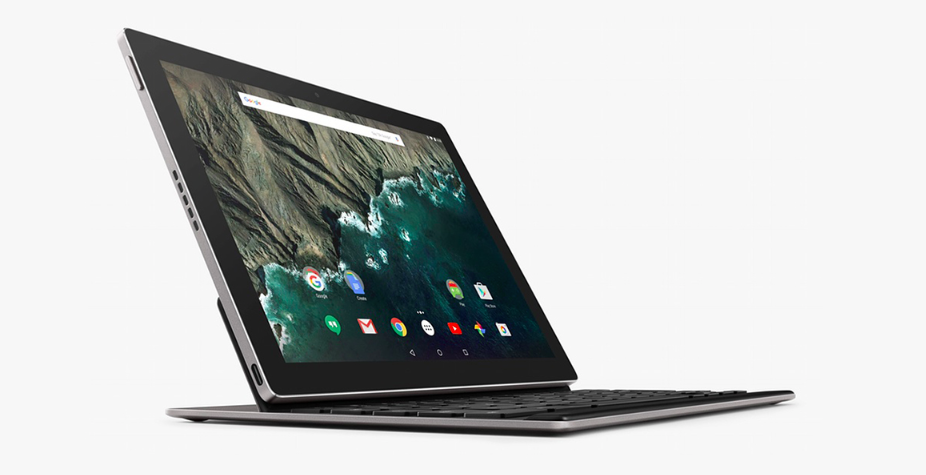
    The last attempt by Google at developing an Android tablet was 2015’s Pixel C, which was cut off from receiving software support starting last year’s Android 9 Pie. This meant Google finally accepted that Android tablets wouldn’t work. They were fine as media devices, but give them anything more, and you’d be disappointed. All is not grim though, as company’s like Samsung, Huawei, Lenovo and Xiaomi still make tablets which have decent specifications and work well as a primary media consumption device.

    Looking Forward


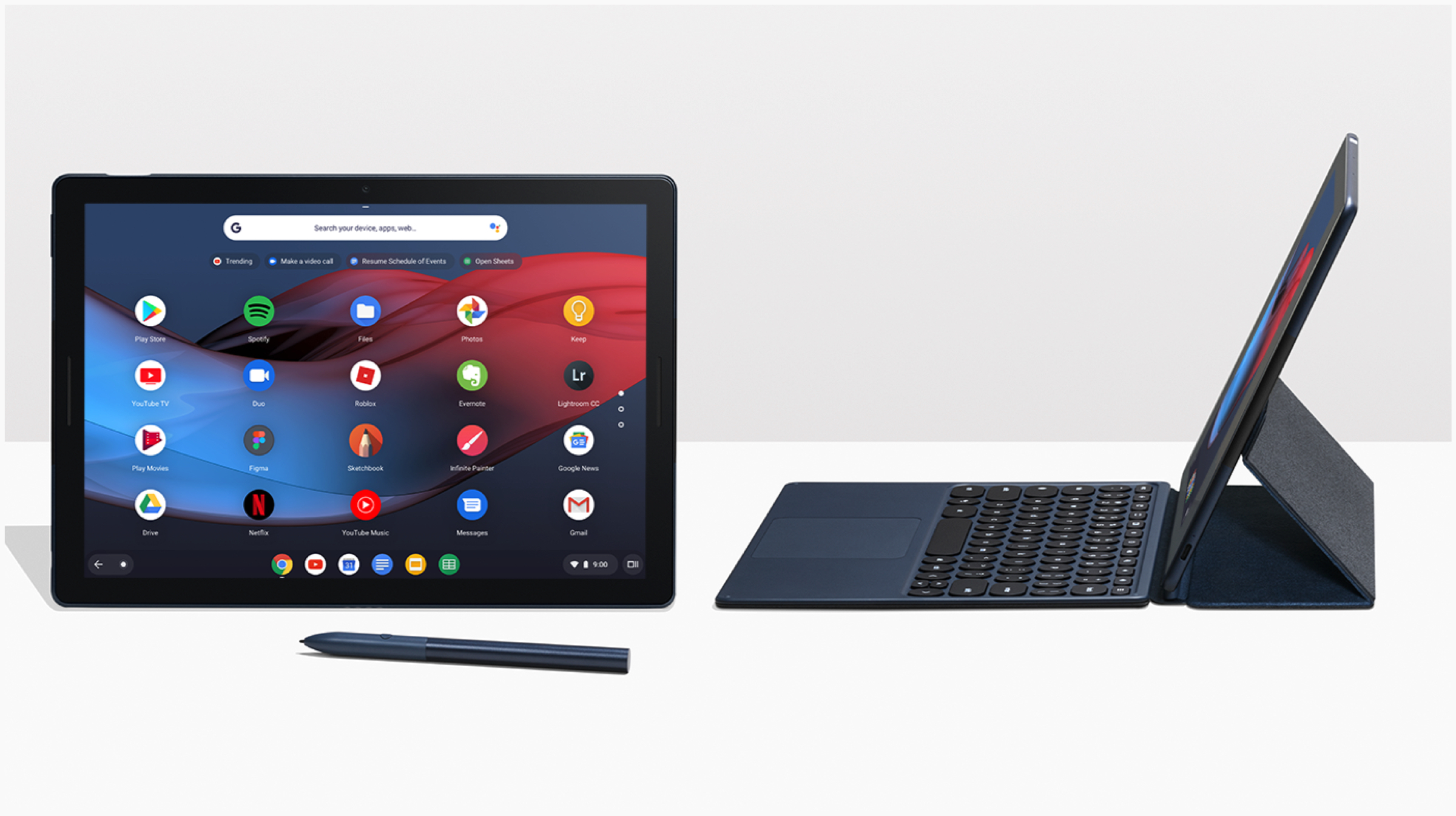
    With Google accepting the fate of Android Tablets, it suggested that the era of the devices will finally meet its maker. Surprisingly, that didn’t happen as the company released the Pixel Slate last year. It ran ChromeOS, Google attempt at making a web-based operating system for PCs with humble hardware. The ChromeOS was designed in a way where Android apps can be used with ease and it offered a better software experience. While the tablet received wretched reviews for its poor software optimization, it did showcase one thing. The Pixel Slate revealed the next step for Android tablets, existing as ChromeOS devices.

    There are again problems with ChromeOS. The Android application support is limited and the software can be buggy. But more often than not, it shows promise which Android tablets didn’t do. The OS is light and fast on mediocre hardware. It also gets fast software updates and has the potential to be a good computing device for a lighter workload. But to affirm the position of tablets, it needs more manufacturers onboard.

    Also read: Top Tech Gadgets & Accessories For The Month Of March

    To make a tablet successful, you first need a use case for it. The iPads have theirs, non-Android tablets like the Fire tablet have things like excellent app support for Amazon’s apps and an affordable price. Android apps mainly failed because they didn’t manage to find their footing. They are larger than a smartphone, but you can’t take calls on it’s like you do on the former. They are smaller than a laptop, but you can’t do any heavy work like you can on a computer. Unless a tablet, whether it is running iOS, Android or ChromeOS cannot define its existence, it can’t survive. That is what led to the demise of Android tablets.

  • What Are VPNs, And Should You Use One?

    What Are VPNs, And Should You Use One?

    The Internet has become an essential part of life in today’s day and age. It is really difficult to imagine what our lives would have been like if the invention of the internet didn’t happen. But if one stops and thinks how much of our life is shared through the medium; or how much of the data shared can be traced back to the user by someone with malicious intents, a feeling of trepidation is natural. To ensure that the data shared over the internet is secure and private, many people use a VPN. But what is it and should everyone get one?

    What is a VPN?

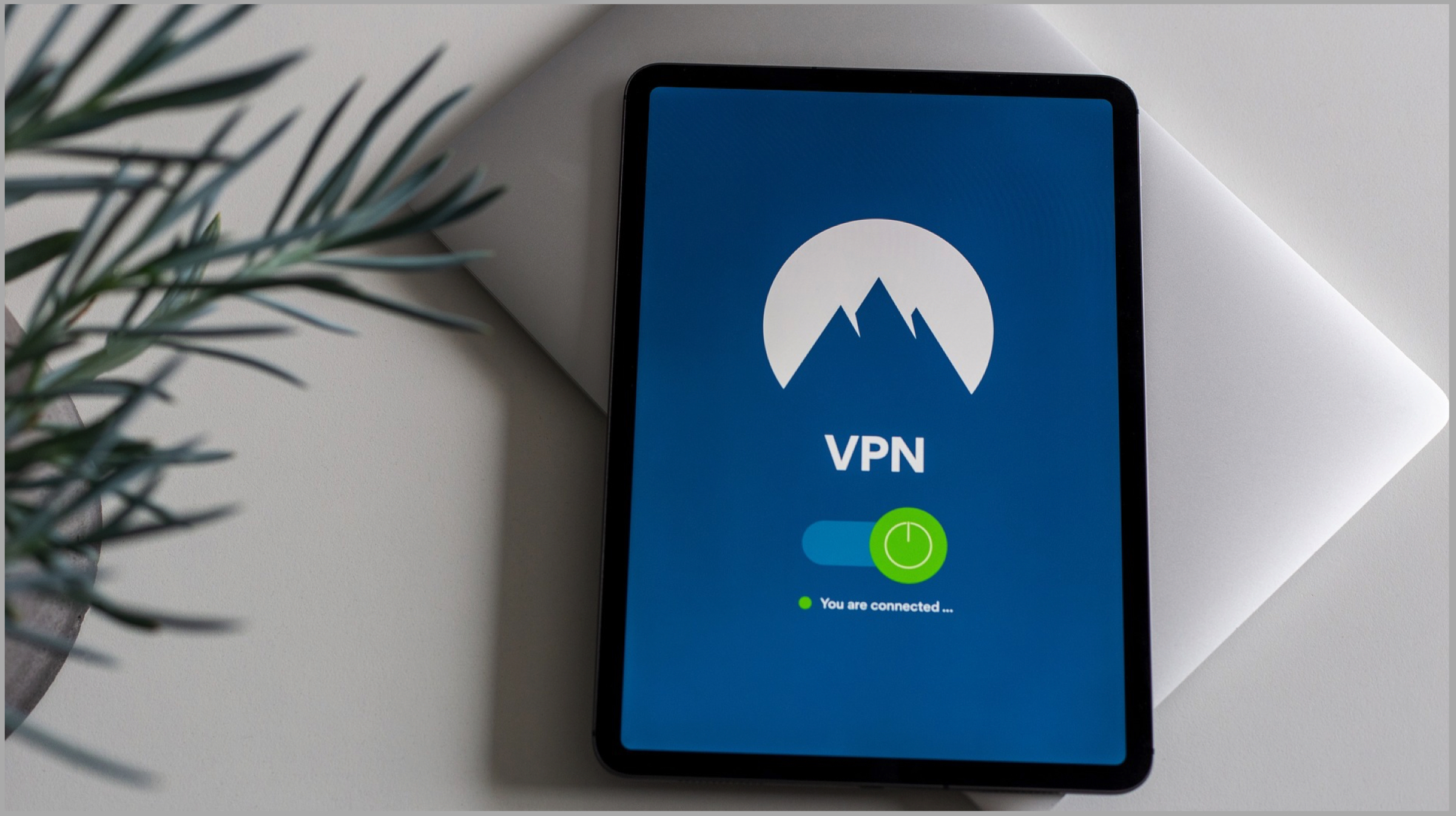
    Virtual Private Networks or VPNs for short is used to connect to another computer, usually called server anywhere on the internet. It then seems that the user is browsing through a private server. To explain it further, a VPN creates a virtual tunnel which is encrypted, so any data shared over the internet passes through the heavily encrypted tunnel; thus making it extremely difficult to track the user. The device that has the VPN installed will gain the IP address of the server, masking the original address and therefore, the user.

    Why Is VPN Useful?

    There are many scenarios where a VPN can genuinely be useful. But to realise whether you need it or not, one has to understand the advantages of using a VPN service, some of which are highlighted below. 

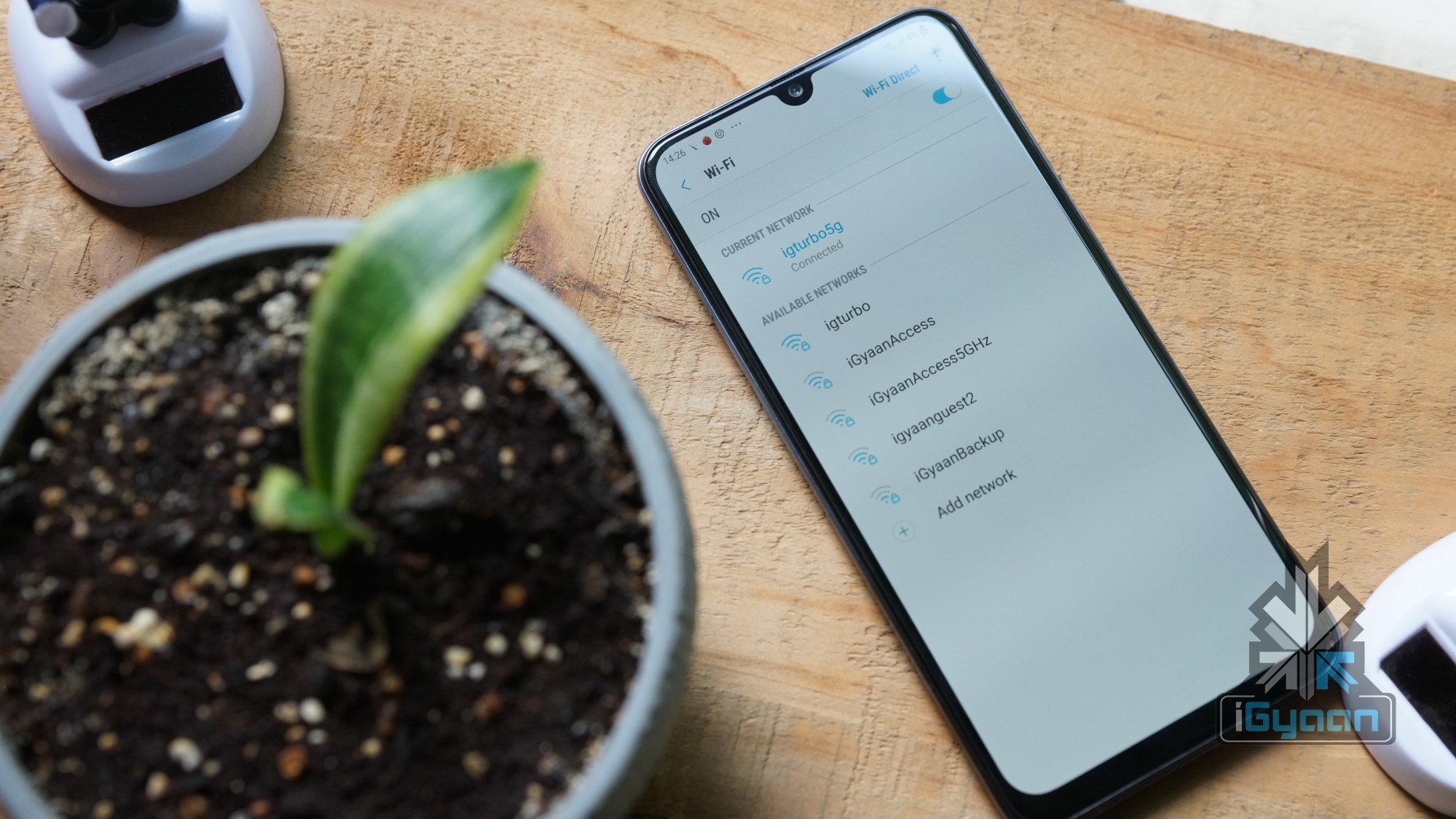
    Security over public networks: Each one of us has connected to a public Wi-Fi network or a shared network connection at least once. The threat of connecting to one remains higher than ever; as public or shared connections doesn’t restrict other people connected to the same network to spy on you. A VPN acts like taking you off the grid while still connected over the same network.

    Anonymity over the internet: Using a VPN makes it extremely difficult to track the user’s IP address, which helps in making them anonymous. The service also allows switching between servers based on countries. This, while not being totally foolproof, lets them gain at least some anonymity, making internet usage a tad bit safer.

    Keep prying eyes away: Be it the movies or an overgrowing paranoia, the fear of being tracked over the internet is growing substantially. In spite of using a private network, organizations like the Internet Service Provider (ISP) and the government; who have more access to the internet than regular people, can still track a person. Using a VPN might not eliminate the chances of them doing that entirely, but it reduces them to a great extent.

    Bypassing censorships: There is no telling when someone’s favourite website is banned because of censorships. So if a website like Reddit or YouTube is banned in a country, it can be bypassed using a VPN service and can be used normally.

    Prevent throttling: Conversations about Net Neutrality aside, major ISPs are known to favour a handful of websites over others. They also can throttle or restrict speeds to a particular website. Using a VPN bypasses that, and thus allows an unrestricted, fast internet.

    So Should You Get A VPN?

    The question of whether a VPN service is good for you or not depends on your usage, and ultimately how much do you value your privacy. Most quality VPNs offer paid subscriptions and the ones that are free offer dicey security support. The speeds of the free VPNs can also be slower than their paid counterparts. Another problem the service has is that while it advertises security over the internet, it doesn’t prevent the user from cookies employed on most websites, which can track data even after the particular website is closed. VPNs also don’t or simply can’t provide full anonymity as even after the connection is encrypted, the service can do only so much to keep you anonymous.  

    Also read: Call Of Duty Battle Royale Launching Soon For Android & iOS

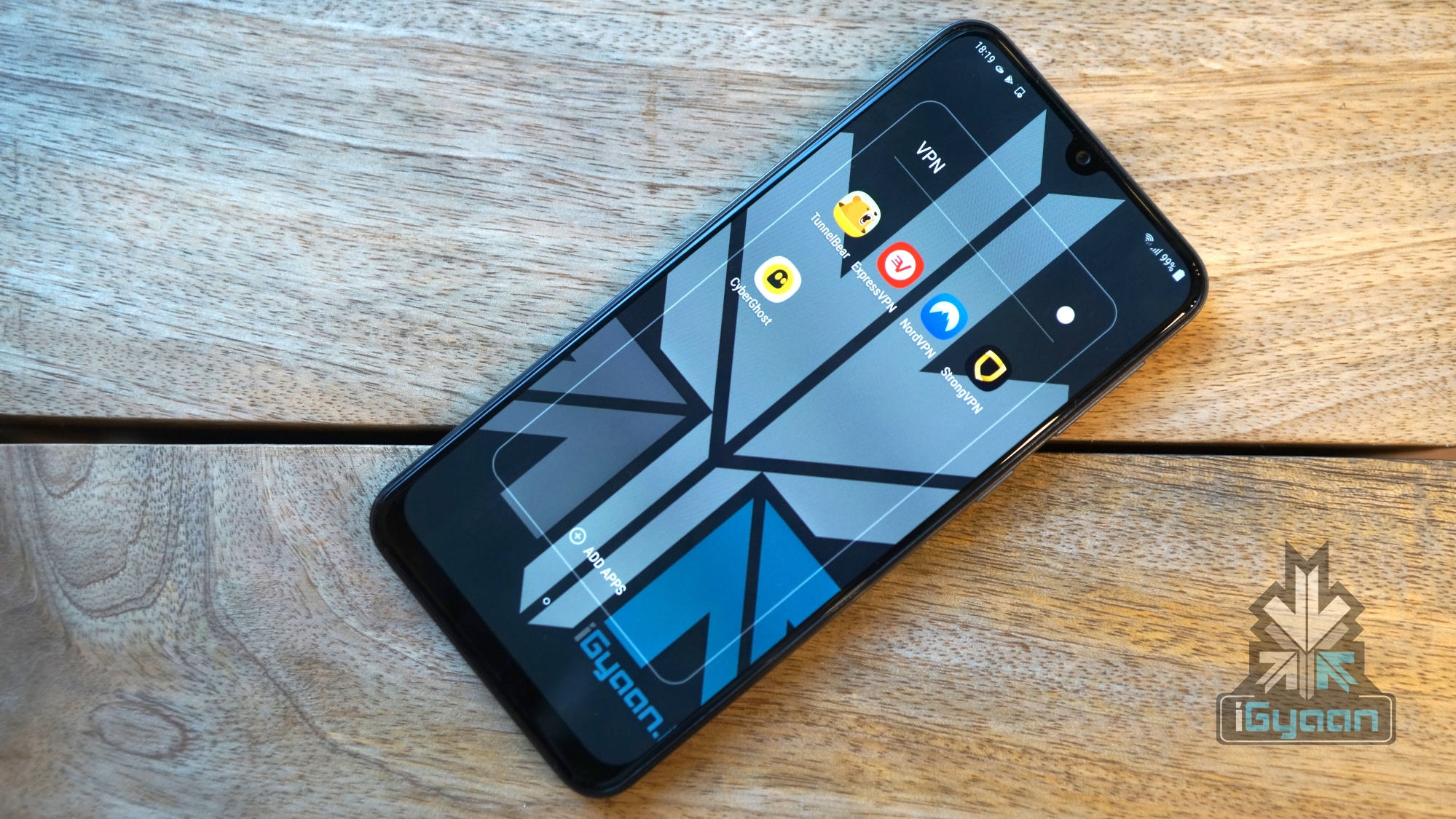
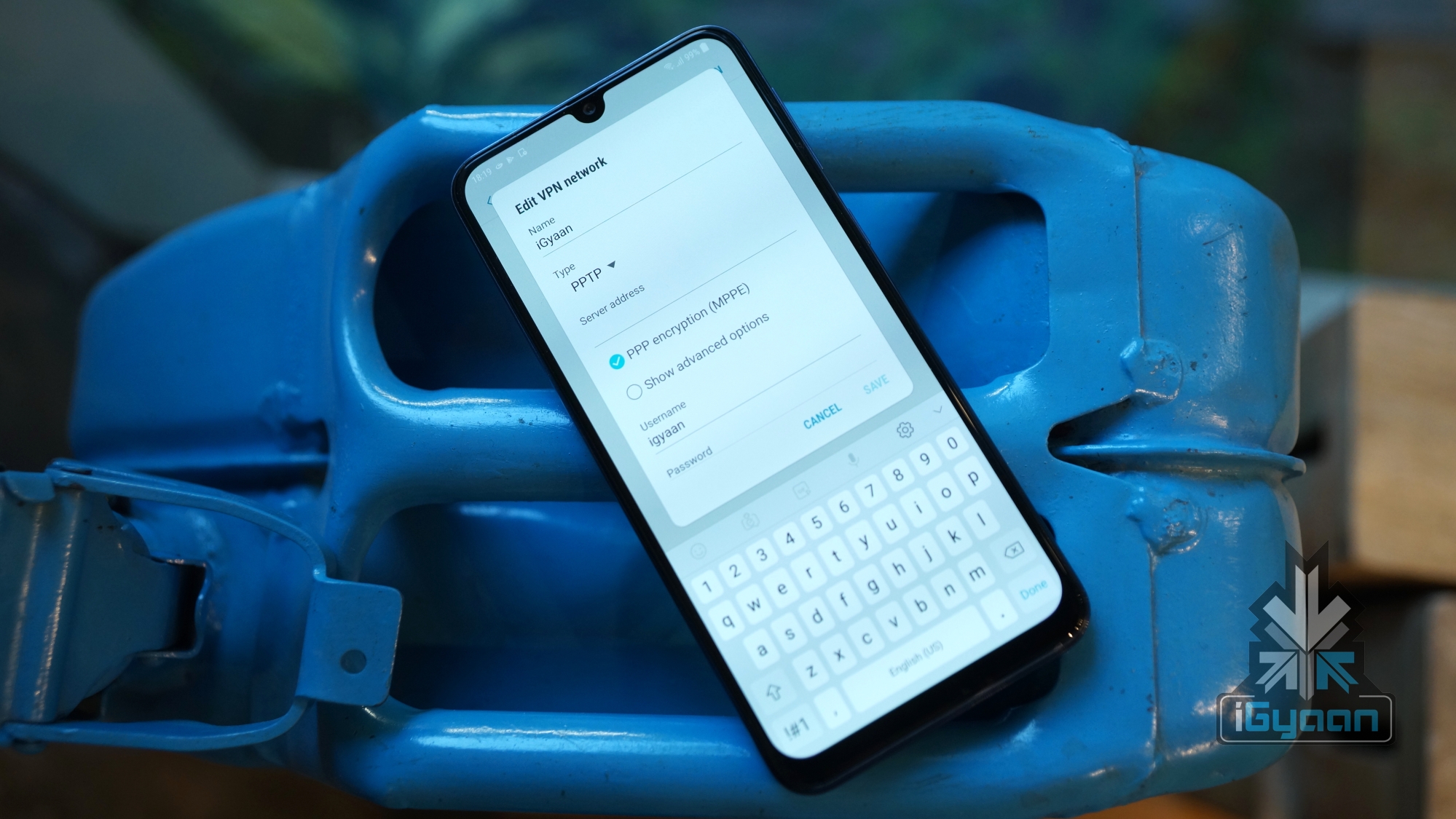
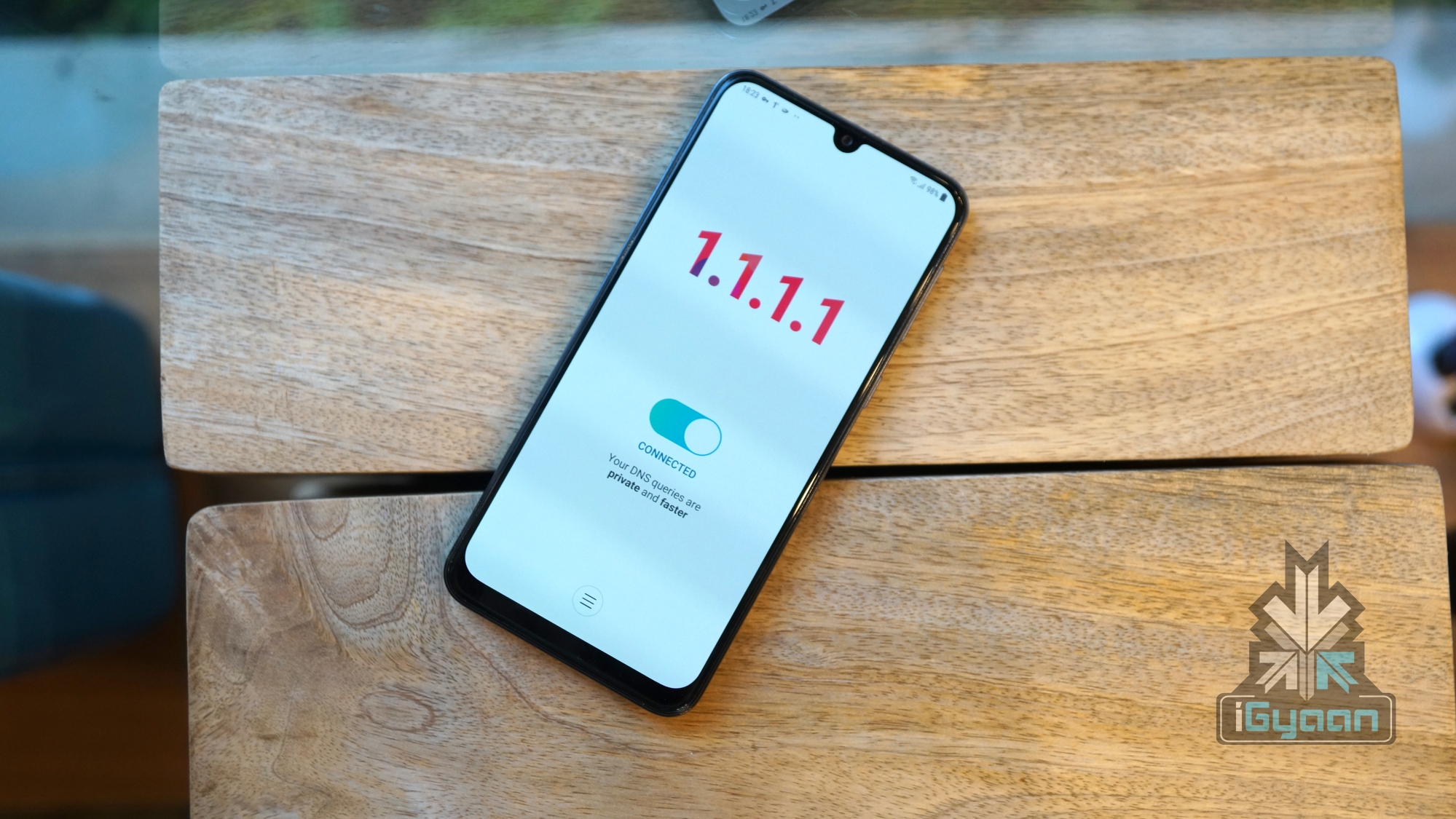
    One should decide if they value their internet privacy as a reason, which honestly, everyone should. To get started, there are many great options available if you want to try using a VPN service. Most of them also offer free trials to dip your feet once before diving all in. Some of the well-known VPN services available in the market are TunnelBear, NordVPN, StrongVPN, ExpressVPN and CyberGhost and Cloudfare’s 1.1.1.1.

  • What Does 7nm, 10nm Mean In Mobile CPUs?

    What Does 7nm, 10nm Mean In Mobile CPUs?

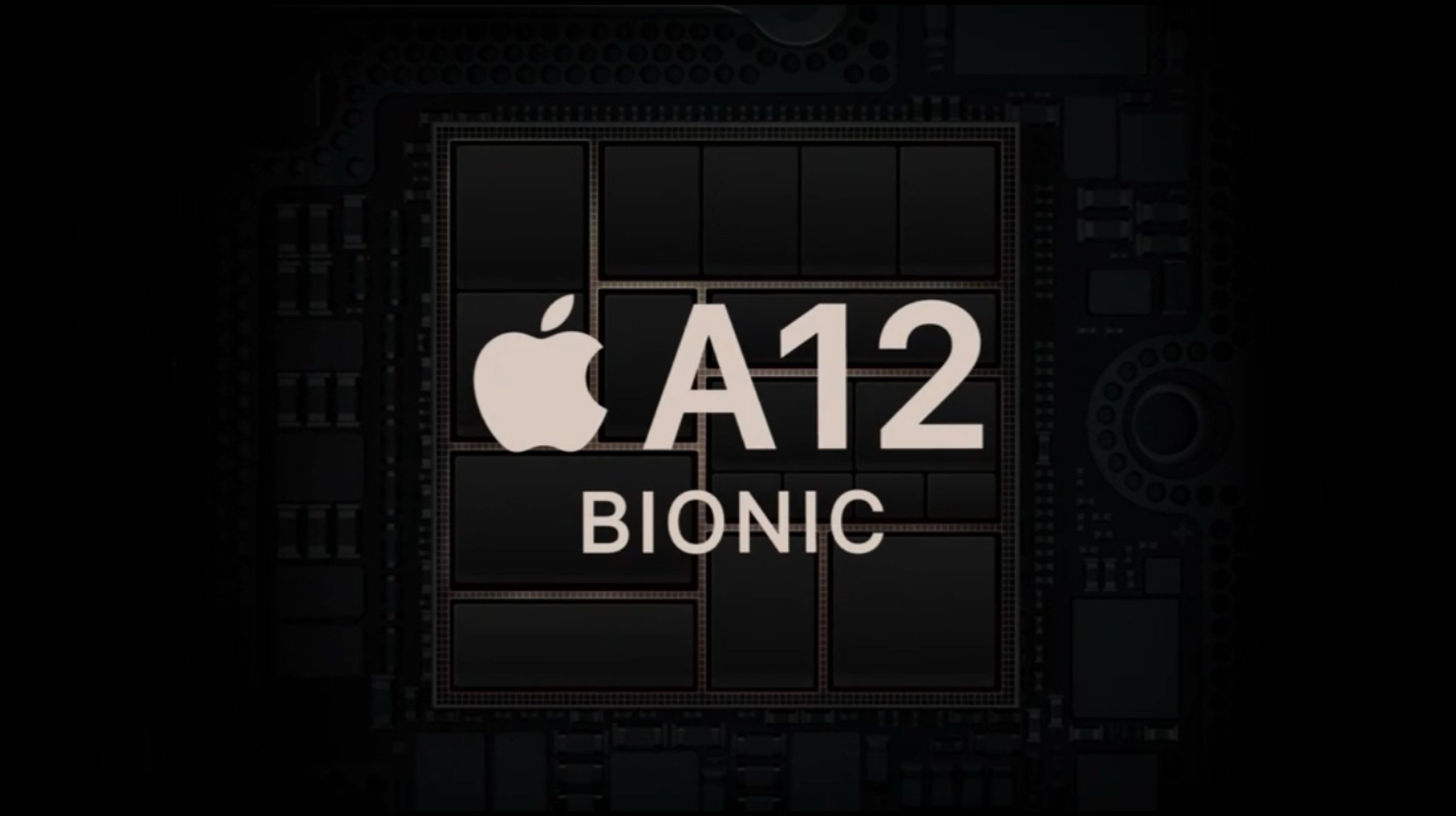
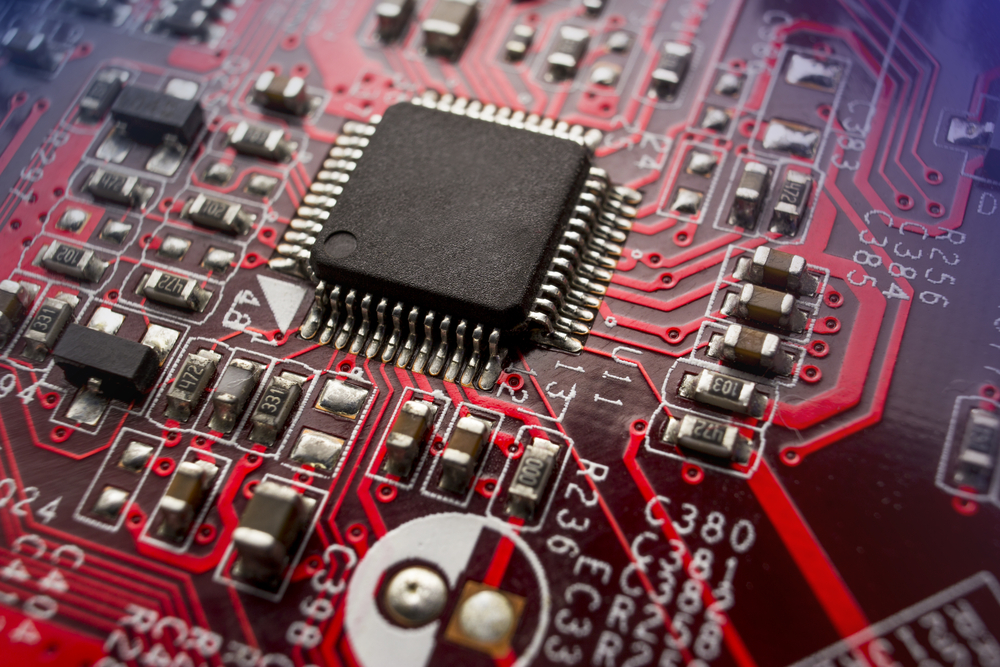
    Apple showed off the A12 Bionic mobile processors last year with the launch of the iPhone XS, iPhone XS Max and the iPhone XR. It was the first smartphone chipset to be built on a 7nm fabrication process. Soon after, chipset manufacturers including Qualcomm, Huawei released their 7nm mobile System on Chip (SoC) named Snapdragon 855 and Kirin 980 respectively. But what does ‘nm’ mean in CPUs and does reducing the size of the processor really change anything?

    Understanding The Composition Of CPUs

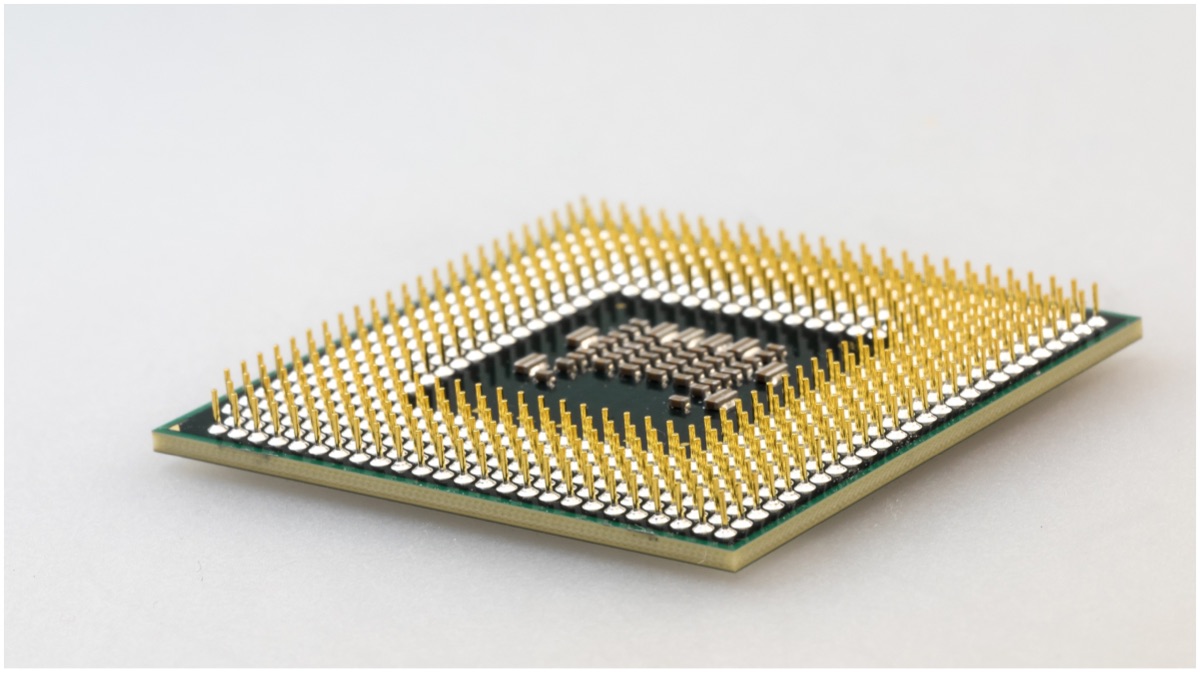
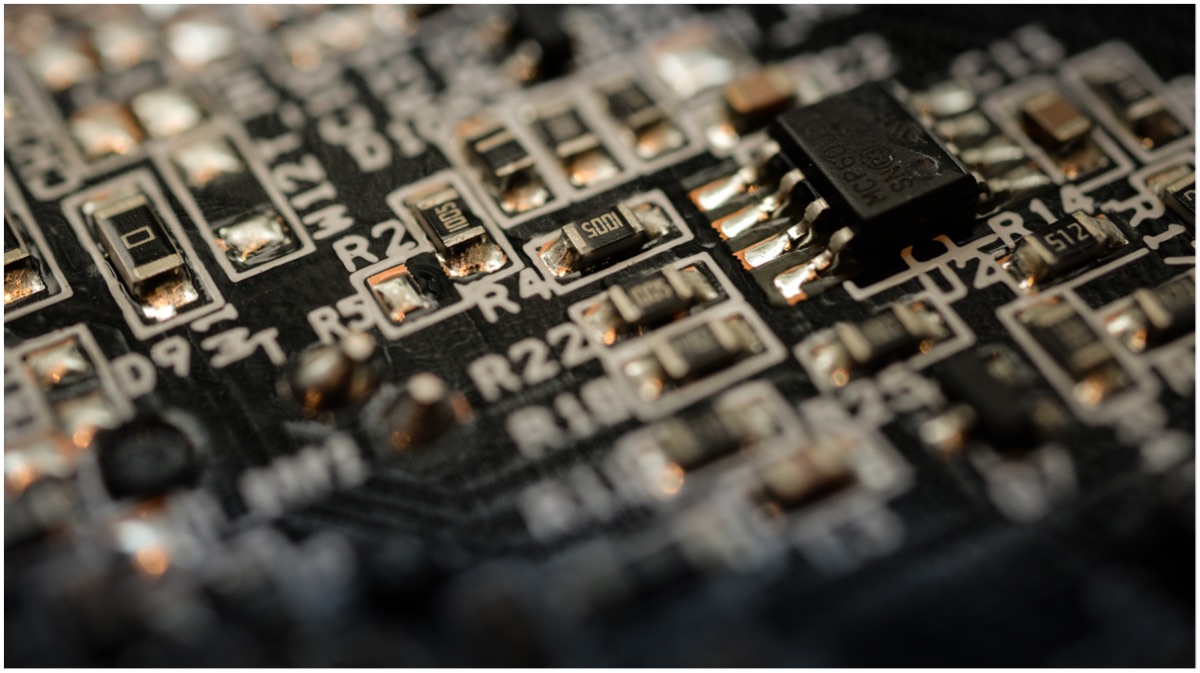
    Every CPU whether it is of a mobile device or a personal computer is comprised up of billions of tiny transistors, which is a semiconductor used to amplify or switch electronic signals and electrical power. The transistors essentially act as electrical gates which switch on and off to facilitate calculations. This obviously requires power to function. So theoretically, if a transistor is made smaller, it will use a lesser amount of power. This is because of the transistor’s ability to store electric charge decreases. 

    CPUs are manufactured using photolithography, which is a process where an image of the CPU and its components is etched drawn onto a piece of silicon, which is created from sand. The method of how this is achieved is referred to as the process node. The measure of how small the transistors can be made is counted in ‘nm’ which is the short form of nanometer and is a minuscule size. Notably, the first transistor that was ever created in 1971 measured 10µm which means 10 micrometres. It is also a small size in its own merit but is nowhere near the size we have achieved using the technology available today.  

    Does A Smaller Size Of CPU Matter?

    So, if a manufacturer claims that the newest CPU it has employed is smaller in size and will thus improve performance and efficiency, is it a correct thing to say? Well, technically yes as the power efficiency is improved by a smaller size of the chipset as explained above. Performance is also an aspect which is affected but not necessarily in a big way. While the faster a transistor toggles itself on and off, the better performance a device will have. But the difference can change with every manufacturer. Apple, Huawei and Qualcomm all have achieved 7nm fabrication process for their processors, but the performance differs a significant margin with each device.

    A way that manufacturers tackle performance difference is by providing better cooling technology with their CPU. Heating in a CPU can cause its performance to throttle, which means it will adjust the clock speed of the CPU based on the amount of heat it is currently generating. So more heating would cause the clock speed to decrease, ultimately affecting the performance of the device.

    What’s Next For Mobile CPUs

    The biggest change with the reduction in the size of processors will be seen on mobile devices. With major manufacturers already making the switch to 7nm technology for manufacturing the mobile processors, the next obvious step will be to go even further. A few weeks ago, reports claimed that Apple may introduce 5nm SoCs in iPhones starting the year 2021. This would implicate even better battery life and a significant performance boost. More chipset manufacturers like Qualcomm, Samsung and Huawei will also most probably make the switch by the same year.

    Downsides Of A Smaller Mobile Processor


    Also read: Worlds First Side Sliding Smartphone, The ZTE Axon S Surfaces Online

    No matter how much faster or efficient a smaller transistor size makes a mobile CPU, there are downsides. The most prevalent is the manufacturing of smaller chips. 7nm is already a substantially small number and going even smaller than that is not an easy process. Another problem with smaller SoCs is called ‘leakage’. It is a measure of the electrical charge the transistor allows to pass when it is off. This would mean that the transistor that allows more current to pass when the CPU is idle would consume more power. This drains battery faster and would certainly not be an ideal choice to be installed in devices. Smaller transistors are tricky to manufacture, which increases the chances of leakage if anything goes wrong in the production.

  • What Are Nanobots? What Are Their Future Implications?

    What Are Nanobots? What Are Their Future Implications?

    Inventors and scientists have been continuously working towards reducing the size of technological components. Room-sized computers to laptops that are slimmer than a pane of glass? It’s done. Huge bulky telephones to smartphones that can fulfil a lot more? A thing of the past. The real question is, to what extent can all this go? Will we see smartphones that can be embedded in human bodies? Or is there more to it?

    Nanotechnology has been around for a while now. It is a branch of technology so minuscule that it can operate on a microscopic level. And what’s more, it can be programmed to do whatever is desired of it. Richard Feynman was the physicist who first gave birth to an idea of nanotechnology and nanoscience in 1959. With his paper titled “There’s plenty of room at the bottom”, Richard laid the vision on top of which nanotechnology is being developed today. And in the future, it is expected to greatly change the way our world operates.
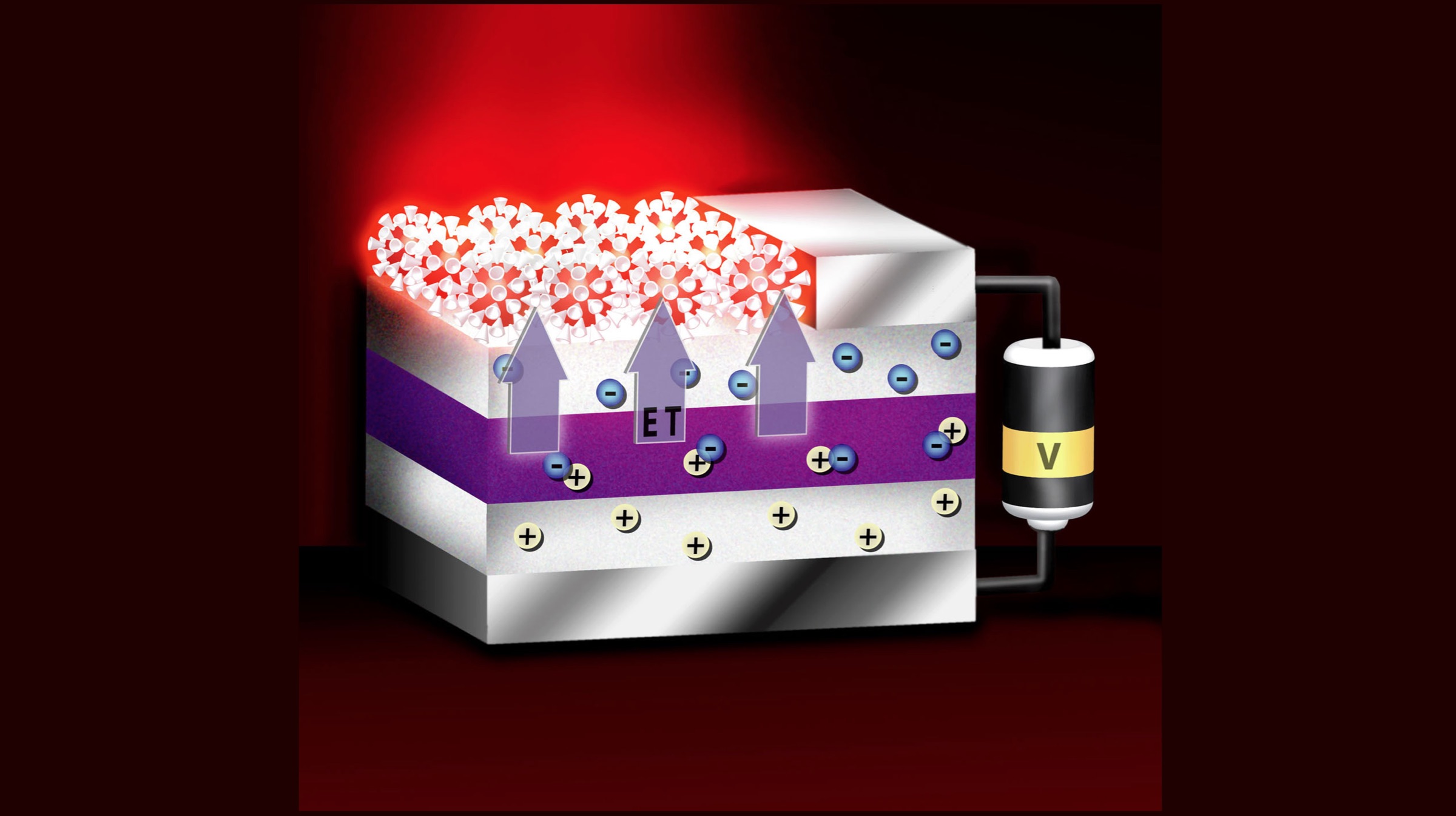
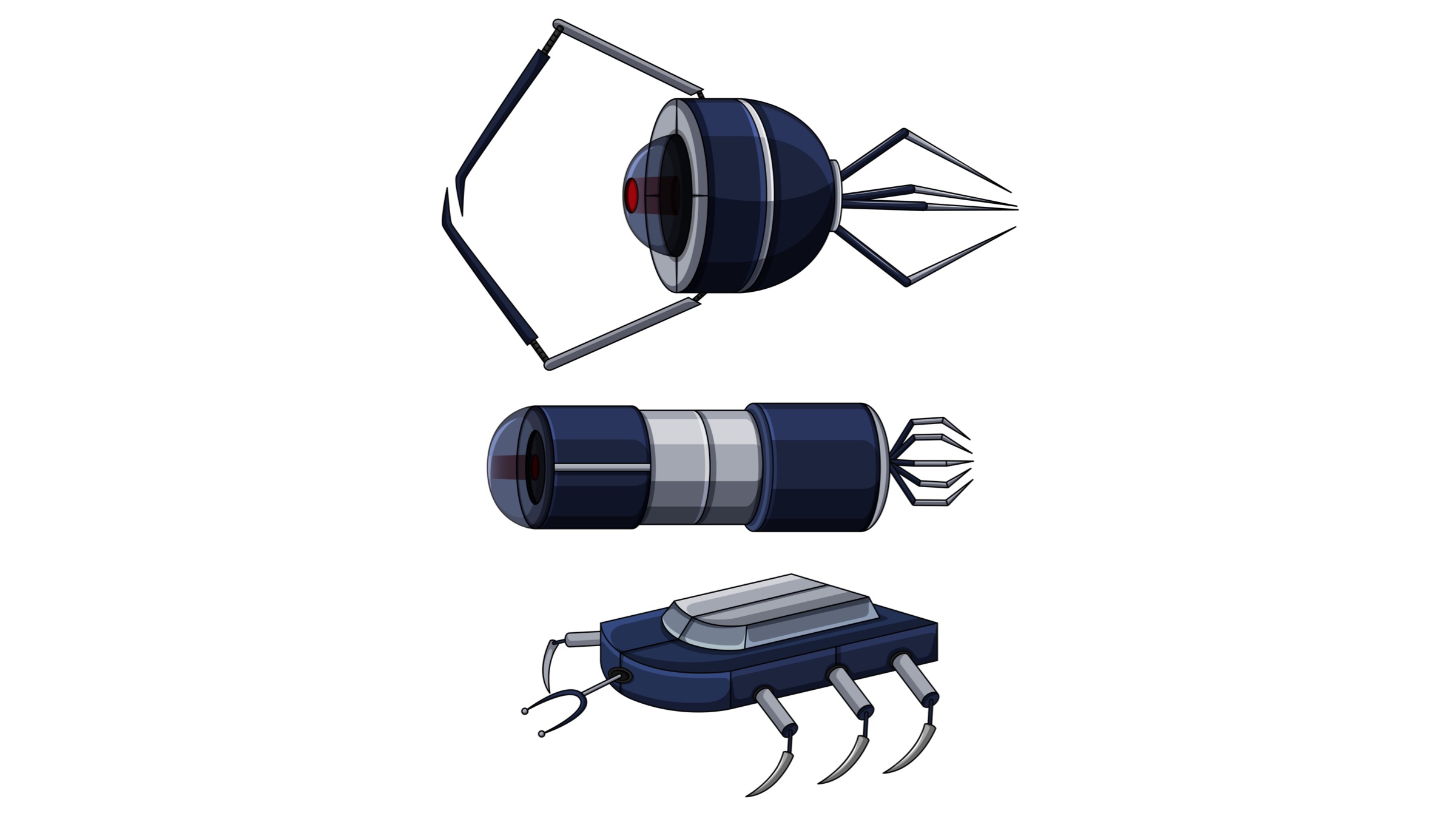
    “Nanobot” is a term that people may have gotten used to because of Hollywood science fiction movies. As the name suggests, a nanobot or a nanorobot measures about a few nanometers, where 1 nm = 10-9 meter. With properties like self-replication (producing copies of themselves to replace defective units) and molecular manufacturing (building nanoscale circuits and devices), nanobots have a host of applications that can be implemented in our day-to-day life. They are highly valued in healthcare, construction, telecommunications and disaster management. 

    Here are some of the areas where nanobots can be of immense help and value:

    Nanotechnology In Healthcare

    A major chunk of funding that goes into Nanobots R&D originates from the medical field, and for reasons that make it very clear why we need nanobots. Medical researchers call nanobots “the biggest medical breakthrough since medicines”. And there is a lot of excitement once we explore what nanotechnology can hold in store for medical science.

    In 2016, researchers used nanobots to treat a tumour by targeting it via nanobots, which then administered the necessary medicine to the clot of cells. This means that no surgery was involved to treat the tumour, no incisions were made and no anaesthesia was involved. It is very heart-warming to think that cancer may be a thing of the past in a decade or so. Chemotherapy and cancer treatments could be rendered obsolete for all we know. 

    Imagine that a person is unfortunately involved in a severe accident and is bleeding profusely, probably towards his/her death. Nanobots can heal up the damaged tissue right before your eyes. The microscopic robots are programmed to swarm like bats to scout out the point that needs repair. Once the point of activation is detected, all the bots collectively work together to fix it.

    Hollywood movies like “G.I. Joe” and “I, Robot” display the use of nanobots in healing. Further implication includes the military, which will be taken up later.

    Nanotechnology In Construction

    As per surveys, almost 41 percent of the total energy consumed in the United States is routed to construction and building. Nanotechnology can significantly reduce construction times and energy consumption that is involved in development. Deeper applications include maintenance of buildings, safety facilities and self-cleaning. Using micron-sized coatings, the nanoparticles can provide UV resistance in both coatings and paints. Nanoparticles of compounds like Titanium Dioxide and Zinc Oxide can be applied as a final layer on construction ceramics to provide the aforementioned resistance.

    Nanobots can be used to automatically fill cracks in concrete and other building material, averting disasters that arise from construction negligence. Addition of nanoparticles to building materials will lead to fire resistant, air cleansing, more durable and easy to clean end-products. When used in glass, cracks will automatically repair themselves, preventing any hazards. The implications are endless.

    Nanotechnology In Military
    In the last 13 years, the Indian Army lost a soldier on duty every third day. Casualties on the front line are much higher in number than in any other profession. The development of nanobots in the Military sector will ensure that the number of lives lost is drastically reduced. For starters, nanorobots can be used to scout the front lines for any impending risks. They can be used for spying and scouring sensitive information without putting any human lives at risk.

     
    Kevlar vests can be designed with nanoparticles to provide material regeneration during combat. Weapons developed with nanoparticles will be lighter and more modular than conventional weapons. Military nanorobots will be capable of performing complex functions like grabbing and wielding heavy objects, which can be used to safely neutralize threats like IEDs and Mines.
     
    Even though a lot of years are still pending before we can see nanotechnology become a part of our lives, we can still hope that when it does, it radically improves our world. If a piece of technology has the potential to save lives in ERs as well as on battlefields, it holds an immense value from an R&D point of view. These incredible devices have the capability of changing the way we live our lives, hopefully, for the better.
  • How Do Fingerprint Scanners Work? Are They Truly Secure?

    How Do Fingerprint Scanners Work? Are They Truly Secure?

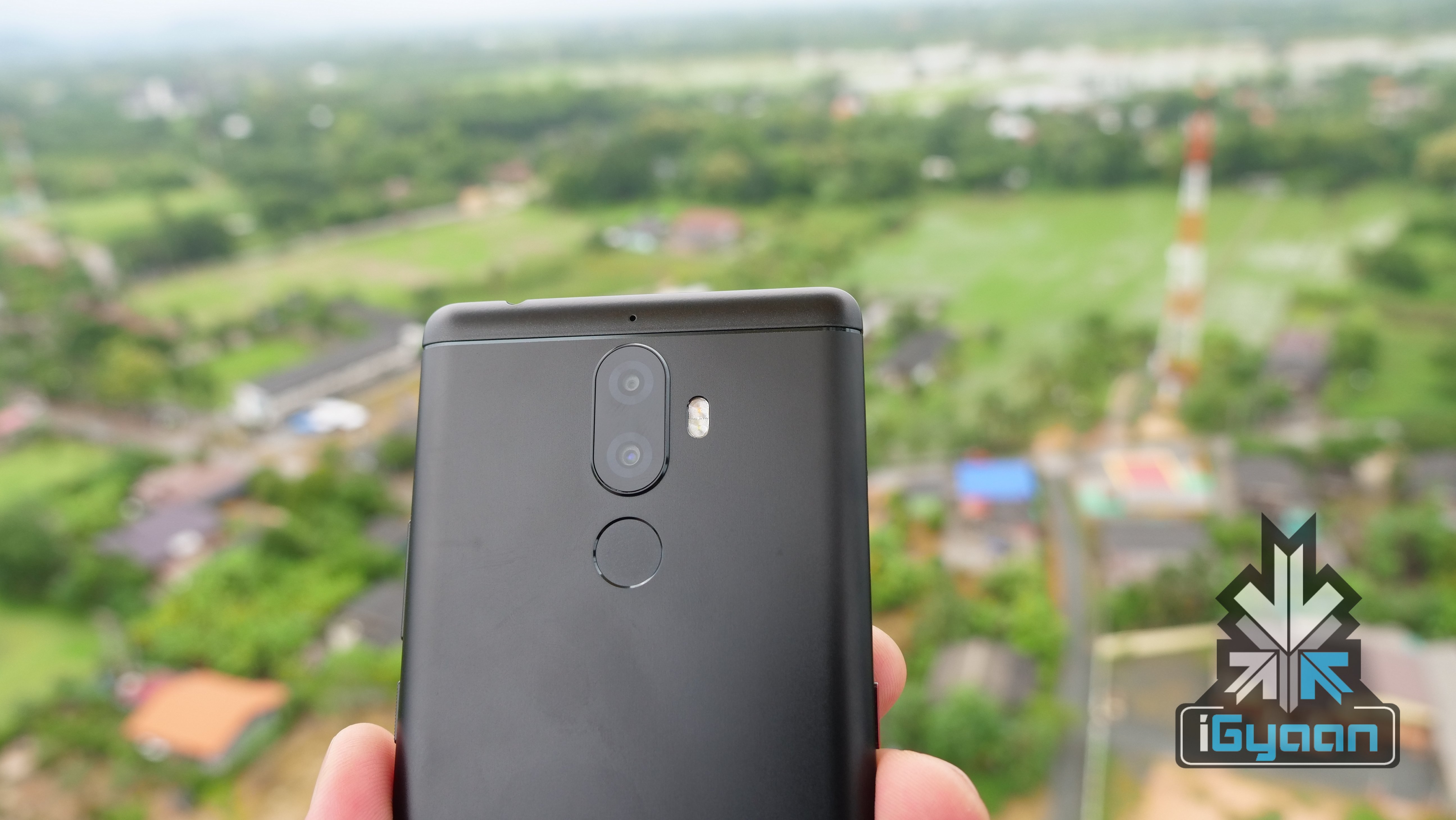
    In an era where security is the defining factor of our lives, people are becoming increasingly aware of their privacy across digital devices as well. Hacking incidents have increased, which is indirectly putting pressure on smartphone companies to incorporate the highest level of security detail in their devices. A major chunk of all smartphones being launched these days have a common biometric security feature: the fingerprint scanner. But the real question is, how accurate and effective are those fingerprint scanners in reality? Are they secure enough to just prevent snooping, or are they built for something more resilient?

    Types Of Scanners, And How Do They Work?

    These days, smartphones are loaded with a host of security options to ensure that the data on the device remains private to the user. Some primary security features are listed below:

    • Pattern
    • PIN/Password
    • Fingerprint Scanners
    • Iris/Retina Scan
    • Face Recognition

    Pattern and password enabled security has been around since almost the beginning of the smartphone era, and most of the users are familiar with it. A few years ago, fingerprint scanning was considered to be something that belonged only to spy movies. Fingerprint scanners were a state-of-an-art technology back then. But in the past few years, fingerprint scanners have become a ubiquitous part of our technology. They are extremely useful because of the ease in their implementation. But how do fingerprint scanners work? 

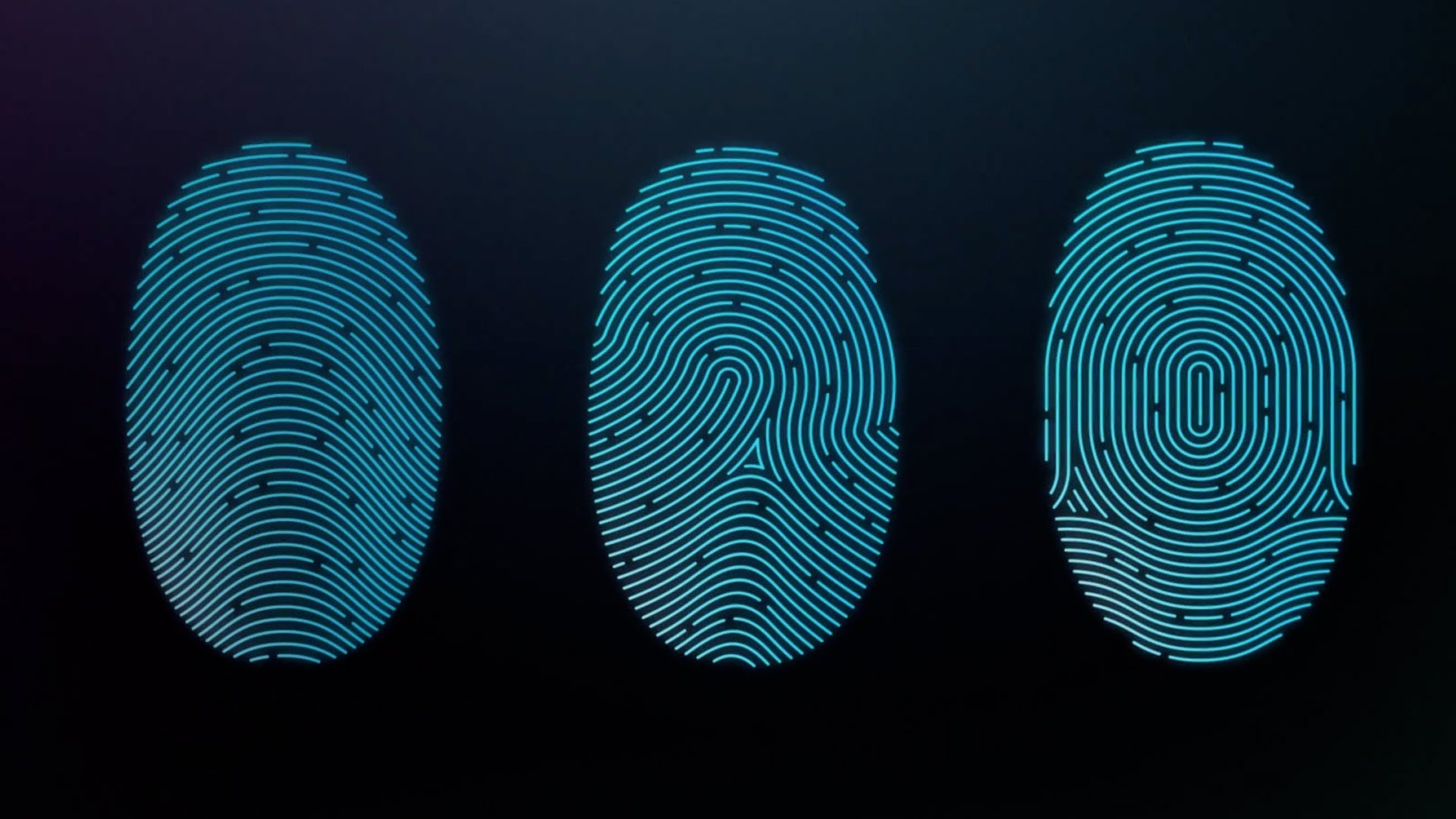
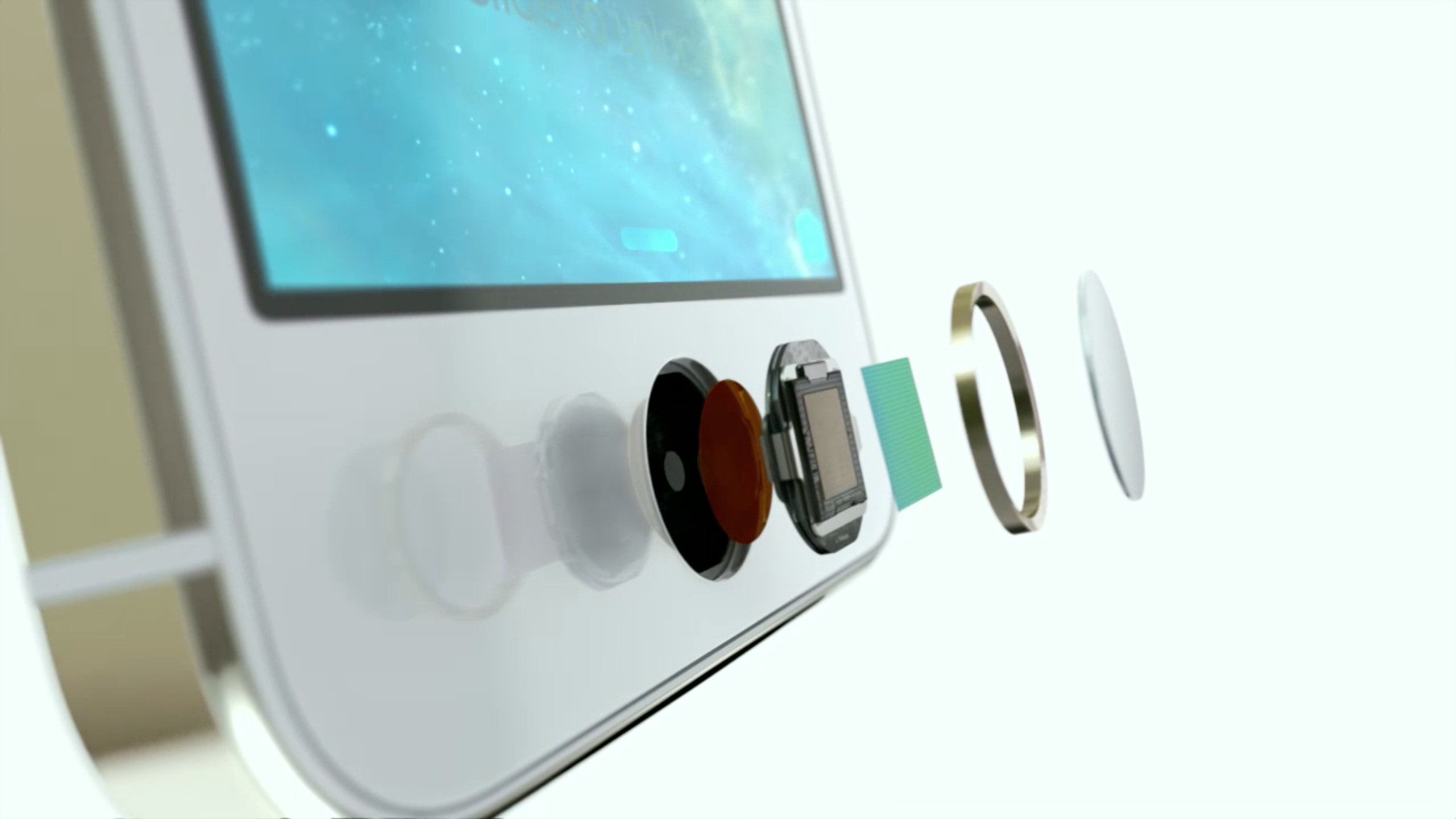
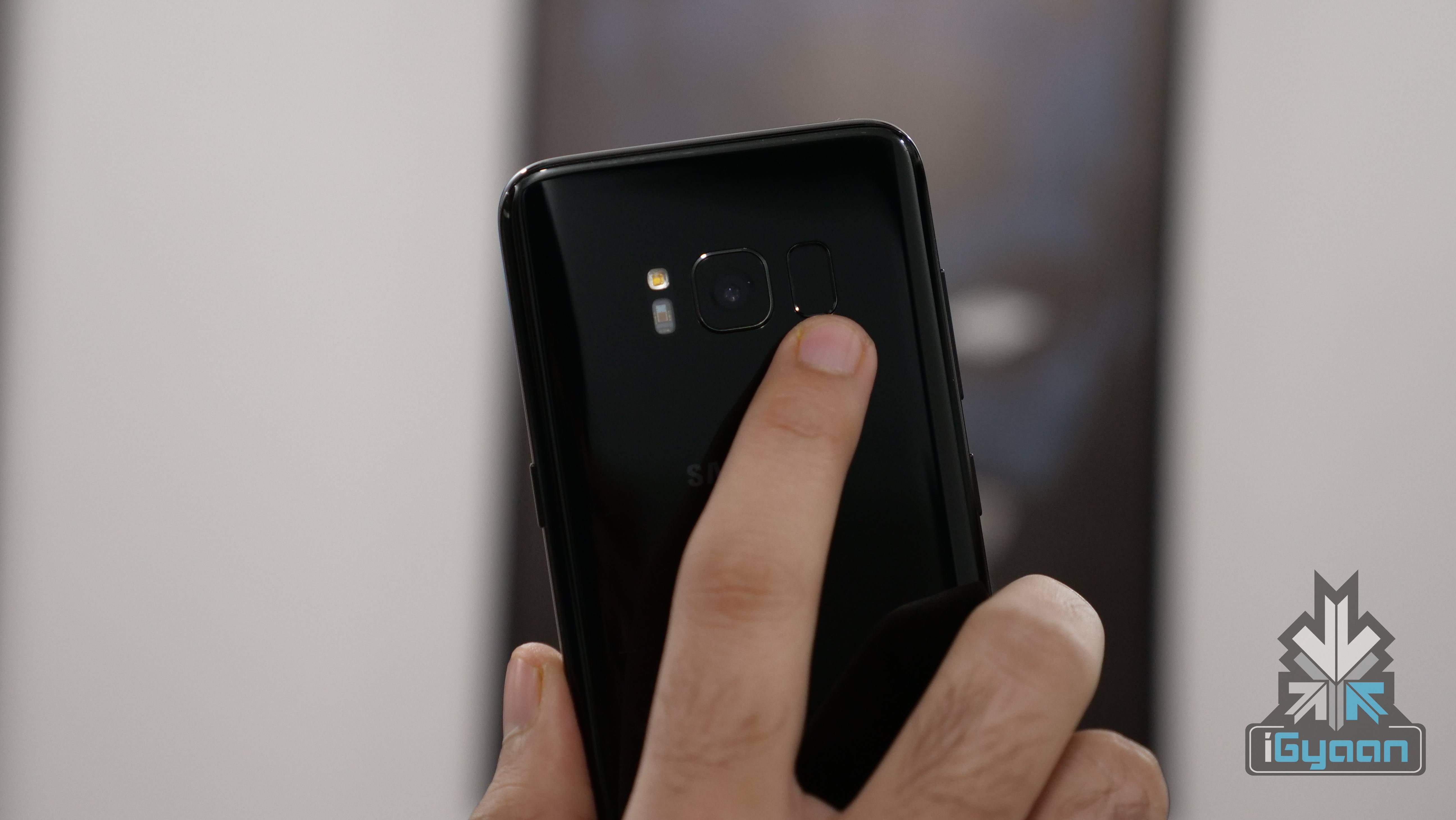
    Every human fingerprint consists of two main physical contours. The raised parts of the finger are called the ridges, whereas the areas between the ridges are referred to as the valleys. When a user places his finger on the scanner, the CCD (Charged Coupled Device) light sensor generates an inverted image of the finger using its own light source. The LEDs generate enough light to illuminate the ridges of the finger. The image generated by the CCD sensor is actually a two toned image. The darker areas represent the ridges of the finger, while the lighter areas represent the valleys between the ridges.

     The processor in the scanner module ensures that the image generated is clear enough to process. In addition, the processor also checks the pixel darkness. If the image is too dark or too light, it is discarded. The scanner then adjusts the exposure time of the sensor and scans the fingerprint again. As soon as a crisp image is generated, the fingerprint is cross checked with other images/prints of the finger. Every fingerprint signature is entirely unique, so any print that matches any other image in the list is picked as the verifiable one.
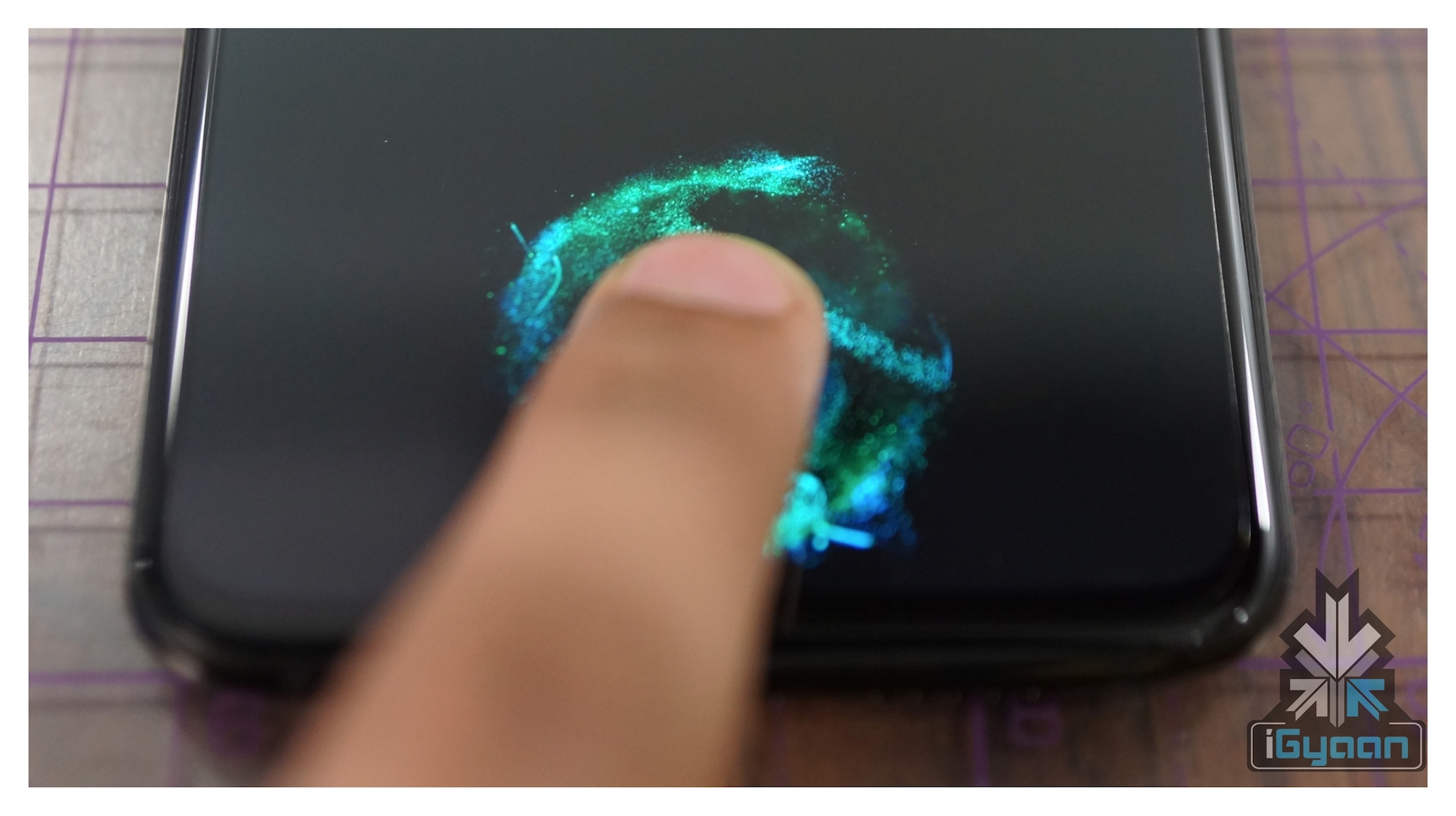
    Unlike Digital Scanners, Capacitive scanners make use of electrical current to verify fingerprints. The capacitive sensors are made of semiconductor chips. Each chip contains a small array of cells with conductor plates, which in turn are covered by an insulating material. When the finger is placed on a capacitive scanner, the finger’s image is developed by the process of varying input and output voltage.
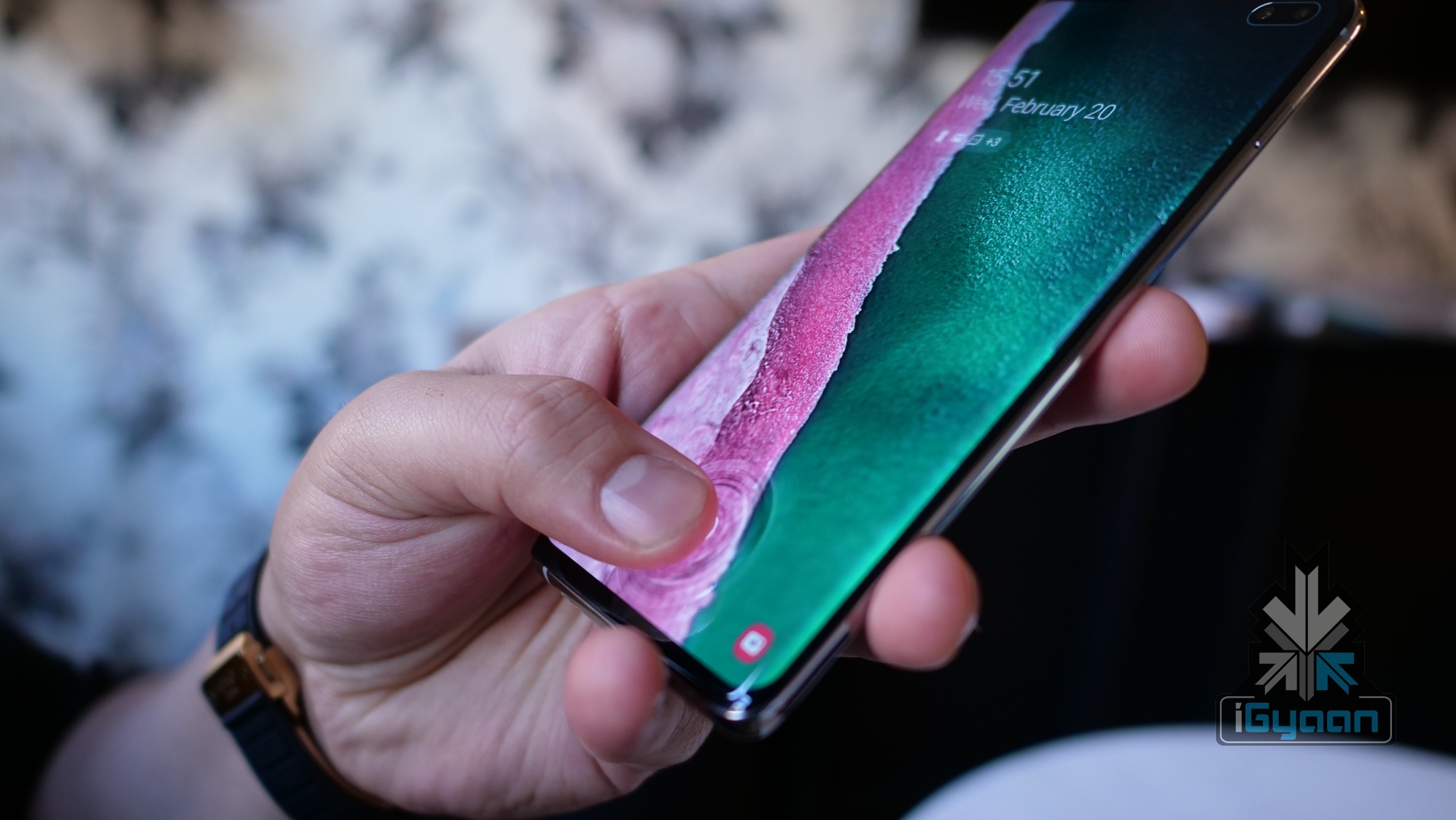
    Ultrasonic Scanners are fairly recent. Samsung’s latest S10 series smartphones are the first ones to sport ultrasonic fingerprint sensors in the market. An ultrasonic pulse is transmitted via the screen to the user’s finger, which reciprocates the ridges, pores and valleys in the finger to create a much more accurate 3D fingerprint image.
    Security Concerns Regarding Fingerprint Scanners

    Someone who knows how the fingerprint scanner works can also design fairly simple methods of bypassing its security detail. For instance, the fingerprint scanner can be fooled with the help of a dental mold cast. After filling the cast with some playing clay, the only thing left is to get the owner of the phone to touch the material. Of course, this requires the help of the person who owns the device, but in retrospect, a person leaves his fingerprint as a residue on multiple objects of daily use which can be used for the same purpose.

    If a person has a 3D printer and a single high resolution image of the owner’s finger, a 3D printed mold can be created which can then be used to unlock the device. Some may argue that in such a case, PINs, passwords, and patterns are more secure, but unless you are a highly valued individual with sensitive information stored on your phone, you don’t need to worry about people hard-hacking into your phone via the fingerprint sensor, as the process takes some time and discretion.

    Full fingerprints are extremely difficult to fake, but instead, the smartphone fingerprint scanners only record partial fingerprint signatures. Findings indicate that if a person creates a glove with a masterprint (with the highest possible number of ridge-and-valley combinations), he/she can break into a fingerprint protected device 40 to 50 percent of times before the smartphone asks for a numeric PIN. And that’s a scary high probability of something like this happening in our daily life, again, highly unlikely.
    Conclusion

    Also Read: Apple Told To Pay Qualcomm Over $31 Million In Patent Infringement Case

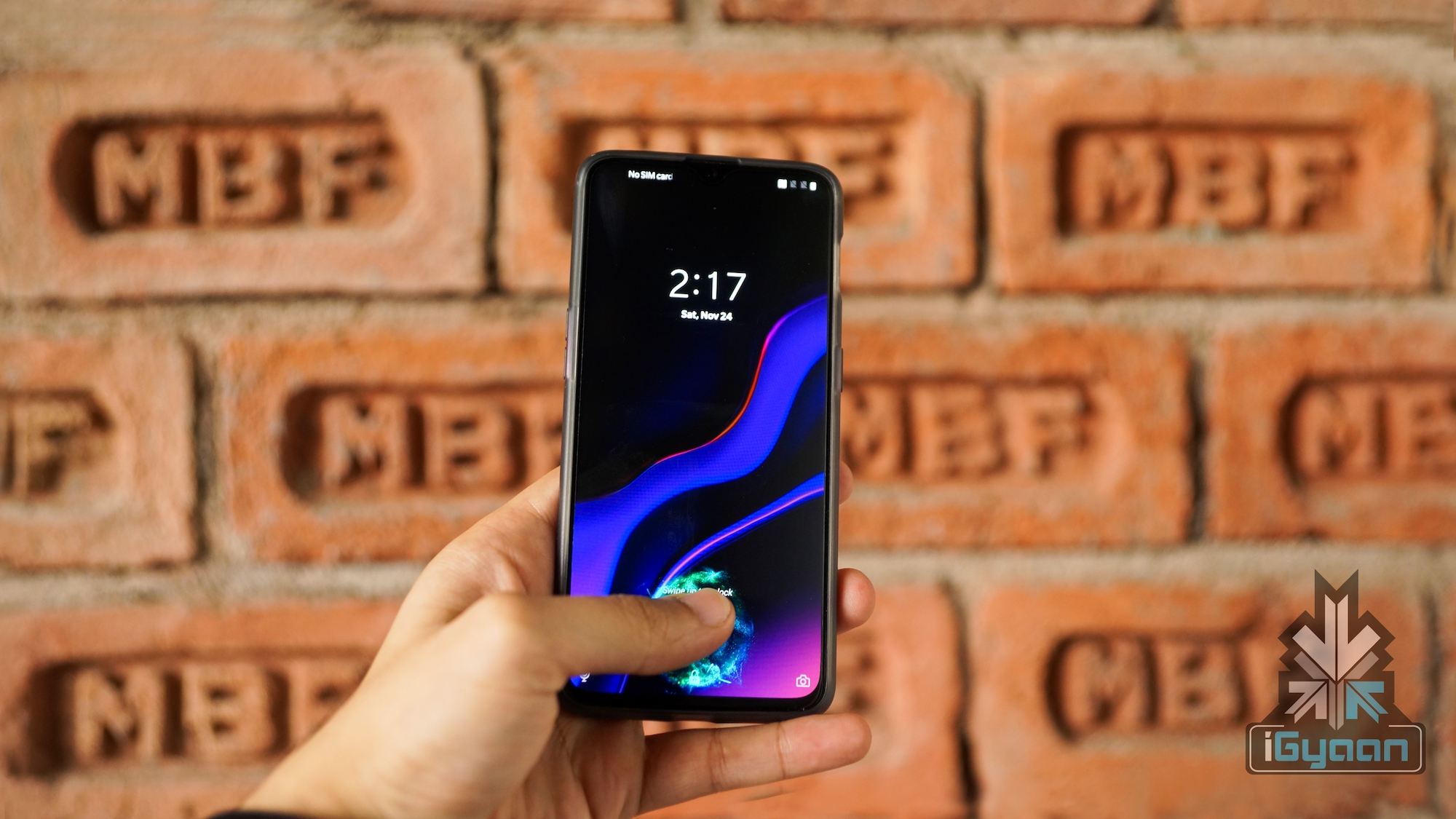
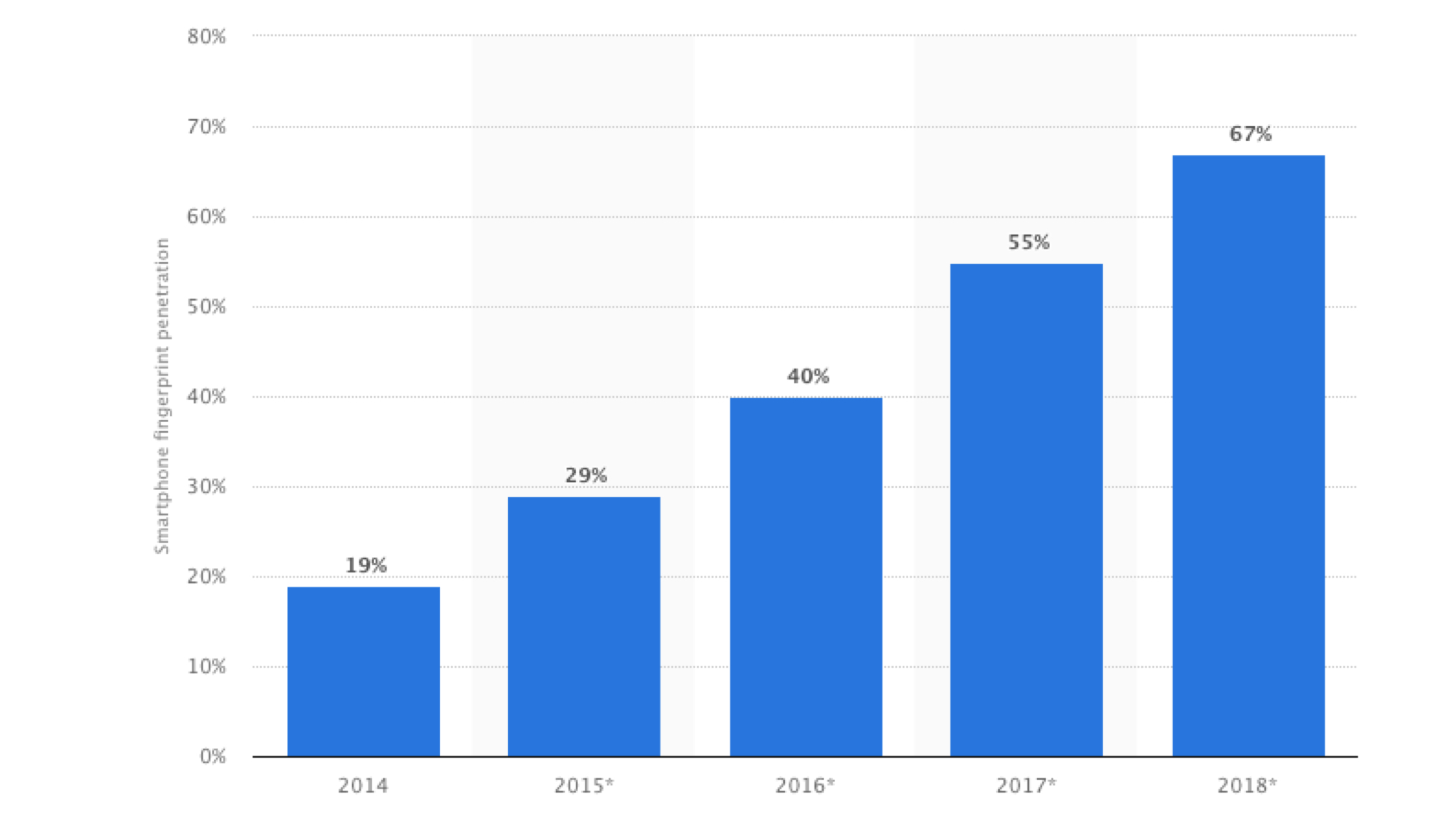
    The graph above clearly depicts the increasing penetration of fingerprint scanners in the smartphone market by 2018. So it’s clear that the market is not getting rid of fingerprint scanners anytime soon. When it comes to solutions, the most “implementation-worthy” idea is to include a significantly larger fingerprint sensor which will increase the signature accuracy of the finger. Also, users should abstain from using fingerprint sensors while transferring large amounts of money or authenticating sensitive applications. Foolproof ways of biometric authentication are still being tested out, so eventually, we’ll get where maximum security can be achieved.

  • Here Are All The Major Android Skins Currently Available

    Here Are All The Major Android Skins Currently Available

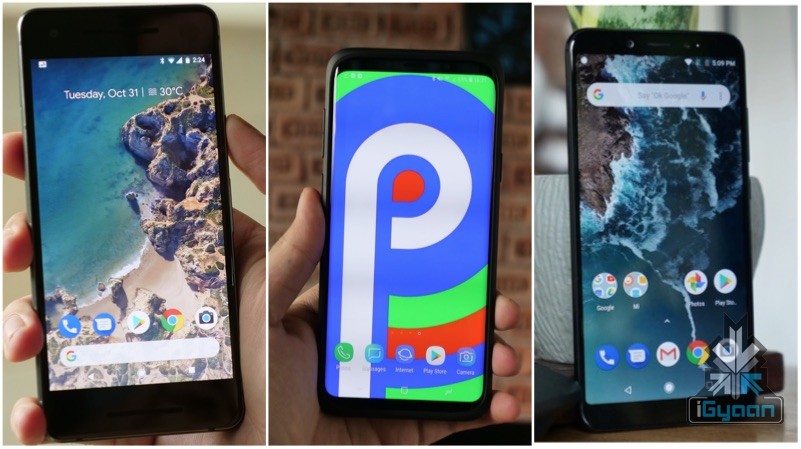
    One of the best things about Google’s Android OS is how diverse and customisable it is. With every new smartphone manufacturer, there is a different flavour of Android available. It often differs on features, looks and sometimes by overall performance too. But with so many different Android skins present, it can get confusing to differentiate between them. To make you understand better, we have compiled a list of all major Android skins that are currently available in the market.

    Stock Android / Pixel UI

    Stock Android is the OS in its purest form, without any customisation or bloatware. After the arrival of the Google Pixel, the definition of Stock Android has changed, as it offers a little customisation on its own. But the closest a skin is to the Pixel devices, the more stock it is considered. The advantage of having a stock Android skin is that the device will be work smoothly for a longer period as it is without any bloat or unnecessary software. Devices with stock skin are also believed to get faster system updates, but that is completely dependent on the smartphone OEMs.

    Android One

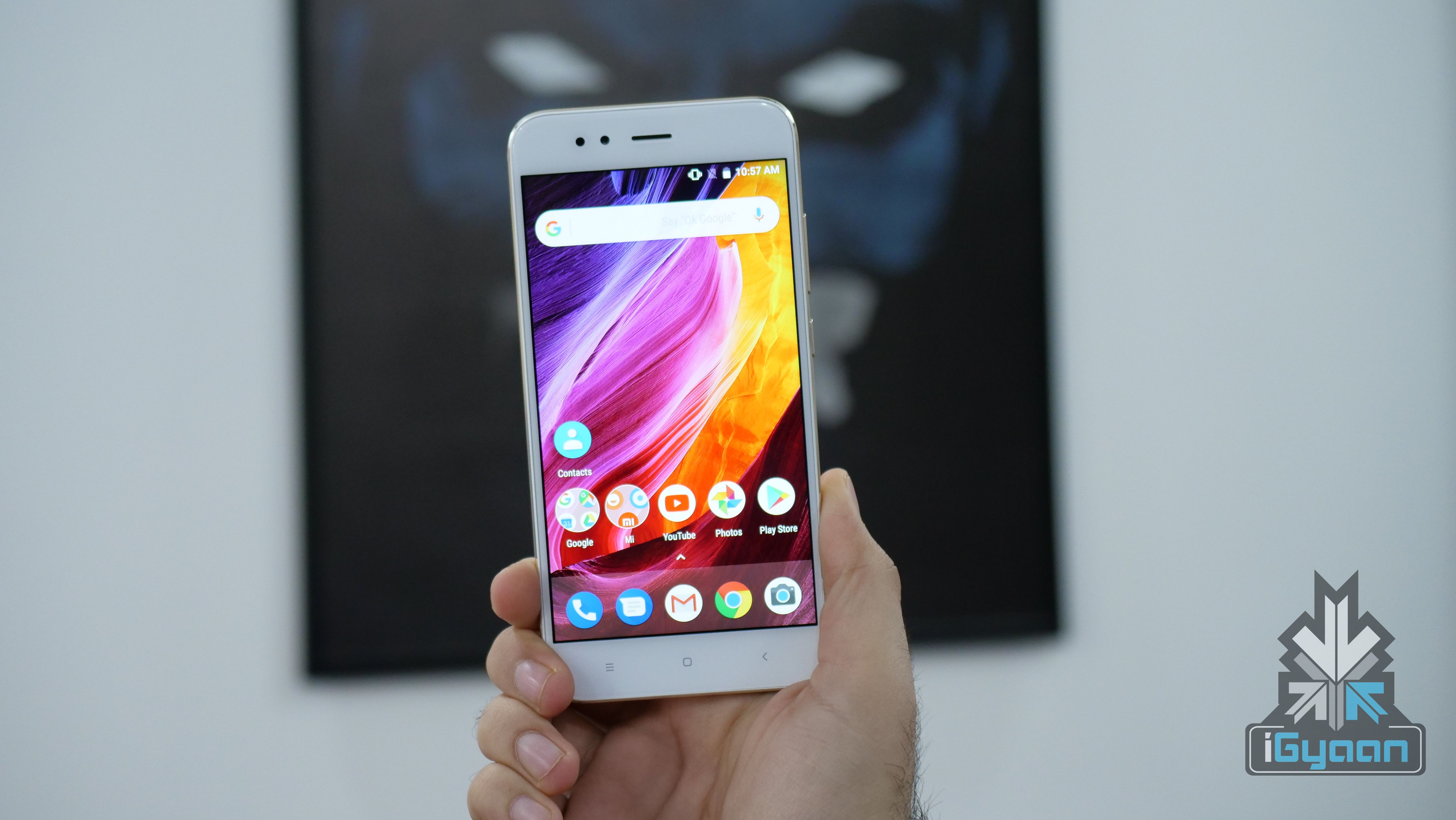
    Xiaomi Mi A2

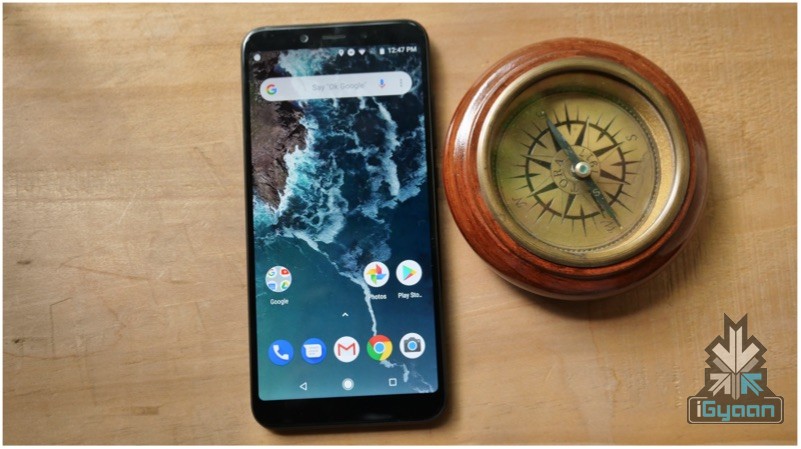
    Android One was earlier launched to cater to devices with humble specifications to run Android OS better and to increase the life span of the devices. The certification has since expanded to mid-range devices like the Xiaomi Mi A2 and flagship smartphones like the Nokia 9 PureView. Devices running Android One software have a clean, bloatware free UI with the promise of software updates for two years. It is considered to be the next best thing after Pixel UI.

    OxygenOS By OnePlus

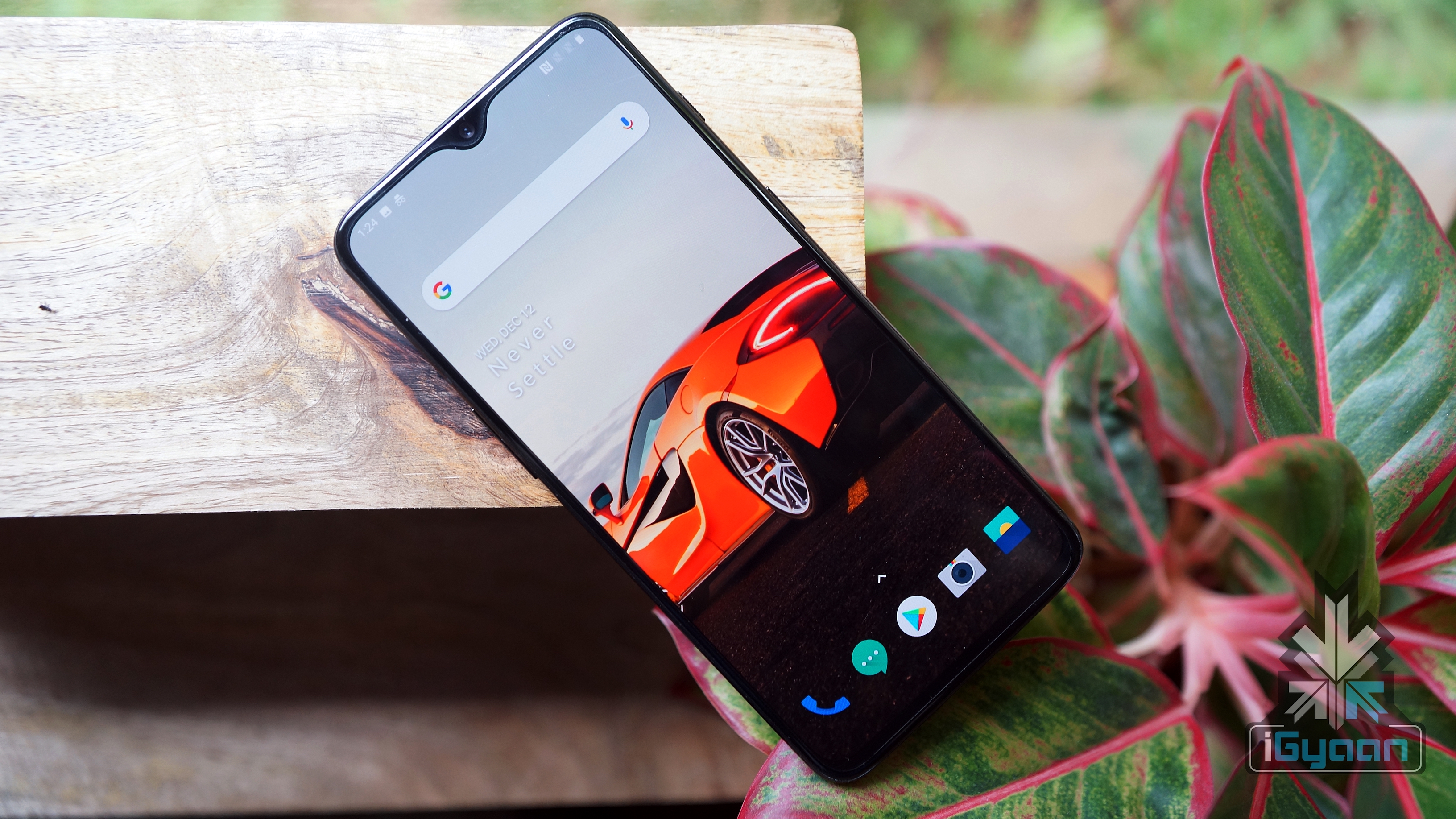
    Argued by many as better skin than Stock Android, OxygenOS found on OnePlus devices is known for its fast animations and a UI that is close to stock. Although it has a few customisations up its sleeve, most of them are useful, nifty additions to the vanilla Android experience. Devices with OxygenOS has been also known to get faster updates and longer software support. This makes it one of the most sought after skins in the Android world.

    OneUI By Samsung

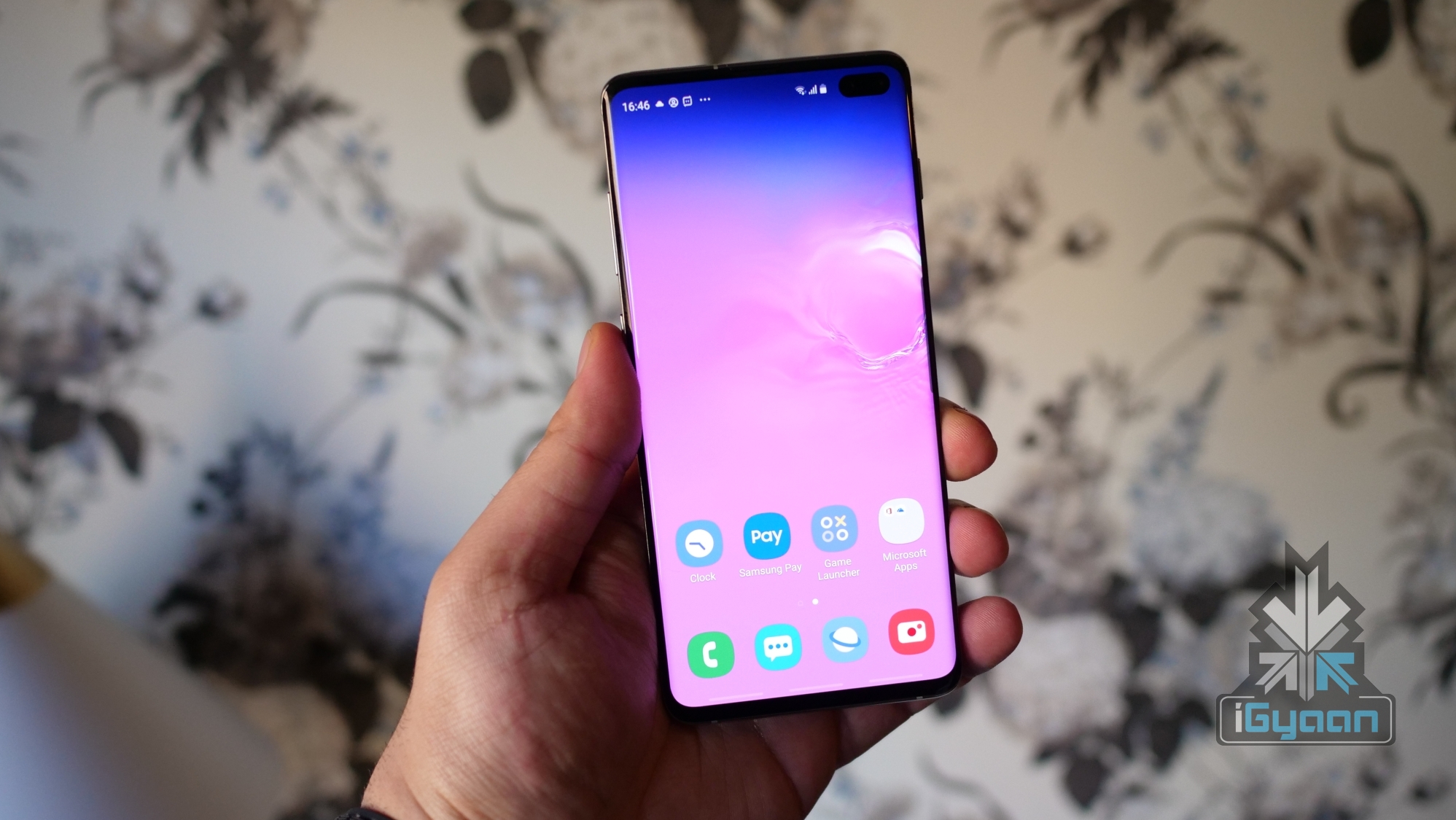
    Taking charge from Samsung’s infamous ExperienceUI, OneUI is a refreshing take on the company’s vision for an Android skin. The Android skin was announced last year and has lately made its way into current Samsung devices like the Galaxy S10. It focusses on better one-handed usage and easy accessibility. The company has been notoriously late in providing a software update to its devices. But with no history to OneUI and updates, it will be interesting to see how Samsung takes it forward.

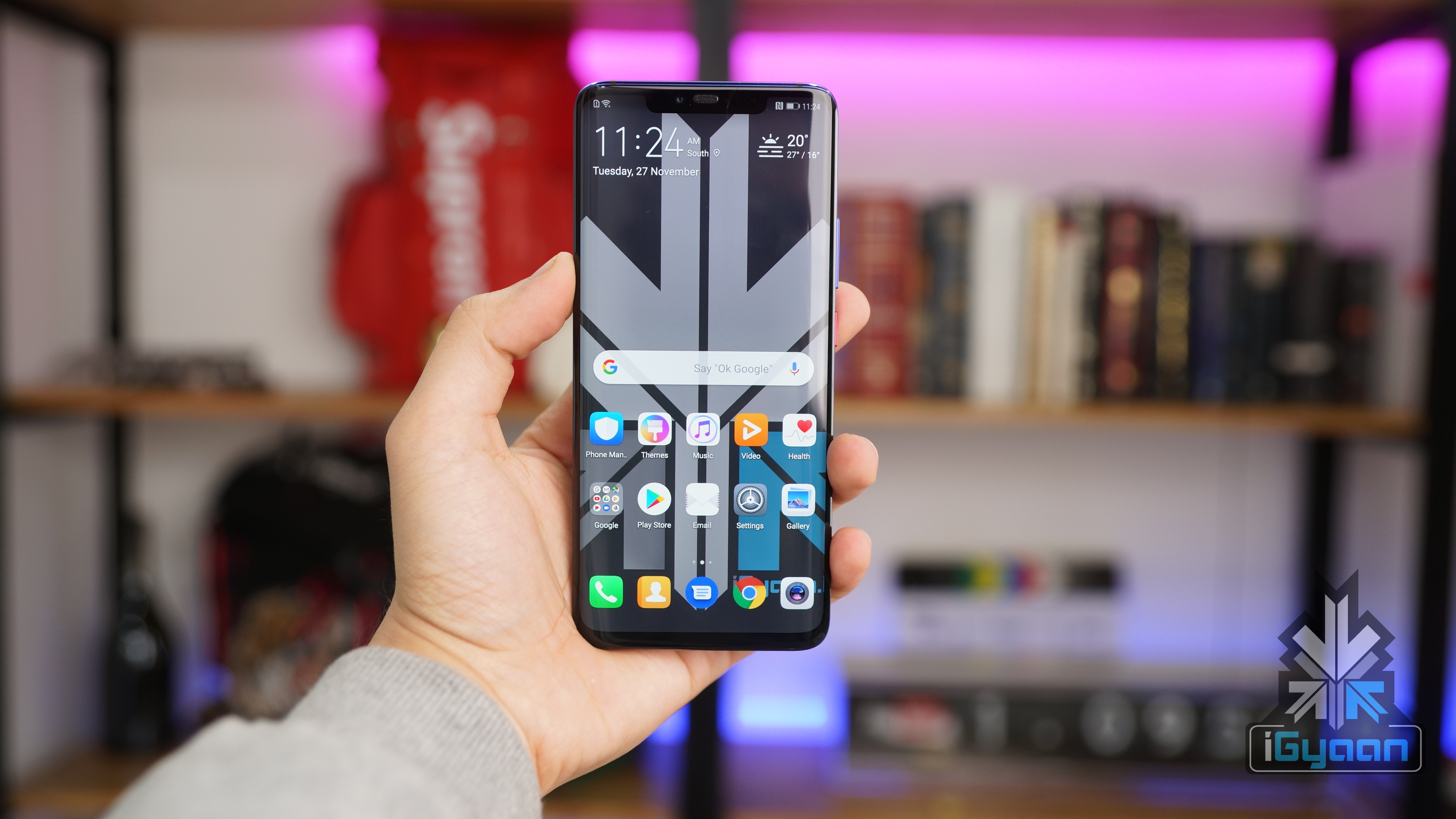
    EMUI By Huawei

    Largely inspired by Apple’s iOS software for iPhones and iPads, EMUI is an Android skin developed by the Chinese electronics giant Huawei. There are a lot of customisations available in the skin and it offers a substantial amount of bloatware. But, the aggressive RAM and Battery management of EMUI is considered one of the best in the industry; and improves the usability of its devices by a fair margin. However, Huawei is not very quick with updates and a heavy skin like EMUI only bogs it down from proving them faster.

    MIUI By Xiaomi

    One of the more easily recognisable Android skins, Xiaomi’s MIUI is another lookalike of iOS. The skin lacks any app drawer support and has a tonne of bloatware. It is though, heavily customisable and has a lot of features for everyone. The battery management is also considered excellent on MIUI. However, it is infamous for advertisements inside the UI and has been continuously criticised for the same. 

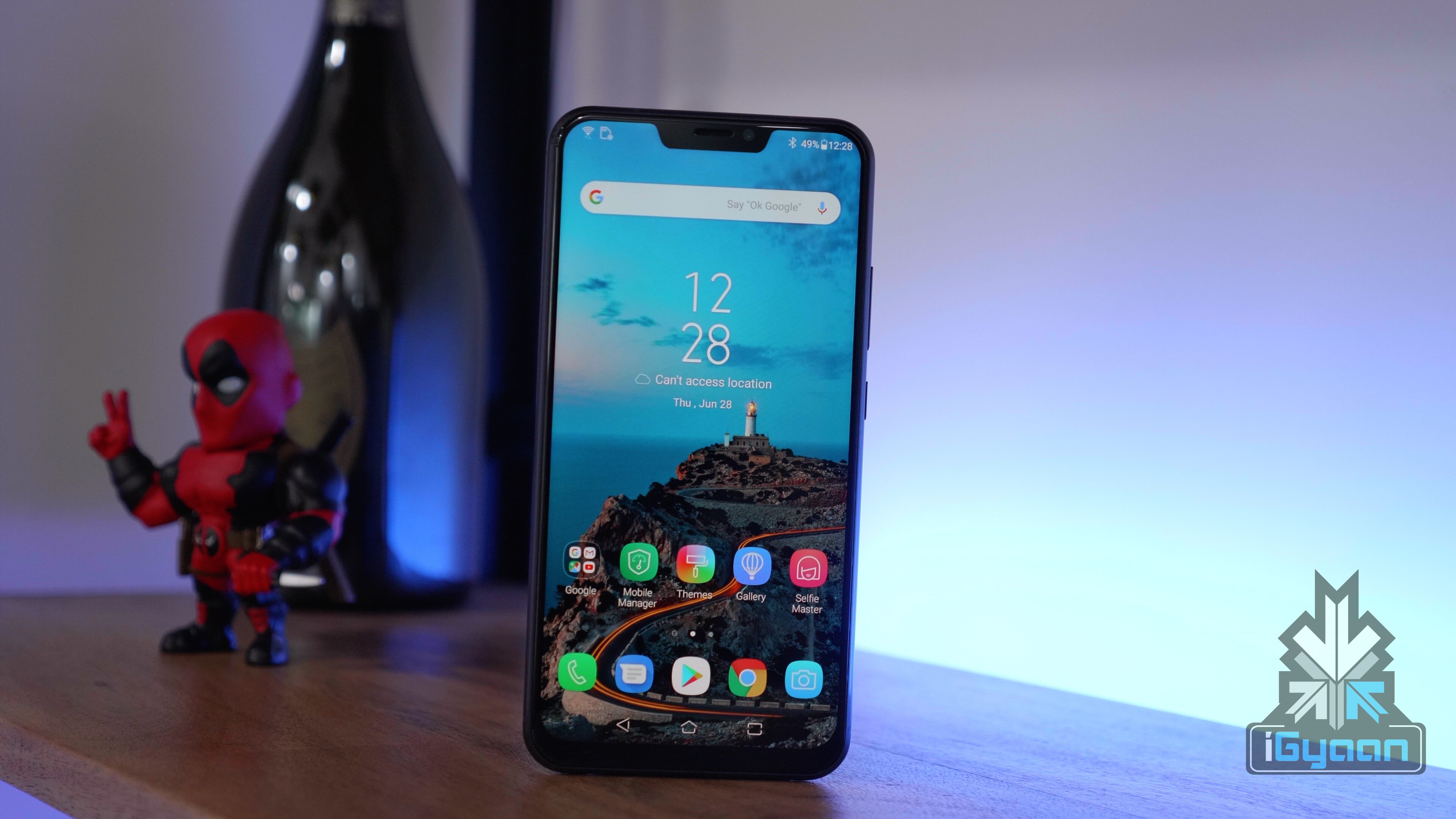
    ZenUI By Asus

    One of the lesser known Android Skins, ZenUI is seen in most Asus smartphones. It offers a lot of customisations and not a lot of bloatware. The UI is also very clean and doesn’t differ much from Stock Android. It is one of the better skins in the market although the software updates on Asus devices are not as frequent.

    LG UX

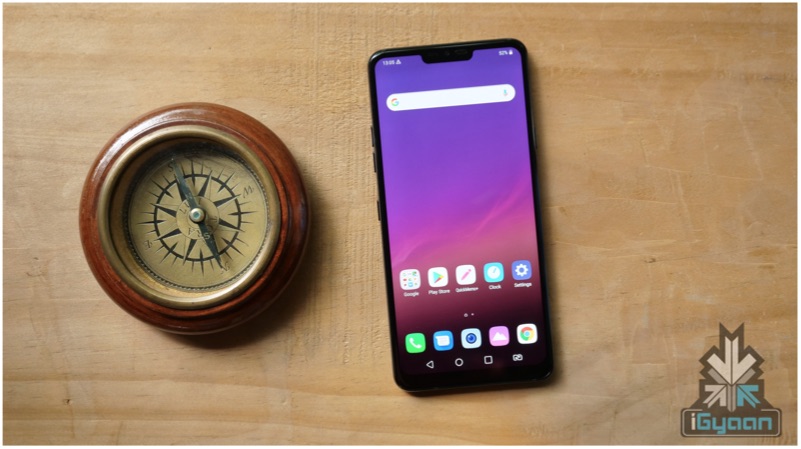
    LG G7+ThinQ

    LG devices have had great hardware and specifications but have been constantly criticised for their software. The LG UX is the main culprit behind it. It draws close inspiration to iOS and while it does offer an app launcher, the UI itself is cluttered and confusing. The software updates on LG devices have also been increasingly sparse in recent times.  

    Sony Xperia UI

    Sony Xperia XZ2

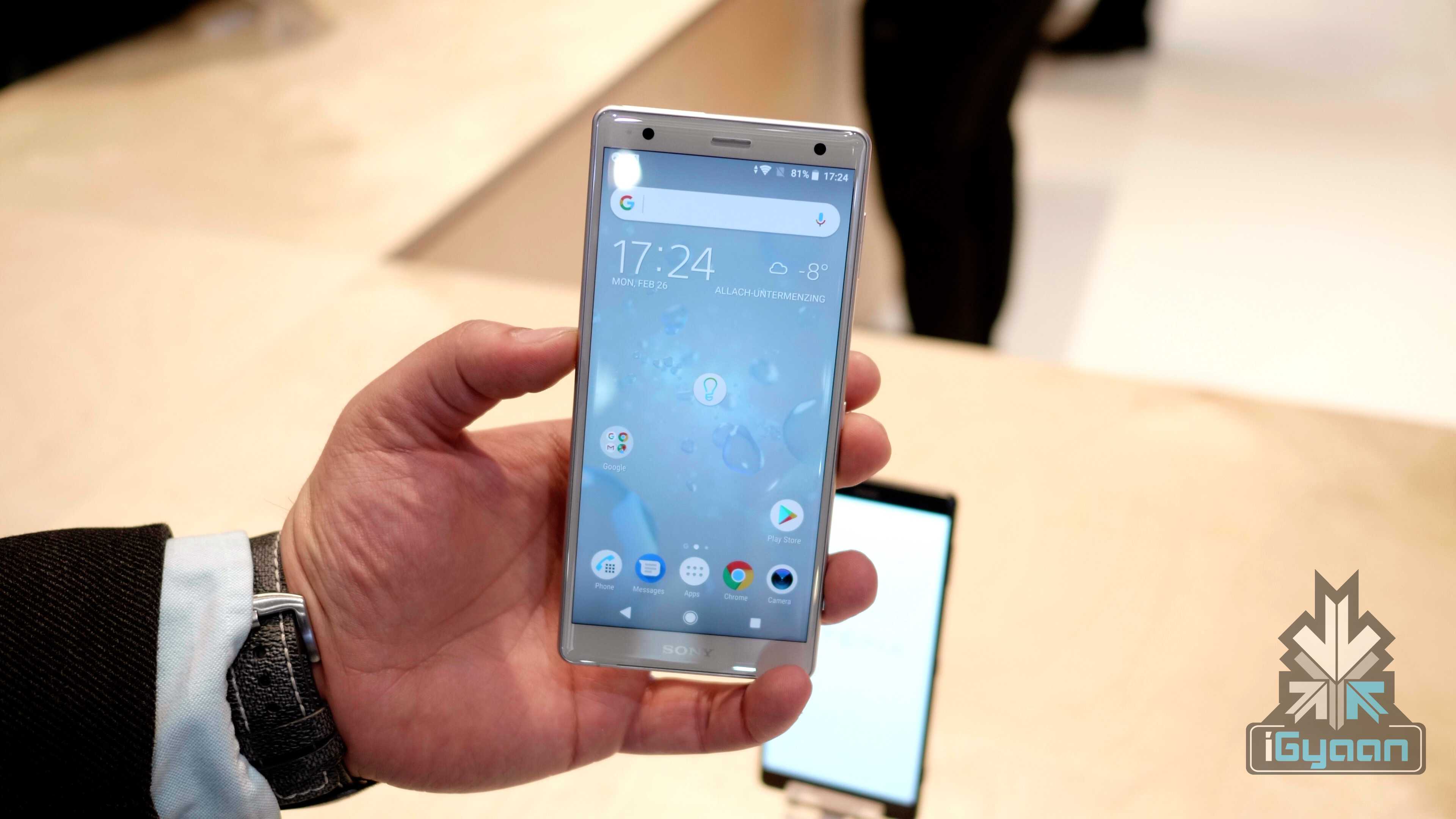
    The Xperia UI was known as Sony Timescape when it was launched. It has been since made closer to stock Android, and provides a clean and smooth experience with minimal bloatware. The battery management on the Xperia UI is one of the best in the market and the software update on Sony flagships has also been consistent. While the Android skin is one of the best out there, it is bogged down by the company’s underwhelming devices.

    ColorOS By OPPO

    Also read: Twitter Camera Makes Sharing Photos And Videos Easier

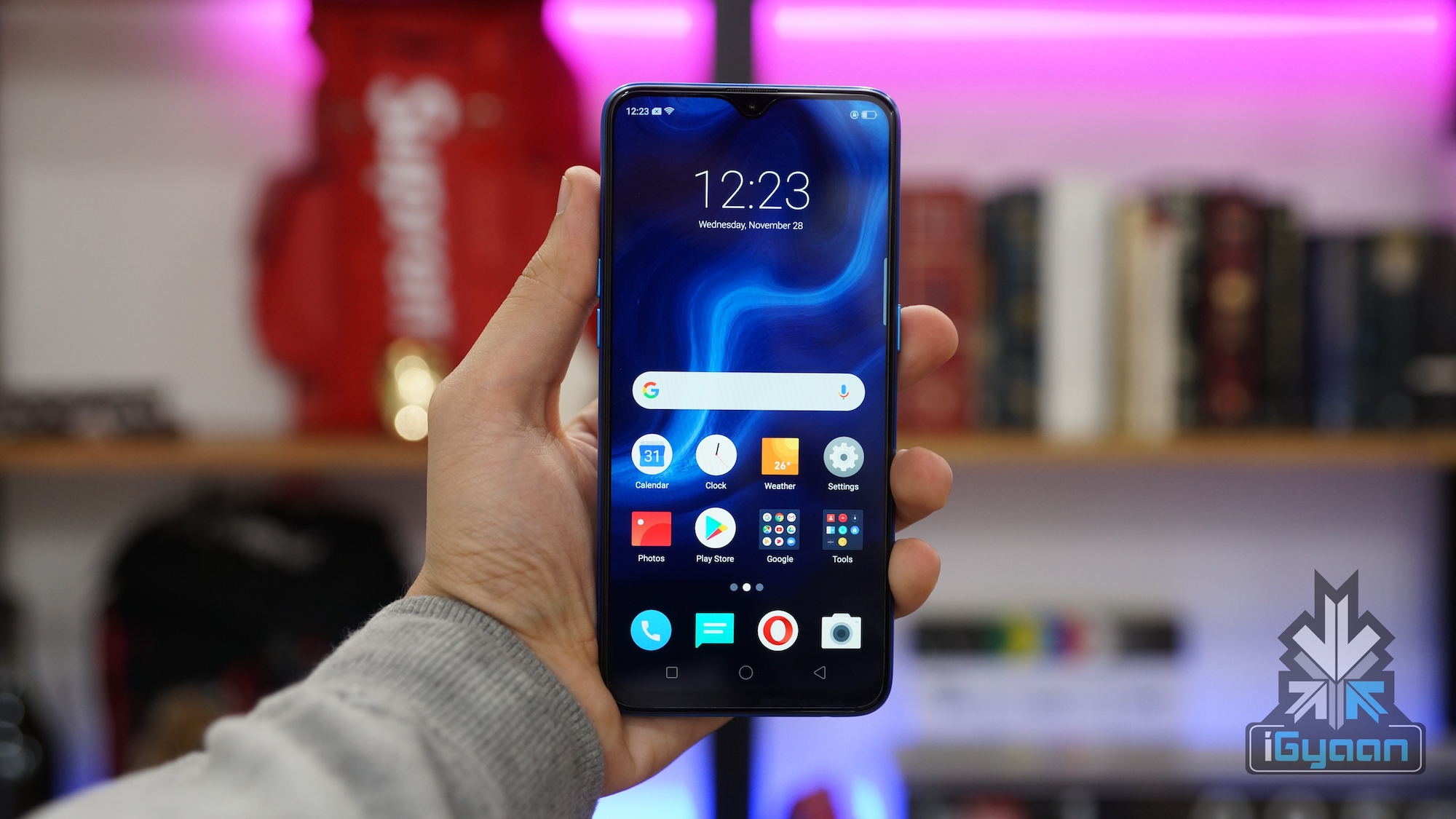
    ColorOS by OPPO is another Android skin trying to imitate Apple’s iOS. It is a substantially heavy skin and is seen on OPPO and Realme devices. While it offers a lot of features and customisations, the UI is cluttered and can get confusing at times. The Android skin is also not the one to get fast software updates. With the advent of the latest ColorOS 6.0, the company has finally added an application drawer that was highly requested by the consumers.

  • The Secret Sauce That Makes Spotify’s Music Curation So Amazing

    The Secret Sauce That Makes Spotify’s Music Curation So Amazing

    Music is deemed as a social currency worldwide. Songs can depict a person, tell you about his/her tastes and reflect his/her mood. And when it comes to music, Spotify is no stranger. The Swedish music streaming application has been downloaded over 207 million times (as per Q4, 2018), and the number keeps on growing. The app launched was launched in India in February 2019, and the app gained more than 1 million users in the country after the first week of its launch. But what makes Spotify better than other music streaming applications out there? Is it the interface? The sound quality? Or is it just better pricing?

    What Makes Spotify Better Than Its Competition?

    Music applications like Apple Music and Last.fm have been around for a long time too. There are still a lot of users who side with apps like Saavn, Gaana and Soundcloud. But the reason why Spotify is different are the algorithms that form the basis of what the service is. Over 100 million users use Spotify’s music algorithm every month to listen to music that’s tailored for them. An Indie music fan wouldn’t be a huge fan of Electronic Music, and someone who likes Hip hop would not exactly enjoy folk music.
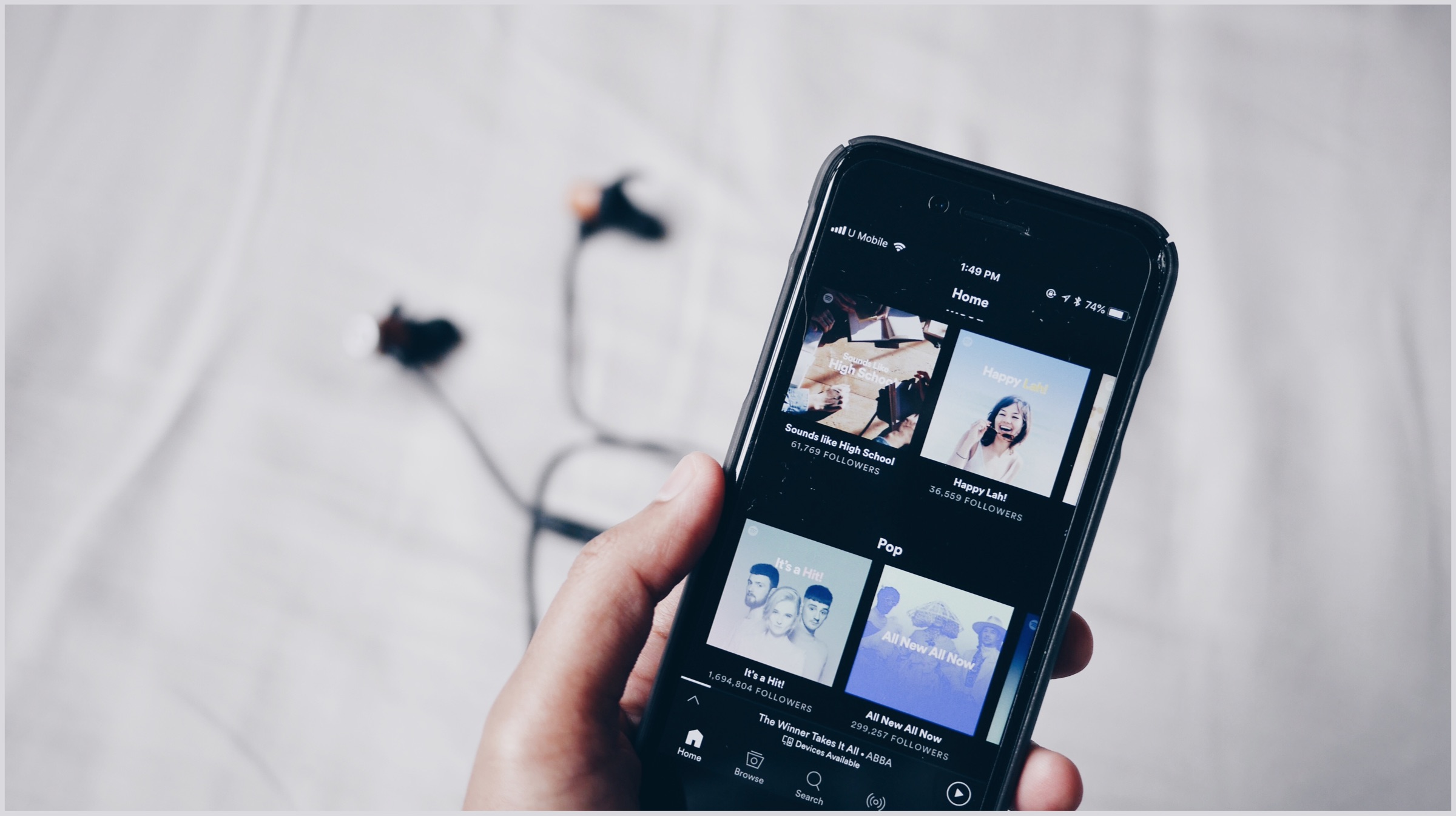
    Spotify understands that. In 2015, the company launched its ‘Discover Weekly’ feature, which allowed users to explore a weekly playlist that’s curated by Spotify. The playlist includes soundtracks that the user might like, based on his/her listening history. Not just that, the algorithm also goes through the most recent releases for each artist you like, runs it through a user base of almost 2 billion similar playlists and adds that music to your playlist. Usually, people get used to listening to the same songs every day, but Spotify users have reported that the “Discover Weekly” feature makes listening to music a lot more fun than ever. It’s like the algorithm personally knows its users, listeners state.
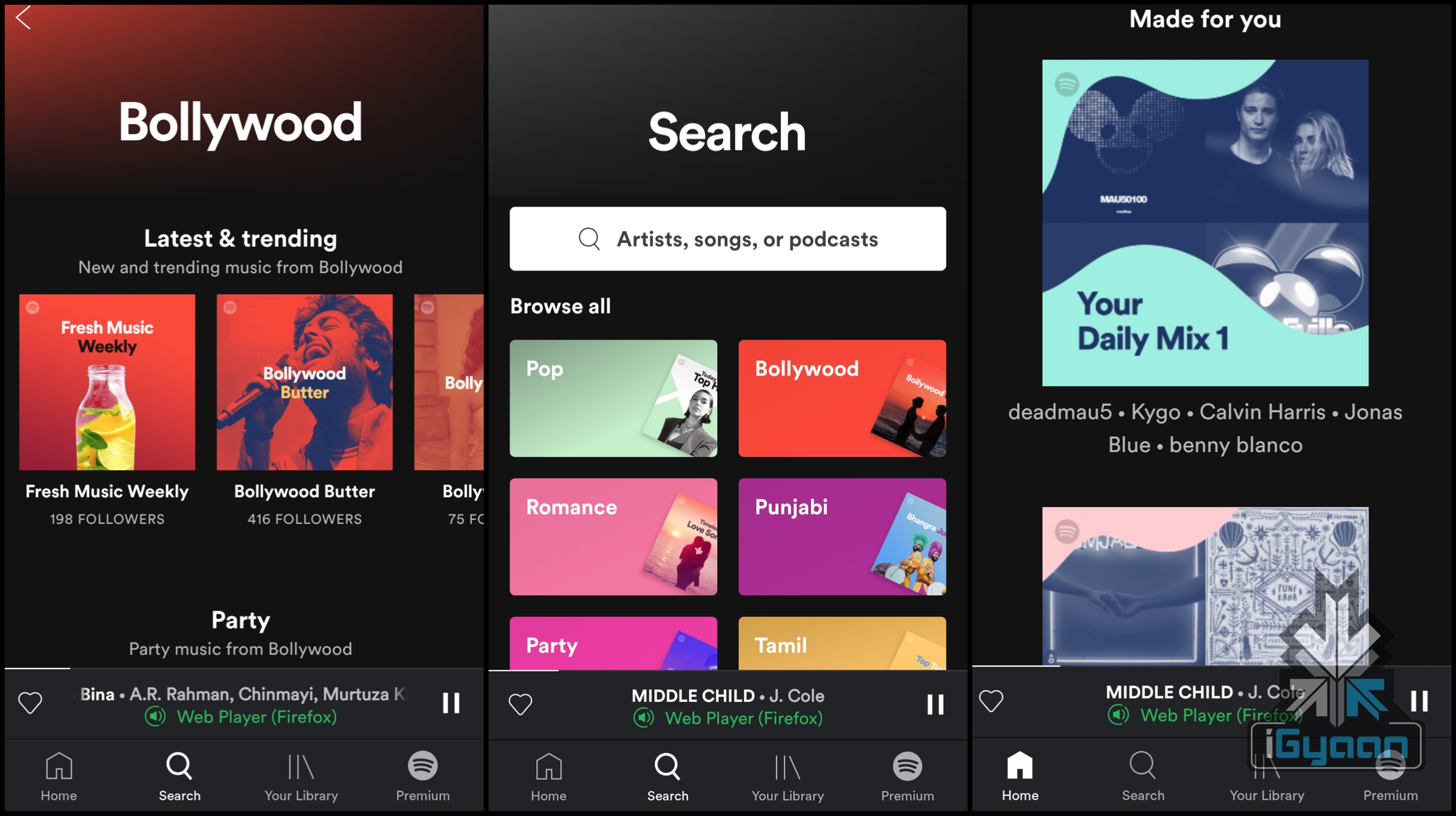
    The Recommendation Models That Spotify Runs On

    Contrary to popular belief, Spotify implements three different Recommendation models to curate their playlists. Using these three models, it creates its own discovery engine, which its fans love.

    • Collaborative Filtering
    • Nature Language Processing
    • Audio Models

    1. Collaborative Filtering

    To make it simpler, one of the first media streaming services that used this algorithm was Netflix. It analyzed a user’s rating for a specific movie and compared it with another user’s rating to find out which movie taste such users had in common. After that, it used this analysis to recommend movies to similar users. Needless to say, Netflix was hugely successful, because it “knew” what people liked and how to keep an audience hooked.
    After collaborative Filtering gained popularity, many other services started using a similar model to curate content to their users. However, Spotify’s implementation is a little different from the basic “Filtering model”. It keeps track of the stream counts of every song, the number of times it has been added to a playlist, the different types of tracks in that playlist and similar tracks by the same artist.

    Spotify uses Python libraries to keep track of the user’s preferences in its databases. Stored in the form of massive matrices, the service uses complex mathematical functions to match similar music tastes. Even remotely similar sounding music can appear on the list, which explains why people relate to unheard music at times.

    2. Natural Language Processing

    Natural language processing (NLP) is a technique that has long been used for translating human speech to machine language. A lot of websites other than Spotify use NLP to find related text across different websites, acting upon which they can implement that newfound information on their own platform. NLP holds a very high spot in the list of algorithms that are used for mining big data.

    Spotify’s NLP model extracts data from a song’s information, including its genre, artist name and album name. It then crawls the web incessantly for any blogs or articles regarding the music track and then figures out what other songs are being discussed alongside the same. It then uses this information to amaze you with a “musical” understanding, which is the foundation of the Spotify “discovery” algorithm.

    3. Audio Models

    Analyzing Raw audio models is basically Spotify’s way to ensure that new tracks don’t go unnoticed. Take it this way – taking a technology similar to Facial Recognition and applying it to soundtracks is what Spotify does. It analyzes the audio data including the wavelength, time signatures, key, tempo and loudness of a music track, and then uses the same to find more tracks with similar audio signatures. This allows the music service to detect similarities between songs and therefore, it suggests those tracks to users.
    Also Read: Pokemon Go Styled, Harry Potter Wizards United To Launch Soon

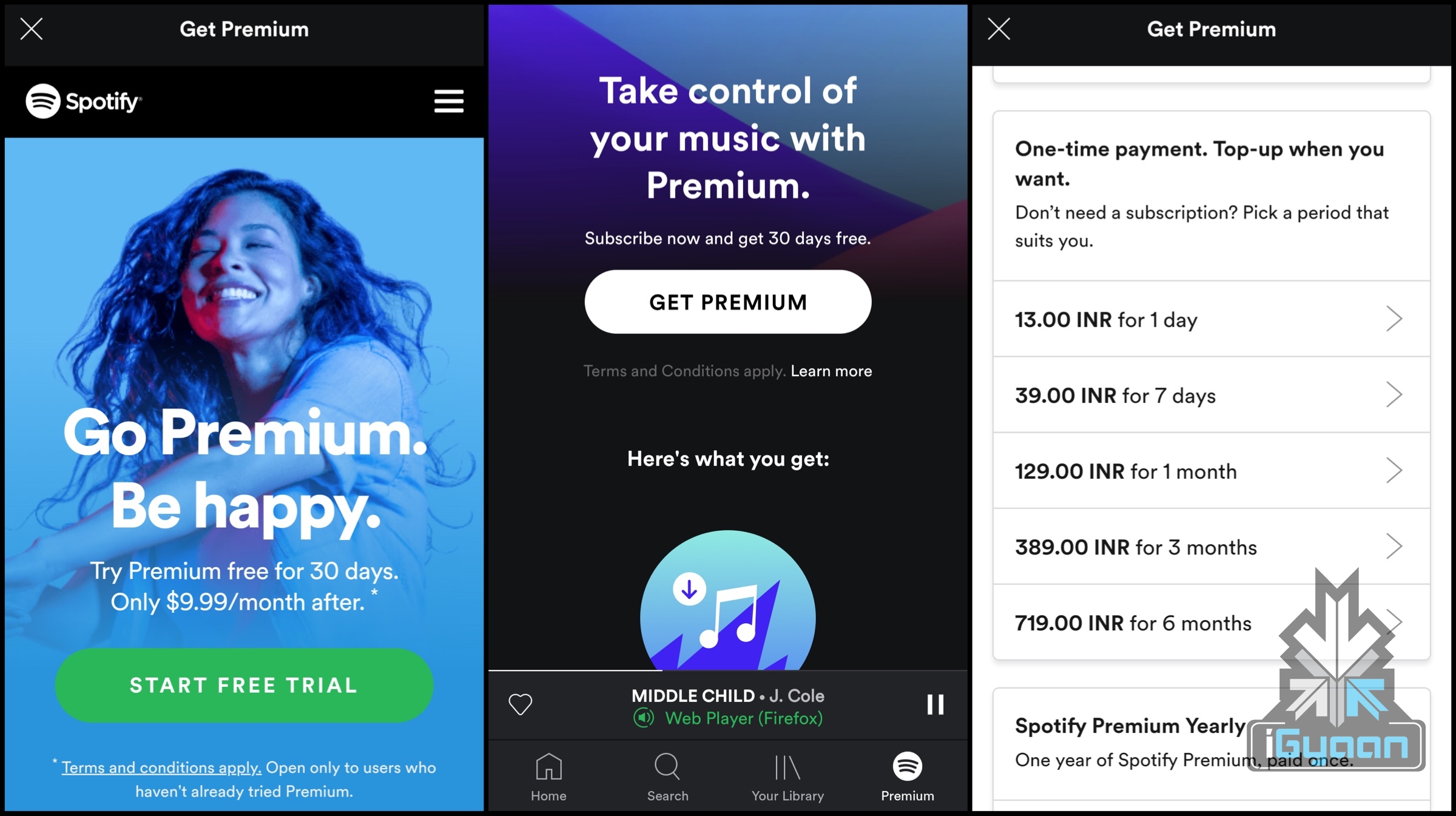
    Spotify may be similar to other music streaming applications, but it sets its ways apart by implementing a set of models that provide a much more personalized audio experience. The playlist will automatically start suggesting you songs once you start listening to music on Spotify. The application is available across all major application stores and is free to use. Users can upgrade to premium for improved music quality and offline listening capability.


  • Best Wireless Earphones In India Under Rs 2,000

    Best Wireless Earphones In India Under Rs 2,000

    As an increasing number of Smartphone OEMs eliminate the 3.5mm headphone jack from their smart devices, the demand for wireless headsets subsequently rises. However, a pair of Bluetooth enabled wireless headset is comparatively expensive than its wired counterpart. If you are on the hunt for affordable wireless earphones, we have made the choice easier for you. Here are the best  Bluetooth earphones under the Rs 2,000 price mark.

    Boat Rockers 255

    Featuring a metal construction on each earbud and a 10nm audio driver, the Boat Rockers 255 are one of the best wireless earphones for the price. They have adjustable rubber ear hook and removable silicone earbuds for a universal fit. What’s more, the earphones have magnets in each earbud so that they don’t fall off easily. The sound quality is good for the price and the Boat Rockers 255 promise a battery life of 6 hours. They also have an in-line remote with microphone for easy access to calls, music and summoning the smartphone’s digital voice assistant. All of the aforementioned features make the earphones one of the best in its price range.

    Leaf Sport Wireless

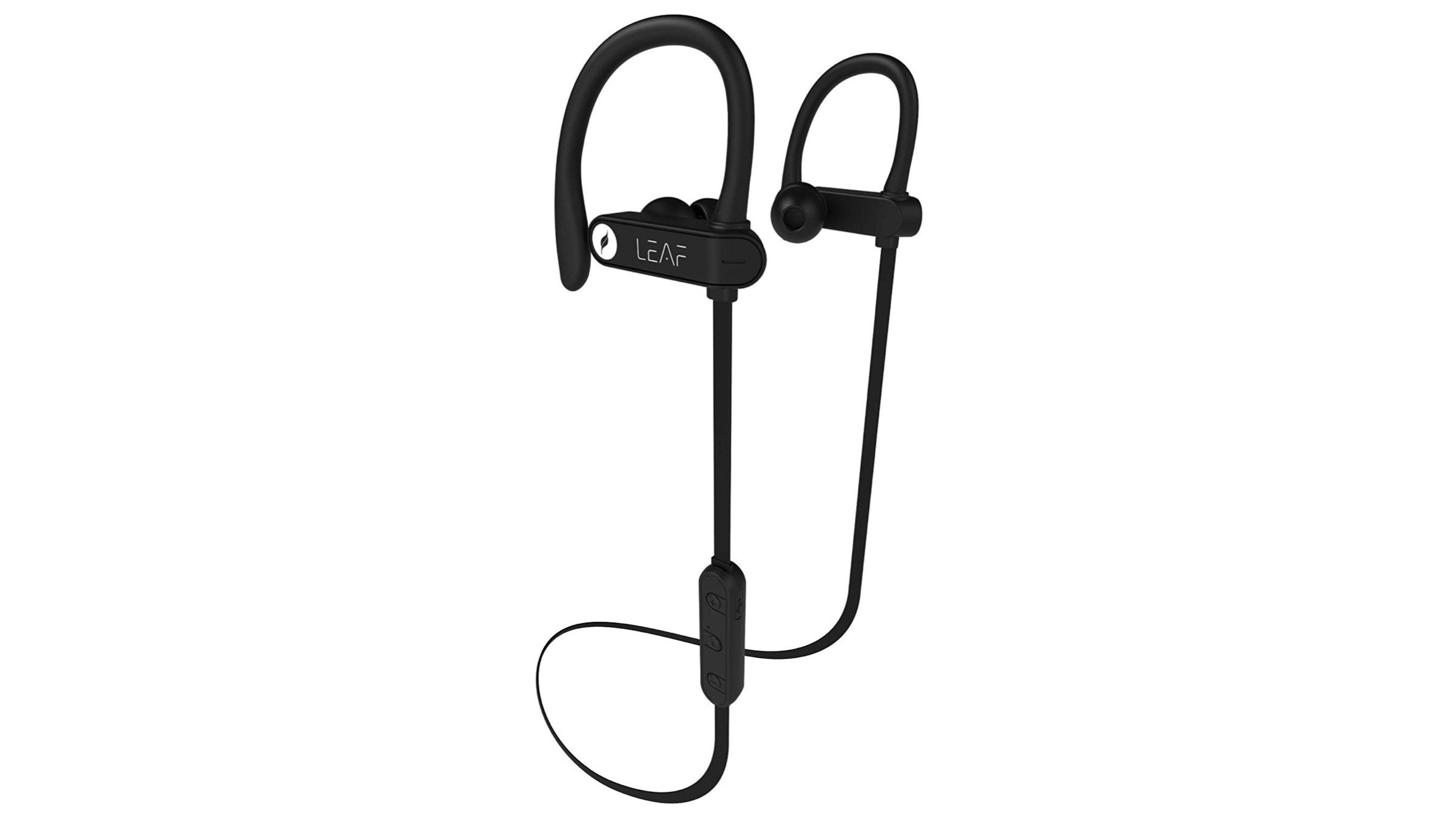
    The most affordable option out of the list, the Leaf Sport Wireless is a viable contender for the best wireless earphones under Rs 2,000. They have an adjustable ear hook in both earbuds and arrive with removable silicone tips inside the box. The sound of the Leaf Sport is good for the price, featuring a heavy bass and medium treble. Battery life as promised by the company stands at 6 hours of usage and there is an in-line remote with microphone for calls and summoning the digital voice assistant. The earphones are one of the best deals in the market for wireless earphones. 

    Soundlogic Voice Assistant Wireless Earphones

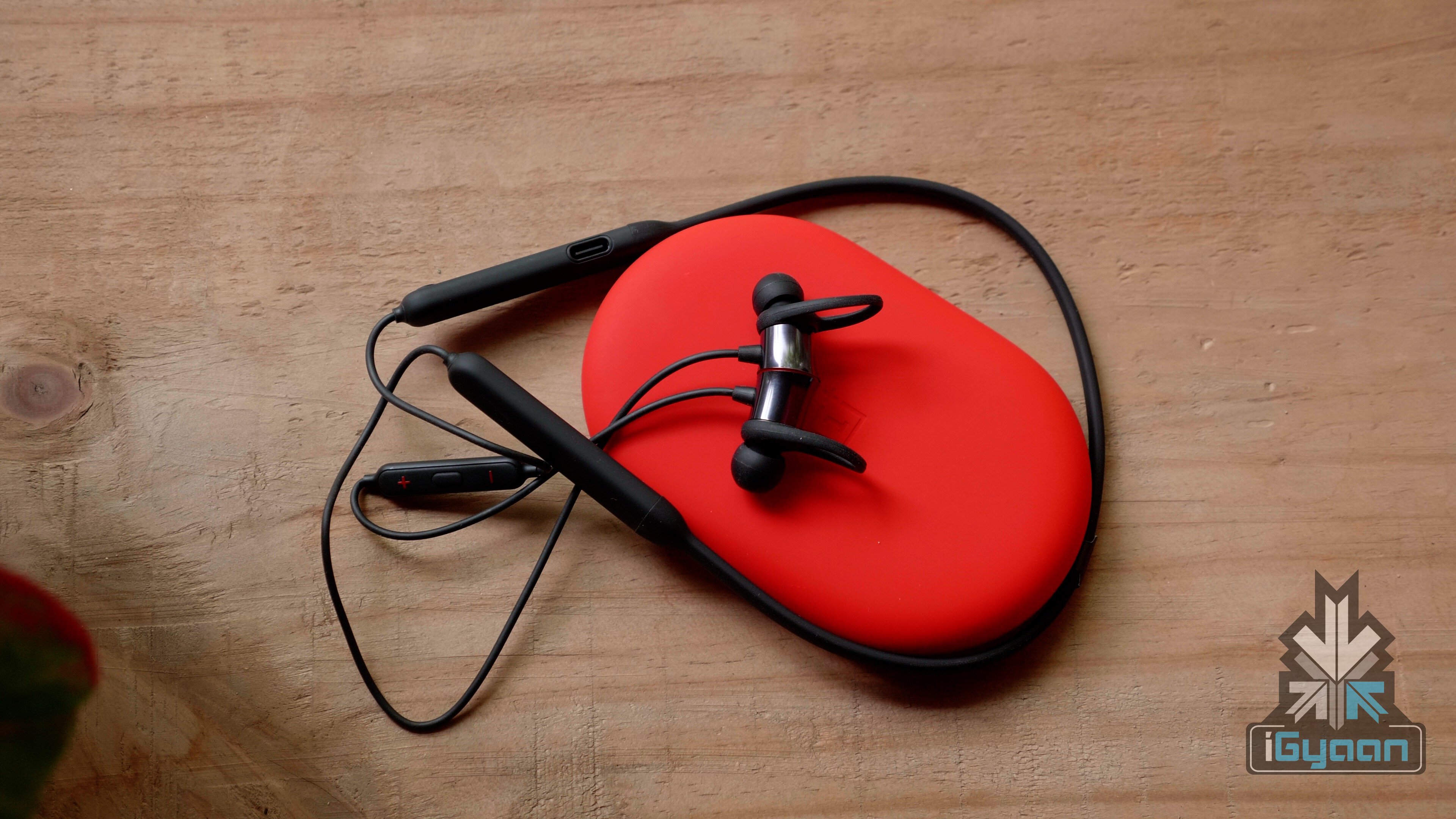
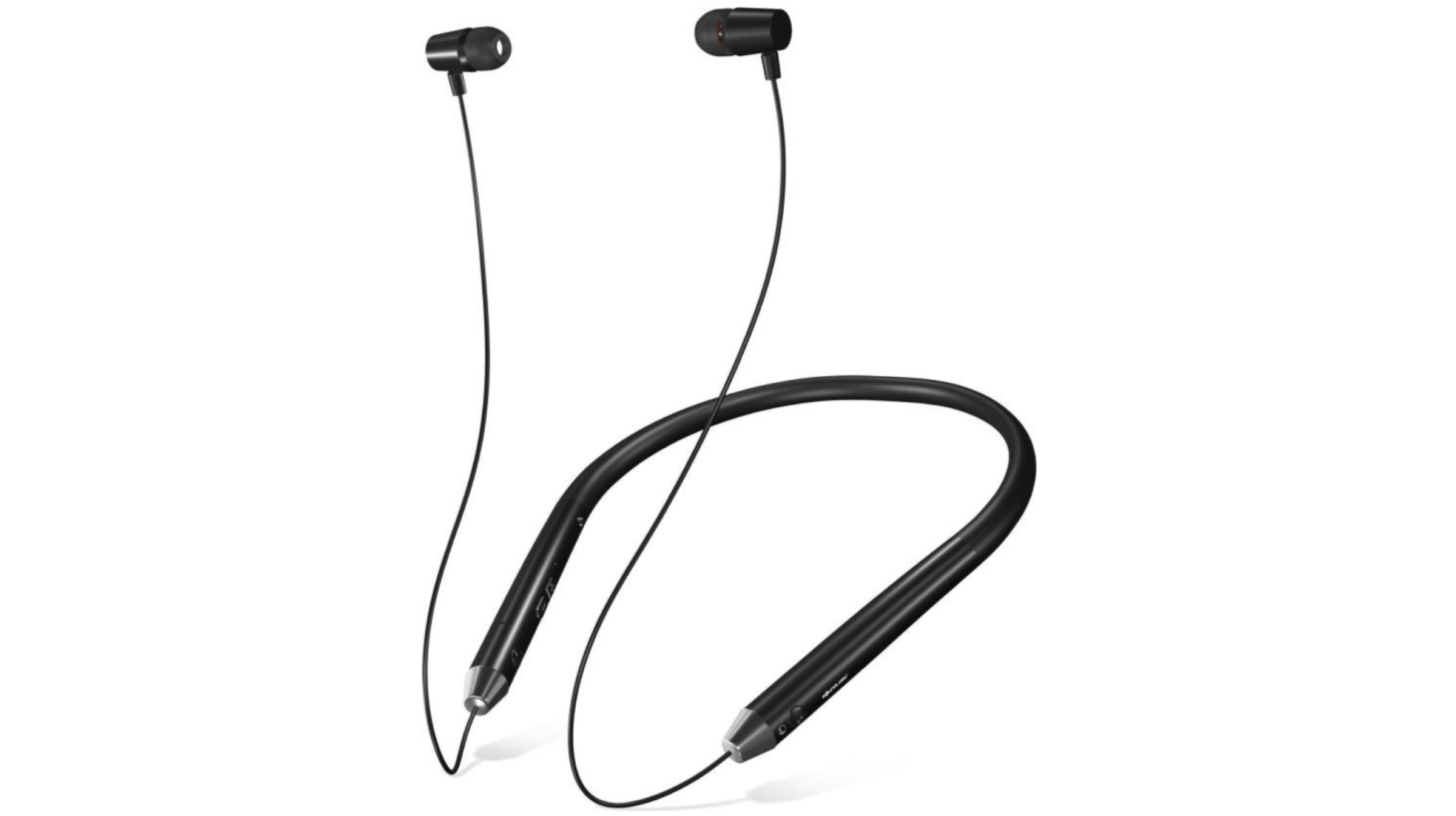
    Featuring a metal construction and a flexible neckband, the Soundlogic wireless earphones are one of the best earphones for the price. The earbuds feature metal construction and are lightweight. The silicone ear tips are removable and can be swapped for a better fit in the ear. While there is no dedicated in-line control remote on the headset, the volume, media and dedicated voice assistant controls along with the microphone are placed on the neckband itself. The earbuds cling together via magnets to easily carry them around. The company promises a battery life of around 8 hours on a single charge.

    Click Here To Buy The SoundLogic Wireless Earphones On Flipkart

    Portronics POR-038 Harmonics Play 

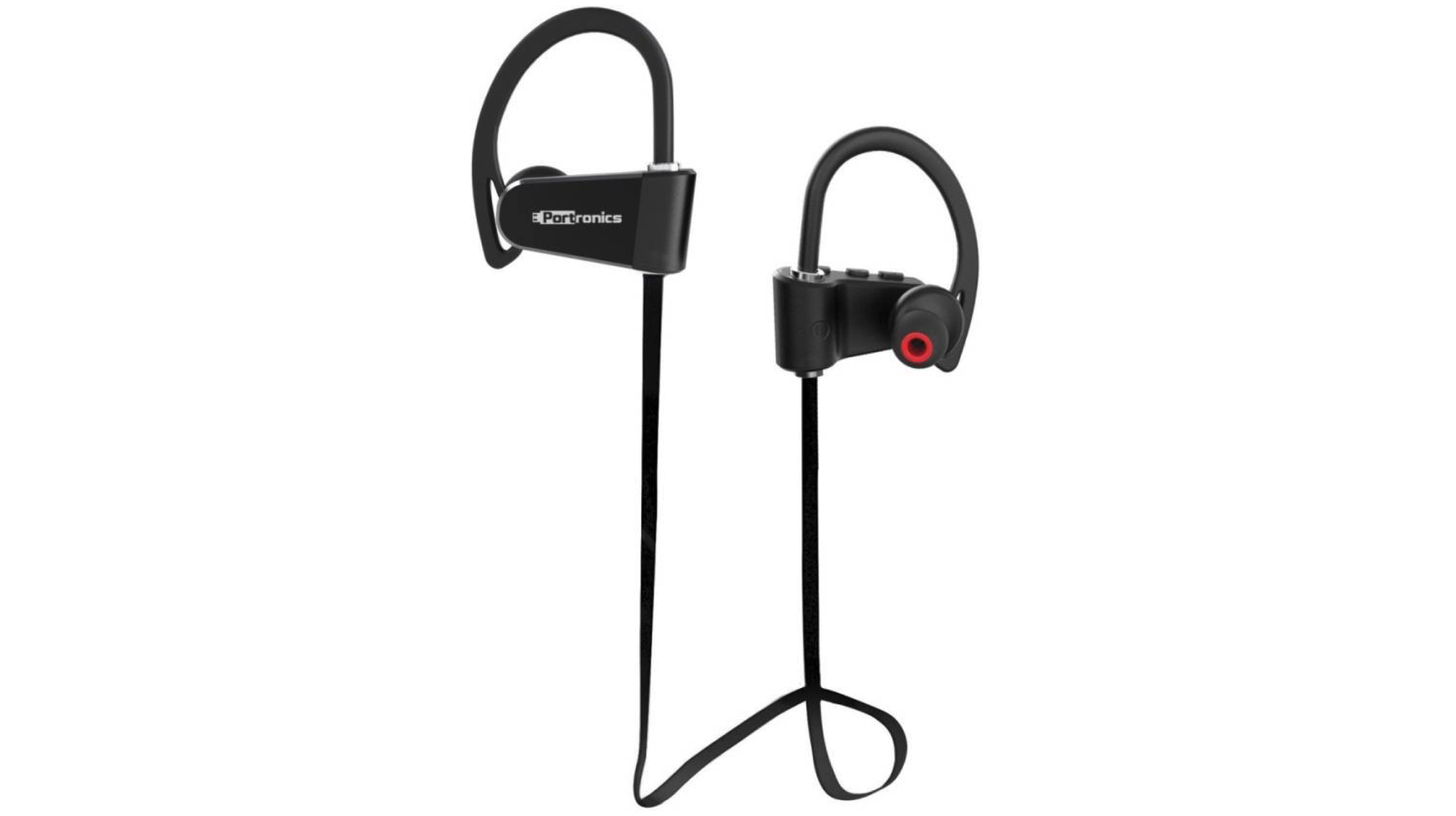
    Portronics is a well-known name in the affordable smartphone accessories market. The Portronics Harmonics Play are a good option for anyone looking to buy wireless earphones under Rs 2,000. They feature an ear hook on each earbud and replaceable silicone ear tips for the comfortable listening experience. Three buttons and the microphone is present on the earbud which can be used for turning the headset on/off and controlling the music playback. With the Portronics Harmonics Play, the company promises a battery backup of around 10 hours on a single charge. They also have a good sound quality, which is a little bass heavy.

  • World Wide Web Turns 30, Top 10 Internet Moments

    World Wide Web Turns 30, Top 10 Internet Moments

    The World Wide Web or WWW for short has turned 30 today. It is the anniversary of the information space that has since changed the world drastically. The Internet is accessible everywhere in the world and is used for just about anything you can ever imagine. But it wasn’t always like that. Let’s take a moment to look back at the top 10 moments that have shaped the Internet to what it is today.

    1) The Creation Of The World Wide Web

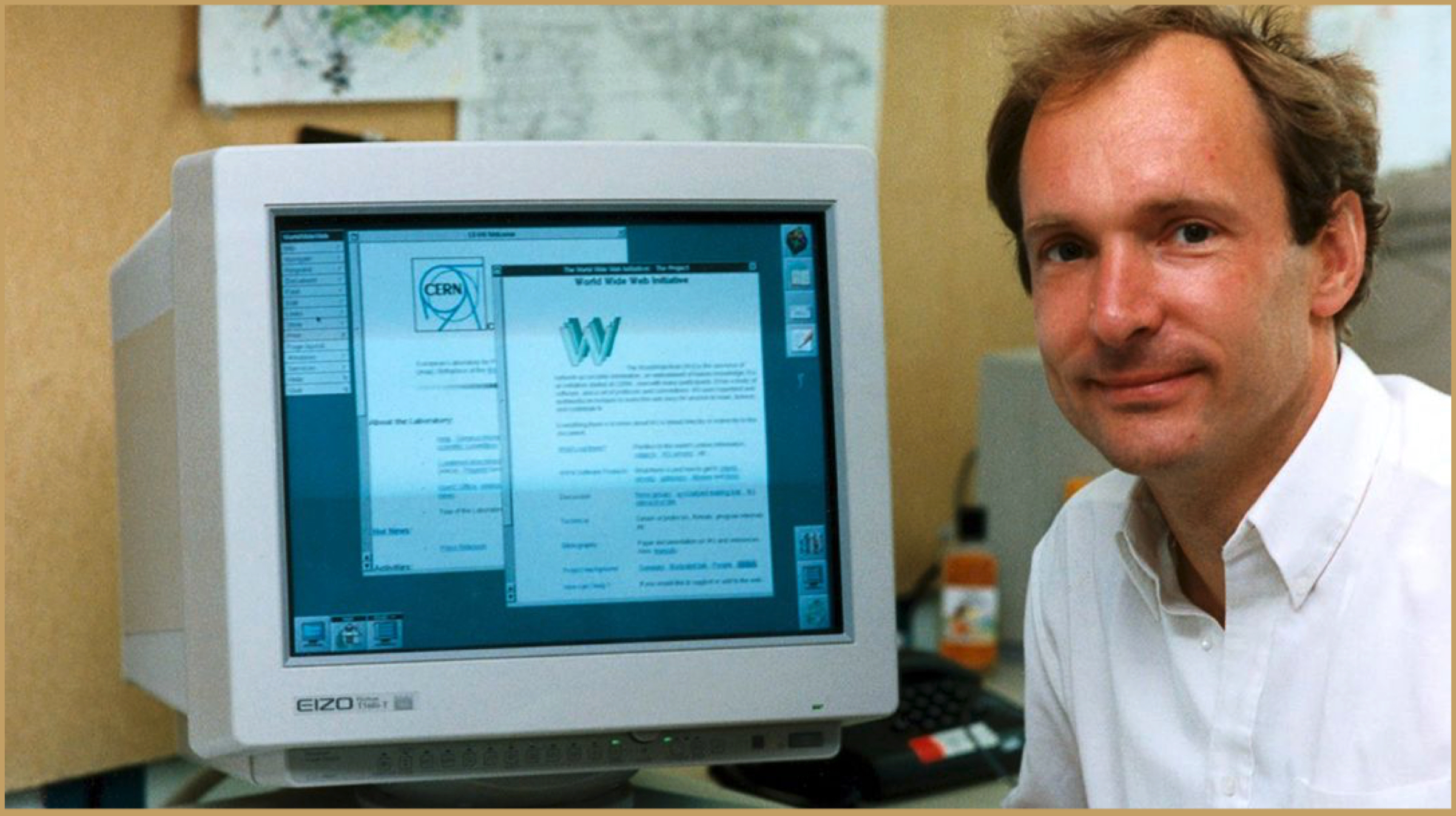
    In March 1989, Sir Tim Berners-Lee submitted a proposal to his chief at CERN, a science lab outside Geneva, Switzerland. The proposal was of the World Wide Web as a communication medium for the organisation. His idea at the time was called “Vague, but exciting” by his supervisor. 

    2) The First Website

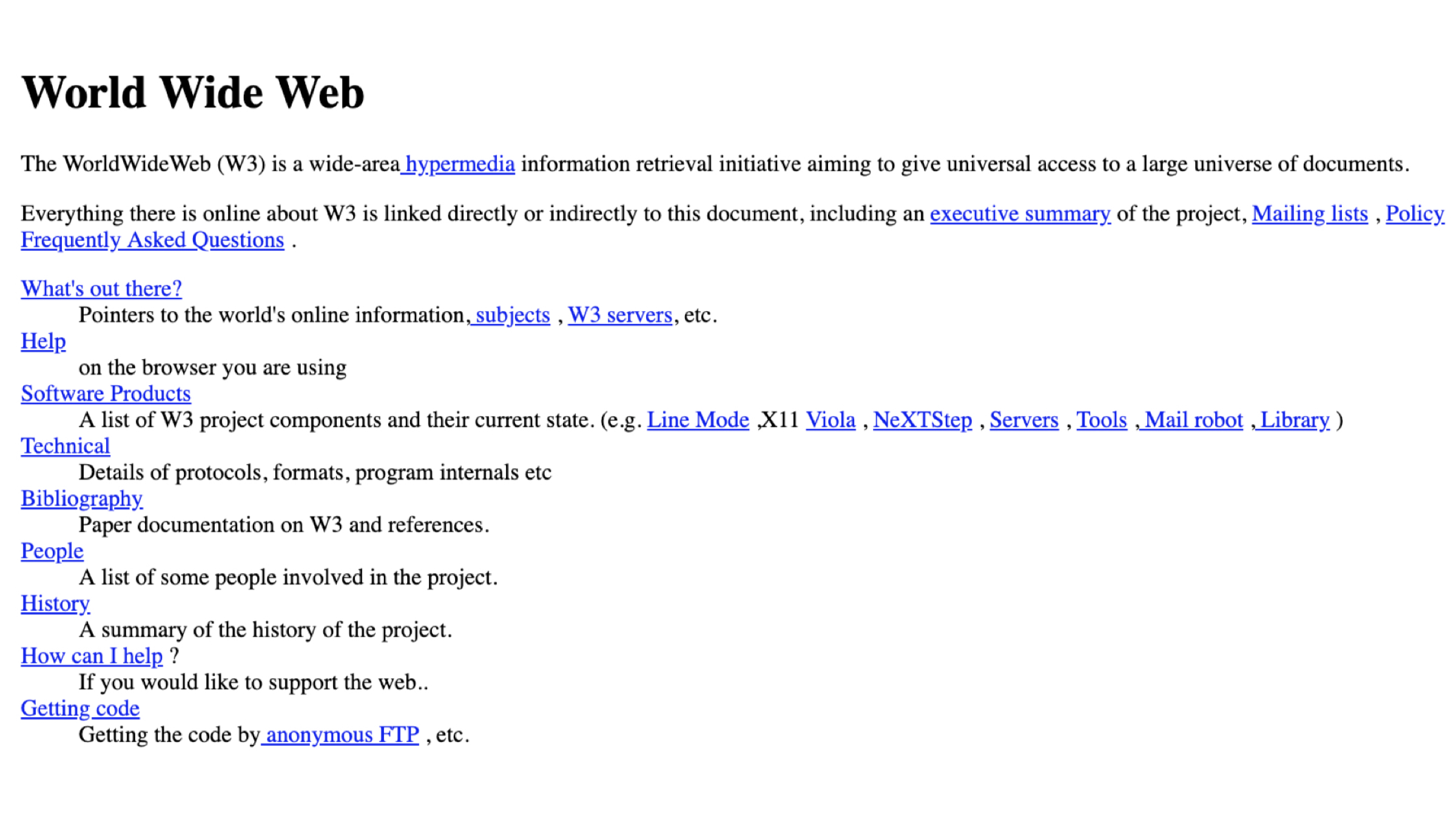
    The world’s first website went live on August 6, 1991, and was created by CERN. It has information and details about the world wide web project and also marked the time when the idea was shared with the world. It might not look up to the standards of 2019 but it was a big deal when it was set up and made way for the foundation of the internet.

    3) Amazon Was Created

    On the 5th of July 1994, Jeff Bezos founded the world’s first online bookstore which he called ‘Cadabra’ but later changed its name to Amazon due to a misunderstanding with a lawyer. The website is one of the largest E-commerce stores today and has made its founder one of the wealthiest people in the world.

    4) Hotmail Revolutionizes Email

    On 4th July 1996, Hotmail was founded by Sabeer Bhatia and Jack Smith. It was the first email service not tied down to a particular ISP and used HTML based email formatting methods. The advent of Hotmail is still considered one of the biggest steps in revolutionizing email.

    5) First Mobile Phone With Internet Access

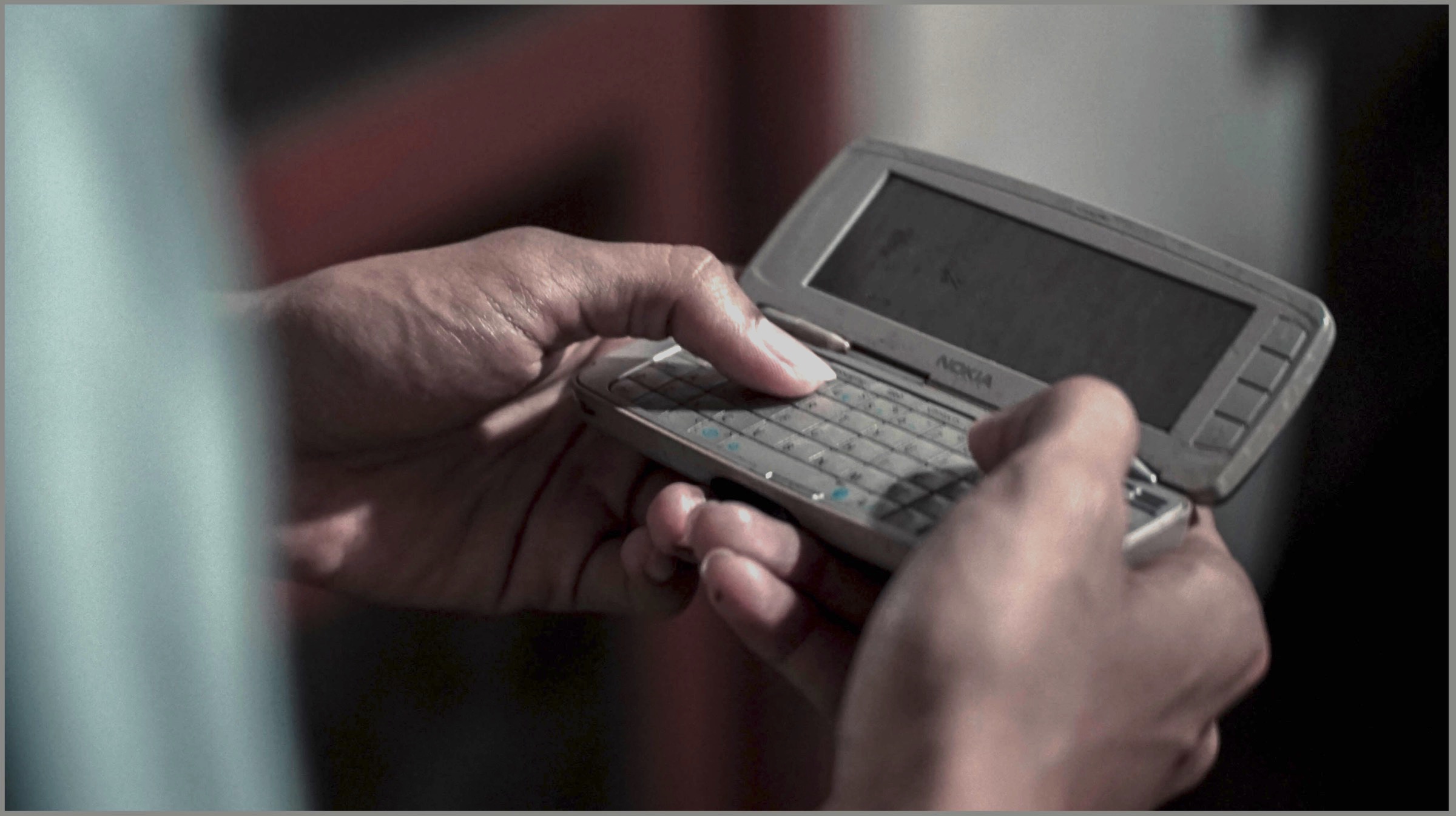
    There was a time when Nokia reigned supreme in the mobile business. That may not be the case today but it did make the world’s first phone with access to the internet natively. It was the Nokia 9000 communicator which had the feature. However, the device did not perform well in terms of sales because of a steep price and lack of proper internet penetration. The fact cannot be denied that this device undoubtedly paved the way for mobile internet as it is today.

    6) Google Searched Its Way Into Our Homes

    It’s hard to imagine one’s life without Google in today’s world. But in the year 1995, it was named ‘Backrub’ and was just a research project at Stanford University. However, the project turned into a reality on the 7th of September 1998, with the name Google derived from the word ‘Googol’ which is said to be the largest number in the world.

    7) Wikipedia Made Assignments Easier

    All of us have heard of or have visited Wikipedia once to assist with our assignments. The first entry on the free encyclopedia was published on 15th January 2001, by Jimmy Wales and Larry Sanger. The name Wikipedia is derived from the Hawaiian word for ‘quick’. It has since then starred in a number of controversies, particularly because of the decentralised option to edit data. Nonetheless, Wikipedia is still the first source people learn about most topics.

    8) Facebook Connected The World

    In February of 2004, 19-year-old Mark Zuckerberg and his friend Eduardo Saverin started Facebook. What started as a way for students in a university to connect to each other quickly became a rage across the world. It also made Zuckerberg the youngest self-made billionaire at the time. Despite the controversies the platform faces today, Facebook still holds a significant place in shaping the Internet to where it is today.

    9) First YouTube Video Shared

    On April 23 of 2005, ex-PayPal employees Chad Hurley, Steve Chen, and Jawed Karim uploaded the first video on YouTube. The video sharing website is now the primary medium users watch videos online. It was a simple video of a Zoo and was shot by Karim himself. The platform now has over 1.3 billion users and the users aggregately account for over 5 billion videos views every single day.

    10) First Tweet Was Sent

    Also read: Pokemon Go Styled, Harry Potter Wizards United To Launch Soon

    On 21st March 2006, Jack Dorsey sent out the first tweet which still exists on his profile. The tweet read “Just setting up my twttr”. The platform was called ‘twttr’ for a long time which was inspired by Flickr. Then the name was changed to Twitter and it paved its way into the widely popular social media network as we know today.

  • Is The Future Of Charging Wireless?

    Is The Future Of Charging Wireless?

    Apple introduced wireless charging with the iPhone models in the year 2017 which include the iPhone 8, iPhone 8 Plus and the iPhone X.  While the technology was available for a long time in smartphones, its embracement by Apple made it mainstream. Smartphone OEMs followed Apple and started introducing wireless charging in their devices. The market of wireless chargers has also grown exponentially over the past two years. But, the technology is still imperfect and slow in its current state. So, what could be the next big thing in wireless charging and will we ever see a future without wires?

    Introduction and History

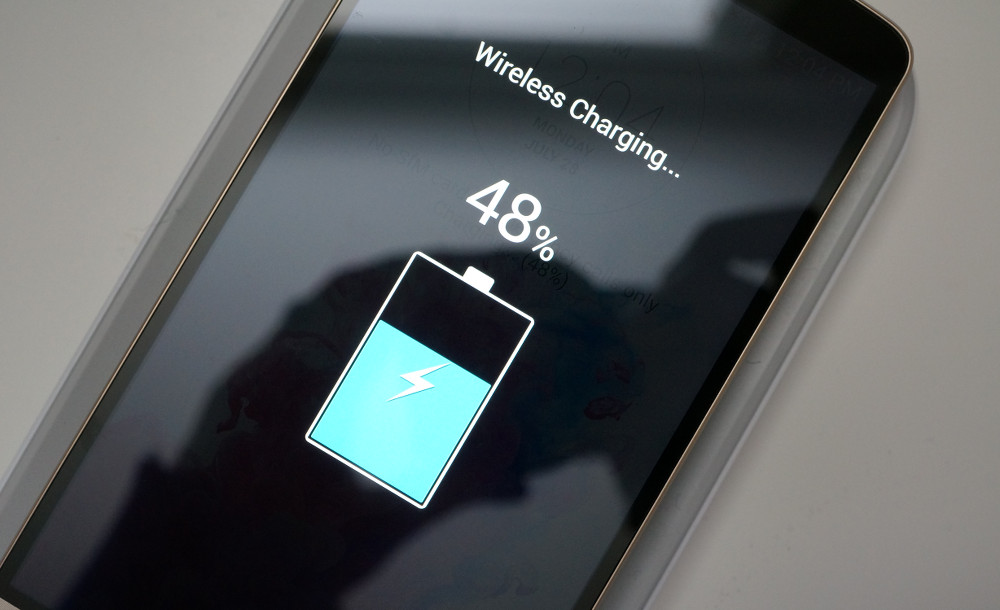
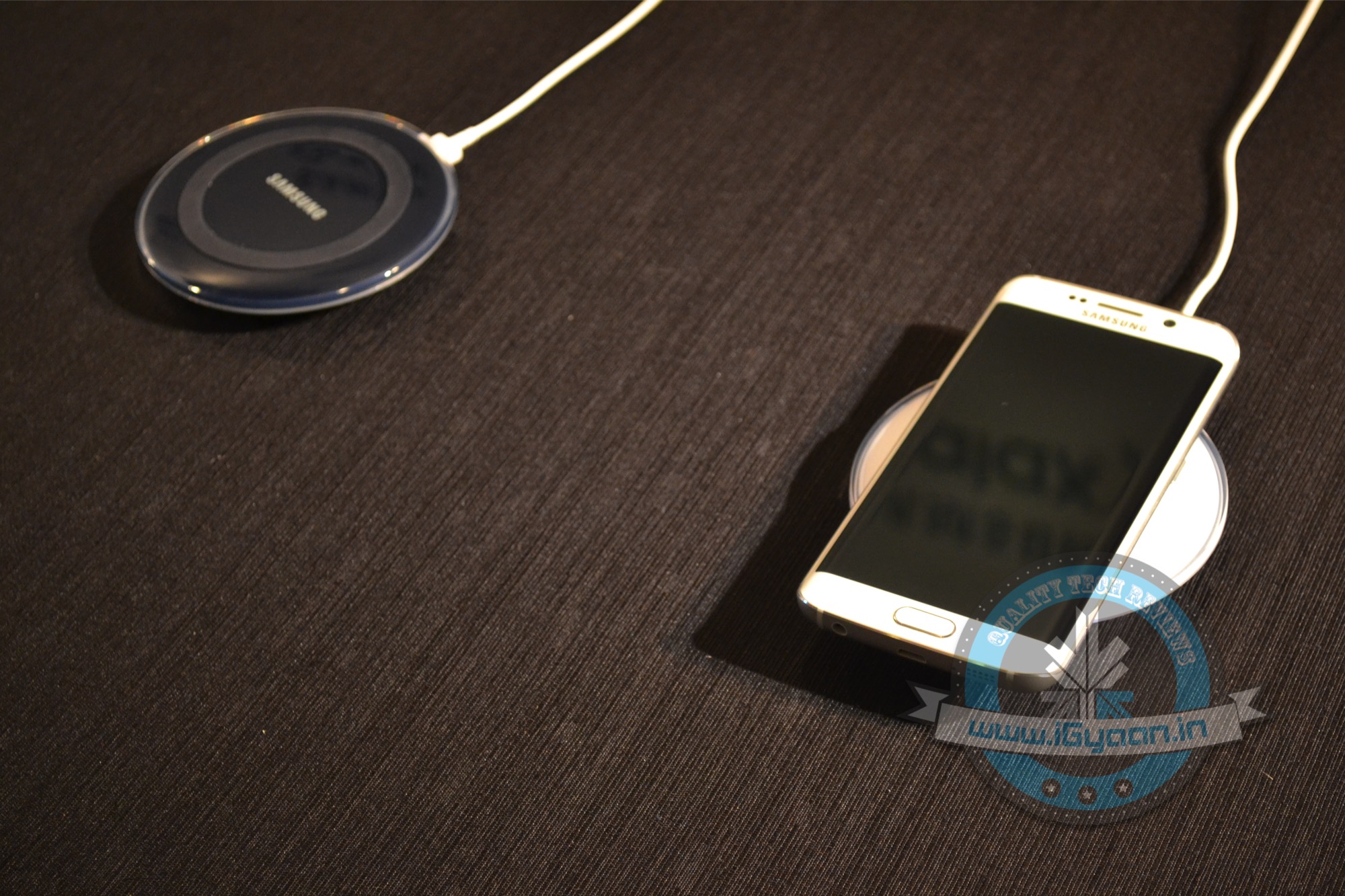
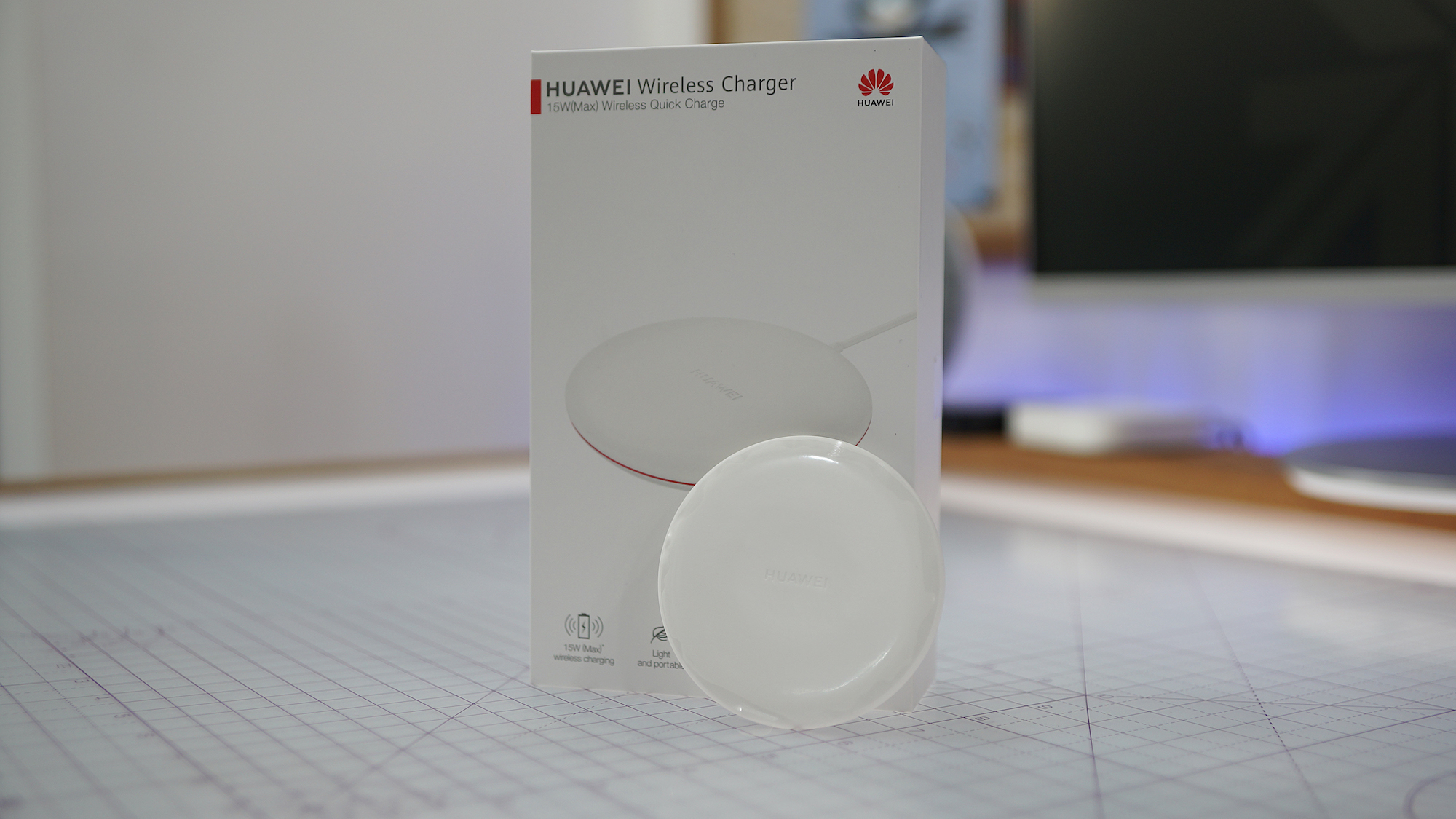
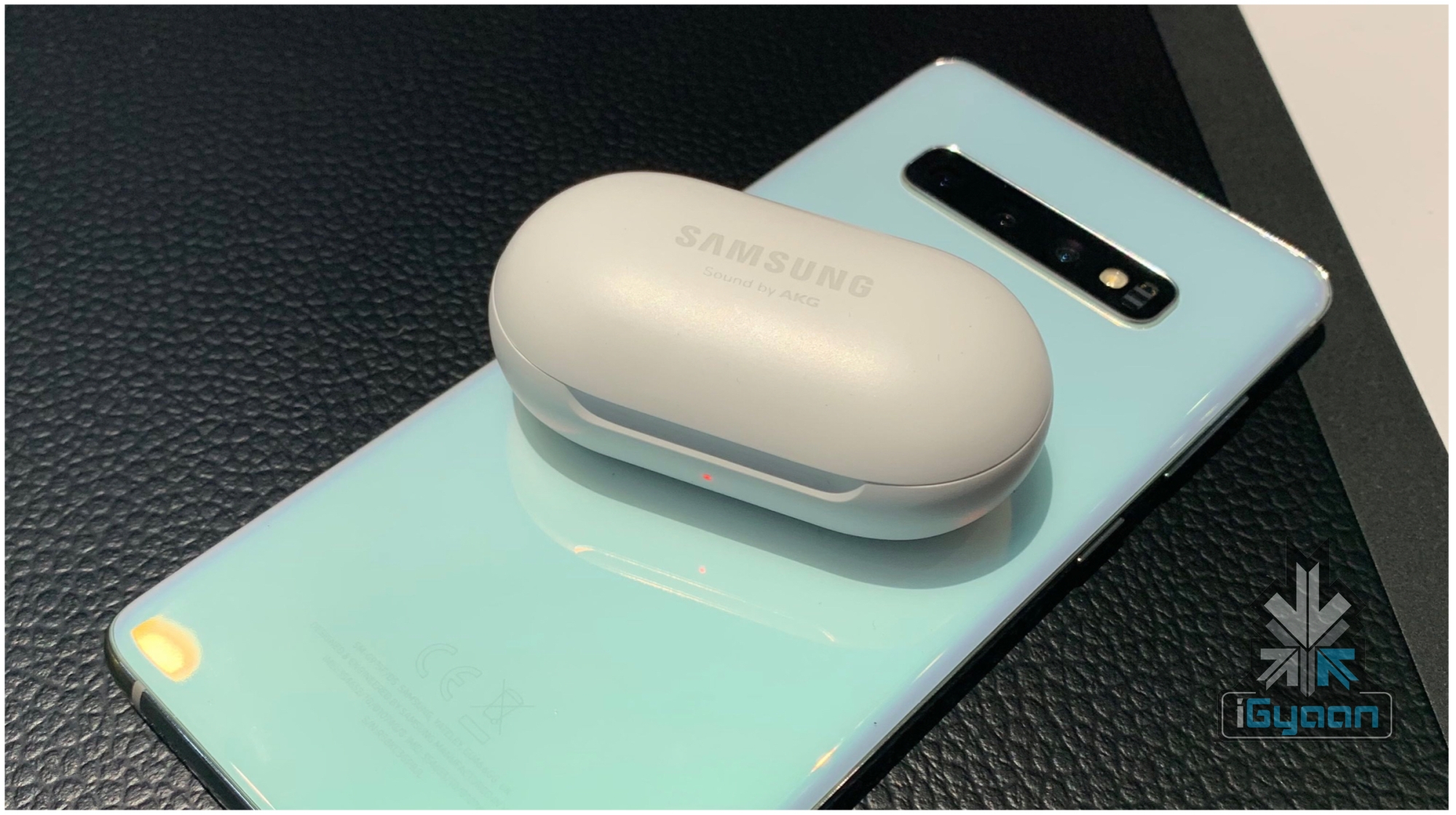
    Wireless charging is a feature that allows compatible electronic devices to recharge via electromagnetic induction. This allows the transfer of power without the hassles of cables and wires. The feature has grown to become immensely popular in smartphones lately.  It was first introduced with the Nokia Lumia 820 and 920 back in September 2012. Soon after that, OEM’s like LG and Samsung brought this feature to their flagship devices. In today’s day and age, the feature is more common and is generally observed in premium smartphones. This feature only works in smartphones that use glass, plastic or ceramic back as metal does not allow electricity to pass via induction technology.

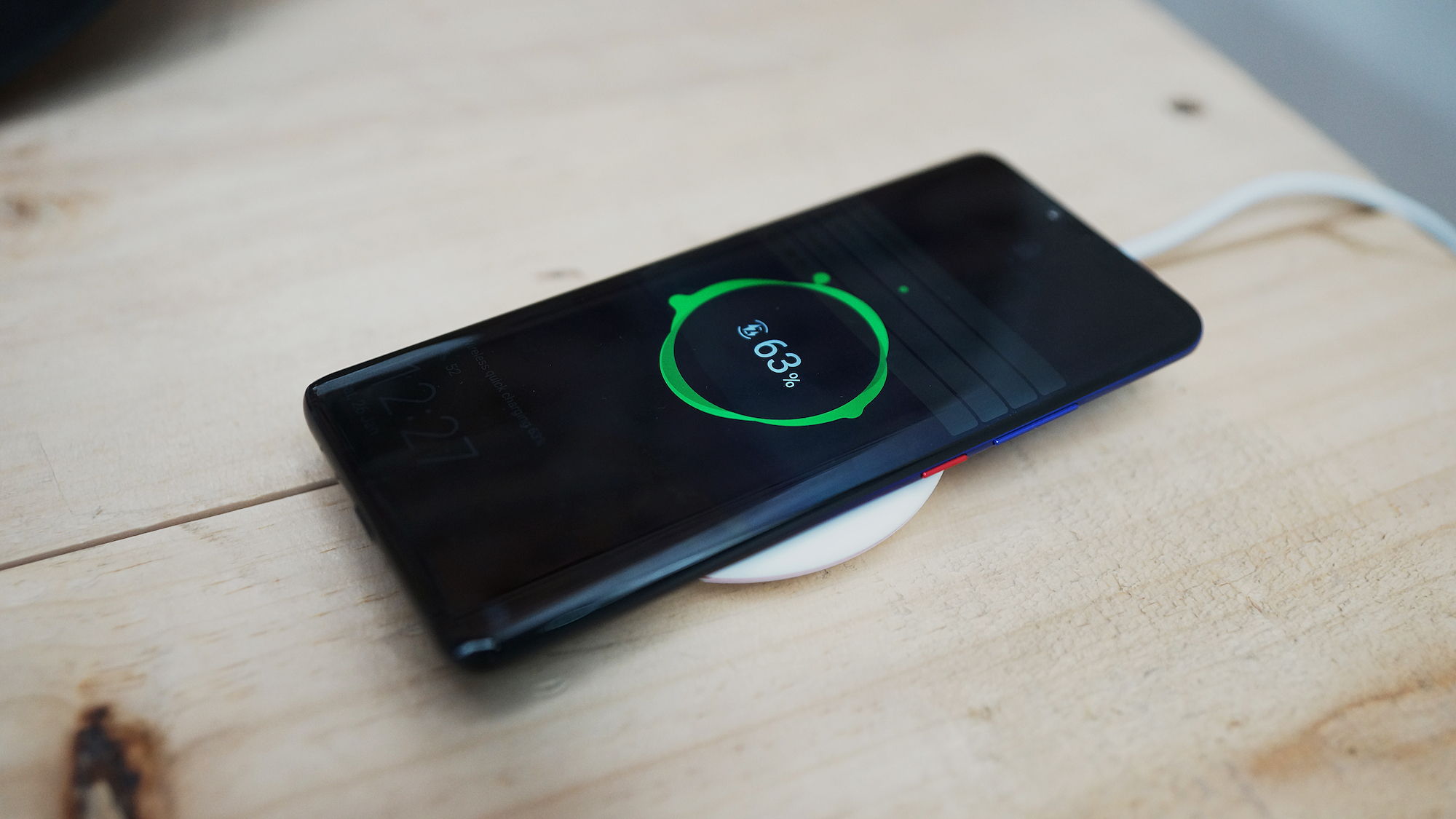
    Most smartphones that support wireless charging technology are certified by the Qi standard. This standard was established by the Wireless Power Consortium (WPC) in the year 2010. Some modern smartphones that make use of the Qi standard to pack wireless charging include Samsung Galaxy S10 series, iPhone XS, XS Max, Pixel 3, Pixel 3XL, and the Huawei Mate 20 Pro. A Qi certified dock or a charger is used which is connected to a wall outlet. The smartphone or any Qi-enabled device can be placed over the charger or on the dock to charge it. The current record for fastest wireless charging on a smartphone is held by Xiaomi’s latest flagship the Mi 9; which supports 20W wireless charging. 

    Why Wireless Charging?

    The Wireless Charging technology may not be in its best state right now, but it’s unarguably useful because of many reasons. Some of the reasons to choose the feature over conventional charging are highlighted below:

    • Convenience: This one is a no brainer, as just keeping a device over the charging dock is easier than plugging it in. This aspect of convenient charging makes the best case to switch to a Qi-enabled device.
    • Safer, because of a shielded connection: The feature uses induction, and there is no fiddling with wires, which makes this a safer way to charge an electronic device. One might argue that the wire is present but is needed to be handled with rarely.
    • Increased durability of ports: Regular plugging and unplugging an electronic device will mechanically wear out the connection port over time. With wireless charging, there is no need to fiddle with a wire, so the ports remain intact.
    • Increasing developments in technology: This point is valid for wired charging as well, but seeing how wireless charging has improved over the years, it will be very interesting to see what the future holds for this visionary technology.
    The Future Of Wireless Charging

    While wireless charging is a great feature to have and saves the user a lot of hassle in handling cables; it is still not as fast and efficient as wired charging. Also, there is no consumer solution currently available which can transfer current from a distance. The development of this technology is still in its nascent stage and the prototypes of it working aren’t very promising. Disney in the year 2017 showcased a prototype room which turned the whole space into a wireless charger. Unfortunately, this required an aluminium room and a metal pole in between. In order to create a wireless charging enabled room, designs and aesthetics take a backseat. 

    Also read: OnePlus 7 Listed Online Confirming Price & Specifications

    One more problem with wireless charging is overheating. The manufacturers have struggled to increase the charging speed with minimal heating. Notably, overheating is the reason that has caused the production delay of the highly anticipated AirPower wireless charging mat from Apple. But as is the case with every new technology, wireless charging is also expected to get better with time and it is expected to work at a faster speed, that too from a distance and with much less heat dissipation. Vivo, the Chinese smartphone manufacturer has recently partnered with Energous; which is known for its long-distance wireless charging technology. This collaboration is expected to further increase the pace of development of wireless charging technology. The future of wireless charging seems very exciting and may lead to one where there are no wires, and our devices never run out of battery.

  • Best Wired Earphones In India Under Rs 1,000

    Best Wired Earphones In India Under Rs 1,000

    Apple removed the 3.5mm headphone jack from the iPhone 7 and 7 Plus models in the year 2017. Since then, many more smartphone OEMs like Huawei, HTC and Sony have expelled the ill-fated headphone jack from their devices. But, the option of listening to music and managing calls from wired earphones is still very popular. Buying the perfect pair can be a daunting task because of the sheer number of options available today. To make the choice easier, we have combined the five best earphones available in the market today for under Rs 1,000. 

    Boat BassHeads 225

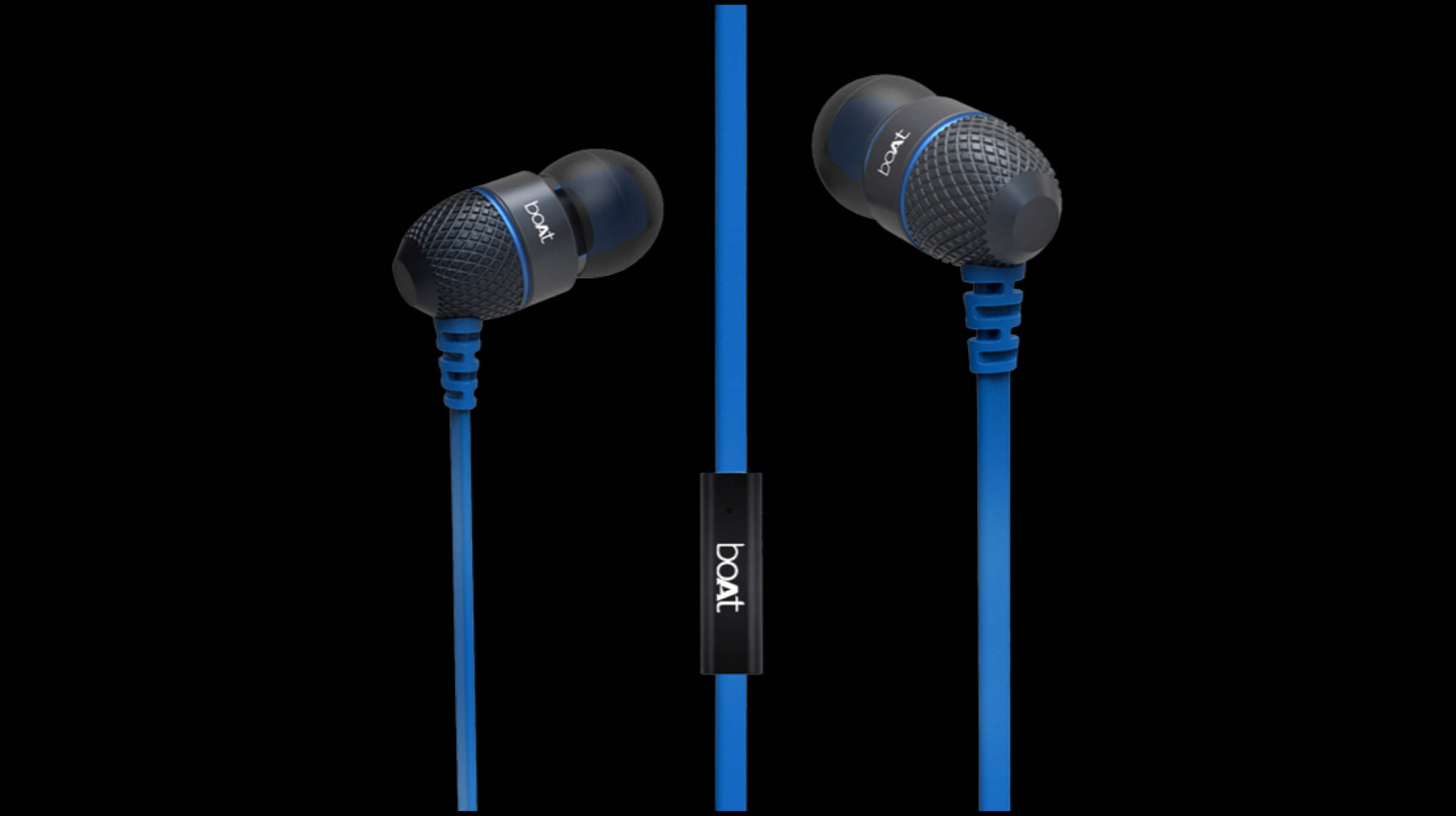
    Available in six colours and at an attractive price, the Boat BassHeads 225 are one of the best earphones available in the market for a price less than Rs 1,000. Each earbud has a polished metal housing and features tangle-free, flat cables. The silicone tips are interchangeable and there are different sizes available in the box, for an easy and comfortable fit. There is also a 10mm driver and an inline microphone and audio control button. Promising of good bass, the sound quality of the Boat earphones is great for the price and make them worthy of the asking price.

    Mi Basic Earphones

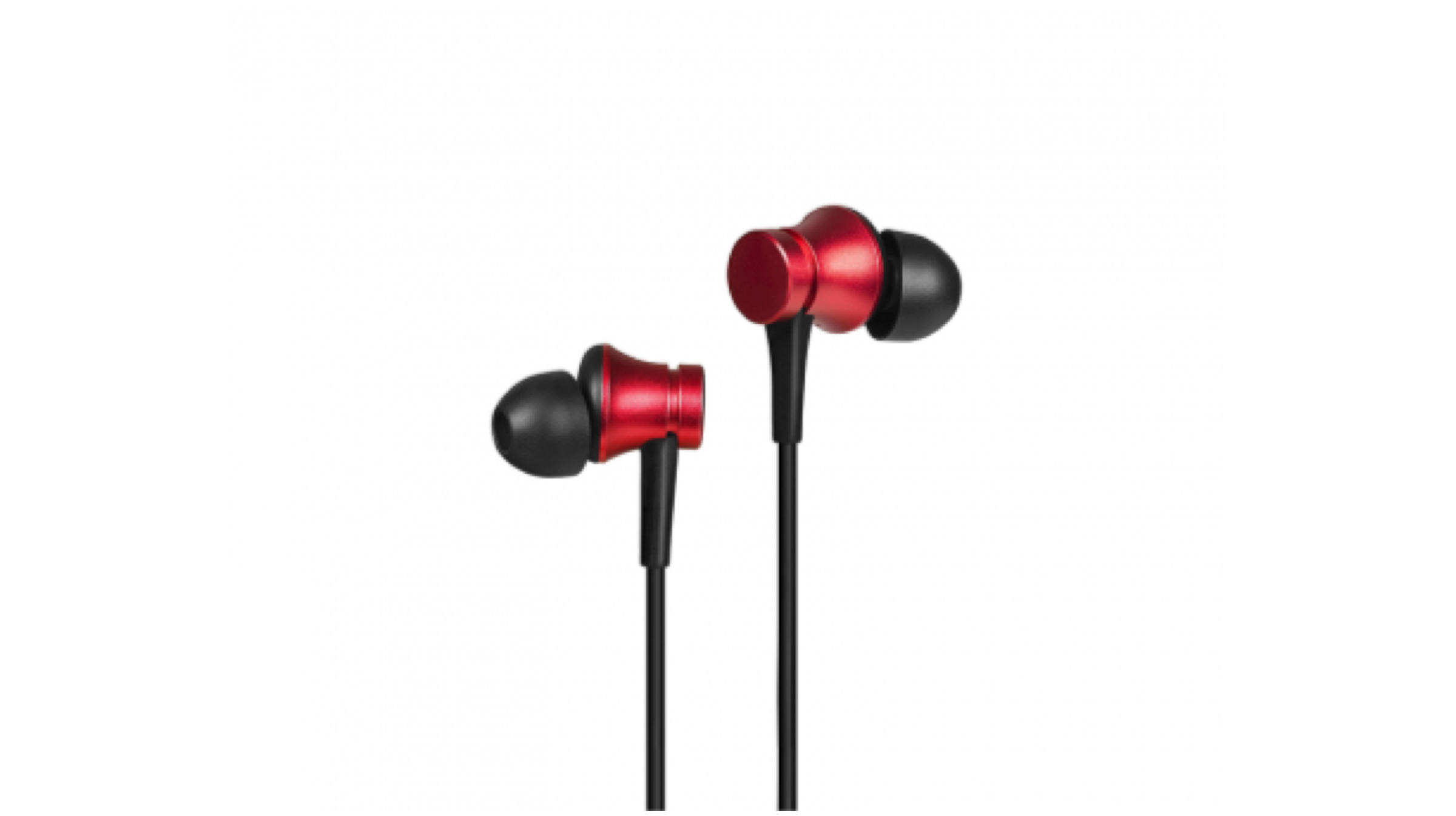
    The Mi Basic Earphones, like most Xiaomi products, have the culmination of great features at a jaw-droppingly low price point. The earphones have an aluminium alloy chamber and have an inline microphone with a single button for play/pause and picking up calls. The silicone tips are interchangeable and there are different sizes available in the box, for comfort. The body itself is angled for easier fit into the ear. They are available in two colours, Red and Black, and has a 10mm audio driver. The sound output is quite balanced, making them an ideal choice for the price.

    Sennheiser CX180 Street II

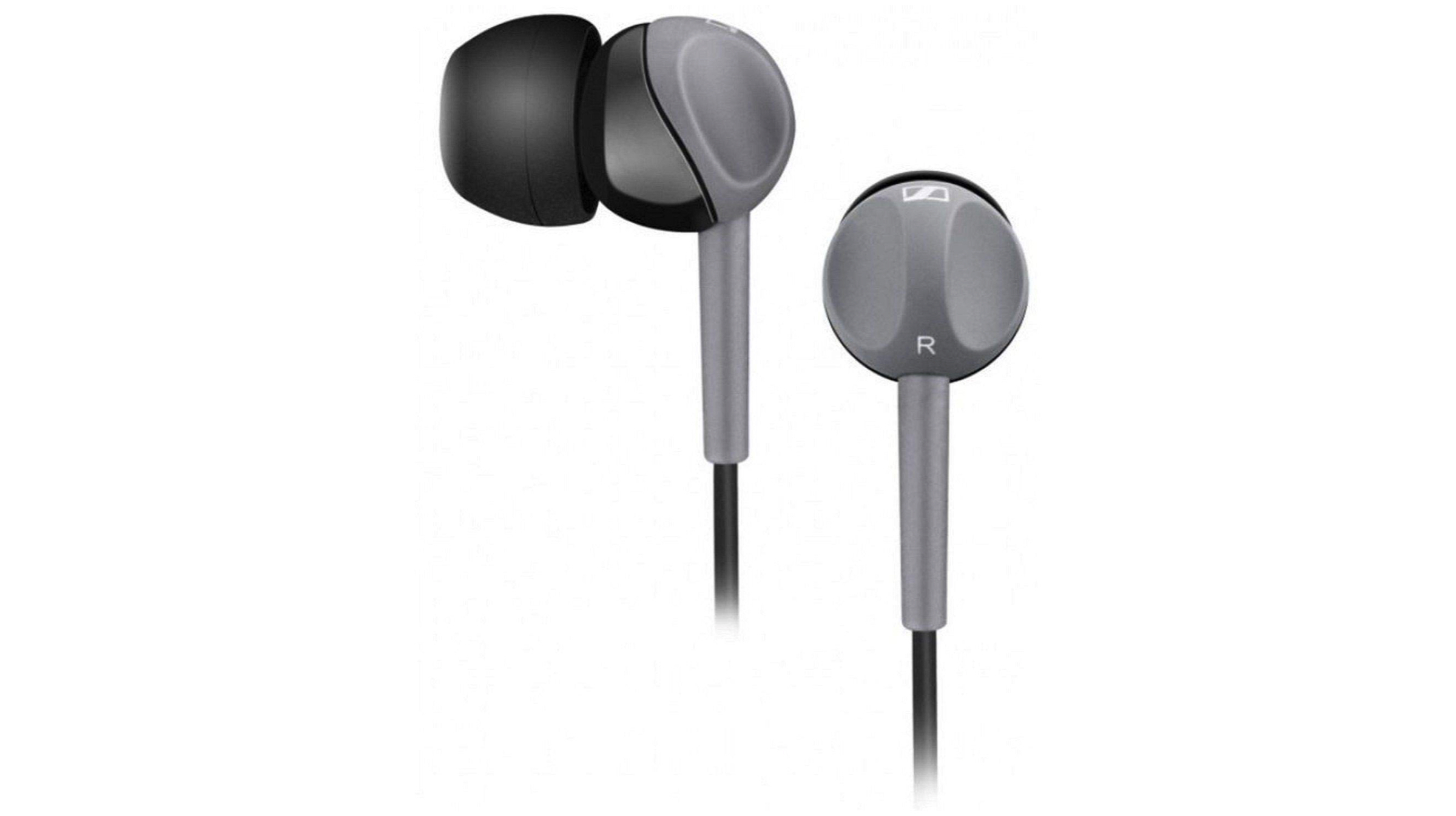
    The Sennheiser CX180 Street II were launched a few years ago, but continue to remain one of the best choices for anyone looking to buy earphones under Rs 1,000. They have a comfortable fit and feature a unique looking design. Unfortunately, there are no microphones or inline controls on the earphones. They do have changeable silicone ear tips in the box which makes for a better fit for most users. The sound quality is one of the best in the price range, with great vocals and a balanced bass and treble.

    JBL C100SI

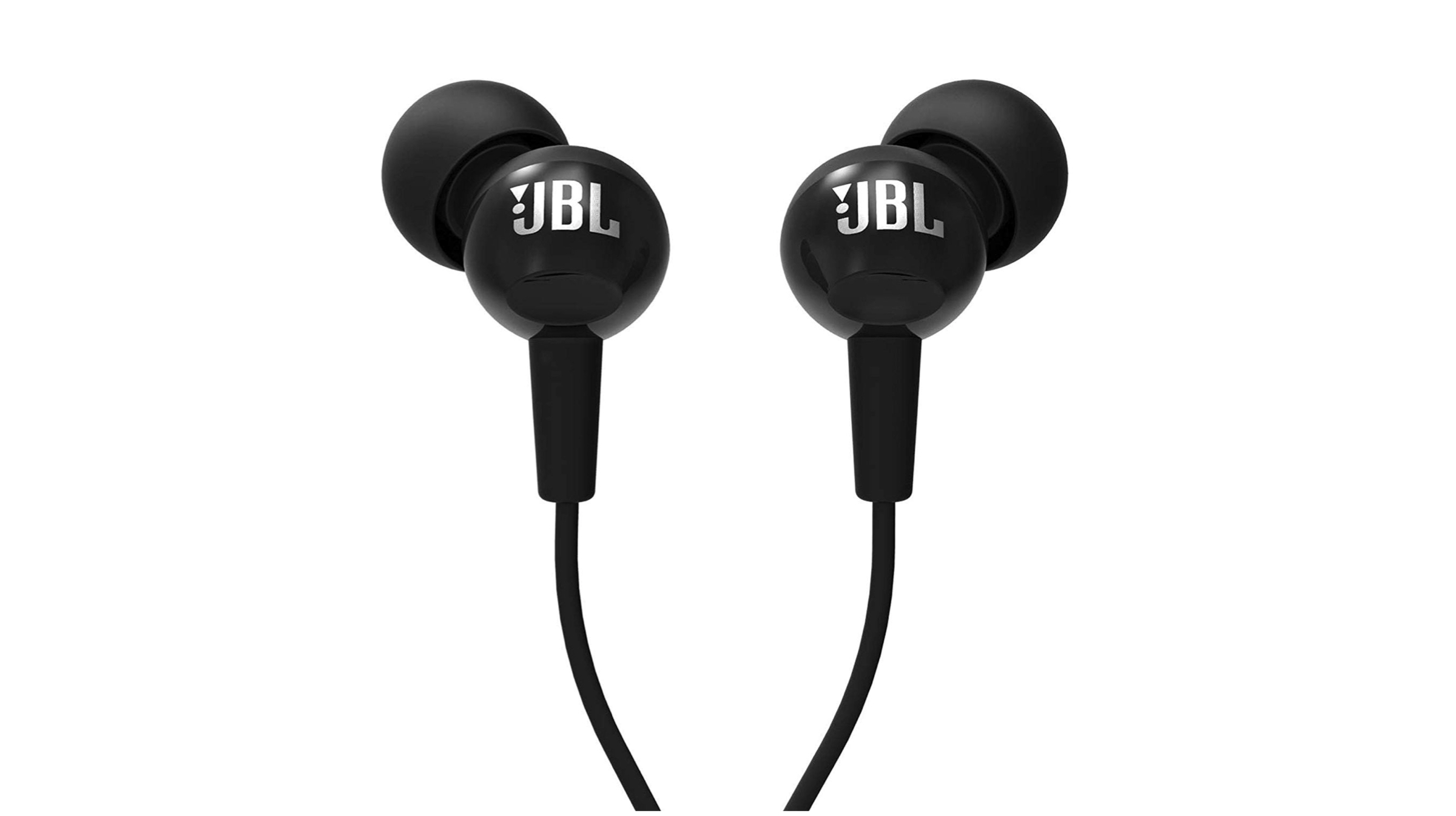
    The company JBL is not unheard of when it is about audio equipment. Available in three colours, Black, White, Red, the JBL C100SI has a nimble design with a slight angle for a better fit. There are interchangeable silicone tips in the box for universal fit. The earphones have a microphone with in-line controls for music play/pause and to answer calls. The sound output is decent and makes it one of the best earphones for the price.

    House of Marley Smile Jamaica

    Not many people may have heard about the audio company House of Marley. The Smile Jamaica earphones are arguably the best looking ones of this list, complete with a wooden finish. They have a braided cable which makes them tangle-free to an extent. The silicone ear tips are replaceable for different ears and there is a microphone, in-line control button on the earphones. The sound quality of the headphones is balanced, with good bass, treble and vocals. The Smile Jamaica is one of the best choices for people looking for an earphone under Rs 1,000.

  • Is The Future Of Wearables With Or Without Smartphones?

    Is The Future Of Wearables With Or Without Smartphones?

    According to a report by Statista, the number of mobile phone users in the world is going to reach 5 billion by the end of 2019. Relatively, there are almost 8 billion people on the planet. This means that almost 63 percent of the total world population owns a mobile phone of sorts. And that number is rising since all companies are hell-bent towards designing a smartphone which meets all the norms of a perfect smartphone – one device that can do it all. 

    However, it is possible that the smartphone count may plummet sharply. Not because people will stop using smartphones. Because alternatives to smartphones are taking over the world. Wearables. This upcoming generation of technology could dethrone smartphones, once and for all. Wearables are defined as an electronic gadget that can be worn/clipped on the body. It’s a vast category, but the most common ones are

    • Smartwatches
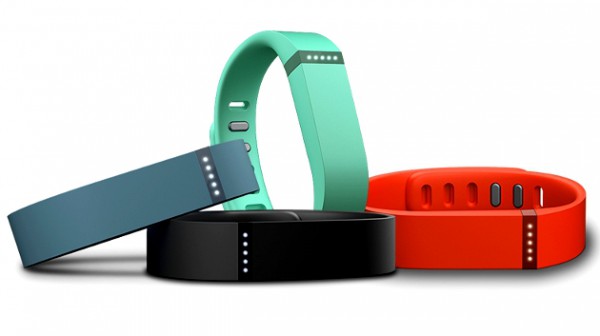
    • Fitness Bands And Health Monitors
    • Earbuds And Headsets
    • Clip-On Cameras
    Why Are Wearables Catching Up?

    As per a survey, over 51 percent of the youth uses some form of a fitness tracker to monitor daily health and activities. Smartwatch sales are booming day by day, clearly showcasing the fact that people are looking towards making their lives easier and faster-paced to catch up with the rest of the world. Hence, in a world where winning matters to a significantly larger chunk of the population, smartphones are slowing them down while speeding things up at the same time.

    What makes a smartphone so special? Is it the CPU of the device? Or is it the fact that you can make calls via your smartphone? You can listen to music whenever you want, view pictures, get directions to a place you’re going to, or simply tell your smartphone voice assistant to book a taxi while you read an e-book.

    The Future Of Wearables

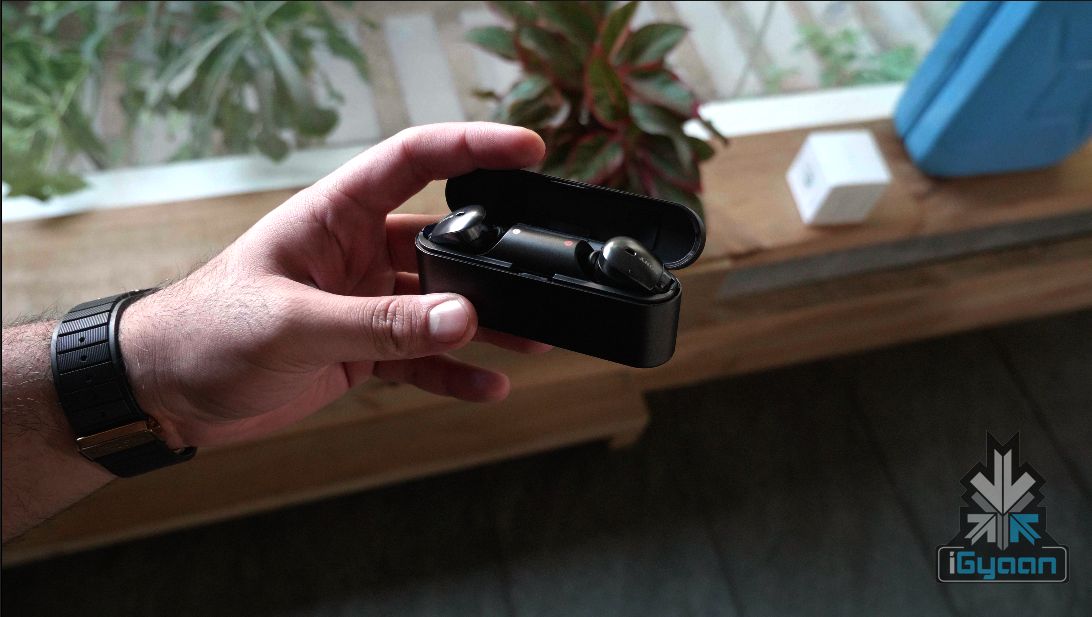
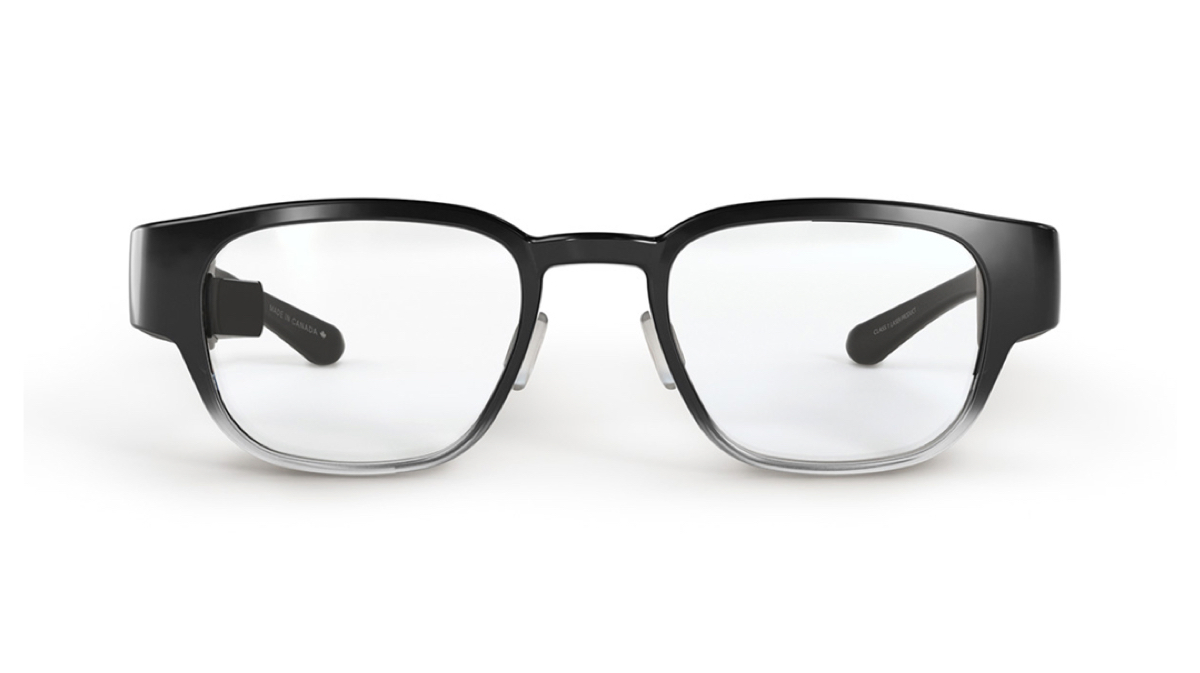
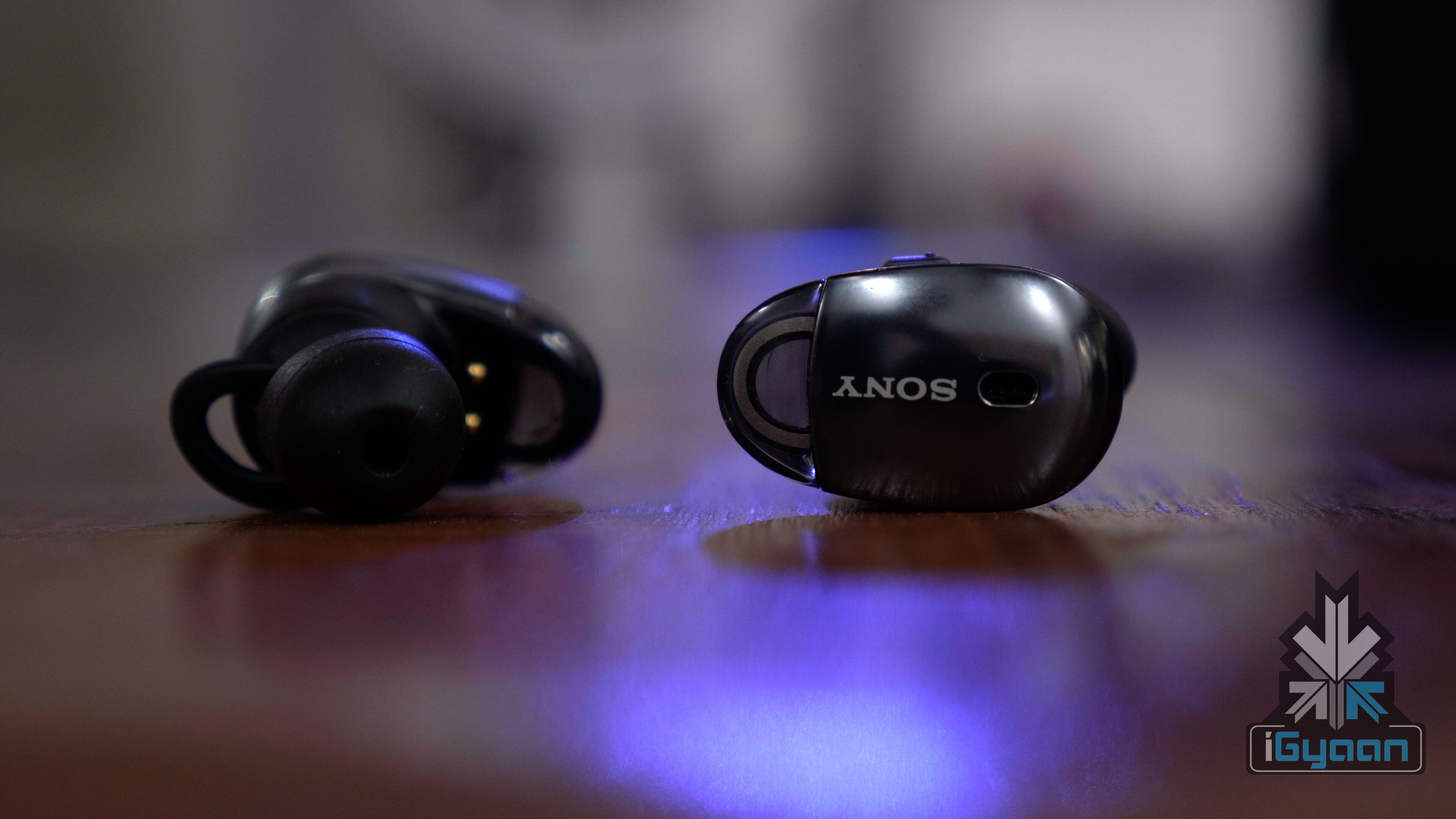
    In the not-so-distant future, a combination of swanky sunglasses/spectacles and a pair of earbuds will be able to do all of the aforementioned tasks, and so much more. A lot of companies are working on smart earbuds that will contain CPUs as powerful as smartphone processors and more efficient than them too. For instance, Here One earbuds from Doppler Labs have a feature that allows you to filter out what you hear. You’re probably thinking, “Hey, I heard about this feature some time back, didn’t I?” Well, these earbuds allow you to filter out selective sounds from your environment, like the crying of a baby, a person playing the piano or just some old fashioned crowd chatter. It wouldn’t be wrong to say that these earbuds are more powerful than some of the early computers. Sadly, the company stopped producing the earbuds because of the lack of funding.

    Just like adaptive filtering, a lot of other technologies are being implemented in wearables which can make a huge difference in the way we live our life. Motion sensing earbuds turn on when a user inserts them in his/her ears. Smartwatches detect almost every activity of the wearer, analyze them with the help of the chipset present on the device and provide analytics regarding the same. Wearable cameras click an image every time a catchphrase is detected or when a special gesture is recorded.

    Wearables VS Smartphones

    With technology reaching a point where all the components of a device can be placed on a chipset which measures smaller than a fingernail, possibilities are endless. Projects like Google Glass weren’t so successful when they started out, solely because society isn’t ready to accept a piece of tech that you can wear on your face. And that’s exactly the difference between wearables and smartphones. A smartphone can never be a part of you, it is just something that’s an “add-on”. Instead, wearables can be a part of you. They replace conventional accessories that a human is already accustomed to. Smart glasses will soon replace “traditional glasses”, smart earbuds will wipe the floor with basic earphones and smart watches will eventually take their place on your wrist instead of your wrist watches. Brands like Fossil have already launched a wide range of smartwatches in order to keep up with the ongoing trends.

    Also Read: Understanding Different Realities; What is AR, VR And MR
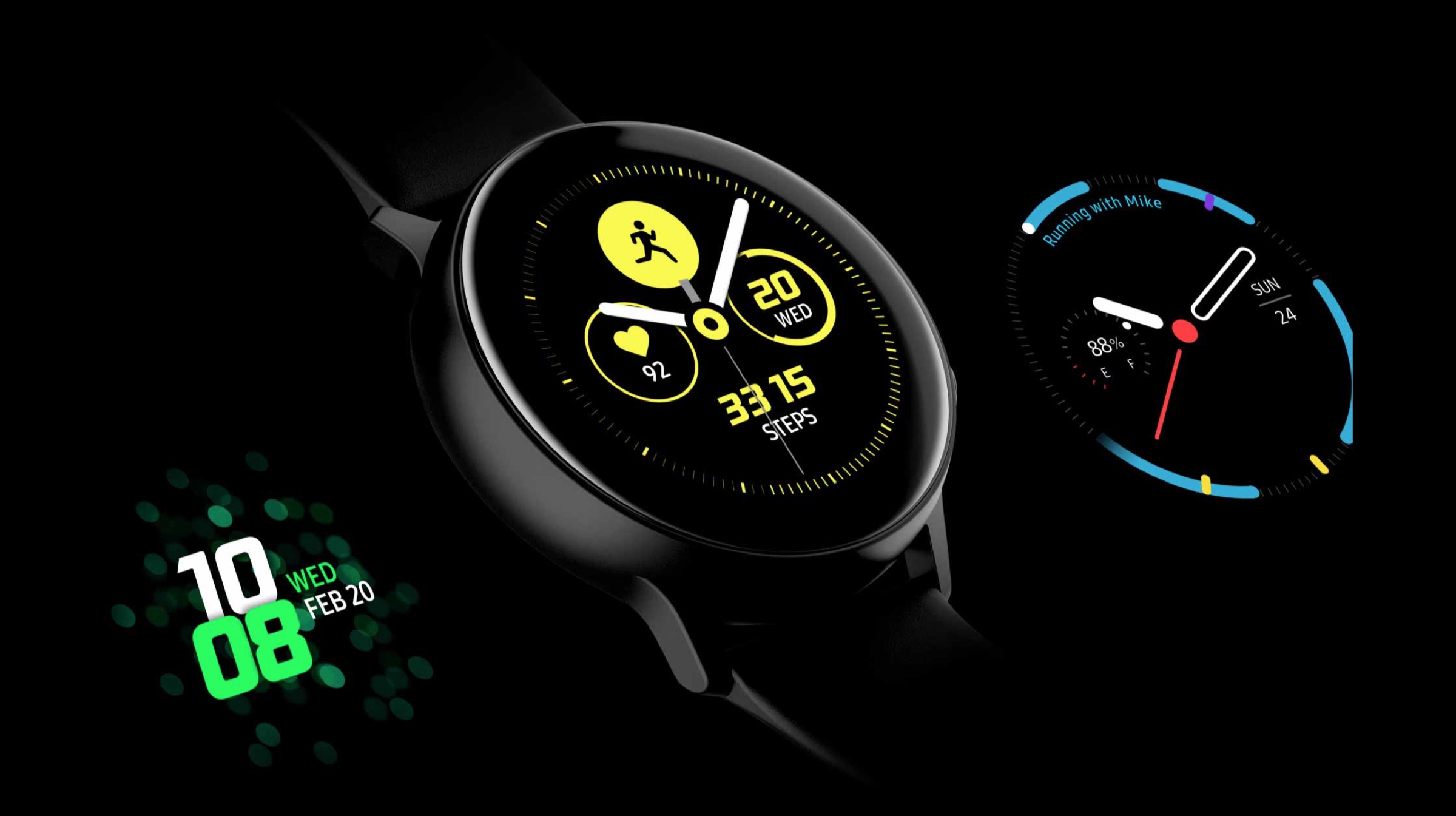
    Once companies figure out how to enable the inclusion of network adapters, graphic modules, camera modules and basically “every smartphone feature” in wearables, the trend will see a shift of technology, which will veer away from smartphones. Subdermal implants and biometric clothing are just some other technological innovations that are making their way into the arena. We can expect to see something way out of the ordinary, or something so ordinary that it will blow our minds away.  

  • What Is Android Fragmentation, And Will Google Be Ever Able To Fix It?

    What Is Android Fragmentation, And Will Google Be Ever Able To Fix It?

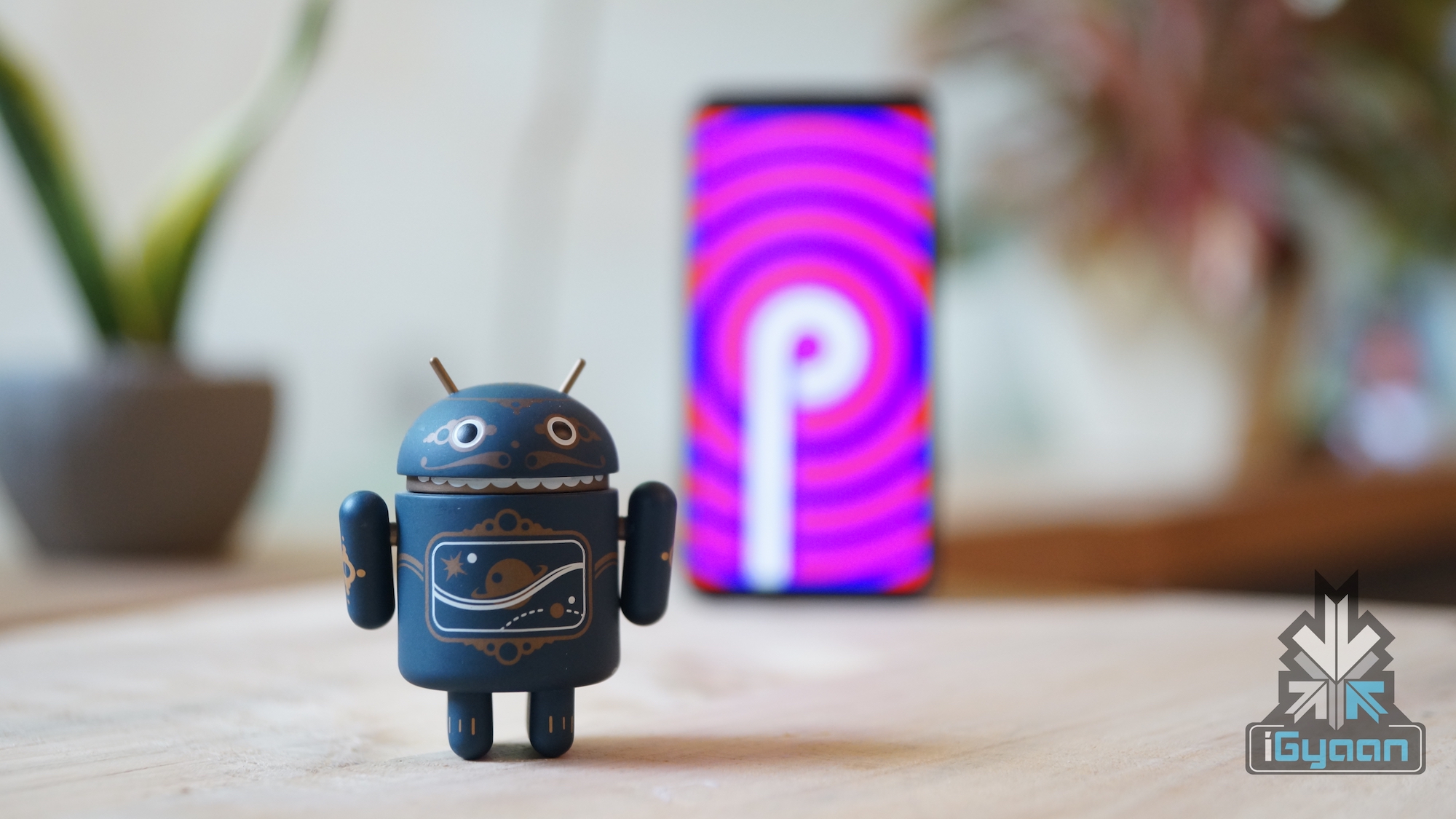
    Google released the latest generation of its Operating System, Android 9 Pie back in August last year for Pixel smartphones. The update marked the ninth major release of the software by the company. But, despite the latest generation of Android out almost seven months ago, many of the modern devices are still stuck at one or more generations older software. What’s even more surprising is that some OEMs are launching new smartphones with old software on purpose.

    This disparity in Android devices makes the mind think about what problems could there be that restrict some manufacturers into providing older versions of the software. The alarming number of different available Android versions in the market is called Android Fragmentation. This inequality of software versions has plagued the Android Platform since its inception. But is there a way for Google to fix it?

    The Current State Of Android Fragmentation

    Google releases a report every year in October highlighting the distribution of different software versions. The data, though a few months old, gives an insight on how things are currently on Android’s side. This is what Google found in their testing:

    Version Name Release Year

    Distribution

    (in %)

    2.3.3 

    2.3.7

    Gingerbread 2010 0.2%

    4.0.3 

    4.0.4

    Ice Cream Sandwich 2011 0.3%

    4.1

    4.2

    4.3

    Jellybean 2012 3.0%
    4.4 KitKat 2013 7.6%

    5.0

    5.1

    Lollipop 2014 17.9%
    6.0 Marshmallow 2015 21.3%

    7.0

    7.1

    Nougat 2016 28.2%

    8.0

    8.1

    Oreo 2017 21.5%


    By looking at the above table, there is no mention of the latest Android 9 Pie, because, at the time of this report in October last year, it was still below 0.1%. The numbers are expected to be significantly higher since then. Despite being released for more than two months, the software still couldn’t make it to the list. The most used version was Android 7 Nougat, which had more than 28% of users. This shows how manufacturers refrain from providing any updates to the devices.

    Besides not providing new features with the lack of Android updates, they also pose a grave security threat. Every month, Google releases security patches for Android, but not every smartphone gets it. But it’s not the company’s fault, because updating a smartphone with the latest firmware is the OEM’s responsibility.

    The Reason For Fragmentation On Android 

    Android Pie Android 9 Google

    The reason that the manufacturers continue to provide older software with newer devices or refuse to update them faster than normal; is that most of them have to optimise Android according to the company’s custom skins. These can range from a lightly customised one, like Oneplus’ OxygenOS or a heavily customised take on Android, like Xiaomi’s MIUI. So the OEMs take their own sweet time to adopt the latest version and release it.

    When Google provides the manufacturers with the latest Android Platform Development Kit (PDK), they have to start developments on the software. The process includes testing out the new version with the device’s hardware. Then the version is added with manufacturer specific software features, like the aforementioned skin and is tested and certified for bugs. For some manufacturers like HMD Global, Essential and OnePlus, the process has been proven to take only a few days or weeks. 

    How Can Google Prevent It Further?

    The only way that Google can prevent Android Fragmentation from happening in future releases is by being strict with OEMs. And it’s not like the company hasn’t tried. Despite warning the manufacturers when they slacked in providing software updates, the results weren’t much different. Google then released Project Treble in 2017 with Android Oreo. This modified how the updates are delivered by bypassing the chip manufacturers’ modifications to it. It was an ambitious step and worked in theory, but unfortunately, the situation didn’t change much.

    Android Go Stock Android Android One

    Also read: Tesla Unveils Faster Third Generation Supercharger

    Google tried to fix Android Fragmentation further by signing up more OEMs to the Android Pie Beta Program. This provided them with more time to develop the software according to their own customisations and was a step in the right direction. But, if the company has to fix the problem further, it has to get more manufacturers on board and if possible, then all of them. But this sends out hope that the company is serious about the issue and it may take some more time to fix. If manufacturers are serious about the disparity in updates, the days of Android Fragmentation may be over sooner than later.


  • Understanding Different Realities; What is AR, VR And MR

    Understanding Different Realities; What is AR, VR And MR

    Technology has often changed the way humans have perceived the world and is expected to further challenge it in the future. The introduction of Augmented and Virtual Realities have revolutionalised different business sectors completely and have allowed for a better interaction with technology to create more immersive, engaging content. But, what do AR and VR mean? And what is the new technology that has debuted with the Microsoft Hololens, MR? Here is what these terms mean individually.

    Augmented Reality (AR)

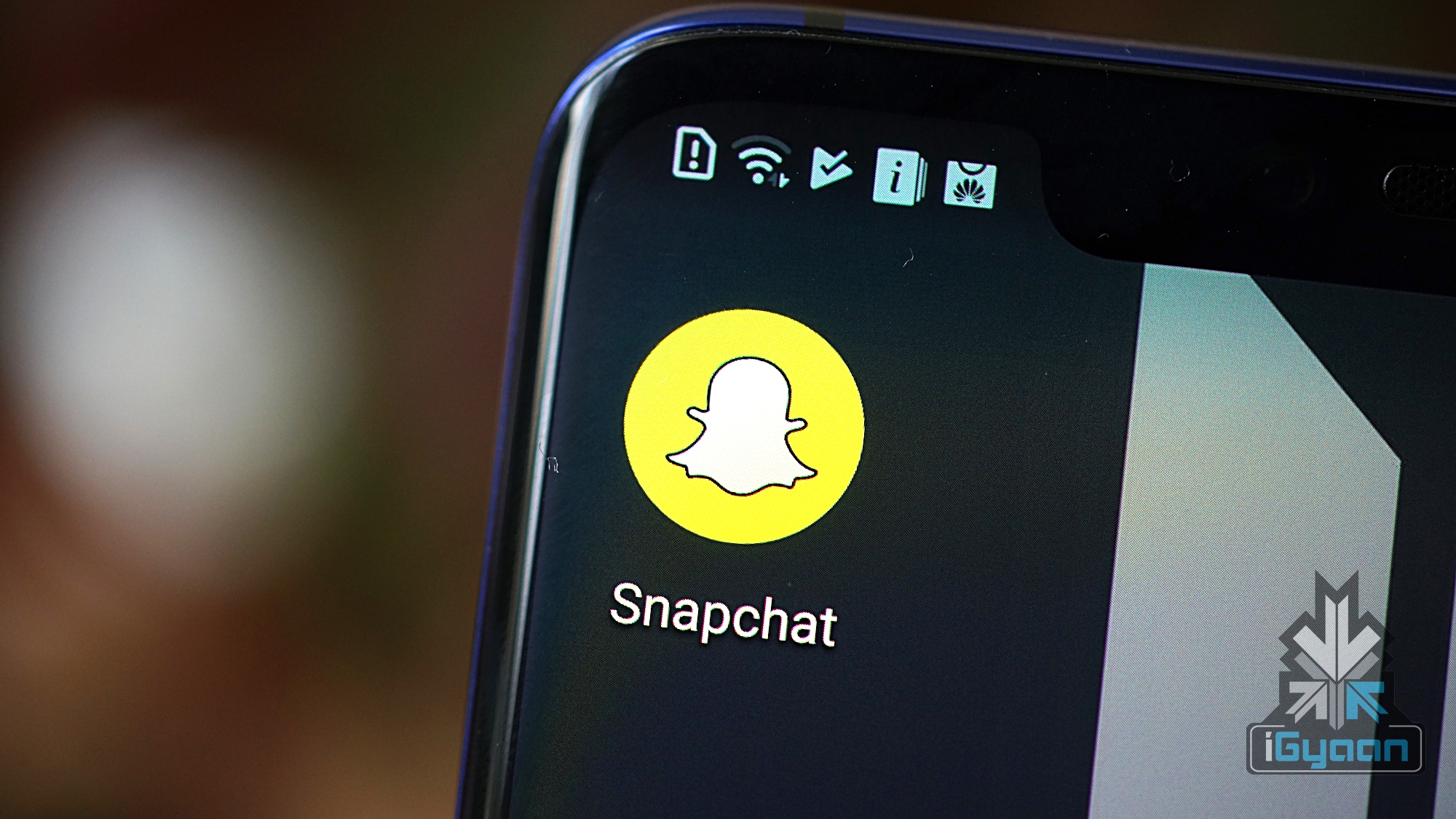
    Augmented Reality is defined as “an enhanced version of reality created by the use of technology to add digital information on an image of something.” It usually interacts with the help of a camera which is used to capture details from the real world. The device from which the AR functions are used makes it possible to further enhance the experience by adding different layers to reality. Pokemon Go, a game from 2016 is a great example of AR technology being used. Apps like Instagram and Snapchat also use this technology to provide live face stickers. 

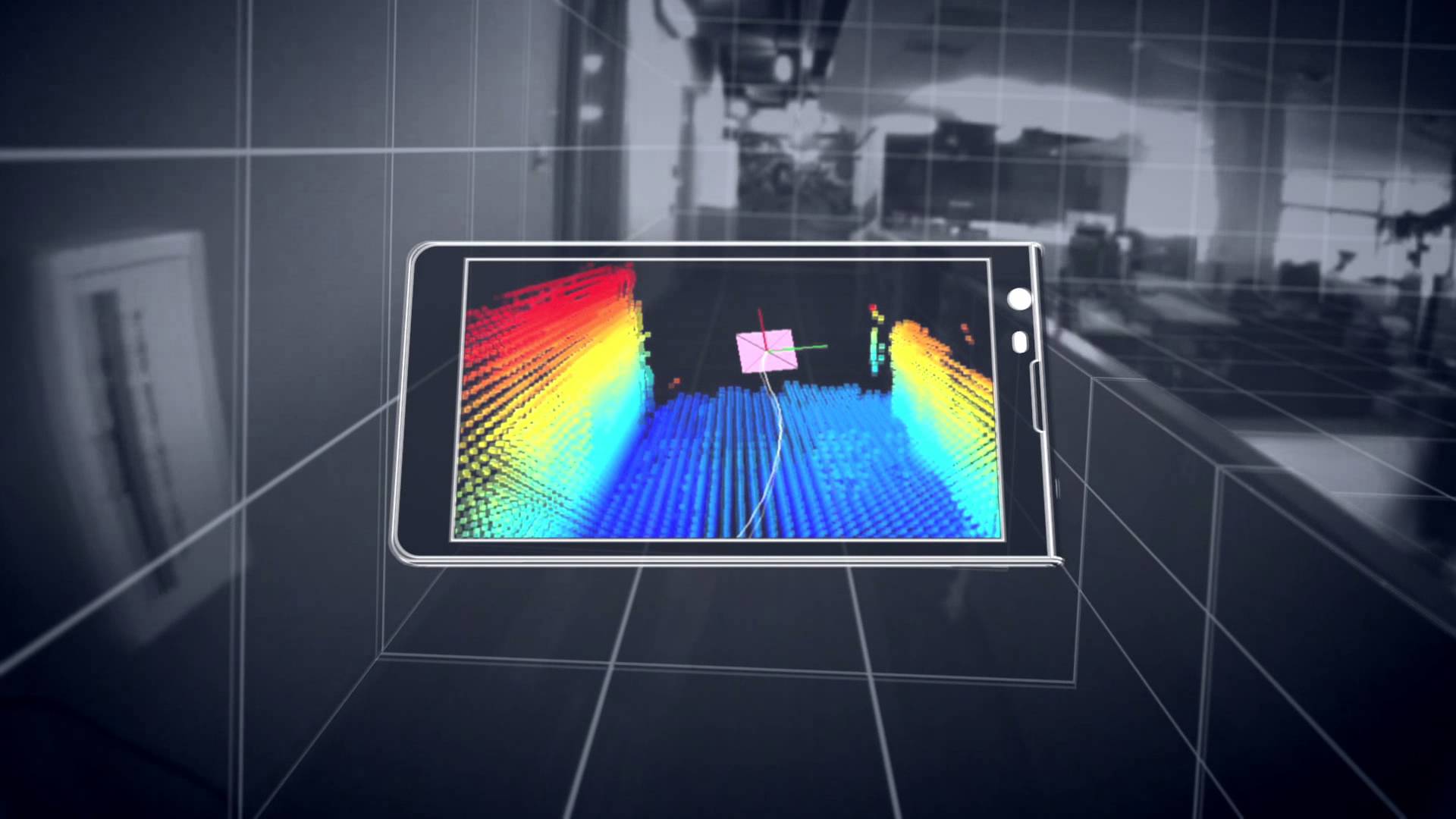
    Google tried pushing Augmented Reality with its Project Tango in 2014, which tried putting a dedicated camera with a spatial sense to capture depth. The Project was later shut down in 2017 because the company launched ARCore in 2018. The system used the already present hardware in a smartphone to use AR, which it debuted with the Pixel 2 and Pixel 2XL’s Playground feature. The AR technology is expected not to only make gaming better, but also have its use in departments like architecture and fashion.

    Virtual Reality (VR)

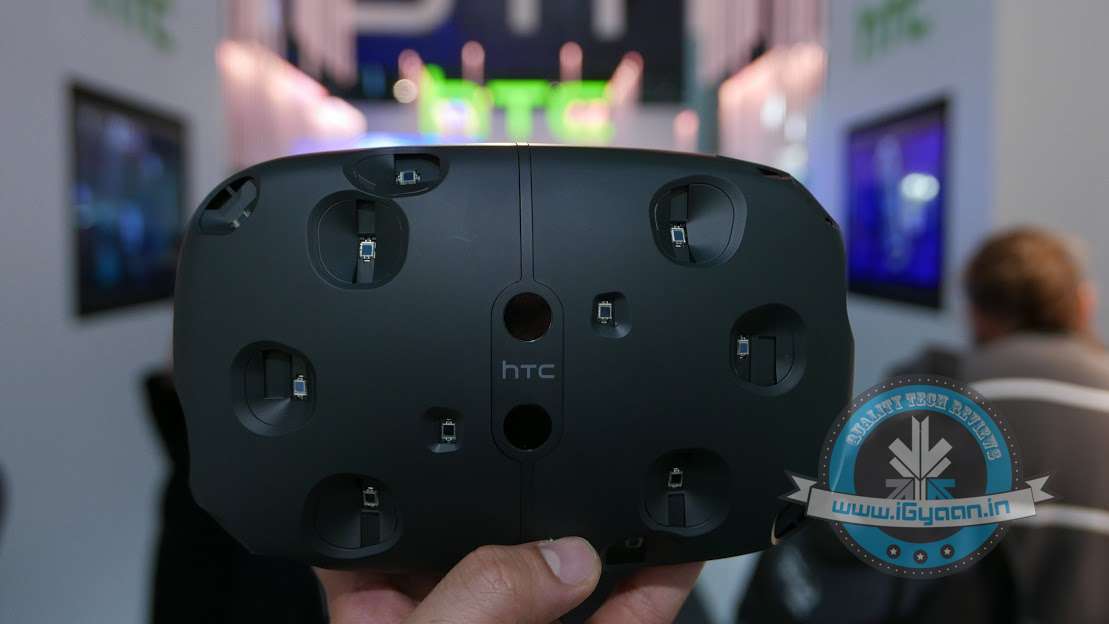
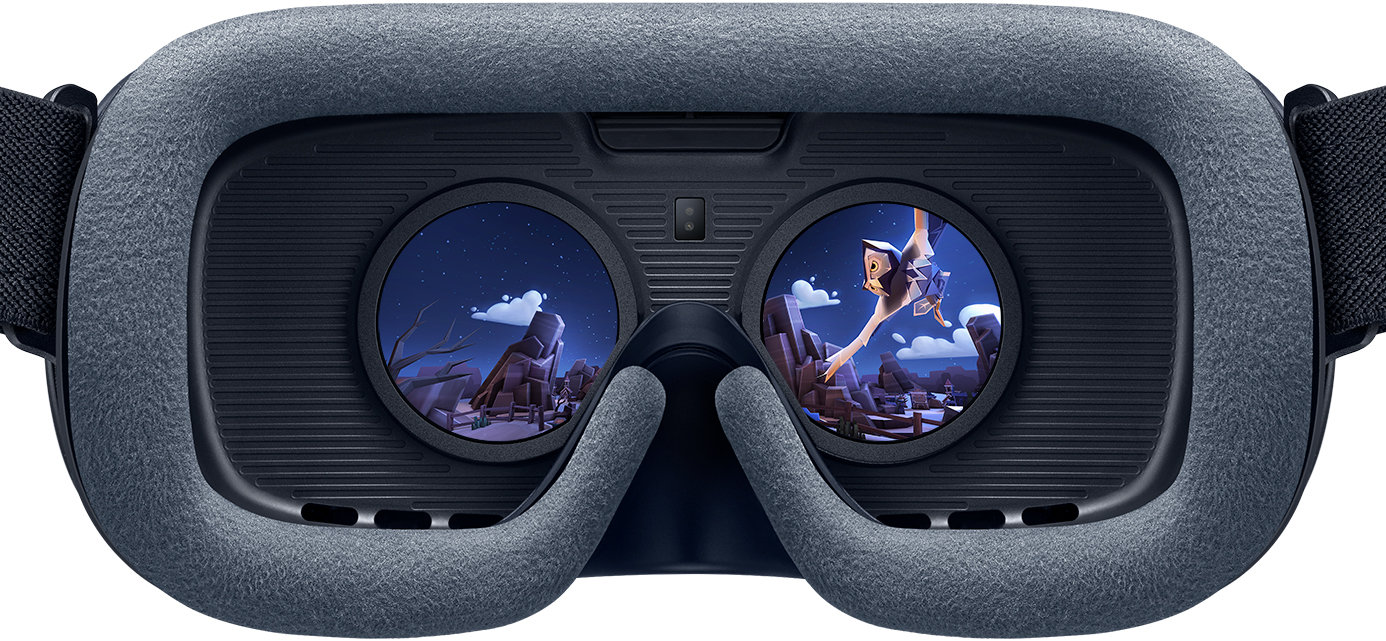
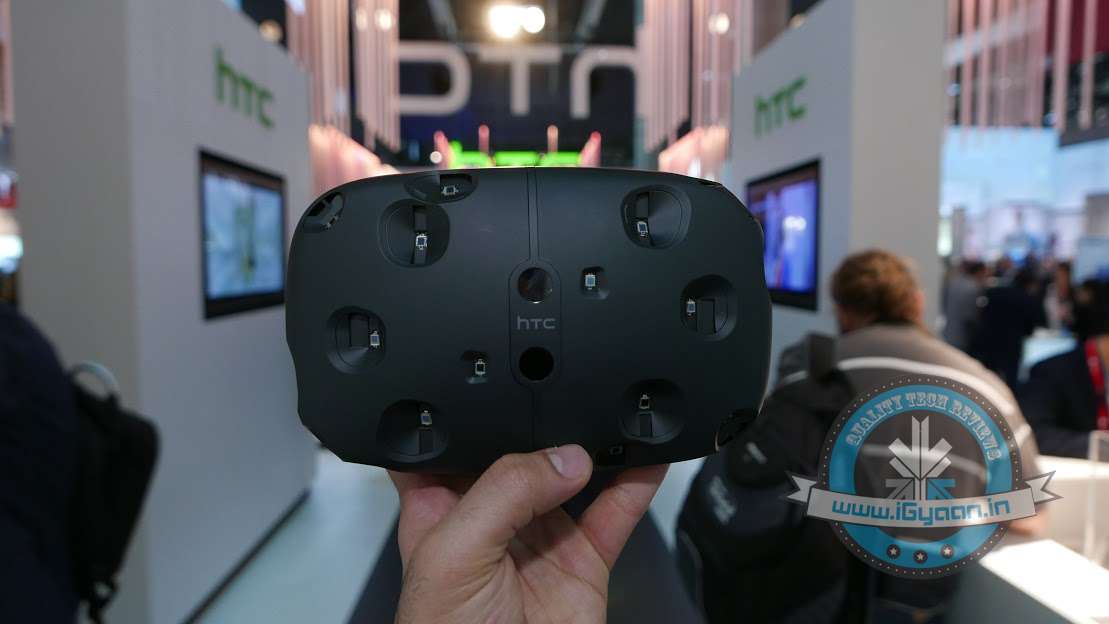
    Virtual Reality or VR is almost the opposite of AR. Instead of using any part of the real world or interacting with it, the technology uses a completely virtual world. This is generally achieved by a headset wrapped around the head with tiny displays in front of each eye. An alternate way is to use a smartphone inside the headset to create a virtual world. The famous VR headsets currently in the market are HTC Vive, Oculus Rift, Google Daydream View.

    The various applications of Virtual Reality are also considered to be groundbreaking. Despite the obvious use in gaming, the technology may be used in the training of various professionals like doctors, pilots and in the hospitality sector. Unfortunately, the native VR functionality is considered expensive and thus may not be suited for everyone. 

    Mixed Reality (MR)

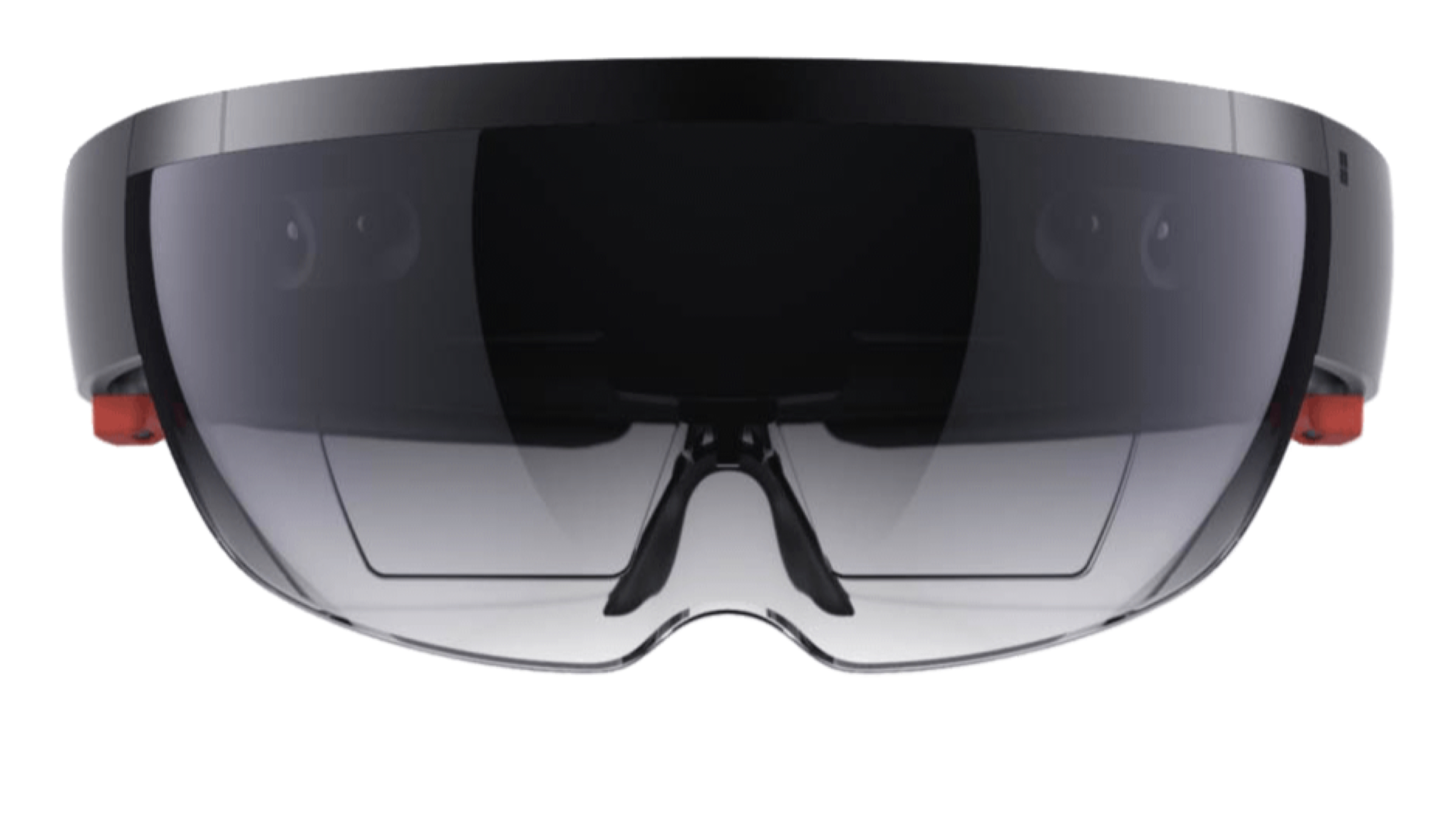
    The Mixed Reality or MR platform was popularised by Microsoft with its Hololens and makes use of the best parts about AR and VR and combines them together. This means that the technology will make use of a camera attached to the headset worn by the user. With the camera used for augmented reality, the Virtual effect rendered will create some form of isolation from the real world. Mixed Reality is expected to take off exponentially in a few years.

    Also read: Meizu Note 9 Launched With 48MP Rear Camera

    The real world case of Mixed Reality is expected to be more elaborate than both AR and VR. It is expected to be useful for industry workers and medical professionals. But, the technology is also deemed expensive in its current state and not available to everyone.


iGyaan Network
Privacy Overview

This website uses cookies so that we can provide you with the best user experience possible. Cookie information is stored in your browser and performs functions such as recognising you when you return to our website and helping our team to understand which sections of the website you find most interesting and useful.