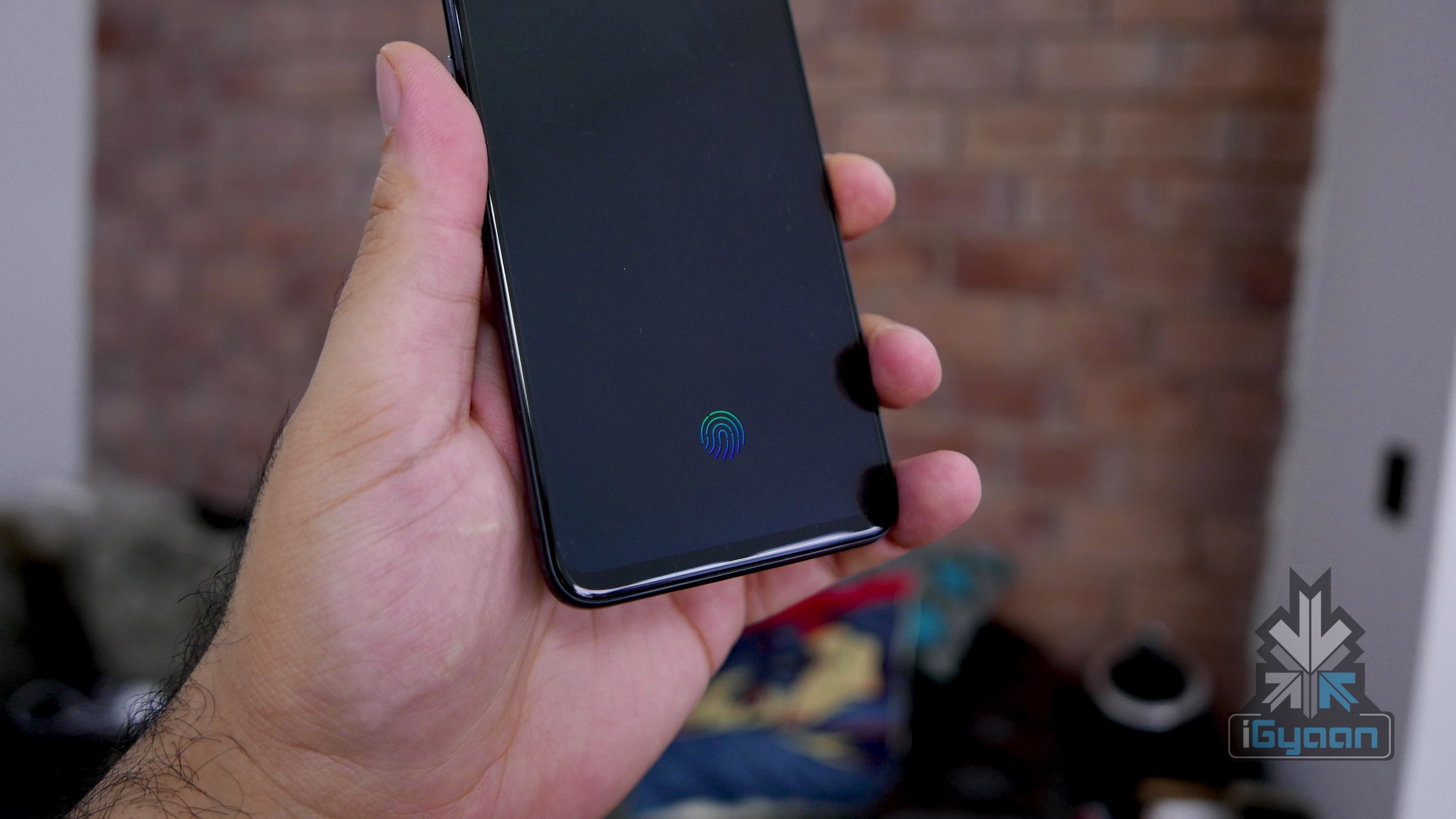
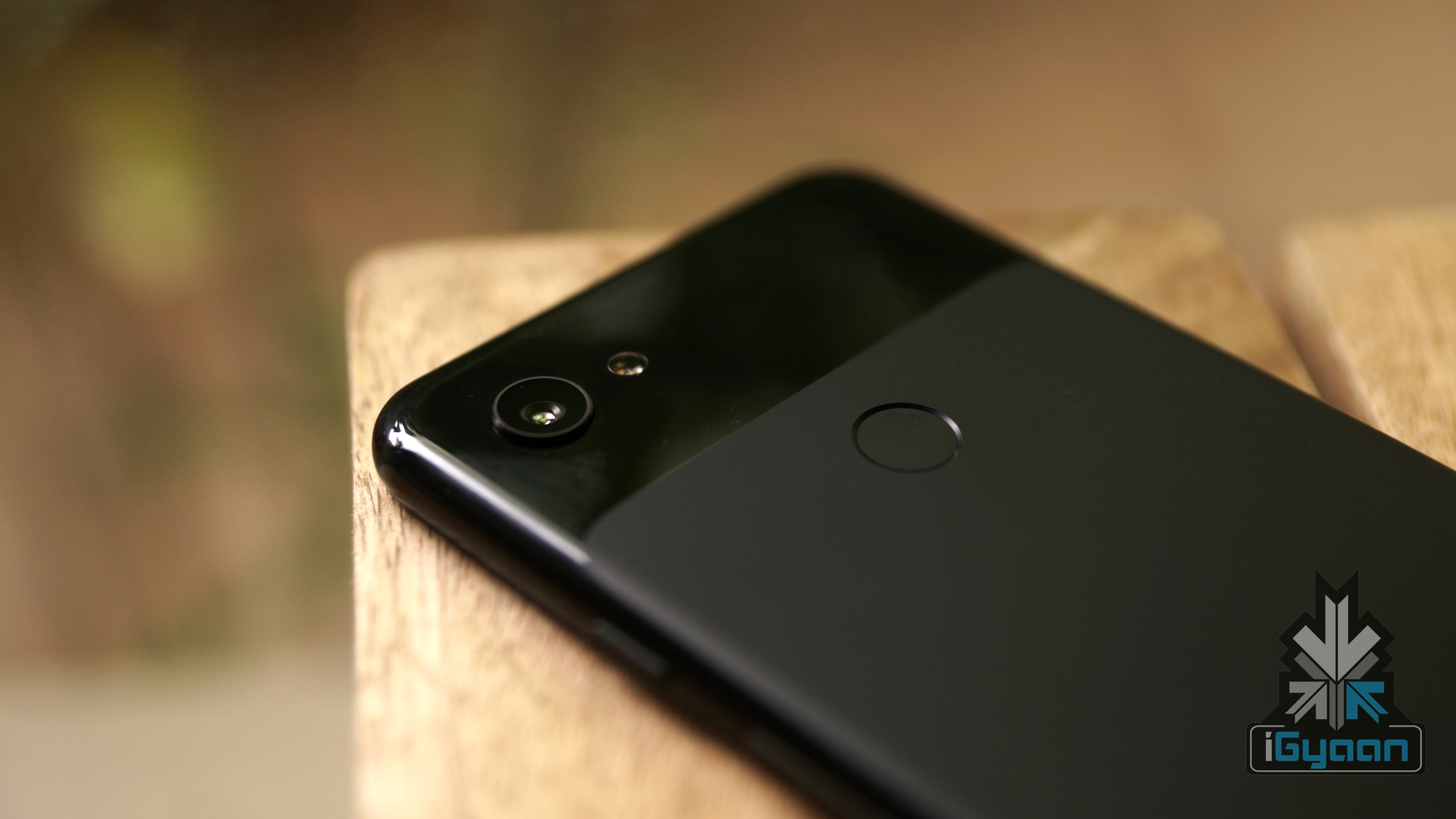
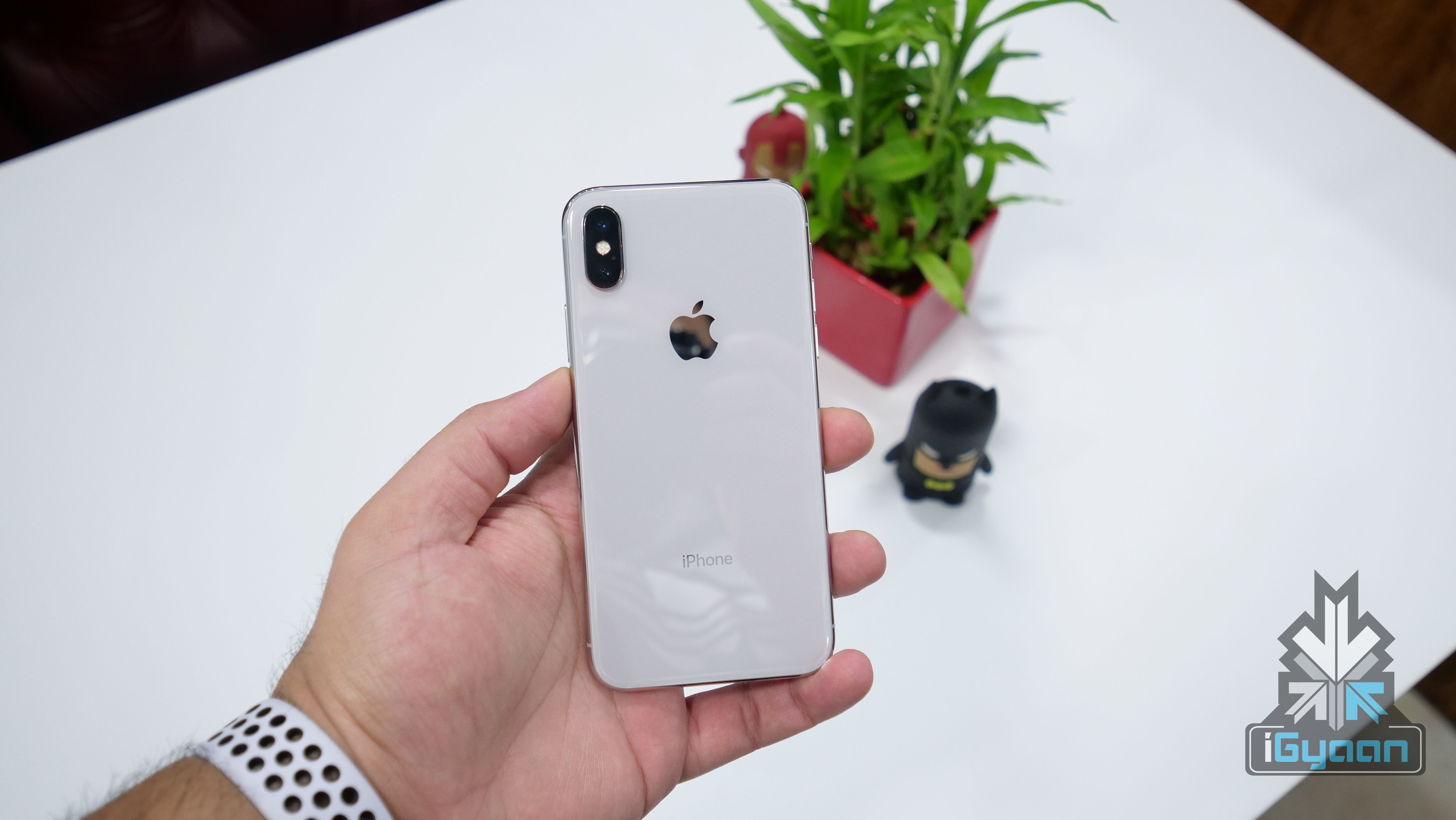
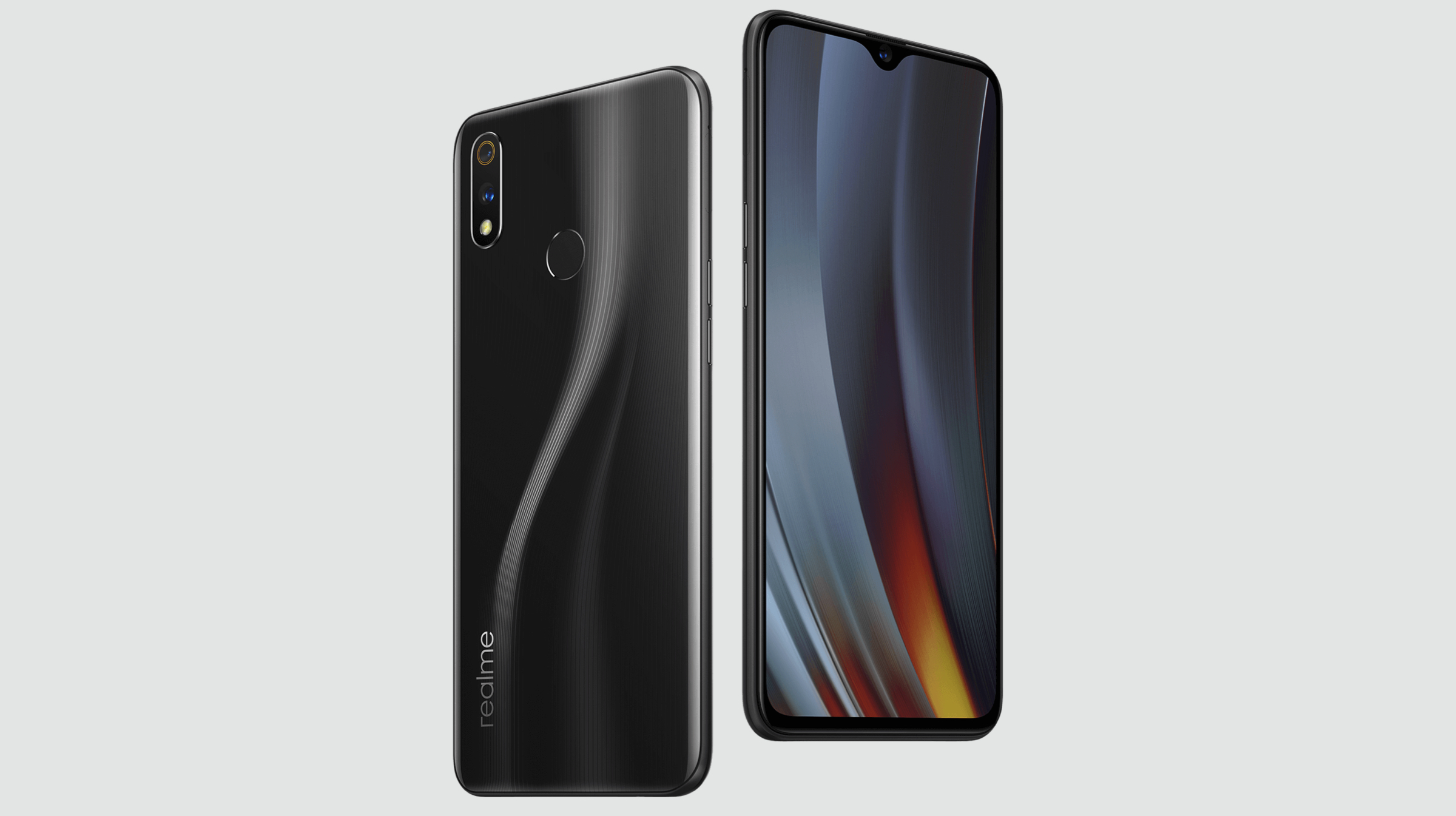
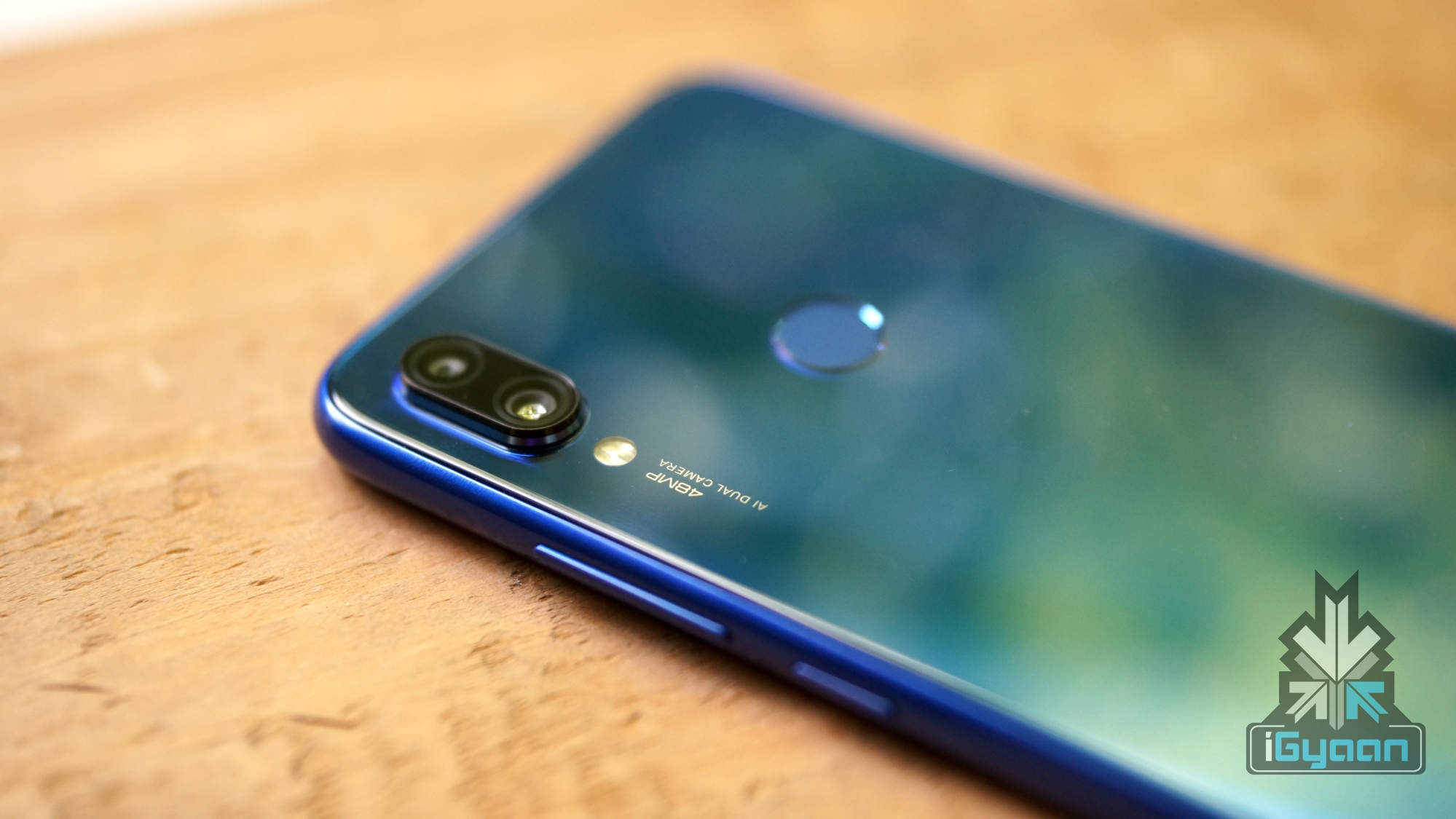
The in display fingerprint scanners for smartphones was first shown off at the Consumer Electronics Show (CES) last year by Vivo. Few months after, the technology was made commercially available in the form of the Vivo X21 UD smartphone. Since then, many other major OEMs have started providing an in display fingerprint sensor on their devices.
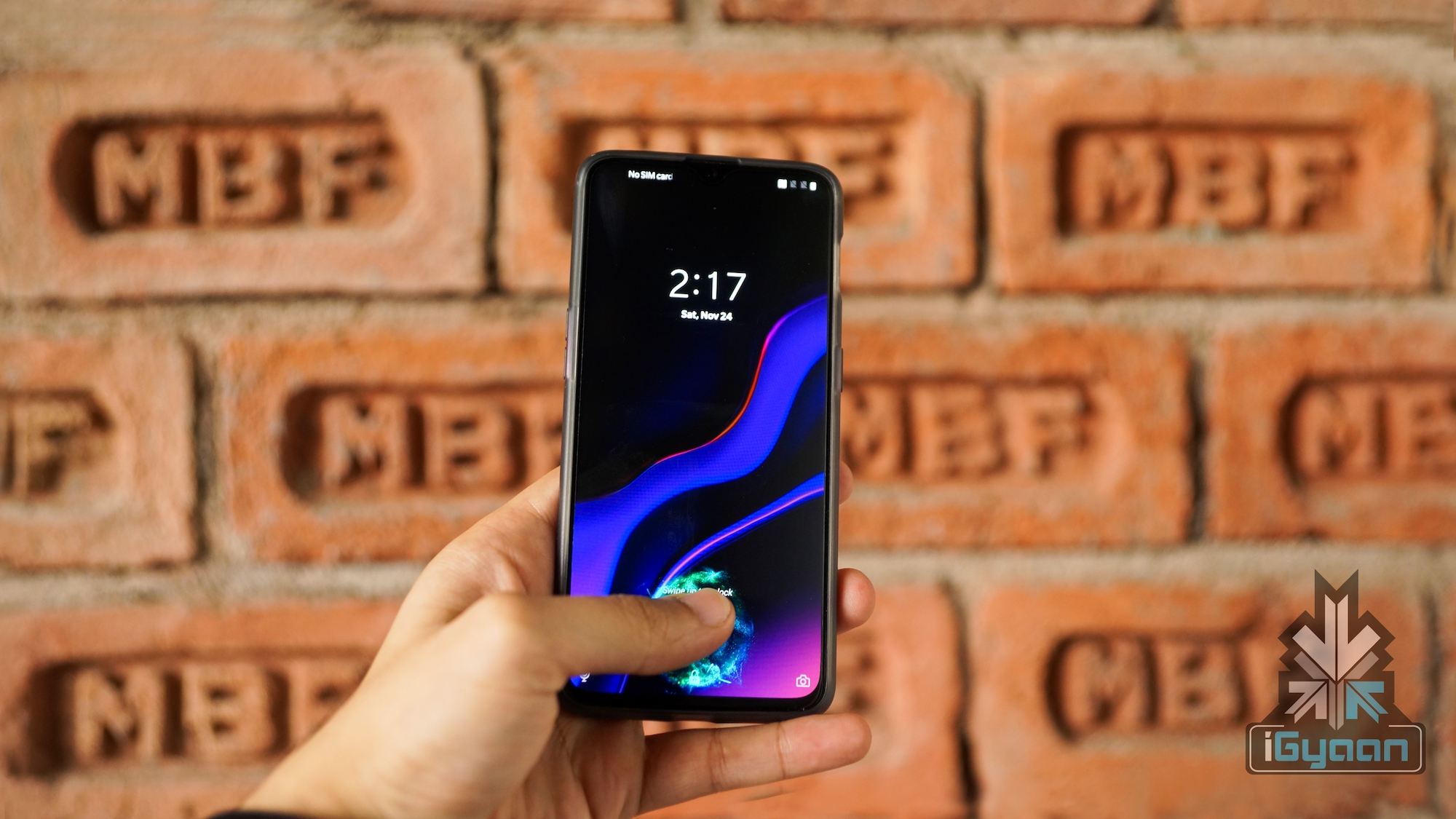
OnePlus 6T
Notably, the feature has been limited to smartphones that feature an OLED display. Mainly due to the reason that only an OLED display allows light to pass through; to authenticate a fingerprint via the underneath mounted sensor. While there are benefits to an OLED display, they are significantly expensive than LCD displays to be used in smartphones.
Now, another Chinese display giant BOE; who is one of the world’s largest display suppliers has announced it has successfully developed the technology. The company plans on mass producing LCD displays with support for in display fingerprint scanners by the end of this year. This suggests handsets with the technology will be ready for primetime by early next year.
What Makes It Groundbreaking?
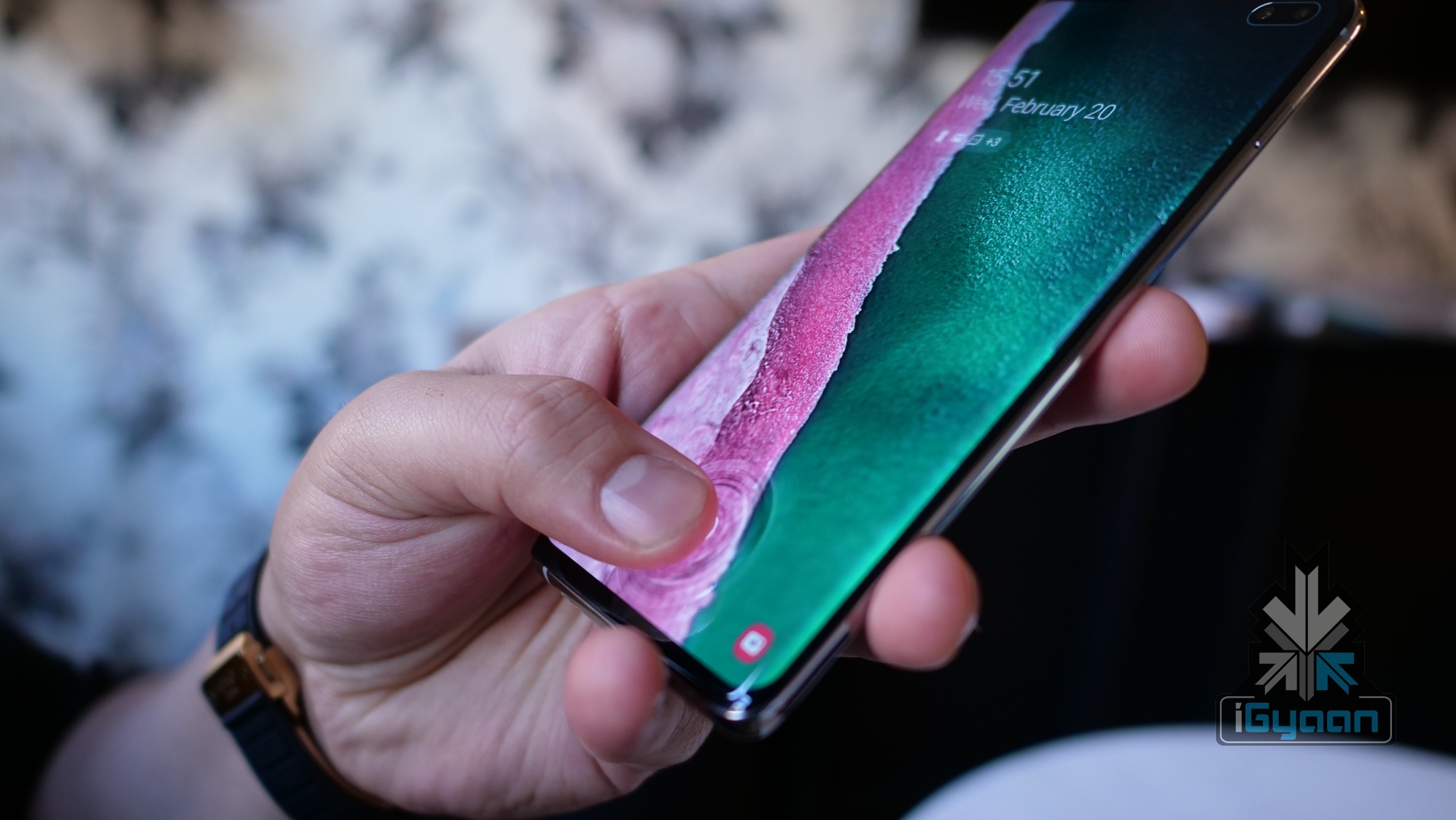
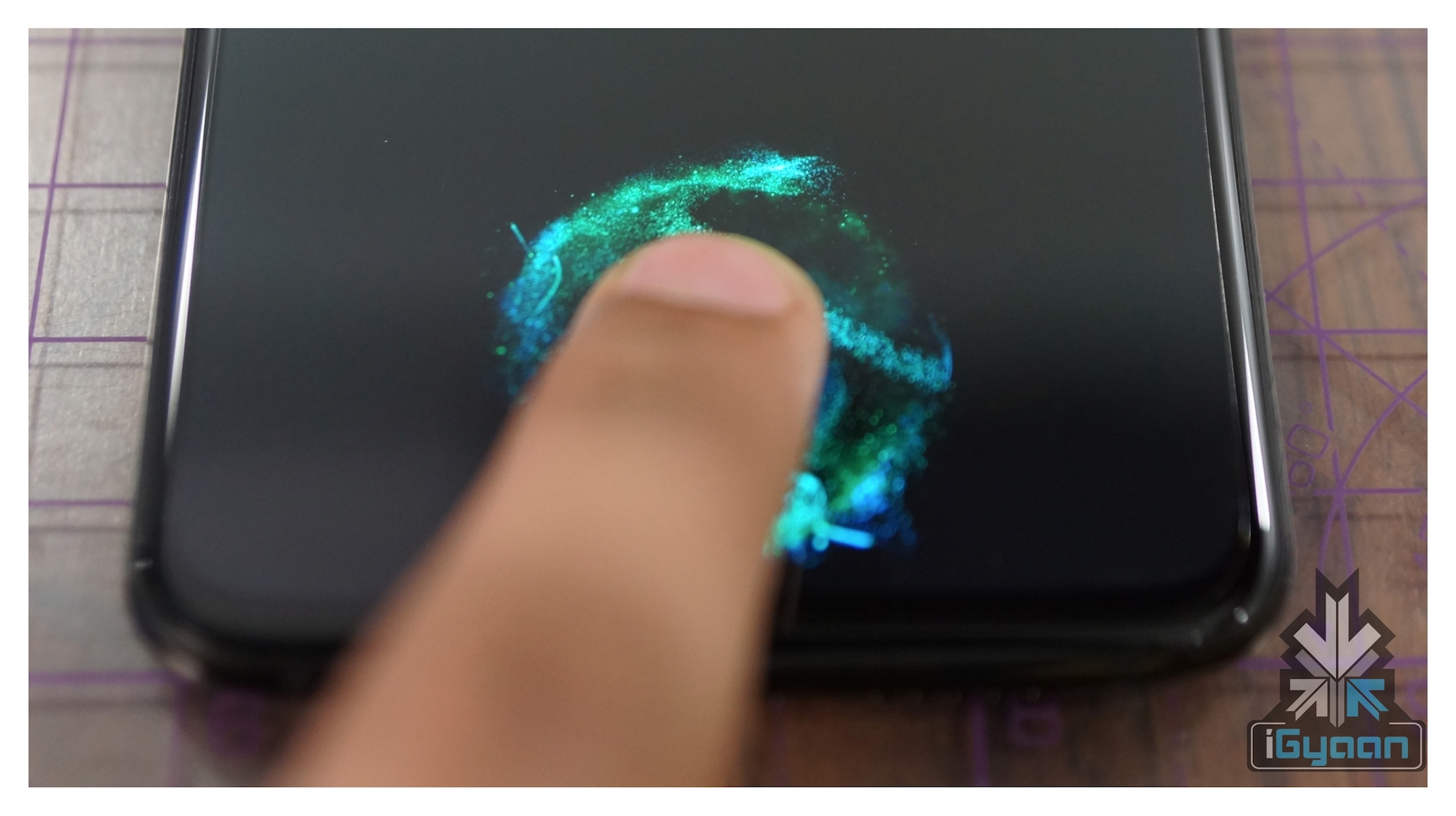
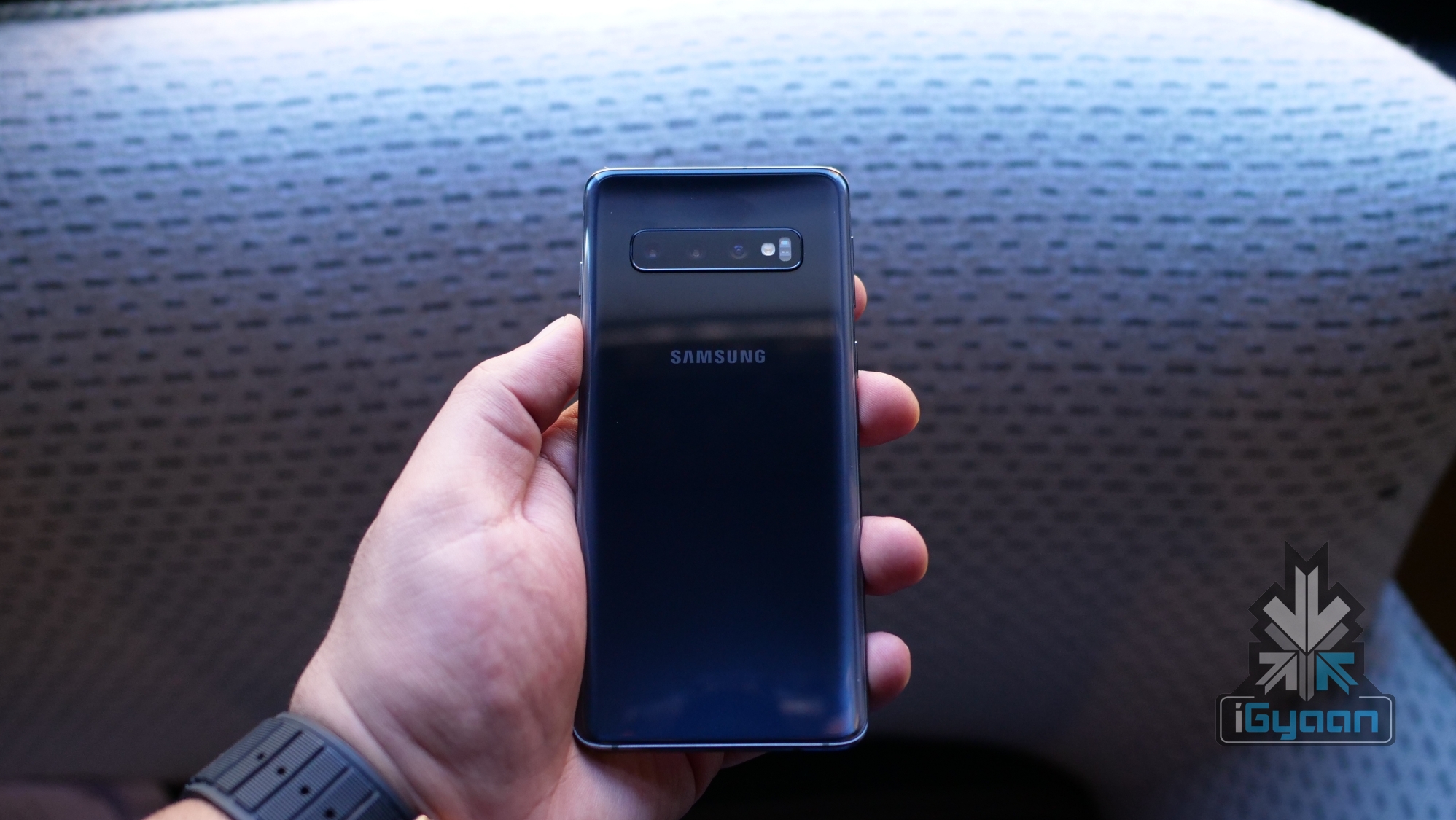
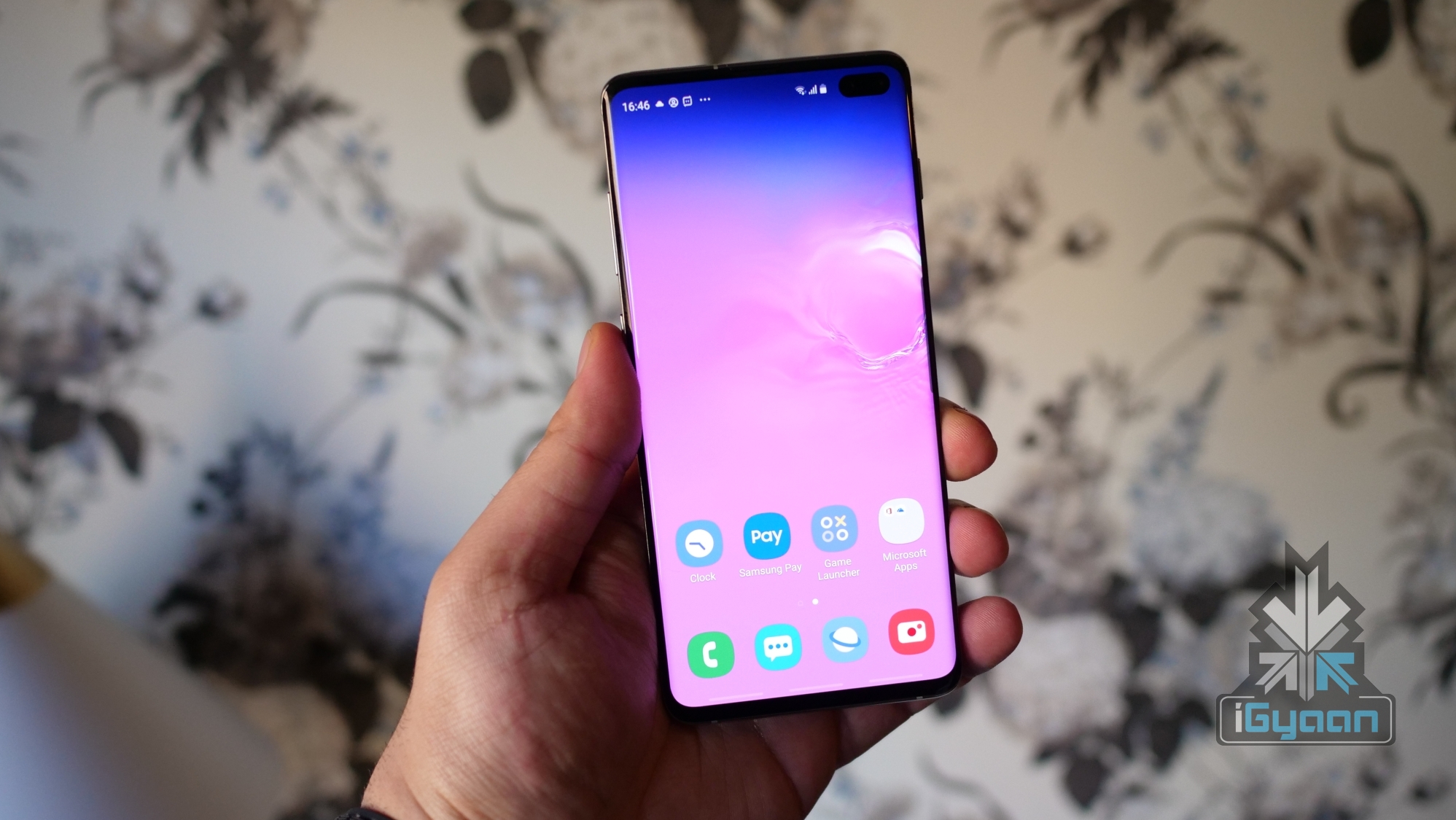
As mentioned above, traditional in display fingerprint scanners use light to authenticate and unlock the smartphone, like in the OnePlus 6T. These are called Optical fingerprint scanners. Samsung in its Galaxy S10, Galaxy S10+and Galaxy S10 5G uses an ultrasonic in display fingerprint sensor. As opposed to optical ones, these use a sonic pulse wave to authenticate the user’s fingerprint and is claimed to be more secure than the former. In the past, both instances have used an OLED display to work because neither light nor a sonic pulse wave can pass through conventional LCD displays.
As LCD displays are more affordable to manufacture and are found in abundance in budget and mid-range smartphones; an LCD in display fingerprint scanner is big news. This insinuates future budget devices may be featuring a fingerprint sensor inside the handset’s screen. Surprisingly, a senior executive at Xiaomi has already confirmed that smartphones with this feature will be released as early as the next year.
Back in the month of April, a Chinese company Fortsense also announced; that it has successfully tested working in display fingerprint scanning technology for LCD displays. This news was considered a groundbreaking breakthrough, as Statistics have shown that LCD-screen models accounted for up to 85% of a total of 1.456 billion smartphones shipped worldwide in 2018. It also meant that if more major display makers follow suit, the technology would be available in major budget devices.
Earlier this year, Samsung launched the tenth iteration of the Galaxy S series of smartphones which carry the “Galaxy S10” branding. Following the successful launch of S10 lineup, Samsung is bracing for the launch of another flagship lineup of handsets, the Galaxy Note 10.
Samsung Galaxy S10+
Unlike past years, the company will launch multiple variants of the 10th Gen Galaxy Note. The upcoming devices will allegedly be called the Galaxy Note 10e, Galaxy Note 10+, Galaxy Note 10 5G and the standard Galaxy Note 10.
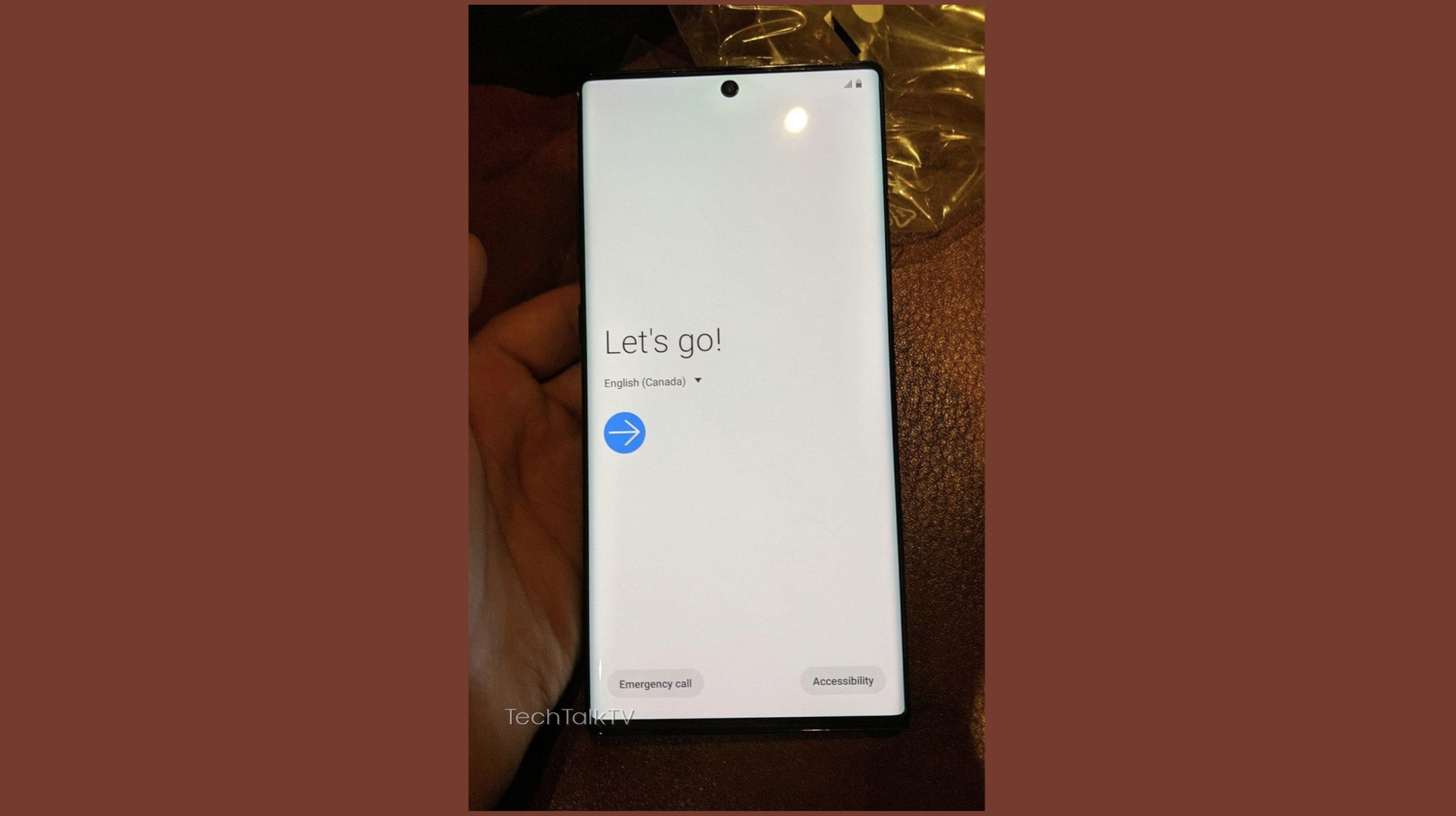
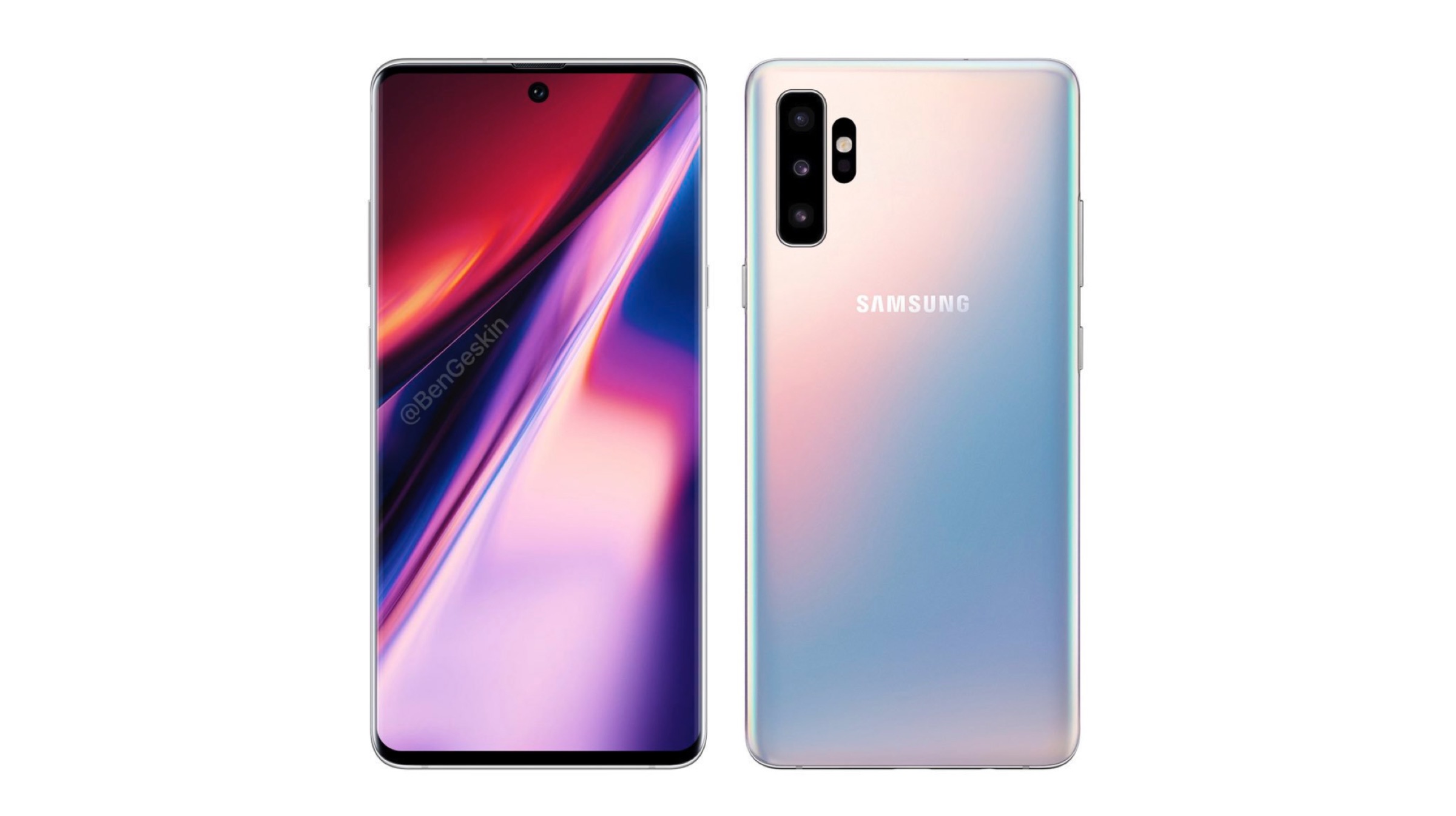
Renders of the upcoming smartphones based on rumours and claims have previously surfaced on the internet. But with the latest leak, the actual images of Galaxy Note 10+ have been revealed by a user on the micro-blogging website, Twitter.
Samsung Galaxy Note 10+ Punch Hole Camera
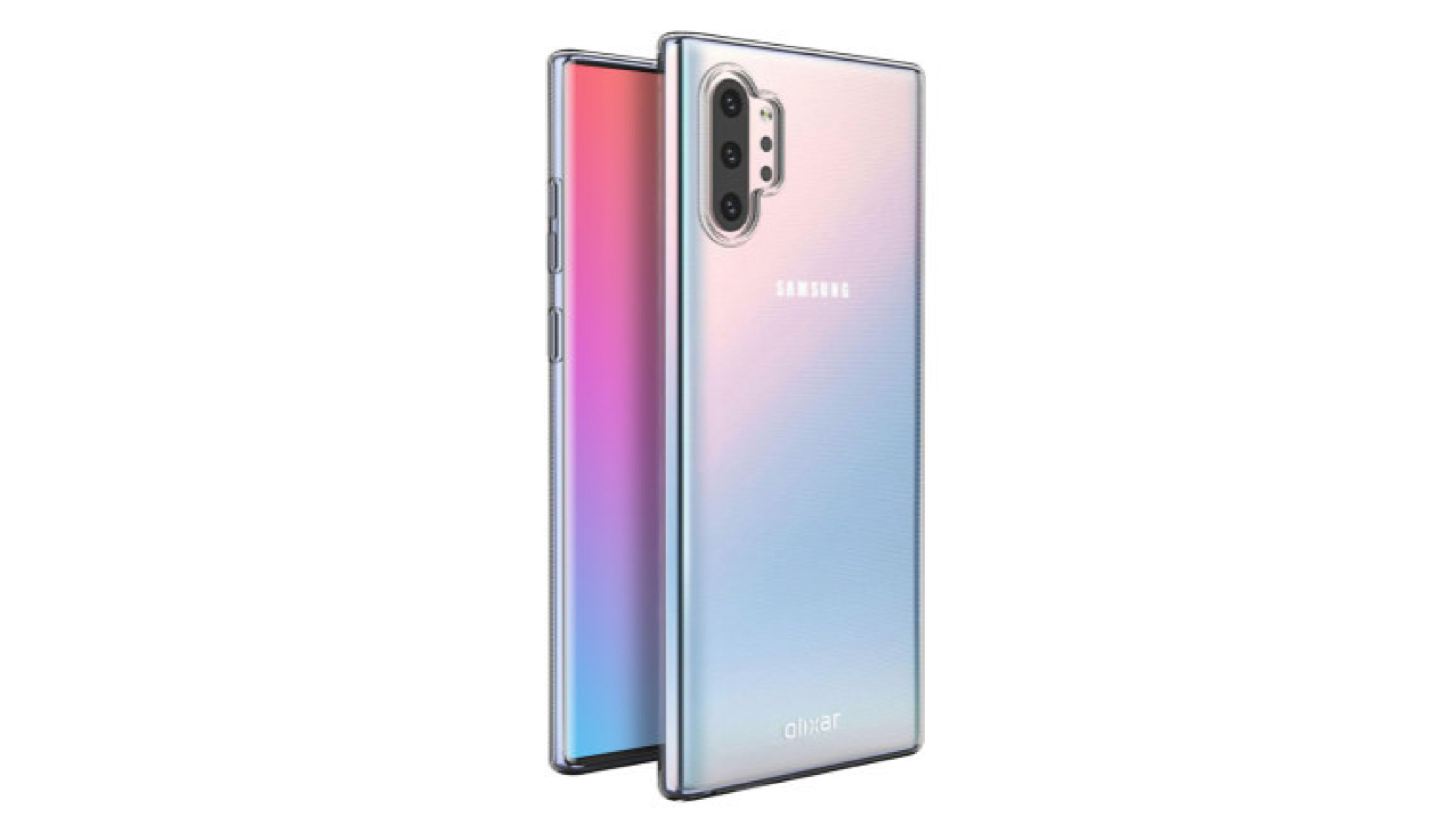
The leaked images of the Galaxy Note 10+ exhibit a smartphone with large screen display which is surrounded by insignificant bezels. Noteworthy, it also presents a punch hole selfie camera in the display which goes in line with the previously leaked screen protectors.
Samsung Galaxy Note 10+ Front
The Tweet consists of three images, out of which the first one clearly shows that the high end Galaxy Note 10 will be called Galaxy Note 10+ and not Galaxy Note 10 Pro which some reports in the past claimed.
Samsung Galaxy Note 10+ Rear
The third image shared by the leakster reveals the rear of the Galaxy Note 10+. Although the image is very blurred, it can be derived that the smartphone will have a quad rear camera setup which past renders have shown.
The current leak does not provide any specifications of the Galaxy Note 10+ but they can be extracted from past leaks which were previously mentioned.
In terms of chipset, the Galaxy Note 10+ is destined to feature the Snapdragon 855 or the Exynos 9820 SoC which will depend on the region. The device is reported to feature a 4500 mAh batterywhich will support fast charging of 25 W or upwards.
All in all, the Galaxy Note 10+ looks like unique handset with visionary design and top notch features. In order to get precise details of the smartphone including price and features, we will have to wait for Samsung to officially publicise them at the launch event which is expected to happen in the second week of August.
Apple’s Chief Design Officer Sir Jonathan Paul Ive aka Jony Ive has announced his departure from the world’s most valuable company. The senior executive is leaving Apple to start his own design firm which will be called ‘LoveForm’.
Jony Ive joined Apple in the year 1992 and since then has been a crucial contributor in the company’s remarkable growth. The executive was appointed the head of Apple’s design studio in the year 1996 when the company was facing poor financial health and was cutting jobs.
In the year 1998, Apple launched the highly successful iMac G3 desktop computer which was designed by none other than Jony Ive. The success that Apple had acquired with the desktop computer was carried forward to the original iPod in the year 2001 which revolutionised the music industry forever.
Other notable devices that were designed under Jony Ive’s leadership include:
Another noteworthy project that was the brainchild of Jony Ive is Apple’s new corporate headquarters, Apple Park. The said establishment is an ultra-modern complex designed in partnership with British architects Foster + Partners.
Even though it won’t be feasible to replace the vision of the legendary industrial designer, Apple has already announced Jony Ive’s successors. Yes, you read that right, after Jony Ive departs from Apple later this year, the company will split the hardware and software design into two separate domains. Since the year 2012, both the departments were supervised by Jonathan Ive.
In the future, Evan Hankey will be taking over as industrial design domain (hardware) and Alan Dye will become the vice-president of human interface design (software).
Although there are hardly any details known about LoveForm, it is reported that the new company will focus on Product design. Noteworthy, Apple will be the first client of the product that LoveForm designs. Besides, another contributor at Apple, Marc Newson will join the newly incorporated firm.
As previously mentioned, it won’t be easy to substitute the legacy left behind by Jony Ive. However, thinking of the bright side, after a very long period, products coming out of Apple’s stable may see a complete redesign.
The Flipkart Sale is currently live and numerous smartphones from companies including Samsung, Asus, Xiaomi, Realme among others are being offered on huge discounts. Therefore if you re planning on buying a new smartphone, you can do that right now while saving some cash.
The Flipkart Sale which is currently ongoing will last until the 30th of June 2019. Out of all the products listed, we have shortlisted the devices that offer the best value for money. Mentioned below is the list compiled by us:
Poco F1
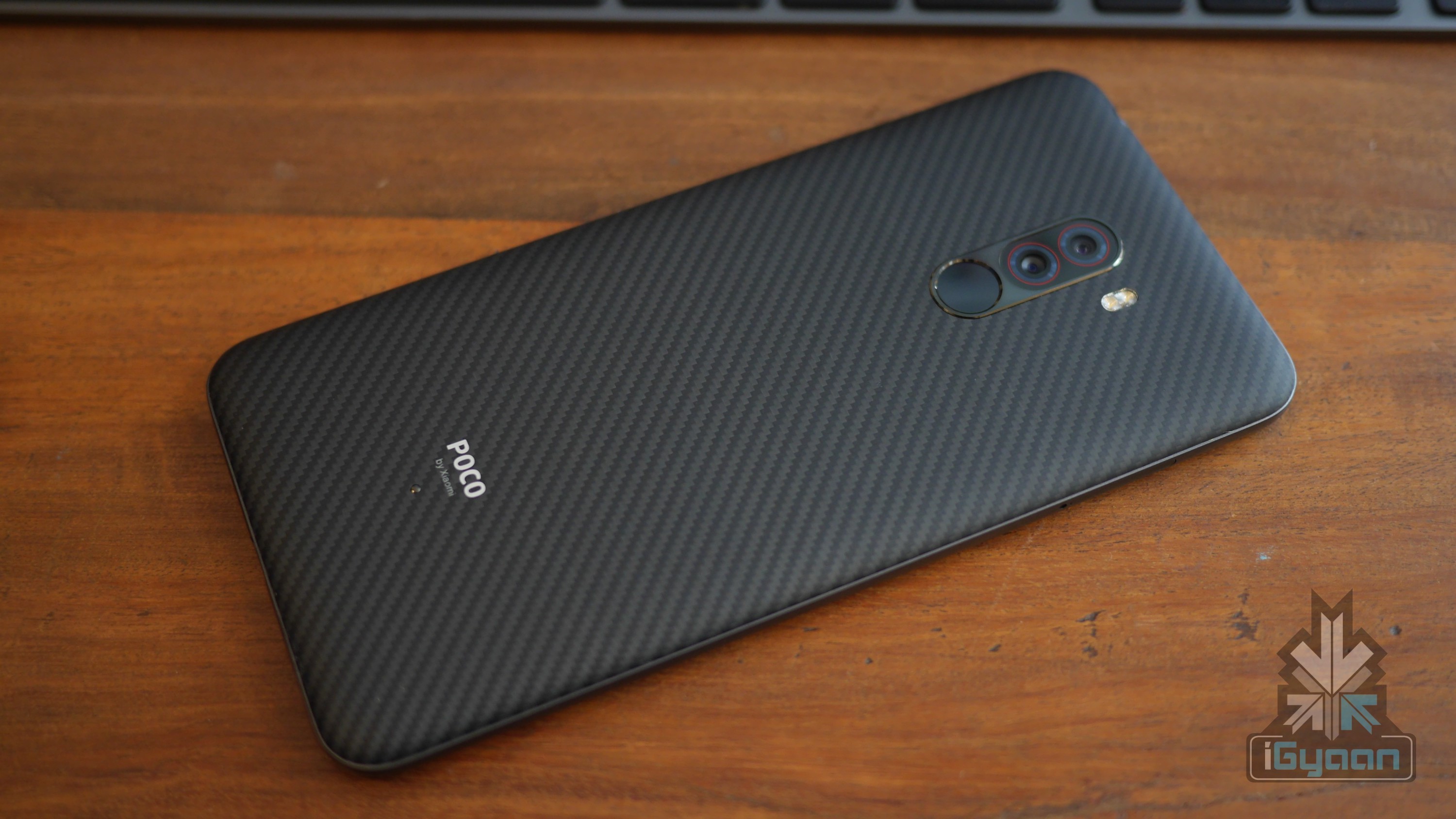
The Poco F1 was launched last year by Xiaomi as a ‘flagship killer’ which it did live up to an extent. The smartphone boasts of the Snapdragon 845 SoC with an Octa Core CPU. It has a robust build and sports a 6.18 inch display with FHD+ resolution.
Pixel 3a is the first mid-range offering from Google’s line up of smartphones. The device design strikes a resemblance to its beefier siblings. The Pixel 3a sports the Qualcomm Snapdragon 670 octa-core processor on a 6.0 inch FHD+ OLED display.
The Realme 3 Pro is the latest entry in the company’s flagship lineup with the Snapdragon 710 SoC. The smartphone offers competitive specifications at a lucrative price tag. On the latest sale, it is now more affordable and offers a better value for money proposition.
Xiaomi’s Redmi Note 7S is the latest smartphone that features minor upgrades over the Note 7. It is also the most affordable device in the country with a 48MP primary camera. The handset features an attractive design, which is complemented by powerful hardware inside it.
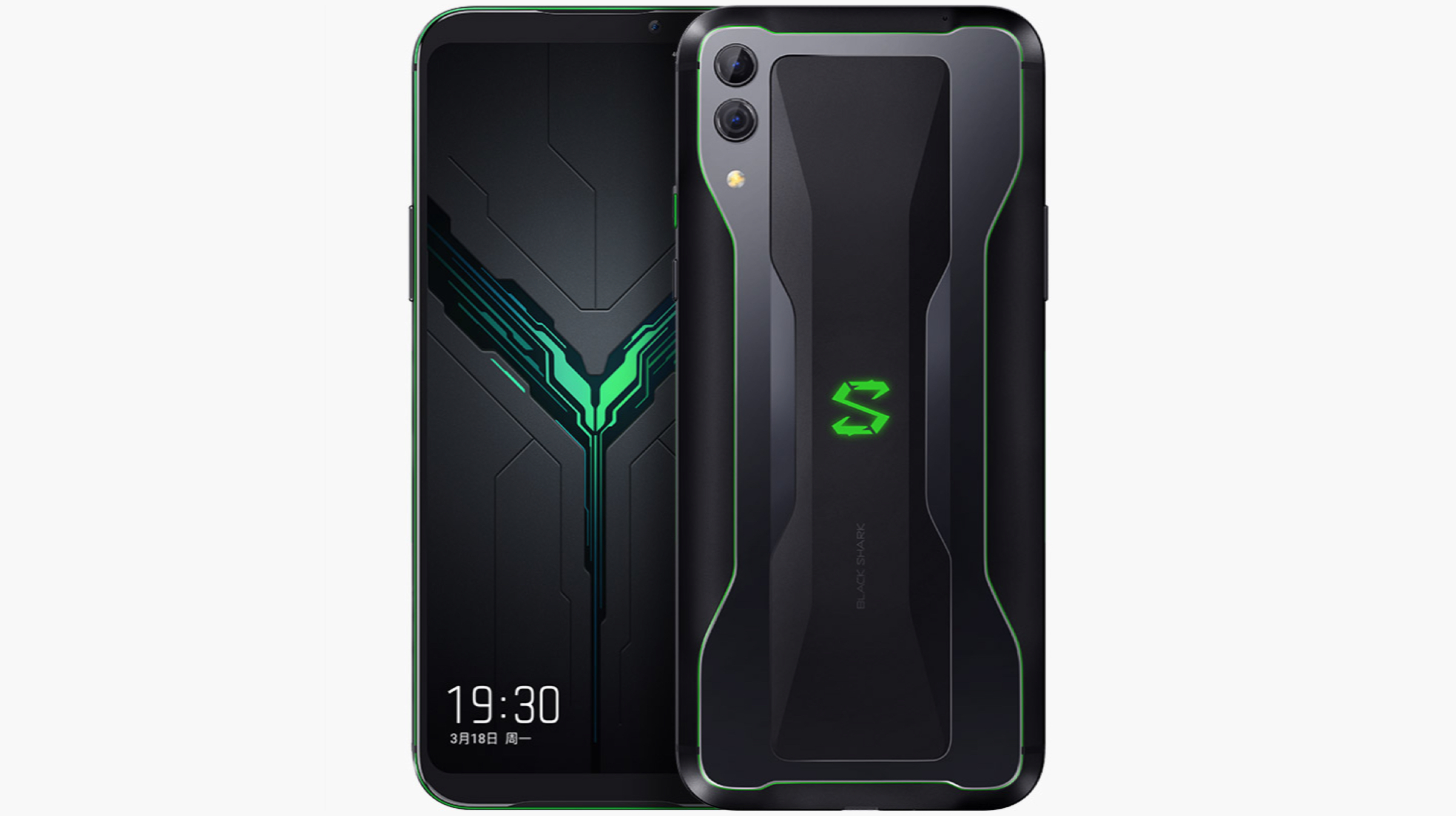
The Xiaomi Black Shark 2 is a smartphone built specifically for gaming with aesthetics and software and enhancements alongside top-notch specs. It is one of the first devices in India to feature the latest 7nm Snapdragon 855 SoC.
Asus launched the mid-range budget smartphone in April 2018 with the stock Android interface and a massive 5,000mAh battery. While the second generation of the device is already out, the handset is still a very popular budget offering that promises great value for money.
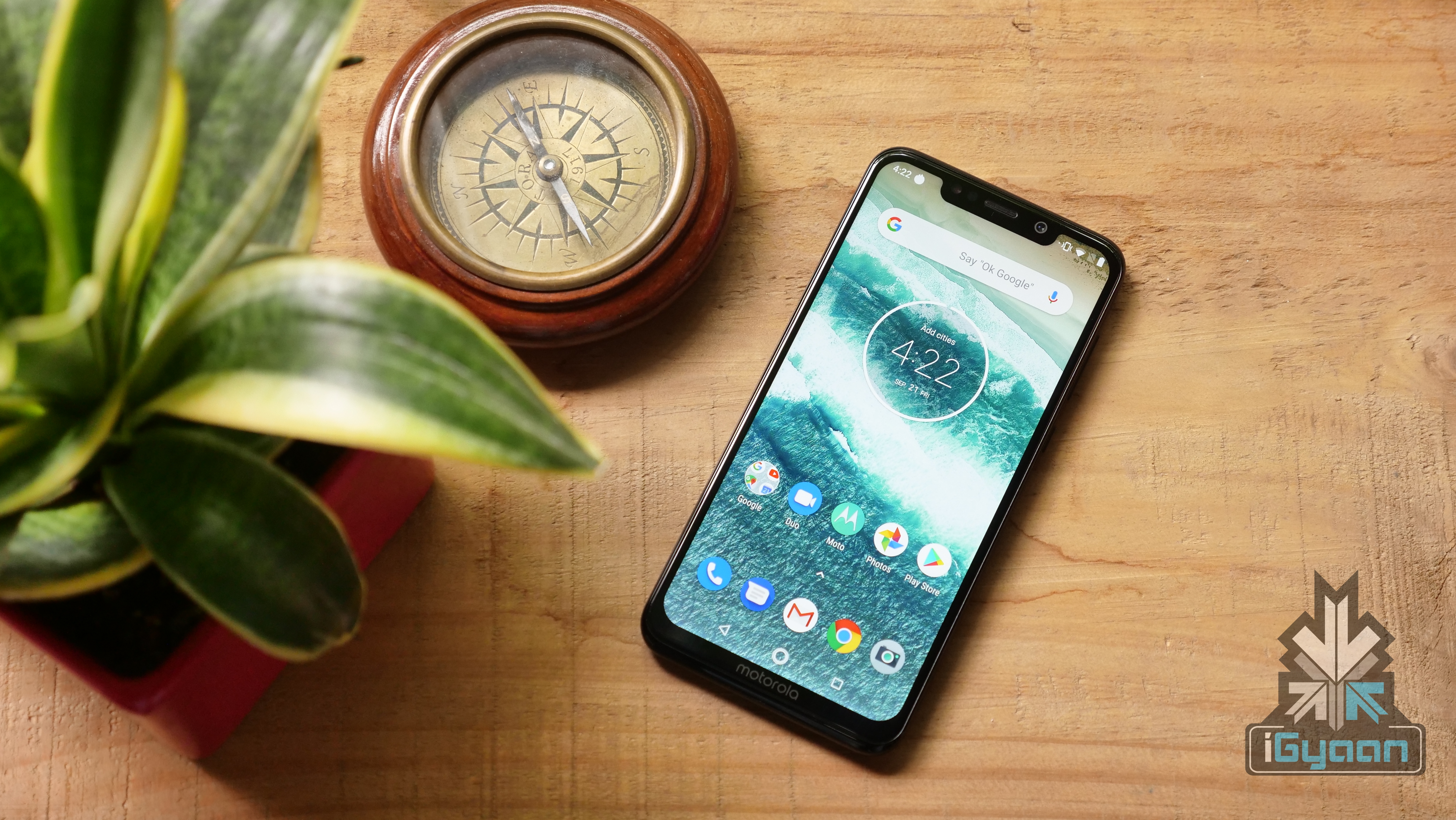
Motorola One Power was an Indian exclusive mid-range device with a notched display and a large 5,000mAh battery. It is an Android One certified device, which means that it runs on stock, bloatware free software with guaranteed updates for two years and security patches for up to three years.
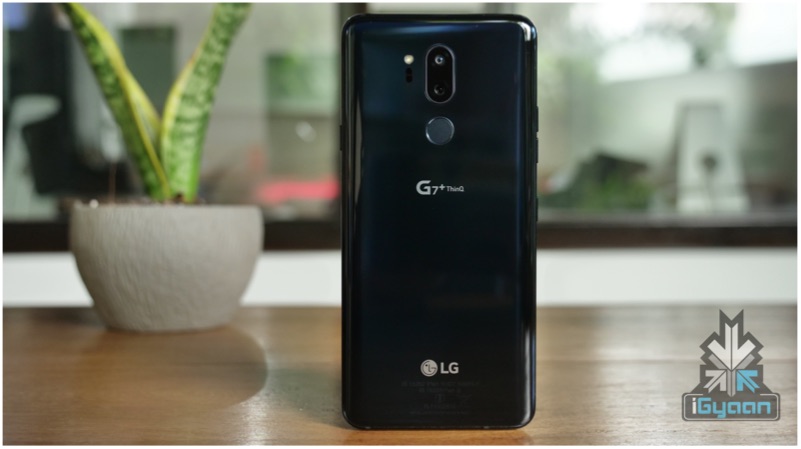
The LG flagship from 2018 that after receiving numerous price slashes became a premium top-notch smartphone on a budget. The device features a modern design with an ultra-bright display, boomsound speakers and an IP68 rating for water and dust resistance.
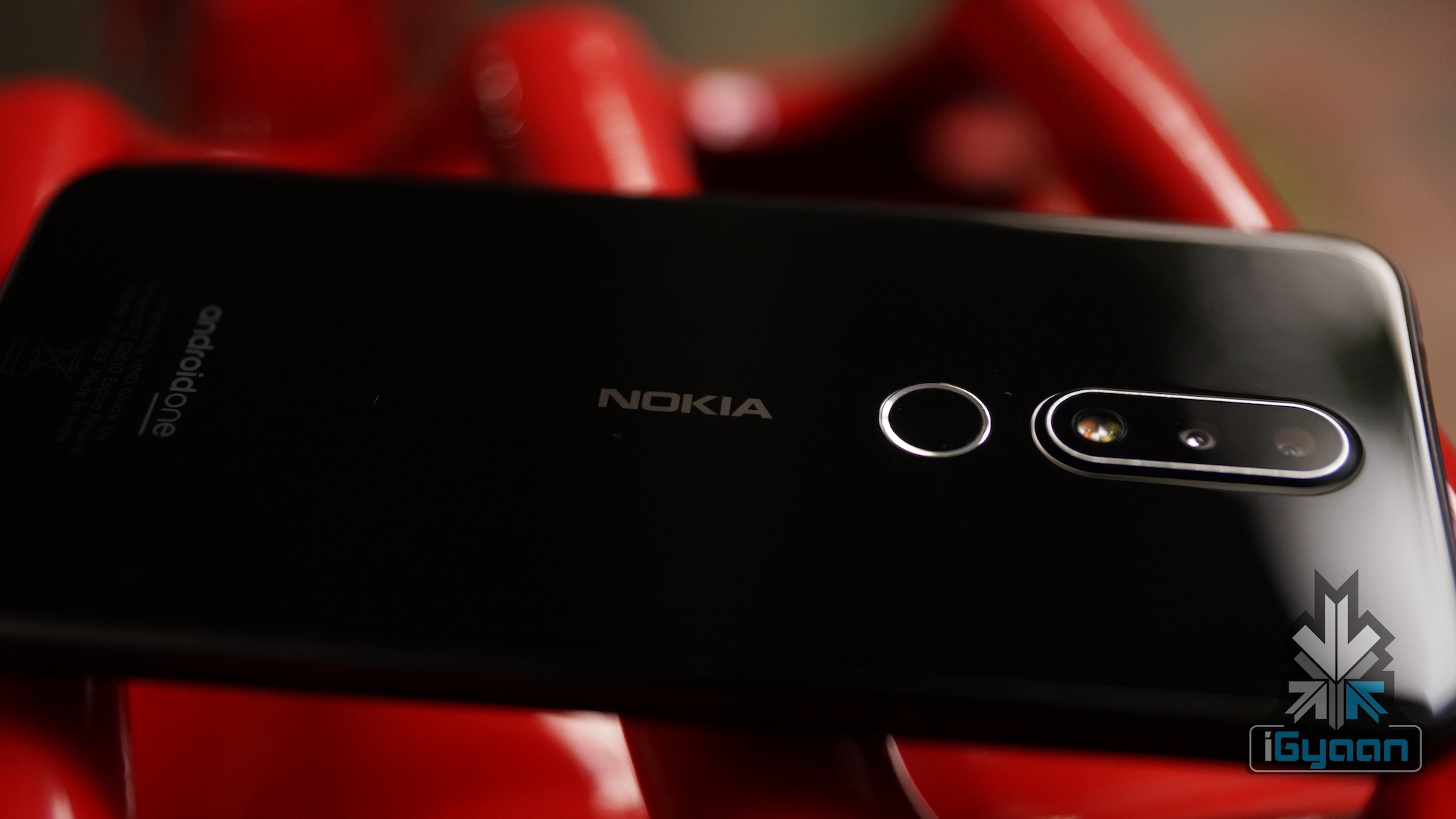
The Nokia 6.1 Plus was a mid-range smartphone that sported a dual camera setup with an aluminium frame body. It offers a clean and stock build of Android which is topped by the Android One certification. This means that it will receive major software updates for two years and security patches for at least three years.
The Nokia 5.1 Plus was unveiled in 2018 as a budget smartphone under 11k that sported a dual camera set up. It offers a clean and stock build of Android which is topped by the Android One certification. This means that it will receive major software updates for two years and security patches for at least three years.
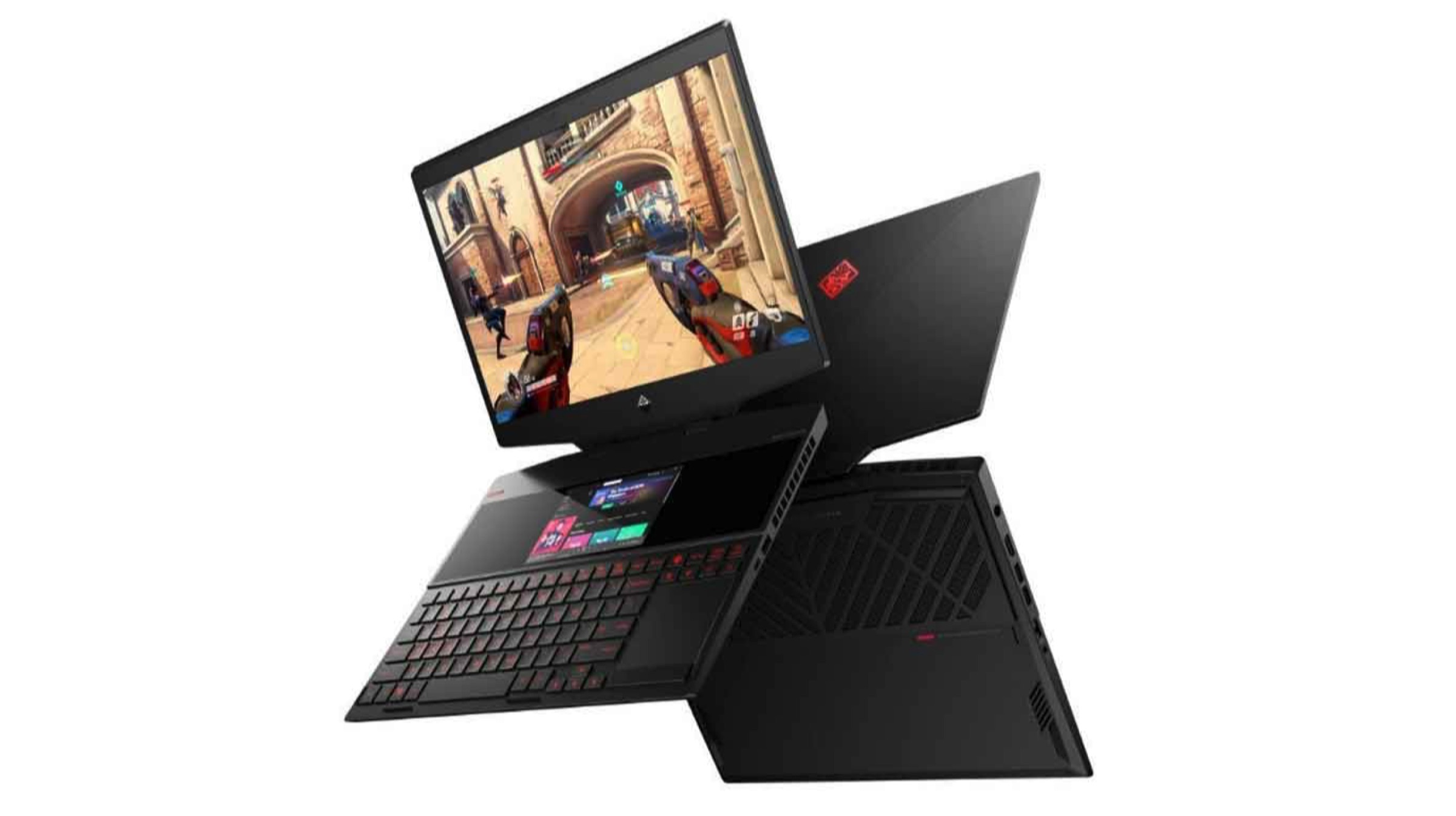
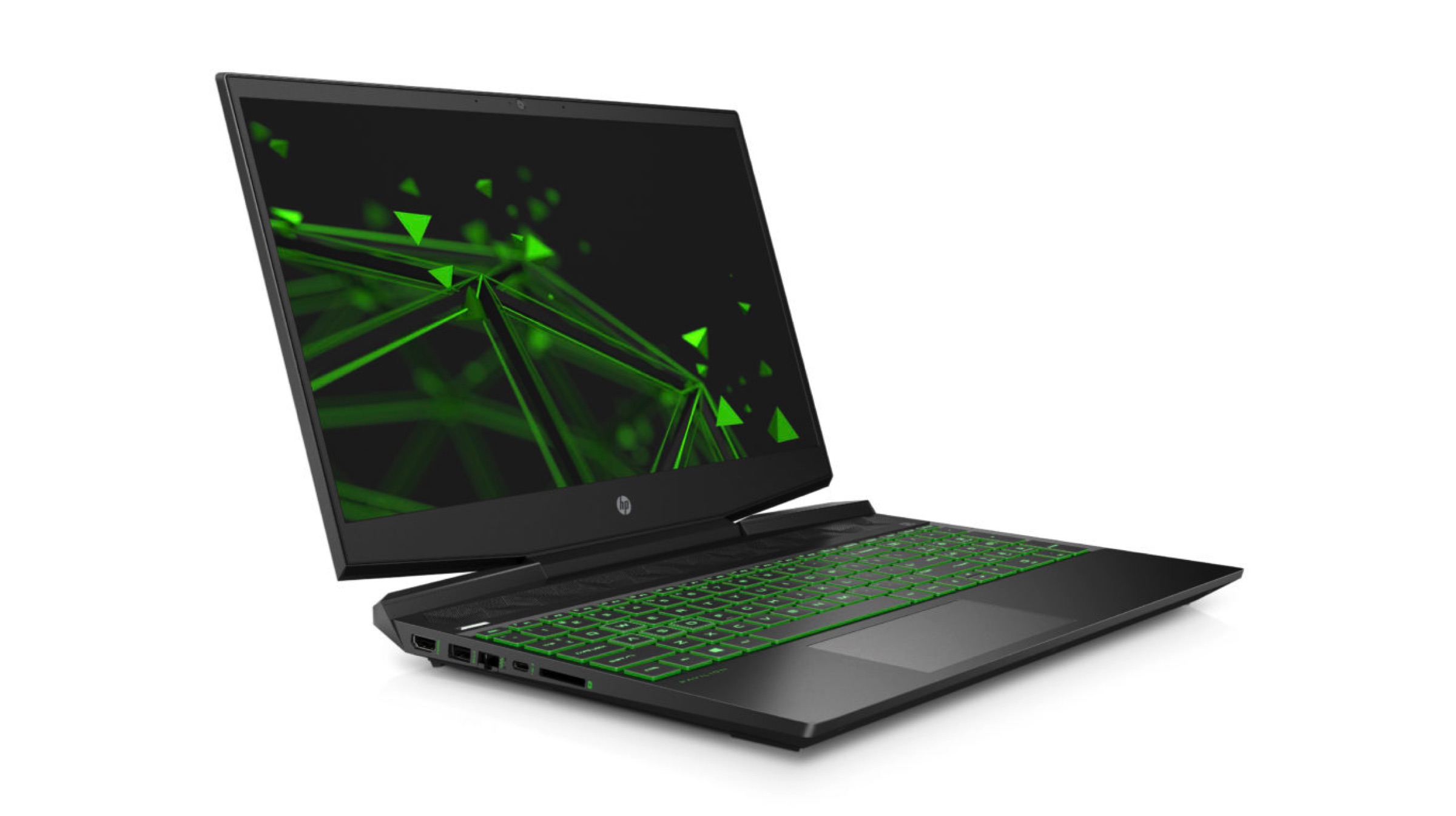
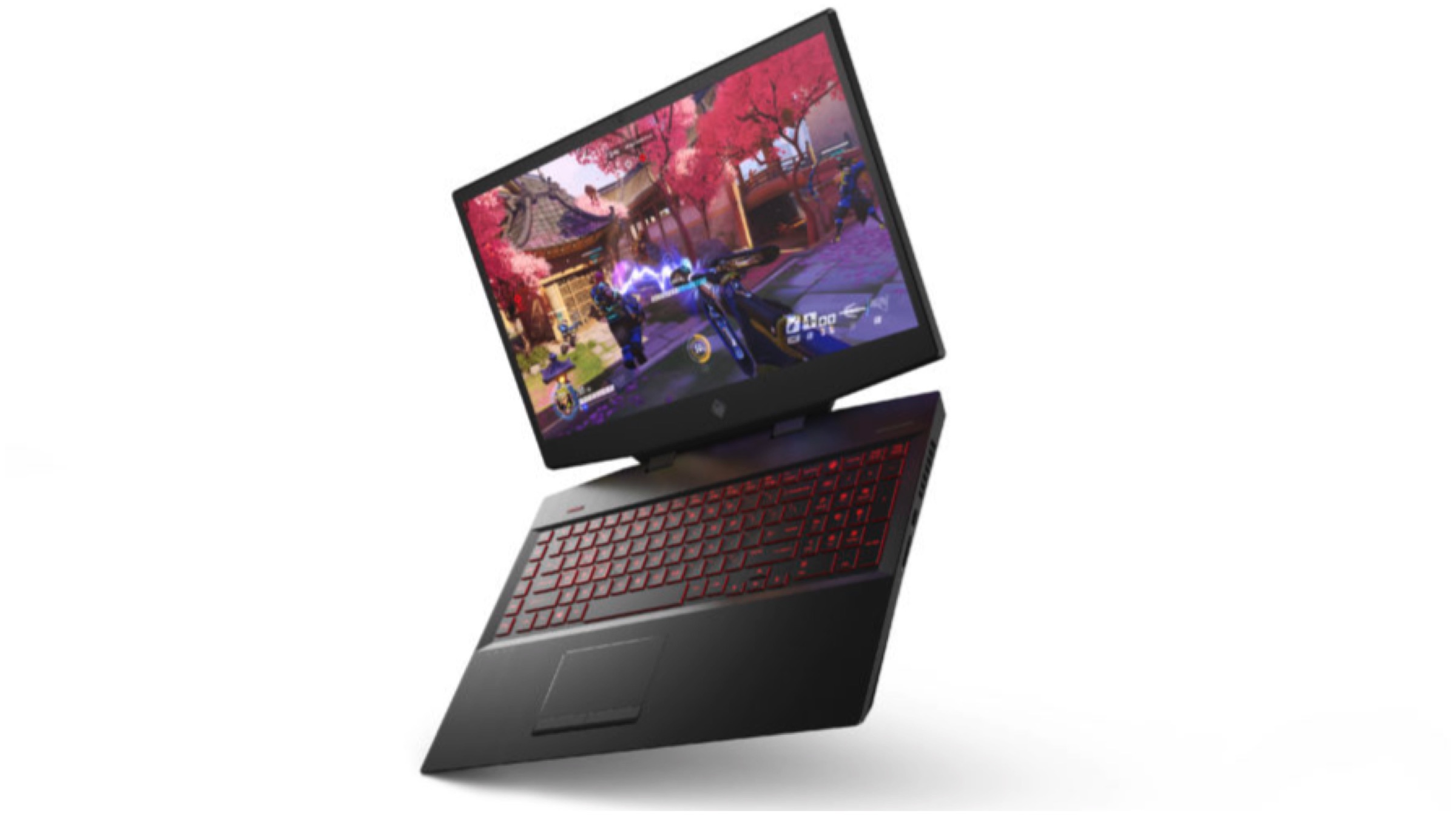
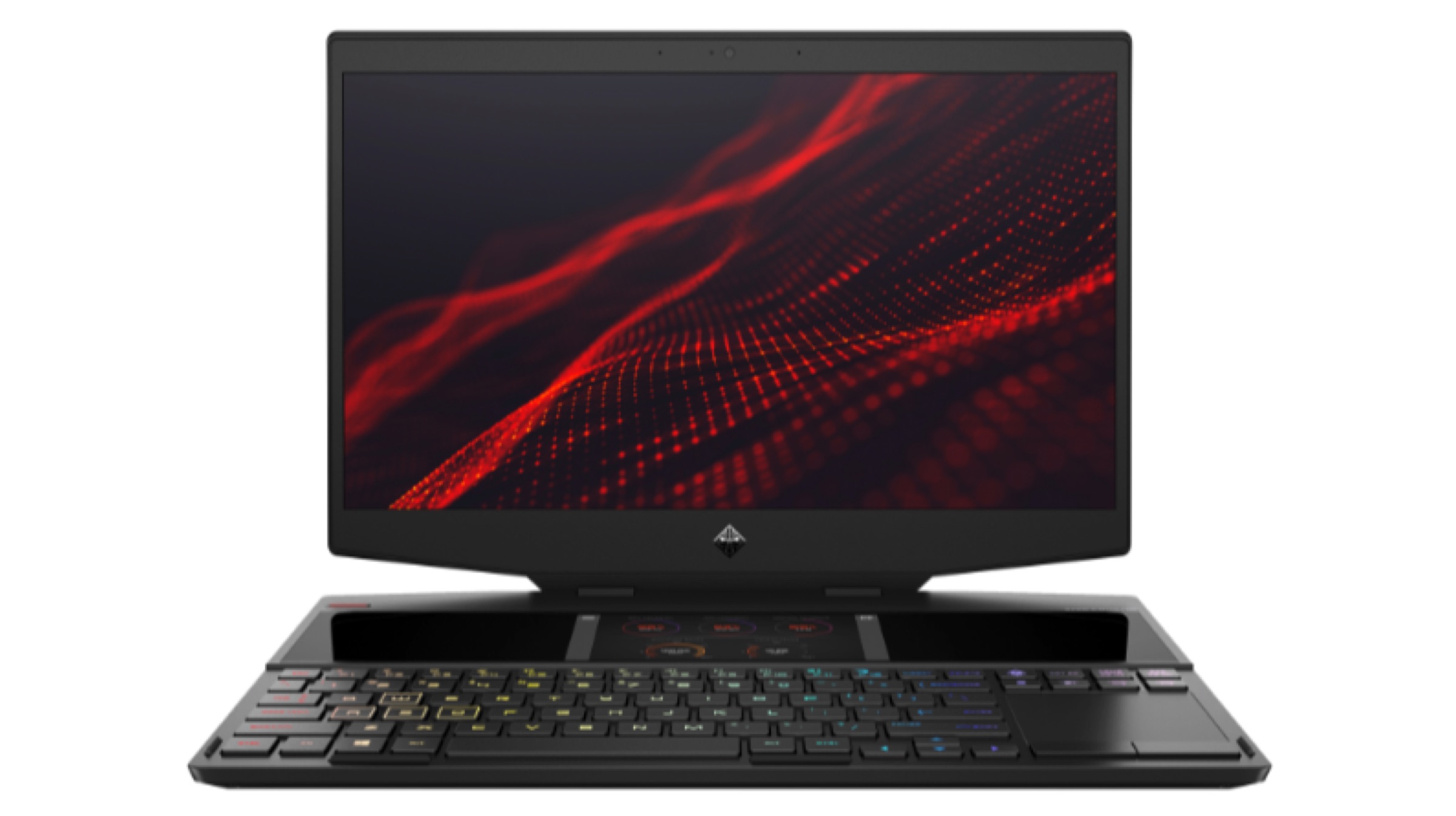
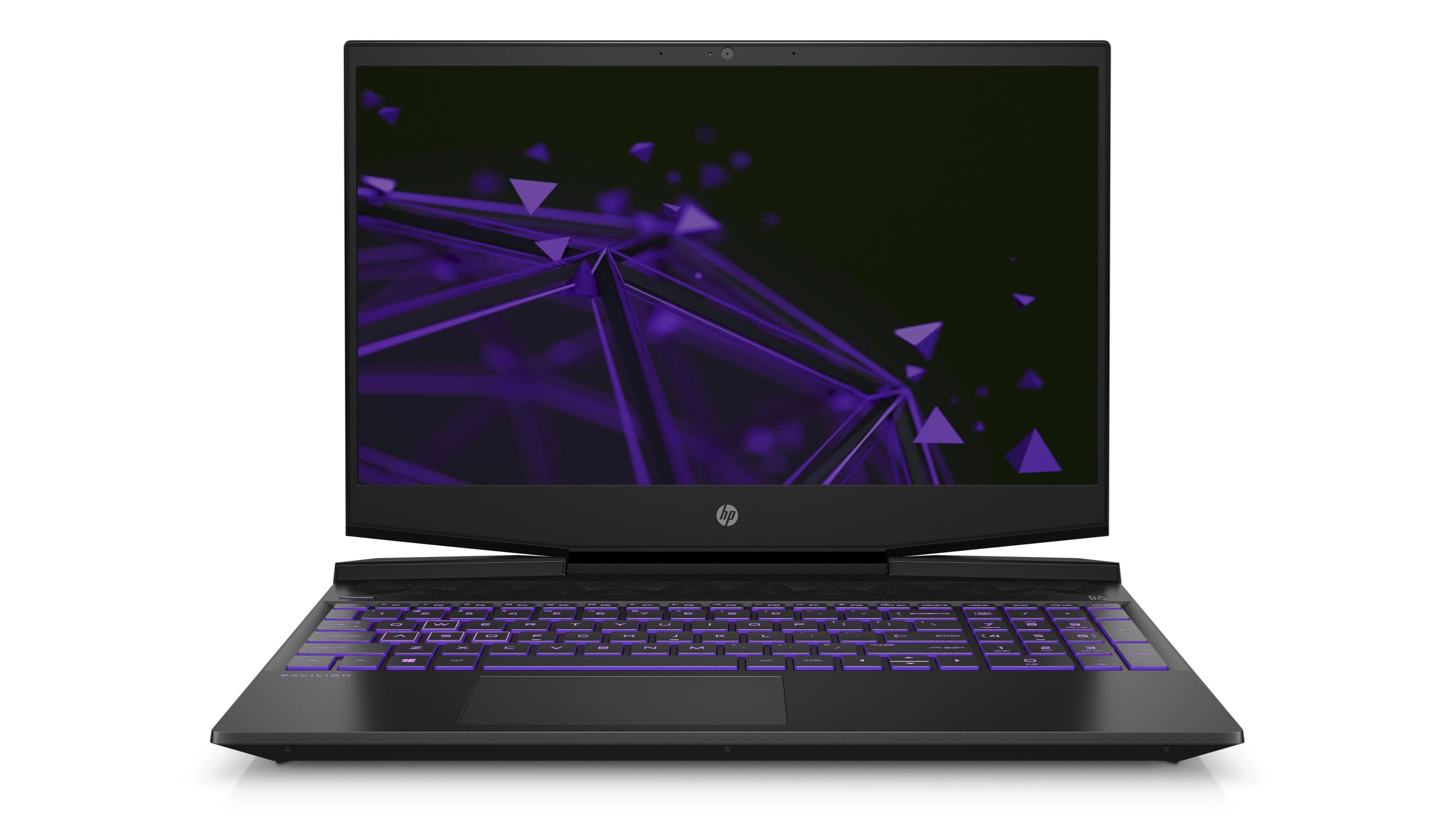
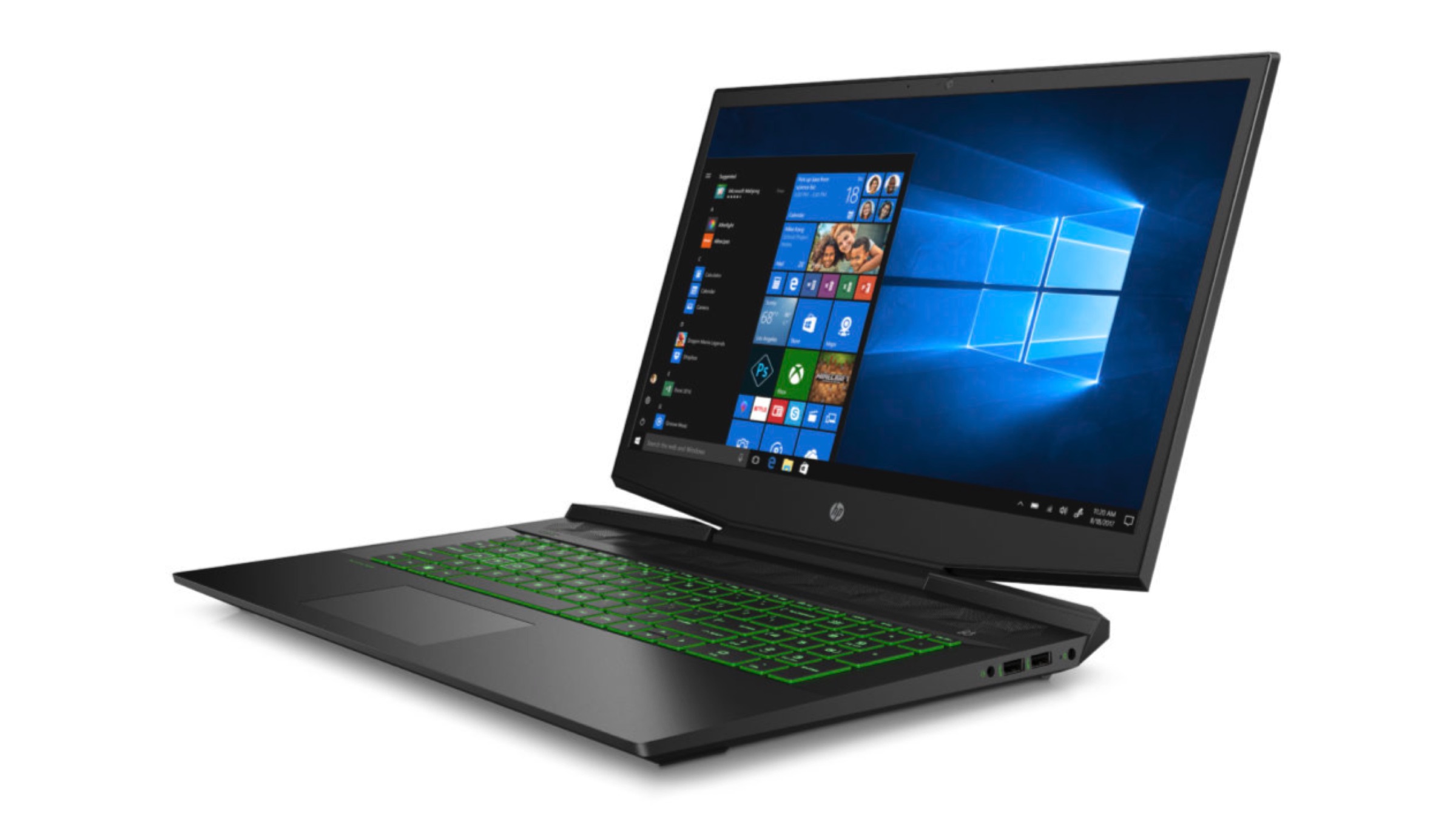
HP has introduced new entries in its range of gaming laptops. Omen laptops are known to sport top end hardware specifications for gaming purposes. The company has now unveiled the world’s first dual-screen gaming laptop, Omen X 2S, which will feature unique cooling mechanisms alongside the new OMEN 15 and Pavilion Gaming 15 laptops.
Key Features:
6-inch secondary 1080p display
15-inch primary with options between FHD and UHD displays.
Thermal Grizzly Conductonaut Thermal Solution
NVIDIA Series Graphics Card upto RTX 2080.
Dual screens laptops have started slowly gaining a more mainstream commercial audience. Computex 2019 was one of the major events where the technology had gained major coverage. The technology is not brand new, but for the first time is available to the gaming markets instead of first-look on prototypes. HP, in a press release, introduced the Omen X 2S that is going to be launched in India along with HP Omen 15 and Pavilion Gaming 15.
New Secondary Screen
The unique gaming laptop will receive various HP enhancements in the software to improve the overall gaming experience. HP Omen X2S will offer numerous multitasking capabilities to the user with its new secondary display. Most gamers out there would tend to listen to music, watch game streamers or even check messages every now and then. The new screen offers the same functionality without ever needing to reach for a smartphone of turning away from the system.
Players can text friends on chatting apps like WhatsApp, browse through the music of their choice from Spotify and even connect to Youtube and Twitch. This is made possible on the 6-inch 1080p secondary screen above the keyboard of the laptop. The smaller display has its interface run by the OMEN Command Centre software that enables simple controls of the new space. The second screen can also highlight certain aspects seen on the main screen such as the map in racing and shooter games.
Design & Cooling
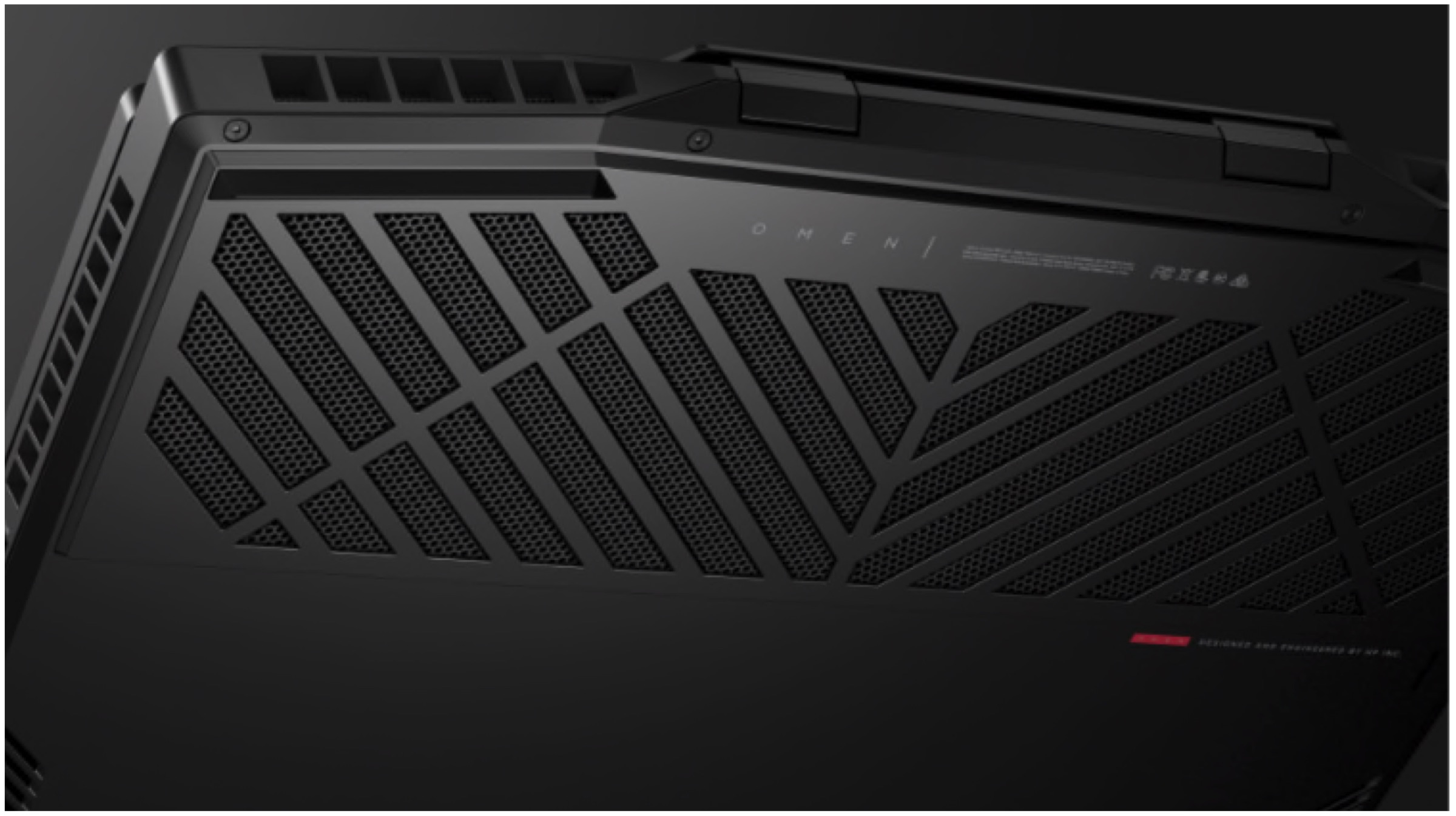
Gaming laptops have historically been known to run with higher power requirements and temperature. Various OEMs have tackled this with their own proprietary cooling solutions. HP brings its own take to the issue with its new OMEN “Tempest”. HP’s Omen X 2S is the first laptop to feature an applied liquid metal compound for its thermal solutions. HP claims that the aforementioned technology will pave the way for smaller and cooler heat management systems.
The upcoming gaming laptop is built on a 20mm full-metal body chassis. Omen X 2S sees a 20% reduction in size over its predecessors with the new cooling method. In terms of aesthetics, the device sports a familiar design that has been seen in previous iterations. The unique hinge and angular designs are what people have come to expect from HP’s Omen lineup.
Internal Specifications
The upcoming gaming laptop, including the Omen 15, are available various configurations that potential buyers can opt for. Omen laptops can be equipped with the latest generation of 9th Gen Intel Core i9 octa-core processor. Graphical fidelity can be provided by the latest video cards from NVIDIA such as the RTX 2080 that feature the cooler and quieter Max-Q designs.
The amount of storage has yet to be detailed but upto 16GB of RAM will be provided by HP. Furthermore, since laptops are portable and more mobile than its desktop variants, the new Intel Wi-FI 6 is being provided as well. It is claimed to be 3 times faster in terms of file transfer speed over the older Wi-Fi 5.
Other Offerings
Two additional gaming laptops have also been announced for prospective buyers that don’t intend on spending too much. HP’s Omen 15 and Pavilion Gaming 15 will launch alongside the Omen X 2S. The later is a laptop designed on a thinner frame than its older variants but with improved specifications and performance. However, the gaming system will not receive similar top-notch hardware as the Omen X 2S. The laptop only receives upto the 9th Intel Core i7 CPU alongside NVIDIA’s GTX 1660 Ti with Max-Q design.
Price and Availability
The world’s first dual-screen gaming laptop “Omen X 2S” prices start from Rs. 2,09,990. HP OMEN 15 laptop will have buyers shell out Rs. 1,24,990 while the Pavilion Gaming 15 Laptop will go for Rs. 70, 990. An Omen gaming mouse is being sold on the side which is priced at Rs.1,799. HP is also offering the OMEN Outpost Mousepad which can charge the gaming mouse through the Qi wireless charging technology.
OMEN X 2S is expected to be available from July 1st via HP’s official website. The other two gaming laptops are currently available on the aforementioned website. These products from HP will seek to expand the company’s gaming horizons in the southeastern nation. India, although slow, is rising with the number of people with gaming-specific requirements. The Indian market holds great potential for any OEM and HP’s reception with the products shall be seen in the arriving weeks.
The National Aeronautics and Space Association (NASA) of the United States has announced a new mission called Dragonfly. This mission will send multiple sorties or drone-like aircraft to the Titan, one of Saturn’s natural satellites. The icy celestial body is the largest moon of Saturn and the second largest natural satellite in the solar system. It is also the only moon to have a dense atmosphere, which is why the Dragonfly mission is being sent to study clues of life.
NASA’s Dragonfly Mission
The Dragonfly Mission by NASA is scheduled to launch in the year 2026 and will take eight years to reach Titan in 2034. The rotorcrafts or drones will fly to dozens of locations on the satellite to look for prebiotic chemical processes, which are a link between Titan and Earth. It will mark the first time the organization will fly a multi-rotor vehicle on another celestial body. This device is claimed to have eight rotors and will fly like a normal drone or UAV (Unmanned Aerial Vehicle). The moon is credited to have four times the dense atmosphere than of Earth; which will be taken advantage of by Dragonfly in flying its science equipment payload to new places for repeatable access to materials on the surface.
The icy moon of Saturn is claimed to be the analogic representation of prehistoric Earth. During the 2.7 years long Mission Dragonfly, it will explore different environment factors; to search for the possibility of life. It is said that that the key to life once existed on Titan tens of thousands of years ago. So while the mission may or may not find the existence and sustenance of life there, it is said to give us the chemical evidence of the past or extant life on the moon.
Apple and Huawei have been neck-and-neck in regards to their global smartphone market share. The lead is taken by Samsung while the aforementioned companies go back and forth for the second place. Huawei had almost cemented its lead when the US-China trade wars severely hampered the company’s business. A new report now points at Apple raising its iPhone production following the ban on the Chinese company.
Huawei had been accused of installing backdoors on its networking equipment and providing the data to its home Government, China. The ban sought to isolate the eastern tech giant due to concerns regarding data security by the US Government. Apple is reportedly taking advantage of the ban and is increasing the production of its handsets across the entire quarter. The report has claimed that the American company will make an incremental rise over past estimates.
Apple was originally reported to have planned manufacturing about 39 million units, which has now been estimated to rise to 40 million. The increase will last till the end of Q2, that is the end of June. It has been speculated that Apple is increasing production to respond to increasing demand for the iPhone in a few markets. The increase should fill the gap in the market left behind by Huawei, one of the largest smartphone OEM.
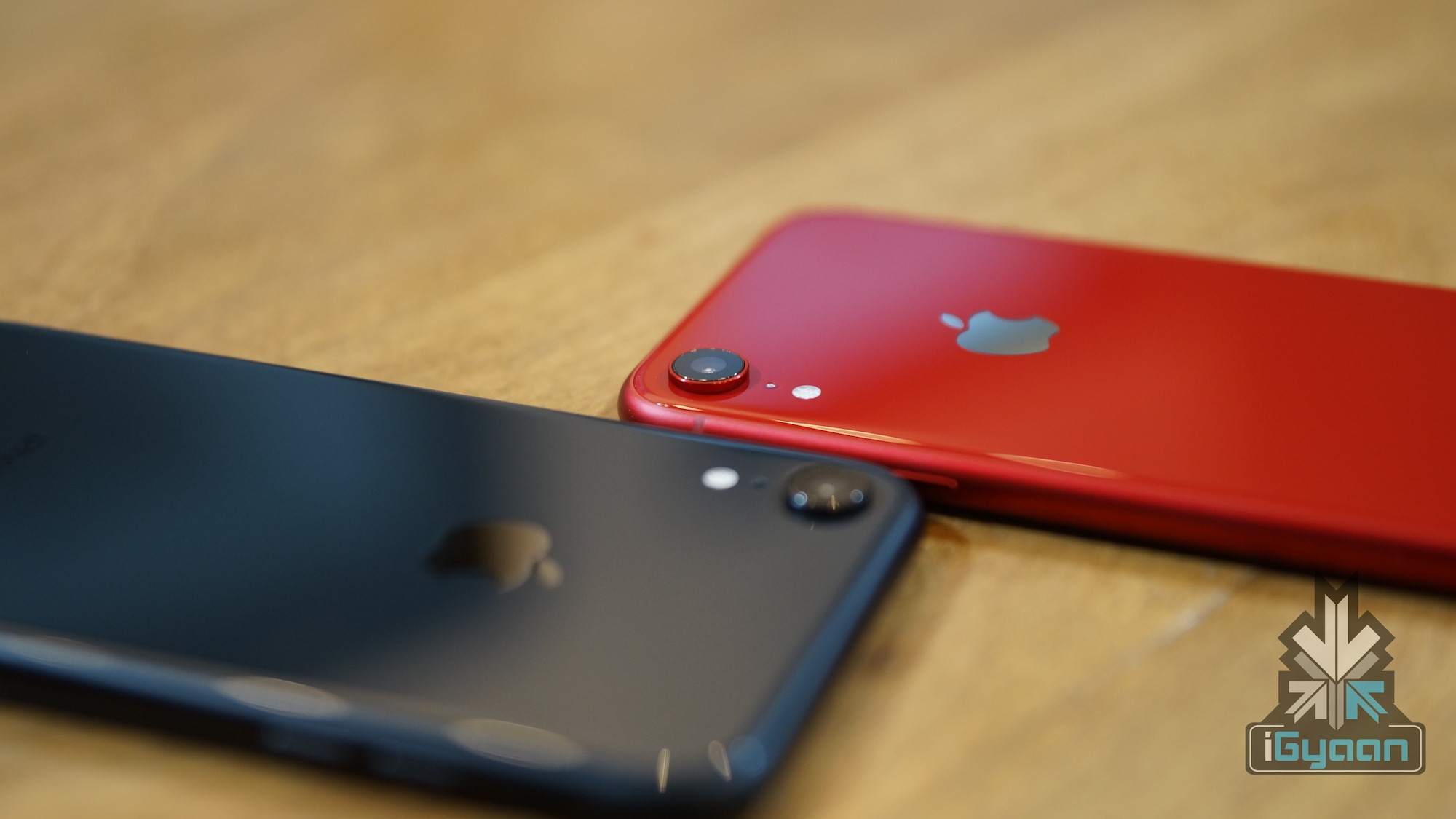
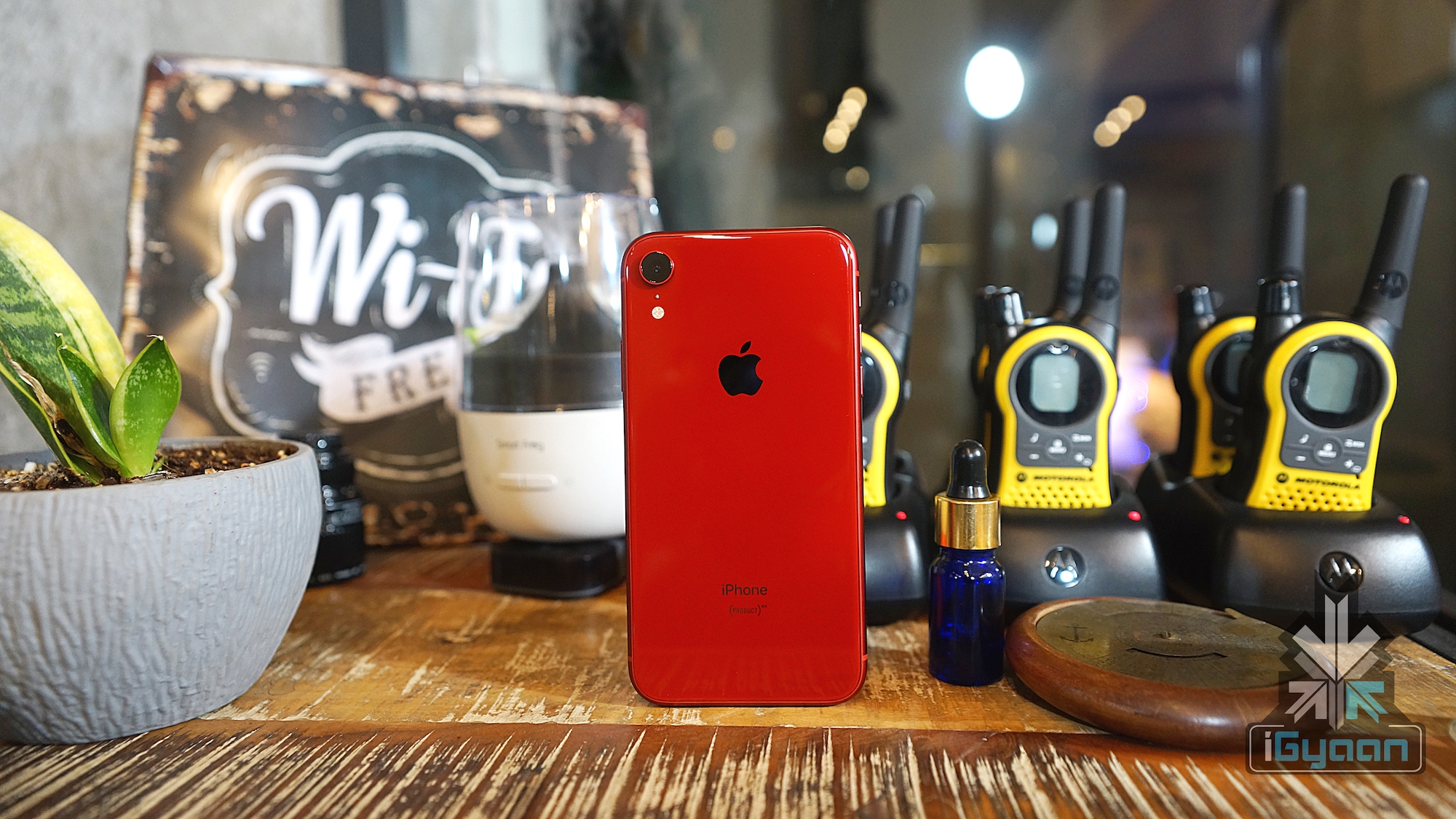
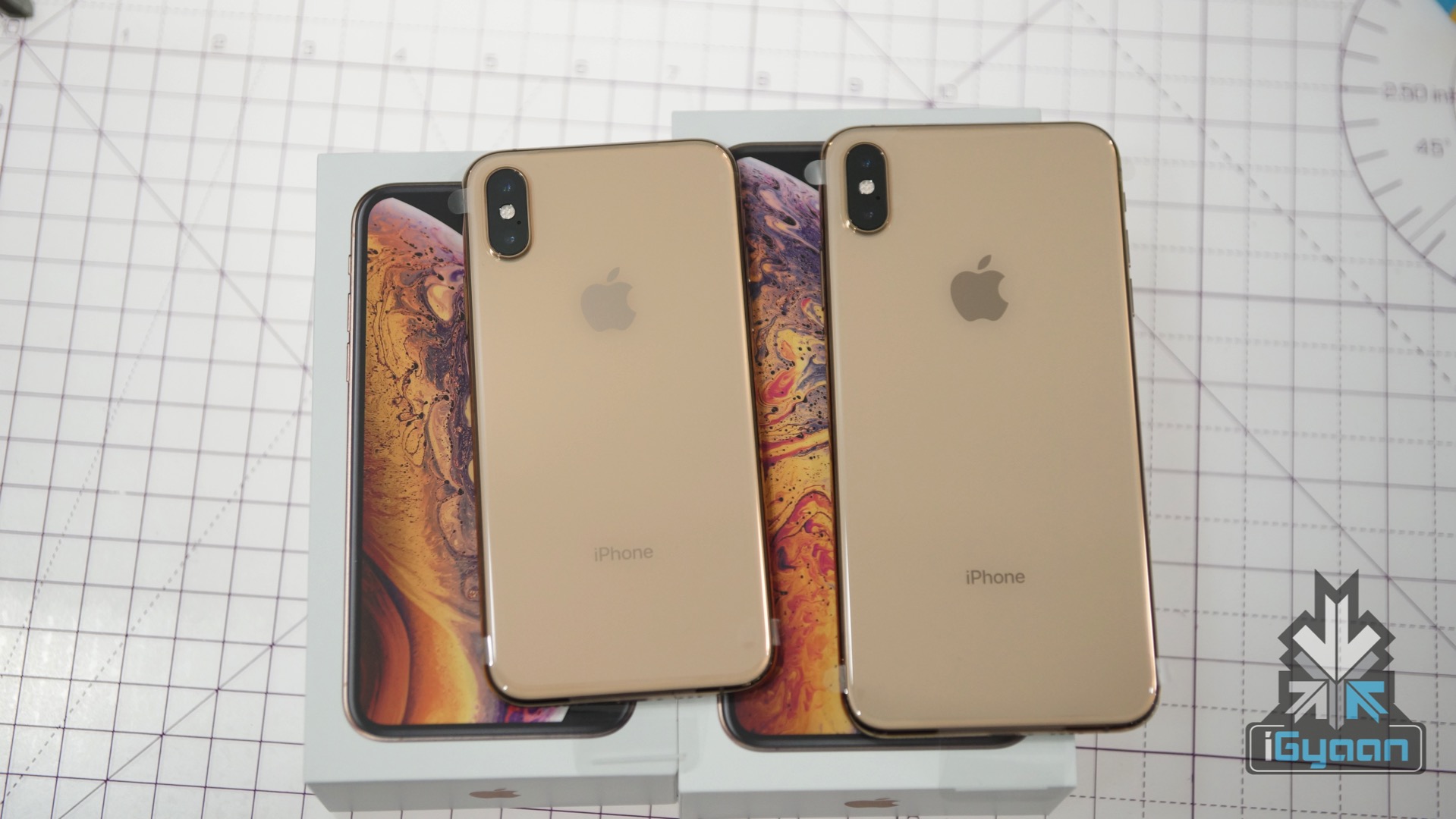
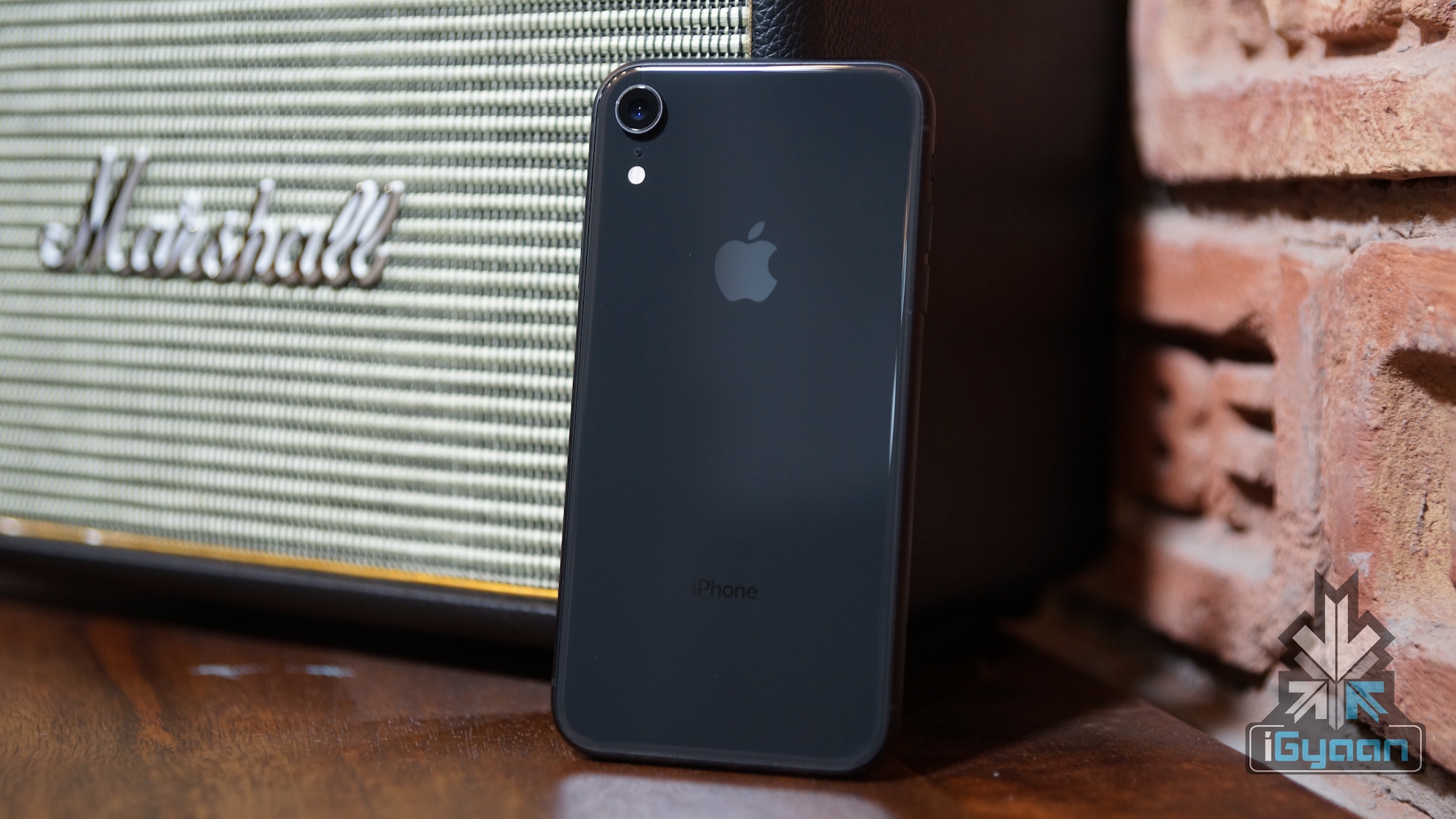
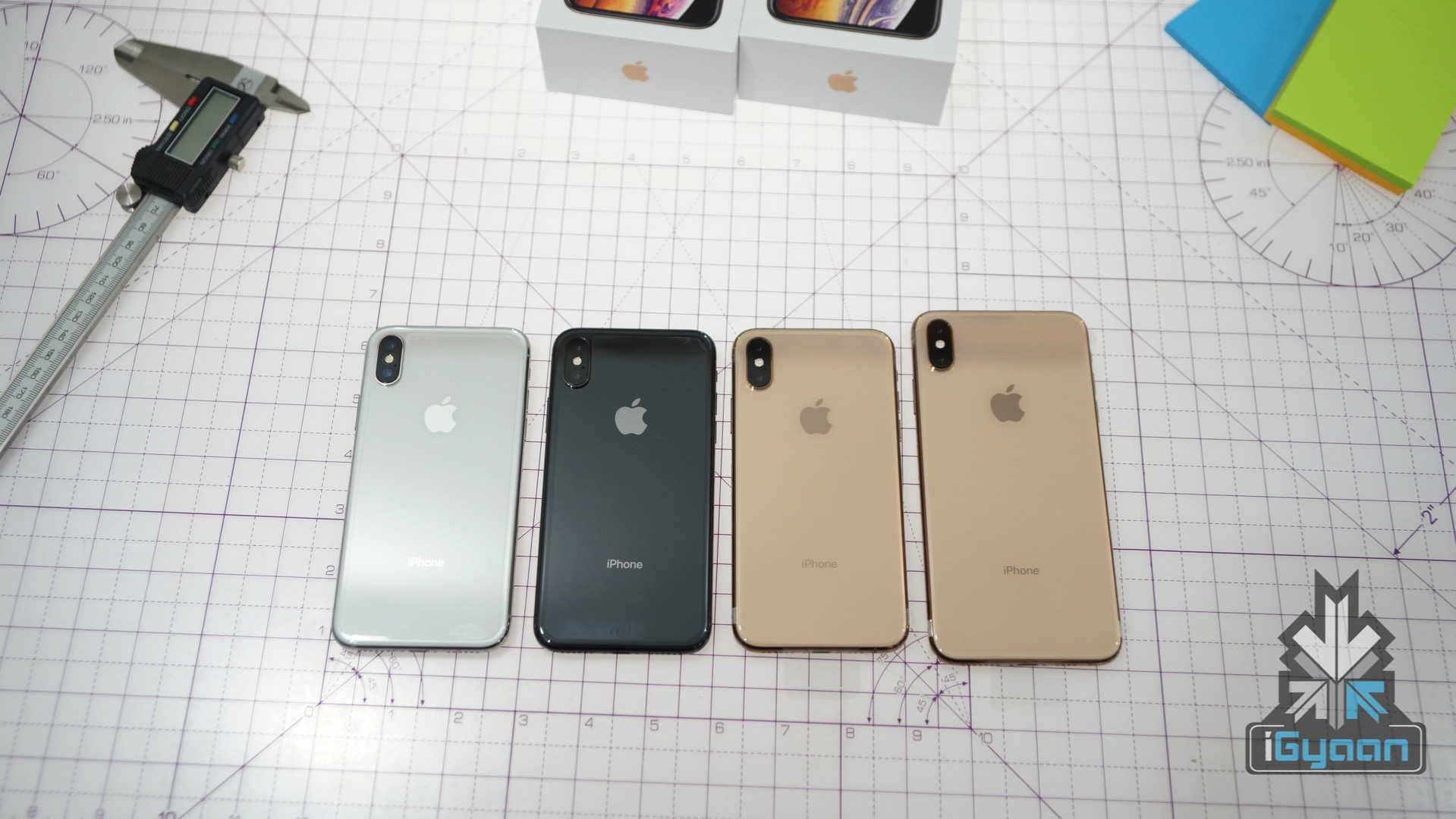
Apple is predicted to focus 75% of its increased production on iPhone XR, iPhone XS and iPhone XS Max models. The remainder will be spread largely across the iPhone 7 and iPhone 8 lineups. The bump is a temporary measure as the tech giant cannot hope to maintain the rise in the long run. Apple could potentially warrant US tariffs on iPhone sales due to the production of its devices in China.
The US Trump ban on Huawei has barred the company from sales of technology and components from American-based companies. Apple will take full advantage of the situation to secure a lead over its crippled competitor. Furthermore, the iPhone 2019 flagship models are just around the corner. It is expected to release in September to its global audience and will be a great new addition to its wide offerings of electronic devices.
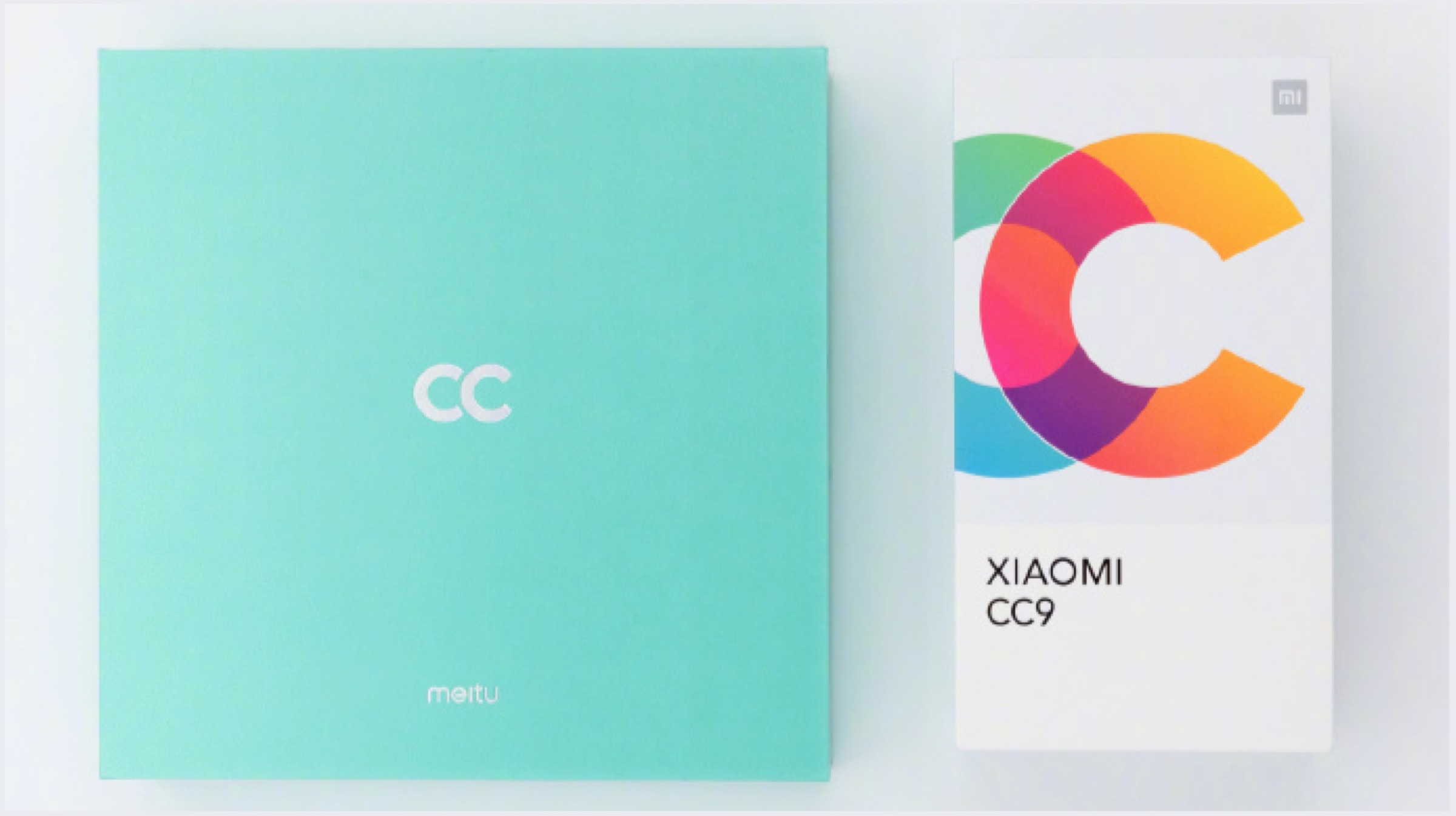
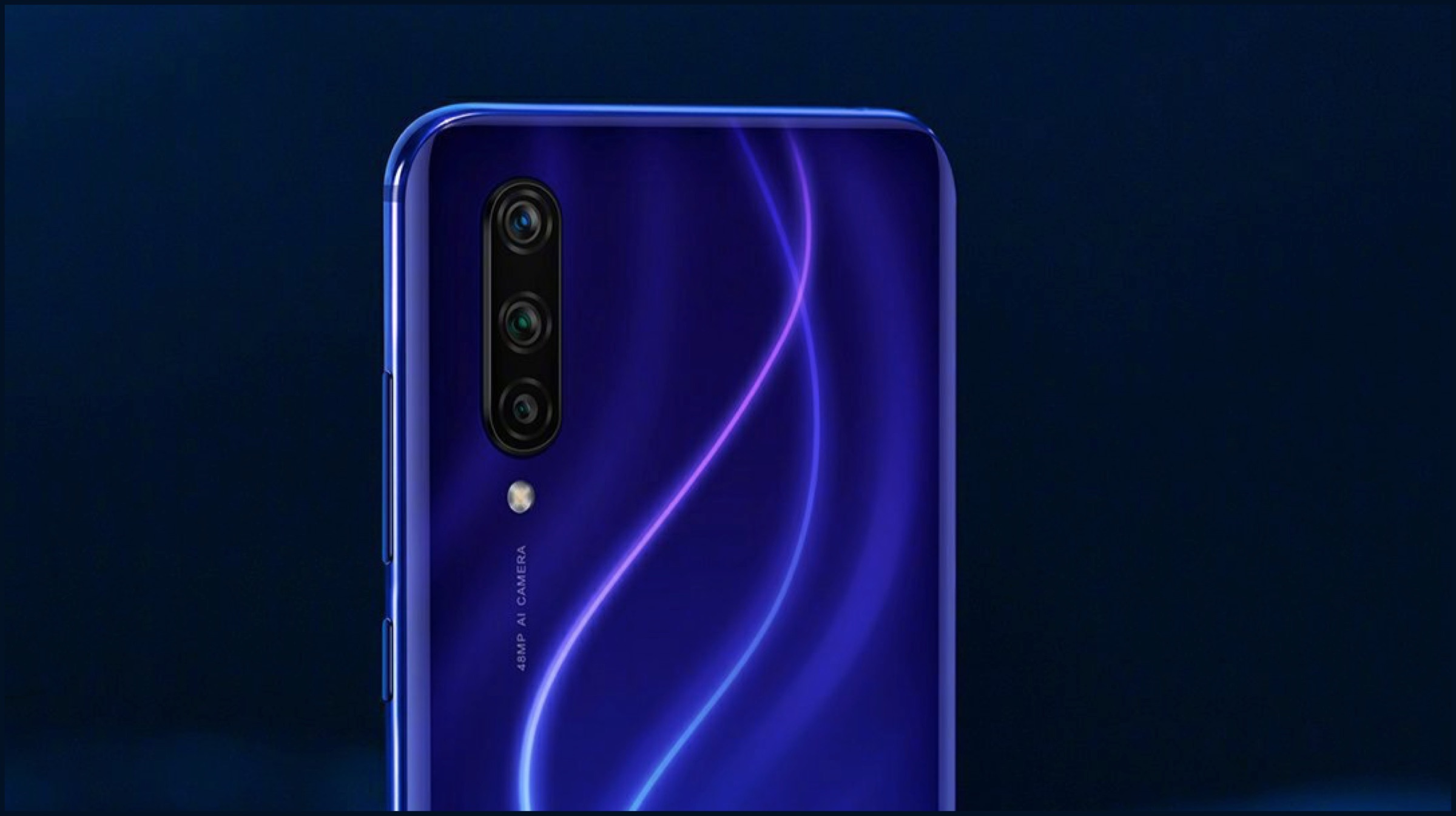
Xiaomi announced its latest CC smartphone series last week. This lineup was revealed to have been made in collaboration with another Chinese manufacturer Meitu; of whose hardware business the former took control of last year. The first devices that are expected to be launched in the series are the Mi CC9e and the Mi CC9, which may be announced at an event in China on the 2nd of July. Now, a senior Xiaomi executive has confirmed that a special edition of the latter called the Mi CC9 Custom Edition will also make an appearance at the event. In a post on the country’s popular social networking website Weibo; the executive has also revealed the retail box and storage options of the special edition handset.
Mi CC9 Custom Edition
As mentioned above, the Mi CC9 Custom Edition will be a special edition version of the regular Mi CC9. The image shared on the social media by the Senior Xiaomi executive reveals a retail box of the smartphone, alongside the box for the regular variant. It is significantly larger than the retail box for the Mi CC9; which may indicate that the device will be bundled with different accessories or will have a new design altogether.
Alongside the retail box, it has also been confirmed that the handset will arrive in a new colour variant. In terms of optics, while the Mi CC9e and Mi CC9 were revealed to have image optimisations done by Meitu, the Custom Edition will have a camera setup developed by it. This explains the special place for the Meitu branding on the retail box.
Other details revealed about the Mi CC9 Custom Edition by the Xiaomi executive; is the presence of 8GB RAM alongside 256GB internal storage in the smartphone. As it is a special edition version, the smartphone may be available to purchase in limited quantities. It is also expected to cost significantly higher than the regular Mi CC9. Unfortunately, more details like the specifications and the exact pricing of the CC9 Custom Edition are not available yet. But all our question will be answered next week when the company officially reveals the device on the 2nd of July.
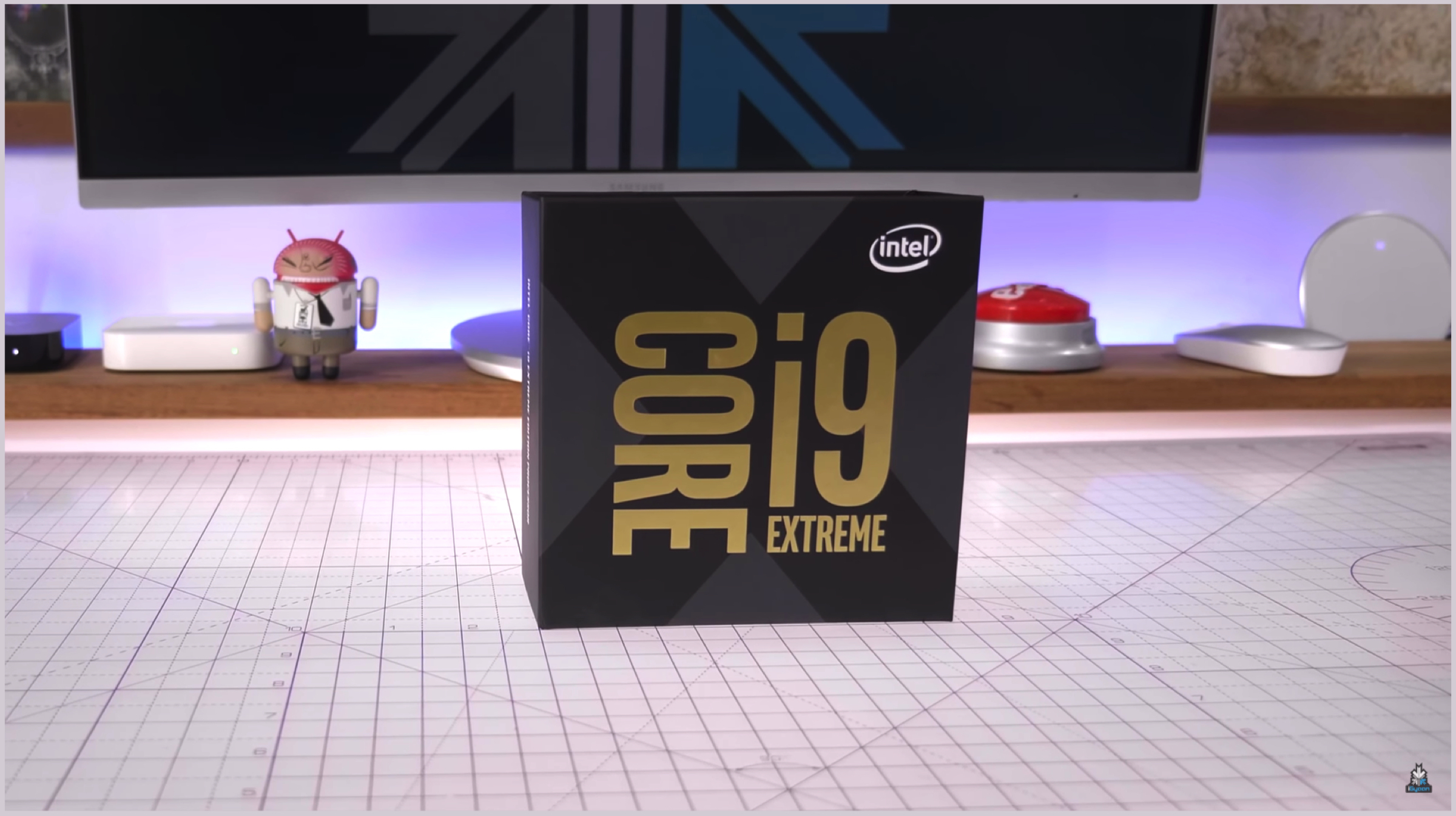
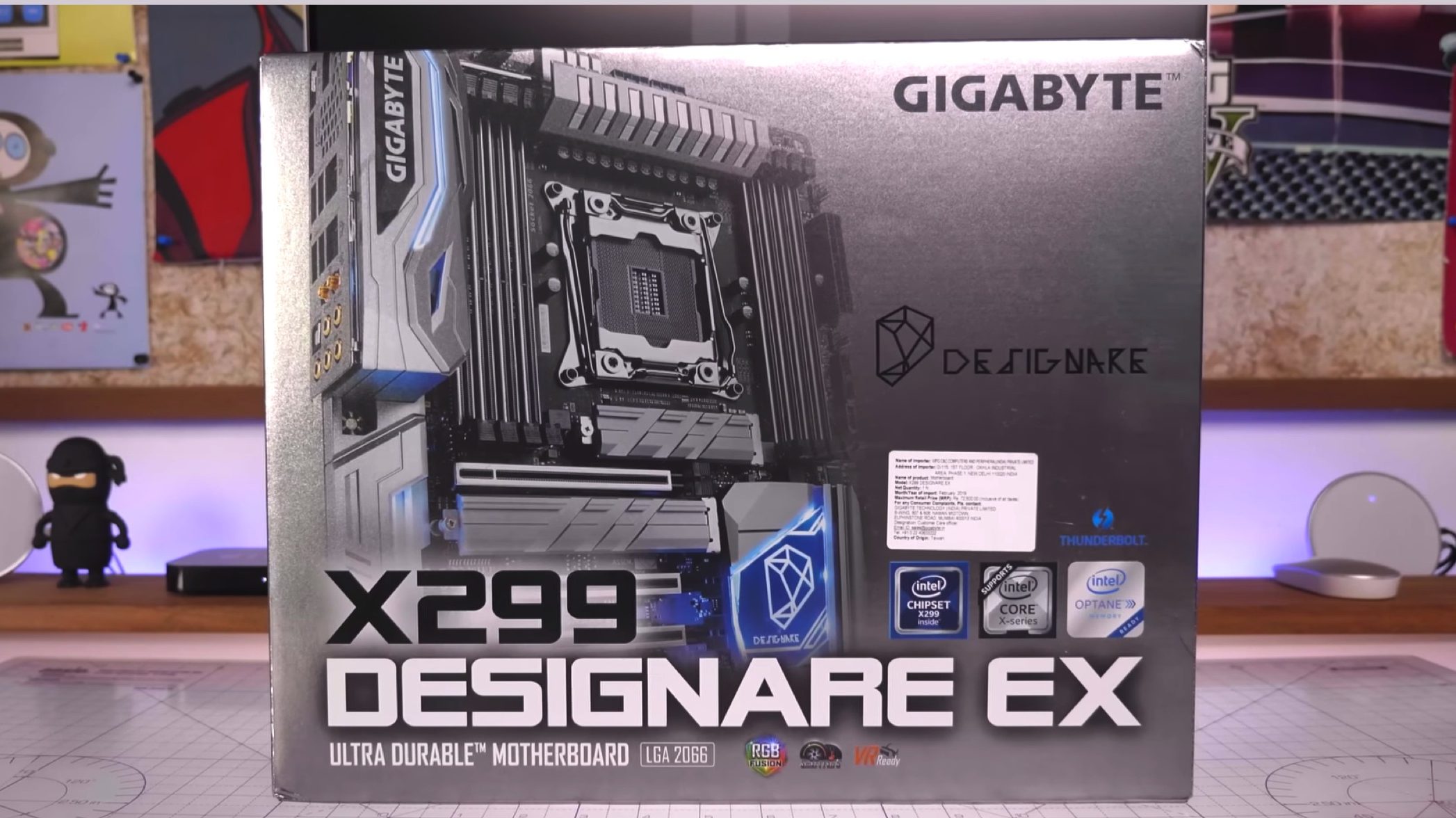
When we at iGyaan started to build the ultimate “Beast” gaming PC, a lot of people had questions about our processor of choice. The Intel Core i9 9980XE did not do much to please the people and they were quick to point out that we were wrong in our choice. While the chipset maybe not the perfect choice for gaming, our primary goal was to build a machine fit for all tasks. For those interested, click here to read the first assembly of the gaming PC build.
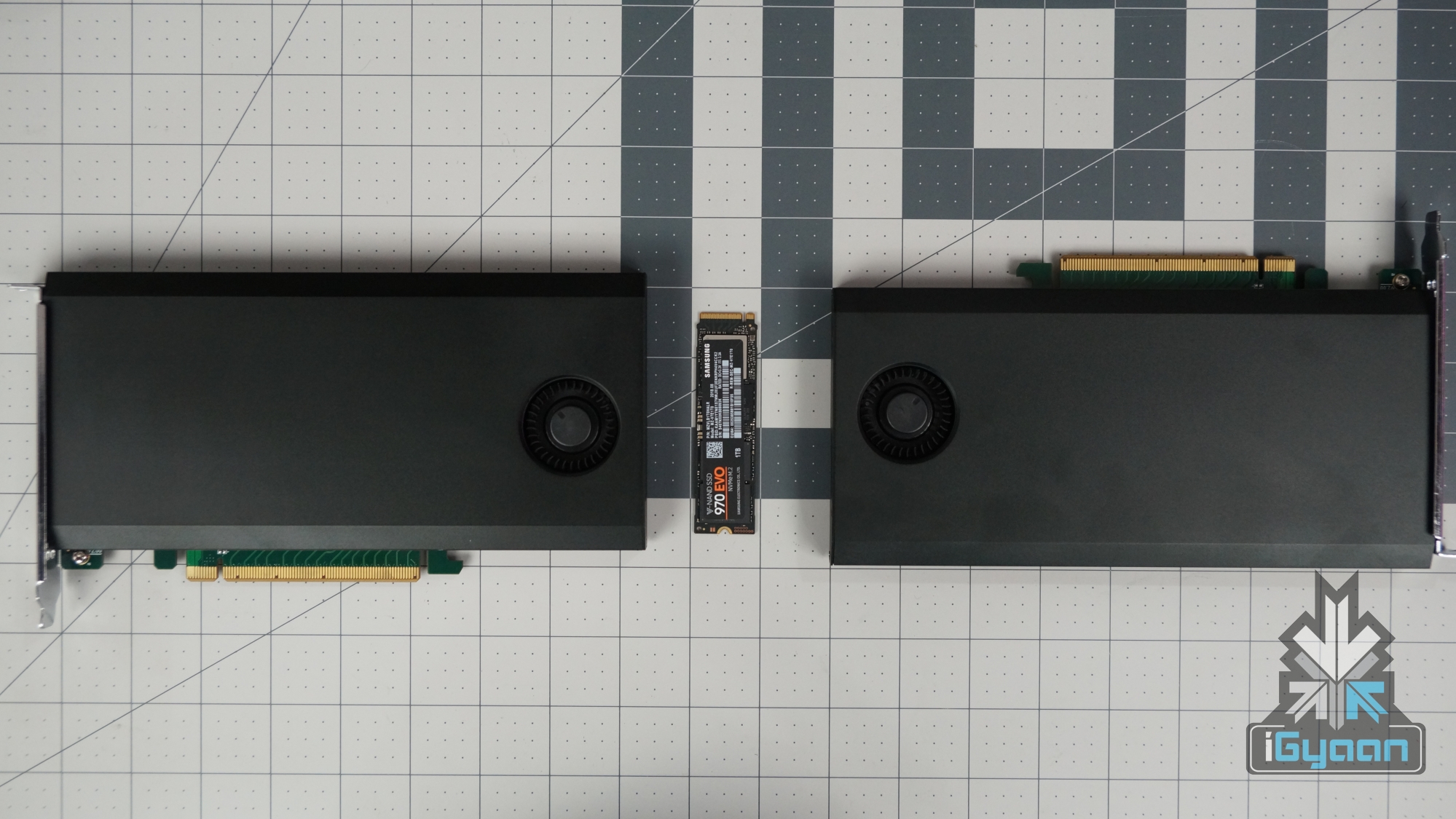
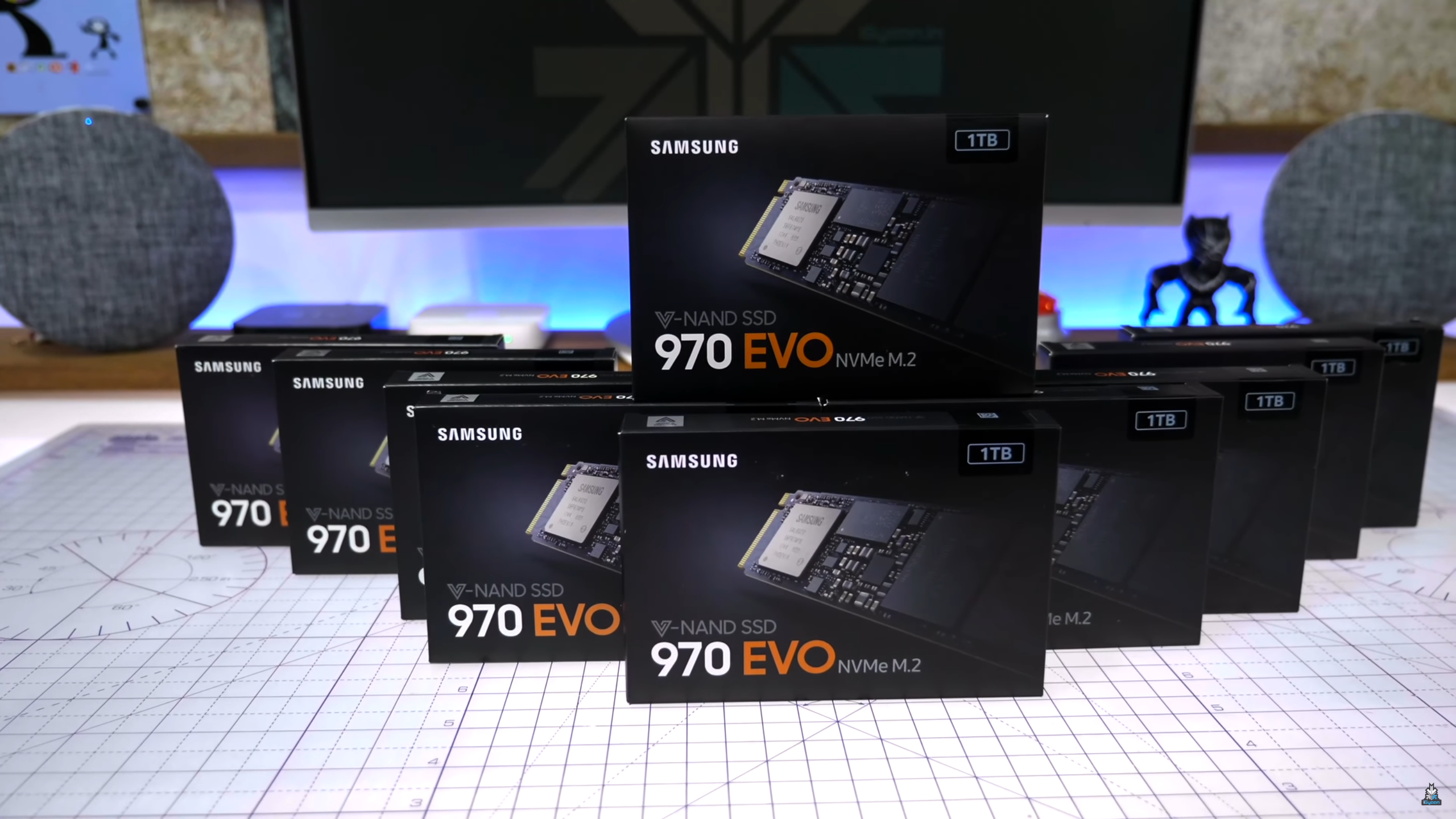
Whether it be gaming or serious editing, the PC should meet our requirements. For that, we also bought ten (that’s right!) Samsung 970 EVO SSDs and two Asus Hyper M.2 X16 cards for a RAID setup. For those of you who do not know, RAID or Redundant Array of Independent Disks is a way to store data that uses multiple disks which increases performances and decreases chances of drive failures.
Also, the major advantage of using the aforementioned CPU was the abundant 44 PCIe lanes present on it. These lanes are important for adding the necessary PCIe components on it, like GPUs and of course the SSD RAID setup. There was a problem though, that the Asus M.2 X16 cards were not compatible with our Gigabyte X299 Designare motherboard; as they are mostly harmonious with Asus’ motherboard.
Our motherboard of choice also did not support the slot bifurcation feature; which lets you use the Asus card, which supports an x16 PCIe slot, to behave has four individual x4 slots. While this is a good feature, it is no good to us since neither our Gigabyte motherboard supports it or the Asus M.2 X16 cards. We then had to find an alternative to the card which will be of use to us. Lucky for us; we found that an American manufacturer by the name High Point makes such cards, which do not use the slot bifurcation feature but still uses the x16 lanes as four x4 lanes, which increases speed.
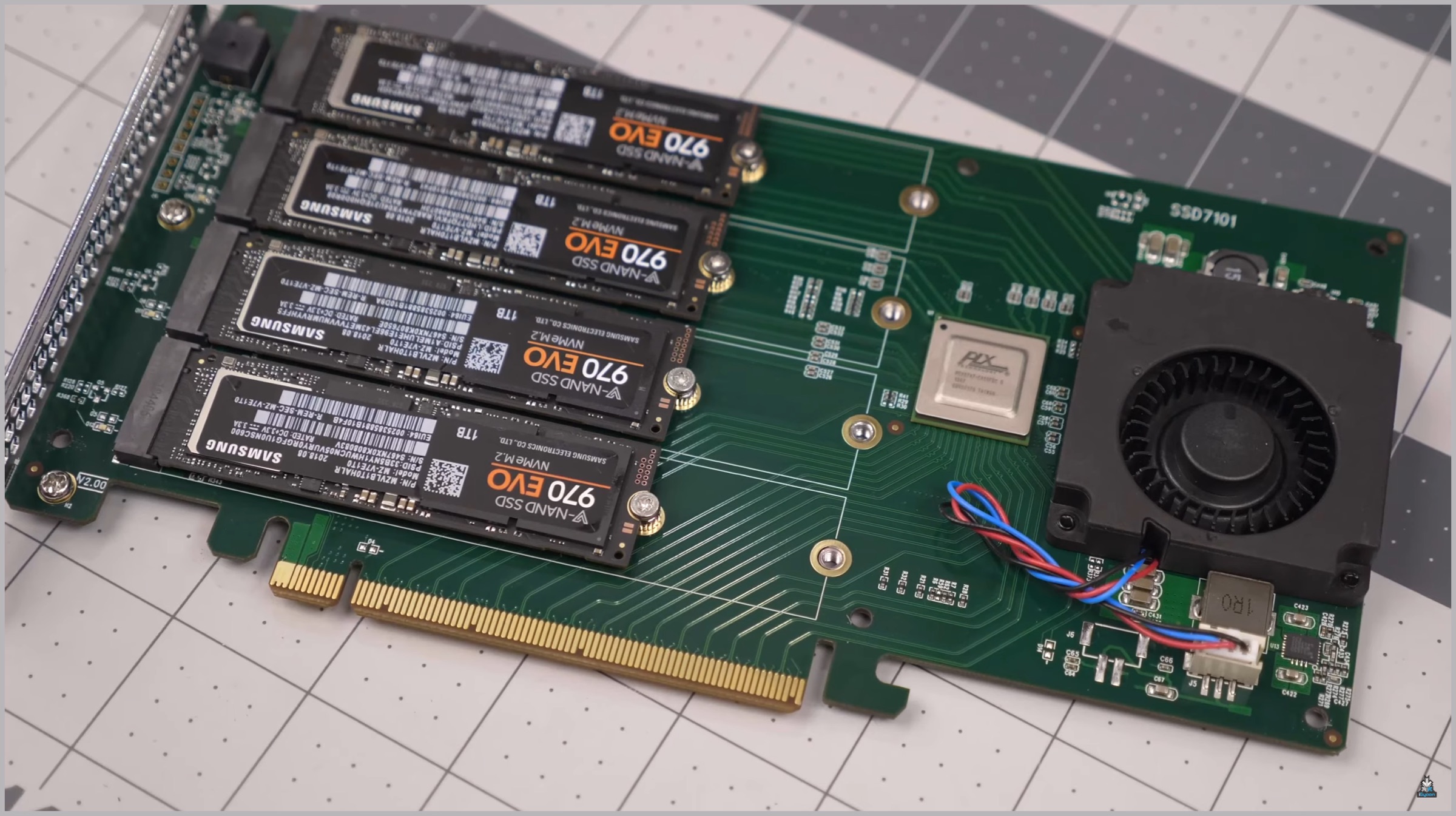
One point to note though, while the High Point RAID cards work perfectly fine; they are not available in India are up to eight times as expensive than the Asus one. Transferring the SSDs from the Asus card to the new one was quite simple, with us placing four SSDs in either one of the two to make two RAID cards. The High Point cards also have a very good thermal management feature, which uses a fan and various heat sinks for heat dissipation.
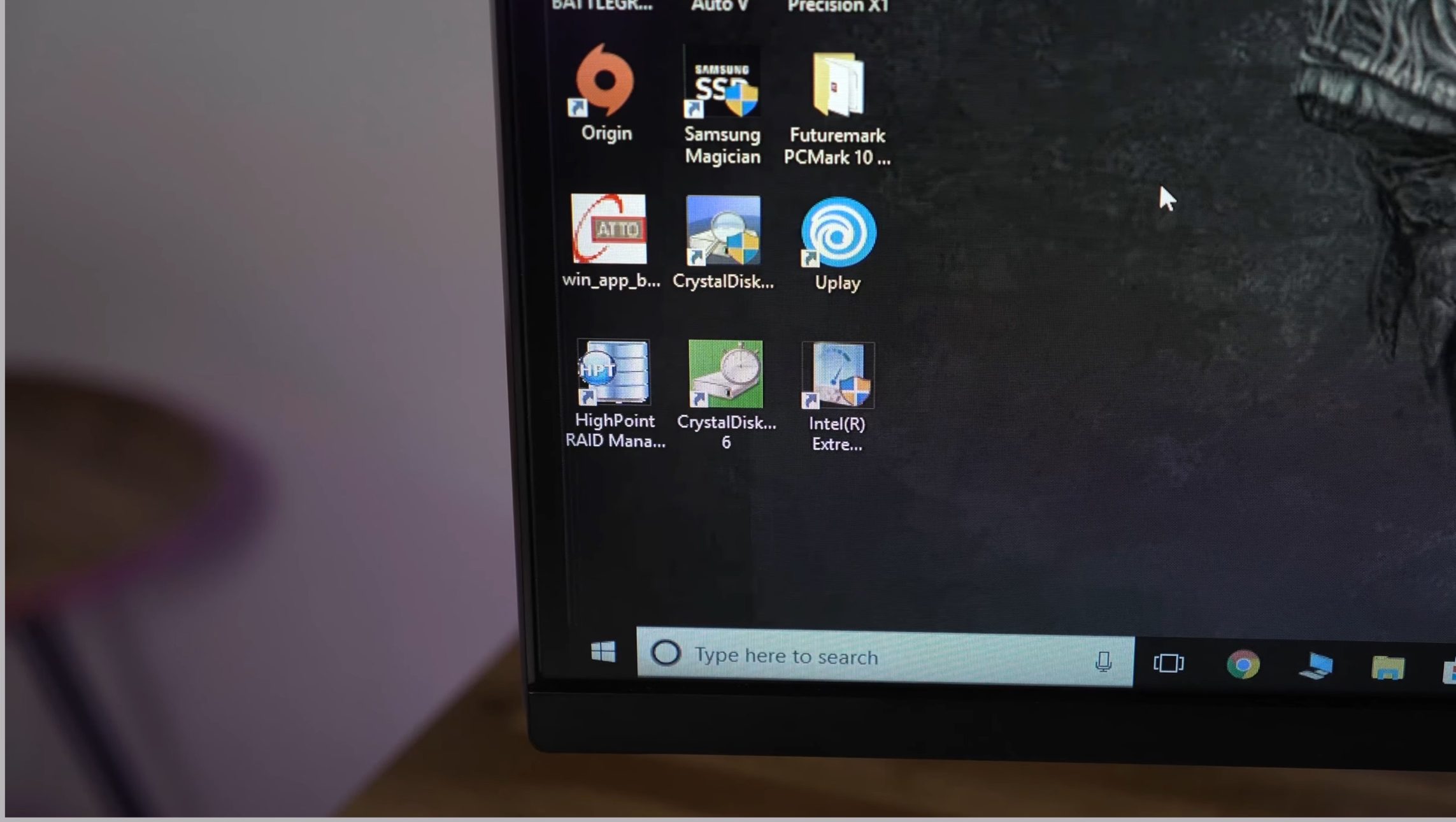
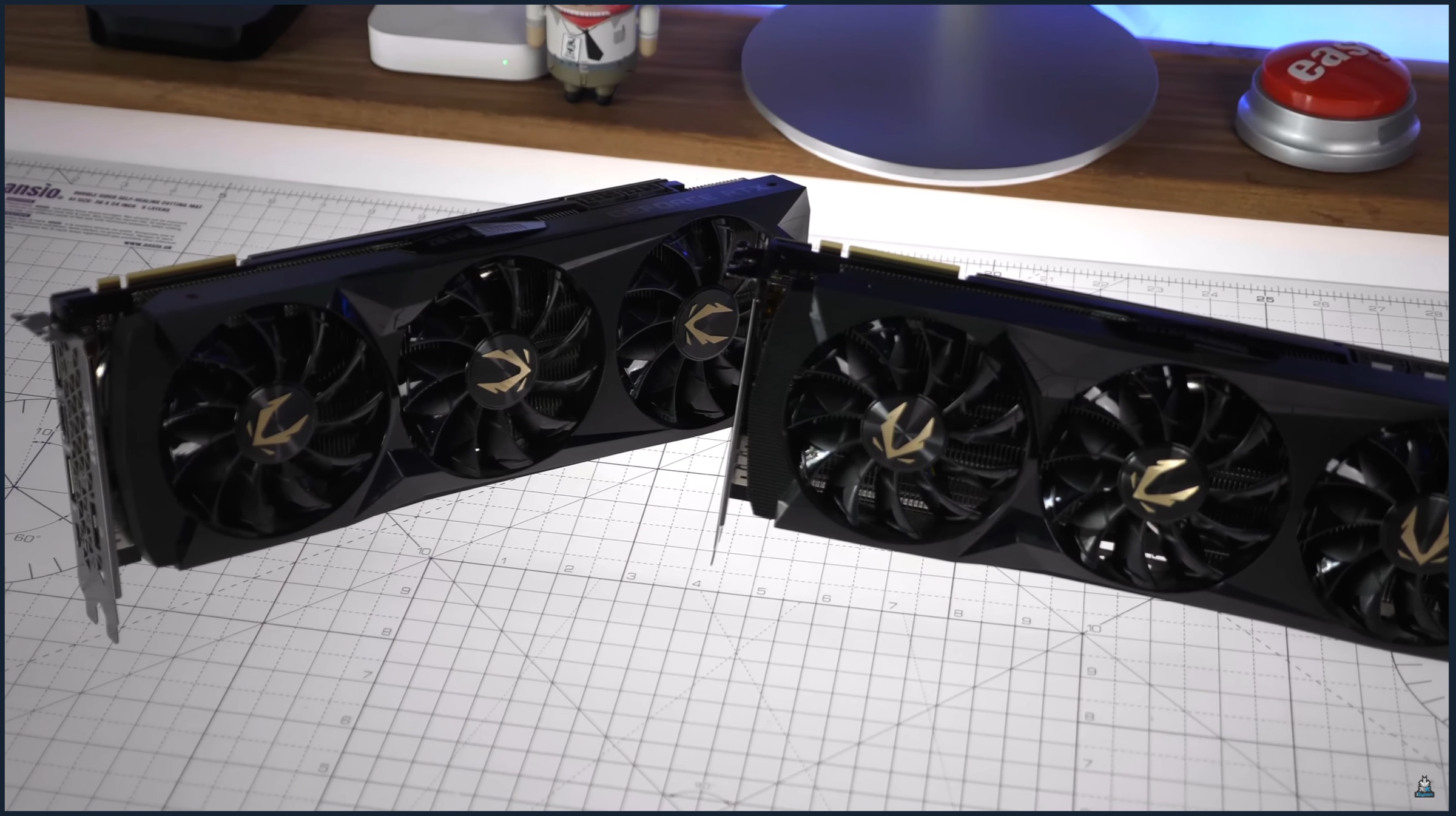
So while placing the RAID cards, we had to remove one out of our two NVIDIA 2080Ti GPUs. This was done because out of the 44 PCIe lanes available, 32 in total were taken up by the two GPUs and there were not enough lanes left for the cards to draw power from. Removing one GPU allowed us to install one High Point card with four SSDs inside after which we booted the machine up. After that, creating a storage pool using Windows Storage Space was no problem, but the speeds achieved on ATTO disk benchmark, as a result, were not as amazing as we hoped. Turns out Windows was just linking the SSDs together and not creating a RAID setup, which was a hurdle.
To fix that, we installed the High Point RAID utility and drivers for its cards. This allowed us to build a storage array inside its software, allowing us to create a RAID 0 drive. After creating the drive in Windows drive management and creating a simple partition, the ATTO benchmark test was finally showing a speed of 10GBps to 12GBps; with four SSDs inside the High Point card.
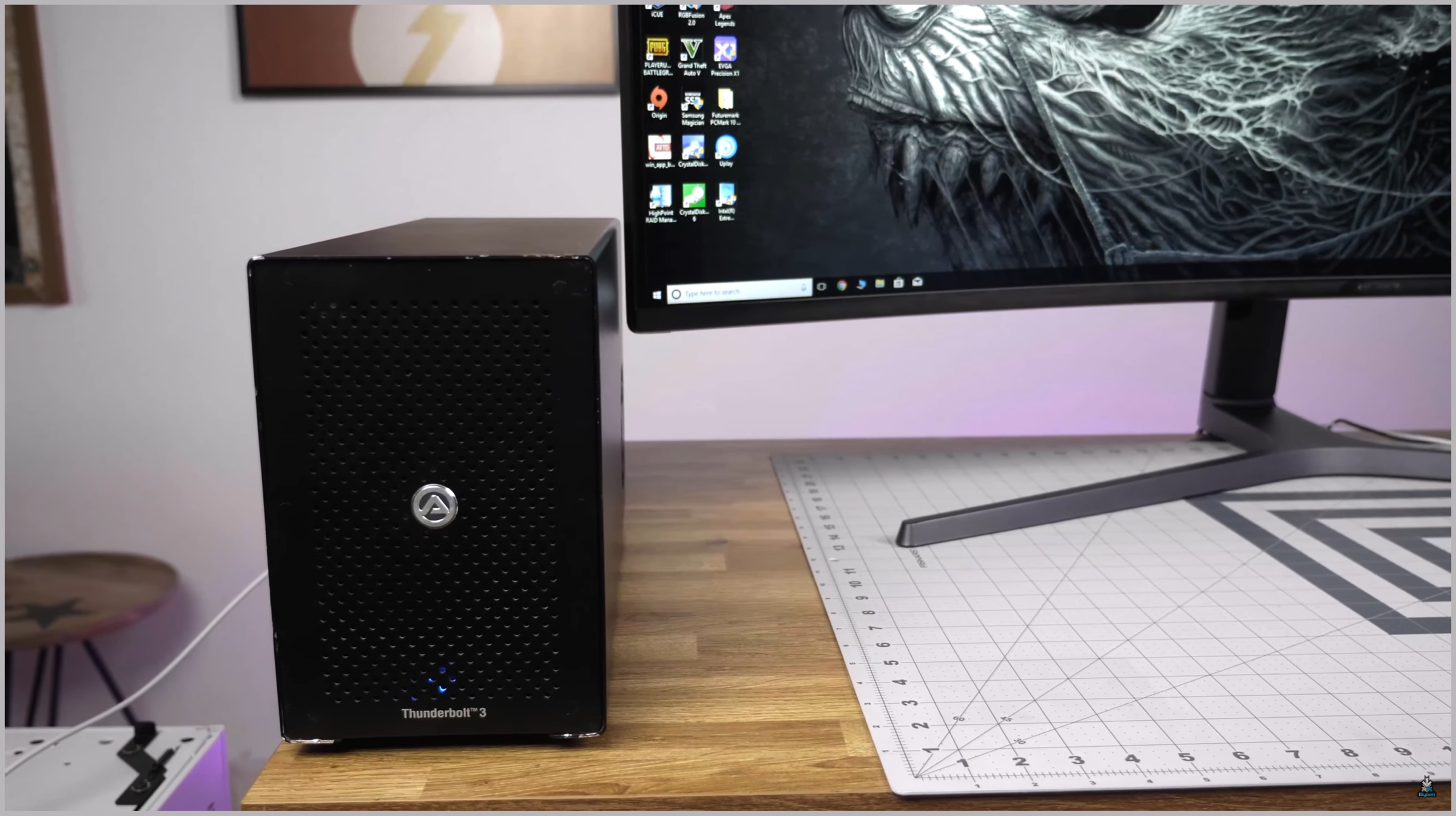
Following the success of our first test, we installed the second RAID card on our fifth PCIe slot; as recommended by our motherboard’s manufacturer. However, the speeds on ATTO were not improved by much, as it still was showing us a speed between 13GBps to 14GBps. This was because the card was using 8 PCIe slots instead of the required 16, reducing its speed. Luckily, at iGyaan, we have a lot of spare hardware, and the Gigabyte X299 Designare supports Thunderbolt 3. This lets us connect an external GPU inside an AKiTiO Node using Thunderbolt. We could finally remove the GPU from inside the motherboard and install the RAID card on it instead.
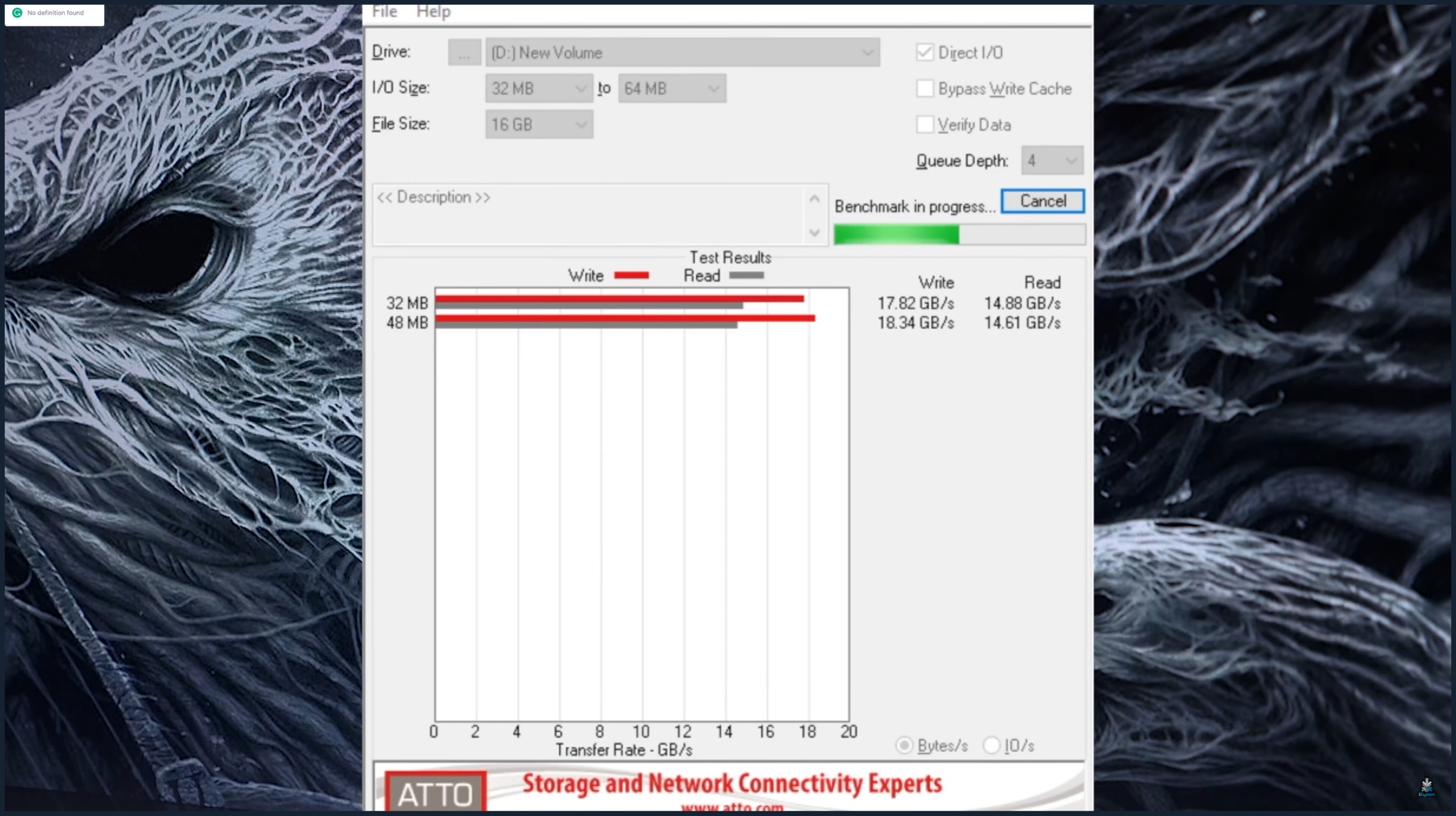
Now, both the cards, consisting of eight SSDs in total, had access to x16 PCIe lanes which should give us the theoretical read and write speeds. Running the ATTO disk benchmark test gave us a whopping speed of 18GBps, which is not quite the double we were asking for; but we will take it. It is expected that the benchmarks are not precise enough to display the RAID’s full potential so, in the real world, we should get a speed closer to 20GBps.
While we have achieved was we set out to do; which was making the ultimate RAID setup which delivered stupid fast speeds, the “Beast” gaming PC is a long way from being complete. We still have the two NVIDIA GeForce 2080Ti GPUs that had to be removed from the build. But, again lucky for us, we have two Thunderbolt slots and two AKiTiO Nodes which will be a handy item in the near future. Also, if you are asking what will we do with all this speed, we will have to show you in a quick game of, Minesweeper!
American multinational company, Google is at the forefront of technology, be it software or hardware. Following the commendable success it has had with Android in the software domain, the company now plans to dip its toes in futuristic hardware as well. At the 2019 Google I/O developers conference, the company announced that it is working on several foldable smartphones or rather foldable devices.
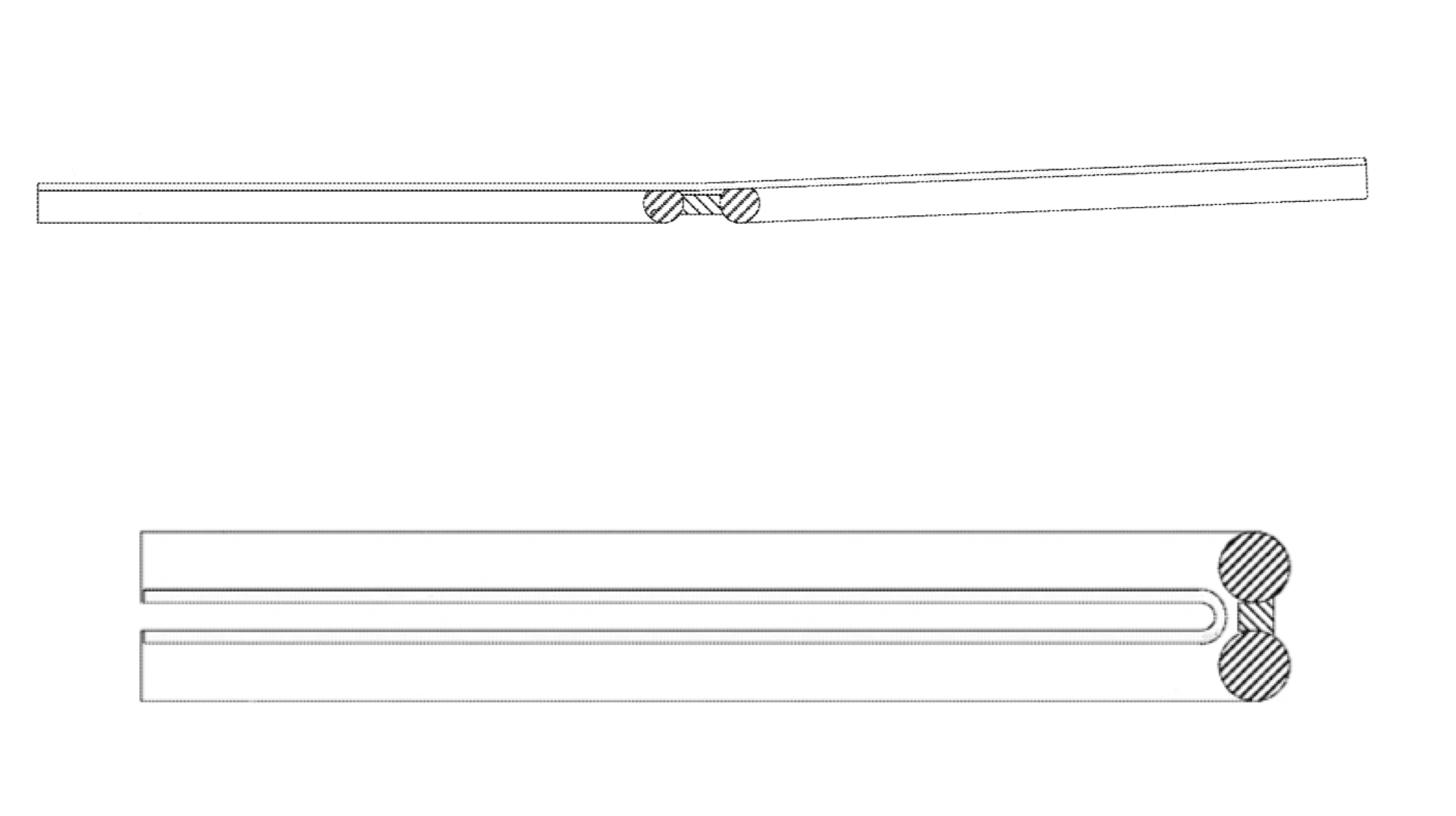
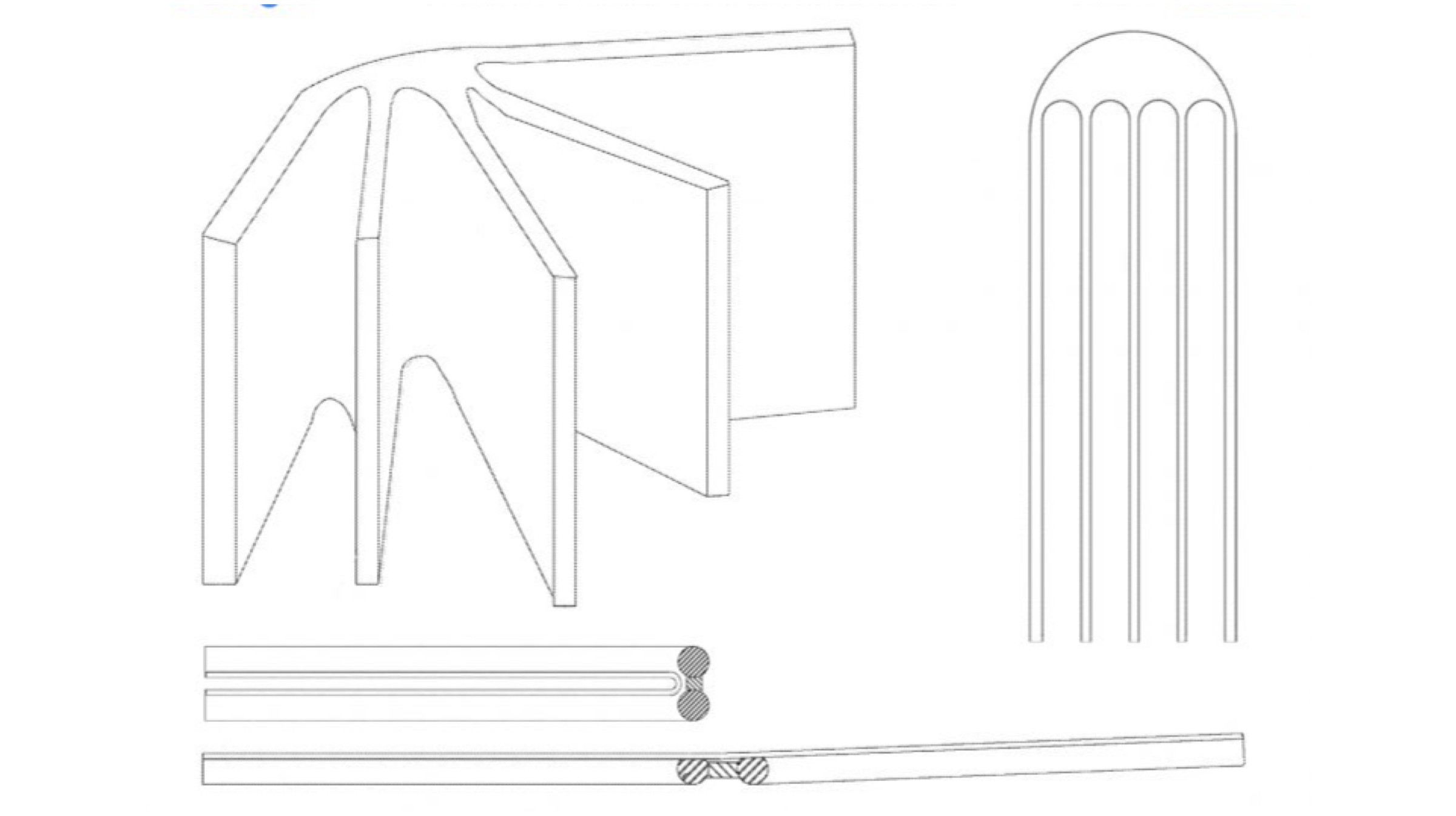
A freshly granted patent to the company goes in line with the previous announcement. Google has been granted a patent for a unique electronic device which surprisingly resembles a textbook. The device is somewhat similar to the Samsung Galaxy Fold but with a couple more displays or should we say pages.
Upon close inspection of the patent, it can be divulged that the multiple screens are held together with the main body by a sort of book spine. Speaking of the body, it may be the place where all the electronic components including chipset, motherboard and battery will be placed.
Although any concrete information about the claim cannot be derived. It is even possible that during its initial prototyping stages, the foldable device from Google may be devoid of any internal components. Instead, it could just be used a multi-fold display which is powered and provided transmission information via an external cord.
The fundamental aim behind any foldable device is to pack a large display in a body which is significantly smaller or compact than its actual dimensions. The foldable smartphone/device from Google may be conceptualised to run multiple apps simultaneously. In order to switch between applications, the user could scroll between different displays instead of swiping back and forth between apps.
To sum it all, the concept or technology seems visionary and promising but such a device seems a bit farfetched when considering the development that has been achieved in the field of the foldable display.
However, when and if Google is able to successfully develop a device with these aspects and features, it would rather patent the technology and license it to other OEMs than retailing it own devices.
PlayerUnknown’s Battlegrounds or PUBG for short, was released back in the year 2017 for PCs; and has since seen unprecedented popularity. It was later ported to major consoles like the Microsoft Xbox, the Sony PlayStation and was also available on smartphones last year. The game has been credited for popularizing the Battle Royale genre; in which users fight out to remain the last one standing. Now, the publisher of the title, PUBG Corporation has announced a new PUBG game, which will be overseen by the developer of the famous games such as Call of Duty and Dead Space.
About The Game
As mentioned above, a new PUBG game has been announced by its publisher. It has not been provided with a title yet and is being developed by a new studio called Striking Distance. The most notable part about the studio is its CEO Glen Schofield; as mentioned above, he has many famous games like Call of Duty and Dead Space to his credit. The game is still in its early stages, so not much information is available regarding how the gameplay will be. However, in a press release, the PUBG Corp has said that the game is an original narrative experience within the PUBG universe. Unfortunately more details like the release date are not available as of yet.
It is also confirmed that the upcoming title will not carry forward the battle royale legacy of the original. It will rather focus on a storyline, which PUBG lacks in its current state. What this storyline will be is not known yet, but what is known is that it will be set in the same universe as the original. This is similar to what Respawn Entertainment did with the game Apex Legends. That title is set into a much larger Titanfall universe but features a battle royale genre as a base. It is being stressed that the upcoming game from the PUBG Corp is not a sequel to PUBG but is merely set in the same universe. So maybe the new game will finally reveal the reason behind the mysterious locations and the history behind them.
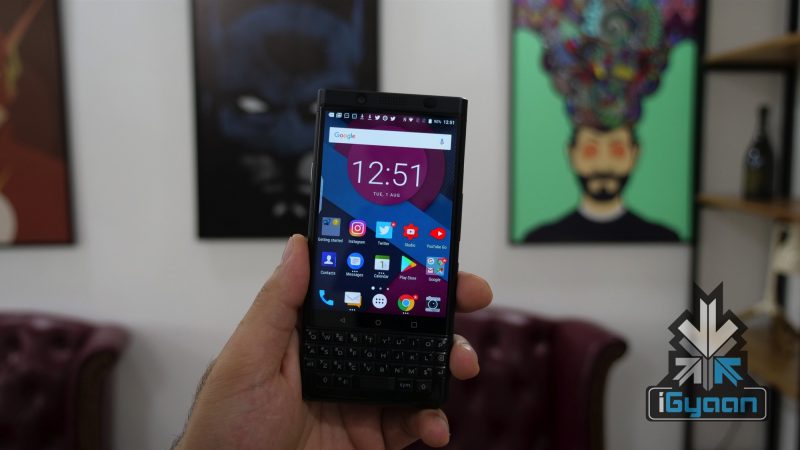
A press release has announced the partnership of BlackBerry Limited with LG Electronics Inc. for a major new project. The aforementioned brands are recognisable for their consumer grade electronic products. However, the new project that is being spearheaded by the two companies will encompass the automobile industry, namely self-driven (autonomous) cars.
Historically, LG and BlackBerry were popular smartphone brands. The companies were critically acclaimed worldwide for their handsets, including India. The onset of the smartphones industries tech race had rendered BlackBerry and its business-centric devices obsolete. LG faired much better in comparison but has also seen a decline in the last couple of years. Though, the company is well known for its home appliances such as televisions and refrigerators.
The new project for autonomous cars is a heavy task. Self-driven cars are unlikely to hit Indian market anytime soon but are already being tested in developed nations like the US. Google, Apple, Uber and other such companies have been testing the technology for a while now. The automobile industry would greatly benefit from the expertise of both the companies in the arriving years.
The new agreement formed between the companies carries statements of the joint expansion through the partnership. Both the companies are large corporations that have only a small part of their business models aimed at the smartphone industry. Blackberry is well-renowned for its QNX software-based services and safety solutions that are being utilized by a multitude of companies.
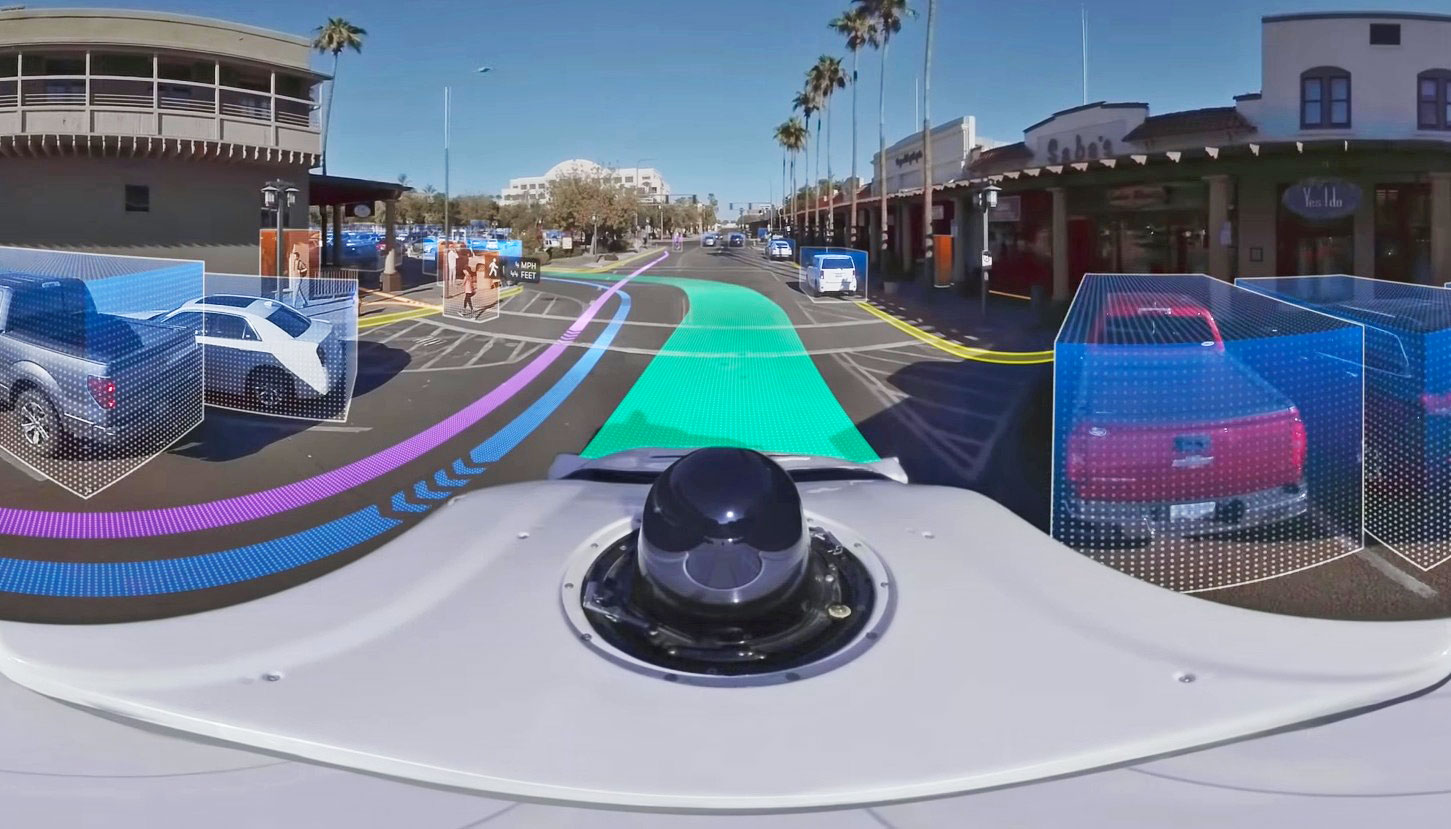
Google’s Autonomous Vehicle
The companies have formed a conjunction to push forward the development and commercial availability of autonomous vehicles. The entire automobile industry has been working on numerous autonomous locomotives for years now. This new collaboration will seek to accelerate the transitional process between traditional to self-driving cars. The project will encompass a network of self-driving vehicles that are connected to one another. It will also help boost the myriad of suppliers that automobile OEMs are working with.
According to the report, BlackBerry’s QNX-based software solutions are planned on being incorporated by LG Electronics. The South Korean company’s hardware expertise will use QNX solutions to build numerous next-gen components such as:
A security solution designed to help safeguard the system against malware and cyber threats and prevent malfunctions.
Incorporate an improved voice and sound quality systems, namely media entertainment system, for the car’s internals.
To build the control system for autonomous cars.
An accessible mobile interface with control over multimedia functionalities.
Furthermore, the companies’ goals are to “produce cutting-edge cars for the future of the automotive market”. BlackBerry, unlike LG, has shifted its focus on its software services that are used in the mobile and automobile industry. The Canadian company is already supplying its technology to manufacturers developing driverless cars. LG, however, is still present in the smartphone market with its latest W series entries being launched in India. The company is still a big name in household products and is planning diversification in new ventures such as this.
The implications of the joint venture could be huge. Both LG and BlackBerry could potentially reduce the time frame for commercially available self-driving cars. The companies will rely on each other’s strong suits for the partnership. It might not be too long before the project bears its fruits. Unfortunately, it is just an announcement and not an actual product launch. We are still years away from actually seeing such cars in real-world practice.
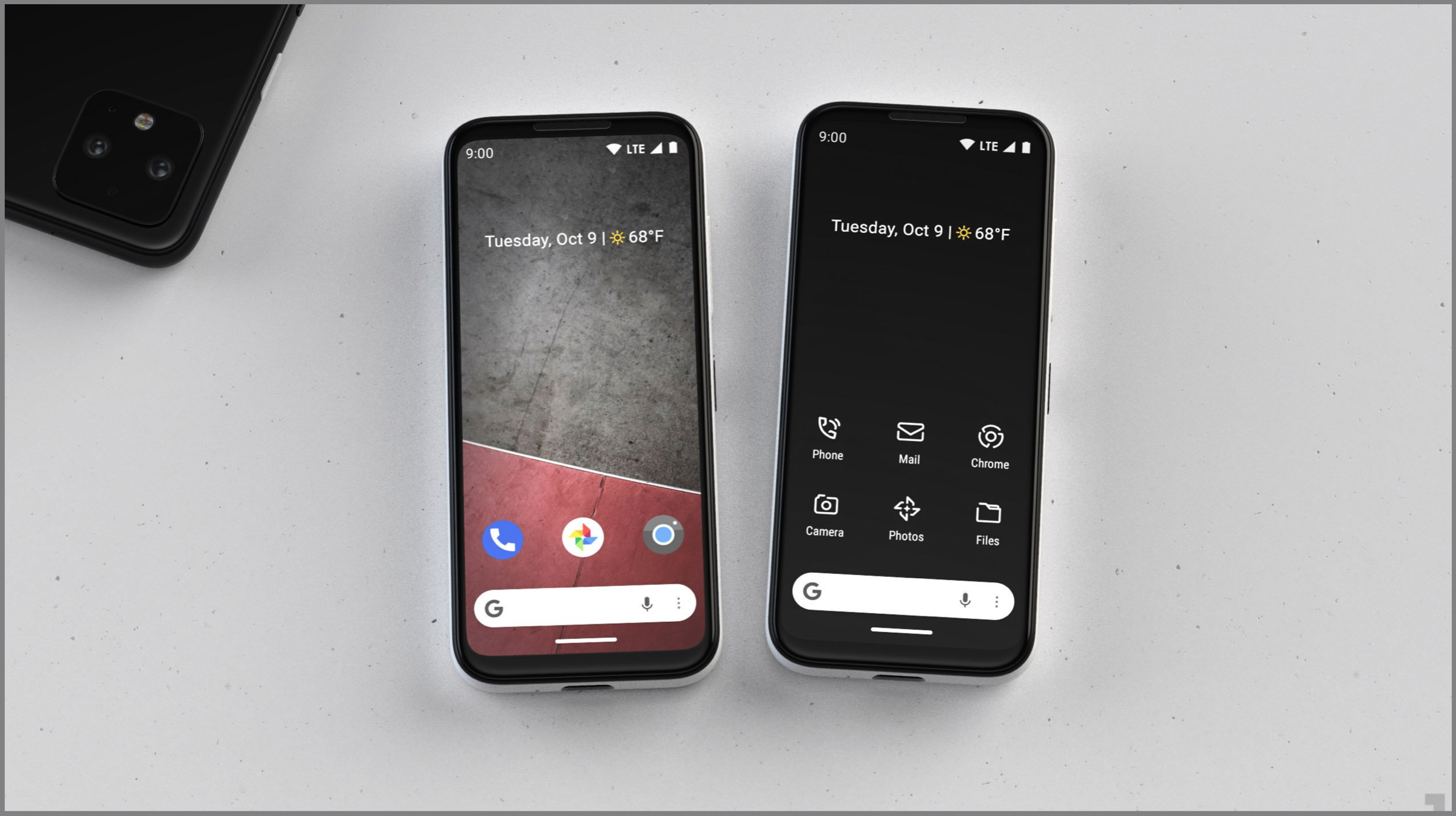
Google is gearing up for the launch of its flagship smartphones, the Pixel 4 and Pixel 4 XLwhich are expected to launch in the month of September. Besides the two high end devices, the company is also rumoured to launch a smaller handset which might be called the Pixel 4 Mini.
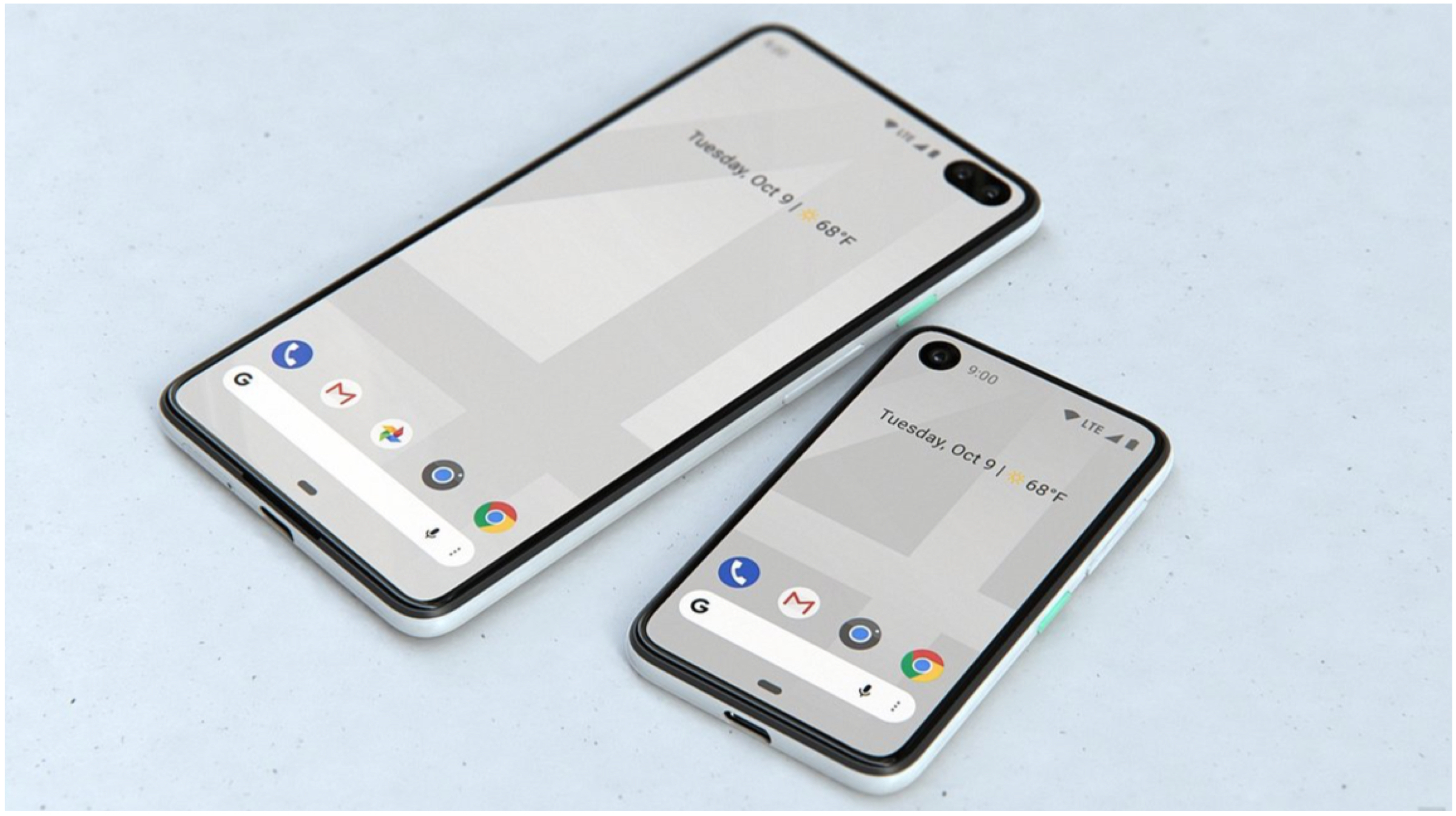
New concept renders of the device have been shared on Twitter by user PhoneDesigner. Although the renders are based on leaks and reports which lack any real evidence, they look enticing enough that Google must draw inspiration from, if it ever plans to build a miniature variant of the Pixel smartphones.
According to the concept renders, the Google Pixel Mini 4 has a compact form factor which will easily fit even in hand of users that have the smallest of hands. The bezels around the display of the device are almost negligible which provide it with an appealing look. The rear of the alleged Pixel 4 Mini seems to made out of glass that houses the company logo and a square camera module. Like the Pixel 4, the smaller device also features dual rear cameras and a dual LED flash. Speaking of ports and buttons, the device has a bottom mounted USB C port and a right side mounted power button.
Pixel 4 Mini Render- From March
Besides, the user had previously shared another set of renders of the Pixel 4 Mini which also has a fascinating design. The key difference between the two render sets is a punch hole camera which was first introduced with the Galaxy A8s. Furthermore, the rear of the device in this render looks more like the Pixel 3 lineup rather than the official Pixel 4 teasers.
Google is yet to confirm whether the smaller Pixel 4 Mini smartphone will ever see the light of the day or not. Till the time precise details about the device are revealed by the company itself, we recommend taking these reports and renders with a grain of salt.
YouTube is one of the largest and most recognisable platforms for viewing online content. However, the company has been a target of various criticism over the past couple of weeks. The media giant has faced multiple critiques regarding it’s Home Feed and recommendations column.
Now, YouTube has sought to give users more control over which videos that may possibly show up on their Feed.
The Problem
Users are shown a collection of videos when browsing YouTube which is cleverly provided based on their preferences and browsing history. YouTube uses an algorithm to cater to its millions of visitors every day in a personalised fashion. Advertising strategies and paid artificial boosting from content creators have unfortunately caused an issue. Users have started receiving recommendations of videos that they have neither subscribed or would likely never see. The problem lies in the implementation, not the system itself. Artificial boosting offers a healthy growth to any channel but not if it is received by a person that is not inclined to watch their videos.
New Suggestions
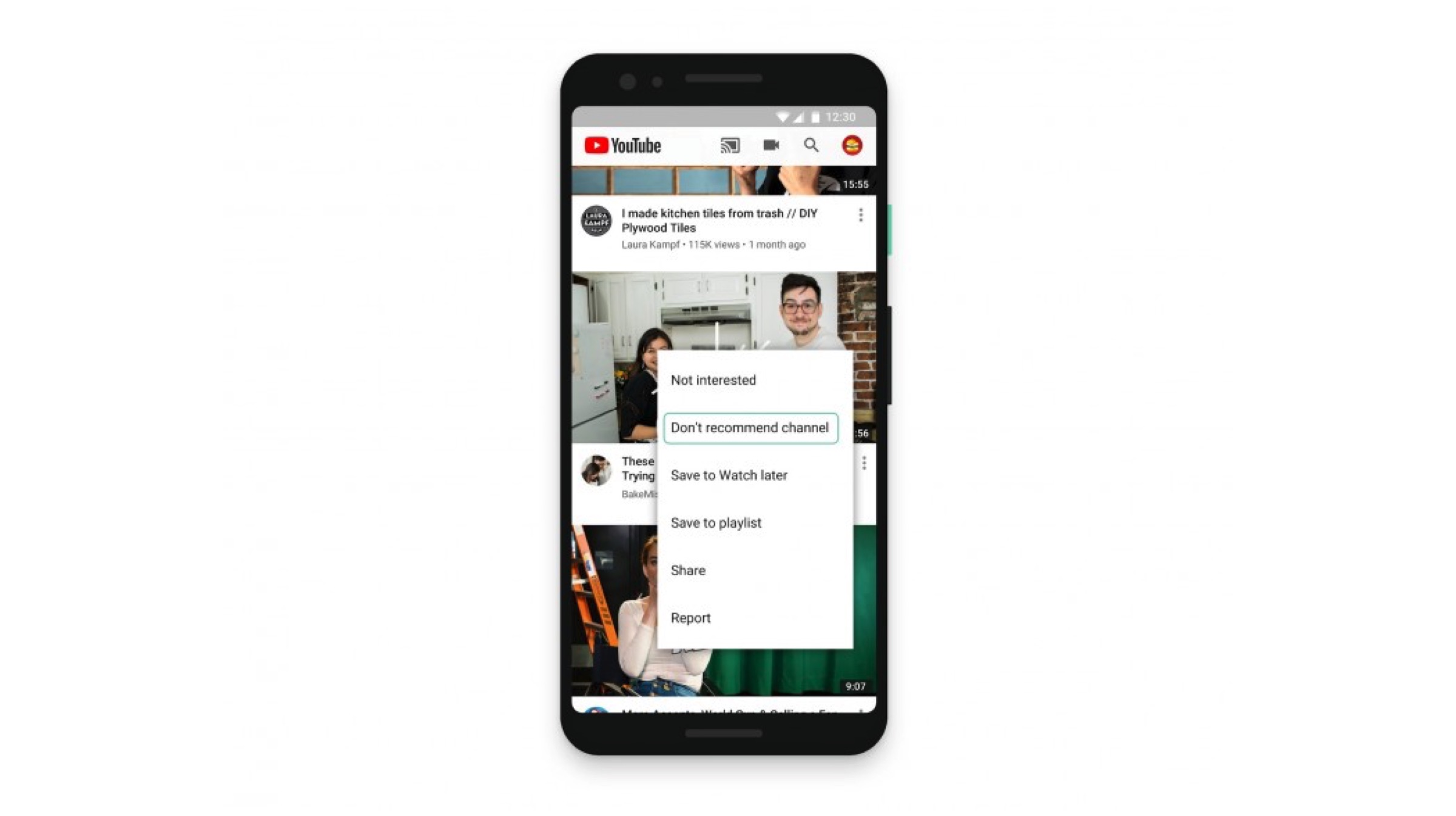
After numerous backlash, YouTube is finally offering more choices to its consumers. People who wish to stop receiving unwanted content can remove suggestions from their Home Feeds. Users can do this by tapping the three-dot menu next to a video on the homepage or Up Next, then “Don’t recommend channel.” The option, once activated, removes any unnecessary videos that one might end up receiving via notifications or in their feeds. Furthermore, users can still look up the dismissed channel by simply searching for it or their videos.
Explore Topics & Videos
The addition of the new explore topics and related videos options now allows one to browse more videos of their preferred genres. The suggestions could be related to the video a person is watching or more from the same channel. The options presented are based on users existing personalized suggestions and are meant to help them quickly find what they are looking for. Explore feature can be found on the homepage when you scroll up or on the Up Next when browsing.
Transparency
YouTube has stated that it uses the data collected via the channels a person visits and their similar interests to recommend videos. The company now plans to include a small box underneath a video that provides more information when recommending similar content. For example, a cooking video recommended might carry a tag of baking in the small box. This is done to explain why certain videos from unfamiliar new channels may end up on the homepages.
The new features will be made globally available. An update for the YouTube app on iOS will be released prior to the Android counterpart and even the desktop main website. The company has added a great new feature which is a pro-consumer move. It should help the company regain lost reputation over past mishaps and pave the way for a user-friendly business model. It is also likely to ensure YoutTube’s long-standing reign in the online multimedia segment.
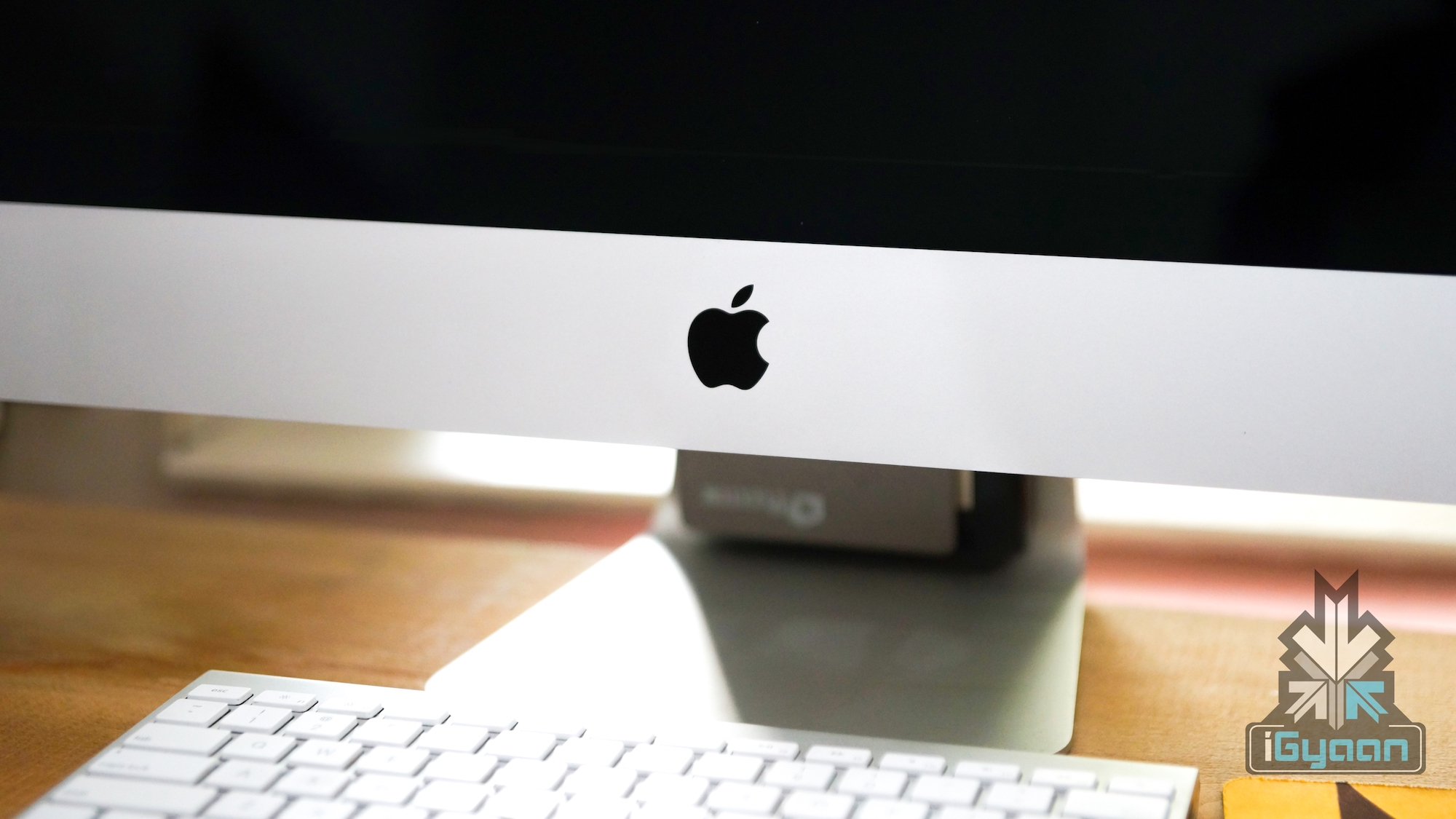
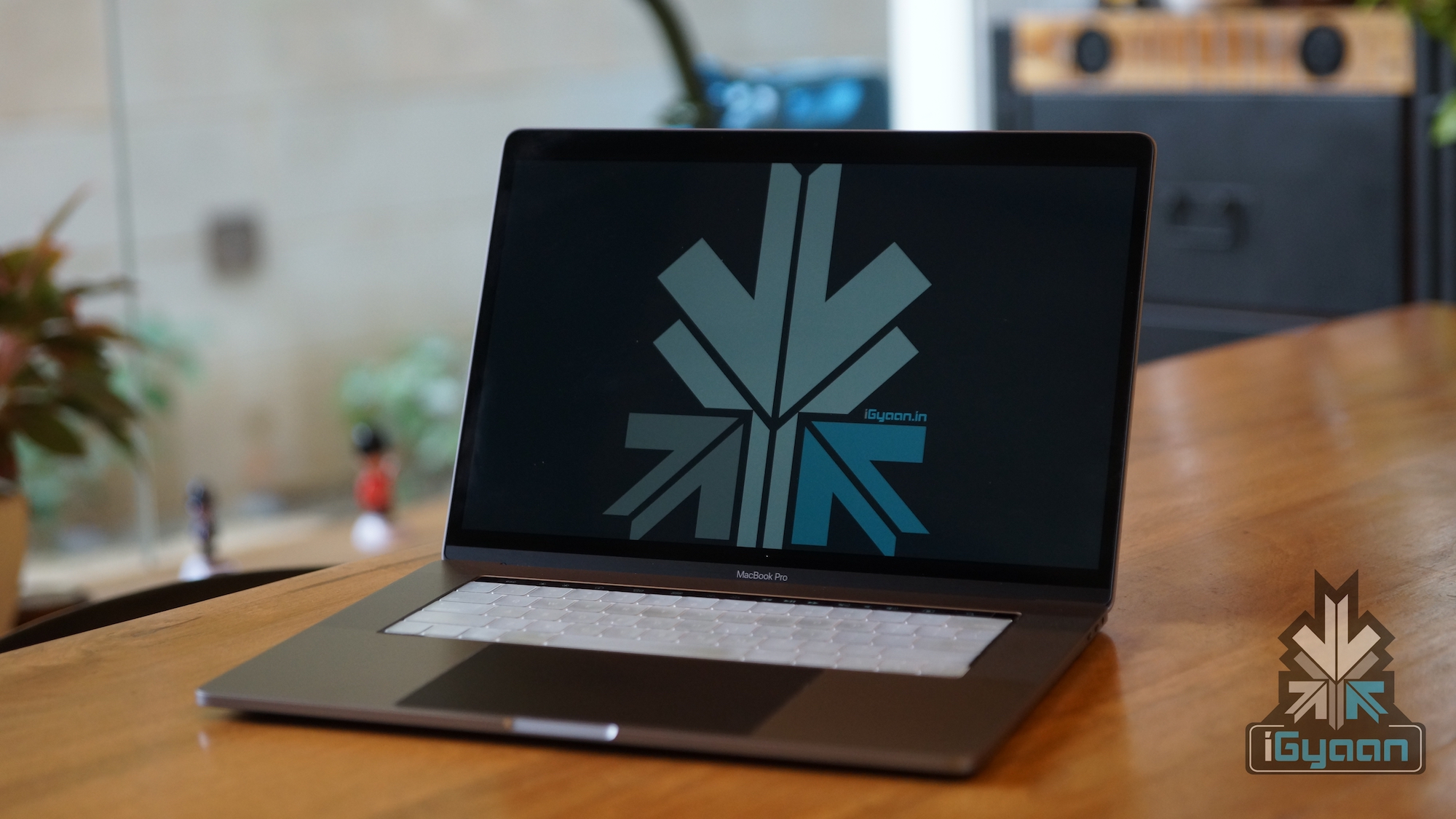
Claims in the past have suggested that Apple is developing ARM based Mac computers which will replace Intel processors. The company has hired one of ARM’s top CPU architect, Mike Filippo who led the development of several chips at the latter corporation between 2009 and 2019.
With the wealth of chip making the new Apple recruit brings, reports about the aforementioned ARM based Mac computers may soon turn into a reality. Users who are unaware, ARM is the company responsible for developing Cortex cores which are found on most Android mobile chipsets.
As previously mentioned, Apple designing its own ARM-based processors will allow the company to move away from Intel processors which are currently seen on all its offerings. Besides, sources within Intel have confirmed to Axios ( an American News Website) that Apple plans to transition to ARM architecture based Macs starting 2020.
As of now, the A series chipsets found on the iPhone and iPad are developed in house by Apple. Furthermore, the custom T2 security chip present in the latest Mac models is also developed in house. Some benefits that Apple will reap upon switching to self-developed ARM processors are as follows:
Due to the same underlying hardware architecture, applications designed for iOS i.e iPhone, iPad or iPod will be compatible with Mac computers. Furthermore, Apple in the past has showcased ‘Project Catalyst’ which is intended toward unifying and cross compatibility between MacOS and iOS apps.
It won’t be wrong to assume that this move will help the company to save up production costs as in house developed components are generally more economical. Besides if the company decides to pass on the benefit to customers by lowering prices of its offerings. This will result in a sales boost for Mac computers.
Apple iPhones are generally considered more secure than its Android counterparts, because of a closed ecosystem between software and hardware which are both developed by the same company. Likewise, Mac computers which are already regarded for a high level of security will become even more secure with a combination of proprietary software and hardware.
All in all, the idea of a Mac computer with ARM processor doesn’t seem farfetched at all. Aside from the fact, the current gen iPad Pro with A12x Bionic SoC is regarded as powerful as a MacBook Pro with an i7 processor. With the high end tablet computer, Apple has proved that ARM computers can not only provide a better battery backup, they are on par in terms of processing with dektop grade CPUs.