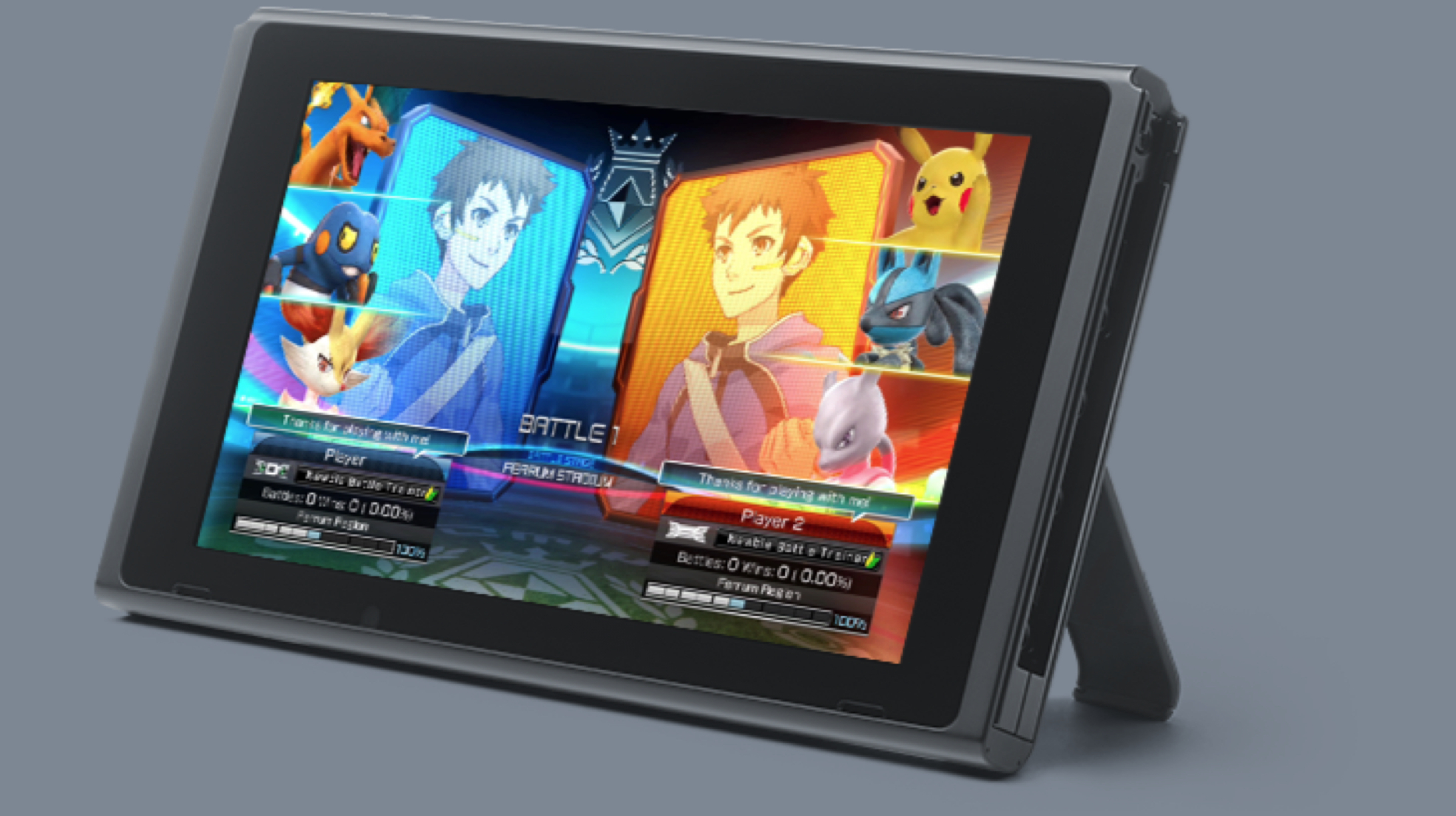
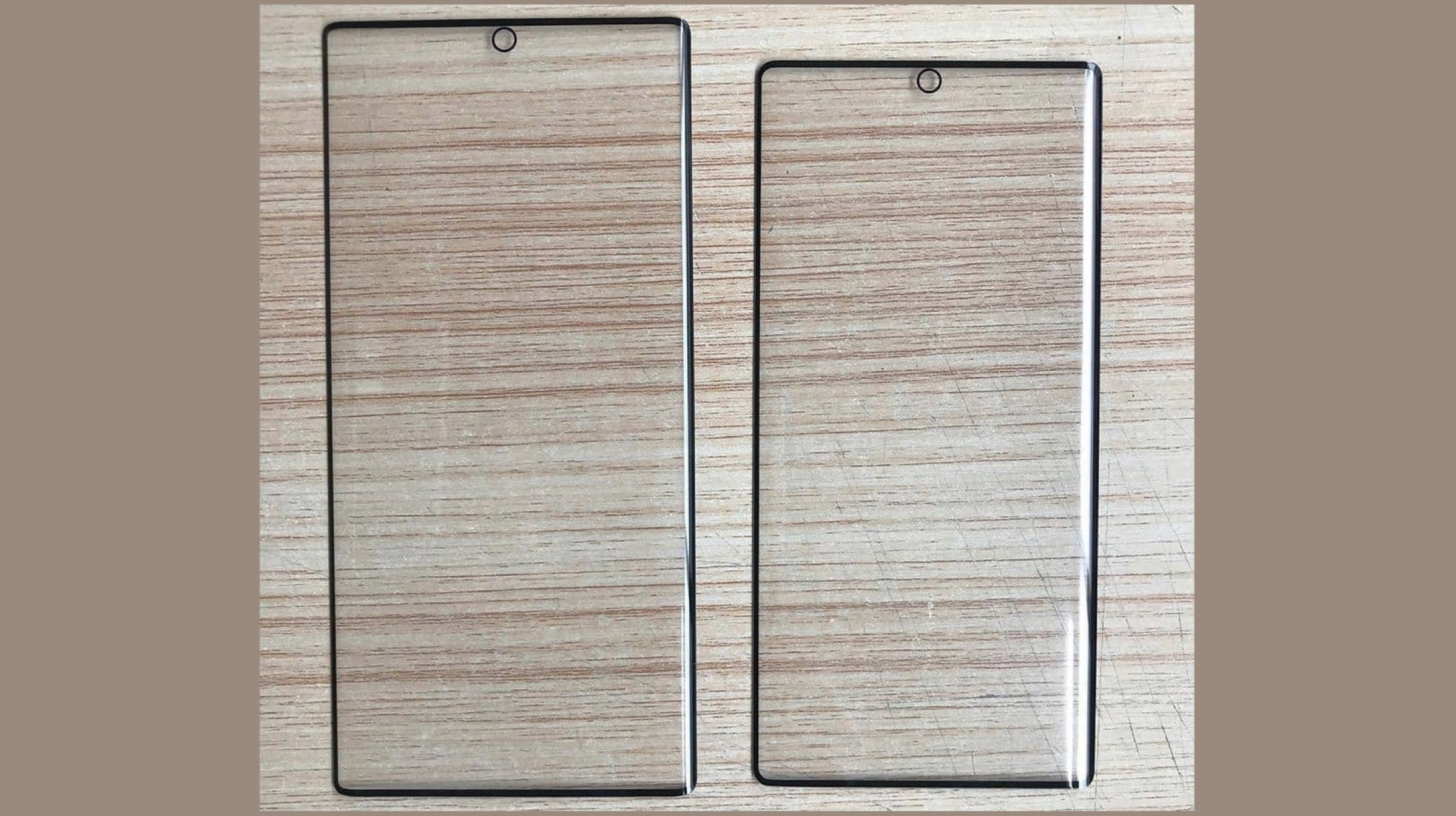
Nintendo launched its latest gaming console, the Switch in the year 2017. The device has since seen record-breaking sales, with the company often failing the keep it sufficiently in stocks. It was expected that Nintendo will launch two new variants of the console in the form of a Switch Pro and Switch Mini but no details about them surfaced since. Now, a popular gadget tipster has leaked the renders and cases of the mini version of the Switch. It has been revealed that the device will be called the Nintendo Mini Switch and may be introduced in the market soon.
Nintendo Mini Switch
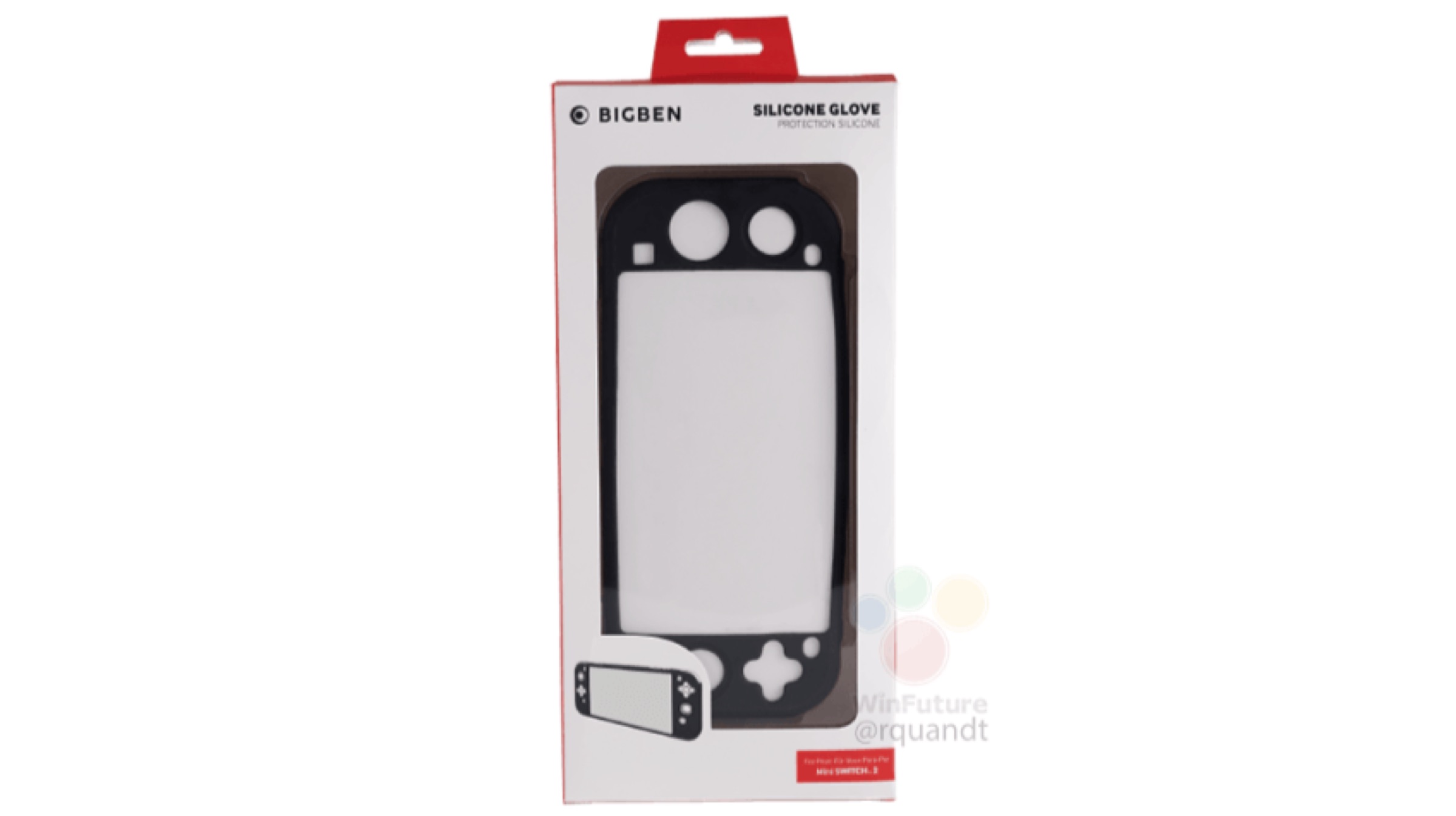
As mentioned above, the alleged Nintendo Mini Switch is the smaller variant of the gaming console. The leaker has revealed the cases of the console which exhibit a similar design to the regular Switch. However, the removable joy cons which are used as a remote control seem to be affixed on the Mini Switch. Also, the packaging of the case lists the product as of the Mini Switch 2. This is odd, considering not even the first generation of the device has been announced yet. The leaker claims the case maker is a legitimate source, but the name raises a few questions.
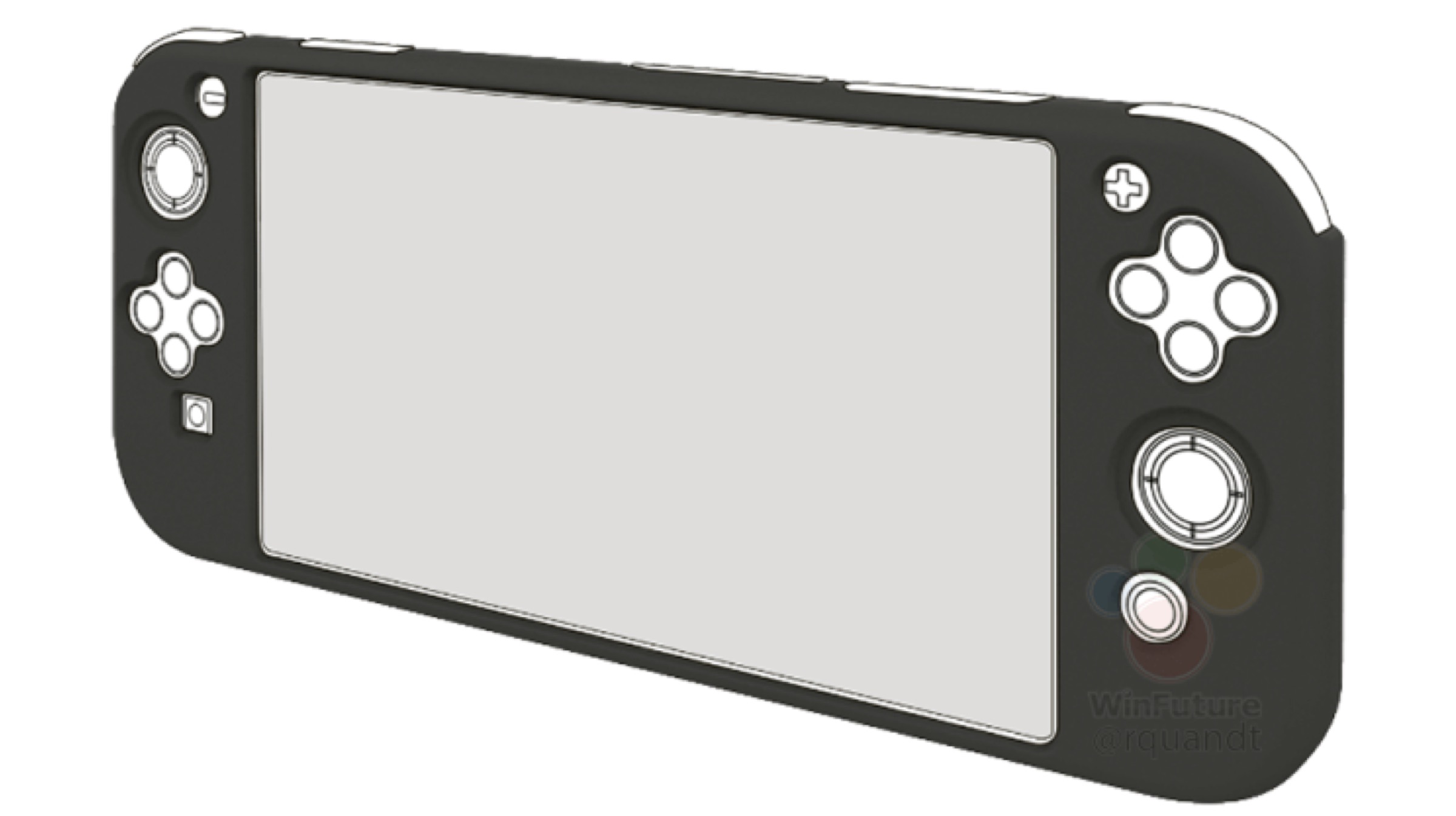
The leaked renders of the Nintendo Mini Switch reveal a similar story to the cases. The layout of the console is similar to the regular Switch, albeit in a smaller form factor. It is being speculated that when the device launches, it will support the same gaming titles as the Switch. Unfortunately, more details about the launch date, specs and features of the Nintendo Mini Switch are not known yet. However, the latest leaks suggest that the company may make an announcement regarding the console soon.
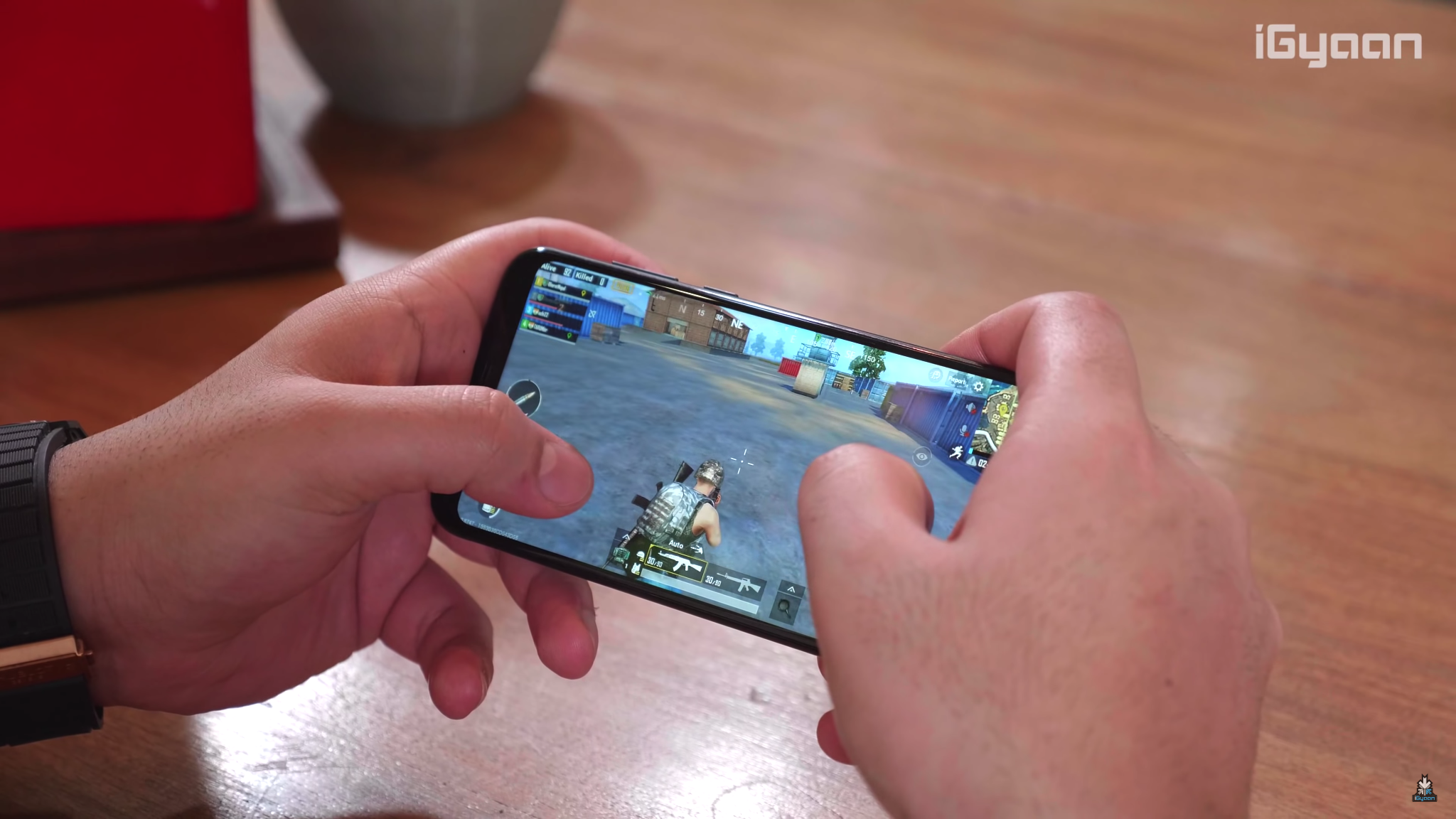
The World Health Organization had officially classified video game addiction under the mental health condition category a couple of months ago. This implies that individuals suffering from gaming addiction are as vulnerable as mentally impaired people. PUBG Mobile has taken the world, especially India by storm and has set the standard for the mobile gaming industry. However, many negative incidents regarding the popular have since started emerging (1,2).
A new report details a 15-year-old minor killing his elder brother after being scolded for playing PUBG Mobile excessively.
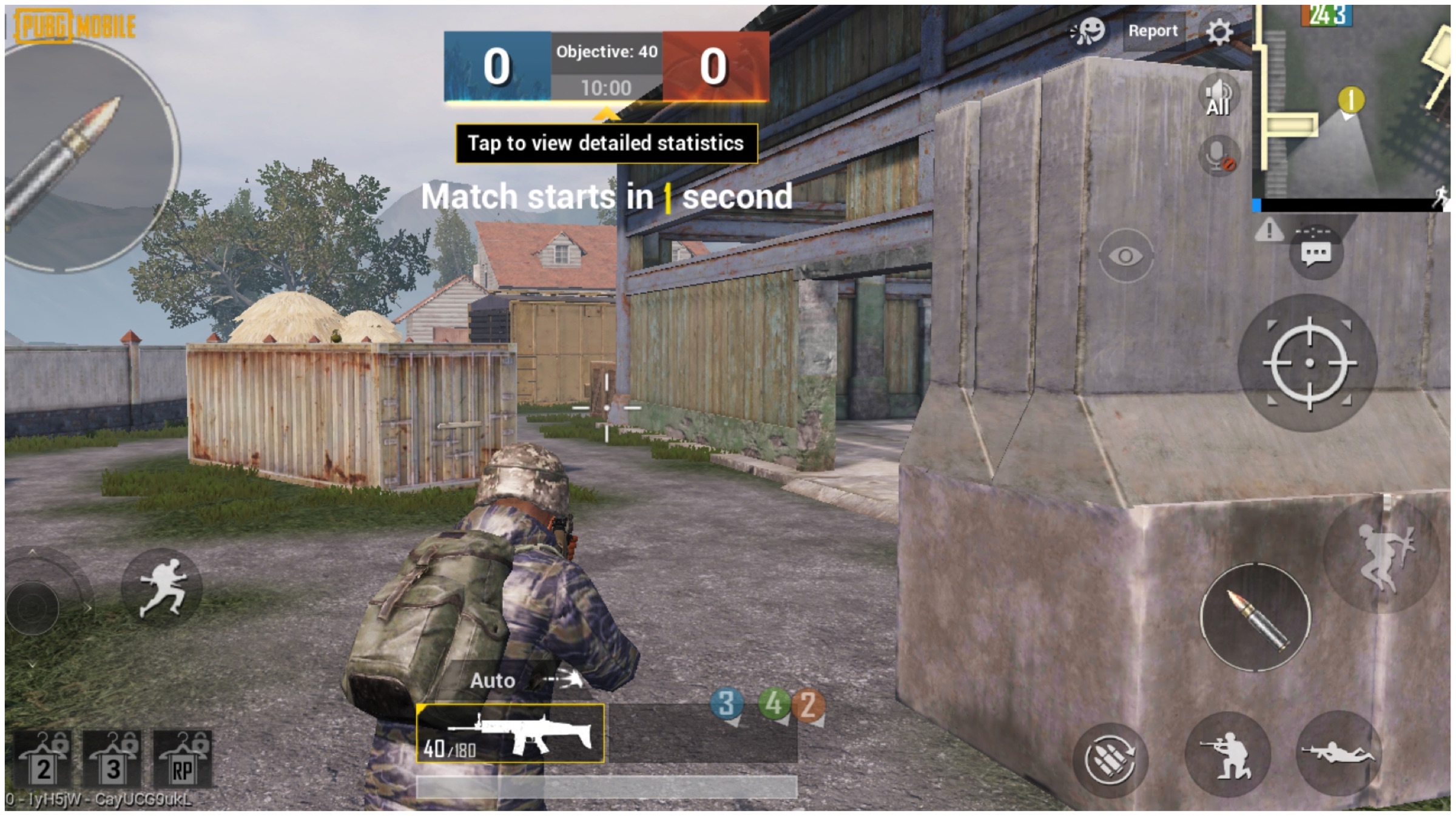
PlayerUnknown’s BattleGround (PUBG Mobile) is a battle-royale styled online multiplayer shooter. The game places a heavy emphasis on team and gunplay. Furthermore, it is an example of how a well made free-to-play game can receive critical acclaim on handheld devices if done right. Unfortunately, PUBG Mobile has been surrounded by numerous debacle after various unfavourable reports surfaced such as the death of a 16 year old that played the game for 6 hours.
According to the new report, a 15 year old boy from Bhiwandi in Thane district of Maharashtra killed his elder brother over the game. The incident allegedly occurred due to the older sibling scolding the accused for spending too much time on PUBG Mobile. This caused the aggression which led to the death of Mohammad Shaikh (19). The victim’s head was reportedly banged against the wall and was repeatedly stabbed with scissors. After being rushed to the hospital Shaikh was declared brought dead.
A case has been registered by the police officers under section 302 (Punishment for murder) of the Indian Penal Code (IPC). PUBG Mobile has been the centre of numerous controversies all across the globe. Negative incidents such as these, spark the age-old debate regarding video game violence being mirrored in real life. Parents in India, multiple Government and even educational institutions have asked for the game being banned.
Historically, people have always criticised video games, citing ill-effects on children caused by the content portrayed (like shooting PUBG Mobile). However, many studies such as the one from Oxford University have shown no relation of video game violence and violence in real life. This goes against the popular belief of most parents and teachers but it is still a common stigma. Issues regarding video game addictions stem from various factors ranging from the external environment and even personality. Simply blaming a game like PUBG Mobile or even banning it will not cure humankind of violence.
Cupertino based electronics giant, Apple is expected to launch its latest smartphones in the month of September. The upcoming handsets will allegedly be called iPhone XI (11), iPhone XI Max (11 Max) and iPhone XIR (11R) which will succeed the iPhone trio (1,2) from 2018. The 2019 iPhones have been subjected to numerous leaks and rumours which have revealed both their design and key features.
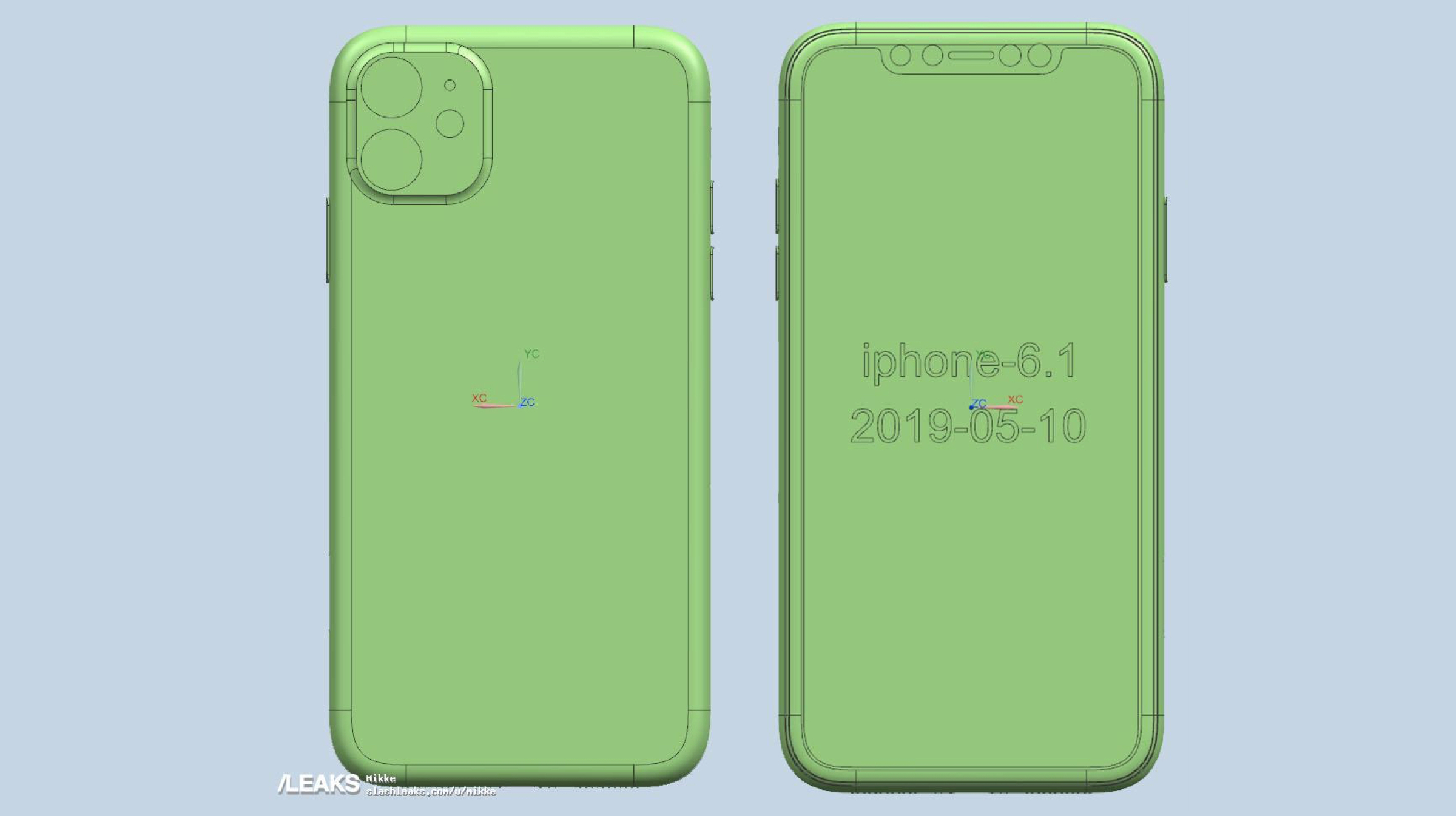
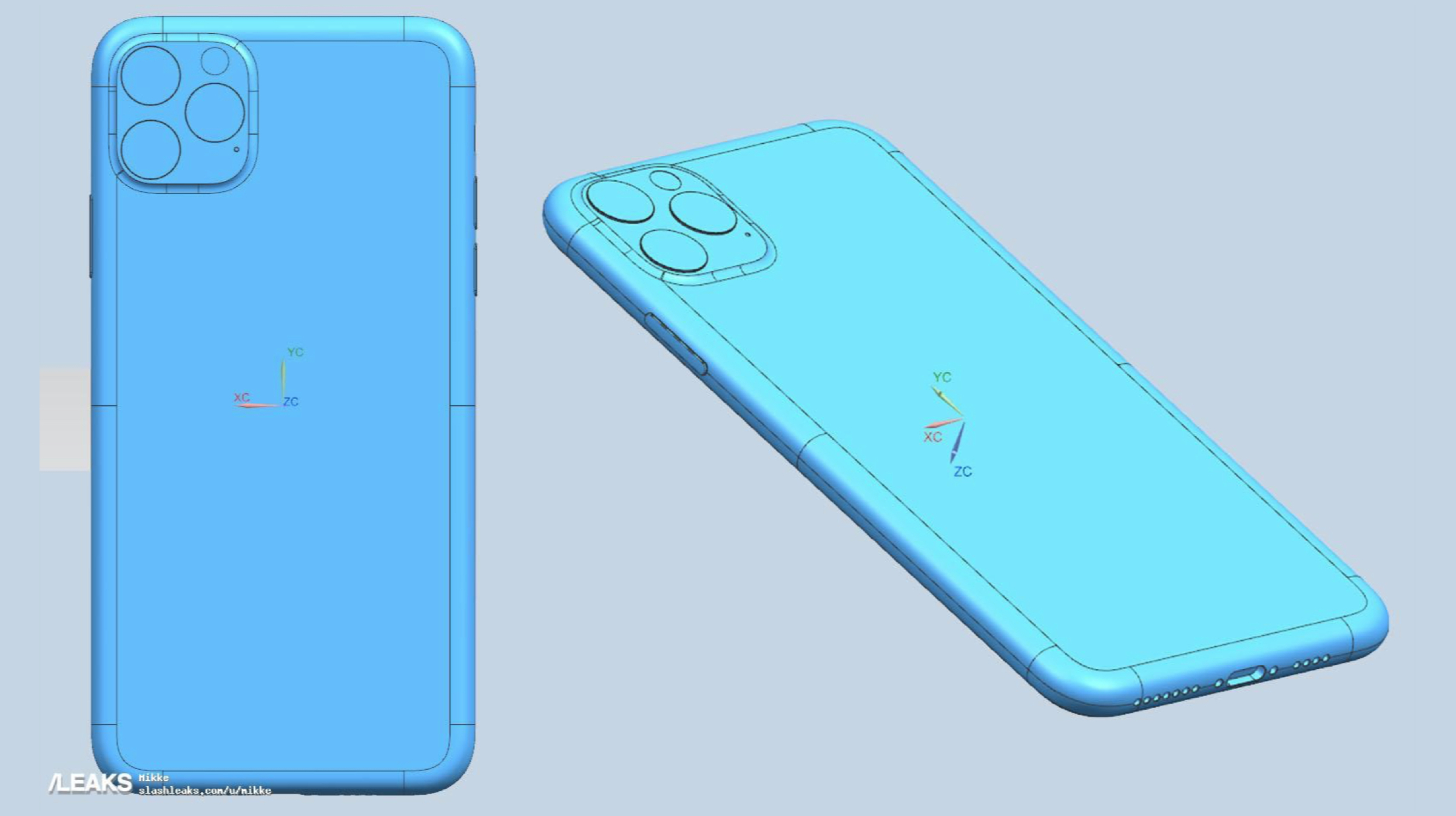
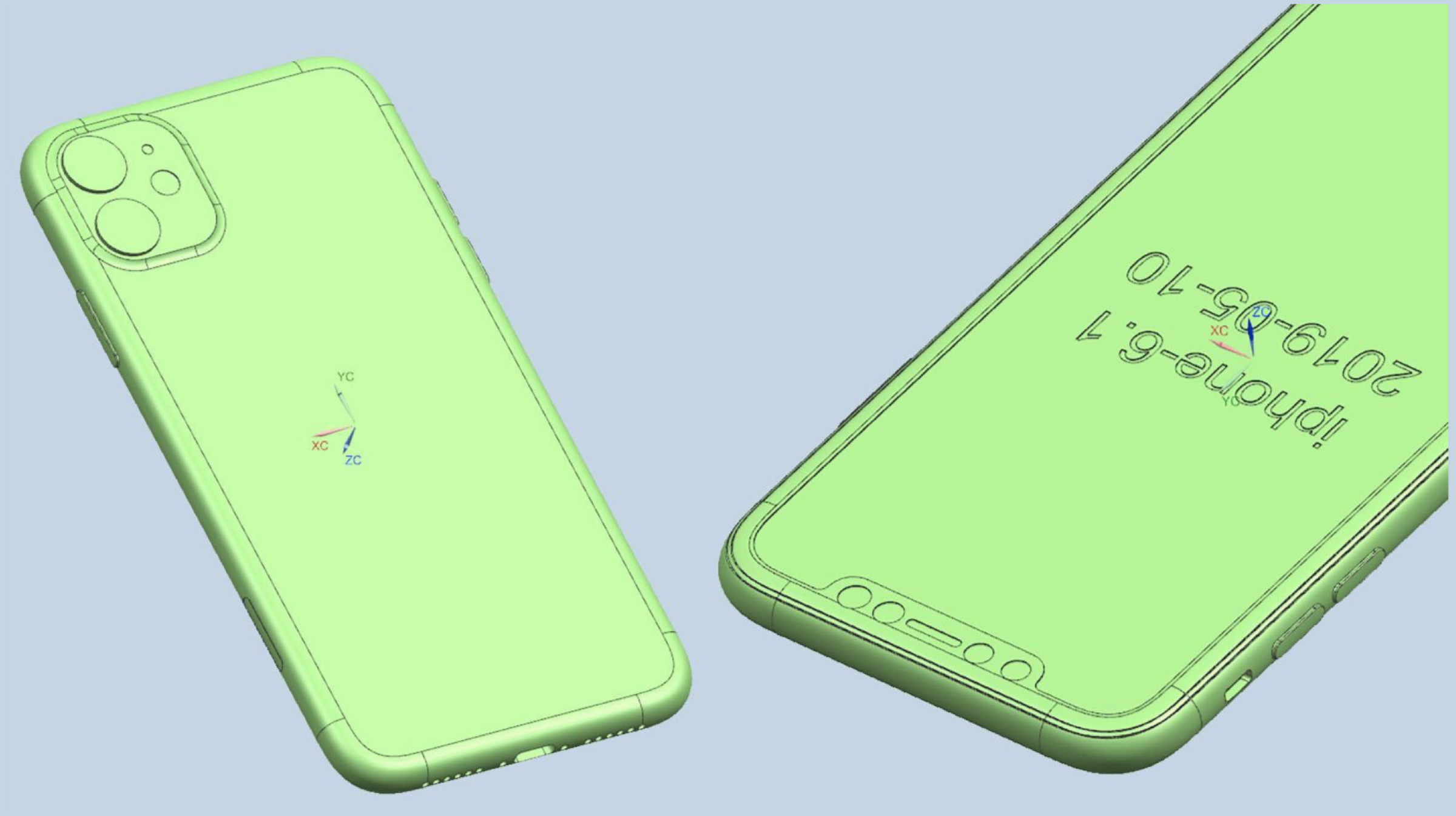
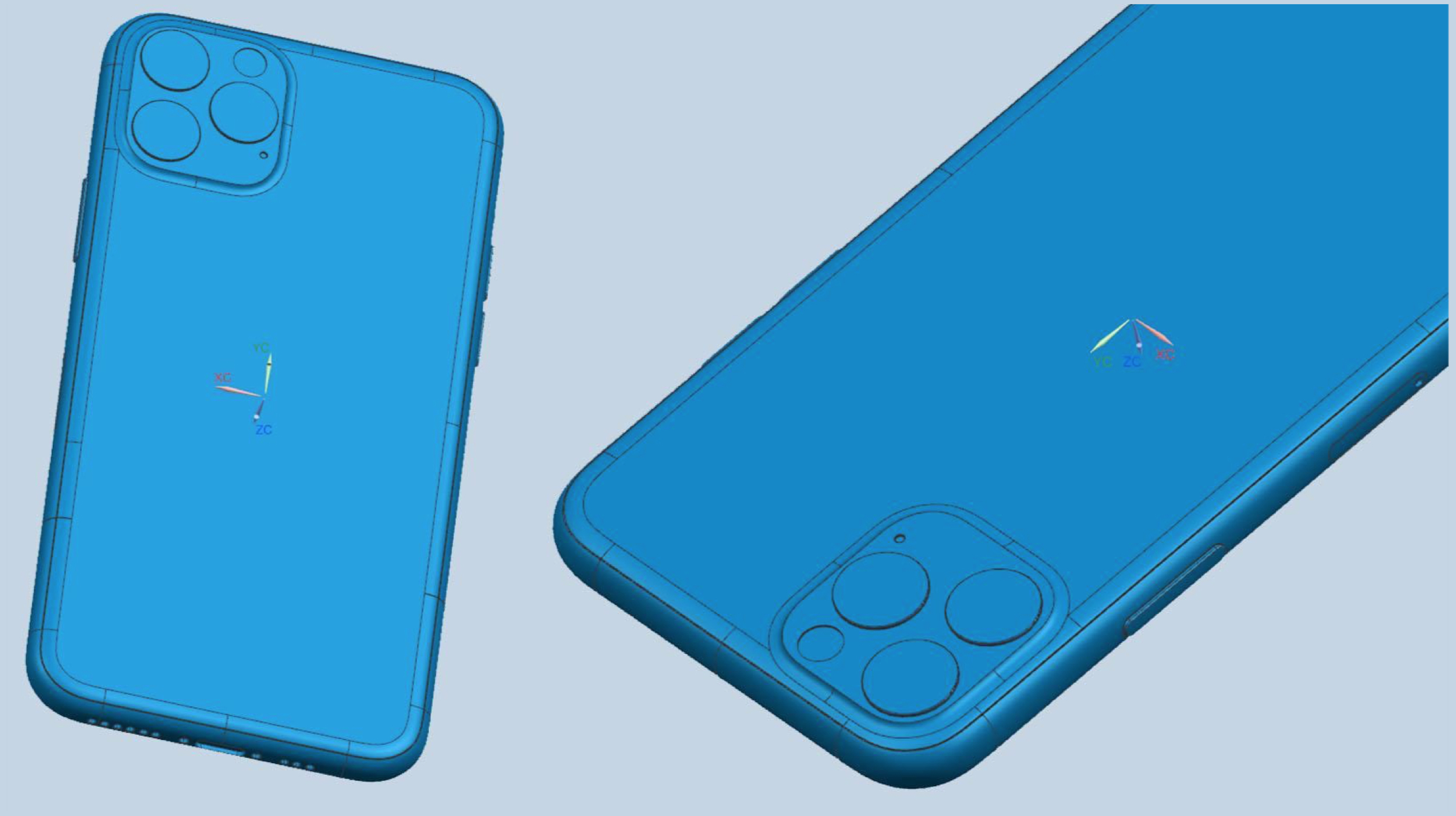
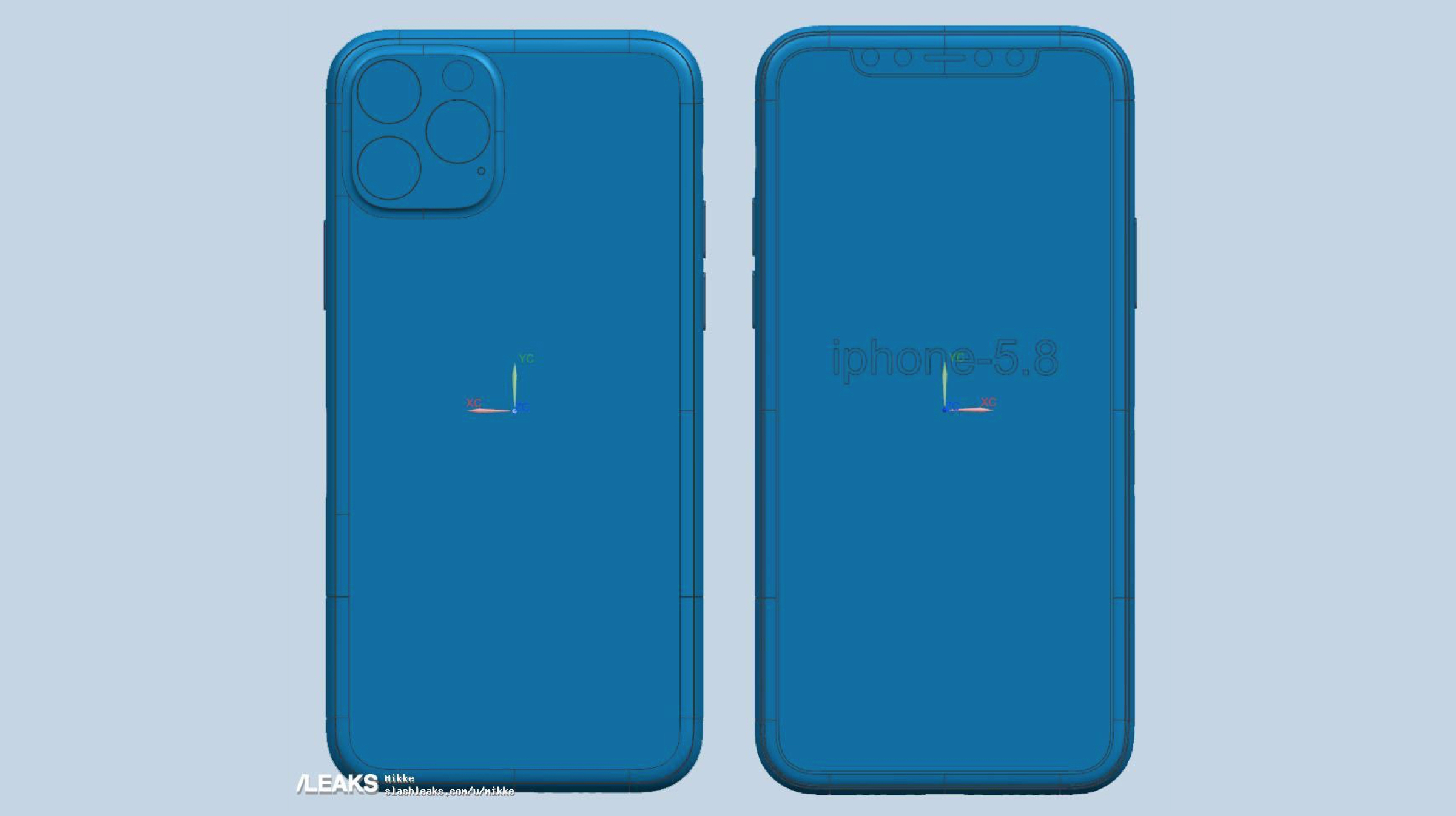
A user on the SlashLeaks website has shared CAD (Computer Aided Design) renders of the iPhone XI, iPhone XI Max and the iPhone XIR which correspond with the past claims and have revealed the devices from all angles.
2019 iPhone Design
The dimensions and layout of the front fascia of the all three 2019 iPhone models are exactly the same as their respective predecessors. Hence the high end iPhone XI will have a 6.5 inch display, the standard iPhone X will have a 5.8 inch display and the economical iPhone XR will have a 6.1 inch display.
Besides, the display technology on the three 2019 iPhones is also likely to remain the same. Therefore, the two flagship variants, the iPhone XI and iPhone XI Max will have an OLED touchscreen display, while the iPhone XIR will have an LCD panel.
The major distinction that can be observed on the future iPhone models is on the rear panel. In comparison to the 2018 iPhones, all three models will have a square camera module which protrudes slightly above the surface.
Furthermore, the upcoming iPhone models will have one additional camera sensor than their 2018 predecessors. Accordingly, the iPhone XI and iPhone XI Max will have triple cameras and the iPhone XIR will have dual cameras. The supplementary sensor is reported to be a ToF sensor which is used for collecting depth information.
Other elements on the 2019 iPhone models including the ports and buttons will also be heterogeneous as their corresponding predecessors. Thus the power button on the iPhone XI, iPhone XI Max and iPhone XIR will be placed on the right and while the volume rockers and the mute switch will be placed on the right.
Disparate to 2018 iPhones, the 2019 iPhone models may get a USB Type C port. The claim can be strengthened on the basis that Apple has already equipped both the variants of the current gen iPad Pro with this type of connectors which are becoming a common sighting on electronic devices.
Although the current leak does not provide any specifications of the 2019 iPhone models, they can be derived from the leaks which were previously mentioned. The iPhone XI, iPhone XI Max and iPhone XIR will be kitted with the updated Apple’s in-house developed mobile chipset which according to the chronological order will be called A13 bionic chipset. The said chipset will be fabricated using 7 nm process and will be manufactured by TSMC which has already confirmed the chipset has hit the production stage.
Also new for 2019, Apple will reportedly bundle the iPhone models with an 18 W fast chargerwhich is sold separately for the current gen devices. Distinctively, the affordable iPhone XI R was reported to be launched in two new colours which include Green and Lavender which will replace Coral and Blue from last year.
Apple has been hit with another snag with its older lineup of MacBook devices. The company had previously issued a recall for its MacBook Pros citing fire hazards, a few weeks ago. Now, the tech giant has found another issue that plagues its different variant of MacBooks, namely the MacBook Air. These devices are reported to have issues regarding the logic board and Apple is offering free repairs.
The tech giant has stated that the issue only affects “a very small number of devices.” In an internal document, the American company has confirmed the identification of an issue regarding the logic board of certain 2018 MacBook Air devices. Apple Stores and authorized repair staff have been issued an order to replace the main logic board in affected machines free of cost to customers.
Apple, in a memo to the staff, has identified an issue that only affects the Retina, 13-inch, 2018 MacBook Air models logic boards that carry a particular serial number. The company is planning to email every customer with the aforementioned ultrabook with the serial numbers that have been identified as being affected. Users can also take their machines directly to any Apple Stores or authorized repair staff to have their laptops checked for problem.
The report also lists certain symptoms to the issues that customers are likely to experience on their MacBook Air. Apple has yet to publicly announce the program or officially list it in on its “Exchange and Repair Extension Programs” website. The site hosts other known recalls and service programs that are currently in effect. However, Apple is known to not feature problems that affect only a few numbers of devices. The company is offering users upto 4 years, from the date of purchase, time for the service to fix the faulty hardware.
Apple is a big name in the consumer grade electronics industry, however, recent events with defective devices have caused a notable loss for the company brand value. The industry major needs to make sure that its latest and even upcoming instalments to its various product lineup do not face similar problems (such as the MacBook Pro & MacBook Air). Continued negligence and faults will only steer positive public opinion away from the company.
PlayerUnknown’s BattleGround or PUBG has taken over the mobile gaming market by storm all over the world and especially in India. The mobile port of the popular PC game was made possible via Tencent Games. PUBG Corp and Tencent Games have now announced one of the biggest open tournaments for the country.
The PUBG Mobile India Tour 2019 is the latest large scale tournament arriving after the ‘PUBG Mobile India Series‘ of 2018. The new tournament has the highest prize pool ever to be seen in a PUBG Mobile tournament, with 1.5 crores over last years 1 crore.
https://youtu.be/SA5fGkN3YII
How To Register
To enter the tournament users need to visit the PUBG Mobile official website and fill out their personal details that also require id proof details.
Once the details have been filed up, users must click on ‘Register’ for the India Tour.
Users thereon will receive a verification mail to their registered email ID (Gmail, Yahoo, etc.) Simply clicking on the verification link on the mail will complete the process.
A pop-up will appear once users are verified via email that says “Activate my account.”
Clicking on the aforementioned pop-up will complete the registration process.
Key Points
The upcoming tournament will be open to all Indian residents who possess a PUBG Mobile account that is ranked higher than Platinum Tier 5 or at least level 20.
The tournament is only available for entire squads, solo and duo queue are not allowed, so interested candidates need an entire team.
Emulators are strictly prohibited and only the mobile gaming platforms are allowed.
Players can be banned if they are found using any 3rd-party apps that give them any unfair advantages.
Incorrect information will lead to disqualification.
Format
The PUBG India Tour 2019 is exclusive to the squad-only format. Furthermore, the matches will be played across every battle royale map over the various rounds. To even the odds of winning, the tournament will also have contestants switch between first-person and third-person perspective modes. This will ensure players have an all-rounded experience regarding the game.
Availability & The 4 Regions
The tournament will be open to all users in India, although the contestants must select one of the 4 regional options provided to them to register in. The options include Jaipur (Group A), Guwahati (Group B), Pune (Group C) and Vizag (Group D). The area where users register on will have them compete against the others who opted for the same region. The tournament will follow in 4 Phases.
Phase 1: In-Game Qualifiers
Squads of 4 will have to play 15 classic mode matches. The 10 best-scored games will be considered and the scoring is based on kills and finishing position. If a tie occurs with other, other factors such as survival time and accuracy will come into play. A total of 500 squads will qualify the first phase on the map Eragnel that will be held over a period of 7 days.
Group A: July 15th- July 21st
Group B: July 29th – August 4th
Group C: August 12th – August 18th
Group D: August 26th – September 1st
Phase 2: Online Play-Offs
The 500 qualified squads will now play two rounds. In round 1, 500 squads will be divided into 25 groups, with 20 squads each. Only the top 3 squads by the score from each group will advance to round 2. In the second round, 100 squads from round 1 are divided into five groups with 20 squads in each group. All five groups will play three matches. Only the top four squads, by score, from each group, will move on to the Group Finals.
Maps will include Eragnel, Vikendi, Miramar or Sanhok and the playoffs will be held four times during the course of the PUBG Mobile India Tour.
Round 1:
Group A: July 29th- August 5th
Group B: August 12th – August 19th
Group C: August 26th – September 2nd
Group D: September 9th – September 16th
Round 2:
Group A: August 6th- August 10th
Group B: August 20th – August 24th
Group C: September 3rd – September 7th
Group D: September 17th – September 21st
Phase3: Group Finals
The top 20 squads from the Online Playoffs move to the Group Final. These 20 squads will play five matches. Four squads with the highest scores move to the Grand Finals. Maps include Eragnel, Vikendi, Miramar or Sanok. For this round, the squads will travel to pre-determined venues.
Group A: August 25th
Group B: September 8th
Group C: September 22nd
Group D: October 6th
Wild Card Entries:
The bottom 16 squads from a group final match will join the bottom 16 squads from other groups, making a total of 64 squads. These 64 squads will be divided into four groups of 16 squads each and will play five matches. The squad with the highest score from each group will join the Grand Finals. Wild Card matches will be played online between October 8-11th, 2019 on every map.
Phase4: Grand Finals
The top four squads from each of the four groups (total of 16 squads), plus the four winning squads from the Wild Card matches, will play in the Grand Finals. These 20 squads will play five matches. For the finals, all contestants of Grand Finals matches will travel to Kolkata. Grand Finals matches will be held on October 20 and will again play on every map.
The tournament offers a total prize pool of INR 1.5 crores and promises the winner to walk away with INR 50 lakhs. The team that gets second place receives INR 20 lakhs while the third receives INR 10 lakhs. Furthermore, all teams will receive cash prizes for making it to the finale. The tournament will also acknowledge individual performance and provide titles to exceptional individuals and squads. This will mark a great stride forward towards India’s esports league and will hopefully bring more organisations to hold tournaments within the southeastern country.
Samsung is bracing for the launch of its latest smartphone lineup which will be called the Galaxy Note 10. The upcoming handset lineup will be revealed on the 7th of August at the Galaxy Unpacked event which is set to take place in New York. Unlike past iterations, the upcoming device will be available in four variants which will allegedly be called the Galaxy Note 10e, Galaxy Note 10+, Galaxy Note 10 5g and standard Galaxy Note 10.
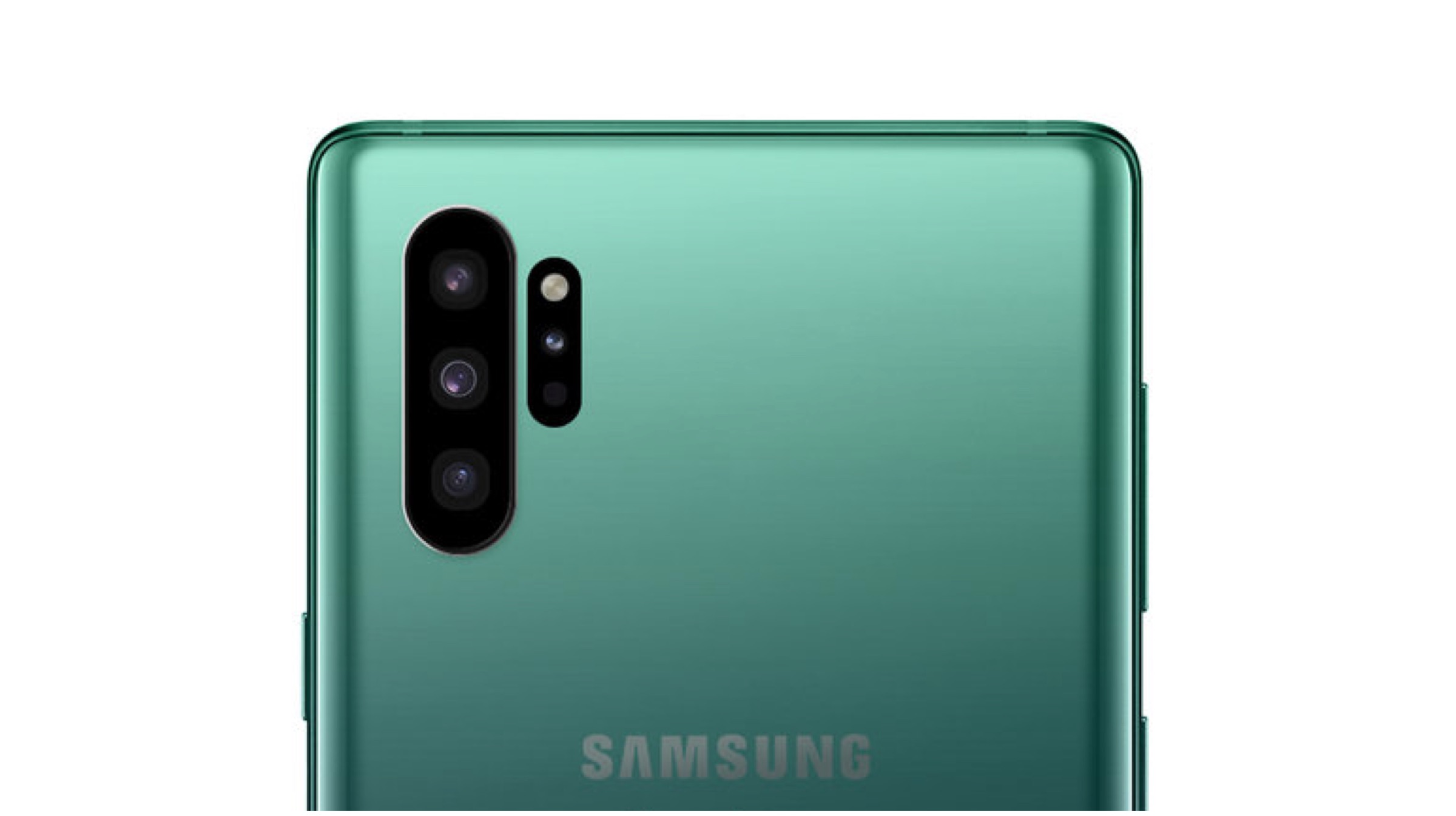
A month before the official launch, a distinguishing camera feature of the high-end Galaxy Note 5G has been revealed by freshly granted trademark. The said trademark is filed with UK IPO (Intelectual Property Office) under the category 9 which associates with “camera for generating virtual 3D images“. This suggests that the Galaxy Note 5G will incorporate a ToF (Time Of Flight) camera sensor which was last seen on the Galaxy s10 5G.
For users who are unaware, A ToF camera uses infrared light (lasers invisible to human eyes) to determine depth information. The ToF sensor emits a light signal, which hits the subject and returns to the sensor. The time it takes to bounce back is then measured and provides depth mapping capabilities on any device incorporating them. This is somewhat similar to how a bat senses its surroundings with the help of ultrasonic sound.
The ToF sensors can capture up to 160fps (frames per second), therefore modern day smartphones that support live background blur feature, especially while capturing videos can largely benefit from this type of sensor.
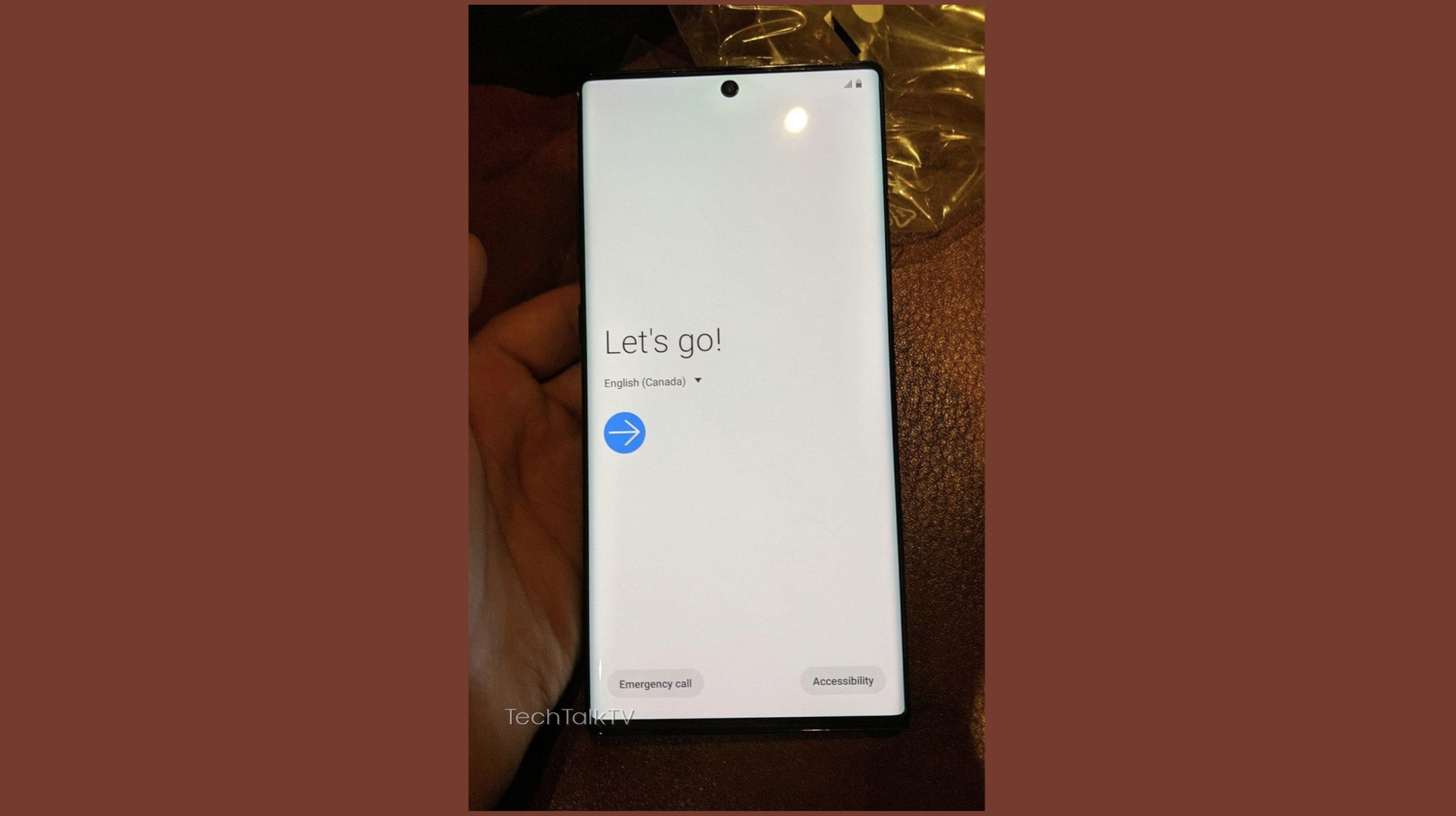
Samsung Galaxy Note 10 Leaked
Besides, another notable feature that the camera on the Galaxy Note 10 5G is reported to have is a variable aperture which was first seen with the Galaxy S10. However, the upcoming device will support three different stops, which is a step up from Galaxy S10 5G’s two f stops. The variable aperture on the Galaxy S10 supports f/1.5 and f/2.4, while the Note 10 5G will also support an additional f/1.8. The variable aperture settings can be used to capture high-quality images in underexposed or overexposed (too dark or too bright) lighting conditions. In a scenario with too less light, the aperture can be set to the lowest setting f/1.5 and vice versa.
Prior leaks (1,2) and assumptions suggest that the Galaxy Note 10 5G will have the following specifications:
To get exact details and price of the Galaxy Note 10 lineup including the 5G variant, we will have to wait patiently as the smartphones are set to launch early next month.
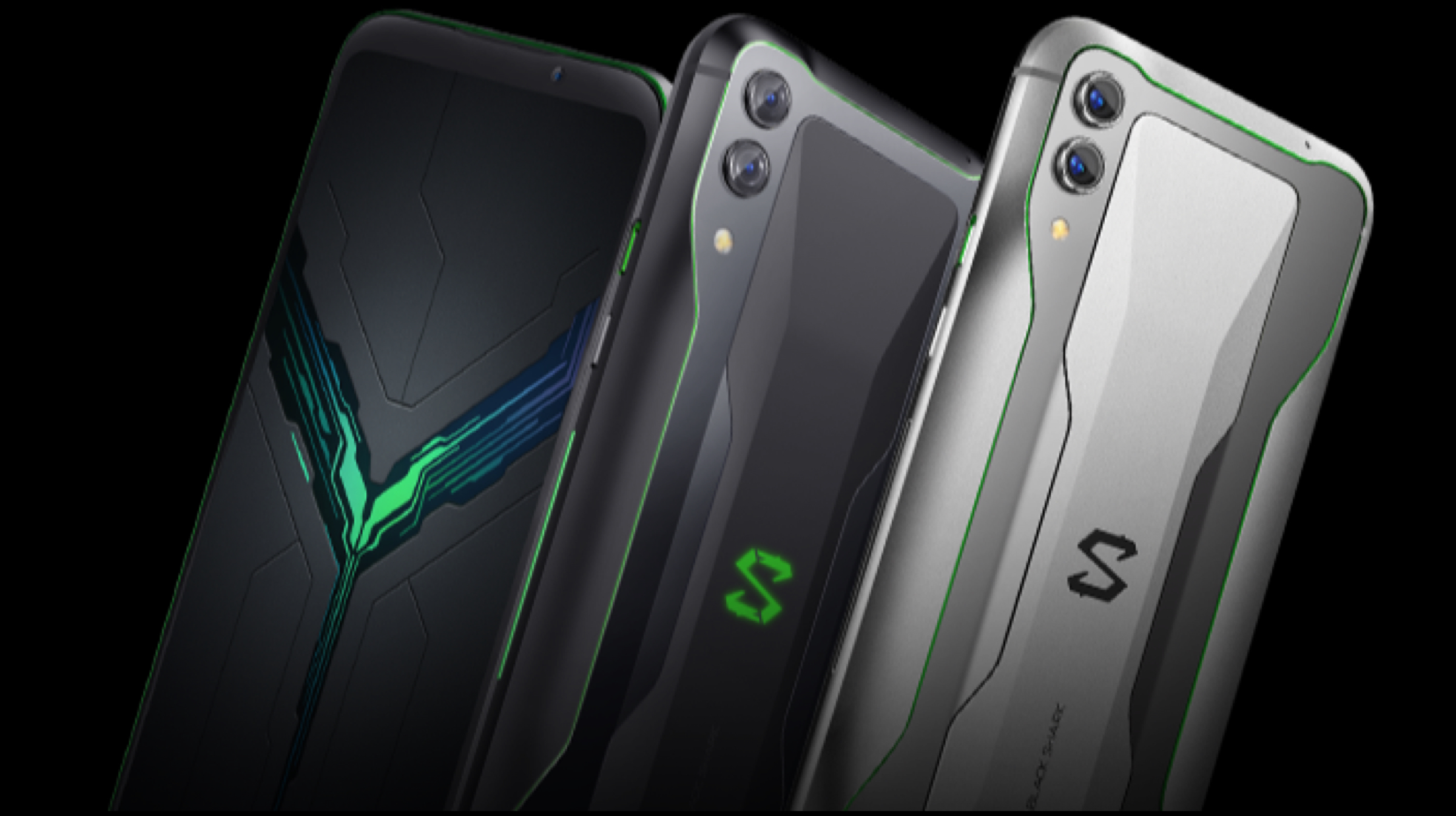
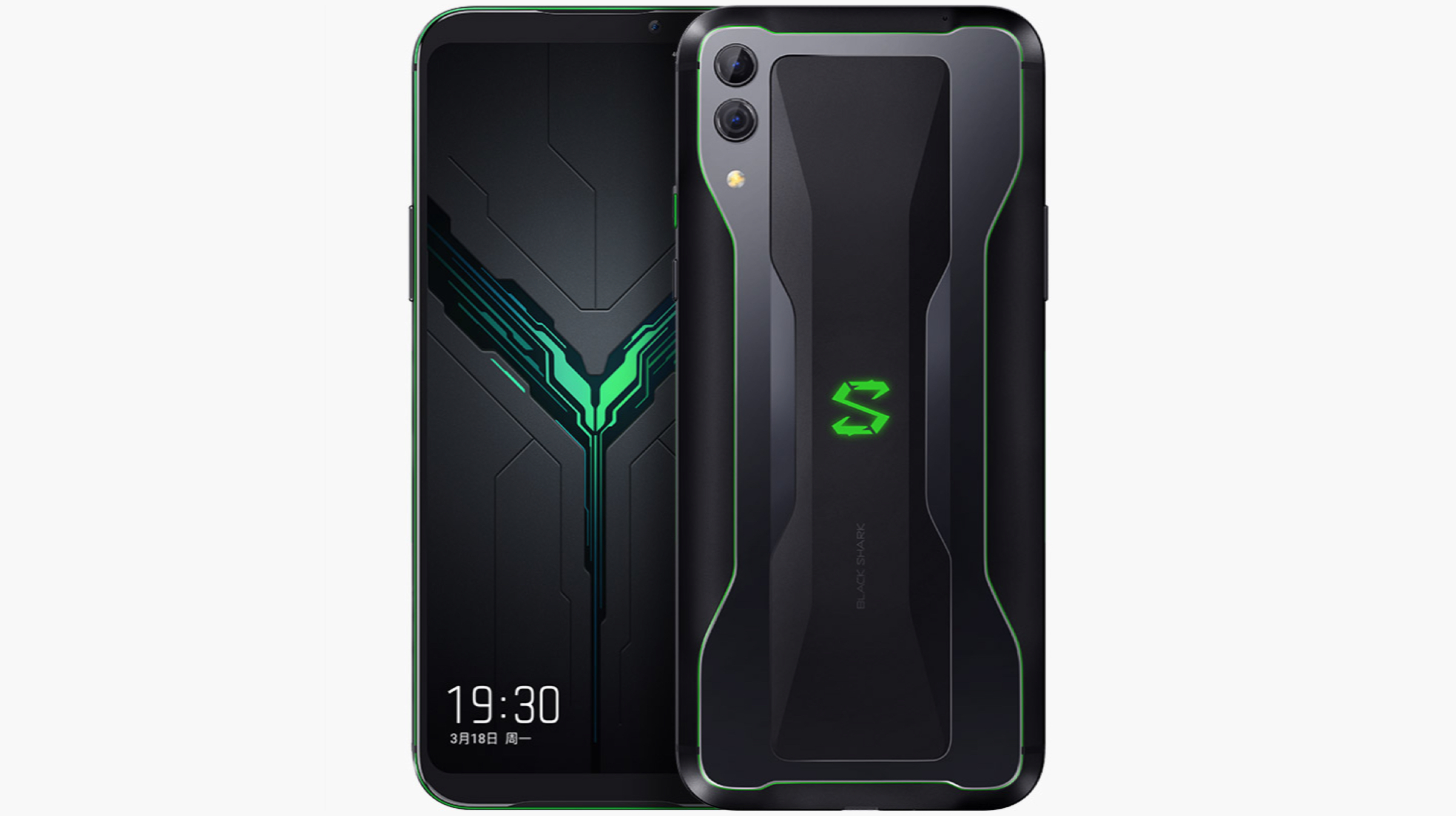
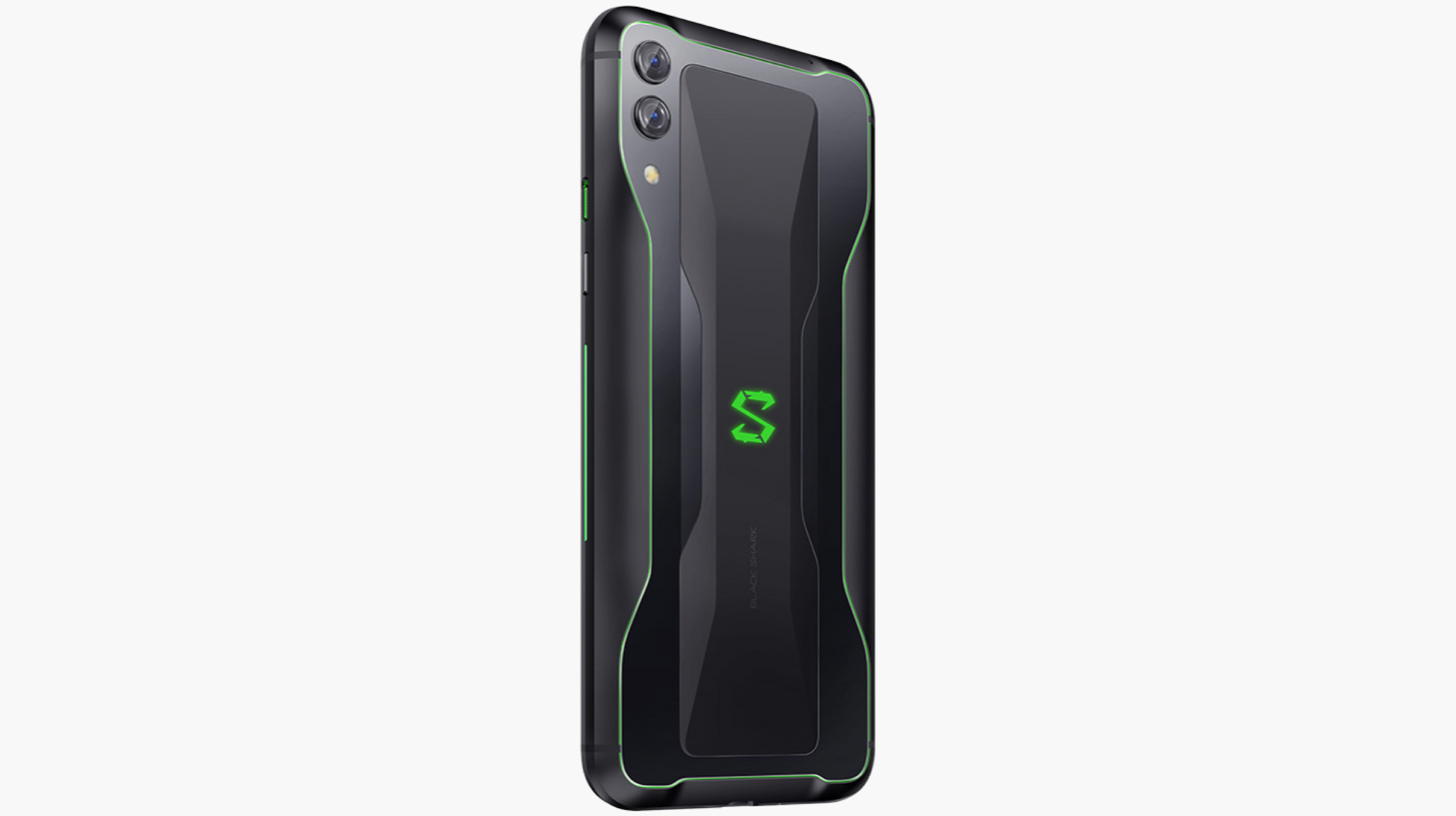
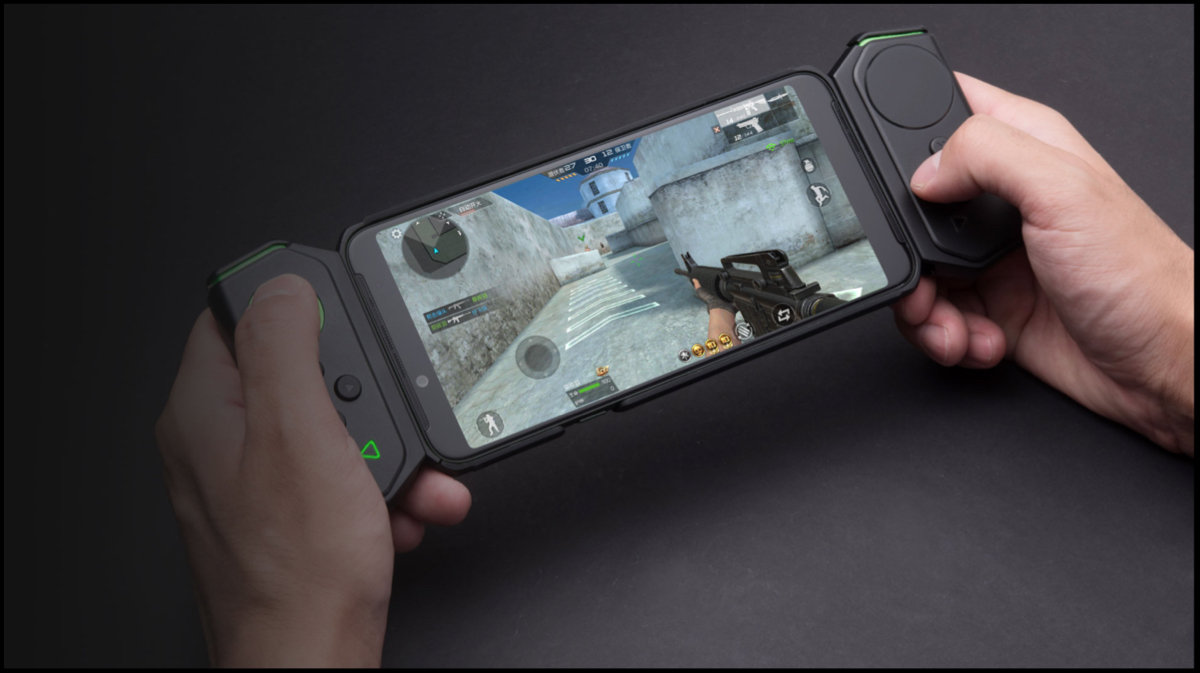
Gaming smartphones are all the rage in an oversaturated mobile industry. These devices are powerful and bring refreshed aesthetics to the mix. The last couple of months have seen the addition of many great gaming mobiles in India such as the Nubia 3 Red Magic. Xiaomi had unveiled its own take with the Black Shark 2, which is now reported to be getting another iteration soon.
A new Black Shark version with the model number DLT-A0 has been spotted on the Chinese communications agency, 3C. Not only does the listing confirm the existence of an unreleased Black Shark smartphone, but it also reveals its battery charging details. The upcoming gaming smartphone will support 27 watts fast charging, similar to the Xiaomi Mi 9 and Black Shark 2.
Internal specifications and designs of the smartphone are yet to be revealed by the company, however, speculations can be made via past iterations. Historically, Black Shark smartphones are top-end devices that feature the latest and most powerful chipsets in the Qualcomm Snapdragon 800 series. The Black Shark 2 featured the Snapdragon 855 SoC, so the upcoming device should also be equipped with the same with a generous offering of RAM and ROM (12GB + 256GB on Black Shark 2).
Gaming smartphones bring unique designs to the table and Xiaomi’s Black Shark does so as well. Metallic and angular elements will most definitely make a return with black hues and green LED strips that will accentuate the entire design philosophy. The new device is rumoured to feature a triple camera set up at the back while the front will either have a water-drop or wide notch. Unfortunately, the exact details of the camera sensors are unknown. The company has stated that it will bring back the 3.5mm headphone jack to its upcoming smartphones. The aforementioned feature was skipped on the previous iteration and received heavy criticism.
It is unclear whether the new Black Shark smartphone will be the 3rd entry to the series or an upgraded refresh to the current gen Black Shark 2. Like in the case of the Black Shark Helo, which was released half a year after the original Black Shark. Xiaomi has quite successfully penetrated the Indian market in various categories of handsets and is seeking to expand its horizons even further. The upcoming entry will be a welcomed addition to the gaming smartphone family which was already received a warm welcome by its audience. More information regarding the new device should be available in the arriving weeks.
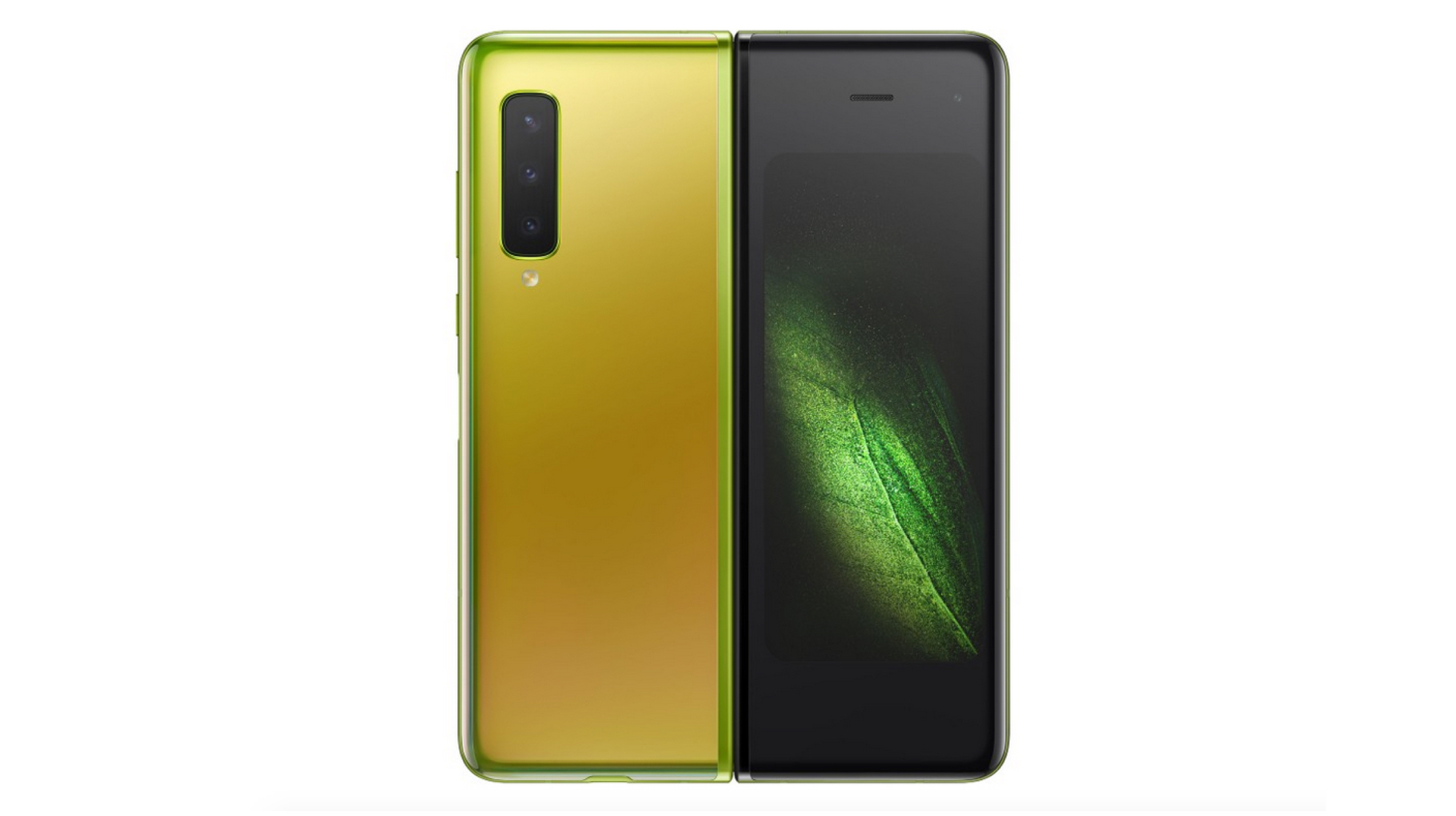
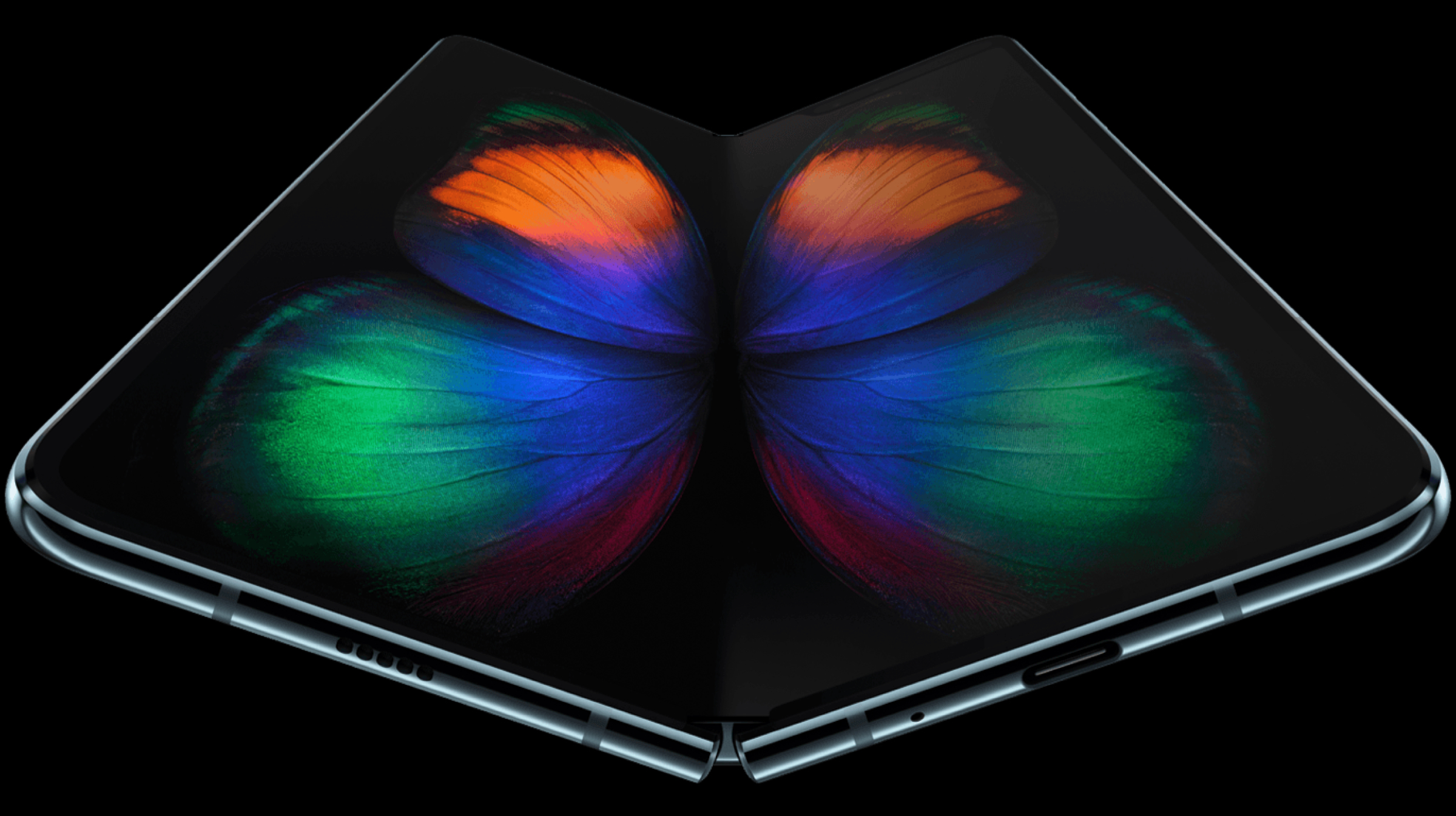
According to a fresh claim made by a reliable source, Samsung will manufacture the high end smartphone in India and the mass production of the device has already begun. Subsequently, the Galaxy Fold is expected to go on sale by the end of July.
The claim of Galaxy Fold’s availability goes in line with the statement made by a senior Samsung executive. In the month of June, the aforementioned executive claimed that all the issues on the Galaxy Fold have been resolved and the device will soon hit the shelves.
Speaking of the Galaxy Fold’s availability in India, it is expected to be launched in the country only after the launch in major markets like the US which as previously mentioned is expected to happen by the end of this month. Therefore, Indian consumers who are waiting for the Galaxy Fold could expect to get their hands on one, sometime in the month of August.
To recall, following are the features of the Galaxy Fold:
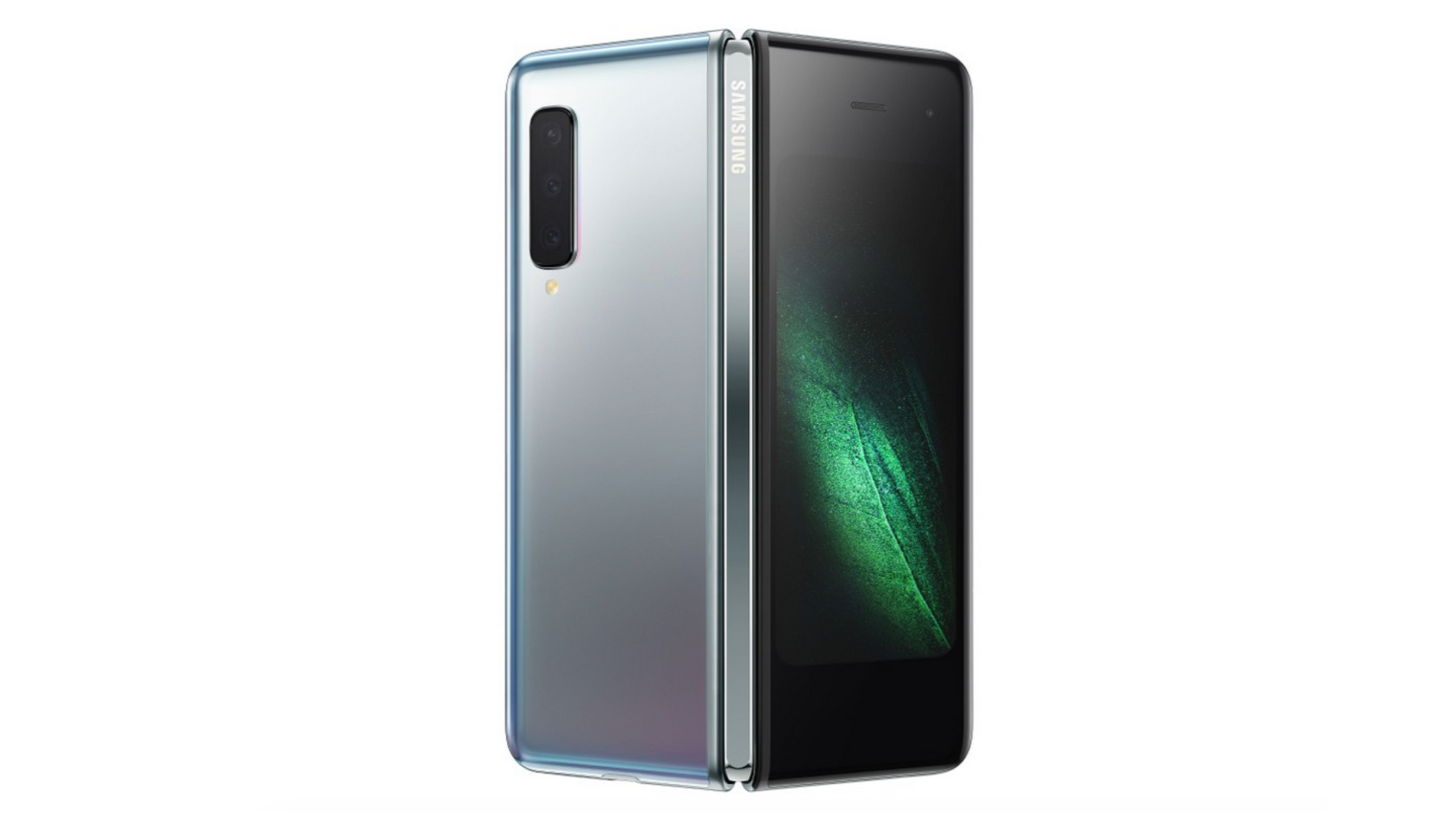
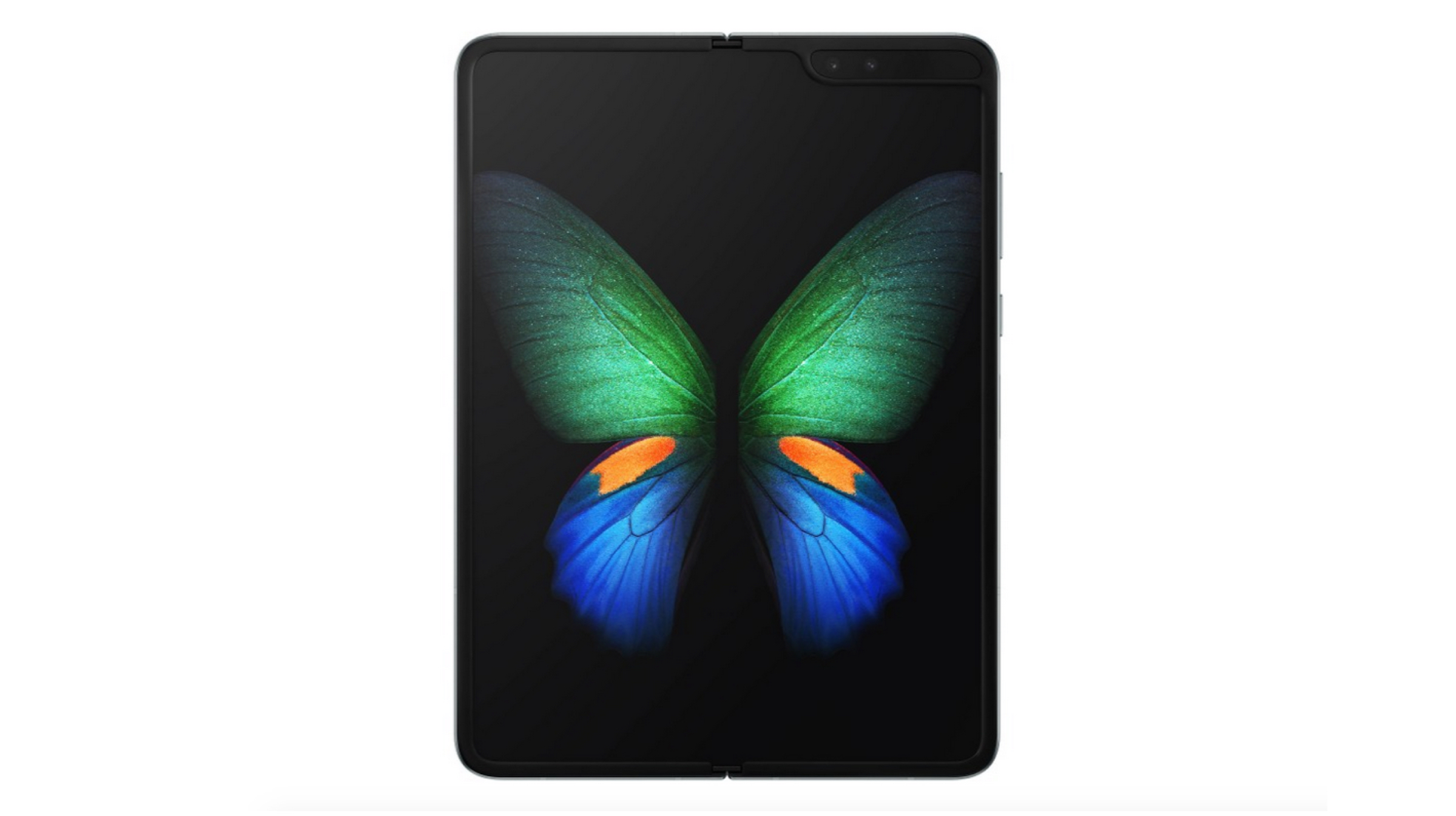
The Galaxy Fold has a unique design which as the name suggests can fold into half. It features two displays out of which one is present on the outside and one on the inside. The company refers the 7.3 inch Dynamic AMOLED foldable panel as ‘Infinity Flex’ which has a resolution of 2152 x 1536 px. On the other hand, the main display measures 4.6-inch diagonally and has an HD+ resolution.
The Galaxy Fold is kitted with the Qualcomm Snapdragon 855 SoC which is made using a 7nm fabrication process. It contains an Octa-core CPU combined with an Andreno 640 GPU. In terms of storage, the device features 12GB of RAM and 512GB of onboard storage. It is powered by 2 batteries with a total rated capacity of 4,380mAh. In addition to fast wired charging, it also supports wireless charging.
The Galaxy Fold has a total of six cameras. The triple rear camera setup consists of a 16MP, f/2.2 ultra-wide sensor with a 12MP, f/1.5-2.4 sensor and a 12MP, f/2.4 telephoto sensor. The front camera on the tablet is made up by a 10MP, f/2.2 sensor + 8MP, f/1.9 RGB depth sensor. Additionally, there is a cover camera present above the secondary display with a 10MP f/2.2 sensor. It is offered in four colour options which are as follows:
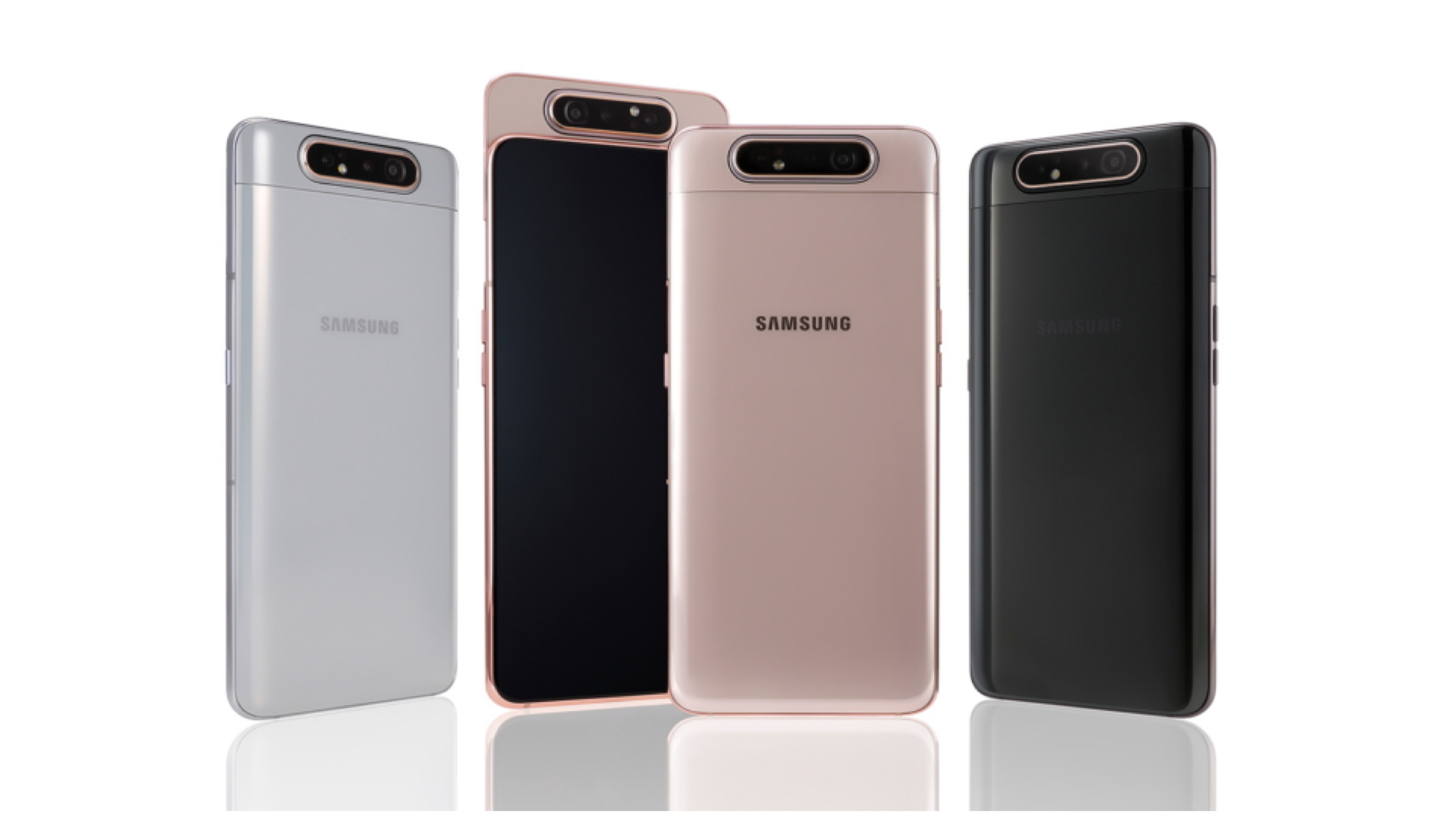
Samsung’s Galaxy A90 has been the centre of various rumours (1,2) that have been rather convoluting. Initial reports had pointed at the device being the Galaxy A80 renamed for different countries while a fresher rumour claimed it to be an entry to the upcoming Galaxy R series. The latest leaks report that the Galaxy A90 is real and will, in fact, launch in two variants.
And in another addition, one of both likely called #GalaxyA90 (SM-A908) comes with a FHD+ sAMOLED Infinity-U display…
According to the famous leakster OnLeaks, The Galaxy A90 is said to ship in two variants with their model numbers being SM-A905 and SM-A908. One of these will likely be a “Pro” variant with beefier specs. Furthermore, the higher specced variant could also be the first A series smartphone to feature a Qualcomm Snapdragon 855 chipset. It is unclear what the standard Galaxy A90 would house but it will most probably be a mid-range chipset like the Snapdragon 730G as found in the Galaxy A80.
The biggest leaks to arrive is regarding the camera of the Galaxy A90 duo. SM-A905 is reportedly equipped with a triple camera set up consisting of a 48MP+12MP+5MP sensors with the new “Tilt OIS” feature. Similarly, the SM-A908 variant also sports the same setup but with different sensors, namely a 48MP+8MP+5MP configuration. Unlike the Galaxy A80, the leak suggests that the upcoming pair of smartphones will not feature any special form of motorized mechanism. Hence, no swivels and rotating cameras.
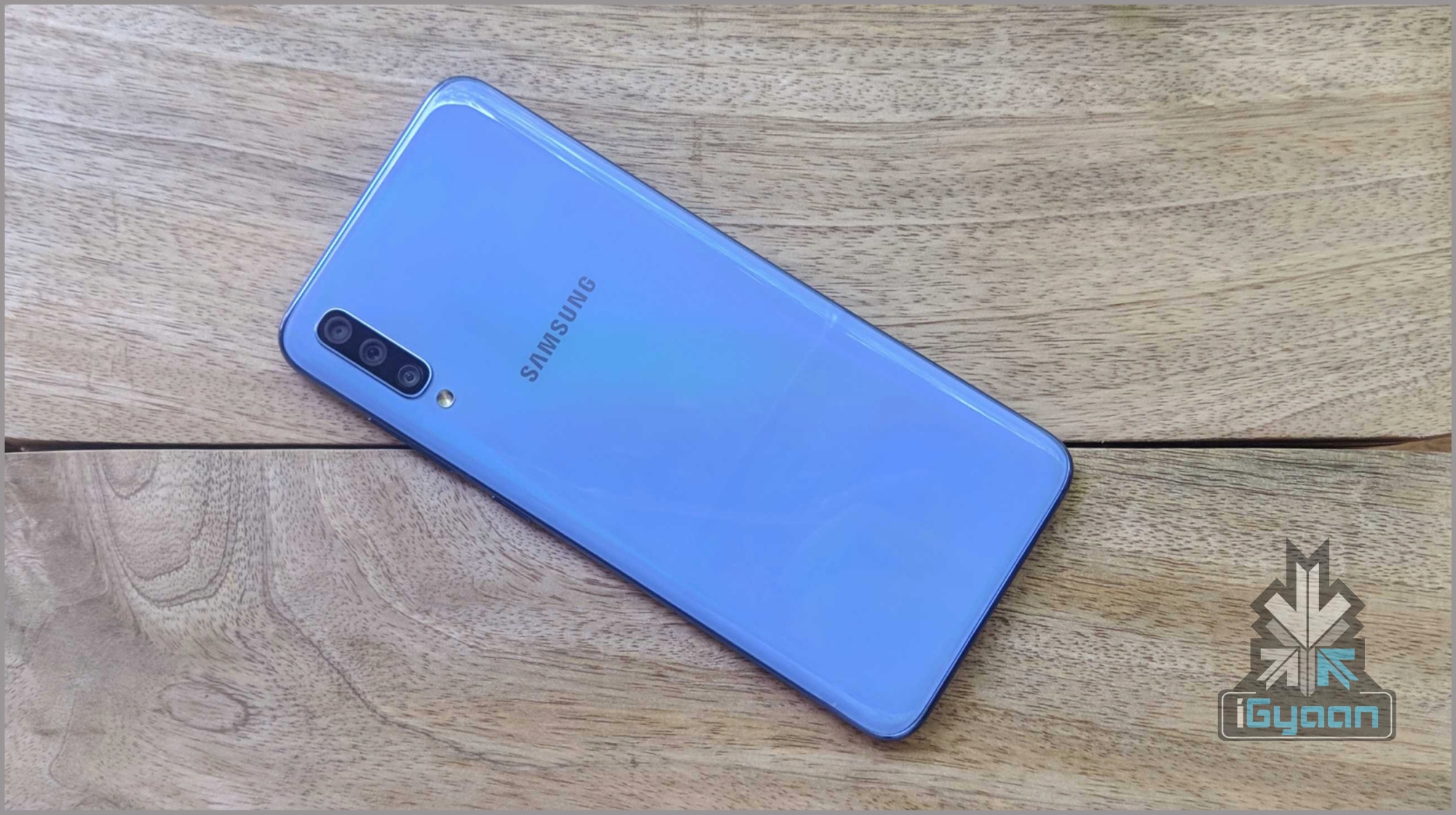
Samsung Galaxy A70
Additionally, the Galaxy A90’s SM-A908 variant is reported to receive an FHD+ SuperAMOLED Infinity-U display. Both the upcoming devices are said to be sized identically, with a 6.7-inch screen. On the other hand, the high-end SM-A905 is assumed to have a QHD panel with a punch hole.
Shockingly, the leak claims that only the affordable variant of the Galaxy A90 will receive 5G networking which will be skipped on the elder sibling. Samsung might be trying to make an appeal for the higher bandwidth on lower priced devices. This will seek to make the cost of entry to the new network more affordable. The move will likely compete with other OEMs that are equipping 5G modems on their affordable lineups. Samsung brought the first true 5G phone and is now seeking to win the race in lower price segments as well. Unfortunately, finer details are not available as even Samsung has yet to make any official statements regarding the Galaxy A90. Updates will be provided in the arriving weeks.
Huawei which was once predicted to take over the title of the world’s number one smartphone sometime in 2020, had to face a major setback in the month of May after the US government designated it to an entity list. The US sanction barred all American companies from having any sort of trade relations with the Chinese corporation.
As it seemed everything was going against Huawei, a meeting that took place at the G20 summit between the leaders of two nations, America and China, turned out to be a big sigh of relief for the Chinese company. The US administration led by Donald Trump has allowed American companies to continue selling hardware and software offerings to Huawei until further notice is released.
Freshly, an upcoming flagship grade smartphone from Huawei has been spotted on the micro-blogging website, Twitter. According to the source, the upcoming handset is the Mate 30 Pro which will succeed the praiseworthy Huawei Mate 20 Pro from last year.
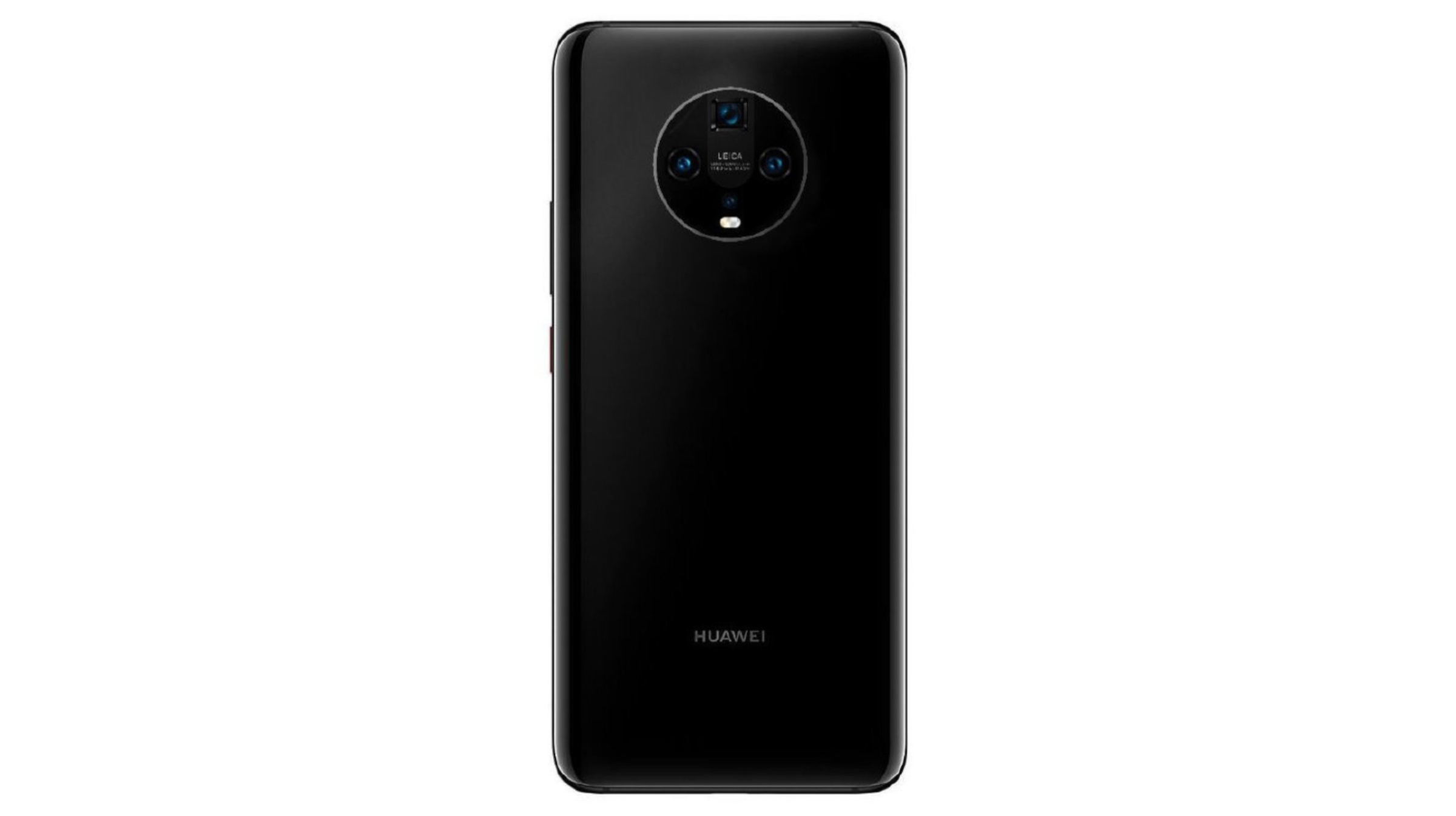
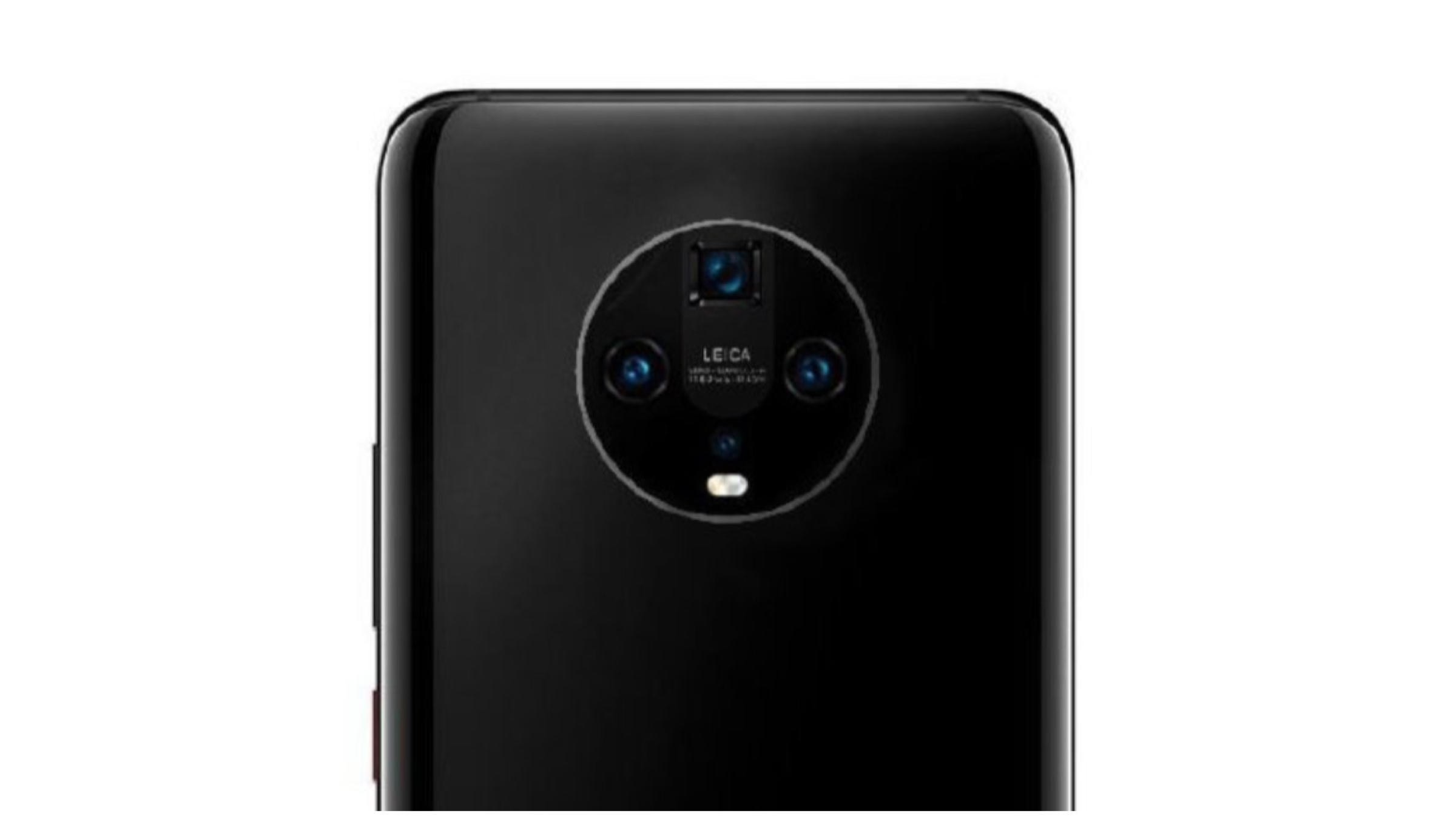
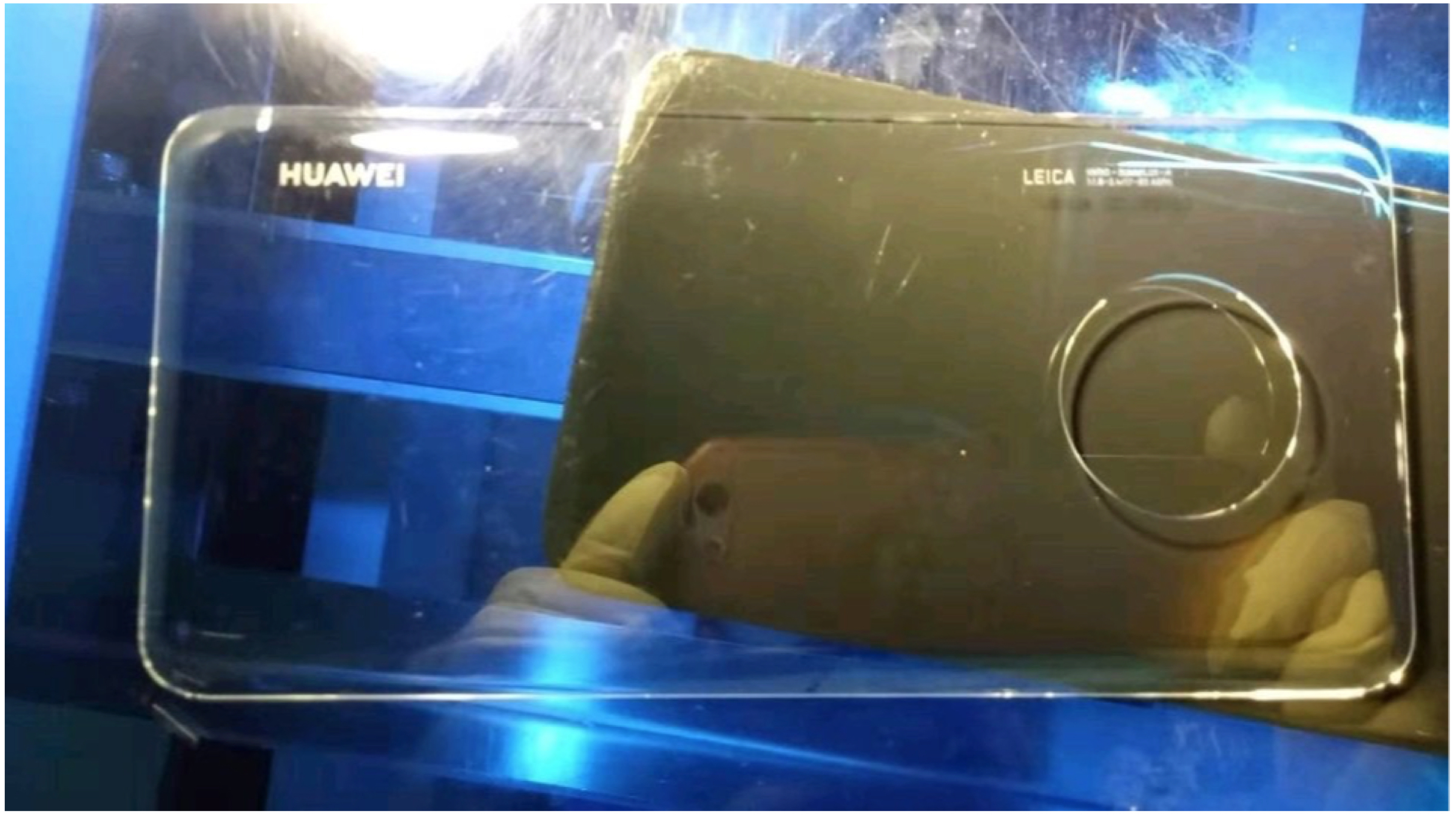
The images shared by the tipster present the alleged render of the Huawei Mate 30 Pro and a plastic case, which correspond with each other.
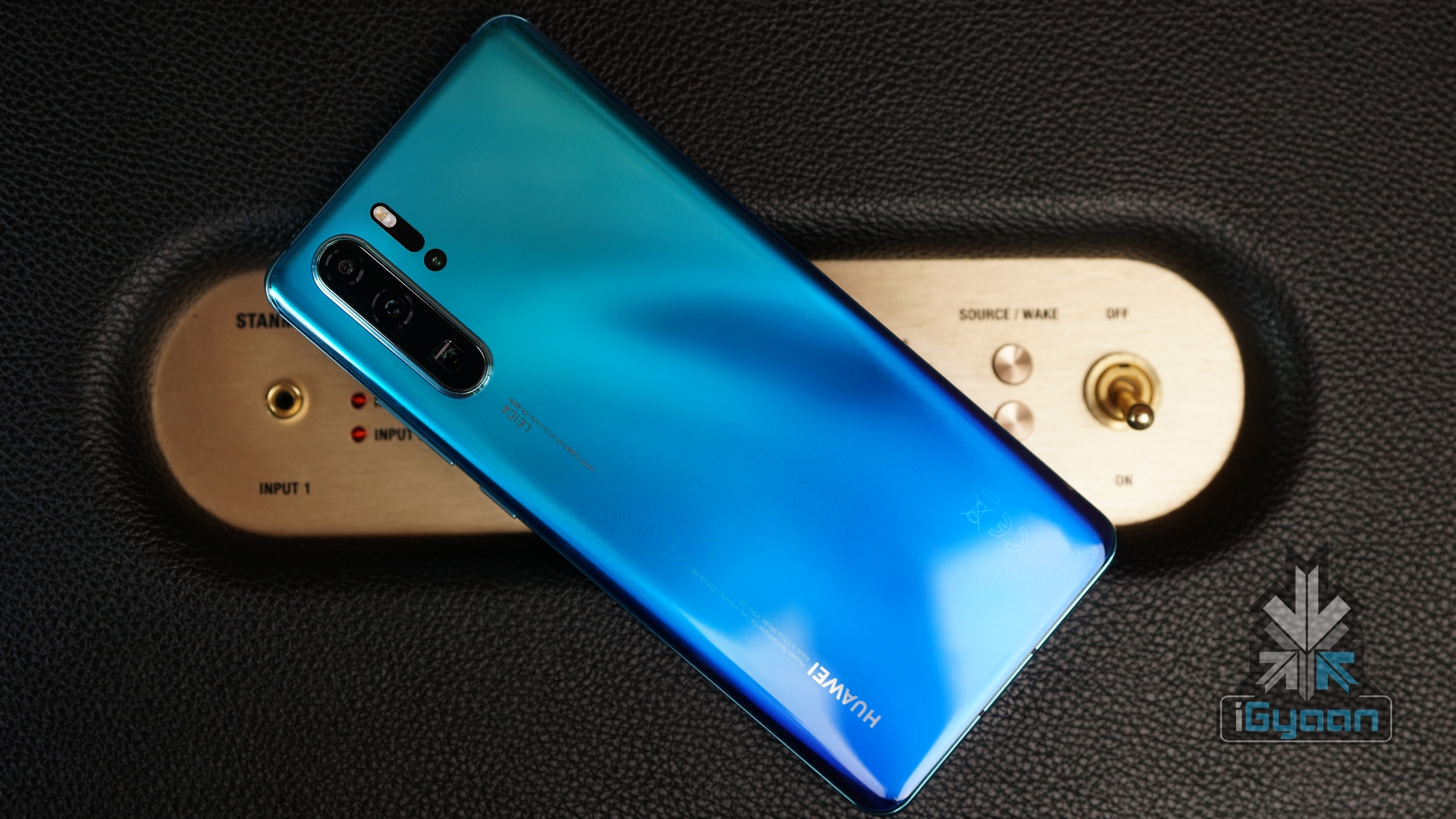
The alleged renders reveal that the rear of the Huawei Mate 30 Pro has a minimalist design that house the company branding and a quad camera setup. The quad rear camera setup is housed in a circular arrangement which also features the Leica branding in the middle. Visual inspection suggests that the topmost camera in the Mate 30 Pro will be a zoom lens as seen on the previously launched Huawei P30 Pro.
Other camera sensors are also assumed to match the ones found on the P30 Pro. Going by past experiences, the ‘Mate’ and ‘P’ series of smartphones have had hetergenous camera setup.
In order to verify the renders and speculations of the Mate 30 Pro, we will have to patiently wait until its launch which is expected to happen in the month of October.
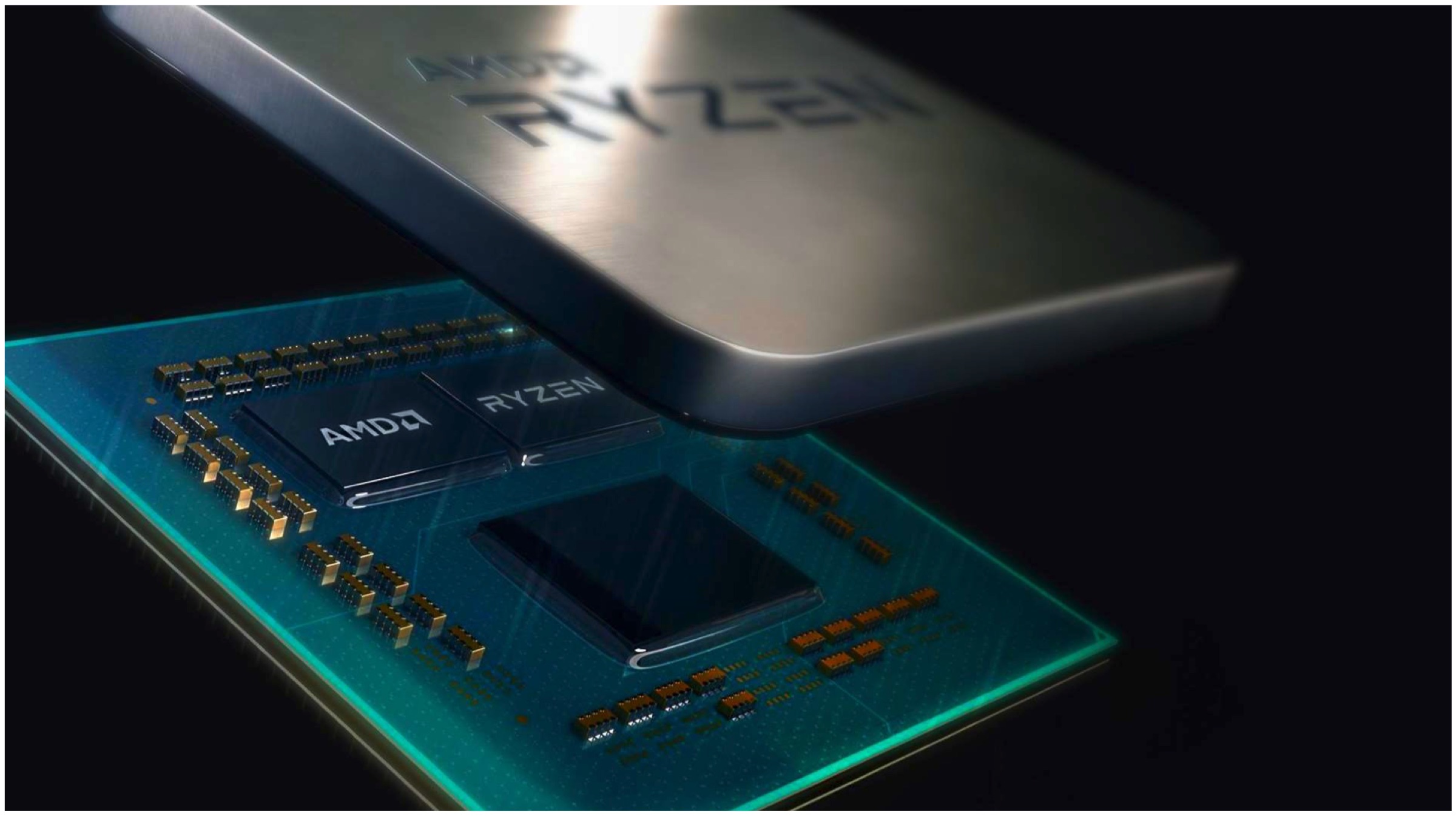
At the Computex 2019, AMD unveiled the 3rd Gen Ryzen desktop processors which are based on the “Zen 2” architecture. The newly introduced CPUs are manufactured using 7 nm process which is a world first for desktop-grade processors. The 3rd Gen Ryzen lineup currently consists of five offerings which start from US $ 199 and go all the way up to $ 499.
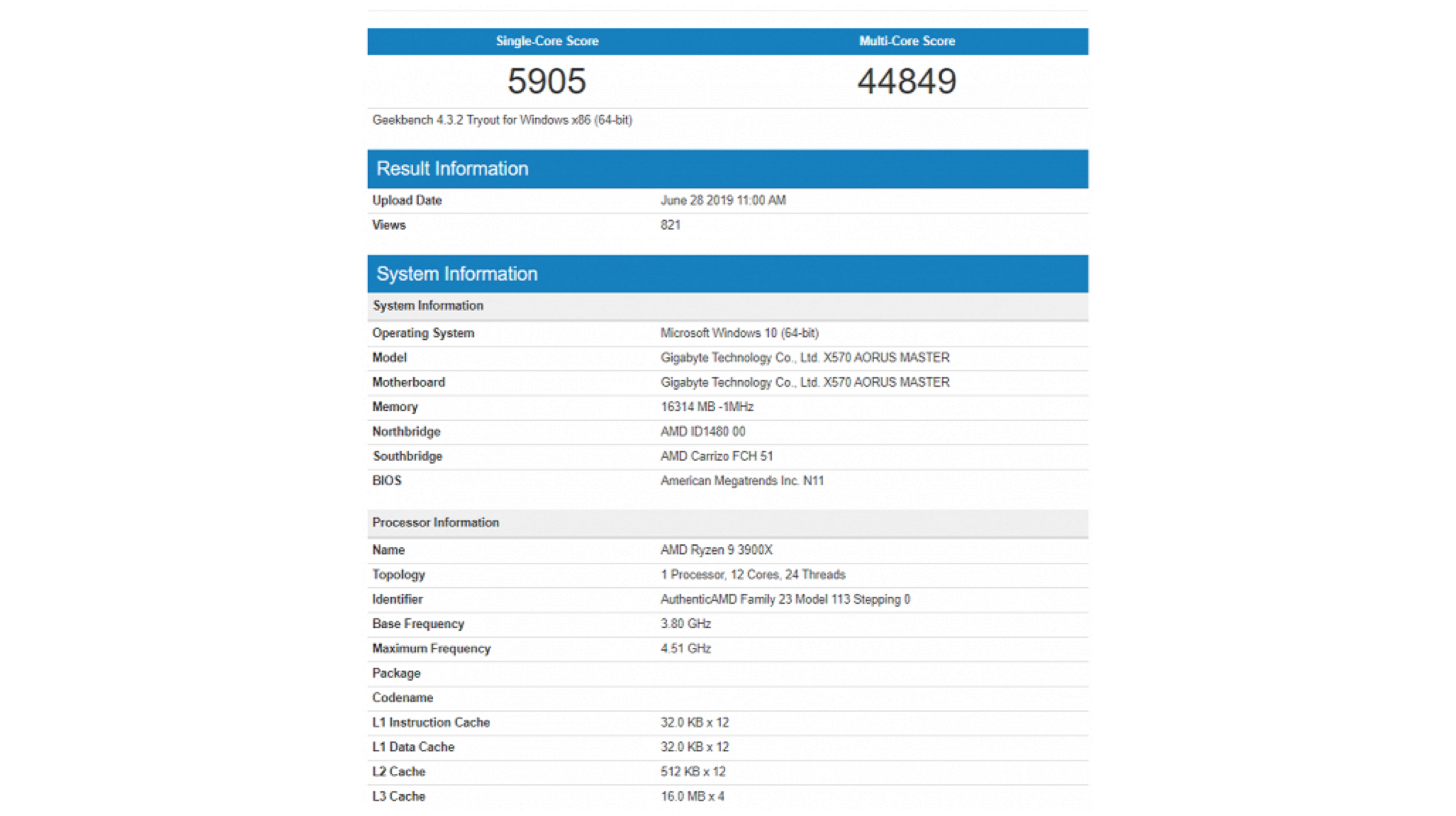
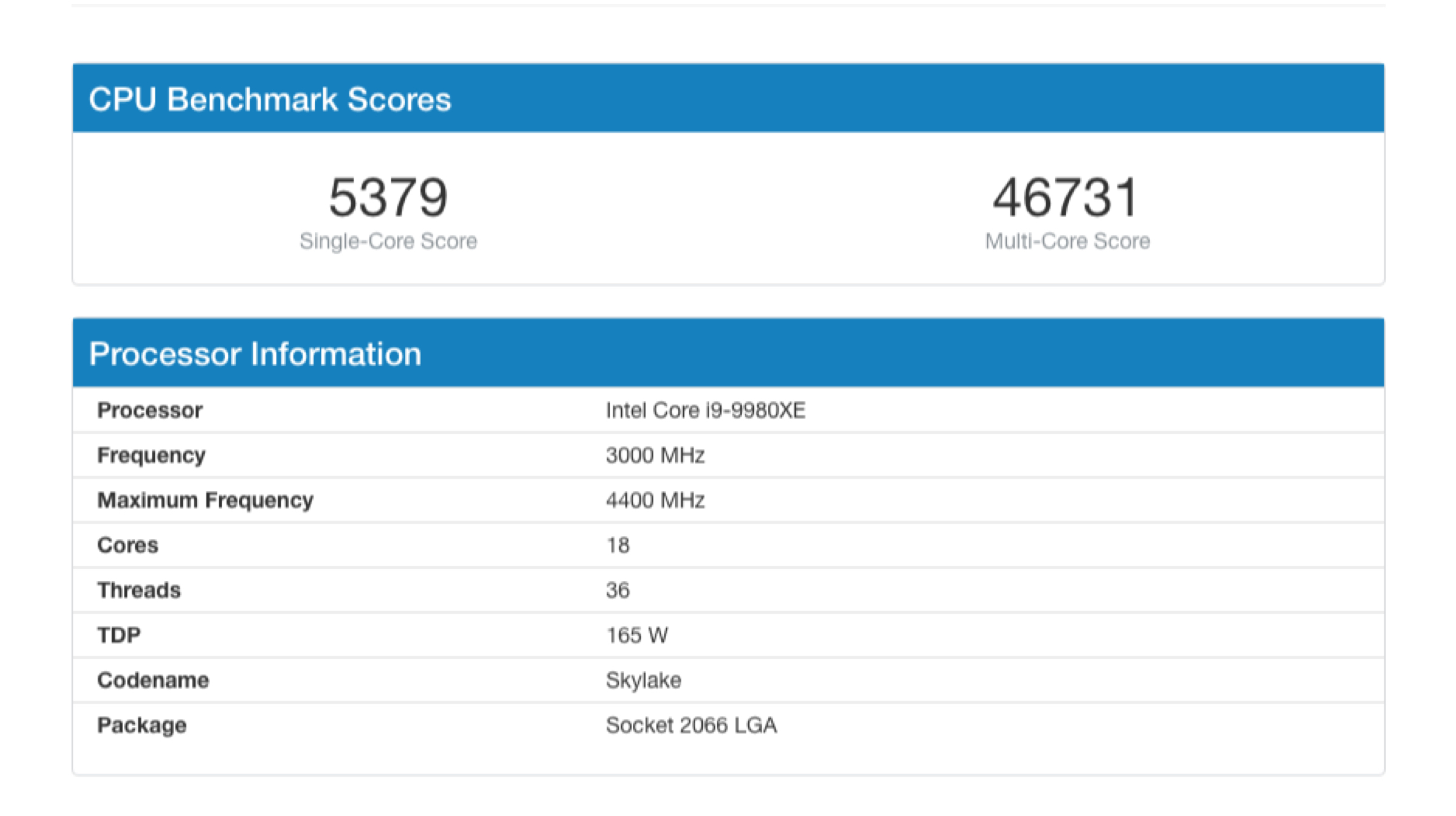
When the 3rd Gen Ryzen CPUs were first unveiled, AMD made clear that the company is going ruthlessly after Intel, not only in terms of price but also performance. Surprisingly, the top of the line Ryzen 9 3900X has been spotted on Geekbench and the results registered by the CPU have managed to surpass Intel’s high-end Intel Core i9 9980XE which costs about 4x the former.
The Ryzen 9 3900X will retail for a price of US $ 499 once it goes on sale later this year, on the other hand, the Intel Core i9 9980XE is currently available for purchase and it costs US $ 1979.
In terms of Geekbench performance, the Ryzen 9 3900X registers a single core score of 5904 and a multi core score of 44849 points. Inversely, team Blue’s i9 9980XE registers a single core score for 5379 points and a multi core score of 46371 points. Clearly, the AMD processor has a higher single core score out of the two, with slightly lower multi core score.
Although higher benchmarks on the AMD Ryzen 3900X won’t necessarily translate to better performance in real life. As the optimisation of software for a certain architecture is also equally important. Nevertheless, with the price that the high-end Ryzen processor is being offered, users can’t really go wrong if they choose this over Intel’s offering.
To sum it up, AMD with its advanced technology and aggressive pricing has made Intel rethink its strategies which will now have to go back to the drawing board.
Till the time Intel is able to justify its offering by either significantly reducing their price or unveiling new lineup of updated processors, AMD can reap the benefits that it has earned by heavily investing in research.
Taiwanese electronics giant Asus launched its latest flagship smartphone, the Asus 6Z in India on the 19th of June. The device was first launched in Valencia Spain on the 16th of May. It succeeds the ZenFone 5Z which was announced last year and boasts of notable improvements in design, camera and the performance department over its predecessor. The device offers top tier specifications and goes up against some of the best devices in the segment like the OnePlus 7. But is the Asus 6Z the new flagship killer in town or is just an underwhelming offering by the company?
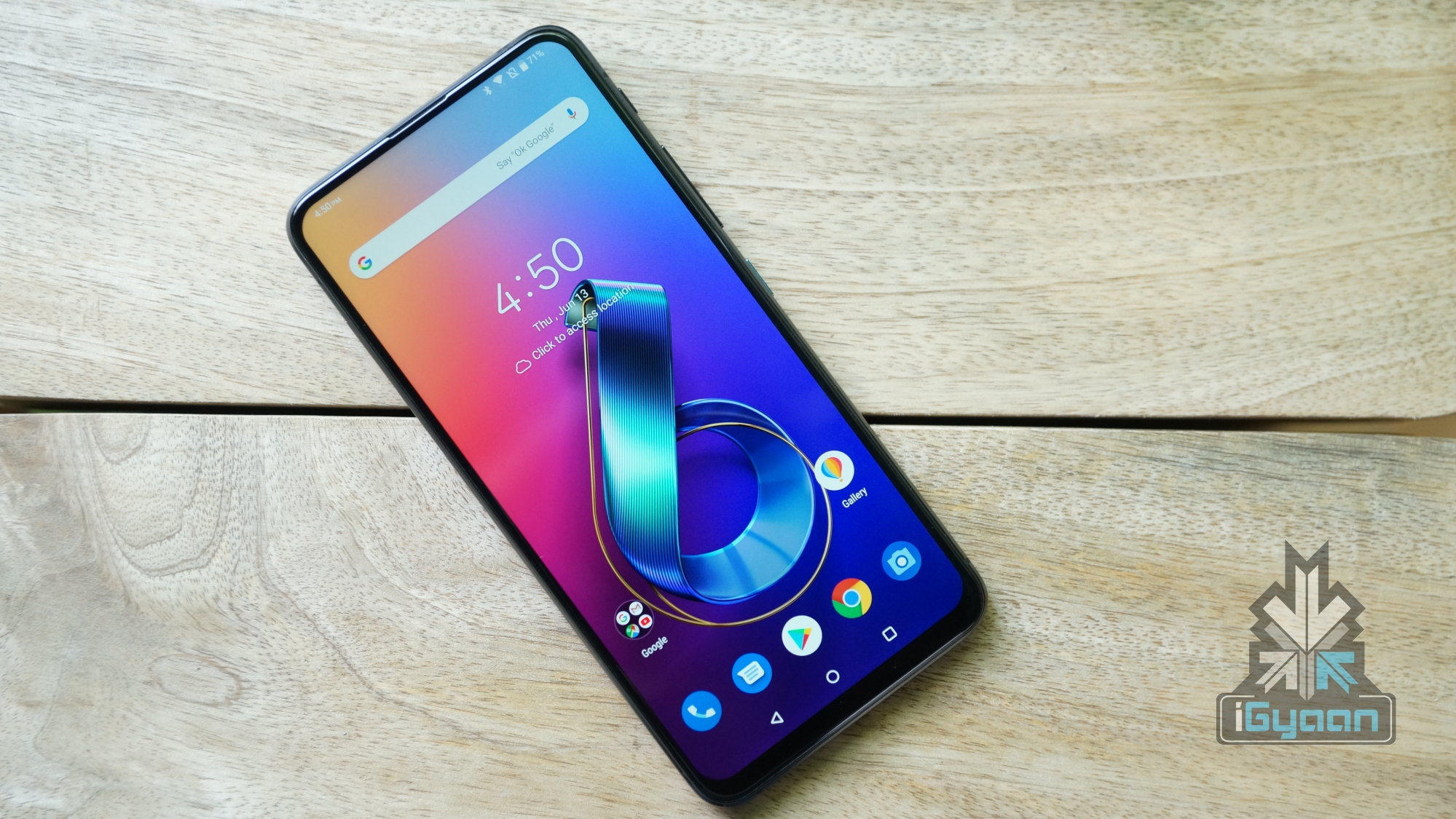
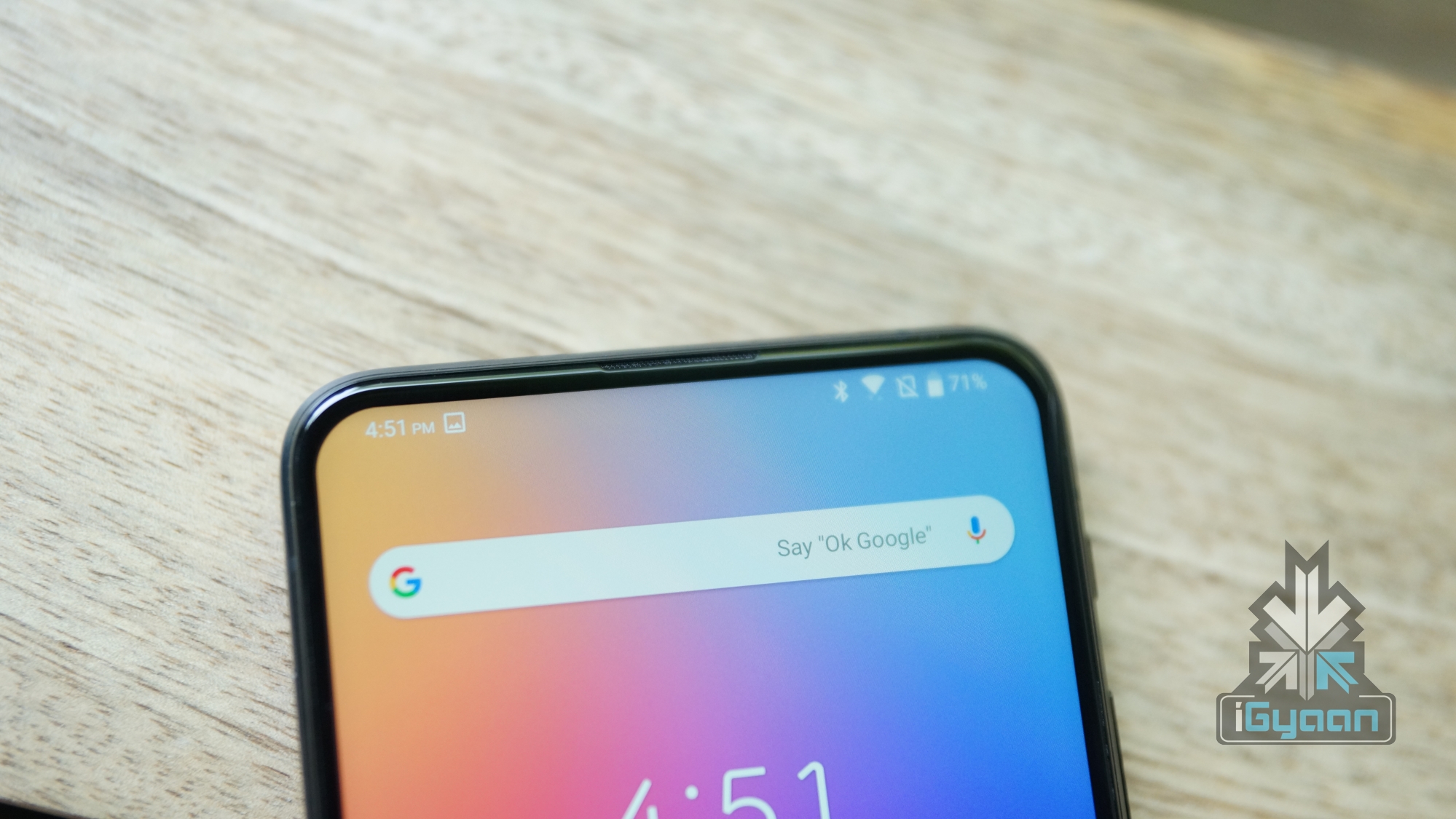
The 6Z has a glass sandwich design with a metal chassis for reinforcement. The front of the smartphone is dominated by a large display with 92 percent screen to body ratio. As the front is nothing but the display, there is nothing to see here, apart from the earpiece at the top. To our surprise, Asus has accommodated a tiny LED notification light on top of the display which is becoming a rarity these days.
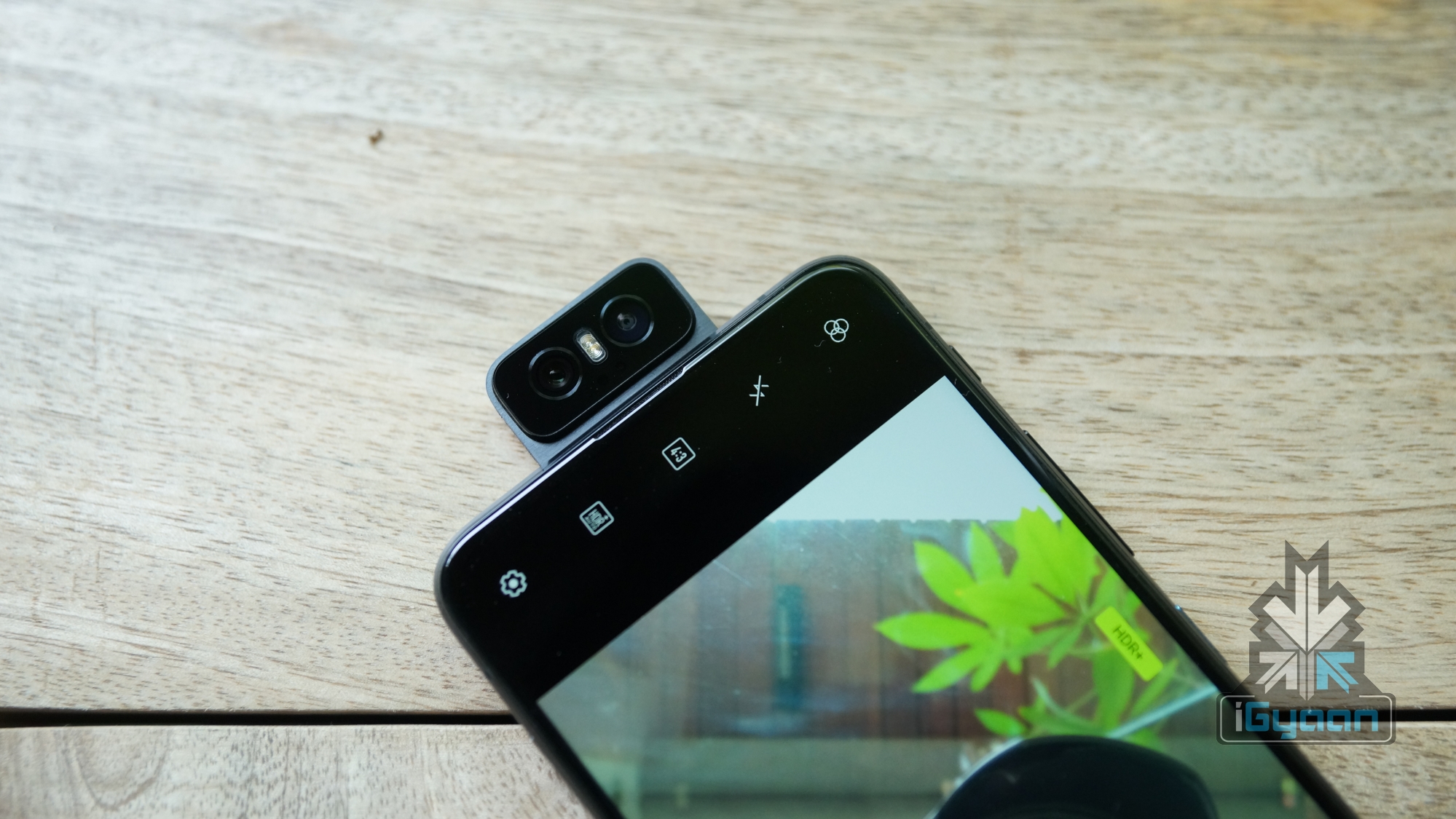
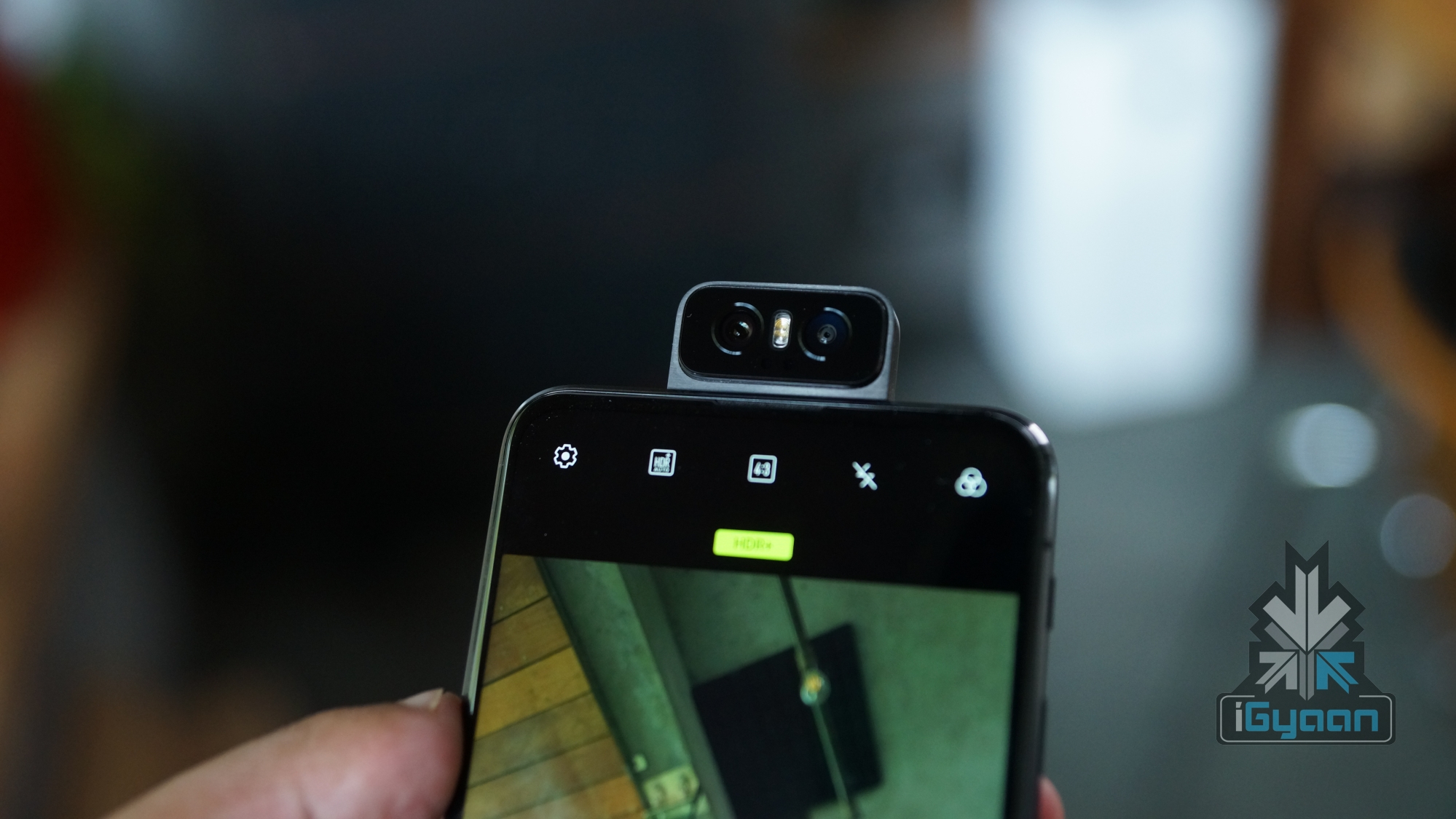
The right side of the device makes room for the volume rocker, the power and a dedicated Google assistant button while the left side of the device is occupied the dual SIM + microSD card slot. The bottom of the Asus 6Z accommodates the USB Type C port, 3.5 mm audio jack and the loudspeaker grille while the top of the device houses the flip camera that can be used as both front camera and rear camera.
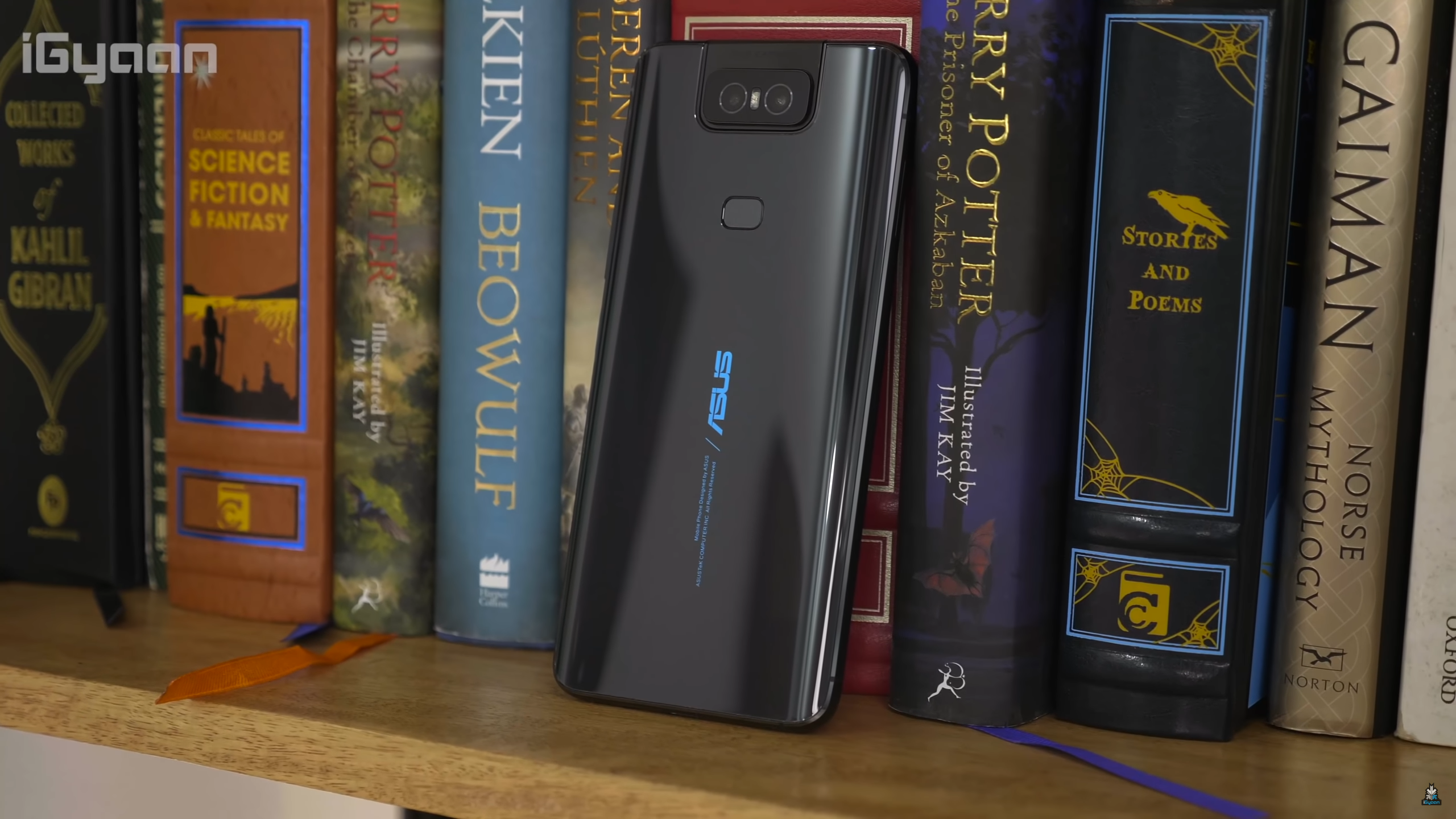
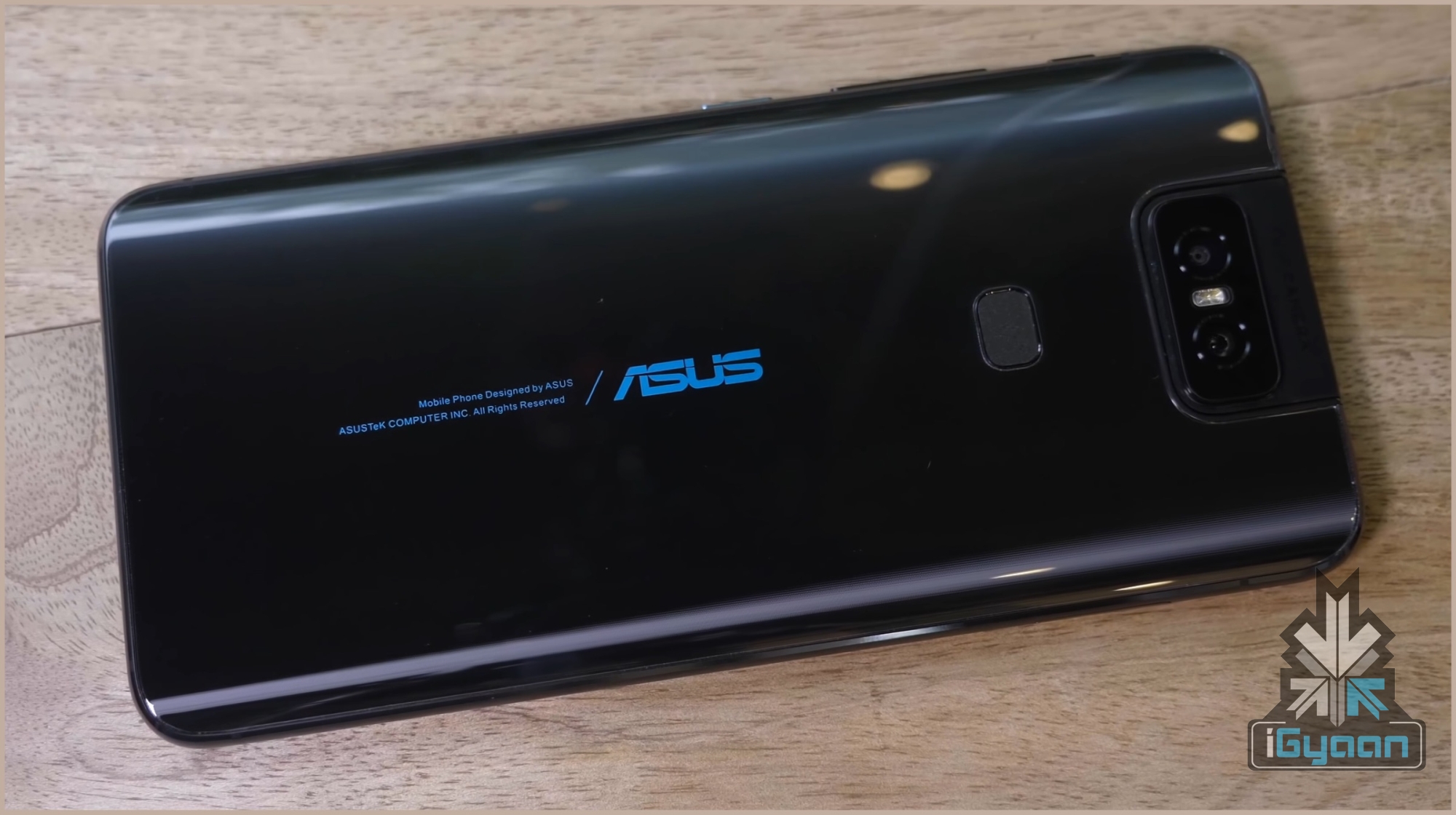
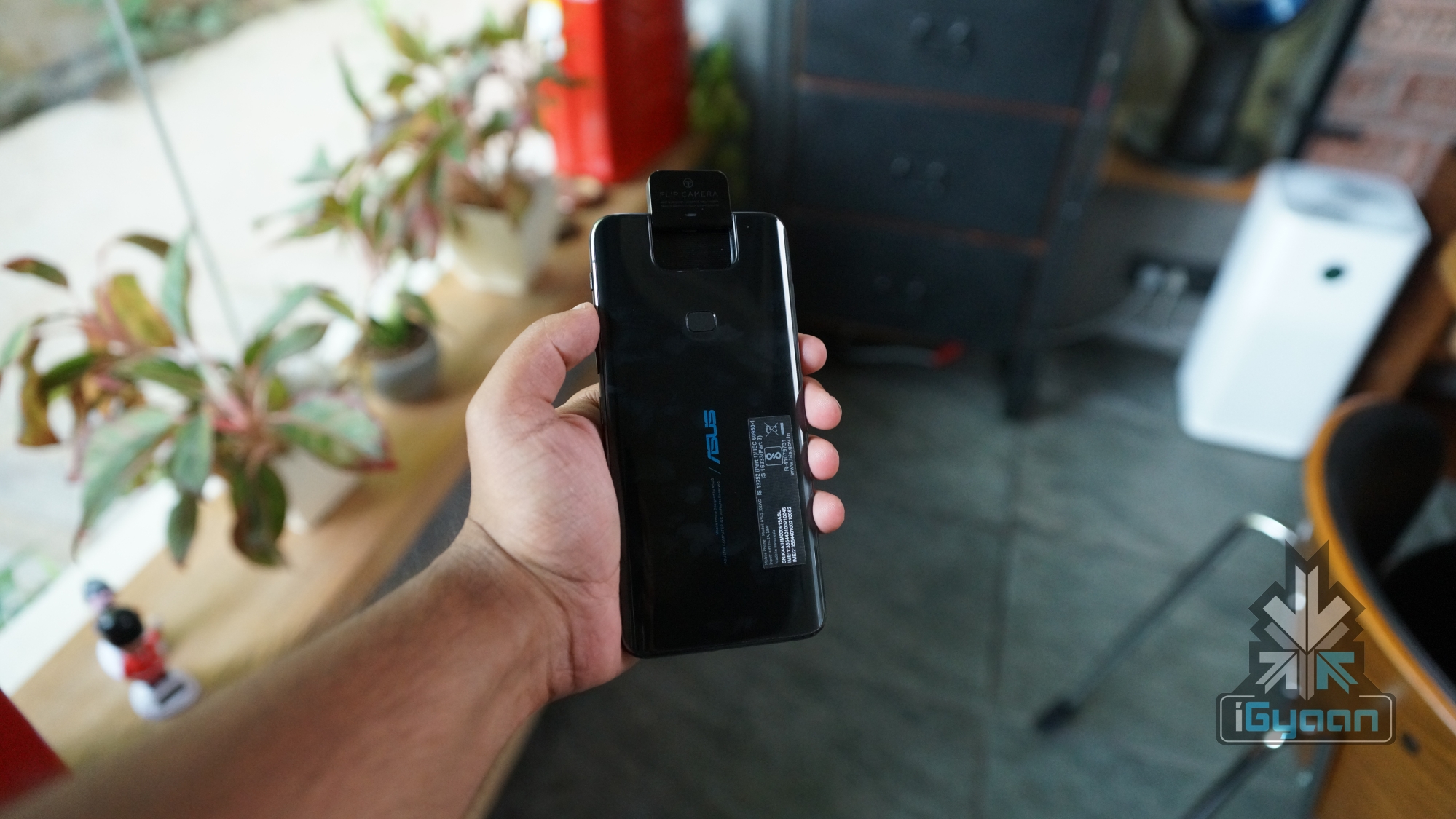
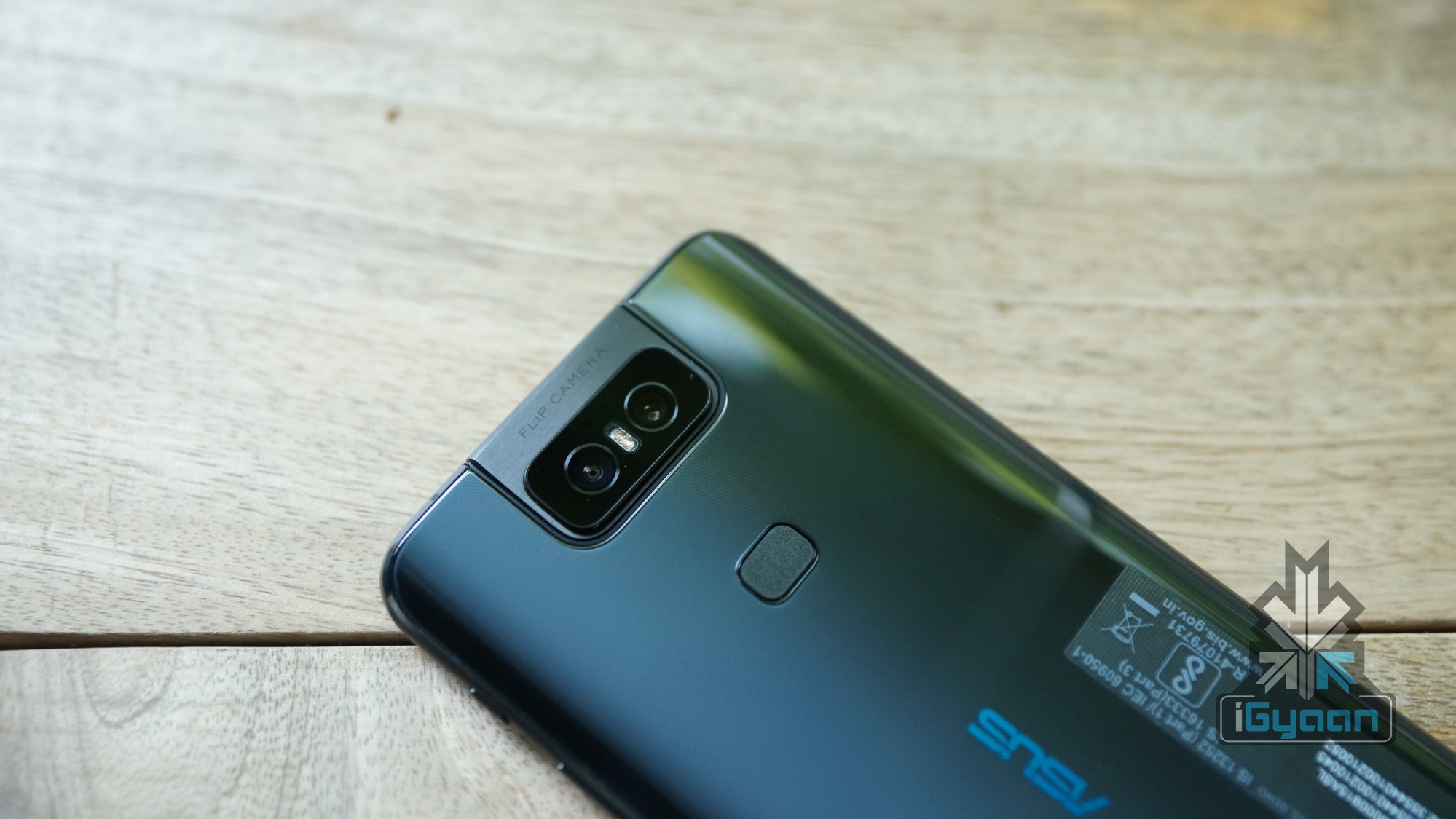
We reviewed the Midnight Black coloured variant of the Asus 6Z which looks and feels premium. The back of the smartphone houses the vertical dual camera setup with the flash. The fingerprint scanner and the company logo is also present on the rear of the device. Overall, the device is solidly built and the design while nothing new, feels fresh. However, we recommend using a case as it can easily slip out of your palm owing to the glass back. Also, the case will prevent the fingerprints which the device easily attracts.
The Asus 6Z is a solidly built device, with a heavy yet reassuring feel in the hand. We tried to manually dislodge the camera mechanism but it did not budge. This implies what lengths the company has gone to in making sure the camera lasts a long time. One thing to note though, the Flip Camera mechanism is only rated for 1,00,000 uses. But it is a result of standardised testing done in a lab, so in real life, the longevity of the mechanism may vary depending on the user.
[section label=”Display”]
Display
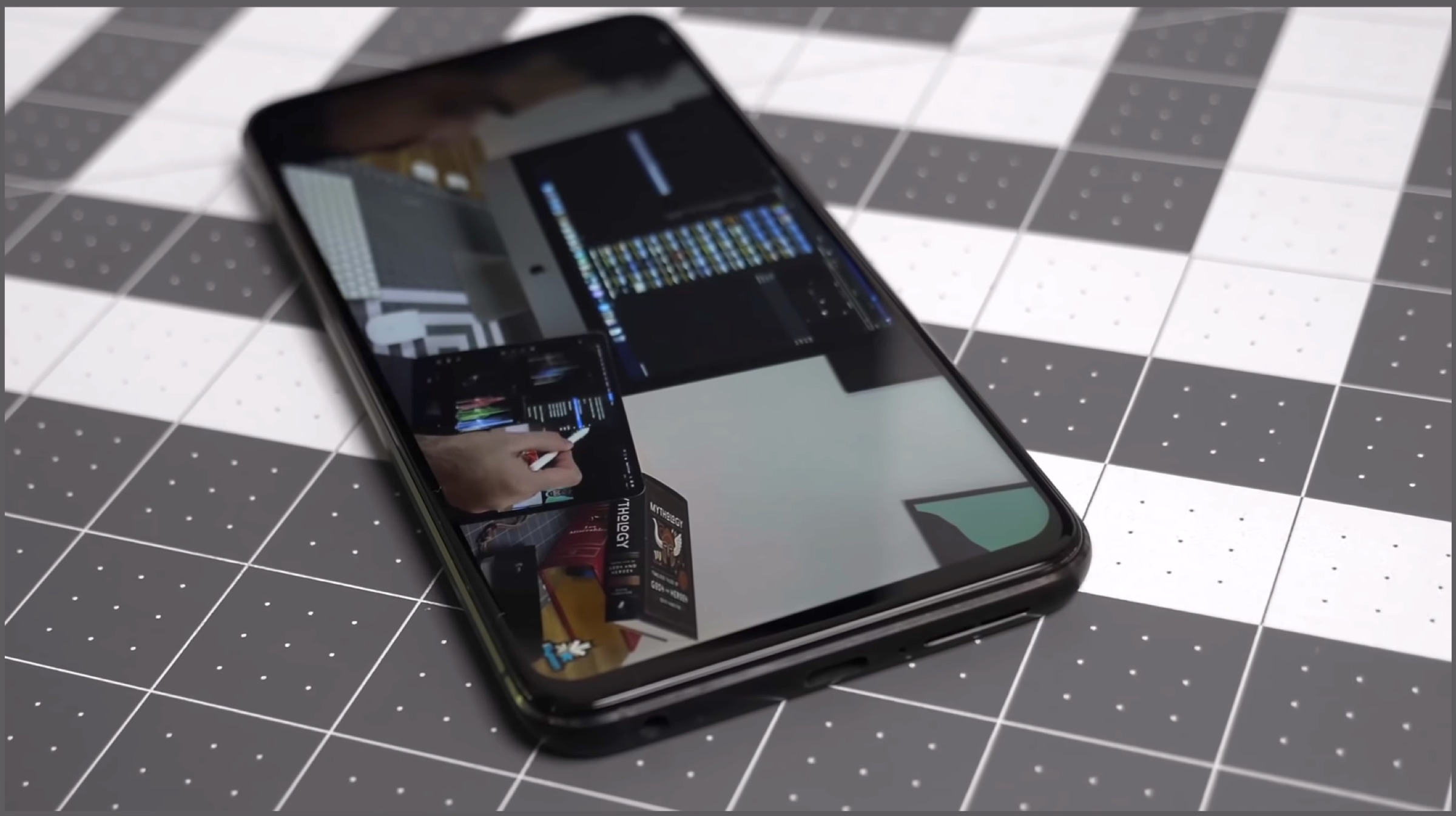
The Asus 6Z has a 6.3 inch LCD display which has a resolution of 2340 x 1080px. Unlike most modern smartphones, the device has no obstructions like a notch or a punch hole cutout. This makes for an impressive 92 percent screen to body ratio on the handset, which feels immersive to watch multimedia content on. One issue we have with the display is the maximum brightness. The panel does not offer great brightness levels outdoors. This impacts the legibility and users will have to squint to make out any content on the device.
In terms of quality, the display on the Asus 6Z offers good sharpness, excellent colour reproduction and good contrasts. Unfortunately, as it uses an LCD panel, there are no deep blacks or impeccable viewing angles like in OLED displays. No fret though, as the LCD panel itself is of good quality and should be great for day to day usage.
[section label=”Performance”]
Hardware & Performance
The Asus 6Z is kitted with the latest and greatest from Qualcomm, the 7nm Snapdragon 855 SoC. The chipset is comprised of an Octa-core CPU and the Adreno 640 GPU. It is coupled with up to 8GB of RAM and 256GB of internal storage options. In terms of hardware alone, the smartphone is right up there with the heavyweight champions of this year. The device, along with impressive specs, has a few software tricks up its sleeve. It offers a feature called GameGenie, which will free up RAM and lets users stream content on YouTube and Twitch, turn on do not disturb mode etc. without leaving the game.
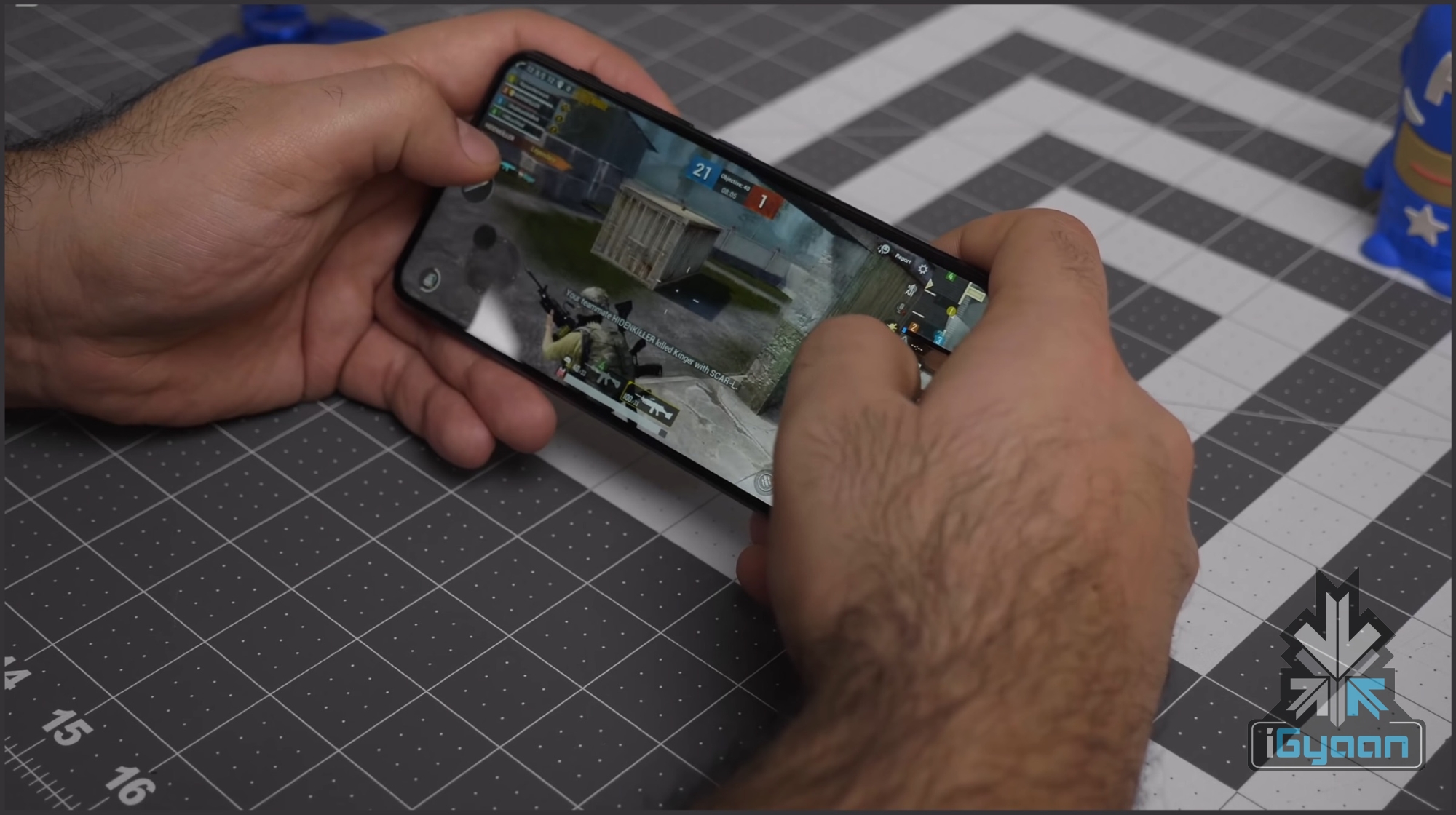
With high-end specifications, the Asus 6Z performs admirably in day to day tasks. It is also an excellent performance while gaming. Playing games like PUBG Mobile, Asphalt 9 and Shadow Fight, the smartphone selected the highest settings. We did not notice any major frame drops while playing the games and the performance was smooth and consistent. However, the device does get a little warm on the back in a 30-minute session of PUBG Mobile.
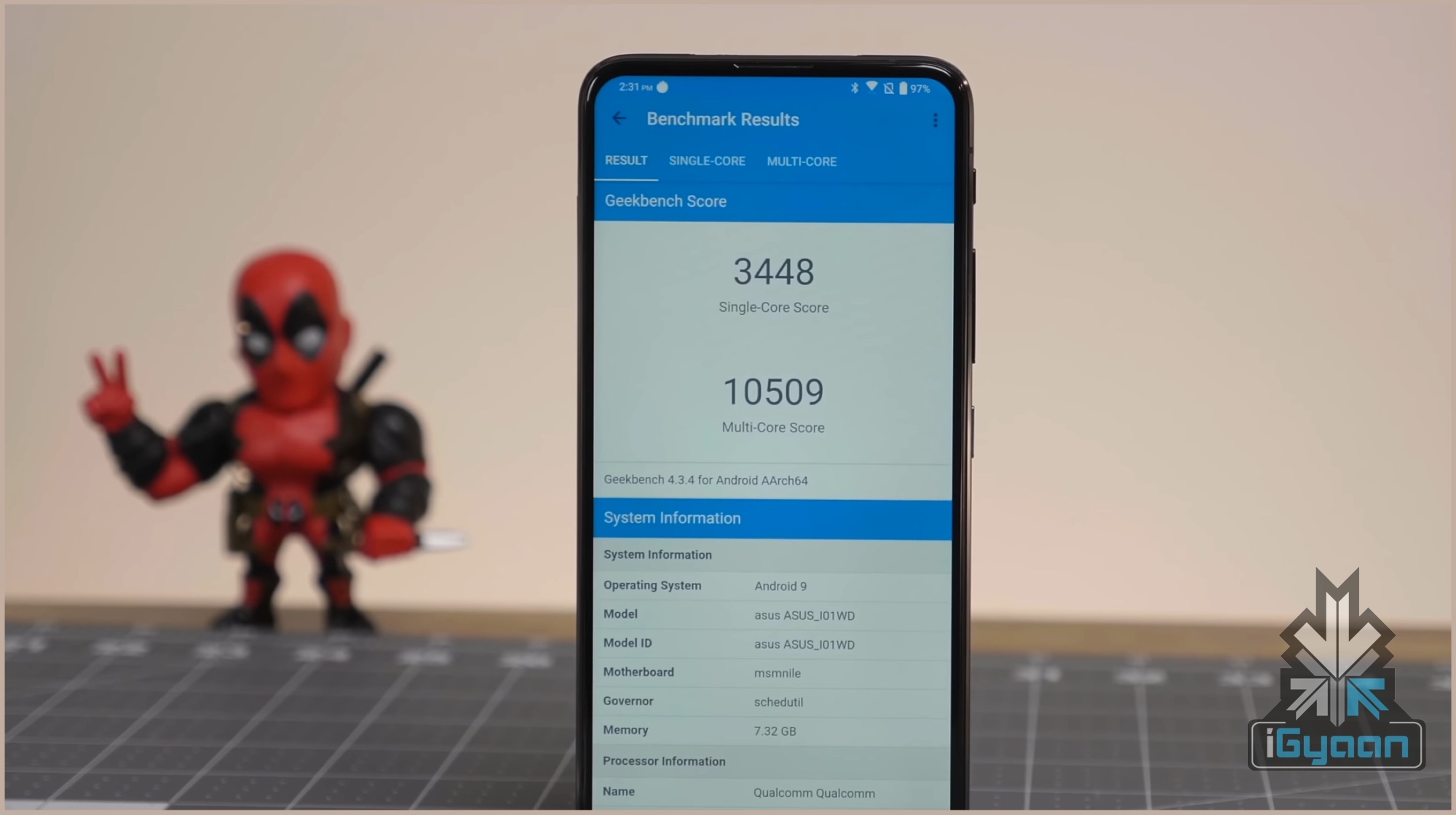
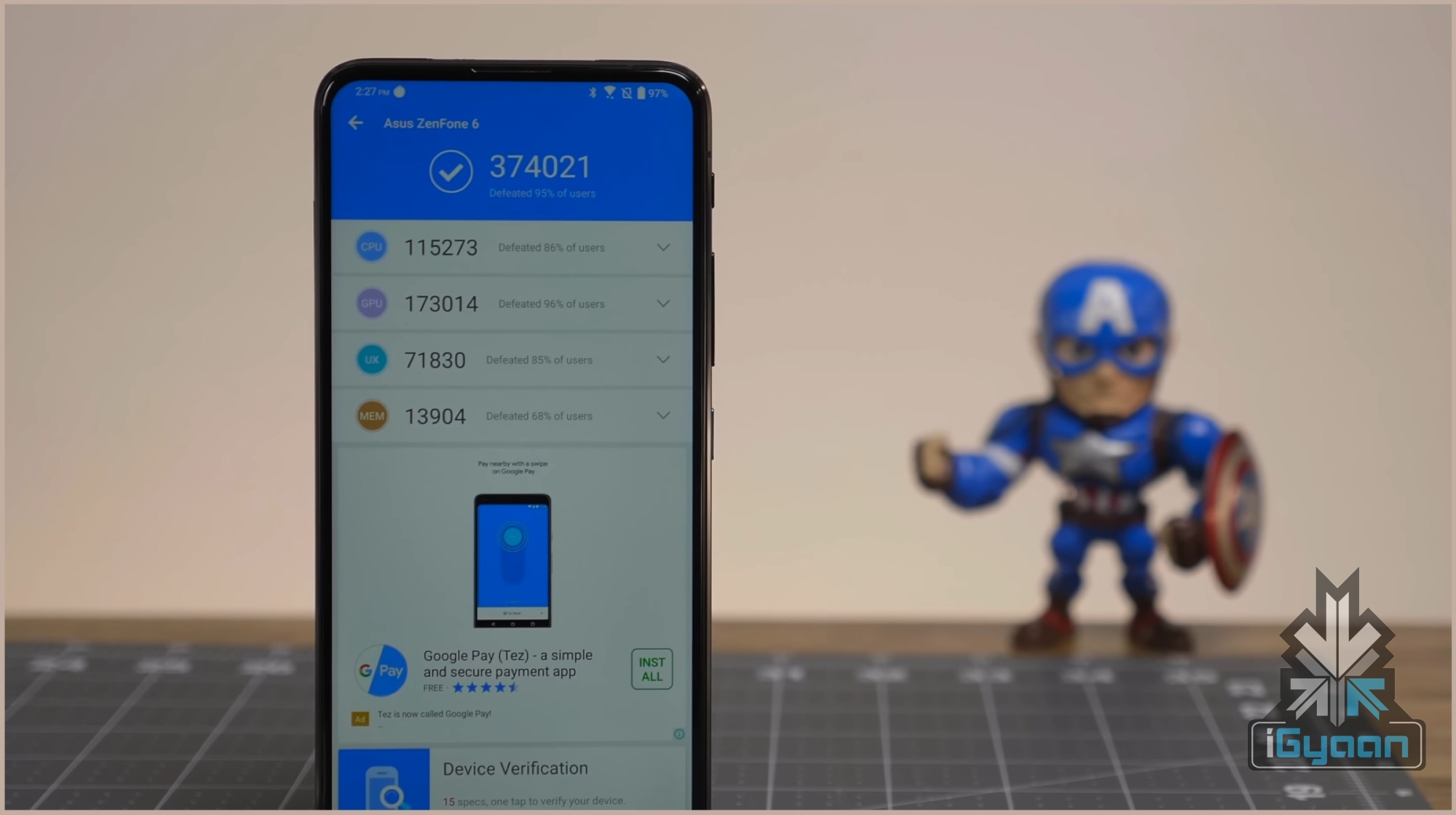
Using benchmarking applications like Antutu and Geekbench on the Asus 6Z does not tell a different story either. While testing the Antutu benchmark, we got an impressive score of 3,74,021 which is on par with the competition. In Geekbench, the device registered a single core score of 3,448 points and a multi-core score of 10,509 points. As is evident from the numbers, the handset will go through everything thrown at it without breaking a sweat.
[section label=”Software & UI”]
Software, UI & Multimedia
The Asus 6Z runs the company’s custom UI version 6 by the company on top of Android 9 Pie. The previous generations of the software were disregarded for the excessive bloat and diverting from Stock Android. It seems like the company has taken a note of that. The smartphone’s UI is almost stock, with minimal bloatware and fast animations, which make it a joy to use.
The Asus 6Z supports the basic Android navigation gestures which are bundled with Android 9 Pie. These let users go back with the dedicated back button on the left, a single tap on the centre pill takes you home and a swipe up on it brings out the multitasking menu. Dragging the pill to the right lets users scroll across various applications open in the background.
In terms of sound quality, the Asus 6Z has a single bottom firing speaker which has decent sound output. One downside of the setup is how easy it is to block the speaker grille while holding the device in landscape mode. Audio output via the Bluetooth is great which provides for a good listening experience.
[section label=”Camera”]
Camera
The major attraction on the Asus 6Z is its unique Flip Camera mechanism. It uses a special motor made of liquid metal to rotate the camera setup 180 degrees. As a result of which, there is no selfie camera on the device as it uses the main camera for taking front facing images and videos. This serves as an advantage for the smartphone as the high-resolution sensors on the back have a lot to offer.
In terms of optics, the Asus 6Z has a dual camera setup, comprised of a 48MP primary sensor and a 13MP secondary wide angle sensor. The primary sensor is the ubiquitous Sony IMX 586 sensor also found in handsets like the OnePlus 7 Pro. The camera app bundled with the smartphone is easy to use and has most of the controls laid out on the bottom for easy access with one hand.
Asus 6Z Primary Camera
Asus 6Z Primary Camera
Asus 6Z Ultra Wide
Asus 6Z Low Light
Asus 6Z Outdoors
Asus 6Z Night Mode
In terms of quality, the 48MP primary camera takes great photos. The quality and details are top notch with excellent contrasts. The post-processing adds a little too much saturation but it may fit the taste of some people. An added advantage with the camera is the wide-angle camera, which allows it to fit a lot more in the frame. Like most modern smartphones, there is also a dedicated night mode. This takes a while to take the image but increases the exposure. Images clicked in this mode have better detail but it is no match for Pixel’s Night Sight.
Asus 6Z Primary Camera Selfie Sample
Asus 6Z Primary Camera Selfie Sample
As the flip mechanism allows for the camera to take front facing shots too, selfies on the Asus 6Z are excellent. The images are as good (because it is the same camera, duh!) which makes for a really fun experience. Portrait mode provides great subject separation and video output is one of the best out there. While the smartphone does not have Optical Image Stabilisation (OIS), it uses Electronic Image Stabilisation which churns out stable footage. In terms of Video recording, the device can record in 4K resolution at up to 60fps.
Additional features
There are also some neat tricks that you can do with the Flip Camera on the smartphone. The camera can be placed at a custom angle from 0 to 180 degrees. To do this, there are two options, one via dragging the selfie camera icon up or down or by toggling the volume rockers. It also allows for an auto panorama mode, which as the name suggests taking automatic panoramas with you in it. There is also a neat motion tracking feature, but it is a little slow and doesn’t work every time.
Side Note: While the camera on the Asus 6Z is commendable and offers many features, the housing becomes too hot to touch after a few minutes of usage. The use of moving parts on the smartphone may affect its life in the longer run.
[section label=”Battery”]
Battery and Connectivity
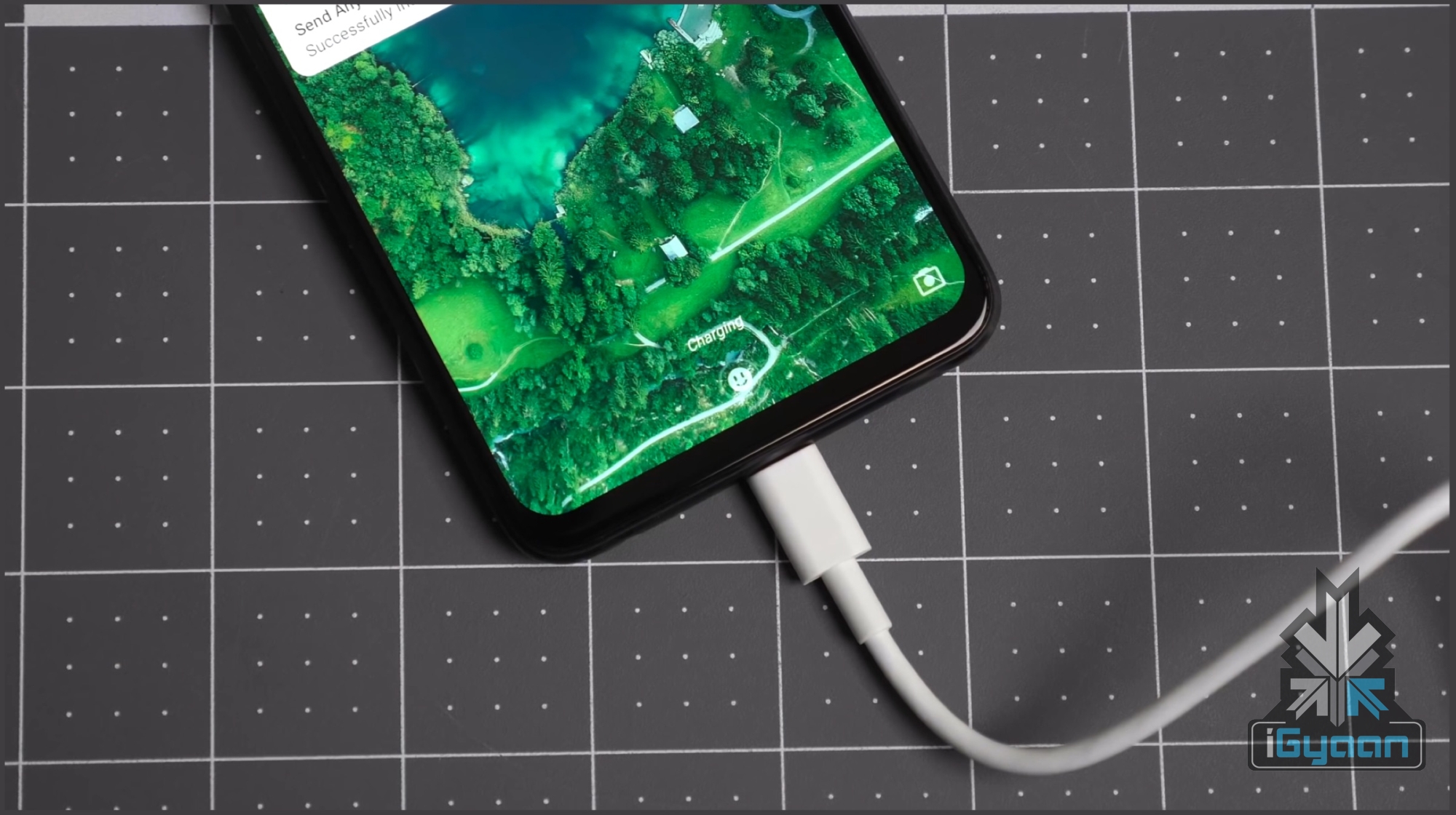
The Asus 6Z is powered by a mammoth 5000mAh battery which can be charged using the bottom mounted USB Type-C port. The battery life of the device is great, with us getting a screen on time of about seven hours on medium usage. The massive battery, combined with stock Android provides the smartphone with acceptable battery life.
In terms of connectivity, the Asus 6Z has WiFi 802.11 b/g/n, Bluetooth 5.0 and also supports 4G VoLTE. The smartphone faced no problems in latching on to Wi-Fi networks and performed as expected. Call quality on the device was excellent, with the earpiece producing loud, crisp audio. The handset was able to perform equivalent to its rivals when it is about network and connectivity.
[section label=”Other Features”]
Other Features
The Asus 6Z has a rear-mounted fingerprint scanner and supports the ever popular face unlock technology. In our usage, we found the fingerprint scanner to be quick in unlocking the smartphone. As the biometric sensor is placed on the rear, it is inaccessible when placed on a flat surface. For those occasions, face unlock usually serves as a handy feature. Although as the smartphone uses a flip mechanism, this is also useless while laying flat on a table. Face unlock also takes a good second to work, as the machine needs to work fully and retract after detecting your face.
The dedicated Google Assistant button is one of the key highlights of the Asus 6Z. Like mentioned above, the button can be pressed to summon the digital voice assistant. With the smartphone, three individual functions have been mapped to the button. Pressing it once will bring up the Google Assistant which can be used to input commands. Clicking the button twice brings up the Assistant dashboard to glance through updates, while a long press on the button turns on the microphone until the key is pressed. This function works like a walkie talkie and is a good addition for quick or longer commands.
[section label=”Verdict”]
Verdict
The Asus 6Z is a worthy flagship that offers everything you can ask for in a smartphone. It has a big, beautiful display, great software, capable cameras and a solid design. However, there are a few caveats to it, like not enough brightness outdoors and the use of mechanical parts, which may affect the longevity of the device. While the parts feel well built and will not wear off anytime soon, there is still a percentage of uncertainty with moving parts. But, if we ignore all of that and focus on the present, then the smartphone does give the OnePlus 7, even the 7 Pro a run for its money.
If you are in a market for a smartphone under Rs. 40,000, the Asus 6Z will not disappoint you. It is truly the newest Flagship Killer in town. However, there are also excellent options such as the aforementioned OnePlus 7, Nubia Red Magic 3 and the Black Shark 2. The latter two of which are gamer oriented and will also offer a lot more if you are into mobile gaming.
In the month of May, the US Commerce Department designated the Chinese tech titan, Huawei to an entity list. This move revoked all American companies from having any sort of trade relations with the Chinese corporation.
Subsequently, Huawei had to deal with a significant setback as major companies including Google and Microsoft had to withdraw their software support for the former’s hardware offerings. As it seemed things could not get worse, ARM, the British semiconductor and software design company also pulled off the plug. Hence, Huawei could no longer manufacture its Kirin chipsets as they incorporated Cortex architecture which is developed by ARM.
Nevertheless, the reason that induced the ban on Huawei in the first place is that the US government accused the company of installing backdoors on its 5G equipment which was considered as a threat to the national security.
Following a month of turmoil, things may get back on track for Huawei. At the G20 summit which is currently being held in Osaka, leaders of both the countries sat together to discuss trade tensions which has now been de-escalated to some extent. According to reports American president, Donald Trump, for the time being, has allowed US-based companies to restore trade relations with Huawei. Therefore, the Chinese corporation can once again buy products and services from American businesses until further notice.
Intriguingly, the US government stated that it will hold the tariffs on China which were previously expected to see a significant rise. In return, China will be purchasing huge quantities of agricultural products produced by US locals.
Despite the fact, circumstances have gotten much better for Huawei, at least for now, the company might take some severe steps to ensure it never has to go through such hardships in the future.
Though the company can again register new smartphones with Android OS, it may still decide to launch a handful of devices with Ark OS or HongMeng Os, the companies in house developed operating system. This will allow Huawei to break free from the monopoly that has been created by the American companies.
All in all, not much can be said about the plans that Huawei might have formed during the short yet difficult period it had to endure. Only the future will unravel what lies in store for Huawei.
Though this is definitely a positive report for all Huawei and Honor device owners which are now likely to get extended software support on their smartphones or tablets.
At the Apple WWDC 19 event, which was held in the month of June, the company announced its latest Mac Pro computer which is designed for pro consumers, professionals and movie makers. Before the launch of the current gen computer, all Mac Pro machines completed their final assembly in the USA at the Austin, Texas assembly line.
But with the new Mac Pro, Apple is shifting the last stage of assembly of these high-end computers from the United States to China. Noteworthy, even if the last generation Mac Pro was assembled in its home country, components used in it were manufactured in several countries.
According to reports, this effort could help reduce costs related to shipping components to the United States for the last production step. Nevertheless, Apple has partnered with Quanta Computer in China which will be held responsible for finalising assembly of the 2019 Mac Pro future onwards. Users who are unaware can read about the new Mac Pro below:
Apple Mac Pro
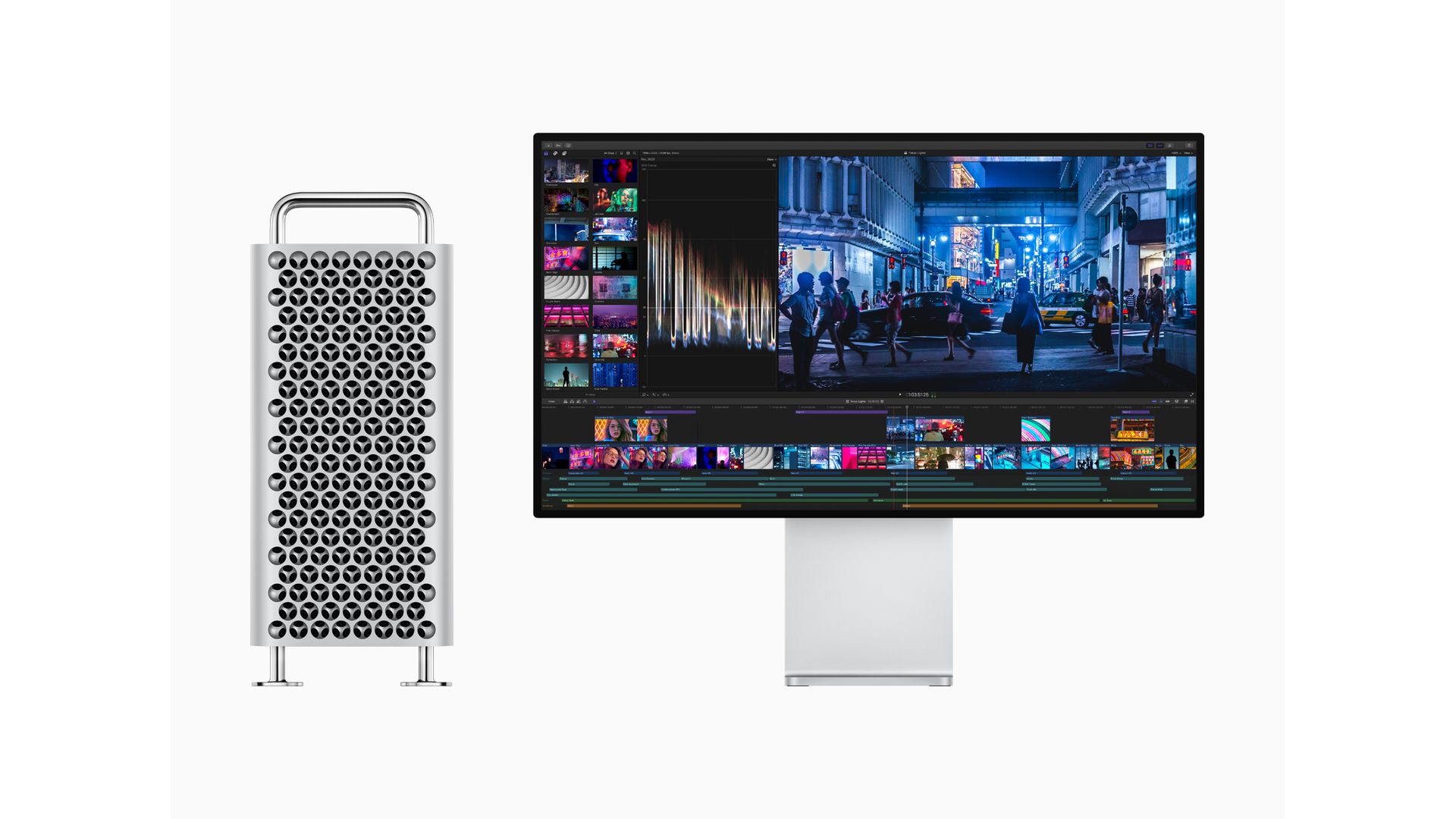
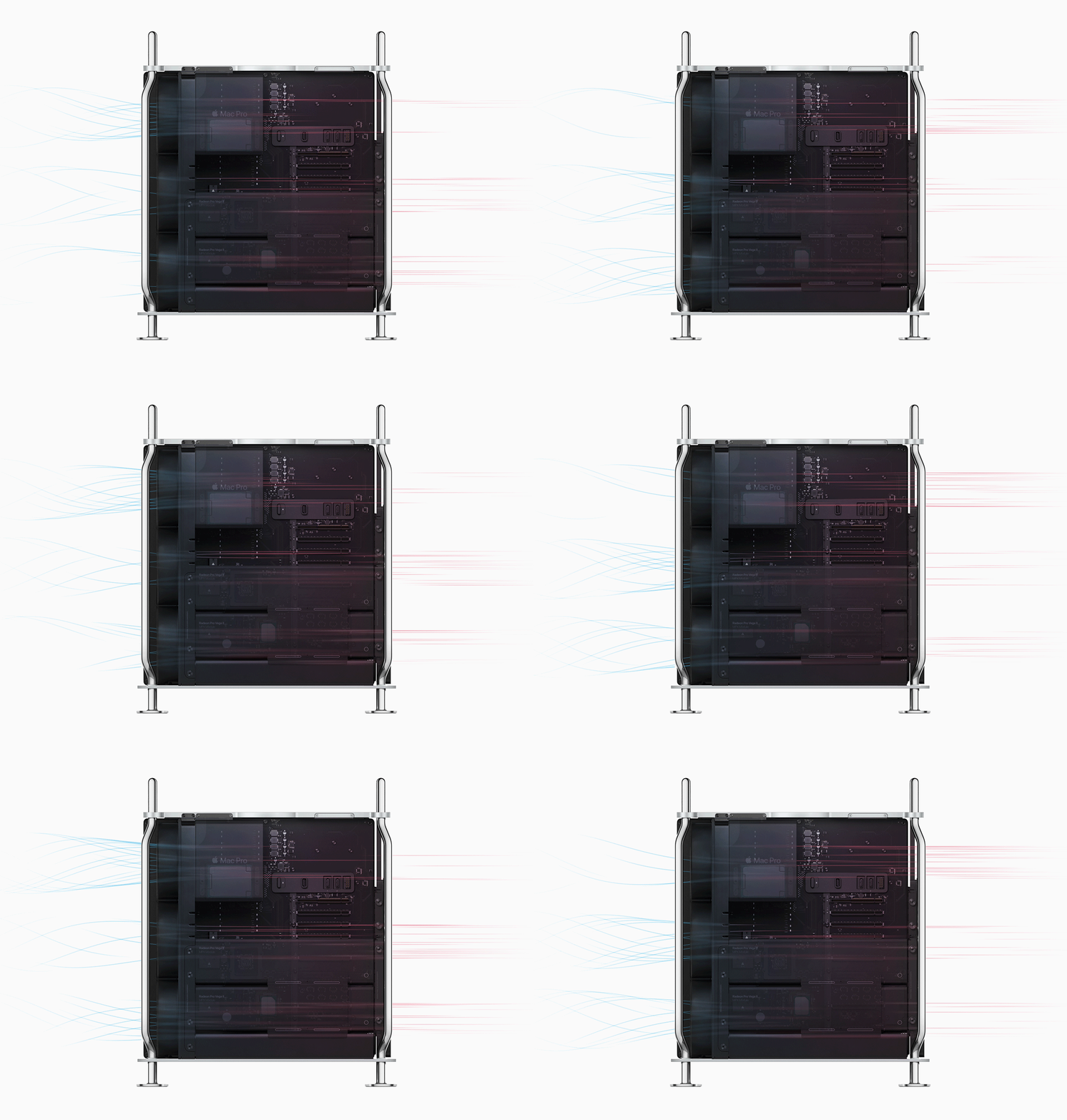
The Apple Mac Pro is a considerably larger machine in comparison to its predecessor, it measures 529 X 450 x 218 mm and tip the scale at 18 KG. It has two steel handles on top which can be used to easily relocate the computer. The case can also be fitted with optional wheels to enable mobility of the system.
According to the company, the new computer offers state-of-the-art cooling with three large fans which can disperse 300 cubics of feet per minute. This will allow the processor and other components to run at maximum power without thermal throttling.
The latest Apple Mac Pro can be configured with the 28 core Intel Xeon processor with 300W of power. In terms of memory, the Mac Pro supports up to 1.5TB of RAM, which can be divided between six-channel memory across 12 DIMM slots (Dual In-Line Memory Module). The machine has eight built-in PCI Express slots which can be used to install upgrades as the need of the user.
The Mac Pro includes 2 USB-C which can also double up as Thunderbolt 3 ports and two USB-A ports that are present on the front of the case. For wireless connectivity, it also has 802.11 ac Wi-Fi and Bluetooth 5.0
The components of the Mac Pro are powered by a 1400W power supply unit (PSU) which can even compensate for additional components that the user may add in the future. The computer starts at a price of US $ 6000 and it will start shipping later this year.
All in all, the new Mac Pro is an absolute beast of a computer. However, Apple needs to make sure that the product sells at a profit rather than burning a hole in its pocket. Therefore the move of shifting its production to China from the US that has significantly higher labour costs can be justified.
In the month of July last year, Huami, a company backed by Xiaomi launched its two wearable devices in India which include the Amazfit Bip and Amazfit Stratos.
Two weeks ahead of the Amazon India prime day sale, the company has silently listed the Amazfit Bip Lite smartwatch on the e-commerce website. As the name suggests, the newly launched device is an affordable variant of the previously announced Amazfit Bip. However, don’t let the ‘Lite’ suffix mislead you to taking the Amazfit Bip Lite as a substandard product. Even though it has an economical price, it still packs loads of fitness-oriented features in addition to the conventional watch.
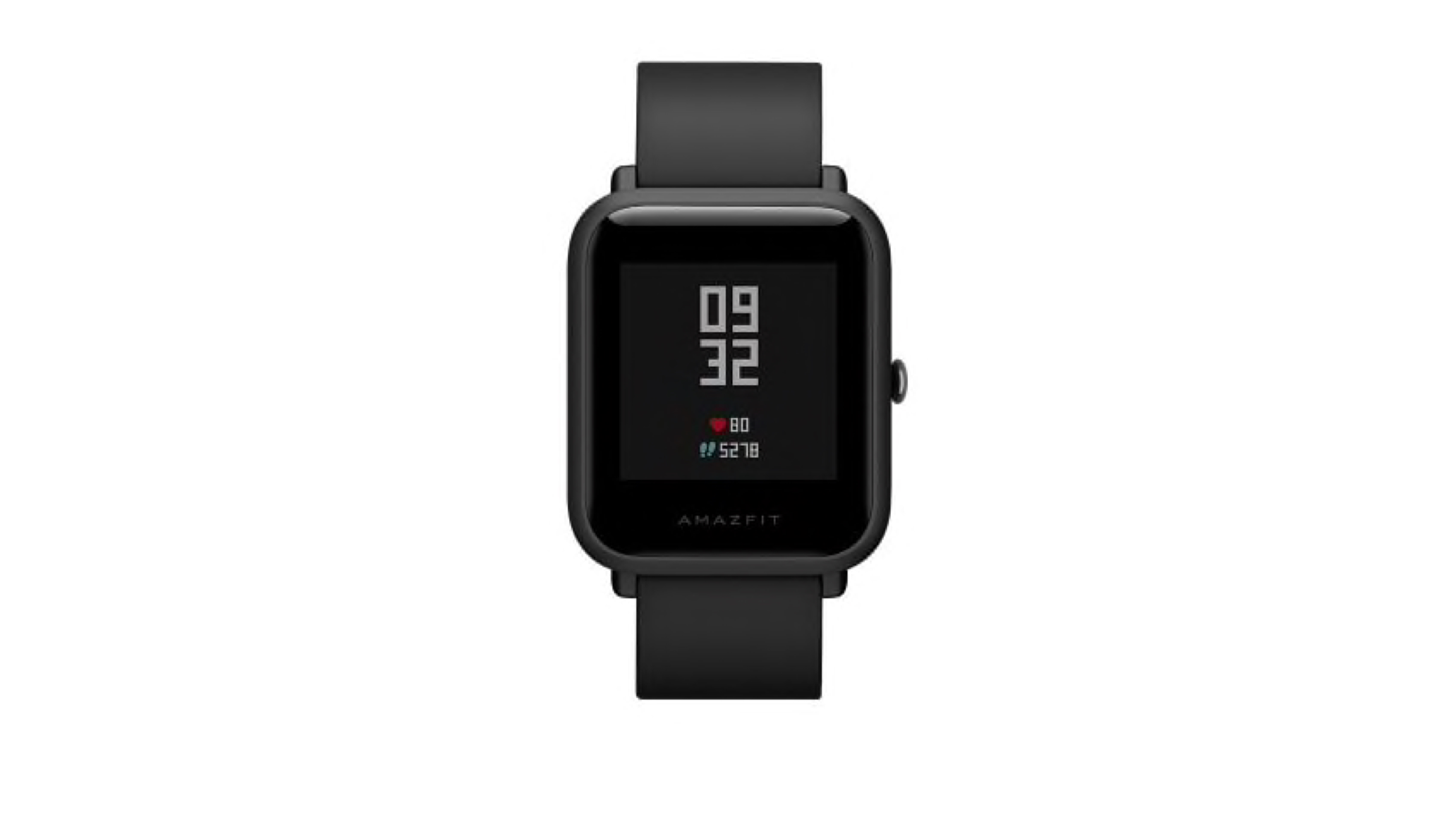
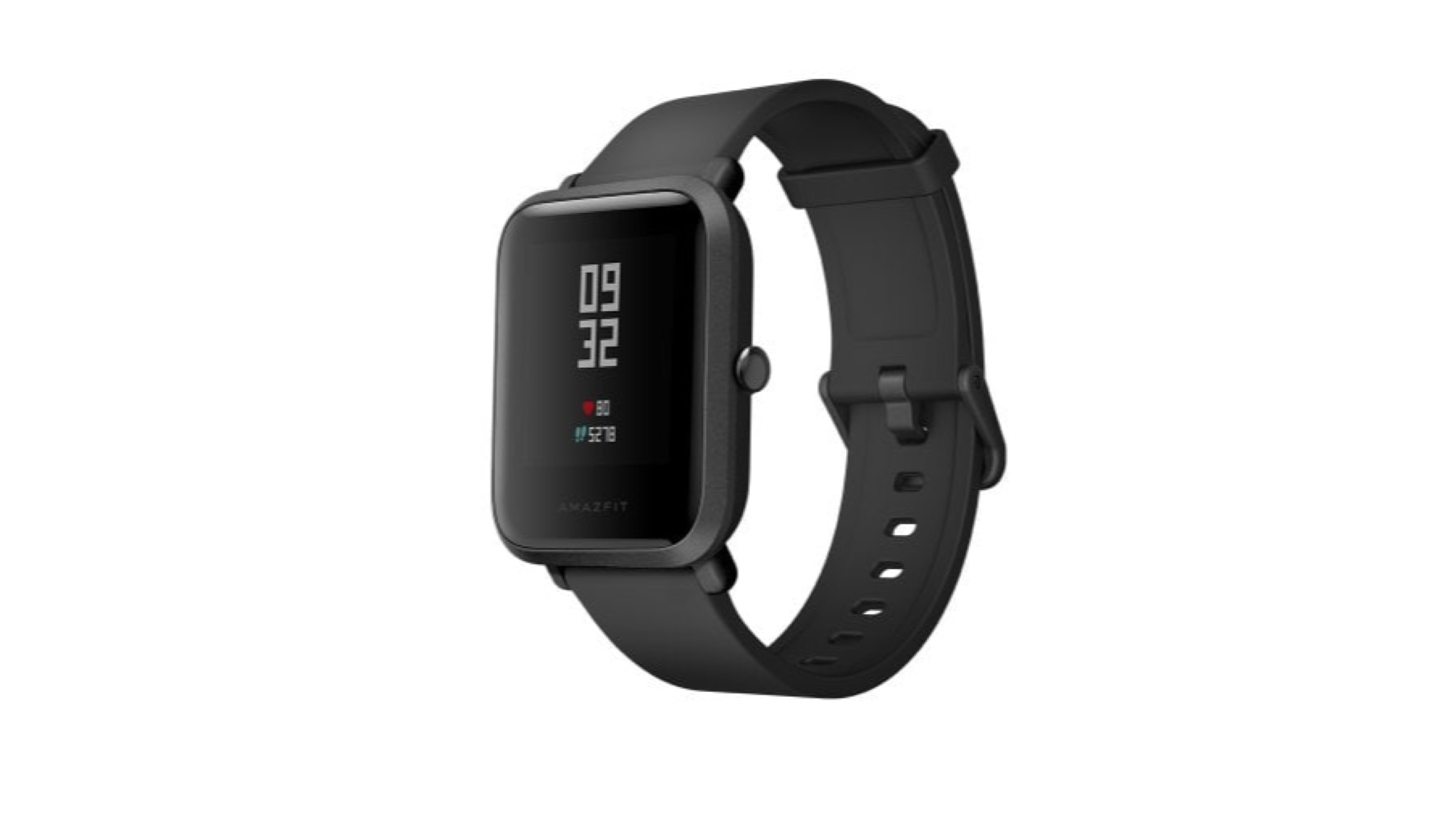
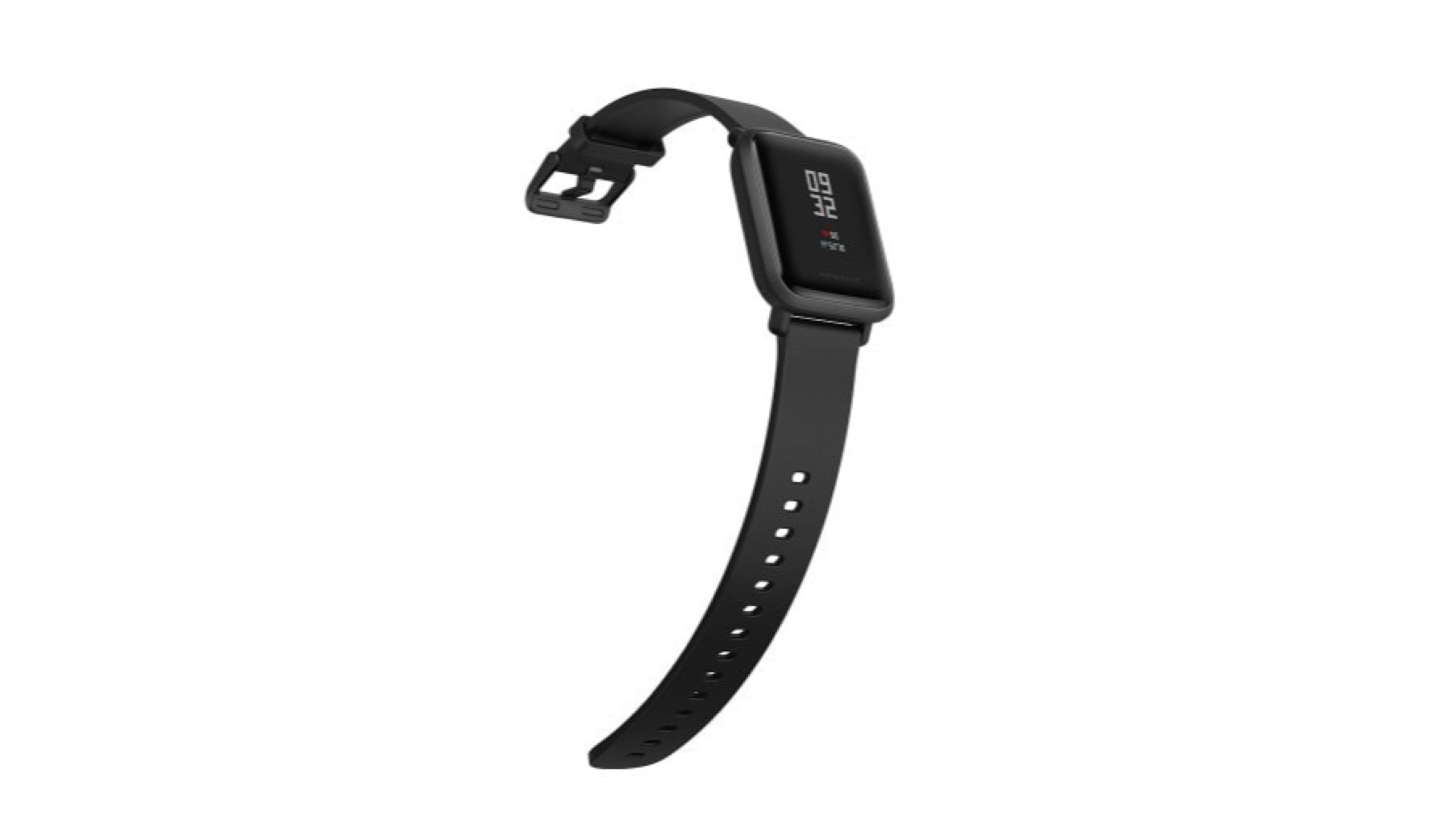
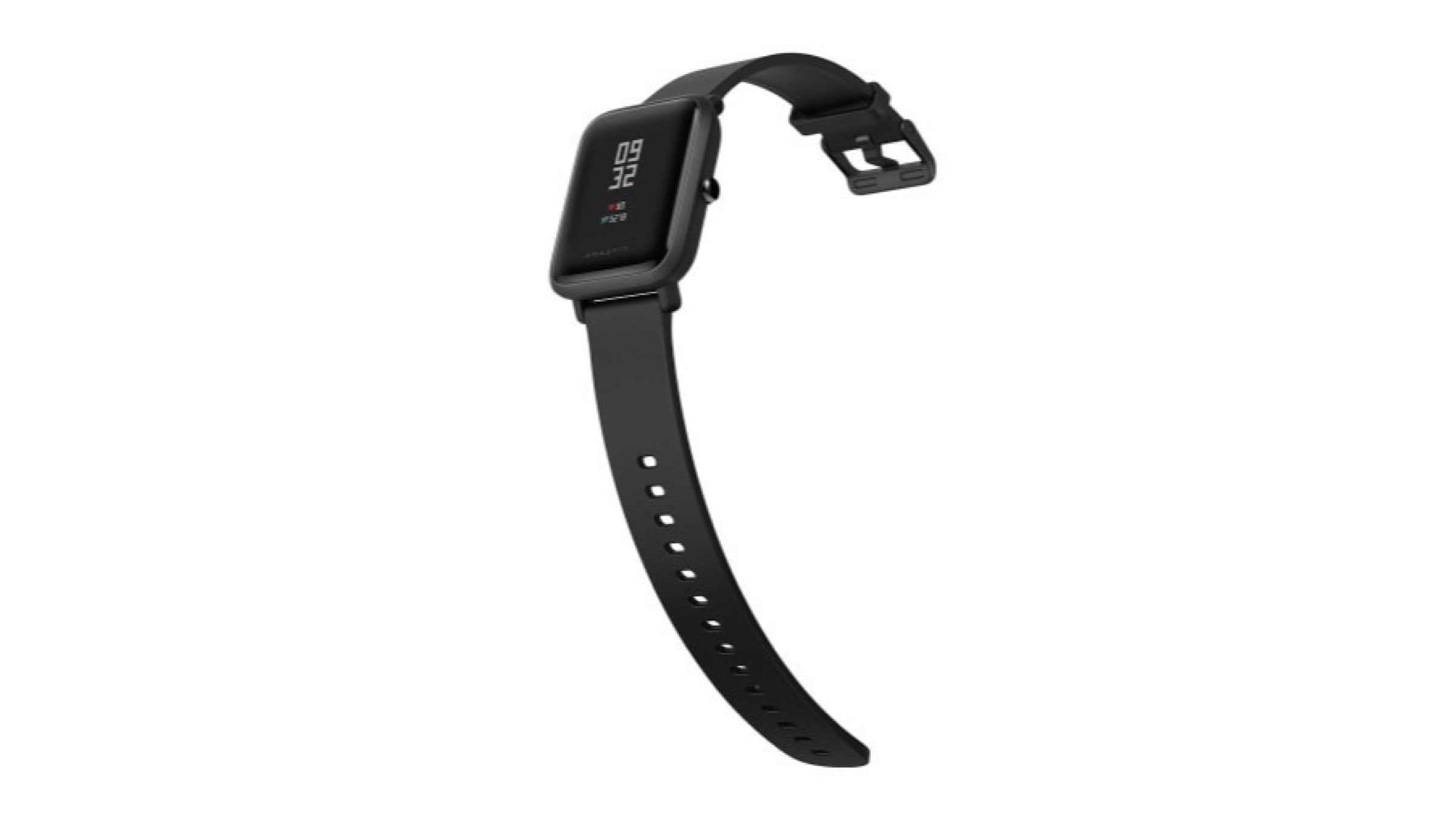
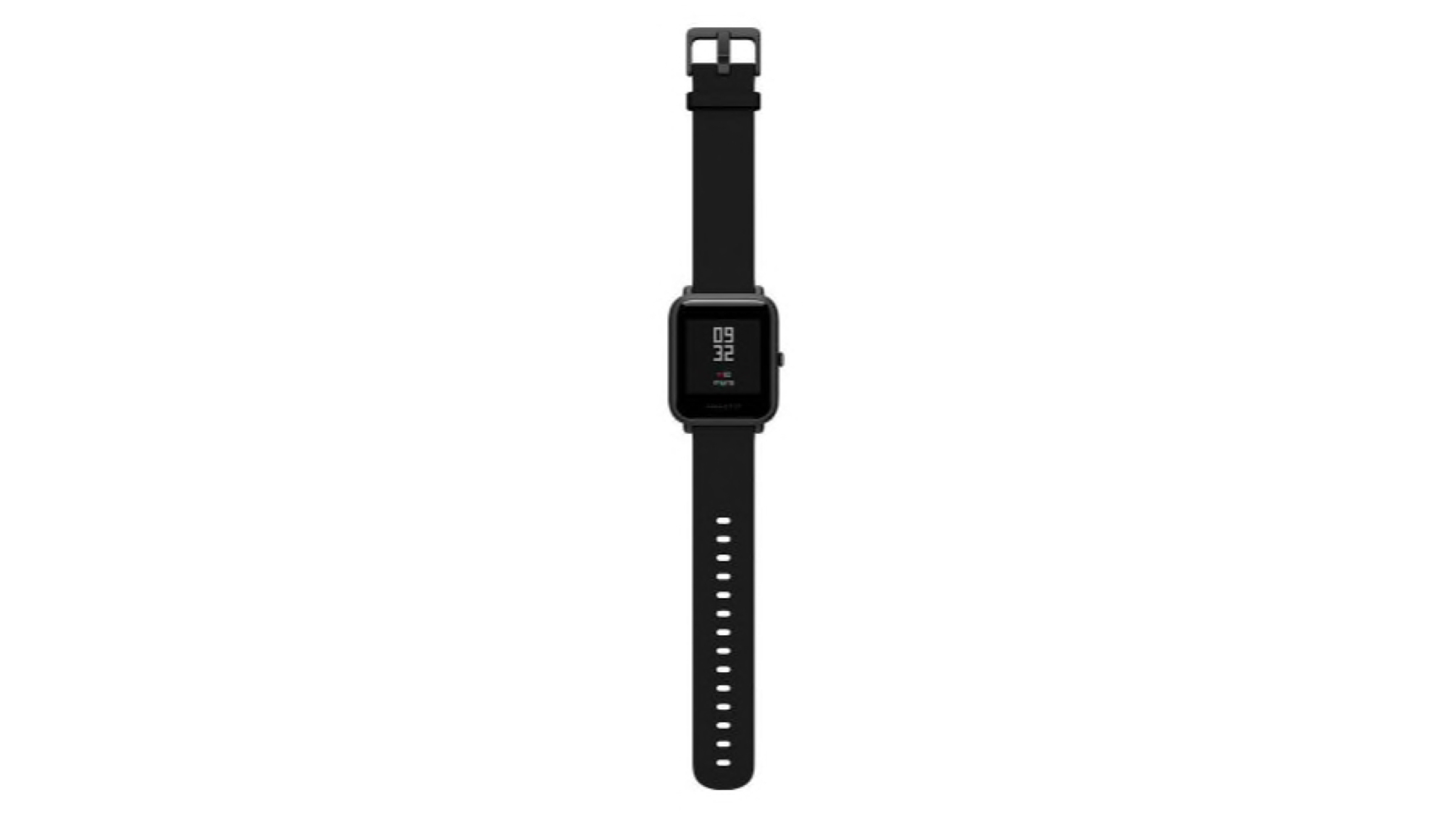
The Amazfit Bip Lite has an elegant design with a square watch dial and soft silicome straps. The smartwatch sports a 1.28 inch colour display which has a resolution of 176 x 176 ppi. To protect the device against scratches it uses a 2.5d Corning Gorilla Glass.
To navigate across various menus and features of the Huami Amazfit Bip Lite, the user can either use the touch button placed below the display or the right side mounted circular crown. The rear side of the fitness watch houses a heart rate monitor which can measure the user’s heart rate on the go.
Besides, the Amazfit Bip Lite also has a pedometer (step counter), sleep monitor and a sedentary reminder. The fitness watch prompts the user with a reminder when they have remained seated for an extended period of time.
The Amazfit Bip Lite is powered by a 190 mAh battery which is claimed to provide a battery backup of 45 days depending on the usage. The battery is charged via a proprietary connector and it takes about 2.5 to fully replenish it.
Talking about features, the Huami Amazfit Bip Lite has a built-in vibration motor which sends haptic feedback when the user receives a message or phone call. The fitness device is compatible with both iOS and Android, also the users can save data for later which can be transferred to an app on the smartphone. Other sensors on the device include a Barometer and GPS.
In addition to the Amazfit Bip Lite smartwatch, the box includes a charging cable and a user manual. The smartwatch is available in a black colour option and is priced at Rs 3,999. As previously mentioned it will be available for purchase with the Amazon Prime day which begins 15th of July.