Blog

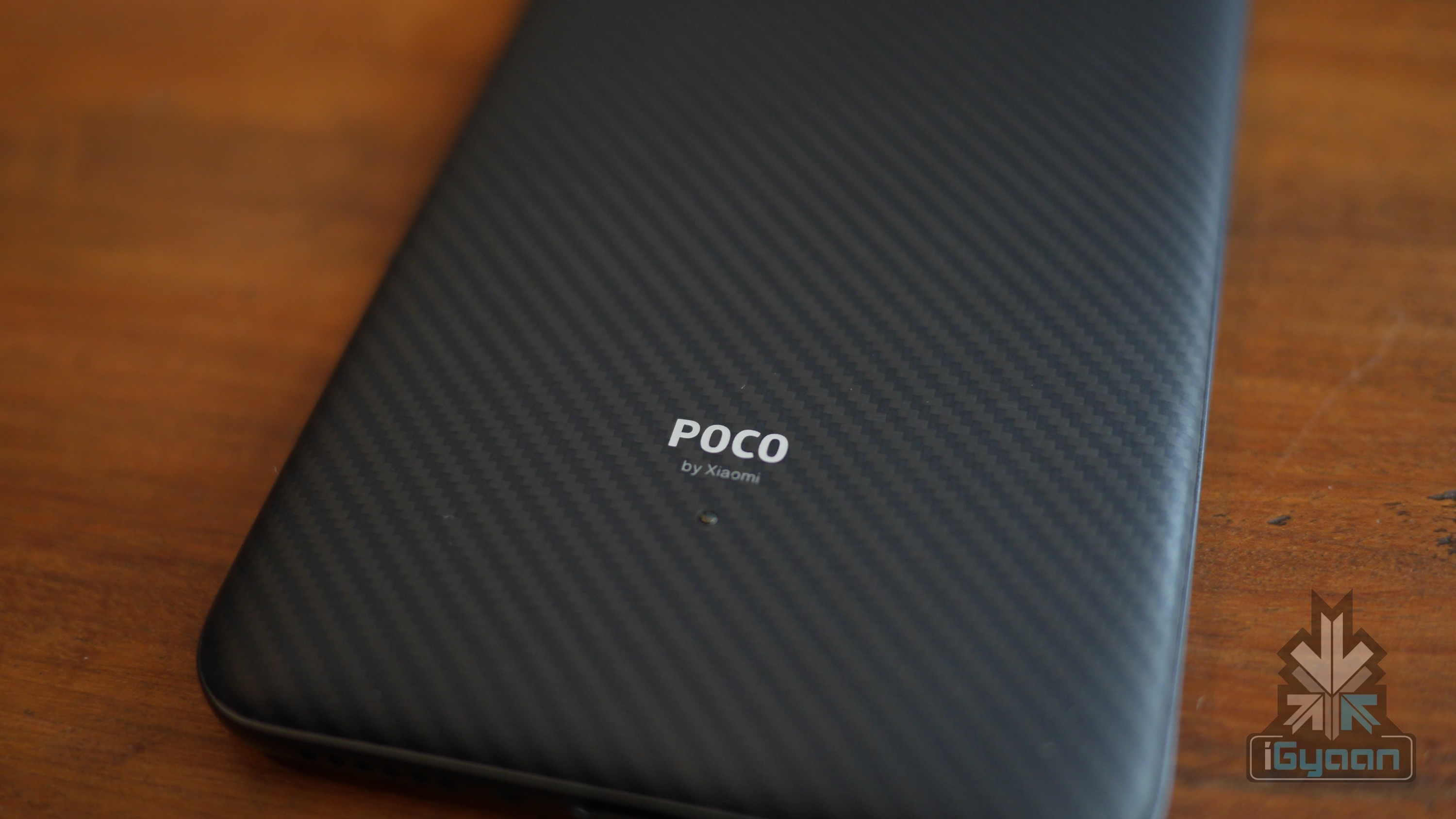
  • Xiaomi POCO F1 Gets Dark Mode Via MIUI Beta Update

    Xiaomi POCO F1 Gets Dark Mode Via MIUI Beta Update

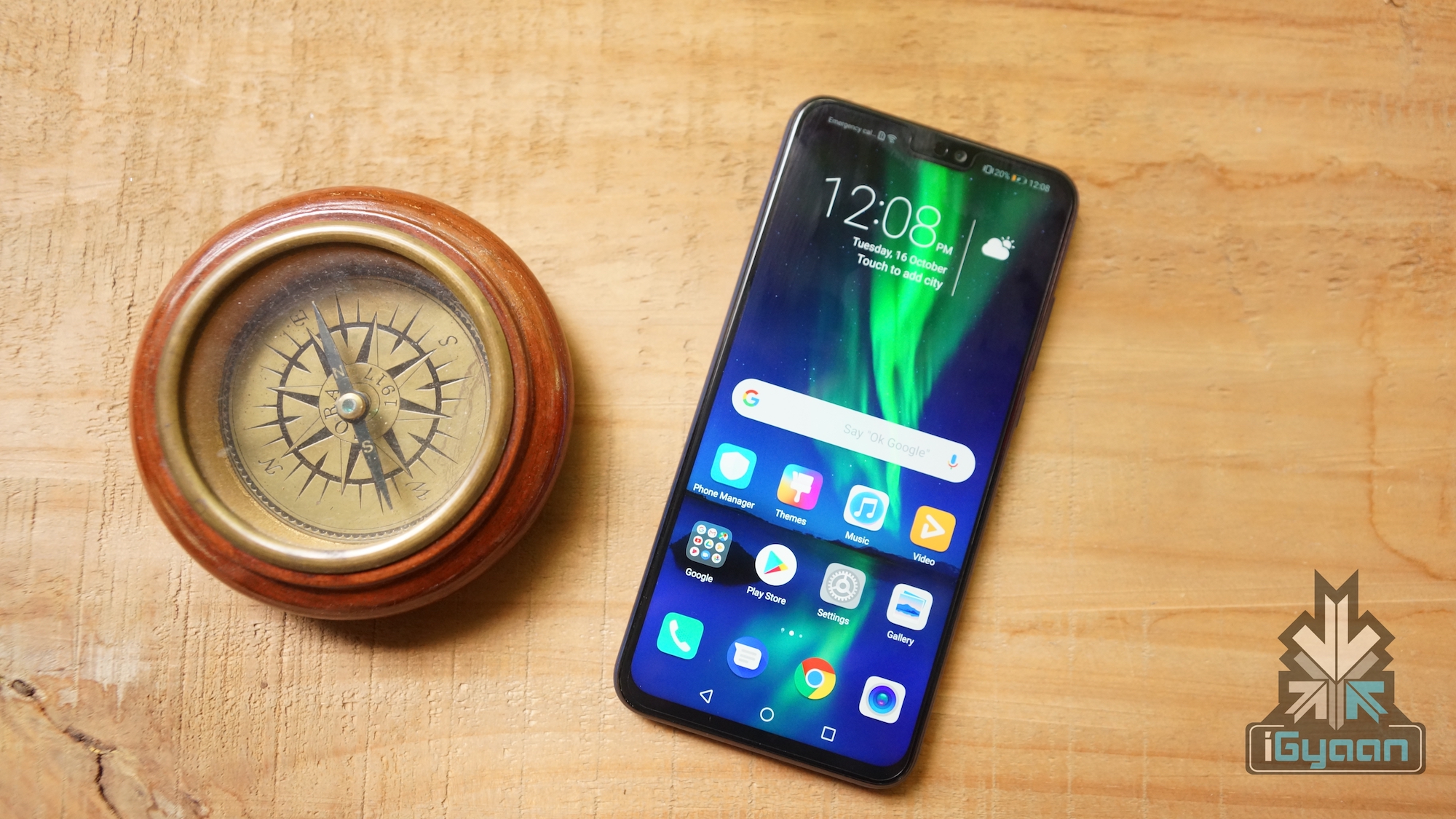
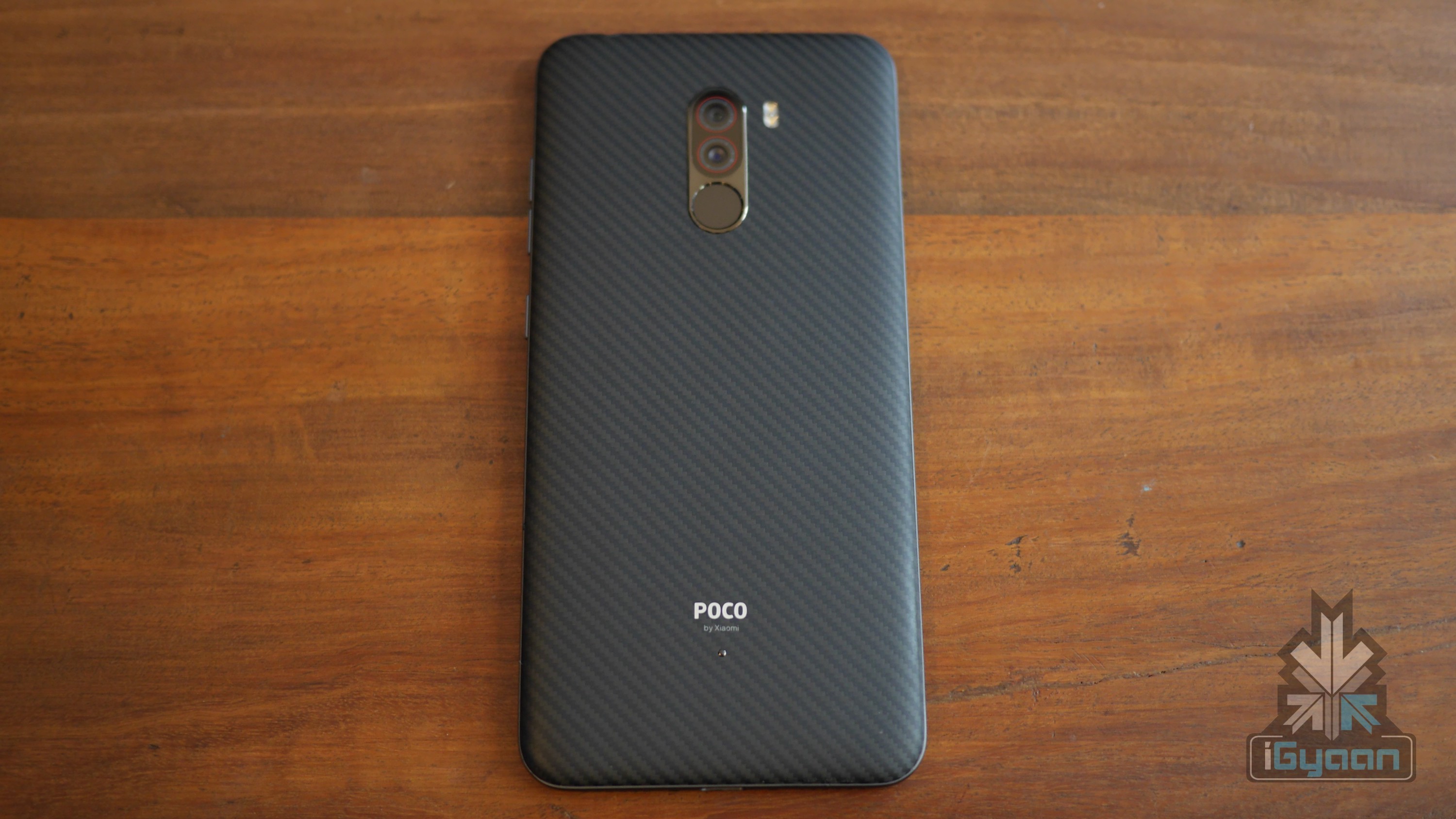
    Xiaomi’s POCO F1 is highly popular in the smartphone market owing to its aggressive pricing and high-end specifications that will give premium brands a run for their money.  Since the release of the device, Xiaomi hasn’t been lenient at all regarding necessary software updates for the device, instead, the Chinese manufacturer is taking every possible step to keep the device at par, or even ahead of its competition. With Xiaomi providing updates for Widevine support, Slow-mo videos at 960 fps and Game Turbo Feature, POCO F1 users are more than elated with the features they are receiving via regular updates. Now, the company is rolling out a dark mode update in the closed MIUI Beta for the POCO F1.

    What Is Dark Mode?
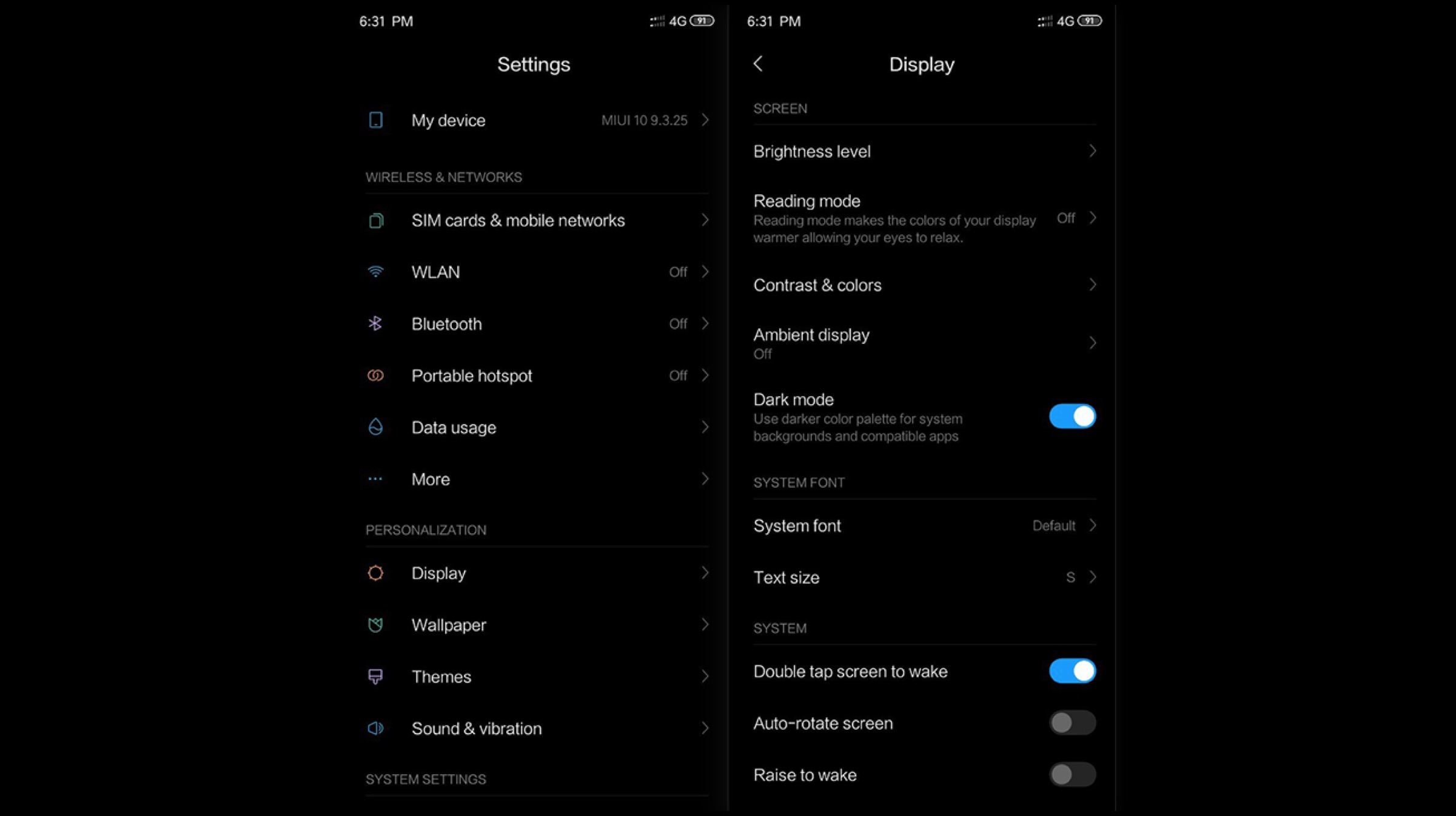
    Dark Mode is slowly becoming an integral part of every application and operating system because it is easy on the eyes and conserves smartphone battery, especially on OLED devices. Apps like Firefox, Opera, Twitch and Telegram have already adopted this style, and companies are regularly adding dark mode support to new applications and software. A system-wide update is now rolling out to groups of POCO F1 users who have the latest open beta available on their device. This feature will enable users to implement a darker colour palette in the system (including the menus, system backgrounds and notification bars) and apps which are compatible with dark mode.

    How To Enable Dark Mode On POCO F1?
    Also Read: Xiaomi Mi 9X Leaks Before Official Announcement

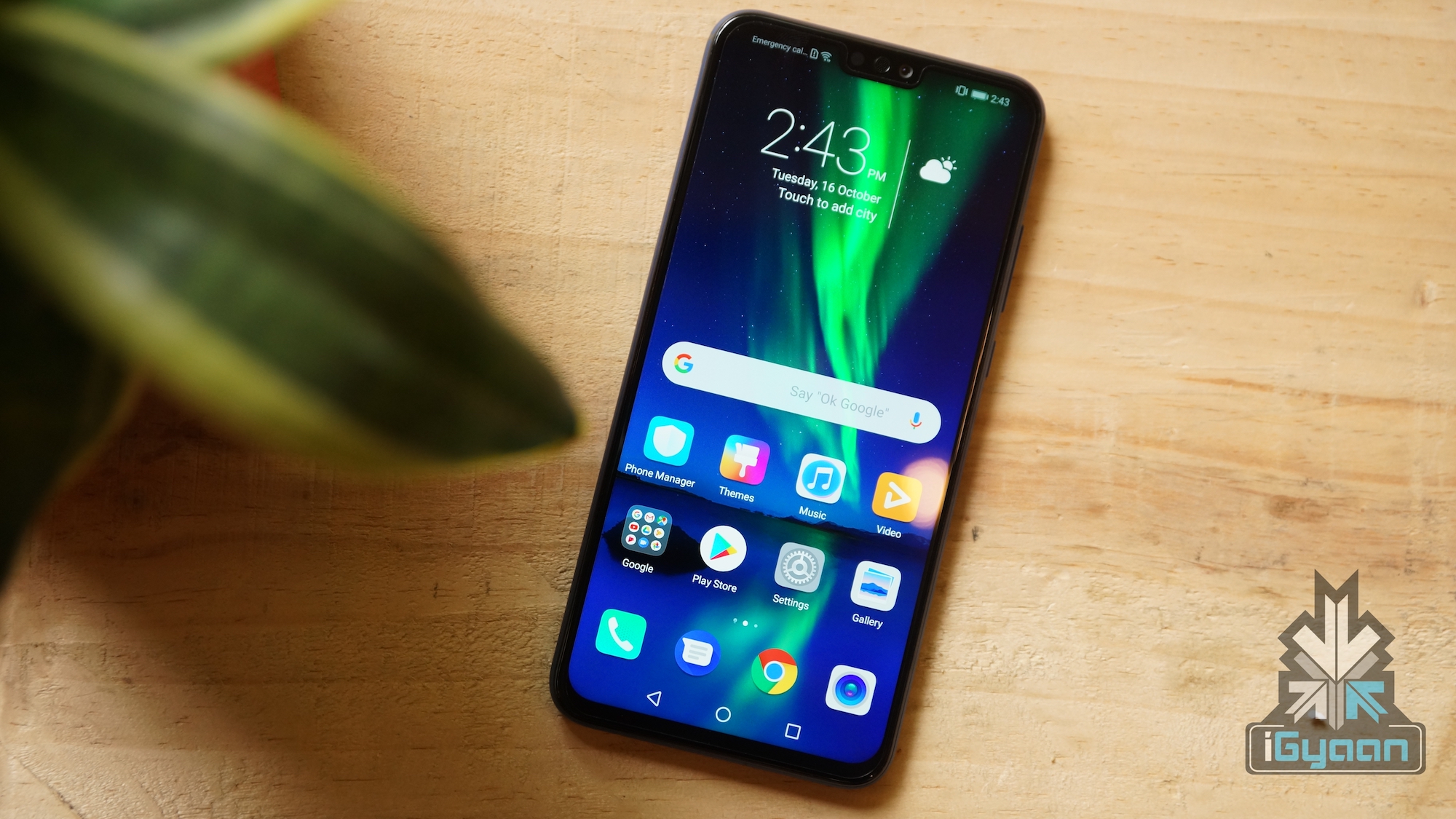
    Users can even apply the dark theme to their system applications, such as Gallery, messaging, phone and contacts. To experience the dark mode on their devices, users can go to the Display menu in Settings and turn on the dark mode. Noteworthy, the MIUI global beta must bear the version number 10.9.3.25, otherwise the button for toggling the dark mode wouldn’t be visible. If users do not wish to update the UI, they can use the MI Flash tool to flash the update package on their device via an unlocked bootloader. It is advisable to take a backup of all the data on the device before updating the smartphone.
     

  • Huawei P Smart Z, Y5 2019, Honor 20, 20 Pro Receive EEC Certification

    Huawei P Smart Z, Y5 2019, Honor 20, 20 Pro Receive EEC Certification

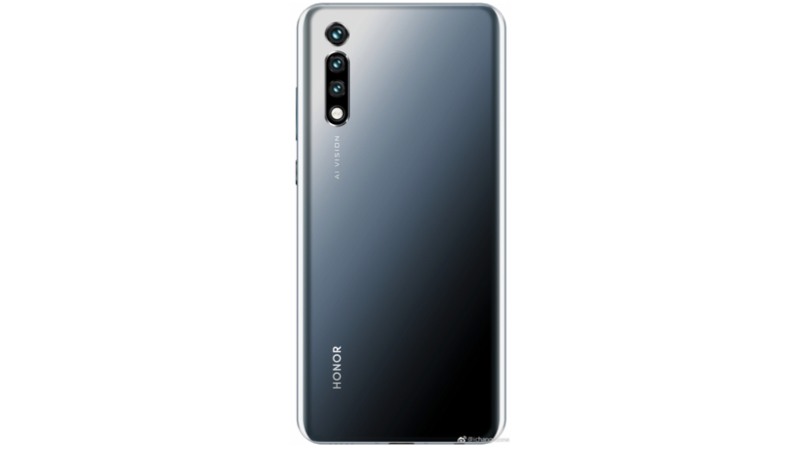
    The Honor 20 and the Honor 20 Pro are the second series of smartphones from the company that will sport a triple rear camera setup, the first being the Honor Magic and the Honor Magic 3D. Previously in March, the specifications of the Honor 20 were leaked, and on March 26, the Honor 20 and 20 Pro received the EEC (European Economic Community) certification. This confirms the fact that these devices will soon make their way to the European smartphone market. Alongside the Honor 20 and the 20 Pro, the Huawei P Smart Z and the Y5 2019 were certified too.

    Honor 20 Specifications And Features

    Honor 20 will succeed the Honor 10, which was launched in May 2018, and will target the premium midrange segment of the market, taking on devices like the OnePlus 6t. Unfortunately, no details are available regarding the specifications of the “pro” version of the smartphone, but as per previous leaks, the it will sport a 6.1-inch OLED display with a Full HD+ resolution. The device will have an in-display fingerprint scanner. It is expected to feature a triple camera module with a 48MP primary camera sensor, a secondary ultra wide 20MP camera and a third 8 MP camera with a 3X optical zoom.

    The device is expected to run Android 9 Pie straight out of the box, with EMUI 9 on top. This means that the smartphone will support Link Turbo, GPU Turbo, CPU Turbo and Gaming+, thanks to EMUI. Under the hood, the Honor 20 will pack a 7nm Kirin 980 chipset, which consists of an octa-core Cortex CPU and the Mali-G76 GPU. In terms of memory, leaks suggest that the smartphone will be offered in 3 different configurations: 6GB+128GB, 8GB+128GB and 8GB+256GB. The device is expected to be powered by a 3,650 mAh battery with 22.5W SuperCharge technology. 
    Expected Pricing And Availability

    Also Read: Sony Launches RX0 II, The World’s Smallest 4K Video Camera

    The speculated pricing of the Honor 20 is listed below:

    • 6GB RAM+128GB ROM: CNY 2,999 (roughly INR 30,800)
    • 8GB RAM+128GB ROM: CNY 3,399 (roughly INR 34,900)
    • 8GB RAM+256GB ROM: CNY 3,799 (roughly INR 39,000)

    No specific launch date for any of the newly-certified devices is available as of now. However, owing to the EEC certification, the Chinese manufacturer might start retailing the devices in the not-so-distant future.


  • Xiaomi launches The Mi Notebook Air In China

    Xiaomi launches The Mi Notebook Air In China

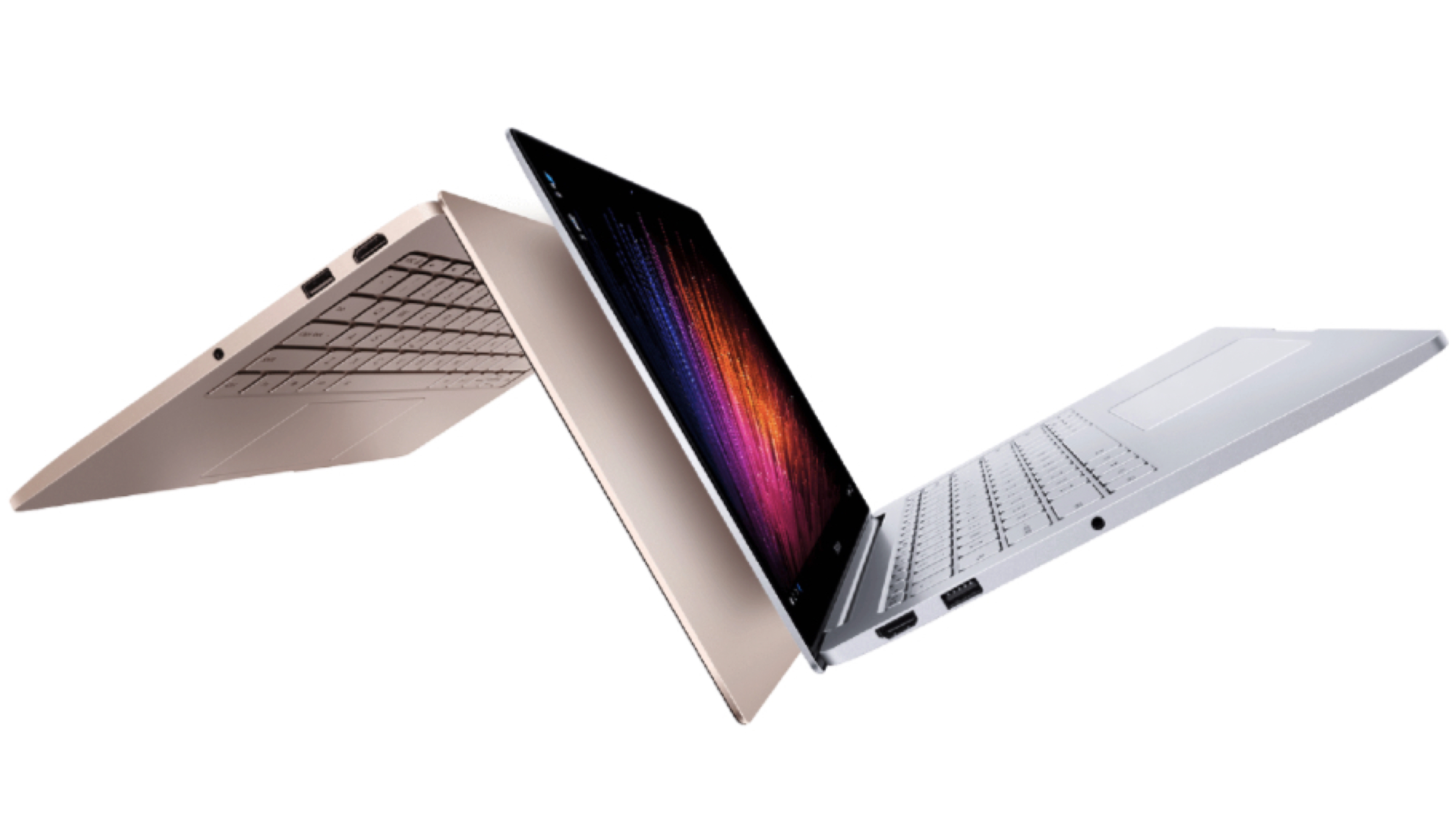
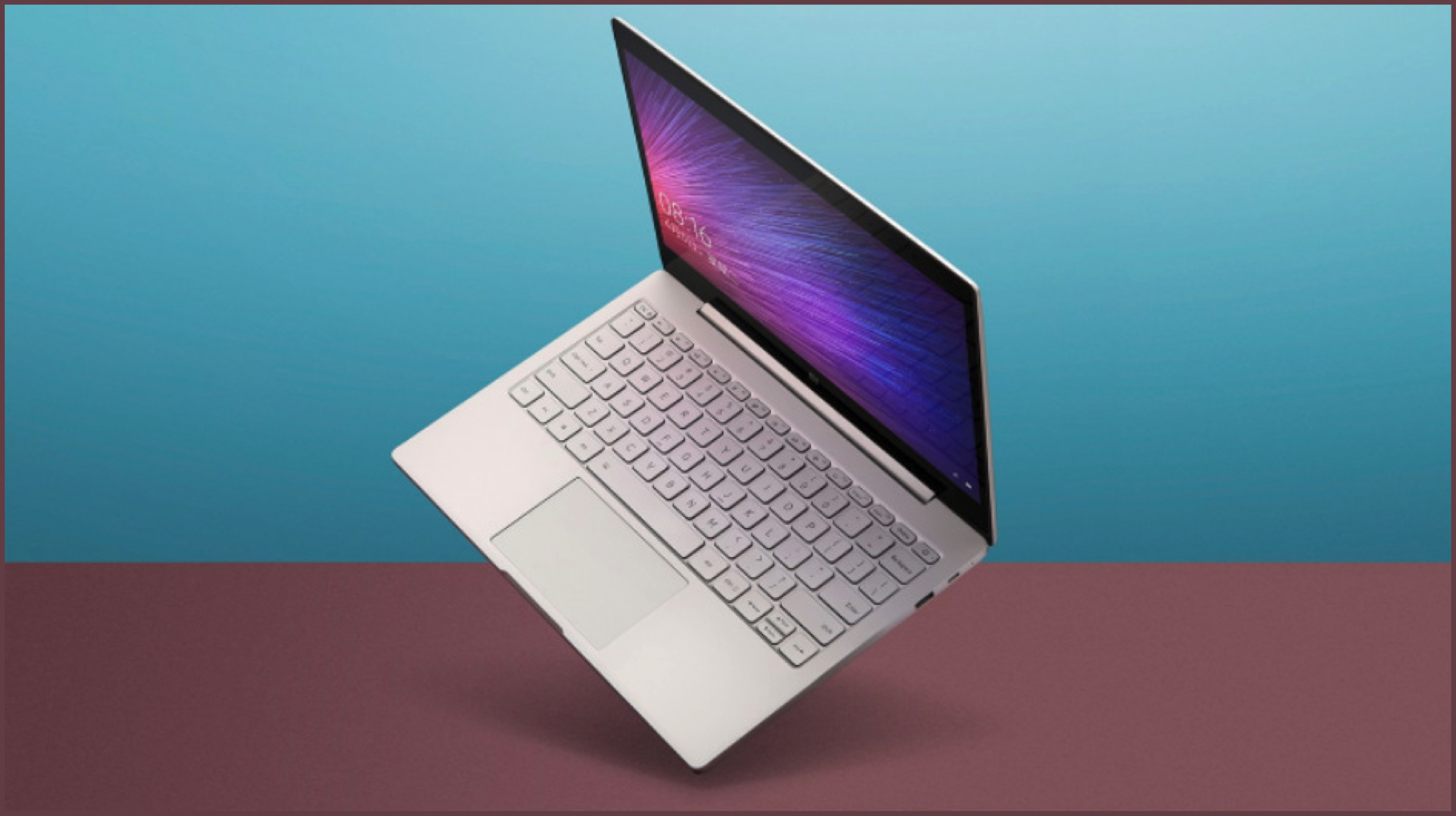
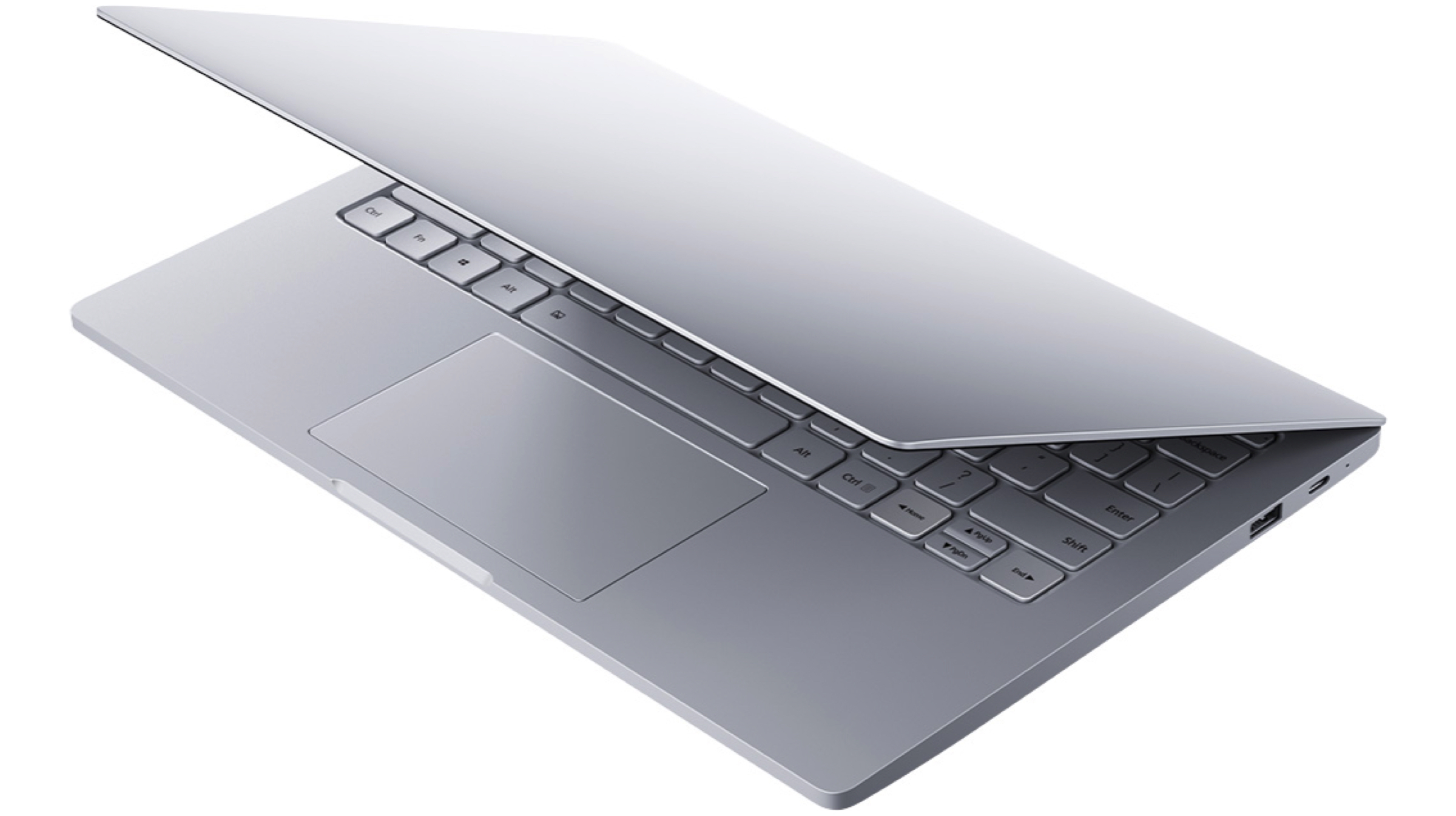
    Xiaomi has launched the updated Mi Notebook Air at an event in China today. The new notebook boasts of a lightweight design and updated specifications. It is the successor to the original Mi Notebook Air which was launched in December last year. Notably, the latest device weighs 1.07Kg, which is significantly lighter than the Apple MacBook Air from the yesteryear, which weighs 1.25Kg. The device has been launched in two different models.

    Mi Notebook Air 2019

    The update to the Mi Notebook Air has been only on the hardware side. The device has been renewed to the latest Intel 8th Generation Processors. Both the models have a 12.5-inch display with a 1920 x 1080 px resolution. The design is similar to its predecessor, complete with a metal body and slim bezels around the display. There are speakers tuned Harman, which is a reputed brand in the audio department. Xiaomi claims that the battery backup on the device is better than the last generation and it can charge from 0 to 50 percent in 35 minutes.

    The first model of the Mi Notebook Air runs on the Intel Core M3 processor which is coupled with 4GB of RAM and an option of either 128GB or 256GB of SATA SSD storage. The second variant has an 8th gen Intel Core i5 processor combined with 4GB of RAM and 256GB of SATA SSD storage. In terms of ports, the device features a USB Type-C port; combined with two USB Type-A ports and a headphone jack. 

    Pricing & Availability

    Also read: Sony Launches RX0 II, The World’s Smallest 4K Video Camera

    The updated Mi Notebook Air for the year 2019 will be available in two colour options, namely Gold and Silver. The base variant with Intel Core M3, 4GB RAM and 128GB storage has been priced at CNY 3599 (Rs. 36,960). The model with Intel Core M3 processor, 4GB RAM and 256GB storage will cost CNY 3999 (Rs. 41,068). The top end variant with Intel Core i5 processor, 4GB RAM and 256GB storage has been priced at CNY 4299 (Rs. 44,149).

  • Xiaomi Mi 9X Leaks Before Official Announcement

    Xiaomi Mi 9X Leaks Before Official Announcement

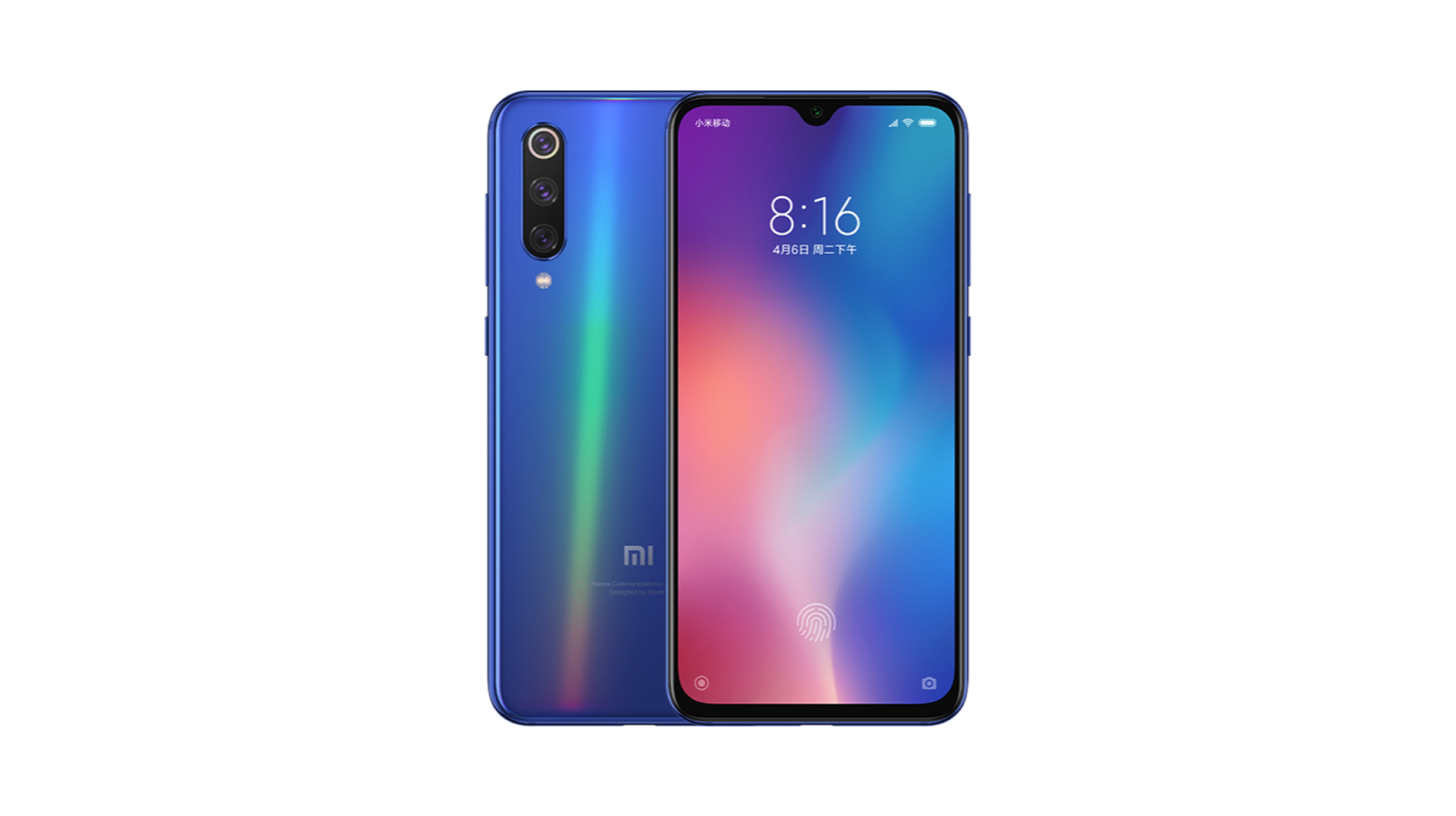
    Chinese smartphone maker, Xiaomi launched its latest flagship smartphone, the Mi 9 in the month of February which has been received a warm welcome. A specced down variant of the top tier headphone, the Mi 9x has leaked before its official announcement. The details of the unreleased smartphone were shared by an unidentified Chinese source. Even though the source remains anonymous, the specifications look legit.

    Mi 9X aka Millet 9x
    Xiaomi Mi9

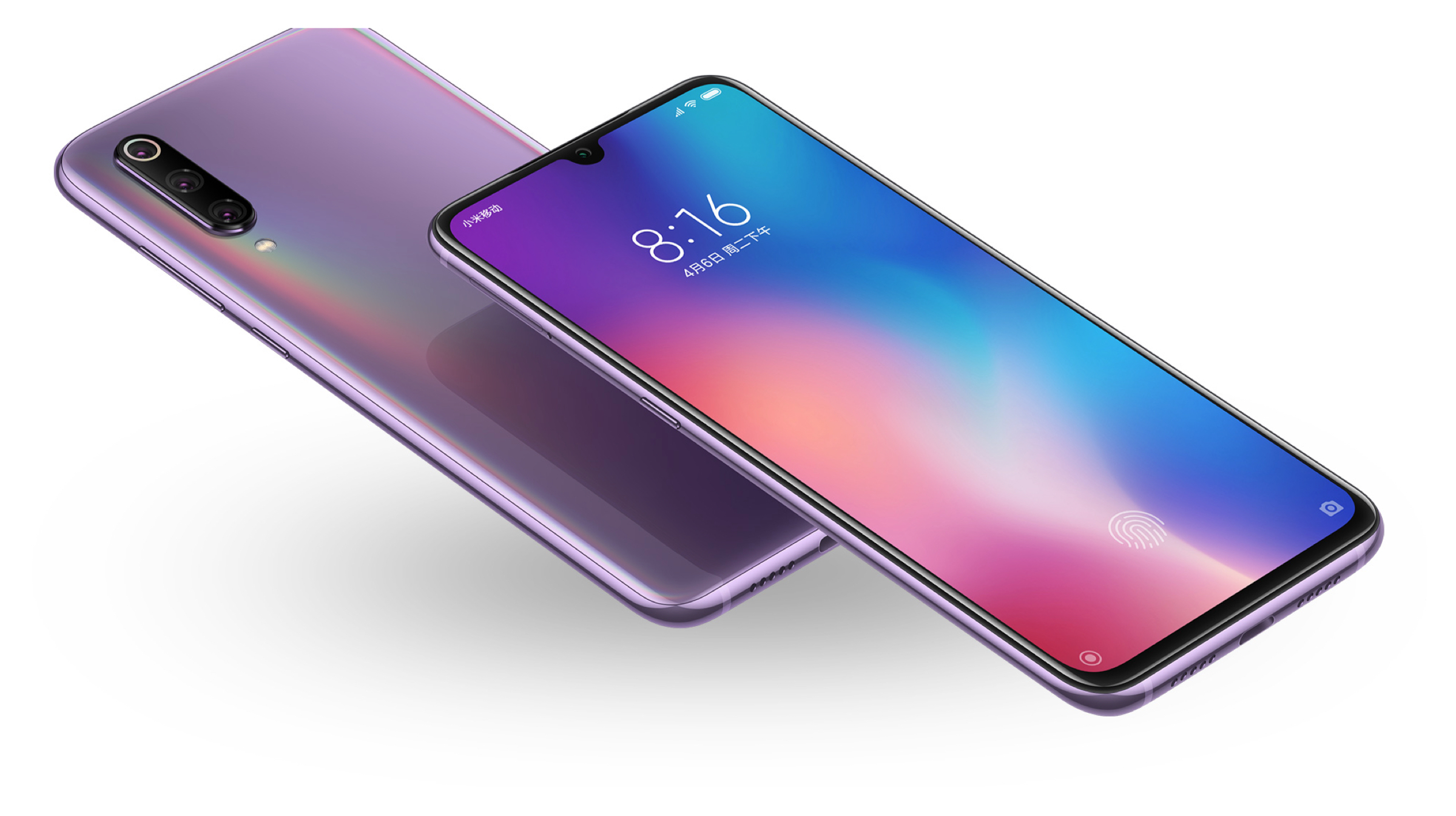
    According to the leak, the Mi 9x sports a 6.4 inch AMOLED display that has a waterdrop notch up top. The display panel of the upcoming smartphone has a Full HD resolution and a 19.5:9 aspect ratio. Like the elder Mi 9, the unreleased smartphone is also reported to have an in display fingerprint sensor.

    Xiaomi Mi9

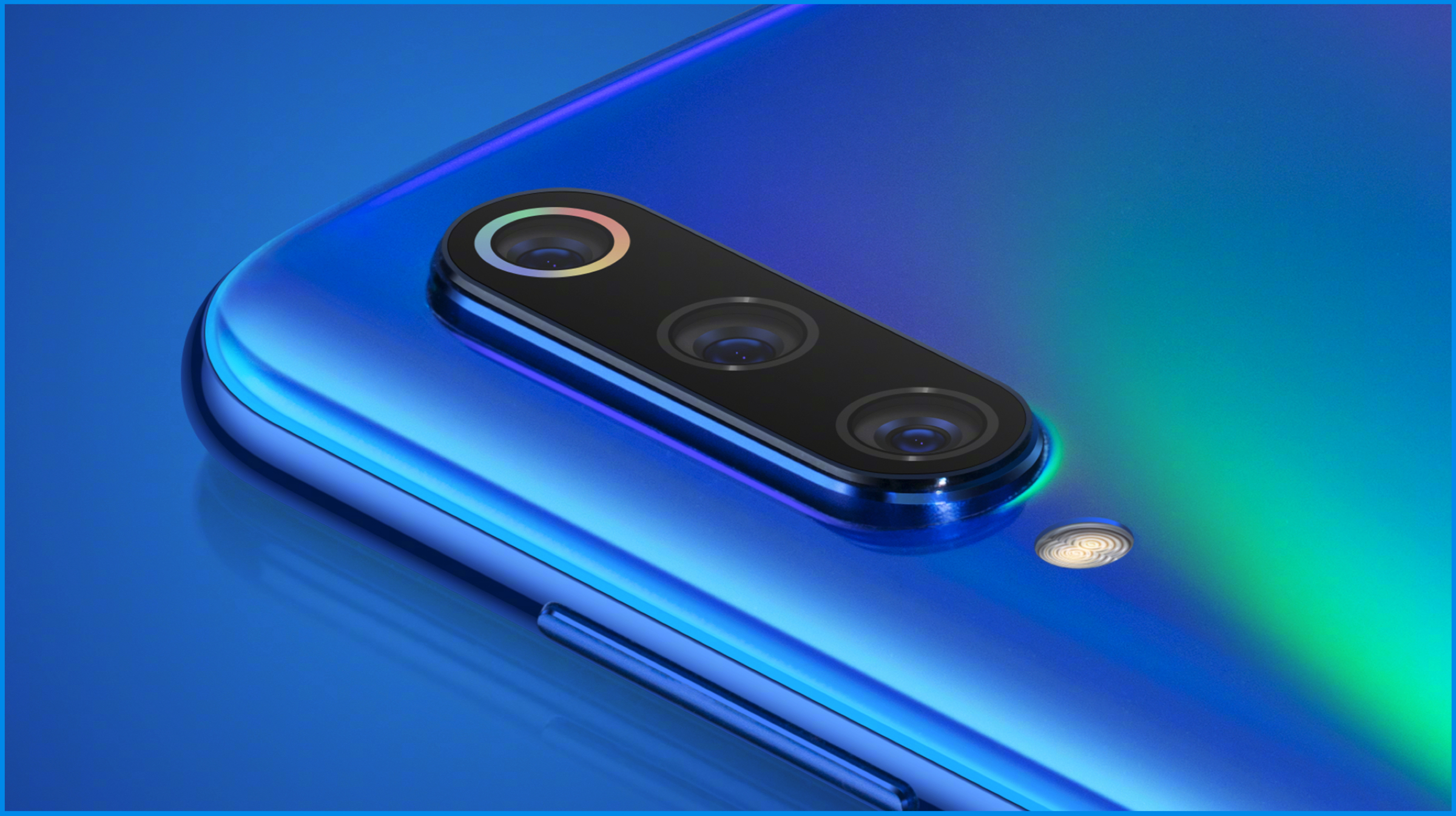
    Under the hood, the Mi 9X will be kitted with the Snapdragon 675 SoC which consists of and Octa-Core CPU and the Adreno 612 GPU. The smartphone has a 32 MP front selfie camera which is destined to be housed inside the notch on top of the display. The device has a triple rear camera setup which consists of a 48 MP Sony IMX586 sensor, 8 MP sensor and 13 MP super wide angle sensor.

    Xiaomi Mi9

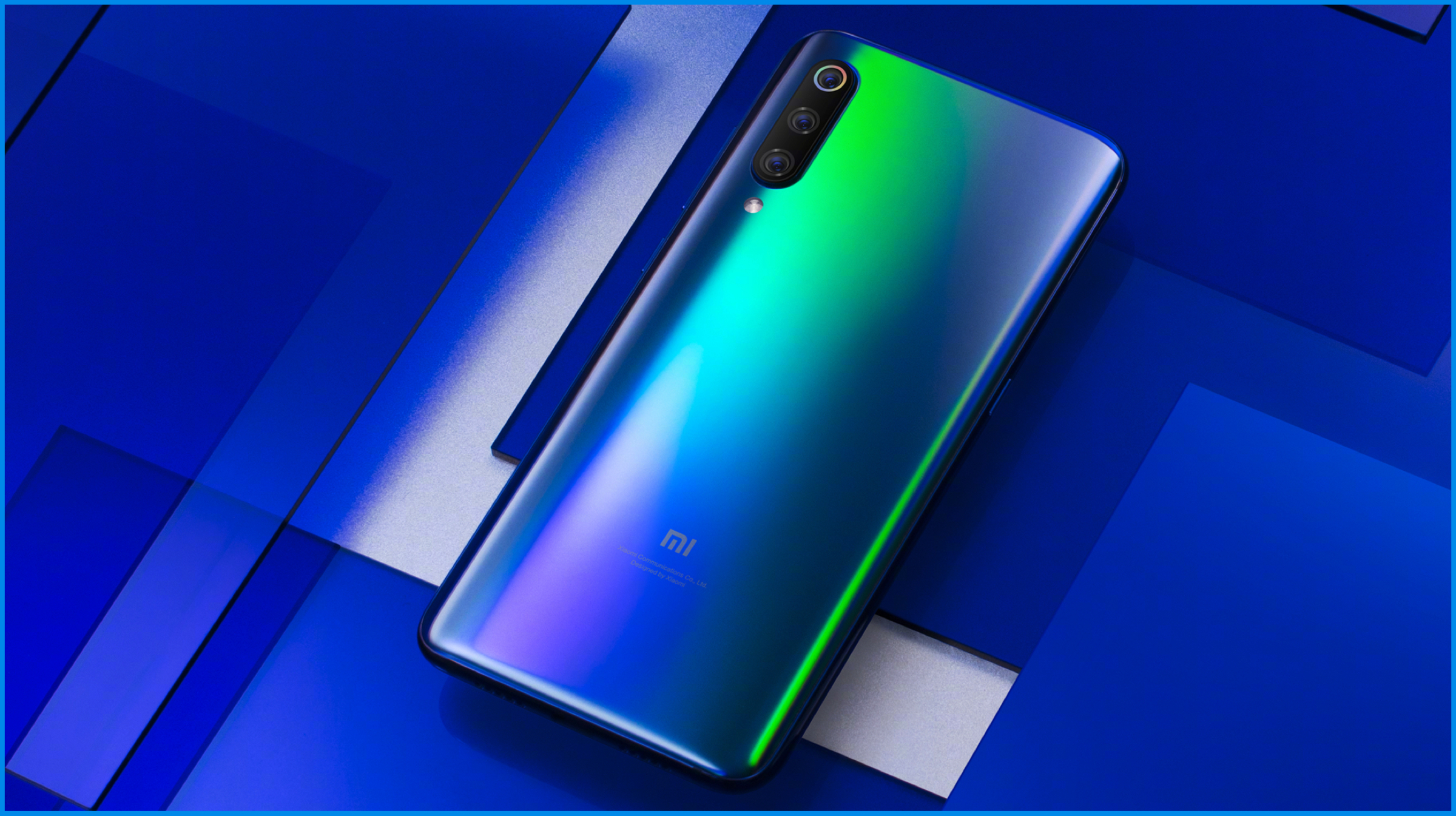
    The Mi 9X is powered by a 3300 mAh battery which supports QC 4.0+ 18W fast charging. It runs on the latest Android 9 Pie which is skinned with MIUI 10. The source did not provide much detail about the looks of the unreleased smartphone. However, it states that the Mi 9X will be around 7.5 mm thick and will have a 2.5d holographic glass panel. 

    Mi 9X Price, Launch and Variants
    Xiaomi Mi9

    Also Read: Xiaomi 100W Super Charge Can Fully Charge A 4000 mAh Smartphone in 17 Minutes

    The Mi 9X will have an estimated starting price of CNY 1699 (Rs 17,400) for the base 6 GB RAM + 64 GB variant. Moreover, the company is also expected to launch the smartphone in other storage variants. The source claims that the upcoming device will be released in the month of April. Pleasingly, we won’t have to wait for long as the expected launch month is nearing fast.  

  • Sony Launches RX0 II, The World’s Smallest 4K Video Camera

    Sony Launches RX0 II, The World’s Smallest 4K Video Camera

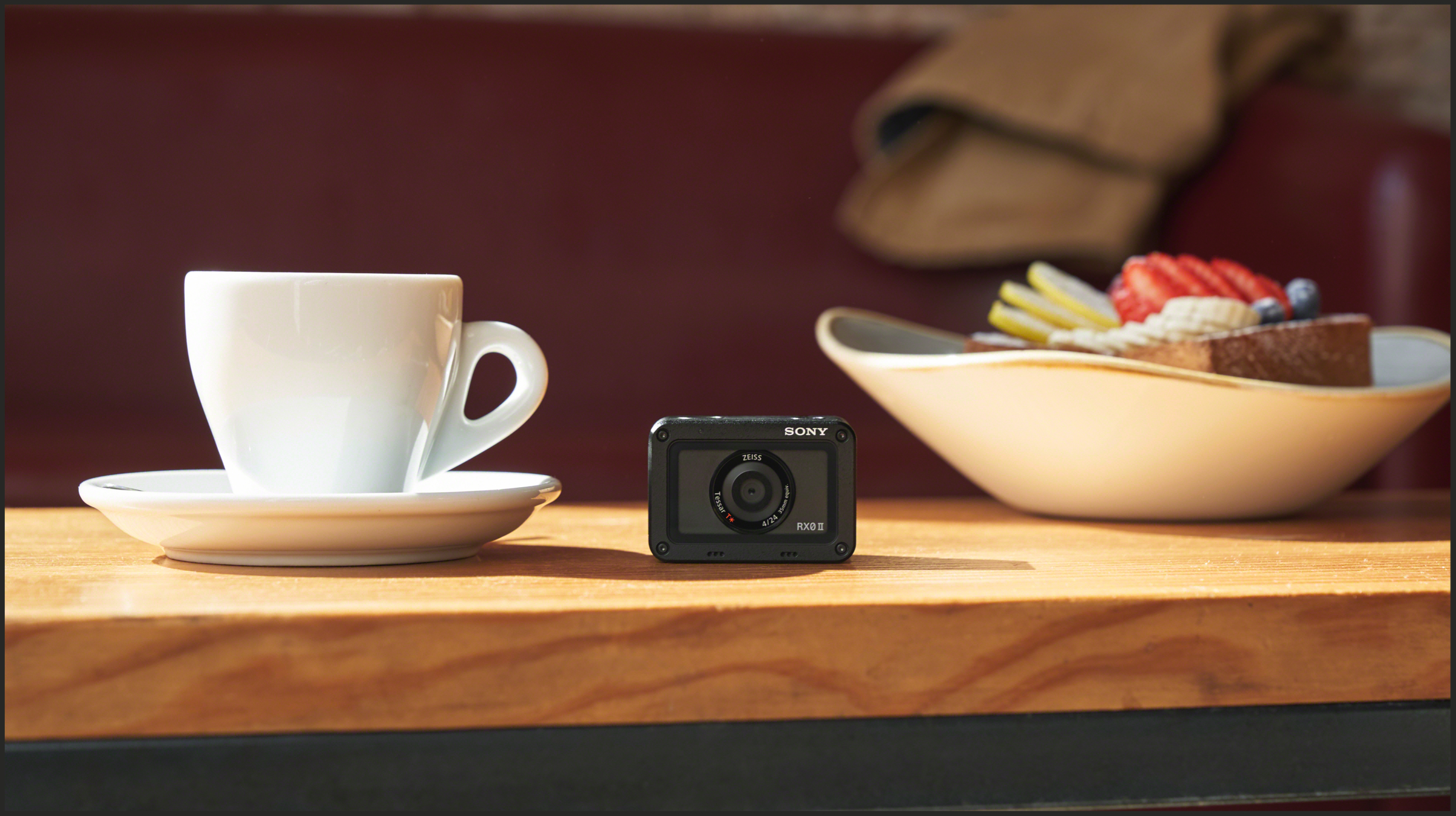
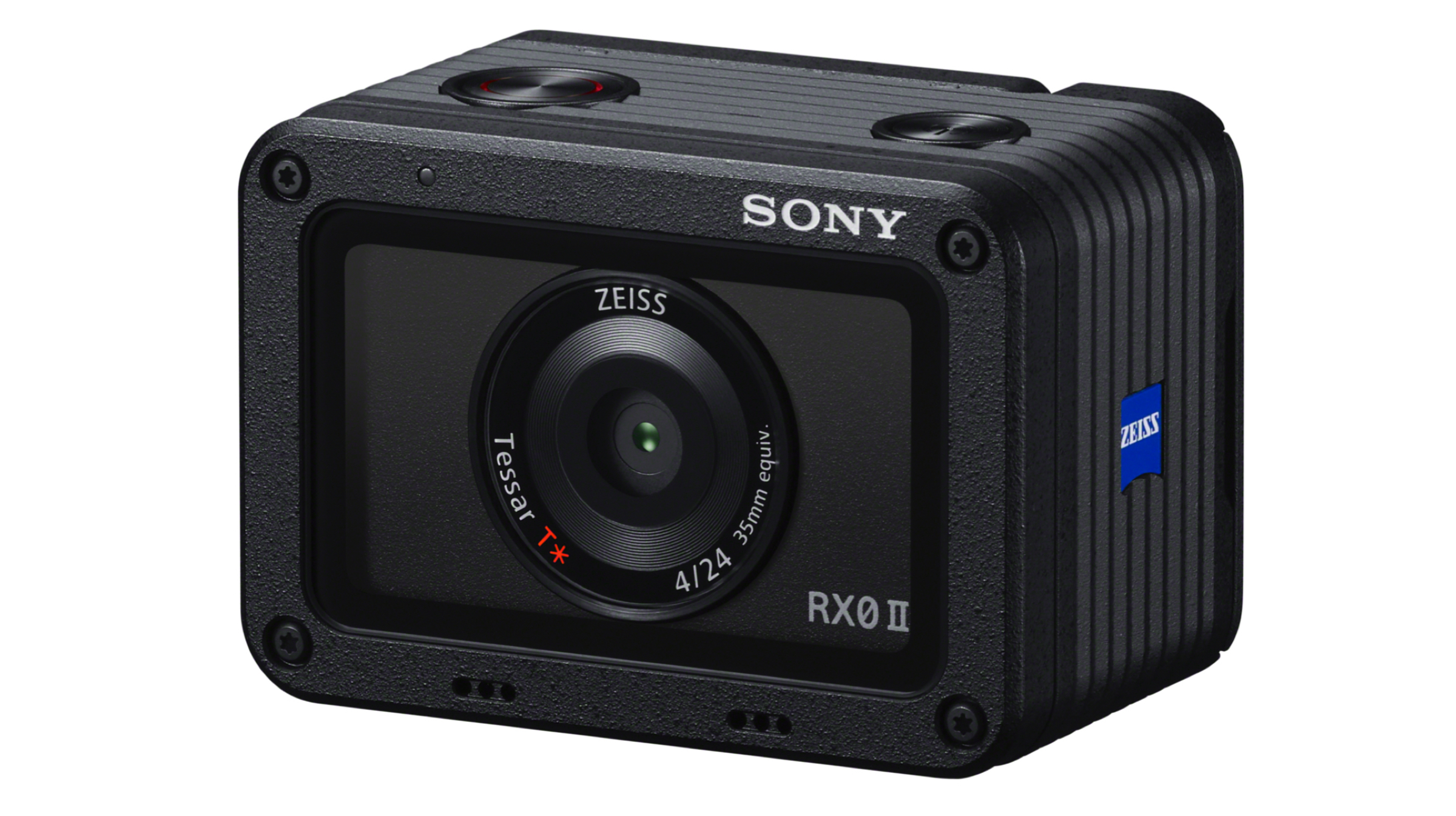
    In a bid to launch a competitor to the highly successful GoPro action cameras, Sony launched the RX0 in 2017. Despite offering good features at a lucrative price, the device wasn’t very successful. The company has announced the successor to the camera. Called the RX0 II, it has new tricks up its sleeve and offers few innovative features. 

    Sony RX0 II

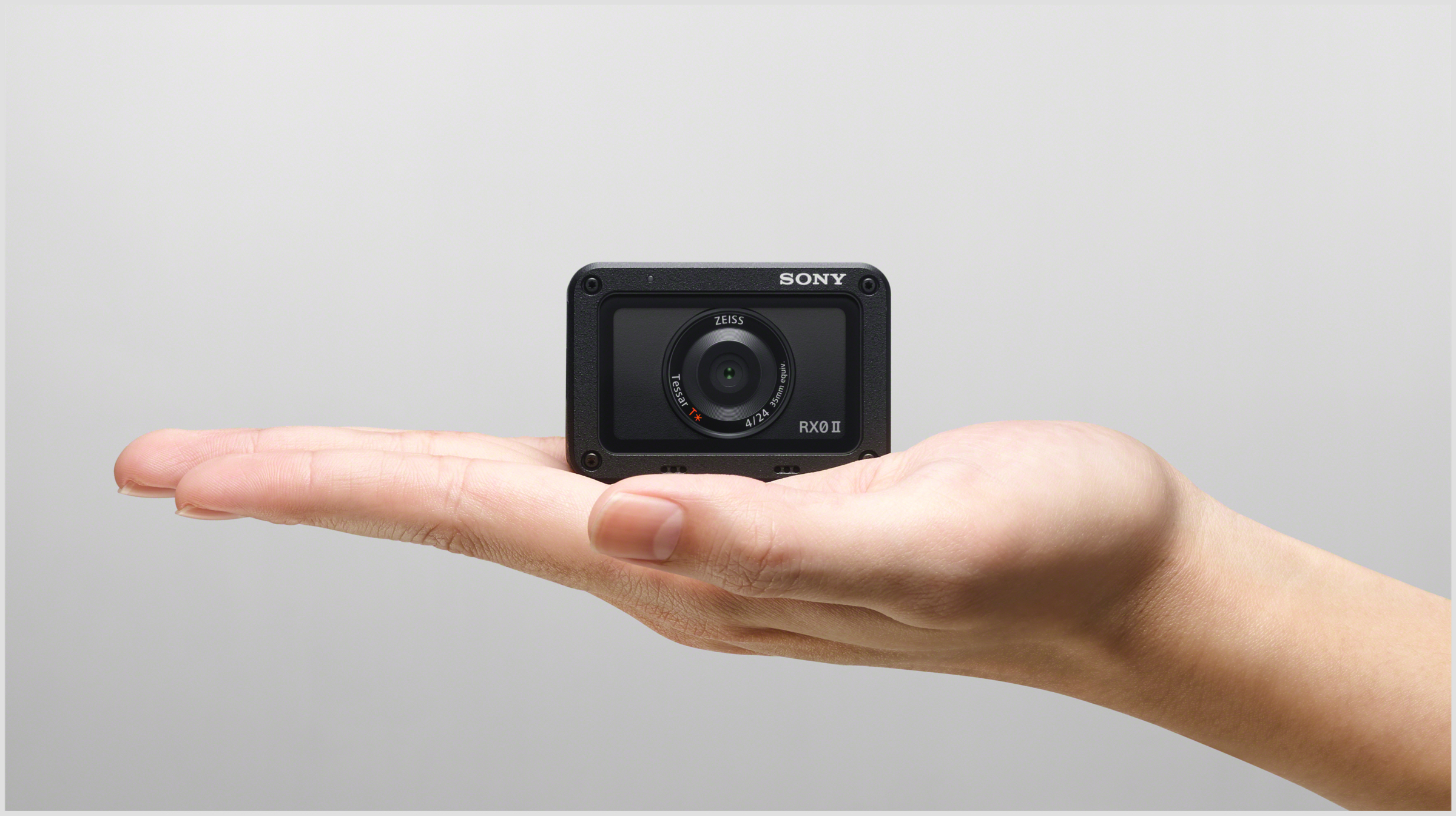
    According to Sony, the RX0 II is the world’s smallest 4K video camera. The action camera measure 59 x 40.5 x 35mm and weighs 132g. It has a rugged design and boasts of superior durability. It is certified to be waterproof up to 10 meters, is dustproof, shockproof and crush resistant up to 200kg of force. In terms of optics, there is a 15.3MP CMOS sensor combined with the company’s BIONZ X image processor which measures 1 inch. There is also a ZEISS Tessar T 24mm fixed wide angle lens with an aperture of f/4.0. The lens has a minimum focussing distance of 20cm.

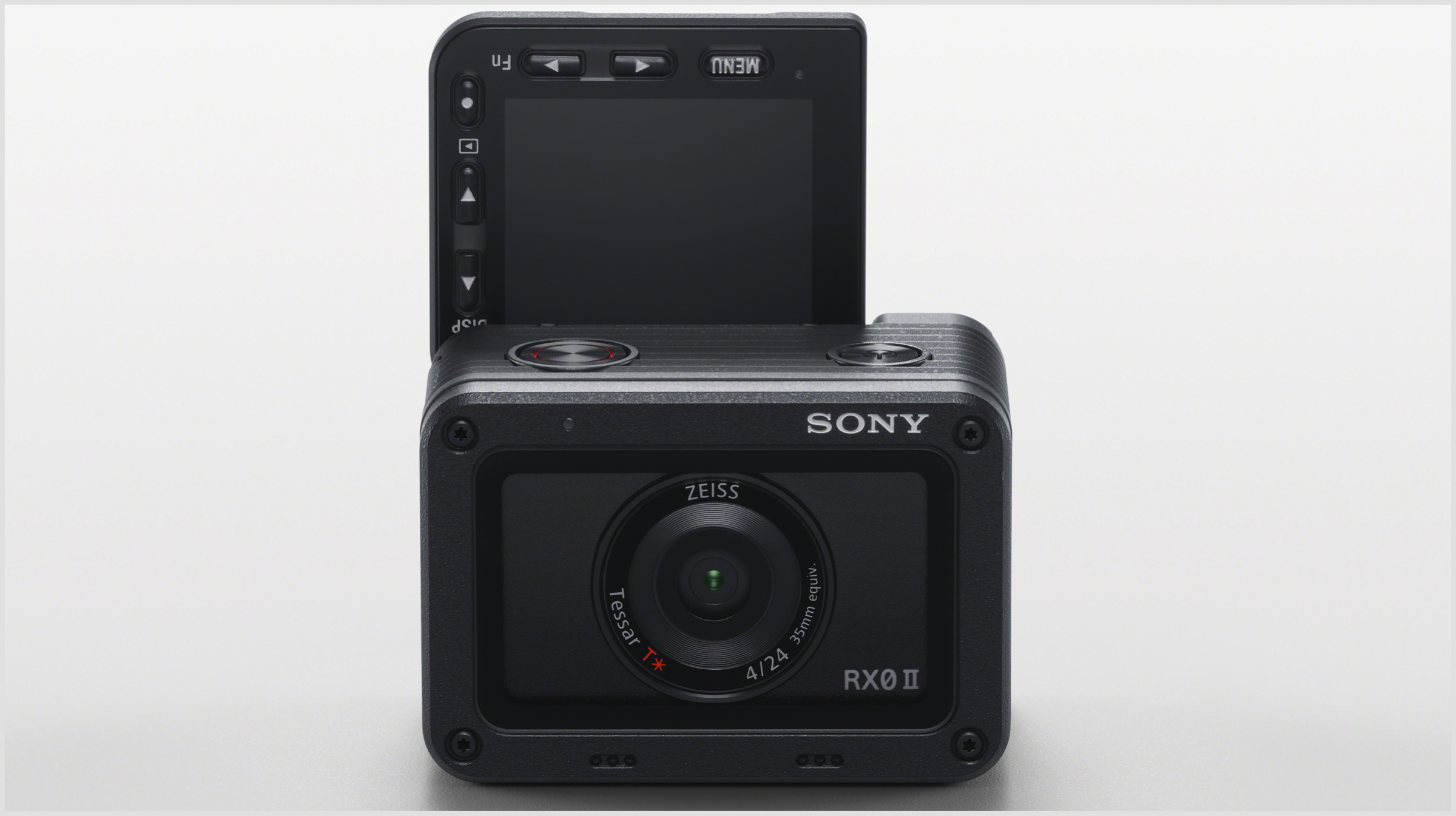
    The Sony RX0 II also has an LCD panel which can be tilted up to 180 degrees. The camera can record videos in 4K resolution and has an Electronic Image Stabilization (EIS) for smoother footage which can also be used in handheld mode. There is slow motion recording support of up to 1,000fps. The action camera has a microphone jack for vlogging. Unlike most of its competitors, the RX0 II can capture still photos as well. Sony claims that the new update improves colour reproduction and adds an optional ‘Soft Skin Effect’ to refine the images. With the camera, there is an option for accessories like the VCT-SGR1 Shooting Grip for better grip and a bracket for mounting the camera.

    Pricing & Availability

    Also read: Nokia X71 With 48MP Triple Camera And Punch Hole Display To Launch Soon 

    The Sony RX0 II will be available to purchase in the US and Australia starting the month of April. The camera has been priced at US$ 698 (Rs. 48,057). The additional kit comprising of the shooting grip and bracket will be sold separately from June this year with pricing to be announced soon.

  • Xiaomi 100W Super Charge Can Fully Charge A 4000 mAh Smartphone in 17 Minutes

    Xiaomi 100W Super Charge Can Fully Charge A 4000 mAh Smartphone in 17 Minutes

    A few years ago, customers paid less importance to the charging speed of a smartphone. However, times have changed, and so have the charging speeds. Where charging speed was just a small value in the specifications somewhere, it has become a key selling point for smartphones these days. With the advancement of technology, charging times have reduced greatly on modern smartphones. Some proprietary technologies used by OEMs on their devices include OnePlus’s Dash Charge, Motorola’s Turbo Charging and Oppo’s SuperVOOC charge. Currently, the fastest wired charger is the aforementioned SuperVOOC 50W charger (10V/5A), but there is a new contender on the scene, and it’s Xiaomi.

    About Super Charge Turbo

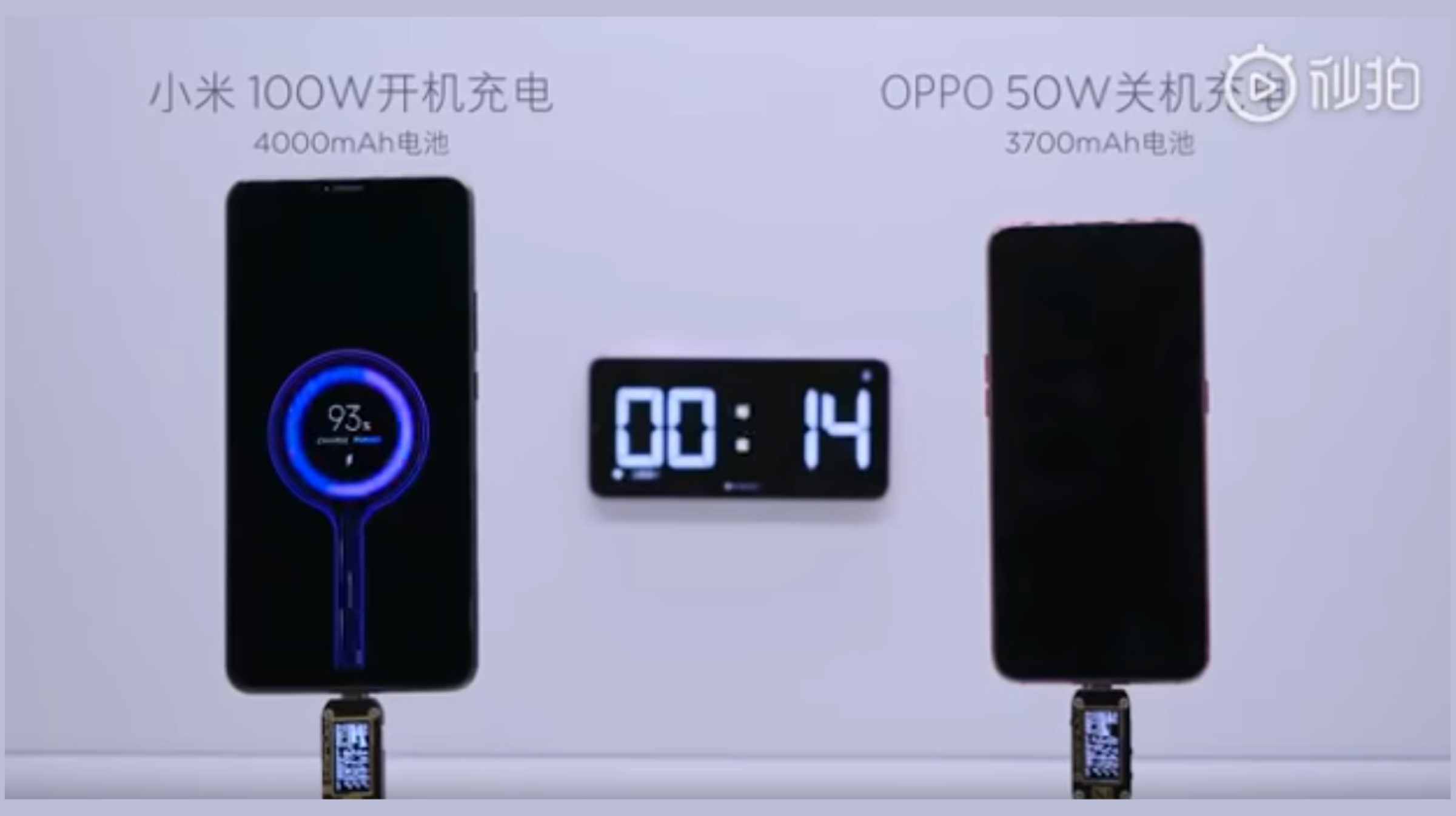
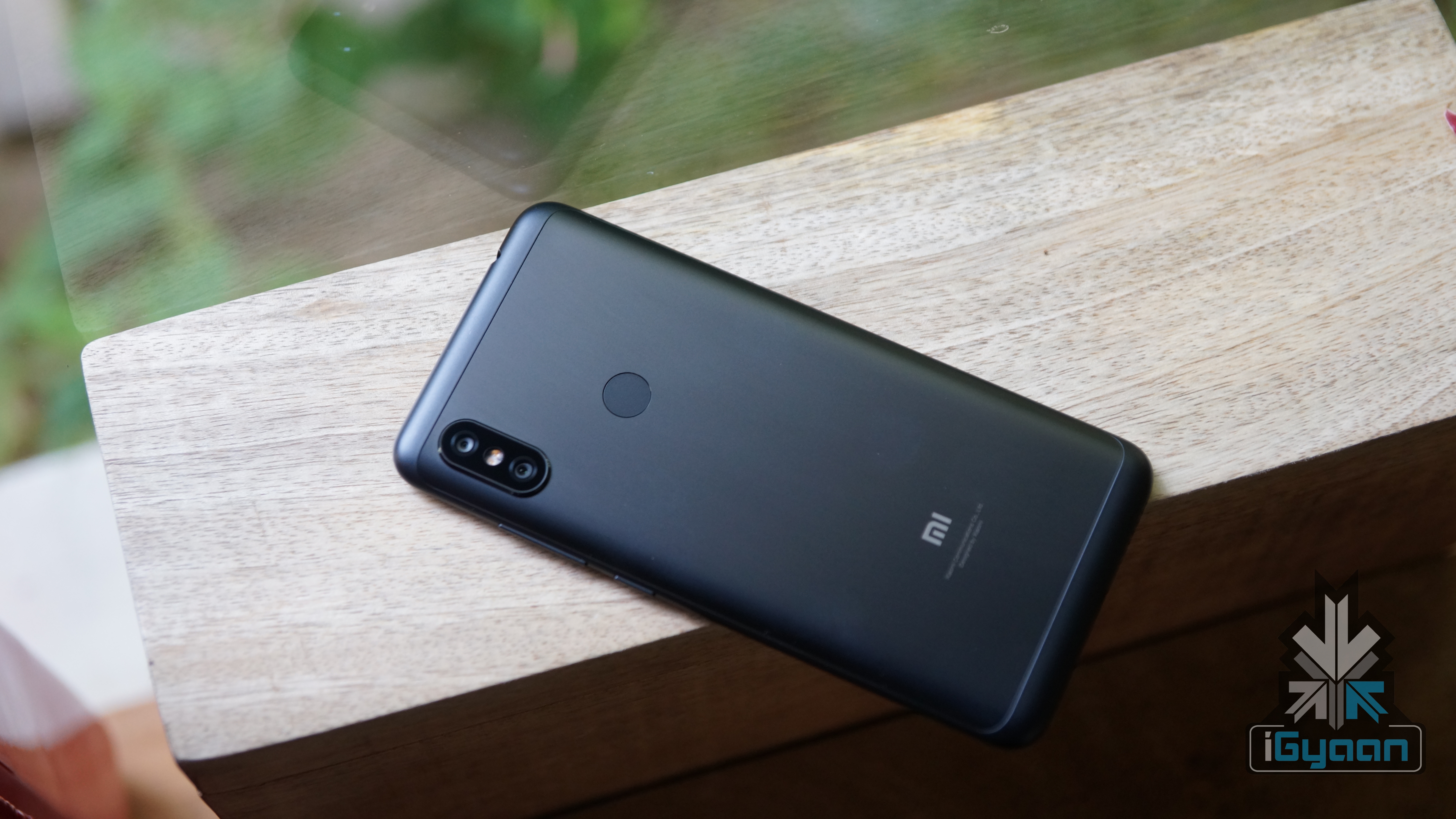
    Xiaomi is planning to unveil its Super Charge Turbo technology at an official event on March 26. Exceptionally, the new technology will be capable of charging a 4,000 mAh battery in a record 17 minutes. This was showcased in a Weibo post by Xiaomi’s President Lin Bin, where a 100W charger running at 20V/5A was juicing up a device which supposedly looks like a Redmi smartphone.

    The battery charge percentage was progressing at a never-seen-before speed as the timer hit 17 minutes. Moreover, the company was comparing its Super Charge charging speed with the aforementioned Oppo’s SuperVOOC charge speed in the video. Remarkably, and as expected, the Oppo smartphone was able to attain a battery charge of 65% in the time that the Redmi device hit full charge. Noteworthy, the Oppo device has a battery of 3,700 mAh, while the Redmi handset is labelled with a 4,000 mAh battery capacity.
    Competition And Innovation

    Also Read: Nokia X71 With 48MP Triple Camera And Punch Hole Display To Launch Soon

    Xiaomi currently has support for up to 27W wired charging, so this is certainly an enormous jump for the company. Even though the technology is not viable enough to be commercialized anytime soon, the latest innovation by Xiaomi may become a trendsetter for other brands in the arena. For instance, Huawei’s 55W Super Charge will be able to juice up the Mate X to 100% in under 35 minutes. High-Speed charging across a wide range of devices may not be supported for now, but more information will be available when Xiaomi officially announces the Super Charge Turbo technology.

  • Nokia X71 With 48MP Triple Camera And Punch Hole Display To Launch Soon

    Nokia X71 With 48MP Triple Camera And Punch Hole Display To Launch Soon

    On March 25, HMD Global announced that it will unveil the Nokia X71 at a launch event to be held in Taiwan on April 2. Furthermore, the company is also planning to officially launch its flagship, the Nokia 9 Pureview with a Penta-lens setup at the event. While the Nokia 9 Pureview will go up against flagship smartphones, the Nokia X71 will target the premium midrange section of the smartphone market.

    Camera And Features

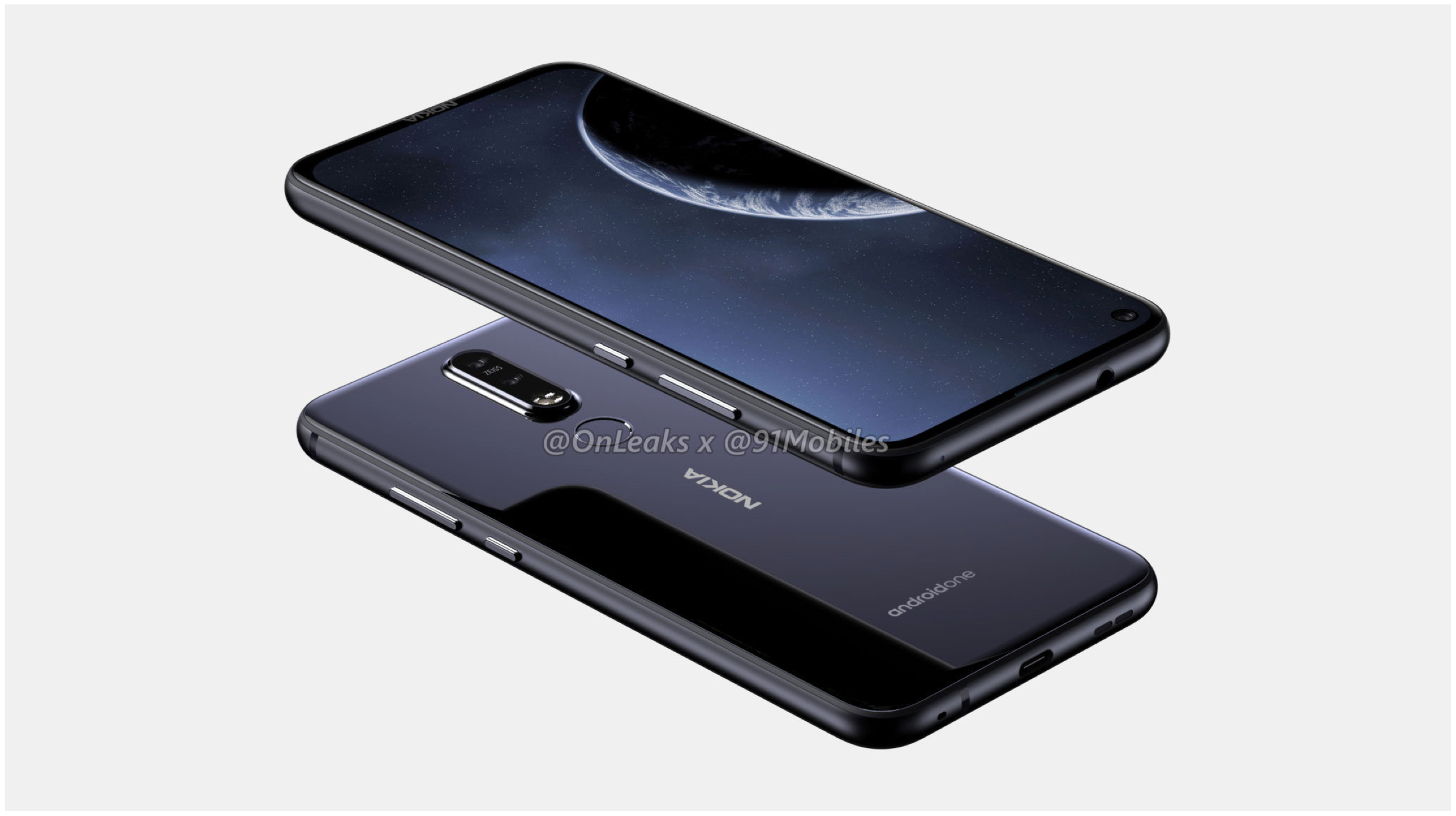
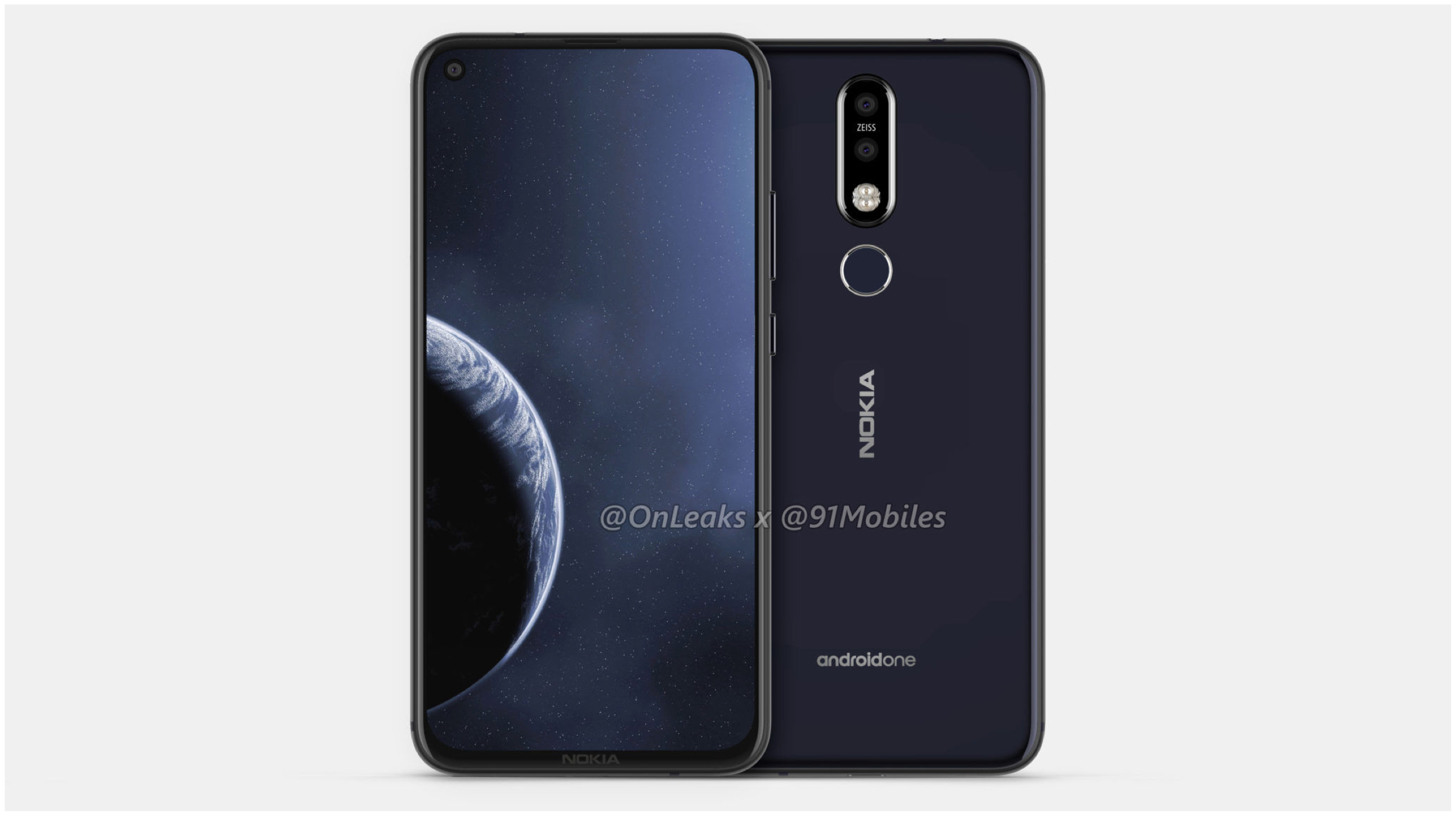
    Till now, HMD Global has not released a full-display touchscreen smartphone, so it will be interesting to see the Nokia X71 in action. In addition to a punch-hole (which was previously seen on devices such as Galaxy S10 and the Honor View 20), the X71 is expected to sport a triple camera setup with a 48MP Zeiss sensor as the primary shooter. The second sensor will be able to take super wide-angle shots as wide as 120 degrees. As of now, no details regarding the third sensor are available.

    Possibilities are floating around regarding the fact that the Nokia X71 will debut as the Nokia 8.1 Plus, which will be a specced-up variant of the Nokia 8.1. As per reports, the Nokia 8.1 Plus may feature a 6.22 inch Full HD+ display. It is also expected that the global variant of the same will have a dual camera setup instead of the triple camera setup on the X71. In 2018, the company introduced the Nokia 8.1 as the X7 in China, hinting at the fact that it may happen again with the 8.1 Plus.
    Also Read: Round Up Of The Apple Event Held On 25 March

    Since most specifications of the device are unknown, the predecessor gives a neat idea of the specifications of the upcoming X71. The Nokia 8.1 had a 10 nm Qualcomm Snapdragon 710 under the hood, so it is possible that the 8.1 Plus may sport a similar chipset or the upgraded Snapdragon 712 chipset, which was recently spotted in the Xiaomi Mi 9 SE. The device will probably run Android 9.0 Pie straight out of the box. Looking towards the price point of its predecessor, the Nokia 8.1 Plus/X71 may be priced somewhere in the 25k-30k price segment.

  • Samsung Galaxy A70 Launched With A 4500mAh Battery

    Samsung Galaxy A70 Launched With A 4500mAh Battery

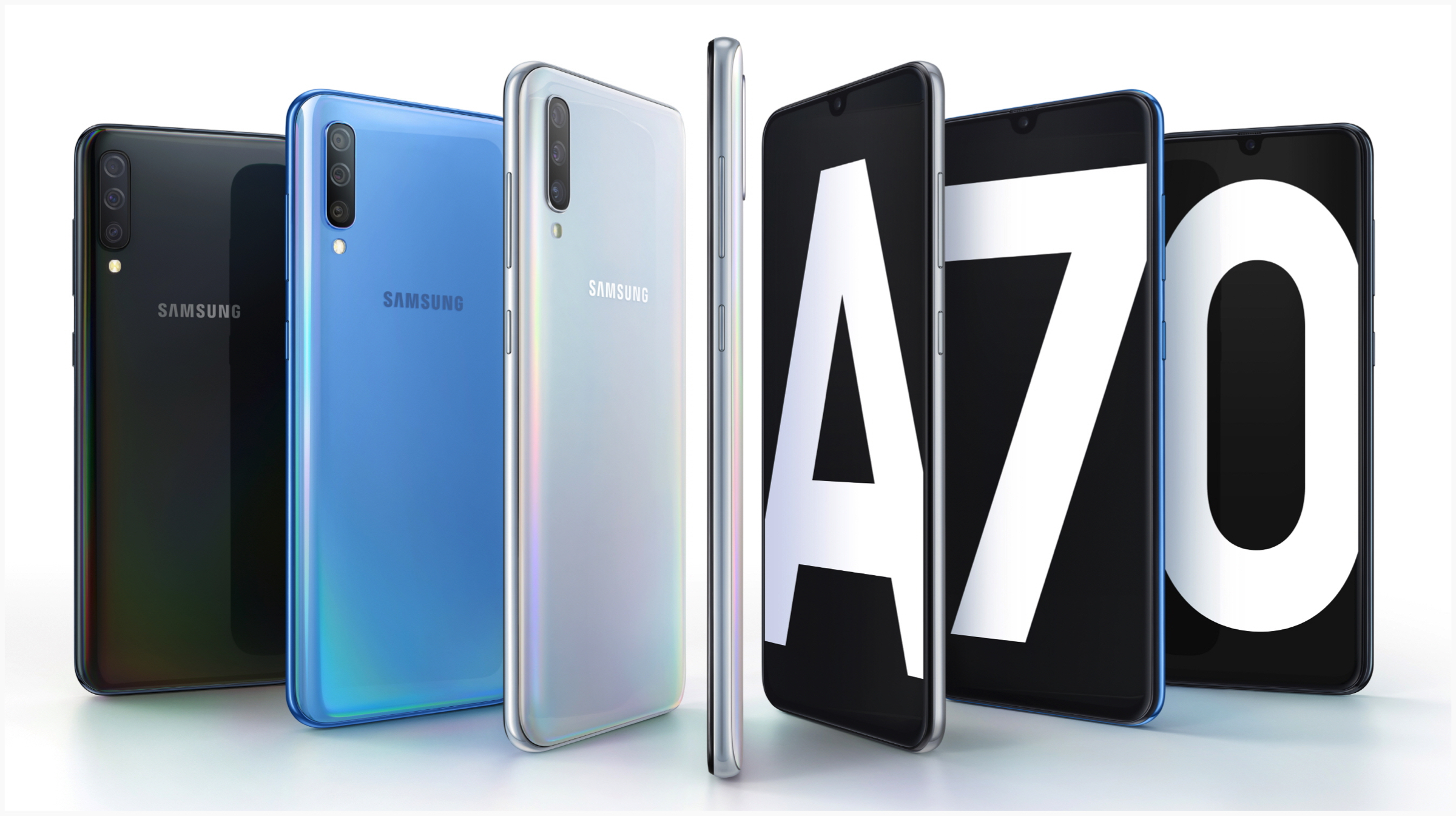
    Samsung launched the newest smartphones in its Galaxy A lineup, including the Galaxy A10, Galaxy A30 and Galaxy A50 last month. These devices showcased a new strategy by the company to regain the market share lost to the advent of Chinese smartphone OEMs. In a fresh announcement, the company has launched the latest member to the family, the Galaxy A70 with innovative features and modern design.

    Galaxy A70

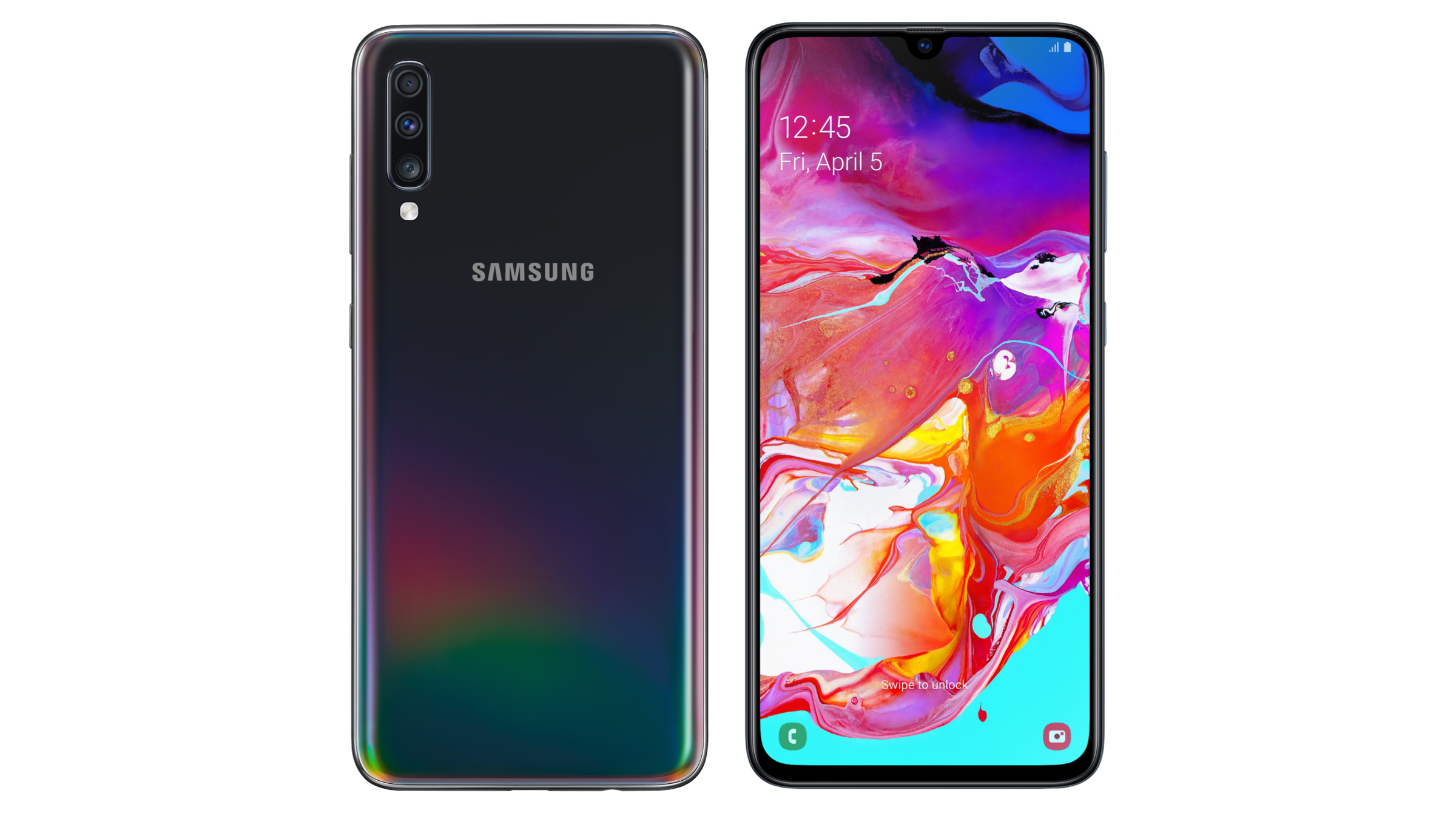
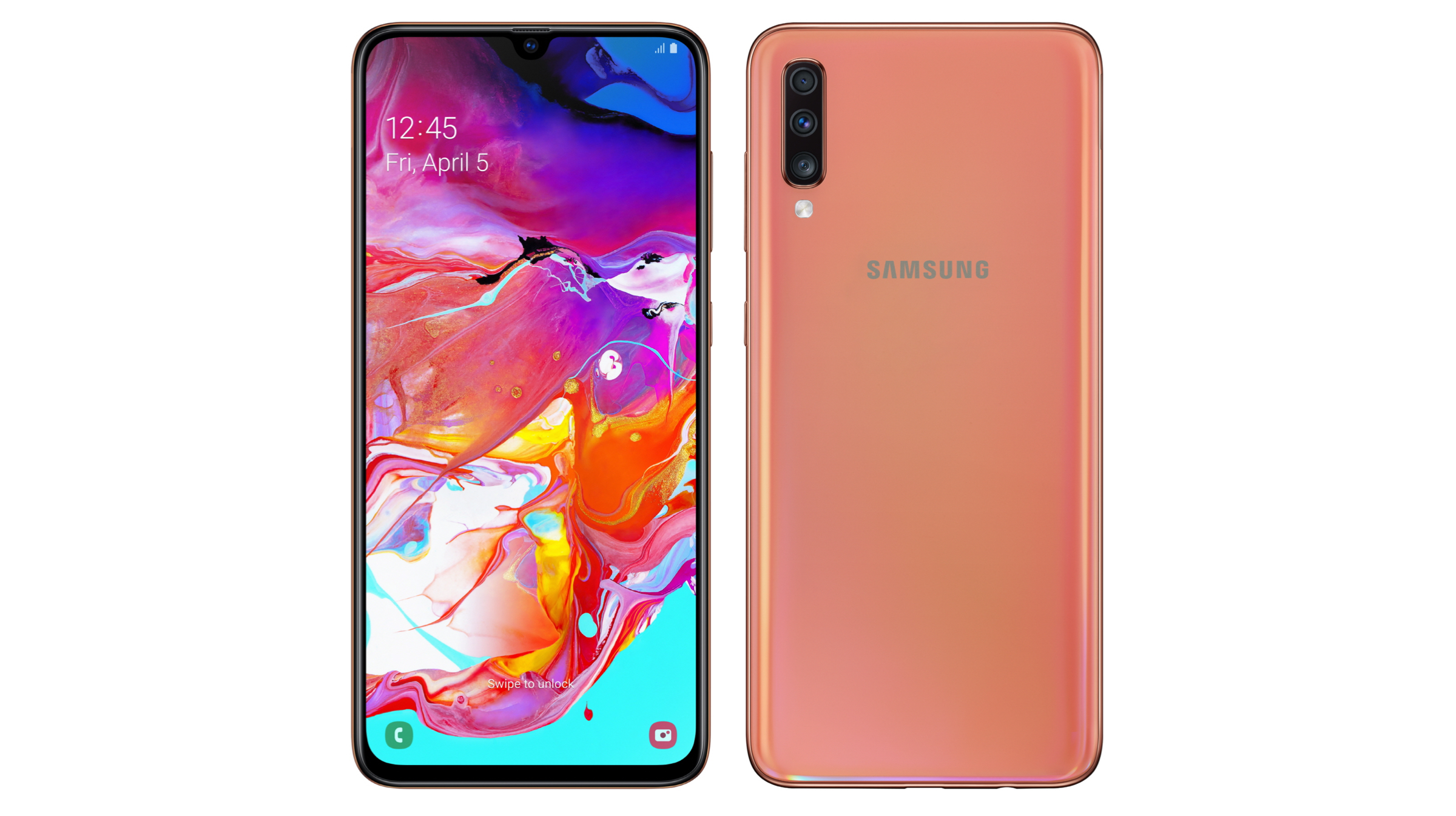
    The Samsung Galaxy A70 is the elder sibling to the Galaxy A50. It features a similar design, complete with a ‘3D Glasstic’ gradient at the back. The front is dominated by a massive 6.7 inch Super AMOLED display with a resolution of 2400 x 1080 px. There are minimal bezels all around the display and an Infinity-U style notch on the top. For biometrics and security, the smartphone has an in-display fingerprint scanner and support for face unlock technology.

    The Samsung Galaxy A70 runs on a chipset which consists of an Octa-core CPU, out of which two cores have a clock speed of 2.0GHz and six are clocked at 1.7GHz. While the company hasn’t specified the details of the chipset, it is speculated to be the 10nm Snapdragon 670 which Samsung manufactures for Qualcomm. For optics, the smartphone has a triple rear camera setup consisting of a 32MP sensor with an f/1.7 aperture; combined with an 8MP ultra-wide angle sensor with an aperture of f/2.2; and a 5MP f/2.2 depth sensor. For selfies, there is a 32MP camera with an aperture of f/2.0 housed in the Infinity-U notch on top of the display. In terms of memory and storage, the device will be available in the following variants.

    • 6GB RAM and 128GB ROM
    • 8GB RAM and 128GB ROM

    The Galaxy A70 is powered by a hefty 4500mAh battery with support for 25W fast charging via the bottom mounted USB Type-C port. There is also a dedicated microSD card slot for memory expansion up to 512GB. The smartphone runs on the latest OneUI on top of current Android 9 Pie. It will be available in four colours, namely Black, Blue, Coral and White.

    Pricing & Availability

    Also read: Round Up Of The Apple Event Held On 25 March

    The Samsung Galaxy A70 is expected to be formally announced at an event on the 10th of April. Unfortunately, the company has not given any information on the pricing and availability of the smartphone but it is expected to be priced below Rs 30,000 in India.

  • Round Up Of The Apple Event Held On 25 March

    Round Up Of The Apple Event Held On 25 March

    Cupertino based tech titan, Apple held an event on the 25th of March where it announced four brand new subscription services. The list of newly announced services includes Apple TV Plus, Apple Arcade, Apple Card and Apple News Plus. 

    Apple Arcade

    Apple Arcade is the company’s take on a gaming service which spans across the iPhone, iPad, Apple TV and Mac computers. The paid subscription will initially provide access to over 100 gaming titles which will sprout further over time. Noteworthy, it even allows the user to play games in offline mode. This is a significant aspect as its direct competitor, the newly launched Google Stadia lacks support for this notable feature. The service will roll out in autumn this year and its pricing details are yet to be revealed. Exceptionally, family members can also share the subscription across different devices without an additional cost. 

    Apple Card

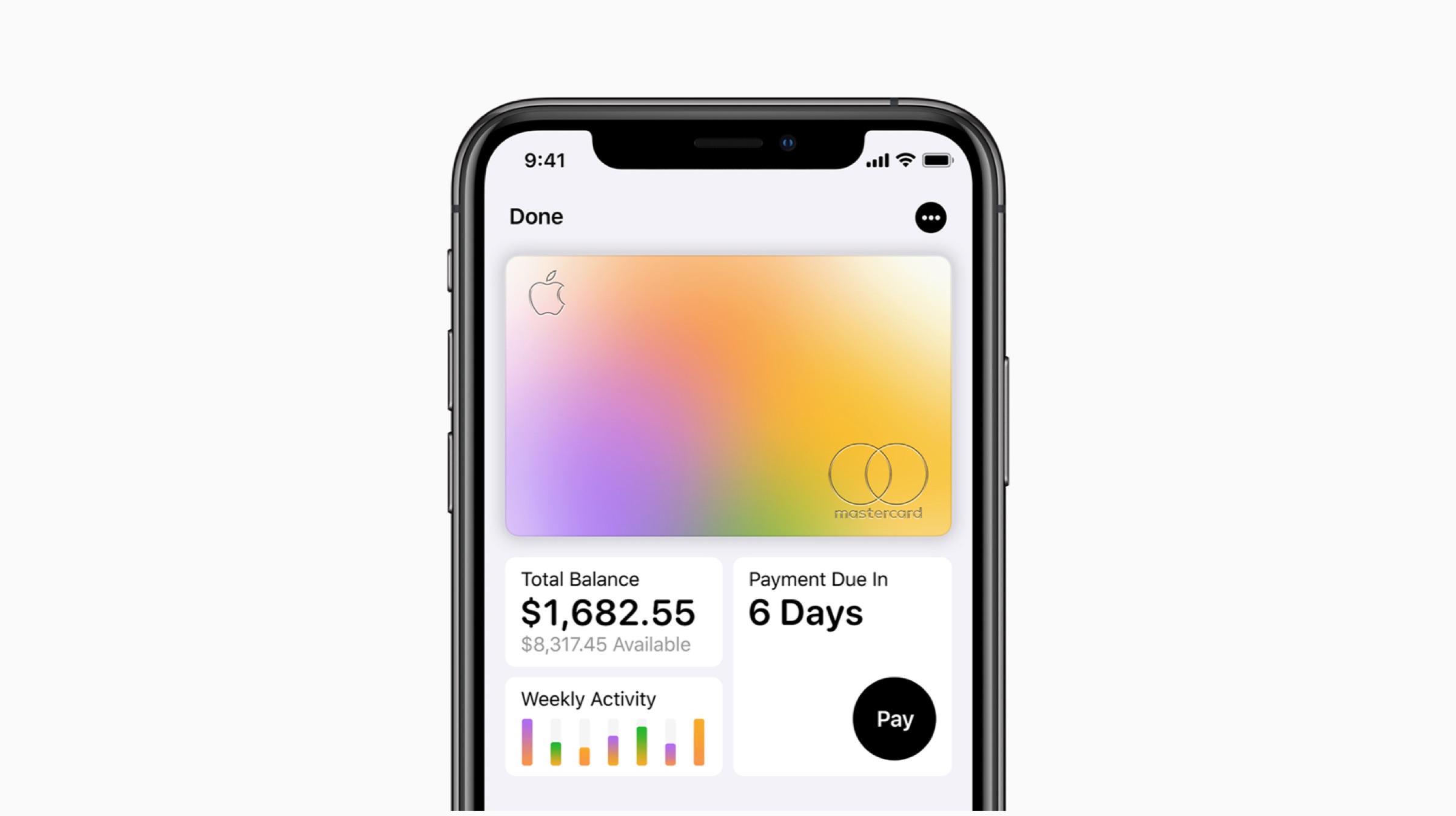
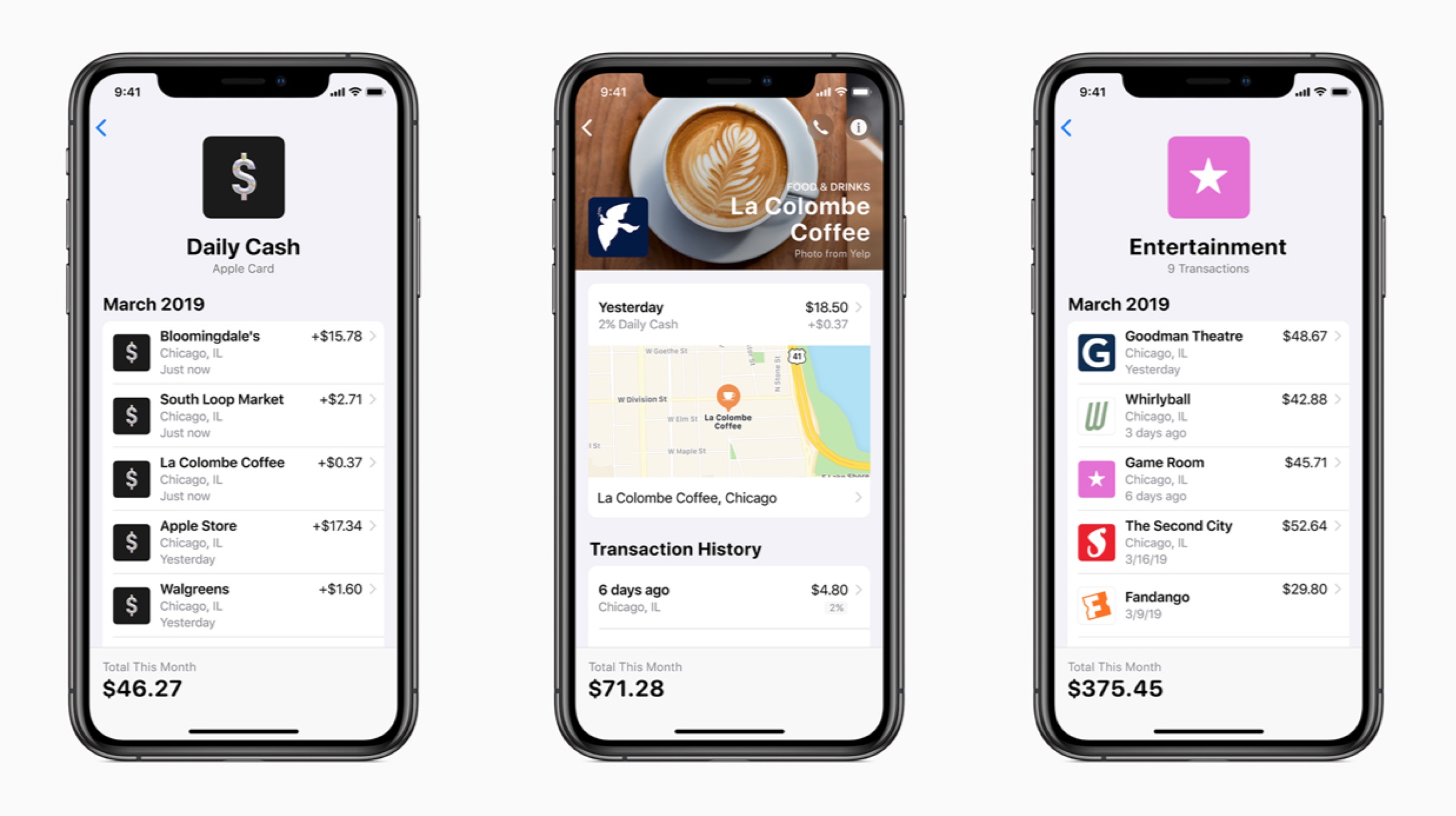
    Apple card is a virtual credit card service which is developed for iPhone users and is an extension of the Apple Pay and Wallet services. The service is intended towards lowering interest rates, removing unnecessary fees and simplifying the process of applications in obtaining a credit card. According to the company, the service will simplify the use of existing digital payment mediums to a great extent.

    Notably, it is just a credit card service and not a banking service. Apple has partnered with Goldman Sachs and MasterCard that handle its financial end. As previously mentioned, the user can directly sign up for a card right from the iPhone which is generated in minutes, unlike conventional service which can take days. Reportedly, the service makes use of machine learning which can precisely reflect the spending patterns of the user and also offer rewards in cash. Distinctly, the service will not charge late fees from the however, its functioning is unclear as of now. 

    Apple News Plus

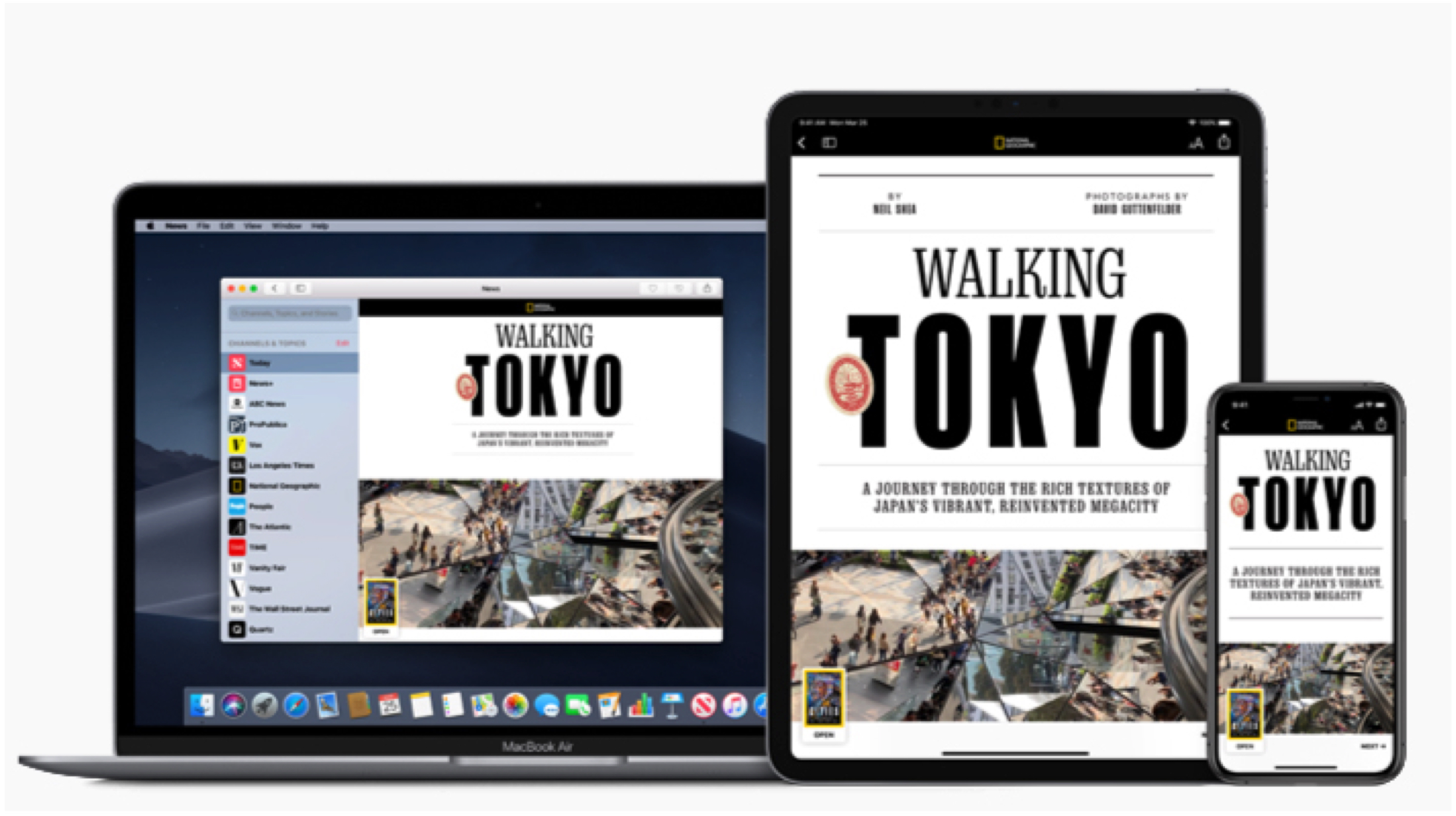
    As the name suggests, it is a news service from Apple that again requires a paid subscription. It showcases the content in a user-friendly and elegant manner which is enriched with photographs, animations and typography optimised for Apple devices including iPhone, iPad and Mac. The news service incorporates content from over 300 established newspapers, magazines and digital publishers some of which include Vogue, WSJ, GQ, Traveller, Wired and The New Yorker. The service is currently limited to the US and Canada where the users can subscribe it at a monthly fee of $ 9.99 and $ 12.99 respectively.  Admirably, six members of a family can share one Apple News Plus subscription. 

    Apple TV Plus

    Also Read: Xiaomi Poco F1 Gets Game Turbo Mode For Better Gaming Performance

    Apple TV Plus is the company’s attempt at a video streaming service which will take on the likes of Netflix and Amazon Prime. The service is set to launch in over 100 countries which will roll out in Q4 of 2019. According to the company, around 30 original projects are currently in the works which will be exclusive to the platform. Additionally, content from renowned channels including HBO, Showtime, CBS All Access will also be available on the streaming service. Like the Apple Arcade, its price is also currently unavailable.

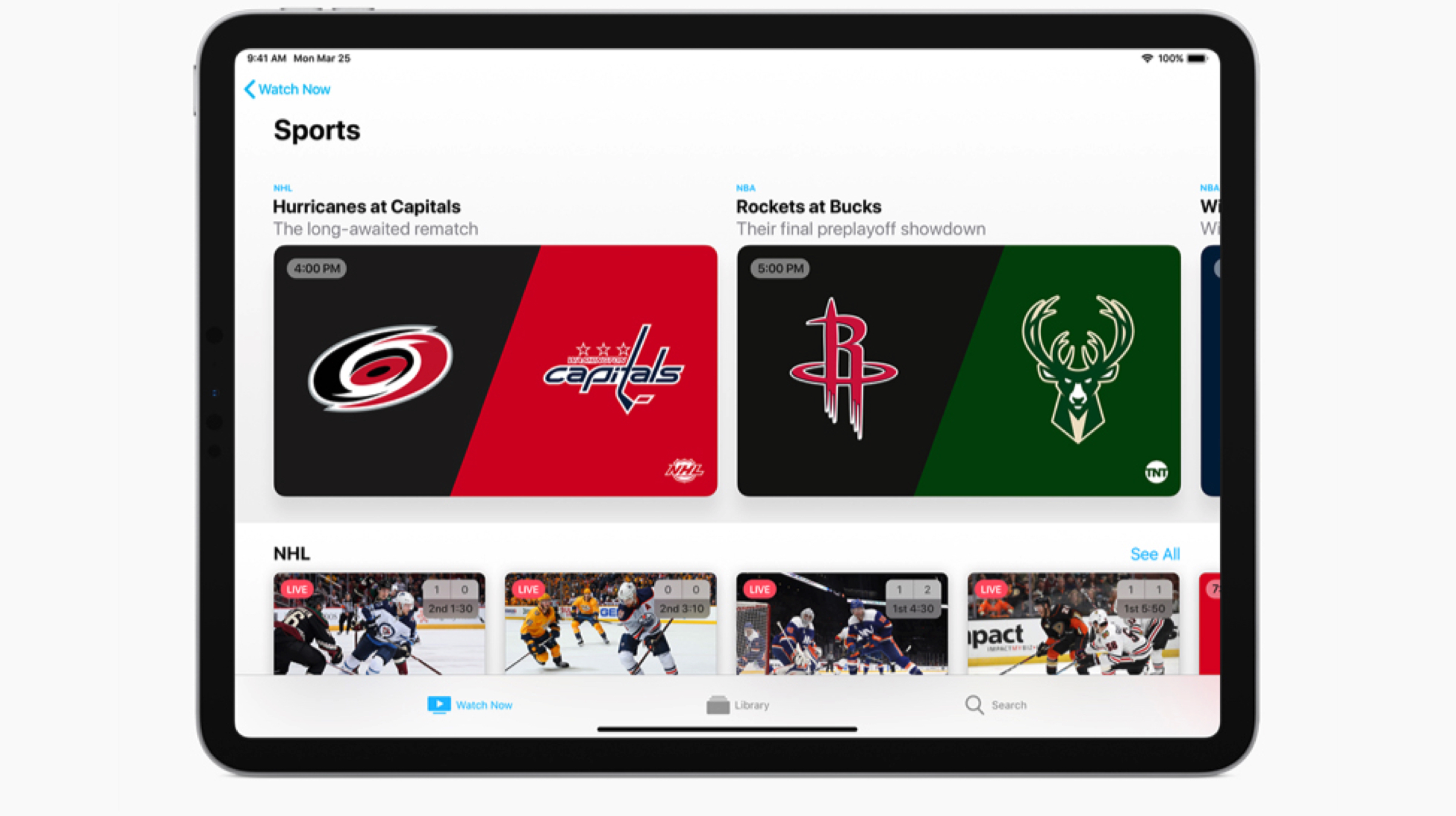
    In addition to the Apple Plus subscription service, the company has also released an all-new Apple TV application which has a completely redesigned interface. The new version of the application is designed to serve on-demand digital content, without advertisement with the option of offline downloads. The new Apple TV app is now available for the Apple TV and iOS devices. While its support for third-party smart TVs from LG, Sony, Samsung and Vizio will be available some.


  • Apple Launches Apple News Plus And Apple Card

    Apple Launches Apple News Plus And Apple Card

    Apple’s Show Time Event saw the company launching its news subscription service, called Apple News Plus with a collection of over 300 magazines. The service aims to provide a high quality curated news experience, which forms the basis of any News application. With a premium catalogue of magazines such as the National Geographic, the Vogue, and the New Yorker, Apple News Plus launched the service in the US and Canada on March 25. In addition, the company also launched its own credit card application, known as the Apple Card, the much-awaited Apple TV+ Streaming service and the Apple Arcade, which is a game subscription service.

    About Apple News Plus

    The application will be rolled out in an update for Apple devices and will bring forth a wide variety of stories and news for its users. Making the Apple News service more “premium” was Apple’s goal all along, as showcased by beautiful magazine covers in neat and impressive layouts in the application. Some magazine covers are intricately and vividly designed, others are animated and some sport a bold typography style to make a premium statement.

    Apple claims that it won’t track what its users read on the News Plus application, nor will it allow advertisers to track them without their consent. With more than 5 billion articles read on the Apple News app every month, the company wants its users to make the best use of its premium news plus app rather than relying on social media networks for news that may be adulterated.

    Subscription Plans And Availability

    Similar to other mainstream subscription services, Apple News Plus aims to provide paid readable content from different magazines to its premium users, who will pay a monthly fee. One of the many news sources that Apple partnered with is the Wall Street Journal, which will cater general news to the company so that Apple can do the same for its users. The News Plus subscription service will be priced at $9.99 per month for users in the United States, whereas Canadian users will have to pay $12.99 per month for the same. A welcoming piece of information is the fact that up to six members of a family can share the subscription. Furthermore, the service offers its users a free month of trial before they decide whether to pay for the premium News curation or not. First seeing the light of Canada and the US, Apple News Plus will be launched in the UK and Australia later this year.

    Apple Card

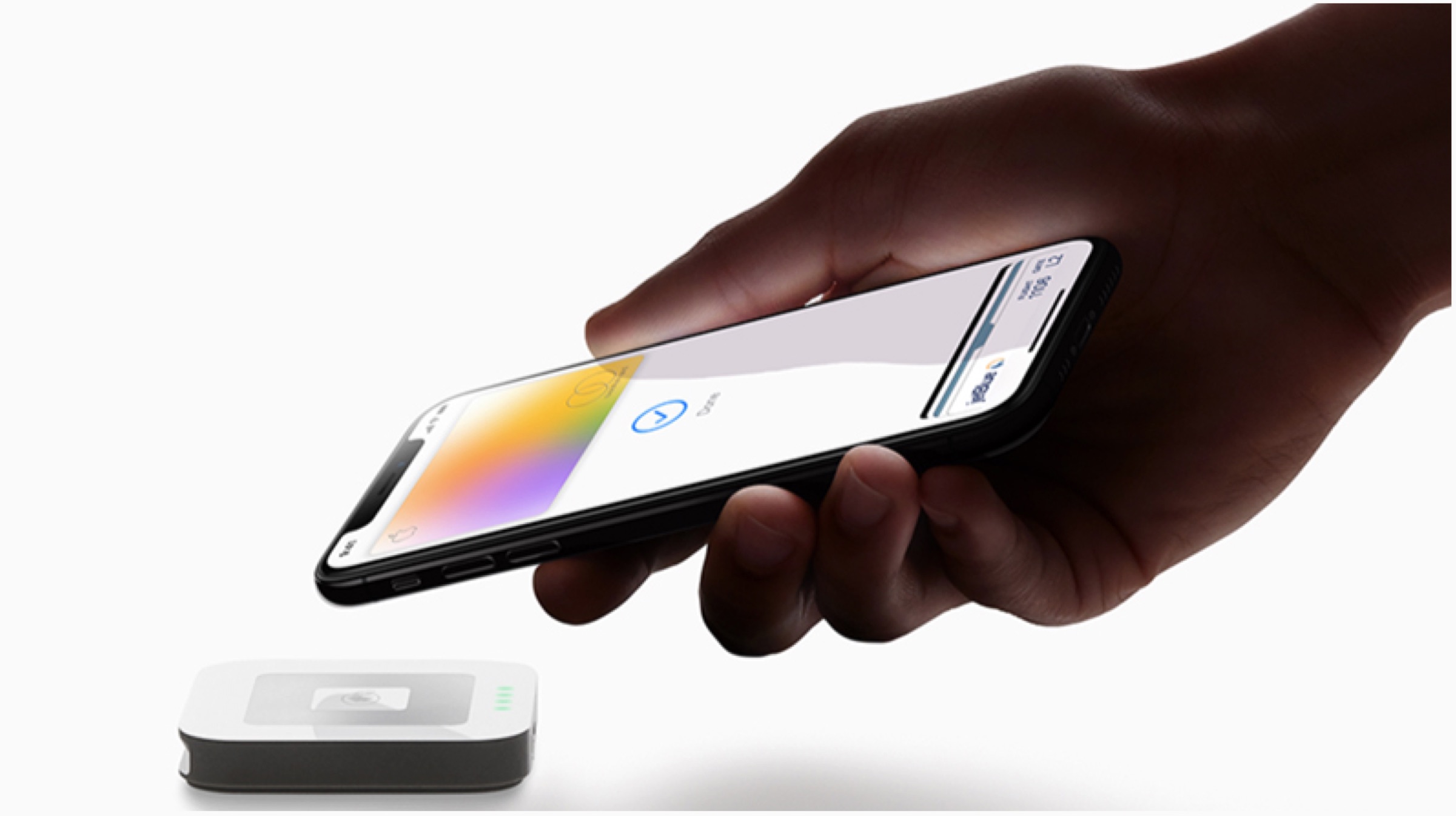
    As mentioned before, Apple also unveiled its new credit card app, known as the Apple Card. The company clearly states that it is not just similar to a bank or online banking services, rather, the Apple card users will help its users be a part of a well-balanced financial life. Based on a simplicity factor that provides transparency and privacy at the same time, the Apple Card is designed specifically for the iPhone and will integrate directly with the Apple Wallet card. 

    Features

    One of the many defining features of the Apple Card is the elimination of any transactional charges while using it. The app will encourage users to pay lesser interest and provide them with the lowest interest rate in the market. Moreover, the Card has a very attractive rewards program which gives back a percentage of every purchase made via the card. The rewards are stored as cash on the customers’ Apple Cash card, which can be used for making other transactions. A user will get 2% cashback on every payment made via the card, while a 3% cashback will be earned for every purchase made directly from Apple. Noteworthy, any purchase made via the physical card will earn just 1 percent cash back.

    Also Read: Netflix Starts Testing Rs. 250 Monthly Subscription Plan In India

    Mastercard will handle all aspects of payment processing for Apple. Rumours surrounding the Apple card have been rendered true, as the company has partnered with Goldman Sachs for the card. A unique card number will be generated on the user’s iPhone and will be stored securely on the device itself. Similar to the Apple News Service, the company won’t track the contents of the purchase made by the users, or any in-depth details of the same. Clearly, Apple is focusing on the privacy end here, which a lot of customers are skeptical about these days.

  • Apple Launches Apple TV+ And Apple Arcade

    Apple Launches Apple TV+ And Apple Arcade

    Apple announced its newest subscription based services called Apple TV+ and Apple Arcade at an event on Monday at the Steve Jobs theatre in Cupertino, USA. The former is a video subscription service aimed at competing with rivals like Netflix and Amazon Prime Video and the latter is a game subscription service. The company also announced a new Apple TV app for iPhone, iPad, Apple TV, Mac, smart TVs and various streaming devices. At the same event, the company also launched the Apple News+, a news and magazine subscription service and the Apple Card, an all-new payment service.

    Apple TV+

    Apple TV+ is the company’s venture into the streaming service market. It is a subscription-based video service that has a host of features to differentiate it from the competitors. Unlike Netflix and Prime Video, it has a host of channels available on TV which the users can subscribe on an individual basis. These channels include HBO, Starz, SHOWTIME, CBS All Access, Smithsonian Channel, EPIX, Tastemade, Noggin and MTV Hits. Apple has alleged that more channels from around the world will be added in the due course of time.

    At the launch of Apple TV+ celebrities like Oprah Winfrey, Steven Spielberg, Jennifer Aniston, Reese Witherspoon, Octavia Spencer, J.J. Abrams, Jason Momoa made an appearance to announce their shows on the platform. The new Apple TV app, on the other hand, will be a host to all the new shows and channels by the company and will also offer suggestions for shows and movies from over 150 streaming applications, including Amazon Prime, Hulu, Canal+ and more. Apart from the aforementioned media, the app will also house the movies and TV shows available to purchase and/or rent from the Apple iTunes store. 

    The Apple TV+ video streaming service will be announced later in fall this year, which suggests a release in the fourth quarter of 2019. The company will also announce the pricing of the service at the same time. The new Apple TV app will be available to download on iOS devices, Apple TV and Mac starting this May. In a surprising move, Apple has also partnered with brands like Samsung, VIZIO, LG and Roku to bring the Apple TV app on their respective smart TV and streaming devices.

    Apple Arcade

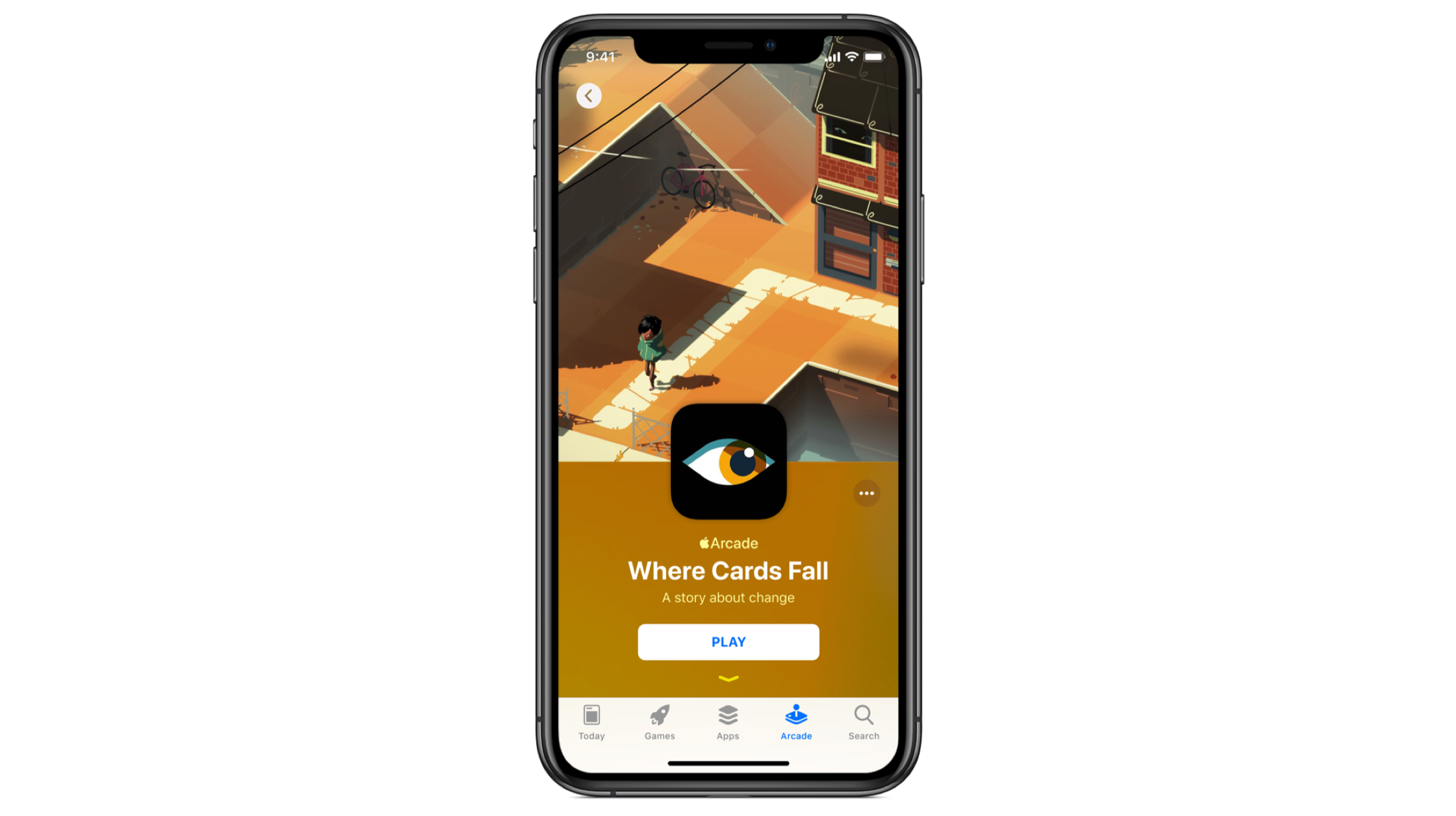
    The Apple Arcade is the world’s first mobile, desktop and TV game subscription service. It will make use of over 3,00,000 games available on the App store to bring a streamlined gaming experience. The service aims at introducing a new way to give users access to exclusive games, handpicked by Apple on the platform. A new tab named ‘Arcade’ will exist inside the App store and will allow a subscription option which in turn enable the users to try out a game in the service. Notably, all the games available in the subscription will be free to play, with no additional purchases required.

    Also Read:  Best Portable Bluetooth Speakers Under Rs. 2,000 In India

    Another innovative feature Apple is introducing with the Arcade service is an option for offline playability and the game controller support for compatible games. As the subscription is extended to various Apple devices, users can leave a game on an iPhone and start where they left it off on another device like an iPad, Mac or an Apple TV. Over time, more new games will be available on the service. The service will launch in fall, like the Apple TV+ and the pricing of the service, will also be announced then. In the meanwhile, interested developers can apply to be a part of Apple Arcade by visiting the link here.

  • Best Portable Bluetooth Speakers Under Rs. 2,000 In India

    Best Portable Bluetooth Speakers Under Rs. 2,000 In India

    With the ever-increasing advancement in technology, smartphones have evolved in a lot of ways over the years. But despite all of that innovation, one function of it hasn’t always been up to the mark. That feature is the sound or to be more precise, their inbuilt speakers. While devices like the  Apple iPhone XS, XS Max, XR, Samsung Galaxy S10 series and the Pixel 3/3XL offer stereo sound, there may always be a need for a more powerful, dedicated sound system. In selecting a good, portable wireless speaker, the options present in the market can be overwhelming. To make the choice easier, we have combined the best options under Rs. 2,000 available in the market currently.

    Mi Basic 2 

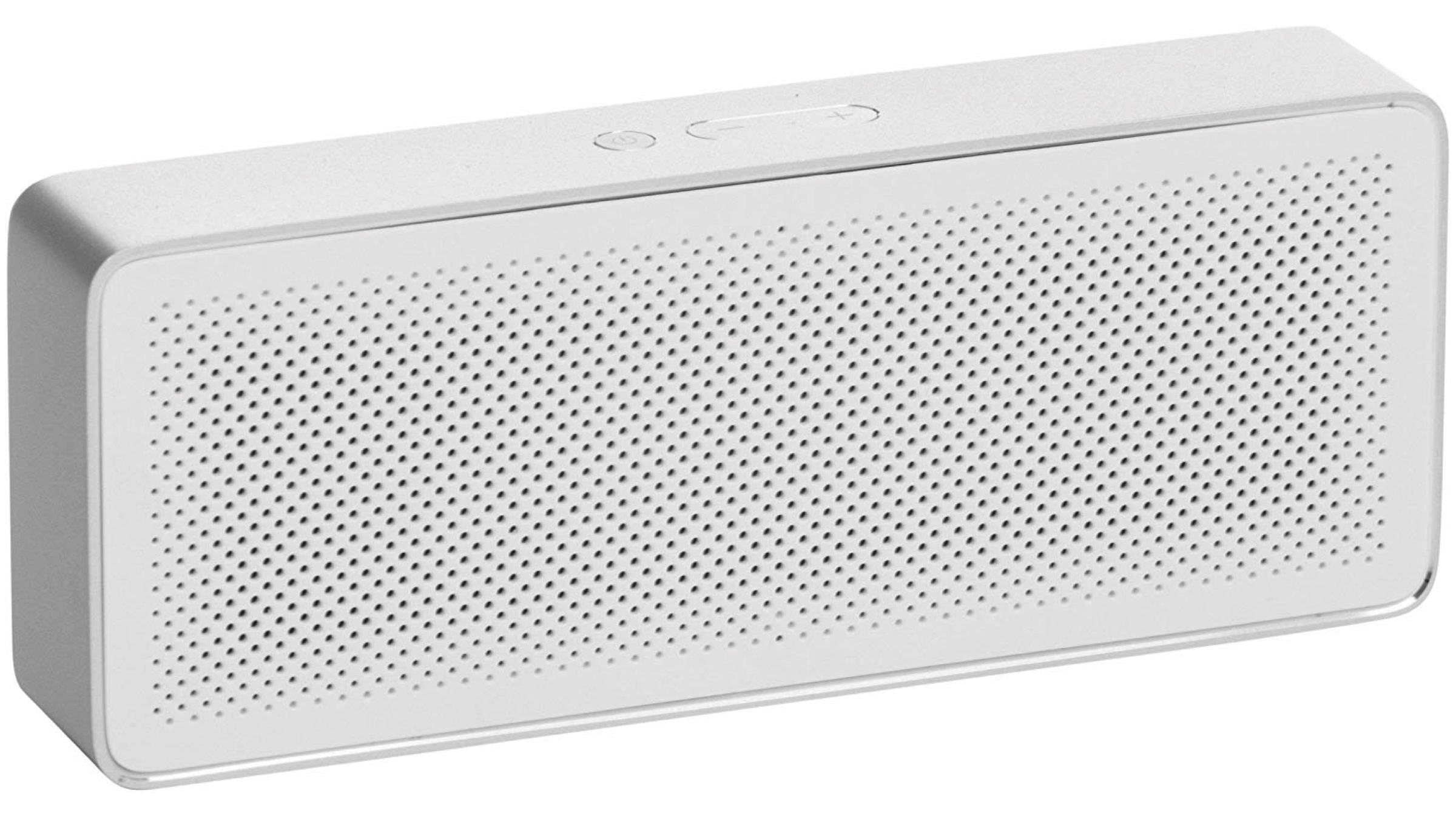
    While talking about an affordable electronic device, it is quite inevitable to talk about Xiaomi. The Mi Basic 2 Bluetooth speaker is made out of aluminium frame and weighs 237g. Rated output of the drivers is 5W and the claimed battery life is 10 hours. With a great sound quality for the price, minimalistic looks and a portable design, the speakers are one of the best choices in the market currently.

    JBL GO

    The JBL GO is one of the most popular speakers under Rs. 2,000. It is also bolstered by the fact that it is available in eight different eye-popping colours and weighs a nimble 132g. The maximum output power of the speaker is 3W. While this is lower than what the competition offers, the JBL GO is more portable and has the brand name of an audio equipment giant to back them up. Due to the sheer portability and looks alone, the speakers are one of the best options in the price range.

    Philips BT50B

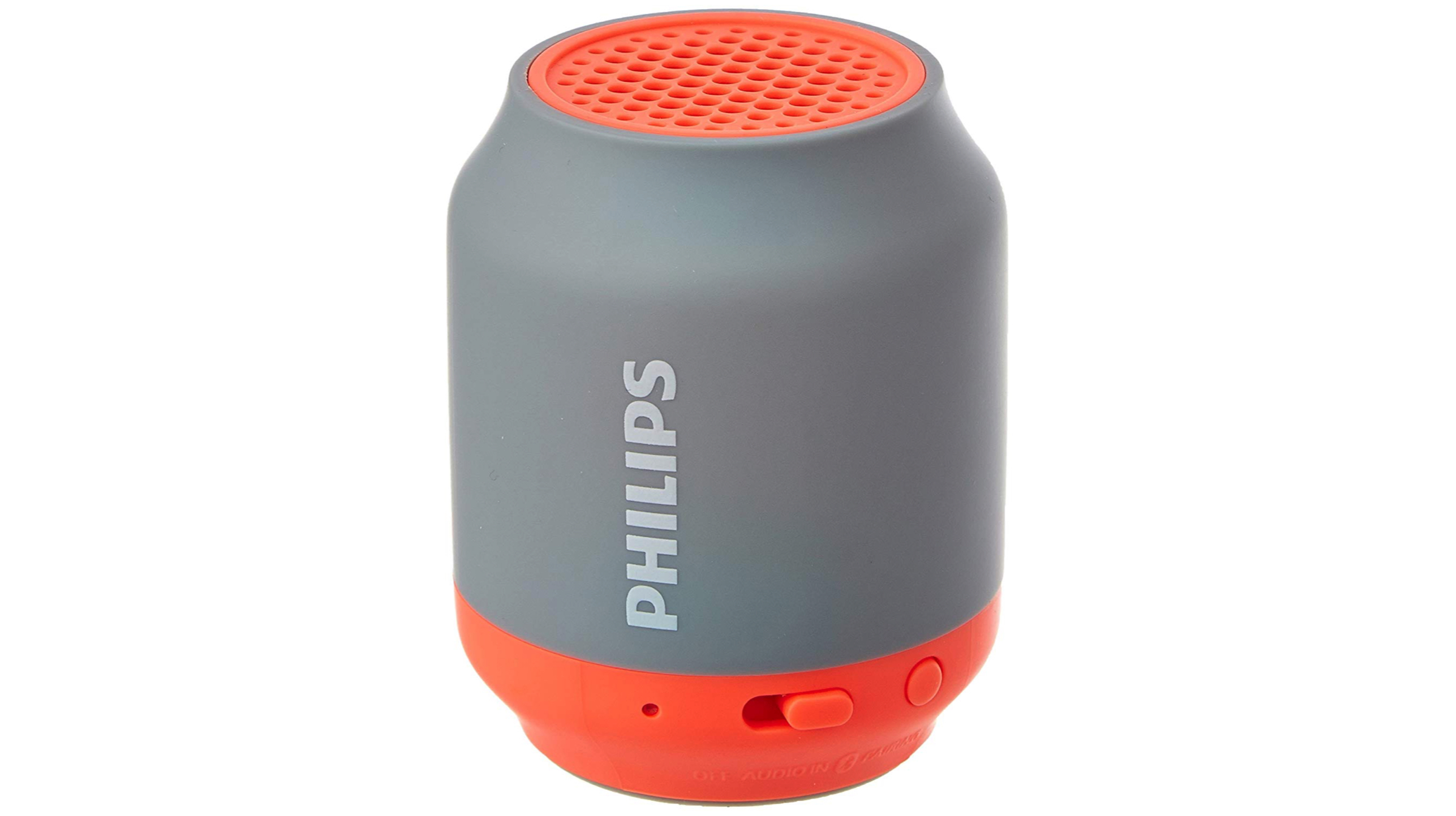
    The Phillips BT50B is one of the most portable wireless speakers available in the market. Offered in four different colour variants, the sound output of the mono speaker is rated at 2W. While it doesn’t seem much on paper, it is a great sounding speaker when compared to its size. The rated battery life is 6 hours on a single charge and the weight of the speakers is a measly 90g. Also, the portability and a good sound output make it a great option in wireless speakers under the price of Rs. 2,000.

    Boat Stone 650

    The company Boat is known to make quality audio accessories at an affordable price. The Stone 650 is no different. While not the most compact options, the Bluetooth speakers offer a rugged build and an IPX5 rating for water resistance. Sound output is rated at 10W with the help of a dual driver setup inside. Battery life is also good, as the speakers are rated to last 7 hours on a single charge. Despite its size, the speakers weigh 653g which makes them fairly portable. The mix of a great sound and a competitive price makes it one of the best options in the market.

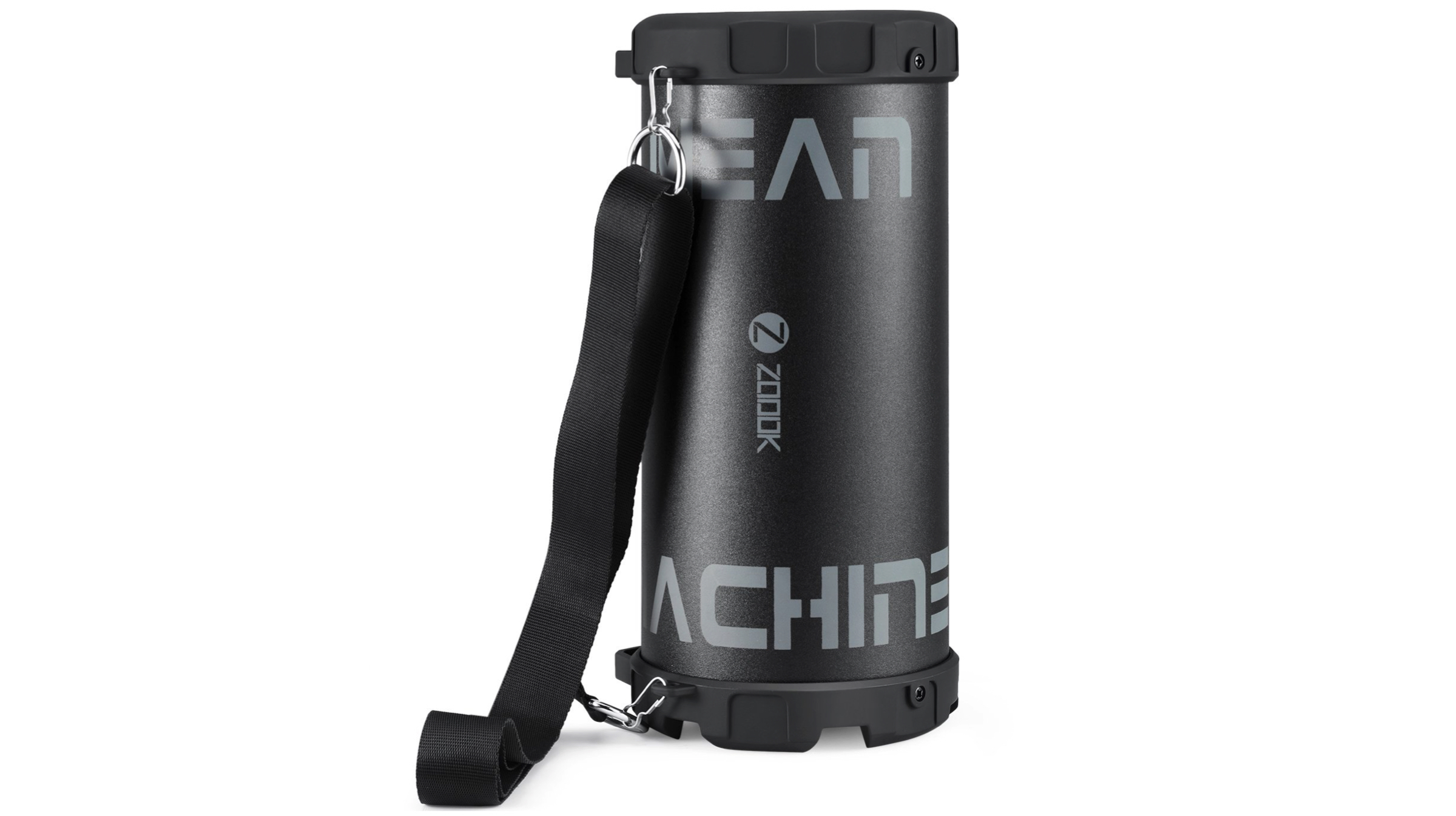
    Zoook Rocker M2-Mean Machine

    Also read: Steam Survey Shows The NVIDIA GTX 1060 As The Most Popular Graphics Card

    The Bluetooth speakers justify its naming perfectly, with a rugged and cylindrical design. The Zook Rocker M2 have a barrage of ports and slots to play music and charge the device. It has a shoulder strap that is included in the box, which makes them fairly portable and easy o carry around. The rated sound output of 10W and a claimed battery life of 6 hours on a single charge make it one of the best sounding and the best options available under the price of Rs. 2,000.

  • Microsoft Decides To Pull The Plug On Windows 7

    Microsoft Decides To Pull The Plug On Windows 7

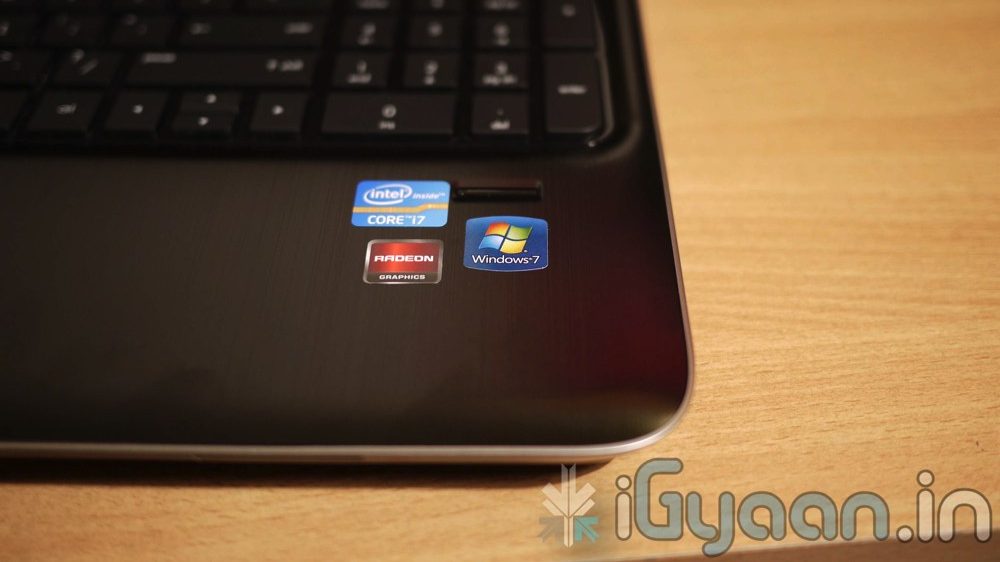
    Microsoft Windows 7 was the operating system that defined a decade for desktops and laptops. With one of the most loyal user base of a Microsoft-designed OS, Windows 7 held its position as one of the most stable operating systems ever. Even after the company released Windows 8.1 and Windows 10, Windows 7 users found it extremely tough to migrate to the newer operating systems. After almost 10 years of a very successful run, Microsoft has finally decided to terminate support for the OS.

    Microsoft’s Response

    Microsoft has already started notifying Windows 7 users regarding the removal of support for the same. The company is also recommending its users what OS should they move to next. Furthermore, it is also eager to clear any doubts regarding the end of support with the OS. As per reports, Windows users will have a time period of approximately 9 months to upgrade to the OS to Windows 10, which is the latest (and widely used) operating system from the company.
    By the beginning of January 2020, Microsoft will not only stop the sale of Windows 7 digital keys but will also stop providing technical support and security patches for the same. No new bugs will be addressed by the American Multinational Technology company, which will make the device running Windows 7 extremely vulnerable to malware and other security threats such as viruses, trojans and even phishing bots. Since the new virus signatures won’t be updated by the OS, the system may get infected far more easily.

    How To Migrate To Windows 10?

    Also Read: Google Stadia’s Viability, What Resources Does The Cloud Gaming Service Need?

    Microsoft states that Windows 10 will act as a welcoming interface to Windows 7 users. All the support required for backing up the user data and documents is being extended by Microsoft itself. Step-by-step guides available on the company’s website will help users safely move over to a new PC or the new OS. In order to prepare users for moving to Windows 10, Microsoft claims that the new OS starts up 28 percent faster than Windows 7, and has a better security detail than the outgoing OS. With this move, Microsoft may attain the number of 1 billion Windows 10 devices by the end of the year 2019, with the current user count standing at around 800 million.

  • Steam Survey Shows The NVIDIA GTX 1060 As The Most Popular Graphics Card

    Steam Survey Shows The NVIDIA GTX 1060 As The Most Popular Graphics Card

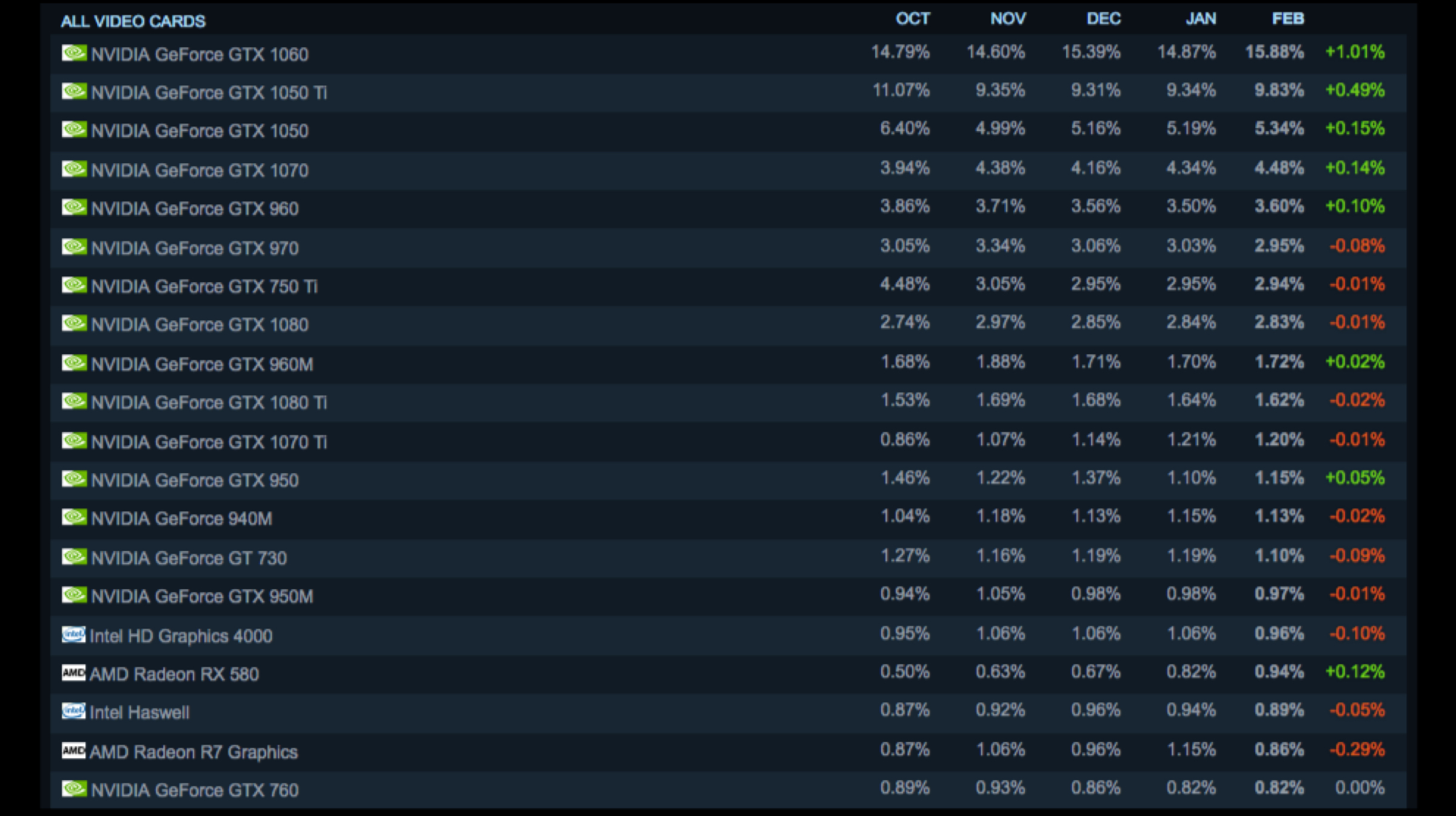
    Steam conducts a monthly survey which depicts the graphics card information from all the gamers across the world. As per a survey conducted in the month of February 2019, AMD was still found struggling for the top spots in the list of the most used graphics cards. Whereas NVIDIA has a strong grip on almost all top 15 slots in the list, AMD made its entry on the 17th spot in the list.

    The Statistics

    The RX 580 is AMD’s most popular graphics card, and yet only 0.94 % of the total Steam user base uses the aforementioned model. Even Intel HD Graphics 4000 is placed higher on the list, with a total of 0.96% of gamers relying on the inbuilt graphics module. AMD as a whole is just hanging by the ledge, with a total market share of a mere 0.50%, compared to NVIDIA’s mammoth share.

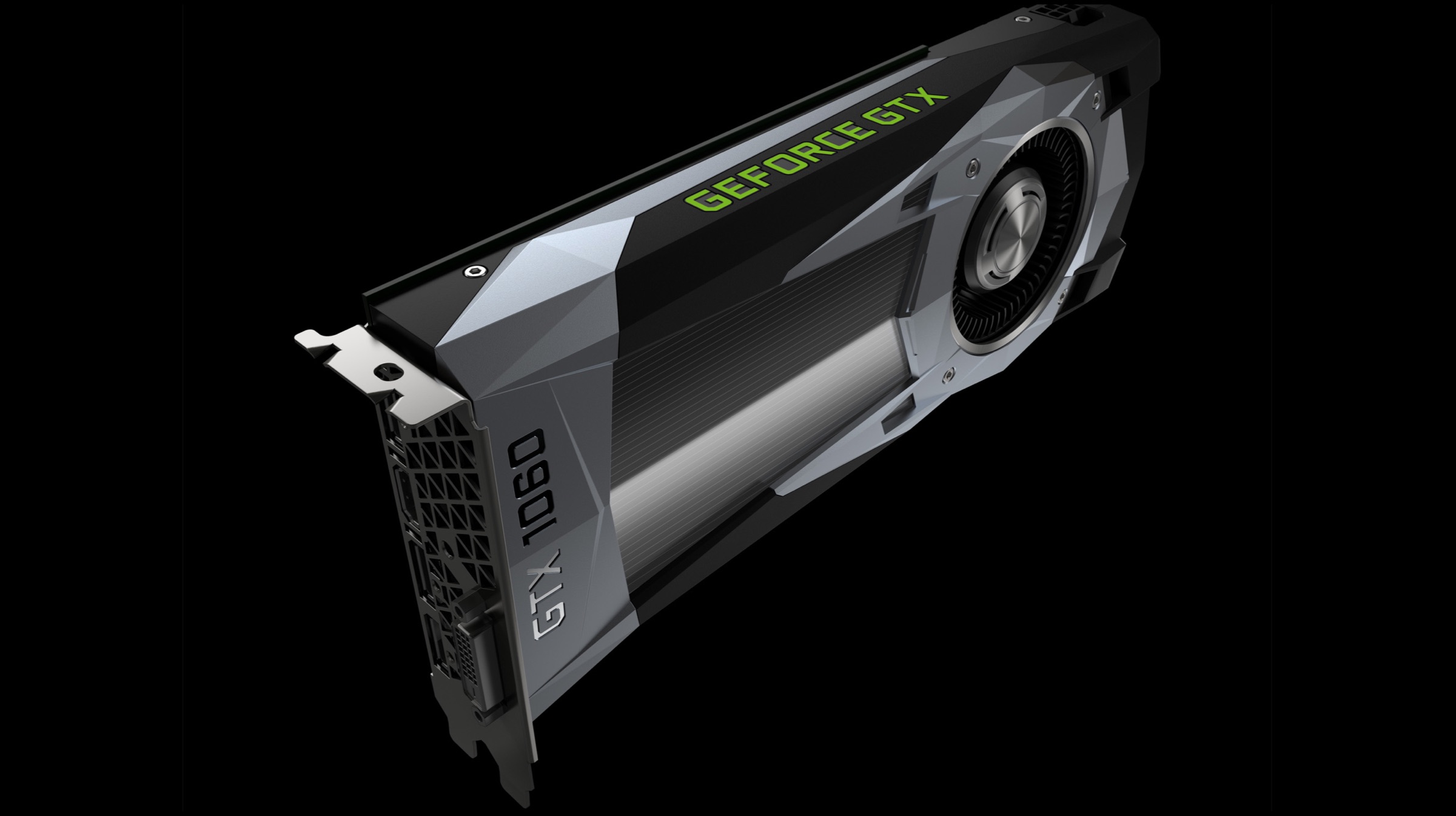
    Almost 16% of Steam gamers have the GTX 1060 as their primary graphics, clearly exhibiting the popularity of the mid-budget graphics card. The Pascal-based GTX 1050 Ti, 1050 and 1070 are next on the list with 9.83%, 5.34% and 4.48% market shares respectively. Surprisingly, the older Maxwell-based graphics cards, GTX 960 and GTX 970 maintain their share at 2.95% and 2.93% respectively. The top performer in the 10 series, the 1080 Ti makes the list at 1.62%
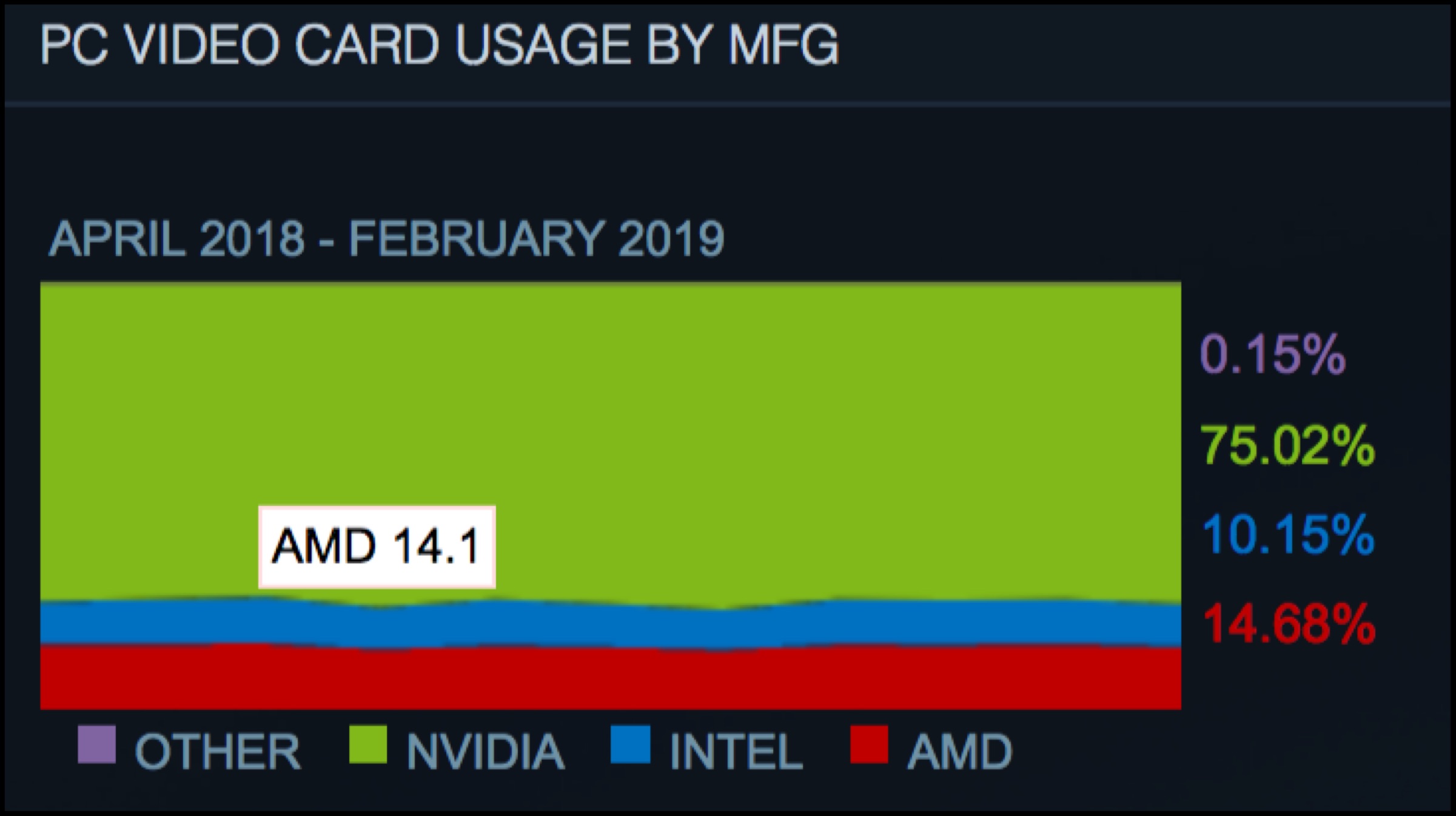
    Turing based cards were launched in the month of September 2018, and they have been steadily gaining popularity over time, as seen in the survey. The RTX 2070 is at 0.50%, whereas the RTX 2080 Ti and 2080 stand at 0.21 and 0.40 percent respectively. On the other hand, AMD’s top-of-the-line RX Vega graphics cards hold a minuscule share of 0.19%. AMD has released some really performance-worthy cards lately, but it is still having trouble competing against the well-established NVIDIA graphics cards. 

    AMD’s Strategy For Success

    Also Read: ASUS Launches New Ryzen Powered Gaming Laptops In India

    AMD is looking forward to launching the 7nm fabrication-based Navi GPUs in the second half of 2019, which may help the sinking shares of the company and propel it towards the higher spots. However, it is worth noting that even if AMD unveils a game-changing graphics card lineup, it may have trouble incorporating itself in the market owing to NVIDIA’s strong grip in that sector.

  • Motorola One And Moto G7 Launched In India

    Motorola One And Moto G7 Launched In India

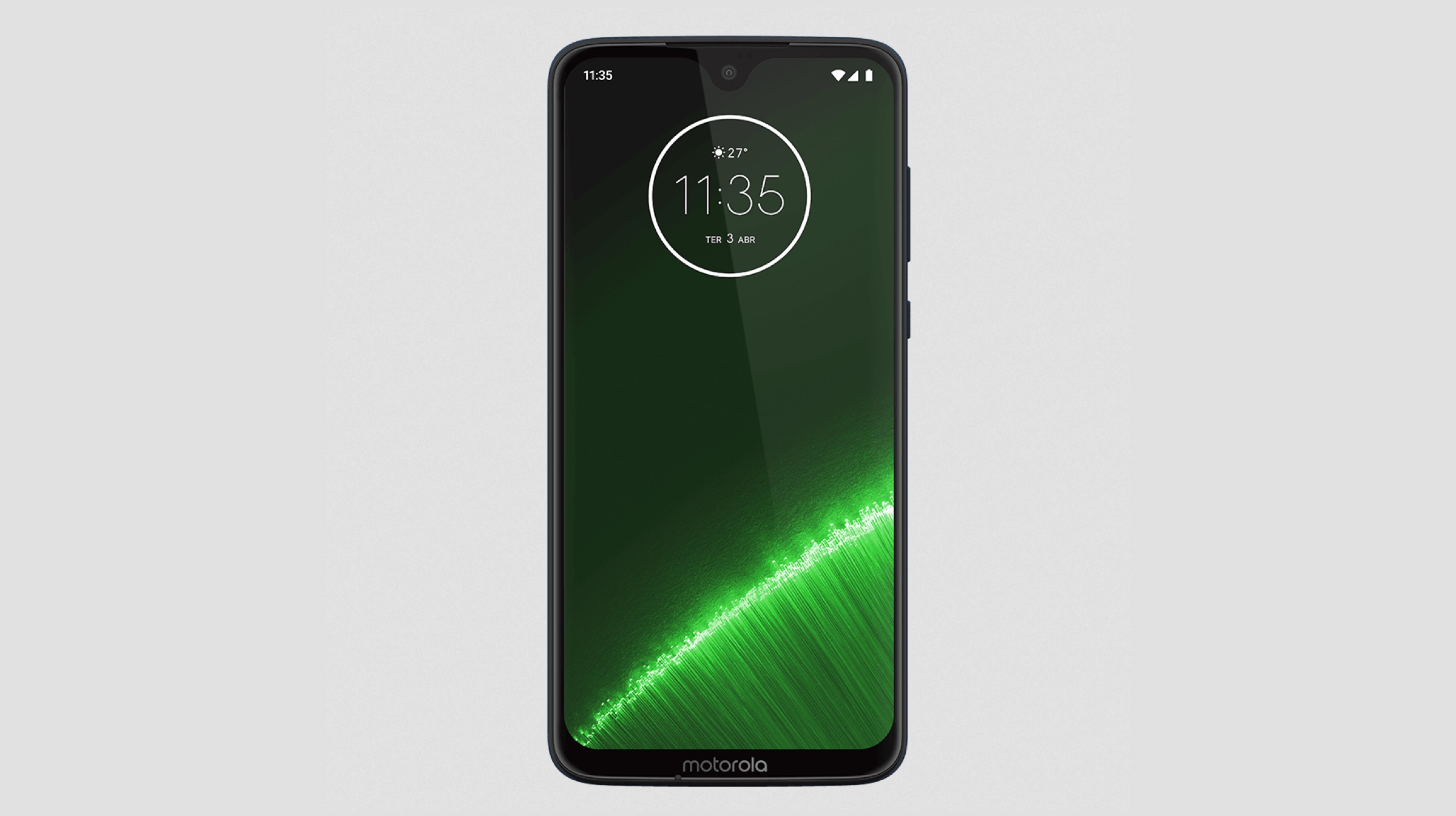
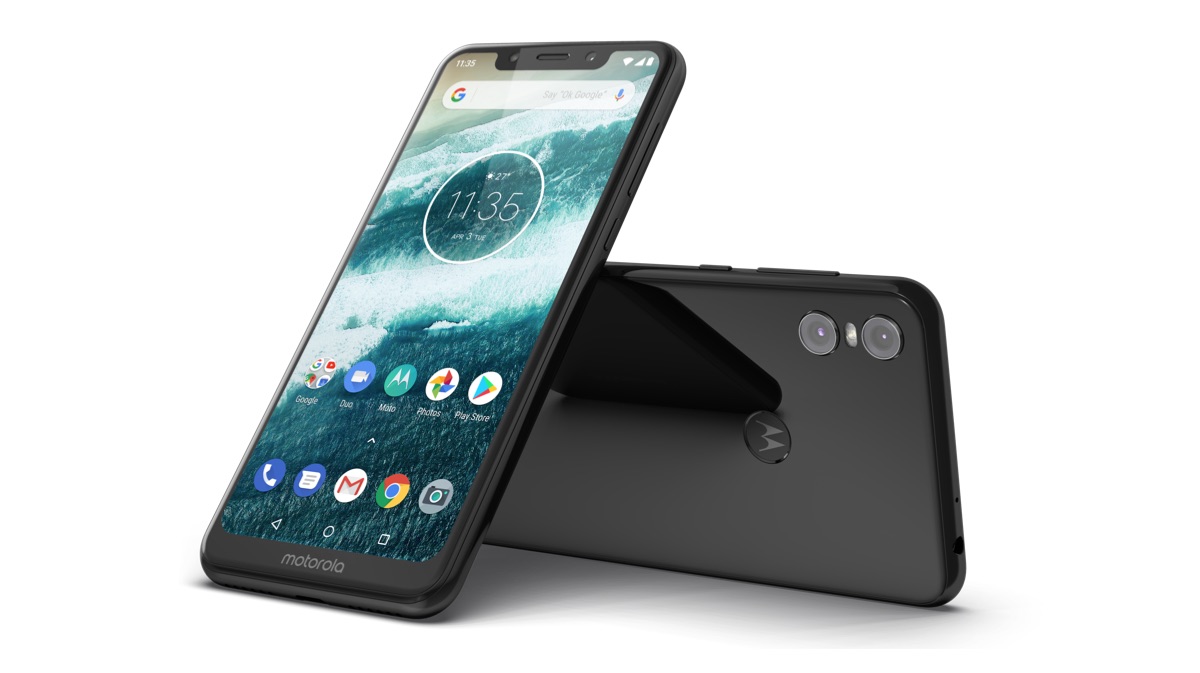
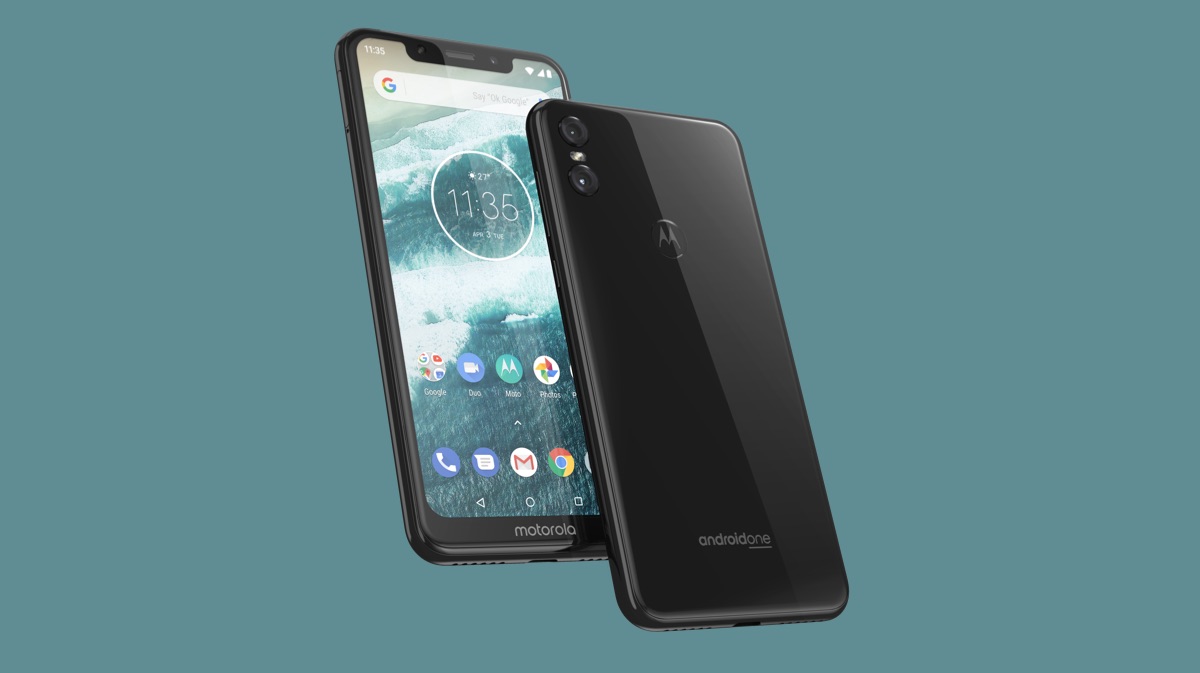
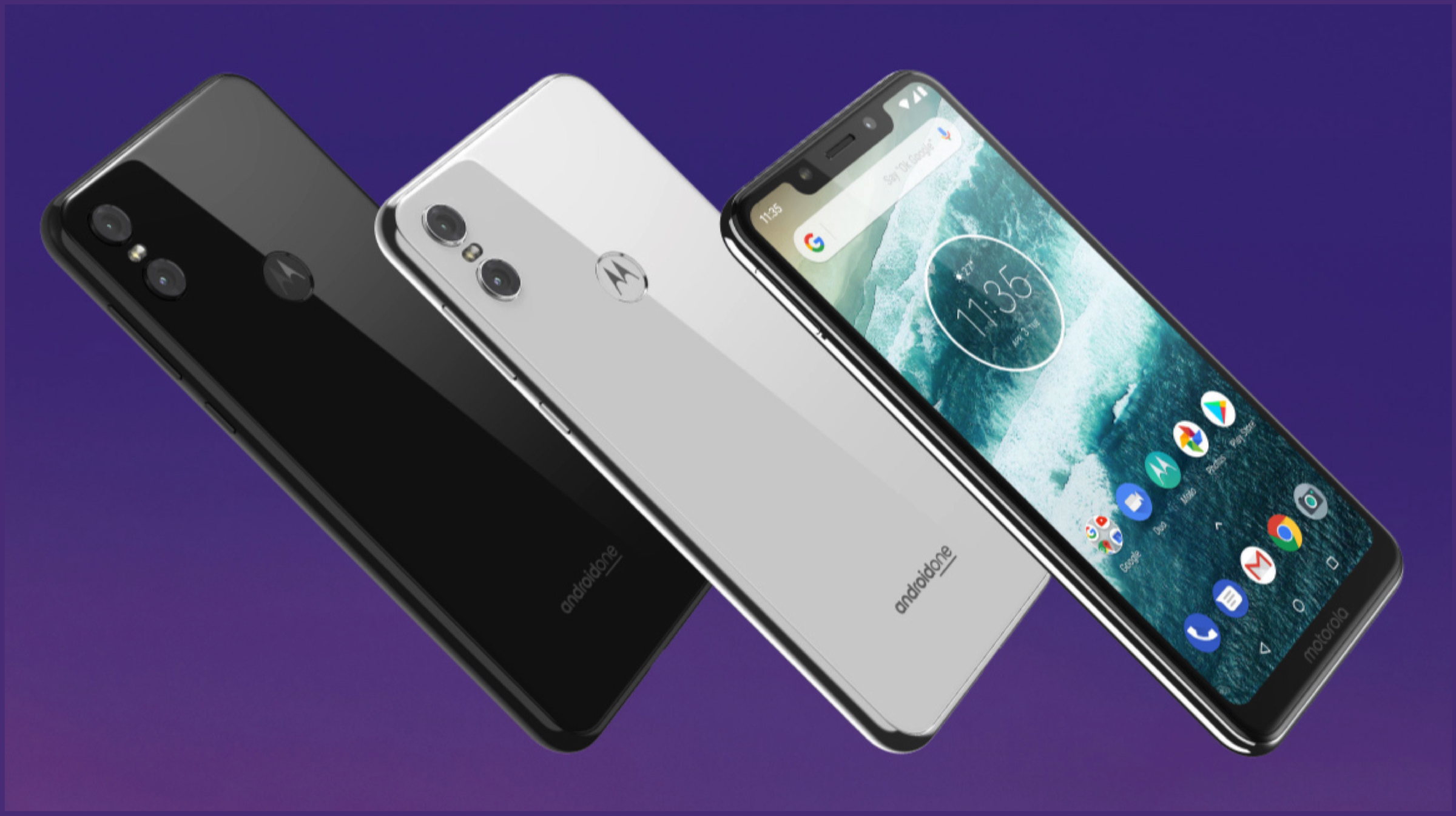
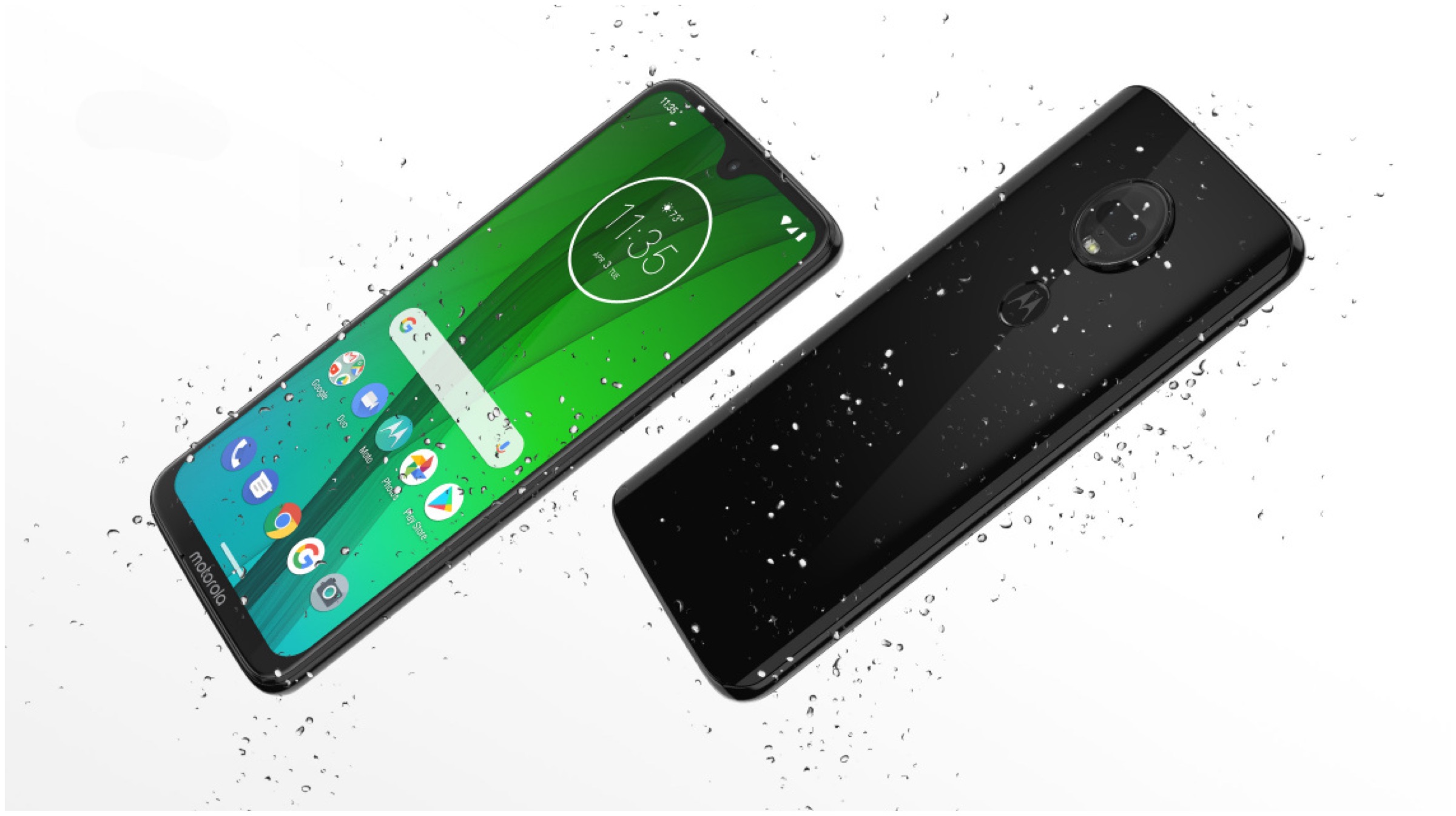
    Motorola has launched two new smartphones, the Moto G7 and Motorola One in the Indian market today. The Moto G7 is the latest device in the company’s hugely popular Moto G lineup while the Moto One is the second Android One smartphone from the company and is the specced down variant of the Motorola One Power, which was launched in the country last year. While the G7 was launched in Brazil on February 7, the Motorola One was launched in the US last year.

    Moto G7

    The Moto G7 measures 157 × 75.3 × 7.92mm and weighs in at 174 grams. Design-wise, it has glass on both the front and back of the handset. The smartphone has a 6.2-inch IPS LCD display with 2270 x 1080 px resolution and a waterdrop notch up top. The device has a rear-mounted fingerprint scanner and supports face unlock technology.

    Under the hood, the Moto G7 runs on the 14nm Snapdragon 632 SoC which consists of an Octa-Core CPU and Adreno 506 GPU. The rear of the smartphone has the dual rear camera setup which is comprised of a 12 MP sensor with an f/1.8 aperture and 5 MP secondary sensor. For selfies, the handset has an 8MP camera housed in the notch on the top of the display. In terms of memory and storage, there is 4GB of RAM and 64GB of onboard storage.

    The Moto G7 is powered by a 3,000 mAh battery which supports fast charging up to 15W with the bottom mounted USB Type-C port and runs on the latest Android 9.0 Pie. The handset also has P2i nano-coating which is certified to protect against liquid spills. Connectivity options include 4G VoLTE, 802.11 ac Wi-Fi, Bluetooth 4.2. The device is available in two colour options namely Clear White and Ceramic Black.

    Motorola One

    Motorola One

    The Motorola One measures 150×72×7.97 mm and weighs 162g. The front is dominated by a 5.9-inch IPS LCD display with 1520 x 720 px resolution and minimal bezels on the sides. There is a substantially wide notch on the top and a chin on the bottom. For biometrics and security, the smartphone has a rear mounted fingerprint sensor and support for face recognition technology.

    Under the hood, the Motorola One is kitted with a 14nm Snapdragon 625 SoC. The chipset has an Octa-core CPU and Adreno 506 GPU. In terms of optics, the smartphone has a dual rear camera setup which is comprised of a 13 MP sensor with an f/2.0 aperture and 2 MP secondary depth sensor. For selfies, the handset has an 8MP camera with an f/2.2 aperture housed in the notch on the top of the display. Like the Moto G7, the device has 4GB of RAM and 64GB of onboard storage.

    The newly announced Motorola One is powered by 3000mAh battery with support for 15W fast charging via USB Type-C port. The smartphone is Android One certified and runs on the latest Android 9 Pie. The certification means that the device will get guaranteed two years of regular software updates. Like the Moto G7, it has also has a P2i nano-coating which is certified to protect against liquid spills. The device is available in two colour options namely White and Black.

    Pricing & Availability

    Also read: ASUS Launches New Ryzen Powered Gaming Laptops In India

    The Moto G7 and Motorola One will be available starting today, 25th March across leading offline stores and online on Flipkart for the price of Rs. 16,999. The Motorola One is priced at Rs. 13,999. Initial buyers of the devices will also get a cashback from Jio as a part of a special launch offer.

iGyaan Network
Privacy Overview

This website uses cookies so that we can provide you with the best user experience possible. Cookie information is stored in your browser and performs functions such as recognising you when you return to our website and helping our team to understand which sections of the website you find most interesting and useful.