Author: Sahil Kapoor

  • Oppo Patents A Notchless Smartphone With Sliding Mechanism

    Oppo Patents A Notchless Smartphone With Sliding Mechanism

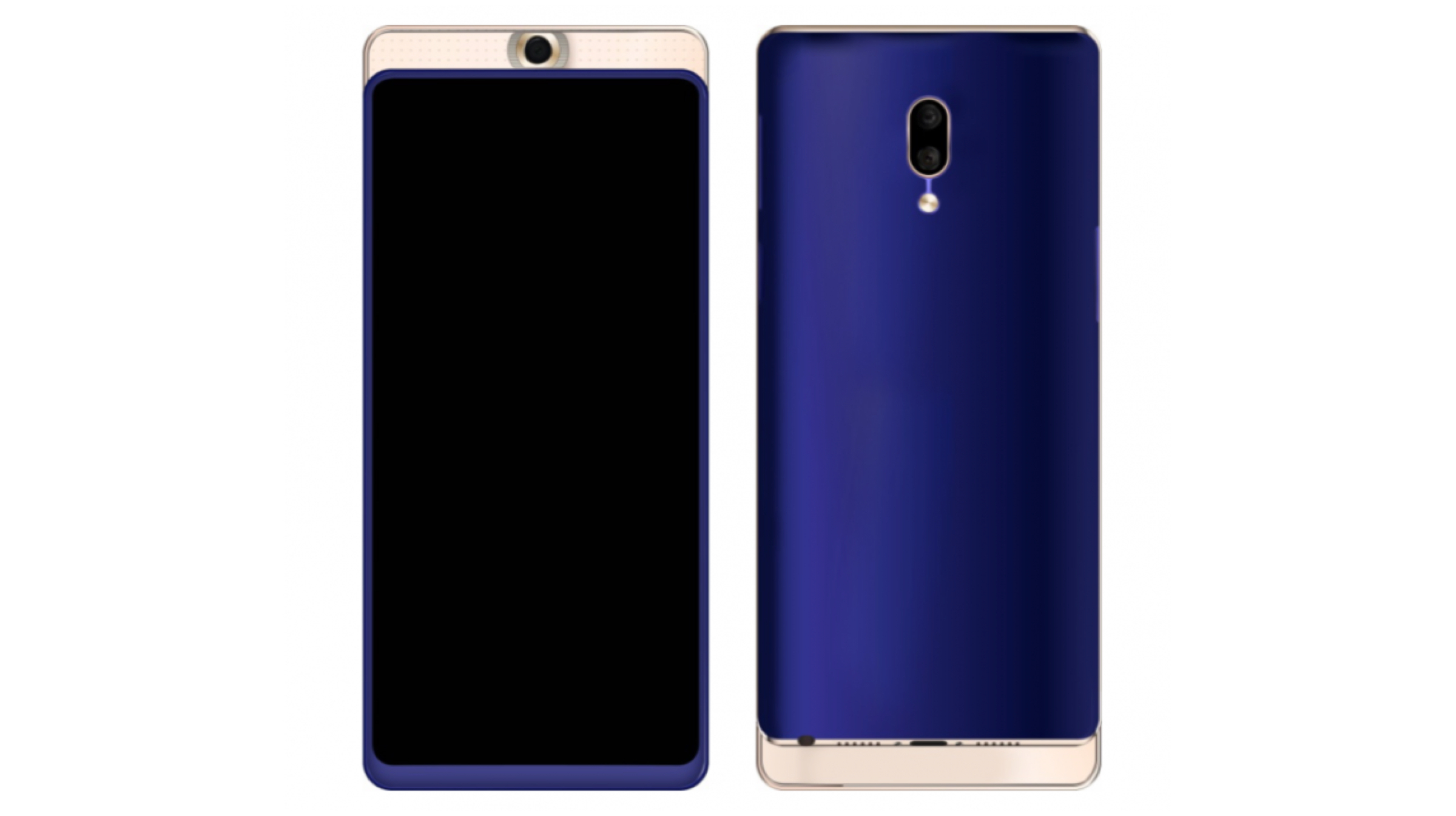
    Chinese smartphone maker, Oppo has launched a variety of distinctive smartphones in the past including the Oppo Find X and the Oppo N3. A freshly granted patent to the company reveals that it is working on yet another unique smartphone that has an edge-to-edge display and a sliding mechanism. The patent for the aforementioned smartphone was granted to Oppo by the WIPO (World Intellectual Property Office). 

    Patent Disclosures
    Oppo Smartphone Patent
    Oppo Smartphone Patent

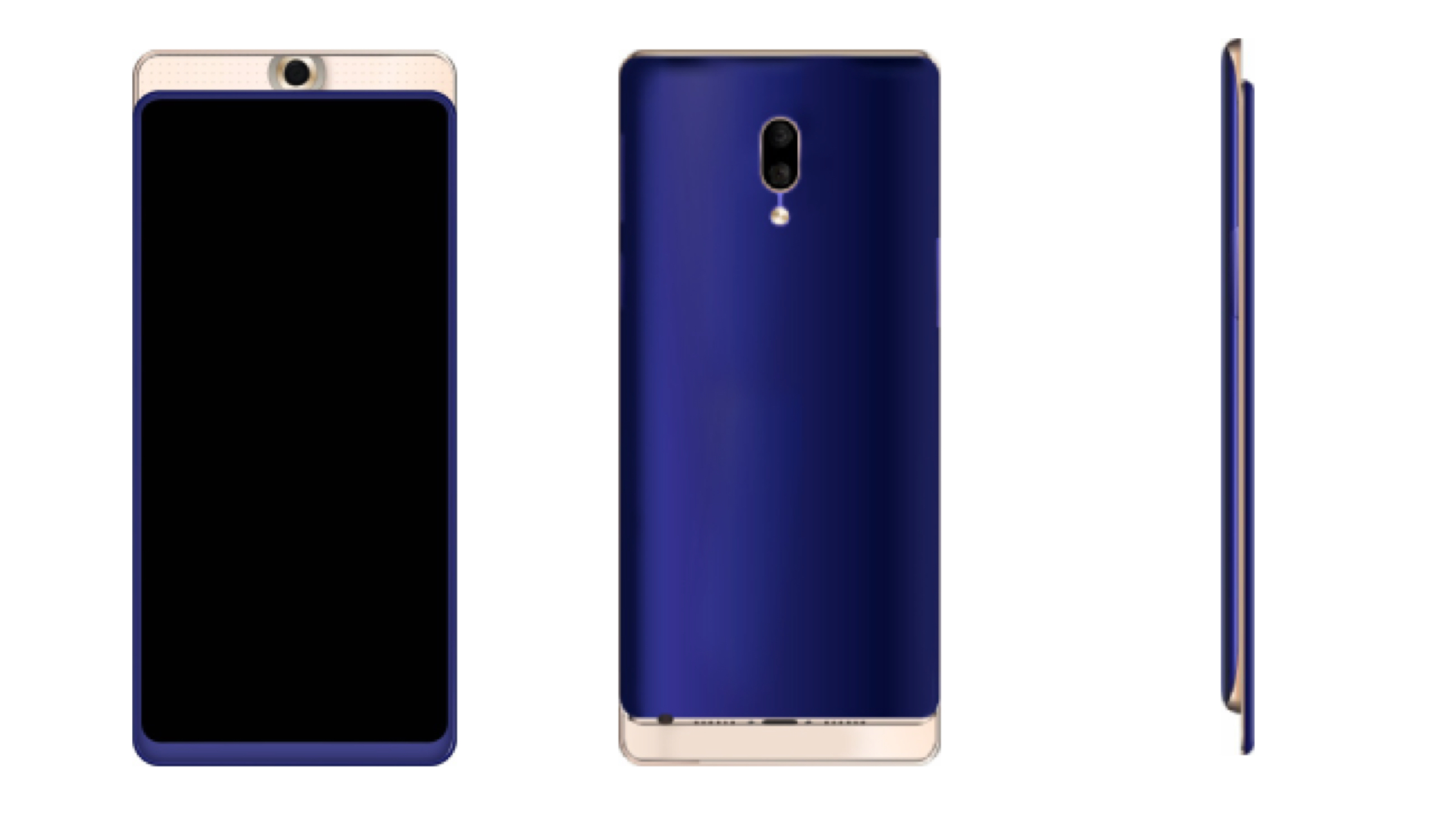
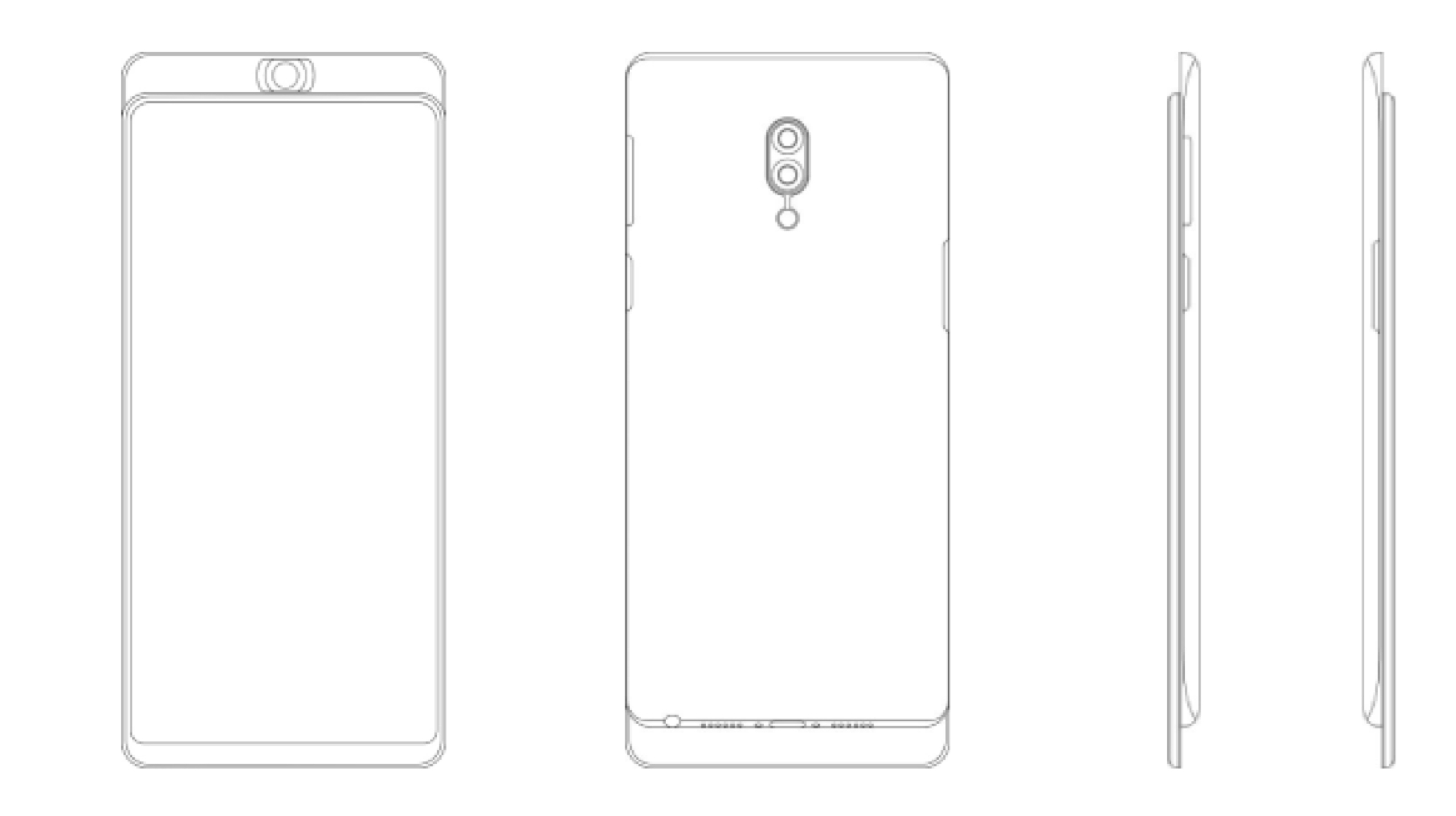
    As previously mentioned, the Oppo smartphone from the patent has a unique design with a sliding display. The front of the smartphone lacks any kind of obstructing notch and has minimal bezels around the display. The front facing selfie camera is placed in the bezel which remains concealed under the sliding mechanism. Also, the selfie camera has a circular shaped ring flash which will allow for capturing well-lit pictures in dark conditions.
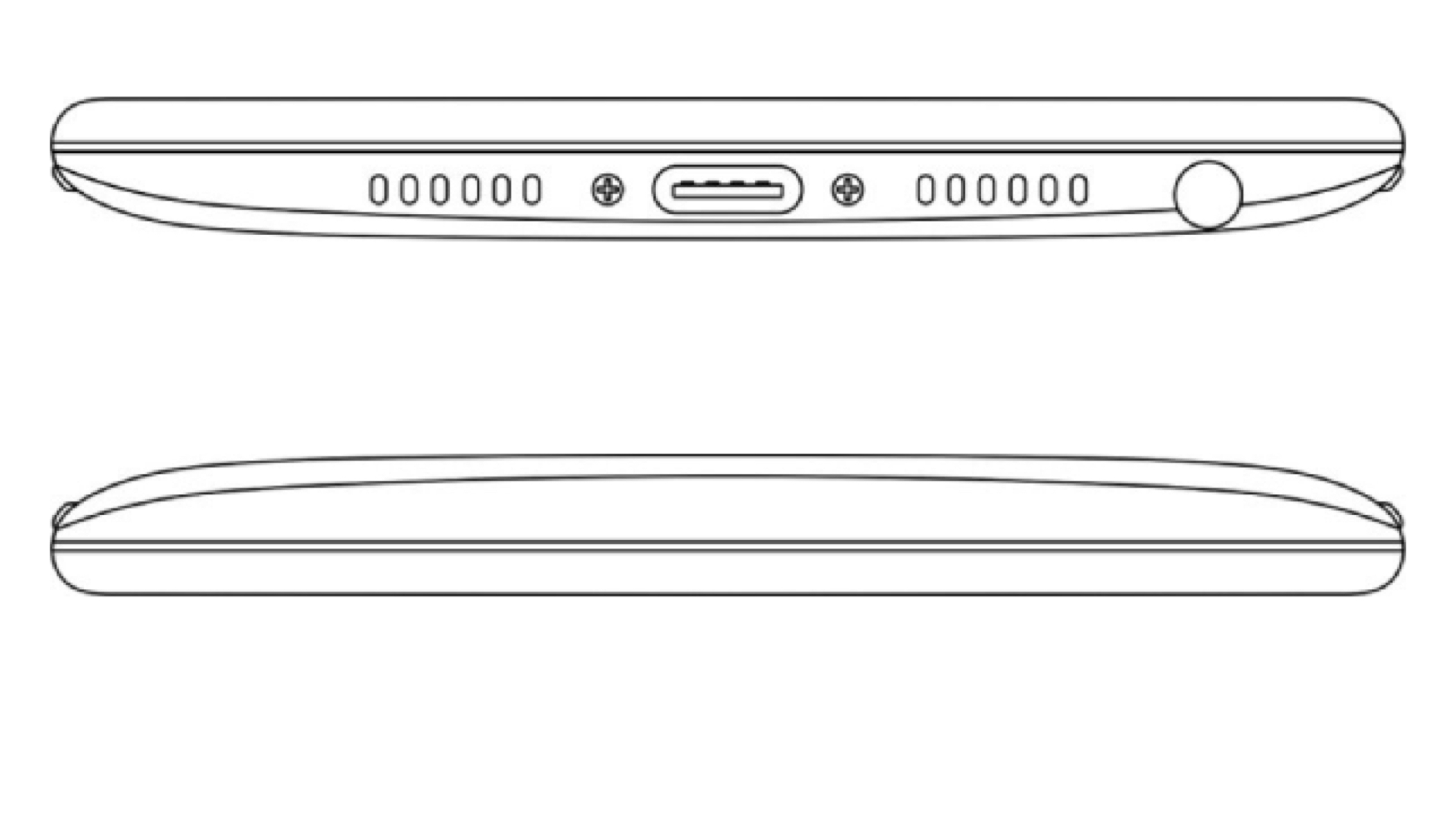
    Moving to the rear of the Oppo smartphone, it has a conventional design with a dual camera setup present on the upper half. The right side of the smartphone is occupied by the volume rocker and power button while the left side is occupied by what seems to be the SIM card tray. The bottom side of the device is occupied by the 3.5 mm audio jack and USB C port which is flanked by grilles on either side while the top side of the device is devoid of any controls or ports.
    Also Read: Asus ROG Phone 2 With 120 Hz Display To Launch Soon

    To get more details about the aforementioned Oppo smartphone we will have to wait patiently for the company to reveal more details. Also, it is not yet confirmed whether the device will ever see the light of the day or not. As a lot of patented devices never make their way to the commercial availability stage. 
  • Asus ROG Phone 2 With 120 Hz Display To Launch Soon

    Asus ROG Phone 2 With 120 Hz Display To Launch Soon

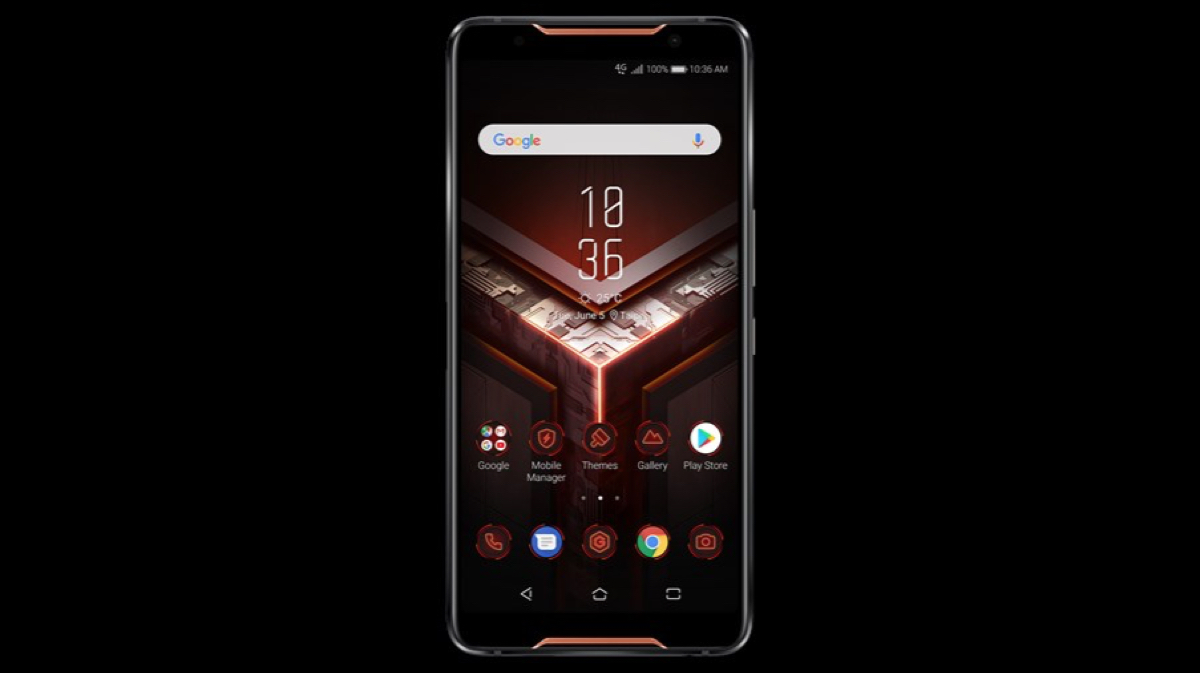
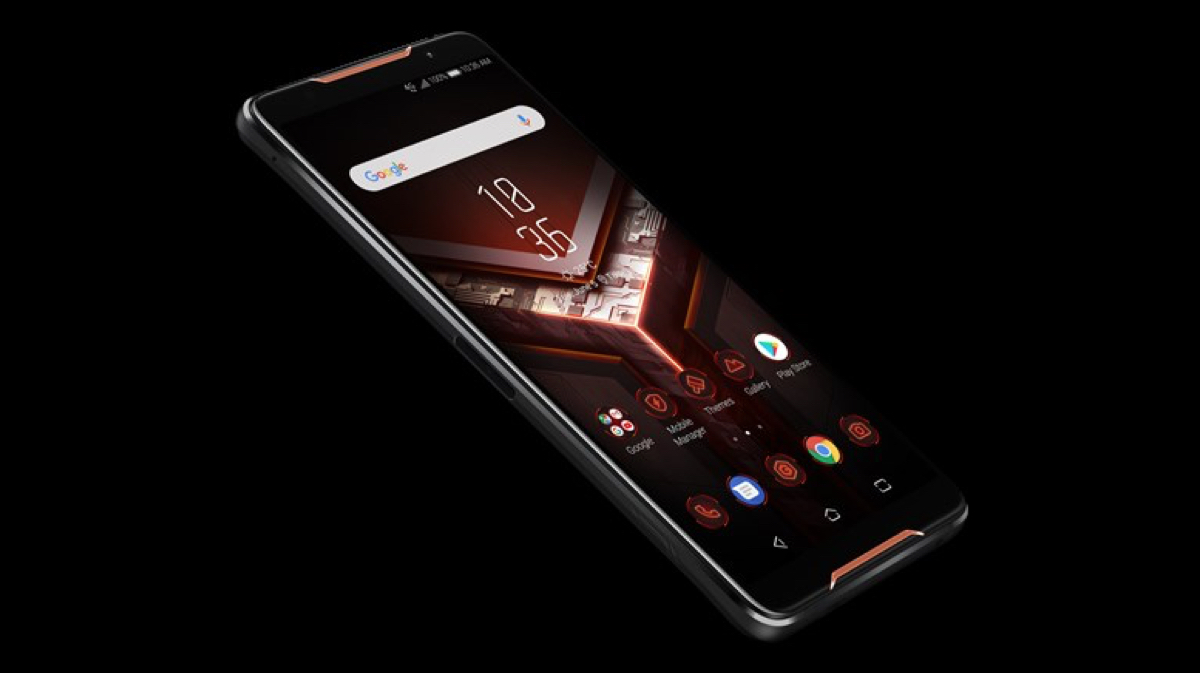
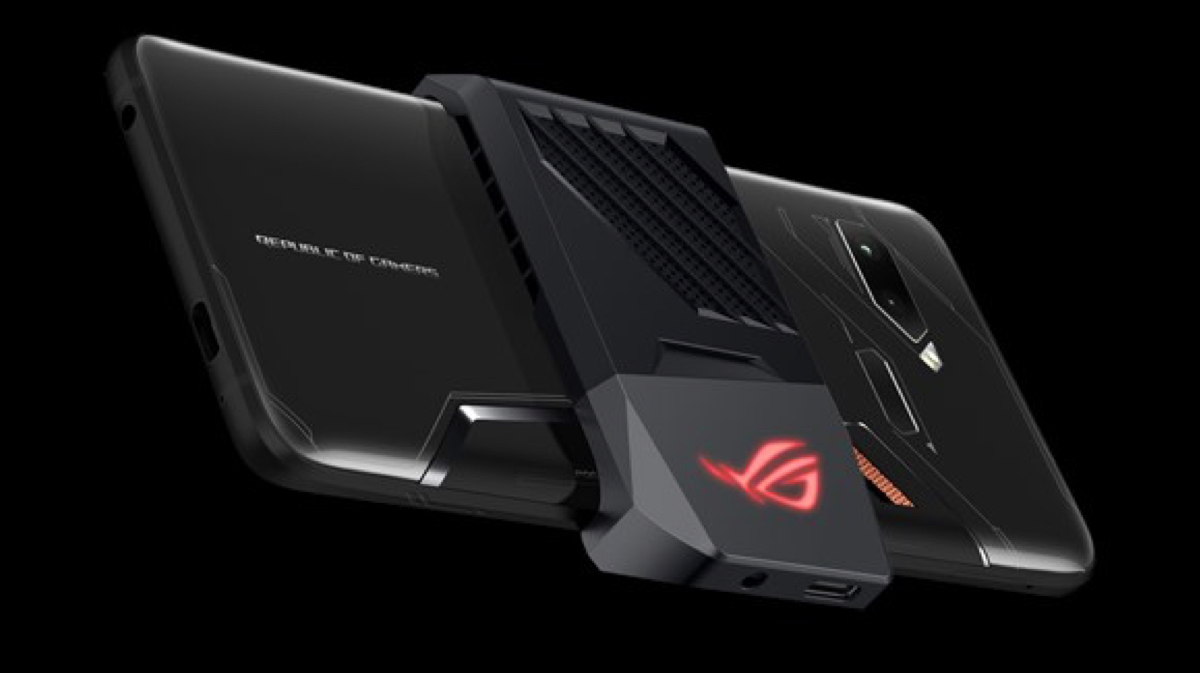
    With the rise in popularity for mobile gaming, the demand for gaming smartphones has also seen an upward trend. In the year 2018, Taiwan based Asus launched the ROG Phone which is packed with features that are designed and incorporated while keeping gamers in mind. As time passed, the device’s specification seems to fall short in comparison to its competitors including the Nubia Red Magic 3 and the Xiaomi Black Shark 2.

    To take on its competitors that pack flagship worthy features from 2019, Asus has been anticipated to launch a successor to the original ROG phone. Pleasingly, the company has officially revealed that the second generation ROG Phone is in the works and it will have a feature that is a segment first. ROG’s official account on Chinese social media website, Weibo confirmed that the Asus ROG gaming Phone 2 will have a praiseworthy 120 Hz refresh rate display. The said display provides for an enhanced viewing experience which is more pleasing to the eye. Noteworthy, it is not yet confirmed whether the future smartphone will use an LCD display or an AMOLED display. As AMOLED technology with this high refresh rate is yet to be unveiled by any company.

    Asus ROG Phone

    To boost the hype around the upcoming device, Asus has also collaborated with the game developer, Tencent which is renowned for the wildly successful PUBG Mobile. Other specifications of the upcoming smartphone will be revealed at the time of launch, however, following are the expectations from the device. 

    Asus ROG Phone 2 Expectations

    Snapdragon 855 SoC: Being a 2019 flagship grade Android smartphone, the apparent choice for the chipset on the Asus ROG Phone 2 is Snapdragon 855 which is seen on most other flagship devices from leading OEMs.

    4,000 mAh+ Battery: Running resource hungry tasks like games on a smartphone takes a jab on the battery draining it at a comparatively faster pace. Even though the original Asus ROG Phone has a large 4,000 mAh battery, an even larger capacity battery would be appreciated by the consumers. Also, with the ZenFone 6, Asus has managed to accommodate a 5,000 mAh battery. Therefore, the upcoming gaming focused device is also predicted to have a similar size battery.

    In-display Fingerprint Sensor:

    The original Asus ROG Phone has a rear mounted fingerprint sensor which was found on almost every 2018 flagship device. However, with the advancement in technology, the industry has shifted to an in-display fingerprint sensor which is concealed under the display. Accordingly, the Asus ROG Phone 2 is also expected to have an in-display fingerprint sensor. 

    6 Inch+ Display:

    The original Asus ROG phone Phone has a 6.0 inch AMOLED display with Full HD resolution. With the most mid-range and premium smartphones from 2019 having a display larger than 6 inch, the upcoming Asus ROG Phone 2 is predicted to have a display larger than its predecessor. It is expected to have a display which can range somewhere from 6.3 inch to 6.6 inch.

    Also Read: iPhone XR 2019 Battery Capacity Leaked

    To conclude, the expectations and predictions about the Asus ROG Phone 2 will be verified in the coming future with precise specifications being revealed at the time of official launch. The upcoming gaming centred device is expected to launch in the Q3 of 2019. 


  • Amazfit Health Watch With 1.28 Inch Colour Display Announced

    Amazfit Health Watch With 1.28 Inch Colour Display Announced

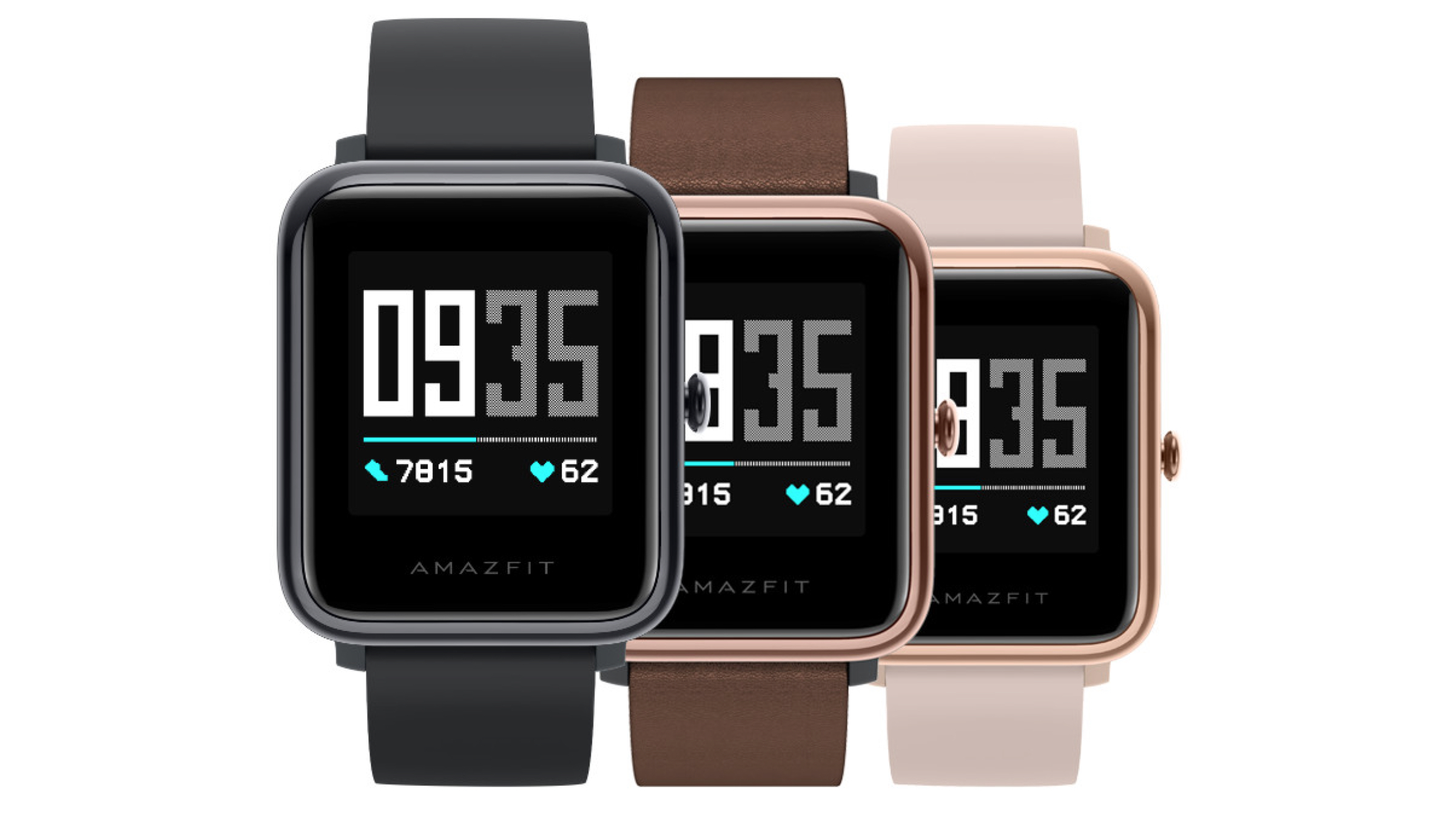
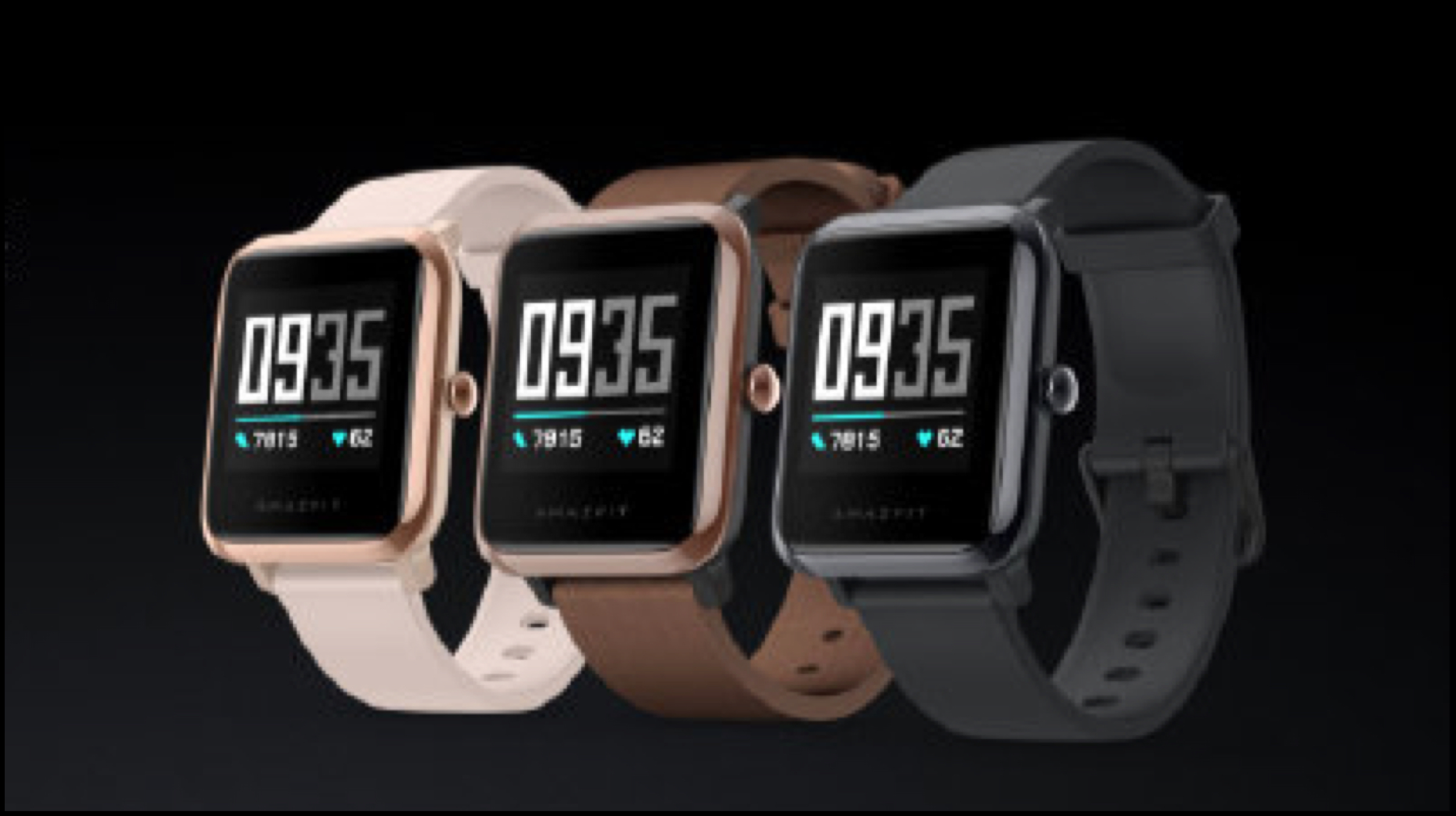
    Xiaomi backed Huami has launched the Amazfit Amazfit Health Watch at an event held in China. It is the successor to the original Huami Amazfit Watch and has a similar design to its predecessor. 

    HuamiAmazfit Health Watch Features and Design

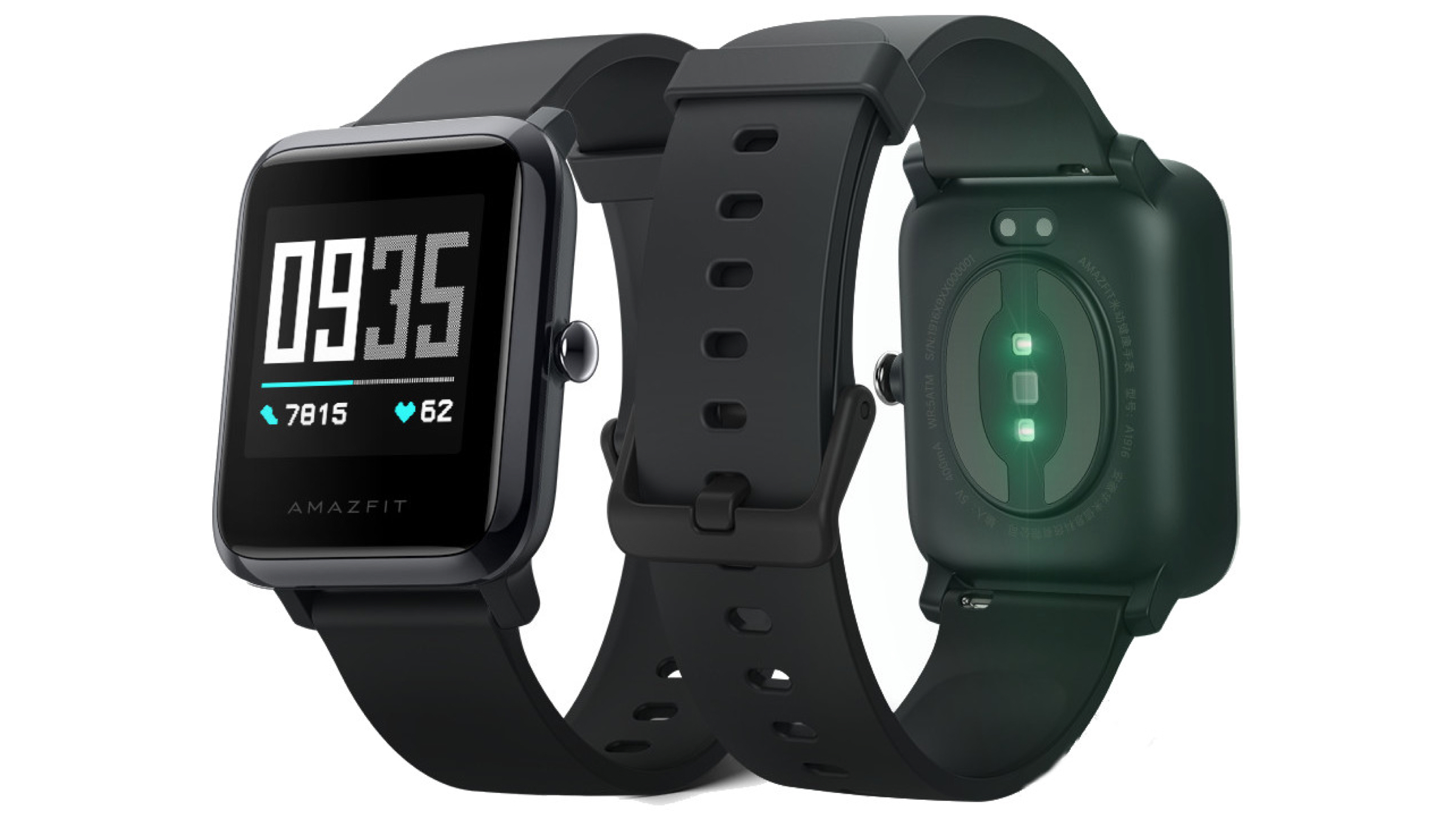
    The Amazfit Health Watch from Huami has a modern design with a square shaped housing. The smart fitness watch features a 1.28 inch colour display with 176 x 176 px resolution and tempered glass protection. Besides the touch screen display, the device can even be controlled via the right side mounted circular crown. The smartwatch supports narrowband network technology (NB IoT) so it is not necessary to be paired with a smartphone to track and collect fitness related data.

    The rear of the Amazfit Health Watch has a plastic build that features a PPG heart rate sensor and an ECG sensor. The latter measures the ECG of the wearer in 60 seconds which can be stored locally as well for upto 7 days. The smart wearable is powered by a 200 mAh battery which the company claims can provide for 7 day battery backup. The device runs on the Huangshan No 1 processor which is an in house developed chipset dedicated for wearable devices and has support for AI functionality. The chipset is used to track the data for fitness including ECG. The Amazfit Health Watch is also water resistant to 3 ATM or 30 metres.

    Also Read: NASA To Test Safer, More Efficient Green Fuel For Spacecraft

    The Amazfit Health Watch is priced at CNY 699 (around Rs 7000) and will be available for purchase in China later this month. It is available in three colour options which include Black, Brown with Rose Gold face and Brown with Gold face. The device is also expected to make its way into India in the coming months. 

  • Huawei Has Shipped 1 Million Phones With Their Own OS

    Huawei Has Shipped 1 Million Phones With Their Own OS

    In the month of May 2019, US Commerce department barred all American companies from having any trade relations with the Chinese tech titan, Huawei. The ban has been implemented on the basis of accusations that claim the Chinese company spies on user data with the help of back doors installed on its devices. This move has pushed the company in an uneasy spot where it cannot use either Android or Windows on its smartphones or computers.

    However, the company is working rigorously to neutralise the havoc that the trade ban has caused. Huawei was previously reported to be working on its own operating system for mobile devices which is expected to debut later this year. The said OS is allegedly called HongMeng and is reported to be cross compatible with Android OS. This implies that applications from the Android platform will work seamlessly with the upcoming OS from Huawei. According to a fresh report published by China Daily, Huawei has already shipped 1 million smartphones with the HongMeng OS onboard for testing. Besides supporting Android applications, the OS is claimed to have increased security functions to protect personal data.

    The OS will support mobile phones, computers, tablets, televisions, cars and even smart wearable devices revealed a senior Huawei executive in a WeChat group involving some internet experts. Intriguingly, Huawei has not started working on the OS following the US ban. Instead, the company has been developing such an operating system for over half a decade. This move was taken as the company had previously anticipated the rising dominance of Western companies in the field of software.

    Another report published by South China Morning Post states that in the year 2012, Huawei’s founder arranged a closed door meeting in the company’s heavily guarded premised that lasted for several days. The meeting was intended so that the top official could brainstorm the development of an OS that would safeguard the company’s future if a deal with the US goes bad. Reports also suggest that the company has pumped billions of dollars in the project since its inception without any form of direct contribution to the company’s revenue.

    Also Read: HTC Launches U19e And Desire 19+ In Taiwan

    It seems that Huawei which is a leader across several fields of technologies has also maintained a strong grip in ensuring that it’s hard earned dominance stays regardless of tough times. All in all, Huawei has tackled the massive destruction causing trade ban with strong preparation. Though we will have to wait patiently till the hyped up HongMeng OS is officially rolled out later this year. 

  • Moto One Vision With Punch Hole Display To Land In India On June 20

    Moto One Vision With Punch Hole Display To Land In India On June 20

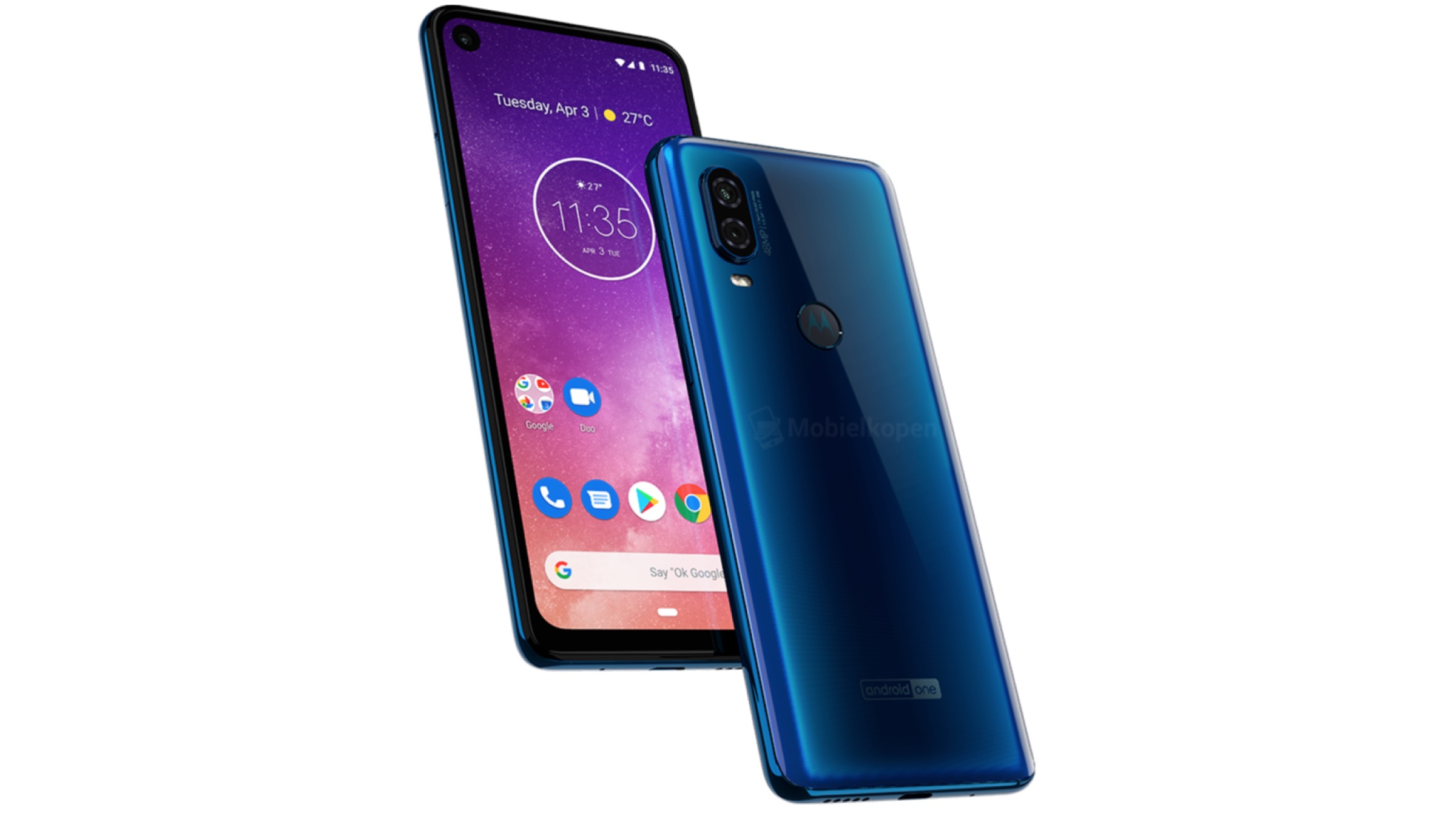
    Earlier this month, Motorola Mobility LLP sent out press invites for a launch event in India which is scheduled for the 20th of June. At the time the press invites were sent, it was a mystery what device the company will unveil in the country. However, the newly shared teaser on the company’s official Twitter account reveals it is none other than the Moto One Vision with a punch hole display. The said device was originally launched in the month of May in countries including Saudi Arabia, Thailand and Brazil.

    Moto One Vision Features

    https://twitter.com/motorolaindia/status/1137989361297833984

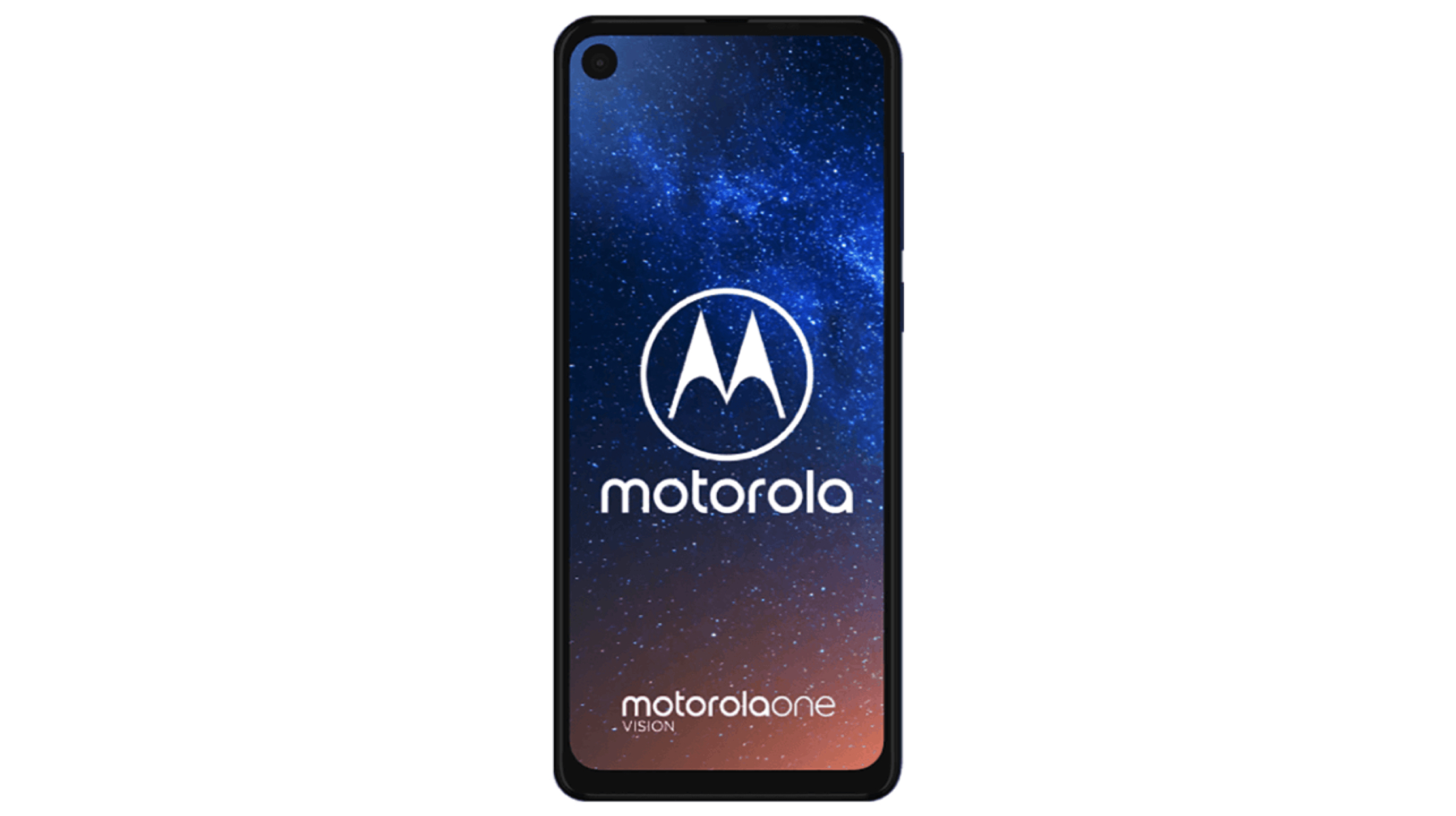
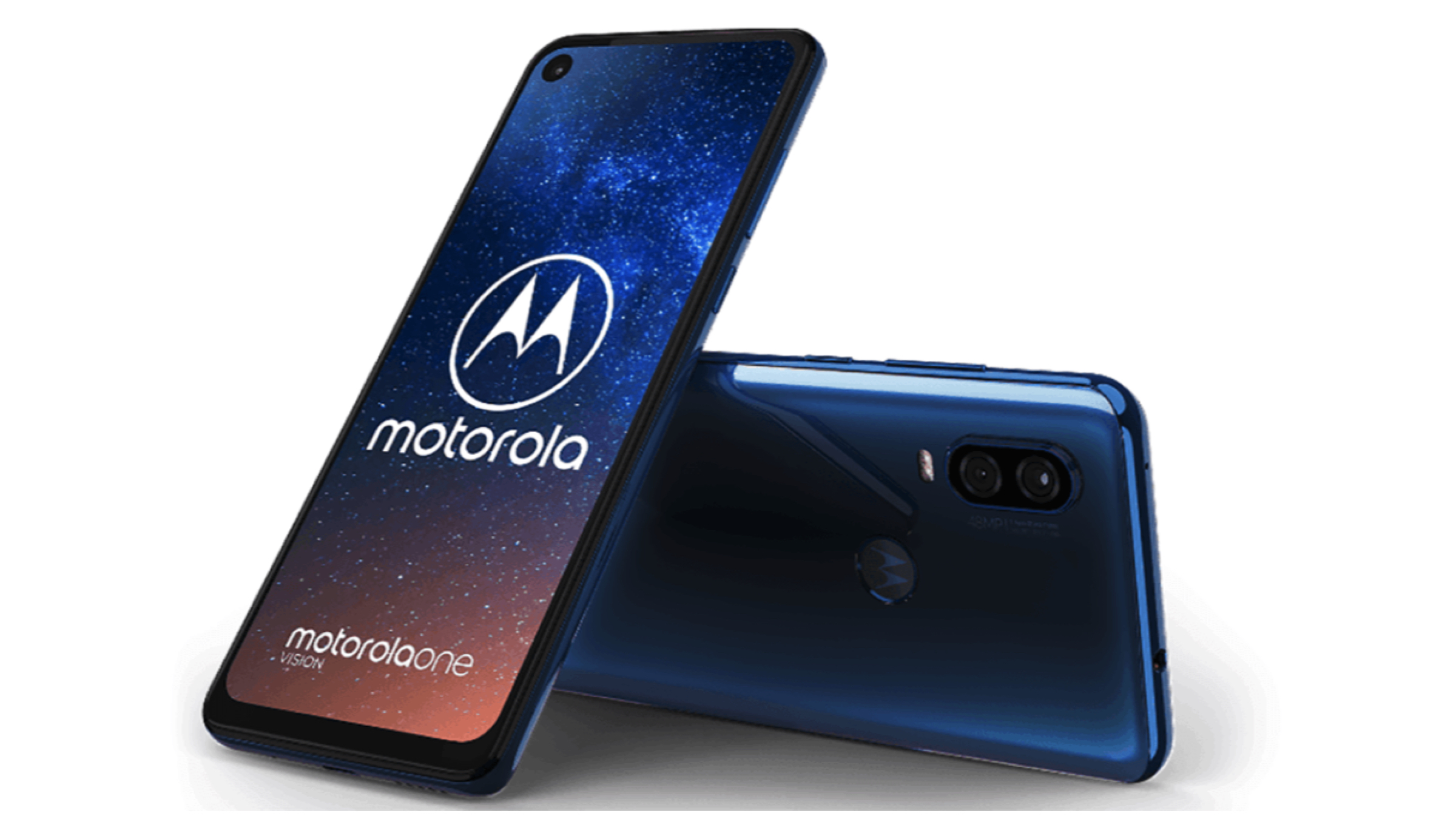
    The Motorola One Vision has an elegant design accrediting to the 6.3 inch punch hole display that dominates its front. The display panel has a resolution of 2520 x 1080 px and a pixel density of 432 ppi. To protect the display against scratches, the Moto One Vision has Corning Gorilla glass protection (unspecified version). Intriguingly, it is kitted with the Exynos 9609 SoC which is manufactured and supplied by Samsung. This is the first time that a handset except for Samsung features an Exynos chipset. The SoC consists of the Mali G72 MP3 GPU and Octa Core CPU which is clocked at 2.2 GHz. In term of memory and storage, the smartphone is offered in a single variant that has 4 GB of RAM and 128 GB of ROM. It also supports memory expansion upto 1 TB via the shared SIM slot.


    In terms of optics, the Moto One Vision has a dual rear camera setup which is comprised of an f/1.7 aperture equipped 48 MP sensor, a 5 MP depth sensor and a Dual LED flash. The smartphone also has 25 MP selfie camera which is present in the previously launched punch hole in the display. It is powered by a 3,500 mAh battery which supports fast charging upto 15 W. The device on the latest version of Android 9 Pie which is bundled with Android One certification. The certification assures guaranteed Android updates for at least two years. Connectivity options on the Moto One Vision include Wi-Fi 802.11 a/b/g/n/ac, 4G VoLTE, Bluetooth 5.0, GPS and a bottom mounted USB Type C port. Like most modern premium smartphones, Motorola’s offering has also done away with the 3.5 mm audio jack. For safely and rapidly logging into to UI, it features a rear mounted fingerprint sensor. The smartphone is offered in two colour options which include Bronze gradient and Sapphire gradient.


    Also Read: Battery Capacity Of The Upcoming Samsung Galaxy Note 10 Series Revealed

    The exact price of the Moto One Vision will be revealed at the time of the official announcement. Though it is expected to be priced similar to the Brazilian variant which costs € 299 (approximately Rs. 23,500). 

  • Samsung Galaxy XCover 4s With A Rugged Build & IP68 Certification Launched

    Samsung Galaxy XCover 4s With A Rugged Build & IP68 Certification Launched

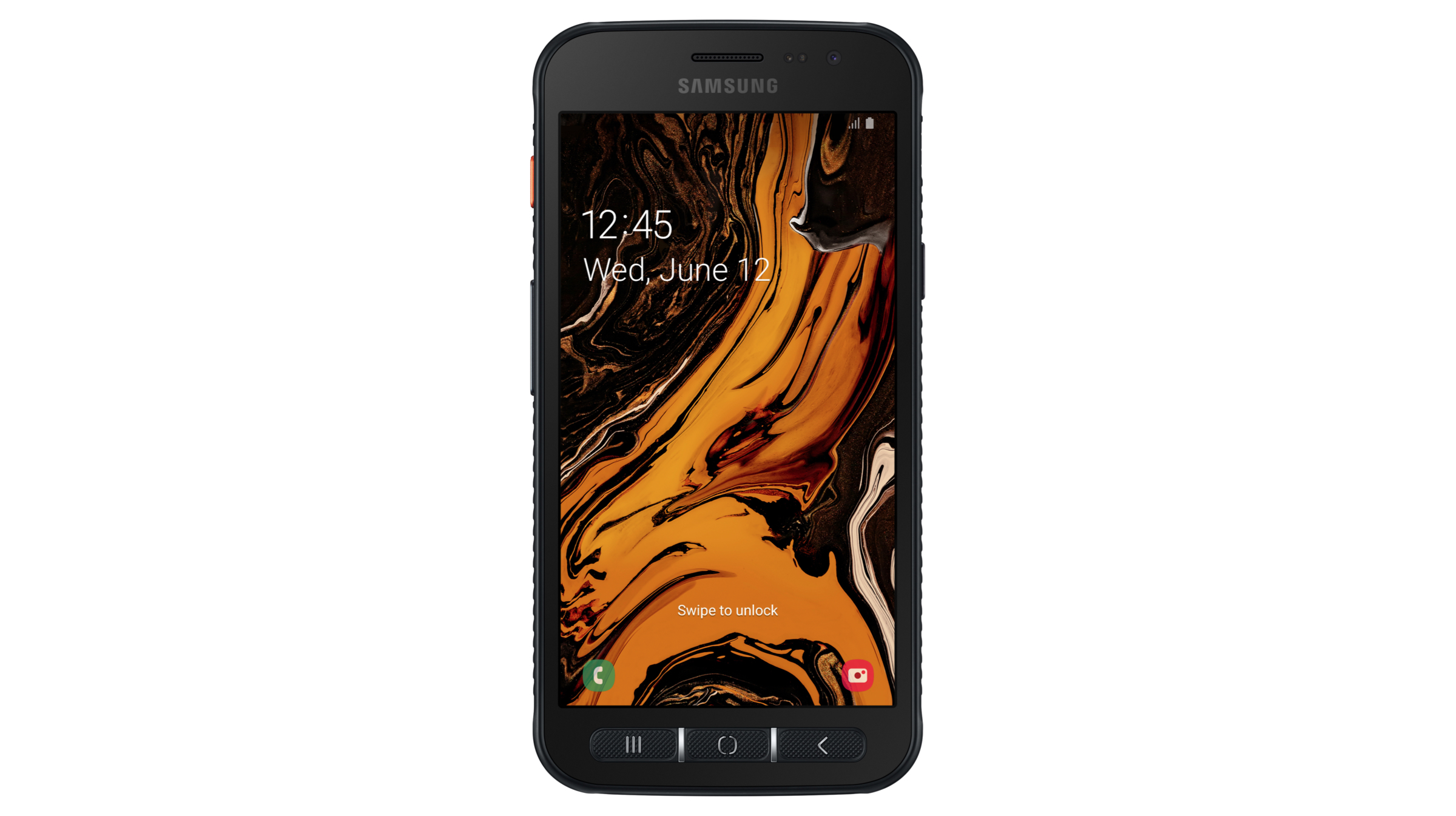
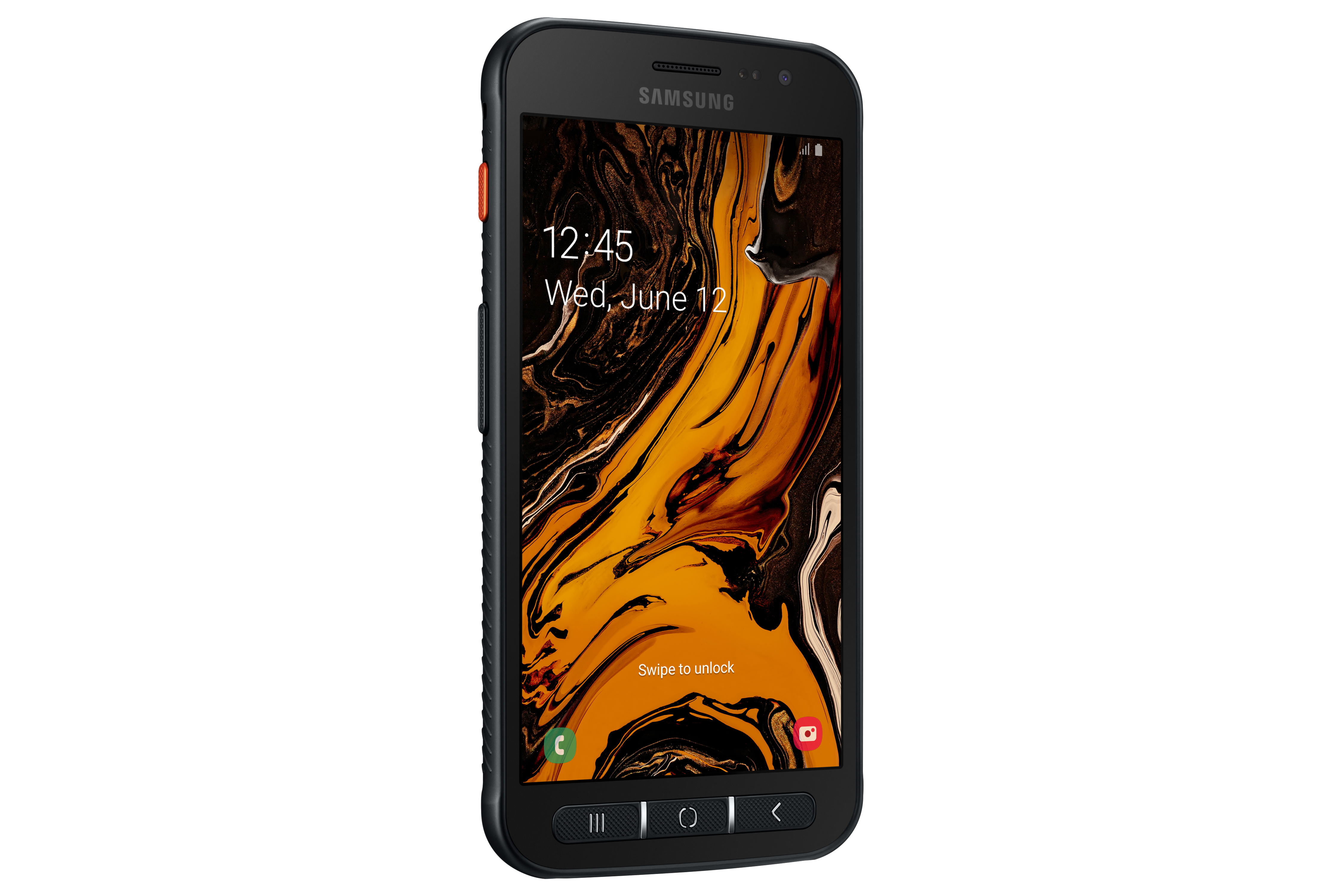
    Catering to the need of consumers who need a tough and rugged smartphone, Samsung has launched the Galaxy XCover 4s. The newly launched device has a robust build with a design reminiscent of its predecessor, the Galaxy XCover 4 from the year 2017.

    Galaxy XCover 4s Features

    The front of the Samsung Galaxy XCover 4s accommodates a 5.0 inch display with HD plus resolution. The display of the smartphone is surrounded by chunky bezels on both the top and bottom while the left and right bezels are comparatively thinner. The bezel above the display houses the Samsung branding, earpiece grille and the 5 MP front facing camera. The bezel below the display houses three physical Android navigation buttons which will allow the device to be operated even if the user has wet or dirty hands.

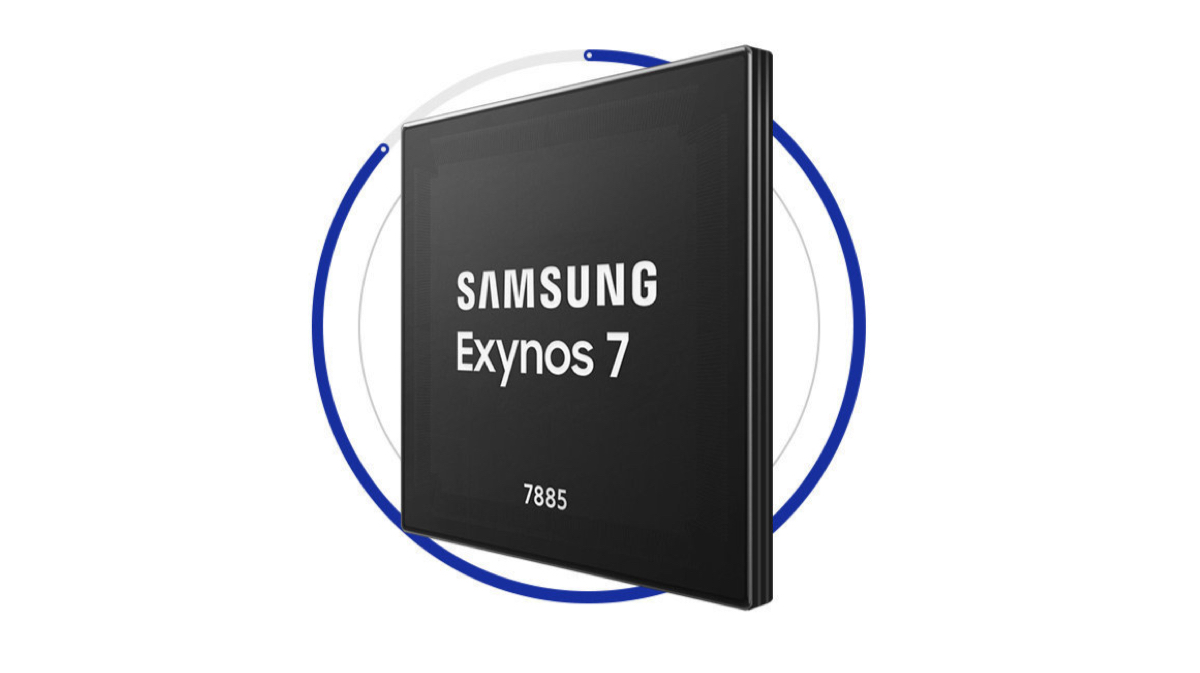
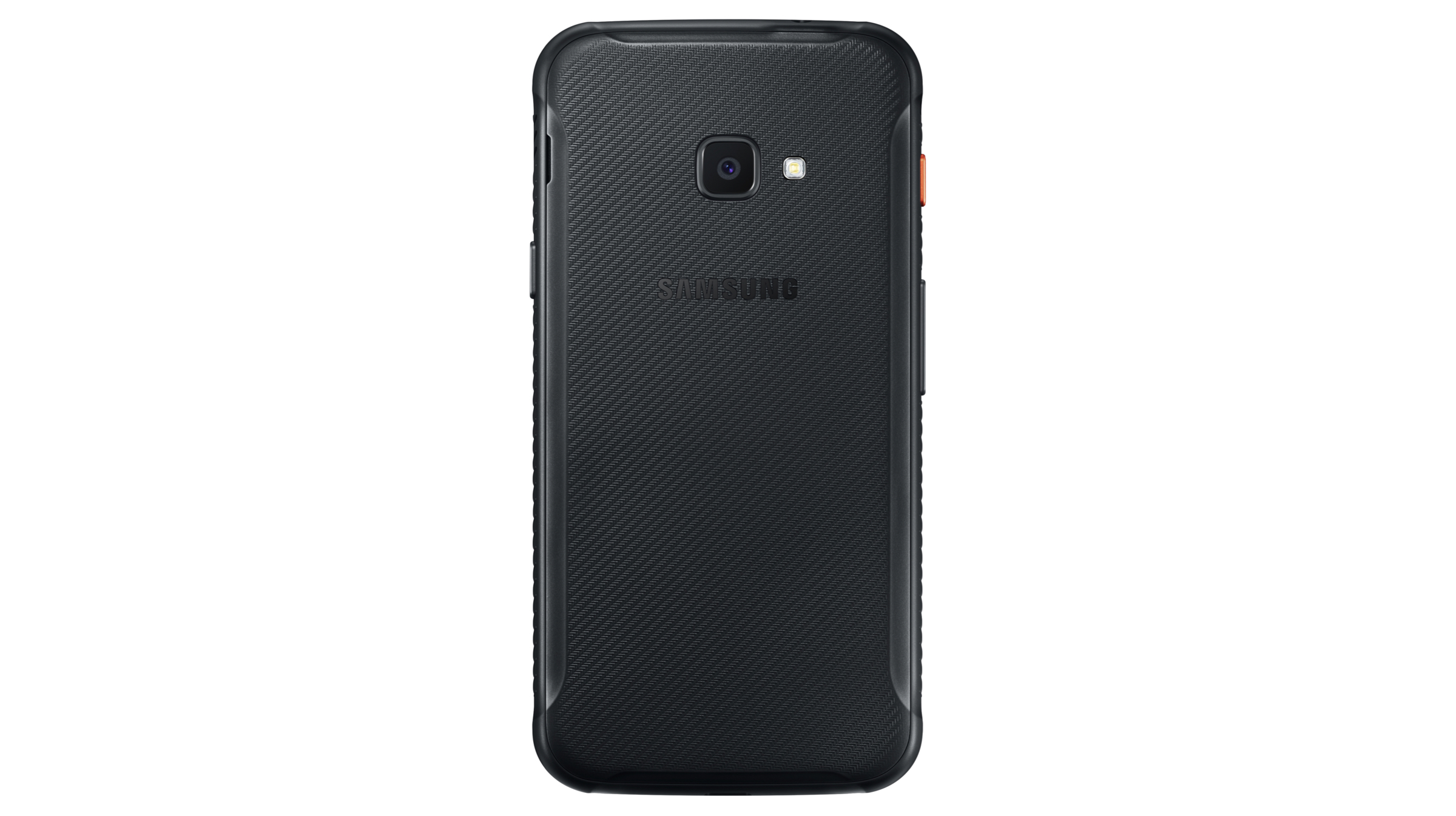
    Carrying forward the rugged design language to the back, the Samsung Galaxy XCover 4s has a sturdy plastic panel which is user removable. The rear plastic panel houses the company branding and 16 MP camera along with an LED flash. Under the hood, the device features the Exynos 7885 chipset which consists of an Octa Core CPU and the Mali G71 MP2 GPU.

    In terms of memory and storage, the Samsung Galaxy XCover 4s has 3 GB of RAM and 32 GB of internal storage. Besides the inbuilt storage, it also supports memory expansion upto 512 GB via a microSD card. The smartphone is powered by a 2800 mAh battery. It runs on the latest Android 9 Pie which is skinned with Samsung’s custom UI. Talking about the ruggedness and durability of the device, it is IP68 dust and water resistant. To further strengthen the durability aspect it is MIL-STD 810G compliant as well. 
    Galaxy XCover 4s Price And Availability

    Also Read: Microsoft Xbox 2020 Leaked To Arrive In Two Variants

    The Samsung Galaxy XCover 4s is currently launched in Italy with commercial availability beginning in the month of July. The smartphone is priced at €299.99 (around Rs 23,500) for the single 3 GB RAM + 32 GB ROM variant. Samsung is yet to provide a statement whether the device will make its way to the Indian shores or not. 

  • HD Renders Of LG Stylo 5 Revealed Via Case Maker

    HD Renders Of LG Stylo 5 Revealed Via Case Maker

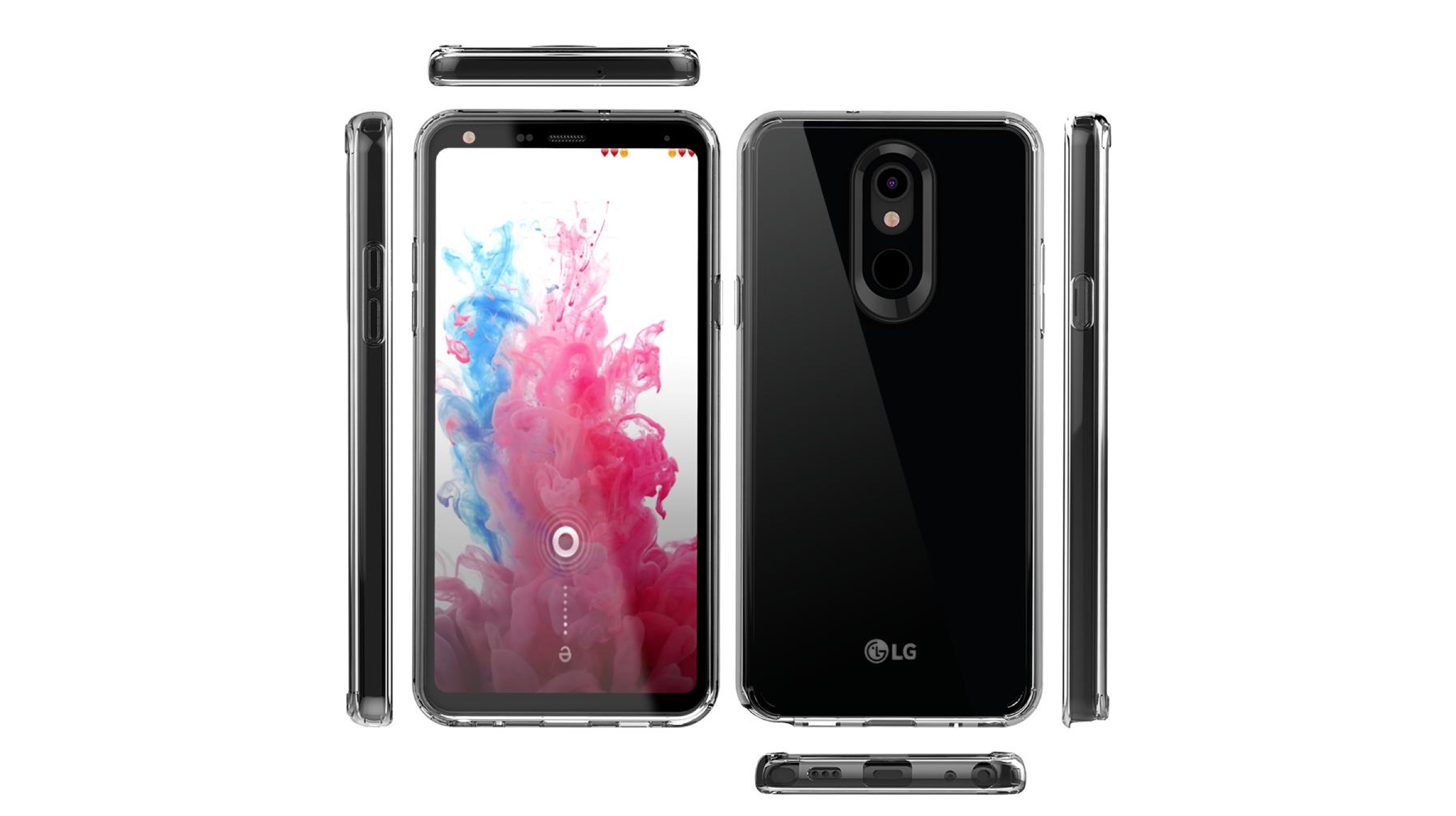
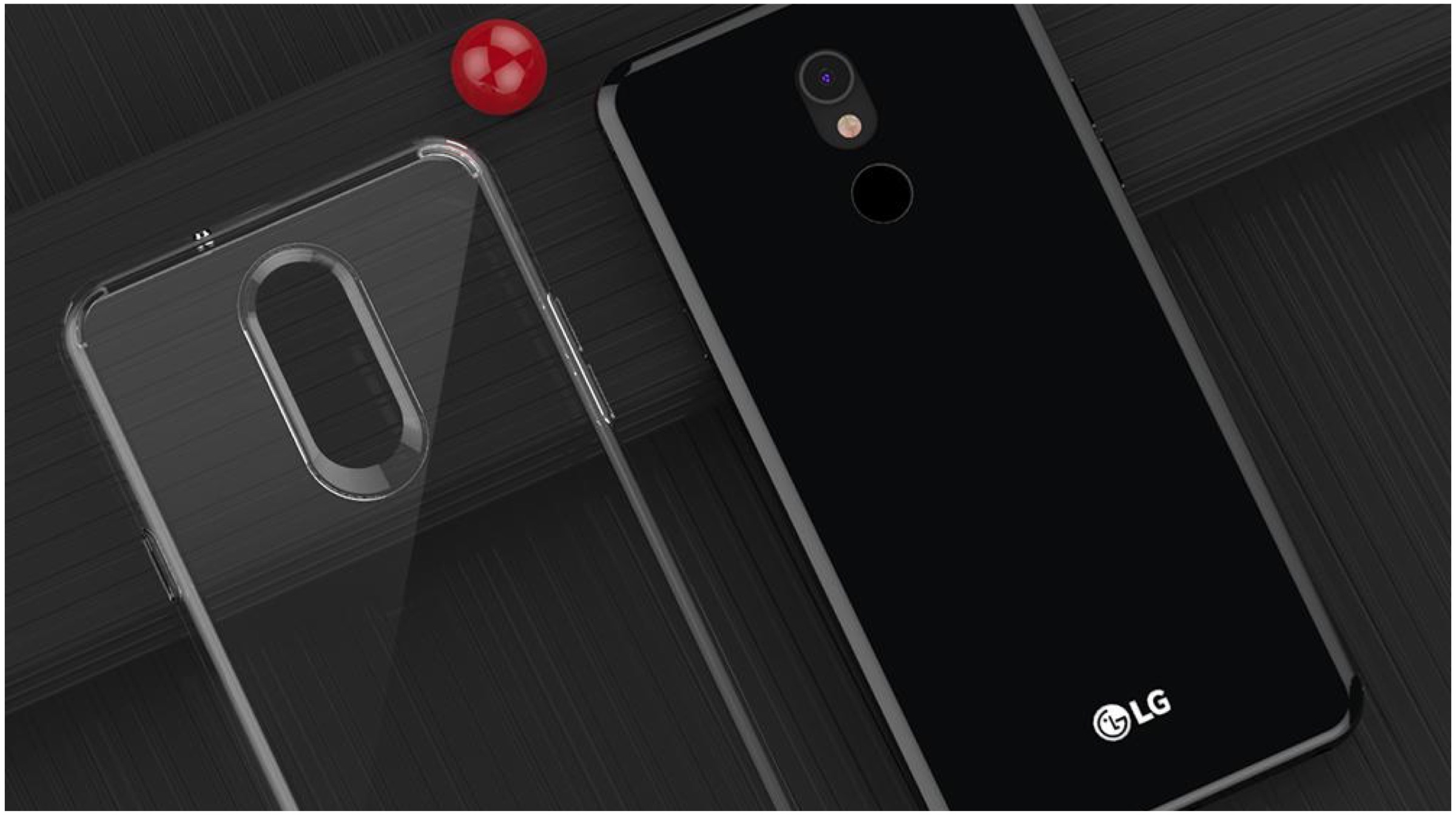
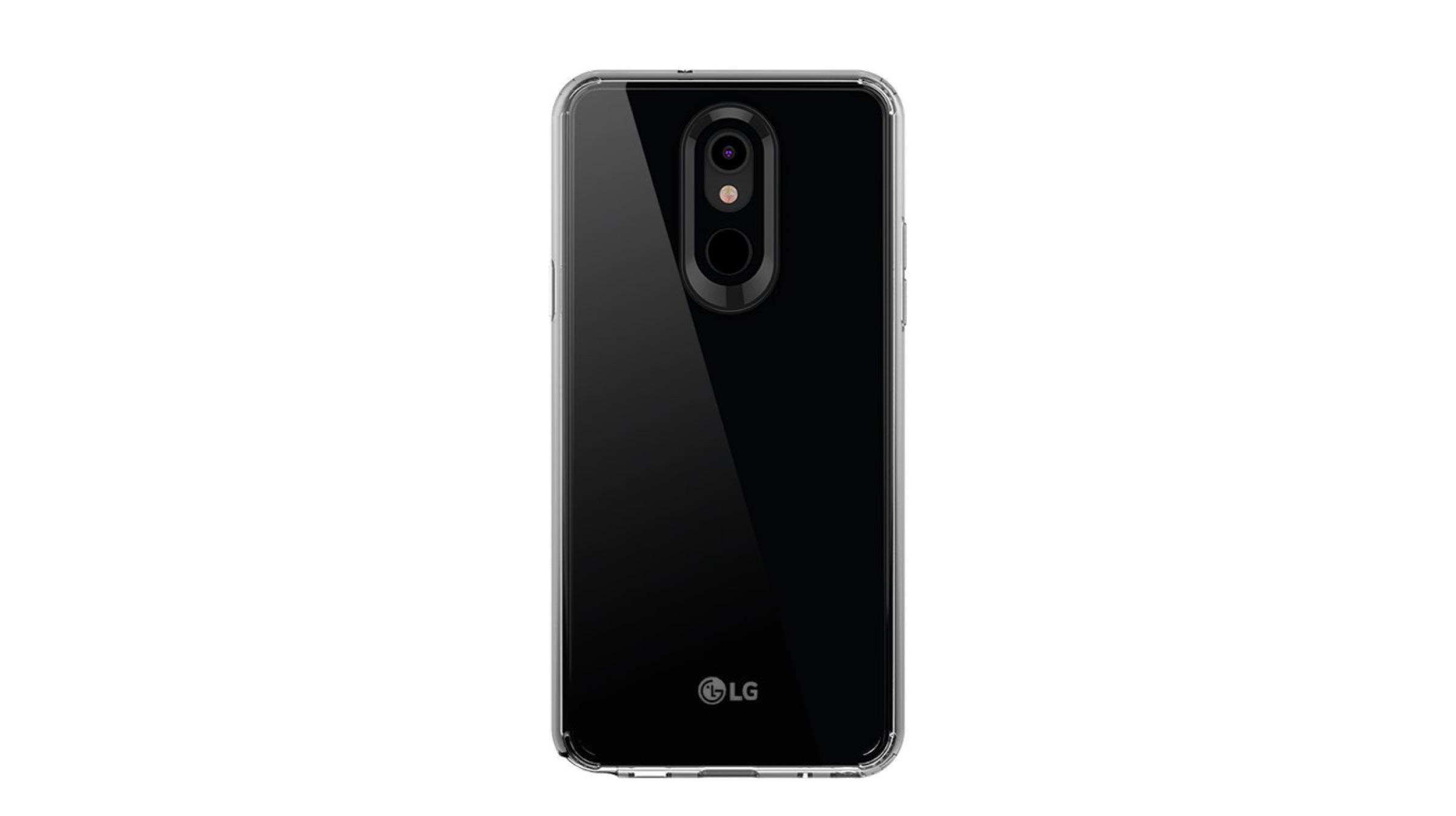
    Due to shrinking profit margins and fierce competition from Chinese smartphone makers, Korea based LG reduced it concentration of resources from the smartphone business. However, fresh renders renders of an unreleased LG handset suggest that the company is still trying to break into the heavily crowded industry which is rapidly booming. The said device is the LG Stylo 5 which will succeed the Stylo 4 from yesteryear. The HD renders of the device have been leaked on Twitter which were sourced from a case maker.

    LG Stylo 5 Design


    The LG Stylo 5 has an attractive design with a large display on the front which has considerable bezels on top and bottom. However, in comparison to other contemporary smartphones, its design looks a bit dated which is due to absence of a notch and the aforementioned bezels. The top bezel of the device houses the earpiece, front facing camera and a dual led flash whereas as the bottom bezel is free from any controls or markings.

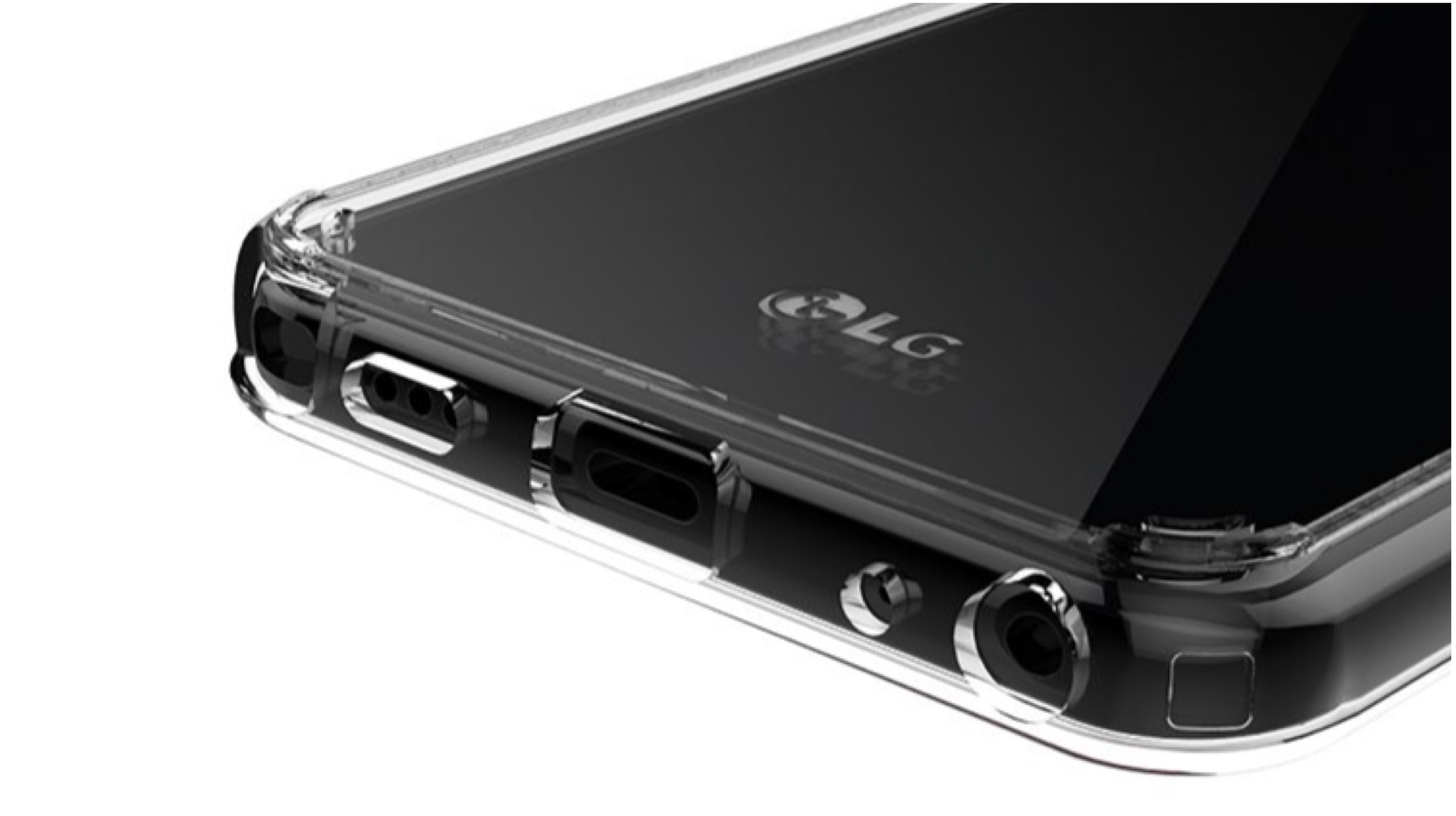
    Moving over to the bezels, the LG Stylo 5 has a right side mounted power button and left side mounted volume rockers. The rear of the smartphone has a single rear camera setup and a fingerprint sensor for biometric recognition. The bottom of the device is occupied by a USB Type C port, 3.5 mm audio jack, speaker grille and a pen stylus. Yes, the name Stylo 5 comes from the stylus which is staple to the lineup. Details about the specifications of the smartphone are yet to be revealed. Though, the Stylo 4 which was kitted with the Snapdragon 450 SoC suggests the upcoming device will be a budget to mid range offering from LG.

    Also Read: PUBG Lite Confirmed To Launch In India Soon

    The company is yet to authenticate the existence and features LG Stylo 5. Although, going by the price of its predecessor, this could be a sub US $ 250 smartphone if launched. 

  • Xiaomi Mi Band 4 With Colour Display To Launch On 11th June

    Xiaomi Mi Band 4 With Colour Display To Launch On 11th June

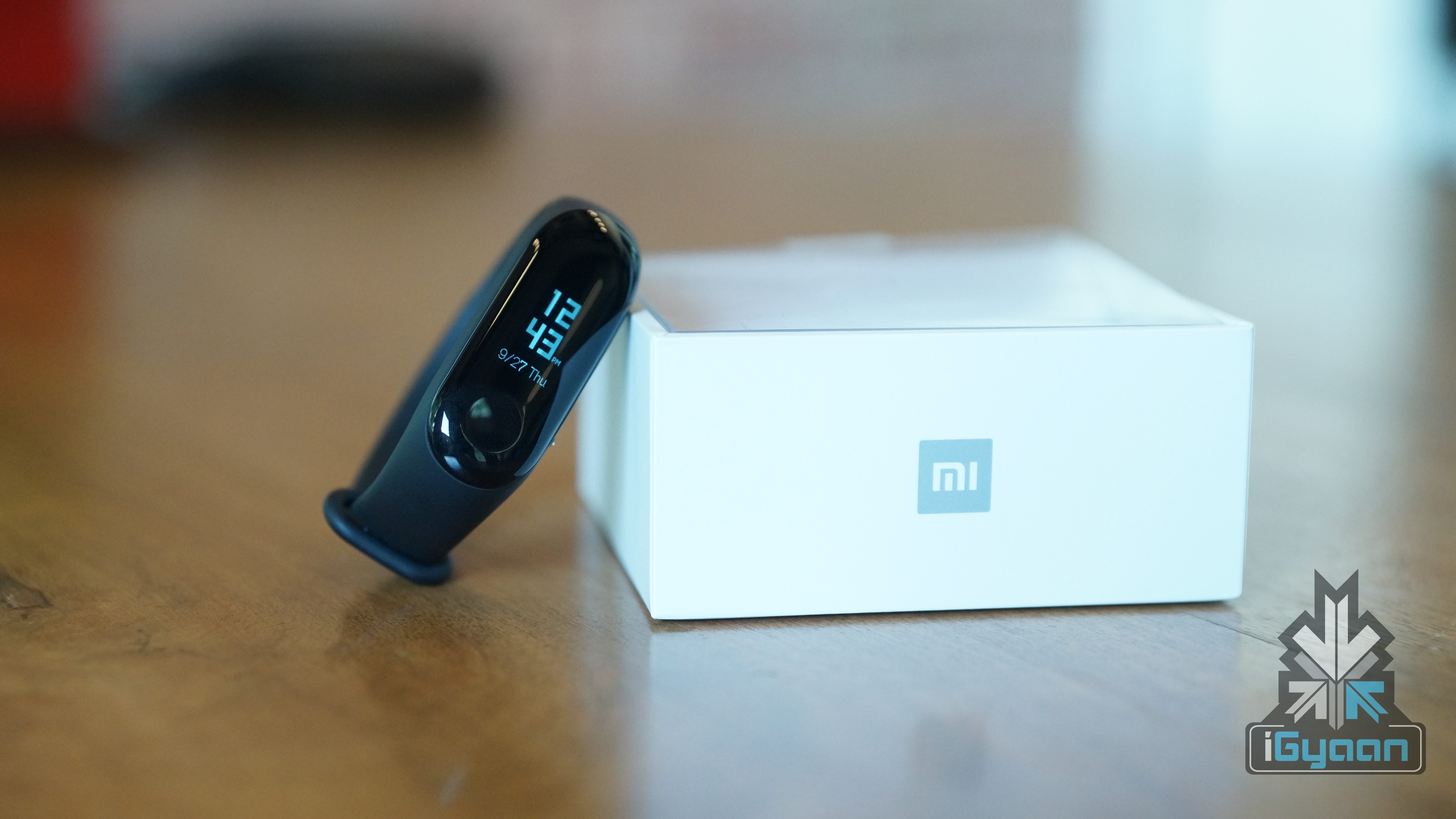
    After the wonderful success of the Mi Band 3, Xiaomi has been highly anticipated to launch the updated Mi Band 4. The former is expected to be a worthwhile upgrade over the current generation device with significantly bumped up features. The company’s CEO has shared an official teaser of the smart wearable that uncovers its launch date and key features. 

    Mi Band 4 Features

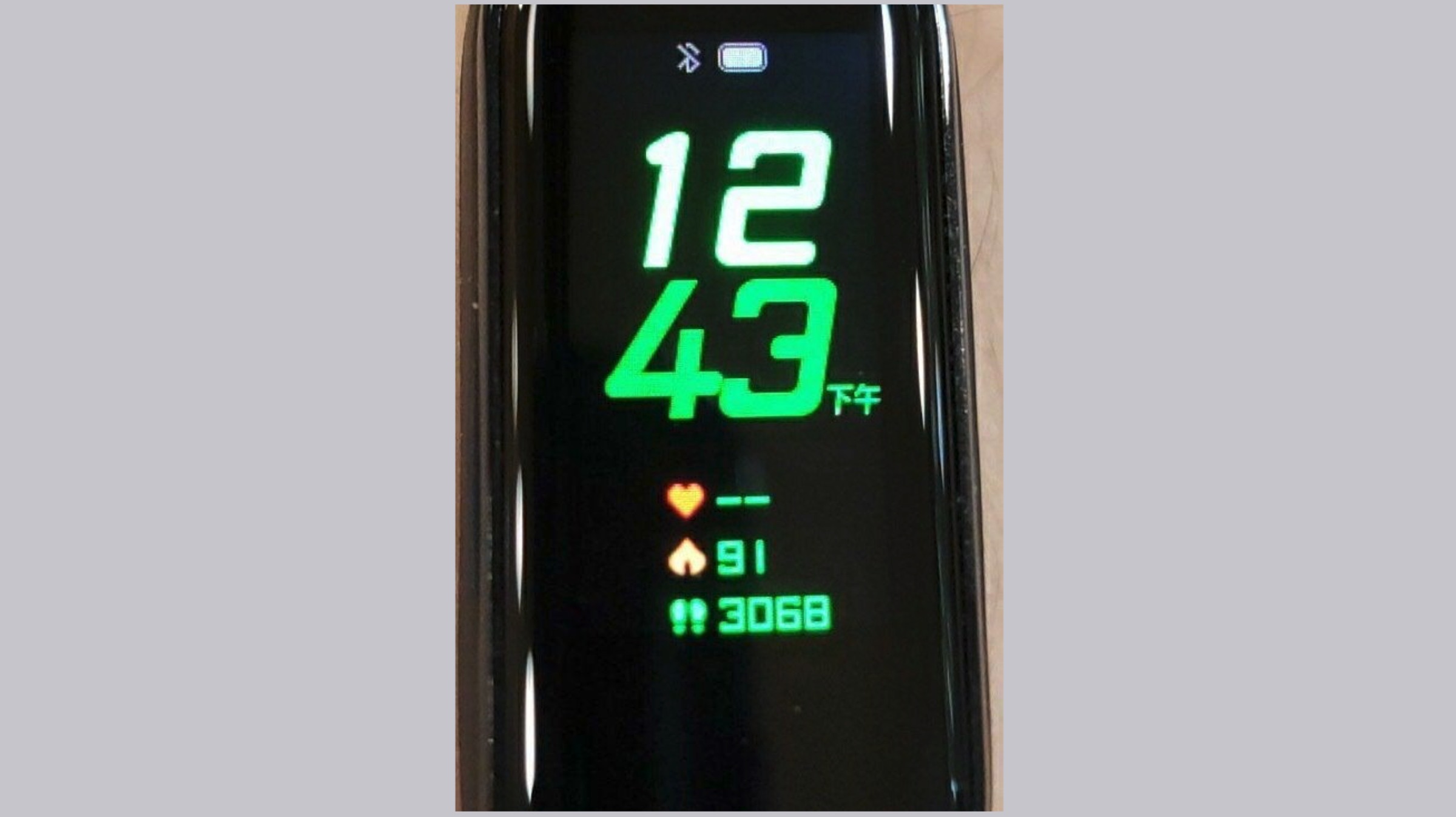
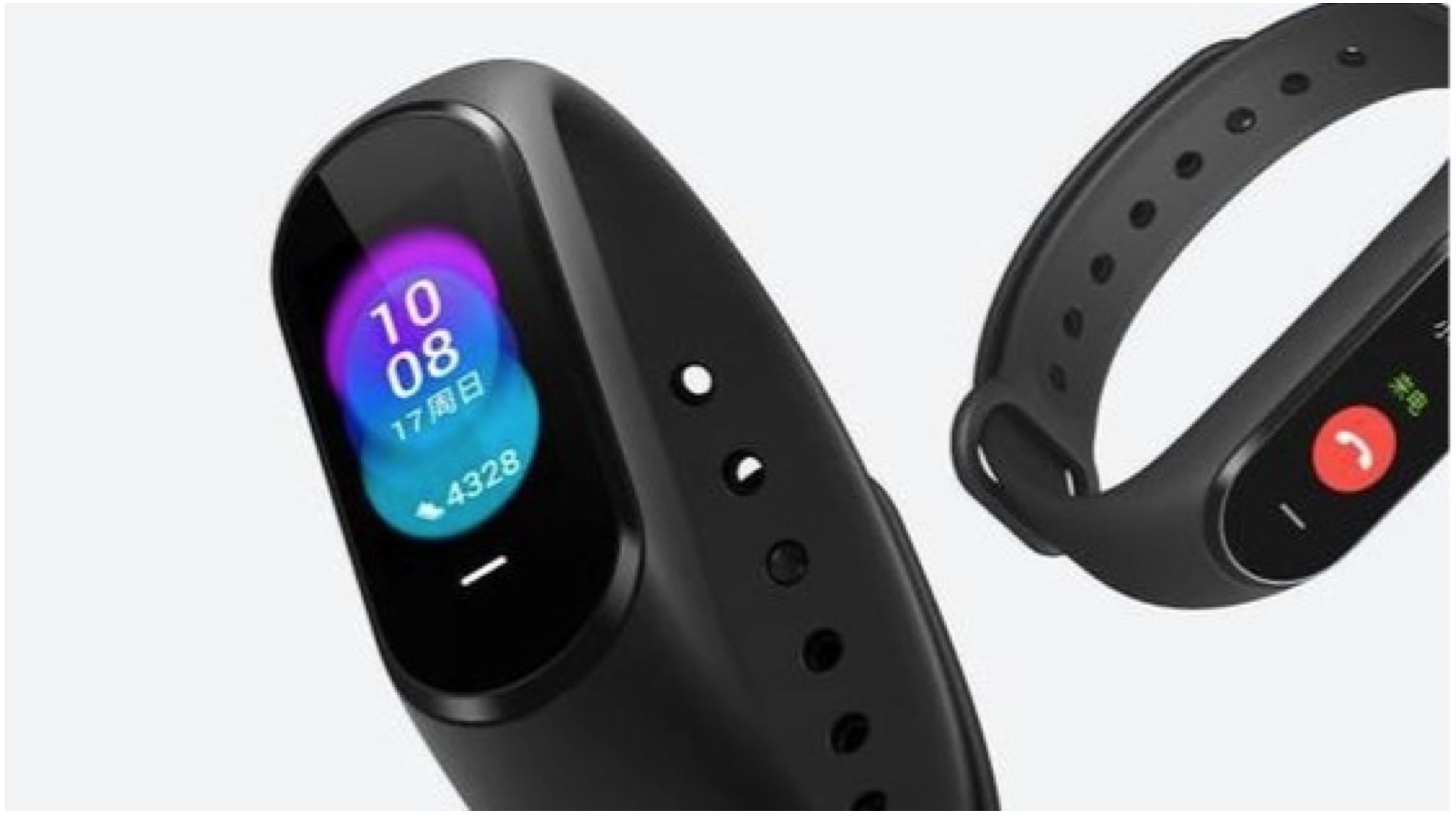
    The key highlighting feature of the upcoming Mi Band 4 is the inclusion of a colour display which will open up a whole new array of applications for the device. Due to the said feature, the information presented on the device’s display will be more intuitive and appealing to the eye. Another feature that the 4th generation of fitness tracker from Mi is set to introduce is a heart rate monitor.

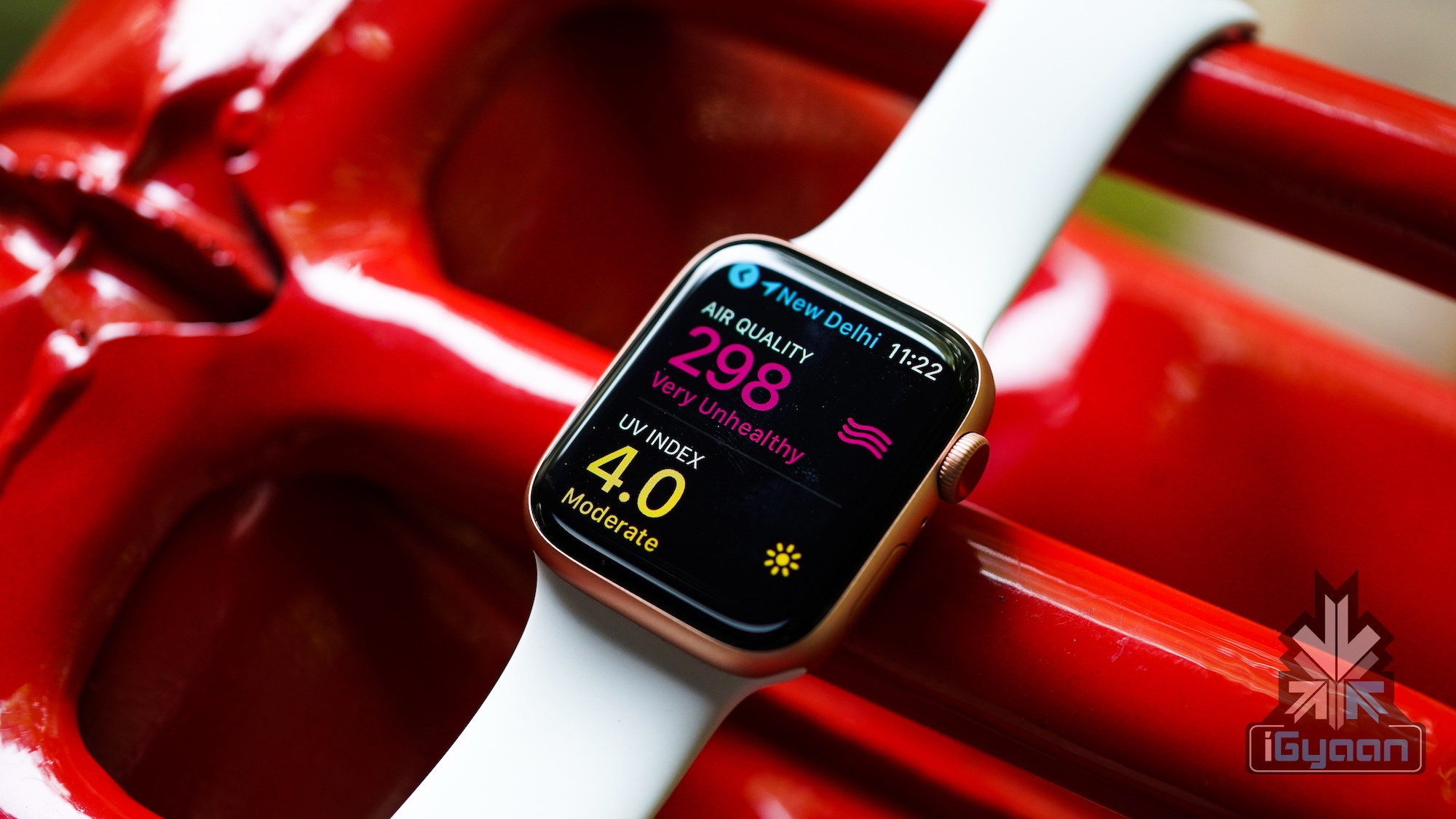
    Apple Watch

    The said feature is inspired from the Apple Watch which is the leader in smart wearable industry. As the name suggests,   it monitors the heart rate of the wearer. If the device registers irregular pattern in heart functionality of the wearer, they can be promoted with a notification to consult a medical profession. This in exchange can prevent a forthcoming health adversity that has not yet presented itself.Xiaomi Mi Band 4

    Furthermore, the Mi Band 4 will get all new colour options for the strap which include violet, red, maroon and almond. The device is also reported to feature a larger capacity battery to make up for a colour display that consumes comparatively more energy. Also new with Mi Band 4, the device is proposed to have an option with NFC support which will be used for wireless payments. 

    Mi Band 4 Price and Launch Date

    Also Read: Huawei P30 With 12GB RAM Spotted On TENAA

    Taking all the new features of the device in to account, the Mi Band 4 will have higher price tag compared to Rs 1,999 of the current generation device. All in all, the official features and price of the fitness tracker will revealed at its launch event which is set for the 11th of June in China. 

  • Motorola One Action With Exynos 9609 And 4GB Of RAM Spotted On Geekbench

    Motorola One Action With Exynos 9609 And 4GB Of RAM Spotted On Geekbench

    Earlier this month, Motorola Mobility LLP launched the Moto One Vision smartphone that features a punch hole display. Besides the previously launched handset, the company is expected to launch another smartphone. The listing of an unreleased device has been spotted on popular benchmarking website, Geekbench. The said listing hints of device’s imminent launch that carries the Motorola One Action moniker.  

    Moto One Action Benchmark Results

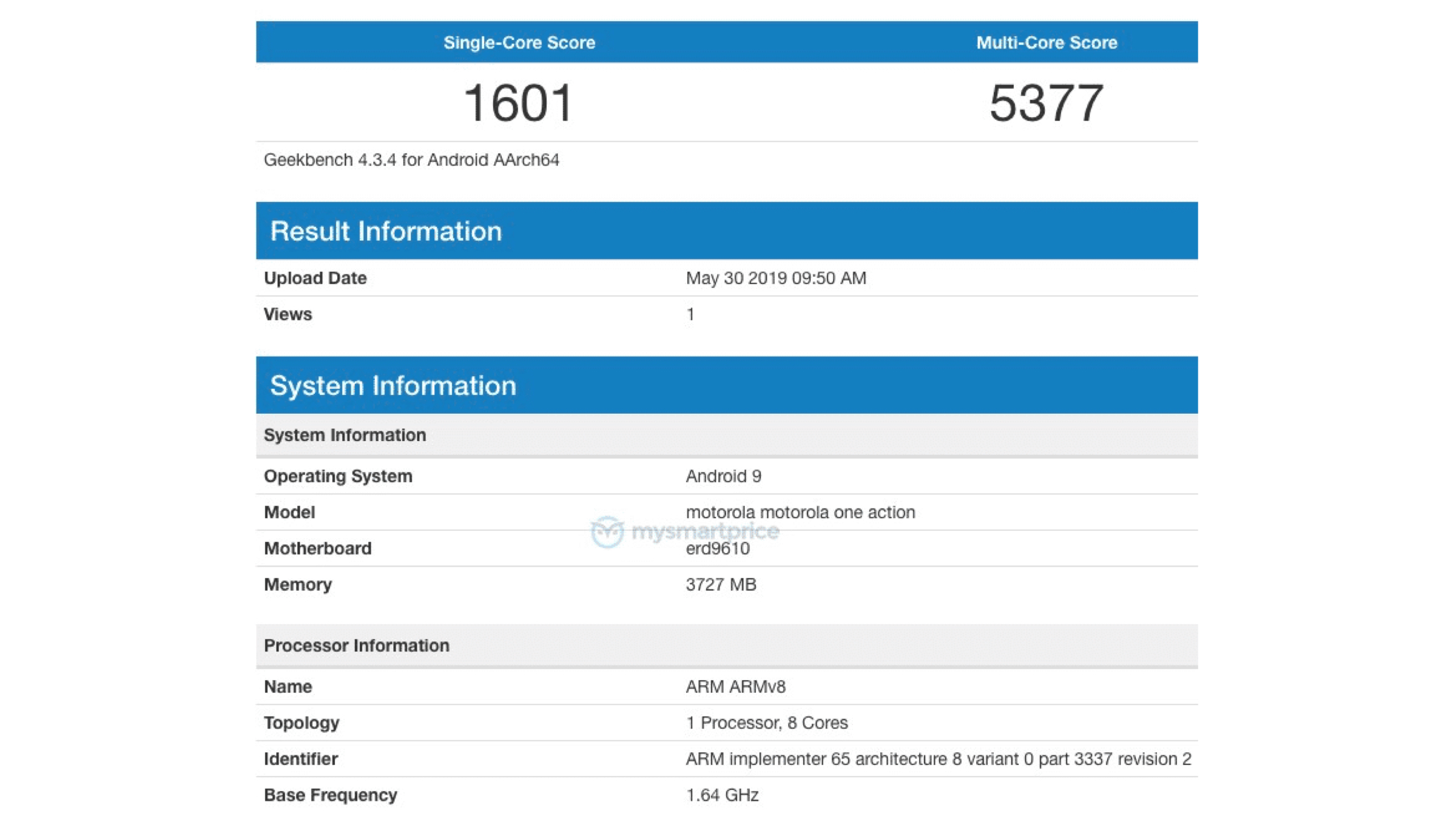
    According to the Geekbench listing, the Moto One Action is kitted with the Exynos 9609 SoC. Surprisingly, the same chipset is also found on the previously mentioned Moto One Vision. The Exynos 9609 consists of an Octa Core CPU and the ARM Mali-G72 MP3 GPU. Talking more about the chipset, it is clocked down variant of the Exynos 9610 which is present on the Samsung Galaxy A50.

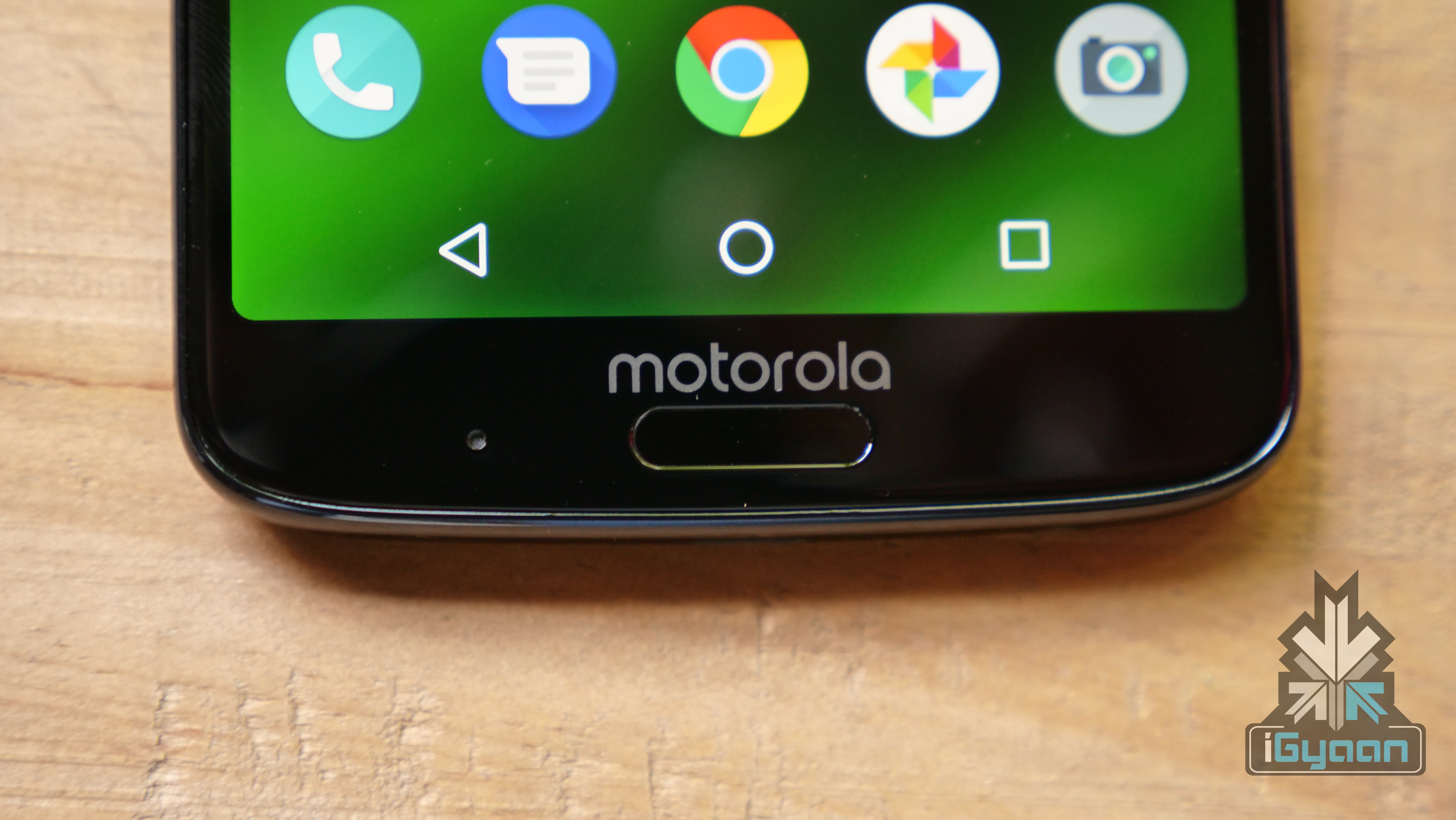
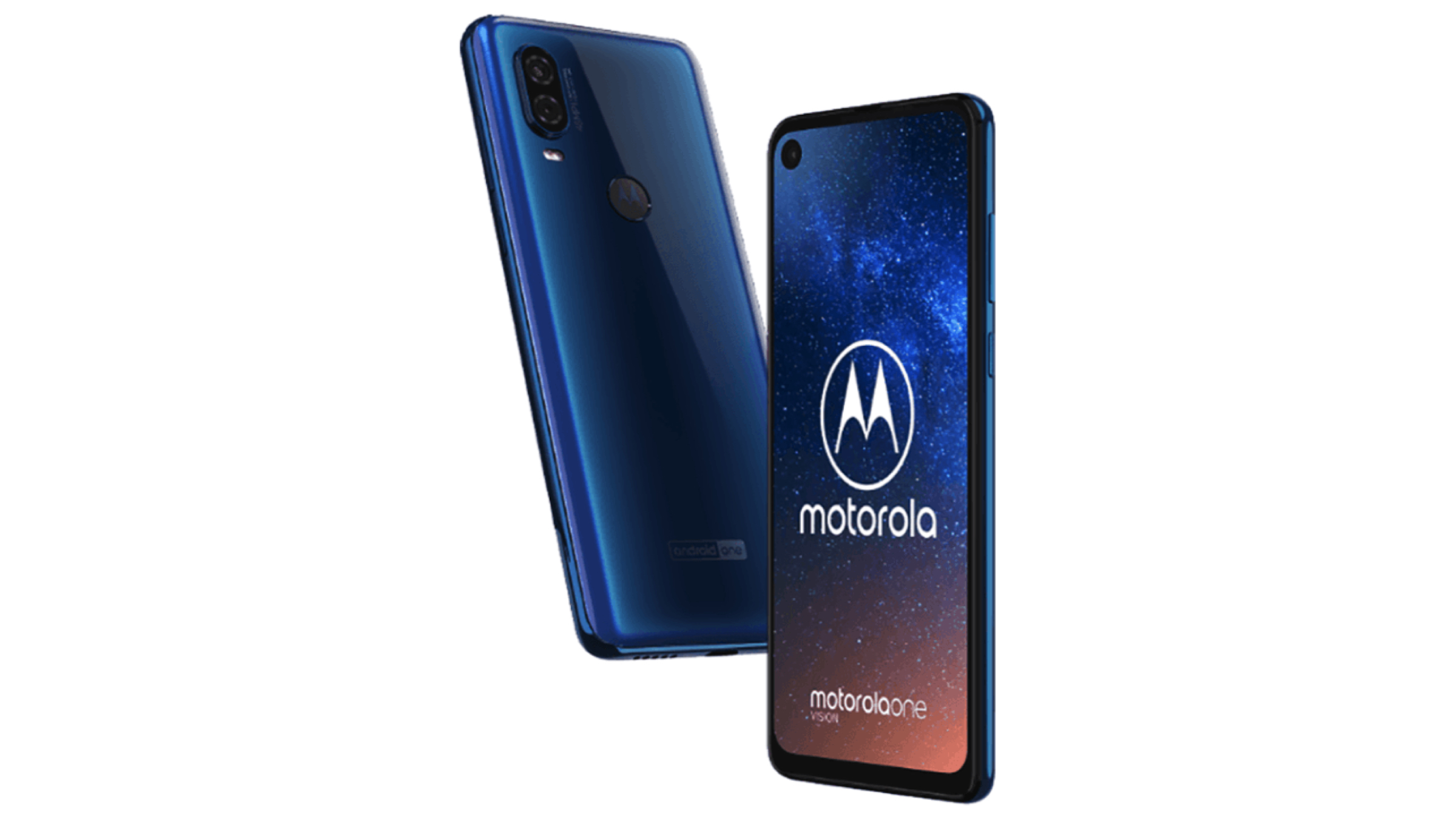
    Moto One Vision
    Moto One Vision (for reference purpose)

    Furthermore, the Moto One Action runs on the stock Android 9 Pie OS which will provide for a smooth and bloatware free experience. In terms of memory, the device is fitted with 4 GB of RAM. However, the company is also expected to launch the smartphone in higher Ram capacities as well. Speaking of benchmark results the Moto One Action registers a single core score of 1601 points and a multi core score of 5377 points. 

    Also Read: Apps On iOS Were Found Sending Large Amounts Of Data To Tracking Companies

    Unfortunately, details about the design of the Moto One Action are still a mystery. However, going by the ‘Action’ suffix in the name, it could be a rugged device with heterogenous specifications to the Moto One Vision. This claim can further be strengthened with the fact the company has previously launched a handful of rugged smartphones including the Moto Z2 Force. Even though the launch date of the device is yet to be revealed, the Geekbench listing indicates an imminent launch.

  • Redmi K20 Pro Will Also Have 12 GB RAM Variant Reveals TENAA Listing

    Redmi K20 Pro Will Also Have 12 GB RAM Variant Reveals TENAA Listing

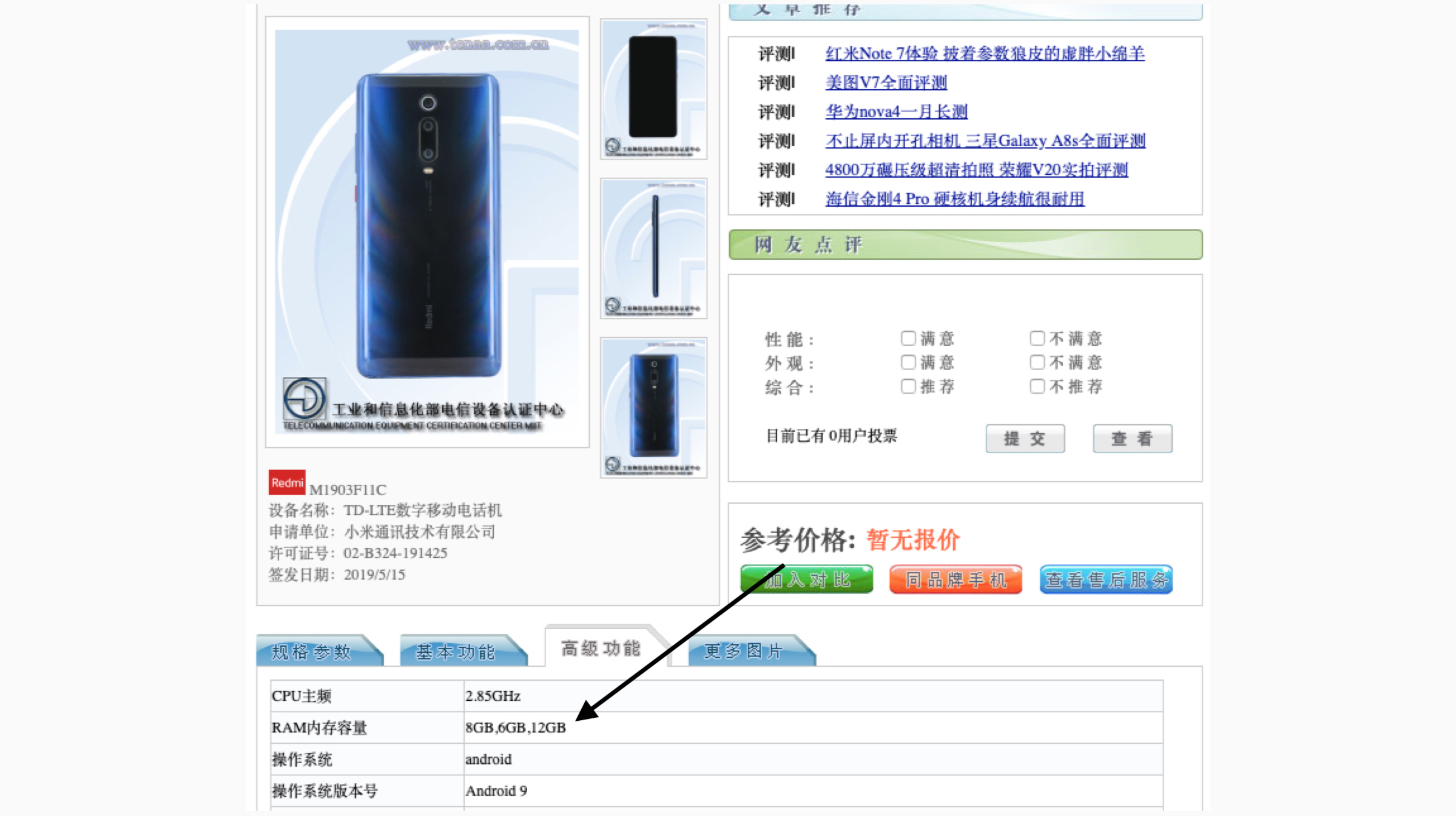
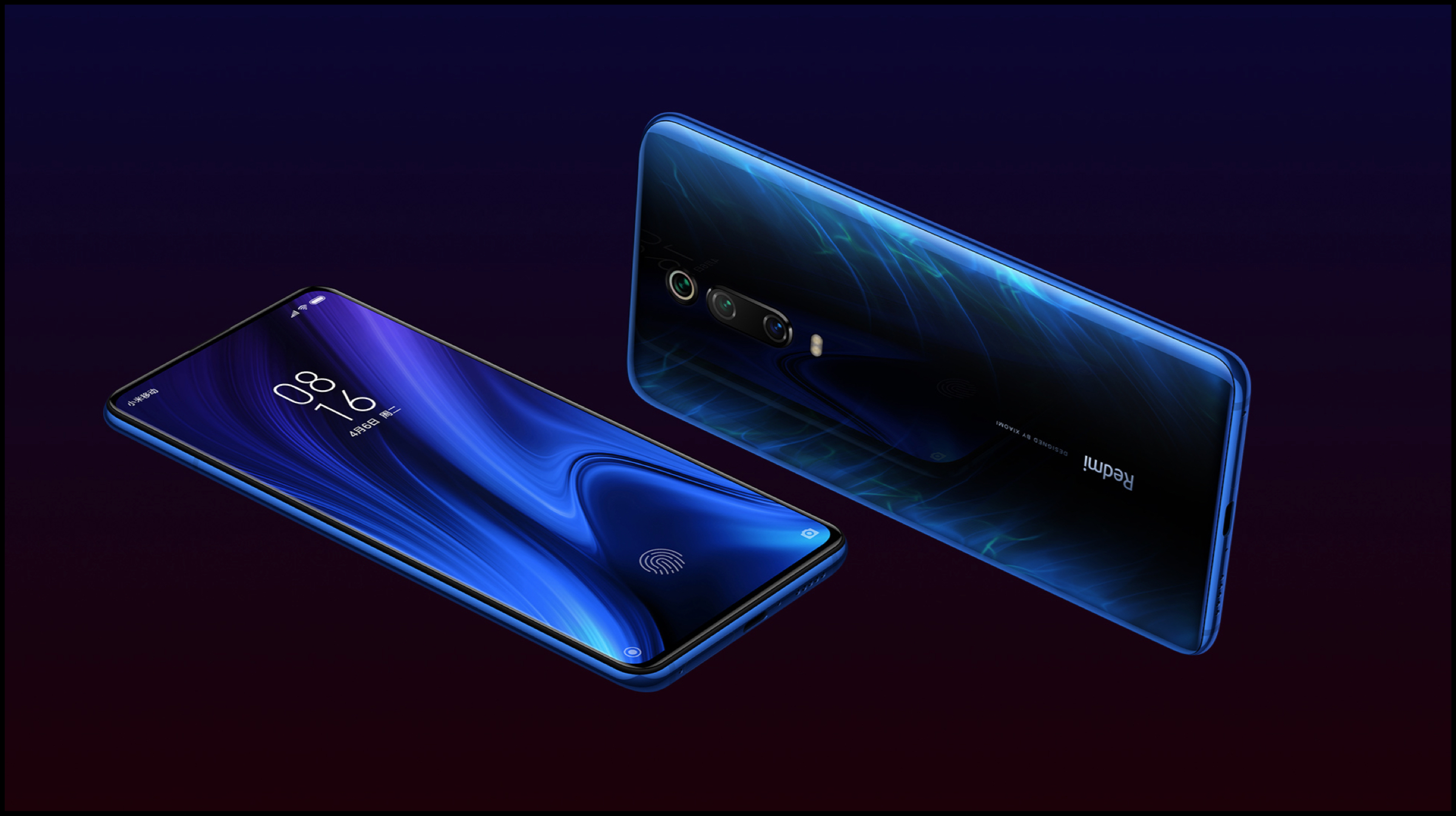
    Earlier this week, Xiaomi’s sub brand Redmi launched its highly anticipated flagship grade smartphone called the Redmi K20 Pro. The newly launched device is laden with praiseworthy features and is priced at a competitive price point. The device was originally launched in four storage variants which range from 6GB RAM + 64GB ROM to 8 GB RAM + 256 ROM.

    Redmi K20 Pro 12 GB RAM However, the listing of the device on the mandatory Chinese website, TENAA claims the Redmi K20 Pro will also be available in another storage variant with higher RAM. Like the OnePlus 7 Pro, the Redmi K20 Pro will also be offered with 12 GB of RAM and 256 GB of ROM. Though the price of the said version of the device is yet to be unveiled which is expected to happen in the near future. To recall, the specifications of the handset are as follows:

    Redmi K20 Pro Specifications

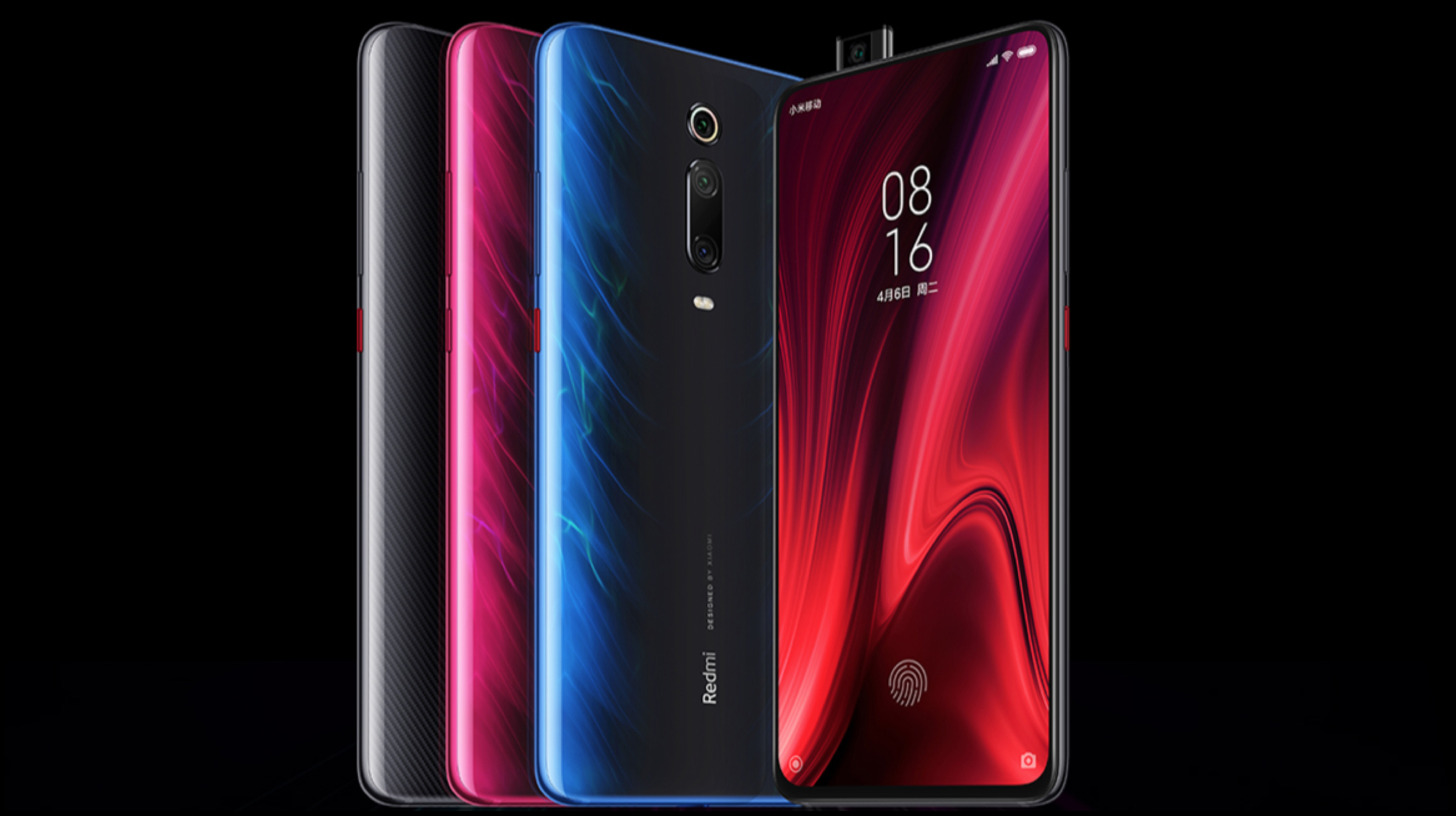
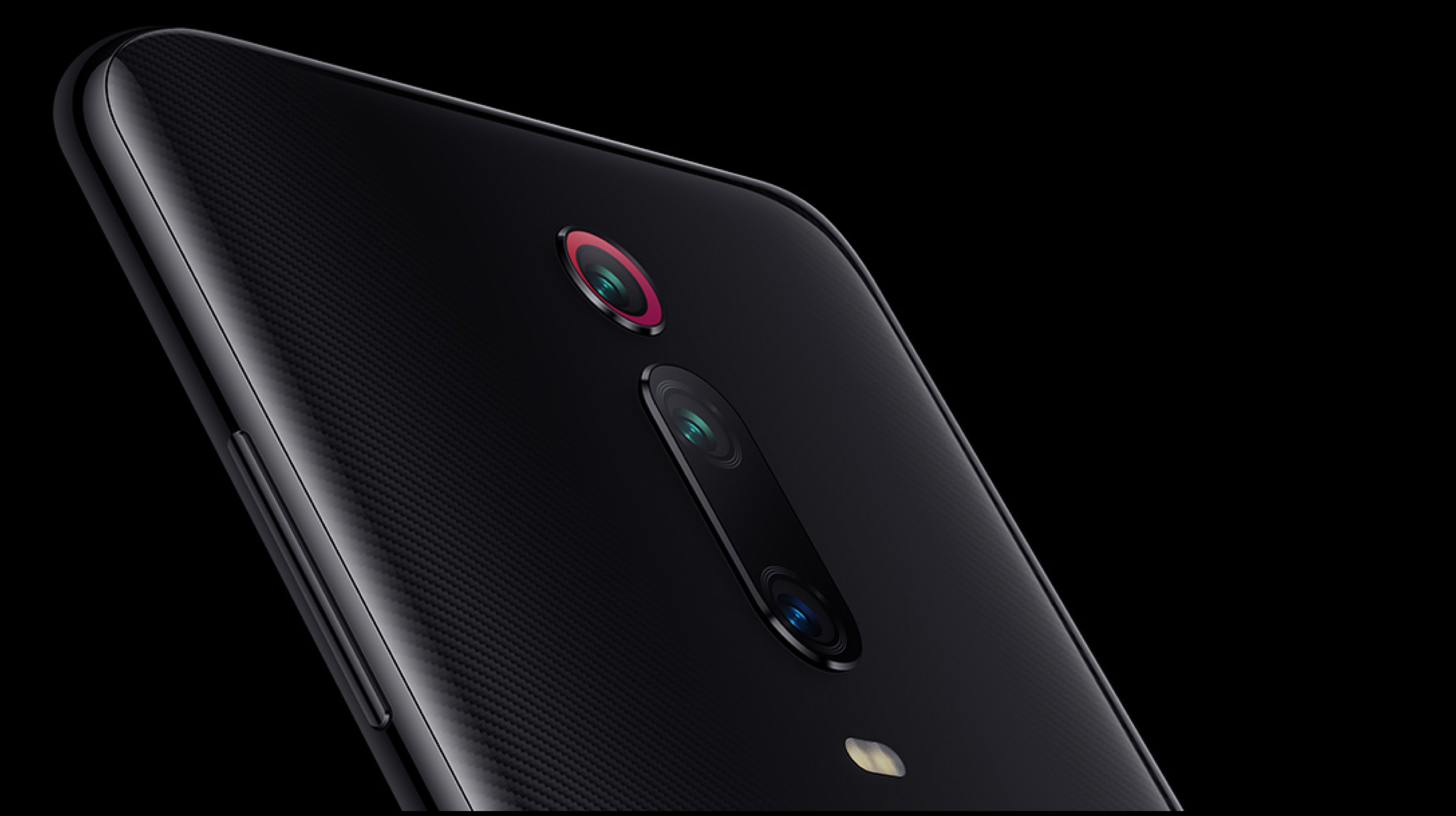
    Redmi K20 Pro DesignThe Redmi K20 Pro has an all glass design on the front and back with a metal chassis for reinforcement. It has an attractive gradient coloured panel on the back which houses the triple camera setup and the company branding.  The Redmi K20 sports 6.39 inch AMOLED display which a Full HD resolution of 2340 x 1080 px. The smartphone has an edge to edge display which is achieved due to a pop up style selfie camera which has 20 MP resolution.The Redmi K20 is fitted with the flagship grade 7nm Snapdragon 855 SoC which is comprised of an Octa-core CPU and Adreno 640 GPU. For photography, the device has a triple rear camera setup which consists of an f/1.75 aperture equipped 48MP sensor, an f/2.4 aperture equipped 13MP ultra wide angle sensor; and a tertiary f/2.4 aperture equipped 8MP telephoto sensor. As previously mentioned it has 20 MP front camera for capturing selfies which is placed in a pop up mechanism on top of the handsets.Redmi K20 Pro Camera Setup


    Also Read: Screen Protector For The Google Pixel 4 Already Available For Pre-Orders

    The Redmi K20 Pro is powered by a 4,000 mAh battery which supports 27 W fast charging. It devices run on latest MIUI 10 which is based on top of Android 9 Pie. The smartphone is available in three colour variants which include Blue, Red and Black.

  • Huawei Regains Wi Fi, SD Card And Bluetooth Consortium Membership

    Huawei Regains Wi Fi, SD Card And Bluetooth Consortium Membership

    Earlier this month, Chinese tech Titan, Huawei had to encounter a massive blow after US Commerce Department revoked all American companies from maintaining any trade relations with the former. Following the ban, the rapidly booming company which was previously speculated to take over Samsung as the world’s number one smartphone manufacturer in 2020 crumbled at an uncontrollable pace. It all started with Google’s support withdrawal of Android OS for Huawei smartphones. Followed by Google, Microsoft also took away the support for Windows from Huawei made computers and laptops. Initially what seemed like end of road for company might not be the case.
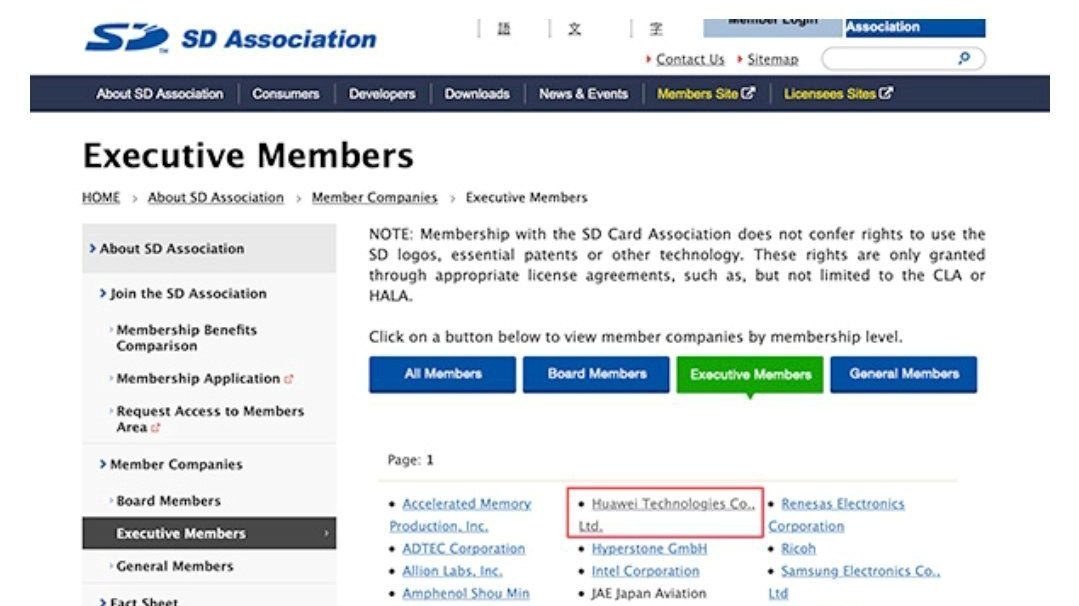
    uawei which was previously ruled out from Wi-Fi alliance, SD association and Bluetooth consortium has regained its membership. Even though the three said associations are not wholly owned by companies based in the US, they are surely influenced by the same. However, it is reported that Huawei’s considerable contribution in the three associations has led to roll back of the previous decision. Adding to the story, Huawei who is allegedly developing its own operating system which is expected to roll out later this year might well be on the road to healthy recovery.


    Talking about Huawei’s homegrown OS, the company has trademarked three names with EUIPO (European Union Intellectual Property Office), including Huawei ARK OS, Huawei ARK and ARK OS. Even though, their is limited information available about the upcoming operating system from Huawei. A company executive on Chinese social media website, Weibo claimed that the future OS will be compatible with Android applications. Noteworthy, the executive pointed if developers recompile their apps for the companies platform, the applications will see upto 60 % improvement in terms of speed.

    Also Read: New MediaTek SoC Is All Set To Bring 5G Network On Budget Devices

    To conclude, it seems Huawei will once again bolster its spot as one of the best tech companies in world sooner rather than later.

  • Nokia 9 PureView To Launch In India On June 6

    Nokia 9 PureView To Launch In India On June 6

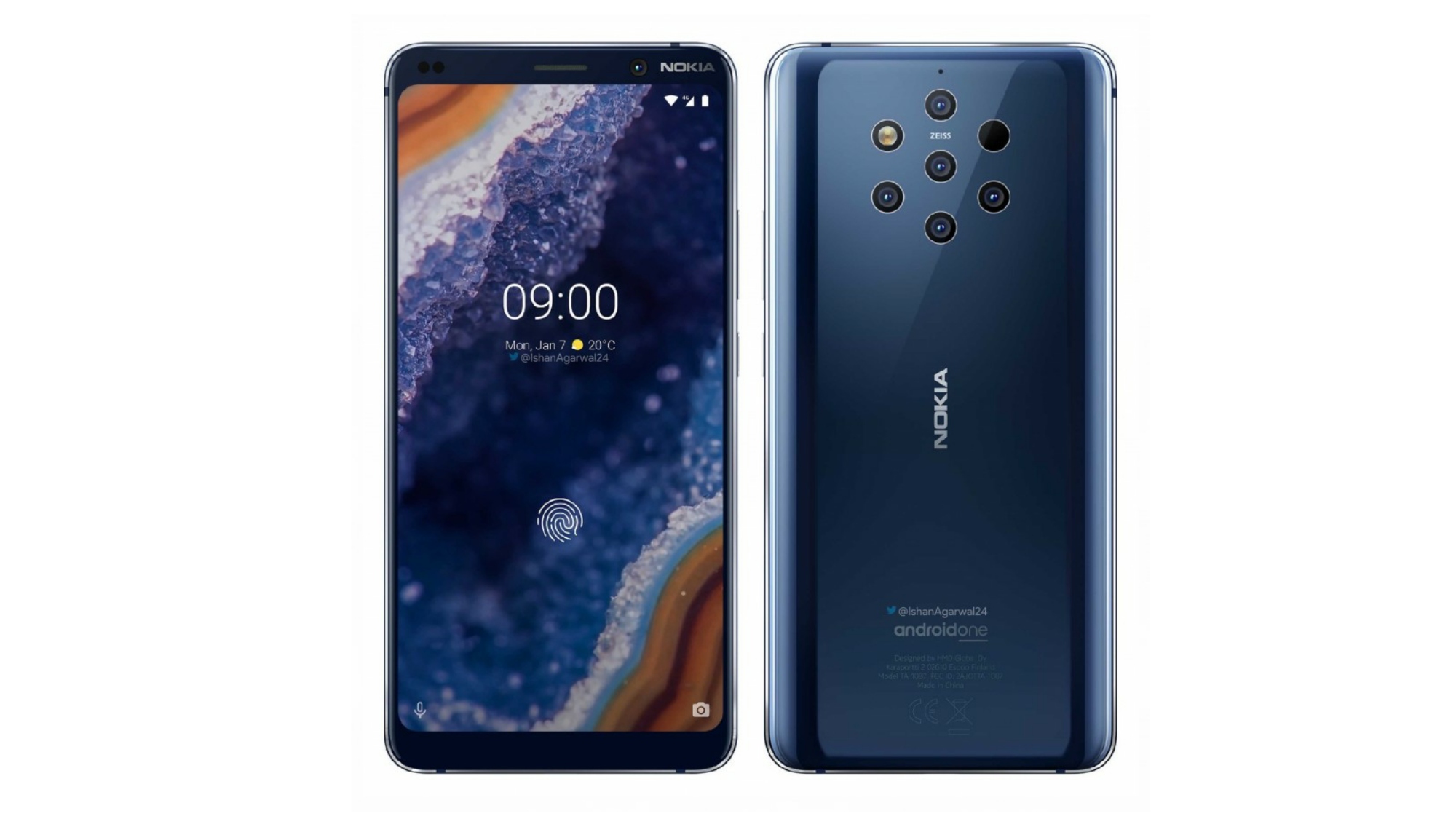
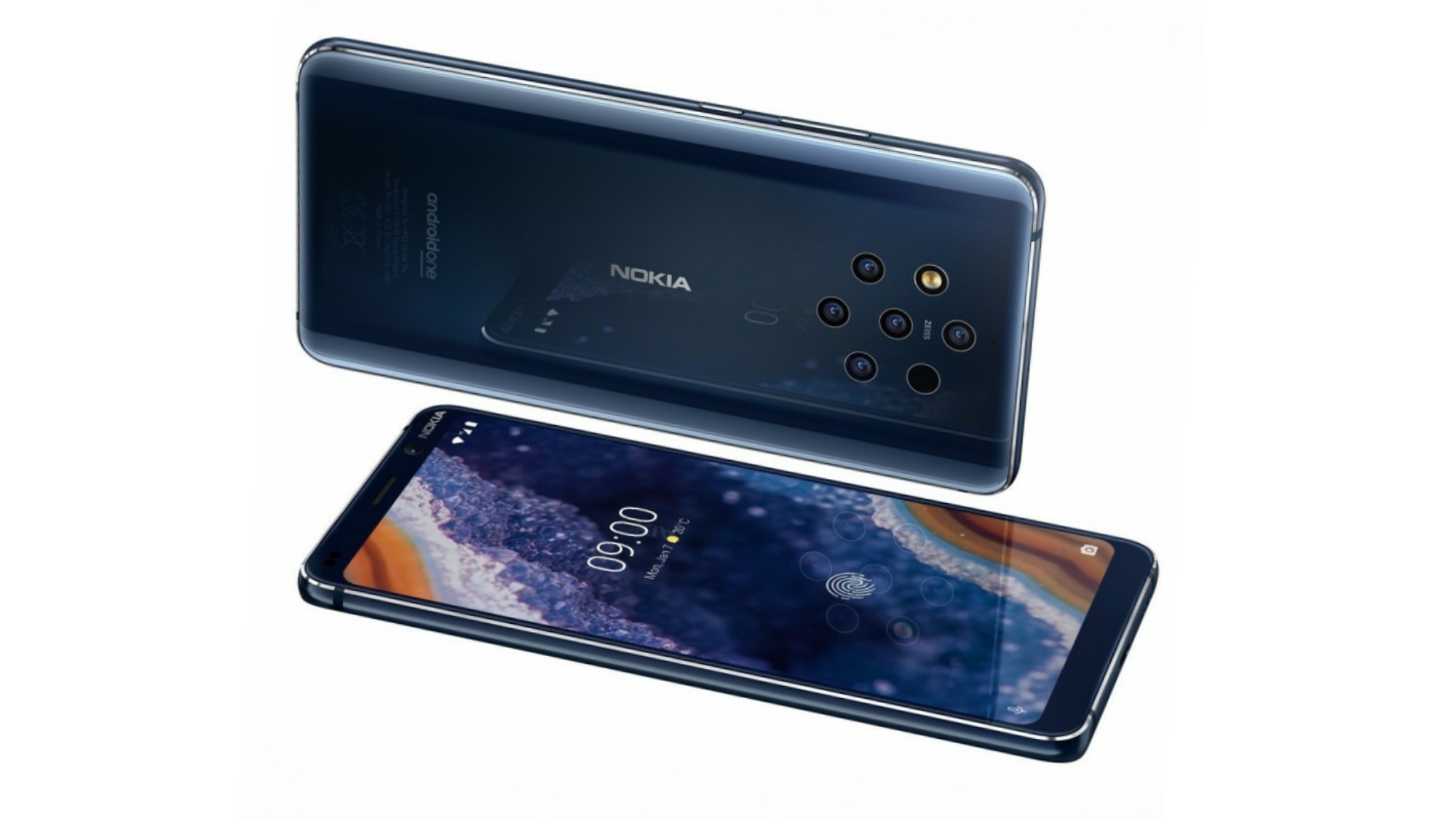
    In the month of February, HMD Global launched its long awaited Nokia 9 PureView which is a flagship grade smartphone. As the PureView branding suggests, the device has a focus on photography. Apparently the key highlighting feature of the smartphone is its penta rear camera setup which consists of five 12 MP sensors.

    For all the Indian customers who are patiently waiting for the device, this may be the time to rejoice. HMD Global has sent out invites for a press event which is set to take place in New Delhi on the 6th of June. Even though the press invite does not exhibit details about the Nokia 9 PureView launch,  it is the only major Nokia branded smartphone that is yet to land in the country. Other smartphones including the Nokia 3.2 and the Nokia 4.2 have already been made official for the Indian market. To recall following are the details about the Nokia 9 PureView.

    Nokia 9 PureView Specifications and Design 

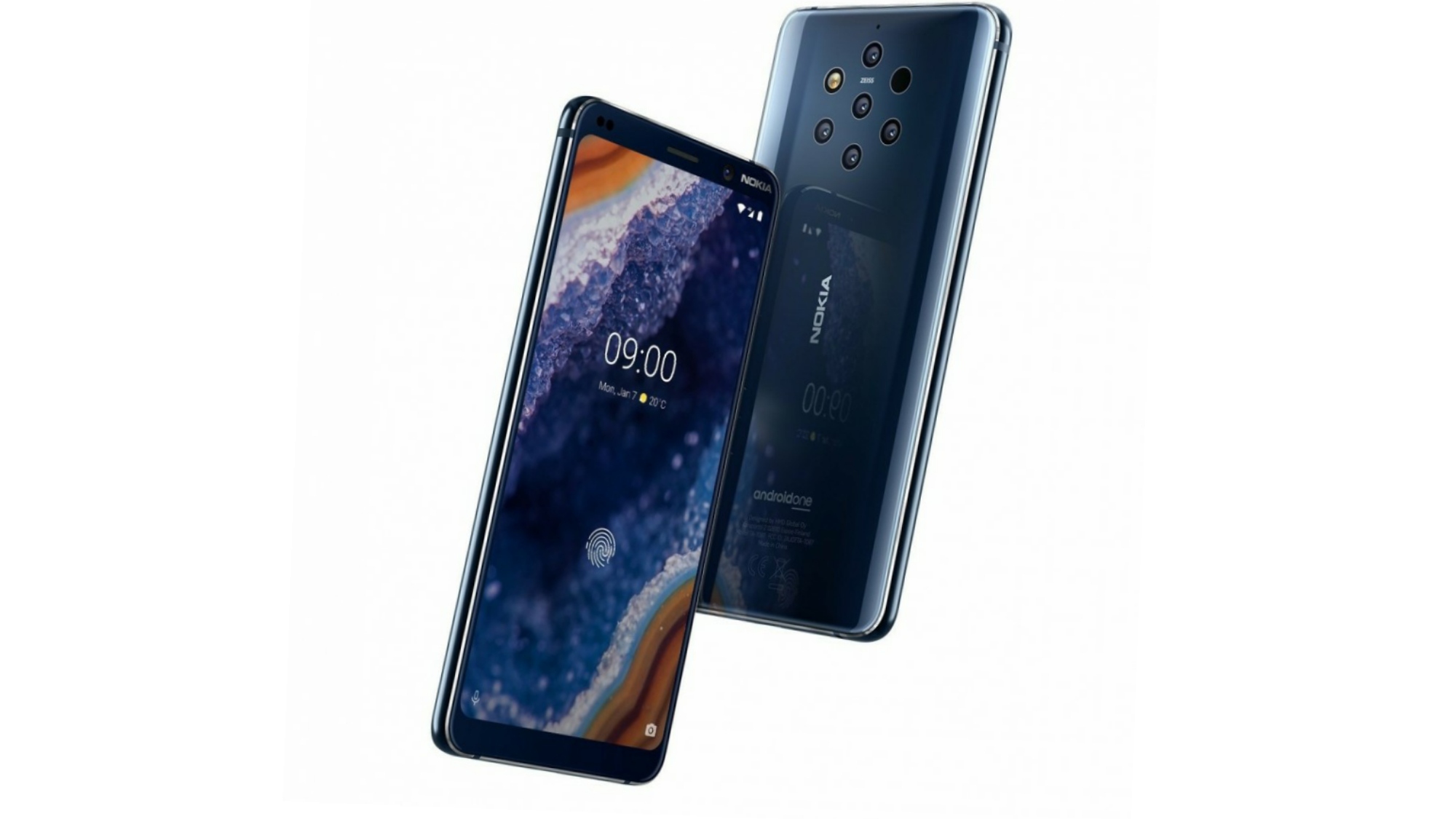
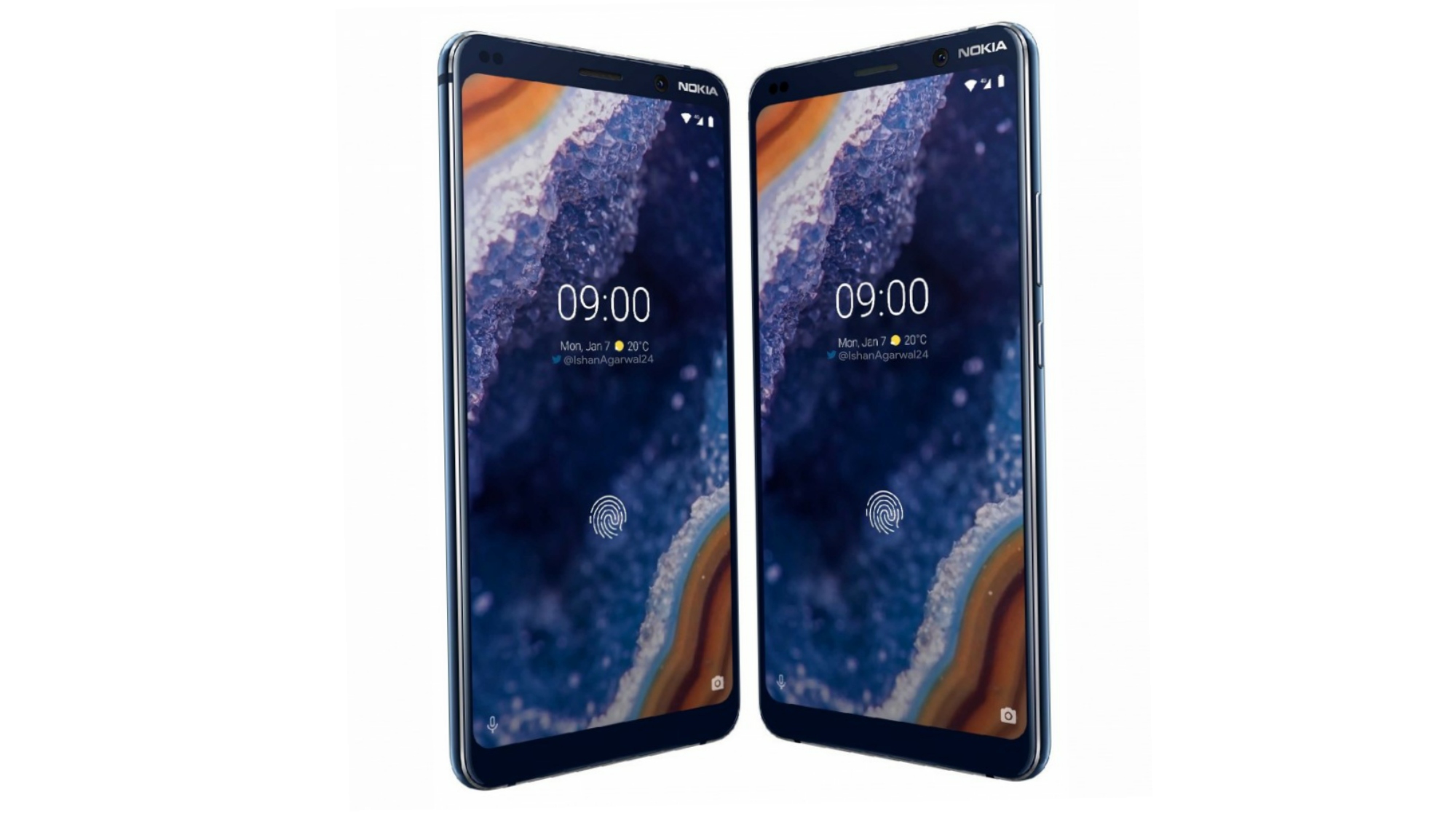
    The Nokia 9 PureView has a premium design with glass on both front and rear which is reinforced using an aluminium chassis. The device measures 155 x 75 x 8 mm and weighs 172 grams. It features a 5.99 inch Plastic OLED display that has a QHD resolution of 2880 x 1440 px and pixel density of 538 ppi. The left and right bezels around the display of the Nokia 9 PureView are negligible while the top and bottom bezels are comparatively thicker. The bezel above the display carries the Nokia branding, earpiece grille and a 20 MP front facing selfie camera which can also capture 1080p videos @ 30fps. For rapidly and securely logging into the UI, it has an in display fingerprint sensor which has become the industry standard.


    For added protection, both the front and rear panel of the Nokia 9 PureView is covered with Corning Gorilla Glass 5. The rear panel of the device carries the Nokia branding, Android One logo and its key highlighting feature, the penta camera setup. The rear camera setup consist of five 12 MP sensor and an LED flash. Out of the five cameras, two are RGB sensors while the remaining three are mono sensors.

    The Nokia 9 PureView runs on latest Android 9 Pie and the Android One logo at its rear assures the device is guaranteed to receive latest android updates for at least two years. The handset is powered by a generous 3,320 mAh battery which can be charged via the bottom mounted USB Type-C port. In addition to the wired charging it also supports Qi wireless charging. In terms of memory and storage, the device has 4 GB of LPDDR4x RAM and 128 GB of internal storage. In terms of connectivity, the Nokia 9 PureView supports 4G VoLTE, 802.11 ac Wi-Fi, Bluetooth 5.0, NFC, GPS and GLONASS. 
    Also Read: Intel’s Showcases Twin Screen Gaming Laptop At Computex 2019

    All in all, the Nokia 9 PureView is a worthy smartphone and if you are looking for a photography centric device, it may be the considerable choice. Exact price of the device is yet to be uncovered, however, going by European pricing it be priced around the Rs 50,000 mark.
  • Moto One Vision With Punch Hole Display To Launch In India In June

    Moto One Vision With Punch Hole Display To Launch In India In June

    Earlier this month, Motorola Mobility LLC launched its latest smartphone, the Moto One Vision in countries like Brazil, Thailand and Saudi Arabia. The key highlighting feature of device is its punch hole display that houses the front facing selfie camera. A tip received to 91Mobiles suggests that the handset will see its India launch in the month of June. To further strengthen the claim, the Moto One Vision had previously gained BIS certification which is mandatory for all devices that are set to launch in the country. 

    Moto One Vision Features

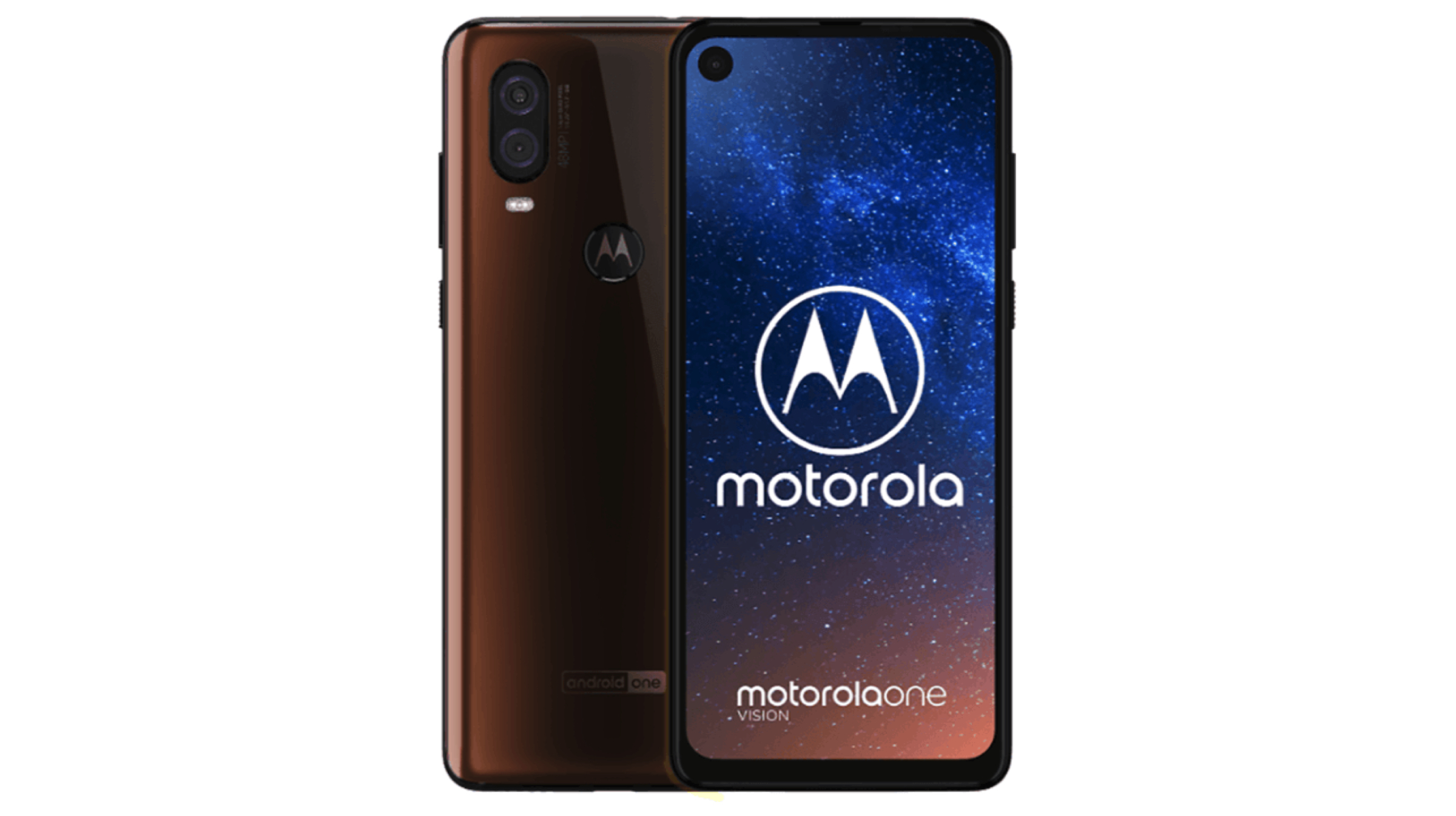
    The Motorola One Vision has a modern design accrediting to the 6.3 inch punch hole display that sits on its front. The display panel has a resolution of 2520 x 1080 px and pixel density of 432 ppi. To safeguard the display against scratches, the Moto One Vision gets Corning Gorilla glass protection (unspecified version). Intriguingly, the smartphone is kitted with the Exynos 9609 SoC which is manufactured and supplied by Samsung. This is the first time that a handset except for Samsung features an Exynos chipset. The SoC consists of the Mali G72 MP3 GPU and Octa Core CPU which is clocked at 2.2 GHz. In term of memory and storage, the smartphone is offered in a single variant that has 4 GB of RAM and 128 GB of ROM. It also supports memory expansion upto 1 TB via the shared SIM slot.

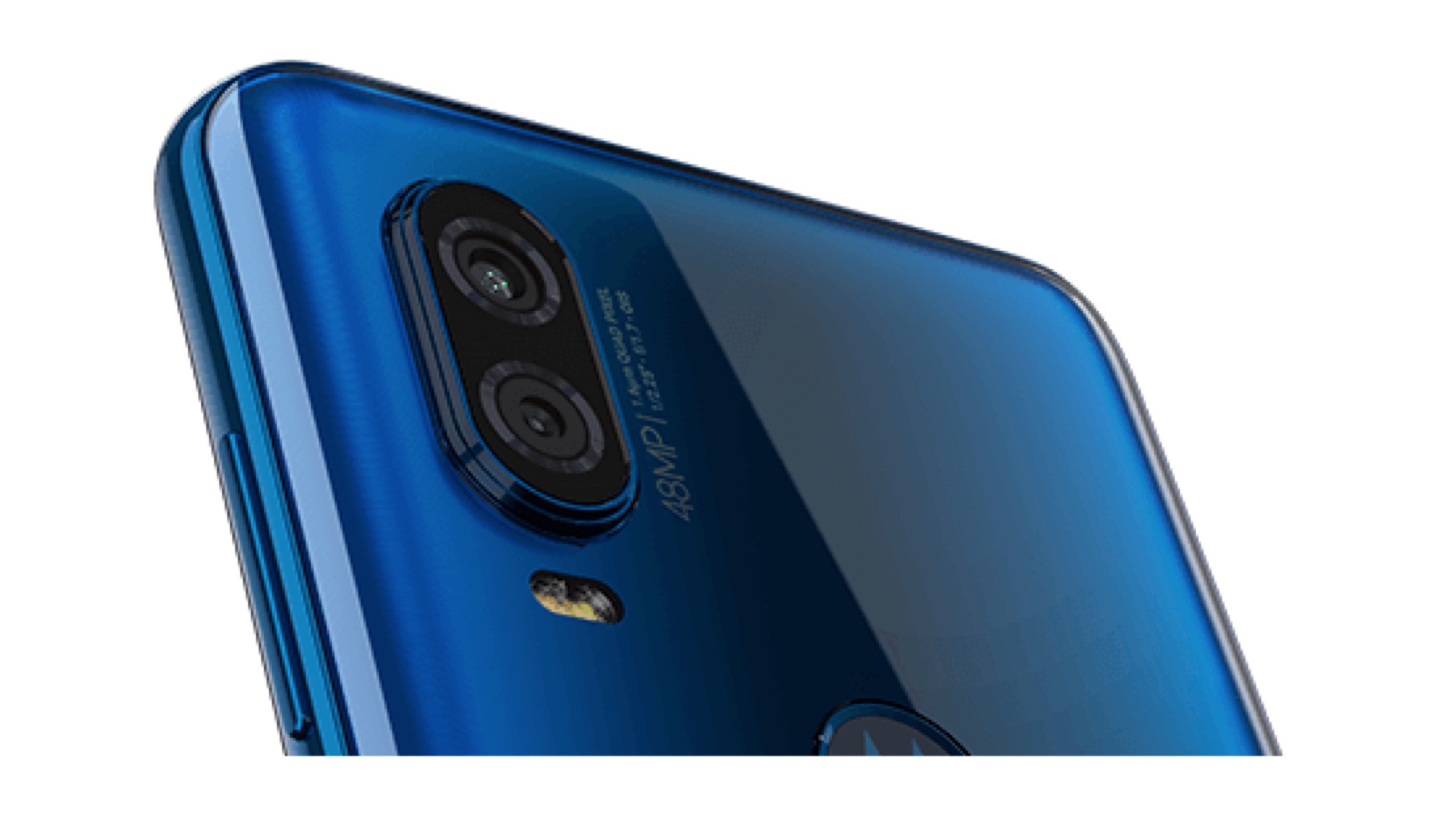
    For photography, the Moto One Vision has a dual rear camera setup which is comprised of an f/1.7 aperture equipped 48 MP sensor, a 5 MP depth sensor and a Dual LED flash. It also has 25 MP selfie camera which is present in the punch hole in the display. The smartphone is powered by a 3,500 mAh battery which supports fast charging upto 15 W. It runs on the latest version of Android 9 Pie which is bundled with Android One certification. The certification assures guaranteed Android updates for at least two years. Connectivity options on the Moto One Vision include Wi-Fi 802.11 a/b/g/n/ac, 4G VoLTE, Bluetooth 5.0, GPS and a bottom mounted USB Type C port. Like most modern mid range and premium smartphones, Motorola’s offering has also done away with the 3.5 mm audio jack. For safely and rapidly logging into to UI, it features a rear mounted fingerprint sensor. It is offered in two colour options which include Bronze gradient and Sapphire gradient. 

    Moto One Vision Price and Launch Date In India

    Also Read: Unlocking Bootloader OnePlus 7 Pro Results In Loss Of Widevine L1

    The precise launch date of the Moto One Vision is yet to be announced. However, as previously mentioned the device is expected to launch in the month of June in the country. Official price of the smartphone will also be revealed then. Though it is expected to similarly priced as the Thai and Saudi counterpart. Therefore it can priced between the Rs 20,000 and 25,000 price bracket.

  • Unlocking Bootloader On OnePlus 7 Pro Results In Loss Of Widevine L1

    Unlocking Bootloader On OnePlus 7 Pro Results In Loss Of Widevine L1

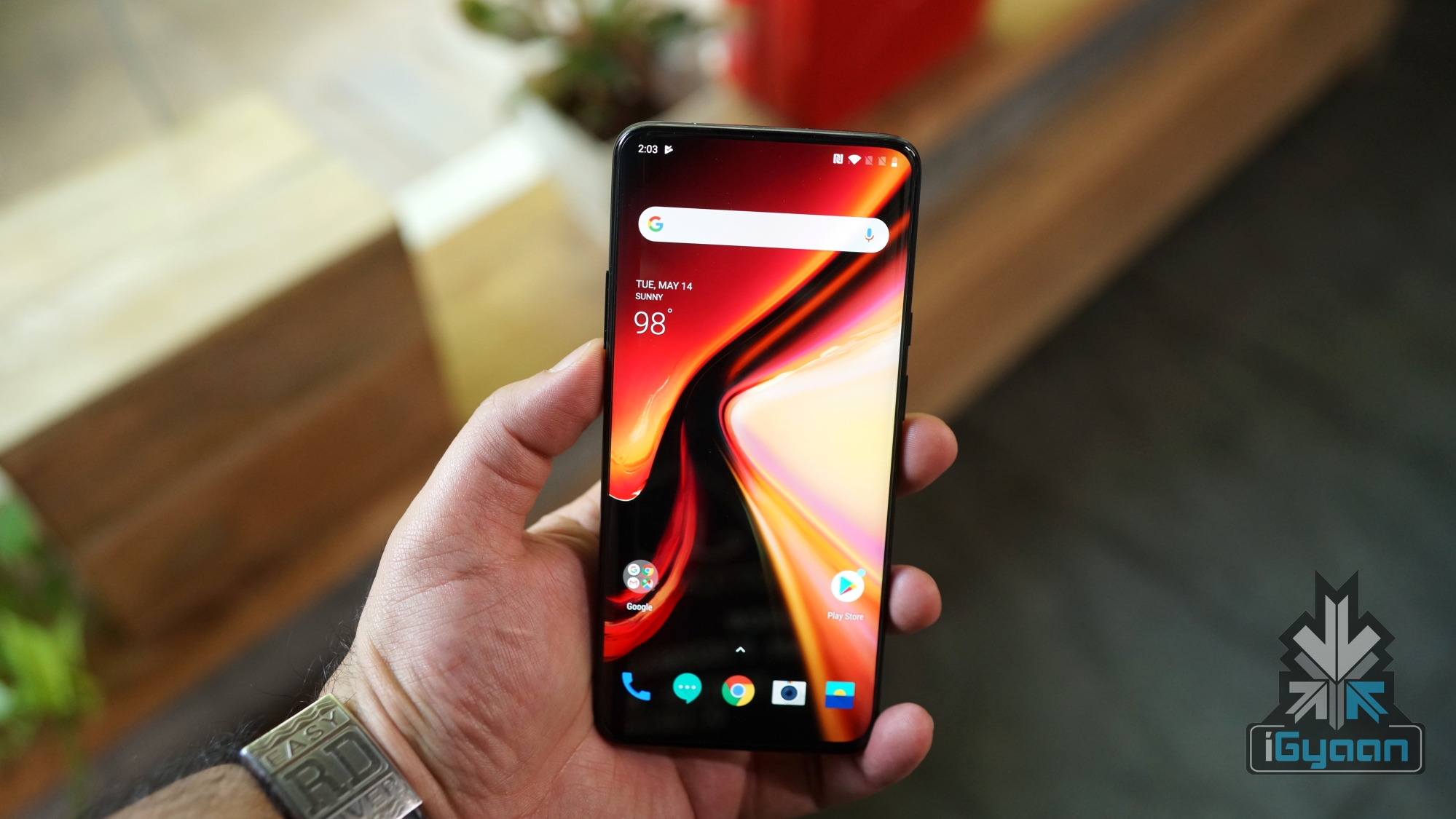
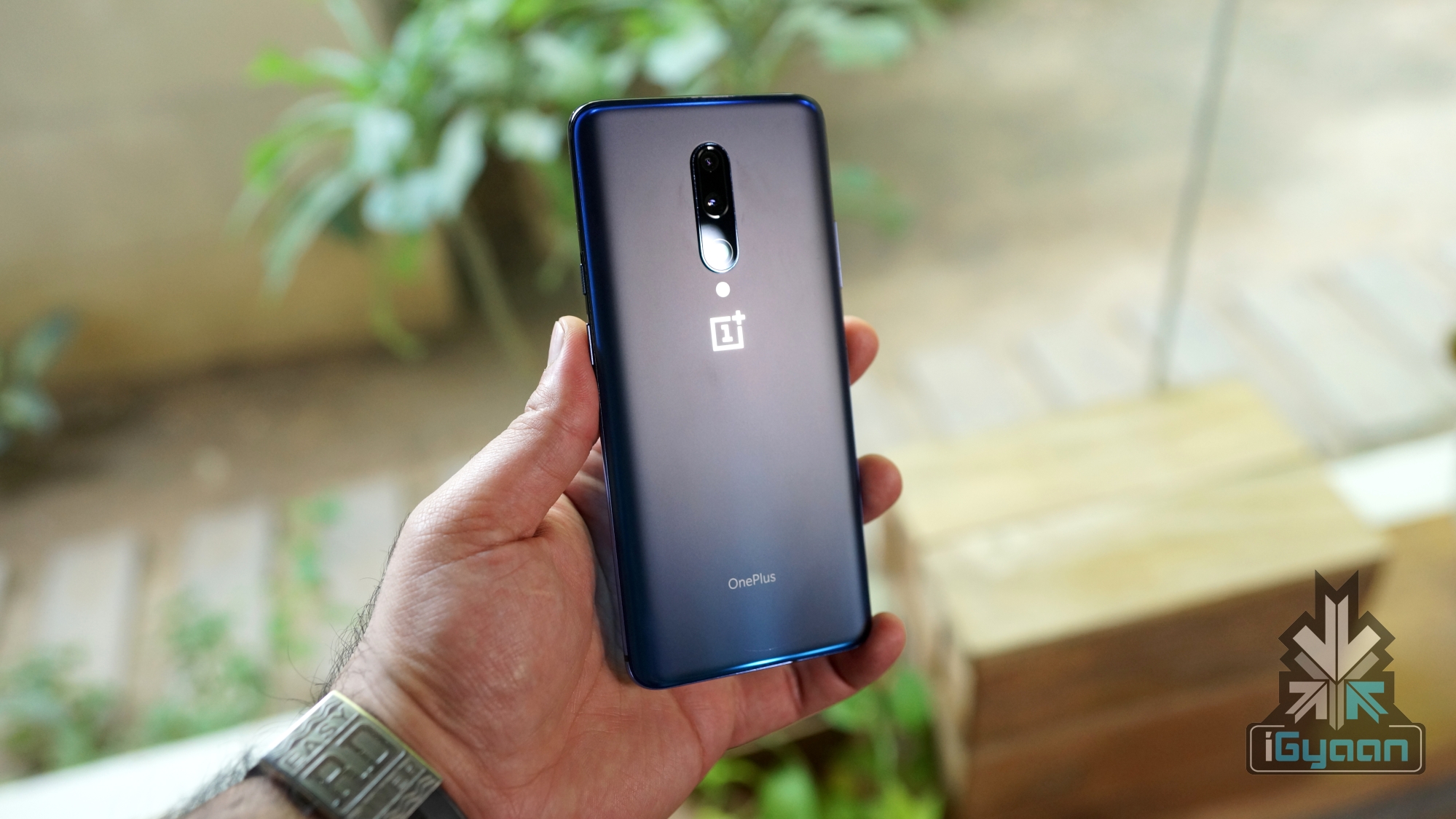
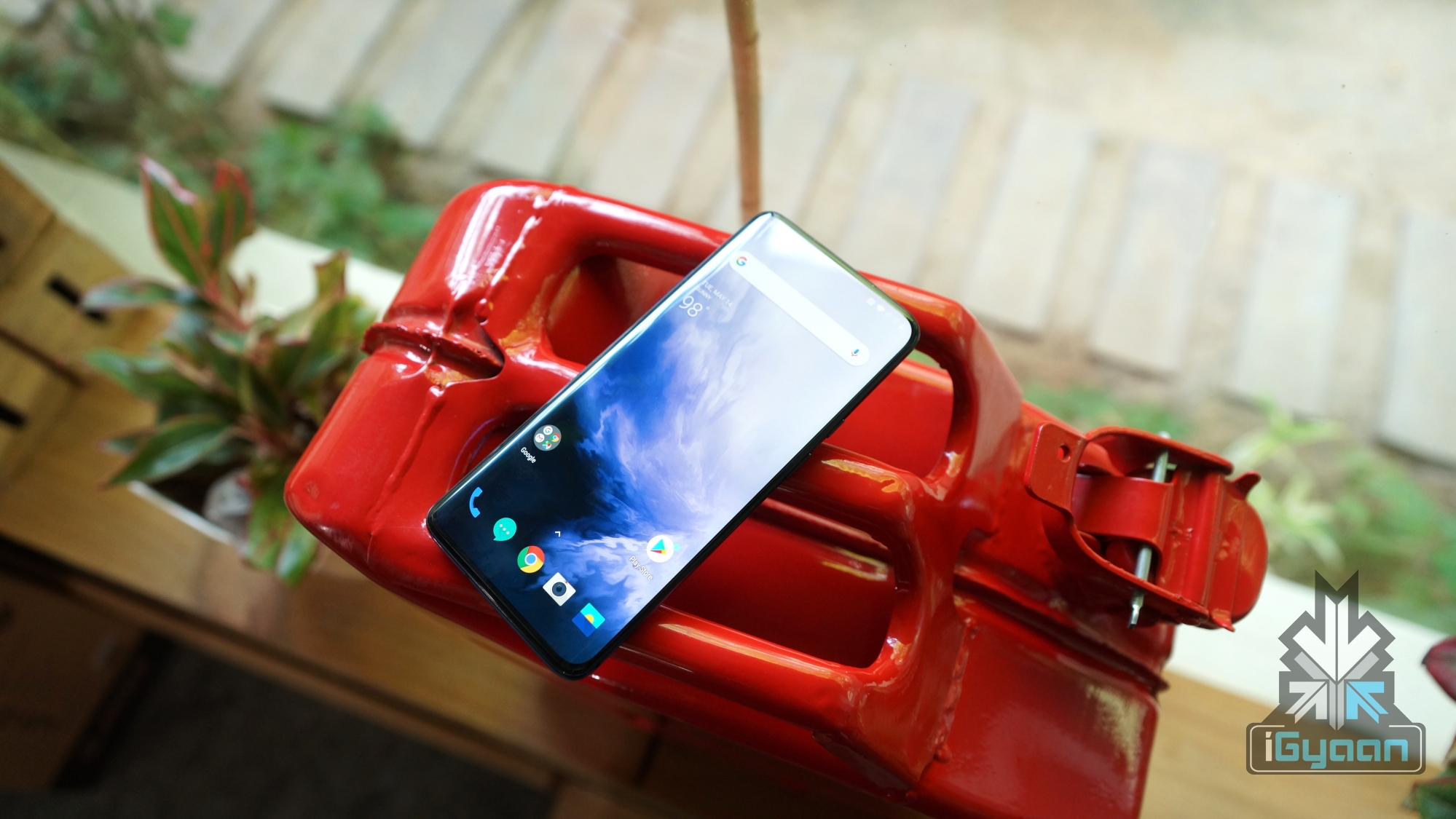
    After the sensational success of the OnePlus 6T from 2018, Chinese smartphone maker OnePlus launched its latest flagship smartphone in the form of OnePlus 7 Pro. In comparison to its predecessor, the newly launched device has received significant updates some of which include a 6.67 inch AMOLED display with 90 Hz refresh rate and a pop up selfie camera. Accrediting to the said features, the OnePlus 7 Pro has been warmly welcomed by the consumers across the globe. However, within the two short weeks of its announcement, the device has been hit with a couple of stumbling blocks.
    OnePlus 7 Pro Camera

    Freshly, a member on XDA developers discovered that unlocking the bootloader on the OnePlus 7 Pro will result in loss of Widevine L1 certification. The certification is essential for streaming HD content from applications like Netflix. Therefore, if a OnePlus 7 Pro user unlocks the bootloader on their handset, the device will be limited to streaming online content in 480p resolution. 

    What Is Bootloader & Why Do You Want To Unlock It?

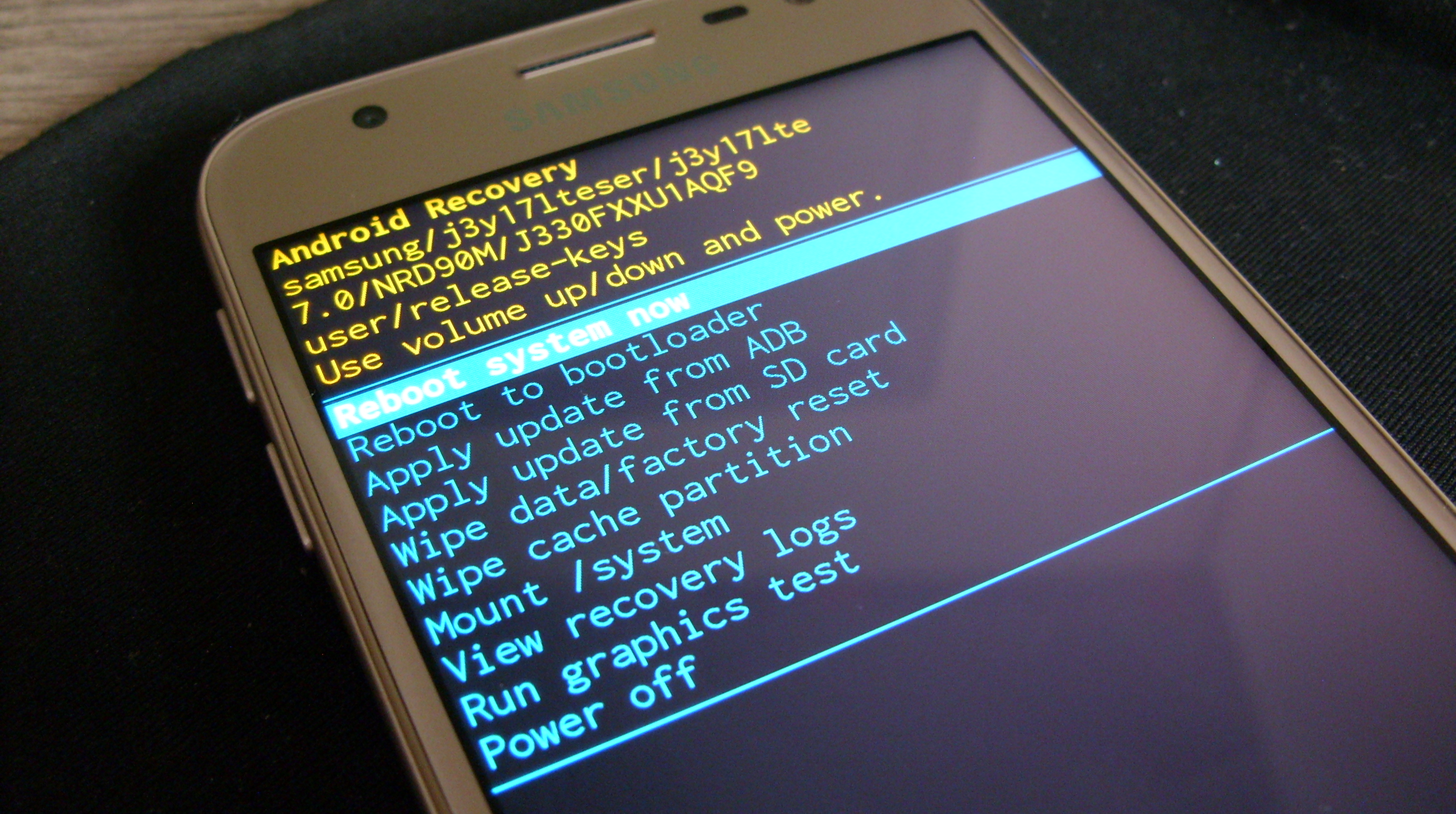
    Bootloader is a piece of code that runs before any operating system is  loaded into the system of a computer or smartphone. Each OS has a set of specific bootloader, therefore, in an effort to add custom ROM on a handset, the bootloader needs to be unlocked. OEMs generally tend to ship smartphones with locked bootloaders which ensures tight security. As with unlocked bootloader, users can unknowingly install malicious programs on their device resulting in compromise of software. OnePlus 7 Pro Front

    The previously mentioned stumbling blocks that the OnePlus 7 Pro has been previously subjected to are as follows:

    Also Read: Leaked iOS 13 Screenshots Reveal Dark Mode, New Reminders App

    Nevertheless, the OnePlus 7 Pro is an excellent smartphone Also issues like the high pitched noise from its earpiece are likely to be patched via OTA software updates. 


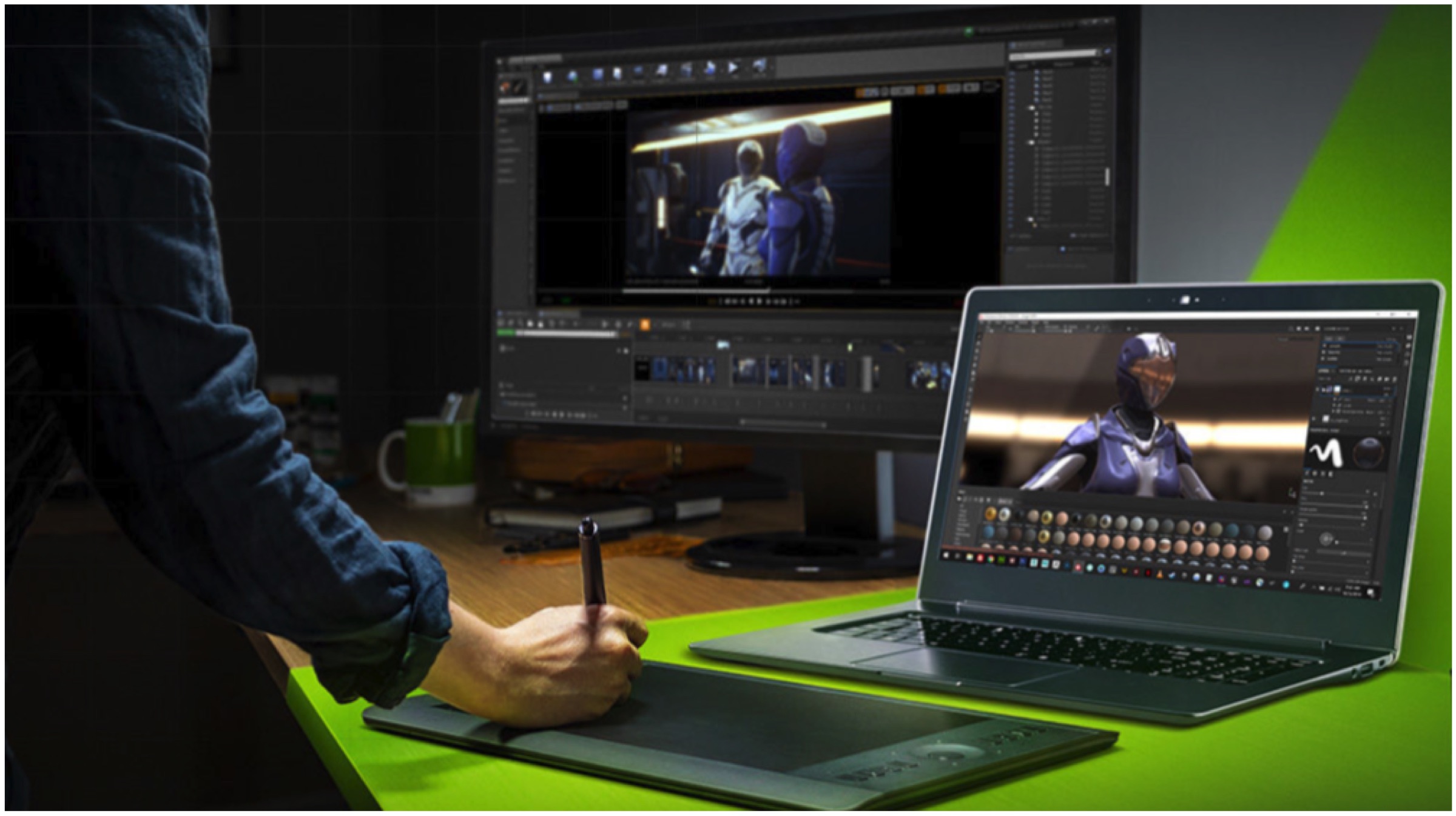
  • Nvidia’s Studio Laptop Lineup Aims to Compete With 15-Inch MacBook Pro

    Nvidia’s Studio Laptop Lineup Aims to Compete With 15-Inch MacBook Pro

    Computex 2019, one of the world’s biggest Tech Convention is currently ongoing in Taipei, Taiwan. Asus, Dell and MSI amongst other companies have announced praiseworthy products at the event (1, 2, 3). American technology company and chip designer Nvidia has also unveiled a new laptop lineup which carries the ‘Studio’ moniker. 

    Clearly, the new laptops are intended to compete against Apple’s freshly upgraded MacBook Pro 15. However, in addition to powerful processors, the Nvidia Studio laptops target creative professionals who require more GPU power whilst on the go. Therefore the laptops will be kitted with RTX GPUs sold by the company. Noteworthy, Nvidia would not retail in-house developed laptops under the lineup. Instead, the company has set up a minimum specification requirement for OEMs that want their offerings to be part of the RTX Studio lineup.

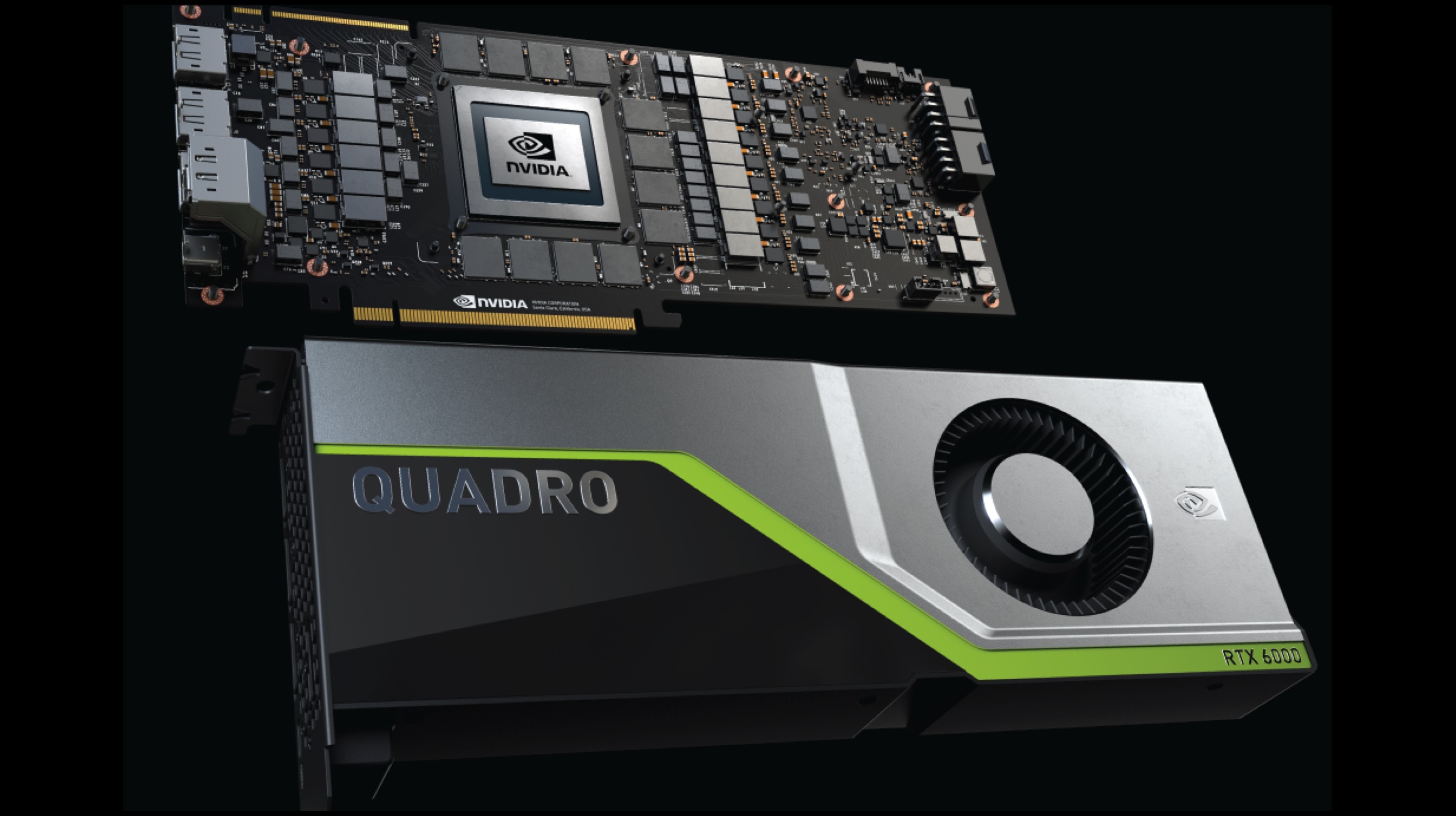
    Following are the requirements set by Nvidia. In terms of GPU, the laptops under the lineup need to be fitted with either Quadro RTX 5000, 4000, 3000 GPUs or GeForce RTX 2080, 2070, 2060 GPUs. The laptops also need to have a display with at least 1080p resolution with a preference for 4K. It needs to have at least 512 GB of SSD storage and 16 GB of RAM which will provide it with a smooth and lag free experience. Furthermore, the laptops under the RTX Studio lineup need to implement Max-Q Design technology which is specifically developed for building lightweight and thin laptops.

    Also Read: Google Pixel 3 And 3 XL Receive A Massive Price Cut Of Rs 28,000 In India

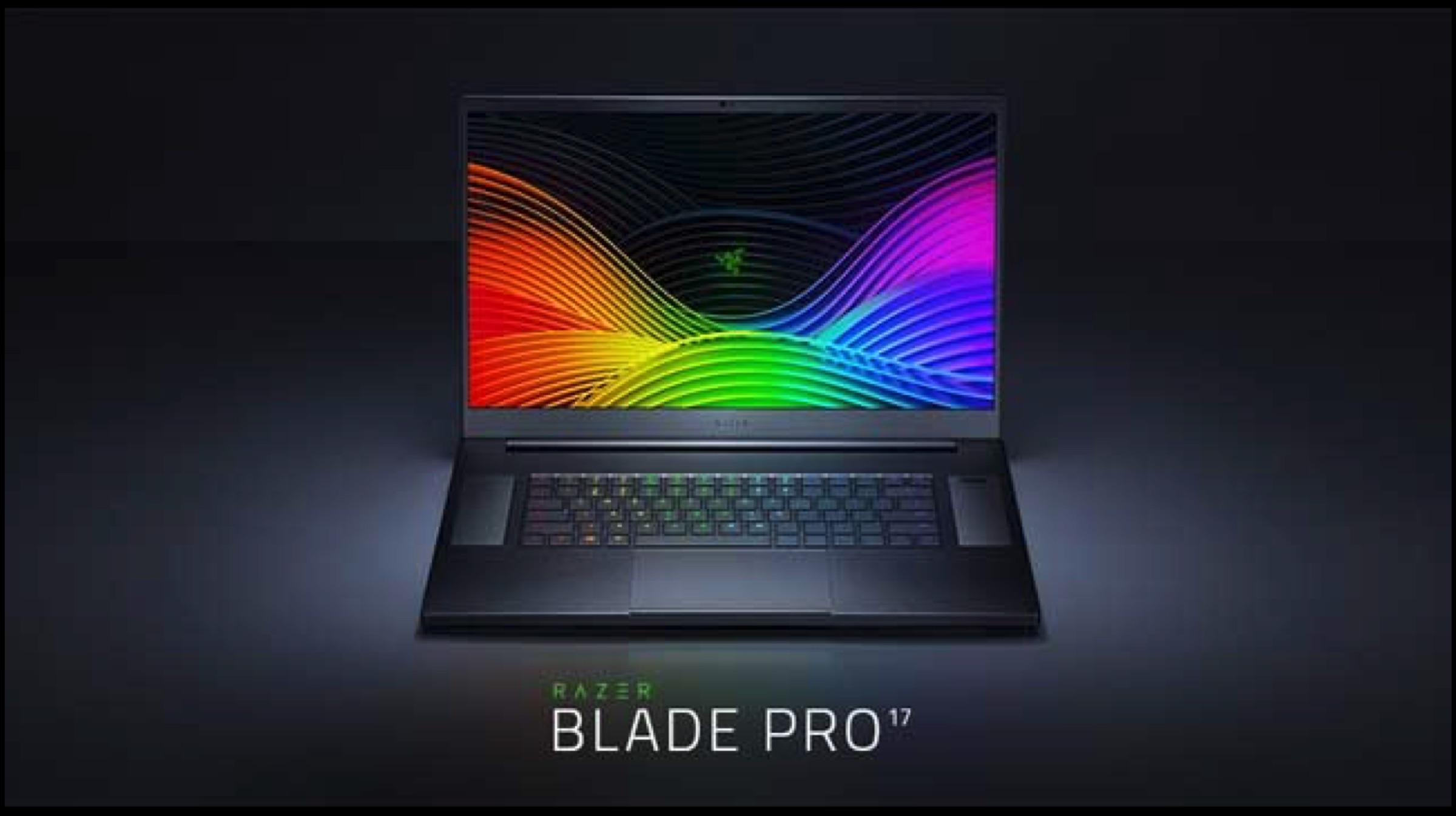
    At the time of initial launch, the RTX Studio lineup from Nvidia will consist of 17 laptops from seven OEMs, including Dell, Gigabyte, HP, Acer, ASUS, MSI, and Razer. Nvidia also reported that laptops under the lineup will commence retailing in the month of June. In terms of price, the laptops will be starting at US $ 1599 (around Rs 1,11,000). 

    Following is the statement issued by Nvidia for the upcoming RTX Studio lineup

    NVIDIA Studio pairs RTX GPUs, which enable real-time ray tracing, AI processing and high-resolution video editing, with studio-grade software to surpass the growing demands of today’s creators,” said Jason Paul, general manager of GeForce software and technology at NVIDIA. “The new RTX Studio laptops are the perfect tool for creatives who need desktop-class performance while on the go.”

iGyaan Network
Privacy Overview

This website uses cookies so that we can provide you with the best user experience possible. Cookie information is stored in your browser and performs functions such as recognising you when you return to our website and helping our team to understand which sections of the website you find most interesting and useful.