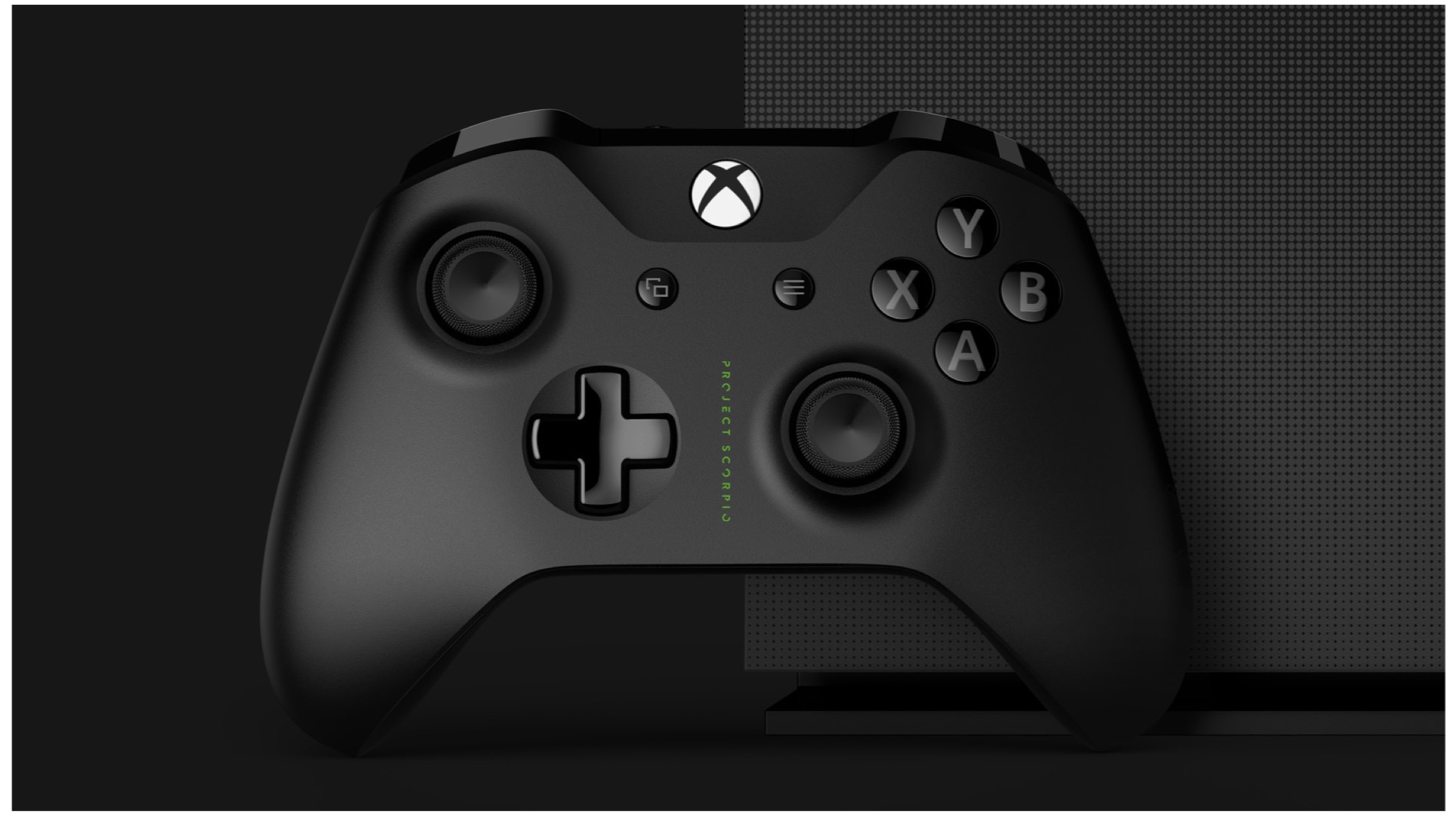
Microsoft’s Xbox gaming console is a renowned device for gaming enthusiasts. To ensure users with limited mobility can enjoy the games of their choice, the company launched the Adaptive controller for the Xbox One console last year. According to a fresh patent that Microsoft has been granted, it is revealed the company is working on another type of controller which is specifically designed for visually impaired gamers.
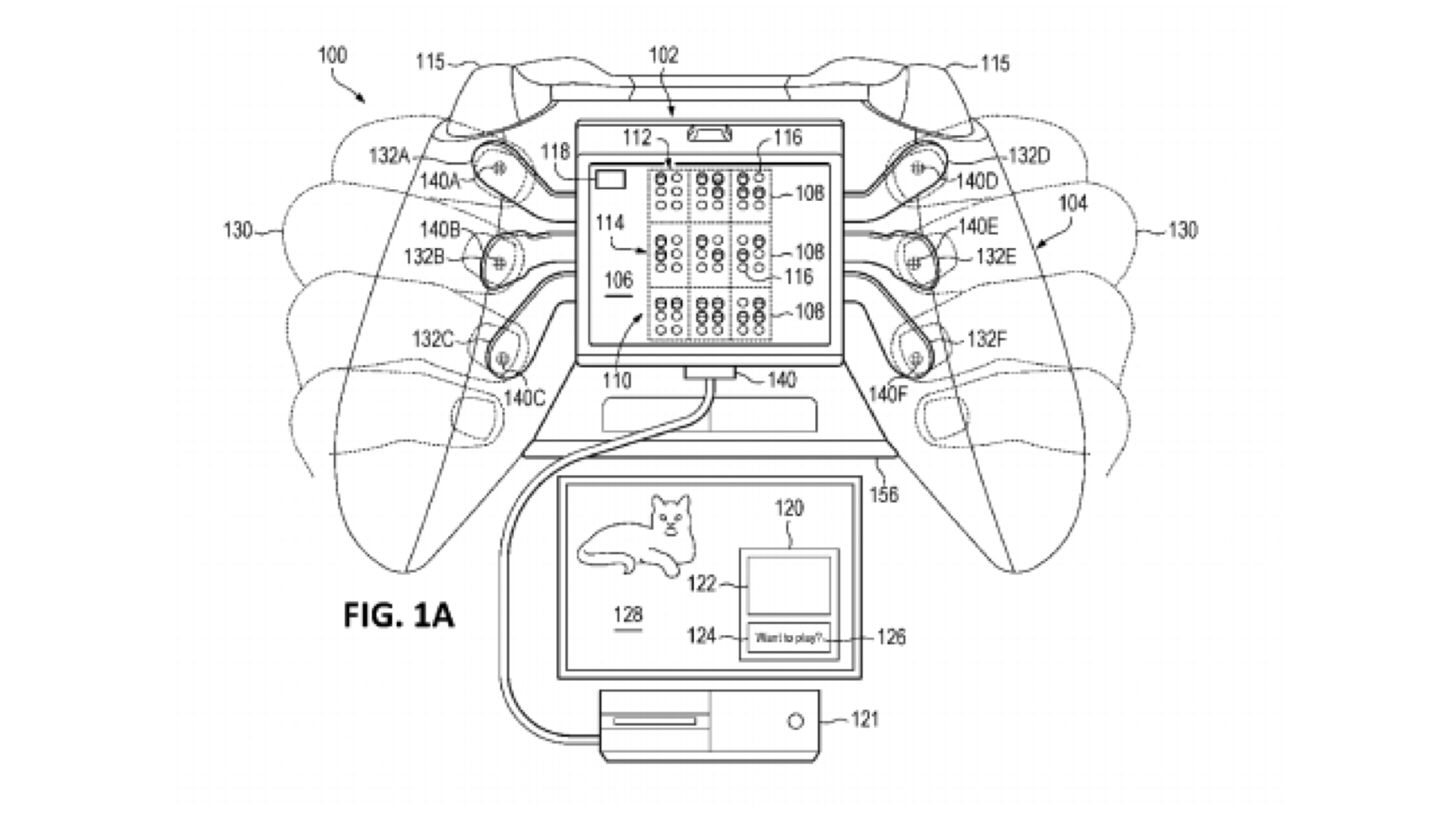
Xbox Braille Controller
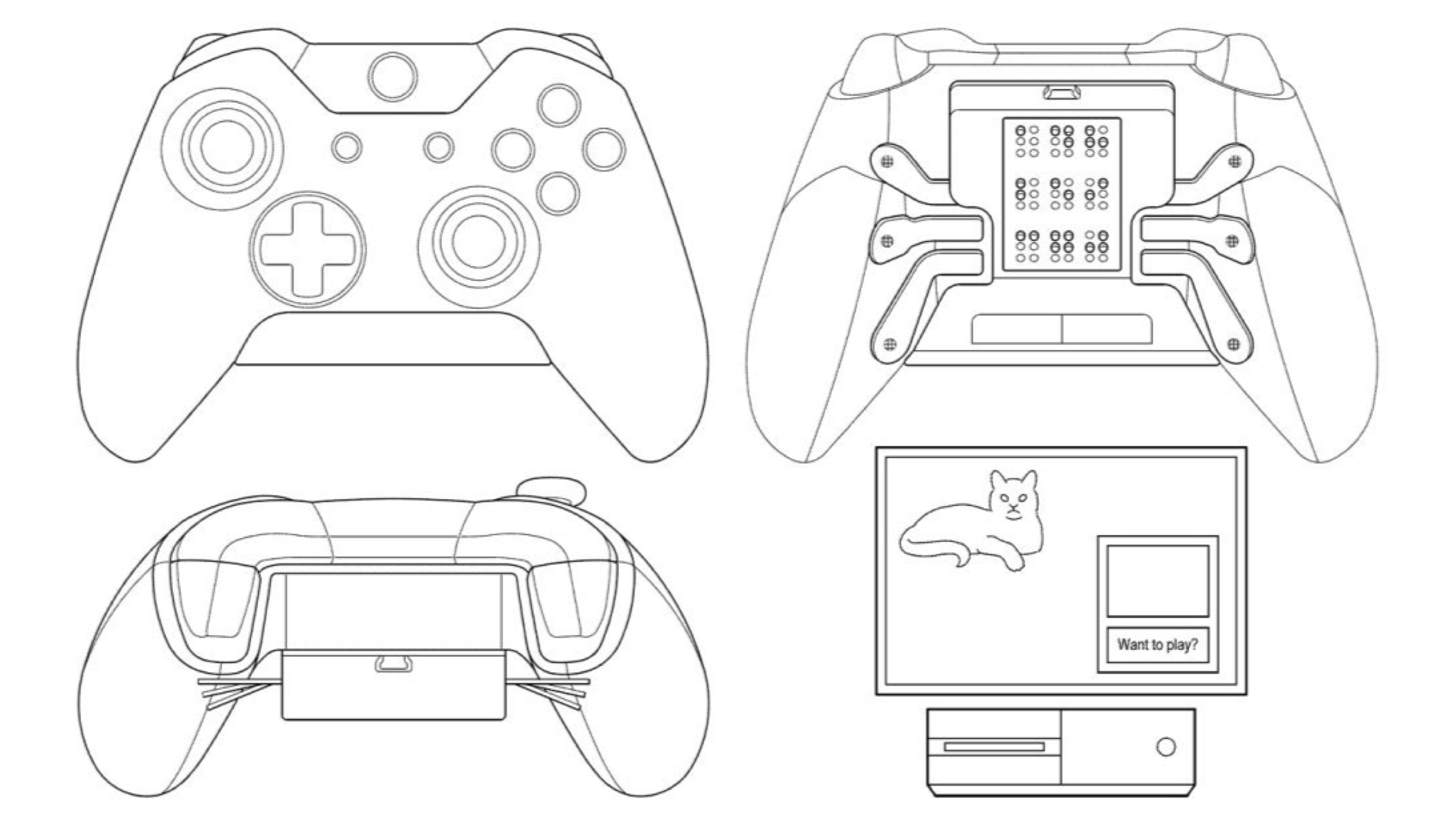
Microsoft filed for a patent at the World Intellectual Property Office (WIPO) for a “Haptic Braille Output for a game controller”. The patent was published on the 2nd of May and showcases an Xbox controller with support for braille input that supports haptic feedback. Images in the patent present a special braille accessory which can be mounted on the rear of existing Xbox controllers which make it possible to input braille characters. The said accessory is comprised of six paddles and a display, which can show texts or audio in braille. So, for example, a visually impaired gamer can still participate in a chat session with other gamers. For those unaware, Braille is a tactile reading and writing language developed by Louis Braille, a French educator. The language is widely accepted as the standard for the visually impaired.
The patented Xbox game controller from Microsoft is also showcased to recognise speech commands and converting them into a text input. Furthermore, the braille controller may also be capable of giving vibration feedback which can be adjusted per game. As previously mentioned, it can be attached to the back of the controller and the functions can be mapped by the convenience of the gamer using the console, smartphone or PC. While the patent for a braille Xbox controller has been granted to Microsoft, when the company actually releases it is anyone’s guess.
For those interested, you can check out Microsoft’s patent here.
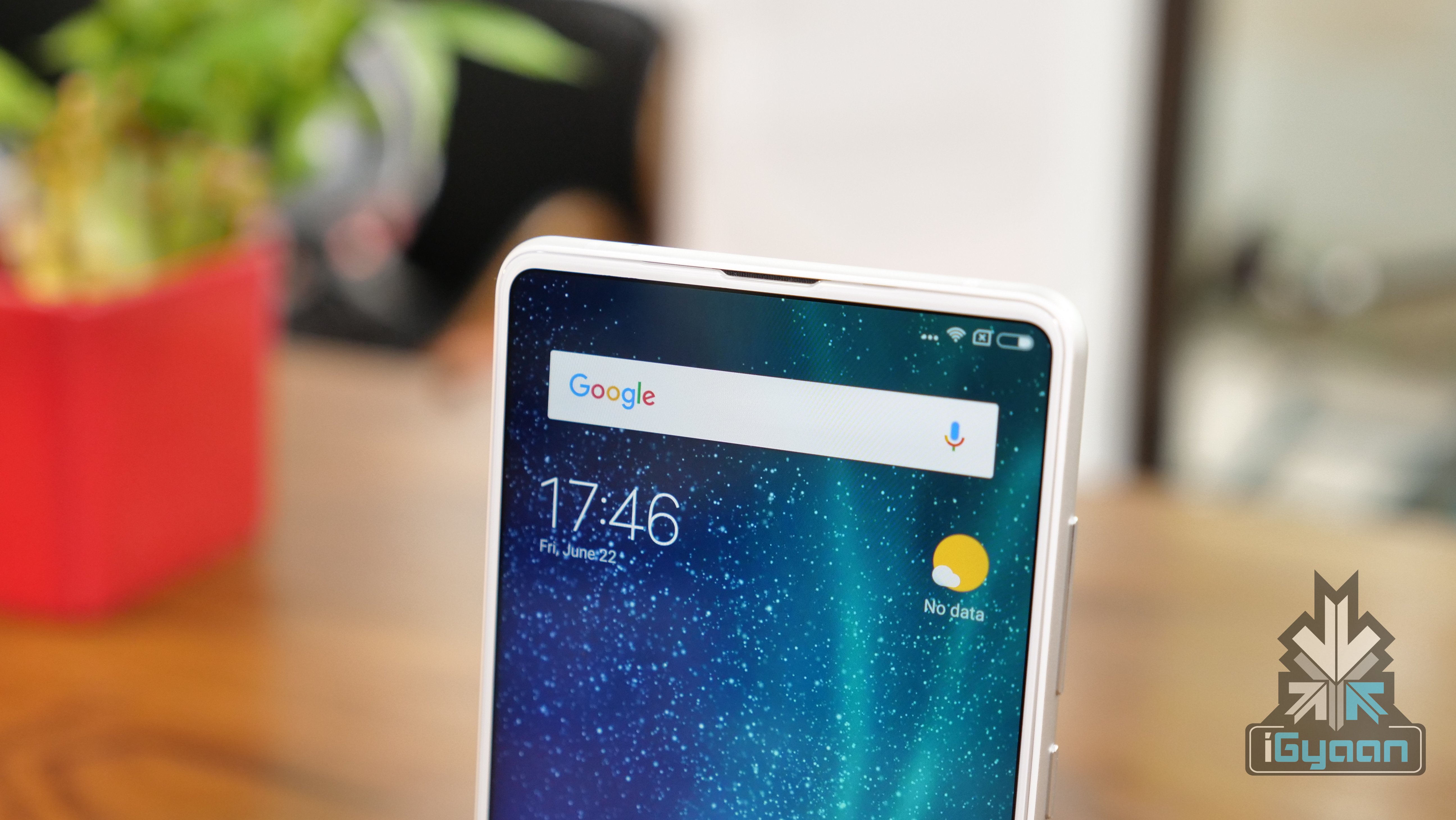
Xiaomi launched the original Mi MIX in the year 2016 which is widely believed to have kickstarted the trend for bezel-less displays in smartphones. The series has since seen various design changes in its successors, the Mi MIX 2, Mi MIX 2S and the current Mi MIX 3.All the smartphones have adopted a unique technology to maximise the screen to body ratio. Now, key details of another flagship Xiaomi smartphone have leaked on Twitter. The device has been codenamed ‘Hercules’ and features top tier specifications. Reportedly, it will be the latest entrant in the Mi MIX lineup, purportedly called the Mi MIX 4.
As mentioned above, the upcoming Mi MIX 4 will be the next flagship offering from the company. The leaks claim it will be kitted with the current flagship SoC from Qualcomm, the Snapdragon 855 which is comprised of an Octa-core GPU and the Adreno 640 GPU. It has been a constant in most flagship smartphones in 2019 such as the LG G8 ThinQ and Xiaomi’s own Mi 9. In terms of optics, the tipster claims the Mi MIX 4 will have a triple rear camera setup and a single front-facing camera. Unfortunately, more details including resolution and aperture size of the camera sensors are unknown at the moment. For biometric security and rapidly unlocking the handset, it is expected to sport an in display fingerprint scanner as seen on its predecessor.
The leak further claims the upcoming Mi MIX 4 flagship smartphone will have support for Near Field Communication (NFC) for data transfers and mobile payments. Like the Xiaomi Mi 9, it will also support wireless charging technology. Although not certain, it can have a hole punch display or a pop up selfie camera to maximise the screen real estate. It may also have the option for a ceramic back for select variants. Like all of its predecessors, Xiaomi is expected to launch the Mi MIX 4 in the Q4 of this year.
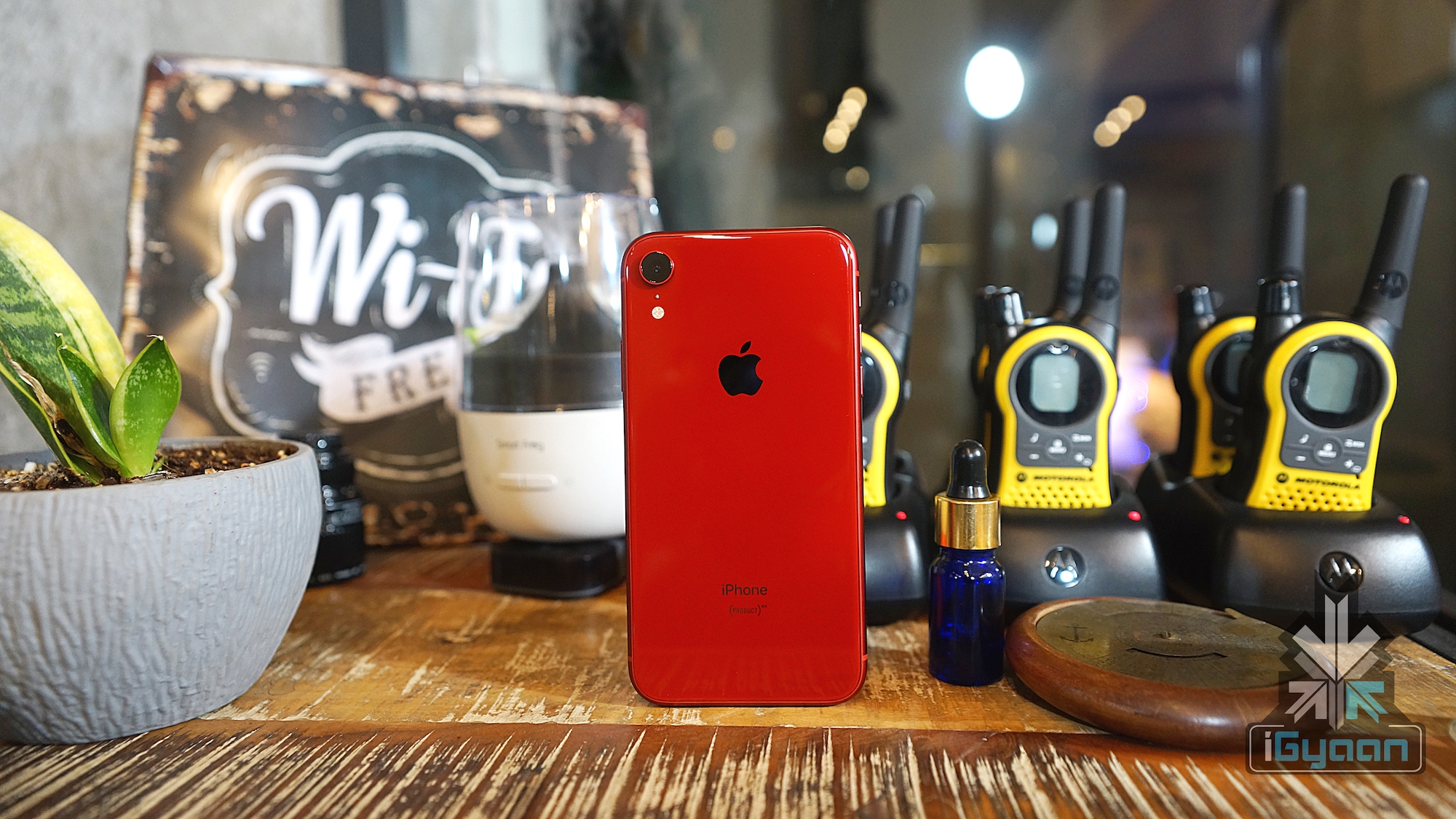
American electronics giant Apple is expected to launch three new iPhones and updated variants of the iPad Pro tablets later this year. The latest research note from renowned analyst Ming-Chi Kuo, he predicts both the smartphones and tablets will make use of new antenna technology. According to Kuo, who has been notably accurate with his leaks in the past, the iPhones and iPads will shift from using the Liquid Crystal Polymer (LCP) design to the Modified-PI material antennas when they launch later in 2019. The shift to the new antenna technology is expected to make mobile networks indoors more reliable.
LCP vs. MPI Antennas
As mentioned above, Apple will shift the antenna design in its upcoming devices from LCP to MPI material. LCP or Liquid Crystal Polymer design of the antenna is a low cost organic flexible layer that has some unique electrical properties making it suitable for antennae. It also behaves consistently across the entire radio frequency range, has a very low signal loss, making it useful for the application of 5G, the next generation of mobile connectivity. The LCP material is vastly seen in the application in products like Radio Frequency Identification (RFID) tags and mobile phones.
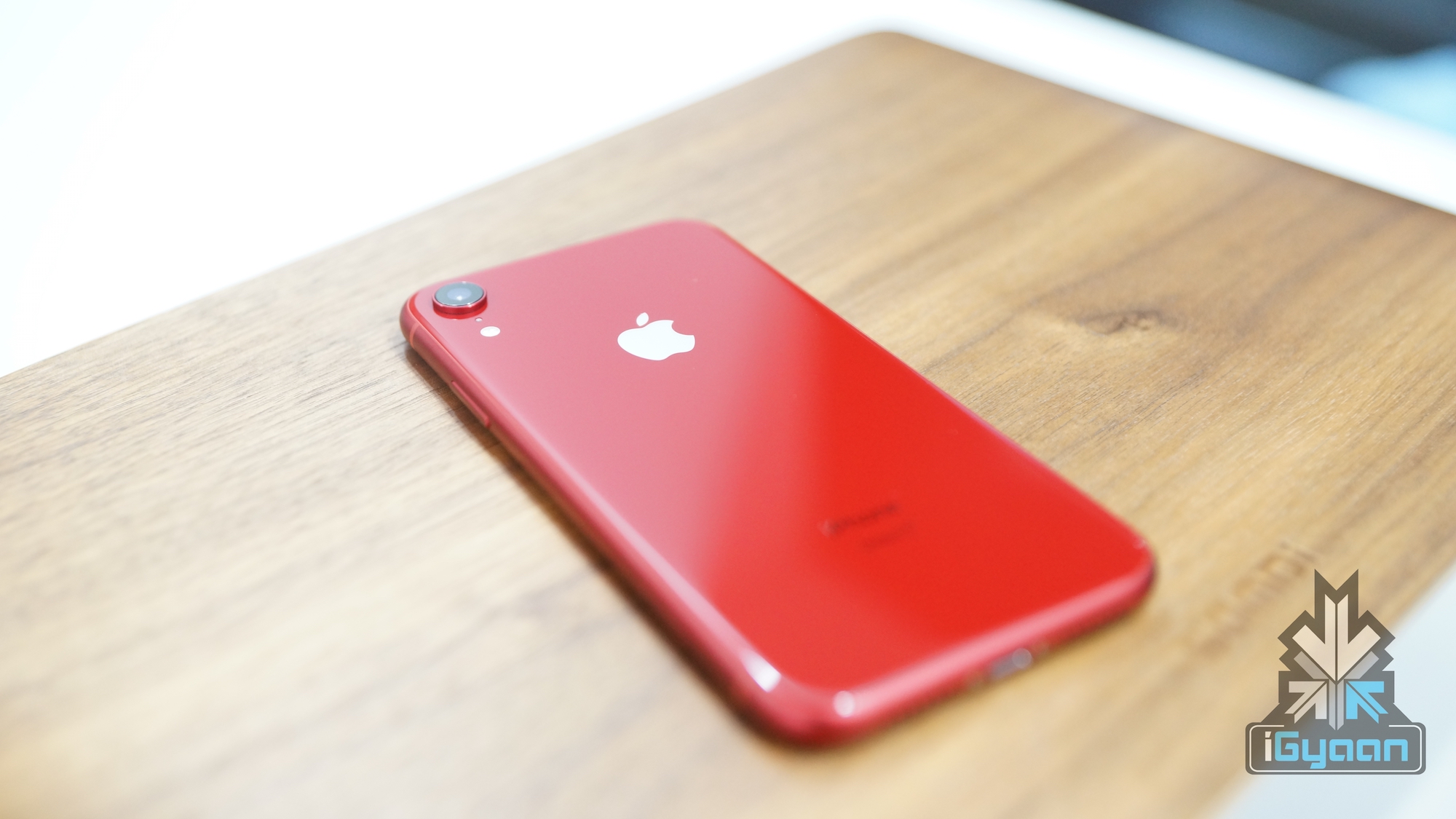
Modified-PI material for antennae, on the other hand, offers the same performance but are significantly more affordable. Interestingly, Apple uses six LCP antennas in its current generation of iPhones, namely the iPhone XS, iPhone XS Max and the iPhone XR. These six antennas will be replaced by two MPI and four LCP antennas in the upcoming iPhones and iPads. However, the analyst claims Apple will make use of the LCP antennas primary in the year 2020. This is because of the advantage of the technology for use in 5G devices, which the company is expected to introduce starting next year. Apple is expected to launch the new iPhones in the month of September later this year, while the iPad Pro is expected to be unveiled at the end of this year or early next year.
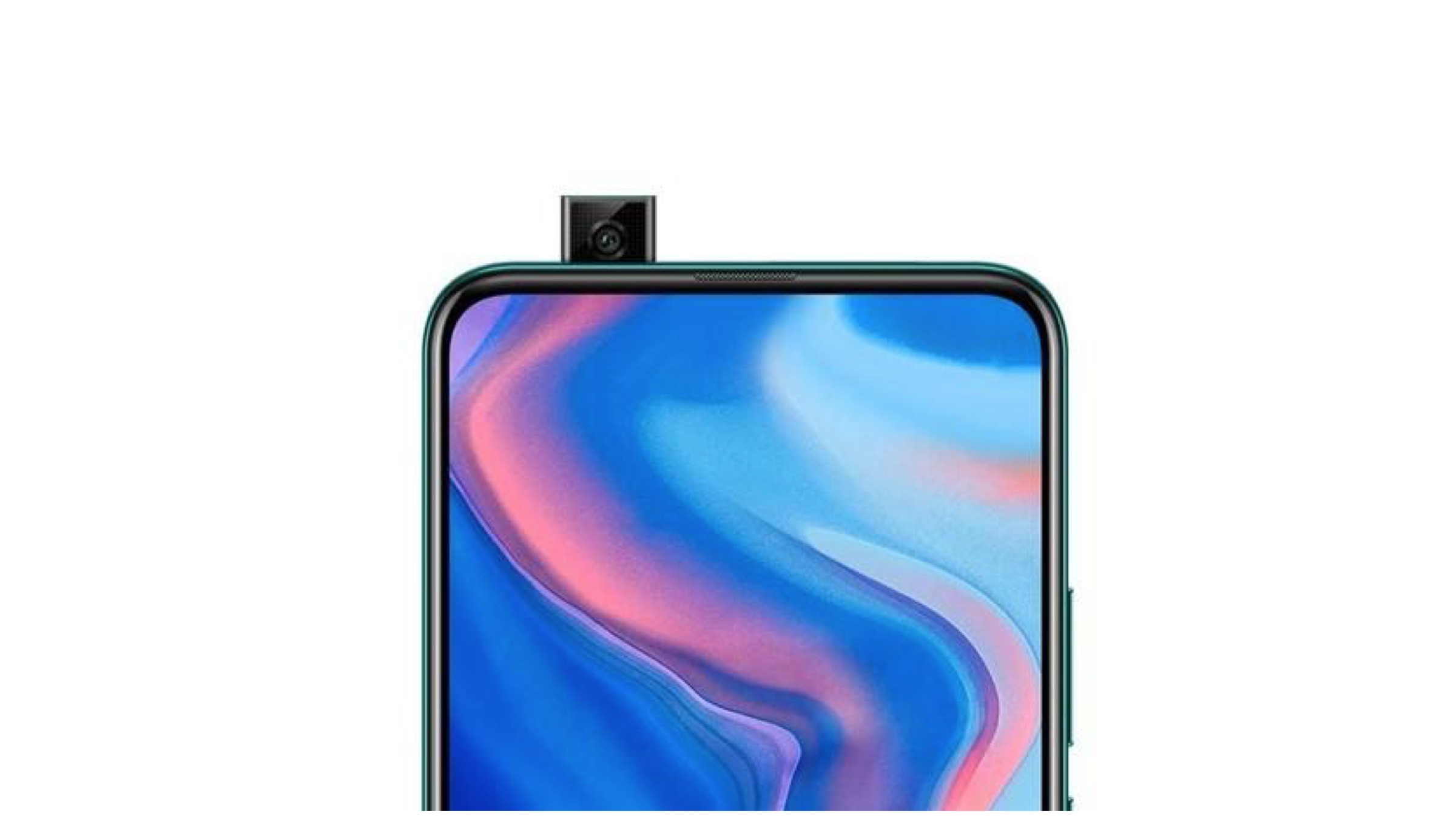
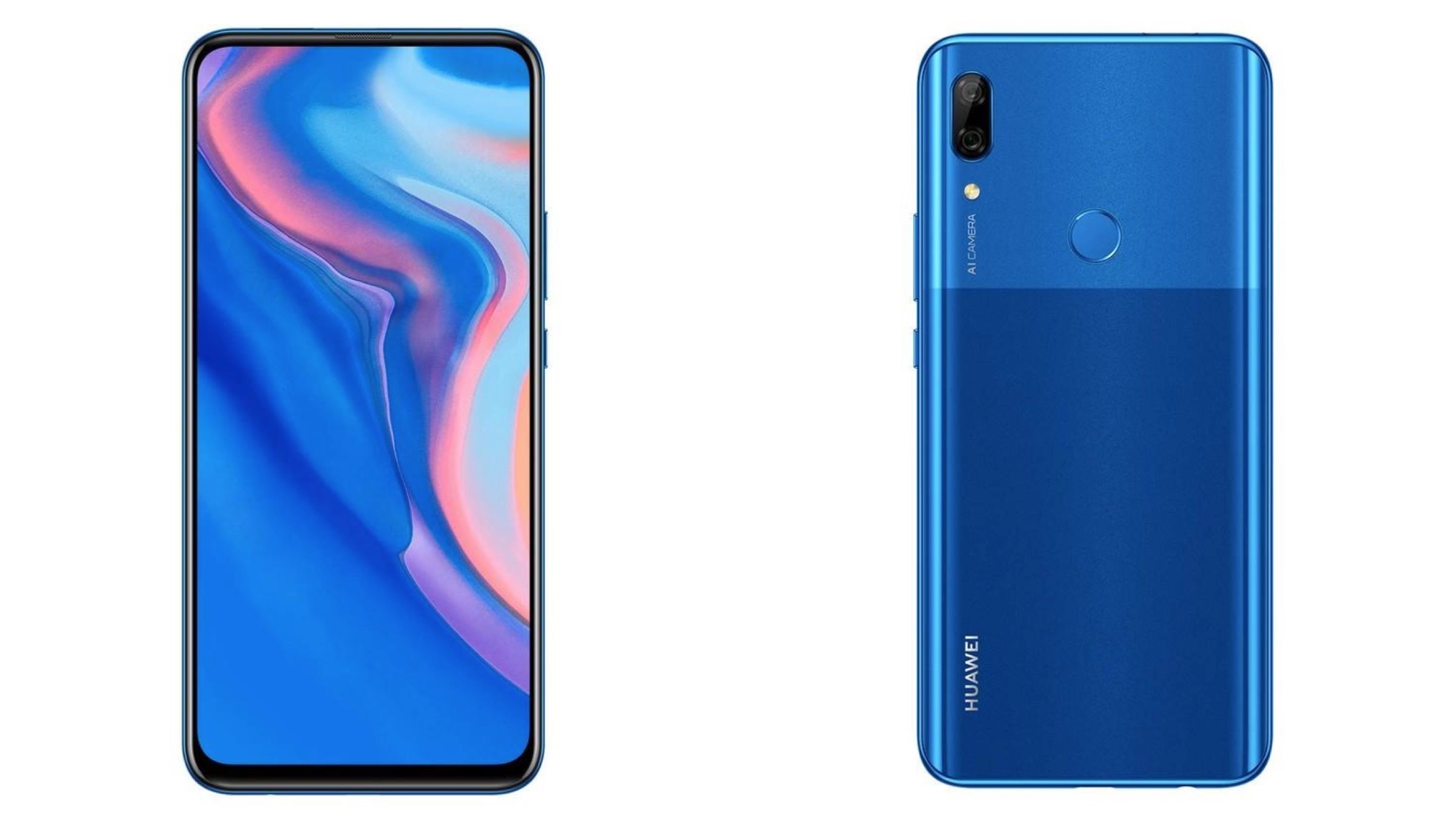
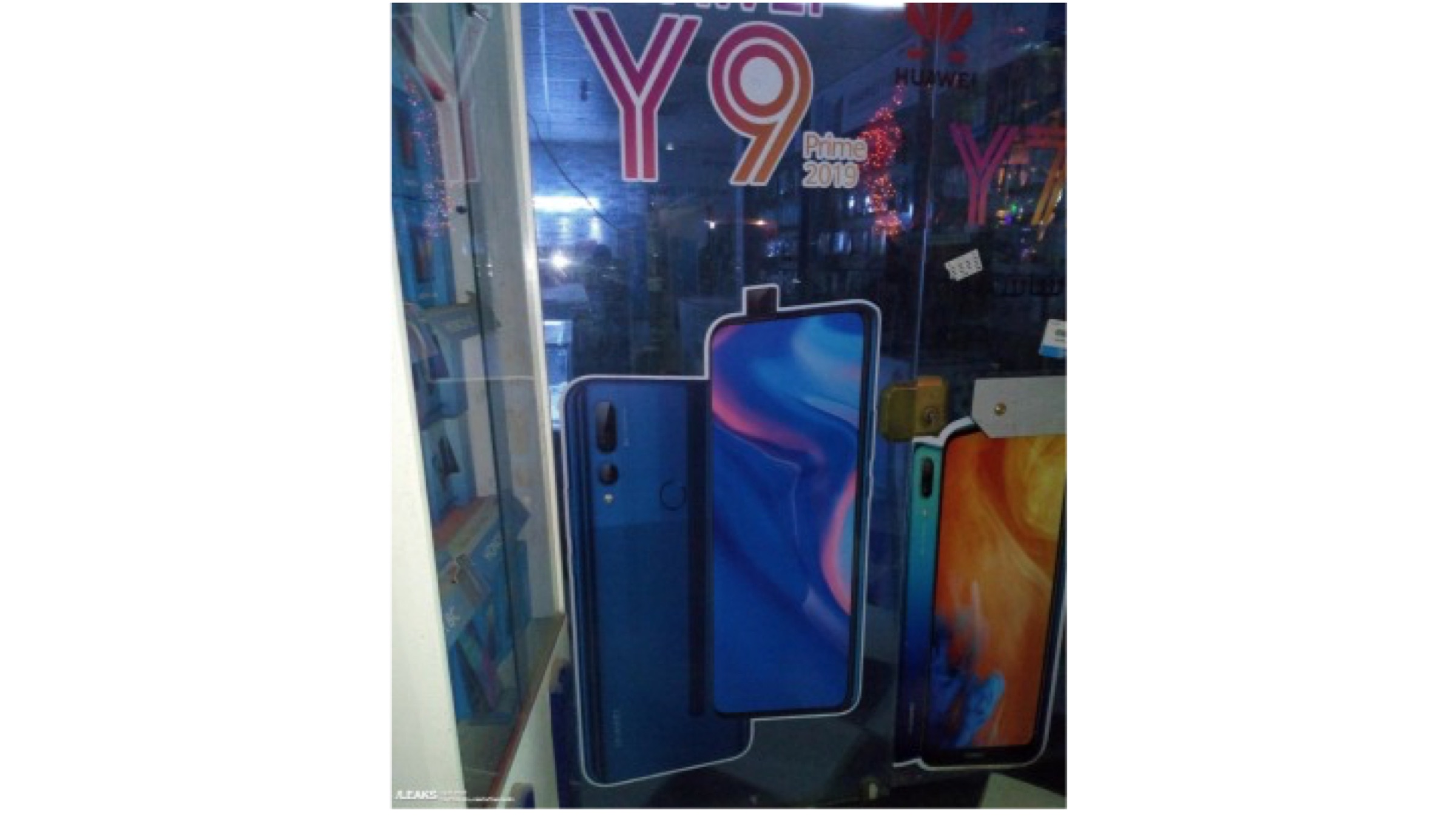
Chinese electronics giant Huawei was earlier reported to be working on a smartphone with a pop-up selfie camera. The device allegedly called the P Smart Z is supposed to be the first smartphone from the company to have a mechanical pop-up mechanism to house the front camera. The specifications of the device indicated that it will target the midrange smartphone segment. Recent leaks point towards the fact that the company will release another smartphone with similar hardware specifications to the P Smart Z, and it is called the Huawei Y9 Prime 2019.
Huawei Y9 Prime 2019: Specifications, Features
Regarding the rumoured specifications of the the Huawei Y9 Prime 2019, it features a 6.59 inch LCD display with a Full HD+ resolution and an aspect ratio of 19.5:9. The device will have a screen-to-body ratio of 91.006% which is achieved due to the pop-up camera mechanism. The leaks further state that its display panel has a resolution of 2340 x 1080 px and pixel density of 391 ppi.
Huawei P Smart Z Render
Under the hood, the Huawei Y9 Prime 2019 packs the 12nm HiSilicon Kirin 710F chipset, which consists of an octa-core CPU and the Mali-G51 MP4 GPU. The smartphone will be available with 4GB of RAM and 128GB of ROM, which will further be expandable up to 512GB via microSD card. It will powered by a massive 4,000 mAh battery. In terms of biometric security options, it will feature a rear-mounted fingerprint scanner. Furthermore, Huawei has included the 3.5mm headphone jack in the Y9 Prime 2019.
Huawei P Smart Z Renders
In terms of optics, the Huawei Y9 Prime 2019 differs from the P Smart Z in the aspect that it features a triple rear camera module instead of the dual camera setup in the latter. It comprises of a 16MP (f/1.8) main sensor, a wide 8MP (f/2.4) sensor and a third 2MP (f/2.4) depth sensor. The smartphone has a 16MP (f/2.2) selfie camera which is housed in the aforementioned pop-up camera mechanism. Additionally, the Huawei Y9 Prime 2019 will feature a USB Type-C connector.
The rumoured price of the smartphone is below US$ 300, which pitches it against devices like the Oppo F11 Pro and Vivo V15 Pro. The exact release date of the smartphone is not available as of now, but the Chinese company is expected to make an announcement regarding the Huawei Y9 Prime 2019 very soon.
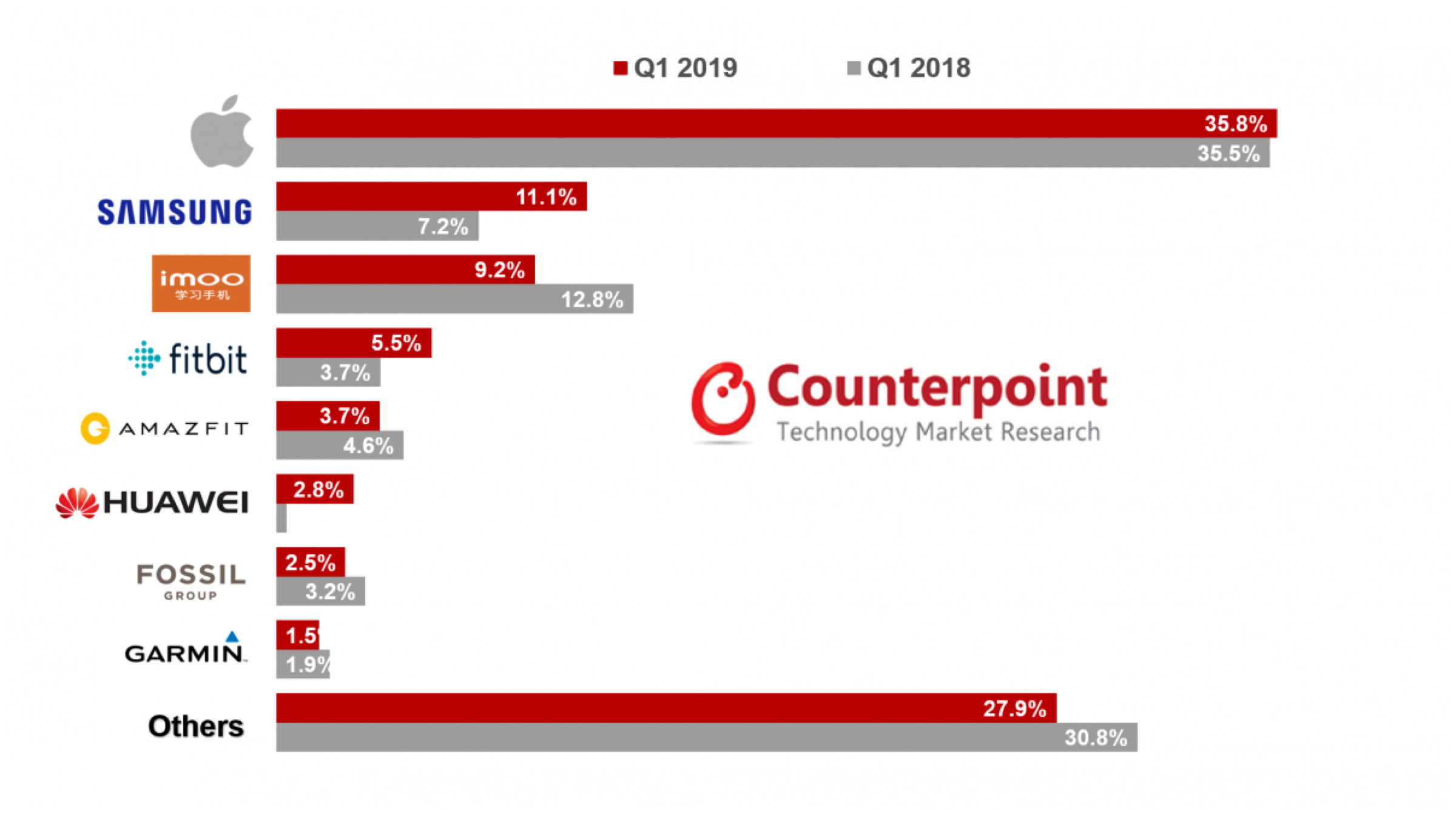
Smartwatches, since their introduction has become an important part of people’s lives. The devices function as fitness trackers, show notifications and in some cases, like the Nubia Alpha, also help make calls and click pictures. According to known research organization Counterpoint, the global market for smartwatches has seen steady growth. Since the first quarter of last year, the sales of the wearable product has grown around 48 percent Year on Year (YoY). And the Apple Watch is the most sold smartwatch in the time period.
Results Of The Research
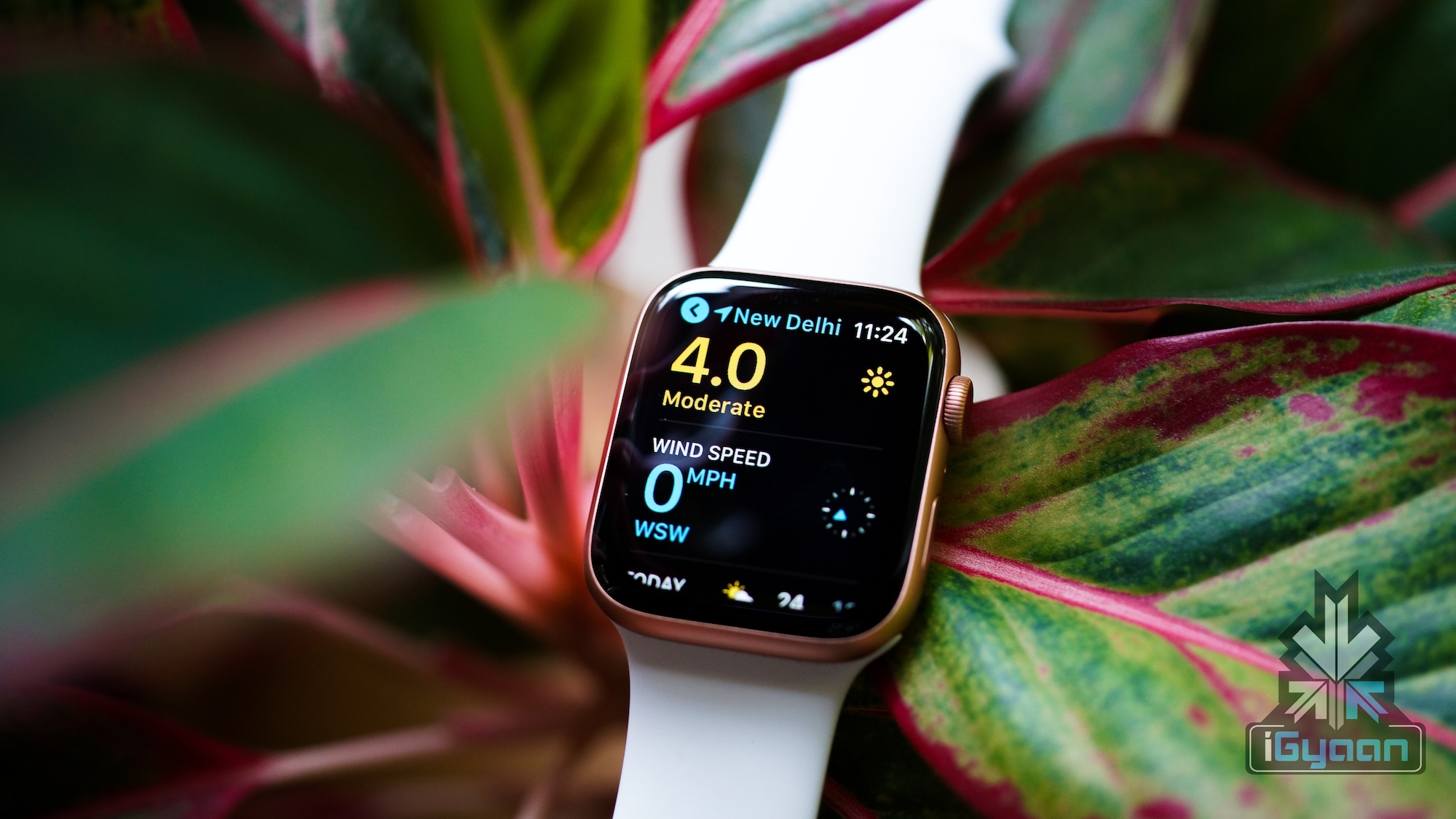
In a result published on its website on the 2nd of May, Counterpoint claims the smartwatch industry has grown by 48 percent YoY as mentioned above. Apple, whose Apple Watch is a really popular product in the segment, led the pack by clocking in the most sales in the first quarter of 2019. According to the research organization, its demand grew by 49 percent compared to the first quarter last year. It also claims that because of such unprecedented growth, one of every three smartwatches sold in the time period belonged to Apple. In the second place is Samsung, witnessing an exponential growth of 127 percent; which is accredited to the strong sales of its latest Galaxy smartwatches. Also in the list are companies from the likes of Fitbit, Amazfit, Huawei and Fossil. All these brands are a known name in the smartwatch market.
The growth of the Apple Watch in the ever-increasing market of smartwatches is not surprising according to Counterpoint. According to it, the ECG and the fall detection feature on the current generation Apple Watch Series 4 are the most desirable worldwide. The device has been claimed to have saved numerous lives due to the aforementioned features. While these functionalities are available in a limited number of countries worldwide as of now; Apple is also said to be bringing the ECG feature to 20 more countries after seeking necessary approvals for the same.
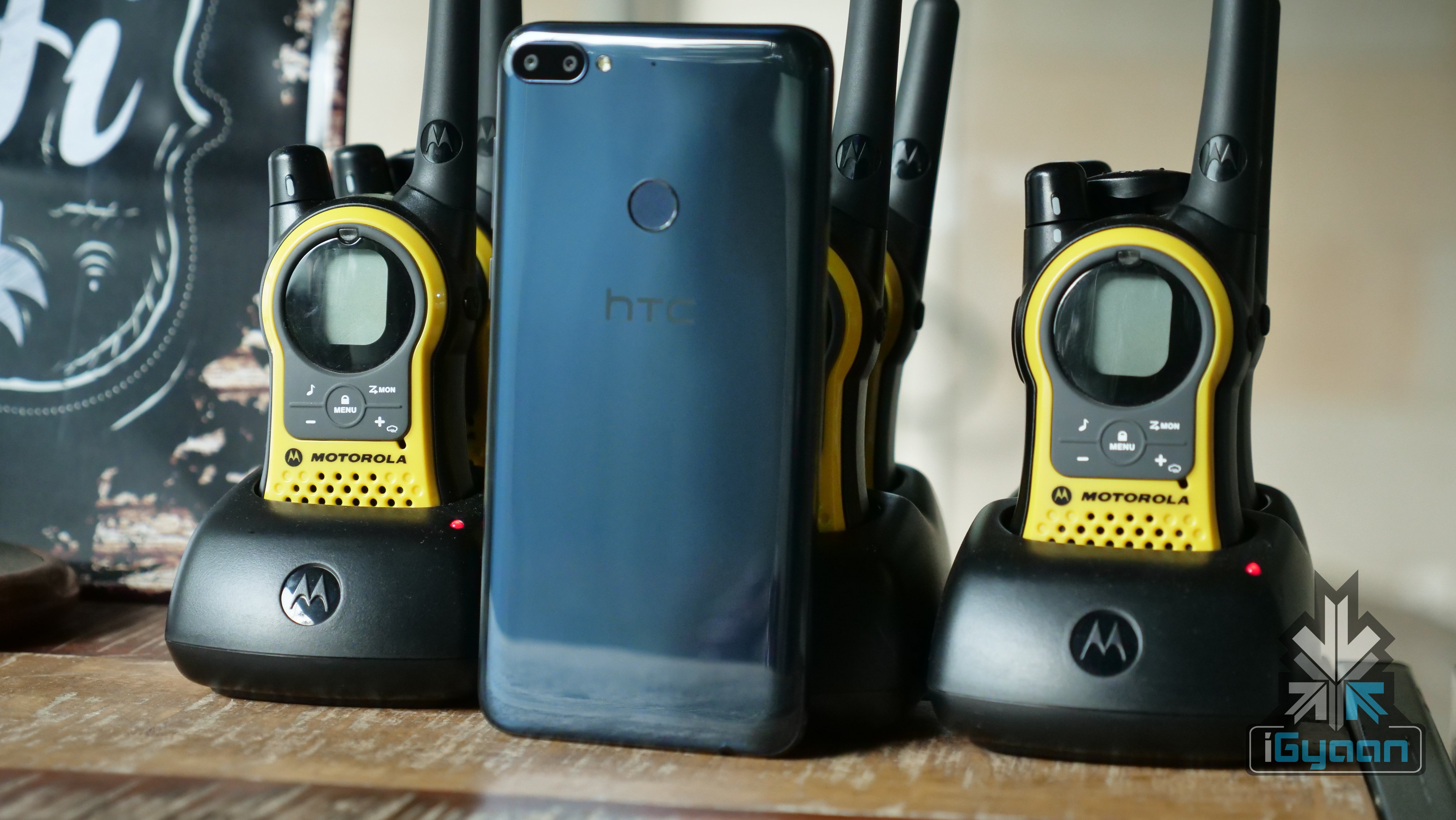
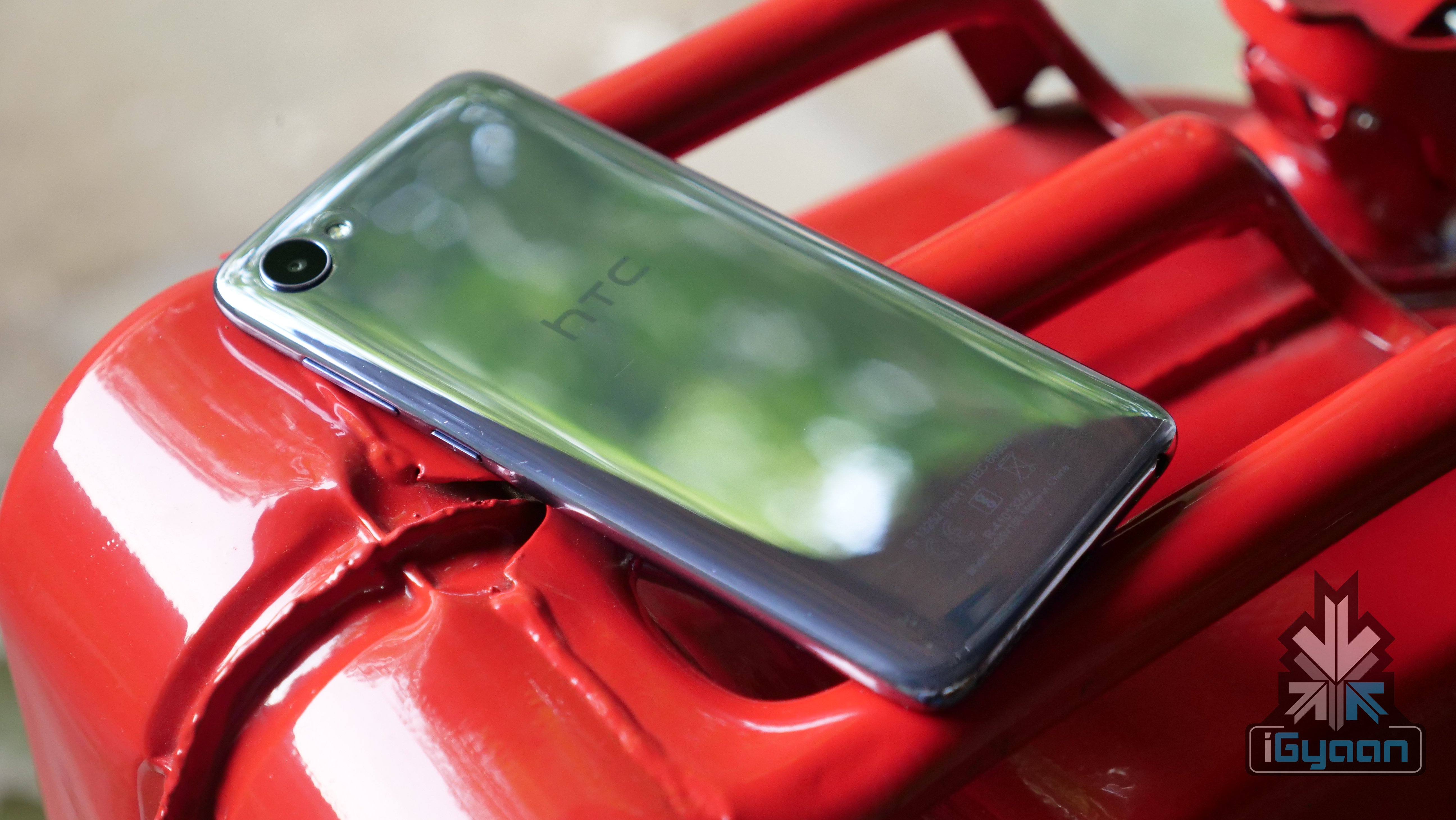
Taiwanese company HTC is best known for its smartphones. However, due to intense competition in the space, sales for HTC have fallen significantly. It has been long speculated that the company may exit the smartphone business altogether. However, last month a mid-range HTC handset surfaced on performance benchmarking platforms Geekbench and Antutu which suggests otherwise. In a fresh leak, another smartphone from the company has been leaked on Geekbench revealing its specifications.
HTC Mid Range Smartphone
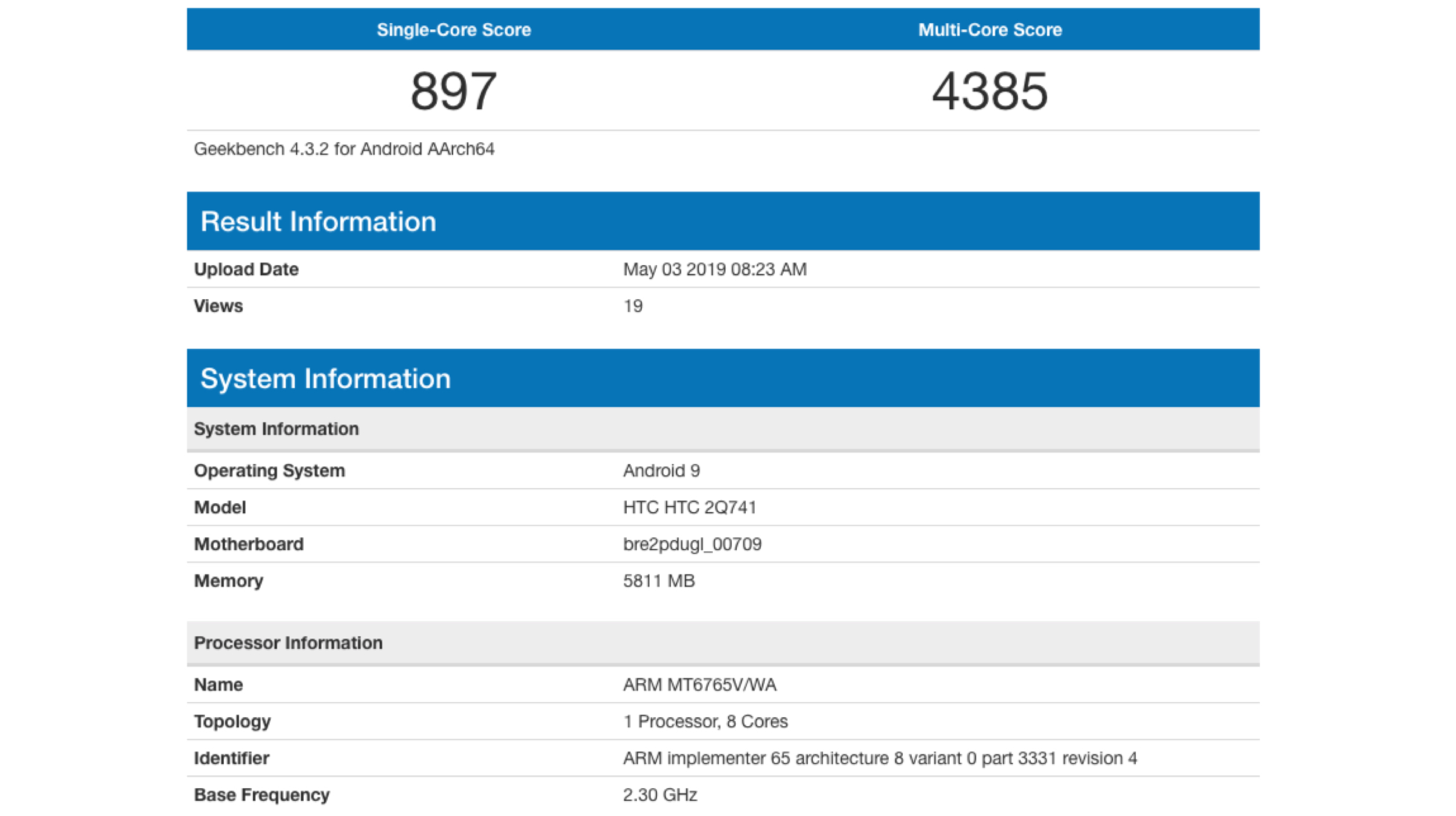
The unreleased HTC smartphone has been listed as the model number “HTC 2Q741” on the benchmarking website Geekbench. The specifications of the unreleased smartphone suggest it will be a mid-range device which will compete with the likes of the Redmi Note 7 Pro and the Samsung Galaxy A50. According to the listing, it features the “ARM MT6765V/WA” SoC which is the code name of the MediaTek Helio P35 mobile processor. The chipset is comprised of an Octa-Core ARM Cortex-A53 CPU and the IMG PowerVR GE8320 GPU. Notably, the base clock speed of the SoC is measured at 2.3 GHz in the listing.
The Geekbench listing reveals the mysterious smartphone from HTC will have 6GB of RAM which might be paired with 128GB of internal storage. On the benchmarking platform, the device attains a single core score of 897 and a multi-core score of 4385. Unfortunately, the listing does not uncover more details about the handset. However, reports are rife it will be a region-specific variant of the HTC 2Q7A100, which as mentioned above, was leaked last month.
Unfortunately, HTC has not confirmed the authenticity of the leak, therefore, the price and the launch date of the upcoming smartphone by the company is anyone’s guess. But, the specifications of the device insinuate it will be a sub Rs. 20,000 handset when and if launched in India.
Chinese smartphone OEM OnePlus will launch its latest flagship devices, the OnePlus 7 and the Pro at multiple events across the world on the 14th of May. The company, on its official social media accounts, has been continuously dropping hints of what features the upcoming handsets will sport. In a fresh tweet, OnePlus has revealed that while both the smartphones will not have an official Ingress Protection (IP) rating, but will be water resistant to an extent. The company cites the cost of getting the devices officially certified as the reason behind this decision.
Water Resistance On The OnePlus 7 Series
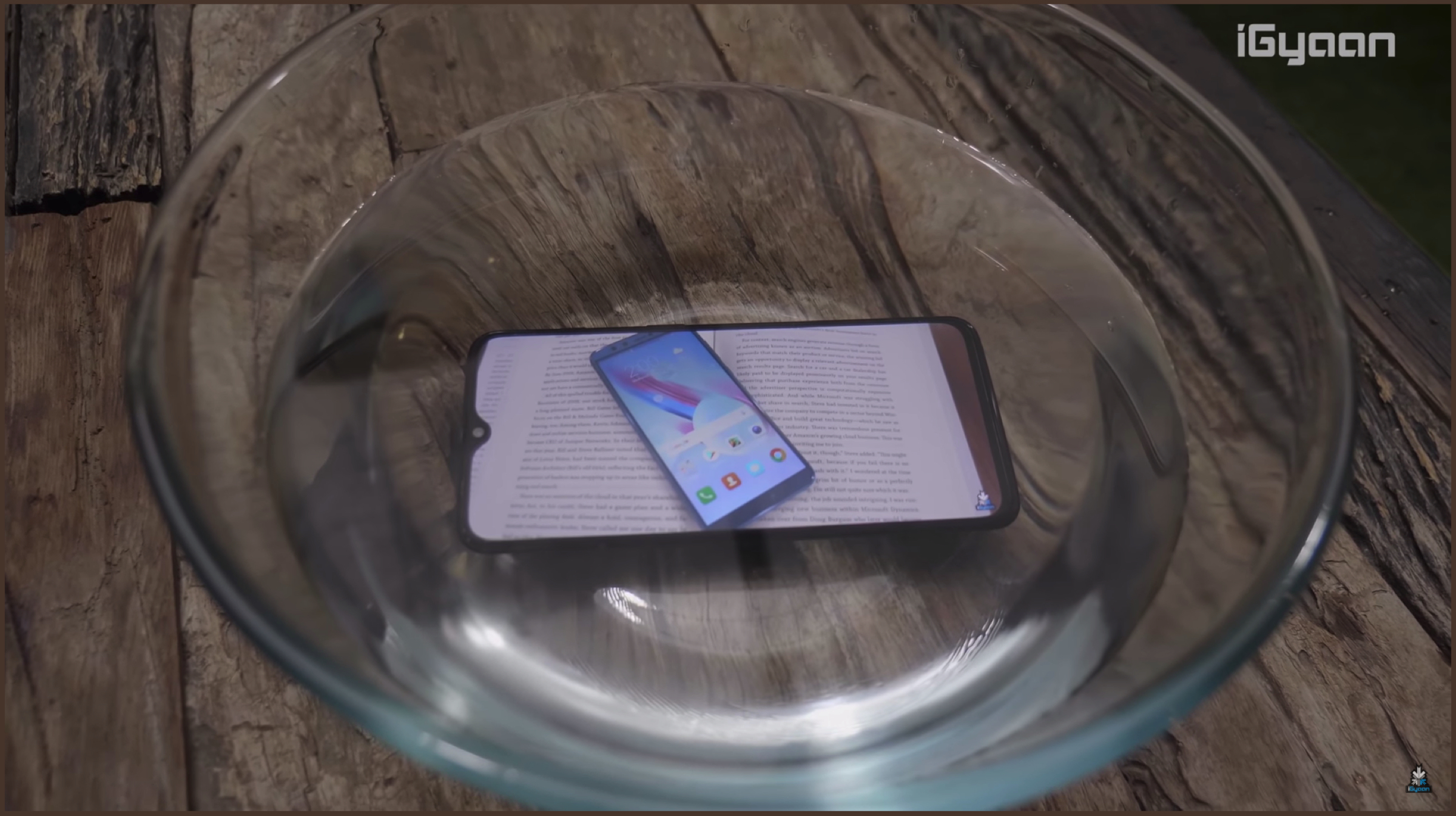
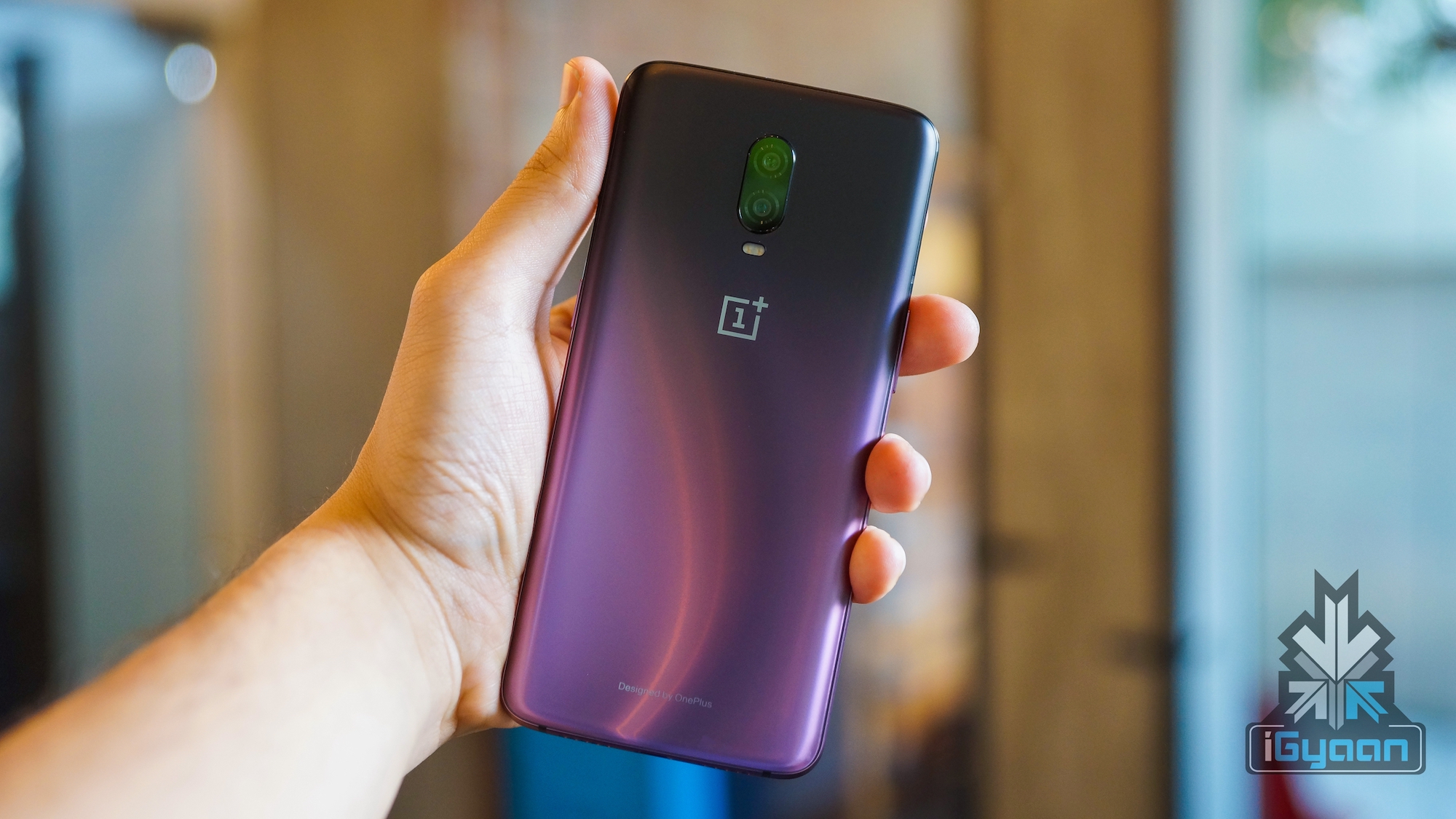
Like mentioned above, the upcoming OnePlus 7 and OnePlus 7 Pro will not have an official IP rating, but will still be water resistant to an extent. Notably, the OnePlus 6T also lacked an IP rating but was claimed to be water resistant equivalent to a rating of IP67. The rating signifies it is dust tight and impervious to immersion in water up to a depth of 1 meter. It is likely OnePlus will have increased the resistant rating to IP68 on the latest smartphones, which implies they will be dust-tight and resistant to immersion in water up to a depth of 1.5 meters.
OnePlus 6T
However, even if the OnePlus 7 and OnePlus 7 Pro are water and dust resistant according to the company’s internal testing, it is not advised for the device’s users to get them in contact with any liquids. This is because if the smartphones are accidentally damaged by any contact with water, it will not be covered with the manufacturer’s warranty. Interestingly, even the handsets that have a certified IP rating, like the Galaxy S10 lineup and the iPhone XS and iPhone XS Max, don’t cover water damage in warranties.
One upside to OnePlus not getting it’s upcoming OnePlus 7 and OnePlus 7 Pro IP certified will be the costs. As the company claims in the video, getting a smartphone officially certified by an IP rating costs additional money. The company is generally known for its significantly affordable products than the competition, so the decision of not getting the OnePlus 7 series a water and dust resistant rating might suggest they will cost significantly less than the competition.
Nokia launched its flagship smartphone, the Nokia 9 PureView on the 24th of February this year. The device boasts of being the world’s first with five rear cameras. It was anticipated that the company will launch the handset in India soon. While the company shared a teaser on its social media handles regarding the Indian launch back in the month of March, no further announcements were made. Now, the Nokia 9 PureView has passed the BIS (Bureau of Indian Standards) which suggests the smartphone may launch in India this month.
About The Certification
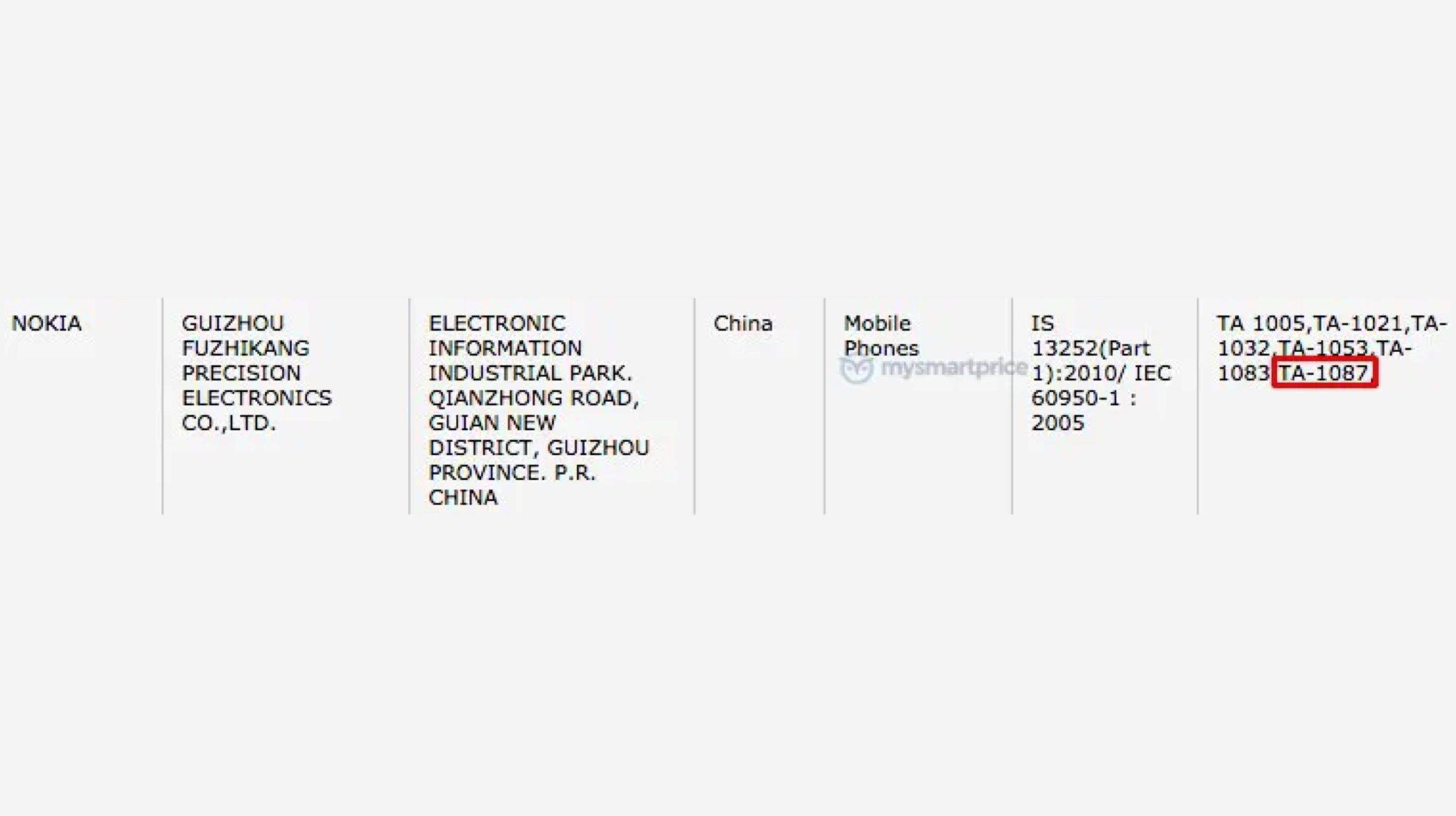
The Bureau of India Standards (BIS) has certified the Nokia 9 PureView with the model number TA-1087. BIS is a national standard body of India which is responsible for providing certification to certain products. It is often seen as a means for providing a third-party guarantee of quality and reliability of the products. While the BIS certification is voluntary in nature, the government of India has made it mandatory for certain products citing public health hazards
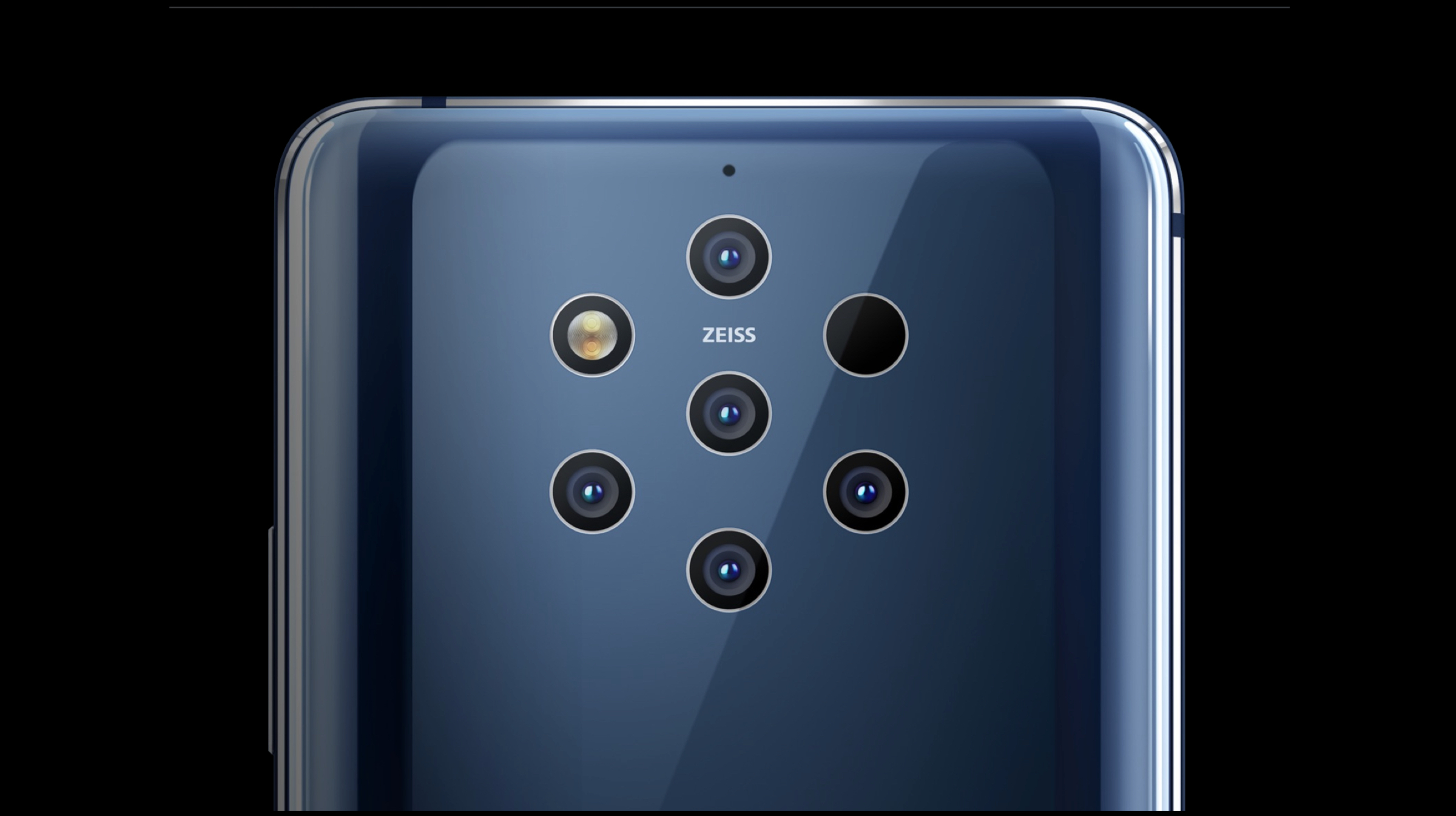
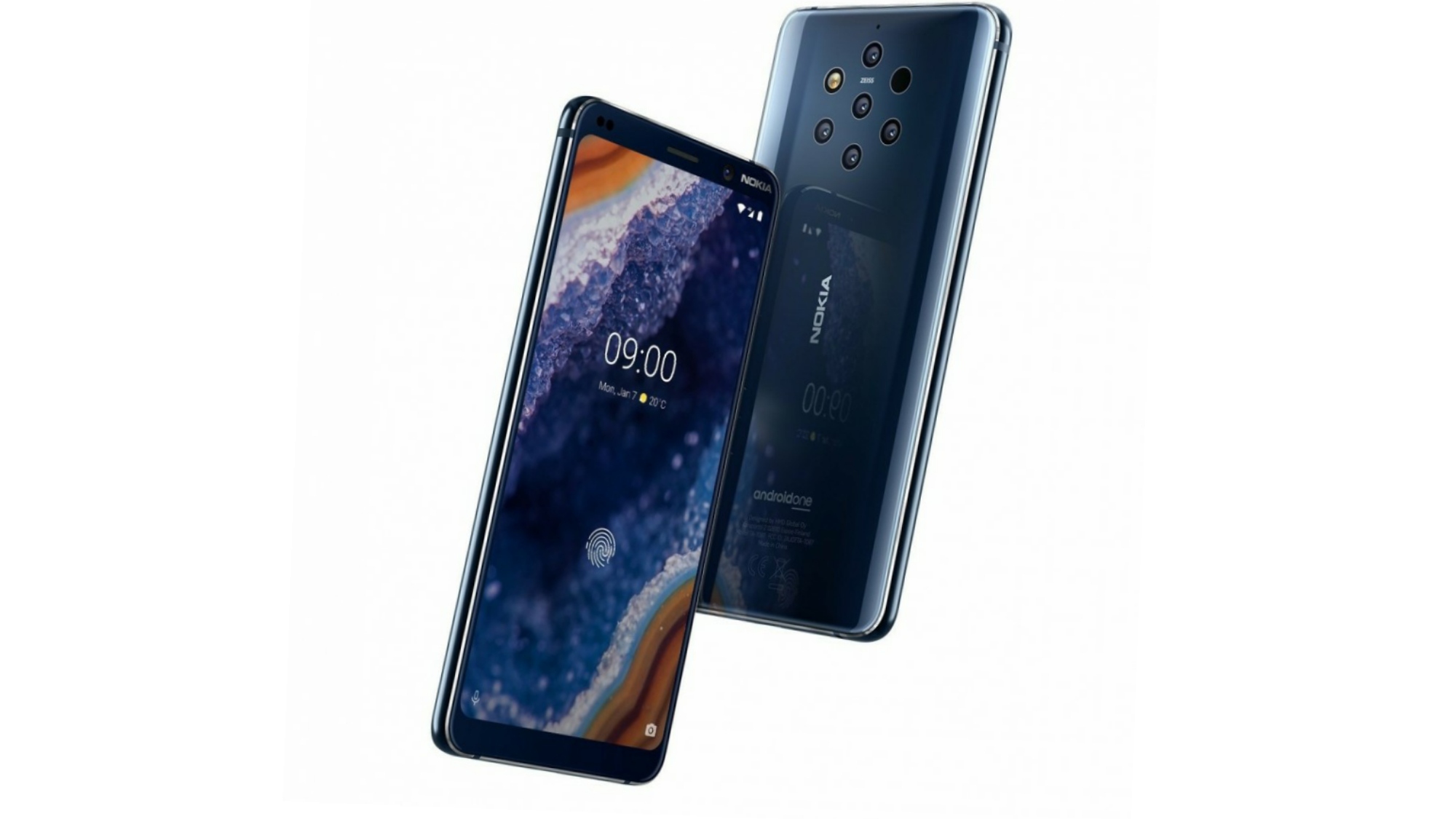
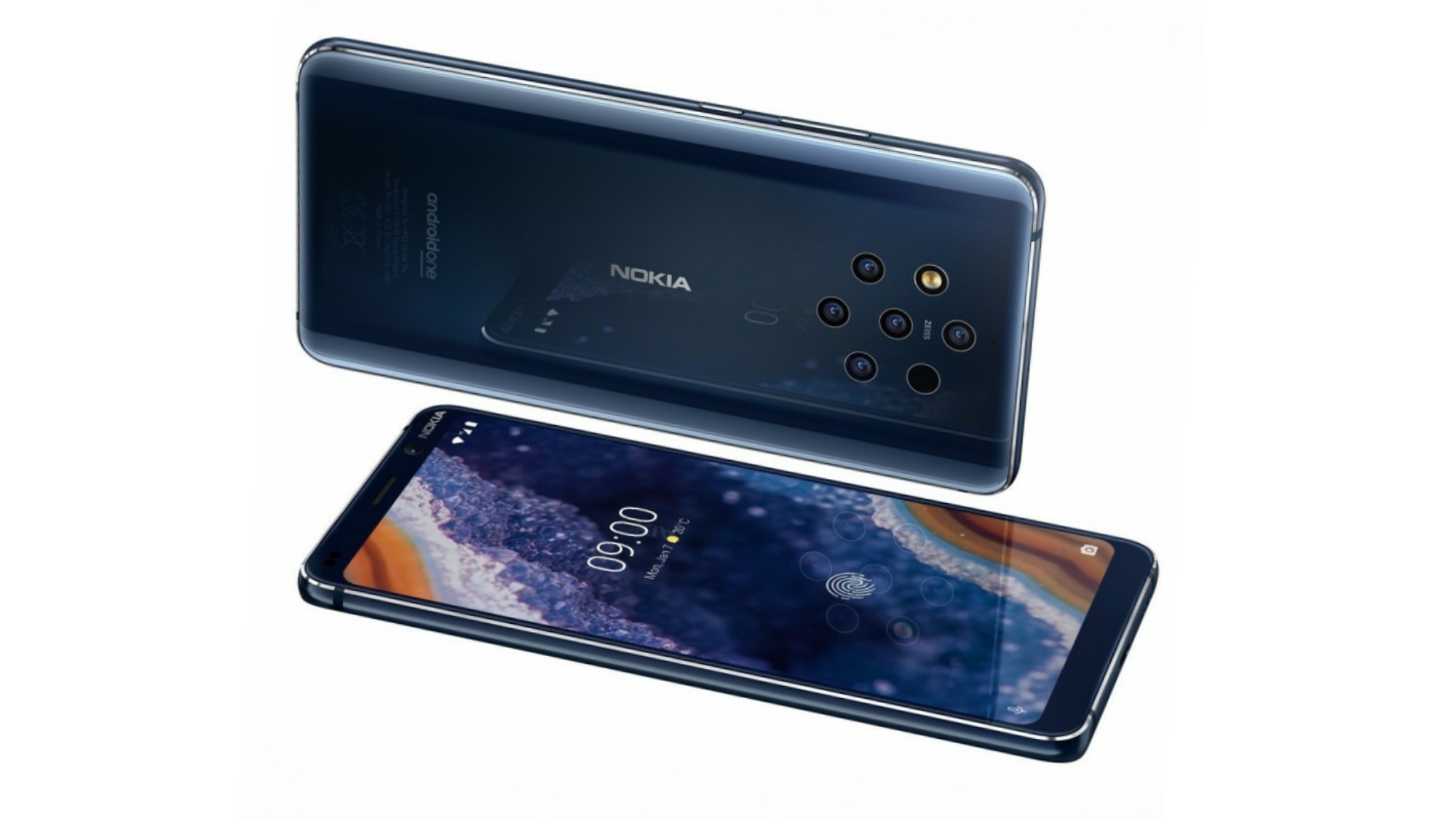
Nokia 9 PureView
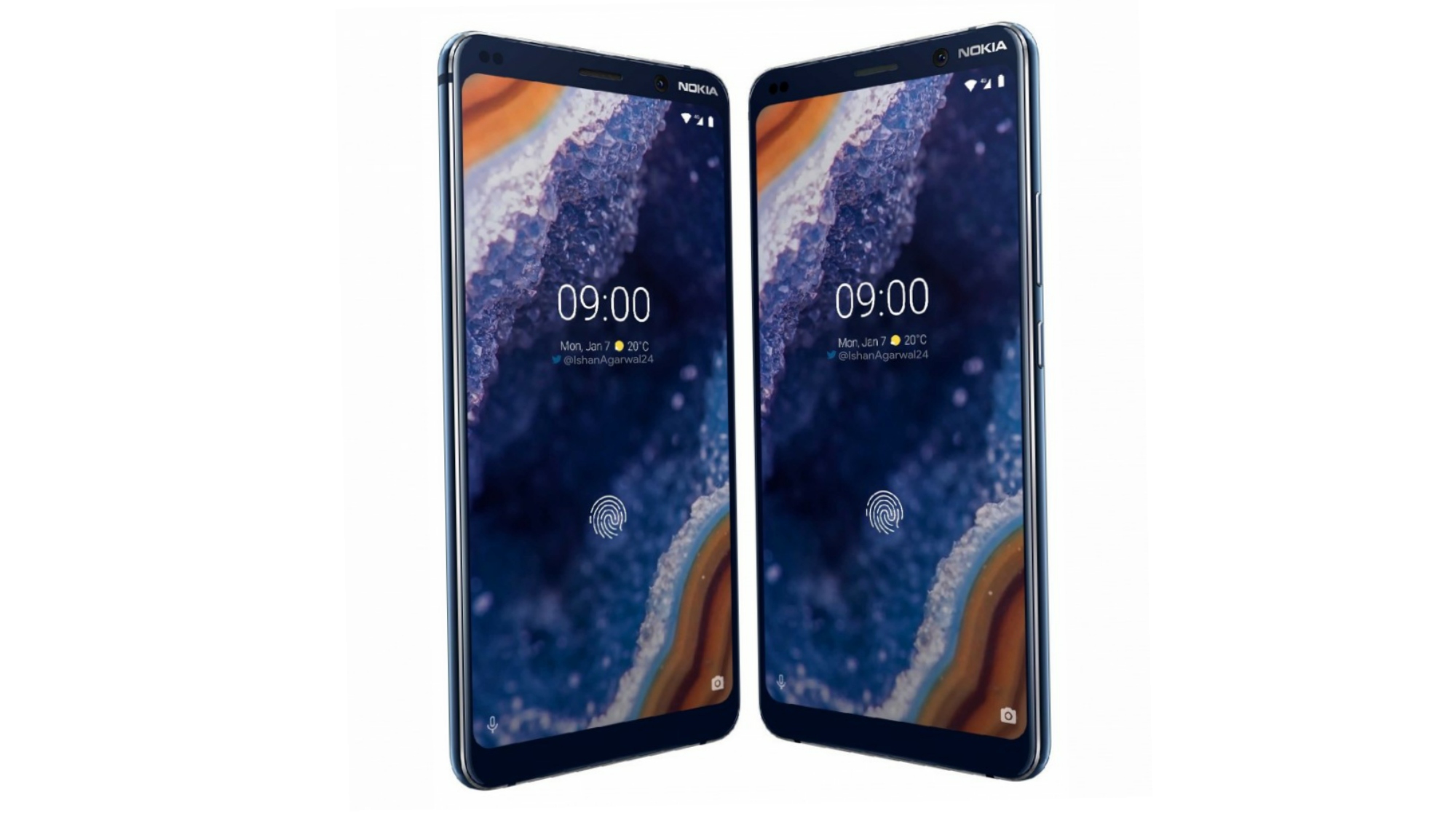
On the front of the device sits a 5.99 inch POLED display with a resolution of 2880 x 1440 px. The display panel has an 18:9 aspect ratio and pixel density of 538 ppi. It has minimal bezels on the sides with a significant forehead and chin bezel. For biometrics, the Nokia 9 Pureview has an in-display fingerprint scanner.
Under the hood, the Nokia 9 PureView runs on yesteryear’s 10nm Snapdragon 845 SoC. The chipset has an Octa-core CPU and Adreno 630 GPU. The highlight of the smartphone is its optics. The rear camera setup consists of five 12 MP sensor and an LED flash. Out of the five cameras, two are RGB sensors while the remaining three are mono sensors. For selfies, the device has a 20MP front-facing camera.
The Nokia 9 PureView is powered by a 3320mAh battery with wireless charging support. The smartphone runs on the latest Android 9 Pie and is Android One certified which implies it will receive software updates for at least two years.
The Nokia 9 PureView is expected to be unveiled in India this month. While no information on what the device will be priced is known, the United States price of US $ 699 (Rs. 48,112) would insinuate it would be priced under the Rs. 50,000 mark.
Samsung introduced the Galaxy M series of smartphones back in the month of January this year. The devices which include the Galaxy M10, Galaxy M20 and Galaxy M30, replaced the Galaxy On lineup and are the company’s online exclusive handsets. While Samsung has not confirmed another smartphone in the series, a new device, purported to be called the Galaxy M40 was certified on the Wi-Fi Alliance website a while ago. The alleged handset has now been spotted on performance benchmarking website Geekbench. This listing reveals new details about the Galaxy M40.
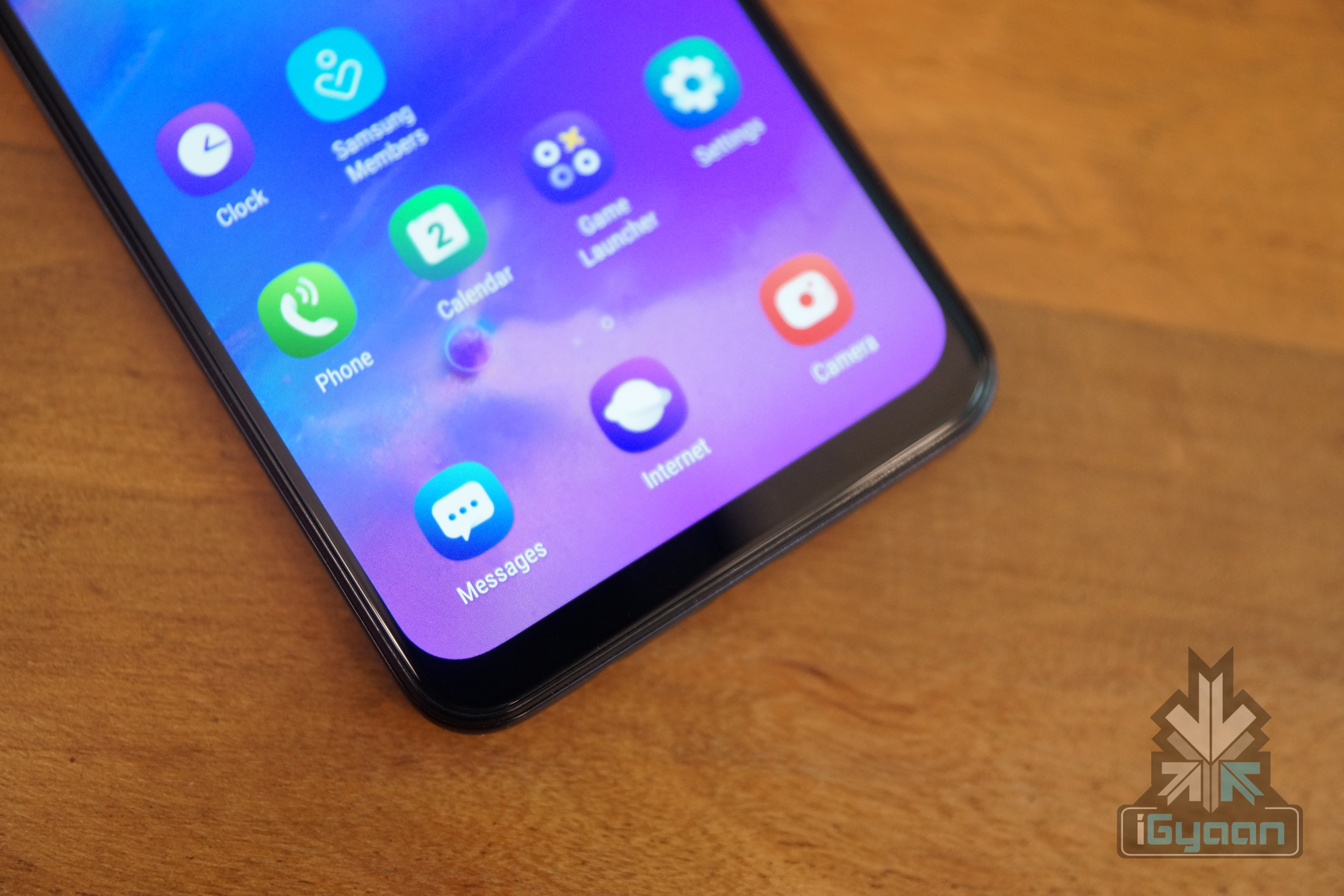
Galaxy M40
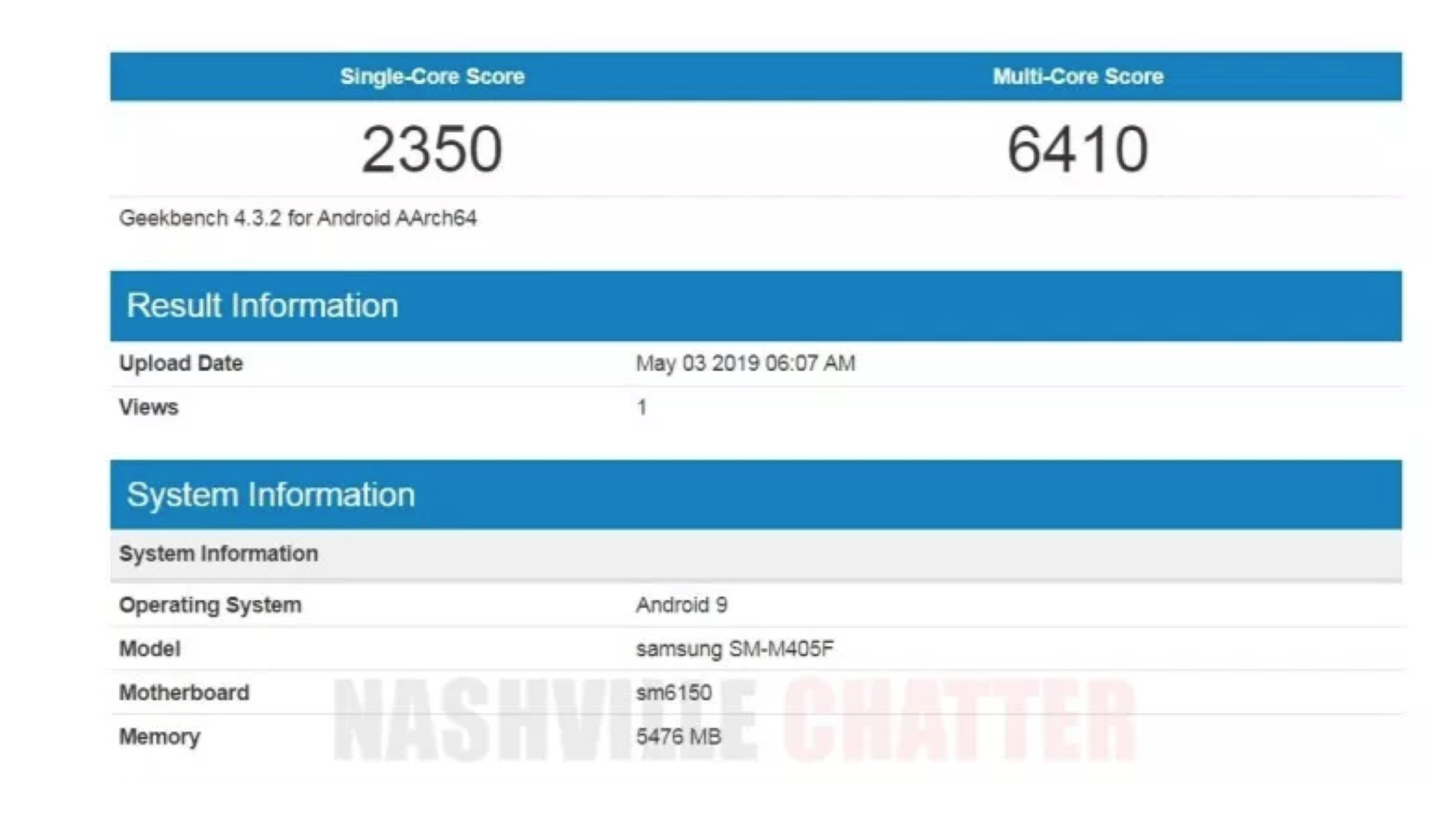
As is evident from the name, the Galaxy M40 will be the elder sibling to the Galaxy M30 and the most premium smartphone in the Galaxy M lineup. The listing on Geekbench reveals a device with the model number SM-M405F, which corroborates with previous leaks. It mentions the Galaxy M40 will run on the 6150 SoC. The aforementioned name is the code name of the 10nm Snapdragon 675 SoC which is also seen in the Redmi Note 7 Pro. According to the listing, the upcoming smartphone achieved a single core score of 2350 and a multi-core score of 6410, which is in line with what the processor is capable of scoring on the benchmarking platform. Notably, the chipset consists of an Octa-core CPU and the Adreno 612 GPU.
Galaxy M30
Unfortunately, the Geekbench listing doesn’t reveal anything about the design of the device. Like the Galaxy M30, the upcoming handset may sport a polycarbonate design with a gradient colour pattern on the back. It is expected to have a Super AMOLED display on the front. To maximise the screen real estate, an Infinity U style waterdrop notch may also be implemented on the top of the display. For biometrics and security, the handset may include an in-display fingerprint scanner with support for face unlock technology. In terms of optics, a triple rear camera is also expected in the handset like the Galaxy M30 and Galaxy A50.
Previous leaks of the Galaxy M40 confirm it will be powered by a massive 5000 mAh battery with support for 15W fast charging. The listing on Geekbench reveals the smartphone will run on the latest OneUI on top of Android 9 Pie. This is surprising considering the previous entrants in the lineup featured Android 8 Oreo out of the box. In terms of connectivity, the Galaxy M40 will have support for Wi-Fi a/b/g/n/ac bands and Bluetooth 5.0 on board. Even though Samsung is yet to announce the launch date of the Galaxy M40, the recent leaks suggest its launch is imminent. The official price of the smartphone will be announced at the time of the launch, however, going by its features and placement in the lineup, it is likely to be a sub Rs. 20,000 handset.
The known studio Paramount and legendary gaming company Sega released the first trailer for Sonic the Hedgehog movie on the 30th of April. The film stars the beloved Sonic, a blue hedgehog who is bestowed with the power of superspeed. While the character has been a part of various video games and animated series in the past, to the creator’s surprise, the trailer for the movie was met with disappointing glares and negative reviews.
The fans of the games and animated series made on the beloved character demanded a change in the look and design of Sonic. In a recent tweet, the director of the movie Jeff Fowler claimed that the studio will improve and enhance the design of Sonic before the film is released in November.
Sonic the Hedgehog
Thank you for the support. And the criticism. The message is loud and clear… you aren't happy with the design & you want changes. It's going to happen. Everyone at Paramount & Sega are fully committed to making this character the BEST he can be… #sonicmovie#gottafixfast ???
The announcement was made on microblogging website Twitter as mentioned above. The director of Sonic the Hedgehog movie, Jeff Fowler thanked the fans of the Sonic franchise for their support and criticism surrounding the trailer. He also claimed the Paramount studio and Sega have decided to change the design of the main character as requested by many fans. Unfortunately, it is not known what changes will be made to the characters, but reports are rife the studio will focus on making Sonic less humanoid.
The storyline of Sonic the Hedgehog movie depicts Sonic, who is voiced by Ben Schwartz, trying to save the earth from the evil Dr Robotnik (who is played by Jim Carrey) in association with a policeman (played by James Marsden). The trailer is set against the legendary “Gangsta’s Paradise” soundtrack, which would have actually enhanced the trailer hadn’t it been for the kid-hedgehog combo leading the movie. Sonic The Hedgehog is scheduled to make its way to movie theatres on November 8, 2019. However, because of the changes, the release date may be further pushed into the future.
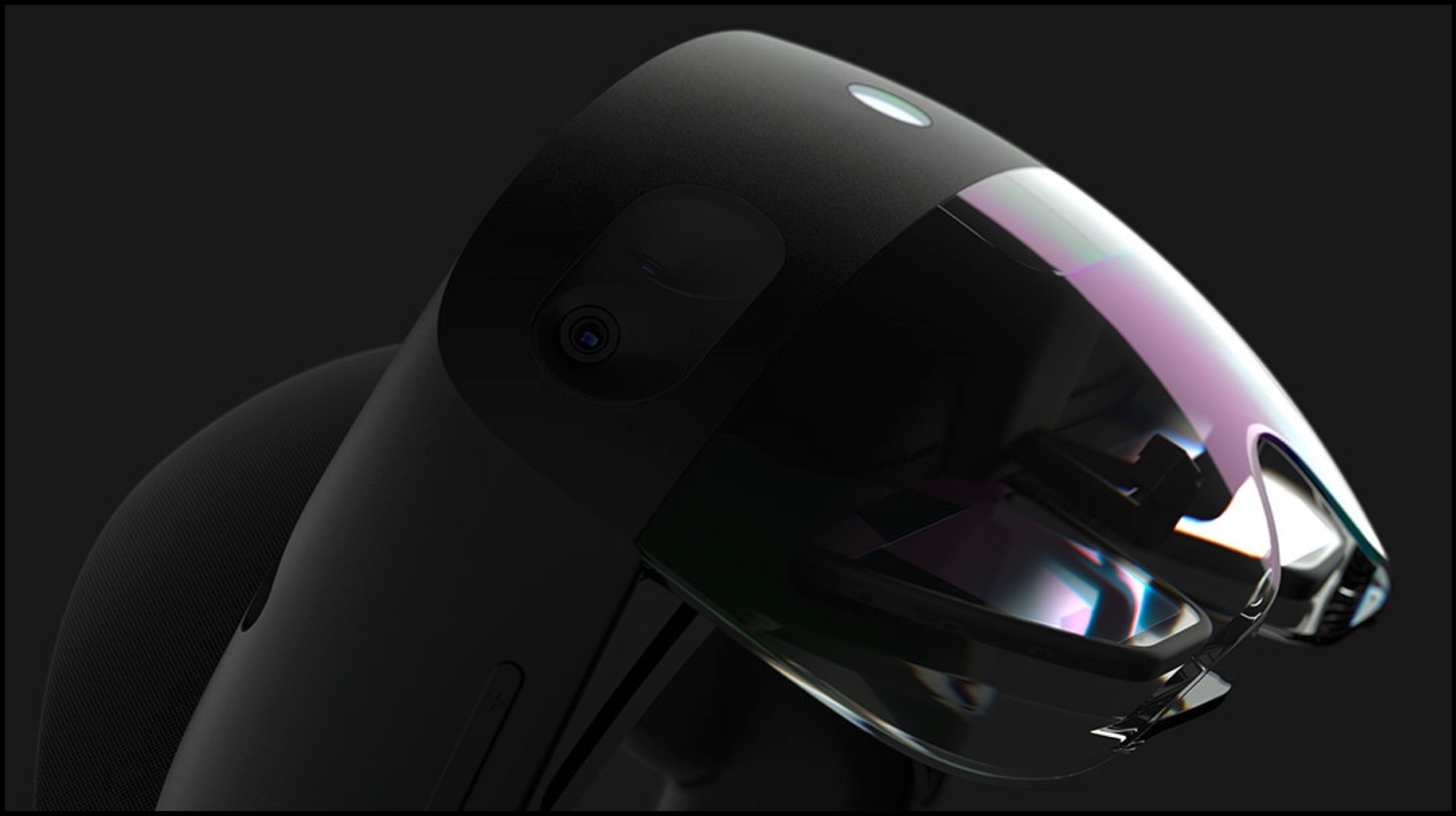
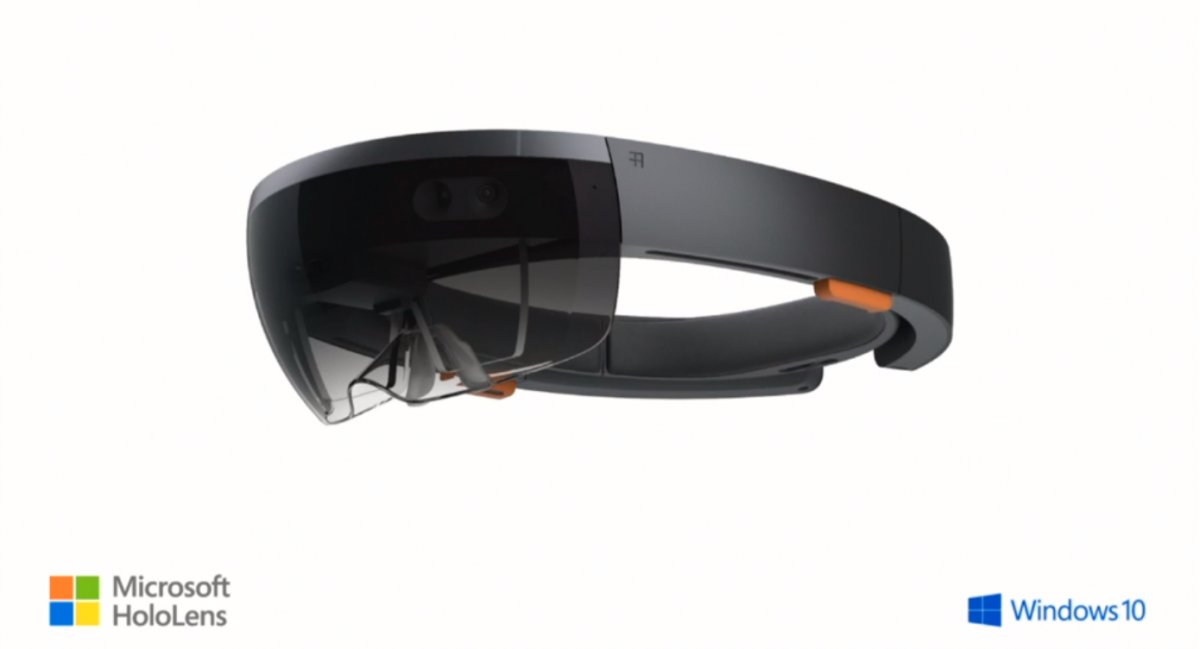
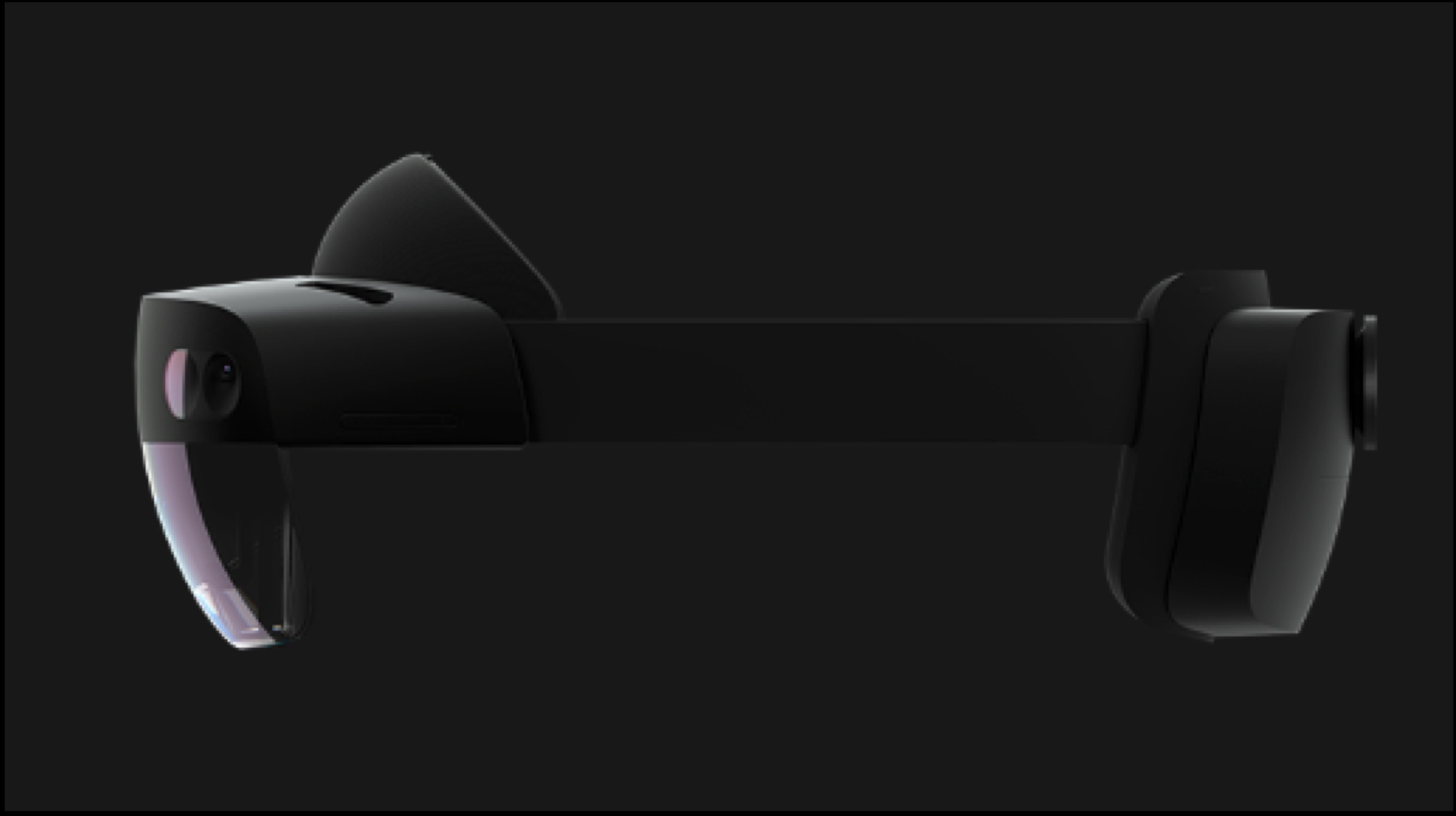
Microsoft has unveiled the developer edition of its HoloLens 2 Mixed Reality (MR) Headset on the 2nd of May. It is the successor to the HoloLens headset that was launched in the year 2016. To recall, the company first showcased the product at the Mobile World Congress (MWC) 2019 in Barcelona in the month of February. It is touted to bring about major changes to its predecessor, especially in terms of design, comfort and processing power.
What Is Mixed Reality?
Microsoft HoloLens
The Mixed Reality or MR platform was popularised by Microsoft with the original Hololens which offers a unique amalgamation of Augmented Reality and Virtual Reality. This signifies that the technology uses the camera attached to the headset which is worn by the user. With the camera used for augmented reality, the Virtual effect rendered inside the headset creates isolation from the real world. Noteworthy, Mixed Reality is anticipated to take off exponentially in a few years.
The real world case of Mixed Reality is expected to be more elaborate than both AR and VR, which are mostly used for gaming as of now. For instance, the technology can be used to train industry workers and medical professionals in a virtual environment. This can help in driving down costs and boosting productivity. However, in its current stage, the technology is deemed significantly expensive which has limited its adaptation.
Microsoft HoloLens 2: What’s New?
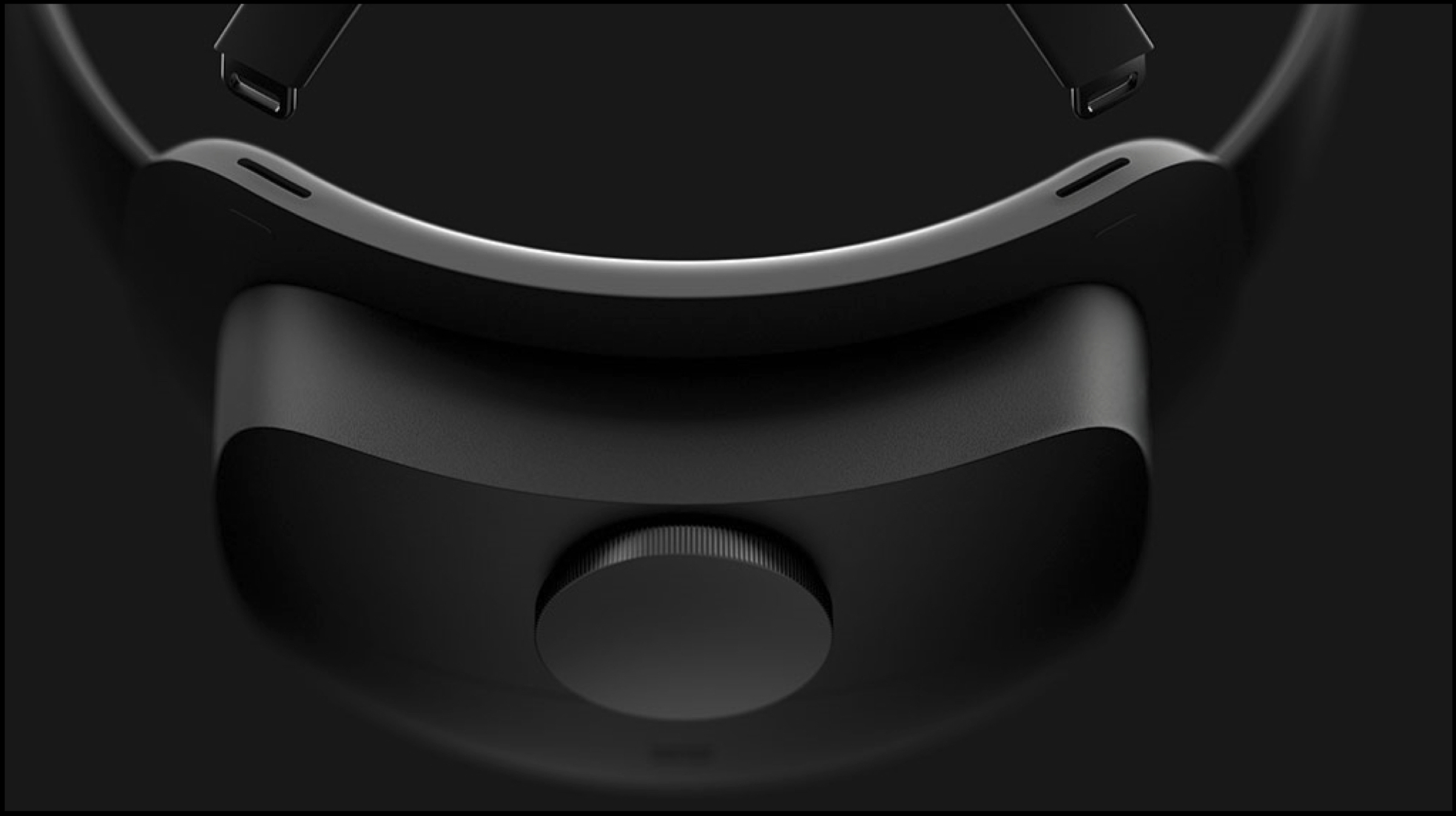
As mentioned above, the HoloLens 2 Mixed Reality Headset boasts of major changes over the original HoloLens. The company claims to have fixed major gripes that were reported by the users of the first generation device. According to Microsoft, the customers mainly faced issues with the resolution of the two displays which have now been bumped up to 2K resolution panels resorting the complaints. Another issue that Microsoft has fixed with the HoloLens 2 is related to the Field of View (FoV). The FoV in the first generation was found to be its biggest weakness. Microsoft claims to have fixed it with a wider FoV on the latest device. It is also said to be three times more comfortable than the previous generation and uses a knob at the back for adjusting the grip of the headset.
The Developer Kit of the HoloLens 2 includes Azure Credits alongside Unity Pro and Unity PiXYZ Plugin. While the former is a cloud service by Microsoft, the latter two are used for developing software for the headset. The company has also revealed the Unreal Engine 3 will be supported for the HoloLens 2 by the end of May. In terms of pricing, the MR headset is available for developers at a price of US $3500 (Rs. 2,42,553). It is expected to be available commercially and to businesses later this year at a slightly more price than the developer edition.
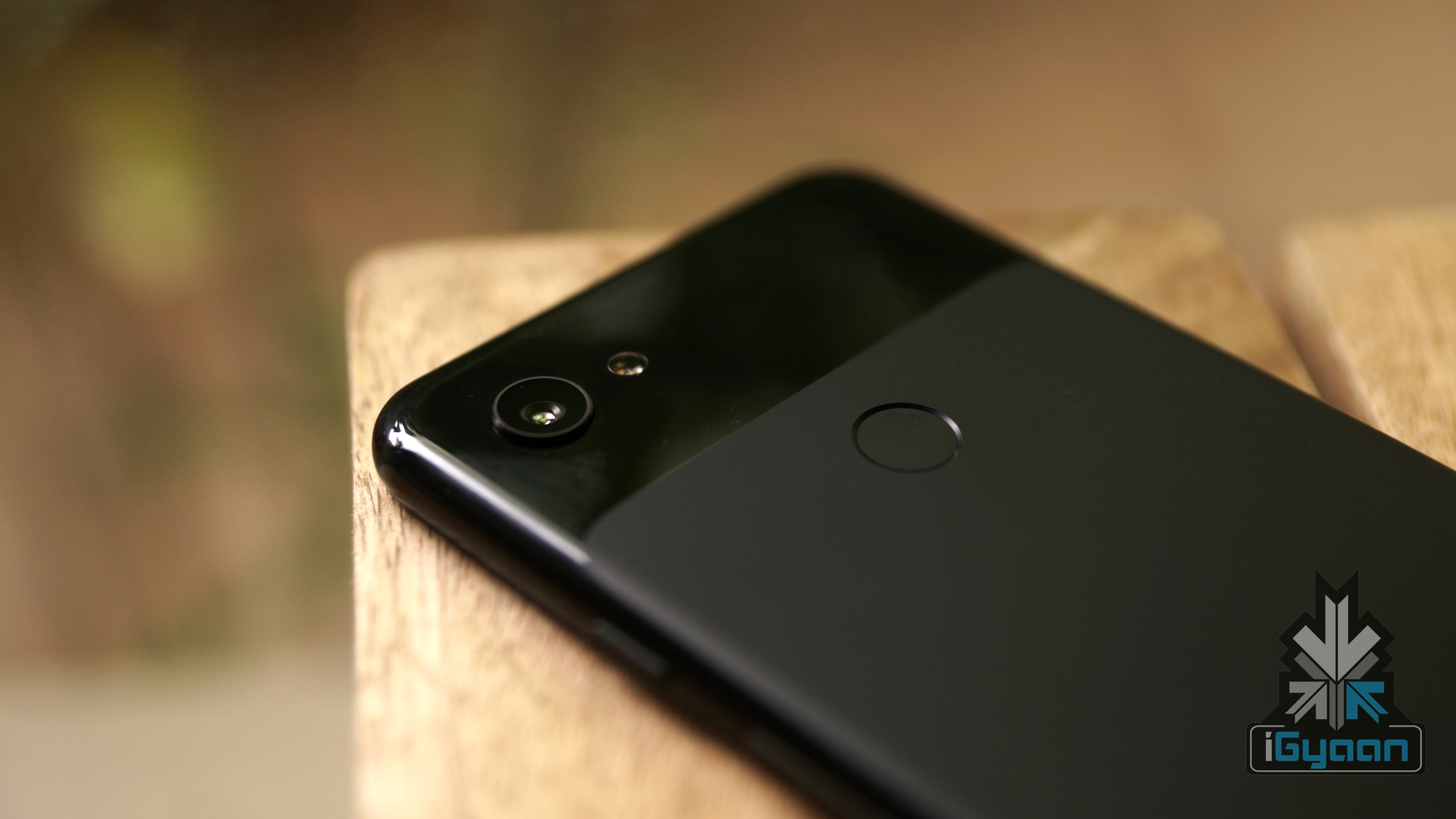
The Google Pixel 3a is the latest mid-range offering from the company. The smartphone boasts of a similar design to its elder siblings, with an identical camera performance and a more affordable price. It offers some competitive specifications for the price, like the Snapdragon 670 SoC coupled with 4GB of RAM. As is the case with Pixel devices, the Pixel 3a also features a clean, stock build of Android with the promise of software updates in the near future.
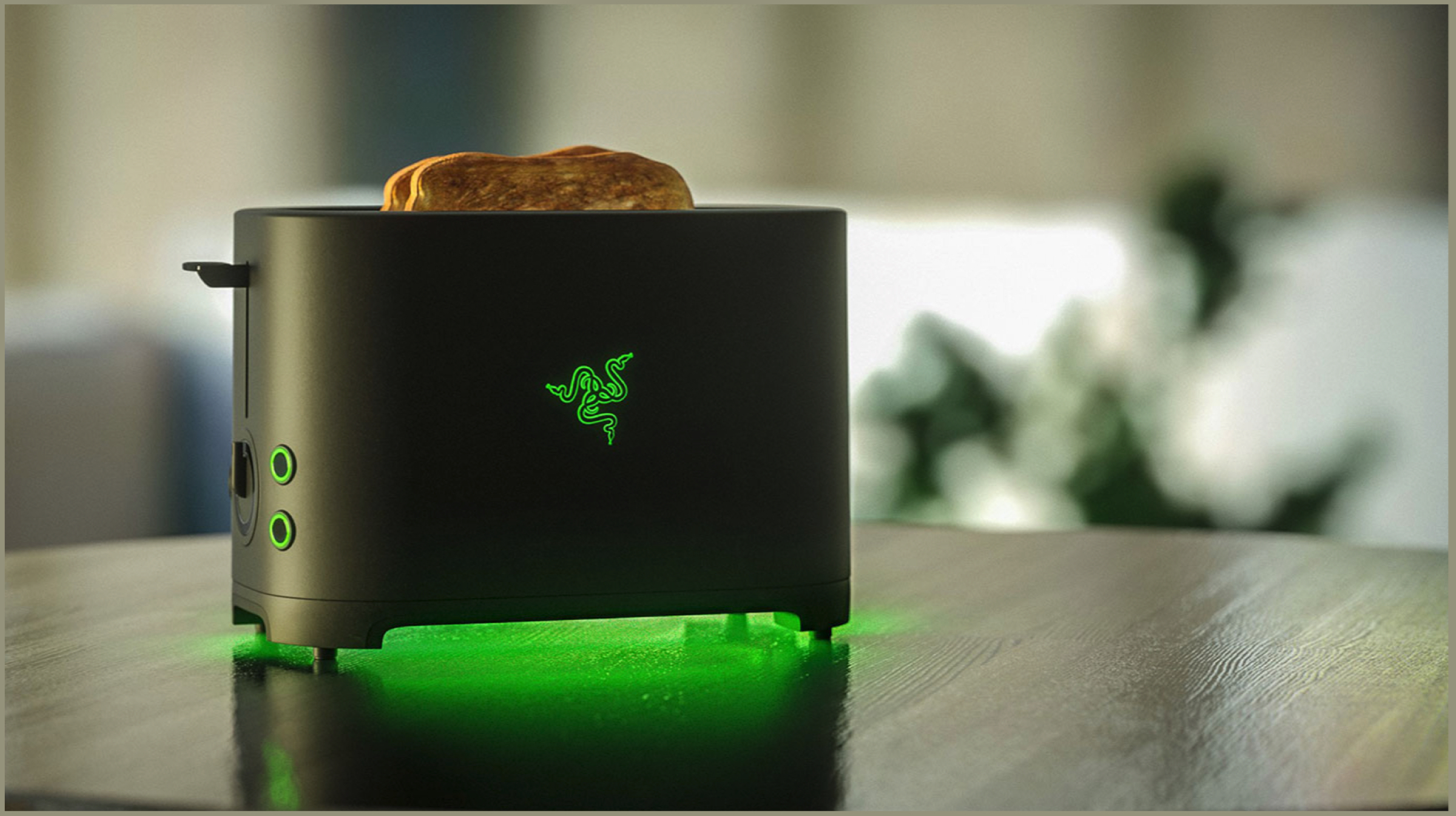
Razer, an American Gaming Peripheral company is making a toaster. There, that’s the news you guys are here to read. After announcing the Project Breadwinner as an April Fools joke in the year 2016, the company is making it a reality. In the supposed joke, the company claimed it is developing an RGB Toaster which can make toasts with the Razer Logo on them. Now, the CEO of Razer has confirmed the company will start working on an actual toaster really soon. If all of this sounds weird, let us assure you that it is and you are not alone.
History Of The Razer Toaster
So if you want to know more about this “amazing” and “groundbreaking” idea by Razer, grip on to something. The story starts about six years ago, in the year 2013 when a fan asked Razer CEO Min-Liang Tan about the Razer Toaster. The executive jokingly said the company has already made one and that is when it all went downhill. A man named Mark Withers, the mastermind behind all this, started commenting on every Liang Tan’s post about the fabled product. He also created a Facebook page dedicated to this quest.
This led to Tan claiming if Withers gets a million likes on the page, Razer will make an actual toaster. Furthermore, if a member of the page tattoos the Toaster image on their body, an additional 1,00,000 will be counted in the case. No prizes for guessing who won, as around 12 people posted pictures of them gracing the tattoo on their forearm.
April Fools Of 2016
The tale continues, and it doesn’t get less weird from there. So in the year 2016, Razer maybe in a bid to tease the hardworking activists just wanting a toaster, released the Project Breadwinner as an April Fools Joke. This, as discussed above, teased an amazing looking toaster, with RGB lights. What was interesting about the product was that it could imprint the company’s famous three-headed snake logo on the bread.
While this prank was taken mostly in jest, it ended up increasing the demand for a Razer Toaster. Three years and a lot of bad decisions later, we are here and the product is a reality. After the page hit their goal, Min-Liang Tan posted on Facebook that he will put together a team and in a few years, will make the project a reality. Don’t fret though, as regular updates will be shared so you know the toaster is safe and sound. So Razer is making a toaster – for Razer toaster lovers. By Razer Toaster Lovers.
So this brings us where we are today, in a world where RGB toasters by Razer are apparently a thing. While we are all in for a company fulfilling all the demands of the consumers, how long do we have to wait for Asus to make a ROG Microwave? And if no one has asked that question before now, we are going to go and make a Facebook page soon about it.
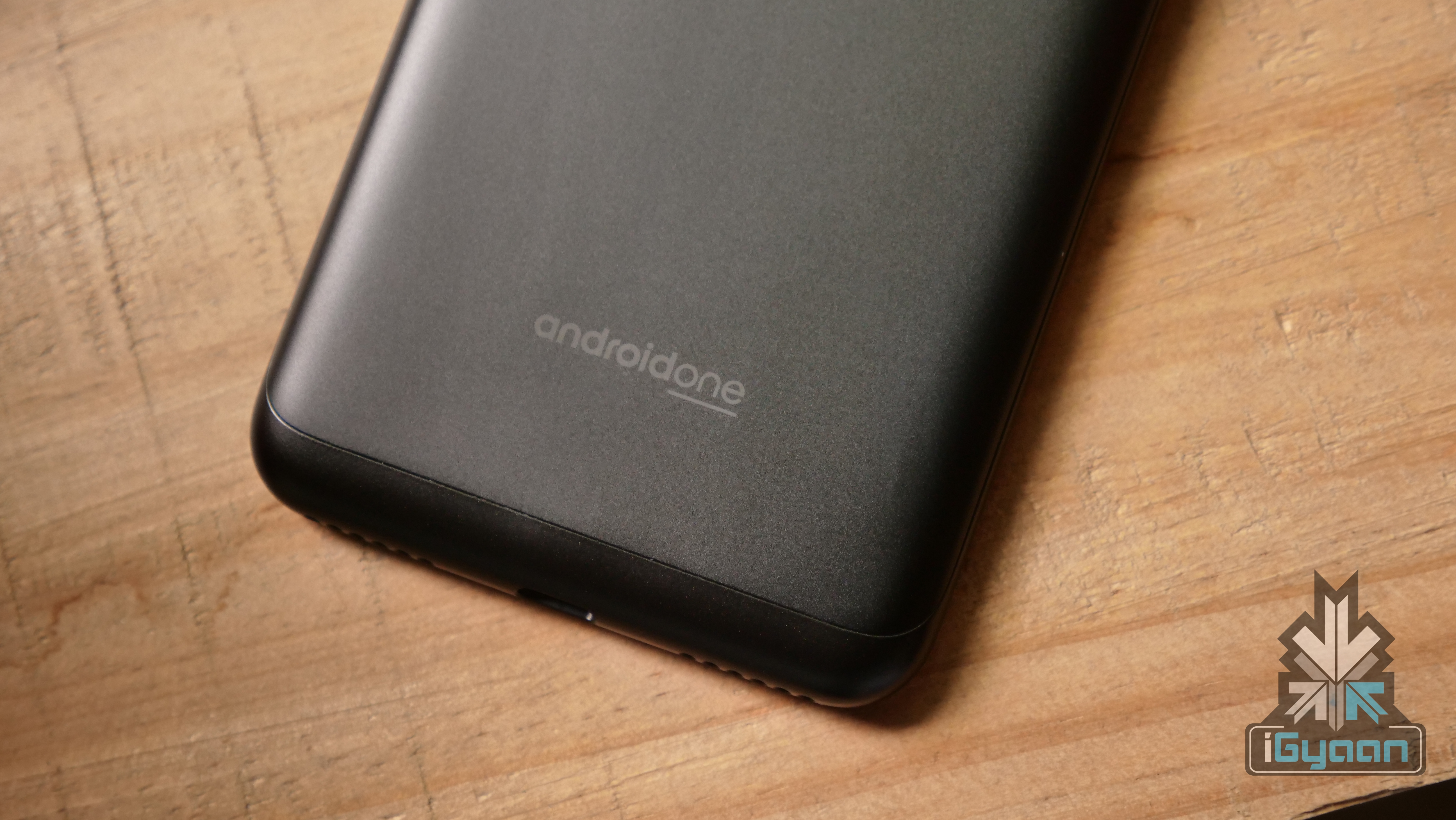
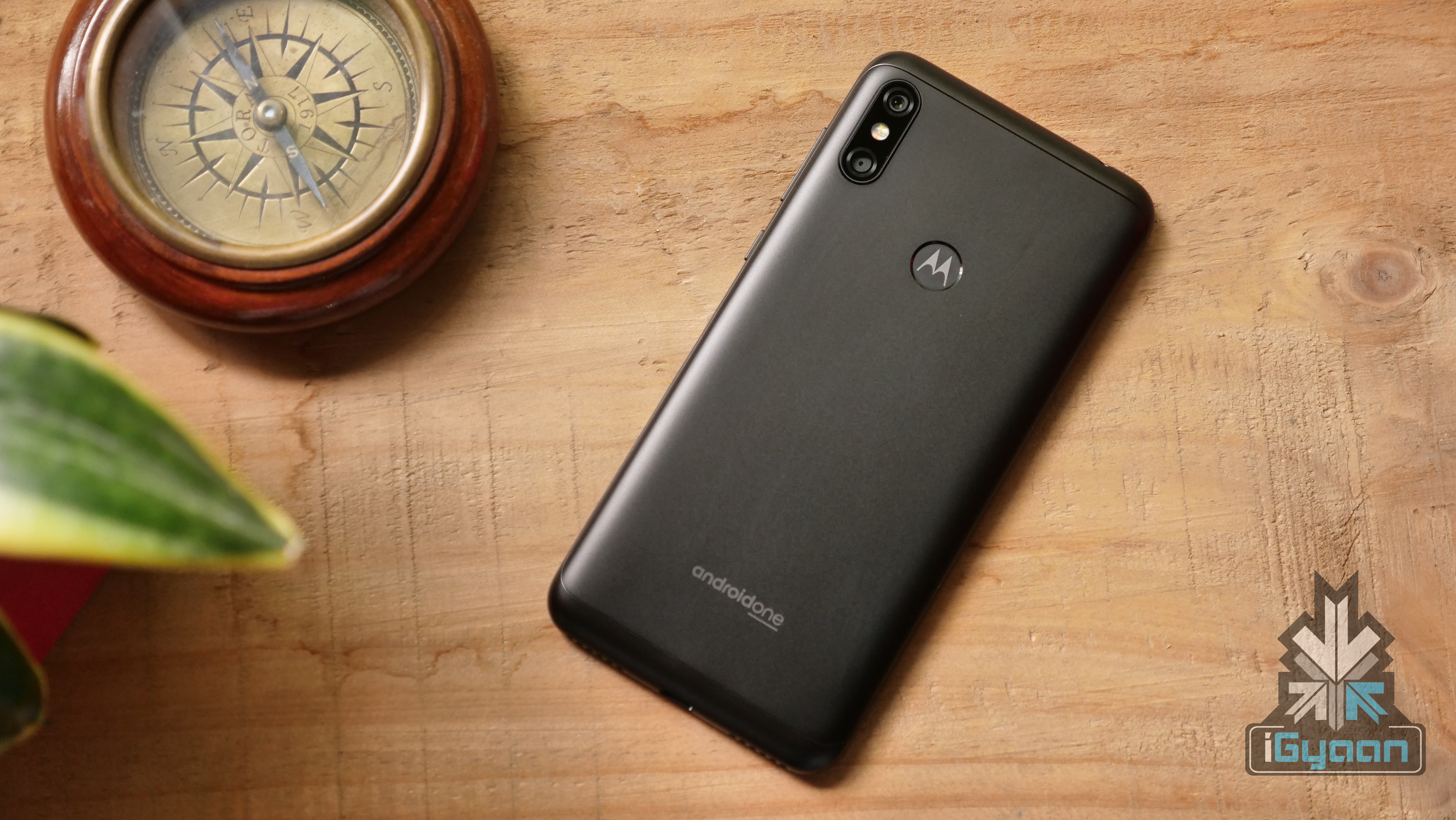
Motorola launched the Moto One Power smartphone in India last year. The device was an entrant in a completely new series of handsets by the company and was unveiled with an Android One certification. Smartphones that are Android One certified run a clean, stock build of Android and are guaranteed to receive major software updates for up to two years and security updates for at least three years. A known gadget tipster on Twitter has now revealed the launch date of the successor of the Moto One Power. Allegedly called the Moto One Vision, the smartphone has been leaked multiple times in the past. The device will be launched on the 15th of May in Brazil.
Moto One Vision
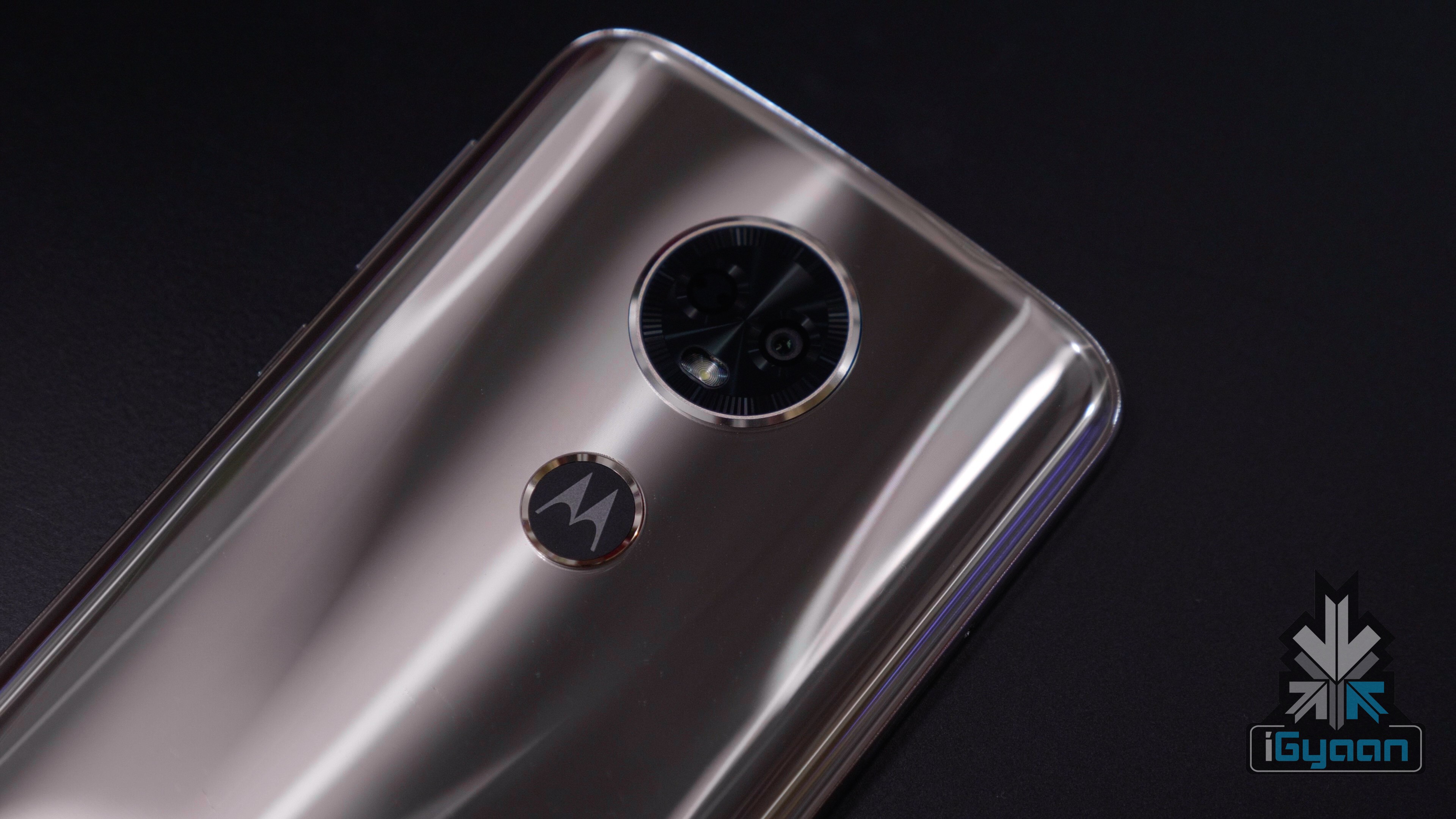
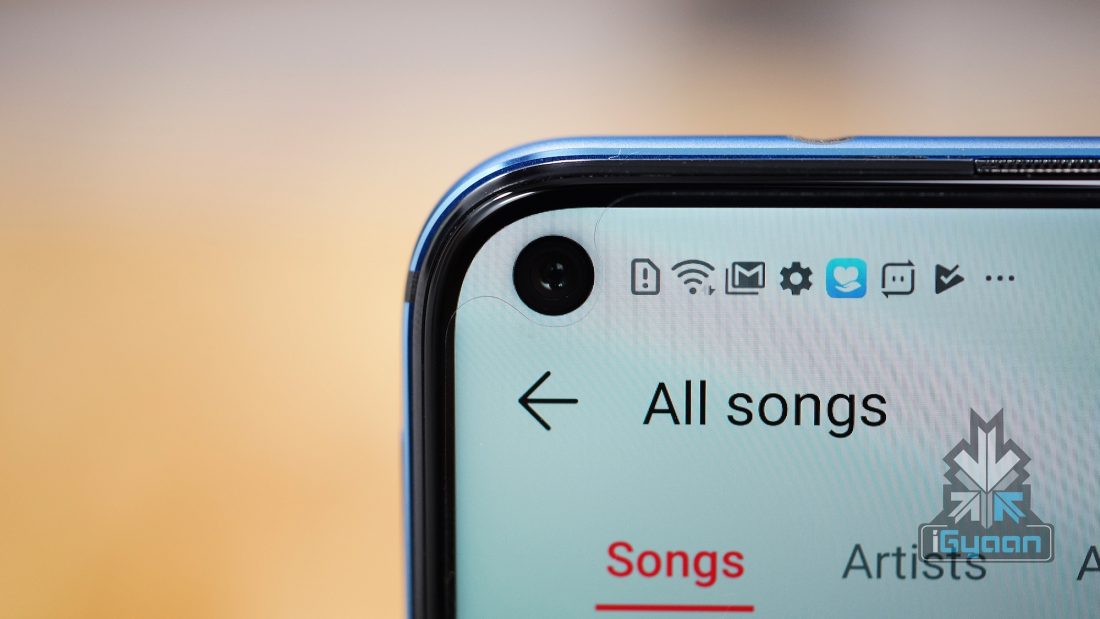
The Moto One Vision is expected to embody a new design language by Motorola. The renders of the smartphone were leaked previously which reveal it will have a glass sandwich design with a glossy back. The front of the device has a 6.2 inch IPS LCD display with minimal bezels on all sides, and a punch-hole cutout for the front camera on the top left of the display. The design on the front is reminiscent of the Honor View20 which was launched in the month of January this year. For biometrics and security, the Moto One Vision will have a rear-mounted fingerprint sensor, housed in the Motorola batwing logo.
Honor View20
Under the hood, the Moto One Vision has been leaked to run on the 11nm Exynos 9610 SoC by Samsung. Notably, this is the same chipset that is kitted inside the Galaxy A50 which was announced in the month of February. However, the smartphone will be available in China with the 11nm Snapdragon 675 SoC. In terms of optics, previous renders reveal it will have a dual rear camera setup consisting of an f/1.75 aperture equipped 48MP sensor; and a secondary 5MP depth sensor. For selfies, a 12MP sensor is expected to be housed in the punch-hole cutout on the top left of the display. For memory and storage, the device is expected to be available in the following variants:
4GB RAM and 64GB ROM
6GB RAM and 128GB ROM
The previously leaked FCC listing reveals that the Moto One Vision will have a 3500mAh battery with 18W fast charging support. As mentioned earlier, the smartphone will be Android One certified; and will run on the latest Android 9 Pie. As far as connectivity is concerned, the Moto One Vision is confirmed to support Bluetooth 5.0, Wi-Fi 802.11 a/b/g/n/ac dual band and NFC.
The Moto One Vision, as mentioned above will launch in the city of Sao Paulo of Brazil. Unfortunately, no details are available regarding the pricing of the device. But, taking the price of its predecessor into consideration, it may launch under Rs 20,000 in India.
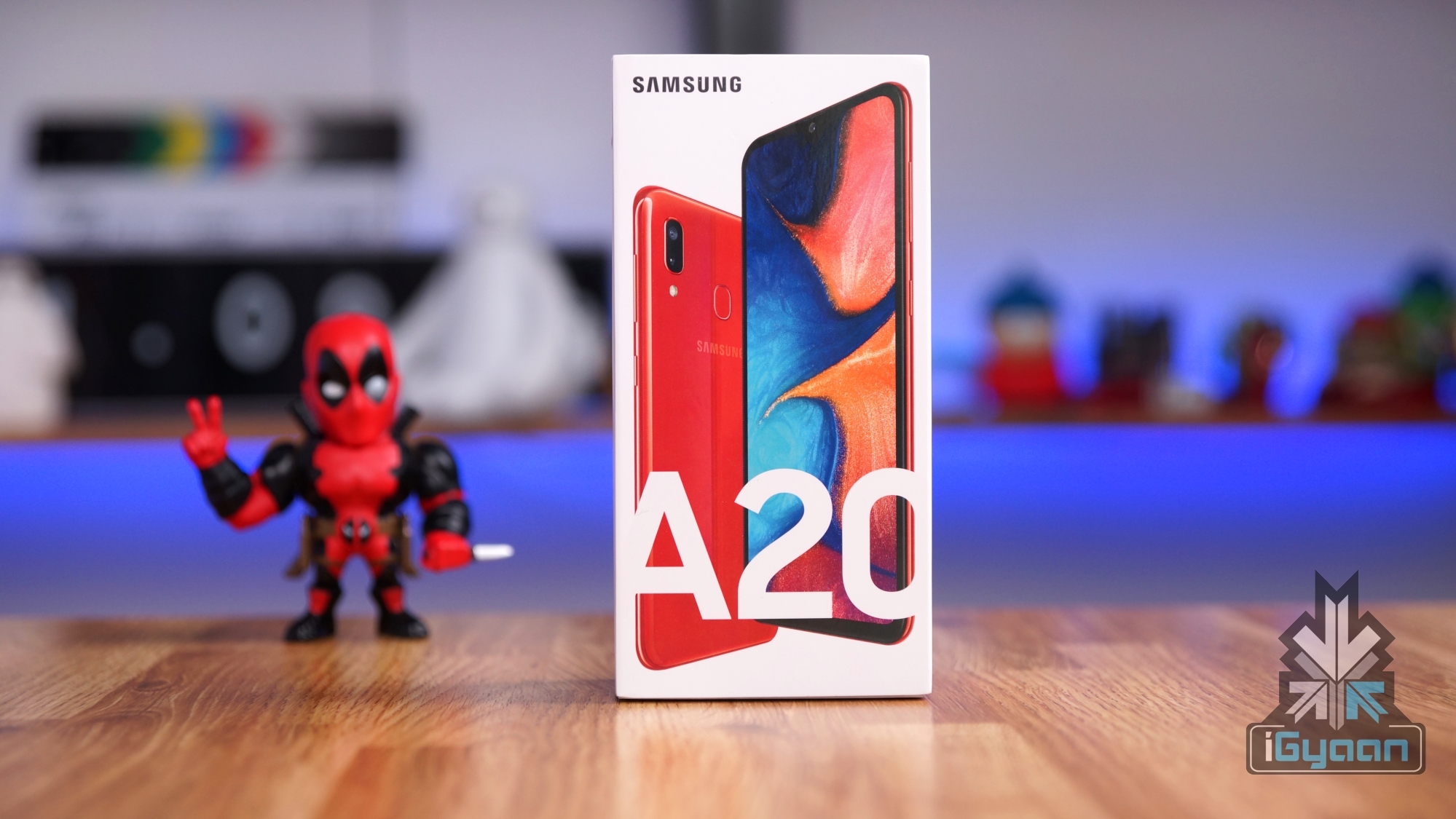
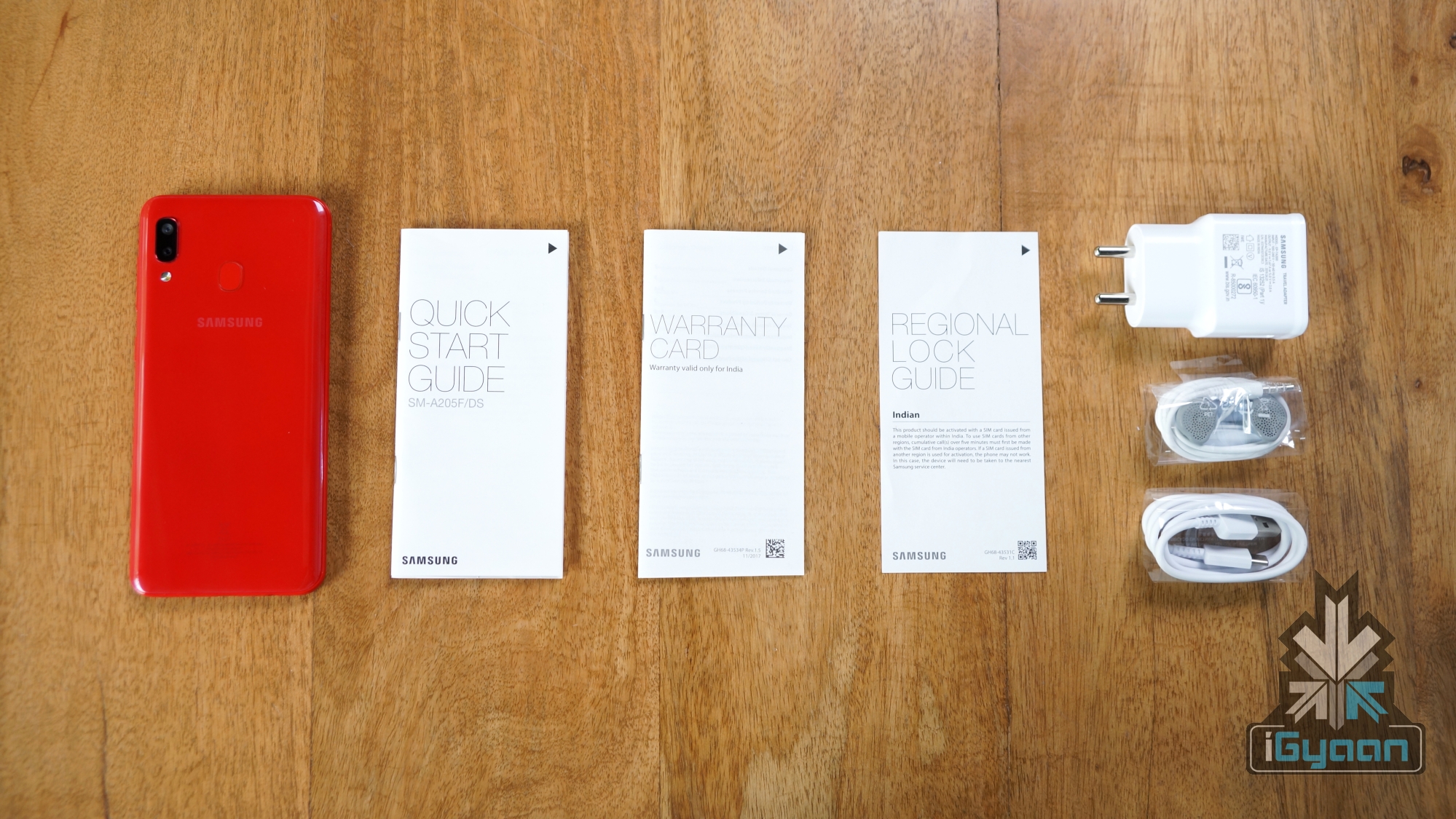
Samsungs latest entrant in the Galaxy A lineup of smartphones is the Galaxy A20. Priced at Rs. 12,490, it goes head to head with the likes of the Redmi Note 7 and the company’s own Galaxy M20. With a modern design and competitive specifications on paper, can the Galaxy A20 compete with the best in the segment or it is just a disappointing budget handset from the company?
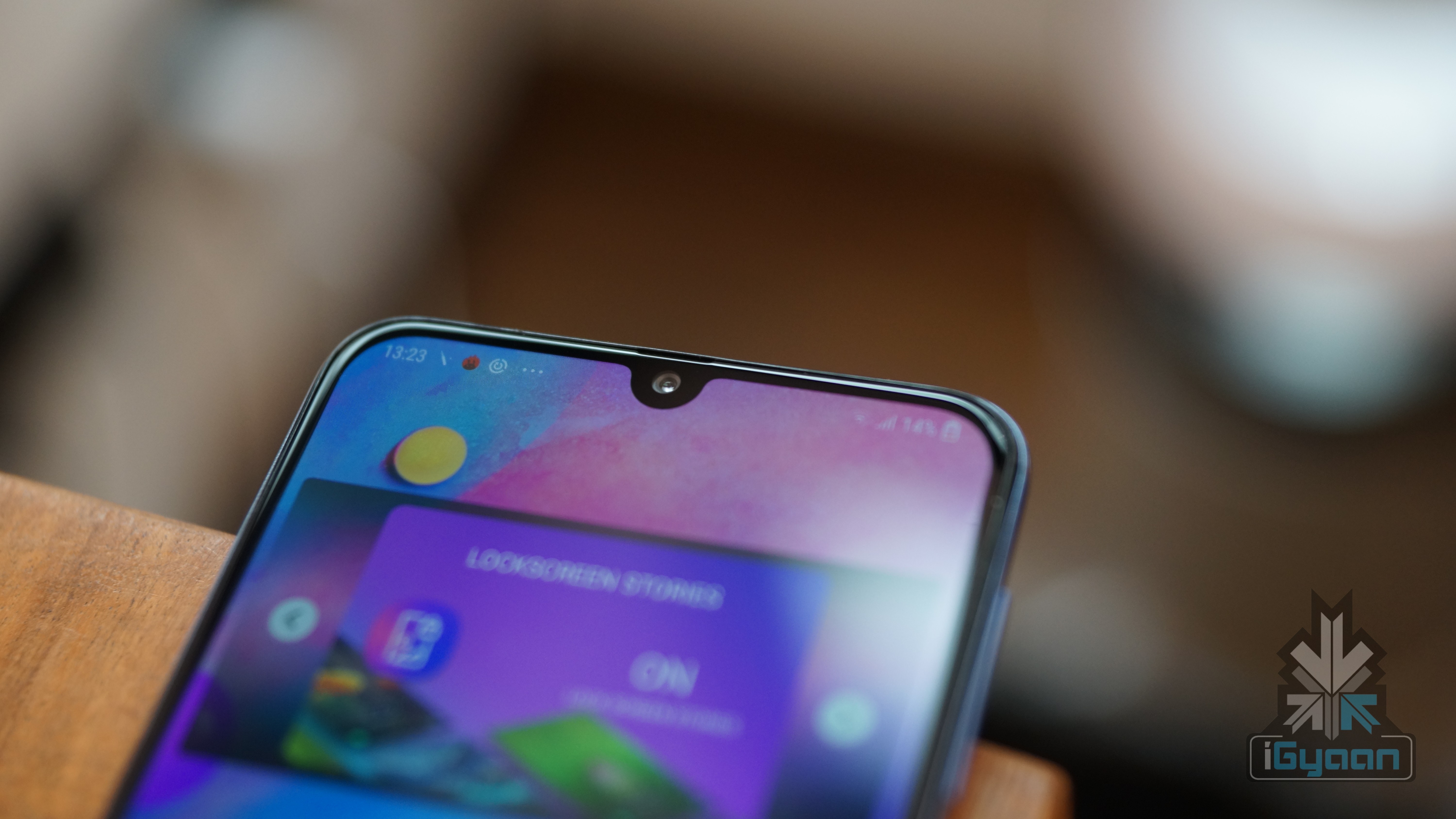
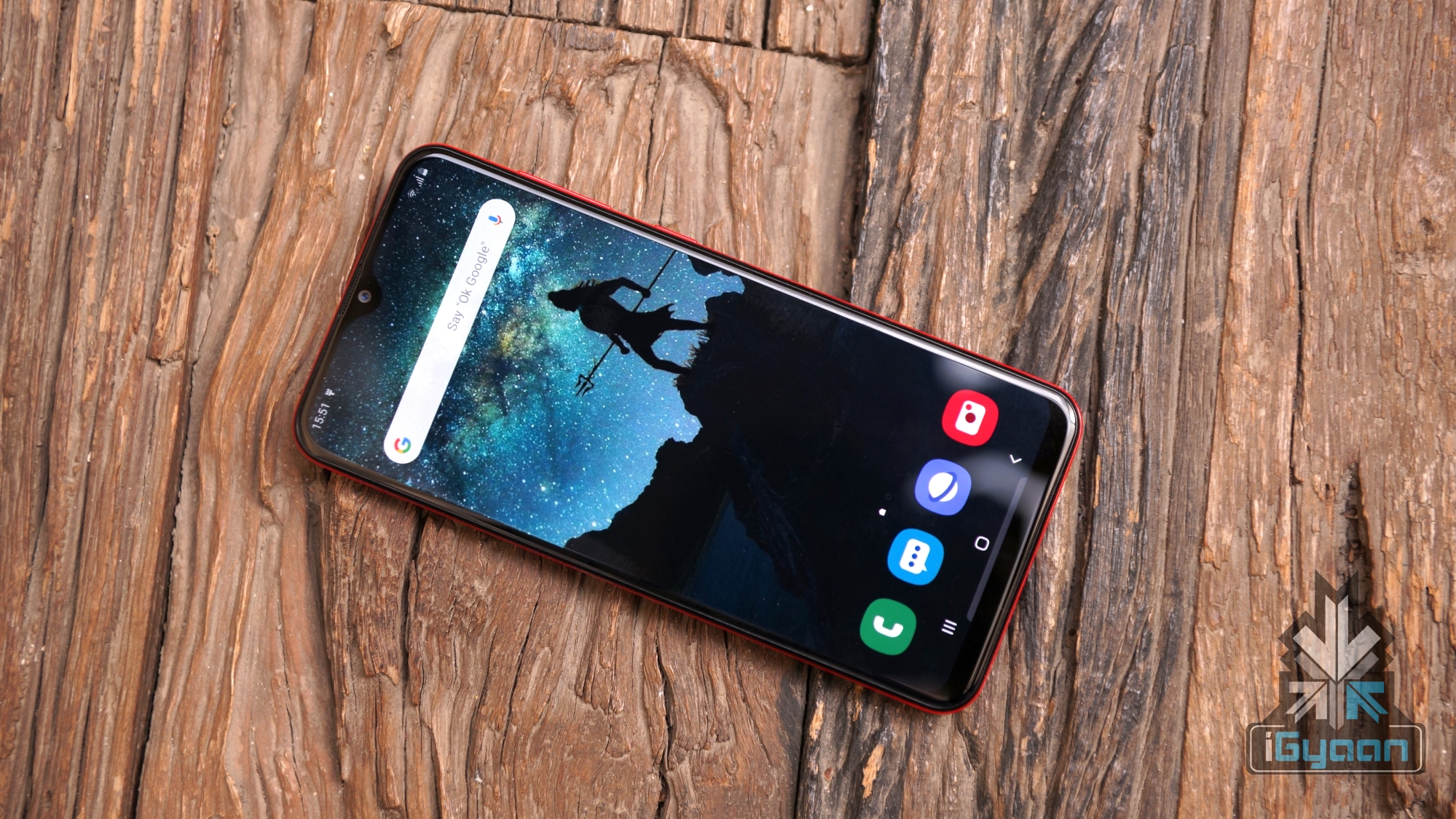
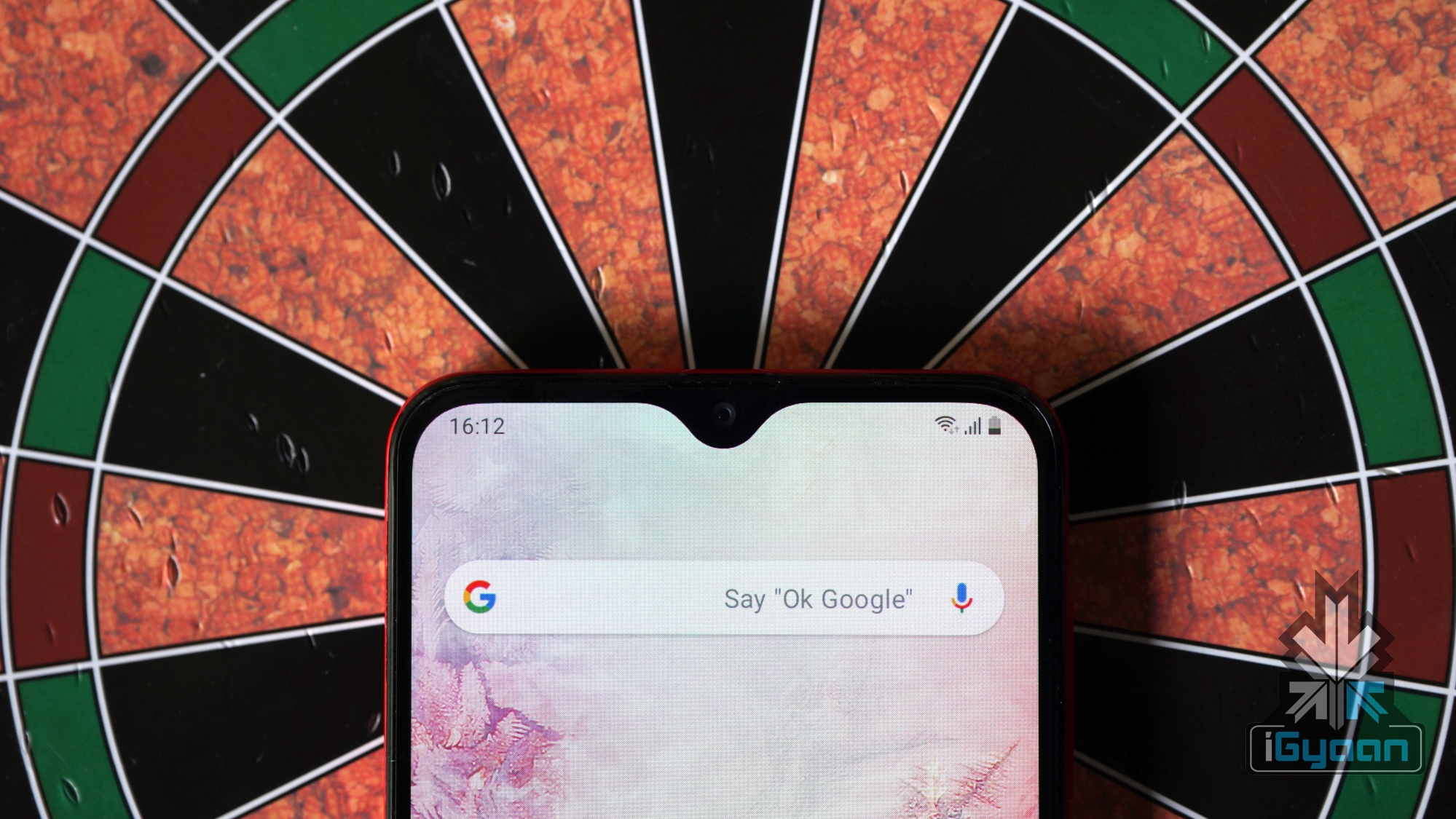
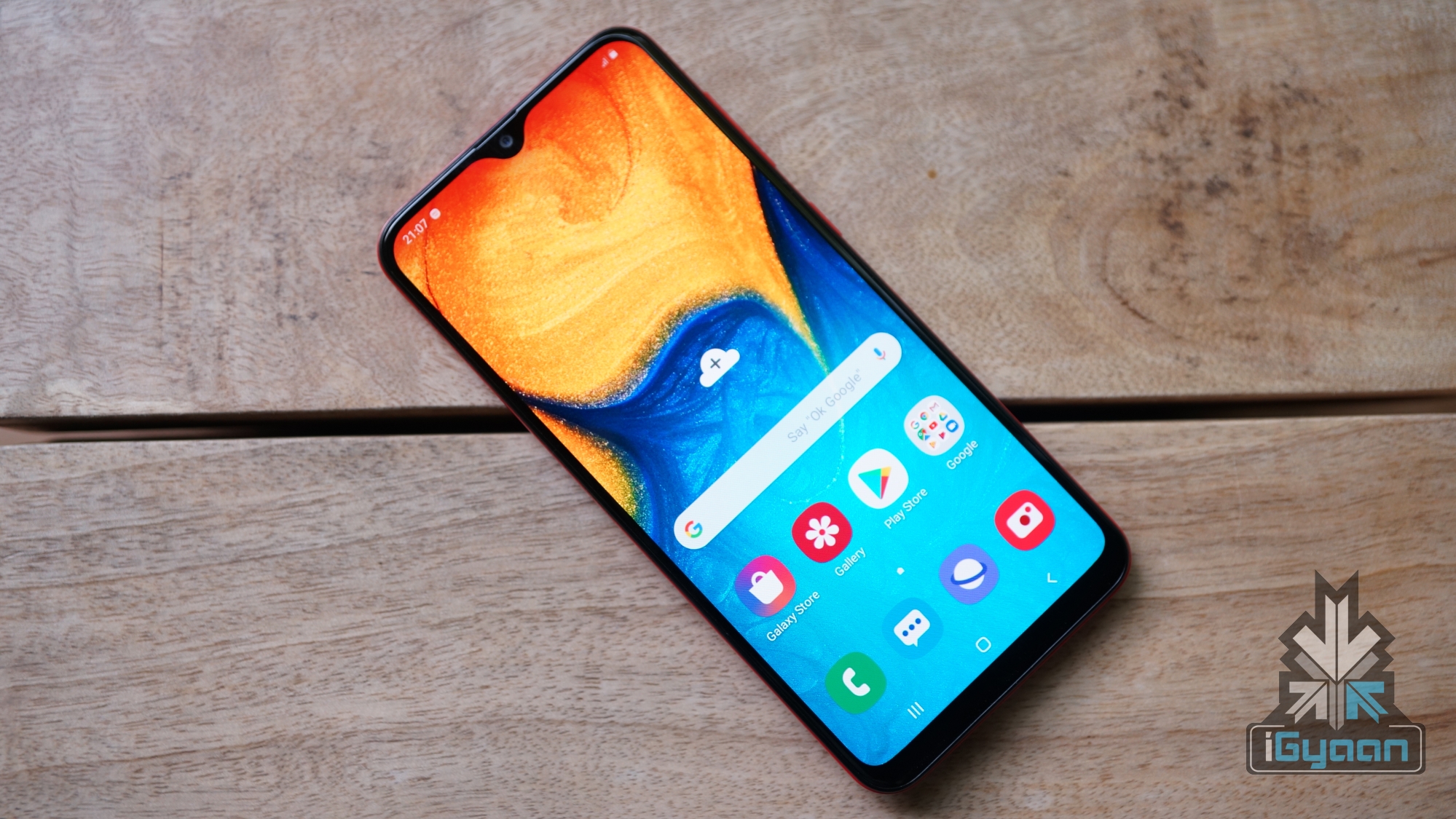
One look at the Galaxy A20 and you would know Samsung has stuck to the basics while making the smartphone. The device is entirely made out of plastic with a design similar to the Galaxy A30. The front of the handset has a 6.4-inch display which has an Infinity V notch on the top and a considerable chin on the bottom.
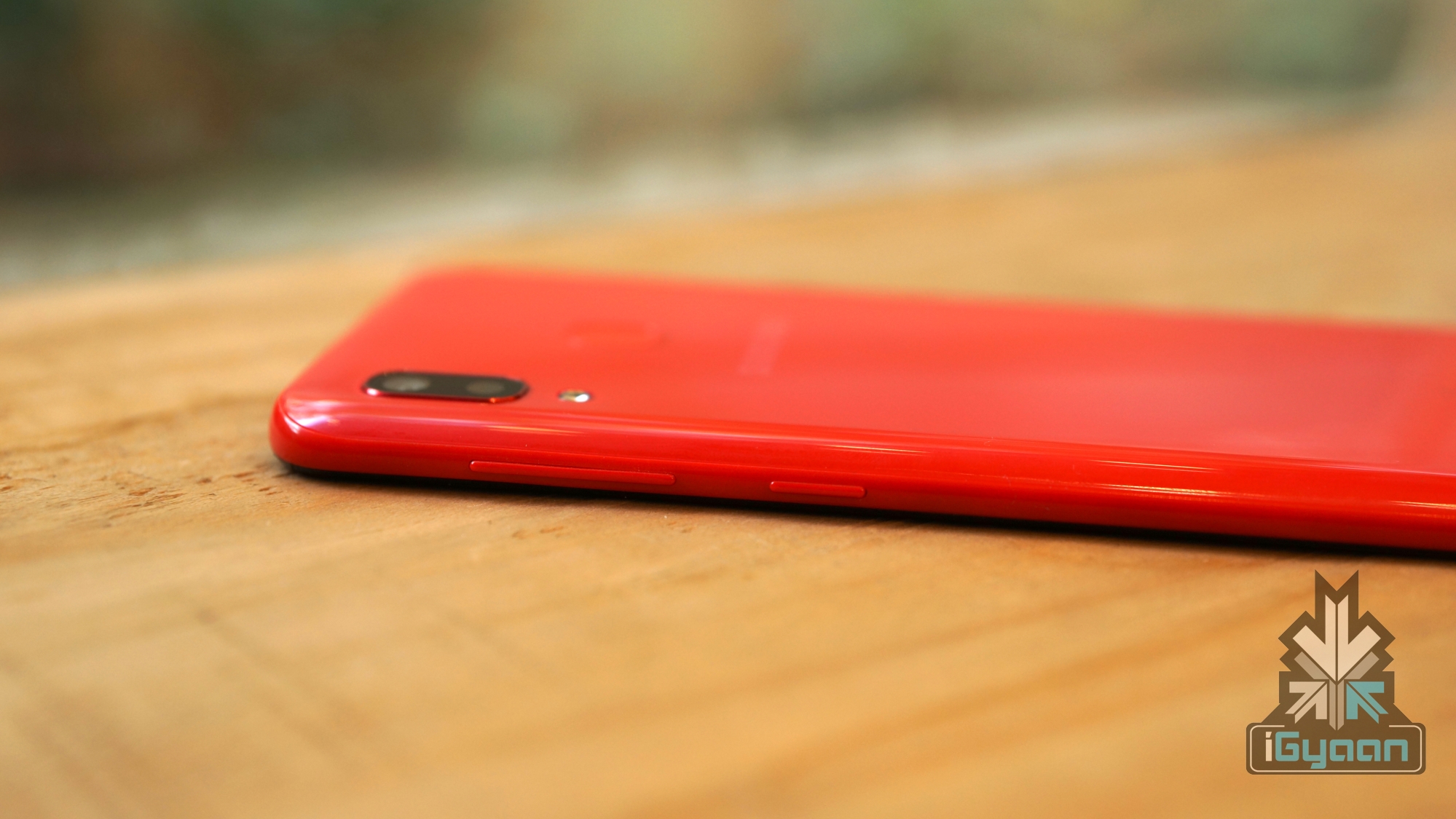
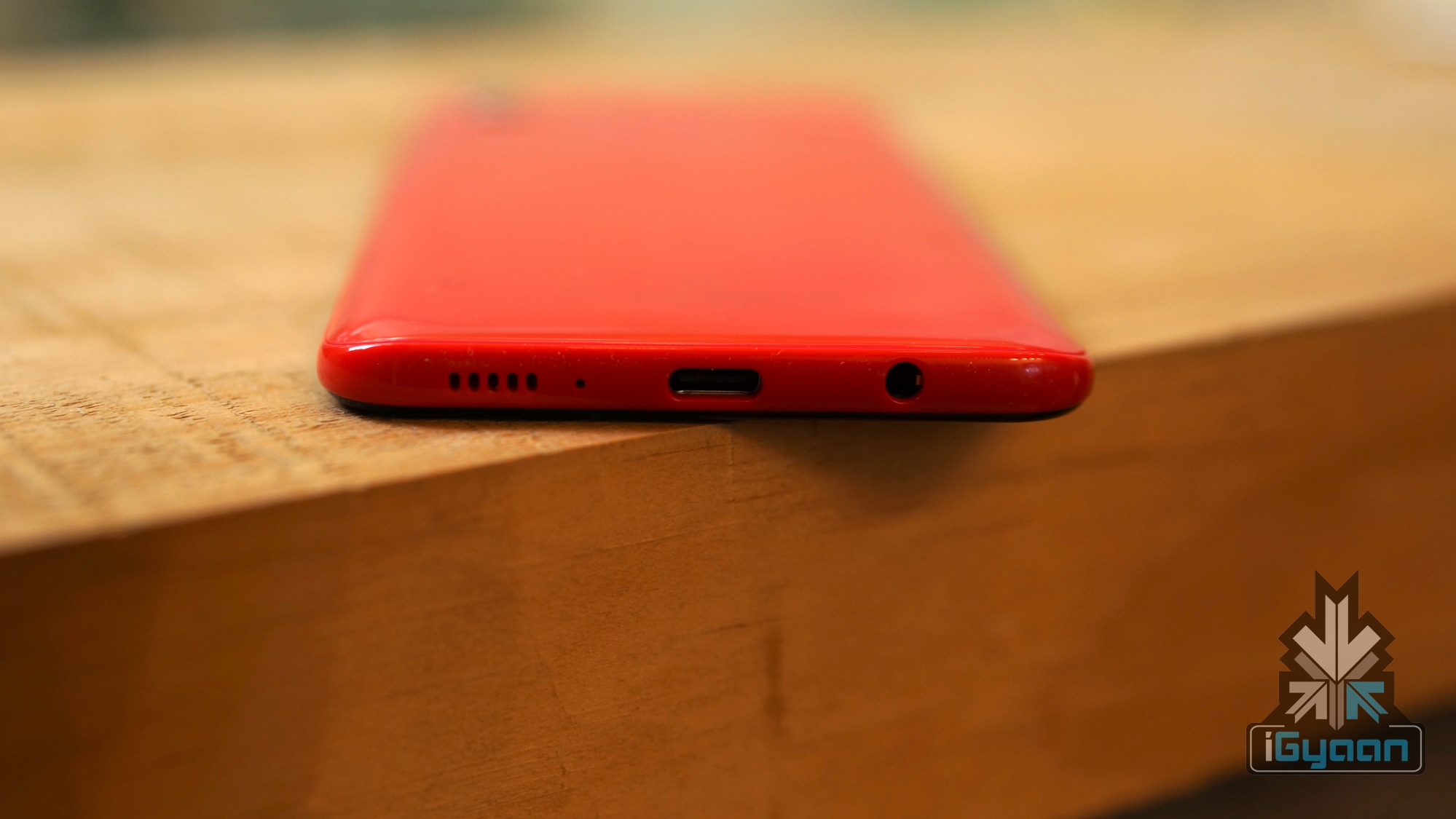
The right side of the smartphone houses the volume rockers and the power button; while the left side remains completely empty except for the SIM card tray which also has a dedicated microSD card slot. The top of the device has a secondary noise cancellation microphone. At the bottom, there is a 3.5mm headphone jack along with the USB Type-C port and the speaker grille lined up together. The Galaxy A20 features a solid build, with a back that makes it look like glass.
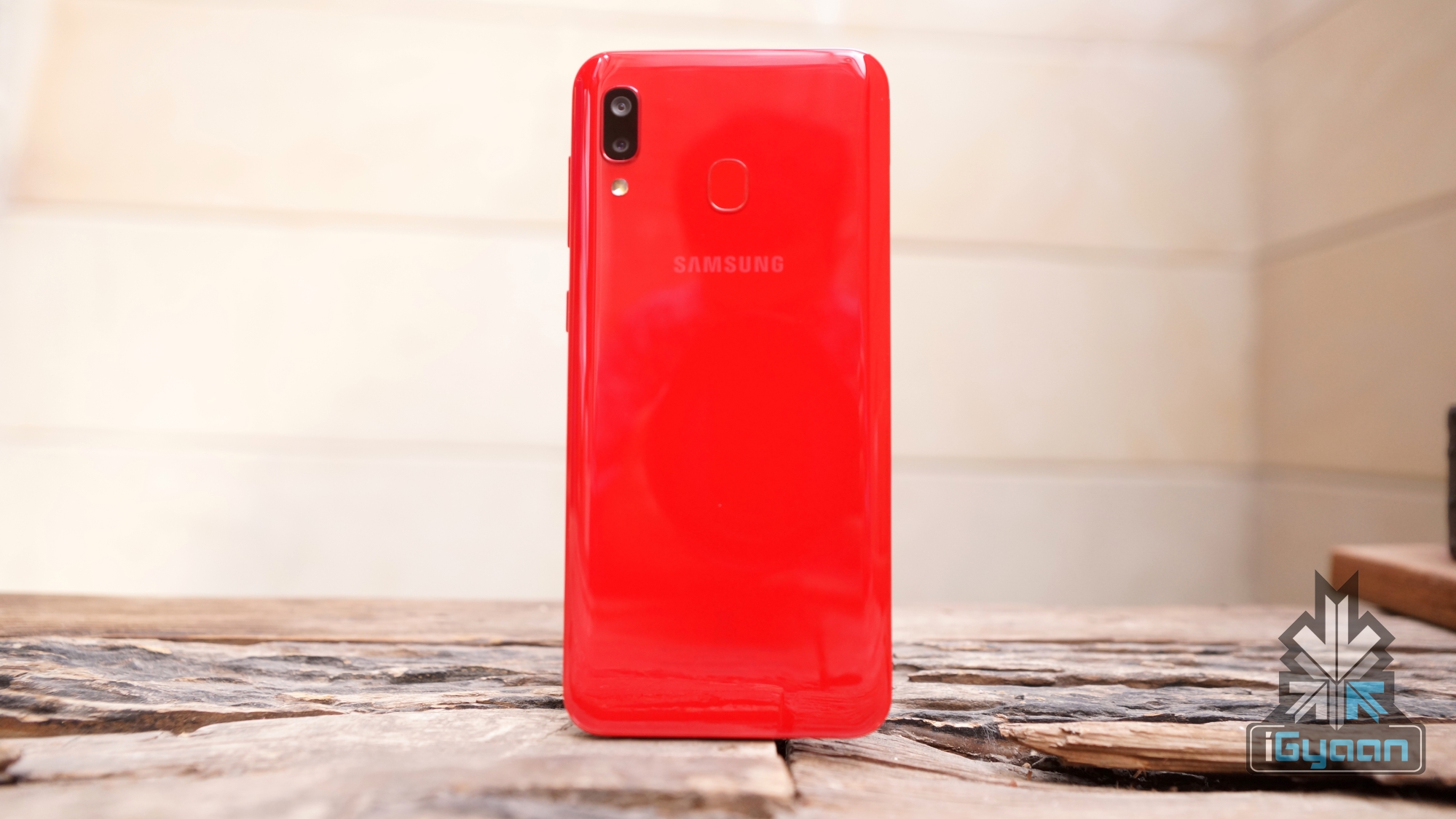
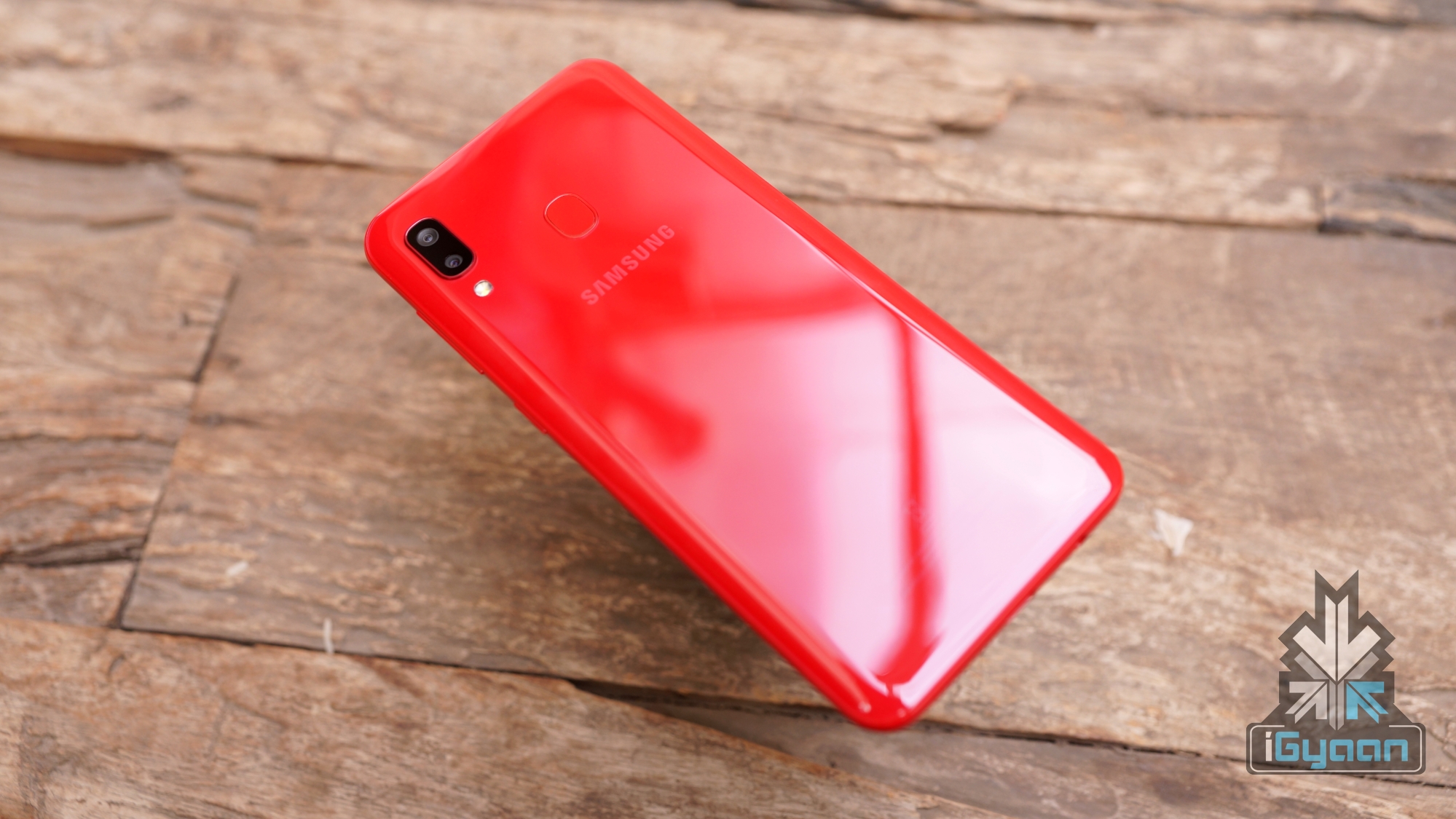
Our review unit is the red coloured version, which has a glossy finish to it. The popsicle coloured back of the Galaxy A20 houses the vertical dual camera layout with the LED flash like most modern smartphones. When it is laying flat on its back, the smartphone wobbles a bit due to the slightly protruding camera bump. The device has a fingerprint reader on the back with the Samsung branding present right below it.
While the design of the Galaxy A20 is nothing new, the smartphone looks good and the red colour of our unit definitely attracts attention to it. Using a case is recommended as the back is extremely glossy and easily attracts fingerprints to it. Additionally, a case would also cover the camera bump to an extent, minimising the previously mentioned wobble.
Display
The display on the Galaxy A20 is marketed as one of the highlights of the smartphone. It has a 6.4 inch Super AMOLED display with a resolution of 1560 x 720 px. To increase the screen real estate of the device, Samsung has used an Infinity V style notch on the top of it.
In terms of quality, the Galaxy A20 has a great display for multimedia consumption. The colours have great contrast, the blacks are deep, there are good viewing angles and the brightness outdoors is sufficient. However, due to the low resolution, the sharpness takes a backseat. The display on the Galaxy A20 is great for watching videos and playing games, although we would’ve appreciated a Full HD display in the device. Given, it competes with devices like the Redmi Note 7 that has a display panel with Full HD resolution.
Hardware & Performance
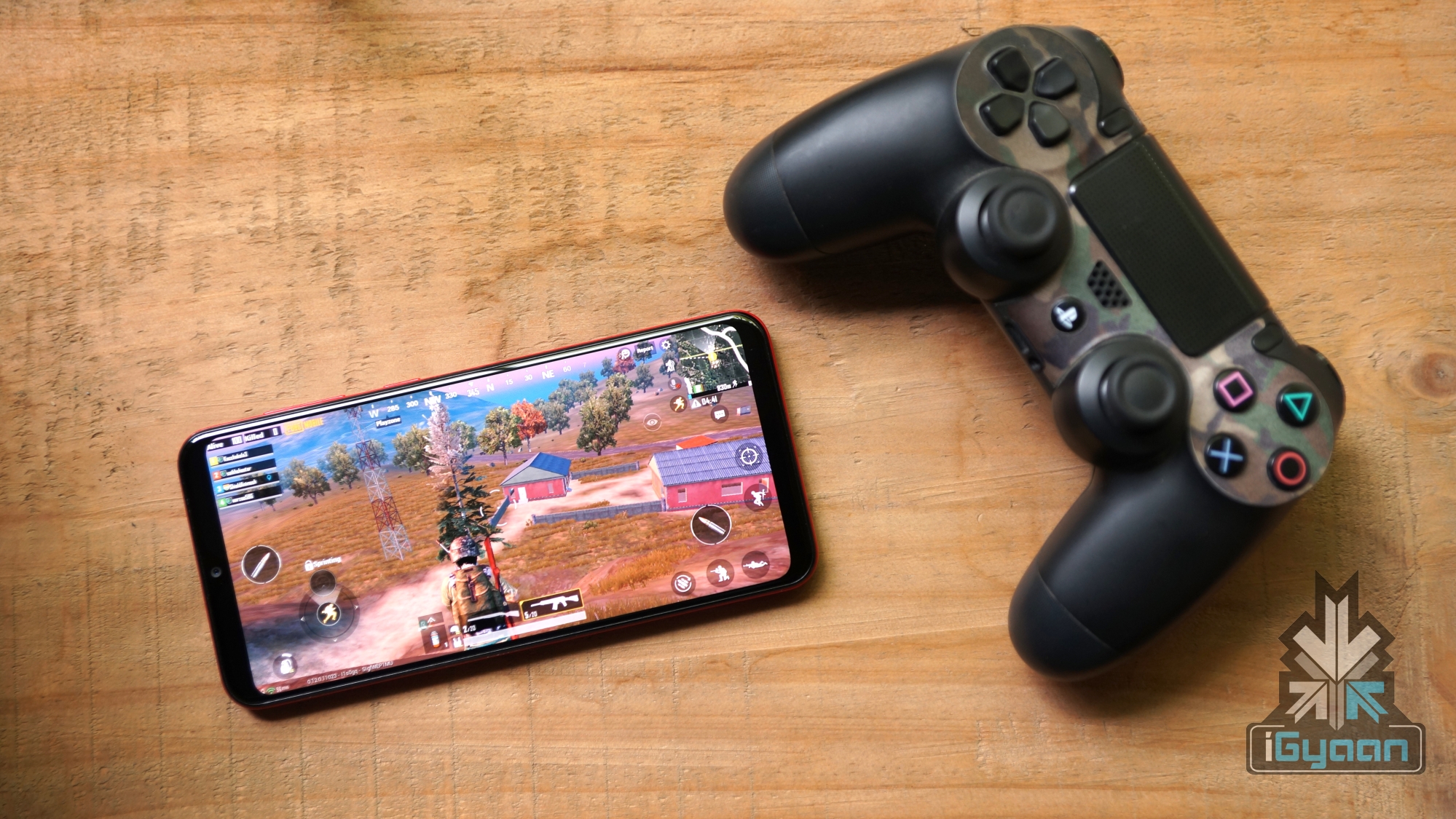
The Galaxy A20 features the Octa-core Exynos 7884 SoC, combined with 3GB of RAM and 32GB of onboard memory. For day to day tasks, the smartphone performs well, and we faced zero lags while switching between applications with several apps running in the background. The humble amount of RAM is enough for keeping light applications in memory. Gaming, on the other hand, is another experience on the Galaxy A20.
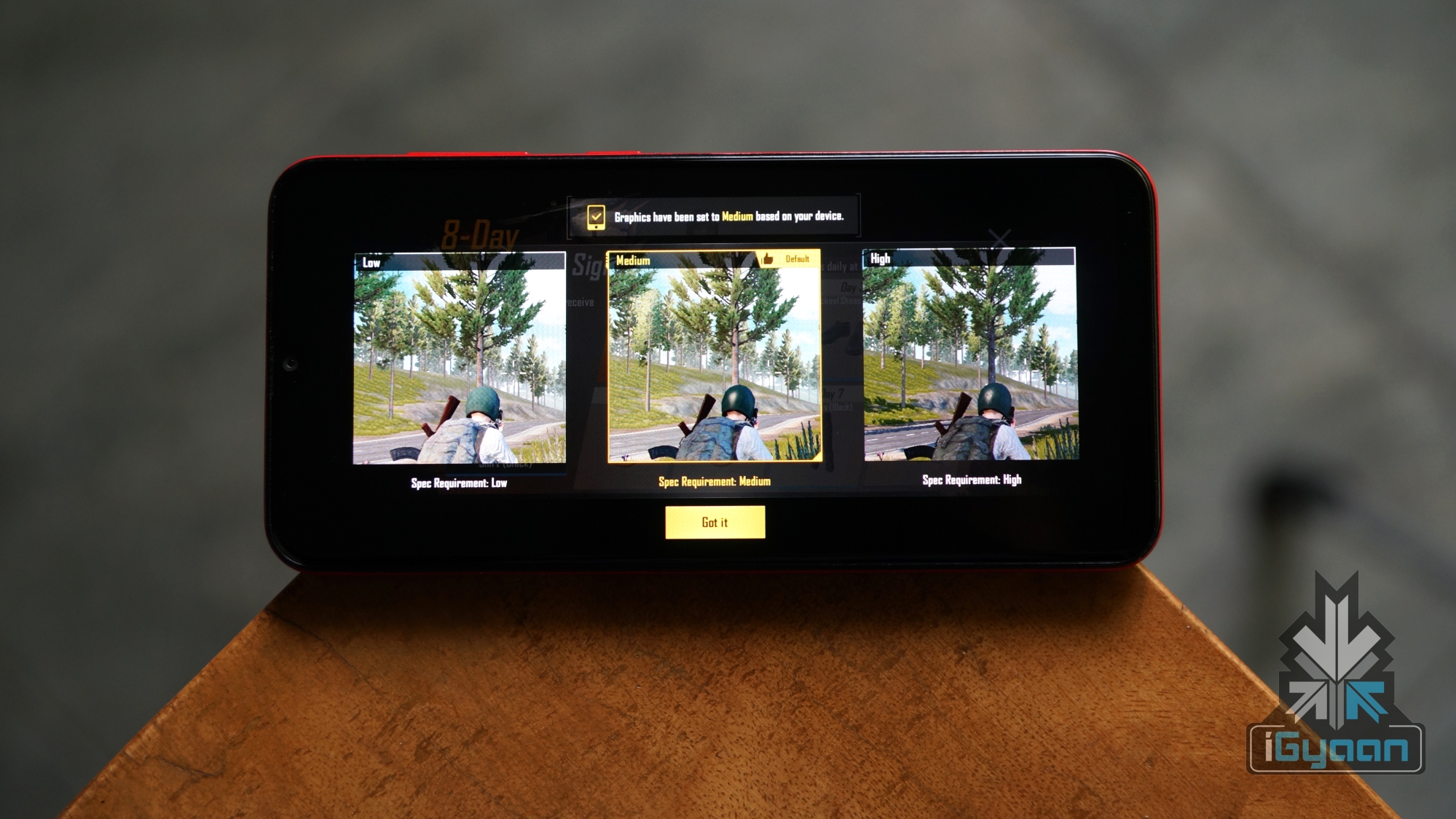
While playing games like PUBG Mobile on the device, it surprisingly chose the medium setting by default but gave unplayable frame rates at the setting. Selecting a low graphics setting and the smooth frame rate option churned out a playable experience. While there were a few frame drops, the gameplay was stable enough, combined with the skills of the player, we were able to earn a satiable Chicken Dinner.
Another game that we tried was Need For Speed: No Limits, which is a racing game that for the larger part ran without any frame drops. The gameplay was mostly smooth and we didn’t encounter any hiccups while playing it or rather hitting into the walls due to the insufficient game skills.
There was a bug that we encountered however which exited any game or heavy application that was opened for the first few times. After opening the app for more than two times, the bug seemed to vanish automatically. After the initial few times, we did not face the issue again.
In terms of benchmarks, the Galaxy A20 scores slightly less than the smartphones in the price range. While testing the Antutu benchmark, we got a score of 95,067 which is significantly lower than the competition including the Galaxy M20 or the Redmi Note 7. In Geekbench, the device registered a single core score of 1217 points and a multi-core score of 3694 points. As is evident from the numbers, the handset should be fine for day to day usage but is not made for performance enthusiasts.
Software, UI & Multimedia
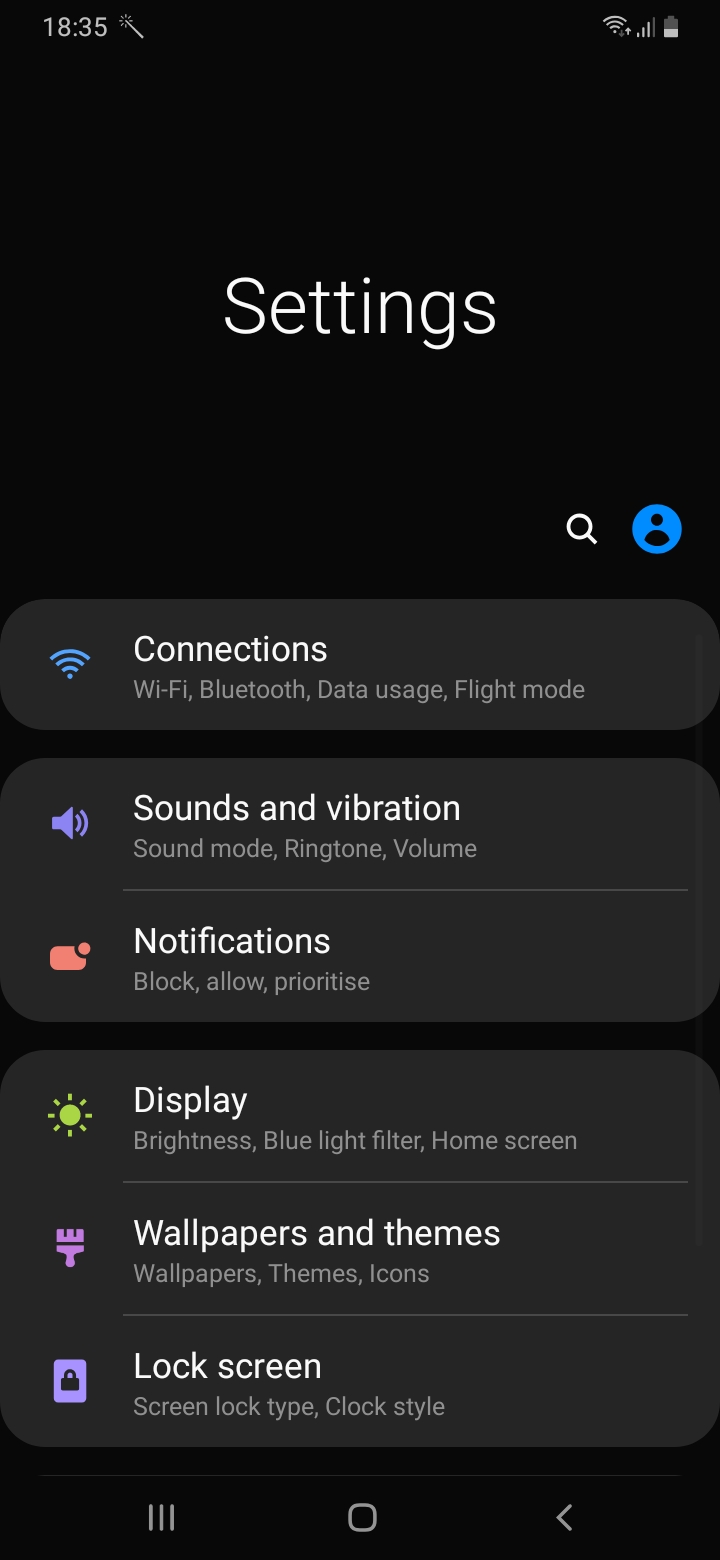
The Galaxy A20 runs on the company’s latest OneUI version 1.1 on top of the current Android 9 Pie. Like the other smartphones running the software, the Galaxy A20 offers a refined software experience. There is a native dark mode inside the settings which makes the whole UI suited for use in dimly lit environments. Notably, this setting helps in prolonging the battery backup on the smartphone.
Dark Mode on OneUI
Dark Mode on OneUI
The icons in OneUI are big and the menus easy to access and reach. Unfortunately, there is no Always On Display despite having an AMOLED panel which although is not a dealbreaker. The UI also supports gestures in addition to the conventional navigation buttons. These gestures use an upward swipe from the left to go into the multitasking menu. To go back, a swipe up from the right is required while swiping up from the centre takes you to the home screen. There is also support for Samsung Pay Mini on board, which is activated by a swipe up from the bottom of the display below the navigation buttons.
In terms of sound quality, the smartphone has a single bottom firing speaker which has decent sound output. One downside of the setup is how easy it is to block while the speaker grille while holding the device in the landscape mode. Audio output via the Bluetooth is above average which provides for a good listening experience.
Camera
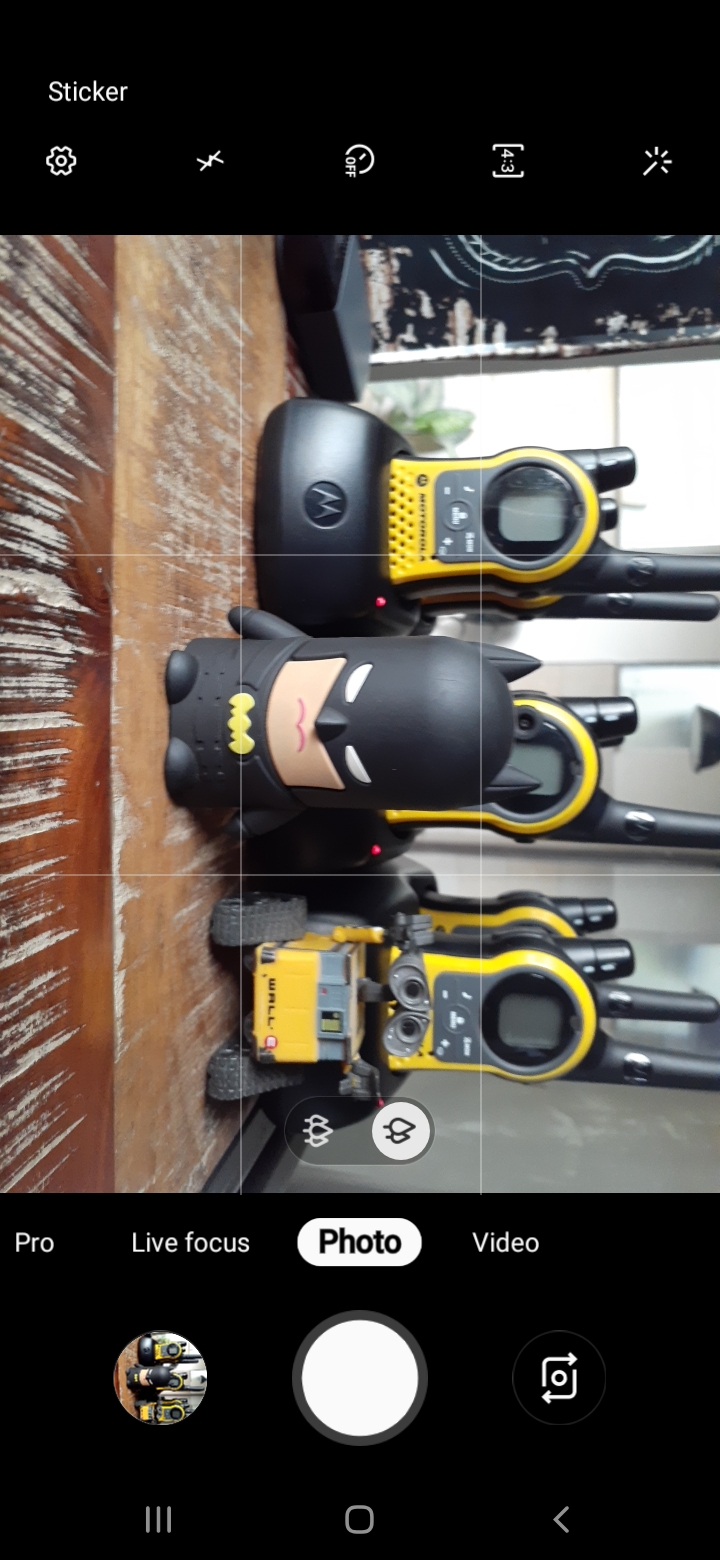
The Galaxy A20 has an all new camera app that ships with the OneUI. It seems to be inspired by the camera UI of iOS and Pixel devices. All the controls are lined up within the reach of one hand. The app also uses a swipe gesture to switch between the front and the back cameras which is an appreciable feature.
Galaxy A20 Camera App
Galaxy A20 Camera App
Galaxy A20 Camera App
Video output from the rear and the front camera is locked to 30fps in 1080p resolution. There is also an option to record videos with the ultra-wide angle camera. Sadly, there is no option of switching between the different sensors while recording video.
Galaxy A20 Rear Camera
Galaxy A20 Rear Camera
Galaxy A20 Rear Camera
Galaxy A20 Rear Camera
Galaxy A20 Rear Live Focus
Galaxy A20 Rear Live Focus
The Galaxy A20 has a dual rear camera setup consisting of an f/1.9 aperture equipped 13MP sensor and an f/2.2 aperture equipped 5MP Ultra-wide sensor. Images captured in daylight have good contrast and saturation levels typical to Samsung devices. One downside of the images is the loss of detail which occurs due to an aggressive image processing.
Like most modern smartphones, there is a portrait mode called Live Focus inside the camera app. The background blur is average at best, giving you results that have a decent background separation.
Galaxy A20 Wide Angle
Galaxy A20 Wide Angle
Galaxy A20 Wide Angle
An added bonus the Galaxy A20 has over its competitors is the presence of an ultra-wide sensor on the rear. While the sensor does not pack high resolution, it helps in providing a wider field of view. Switching between both the lenses is fun and we found ourselves intrigued by the secondary sensor which illustrates the versatility of this kind of camera setup.
Galaxy A20 Front Camera
Galaxy A20 Front Camera Live Focus
Galaxy A20 Front Camera
For selfies, the Galaxy A20 has an f/2.0 aperture equipped 8MP camera housed in the notch on top of the display. Images from the front camera, like the results from the rear, perform well in good lighting. However, the colours are a little washed out and the details are not properly retained. But, if you’re a casual user of the front camera, the quality should be perfectly fine for occasional usage or sharing on your favourite social media platform.
Battery and Connectivity
The Galaxy A20 is powered by a 4000 mAh battery which supports 15W charging via the bottom mounted USB Type-C port. A significant size of the cell in the smartphone, combined with a low-resolution display ensures a great battery life overall. With a light to medium usage, the battery will easily last you more than a day. The average screen on time we received in our usage was around seven hours.
In terms of connectivity, the device supports Wi-Fi 802.11 b/g/n and Bluetooth v4.2. The Galaxy A20 faced no problems latching on to a Wi-Fi signal nor did it have any trouble connecting to a pair of Bluetooth headsets. Unfortunately, as it is a budget device, there is no support for the 5Ghz network band on Wi-Fi. The call quality of the smartphone was excellent, with clear sound output through the earpiece which is housed in the notch. Even in an area where signals are generally weak, the smartphone performed admirably. Noteworthy, the Head SAR value of the Galaxy A20 is just 0.389 W/kg which is significantly lower than it’s Chinese rivals.
Other Features
The Galaxy A20 has a rear mounted capacitive fingerprint sensor and also supports the increasingly popular face unlock technology. Both of these technologies help in swiftly accessing the smartphone. The fingerprint scanner is effective in unlocking the device, but it takes a good second to do so. Face unlock, on the other hand, is a faster albeit less safe option but is useful when the handset is lying flat on a table as the rear-mounted fingerprint sensor is inaccessible in this state. One more notable feature the smartphone has is the aforementioned triple card slot. The user can simultaneously insert two nano SIM cards and a microSD card which can go all the way up to 512GB.
Verdict
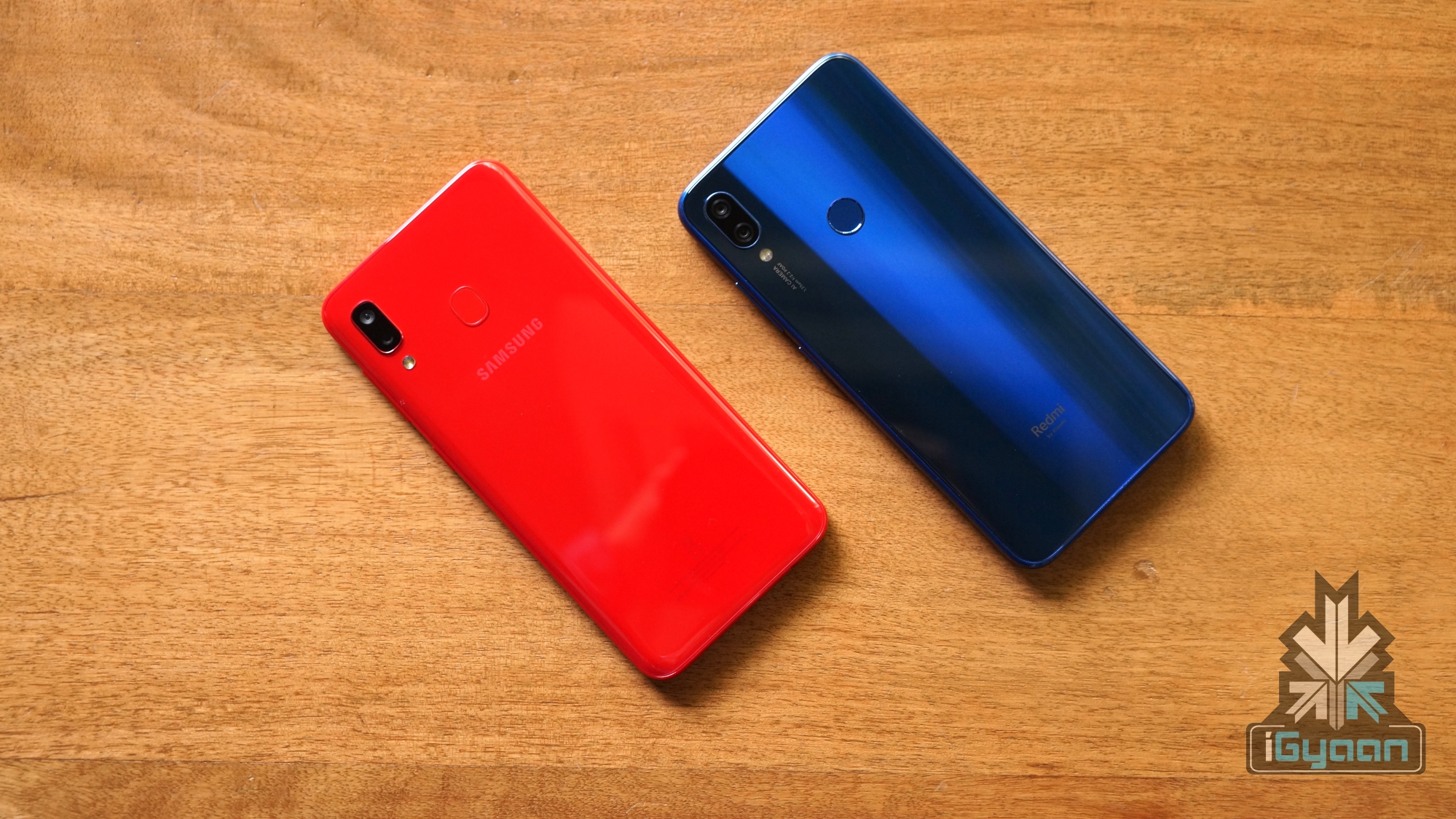
Galaxy A20 (Left) & Redmi Note 7 (Right)
The Galaxy A20 represents a new line of budget smartphones by Samsung and provides some competitive specs at a lucrative price. While the device is a compelling option in the price range, it still leaves a lot to be desired. With a more high-resolution display, slightly better gaming performance and a more detail-oriented camera, it would’ve made it a strong competitor to the Redmi Note 7.
If you’re in the market for a smartphone from a brand offering great service support, a great display, long lasting battery and versatile cameras, the Galaxy A20 is a good option for the price. On the other hand, if you are looking for a phone that offers the best value for money, the Redmi Note 7 might be your best bet. However, if you’re adamant on buying a Samsung device and want better performance, display and cameras, we recommend you check out the Galaxy A30 or the Galaxy M30 which cost slightly higher than the Galaxy A20 but offer great value for money.

 Regarding the rumoured specifications of the the Huawei Y9 Prime 2019, it features a 6.59 inch LCD display with a Full HD+ resolution and an aspect ratio of 19.5:9. The device will have a screen-to-body ratio of 91.006% which is achieved due to the pop-up camera mechanism. The leaks further state that its display panel has a resolution of 2340 x 1080 px and pixel density of 391 ppi.