Author: Yashonil Gupta

  • Xiaomi To Launch A Smartphone With Snapdragon 730 SoC Soon

    Xiaomi To Launch A Smartphone With Snapdragon 730 SoC Soon

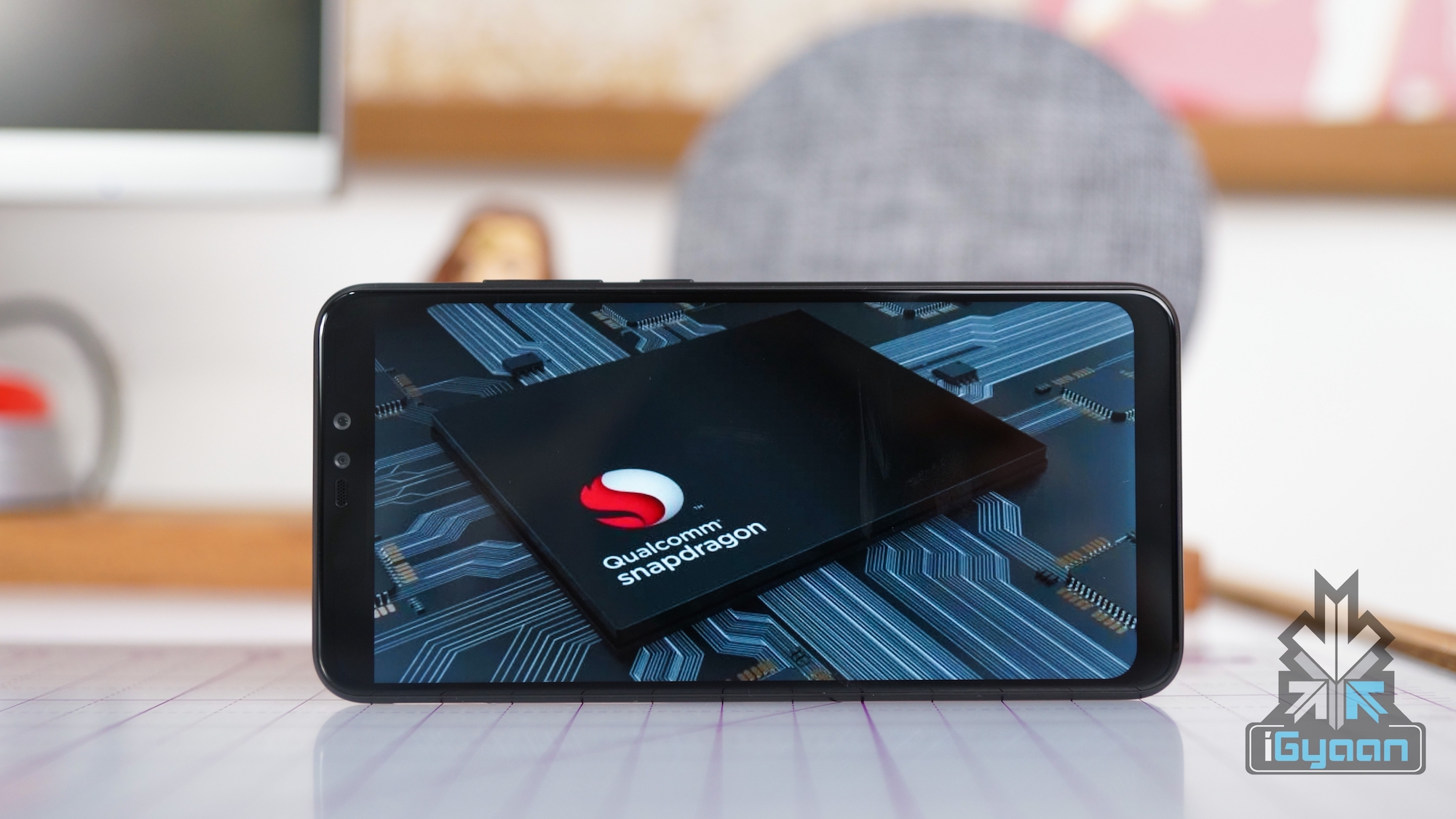
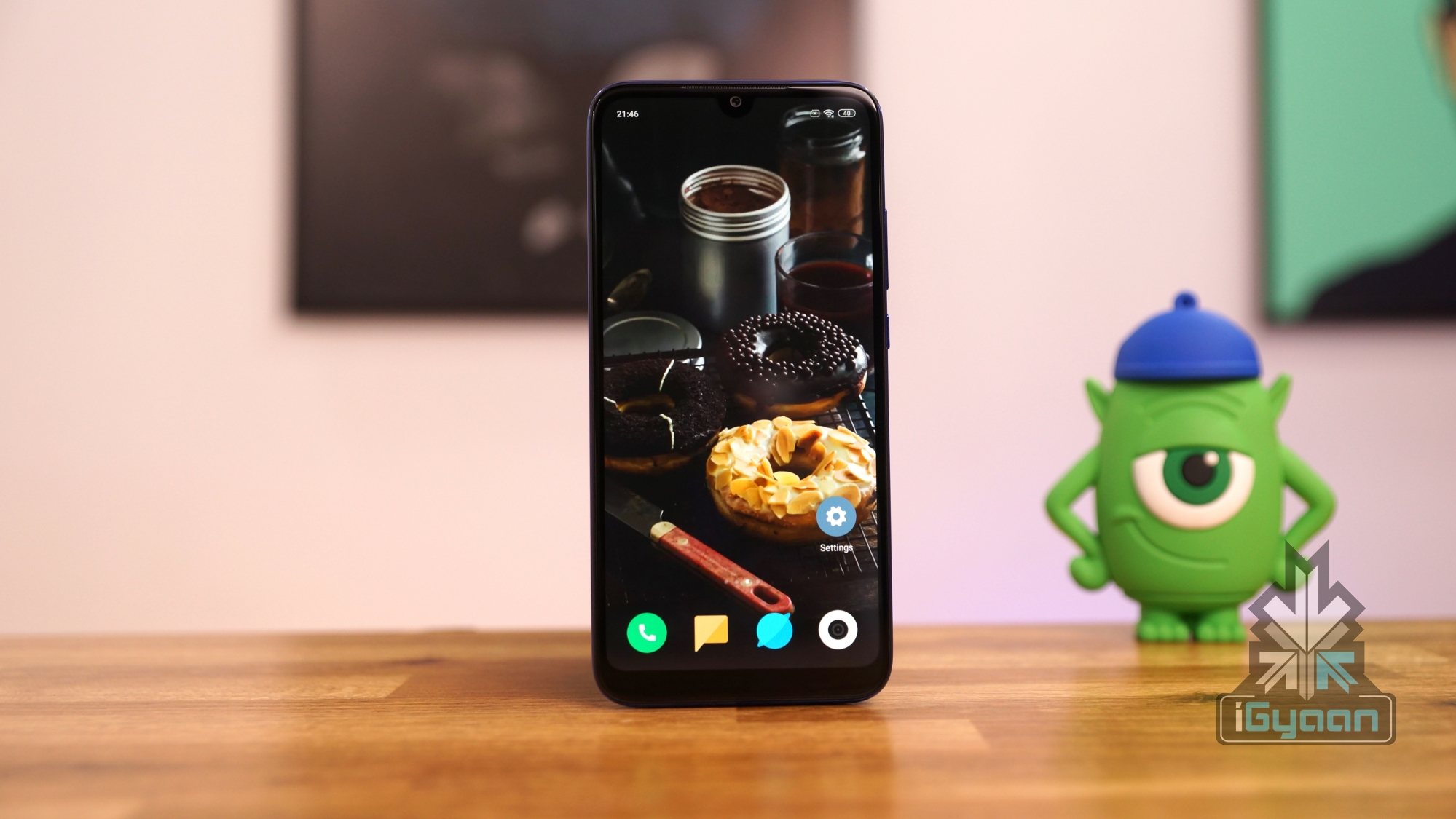
    Qualcomm announced the Snapdragon 665, 730 and 730G smartphone SoCs earlier this month. The new processors promise a faster CPU and gaming performance with a balanced efficiency. While the only device announced until now with one of the above chipsets is the Samsung Galaxy A80, recent reports claim that may change in the near future. In a Tweet, a senior Xiaomi executive has hinted a smartphone from the company with the Snapdragon 730 SoC may launch soon.

    Xiaomi Smartphone With Snapdragon 730

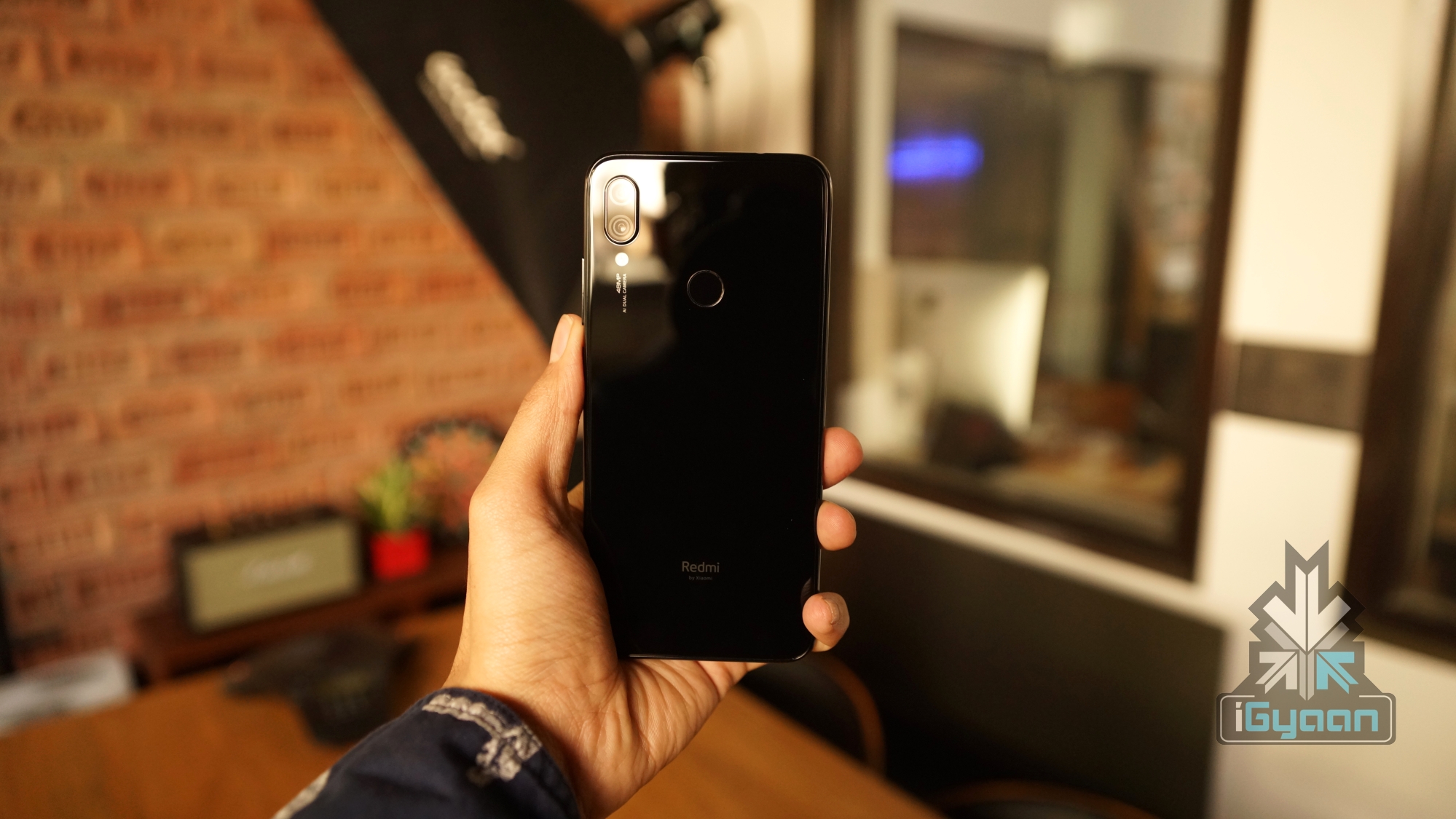
    Previous leaks have affirmed the presence of a Xiaomi smartphone with the Snapdragon 730 SoC. Among other details mentioned in the leak is the presence of a triple camera module, with a 48MP sensor as the primary camera. Apart from this, the image shows a second 8MP camera which may an ultra-wide sensor; and a third 13MP camera, which probably uses a telephoto lens. The image leaked in the past depicted a smartphone with a pop-up camera, a 3.5mm headphone jack and a microphone. This indicates that the Redmi smartphone will have a notch-less display. 
    Also read: Nokia 3.2, 4.2 Budget Smartphones Listed On Indian Website, Launch Imminent

    The Snapdragon 730 processor was launched by Qualcomm on April 9, 2019, and comprises of an octa-core Kryo 470 CPU, which is clocked at 2.2 GHz; and uses the Adreno 618 GPU for graphics. Another notable aspect of the previous leak is the presence of a 4000 mAh battery in the device. The chipset has support for Quick Charge 4+ technology, which implies that the Redmi smartphone is likely to support fast charging. Since Xiaomi has confirmed the device it insinuates that it will be launched soon. Unfortunately, the company has not revealed any details about the launch date or the pricing of the handset. Although, as the company is known to price its products aggressively; the aforementioned smartphone may be priced around Rs. 20,000 price range in India.


  • Here’s What Happens When You Search For Thanos On Google

    Here’s What Happens When You Search For Thanos On Google

    The latest superhero movie from Marvel Studios, Avengers: Endgame has hit theatres all across India today. The movie marks the culmination of 21 movies starting from Iron Man in the year 2008. While the wait to watch the movie seems like something impossible to do, Google has a surprise in store for the franchise’s fans. In typical Google fashion, the company has inserted an easter egg into its search engine. This one revolves around Thanos; the big bad in the latest Marvel movie.

    Searching For Thanos On Google

    Like mentioned above, the latest easter egg from Google is dedicated to the villain of the Avengers: Endgame movie named Thanos, the Mad Titan. In the preceding film Avengers: Infinity War released last year, he was shown decimating half of the whole universe’s population with the snap of his fingers. The surprise by Google here is for the users searching for the Mad Titan on the search engine. In the search results, an infinity gauntlet similar to what he wore in the previous movie is visible on the right side of the screen. When it is clicked, the gauntlet snaps its fingers like in the movie and half of the search results disappear from the screen. Furthermore, the count of the search results is also reduced to half in the process.

    Also read:10 Avengers Endgame Facts That You Probably Didn’t Know

    Notably, to make things go back to their previous state, one would need to click on the gauntlet once again. Doing this shows a new animation which uses the time stone; an element in the Avengers: Endgame movie used to control time, to bring the results back to their original form. It is certainly an amusing addition to build the hype around the film further. The movie, as mentioned above releases today in most countries worldwide. The anticipation around Avengers: Endgame has been unprecedented; with over 2.5 million tickets sold via advanced booking across India, according to ticketing agent BookMyShow. For those who are too lazy to go on Google and search for Thanos, you can visit the link here to watch the decimation happen.

  • Nokia 3.2, 4.2 Budget Smartphones Listed On Indian Website, Launch Imminent

    Nokia 3.2, 4.2 Budget Smartphones Listed On Indian Website, Launch Imminent

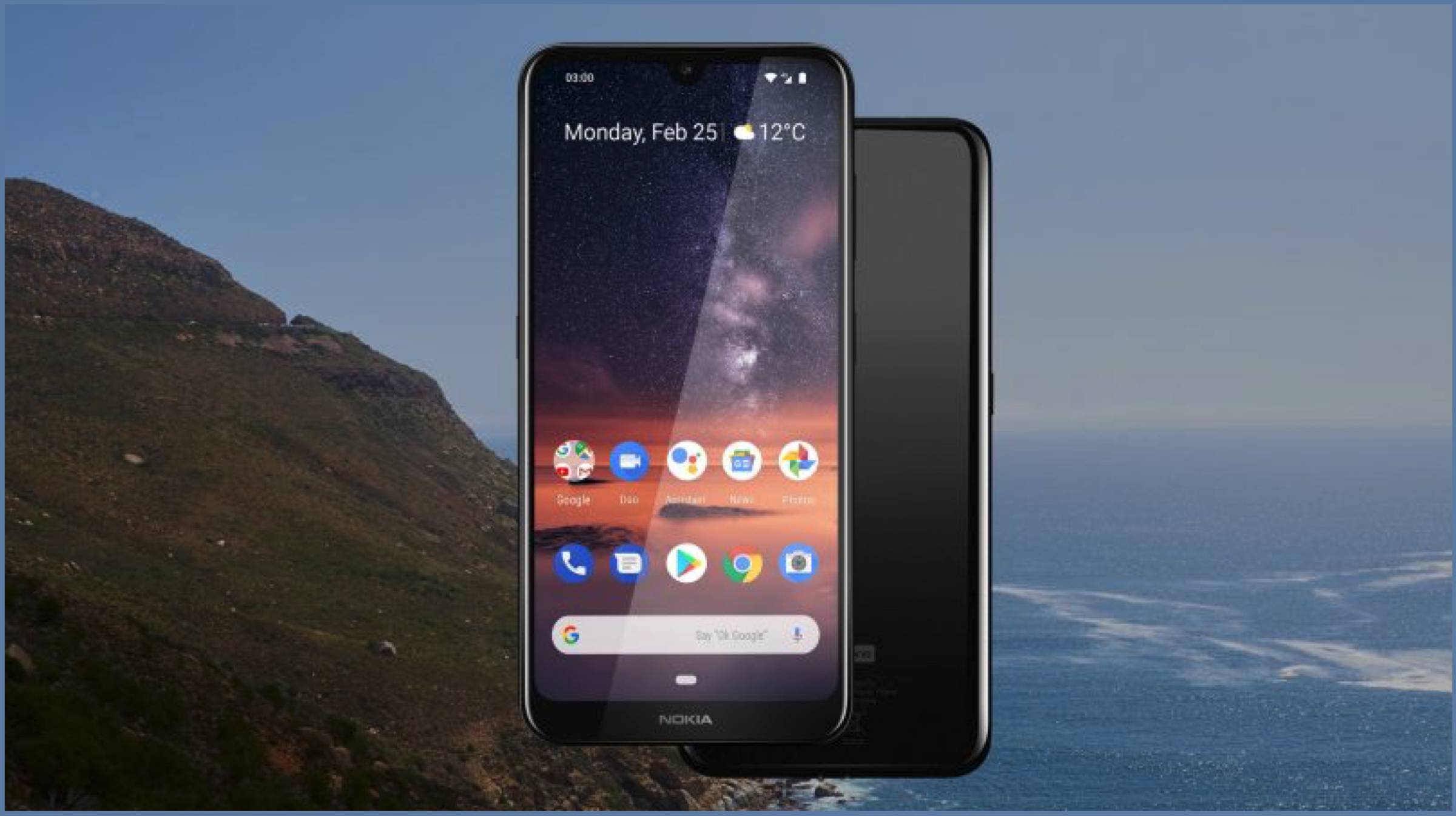
    Nokia originally launched the Nokia 3.2 and 4.2 budget smartphones at an event in Barcelona, Spain back in the month of February. The handsets promise a stock Android interface with support for software updates for multiple years. It is now expected the company will launch the two aforementioned devices in the Indian market soon, as it has listed both handsets on its official website.

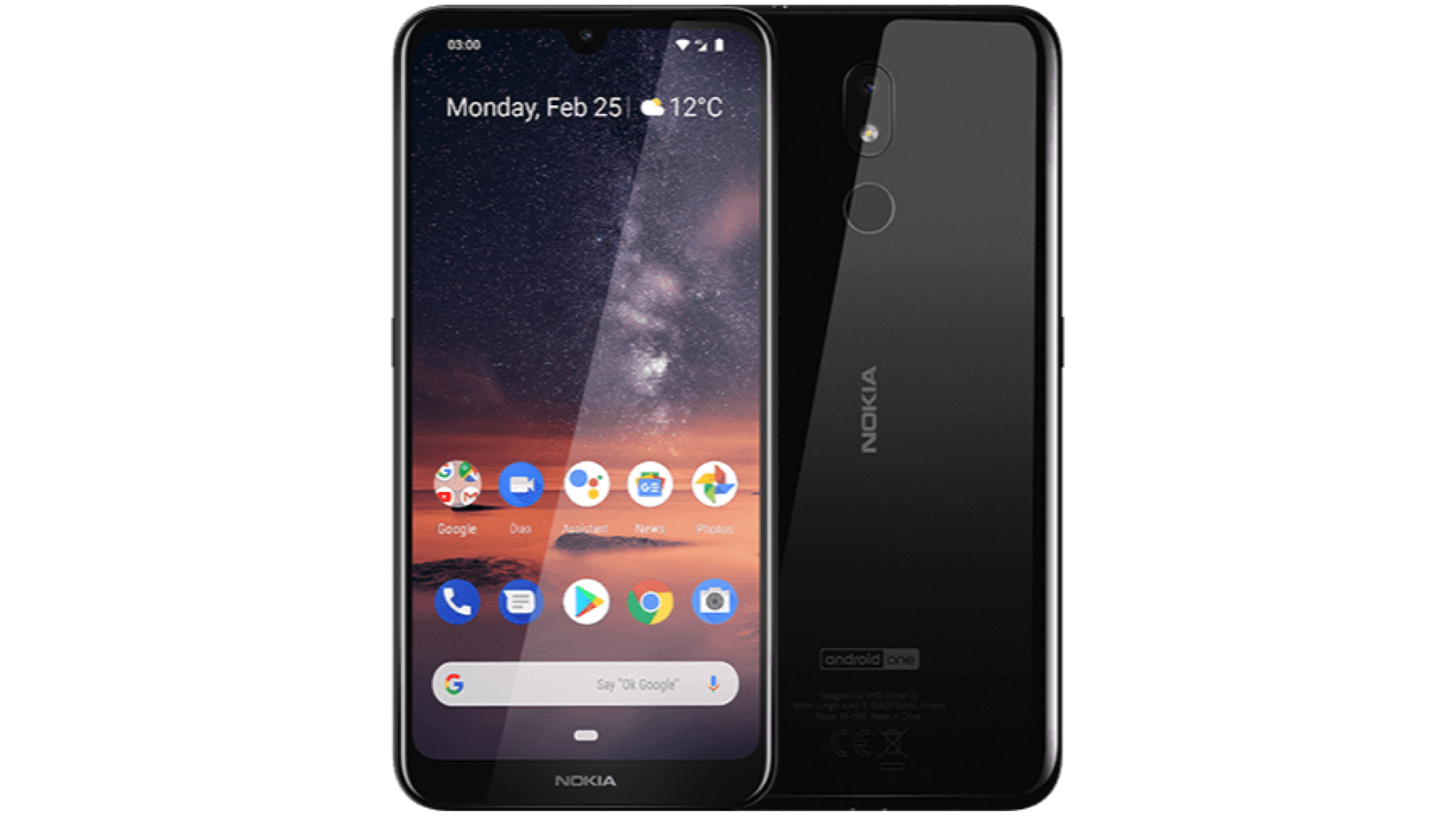
    Nokia 3.2 

    To recall, Nokia 3.2 is the successor of the Nokia 3.1 which was launched last year. It is a budget device featuring a polycarbonate body. The display of the device is a 6.26 inch TFT LCD panel with a resolution of 1520 x 720 px. It has a pixel density of 269 ppi and features a waterdrop notch on top. For biometrics and easily unlocking the smartphone, a rear-mounted fingerprint scanner is available on the more premium storage variant of the smartphone

    Under the hood, the Nokia 3.2 is kitted with a Snapdragon 429 SoC which is manufactured using the 12nm fabrication process. The chipset is comprised of an Octa-core CPU and Adreno 504 GPU. In terms of optics, the handset is equipped with a single rear camera which has an f/2.2 equipped 13MP sensor. For selfies, an f/2.2 aperture equipped 5MP sensor is housed in the notch up front. For memory and storage, the device is expected in two variants:

    • 2GB RAM and 16GB ROM
    • 3GB RAM and 32GB ROM (Also features a fingerprint sensor)

    Nokia 3.2 is powered by a 4000mAh battery which the company claims can last up to two days on a single charge. A dedicated Google Assistant button is also present on the left side of the device. The smartphone runs on Android 9 Pie and is Android One certified; which states that it will receive Android updates for two years and monthly security updates for three years. While it’s pricing is unknown for the Indian market, it was launched for US$ 139 (around Rs. 9,900) for 2GB + 16GB variant and US$ 169 (around Rs. 12,000) for 3GB + 32GB variant so a similar price is expected.

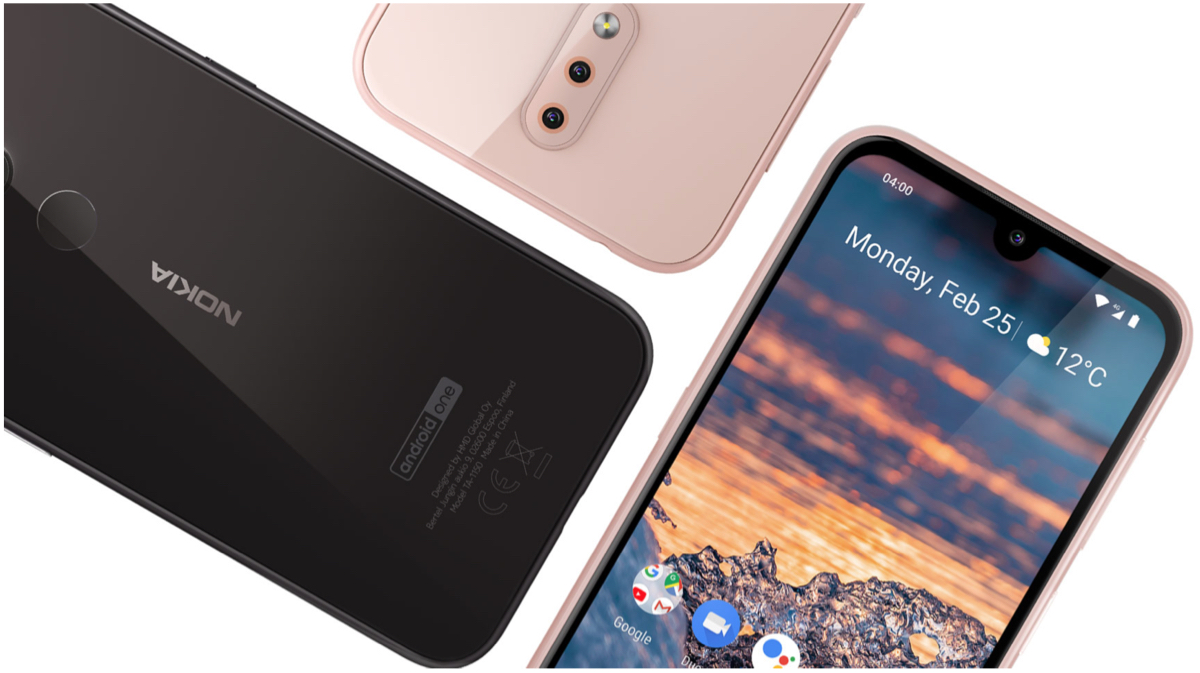
    Nokia 4.2

    Nokia 4.2 is another budget offering by Nokia which features in a completely new lineup. It features a glass sandwich design with a polycarbonate frame. The smartphone has a 5.71 inch TFT LCD display with a resolution of 1520 x 720 px. The display has a pixel density of 270ppi and features a waterdrop notch on top. For biometrics and securely unlocking the device, it has a rear mounted fingerprint scanner.

    Under the hood, the Nokia 4.2 runs on a Snapdragon 439 SoC which is manufactured using the 12nm fabrication process. It has an Octa-core CPU and Adreno 505 GPU. In terms of optics, the handset has a dual rear camera setup. This consists of an f/2.2 aperture equipped 13MP sensor paired with an f/2.2 aperture equipped 2MP depth sensor. For selfies, the device has an f/2.0 aperture equipped 8MP sensor housed in the notch on top of the display. For memory and storage, the device will be available in two variants:

    • 2GB RAM and 16GB ROM
    • 3GB RAM and 32GB ROM 

    Also read: OnePlus 7 Will Have Triple Rear Cameras Confirms Company

    Nokia 4.2 is powered by a 3000mAh battery which can be charged using the MicroUSB port on the bottom of the smartphone. Like the Nokia 3.2, it also features the dedicated Google Assistant button and runs on Android 9 Pie Android One edition. While it’s pricing is unknown for the Indian market, it was launched for US$ 169 (Rs. 12,000) for the 2GB + 16GB version and US$ 199 (Rs. 14,200) for the 3GB + 32GB version. Therefore a similar price tag is expected.

  • In Display Fingerprint Scanners For LCD Displays Are Now A Reality

    In Display Fingerprint Scanners For LCD Displays Are Now A Reality

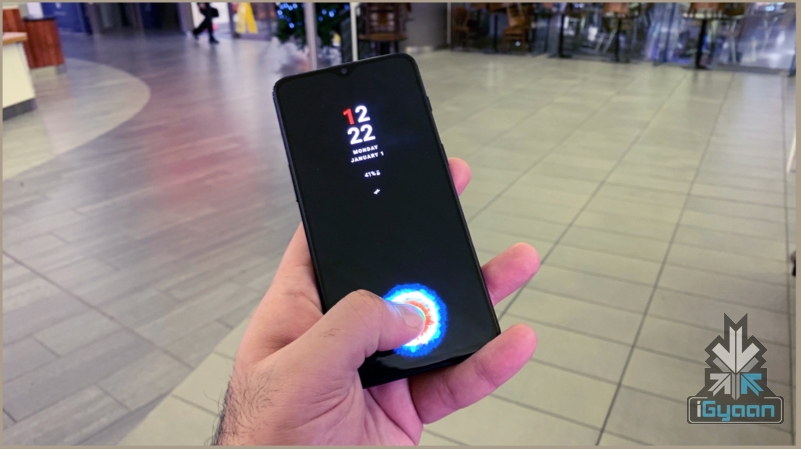
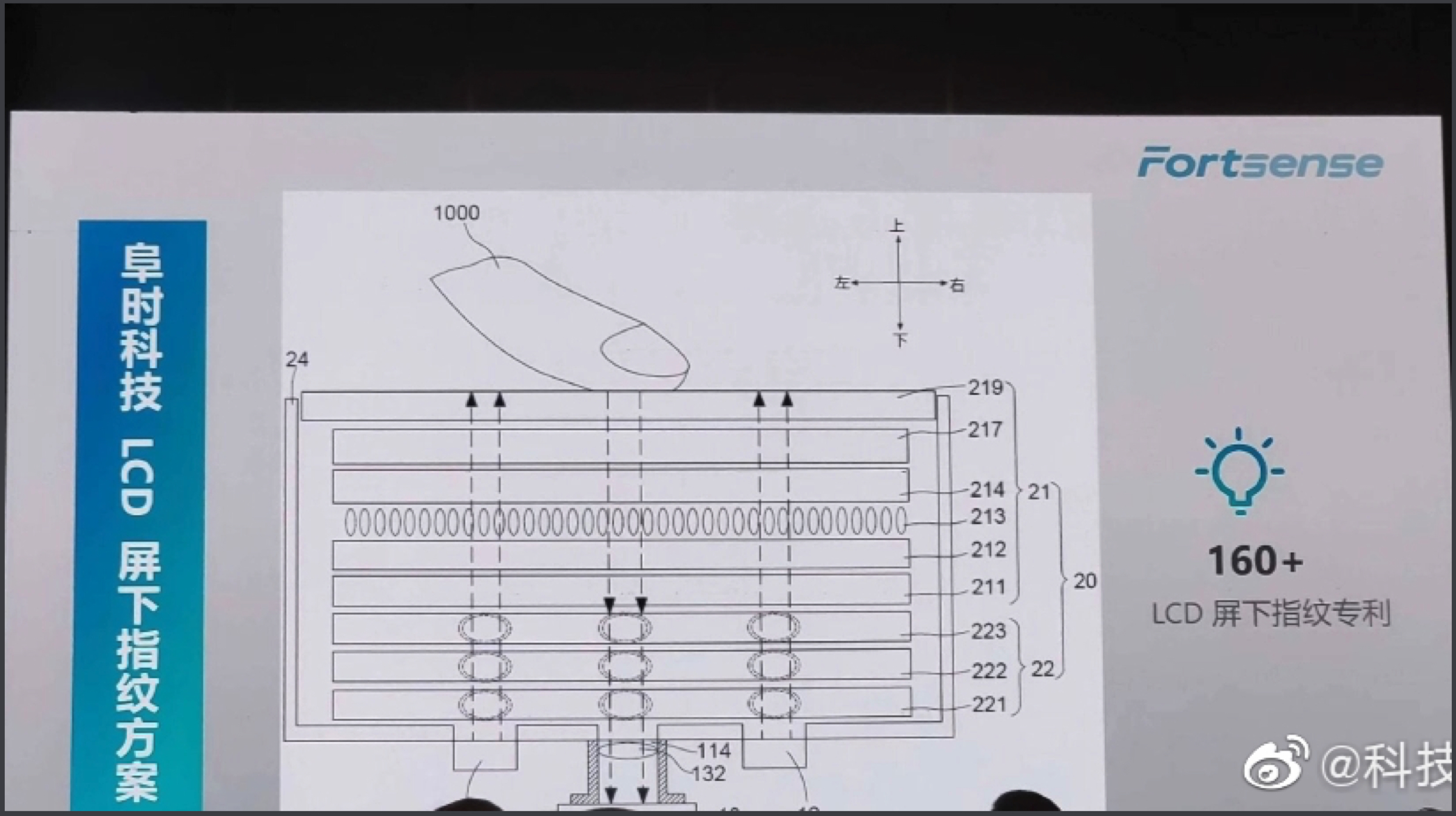
    The in display fingerprint scanners for smartphones was first shown off at the Consumer Electronics Show (CES) last year by Vivo. Few months after, the technology was made commercially available in the form of the Vivo X21 UD. Since then, many other major OEMs have started providing an in display fingerprint sensor in their devices. Notably, the feature is only limited to smartphones that feature an OLED display. Mainly due to the reason, only OLED display allowed light to pass through to authenticate a fingerprint via the underneath mounted sensor. That all changes now, as a Chinese company Fortsense has announced it has successfully developed in display fingerprint scanners for handsets with an LCD display.

    Why Is It Big News?
    Galaxy S10+

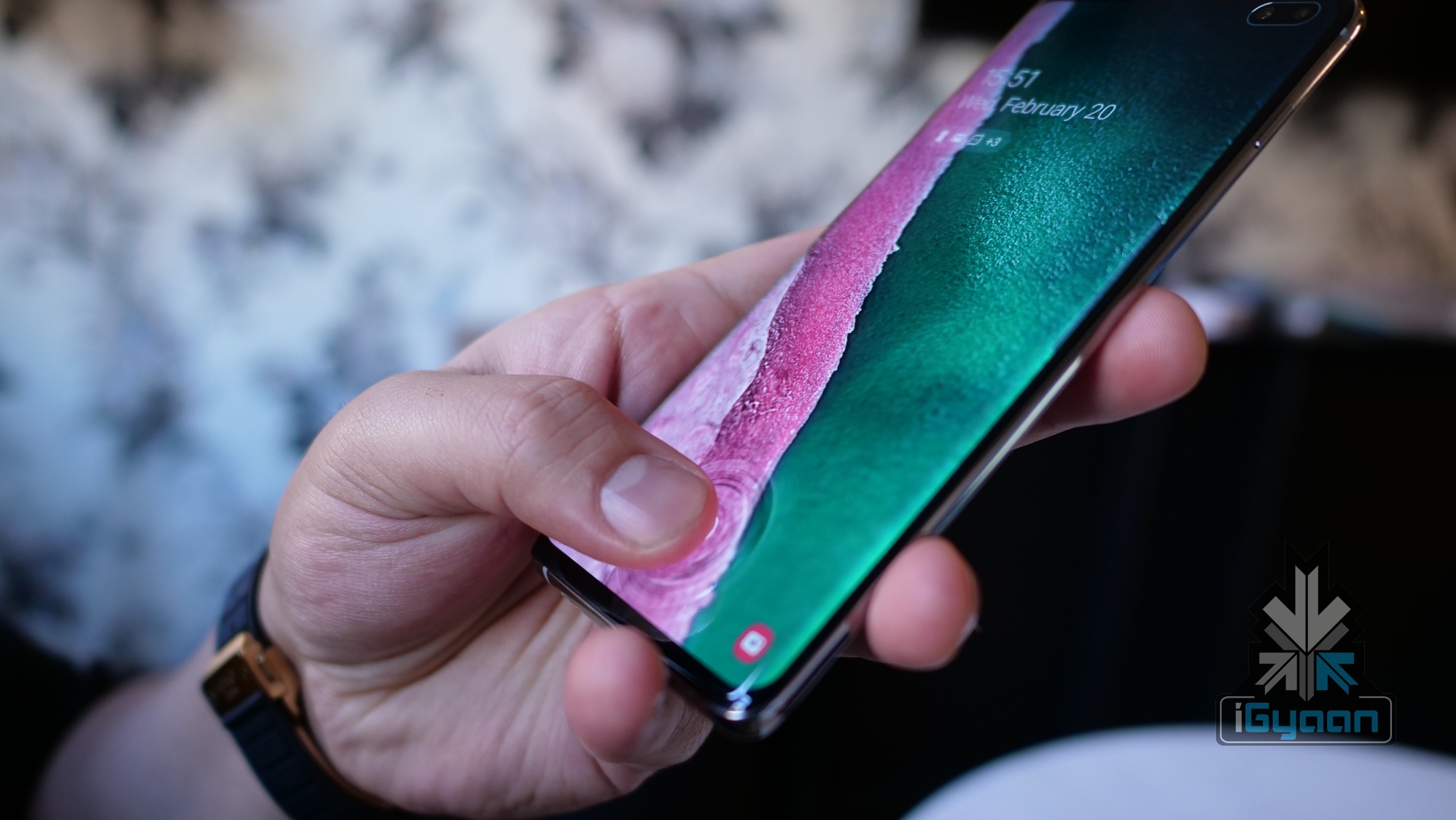
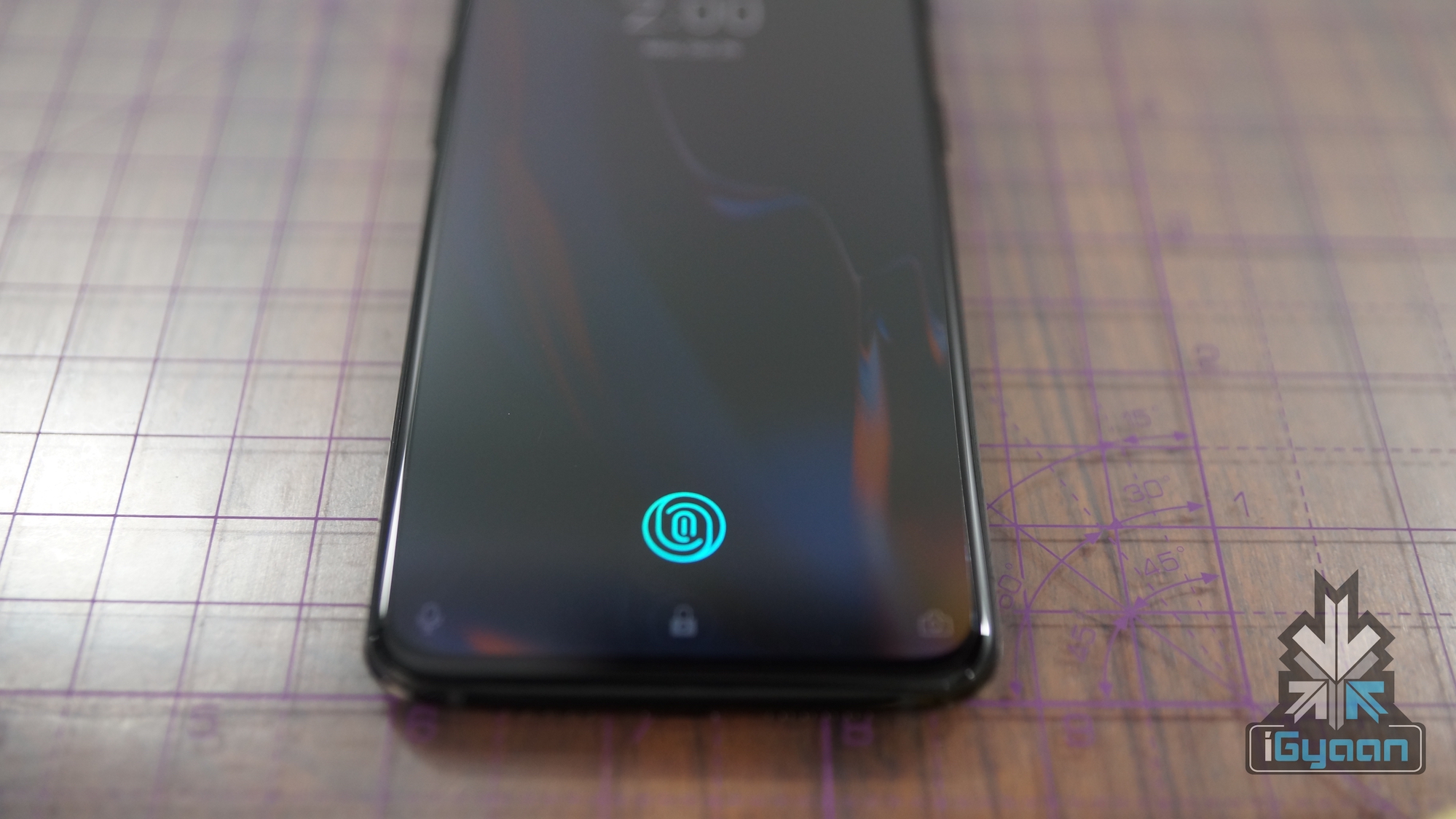
    As mentioned above, traditional in display fingerprint scanners use light to authenticate and unlock the smartphone, like in the OnePlus 6T. These are called Optical fingerprint scanners. Samsung in its Galaxy S10, Galaxy S10+ and Galaxy S10 5G uses an ultrasonic in display fingerprint sensor. As opposed to optical ones, these use a sonic pulse wave to authenticate the user’s fingerprint and is claimed to be more secure than the former. In the past, both instances have used an OLED display to work because neither light or a sonic pulse wave can pass through conventional LCD displays.

    As LCD displays are more affordable to manufacture and are found in abundance in budget and mid-range smartphones; an LCD in display fingerprint scanner is big news. This insinuates future budget devices may be featuring a fingerprint sensor inside the handset’s screen. Surprisingly, a senior executive at Xiaomi has already confirmed that smartphones with this feature will be released as early as the next year.

    How Does It Work?

    The R&D team of the Fortsense company claims to make the LCD in display fingerprint scanners work, it had to revise and improve the quality of the LCD backlight panel. It was achieved by enhancing the fingerprint optical path scheme of the display panel. The images from the announcement suggest the fingerprint sensor is an optical kind, but like them, a camera inside the screen is not visible. This might mean it is a completely different kind of technology. 

    Also read: Top Android And iOS Competitors That Got Lost In The Wheel Of Time

    Fortsense also claims to have adopted an algorithm based approach for its LCD in display fingerprint scanners. A combination of deep learning neural network algorithm for optimization and recognition of fingerprints quickly is used in the process. According to the company, the recognition speed is comparable to traditional fingerprint sensors.

  • Top Android And iOS Competitors That Got Lost In The Wheel Of Time

    Top Android And iOS Competitors That Got Lost In The Wheel Of Time

    Google’s Android and Apple’s iOS are the most popular and the most used mobile Operating Systems worldwide. While their success is unprecedented and doesn’t seem like it can be beaten; there was a time when many companies were close. Here is the list of all the once-promising competitors to the hulking giants in the smartphone OS market. Most of them have been forgotten in the wheel of time.

    Windows Phone

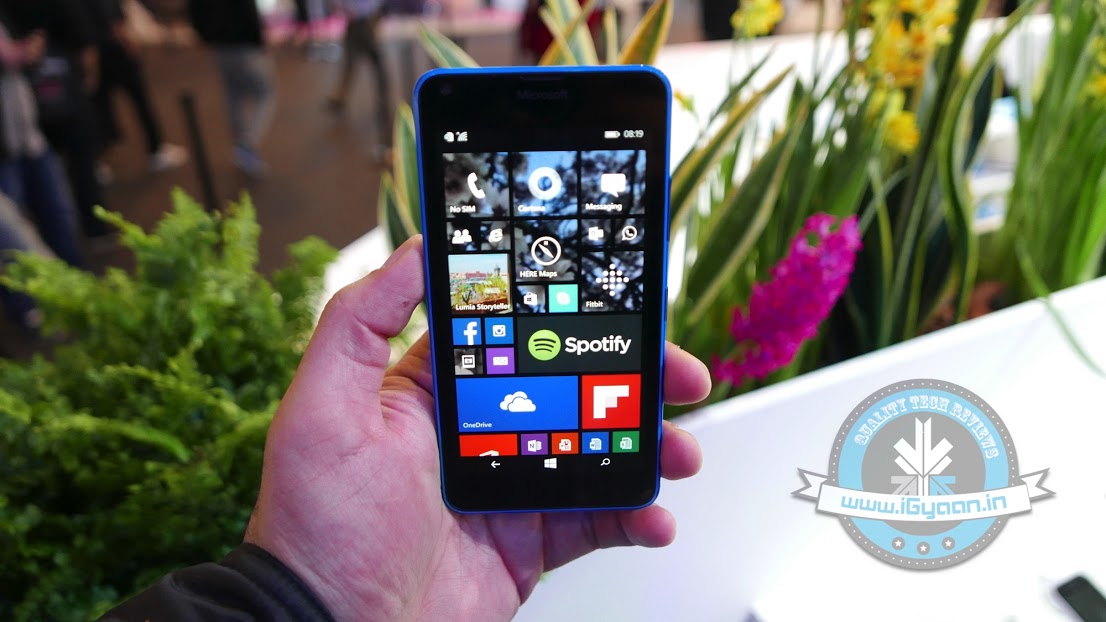
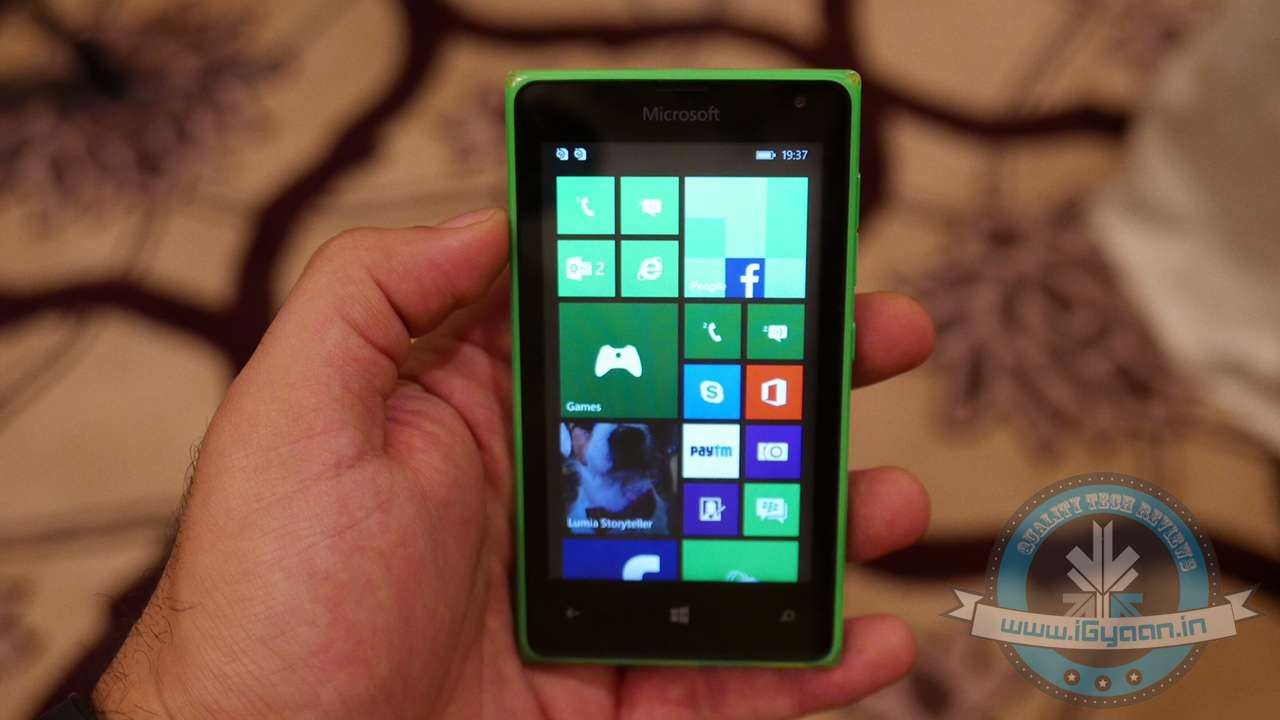
    Windows Phone first debuted in the early 2000s and ran on QWERTY based mobile phones. After the ever increasing hold of Android and iOS on the consumer market, Microsoft shifted its strategy and named it Windows Phone in 2010. With support for touchscreen devices and partnership with renowned smartphone OEMs like Nokia, HTC and Samsung; it was a refreshing take on Operating System for mobile phones. Alas, due to the poor app support and partners backing out of the project, the company officially shut down the Windows Phone two years ago. While the loyalists would still swear by its fluidity and colourful UI; the Windows Phone is still the closest any competitor ever arrived at beating Android and iOS.

    Symbian

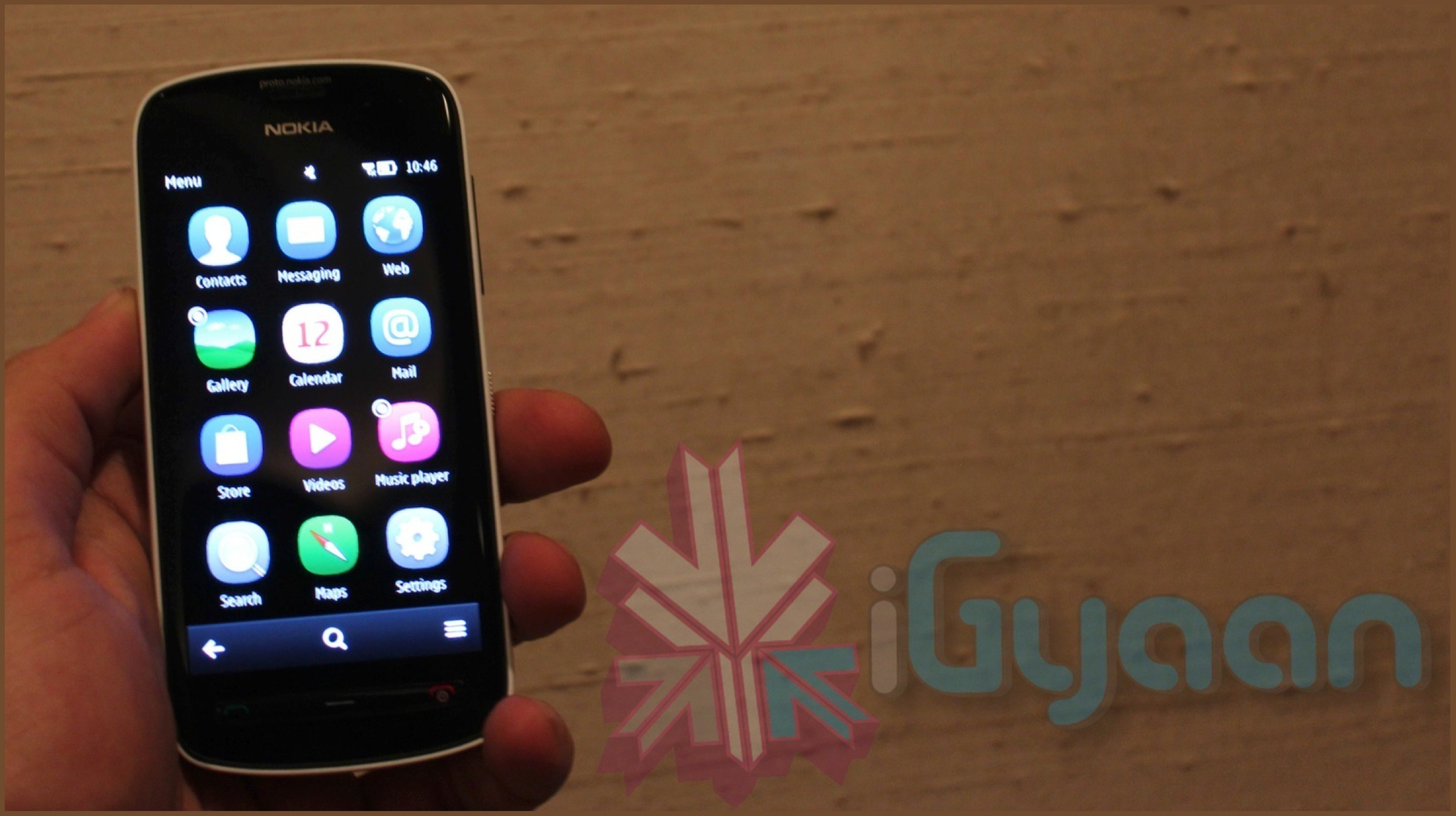
    Symbian OS was developed by Symbian Limited and was launched in the year 1998. While it was earlier designed for Personal Digital Assistants (PDAs), many major phone makers adopted the OS. The most prominent one of them was Nokia. The king of mobile phone OEM at the time also used a User Interface (UI) called S60. But, due to the ever increasing adoption of Android and iOS and Nokia’s foray into Windows Phone, Symbian also had to meet its ill-fated end. The legendary Nokia 808 PureView released in the year 2012 was the last phone to run SymbianOS from Nokia.

    Sailfish OS

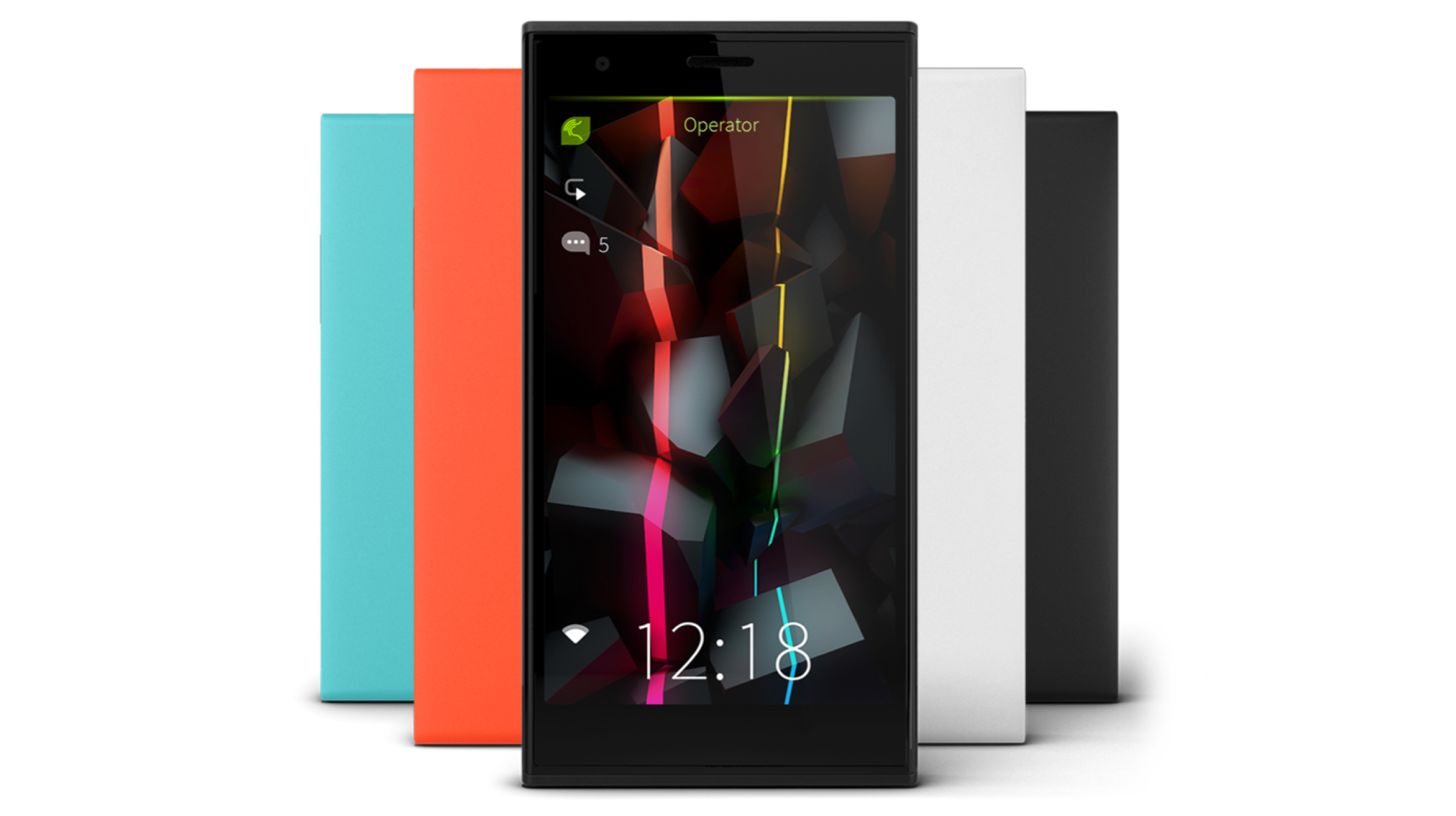
    Sailfish is developed by Jolla after the MeeGo interface by Nokia in its smartphone, the N9. While the latter was soon discontinued after its release, the former still receives consistent updates. Sailfish was designed to be a replacement for Android, promising better and safer software integration. To appeal to its investors, the company even had to release its own smartphone, called Jolla Phone. But, due to issues with various part suppliers, the company failed miserably and announced bankruptcy. However, software updates to the OS are still delivered quite regularly.

    BlackBerry OS

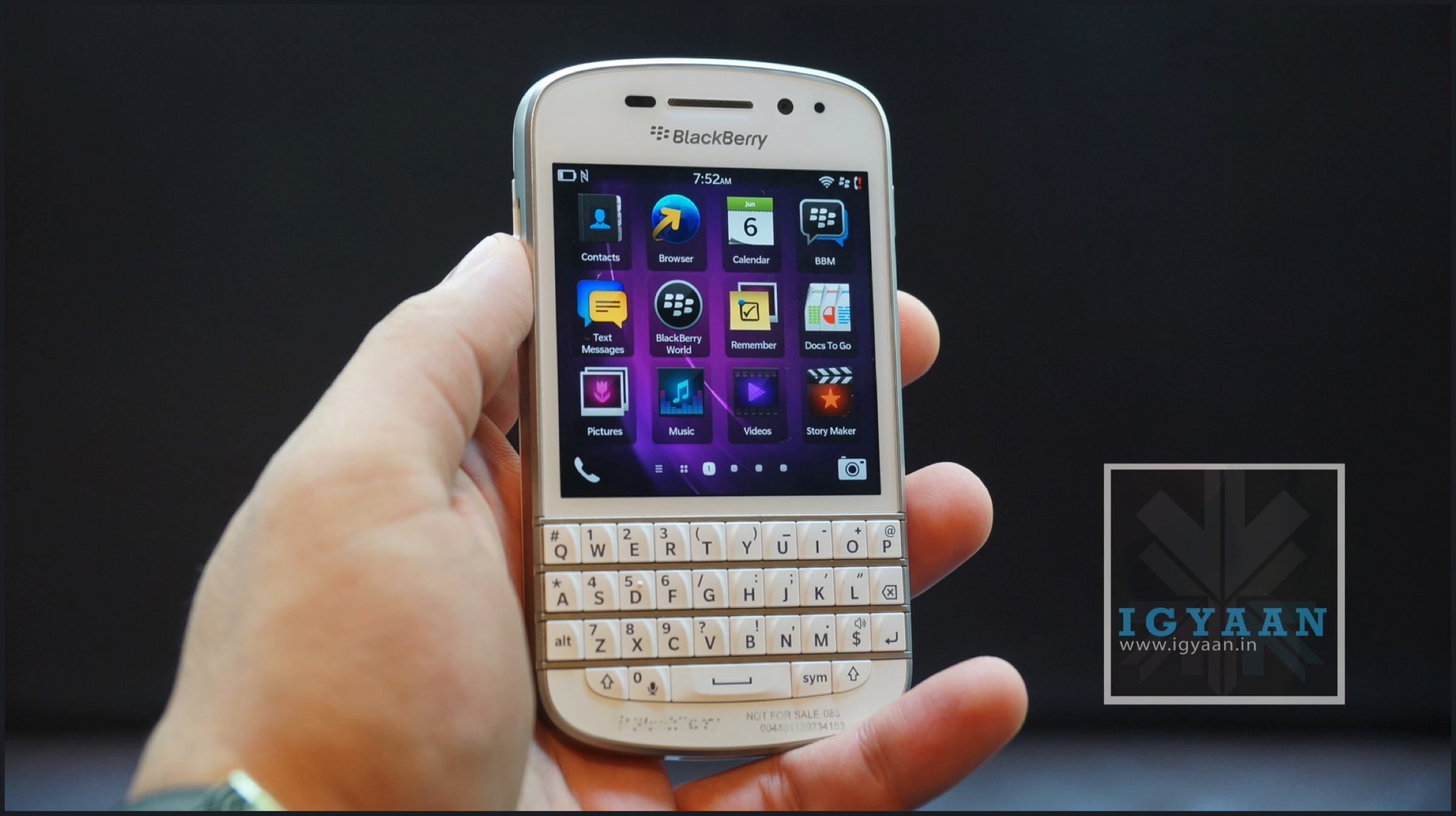
    Blackberry, the Canadian smartphone maker was once the most popular brand amongst businessmen and college goers. Remember when all the cool kids had access to BBM? This was due to the BlackBerry OS inside the devices. It was a secure operating system that was capable of supporting touch screen and QWERTY input. Although, like most entries in this list the BBOS also fell flat to its competition over the lack of apps and a dated UI design. While the company tried fixing it by allowing the installation of Android apps on the devices. But, BlackBerry eventually gave up and launched the Priv, a smartphone running Android OS in the year 2015. 

    FirefoxOS

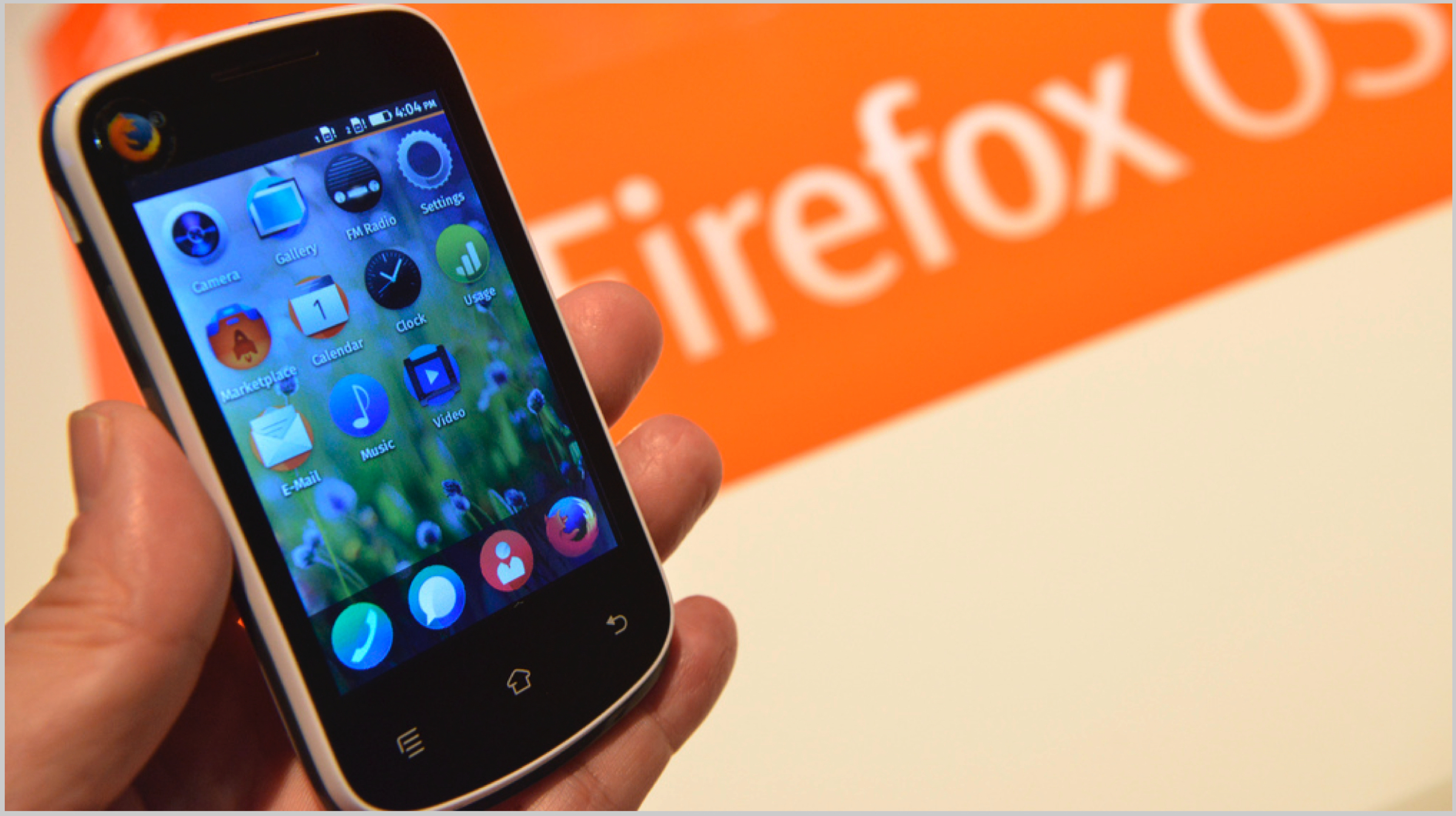
    One of the biggest names in web browsers, Mozilla’s foray into the mobile OS business is nothing to write home about. First shown in the year 2012, it was designed for entry-level smartphones. But again, due to a sluggish adoption and lack of app support made the company discontinue Firefox OS in the year 2016. While it didn’t have a good run, the OS is credited for the birth of KaiOS. It is the latest software to power feature phones to make them smarter.

    Tizen

    Also read: Huawei Working On Smartphone With 16MP Pop-Up Camera And 4,000 mAh Battery

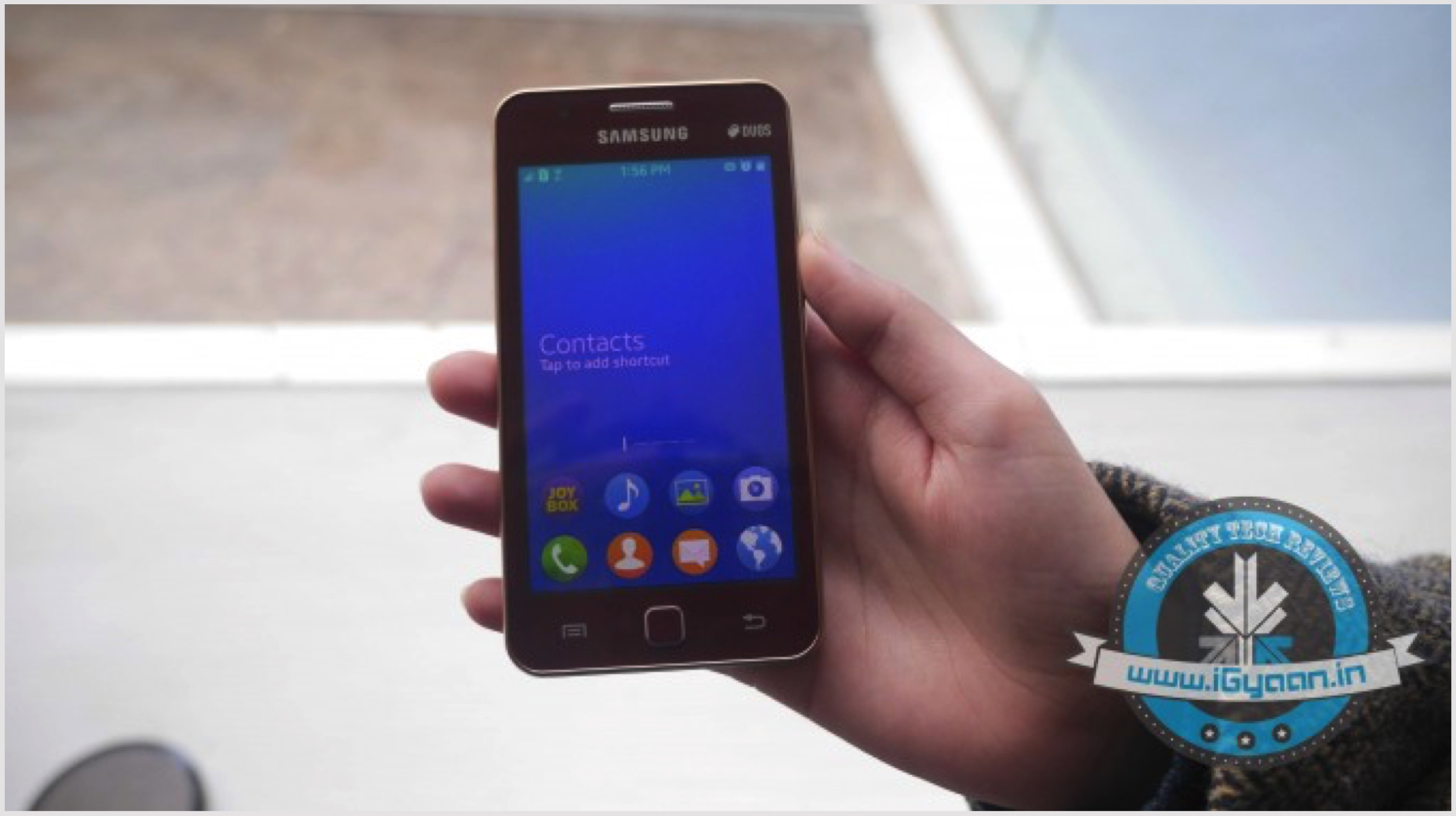
    Tizen is an open source Operating System mainly embraced by Samsung in its Z series. It was mainly intended to run on entry-level budget smartphones and as a replacement to Android. The Tizen OS promised a faster UI with future support for popular applications. All the promises fell flat, however as these premises were met with no results. Tizen was last seen in the Samsung Z4 in the year 2017. 

  • Xiaomi Patents A Smartphone With Protruding Notch

    Xiaomi Patents A Smartphone With Protruding Notch

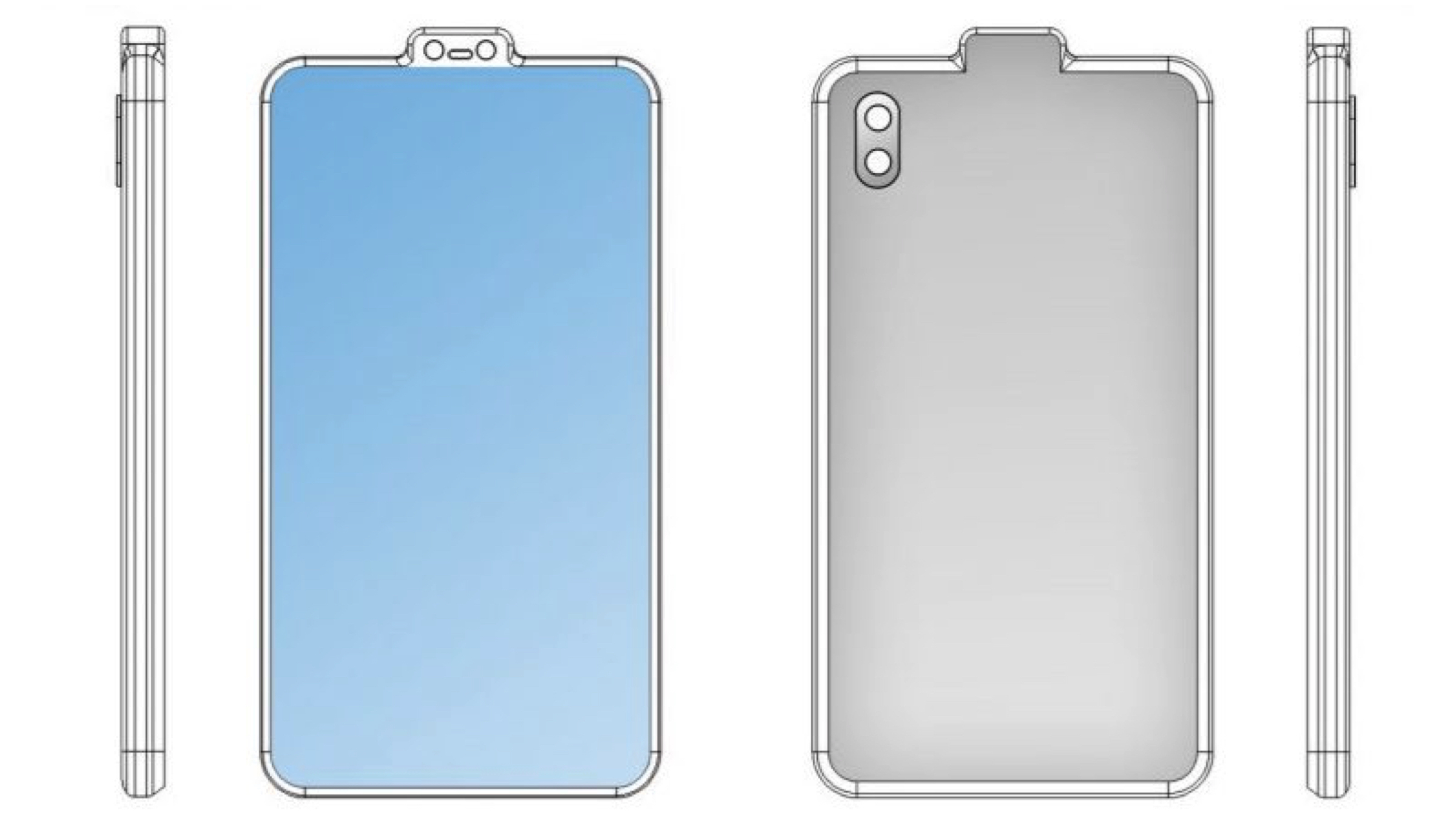
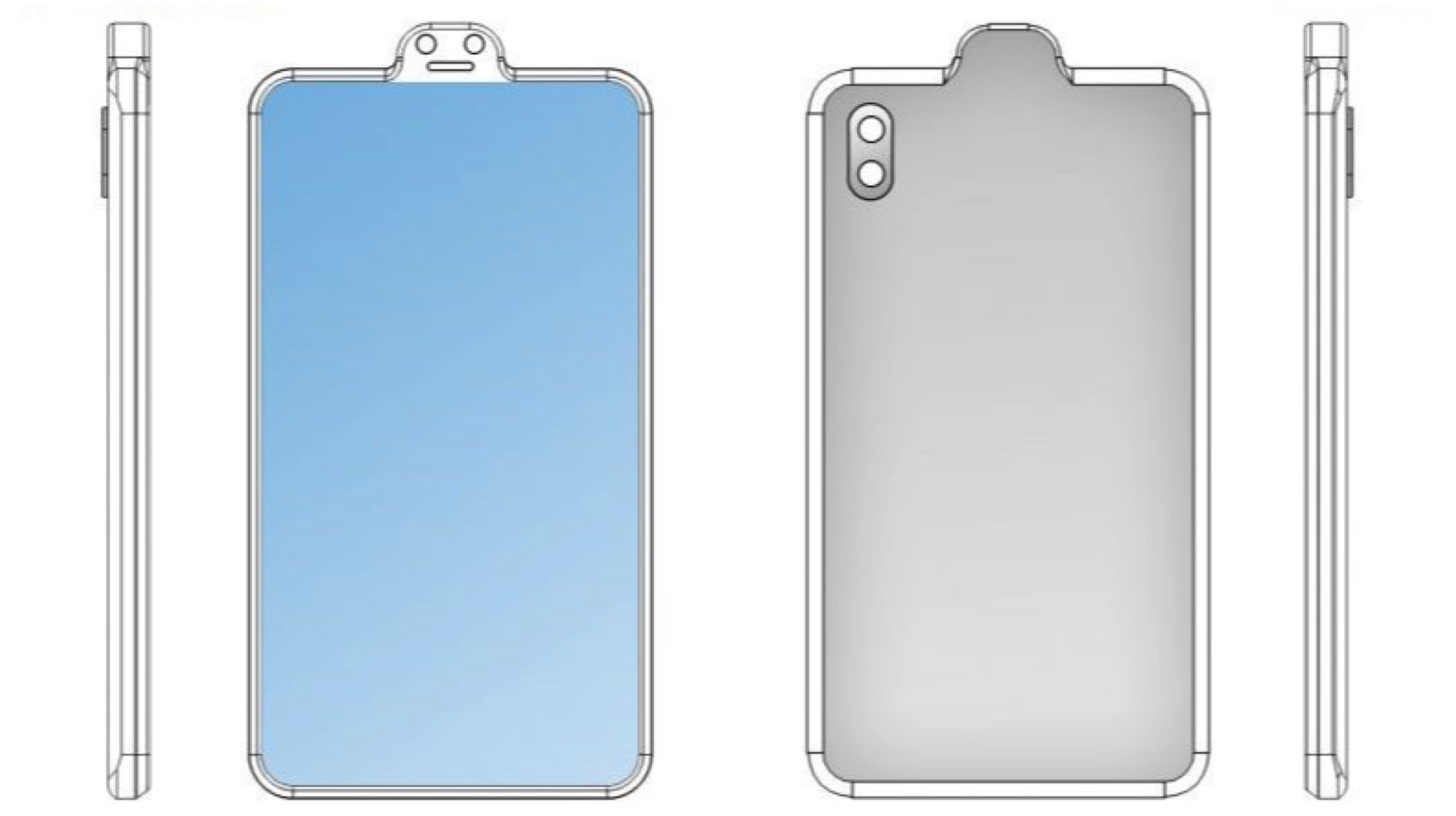
    Since the year 2017, smartphone OEMs have tried multiple ways to maximise the screen real estate in their devices. Some innovative outcomes of the project included display notches of various sizes, hole punch displays and manual/mechanical sliders. Xiaomi, a renowned manufacturer has recently filed a patent which shows another unique way of increasing the screen to body ratio. The patent shows a smartphone with a reverse notch which protrudes from the top of the display. 

    Xiaomi Smartphone With Reverse Notch

    The patent was applied by Xiaomi in mid-2018 and was published on the 23rd of April. It shows three different models, which slightly differ from each other in terms of design. Common aspects of all three smartphones include an edge to edge display, a dual selfie camera setup and an earpiece on top of the display. They also have a vertical dual rear camera setup on the back. The notch on top of the display is a unique deisgn choice and has never been implemented on a smartphone before. No physical fingerprint sensor is visible in the design of the device, which suggests the company will opt for an in-display scanner on the handset if it launches.

    Also read: Xiaomi Redmi Y3 vs Redmi Note 7, Which One Should You Pick?

    There may be many benefits of a reverse notch design on a smartphone over the conventional way of getting more screen real estate. With the cameras and sensors placed above the display, the chances of them cutting into the screen while consuming media are zero. Furthermore, no moving parts suggest the handset with the design can be made water resistant. However, the structural integrity and the ergonomic factor of the design remains to be seen when it is finally announced. Unfortunately, no details about the launch date of a Xiaomi smartphone with a reverse notch is known as of now.

  • OnePlus 7 Pro Pricing Leaked Before Official Launch

    OnePlus 7 Pro Pricing Leaked Before Official Launch

    OnePlus has confirmed it will launch the next generation of its flagship smartphones next month. Two devices, alleged to be called the OnePlus 7 and the OnePlus 7 Pro will be launched globally on the 14th of May. While the specifications of the smartphones have already been leaked online, their pricing remained unknown. In a fresh tweet by a known tipster, the European prices of the beefed-up variant of the two, the OnePlus 7 Pro have been leaked.

    OnePlus 7 Pro: Pricing
    OnePlus 6T

    The OnePlus 7 Pro is expected to go on sale soon after the aforementioned launch date. According to the leaked pricing, the smartphone will cost the following in the European market.

    • 6+128GB: Unknown at the moment
    • 8+256GB: € 749/759 (~Rs. 58,400)
    • 12+256GB: € 819/829 (~Rs. 64,000)
    OnePlus 7 Pro: Specifications

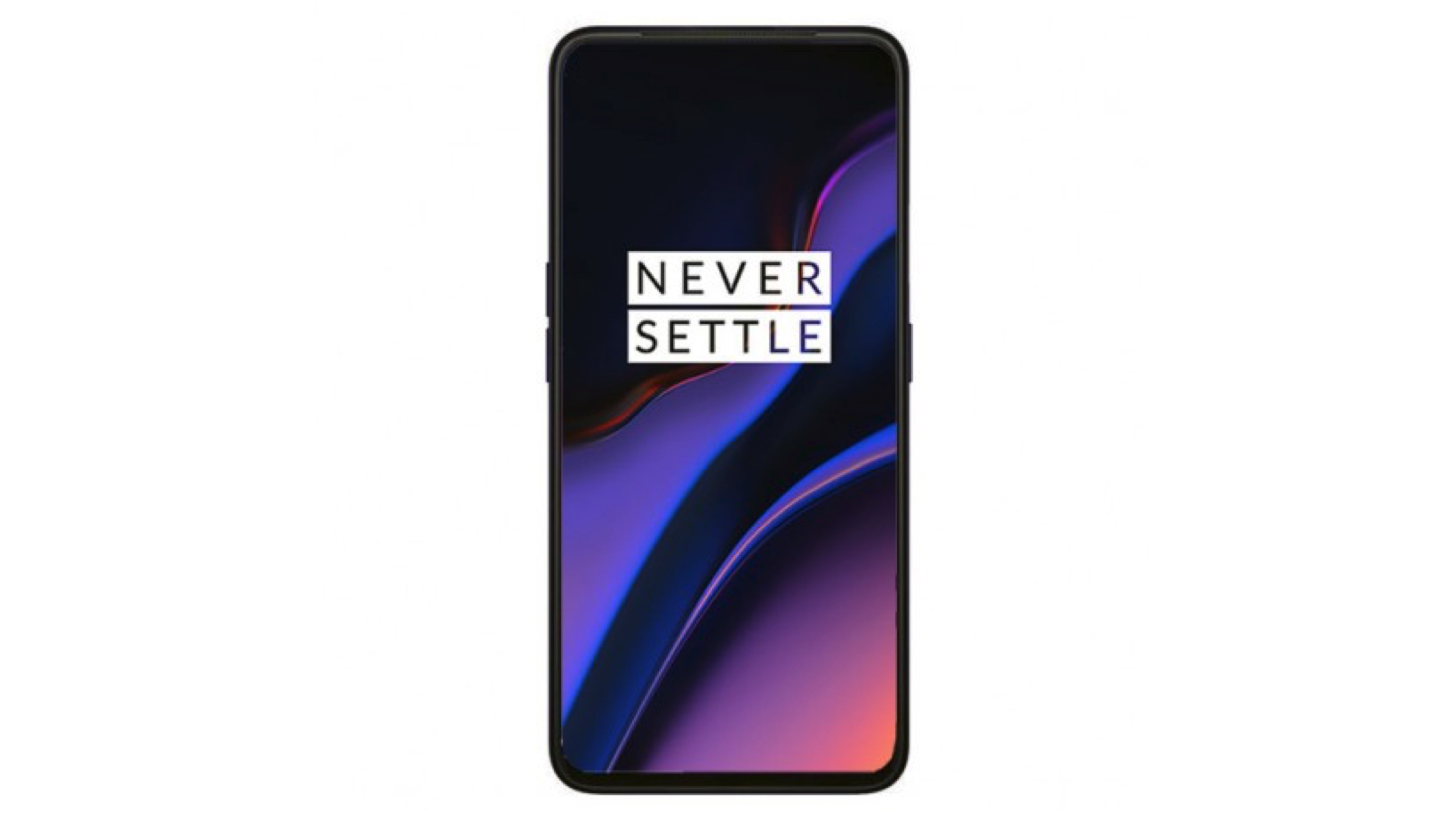
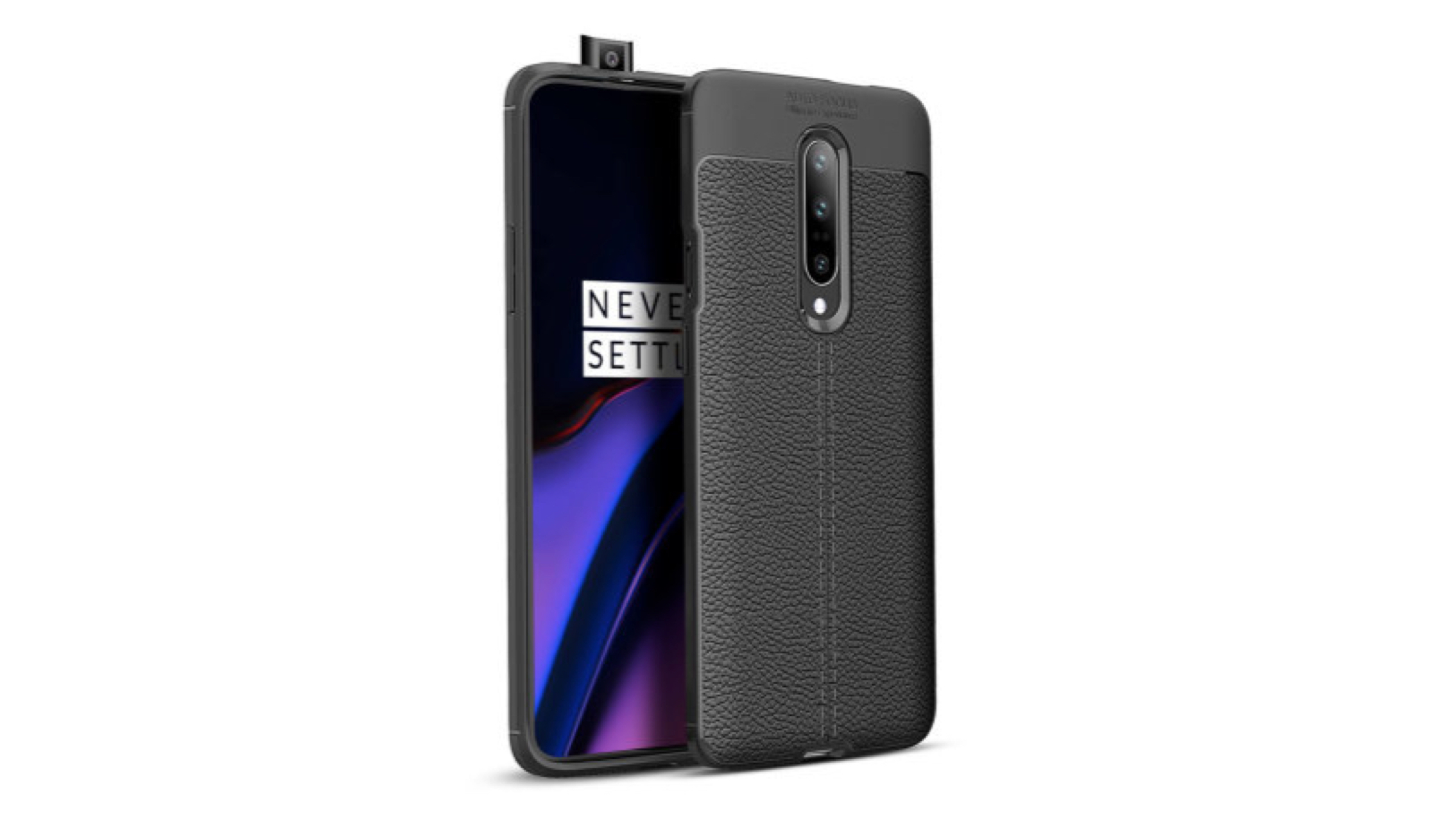
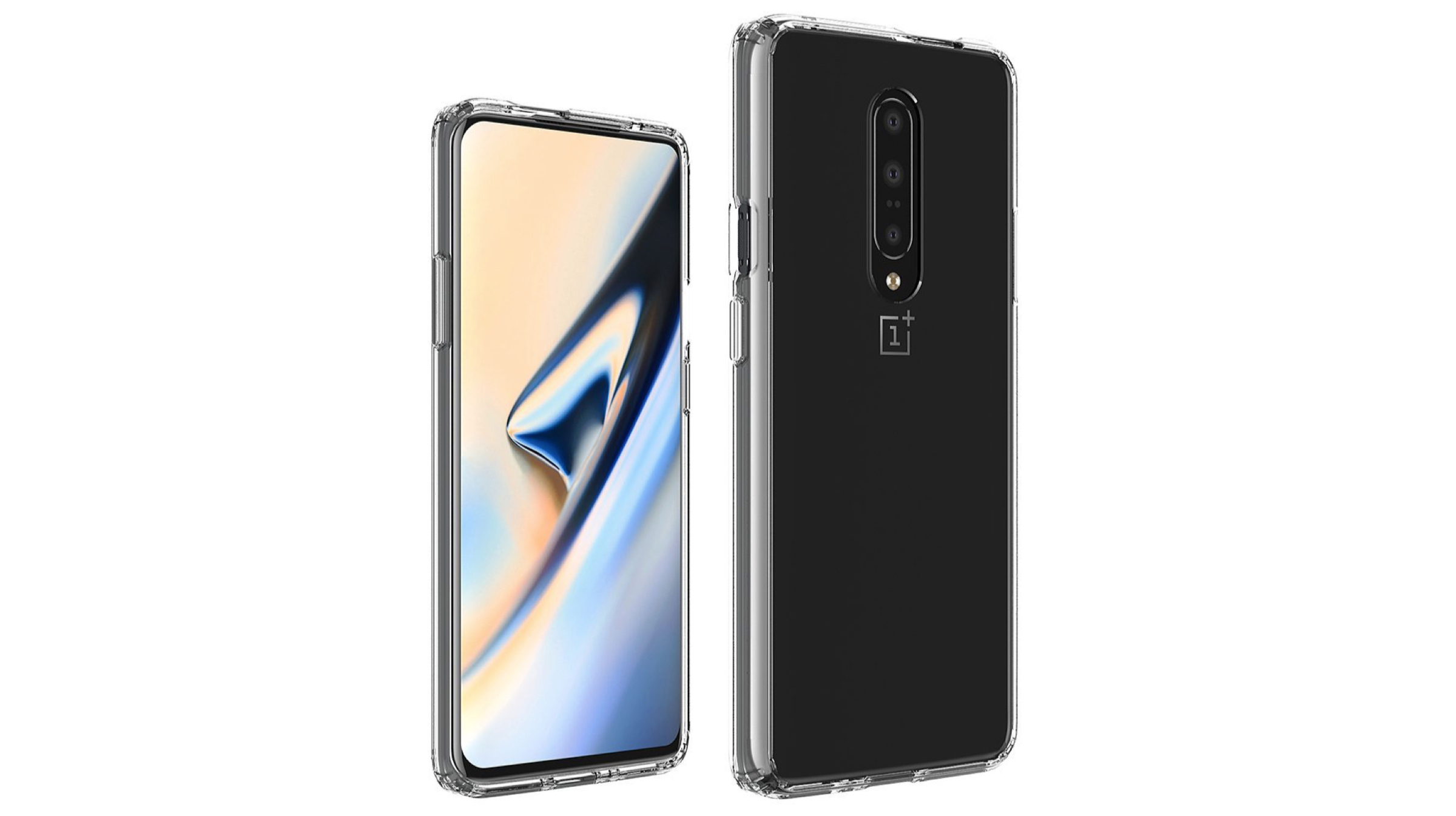
    As mentioned above, the OnePlus 7 Pro will be the specced up variant of the regular OnePlus 7. It will have a similar all glass design on the front and rear, complete with a metal chassis to provide reinforcement. According to the source, the smartphone will have a massive 6.7-inch Optic AMOLED display with a resolution 3120 x 1440 px and a refresh rate of 90Hz. Unlike the regular variant, the Pro variant will use an elevating pop-up camera mechanism like the Vivo V15 Pro. For biometrics and securely unlocking the device, it will have an in display fingerprint scanner and will support face unlock technology.

    The leak claims, like the regular variant, the OnePlus 7 Pro will also run on the 7nm Snapdragon 855 SoC. The chipset consists of an Octa-core CPU and the Adreno 640 GPU. In terms of optics, the smartphone will have a triple rear camera setup, comprised of an f/1.7 aperture equipped 48 MP sensor; an f/2.2 aperture equipped 16 MP ultra wide sensor and an f/ 2.4 aperture equipped 8 MP sensor. For selfies, it will have an f/2.0 aperture equipped 16 MP camera hidden in the aforementioned pop-up mechanism. Reportedly, the device will have Ultra Fast Storage (UFS) 3.0 standard and will be available in the following memory variants.

    • 6GB RAM and 128GB ROM
    • 8GB RAM and 256GB ROM
    • 12GB RAM and 256GB ROM

    Also read: Madras High Court Lifts Ban From Popular App TikTok

    The leak also states the OnePlus 7 Pro will be powered by a 4000 mAh battery with support for 30W Warp charging. The smartphone will also be available in a 5G variant which will support the next generation of mobile connectivity standard. It will be available in three colour variants, namely Mirror Grey, Almond, Nebula Blue.

  • Redmi 855 Flagship Smartphone Specifications Leak Online

    Redmi 855 Flagship Smartphone Specifications Leak Online

    Redmi separated from its parent company Xiaomi back in the month of January. While the brand has launched smartphones in the budget and the mid-range segment, it has been long rumoured to announce a flagship device. The details of the handset have been leaked online time and again. Now, a user on Weibo has listed the specifications of the upcoming flagship smartphone from Redmi, reported to be called the Redmi Pro 2.

    Redmi 855 Flagship
    Redmi Note 7 Pro

    The upcoming Redmi 855 smartphone will be the company’s first flagship device since its inception earlier this year. According to previous leaks, it will have an all-glass design on the front and back, like the Redmi Note 7 Pro. The handset will have a 6.39-inch display with a resolution of 2340 x 1080 px. Unfortunately, the details about the display design of the smartphone are not known yet. So it remains to be seen if the upcoming device from Redmi uses a hole punch, a waterdrop notch or an elevating mechanism to maximise the screen real estate. 

    The leak further reveals the flagship smartphone from Redmi will run on the Snapdragon 855 SoC which is manufactured using the 7nm fabrication process. The chipset consists of an Octa-core CPU and the Adreno 640 GPU. In terms of optics, the device will sport a triple rear camera setup, comprised of an f/1.8 aperture equipped 48 MP Sony IMX 586 sensor; a secondary f/2.4 aperture equipped 13 MP ultra-wide sensor, and a tertiary f/2.4 aperture equipped 8 MP telephoto sensor. For selfies, the handset will have an f/2.0 aperture equipped 32 MP front-facing camera. In terms of memory and storage, the Redmi flagship may feature up to 8GB of RAM and 128GB of internal storage.

    Also read: Apple Expected To Unveil Two New AirPods Models In 2019

    The upcoming flagship smartphone from Redmi is expected to launch in the following weeks. As the company is known for pricing its products aggressively, the handset may be priced under the Rs. 30,000 mark in India.

  • Verizon Confirms The Galaxy Note 10 Will Support 5G Networks

    Verizon Confirms The Galaxy Note 10 Will Support 5G Networks

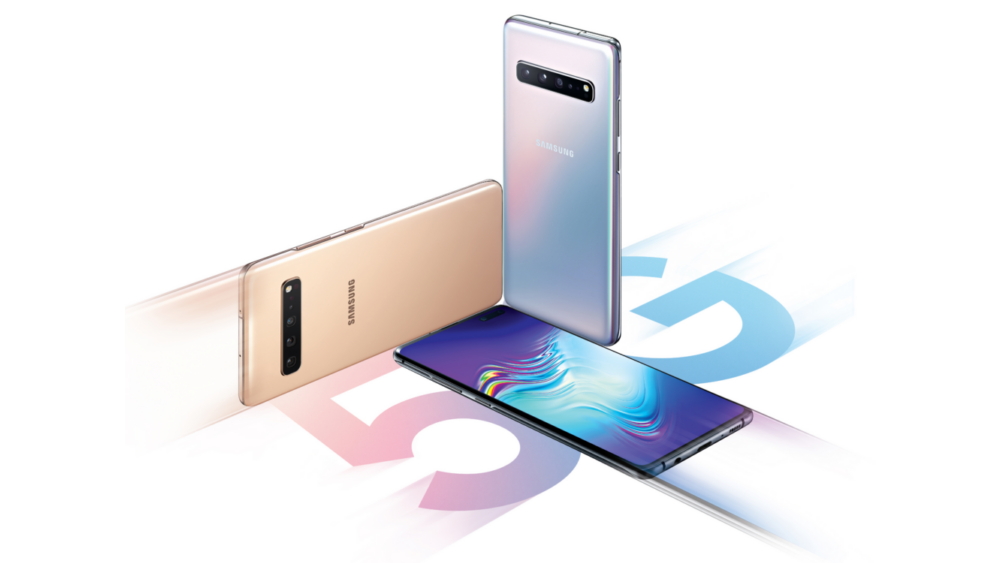
    Samsung, the world’s largest smartphone OEM, released the Galaxy S10 5G at the Galaxy Unpacked event back in February. The device was announced alongside the rest of the Galaxy S10 lineup and the Galaxy Fold. It holds the distinction of being the company’s first smartphone to support 5G, the next generation of mobile networks. It seems like the company is ready for its second smartphone supporting 5G, as a senior executive at Verizon, one of the biggest telecommunications company in the US; has announced the next Galaxy Note, presumably called the Galaxy Note 10 will have support for 5G networks.

    What Is 5G?
    Galaxy S10 5G

    The 5th Generation or 5G for short is the next step in the growth of mobile networks. It is the successor of 4G LTE, whose standards were first introduced back in the year 2008. The next generation of mobile connectivity promises many advantages over its predecessors, including faster uplink/downlink speeds and little to no latency. One more benefit of 5G is the increased number of supported devices at a time, due to increased bandwidth.

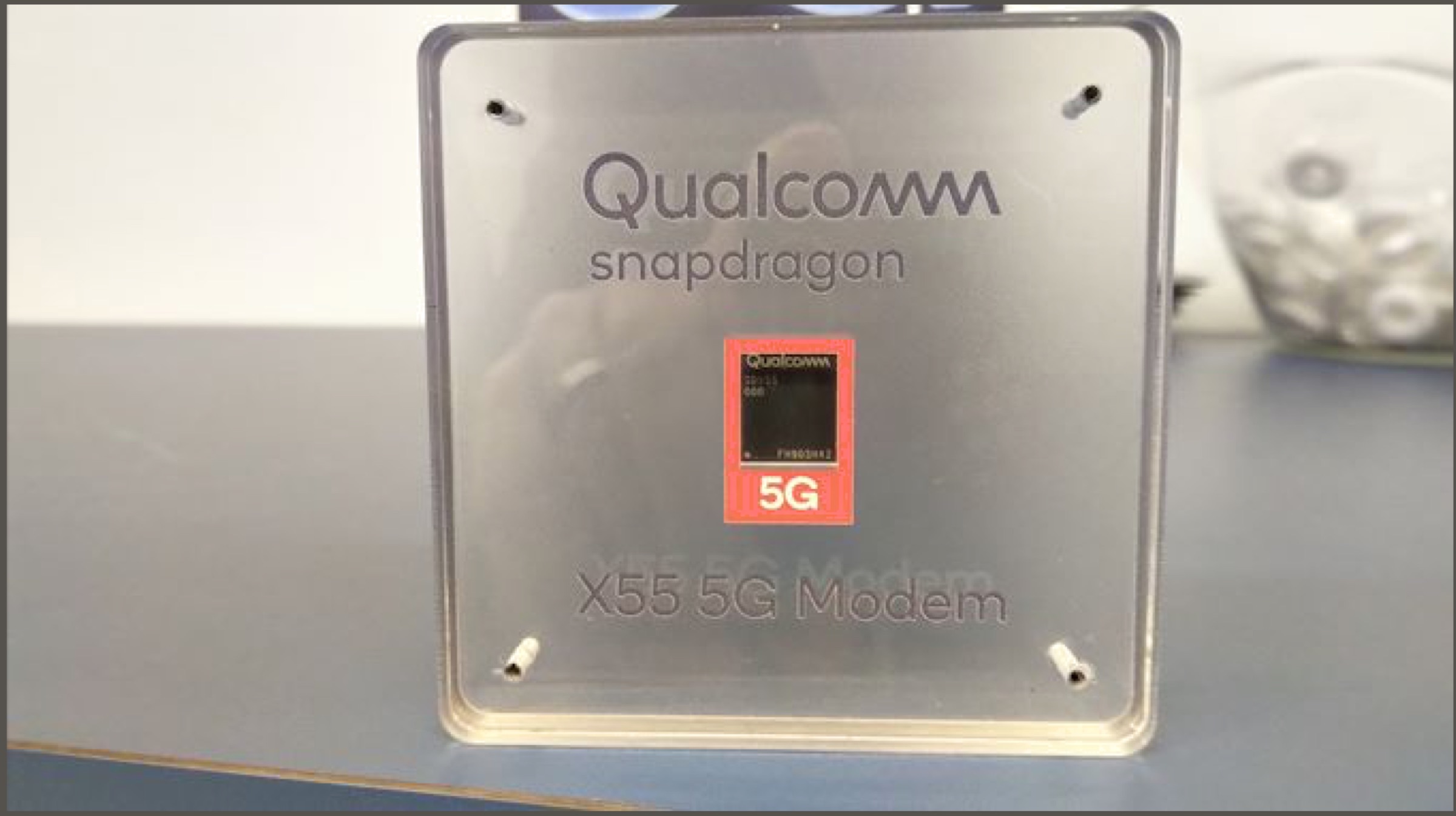
    Qualcomm X55 5G Modem

    Currently, not many smartphones have promised support for 5G, possibly due to the gradual and slow rollout of the technology around the world. Only a handful of devices, like the aforementioned Galaxy S10 5G, LG V50 ThinQ and the Huawei Mate X among others support 5G networks. To make room for the modem supporting this mobile connectivity standard, manufacturers have had to remove essential components such as the 3.5mm headphone jack and the microSD card slot from some of the above-mentioned handsets. Noteworthy, 5G networks are notorious for generating more heat than traditional 4G LTE networks. This leads to the installation of various space taking cooling systems inside the smartphones to maintain efficiency and speeds.

    Galaxy Note 10

    Also read: You Can Now 3D Print Full Human Organs Including A Live Working Heart

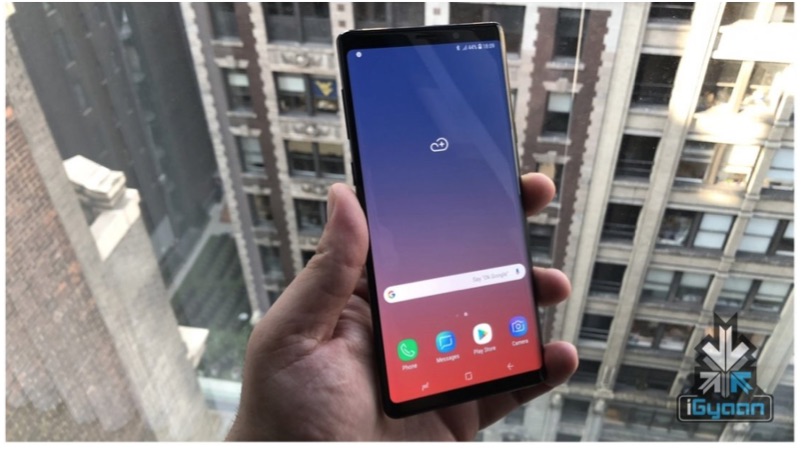
    While the senior Verizon executive has announced the support for 5G networks in the Galaxy Note 10, it is rumoured more than one variant of the smartphone will be launched later this year. While only one of them may support 5G connectivity, key details of all the variants will remain the same. A bigger display than the Galaxy S10+ which is reported to be a 6.6 inch Dynamic AMOLED one will be featured in the next generation of Galaxy Note. Like the former, it may also have an ultrasonic fingerprint scanner inside the display; and run on either the 7nm Snapdragon 855 SoC or the Exynos 9820 depending on the region it is sold in. Unfortunately, more details about the handset are unknown at the moment. Going by the Samsung’s previous launch records, the company may announce the Galaxy Note 10 late August or early September this year.

  • Best Wired Headphones In India Under Rs. 1,000 For April 2019

    Best Wired Headphones In India Under Rs. 1,000 For April 2019

    Apple removed the 3.5mm headphone jack from the iPhone 7 and 7 Plus models in the year 2017. Since then, many more smartphone OEMs like Huawei, HTC and Sony have expelled the ill-fated headphone jack from their devices. But, the option of listening to music from wired headphones still remains very popular today. Buying the perfect pair can be a daunting task because of the sheer number of options available today. To make the choice easier, we have combined the five best headphones available in the market today for under Rs 1,000. 

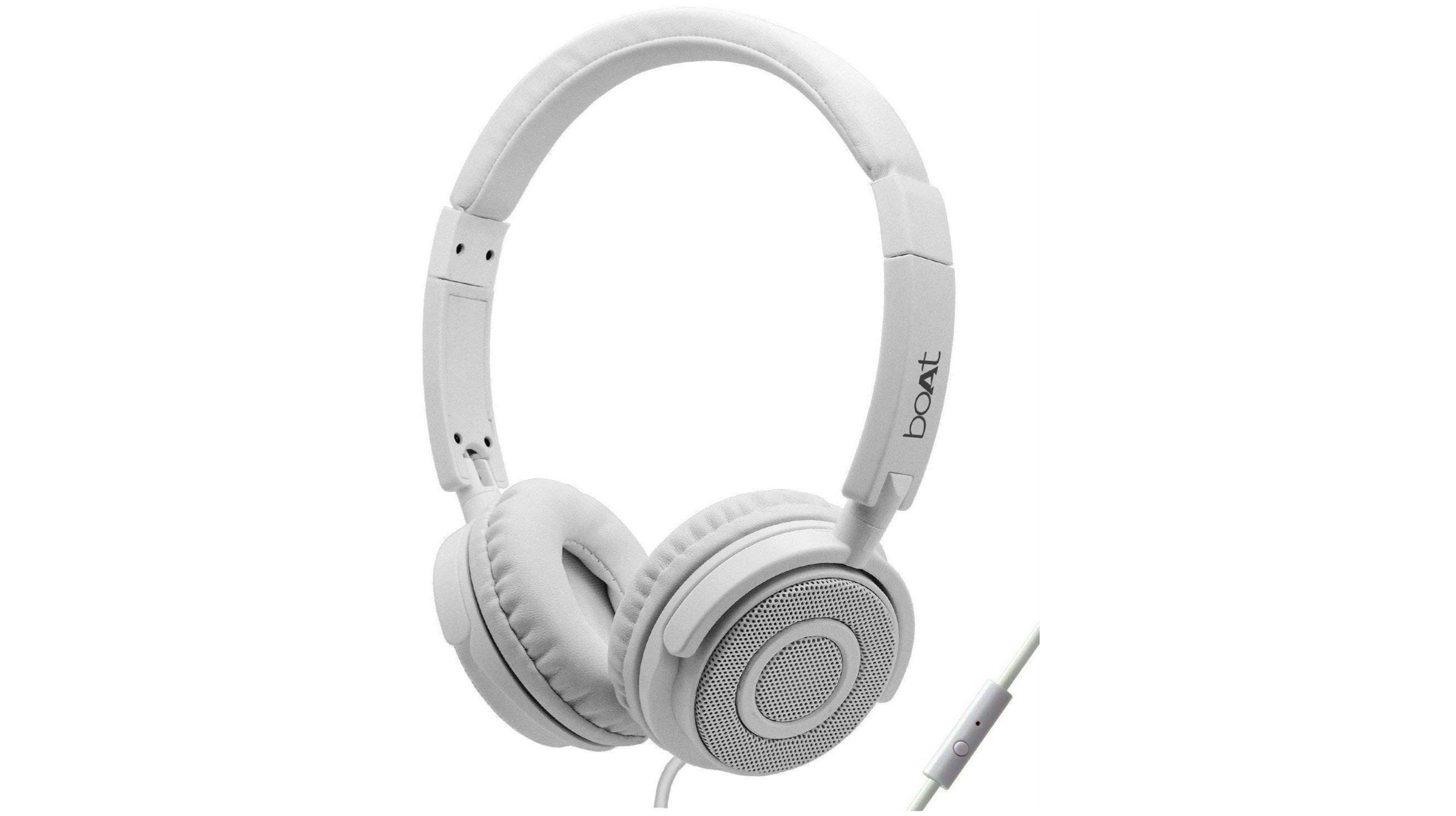
    Boat Rockers 900

    Boat is a well-known brand when it is about audio products and the Rockers 900 are no different. Featuring a lightweight and compact design, the headphones are very comfortable to wear and easy to carry which make them an ideal choice for frequent travellers. The in-line microphone and controls are intuitive and provide easy command over the music and calls over the headset. In terms of sound quality, the headphones have a punchy bass, which is common for the company’s products and have decent mids and lows. 

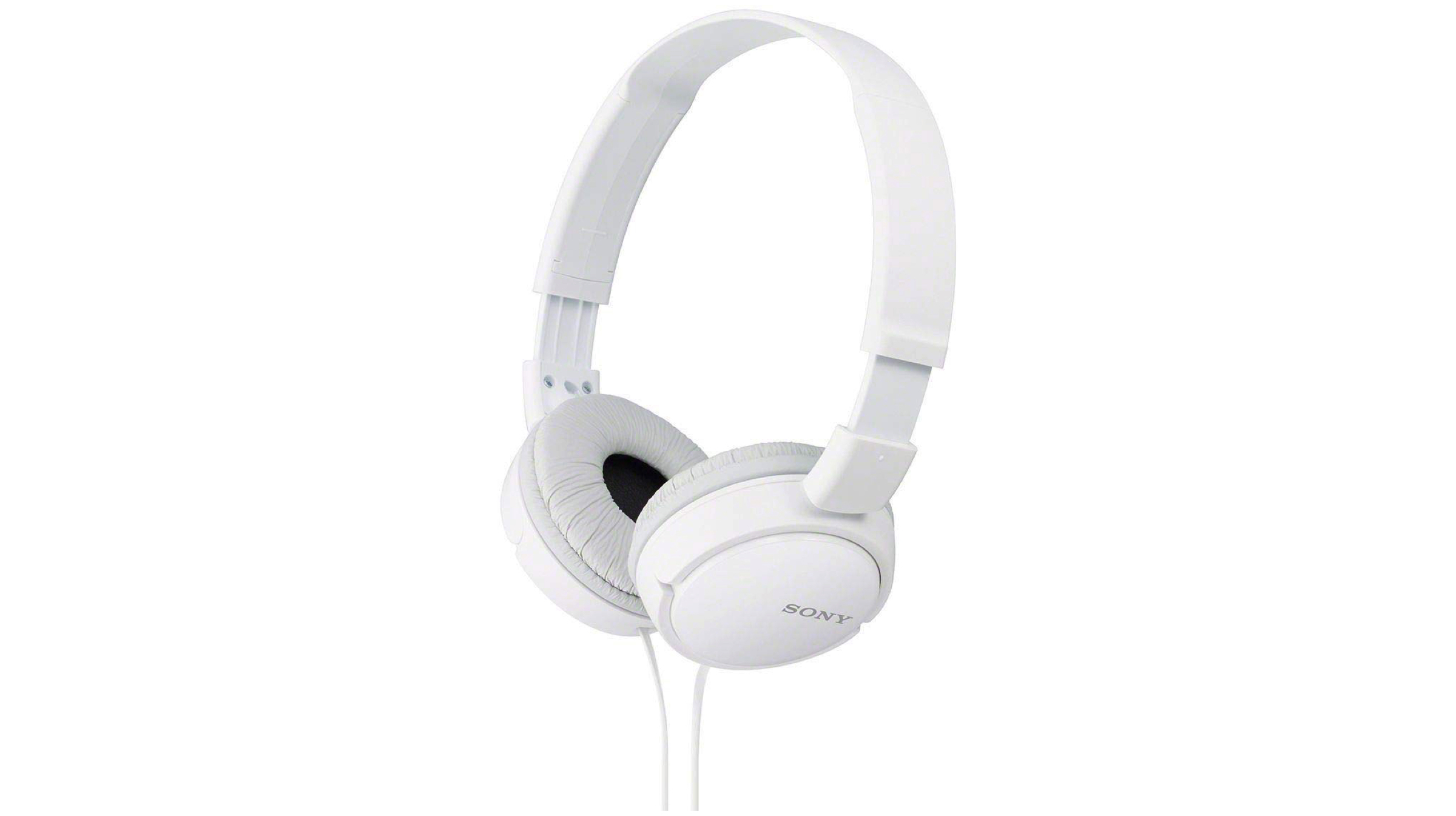
    Sony MDR-ZX110A Wired Headphones

    Sony products are generally known for their great audio performance and the MDR-ZX110A continue the legacy. The ridiculous name aside, the fit and finish of the headphones are comfortable and snug. A major downside of them is the lack of any microphone or any inline control of any sort. The sound output of the headphones is typical Sony, with balanced audio with a focus on trebles and the lack of any overpowering bass. Their association with a renowned brand, along with a good audio output make them one of the best choices under Rs. 1,000.

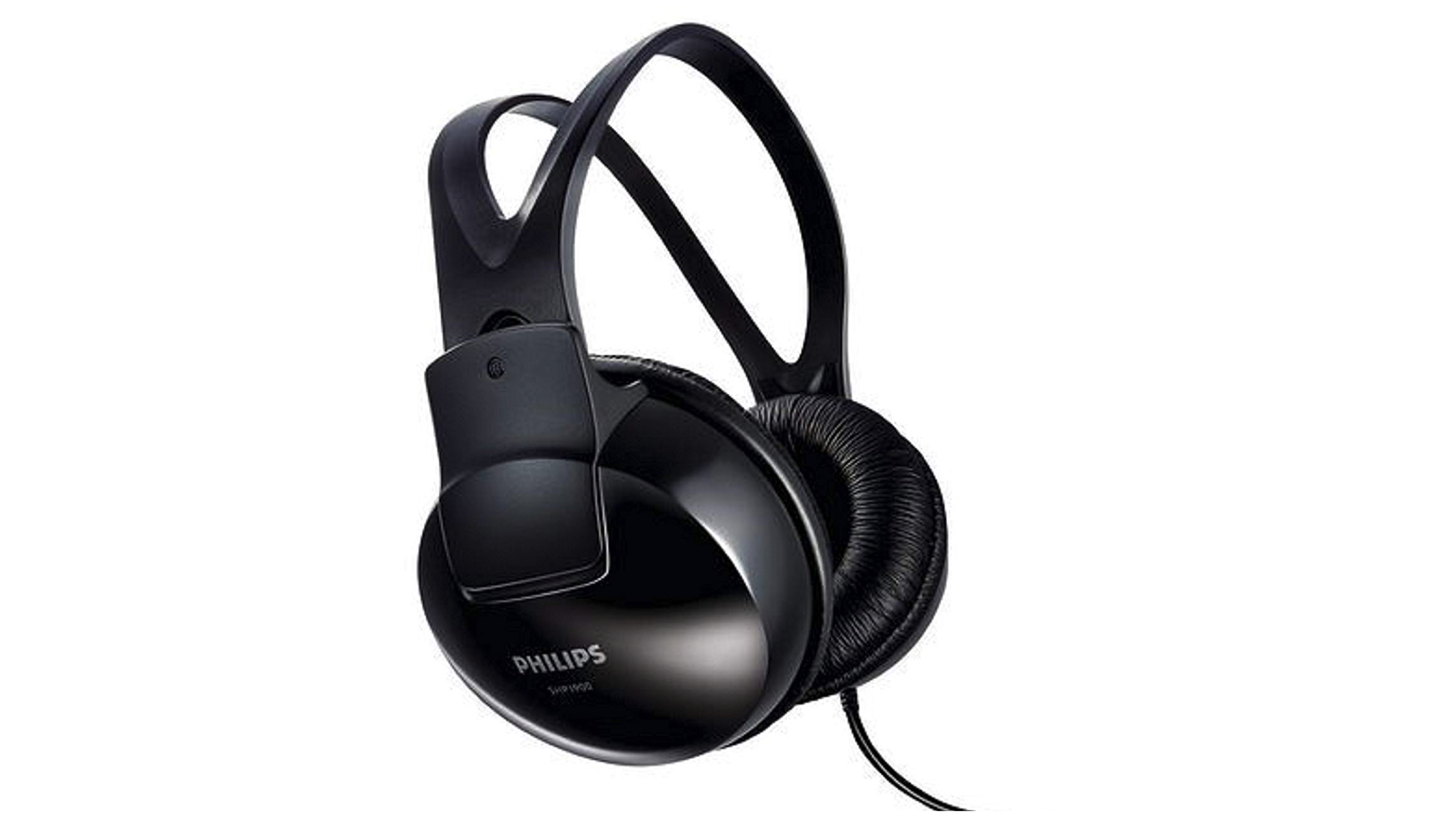
    Phillips SHP1900/10

    The Phillips wired headphones are a big set of headsets. They feature unusually large earcups, which make sure they provide good noise isolation. The headsets also have a comfortable fit, which makes them easy to wear for a longer period of time. The sound quality of the headphones is great for the price, with a punchy treble and lows. All the above points make them one of the best choices for people looking to buy a headset under Rs. 1,000.

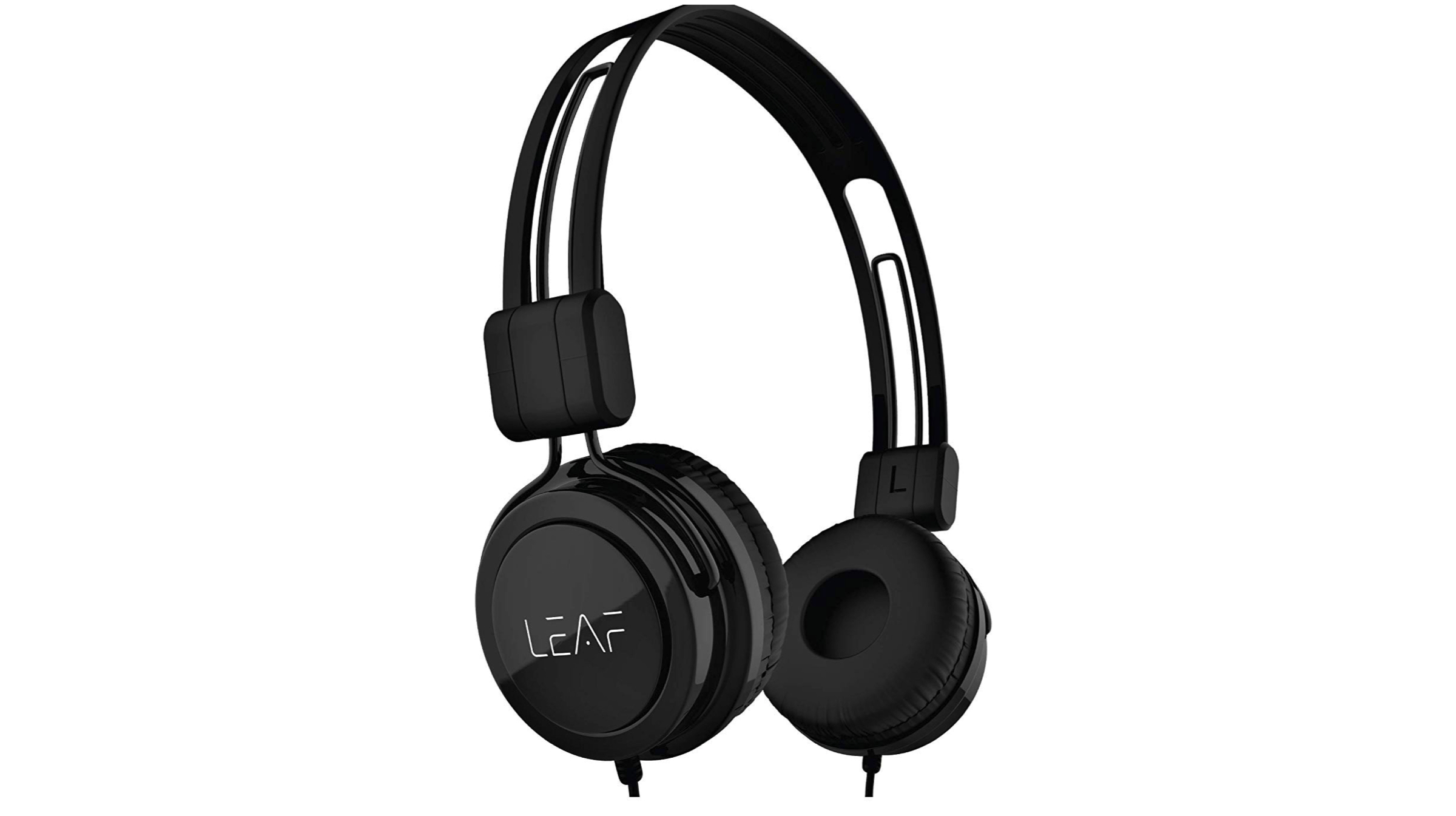
    Leaf Rock Wired Headphones

    Leaf has quickly become a brand to watch out for in quality audio products. The Leaf Rock wired headphones are arguably one of the best looking ones in the price range. Along with the looks, they have a comfortable fit which lets them be worn for a longer period of time. The sound quality is great for the price, with great bass, quality treble and lows. 

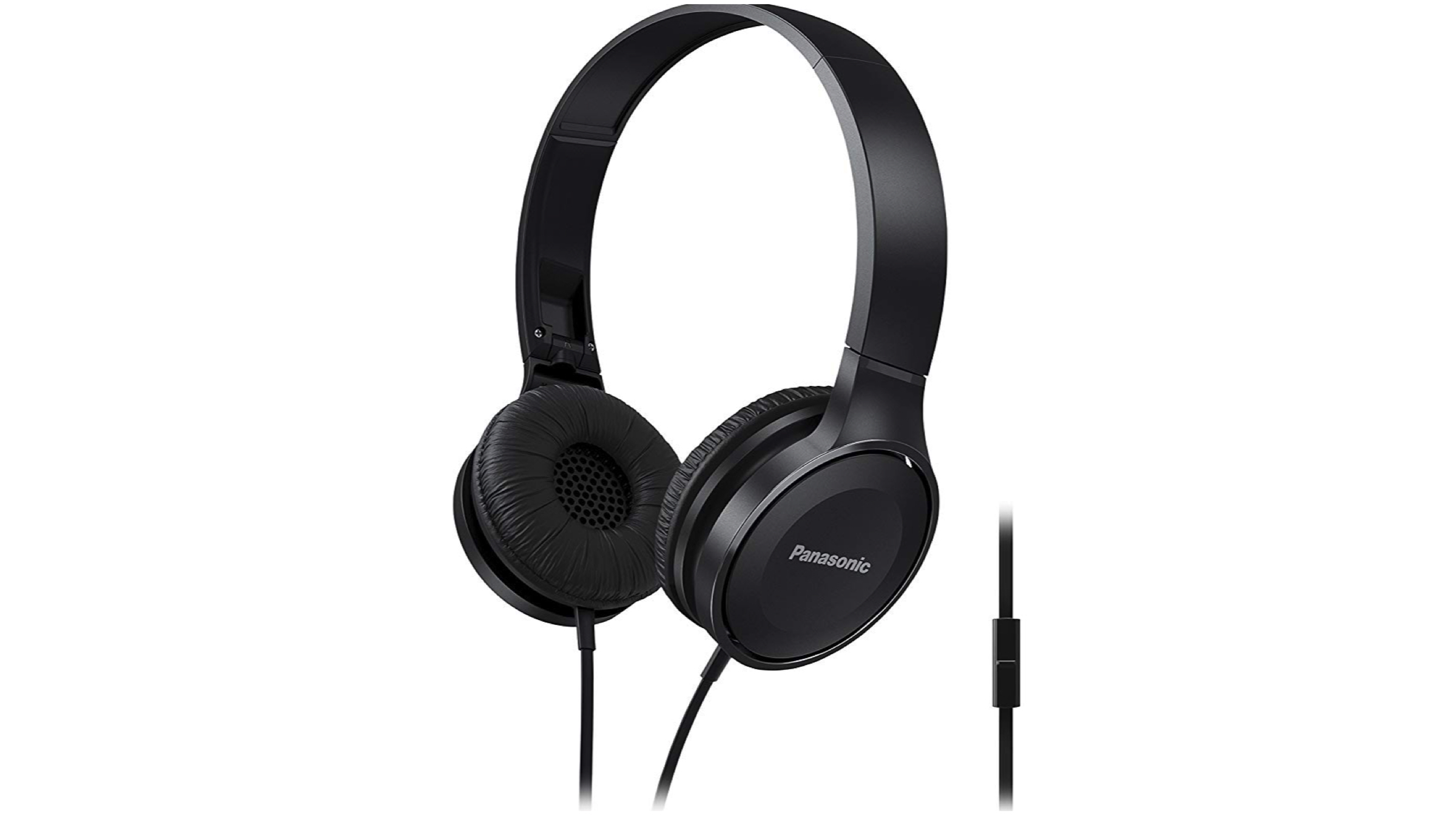
    Panasonic RP-HF100M-K 

    Available in four eye-popping colours, the wired headphones by Panasonic are also a great looking pair of headsets. They feature a comfortable fit, which can be folded for easy portability. The sound quality of the headphones is good for the price, with great clarity, good midrange and trebles. Although the bass is not as punchy as some people would like, the more balanced approach should be fine for most users. The plethora of features offered by the headphones makes it one of the best deals under Rs. 1,000.

    Check out Panasonic RP-HF100M-K on Amazon

  • This Foldable iPhone Concept Has Us Excited

    This Foldable iPhone Concept Has Us Excited

    The year 2019 in technology will be remembered for many things. From the popularisation of the punch hole display to the introduction of ultrasonic fingerprint scanners in the Galaxy S10 series, there has been a lot to this year. But perhaps the most innovative advancement has been the advent of folding smartphones. Samsung, the largest smartphone OEM in the world, released its foldable device, the Galaxy Fold back in February. Even Huawei, the manufacturer holding the second place, has announced its handset that can be folded into half, the Mate X will launch soon. Many other mainstream OEMs like Xiaomi and Oppo have confirmed that they are working on a foldable smartphone. 

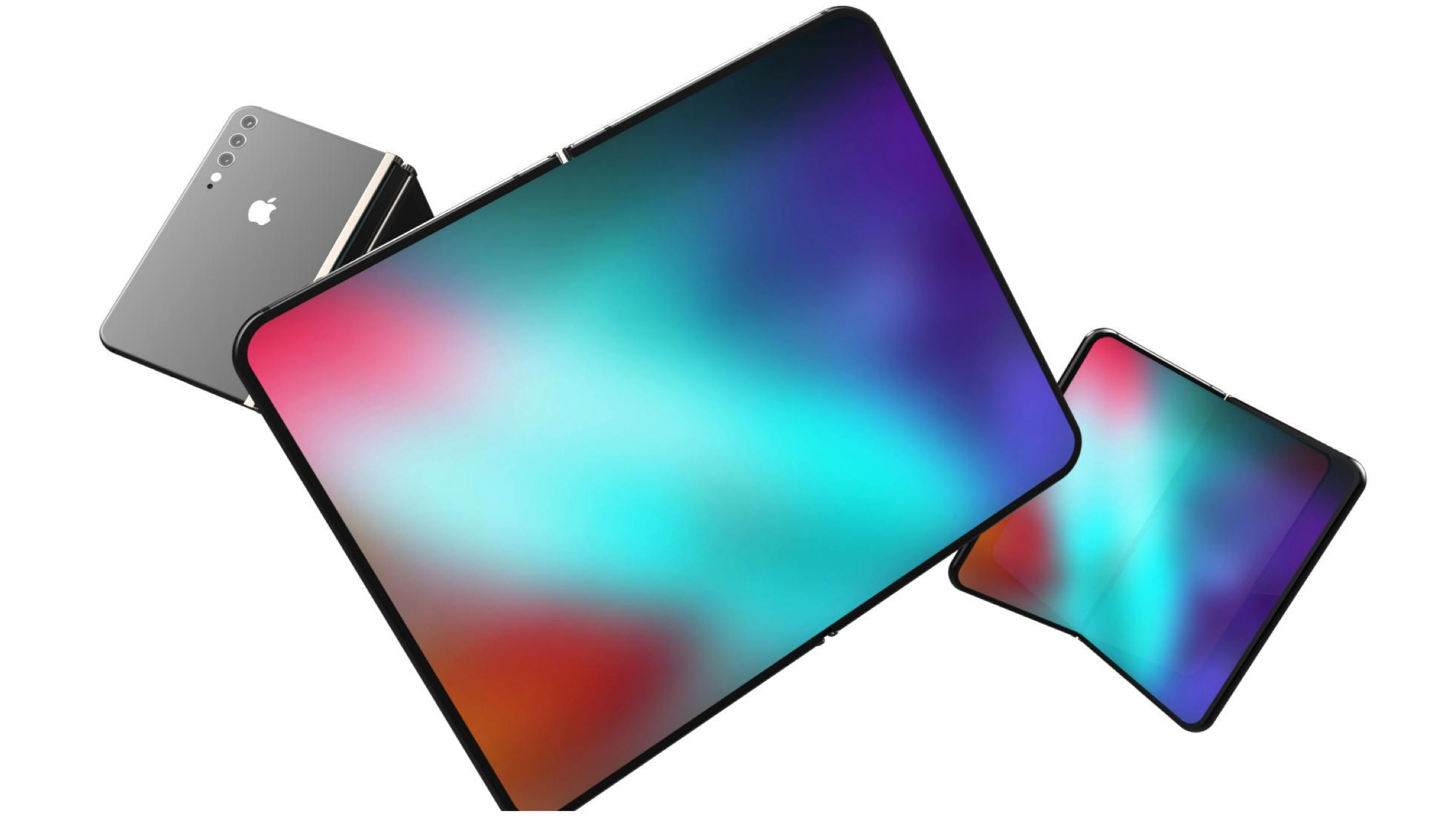
    With all the aforementioned manufacturers announcing a foldable smartphone; it was expected that Apple, a renowned OEM in itself will announce a similar device soon. What the device will look like is anyone’s guess. But in a recently designed render by a reputed media house in collaboration with the Concept Creator, it is imagined how a foldable handset by the company may look like based on previously filed patents. While the actual smartphone, whenever it launches, may be different from what is shown below; the very idea of a foldable handset from a company like Apple has us excited.

    Foldable iPhone Concept

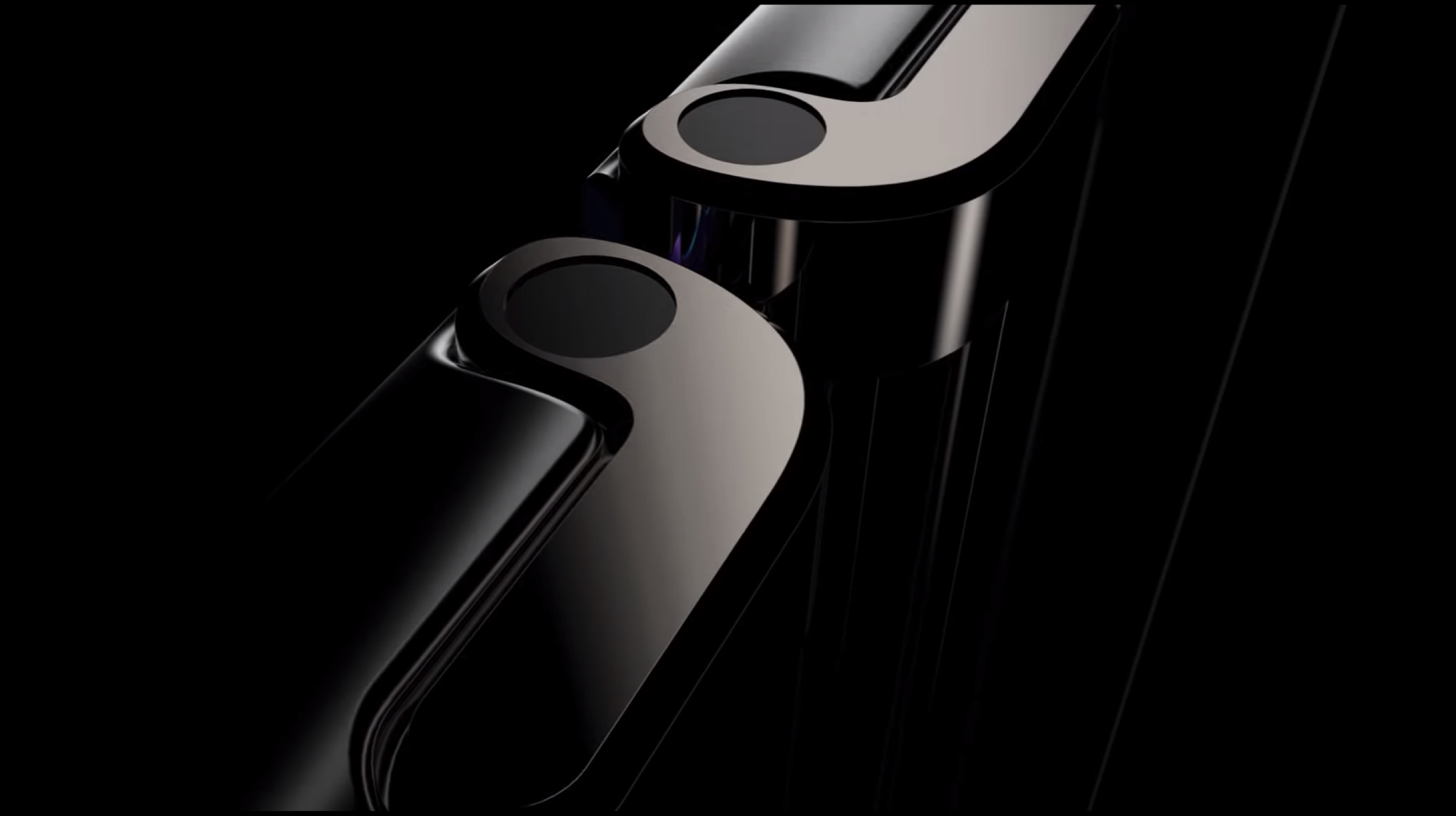
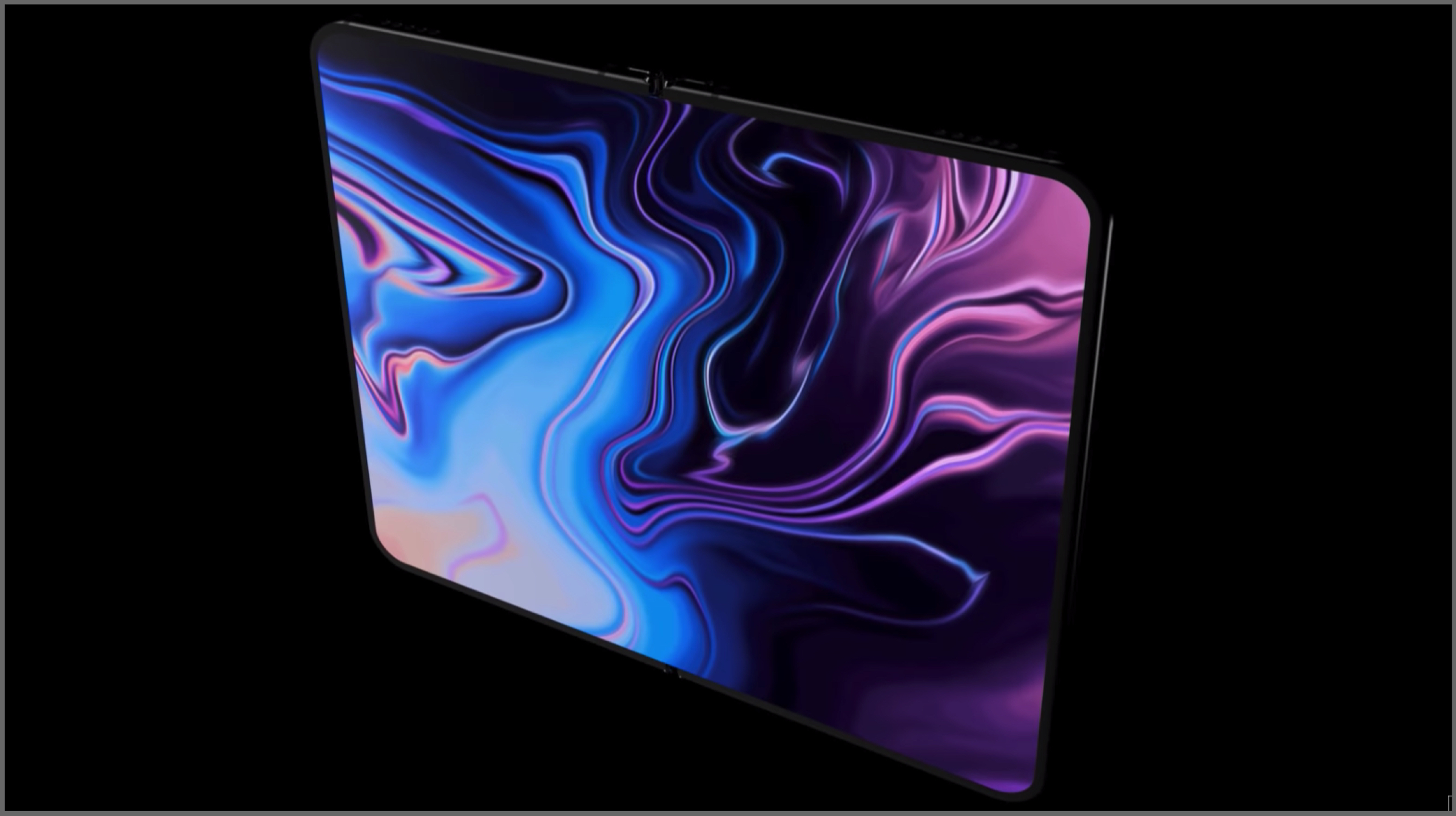
    The renders designed by Concept Creator give an insight into how Apple may choose to design its folding smartphone. From a first glance, it looks oddly similar to the Samsung Galaxy Fold, albeit with a few enhancements to the design. While the concept doesn’t expose all the visual elements of the device, it implies the handset will use a large tablet-like display with an option of folding it into half. It is not clear from the video if this smartphone, called the iPhone Flex will use a secondary outer display like the Galaxy Fold. But unlike the latter, it is devoid of any notches on the inside display. For optics, Apple may opt-in for a vertical triple camera setup as shown in the images.

    But, with a similar design like the Galaxy Fold, a question arises if the alleged iPhone Flex will also face display malfunctions like the former. From the looks of the concept, it seems highly unlikely. This is due to the design of the hinge, which features a closed off design, not letting foreign particles like dust get into the device. Another question is if the upcoming iPhone Flex does not feature a secondary display or camera on the outside, if this turns out true, the users won’t be able to take selfies from the smartphone. 

    Foldable iPhone: What About The Price?

    Okay, now let’s get real here. Foldable smartphones are a unique and cool piece of technology, but there is no denying they are known to be priced at a premium. Samsung’s offering costs close to US$ 2,000 (Rs 1,40,000) and the Huawei Mate X is also rumoured to cost around US$ 2,600 (Rs 1,80,000) at the time of launch. And considering Apple products are generally more expensive than the competition, its foldable smartphone may also end up being more expensive than its rivals. However, the company is also known for one more thing. That is perfecting a technology before bringing it to the mass market.

    Also read: Apple To Soon Launch A Paintbrush For iPad, Reveals Patent

    This might suggest the wait, and the extra money for the technology may very well be worth it. Regarding the launch date of the foldable smartphone from Apple, it is rumoured the company may release one next year. The timing seems right as the technology will have been matured enough for the company to implement it. Maybe the company will not even release a foldable iPhone, or it may take a long time to do so. Whatever may be the case, if the company decides to release a smartphone like the one shown above, colour us excited.

  • Redmi 7 Unboxing And Hands-On

    Redmi 7 Unboxing And Hands-On

    The Redmi 7 is the latest entrant in the Redmi sub-brand of the known Chinese smartphone maker Xiaomi. It was launched alongside the Redmi Y3 in India on the 24th of April and is a budget smartphone from the company. The handset is targeted towards first-time buyers who don’t want to break the bank while purchasing a new smartphone.

    What’s In The Box?

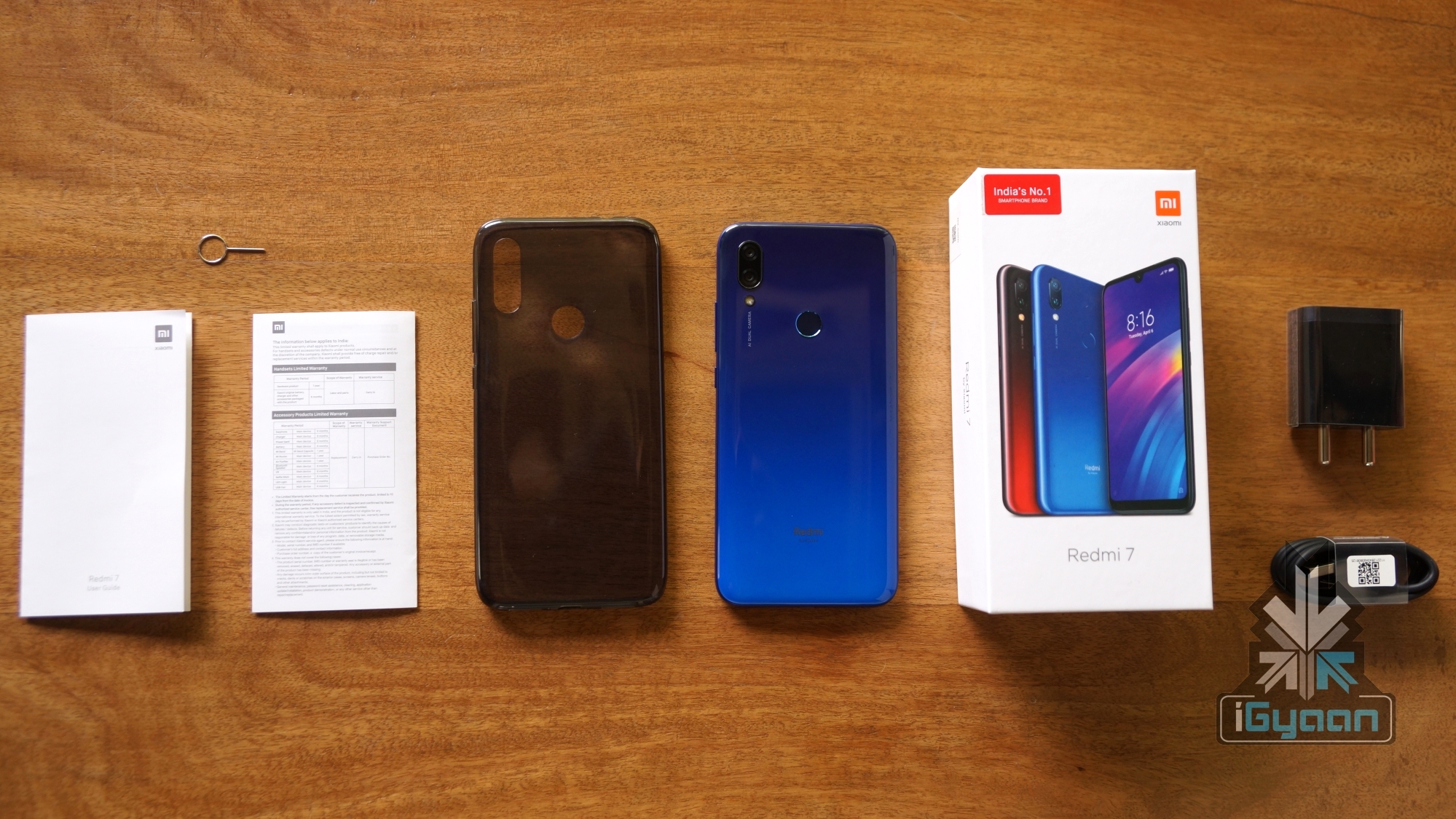
    Click here to buy the Redmi 7

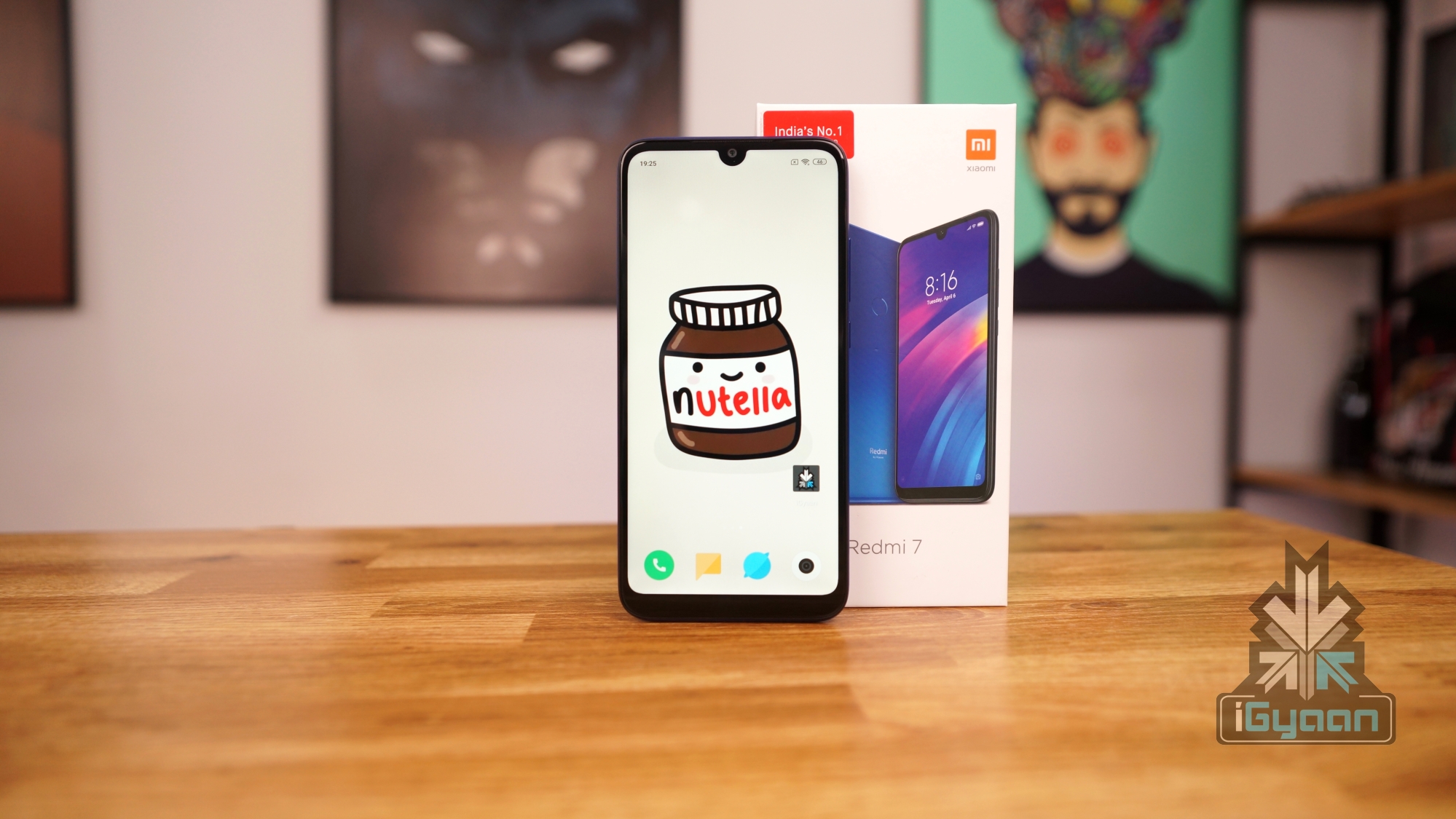
    • Redmi 7
    • Power Adapter
    • USB Cable
    • SIM Eject Tool
    • User Guide
    • Warranty Card
    • Clear Soft Case
    Design & Display

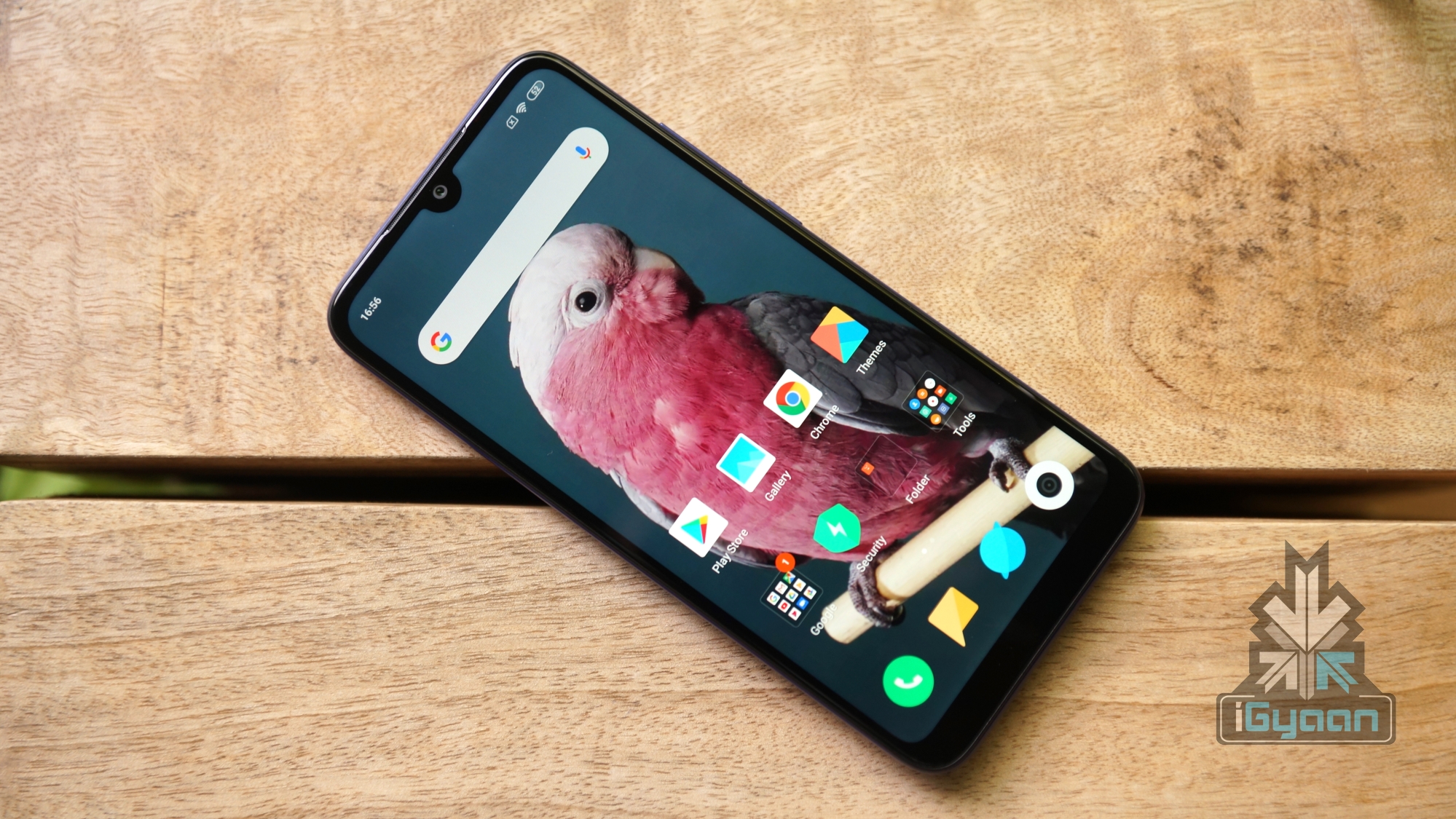
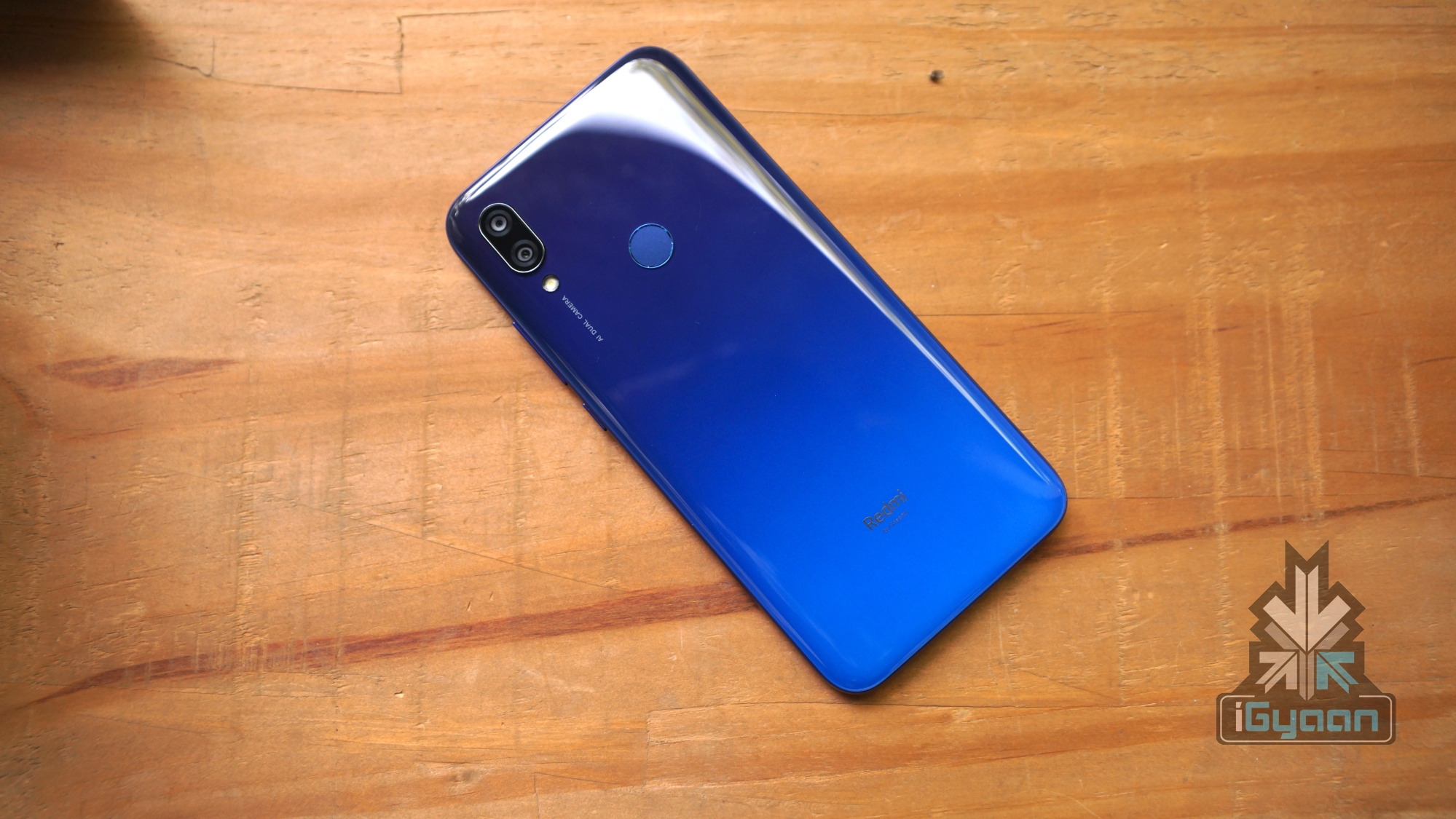
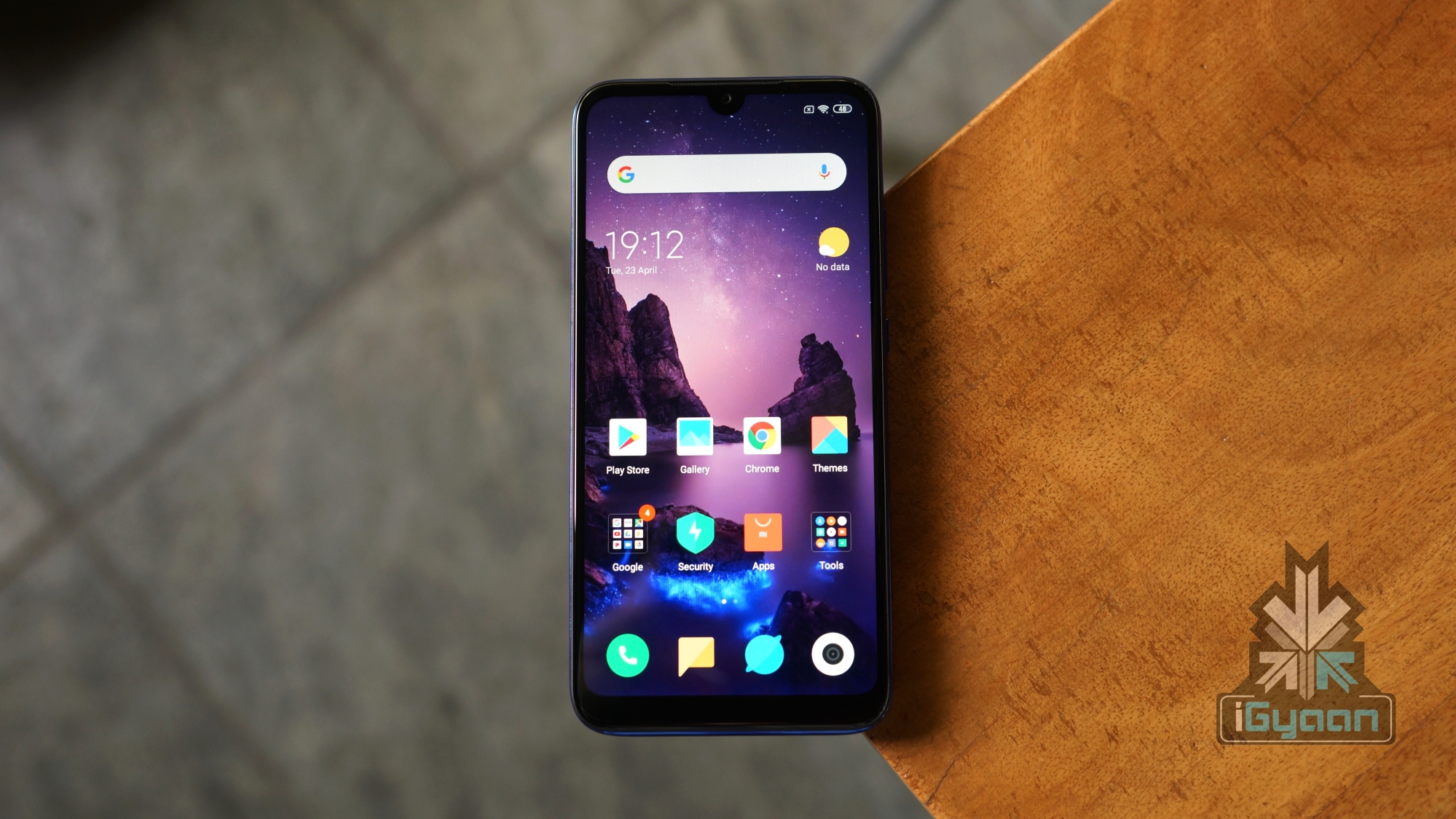
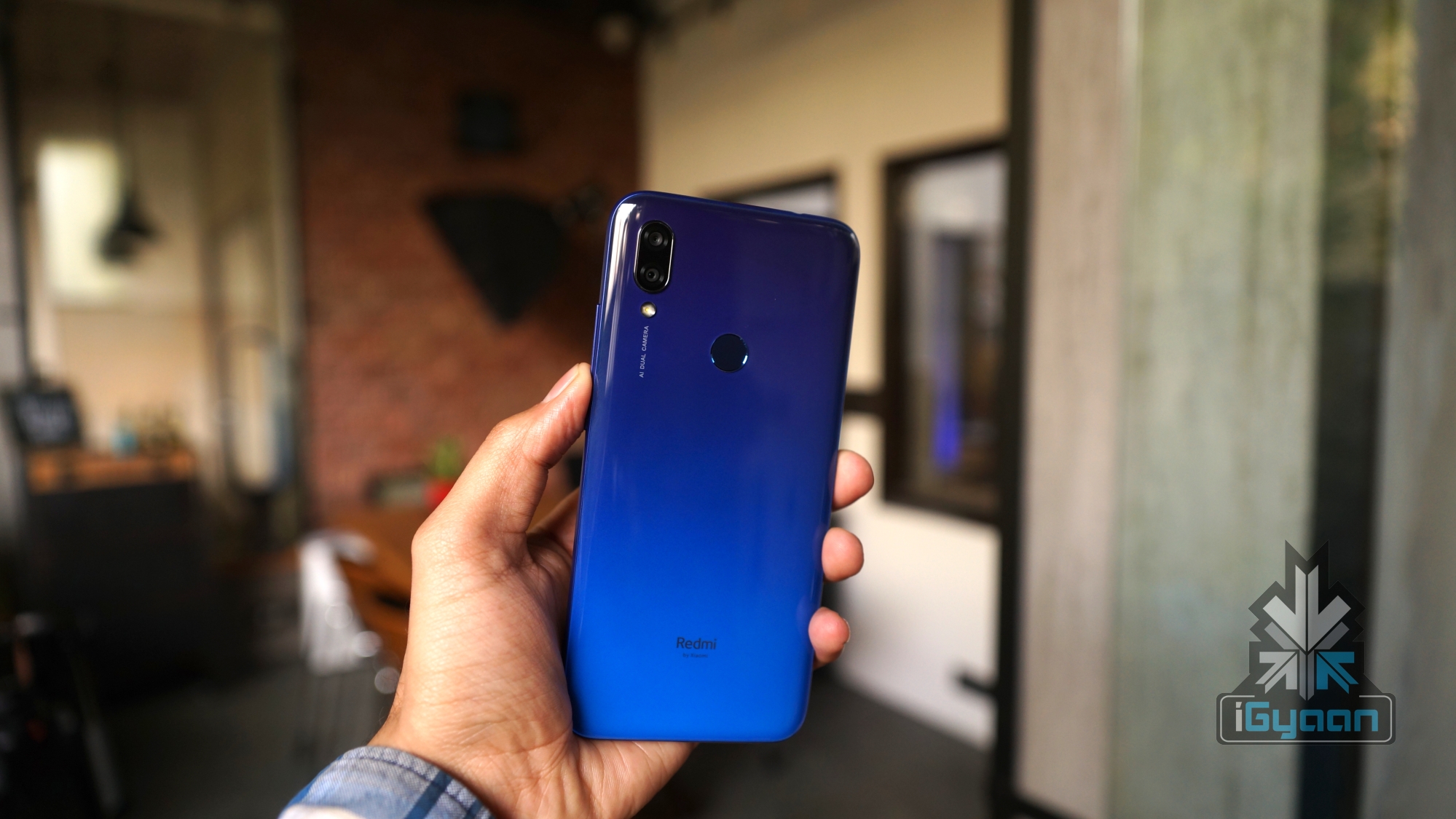
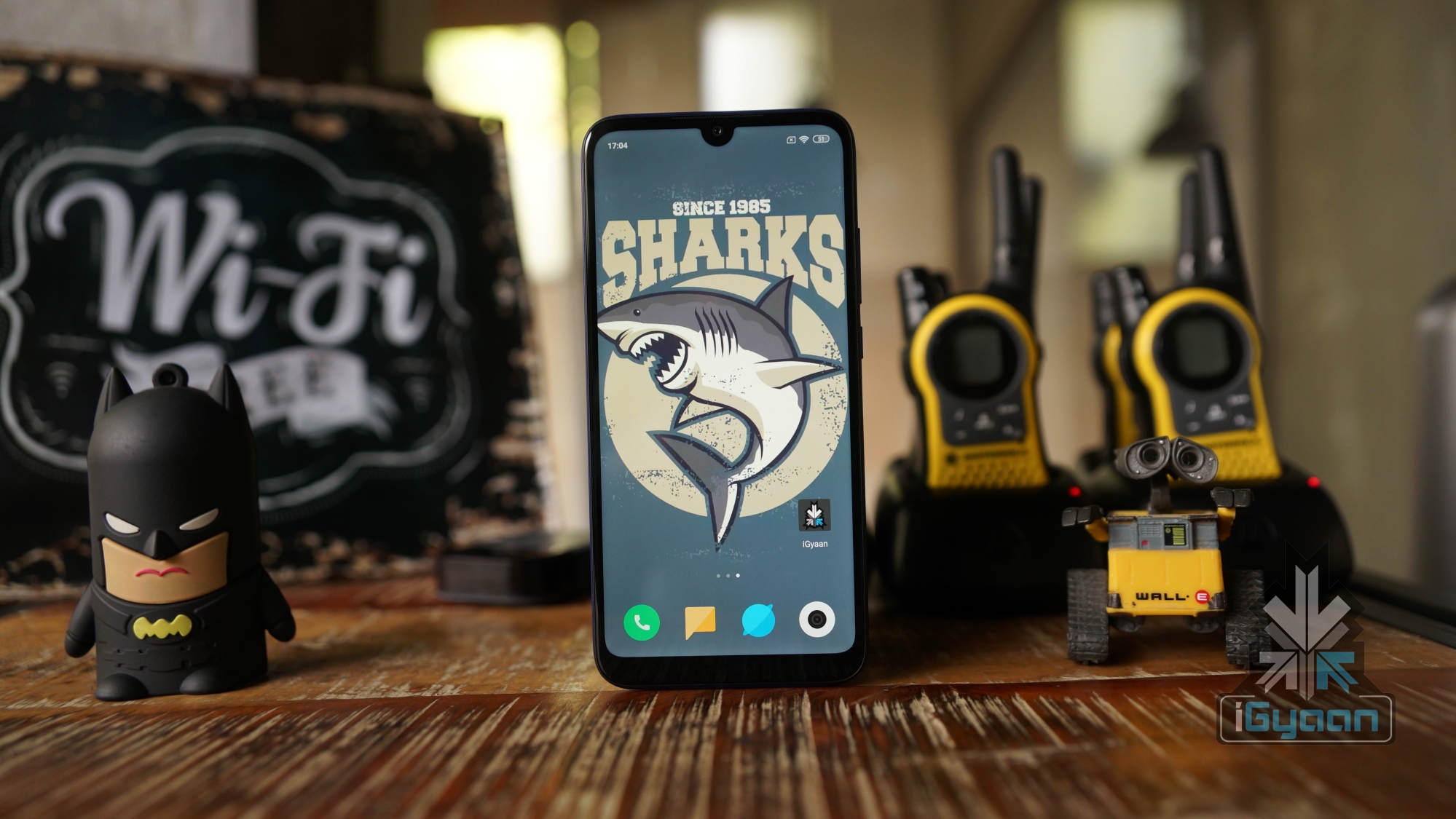
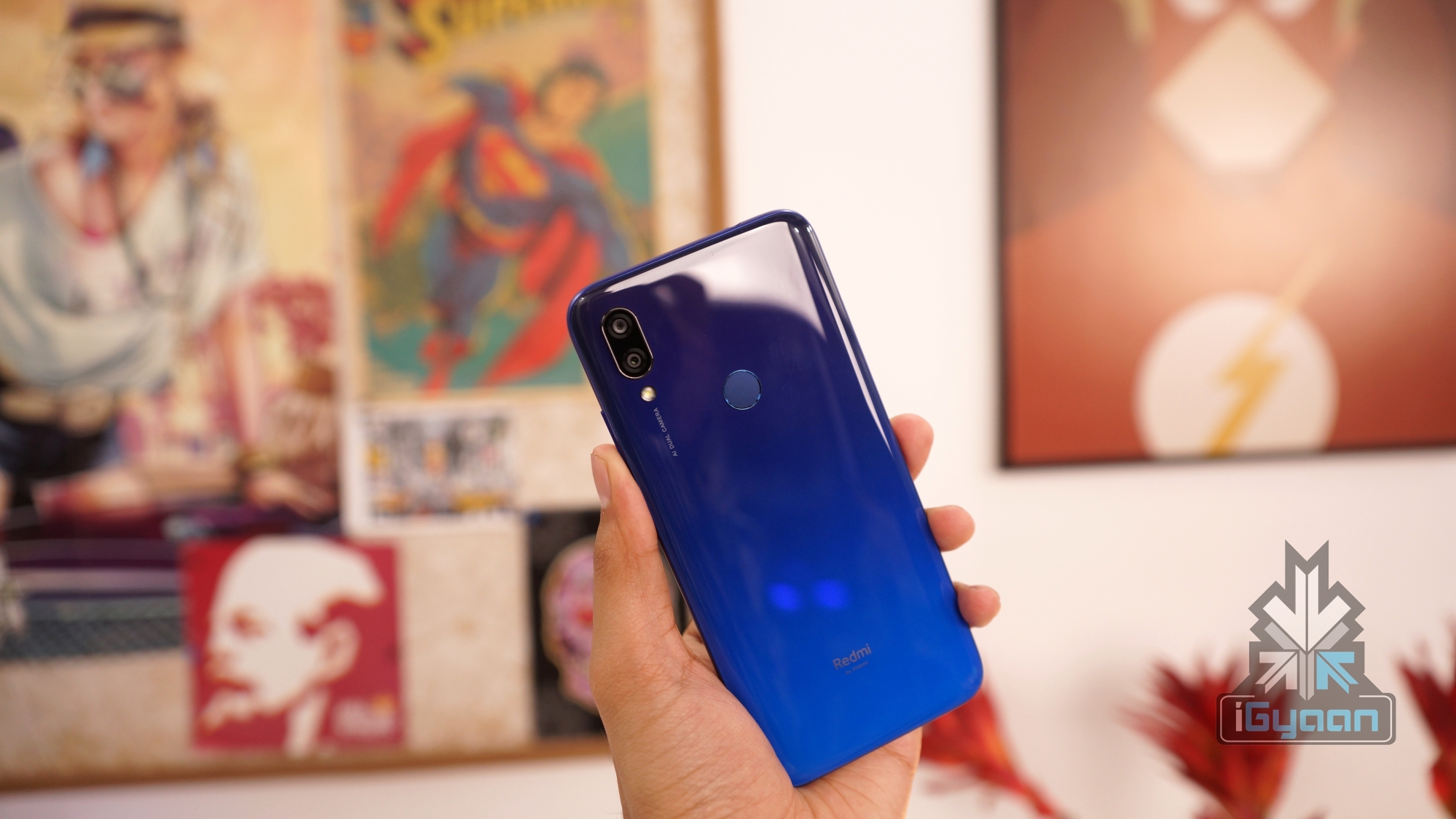
    The Redmi 7 has a polycarbonate body with an attractive “Aura Smoke Design” on the back. The front of the smartphone is dominated by a 6.26-inch LCD display with a resolution of 1520 x 720 px. It is shielded by Corning Gorilla Glass 5 to protect it from scratches and drops. Back of the device has the dual rear cameras placed vertically on the top left corner with the LED flash beneath the module. The rest of the back panel is clean except the fingerprint sensor in the middle and the Redmi branding on the bottom of the handset. The right side of the Redmi 7 houses the volume rockers and the power button while the left side is devoid of any buttons, but has the hybrid SIM card tray. On top of the device is the 3.5mm headphone jack and the IR blaster and the bottom of the handset has the micro USB port.

    Processor & Memory

    Under the hood, the Redmi 7 is kitted with the Snapdragon 632 SoC which is manufactured using the 14nm fabrication process. The chipset consists of an Octa-core CPU and the Adreno 506 GPU. The CPU consists of eight Kryo 250 cores clocked at up to 1.8 GHz. In terms of memory, the Redmi 7 is available in two storage variants. While the base model of the smartphone features 2 GB of RAM and 32 GB of internal storage; Another variant of the device with 3 GB of RAM and 32 GB of onboard memory is also available. The smartphone also supports memory expansion up to 256GB via a microSD card

    Battery & OS

    Click here to buy the Redmi 7

    The Redmi 7 is powered by a 4000mAh battery with support for 10W fast charging via the bottom mounted micro USB port. The smartphone runs on the company’s latest MIUI 10 out of the box which is skinned on top of the current Android 9 Pie OS.

    Camera

    In terms of optics, the Redmi 7 has a dual rear camera setup comprising of an f/2.2 aperture equipped 12 MP sensor and a 2 MP depth sensor. For selfies, an 8 MP camera is housed in the waterdrop notch on top of the display. The smartphone is capable of recording videos in 1080p resolution at 60fps.

    Connectivity and Other Features

    Connectivity options on the Redmi 7 include dual 4G VoLTE, Bluetooth 4.2, Wi-Fi 802.11, GPS, and a Micro-USB port for charging and data syncing. The device also has a 3.5mm audio jack on the top. For biometrics and securely unlocking the handset, a rear-mounted fingerprint scanner is present on the smartphone along with support for face unlock technology.

    Pricing & Availability

    Also read: Redmi Y3 Unboxing And Hands On Video

    The Redmi 7 is available at a starting price of Rs 7,999 for the base model with 2GB of RAM and 32GB of onboard memory. The version with 3GB RAM and 32GB internal storage has been priced at Rs. 8,999. It will be available online starting April 29 on Amazon.in and Mi.com and offline in the official Mi Home stores and certain retail outlets across the country.

    Click here to buy the Redmi 7

  • Xiaomi Launches The Redmi 7 Budget Smartphone In India

    Xiaomi Launches The Redmi 7 Budget Smartphone In India

    In a bid to expand the products under its Redmi brand, Xiaomi has launched the Redmi 7 budget smartphone in India. The device was announced alongside the Redmi Y3 at an event today. The Redmi 7 features a modern design with competitive specifications at a lucrative price tag. It was first launched last month in China.
    Redmi 7: Design & Features

    Click here to buy the Redmi 7

    The newly launched Redmi 7 is the successor to last year’s Redmi 6 smartphone from the company. It measures 158.65 x 76.43 x 8.47mm and weighs 180g. The device features a polycarbonate body with an attractive “Aura Smoke Design” at the back. The smartphone has a 6.26 inch IPS LCD display with a resolution of  1520 x 720 px. To maintain the maximum screen real estate, a waterdrop notch is present on top of the display. Gorilla Glass 5 protection on the front ensures the display stays protected against scratches and accidental drops. For biometrics and securely unlocking the handset, a rear-mounted fingerprint scanner is present on the device along with support for face unlock technology.
    Under the hood, the Redmi 7 is kitted with the Snapdragon 632 SoC which is manufactured using the 14nm fabrication process. The chipset consists of an Octa-core CPU and the Adreno 506 GPU. In terms of optics, the smartphone has a dual rear camera setup comprising of an f/2.2 aperture equipped 12 MP sensor and a 2 MP depth sensor. For selfies, an 8 MP camera is housed in the notch on top of the display. The smartphone will be available in the following memory variants.

    • 2GB RAM and 32GB ROM
    • 3GB RAM and 32GB ROM

    The Redmi 7 is powered by a 4000mAh battery with support for 10W fast charging. The smartphone also supports memory expansion up to 256GB via a microSD card. It also has a P2i coating for protection against accidental liquid splashes. The handset is available in three colour variants, namely Eclipse Black, Lunar Red and Comet Blue.

    Pricing & Availability

    Also read: Selfie Centric Redmi Y3 With 32 MP Front Camera Launched In India

    The Redmi 7 has been launched at a starting price of Rs 7,999 for the base model with 2GB of RAM and 32GB of onboard memory. The version with 3GB RAM and 32GB internal storage has been priced at Rs. 8,999. It will be available online starting April 29 on Amazon.in and Mi.com and offline in the official Mi Home stores and certain retail outlets across the country.

    Click here to buy the Redmi 7

  • OnePlus Announces The Launch Date Of The Upcoming OnePlus 7 And 7 Pro

    OnePlus Announces The Launch Date Of The Upcoming OnePlus 7 And 7 Pro

    OnePlus, since its inception in the year 2013 has become a well-known smartphone OEM all over the world. Its last device, the OnePlus 6T received positive reviews for its affordability compared to similarly specced handsets. Now, after much leaks and speculations, the company has announced the launch date of its upcoming smartphones, reported to be the OnePlus 7 and OnePlus 7 Pro. It will release the two new handsets next month.

    OnePlus 7, 7 Pro Launch Date

    The upcoming smartphones from the company will be announced on the 14th of May. Notably, it will the first time a global and Indian launch by the company coincides on the same day. The OnePlus 7 and 7 Pro will be launched at the Bangalore International Exhibition Centre, Bengaluru on the aforementioned date. The entry tickets to the event will be available on the company’s official website starting at 10 am on the 25th of April.

    OnePlus 7, 7 Pro
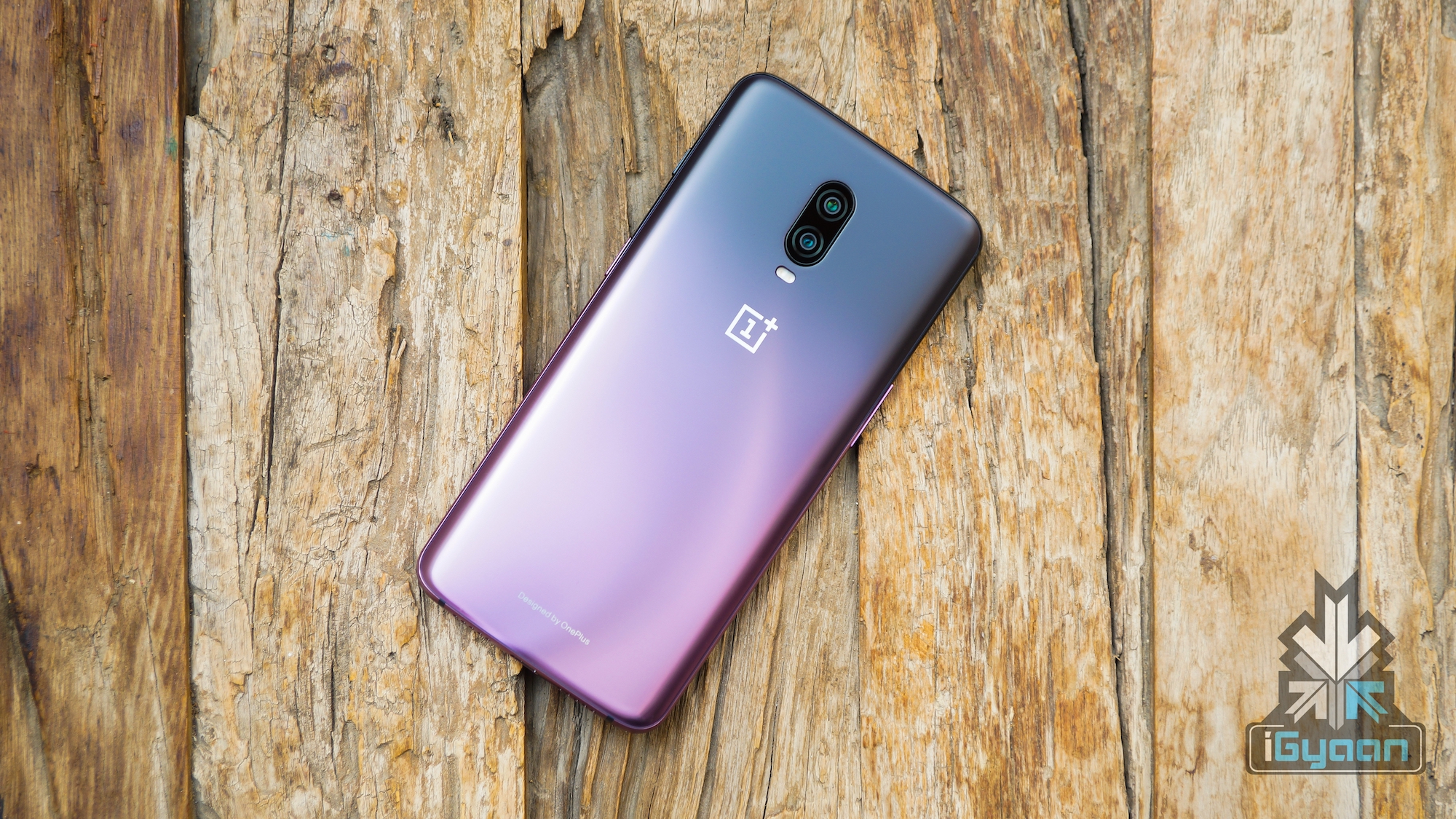
    OnePlus 7 Pro

    As mentioned above, OnePlus is expected to launch two new devices at the event. While the regular variant and the successor to the OnePlus 6T will be called the OnePlus 7, another variant with slightly bumped up specifications and possible support for 5G will be called the OnePlus 7 Pro. Apart from a few differences, key features of both the smartphones are expected to be similar. The leaks claim the former will have a 6.4-inch display while the latter is reported to sport a 6.67-inch display. While the regular variant will use a waterdrop notch, the Pro variant will employ a pop-up camera to house the front-facing snapper to maximise the screen real estate. Like the Samsung Galaxy S10 and Huawei P30 Pro, the Pro version will have a display that tapers towards the edges. Like their predecessor, the handsets will feature an in-display fingerprint scanner with support for face unlock technology.

    OnePlus 6T

    Sources claim both the OnePlus 7 and 7 Pro will run on the 7nm Snapdragon 855 SoC. The chipset consists of an Octa-core CPU and the Adreno 640 GPU. In terms of optics, the former will have a 48 MP sensor, combined with 5 MP sensor; The latter will feature a 48 MP main sensor, combined with a 16 MP telephoto and an 8 MP sensor. Both devices will have a 16 MP selfie camera. In terms of memory and storage, the handsets may feature up to 12GB of RAM and 256GB of internal storage.

    Also read: Samsung Galaxy View 2 With 18 Inch Display And Android OS Surfaces Online

    The previous leak further claims the OnePlus 7 will be powered by a 3700 mAh battery with support for 20W fast charging. The 7 Pro, on the other hand, will be fueled by a 4000 mAh cell with support for 30W Warp charge. Unfortunately, the pricing of the smartphones isn’t confirmed yet, but it speculated they will be priced significantly higher than their predecessor.

  • OnePlus 7 & 7 Pro Specifications Leak Before Official Launch

    OnePlus 7 & 7 Pro Specifications Leak Before Official Launch

    OnePlus is expected to launch two new smartphones next month on the rumoured launch date, 14th of May. The devices that are reported to launch include the standard OnePlus 7 and its beefed-up siblings which may be called the OnePlus 7 Pro. In a fresh tweet shared by a known tipster, the specifications of the upcoming handsets have been leaked.

    OnePlus 7
    OnePlus 6T

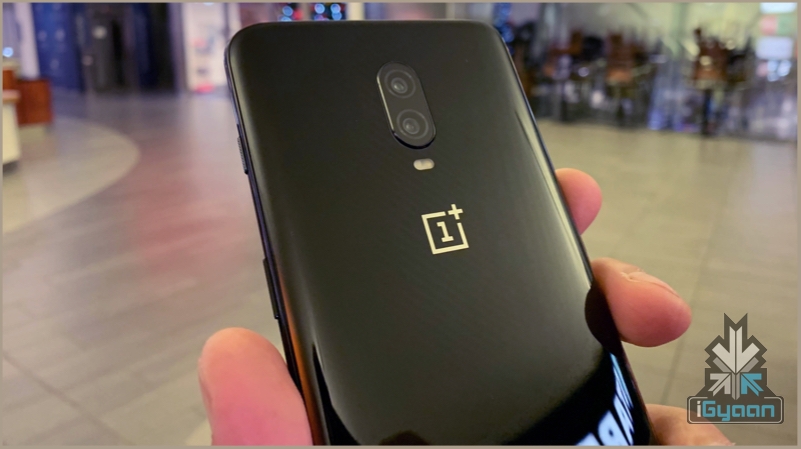
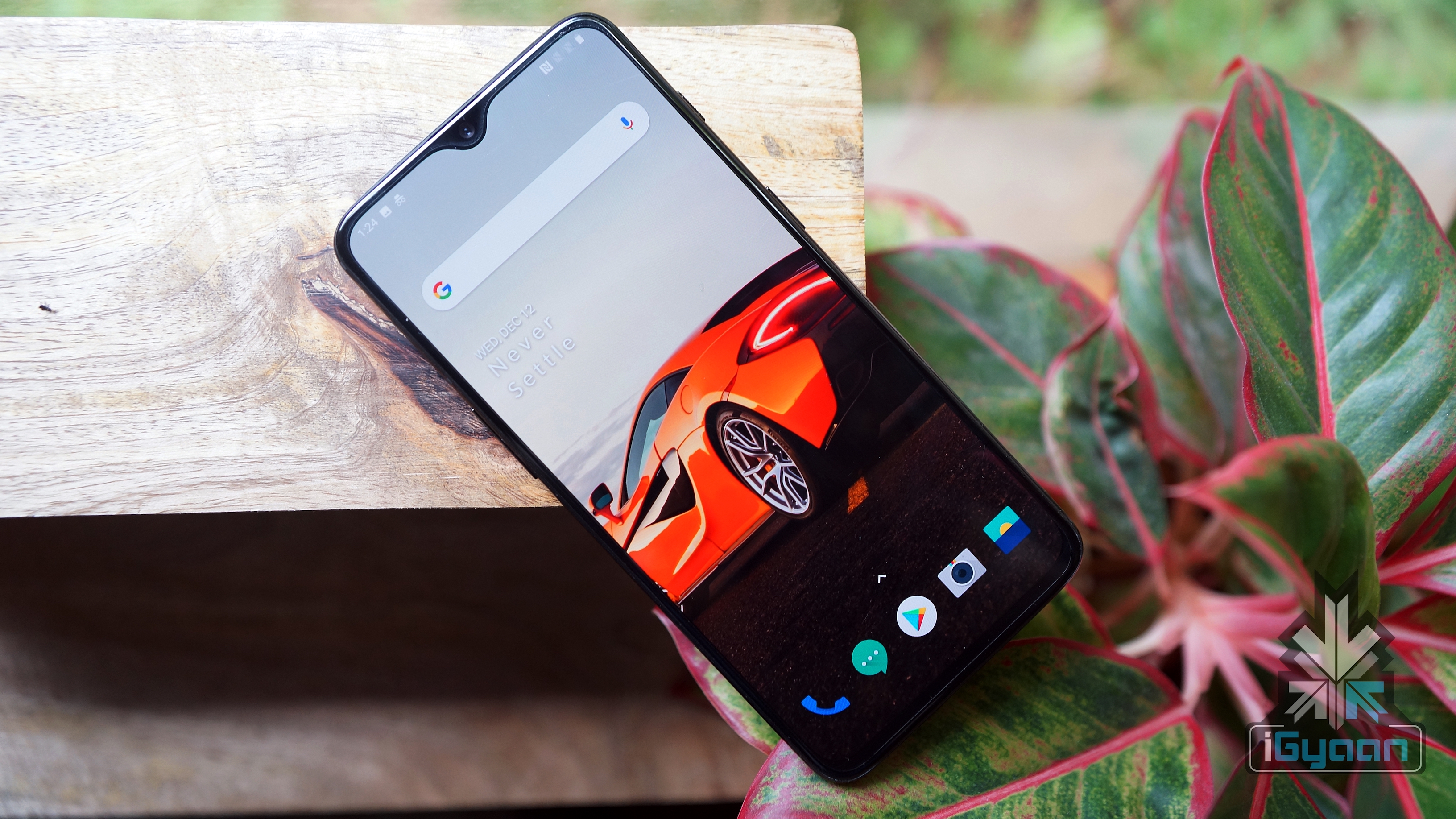
    The OnePlus 7 will be the successor to the OnePlus 6T launched last year. Previous leaks reveal it will have a similar design to the latter. The tipster claims it will have a 6.4-inch Optic AMOLED display with a resolution of 2340 x 1080 px. Like its predecessor, the smartphone will have a waterdrop notch on top of the display and employ an optical in display fingerprint scanner with face unlock technology to securely unlock the handset.

    The leak claims OnePlus 7 will run on the 7nm Snapdragon 855 SoC which is comprised of an Octa-core CPU and the Adreno 640 GPU. In terms of optics, the smartphone will have a dual rear camera setup comprised of an f/1.7 aperture equipped 48 MP sensor and a 5 MP depth sensor. This refutes earlier claims of a 24 MP secondary sensor. For selfies, the handset may have a 16 MP front-facing camera housed in the notch on top of the display. In terms of memory and storage, the device will be available in the following storage variants.

    • 6GB RAM + 128GB ROM
    • 8GB RAM + 256GB ROM

    The leak further claims the OnePlus 7 will be powered by a 3700 mAh battery with support for 20W fast charging. Like the 6T, it will not have a headphone jack and the company might release the Bullets Wireless 2 earphones alongside the smartphone. Unfortunately, more details about the headset are not available yet.

    OnePlus 7 Pro

    As mentioned above, the OnePlus 7 Pro will be the specced up variant of the regular OnePlus 7. It will have a similar all glass design on the front and rear, complete with a metal chassis to provide reinforcement. According to the source, the smartphone will have a massive 6.7-inch Optic AMOLED display with a resolution 3120 x 1440 px and a refresh rate of 90Hz. Unlike the regular variant, the Pro variant will use an elevating pop-up camera mechanism like the Vivo V15 Pro. It will also have an in display fingerprint scanner and will support face unlock technology.

    The leak claims, like the regular variant, the OnePlus 7 Pro will also run on the 7nm Snapdragon 855 SoC. In terms of optics, the smartphone will have a triple rear camera setup, comprised of an f/1.7 aperture equipped 48 MP sensor, an f/2.2 aperture equipped 16 MP ultra wide sensor and an f/ 2.4 aperture equipped 8 MP sensor. For selfies, it will have an f/2.0 aperture equipped 16 MP camera hidden in the aforementioned pop-up mechanism. Reportedly, the device will have Ultra Fast Storage (UFS) 3.0 standard and will be available in the following memory variants.

    • 6GB RAM and 128GB ROM
    • 8GB RAM and 256GB ROM
    • 12GB RAM and 256GB ROM

    Also read: Lenovo Launches The Z6 Pro Flagship Smartphone With Quad Rear Cameras

    The leak also states the OnePlus 7 Pro will be powered by a 4000 mAh battery with support for 30W Warp charging. The smartphone will also be available in a 5G variant which will support the next generation of mobile connectivity standard. It will be available in three colour variants, namely Blue, Grey and Brown.

iGyaan Network
Privacy Overview

This website uses cookies so that we can provide you with the best user experience possible. Cookie information is stored in your browser and performs functions such as recognising you when you return to our website and helping our team to understand which sections of the website you find most interesting and useful.