The National Aeronautics and Space Association (NASA) of the United States has announced a new mission called Dragonfly. This mission will send multiple sorties or drone-like aircraft to the Titan, one of Saturn’s natural satellites. The icy celestial body is the largest moon of Saturn and the second largest natural satellite in the solar system. It is also the only moon to have a dense atmosphere, which is why the Dragonfly mission is being sent to study clues of life.
NASA’s Dragonfly Mission
The Dragonfly Mission by NASA is scheduled to launch in the year 2026 and will take eight years to reach Titan in 2034. The rotorcrafts or drones will fly to dozens of locations on the satellite to look for prebiotic chemical processes, which are a link between Titan and Earth. It will mark the first time the organization will fly a multi-rotor vehicle on another celestial body. This device is claimed to have eight rotors and will fly like a normal drone or UAV (Unmanned Aerial Vehicle). The moon is credited to have four times the dense atmosphere than of Earth; which will be taken advantage of by Dragonfly in flying its science equipment payload to new places for repeatable access to materials on the surface.
The icy moon of Saturn is claimed to be the analogic representation of prehistoric Earth. During the 2.7 years long Mission Dragonfly, it will explore different environment factors; to search for the possibility of life. It is said that that the key to life once existed on Titan tens of thousands of years ago. So while the mission may or may not find the existence and sustenance of life there, it is said to give us the chemical evidence of the past or extant life on the moon.
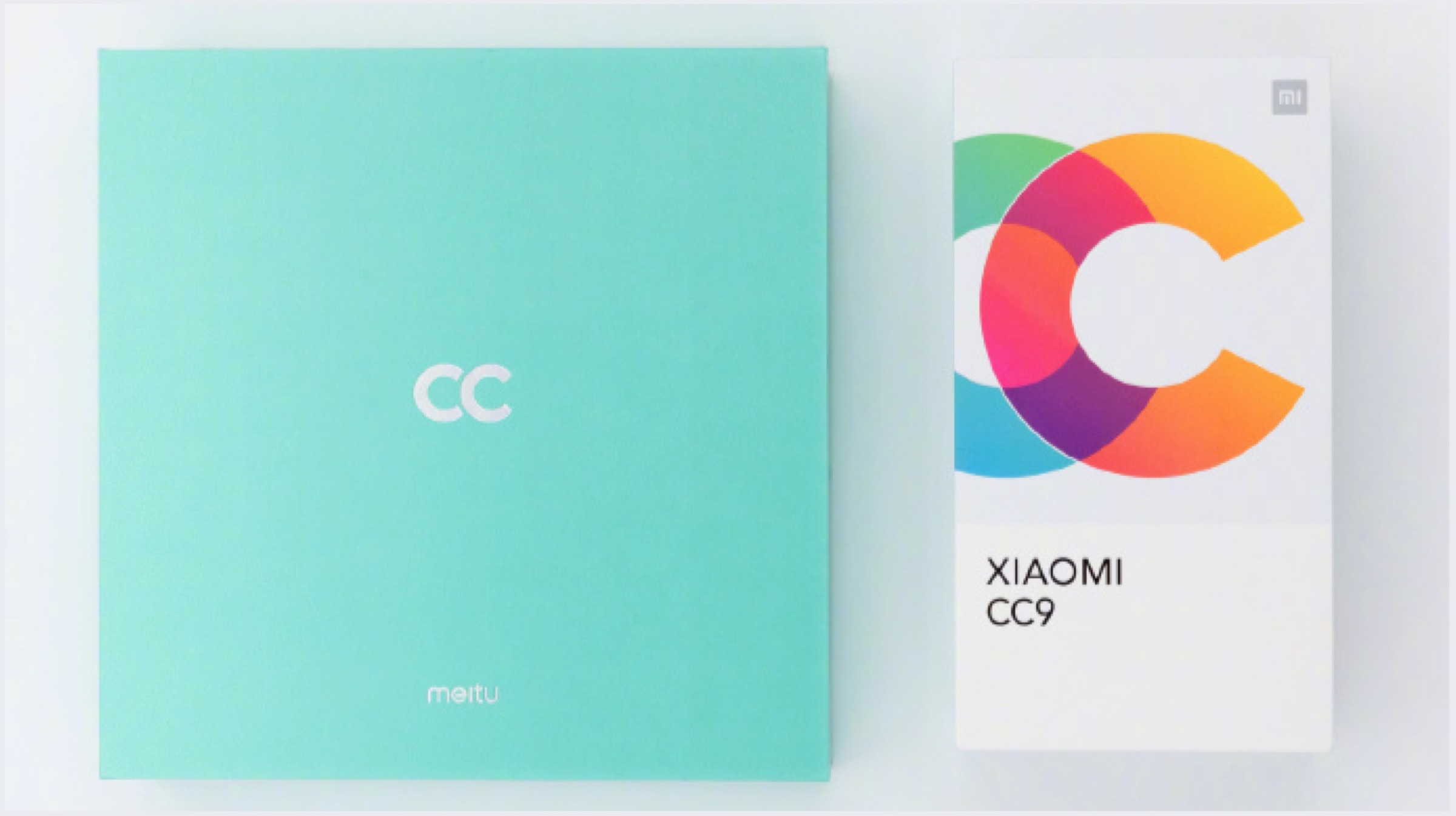
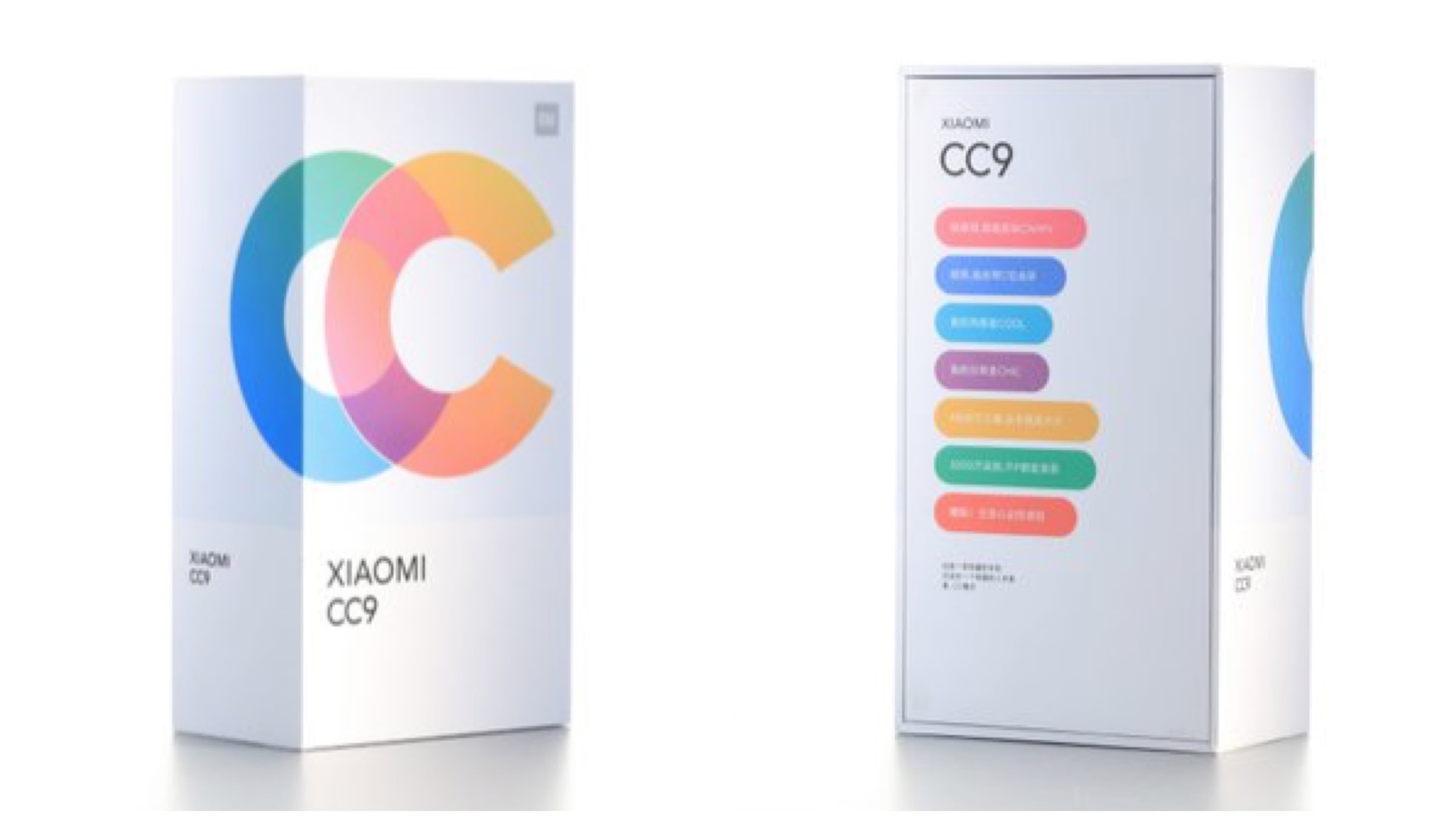
Xiaomi announced its latest CC smartphone series last week. This lineup was revealed to have been made in collaboration with another Chinese manufacturer Meitu; of whose hardware business the former took control of last year. The first devices that are expected to be launched in the series are the Mi CC9e and the Mi CC9, which may be announced at an event in China on the 2nd of July. Now, a senior Xiaomi executive has confirmed that a special edition of the latter called the Mi CC9 Custom Edition will also make an appearance at the event. In a post on the country’s popular social networking website Weibo; the executive has also revealed the retail box and storage options of the special edition handset.
Mi CC9 Custom Edition
As mentioned above, the Mi CC9 Custom Edition will be a special edition version of the regular Mi CC9. The image shared on the social media by the Senior Xiaomi executive reveals a retail box of the smartphone, alongside the box for the regular variant. It is significantly larger than the retail box for the Mi CC9; which may indicate that the device will be bundled with different accessories or will have a new design altogether.
Alongside the retail box, it has also been confirmed that the handset will arrive in a new colour variant. In terms of optics, while the Mi CC9e and Mi CC9 were revealed to have image optimisations done by Meitu, the Custom Edition will have a camera setup developed by it. This explains the special place for the Meitu branding on the retail box.
Other details revealed about the Mi CC9 Custom Edition by the Xiaomi executive; is the presence of 8GB RAM alongside 256GB internal storage in the smartphone. As it is a special edition version, the smartphone may be available to purchase in limited quantities. It is also expected to cost significantly higher than the regular Mi CC9. Unfortunately, more details like the specifications and the exact pricing of the CC9 Custom Edition are not available yet. But all our question will be answered next week when the company officially reveals the device on the 2nd of July.
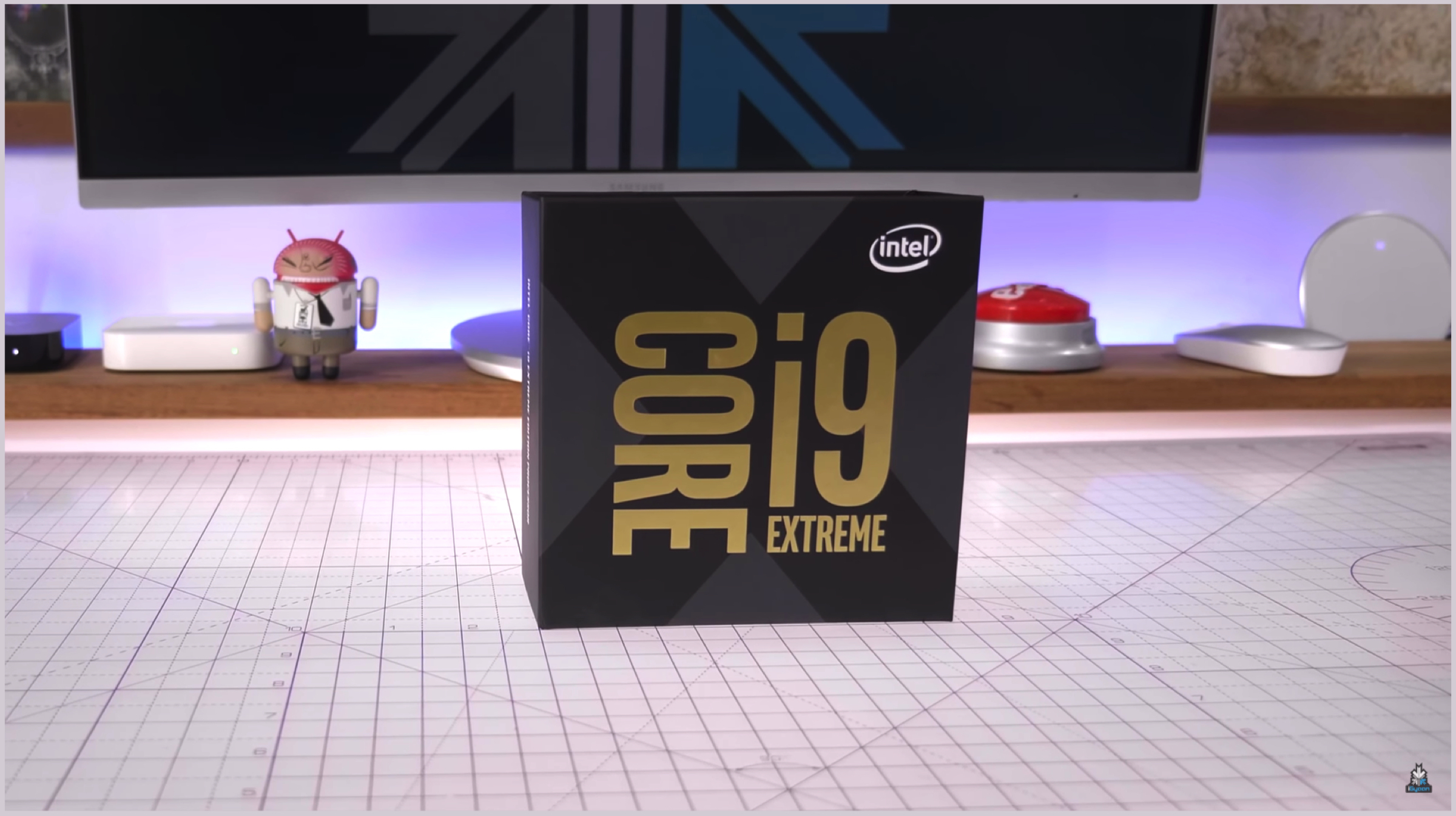
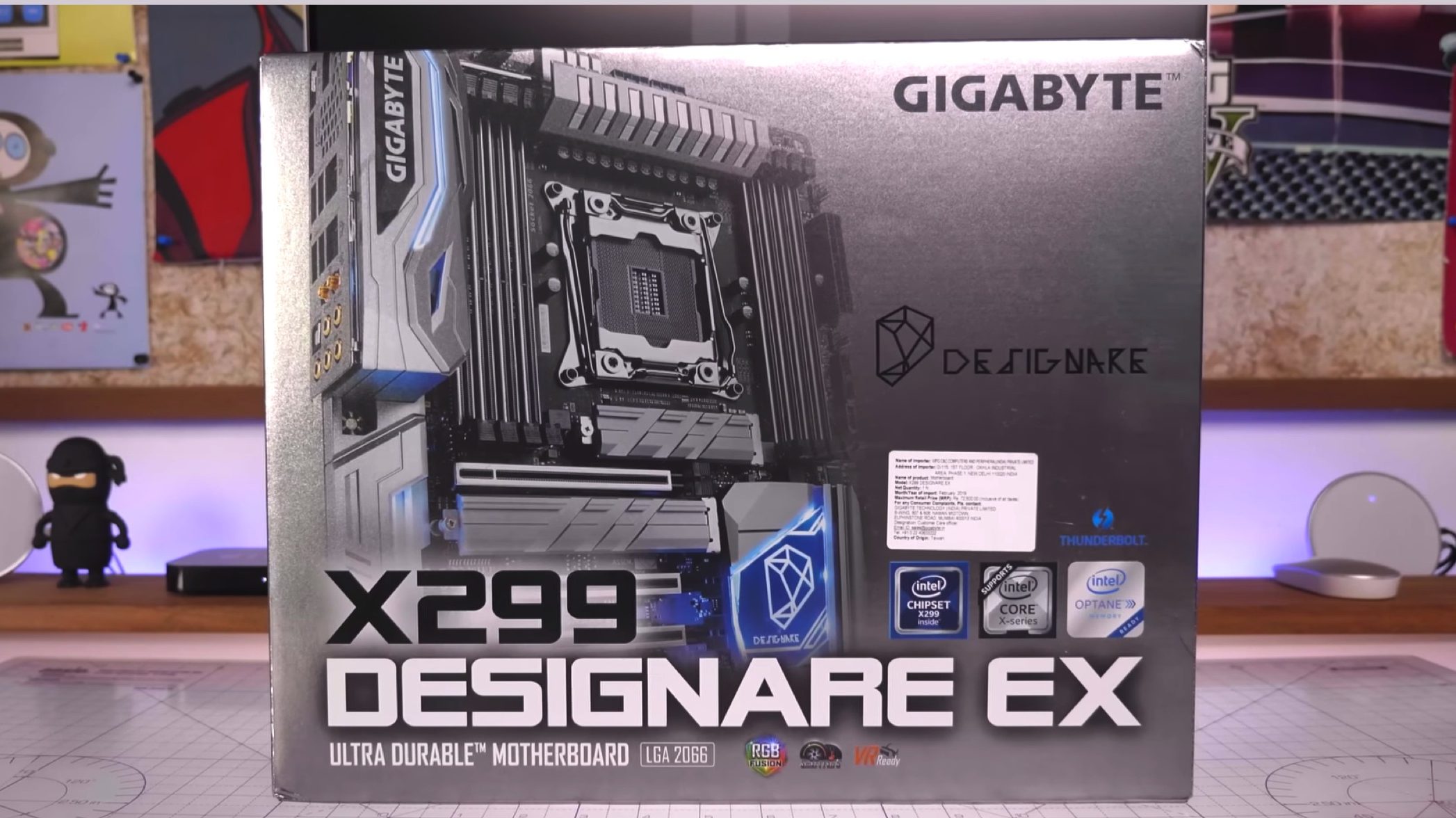
When we at iGyaan started to build the ultimate “Beast” gaming PC, a lot of people had questions about our processor of choice. The Intel Core i9 9980XE did not do much to please the people and they were quick to point out that we were wrong in our choice. While the chipset maybe not the perfect choice for gaming, our primary goal was to build a machine fit for all tasks. For those interested, click here to read the first assembly of the gaming PC build.
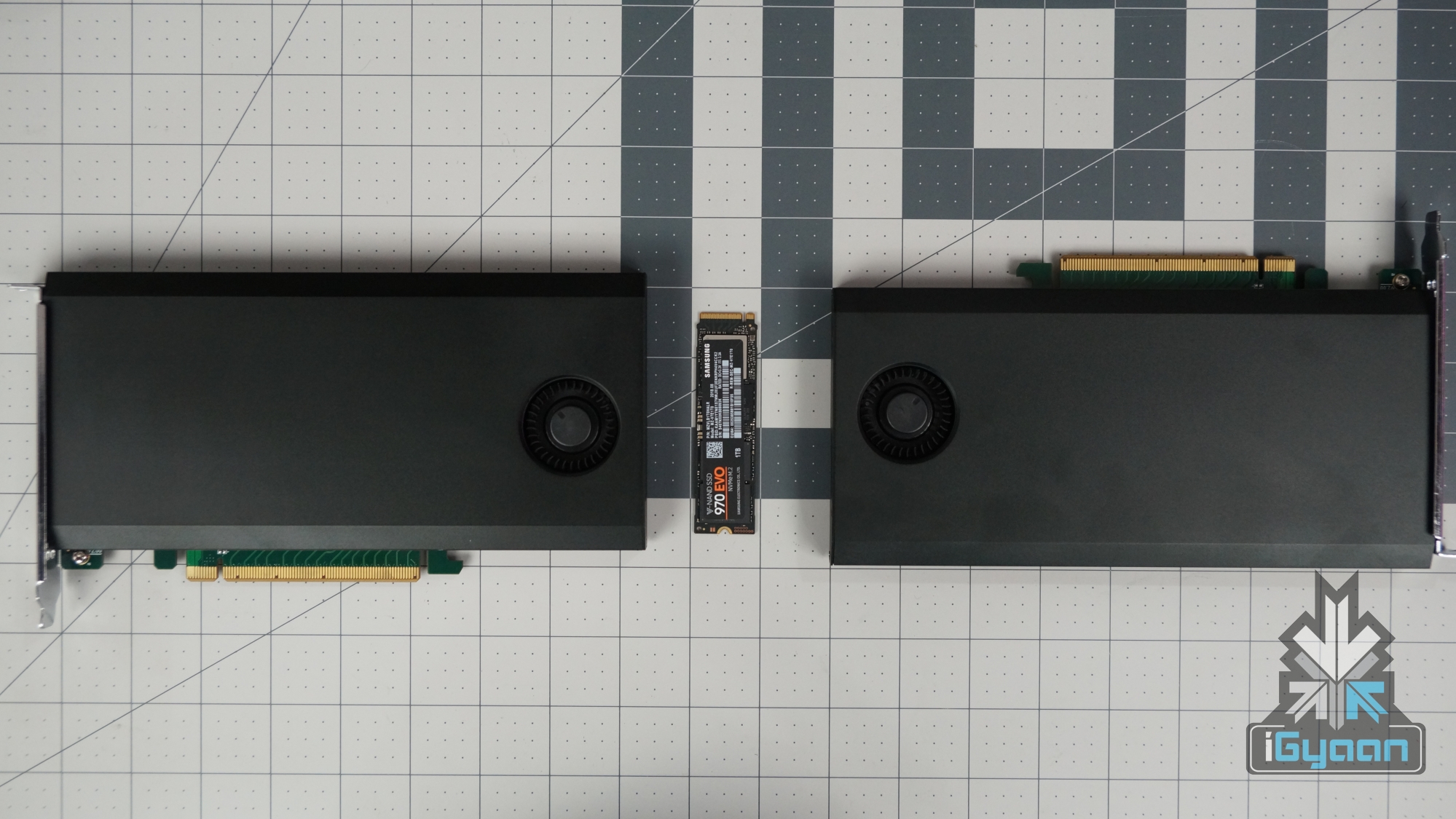
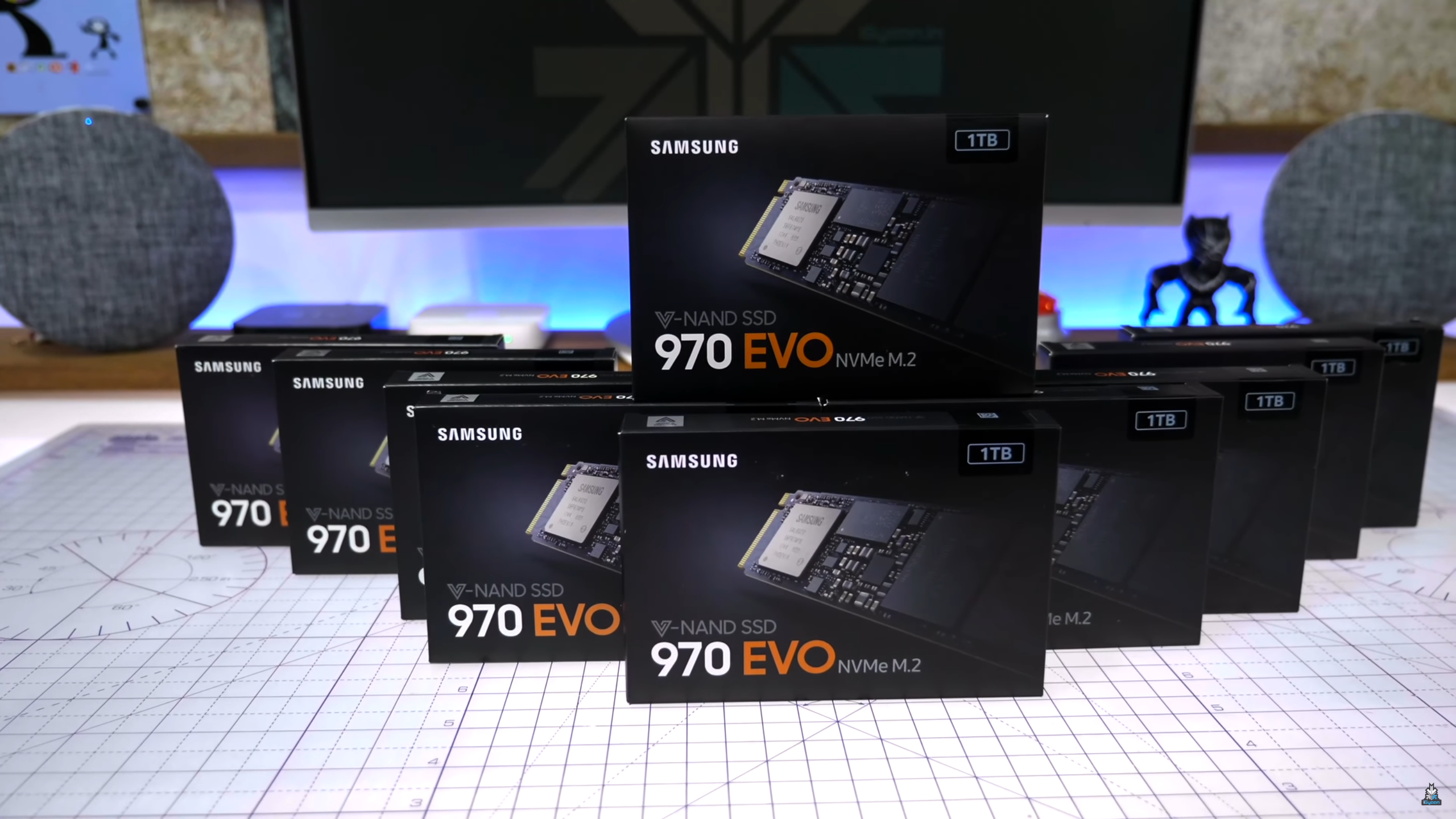
Whether it be gaming or serious editing, the PC should meet our requirements. For that, we also bought ten (that’s right!) Samsung 970 EVO SSDs and two Asus Hyper M.2 X16 cards for a RAID setup. For those of you who do not know, RAID or Redundant Array of Independent Disks is a way to store data that uses multiple disks which increases performances and decreases chances of drive failures.
Also, the major advantage of using the aforementioned CPU was the abundant 44 PCIe lanes present on it. These lanes are important for adding the necessary PCIe components on it, like GPUs and of course the SSD RAID setup. There was a problem though, that the Asus M.2 X16 cards were not compatible with our Gigabyte X299 Designare motherboard; as they are mostly harmonious with Asus’ motherboard.
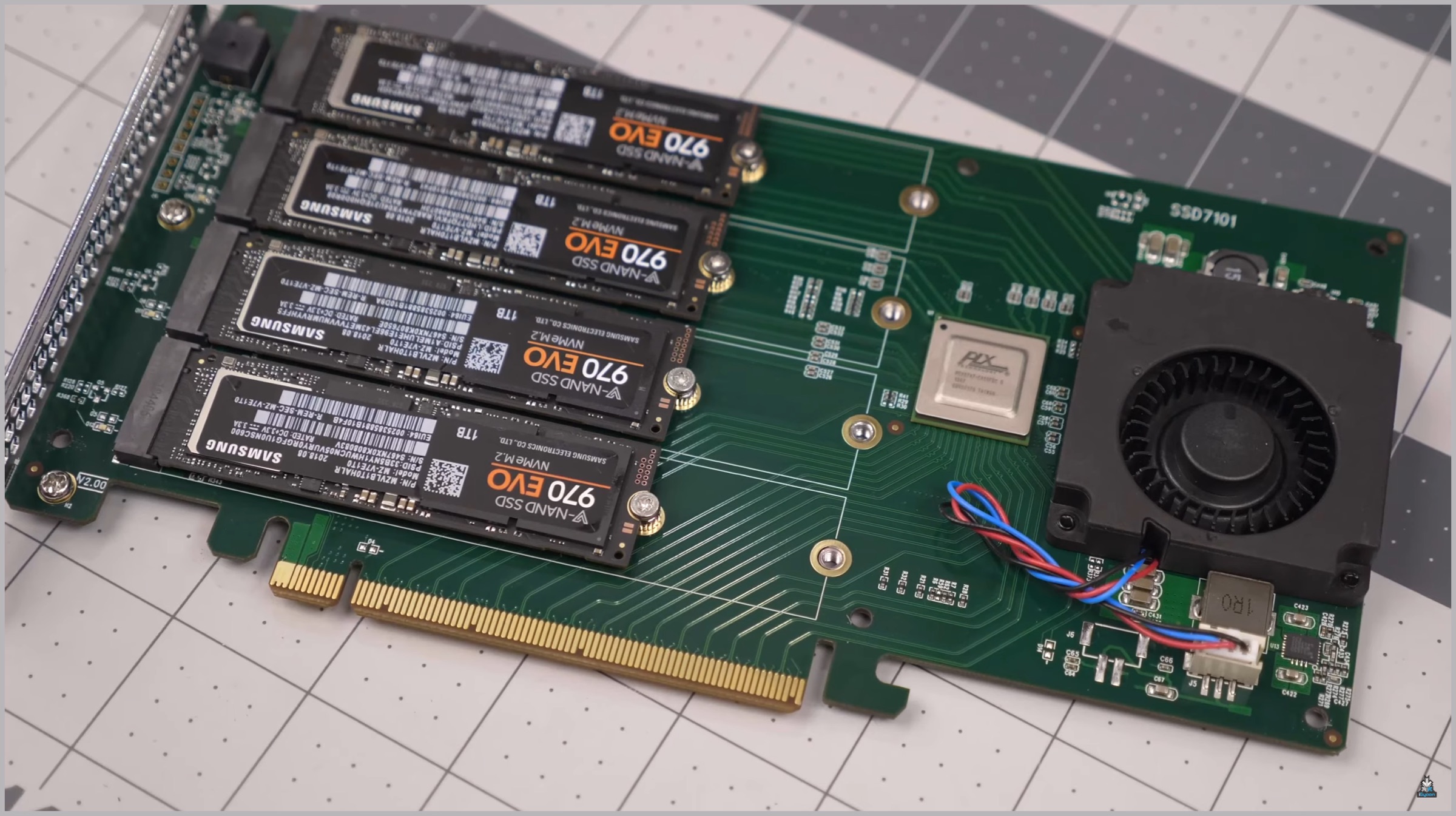
Our motherboard of choice also did not support the slot bifurcation feature; which lets you use the Asus card, which supports an x16 PCIe slot, to behave has four individual x4 slots. While this is a good feature, it is no good to us since neither our Gigabyte motherboard supports it or the Asus M.2 X16 cards. We then had to find an alternative to the card which will be of use to us. Lucky for us; we found that an American manufacturer by the name High Point makes such cards, which do not use the slot bifurcation feature but still uses the x16 lanes as four x4 lanes, which increases speed.
One point to note though, while the High Point RAID cards work perfectly fine; they are not available in India are up to eight times as expensive than the Asus one. Transferring the SSDs from the Asus card to the new one was quite simple, with us placing four SSDs in either one of the two to make two RAID cards. The High Point cards also have a very good thermal management feature, which uses a fan and various heat sinks for heat dissipation.
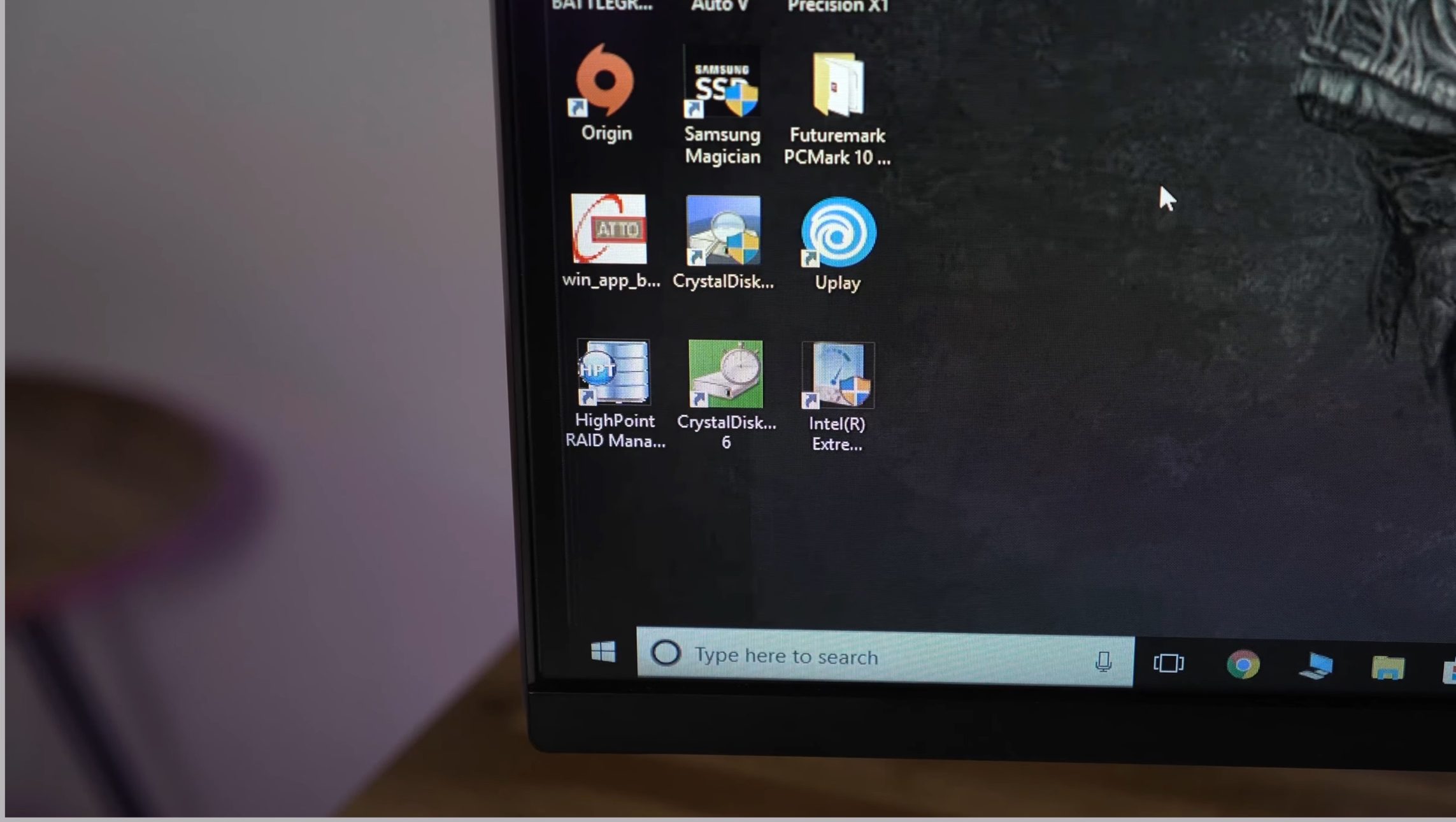
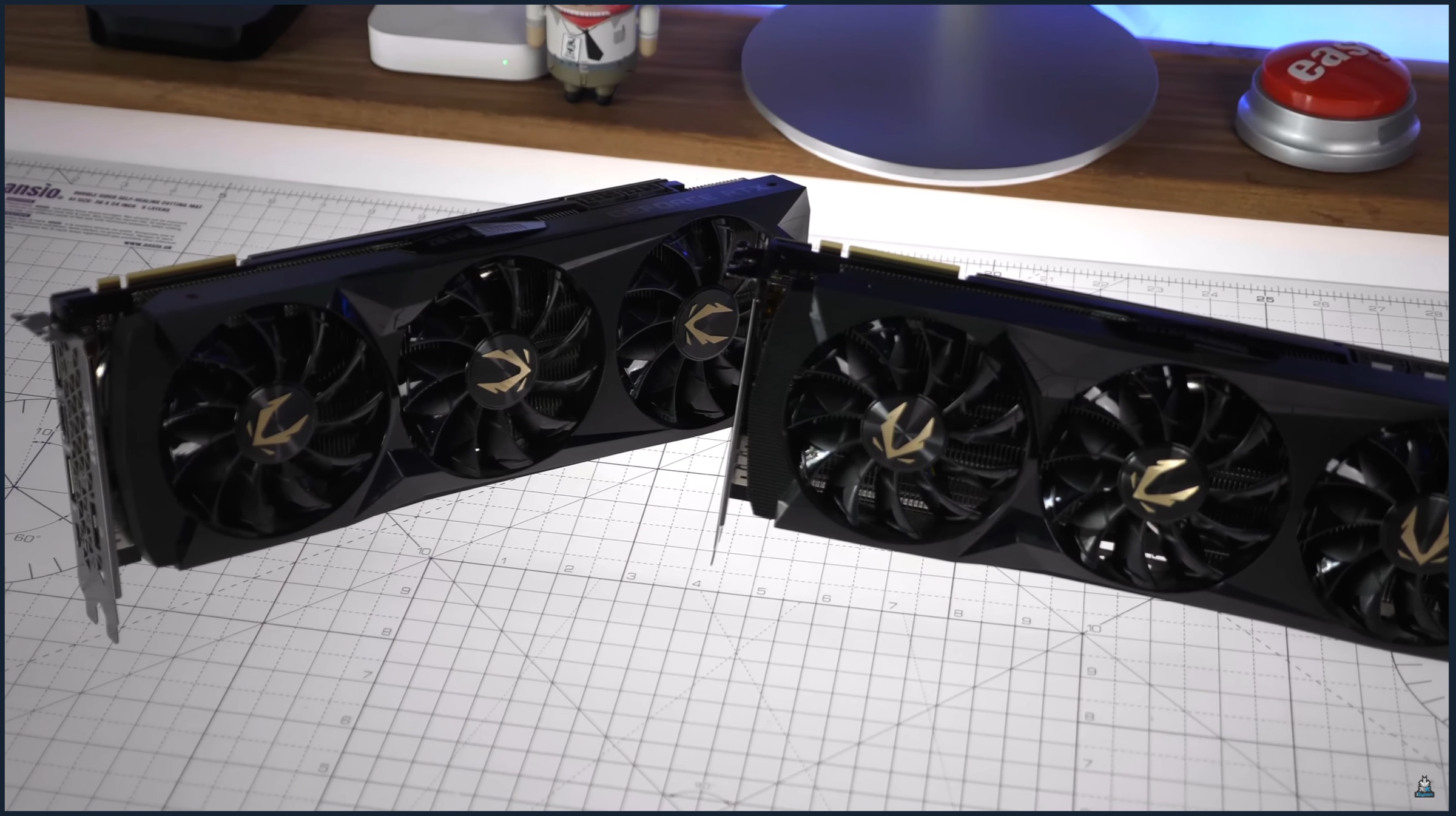
So while placing the RAID cards, we had to remove one out of our two NVIDIA 2080Ti GPUs. This was done because out of the 44 PCIe lanes available, 32 in total were taken up by the two GPUs and there were not enough lanes left for the cards to draw power from. Removing one GPU allowed us to install one High Point card with four SSDs inside after which we booted the machine up. After that, creating a storage pool using Windows Storage Space was no problem, but the speeds achieved on ATTO disk benchmark, as a result, were not as amazing as we hoped. Turns out Windows was just linking the SSDs together and not creating a RAID setup, which was a hurdle.
To fix that, we installed the High Point RAID utility and drivers for its cards. This allowed us to build a storage array inside its software, allowing us to create a RAID 0 drive. After creating the drive in Windows drive management and creating a simple partition, the ATTO benchmark test was finally showing a speed of 10GBps to 12GBps; with four SSDs inside the High Point card.
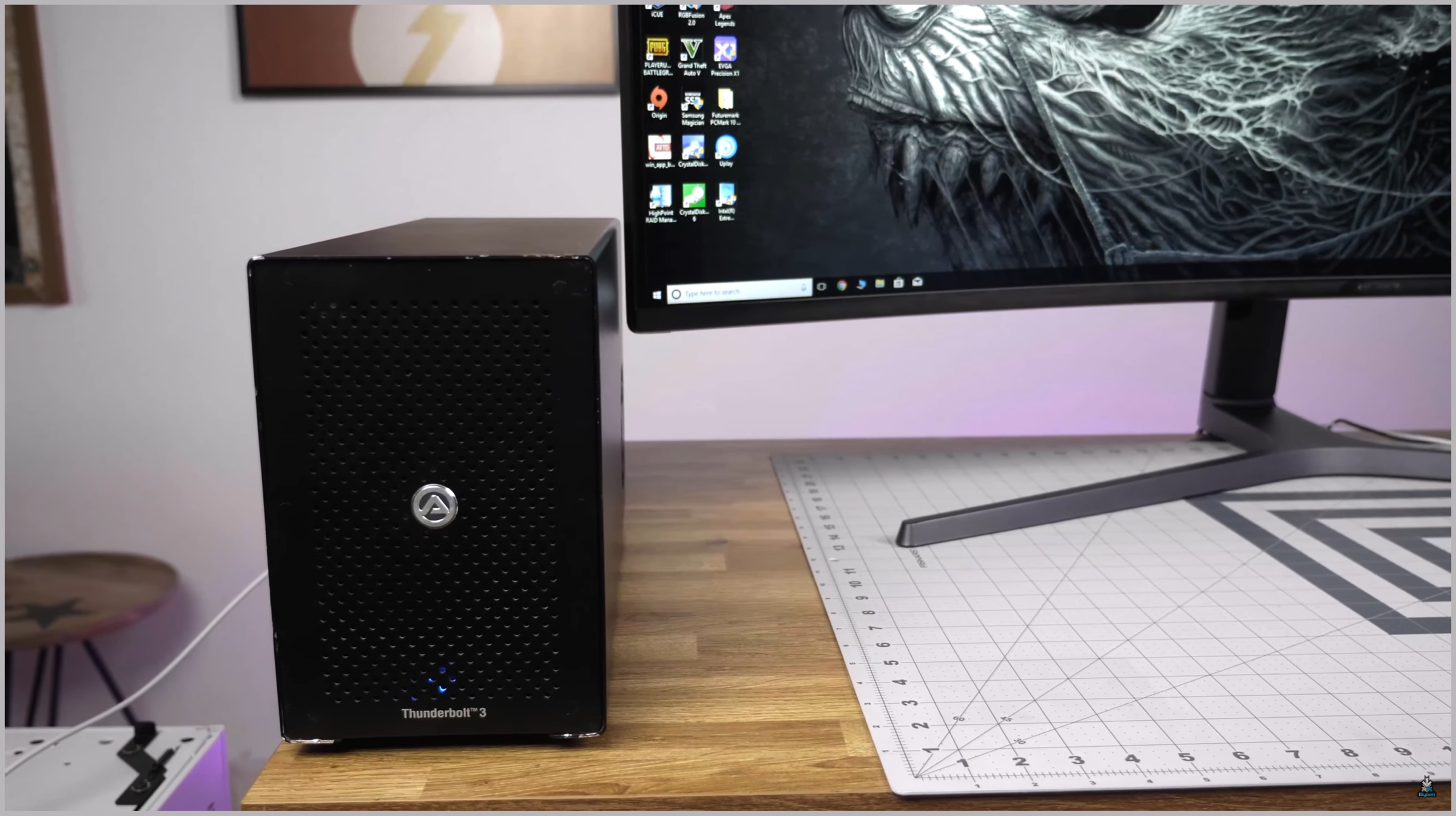
Following the success of our first test, we installed the second RAID card on our fifth PCIe slot; as recommended by our motherboard’s manufacturer. However, the speeds on ATTO were not improved by much, as it still was showing us a speed between 13GBps to 14GBps. This was because the card was using 8 PCIe slots instead of the required 16, reducing its speed. Luckily, at iGyaan, we have a lot of spare hardware, and the Gigabyte X299 Designare supports Thunderbolt 3. This lets us connect an external GPU inside an AKiTiO Node using Thunderbolt. We could finally remove the GPU from inside the motherboard and install the RAID card on it instead.
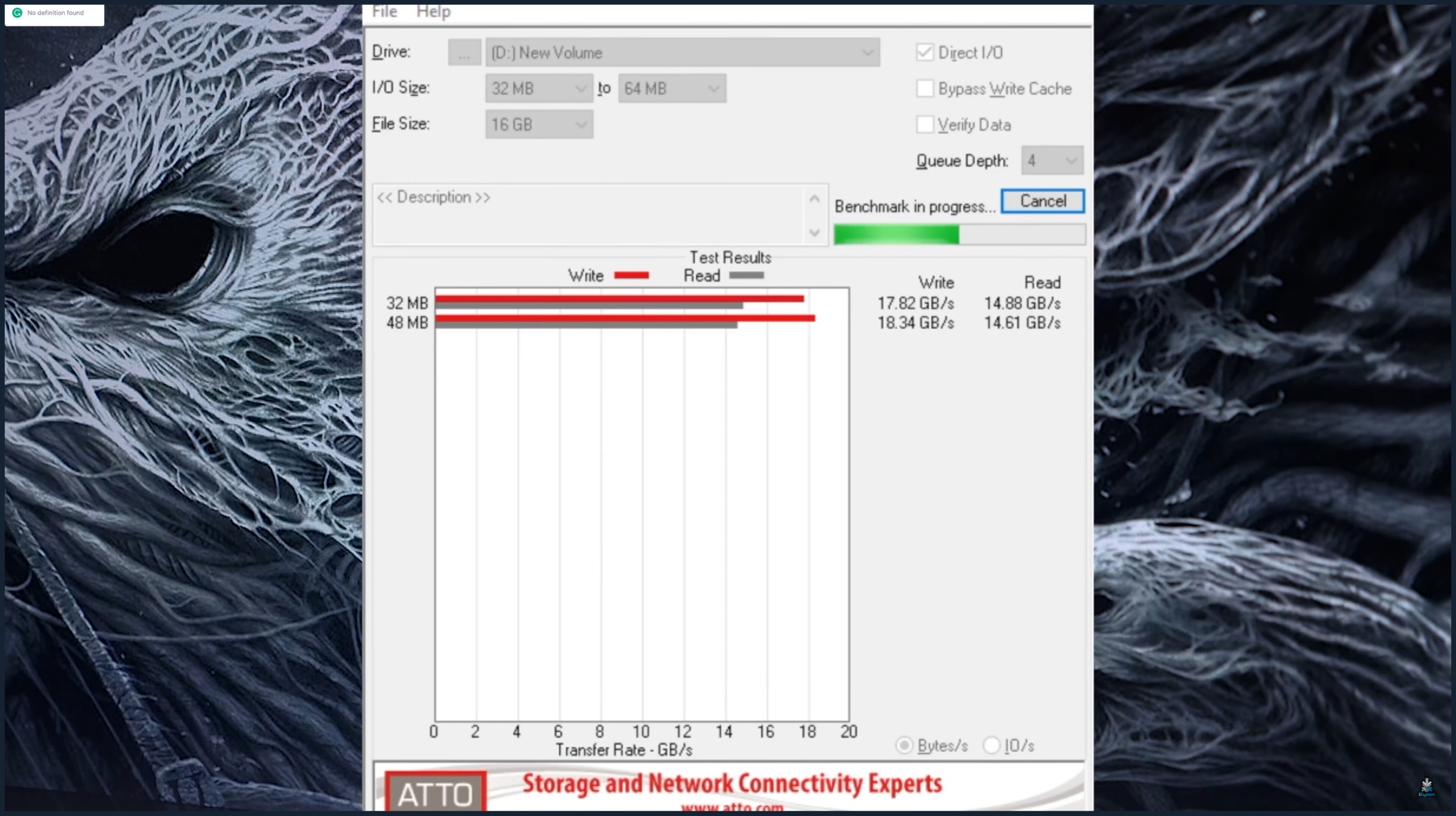
Now, both the cards, consisting of eight SSDs in total, had access to x16 PCIe lanes which should give us the theoretical read and write speeds. Running the ATTO disk benchmark test gave us a whopping speed of 18GBps, which is not quite the double we were asking for; but we will take it. It is expected that the benchmarks are not precise enough to display the RAID’s full potential so, in the real world, we should get a speed closer to 20GBps.
While we have achieved was we set out to do; which was making the ultimate RAID setup which delivered stupid fast speeds, the “Beast” gaming PC is a long way from being complete. We still have the two NVIDIA GeForce 2080Ti GPUs that had to be removed from the build. But, again lucky for us, we have two Thunderbolt slots and two AKiTiO Nodes which will be a handy item in the near future. Also, if you are asking what will we do with all this speed, we will have to show you in a quick game of, Minesweeper!
PlayerUnknown’s Battlegrounds or PUBG for short, was released back in the year 2017 for PCs; and has since seen unprecedented popularity. It was later ported to major consoles like the Microsoft Xbox, the Sony PlayStation and was also available on smartphones last year. The game has been credited for popularizing the Battle Royale genre; in which users fight out to remain the last one standing. Now, the publisher of the title, PUBG Corporation has announced a new PUBG game, which will be overseen by the developer of the famous games such as Call of Duty and Dead Space.
About The Game
As mentioned above, a new PUBG game has been announced by its publisher. It has not been provided with a title yet and is being developed by a new studio called Striking Distance. The most notable part about the studio is its CEO Glen Schofield; as mentioned above, he has many famous games like Call of Duty and Dead Space to his credit. The game is still in its early stages, so not much information is available regarding how the gameplay will be. However, in a press release, the PUBG Corp has said that the game is an original narrative experience within the PUBG universe. Unfortunately more details like the release date are not available as of yet.
It is also confirmed that the upcoming title will not carry forward the battle royale legacy of the original. It will rather focus on a storyline, which PUBG lacks in its current state. What this storyline will be is not known yet, but what is known is that it will be set in the same universe as the original. This is similar to what Respawn Entertainment did with the game Apex Legends. That title is set into a much larger Titanfall universe but features a battle royale genre as a base. It is being stressed that the upcoming game from the PUBG Corp is not a sequel to PUBG but is merely set in the same universe. So maybe the new game will finally reveal the reason behind the mysterious locations and the history behind them.
Chinese smartphone maker Xiaomi introduced the Mi CC series a while ago. The device lineup was introduced in partnership with another OEM from the country, Meitu; of whose operations the former took control of last year. It was later revealed that the company is planning to launch the first two handsets in the series, which were purportedly called the Mi CC9 and Mi CC9e at an event on the 2nd of July. In a fresh report, the colour and storage variants of the latter have been leaked online.
Xiaomi Mi CC9e
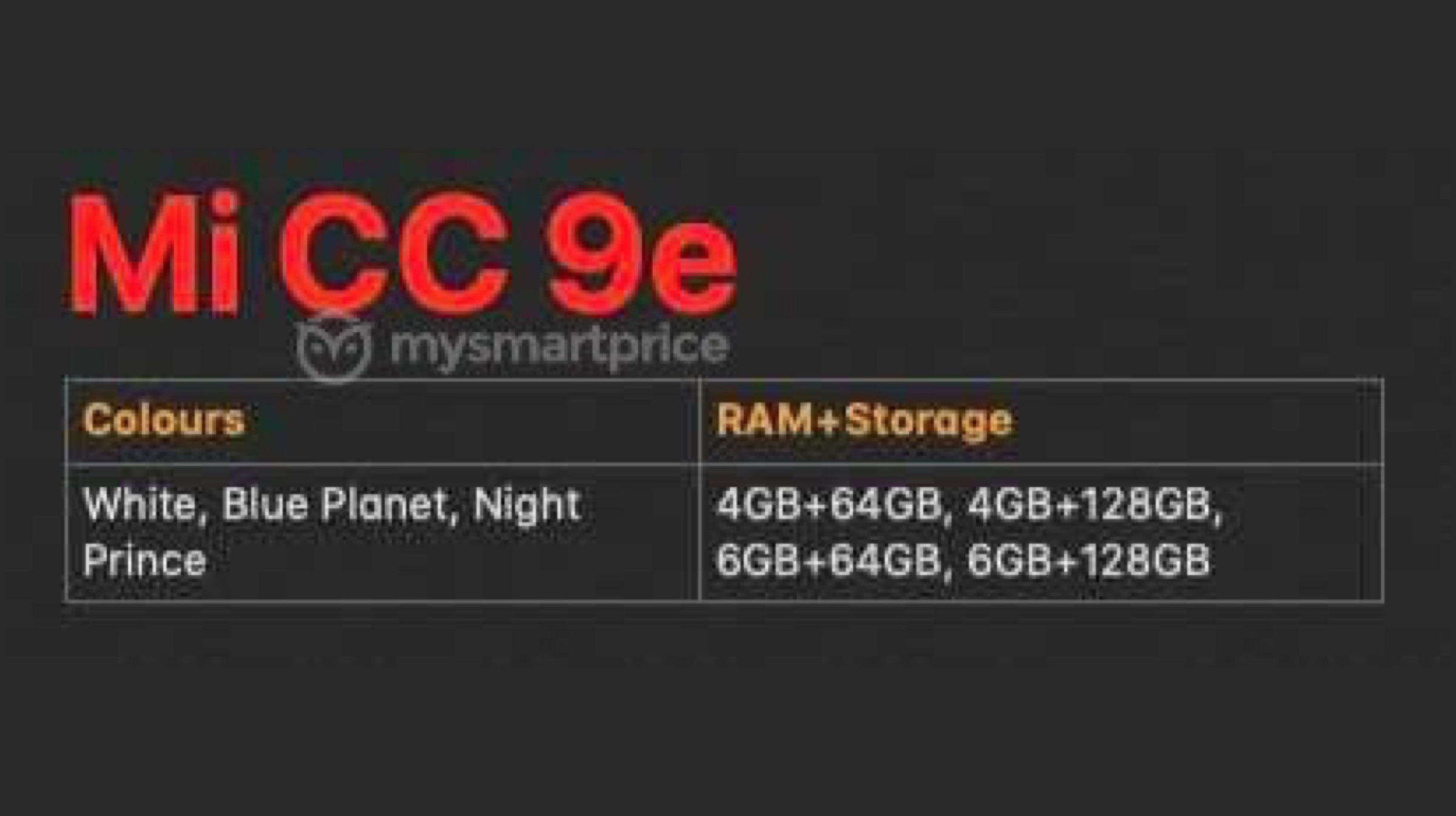
The Mi CC9e will be the more affordable offering in Xiaomi’s upcoming CC series. Latest reports reveal that the smartphone will be offered in three colours namely, White, Blue Planet and Night Prince. In terms of memory and storage, the device will be sold in four storage variants which are listed below.
4GB RAM and 64GB ROM
4GB RAM and 128GB ROM
6GB RAM and 64GB ROM
6GB RAM and 128GB ROM
The leak claims the Mi CC9e will have a 5.97 inch AMOLED display with a resolution of 2340 x 1080 px. It will run on the 10nm Snapdragon 710 SoC which is also found in the Mi 8 SE and the Realme 3 Pro. The chipset is comprised of an Octa-core CPU and the Adreno 616 GPU. In terms of optics, the smartphone may have a triple rear camera setup, which is expected to pack a 48MP Sony IMX 582 sensor primarily; alongside an 8MP secondary and a 5MP tertiary sensor. The camera will also have a specialised beauty mode developed by Meitu.
The Mi CC9e is reported to be powered by a 3500 mAh battery with support for 18W fast charging. As far as the pricing of the smartphone is concerned, it is expected to start at CNY 1,599 (Rs. 16,100) for the base storage variant. The variant with top tier configurations may be priced at CNY 2,199 (Rs. 22,100). As mentioned above, the Mi CC9 will also make an appearance alongside the CC9e on the 2nd of July. Unfortunately, it is not known if the devices will later be introduced in the Indian market, as Meitu did not exist in the country prior to its undertaking by Xiaomi.
Chinese technology giant Xiaomi unveiled the Mi CC series of smartphones earlier this month. While no devices were announced at the time, it was revealed that an official launch will take place on the 2nd of July. Two handsets purportedly called the Mi CC9 and Mi CC9e are expected to be introduced at the event. The company, in a bid to build up the hype for the series, has been sharing teasers on Chinese social networking website Weibo. Now, a senior Xiaomi executive has revealed official images of the Mi CC9 in white colour and its retail box in its entirety before the launch.
Xiaomi Mi CC9
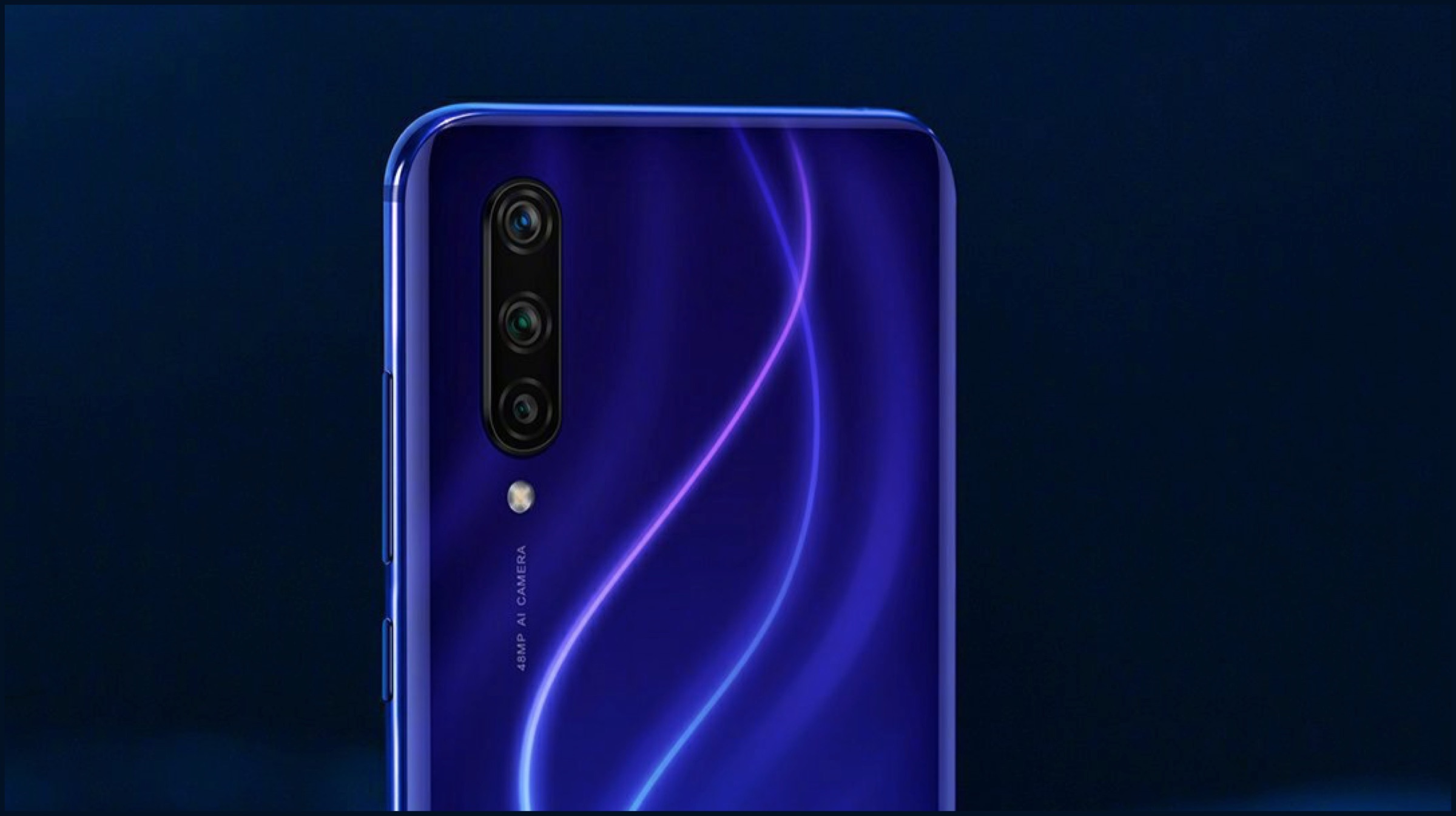
The Mi CC9 smartphone from Xiaomi will be a mid-range smartphone. The images revealed officially on Weibo showcase the device in an attractive pearl white colour. Notably, the handset in question was earlier known to be launched as the less specced variant of the series; Mi CC9e. However, it may be the case that the images are of the Mi CC9 after all. The smartphone will have a glass sandwich design with a gradient back panel and a revised company branding on the back. It has been revealed to have a triple camera set up at the back. The primary sensor used in the device will be a 48MP sensor as mentioned in the text under the camera module.
The right side of the Mi CC9 houses the volume rockers and the power button; while the top seems to have a 3.5mm headphone jack and SIM card tray. The bottom has a USB Type C port flanked by speaker grilles on either side. The retail box of the device does not reveal anything new than what we already know about it. While the front of the handset has not been showcased, a previous leak on certification website TENAA uncovered some images of the Mi CC9. The smartphone will have a waterdrop notch to maximise the screen real estate and house the 32MP front-facing camera; it will also use an in display fingerprint scanner as it is the norm in modern devices.
Other specifications of the Xiaomi Mi CC9 that were leaked in the past; reveal it will have a 6.39 inch AMOLED display with a resolution of 2340 x 1080px. The device will be kitted with the Snapdragon 730 SoC which Qualcomm’s latest offering for premium mid-range smartphones. The handset will be offered in three variants with up to 8GB of RAM and 256GB of internal storage. It may be priced starting CNY 2599 (Rs. 26,300) for the base storage variant when it launches on the 2nd of July.
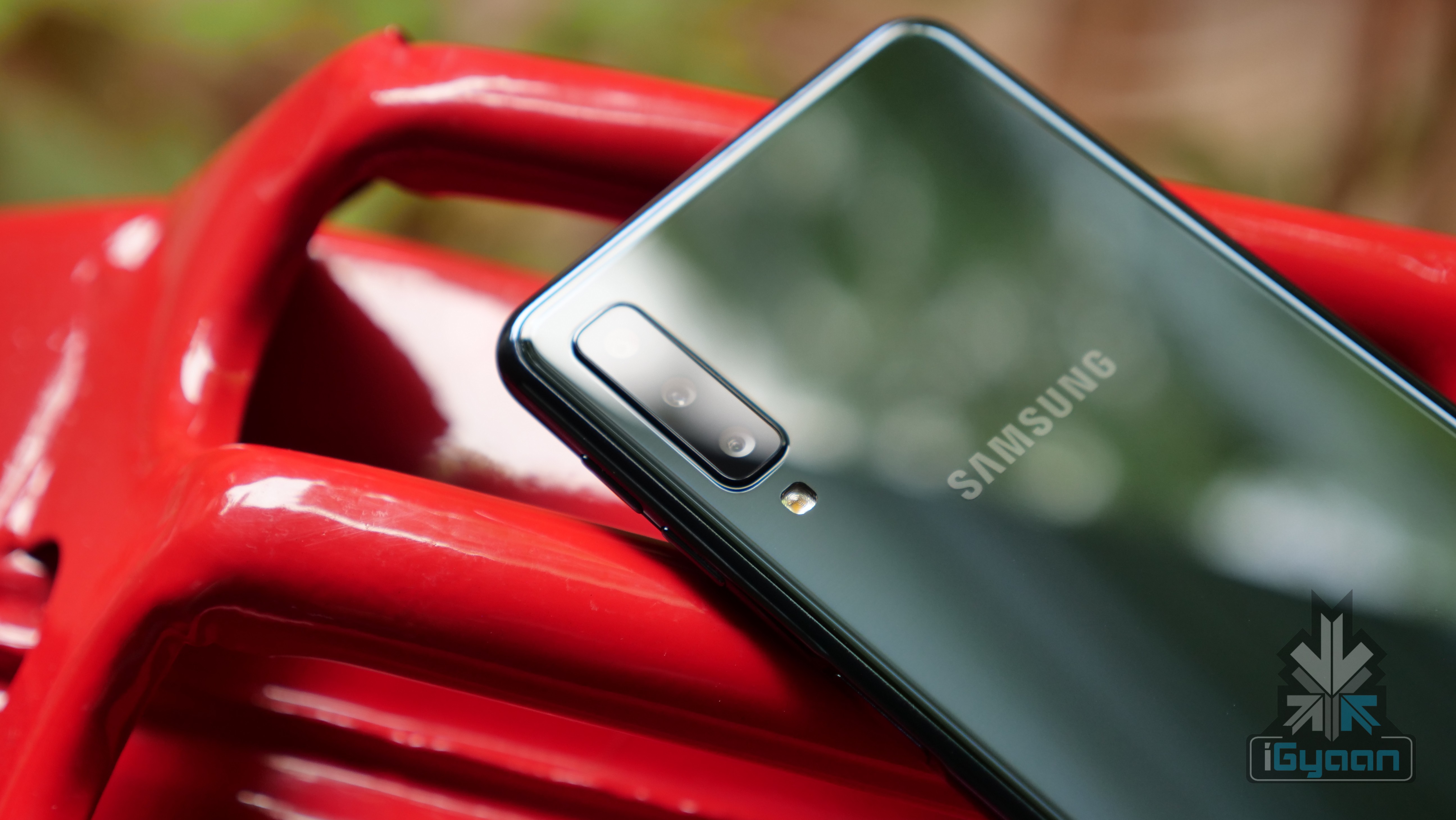
It was reported earlier that Samsung is planning to introduce a new Galaxy R series of smartphones. The first device that was speculated to arrive in the series was the previously leaked Galaxy A90, according to a known gadget tipster on Twitter. Unfortunately, the tipster has now claimed that there was some confusion between the internal and commercial naming scheme of the device. Now, it has been revealed that contrary to the prior information, the Galaxy A90 will be launched with the aforementioned name and not in the Galaxy R series; which likely does not exist.
Samsung Galaxy A90
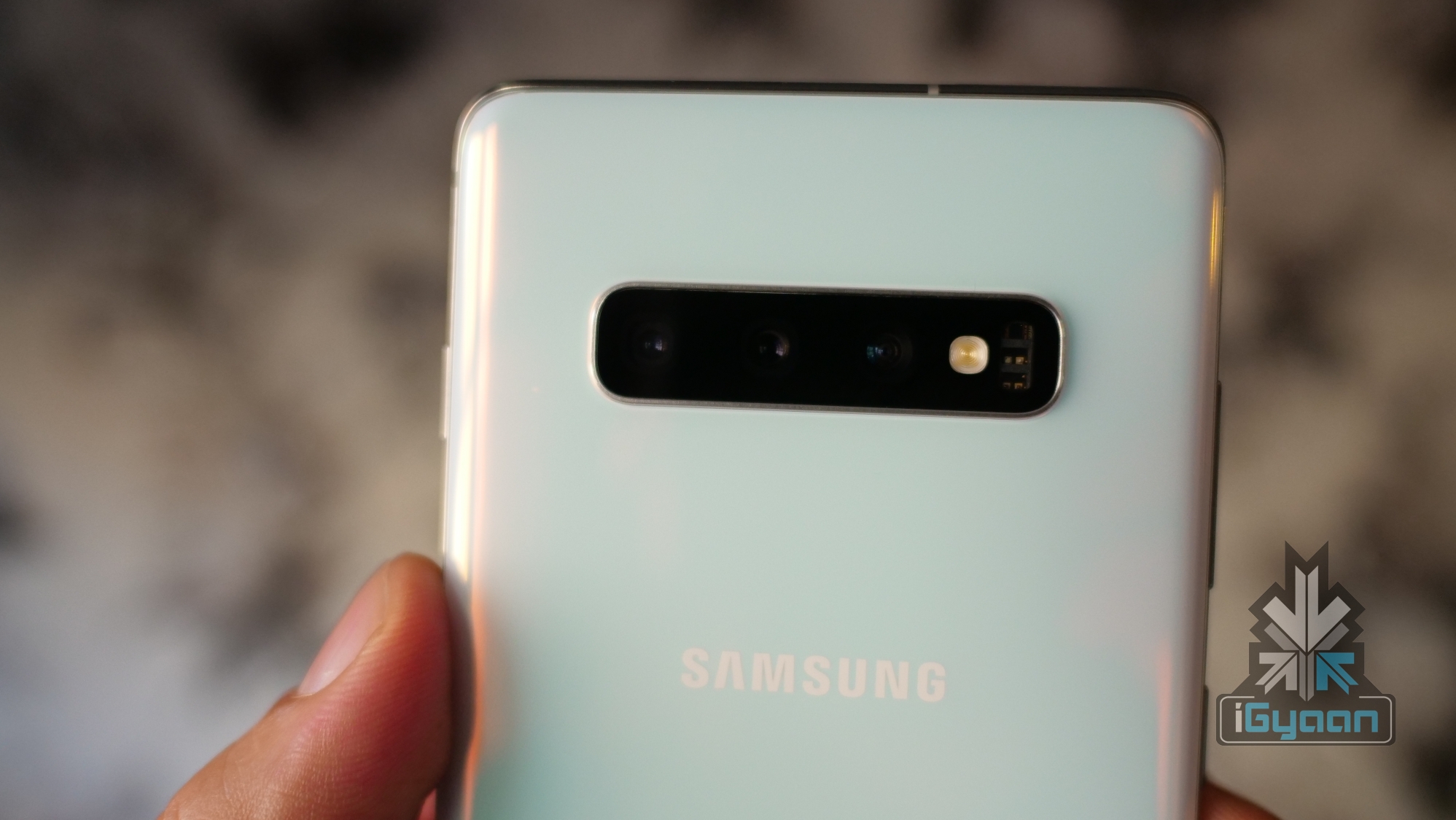
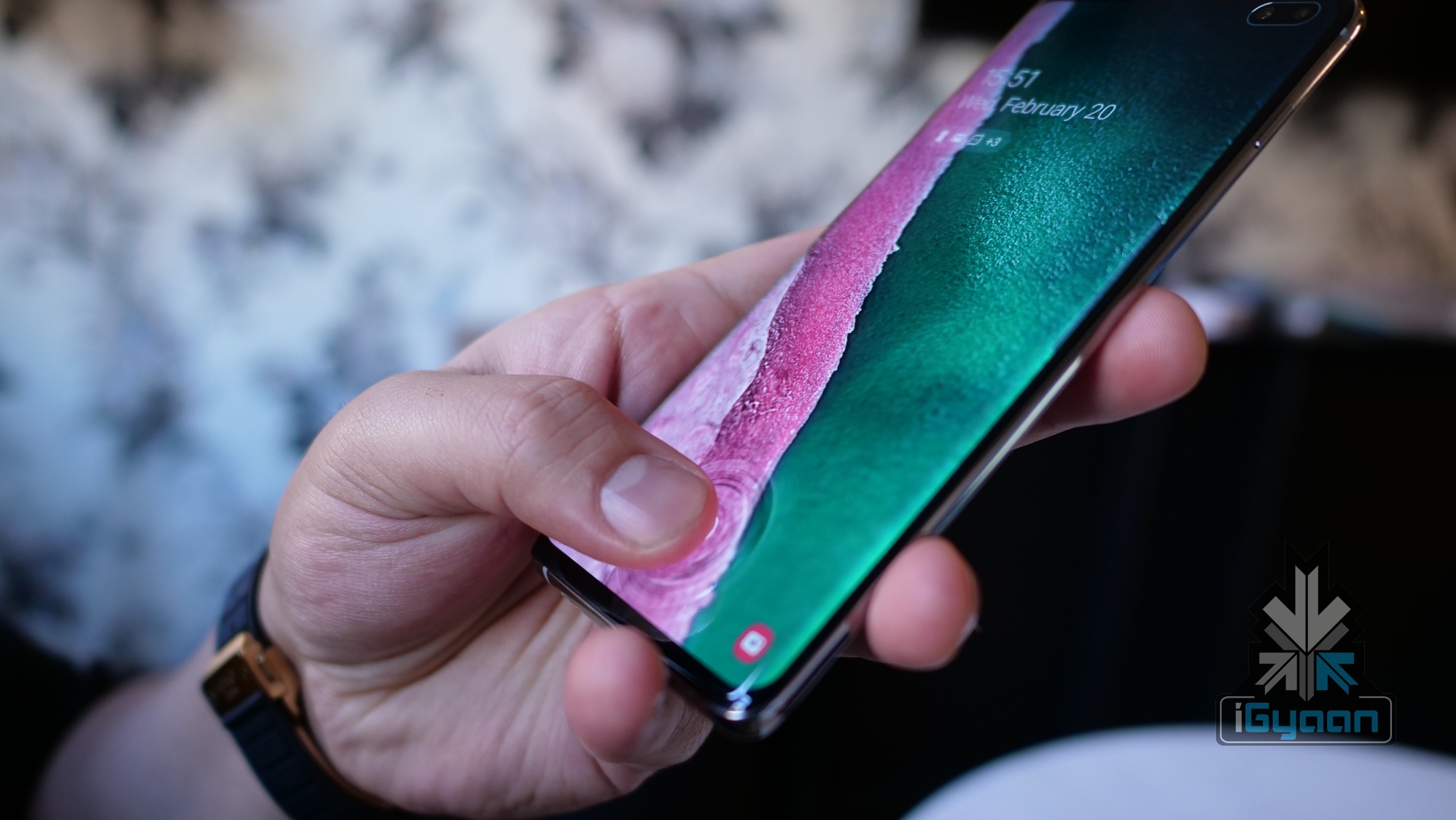
Galaxy S10+
According to gadget tipster who goes by the name @Onleaks on Twitter, Samsung is working on two variants of the Galaxy A90 smartphone. Both of these carry a model number SM-A905 and SM-A908 respectively. Apart from clearing the air around its naming details, the specifications of the devices have also been revealed.
The SM-A908 will be the 5G variant of the Galaxy A90 and will have a 6.7-inch display. It will utilise an in-display fingerprint scanner for quickly accessing the handset and will have a triple camera setup comprised of a 48MP primary sensor; alongside an 8MP secondary and 5MP tertiary sensor. It will run on the 7nm Snapdragon 855 SoC which consists of an Octa-core CPU and the Adreno 640 GPU. As mentioned above, the smartphone will have support for 5G; the next generation of mobile networks.
The other variant of the Samsung Galaxy A90, with the model number SM-A905, will have the same screen size; fingerprint scanner placement and the processor as the 5G variant mentioned above. The major difference between both the smartphones will be in connectivity and cameras. As it implies, the device will not support 5G networks, instead, relying on 4G LTE for connectivity. In terms of optics, the handset will have a 48MP primary camera, alongside a 12MP secondary and 5MP tertiary sensor.
The highlight feature of the device is said to be a technology named Tilt OIS. It may be some sort of stabilisation technology used in video recording. Unfortunately, more details about the Galaxy A90 smartphones such as their price and launch date are not known as of now. However, they are expected to be announced in the following weeks according to the source.
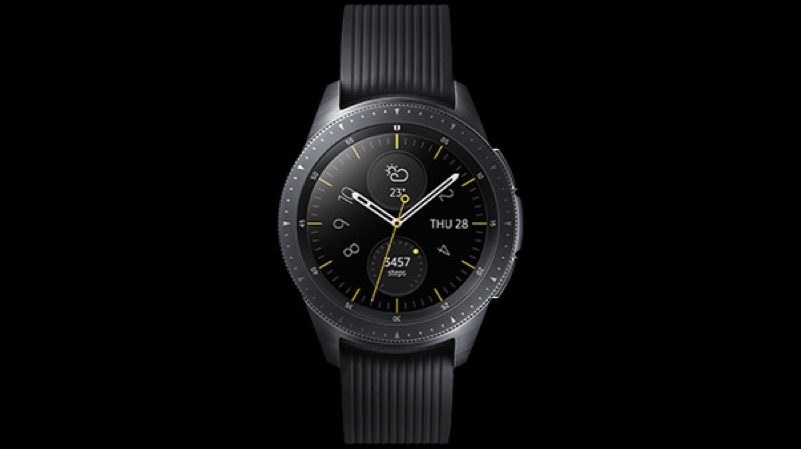
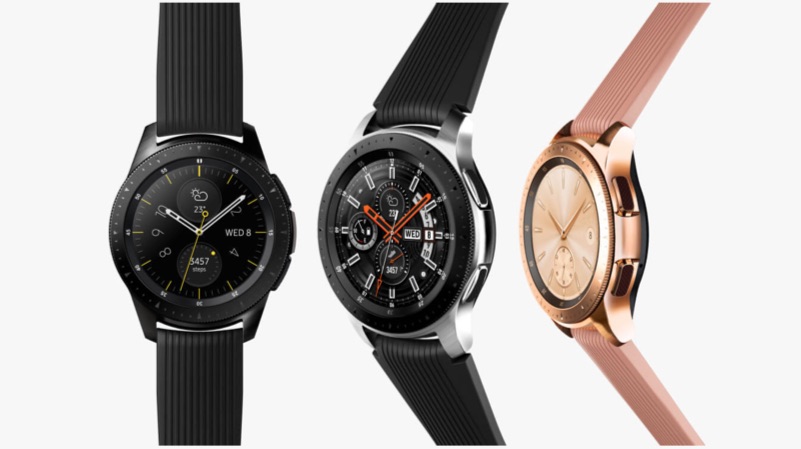
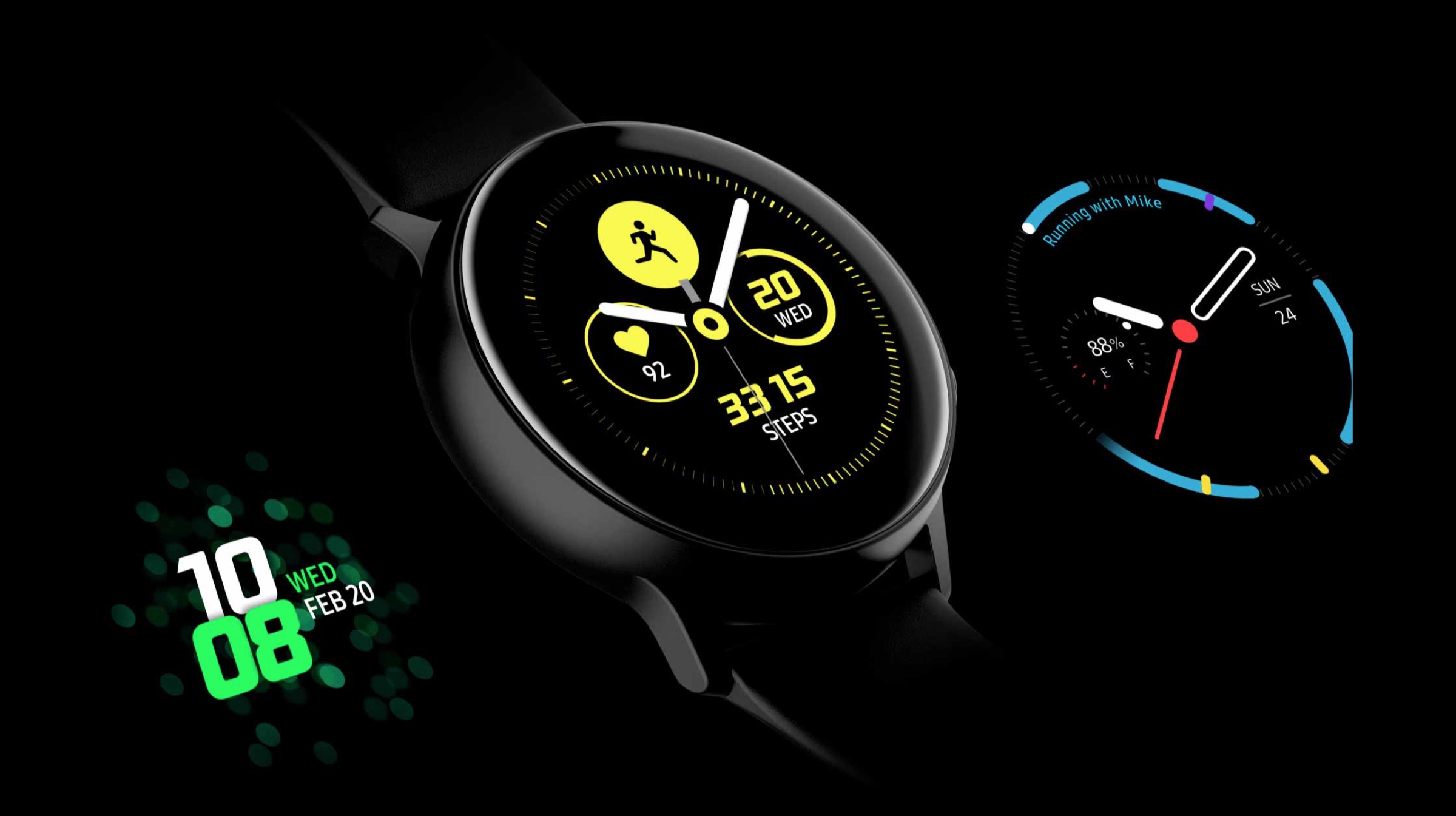
Samsung rebranded its wearable lineup starting the Galaxy Watch last year. The successor to the Gear S3, it features an upgraded design and better features. The company then launched its fitness variant, the Galaxy Watch Activeat the Galaxy Unpacked event in the month of February. Now, reports of the successor to the Galaxy Watch have started to surface online. According to a source, Samsung is working on the next generation wearable, purportedly called the Galaxy Watch 2 and may release it soon.
Samsung Galaxy Watch 2
Galaxy Watch
As mentioned above, the Samsung Galaxy Watch 2 will be a successor to the Galaxy Watch from last year. Reports claim that the wearable has been in the works inside the company for quite some time. It has been codenamed “Renaissance”, which is a combination of French and Latin and means rebirth. Notably, it is also a period in European history from the 14th to the 17th century that was defined by the pinnacle in art.
While more details about the Galaxy Watch 2 are not available as of yet; it has been revealed that it may launch alongside the Galaxy Note 10. The information was revealed a while ago that the next generation flagship smartphone by Samsung has been codenamed “Da Vinci”. It is based on Leonardo Da Vinci, who was a famous artist during the Renaissance. This, along with the fact that last year’s Galaxy Watch was launched alongside the Galaxy Note 9, further strengthens the aforementioned claim.
The Galaxy Watch was launched in two sizes last year, one with a 42mm dial and one with a 46mm dial. It is expected that Samsung will continue the same size options in the latest wearable. The upcoming smartwatch may also feature a digital rotating dial; which will be in contrast to the physical dial found in its predecessor. Unfortunately, more details like the price and rest of the features about the Galaxy Watch 2 are not known currently; but may be revealed as we move closer to its launch date.
Apple announced new versions of its operating systems for all of its devices earlier this month at the World Wide Developer’s Conference (WWDC). These include the new version of the iPhone operating system, iOS 13; a brand new OS for iPads, iPadOS and an upgraded MacOS called MacOS Catalina.
While the aforementioned software were available to download in developers beta; it was only possible if the user was signed up to the Apple’s developer program. On 24th of June however, the company has released the first public betas for all the operating systems. This means they can be download by anyone owning a compatible device. Here is a step by step guide on how to download the beta software of the iOS 13, iPadOS and MacOS.
iOS 13 Public Beta
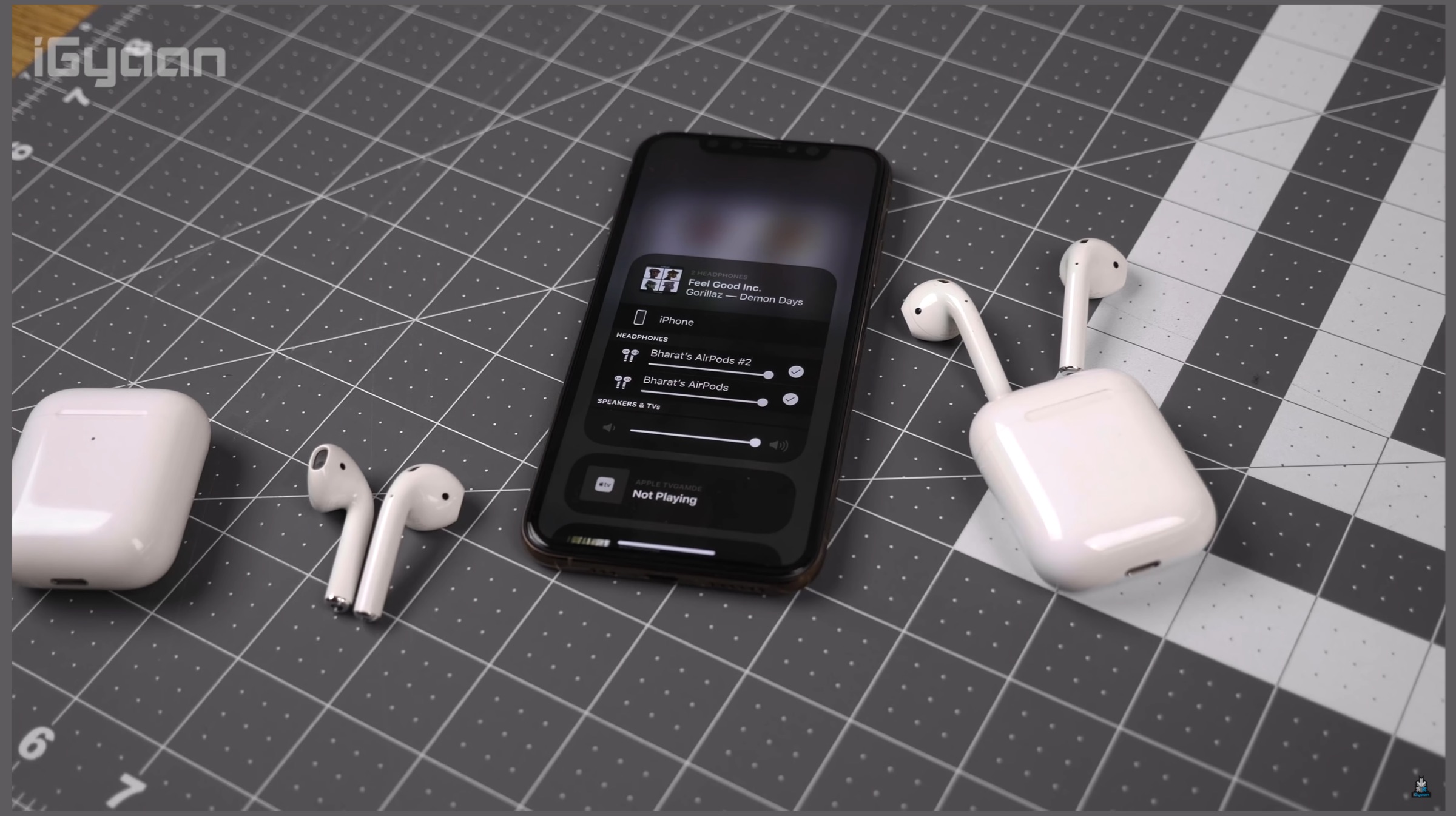
The iOS 13 as mentioned above, will be the latest software available for the Apple iPhone starting the iPhone 6s series. It promises many noticeable improvements over its predecessor, iOS 12. The latest software has a system-wide dark mode, which as the name suggests turns many areas of the User Interface dark. This is aimed at preserving battery life in OLED iPhones and will look more pleasing at night. It also supports multiple AirPods pairing to share music between iPhones.
More improvements on the iOS 13 include a new swipe gesture for keyboard, overhauled Reminders and Maps apps and performance improvements over iOS 12. Apple claims a 30 percent speed increase for FaceID in supported iPhones and smaller app update size. Overall, iOS 13 is a significant update for the software, however, if you plan on installing it; please be wary that it is still in beta and there may be some bugs that will be needed to iron out. Here is how you can install the iOS 13 Public Beta.
Head over to the Apple Beta Software Program by clicking here from Safari on your iPhone. (It doesn’t work with any other browser)
Sign in to your Apple account if you have not done it already.
Click on “Enroll Your Devices” on the top of the webpage.
Click on the “iOS” tab, this will make a reminder pop up on your screen to ensure your phone backup is complete. This will be needed if you plan on downgrading later.
Select the option “Download Profile” on the next page, this will bring another pop-up saying the website wants to download the file. Click on Allow.
Open the Settings app on your iPhone, select the section “Profile Downloaded” and then you can install the iOS 13 Beta.
iPadOS Public Beta
The iPadOS is an overhauled version of iOS 13 that is designed while keeping the iPad in mind. The iPadOS targets the iPad Pro and takes it one step closer to making it a full fledged computer. Many new features have been taken from the iOS 13 like the Dark Mode and new Reminders and Maps applications. It adds a redesigned home screen with widget support, new multi tasking features. The latency in the Apple Pencil has also been greatly reduced and there are new gestures for screenshots, editing text etc.
The biggest overhaul in the iPadOS that separates itself from iOS 13 is the new files app and external storage support. Both have been added to make the iPad more productive than before. There is also a new feature that is in sync with MacOS Catalina called Sidecar. It lets you use the iPad Pro as a secondary display to your Mac with minimal latency over wired or wireless connections. If you plan on installing the iPadOS beta, once again be wary of the bugs that will exist; until the stable update later this year. Here is how you can install the iPadOS public beta on your device.
Head over to the Apple Beta Software Program by clicking here from Safari on your iPad.
Sign in to your Apple account if you have not done it already.
Click on “Enroll Your Devices” on the top of the webpage.
Click on the “iPadOS” tab, this will make a reminder pop up on your screen to ensure your phone backup is complete. This will be needed if you plan on downgrading later.
Select the option “Download Profile” on the next page, this will bring another pop-up saying the website wants to download the file. Click on Allow.
Open the Settings app on your iPhone, select the section “Profile Downloaded” and you are all set to install the iPadOS Beta.
MacOS Catalina Public Beta
The MacOS Catalina is the latest version of the operating system for various computing devices from Apple. It features considerable changes over the last generation, MacOS Mojave. The latest OS boasts of the Catalyst feature, which was codenamed Marzipan and allows iPad developers to port applications over to MacOS. The sidecar feature as mentioned in the iPadOS above is also making its debut in the newest generation MacOS.
A major feature that MacOS Catalina is bringing about is the introduction of Voice Control. It is an accessibility feature that will allow users with limited motor skills to control their Mac enabled device with their voice. Again, the MacOS public beta, like the iOS 13 and iPadOS is still in beta stage; so there may be some bugs that may need squashing in the stable update due later this year.
Visit the Apple Beta Software Program by clicking here.
Sign in to your Apple account. (Ignore if already done)
Click on the MacOS option, this will make a reminder pop up saying to ensure you have a time machine backup; in case you want to downgrade to a previous version.
Click on the option “Download the MacOS Public Beta Access Utility”; which will download a .dmg file enrolling your computer in the beta program.
Open System Preferences and click on Software Update option to install the MacOS Catalina beta. One thing to note is that it might not be available to download instantly in some cases. Users will need to wait if that is the case.
The new iOS 13, iPadOS and MacOS are major software releases by Apple this year. It is also seen as a step by the company to combine some functionalities of all the three different products for the future; as demonstrated by the Catalyst feature in MacOS. What do you think about Apple’s latest releases? Tell us in the comments below.
Korean electronics giant Samsung is one of the few manufacturers that still make Android tablets. After the popularity of tablet devices that were not Apple iPad fell a few years ago, only companies like Samsung, Lenovo and Huawei have managed to occupy the Android tablet market. The company’s latest device is the Galaxy Tab S5e that was announced at the Galaxy Unpacked event in the month of February. Now a mysterious device has surfaced via a listing on performance benchmarking website Geekbench. It confirms a few key details about the tablet and may be launched soon.
Samsung SM-T545
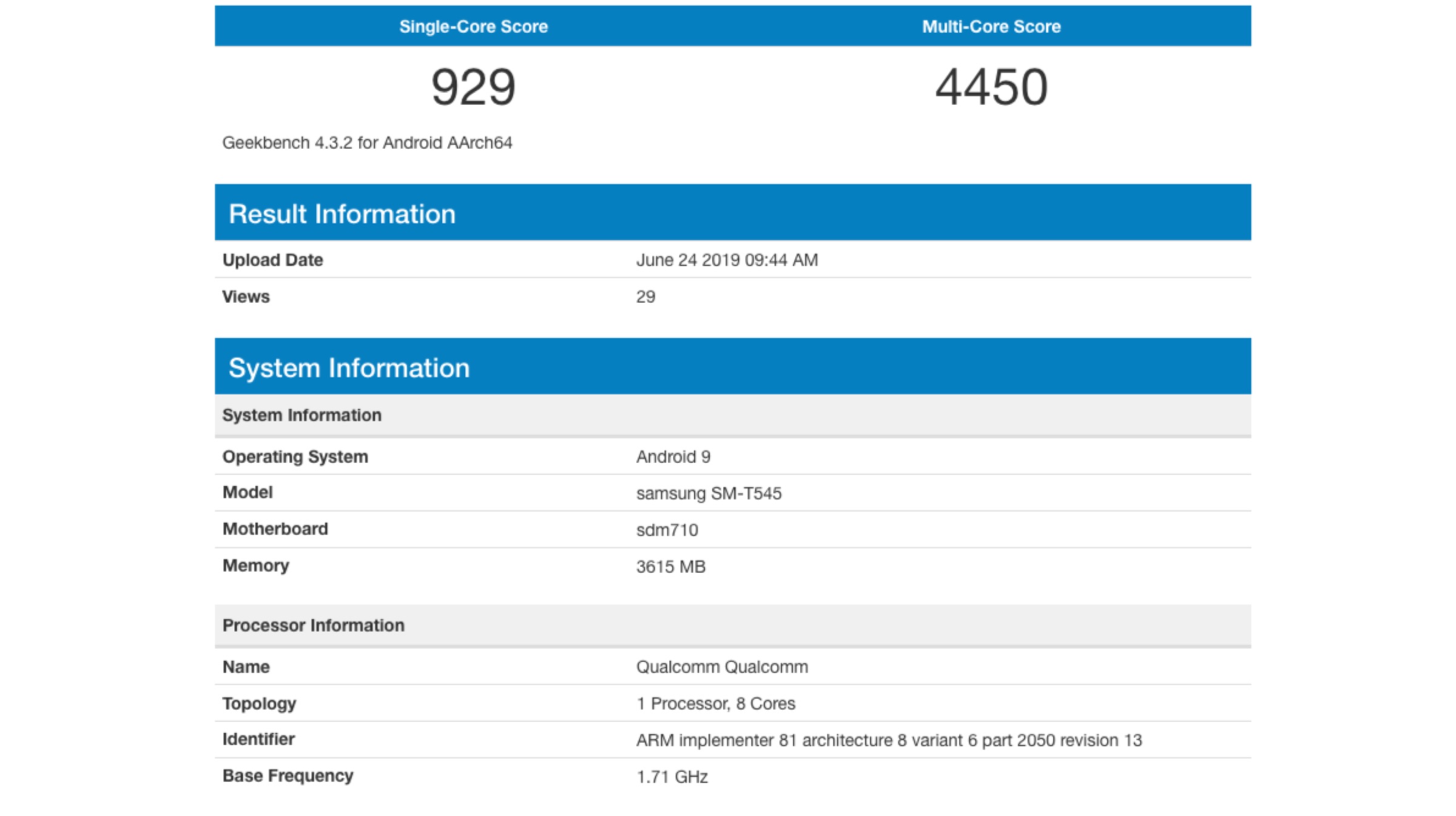
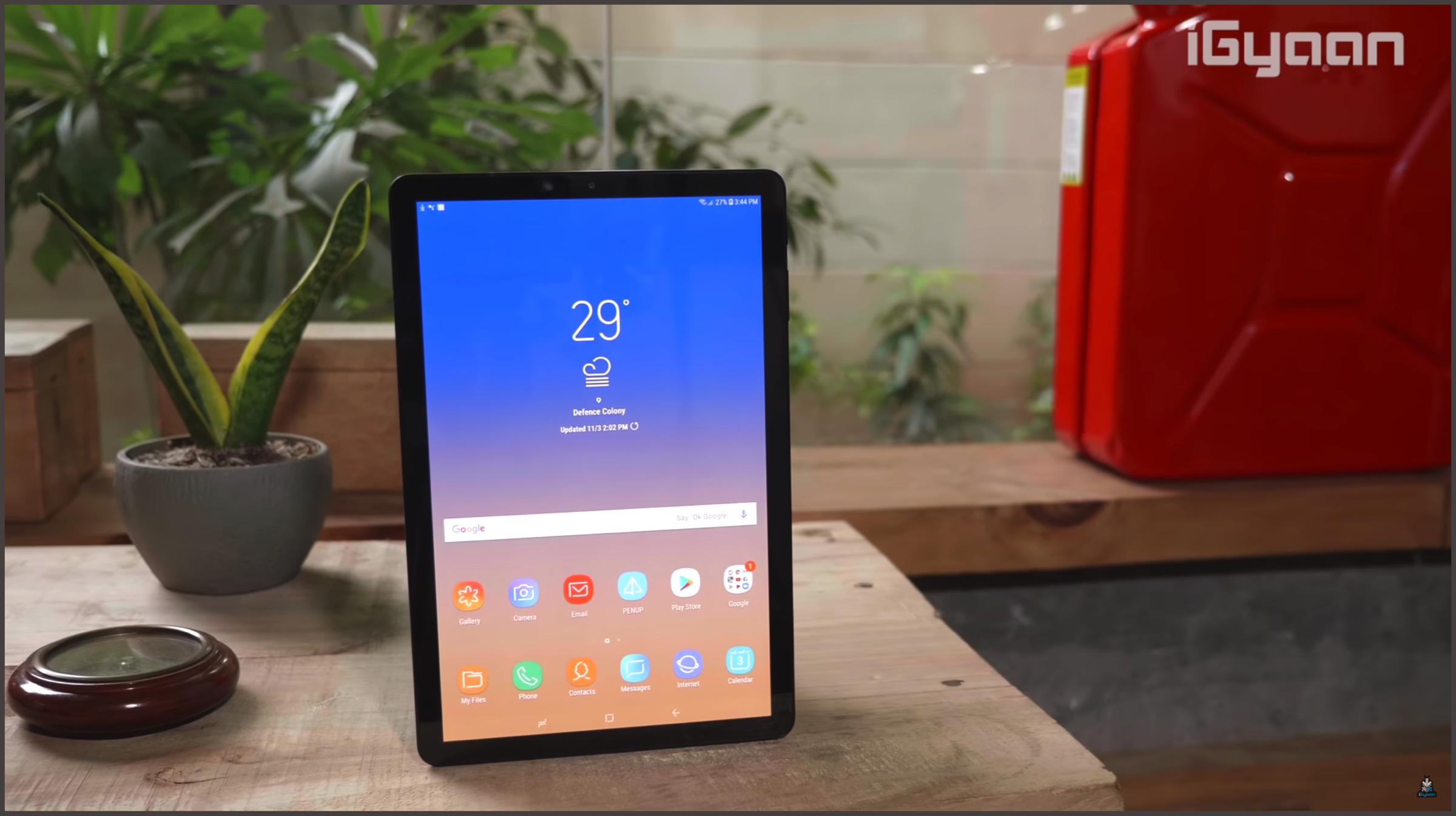
The Samsung tablet that has been leaked via the renowned performance benchmarking website Geekbench; is expected to be a slight upgrade to the Galaxy Tab S5e. The listing reveals the upcoming device will have the model number SM-T545, which coincides with the company’s tablet lineup. It will run on the 10nm Snapdragon 710 SoC which will make it the first tablet to feature the chipset. The processor is comprised of an Octa-core CPU and the Adreno 616 GPU. On the benchmarking tool, the device has been shown to have scored 929 in the single-core test; while the multicore test has yielded a result of 4450.
Other specifications of the Samsung Galaxy tablet include a humble 4GB of RAM. The device will run on the latest Android 9 Pie which is likely to be skinned with the company’s OneUI. According to the aforementioned specifications, it is speculated that the tablet may be introduced as a part of a new series by Samsung. Unfortunately, more details about it are unknown at the moment, but as it has been spotted on Geekbench, an announcement about the device is expected in the following weeks.
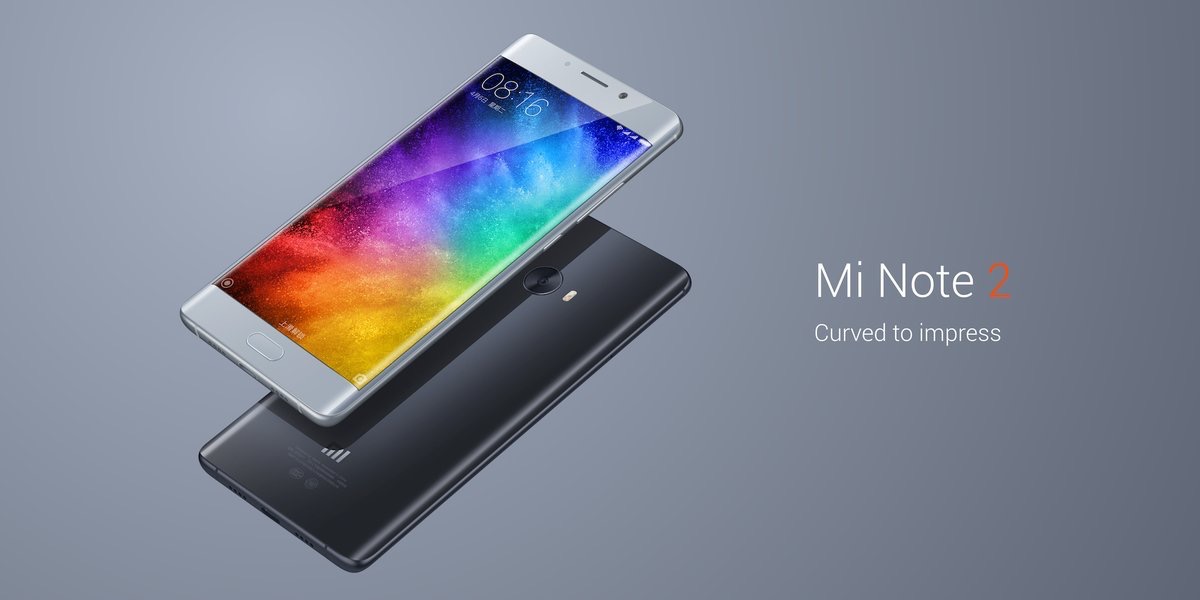
Chinese technology giant Xiaomi has announced that it is discontinuing two of its iconic lineup of smartphones. The CEO of the company, in a post on Weibo, the country’s major social networking website has officially declared that Xiaomi will discontinue the Mi Max and Mi Note series; as it has no new plans of releasing a device under the name this year. Notably, While the original Mi Max was released in the year 2016, the first Mi Note was introduced a year before, in 2015.
About the decision
Mi Max 2
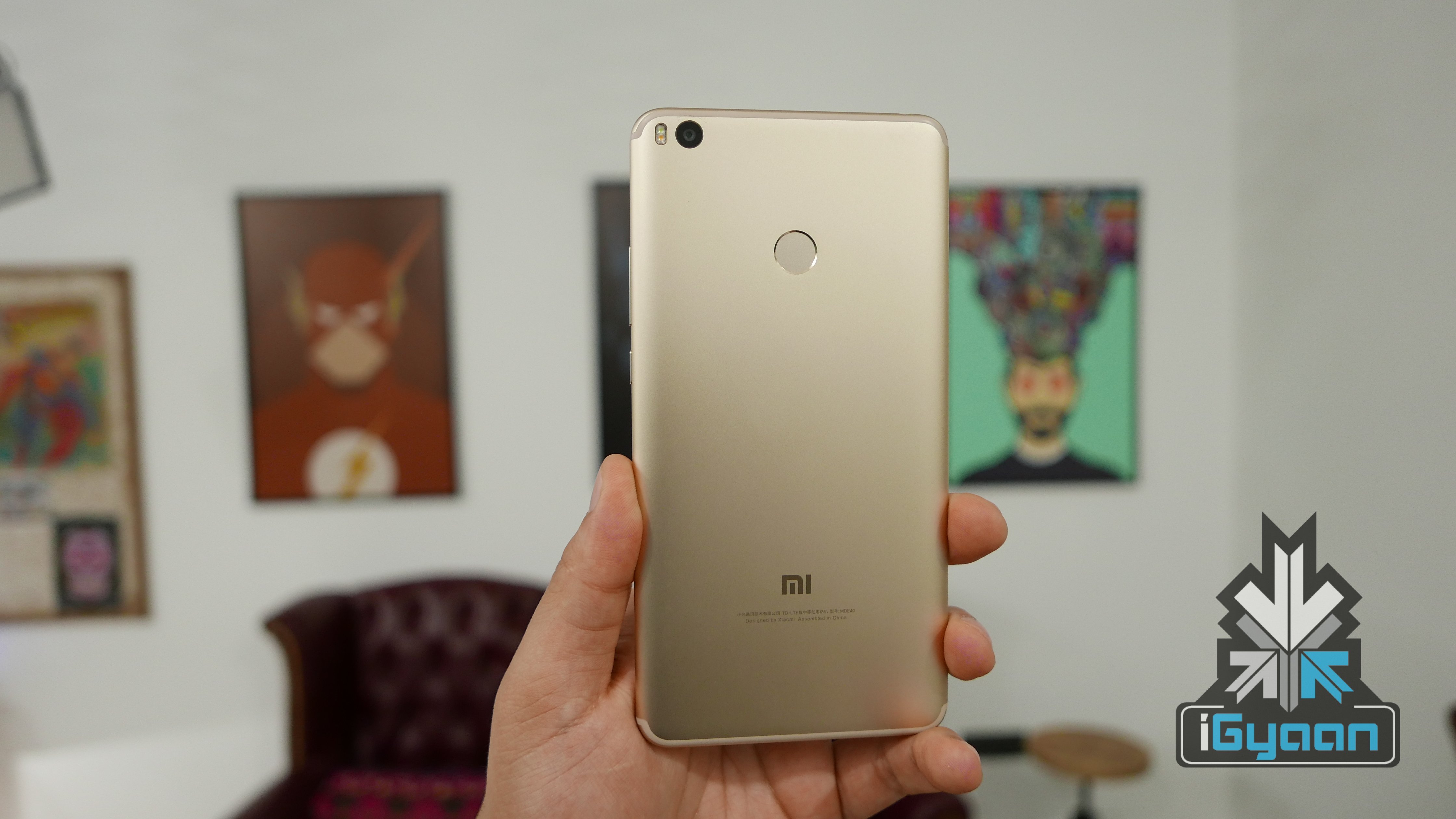
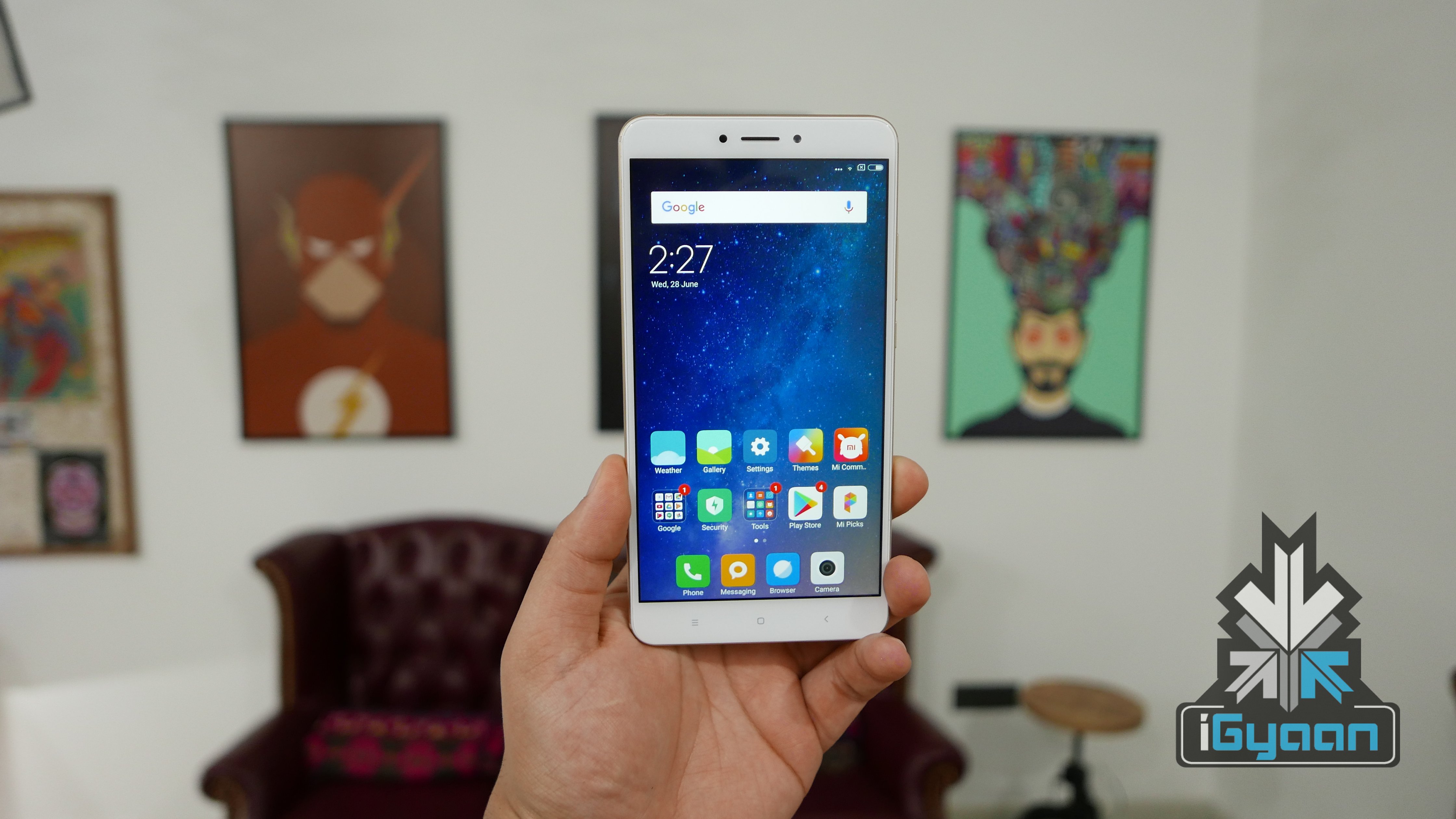
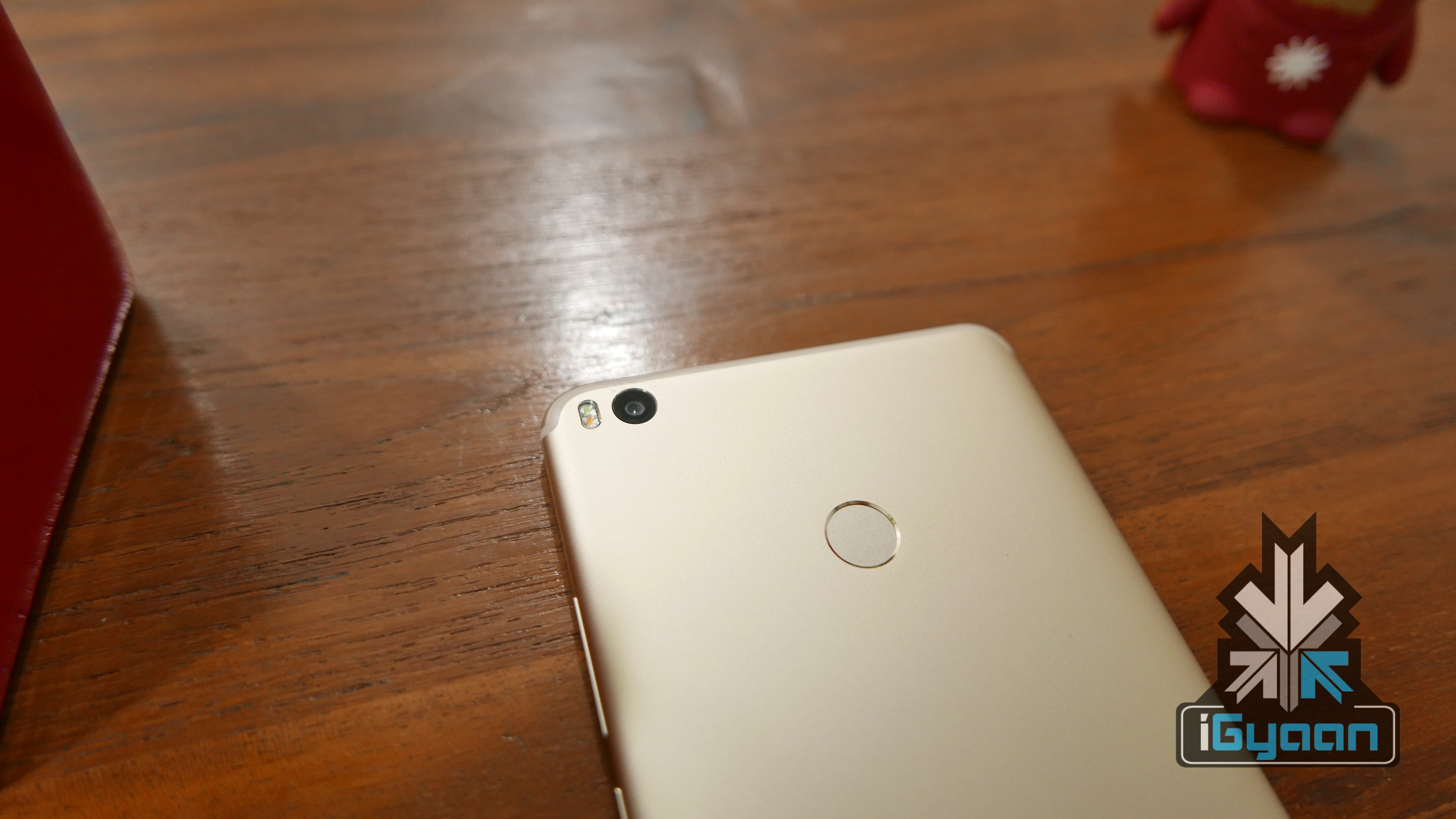
As mentioned above, the CEO of Xiaomi, Lei Jun has officially confirmed; that the company has no intention of releasing a smartphone under the Mi Max or the Mi Note lineup this year. In his post, he has explained the variation between the Xiaomi and Redmi brand of handsets. According to Jun, while the Xiaomi brand focuses on the higher, more premium end of the market with the Mi series and the MIX lineup; the Redmi brand is centred towards value. With product lineups such as the Redmi A series and the Redmi Note and K series, the brand focuses more on the value and e-commerce market.
While the company has not specified the reason for the cancellation of the Mi Max and Mi Note lineup of smartphones, it is being speculated there are many. With the humongous size of the Mi Max series, it catered to all but a niche of people who wanted a giant device. Additionally, the Mi Note series was continually overshadowed by other flagship devices of the company. While it is not certain, it is completely possible that the aforementioned reasons led the company to take the decision.
Also, it is not explicitly said that the next generation smartphone in the series, in this case, the Mi Max 4 or the Mi Note 4 will never make an appearance. Xiaomi has just said there will be no device launch this year, which may mean that if it deems it worthy, it may launch a handset in any of the series starting next year.
The Raspberry Pi foundation is a UK based charity that is known for making affordable personal computers (PC). Continuing the tradition, it has now launched the fourth iteration of its Raspberry Pi PC. The latest iteration is the successor to the Raspberry Pi 3B+ which was unveiled in the month of May last year. The latest generation of the computer, the Raspberry Pi 4 model B; carries on with the same form factor and adds on considerable improvements in specifications while keeping the identical price tag intact.
Raspberry Pi 4
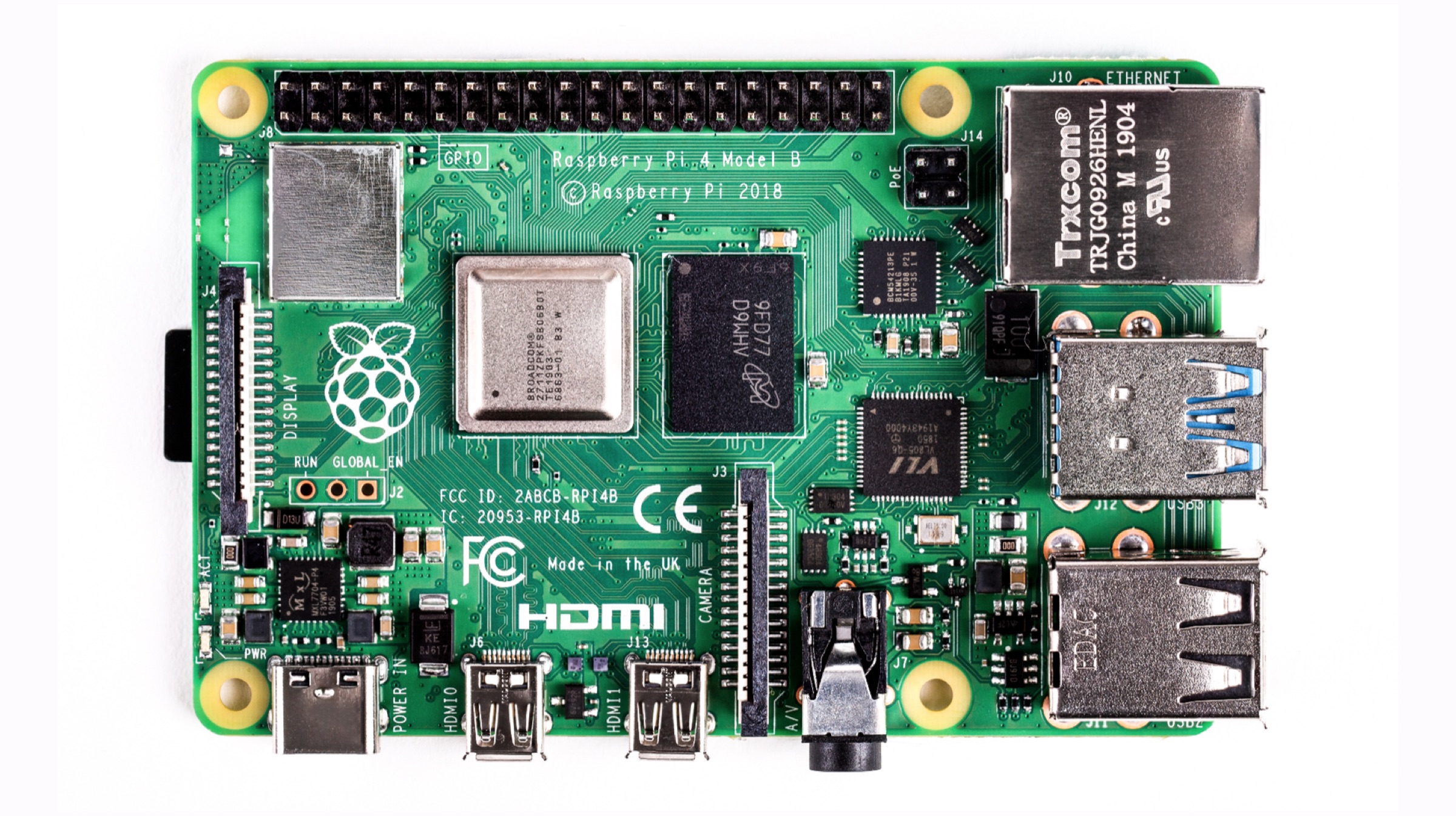
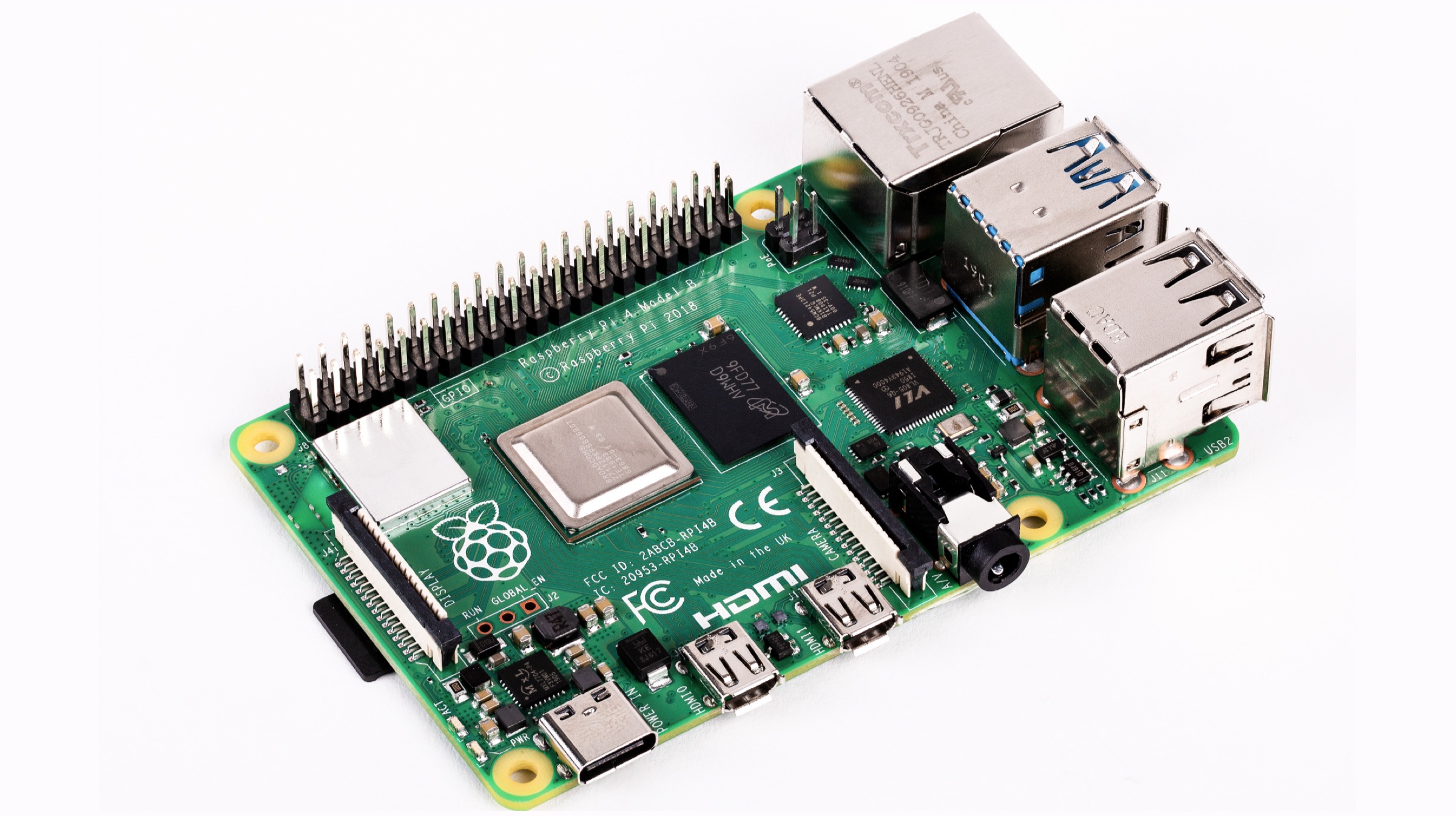
The Raspberry Pi 4, as mentioned above, is the latest in the line of affordable PCs that were introduced back in the year 2012. The latest generation of the computer now arrives with up to 4GB of RAM. This is four times the amount of RAM than its predecessor. It also has a faster CPU and GPU; while the Raspberry Pi 3 uses a Quad-core CPU at 1.4GHz clock speeds, the newest model has the same amount of cores in a 1.5GHz Broadcom 2711, Cortex A72 Processor. The GPU has been upgraded to a 500MHz VideoCore VI from a 400MHz found in the previous generation. In a surprising move, the device now uses a USB Type C port for power, rather than a Micro USB found in the Raspberry Pi 3 which is a welcome change.
Other ports in the Raspberry Pi 4 include two Micro HDMI ports which are capable of powering two 4K monitors; at 30 fps or a single 4K monitor at 60fps alongside a 1080p display. Also present are two USB 3.0 ports and two USB 2.0 ports; with a Gigabit Ethernet port and microSD storage card. Connectivity options on the device include support for Bluetooth 5.0, up from version 4.1 in the previous generation; and Dual-Band Wi-Fi 802.11ac. In terms of pricing and availability, the Raspberry Pi 4 will be available to purchase starting June 24 from certified online stores. It has been priced starting US$ 35 (Rs. 2,400) for the variant with 1GB RAM configuration; the 2GB RAM version has been priced at US$ 45 (Rs. 3,100) while the top end 4GB RAM Pi will cost US$ 55 (3,800).
Huawei launched the Nova 5 and Nova 5 Pro at an event in China last week. The smartphones are the latest entrants in the company’s mid-range Nova series. However, two more handsets which were the were the Nova 5i and Nova 5i Pro, also rumoured to be announced at the same event didn’t make an appearance. It was later speculated that the company may be planning on launching them at a later date than expected. While they were leaked in the past, no further information about them followed. Now, popular gadget tipster Evan Blass has revealed the schematics of the Nova 5i Pro which contradicts the design of the smartphone in the previous leak.
Huawei Nova 5i Pro
As mentioned above, the design of the Huawei Nova 5i Pro was leaked on Twitter by the known gadget leaker. Opposing the previous design leak, the alleged schematics of the smartphone reveal a different looking device. The front of the handset has a large display with minimal bezels on all sides and a substantial chin at the bottom. It has a punch hole cutout on the top left corner of the display to maximise the screen real estate of the smartphone; like present in the Galaxy M40 and Honor View20. The right side of the device houses the volume rockers and power button; while the left side remains completely empty save for the SIM card tray. Over at the bottom, a USB port and 3.5mm headphone jack are visible in the image.
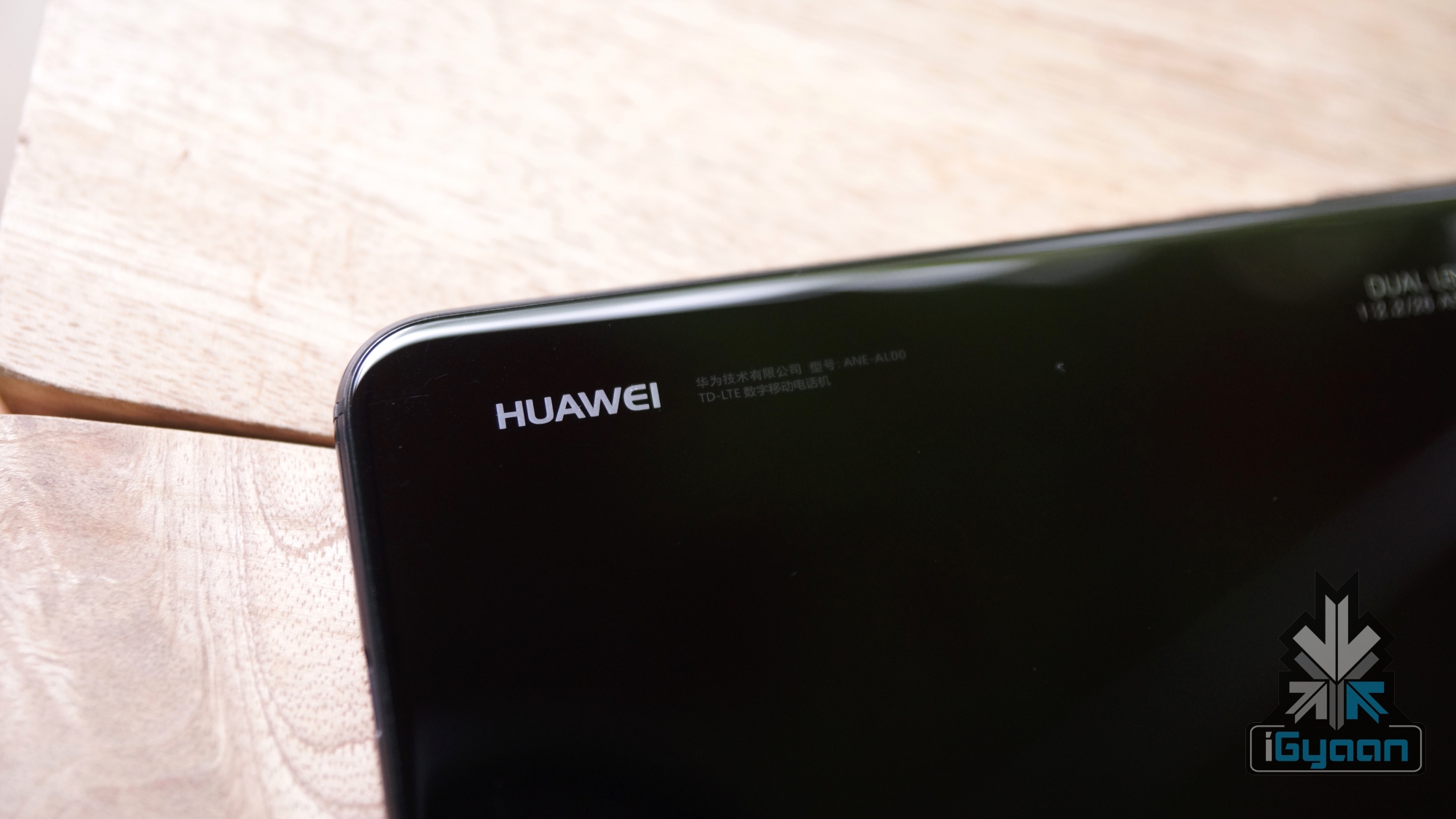
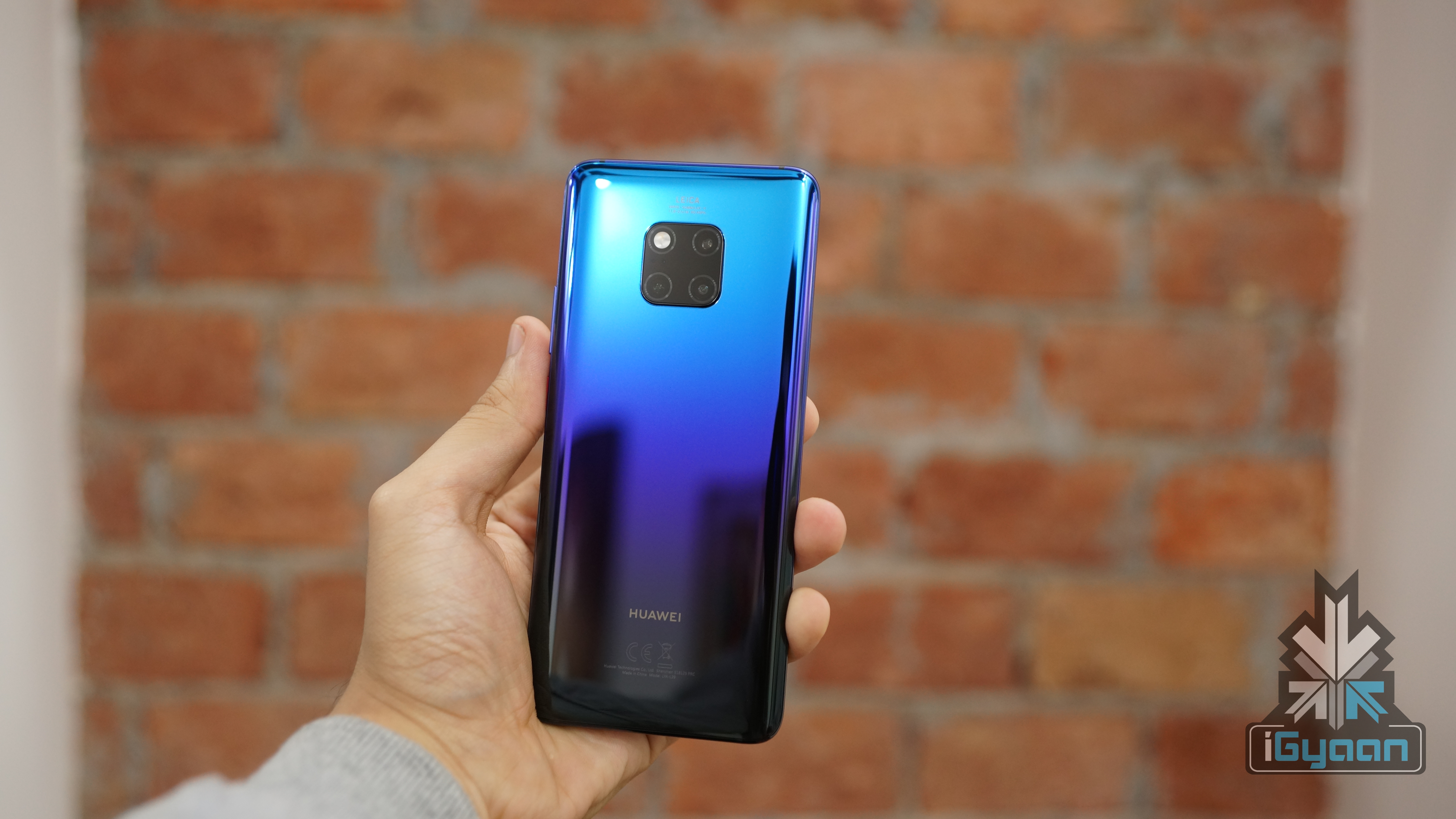
The back of the Huawei Nova 5i Pro showcases a design that is reminiscent of the Huawei Mate 20 Pro. There is a square housing which consists of a quad camera setup and an LED flash beside it. The circular fingerprint scanner is present right below the camera module. Unfortunately, other details like the pricing and launch date of the smartphone are unknown at the moment. However, as the elder siblings of the device have already been announced, the handset may be closer to launch than ever.
It was revealed a few days ago that Samsung is working on a new entrant in its online-only Galaxy M lineup of smartphones. This device was purported to be called the Galaxy M30s and is claimed to be an upgraded variant of the Galaxy M30 launched back in the month of February. The handset was leaked via a listing on performance benchmarking website Geekbench which revealed its specifications. Now information about the colour variants of the upcoming device has surfaced online. The report also claims the smartphone is launching in India soon.
Samsung Galaxy M30s
Galaxy M30
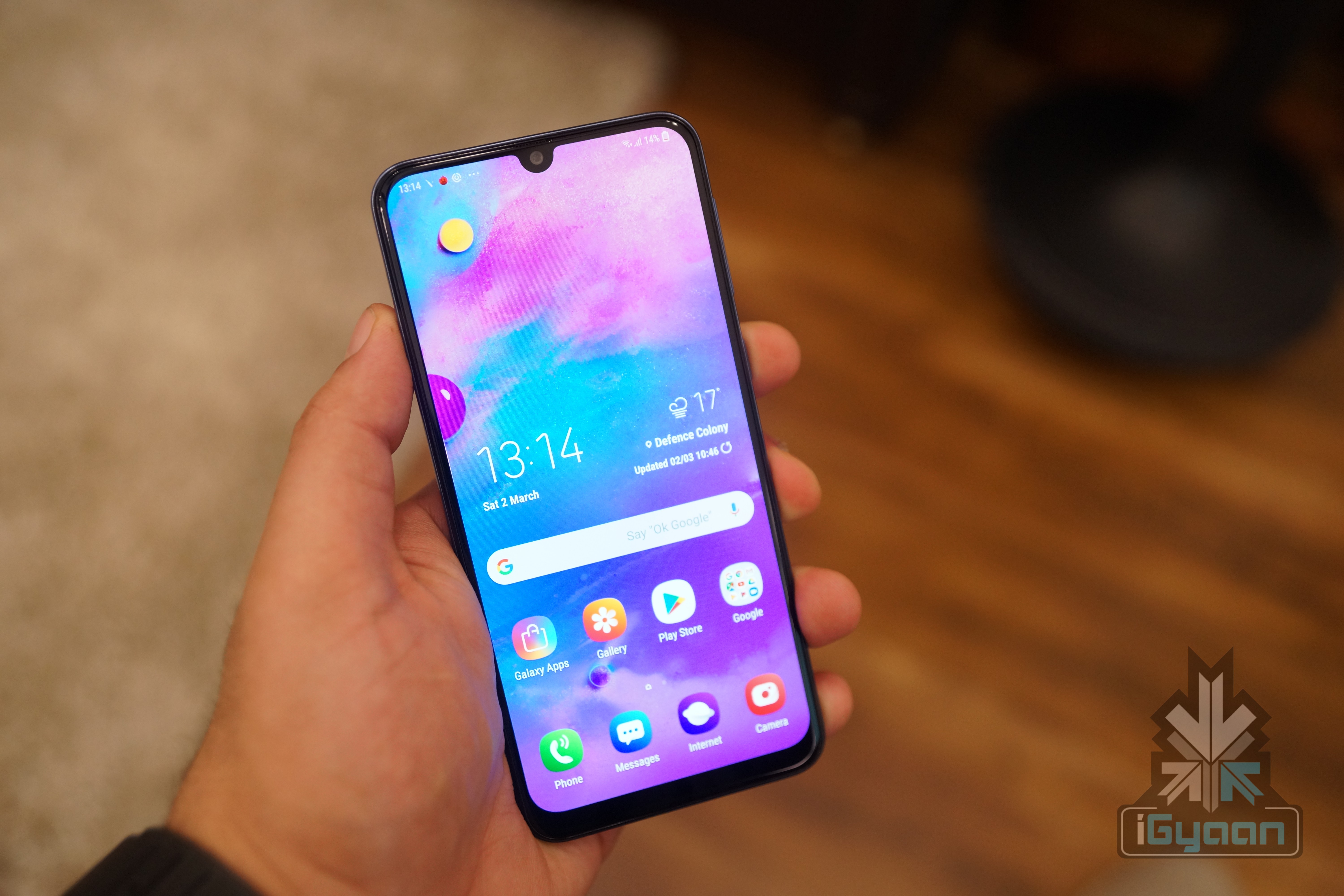
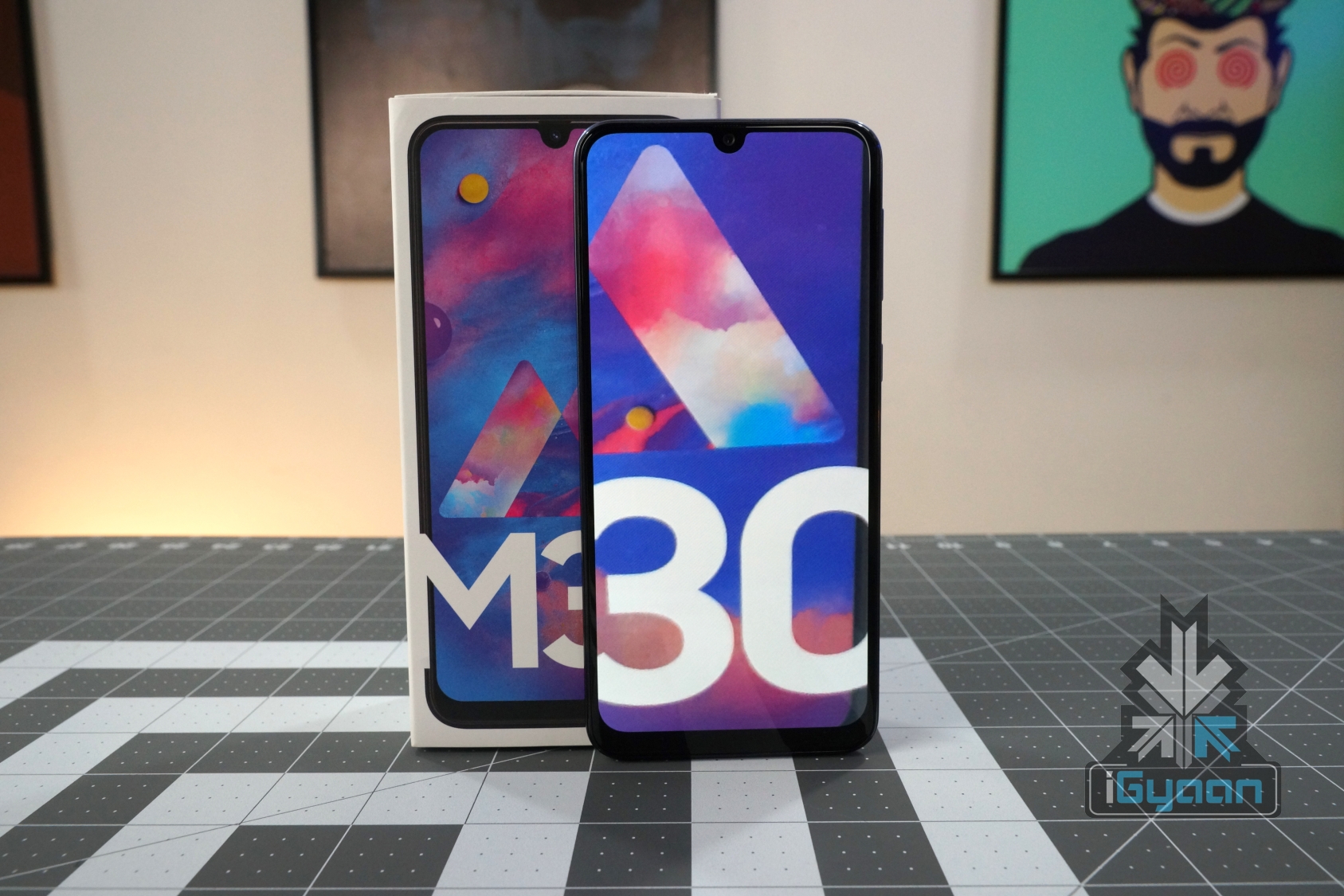
The Samsung Galaxy M30s will be a mid-range smartphone from the company. Latest reports about the device reveal it will be available in three colour options, namely Black, Blue and White. Notably, the Galaxy M30 was available in the colours Gradation Black and Gradation Blue at the time of launch. It is also claimed that the company may also introduce the Prism White colour of the Galaxy S10+ to the Indian market soon. It is not known if the two aforementioned announcements will be made together.
Past leaks of the Samsung Galaxy M30s reveal it will run on an octa-core processor with a clock speed of 1.74GHz. It is acknowledged to be the 10nm Exynos 9610 SoC; which is also present in the Samsung Galaxy A50. The chipset consists of an Octa-core CPU and the Mali G72 MP3 GPU. Also present in the handset is 4GB of RAM which is the same as the regular variant. The device runs on the current Android 9 Pie which is likely to be skinned with the company’s OneUI. Unfortunately, more details like the pricing of the handset are unknown at the moment but the sources claim that it may be closer to launch than ever.
American technology behemoth Microsoft launched devices under its Surface brand starting the year 2012. The company has launched a slew of laptops, tablets under the brand and has been long rumoured to be working on a foldable Surface device. While the device has been confirmed to be in development, no other details about it were known. Now, a report claims that Microsoft is planning to launch a compact foldable Surface mobile device in the first half of next year.
Microsoft Foldable Surface
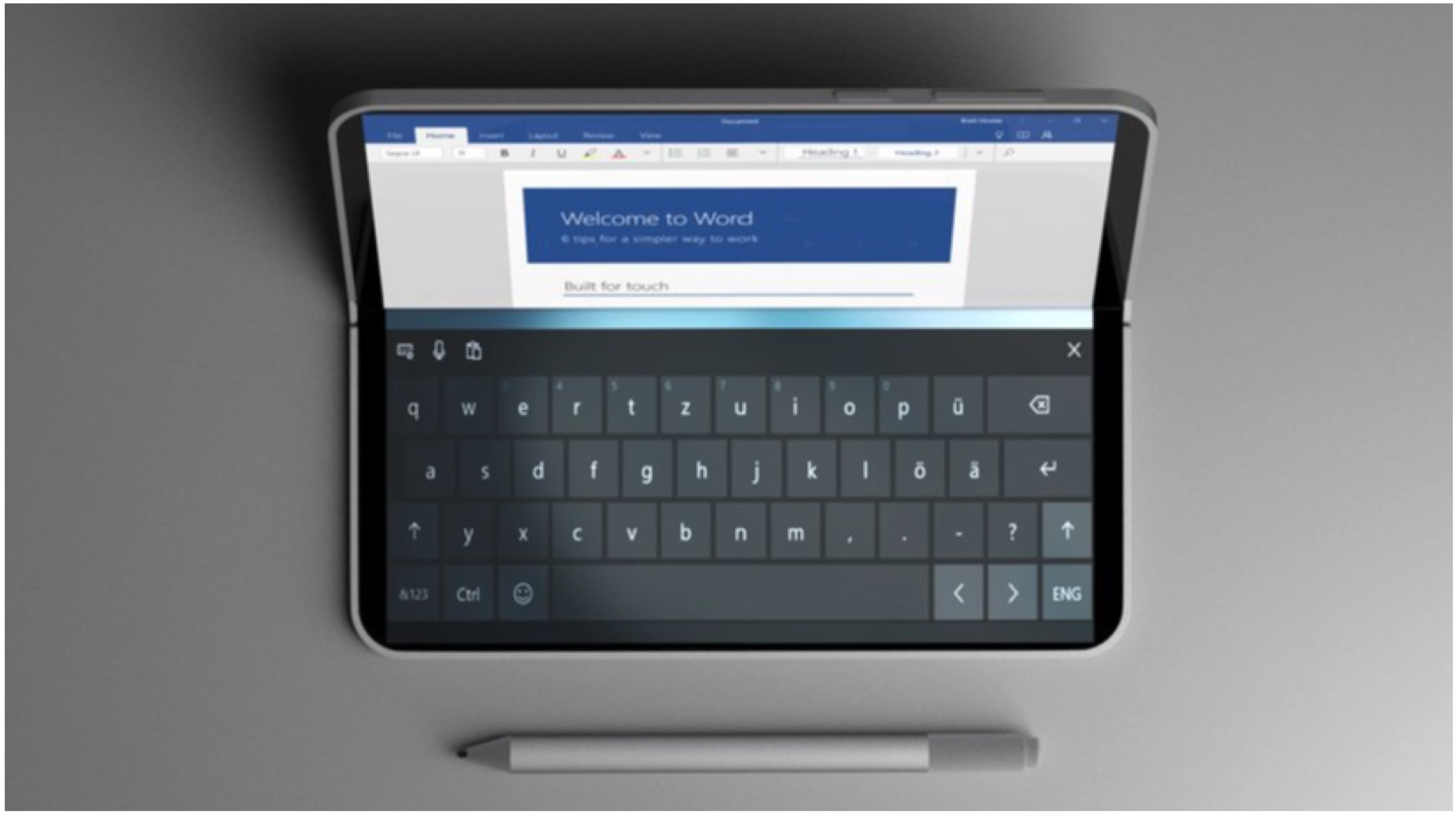
As mentioned above, Microsoft may be planning to launch a foldable Surface device next year. While it is not confirmed precisely when the announcement will take place; the source claims it may be as early as the first quarter of the year 2020 or by the first half of the year. It has been revealed that the device will have two 9 inch displays with a 4:3 aspect ratio. Interestingly, other Microsoft Surface products such as the Surface Laptops or the Surface Book use a 3:2 aspect ratio on their displays.
Other details about the upcoming foldable Microsoft Surface as claimed in the report; are that it will use a new version of the Windows 10 operating system. This has been rumoured to be called the Windows Core OS (WCOS) and will be able to natively support the dual display user interface. It may also adopt the 10nm SoC by Intel which will be called Lakefield.
In a surprising move, it has also been claimed that the Microsoft Surface foldable will also be able to run Android apps and Apple’s iCloud service. As it is a mobile device, it may feature LTE or 5G for always-on connectivity to the internet. Unfortunately, more information like the pricing is not available as of now but is expected to be revealed as we move closer to the launch date.