Category: Brands and Companies

All Brands and Company Names

  • Inbox App By Gmail Officially Making Its Exit On April 2

    Inbox App By Gmail Officially Making Its Exit On April 2

    Google will shut down its email service, Inbox on April 2. Originally aimed towards improving email productivity, the application will be taken down from the store. The shut down of Inbox will take place alongside the death of Google+, which is supposed to be terminated on the same day. The American technology company had previously listed its plans to part ways with Inbox in 2018.

    About The Application

    First announced on a limited invitation-only basis in October 2014, the Inbox application was officially released to the public in May 2015. The app had some interesting features such as advanced filtering and message snoozing that appealed to a multitude of users. Moreover, the app was a fresh overhaul from the “cluttered” interface of the Gmail app, some users reported. For instance, the Inbox app gathered necessary information from the Gmail application and used it to provide just key bits of data to the user.

    Inbox faced both welcoming reviews and criticism at the time of launch. Some users referred to the interface as minimalistic and clean, whereas some users complained that the app required them to give up control of their own ability to organize emails. The app also featured Google’s Smart Reply feature, which enabled users to click on pre-tailored replies to emails in their inbox. Furthermore, Google stated in March 2016 that 10 per cent of all the replies on the Inbox Mobile App was generated via Smart Reply. 

    Inbox users may see a notification while launching the application that displays a message from Google. The message says that the app will be going away in “X” days, where X is the number of days to April 2. The notification also informs users that all the helpful features of the Inbox app have been integrated with the Gmail app. Subsequently, for those who are trying to locate the application on the Play store, a lot of users are unable to find it too.

    Also Read: Huawei Enjoy 9e Leaks Before Official Announcement

    As mentioned before, Google+, which is Google’s social media platform will also shut down on the same date i.e. April 2. The company has already alerted its users to start archiving their posts and images if they want to hold on to them. Such is not the case with the Inbox app, which already derives its emails from Gmail.

  • Galaxy A90 To Have A Notchless Infinity Display, Confirms Samsung

    Galaxy A90 To Have A Notchless Infinity Display, Confirms Samsung

    Latest Update

    A reliable leakster on Twitter claims that the Galaxy A90 will feature the Snapdragon 7150 SoC which is unreleased as of now. Noteworthy, the source claims that chipset has a higher single core performance than the Snapdragon 845 which is present on most flagship smartphones from the yesteryear including the OnePlus 6T and the Google Pixel 3.

    Original Story

    Samsung is expected to announce three new smartphones in its refreshed Galaxy A lineup in the month of April. These smartphones are rumoured to be the Galaxy A90, Galaxy A60 and Galaxy A40. While the latter two have been thoroughly leaked, there wasn’t much information about the former. A fresh listing on Samsung’s Indonesian website seemingly confirms the presence of a “Notchless infinity screen” on the upcoming Galaxy A90. 

    Samsung Galaxy A90

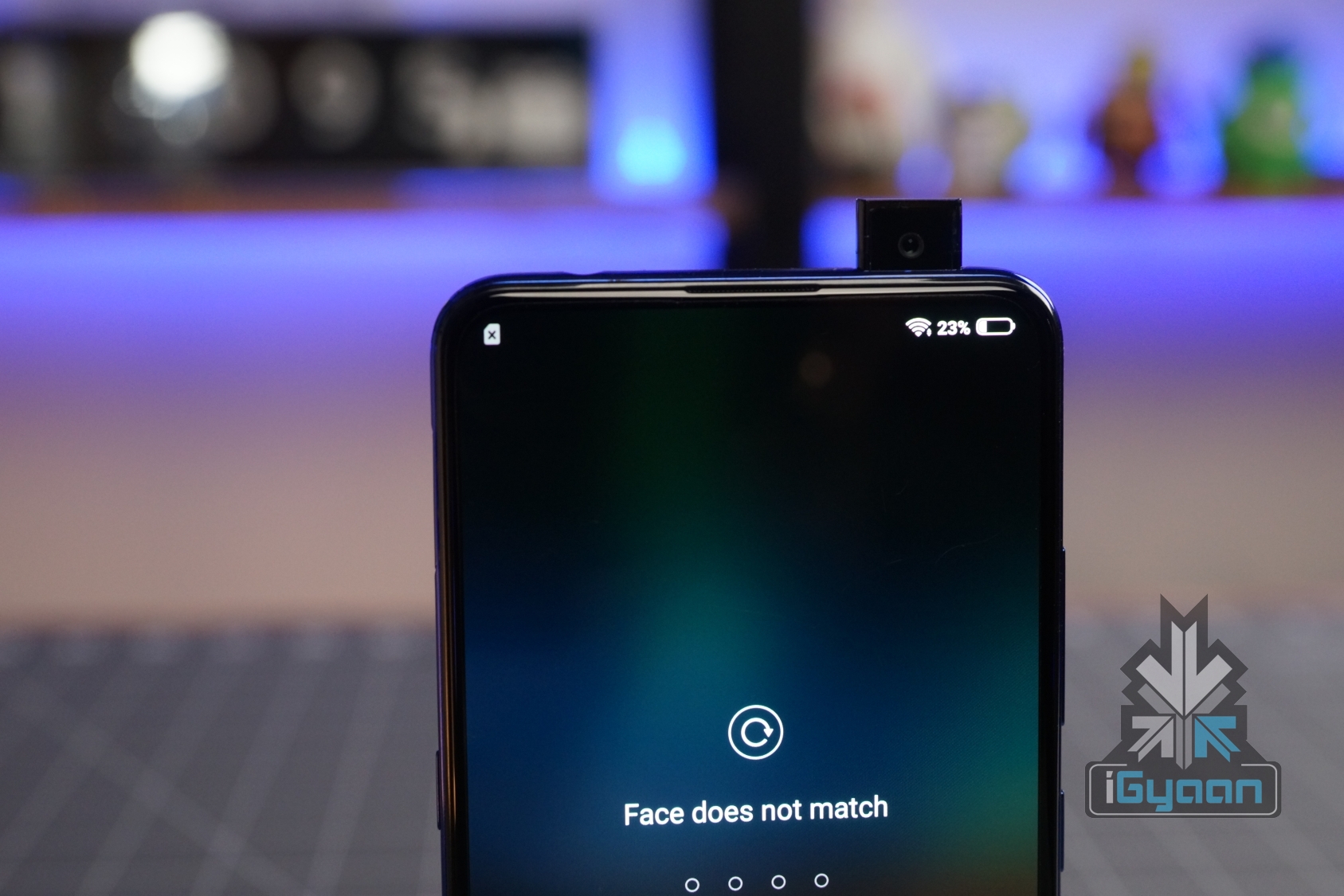
    The Galaxy A90 will be the most premium smartphone in the current Galaxy A lineup. It has been leaked time and again to feature a sliding/rotating mechanical camera setup with minimal bezels on the front. The design of the device is expected to be similar to its sibling the Galaxy A50, albeit with a glass back and more premium finish. Notably, all the current handsets in the Galaxy A lineup have a Super AMOLED display, perhaps the Galaxy A90 may be no different. For biometrics and security, it will have an in-display fingerprint sensor and will support face unlock technology.

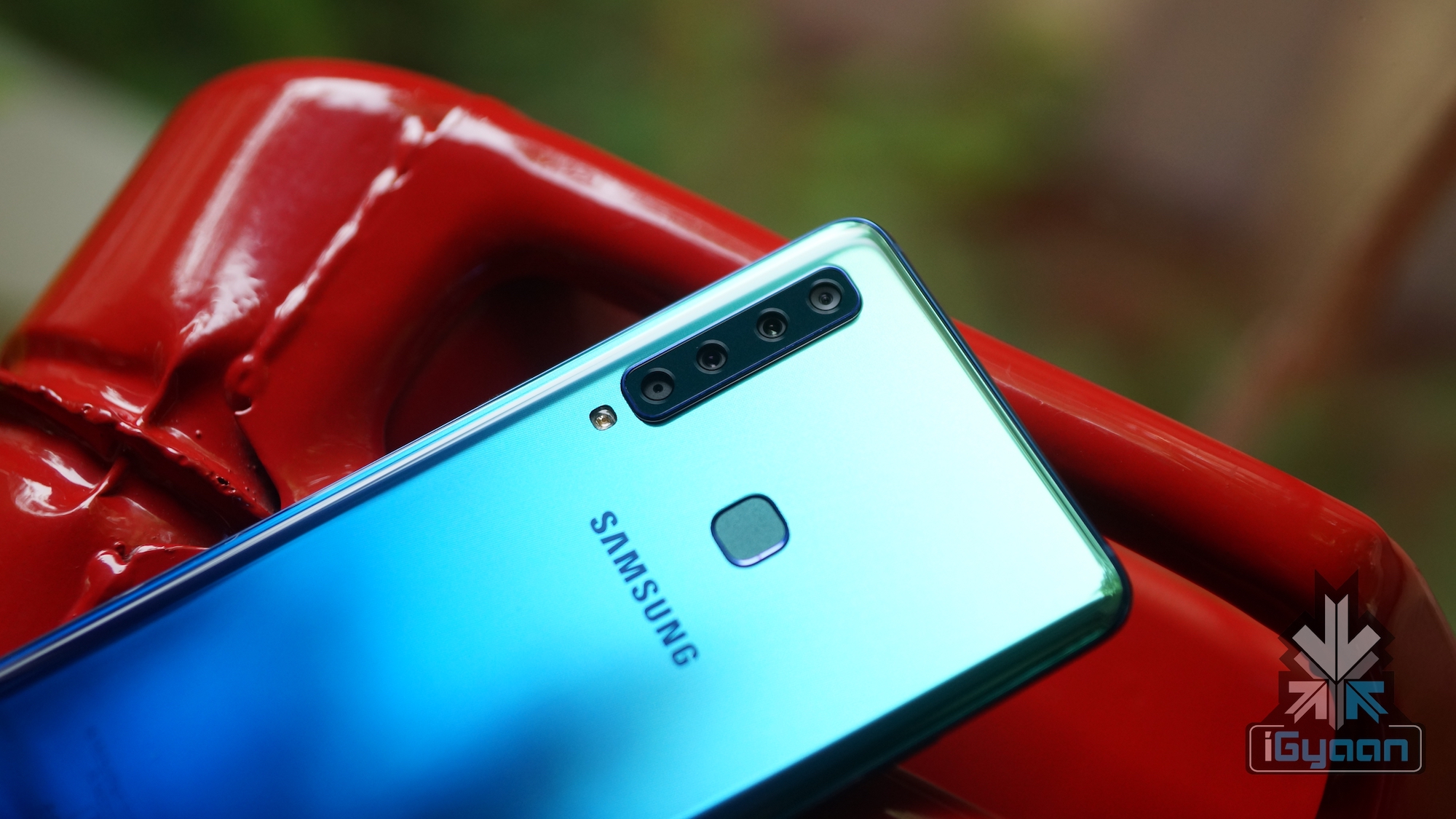
    It has been leaked that the Galaxy A90 will run on the 10nm Snapdragon 710 SoC. The chipset has an Octa-core CPU and Adreno 616 GPU. The smartphone will feature the latest Samsung OneUI on top of Android 9 Pie. Like the last year’s Galaxy A9, it is also expected to have a quad-rear camera setup, details of which are unknown at the moment. For memory and storage, the smartphone may feature up to 8GB of RAM and 256GB of storage. 

    Pricing & Availability

    Also read: Motorola One Vision To Have A 3500mAh Battery With 18W Fast Charging

    The Galaxy A90 will be the most premium smartphone of the Galaxy A lineup. The device may be launched at Samsung’s event on April 10. Unfortunately, no information regarding the pricing is available yet, but it is expected to cost around Rs 29,999 in India.

  • Motorola One Vision To Have A 3500mAh Battery With 18W Fast Charging

    Motorola One Vision To Have A 3500mAh Battery With 18W Fast Charging

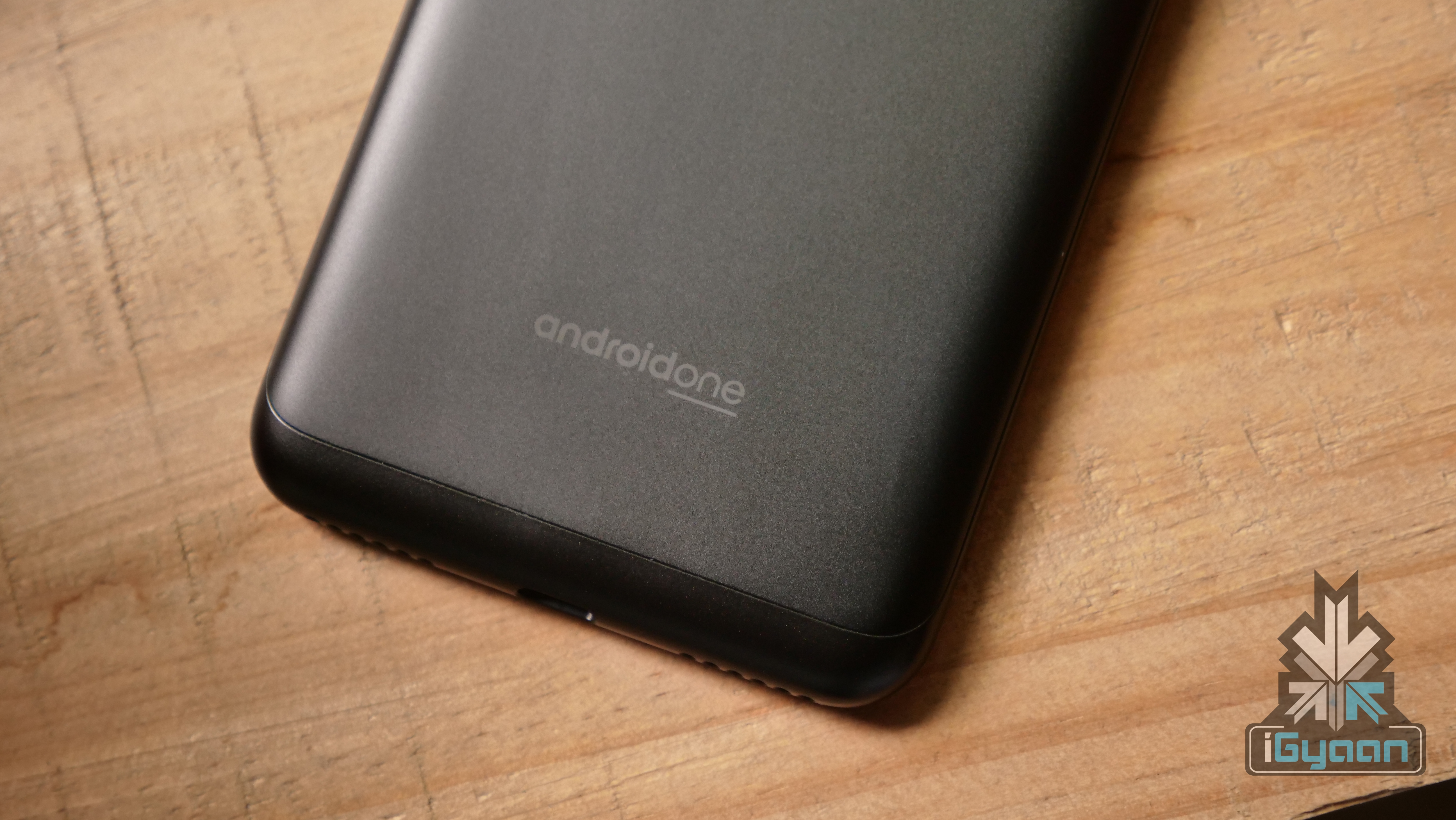
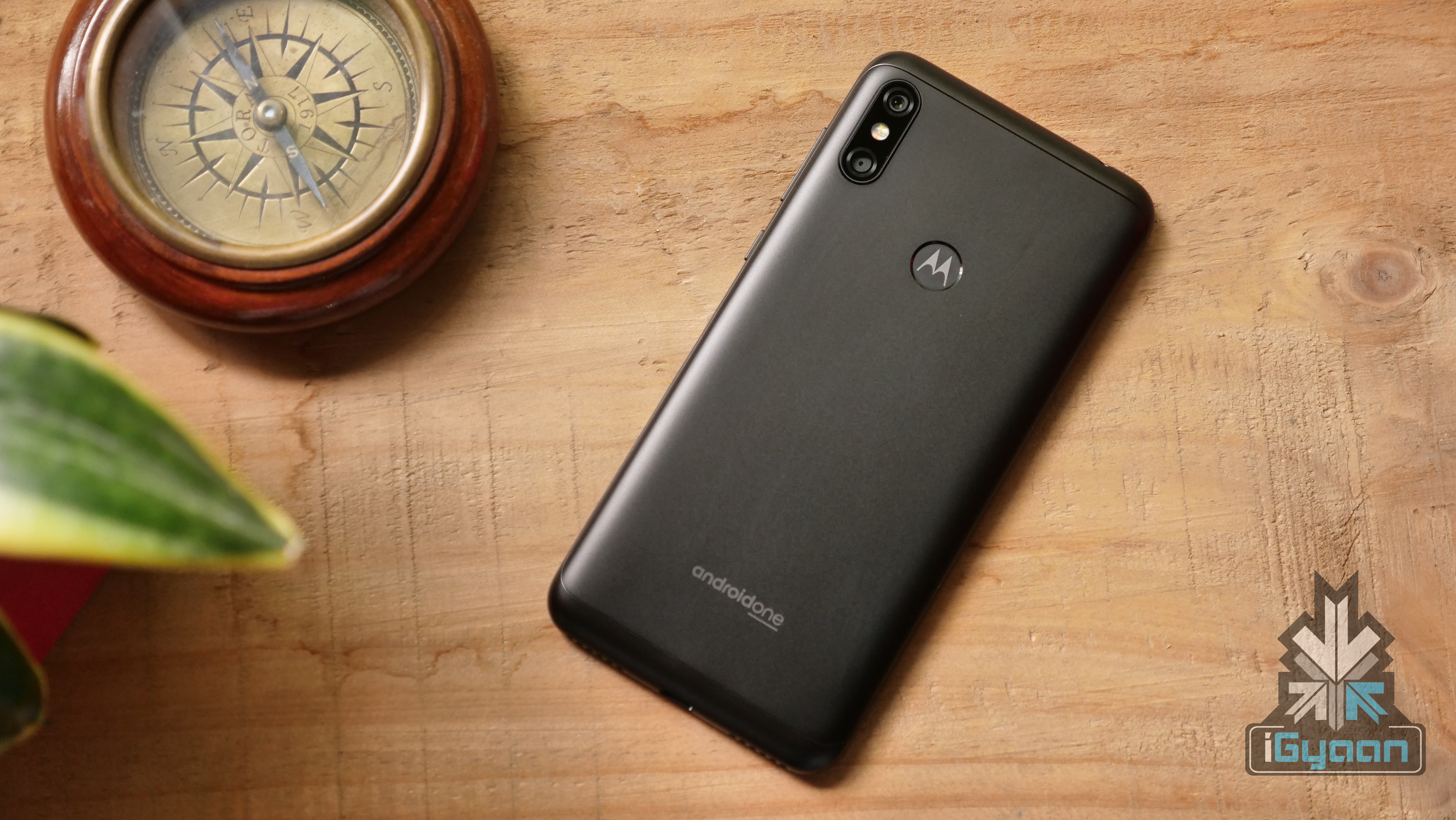
    Motorola launched the Moto One Power in India last year. It was a part of a new lineup of products by the company under Google’s Android One program. Devices that are Android One certified offer clean, stock Android OS and are guaranteed to receive software updates for at least two years. A new handset from Motorola under the initiative has leaked through the Federal Communications Commission (FCC) of the United States. The smartphone has been listed as the model number XT 1970-1; which suggest it is the next device in the Moto One lineup. Reports claim it will be called Moto One Vision and will launch soon. It was previously leaked as the Moto P40 which is assumed to be its China specific name.

    Moto One Vision

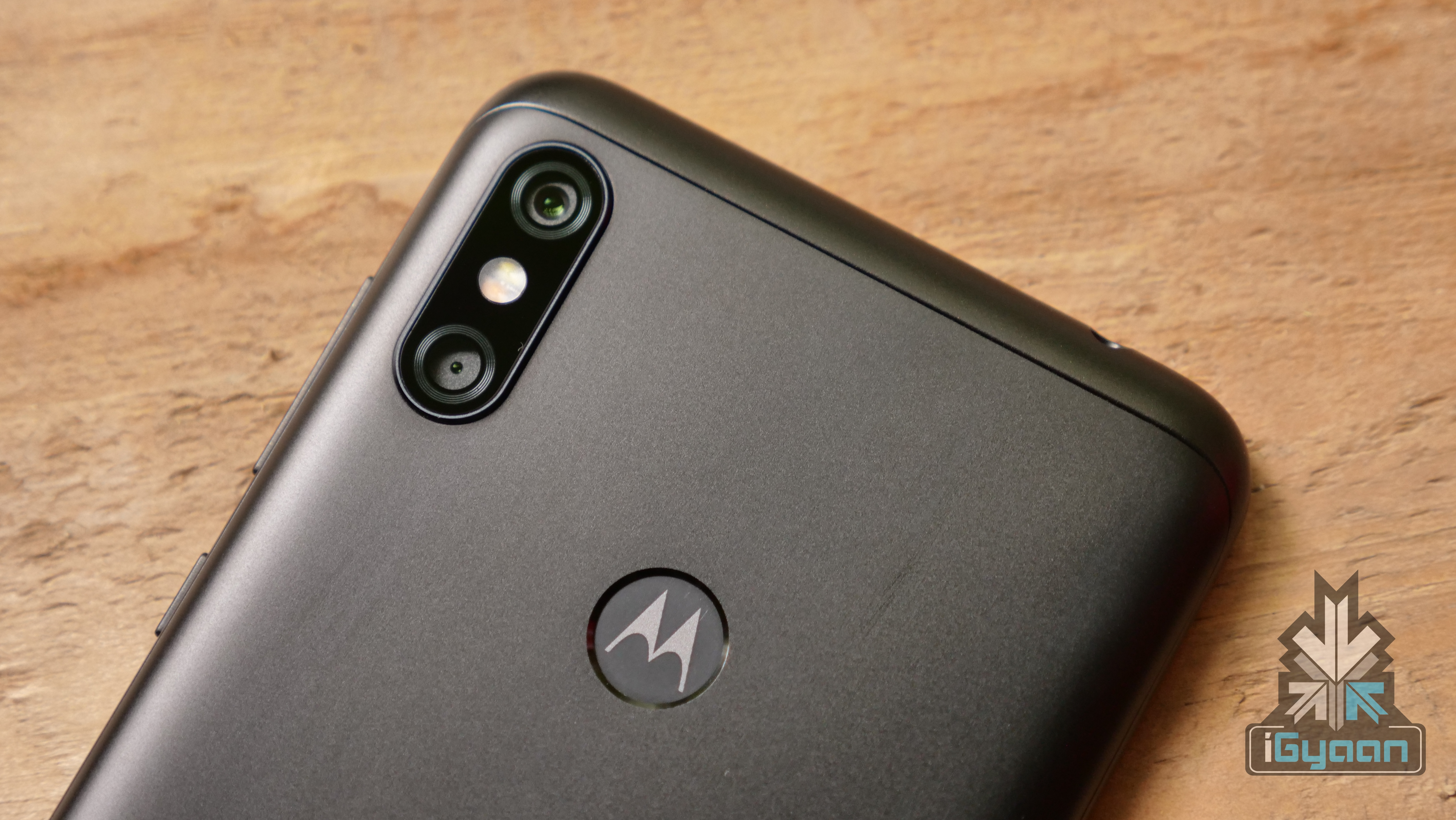
    The Moto One Vision is rumoured to embody a new design language by Motorola. The renders of the smartphone were leaked previously which reveal it will have a glass sandwich design with a glossy back. The front of the device has a 6.2 inch IPS LCD display with minimal bezels on all sides, and a punch-hole cutout for the front camera on the top left side of the display. The design on the front is reminiscent of the Galaxy A8s which was launched in the month of December last year. For biometrics and security, the Moto One Vision will have a rear-mounted fingerprint sensor, housed in the Motorola batwing logo. 

    Under the hood, the Moto One Vision has been leaked to run on the 11nm Exynos 9610 SoC by Samsung. Notably, this is the same chipset that is kitted inside the Galaxy A50 which was announced last month. The smartphone will be available in China with the 11nm Snapdragon 675 SoC. In terms of optics, the renders reveal it will have a dual rear camera setup consisting of a 48MP sensor with an f/1.75 aperture; and a secondary 5MP depth sensor. For selfies, there will be a 12MP sensor housed in the punch-hole cutout on the top left of the display. For memory and storage, the device is expected to be available in the following variants:

    • 4GB RAM and 64GB ROM
    • 6GB RAM and 128GB ROM

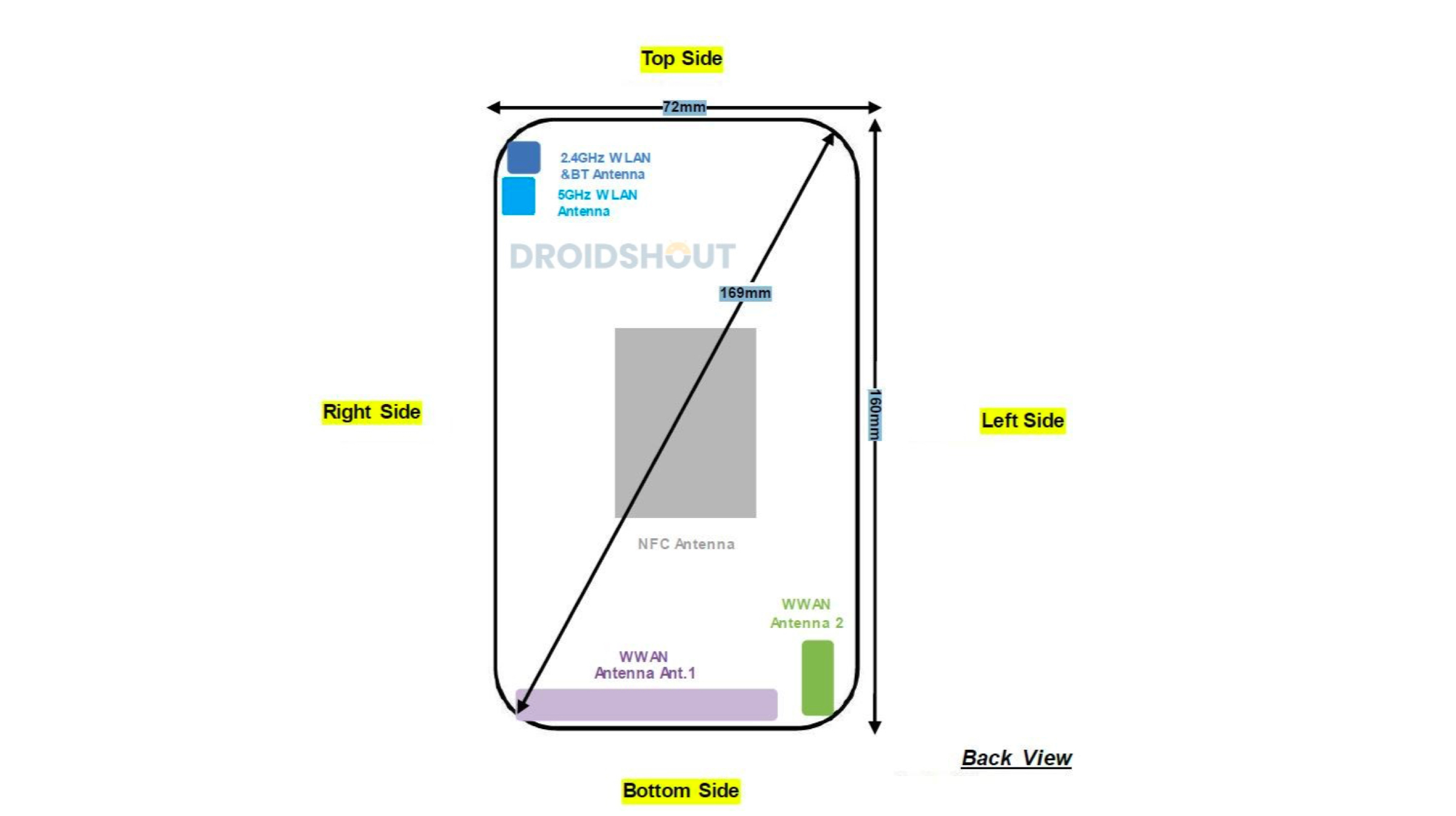
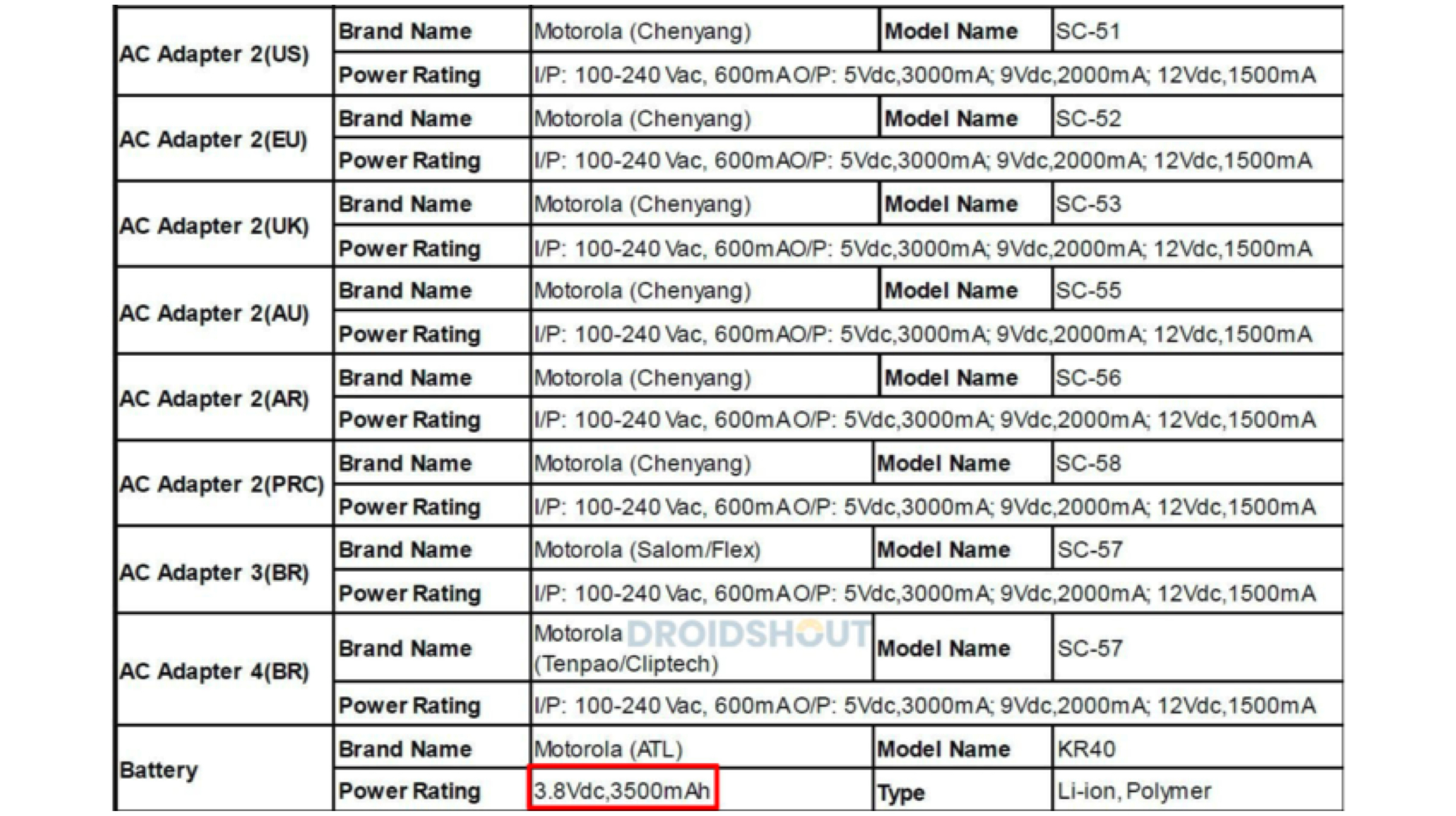
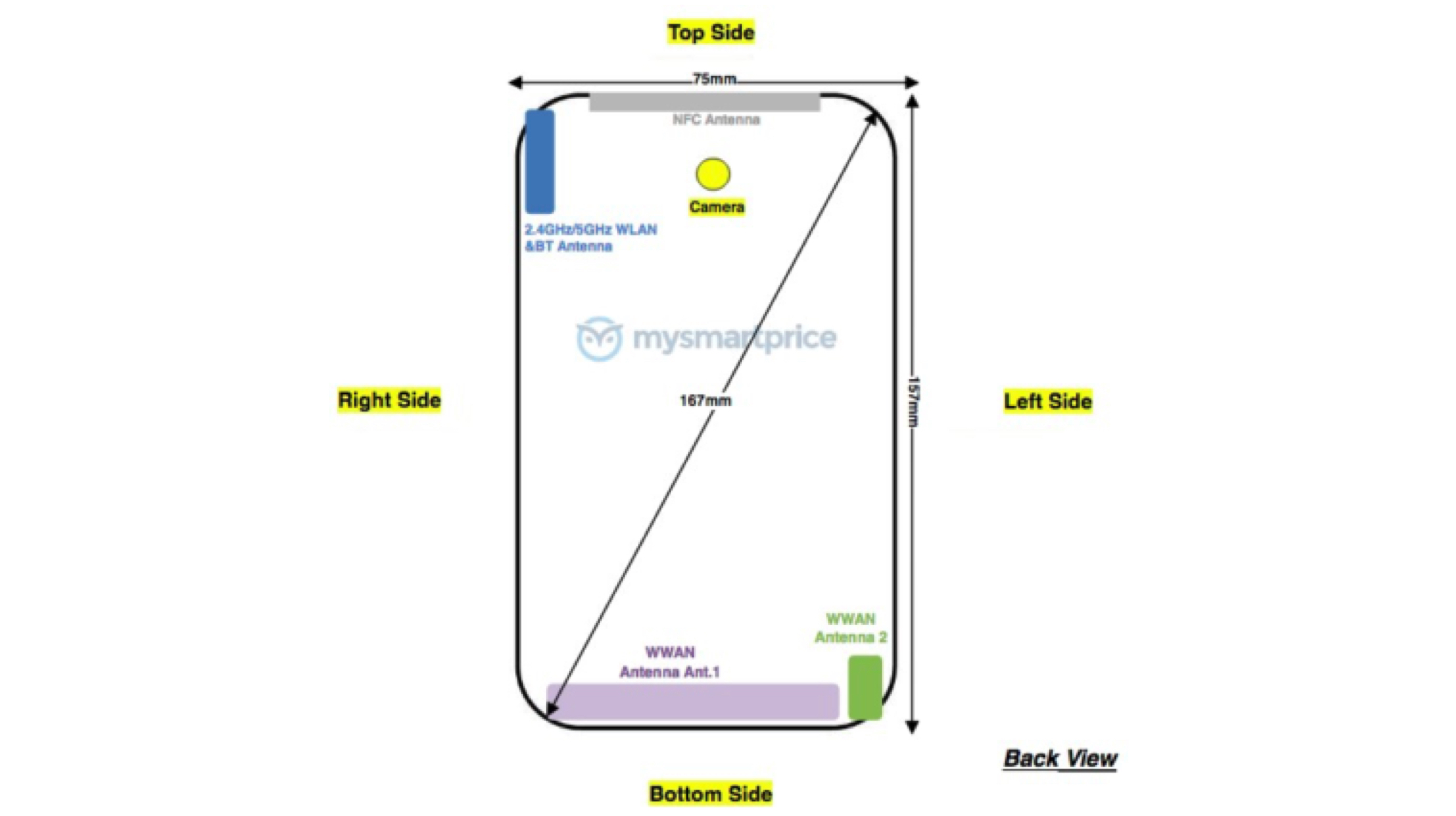
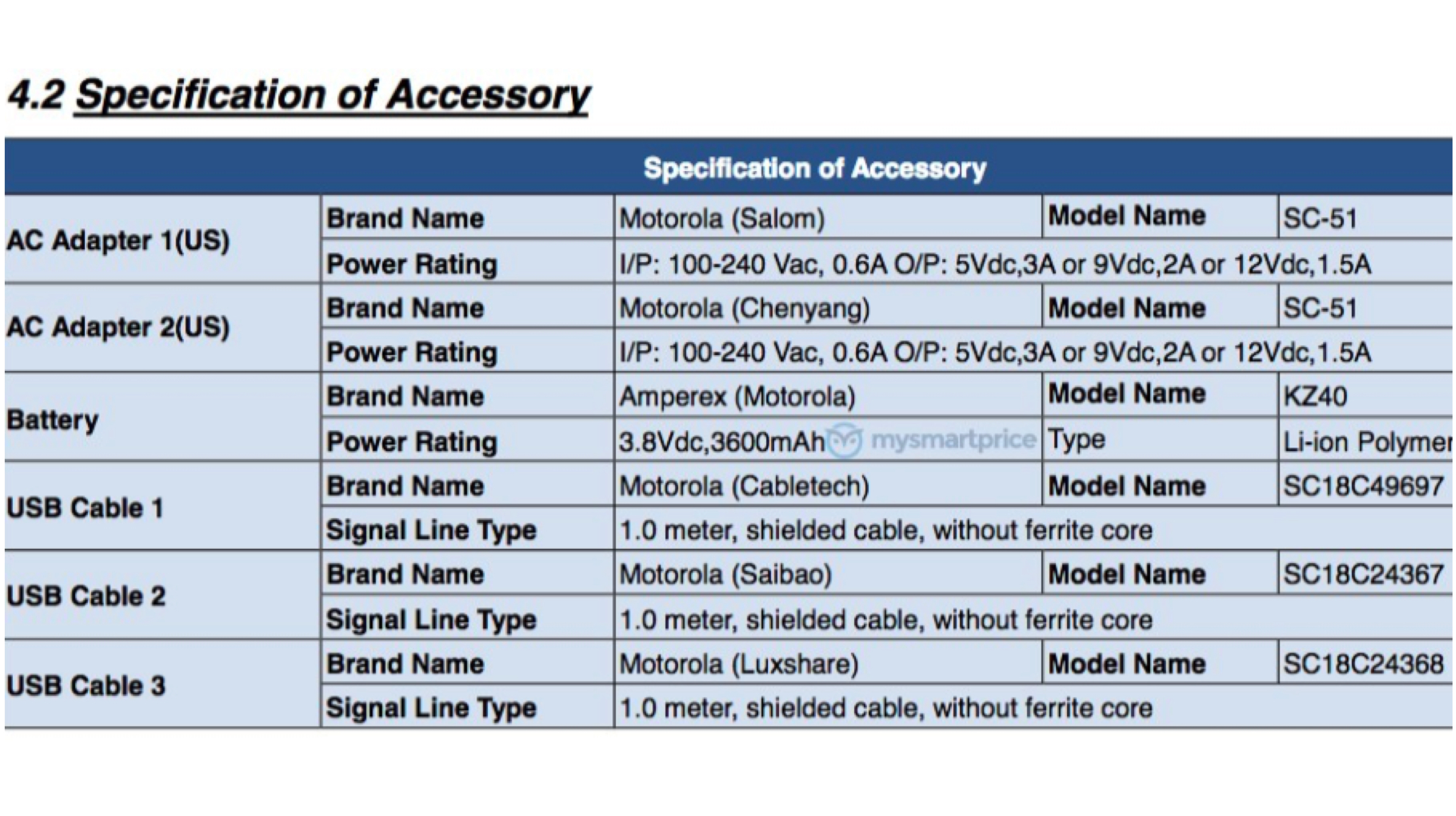
    The leaked FCC listing reveals that the Moto One Vision will have a 3500mAh battery with 18W fast charging support. As mentioned earlier, the smartphone will be Android One certified; and will run on the latest Android 9 Pie. As far as connectivity is concerned, the Moto One Vision is confirmed to have Bluetooth 5.0, Wi-Fi 802.11 a/b/g/n/ac dual band and NFC support.

    Pricing & Availability
    Moto One Power

    Also read: Apple Launches Updated AirPods With New H1 Chip & Wireless Charging

    The Moto One Vision’s leaked FCC listing hints that the launch of the smartphone is imminent. Unfortunately, no details are available regarding the pricing of the device. But, taking the price of its predecessor into consideration, it may launch under Rs 20,000 in India.

  • Huawei Enjoy 9e Leaks Before Official Announcement

    Huawei Enjoy 9e Leaks Before Official Announcement

    Huawei’s upcoming smartphone, the Enjoy 9e has leaked before its official unveiling. The upcoming device will be targetted towards the budget segment and its specifications propose the same. 

    Huawei Enjoy 9e Design and Specifications

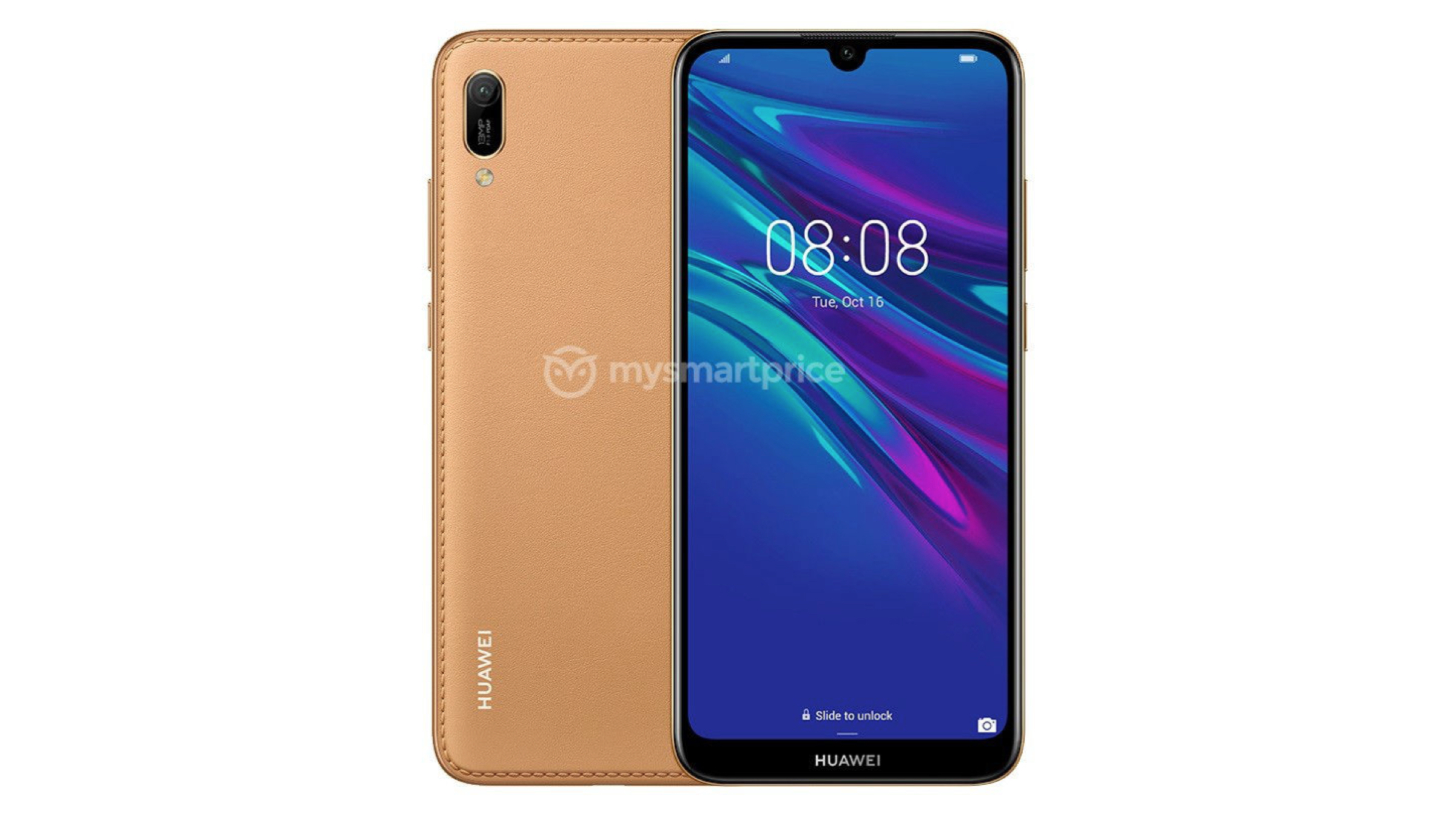
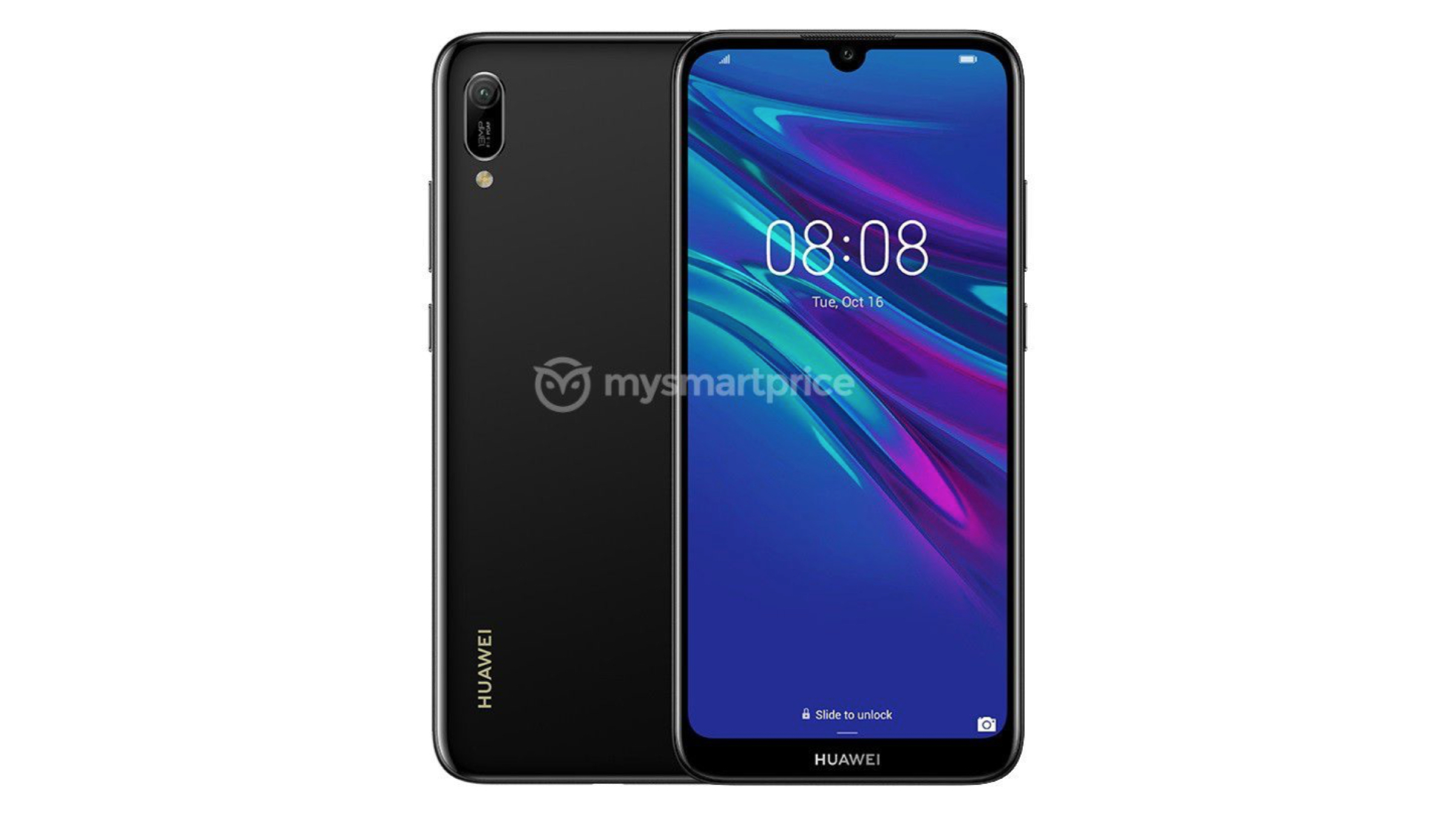
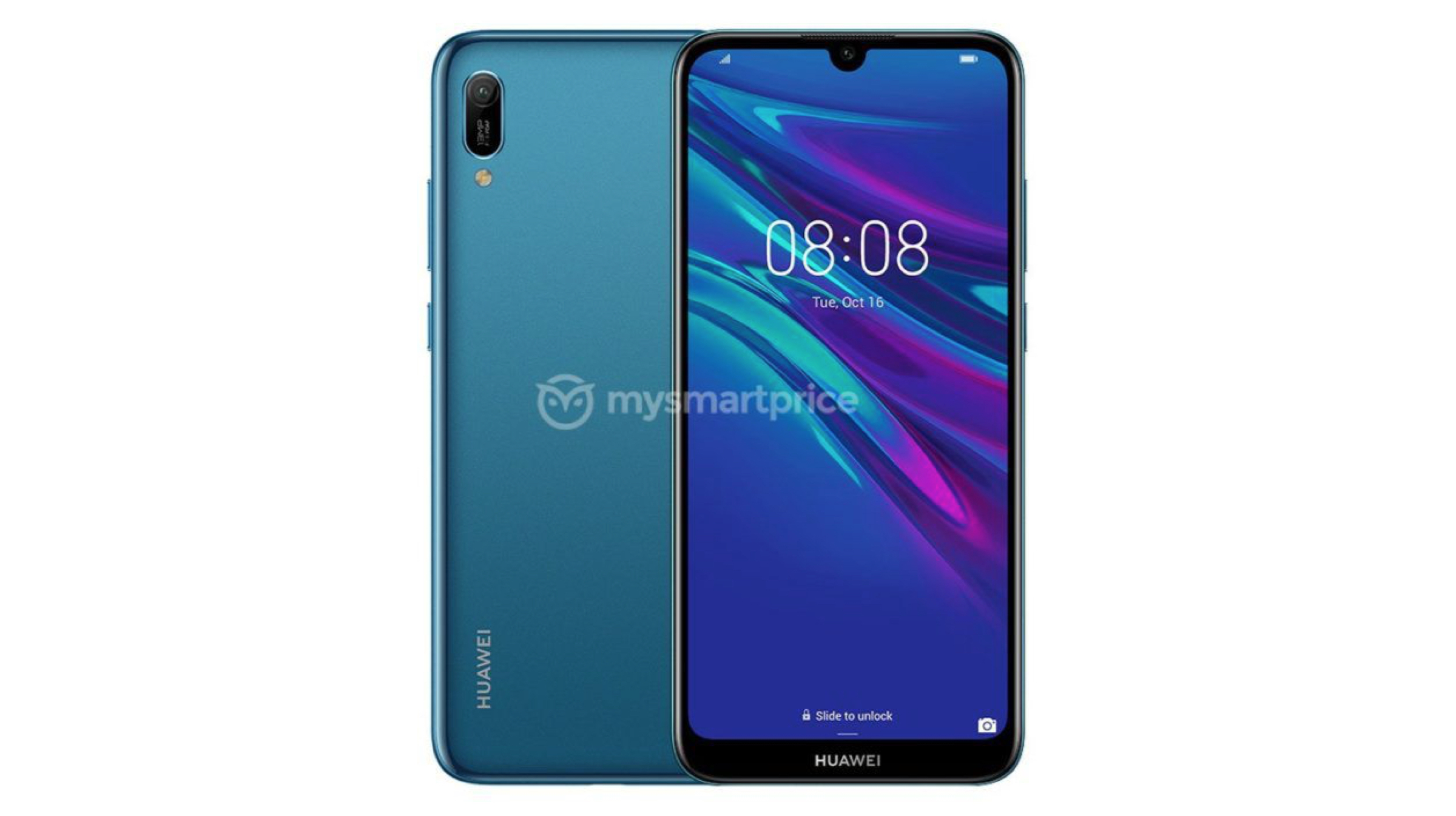
    The Huawei Enjoy 9e has a contemporary design with front glass and rear plastic build. The front of the smartphone accommodates a 6.08 inch display with a notch up top that houses an f/2.0 aperture equipped 8 MP selfie camera. The display panel has an HD+ resolution of 1520 x 720 px and 70% NTSC coverage. Under the hood, the handset packs the MediaTek Helio P35 chipset which consists of an Octa-Core CPU and IMG PowerVR GE8320 GPU.

    In terms of memory and storage, the Huawei Enjoy 9e has 3 GB of RAM and 32 GB of storage which is expandable upto 512 GB via a microSD card. Although not yet confirmed, the source suggests a variant with 64 GB ROM is also expected. The rear of the smartphone has a typical Huawei design with vertically inscribed company branding and capsule-shaped camera setup. The device has an f/1.8 aperture equipped 13 MP rear camera which is accompanied by an LED flash. 

    Price, Colours and Launch Date

    Also Read: Apple Launches Updated AirPods With New H1 Chip & Wireless Charging

    The Huawei Enjoy 9e will launch on the 25th of March. It will be available in three colour options which include Blue, Black and Gold. The source does not provide any information about the price of the upcoming device, however, its specifications suggest a price tag of 100 to 150 US $. 

  • Apple Launches Updated AirPods With New H1 Chip & Wireless Charging

    Apple Launches Updated AirPods With New H1 Chip & Wireless Charging

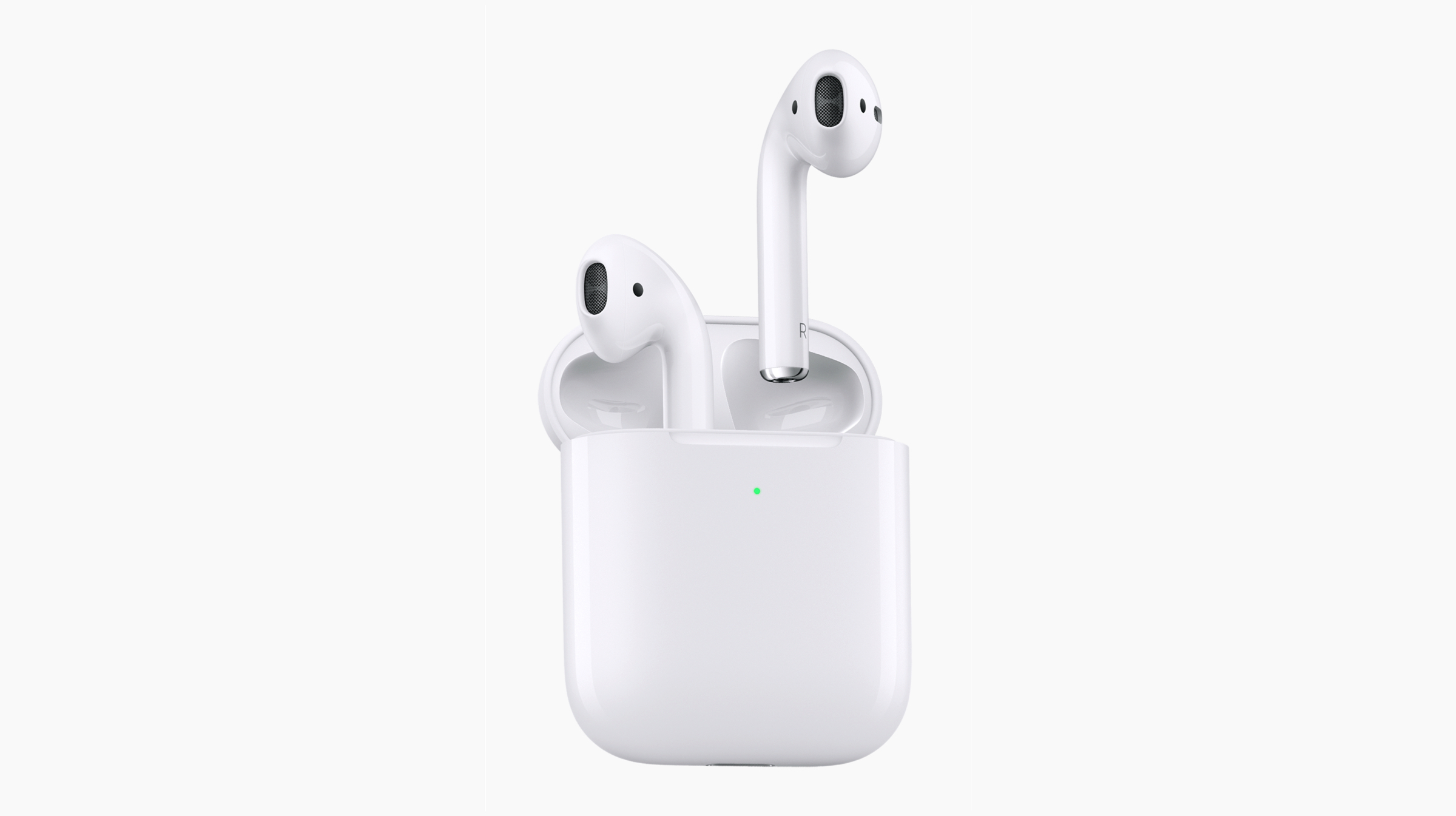
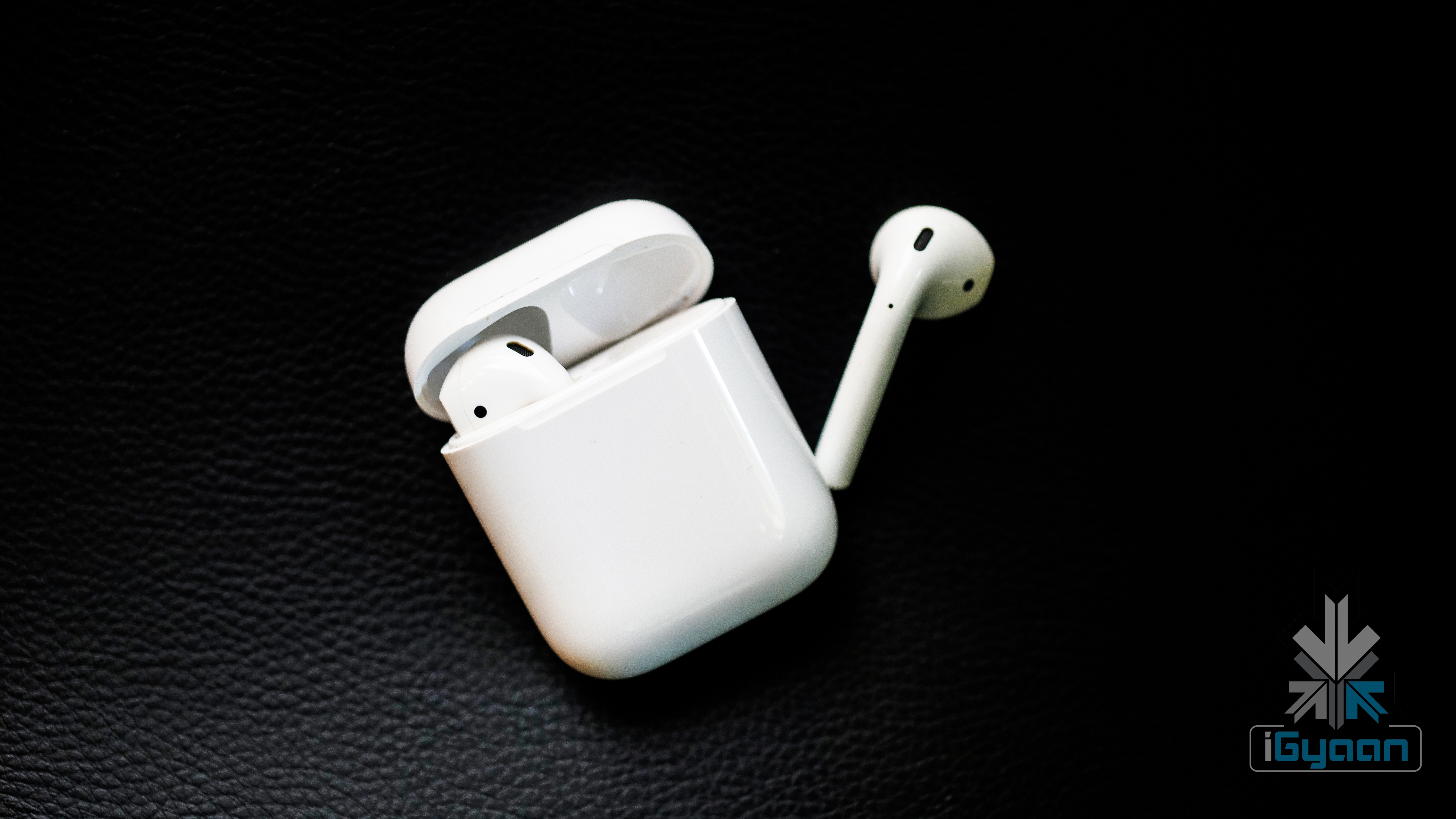
    Apple continues the streak of its surprise announcements by unveiling its newest AirPods, which are an updated version of the revolutionary 2016 AirPods. The wireless earphones promise an improved wireless experience and almost 50 percent more talk time than the previous model.

    Features

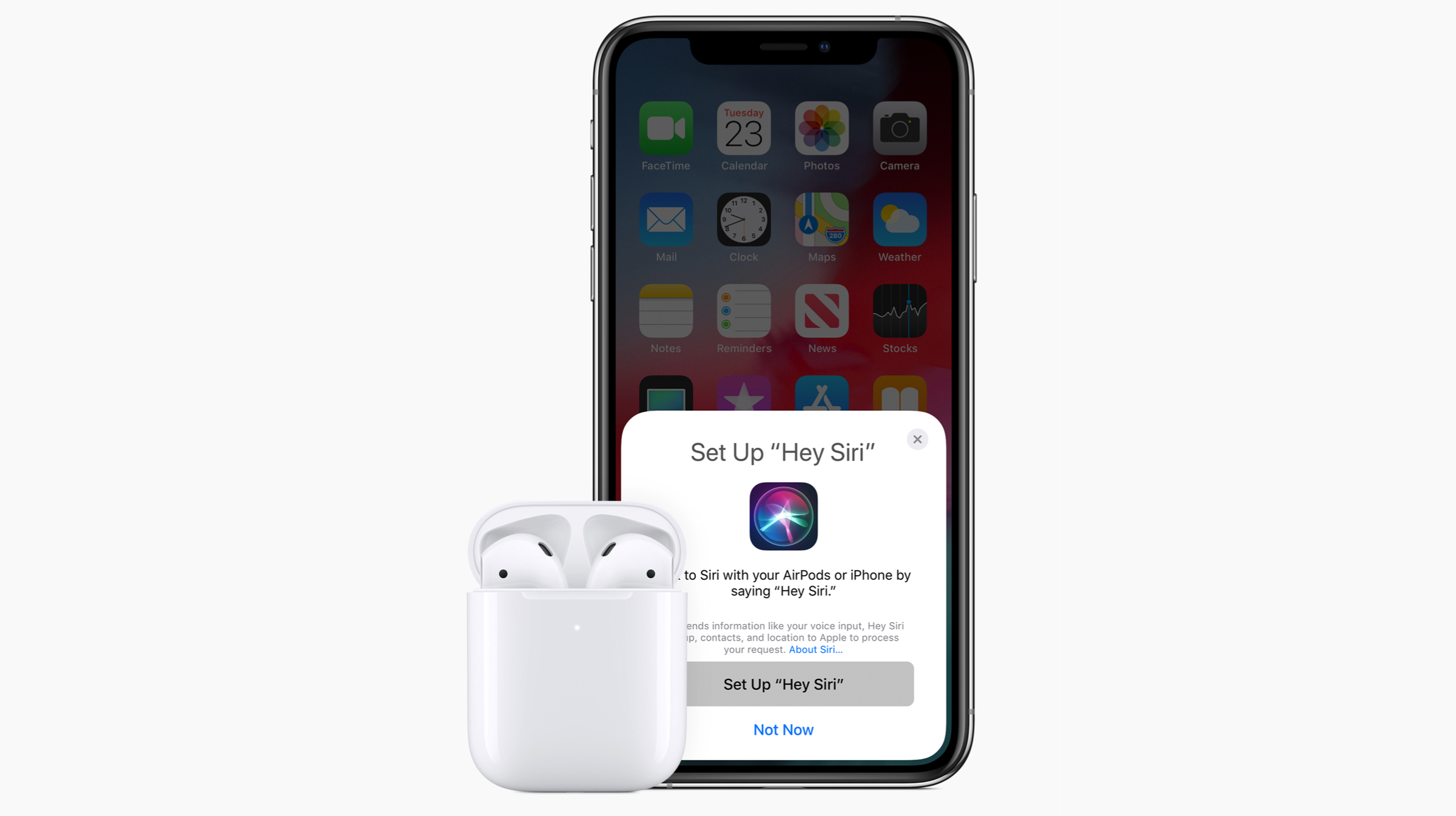
    The new AirPods feature the Apple-designed H1 chip with boosted power efficiency and much faster connection sequence. The AirPods also sport the hands-free “Hey Siri” feature to launch the Apple voice assistant, a characteristic that was missing in the previous generation. The new AirPods are available with a new wireless charging case in addition to the standard charging case. The new charging case will cater to the user’s convenience while charging the AirPods.

    The company states that the new H1 chip has a custom audio architecture for better synchronization with Apple devices. Faster connect times will ensure that the AirPod’s connectivity will be seamlessly transferrable between different Apple devices like the MacBooks, iMacs or the iPhones. For changing music and making calls, users won’t even need to access their phones anymore owing to the previously mentioned hands-free “Hey Siri” feature.

    Both the wireless and standard charging cases hold charging power for more than 24 hours of total listening time, the company claims. The newly-launched charging case runs on the Qi wireless charging technology. The new wireless charging case also features an external LED indicator on the front, which is an update from the internally placed LED indicator in the non-wireless charging case. The American technology company also stated that existing AirPod users can separately purchase the Wireless charging case. 

    Pricing And Availability

    Also Read: Apple Upgrades The iMac With New Processors And GPU

    The new AirPods with the standard charging case have been priced at US$ 159 (Rs. 14,900 in India). The wireless charging case, along with the AirPods will cost US$ 199 (Rs. 18,900 in India). For the users of the first generation AirPods, the wireless charging case is sold separately for a price of US$ 79 (Rs 7,500 in India). They will be available later this spring, reportedly in the month of May or June in India.


  • Xiaomi Mi Band 4 Gets Bluetooth Certification, To Launch Soon

    Xiaomi Mi Band 4 Gets Bluetooth Certification, To Launch Soon

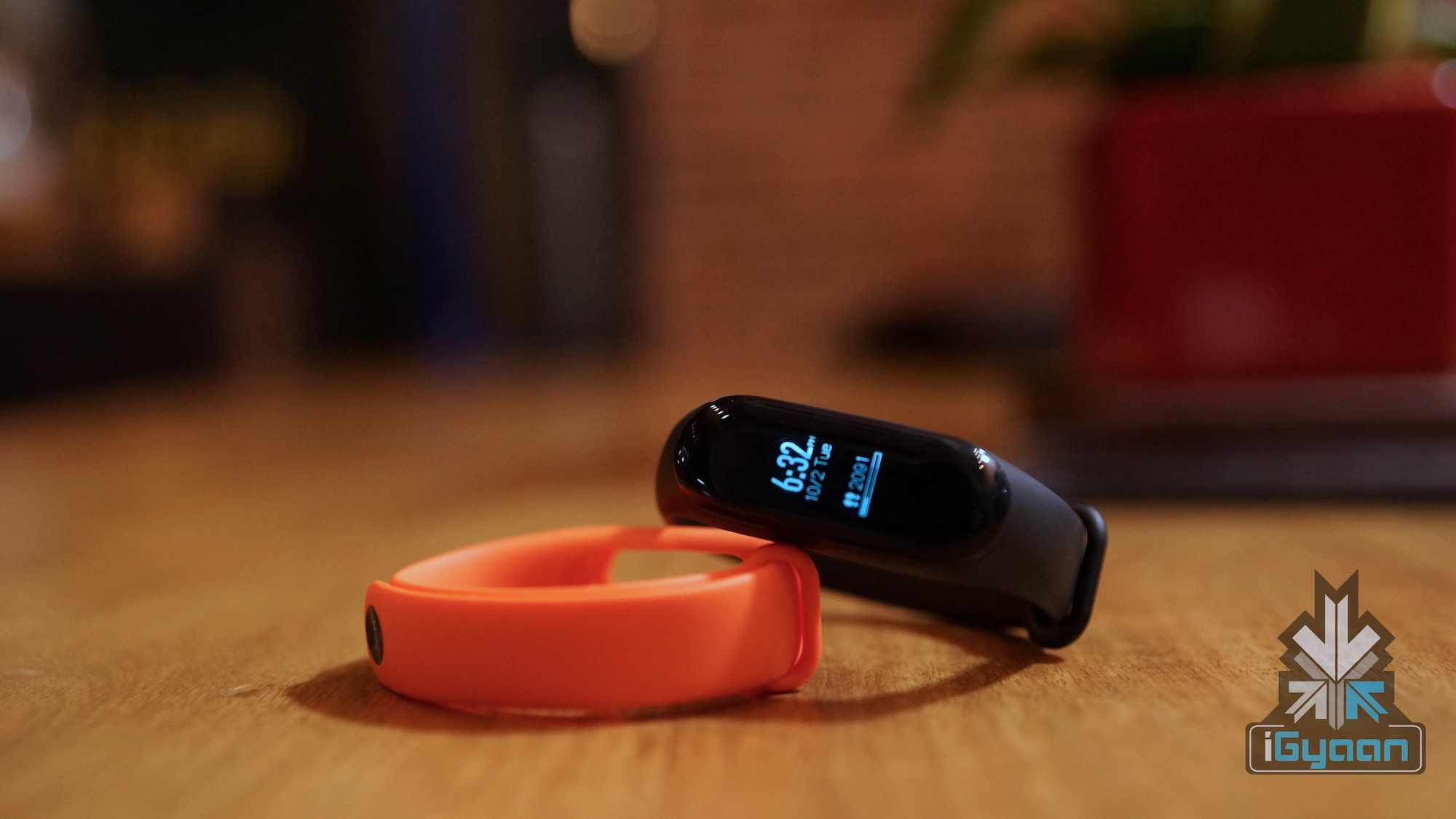
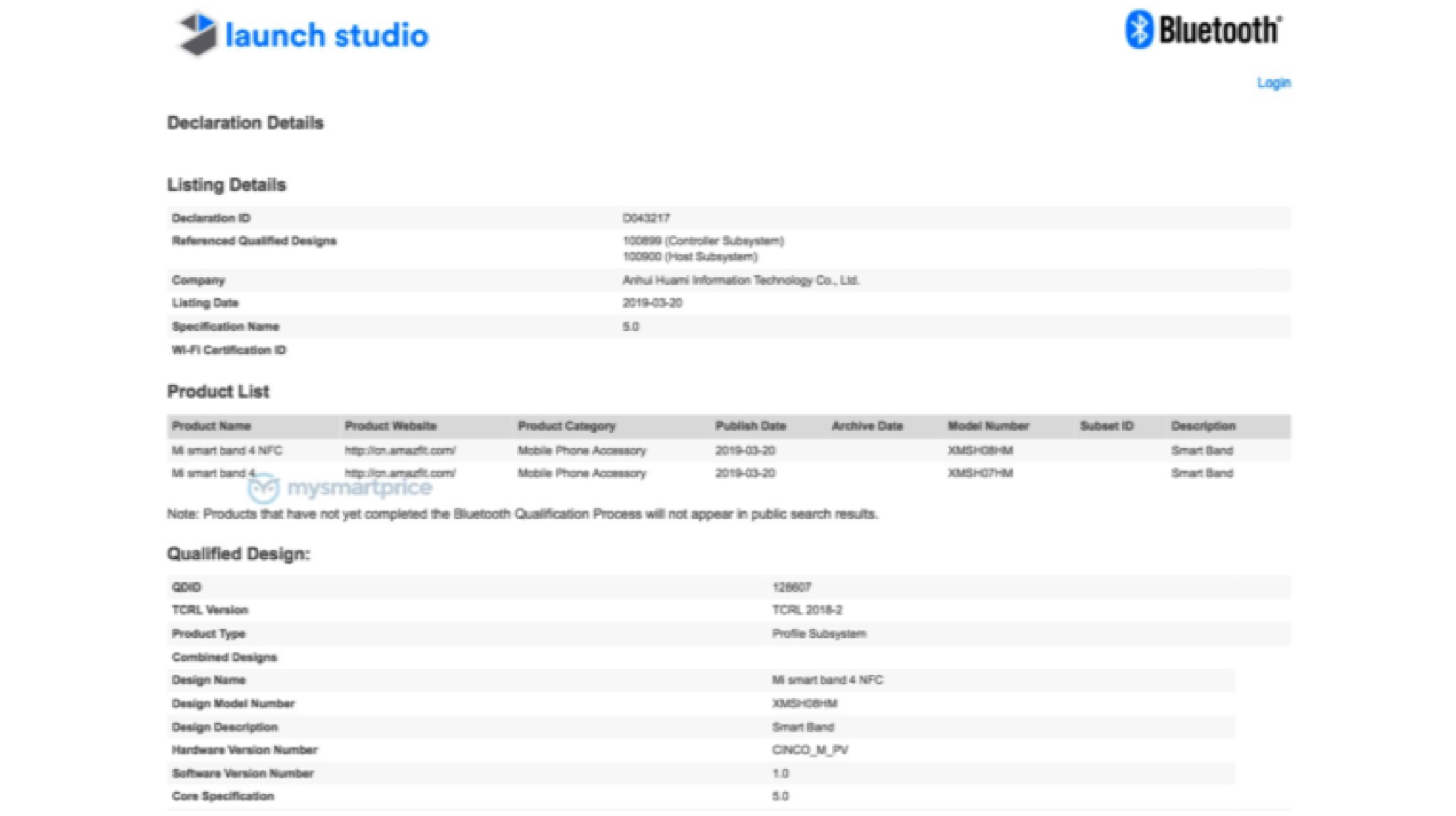
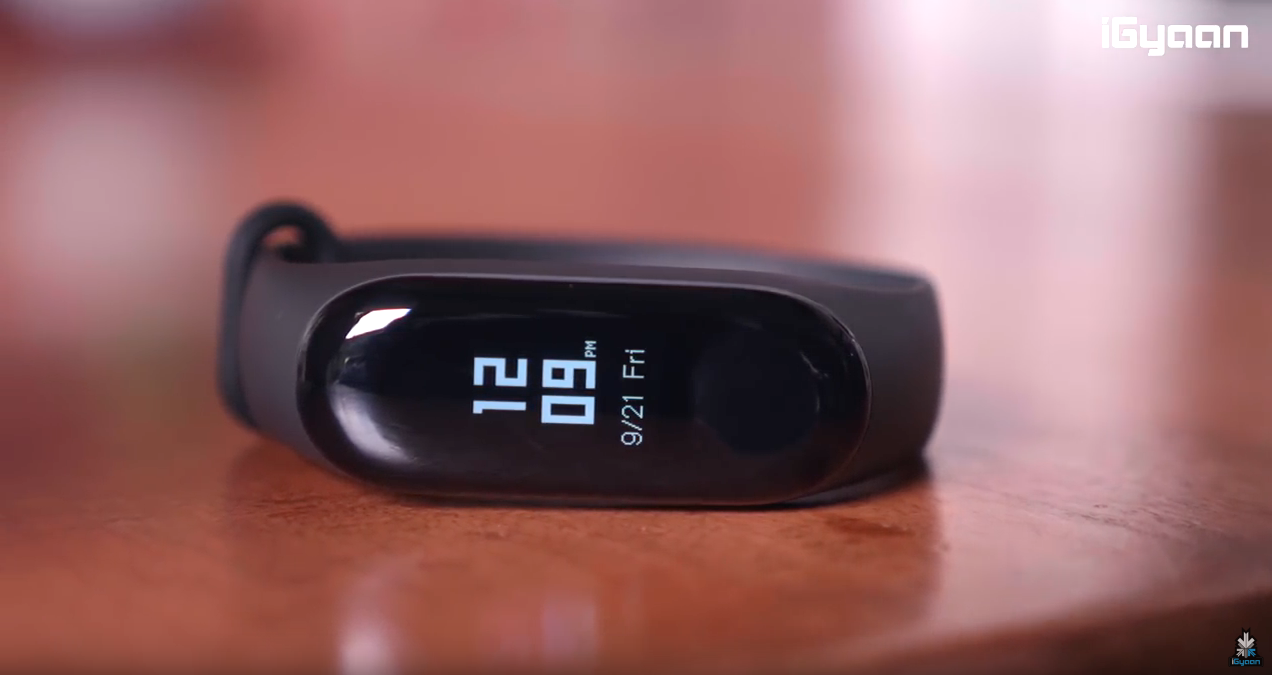
    Xiaomi Mi Band is one of the most popular fitness bands available in the market currently. It offers a mix of competitive features at a lucrative price. Its latest iteration, Mi Band 3 was launched in India last year. It was expected that Xiaomi will release a successor to the fitness band this year with updated specs and features. Fresh leaks reveal that a Mi Band 4 is indeed in the works and may launch soon. The fitness band has been certified by the Bluetooth Special Interest Group (SIG). 

    Mi Band 4

    The Mi Band 4 is expected to be a significant upgrade over its predecessor. The listing mentions the presence of Bluetooth v5.0 Low Energy, which is an upgrade over the v4.2 Low Energy found on the Mi Band 3. This change suggests better connectivity on the new fitness band by Xiaomi. Unfortunately, other details about the wearable device aren’t available yet, but going by the company’s track record, It may feature a bigger display than the 0.78 OLED touchscreen display found in the previous version. 

    The listing also mentions NFC in the name of the Mi Band 4, so the fitness band may have the connectivity feature built in. However, the NFC variant may only be released in certain global markets. Another new addition on the band is expected to be better and more expansive fitness tracking capabilities. The fitness band is reported to have Electrocardiogram (ECG) capabilities like the one found in Apple Watch Series 4. But unlike the Apple Watch, the fitness band from Xiaomi might have a limited ECG functionality owing to its affordability. 

    Also read: Nokia 9 PureView To Launch In India Soon

    Xiaomi has been known to price its devices aggressively, and the Mi Band 4 is expected to be no different. The Mi Band 3 and its predecessors were launched at a price of Rs. 1,999 in India. It is this suggested that the upcoming Mi Band 4 will also be priced similar.

  • Nokia 9 PureView To Launch In India Soon

    Nokia 9 PureView To Launch In India Soon

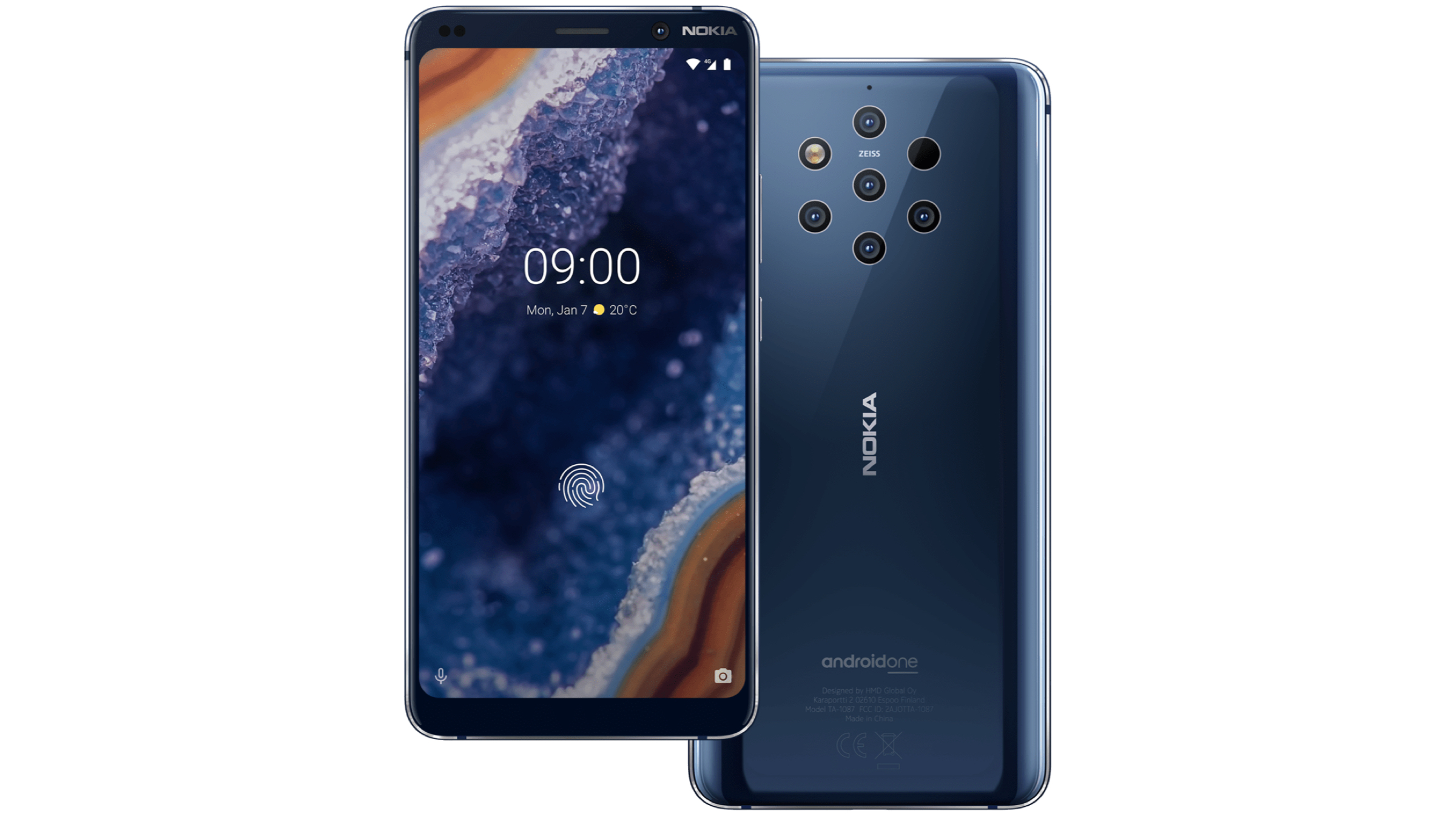
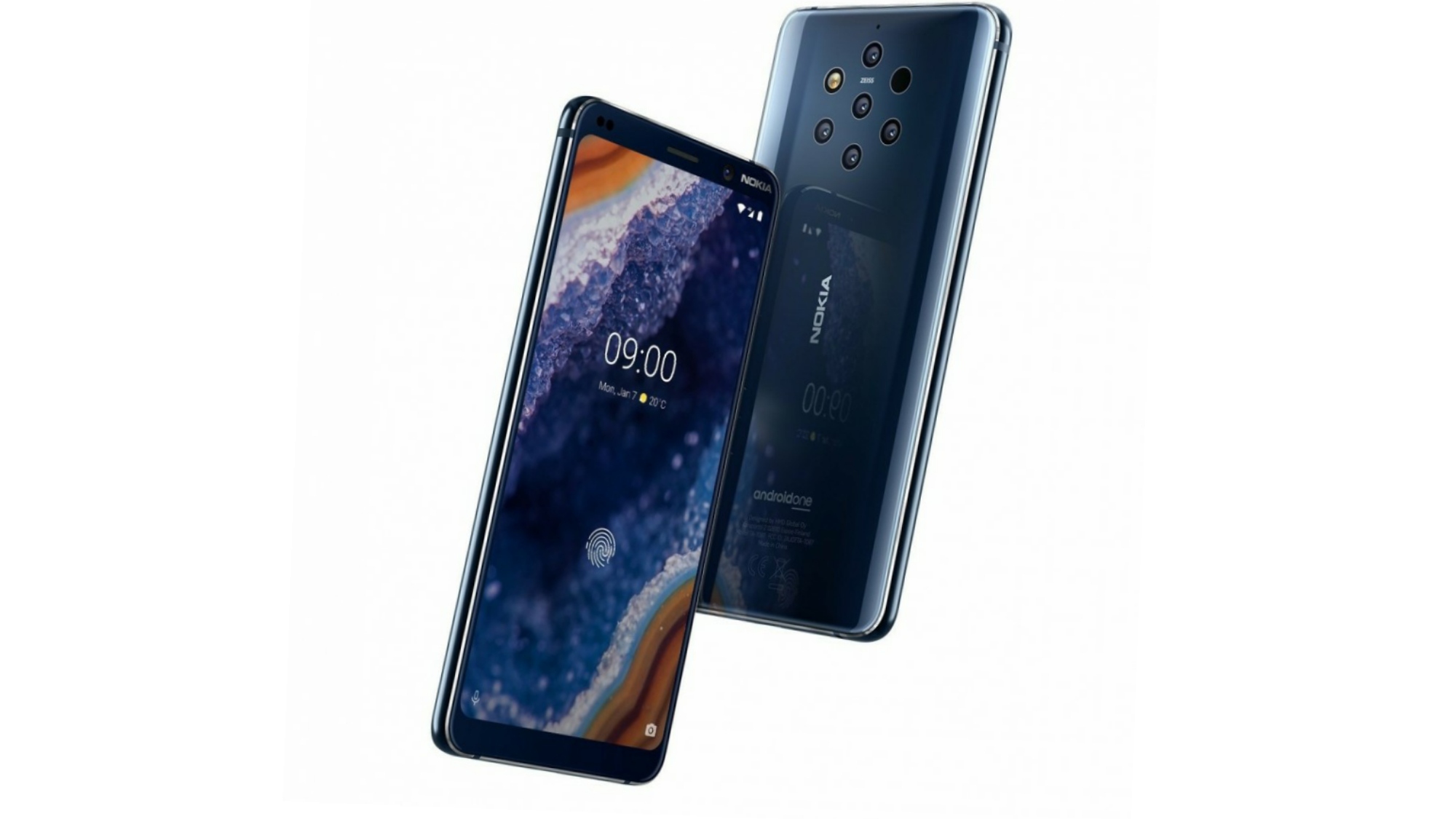
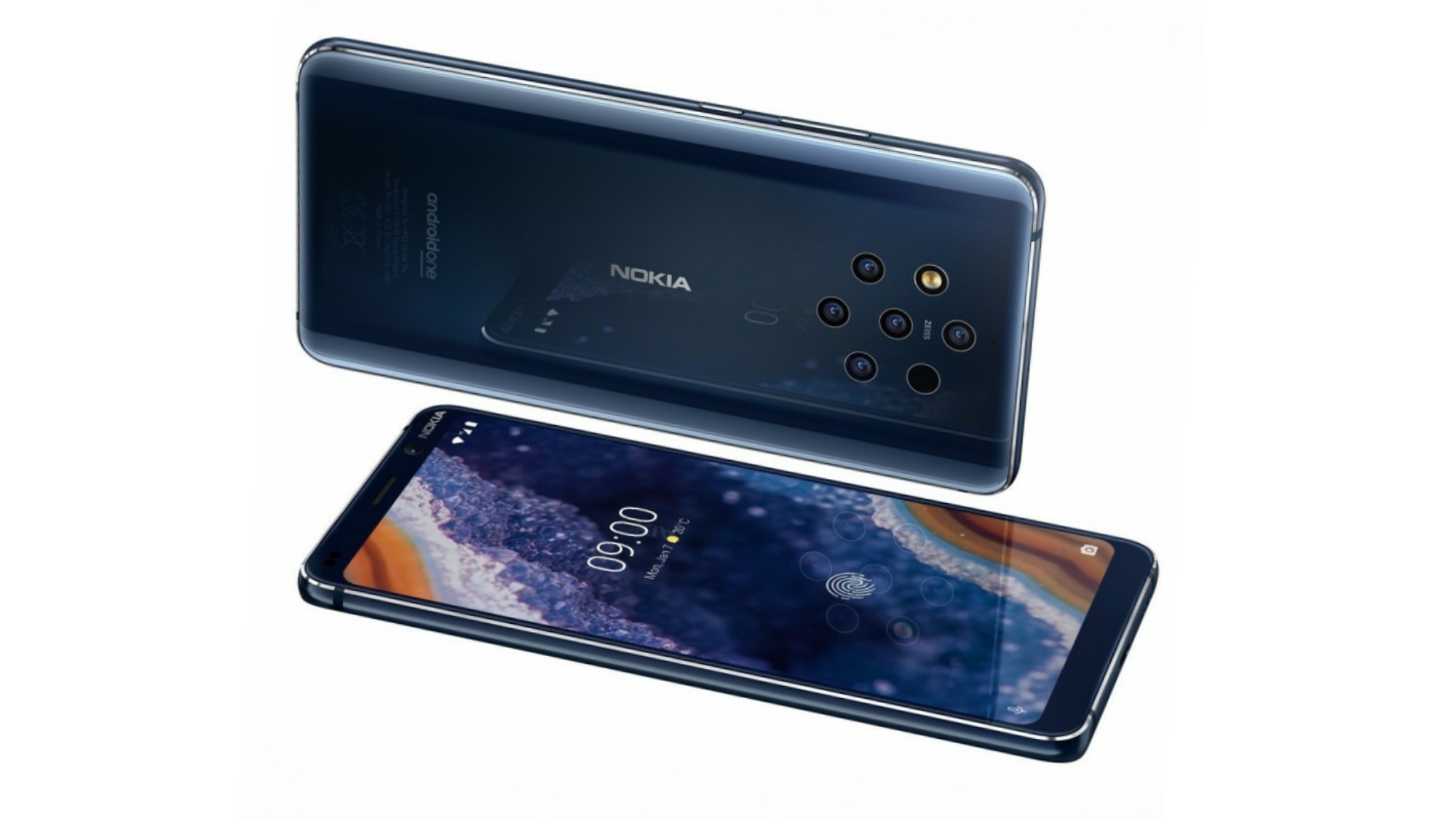
    Nokia launched its latest flagship smartphone, the Nokia 9 PureView on February 24. It is the first device to feature a Penta-rear camera setup. It was also expected that the company will launch the handset in the Indian market soon after the launch. A new teaser posted by the official account of Nokia India hints at what could be the launch of the flagship smartphone in the country. The text shared along with the video on social networking website Facebook reads “Get ready to capture the most breathtaking pictures with the all new Nokia 9. Stay tuned!” This suggests that the launch of the device is imminent.

    Nokia 9 PureView

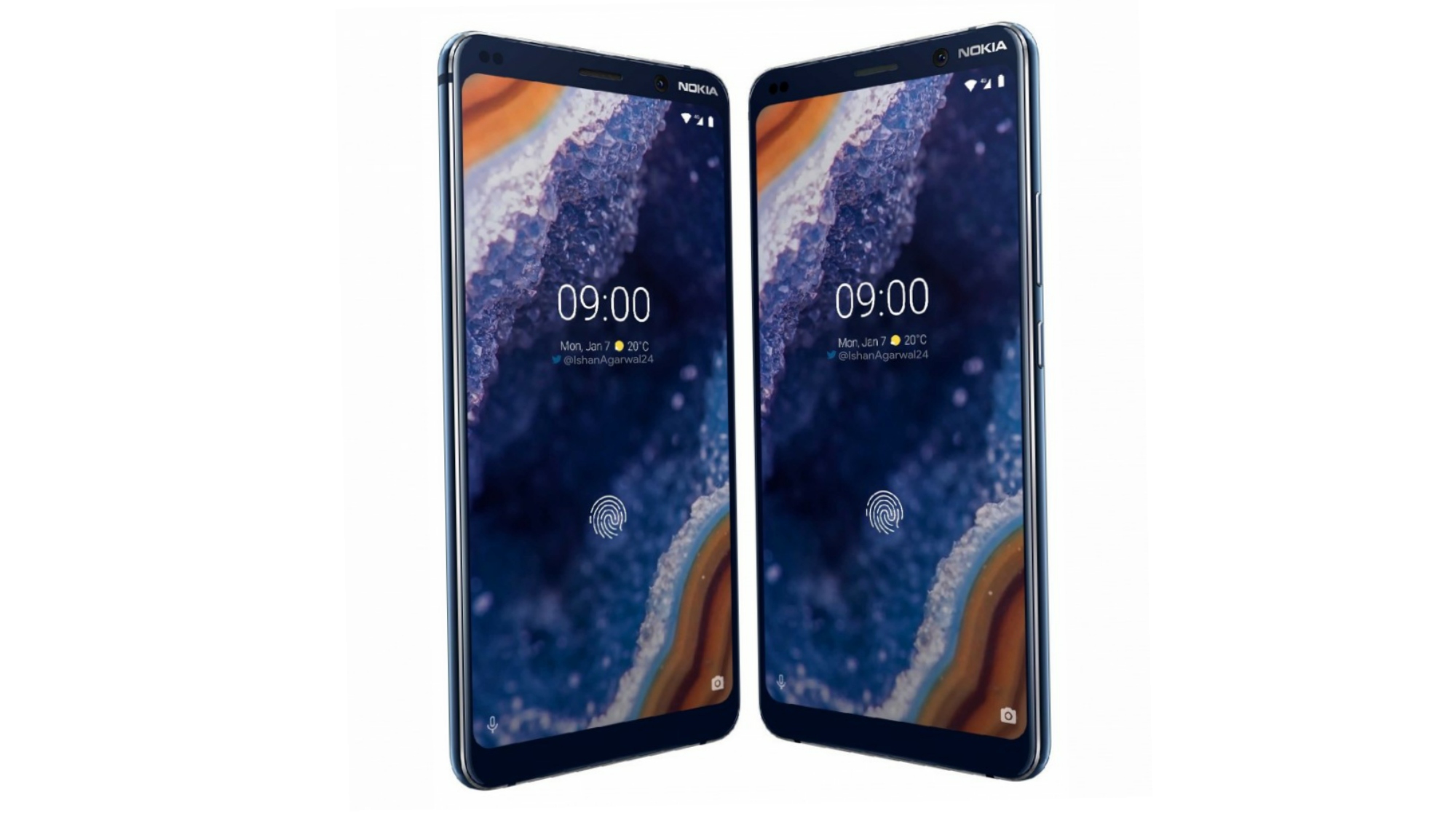
    On the front of the device sits a 5.99 inch POLED display with a resolution of 2880 x 1440 px. The display panel has an 18:9 aspect ratio and pixel density of 538 ppi. It has minimal bezels on the sides with a significant forehead and chin bezel. For biometrics, the Nokia 9 Pureview has an in-display fingerprint scanner.

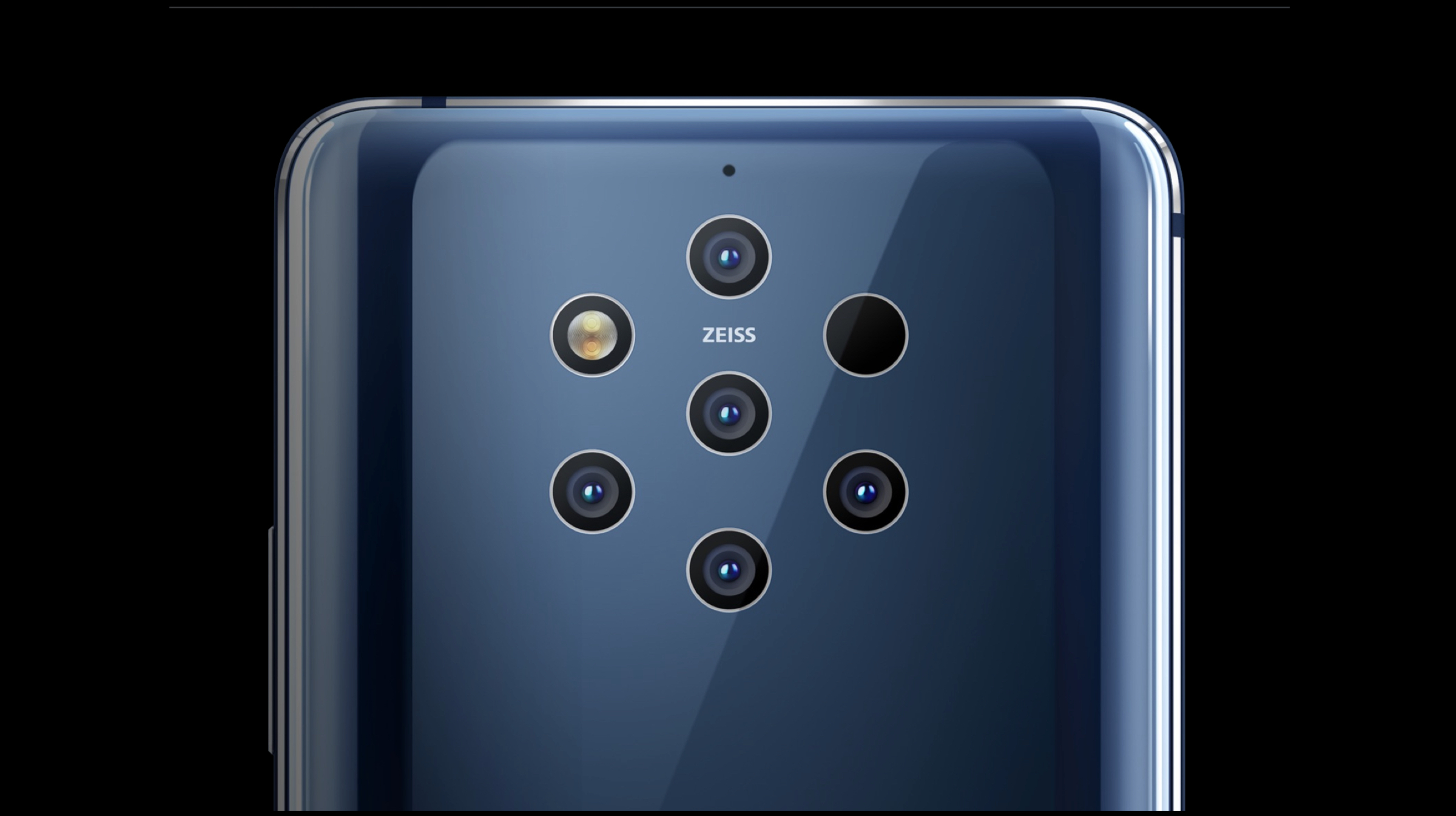
    Under the hood, the Nokia 9 PureView runs on yesteryear’s 10nm Snapdragon 845 SoC. The chipset has an Octa-core CPU and Adreno 630 GPU. The highlight of the smartphone is its optics. The rear camera setup consists of five 12 MP sensor and an LED flash. Out of the five cameras, two are RGB sensors while the remaining three are mono sensors. For selfies, the device has a 20MP front-facing camera. 

    The Nokia 9 PureView is powered by a 3320mAh battery with wireless charging support. The smartphone runs on the latest Android 9 Pie and is Android One certified which implies it will receive software updates for at least two years. 

    Pricing & Availability

    Also read: Motorola To Launch The Moto G7 In India On March 25

    The Nokia 9 PureView is expected to be unveiled in India in the month of April. While no information on what the device will be priced is known, the United States price of US $ 699 (Rs. 48,112) would insinuate it would be priced under the Rs. 50,000 mark.

  • Motorola To Launch The Moto G7 In India On March 25

    Motorola To Launch The Moto G7 In India On March 25

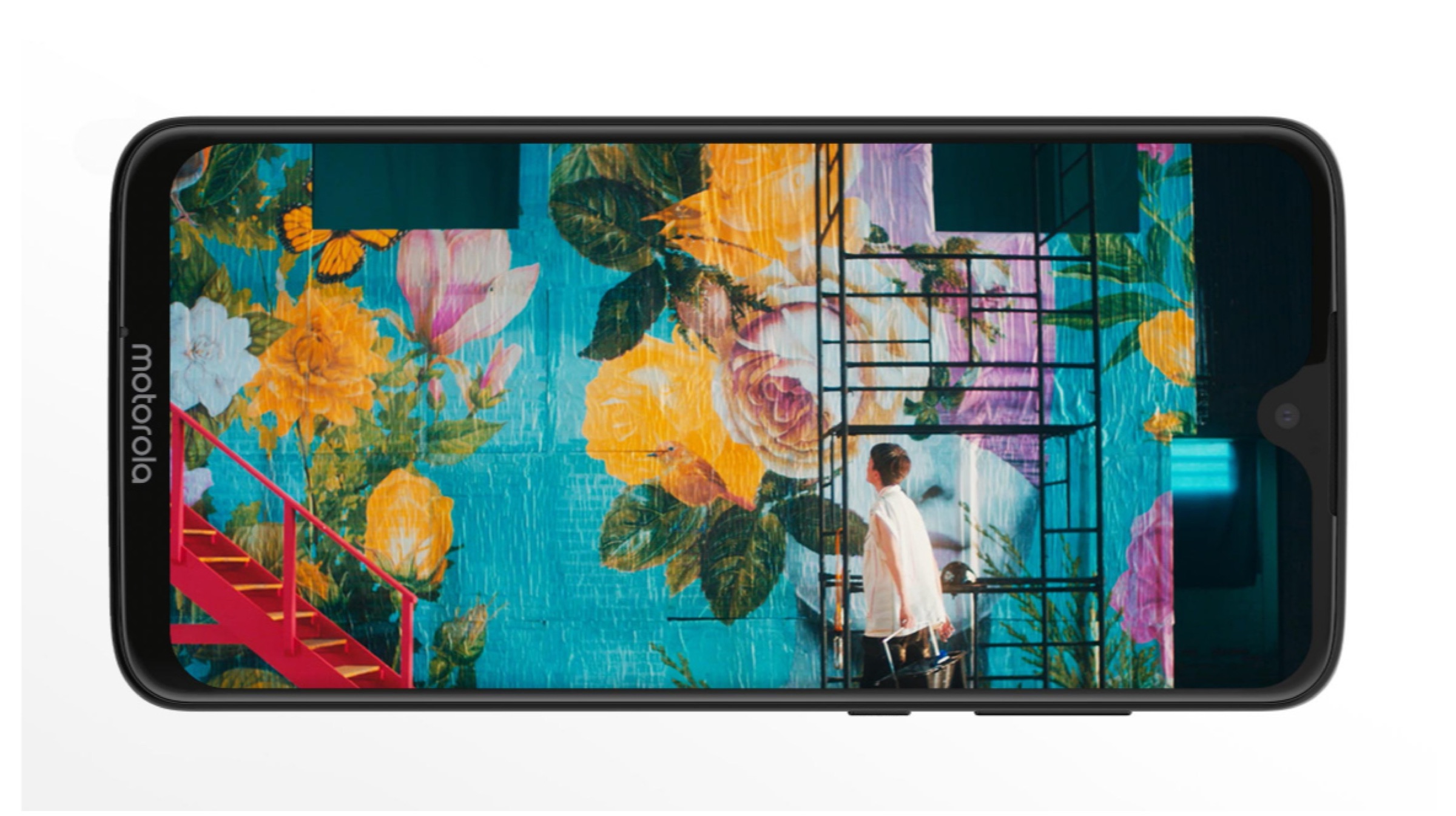
    Motorola launched the four latest smartphones in the Moto G7 lineup in February. The devices were launched in Brazil and included the Moto G7 Play, G7 Power, G7 and G7 Plus. While the Moto G7 Power has been available in India for a price of Rs. 13,999 since last month, there was no other smartphone of the range in sight. The company has now confirmed that the Moto G7 will launch in India on March 25. 

    Features & Specifications

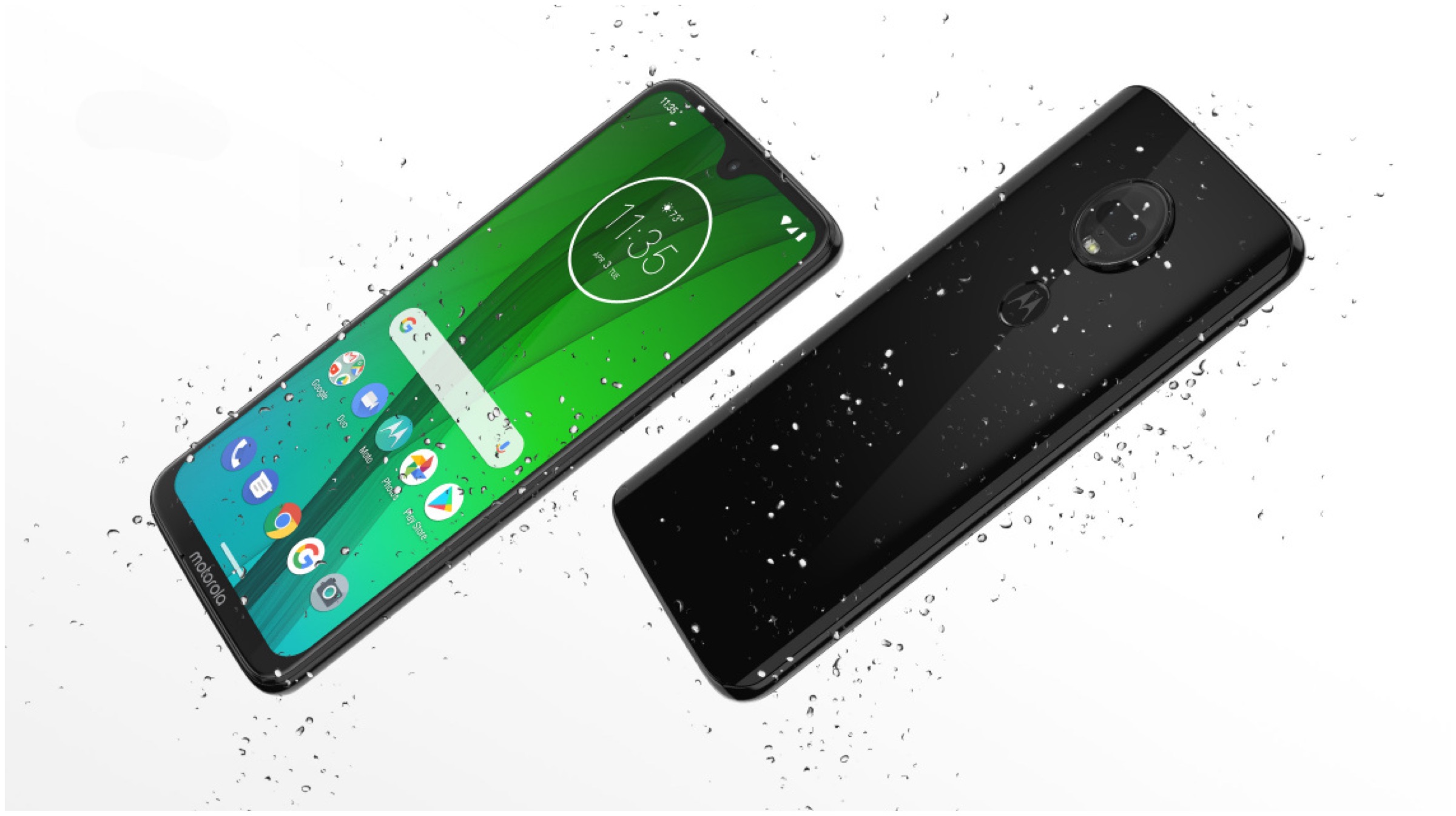
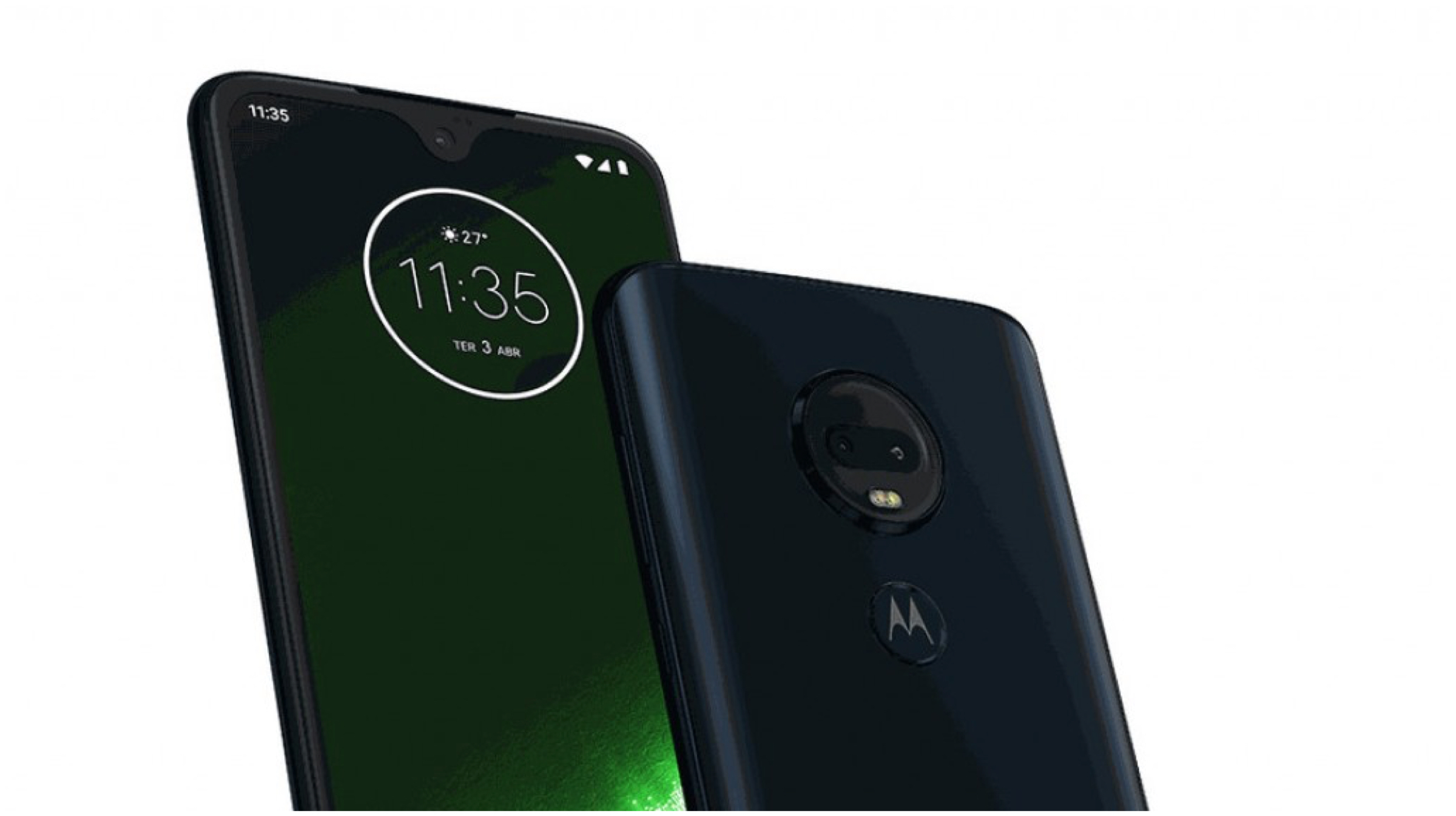
    The Moto G7 measures 157 × 75.3 × 7.92mm and weighs in at 174 grams. Design-wise, it has glass on both the front and back of the handset. The smartphone has a 6.2-inch IPS LCD display with 2270 x 1080 px resolution and a waterdrop notch up top. The device has a rear-mounted fingerprint scanner and supports face unlock technology.

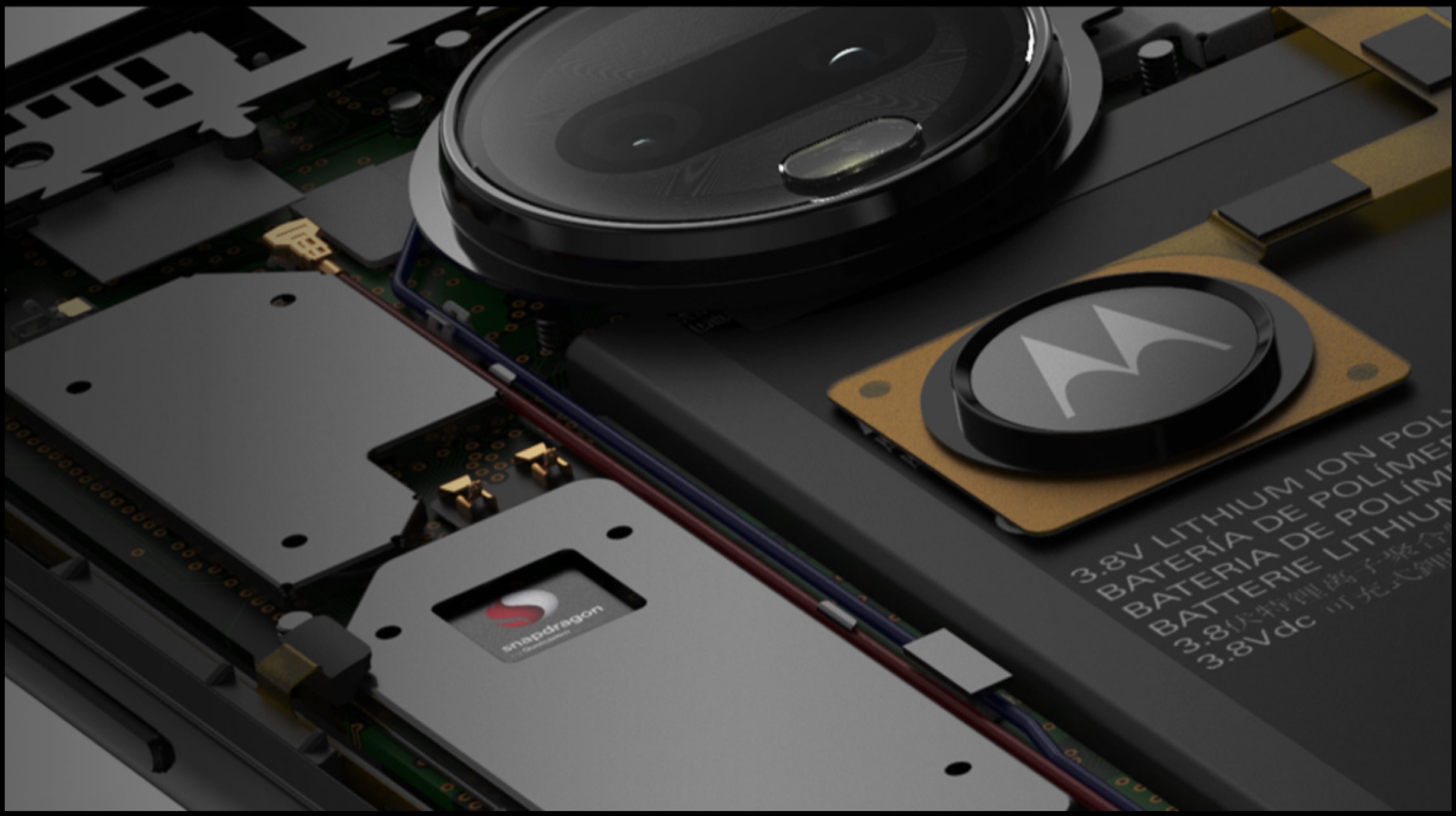
    Under the hood, the Moto G7 runs on the 14nm Snapdragon 632 SoC which consists of an Octa-Core CPU and Adreno 506 GPU. The rear of the smartphone has the dual rear camera setup which is comprised of a 12 MP sensor with an f/1.8 aperture and 5 MP secondary sensor. For selfies, the handset has an 8MP camera housed in the notch on the top of the display.

    The Moto G7 is powered by a 3,000 mAh battery which supports fast charging up to 15W with the bottom mounted USB Type-C port and runs on the latest Android 9.0 Pie. The handset also has P2i nano-coating which is certified to protect against liquid spills. Connectivity options include 4G VoLTE, 802.11 ac Wi-Fi, Bluetooth 4.2. The device is available in two colour options namely Clear White and Ceramic Black.

    Pricing & Availability

    Also read: Moto Z4 Play Passes Through FCC, Launch Imminent

    The Moto G7 will launch in India on March 25 and is expected to go on sale soon after from major online and offline carriers. While the pricing of the smartphone isn’t known yet, it costs US$ 299 (Rs. 20,585) in the United States. It is expected that the device is priced similarly in the country. 

  • LG Granted Patent For OLED TVs With Rollable Display

    LG Granted Patent For OLED TVs With Rollable Display

    With the evolution of all forms of technology, TVs are not far behind. In the modern day, a TV is not only limited to its functions and features but it is also something that can improve the aesthetic value of a living room. Manufacturers like Samsung, LG and Sony have a strong grip over the market in terms of TVs. Although the focus from TVs has now shifted to smartphones and mobile devices, these handheld gadgets cannot replace a large screen TV entirely at least for now. LG was granted a patent for a futuristic television that has an unconventional rollable display.

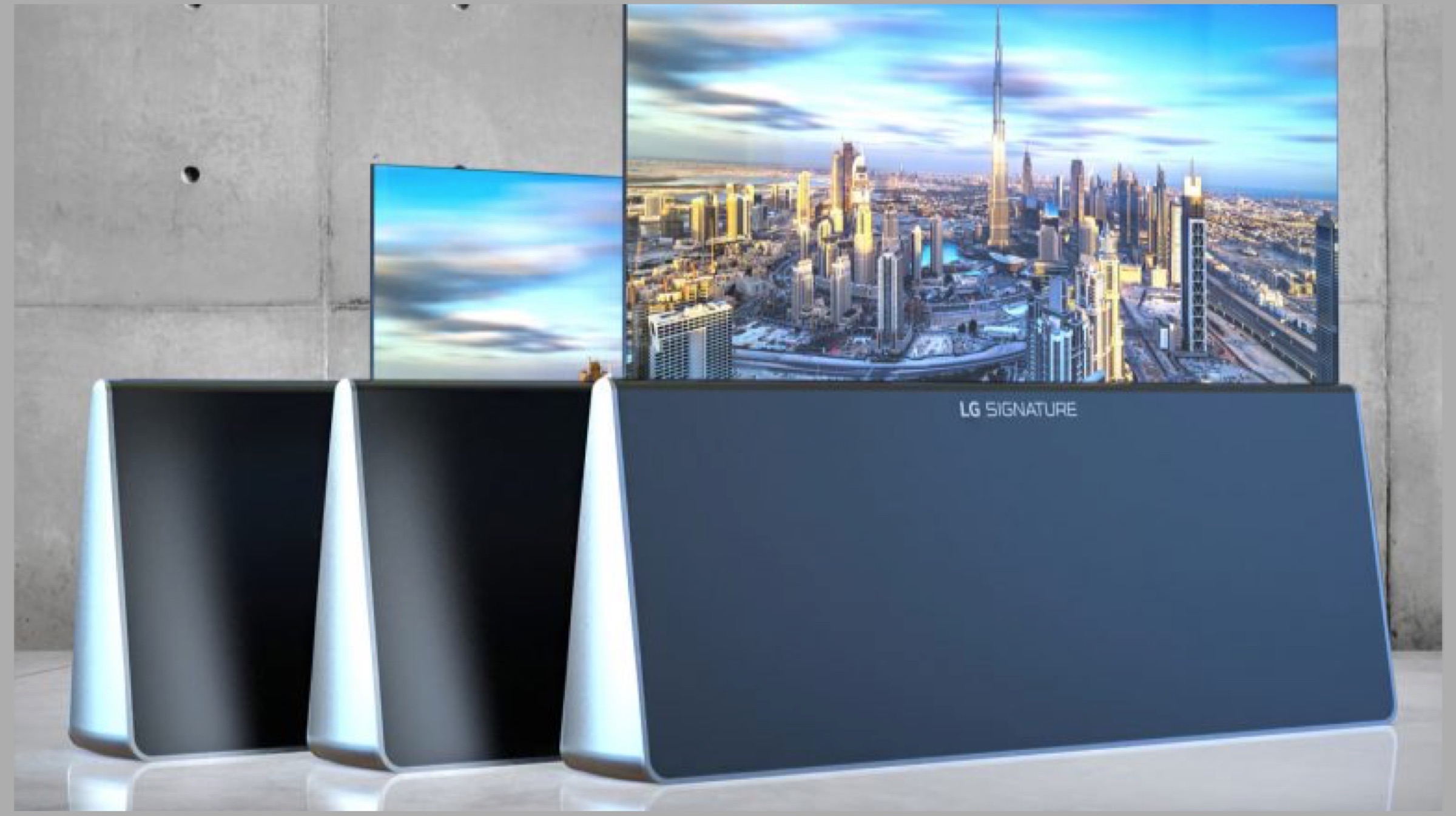
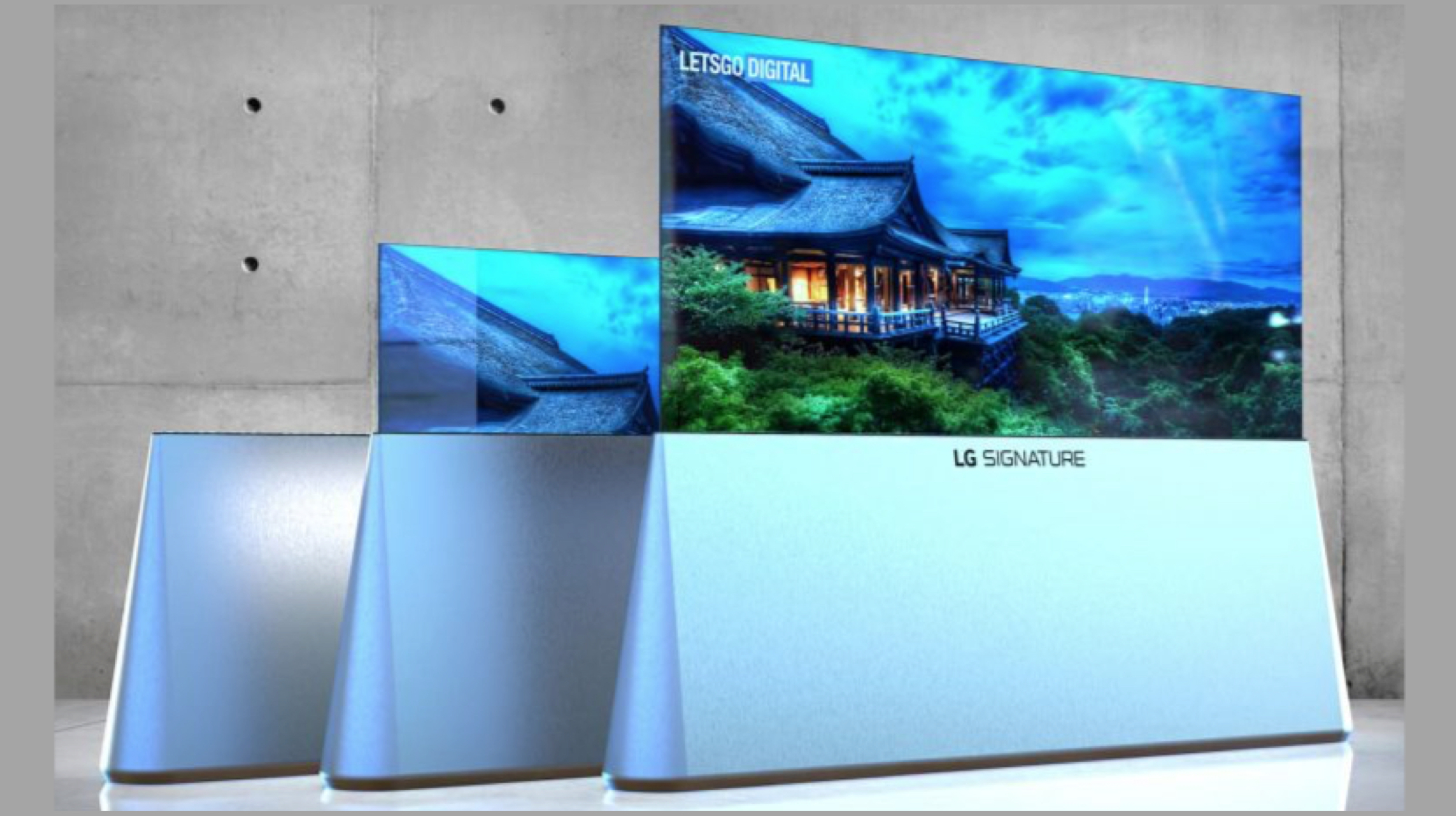
    LG Electronics filed three patents with the Korean Intellectual Property Office (KIPO) in August 2018. The KIPO published the three patents on February 28, 2019, and they clearly depict a roll-up display that emerges from a housing.

    Design And Features

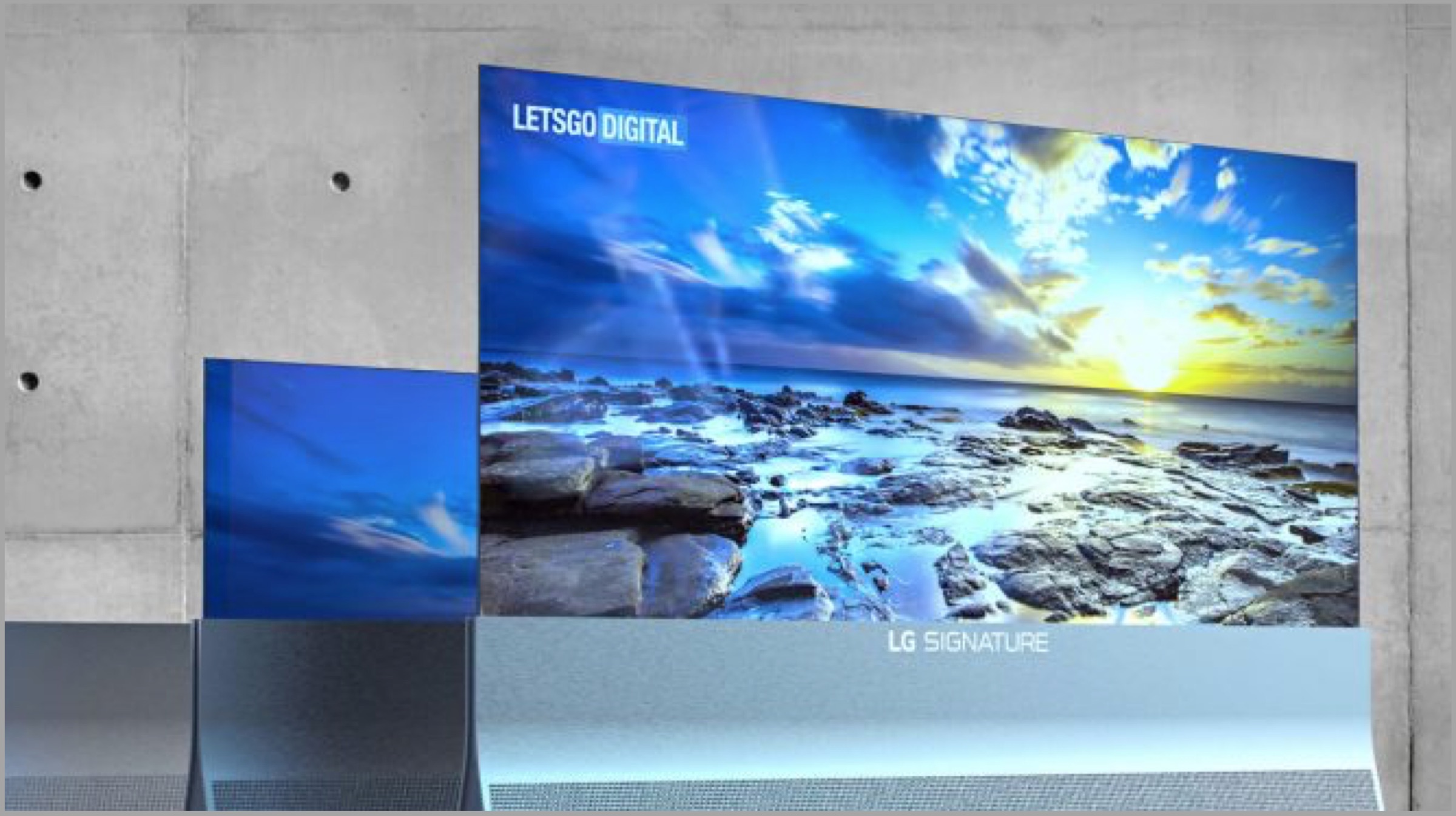
    LG unveiled its first rollable TV at the CES 2018 (Consumer Electronics Show). The company showcased a 65-inch 4K OLED TV called the LG Roled, or the LG Signature OLED R9. It retracts into a cuboidal shaped enclosure when not in use. The company previously stated that the rollable OLED TV will go on sale this year itself. This time, LG has moved past the rollable TV, instead, it is just including a rollable screen in a housing-cum-base for the device.

    The flexible screen is housed in three different types of casings, as shown in the patent images. The housing sports a triangular design to prevent the flexible screen from bending over. All three housing designs are a bit different from each other. The reason for this is not clear, but it may be because LG is testing out the most stable base for the Roll-up screen.

    The TV can also function as a speaker system if the display is not completely raised. Similar to LG’s TV at the CES, the upcoming TV may be equipped with a 100 Watt Dolby Atmos Speaker. The flexible screen can be completely rolled out to have a normally functioning television. In 2018, LG was granted a patent for a similar flexible display for its smartphone.

    Availability

    Also Read: Qualcomm Announces QCS400 SoCs series For Smart Speakers And Soundbars

    No information regarding the futuristic television is available yet, although it seems that the company will take its time to polish the technology before releasing it in the market. As per reports, Samsung is also planning to release a rollable TV whose screen can be rolled towards the sides unlike LG’s design. The TV is expected to be placed at a higher price point too, owing to the technology implemented in the same.

  • Moto Z4 Play Passes Through FCC, Launch Imminent

    Moto Z4 Play Passes Through FCC, Launch Imminent

    Motorola launched the first smartphone in the Moto Z lineup back in the year 2016. The devices offered modularity in the form of accessories the company called “Moto Mods”. An unreleased handset from the company has passed through the Federal Communications Commission or FCC, revealing a few specifications of the smartphone. The model number listed on FCC’s website is XT1980-3, which corroborates with Moto Z devices in the past. It is likely that this device is the Moto Z4 Play, which has been leaked in the past.

    Moto Z4 Play

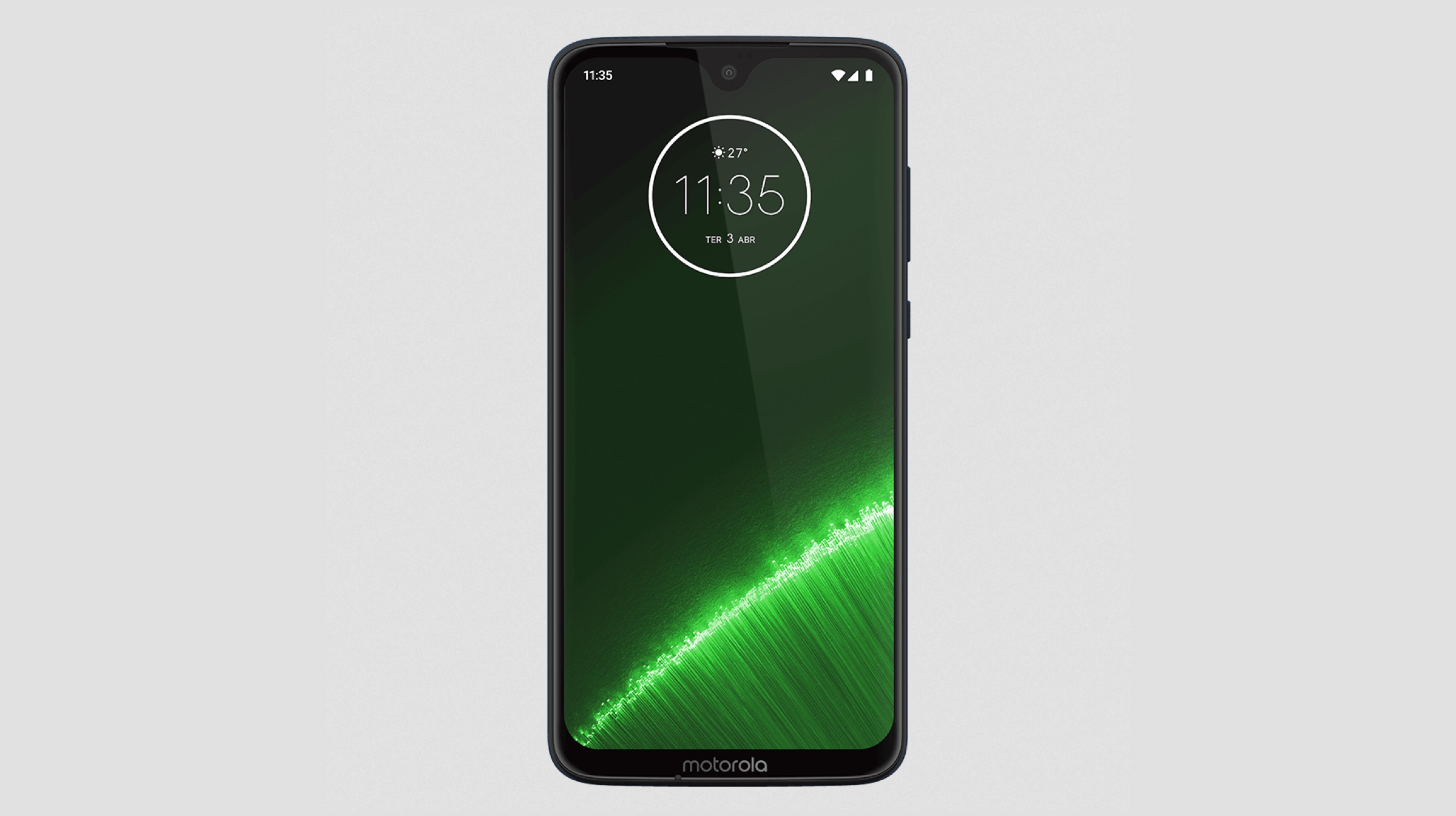
    The Moto Z4 Play will be a mid-range offering from Motorola. While the listing reveals some specifications of the device, not all details of the smartphone are available at the moment. Design wise, it is expected to have a similar design to the Moto Z3 Play, complete with thinner bezels and a waterdrop notch on the front. The front of the smartphone is expected to resemble the Moto G7 which was announced last month in Brazil. Like other smartphones in the lineup, the Moto Z4 Play is also expected to support Moto Mods with the proprietary magnetic connector at the back. The display on the smartphone may be a 6.2-inch Super AMOLED panel with a resolution of 2280 x 1080 px. For security and biometrics, there may be an in-display fingerprint scanner and face unlock support for easier authentication.

    According to the reports, the Moto Z4 Play will run on the 11nm Snapdragon 675 SoC. The chipset has an Octa-core CPU and Adreno 612 GPU. In terms of optics, the Moto Z4 Play might have a single rear camera, which is expected to be a 48MP Sony IMX 586 sensor. In terms of memory and storage, the smartphone will have 6GB of RAM and 128GB of internal storage. The FCC listing reveals that the Moto Z4 Play will have a 3600mAh battery with support for 18W fast charging. 

    Pricing & Availability

    Also read: Samsung Galaxy A40 Listed For Pre-Order In Netherlands

    The FCC listing of the Moto Z4 Play suggests that the launch of the smartphone is imminent. The device is expected to launch in the second quarter of 2019 at a reported price of US$ 450 (Rs. 30,996).

  • Samsung Galaxy A40 Listed For Pre-Order In Netherlands

    Samsung Galaxy A40 Listed For Pre-Order In Netherlands

    Samsung is expected to announce three new smartphones in its Galaxy A lineup on the 10th of April. A fresh listing on a Dutch website lists one of the devices, the Galaxy A40 up for pre-order. The listing reveals the key specifications and the price of the device in Europe. Galaxy A40 is the latest budget entrant by the company and will sit between the Galaxy A30 and Galaxy A50, both of which were launched in India on February 28.

    Galaxy A40

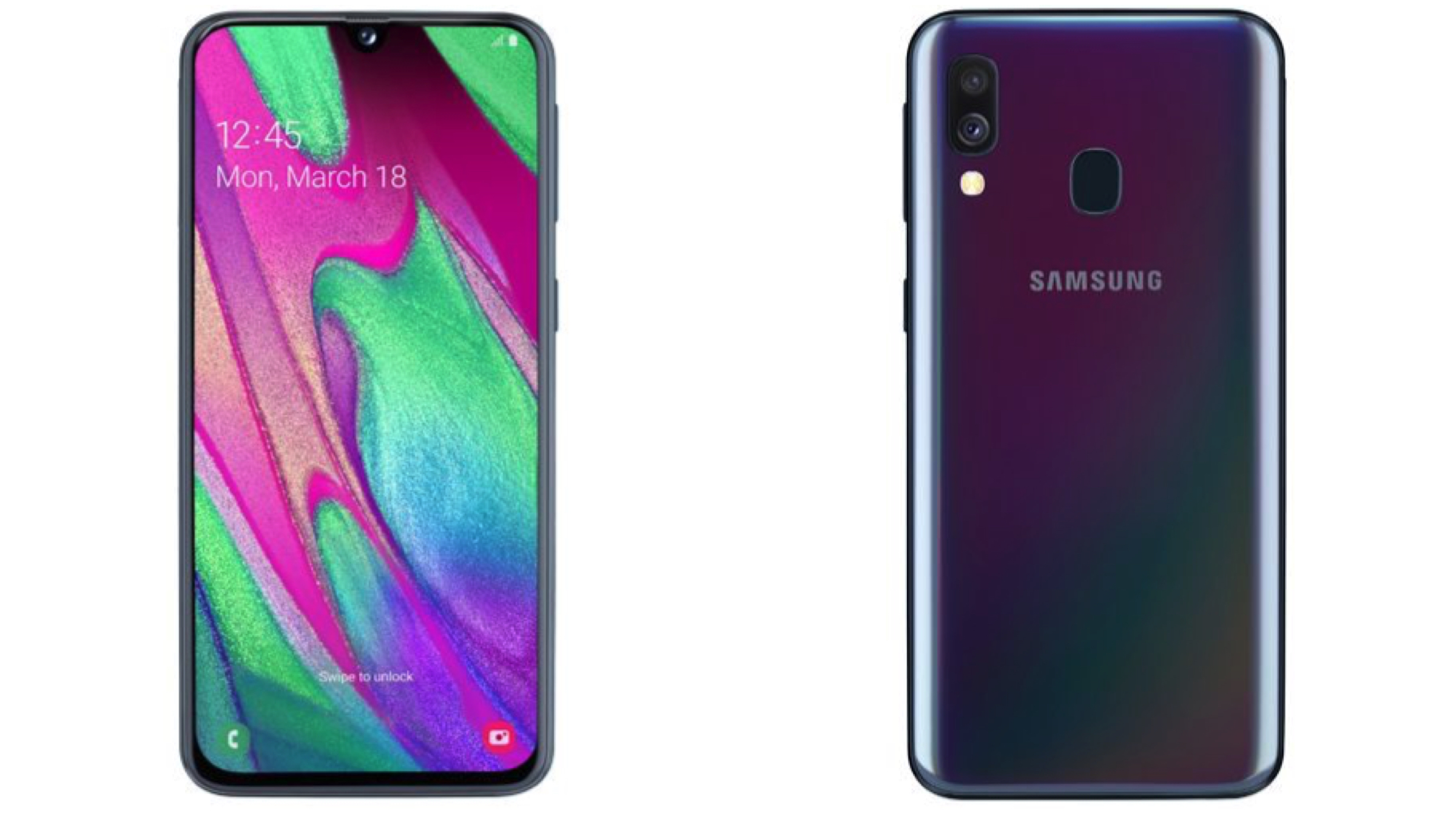
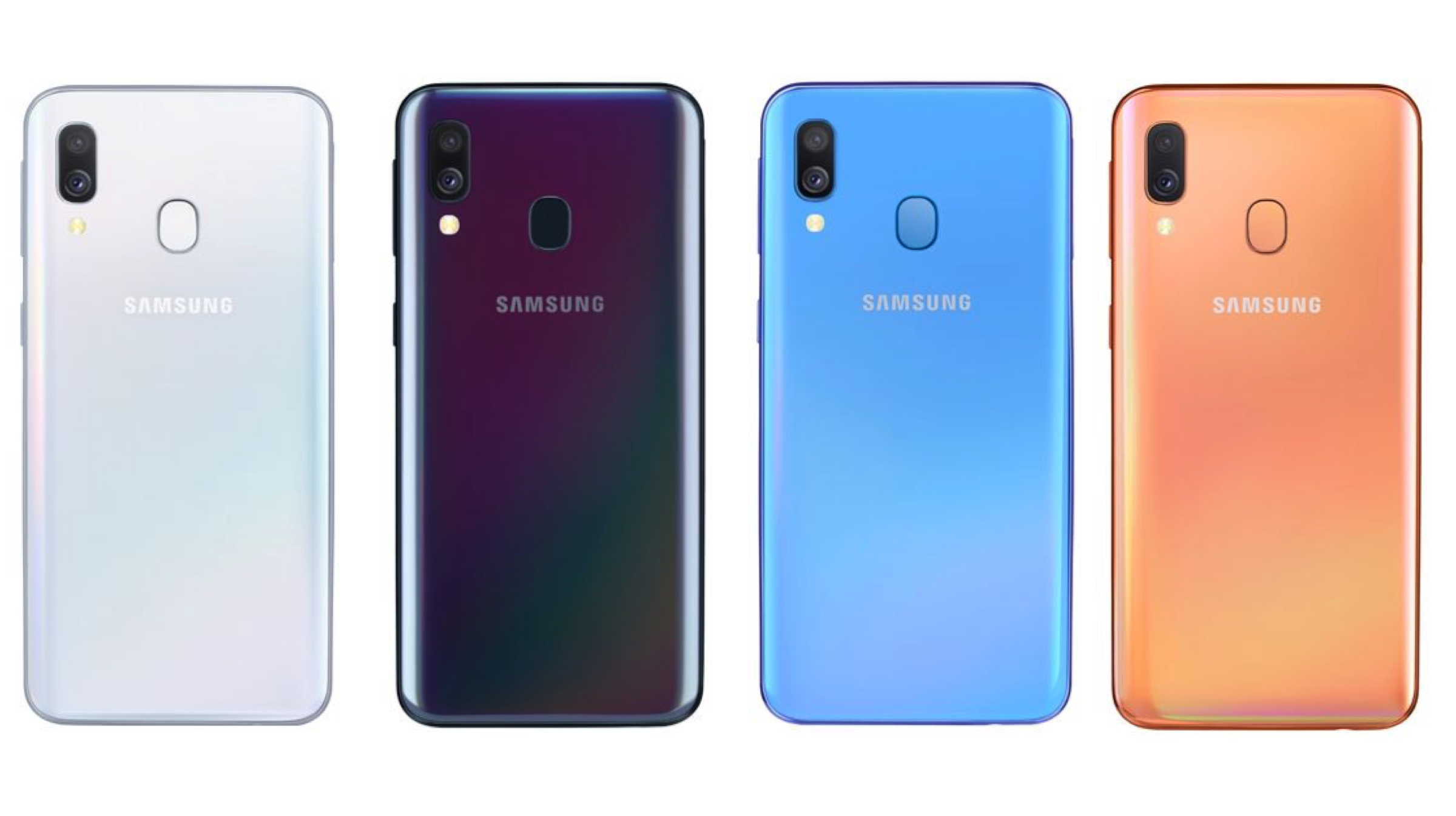
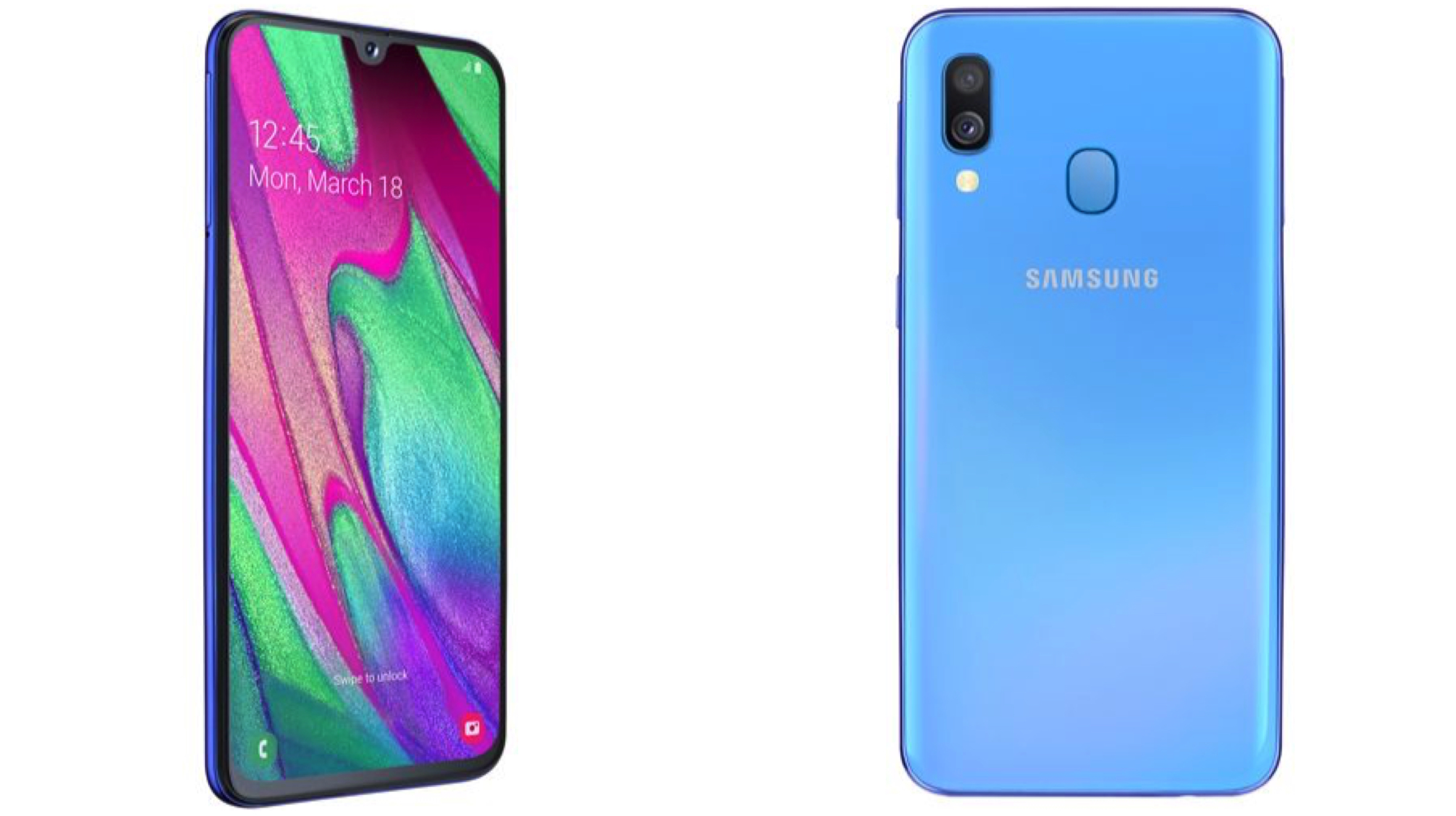
    The Samsung Galaxy A40 measures 144.3 x 69.1 x 7.9 mm and has a polycarbonate back. The rear of the smartphone is reminiscent of the Galaxy A30 and the Galaxy A50, complete with a gradient design which the company calls ‘Glasstic’. Over at the front, there is a 5.9 inch Super AMOLED display with a resolution of 2280 x 1080 px. There is a waterdrop notch on top which Samsung refers to as ‘Infinity-U’ display. The Galaxy A40 has a rear-mounted fingerprint scanner and supports face unlock technology.

    For performance, the Samsung Galaxy A40 is kitted with an Exynos 7885 SoC which is manufactured using 14nm fabrication process. The chipset has an Octa-core CPU and a Mali G71 GPU. In terms of optics, the smartphone has a dual rear camera setup consisting of a 16MP sensor with an f/2.0 aperture and a 5MP ultra-wide sensor with an aperture of f/2.2. This is the same setup found in the Galaxy A30. For seflies, there is a 25MP camera housed in the notch. Notably, this is the same sensor used in its elder sibling, the Galaxy A50. For memory and storage, the Galaxy A40 has 4GB RAM and 64GB internal storage.

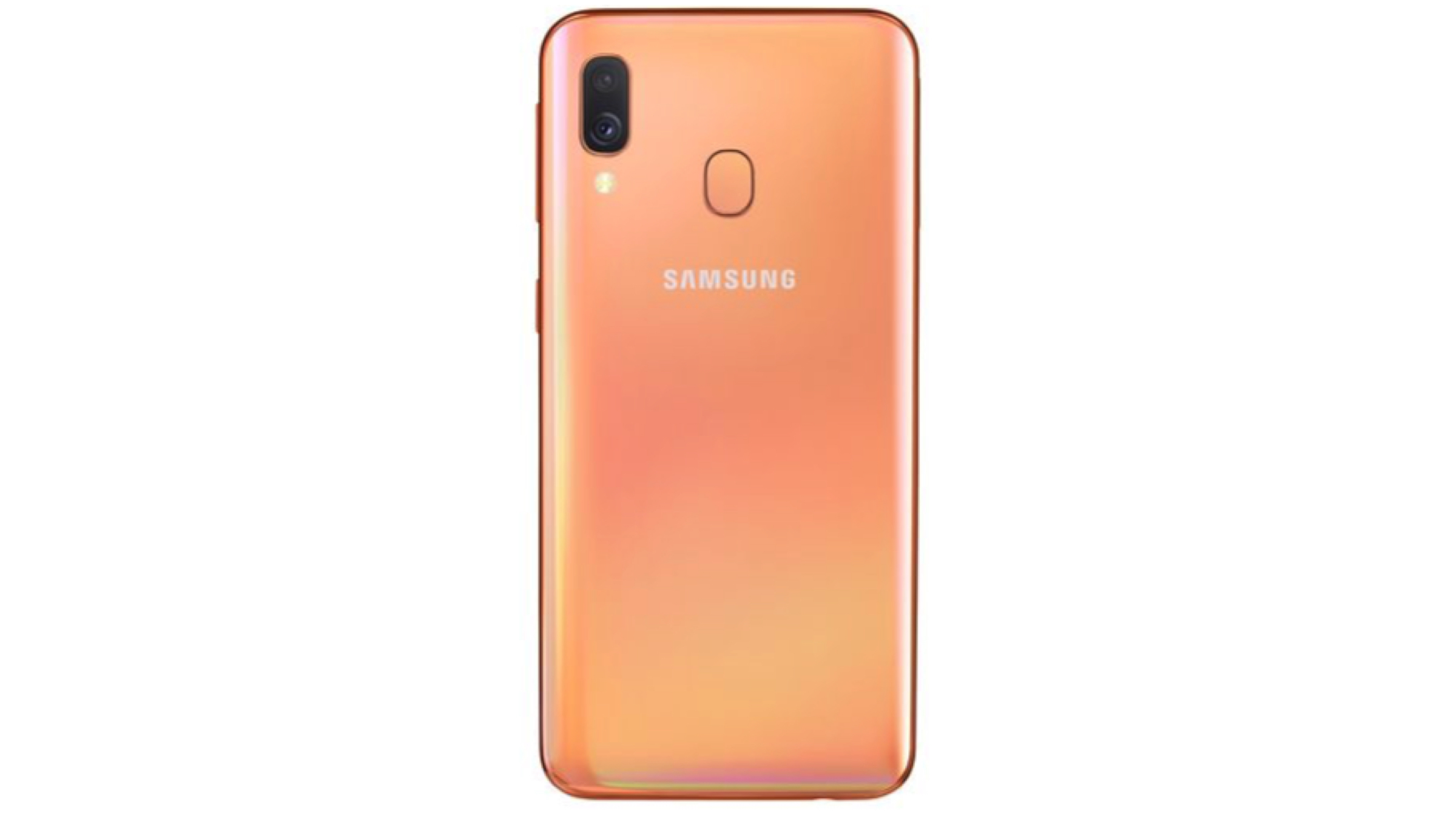
    The Samsung Galaxy A40 is powered by a 3100mAh battery with fast charging support via the bottom mounted USB Type-C port. The device runs on the latest OneUI on top of current Android 9 Pie. The smartphone also supports microSD card up to 512GB. It is available in four colours namely, Black, Blue, White and Coral.

    Price & Availability

    Also read: Qualcomm Announces QCS400 SoCs series For Smart Speakers And Soundbars

    The price mentioned on the Dutch website for the Samsung Galaxy A40 is € 249 (Rs 19,520). Unfortunately, there is no information on when the smartphone will go on sale, but it is expected to be announced in the month of April.

  • Google Unveils Stadia Cloud Gaming Platform And GamePad At GDC 2019

    Google Unveils Stadia Cloud Gaming Platform And GamePad At GDC 2019

    At a much-awaited event on March 19, Google launched a cloud gaming platform at the Game Developers Conference in San Francisco, which is named Stadia. Hints were being dropped by the company previously which had indicated that the company wants to enter the US$ 140 billion gaming industry. The newly launched platform will allow gamers to stream their games to all types of devices, including Chrome, Chromecasts and other Pixel devices.

    What Is Stadia?
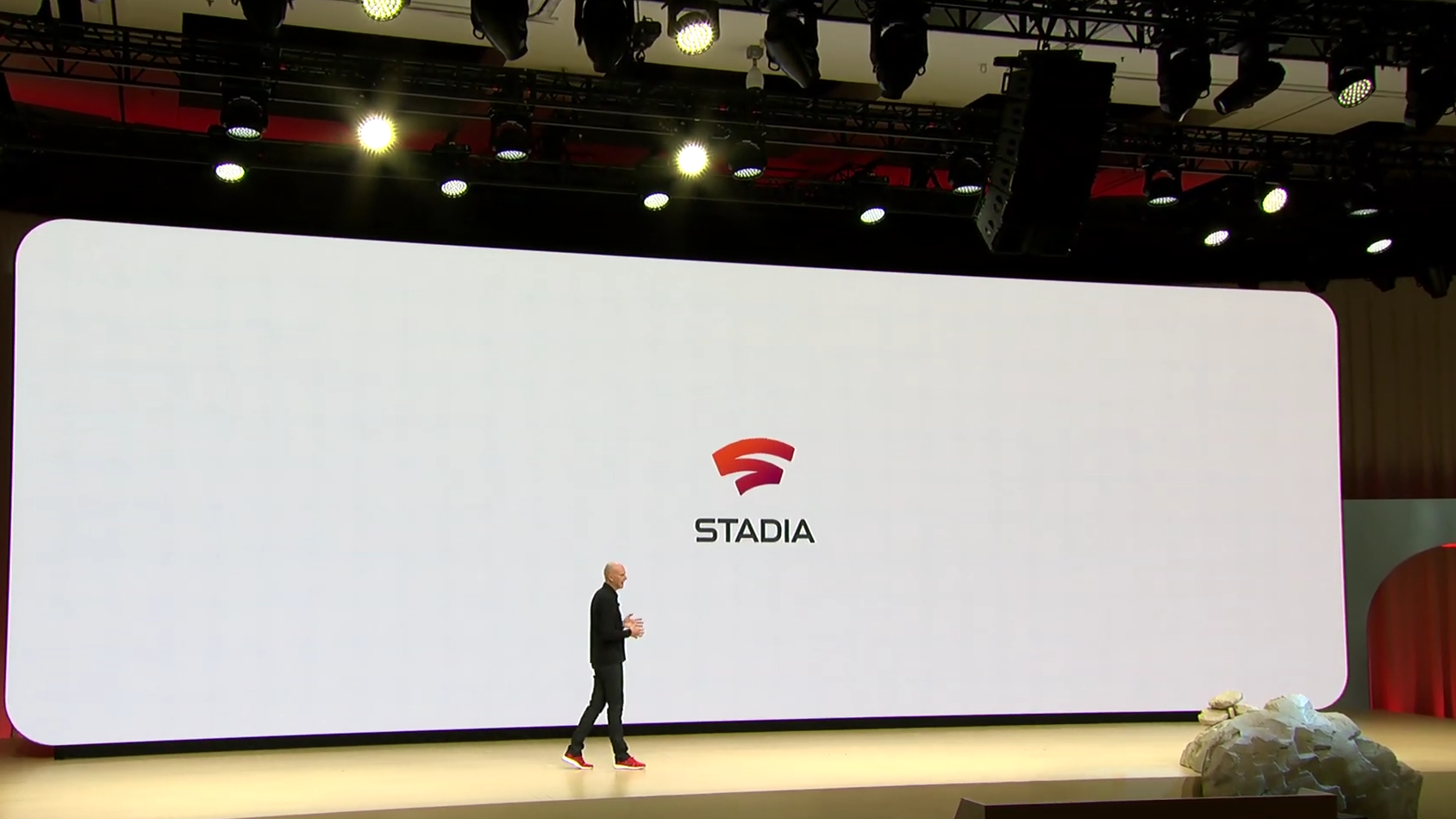
    Stadia will launch in the latter part of 2019, with only four major countries targeted as of now: UK, Canada, US and Europe. The company will take advantage of the huge viewer base of Youtube to help improve Stadia and mainstream the service into streaming and gaming. Gamers will be able to play any game they want directly from Google’s data centres, without actually downloading the game. According to the company, it has successfully tested the high resource-demanding Assassin’s Creed Odyssey on Chrome Streaming with flawless results.
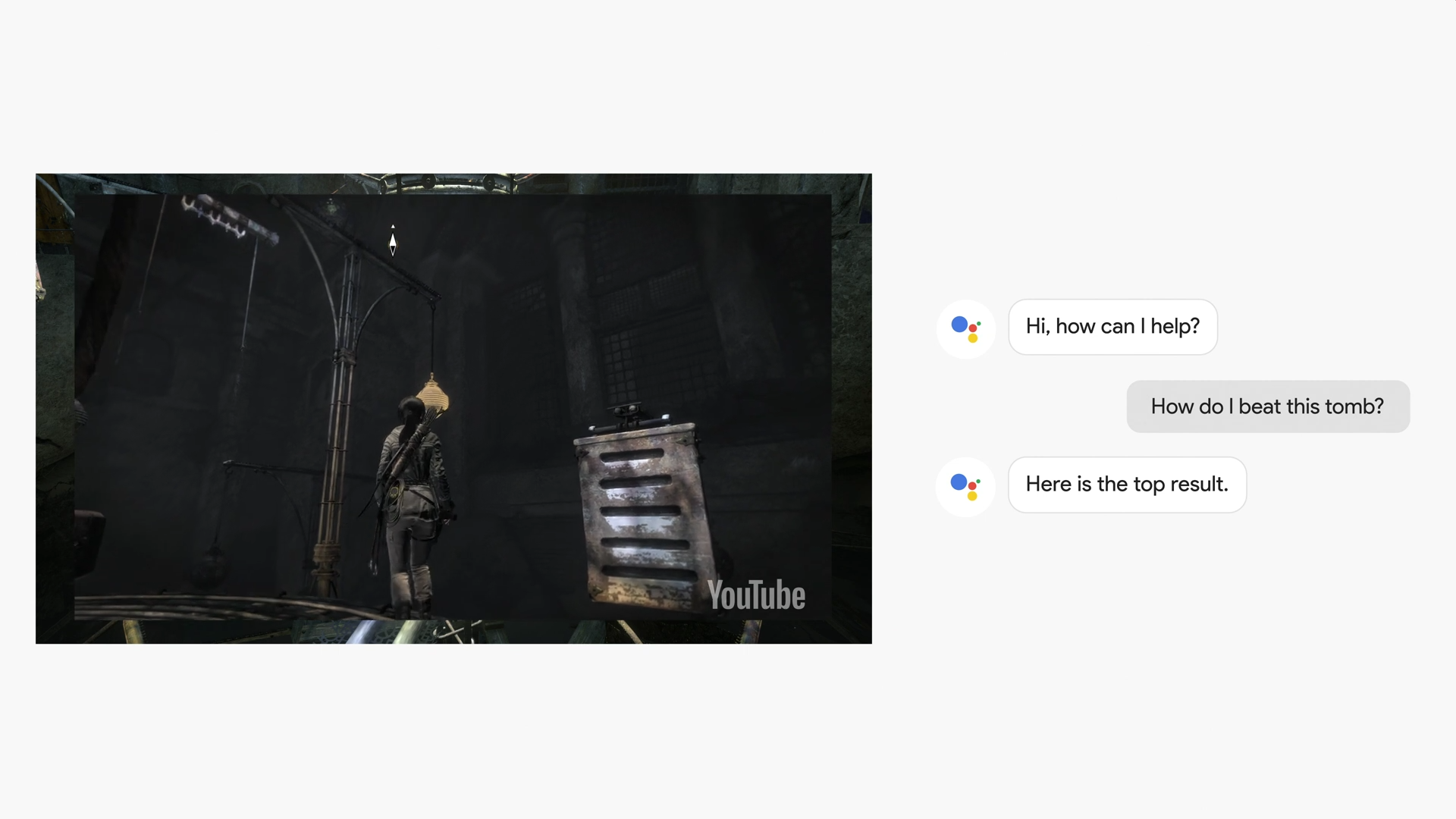
    Google’s new platform is not limited to a single game, rather, players will be able to purchase games from a variety of stores affiliated with it. Amongst other interesting features, Stadia will allow users to share gaming clips from their favourite moments during the gameplay which other users can just click on the game to instantly play it. The platform makes use of Virtualization and Advanced Cloud computing to make this possible.

    As mentioned previously, the games will be streamable across a multitude of devices. Laptops, desktops, TVs and smartphones will be able to run the games without any glitches, Google says. Moreover, the company claims that the gameplay can be transferred “seamlessly” across various Google devices as well. Of course, latency and data centre availability will play a huge role in keeping the experience smooth and stutter-free.

    The Stadia Controller
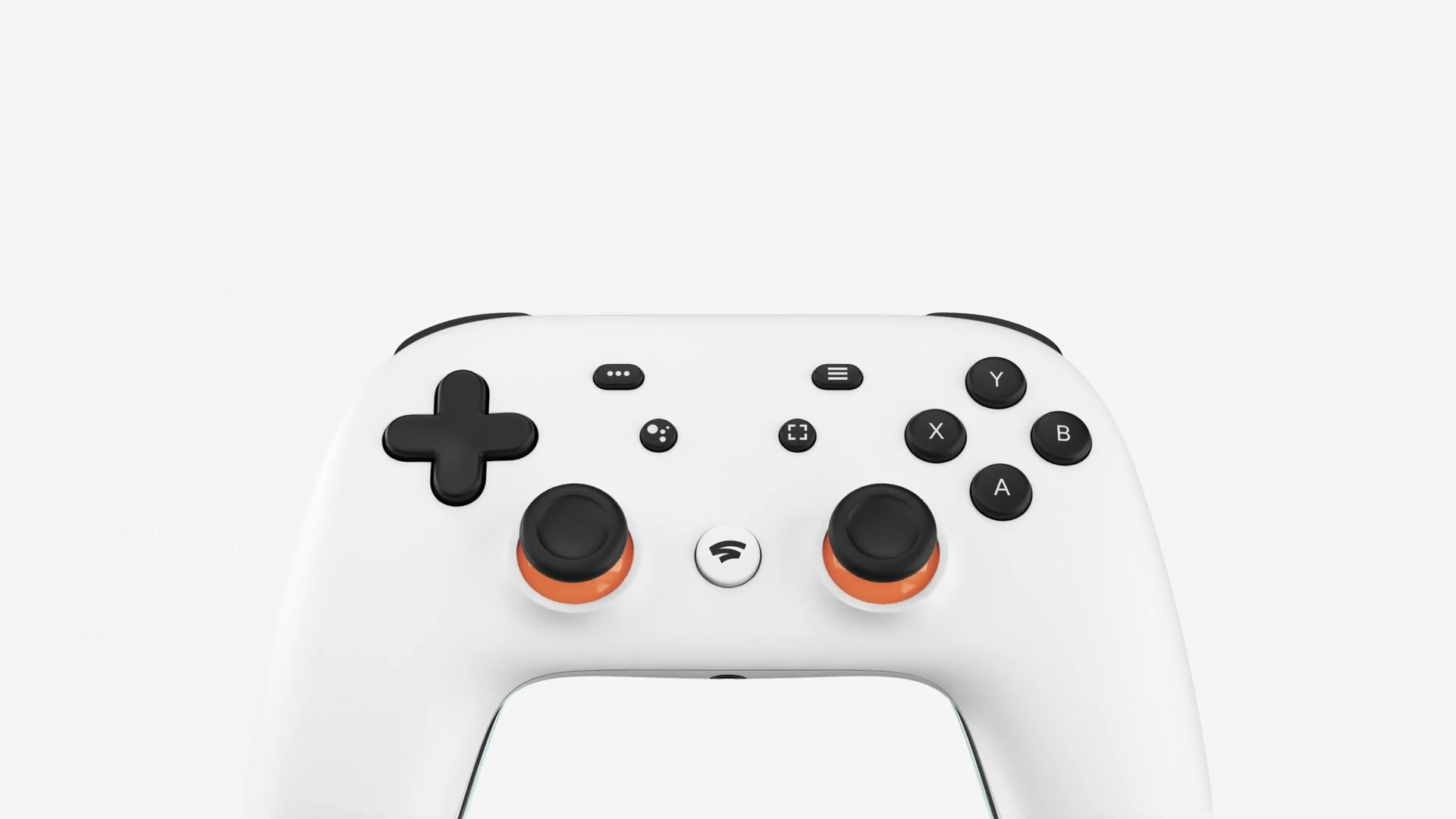
    Following the software, Google also launched its new controller, known as the Stadia Controller. The controller sports Google’s signature minimalistic design and connects directly via Wi-Fi to the game that the user is playing, not to the device he/she’s playing it on. Google states that by doing so, it will eliminate response delays between the hardware and the software, thereby ensuring lag-free gameplay.
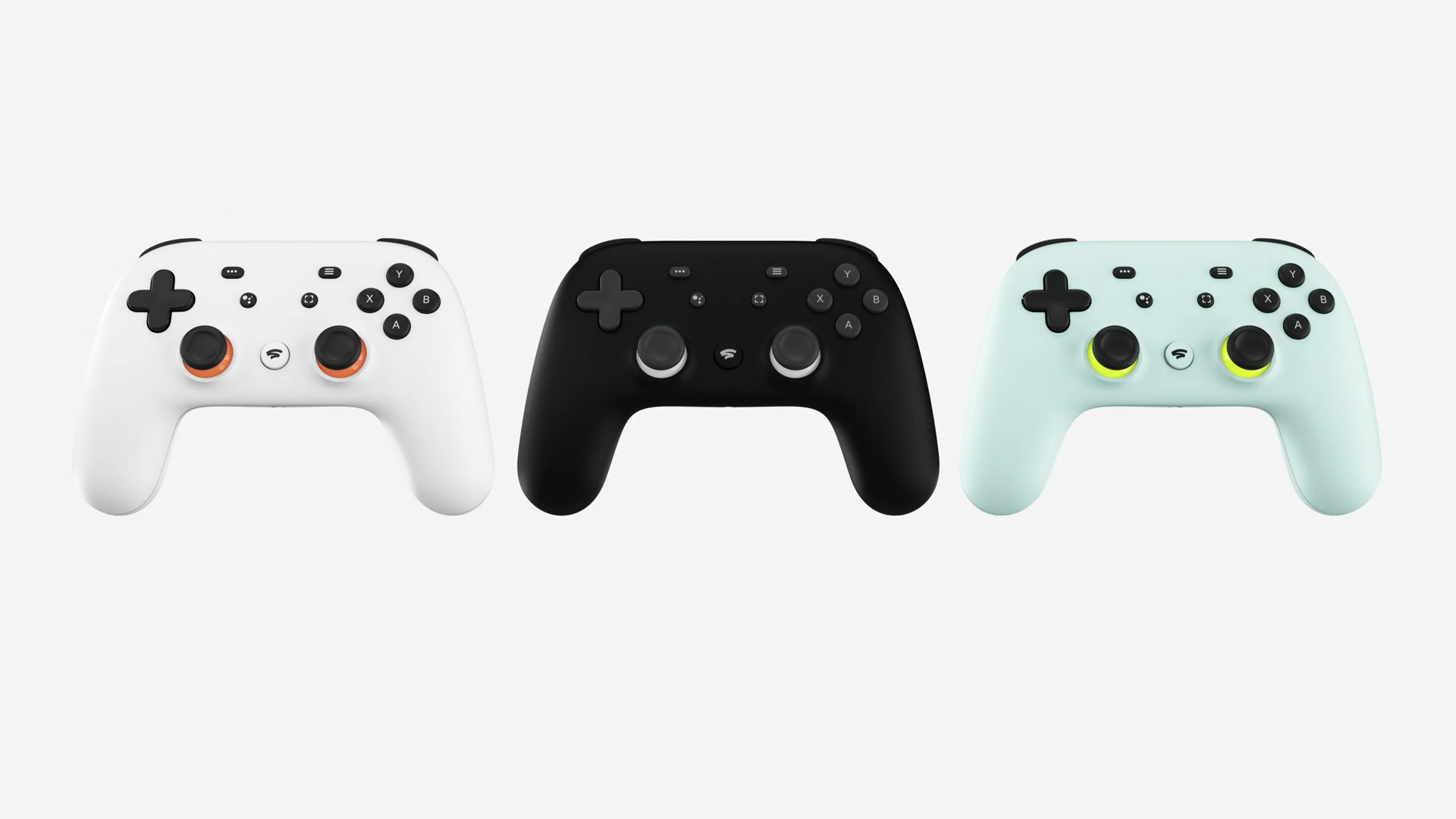
    The controller also features a “Google Assistant” button, which lets users pull up the voice assistant during the game itself and ask it relevant questions. For instance, if the gamer is stuck on a level and needs some help, he/she can directly ask the assistant regarding the level and get instant tips to complete it. The other special button on the controller is the Capture button, which lets the user capture a screenshot or a gameplay video for personal use or sharing purposes. 

    Google Data Centres

    Regarding computing, Google stated that it is continuously updating its Data Centres for better ping across all areas. Gamers were ecstatic when the company announced that upon launch, Stadia will support 4K games at 60 fps, with support for 8K/120 fps in the future. For achieving this milestone, Google will partner with AMD to build custom GPUs which will deliver 10.7 TeraFlops of power to each machine. Each module of Stadia will run on a 2.7 GHz x86 processor with 16 GB of RAM. Furthermore, Google also announced that one of the first games supported by Stadia would be Doom: Eternal, which is a first-person shooter with a huge fanbase.

    Other Features
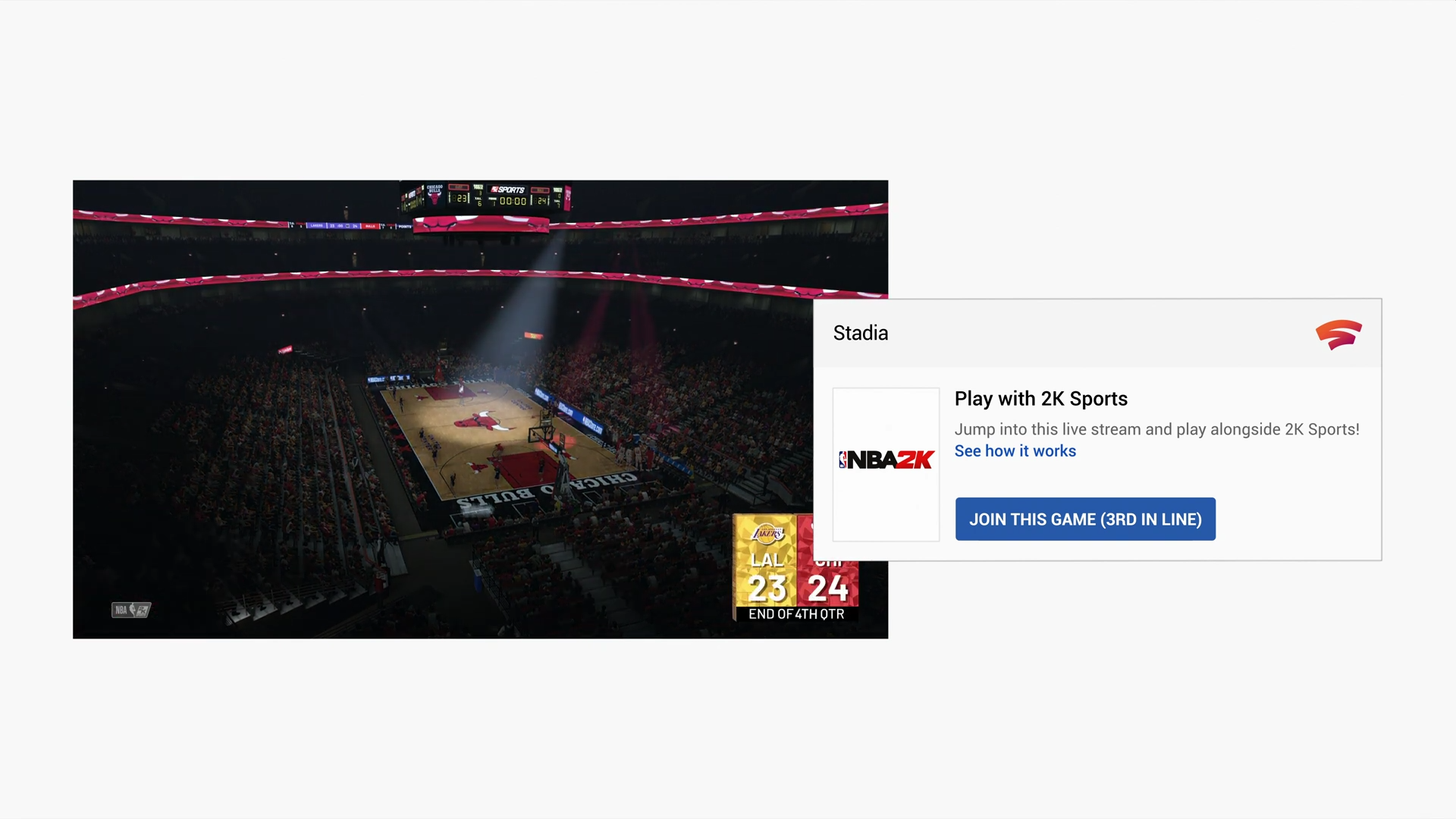
    It also includes support for cross-play, where gamers can play the same game across different platforms. Stadia offers game developers a chance to use its machine-learning based transfer tool, which will let developers drop an image into each frame of the video/game to transform the entire game into the image’s style. Moreover, State Share will let gamers share the exact state of their game via a URL, which can be clicked by users to launch a similar instance of the game on their own device. For streamers, Google introduced Crowd Play, where an advanced lobby system will let viewers play with or against their favourite streamers/content creators on YouTube.

    Towards the end, Google announced its new Stadia Games and Entertainment Studio to develop and design new games for the community. The American company also stated that more than 100 renowned studios already have devkits for Stadia, so more games should be added to the library really soon.

    https://www.youtube.com/watch?v=HikAuH40fHc

    Also Read 5 Best Battle Royale Alternatives To PUBG Mobile

    As of now, Google has not come forward with a precise launch date for the platform, but rest assured that it will launch sometime during the end of 2019. Similarly, no pricing for the same was unveiled at the event. Google Stadia may face some serious competition from Microsoft’s upcoming XCloud Service, which will let users stream games directly via the Xbox and Steam’s upcoming game streaming service.

  • Redmi Note 7, Note 7 Pro To Go On Sale In India Once Again Today

    Redmi Note 7, Note 7 Pro To Go On Sale In India Once Again Today

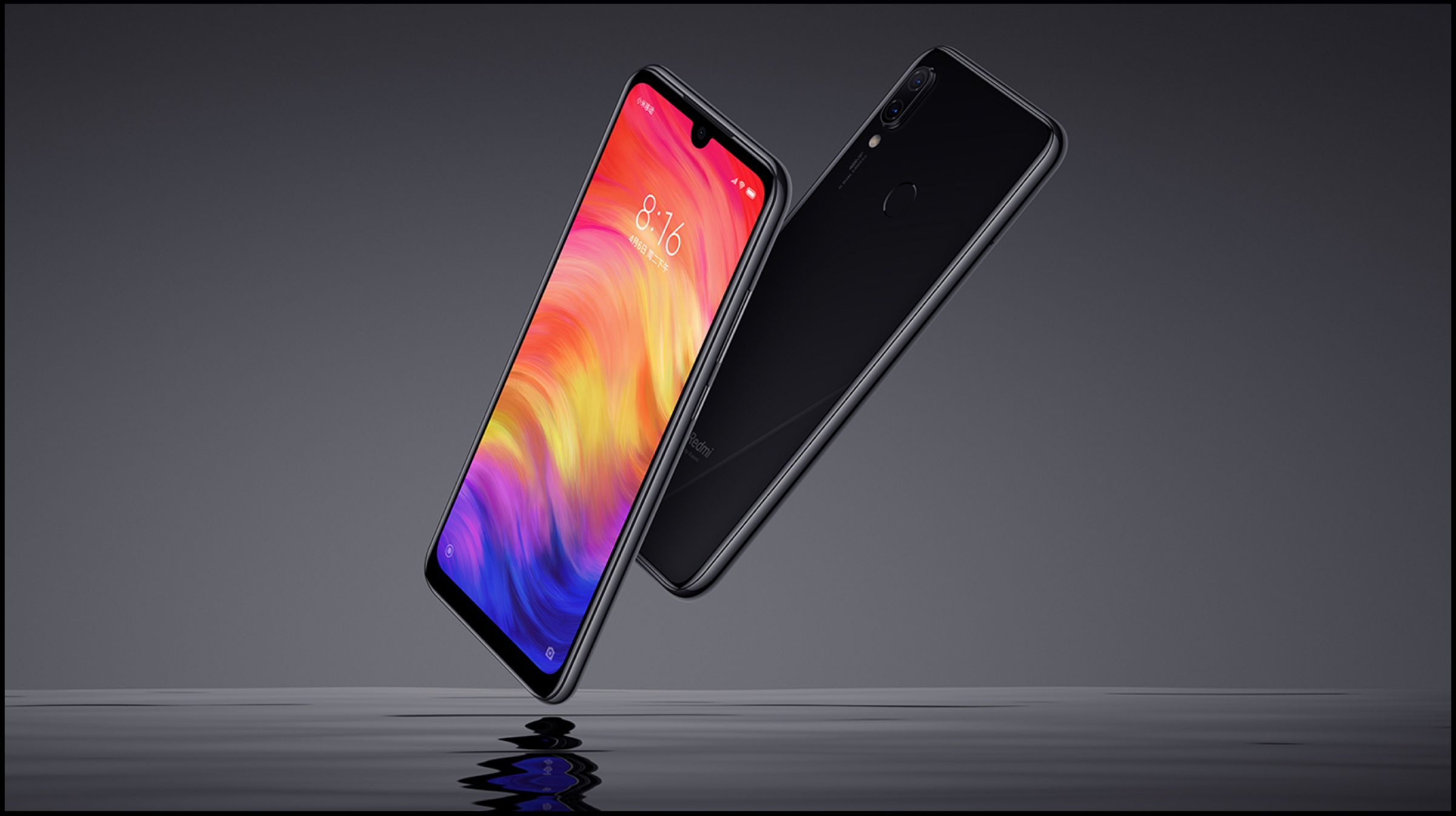
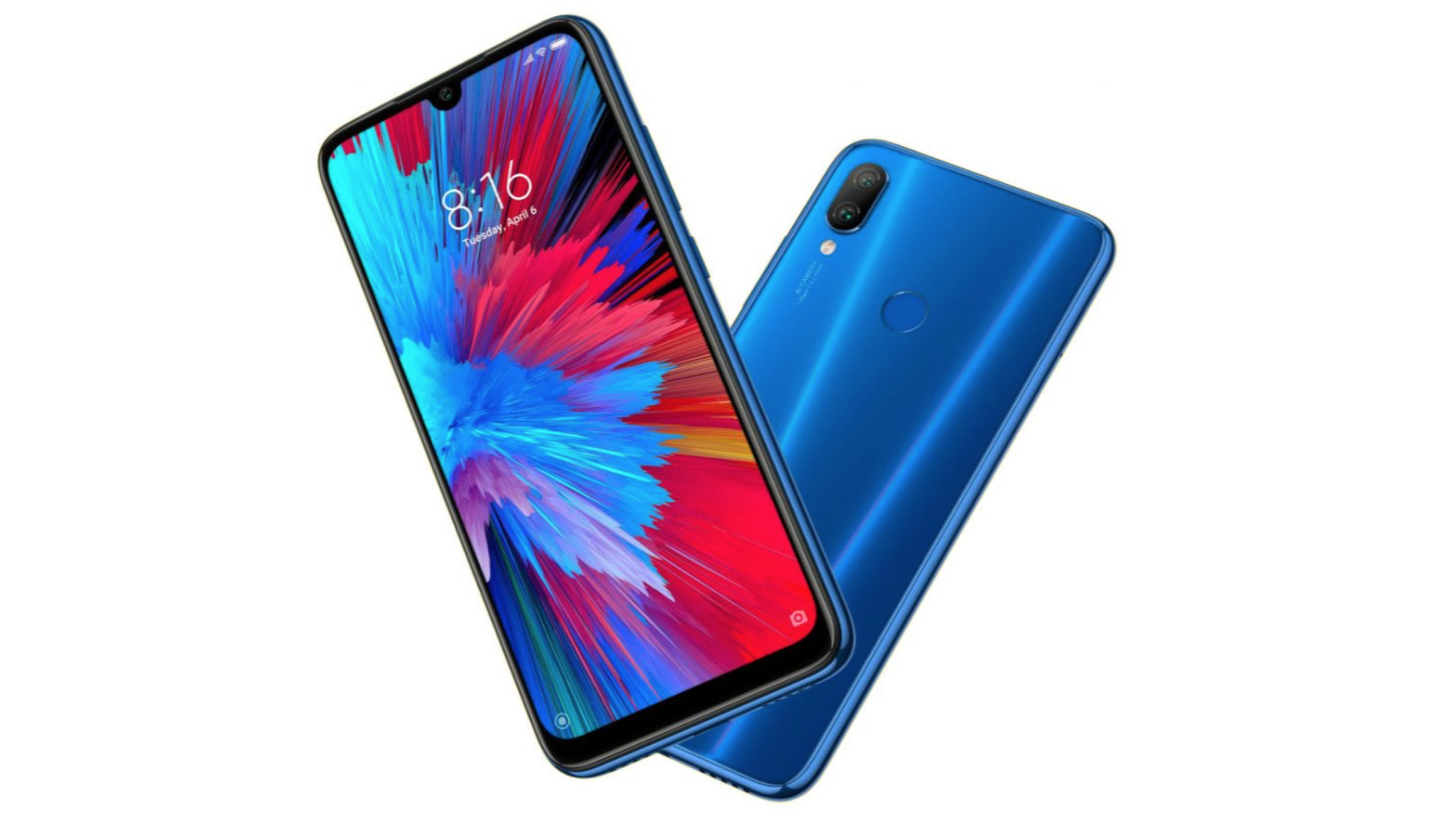
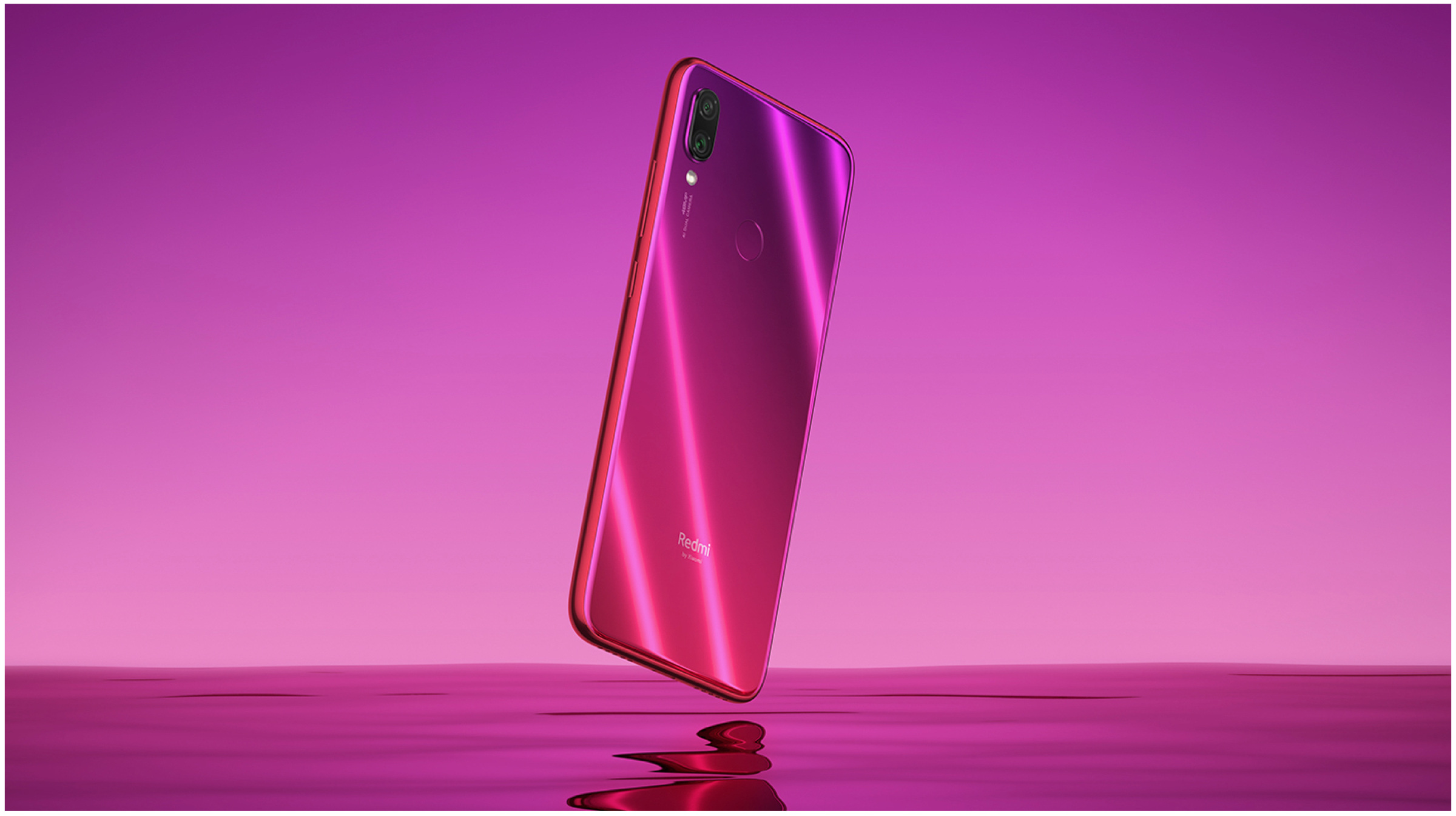
    Xiaomi’s subsidiary Redmi launched the greatly awaited budget smartphones, the Redmi Note 7 and the Redmi Note 7 Pro in India on February 28. The smartphones offer a new design language for the series, combined with competitive specifications and a lucrative price. Both smartphones will once again go on sale in the country today.

    Where To Buy?

    The Redmi Note 7 will be available at a price of Rs 9,999 for the version with 3GB RAM and 32GB of onboard storage. The variant with 4GB RAM and 64GB of internal storage has been priced at Rs 11,999. The Redmi Note 7 Pro will be available at a price of Rs 13,999 for the version with 4GB RAM and 64GB of onboard storage. The variant with 6GB RAM and 128GB of internal storage has been priced at Rs 16,999. Both smartphones will be available to order via flash sales on Flipkart and Mi.com from 12 noon on March 20. 

    Click here to buy the Redmi Note 7 Pro

    Click here to buy the Redmi Note 7 

    Redmi Note 7 & Note 7 Pro

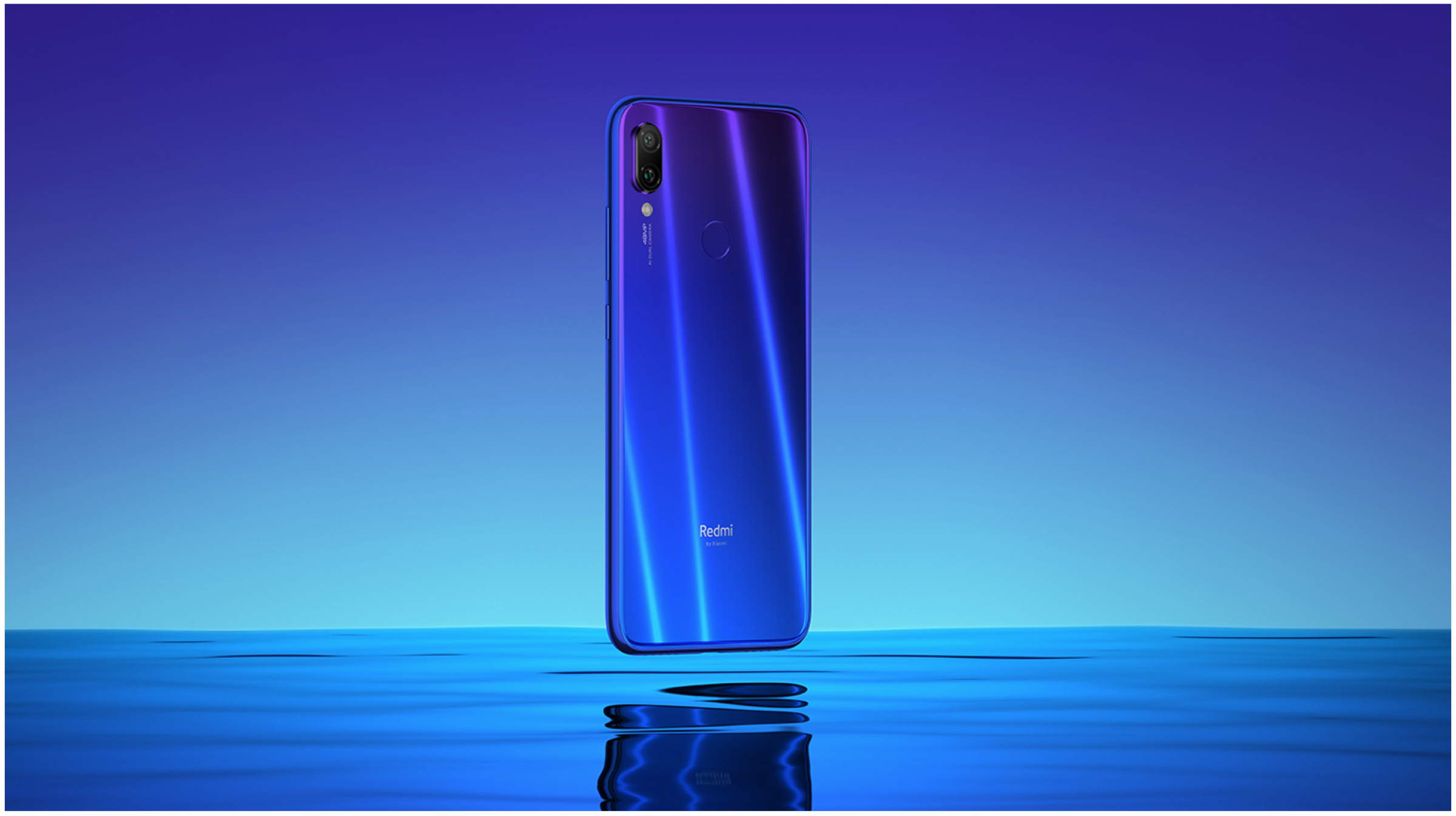
    To recall, the Redmi Note 7 and Note 7 Pro are budget offerings from the company and feature a modern design with Gorilla Glass 5 on the front and the rear. Both smartphones have a 6.3 inch LCD display with a small waterdrop notch up top, referred to by the company as ‘Dot Notch’. The display panel has a 19.5:9 aspect ratio with a resolution 2340 x 1080 px and pixel density of 409 ppi. There is a fingerprint scanner on the back of the devices and they also support face unlock technology.

    The main difference between the two smartphones is under the hood, while the Redmi Note 7 runs on the 14nm Snapdragon 660 SoC which consists of Adreno 512 GPU and an Octa-Core CPU; the Note 7 Pro has an 11nm Snapdragon 675 SoC which also consists of an Octa-core CPU and the Adreno 612 GPU. While both smartphones have dual rear cameras, the optics differ significantly. The Redmi Note 7 has a 12MP main sensor with an aperture of f/2.2 and a secondary 2MP depth sensor; while the Redmi Note 7 Pro has a 48MP main camera with an f/1.8 aperture and a 5MP depth sensor. Both the devices have a 13MP front-facing camera housed in the notch on top of the display.

    Also read: Apple Upgrades The iMac With New Processors And GPU

    In terms of battery, both the Redmi Note 7 and Note 7 Pro are powered by a 4000mAh battery with support for fast charging via the bottom mounted USB Type-C port. They both also run on the latest MIUI 10 on top of the current Android 9 Pie, have an IR blaster on top, support microSD cards up to 256GB and have the 3.5mm headphone jack. 

    Click here to buy the Redmi Note 7 Pro

    Click here to buy the Redmi Note 7 

  • Apple Upgrades The iMac With New Processors And GPU

    Apple Upgrades The iMac With New Processors And GPU

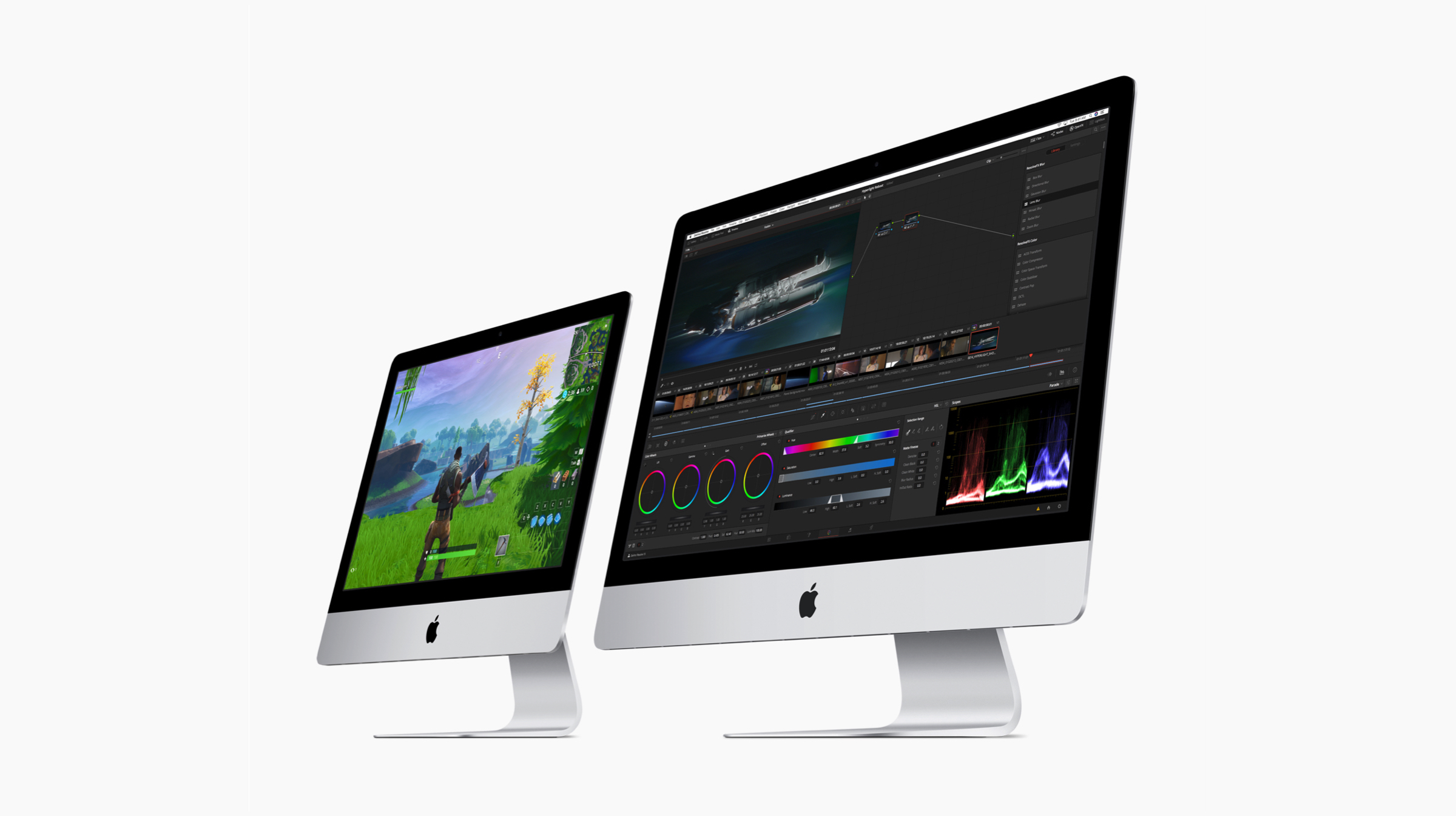
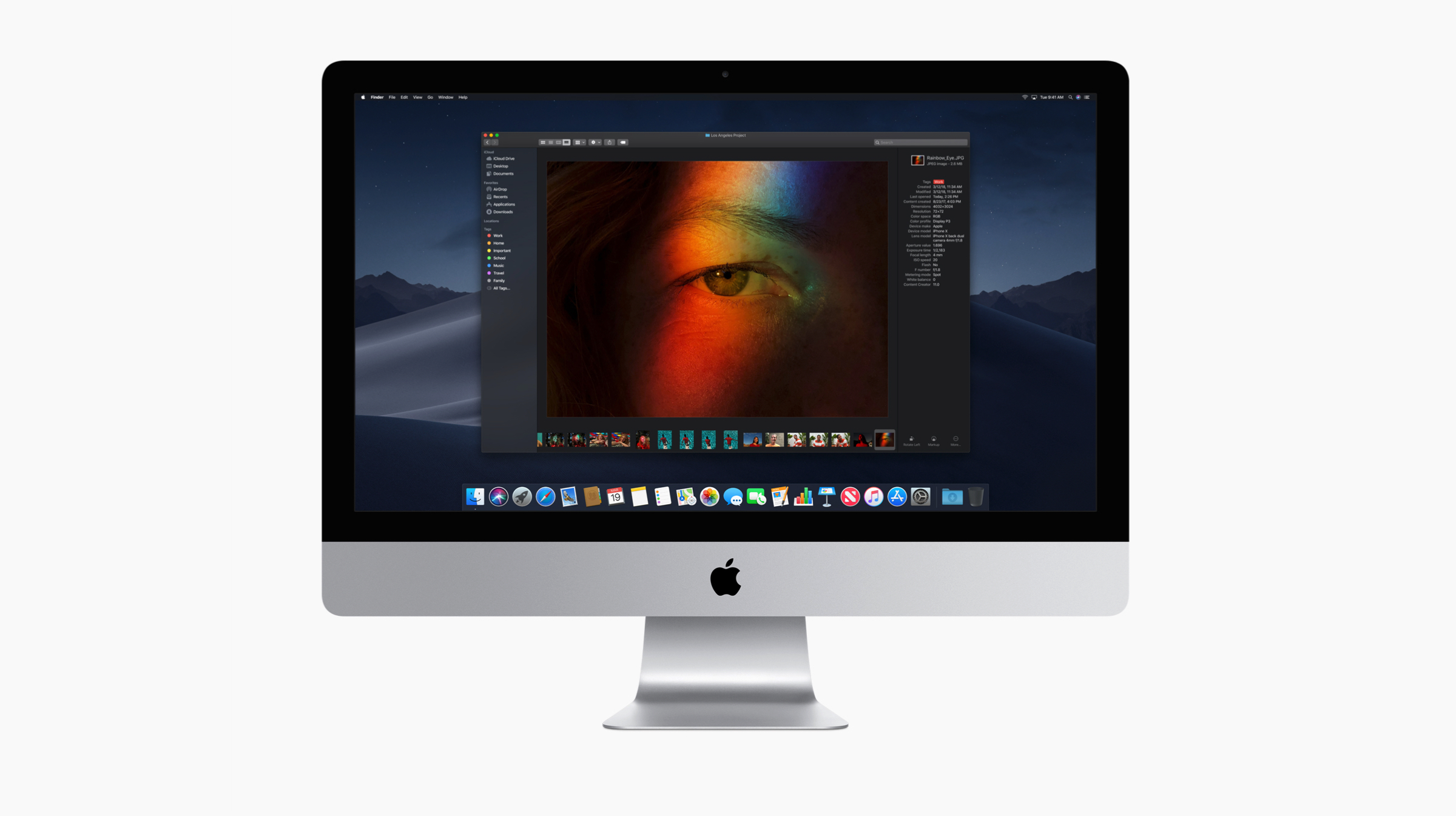
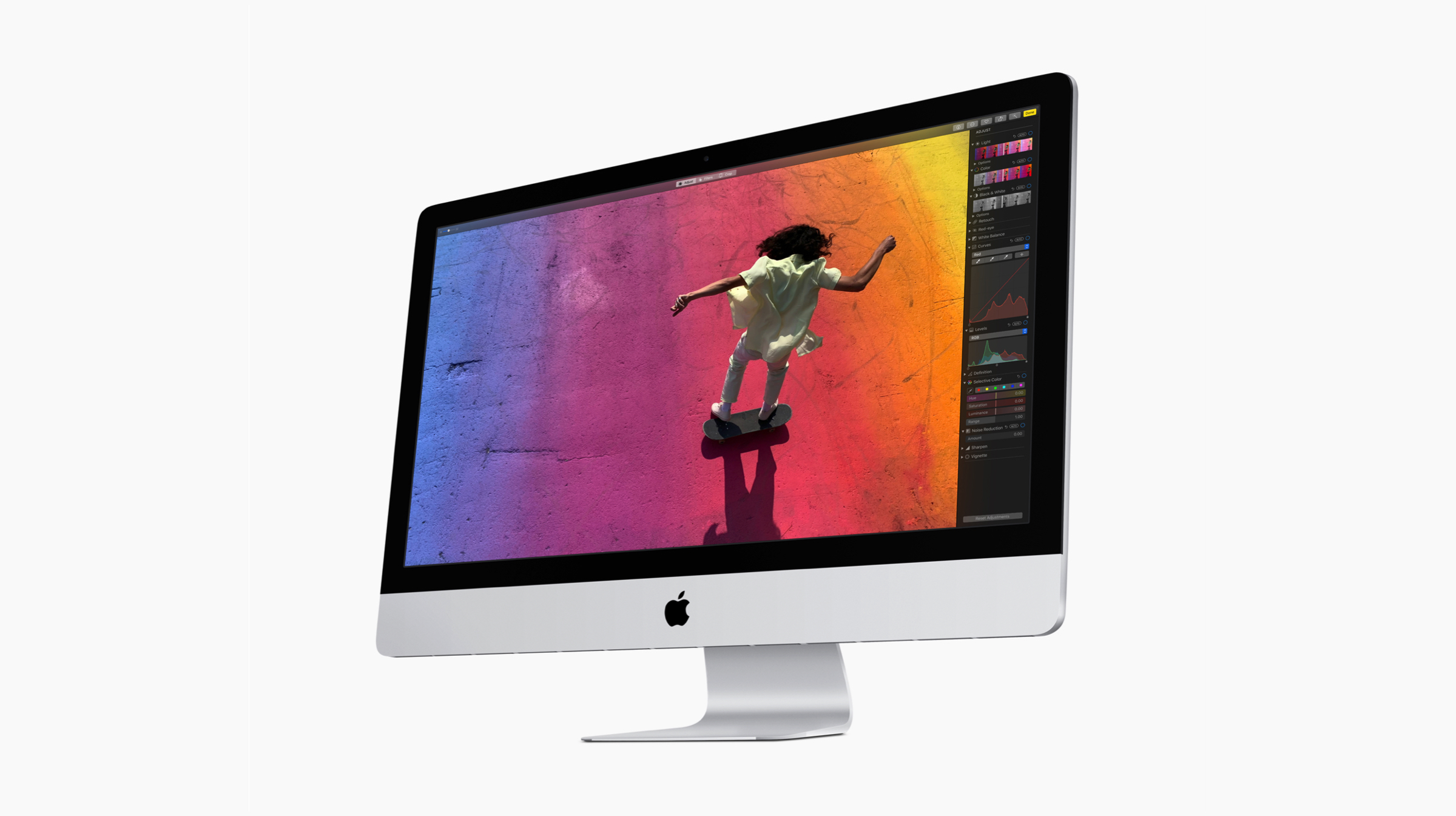
    Apple has released an update to the existing lineup of its iMacs. These computers have been upgraded with up to Intel Core 9th Generation processors and AMD GPUs. Notably, this update is applicable to the 21.5 inch and 27 inch iMacs across all models. This update arrives after they were last updated in 2017, nearly two years ago.

    Updated Apple iMacs


    The new iMacs have substantial hardware upgrades from the inside. The 21.5 inch iMac now has the 8th Generation Intel Quad-core i3 or the six core i5 CPU. In terms of graphics, the computer has either a Radeon Pro 555X GPU or a Radeon Pro 560X by default. There is also a configurable custom model with up to a six-core Intel i7 processor, 32GB RAM and AMD Radeon Pro Vega 20 GPU with 4GB memory. Notably, the specifications options of the 21.5 inch iMac are the same what Apple did with the refreshed Mac Mini.

    The 27 inch iMac gets an even more significant upgrade, with a default six-core Intel i5 processor. There is also an option to upgrade to the latest 9th Gen Intel processors which have a six and eight core CPU variant. Apple claims that this will provide up to 2.4 times faster performance than the previous generation. GPU options include a Radeon Pro 570X, 575X and 580X for prebuilt variants. For the custom configuration build, there is an option of the AMD Radeon Pro Vega 48 GPU with 8GB of memory. The graphics performance of the 27 inch iMac is claimed to be 50 percent faster than the previous generation.

    Both the sizes of the new iMacs have the macOS Mojave preinstalled. It is the latest version of the operating system by Apple. Both sizes also retain the display with a 4K resolution. These displays have support for the P3 wide colour gamut and have a peak brightness of 500 nits.

    Pricing & Availability

    Also read: What Are VPNs, And Should You Use One?

    The new 21.5-inch iMac with Retina 4K display starts at US$1,299 (INR 119,900 in India) and the new 27-inch iMac with Retina 5K display starts at US$1,799 (INR 169,900 in India). Both will be available starting next week, through Apple Authorised Resellers in the country.

  • Samsung Galaxy A20 Launched In Russia

    Samsung Galaxy A20 Launched In Russia

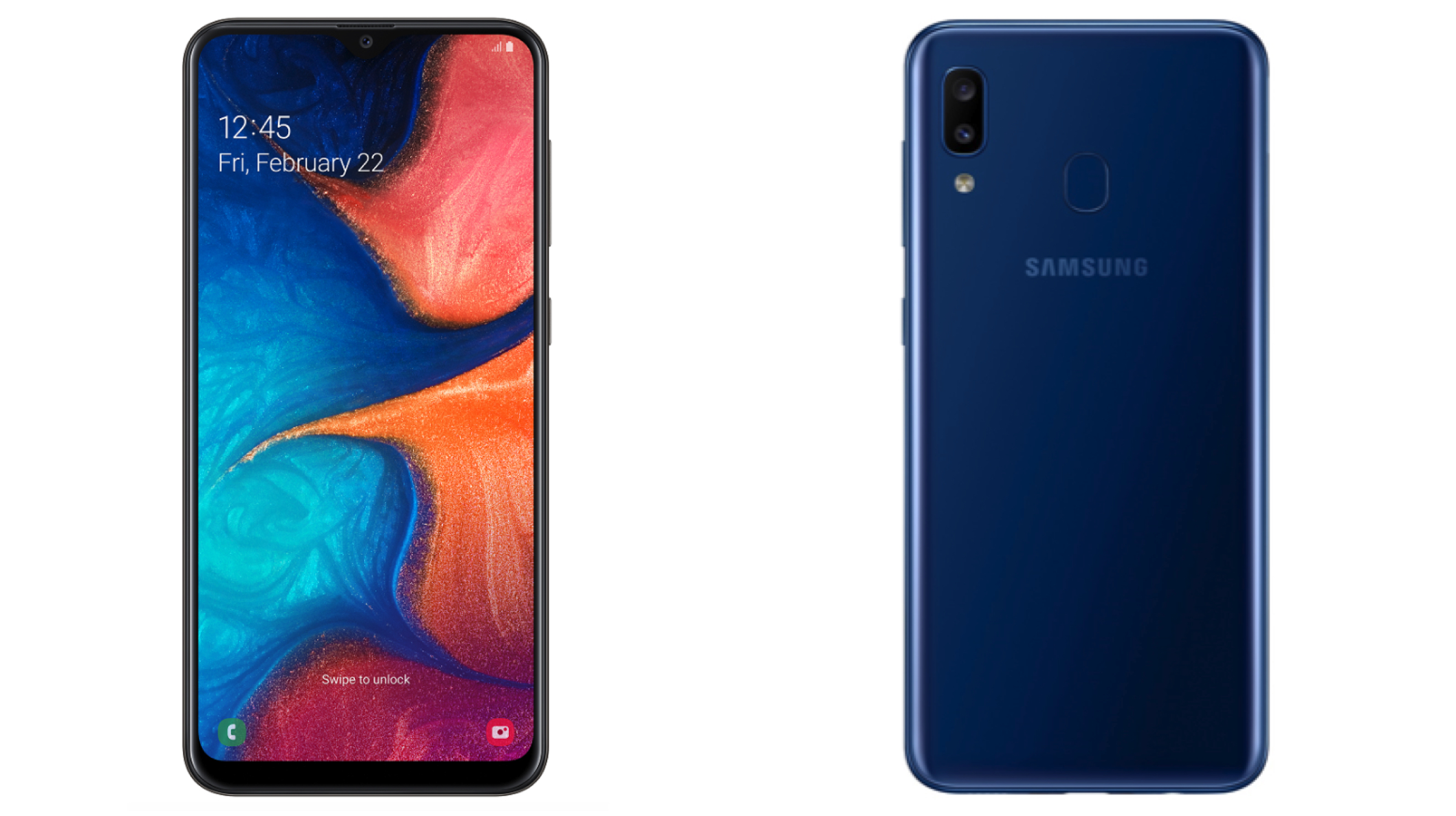
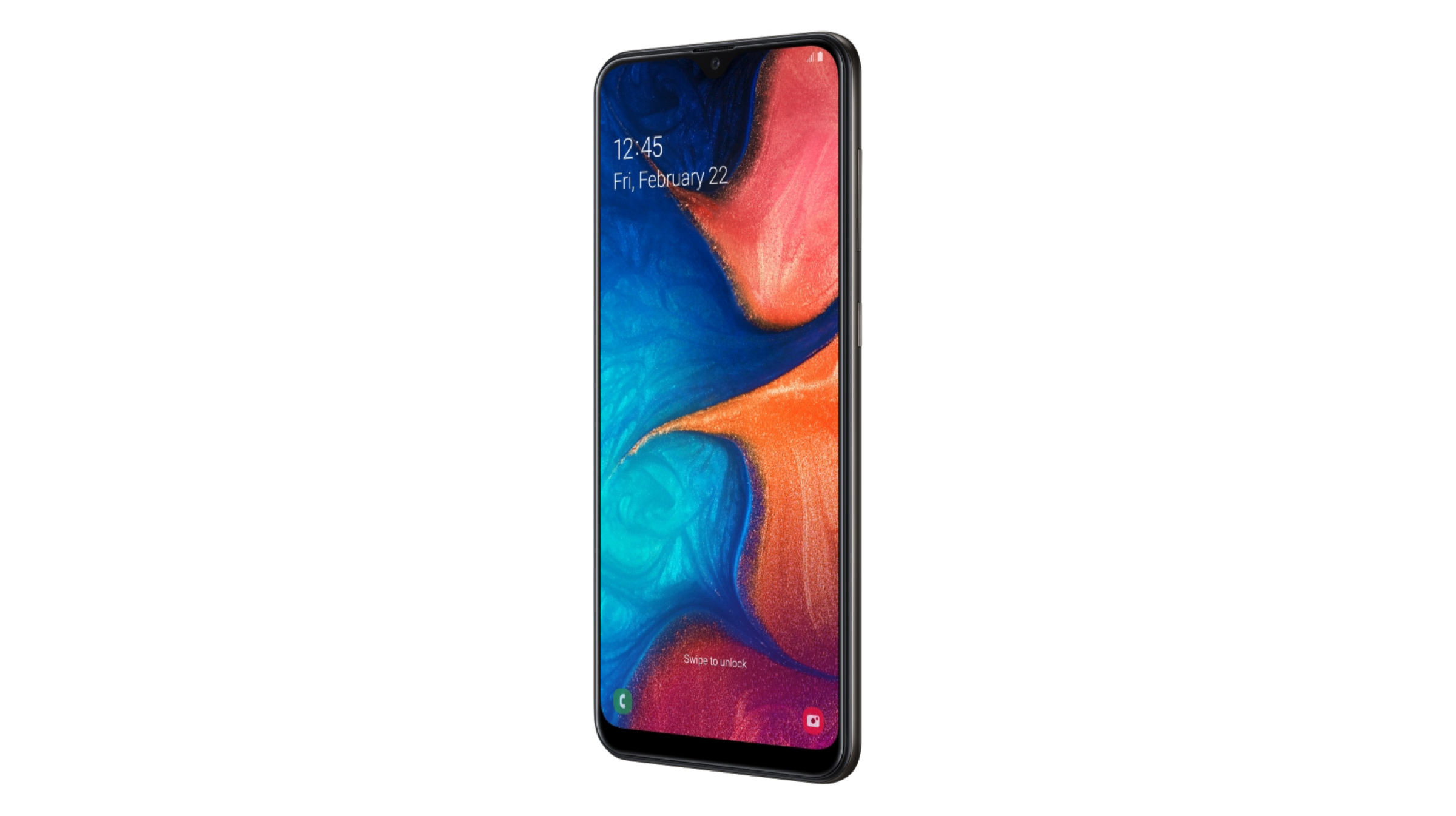
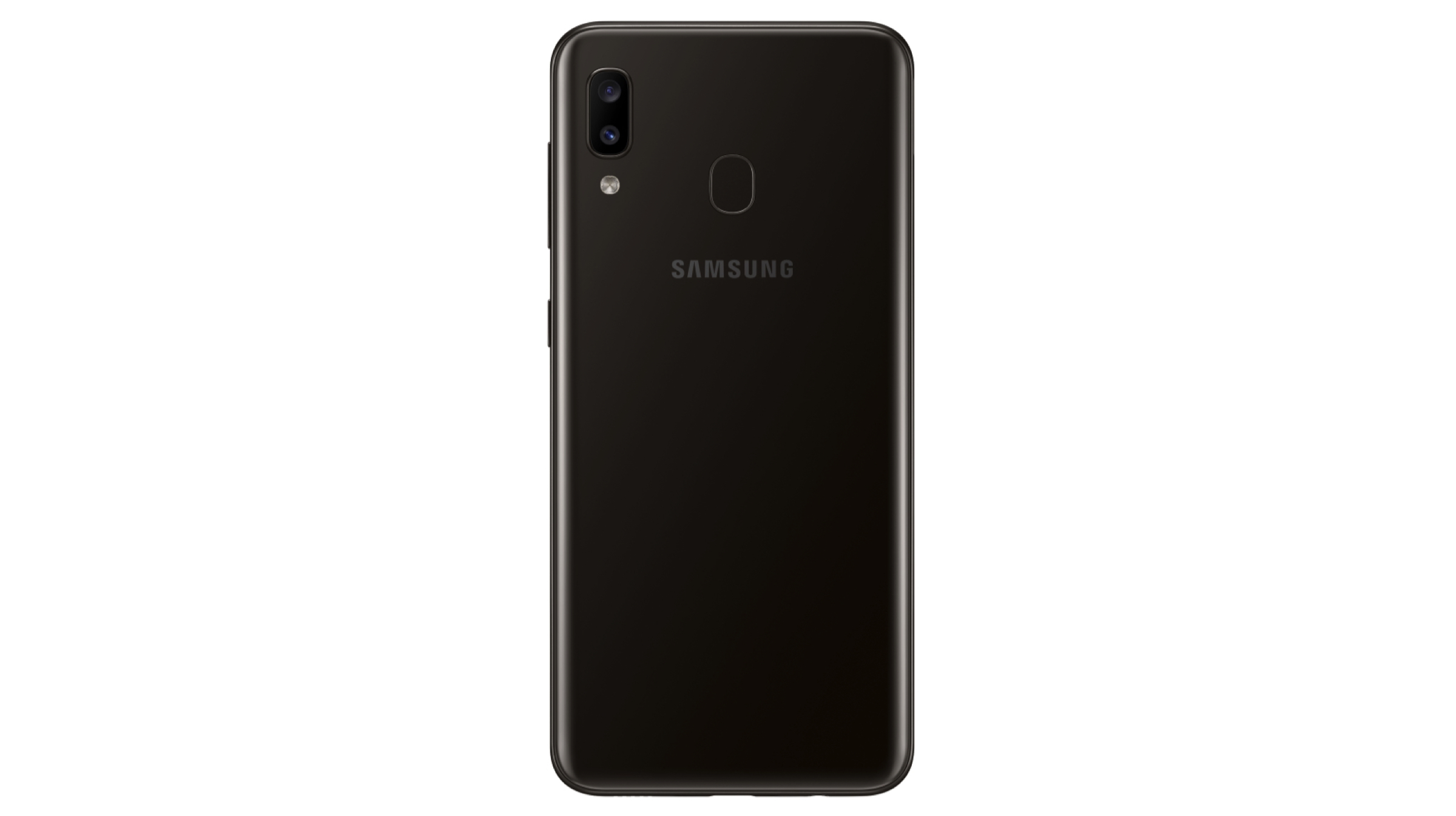
    Samsung has launched a new member in the Galaxy A series of smartphones, the Galaxy A20 in Russia. The device was launched alongside the Galaxy A30 and Galaxy A50 in the country. Interestingly, the two latter handsets have already been launched in India last month. The Galaxy A20 has been announced courtesy Samsung Russia’s press release.

    Galaxy A20: Design & Features

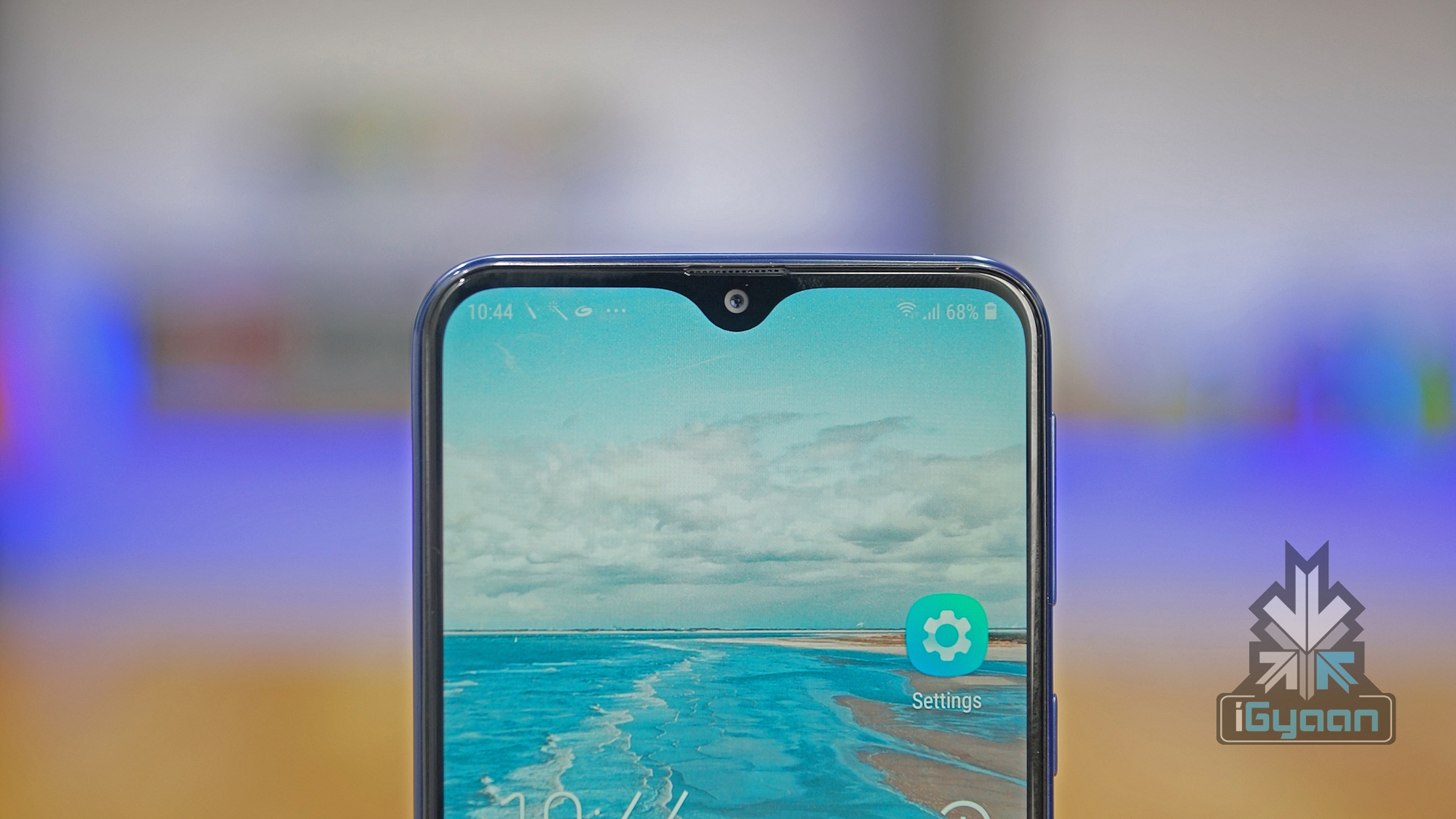
    The Galaxy A20 features a polycarbonate body with a similar design language to the Galaxy A10 and the Galaxy A30. While the front of the smartphone resembles the former handset, the back is similar to the latter. The device measures 158.4 x 74.7 x 7.8 mm and has a 6.4-inch Super AMOLED display with a resolution of 1560 x 720 px. The front has minimal bezels all around the display with a small Infinity-V style waterdrop notch on top. The rear of the smartphone houses a fingerprint sensor which allows it to securely unlocked. Additionally, it also supports face unlock technology.

    Under the hood, the Galaxy A20 is kitted with the Exynos 7884 SoC which consists of an Octa-core CPU. The device has a dual rear camera setup comprised of a 13MP sensor with an aperture of f/1.9 and a 5MP sensor with an f/2.2 aperture. For selfies, it has an 8MP camera with f/2.0 aperture housed in the notch on top of the display. The smartphone is available with 3GB of RAM and 32GB of internal storage which is further expandable by up to 512GB with microSD support. The Galaxy A20 is powered by a 4000mAh battery, which is an upgrade over the 3400mAh found on the Galaxy A10. 

    Pricing & Availability

    Also read: NVIDIA Announces $99 Jetson Nano CUDA-X AI Computer

    The Galaxy A20 has been launched in Russia for the price of RUB 13,990 (Rs. 14,999) and is already up for sale from Samsung Russia’s official website. The smartphone may be launched in global markets soon.


iGyaan Network
Privacy Overview

This website uses cookies so that we can provide you with the best user experience possible. Cookie information is stored in your browser and performs functions such as recognising you when you return to our website and helping our team to understand which sections of the website you find most interesting and useful.