Huawei, the second largest smartphone OEM in the world, announced the Kirin 980 mobile processor for use in its flagship smartphones last year. It was the successor to the Kirin 970 and was manufactured on a new, 7nm fabrication process which boasts of increased performance and efficiency. The SoC has since made its way in a number of devices including the Mate 20 Pro and the latest P30 Pro launched last month. According to a fresh report by a Chinese news source, Huawei is working on a successor to the Kirin 980 which will be called the Kirin 985 and will be announced in the third quarter of this year.
Kirin 985 SoC
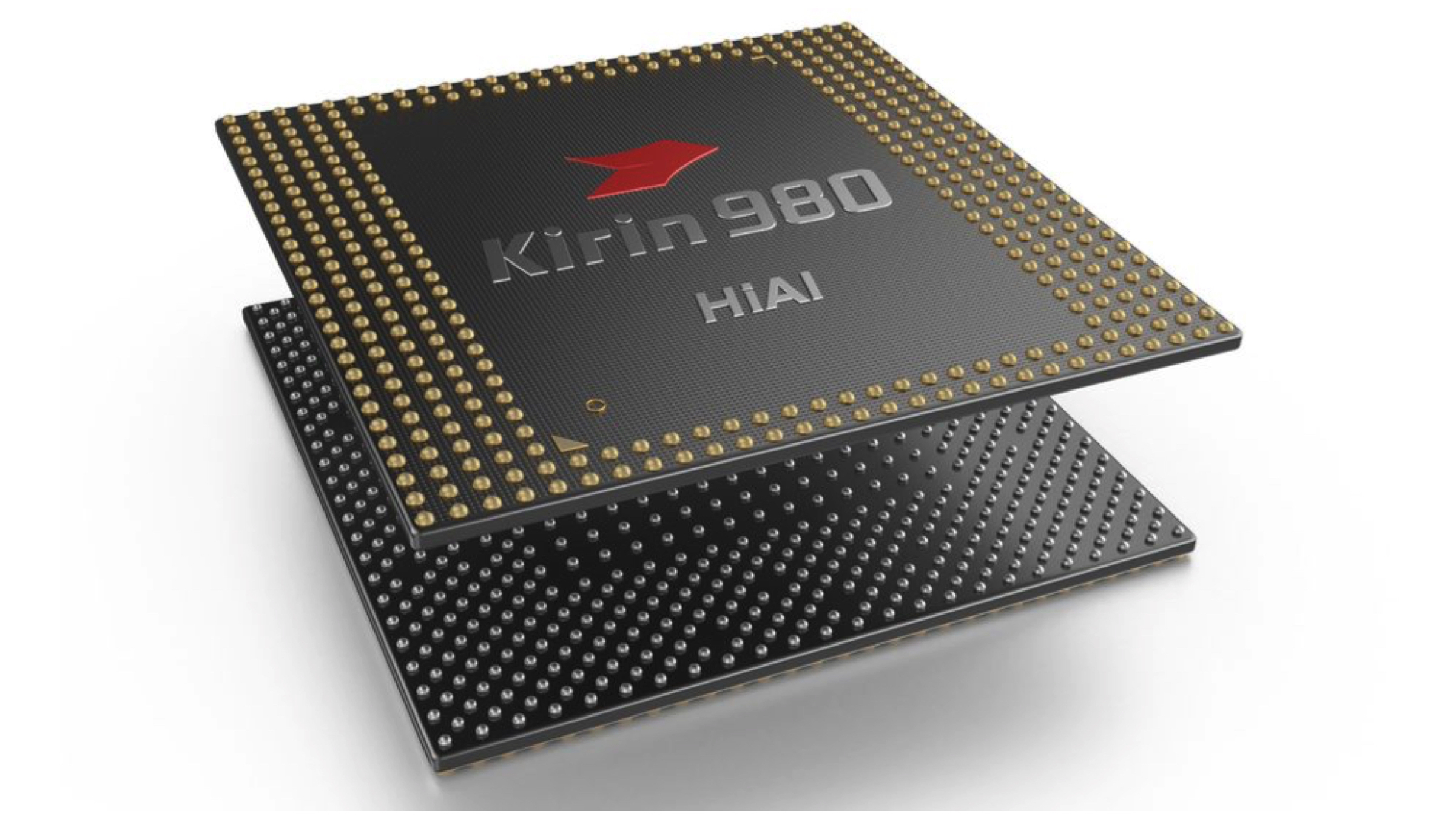
According to reports, the upcoming Kirin 985 SoC will not be a significant upgrade over the last generation like its predecessor. It will, however, focus on refining the overall experience and improving the performance and battery life of smartphones featuring it. Like the Kirin 980, it will be featured in Huawei’s and Honor’s flagship smartphones and will be manufactured on a 7nm fabrication process. It will be manufactured by Taiwan Semiconductor Manufacturing Company (TSMC). Noteworthy, TSMC also produces mobile chipsets for use in Apple’s iPhones and iPads.
The upcoming Kirin 985 SoC will reportedly be manufactured using the FlipChip Package on Package (FC- PoP) method. This method of mobile chipset production allows the vertical stacking of transistors, which will increase its density. Because of the change in the manufacturing process, the performance is touted to increase by up to 20 percent.
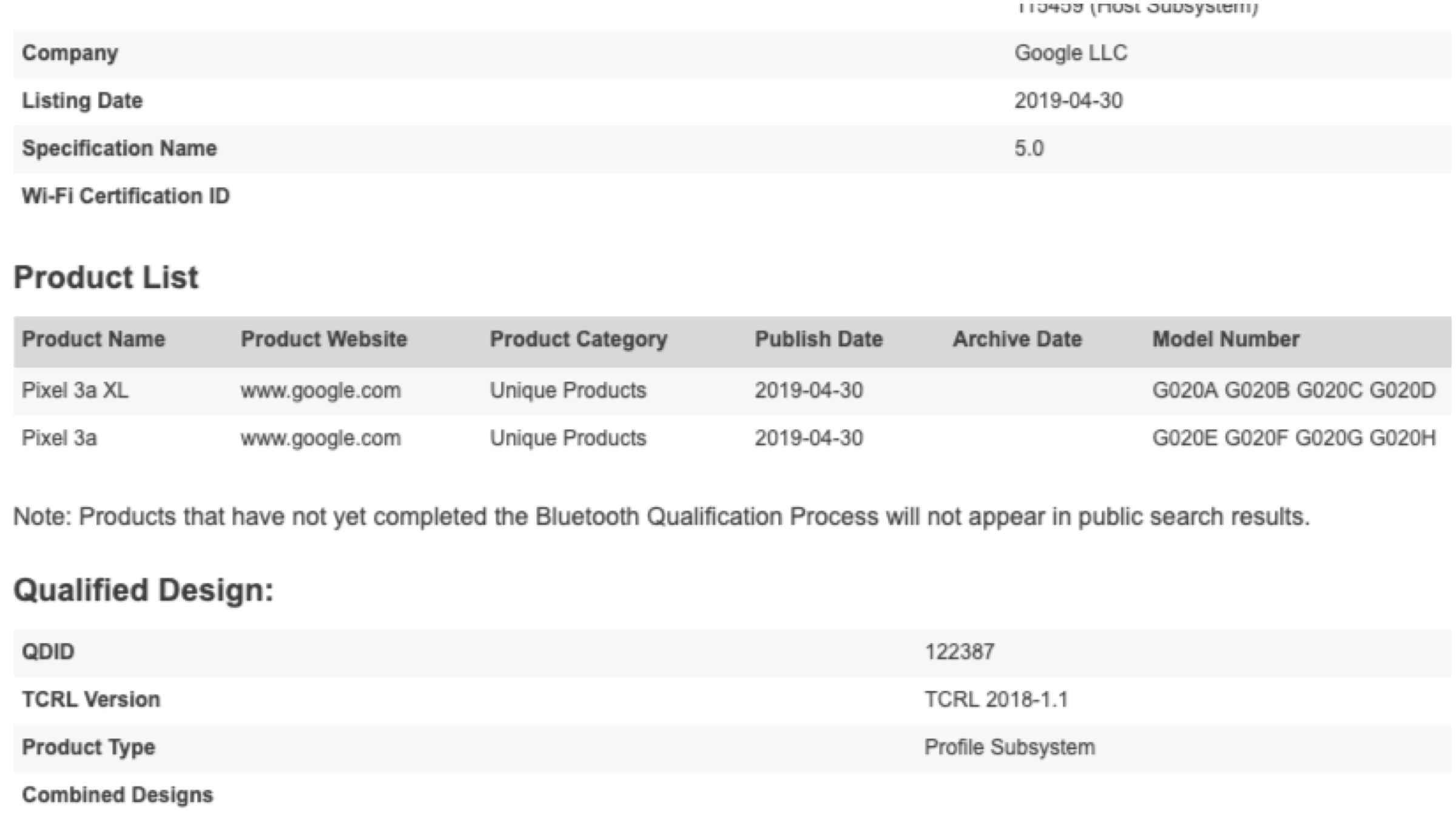
Also read: Pixel 3a, 3a XL Get Bluetooth Certification Ahead Of Official Launch
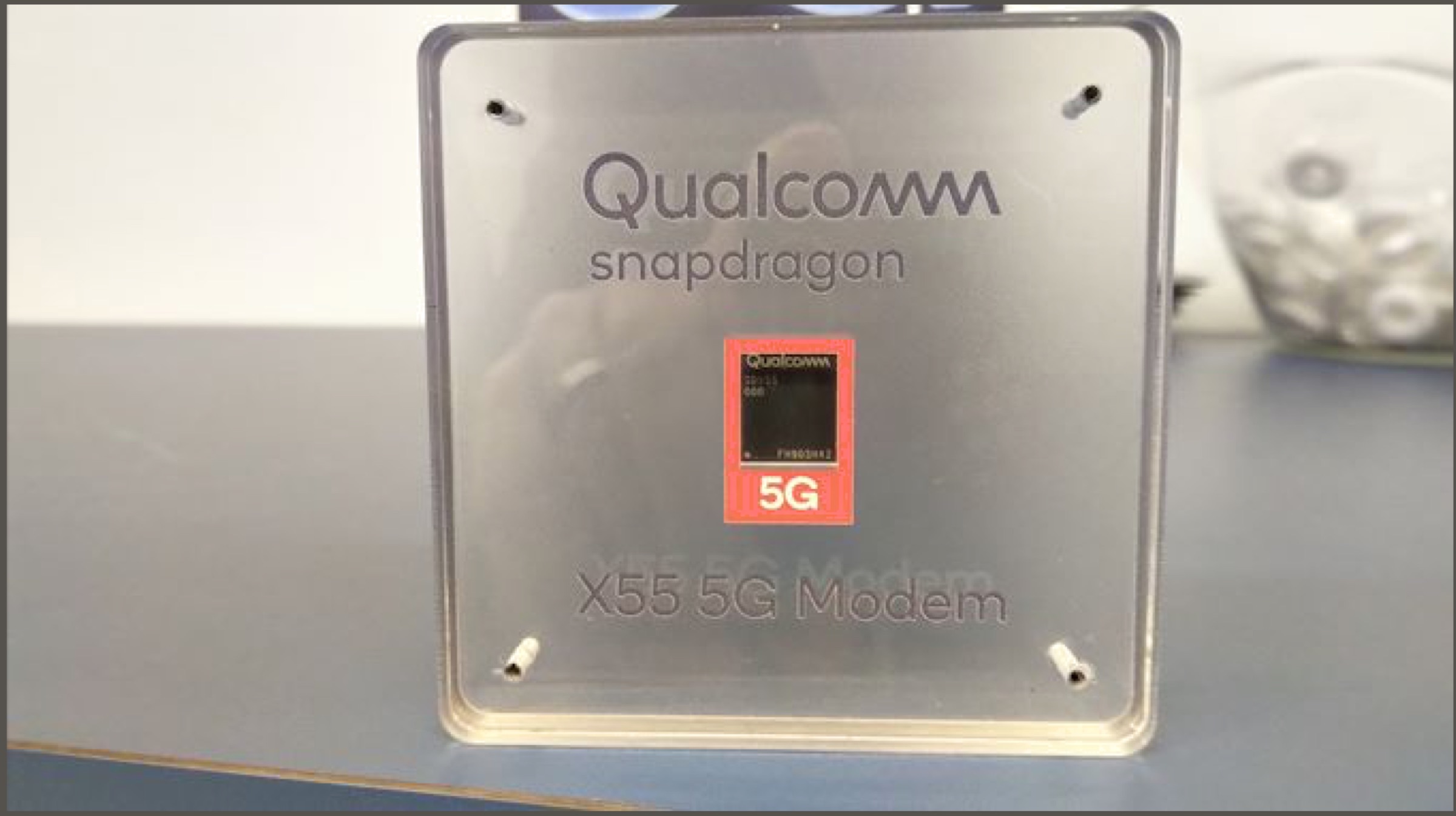
It is also reported the new mobile processor from Huawei will have a 5G modem inbuilt, which insinuates all future smartphones featuring the chipset will have support for 5G networks. The company will start the mass production of the Kirin 980 in the third quarter of this year. The chipset is expected to first feature in the next device in the Huawei Mate series, presumably called the Mate 30.




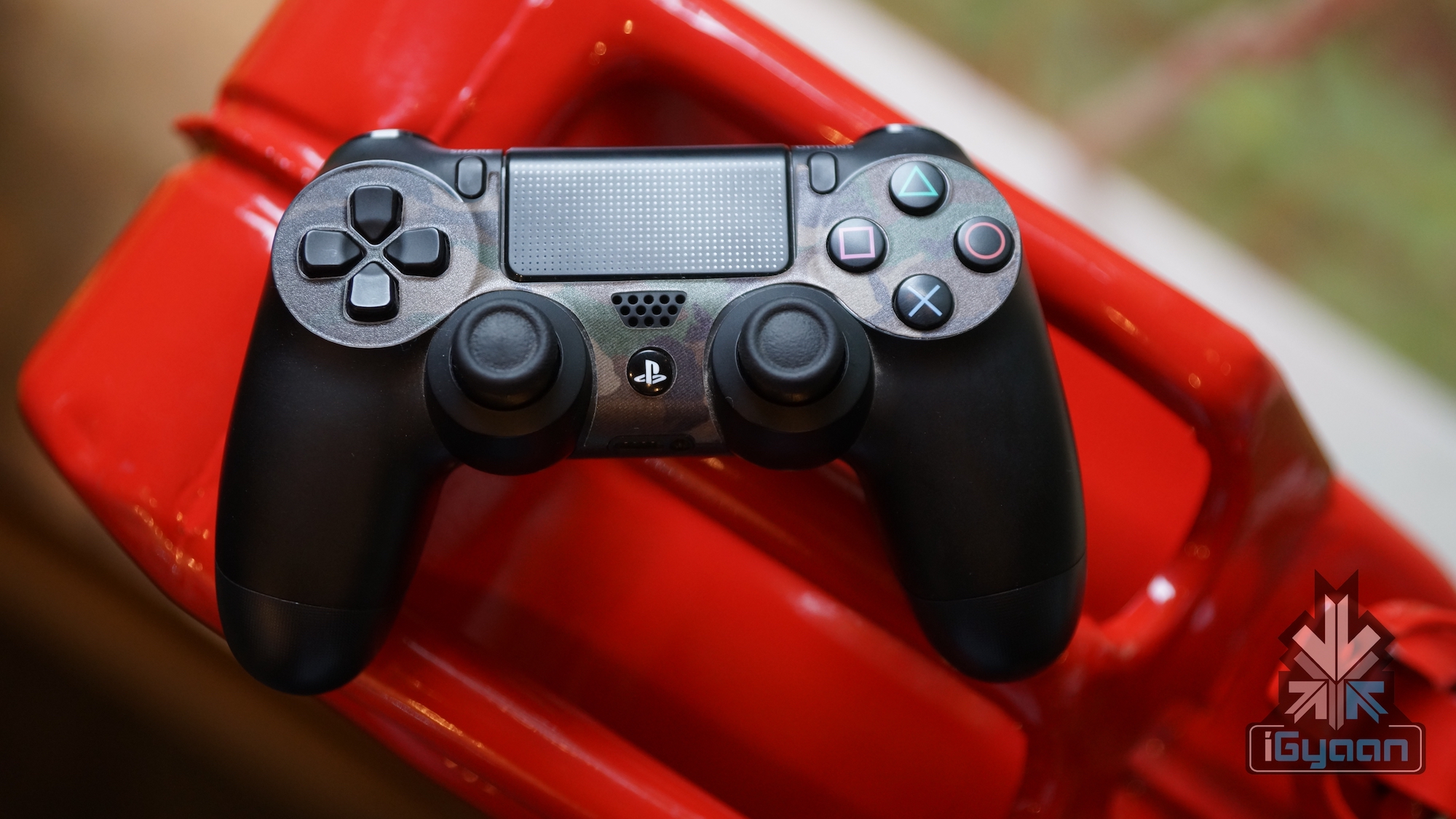
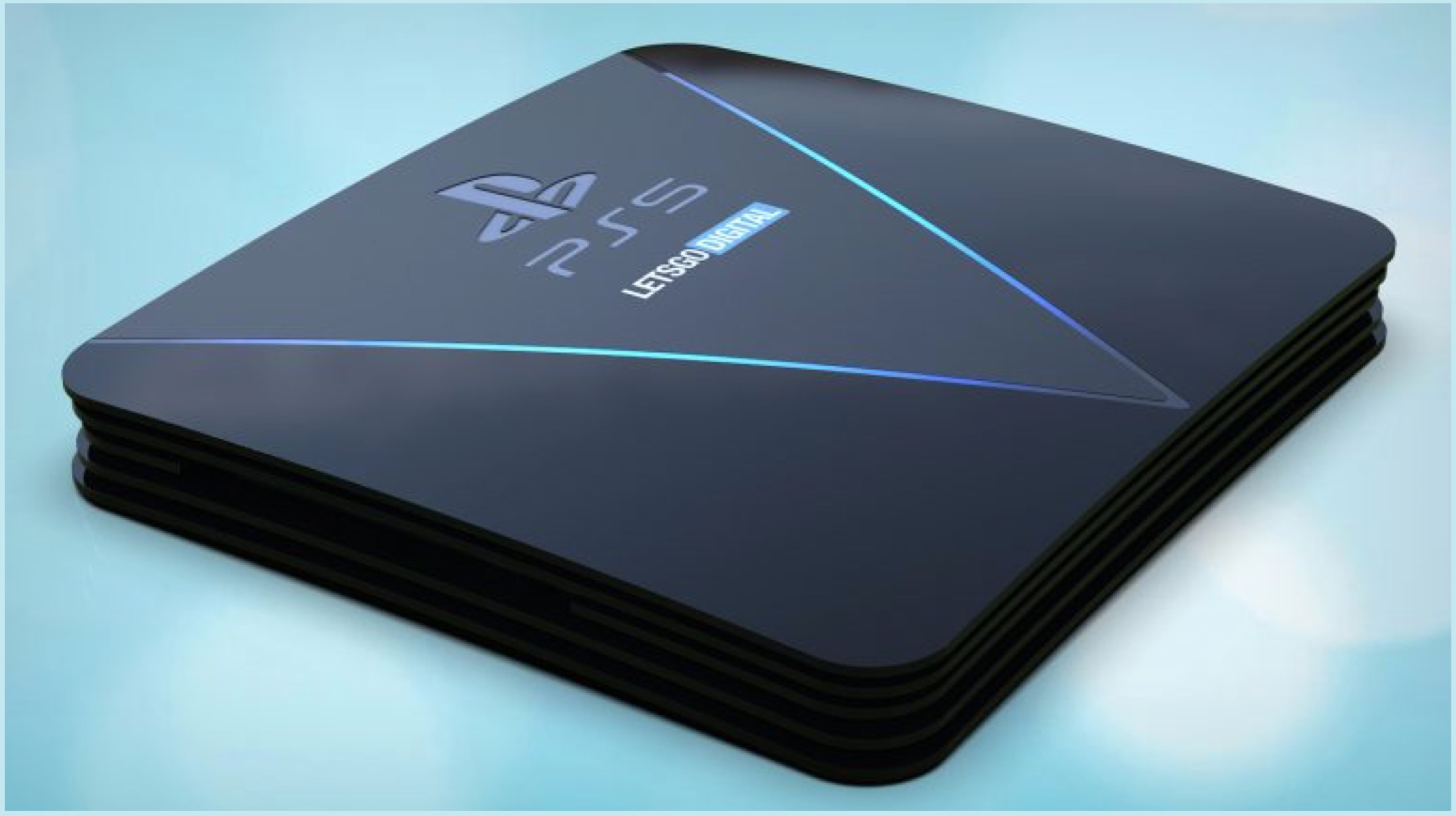
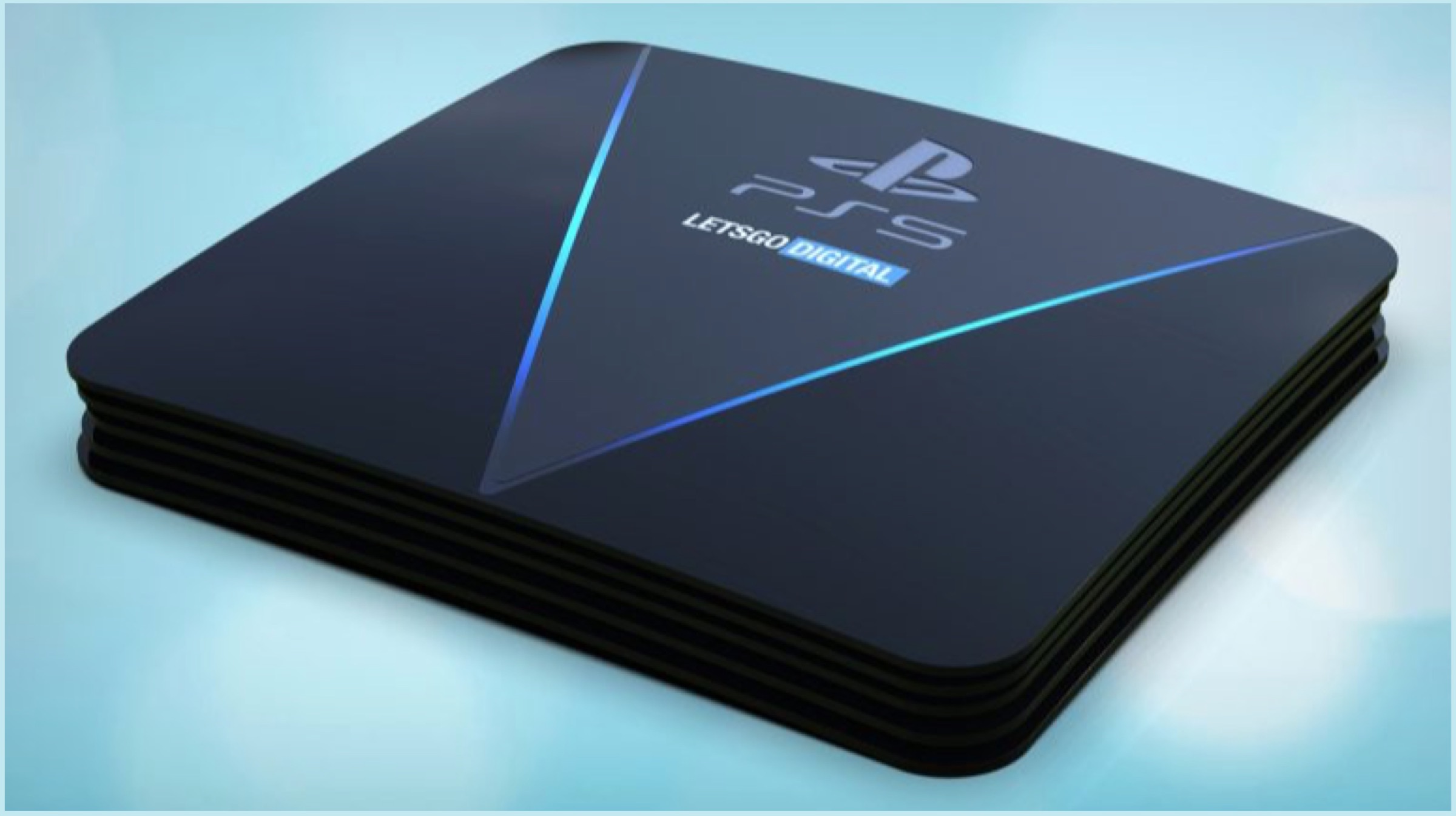 The Japanese manufacturer previously revealed information regarding some features of the upcoming console. For instance, the PlayStation 5 is expected to sport 3D audio technology, which will enable gamers to have an immersive gaming experience. Another speculated feature of the PS5 is the incorporation of a Solid State Drive or an SSD. This will lead to visibly faster game load times and seamless switching between various applications within the console’s interface.
 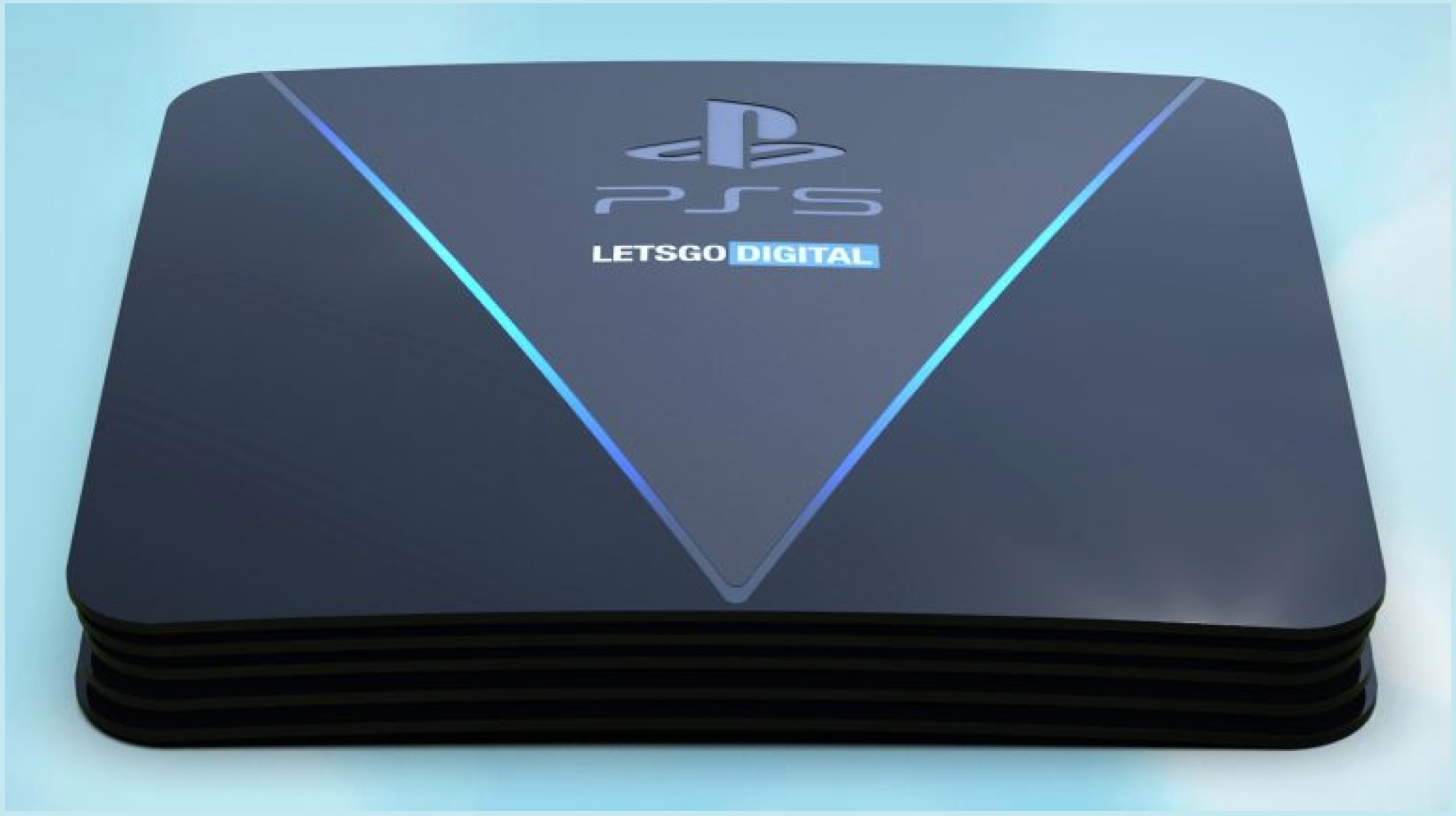 The Sony PlayStation 5 is expected to be the first console to sport 8K resolution gaming. Of course, to take full advantage of the same, gamers will need to plug in their console to an 8K supported panel, but Sony making a move for future-proof gaming will surely be appreciated. Last but not the least, some new PS5 games may support Ray Tracing. Ray Tracing simulates the interaction of real world light with real time objects in the game, which leads to lifelike graphic rendering. Battlefield 5 was the first game to support Ray Tracing on NIVIDA RTX powered PCs, and we can expect developers to release more titles in accordance with Ray Tracing technology if consoles start supporting it too.
  Also Read:



 As previously reported
 Also Read:


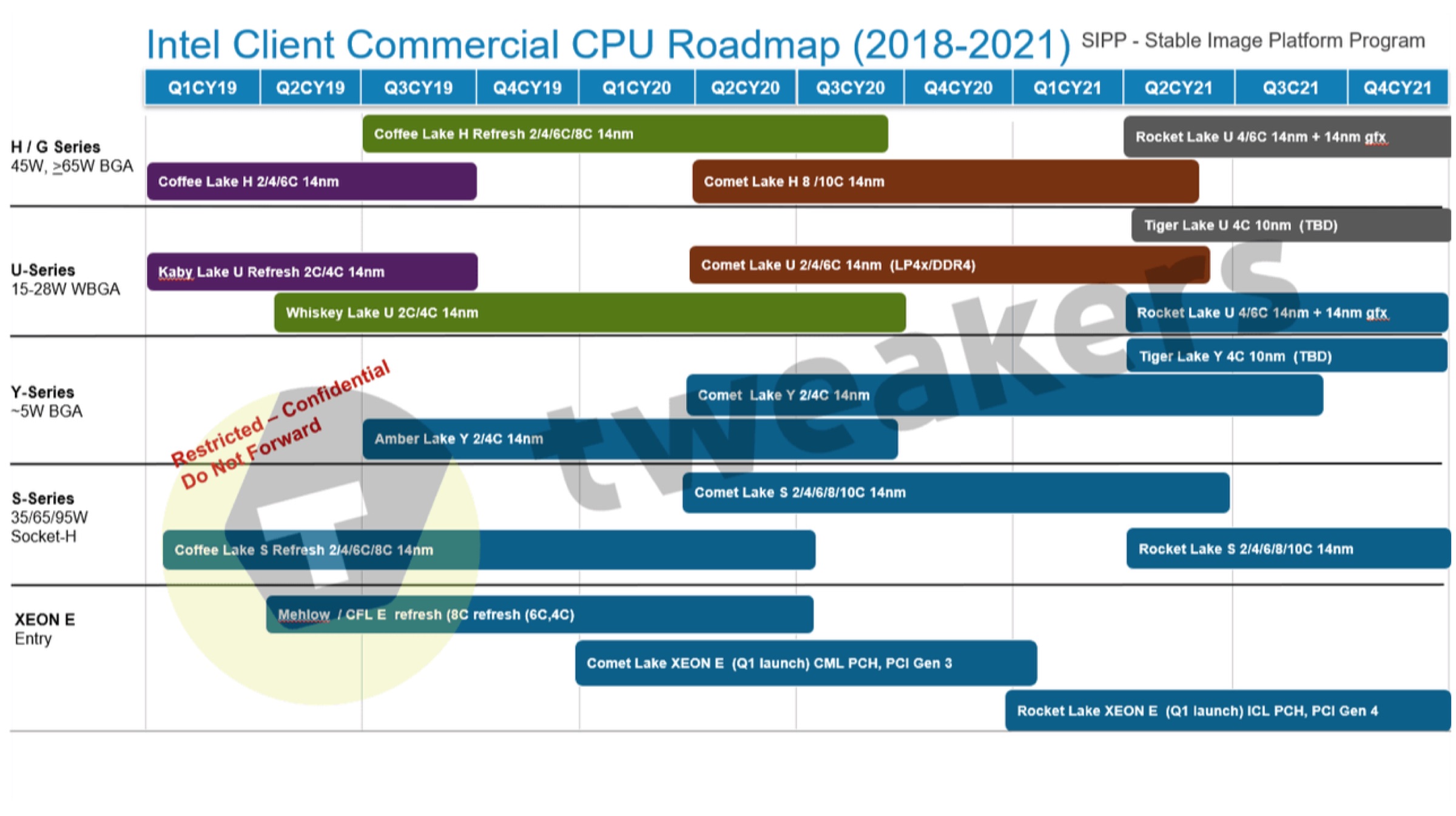 First leaked on April 24 by a Dutch website, the roadmap highlights Intel’s key plans over the next two years. As per the roadmap, the company will launch a whole new refreshed lineup of Coffee Lake CPUs in the latter half of 2019. Intel will then follow up the Coffee Lake processors with the Comet Lake series of processors in the early half of the year 2020. Since Intel often labels its desktop processors as the “S-series”, it’s clearly visible in the roadmap that Intel will keep working on 14-nm S-series processors until 2022.
  Another highlighting fact is that the company has marked its upcoming 10nm “Tiger Lake” processors as TBD, or To Be Decided. Tiger Lake architecture-based CPUs will be released as the “U-series”, and they will be specifically targeted towards mobile devices such as laptops. Planned for release somewhere in the second quarter of the year 2021, the TBD label on the aforementioned CPUs may mean that the company might have different plans for them.
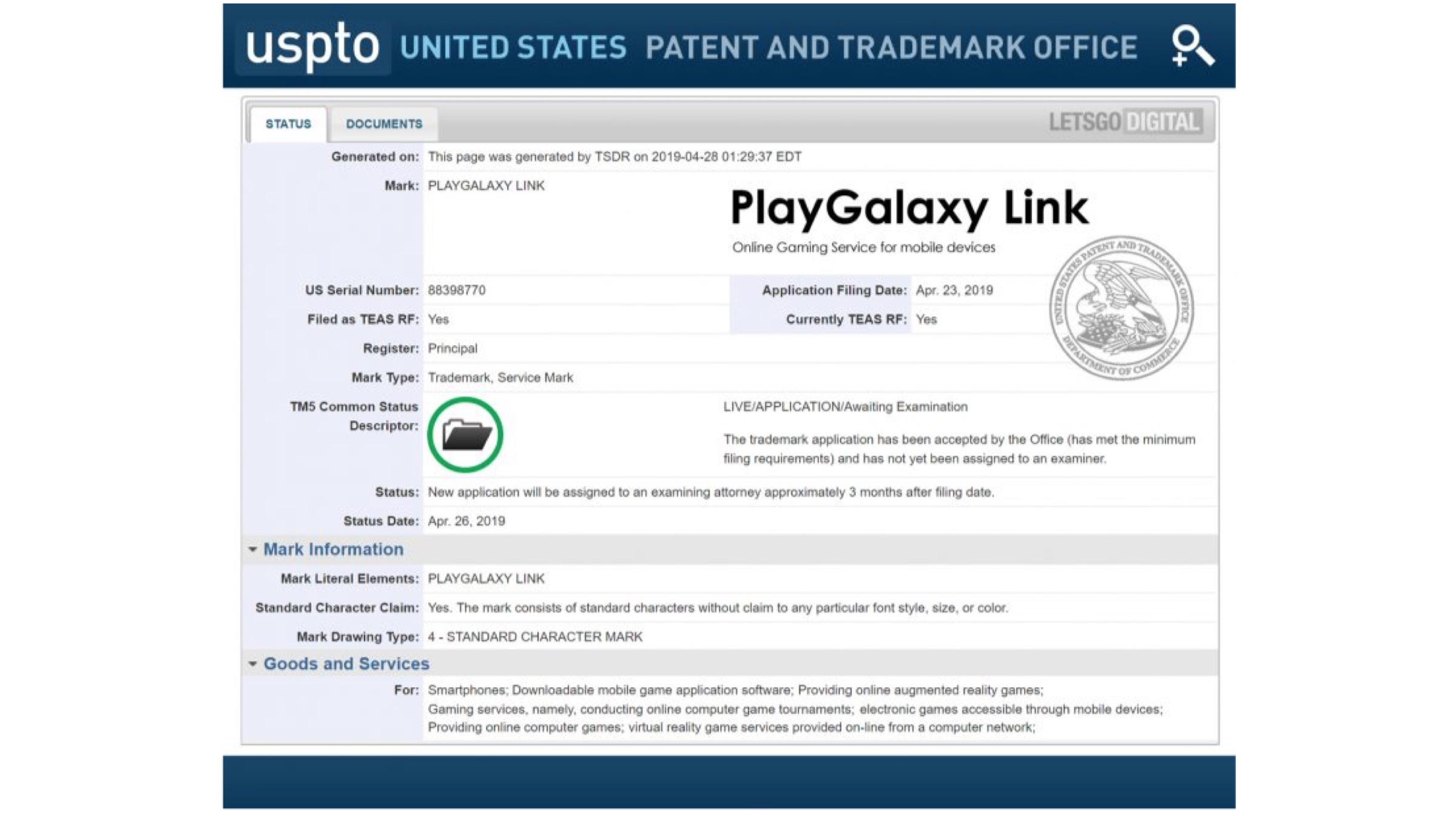 The patent was first filed by Samsung in America with the
 Also Read: