Category: Computing

All the Computer and Laptop news, bundled with all add ons including Printers and Peripherals.

  • Mi Notebook 14 Launched in India Starting Rs. 41,999

    Mi Notebook 14 Launched in India Starting Rs. 41,999

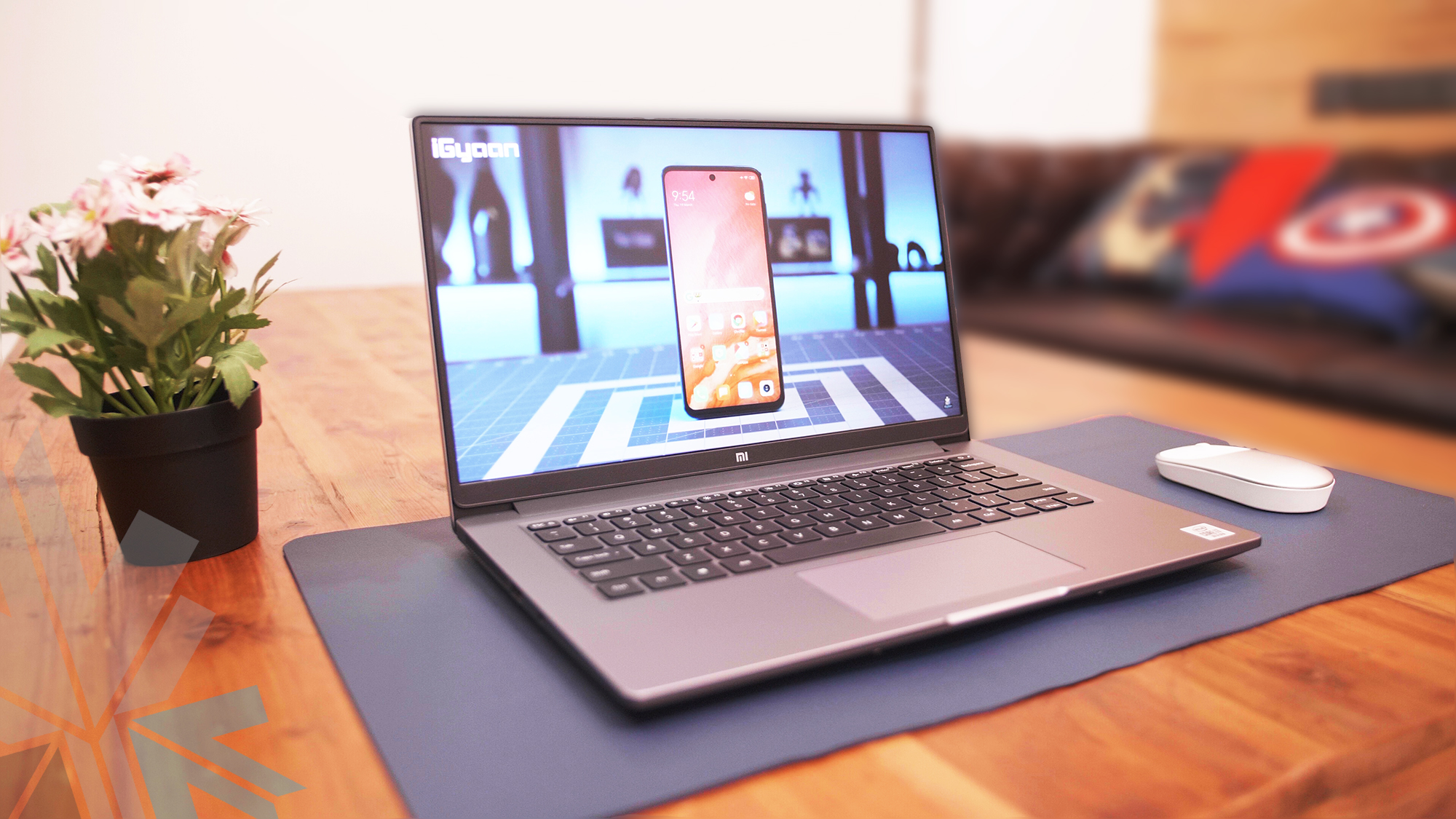
    Xiaomi has launched their first line of Notebooks in India, The Mi Notebook 14. The Notebook 14 is available in two models, a standard edition which features a Core i5 CPU and a Horizon Edition which has the Core i7 CPU. 

    Buy the Mi Notebook 14 Click Here 

    The Mi Notebook 14 as the name suggests features a 14″ Full HD 1920x1080px Anti-glare Display. This in an all aluminium unibody style design that resembles a MacBook. 

    The Notebook weighs in at 1.35 kilogram and bears no branding on the top case. The chiclet style keyboard features a scissor mechanism with an ABS texture. Each key has a 1.3mm of key travel and able spring making it comfortable to type. 

    The base variant of the Mi Notebook 14 features a 10th generation core i5-10210U CPU which has a 1.6GHz quad-core setup with a boost clock up to 4.2GHz. this is paired with 8GB 2666MHz DDR4 RAM and 256GB of SATA 3 SSD storage. The second variant bumps the storage to 512GB of SATA 3 SSD.

    The Horizon Edition  two options for the CPU, the same Core i5-10210U  and a Core i7-10510U CPU with a 1.8GHz quad-core setup and a boost clock up to 4.9GHz. You still get 8GB 2666MHz DDR4 RAM, however, the storage has an optional m.2 NVME PCI Express Gen 3 SSD upgrade with 512GB of space. This has a rated 3000 MB/s sequential read and a 1800 MB/s sequential write speed. Drastically boosting I/O and Read Write operations. 

    The Horizon edition with the i7 also adds a USB 3.1 Gen 1 Type C port, along with the standard ports which include 2 Type-A USB 3.1 Gen 1 and a single USB 2.0, 1 HDMI port a Combo Audio Jack and the Charging Port.

    The Mi Notebook 14 Horizon edition also has a GeForce MX350 2GB GDDR5 VRAM equipped DGPU. This makes it more suitable of open ended tasks like limited gaming and photo video editing. 

    The Laptops don’t charge via USB C and only one variant has the port which is limited to data. The Mi Notebook 14 has 2x2W Stereo speakers with DTS audio, although in first impressions the volume seems low. 

    The display brightness also caps at 250nits which when paired with the anti glare coating on the screen makes visibility of the otherwise good display limited. The anti glare coating works in well lit environments to block reflections and glare, along with smudges and fingerprints for people who like to tap their screens when they point. 

    The Mi Notebook 14 also misses a webcam which in the current world climate seems like a necessary inclusion. Xiaomi does include their USB Webcam in the box, which has a max 720px 30fps mode.

    The Mi Notebook 14 starts off at Rs. 41999 for the base variant with a 256 GB SATA SSD. The upgraded variant with 512 GB SATA SSD costs Rs. 44999. If you opt for the NVIDIA MX250 discreet GPU you will pay Rs. 47999. 

    The Mi Notebook 14 Horizon edition with a 512GB SATA SSD will cost Rs. 54999. If you choose the upgraded NVME SSD the price is bumped up to 59,999. All variants offer Rs. 2000 cash back to HDFC cards. 

    Buy the Mi Notebook 14 Click Here 
     

  • Hands On With MSI GL63 Gaming Laptop

    Hands On With MSI GL63 Gaming Laptop

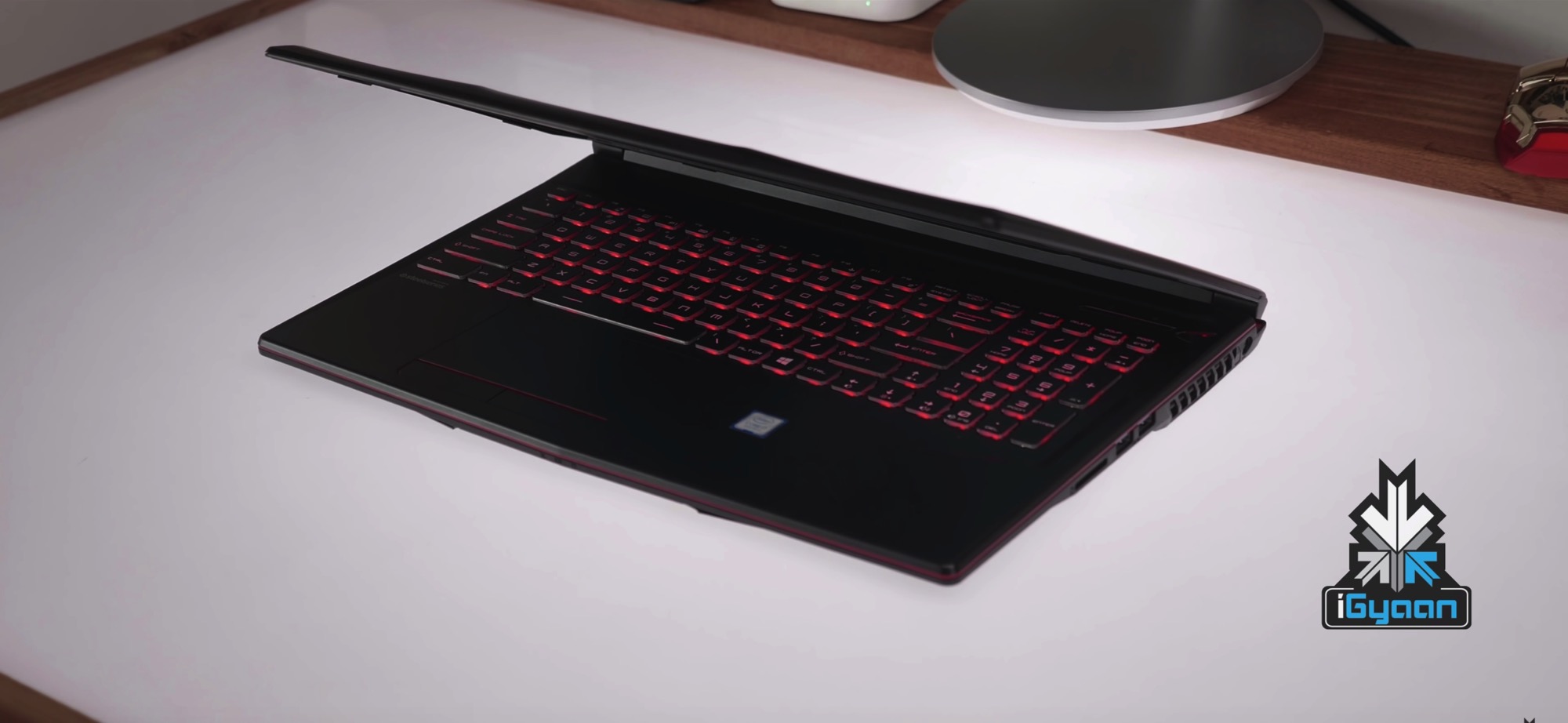
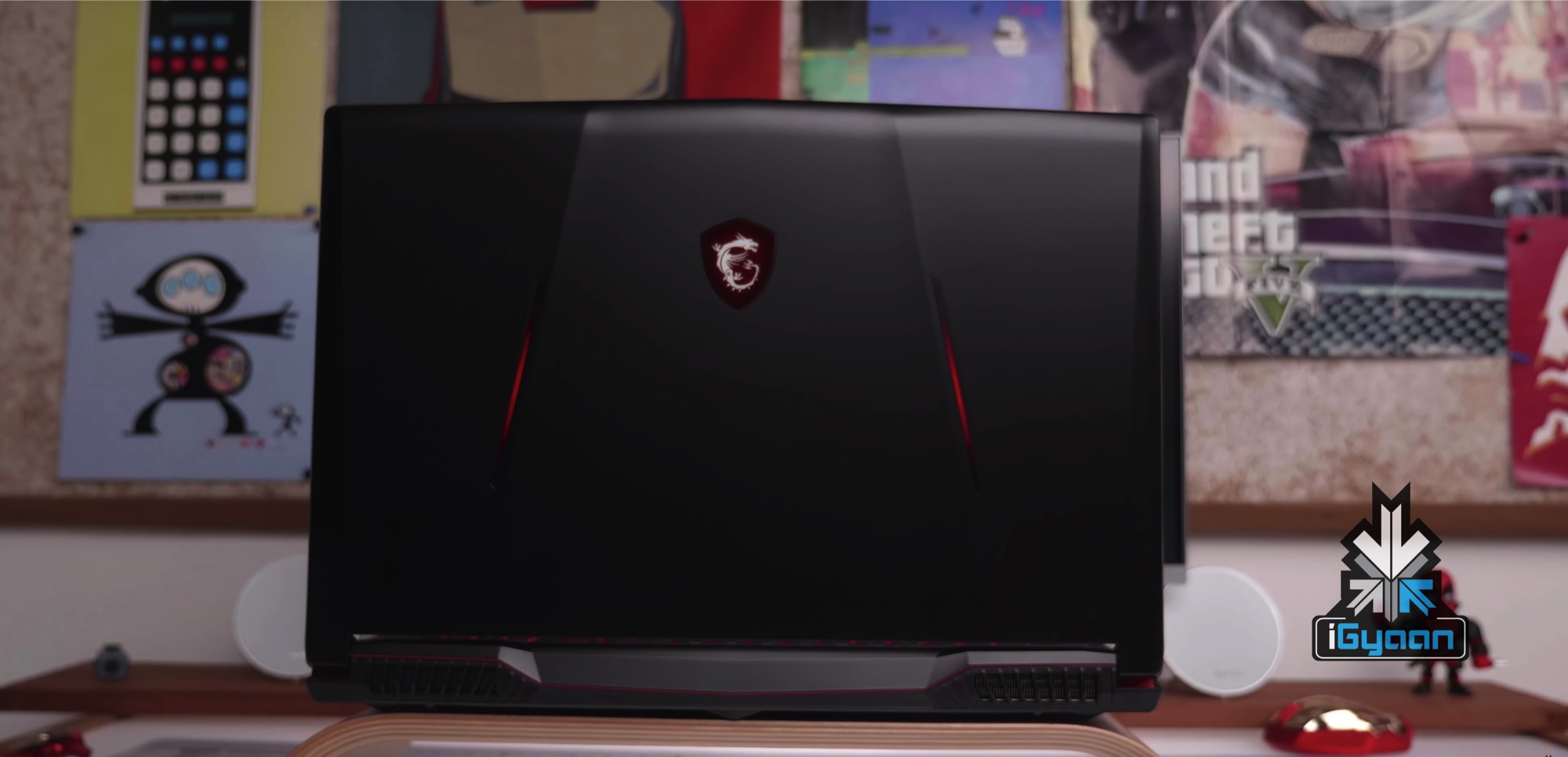
    MSI components and peripherals are rather popular in the computing industry. And while MSI also makes gaming gear and hardware, only in recent times has MSI started to push hard in the gaming laptop and desktop arena. The MSI GL63 is one such series which offers some serious spec hardware at interesting prices. 


    We are checking out the MSI GL63 9SD. This is one of MSI’s newest gaming laptops. There are a few things that make gaming laptops good;

    • It should have good cooling
    • Hardware to support most games
    • Fast Refresh Display
    • Great keyboard
    • Somehow still lightweight. 

    MSI managed to check all the above boxes in the GL63 series. and the 9SD is also perfectly placed in that bracket. 

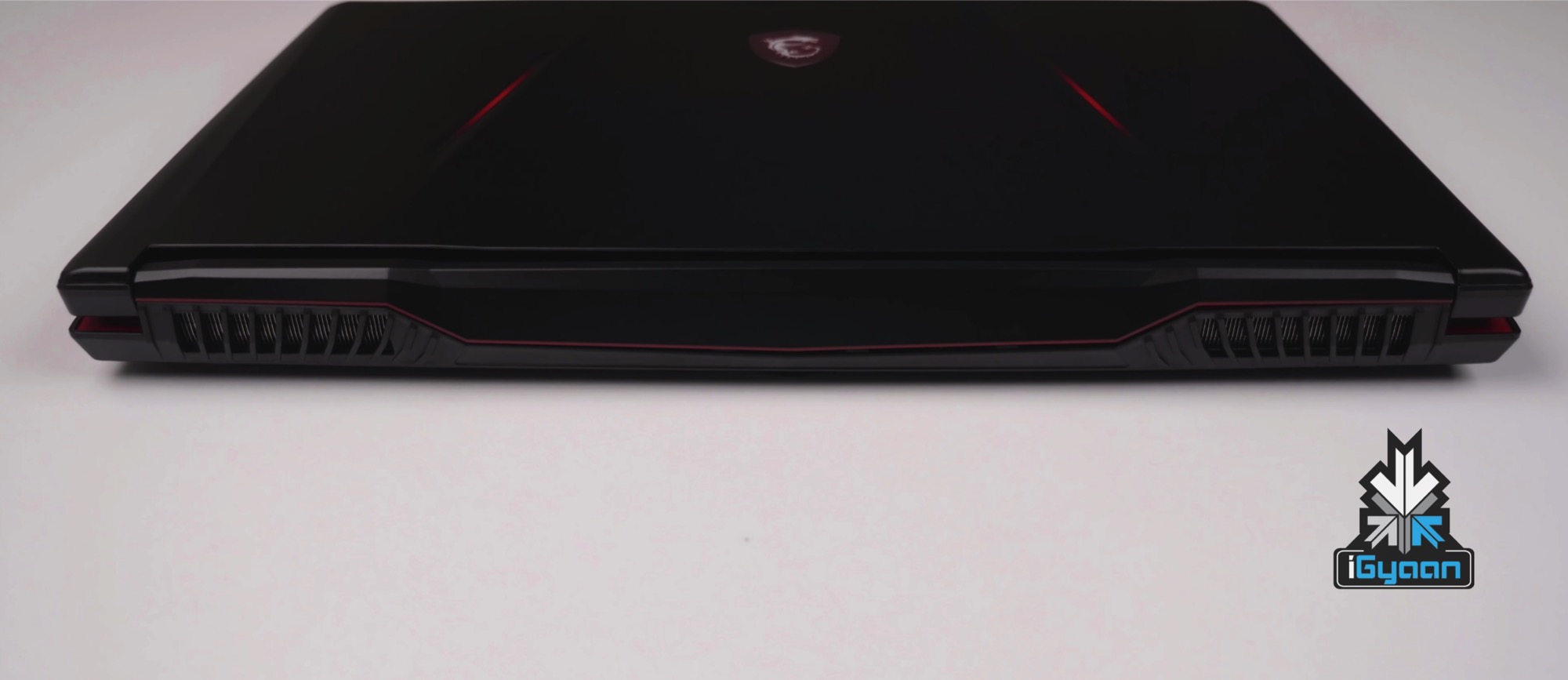
    The MSi GL63 9SD has a good design, a usual aggressive look for a gaming laptop. Even though the laptop is missing any kind of RGB, it makes up for it by introducing aggressive lines and reflective decals. 

    Specifications

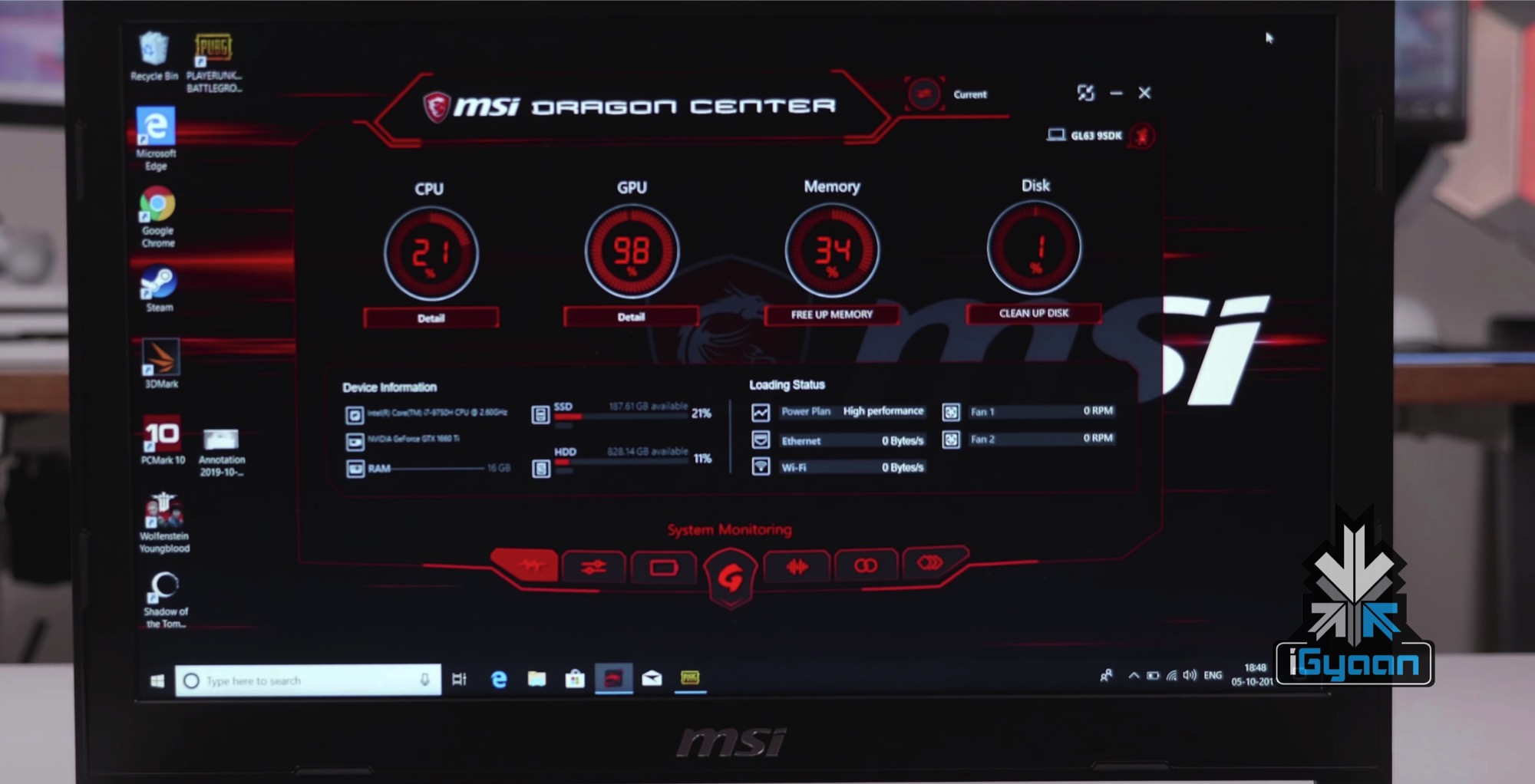
    Our unit was equipped with the 9th Gen Core i7 9750H along with 8GB RAM and 256 m.2 SSD paired with a 1 TB HDD. For graphics the 9SD has GTX 1660 Ti With 6GB of VRAM. 

    The display also fits the bill with a 120 hz refresh rate and an antiglare coating , excellent viewing angles and good brightness from a full HD 1920x1080p panel.

    MSI partnered with Steelseries for the keyboard on the laptop. The Keyboard keys have good travel but still remain easy to game on and comfortable for long sessions of gaming. The 9SD model has RED backlit lets, but you can always get the 9SDK model for a full RGB backlit keyboard.


    Gaming

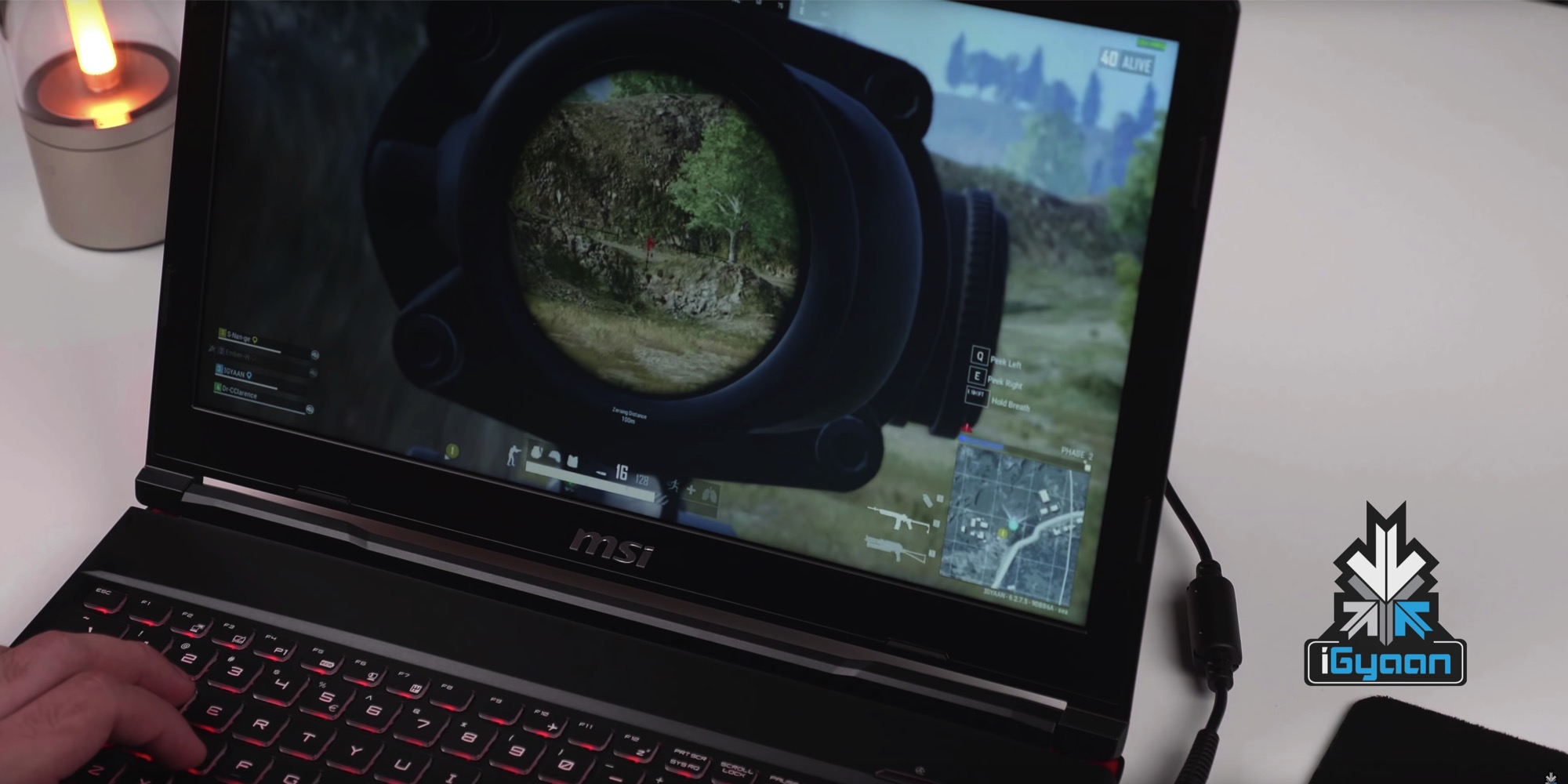
    The Combination of the above hardware allowed for impressive gaming results, With PUBG running comfortably at 100- 110 fps and Shadow of the tomb raider delivering a good 60-70 fps. Wolfenstein Youngblood achieves 100fps. All the games were between High – ultra settings, with Motion Blur Off.

    The MSI GL63 9SD also has impressive audio inbuilt with large stereo speakers and support for 3D audio using the company’s Nahimic 3 App. The laptop also has a dragon centre which is like a dedicated Game mode to allow for customisation and hardware performance focusing towards specific games. 

    The MSI GL63 series is presently on sale for upto 30% off and you get additional deals like PUBG loot boxes and mechanical gaming keyboards on certain products. 

  • What Is Raspberry Pi? How To Use It? All Questions Answered

    What Is Raspberry Pi? How To Use It? All Questions Answered

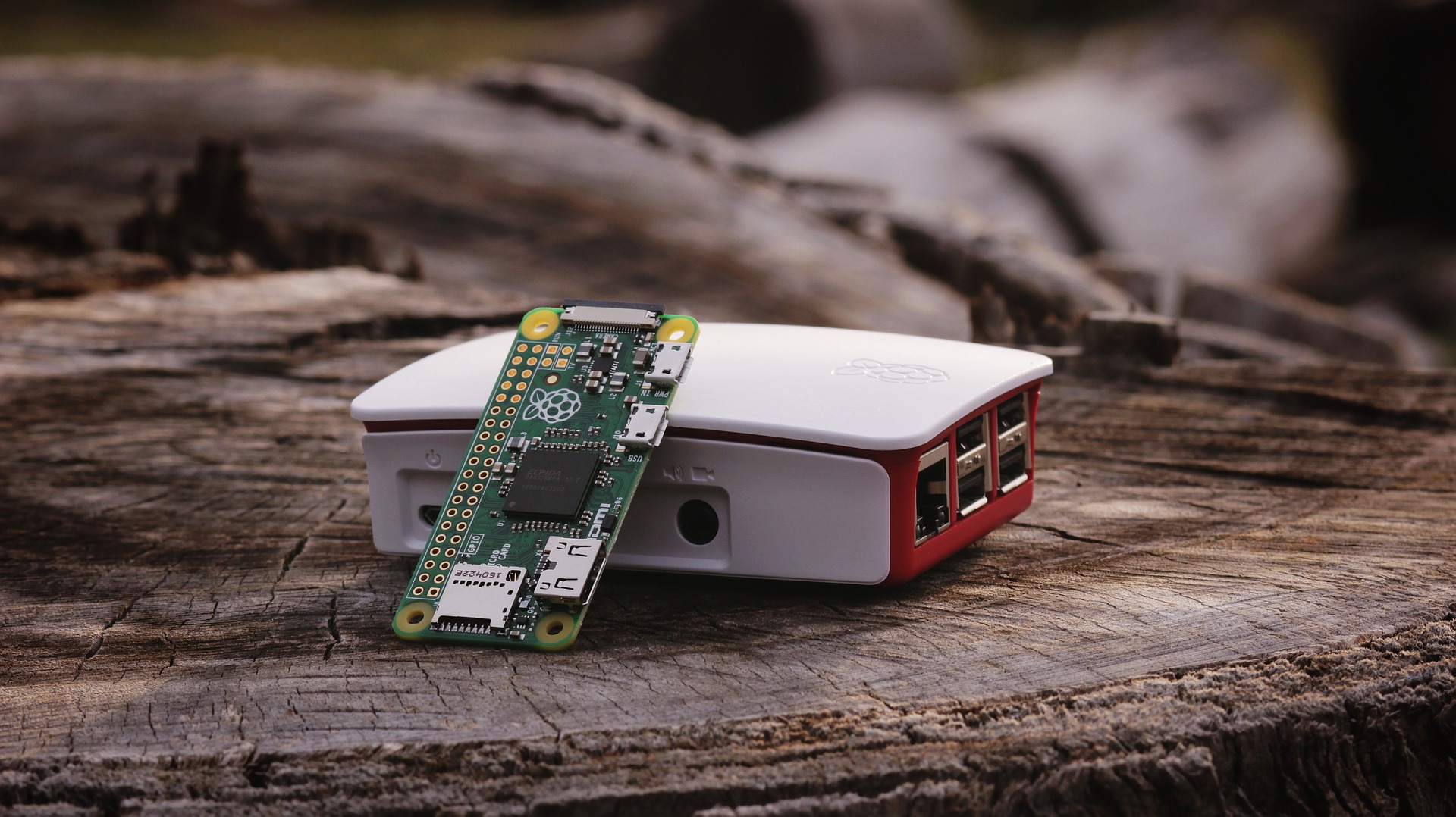
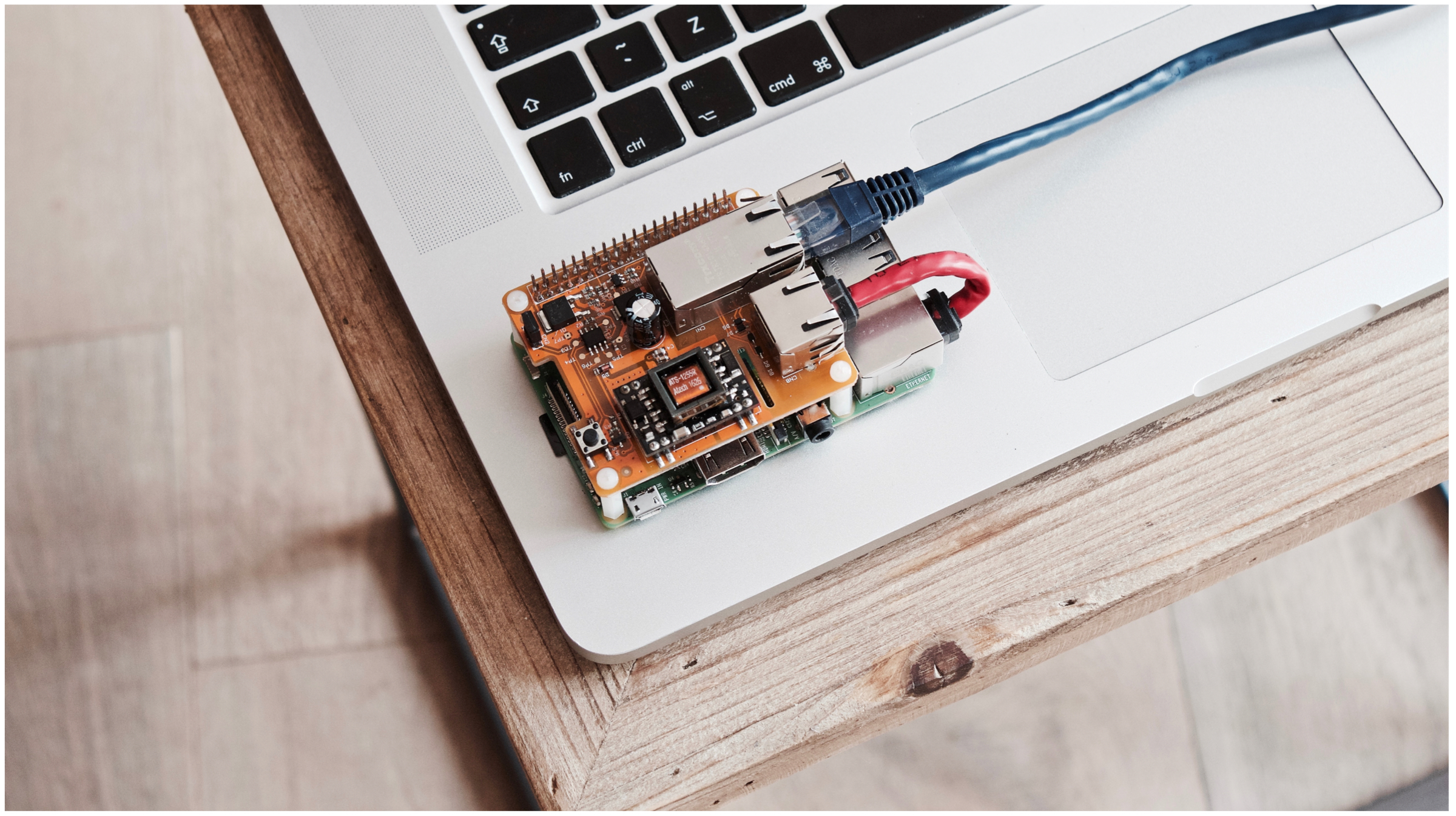
    You have heard the term Raspberry Pi at several occasions and are curious to know what’s the deal with this palm-sized PCB (printed circuit board). Worry not, after reading this comprehensive article you will know the basics, features and applications (uses) of this modern marvel that has had a major impact on the world of computers.

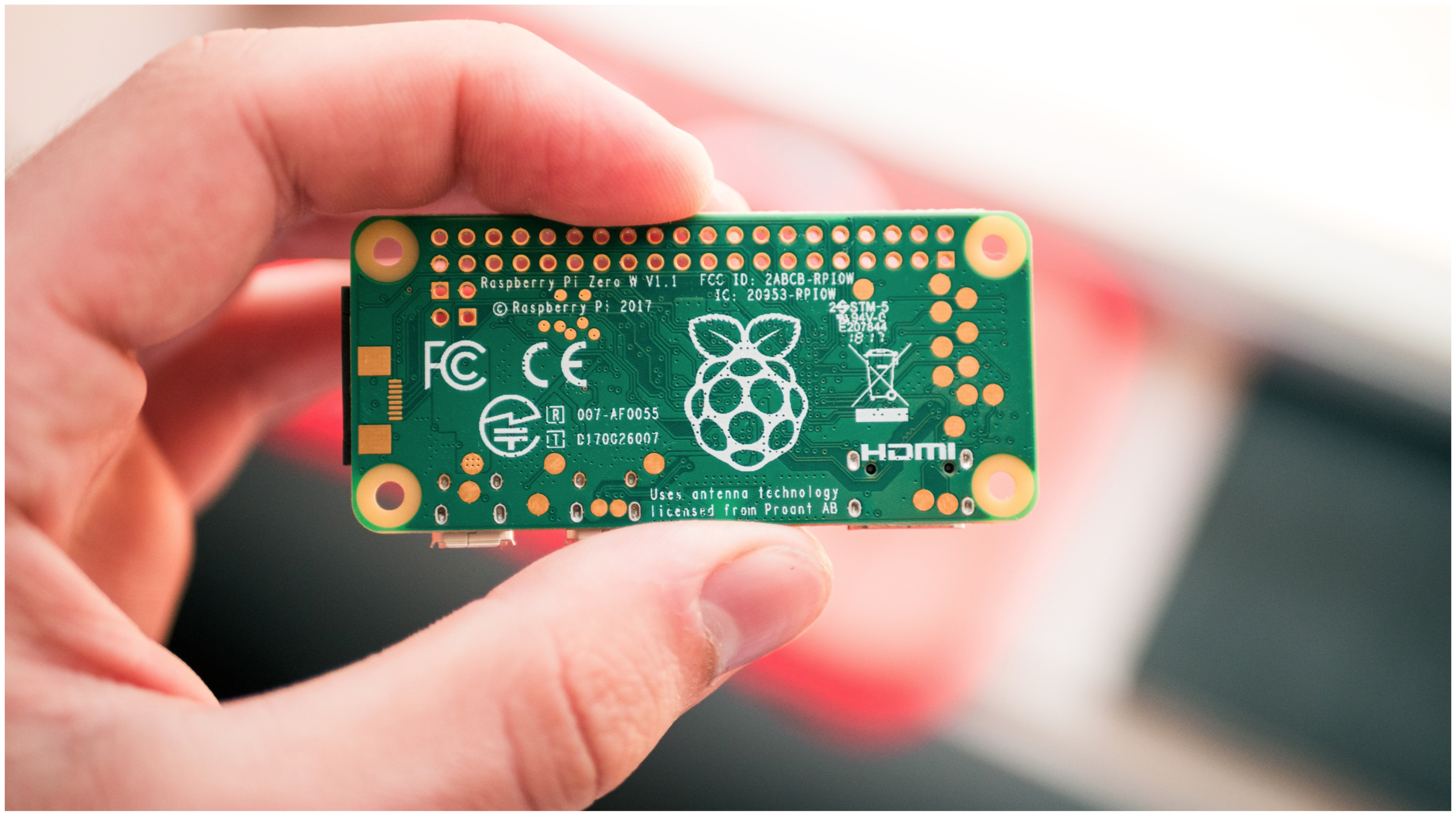
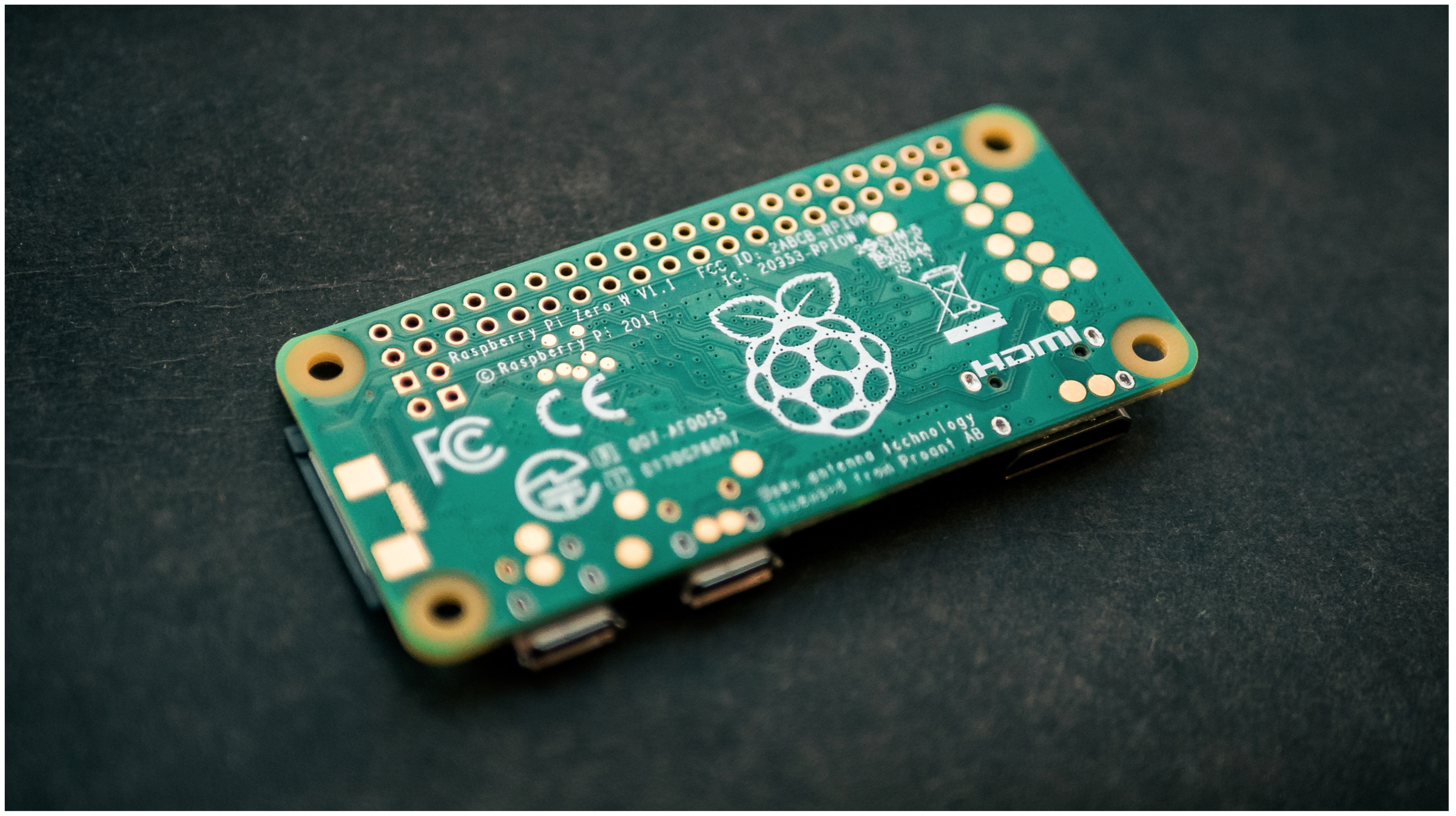
    To begin with, we will answer the question ‘ What is Raspberry Pi? ‘. In simplest terms, it is a single-board computer that can run a variety of operating systems ranging from Windows to Linux. You must be thinking that’s it, Yes it literally is. Notwithstanding, now you are confused about what is a single-board computer. Here you go, this is some brief information about this fancy keyword that you have just stumbled upon. Raspberry Pi W
    A single-board computer including the Raspberry has all the necessary components that a conventional PC or notebook computer has, which incorporates a RAM, ROM, CPU and I/O Ports (Input/Output). However, all of these are soldered onto just one PCB rather than being spread in a CPU enclosure.

    You might be thinking there must be several other single-board computers in the market but why is Raspberry Pi is so popular. The concise answer to the question is that it was developed to be affordable and this factor alone is one of its biggest success mantras. Besides, there are several other reasons as well which will discuss later in this article. 
    History Of Raspberry Pi

    Raspberry Pi W
    Raspberry Pi W

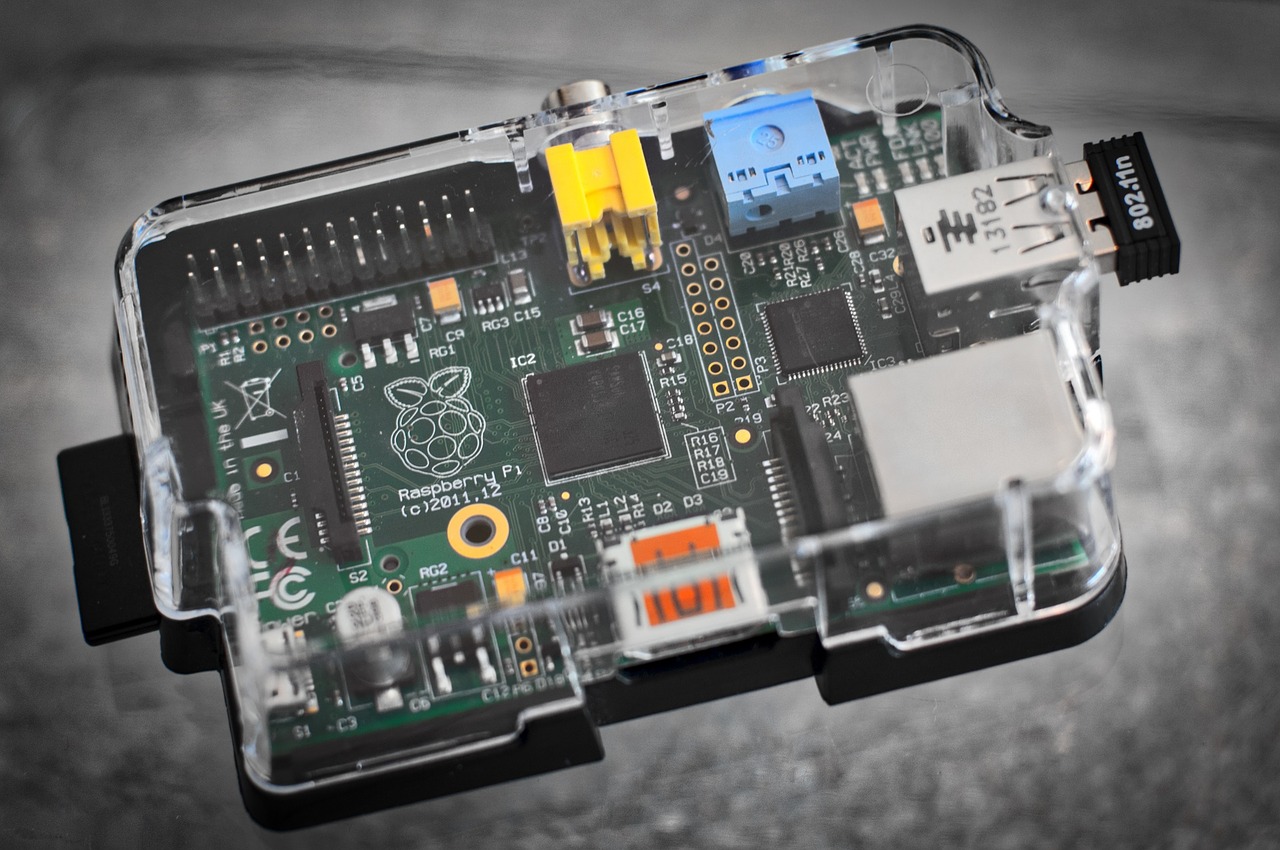
    The original Raspberry Pi was released in the year 2012 by a UK based charity funded organisation called the Raspberry Pi Foundation. According to its founders, it was designed and developed to promote the teaching of basic computer science in schools and in developing nations which it has been highly successful at.

    Not only that, but it has also become the go-to choice for DIY enthusiasts who need a robust solution for their electronics projects. Over the last 7 years, the organisation’s foundation has launched numerous generations of this tiny computer which are listed below.

    Raspberry Pi Generations And Price

    Family Model Form Factor Ethernet Wireless Released Price
    Raspberry Pi 1 B Standard

    (85.60 × 56.5 mm)

    Yes No 2012 US$35
    A+ Compact

    (65 × 56.5 mm)

    No 2014 US$20
    Raspberry Pi 2 B (65 × 30 mm) Yes No 2015 US$35
    Raspberry Pi Zero Zero

    (65 × 30 mm)

    No No 2015 US$5
    W/WH Yes 2017 US$10
    Raspberry Pi 3 B Standard Yes Yes 2016 US$35
    A+ Compact No 2018 US$25
    B+ Standard Yes 2018 US$35
    Raspberry Pi 4
    B (1 GB)
    B (2 GB)
    B (4 GB)
    Standard Yes Yes 2019
    US$35
    US$45
    US$55
    Raspberry Pi 4 Specifications

    While the previous generations were worthwhile, the latest Raspberry Pi 4 has lifted the bar to another level which is reflected by its specifications. 

    • Broadcom BCM2711, Quad-core Cortex-A72 (ARM v8) 64-bit SoC, 1.5GHz
    • 1GB, 2GB or 4GB LPDDR4-2400 SDRAM 
    • 2.4 GHz and 5.0 GHz IEEE 802.11ac wireless, Bluetooth 5.0, BLE
    • Gigabit Ethernet
    • 2 USB 3.0 ports; 2 USB 2.0 ports.
    • Micro-SD card slot for loading operating system and data storage
    • Raspberry Pi standard 40 pin GPIO header 
    • 2 × micro-HDMI ports (up to 4kp60 supported)
    • 2-lane MIPI DSI display port
    • 2-lane MIPI CSI camera port
    • 4-pole stereo audio and composite video port
    • H.265 (4kp60 decode), H264 (1080p60 decode, 1080p30 encode)
    • OpenGL ES 3.0 graphics

    Due to RAM capacities as high as 4 GB and powerful CPU it even supports dual 4K output.

    Raspberry Pi Uses

    • Desktop Replacement: Right of the bat, the Raspberry can be used to run a full-fledged operating system that can perform all the basic computing tasks like browsing the web, watching videos or editing documents. As previously mentioned, it can run operating systems like Windows and Linux. However, running a certain OS like Windows 10 on models like the tiny Raspberry Pi zero or some of the older generations could turn into an unenjoyable experience. 

      Nevertheless, the Raspberry Pi Foundation has developed its very own OS called ‘Raspian’. It is a lightweight operating system which is optimised to run smoothly on the ARM-based architecture. Noteworthy, the credit card-sized computer does not have inbuilt storage therefore, device owners must use a microSD card with a pre-installed operating system installed. 

    • Media Center/ HTPC (Home Theater PC): Although smart TVs are all the rage nowadays, users need to shell a considerable sum of money to purchase them. Besides, dealing with an existing TV could be another challenge. A Raspberry Pi with the help of softwares like OSMC and Kodi media player can easily convert any LED or LCD display into a full-fledged media centre.

      Besides playing media from a thumb drive or hard drive, users can also stream content from popular services like Amazon Prime or Netflix. 

    • Robotics and Home Automation: Being an affordable computer which supports a wide variety of input/output ports and pins. This single board computer has become a preferred choice of engineers and DIY enthusiasts who are incorporating into Robots and smart home devices.

    Mentioned above are just a handful of uses of this tiny marvel. While its applications and uses are endless. 

    Also Read: Xiaomi Mi A3 Android One Smartphone Launched In India

    To wrap things up, next time somebody questions you ‘What is the Raspberry Pi and What are its uses?’. You will be equipped with all the details.

    However, if there are any questions or details we might have missed out, you can ask them in the comments below.

  • Qualcomm Snapdragon 865 Benchmark Scores Leaked On Geekbench

    Qualcomm Snapdragon 865 Benchmark Scores Leaked On Geekbench

    American technology giant Qualcomm, who is best known for making mobile processors, released its latest flagship smartphone SoC (System on Chip) last year. Dubbed the Snapdragon 855, the chipset has been since seen in almost every major flagship handset released this year so far. The company has also released a mid-cycle refresh of the Snapdragon 855 by launching the Snapdragon 855 Plus a few weeks ago. It is expected that Qualcomm will release a successor to the processor, purportedly called the Snapdragon 865 in the month of December.

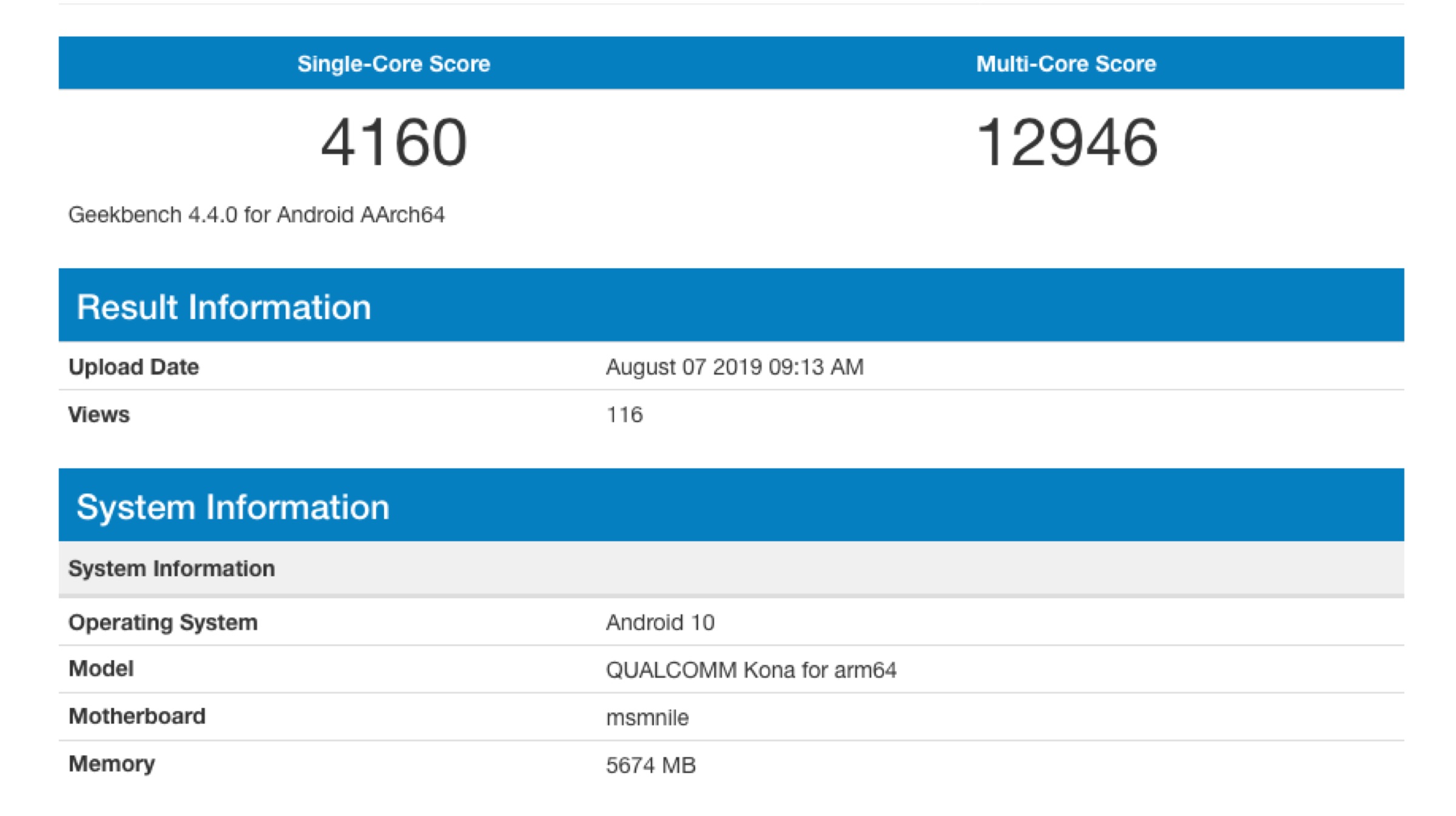
    While early details about the upcoming SoC was leaked previously, not much else was known at the moment. Now, the Snapdragon 865 has surfaced on benchmarking platform Geekbench, which reveals the benchmark scores of the upcoming chipset.

    Qualcomm Snapdragon 865

    Qualcomm Snapdragon 865

    On the popular benchmarking website Geekbench, the results of the Qualcomm Kona chipset have appeared. The previous leak of the Snapdragon 865 revealed that it has been codenamed Qualcomm Kona. So this means that the scores are of the upcoming flagship chipset. In the website’s single-core test, the SoC has managed to score 4160; while on the multi-core test, it records a score of 12946.

    This is slightly higher than what the smartphones running the Snapdragon 855 could achieve, so it suggests that the upcoming chipset will provide a performance boost in flagship devices. Furthermore, the device used to run the test has been found to be running 6GB of RAM and Android 10, the latter of which is yet to hit the market.

    Qualcomm Snapdragon 855 Plus
    Snapdragon 855 Plus

    Also read: Honor Band 5 Launched In India, Features A Heart Rate Monitor And AMOLED Display

    The Snapdragon 865 SoC from Qualcomm is speculated to be an iterative update over its predecessor. The chipset has been leaked to have two variants, out of which at least one will support 5G connectivity. It may also support LPDDR5X RAM and UFS 3.0 storage similar to the Snapdragon 855.

    Like the previous generations, it is expected that Qualcomm may announce the Snapdragon 865 in the month of December. The first smartphone to sport the latest flagship chipset from the company has usually been a Samsung device; so the upcoming processor may debut with the Galaxy S11 due next year.

  • Intel Announces 10th Gen Ice Lake Core CPUs

    Intel Announces 10th Gen Ice Lake Core CPUs

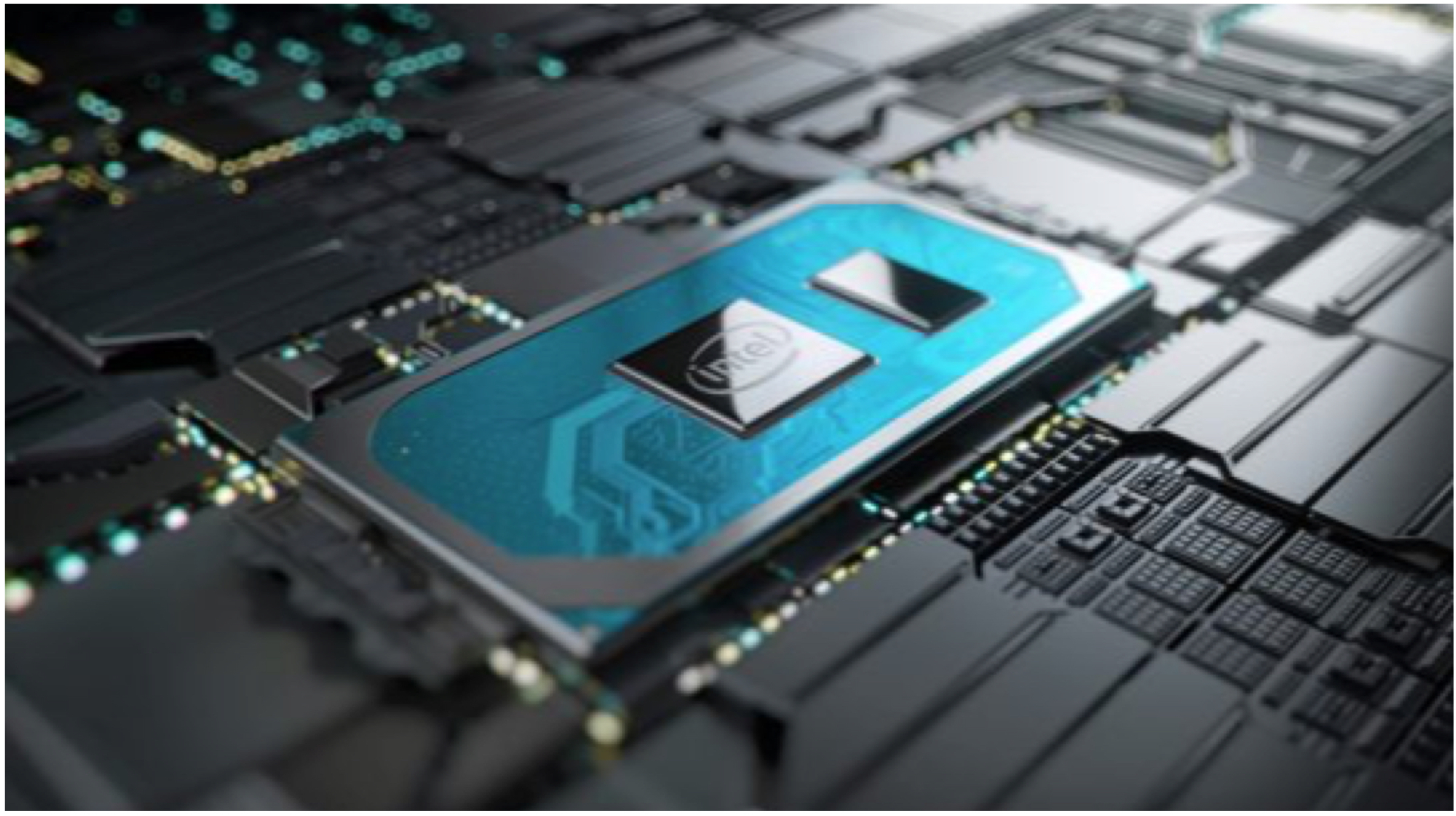
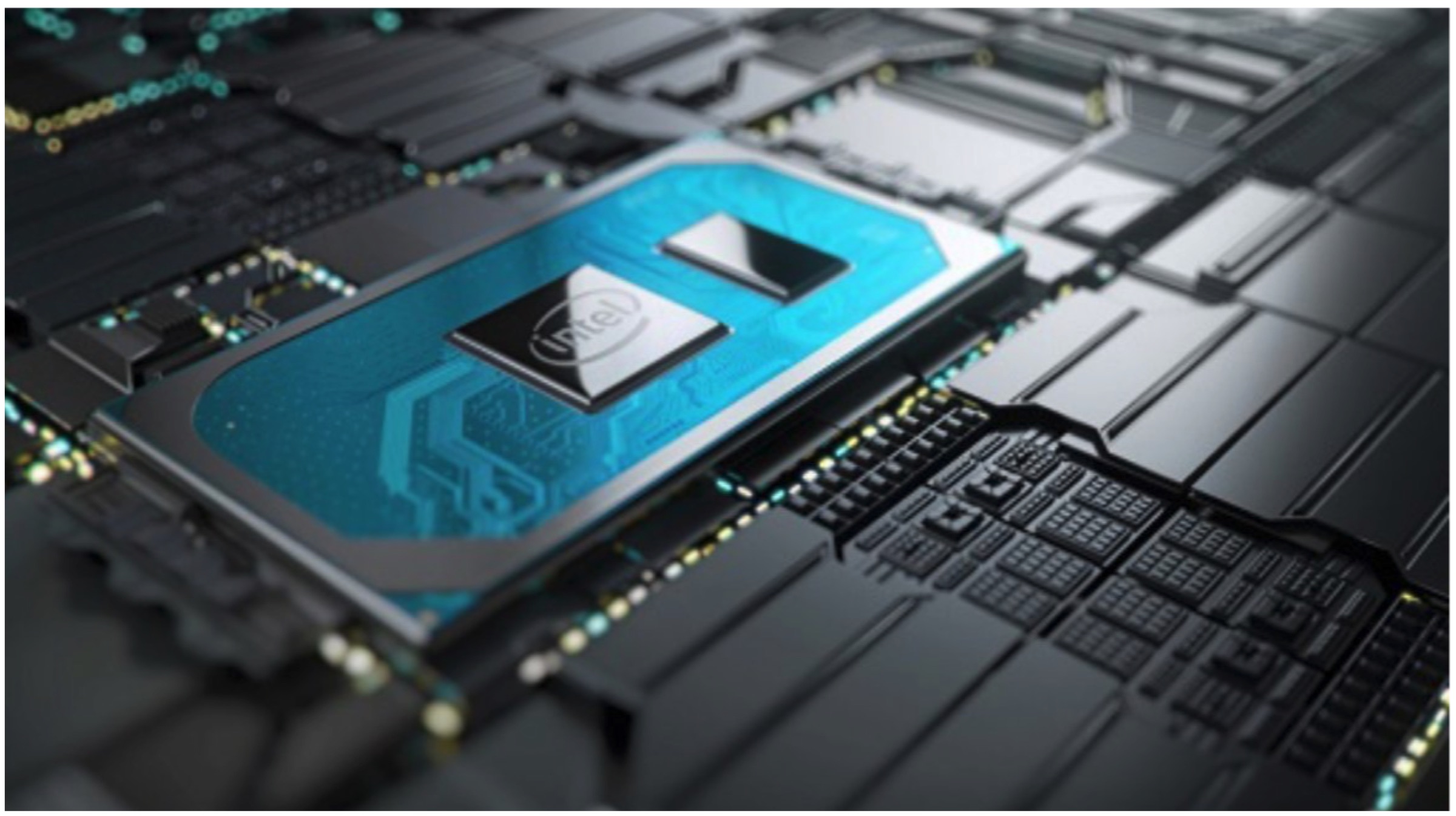
    On the 1st of August, American chipmaker, Intel unveiled it’s latest and greatest of CPUs in the form of 10th Generation Core processors which carry the ” Ice Lake ” branding. The company has currently launched 11 models which are part of (U-Series and Y-Series) and they are targeted towards ultrabooks, 2-in-1 computing devices and other mobile form factors.

    Right of the bat, the key difference between the 10th Gen and 9th Gen Intel processors is the fabrication process. The newly launched CPUs are manufactured using 10 nm fabrication process which is a considerable bump from 14 nm process that the last-gen CPUs were made with.

    According to Intel, besides performance improvements, the 10th Gen Core CPUs also have optimised AI processing, better graphics performance and an extended I/O support. In terms of graphics, the CPUs feature Intel Iris Plus graphics.

    All the newly launched Intel U-Series and Y-Series processors have 4 physical cores or 8 logical cores. For readers who do not know, Logical cores have the ability to execute 2 or more task simultaneously, therefore, they help in boosting productivity.

    The 10th Gen Intel core CPUs can support upto 32 GB of LP4/x RAM 3733 MHz or up to 64GB of DDR4 3200 MHz RAM. They also support Intel Optane memory SSDs/Memory, PCIe 3.0, SATA, SD 3.0 and eMMC 5.1 storage.

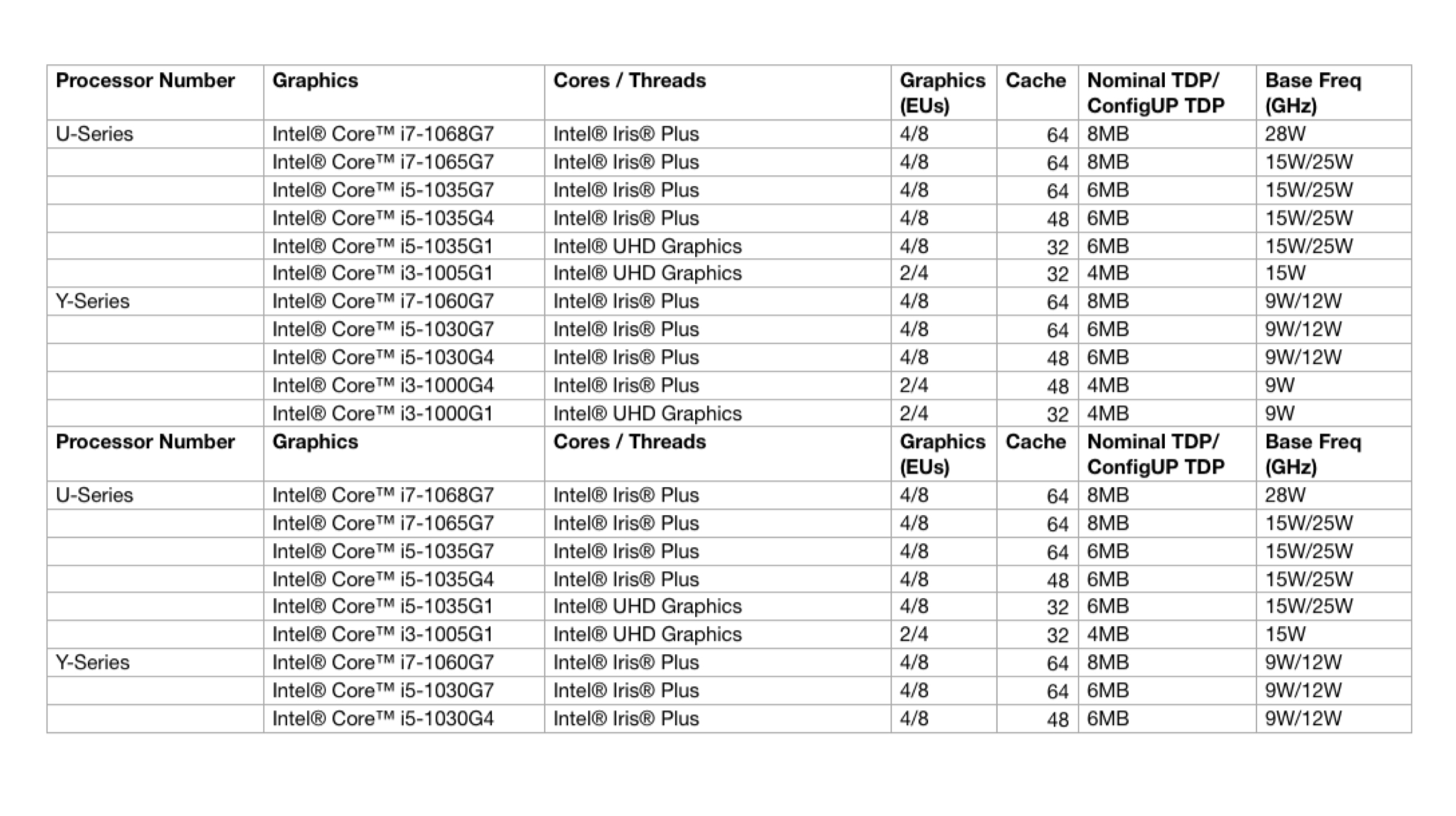
    Intel CPUs in both the U-Series and Y-Series have 16 lane PCI-E 3.0 support, Integrated Wi-Fi 6 (Gig+) and support for Thunderbolt 3. Following is the list of CPUs along with their specifications:

    Also Read: Specs And Images Of The Upcoming Osmo Mobile 3 Revealed Via FCC

    In terms of availability, the 10th Gen Intel Core processors will be seen in devices manufactured by different OEMs from the month of November. 

    In order to gain, real-life performance samples of the CPUs we will have to wait until we get our hands on some commercially available products.

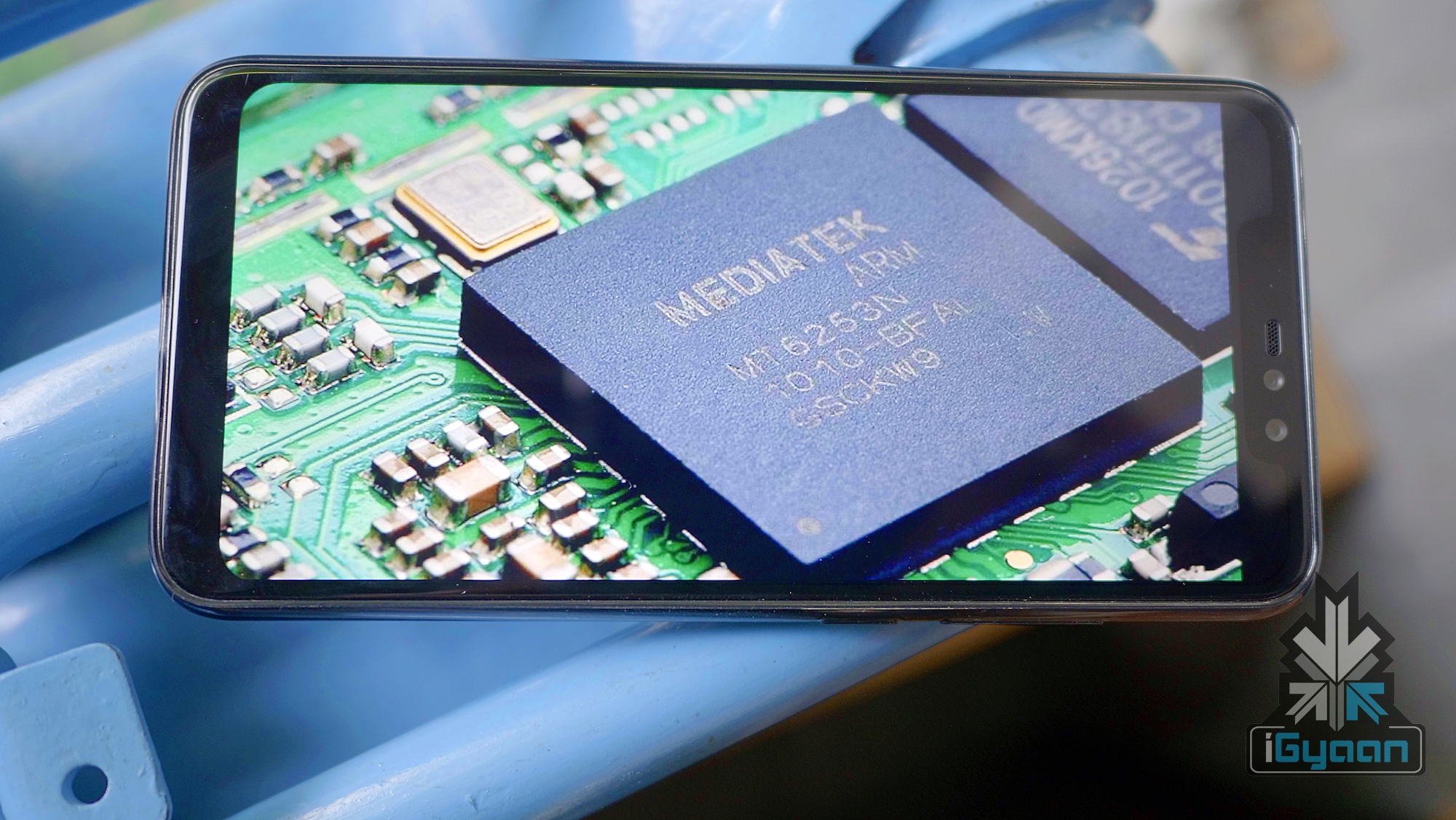
  • MediaTek Announces G90 and G90T Chipsets For Mid Range Gaming Smartphones

    MediaTek Announces G90 and G90T Chipsets For Mid Range Gaming Smartphones

    On the 29th of July, Taiwanese chip maker, MediaTek held a launch event in India where it unveiled two new SoCs. The newly launched chipsets include the Helio G90 and the Helio G90T, both of which are geared towards mid-range gaming smartphones. 

    As the name suggests, the G90T is beefed up variant of the standard G90. Nevertheless, both the Helio chipsets are manufactured using 12 nm fabrication and consist of an Octa-Core CPU. The specifications of the two Helio chipsets are listed below in a tabular format:

       Helio G90  Helio G90T
    Fabrication Process TSMC 12nm
    CPU 2x Cortex-A76 @ 2 GHz
    6x Cortex-A55 @ 2GHz
    2x Cortex-A76 @ 2.05 GHz
    6x Cortex-A55 @ 2GHz
    Memory 2X LPDDR4x Up to 2133MHz up to 8GB, eMMC 5.1 / UFS 2.1 2X LPDDR4x Up to 2133MHz up to 10GB, eMMC 5.1 / UFS 2.1
    Camera  24MP+16MP, 48MP / Triple camera

    3X ISP; AI Face Detection; HW depth engine; AINR; Single-Cam/Dual-Cam Bokeh; Hardware Warping Engine (EIS); Rolling Shutter Compensation (RSC) engine; MEMA 3DNR; Multi-Frame Noise reduction;

    24MP+16MP, 64MP / Quad camera

    3X ISP; AI Face Detection; HW depth engine; AINR; Single-Cam/Dual-Cam Bokeh; Hardware Warping Engine (EIS); Rolling Shutter Compensation (RSC) engine; MEMA 3DNR; Multi-Frame Noise reduction;

    Display 2520 x 1080 (Full HD+) at 21:9 60Hz 2520 x 1080 (Full HD+) at 21:9 90Hz
    Video Decode / Video Encode 2160p (2160 x 1080), h.264, h.265 / HEVC 4K 30fps, FHD 120fps, HD 240fps 2160p (2160 x 1080), h.264, h.265 / HEVC 4K 30fps, FHD 120fps, HD 240fps
    Graphics ARM Mali G76 3EEMC4 @ 720MHz ARM Mali G76 3EEMC4 @ 800MHz
    Modem Cat-12 DL / Cat-13 UL, 4X4 MIMO, 3XCA, 256QAM, TAS 2.0, HPUE, IMS (VoLTE\ViLTE\WoWi-Fi), eMBMS, Dual 4G VoLTE (DSDS), Band 71
    Connectivity Integrated Dual-Band Wi-Fi 5 (a/b/g/n/ac), Bluetooth 5.0,
    GPS + Glonass + Beidou + Galileo, FM radio
    Others Intelligent Dual Mic Wake-up/ Single Wake-up word Intelligent Dual Mic Wake-up/ Dual Wake-up word

    [Note: The specs listed above are the highest that the chipsets are capable of supporting and not the specs of any particular smartphonee incorportating them.]
    MediaTek Helio G90 ChipsetIn addition, MediaTek also introduced HyperEngine technology which helps in boosting game performance on the smartphones. The key benefits of the technology are as follows:

    • Intelligent Network Prediction: The chipset is able to track any sort of degradation in the Wi-Fi signal. As soon as, it identifies such a scenario, the data connection is rapidly switched to LTE network. According to the company, Helio chipsets can switch networks in milliseconds that provides for a smooth gaming experience without any hiccups. 

    • Dual Wi-Fi Connections: Smartphones incorporating the Helio G90 or Helio G90T chipset can simultaneously connect to two different Wi-Fi bands (2.4 GHz/5 GHz) or two entirely different routers to provide faster download speeds and low latency while playing games.

    • Call & Data Concurrency: As the name suggests, mobile data can continuously be used even while making or receiving a phone call. Therefore, if a user gets a phone call while playing an online game, the game will continue running interrupted without any difference in the server. 

    • Intelligent Resource Management: With the help of AI, devices can smartly manage resources like CPU, GPU and battery to churn out maximum performance or battery backup depending on the needs of the user.

    MediaTek Helio G90T Xiaomi SmartphoneNoteworthy, following the unveiling of the chipsets, Xiaomi India CEO, Manu Kumar Jain stepped on the stage and affirmed that the company is already developing a smartphone that incorporates the chipset. Also, Xiaomi had previously announced that it will soon launch a smartphone with a 64 MP camera and looking at the MediaTek Helio G90T’s spec sheet, we believe it is the same handset that Xiaomi had previously referred to.

    Even though not many details about the Xiaomi smartphone are currently available but it is assumed that the device will be priced in the Rs 15,000 and Rs 20,000 price bracket or maybe slightly higher. 

    Also Read: Xiaomi Launches Redmi K20 Pro In Summer Honey White Colour In China

    We believe this could be the second-gen Poco i.e the highly anticipated Poco F2 or a handset in an entirely different lineup that could possibly be called Redmi G1 or Xiaomi G1. 

    All in all, nothing has been set in the stone as of now. In order to get, more details about smartphones incorporating the chipset, we will have to wait patiently until either MediaTek or smartphone OEMs provide concrete information. 

  • Corsair Has Acquired The Gaming Computer Maker Origin PC

    Corsair Has Acquired The Gaming Computer Maker Origin PC

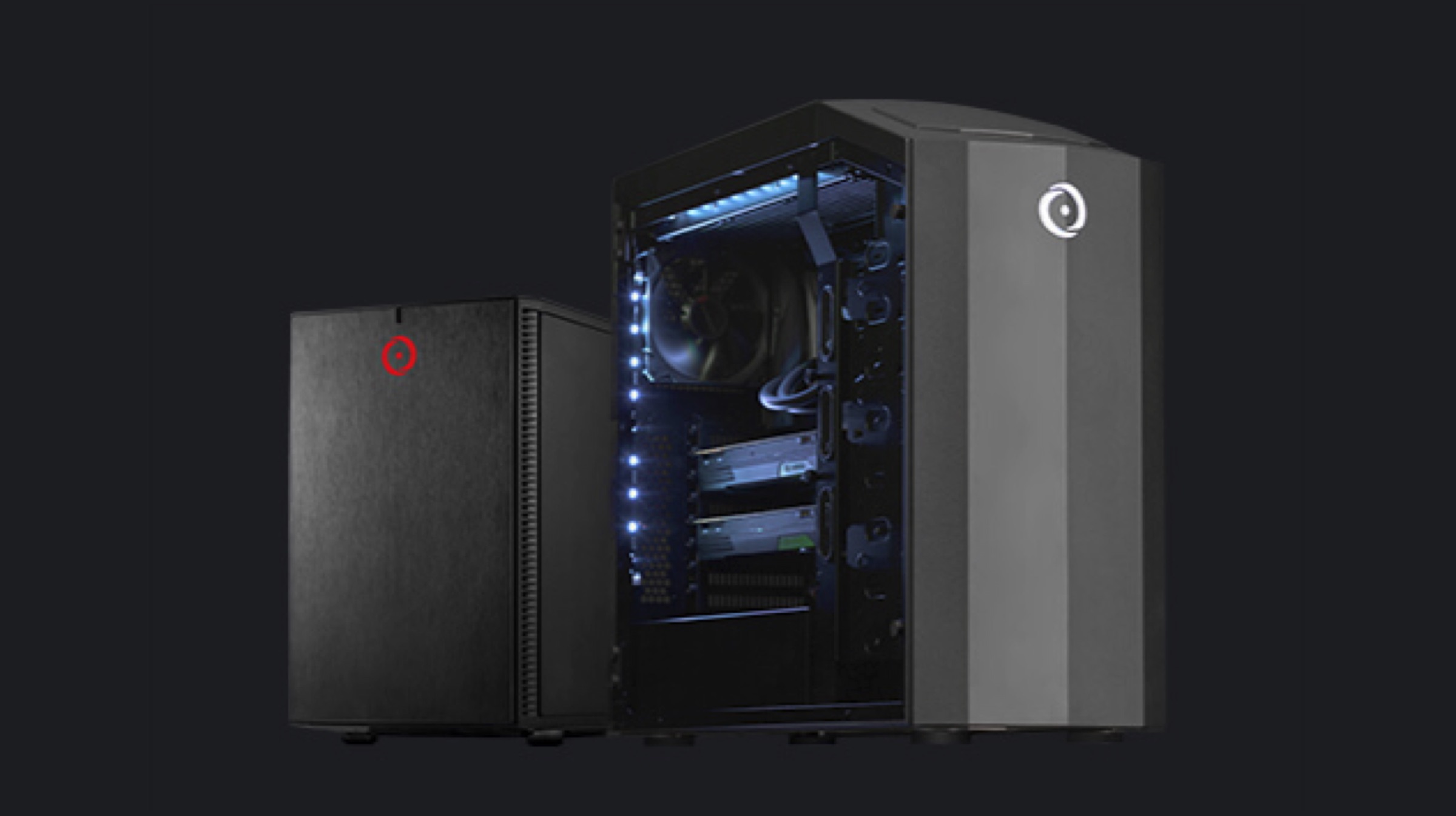
    If you’re into the vast world of PC gaming and by its extension, PC building, you have probably come across the names Corsair or Origin PC. Both the companies are well known within the desktop gaming community and offer varying degrees of gaming technology and peripherals. Now, Corsair in an official statement has confirmed its move to acquire Origin PC.

    Corsair Origin PC

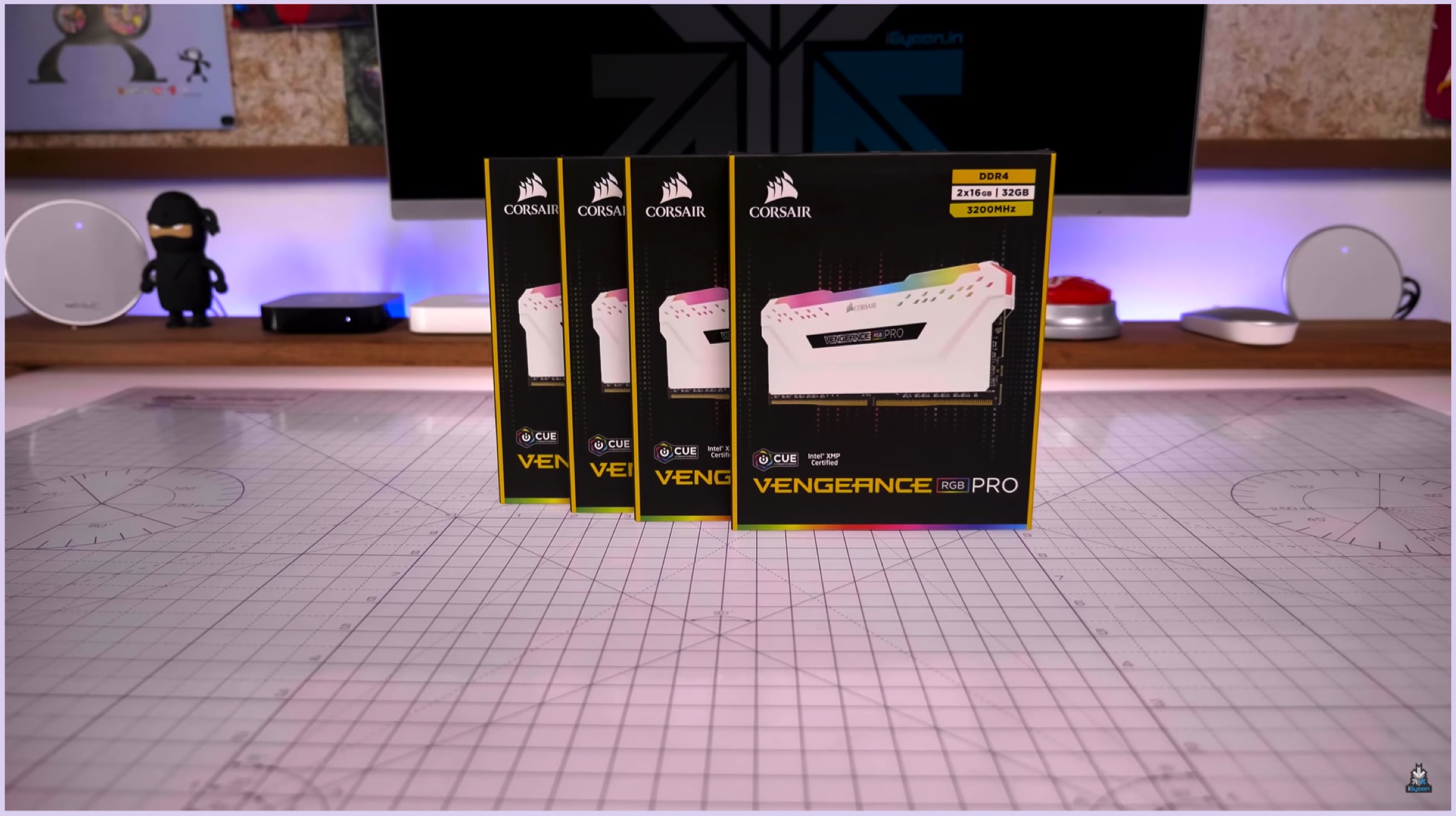
    For those unfamiliar, Corsair is a company that is known for its gaming peripherals such as headsets, PC cases, RGB fans, RAM and much more. Essentially, if one is looking to build a custom PC, they will stumble upon Corsair. On the other hand, Origin PC is a company that sells pre-built high-performance gaming rig which helps skip much of the hassles of getting into PC gaming. Furthermore, Corsair’s acquisition of Origin PC does not, in fact, change a lot on the business operations side. The pre-built computer manufacturer will remain as a separate brand under Corsair and will still handle warranties, product support and purchases in the future. 

    Corsair Origin PC

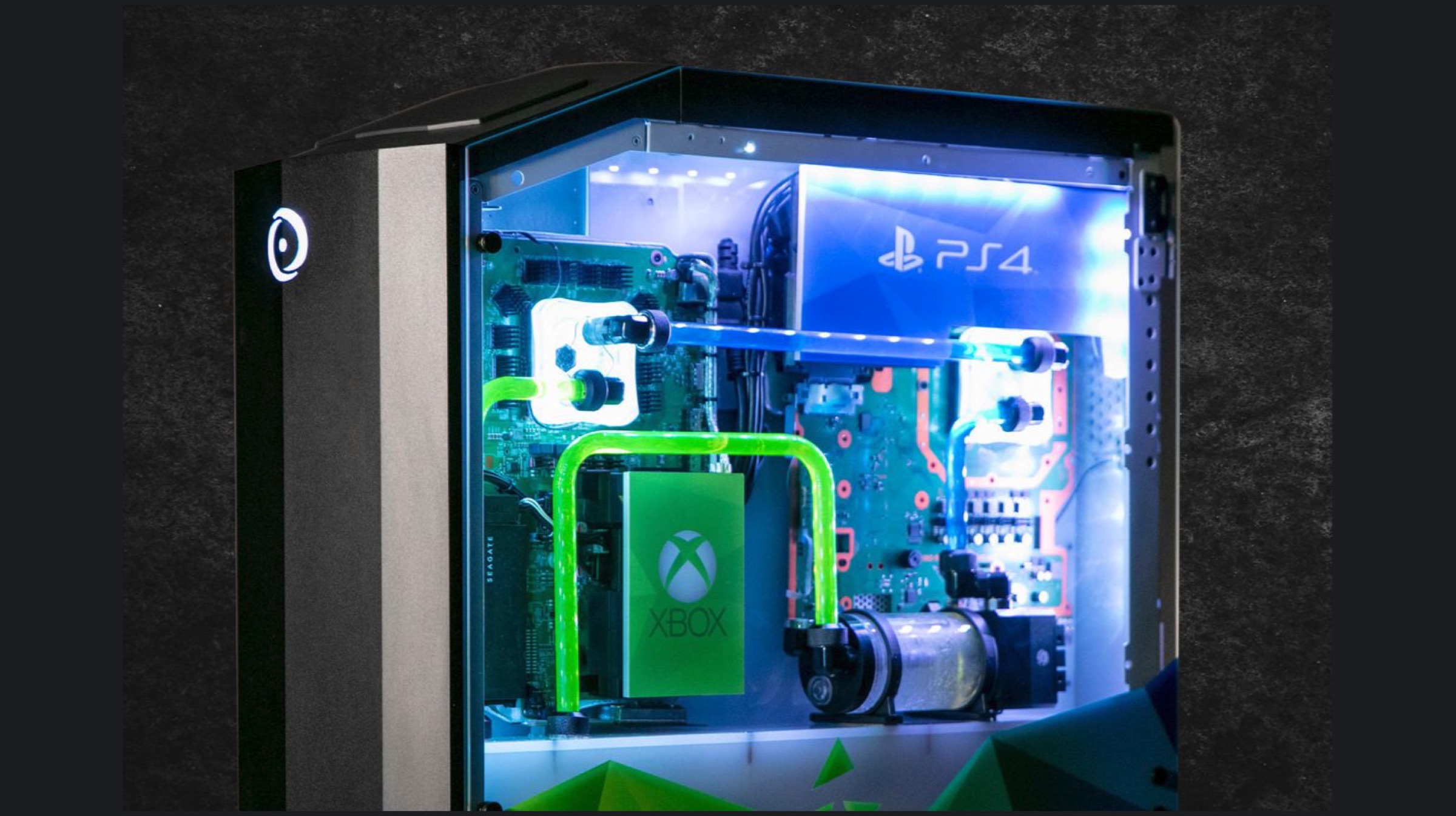
    Additionally, Corsair will still produce its own separate system like the Corsair One even after acquiring a well-known name in the pre-built PC industry. However, there will be certain changes that will be made to Origin PC’s various gaming builds. Corsair will incorporate its iCue software into the computers that will offer a system-wide lighting synchronization and system monitoring. By its extension, even the Hydro X series custom cooling solutions will soon be seen in Origin PC builds in the near future.

    Corsair Origin PC

    Also ReadRED Confirms Hydrogen 2, Blames Chinese ODM For Failed First Smartphone

    The press statement is big news in the gaming world as mergers always lead to more collaborations and innovation. Gamers can expect to see more added customisation options to soon be available on Origin PC gaming builds. Notably, Corsair acquired Elgato, known for its capture cards for streaming, back in 2018 so we are seeing a pattern of acquisitions. Stay tuned for more information related to gaming on iGyaan.

  • MediaTek To Launch The Helio G90 SoC For Gaming Smartphones Soon

    MediaTek To Launch The Helio G90 SoC For Gaming Smartphones Soon

    With the rise in popularity of mobile gaming, many smartphone manufacturers have launched a specialised gaming handset of its own. Brands like Xiaomi, Nubia and Asus have already unveiled multiple devices that are focused towards gaming. To cater to the high potential market, Qualcomm announced the Snapdragon 855 Plus SoC earlier this week. The chipset is designed to be used in gaming smartphones and boasts of a performance jump over the standard Snapdragon 855. Now, Taiwanese chipset giant MediaTek has also announced that its first gaming-focused SoC, the Helio G90 will launch later this month.

    MediaTek Helio G90

    MediaTek Helio G90

    As mentioned above, the MediaTek Helio G90 will be a gaming-focused mobile chipset from the company. In the official teaser image of the processor, It has been revealed that the G in the name of the SoC stands for gaming.  Unfortunately, the teaser does not reveal any other details about the chipset. Notably, it will be a part of a different series of processors and will coexist beside the company’s Helio A, Helio P and Helio X series of SoCs. The Helio G90, while remains shrouded in mystery may share many specs with the Helio P90; which is MediaTek’s latest chipset because of the shared number. It is speculated that the upcoming processor will have the same, 12nm Octa-core CPU as the Helio P90; albeit with a more powerful GPU.

    MediaTek Helio G90

    Also read: Xiaomi Mi A3 Pricing & Storage Variants Leaked

    MediaTek mobile chipsets have not been the first choice of manufacturers making gaming smartphones until now. With the upcoming Helio G90, the company may be planning on shedding the image and establish itself as a strong contender in the ever-increasing gaming handset market. The launch for the MediaTek Helio G90 SoC is scheduled in Shanghai, China for the 30th of July. While which smartphones will debut with the chipset is not known yet, an official announcement is expected at the unveiling.

  • Qualcomm Announces Snapdragon 855 Plus SoC For Gaming Smartphones

    Qualcomm Announces Snapdragon 855 Plus SoC For Gaming Smartphones

    American chipmaker Qualcomm launched its latest flagship mobile processor, the Snapdragon 855 SoC; last year in the month of December. The chipset has since been seen in most Android flagship smartphones this year including the OnePlus 7, OnePlus 7 Pro, Asus 6Z, Nubia Red Magic 3 and the Redmi K20 Pro. Now, in a bid to capture the ever increasing gaming trend in mobile devices, the company has announced the Snapdragon 855 Plus SoC. It offers slight upgrades in the CPU and GPU of the chipset which should offer a better gaming experience.

    Qualcomm Snapdragon 855 Plus

    Qualcomm Snapdragon 855 Plus

    The Qualcomm Snapdragon 855 Plus as the name suggests, is a slightly tuned version of the Snapdragon 855 SoC. While not a successor, the newest chipset is specifically designed for gaming smartphones to offer better performance. In terms of the difference between the chipsets, the major change in the latest mobile processor is that is bumps up the Prime CPU core clock speed up to 2.96GHz. This is a significant increase from the 2.84GHz clock speed on the Prime core of the previous version. Apart from the CPU, the Adreno 640 GPU on the new Snapdragon 855 Plus SoC boasts of a 15 percent performance increase over the GPU in the Snapdragon 855. Other than the aforementioned differences, other specifications of the two chipsets remain the same.

    Qualcomm 865
    Snapdragon 855

    Also read: NVIDIA GeForce RTX 2070 SUPER Review

    While the Qualcomm Snapdragon 855 Plus is the newest offering by the company; it isn’t expected to totally replace the Snapdragon 855 in most of the flagship smartphones launching this year. This is because of the performance increase in the newest chipset will mean that it will generate more heat. Other than gaming handsets, the cooling solutions on most flagship devices may not be suited to handle the amount of heat generated on the peak load of the processor. Furthermore, Taiwanese electronics giant Asus has already announced that its next gaming smartphone, the ROG Phone 2, will be the first in the world to feature the Qualcomm Snapdragon 855 Plus SoC. The device will launch on the 23rd of July, so we don’t have to wait long to see the newest chipset in action.

  • AMD Radeon RX 5700 & 5700 XT GPU Prices Revealed In India

    AMD Radeon RX 5700 & 5700 XT GPU Prices Revealed In India

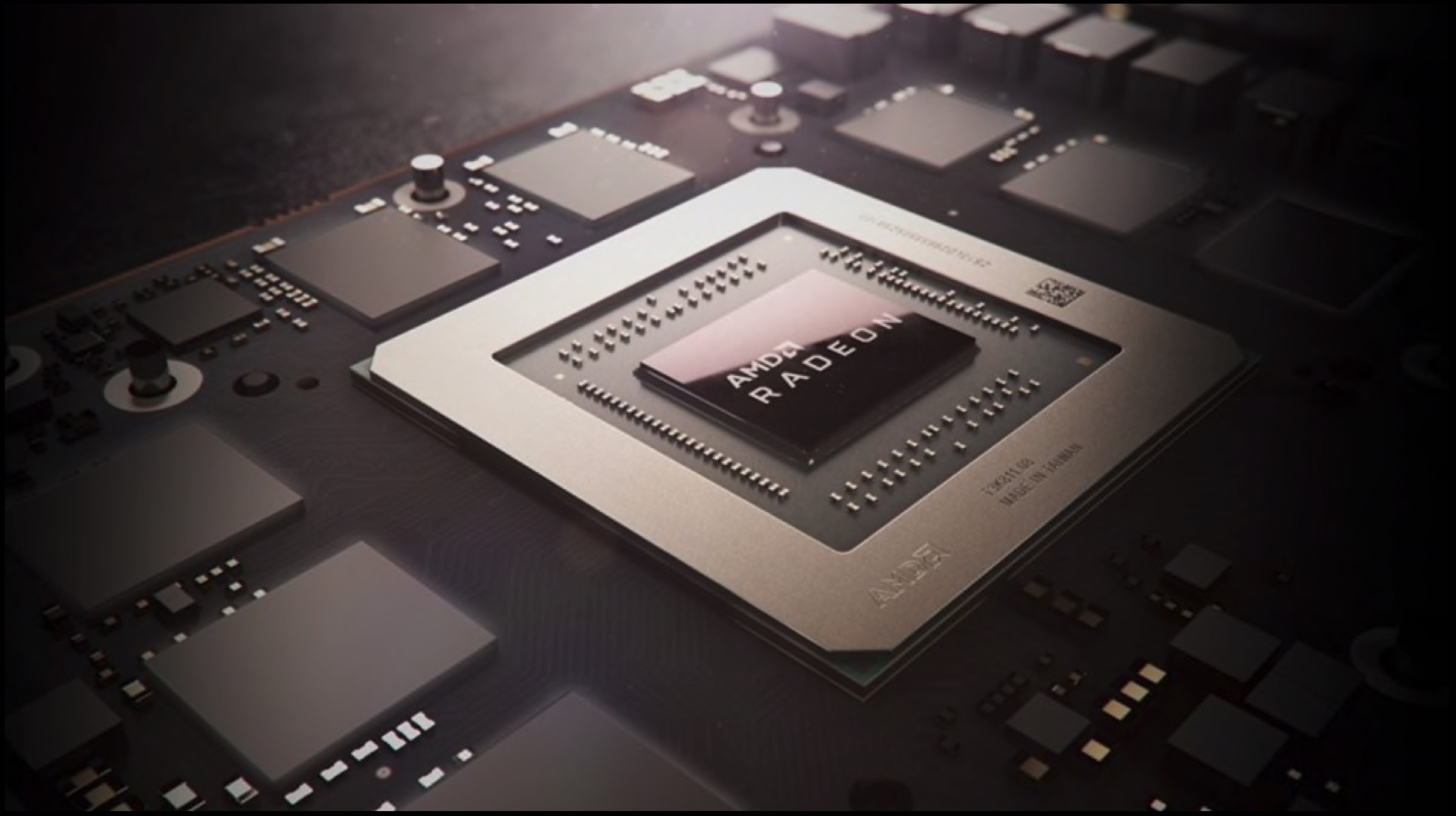
    AMD had announced its latest Radeon RX 5700 & 5700 XT graphics card offerings in its keynote at Computex 2019. It marks the company’s entry into the mid to high tier ranges of GPUs. The video cards were made in response to NVIDIA’s GeForce RTX 20 series GPUs with a better price to performance value. AMD officially launched the cards on 7th July and finally released the official Indian pricing after the surprise price slash.

    Team green’s Ray Tracing enabled cards featured flagship (from the 2080Ti and 2080) to the upper mid range (2070 and 2060) GPUs; unfortunately, the aforementioned PC components also carried a hefty price for the new technology offered. AMD is seeking to fill the premium and mid range gap with its RX 5700 series of powerful cards and lucrative prices. NVIDIA is launching its refreshed, beefed up version of the original, RTX SUPER cards today to be better compete with AMD.

    Specifications

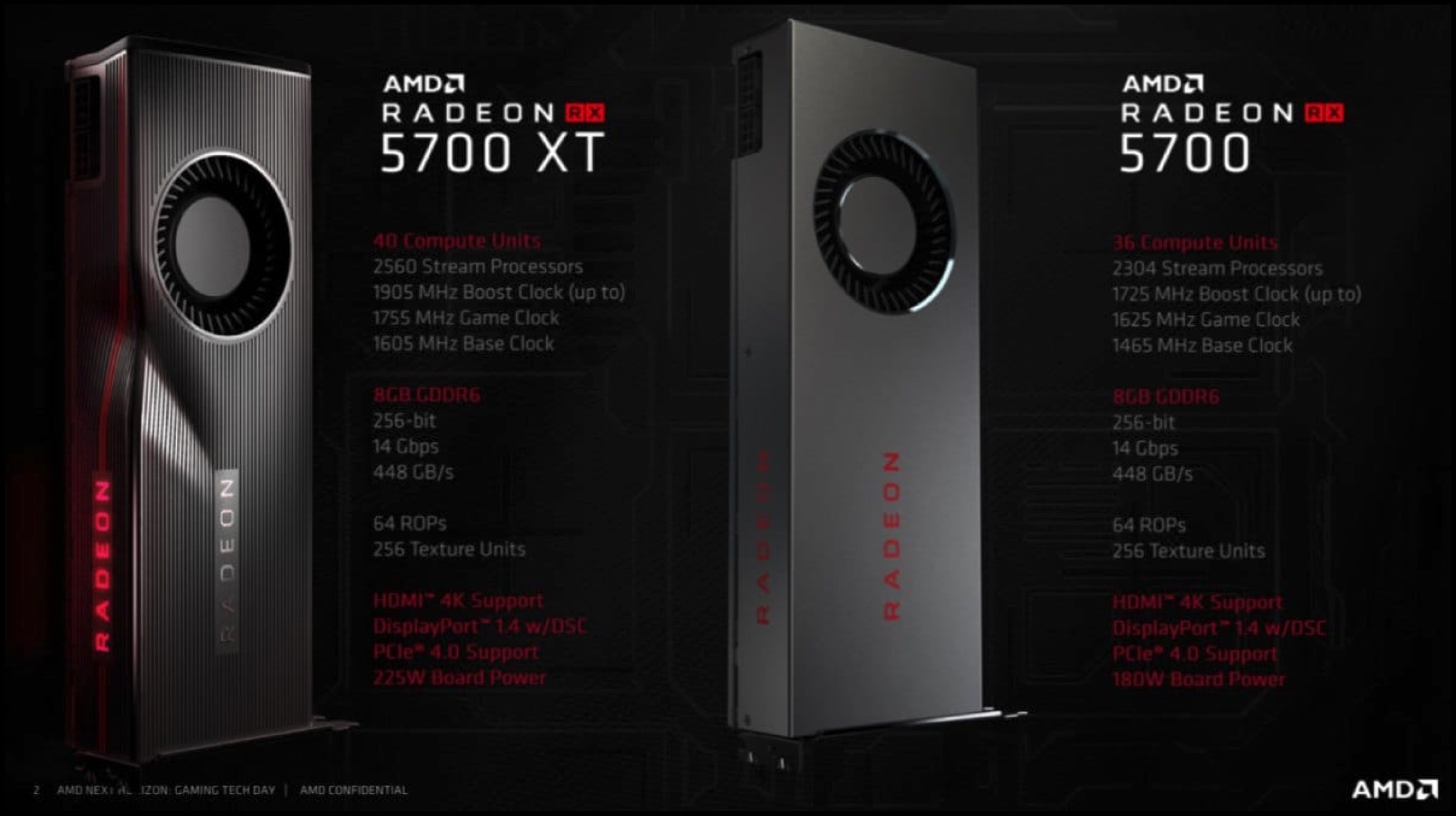
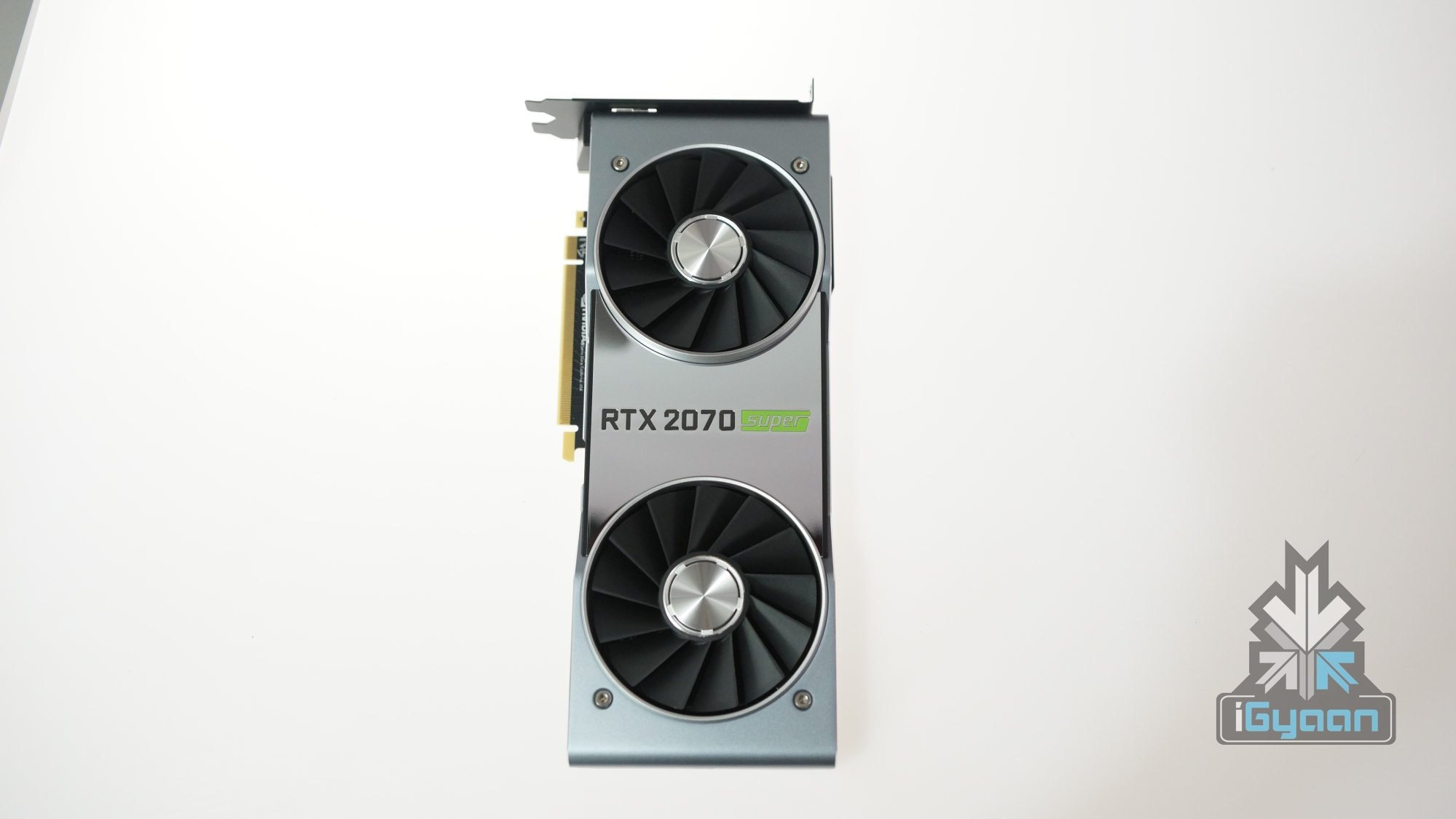
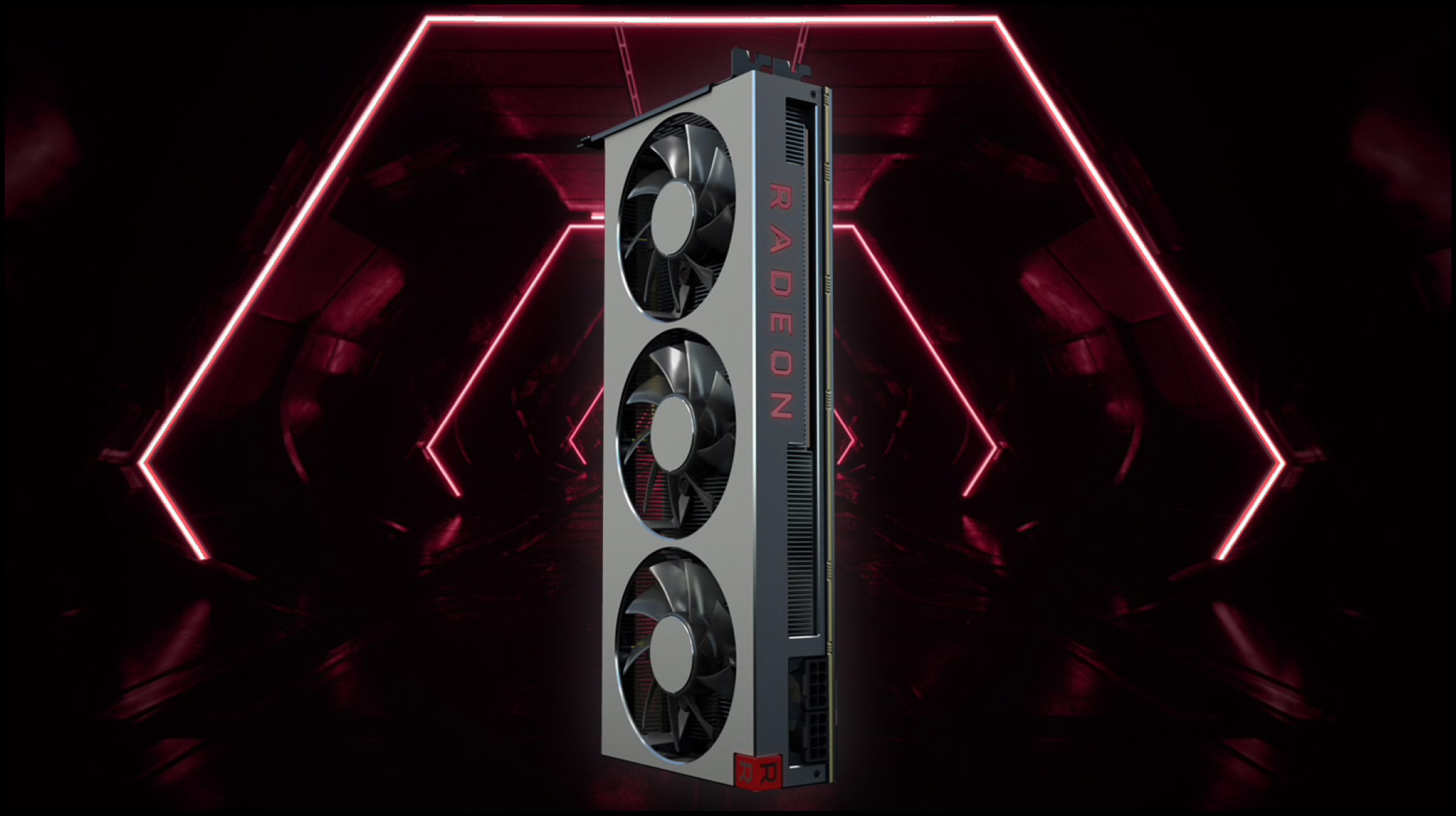
    AMD Radeon RX 5700 XT features 40 compute units or 2560 streaming processors that deliver 9.75 TFLOPs of FP32 performance. The 7nm GPU will sport 8GB of GDDR6 VRAM with a core clock of 1606MHz and a boost clock of 1905 MHz. This is by far the highest clockspeed seen in any AMD GPU, all thanks to its new RDNA architecture and 7nm process. It will compete with the new RTX 2070 SUPER while outperforming the now discontinued vanilla RTX 2070 from NVIDIA.

    On the other hand, the Radeon RX 5700 features 36 compute units or 2304 streaming processors that deliver 7.95 TFLOPs of FP32 performance. The 7nm GPU will sport 8GB of GDDR6 VRAM with a core clock of 1465MHz and a boost clock of 1725 MHz. It will compete with the new RTX 2060 SUPER while outperforming vanilla RTX 2060 from NVIDIA.

    Price & Availability

    The AMD Radeon RX 5700 XT is officially priced at INR 30,990 (INR 36,570, after tax), while the Radeon RX 5700 will sell for INR 26,990 (INR 31,850, after tax). However, AMD is not launching the higher end RX 5700 XT Anniversary Edition in India. The two GPUs will be under AMD’s current flagship the Radeon VII and will also be available from other brands. Variations of the graphics card will be sold by Gigabyte, MSI, Sapphire, ASUS, and more with single digit percentage difference in performance.

    Also ReadLG Working On A Cryptocurrency Wallet Suggests Patent

    It is a great time to be a gamer or build a gaming PC. Prices for viable PC components are now available. The sub $500 market has never been so competitive. Both team green and red offer are offering some great deals that give more choice to consumers which is always a plus point. One can essentially buy from either the RTX SUPER or RX 5700 Series and not regret it. The tech giants have offered great value for money with the new affordable graphics card. The new launches bring a positive impact for the Indian gaming community and culture as a whole.

  • Indian Pricing Of AMD Ryzen 3000 CPUs Revealed

    Indian Pricing Of AMD Ryzen 3000 CPUs Revealed

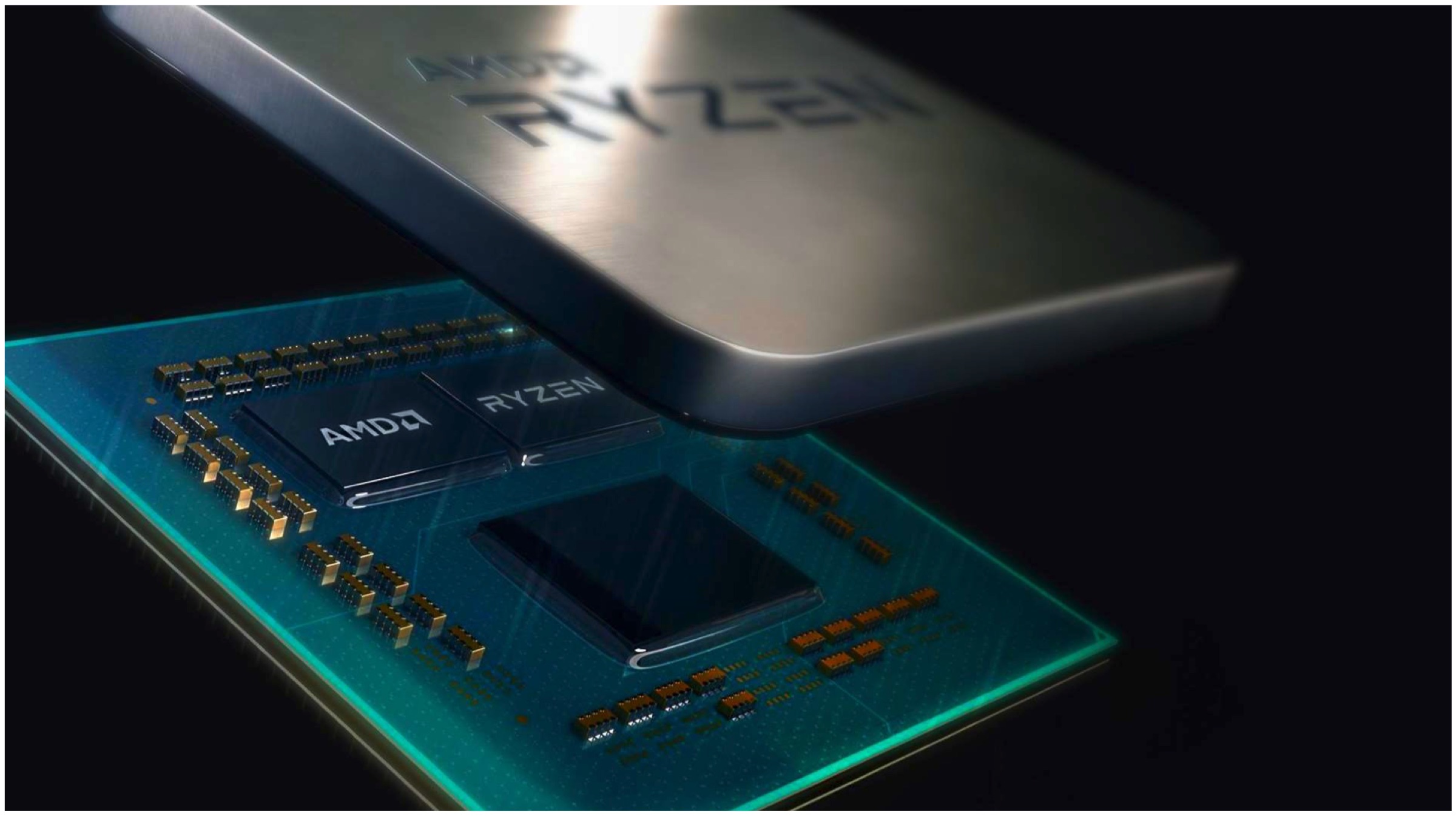
    AMD has finally released its much awaited third generation Ryzen CPUs. The company on the 7/7 (7th of July) launched eight new 7nm Ryzen 3000 series desktop processors. They are the first to incorporate AMD’s latest Zen 2 architecture built on a 7nm manufacturing process. The CPUs will go on sale globally alongside the new NAVI Radeon GPUs and motherboards from the company. AMD has currently only announced the pricing of CPUs for the Indian market.

    Price

    The top end Ryzen 9 3950X with 16 cores will only be available from September. The Ryzen 9 3900X, with 12 cores an 24 threads, will go on sale today for INR 35,990 in India (approx Rs. 42,470 after 18% tax). AMD’s 8 core CPUs like the Ryzen 7 3800X and 3700X are priced at INR 28,490 and INR 24990 (excluding tax) respectively; while the mid range affordable yet powerful cores such as the Ryzen 5 3600X and 3600 will sell for INR 17,690 and INR 14,490 (excluding tax) respectively. The aforementioned cards are all fabricated on a 7nm architecture and will replace the second generation of Ryzen processors.

    Ryzen

    AMD also launched two new APUs, namely, the Ryzen 5 3400G and Ryzen 3200G; they are based on the previous gen Zen+ architecture that features Radeon Vega graphics processors. The prices for the CPUs are INR 10,990 and INR 7,190 (excluding tax) respectively and are aimed at casual or budget gamers. The new launches are AMD’s move on upgrading their single-threaded and multi-threaded performance to outclass the 9th generation Intel Core processors.

    Ryzen

    The Competition

     Intel has infamously struggled with the transition to the 10nm fabrication process and will only incorporate it in its upcoming 10th gen CPUs. The company has stayed competitive by tweaking its 14nm chipsets to give better performance but team red is taking the lead now. The company’s 10th gen Intel Core processors will have to bring great new improvements or features to stay relevant against AMD. Intel and AMD have always been neck-in-neck with their PC components arms race, with Intel always having an edge. Now, AMD is seemingly ahead of the curve and already a step ahead of Intel. Only time will tell how Intel responds to the new threat it faces in the computing industry.

    Also ReadTop Upcoming Smartphones To Look Out For In Second Half Of 2019

    AMD has also launched its new motherboards and NAVI based Radeon GPUs; however, the pricing of the later is yet to be announced for the Indian market. The company will partner with other brands like Asus, Gigabyte, MSI and more to introduce its X570 chipset based motherboards. Its prices range from INR 13,805 for Asus Prime X570-p/CSM to INR 38,150 for Asus ROG Crosshair VIII Formula. The second being a flagship motherboard and both exclude GST taxes.

  • AMD Reduces Radeon RX 5700 Prices To Beat NVIDIA RTX Super

    AMD Reduces Radeon RX 5700 Prices To Beat NVIDIA RTX Super

    AMD had announced its latest offerings of graphics card in Computex 2019 in May. The Radeon RX 5700 series was set to take on NVIDIA’s RTX series graphics card by undercutting it in terms of price. However, NVIDIA had just unveiled its own trump card, with the RTX SUPER series which was teased after AMD’s Computex keynote. The latest RTX SUPER cards feature a noticeable bump in performance at a reasonable price tag; so why would gamers go with team red (AMD) cards if they can get a cheaper similarly performing team green (NVIDIA). 

    Now, AMD is countering the latest NVIDIA cards by slashing its price down for the Radeon RX 5700 series before its launch.

    AMD Radeon RX 5700

    The Competitor

    AMD had originally announced its new 7nm NAVI GPUs, the Radeon RX 5700 and RX 5700 XT at a price of $379 (approx. Rs.26,000) and $449 (approx. Rs.31,000) respectively. They were priced in a manner to undercut the RTX 20 series graphics card, mainly the RTX 2060 and RTX 2070. The cards would’ve been a worthy competitor at that price with the performance offered. At launch, the RTX 2060 cost $349 (approx. Rs.23,889) while the RTX 2070 cost $599 (approx. Rs.41,000). The latest RTX 2060 SUPER carries the same price tag as the RX 5700 XT and should deliver performance slightly below it, while the RTX 2070 SUPER is priced at Rs,43,600 for India.

    NVIDIA

    New Price & Availability

    The Radeon RX 5700 series from AMD will launch on 7th July carrying a price tag of $349 (approx. Rs.23,889) for the RX 5700; while the higher end will be sold for $399 (approx. Rs.27,331). NVIDIA had seemingly cut off the AMD’s cards before they had even launched, but team red had been prepared. The decision arrives directly after the launch of the RTX SUPER series graphics cards. The price drop might have already been planned by AMD.

    AMD Radeon RX 5700

    Also ReadXiaomi Mi A3 With Triple Cameras Certified On FCC And IMDA

    One of AMD’s top officials went on Twitter to post the term ‘Jebaited’. It is a word associated with the gaming community. It is basically used when one either outmanoeuvre or outsmart the enemies. The tweet clearly states AMD’s intention of upping its long-running competition with team green. The prices drops are a big deal as gamers finally have a myriad of viable choices at reasonable prices after the boosted prices of yesteryears. Users can look forward to the upcoming Radeon RX 5700 series as a worthy competitor to the RTX SUPER series.

  • NVIDIA Unveils The RTX 2060 SUPER, 2070 SUPER, 2080 SUPER GPUs

    NVIDIA Unveils The RTX 2060 SUPER, 2070 SUPER, 2080 SUPER GPUs

    Computex 2019 has seemingly started off an arms race for the gaming industries giants. AMD spearheaded the electronics expo with its keynote that saw the company announce the RX 5000 series graphics card. These cards had undercut NVIDIA’s existing RTX series graphics card in price and, to some extent, power. While team red was preparing for the launch, team green had teased a new and improved lineup of RTX graphics card. 

    Nvidia is now officially announcing its SUPER Series of RTX graphics card which will bring a sizeable upgrade over its existing lineup. 

    NVIDIA

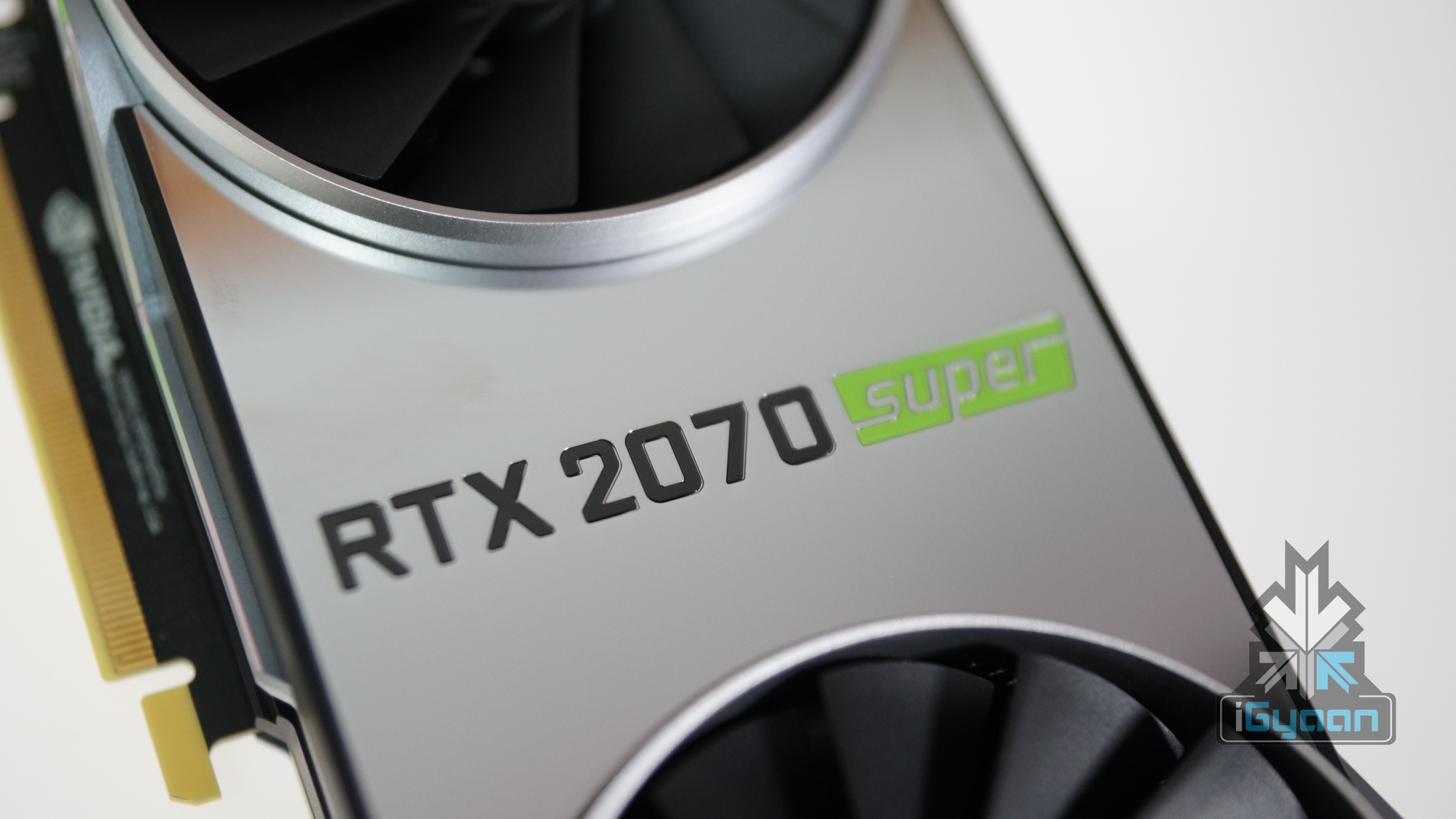
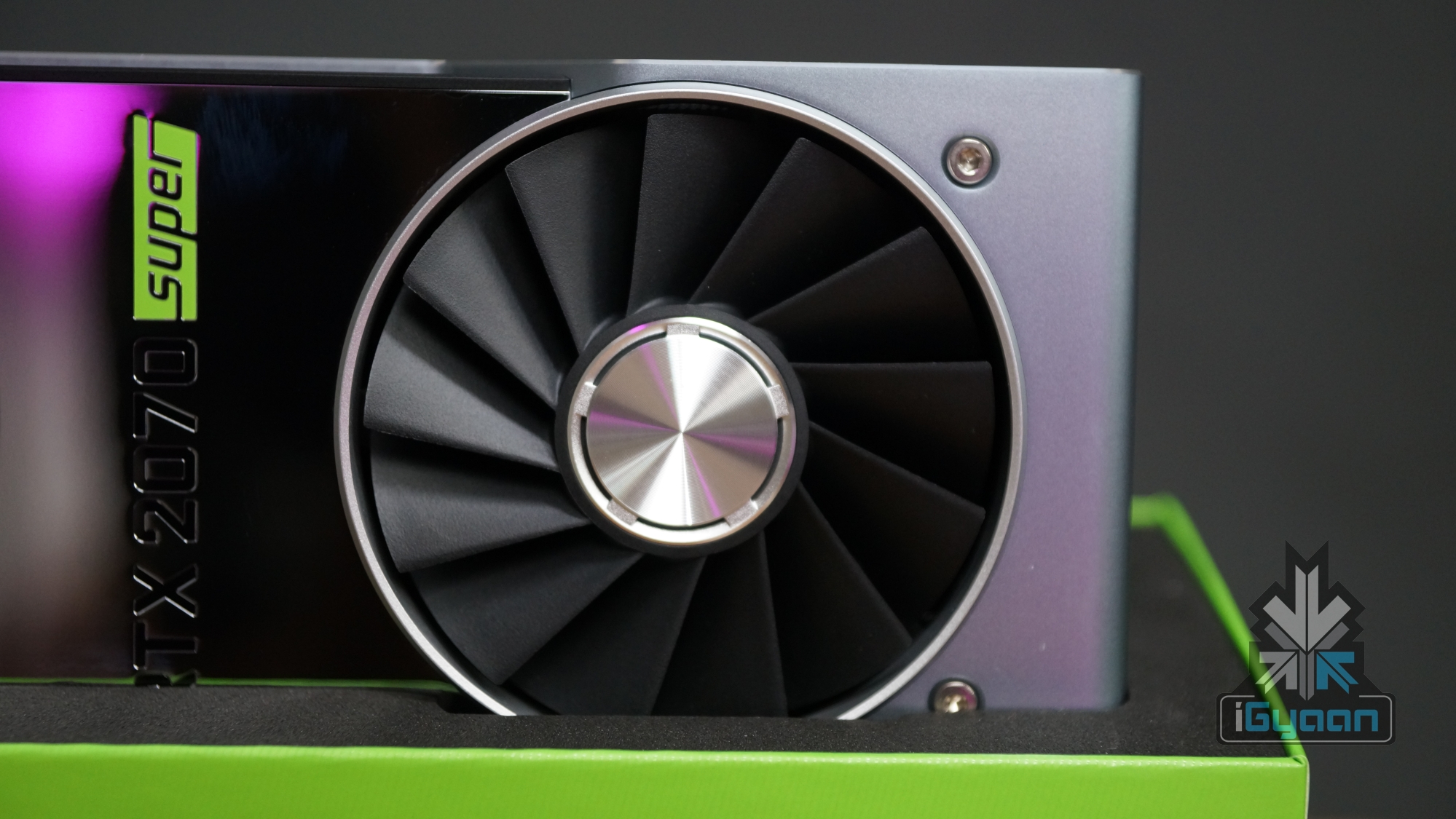
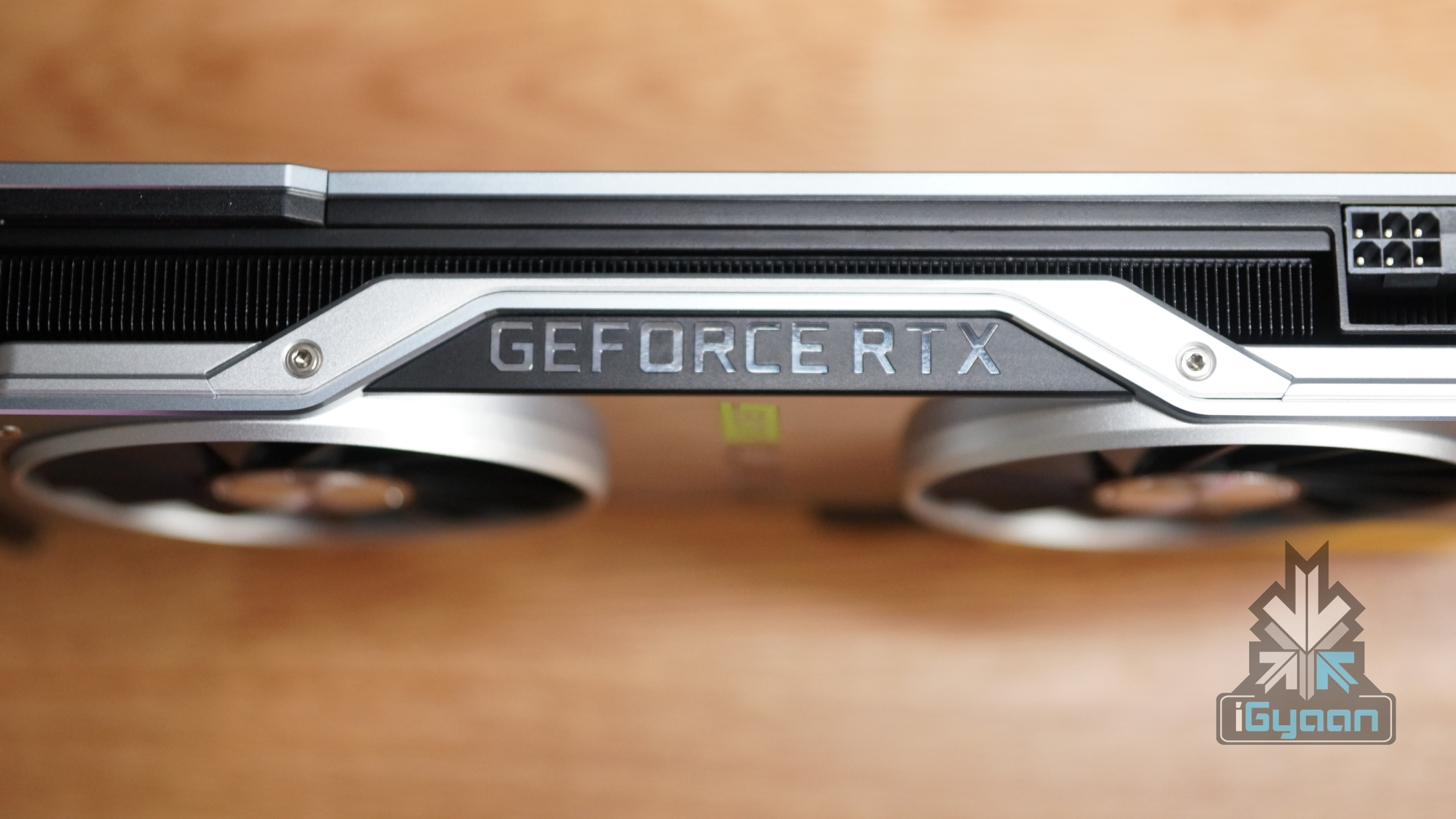
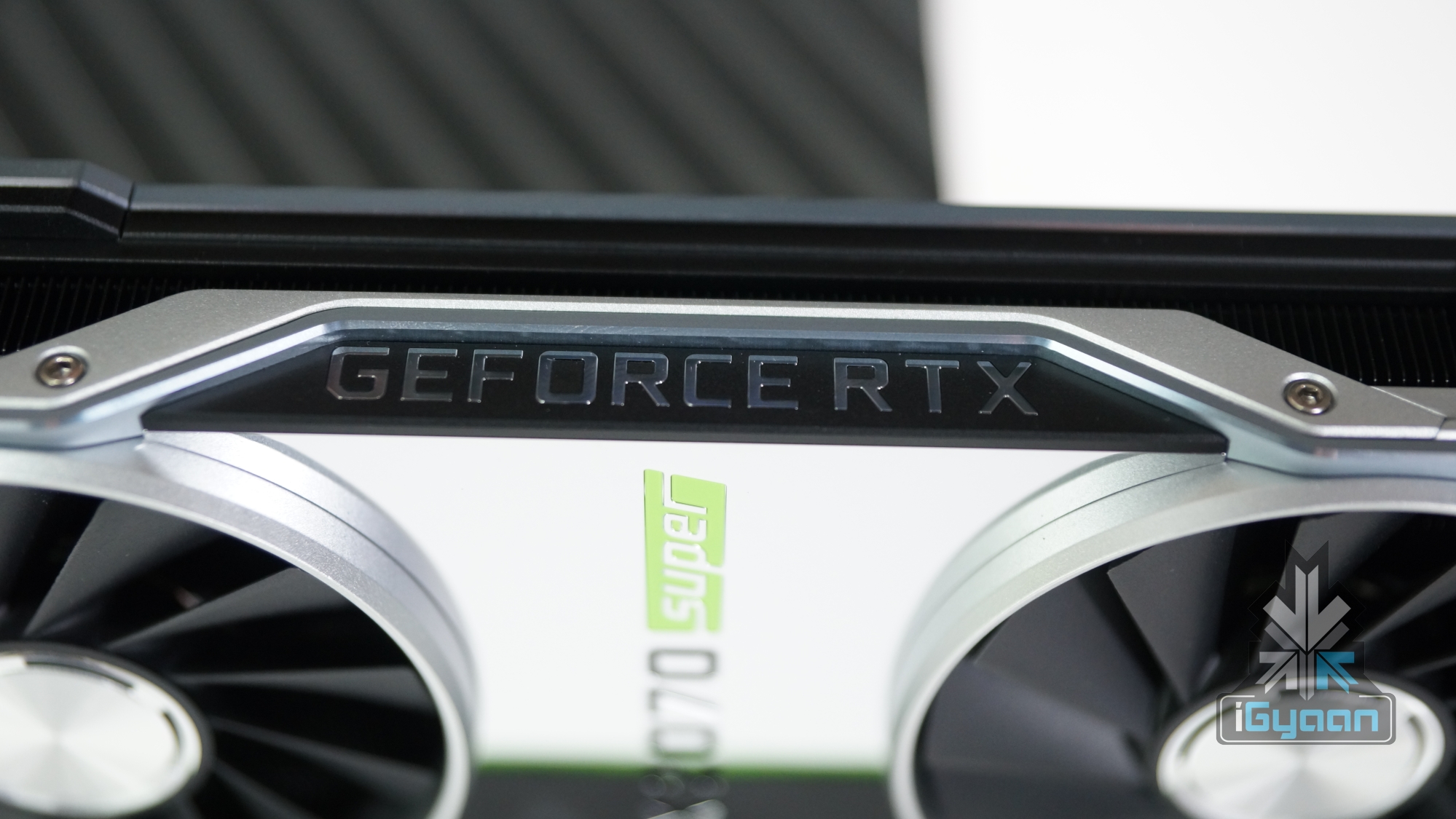
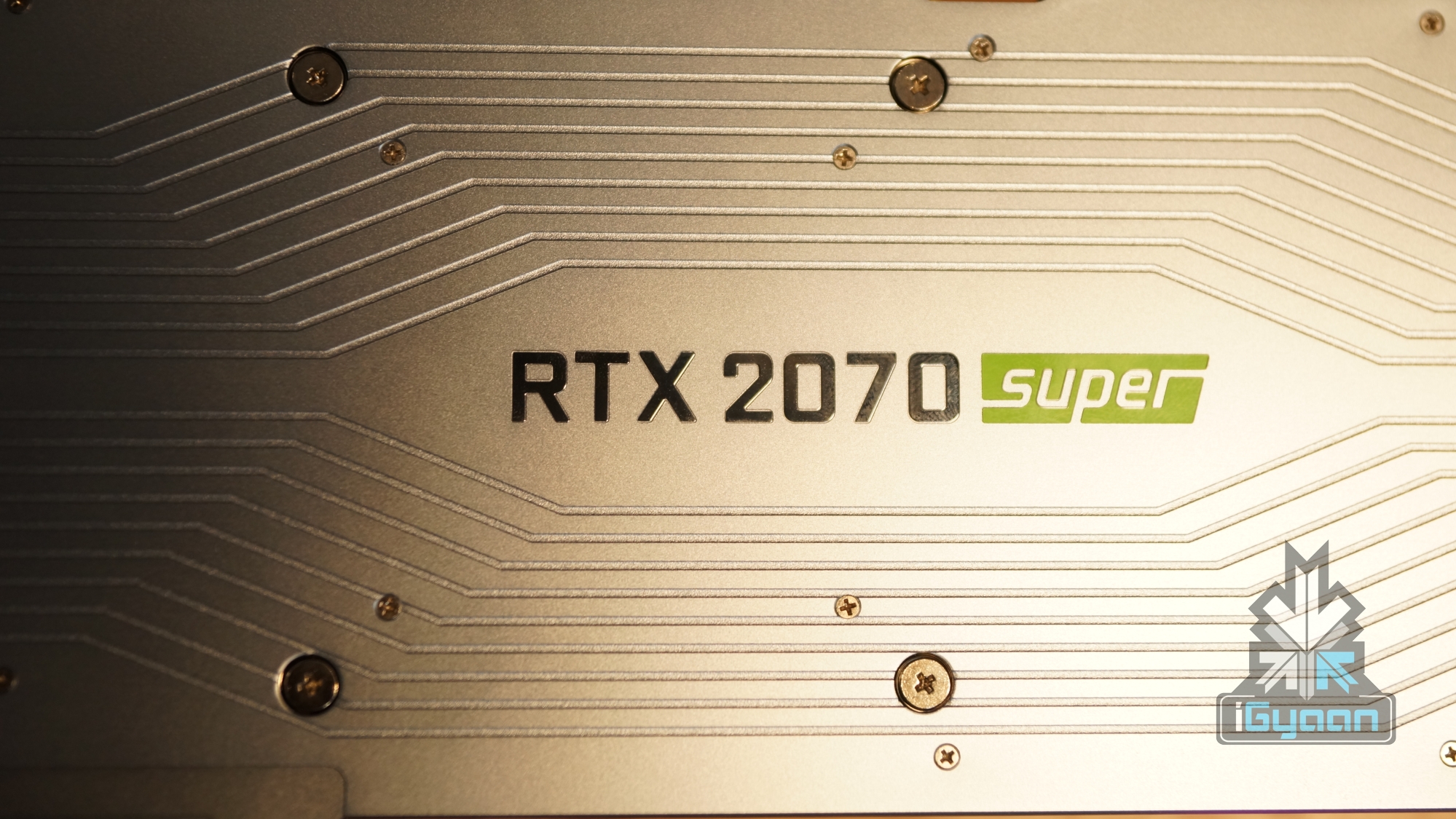
    AMD will soon launch its graphics card which was supposed to be a viable alternative to the RTX cards at a competitive price. However, NVIDIA has already started phasing out its existing RTX graphics card, excluding the RTX 2060. The company has “supercharged” its products by the introduction of its new GeForce RTX 2060 SUPER, GeForce RTX 2070 SUPER, and GeForce RTX 2080 SUPER. These new cards are one of the latest and most powerful cards currently available for gaming purposes. 

    NVIDIA

    GeForce RTX 2060 SUPER GPU Specification

    The new SUPER variant of the RTX 2060 GPU brings a noticeable improvement to overall performance with a bump of 22% (average 15%) than the standard variant. The graphics card houses 8GB of GDDR6 VRAM which is 2GB higher than the RTX 2060. It is also claimed that the card will be faster than the last gen GTX 1080 and features 7+7 TOPs (FP32+INT32) and 57 Tensor TFLOPs.

    GeForce RTX 2070 SUPER GPU Specification

    RTX 2070 SUPER is reportedly 24% (average 16%) faster than the regular RTX 2070 which is a great improvement. Notably, NVIDIA is claiming that this card is faster than the GTX 1080 Ti with 9+9 TOPs (FP32+INT32) and 73 Tensor TFLOPs

    GeForce RTX 2080 SUPER GPU Specification

    The new graphics card is the flagship and one of the most powerful GPU under NVIDIA’s arsenal. The card has had its speed bumped upto 15.5Gbps from the originals 14Gbps. Furthermore, the SUPER variant is faster than the TITAN Xp and features 11+11 TOPs (FP32+INT32) and 89 Tensor TFLOPs. 

    All of the new cards will support every new technique that was employed by the original RTX card. That includes Ray-Tracing technology alongside NVIDIA’s Deep Learning Super Sampling (DLSS). The new cards will also be one of the few new cards from team green to support the Mesh Shading and NVIDIA Adaptive Shading. These techniques are used for polishing the graphical fidelity of any game without drastically impacting the performance and responsiveness of the game being rendered.

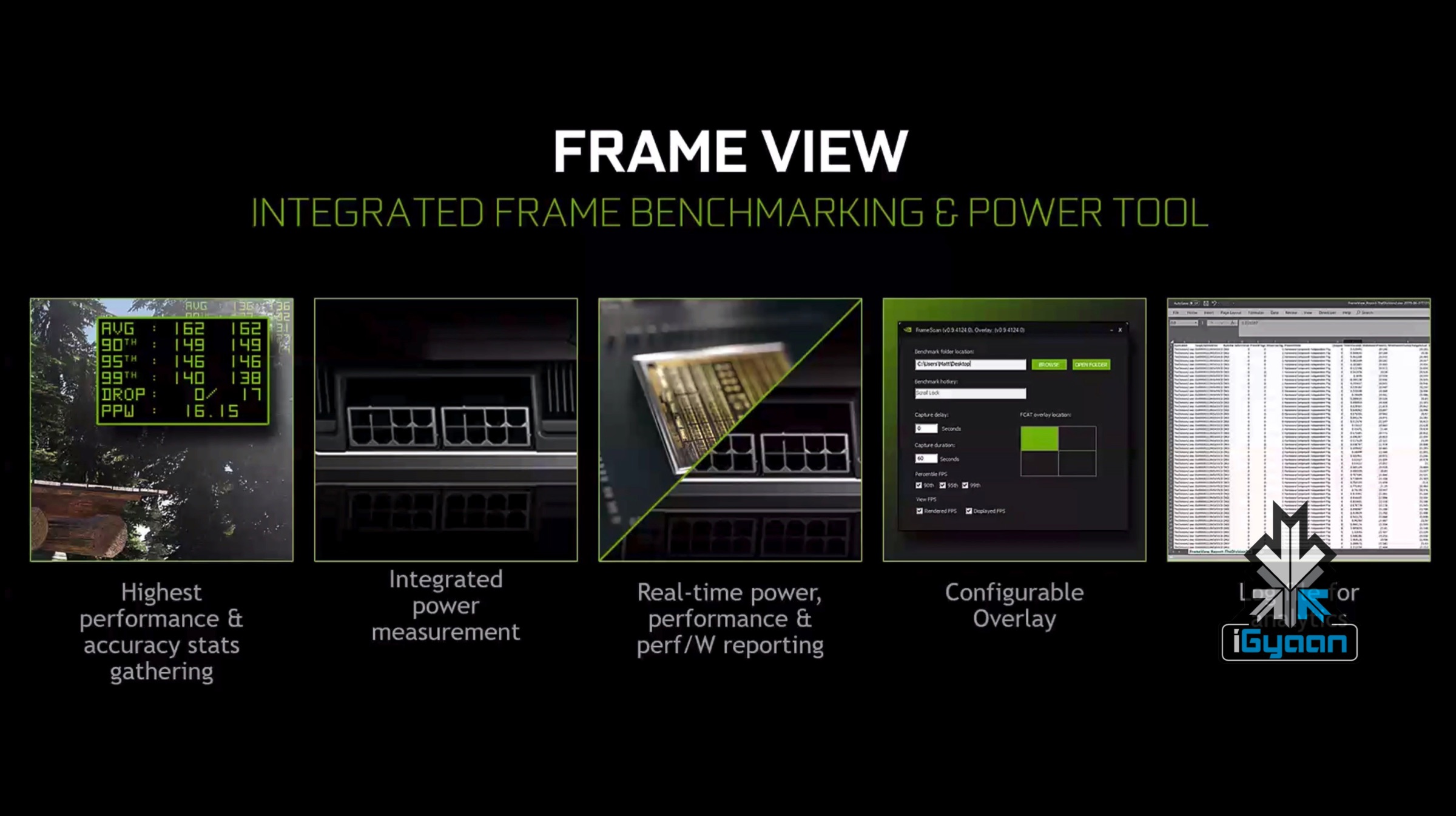
    NVIDIA is also launching a new integrated frame benchmarking & power tool by the name of “FrameView”. This new software enables accurate real-time information regarding game performance like FPS and average FPS, power drawn from the board, completely customisable overlay and even a log file for analytics. The feature will also be available to AMD cards, although power draw will not be read. The beta will be released soon, stay tuned for more on this.

    RTX

    Price and Availability

    GeForce RTX cards pricing will start from INR 34,890 for the 2060, while the RTX 2070 SUPER will be sold for INR 43,600. The premium graphics card RTX 2080 SUPER will have prospective buyers shell out INR 61,400. The first two cards will be commercially available from 9th July in India, while the later premium card will be released on July 23rd. The existing cards will be phased out apart from the RTX 2060 while the 2080 Ti still remains as the crown prince of the company.

    NVIDIA

    NVIDIA is known to collaborate with other companies that provide gaming-related peripherals and electronic components. Companies like, ASUS, Colorful, EVGA, Gainward, Galaxy, Gigabyte, Innovision 3D, MSI, Palit, PNY and Zotac versions of the card will be available alongside the Founder’s Edition. The graphics card will also be available on gaming laptops such as Dell, Alienware, Acer, HP and Lenovo. A special deal is being offered by NVIDIA, in which users buying the graphics card on 9th July will receive a free copy of Control and Wolfenstein: Youngblood.

    RTX

    Also ReadLG Unveils An Affordable Flagship Smartphone, The G8s ThinQ

    NVIDIA has made an impressive move with the affordable price of entry for its RTX SUPER series in India. The move will prove to be a great adversary to the upcoming RX 5700 & 5700 XT that will go on sale on 7th July. The upgraded additions to NVIDIA’s latest gen of graphics card will again be a strong choice for potential buyers for their gaming needs. 

  • US$ 500 Ryzen 9 Beats US$ 2000 Intel i9 Processor

    US$ 500 Ryzen 9 Beats US$ 2000 Intel i9 Processor

    At the Computex 2019, AMD unveiled the 3rd Gen Ryzen desktop processors which are based on the “Zen 2” architecture. The newly introduced CPUs are manufactured using 7 nm process which is a world first for desktop-grade processors. The 3rd Gen Ryzen lineup currently consists of five offerings which start from US $ 199 and go all the way up to $ 499.

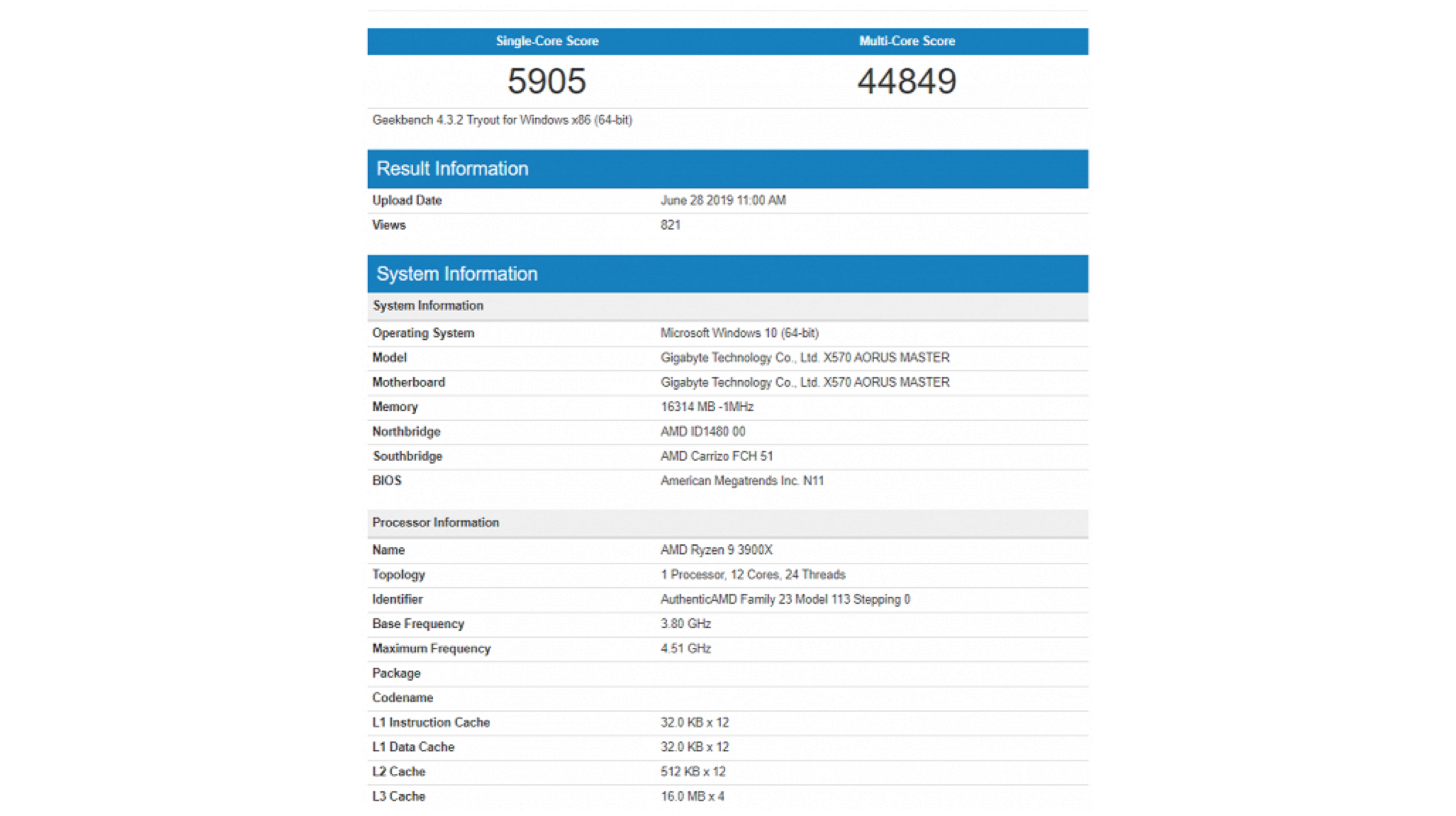
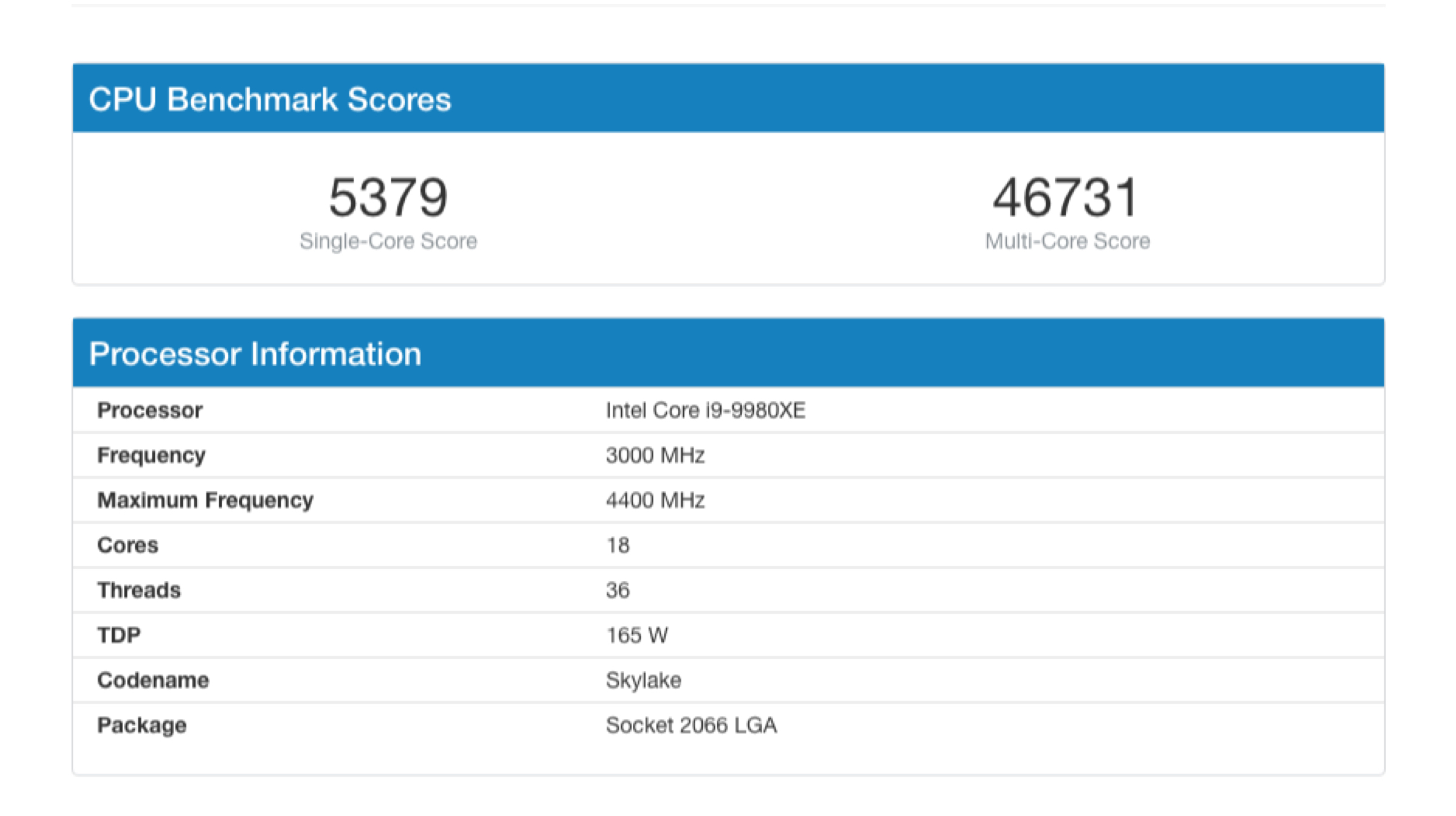
    When the 3rd Gen Ryzen CPUs were first unveiled, AMD made clear that the company is going ruthlessly after Intel, not only in terms of price but also performance. Surprisingly, the top of the line Ryzen 9 3900X has been spotted on Geekbench and the results registered by the CPU have managed to surpass Intel’s high-end Intel Core i9 9980XE which costs about 4x the former.AMD Ryzen 9 3900x Geekbench

    The Ryzen 9 3900X will retail for a price of US $ 499 once it goes on sale later this year, on the other hand, the Intel Core i9 9980XE is currently available for purchase and it costs US $ 1979.

    In terms of Geekbench performance, the Ryzen 9 3900X registers a single core score of 5904 and a multi core score of 44849 points. Inversely, team Blue’s i9 9980XE registers a single core score for 5379 points and a multi core score of 46371 points. Clearly, the AMD processor has a  higher single core score out of the two, with slightly lower multi core score.

    Although higher benchmarks on the AMD Ryzen 3900X won’t necessarily translate to better performance in real life. As the optimisation of software for a certain architecture is also equally important. Nevertheless, with the price that the high-end Ryzen processor is being offered, users can’t really go wrong if they choose this over Intel’s offering. 

    Also Read: The US Clears Huawei Off Its Entity List, Can Restore Relations With American Firms

    To sum it up, AMD with its advanced technology and aggressive pricing has made Intel rethink its strategies which will now have to go back to the drawing board.

    Till the time Intel is able to justify its offering by either significantly reducing their price or unveiling new lineup of updated processors, AMD can reap the benefits that it has earned by heavily investing in research. 


  • HP Omen X 2S Gaming Laptop With Two Screens Launched In India

    HP Omen X 2S Gaming Laptop With Two Screens Launched In India

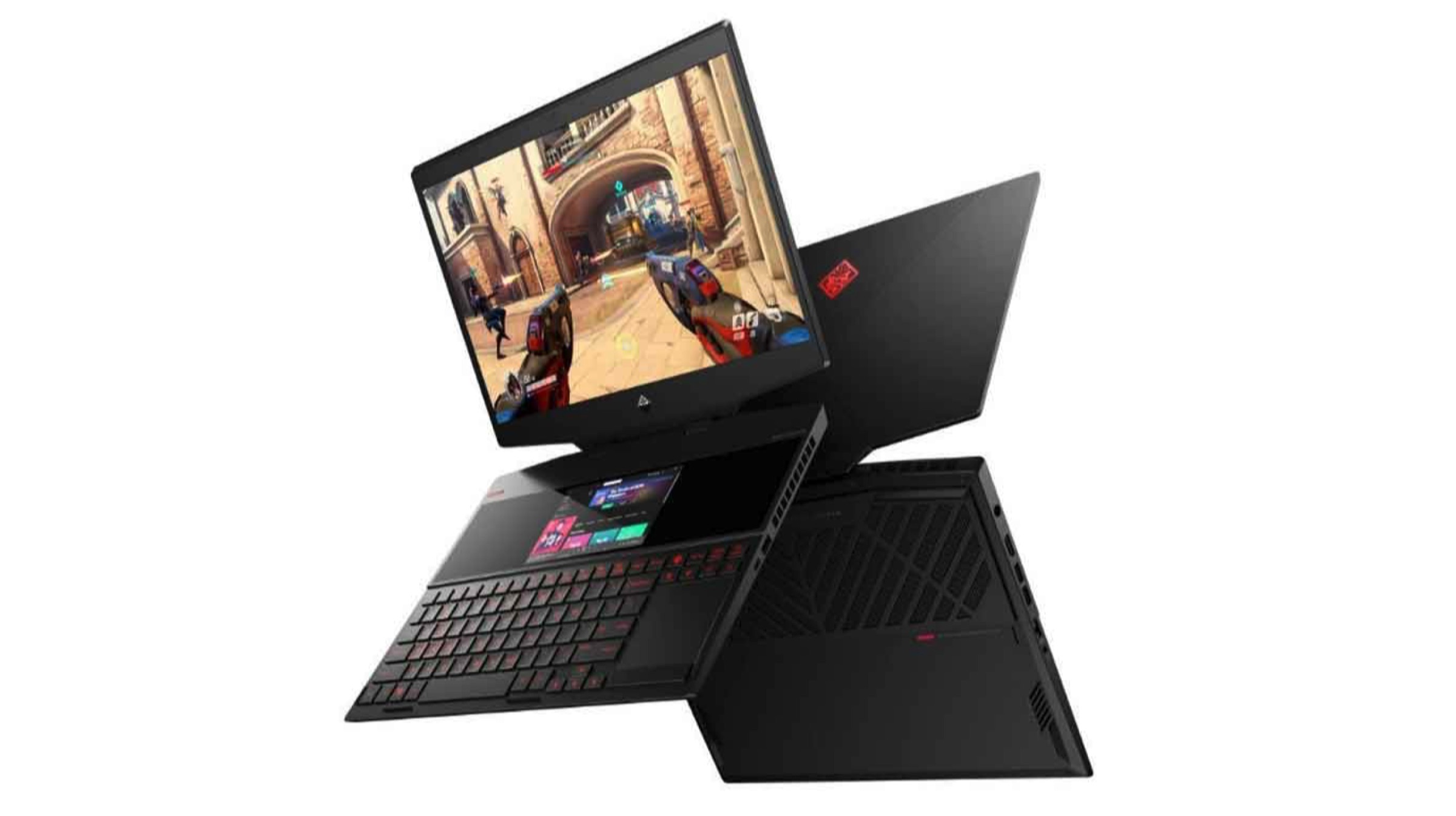
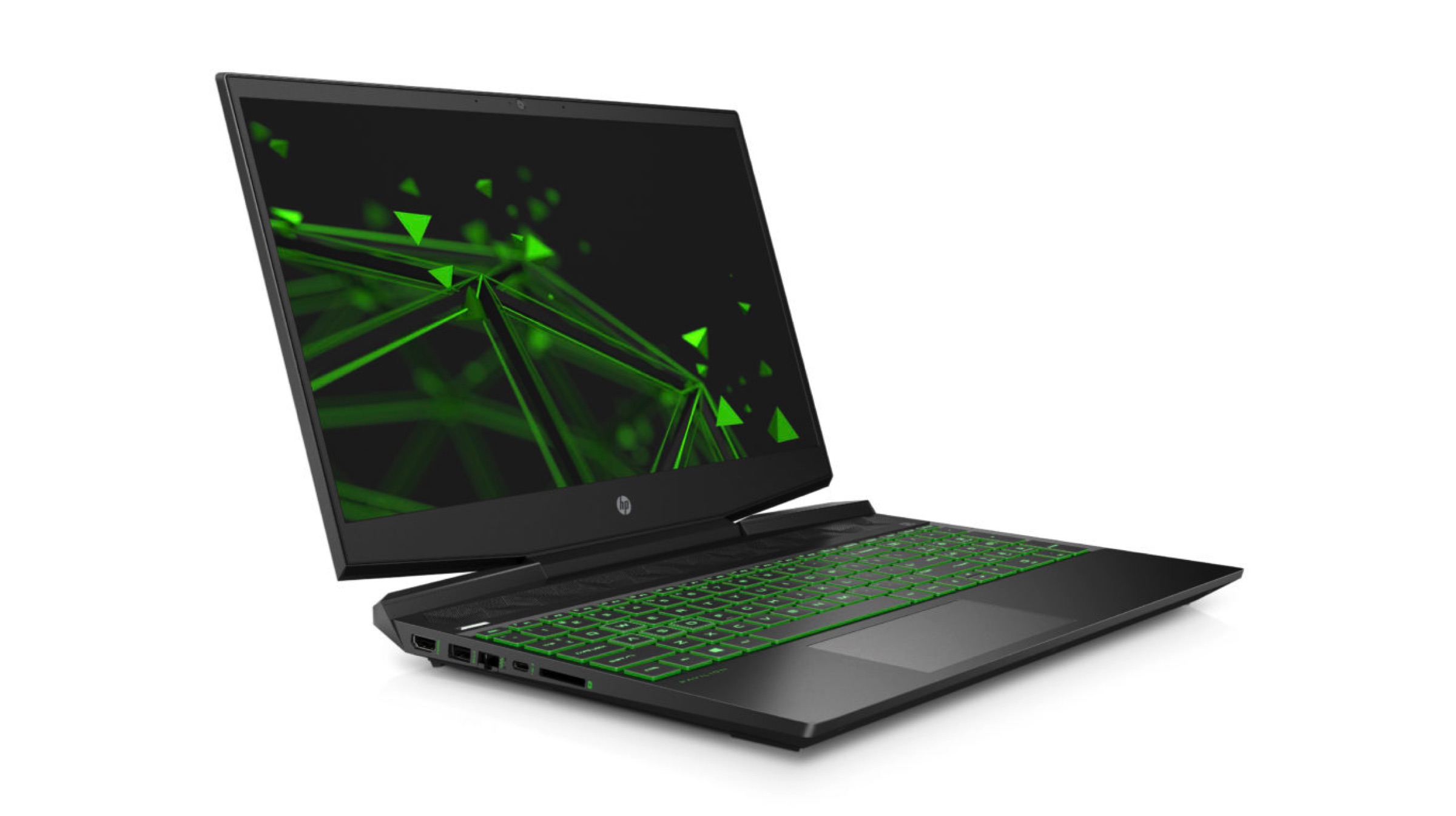
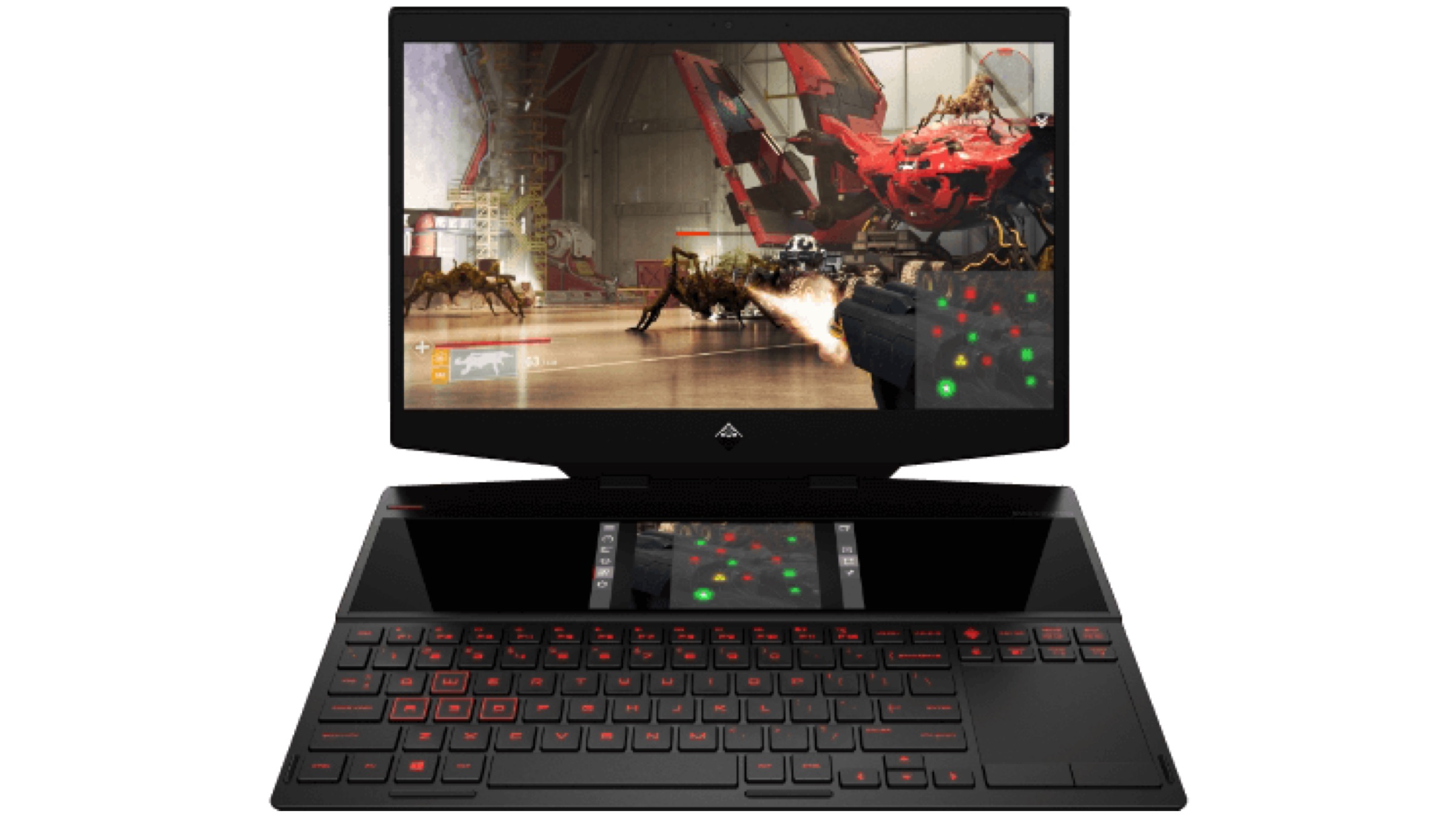
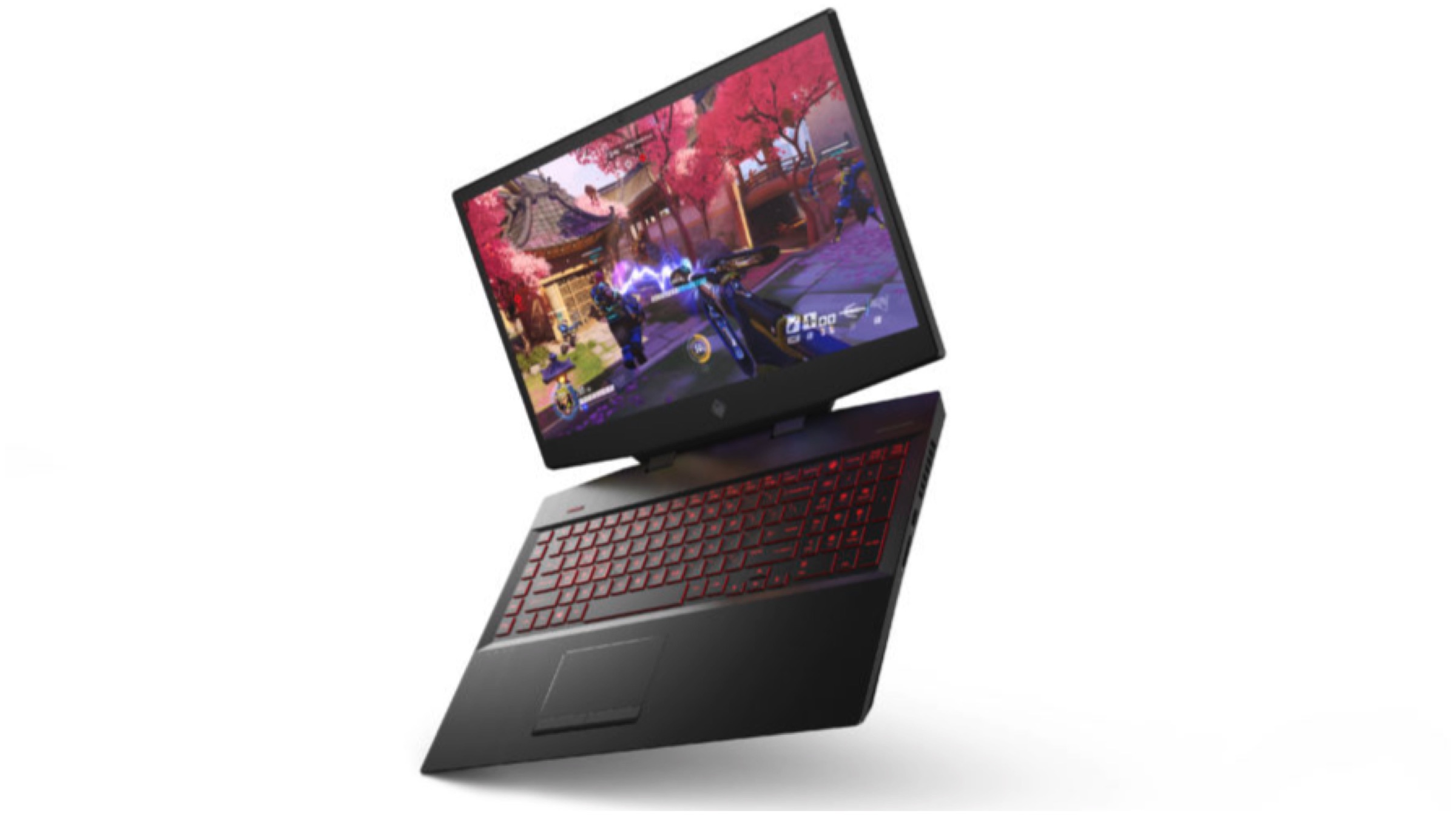
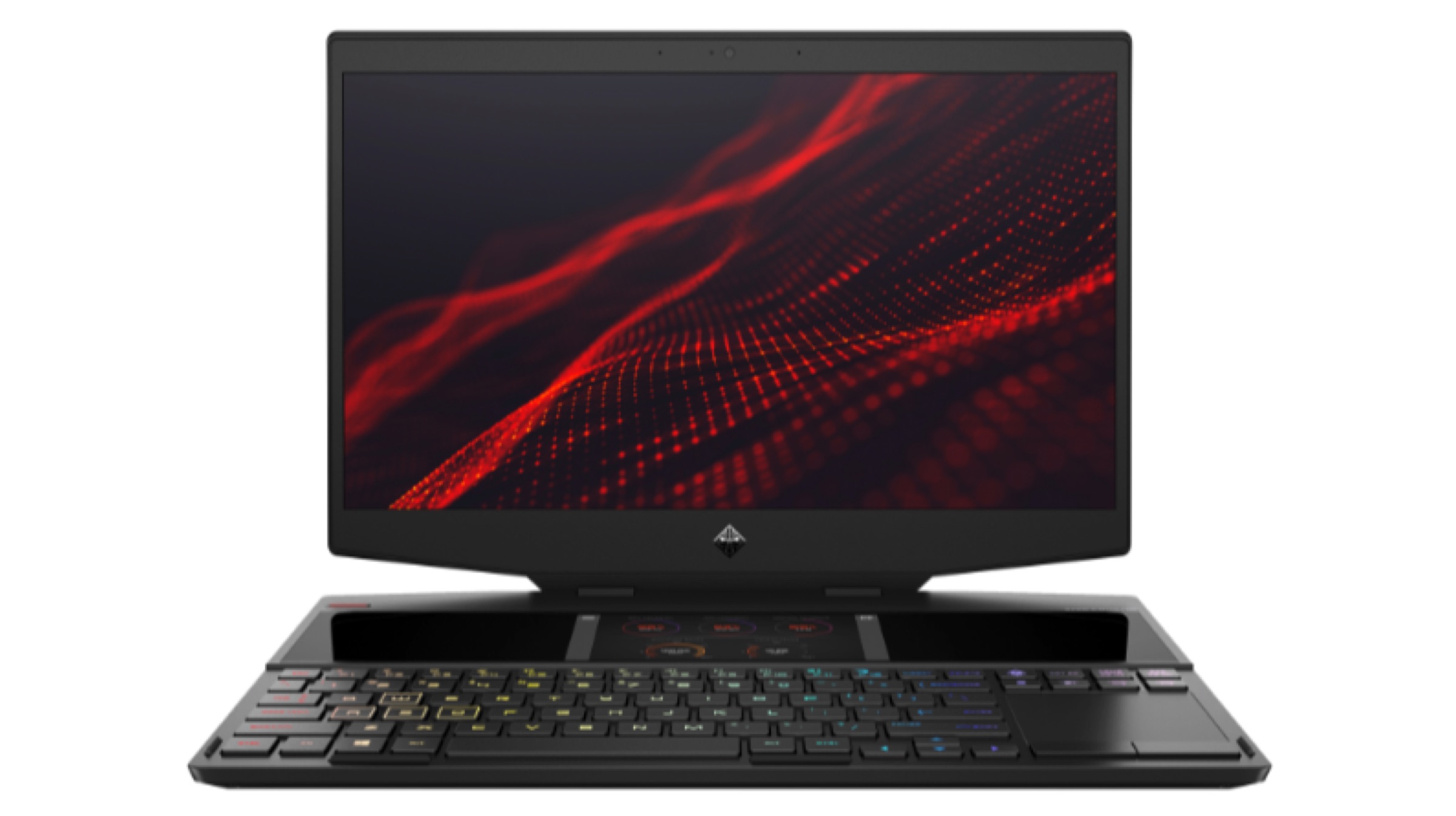
    HP has introduced new entries in its range of gaming laptops. Omen laptops are known to sport top end hardware specifications for gaming purposes. The company has now unveiled the world’s first dual-screen gaming laptop, Omen X 2S, which will feature unique cooling mechanisms alongside the new OMEN 15 and Pavilion Gaming 15 laptops.

    Key Features:

    • 6-inch secondary 1080p display
    • 15-inch primary with options between FHD and UHD displays.
    • Thermal Grizzly Conductonaut Thermal Solution
    • NVIDIA Series Graphics Card upto RTX 2080.

    Pavilion Gaming 15

    Dual screens laptops have started slowly gaining a more mainstream commercial audience. Computex 2019 was one of the major events where the technology had gained major coverage. The technology is not brand new, but for the first time is available to the gaming markets instead of first-look on prototypes. HP, in a press release, introduced the Omen X 2S that is going to be launched in India along with HP Omen 15 and Pavilion Gaming 15.

    New Secondary Screen

    The unique gaming laptop will receive various HP enhancements in the software to improve the overall gaming experience. HP Omen X2S will offer numerous multitasking capabilities to the user with its new secondary display. Most gamers out there would tend to listen to music, watch game streamers or even check messages every now and then. The new screen offers the same functionality without ever needing to reach for a smartphone of turning away from the system.

    Omen X 2S

    Players can text friends on chatting apps like WhatsApp, browse through the music of their choice from Spotify and even connect to Youtube and Twitch. This is made possible on the 6-inch 1080p secondary screen above the keyboard of the laptop. The smaller display has its interface run by the OMEN Command Centre software that enables simple controls of the new space. The second screen can also highlight certain aspects seen on the main screen such as the map in racing and shooter games.

    Omen X 2S

    Design & Cooling

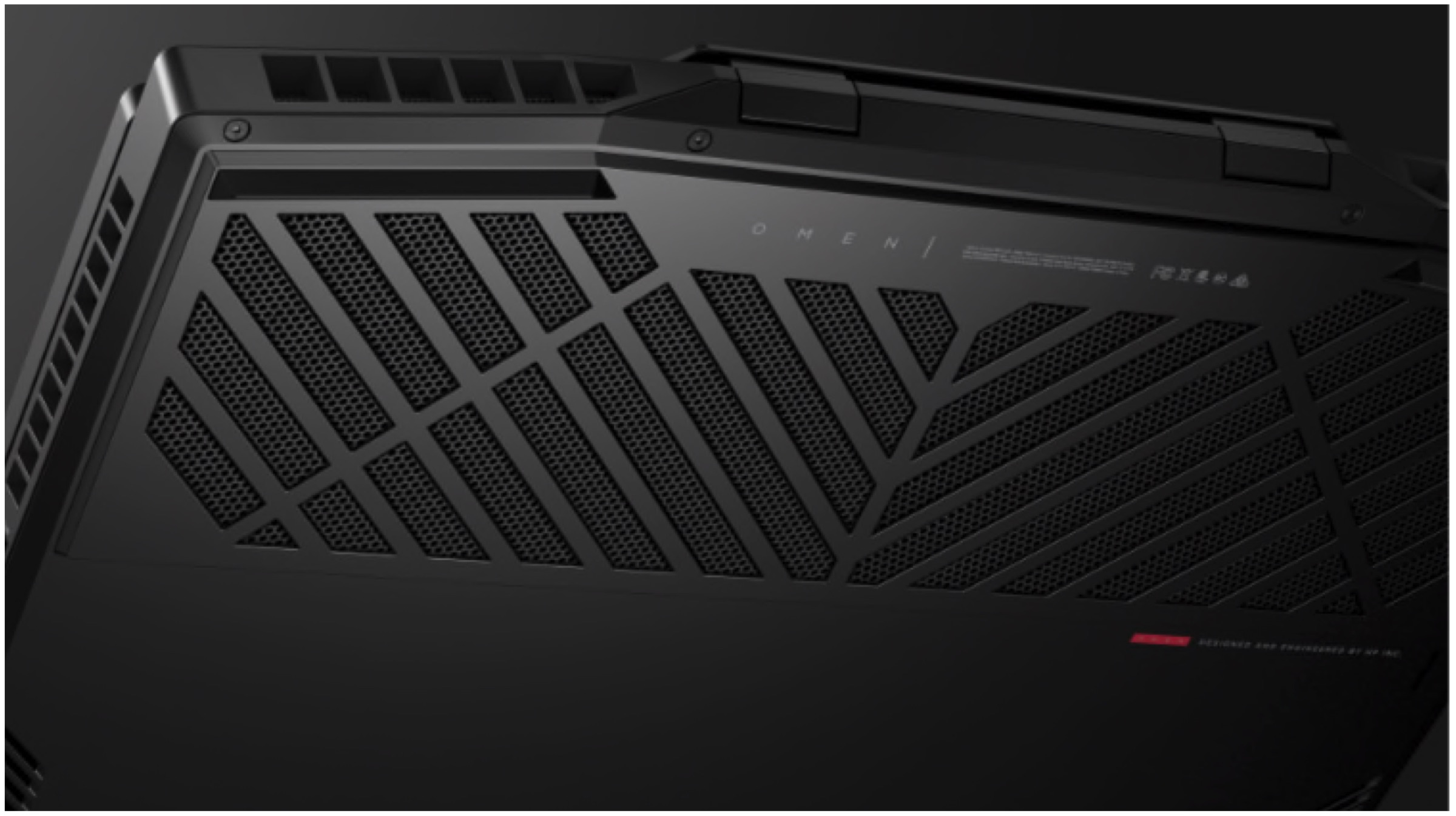
    Gaming laptops have historically been known to run with higher power requirements and temperature. Various OEMs have tackled this with their own proprietary cooling solutions. HP brings its own take to the issue with its new OMEN “Tempest”. HP’s Omen X 2S is the first laptop to feature an applied liquid metal compound for its thermal solutions. HP claims that the aforementioned technology will pave the way for smaller and cooler heat management systems.  Omen X 2S

    The upcoming gaming laptop is built on a 20mm full-metal body chassis. Omen X 2S sees a 20% reduction in size over its predecessors with the new cooling method. In terms of aesthetics, the device sports a familiar design that has been seen in previous iterations. The unique hinge and angular designs are what people have come to expect from HP’s Omen lineup.

    Internal Specifications

    The upcoming gaming laptop, including the Omen 15, are available various configurations that potential buyers can opt for. Omen laptops can be equipped with the latest generation of 9th Gen Intel Core i9 octa-core processor. Graphical fidelity can be provided by the latest video cards from NVIDIA such as the RTX 2080 that feature the cooler and quieter Max-Q designs.

    Omen X 2S

    The amount of storage has yet to be detailed but upto 16GB of RAM will be provided by HP. Furthermore, since laptops are portable and more mobile than its desktop variants, the new Intel Wi-FI 6 is being provided as well. It is claimed to be 3 times faster in terms of file transfer speed over the older Wi-Fi 5.

    Other Offerings

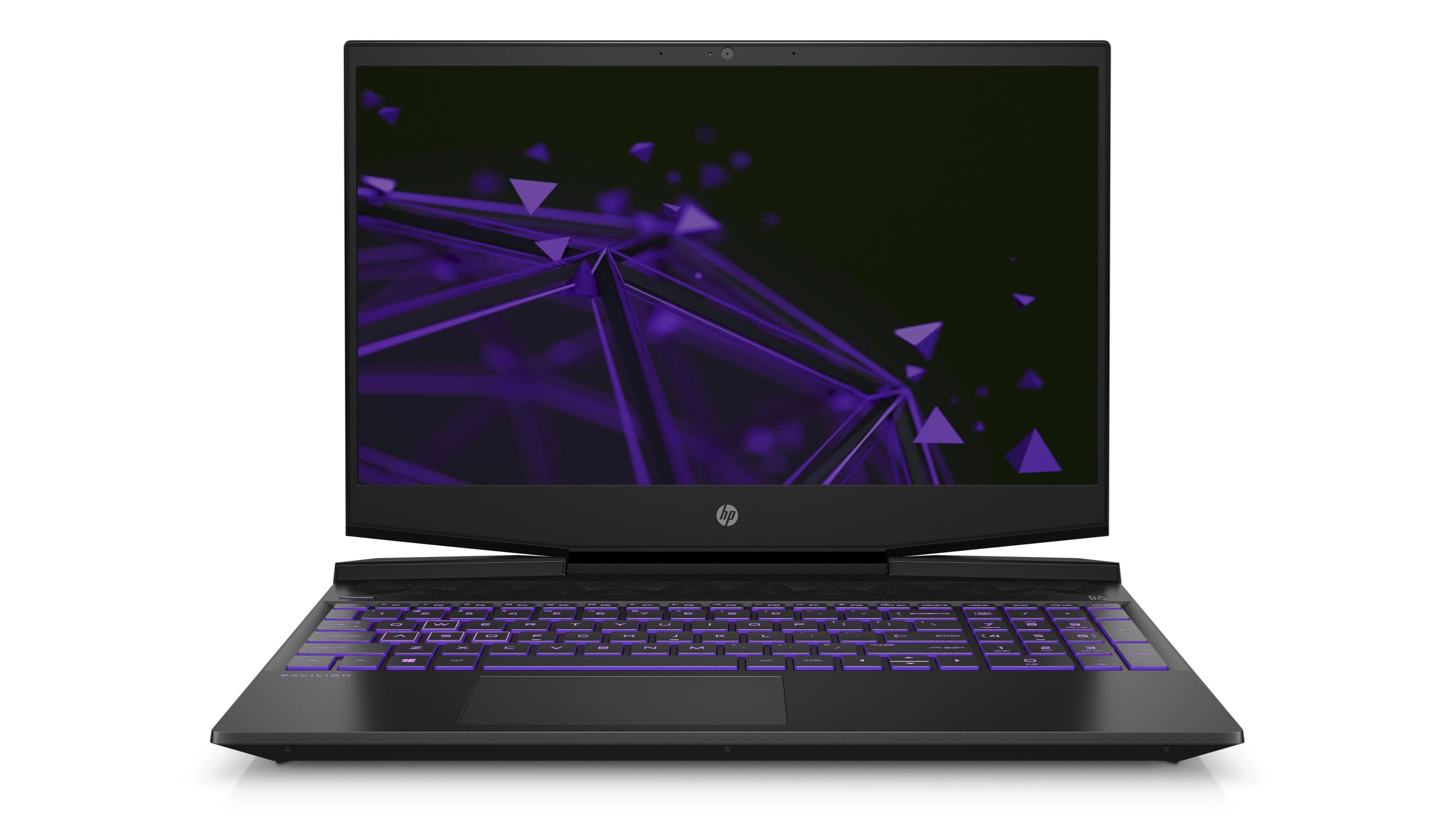
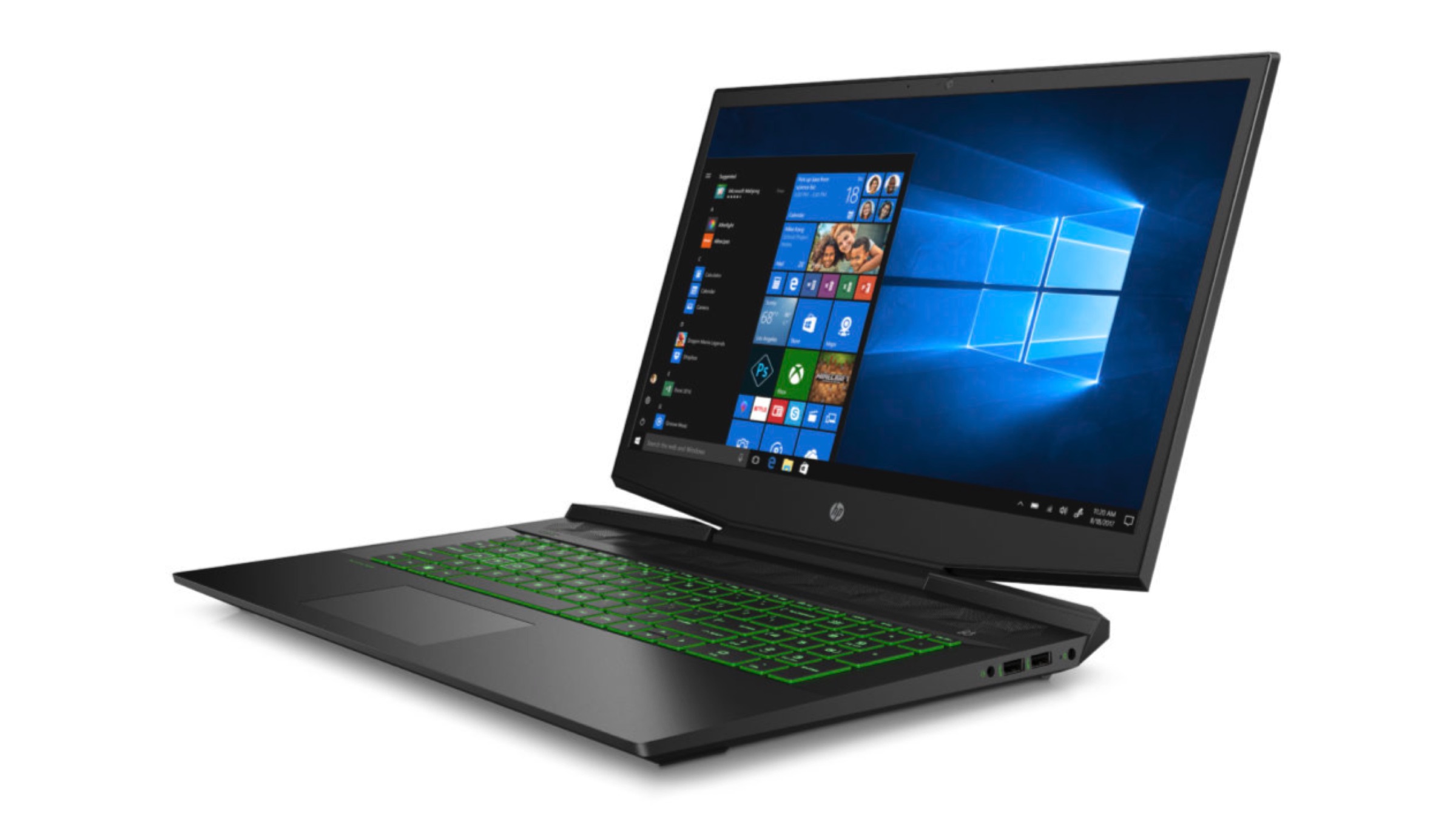
    Two additional gaming laptops have also been announced for prospective buyers that don’t intend on spending too much. HP’s Omen 15 and Pavilion Gaming 15 will launch alongside the Omen X 2S. The later is a laptop designed on a thinner frame than its older variants but with improved specifications and performance. However, the gaming system will not receive similar top-notch hardware as the Omen X 2S. The laptop only receives upto the 9th Intel Core i7 CPU alongside NVIDIA’s GTX 1660 Ti with Max-Q design. 

    Pavilion Gaming 15

    Price and Availability

    The world’s first dual-screen gaming laptop “Omen X 2S” prices start from Rs. 2,09,990. HP OMEN 15 laptop will have buyers shell out Rs. 1,24,990 while the Pavilion Gaming 15 Laptop will go for Rs. 70, 990. An Omen gaming mouse is being sold on the side which is priced at Rs.1,799. HP is also offering the OMEN Outpost Mousepad which can charge the gaming mouse through the Qi wireless charging technology.

    Pavilion Gaming 15

    Also ReadAmazon Mi Days Sale, Top Deals On Best Selling Xiaomi Smartphones And Accessories

    OMEN X 2S is expected to be available from July 1st via HP’s official website. The other two gaming laptops are currently available on the aforementioned website. These products from HP will seek to expand the company’s gaming horizons in the southeastern nation. India, although slow, is rising with the number of people with gaming-specific requirements. The Indian market holds great potential for any OEM and HP’s reception with the products shall be seen in the arriving weeks.

iGyaan Network
Privacy Overview

This website uses cookies so that we can provide you with the best user experience possible. Cookie information is stored in your browser and performs functions such as recognising you when you return to our website and helping our team to understand which sections of the website you find most interesting and useful.