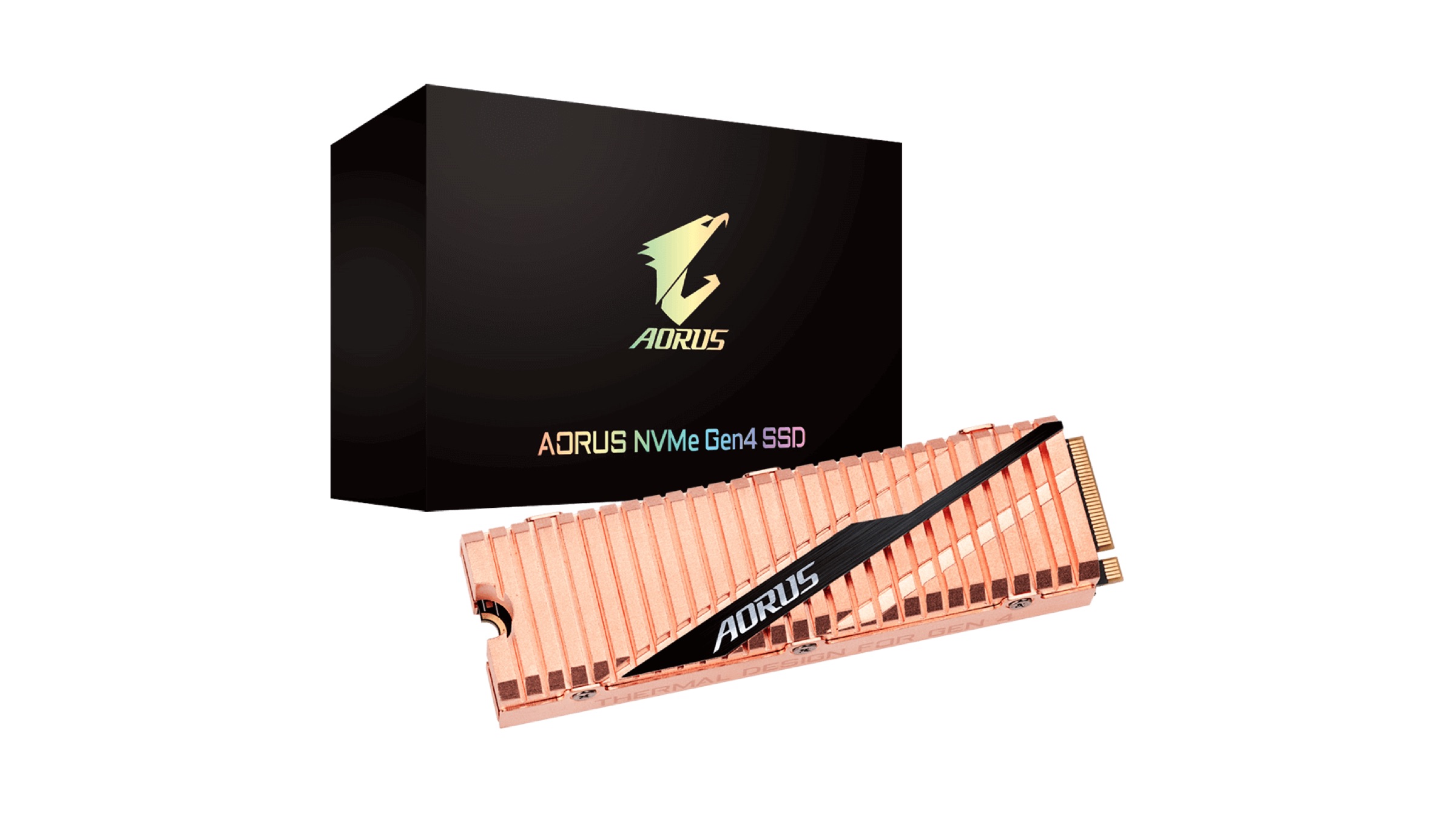
Taiwanese technology company Gigabyte has unveiled the first PCIe 4.0 NVMe SSD that hits an incredible read speed of 5,000 MB/s, or 4.88 GBps. At the same time, the SSD can reach write speeds of 4,400 MB/s.
However, Corsair also launched its own Generation PCIe SSD on May 27, 2019. It can achieve a read speed of 4950 MB/s, which falls merely 50MB/s short of Gigabyte’s SSD. Both the SSDs offer almost 56% faster read speeds than the Samsung 970 nvme Solid State Drive, which is one of the fastest available SSDs in the market. The Gigabyte PCIe 4.0 utilizes the Phison PS5016-E16 controller and 3D Triple Level Cells (TLC) NAND flash memory chips manufactured by Japanese manufacturer Toshiba.
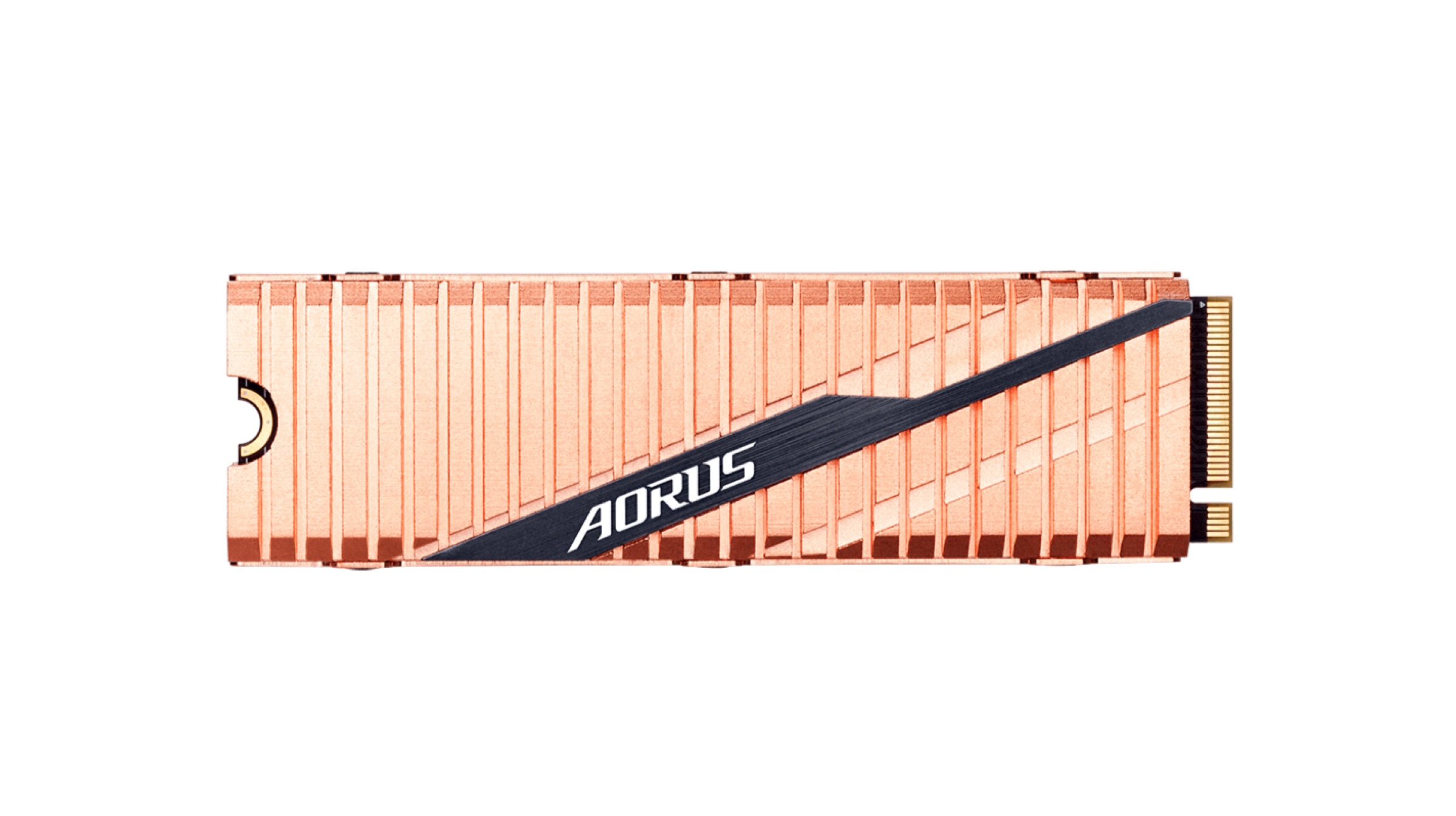
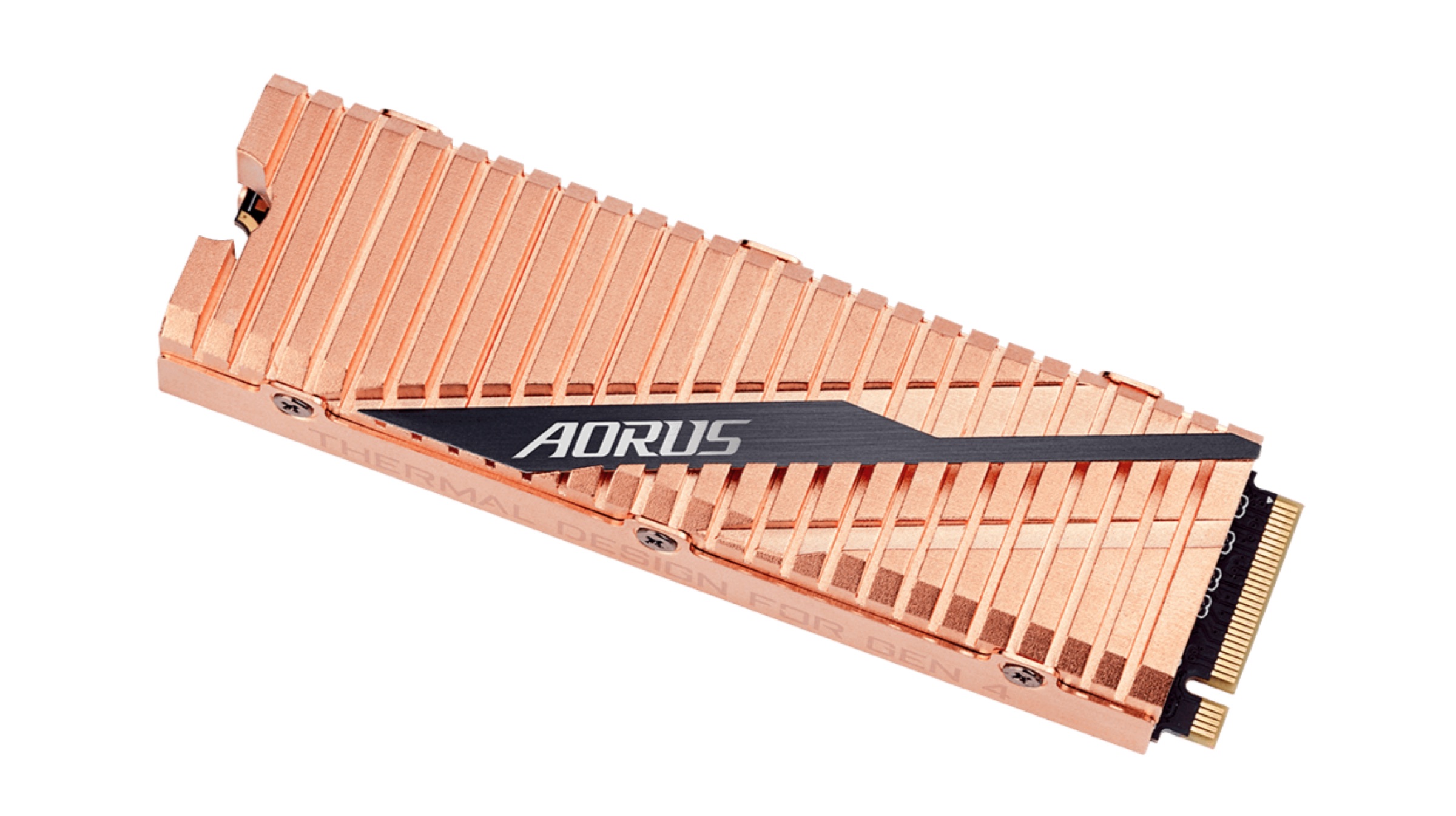
A full body copper heat spreader engulfs the AORUS NVMEe Gen4 SSD, so that the generated heat can be managed at higher read/write speeds. Since the temperature can increase drastically during operation, Gigabyte states that using the heatsink can reduce the temperature of the SSD by almost 14 percent.
As per reports, the NVMe SSD will be available in two storage variants, 1TB and 2TB. The company plans to roll out the SSDs in the month of July 2019. Interested users can get their hands on the Gigabyte X570 motherboard along with the SSD and the latest Ryzen processors in order to test out the insane Gen4 transfer speeds. Since Gigabyte has not unveiled the price of the NVMe Gen4 PCIe SSDs, an official announcement is awaited regarding the same.
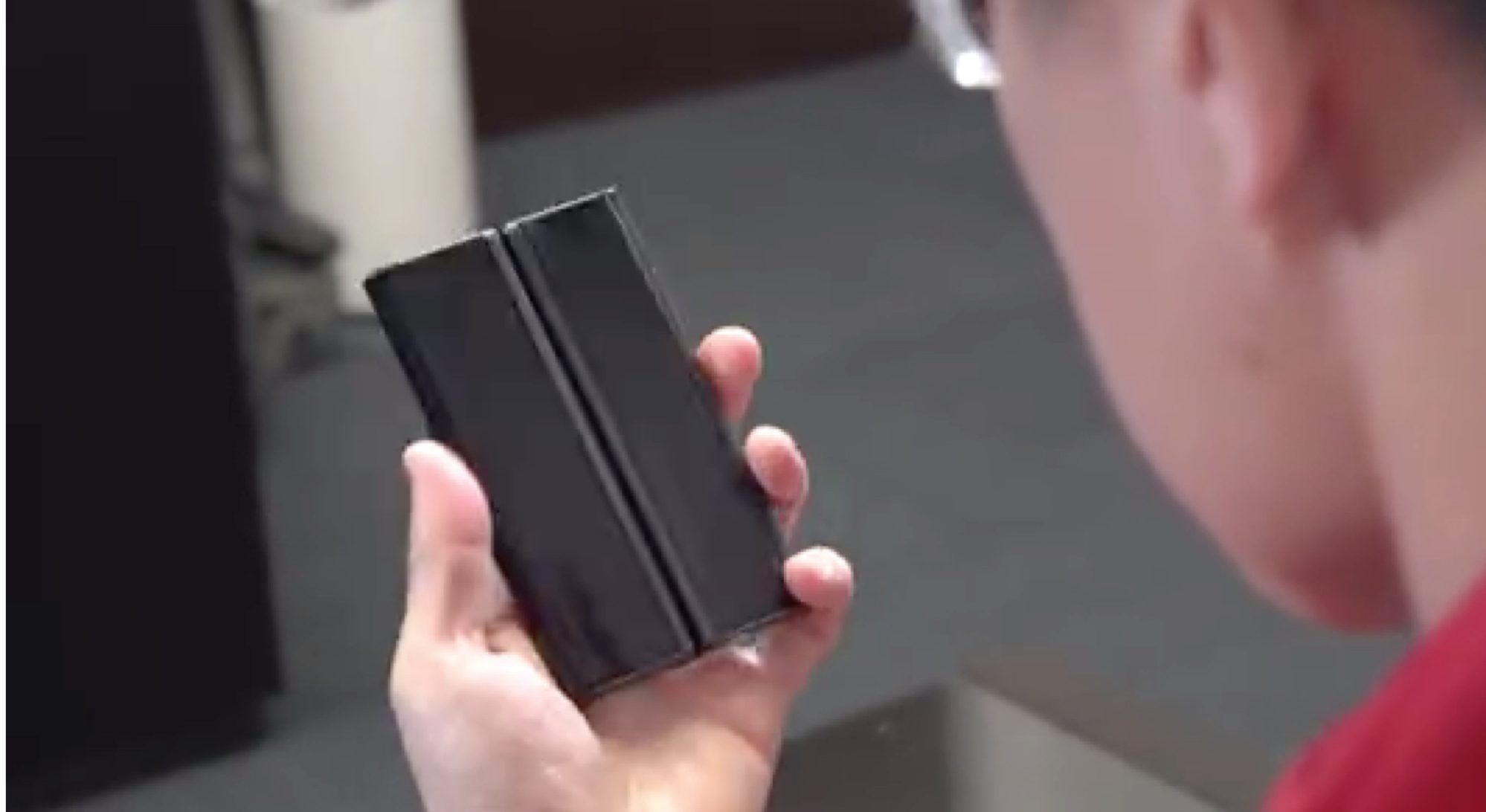
Foldable smartphones are expected to be the technology trend for the year 2019. Samsung and Huawei have both showcased their first devices capable of folding into half. These handsets are the Galaxy Fold and the Mate X respectively. While the former was deemed ready for sales a few weeks ago, incidents questioning the smartphone’s durability surfaced online. This led to Samsung recalling the units in a bid to fix the issues plaguing them. While the market waits patiently for the Galaxy Fold to show up again, the major blow of the incidents seems to have been suffered by Xiaomi.
The Chinese smartphone OEM showed off its foldable smartphone in a series of teasers and videos over the past few months. It was also reported the device could make its way into the market in a few months at half the price of the Galaxy Fold and the Mate X. However, due to the increasing market insecurities over Foldable Smartphones, Xiaomi seems to have pushed back the release of its foldable handset.
Investors in the Xiaomi supply chain, had revealed that while the launch of the device was earlier planned in the month of June, our original source claims it has been postponed for later in the summer. This will allow Xiaomi to further test their foldable device.
Due to the unfortunate incidents with the durability of the Samsung Galaxy Fold, and the following negative sentiments regarding foldable smartphones; Xiaomi is delaying the release, and further testing their product, and also making sure that the insecurity over the Galaxy fold failure will not impact the sales of their foldable device. Our source claims that the company may wait till another manufacturer releases a foldable device, before they unveil the phone in its entirety.
The company was claimed to have sourced foldable displays from the display maker Visionox. A patent for a foldable Xiaomi device was also discovered around the same time. The rumoured handset by the company is also expected to feature the Snapdragon 855 SoC, up to 8GB of RAM and 512GB of internal storage.
The major attraction with the foldable Xiaomi smartphone is claimed to be its price. Our source told us that the device could retail at half the price of the already announced handsets from Samsung and Huawei, retailing in at about US$ 999 and arriving in India at a lucrative price tag of Rs 74,999. The handset is now expected later in the Summer, possibly after Samsung re launches the Galaxy Fold, and while Huawei Mate X is also expected in the month of July.
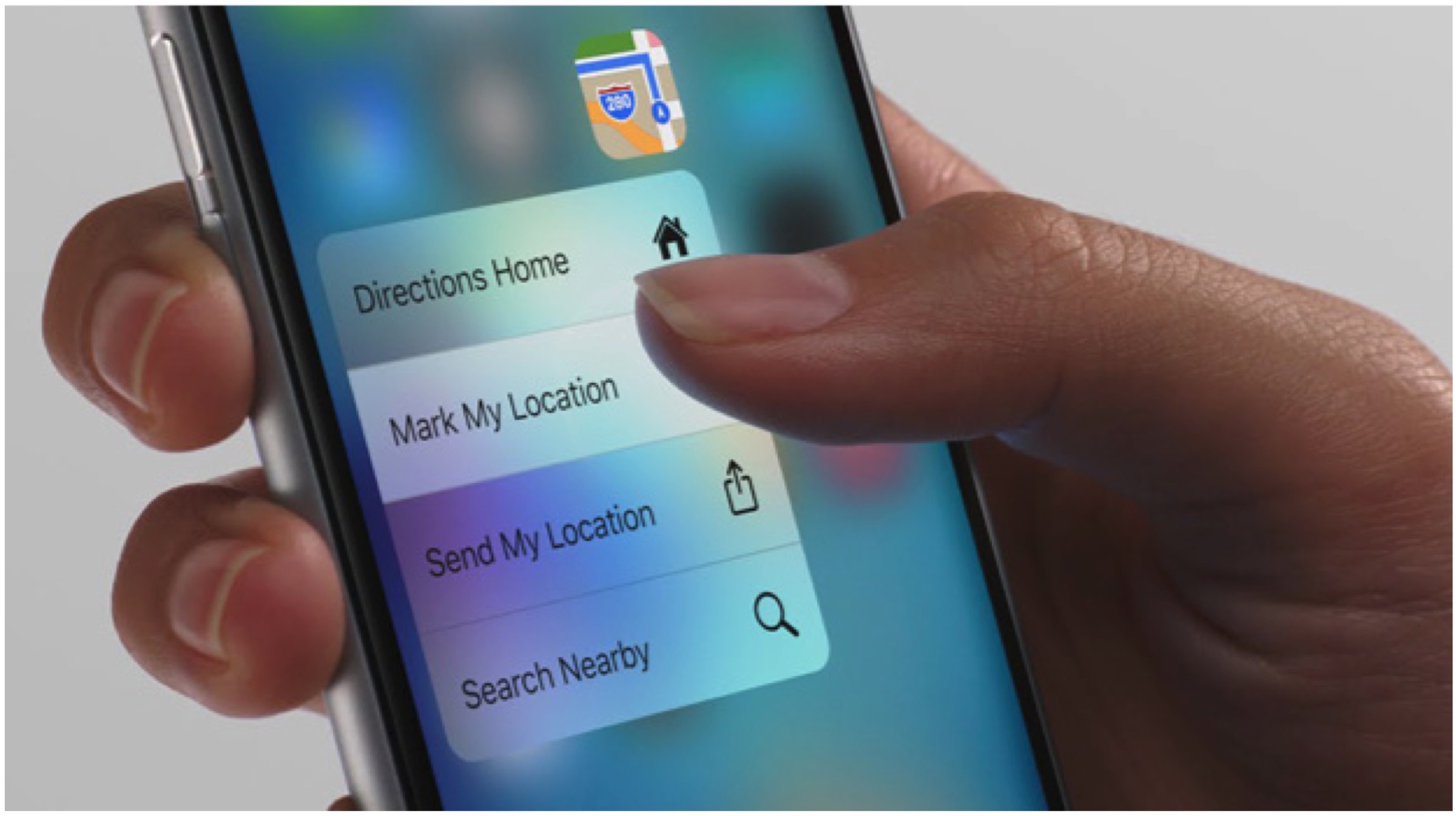
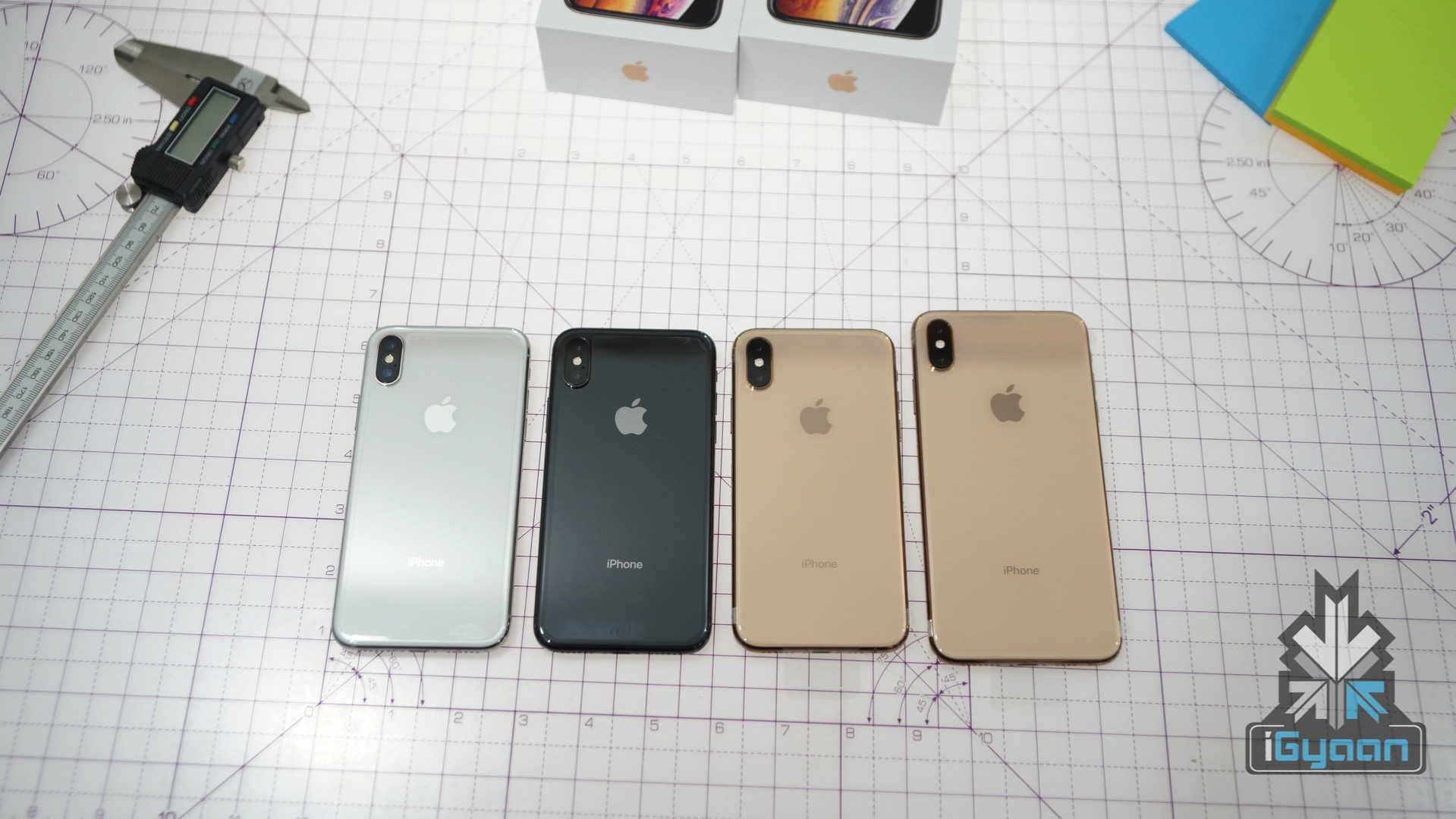
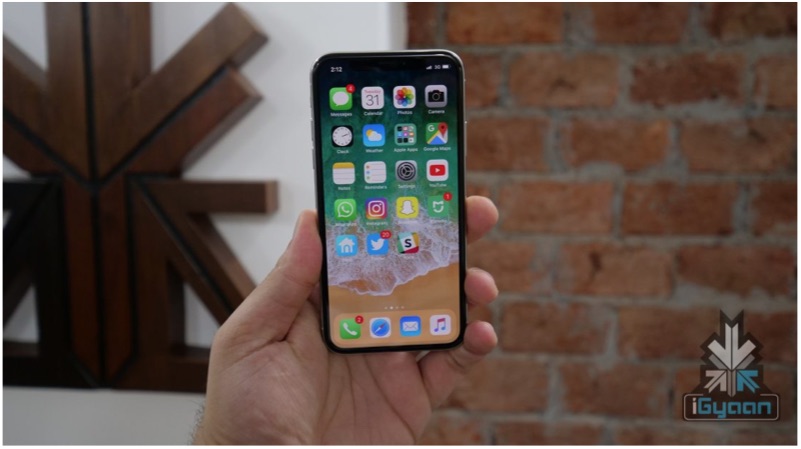
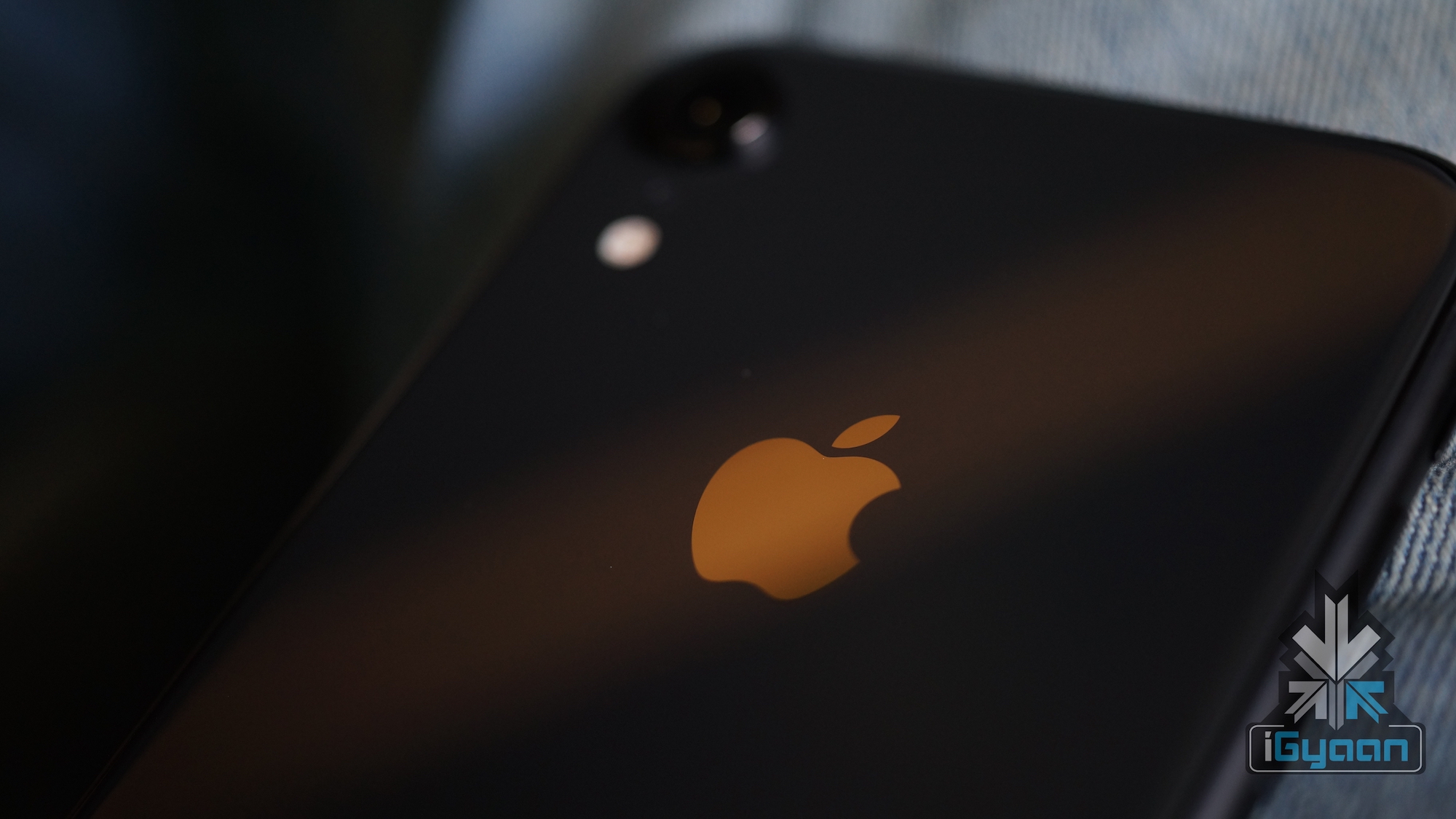
Apple’s latest generation of smartphones has been shrouded with plenty of rumours and speculations. The renders seem to strike the right chord with some but fail to impress others, regardless Apple is set to take centre stage with its latest lineup. Amongst the many leaks that have yet to be confirmed, the latest reports point towards the removal of 3D Touch input. The 3D touch is a feature that the company introduced in its handsets back in the year 2015 that has made a recurring appearance since and is now receiving a rain check with the latest generation of iPhones.
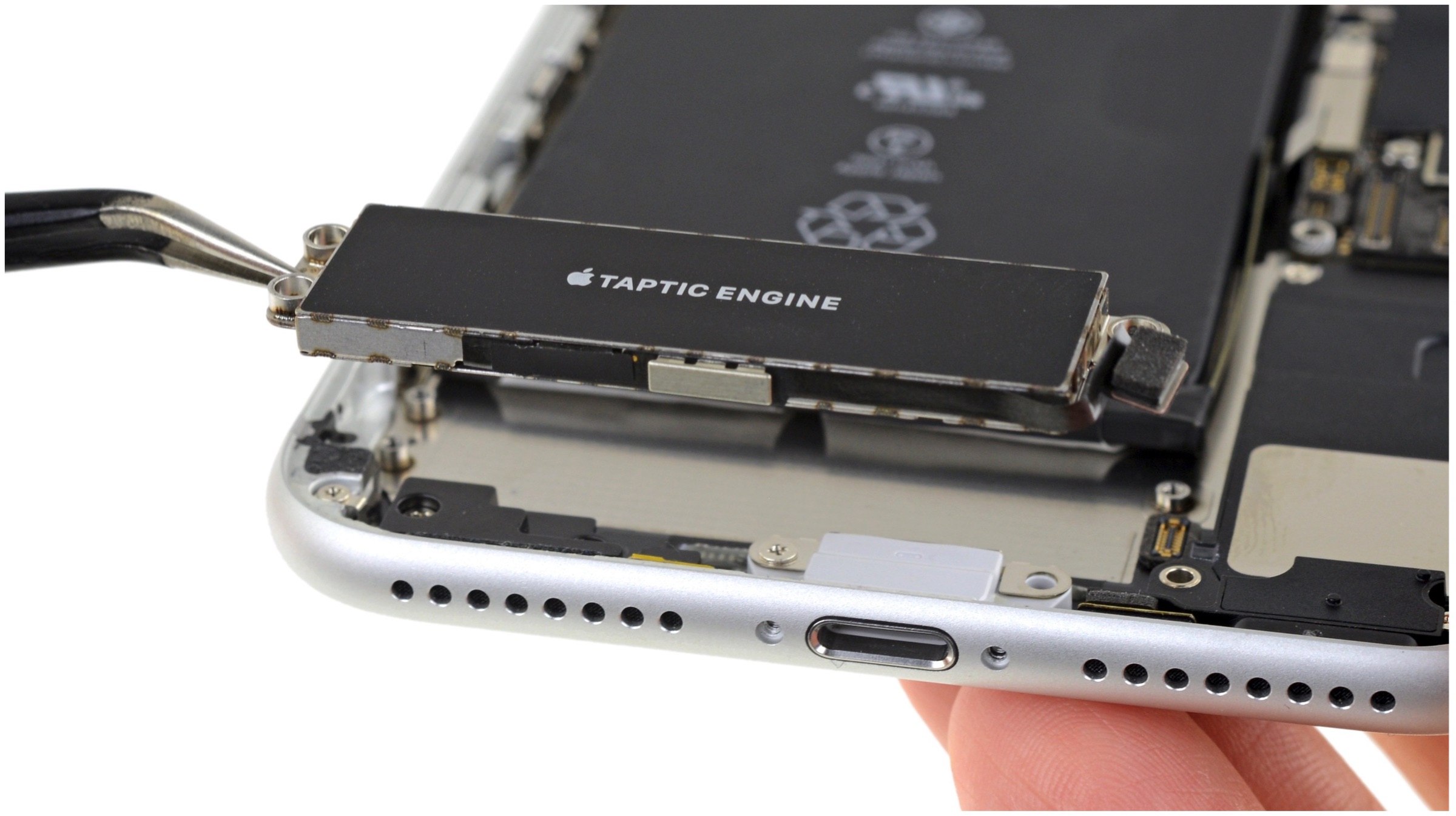
The exclusive pressure sensing technology from Apple has always been a cut above the rest was made possible by the company’s proprietary Taptic Engine. The seamless integration of 3D Touch within iOS added a varying degree of functionality to the user interface that saved time for users.
3D Touch allowed users to perform many useful ‘quick functions’ like ‘peak and pop’ where pressure on emails or other text-based apps allowed previews of messages and URLs without actually opening the said application or links. Apple, however, has been reported to have removed the Taptic Engine for cost efficiency and space management.
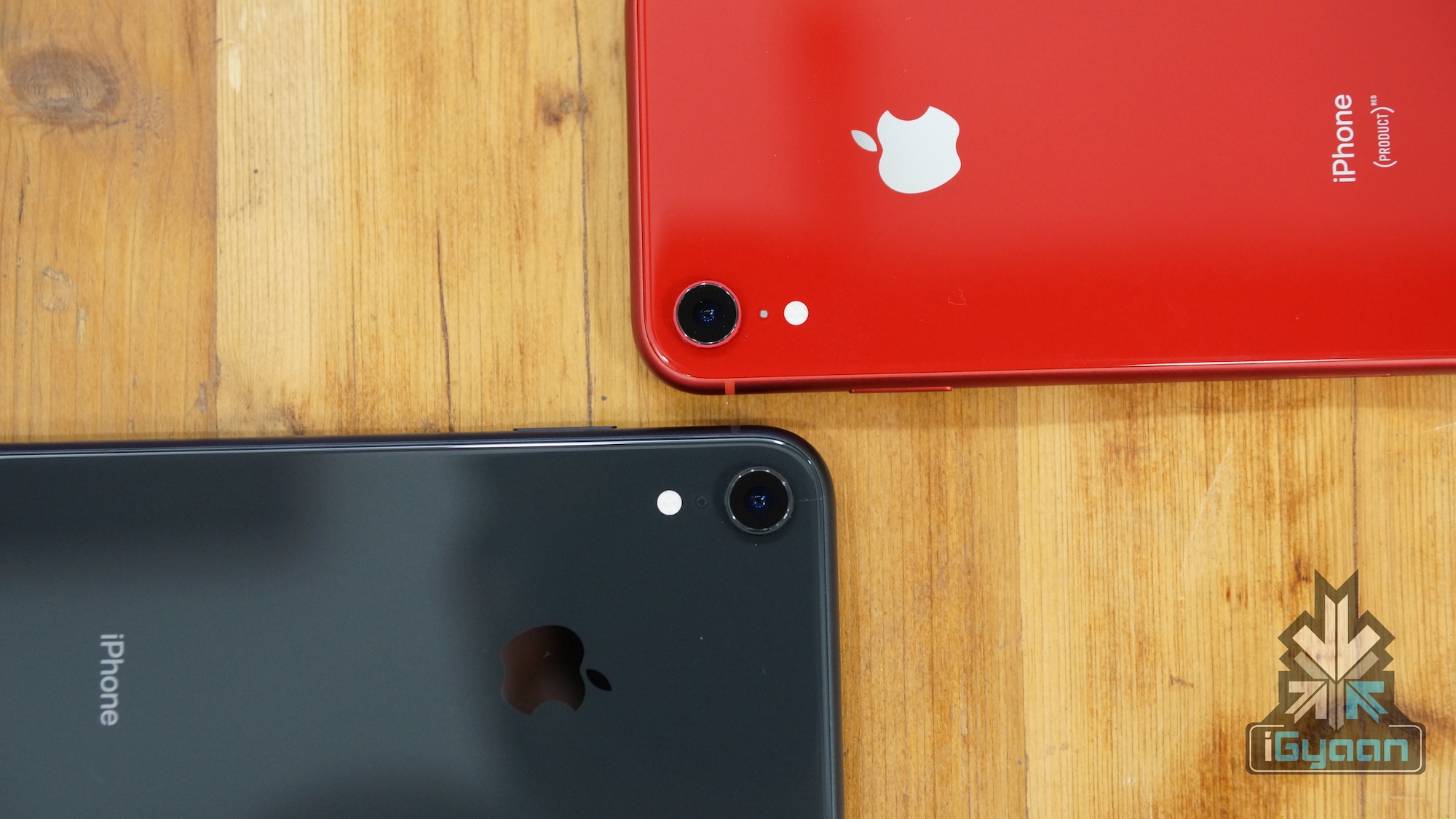
Apple’s Taptic Engine that powers the 3D touch is reportedly expensive to implement and takes up a lot of space inside the device. The company has sought to increase its profit margins and use the space for other potential components, like a larger battery. One of Apple’s best-selling iPhones the iPhone XR lacked the 3D Touch feature and still sold commendably. This is probably one of the major reasons that reassured Apple on its decision to make the feature optional.
Apple users have to, regardless of their stance on this decision, accept the removal of the Taptic Engine and lack of the 3D Touch functionality that was offered on previous iterations of iPhone models.
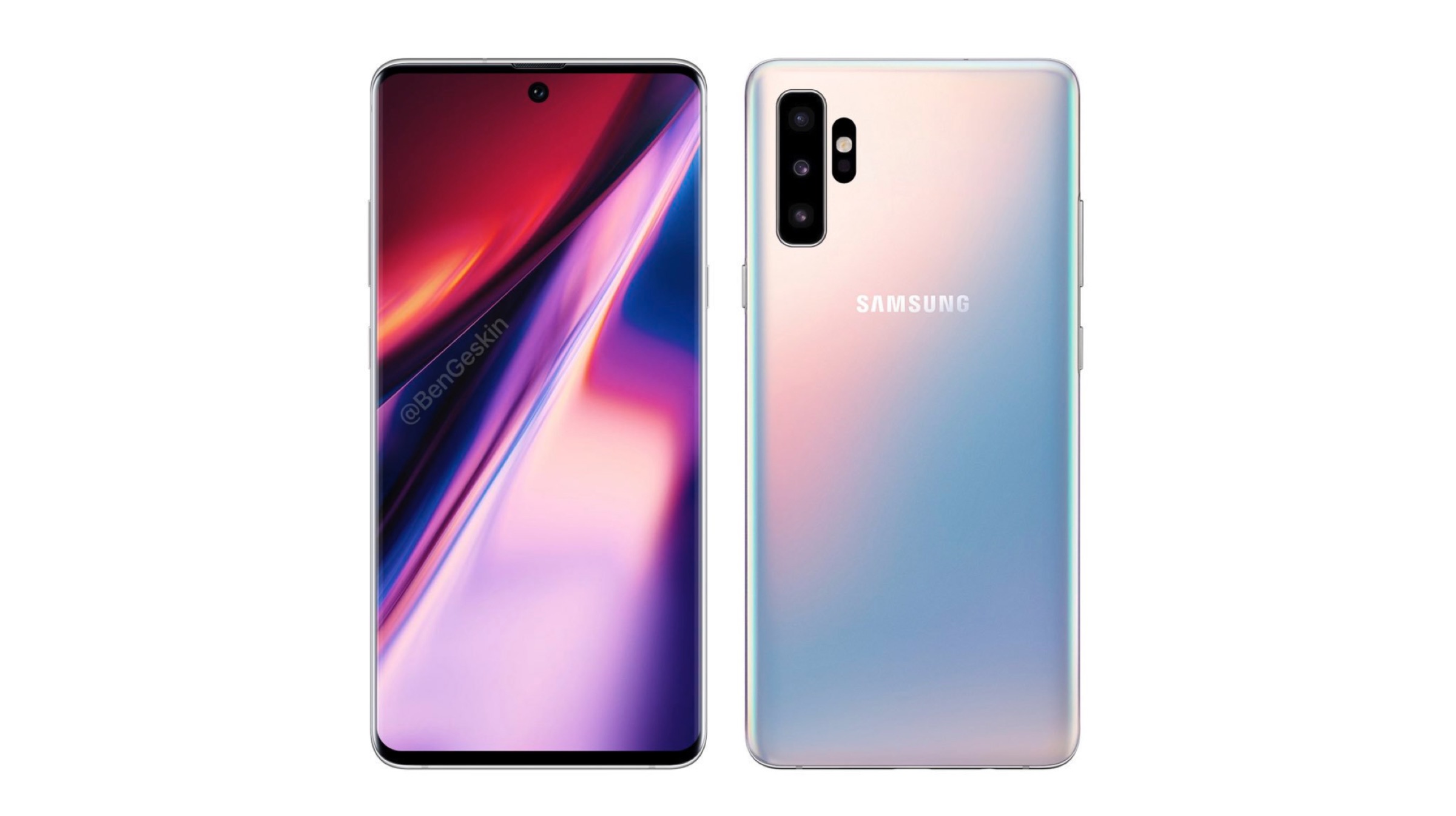
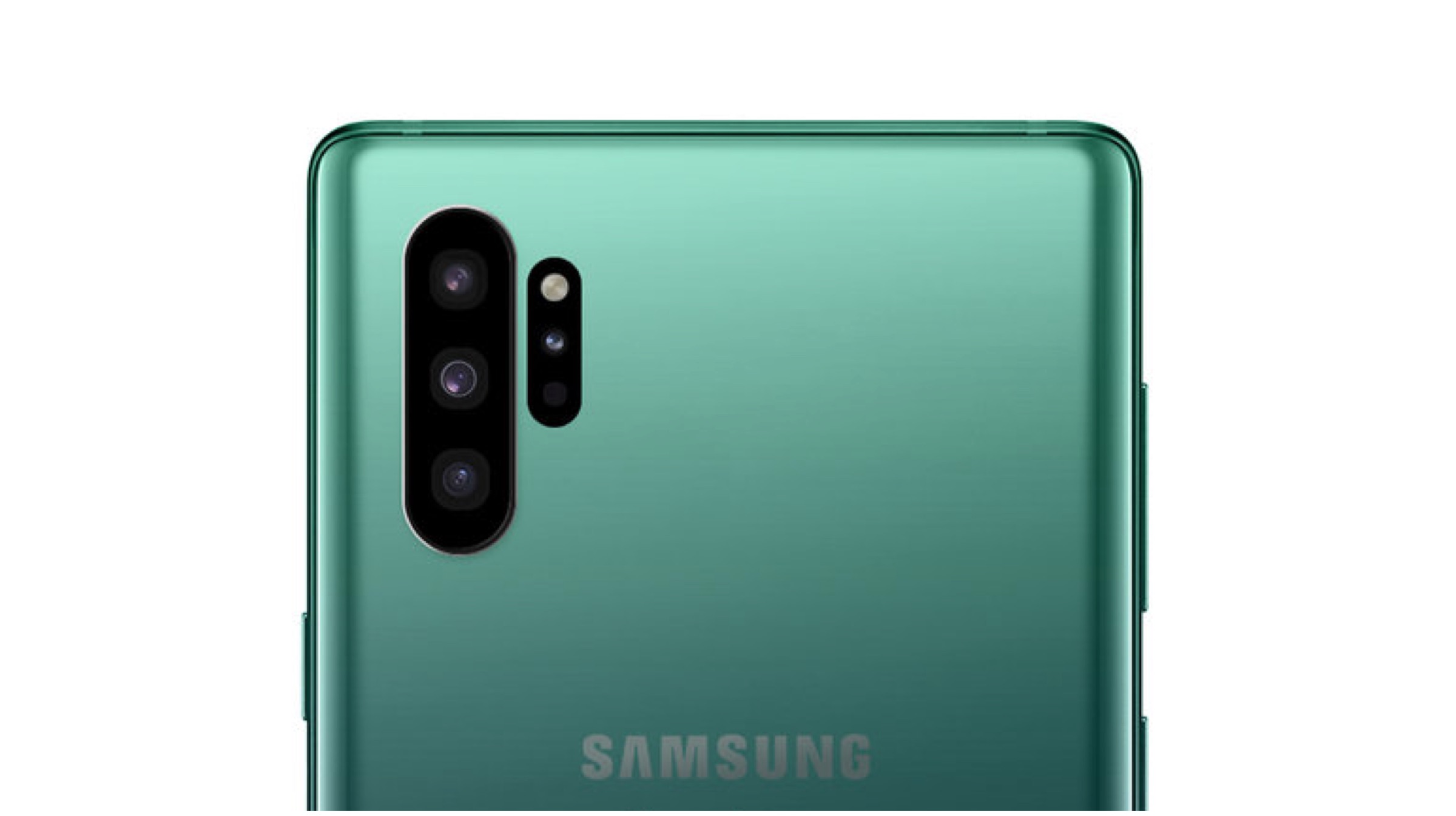
Samsung is known for launching its Galaxy Note series smartphones at the end of summer. Following the same launch cycle, the company’s upcoming flagship, the Galaxy Note 10 is expected to be unveiled in the month of August 2019. Ahead of its announcement, rumours regarding the device have started to surface. As per latest rumours, the 3.5mm headphone jack, which was retained in the Galaxy S10 seriessmartphones will reportedly not be present in the Note 10 devices. Furthermore, the flagship smartphone may not sport any physical buttons as well. The device will be released in two different variants, and both of them will sport the same button-less design.
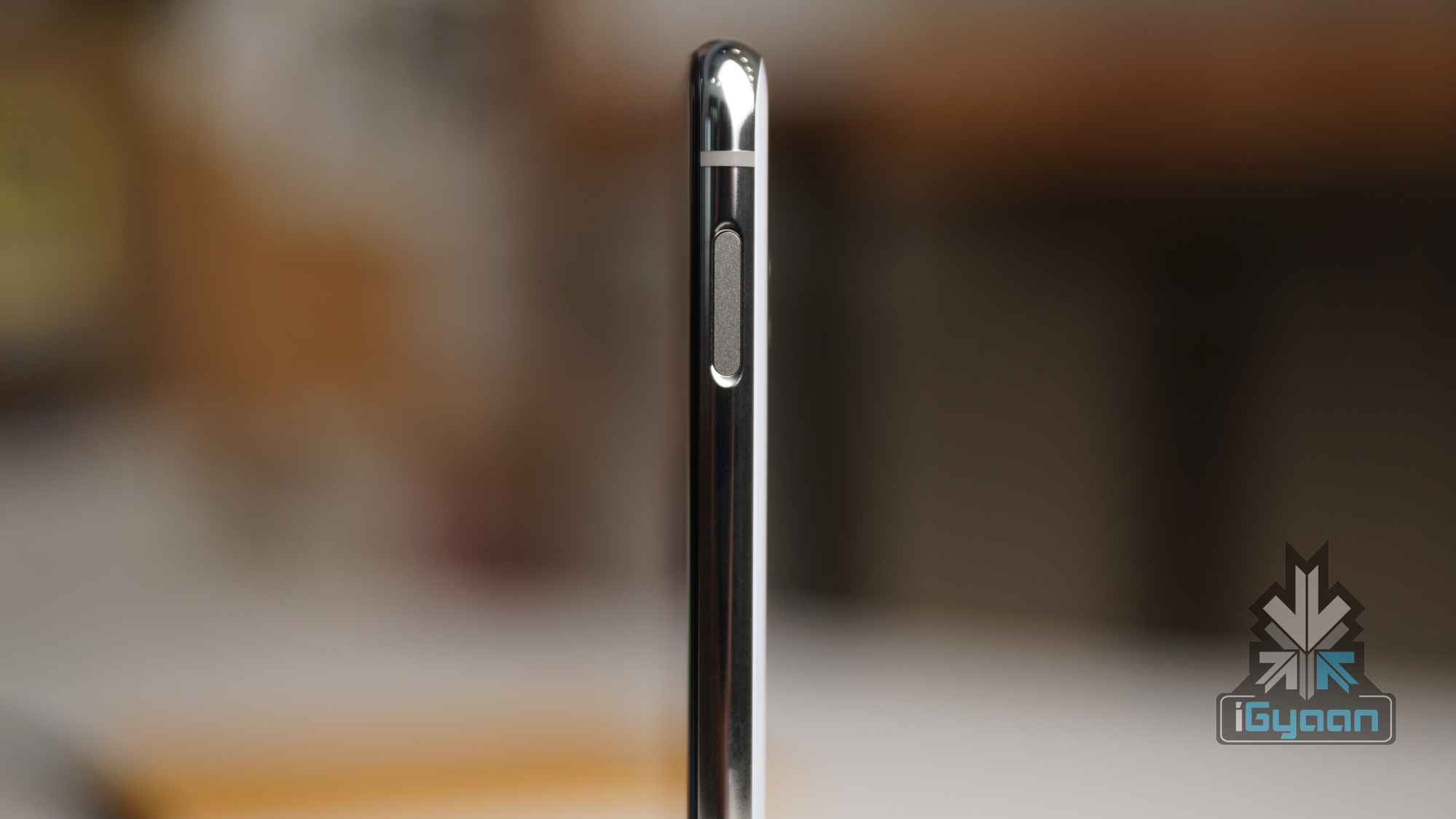
The rumours further state that the exterior buttons of the Galaxy Note 10 handsets will be replaced by capacitative or pressure sensitive buttons, that will be accessed by the user via raised bumps or a textured surface along the sides. Another device with the same design factor is the Vivo Apex, which is a step ahead and excluded all forms of ports and buttons from the device. Both the volume rockers and power button in the aforementioned smartphone were capacitative. Moreover, the device lacked all forms of ports, including the charging port. It had to be charged using the magnetic POGO pins at the back.
The removal of buttons from the smartphone will result in the absence of any cutouts in the frame of the device. This implies that the the Note 10 will have a slimmer design with increased structural integrity. Also, an IP68 water and dust resistance rating is easier to attain with the removal of physical buttons. However, we can expect that the Note 10 will not go port-less anytime soon, since the inclusion of a stylus and fast charging renders it impossible to do so.
A similar change was introduced to smartphones a few years back, when manufacturers inadvertently moved in favour of removing physical ‘home’ buttons from the devices. For instance, the iPhone 6Swas the last smartphone from Apple that featured a physical home button. The downside to such buttons is their tendency to wear out after a duration of time. On the other hand, capacitative buttons are much more resilient as compared to physical buttons. Another factor is the space consumed by the physical button module inside the device. The removal of physical buttons can ensure more space for the screen and other components.
As mentioned before, the buttons are not the only feature that is being eliminated. Rumours state that the 3.5mm headphone jack, which has been present in all Samsung flagships till date (except the Galaxy Fold) will be ditched in the upcoming Galaxy Note 10 smartphones. Other popular smartphone brands such as OnePlus and Apple have already gotten rid of the headphone jack in their flagship smartphones, and it seems that the South Korean technology company is planning to follow suit.
The Samsung Galaxy Note 10 is expected to be unveiled in the month of August 2019. It is speculated to feature a quad rear camera setup, a 19:9 display and a 4,500 mAh battery in the top variant. Also, the company may introduce a new stylus for the smartphones, which will boast of an inbuilt camera with optical zoom.
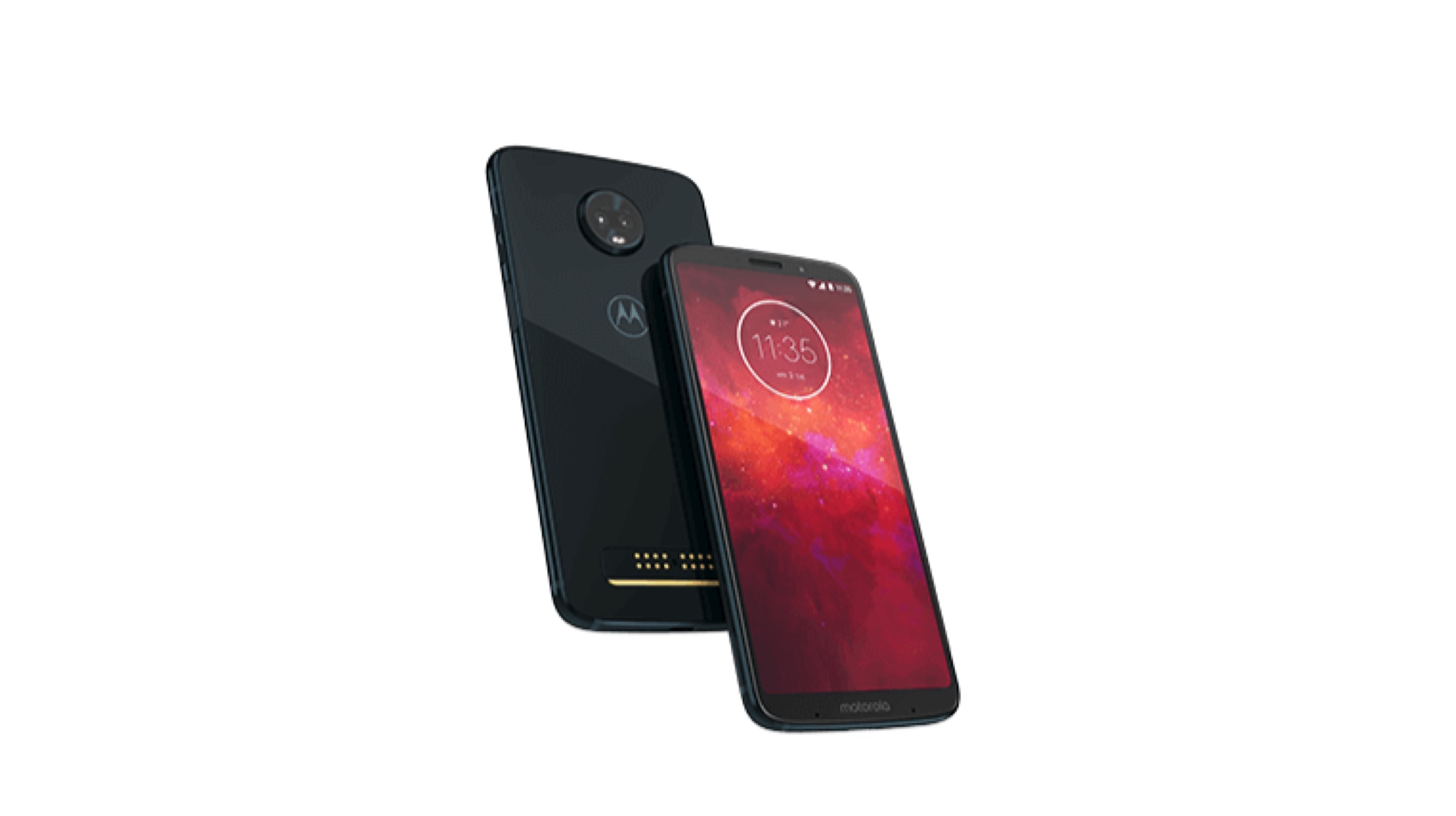
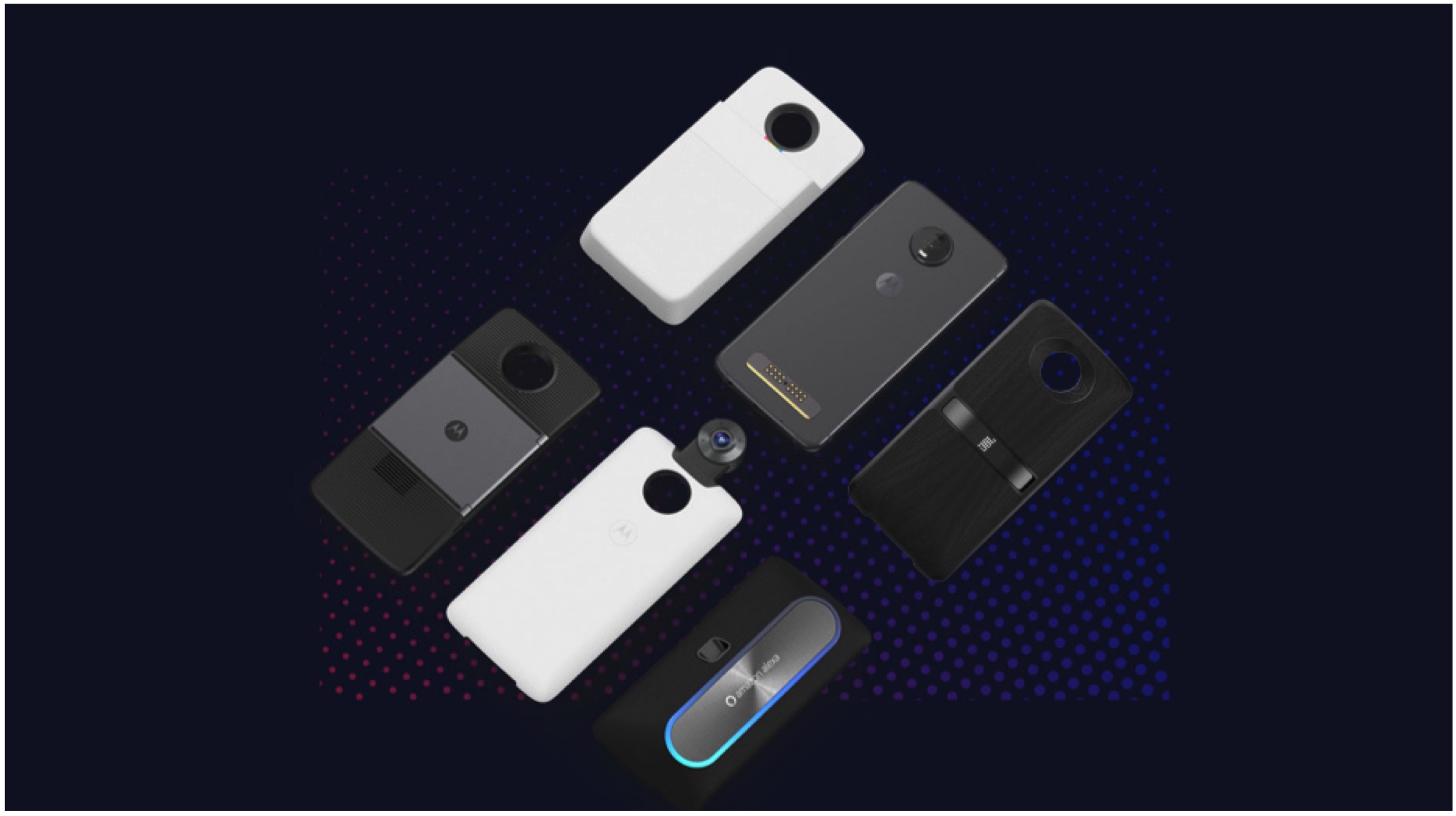
Motorola has finally given an official release date for the Moto Z4 this Thursday for its US and Canadian markets. The handset has been long awaited by fans across the world and going by past release cycles of the previous Z series by Motorola, it can be deduced that the Moto Z4 will be available in India in the coming months.
Numerous leaks had already made rounds on the internet and a surprising accidental listing of the smartphone on Amazon. The device was actually sold by mistake from Amazon and received by a customer who posted the unboxing and confirmed the support for Moto Mods.
Price and Availability
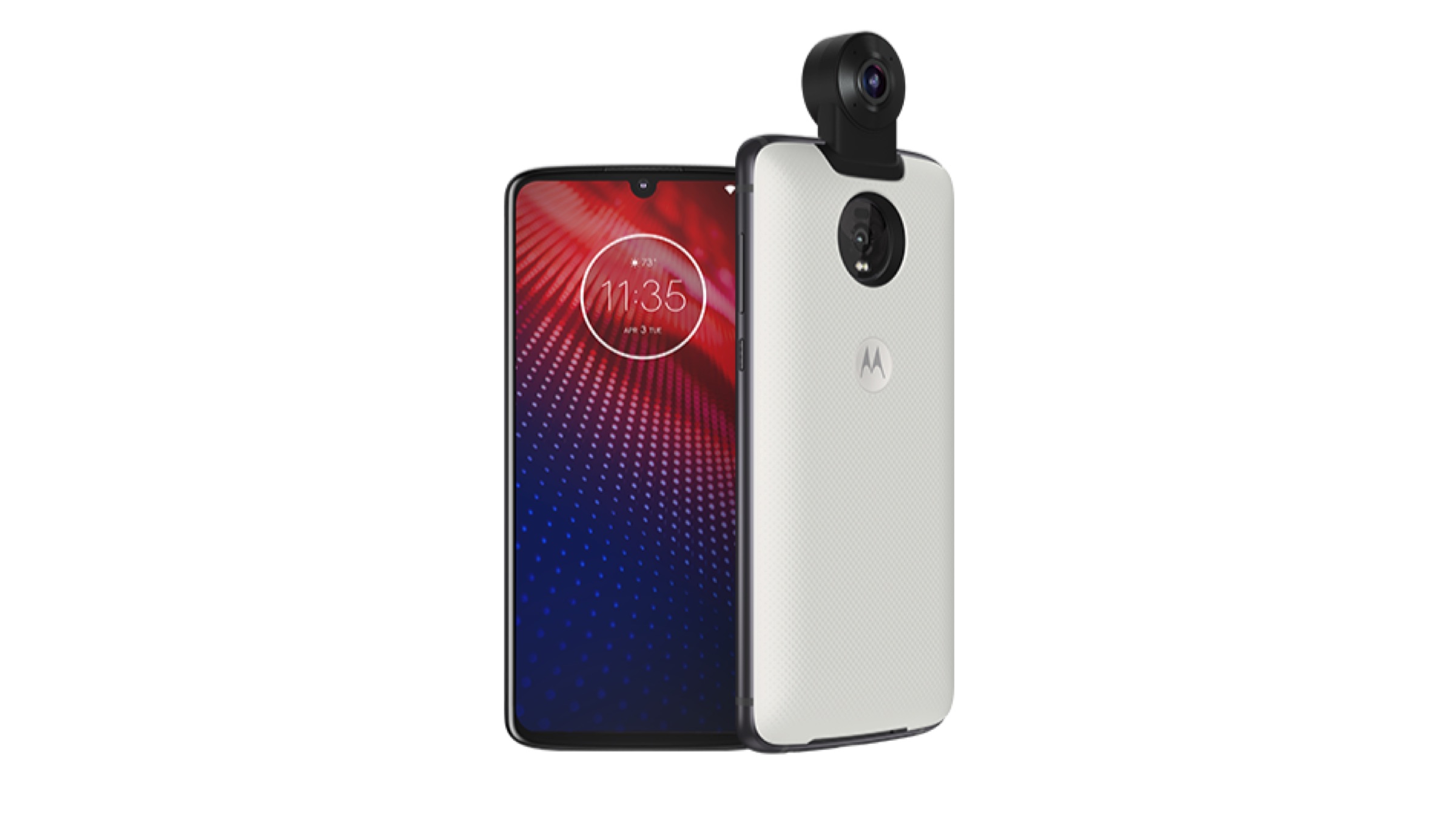
The Moto Z4 by Motorola carries a price tag of $499 (approx. Rs. 35,000) for its only available combination of 4GB RAM with a 128GB of internal storage. The smartphone will start its sale on June 6th in the US with pre-orders being currently available. The device will only be available in Canada later this summer with no official date released yet. Colour variants of the smartphone are confirmed to be in Flash Grey and Frost White. A 5G mod will be made for Verizon customers in the US for $199 (approx. Rs.14,000) with its original cost being $349 (approx. Rs.24,500). A Moto Mod that will feature a 360 Camera Mod will be bundled with the unlocked models at the same price according to the company.
Specifications
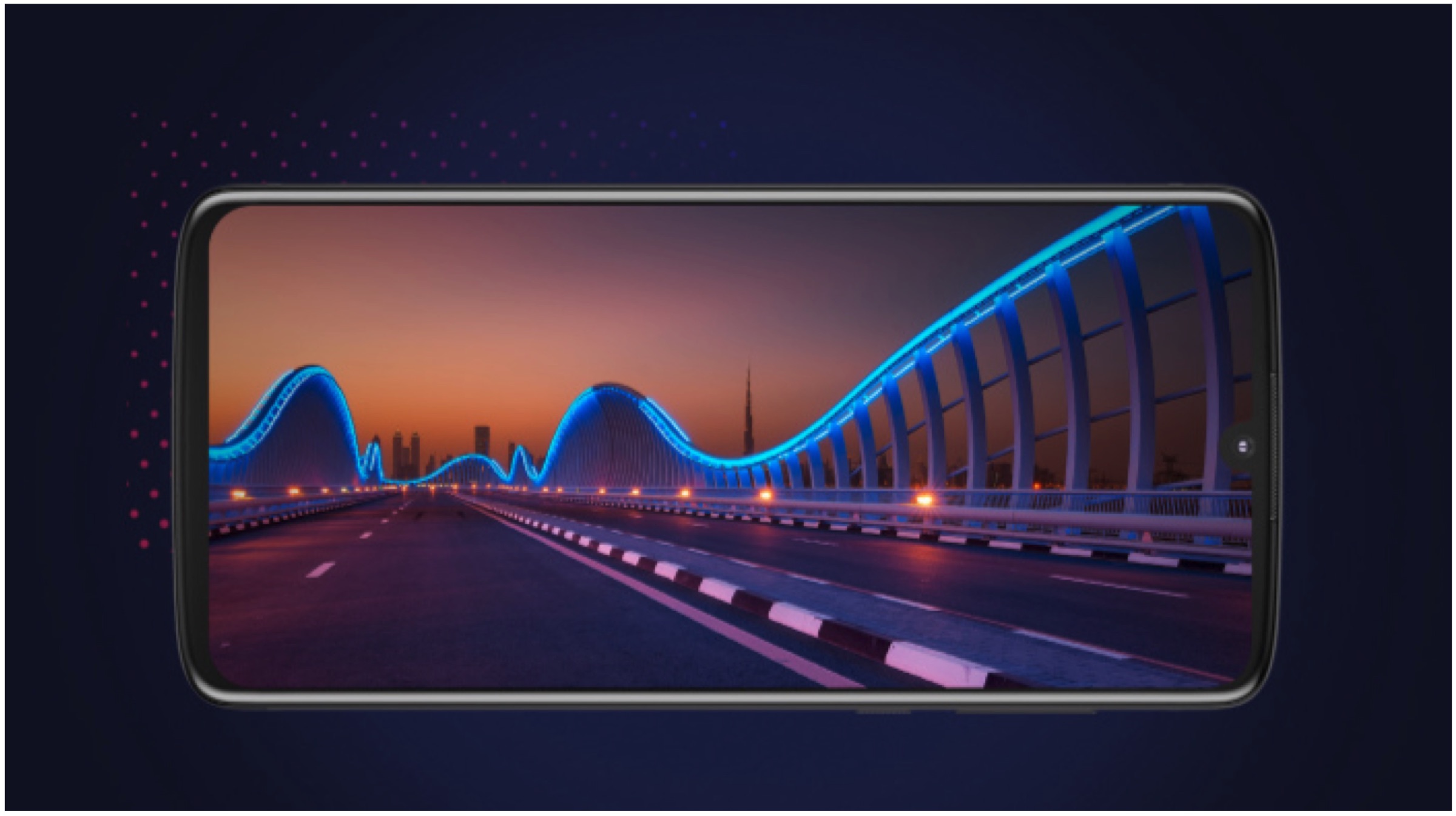
The Moto Z4 with Android 9 Pie is a single-SIM smartphone in the US with a dual-SIM variant claimed to be in production for the south-east Asian market, namely China and India. The device is equipped with a 6.40-inch full HD+ OLED display panel that has an aspect ratio of 19.5:9. Moto Z4 will have the Qualcomm Snapdragon 675 SoC octa-core processor along with 4GB of RAM.
The primary camera of the handset will only have a single 48-megapixel sensor with optical image stabilization. The sensor has an aperture of f/1.7 and a pixel size of 1.6-microns that takes 12-megapixel shots along with PDAF, laser autofocus and dual-LED flash. The front shooter also has a large 25-megapixel sensor (f/2.0) for selfies. The camera will be the key highlight of this device with the Quad Pixel technology (pixel binning). This will keep the image size lower than a full blown 48-megapixel image and should, in theory, have better low-light performance and improve overall details.
Moto Z4 will have 128GB of in-built internal storage that will be supplemented by the external storage options via microSD card (upto 2TB). Device connectivity options of the handset include 4G VoLTE, Wi-Fi 802.11 a/b/g/n/ac, GPS, Bluetooth v5.0, NFC, USB Type-C. The smartphone will include an accelerometer, ambient light sensor, compass/ magnetometer, gyroscope, proximity sensor, and an optical in-display fingerprint sensor.
Moto Z4 has no official IP rating but a P2i splash-proof nano-coating is provided for protection against accidental spillage. The phone is built out of 6000 series aluminium, and a 2.5D curved glass layer finish on top. Moto Z4s display is protected by Corning’s Gorilla Glass 3 an ageing but still effective anti-scratch measure. Measuring 158x75x7.35mm and weighing around 165g the device will be powered by a 3,600mAh battery that is reported to deliver around 2 days of battery life while supporting Motorola’s 15W TurboPower fast charging. The fast charging adapter will be included in the box.
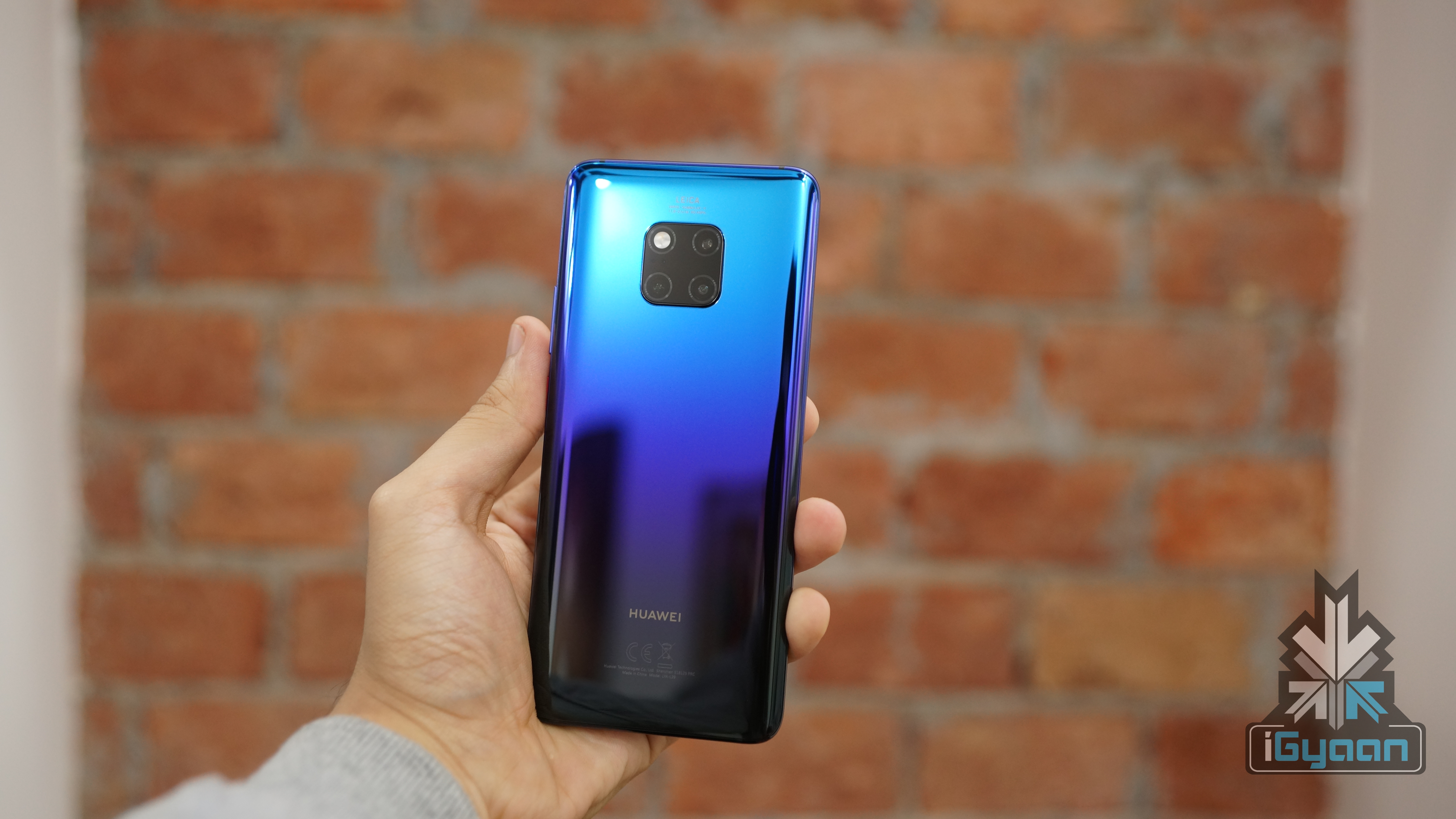
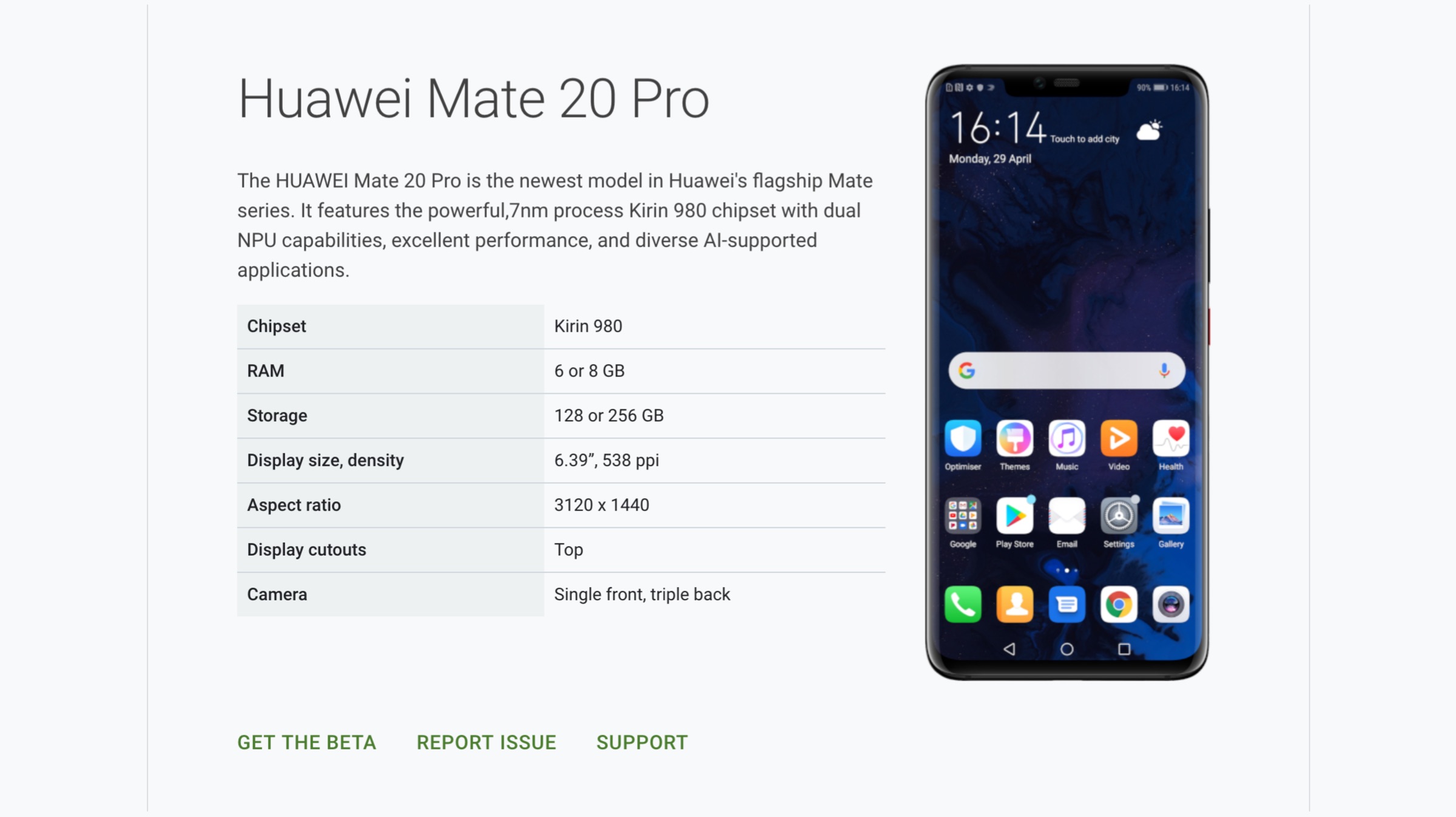
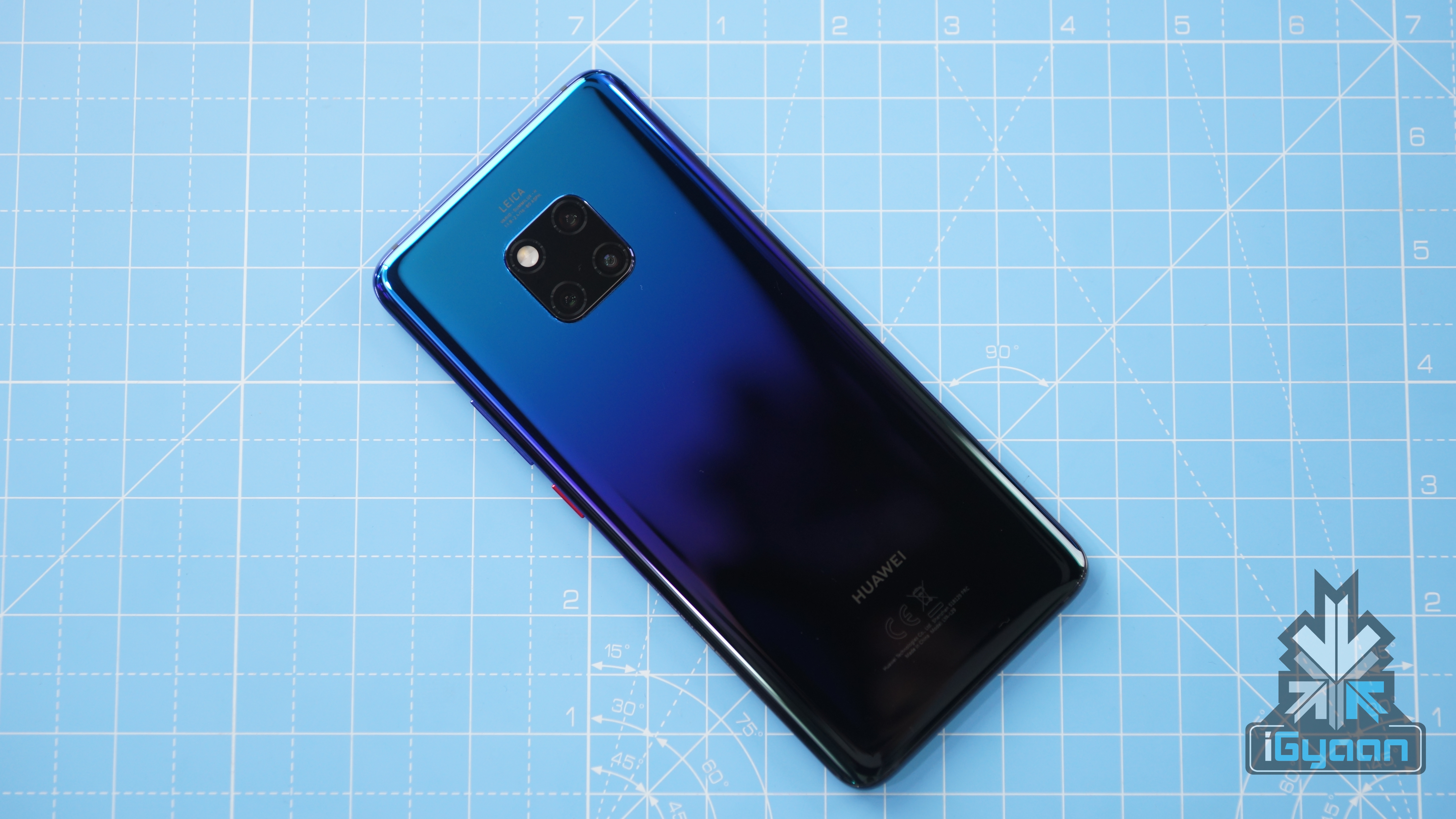
Huawei was recently barred from doing any business with American companies; after the US government included it in an entity list earlier this month. However, the company was later given a 90-day extension to finish all pending business after which the ban will be in its full effect. Due to this, smartphones from Huawei lost the Android license provided by Google and were also removed from the Android Q Beta Program. Now, Google has added the Huawei flagship device from last year, the Mate 20 Pro back to the list of handsets supporting the upcoming Android Q Beta update.
Huawei Mate 20 Pro Android Q
As mentioned above, the official website of Android has added the Mate 20 Pro smartphone by Huawei back to its Android Q Beta Program. The device was removed from the listing because of the ban placed by the US government; restricting any business between an American company and the Chinese OEM. With this, the handset joins the limited list of devices including the Asus Zenfone 5Z, LG G8, Nokia 8.1 to be a part of the Beta program. While the Mate 20 Pro was also removed from the Android Enterprise recommended devices and Google’s list of Android handsets last week; the listing in both cases have not restored the name of the Huawei flagship yet.
The addition of the Huawei Mate 20 Pro back to the Android Q Beta Program may be due to the 90 day extension period in effect. And since the smartphone has been added to the listing once again, it may insinuate that the handset will receive the stable update of Android Q after all. Unfortunately, it is not known if the company’s latest flagship smartphone, the P30 Pro; launched back in the month of March will receive the Android Q Beta update. However, an official announcement regarding the same is expected soon.
Watch the Unboxing and First Look of the Huawei Mate 20 Below:
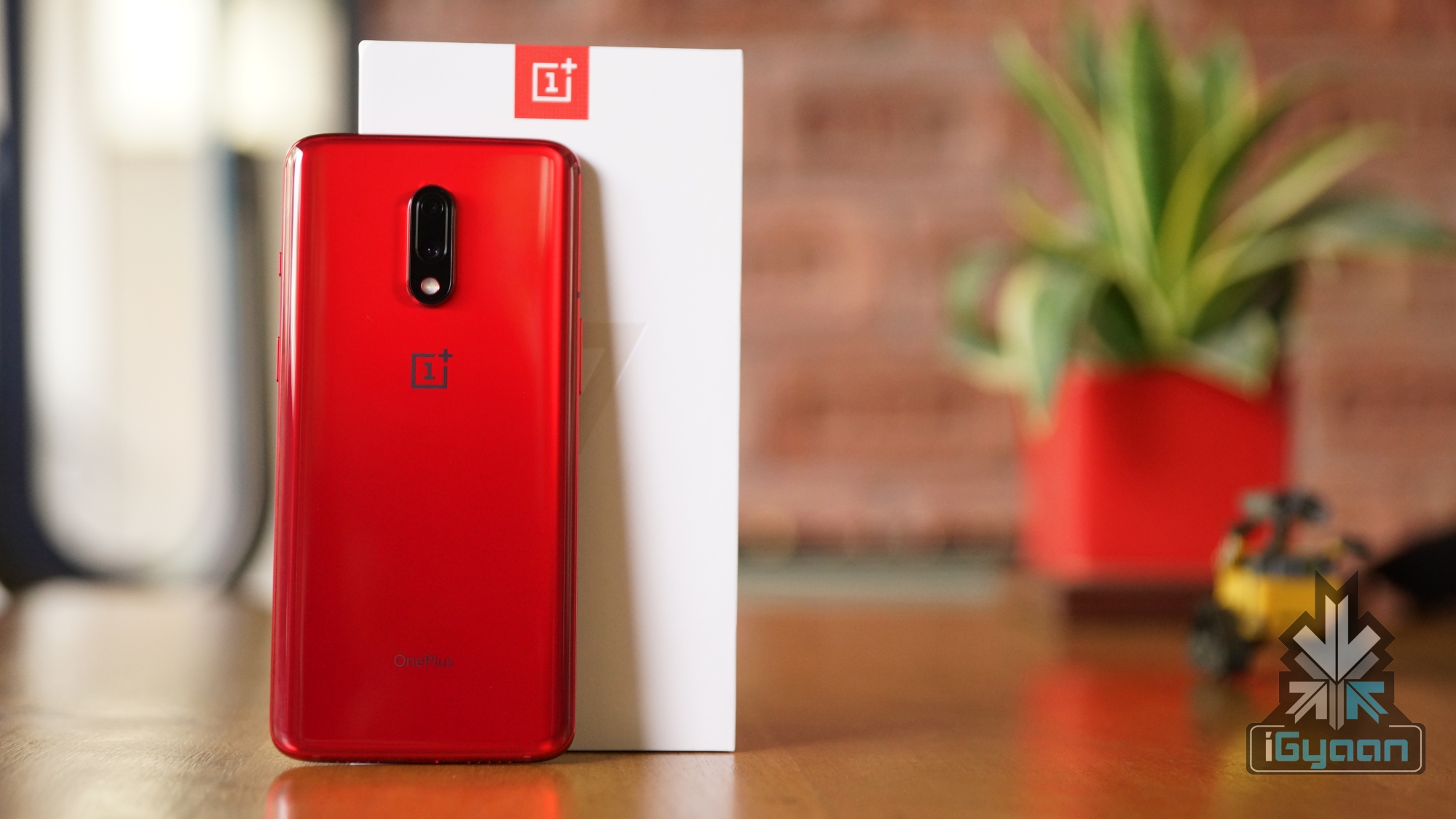
OnePlus launched its latest flagship smartphones, the OnePlus 7 Pro and the OnePlus 7 at multiple events around the world; on the 14th of May. While the former has been made available for sale in most markets and targets a premium price bracket; the latter has just been announced to go on sale starting next week and is more affordable than ever. Here is our experience with the unboxing and hands-on of the latest flagship killer of OnePlus for 2019, the OnePlus 7. Click here to buy.
Video
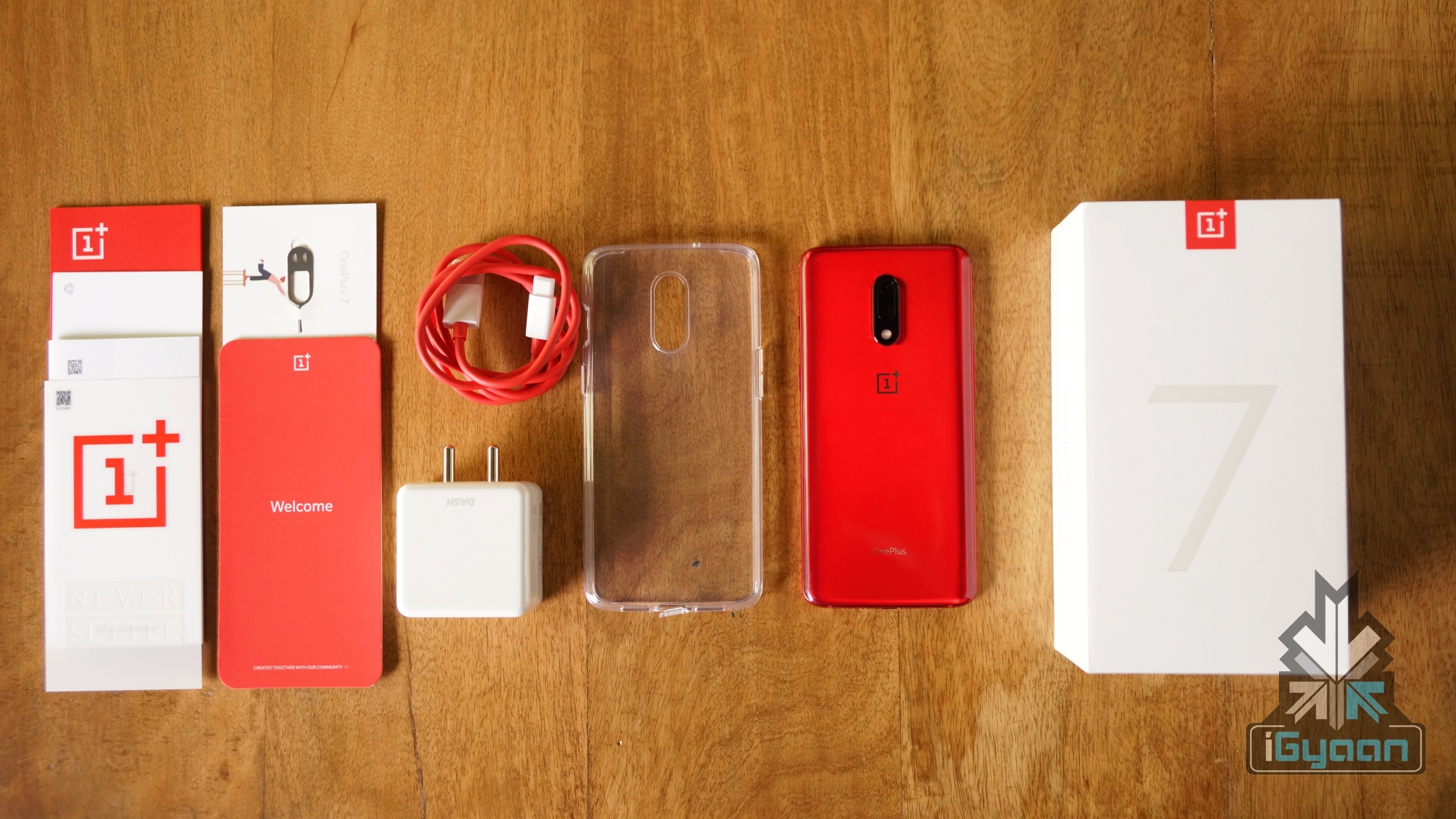
What’s In The Box?
OnePlus 7
Power Adapter
Type-C Cable
Quick Start Guide
Welcome Letter
Safety Information and Warranty Card
LOGO Sticker
Case
Screen Protector (pre-applied)
SIM Tray Ejector
Design
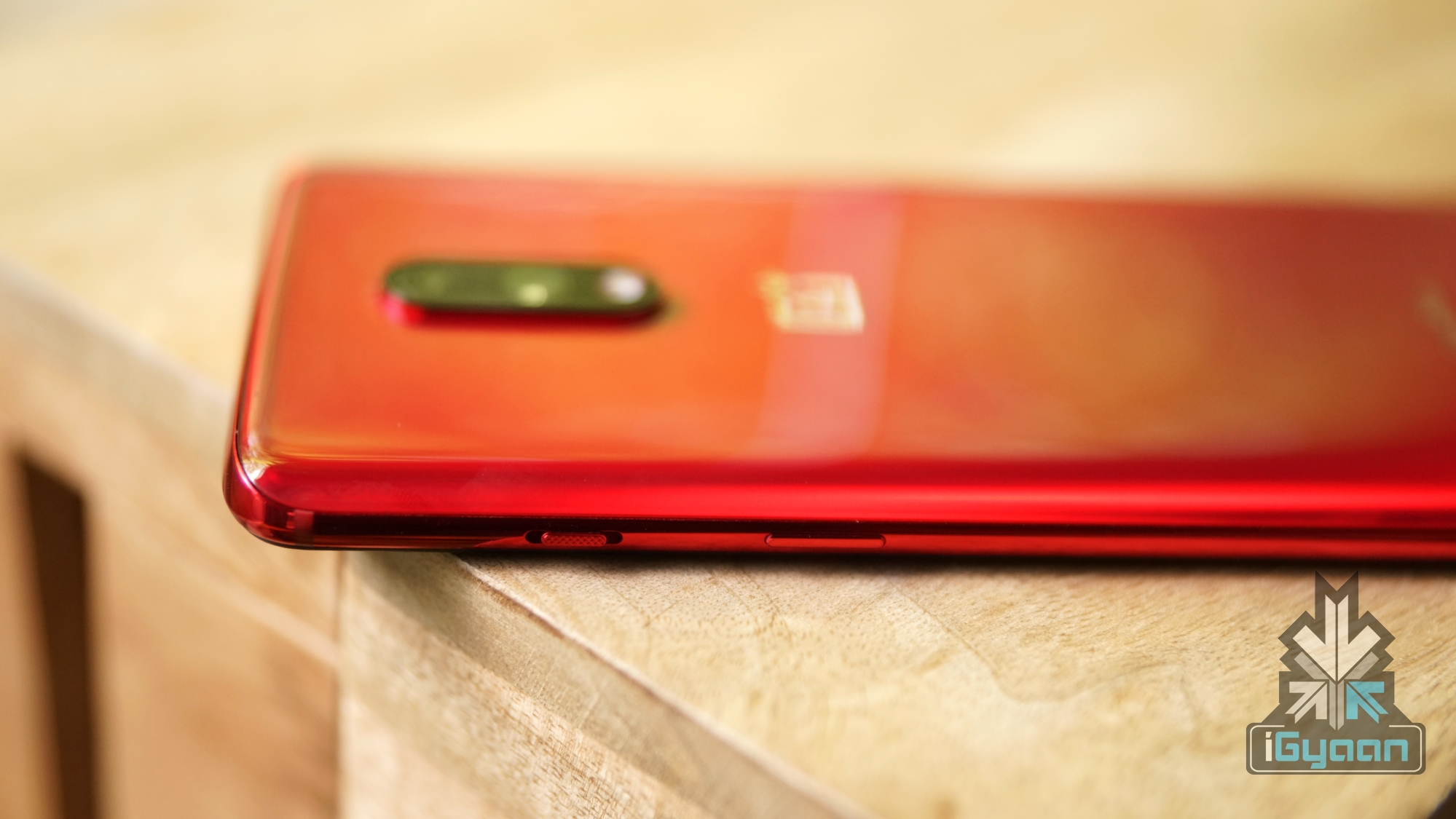
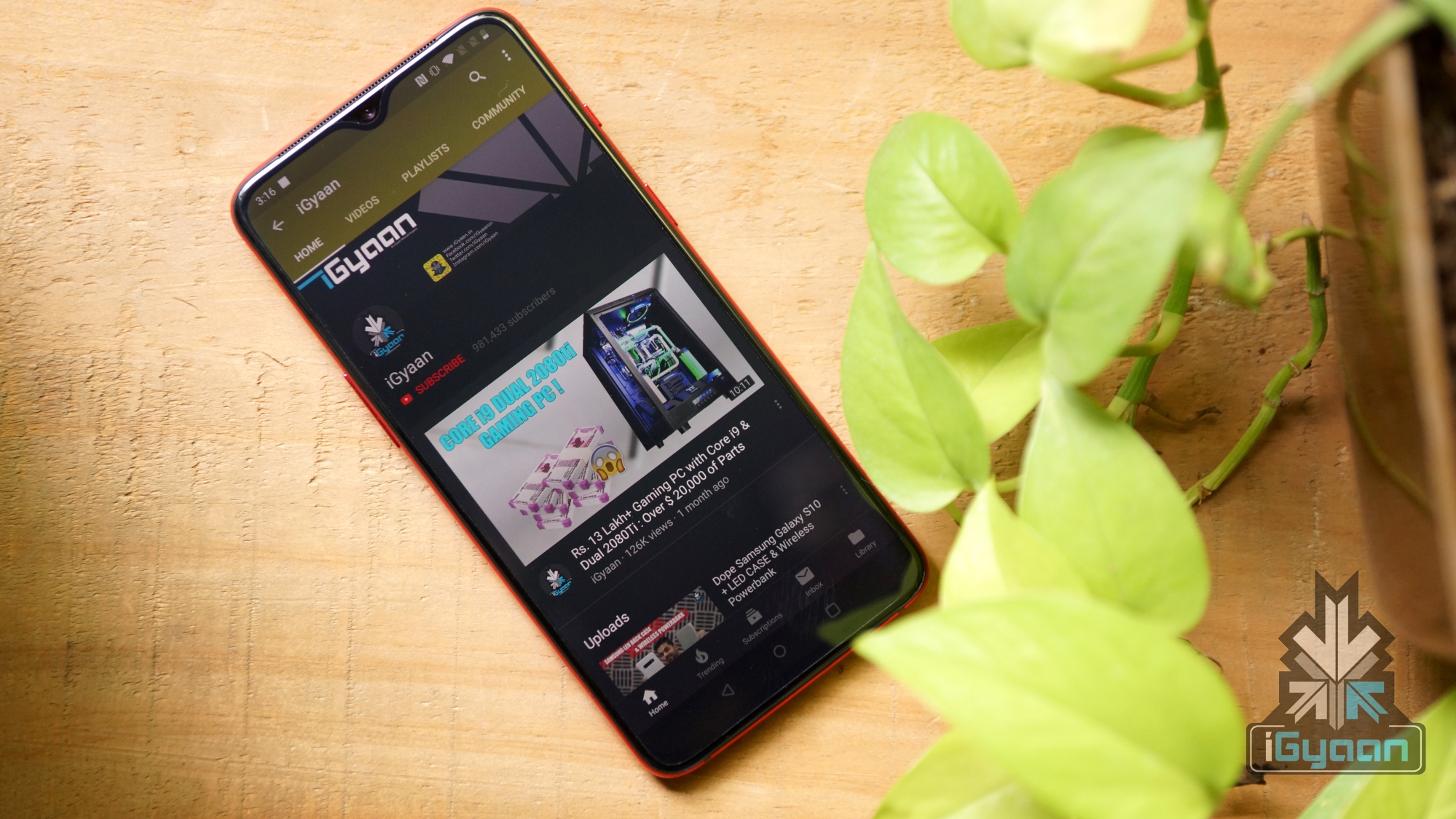
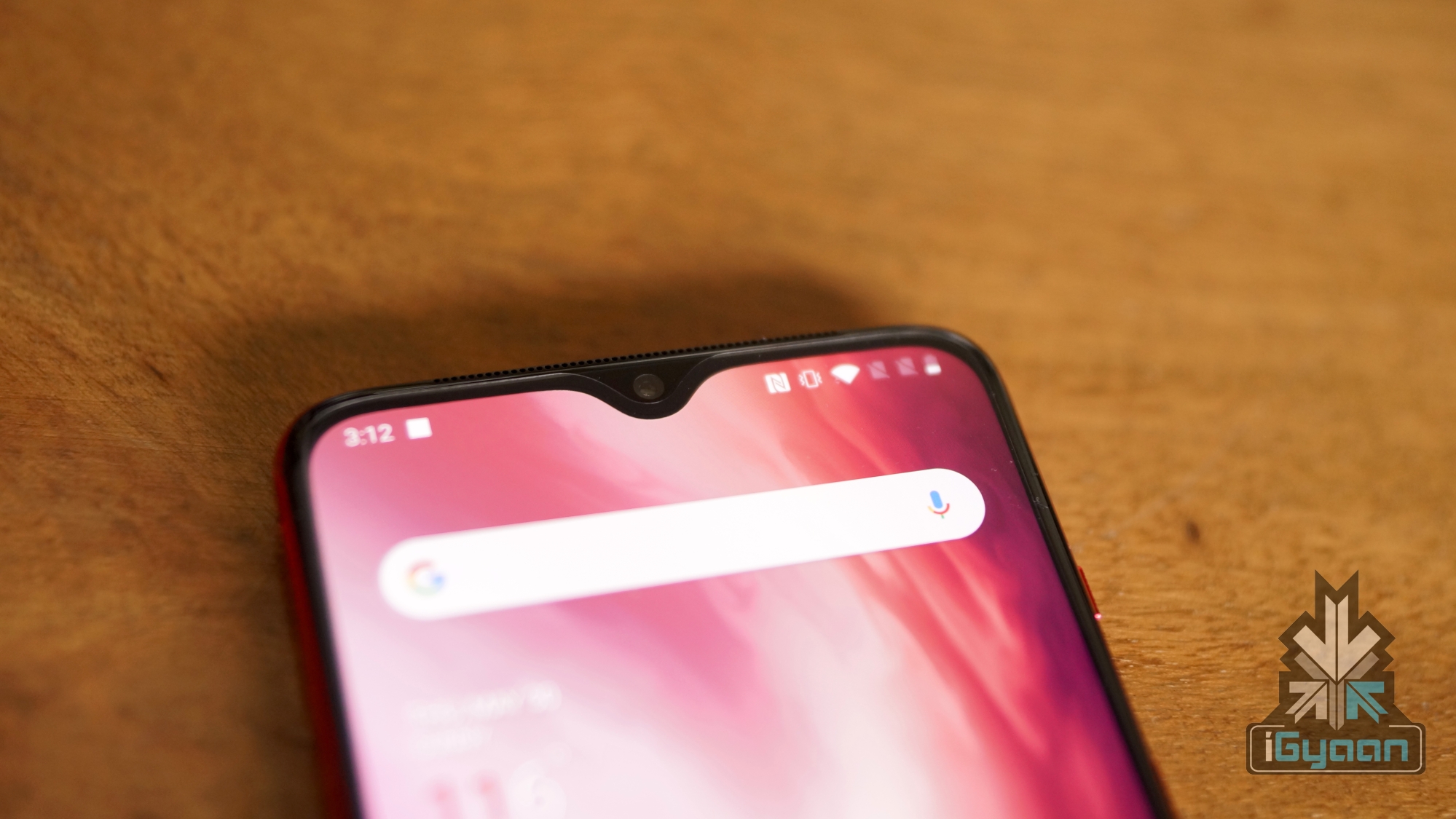
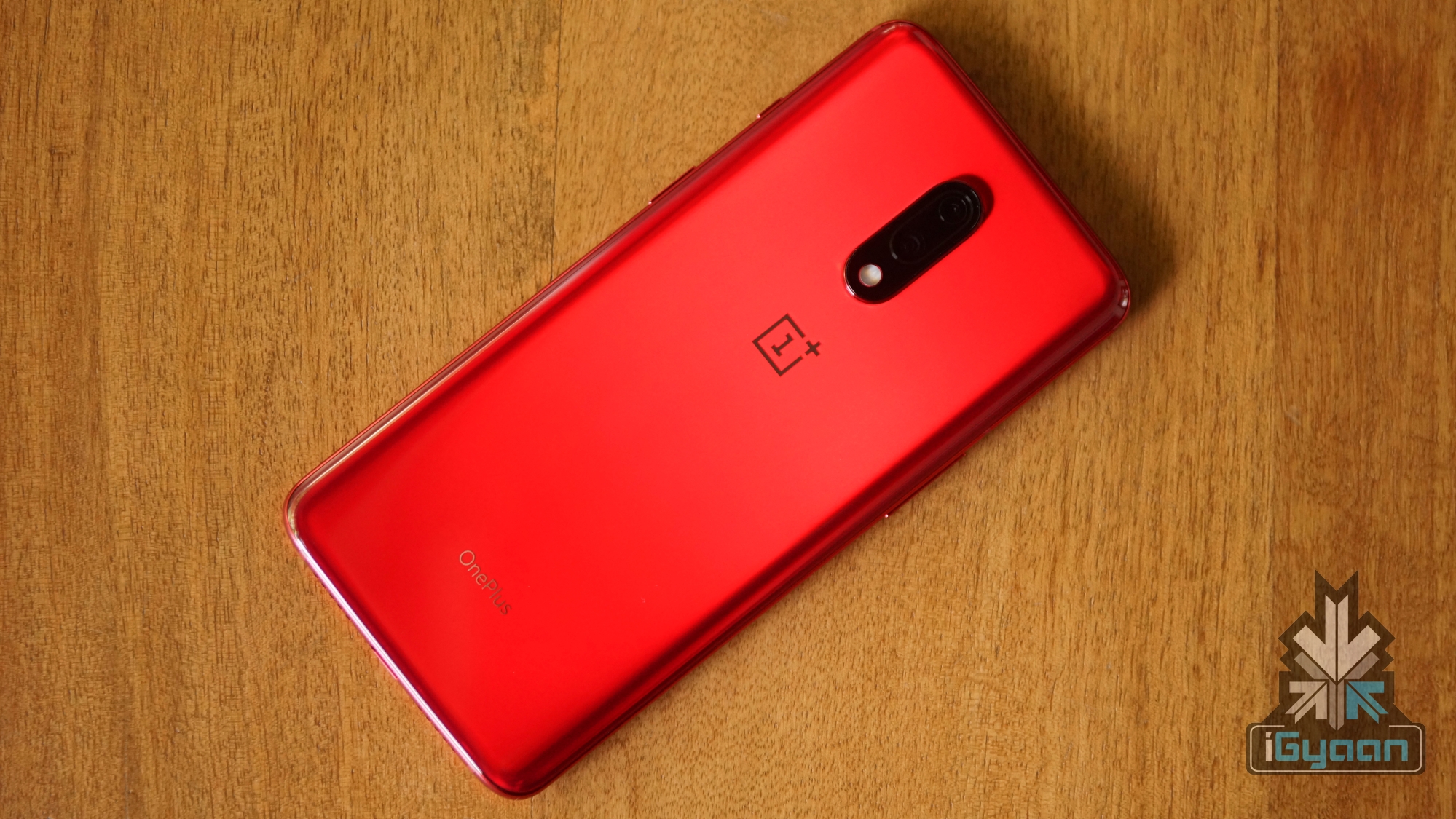
The design of the OnePlus 7 is reminiscent of its predecessor, the OnePlus 6T. The device measures 157.7 × 74.8 × 8.2 mm and weighs in at 182 grams. It has a robust build with glass on both the front and back which is held together with a metal chassis. The front of the smartphone has negligible bezels on all sides with a waterdrop notch on top of the display.
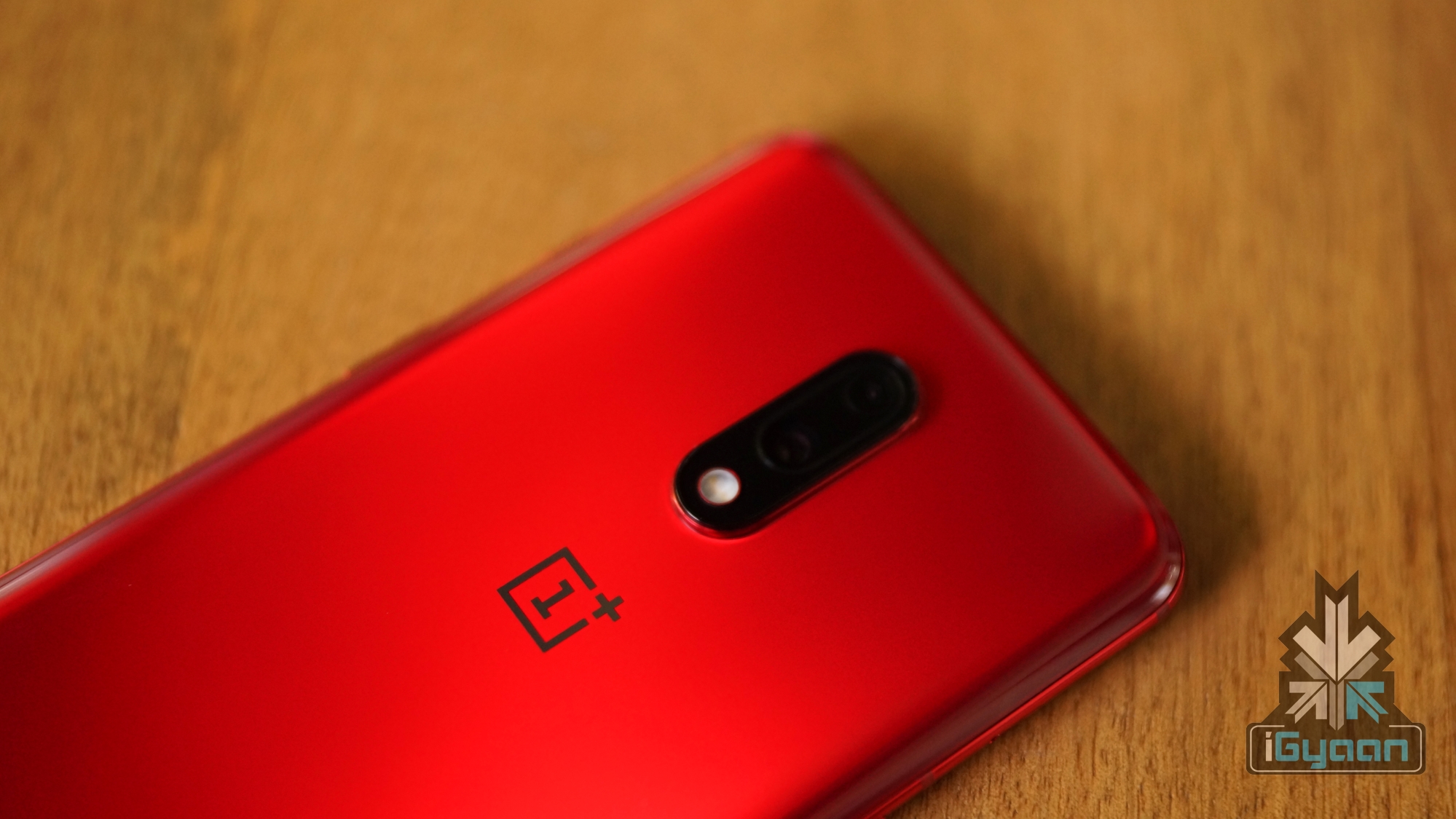
The OnePlus 7 houses the power button along with the mute switch on the right side of the smartphone. The left has the volume rockers along with the SIM card tray. Over at the rear of the device, on the attractive gradient coloured back panel the vertically placed dual rear camera with an LED flash is present. The company branding is placed on the bottom of the rear of the handset.
Display
The OnePlus 7 has a 6.41-inch Optic AMOLED display with a resolution of 2340 x 1080 px. The display on the smartphone is the same as its predecessor, with an aspect ratio of 19.5:9. It supports features such as Reading Mode, Night Mode and Video Enhancer. The display on the OnePlus 7 as mentioned above, has a waterdrop notch on top to maximise the screen real estate. It also houses the in display fingerprint scanner which is reported to be 1.5 times faster than the previous generation.
Processor
One of the key highlighting features of OnePlus 7 is its chipset. The smartphone is kitted with the Snapdragon 855 SoC which is also present on devices including the Galaxy S10 lineup (US Variant) and the Xiaomi Black Shark 2. The chipset is manufactured using a 7 nm fabrication process which makes it highly power efficient in comparison to the 10nm Snapdragon 845 that the OnePlus 6T incorporates. The Snapdragon 855 consists of an Octa-Core Kryo CPU and the Adreno 640 GPU.
Memory and Storage
The OnePlus 7 is available in two storage variants, the base model with 6GB of RAM and 128GB internal storage; and the top tier variant with 8GB of RAM and 256GB of onboard memory. It is also one of the world’s first smartphones after the OnePlus 7 Pro to feature UFS 3.0 2 lane storage. This should provide it with class-leading read and write speeds along with the LPDDR4X RAM which should result in fast performance.
Camera
In terms of optics, the OnePlus 7 has a dual rear camera setup consisting of an f/1.7 aperture equipped 48MP sensor; with an f/2.4 aperture equipped 5MP depth sensor. The primary lens uses the ubiquitous Sony IMX 586 sensor also found in smartphones such as the Redmi Note 7 Pro and the Honor View20. For selfies, the OnePlus 7 has an f/2.0 aperture equipped 16 MP sensor housed in the waterdrop notch on top of the display.
In terms of video recording, the rear cameras of the device are capable of shooting at 4K resolution at up to 60fps. Video from the front camera is restricted to 1080p resolution at 30fps. Additionally, the camera supports features such as HDR, Portrait Mode and Studio Lighting.
Battery and Other Features
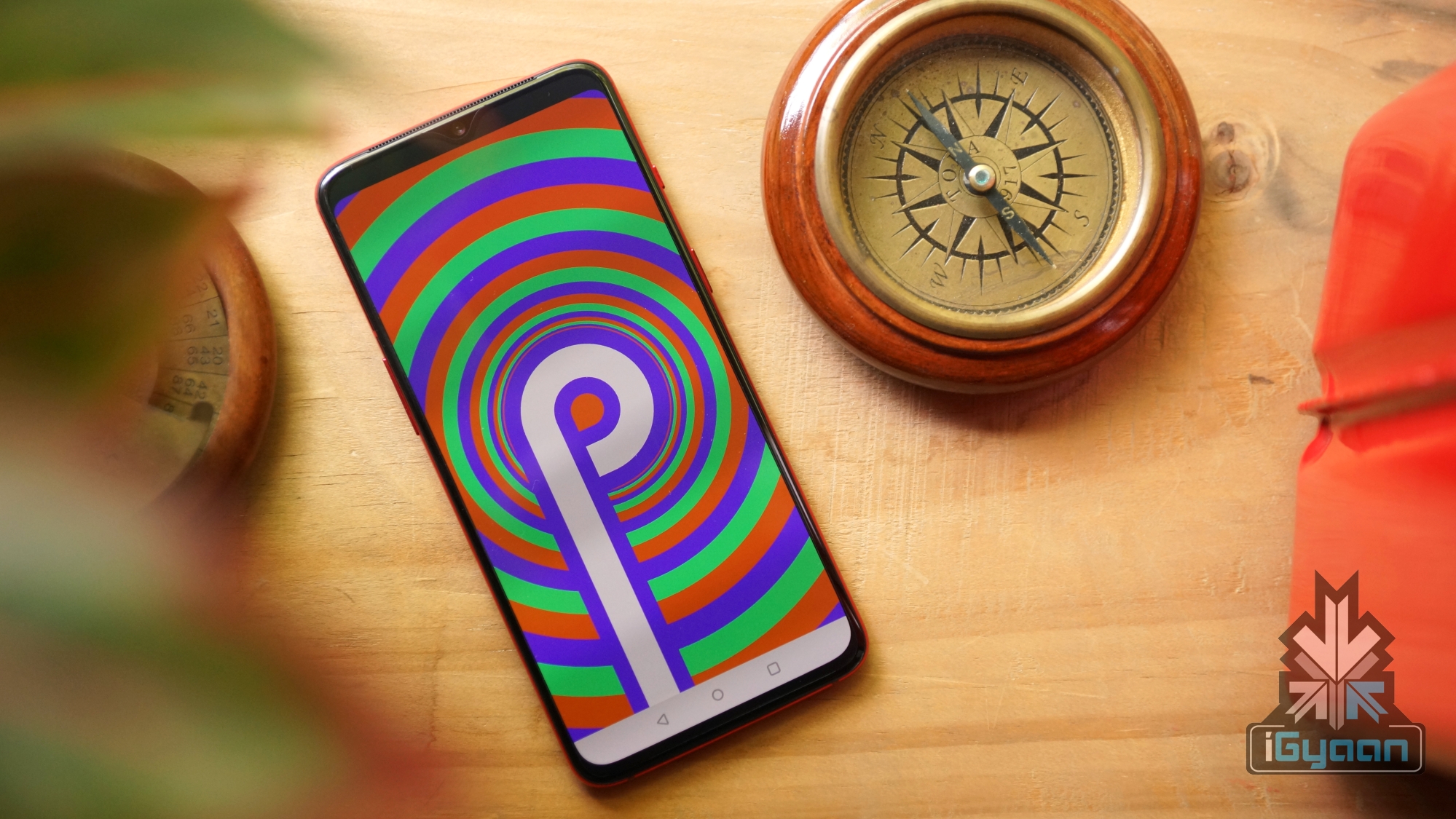
The OnePlus 7 is powered by a 3700 mAh non-removable battery which is the same size as its predecessor. For fast top-ups, the battery supports 20W fast charging via the bundled Dash charger inside the box. The device runs on the company’s homegrown OxygenOS which is based on top of the latest Android 9 Pie.
Connectivity and Colour Options
Connectivity options on the OnePlus 7 include dual 4G LTE, Wi-Fi 802.11 a/b/g/n/ac, Bluetooth 5.0, NFC, GPS and bottom mounted USB Type C Port. The USB Type C supports the USB 3.0 standard, which should make the read and write speeds on the device faster than before. The OnePlus 7 will available in two colour options at launch namely, Mirror Grey and Red.
The OnePlus 7 will go on sale starting the 4th of June at 12 noon exclusively on Amazon India. In terms of pricing, the base variant with 6GB of RAM and 128GB of internal storage has been priced at Rs 32,999; while the variant with 8GB of RAM and 256GB of onboard memory will cost Rs. 37,999 for prospective buyers.
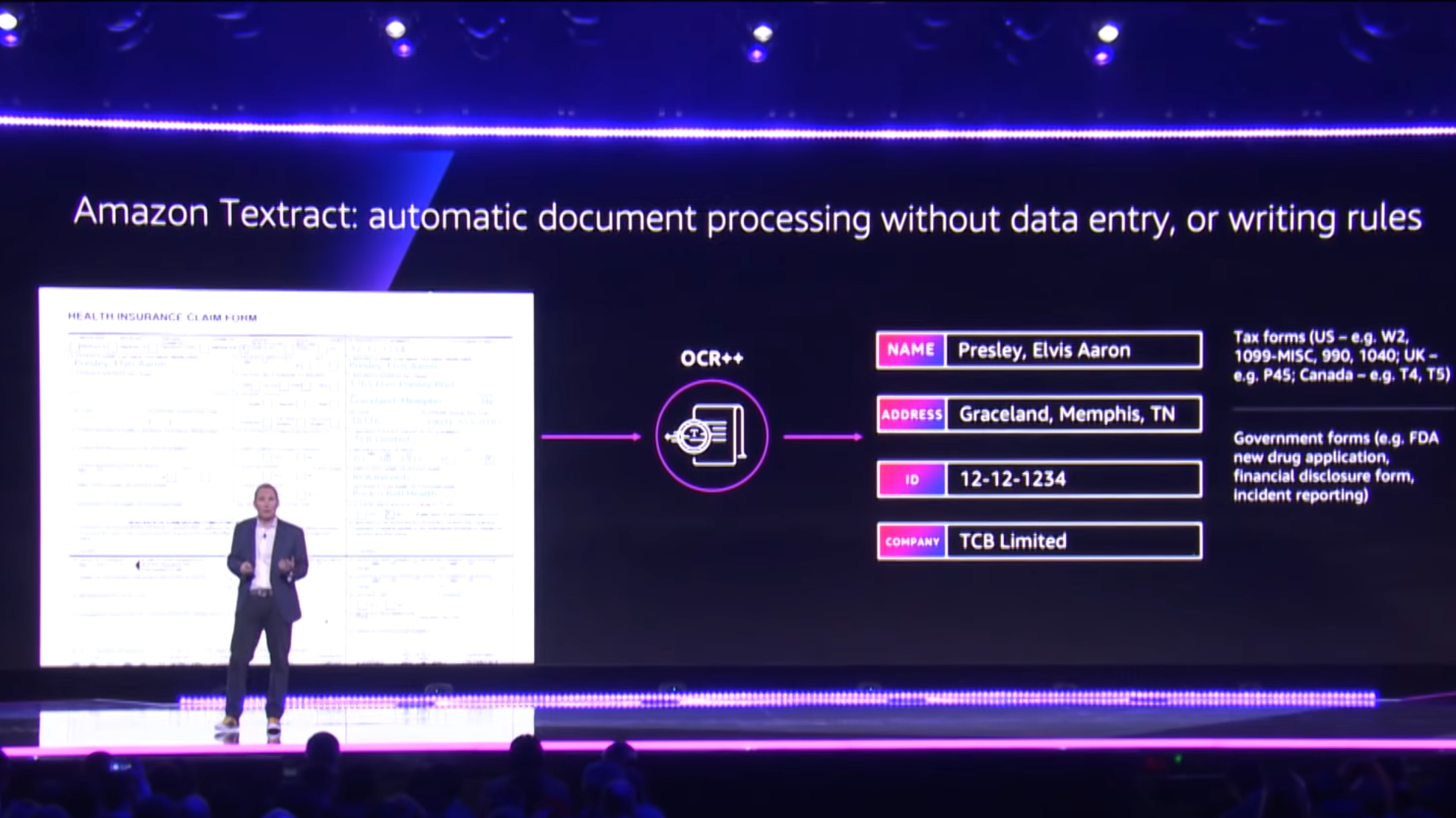
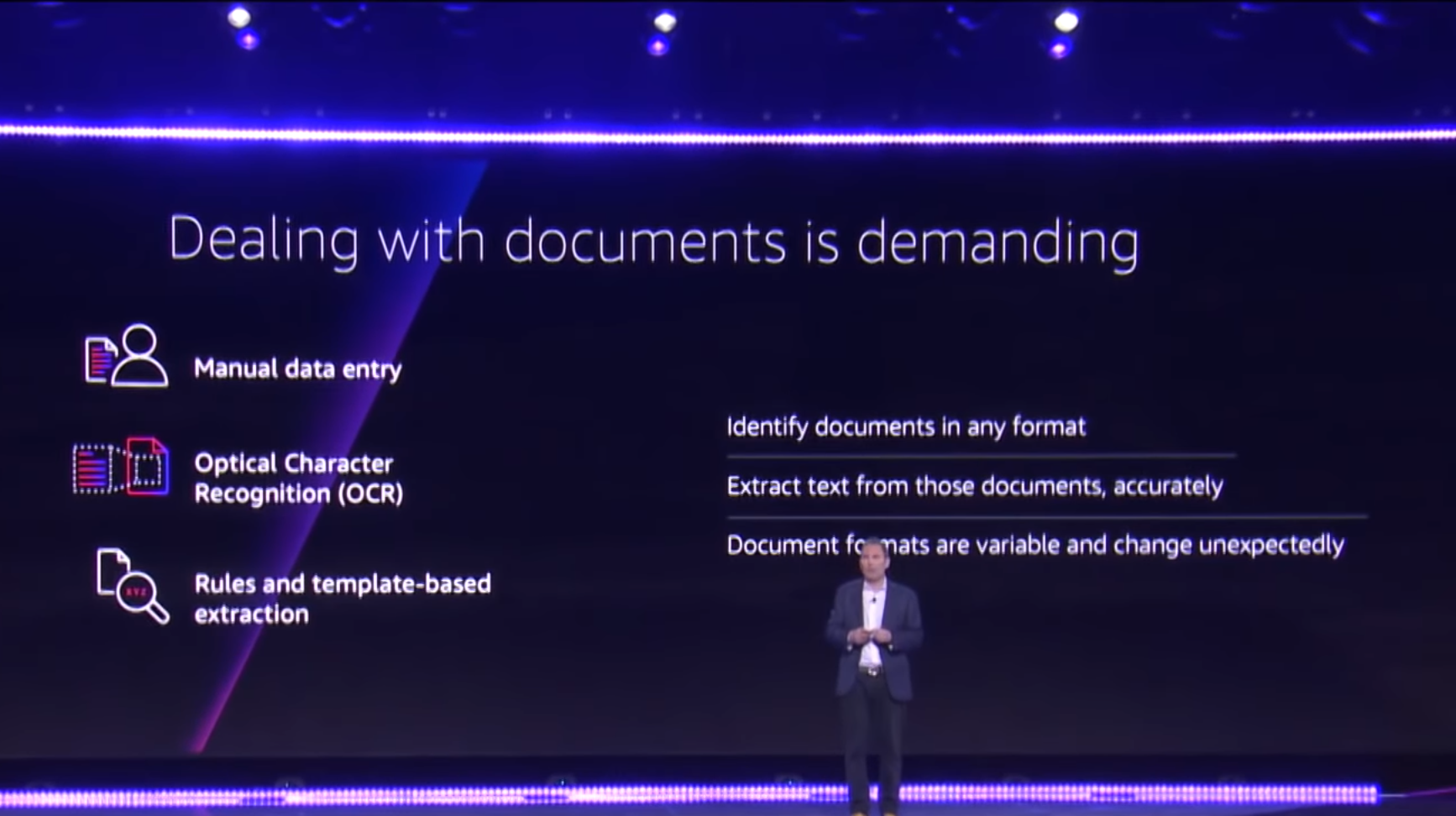
Amazon has unveiled a new service named Textract which enables its Web Service customers to accurately harvest text from documents. The word Textract is a combination of ‘Text’ and ‘Extract’, and it does exactly what it says. The software performs the same task as a standard OCR (Optical Character Recognition) reader, but where the OCR scanner falls short, Textract accomplishes the task effortlessly.
Amazon’s software is designed to identify various document formats and analyze its contents to process them in the desired manner. For instance, if the concerned document is a table, Textract will reproduce data in a structured form that is closest to the original data arrangement. Forms, charts and receipts are scanned and reproduced in a similar manner. And the whole process can be completed without human intervention, rendering Textract as an independent software.
The stumbling block with basic OCRs is their inability to process mixed data or data which is arranged in an non standard format. For the same reason, organizations utilize manual labour for data entry, which defies the purpose of an automated OCR. On the other hand, Amazon claims that its new service is capable of processing millions of pages in a short duration of time. Noteworthy, unlike several other similar services, machine learning experience is not necessary to use Textract states Amazon.
Lastly, the Textract can identify organization-specific data such as security numbers and IDs and copy it into spreadsheets which are easily editable. Bigger chunks of data are loaded into databases which are then accessible via smart searches inside the Web Service. The Textract has been released in select parts of the United States (including Ohio, North Virginia, Oregon) and Ireland as of now.
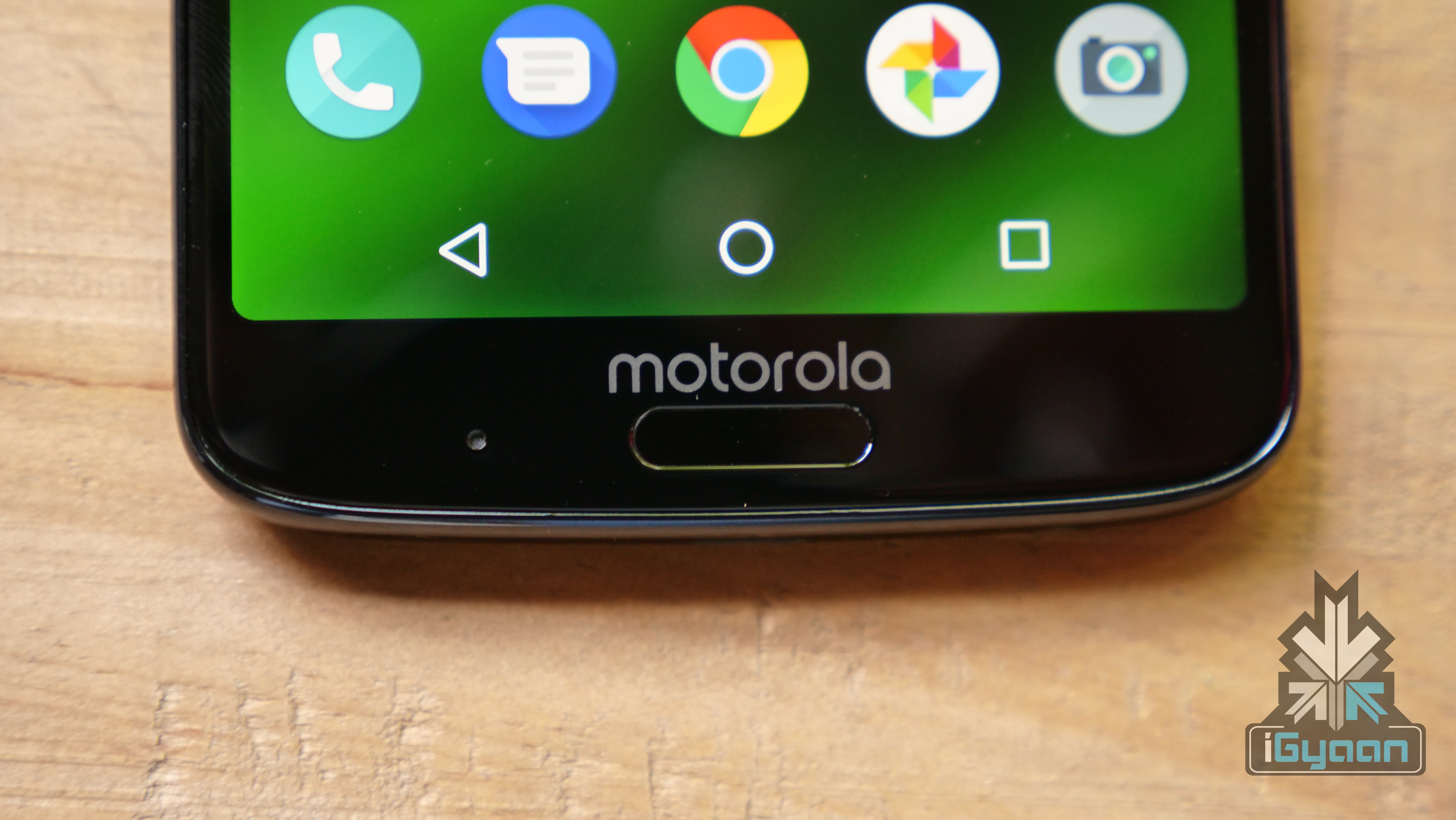
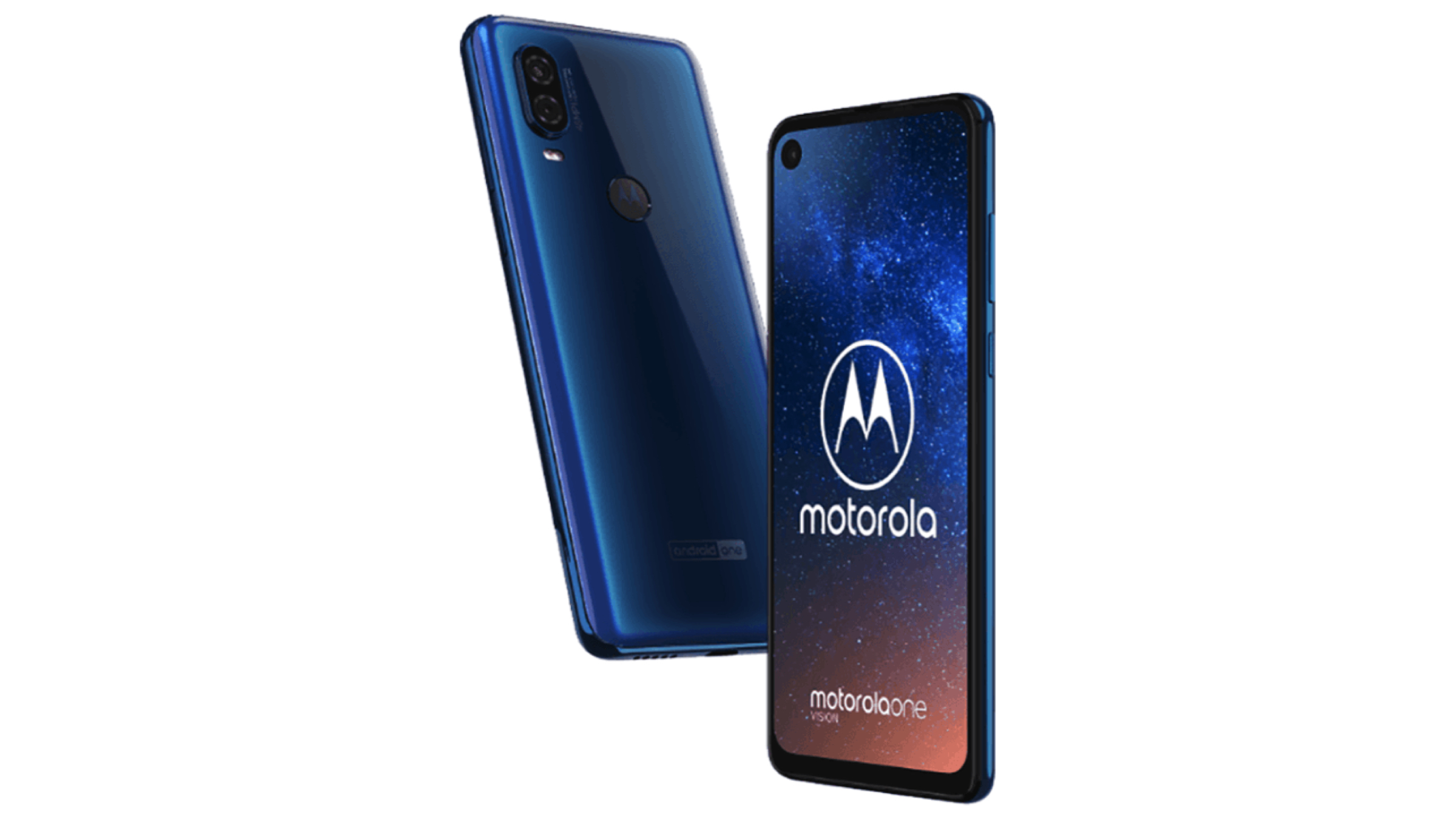
Earlier this month, Motorola Mobility LLP launched the Moto One Vision smartphone that features a punch hole display. Besides the previously launched handset, the company is expected to launch another smartphone. The listing of an unreleased device has been spotted on popular benchmarking website, Geekbench. The said listing hints of device’s imminent launch that carries the Motorola One Action moniker.
Moto One Action Benchmark Results
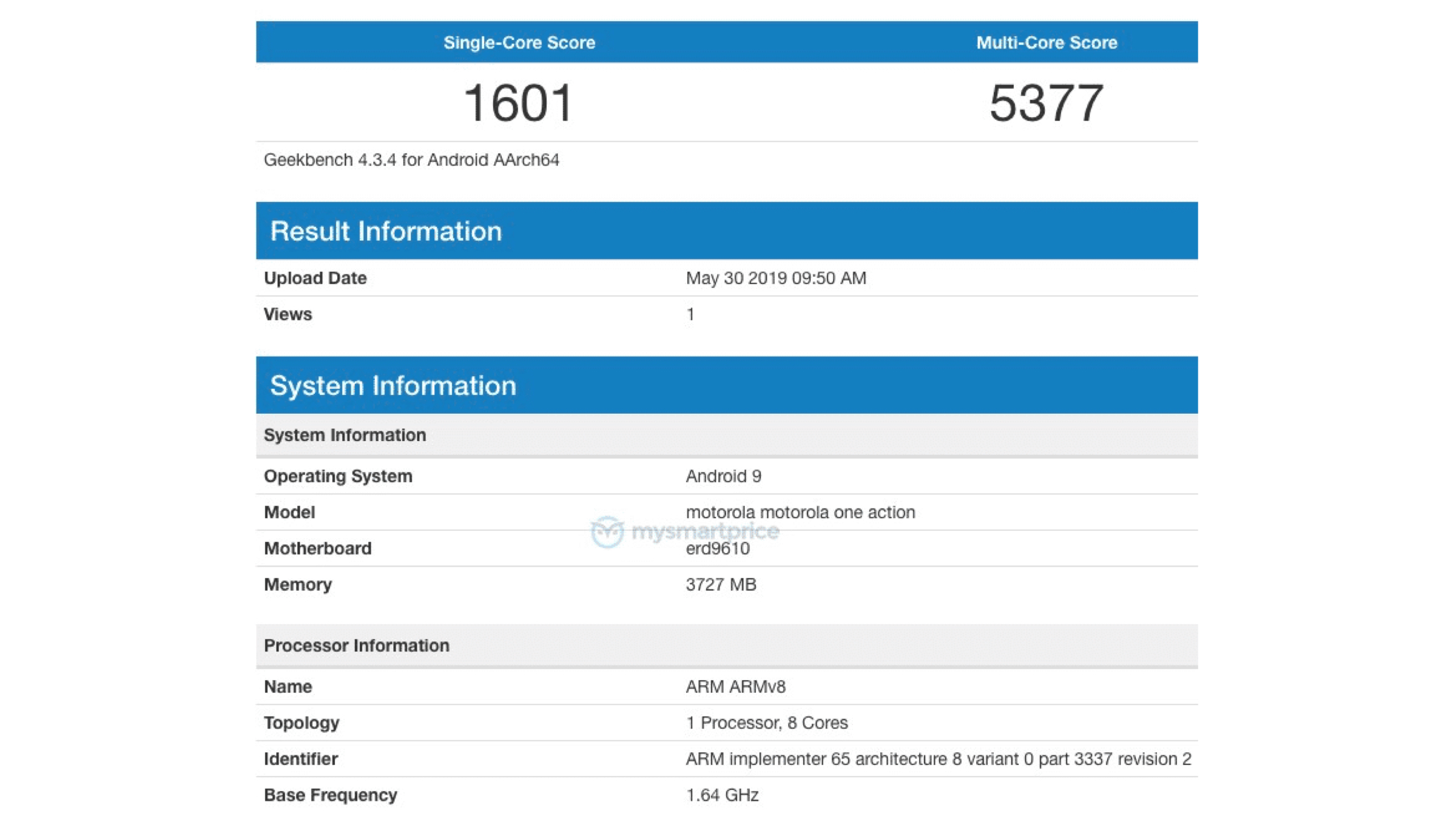
According to the Geekbench listing, the Moto One Action is kitted with the Exynos 9609 SoC. Surprisingly, the same chipset is also found on the previously mentioned Moto One Vision. The Exynos 9609 consists of an Octa Core CPU and the ARM Mali-G72 MP3 GPU. Talking more about the chipset, it is clocked down variant of the Exynos 9610 which is present on the Samsung Galaxy A50.
Moto One Vision (for reference purpose)
Furthermore, the Moto One Action runs on the stock Android 9 Pie OS which will provide for a smooth and bloatware free experience. In terms of memory, the device is fitted with 4 GB of RAM. However, the company is also expected to launch the smartphone in higher Ram capacities as well. Speaking of benchmark results the Moto One Action registers a single core score of 1601 points and a multi core score of 5377 points.
Unfortunately, details about the design of the Moto One Action are still a mystery. However, going by the ‘Action’ suffix in the name, it could be a rugged device with heterogenous specifications to the Moto One Vision. This claim can further be strengthened with the fact the company has previously launched a handful of rugged smartphones including the Moto Z2 Force. Even though the launch date of the device is yet to be revealed, the Geekbench listing indicates an imminent launch.
Apple is one of the few companies that take into account the privacy and autonomy of its customer’s data. The cost of such high levels of user privacy is the tighter regulations by Apple on its own economy (especially in regards to maintenance and repairs). A report, however, has pointed towards various application in iOS sending a huge sum of data to tracking companies.
The Washington Post conducted research over a myriad of applications on iOS that yielded data that caught apps sending personal information of the user data to tracking companies. The research was conducted over a period of one month in conjunction with Disconnect, a privacy-related firm. The results had shown apps sending 1.5GB worth of user information.
The data was apparently sent during late hours when the user was generally asleep. Charging the phone overnight had seemed to activate the service. The trackers showed activity when the interactions with the device’s functions were to be really low. This process only occurs if the user has the “background app refresh” function enabled in the settings. Although this function is enabled by default on any Apple handset.
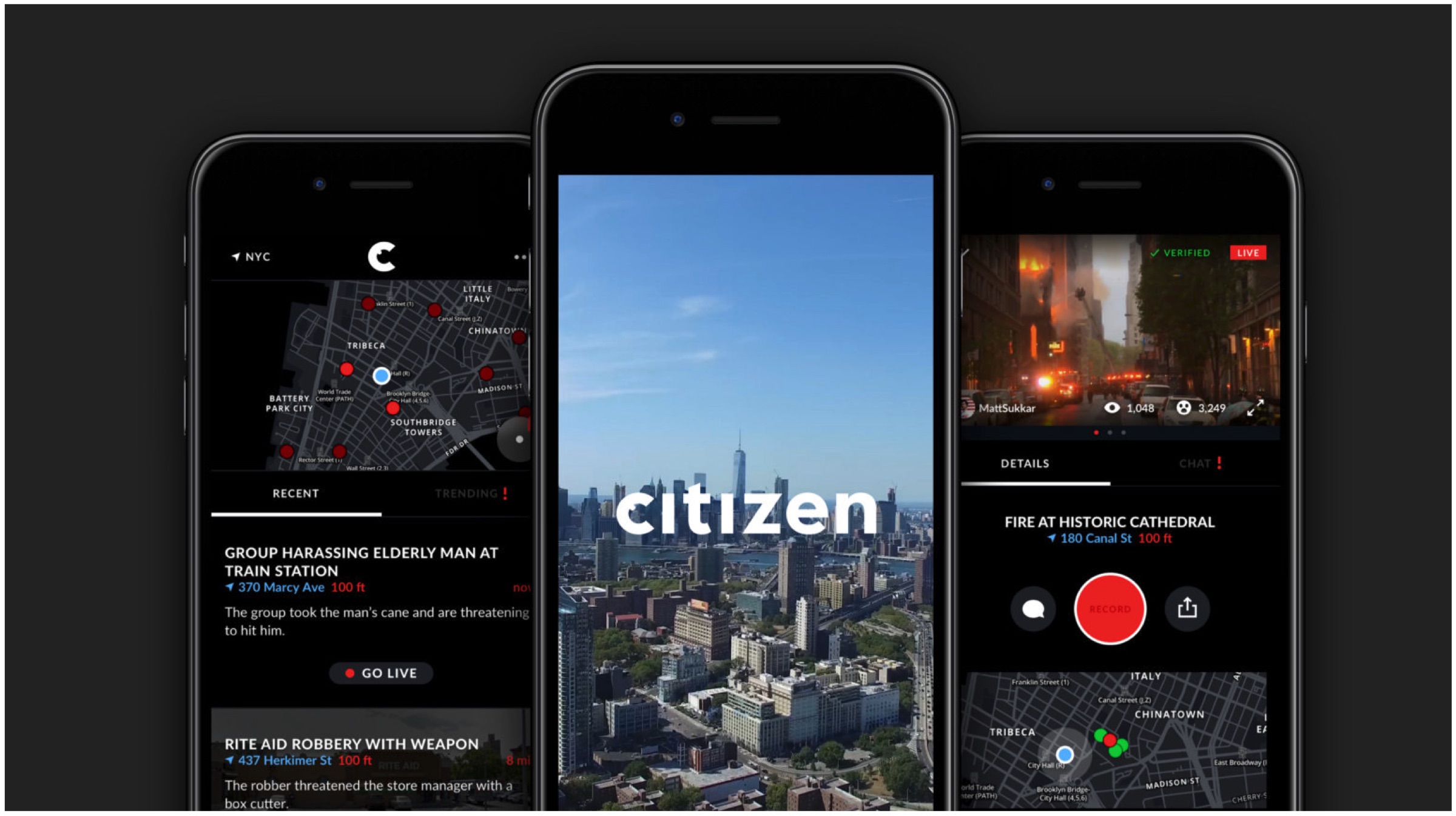
The apps from Apple store used in the research were from some of the top companies such as Nike, Yelp, Spotify, Microsoft OneDrive, Mint, IBM’s The Weather Channel, DoorDash, Citizen and surprisingly even the Washington Post’s very own application. Data had uncovered over 5,400 trackers in apps within a mere week into the research. Most trackers are said to work seamlessly without the user ever finding out that they were present in the background processes.
For those unaware, data that is acquired can be used to send ads tailored according to the user’s activities. In other words, after the personal information is received by such companies, users would then start receiving ads for something they looked up or searched for online. Ever since the Facebook-Cambridge Analytica data scandal in 2018 was uncovered, the public has been far more concerned and aware of their private information being traded without their knowledge. The aftermath of the fiasco had tech giants and social media companies have stricter regulations placed around them.
DoorDash the food delivery service from California was discovered to have sent data to nine 3rd party trackers, while Citizen the app that sends crime-reports for incidents near the user’s location was found sending phone numbers, email addresses and the actual GPS location of the iPhone owners to a tracker called Amplitude. The developers of Citizen had been contacted and an update has since gone online removing the tracker.
Apple in an official statement had addressed applications that do not adhere to the App Stores rules and regulations, that require developers to clearly post privacy policies and ask for user’s permission to collect data, to either abide by the rules or be taken down from the App Store. The report had shown not all data collected was harmful or bad to the user as some data was anonymised and stored. However, some trackers have not made clear what kind of data was collected, for what amount of time, and whom it is sent to there on.
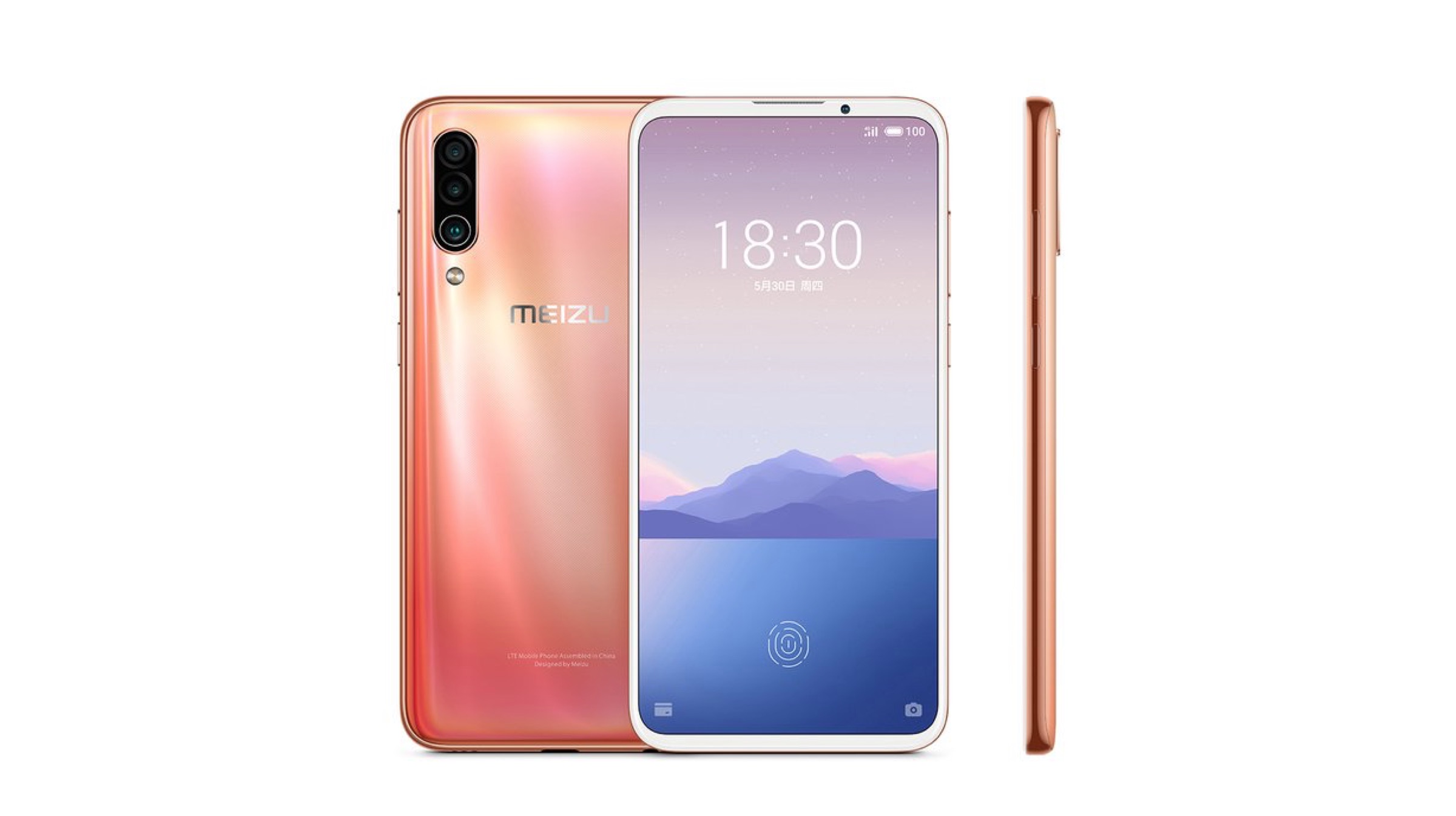
Chinese smartphone manufacturer Meizu has officially launched the 16XS smartphone in China on May 30 2019. The smartphone is one of the more affordable devices in Meizu’s 16-series lineup. The 16XS packs a modest set of specifications at a competitive price. The device will go up against smartphones such as the Redmi Note 7 Pro and theRealme 3 Pro.
Meizu 16XS Features And Specifications
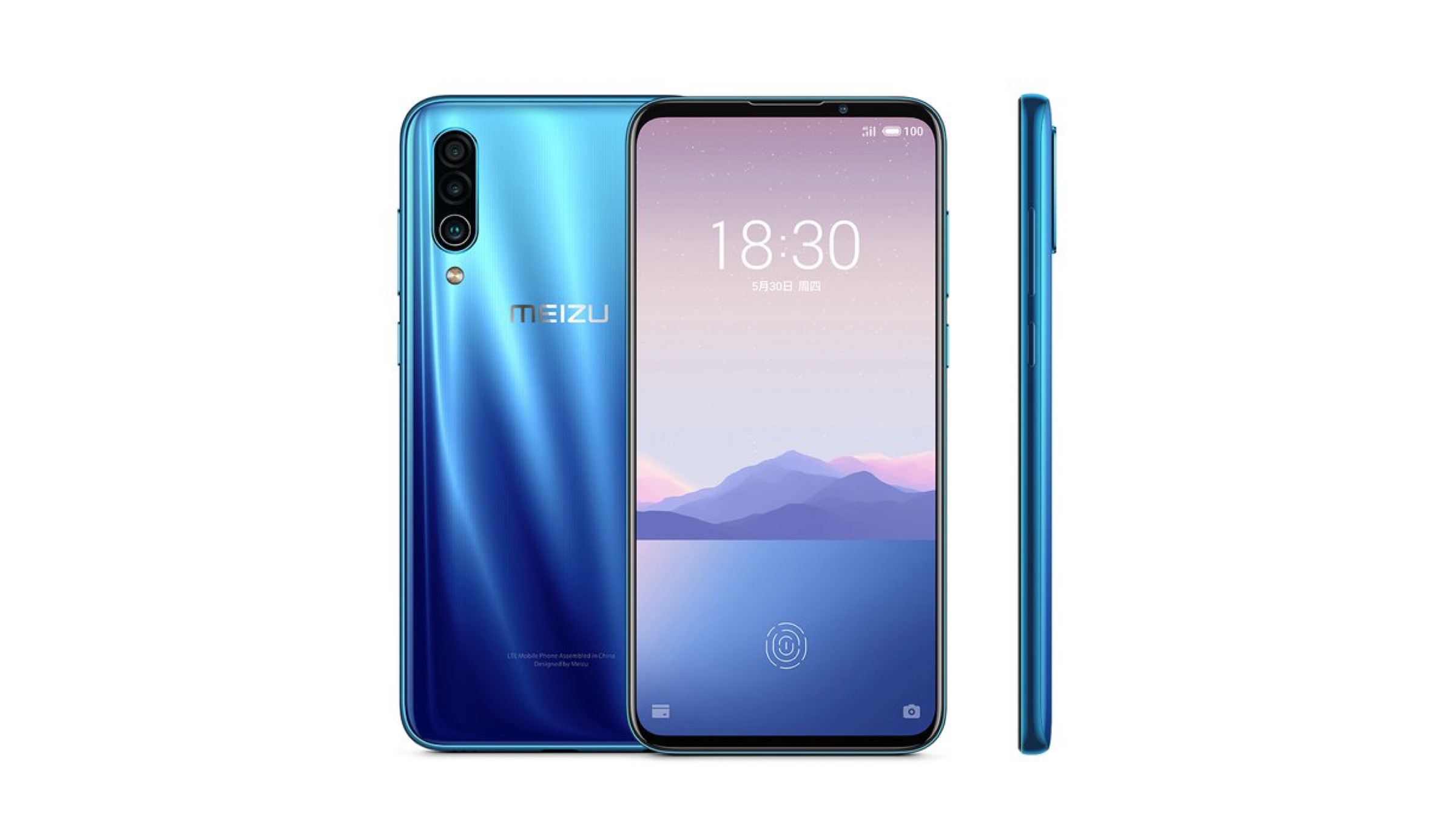
The Meizu 16XS has a similar design factor to its elder sibling, the Meizu 16s. It features a 6.2 inch AMOLED display which is surrounded by narrow side bezels. There is no notch since the front camera is housed in the forehead/top bezel of the device. The display has a resolution of 2232 x 1080 px and an aspect ratio of 18.5:9. The rear panel of the smartphone sports the company branding and the triple camera, which is discussed later.
Under the hood, the Meizu 16XS packs the Snapdragon 675 chipset, which consists of the octa-core Kryo 460 CPU and the Adreno 612 GPU chip. It is also fitted with 6GB of LPDDR4X RAM, which is paired with 64GB and 128GB RAM. For biometric security, the 16XS has an in-display fingerprint scanner which is claimed to unlock the phone within 0.2 seconds of placing the finger.
In terms of optics, the smartphone has a triple rear camera setup. It consists of a primary 48MP (f/1.7) Samsung GM1 MOD sensor, a secondary 5MP (f/1.9) sensor and a third wide-angle (118.8 degree) lens. For selfies, the Meizu 16XS is equipped with a 16MP front camera that supports HDR+ and portrait mode. Additionally, the selfie camera also has support for facial recognition technology.
Out-of-the-box, the smartphone runs on the FlyMe 7.3 OS based on Android 9 Pie. It is powered by a 4000 mAh battery that supports 18W fast charging. Noteworthy, the 16XS weighs in at 165 grams, making it one of the lightest devices in its segment. For gamers, the smartphone also has a HyperGaming mode which will allow them to turn off notifications and other distractions while gaming sessions.
The Meizu 16XS is priced at CNY 1698 (~INR 17,200) for the 6GB+64GB variant, whereas the 6GB+128GB variant has a price tag of CNY 1998 (INR 20,200). It will be available in 4 colour options, namely Jade White, Black, Coral Orange and Atlantis Blue. Although the smartphone has been launched in China, no official announcement regarding its India launch has been made till now.
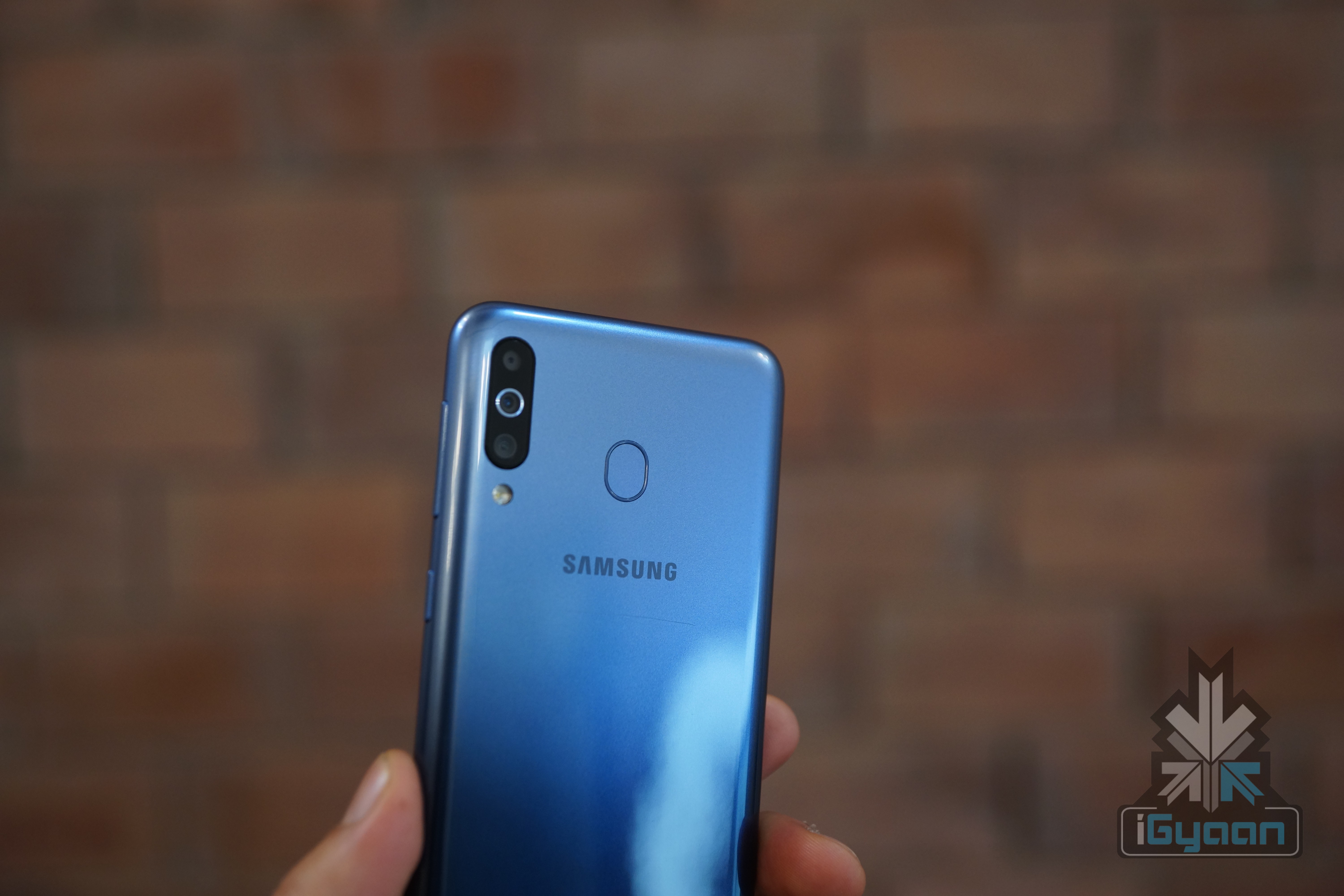
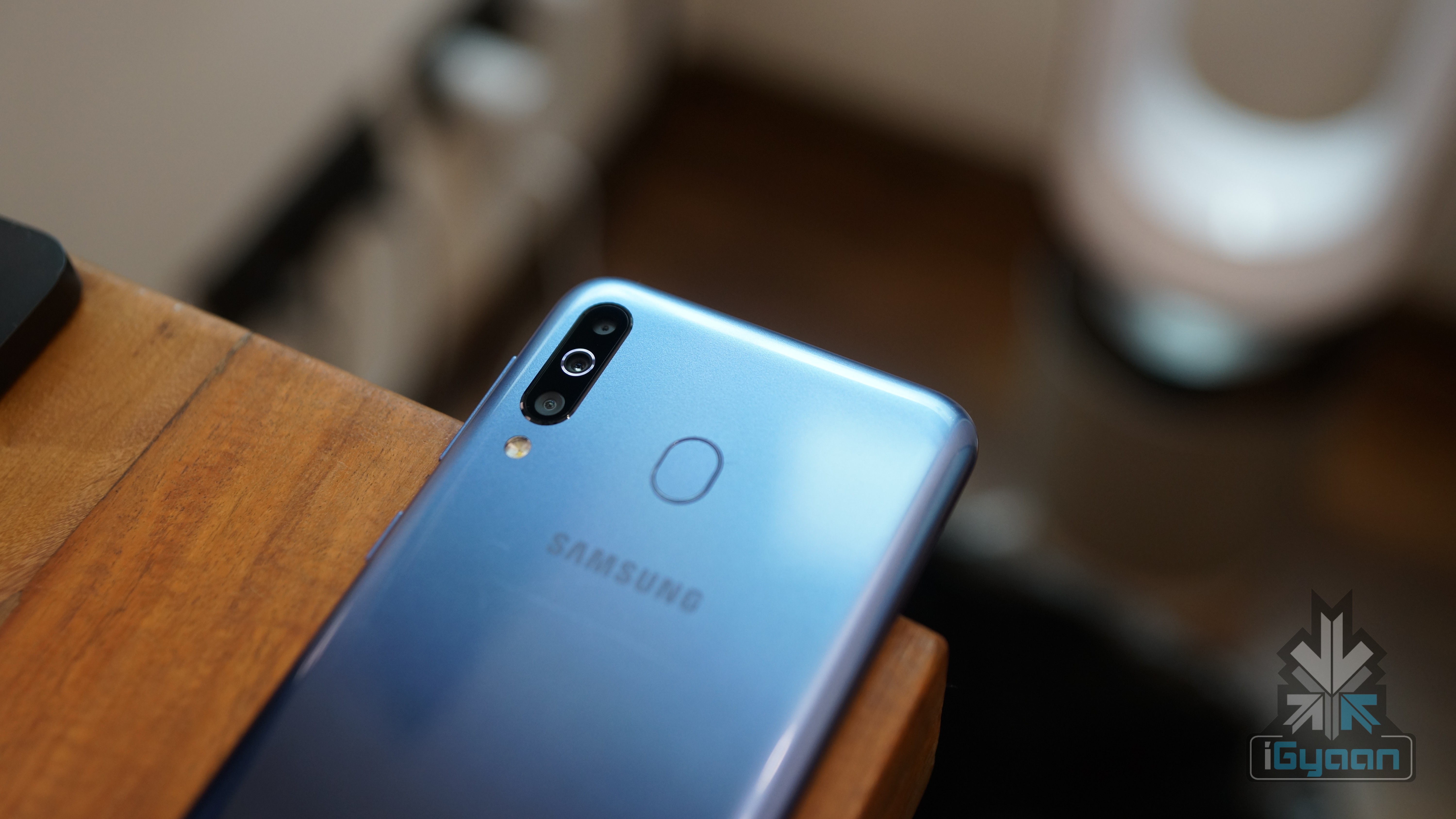
Korean electronics giant Samsung will launch its latest smartphone called the Galaxy M40 on the 11th of June. It will the most premium device in the online-only Galaxy M series which was introduced back in the month of January. While the key details about the new handset from Samsung have been leaked in the past, its design has been shrouded in mystery. Now, the company has revealed what the Galaxy M40 will look like on its official website.
Galaxy M40
As mentioned above, the Galaxy M40 will be a mid-range offering from the Samsung and will take over from the Galaxy M30 (Review); as the most premium smartphone in the Galaxy M lineup. The image shared by the company on its website reveals the device in its full glory. The front of the handset has an almost bezel-less Infinity O display. It houses the hole punch camera on the top left side of the display to maximise the screen real estate. The right of the smartphone houses the volume rockers and the power button.
Over at the back, the Galaxy M40 has been revealed to sport a triple camera setup with an LED flash. The fingerprint sensor along with the company branding is also placed on the back of the handset. The upcoming handset will run on a Snapdragon 6 series SoC. While what chipset the Galaxy M40 will sport is anyone’s guess, past leaks have hinted towards the 11nm Snapdragon 675 SoC. The chipset is comprised of an Octa-core CPU, the Adreno 612 GPU and is also present in the Galaxy A70 and Redmi Note 7.
Previous leaks have revealed the Galaxy M40 will have a 6.3-inch LCD display with a FullHD+ resolution. It is also expected to be the first device in the Galaxy M series to run on the OneUI; based on top of current Android 9 Pie out of the box. For memory and storage, the upcoming smartphone will feature up to 6GB of RAM and 128 GB of internal storage. It is also expected to be powered by a massive 5000mAh battery with support for some kind of fast charging. Unfortunately, details about the pricing of the device still remain shrouded in mystery; although it is expected to be priced under Rs. 25,000 in India.
Earlier this week, Xiaomi’s sub brand Redmi launched its highly anticipated flagship grade smartphone called the Redmi K20 Pro. The newly launched device is laden with praiseworthy features and is priced at a competitive price point. The device was originally launched in four storage variants which range from 6GB RAM + 64GB ROM to 8 GB RAM + 256 ROM.
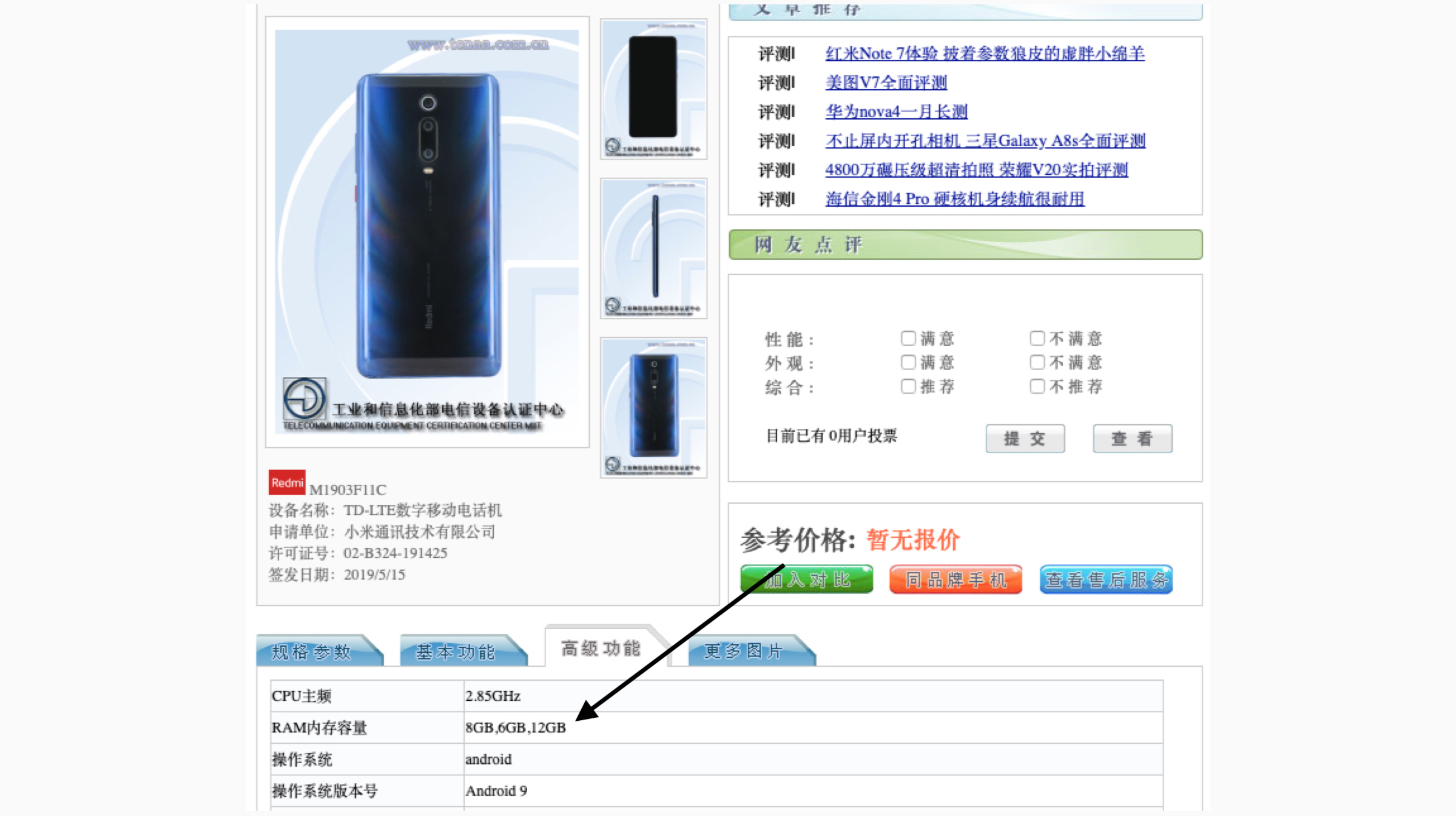
However, the listing of the device on the mandatory Chinese website, TENAA claims the Redmi K20 Pro will also be available in another storage variant with higher RAM. Like the OnePlus 7 Pro, the Redmi K20 Pro will also be offered with 12 GB of RAM and 256 GB of ROM. Though the price of the said version of the device is yet to be unveiled which is expected to happen in the near future. To recall, the specifications of the handset are as follows:
Redmi K20 Pro Specifications
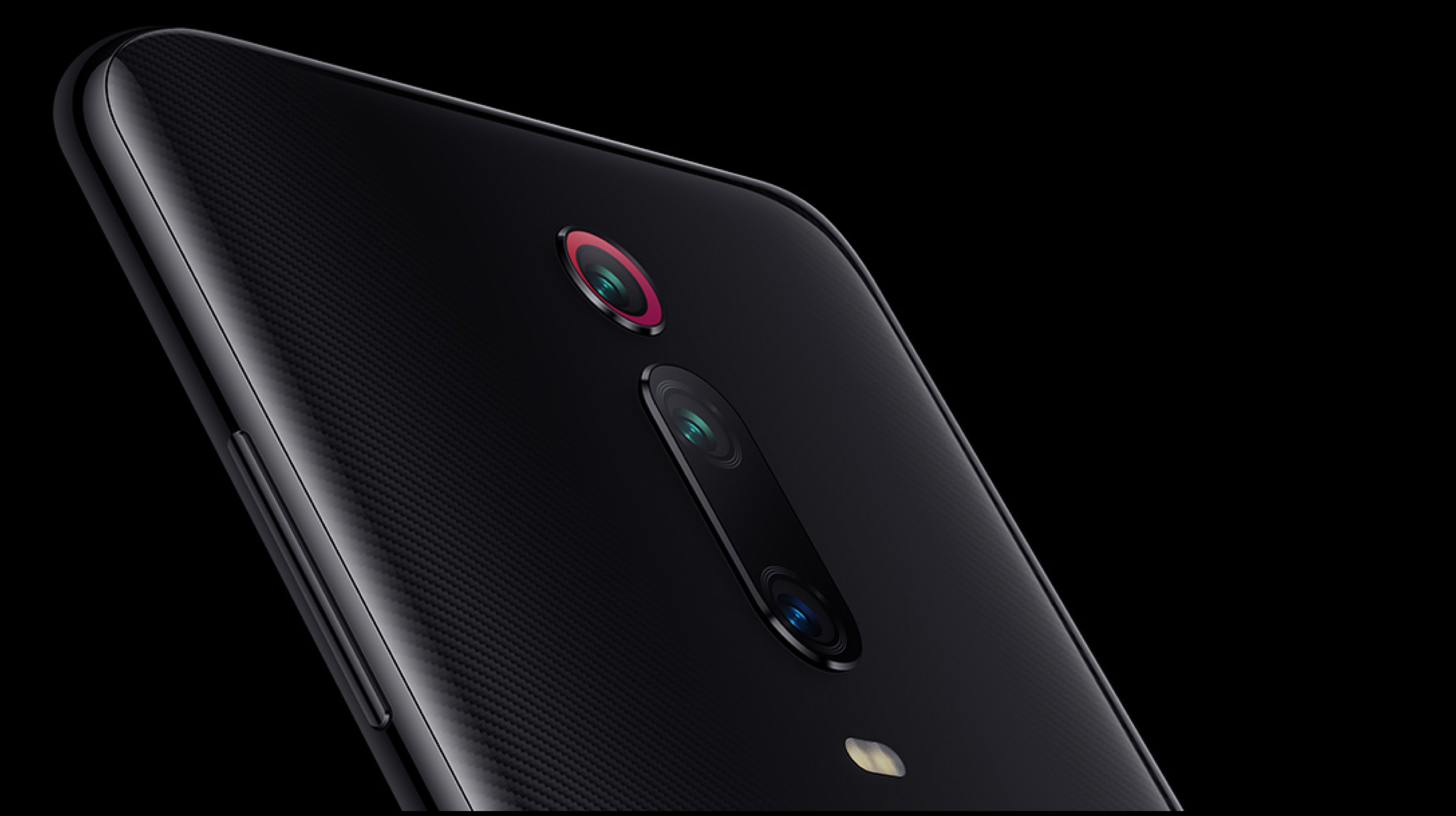
The Redmi K20 Pro has an all glass design on the front and back with a metal chassis for reinforcement. It has an attractive gradient coloured panel on the back which houses the triple camera setup and the company branding. The Redmi K20 sports 6.39 inch AMOLED display which a Full HD resolution of 2340 x 1080 px. The smartphone has an edge to edge display which is achieved due to a pop up style selfie camera which has 20 MP resolution.The Redmi K20 is fitted with the flagship grade 7nm Snapdragon 855 SoC which is comprised of an Octa-core CPU and Adreno 640 GPU. For photography, the device has a triple rear camera setup which consists of an f/1.75 aperture equipped 48MP sensor, an f/2.4 aperture equipped 13MP ultra wide angle sensor; and a tertiary f/2.4 aperture equipped 8MP telephoto sensor. As previously mentioned it has 20 MP front camera for capturing selfies which is placed in a pop up mechanism on top of the handsets.
The Redmi K20 Pro is powered by a 4,000 mAh battery which supports 27 W fast charging. It devices run on latest MIUI 10 which is based on top of Android 9 Pie. The smartphone is available in three colour variants which include Blue, Red and Black.
This is not the first time a flying taxi concept has been teased. A startup hopes to be different from the rest by its choice with emission-free power supply. Alaka’i had its flying taxi Skai run on hydrogen fuel cells, which is reportedly the first to do so in the category of aerial services.
Skai is claimed to have the ability to stay aloft for upto 4 hours with an estimated range of 400-miles (approx. 643km). When Skai is grounded it can refuel all the way to full in a matter of 10 minutes flat. The flying taxi can seat upto five people with a combined maximum payload being 1000lbs (approx. 453kg)
Essentially, any hydrogen based locomotive is like any other electric vehicle with a small battery that is continuously charged from the hydrogen fuel cells that uses the stored hydrogen gas to combine it with oxygen from the atmosphere. This process essentially powers the engine while not emitting any elements harmful to the environment with the only by-product of this process being water.
Skai was designed to turn eyes and garner attention, and as such have succeeded those standards with BMW’s help with its signature Designworks and the view that any passenger receives with a clear wrap-around its canopy and centre. Safety-related questions do arise with concept vehicles such as this and rightly so when air travel is concerned. Alaka’i has reassured that Skai will carry multiple features such as airframe parachute and safety systems in place for the battery and hydrogen fuel cells.
The early iteration of this concept will be manned by a specially trained pilot. Although Alaka’i has stated its plan on making Skai a fully autonomous vehicle for commercial use in the future. Numerous tests are in the cards for the company before mainstream service status can be granted by the Government’s regulatory body.
The hydrogen architecture utilized by Skai is the main concern in this project that has to be done perfectly. The CEO of Alaka’i has his beliefs set in the near future where flying taxis and vehicles being a common addition to reality. Implications of this technology extend for ambulances in the medical fields and hauling cargo for the transportation sectors.
This project has an optimistic implication in the economy of aerial-based travel in cities all across the world. Skai has so far outclassed its other electric-based competitors in terms of efficiency and operational duration and may prove to be a game changer in the transportation services business.
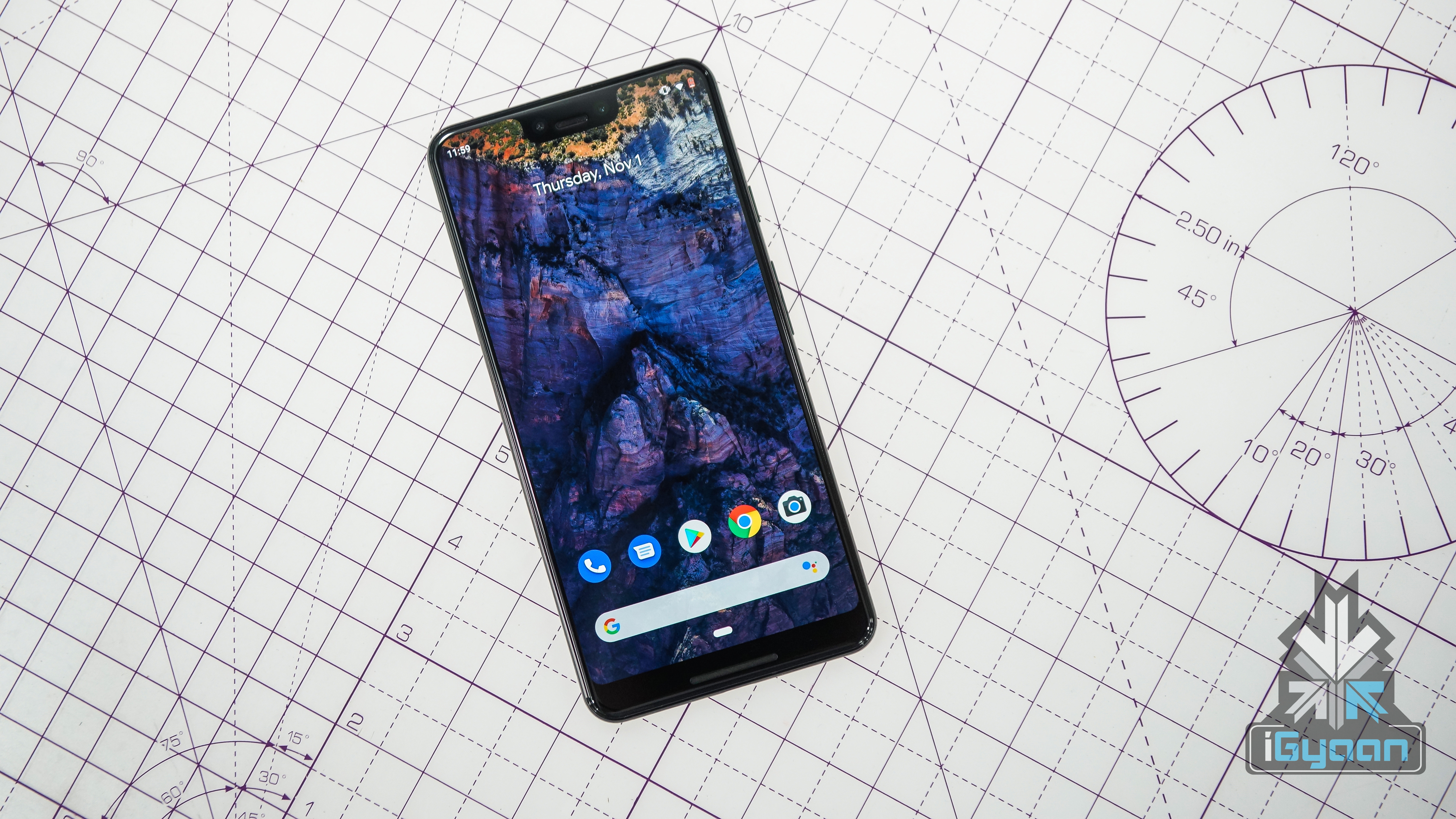
Google is expected to launch its latest iteration of flagship smartphones in the month of October this year. These devices, allegedly called the Pixel 4 and Pixel 4 XL, will succeed the Pixel 3 and Pixel 3 XL from 2018. While there is still a considerable amount of time before the company announces the upcoming handsets, early details about them have already started to trickle in leaks and renders. Now, a smartphone accessory maker Skinomi has listed screen protector for the Google Pixel 4 on its website. In the listing, a render of the handset’s front panel is also visible, which reveals its design.
Google Pixel 4
The images showcased on the website of Skinomi exhibit the design of the Pixel 4. It has been reported that Google will opt for a punch hole display for its upcoming smartphone, whose claim is further strengthened by the renders. Also evident from the pictures is the lack of considerable bezel around the device’s display, giving it a modern look. The screen protector for the handset has two cutouts on the top and bottom, which may be for the front-facing stereo speaker setup; which was introduced to the lineup with the Pixel 2 and Pixel 2 XL in the year 2017. Notably, the listing on Skinomi’s website claims the screen protector will be shipped starting 20th November 2019. It can be pre-ordered now for a price of US$ 8.95 (Rs. 625).
While the render falls in line to the previous leaks regarding Pixel 4, it is recommended to be taken with a grain of salt. Because of the seemingly far launch date of the upcoming smartphone, the image may turn out to be fake. However, considering how much Google received flak for the design of its previous devices, it may not be all that surprising if the company finally decides to take the aforementioned design into consideration. As previously mentioned, the company is expected to unveil the Pixel 4 in the month of October at the Made by Google event.
 However, Corsair also launched its own Generation PCIe SSD on May 27, 2019. It can achieve a read speed of 4950 MB/s, which falls merely 50MB/s short of Gigabyte’s SSD. Both the SSDs offer almost 56% faster read speeds than the Samsung 970 nvme Solid State Drive, which is one of the fastest available SSDs in the market. The Gigabyte PCIe 4.0 utilizes the Phison PS5016-E16 controller and 3D Triple Level Cells (TLC) NAND flash memory chips manufactured by Japanese manufacturer Toshiba.
 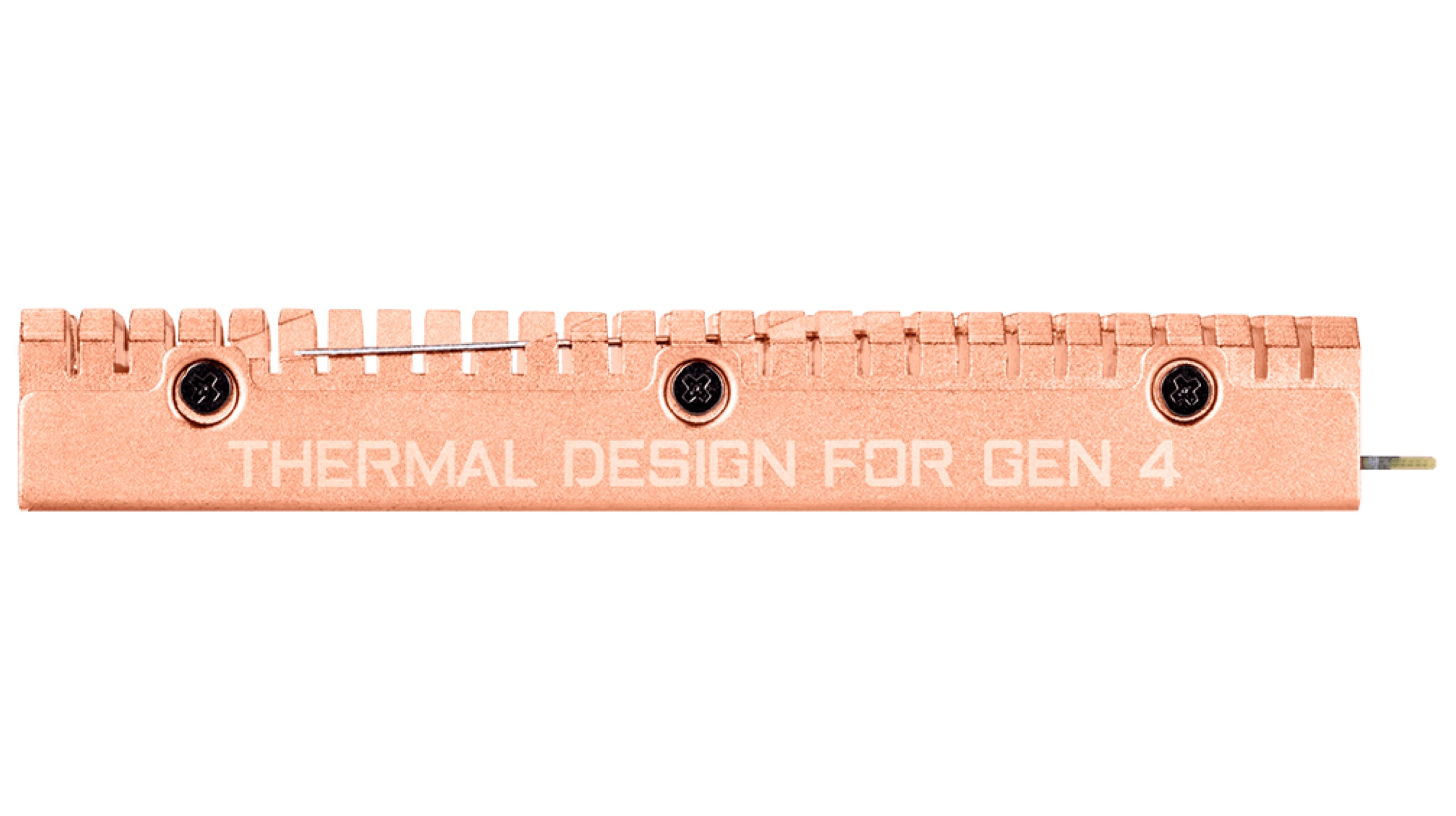 A full body copper heat spreader engulfs the AORUS NVMEe Gen4 SSD, so that the generated heat can be managed at higher read/write speeds. Since the temperature can increase drastically during operation, Gigabyte states that using the heatsink can reduce the temperature of the SSD by almost 14 percent.
  Also Read: Xiaomi Delays The Release Of Its Foldable Smartphone Over Market Insecurity





 The rumours further state that the exterior buttons of the Galaxy Note 10 handsets will be replaced by capacitative or pressure sensitive buttons, that will be accessed by the user via raised bumps or a textured surface along the sides. Another device with the same design factor is the Vivo Apex, which is a step ahead and excluded all forms of ports and buttons from the device. Both the volume rockers and power button in the aforementioned smartphone were capacitative. Moreover, the device lacked all forms of ports, including the charging port. It had to be charged using the magnetic POGO pins at the back.
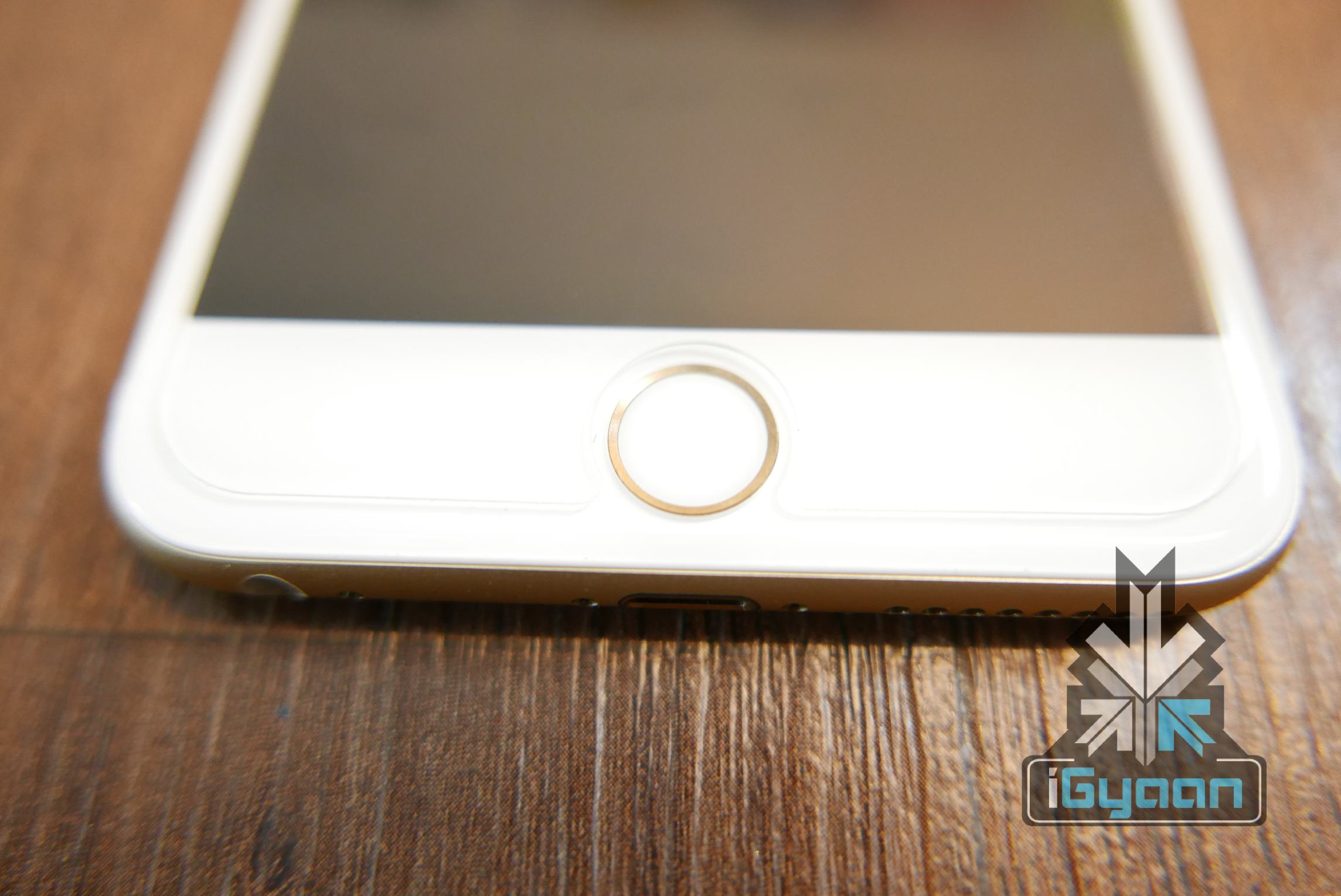 A similar change was introduced to smartphones a few years back, when manufacturers inadvertently moved in favour of removing physical ‘home’ buttons from the devices. For instance, the
  As mentioned before, the buttons are not the only feature that is being eliminated. Rumours state that the 3.5mm headphone jack, which has been present in all Samsung flagships till date (except the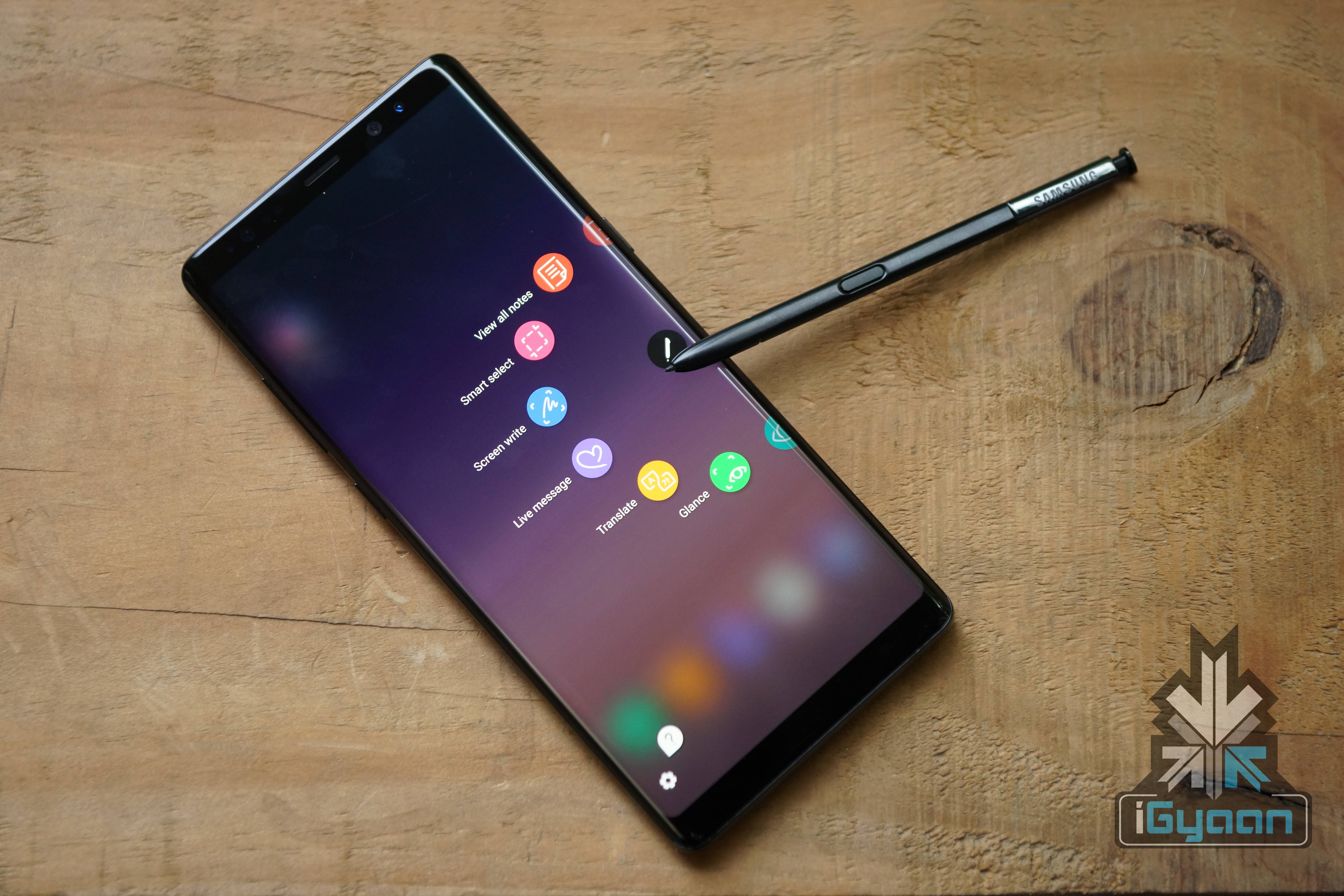










 In terms of optics, the smartphone has a triple rear camera setup. It consists of a primary 48MP (f/1.7) Samsung GM1 MOD sensor, a secondary 5MP (f/1.9) sensor and a third wide-angle (118.8 degree) lens. For selfies, the Meizu 16XS is equipped with a 16MP front camera that supports HDR+ and portrait mode. Additionally, the selfie camera also has support for facial recognition technology.
 Also Read: