Category: Tech

Latest Technology News, Alternative, Bio-Tech, Medical, R&D and Innovations

  • 2019 Apple iPhone XI Square Camera Setup Confirmed By Case Makers

    2019 Apple iPhone XI Square Camera Setup Confirmed By Case Makers

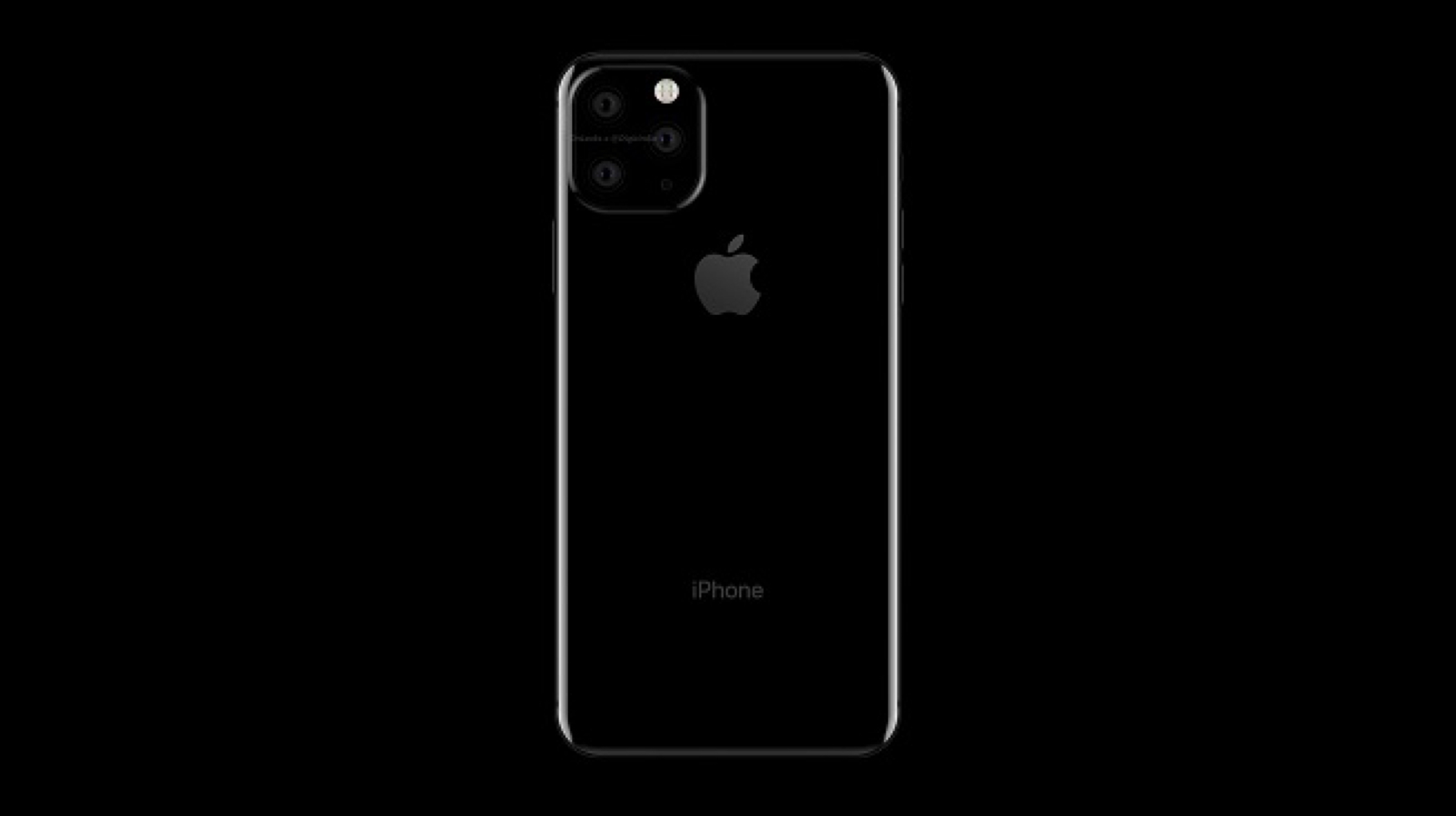
    Cupertino based, Apple is bracing up for the launch of its latest smartphones which will succeed the iPhone XS, the iPhone XS Max, and the iPhone XR from the year 2018. The upcoming devices are expected to launch in the month of September which is just four months away. Rumours and leaks about the 2019 iPhones have been making rounds on the internet since late last year. Allegedly called the iPhone XI and the iPhone XI Max, the flagship grade future iPhones were previously reported to have triple rear cameras housed in a square module. Intriguingly, case renders of the anticipated devices shared by reliable source support the past claim.  

    2019 iPhone Case Renders
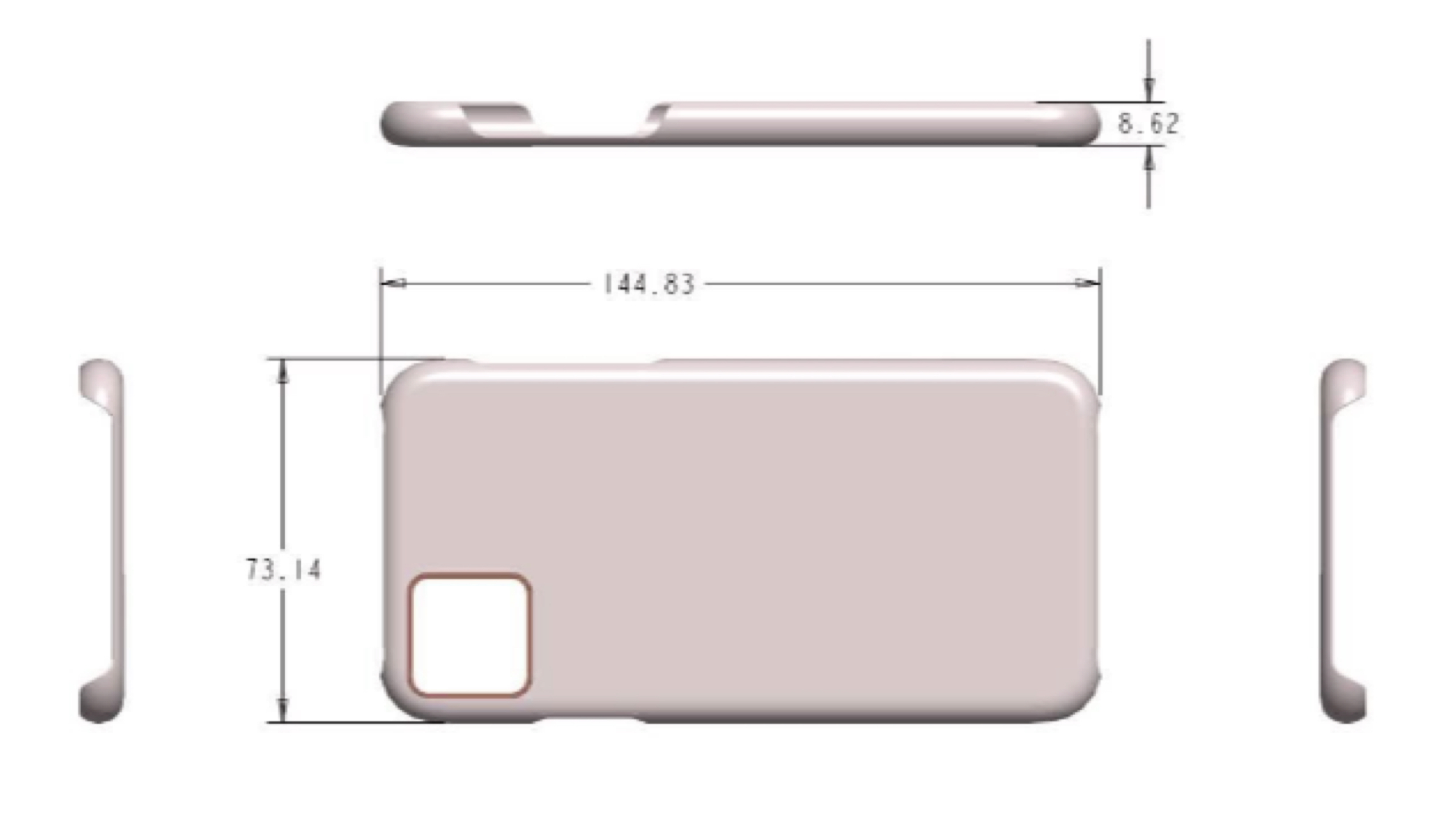
    According to the leakster, Sonny Dickson, the case renders of the 2019 iPhone were sourced from Chinese case manufactures which increase their odds of turning out true. Noteworthy, the majority of case makers hail from China and they receive reference designs long before the official launch of the device. This is arranged so that the manufacturers are able to brace up the production of accessories before their demand surges suddenly.
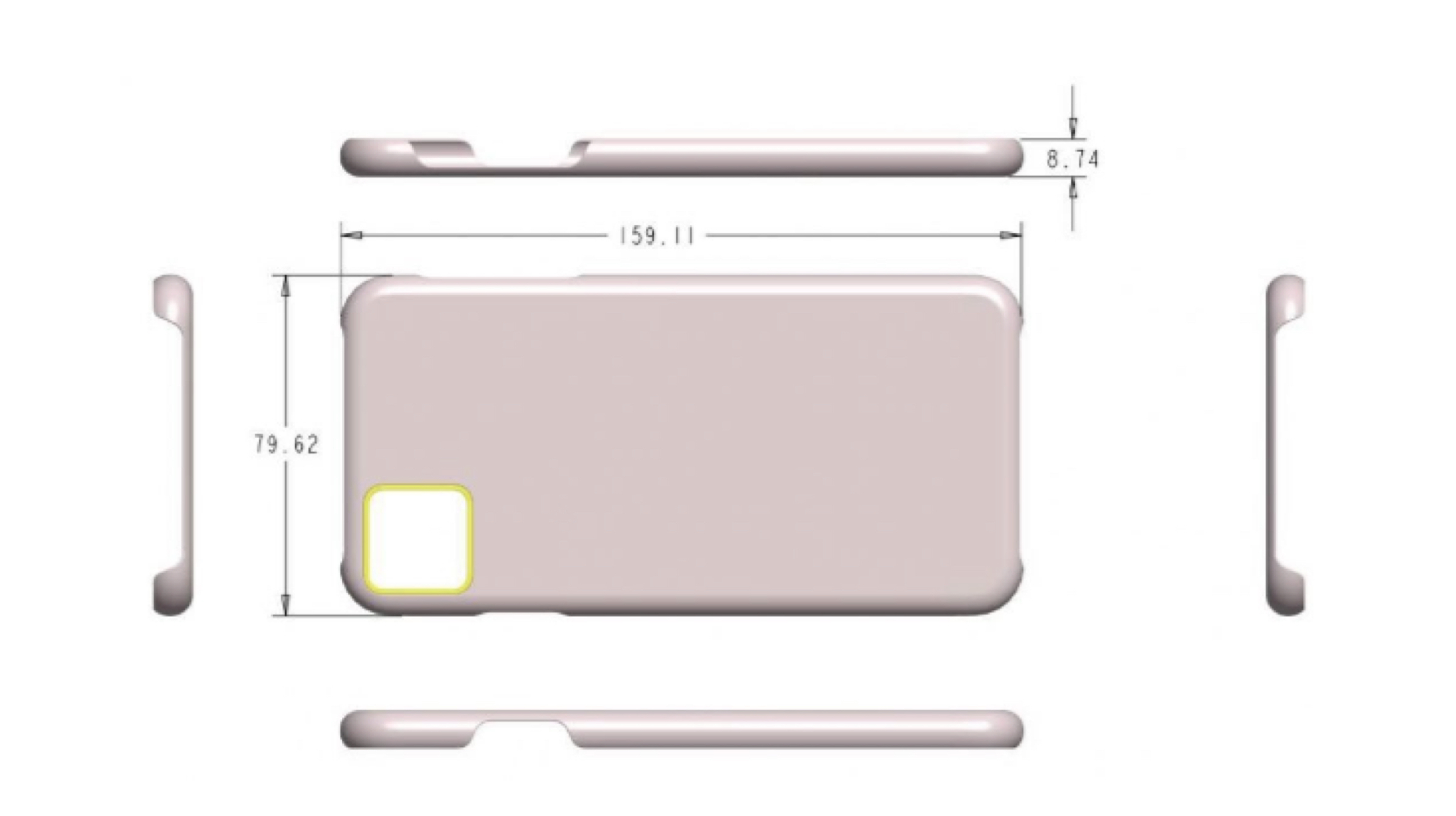
    The renders shared by the source reveal the dimensions and cutout of two separate devices which reportedly relate to the iPhone XI and the iPhone XI Max. The large handset measures 159 x 79 x 8.74 mm while the smaller handset measures 144 x 73 x 8.62 mm. The renders also exhibit a square shaped cutout on the rear side which corroborates to the aforementioned square shaped camera module. Identical to previous iPhones, the anticipated smartphones have right side mounted power button and left side mounted volume rockers hint the renders.

    iPhone XI and iPhone XI Max Expected Features
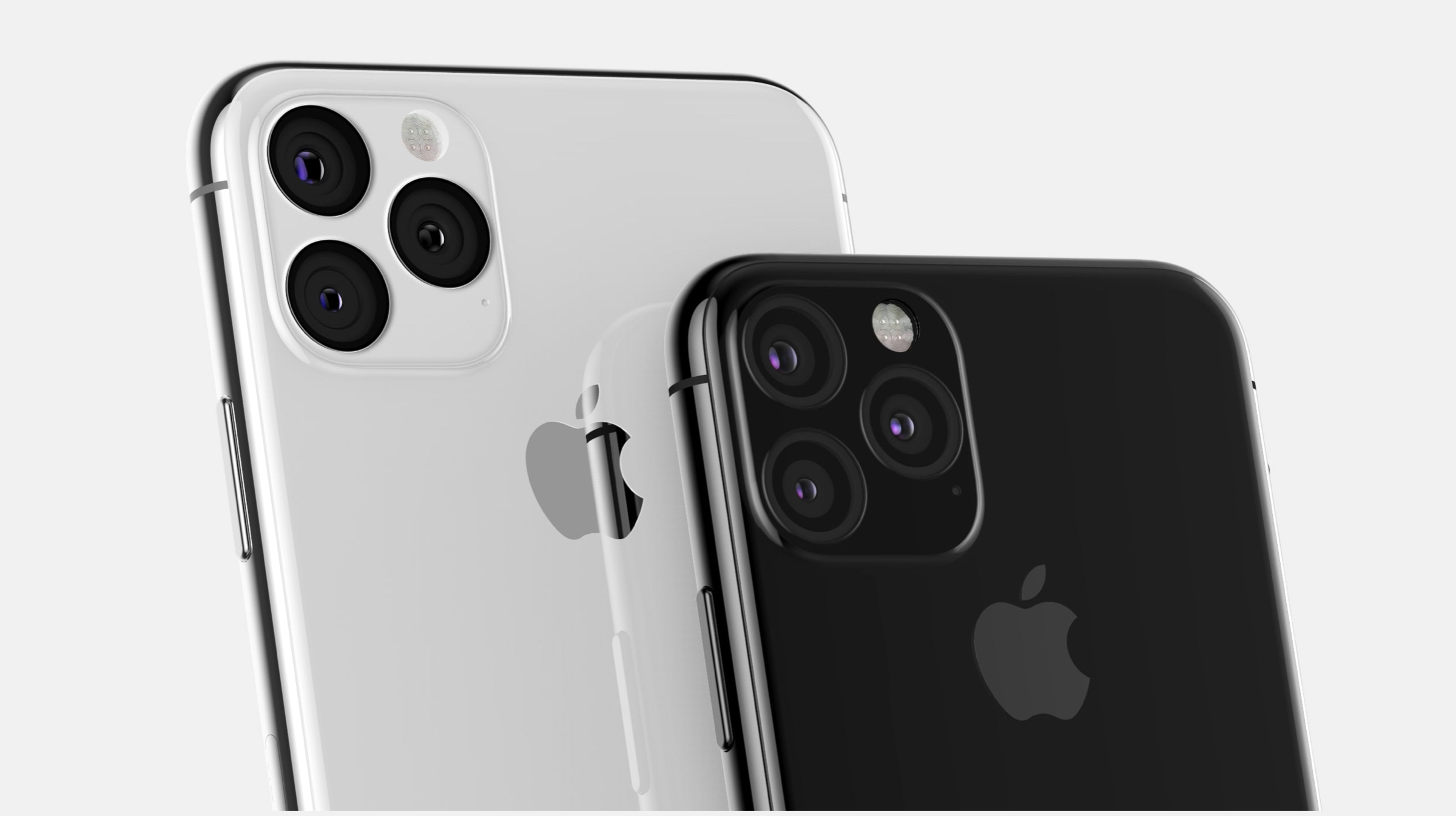
    iPhone XI Renders
    iPhone XI Leaked Design

    Also Read: Asus ZenFone 6 To Launch With Snapdragon 855

    The iPhone XI and XI Max are expected to have the same size screen as their predecessors which sport a 5.8 inch and a 6.5 inch Super Retina HD screen respectively. The future devices will reportedly feature a 12 MP selfie camera which is a considerable bump in comparison to the 8 MP sensor found on current generation devices. Like the Samsung Galaxy S10, the future flagship iPhone models are also reported to support reverse wireless charging. Under the hood, the device will ship with updated Bionic chipsets which are assumedly called A13. Also, new for 2019, Apple will reportedly ship the device with 18 W fast charger.

     

  • OnePlus Expects To Deliver A Great Camera On The OnePlus 7 Pro

    OnePlus Expects To Deliver A Great Camera On The OnePlus 7 Pro

    OnePlus will launch the latest iteration of its flagship smartphones on the 14th of May. These devices, confirmed to be the OnePlus 7 and the OnePlus 7 Pro, will be the successor to the OnePlus 6T launched last year. In the latest round of teasers shared by the company before the official announcement; the camera prowess of the OnePlus 7 Pro has been showcased through a series of collaborations with known streaming service Netflix and the famous lifestyle channel National Geographic.

    About The Partnerships
    OnePlus' partnership with Netflix
    Shot On The OnePlus 7 Pro

    The Chinese smartphone OEM OnePlus has partnered up with the American video streaming giant Netflix. With this collaboration, the upcoming OnePlus 7 Pro has been used to click the posters for the second season of a  series by the streaming service called Sacred Games. Various posters featuring the cast of the show have been shot using the smartphone. These images were released by the company to tease the imaging capabilities of its flagship device.

    OnePlus 7 Pro Images For National Geographic
    Shot On The OnePlus 7 Pro

    The second collaboration with OnePlus has been done by the renowned satellite channel National Geographic. Three photographers at National Geographic will journey across North America capture images of nature which will be then published in a special edition magazine slated to release in July. All the images in the aforementioned magazine will be captured using the OnePlus 7 Pro and will also be shared on the channel’s various social media handles.

    OnePlus 7 Pro Cameras

    Also read: A John Wick Themed Game Will Release Soon For Windows PC, Mac And Consoles

    OnePlus has earlier revealed the upcoming OnePlus 7 Pro will feature a triple rear camera setup. While no further detail about the optics has been shared by the company, the previous leaks about the smartphone provide the necessary information. It has been reported the triple cameras on the handset will consist of an f/1.6 aperture equipped 48 MP sensor, f/2.2 aperture equipped 16 MP sensor and an f/2.4 aperture equipped 8 MP sensor that has 3x optical zoom capabilities. For selfies, an f/2.0 aperture equipped 16 MP Sony IMX471 front facing camera is expected to be housed in the pop-up style mechanism on top of the device.

  • Amazon CEO Bezos Wants To Send People To The Moon By 2024

    Amazon CEO Bezos Wants To Send People To The Moon By 2024

    It’s an exciting time to be alive right now. Humans are closer to interplanetary space travel than ever before. Private space organizations including SpaceX are testing out space vehicles such as the Starship and Super Heavy that can safely transport humans to Mars. On the 9th of May 2019, Jeff Bezos unveiled a Lunar Lander that will fulfil the mission of establishing humans on the moon by the year 2024. 

    Known as the Blue Moon, the lander will be capable of autonomous space navigation. It will be able to perform soft landings on the surface of the moon while carrying payloads weighing between 3.6 and 6.5 metric tons. This implies that the Blue Moon will be able to carry a total of 4 large rovers simultaneously. This is a small part in a much larger plan to analyze the resources and the surface of the moon. 

    Why Do We Need To Send Humans To The Moon?

    Jeff Bezos has previously talked about his vision to “make space an accessible place for all”. The Amazon CEO believes that the earth cannot accommodate a trillion humans. In an attempt to prevent such a situation, he plans to develop an infrastructure that can sustain human life on the bleak rock that we all call “Moon”. Moreover, Blue Origin owned by Jeff Bezos is already working on a couple of space vehicles designed for short duration flights to the moon’s orbit. But that’s not it. Jeff also wants to harness the resources present on the moon in order to generate future-viable energy. 

     The richest man on the planet plans to instate American astronauts on the South Pole of the moon in the next 5 years. The Indian Space Research Organization’s Chandrayaan-1 lunar orbiter collected data that confirmed the presence of more than 1 trillion pounds of ice at the lunar poles. The ice refuses to evaporate because the temperature on the moon’s surface never exceeds -250 degrees Fahrenheit. NASA wants to harness the ice to generate rocket fuel for future missions. 

    Also Read: Google Reveals The Key Details Of Its Upcoming Fuchsia OS

    Amidst the “space race”, one question still looms over our heads. Will privately funded space organizations compete amongst themselves in the future? If so, how will this affect interplanetary travel? Advancements in aerospace will eventually speed up because of the evolution of technology. Nonetheless, the Blue Moon Lander is expected to undergo its first ignition test this summer, which will mark another integral step towards expanding the “space footprint”. 

  • Google Reveals The Key Details Of Its Upcoming Fuchsia OS

    Google Reveals The Key Details Of Its Upcoming Fuchsia OS

    Google is looking to replace the Android and ChromeOS platforms with a unified Operating System (OS). This OS, dubbed Fuchsia has been in development for the past few years. No information on how it will work or its functionalities have been shared by the company. However, on the last day of the Google I/O 2019 a senior Google executive revealed a few key details about the Fuchsia OS.

    Fuchsia OS

    Google Fuchsia

    The Fuchsia OS from Google has been reportedly in development since 2016 and is looking to unite all of Google’s software in one place. At Google I/O, the company’s executive said that it is looking at a new take on what operating systems can be like. He further added that Fuchsia is not about replacing Android or Chrome OS. It is about pushing the state of the art in terms of Operating Systems; and implementing it into other products. The team at Google working on the OS is also experimenting with different form factors, which insinuates Fuchsia may be designed for wearables, VR/AR headsets and smart home devices. 

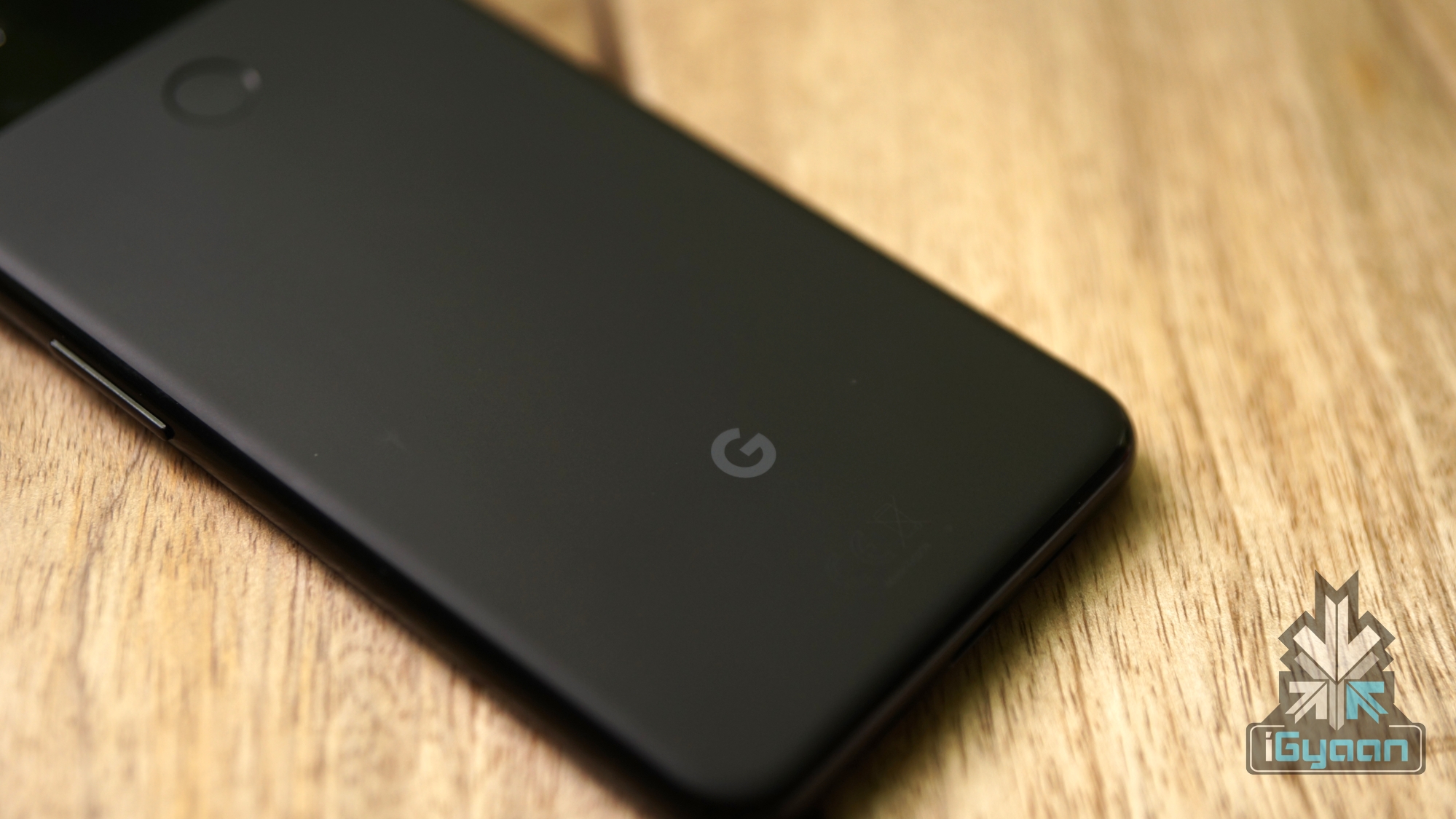
    Google Pixel 3a XL
    Google Pixel 3a XL

    Also read: Moto E6 Passes Through FCC, To Have A 3000 mAh Battery

    As mentioned above, Fuchsia OS has been in development by Google since the last few years. The OS has even been booted to smartphones like the Honor Play in the past. Known details about it unveil it will be an open source project, which is similar to the Android Open Source Project (AOSP). But unlike the latter, it will have the capability to run on a range of devices like smartwatches, laptop and smartphones. Unlike Android and Chrome OS, who are built on the Linux kernel; the Fuchsia OS will have its foundations in the new Google made kernel called ‘zircon’. A same Operating System for a range of devices can give way to a more unified experience, which is what the company intends to do with Fuchsia.

  • Asus ZenFone 6 To Launch With Snapdragon 855

    Asus ZenFone 6 To Launch With Snapdragon 855

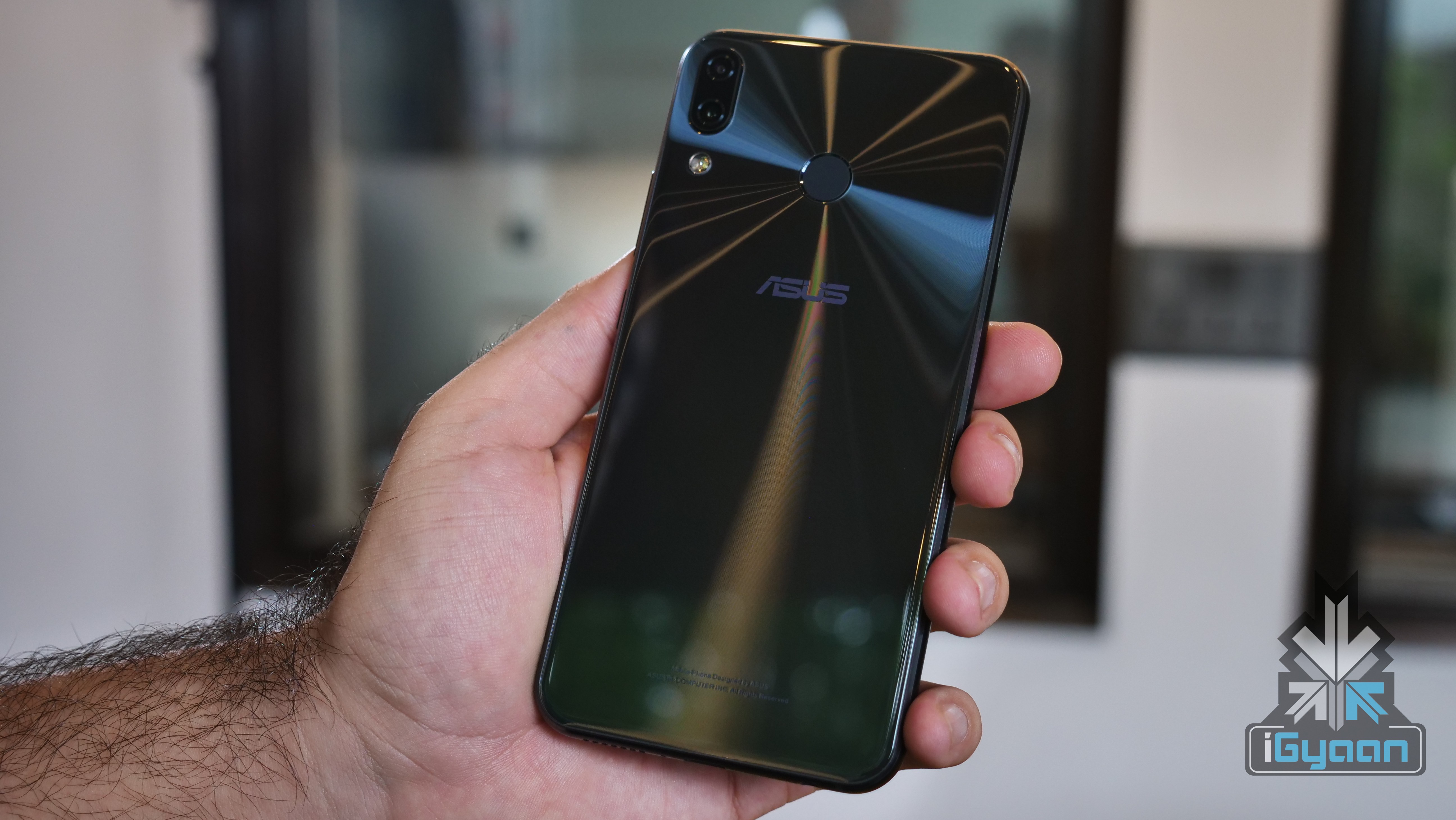
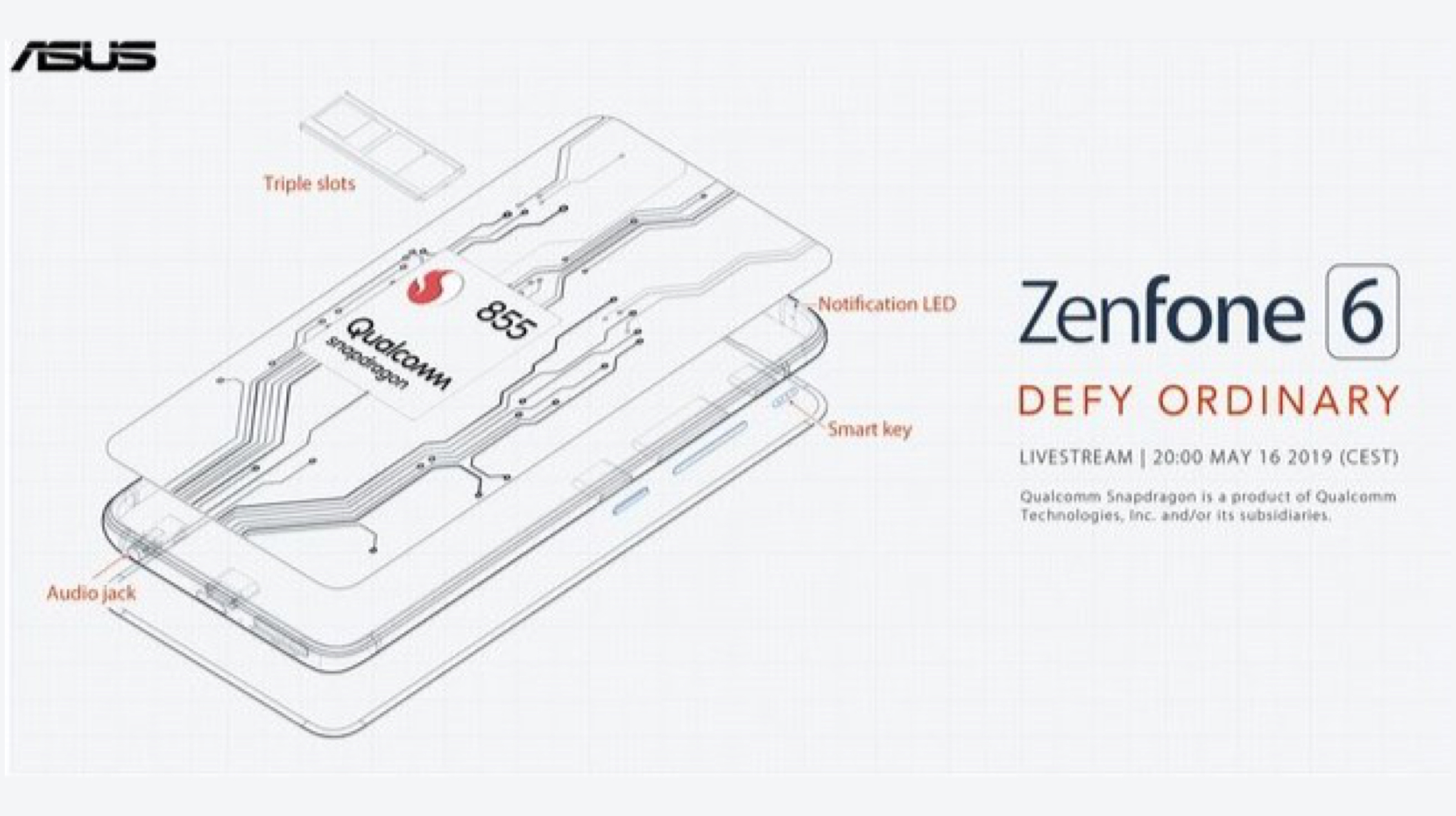
    Taiwanese smartphone maker, Asus is set to launch its latest flagship smartphone, the ZenFone 6. The device will succeed the ZenFone 5Z from the yesteryear. Asus previously shared a teaser on Twitter which reveals the front layout of the upcoming smartphone. Another Tweet shared by the company reveals the features of the ZenFone 6. This also reveals the chipset and layout of the ports and grilles. In addition, a company executive shared a Morse Code on Instagram with the battery capacity and camera resolution of the anticipated flagship. 

    Asus ZenFone 6 FeaturesAsus ZenFone 6 key features

    The teaser shared by the company affirms that the ZenFone 6 will be kitted with the high end Snapdragon 855. The same chip is also present on handsets like the Black Shark 2 and the Galaxy S10 (US). The chipset is manufactured using 7 nm fabrication process and is comprised of an Octa Core CPU along with the Adreno 640 GPU. The teaser also exposes that the awaited handset will have a triple slot tray, a notification LED and a smart key. The smart key might be a slider for selecting the sound profile similar to one present on OnePlus smartphones. Asus ZenFone 6 Launch teaserThe upcoming Asus ZenFone 6 will have a 3.5 mm audio jack which is mounted at the bottom. The bottom of the handset also houses the loudspeaker grille and the USB type C port for charging and data transfer. The ZenFone 6  has right side mounted power button and volume rockers.

    Morse Code Shared By An Asus Executive

    In terms of optics, the upcoming flagship will have a dual rear camera setup which will consist of a 48 MP sensor, a 13 MP sensor and an LED flash. Details about the front-facing camera are unavailable as of now, but the past teaser shared by Asus hints it will have a pop-up style front camera. Another notable flagship that will have this type of camera is the OnePlus 7 Pro.

    The Asus ZenFone 6 will be powered by a massive 5,000 mAh battery which is likely to support fast charging. Other details including screen size, resolution of the front camera and the price will only be publicised at the time of official launch.

    Also Read: Full Specs Of The OnePlus 7 Pro Leak Ahead Of Launch

    The Asus ZenFone 6 is set to launch on the 16th of May in Spain.

  • Redmi To Launch Two New Phones With Snapdragon 855

    Redmi To Launch Two New Phones With Snapdragon 855

    Separated from Xiaomi as an independent brand, Redmi has had great success in the Asian markets. According to reports , Redmi is expected to launch its first flagship smartphone soon. Rumours and leaks have brought a lot of features and specifications of the device to light. However, the launch date of the Redmi handset still remains unknown, owing to the fact that the company has decided not to divulge any details. Recent leaks suggest that the company may release not just one, but two new flagship devices in China soon. 

    The leak further suggests that the smartphones will be available in three colour variants: Blue, Red and Carbon Fiber. Furthermore, both the handsets will sport a similar storage scheme, which will be spread over 4 different configurations:

    • 6GB RAM + 128GB storage
    • 6GB RAM + 256GB storage
    • 8GB RAM + 128GB storage
    • 8GB RAM + 256GB storage

    Previous leaks have also revealed that the flagship smartphone may carry the “K20 Pro” tag. The GM of Redmi purposely leaked information regarding the in-display fingerprint sensor present in the device. He posted a screenshot that clearly exhibited the location of the scanner beneath the display. Another leak formerly suggested that the upcoming Redmi flagship smartphone may feature a pop-up selfie camera, which will lead to a full-screen display.

    Redmi X Render

    Also Read: Moto E6 Passes Through FCC, To Have A 3000 mAh Battery

    The Redmi flagship devices are expected to run on the 7nm Snapdragon 855 chipset, which comprises of the octa-core Kryo 485 processor and the Adreno 640 GPU. It is also speculated that the devices will feature the 3.5mm headphone jack and NFC (Near Field Communication) technology. The Xiaomi sub-brand is likely to host a press event in China on May 13 2019, which can unveil some concrete developments regarding the two flagship smartphones. 

    Whether Redmi will launch these phones in other markets, including India, is presently unknown. The only question that would remain; which flagship phone to buy and from which Xiaomi brand; Mi, Redmi or Poco ?

  • OnePlus 7 Pro

    OnePlus 7 Pro

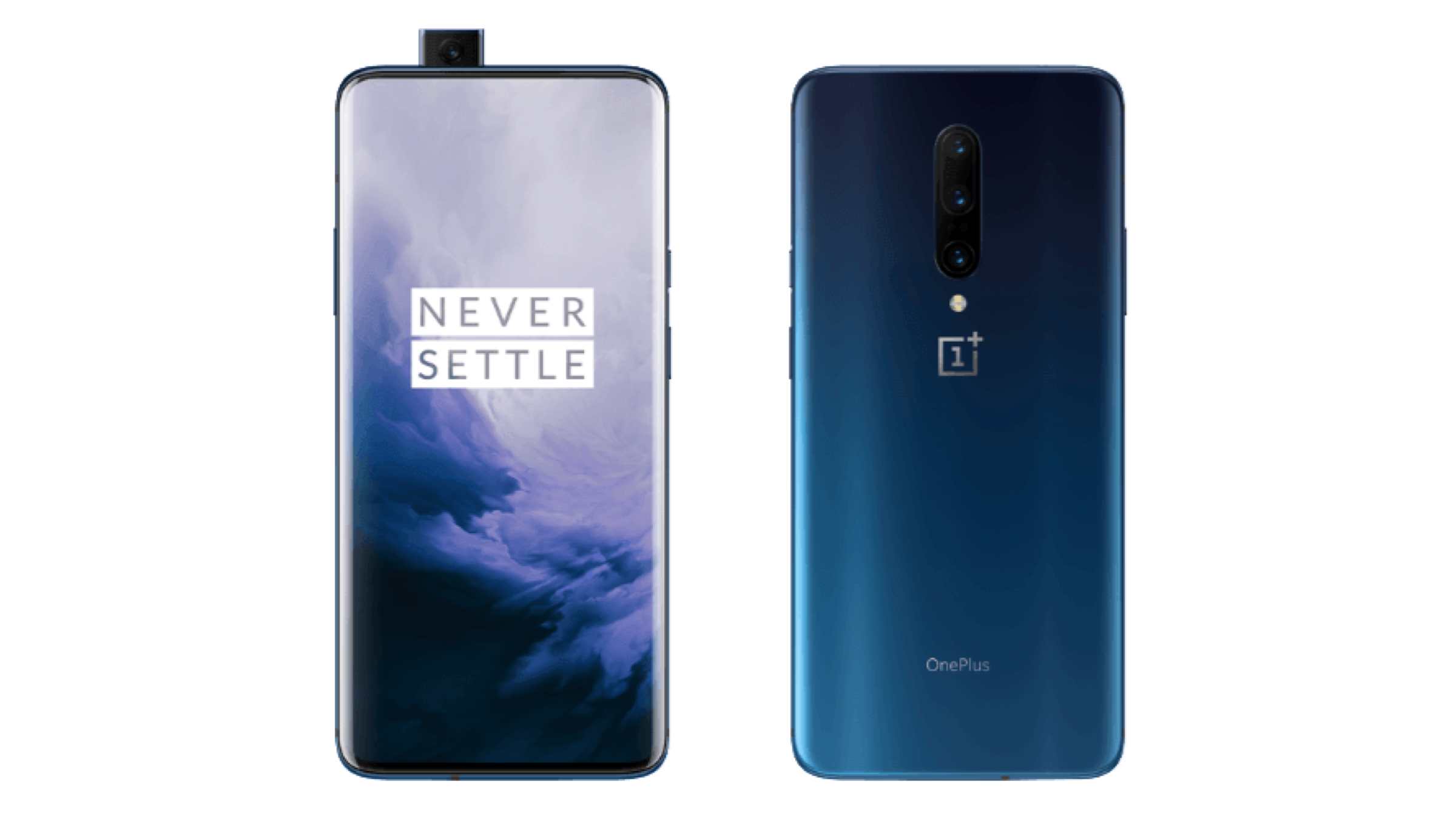
    OnePlus 7 Pro is the latest flagship from the Chinese manufacturer. It features a 6.67 inch Fluid AMOLED display with a resolution of 3120×1440 px and a 90Hz refresh rate. It runs on the Qualcomm Snapdragon 855 SoC, which comprises of an octa-core CPU and the Adreno 640 GPU. In terms of optics, the smartphone has a 48MP Sony IMX586 primary sensor, a 16MP wide angle sensor and a third 8MP telephoto lens. For selfies, the OnePlus 7 Pro features a 16MP sensor housed in the pop-up camera mechanism. It is available in three colours: Nebula Blue, Mirror Grey and Almond. It is purchasable in three variants, listed as follows:

    • 6GB+128GB
    • 8GB+256GB
    • 12GB+256GB

    [loop included_tags=”64819,55234″ loading=”paged” layout=”f” postsperpage=”4″]


  • Moto E6 Passes Through FCC, To Have A 3000 mAh Battery

    Moto E6 Passes Through FCC, To Have A 3000 mAh Battery

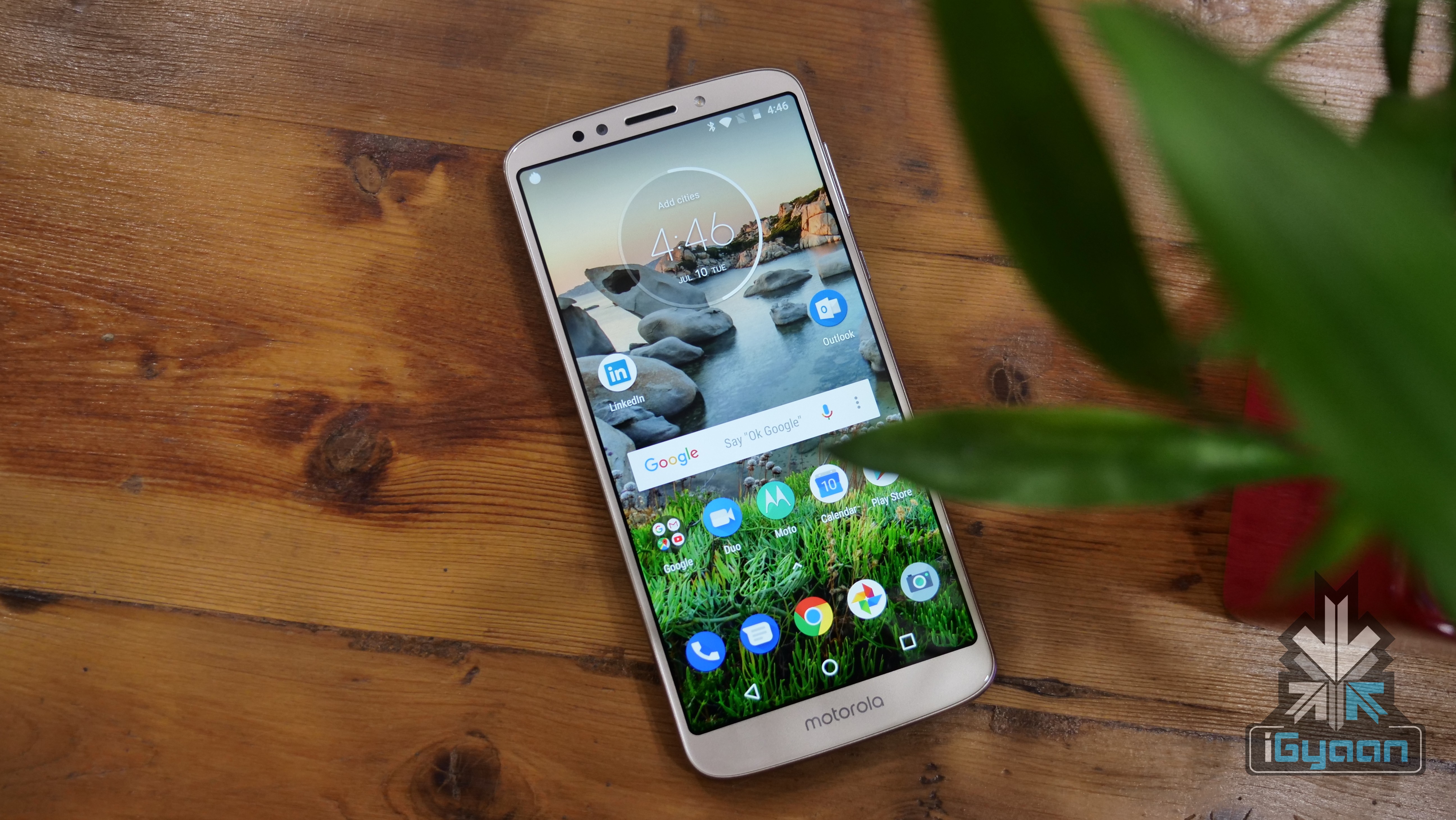
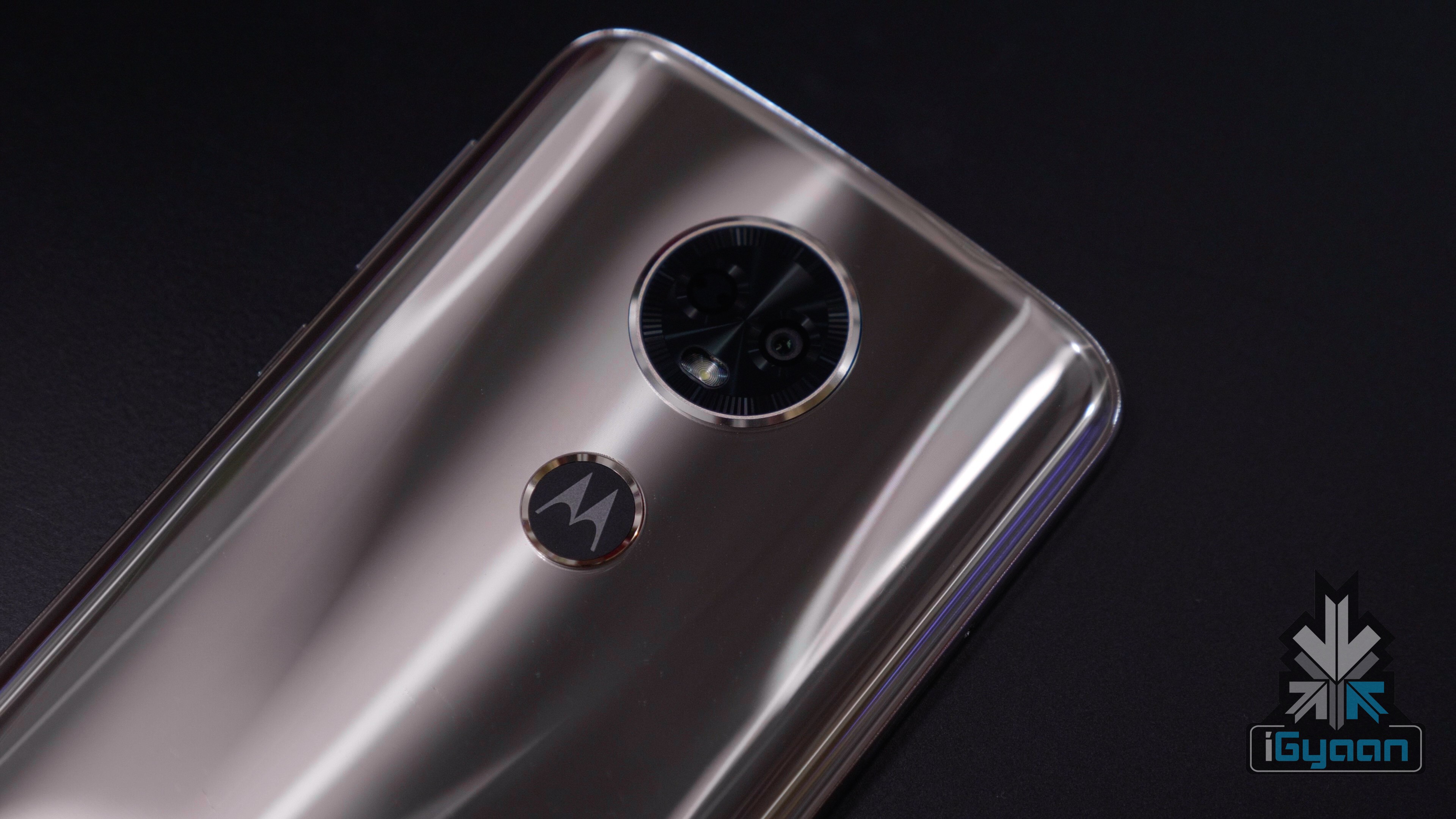
    Motorola is expected to launch the budget-oriented smartphone, dubbed the Moto E6 in the following weeks. Previous leaks have already revealed key details about the device, which is set to feature humble specifications at a lucrative price. Now, the handset has passed the Federal of Communications Certificate (FCC) certification. The listing on FCC’s official website mentions the smartphone’s code name as ‘surfna’, which corroborates with the previous leaks.

    Moto E6

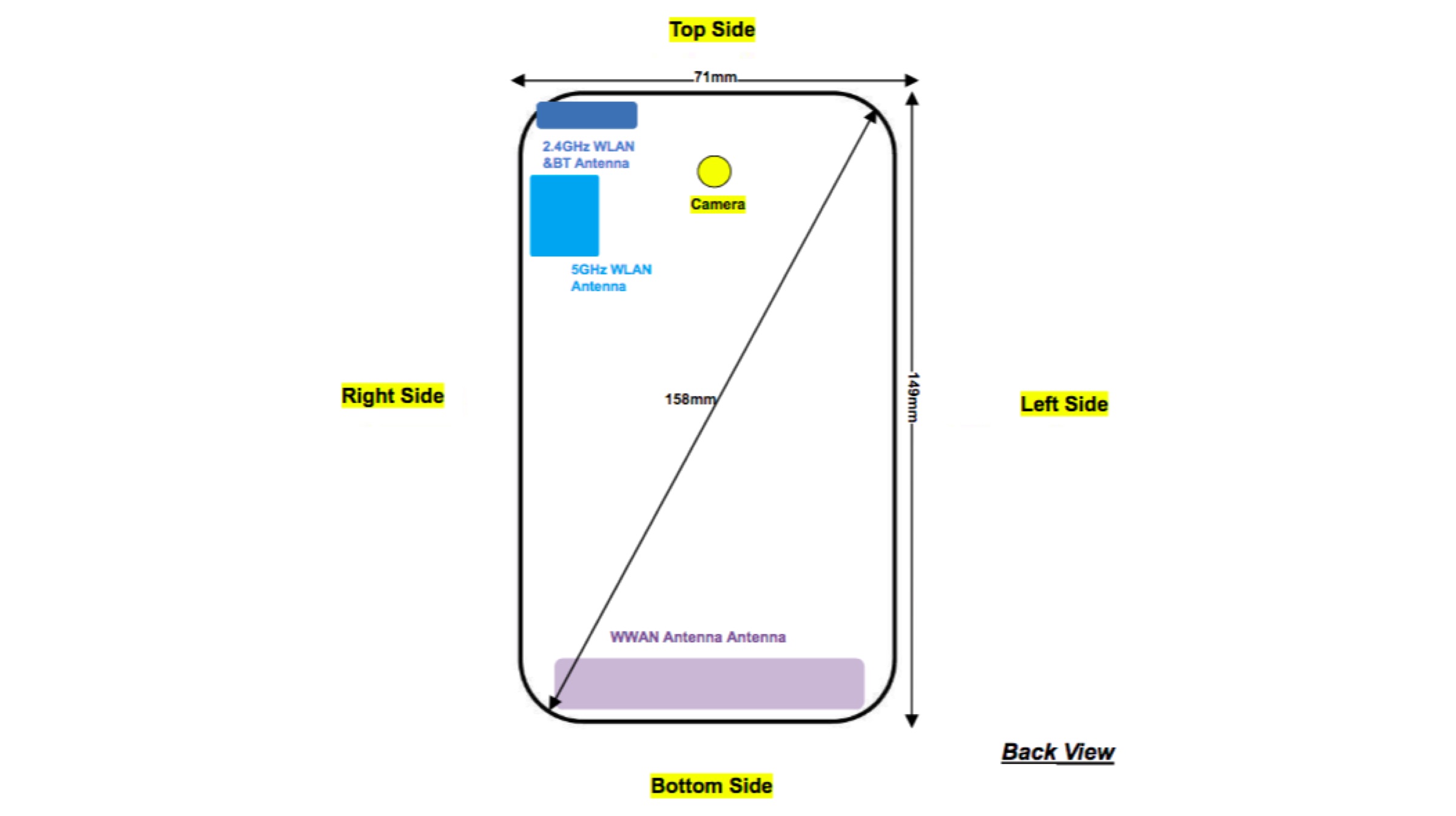
    Moto E6 FCC Listing

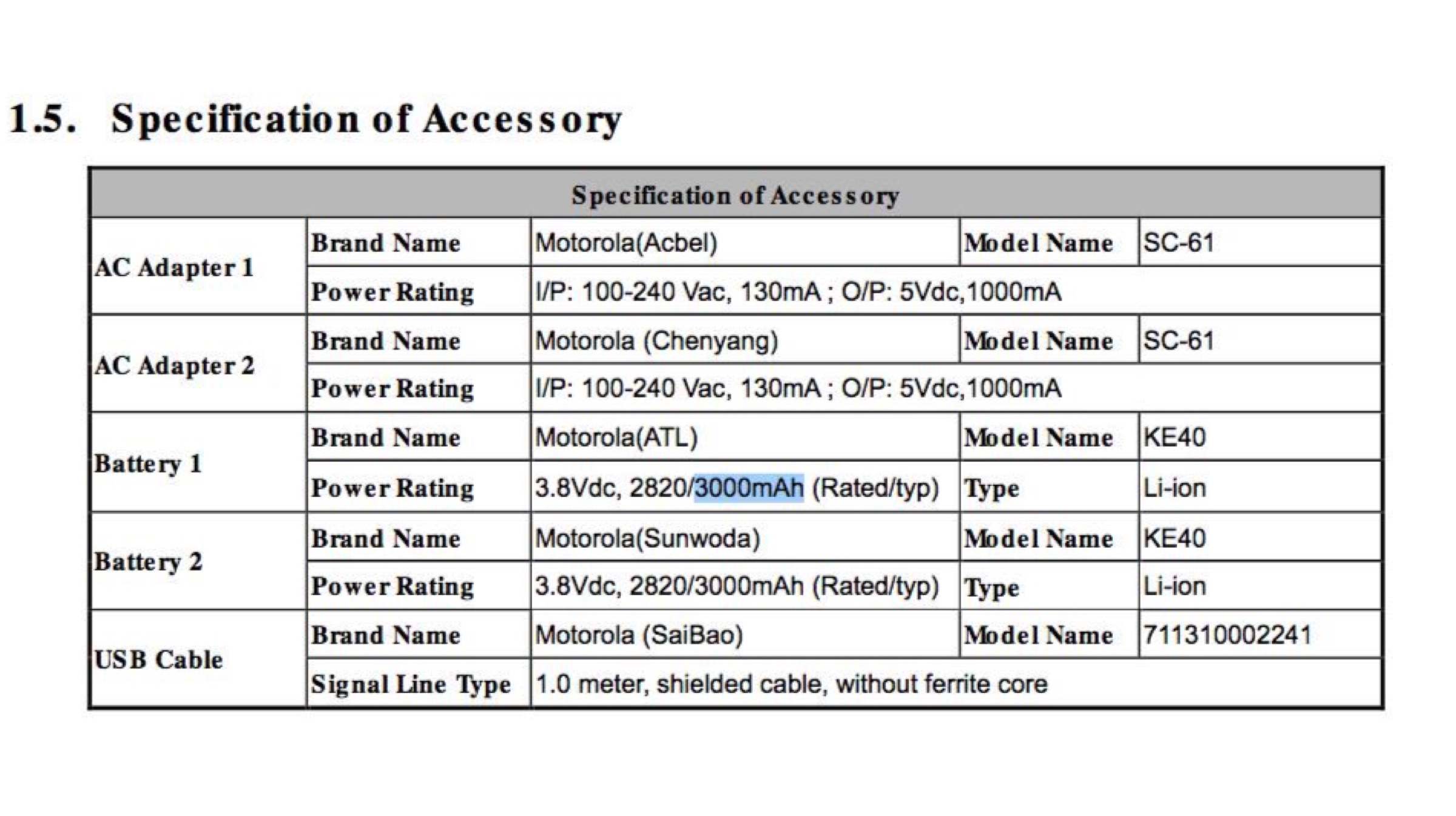
    The upcoming Moto E6 will be a budget offering from the company. It will be the successor to the Moto E5 launched last year. The listing on FCC reveals the smartphone will have a 3000 mAh battery. Measurements of the device mentioned in the listing are 149mm x 71mm (Height x Width) and 178.36mm diagonally. It is also revealed the handset will have support for the 2.4 GHz and the 5GHz bands of Wi-Fi networks, which is a rarity in the budget segment.

    Moto E6 FCC listing battery

    While the FCC listing does not reveal specifications of the Moto E6, previous leaks have already provided the information. The device has been leaked to have a 5.45-inch display with a resolution of 1440 x 720 px. The smartphone will have significant bezels on the top and the bottom of the display and will not have a physical fingerprint scanner. This insinuates it will rely on conventional unlock methods like a numerical pin, alphabetical passwords and patterns. The Moto E6 will run on the latest Android 9 Pie and will feature a stock interface with some customisations by Motorola.

    Motorola
    Moto E5 Plus

    Also read: Google To Redefine App Ratings On Play Store, Emphasise On Latest Reviews

    The previous leaks further insinuate Moto E6 will be kitted with the 28nm Snapdragon 430 SoC. The chipset is comprised of an Octa-core Cortex A53 CPU and the Adreno 505 GPU. In terms of optics, the smartphone will have a single f/2.0 aperture equipped 13 MP rear camera. For selfies, an f/2.0 aperture equipped 5 MP sensor is expected to be housed on top of the display. For memory and storage, the device is expected to feature 2GB of RAM and up to 32GB of Internal Storage. Unfortunately, it is not known when the Moto E6 will be launched, but the FCC listing suggests it may be on its way soon.

  • Sharp Launches Aquos R3 With 120 Hz Display And Dual Notch

    Sharp Launches Aquos R3 With 120 Hz Display And Dual Notch

    The Japanese technology company, Sharp has launched yet another distinctive smartphone which is called the Aquos R3. The newly launched device, like any other, has dual notch. Out of which one is present on top of the display while the second is present below it. Another highlighting feature of the Sharp Aquos R3 is its  Pro IGZO display that has a praiseworthy refresh rate of 120 Hz. Except for the said handset, only the Razer Phone has a display with this high refresh rate. 

    Sharp Aquos R3 Design And Features

    Sharp Aquos R3

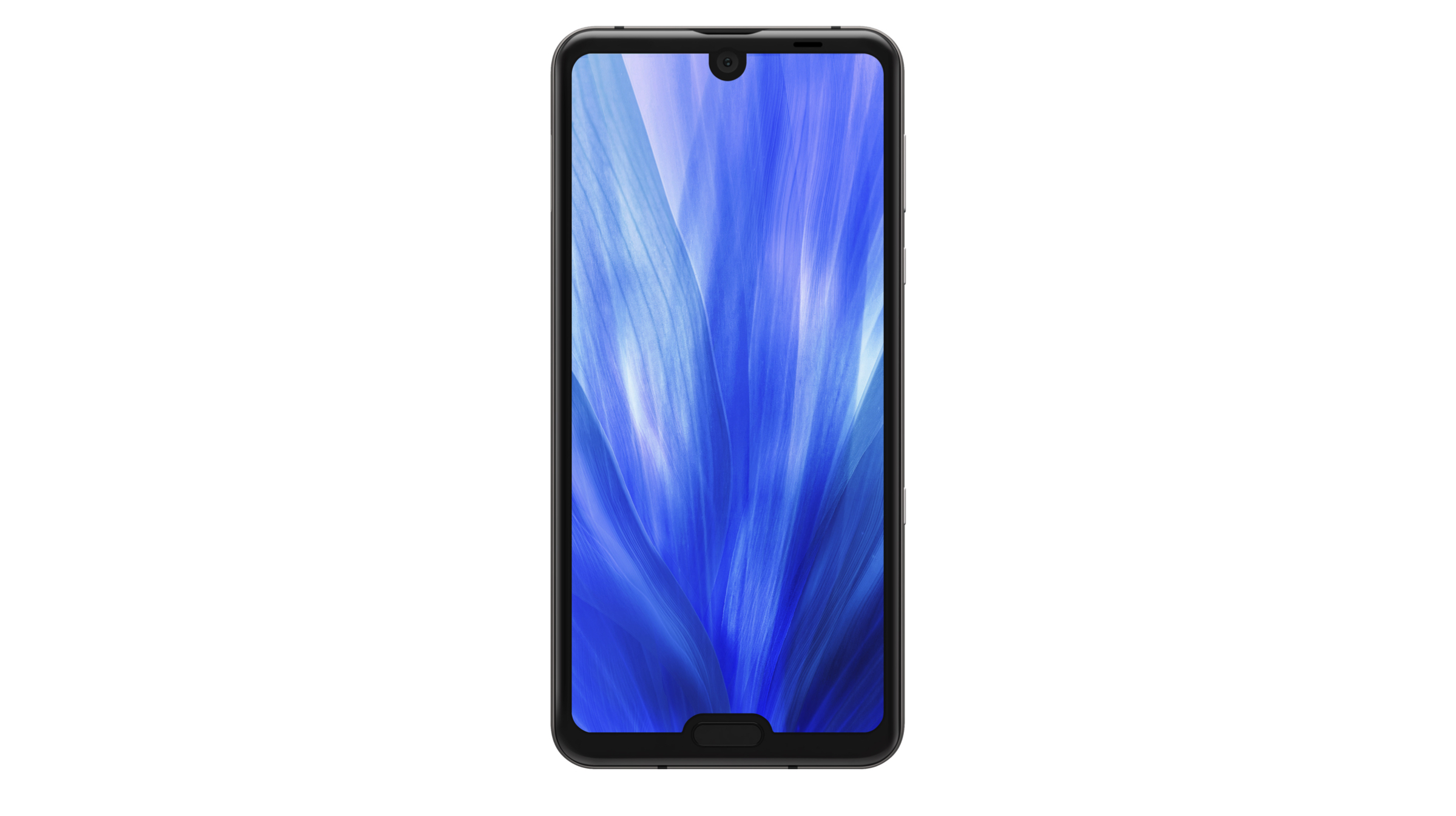
    The newly launched Sharp Aquos R3 has a unique and distinctive design which is mainly because of the dual notch in the display. It features a notch above the display which houses the 16 MP selfie camera. While the so-called second notch below the display is a way to maximise the screen to body ratio while retaining a fingerprint scanner on the front of the device. The smartphone sports a 6.2 inch Pro IGZO display that has a Quad HD+ resolution of 3120 x 1440 px. As previously mentioned, the display panel has a refresh rate of 120 Hz which provides for an enriched media consumption experience. Sharp Aquos R3

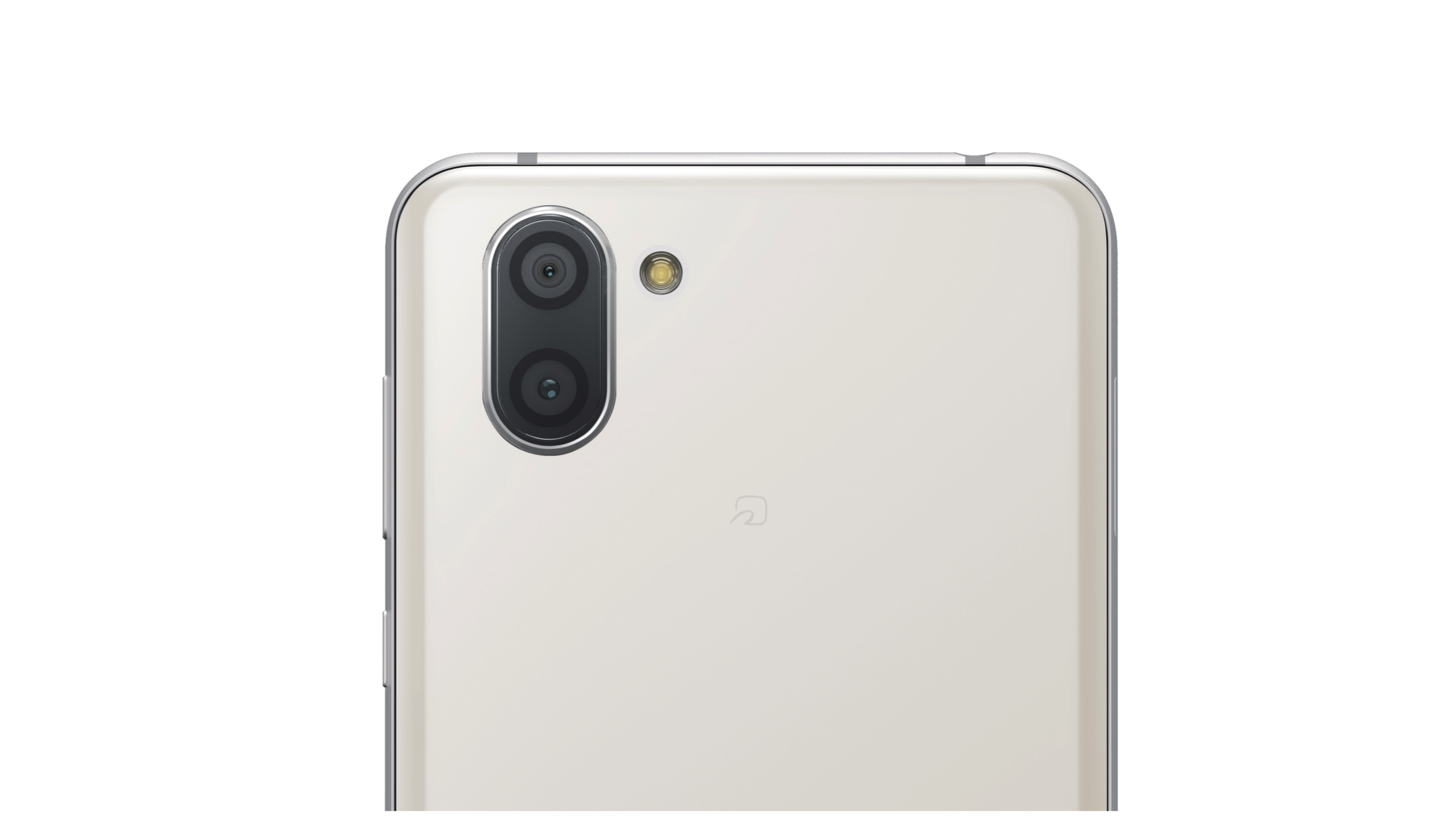
    The rear of the Sharp Aquos R3 harbours the dual camera setup and the company branding. The said dual camera setup consists of a 12 MP sensor, a 20 MP sensor along with an LED flash. Under the hood, it packs the Snapdragon 855 SoC which is comprised of Octa Core CPU and the Adreno 640 GPU. In terms of memory and storage, the Sharp Aquos R3 has 6 GB of LPDDR4X RAM and 64 GB of UFS storage. Furthermore, the internal memory is also expandable upto 512 GB via a microSD card. Sharp Aquos R3 Front Design

    Also Read: Google To Redefine App Ratings On Play Store, Emphasise On Latest Reviews

    Connectivity options on the Sharp Aquos R3 include 4G LTE, Wi-Fi 802.11 ac, Bluetooth 5.0, GPS and the bottom mounted USB Type C port. The smartphone is powered by a 3,200 mAh battery which also supports 10 W wireless charging. It is available in a multitude of colours which include Premium Black, Platinum White, Elegant Green, Pink Amethyst and Luxury Red. The smartphone has been launched for the Japanese market and the feasibility of this making to other markets are marginal. 

  • Samsung Galaxy A20

    Samsung Galaxy A20

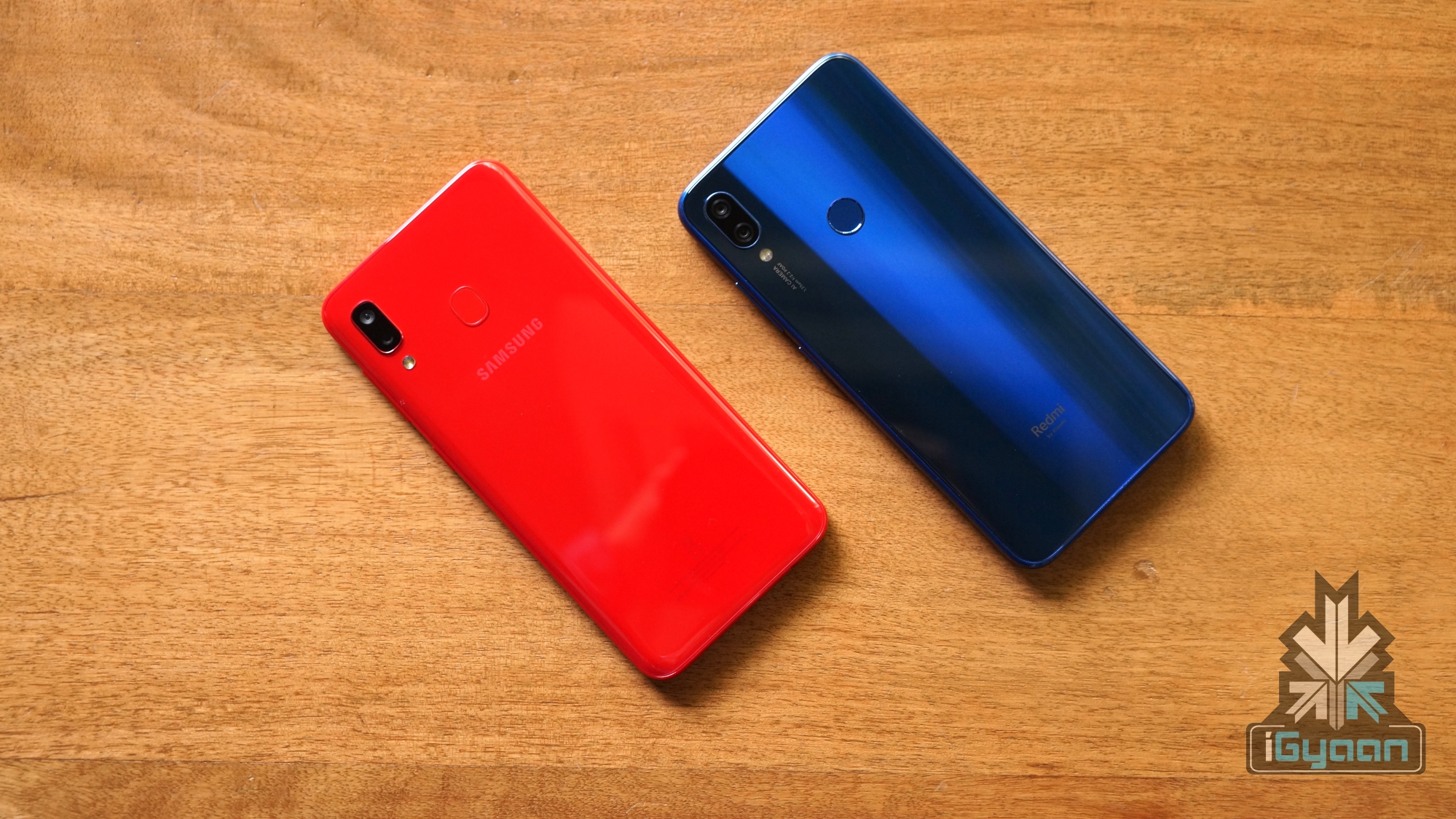
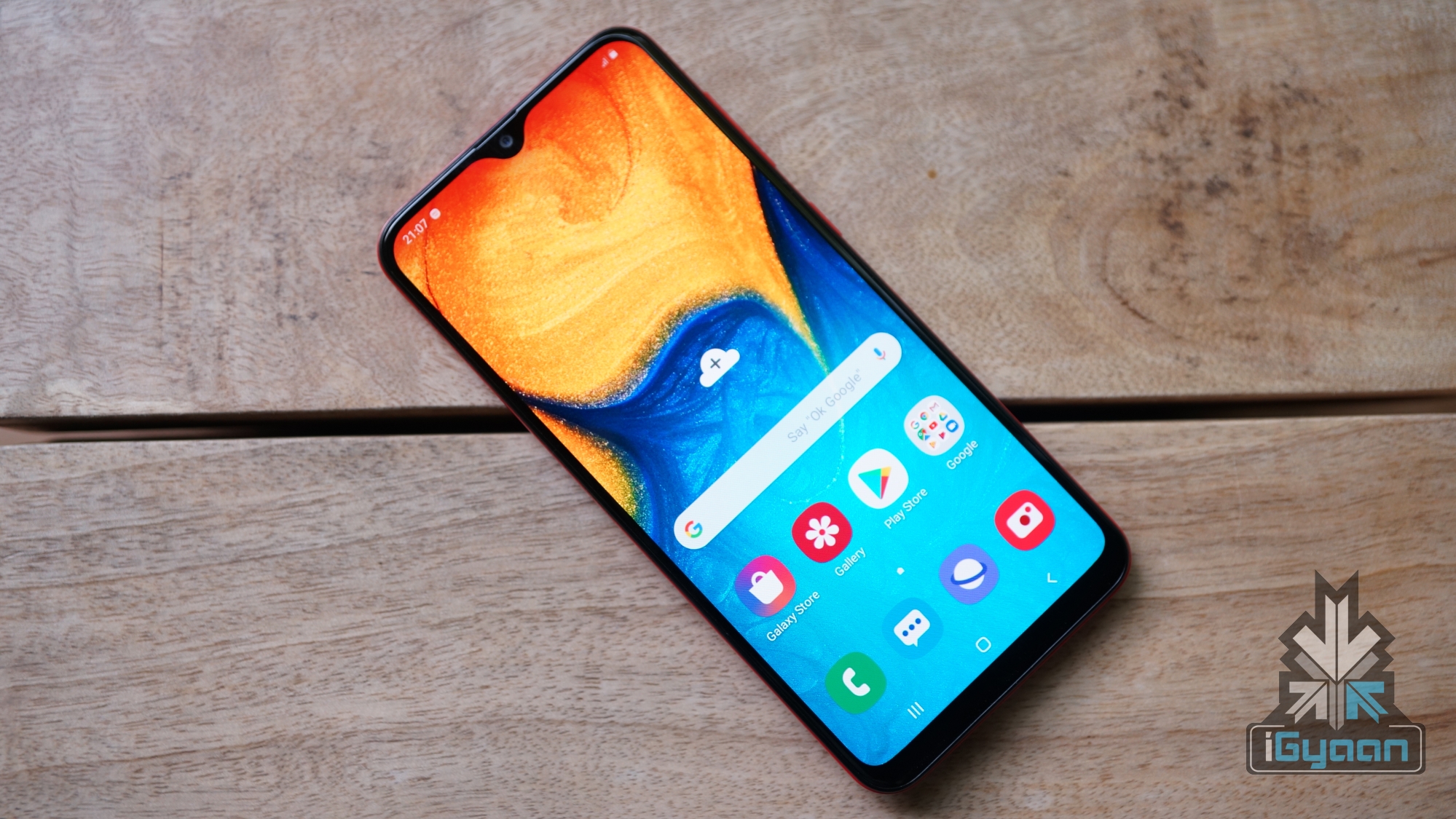
    The Samsung Galaxy A20 was unveiled in India on April 5, 2019, and it features a 6.4 inch Super AMOLED display with a resolution of 1560 x 720 px. The device runs on the Exynos 7885 chipset, comprising of an Octa-core CPU and Mali G71 MP2 GPU. The smartphone has a 13MP primary camera with a secondary ultrawide 5MP camera. For selfies, the Galaxy A20 has an 8MP (f/2.0) camera. It is available in three colours: Blue, Black, and Red.

    [loop included_tags=”60792,64497″ loading=”paged” layout=”f” postsperpage=”4″]

  • Google To Redefine App Ratings On Play Store, Emphasise On Latest Reviews

    Google To Redefine App Ratings On Play Store, Emphasise On Latest Reviews

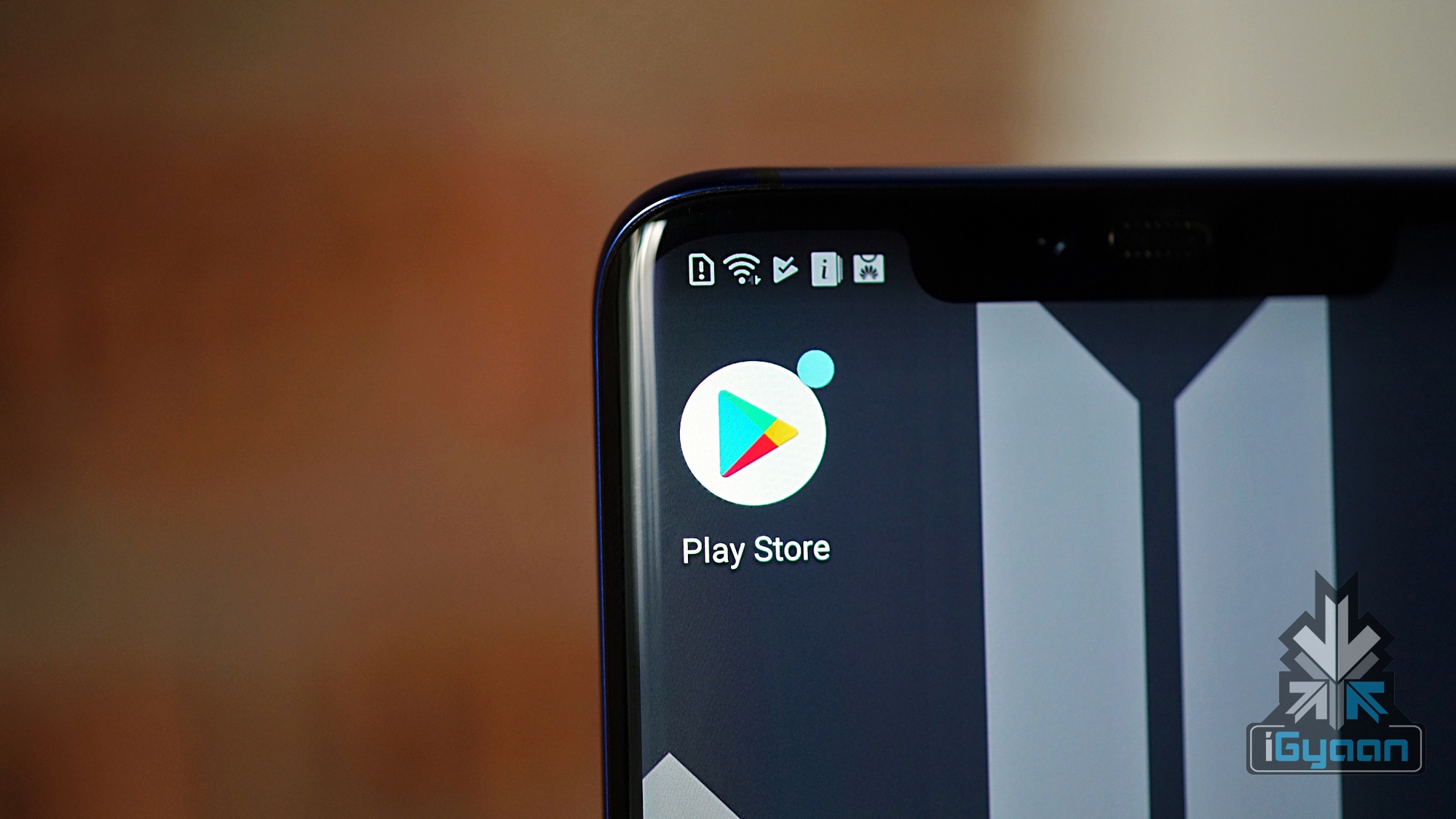
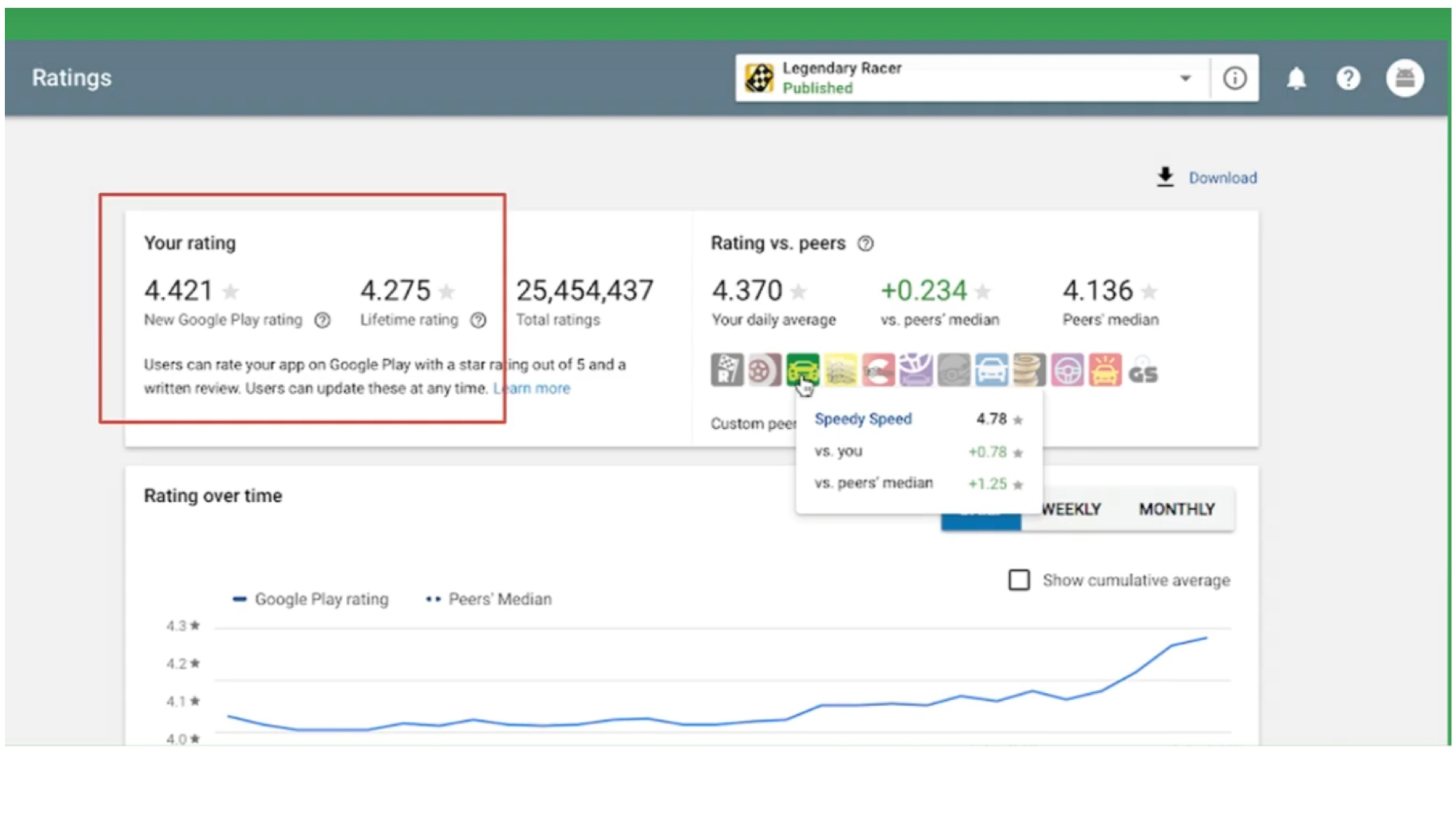
    Google’s Play Store is a digital distribution service which houses millions of applications, games, books, movies and music files. It is used globally by several users of Android-enabled smartphones to download the aforementioned media. Now, in a bid to promote transparency in the ratings available for the applications on the Play Store, Google is changing how they work. At Google I/O 2019 developers conference, the search engine giant has announced it will now give importance to the latest rating given to an application to showcase its evaluation.

    Google Play Store Ratings

    Google Play Store

    According to a senior Google executive, the move is being done due to high public demand. She is further noted saying that the current system of rating in the Play Store uses the collective lifetime value of an application’s rating. The system is scheduled for a change later this year, wherein more emphasis would be given to the latest ratings for the application. The company claims this will reflect the developer’s hard work and efforts as any update can change how an app is perceived among users. For example, if an app that has had negative reviews gets updated and the experience is more refined, the ratings will give weight to the latest ratings, which were given after the update. A similar feature was provided by Apple around two years ago when it gave the developers of the App Store a choice; to refresh the ratings of an application after each update.

    Also read: Upcoming Redmi Flagship To Feature An In Display Fingerprint Scanner & Great Battery Life

    The latest update to the Google Play Store is expected to be a great change for the developers. However, in the last few weeks, reports of fake ratings on an app by a significant number of people have surfaced online. With the updated version of the Play Store, this can mean the ratings of the app would plummet significantly. While Google has not provided a release date for the feature, it will roll out by the month of August. For Android developers, the feature should be available for preview in their Play Store Dashboard starting May 8.

  • Royole Working On A New Form Of Folding Wearable Technology

    Royole Working On A New Form Of Folding Wearable Technology

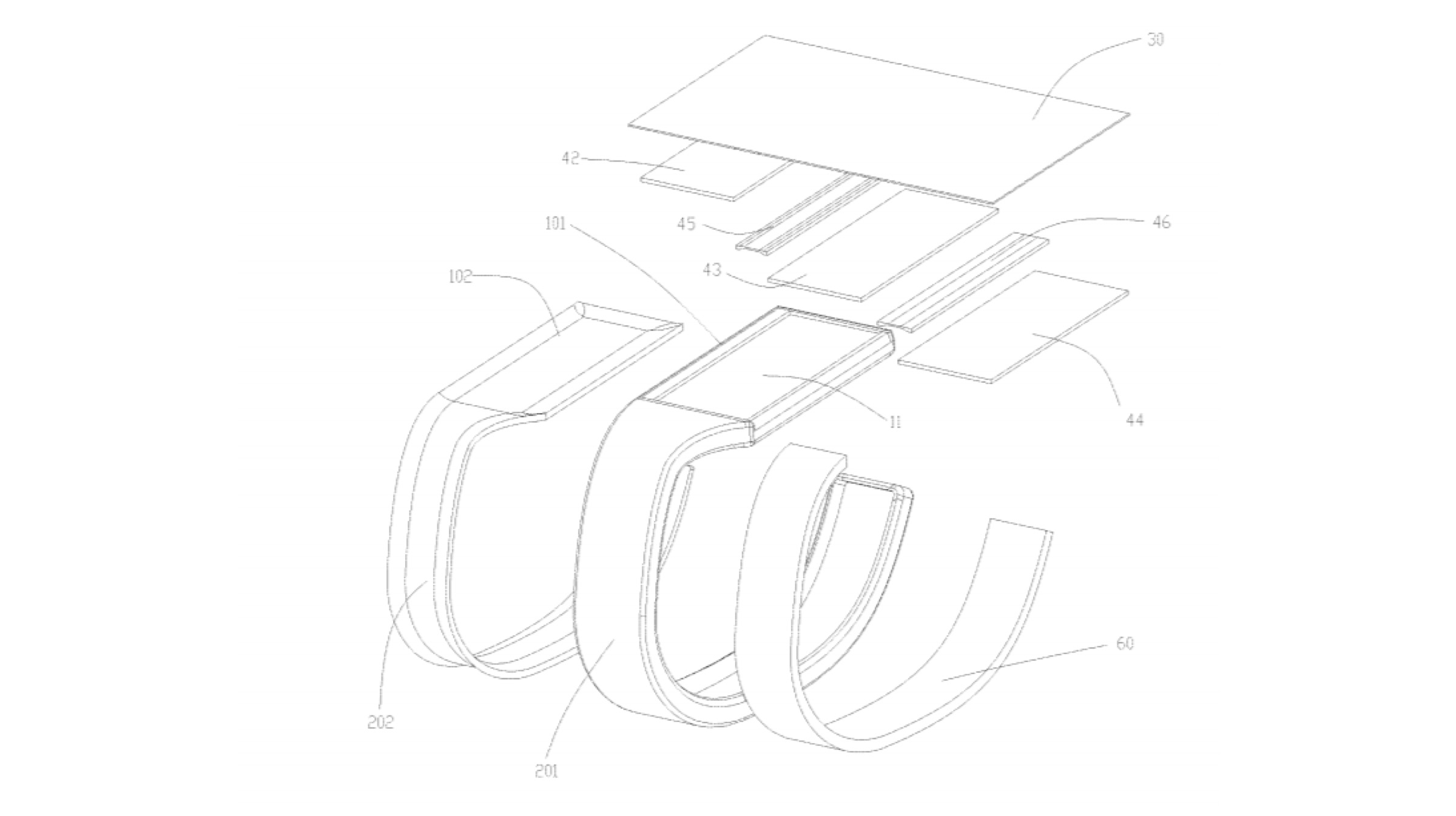
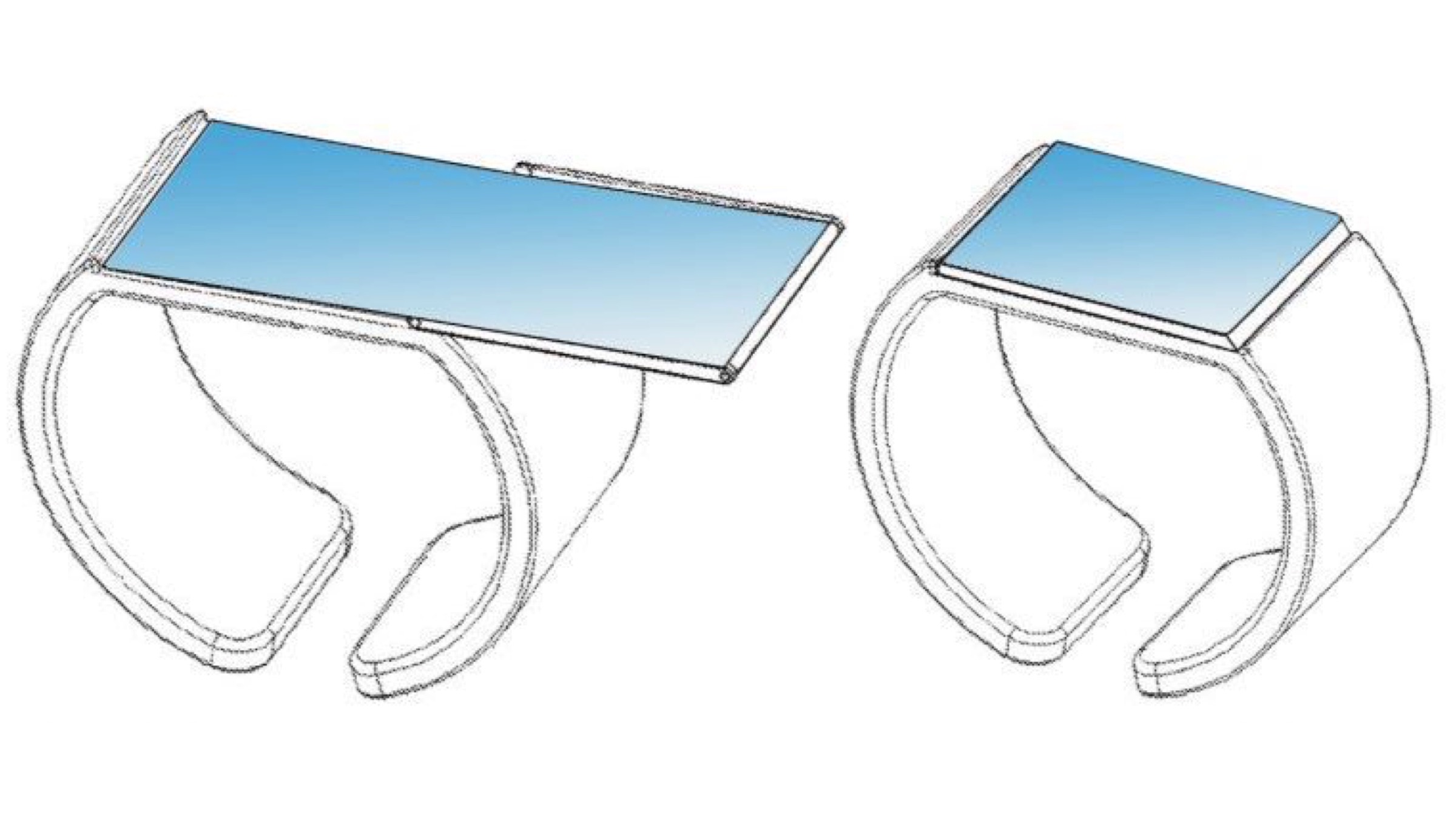
    Chinese technology company Royole is best known for making the world’s first foldable smartphone, the Royole FlexPai. Fresh patents from the company have surfaced online which reveal it is working on two new design for foldable wearable devices. Both the wearables feature a large screen that can be folded to be comfortably worn on the wrist.

    About The Patent

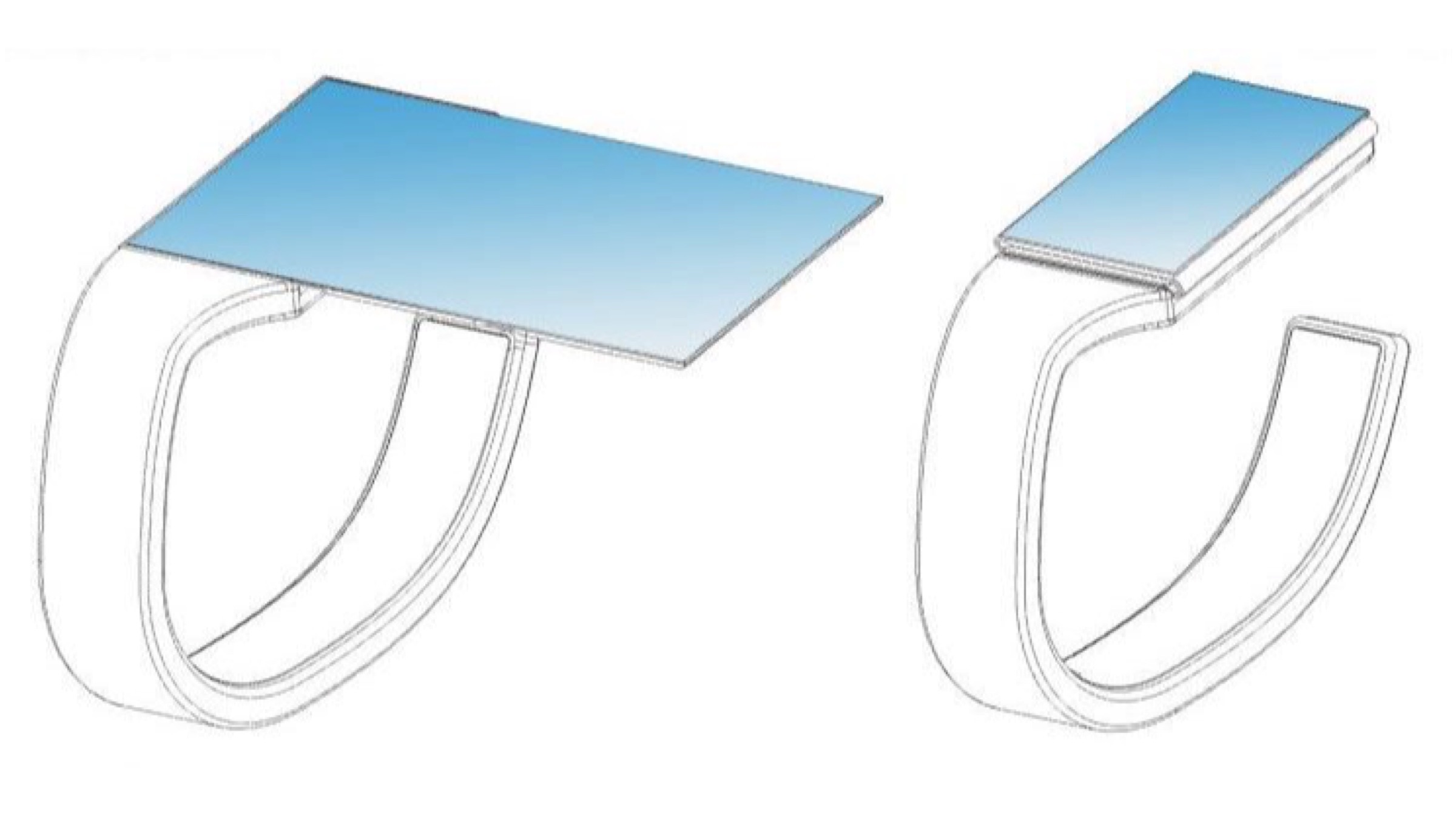
    The patent for a folding wearable was filed by the Royole Corporation in the second half of the year 2017. It was then published on the website of the World Intellectual Property Organisation (WIPO) on the 4th of April 2019. Images in the patent reveal a flexible wristband with a foldable rectangular display. The display can be folded into a compact form factor that can be easily worn on the user’s wrist. To hold the screen together, magnets are used behind the display. All the necessary display components are processed inside the bendable housing behind its top layer. The patent claims the folding wearable will make use of a flexible battery, which will be integrated into the watch band. Unfortunately, it is unclear what battery technology will be used into the device, as modern-day Lithium-ion (Li-ion) batteries cannot be bent because they have a high chance of leaking or exploding.

    Also read: After PUBG Ban, Tencent Launches Game For Peace In China

    The second patent showcased is of a ‘Smart bracelet’ which was published in the month of February this year. The images in the patent showcase a similar device to the first patent with minor differences. Like the one mentioned above, the device in the images also showcases a smartwatch with a foldable display, however, this time it is shaped in the form of a bracelet. The display on the smart bracelet can be unfolded downwards, providing an elongated screen. To facilitate the folding and unfolding, a rotating mechanism is used on the device. While the company has been granted these patents, it is unknown as of now if it will release devices corresponding to them in the near future.

  • Samsung Patents A Rectangular Foldable Device With Large Flexible Display

    Samsung Patents A Rectangular Foldable Device With Large Flexible Display

    Samsung is known for innovating with its smartphones in order to provide a better user experience. The company became the first one to launch a foldable smartphone in the market, which is the Galaxy Fold. Previously, a smartphone with dual display panels was patented by the South Korean organization. In March 2019, Samsung was granted a patent for a device which had a spring mechanism for the foldable display. As per latest reports, the company has patented a rectangular display device can be conveniently folded. 

    About The Patent

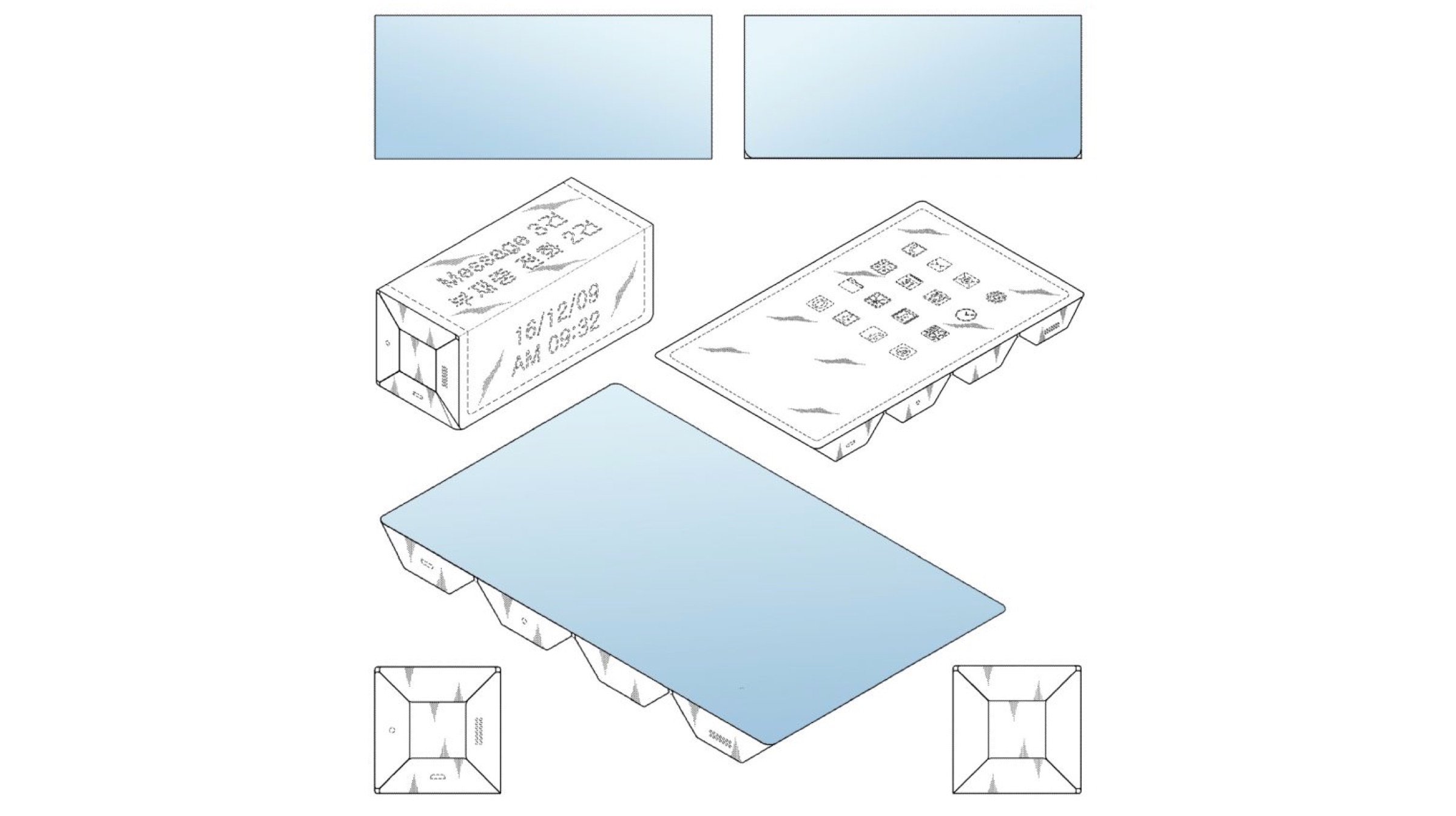
    The patent was granted to Samsung and published on May 7 2019 in the USPTO (United States Patent and Trademark Office) and the WIPO (World Intellectual Property Organization) database. It clearly depicts a device that has one large single flexible display. When the device is unfolded, it reveals an elongated tablet-sized panel which has 3 folding creases, indicating the lines around which the smartphone has to be folded. Once it is folded, the resulting device has a screen on all the four sides.

    Users can choose what to display at each face of the folded display. For instance, one side can showcase the time and date, whereas the other side can display the incoming notifications. Furthermore, such a design can be very handy at meetings, where the user can simply unfold the device to convert it into a tablet to convey necessary information to multiple people at the same time.
    Also Read: Every One In Two Smartphones Will Have Triple Rear Cameras By 2021, Claims Report

    The images in the patent exhibit that the foldable device has a power button at the front alongside the USB 2.0 port. Additionally, no technical specifications and functionalities of the device are spoken of in the patent. Considering that Samsung has applied for the patent both in Korea and America, the company may have plans to manufacture such a device in the near future. 

    The detailed patent can be viewed by clicking here

  • Upcoming Redmi Flagship To Feature An In Display Fingerprint Scanner & Great Battery Life

    Upcoming Redmi Flagship To Feature An In Display Fingerprint Scanner & Great Battery Life

    Xiaomi’s sub-brand Redmi is headed towards the launch of its first ever flagship grade smartphone. The device has been densely surrounded in rumours and leaks, but the latest information revealed regarding the handset is not a leak at all. Rather, the General Manager of Redmi, Lu Weibing has confirmed a couple of new features that will make their way into the company’s upcoming smartphone, which include an in-display fingerprint scanner and an excellent battery life. 

    Redmi Flagship Device: All We Know So Far

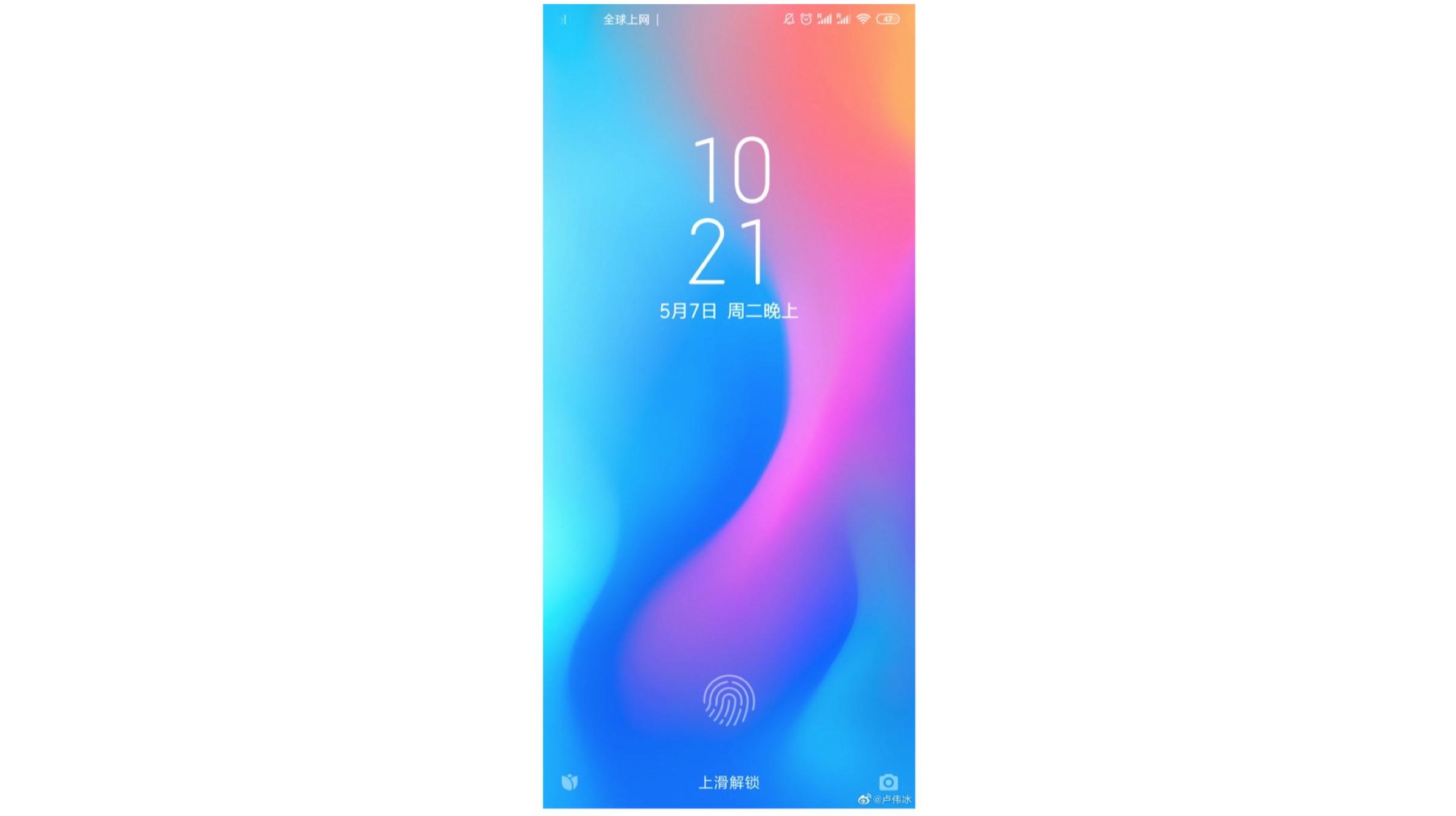
    As posted on the popular Chinese social website Weibo, the alleged Redmi K20 Pro will feature a fingerprint sensor that will be embedded beneath the display. The GM of Redmi posted a screenshot of the unlocking screen of the smartphone, which clearly depicts the spot where the supposed optical fingerprint scanner is located. Furthermore, Lu Weibing also commended the battery performance of the device, which he deemed to “exceed his expectations”. Although the battery capacity of the Redmi handset was not revealed, previous leaks suggest that it will be 4000 mAh with support for 27W fast charging. 

    Redmi X Render

    The smartphone runs on the 7nm Snapdragon 855 SoC which comprises of the Kryo 485 Octa-core CPU and the Adreno 640 GPU. In terms of optics, it sports a triple camera module consists of a 48 MP sensor , a 20 MP sensor and a third unknown sensor, which may be a depth sensor. In terms of the front camera, the smartphone is expected to house the same in a pop-up camera mechanism. However, the specifications of the front camera are still unknown. 

    Also Read: 2019 iPhone XR Will Have Dual Rear Cameras Reveal Renders

    Former leaks have suggested that the Redmi device sports a 6.39 inch AMOLED display with Full HD+ resolution. Other details including the price, resolution of front-facing selfie camera and storage variants will be publicised once it officially launches. The company has not revealed any other information about the smartphone as of now, so an official statement is highly awaited. As per reports, the Chinese company is expected to make an announcement regarding the Redmi device on May 13 or May 20. 

  • Every One In Two Smartphones Will Have Triple Rear Cameras By 2021, Claims Report

    Every One In Two Smartphones Will Have Triple Rear Cameras By 2021, Claims Report

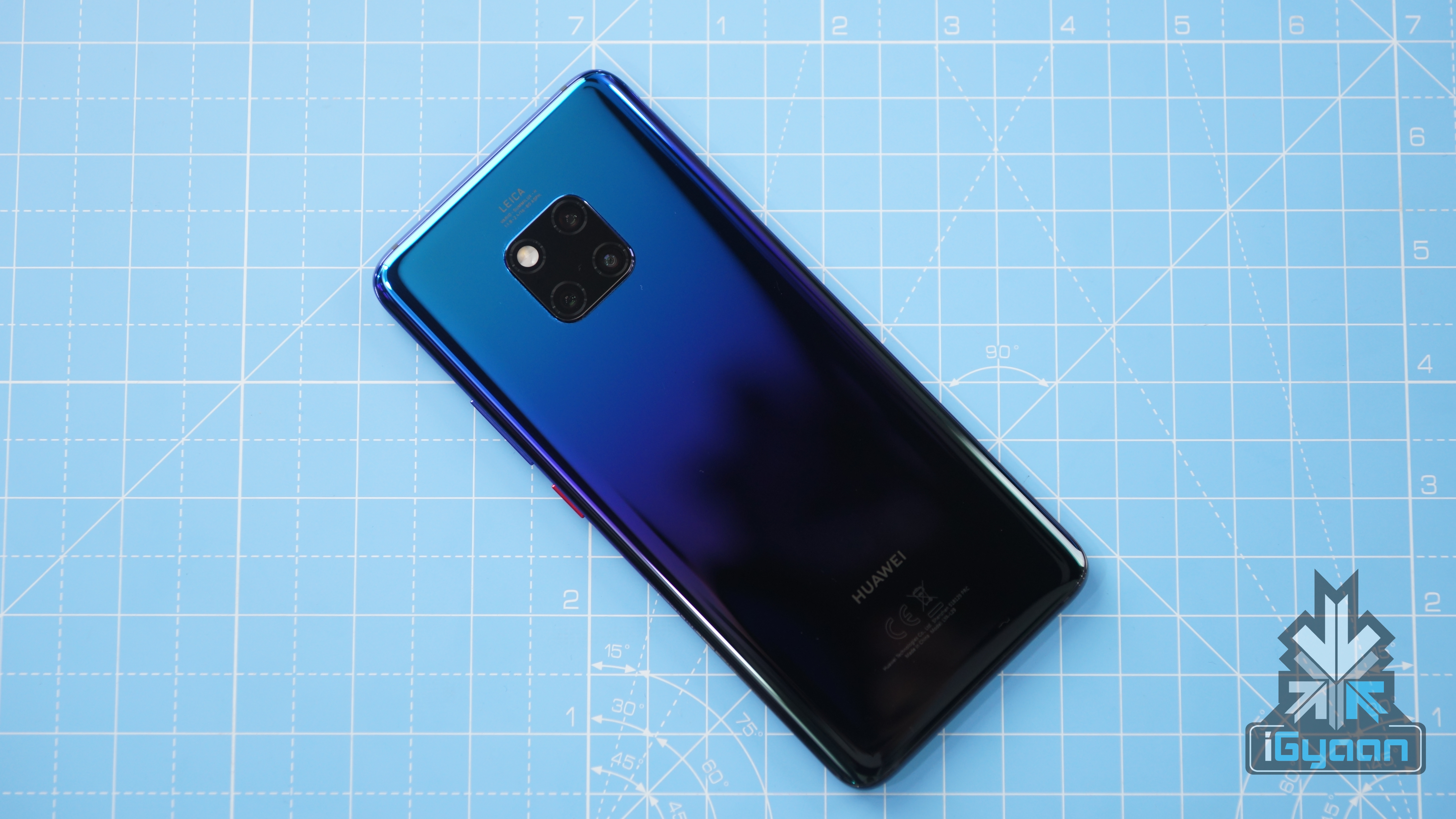
    Huawei launched the world’s first smartphone to feature triple rear cameras, the P20 Pro last year. It was praised for its camera prowess and made the mobile industry notice the importance of more than two cameras at the back of a device. Since then, many more smartphones from OEMs like Samsung, LG and Xiaomi sport three or more camera sensors on the rear. According to a known research firm Counterpoint, the number of handsets with multiple rear camera sensors will only increase with time. Fresh reports from the organization claim one in every two smartphones sold in the year 2021 will have a triple rear camera setup.

    Results Of The Research

    Counterpoint Triple Rear Cameras

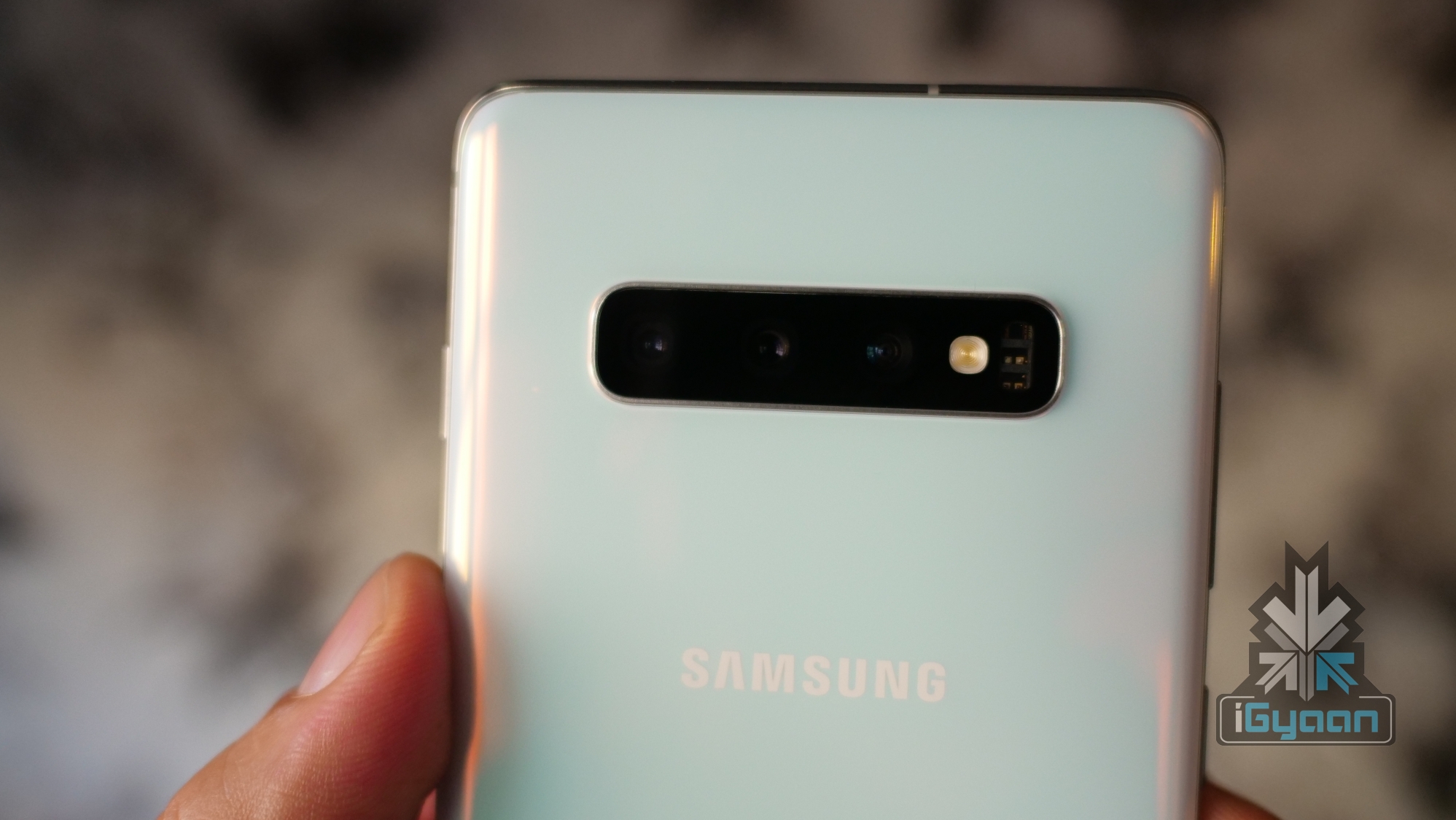
    According to Counterpoint, more than 40 smartphones launched until the month of April 2019; had three or more cameras on the rear of the handsets. While 30 of them were launched in the Q1, 10 were made official within a span of one month; between March and April. Notable launches in the time period included devices like the Samsung Galaxy A50, Huawei P30 Pro, Samsung’s Galaxy S10 lineup and the Vivo V15 Pro. All the aforementioned smartphones feature three or more camera sensor on the back. Interestingly, OEMs like OnePlus with the upcoming OnePlus 7 Pro; and Apple with the rumoured iPhone XI will reportedly include a triple rear camera setup.

    Galaxy S10+ Triple Rear Cameras

    Also read: Asus Zenfone 6 Case Renders Surface Online With Dual Rear Cameras

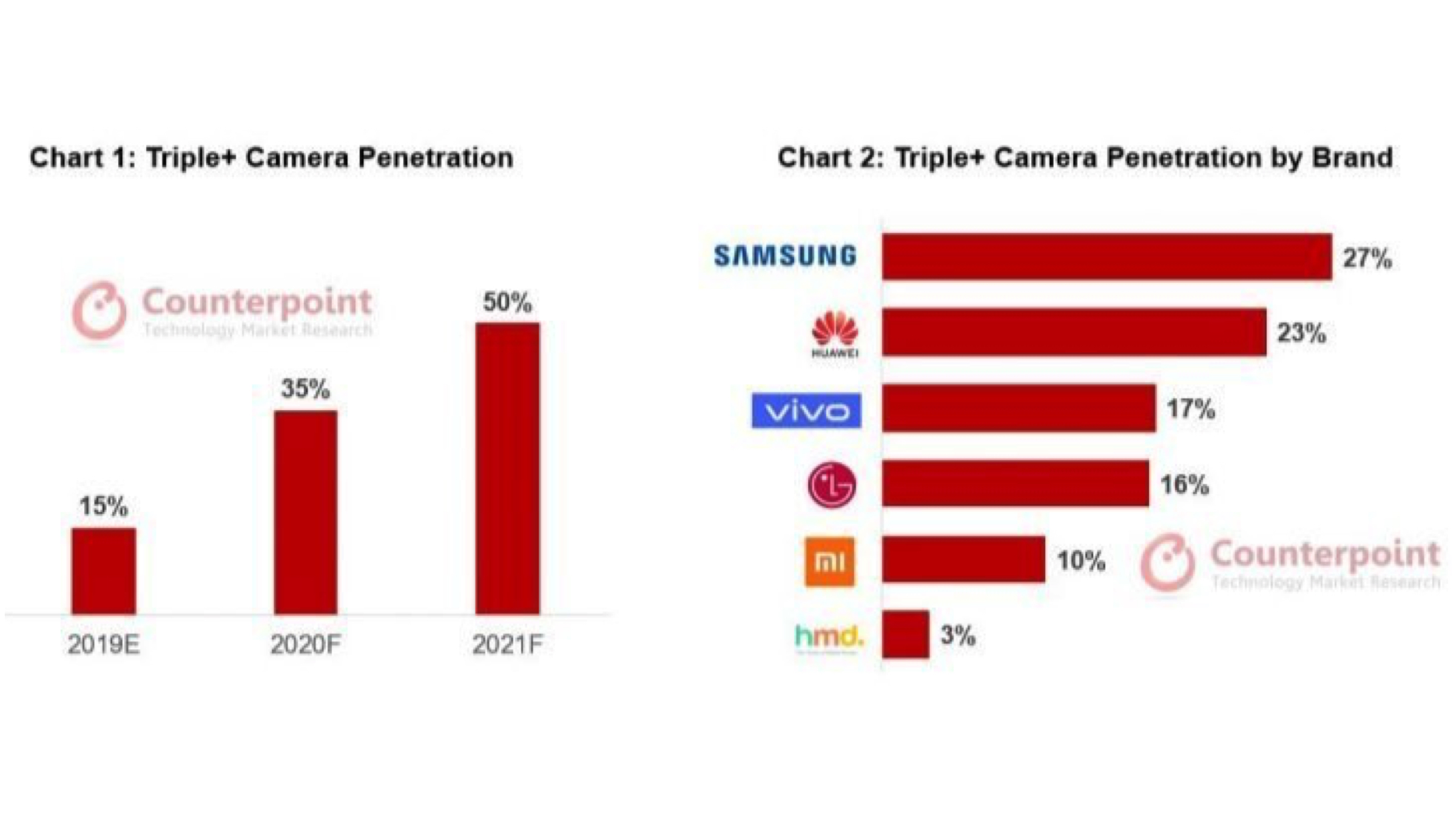
    With the launch of many smartphones with multiple rear camera sensors; it is expected the market penetration for Triple or more rear camera setups will reach a share of 15 percent in 2019. This number is only expected to increase, to 35 percent next year, and 50 percent till the year 2021. In terms of smartphone OEMs, the highest penetration belonged to Samsung, with a 27 percent share. Huawei and Vivo stand at the second and third place respectively; with a 23 percent and 17 percent share recorded by Counterpoint. The increased demand for multiple cameras set up at the back of handsets is seen as the major factor behind the increase in the above statistics. Because of this, budget smartphones with triple or more rear cameras are expected to debut starting this year.

iGyaan Network
Privacy Overview

This website uses cookies so that we can provide you with the best user experience possible. Cookie information is stored in your browser and performs functions such as recognising you when you return to our website and helping our team to understand which sections of the website you find most interesting and useful.