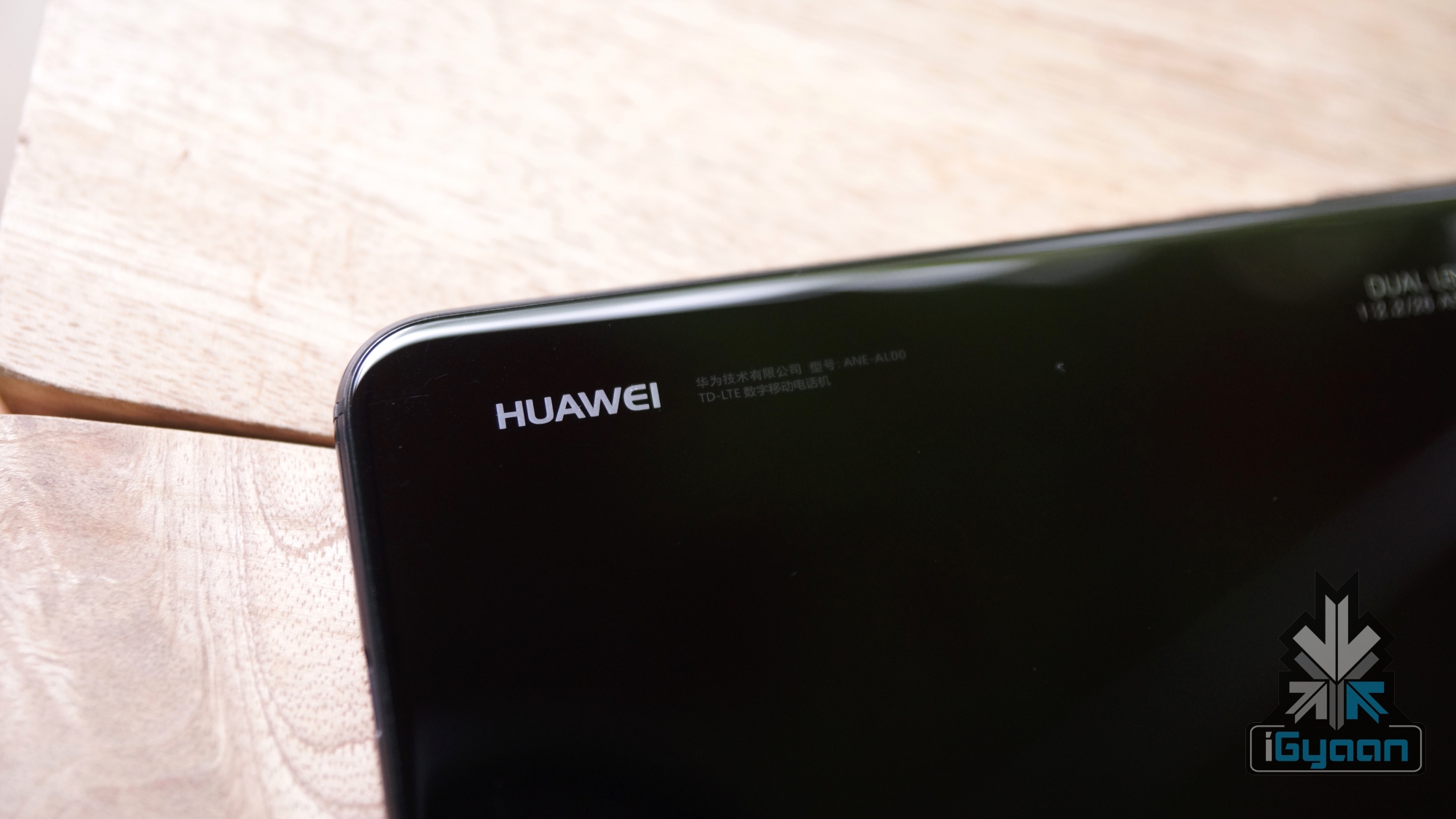
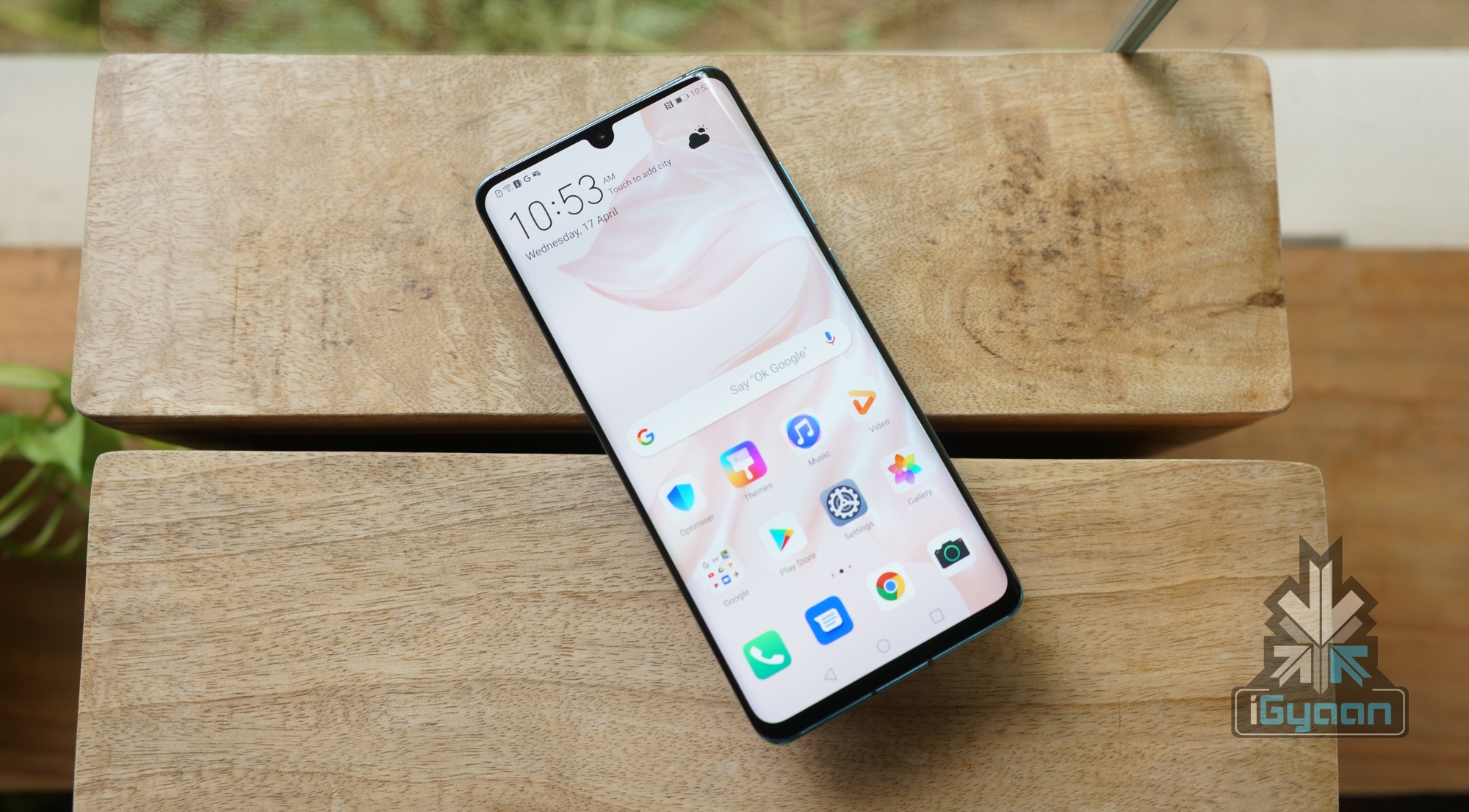
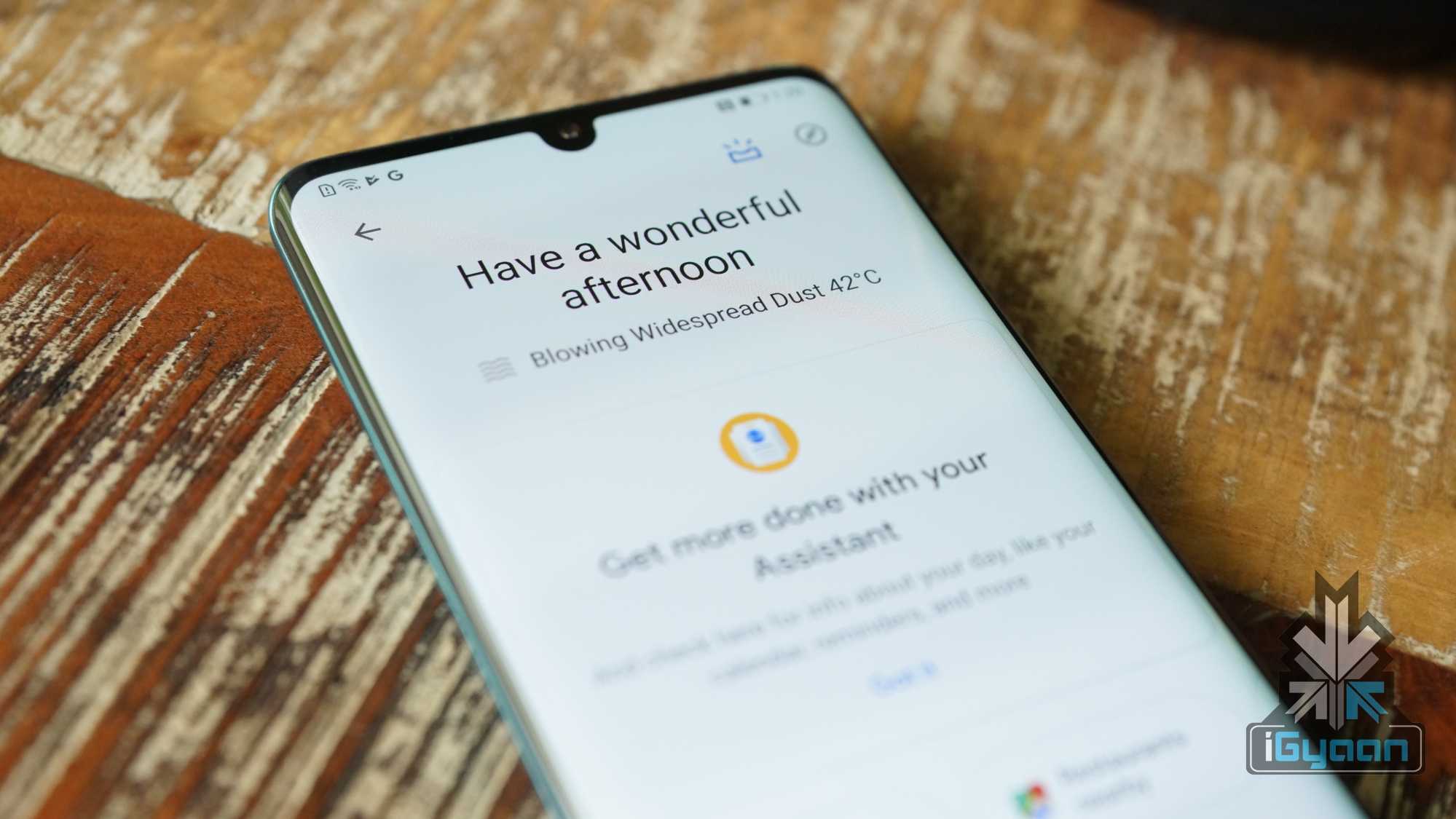
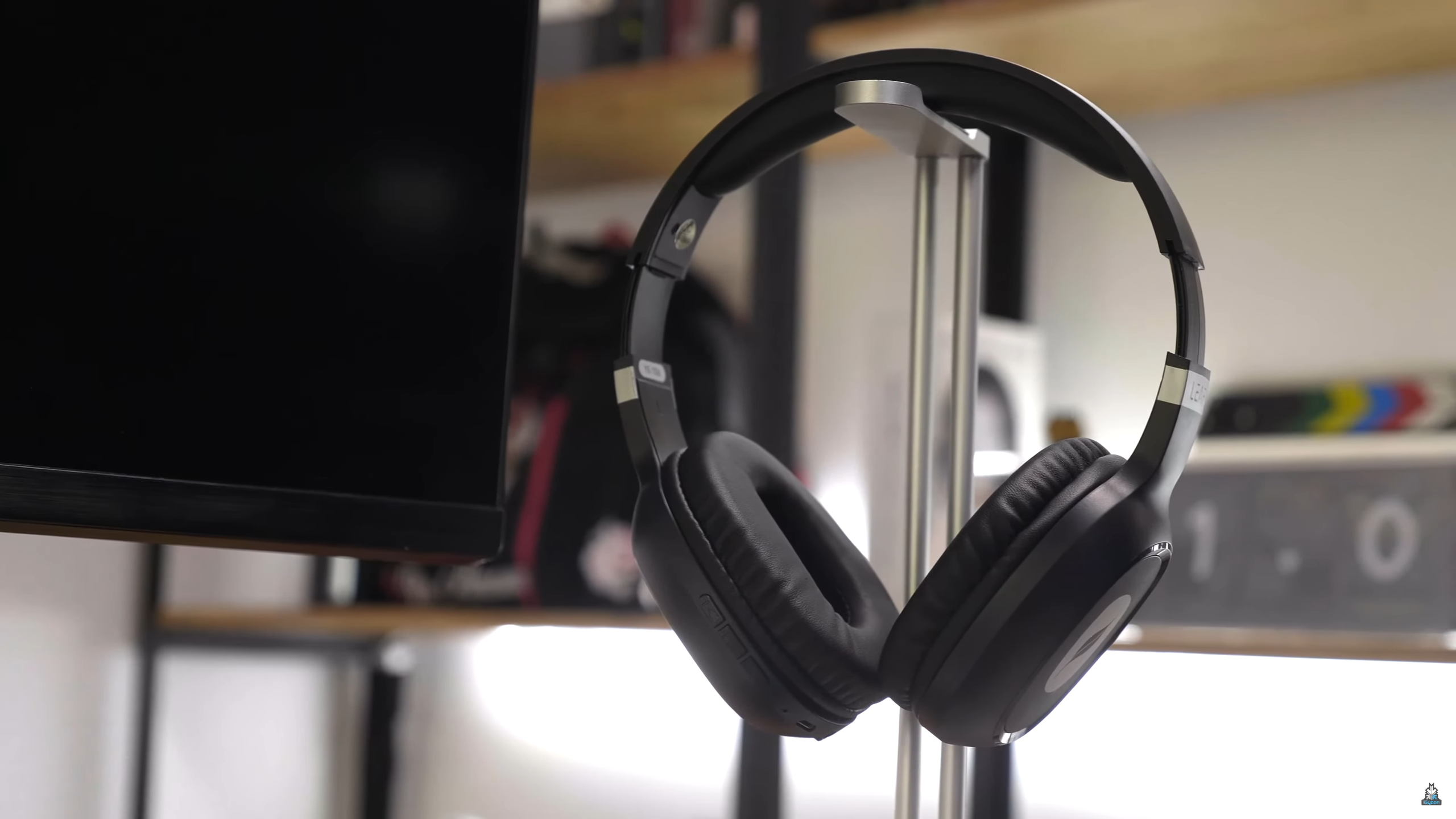
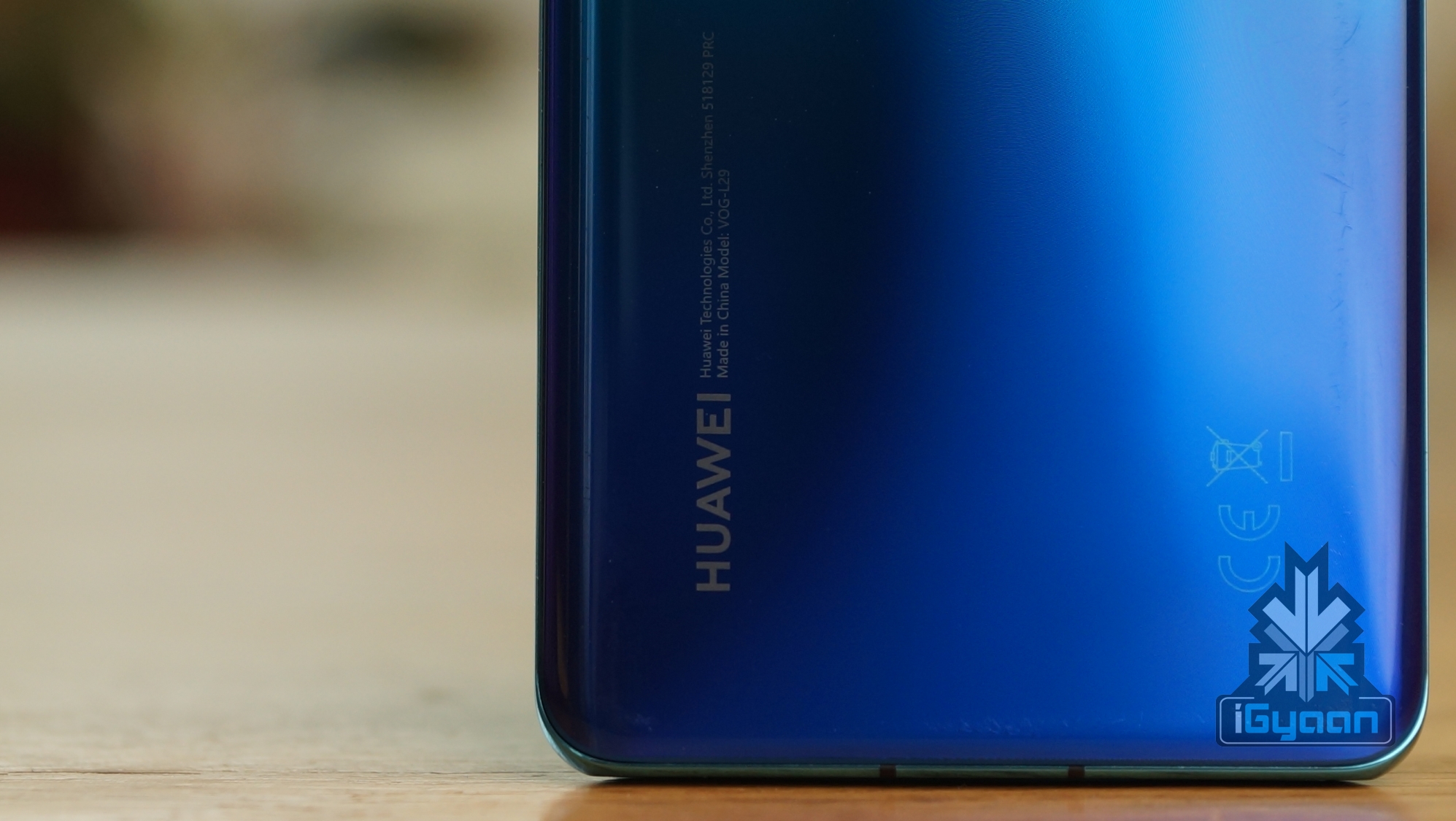
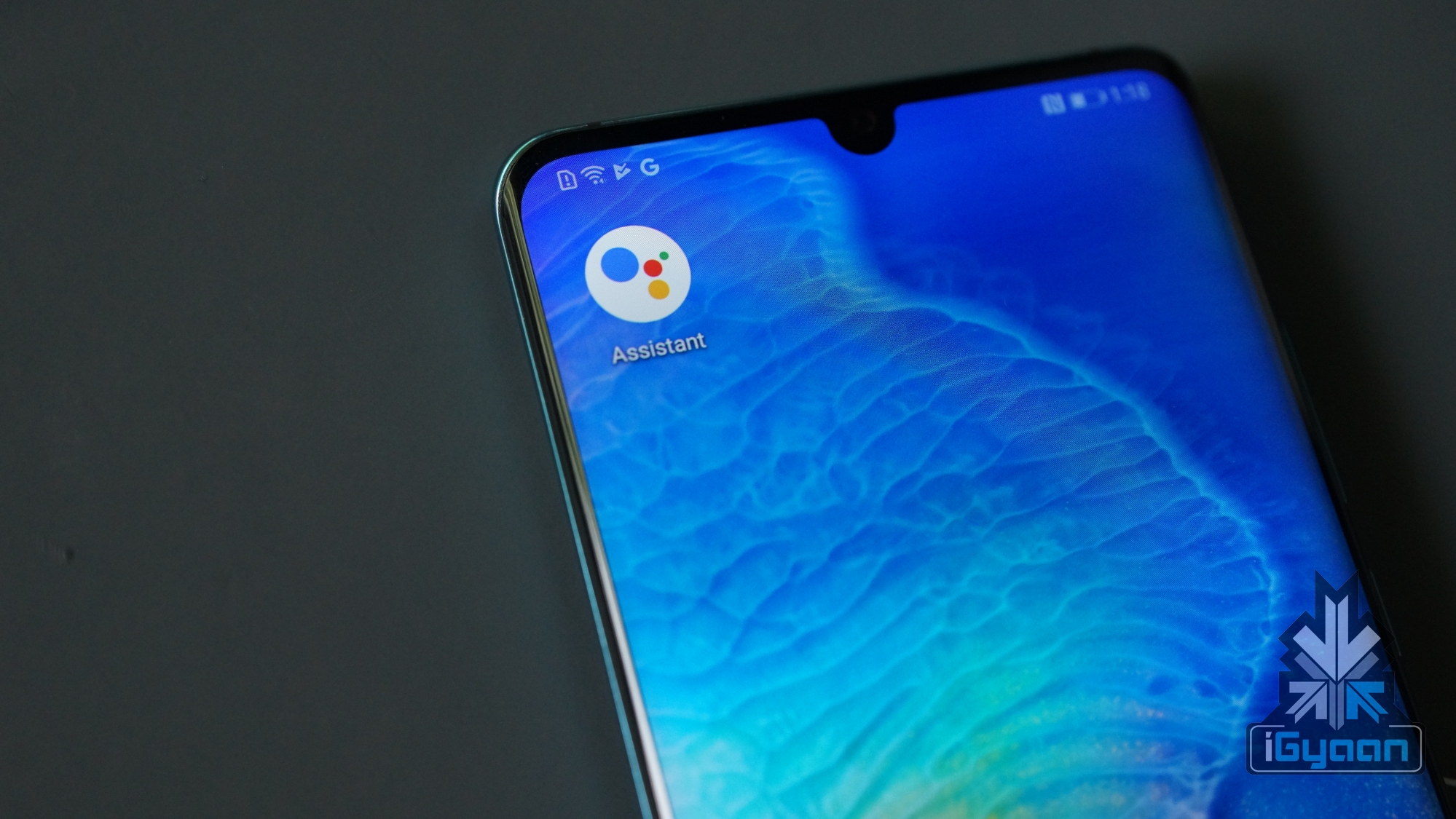
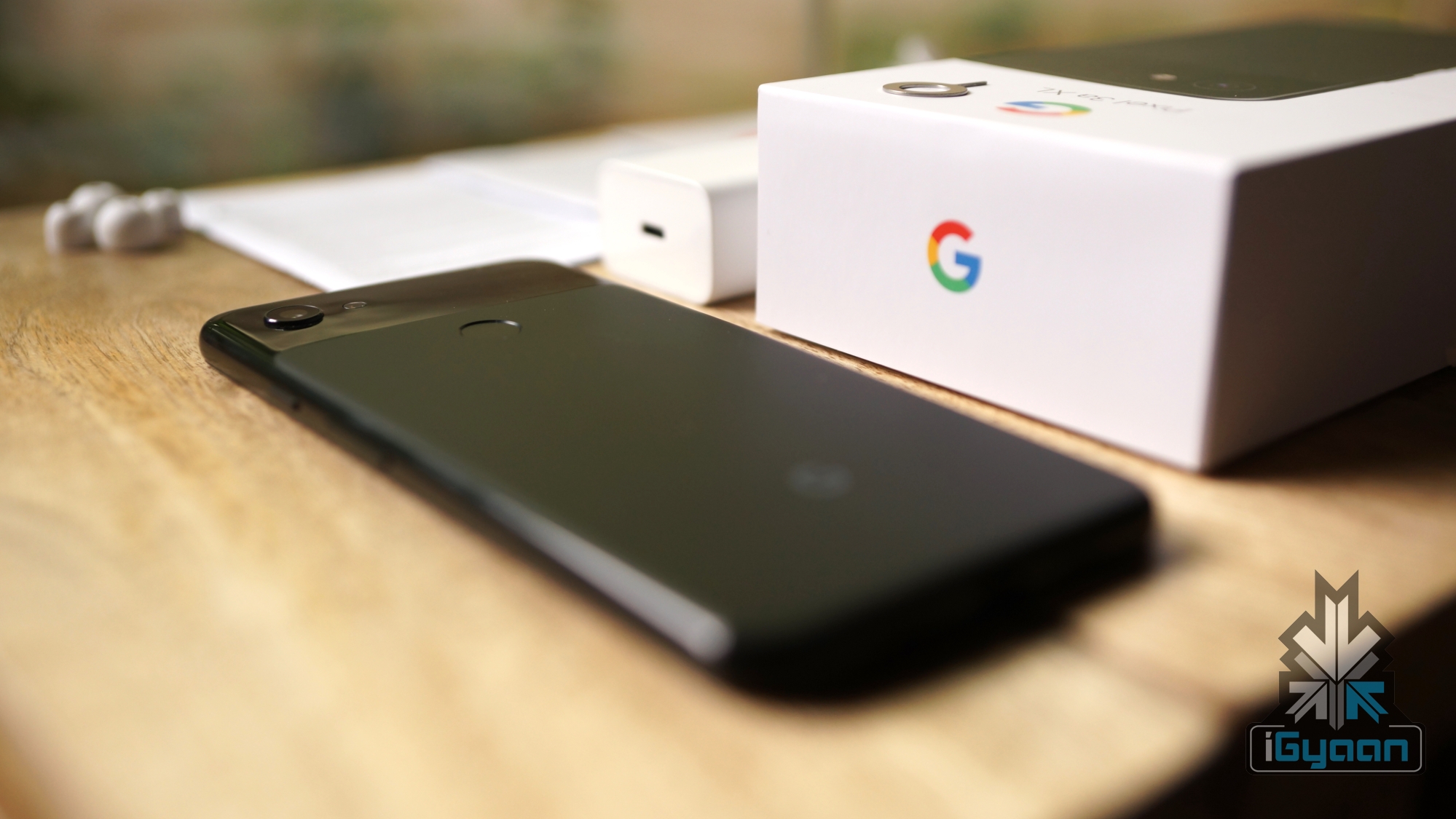
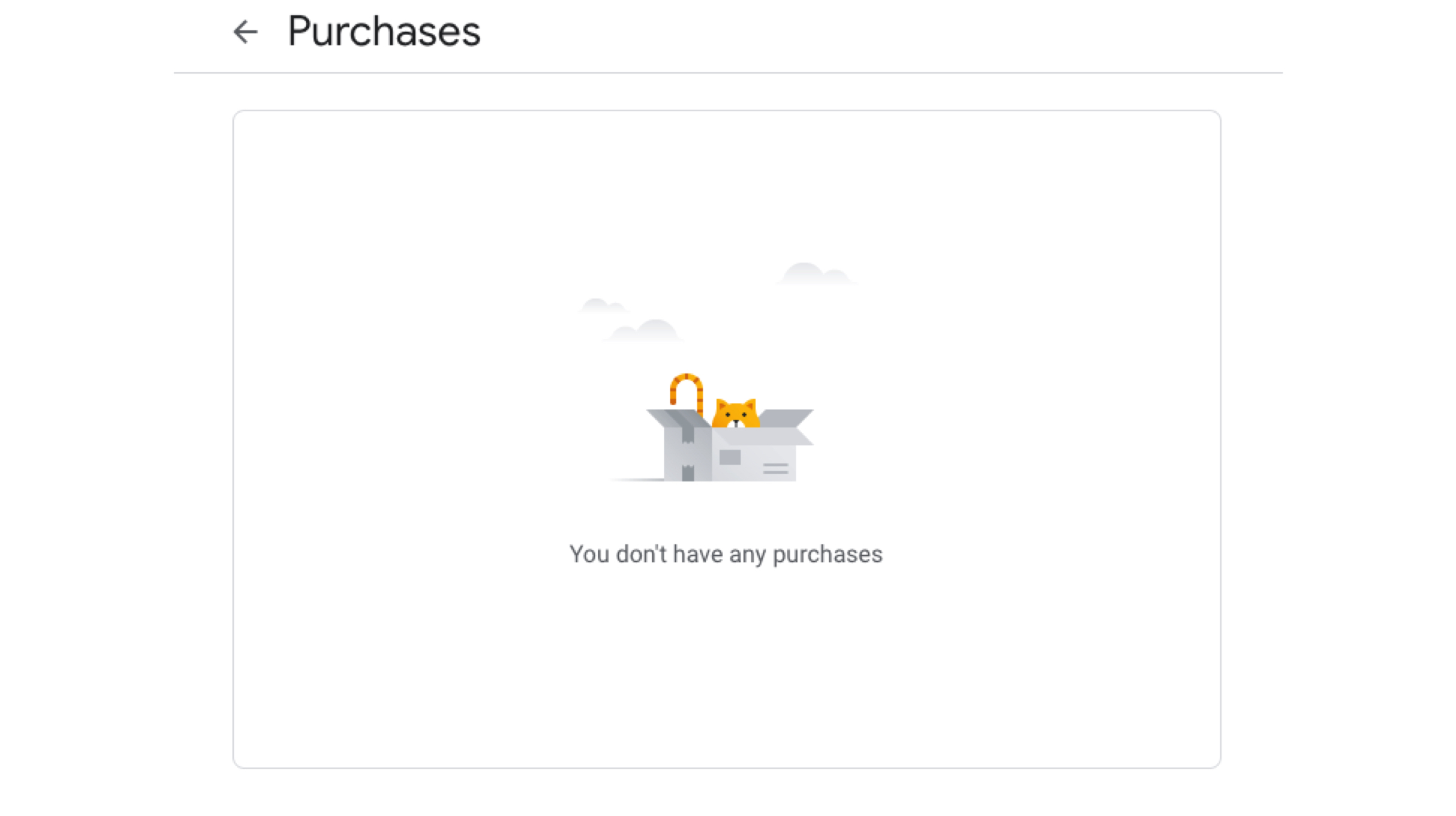
Earlier this week, it was reported that the United States has put a trade ban on Chinese telecommunications giant Huawei. It meant that no American company can trade with Huawei until granted permission by the government. As a result, the Chinese OEM lost its rights to software like Android, Windows, and hardware from Intel. Now, it is being reported from a credible source that Huawei has been working on a homegrown Operating System (OS) which may replace Android in the future. This OS is being referred to as internally by the name “Project Z”.
Huawei Project Z
Huawei P30 Pro
As mentioned above, the OS that may eventually replace Android on Huawei smartphones and tablets is already in the works. According to reports, this software, codenamed Project Z, has been in development since the last few years. A senior Huawei executive claims it was started just in case the company was barred from using Android in the future. While details about the upcoming software are bleak at best, the source claims it is facing a rough development process. Because of the company’s inexperience in the field so far, the launch of the OS might be delayed. While when it will be announced is anyones guess, a release of later this year is suggested.
With the Project Z operating system, Huawei faces a tougher challenge than it using Android. For an OS to work, support for third-party applications is essential and the company may face a lot of problems convincing developers to get on board. While this issue is less of an importance in China, where Google and its services are banned; it may be a major challenge in markets like Europe and India. Huawei may also end up building its own ecosystem, much like Apple with the upcoming OS if it finds any success globally.
Another month, another Top Tech. It is the month of May and this time we will check out the best gadgets and accessories you can buy under the budget of Rs. 1,000. These range from travel accessories to nifty gadgets that can be used in daily life. Check out the video and the detailed list of products for this month below.
Video:
List:
Leaf Bass Headphones
Leaf is slowly becoming a well-known brand in the budget audio segment. The Bass Headphones is a great buy for anyone looking for a good option under Rs. 1,000. It features a lightweight and comfortable design which makes it easy to be worn for longer periods. The controls for music and calls are placed on the earcup and the advertised battery life is around 10 hours. In terms of audio quality, the headset gets surprisingly loud and has a good amount of bass, hence the name. The Leaf Bass Headphones are truly one of the best Top Tech items under Rs. 1,000.
Flame LED Speaker
The Flame LED Speakers is one of the best looking speakers you can buy for the price. Just look at those lights! There are multiple controls on the top of the device which lets the users control the music playback and adjust the light on the speakers. It also has a handle which lets users carry it with ease as the product is itself lightweight. In terms of sound quality, the Flame LED speaker gets really loud, with decent bass and mids. The lows are where it gets muddy, but the output and looks are enough to make it in the Top Tech items under Rs. 1,000.
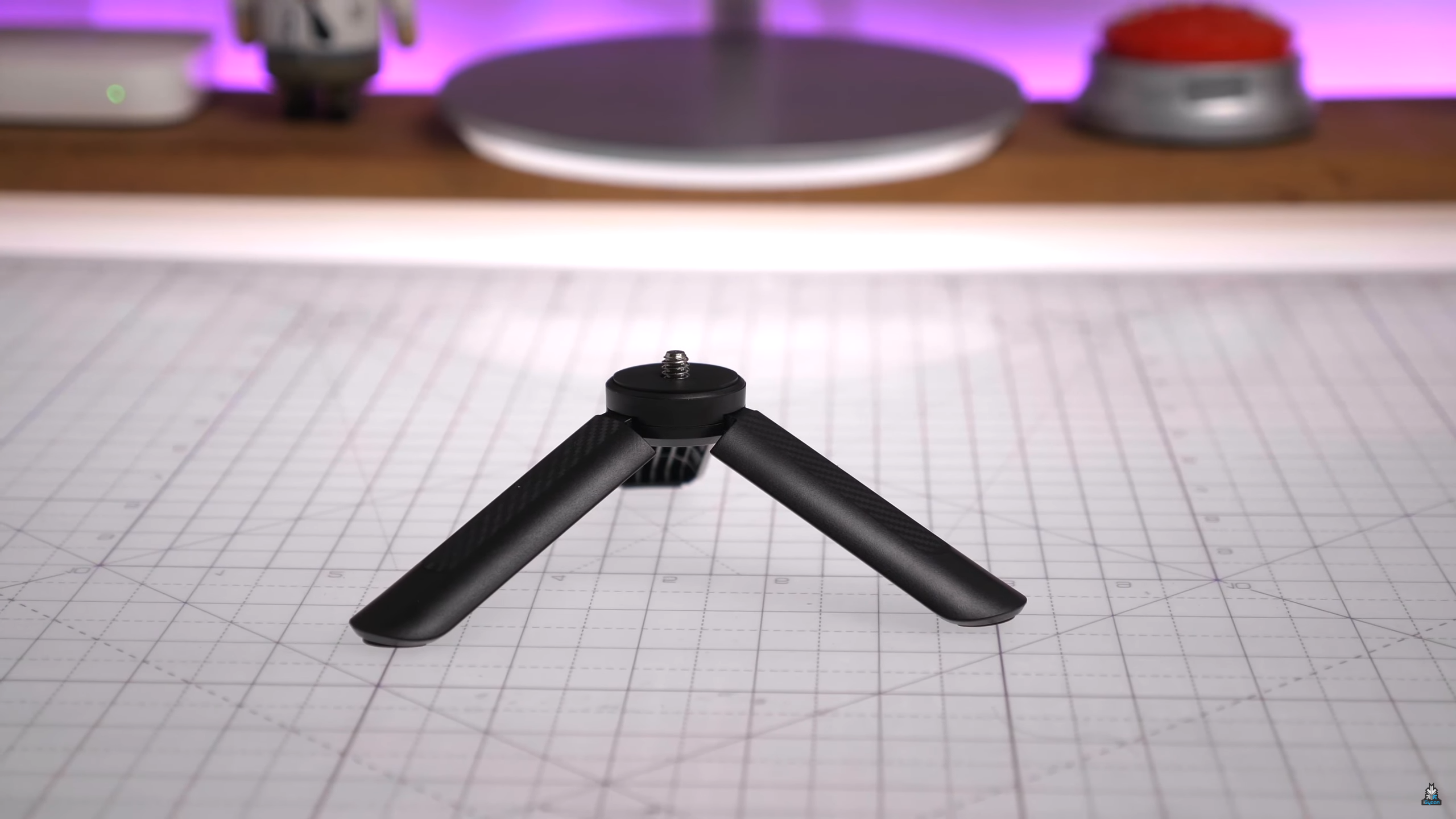
Mini Tripod
Photographers assemble! The Mini tripod is one of the best gadgets under Rs. 1,000 if you’re into mobile photography. There are quite a few varieties of tripod available from the seller, which can be enough for every kind of photographer. The product is foldable and sturdy and can handle the weight of a typical smartphone with ease. It is a good product if you want to click hands-free selfies and some convenience added to your photography experience.
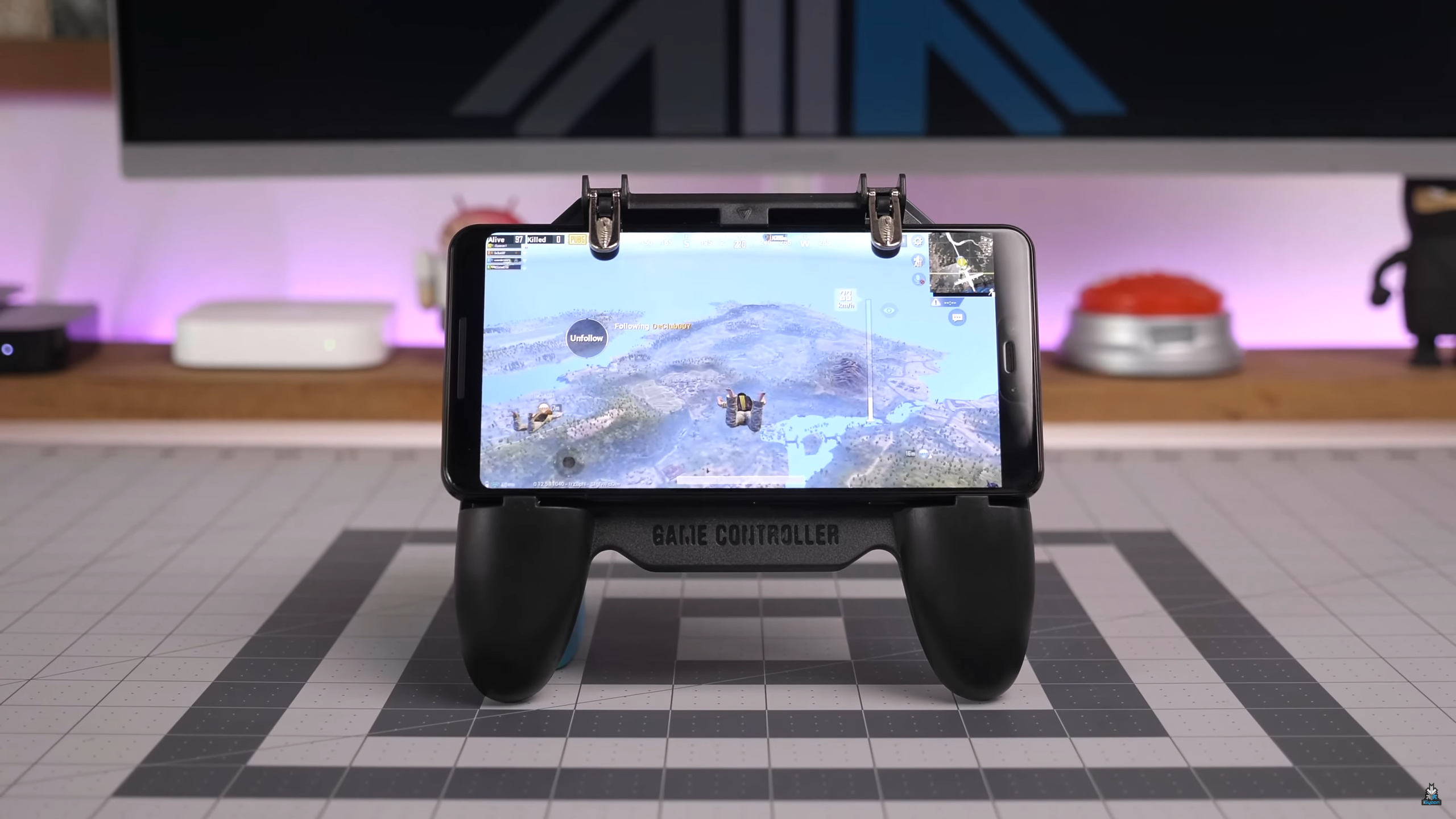
Cooling Gamepad
For all you PUBG Mobile gamers out there, the Cooling Gamepad was made for you. The device features an internal battery for charging your smartphone on the go. And for those long gaming sessions, it has an inbuilt fan for keeping the handset cool in case of overheating. The gamepad has a good grip and two shoulder buttons that can be used to trigger on-screen controls with ease. It makes playing PUBG Mobile a console-like experience and elevates your feeling of victory when you win a Chicken Dinner. It a good Top Tech product under the Rs. 1,000 budget.
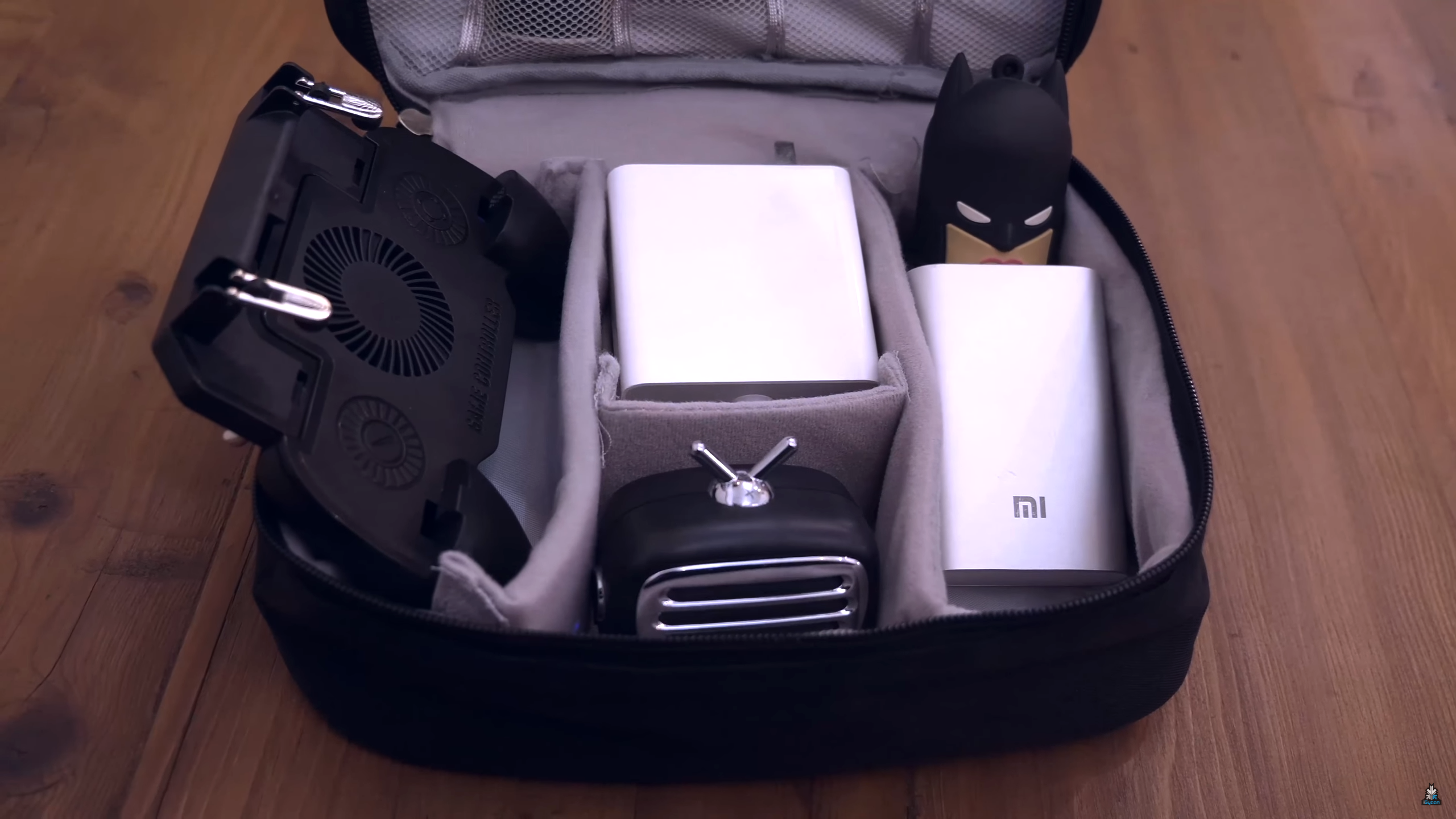
Gadget Bag
The Gadget Bag by House of Quirk is a great product to keep all your important tech products organised. It features a plethora of pockets that can store various items of different sizes inside. The bag is also shockproof and waterproof, so you can use it without worrying. It is a great Top Tech item for gifting as well.
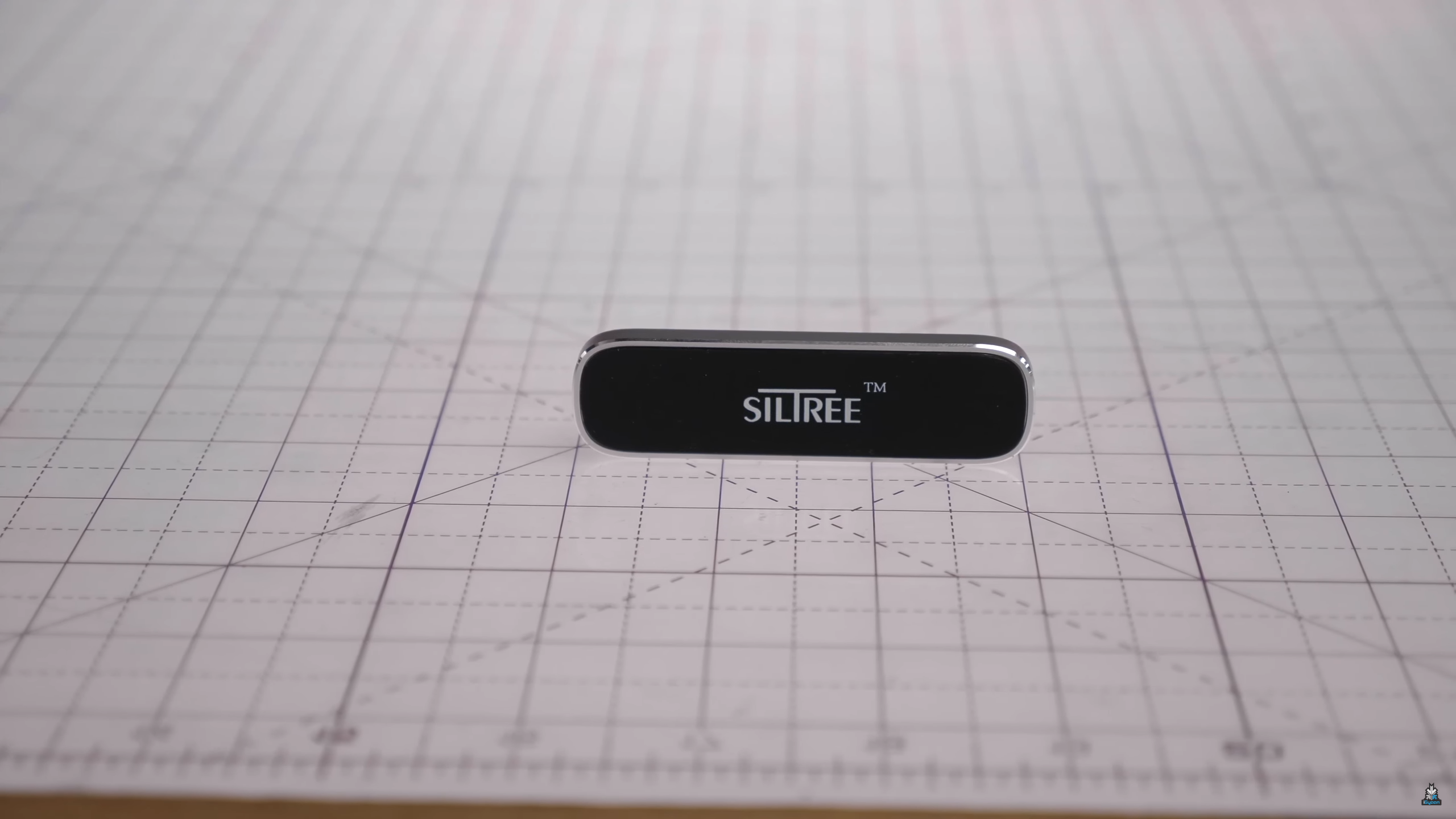
Magnet Holder
In life, a little organisation is always important. That’s where the Siltree magnet holder arrives into play. It features eight strong magnets which can be used to hold electronic devices like smartphones and tablets on a flat surface. Furthermore, it is also a great accessory for use inside a car, as a smartphone can easily be placed on top of it without the worry of it falling.
USB Fan
It is officially summer and the USB Fan is a perfect fit for the season. It features a portable and stylish design which blends into the environment perfectly. Furthermore, it has touch controls on the stand which can be used to turn the fan on or off or adjusting its speed. While the cooling is not perfect due to its small and compact form factor, but it is commendable and should be enough for occasional use.
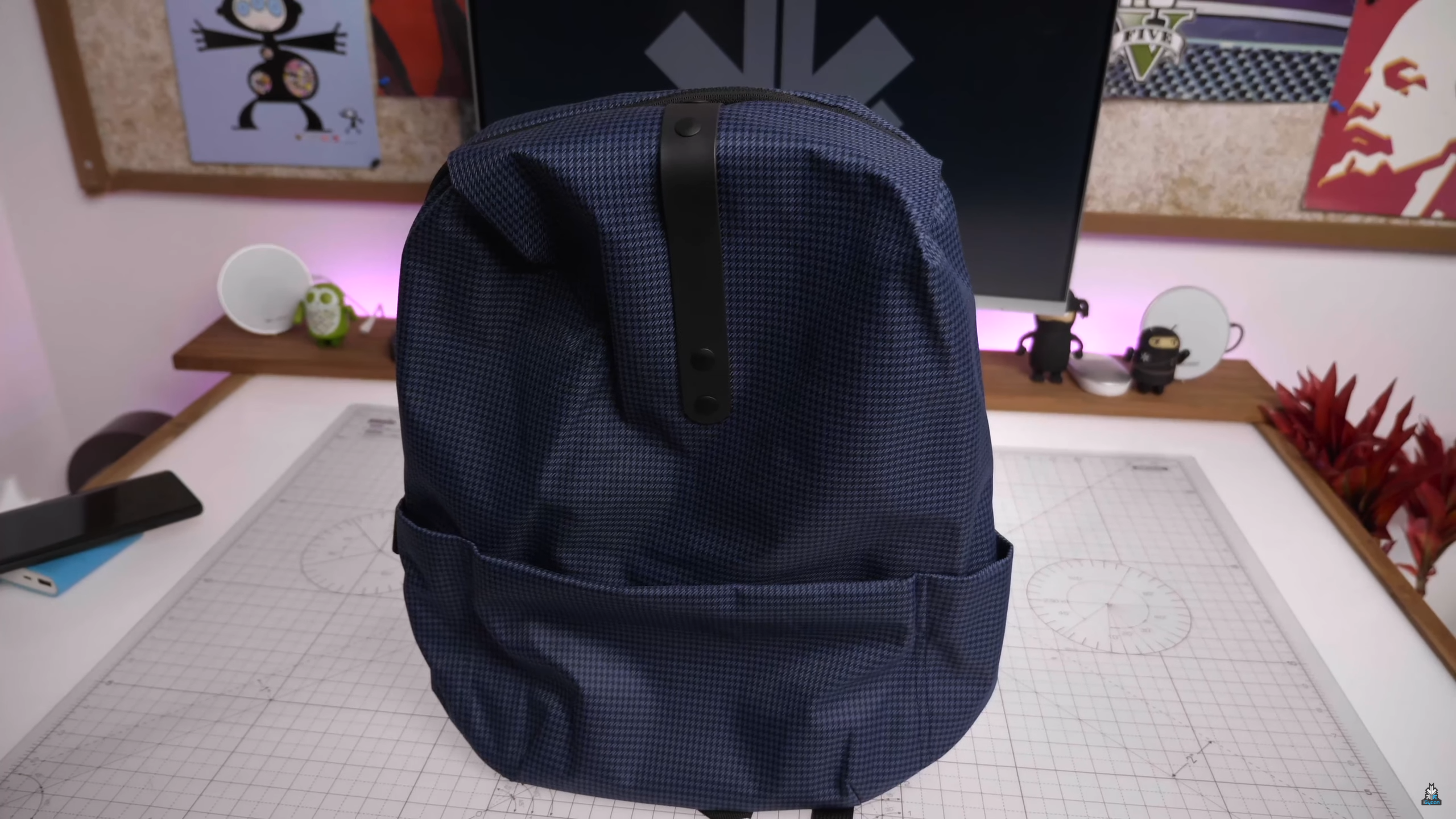
Mi Laptop Backpack
The Xiaomi Mi Backpack, like other products from the company, is an affordable alternative in backpacks. It has a stylish design with a major pocket that can house laptops and notebooks with ease. The bag is also water resistant so it can survive a life in the real world. It is a great top tech product under the budget of Rs. 1,000.
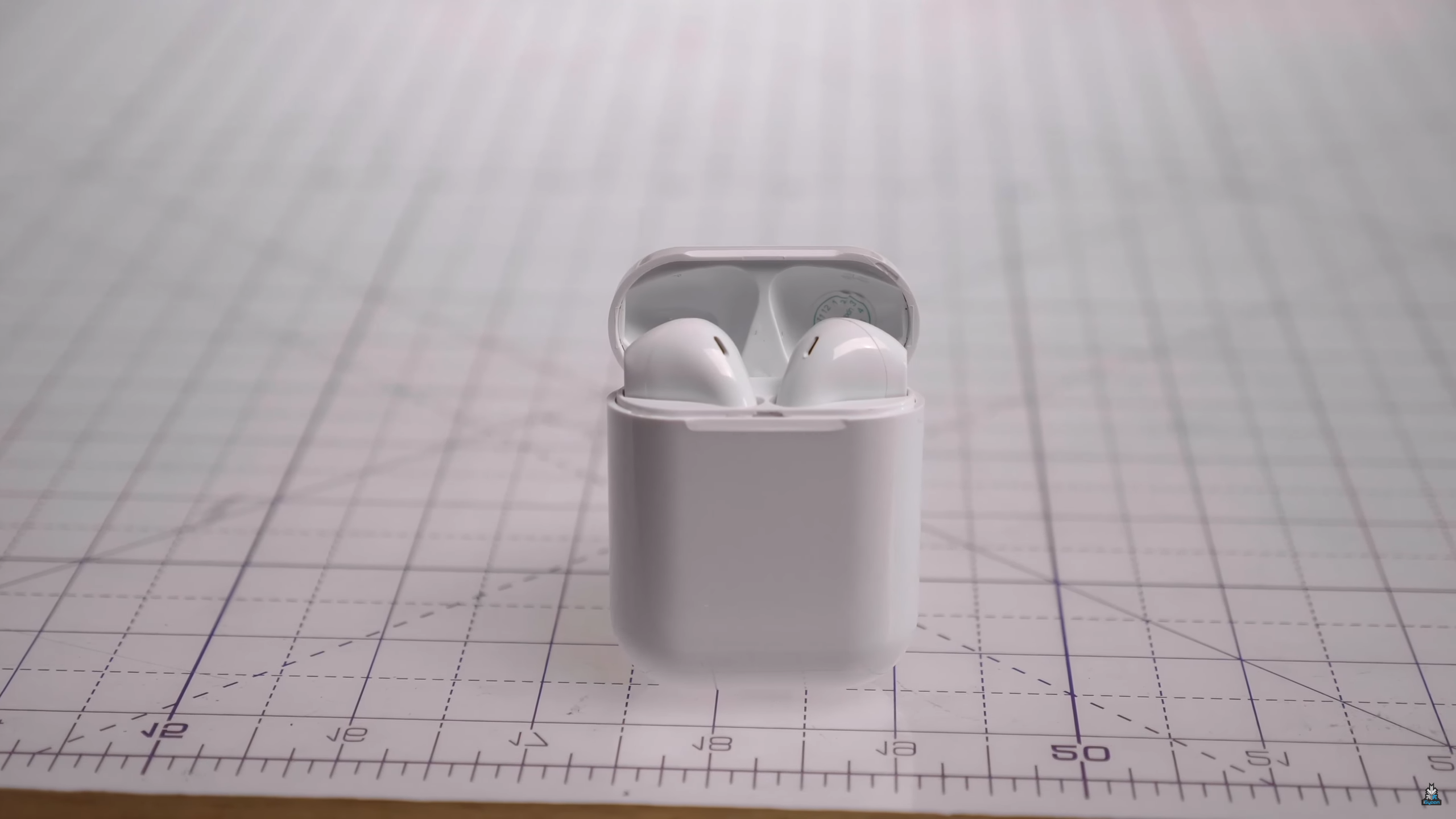
I9 Truly Wireless Earphones
Want AirPods but are on a budget? The I9 Truly Wireless Earphones are here for you. It features a design reminiscent of the Apple AirPods which makes them look way more premium than they have any right to be. The case of the headsets is also similar to Apple’s offering, with a similar deisgn and size. It can be charged via a USB Type C port and the earphones themselves sound good for the price. They have a punchy bass and medium treble.
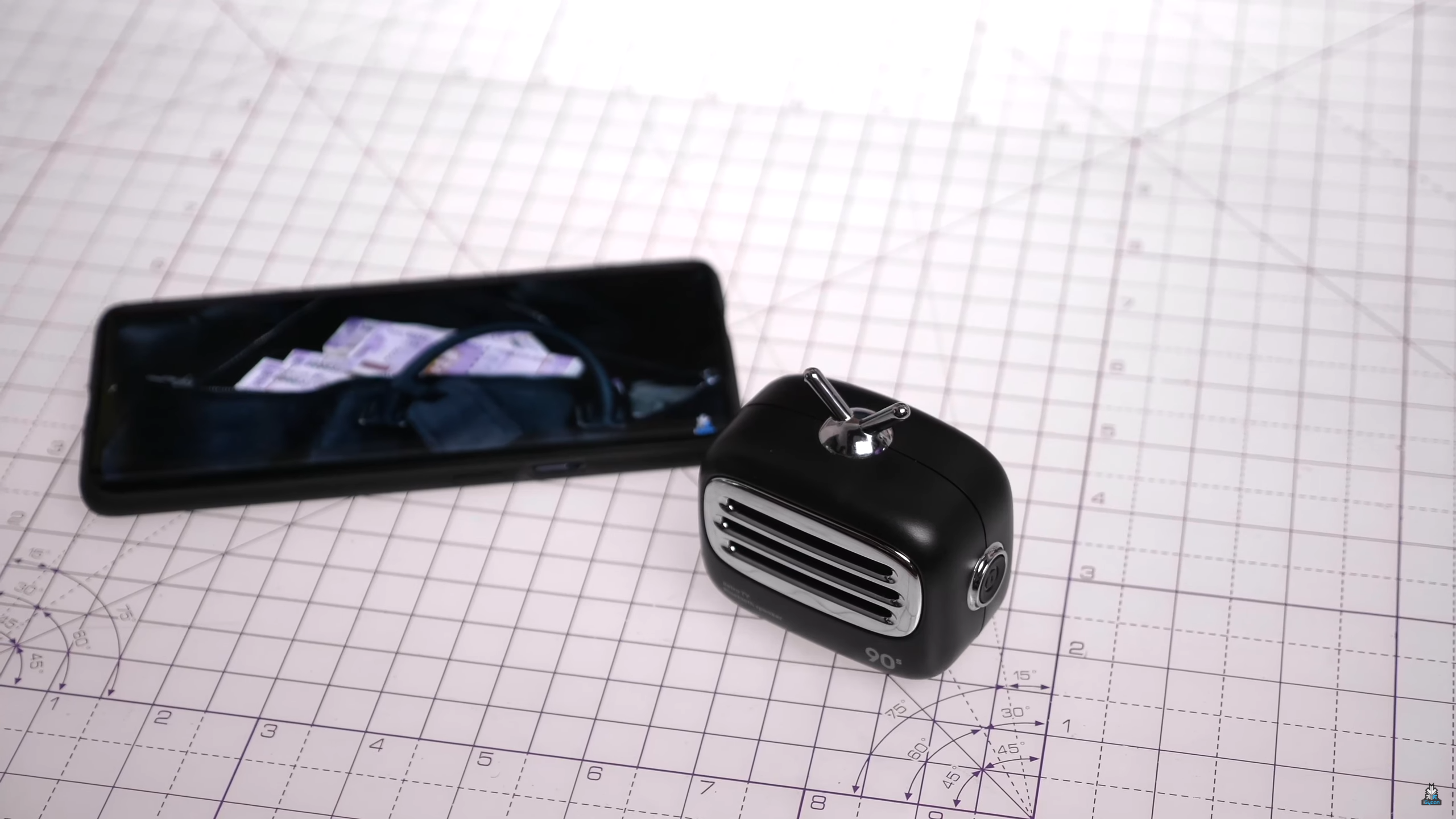
Claw A2 Retro Speaker
The cute little Claw A2 Retro Speaker is one of the best looking products in the price range. Besides providing a strong nostalgia of classic radio, the speakers feature a very compact and good looking design. It has all the control on the outside and has a 1000 mAh battery inside for a long listening time. In terms of sound quality, it sounds great for the price. The speakers have a loud and clear output, with a balanced sound altogether.
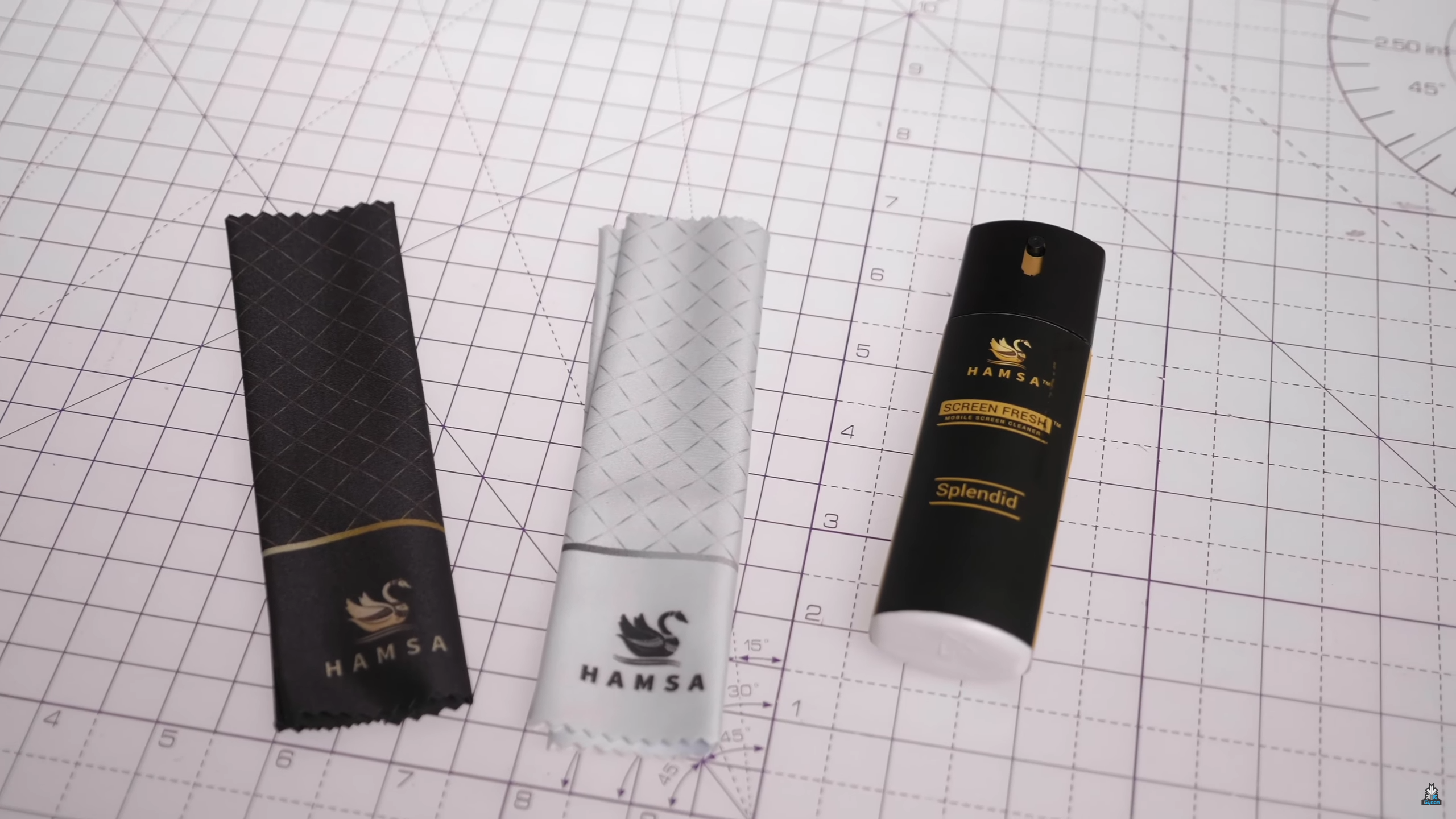
In this day and age, an always clean smartphone, tablet or a laptop seems like a distant dream. The Hamsa Screen Cleaner makes that dream a little simpler to achieve. It ships with two microfiber cloth in the box and has a perfumed antibacterial inside the screen cleaning liquid. This helps it clean the device’s screen more effectively and also leaves it smelling good in the process.
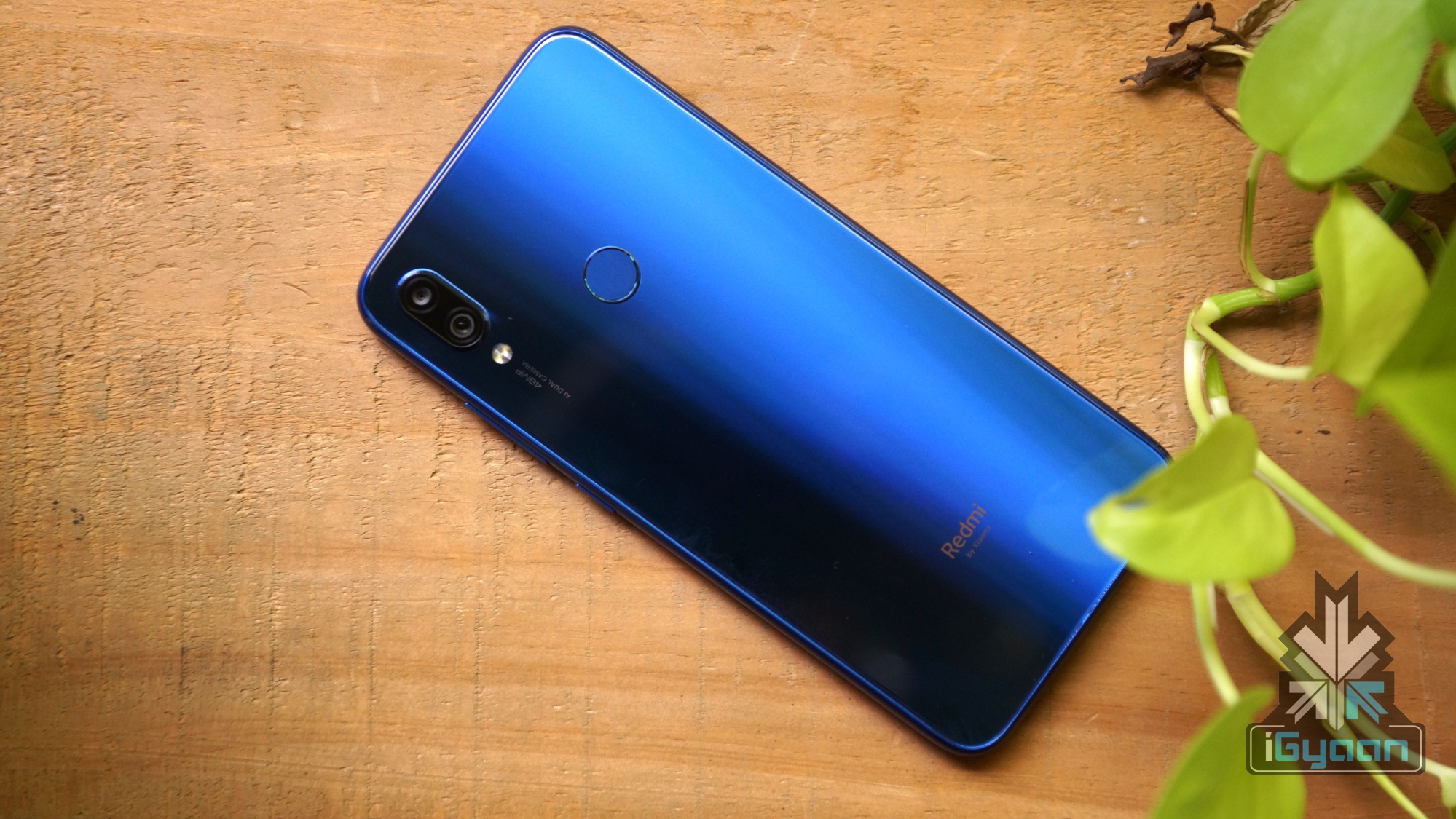
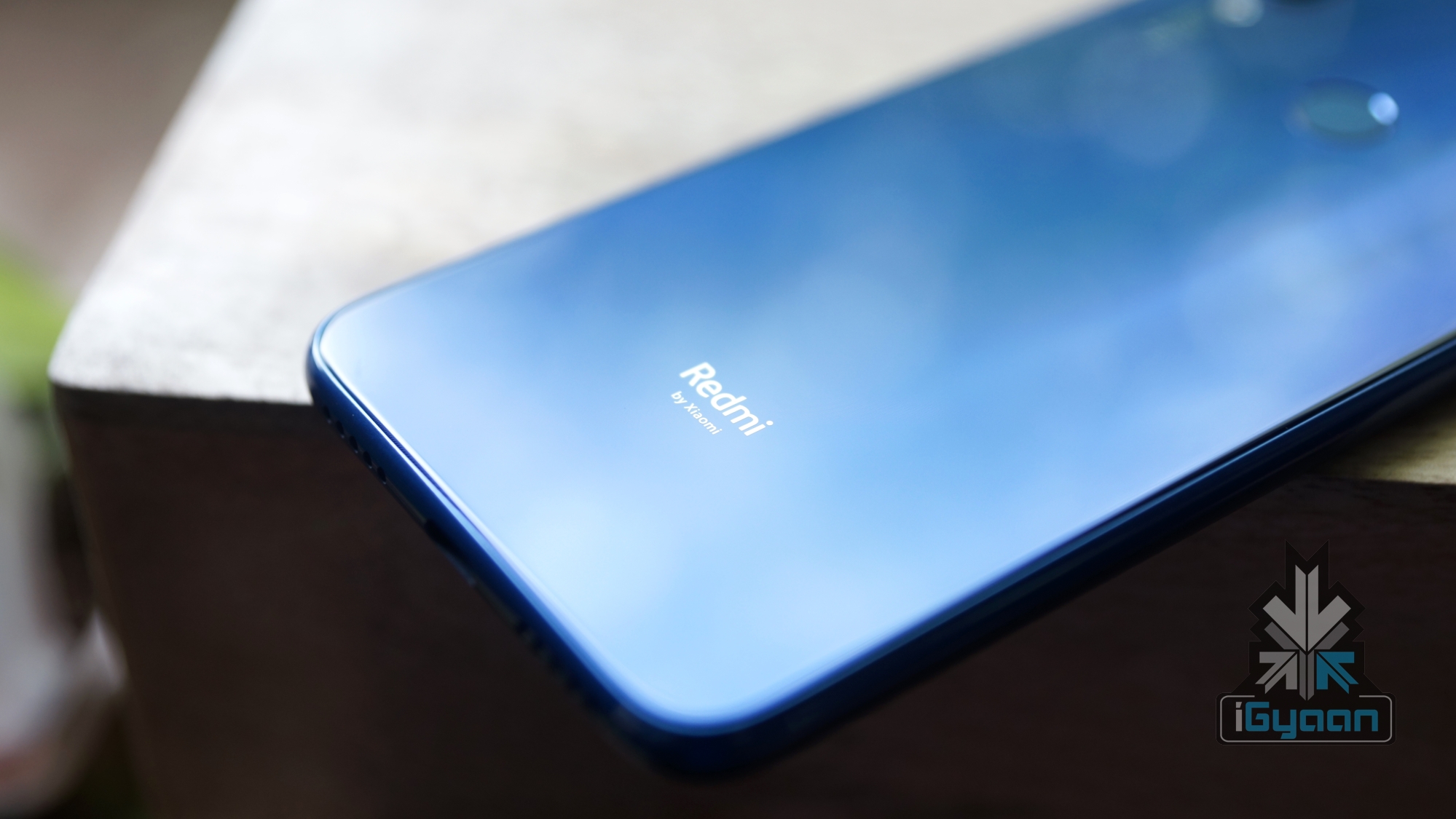
The Redmi Note 7S is the latest smartphone from the Xiaomi subsidiary. It is the most affordable device in the market currently to feature a 48MP primary camera. It has a glass design on the front and back with an attractive gradient back panel. The handset runs on the mid-range Snapdragon 660 SoC which is comprised of an Octa-core CPU and the Adreno 512 GPU.
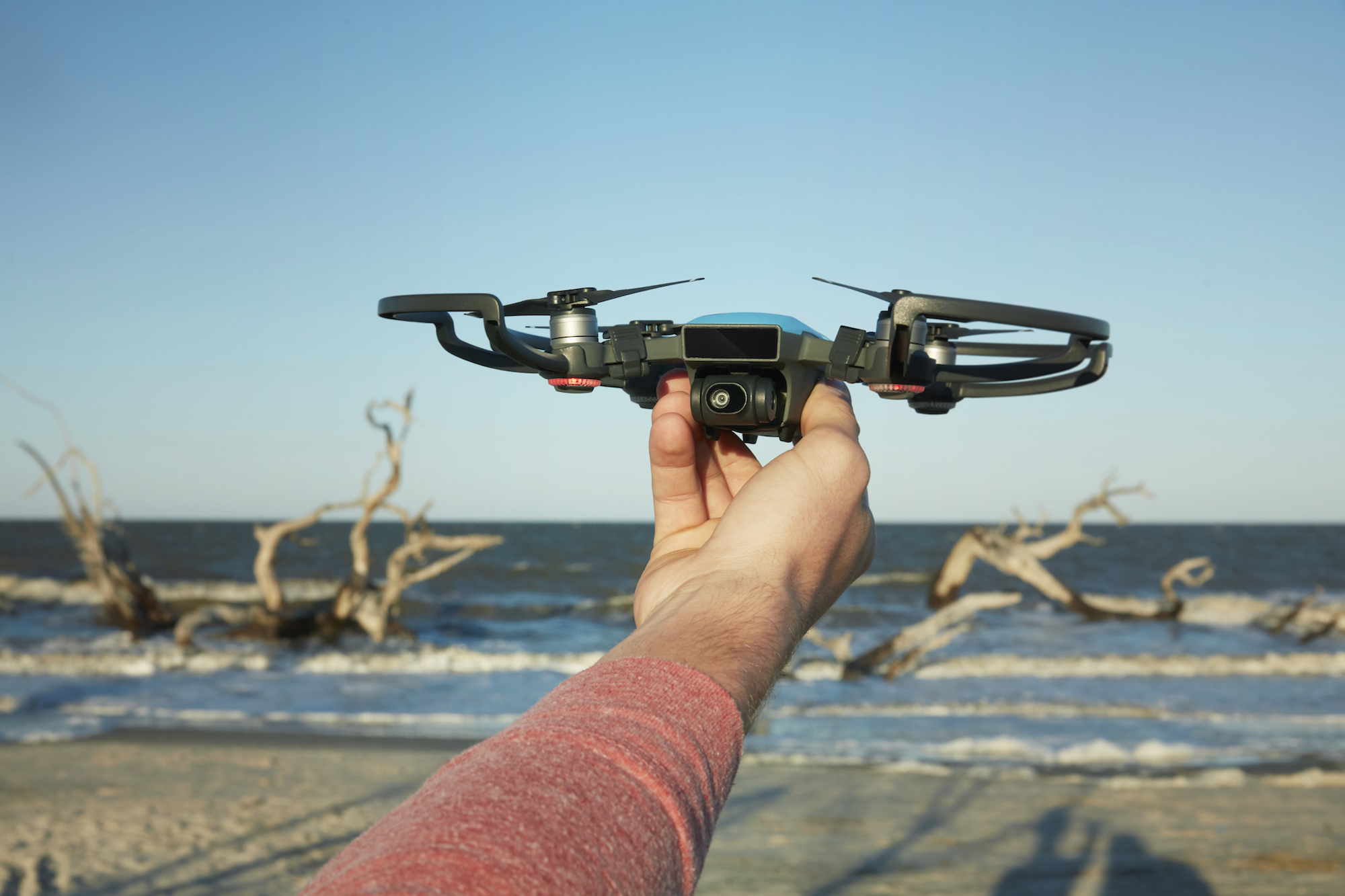
The Department Of Homeland Security (DHS) of the United States has issued an alert against the Unmanned Aerial Vehicles (UAV) or drones manufactured in China. In a report provided to a renowned media house, the department claims the drone sends flight data to the manufacturers. And given the latest stance by the country over spyware, it is expected that DJI, a major Chinese drone maker who sells about eighty percent of the total drones in the US and Canada; may be banned from the country as well.
This news arrives after the latest trade ban imposed by the country on Chinese telecommunications giant Huawei. While the ban has been suspended for 90 days, the increasing trade war between the US and China is expected to further rise because of the fresh statement.
About The Alert
As mentioned above, the Department of Homeland Security has alerted the users of drones manufactured in China that their flight data is being sent back to the manufacturers. This data can be accessed by the Chinese government which it can further use for spying purposes. According to the Department, the drones pose a potential risk to an organisation’s information. This is because the products contain components that can be used to compromise the user’s data and share their information on a server accessed by the Chinese government. And while a brand or a product is not mentioned specifically mentioned in the report, popular drone maker DJI seems to be that can be affected if the US decides to ban China made drones in the country.
DJI is a Chinese manufacturer headquartered in Shenzhen and is really popular globally for its drones. As is previously mentioned, they have over 80 percent of the market in the US and Canada. So in a case where the country decides to ban their products, the revenue of the company can take a hit substantially. It has clarified to its customers in a statement which notes that its products provide full and complete control over the security of their data. The users can decide how their data is stored, collected and transmitted.
Japanese technology giant Sony revealed a few key details about its next generation of gaming console a few weeks ago. This device assumed to be called the PlayStation 5, will be the successor to the PlayStation 4 launched in the year 2014. Now, a video has been posted on microblogging website Twitter of a corporate strategy presentation by Sony. This video shows off the loading speeds of the PlayStation 5 and compares them to the last generation to showcase the upgrade in the load times and rendering.
PlayStation 5 Loading Speeds
Sony's official video comparing performance of PS4 Pro vs next-gen PlayStation pic.twitter.com/2eUROxKFLq
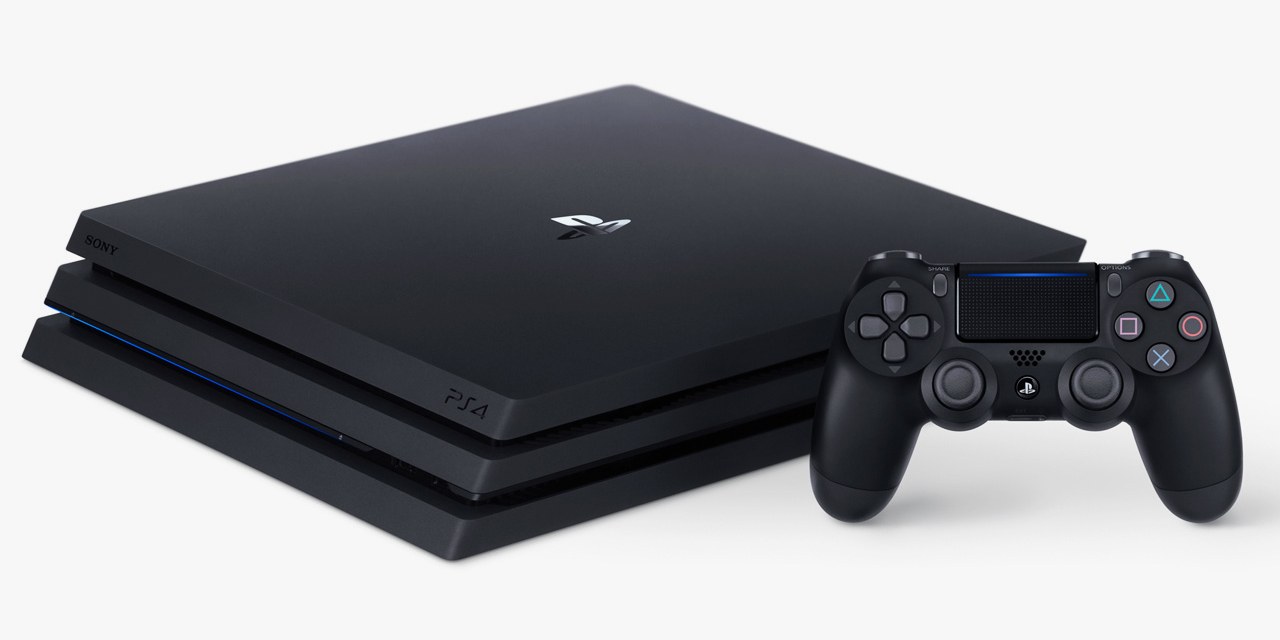
The video shared on Twitter compares the load times of Sony’s latest console, the PlayStation 4 Pro; and the upcoming PlayStation 5. In the video, the former registers a load time for a scene to be around 8 seconds. When the video from the latter is shown, it is noted the gaming console achieves a staggering load time of around 0.8 seconds. This is around 10 times faster than the company’s last console and is thus expected to be a major upgrade. The video further shows a scene being rendered on both the consoles. The PlayStation 4 is shown suffering in rendering complex scenes while the PlayStation 5 on the other hand; churns through the scene with ease and outputs a faster time than the former.
Sony PS5: Expected Features
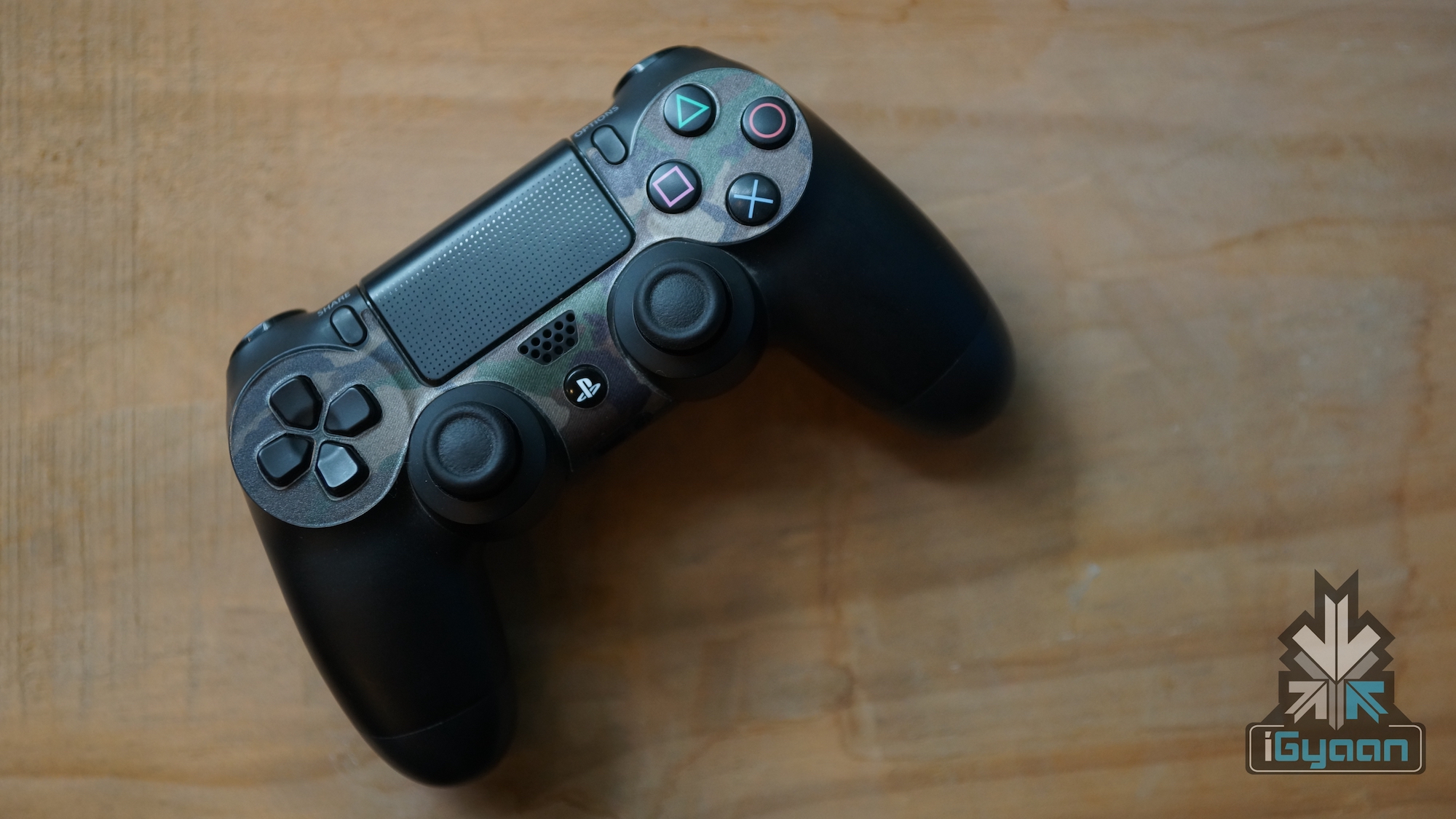
PlayStation 4 Pro
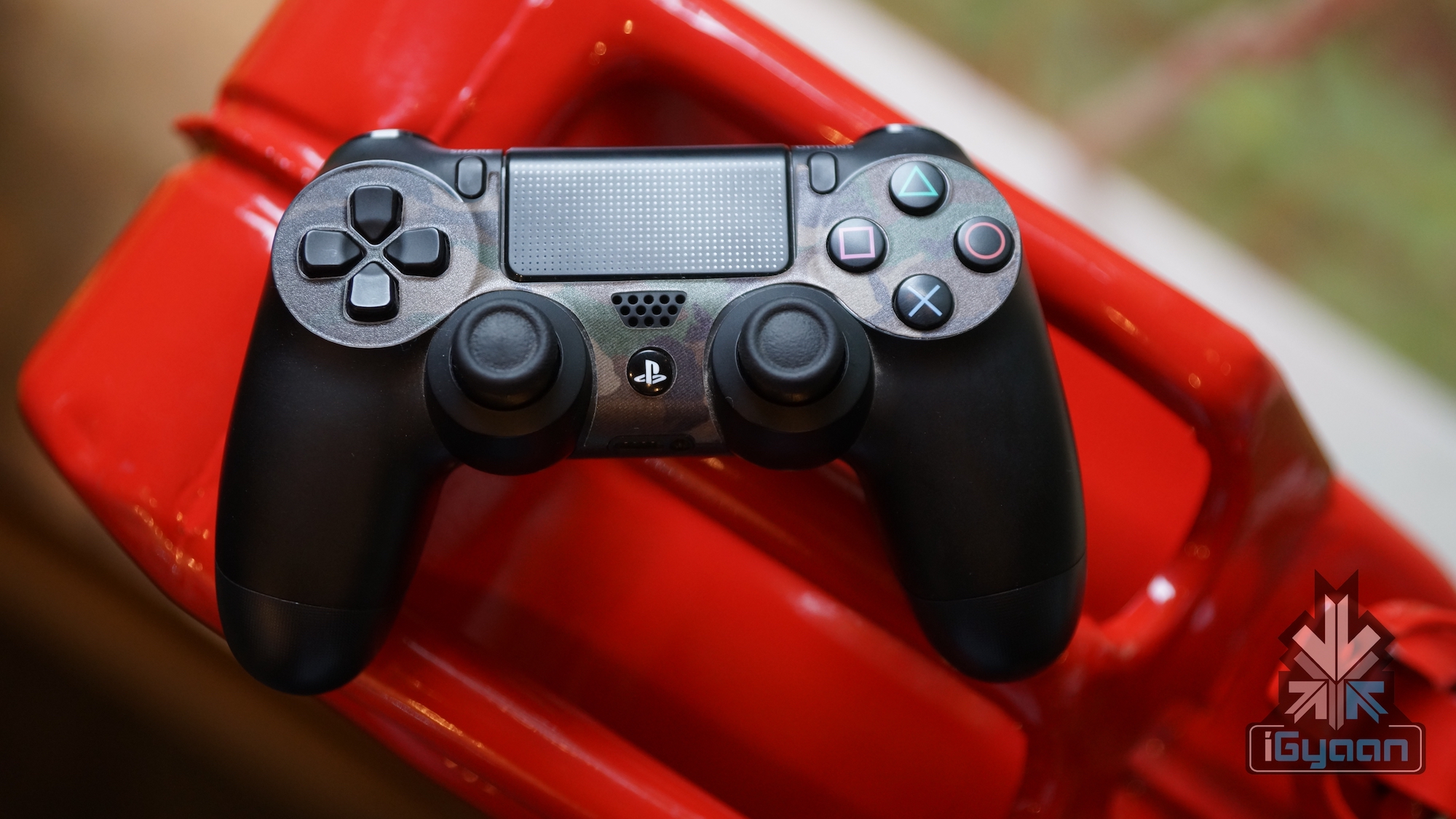
Sony previously revealed information regarding some features of the upcoming console. For instance, the PlayStation 5 is expected to sport 3D audio technology, which will enable gamers to have immersive gaming experience. Another speculated feature of the PS5 is the incorporation of a Solid State Drive or an SSD. This will lead to visibly faster game load times and seamless switching between various applications within the console’s interface.
The Sony PlayStation 5 is expected to be the first console to sport 8K resolution gaming. Of course, to take full advantage of the same, gamers will need to plug in their console to an 8K supported panel, but Sony making a move for future-proof gaming will surely be appreciated. Last but not least, some new PS5 games may support Ray Tracing. Ray Tracing simulates the interaction of real-world light with real-time objects in the game, which leads to lifelike graphics rendering. Battlefield 5 was the first game to support Ray Tracing on NIVIDA RTX powered PCs, and we can expect developers to release more titles in accordance with Ray Tracing technology if consoles start supporting it too.
The PlayStation 5 is not expected to release anytime soon though, in fact, reports state that the PS5 may not see the light of day before the year 2021. However, other sources state that the PS5 might make its way into the market by the end of the year 2020. Either way, Sony is known for releasing their consoles according to a 7-year-product-cycle so something along the aforementioned lines can be expected for sure. It is expected to be priced somewhere around US$ 550 (~INR 39,000) considering that the price of the PlayStation 4 Pro was US$ 400 (~INR 31,000). Furthermore, companies like Nintendo and Microsoft may release their gaming consoles around the same time, which may provide some solid competition to Sony’s console.
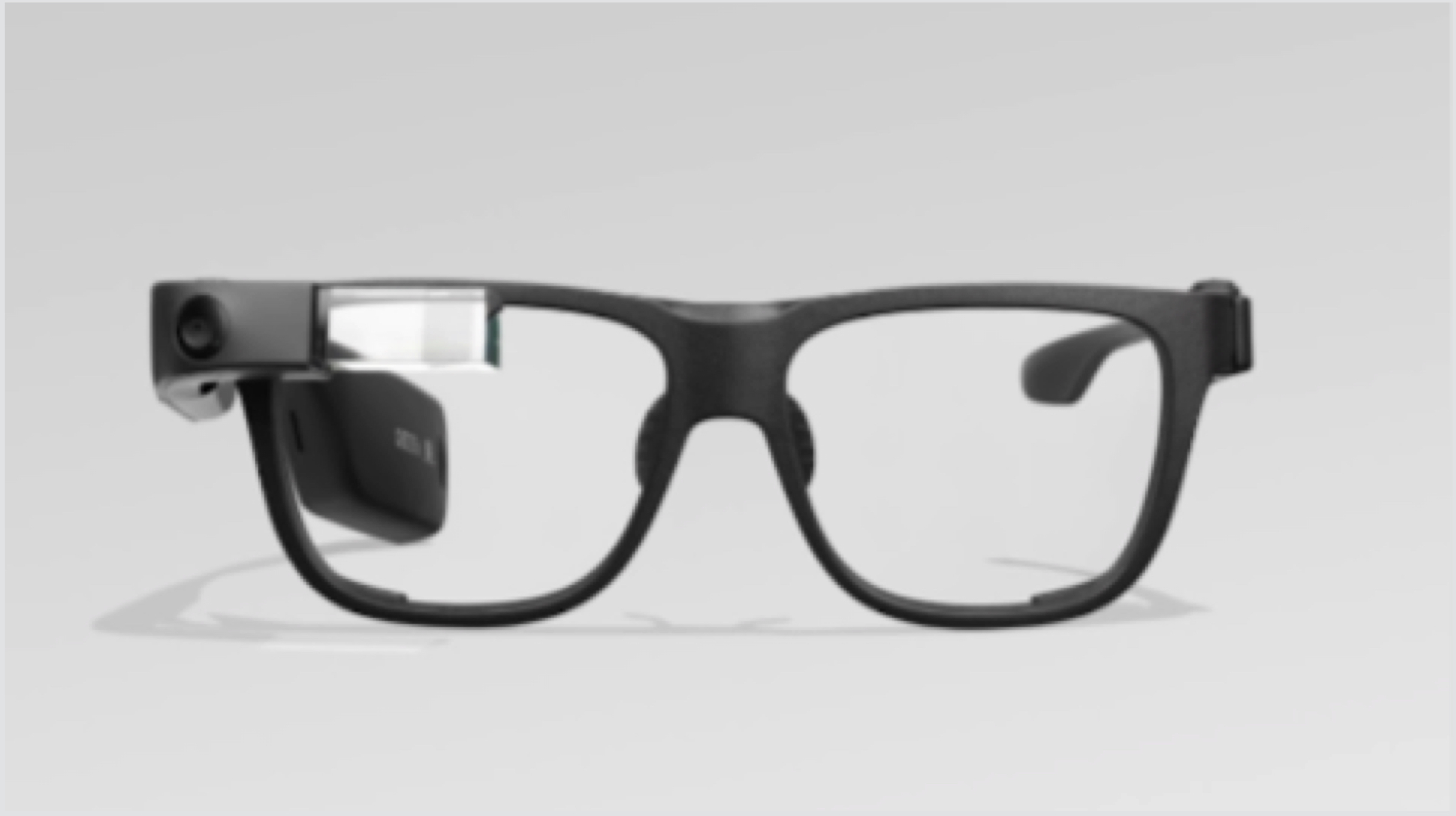
American technology giant Google has announced the Glass Enterprise Edition 2 in a blog post. The smart wearable was announced on the 20th of May and is the successor to the original Glass Enterprise Edition launched in the year 2017. The product focusses towards workers in certain industries that assemble intricate products and boasts of improving efficiency and precision in areas where it is required the most. It is touted as a considerable upgrade over its predecessor with improvements in performance, camera and usability.
Google Glass 2 Enterprise Edition
The Glass Enterprise Edition 2 doesn’t stray away from its predecessor’s design. It features a spectacle-like frame, hence the name and a heads up display with a camera on the front. The wearable runs on the Qualcomm Snapdragon XR1 platform. It is claimed to feature a significantly powerful CPU over the original Glass. The chipset also has a new Artificial Intelligence (AI) engine, which enables power savings, better performance and support for advanced machine learning. The Glass Enterprise Edition 2 also boasts of improved camera performance and quality, which will reportedly help in shooting first-person video streaming. A USB Type-C port is present on the frame for charging, which also supports fast top-ups.
When the first Google Glass was released, it was marketed as a commercial Augmented Reality (AR) headset. But due to complaints regarding the privacy of the users, it was later reinvented for surgeons, factory workers and people working in enterprises. The company has claimed in its blog post that many enterprises have had a profitable outcome since they started using the Glass Enterprise Edition. And the second generation will only see the number going upwards. The Glass Enterprise Edition 2 has been launched at a price of US$ 999 (Rs. 69,700) and will not be available commercially.
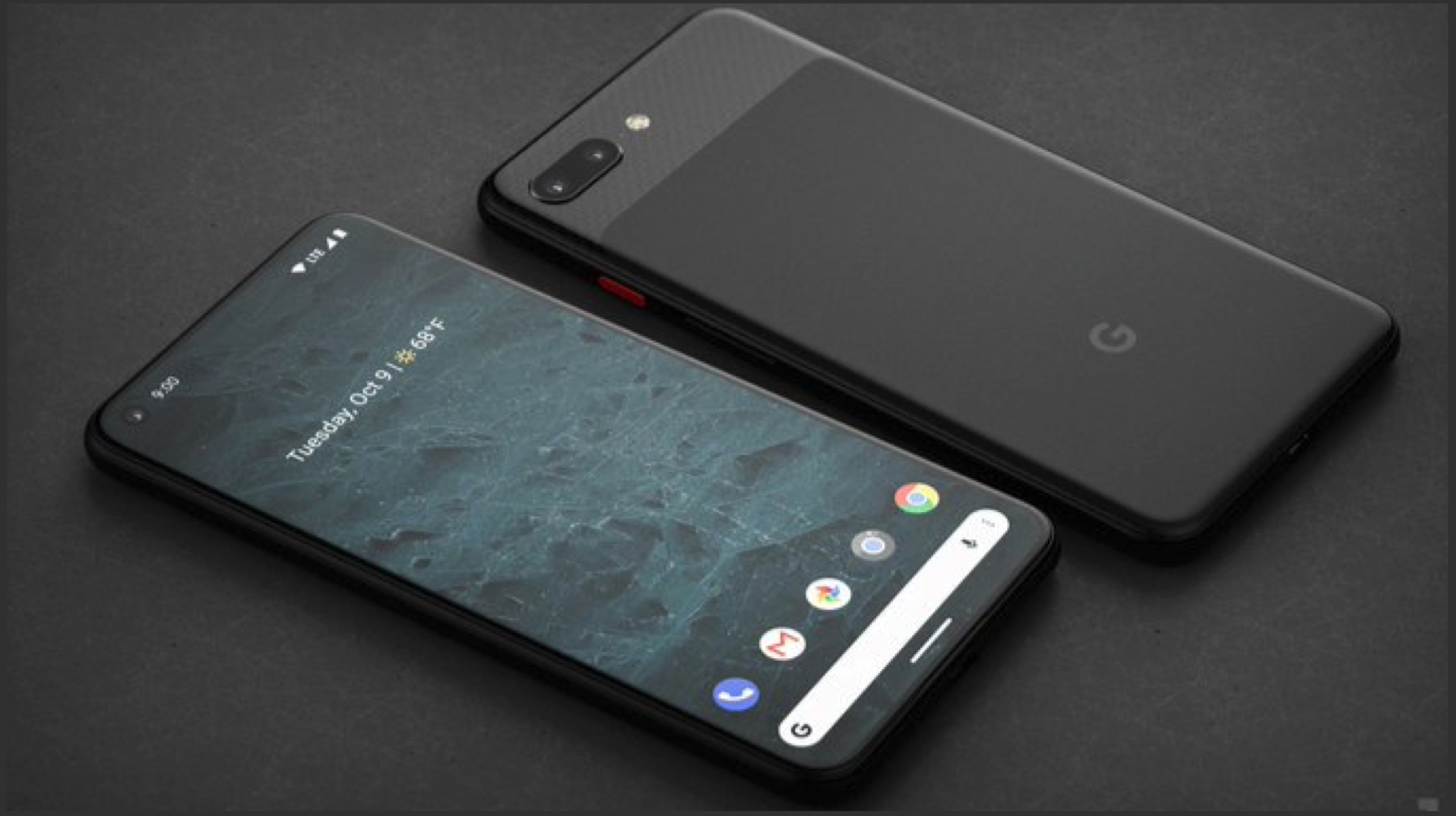
Google launched the original Pixel and Pixel XL smartphones back in the year 2016. They were the first mobile devices to feature the made by Google branding and were highly appreciated for their software and cameras. Since then, two more generations of the handsets have been announced called the Pixel 2 and Pixel 3 series respectively. It is expected that the company will launch the newest Pixel smartphones, presumably called the Pixel 4 and Pixel 4 XL in the month of October later this year. While the announcement is still a few months away, fresh renders of the devices based on previous leaks have already been posted by a concept maker on Twitter. These renders provide an idea of what the handsets may look like at the time of launch.
Pixel 4 Renders
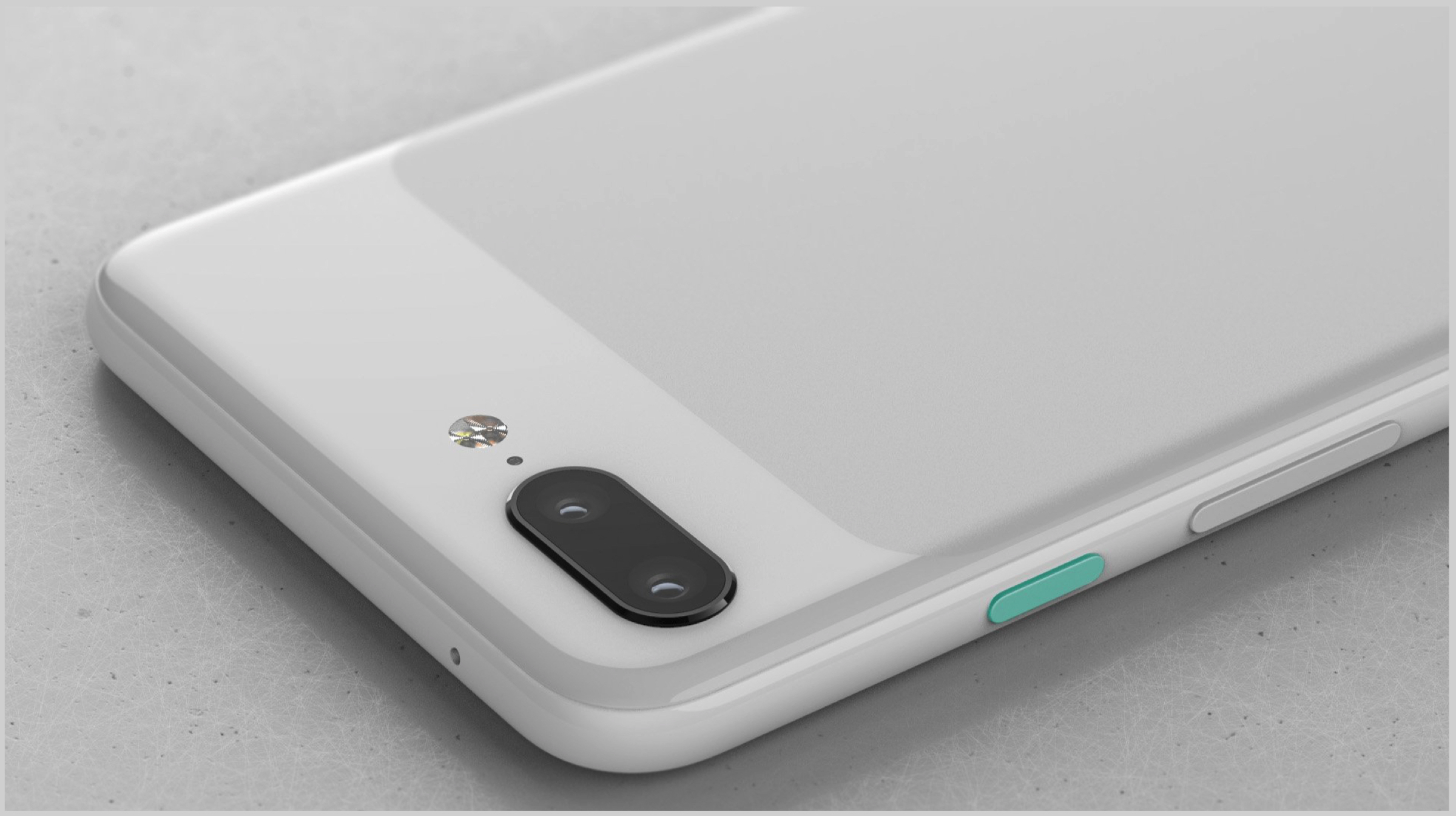
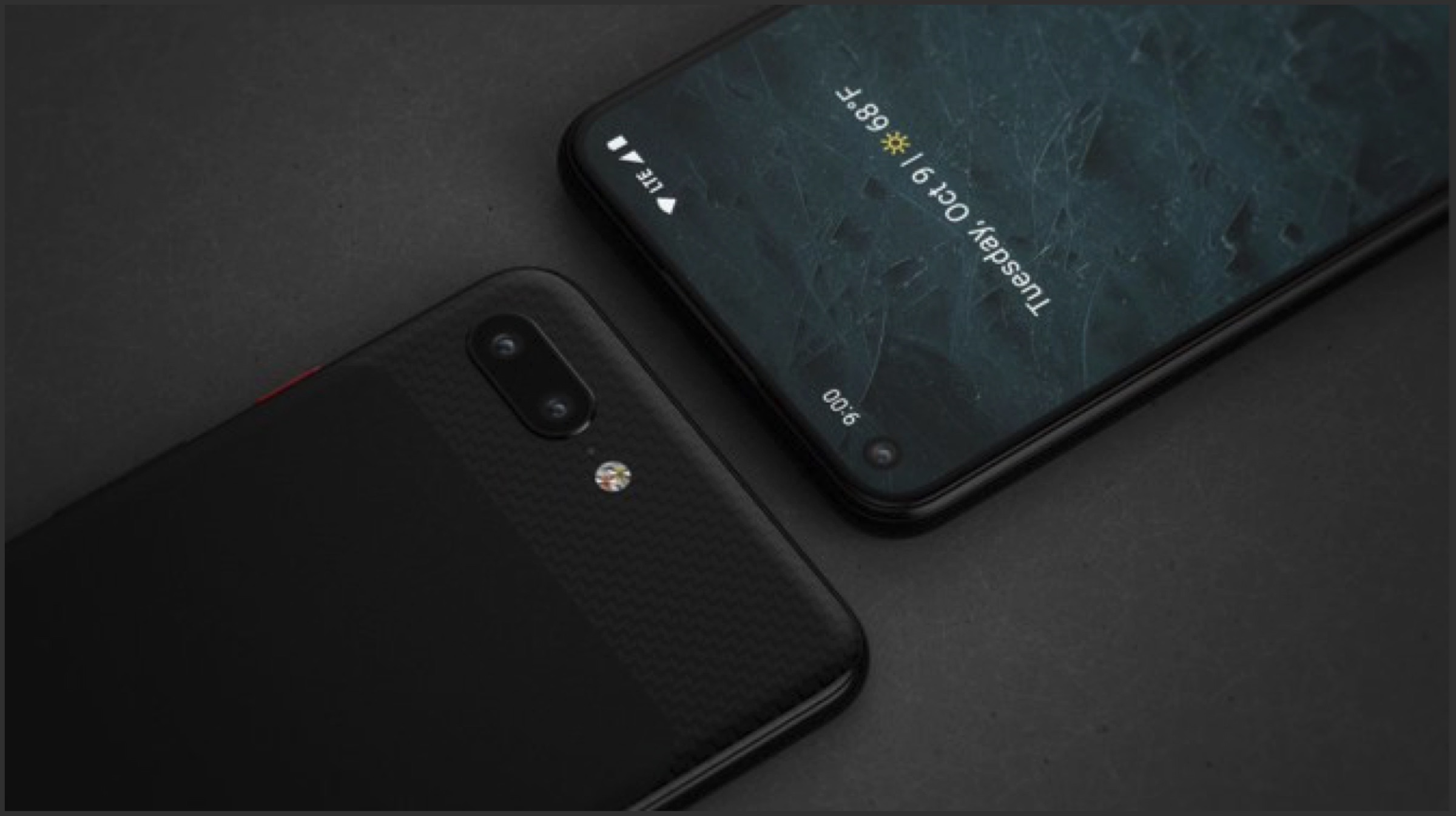
It is expected that just like every year since 2016, Google will release two devices in the Pixel lineup. As mentioned above, they are assumed to be the Pixel 4 and Pixel 4 XL. The renders reveal the upcoming handsets will have a drastically different design than its predecessors. The smartphones are reported to be constructed out of metal and glass like the Pixel 3 series with the same dual tone finish at the back. On the front, however, a large display dominates the exterior with a hole punch style cutout on the top left corner of the display. The right side of the smartphone houses the coloured power button and the volume rockers while the left side remains empty.
The top of the Pixel 4 features just the secondary noise cancellation microphone; while the bottom will have the USB Type-C port and the speakers. Like the Pixel 2 and 3 series, the smartphones are expected to retain a stereo speaker setup and will not feature the 3.5mm headphone jack. The rear is where the Google Pixel 4 might differ from its predecessors the most. There is no physical fingerprint scanner in sight, which insinuates it will be present inside the display; and might be an ultrasonic sensor similar to the Galaxy S10 lineup. All the devices in the Pixel series have had a single rear camera, but the upcoming handsets are expected to feature two cameras on the back. These are reported to be a primary camera combined with an ultra-wide angle lens.
The Pixel 4 series seems to be a major design upgrade over its predecessor; and will compete against the upcoming Galaxy Note, newest iPhones at the time of launch. While the renders of the upcoming Google smartphone seem plausible, it is recommended you take them with a pinch of salt, as there is still time in the official announcement.
World’s most selling smartphone OEM Samsung launched its latest flagships, the Galaxy S10 series back in the month of February. The company is known for refreshing its flagship lineup twice a year, once in the first quarter of the year with the Galaxy S series; and the Note series in the second half. While details about the Note 10 have just started to trickle (1,2,3), a renowned and trustworthy leaker of Samsung products has shared the codename of the purported Samsung Galaxy S11 which is expected to release next year. The handset is allegedly called “Picasso”.
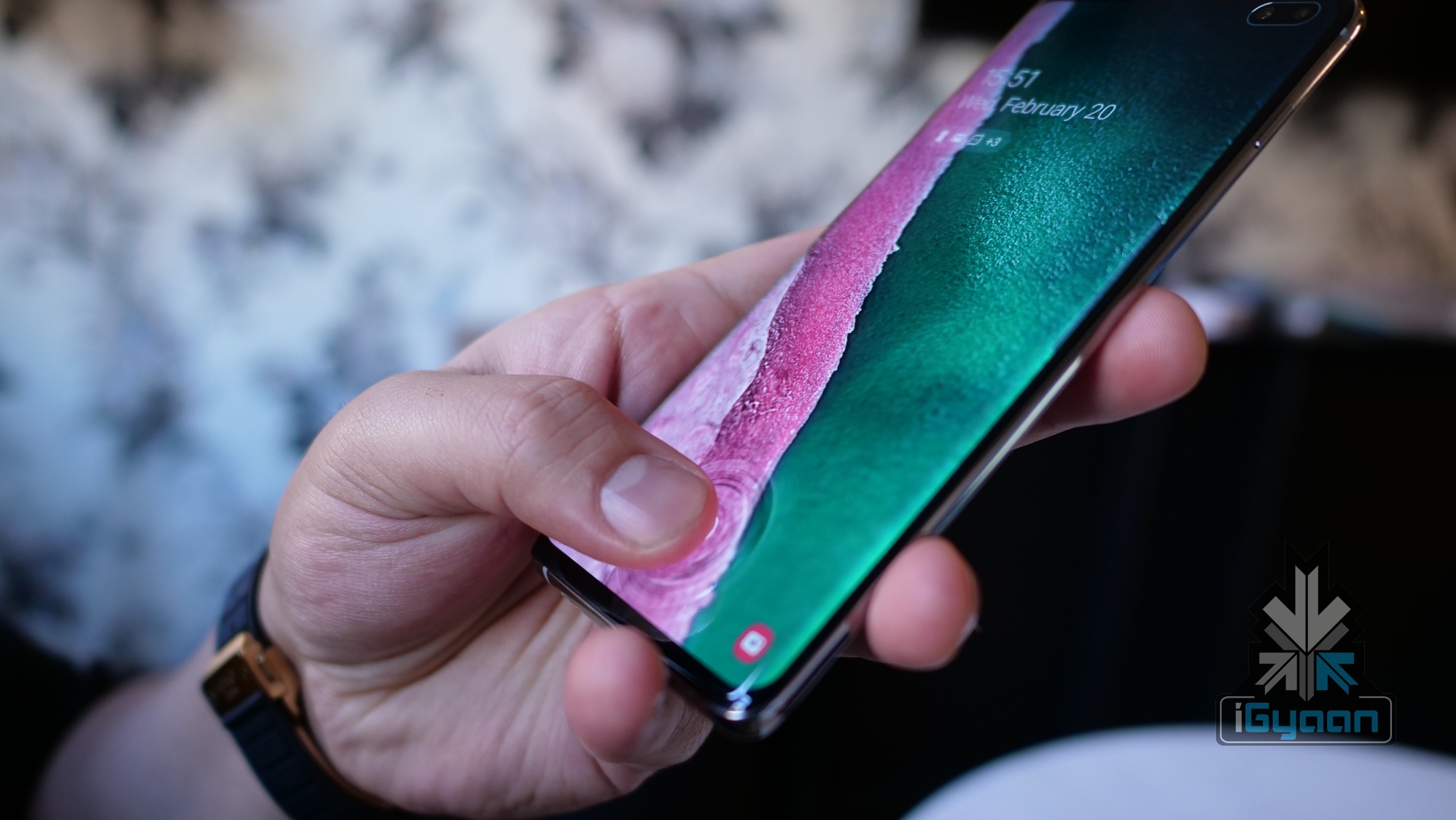
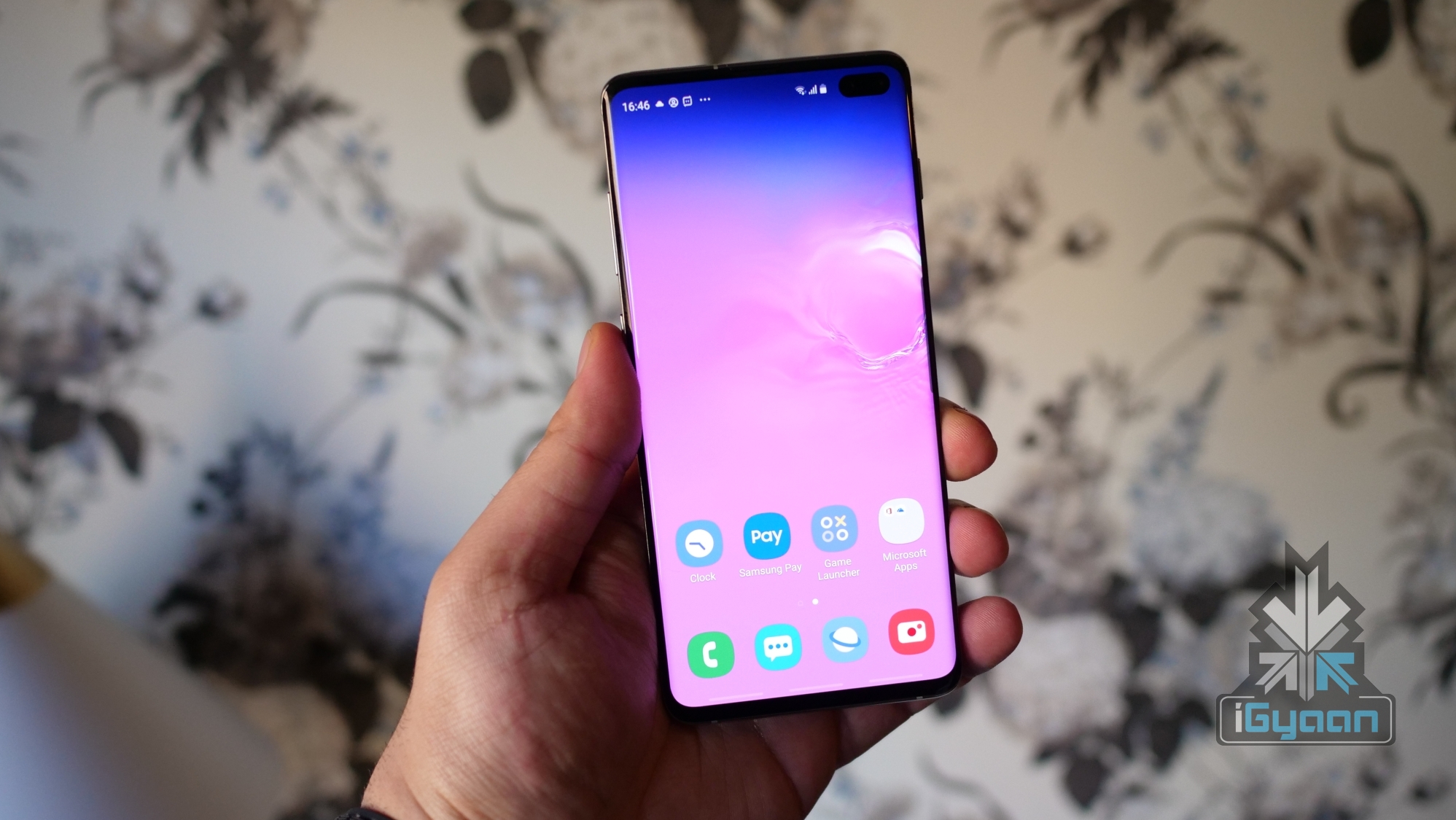
Like mentioned above, the upcoming Galaxy S11 flagship smartphone from Samsung is claimed to be codenamed “Picasso”. If not known, Pablo Picasso was a famous Spanish artist in the 20th century who is known for many sculptures and paintings like Guernica made in the year 1937. While the leak doesn’t mention anything other than the code by which the device is referred to as inside the company’s Research & Development team; it is speculated the name is related to the handset’s design. Samsung already made a big leap in the deisgn department with the Galaxy S10 series. The company implemented the hole punch display and is credited with bringing it to the mainstream market. The upcoming Galaxy S11 may also be a revolutionary step in terms of design.
The codename “Picasso” of the Samsung Galaxy S11 seems plausible; because previous leaks of the Galaxy Note 10 revealed it has the codename “Da Vinci”. This is an ode to Leonardo Da Vinci who was an Italian artist best known for his painting “Mona Lisa”. So, the sudden interest of the company in history’s best artists does give a hint that the next Galaxy flagships will be (literally) a work of art.
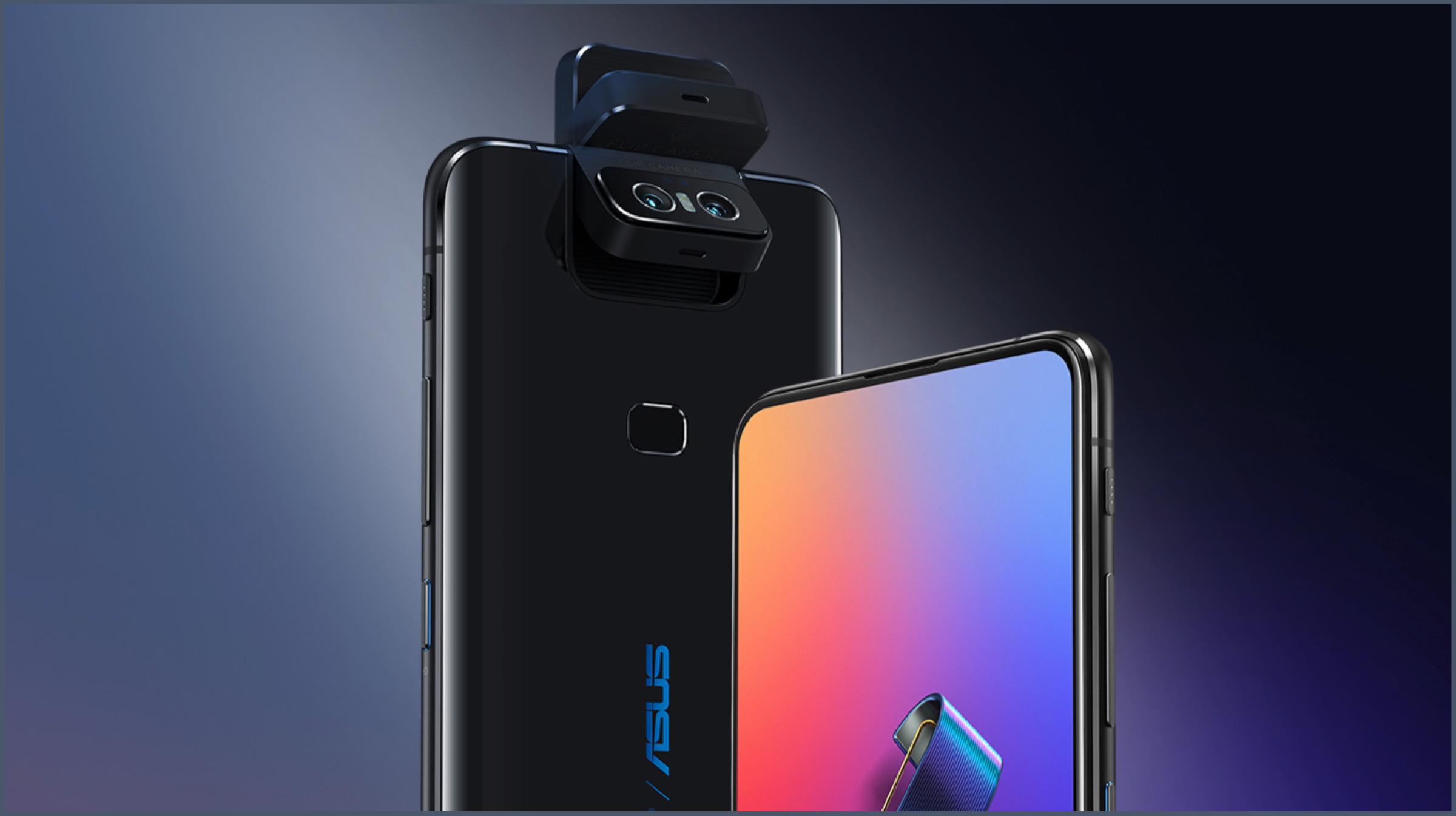
Asus launched its latest flagship smartphone, the ZenFone 6 at an event in Valencia, Spain on the 16th of May. The device boasts of a modern design with unique camera setup. Unfortunately, the company did not announce when the handset will be announced for the Indian market at the time of its announcement. Now, Flipkart, an Indian e-commerce website has listed the ZenFone 6 which insinuates its launch in India is imminent.
Asus ZenFone 6
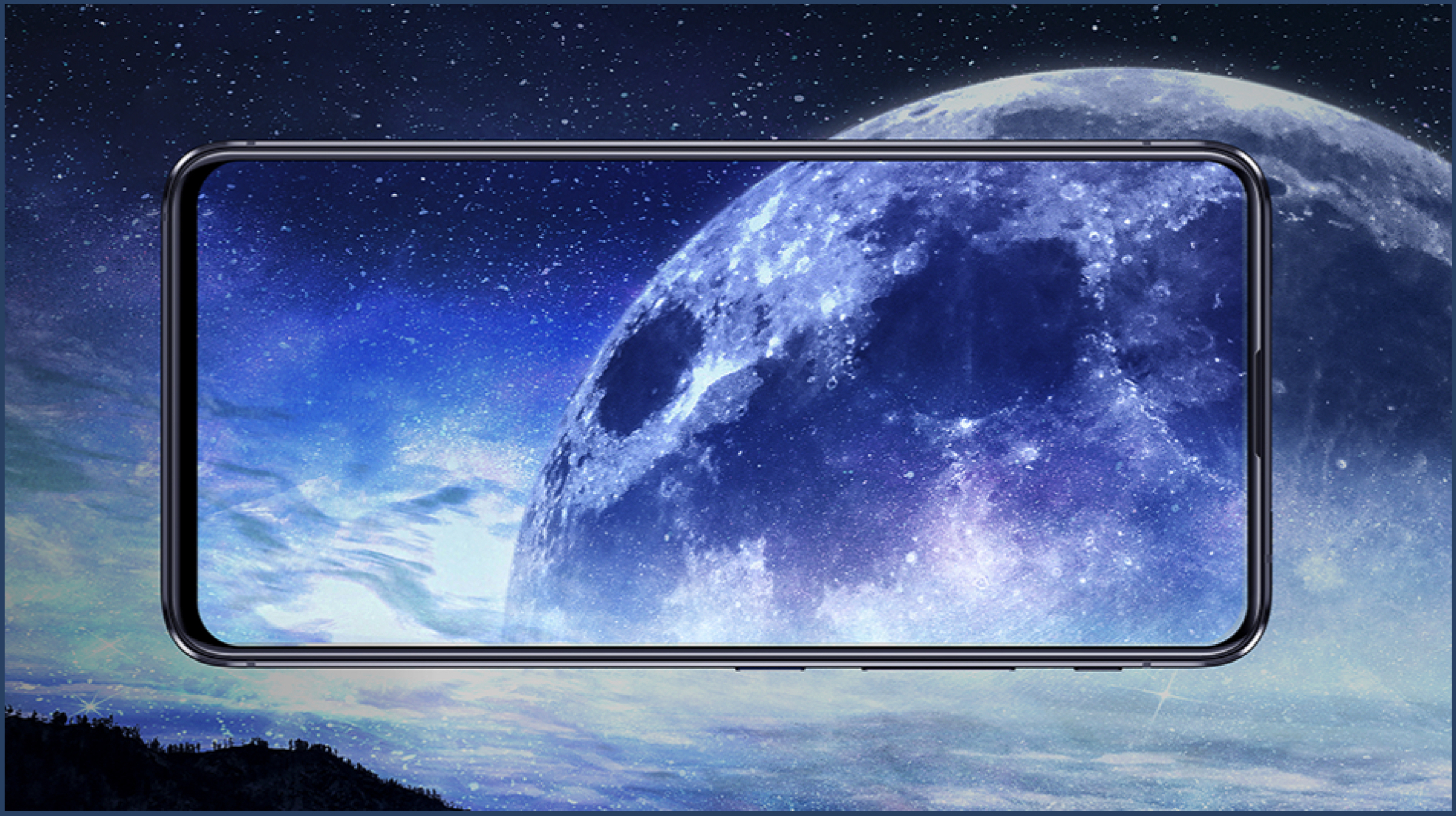
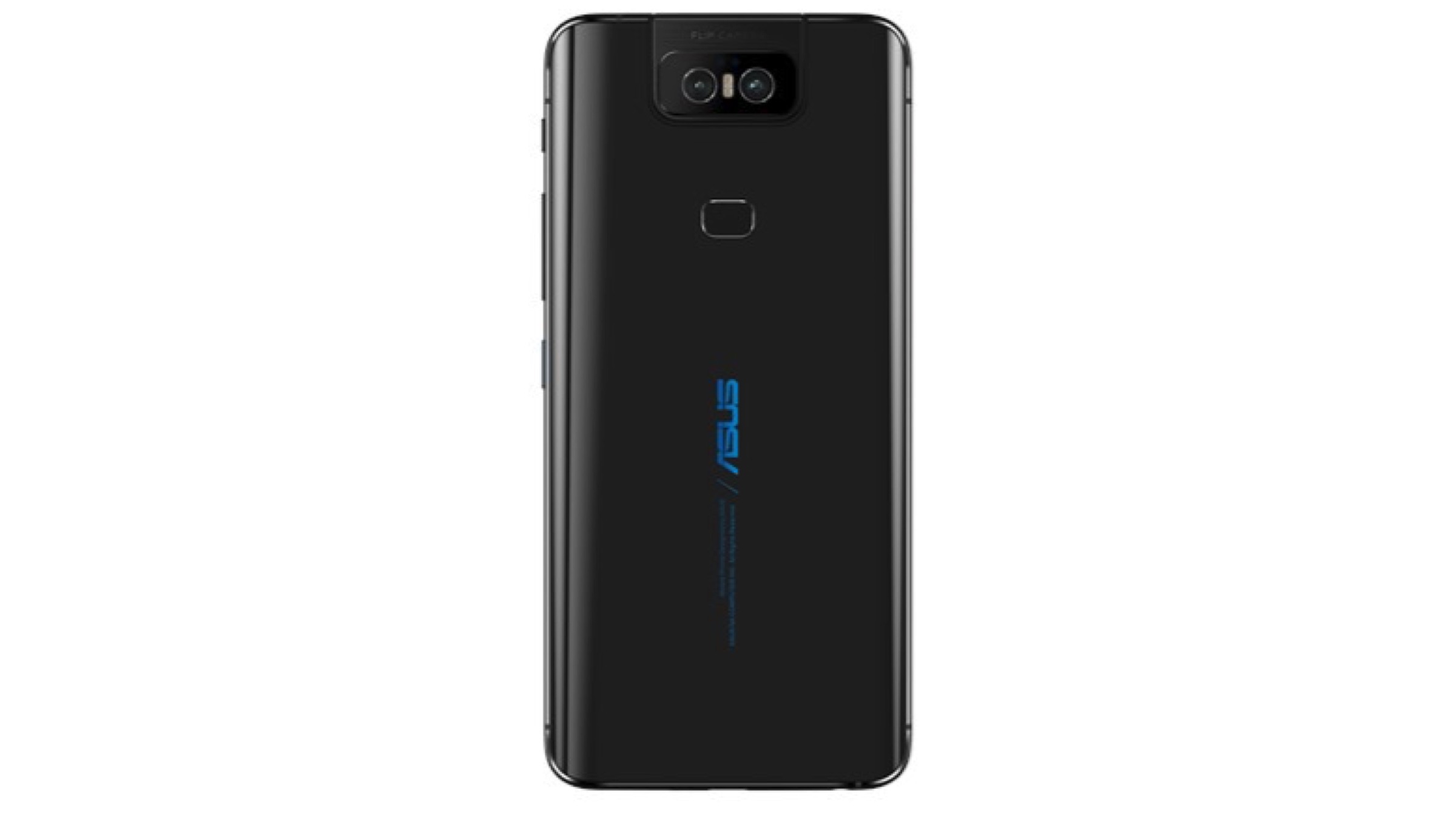
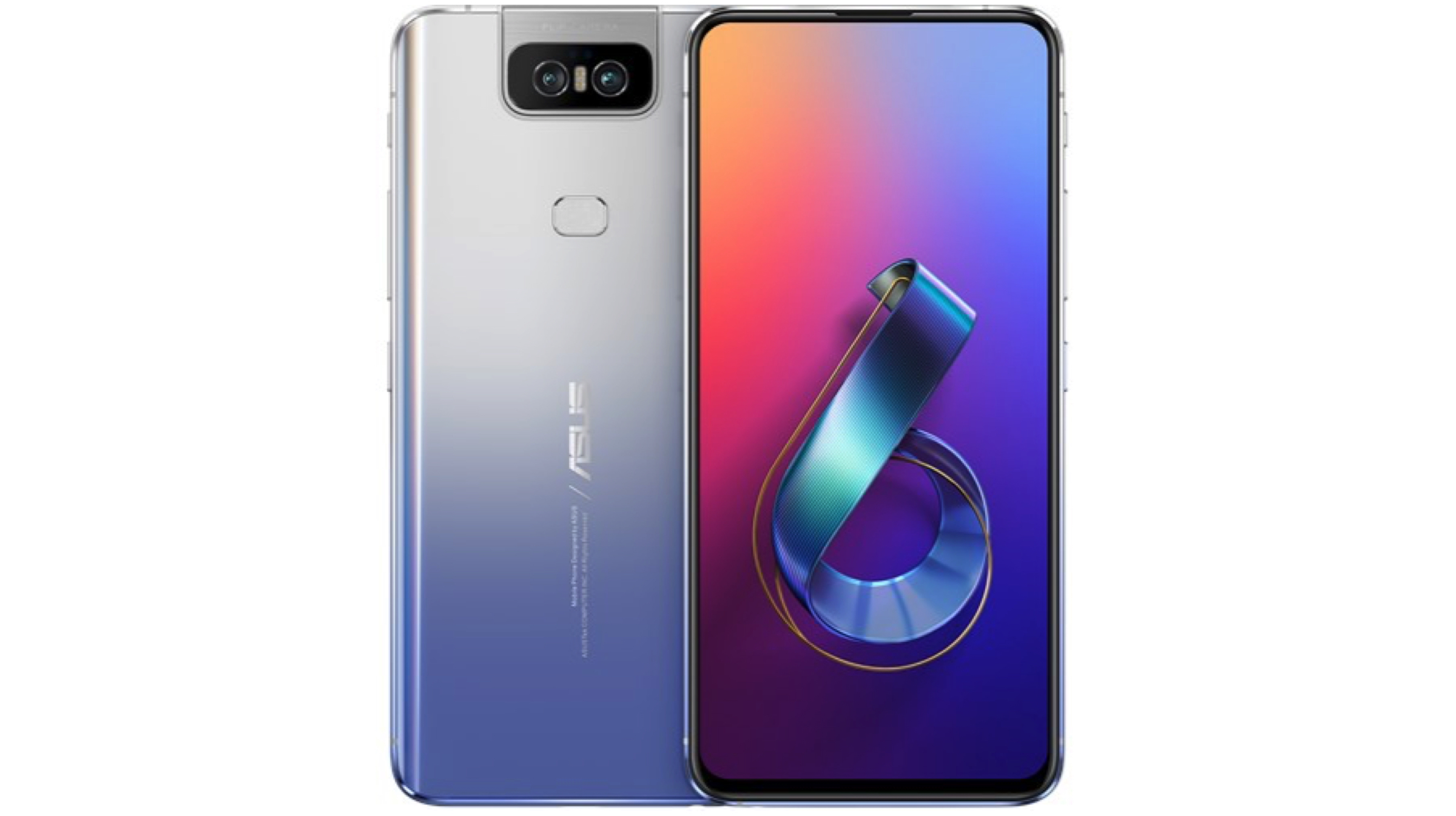
The Asus ZenFone 6 is the latest flagship offering by the company as mentioned above and will succeed the ZenFone 5Z. It measures 159.1 x 75.44 x 8.4mm and weighs 190g. The smartphone has a glass design on the front and back with a metal chassis for reinforcement. It has a 6.4 inch LCD display with a resolution of 2340 x 1080 px. The screen to body ratio of the device stands in at an impressive 92 percent which is achieved by implementing a flip up camera mechanism. Like the Samsung Galaxy A80, the ZenFone 6 has a rotating camera setup which can be used to take pictures from the rear as well as the front. For biometric security and rapidly unlocking the handset, it has a rear mounted fingerprint scanner and supports face unlock technology.
Under the hood, the ZenFone 6 is kitted with the 7nm Snapdragon 855 SoC which is comprised of an Octa-core CPU and the Adreno 640 GPU. In terms of optics, the smartphone has a dual camera setup which consists of an f/1.8 aperture equipped 48MP primary sensor and a secondary f/2.4 aperture equipped 13MP Ultra wide angle sensor. As mentioned before, the device uses a flip camera mechanism to click pictures at different angles. For memory and storage, the handset may be launched in the following variants.
6GB RAM and 64GB ROM
8GB RAM and 128GB ROM
8GB RAM and 256GB ROM
The Asus ZenFone 6 is powered by a massive 5000 mAh battery which supports 18W fast charging. It has a unique Google Assistant button on the top right which can also be configured to open any application based on the user’s choice. In terms of connectivity, the handset supports Wi-Fi 802.11a/b/g/n/ac, Bluetooth 5.0 and NFC, 3.5 mm jack and bottom mounted USB Type C port. It is available in two colours, namely Twilight Silver and Midnight Black.
The Asus ZenFone 6 is expected to be launched in the following weeks in the Indian market. It will be exclusively available online on Flipkart and offline in select retail stores across the country. While the company has not revealed its Indian pricing yet, it is expected to cost starting at Rs. 40,000 for the variant with 6GB of RAM and 64GB of internal storage. The variant with 8GB RAM and 128GB of onboard memory may cost Rs. 44,000; while buyers may have to shell Rs. 47,000 for the version with 8GB RAM and 256GB Internal storage.
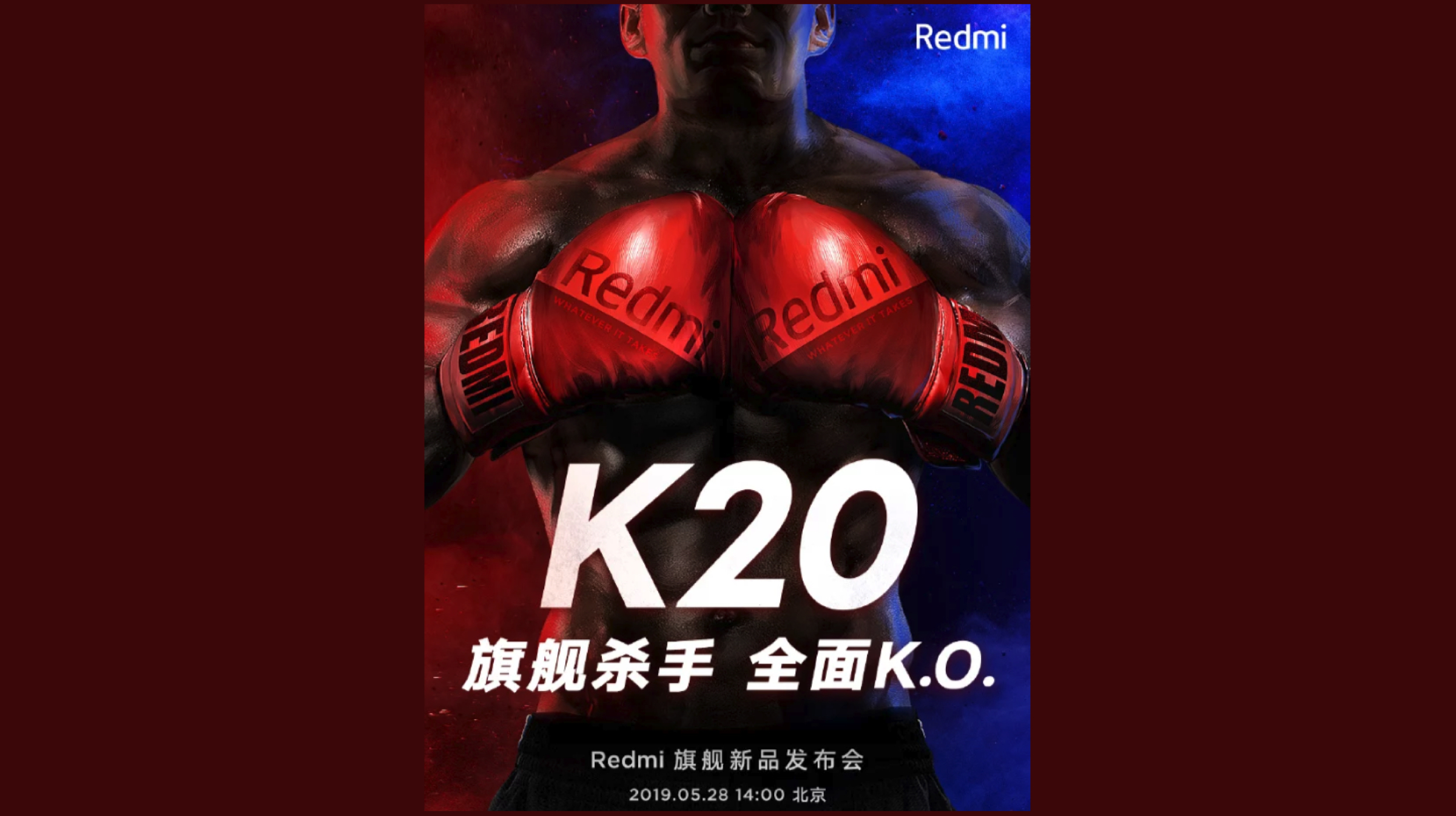
Redmi separated from its parent company Xiaomi back in the month of January to exist as an independent brand. It has since then launched several smartphones including the Redmi Note 7, Redmi Note 7 Pro, Redmi 7 etc. The company previously revealed that it will launch a flagship-grade smartphone which will be called the Redmi K20 soon. Now, it has announced the highly anticipated handset will be launched in China on the 28th of May.
Redmi K20
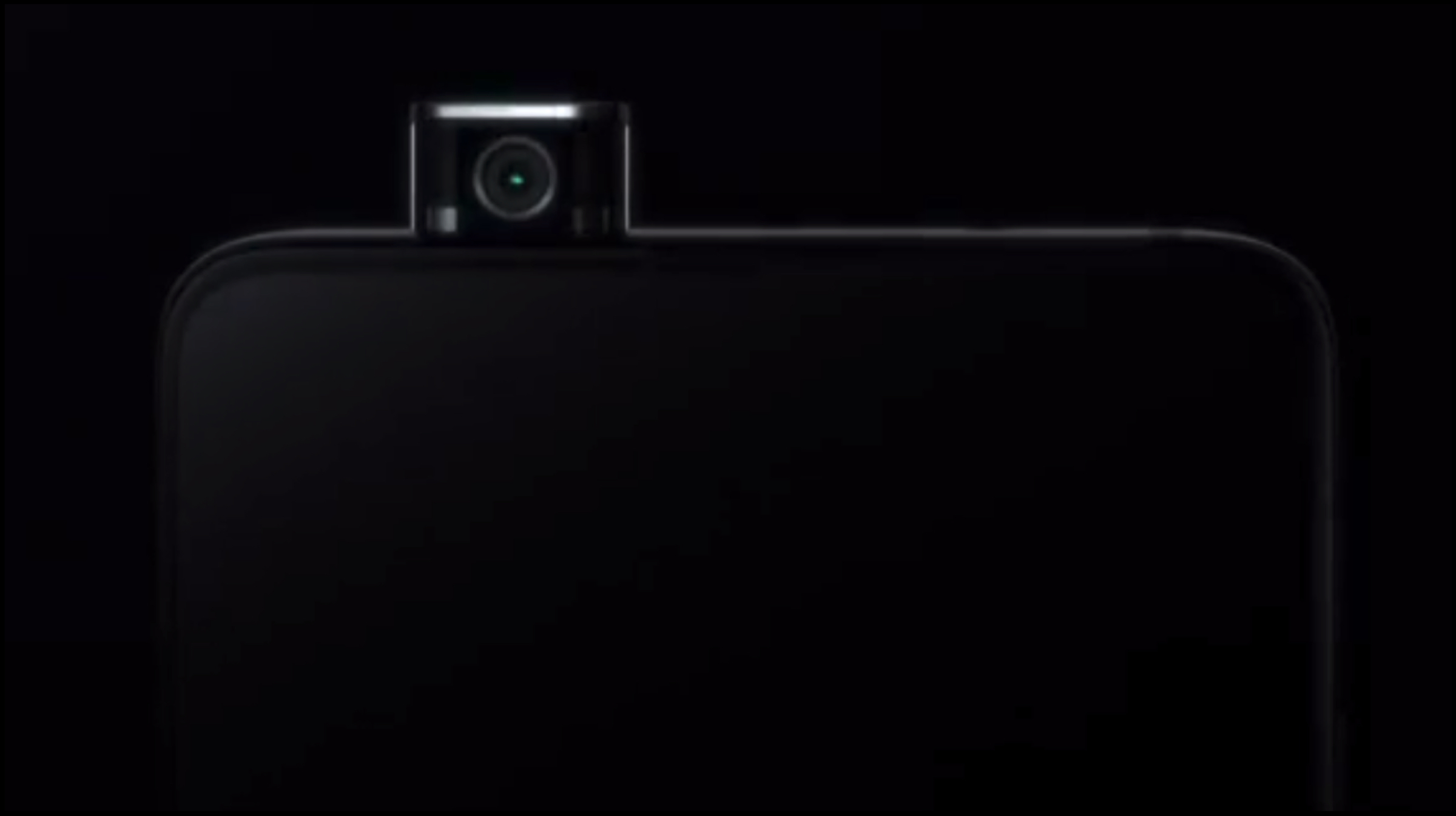
As mentioned above, the Redmi K20 will be the first flagship smartphone from the company. It is expected to have a glass design on the front and back with a metal chassis for reinforcement. Previous leaks reveal the device will have a 6.39 inch Super AMOLED display with a resolution of 2340 x 1080 px. To maximise the screen real estate of the smartphone, a pop-up mechanism housing the front-facing camera is expected. For biometric security, the handset will have an optical in display fingerprint scanner and will support face unlock technology.
As it will be a flagship smartphone, the Redmi K20 is expected to be kitted with the 7nm Snapdragon 855 SoC. It is comprised of an Octa-core CPU and the Adreno 640 GPU. In terms of optics, it is expected to sport a triple rear camera system. This has been leaked to be a triple camera arrangement comprised of an f/1.8 aperture equipped 48MP primary sensor; combined with an f/2.4 aperture equipped 13MP ultra wide sensor; a tertiary f/2.4 aperture equipped 8MP telephoto sensor. For selfies, an f/2.0 aperture equipped 20MP front-facing camera may be housed in the pop-up mechanism on top of the handset. For memory and storage, the device is expected to be available in a plethora of options, which are listed below.
6GB+64GB
6GB+128GB
8GB+128GB
8GB+256GB
Past leak reveals the Redmi K20 will be powered by a 4000 mAh battery with support for 27W fast wired charging. The company has confirmed the smartphone will have a 3.5mm headphone jack and support for NFC. In terms of colour options, the device will be available in three colour options namely, Carbon Fiber Black, Glacier Blue and Flame Red.
The Redmi K20 flagship smartphone will be made official at an event in China on the 28th of May. It is expected to be announced soon after for the Indian market as well with an expected price tag under Rs. 30,000.
Chinese telecommunications giant Huawei has time and again faced backlash for its ties with the Chinese government. It has been accused of stealing its user’s data and sending it back to the home country for spying purposes. In what could be a major blowback to the company’s imperative business, American technology giant Google has suspended the majority of its business with the company. This insinuates that going forward, Huawei and it’s subsidiary Honor’s devices will not receive Android security updates. They will also lose access to the search engine giant’s popular services such as Maps and YouTube.
What Does This Mean?
For Huawei users' questions regarding our steps to comply w/ the recent US government actions: We assure you while we are complying with all US gov't requirements, services like Google Play & security from Google Play Protect will keep functioning on your existing Huawei device.
The aforementioned suspension of business will take place between Huawei and Alphabet, the parent company of Google. With this in effect, the existing and future smartphones from the former will stop receiving monthly security updates from Google. These are important for keeping the device up to date and safe from newly discovered malware. Furthermore, as mentioned above, the handsets from the Chinese OEM will also lose access to services like the Google Play, YouTube and Google Maps. Notably, the suspension does not affect the existence of Android on Huawei smartphones. This is because the suspension is not applicable on open source software and as is implied, Android is an open source software. But, the Chinese company will only be able to use the public version of the operating system and not the one made available by Google.
The suspension of business by Alphabet on Huawei takes place after the United States government added the latter to its trade blacklist. It was added to the aforementioned list on Thursday and it means no American firm can engage in business with the Chinese company until explicitly given permission by the US government. In a post on microblogging website Twitter, the official account of Android has assured existing Huawei users that the suspension does not affect existing devices from the company. Present users of all Huawei and Honor handsets will keep featuring the Play Store and receive app updates via the software.
Marvel Entertainment’s latest superhero saga Avengers: Endgame hit theatres on the 26th of April. The movie has since progressed to becoming one of the highest earning titles of all time, amassing over US$ 2 Billion at the worldwide box office. If you have seen the movie, loved it but didn’t understand the time travel bit, you might not be alone. While superhero movies rarely try taking the logical route, the part where they explained time travel in Endgame was murky at best. A user on Reddit has tried to dissect the plot and has derived a pretty convincing theory of what transpired in the Avengers: Endgame movie for all of us to understand. There are massive spoilers ahead for the film, so tread carefully.
Avengers: Endgame Time Travel Theory
To understand the theory better, the user claims we have to establish some principles. The first one is that travelling through time does not create alternate timelines. This was explained by Bruce Banner aka Professor Hulk in the movie when talking to Clint Barton aka Hawkeye. He explains that when someone travels to the past, their present then ends up being the past which cannot be altered. The things that have happened will happen but if you try and change the history, you will just become a part of it. The second principle is that only the absence of the infinity stones can create alternate realities. This bit was explained by the Ancient One to Bruce Banner at the time of the Battle of New York. She established that the infinity stones “control the flow of time”, such that if one stone was removed from the timeline, it would cause a different branch of reality to be created without changing what happened in the original reality.
This led to Bruce promising that he will make sure the stones are replaced at the exact moment they were taken, so the creation of an alternate reality is spared. The theory then explains when Captain America travels back to return the stones, he helps the Avengers in the year 2012 look for Loki in time for the 2012 movie’s ending. When the Power Stone is returned, Star-Lord just wakes back up and steals it in the year 2014. This stops any alternate realities from being created as the stones are replaced the exact moment they were taken.
The third principle states collective Infinity Stones have no power over life. It cannot snap life force away from someone and cannot create life force where there is none. This makes the movie’s big bad Thanos wrong about them. If you have already grabbed a pitchfork and are claiming he altered the life of Vision in Avengers: Infinity War, know this; Vision was a vessel for the Mind Stone and while behaved like a sentient being, he also has mentioned he hasn’t eaten anything yet. Not to forget his body is literally made synthetically by Ultron and the Avengers.
The stones can be used, however, to decimate someone using their energy/radiation directed towards the particular person. So when Thanos snaps, the people aren’t really gone, they have just been transported through space and time to the year 2023 when they are called back by Hulk’s reverse snap. Getting confusing? Here is what the individual stone was used for in the snap.
Space Stone: Altering Space for the Snap
Time Stone: Altering Time for the Snap
Power Stone: Needed for powering the Snap
Soul Stone: Capturing billions of souls for the Snap
Mind Stone: Computing the magnitude of the Snap
Reality Stone: Altering the reality after the Snap
The above explanation indicates that when Iron Man snaps the gauntlet containing the stones at the end of the movie, Thanos and his army were transported back to the year 2014 with the Mind Stone wiping their memory. As for Nebula who was shown as shot in a previous scene, she can be replaced for parts later. While the purple giant might not have a memory of what happened in 2023, he did sense defeat and failure, which explains his calm demeanour in Infinity War. The last scene too, where Captain America goes back in time to live with Peggy Carter, that has already happened.
This explains why no photos of proofs of her husband have been shown in previous movies because Old Man Cap was hiding in plain sight. While this theory is as crazy as it sounds like, the writers for Avengers: Endgame have themselves confirmed the part; where Steve Rogers is Peggy’s husband all along. You can check out the detailed insight into this theory on Reddit and might end up disagreeing with it, but this fan theory seems like the most plausible way to understand the time travel mess in Endgame. What do you think of this theory? Tell us in the comments below.
American technology giant Google has been accused of breaching the internet privacy of users; and collecting their data to serve them advertisements online multiple times in the past. The company has released statements denying the claims but latest reports from a reputed media source reignite the accusations. It alleges the search engine behemoth also tracks the entire purchase history of its users ever since they signed up for Gmail, its email service.
Gmail Purchase History
The report affirms Google has been tracking the purchase history of Gmail users via the confirmation or order receipts when they make a purchase. Notably, this only works if the outlet or place the person has made a purchase from has their email address. The company has clarified in a statement that it has built this tool to help its users easily view and keep track of their purchases, bookings and subscriptions in one place. It claims the information can only be seen by the user and no one else. The information about user’s orders can also be saved in other Google’s services. The aforementioned revelation is expected to be a huge privacy controversy, as the information is not stored locally but instead on the company’s cloud services.
While Google storing your purchase data on its servers might sound like a grim situation, luckily, there is a way to delete the information. Users can go to this page and check their purchase histories. To delete the data, users need to click on the order details and select the option on the bottom of the page. Unfortunately, deleting the details is only possible if the original email containing the receipt or order detail is deleted, which might be inconvenient for some users.
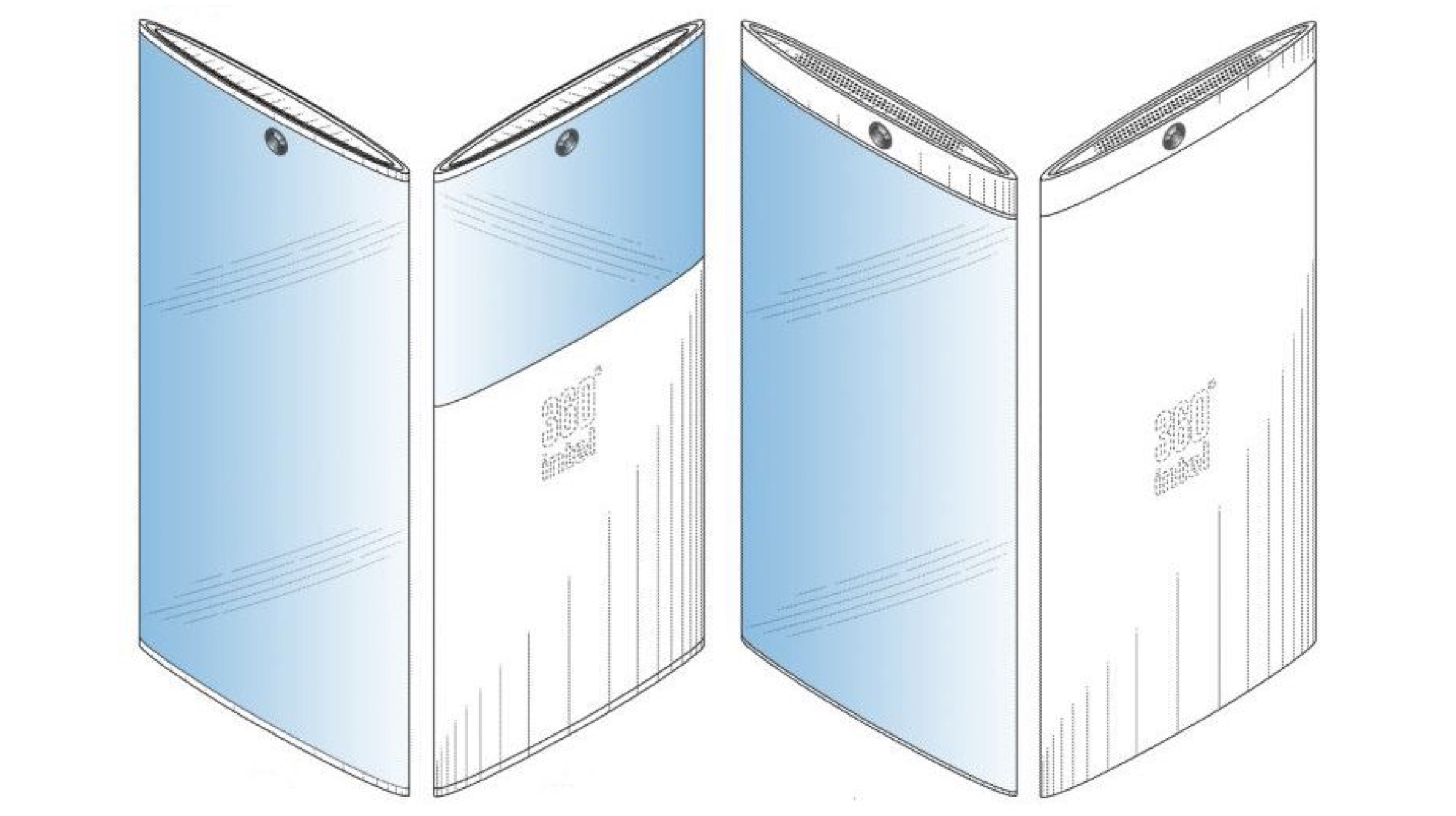
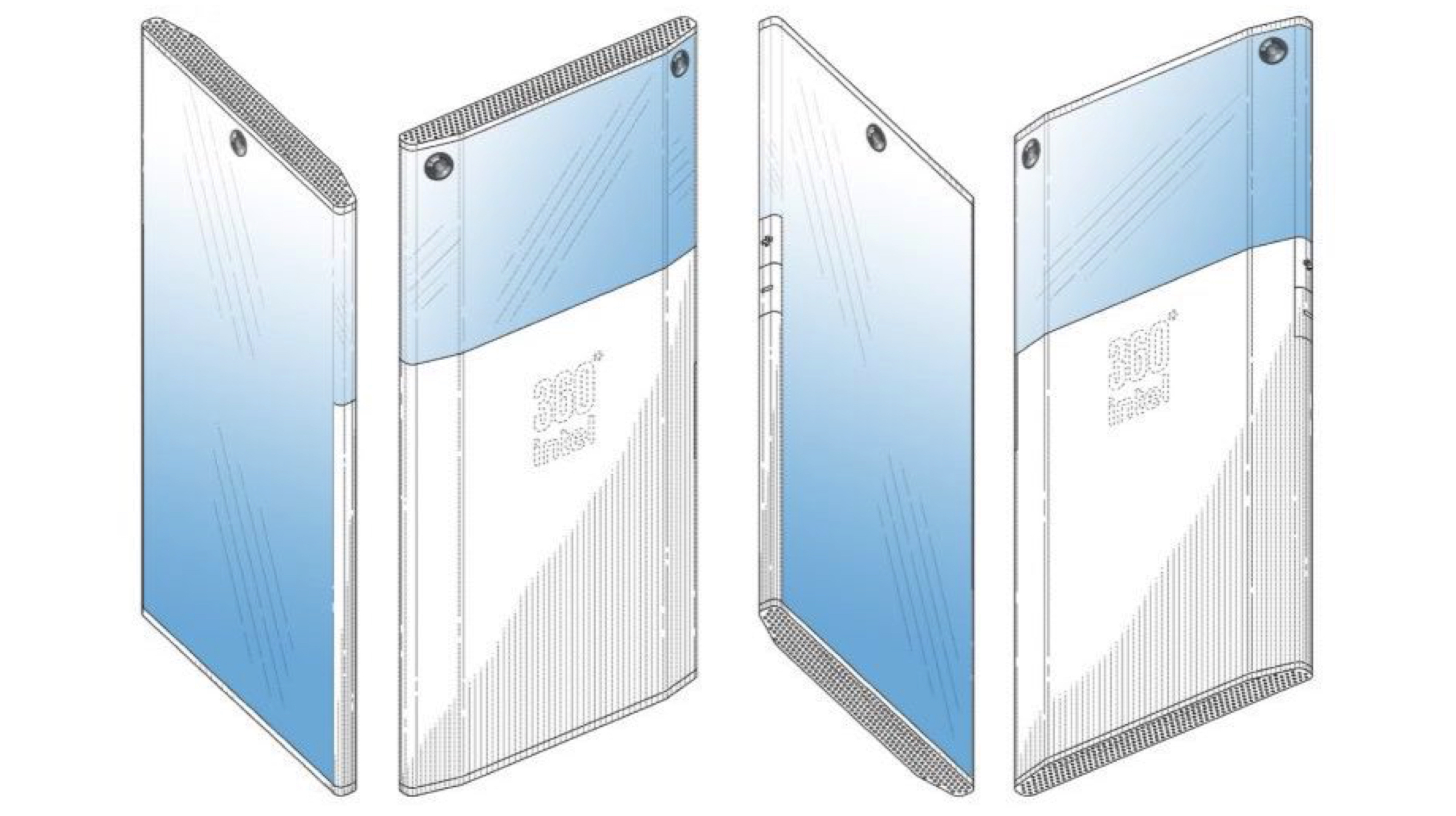
American technology giant Intel is known for its desktop processors and computer components. Now, fresh leaks suggest the company may be working on a unique smartphone which it may introduce soon. According to reports, Intel applied for two patents in the year 2016 for a smartphone design with a 360 Degree Camera system. This was later published on the official website of the World Intellectual Property Office (WIPO) on the 14th of May.
Intel Smartphone With 360 Degree Camera
The patents reveal two smartphone designs, with both of them showing a near bezel-less smartphone; with some minor differences in design. The first one has a full screen without any borders. A flexible display seems to be on use in the device on the front and back which extends all the way to its sides. The standout feature of the image is the placement of the cameras. The displays on both sides have an off centre placed camera which is a lot like the one found in the Galaxy S10 series of smartphones. The significance of the number 360 written on the back is expected to be related to the capabilities of the setup. Reports claim the handset will utilise both cameras to capture images and video in 360 degrees.
More images from Intel’s patent reveal a similarly designed smartphone with components placed differently. In one image, a device with a single rear camera in the centre and two cameras, placed on the left and right respectively is visible. The handset in question here may also utilise the 360-degree camera technology as the one showcased earlier, as it also has a similar text on the back. The patents imply the company is working on a smartphone with a similar design. Unfortunately, it is not known when it will be launched or if Intel will end up selling this. This could also simply be a concept design, and proof of concept from Intel.
It has been long speculated that Xiaomi’s subsidiary Redmi will launch a flagship smartphone. This device has been revealed to be called the K20 and will be the first flagship offering by the company since it separated from its parent company back in the month of January. Redmi has been dropping hints and teasing the handset left and right, in addition to which the previous leaks of the K20 have revealed almost every key detail about it. Here is what to expect from the upcoming flagship smartphone from Redmi.
Redmi K20
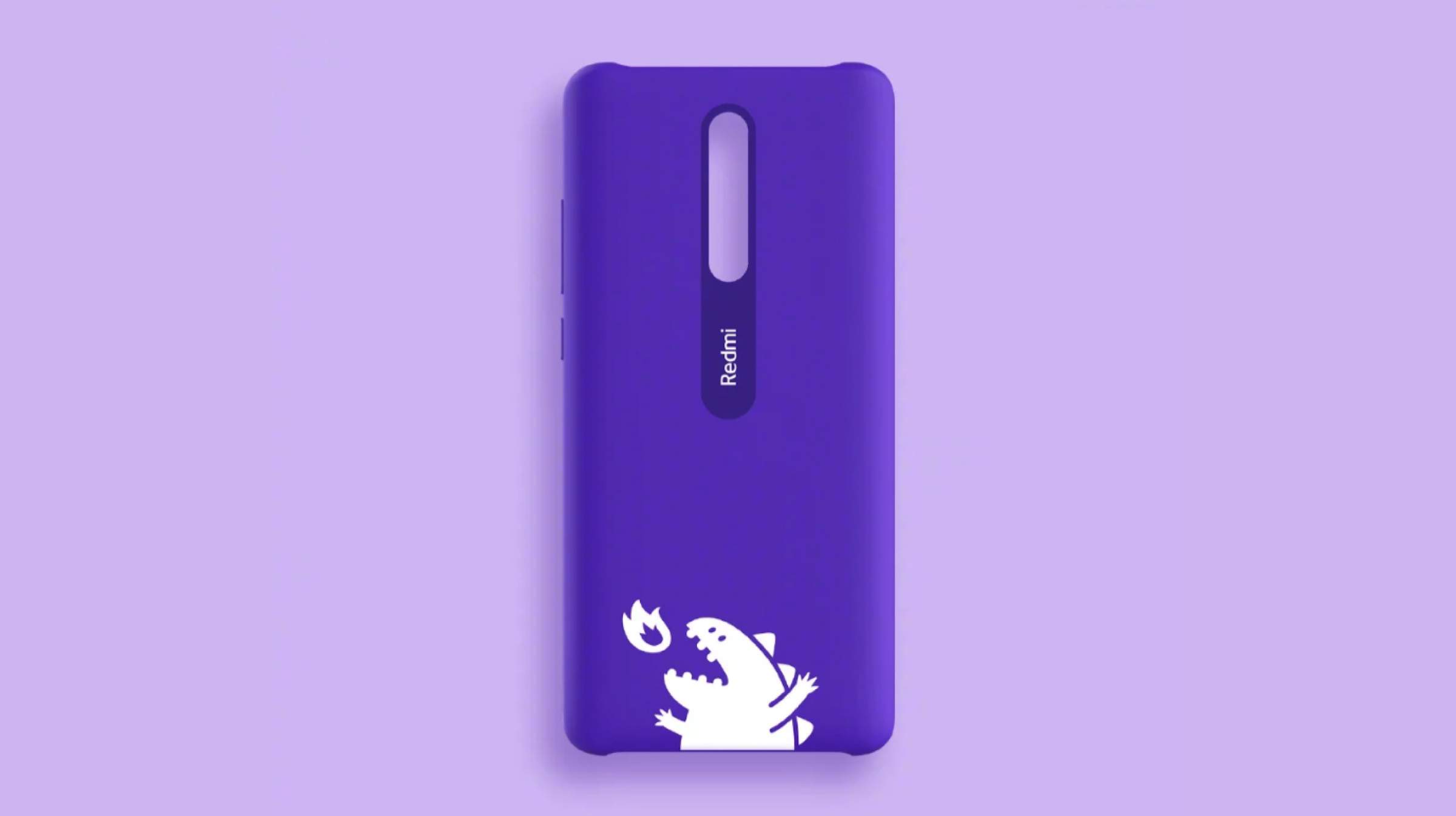
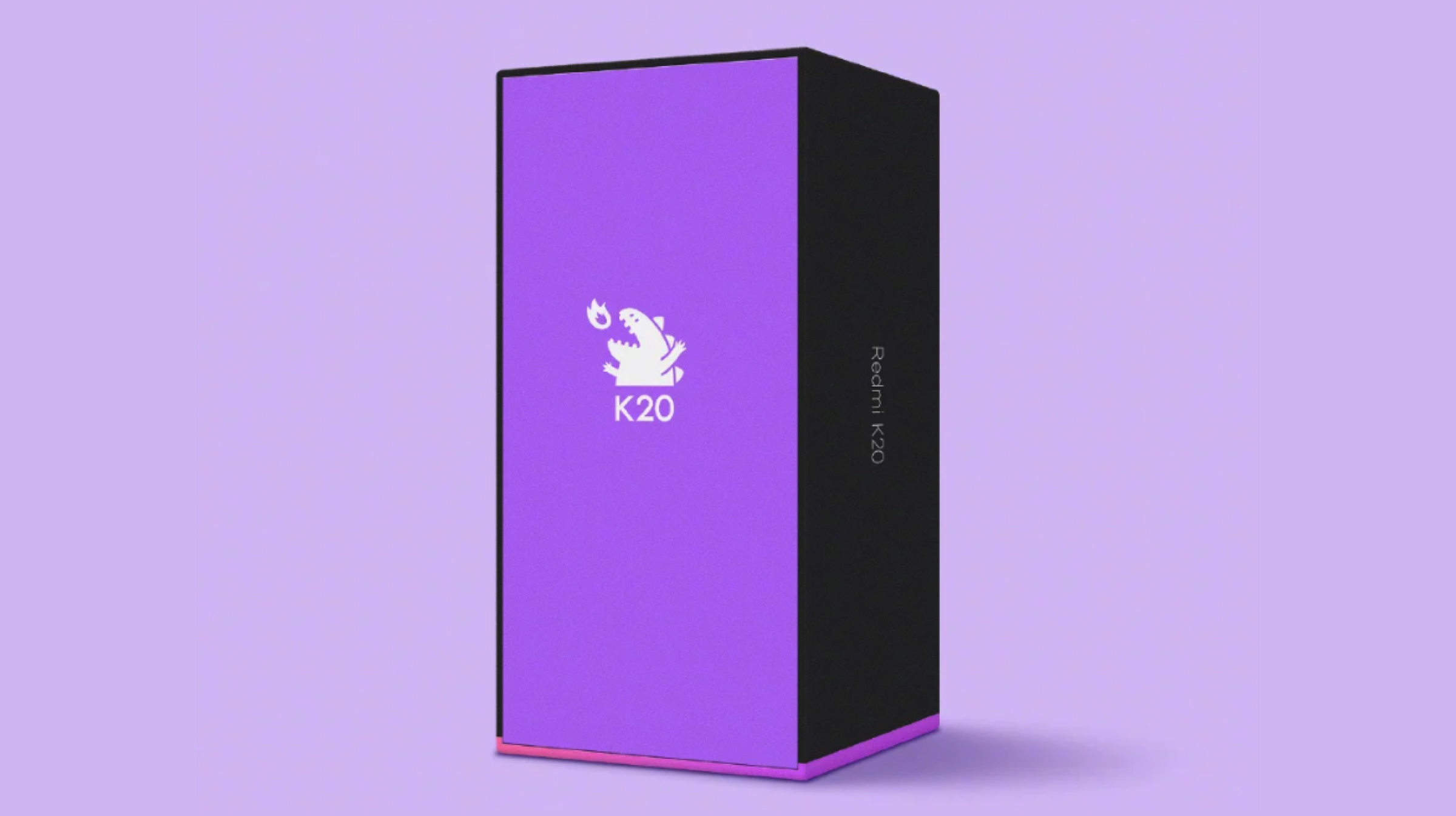
As mentioned above, the Redmi K20 will be the first flagship offering by the company. It has gone all out in promoting the smartphone on the Chinese social networking website Weibo. To maintain the hype regarding it, the retail packaging and official case of the K20 has been showcased.
Previous leaks reveal the device will have a 6.39 inch Super AMOLED display with a resolution of 2340 x 1080 px. The front of the device will be protected using the Corning Gorilla Glass 6 which should make it resistant to scratches and drops from a considerable height. To maximise the screen real estate, a pop-up mechanism to house the front-facing camera is expected. For biometric security, the company has confirmed the handset will have an optical in display fingerprint scanner.
The past leaks claim the Redmi K20 will be kitted with the 7nm Snapdragon 855 SoC. It is comprised of an Octa-core CPU and the Adreno 640 GPU. In terms of optics, images of the case exhibit a vertical camera setup. This has been leaked to be a triple camera arrangement comprised of an f/1.8 aperture equipped 48MP primary sensor; combined with an f/2.4 aperture equipped 13MP ultra wide sensor; a tertiary f/2.4 aperture equipped 8MP telephoto sensor. For selfies, an f/2.0 aperture equipped 20MP front-facing camera may be housed in the pop-up mechanism on top of the handset. For memory and storage, the device is expected to be available in a plethora of options, which are listed below.
The leak also insinuates the Redmi K20 will be powered by a 4000 mAh battery with support for Qualcomm’s Quick Charge 4+ technology. The company has confirmed the smartphone will have a 3.5mm headphone jack and support for NFC. In terms of colour options, the device will be available in three colour options namely, Carbon Fiber Black, Glacier Blue and Flame Red. It is expected to be unveiled on the 20th of May at a lucrative price tag. The handset will compete with the latest OnePlus 7 Pro and the company has been throwing jabs at the latter while teasing the K20.