Category: Top Around the Web

All the best of Online in one place.

  • Google Accused Of Copying Song Lyrics In Search Results

    Google Accused Of Copying Song Lyrics In Search Results

    American search engine giant Google has been accused of copying song lyrics from the leading song lyrics website Genius. The latter has claimed in a report that it has been notifying Google about the plagiarism since the year 2017 but no action was taken since then. The lyrics were posted on the search results of the songs without necessary credit being given to the original publisher. 

    About the accusation
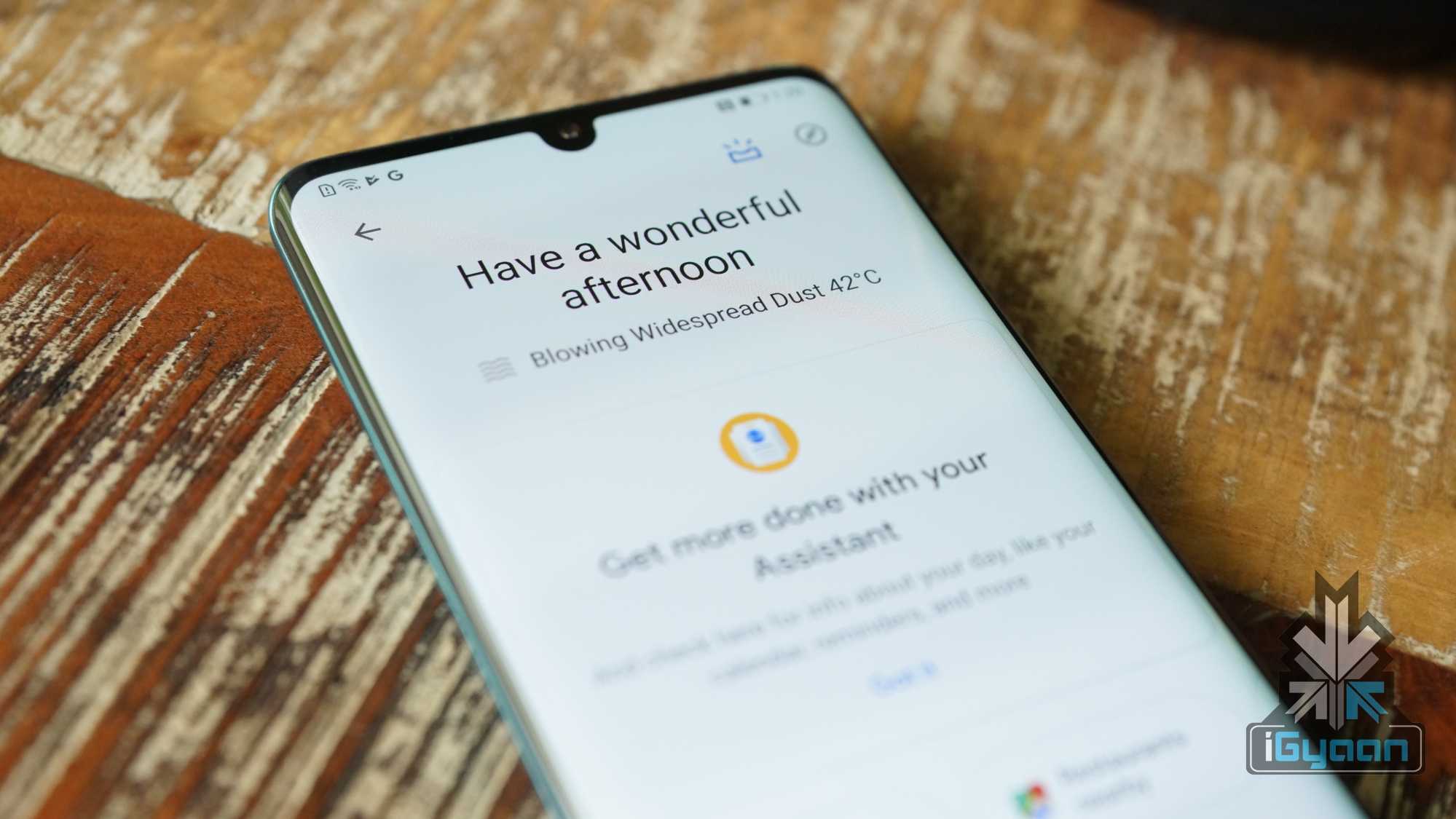
    Google Genius

    As mentioned above, Genius has claimed Google has lifted song lyrics from its website to display in search results. The evidence submitted by the plaintiff regarding the case was related to how the lyrics were drafted. Genius claims it knowingly used a combination of straight and curved apostrophes as a form of watermarking on its website. Interestingly, in a morse code form, the combination of the apostrophes spell out “Red Handed”; which is a fancy way of catching those who copy from its website, red handed. According to Genius, there are over a hundred cases where Google lyrics have also included the exact apostrophe sequence, confirming the plagiarism charges.
    Google Genius

    Also read: Huawei Patents Smartphone With Double Folding Display

    Google, in a statement, has denied all the aforementioned claims by Genius. It has said that the company takes copyright very seriously and that it sources the lyrics from LyricFind; who is also a known name in song lyrics and major contributor on Google’s search results. While Genius’ case against Google is quite strong, it may not hold up well in court as it does not own the copyright of the lyrics in question. However, the former has claimed that the traffic on its website has decreased substantially ever since the latter started displaying lyrics in the search results. Google has started an investigation regarding the plagiarism claims and more details are awaited when the results of it are announced.
  • 1.4 Billion Apple iPhones And iPads Are Vulnerable To Hacks

    1.4 Billion Apple iPhones And iPads Are Vulnerable To Hacks

    Apple is looking forward to a very successful year overall with the announcement of iOS 13 and the upcoming iPhone 11. However, a company by the name of Cellebrite, notorious for its hacking capabilities regarding smartphones, has announced that it can hack into any and every iPhone device.

    Apple


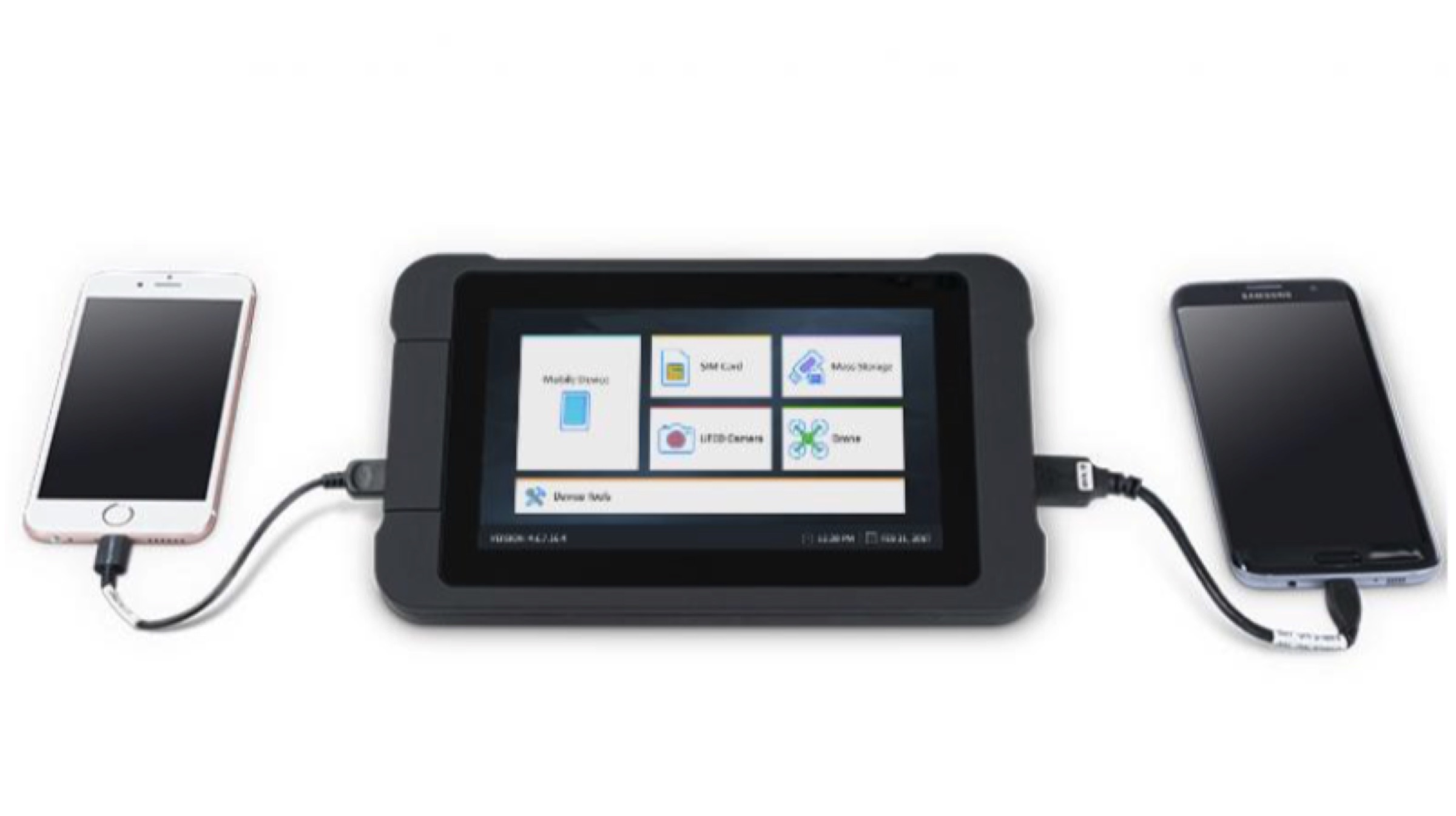
    The Israeli forensics company has reported that it can break into any iPhone or iPad regardless of what version of the OS they are running. Apple has stated that there are about 1.4 Billion active devices as of 2019. With this news, all of the users of these devices are vulnerable and potentially in danger of being hacked. Cellebrite has also claimed that it can hack Android devices as well.
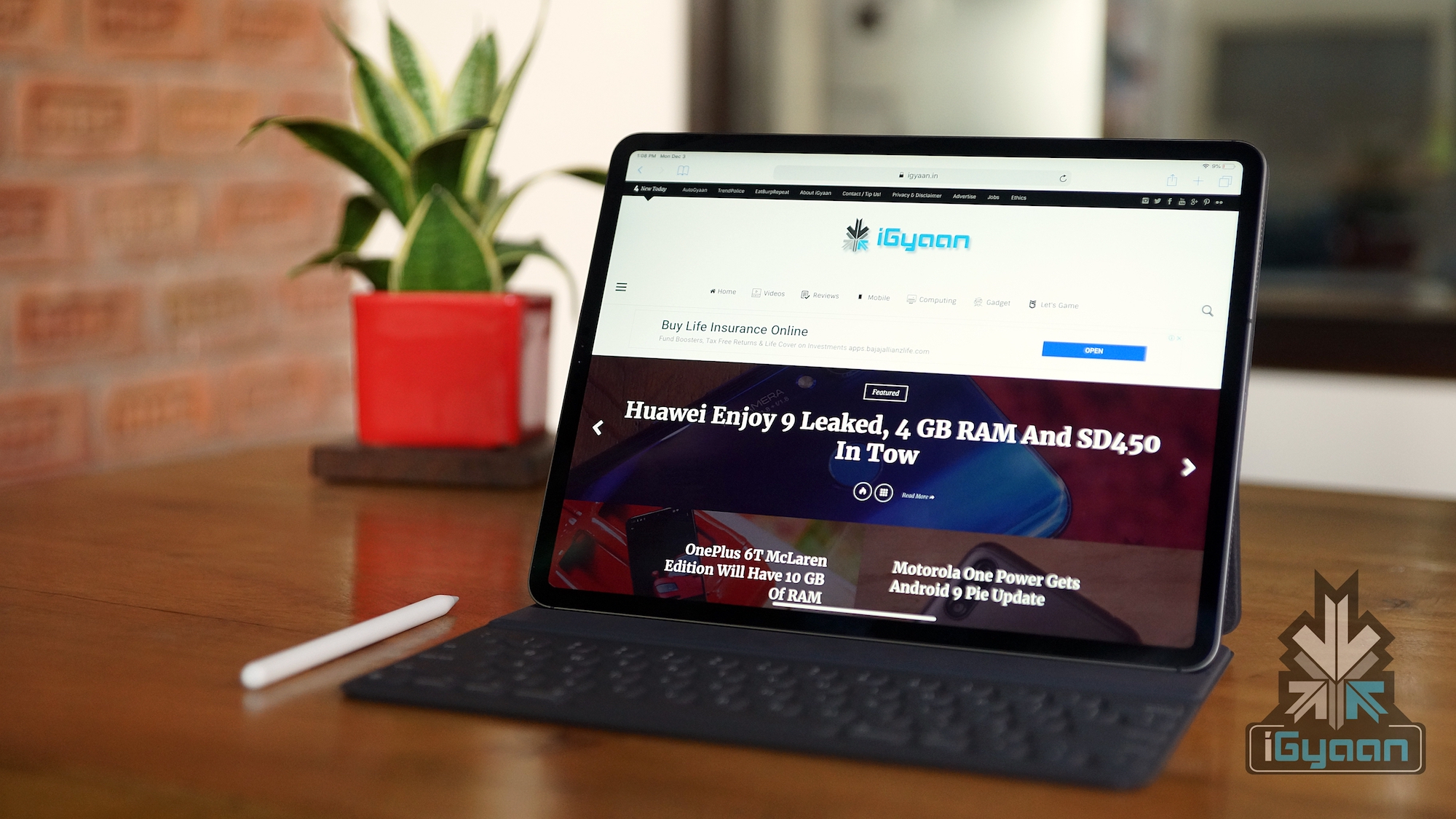
    Apple iPad Pro

    Cellebrite is planning on selling this hacking tool that can perform complete data extraction from the systems of any iOS handset. Furthermore, claims made by the company carry a lot more weight considering the FBI had collaborated with Cellebrite to crack an iPhone back in 2016.  Apple at that time refused to provide a backdoor to the FBI hence, its deal with Cellebrite.

    Apple

    The hacking tool although requires individuals to be in physical possession of the iPhone or iPad that is to be hacked. Breaking in apparently also requires lengthy security checks to determine the entitlement of the person trying to crack the device. Reportedly, Cellebrite’s past kits have sold for $100 (approx. Rs.7,000) on eBay, making it accessible for those that seek to harm or pry into other’s affairs.
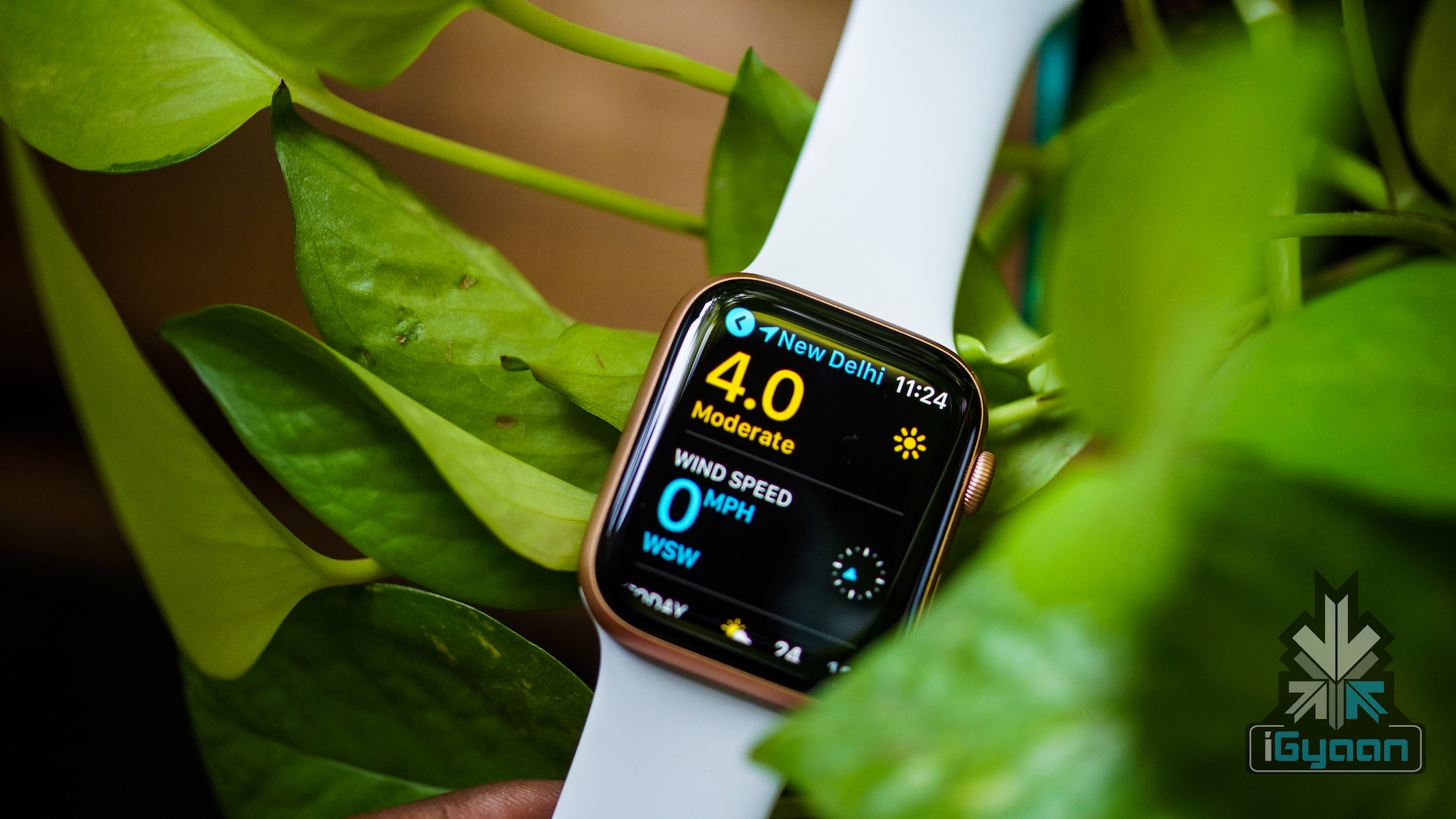
    Through this announcement, it is clear that a backdoor entry to every iPhone and iPads out there has been discovered. Apple is clearly in the dark regarding the exploit that may end up actually affecting millions of its active users. iOS 13 is going to cut off support for some of the previous generation smartphones, meaning a fix to certain users’ vulnerable devices may not even be provided.

    Also ReadHuawei Nova 5i Pro Listed On Chinese E-Commerce Site Before Launch

    Apple has been proud of its security features, using it as a weapon against its competitors. The company now has to prove that claim and fix the issue that may soon become a widespread problem. The implications of such tools are terrifying in context to a user’s privacy and sensitive data. If the exploit does go live, it can be used by various agencies and organizations seeking to either extract data or harm people’s lives.

  • Huawei Might Opt For Sailfish OS For Its Future Smartphones

    Huawei Might Opt For Sailfish OS For Its Future Smartphones

    Chinese tech giant, Huawei has been facing tough times lately after the US Commerce Department imposed a trade ban on it. The said ban has been imposed over accusations that the hardware and networking equipment sold by the company has back doors which can reveal sensitive user data to the Chinese government. Following the ban, all American companies had to end any sort of trade relations with Huawei. The biggest setback that the company had to face was in the form of support withdrawal for Android by Google. However, the company has been reportedly trying to overcome the hurdle by launching its in-house developed operating system which is allegedly called ArkOS or HongMeng OS.  Huawei Nova 5i

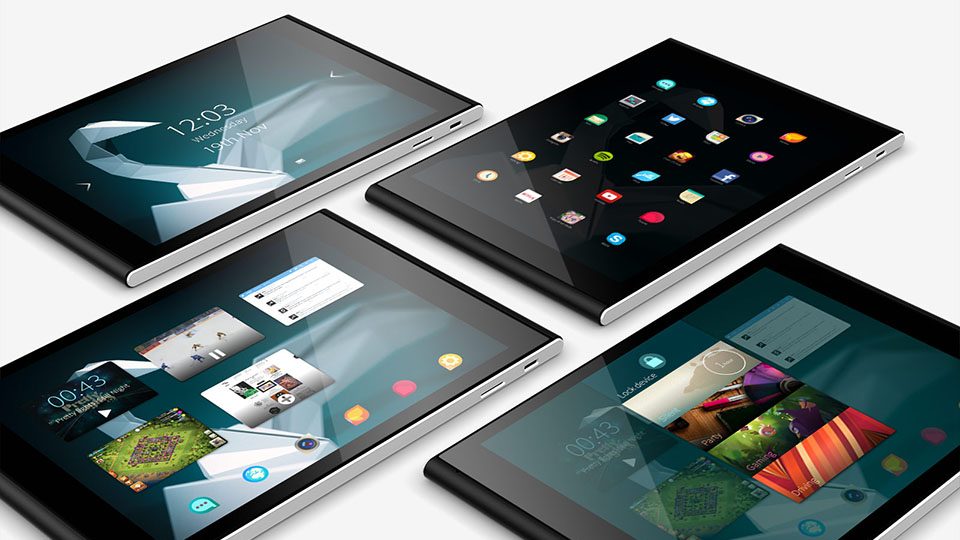
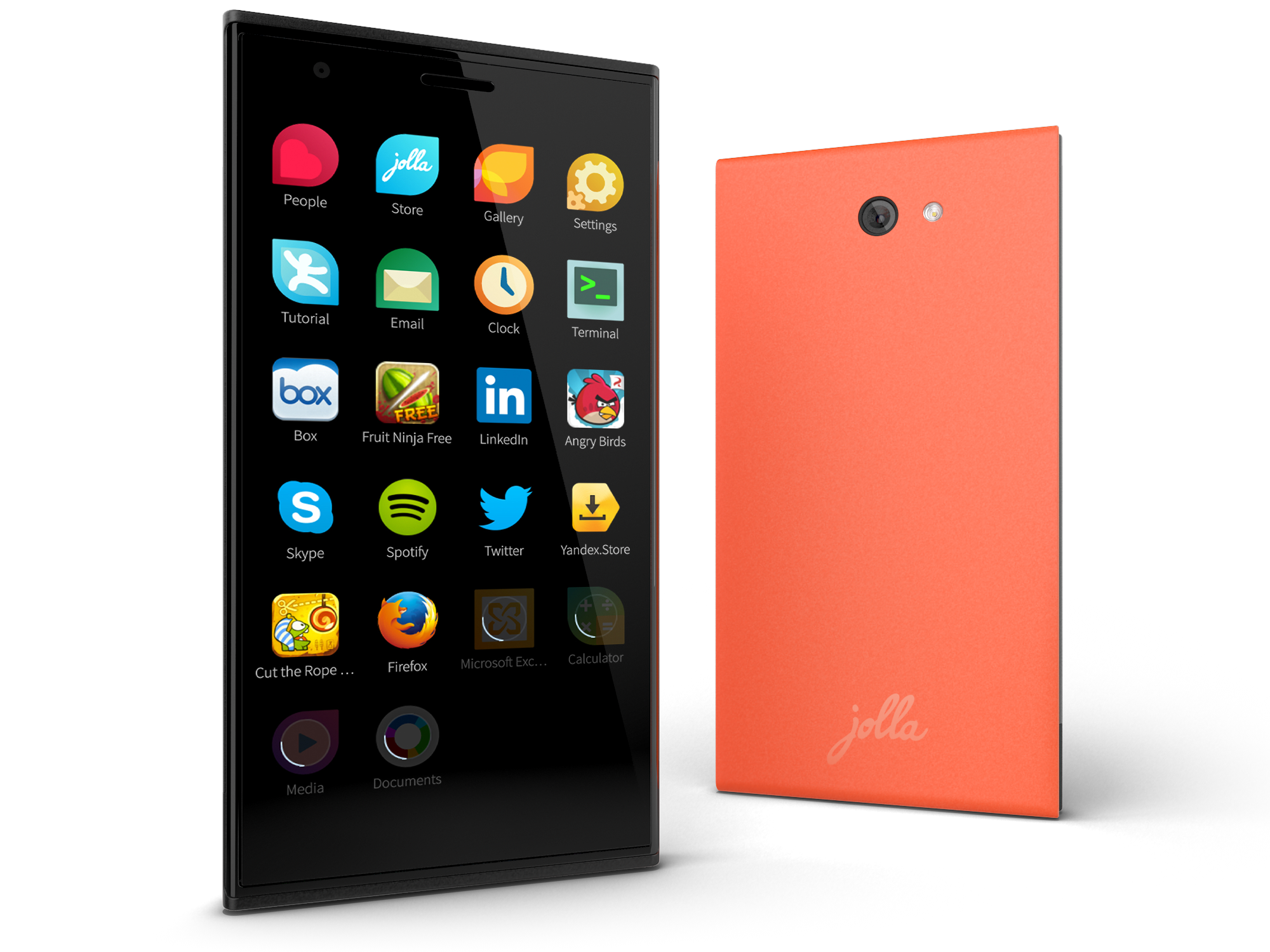
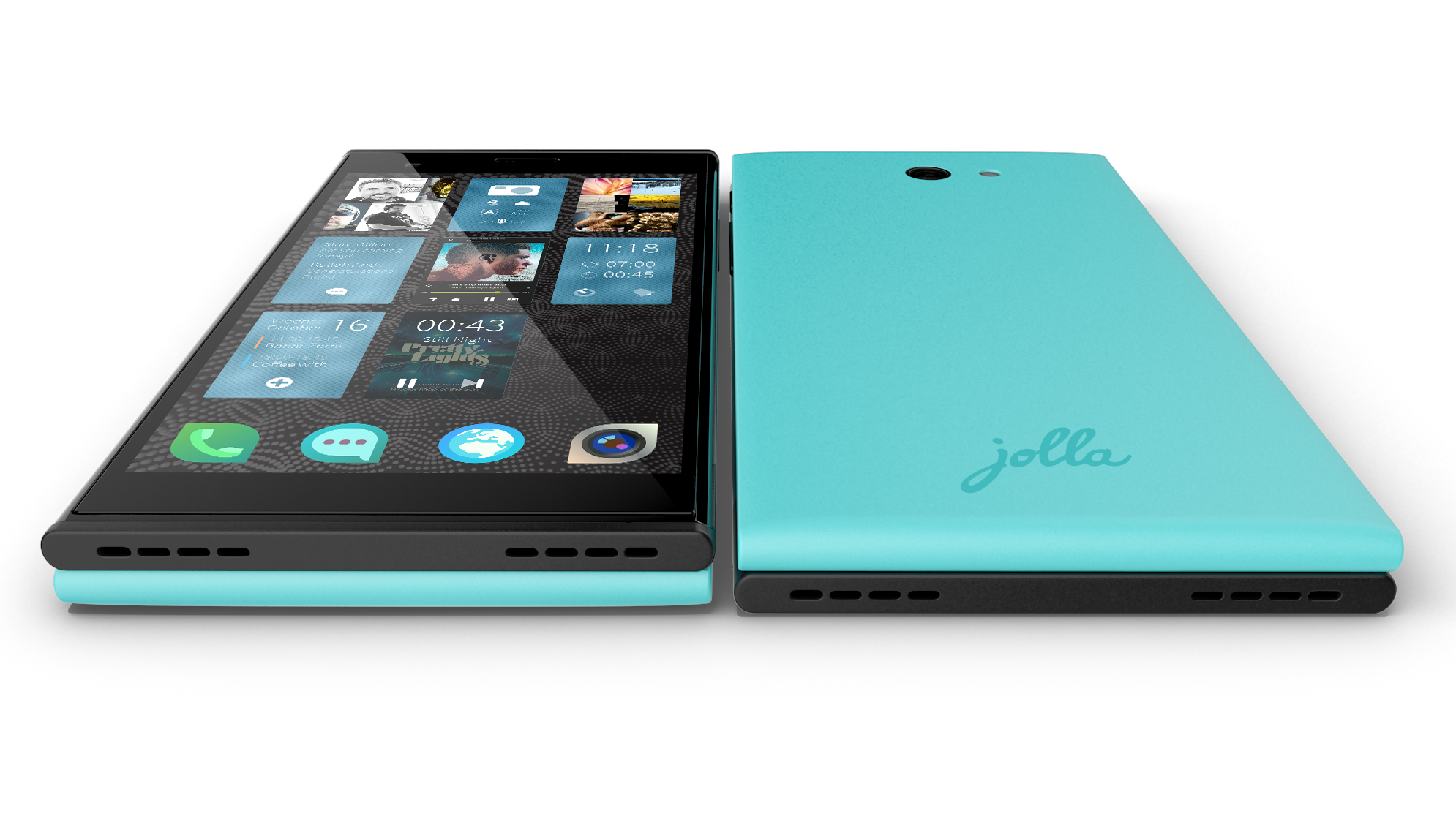
    Amidst all sort of possibilities and rumours, in a piece of surprising news, Huawei is considering to use Sailfish OS on its future devices. For readers who are unaware, Sailfish is an open source operating system which is based on a Linux kernel. The OS is an evolved continuation of the Meego OS which was originally developed by the alliance of Nokia and Intel. Sailfish OS was developed by Jolla which is a Finnish company. It was first seen on the Jolla smartphone which was released in the year 2013. 

    Huawei Sailfish OS

    Noteworthy, in the year 2014, a Russian billionaire businessman Grigory Berezkin agreed with Ministry of Communications for the creation of a Russian national mobile OS based on Sailfish. After acquiring a stake in Jolla, the businessman become a co-owner of the company. Since the year 2016, the UST group owned by Grigory Berezkin has been developing a Russia specific version of the system which is called Aurora OS.Sailfish OS Huawei

    In the following set of events, 75 percent of the stake of the UST group was sold off to Rostelecom which is the leading internet services provider from Russia. Huawei while exploring alternatives for Google’s Android OS has been in talks with the Russian minister of digital development and communications about installing a forked version of Aurora OS or Sailfish OS on future Huawei devices.

    Also Read: Hot Wheels Introduces NFC And Smart Tracks In New Cars

    To conclude, more details about the Huawei and Sailfish deal will be revealed in the future when the Chinese company spreads some light on the matter. 

  • Hot Wheels Introduces NFC And Smart Tracks In New Cars

    Hot Wheels Introduces NFC And Smart Tracks In New Cars

    Many still remember the fun they’ve had with the widely popular Hot Wheels toy cars in their childhood. Mattel introduced kids across the globe with every possible kind of cool cars there is to know about. The company had a diverse lineup of real life and even futuristic cars to put in children’s hands. Now the popular pocket-sized car toys are receiving a digital refresh with NFC and Smart Track.

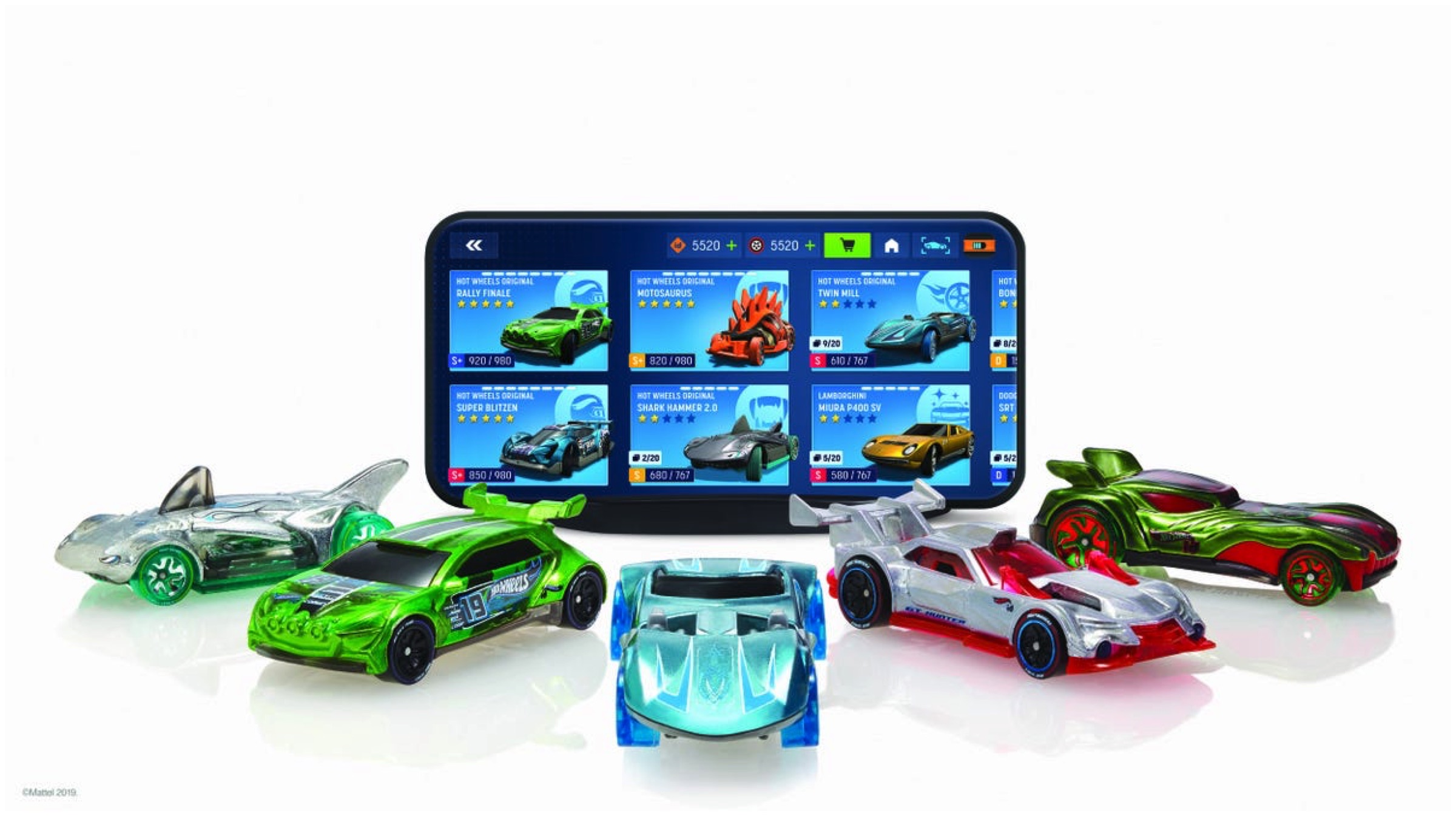
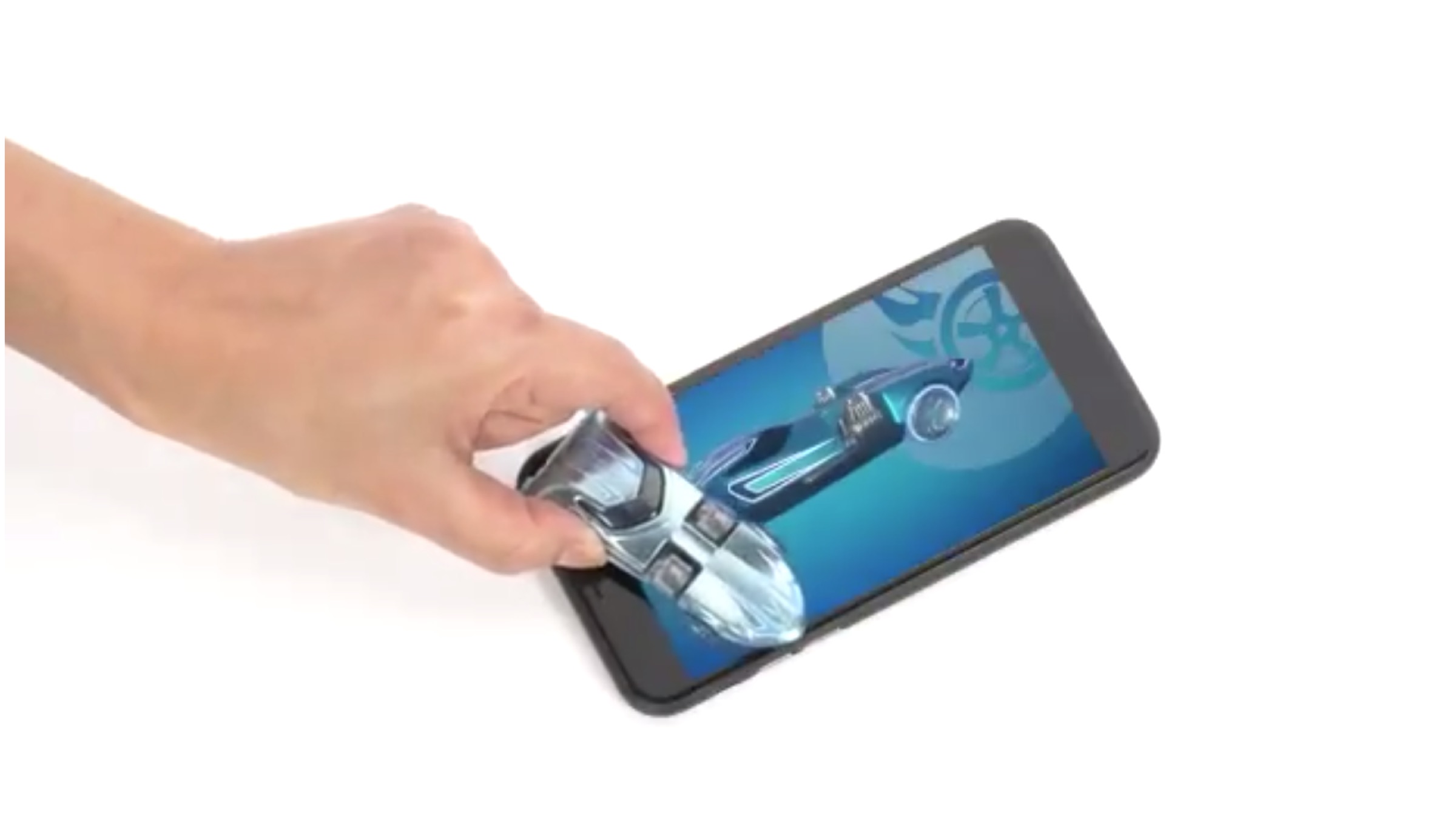
    Hot Wheels id by Mattel introduced new NFC enabled cars on its latest Smart Track. The application that allows kids to scan their collection is available in the iOS App Store for free. This app acts as a virtual garage that allows children to measure track speeds and laps through infrared sensors in the Hot Wheels Race Portal. The portal scans the cars and it connects to the Hot Wheels tracks. Users can actually provide cold hard numerical proof of who’s car is faster, inculcating a sense of healthy competition.

    Classic brands have tried remaining relevant in the current tech-savvy younger generations for a while now. The hope of keeping collectable toys alive is a dying breed in the current world and failed attempts at digitalizing do exist. Mattel’s launch of an augmented reality game is one such example, failing due to poor compatibility with most handsets and even lesser remote-controlled cars. Hot Wheels id will still keep the physical aspects of toys while incorporating technology into its diverse range of racing cars.

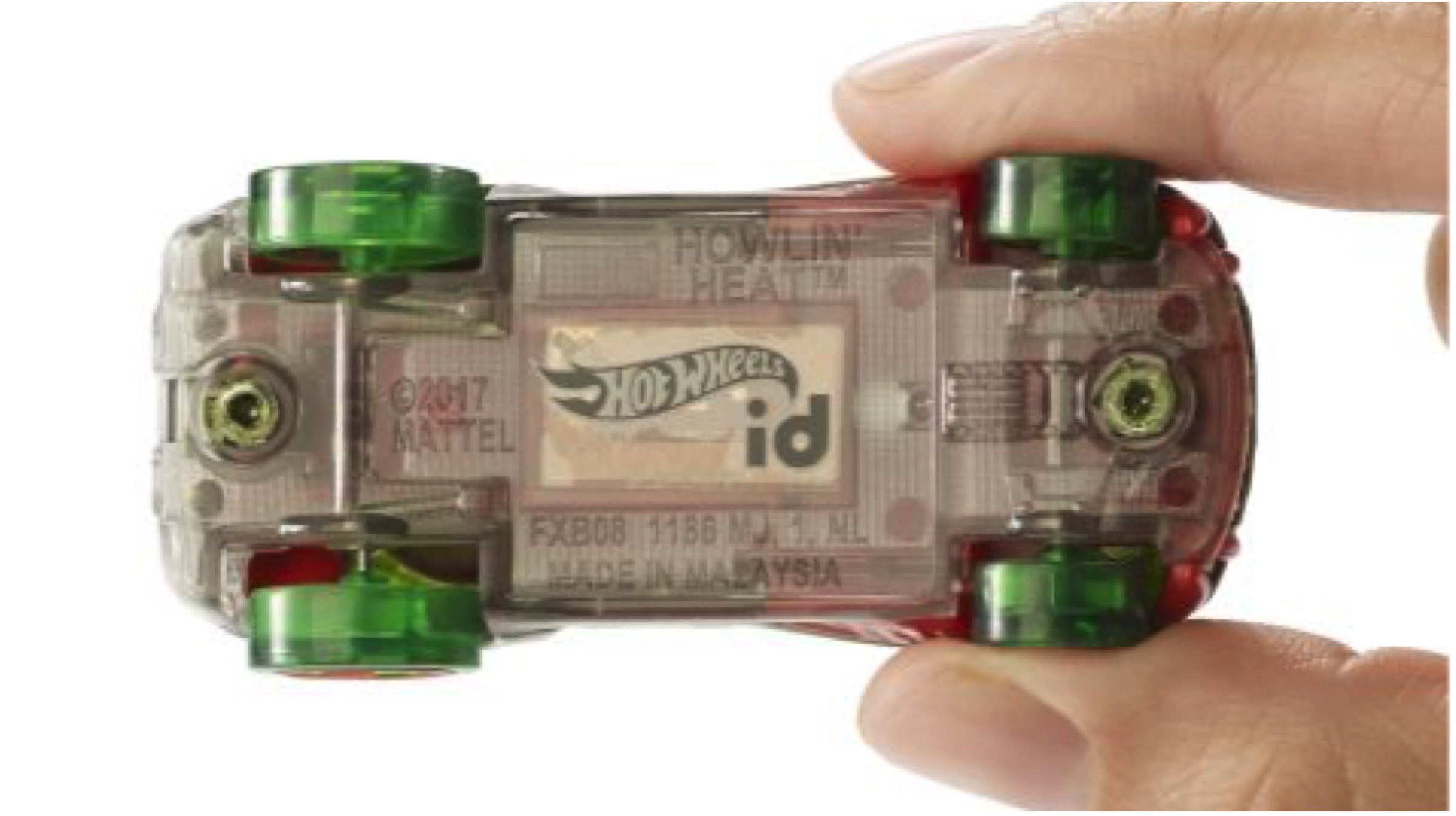
    Mattel’s Hot Wheels will add-on to the classic experience through virtual challenges and mini-games with the companion app. Those that own Hot Wheels tracks can just use a smartphone or the Race Portal to scan the new id cars. What differentiates the new iterations from the bunch is the NFC chip housed on the bottom of these toy cars. The chips will store the car’s performance data.

    The app isn’t mandatory for the experience and children do not constantly require their parent’s smartphones or tablet computers as data can be stored locally and transferred later on. Hot Wheels Smart Track Kit brings the added benefit of a launch booster for the cars at the stars, making the toys the fastest and most powerful yet. Children can quantify the track distance and speed with the Smart Track’s 16 USB-connected pieces.

    Also ReadHuawei Pushes Back The Launch Date Of The Mate X To September

    The entire set is available at the US version of Apple websites and Apple stores. An Android version of the app is scheduled to launch on Google Play on June 10th. Individual Hot Wheels id toy cars cost $6.99 (approx. Rs.500) while the Race Portal, including two of the aforementioned cars, is up for grabs at $39.99 (approx. Rs.2,800).

  • Google Pixel 4 Live Images Leaked Online

    Google Pixel 4 Live Images Leaked Online

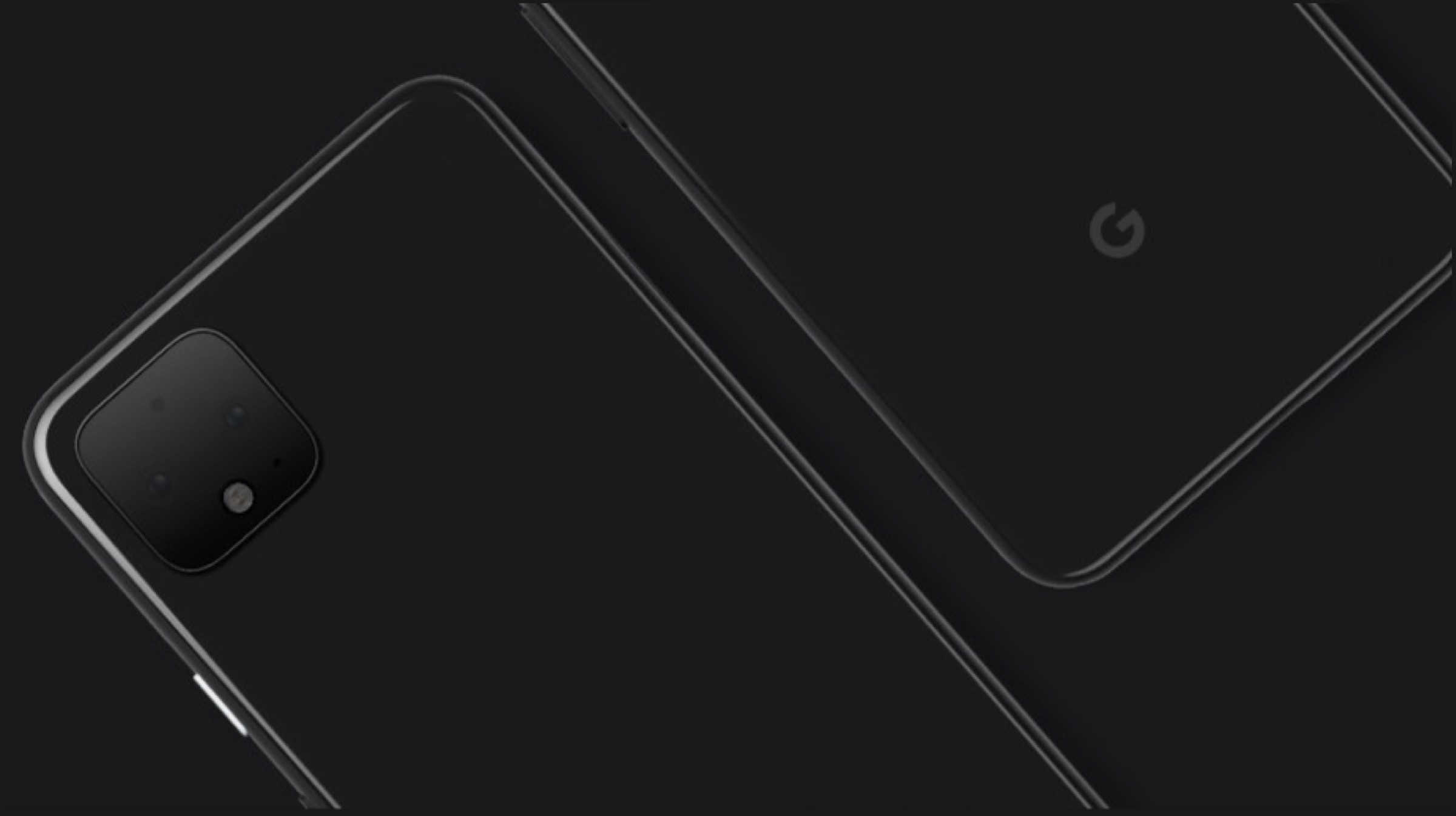
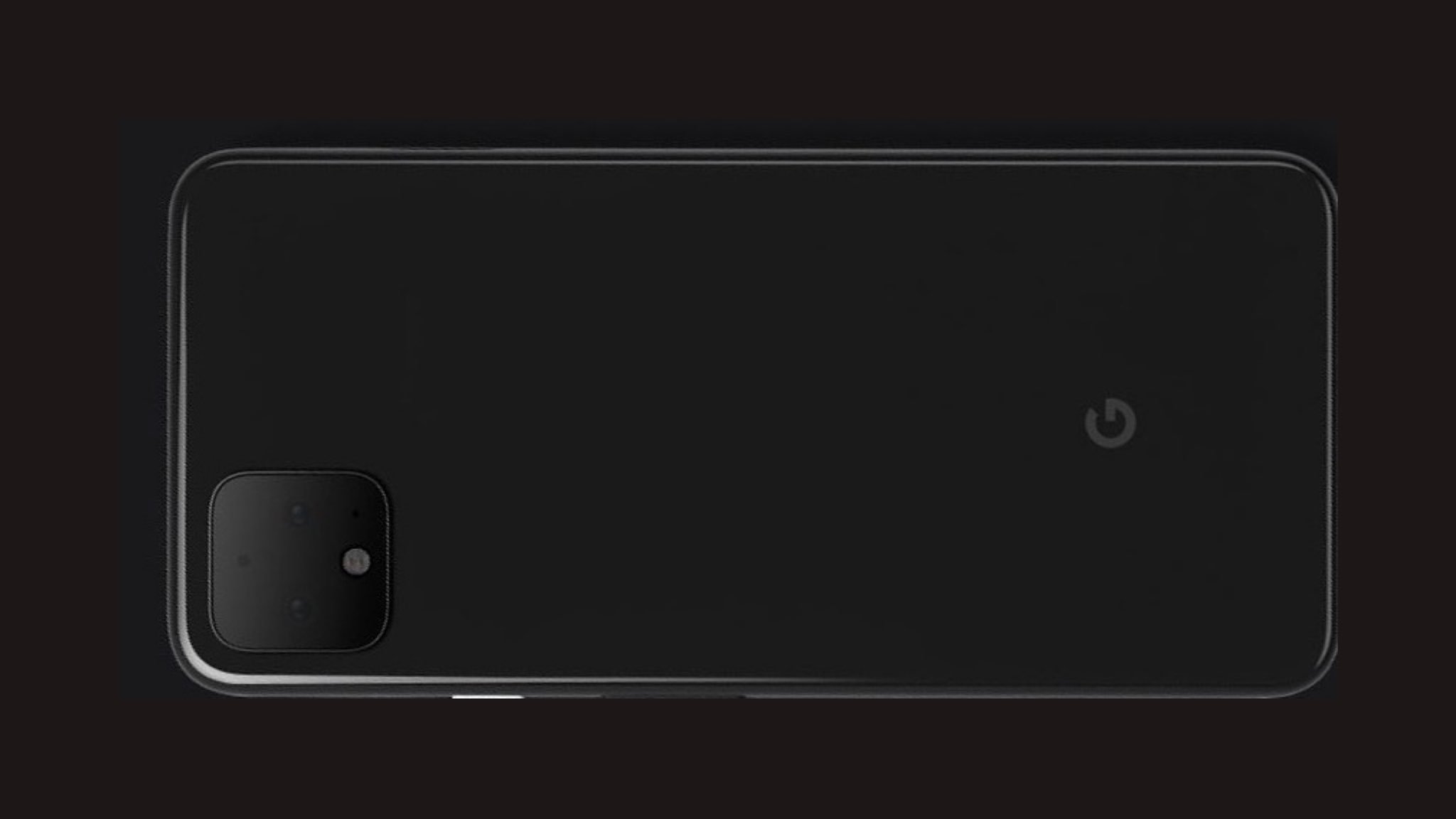
    Google’s highly awaited flagship, the Pixel 4 is expected to be launched in the upcoming months. Following the lines of the company’s previous launches, the device will be unveiled in the month of October. Previously, Google put a rest to all ongoing rumours and speculations by revealing the design of the Pixel 4 itself. Ahead of any other announcements by the American technology company, live images of the Google Pixel 4 have surfaced online, showcasing the camera setup of the device in all its glory. 

    Google Pixel 4

    The smartphone’s rear resembled Google’s renders to a good extent. A fabric case seems to be housing the device. Apart from the aforementioned information, not a lot of details can be deduced from the image. However, sources state that the front of the Pixel 4 accommodated a dual selfie-camera, similar to the likes of the Google Pixel 3 and Pixel 3XL.

    As per another report, Google may incorporate multiple sensors alongside the front camera in the Pixel 4. These may include a ToF sensor and a flood illuminator. As reported previously, Google may also revive the Project Soli, which implements a gesture-based control system using the “always aware” sensor. Music commands such as ‘Skip’ and ‘Silence’ were also found in the code of Android Q beta, indicating that media controls might also be integrated with the Pixel 4.

    Google Pixel 4

    Also Read: Huawei Pushes Back The Launch Date Of The Mate X To September

    It is quite clear that the Pixel 4 will feature a similar camera design to the rumoured iPhone XI. The upcoming Google smartphones will have a dual camera setup; which may be comprised of a primary lens, a wide angle lens and an additional spectral sensor which keeps the light flicker in check while recording video. Since the back of the smartphone appears to fabricated out of glass, the device may support wireless charging. Furthermore, the absence of a physical fingerprint scanner on the back panel indicates that the Pixel 4 will feature an in-display fingerprint scanner. Unfortunately, the company has not divulged any other details regarding the handset yet. More information is expected to be available in the month of October when Google finally unveils the device lineup. 

  • iPhone 11 To Have Bigger Battery And Better Speakers

    iPhone 11 To Have Bigger Battery And Better Speakers

    Apple has been hard at work for improving the user experience in regards to its ecosystem. The American company plans on achieving better standards through both its software and hardware-based tinkering. Soon the world might even get to see the rumoured Night mode camera feature along with a bigger more robust battery and better speakers on the iPhone 11 series.

    Battery

    iPhone 11

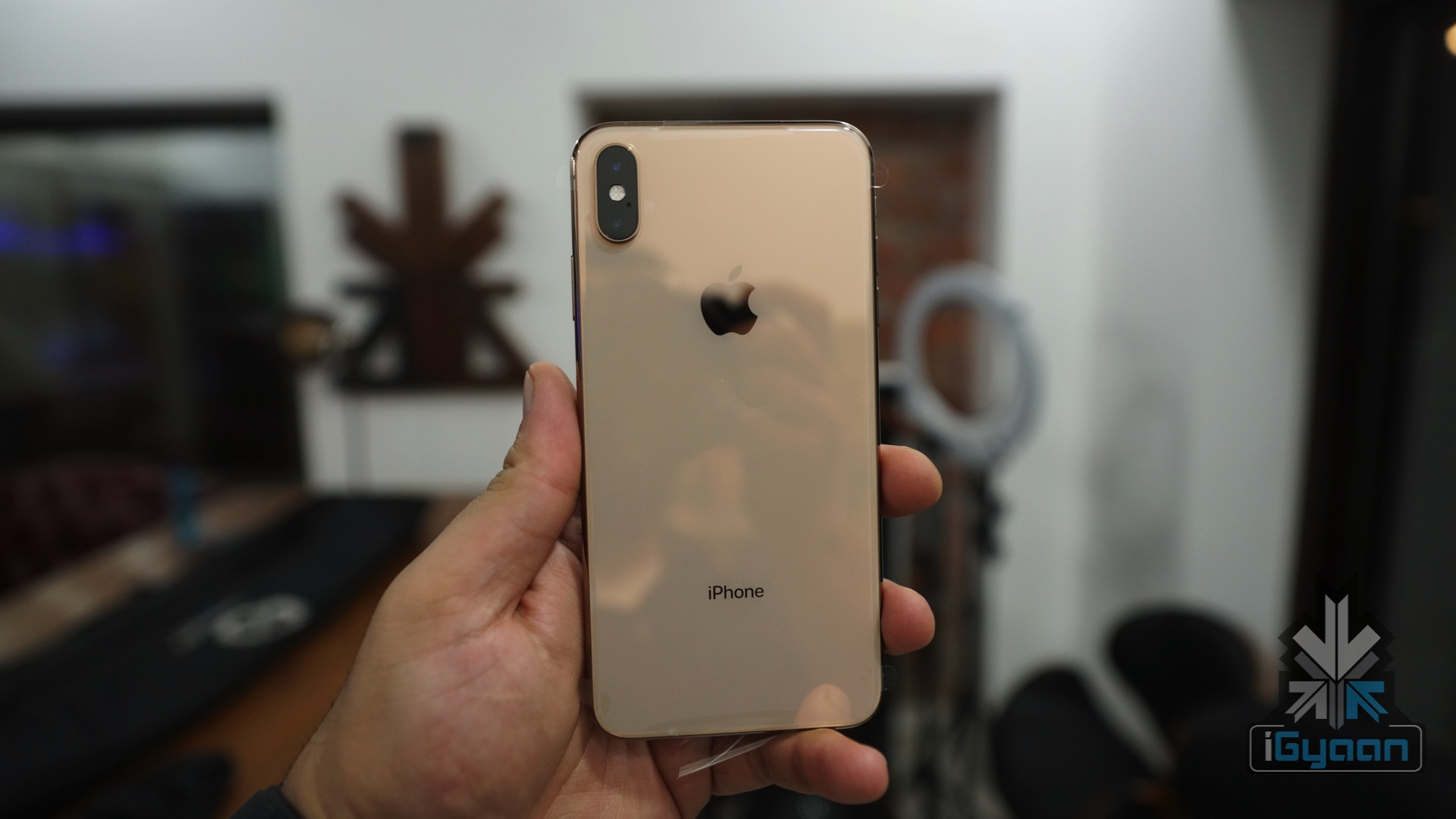
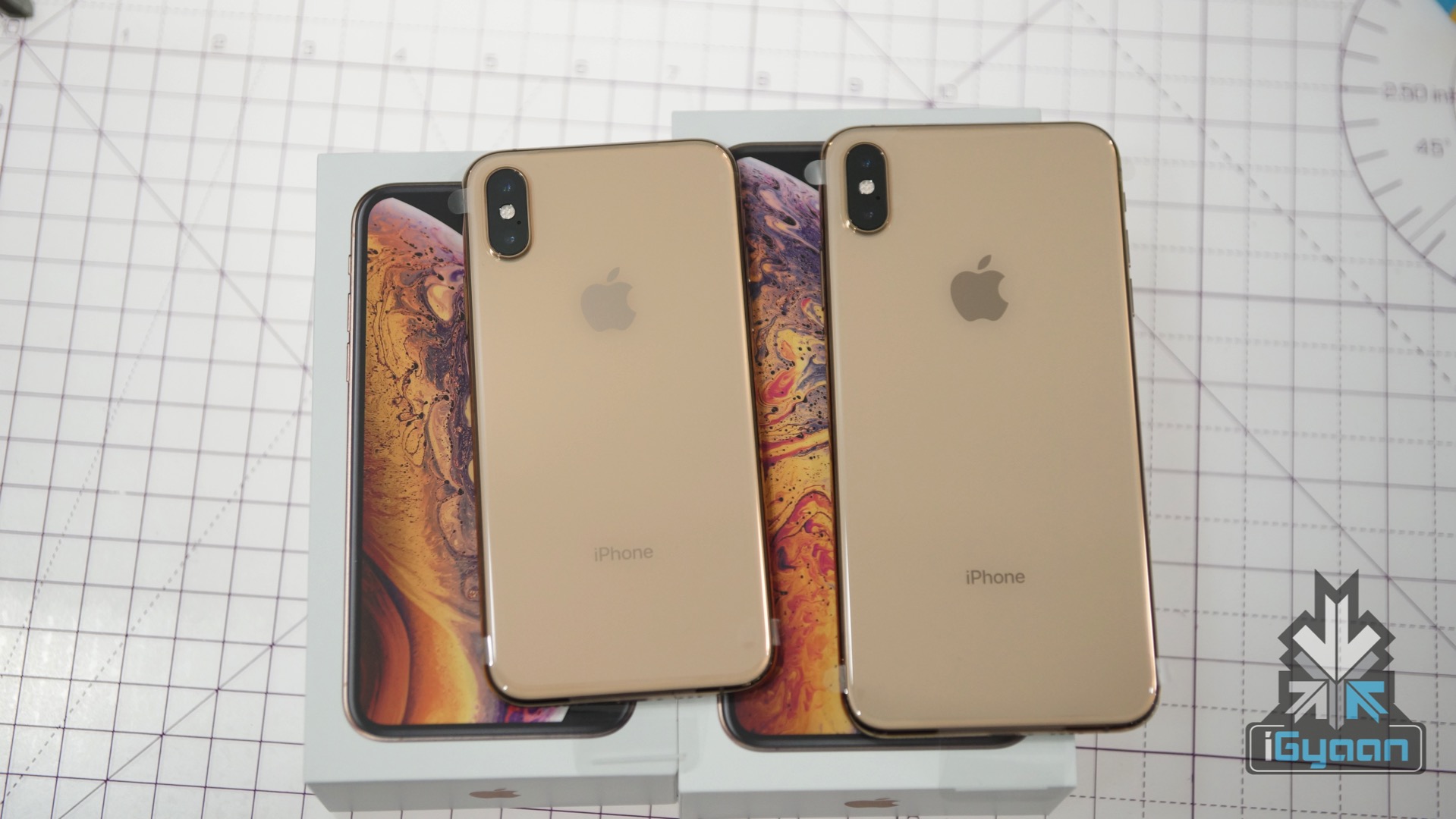
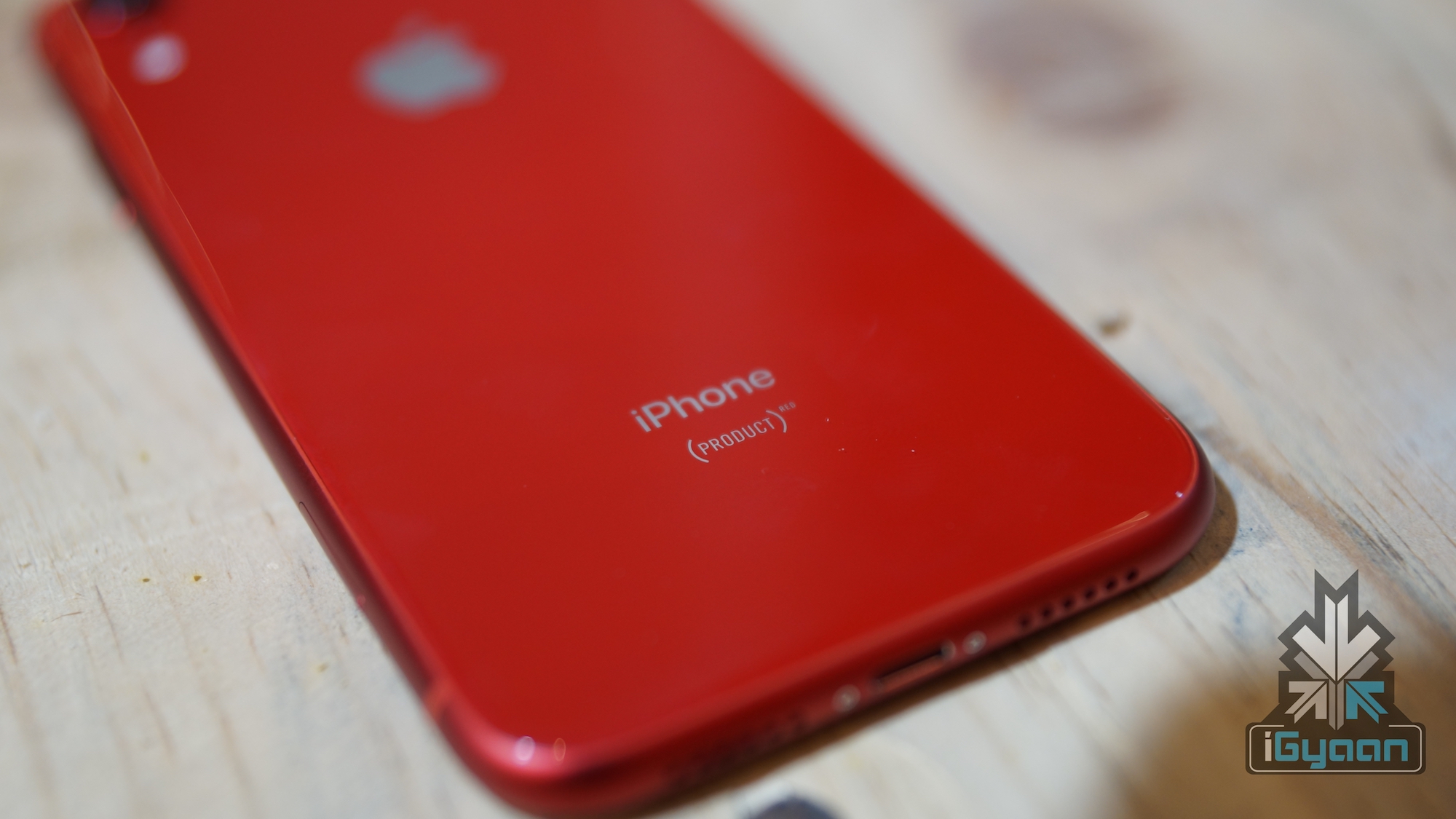
    The iPhone 11 and iPhone 11 Max were seen in a video, which surfaced on the internet, that showcased both the smartphones. In the video, the iPhone 11 Max was claimed to sport a large 4,000mAh battery pack. This is a significant upgrade over last generation iPhone XS Max that was equipped with a 3,174mAh battery capacity. Apple’s iPhone XR currently holds the title for the longest lasting battery life in an Apple handset till date. Surprising to say the least, especially when the iPhone XS Max costs almost twice as much as the iPhone XR. The 2019 model of the aforementioned iPhone is also rumoured to ship with slightly larger battery capacity.

    Speakers

    Apple first introduced stereo speakers in its flagship handsets back in 2016, with the iPhone 7. However, not a lot of changes have been made to the formula ever since. The tech giant is now reportedly improving the quality of the speakers in the latest iPhone 11 series flagship. The speaker module will apparently be smaller than the ones found in past iterations, probably to house the larger battery size. Regardless of the form factor, it will still be able to output crisper sounds from the new speakers according to the video.

    New 2018 iPhone

    Also ReadSamsung Files A Trademark For The Galaxy Tab Active Pro Tablet

    The iPhone 11 series along with various software improvements with iOS 13 may also include a USB Type-C port for faster charging. This combines to make the newest iPhone a formidable opponent in the highly competitive smartphone industry. Apple is reportedly launching the iPhone 11 lineup in September which falls in line with the other competitive releases.

  • Google Announces Game Builder To Create 3D Games Without Coding

    Google Announces Game Builder To Create 3D Games Without Coding

    American technology giant Google has announced a new tool called Game Builder. As the name suggests, it allows users to build, or create their games without any knowledge of coding. While first released in November last year; this is the first time the company has announced the confirmed the software in any manner. It has been introduced via a Google blog post on the 13th of June.

    Game Builder

    Google Game Builder

    As mentioned above, Game Builder is a tool designed to create video games without coding. It is developed by Google’s in house Area 120 team which has been responsible for a few experimental projects in the past. When running for the first time, it asks the user what screen size they are aiming for the resulting game to run on. Then it offers an option to either start a new project, work on an existing one or try sample projects. These sample projects include a variety of options, like a first-person shooting game, a platformer title; or show a demo of the Game Builder card system for trying complex interactions inside a game.

    Google Game Builder

    Also read: Galaxy Note 10 And Pixel 4 Launch Revealed

    The design inside Game Builder is reminiscent of Mojang’s Minecraft game due to the blocky nature of the graphics. To make a game, users will have to select a variety of cards to choose how the player interacts inside the game. The movements can also be selected by using real-time javascript functionality; which does not require compiling to save a command. Google claims the tool has thousands of 3D objects like animals and plants which can be placed inside the game. Game Builder is available for free on Valve’s Steam platform for both the Windows and MacOS platforms. While not for everyone, the Game Builder tool seems to be a great platform for people wanting to create their own game without wanting to learn complex coding.

  • Huawei Confirms Roll Out Of HongMeng OS

    Huawei Confirms Roll Out Of HongMeng OS

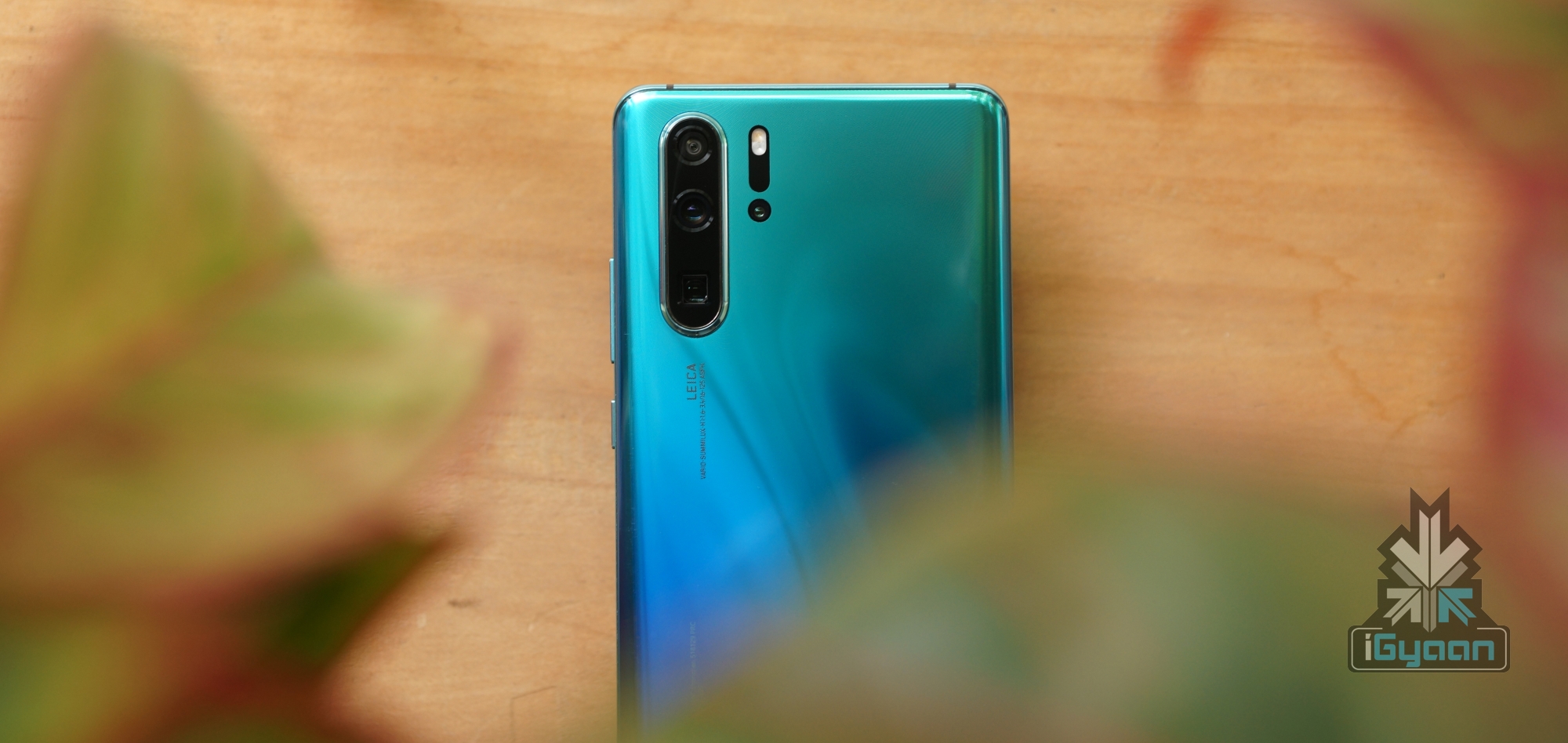
    Following the trade ban imposed on Huawei by the US Commerce Department, the company was left stranded without proper software support for smartphones and computers. As it seemed the company was in deep trouble, reports started surfacing that the company has a replacement OS called HongMeng in the pipeline for smartphones. On the 13th of June, an executive of the Chinese company confirmed to Reuters that the aforementioned OS is the process of its potential launch.

    Huawei P30 Pro
    Huawei P30 Pro


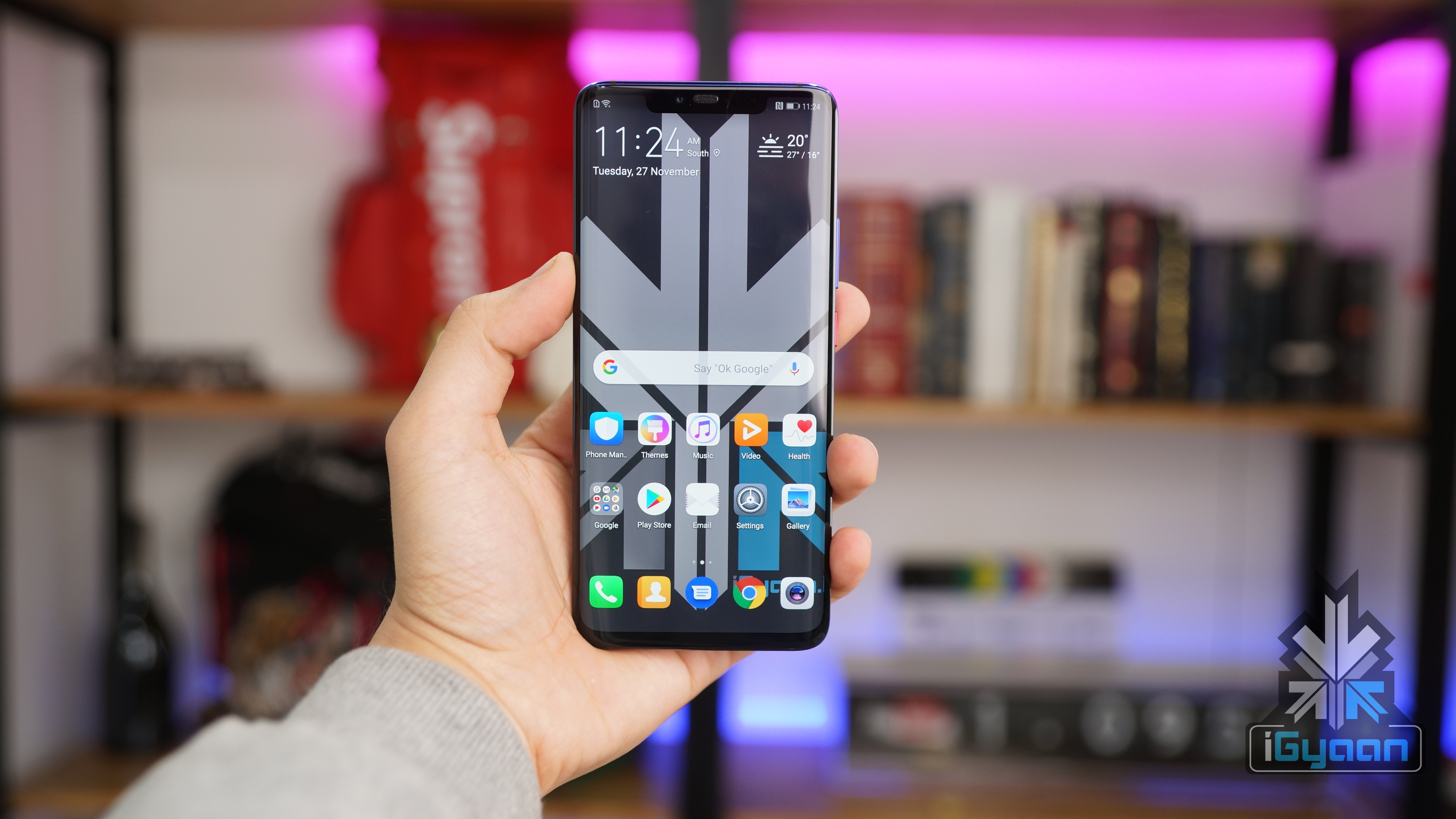
    A senior Huawei executive stated in an interview that the company has filed for the ‘HongMeng’ trademark in several regions. Furthermore, the executive claimed that the company has already shipped one million devices in China running the forthcoming OS. Commenting on the expected growth figures of the company in the year 2019, the executive revealed an expected growth of 20 percent which is slightly higher than 19.5 percent from yesteryear. In the month of March, the company officials stated that its three main business groups were likely to post double digit growth figures in the current year.Huawei mate 20 pro

    Talking more about the HongMeng OS, it is reported to be cross compatible with Android OS. This means that the applications developed for Android will work effortlessly with Huawei’s upcoming OS. Also, it was previously reported that the future OS from the Chinese company will focus on privacy and security of user data. 

    Also Read: Huawei Nova 5 Pro Renders, Specifications Leaked Online

    Huawei’s HongMeng OS was previously reported to be rolled out in the Q3 of 2019. Surprisingly, some leaks claim that the OS will be revealed with the Huawei Nova 5 lineup which is set to launch on the 21st of June. Although, Huawei is yet to confirm the said claims and we will have to wait patiently till the company reveals an official statement. 

  • Samsung Galaxy Note 10: Everything We Know So Far

    Samsung Galaxy Note 10: Everything We Know So Far

    Samsung has been busy in the year 2019. Barely half a year has gone by but various devices in diverse price ranges have already been released. The new launches have been received warmly so far with its Galaxy S10 lineup to even the affordable Galaxy M series of smartphones. The next big upcoming release for the South Korean company will most definitely be the Samsung Galaxy Note 10.

    Price and Availability

    Samsung Galaxy Note 10

    Reports point that the Samsung Galaxy Note 10 will be revealed to the world in the month of August, hitting the shelves in September thereon. Samsung usually releases the Note series flagship around Apple’s iPhone release cycle. Price of the handset should be similar to the Galaxy S10’s price which starts from $999 (approx. Rs.69,000). This is still unconfirmed as rumours also suggest a price bump over the S series flagship by over $100 to $200, having a base price upwards of $1100.

    Two Variants

    Samsung Galaxy Note 10

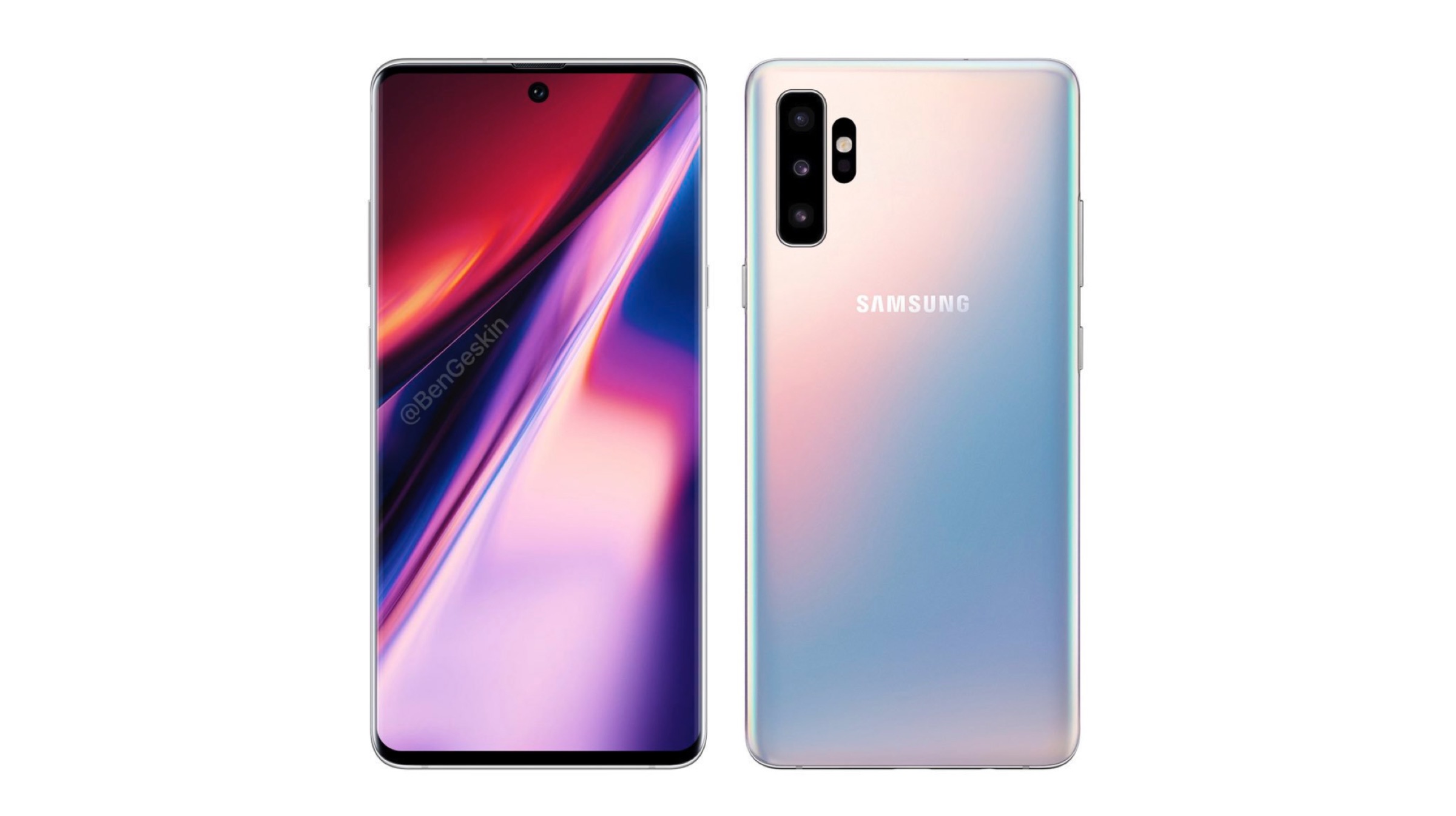
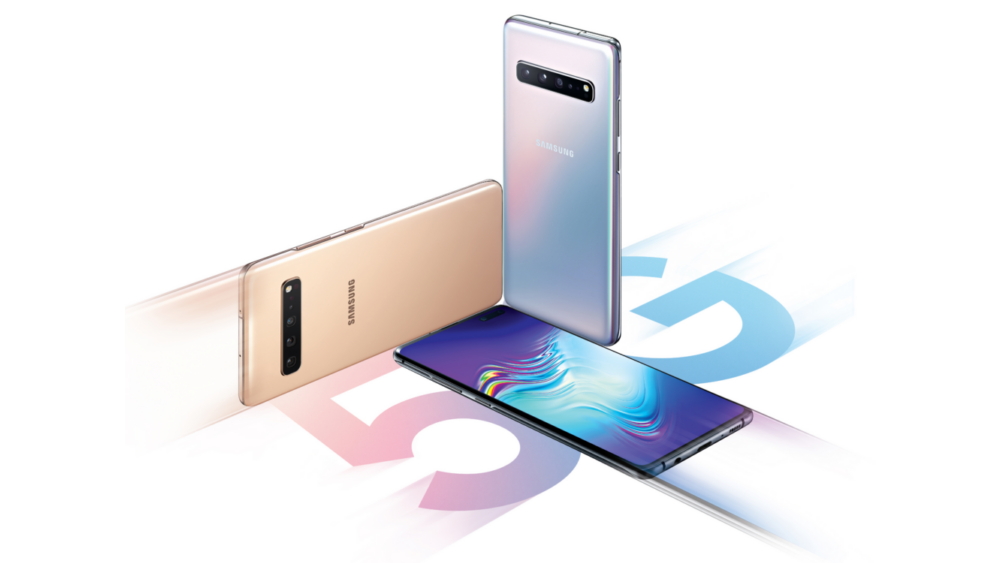
    The tech giant is rumoured to be working on two different sized variants for the Samsung Galaxy Note 10, a first for the company. The difference between the versions will be of screen size, one will sport a larger 6.7-inch display while the other is reported to be equipped with a 6.4-inch display. This report has not been confirmed by Samsung yet. Furthermore, two more irregularities to the Note devices have also been rumoured, these would feature a 5G networking capable version of the aforementioned handsets.

    Seamless Design

    Samsung was one of the last bastions for the 3.5mm headphone jack, that is now available in mid to low range smartphones. Interestingly, leaks point at the company going one step beyond and making the device completely devoid of all physical buttons as well. This rumour is still one of the highly unlikely ones to be true, as sources claim a seamless device was an early prototype by Samsung.

    Camera

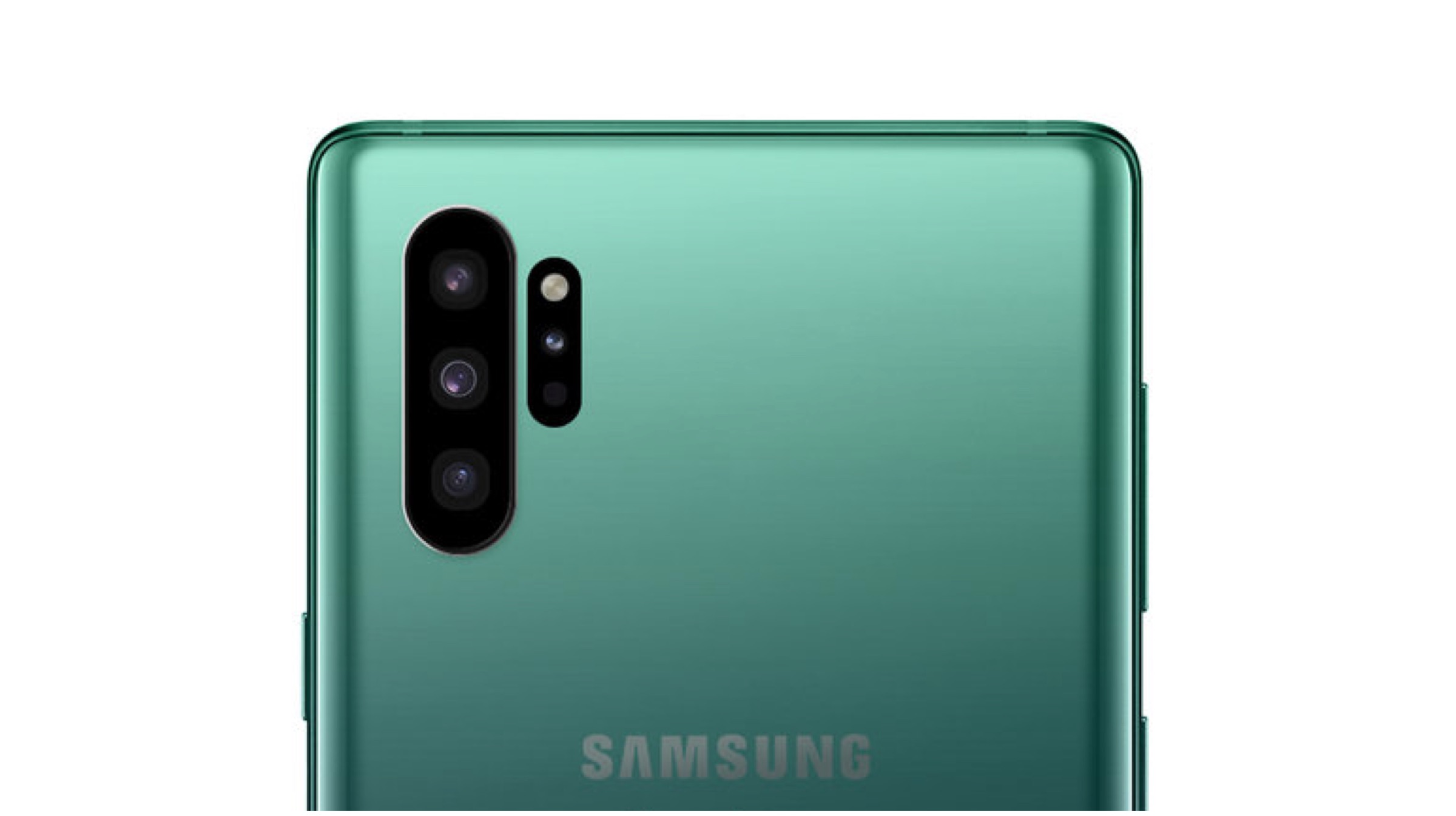
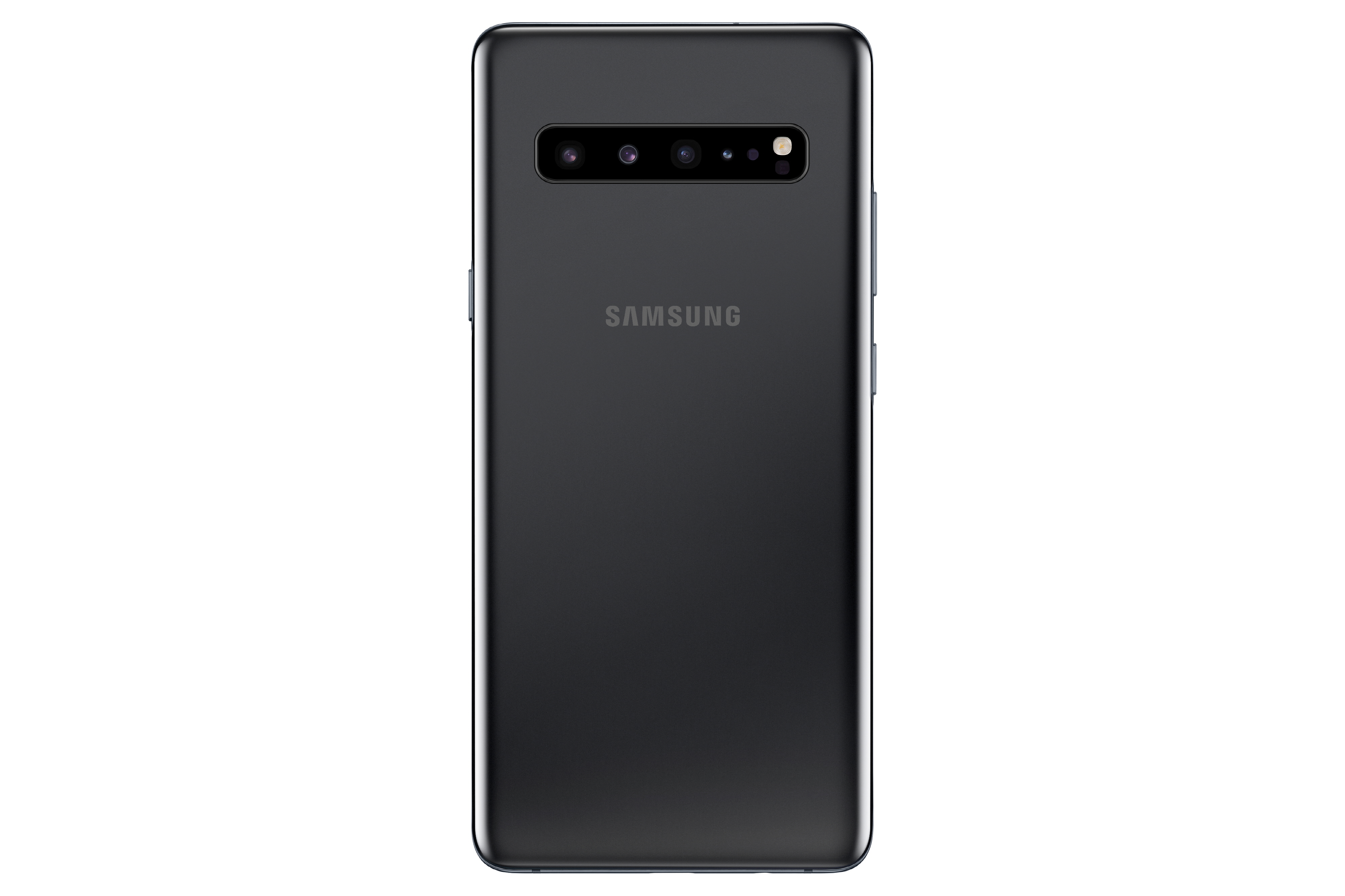
    Samsung has been steadily adding more cameras sensors to its flagship line up in the last couple of years. The Samsung Galaxy Note 10 might one-up the Galaxy S10 by featuring a quad-camera module setup at the back. One lens would comprise the standard camera, whereas one a telephoto lens with 5x optical zoom. The company might also include wide-angle lens but what the fourth camera sensor could be is still a mystery.

    In-Display Fingerprint Sensor

    The Galaxy S10 had a hit or miss reception to its in-display fingerprint scanner. The first of its kind ultrasonic scanner was a hit on paper but in practice, the implementation by Samsung felt glitchy. The Note 10, however, could bring improvements to the functionality of this feature. A prospect welcomed by all prospective buyers.

    Chipset and Storage Options

    Going with the most powerful smartphone chipset available in the market currently, The Samsung Galaxy Note 10 will likely house the Qualcomm Snapdragon 855 SoC. The Exynos 9825 versions will also be seen alongside the device in certain countries. The upcoming Note series will probably cross 10GB of RAM and go upwards to 12GB. Since the Galaxy S10 Plus features 128GB of internal storage in one of its variants, the Note 10 will probably feature 128GB base storage to 1TB in the higher specced versions.

    Also ReadSamsung Galaxy Tab A 2019 Leaked Via Android Enterprise Listing

    It is still too early to draw any conclusive assumptions about the upcoming Samsung Galaxy Note 10 since the handset still has two months to its launch. However, many of Samsungs loyal fan base would like to see a refresh of the long drawn series with the 10th iteration of the popular flagship lineup.

  • Whatsapp To Take Legal Action Against Users Who Send Too Many Messages

    Whatsapp To Take Legal Action Against Users Who Send Too Many Messages

    Whatsapp is widely regarded as one of the most widely used Instant messaging applications in the world. Launched in the year 2009, the application was later acquired by social media giant, Facebook in the year 2014. As per latest reports, Whatsapp will start taking legal action against users who have a habit of sending way too many messages. This step is being taken to curb the amount of fake news that is being spread via the application. 

    WhatsApp Samsung

    Previously, the company owned rights to ban users if the terms and condition policy was violated in any manner. However, incidents in the past have indicated that people tend to act instinctively upon receiving news via the application. In a survey, it was discovered that almost 52 percent of respondents received news and stories via WhatsApp. The content shared via the application has supposedly led to murders, extortions and even unwanted uprisings amongst the inhabitants of the country. 

    The company had previously introduced a “forwarded” tag to messages which had been forwarded multiple times. However, 7 December 2019 onwards, any user who indulges in “bulk or automated WhatsApp messaging” can be sued, the company states. Whatsapp states that the sole motive of the application was to act as a direct link between people and organizations (via the Business app), hence any kind of spam will not be tolerated. This step will enable the organization to assert direct control over its users, even if it concerns data that is solely accessible by the company itself.

    WhatsApp

    Also Read: Xiaomi Leads The Wearables Industry With 21 Percent Market Share

    The update can be seen on Whatsapp’s page under “unauthorised usage of WhatsApp”, which clearly states that the Facebook-owned instant messaging application is committed to developing its structure around the private nature of data transmission. Especially during elections, a rogue message forwarded by a group of people can spark controversies and biased opinions. This decision by the American company will serve as an effective check on people who tend to forward/send messages in bulk amounts. 

  • Xiaomi Leads The Wearables Industry With 21 Percent Market Share

    Xiaomi Leads The Wearables Industry With 21 Percent Market Share

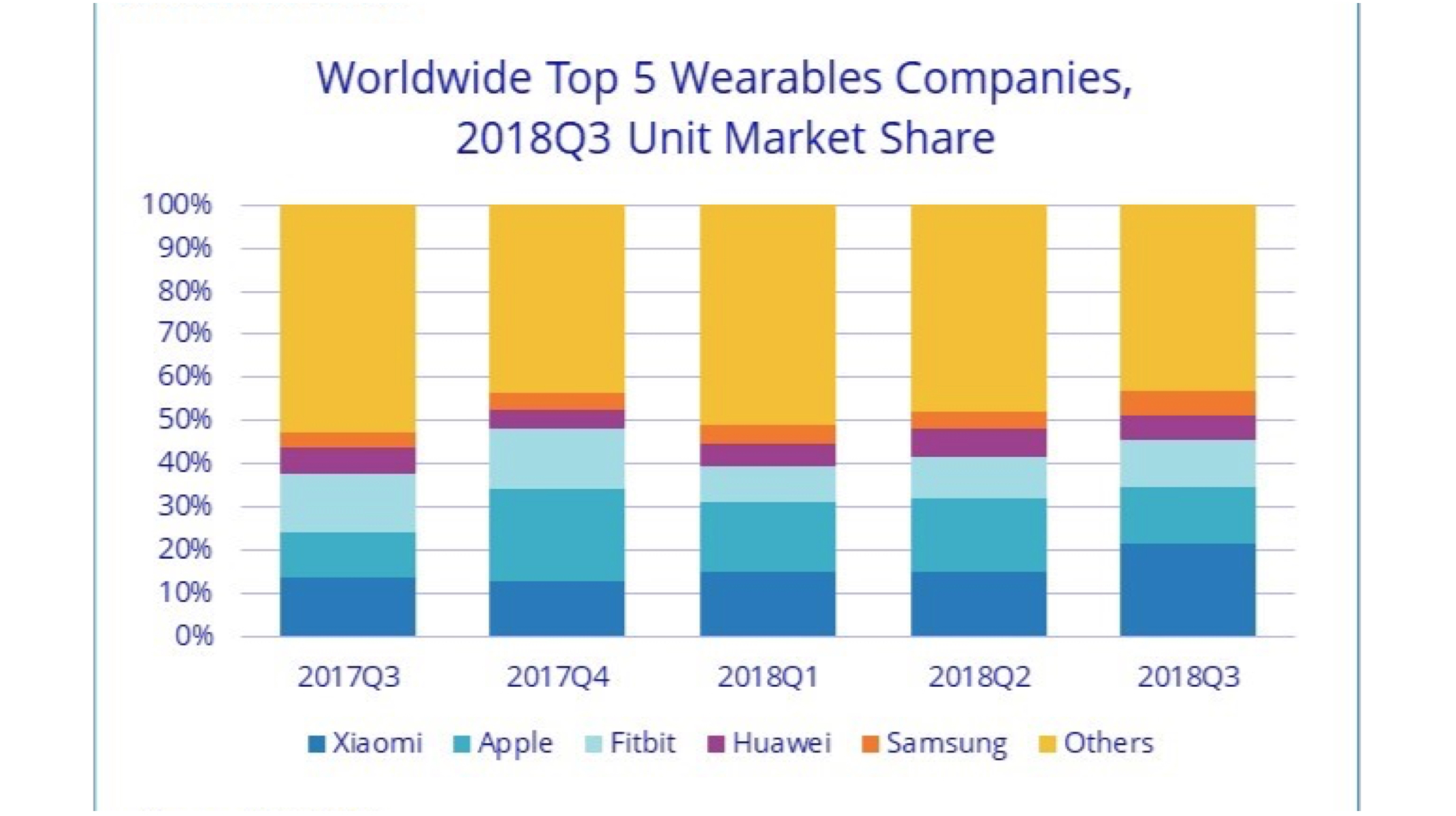
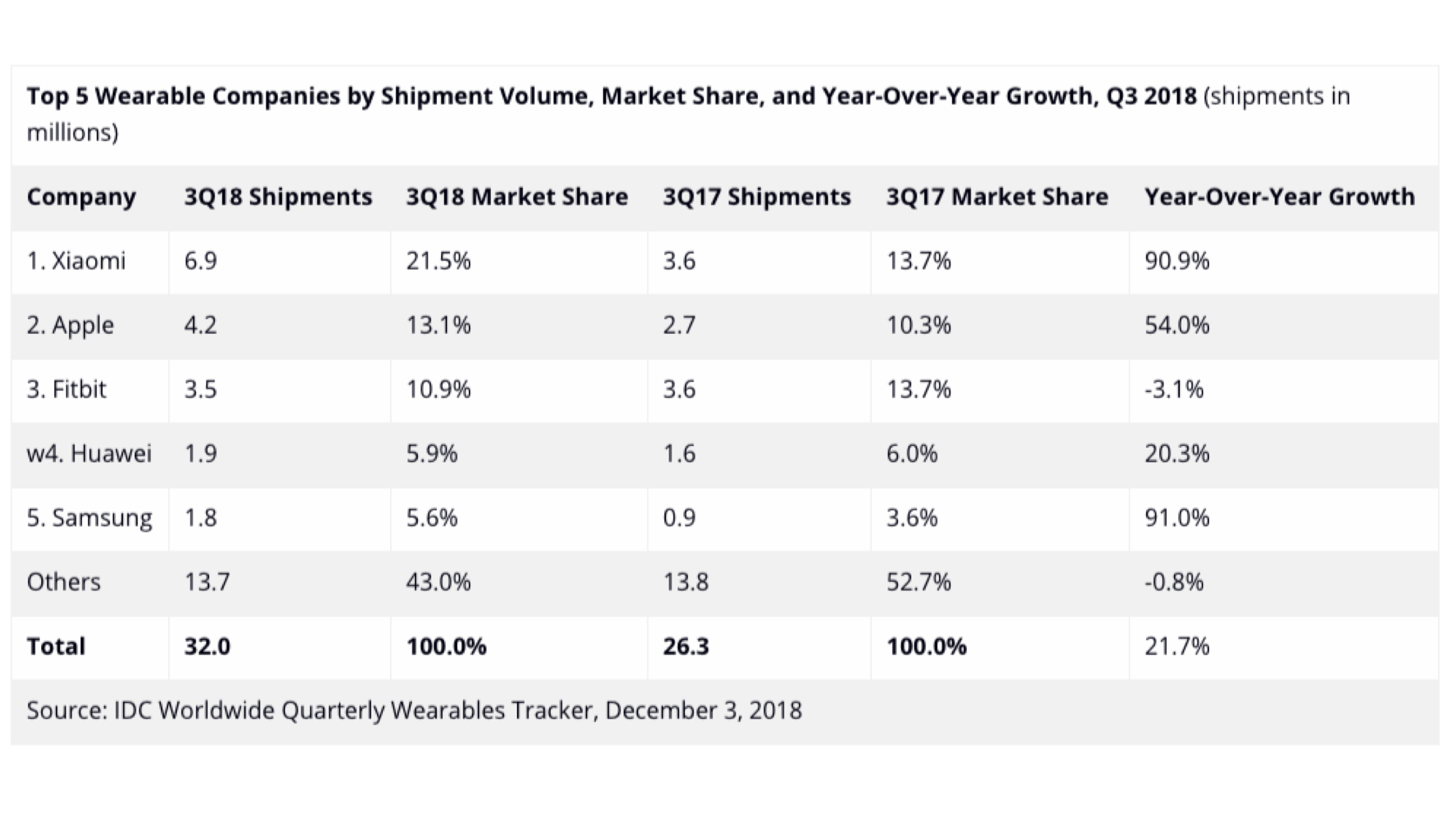
    IDC short for International Data Corporation has revealed that global shipments of wearable devices have grown significantly YoY from the year 2017 to 2018. The biggest gainer in market share and the top spot for the maximum number of devices sold is held by Xiaomi. The full chart for shipments from different companies can be found below.

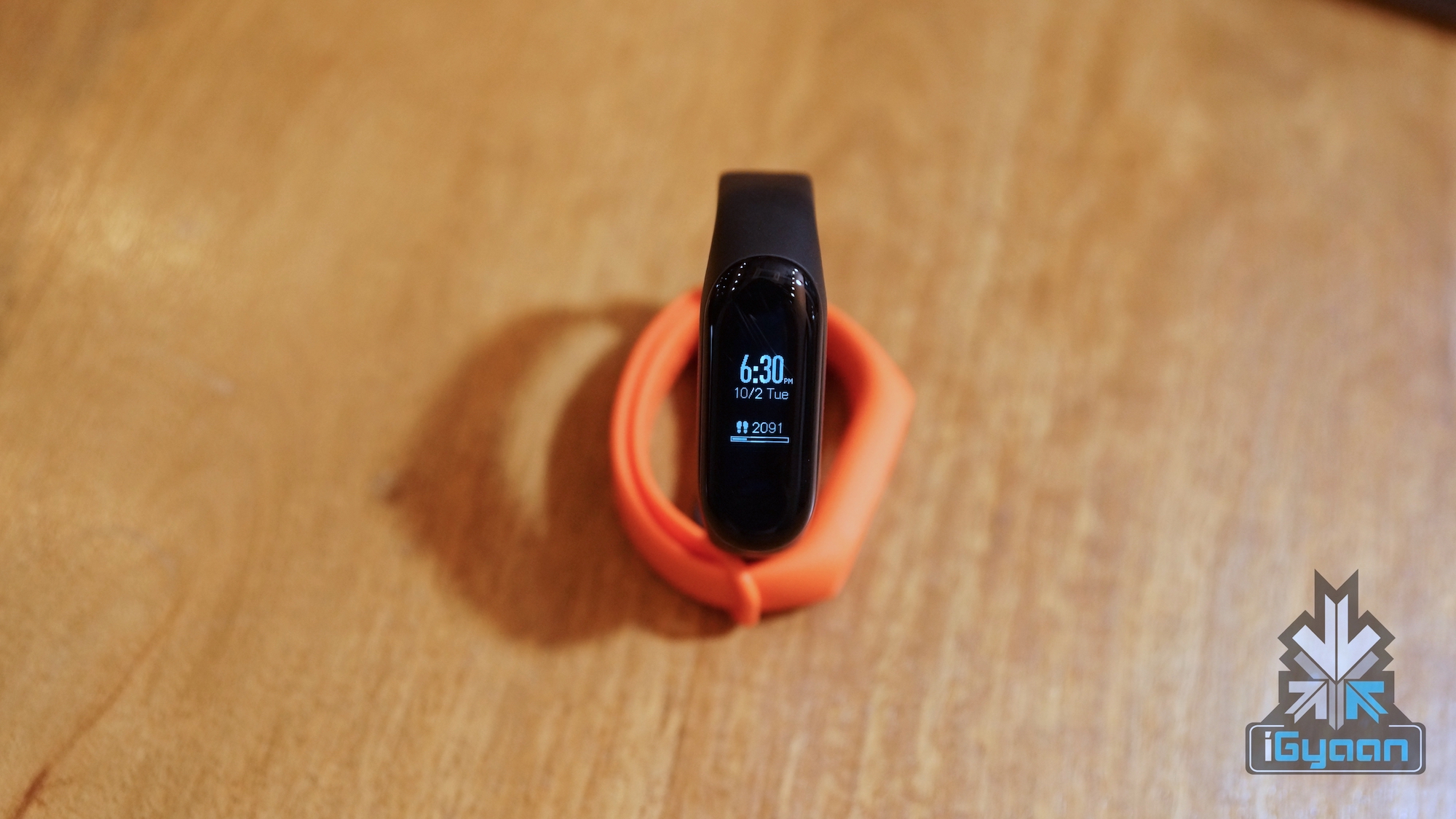
    According to the report published by IDC, Xiaomi sold 6.9 million wearable devices in Q3 of 2018, up from 3.6 million in Q3 of 2017. Major contributors in Xiaomi’s portfolio is the Mi Band which is an affordable fitness band. Noteworthy, Xiaomi’s stake grew from 13.7 percent to 21.5 percent which is significant growth. Apple Watch Wearable

    Following Xioami in the list is the American giant, Apple which sold 4.2 million smart wearables in Q3 of 2018. The devices in Apple’s portfolio include the Apple Watch and Apple AirPods. In comparison to Q3 of 2017, Apple saw close to 3 percent growth in the overall marketshare which grew from 10.3 percent to 13.1 percent. IDC Wearable Report

    Coming in at number three is Fitbit whose sale fell slightly YoY. In the Q3 of 2017, the company sold 3.6 million wearables, whereas in Q3 of 2018 it sold 3.5 million units. The overall YoY growth for the company fell over 3 percent. In Q3 of 2017 Fitbit had a market share fo 13.7 percent which fell to 10.9 percent in third quarter of the following year.

    Other companies including Huawei and Samsung also sold a considerable amount of wearable devices in two years. Both companies saw an upward trend in terms of sale. Noteworthy, the market share of Korea based Samsung grew 91 percent between the two time frames. The company sold 0.9 million wearable devices in the third quarter of 2017 which double to 1.8 million for Q3 of 2018.

    Also Read: Huawei Cancels MateBook X And E Over US Trade Ban

    Conclusively, the data reveals that the demand for wearable devices is seeing rapid growth and 2019 is expected to translate into the charts climbing even higher. 

  • Zomato Successfully Tests Aerial Food Delivery

    Zomato Successfully Tests Aerial Food Delivery

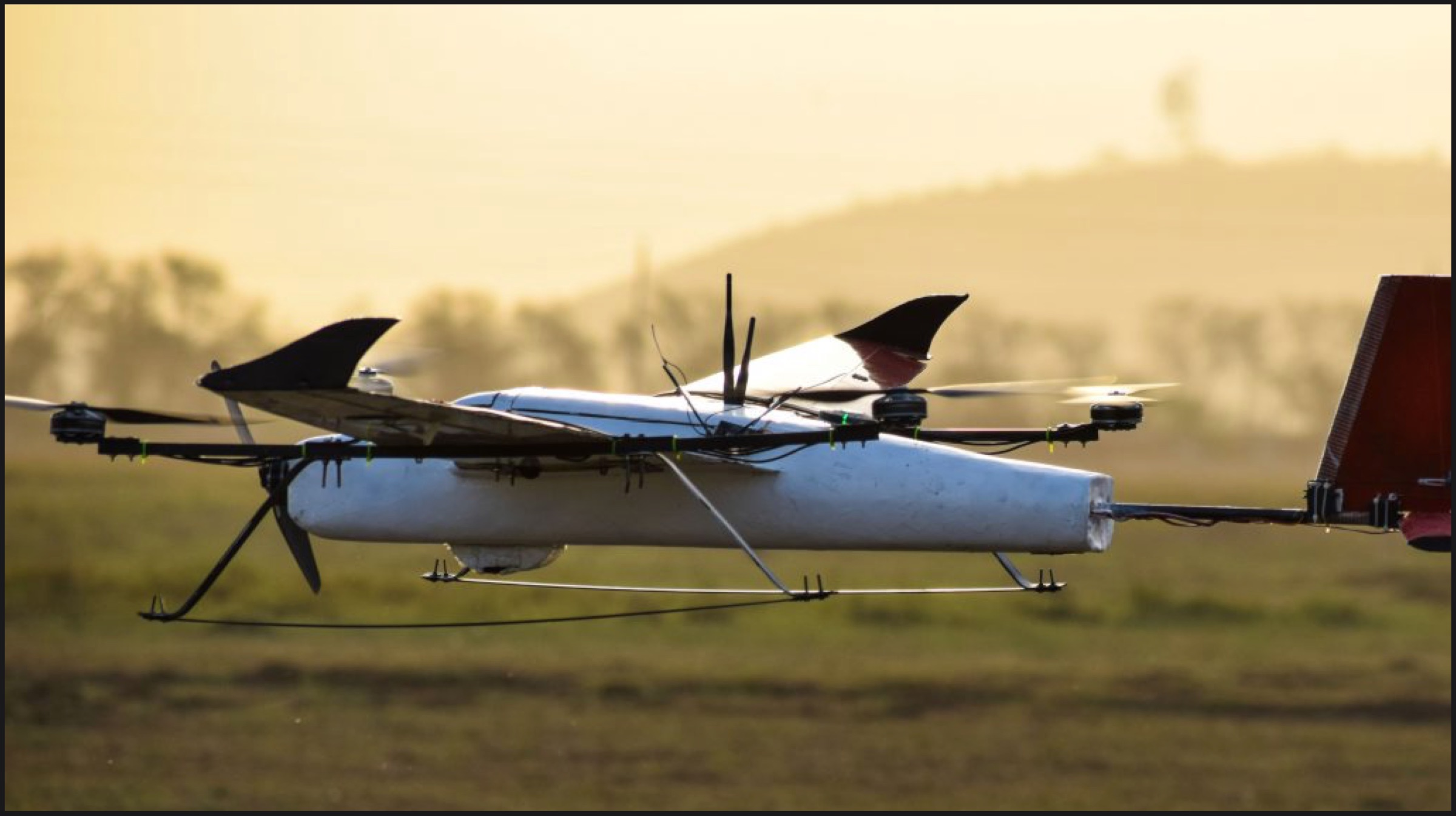
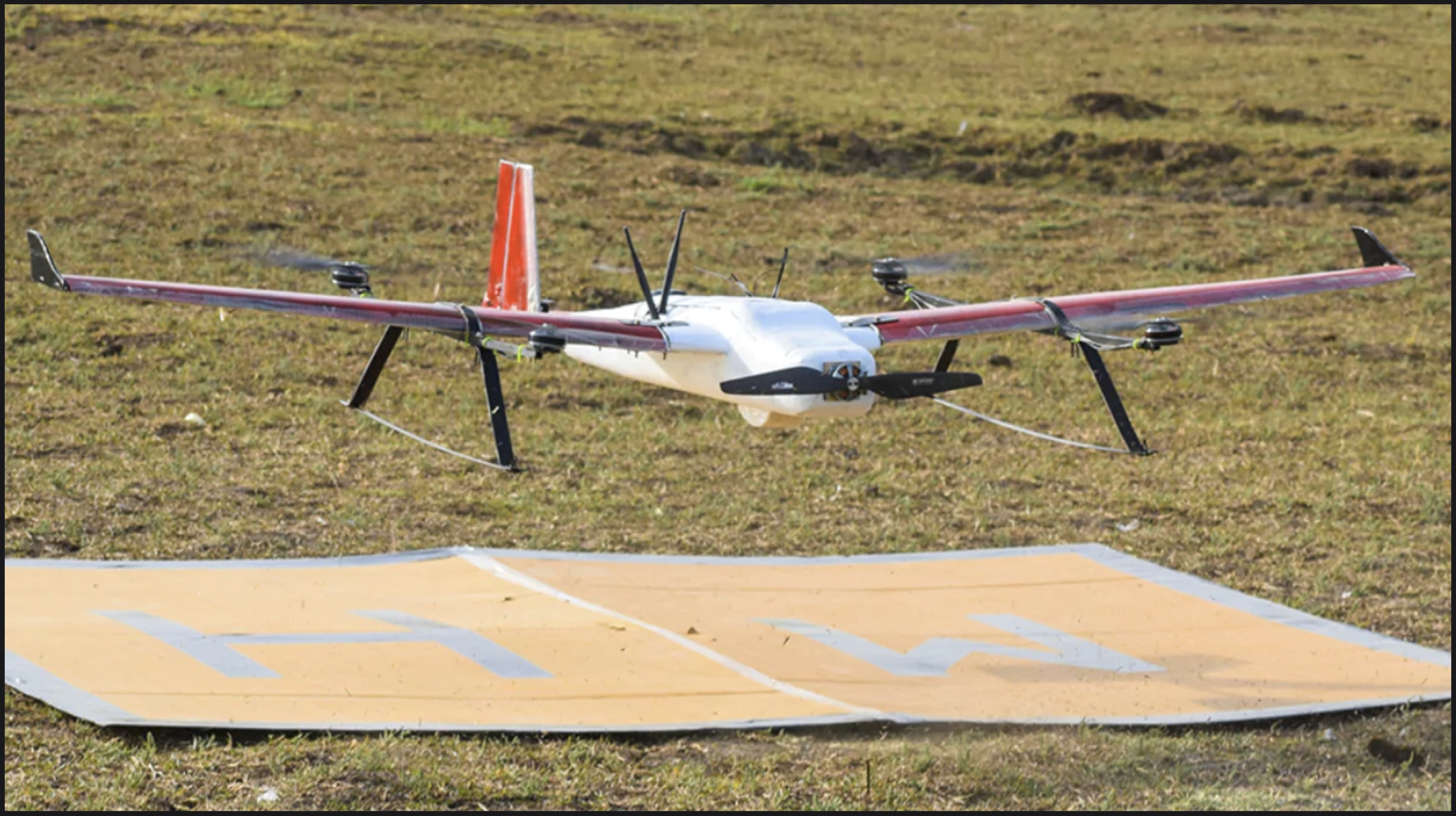
    Indian food search and delivery startup Zomato have successfully tested aerial food delivery by using a drone. In a blog post by a senior company executive, it has been revealed that the test was conducted using a hybrid drone. It was conducted as a part of Zomato’s attempt at reducing the time taken to deliver food to customers. While in its initial stage, the service is expected to be more mainstream and may roll out in the following months.

    Zomato Aerial Food Delivery

    https://twitter.com/deepigoyal/status/1138761339709448192?ref_src=twsrc%5Etfw%7Ctwcamp%5Etweetembed%7Ctwterm%5E1138761339709448192%7Ctwgr%5E393039363b636f6e74726f6c&ref_url=https%3A%2F%2Fgadgets.ndtv.com%2Fapps%2Fnews%2Fzomato-successfully-tests-drone-technology-moves-closer-to-aerial-food-delivery-2052216

    As mentioned above, Zomato has successfully tested food delivery via a drone. The news arrives a few months after the company acquired the Indian drone startup called TechEagle. In the blog post, it is claimed the teams of both companies worked together for the test. The drone covered a distance of 5kms in a time period of 10 minutes; with a peak speed of 80kmph while carrying a payload of 5kgs. As it was a non-commercial delivery, it is not known where the drone dropped off the package. According to Zomato, when the service is ready, the UAV (Unmanned Aerial Vehicle) will pick up the food package from the restaurant hub; and drop the package at a customer hub, which will be a landing station close to dense communities. To fly back, the drone will use a mix of various flight modes to navigate to the dispatch site.

    Zomato

    Also read: Pixel 4 Design Revealed By Google

    To fly a drone in India currently, a slew of permissions from the government is required. Zomato claims it is forming a consortium as per the guidelines of the DGCA (Director General of Civil Aviation); to carry out remote drone operations in India. The company is also looking forward to solving issues like pollution and traffic by using a drone for food delivery. Unfortunately, it is not known when the service will start rolling out commercially, but the successful test insinuates it may be introduced soon.

  • Facebook Is Paying Users For Tracking Their Smartphones

    Facebook Is Paying Users For Tracking Their Smartphones

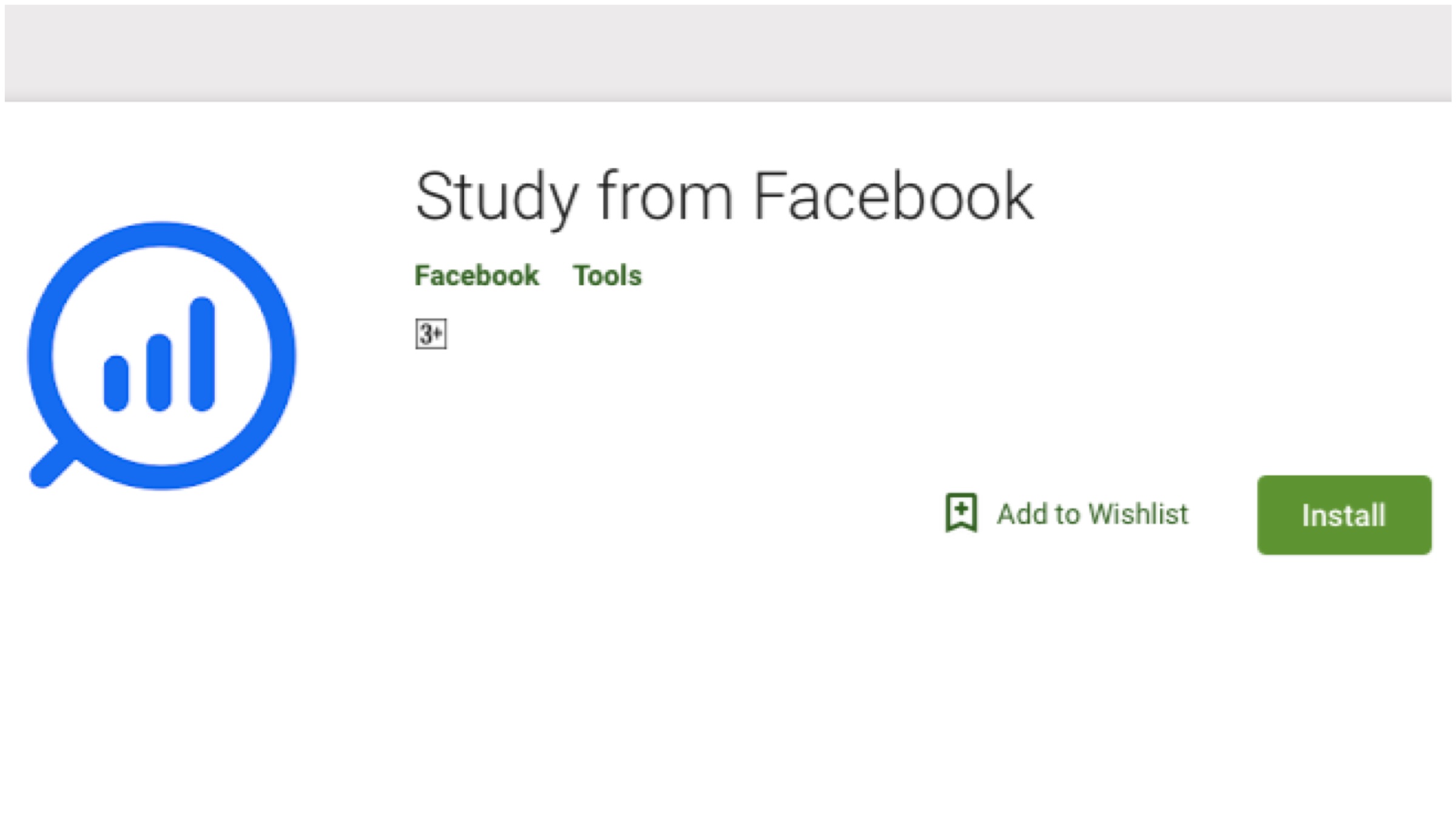
    Facebook in a new announcement has planned to once again start paying users for being monitored. The ‘Study from Facebook’ application will monitor the user’s device, finding which apps are currently installed, duration of usage of said apps, track their location, and most importantly, record app data of users.

    Facebook

    The monitored app data can uncover which features are being utilized in an app. The social media giant claims that it will not be able to track any specific information like messages, passwords or websites visited. The application has been launched months after Facebook’s last attempt at a user-monitoring software. Facebook Research, which was terminated after various controversies arose with the app being specifically marketed to teens, exclusively on the iPhone. The defunct app through special certification allowed itself to circumvent the App Stores and gain special access within Apple devices framework. This was a clear violation of Apple’s rules and regulations causing it to be shut down in January.

    The company’s new move showcases its struggling effort in obtaining user’s data from their phones. Facebook, however, has learned a couple of things from its last public debacle. Study app will now only be available for people verified to be over the age of 18; being available exclusively on Android, where the users can choose to grant deeper access to the app. The monitoring software will now also highlight through different screens what type of user data has been collected and exactly how it’ll be used.

    Also ReadNintendo Roundup At E3

    Facebook has yet to specify exactly how much it will be paying the user’s to use the app. Although a recent blog post has confirmed that all research participants will be compensated. A PayPal account is mandatory for the study that will reference data that the company already has over the user and the data collected. The Study app has been launched in India and the US. Initially, only the users invited for a study by Facebook can use the app.

  • NASA To Test Safer, More Efficient Green Fuel For Spacecraft

    NASA To Test Safer, More Efficient Green Fuel For Spacecraft

    The human race has seen drastic advancements in space exploration over the last five decades. However, humans missions still remain few and far between. The reason for that is considered to be the fuel used in the missions. Until now, most missions to space have used hydrazine, which is a dangerous and toxic chemical for humans to use and handle. Handling the colourless liquid requires some very strict safety precautions. Now, the National Aeronautics and Space Administration (NASA) of the United States has announced that it is planning on testing a new fuel for spacecraft. Dubbed the Green Propellant Infusion Mission (GPIM) it uses a non-toxic, rose coloured solution that can be a breakthrough in space exploration.

    About the fuel

    NASA

    The GIPM is a spacecraft which will use the aforementioned fuel to power the mission. The fuel in question is a “green” mix of hydroxylammonium nitrate with an oxidizer that assists it in burning. It is considered safe enough to fuel the spacecraft while it is still being built, which will fast forward the launch. Apart from being safer, the newest chemical is also significantly more powerful than hydrazine. According to NASA, the newer fuel will offer up to 50 percent better performance. This boost in efficiency can either be used by travelling more distance in an equivalent amount of hydrazine; or by reducing the amount of fuel required in a spacecraft. 

    NASA

    Also read: Huawei Has Shipped 1 Million Phones With Their Own OS

    If the GIPM by NASA is successful in justifying the need for the new type of fuel; it could pave way for longer, more resource intensive missions like sending humans to Mars or Moon. The aforementioned mission by NASA, GPIM is scheduled to launch in June on board a Falcon Heavy Rocket by SpaceX. This is the same mission carrying the LightSail 2 project which is being conducted to demonstrate controlled solar sailing.

  • Google Pixel 4 Renders Leaked On Twitter

    Google Pixel 4 Renders Leaked On Twitter

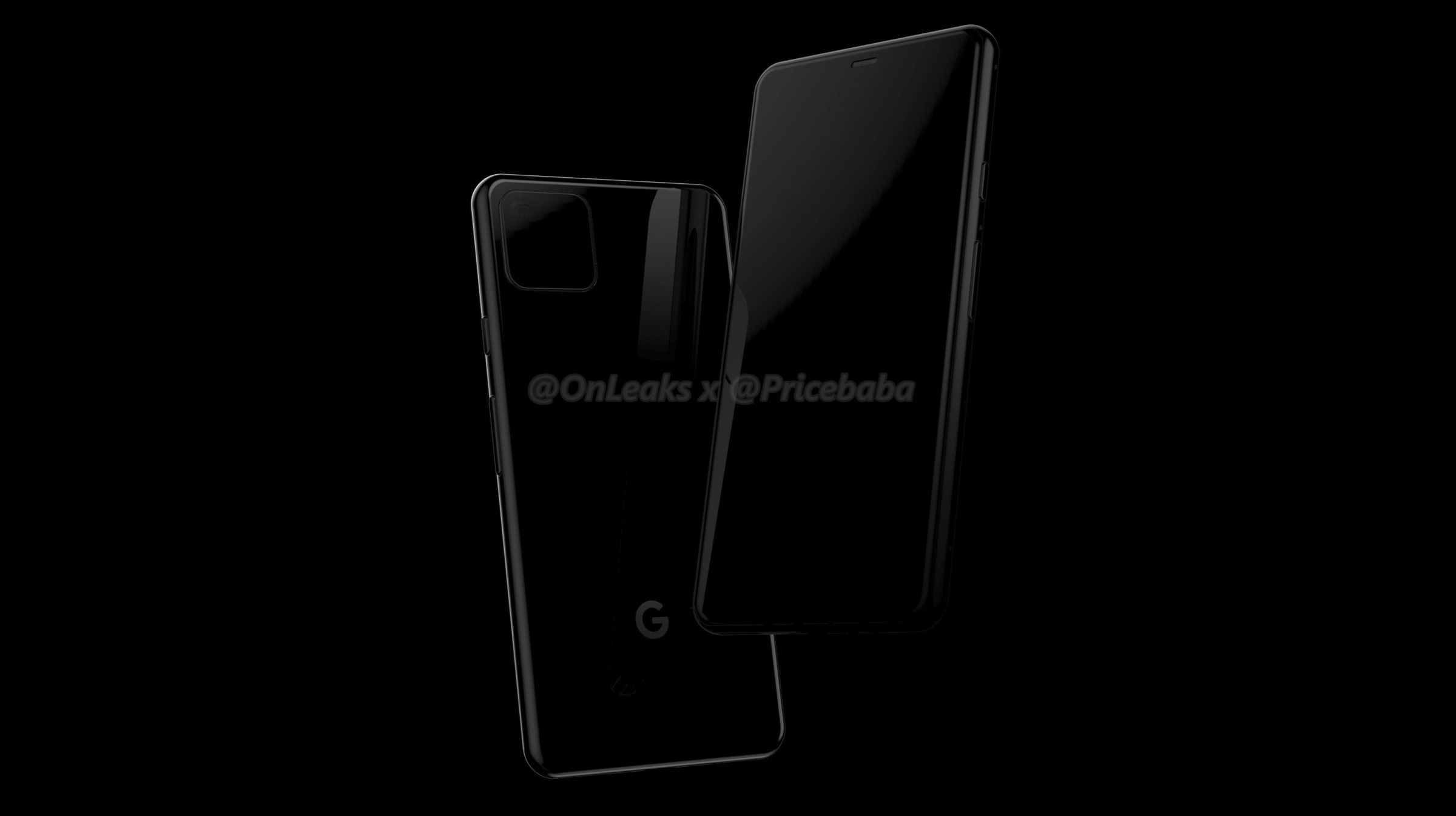
    Google’s flagship smartphone, the Pixel series, are now caught amidst various rumours. Leaks across the internet showcase entirely different form factors and design. One of the most reliable sources from which information can be gathered is from a leakster OnLeaks on Twitter. Google had recently launched its mid-range handsets, the Pixel 3a and 3a XL. Anticipation regarding its upcoming flagship smartphones lineup has been building up nearing its announcement in October. The famous leakster OnLeaks (on Twitter) leaked out planned schematics of the Pixel 4. The 5K renders of the latest Pixel flagship are claimed to be based on prototypes and might undergo slight changes before its actual launch.

    The most notable aspect of the renders points at the square camera module, similar to the leaked Apple iPhone XI renders. Google Pixel smartphones are known for their class-leading camera capabilities with its single camera sensor setup. The new leaks have pointed to a dual and, quite possibly, a triple camera module at the rear. This will be the first multi-camera function utilized on the Google Pixel. Renders also highlight the lack of a fingerprint sensor, that is traditionally placed on the back of the company’s smartphones. 

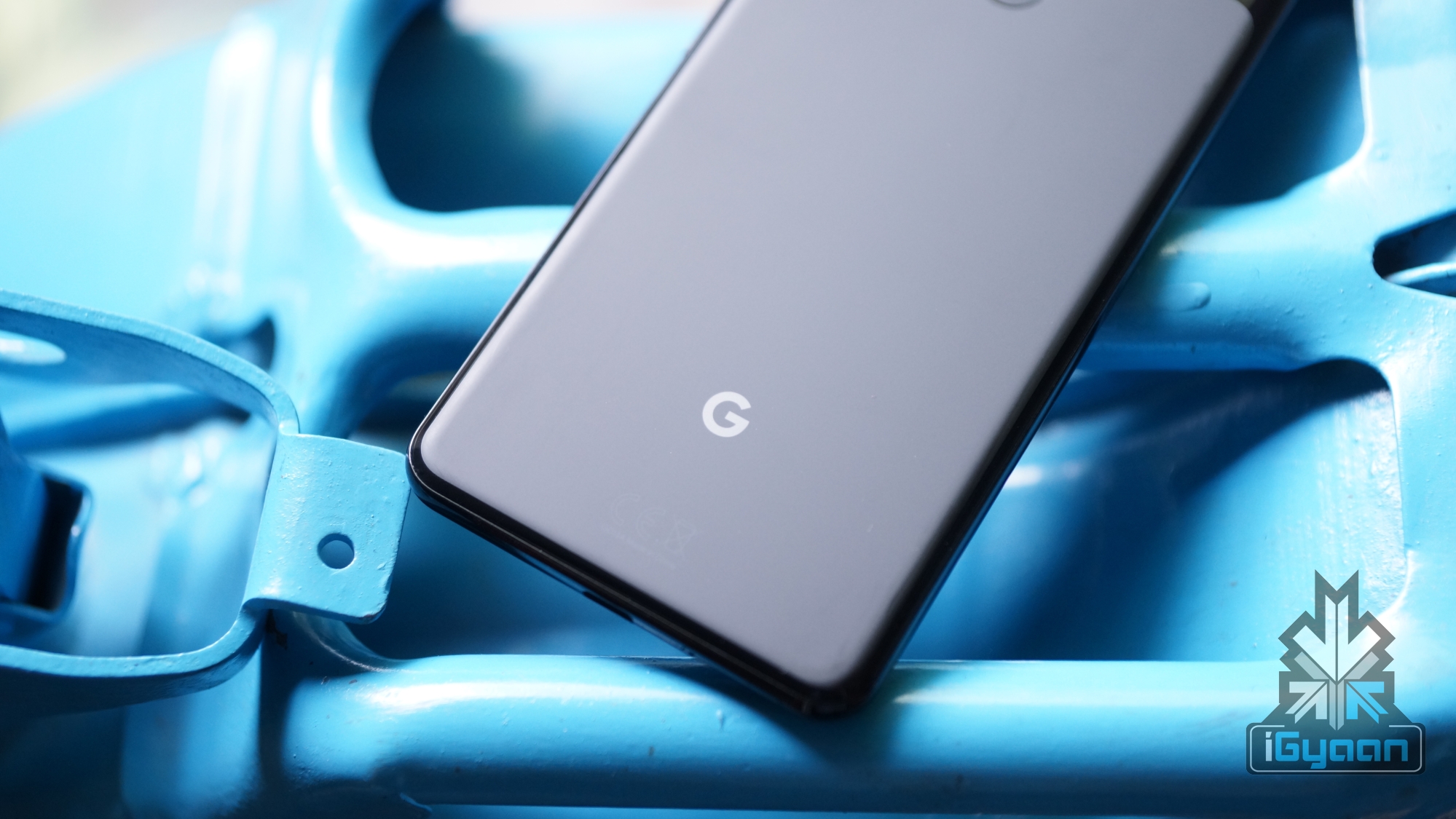
    Google Pixel

    The American company might be going for 3D face recognition tech in addition to in-display fingerprint sensor with the Google Pixel 4. Due to an earpiece being seen in the renders, it is safe to assume a notch will be present this year as well. Two speaker grills are seen on the sides of the USB Type-C port, ditching its front-facing speakers seen in previous iterations. Physical buttons for volume and power can be found on the right side of the device with the left being devoid of any seams. Similar to its predecessors, the Google Pixel skips out on the 3.5mm headphone jack. 

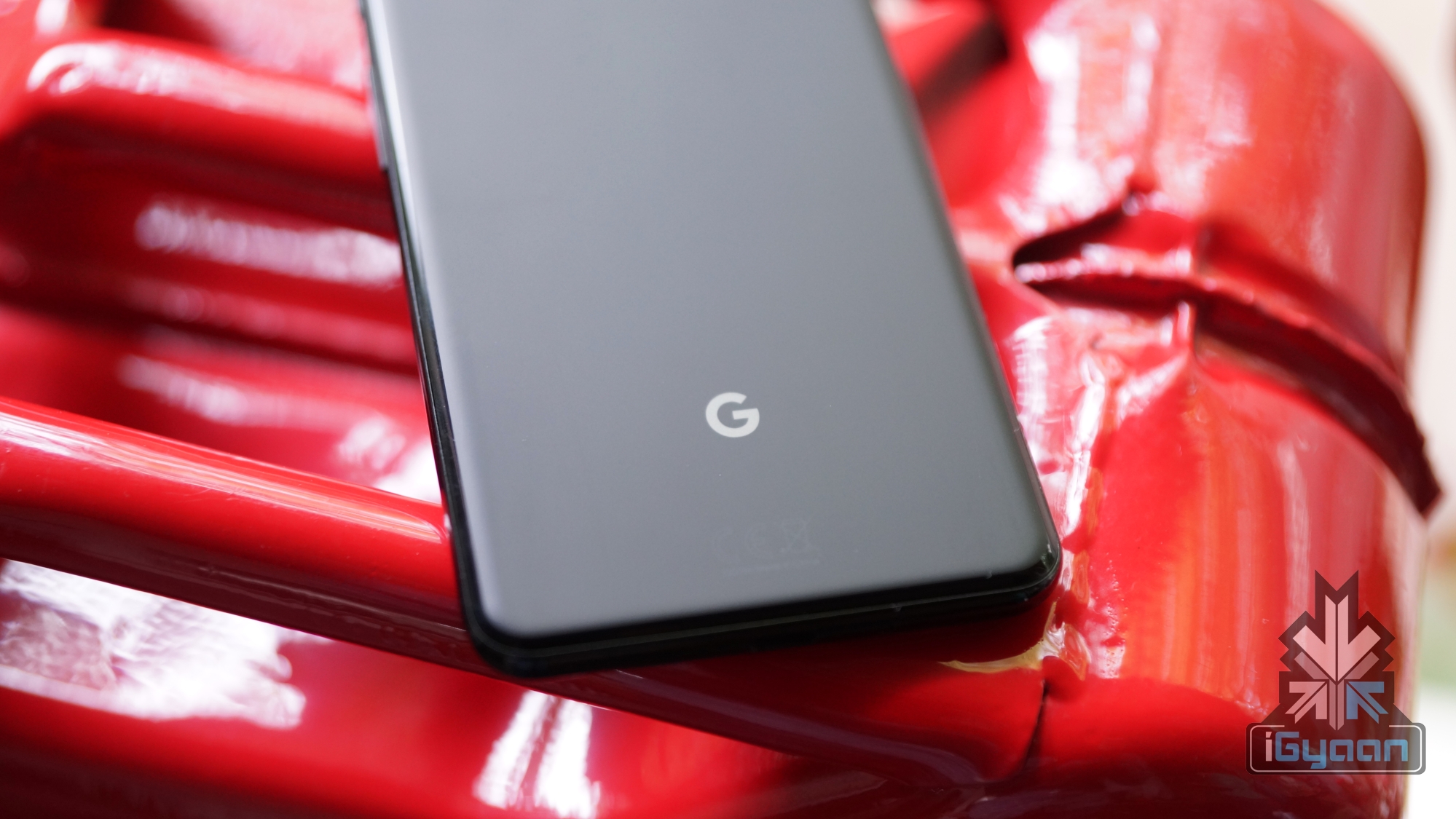
    Google Pixel

    Also ReadMicrosoft Xbox 2020 Leaked To Arrive In Two Variants

    Specifications

    Finer details regarding the Google Pixel 4 and any of its variants are yet to be discerned. Being a flagship grade device, it is most likely to be equipped with the Qualcomm Snapdragon 855 SoC which is one of the few options for high end SoCs. The device from the search engine giant might finally cross the 4GB RAM threshold with alleged benchmarks of 6GB variants being seen. Since it is a Google flagship handset, it is destined to ship with the latest version of Android OS which will be Android Q at the time of launch. 

iGyaan Network
Privacy Overview

This website uses cookies so that we can provide you with the best user experience possible. Cookie information is stored in your browser and performs functions such as recognising you when you return to our website and helping our team to understand which sections of the website you find most interesting and useful.