All the Latest, News, Reviews, Updates, How To, Mobile Phone news, Global and International News, From Cameras to Automobiles, from TV To PC and a lot more! Constantly updating!
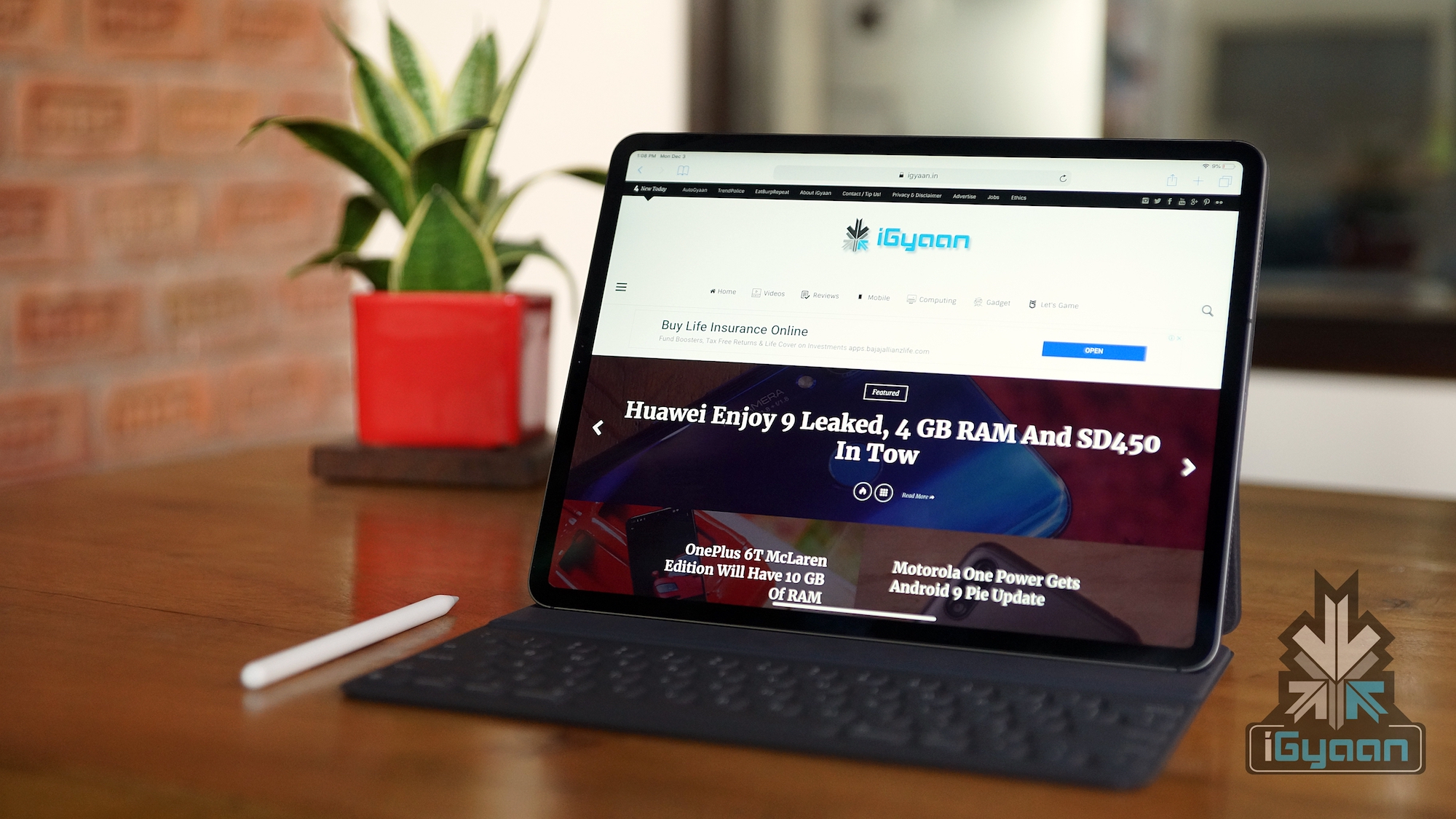
Apple is one of the market leaders in the tablet industry. Its iPad offerings are popular in many markets across the globe. The company’s tablets are one of the best in their category alongside the likes of brands like Samsung and Lenovo. Now, Chinese sources have claimed that the upcoming 2019 iPad will start mass production from July alongside details regarding other Apple products, such as the 16 inch MacBook Pro.
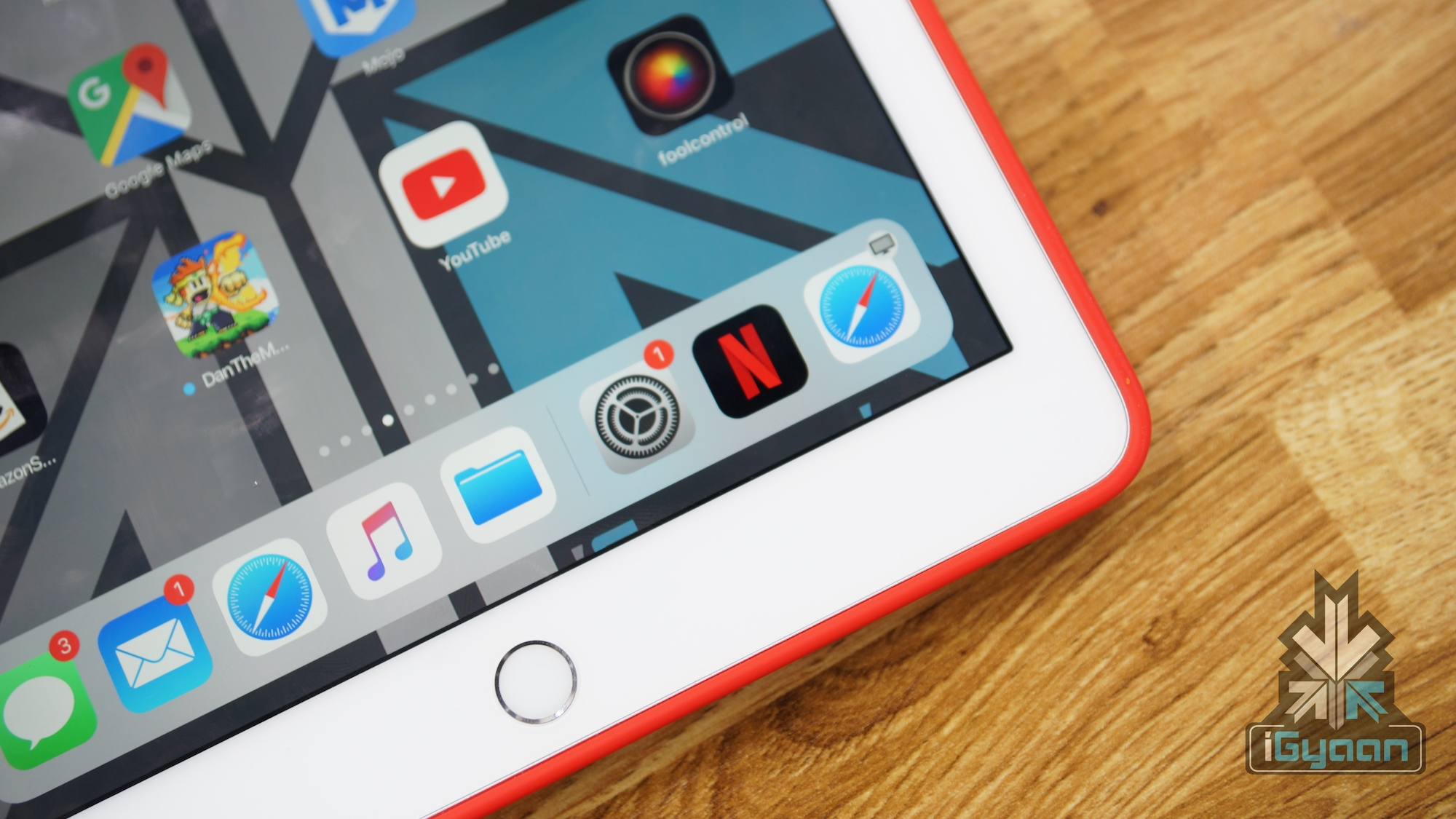
According to the report, the base model of the iPads will now see a bump in their standard size to 10.2 inches. It will mark a major design overhaul in a long time, a much-needed improvement. To achieve the new screen size, Apple may reduce the bezels on the devices. This further suggests that the company may also get rid of the TouchID still present on lower end iPads and replace it with FaceID like the iPad Pro.
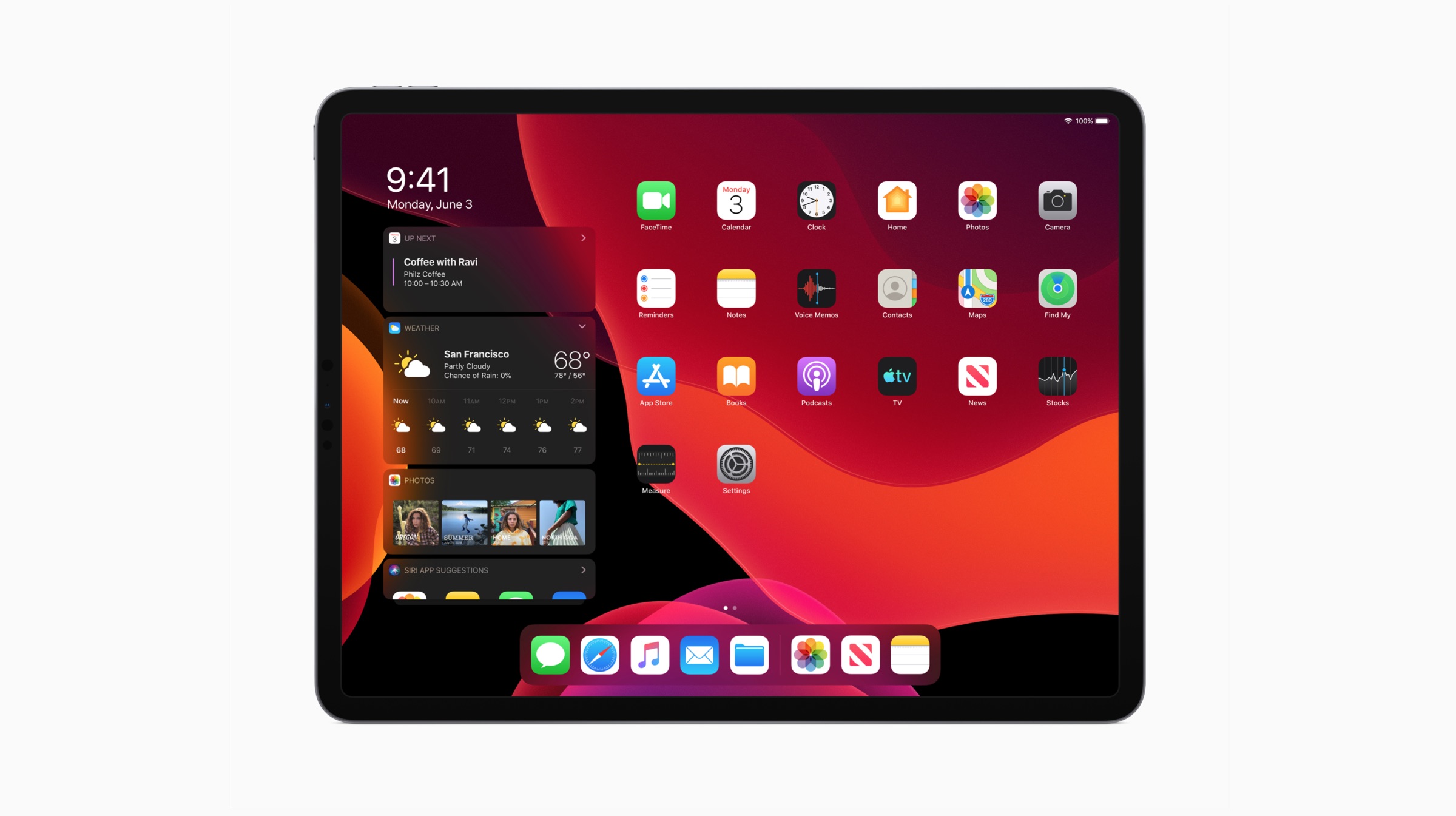
The tech giants announcement of iPadOS at WWDC 2019 has sought to make its tablet a more viable productive device. It means that with a bigger screen and better OS, the Apple iPad can be more viable for portable work machine similar to the Microsoft Surface.
The company currently offers the iPad 9.7 inches which was introduced back in 2018. It supported the first generation of Apple pencil with price starting from $329; marking a minor refresh over the 2017 iteration. The design upgrade to the base iPad lineup was long overdue and can potentially reignite tablet sales in the global market. Apple has yet to provide any statement regarding the matter.
The new iPad will start production from the Q3 of 2019 and will replace the entry-level Apple tablets. Its new and improved screen will be a welcomed update for its loyal fans and customers. Finer details like specifications are still unknown. However, more information is expected to be available in the arriving weeks. Updates regarding this will be available soon.
Shooter games are one of the fundamental genres of the gaming industry. Popular titles like the Halo and Call Of Duty franchise are one of the founding pillars that led to its massive success. Unfortunately, the aforementioned titles and many more of the sort have gamers shell out a fair amount of money. Here is a list that’ll showcase amazing experiences to be had without ever spending any money.
Games such as Fortnite, Counter-Strike: Global Offensive and Team Fortress 2 will not be included. These games are already well known free to play shooters. The list will also focus on games capable of running on low-end PCs or even laptops.
PUBG Lite
PUBG Corp. has just launched the latest instalment in its battle royale focused franchise. The original PlayerUnknown’s Battlegrounds had seen massive success which had even carried forward to its free PUBG Mobile version. The game is in beta stages with polishing still required but in all intents and purposes is a true PUBG experience. It features watered-down textures and effects to have a broader audience similar to its Mobile version. Its key elements include:
Realistic gun mechanism and physics
Minimal size and system requirements
Indian Servers for a lag-free experience
Better graphical fidelity over PUBG Mobile emulator
The game is slowly gaining traction in India and has a positive impact on the Indian gaming community and culture. It can be played from both first-person and third-person perspective. Similar to its previous iterations it will also feature every map that has been released so far. PUBG Lite is available on PC through its official website.
Paladins: Champions Of The Realm
The year 2016 had seen the massive success of two genres, Battle Royale and Hero Shooter. Paladins from HiRez studio is a free to play first-person hero shooter with an emphasis on a team focused gameplay like Team Fortress 2 and Overwatch. The game is based in a fantasy world of magic and dragons. It is one of the top 20 most played games on Steam and has a healthy player base. Every character in the game is unique and has dedicated roles to perform in every game. If people wonder what makes it different from Overwatch that features arguably similar characters and game modes:
Free To Play
Unique Champions
In-depth card customisation and character modification options
Capable of running on low-end PCs
It is one of the more popular games on Steam and has game modes such as Team Deathmatch, Onslaught (Secure area) and Siege, where a team captures the objective and pushes it. However, Unlike the more popular Overwatch, Paladins does not have the same great graphical fidelity or mirror polish that accompanies a Blizzard Entertainment title. It is constantly updated with new characters, skins and limited-time game modes making it a must-try title. The game is available for PC, PS4, Xbox One, and Nintendo via Steam.
Warframe
Does space sound enticing? Do Ninjas? Now, how about space fighting Ninjas. Warframe is a title that heavily marketed its space ninjas before its launch. It is a game based on the distant future where humanity has conquered the solar system and the biggest threats they now face are themselves with various ongoing faction and allegiance fighting over dominance. The game involves a hack and slash melee gameplay mixed with fluidic gunslinging action from a third-person perspective. The game currently holds one of the top 5 players based on Steam. Key gameplay elements include:
In-depth character customisation
Faction wars and Special Events
Fluidic Parkour movement across air, walls and ground.
Amazing Gunplay and Special attacks
Game is a looter shooter where the player can grind daily.
The game is developed by Digital Extreme game studio which is well renowned for its healthy relations with its gaming community. It is constantly updated and new features and cosmetics are always added. Warframe is available on PS4, Nintendo Switch, Xbox One And PC via Steam.
Realm Royale
Realm Royale is a battle royale game with a unique twist in the formula. It is another game developed by HiRez Studios and adds its unique hero shooter formula to a larger map game mode. In the game 100 players drop in after preselecting their class which allows them to have special abilities or buffs in certain areas. This also includes the weapon choices that can be crafted in-game rather than constantly having to loot. The game, unlike most other battle royale titles, promotes engaging in fights rather than avoiding them to be the last man standing. Its key elements are:
Unique class systems
Class-based abilities, perks and weapons
You turn into a Chicken when downed and are auto revived after a minute
Players can summon a horse for traversing the large maps.
The game had initially taken off when it was first launched back in 2018 and had a numerous big streamers and people playing the game. Unfortunately, the game isn’t as popular as it used to be but still has a good amount of player base. The game is available on PS4, Nintendo Switch, Xbox One, and PCs via Steam.
Splitgate: Arena Warfare
Splitgate: Arena Warfare is a multiplayer first-person shooter that uses player-controlled portals to open a new gameplay mechanic in a first-person multiplayer shooter game. Ever had a pesky camper spawn camp? No problem shoot a portal behind him then gun him down via portals. The game places heavy emphasis on the old arena shooter like Unreal Tournament or Quake. Its unique elements are:
Players can make portals to open different angles of attack and movement.
Jetpack! To open aerial combat into the mix.
Simple but sound shooting and movement mechanics
Completely free and is extremely easy to get into.
The game was launched to a welcoming audience and has a healthy playerbase. It is capable of running in various low-end PCs as well with a little tinkering. Splitgate is currently available on Steam for Xbox One and PC.
Comment below if you ever get a chance to try out any of the games. Give us your feedback as to what other gaming related information you’d like to receive. More updates similar to this and upcoming titles will be arriving soon. Stay tuned for more on the gaming world.
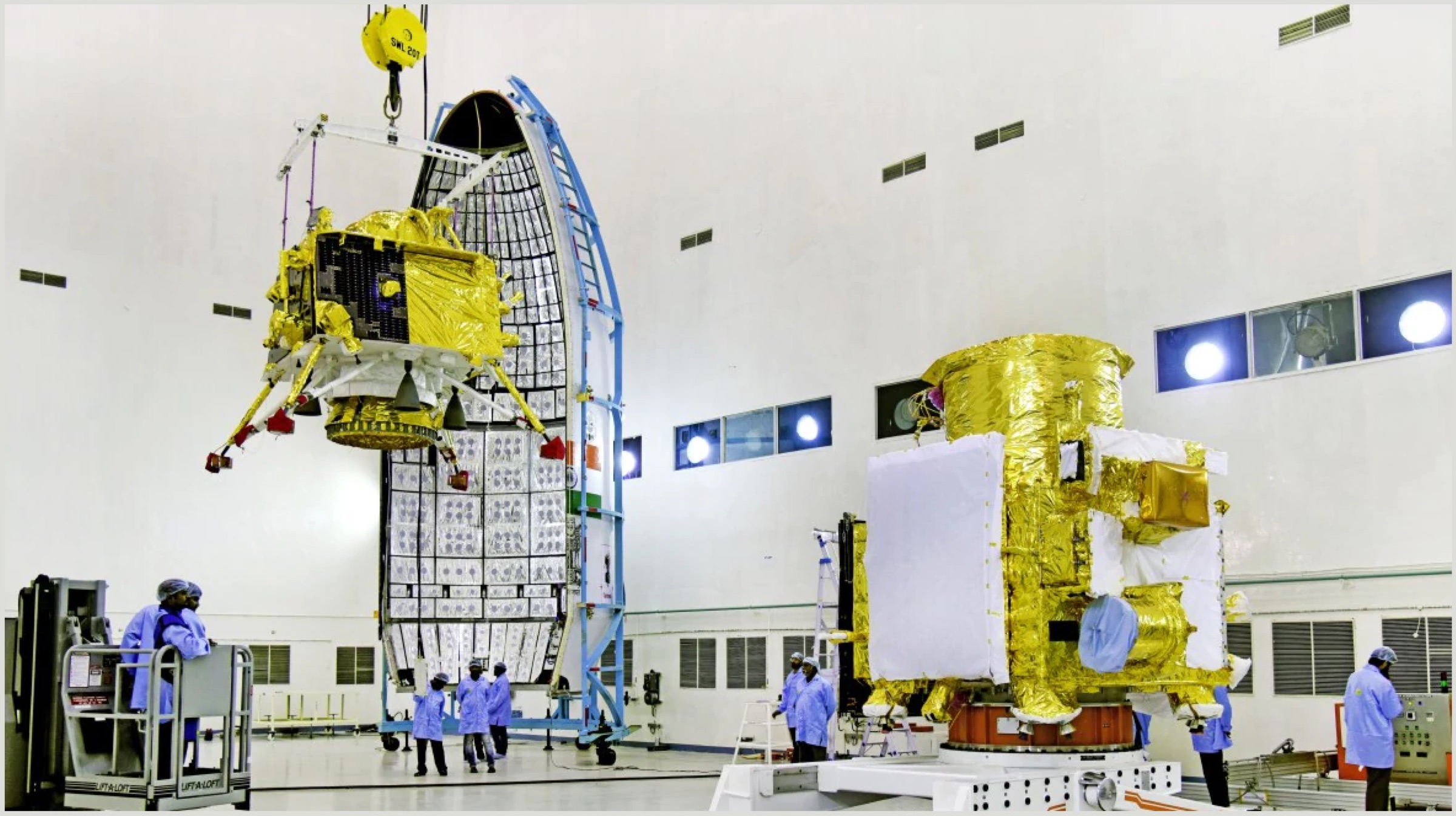
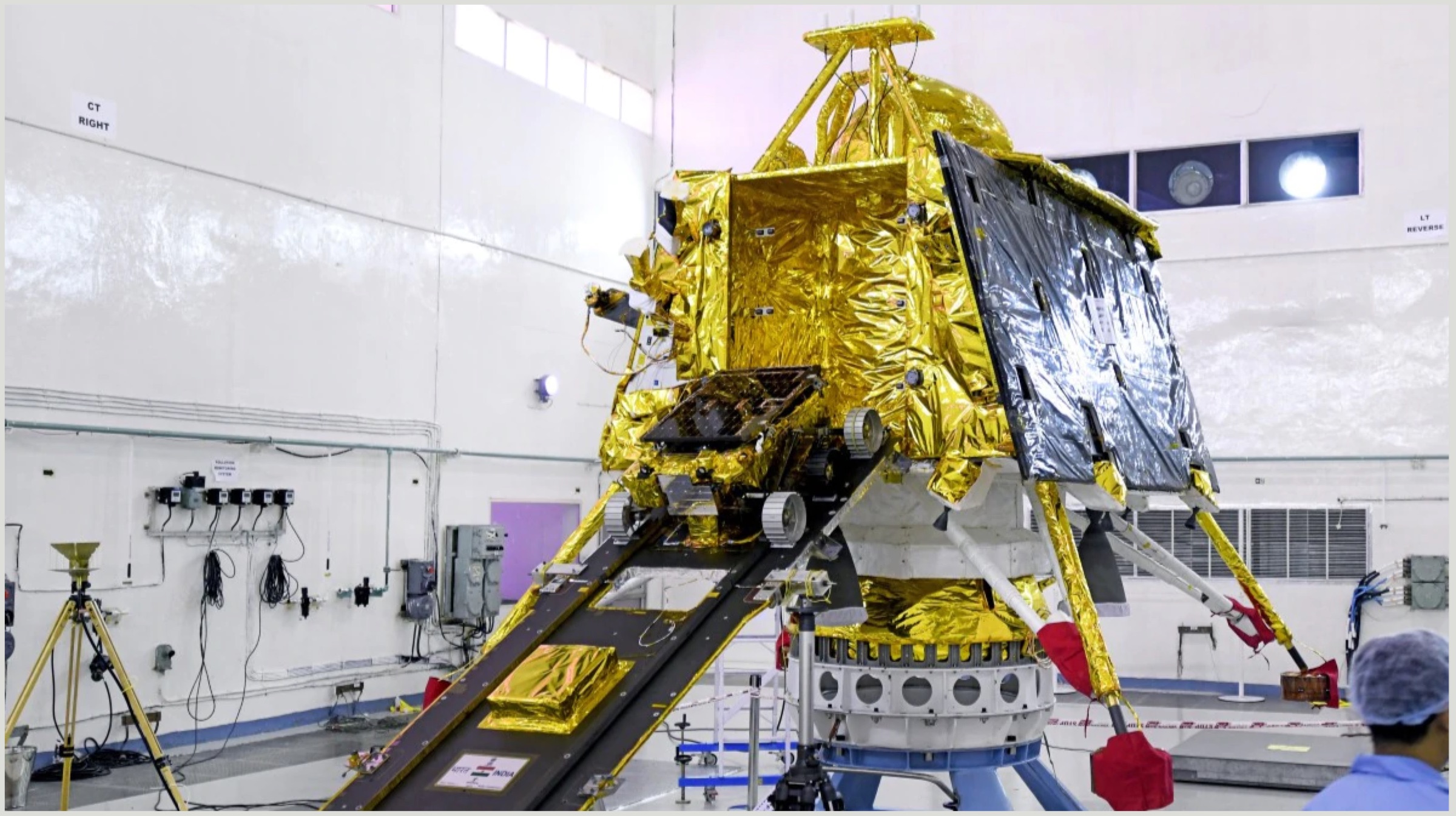
The Indian Space Research Organisation or ISRO for short is the official space agency of the Government of India. It has been credited for developing space exploration missions at an extremely low budget. ISRO announced a while ago that its next mission, the Chandrayaan 2 will be launched on the 15th of July. The successor to the extremely successful Chandrayaan-1 mission from the year 2008, the upcoming launch has a lot to be excited about. Here is everything you need to know about the Chandrayaan 2 before its flight to outer space.
It is the first Indian space campaign to attempt a soft landing on the surface of the Moon.
If the launch is successful, India will become the fourth country ever in the world to do a soft landing on the Moon. The ISRO performed a controlled crash landing from the Moon Impact Probe that was a part of the Chandrayaan-1 mission in the year 2008.
The Chandrayaan 2 mission will carry a lander, a rover and several other payloads to the surface of the Moon.
The mission will be India’s first rover based space mission. This means it is the first time the country is sending a vehicle to explore and collect data from the surface of the Moon.
The Chandrayaan 2 will be the world’s first attempt at reaching the south polar region of the Moon. Talk about setting records in space!
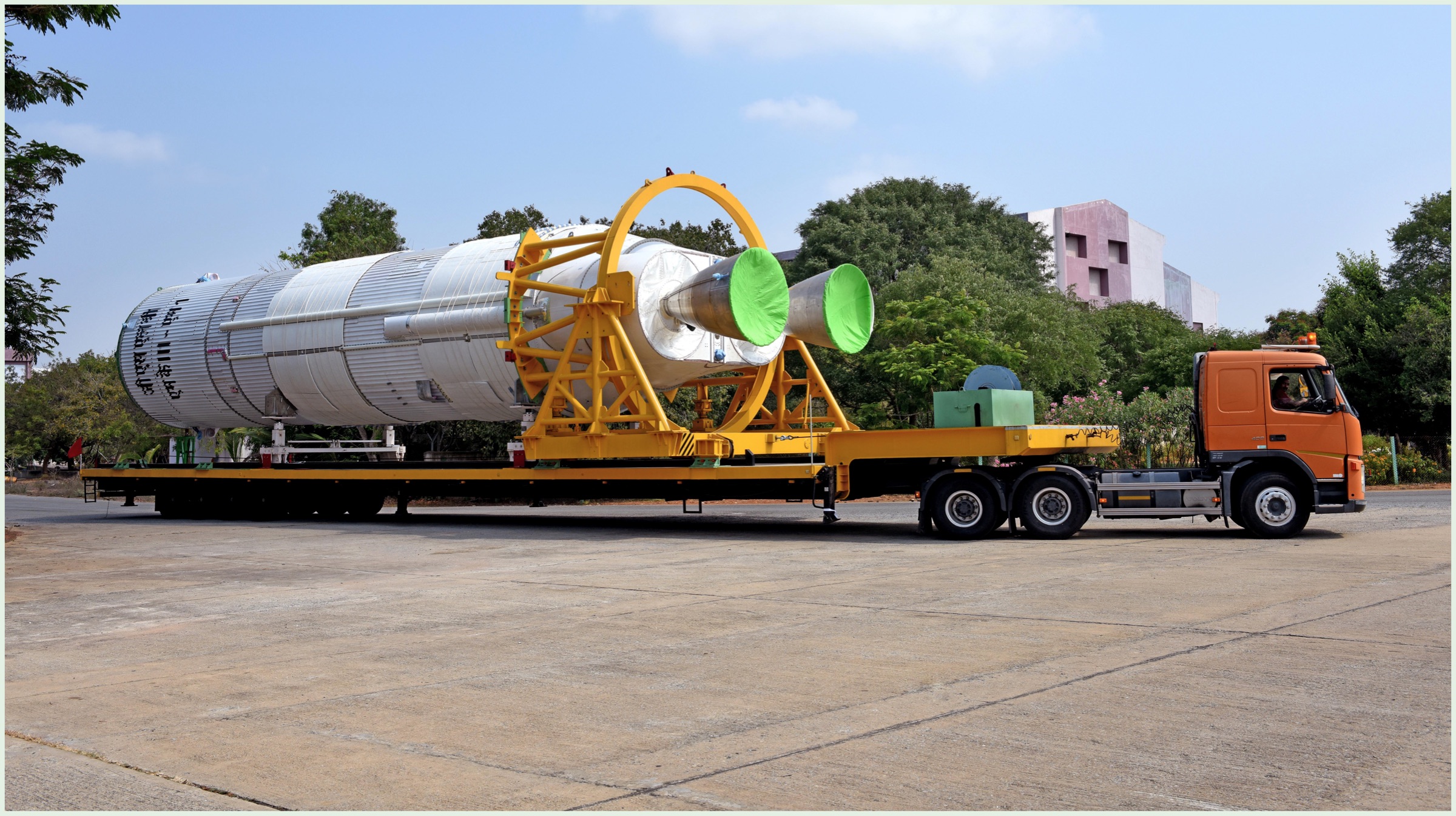
The launch vehicle used by ISRO for the mission will be a GSLV (Geosynchronous Satellite Launch Vehicle) Mk III. It is a three-stage heavy-lift launch vehicle developed by the space organisation. The GSLV Mk III is India’s most powerful launcher to date and has been completely designed and fabricated from within the country.
The lander of Chandrayaan 2 is called Vikram and has been named after the father of the Indian Space Programme Dr Vikram Sarabhai. The lander is developed to function for a duration of 1 lunar day. A day on Moon is roughly equivalent to 14 days on Earth.
The star of the mission, the Pragyan rover is an AI-powered, robotic vehicle with a total of six wheels. The name translates to wisdom in Sanskrit.
Chandrayaan 2 will make a soft landing on the surface of the Moon on the 6th of September this year.
The total duration of the Chandrayaan 2 mission is one year, the time in which the rover will collect all the necessary data required from the Moon’s surface.
How to watch the launch:
The Chandrayaan 2 mission will launch on the 15th of July at 2:51am at the ISRO’s Satish Dhawan Space Centre, Sriharikota. Unfortunately, registrations for watching the event live from the centre have been closed. however, interested people can still watch the event live, which is expected to be telecasted from ISRO’s social media channels.
Cupertino based, Apple has had an unsteady year when it comes to iPhone sales. Out of the three smartphones launched in 2018, the economical iPhone XR has been the best selling device. Nevertheless, the company has recorded a positive demand for its wearables (1,2) and tablet computer lineup(1). Apple’s totally wireless earphones (TWS), the AirPods which were first launched in 2016 have seen strong growth in the last couple of years.
Surprisingly, the analysts at Wedbush (a financial service and investment firm based in California) claim that Apple will be upgrading the AirPods for the third time later this year. The claim is surprising because the current gen wireless earphones were unveiled in the month of March this year.
According to the source, the future AirPod model will have enhanced design and will have waterproofing capabilities. Apparently, the extra features will also bump up the price of the upcoming wireless earphones which will reportedly carry the “AirPods Pro” moniker.
Even though the source does not discuss anything about the long-awaited premium over-ear headphones from Apple, they may also be unveiled alongside the AirPods Pro. Besides, not many details about the upcoming wearables are available. It is feasible that except for an enhanced design and IP rating, the 3rd generation AirPods will retain the innards of its predecessor.
To recall, the second gen AirPods feature the Apple-designed H1 chip with improved power efficiency and much faster connection sequence. It also supports the hands-free “Hey Siri” feature to launch the Apple voice assistant, a characteristic that was missing in the original device. The second generation AirPods also support wireless charging, but the case with this functionality has a higher price in comparison to the regular variant.
According to Apple, both the wireless and standard charging case options hold charging power for more than 24 hours of total listening time. The wireless charging case also features an external LED indicator on the front, which is an update from the internally placed LED indicator in the non-wireless charging case.
Even though the possibility of the claim turning into a reality is quite high, but nothing can be confirmed until Apple itself provides details about the future AirPods.
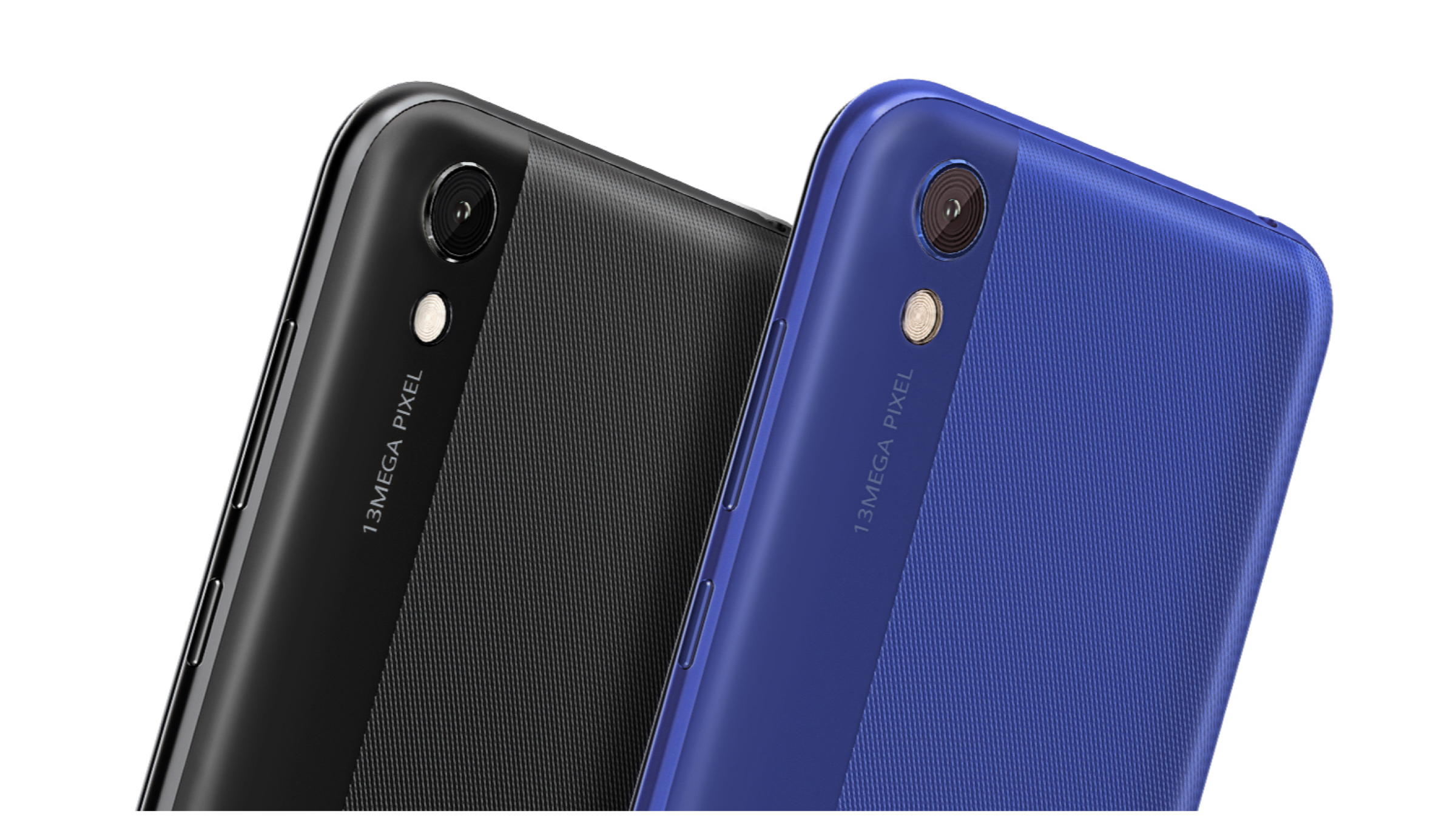
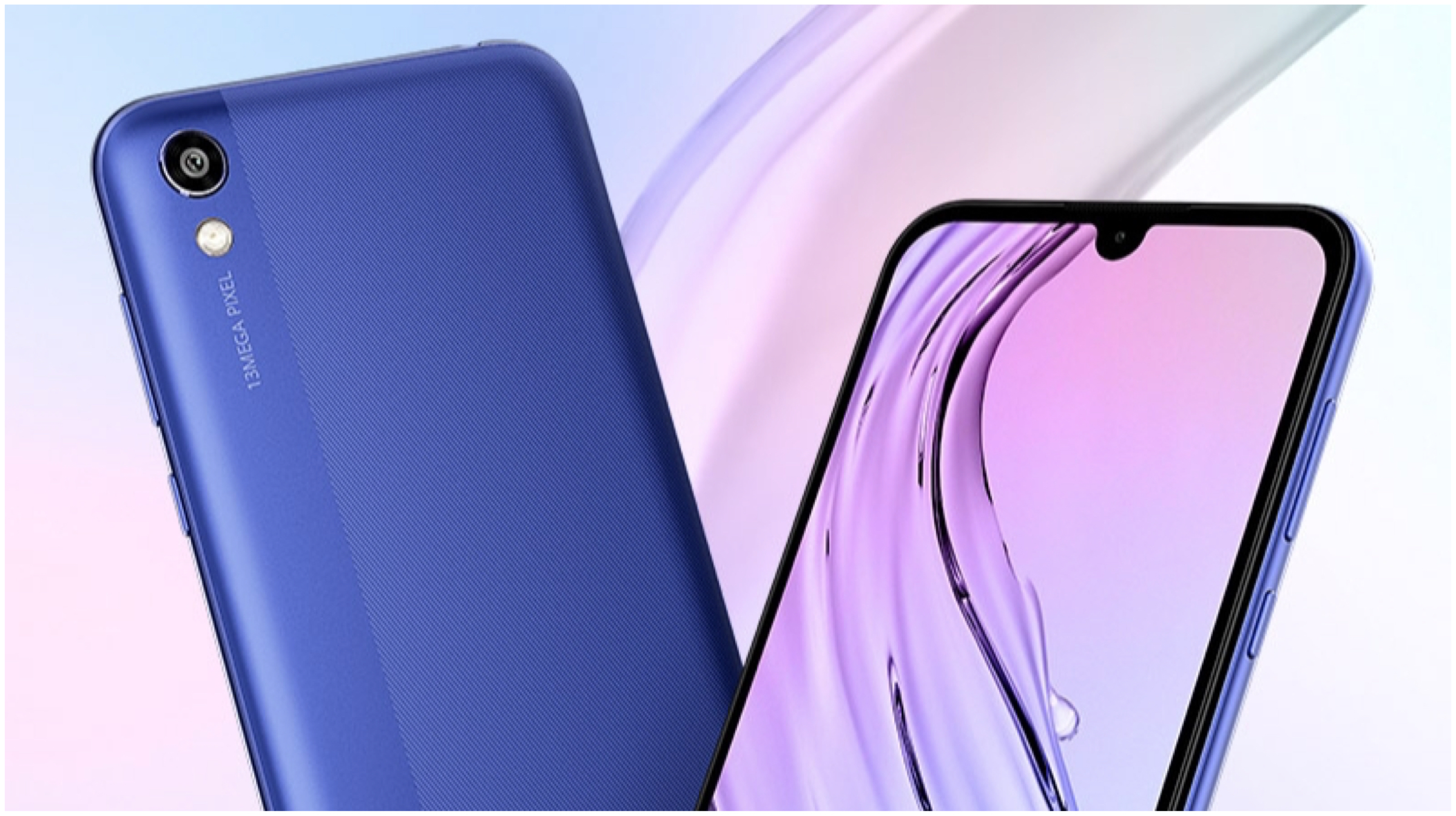
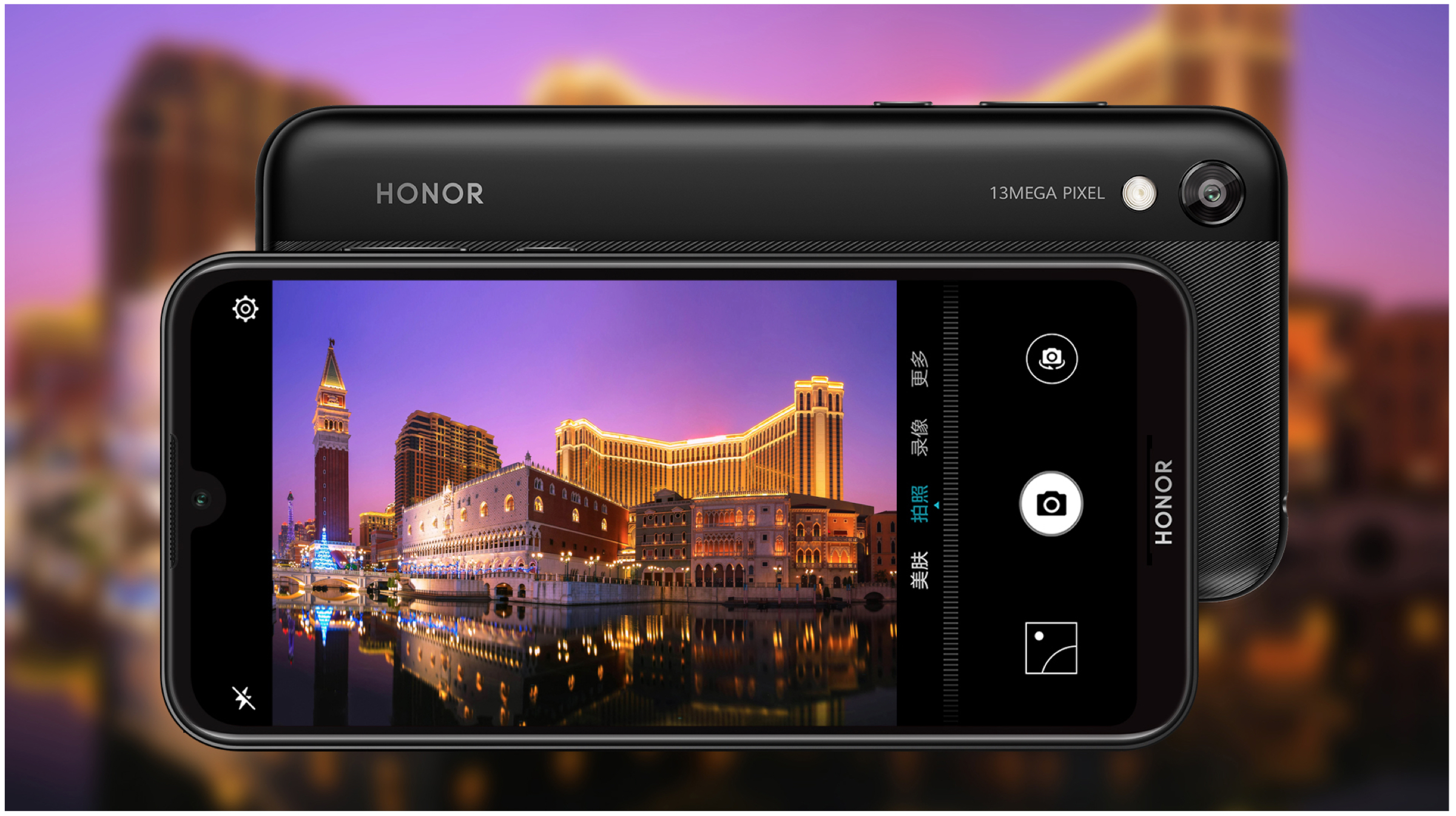
Huawei’s sub-brand, Honor has launched the Honor Play 8 smartphone which is targeted towards the budget segment. Nevertheless, the device features a contemporary design with glass on the front and plastic on the rear. Going by its price and specs, it competes against the likes of the Realme C2and the Redmi 7a.
Honor Play 8 Quick Specs
Screen- 5.71 inch LCD, 1520 x 720 px, 294 ppi
Rear Camera- 13 MP, f/1.8
Front Camera- 5 MP, f/2.2
Battery- 3020 mAh
Chipset- Helio A22
CPU- Quad Core, 2.0 GHz
GPU- IMG GE8300
OS- Android 9, EMUI
Connectivity Options- 802.11 ac Wi-Fi, Bluetooth 4.2, 3.5 mm jack, GPS, Dual 4G, Micro USB port
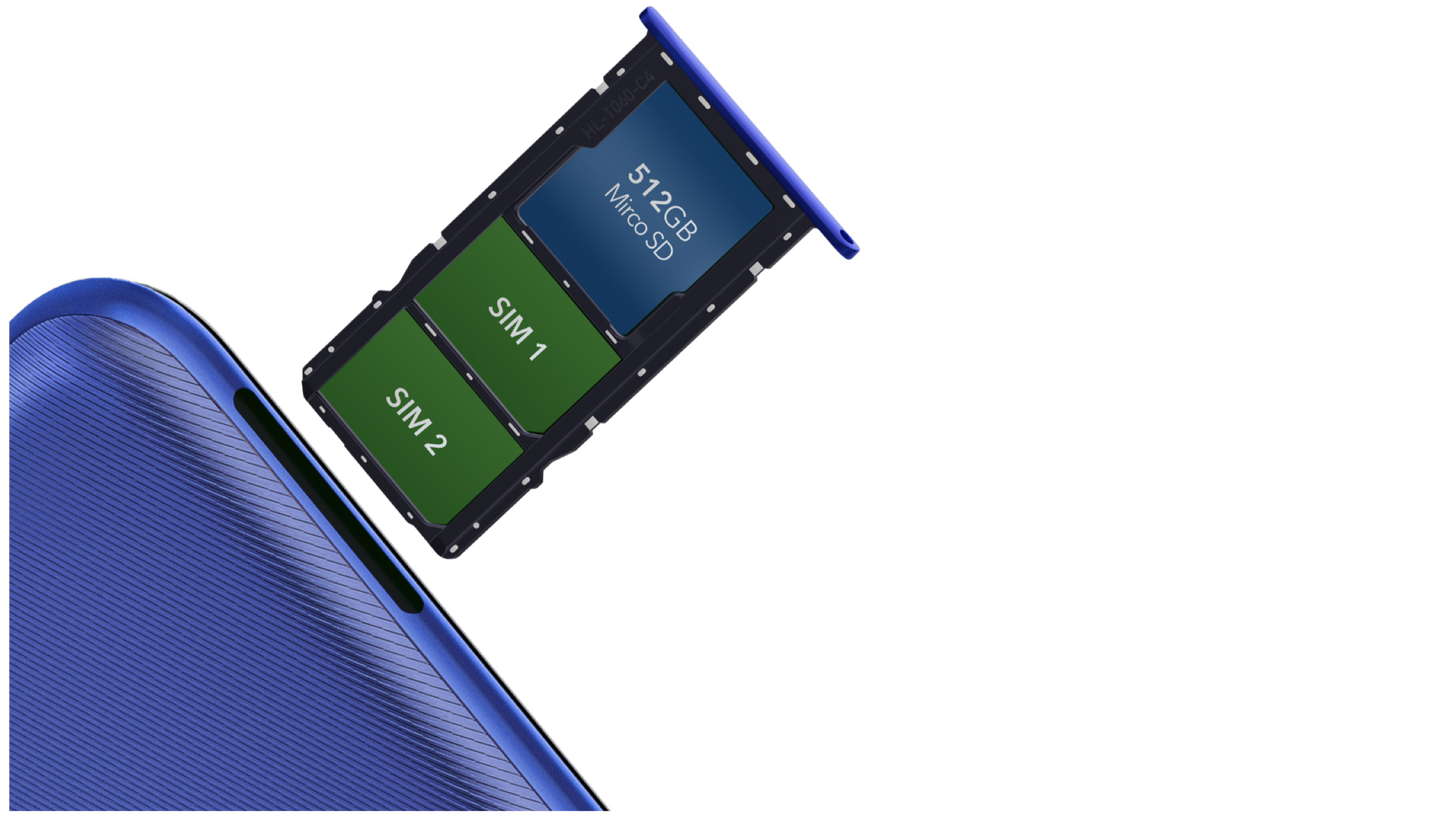
Storage- 2 GB + 32 GB, expandable upto 512 GB
Honor Play 8 Features and Design
The front of the Honor Play 8 is dominated by a 5.71 inch LCD display that has a resolution of 1520 x 720 px and a pixel density of 294 ppi. The display also features a water drop notch on top which houses the 5 MP selfie camera.
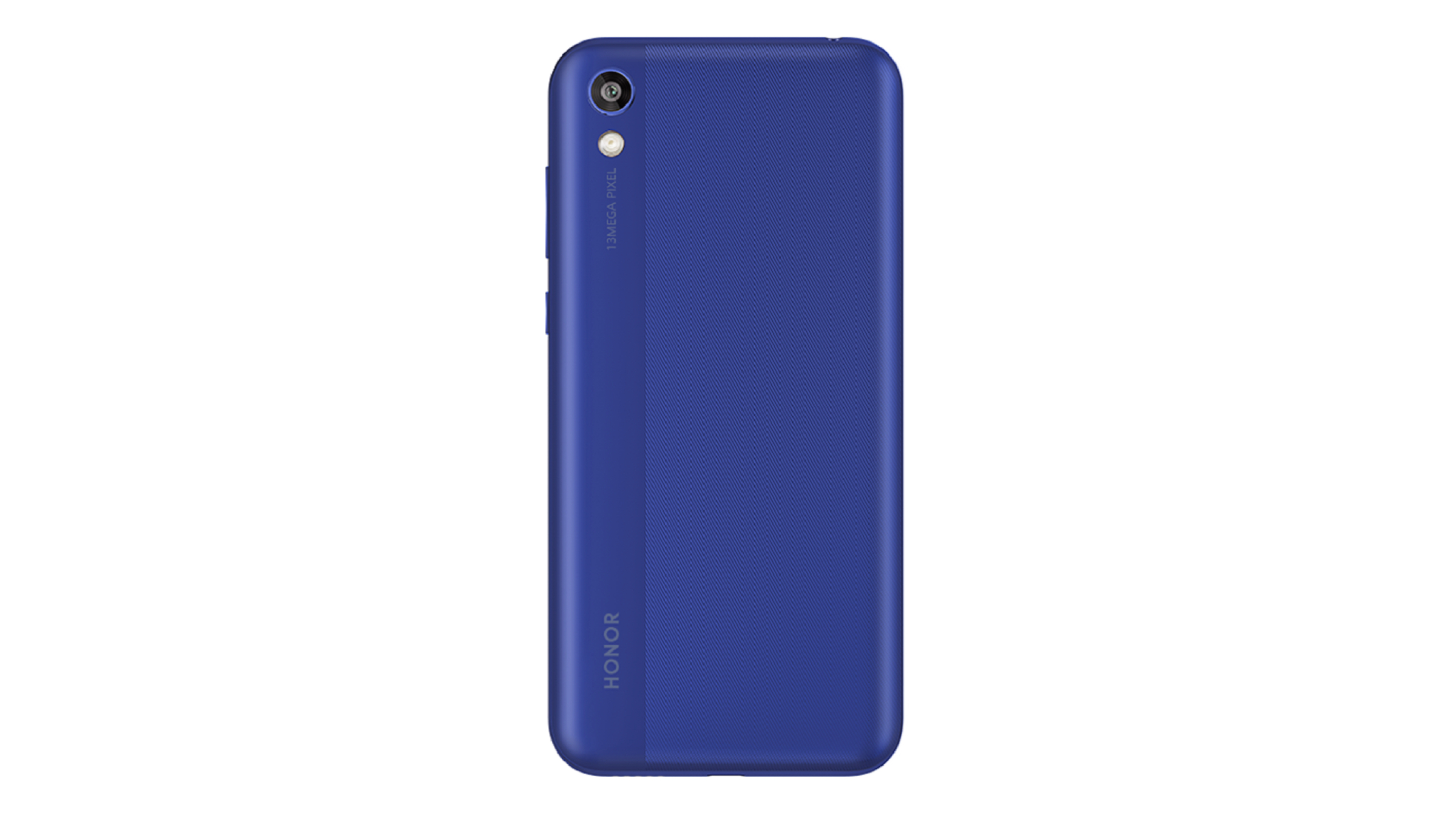
The rear of the Honor Play 8 has an attractive dual tone rear panel which houses the company branding and 13 MP camera along with an LED flash. The smartphone is kitted with the Helio A22 chipset which consists of a quad core CPU clocked at 2.0 GHz and the IMG GE8300 GPU.
The Honor 8 Play is powered by a 3020 mAh battery which supports 10 W charging. Connectivity options on the smartphone include GPS, Dual 4G, 802.11 ac Wi-Fi, Bluetooth 4.2 and bottom mounted 3.5 mm jack audio jack, micro USB port which can be used for charging and data transfer. The device is offered in a single storage variant for which the price is as follows:
2 GB + 32 GB- CNY 599 (around Rs 5990)
Besides, the inbuilt storage it also supports memory expansion upto 512 GB via a dedicated MicroSD card slot.
To sum it up, the Honor 8 Play with an affordable price and modern design is a good option for users looking for a device in this segment. Details about the launch of the smartphone in India are currently unavailable.
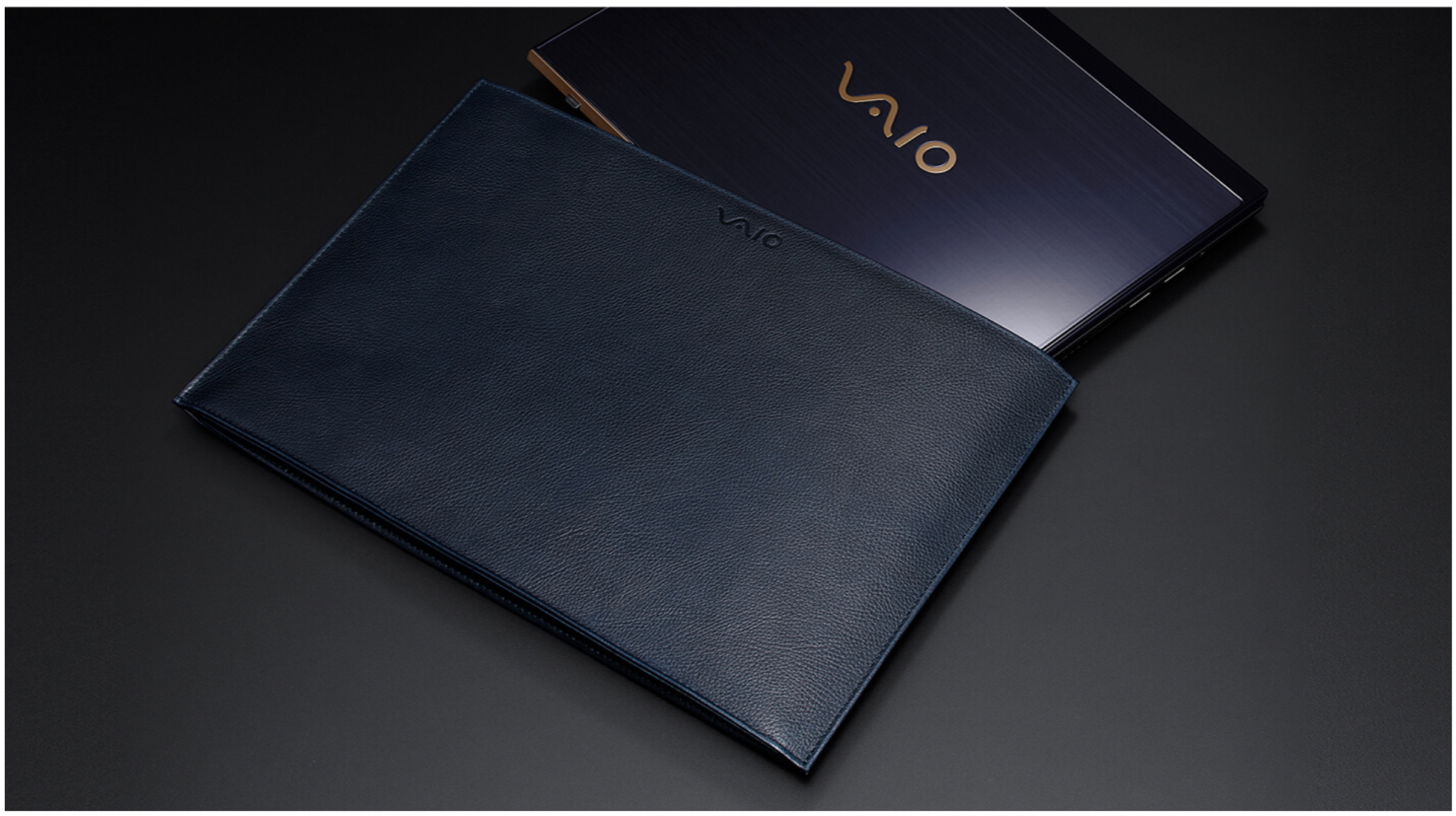
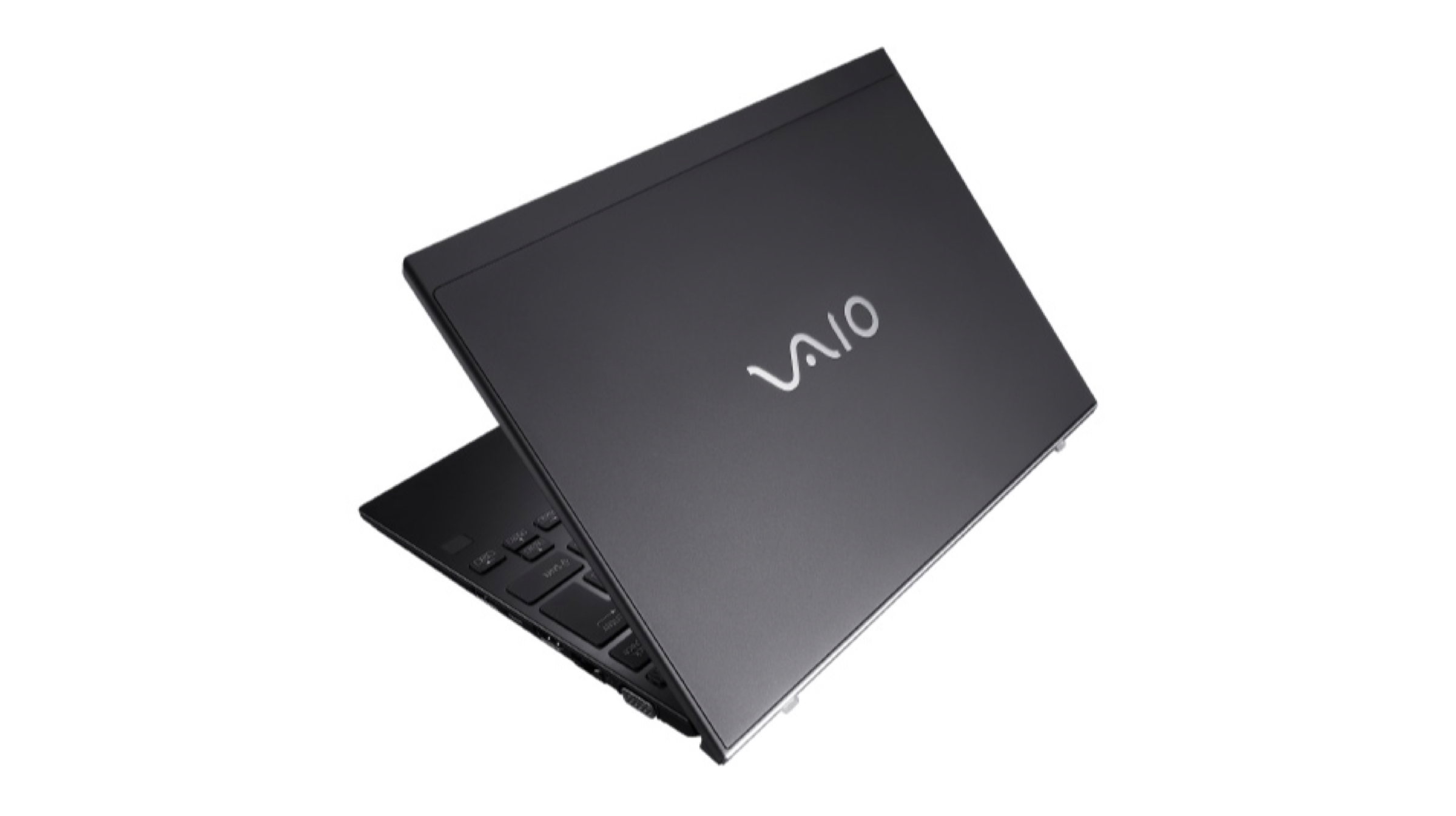
Laptop maker, Vaio which has now perished from the global electronics market is still going strong in its home country, Japan. The company has launched the Vaio SX12, an ultra-compact 12.5-inch laptop which only weighs 897 grams or less depending on the variant. Despite having a thin and light form factor, Vaio has managed to pack the SX12 with a wide variety of input and output ports which were usually present on much chunkier notebook computers from early 2010
The Vaio SX12 is made out of brushed aluminium which not only provides for a robust feel but also a premium design. The lid of the device is ergonomically designed, therefore, when in it is in the open state the base of the laptop slightly rises from the surface which allows for better airflow and convenient typing angle.
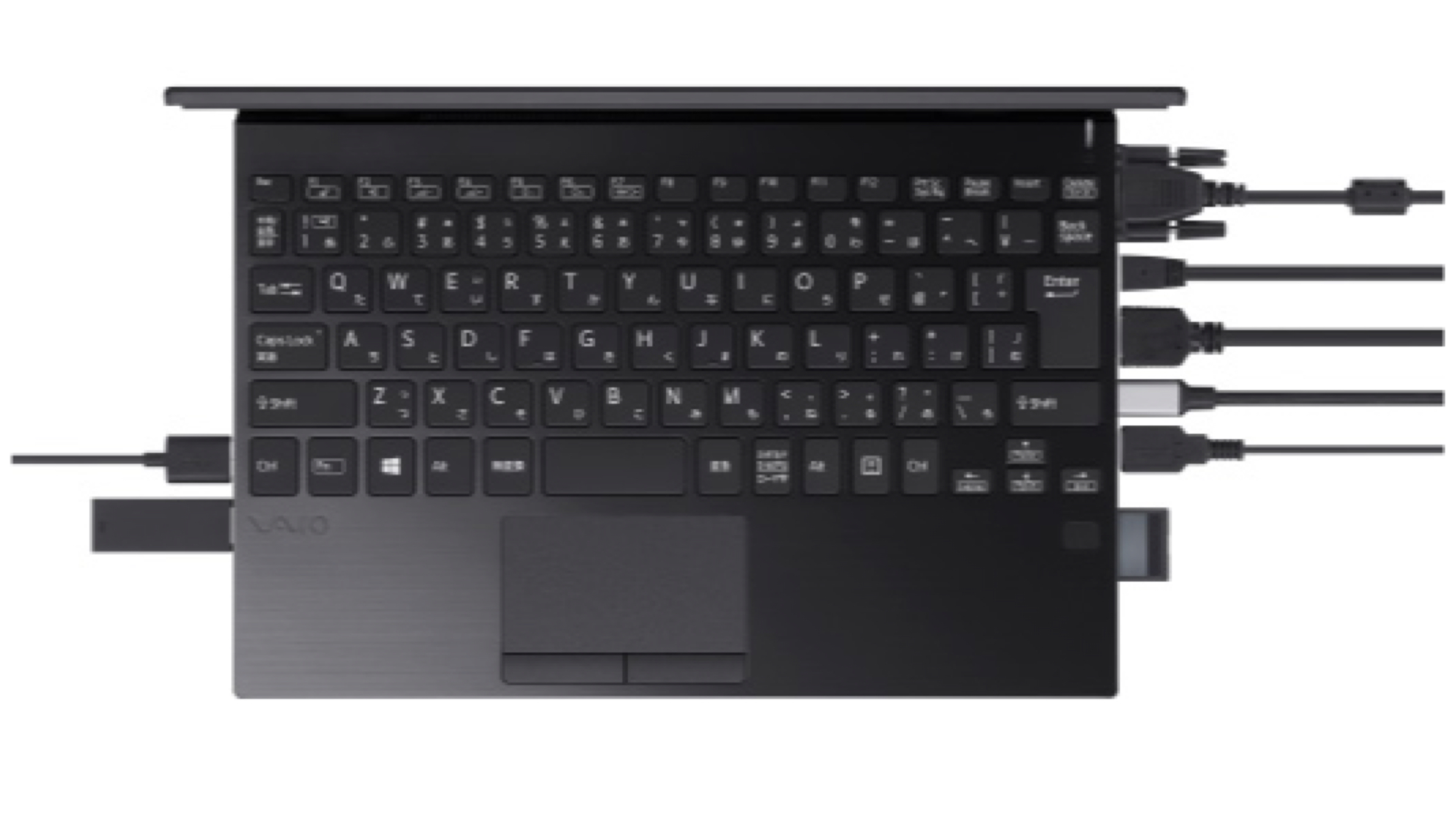
Even though Vaio SX12 has a compact footprint, the laptop packs a full-size keyboard which is well spaced. Also, the keys are coated with a special UV coating which prevents them from rubbing off after a period of time. The device features a multi-touch glass trackpad which is accompanied by right and left mouse buttons. For securely and rapidly logging into Windows, the laptop also features a fingerprint sensor.
As previously mentioned, the Vaio SX12 features a 12.5-inch display. It is coated with an anti-glare liquid crystal which reduces eye strain when the laptop is used continuously for long hours. The laptop is kitted with U line of Intel 8th generation processors which offer upto four courses and eight threads.
The Vaio SX12 is equipped with high-speed SSD which helps in drastically reducing boot times and app load times. In terms of I/O ports the laptop is outfitted with the following ports:
HDMI port
VGA port
RJ45 LAN port
USB C Port
SD card slot
3.5 mm Hybrid Audio in/out jack
Kensington Lock
3x USB A Ports
Charging Port
In terms of battery, the Vaio SX12 is claimed to offer a backup of upto 14 hours which will vary dependent on the type of usage. It also supports 4G LTE, therefore, users who are always on the go can carry the device with them without fearing availability of an internet connection.
The Vaio SX12 is priced between 119,800 yen (around Rs 75,500) to 216,800 yen (around Rs 1,36,000) based on storage, colour options, and processor. The device is currently limited to the Japanese market and the company is yet to provide a statement whether it will be launched in India or not.
What your thoughts on the mini yet feature-loaded offering from Vaio? Let us know in the comments below
People unlucky enough have had their smartphones being lost, and more, unfortunately, stolen. It is a common sight in police stations to see multiple people lining up to file a report for stolen handsets in India. There has already been a large outcry over the authorities inability and ill-equipped manner to tackle this issue. The widespread evil that has already affected most people either directly or indirectly. Now, The Department of Telecommunications of the Indian Government is reportedly ready with a new system to finally tackle the extremely evident problem.
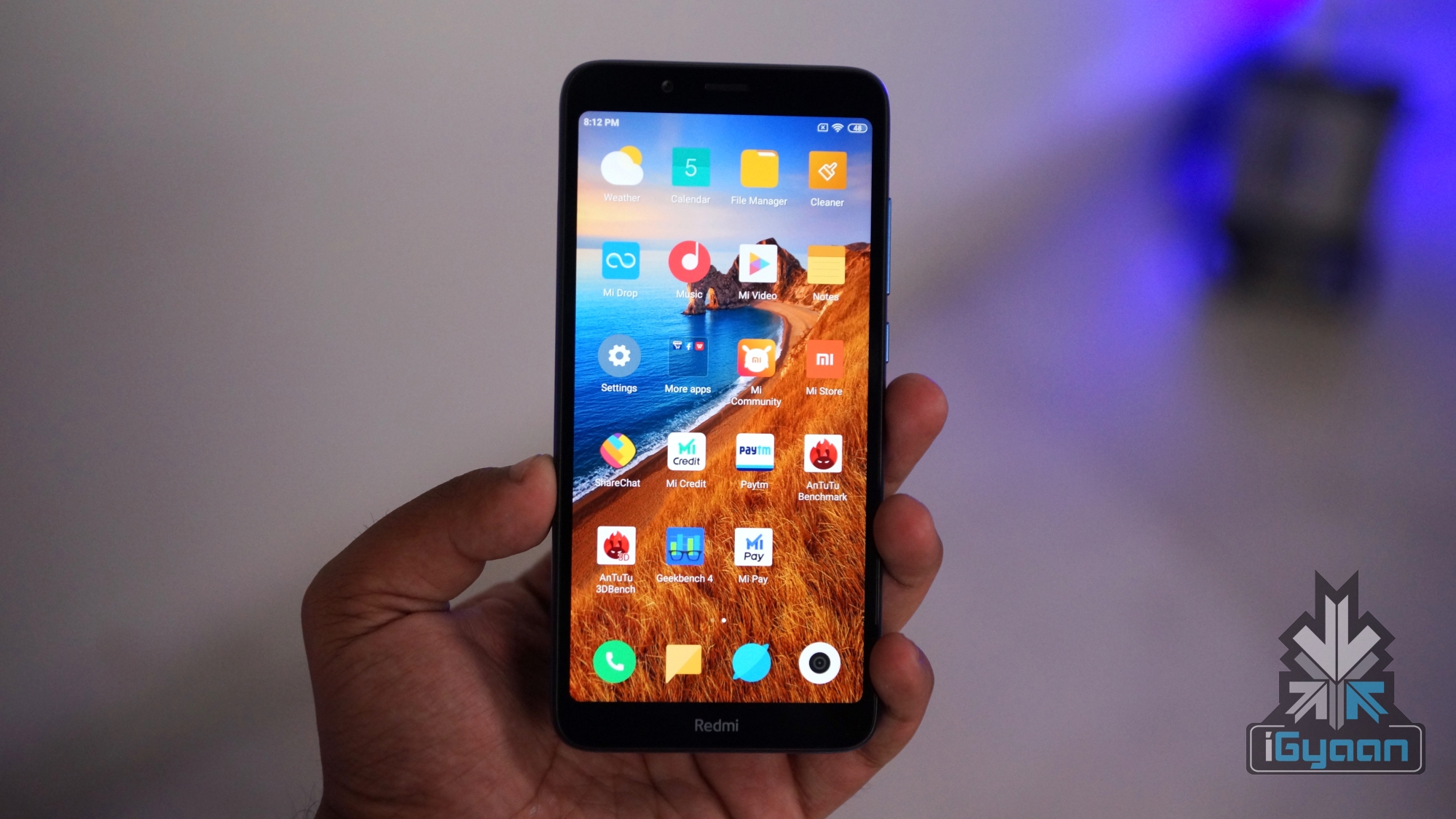
Xiaomi Redmi 7A
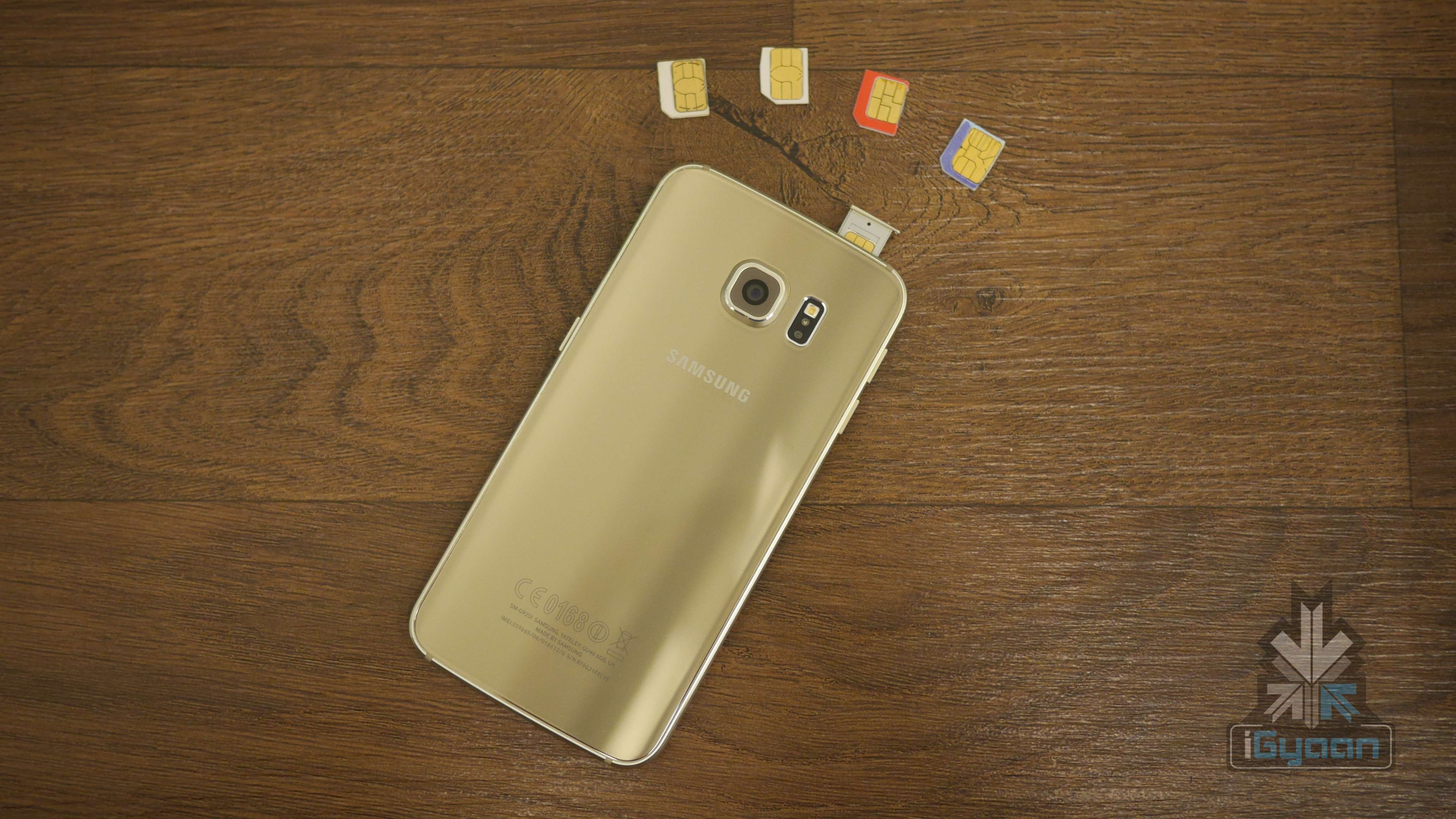
DoT’s new system will be capable of tracking mobile phones that are detectable even if they have their SIM cards removed or IMEI numbers changed. As per a report, the new system will be called the Central Equipment Identity Register which will be deployed nationwide in August. CIER is a new technology for tracking lost and stolen phones which have been under development since July 2017 under the DoT. The agency was instructed to create a system that discourages theft and snatching cases that prevalent in the country by the Indian Government.
Mobile phone theft and snatching cases have blown out of control over the past couple of years. According to reports, a 500% increase of snatching cases has been reported in New Delhi alone over the last five years. The Indian Government has reportedly allocated a sum of INR 15 crores for the spread of the CIER system throughout the country. CIER will make all stolen or lost handsets unusable across every service provider networks. Most stolen phones are sold in the black market where new IMEI numbers are flashed on these devices to make them untraceable. The new method will still affect the stolen devices with changed IMEI numbers making them just an expensive paperweight, unusable across networks.
IMEI database of all mobile operators will be consolidated in one central system. It means that network providers will be able to share details of stolen or lost handsets to be blocked from future use. The new system is currently being tested for the first time in Maharashtra. Indian Government have finally found a concrete method to crack down on criminals that harm its lawful citizens. It can potentially save the people crores in rupee from the loss of property. CIER is a much-needed system which will finally be put into practice.
Hate speech is a common occurrence and an evil that goes side by side with the growth of the internet and social media. The digital world gave a powerful tool at the hands of men, which was impersonal mode of exchange. One of Instagram’s greatest feature is its impersonal method of communication and portrayal of lives. By basic psychology, it is much easier to speak ill online or to say certain things that have an impact without having a physical presence.
To curb a growing trend of online negativity, Instagram is now introducing a new system that checks profanity and abusive words on its app. It includes a filter to restrict foul languages and hates speech on the comment sections and posts. Instagram has rolled out two new features to reduce online bullying.
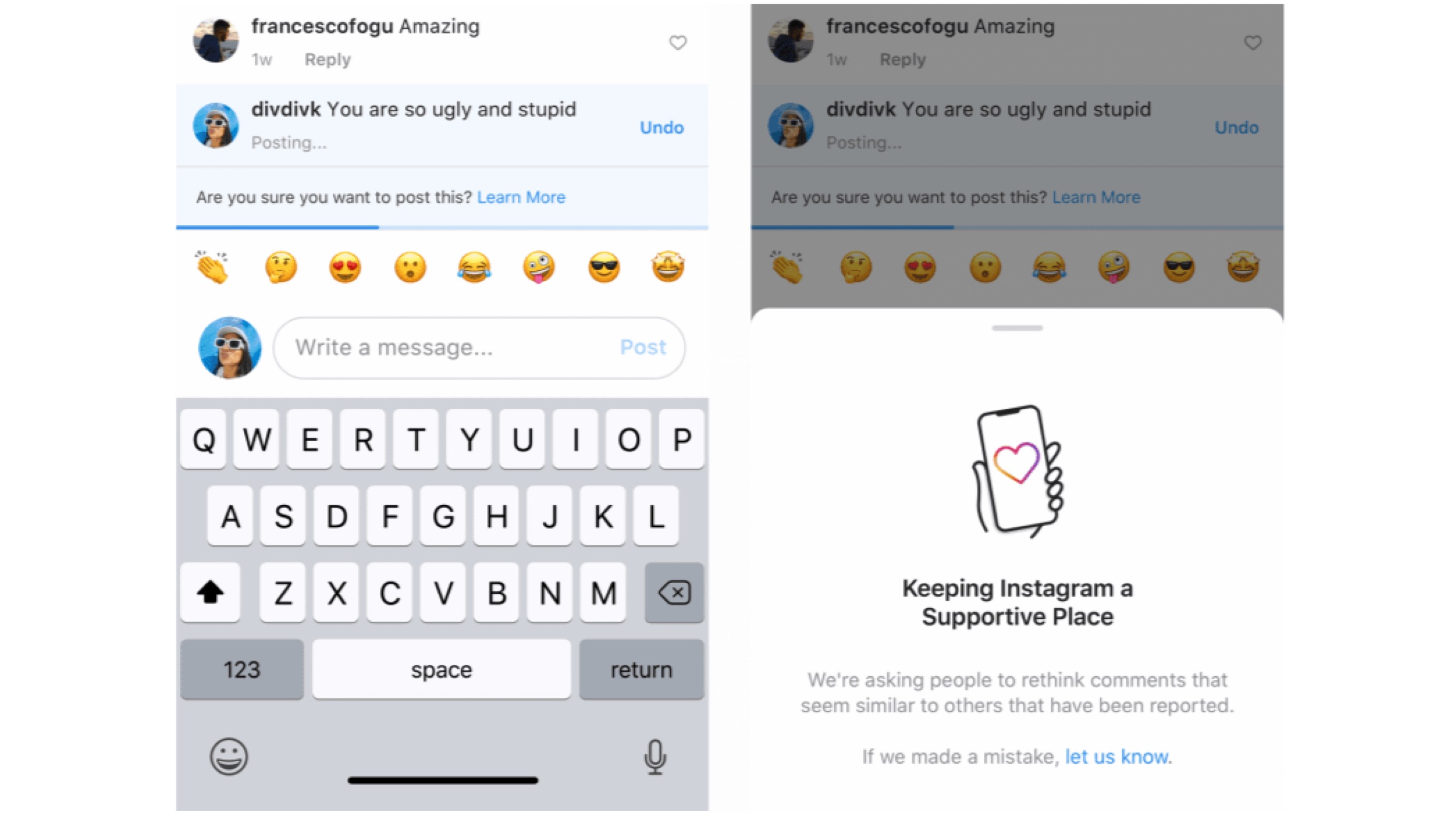
The firstly is anyone trying to comment on a post in an abusive manner will receive a popup warning.
The second is the new ‘Restrict’ function which has been added to limit other users’ interaction with another.
Profanity Filter
According to the early testing period reports, the AI powered warning feature has stopped some people from posting abusive comments. The new intervening feature will occur if a user types any abusive comments which will be responded by a popup message. It asks the user if they are sure they wish to post the negative content. People are still capable of fooling the aforementioned AI by simply using symbols or alternative spellings. Instagram has not given any statement as to how it is going to prevent this from occurring. The new features functionality has yet to be extended towards other languages.
Restrict Function
The social media platform is also testing a new feature dubbed as ‘Restrict’. It will allow a person to limit undesired users to interact with them. A restricted person can still comment on the posts from the person that restricted them; however, the comments will only be visible to themselves. The person that utilizes the Restrict function can review and allow the restricted user’s comments to be visible to others specifically. Instagram has stated that people avoid blocking, reporting or even unfollowing their bullies fearing the escalation of the problem. The new feature would have restricted users not being able to see when the victim is active or when they’ve read their messages.
Instagram has started to demote offensive posts that propagate hate speech starting in April 2019. The company is working hard to stop the ever-growing negativity that spreads on any social networking platform. Updates are expected to arrive that boost the AI’s capabilities to detect the hidden abusive language in comments. The new feature will add a much-needed function to help its users avoid troublesome people on its platform; a healthy step towards a positive online environment.
Sanso is a less known electronics and smartphone manufacturer from Germany. The company is reportedly developing a high-end smartphone which will be packed flagship specifications in addition to a couple of distinguishing features.
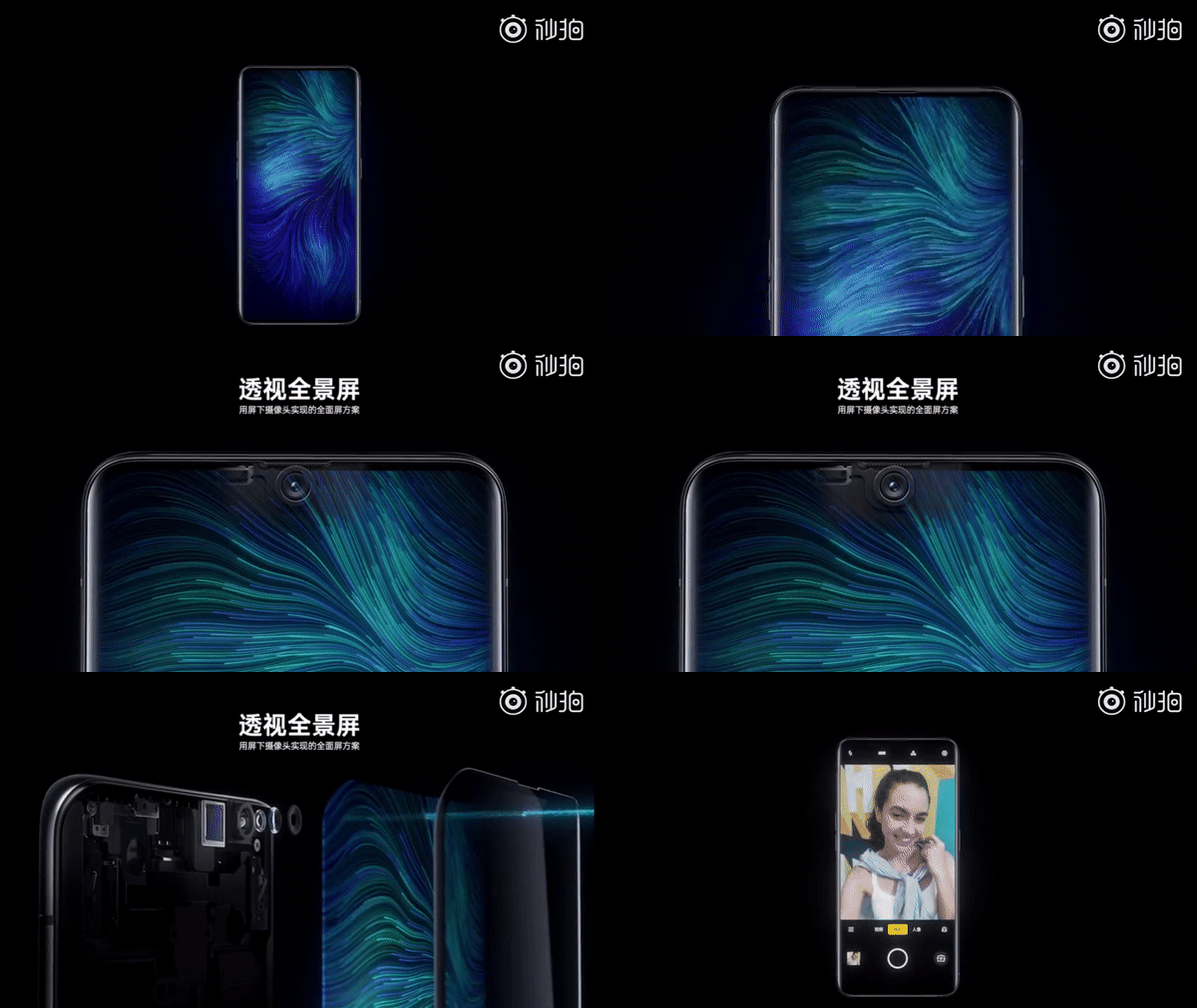
According to a leak, the upcoming device will be dubbed the Sanso X and it will be the world’s first commercially available smartphone to have an “indisplay camera” sensor. As the name suggests, the front-facing selfie camera on the smartphone will be placed beneath the display and will remain hidden when not in use. As soon as the said camera is toggled, the pixels right above it will turn off allowing the sensor to capture images and videos through the transparent display.
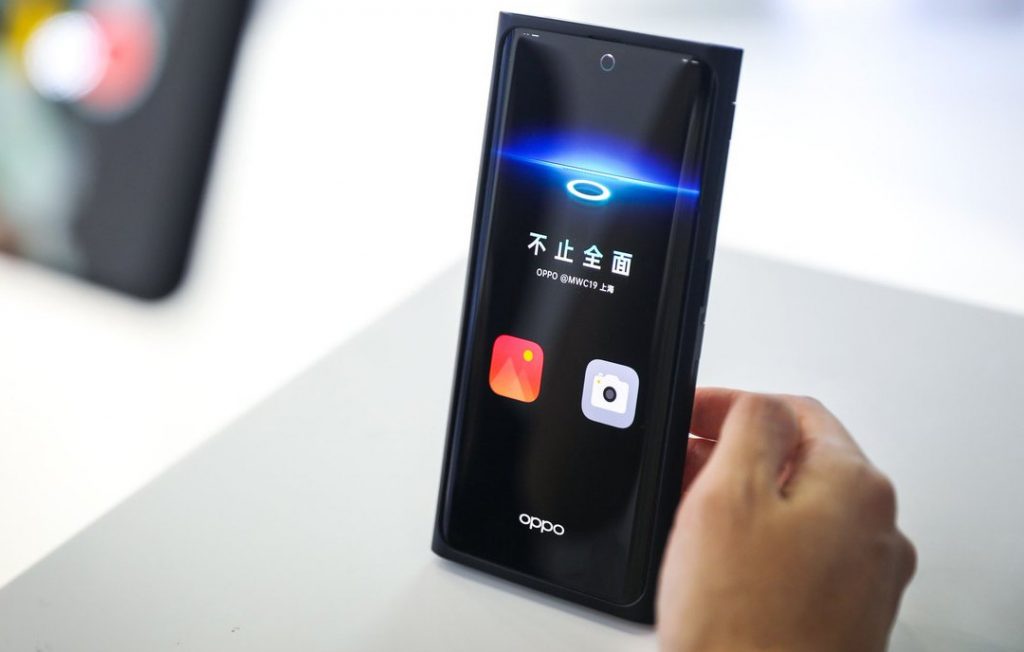
Oppo Smartphone With Indisplay Camera
The innovative feature on the Sanso X will reportedly be similar to the prototype smartphone that was showed off by Oppo last month. This will allow the company to pack a seamless display on the front of the device which is devoid of any obstruction causing notch. As of now, it is unknown whether placing the camera under the display will hamper the quality of videos and images captured from it.
Besides, the Sanso X will also support 5G which is the fifth generation of mobile telecommunication. Like the Galaxy S10 5G, it will incorporate the X50 modem and the Snapdragon 855 SoC which consists of an Octa-Core CPU and Adreno 640 GPU.
In terms of design, the Sanso X will have an Anodized metal chassis with glass on both the front and back. The smartphone will feature a 6.3-inch display with 3D curved edges. Notably, the display will have a 90 Hz refresh rate which is the same as the OnePlus 7 Pro.
OnePlus 7 Pro With 90 Hz Display
Listed below are the full specs of Sanso X:
Qualcomm® Snapdragon™ X50 5G Modem
Product Weight 190g
Material Anodized Oxidized Metal CNC Alloy chassis with mirror shiny glass back cover and front & back
Gorilla Corning protection 6
Resistance Standard – IP67 water resistant
Colour – Rose Gold, Diamond Black & Gold mix
Power Adapter – 50W EU-charger?5A – Super-Sonic Charging?
OS – Android 9.0 Pie
Qualcomm Snapdragon 855 chipset
12GB LPDDR4x RAM
512GB of internal storage
6.3 inches, 19.5:9 – Baseless, Full View Infinity Display – 3D Curved Edges (93.4% screen to body ratio)
90Hz refresh rate
Corning® Gorilla® 6.0
Front camera – 32MP, f/2.0 aperture, wide angle (In-Screen Embedded Camera)
5X Optical Zoom; 10X Hybrid zoom; 50X digital zoom
4500mAh battery
Quick Charge™ 4+ technology; Fast Charging; 10 minutes of charging 4 hours of battery life
Under-display fingerprint scanner
To sum it up, the Sanso X seems like a handset that is capable of disrupting the premium smartphone market. Given, that it is priced aggressively and has a bloat free User Interface.
Apple announced the latest iterations of its operating systems for its devices earlier last month at the World Wide Developer’s Conference (WWDC). These include the new version of the iPhone operating system, iOS 13; a brand new OS for iPads, iPadOS and an upgraded MacOS called MacOS Catalina. The company released the first public betas of the software last month, which can be downloaded by following the guide here. Now, the second public betas of the iOS 13 and iPadOS have been released, which add some features that were seen in the developer’s beta 3 announced last week.
What’s New?
With the second public beta of iOS 13 and iPadOS, Apple has added a few stability improvements. These should improve the performance of the devices running the software and also result in fewer crashes. With the latest update, the FaceTime Attention Correction Feature has also been added to the public beta. Exclusive to the latest iPhones for now, the feature uses Apple’s ARKit to make it seem that the user is maintaining eye contact with other people on a video call via the Facetime application.
On the second public beta of the iPadOS, Apple has added a new animation; which is designed to help the users keep track of the Split View Windows that are active at a time. The animation also works while taking full-page screenshots and in some other elements of the User Interface. All the features seen on the Developer Beta 3 have not made their way into the iOS 13 and iPadOS public beta yet. It may be because they are not stable enough to be used by the majority and should make their way in the next update.
Users already running the first public beta of either the iOS 13 or the iPadOS should get an Over the Air (OTA) update on their device for the second public beta. If not, going to Settings then About and checking Software Updates should do the trick. If you haven’t installed a beta and want to try it out, know that they are not known to be stable and can experience random crashes; it is thus not recommended on one’s primary device. In that case, waiting for the stable release due later this year is recommended.
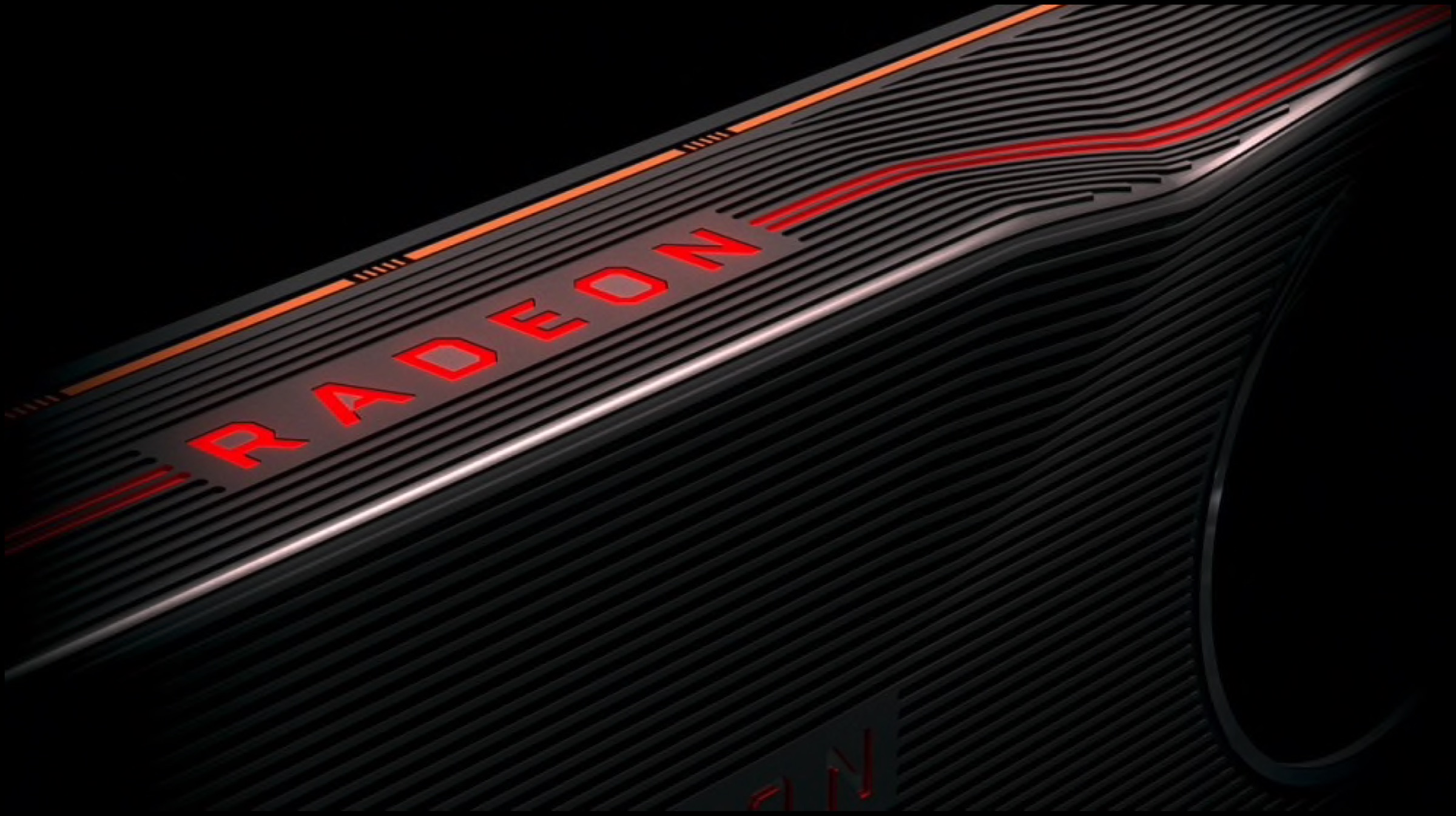
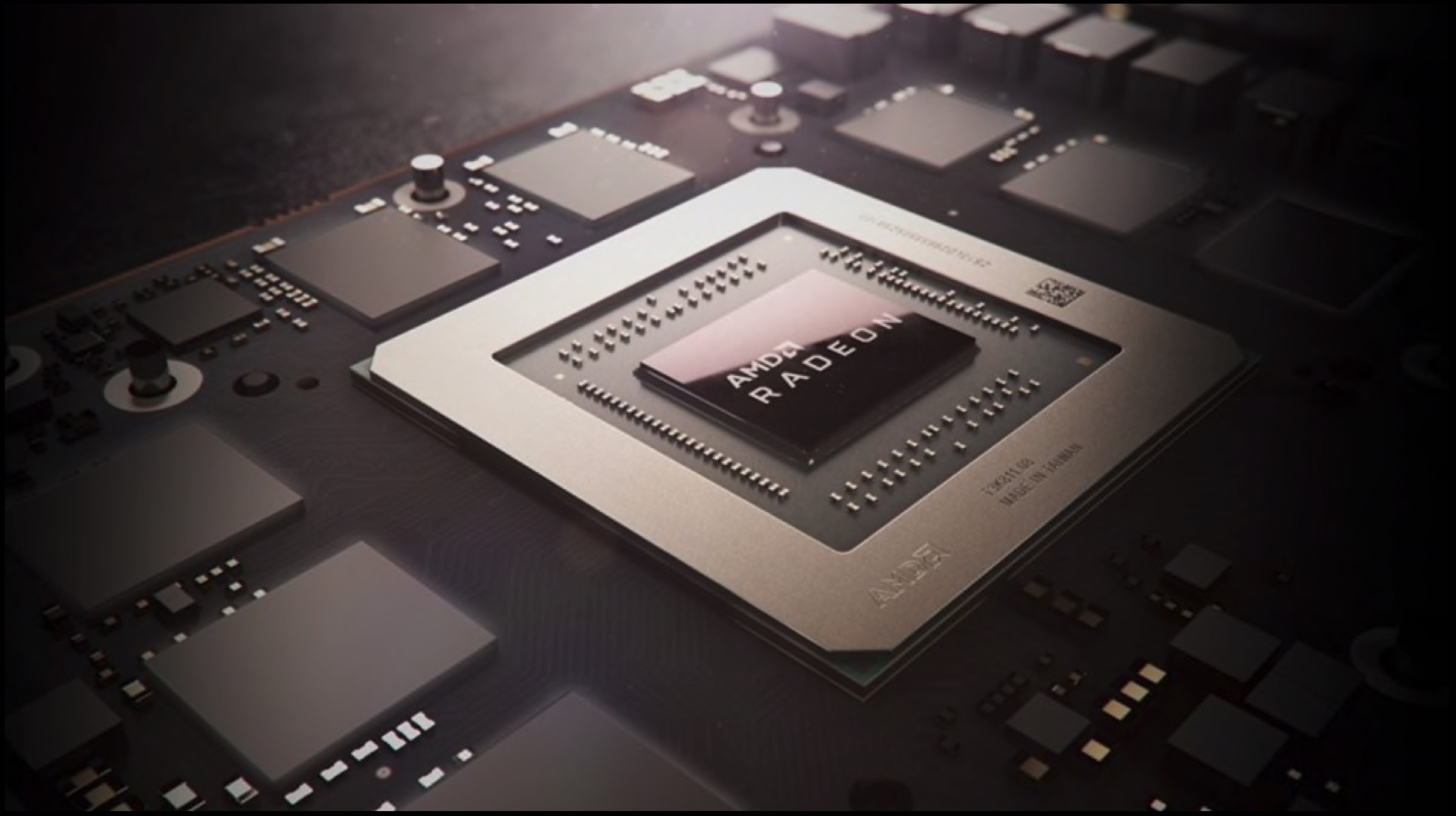
AMD had announced its latest Radeon RX 5700 & 5700 XT graphics card offerings in its keynote at Computex 2019. It marks the company’s entry into the mid to high tier ranges of GPUs. The video cards were made in response to NVIDIA’s GeForce RTX 20 series GPUs with a better price to performance value. AMD officially launched the cards on 7th July and finally released the official Indian pricing after the surprise price slash.
Team green’s Ray Tracing enabled cards featured flagship (from the 2080Ti and 2080) to the upper mid range (2070 and 2060) GPUs; unfortunately, the aforementioned PC components also carried a hefty price for the new technology offered. AMD is seeking to fill the premium and mid range gap with its RX 5700 series of powerful cards and lucrative prices. NVIDIA is launching its refreshed, beefed up version of the original, RTX SUPER cards today to be better compete with AMD.
Specifications
AMD Radeon RX 5700 XT features 40 compute units or 2560 streaming processors that deliver 9.75 TFLOPs of FP32 performance. The 7nm GPU will sport 8GB of GDDR6 VRAM with a core clock of 1606MHz and a boost clock of 1905 MHz. This is by far the highest clockspeed seen in any AMD GPU, all thanks to its new RDNA architecture and 7nm process. It will compete with the new RTX 2070 SUPER while outperforming the now discontinued vanilla RTX 2070 from NVIDIA.
On the other hand, the Radeon RX 5700 features 36 compute units or 2304 streaming processors that deliver 7.95 TFLOPs of FP32 performance. The 7nm GPU will sport 8GB of GDDR6 VRAM with a core clock of 1465MHz and a boost clock of 1725 MHz. It will compete with the new RTX 2060 SUPER while outperforming vanilla RTX 2060 from NVIDIA.
Price & Availability
The AMD Radeon RX 5700 XT is officially priced at INR 30,990 (INR 36,570, after tax), while the Radeon RX 5700 will sell for INR 26,990 (INR 31,850, after tax). However, AMD is not launching the higher end RX 5700 XT Anniversary Edition in India. The two GPUs will be under AMD’s current flagship the Radeon VII and will also be available from other brands. Variations of the graphics card will be sold by Gigabyte, MSI, Sapphire, ASUS, and more with single digit percentage difference in performance.
It is a great time to be a gamer or build a gaming PC. Prices for viable PC components are now available. The sub $500 market has never been so competitive. Both team green and red offer are offering some great deals that give more choice to consumers which is always a plus point. One can essentially buy from either the RTX SUPER or RX 5700 Series and not regret it. The tech giants have offered great value for money with the new affordable graphics card. The new launches bring a positive impact for the Indian gaming community and culture as a whole.
The highly anticipated Samsung Galaxy Note 10 is set to launch on the 7th of August at an event in New York. Similar to the Galaxy S10, the company is alleged to launch four variants of the future flagship which will be called the Note 10e, Note 10+, standard Note 10 and Note 10 5G.
As the launch date of the Galaxy Note 10 lineup nears, more features about the device unravel from both official and unofficial sources. This time, Samsung itself has shared a teaser which reveals a distinguishing factor of future smartphones.
The teaser boasts that the Galaxy Note 10 will have the functionality to be used as multiple computing devices. In simpler words, the smartphone could be used as a personal computer, a camera and a conventional handset. This will allow users to eliminate the need for carrying multiple devices simultaneously. Besides, the data will also remain synchronised further enhancing the ease of use.
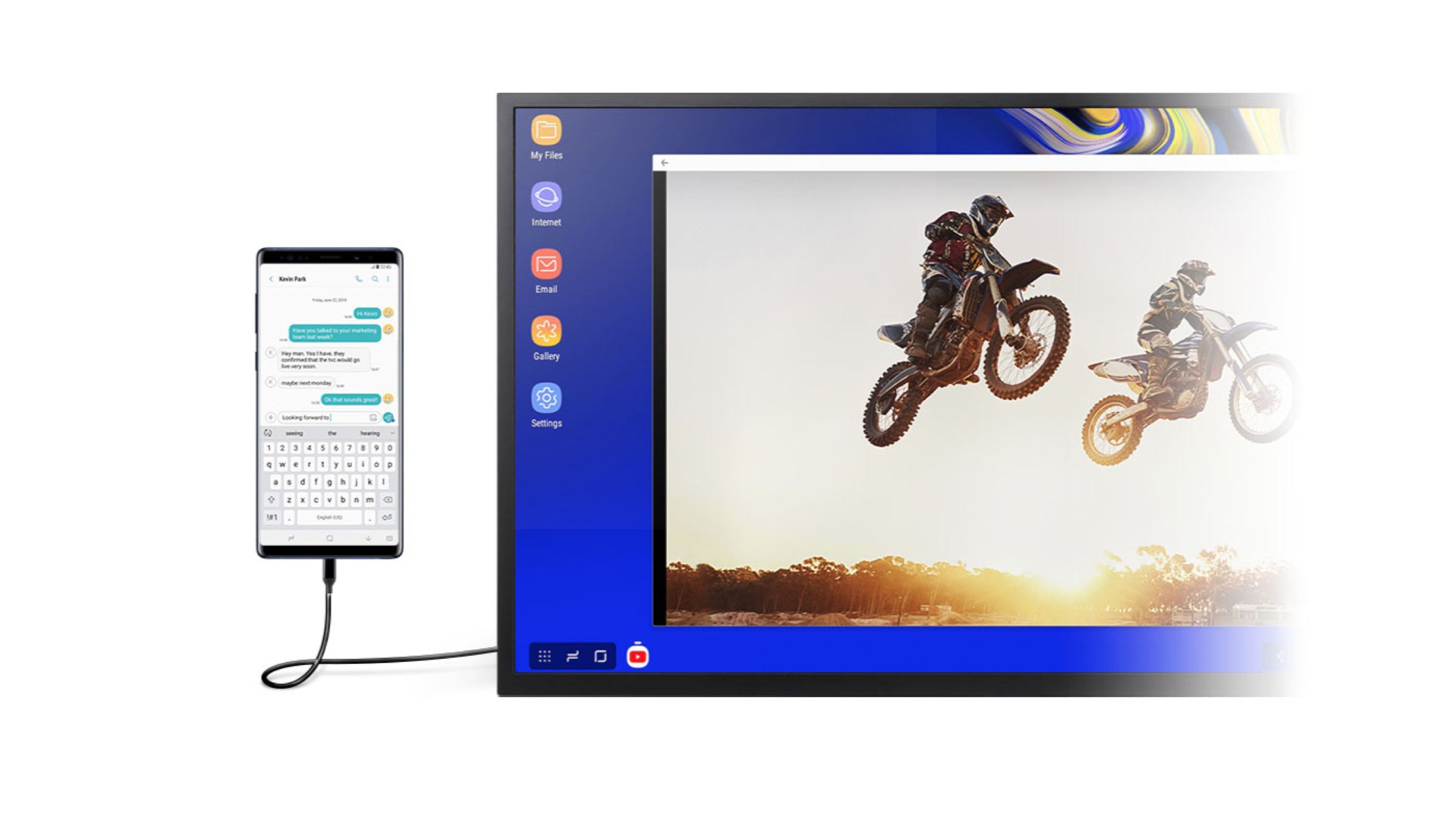
To attain the functionality of a computer, the device will make use of the DeX feature which has been present on Samsung devices for a couple of years. DeX is short for “Desktop eXperience” and as the name suggests it allows supported Samsung tablets and smartphones to provide a desktop-like experience by connecting a keyboard, mouse and monitor.
With the Galaxy Note 10, the company is expected to enrich DeX feature with many more updates which can further diminish the gap between an emulated desktop in comparison to traditional PC. Noteworthy, flagship Samsung devices are offered with storage capacity even upto 1 TB. Therefore, storage won’t be an issue and users can even store large files in their pocketable device.
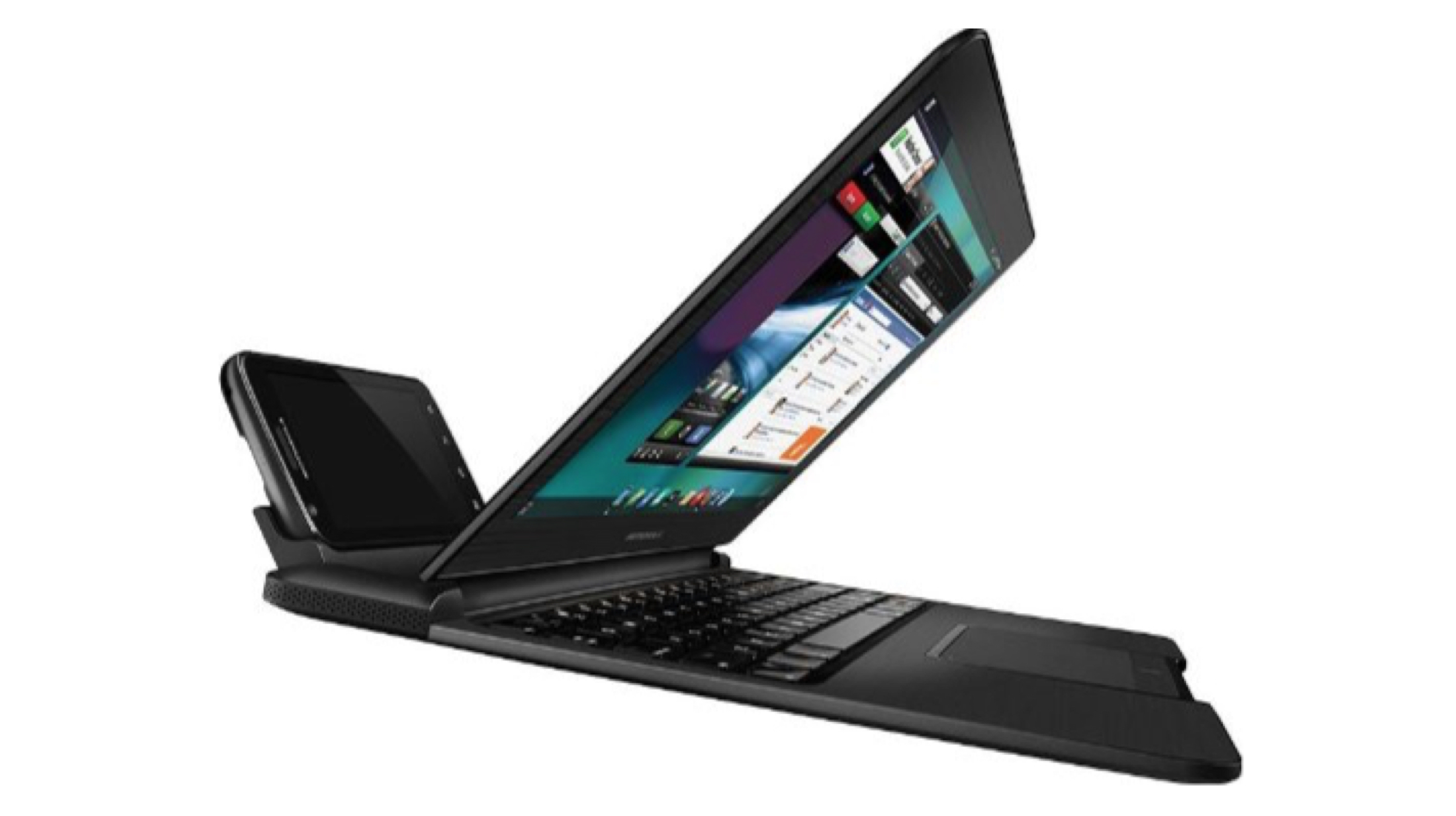
Although the theory seems farfetched, Samsung could launch a hybrid laptop dock like the Motorola Atrix lapdock which will allow the Galaxy Note 10 to work as an actual laptop. Talking about other features the devices will pack AMOLED display with a centre mounted punch hole, Snapdragon 855 or Exynos 9820 SoC dependent on the region and three or more rear cameras on all variants.
To conclude, precise details including the multi device functionality of the Galaxy Note 10 smartphones will be revealed at the official launch event which is scheduled for the 7th of August.
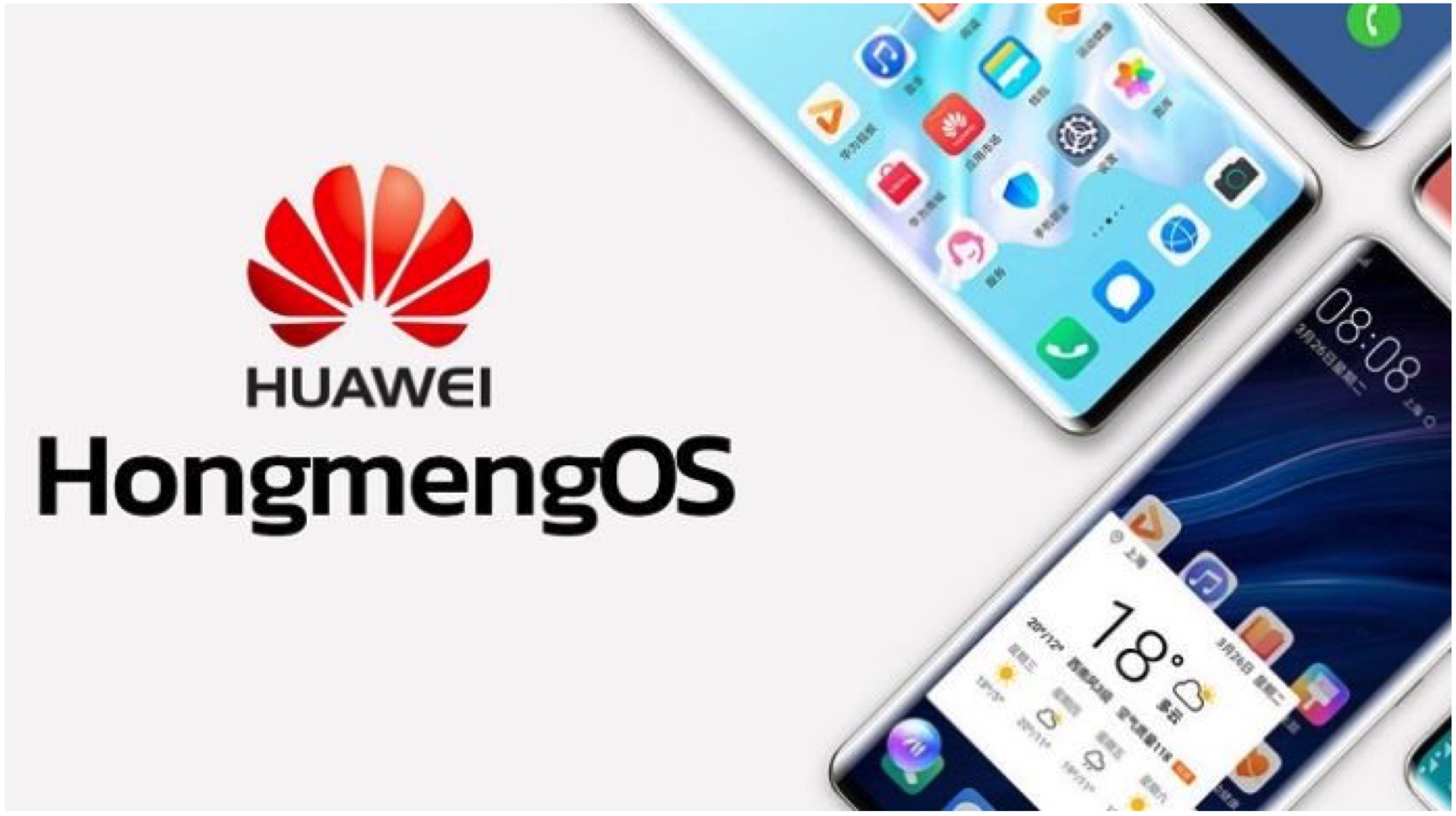
Chinese telecommunications giant Huawei has had a rollercoaster of a year. While the company was on the brink of becoming the biggest smartphone maker of the world; the US government issued a trade ban on it. This restricted any American company to do business with Huawei. The decision led to the future of its smartphone business laying in jeopardy. However, a while ago, the ban against the company was lifted which meant it could resume business with American organisations. However, it was revealed in the meanwhile that Huawei had been working on its own Operating System(OS) for a while, called HongMengOS. Now, the latest reports reveal that the software may be launched by the company at the Huawei Developer Conference (HDC) in China on the 9th of August.
HongMengOS
The HongMengOS by Huawei is an alternative to the Android operating system it has been using for its smartphones until now. It has been in development since at least 2012 when the company feared their reliance on US-made technology. While most features and details about HongMengOS are still under wraps, it was revealed that the software will be reportedly 60 percent faster than Android or iOS. Huawei has also been in talks with many developers, out of which around 5,000 are expected to attend its developer conference. Along with them, 1,500 key partners of the company will also be marking their presence at the event, which insinuates that HongMengOS may finally see the light of the day there.
Every operating system in order to be successful needs an ecosystem with a plethora of applications. It seems like Huawei, at its developer conference is all set to launch the HongMengOS with just that. It is also speculated that the company will opt for a different name for the OS in the global market and the current name will only be marketed as such in China. Unfortunately, more details about it are shrouded in mystery but are expected to be revealed as we move closer to the launch date.
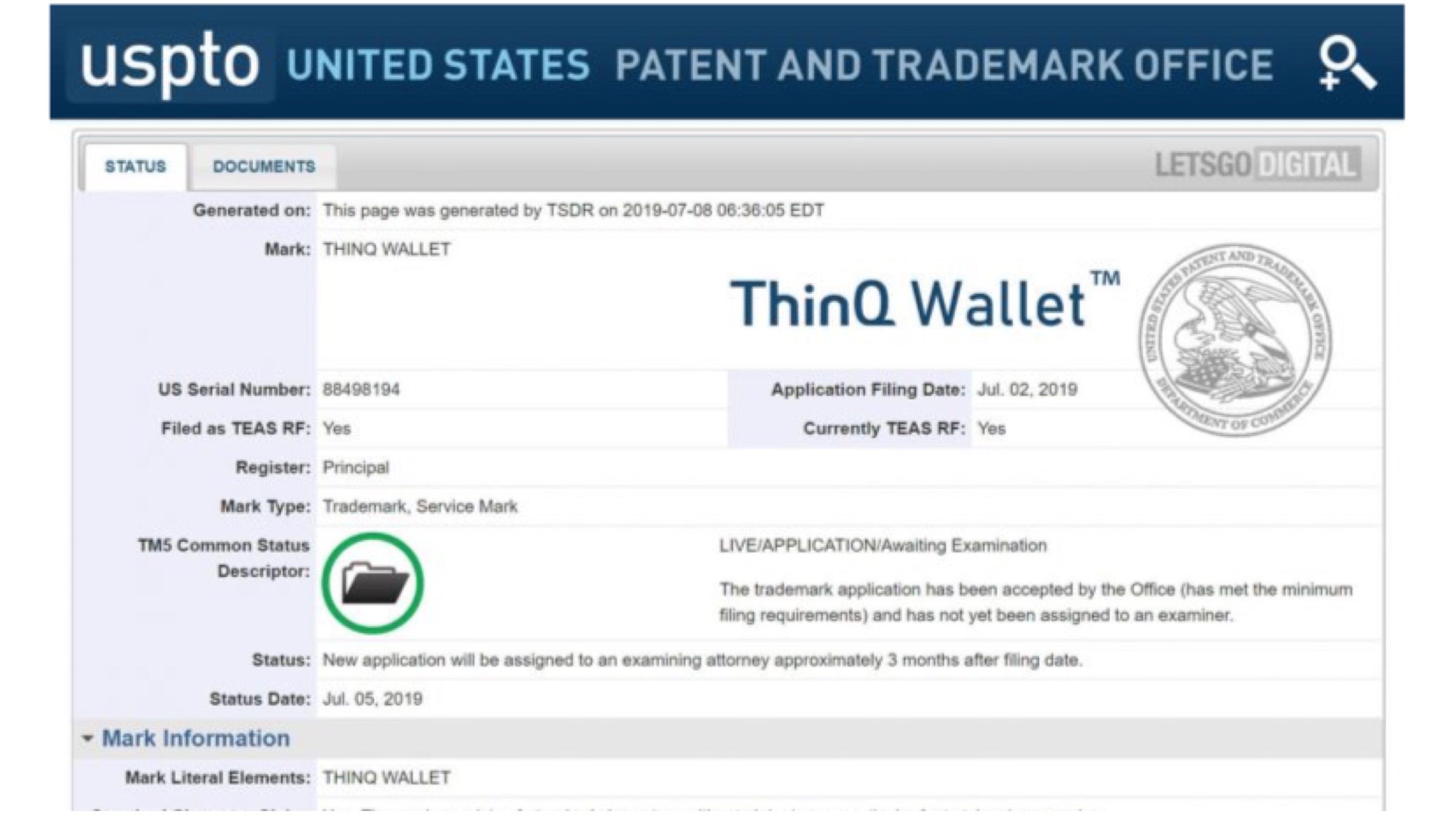
With the rise in the popularity of cryptocurrencies since the last few years; many major smartphone OEMs have also tried to take advantage of the trend. Taiwanese electronics giant HTC launched its Exodus handset which is based on the blockchain technology for trading and buying cryptocurrencies. Samsung also launched a wallet supporting the currencies with its Galaxy S10 lineup of devices. Now, reports of another major smartphone manufacturer getting into the cryptocurrency market have surfaced online. Latest patent filings by LG reveals it is working on a cryptocurrency wallet for use in its devices. It will be called the ThinQ Wallet and may be introduced soon.
LG ThinQ Wallet
As mentioned above, LG has filed for a patent for a cryptocurrency wallet called the ThinQ Wallet. The patent was filed at the USPTO (The United States Patent and Trademark Office). The description of the listing mentions it is a software for smartphones that specialises in payments. It will use blockchain technology, which is what all the cryptocurrencies are based on. Using it, the company is working on a digital wallet for the currencies, so they will work as a traditional wallet application which specialises in cryptocurrencies like Bitcoin and Ethereum.
The name ThinQ is used by LG in products that boast of some form of Artificial Intelligence technology; so it may be the case that the wallet when launched will feature AI as one of its features. It is speculated that the company may introduce the ThinQ Wallet alongside a flagship smartphone in the following weeks. Unfortunately, more details about the upcoming device or the cryptocurrency wallet are unknown at the moment. However, the patent listing suggests that we may not have to wait too long to hear about them.
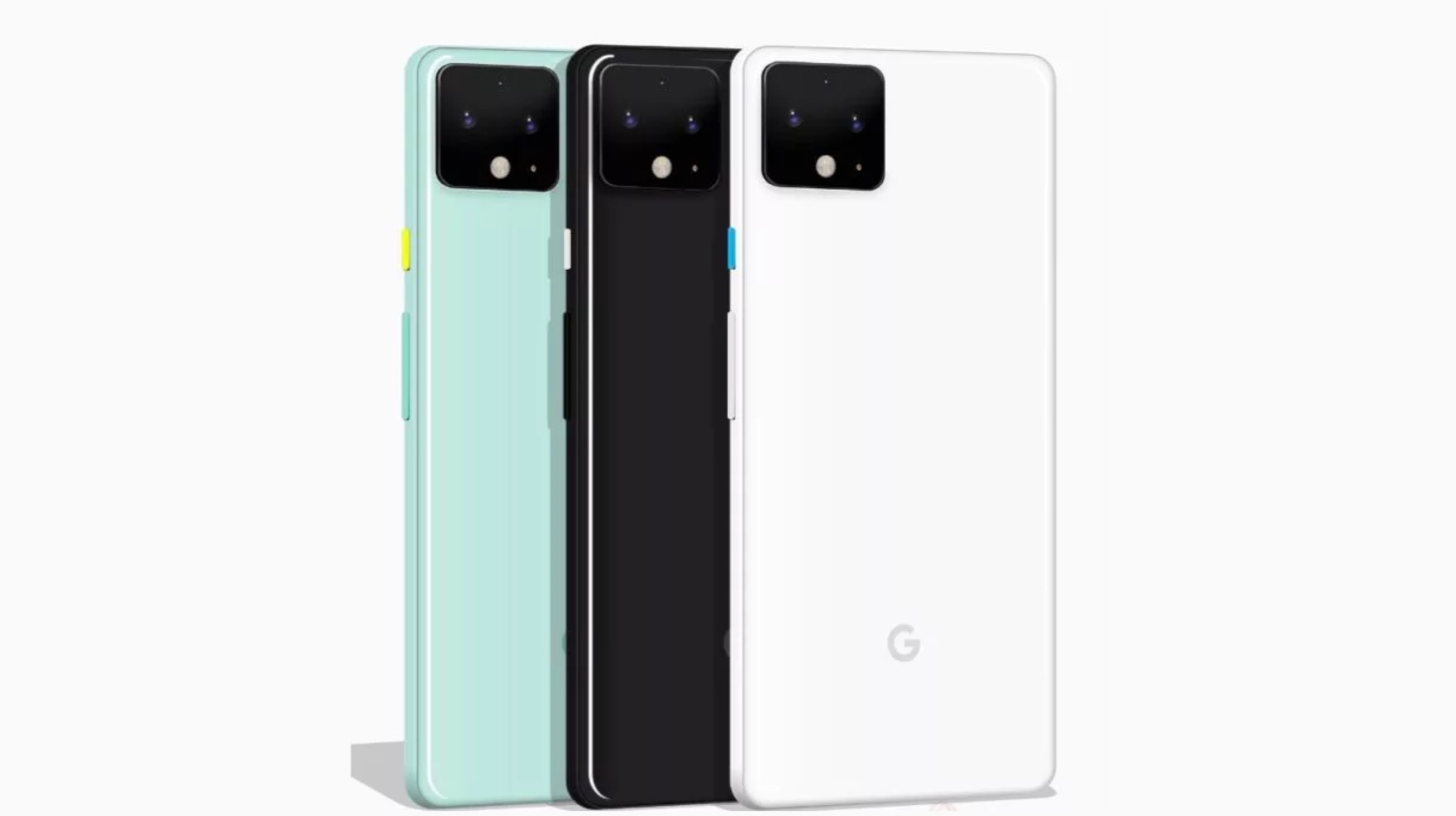
Google’s long-awaited Pixel 4 smartphone is just around the corner. The device is set to launch in October this year and will mark the fourth iteration of the company’s flagship handsets. Following initial leaks, the American company had unveiled the rear design of the device which showcased the new camera module. Now, the latest report reveals the complete design of the Pixel 4 in great detail.
According to the source, the front of the Google Pixel 4 XL features minimal bezels on all sides except for a noticeable forehead on top which houses the selfie camera alongside the essential sensors. The power button and volume rockers are housed on the right of the device, while the left is devoid of any seams. Its square rear camera module is seen at the top left on the back panel with the ‘G’ logo on the bottom.
While most OEMs are moving towards a full-screen front panel, Google Pixel 4 XL is seen here still sporting the traditional design philosophy. However, the design has a function and meaning behind its existence. The forehead houses two front-facing cameras, primary and wide angle lens, and a specialized sensor for Air Gestures. It has no visible fingerprint sensor at the back which implies that Google will probably include an in display fingerprint sensor.
Google Pixel 4 will compete with other giant flagship releasing around the time of its release, namely iPhone 11 and Samsung’s Galaxy Note 10. The upcoming device has to bring either great functionality with the Air Gestures or a unique feature to stay relevant amidst the releases. More information is expected to be available in the arriving week with updates being provided soon.