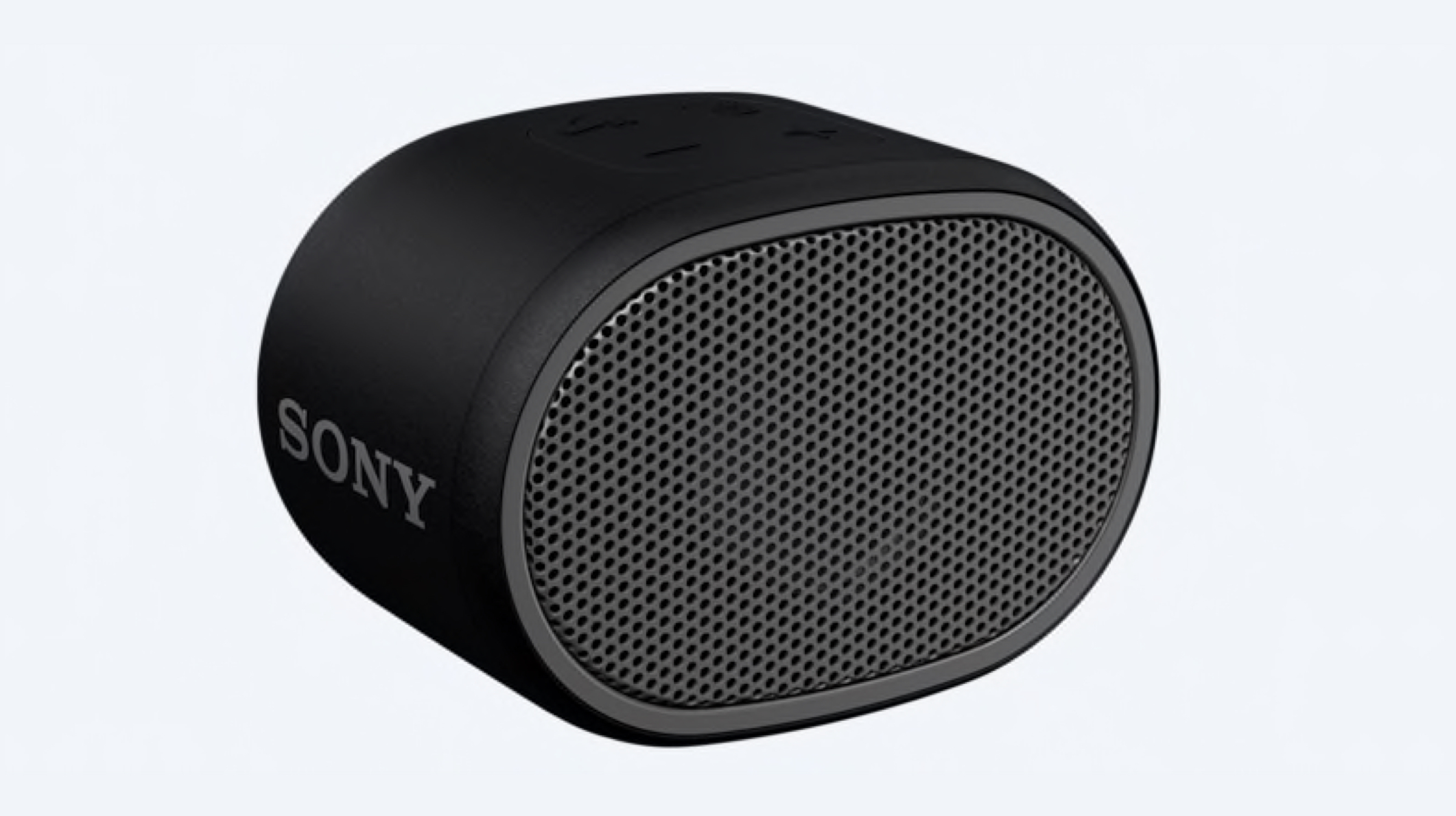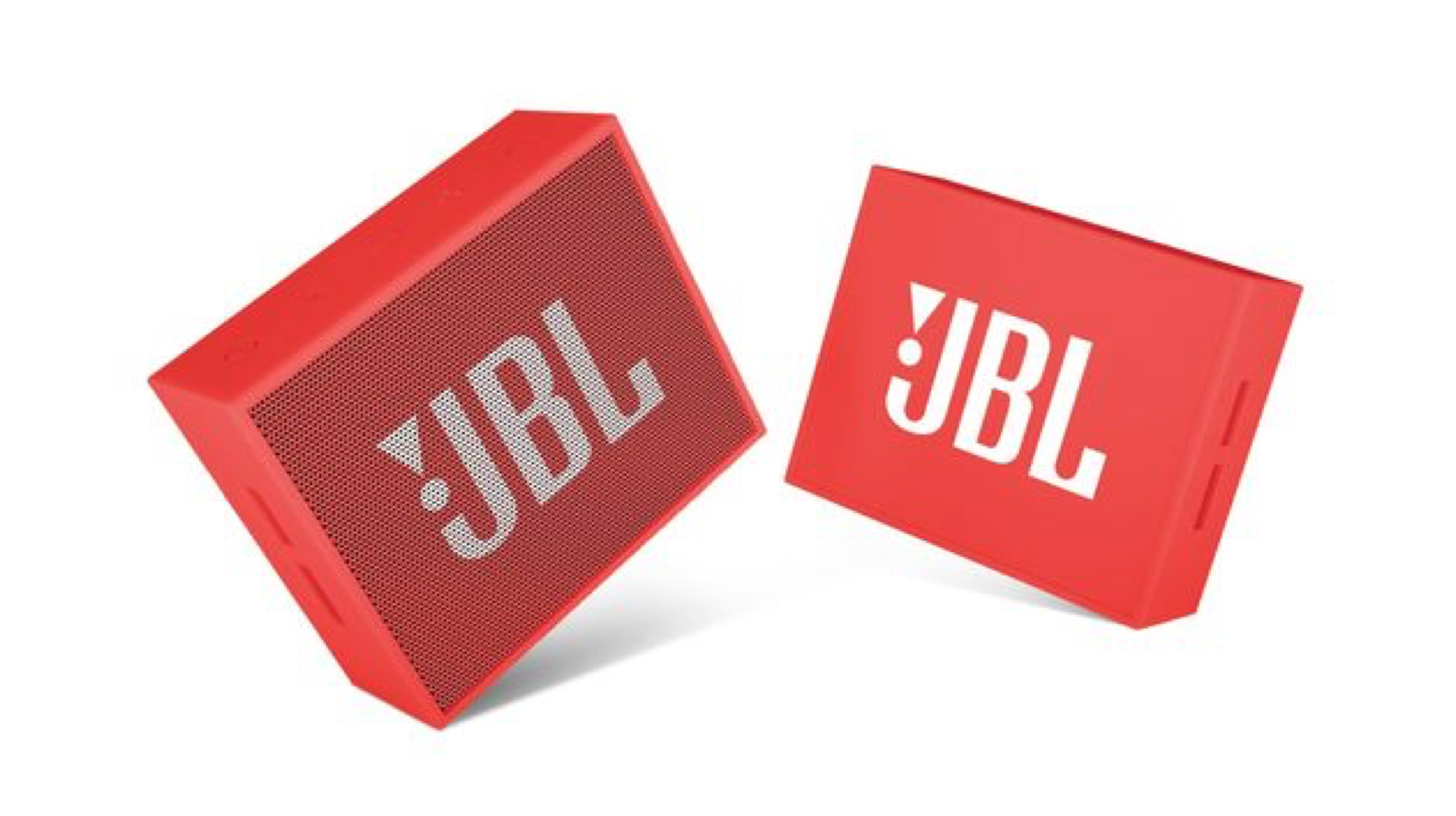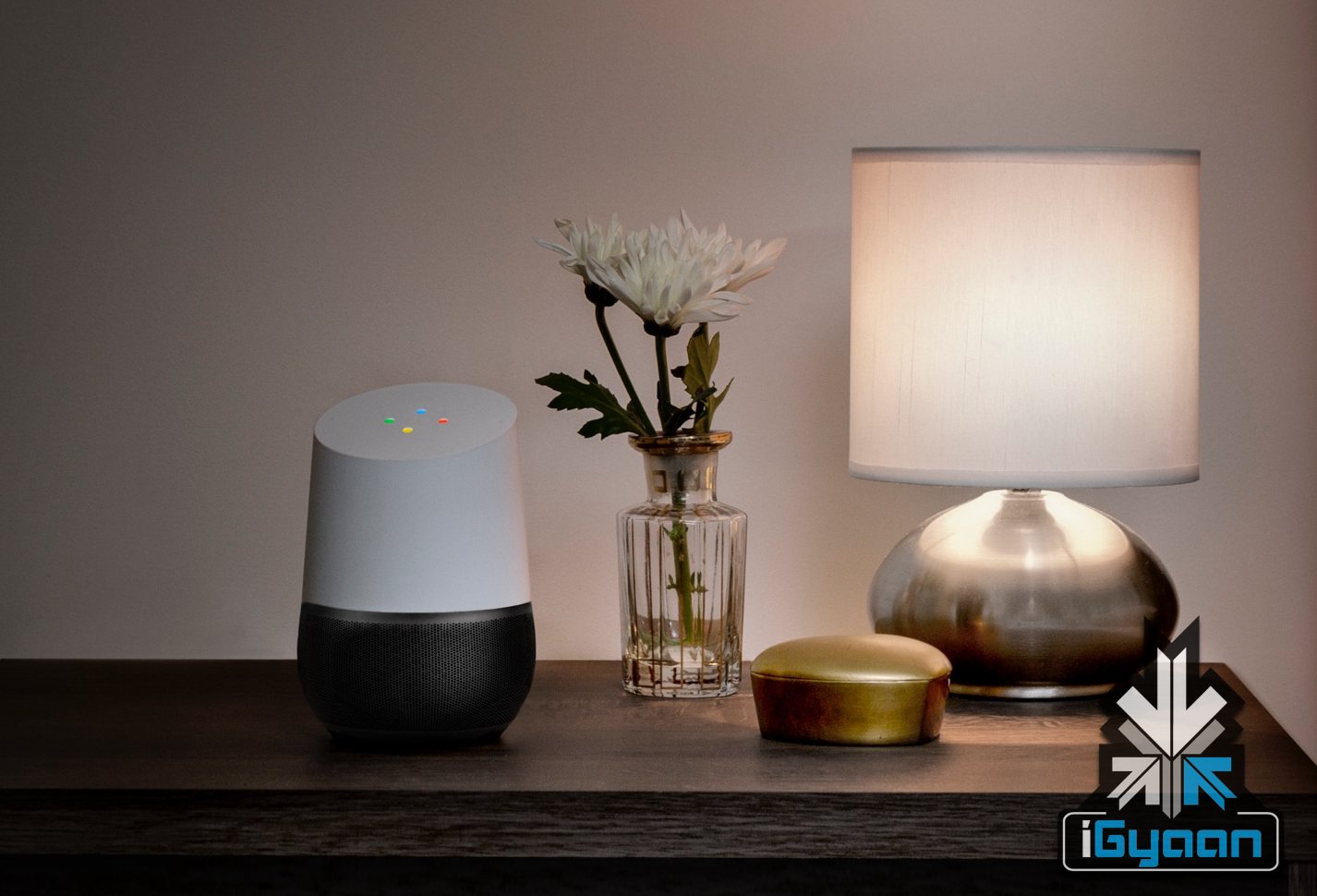
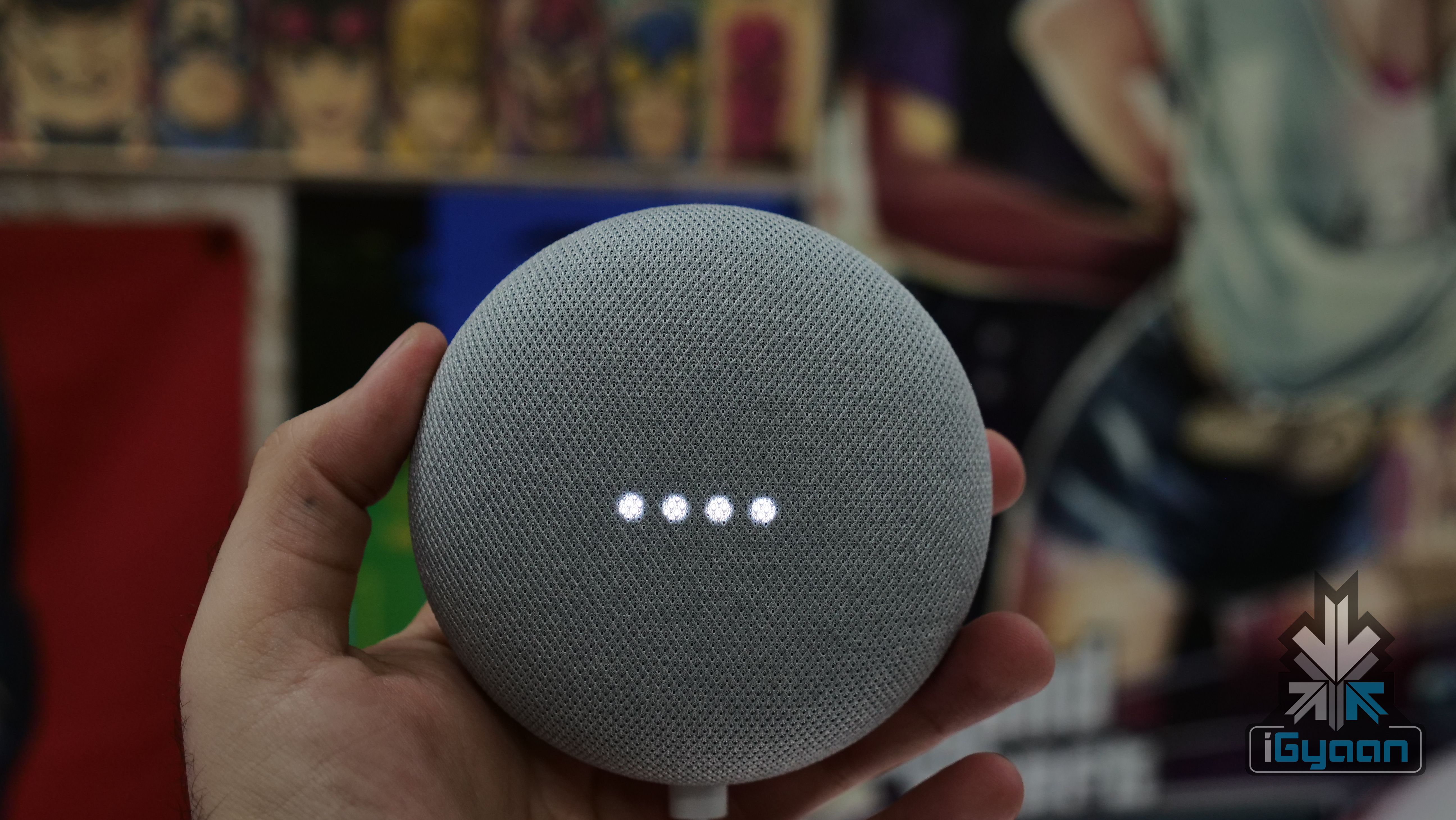
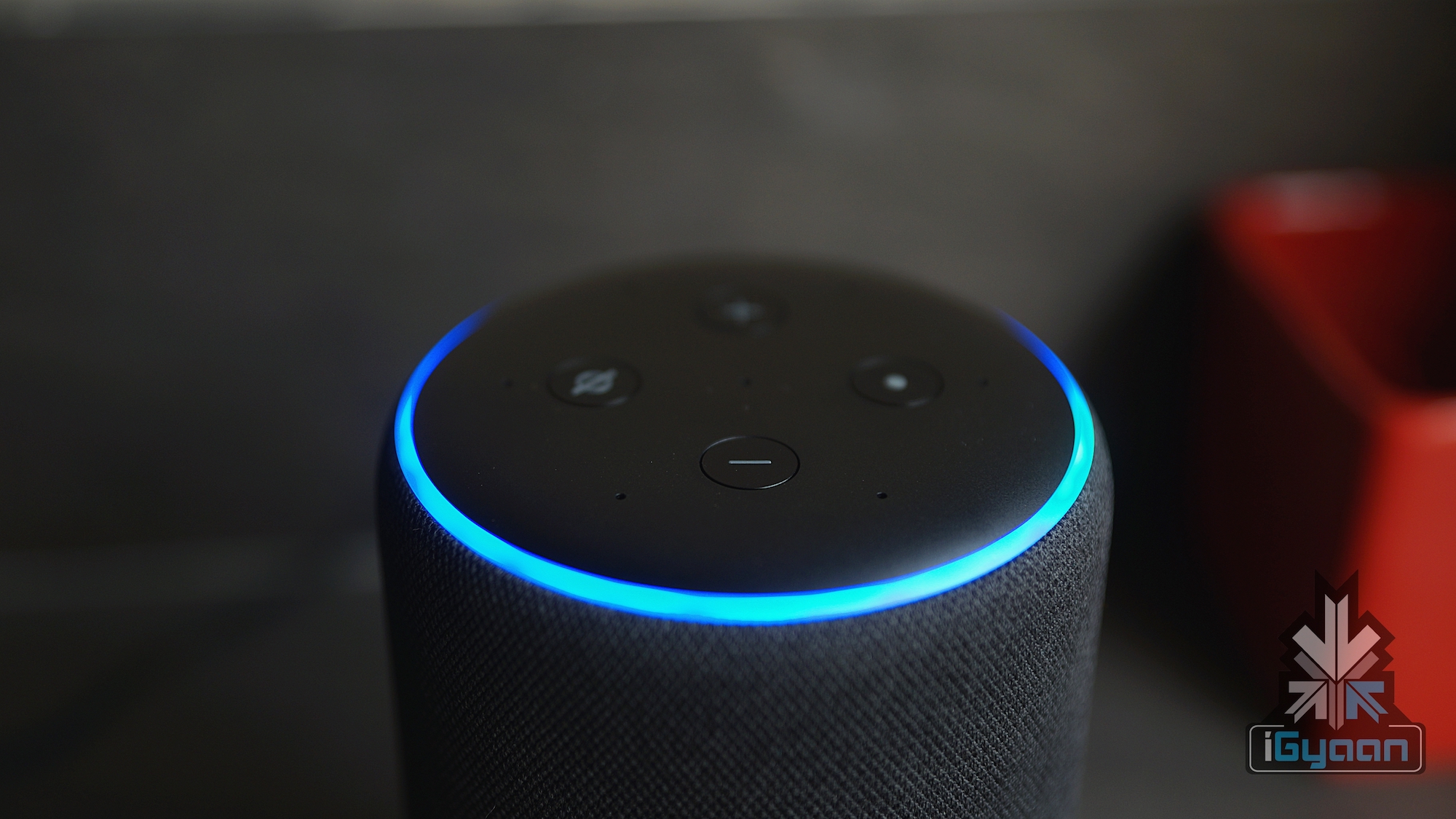
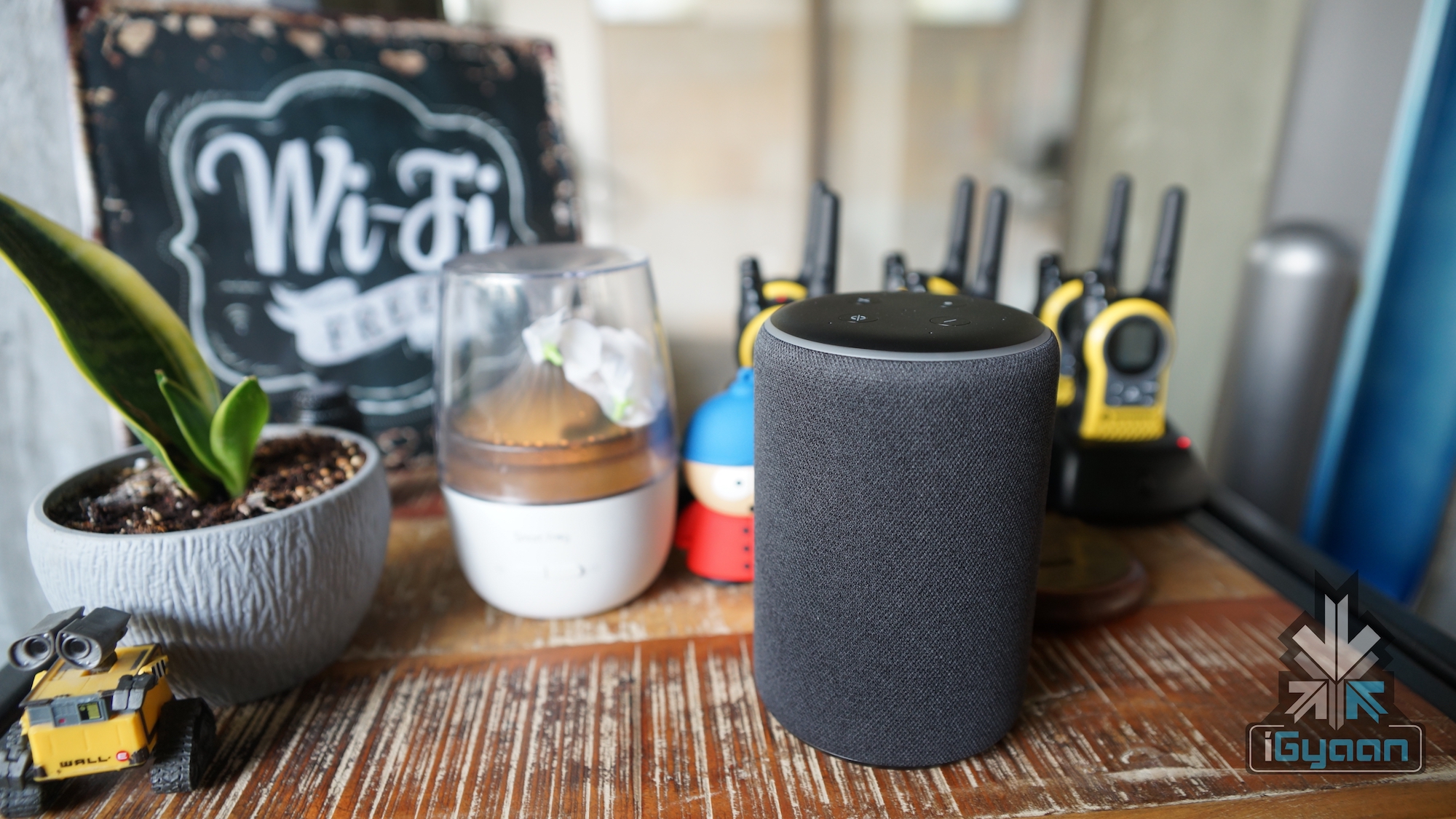
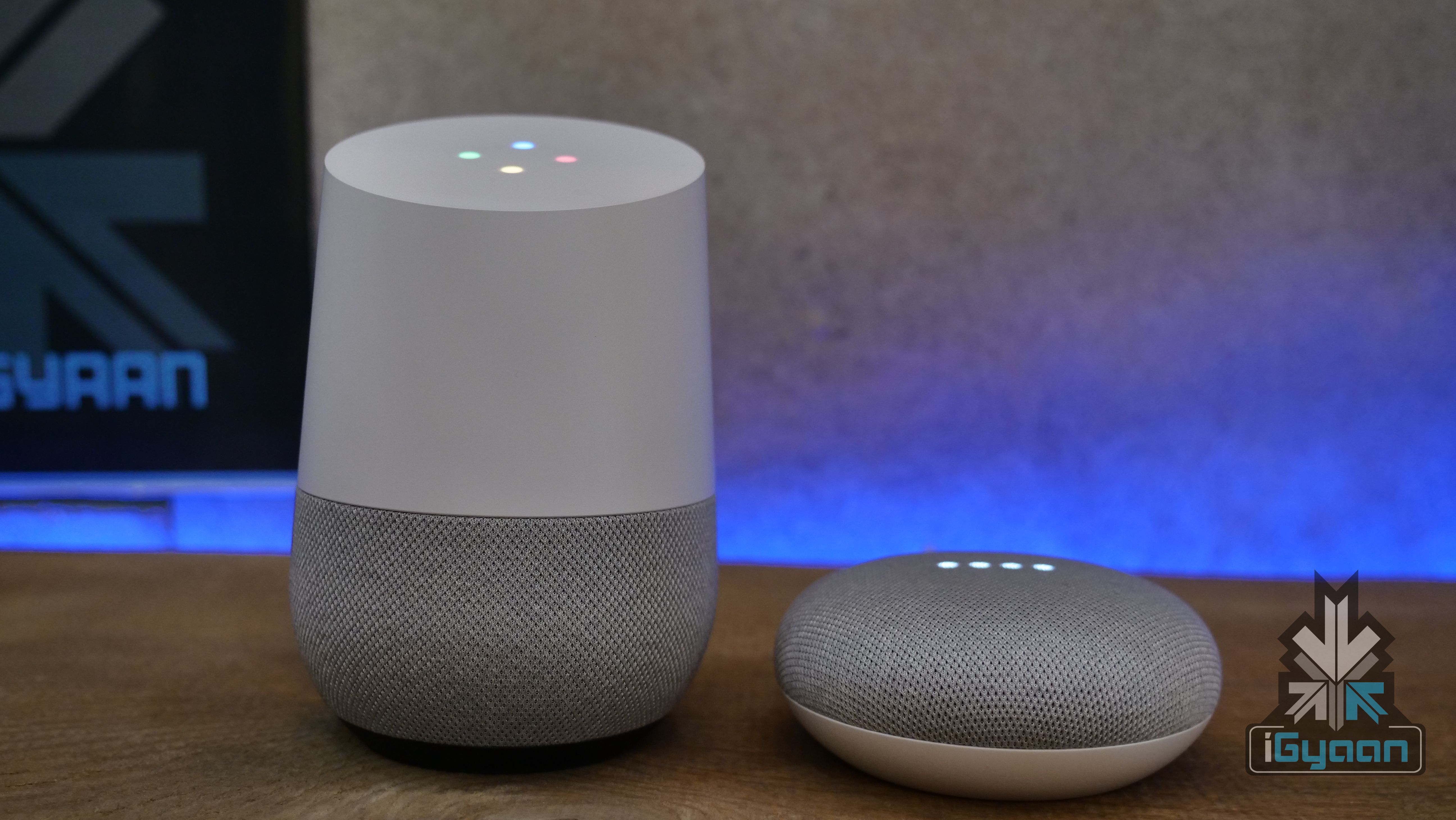
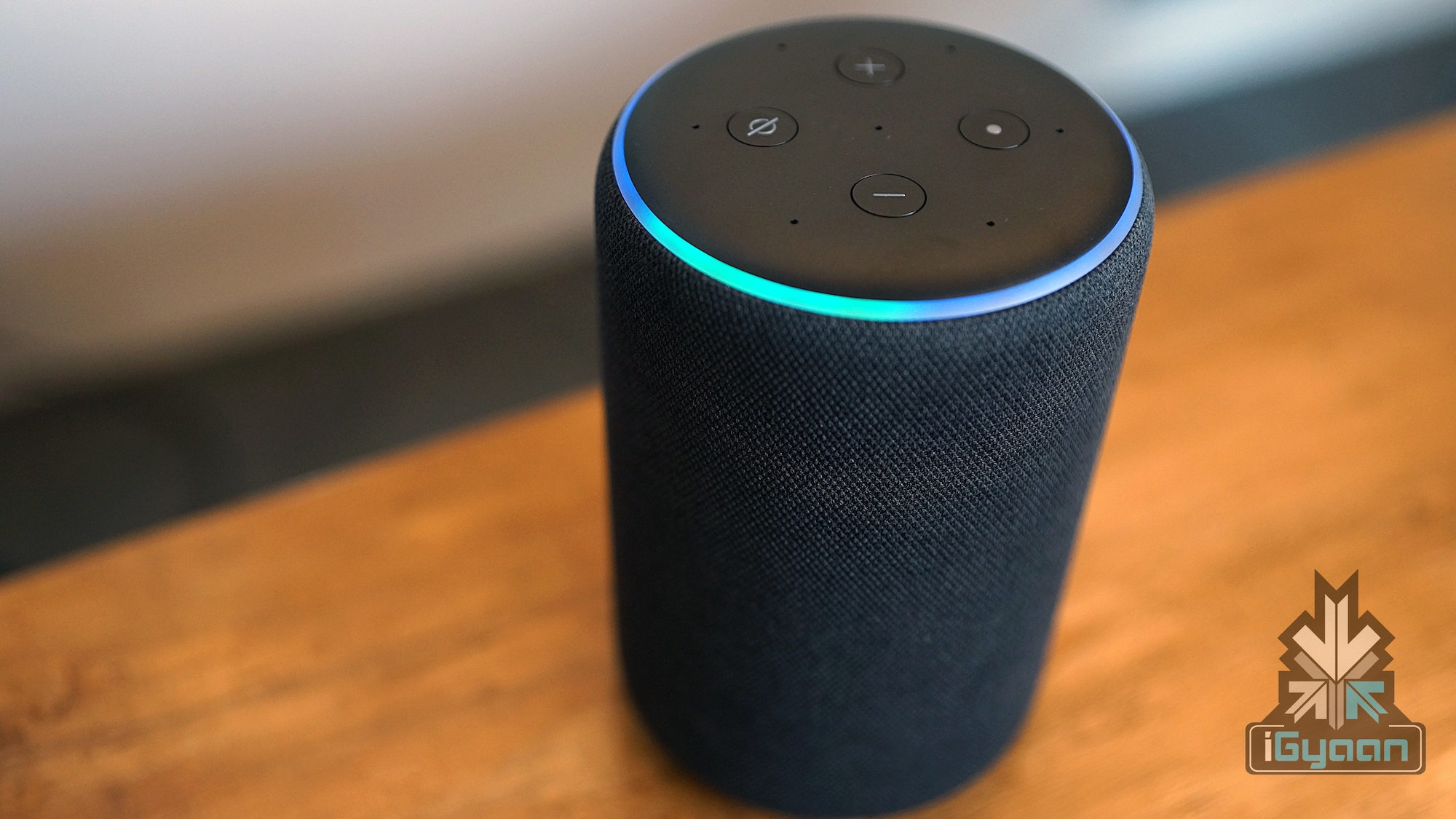
‘Smart’ homes nowadays are incomplete without a voice assistant enabled speakers. These smart speakers have been becoming increasingly more popular as a household gadget. They bring a variety of both entertainment and practicality to its users. Tech giants like Amazon and Google have pushed for these type of products with their own Echo and Home products respectively. Latest updates constantly add more functions to such gadgets, like the ability to detect heart attacks being developed by certain researchers for emergencies.
A dedicated team from the University of Washington are working towards perfecting a machine learning algorithm that can detect heart attacks. The algorithm is trained to monitor sounds for agonal breathing, where sharp gasps of air are taken by the victim suffering from a heart attack. However, this type of respiration only holds true for about 50% of the victims during cardiac arrest. This tool is being developed to be built into the aforementioned smart speakers to help save lives.
When detecting a heart attack, the devices can help raise an alarm even when the victim is incapacitated. The researchers behind the software are looking to make the process entirely seamless and in the background. This implies that the system can passively monitor the bedroom for breath patterns and under cases of attack it would automatically contact the authorities. A ‘contactless’ system from the smart speakers, as the team coined it, for relaying crucial information to concerned parties.
Unfortunately, the feature is far from being commercially viable as of right now. The algorithm is still being trained with a broad range of data to reduce false positive results regarding agonal breathing. A number of scenarios from different angles and distances to the smart speakers are being currently tested. Audio from real 911 calls that were recorded in Seattle is also being used to train the AI that will run the system. Additionally, the audios include samples from sleep studies, with the system detecting agonal breathing 97% of the time from a distance of upto 6 metres.
Also Read: Samsung Fixes Galaxy Fold And Is Ready For Launch
The system is relatively imperfect with false reports occasionally being treated positively. However, the team is working on ironing out such complications. Soon the world might just see a lot more applications similar to this in the future related to health, fitness and security with the smart speakers. For example, Alexa is capable of listening to the sound of glass breaking and alerting users of a potential break-in, a well thought after feature. Emergency safety nets are always a necessity as every life is important.

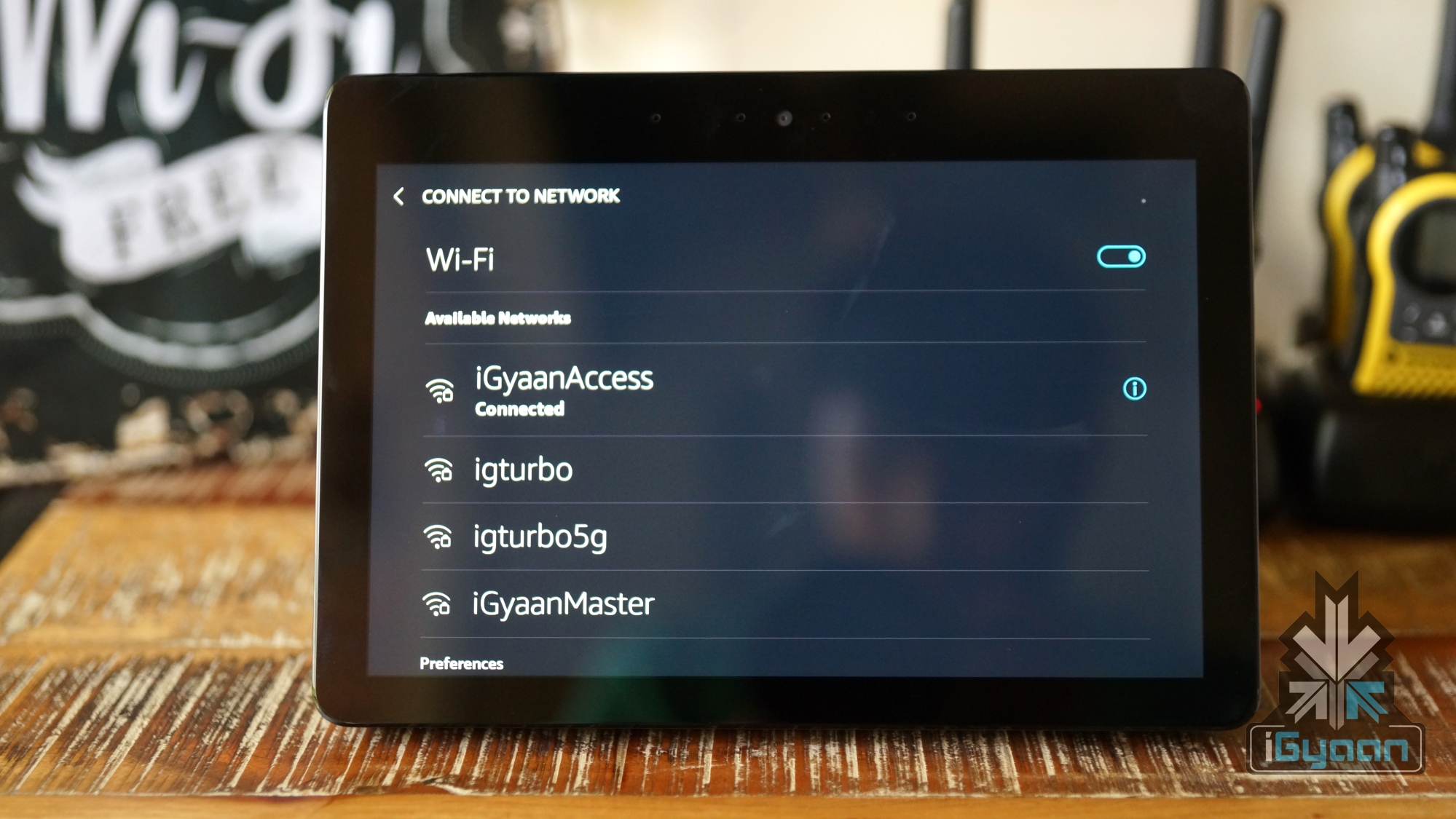

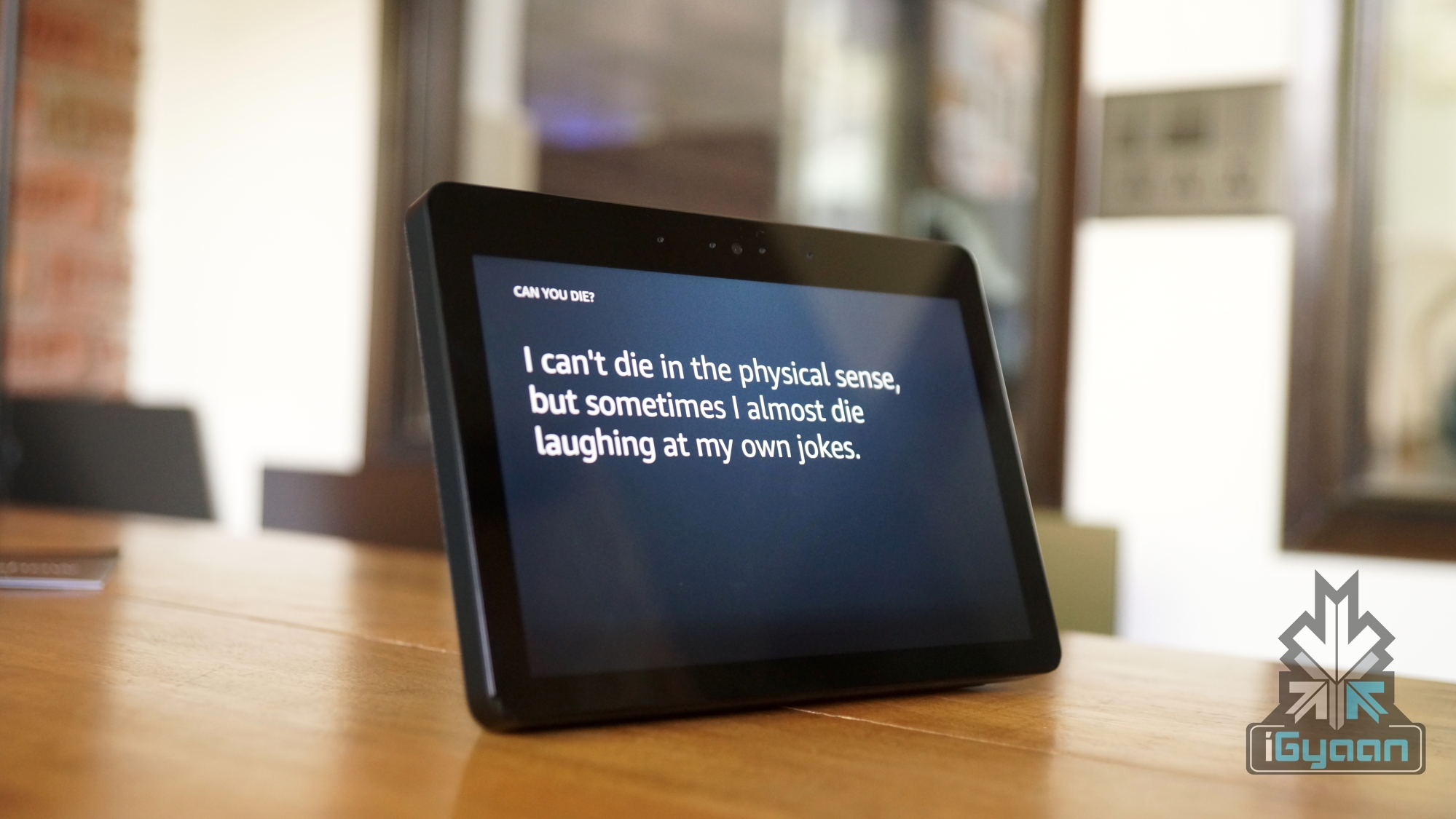

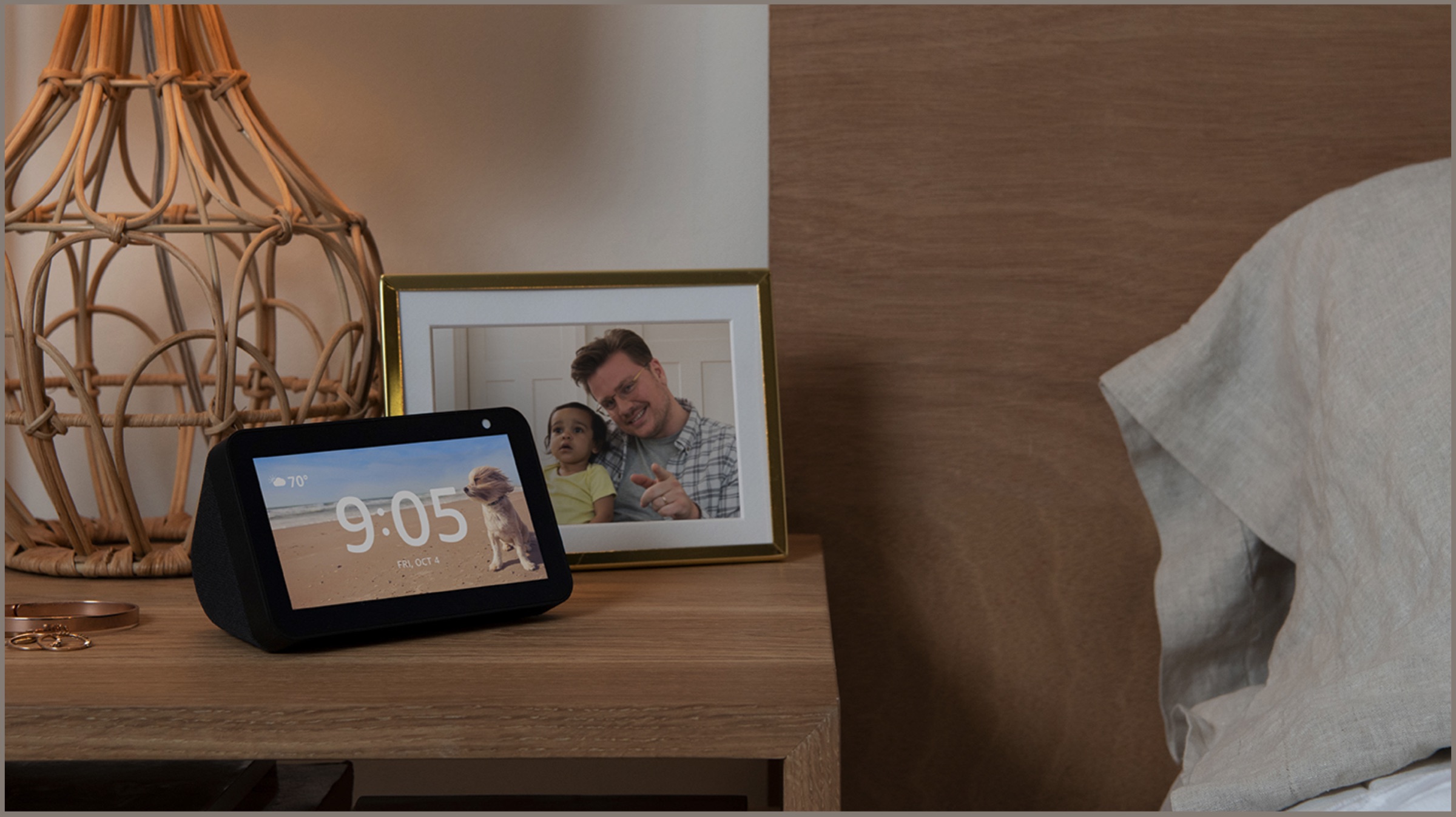
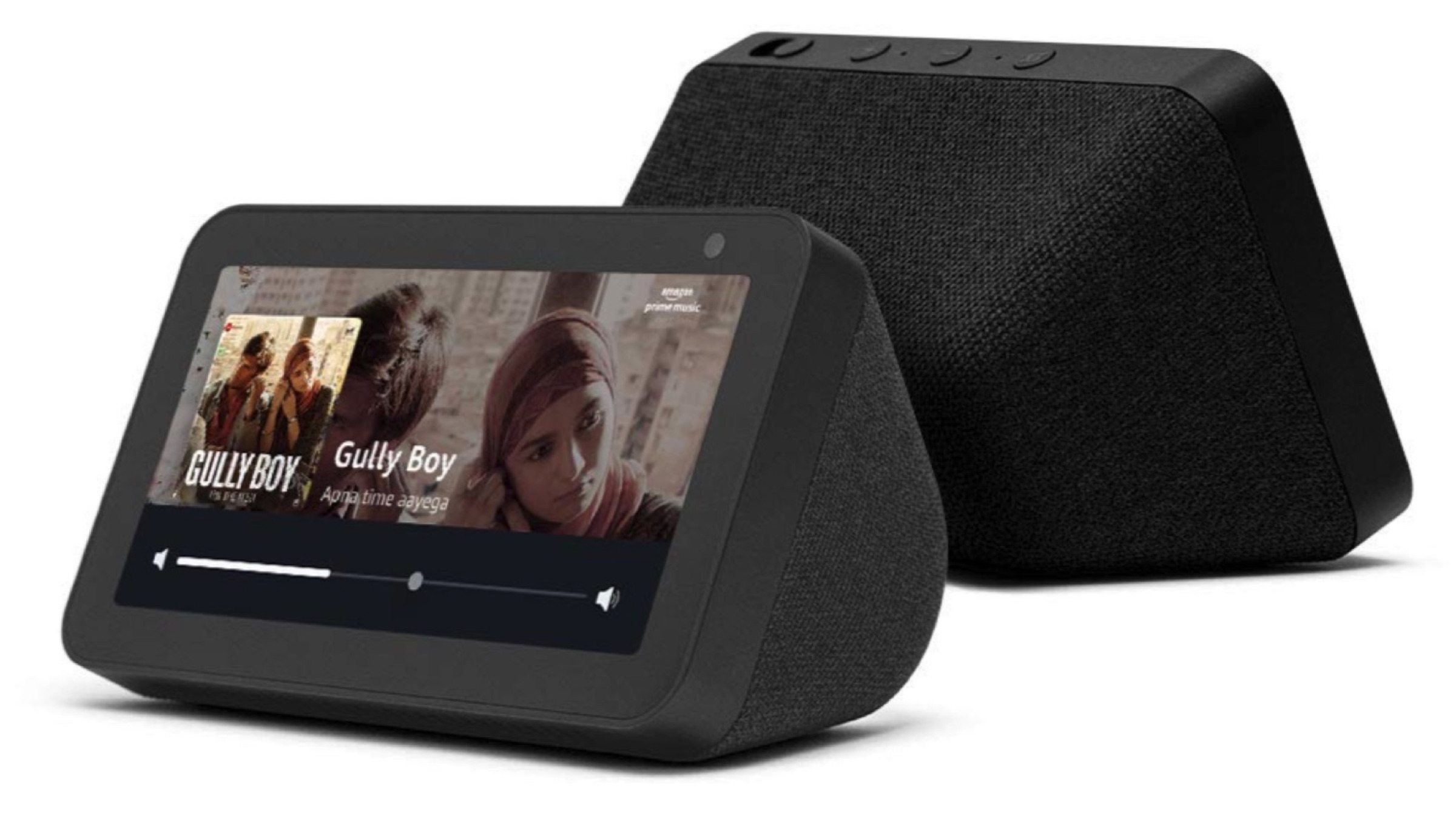
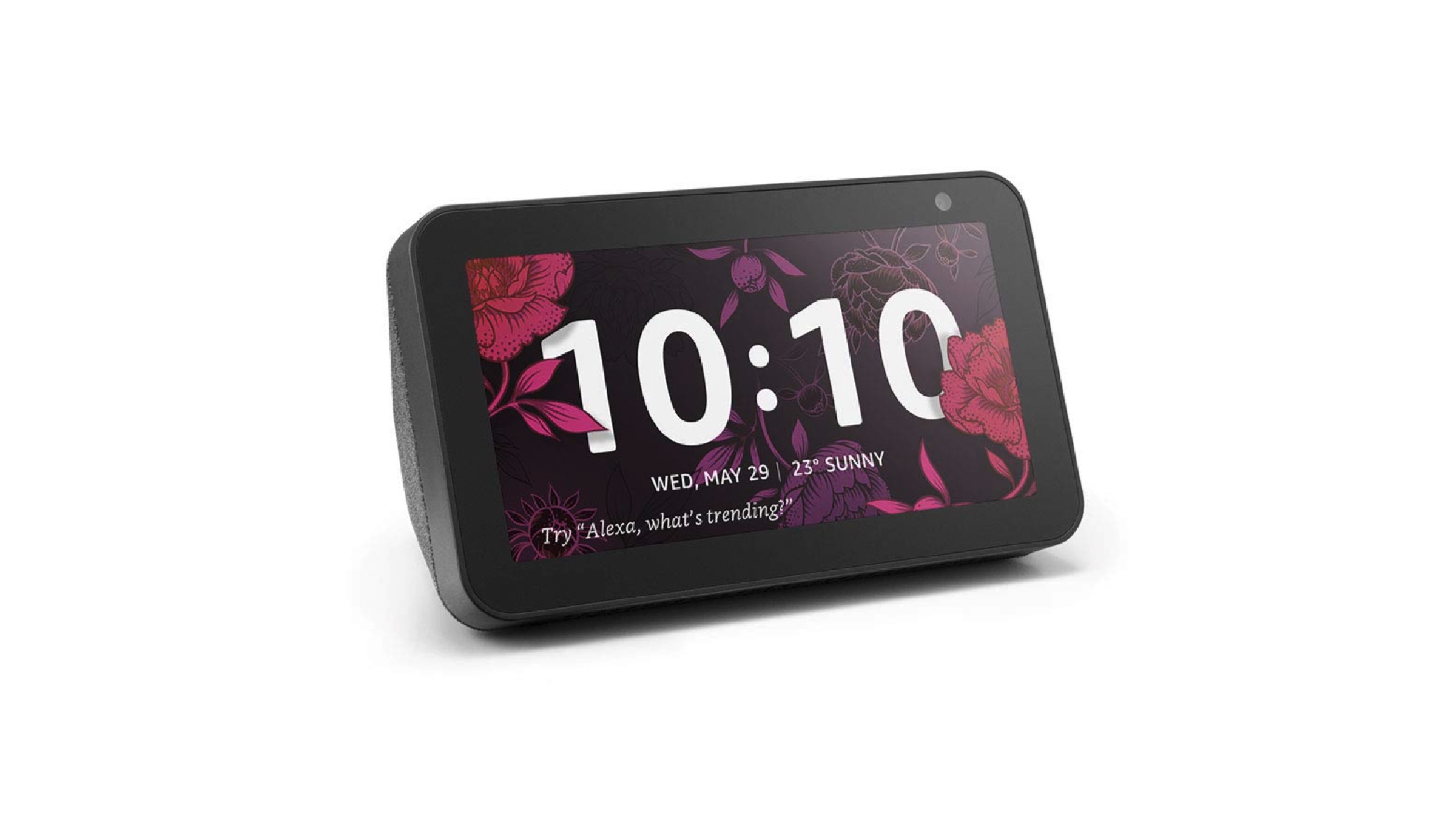 The smart display sports an ambient lighting mode to automatically regulate the brightness as per the surroundings. Solely using voice commands, users will be able to view how-to-clips from wikiHow. Additionally, the Echo Show 5 also features a smart home dashboard that can be used to control multiple connected gadgets. The camera can be used in combination with applications such as the Arlo Baby Camera, which can be used by parents to keep an eye on their babies from a remote location.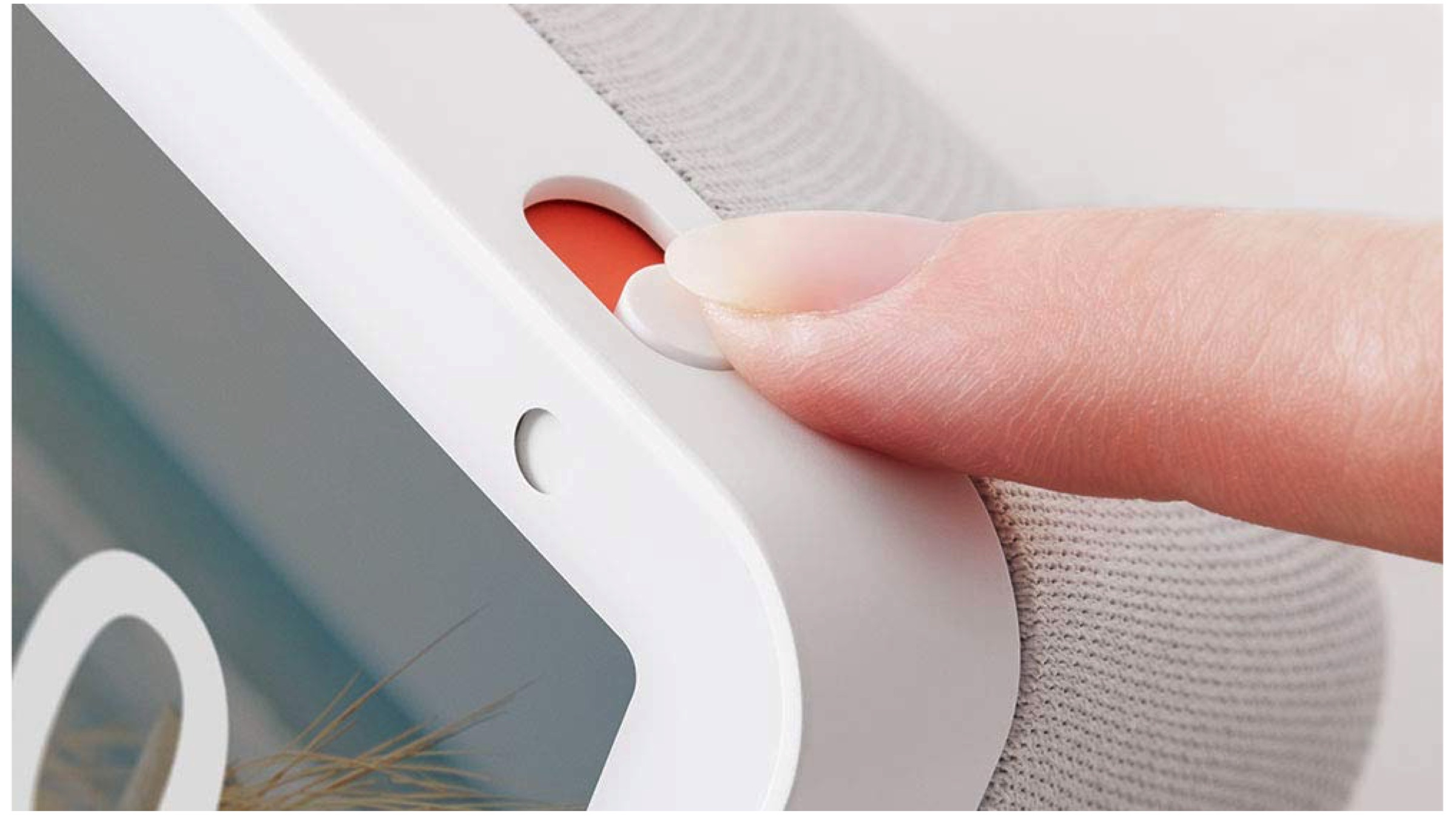


 The gadget released by the company has a portable factor. It measures 85x76x17mm and can easily be housed in a lady’s handbag. A 3000 mAh (5V/1A) battery is present inside the Xiaomi device, which can be used to charge the smartphone in case of emergencies. However, considering the low battery capacity of the same, the power bank can charge not more than one smartphone in one go.
  Also Read:
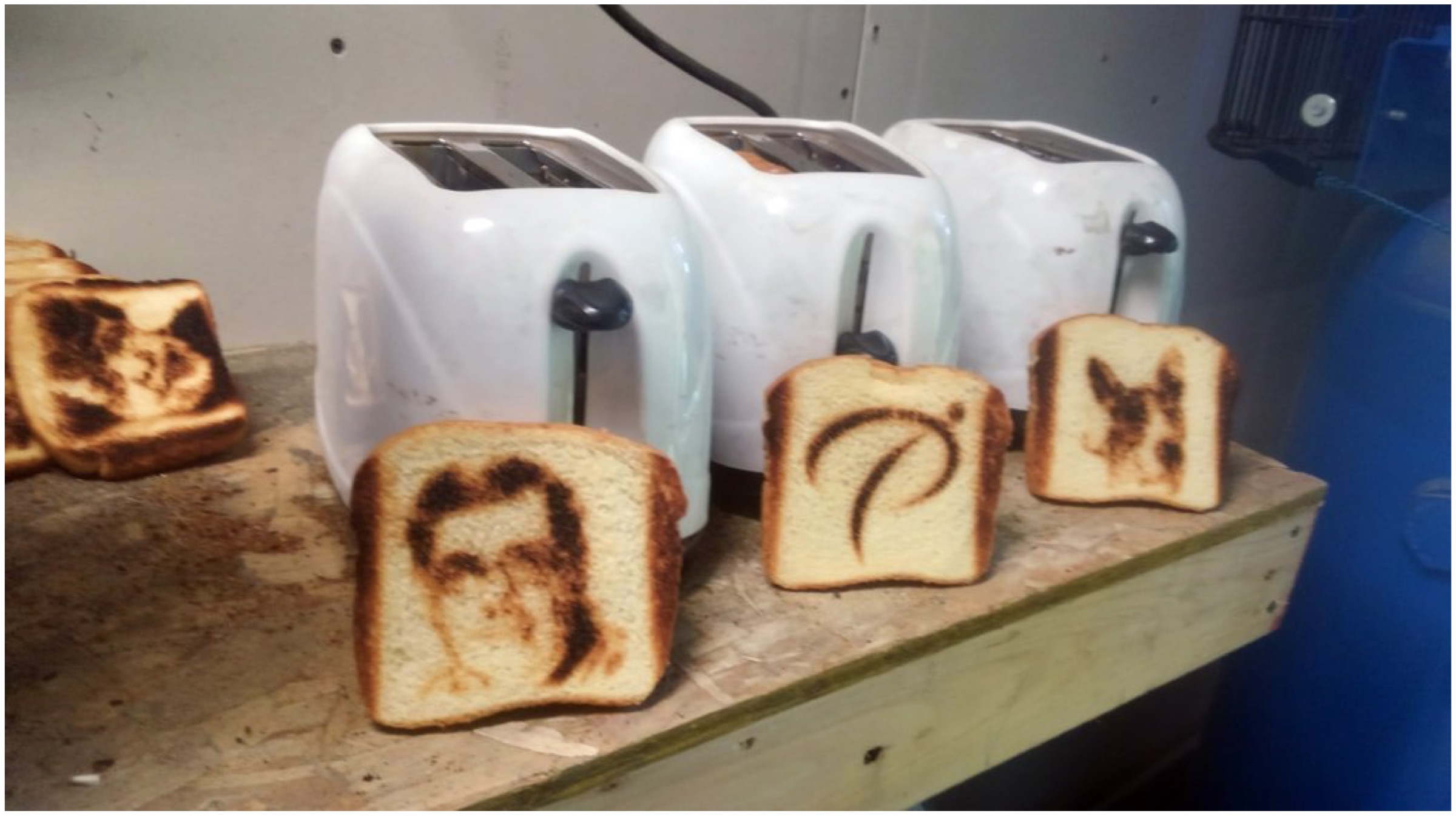 Yes, a toaster exists that can customize your slice of bread with an image of your face. Even though it’s requirements may be very controversial, there is a reason why the US company “Burnt Impressions” still ships these novelty appliances for $75 per unit. Users can get the toaster to imprint their selfies onto a slice of bread via a custom laser-cut metal grilling plate, that is also made by the company. However, buyers have to upload their photograph at the time of purchase, which means that you will be stuck with staring at one image on a bread slice.
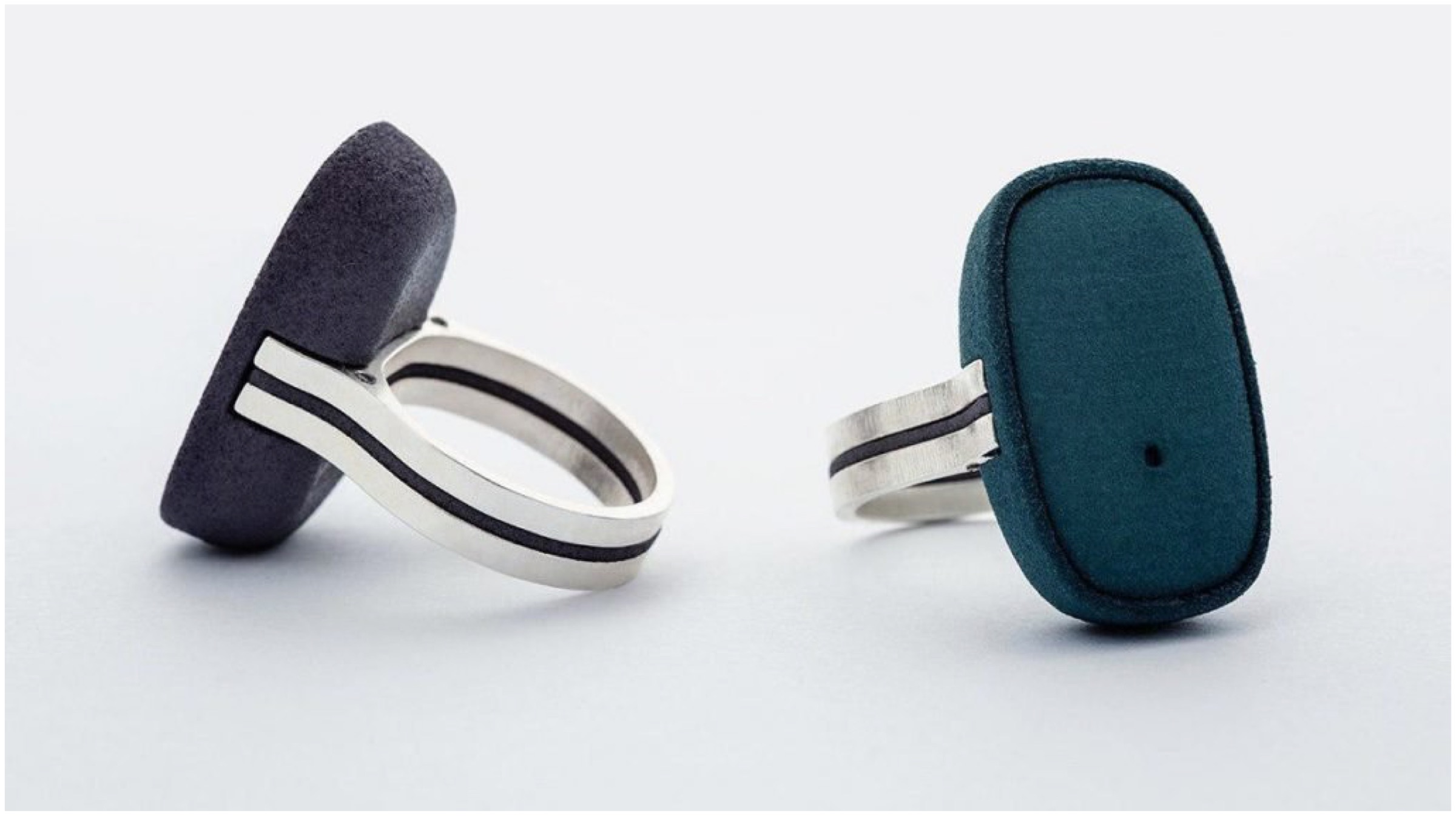
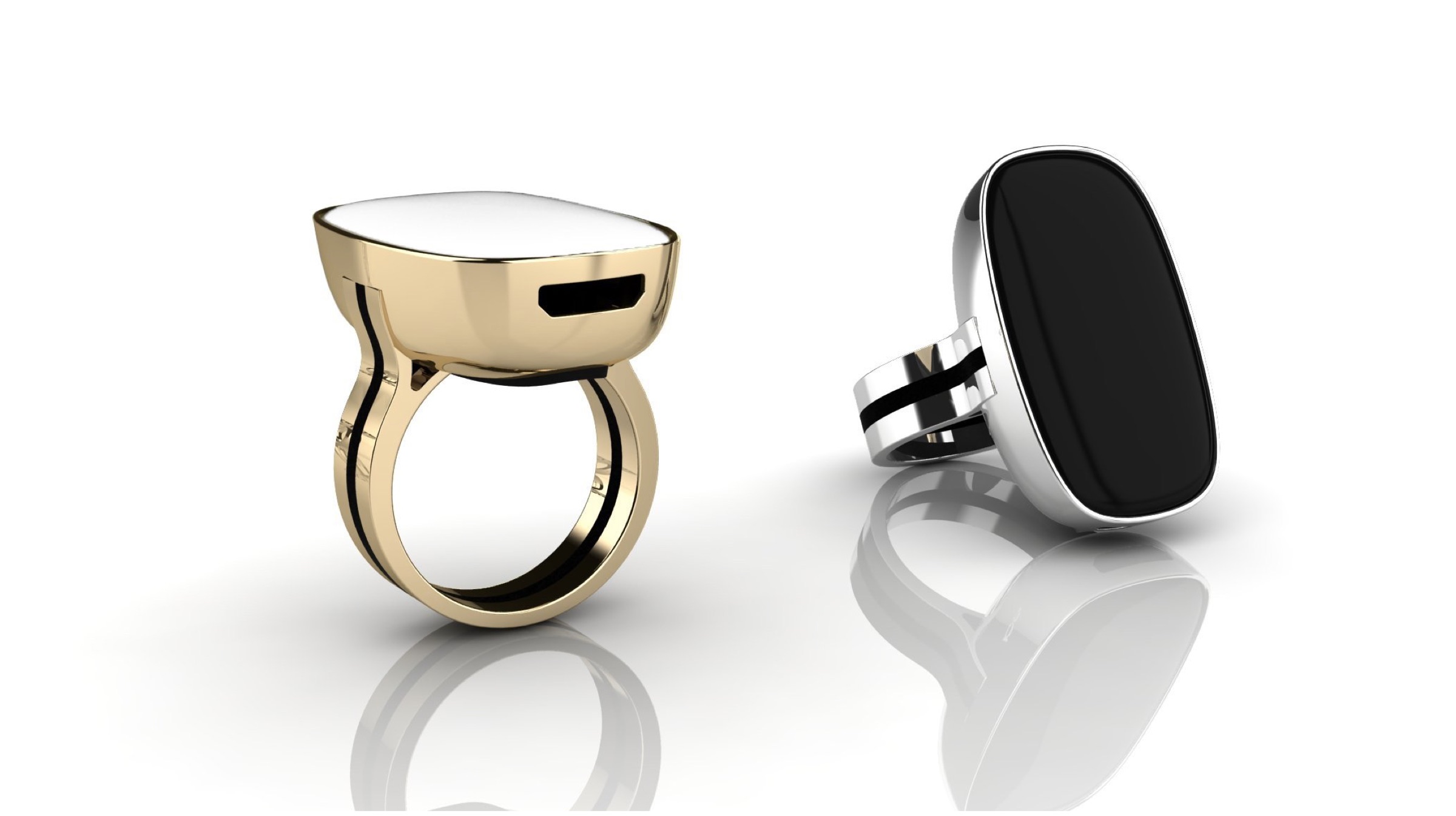 There are times when some unwanted gadgets from sci-fi movies make their way into the real world, making you wonder if they actually are meant for the same. Such is the case with the “MoodMetric”, which is a ring that measures the body’s signals to determine the state of the mind of the wearer. The data is then relayed to the wearer’s smartphone, where he/she can gain insights regarding his/her mood. However, it is very unclear why a person will need a gadget to find out what their mood is like.
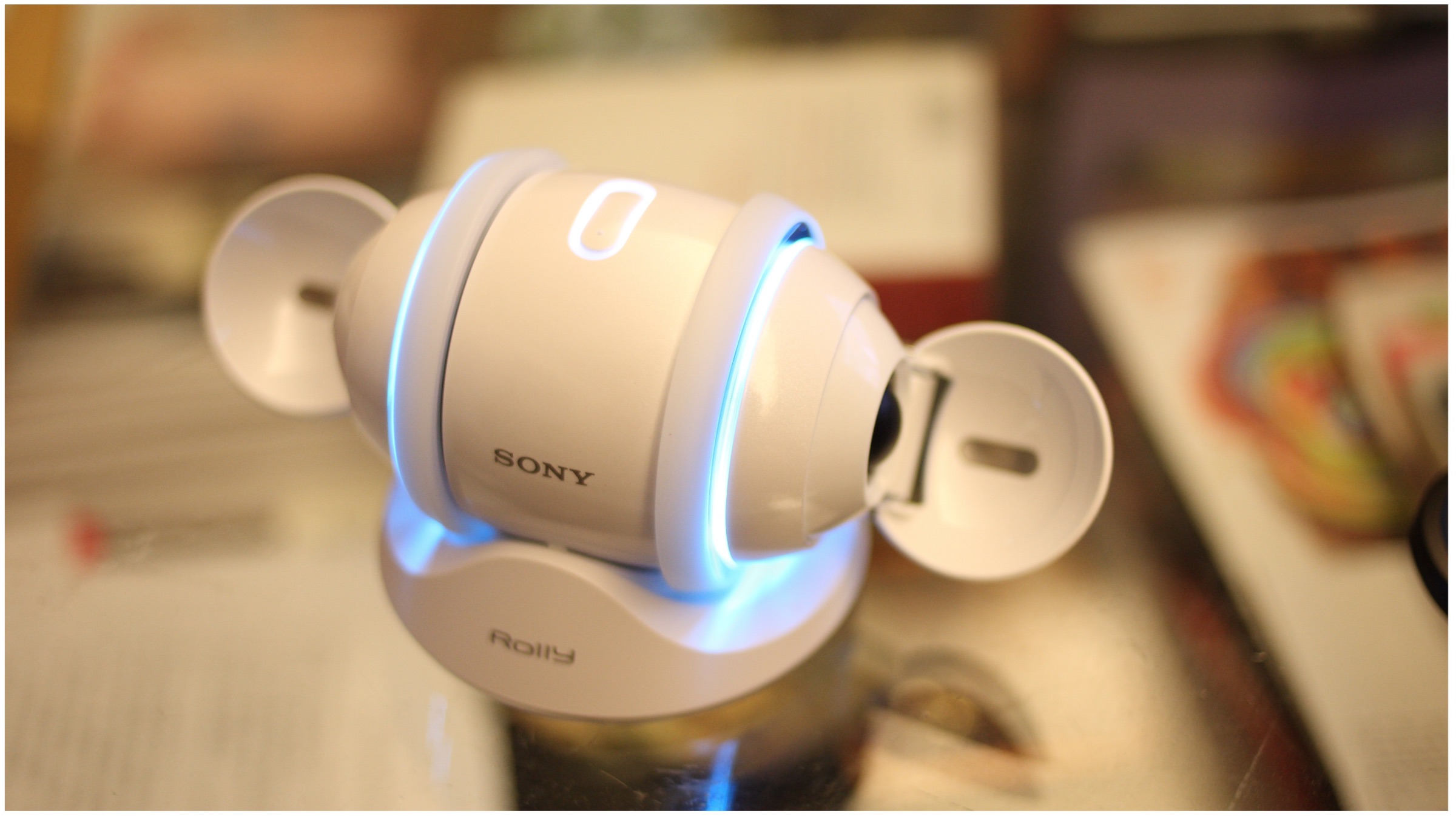 After the iPod hit the market and took it by storm, a lot of companies (including Sony) started experimenting on portable music players to hit the right chord. The aforementioned Japanese company made its entry with the launch of the Sony Rolly, which was a portable music player with a twist, literally. The music player was shaped like a football, and the best part was the fact that it danced to music. Costing at about US$ 399 at the time of launch, Rolly could twist, turn, roll and perform a host of other moves in sync to the music, all while flashing multi coloured lights. However, it didn’t even have a headphone jack at the time. Almost an year later, Sony discontinued the Rolly music player.
 Also Read: