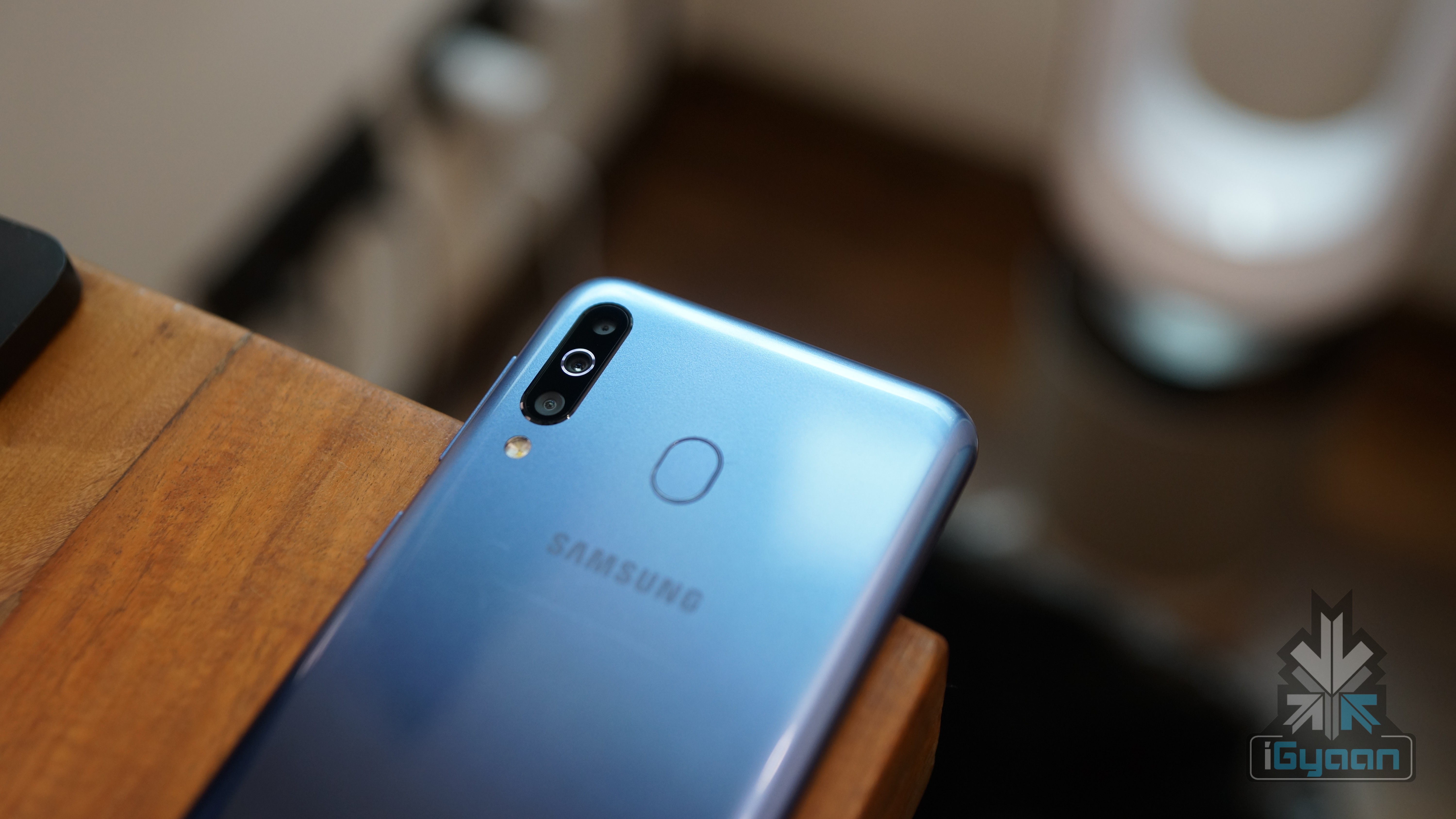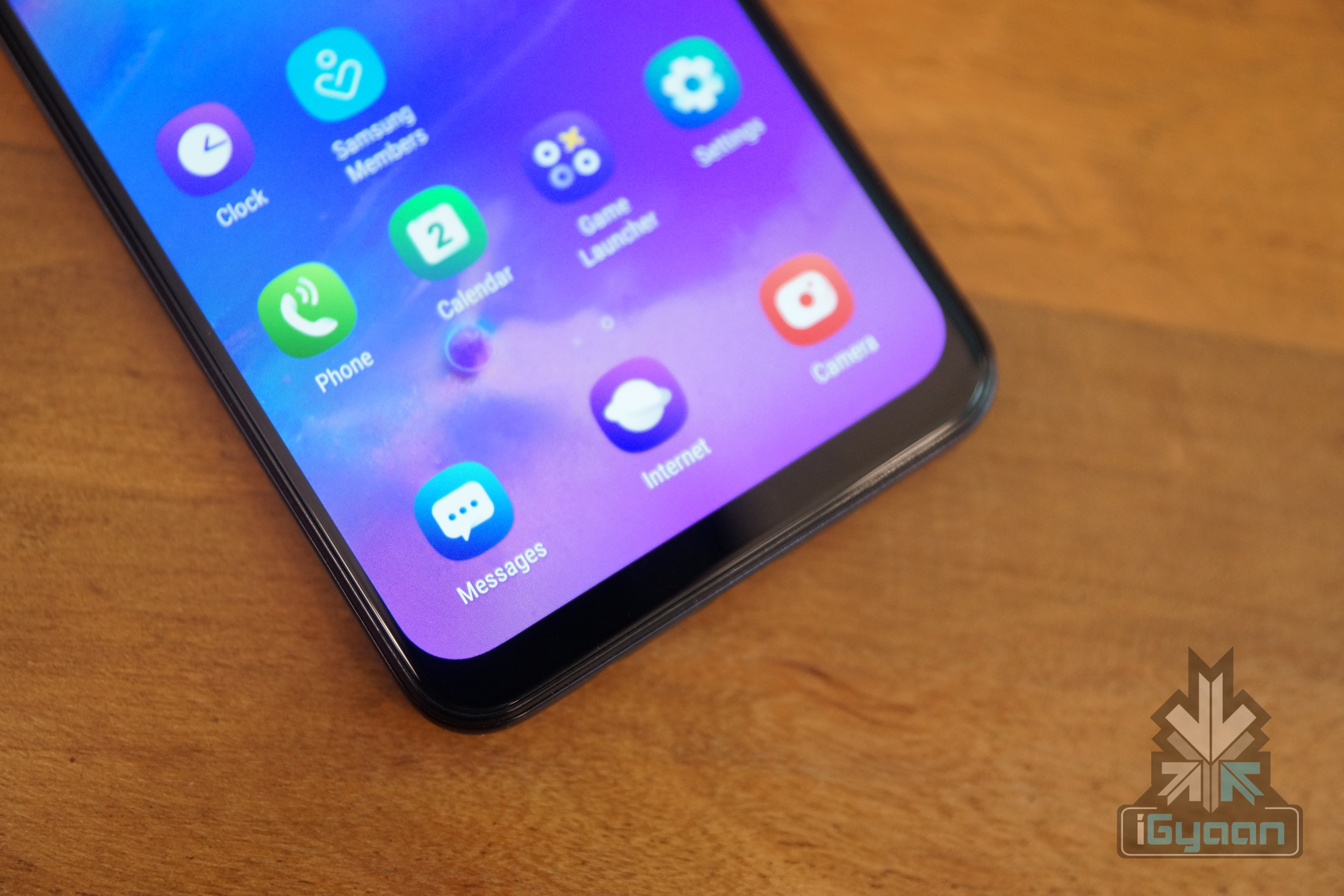
Category: Tech

Latest Technology News, Alternative, Bio-Tech, Medical, R&D and Innovations

  • Lenovo K10 Note Unboxing And Hands On Video

    Lenovo K10 Note Unboxing And Hands On Video

    Lenovo has just announced the K10 Note which is the latest entry in its K series of smartphones. Interestingly, the Lenovo’s smartphones have been discontinued globally and are only available for the Indian market owing to its popularity. The K10 Note is a mid range smartphone with notable specs and the in this article we will be covering our hands on first look at the device and its unboxing.

    Click here to buy the Lenovo K10 Note


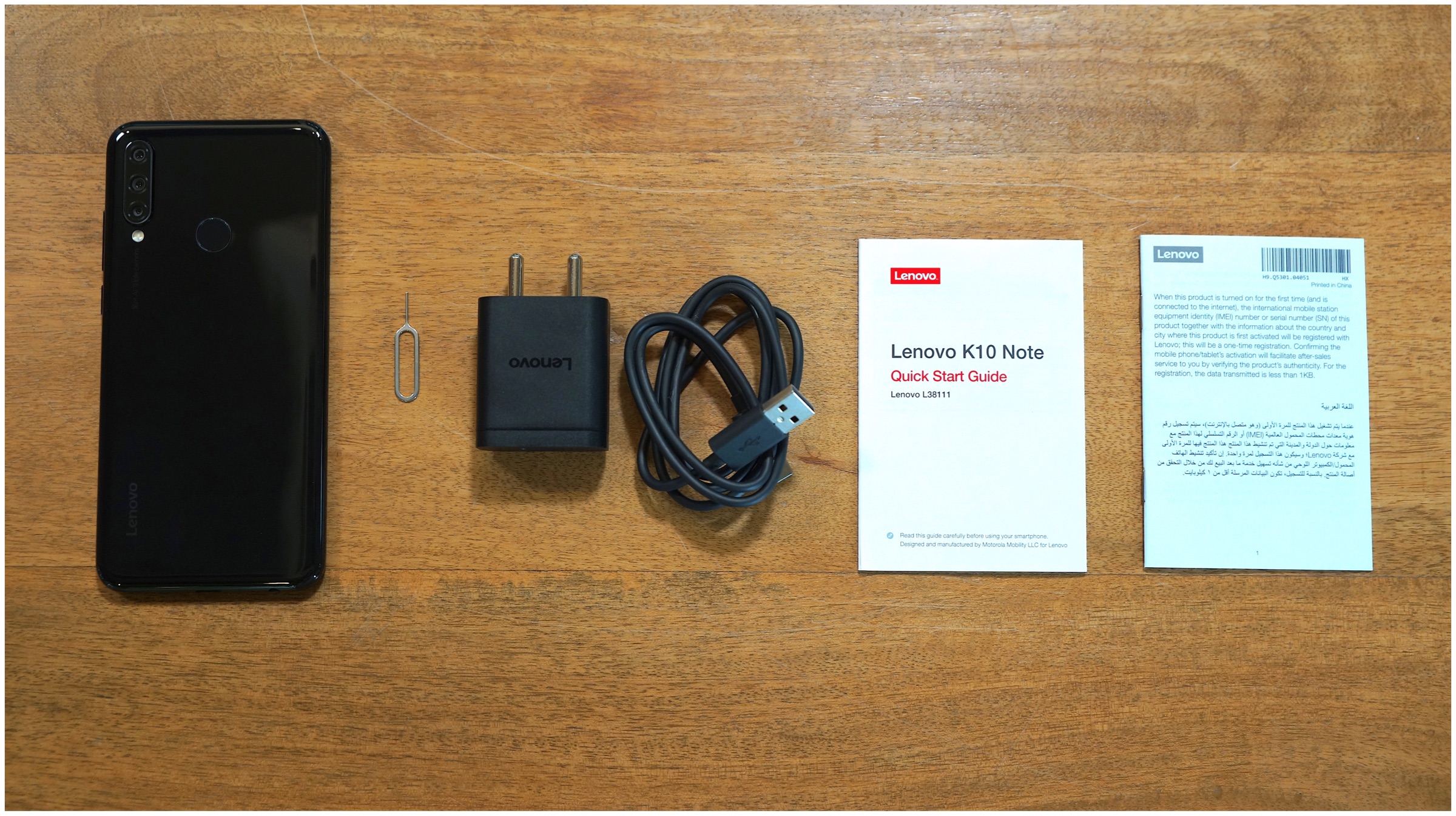
    What’s In The Box?
    • Lenovo K10 Note
    • SIM Pin
    • Fast Charger
    • User Manual
    • Safety Information

    Lenovo K10 Note

    Design & Display

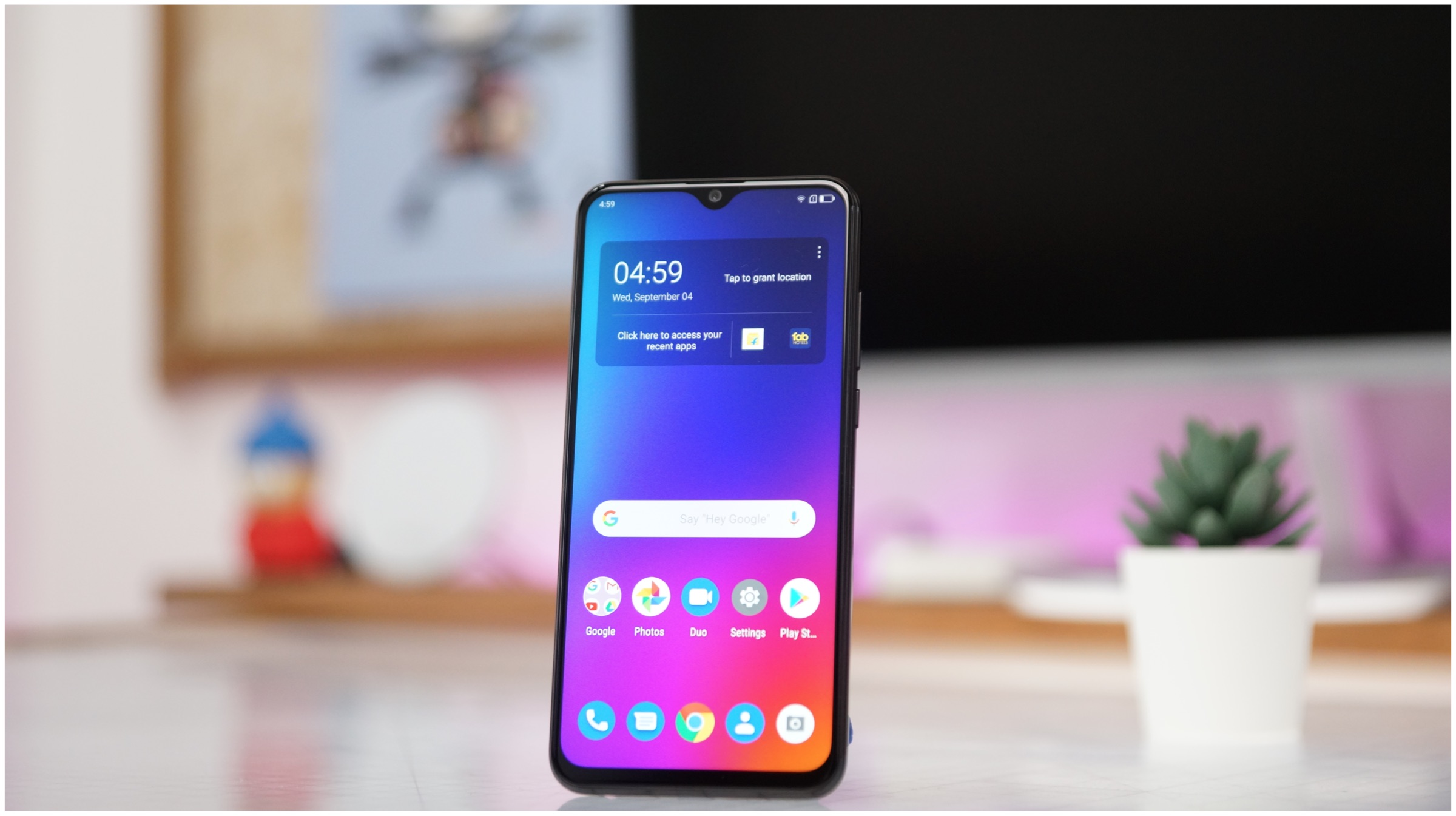
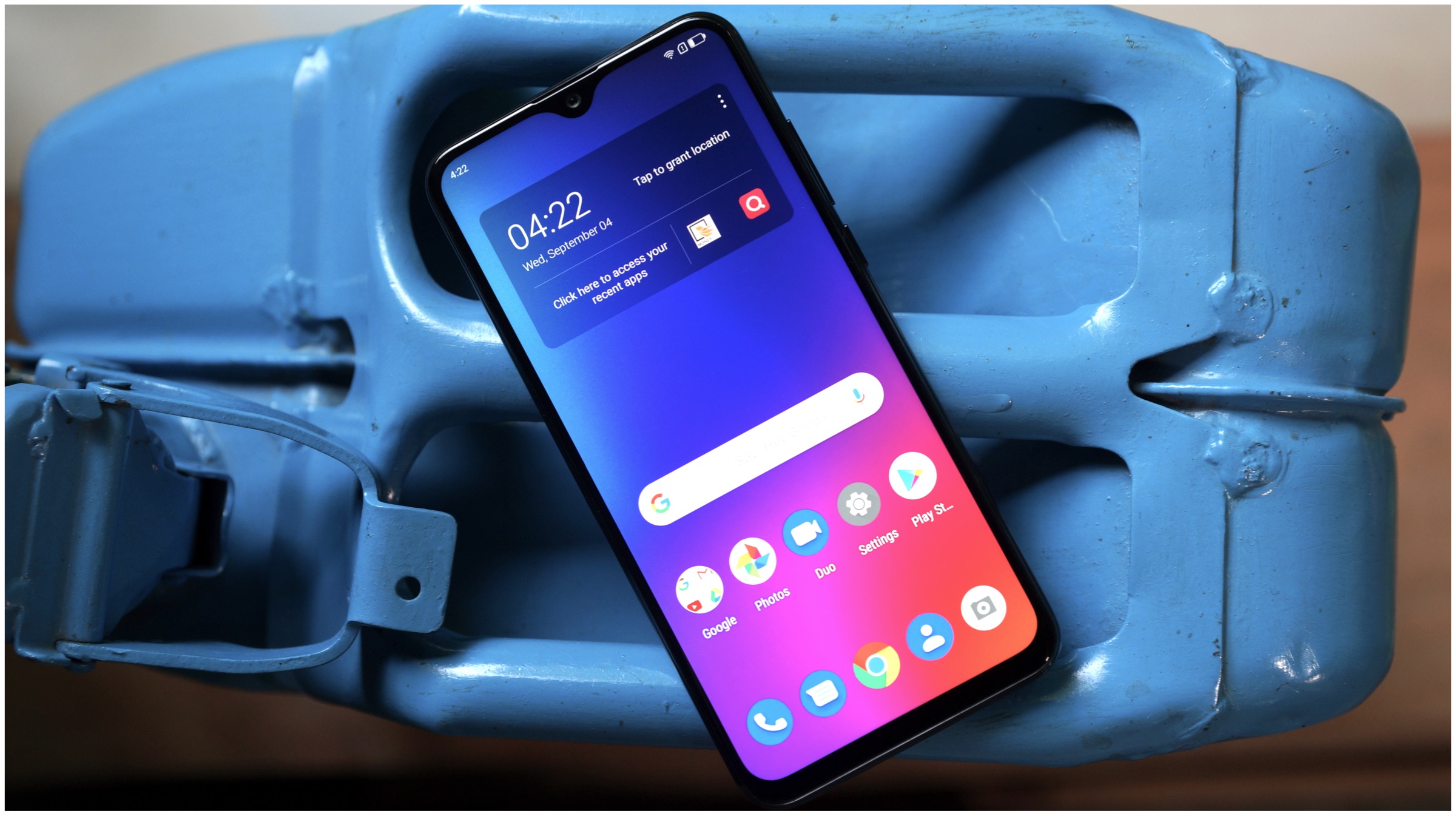
    Lenovo’s K10 Note features a large 6.3 inch FHD+ LCD display with an 19.5:9 aspect ratio. The device also sports a waterdrop notch which the company is calling the dewdrop notch on its MaxVision display. Furthermore, it features a screen to body ratio of 90% as well that translates to a better overall viewing experience. The left side of the device is bare with only a SIM card slot whereas the right features the volume rockers and power button. On the top, you find the secondary mic while the bottom has a USB Type-C port flanked by a headphone jack and lone speaker grill.
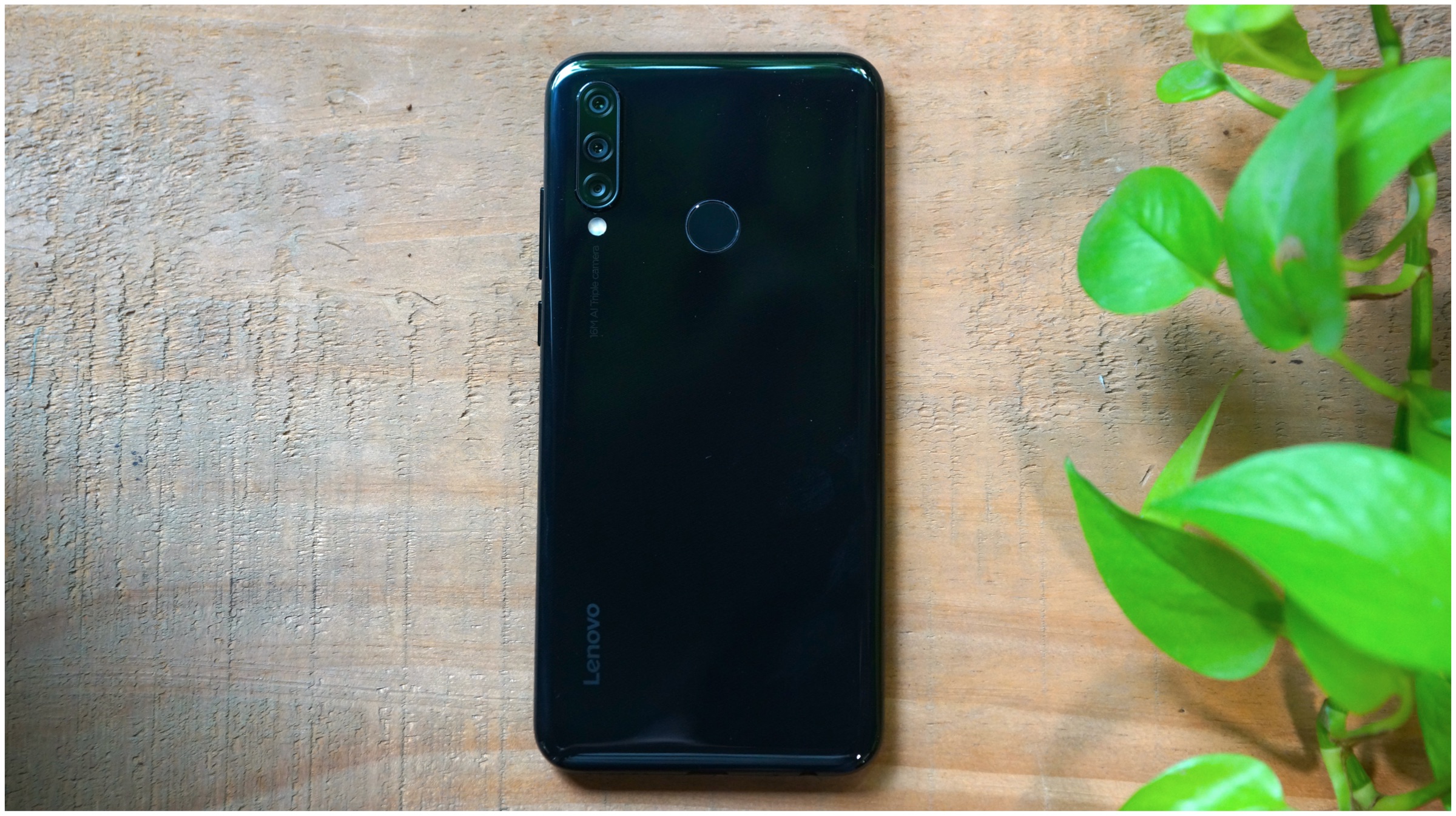
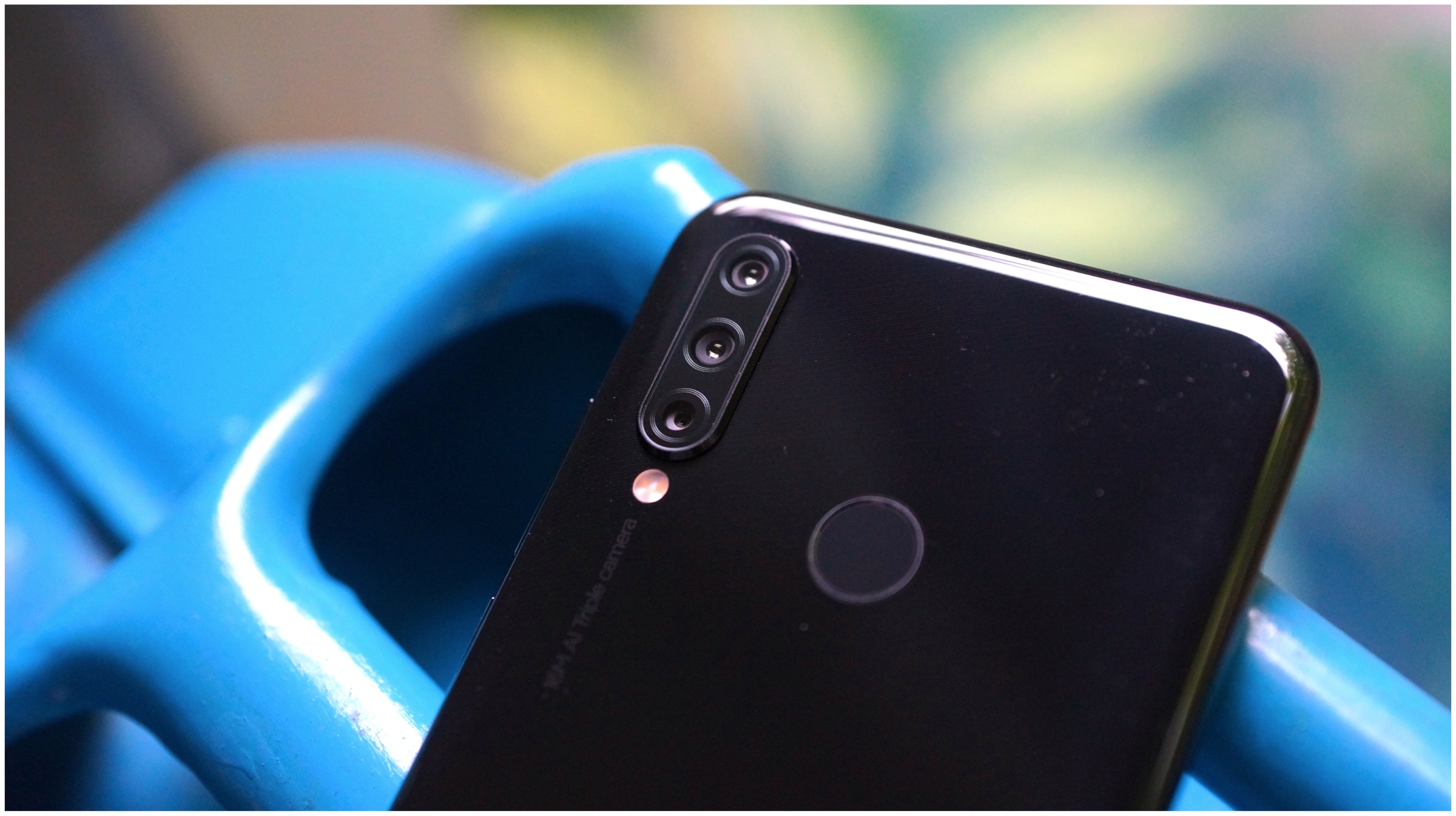
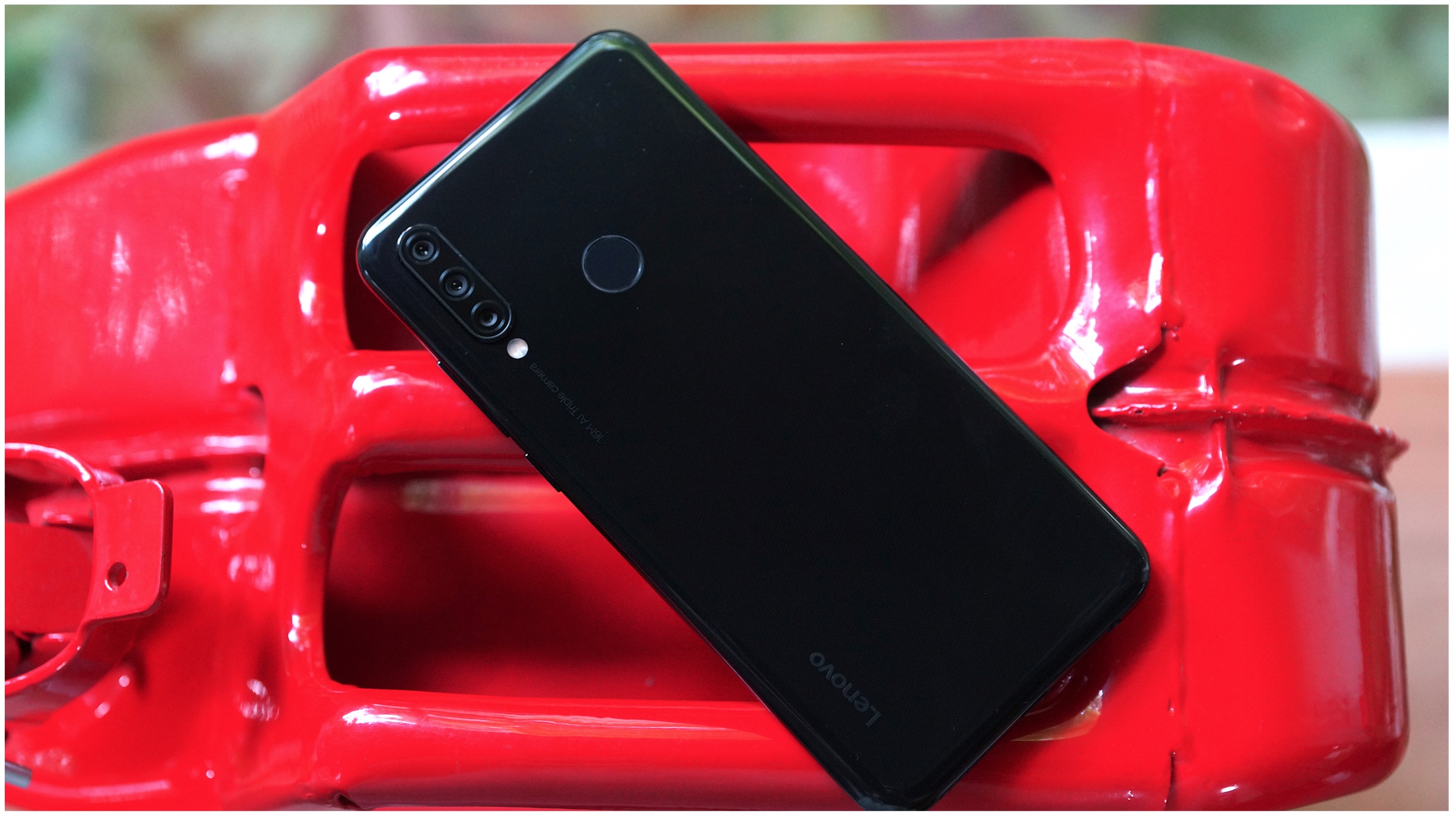
    The K10 Note dimensions are 156.6 x 74.3 x 7.88mm meaning that the device feels relatively slim and compact in hand. While the front features glass, the back panel is made out of plastic. The back also houses a fingerprint scanner which can be found in the top middle. On the bottom left, Lenovo’s branding can be found while on the top left corner has the triple camera setup.
    Processor, Memory and Storage

    Under the hood, the Lenovo K10 Note packs Qualcomm’s Snapdragon 710 SoC which is manufactured using a 10nm fabrication process. The chipset consists of an octa core Kyro 360 CPU which is clocked at 2.2GHz. For gaming, the chipset features Adreno 616 GPU. The device is offered in two different RAM and storage variants namely 4GB/6GB RAM or 64GB/128GB ROM. Unfortunately, the internal storage does not support expandability via a microSD card. On the software front, the device will run Android 9 Pie with Lenovo’s custom ROM running on top.
    Lenovo K10 Note

    Camera

    One of the defining aspect of Lenovo’s K10 Note is most definitely its triple camera setup. Its primary camera is a 16MP shooter with an f/1.8 aperture. The other sensors include a 8MP telephoto lens with a 2x optical zoom and f/2.4 aperture alongside a 5MP depth sensor with f/2.2 aperture for bokeh effect on images. Notably, the device is capable of capturing 4K videos at 30fps which is a plus point. The selfie camera of the device is a 16MP shooter with a doubled pixel size for brighter images even in low light scenarios. The selfie shooter is capable of recording at 1080p @ 30fps.
    Lenovo K10 Note

    Battery & Connectivity

    The Lenovo K10 Note is powered by a large 4,050mAh battery which is also capable of 18W fast charging. Additionally, the compatible fast charger is bundled in the box of the K10 Note which is another positive point. Connectivity options include, Wi-Fi, Bluetooth 5.0, dual 4G LTE, GPS, a 3.5mm headphone jack and USB Type-C port for fast charging and data transfer. 
    Also ReadHere Are The Top Smartphones Launching In September

    Price and Availability

    The Lenovo K10 Note is available in two colours namely, Knight Black and Stardust Blue. It will be available for purchase via Flipkart and select offline stores starting next week. The price of the two variants are listed below:

    • 4GB RAM + 64GB ROM – INR 13,999
    • 6GB RAM + 128GB ROM – INR 15,999
    Click here to buy the Lenovo K10 Note

  • Here Are The Top Smartphones Launching In September

    Here Are The Top Smartphones Launching In September

    The year 2019 has seen smartphone launches from almost every major manufacturer. But, a few months to the year still remain and some major releases are still left. As the month of August draws to an end, here are the top upcoming smartphones to look out for in the month of September.

    Apple iPhone 11

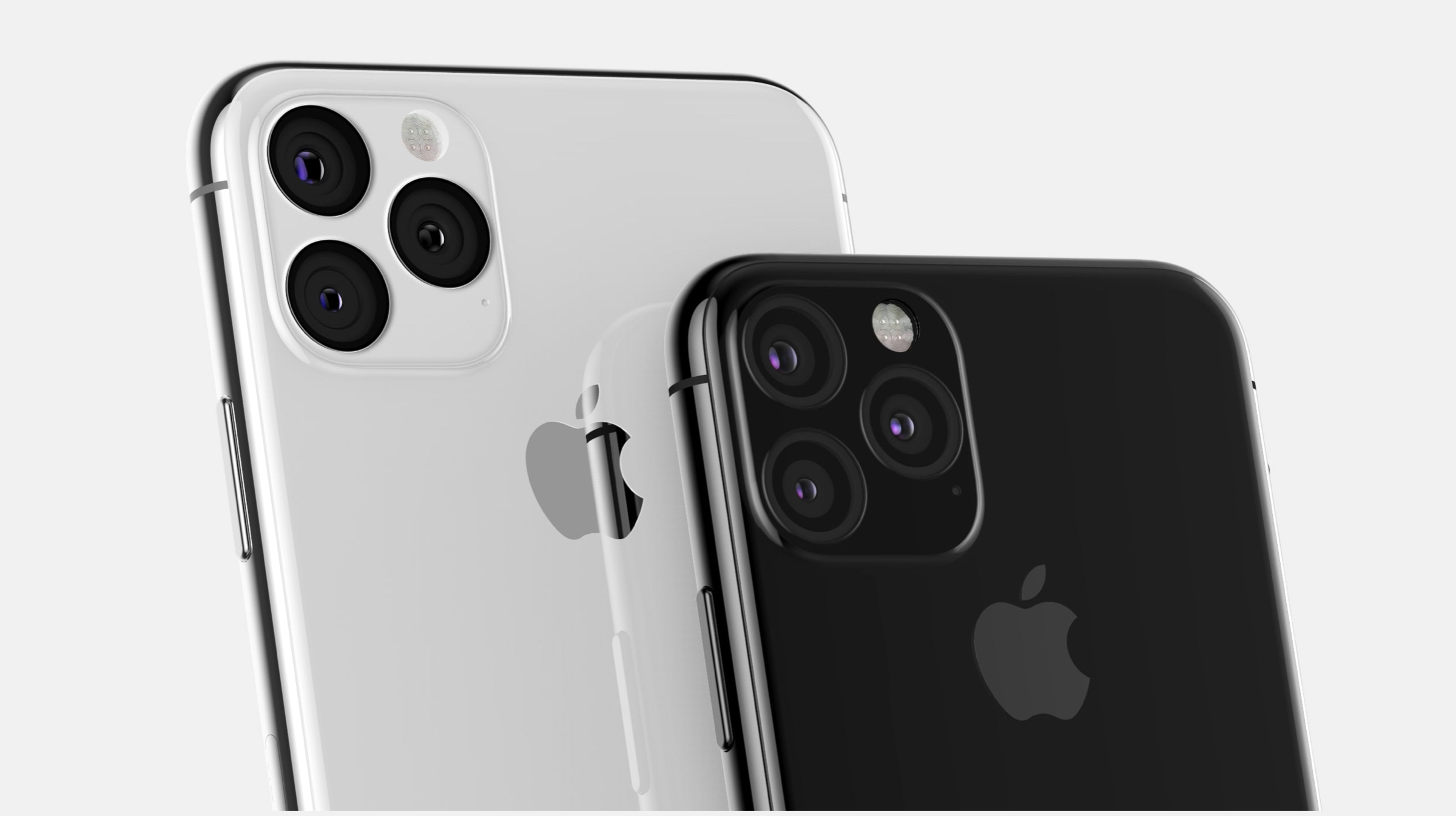
    The Apple iPhone 11 will be the twelveth major smartphone release in Apple’s product cycle and will be launched on the 10th of September. According to all the reports and leaks so far, at least three devices will be released which will be the iPhone 11, iPhone 11 Pro and the iPhone 11 Max. They will be the successors to the iPhone XR, iPhone XS and the iPhone XS Max from last year. The upcoming smartphones are expected to retain the design language of their predecessors, with significant changes in the camera setup.

    While the iPhone 11 will arrive with a dual-camera setup, the iPhone 11 Pro and the iPhone 11 Pro Max will feature a triple camera layout. Apple is expected to debut some new cinematic shooting modes in its upcoming smartphones. Alongside the cameras, the iPhone 11 lineup will also run on the new Apple A13 chipset and will feature reverse wireless charging alongside a larger capacity battery. More details about the devices are expected to be revealed soon.

    Nokia 9.1/7.2/6.2

    upcoming smartphone

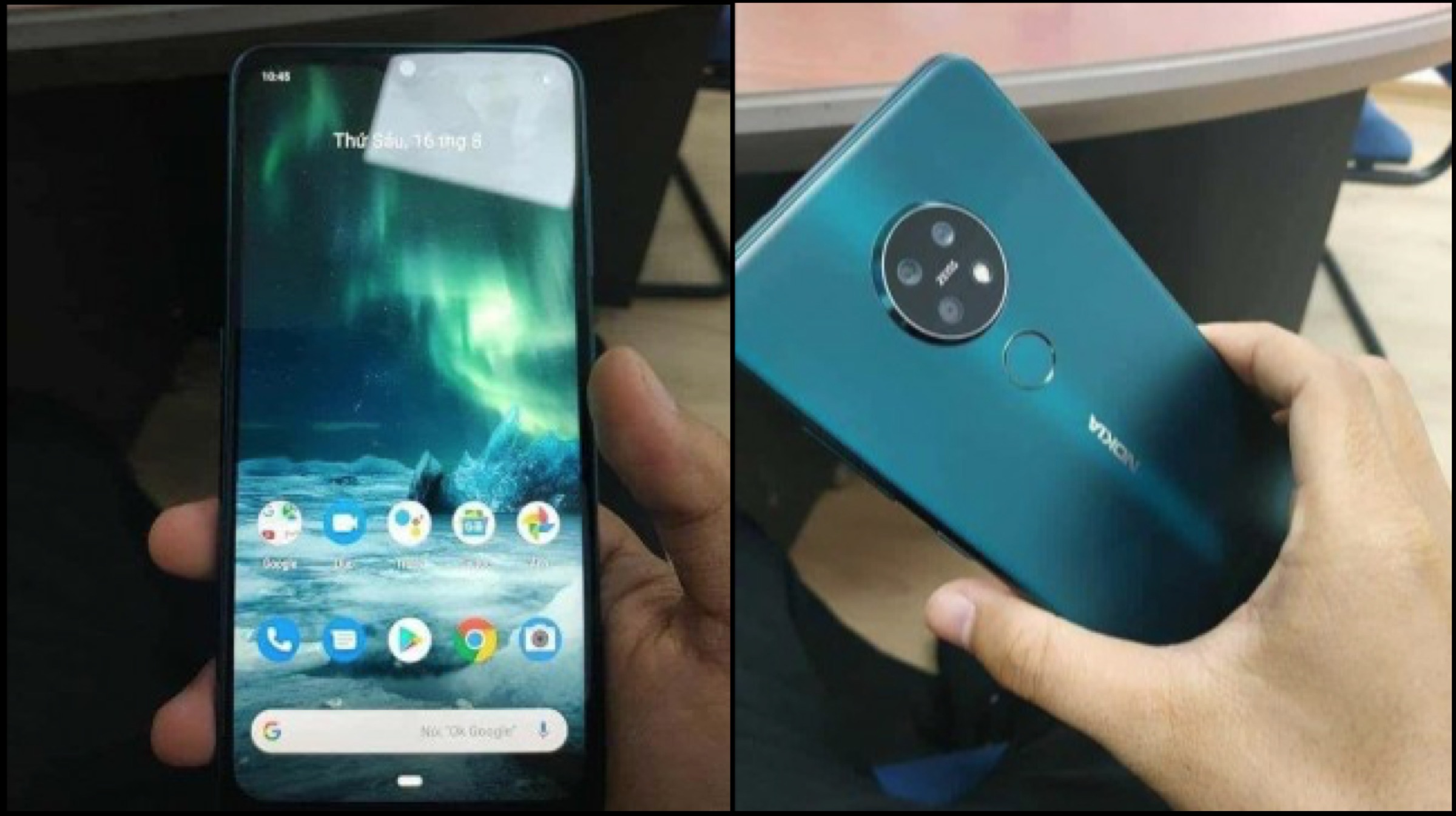
    HMD Global is expected to launch a slew of mobile devices at IFA next week. These will include the Nokia 6.2, Nokia 7.2 and the alleged Nokia 9.1 PureView. While the former two are expected to be a budget offering from the company, the latter will be a flagship device. Past leaks have revealed that the Nokia 6.2 will run on the Snapdragon 660 SoC, the 7.2 will feature the Snapdragon 710 chipset and the 9.1 PureView will have the Snapdragon 855 Plus inside.

    Like other Nokia branded handsets, all three of the upcoming smartphones are expected to have the Android One branding. This means that they are guaranteed to receive major software updates for two years and security updates for three years. Pricing and availability details are expected to be provided at the time of launch

    Samsung Galaxy Fold

    upcoming smartphone

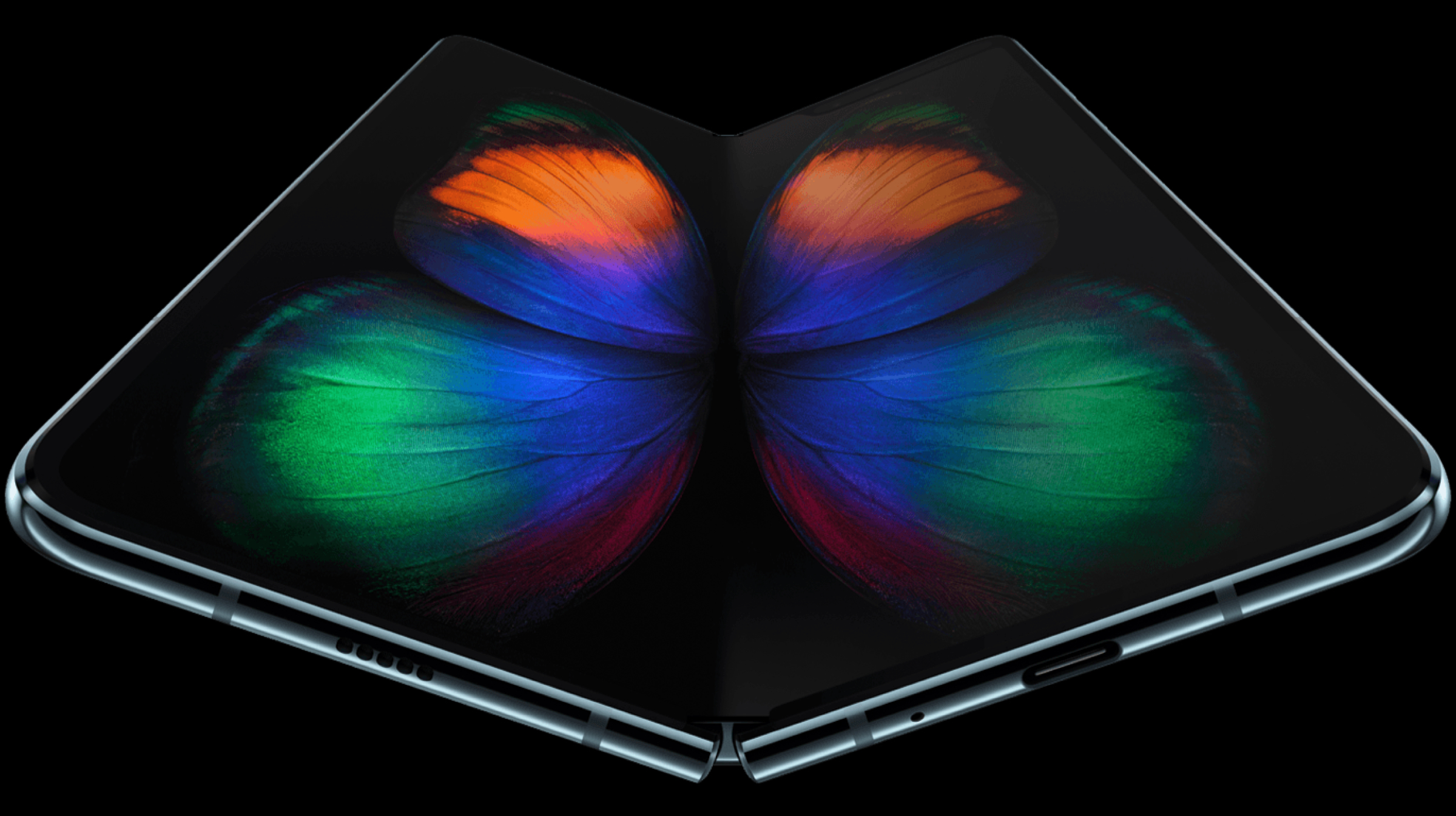
    First announced back in February this year, the launch of the Samsung Galaxy Fold has been delayed multiple times in the past. Due to some serious durability issues, the company kept pushing back the actual launch date of its first foldable handset. However, it announced a few weeks ago that the upcoming smartphone is almost ready for primetime. If leaks are to be believed, the Galaxy Fold may see the light of the day on the 6th of September.

    To recall, the Samsung Galaxy Fold features an innovative folding mechanism which folds inwards. There is a 4.6-inch display on the outside and a 7.2-inch display inside. The smartphone runs on the Snapdragon 855 SoC combined with 12GB of RAM and 512GB of internal storage. Pricing for the handset remains the same, that is US$ 1980 (INR 1,42,000).

    Huawei Mate 30 Series

    Chinese telecommunications giant Huawei is also expected to hold a major launch event in September. It will be to announce the company’s upcoming smartphones, the Mate 30 and the Mate 30 Pro. Successors to the Mate 20 series launched last year, they will be a flagship offering by the company. Past leaks have revealed a similar design to their predecessors; with a new quad-camera layout on the back alongside a Xenon flash.

    Both the Mate 30 and the Mate 30 Pro are expected to be kitted with the Kirin 985 SoC coupled with up to 12GB of RAM and 512GB of internal storage. Like the Mate 20 Pro, the Mate 30 Pro may also feature the super-secure facial recognition technology; alongside an in-display fingerprint scanner. According to certain reports, they will be announced on the 19th of September. More details are expected to be unveiled in the following weeks.

    OnePlus 7T/7T Pro

    upcoming smartphone

    OnePlus broke its traditional cycle of launching one device at a time; with the launch of the OnePlus 7 and OnePlus 7 Pro earlier this year. The devices may already be getting their successors in the form of the OnePlus 7T and OnePlus 7T Pro on the 26th September. According to previous leaks and reports, the upcoming smartphones will feature a similar design to their predecessors. The real upgrade will be in terms of specifications. Both handsets will run on the latest Snapdragon 855 Plus SoC.

    Also read: What Is Pixel Binning In Smartphone Cameras? Here Is What You Should Know

    The OnePlus 7T is also expected to get a camera upgrade, with the company adding a triple camera setup on the device. It may also feature a new display like the OnePlus 7 Pro. Unfortunately, pricing and other details of the smartphones are still a mystery. However, they are expected to be revealed as we move closer to the launch date.

  • What Is Pixel Binning In Smartphone Cameras? Here Is What You Should Know

    What Is Pixel Binning In Smartphone Cameras? Here Is What You Should Know

    The year 2019 has seen many innovative features arrive on smartphones. One of the ubiquitous out of the many features this year has been a high-resolution primary camera on the devices. Starting with budget handsets, the trend has trickled up to most modern flagship smartphones, like the OnePlus 7 Pro, Asus 6Z, Nubia Red Magic 3 and the Redmi K20 Pro. All these devices feature the same 48MP Sony IMX586 sensor as their primary camera. What’s special about the sensor is not the megapixel count, but the technology behind it. It uses pixel binning to create sharp 12MP images and the technology is the reason why the sensor is present on many devices. But what exactly is pixel binning? Here is everything you need to know about it.

    Understanding The Concept Of A Pixel
    Pixel Binning
    Redmi K20 Pro

    To understand what pixel binning means, we first have to understand what pixels are. While a pixel is generally defined as the smallest element in a picture represented on screen. However, in this context, pixels are the smallest physical elements on a digital camera sensor that capture light during photography. They are measured using microns, which is a unit of length a million times smaller than a meter. The bigger the pixel size in a camera, the more light it can capture. This will result in much sharper and brighter images, which is the goal of every camera manufacturer. 

    However, the bigger the pixel sensor size is, the bigger the camera unit will be which is a difficult feat to put inside a smartphone’s slender frame. This leads to the intrusive camera bumps that make the device wobble when kept flat. So basically smaller pixel size = bad low light performance, but a larger pixel = huge camera sensor. So, how to fix this issue? This is where the pixel binning technology arrives into the picture.

    What Is Pixel Binning?
    Pixel Binning
    Redmi Note 7S

    Pixel Binning is the process of combining four adjacent pixels into one. So a camera sensor which has a pixel size of 0.8 microns will combine these pixels into a 2×2 grid to form a larger 1.6-micron pixel image. The effective resolution is usually one-fourth of what the sensor is capable of. This means that a 48MP sensor effectively produces 12MP images, and a 64MP sensor will produce 16MP images. Combining the pixels will result in a brighter and sharper image, without the hassles of a huge camera sensor. 

    As mentioned above, the most popular sensor that supports pixel binning in smartphones is the 48MP Sony IMX586. There is also the Samsung ISOCELL GM1 with the same resolution, but it’s not very common and present on a handful of devices like the Redmi Note 7s and the Lenovo Z6 Pro. A few weeks ago, Samsung also announced the ISOCELL HMX, a sensor with a whopping 108MP resolution that uses the pixel binning technology to produce high-resolution 27MP images. This sensor is expected to debut in the upcoming Xiaomi Mi MIX 4 smartphone.

    The Future Of Smartphone Cameras

    While the idea behind the pixel binning technology sounds exciting and a good way to tackle a particular problem, it is not the only way. While the goal was to reduce the camera sensor size and fit it inside a smartphone, most of the devices with the sensors still have a huge camera bump. Additionally, none of the handsets with the famous pixel binned sensors are the best in their class. It is possible to produce better low light images by software, as Google has demonstrated with the Pixel’s Night Sight feature.

    Also read: Apple Will Sell Its Products Online In India For The First Time Through Its Official Website

    So while it may be cool to boast about the 48MP or 64MP camera that your smartphone has, the results they produce are nothing to write home about. Granted, the details they produce are at times extraordinary, but for most social media sharing, where the images are anyway compressed for any of the details to be visible, it frankly doesn’t matter. But, if combined with better software, these pixel binned sensors may be a good thing for future smartphones and definitely one of the better features to have come out recently.

  • What Is The Best Time To Buy A Smartphone?

    What Is The Best Time To Buy A Smartphone?

    The world is constantly on the verge of discovering something new or making key steps towards advancements in various fields. This holds especially true with technology and by its extension computing components and smartphones. While different industries like the automobile or fashion industry have its own pace of evolution, change or growth the same cannot be said for the mobile industry.

    The smartphone market is one of the worlds most volatile market in more ways than one. It means that a consumer is always at odds with the myriad of choices in front of them. So, many are left wondering when should they go for a new handset. Worry not as team iGyaan has got you covered.

    Smartphone
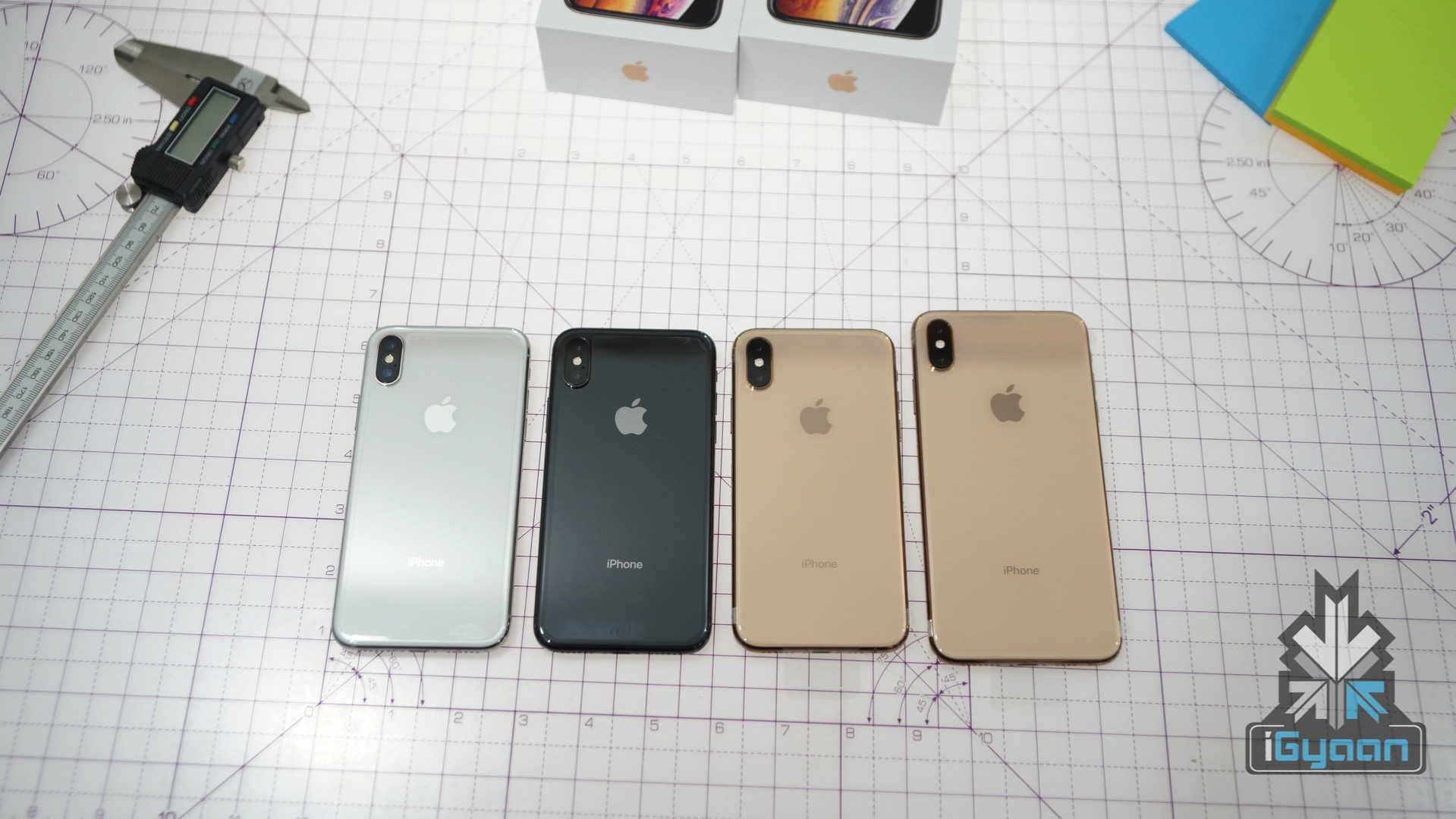
    iPhone XS & XS Max
    Why Is There A Confusion

    Generally speaking, smartphones are almost constantly being released in the market which means there are always multiple choices. Hence, an average consumer after being faced with the dilemma now must also choose what to buy and decide when to buy. It is a common mentality to hold off till the absolute last moment to buy a smartphone but that is really not the case. Furthermore, you must keep in mind behind the other major evil which is buyers remorse. In other words, the regret one may feel after buying something and regretting it by thinking of another purchase that could’ve been made. 

    Smartphone
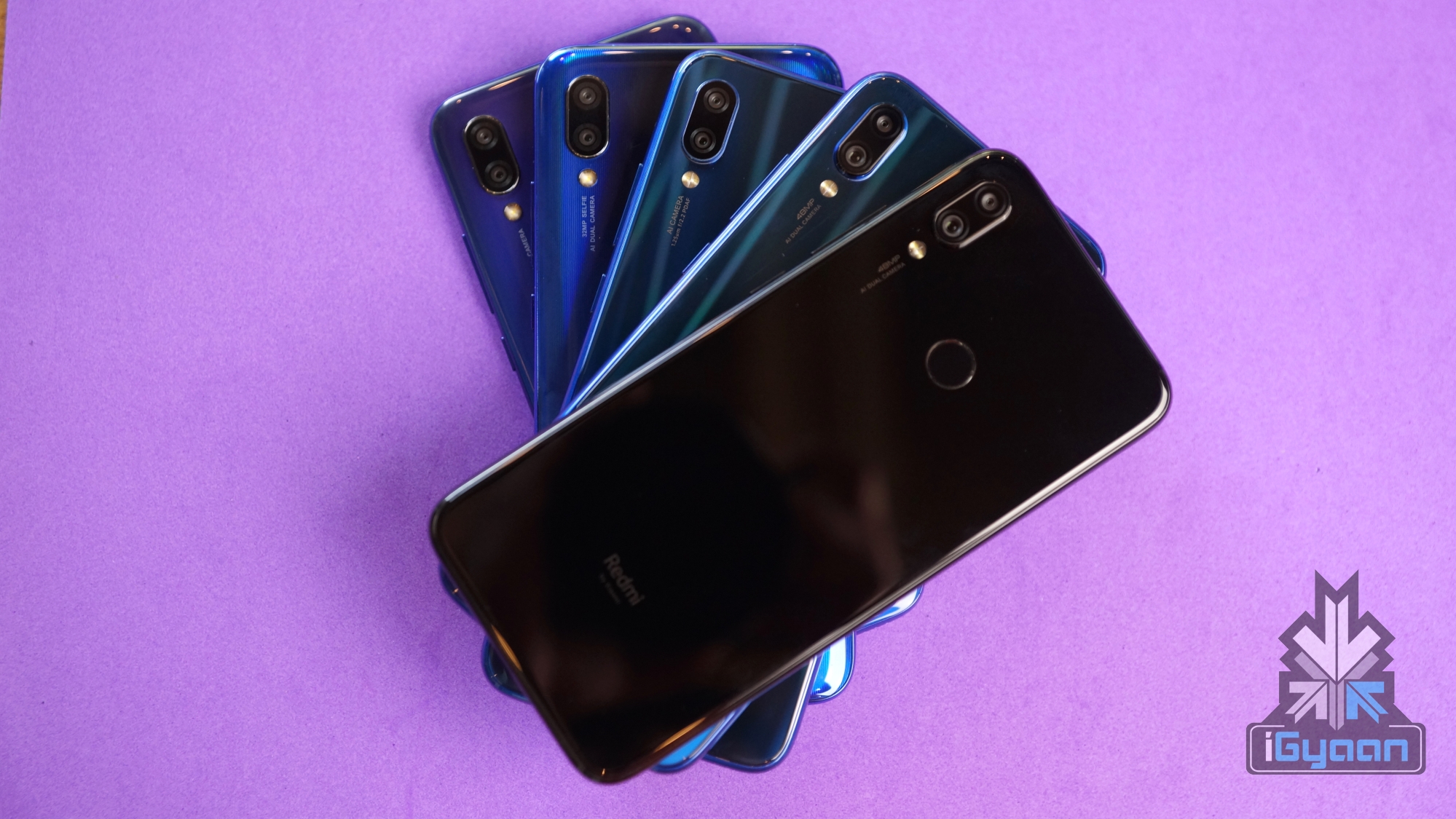
    Redmi Note 7

    Smartphone manufacturers have a tendency to constantly offer better iterations of their devices with minor upgrades and updates in a couple of months while major generation jumps happen over the course of the year. So say, you bought a OnePlus device in Q2 (May-June) but the device seems obsolete just by the next quarter with its “T” variant being launched. Many may feel like they made a wrong choice or should’ve held off from buying a device till then. But that is wrong, as that is what companies do. They make new products attractive and market them heavily to feel like the next best thing right after you just bought a newly launched smartphone that is barely three months old. So, users must make a note to not fall for this strategy and stick to their decision. Minor upgrades never make a major difference.

    Smartphone
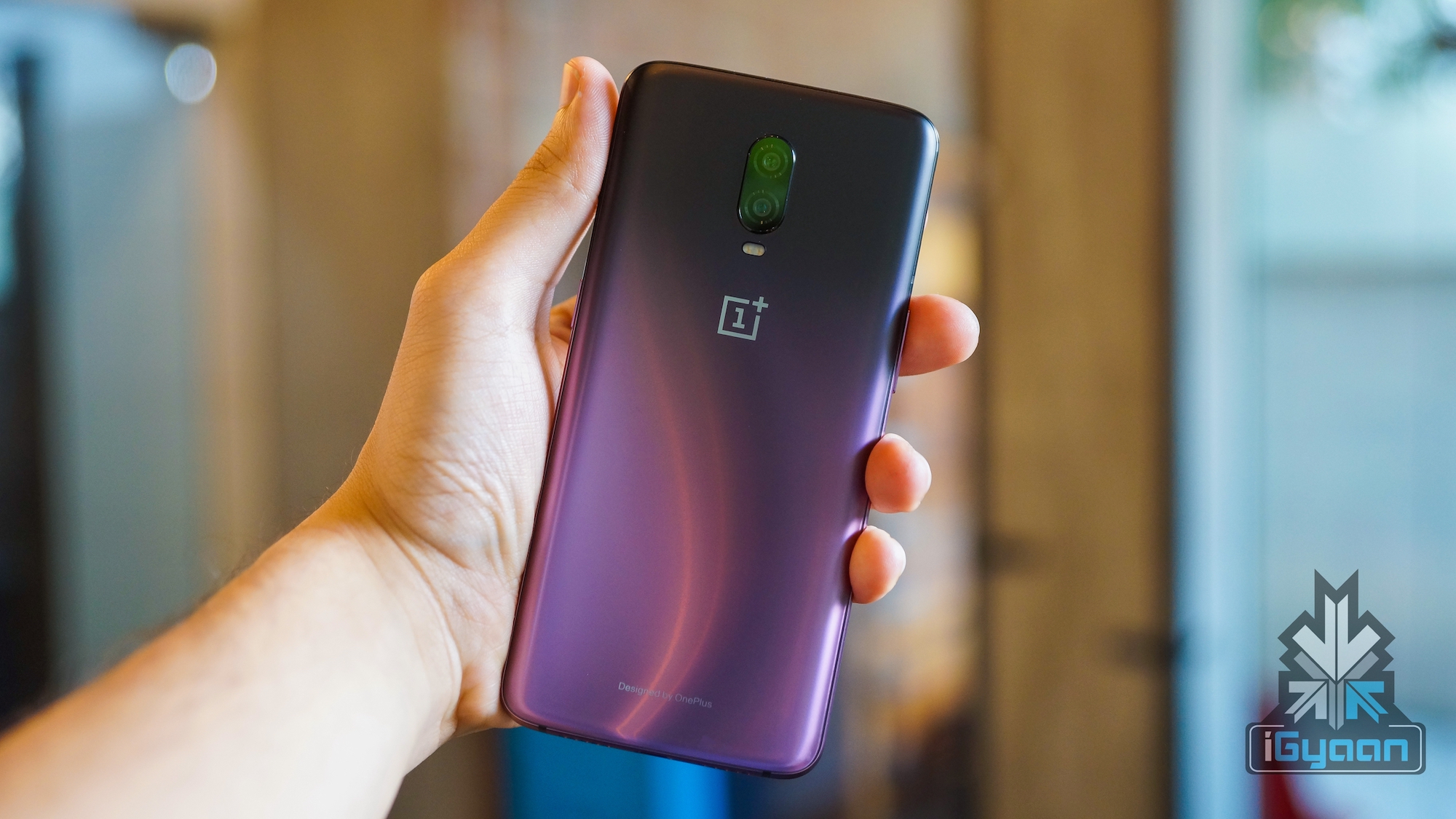
    OnePlus 6T
    So When Should You Buy A Smartphone?

    The holiday season is widely known to be a time where smartphones are released and the ones released earlier in the year are offered with discounts and attractive offers. So, Diwali and Christmas are one of the best times to consider an update to your old devices. For example, Samsung generally launches its flagship around February and March which by this time are offered with discounts and offers that make them worth going for. If you’re into OnePlus, even OnePlus’ “T” smartphones are already out and may also have offers with them.

    Smartphone
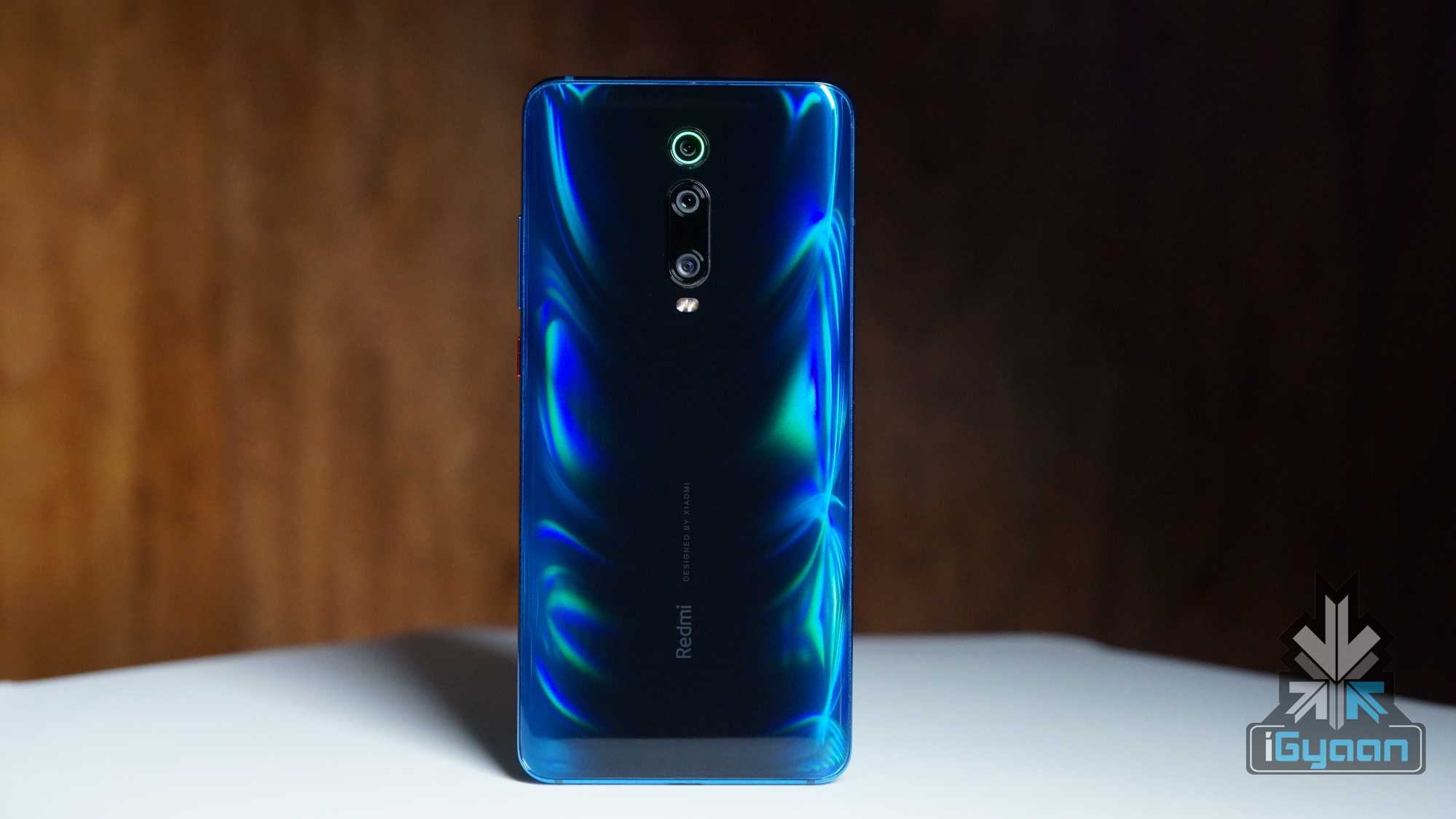
    Redmi K20

    During Q4, Xiaomi and its subsidiary Redmi have also released most of its flagships and mid-range devices offering more choices to choose from. Furthermore, the year-end follows immediately after major launches like Apple’s iPhone and Google’s Pixel series of smartphones. A time where most other OEMs avoid launching new devices in. So, you wouldn’t need to worry about a particular major launch to arrive anytime soon or till next year.

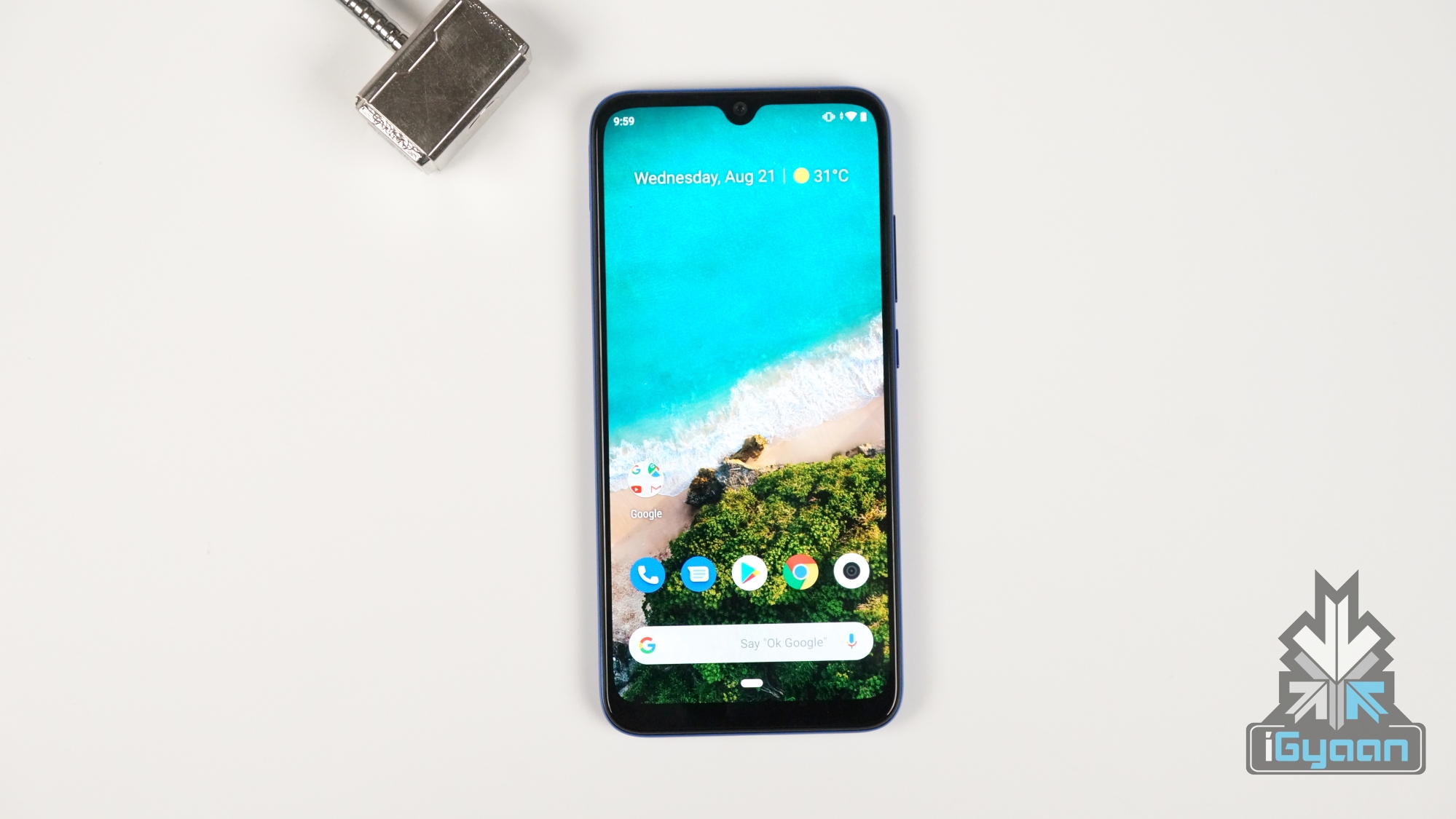
    Xiaomi Mi A3

    Also ReadApple Will Sell Its Products Online In India For The First Time Through Its Official Website

    Keep In Mind

    Simply knowing when to buy a smartphone is not enough. As previously mentioned, you must be wary of buyers remorse and willing to stick with your decision. Even if you’re not buying the latest flagship device or the latest mid-range smartphone, the device you do decide on will do almost everything as the other that you think you should’ve waited for or bought alternatively.

  • Apple Will Sell Its Products Online In India For The First Time Through Its Official Website

    Apple Will Sell Its Products Online In India For The First Time Through Its Official Website

    Apple has faced long-standing obstacles in its way to fully penetrate the Indian market. The company is one of the industry leaders across the globe but is still a minor player in the world’s fastest-growing smartphone market. There were many reasons for this that include Indian policies, pricing and more that led to Apple never officially stepping a foot on the South Asian subcontinent. Now, thanks to the relaxation of a few rules the company is finally set to officially sell its products in India through its online store.

    So How Did Apple Sell In India Before?

    Technically, Apple was never really in India as an official retailer of its electronic products. However, it had collaborated with many 3rd party retailers, for example, Imagine stores, for the sale of its products. The company had to take such measures owing to certain laws and regulations imposed by the Indian Government. In India, companies that wish to sell their products officially through its own online or offline channels must first source 30% of their products locally. For those unaware, electronic imports in India carry a 20% customs duty which is why some products are more expensive than its MRP in foreign countries.

    Apple’s Online Store

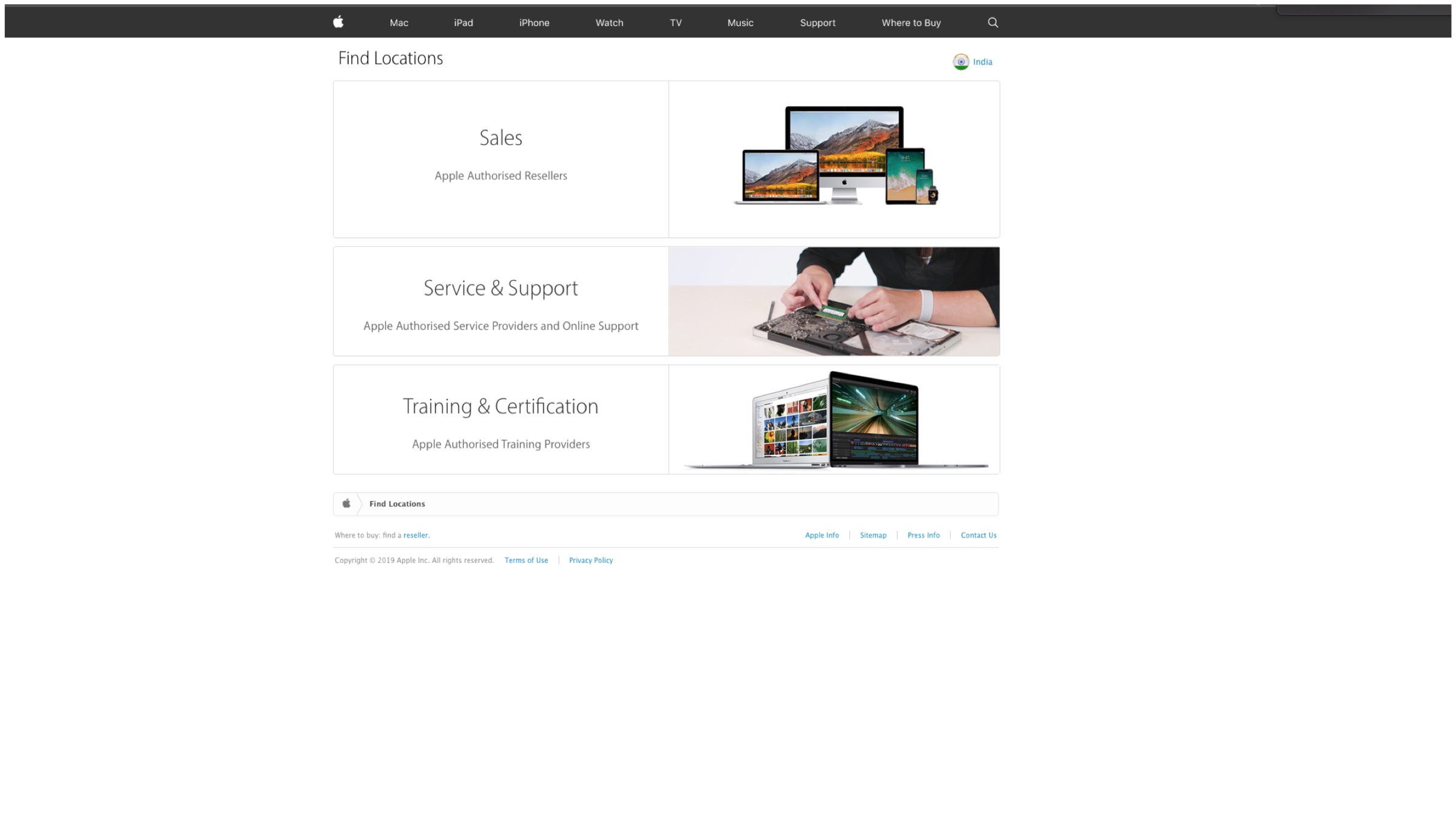
    Apple’s global online store has the option that allows people to buy its products directly from its website. However, in India, there is no such option. On the official Indian website, users are only informed as to which offline and online store sells its products indirectly. Now, owing to the easing of certain laws, Apple will no longer have to source 30% of its product locally. Currently, the company has most of its products sourced and manufactured in China but is shifting some of its production to India as well. In other words, Apple can finally start selling its own products through its own website for the first time.

    Apple
    Apple.in
    So What Does This Have To Do With You?

    If you’re an Android and Windows users, the changes aren’t going to affect you. But if you are into the Apple ecosystem then this change is a big deal. Soon, users will be able to officially buy Apple products which will now be noticeably cheaper since they are not, for the most part, imported from abroad. Furthermore, users can get more customizability option with Apple’s computing products such as its MacBooks and Macs. The website will be updated for direct purchases in the next few months as the company gears up for the launch of its latest iPhone generation.

    Apple

    Also ReadRealme XT Has Its Specs Revealed, With 64MP Quad Camera And Snapdragon 712 SoC

    The American company already has certain devices being manufactured in India which allows for its lower pricing than before. Additionally, the company is also opening its first official store in Mumbai. Selling online through official channels will also allow the company to control the quality and dissuade counterfeiting. Conclusively, Apple is finally arriving at the heated Indian market which holds one of the highest potentials in the world. 

  • Realme XT Has Its Specs Revealed, With 64MP Quad Camera And Snapdragon 712 SoC

    Realme XT Has Its Specs Revealed, With 64MP Quad Camera And Snapdragon 712 SoC

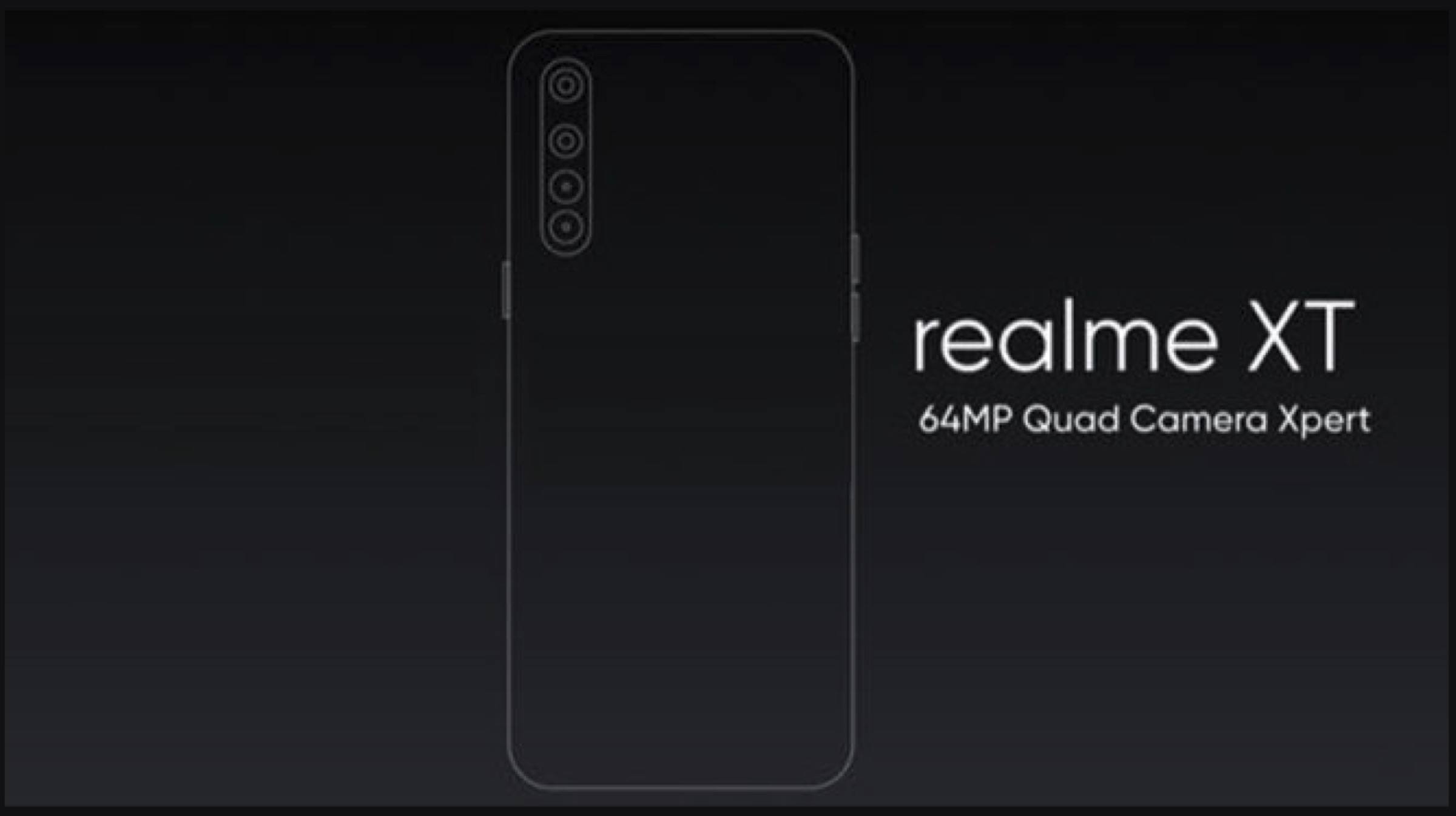
    Realme is one of the newest in the top 10 smartphone OEMs in the world. The company was once an Oppo subsidiary but now exists as an independent brand. Earlier this month, the Realme 5 series was launched in India in an event that also teased its upcoming flagship the Realme XT. Now, the latter has its key specs revealed according to a report from China.

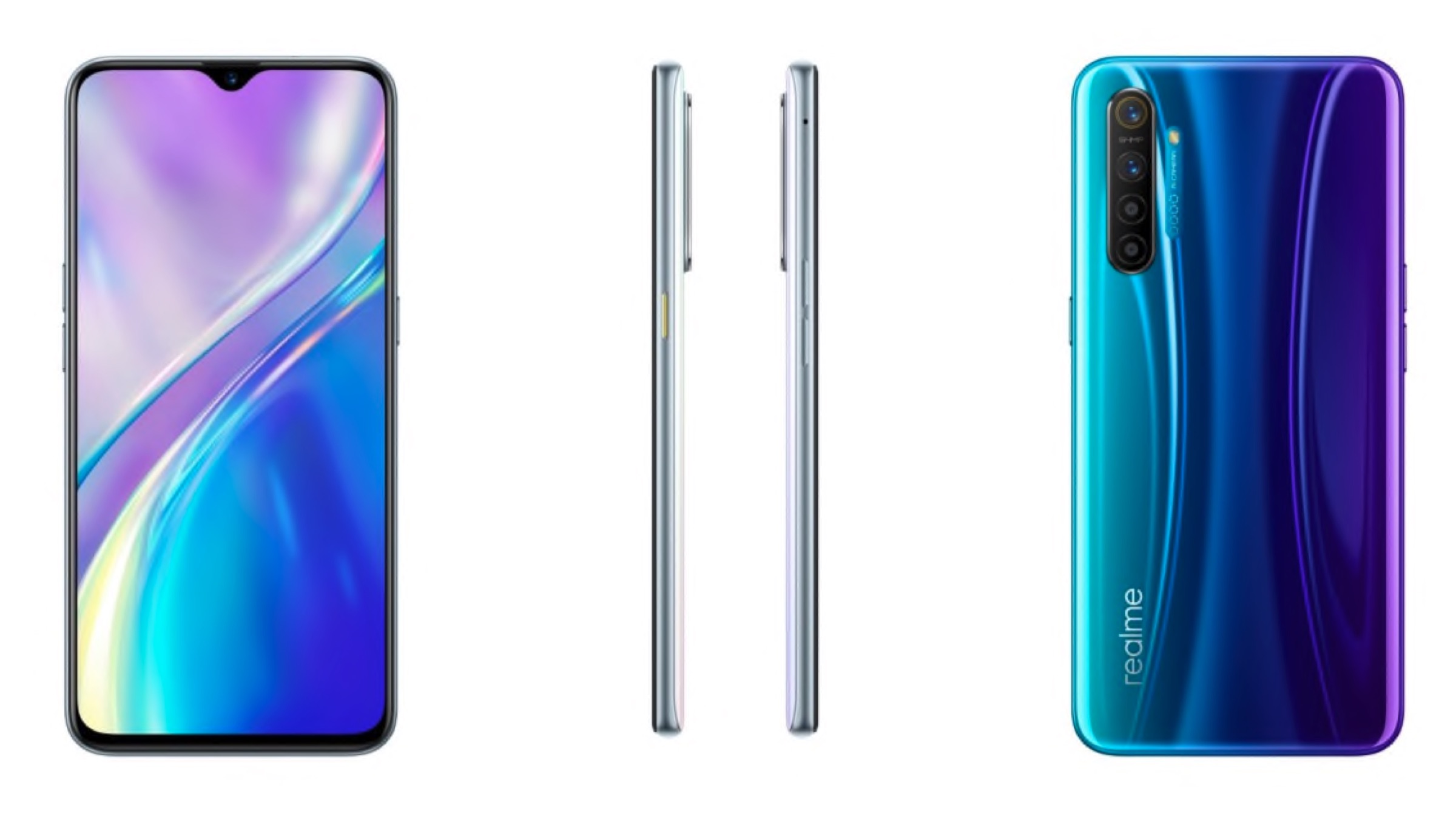
    Realme XT

    Camera

    One of the highly advertised parts of the latest generation Realme smartphones is their cameras. The Realme XT, along with its other new-generation device, sports a quad-camera setup on the rear. However, the XT differs from the rest with a 64MP Samsung GW1 sensor that the company has just unveiled. The primary shooter has an f/1.8 aperture while the remaining three cameras include an 8MP wide-angle lens, and two 2MP Macro and Depth sensors respectively. On the front, the selfie camera is a 16MP shooter, much like the Realme 5 Pro.

    Realme XT
    Specs & Features

    The Realme X was launched just two months prior so the XT wouldn’t be a direct successor to it. Rather, the device can be considered a separate variant with a slight bump in specs and features. The Realme XT sports a 6.4 inch Super AMOLED display with a waterdrop notch on the front. Furthermore, it also has an in-display fingerprint scanner for biometric security. It features Qualcomm’s Snapdragon 712 SoC alongside 4GB of RAM and 64GB of internal storage. The device will be available in two variants with 6GB + 64GB or 8GB + 128GB. Realme XT is powered by a large 4,000mAh battery which supports 20W VOOC 3.0 fast charging

    Realme XT
    Realme X

    Also ReadLenovo Launches The Legion Y740 And Y540 Gaming Laptops In India

    Price & Availability

    The Realme XT will run the Android 9 Pie-based ColorOS 6 skin and will be offered in Silver Wing White and Pearl Blue colour options. Unfortunately, the exact pricing for the two variants of the device is currently unknown. However, it is confirmed to launch next month in China. According to the company, an Indian launch will arrive sometime before Diwali.

  • First Google Pixel 4 Live Images Reveal A Dual Camera Setup, Prominent Top Bezel

    First Google Pixel 4 Live Images Reveal A Dual Camera Setup, Prominent Top Bezel

    American technology giant Google is expected to launch two new smartphones in the month of October. These devices are revealed to be the Pixel 4 and Pixel 4 XL and will be a flagship offering from the company. Although the launch of the handsets is still a considerable amount of time away, the company has been hard at work in teasing certain details about them through a series of blog posts and tweets. Now, the upcoming Pixel 4 by Google has been leaked in the wild which confirms the design of the smartphone.

    Pixel 4 Live Images

    Google Pixel 4

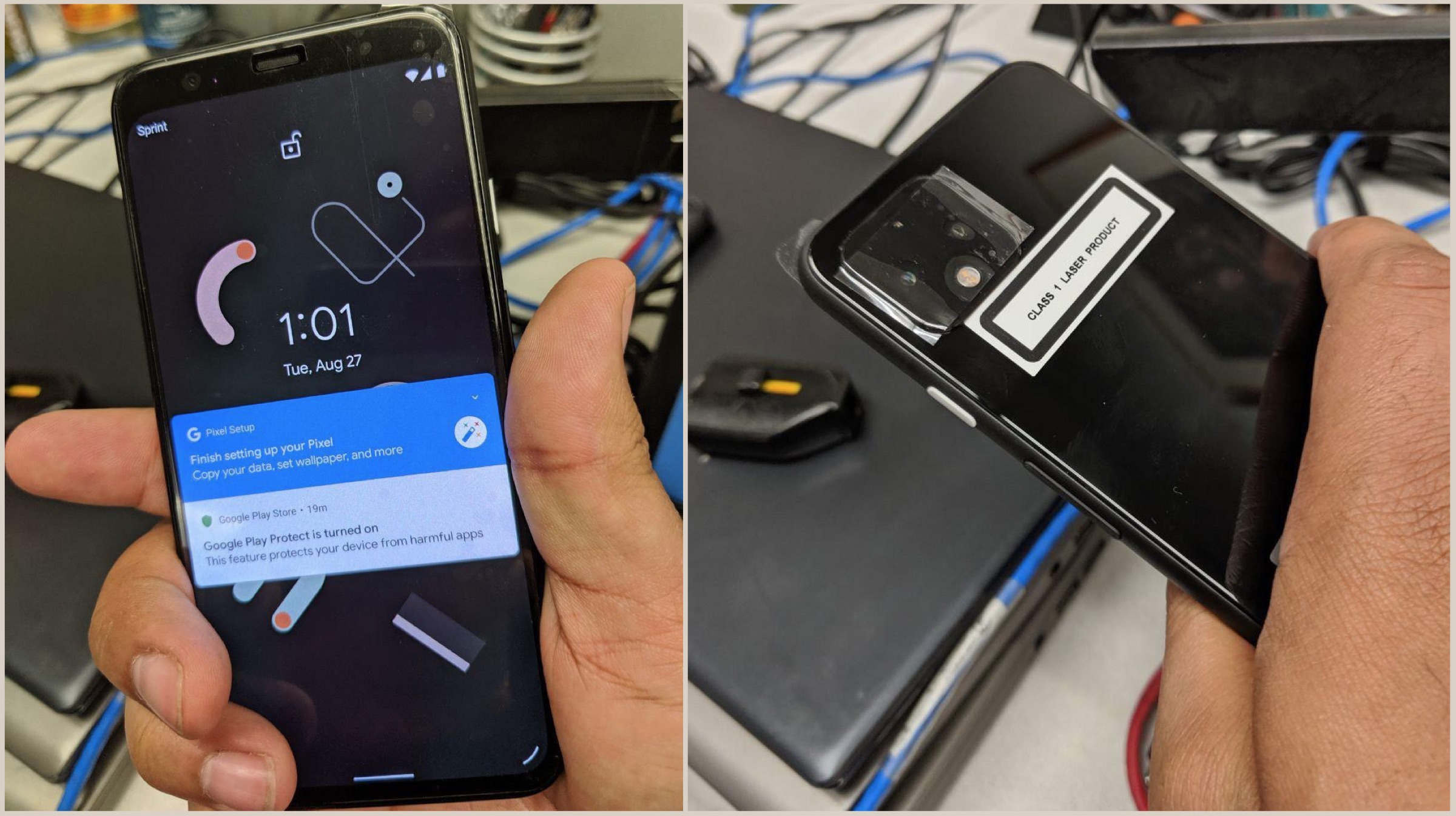
    The first live images revealing the Pixel 4 in its full glory arrive courtesy of an unnamed source. The pictures confirm most of what we already knew about the smartphones, including the glass sandwich design, the large display with a prominent top bezel and a small chin. It seems to be running the Android 10 operating system, which is evident by the lock screen’s design and gesture shortcuts. Furthermore, the notifications prompt the user to set up their Pixel device, which reaffirms that it is indeed the next generation Google flagship. The sides of the leaked handset reveal a white coloured power button on the black unit, which is a unique quirk seen in Pixel devices. Unfortunately, it is not known from the images if they are of the Pixel 4 or the bigger Pixel 4 XL.

    Google Pixel 4

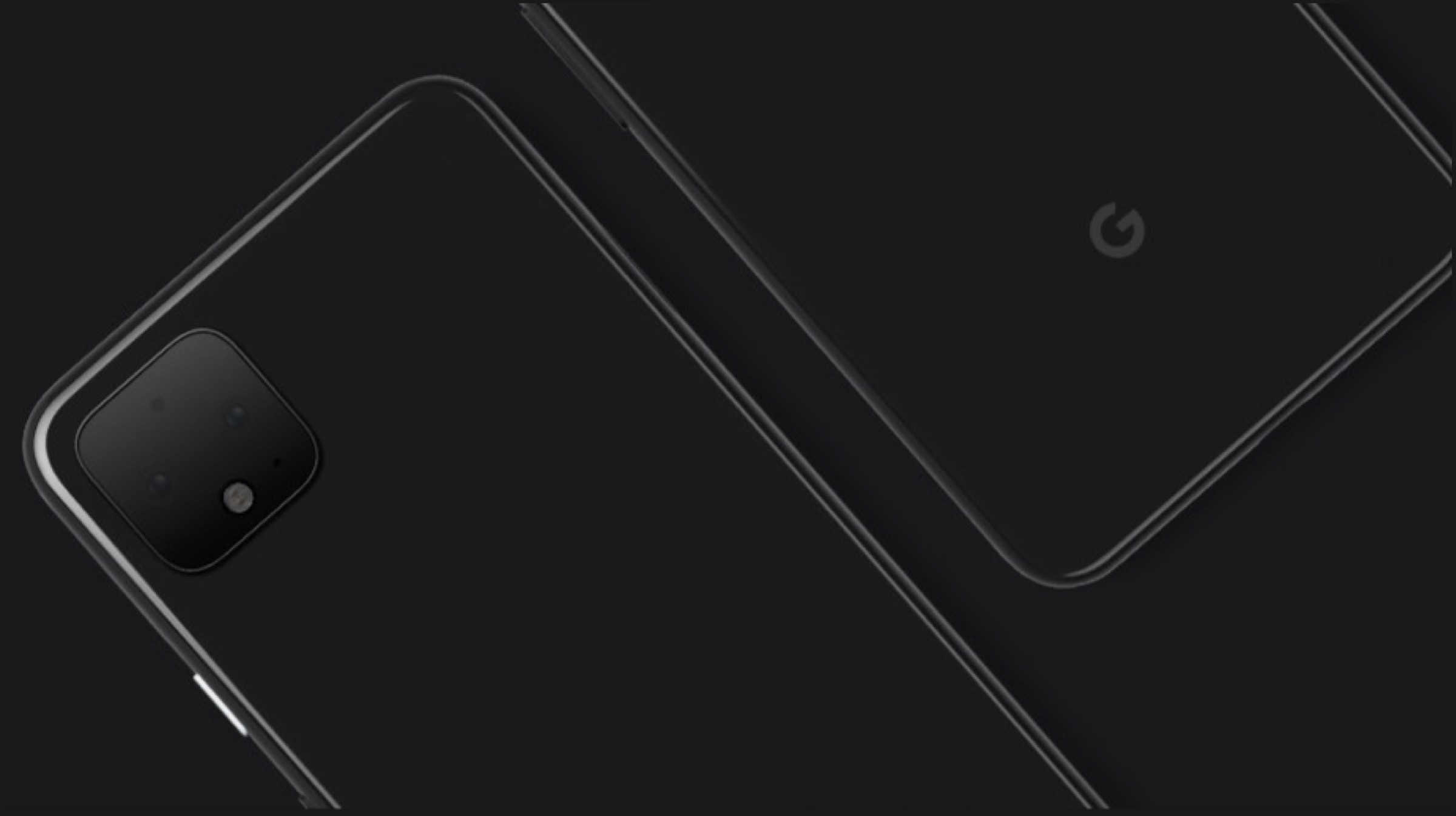
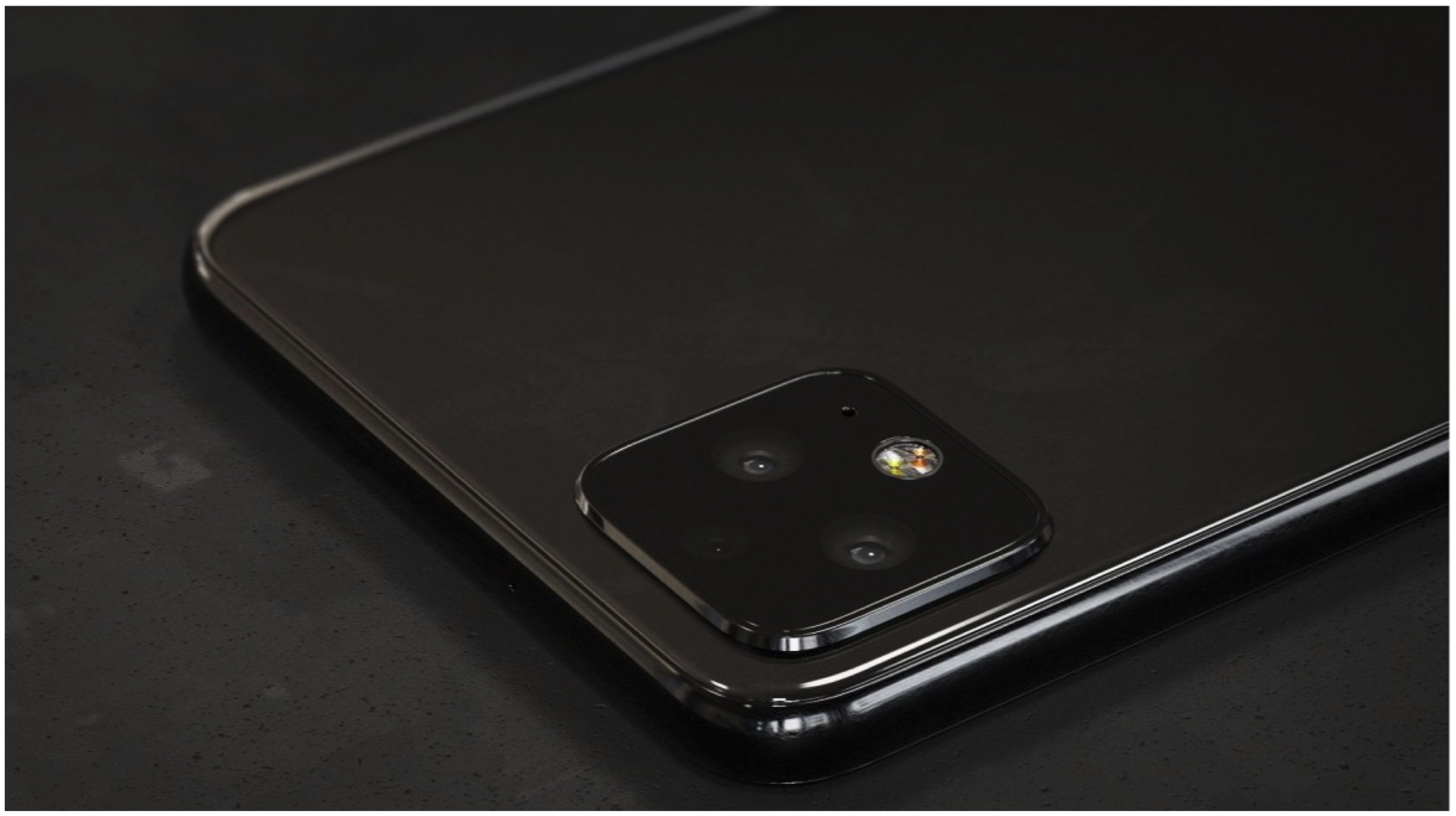
    Over at the back, Google Pixel 4 is seen showcasing the polarising square camera module. It consists of two camera sensors, a spectral image sensor and an LED flash. While the former and latter are commonplace on modern smartphones, the use of a spectral sensor seems to be exclusive to the current and upcoming Pixel smartphones. It may be used to reduce the flicker while shooting a display of an electronic device. Talking about the camera, the handset may sport a 16MP telephoto lens alongside a standard wide lens. 

    Google Pixel 4

    Also read: Lenovo Launches The Legion Y740 And Y540 Gaming Laptops In India

    Past reports of the Google Pixel 4 series elaborate the smartphone in detail. It has been confirmed to support advanced facial recognition and a soli radar chip. While the former is self-explanatory, the latter will allegedly let users control certain aspects of the user interface by certain motions of their hands from afar. Talking about specifications, the devices may run on the 7nm Snapdragon 855 SoC, 6GB of RAM and up to 256GB of internal storage. Since the expected launch is just over a month away, we may not have to wait too long to confirm our suspicions.

  • Lenovo Launches The Legion Y740 And Y540 Gaming Laptops In India

    Lenovo Launches The Legion Y740 And Y540 Gaming Laptops In India

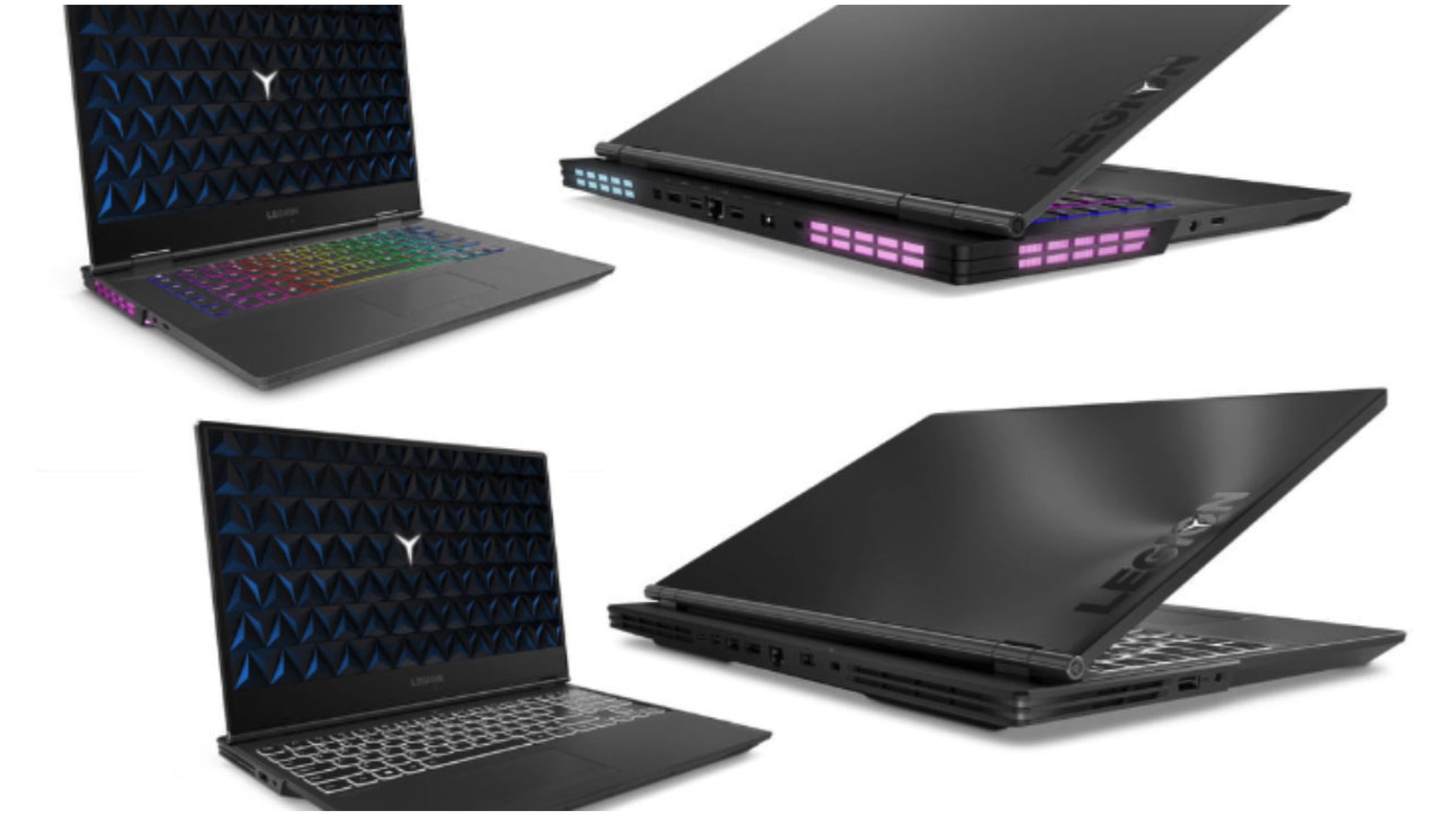
    Lenovo is seeking to expand its gaming laptop offerings with the Legion Y540 and Y740 that have just been launched in India. The Legion series of laptops are typically aimed at gamers and the latest iterations feature the 9th Gen Intel Core processors alongside RTX graphics card options. The new laptops are claimed to offer better battery life over past iterations and should run cooler under heavy loads.

    Legion Y740

    Lenovo

    Lenovo’s Legion Y740 is built from aluminium and features a fully customisable RGB keyboard lighting. The gaming laptop features a 15.6-inch FHD IPS display which has 500 nits of maximum brightness and 144Hz refresh rate. Furthermore, the display is also Dolby Vision HDR compatible. Under the hood, the powerful device is run by an Intel i7-9750H processor with 16GB of DDR4 RAM which is upgradable to 32GB. For graphical fidelity, an NVIDIA GeForce RTX 2060 is provided to run current-gen AAA games with ease. Additionally, users are also offered 1TB M.2 SSD. 

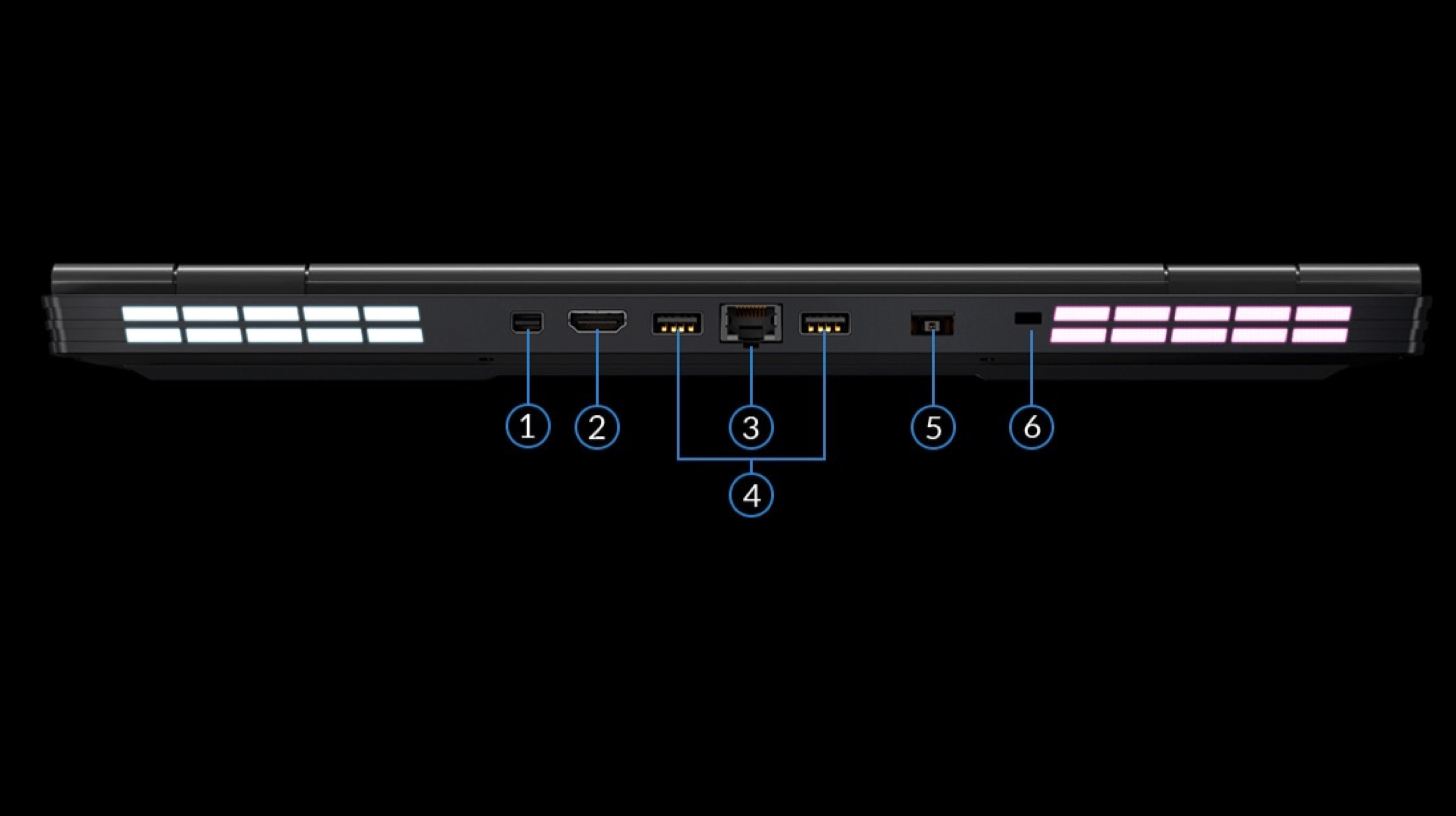
    The Legion Y740 from Lenovo ships with Windows 10 Home along with Office Home & Student 2019. It houses a 720p webcam on the front and is powered by a 3 cell 57Watt hour battery that is capable of delivering up to 5 hours of usage on a single charge. For connectivity, the device includes a KILLER 2×2 AC Wi-Fi, Bluetooth, USB 3.1 Gen2, two USB 3.1 Gen1, one HDMI, one ethernet (RJ45), one Mini DP and a Type-C port (TBT, DP, USB3.1).

    Lenovo
    Legion Y540

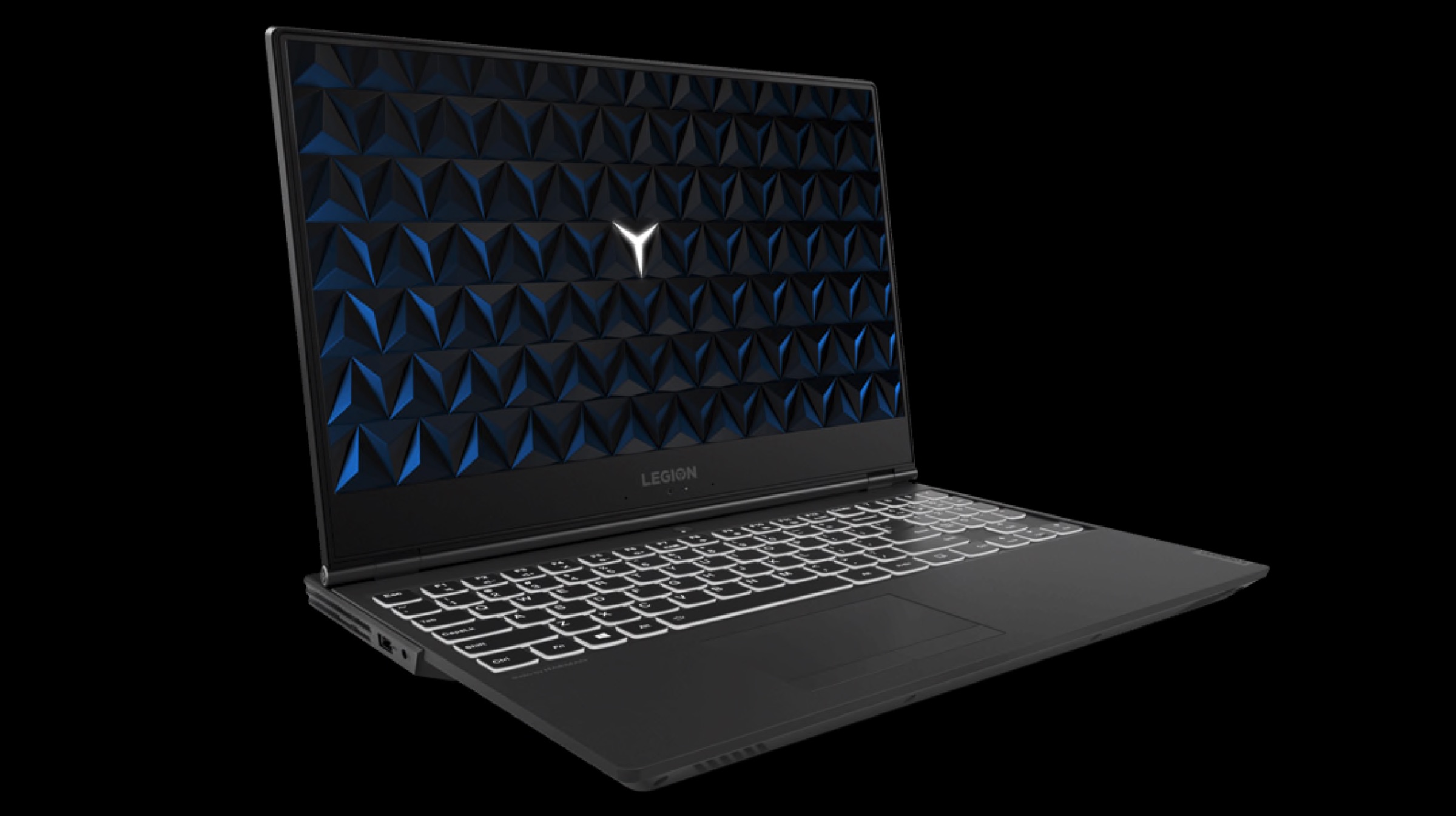
    Lenovo’s Legion Y540 is a slightly toned down variant in comparison to the aforementioned Y740. It is made from Plastic PC-ABS material but features a 144Hz refresh rate for its similar 15.6-inch FHD IPS display. Although, the maximum brightness is noticeably lower at just 300 nits. The gaming laptop packs Intel’s i7-9750H processor coupled with 16GB of DDR4 RAM that can be upgraded to 32GB as well. Similar to the Y740, it also houses 1TB of M.2 SSD for storage and 6GB NVIDIA RTX 2060 GPU.

    The Lenovo gaming laptop is powered by a 57Watt hour 3 cell battery which can again deliver up to 5 hours of battery backup. Unfortunately, the Legion Y540 doesn’t offer an RGB backlit keyboard but has a fixed white colour backlit keys. The device is shipped with Windows 10 Home and Office Home & Student 2019 preinstalled on the laptop.

    Lenovo

    Also ReadHuawei Will Soon Launch Its Flagship P30 Series In Unique New Colours

    Price & Availability

    The Lenovo Legion Y740 starts at INR 1,29,990 while the Legion Y540 starts from INR 79,990. The new legion range of gaming laptops are currently available on Lenovo’s official website as well as leading online stores and Lenovo stores across India.

  • Huawei Will Soon Launch Its Flagship P30 Series In Unique New Colours

    Huawei Will Soon Launch Its Flagship P30 Series In Unique New Colours

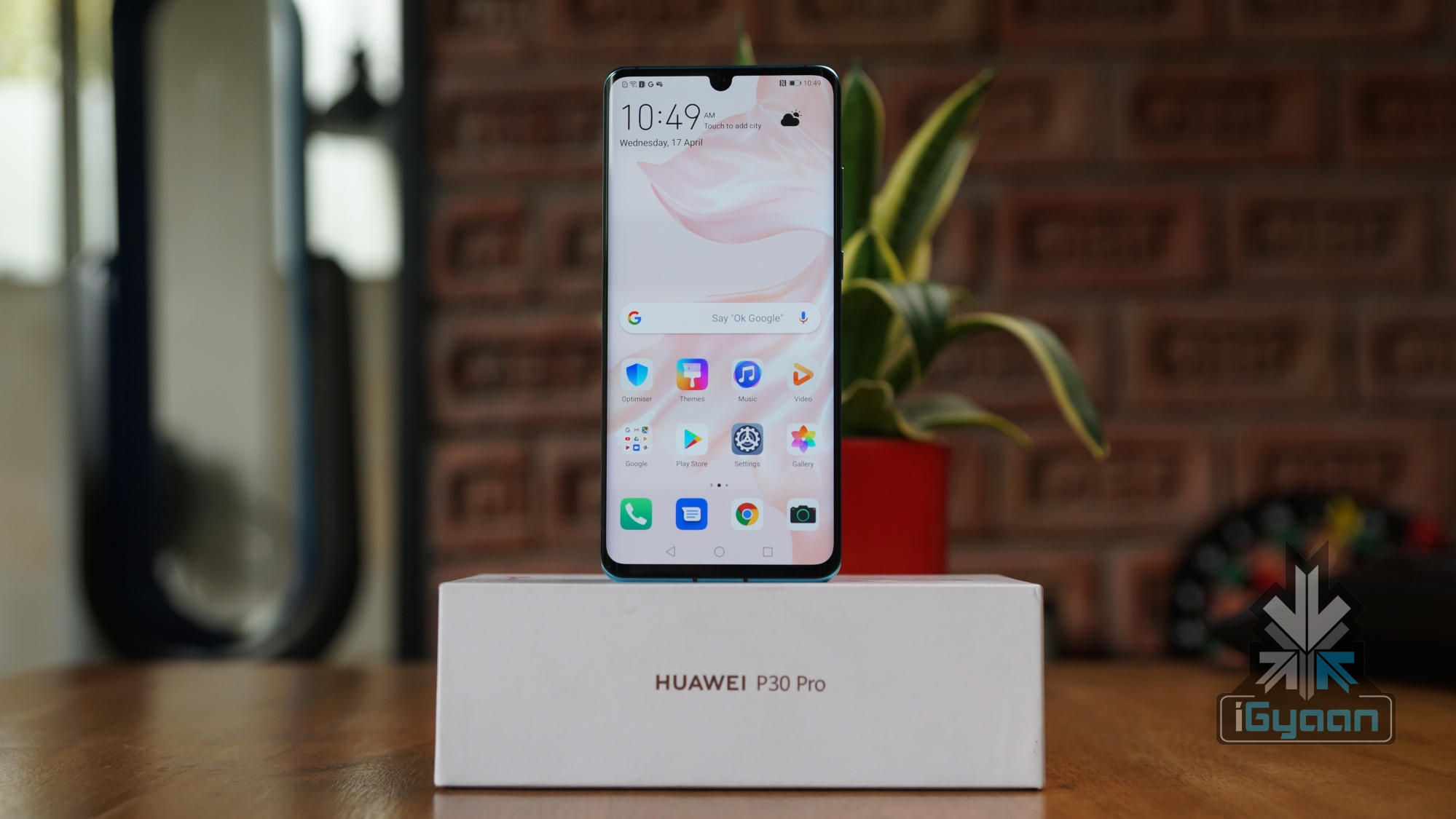
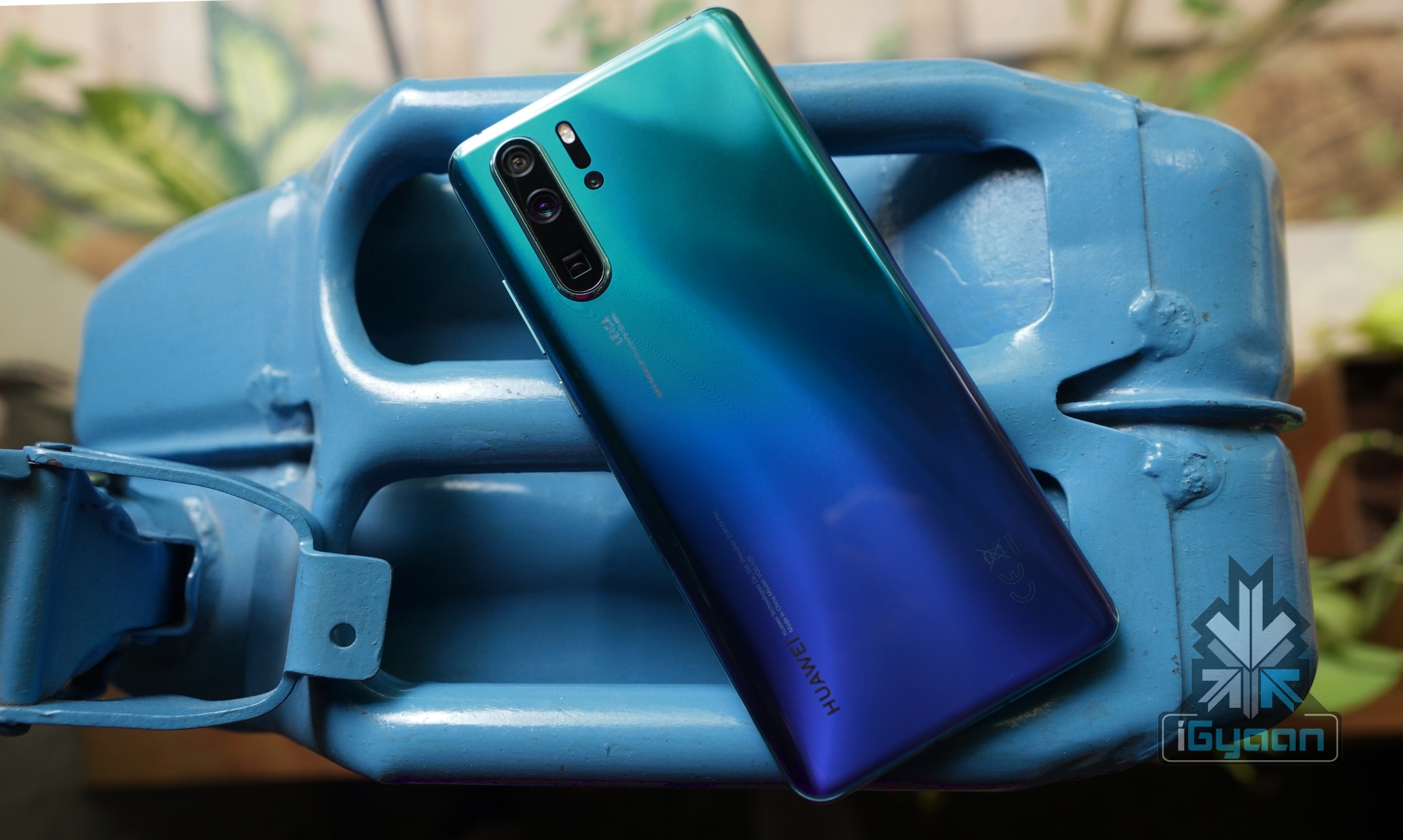
    Earlier this year, Huawei launched the P30 series smartphones globally. The series featured the flagship P30 Pro alongside the standard P30 and P30 Lite. These devices were the direct successors to Huawei’s P20 and P20 Pro and are the companies current flagship handsets and were launched in three colours with two being more common, namely Breathing Crystal and Aurora. Now, it is reported that the devices will arrive in two new colours.

    Huawei P30 Pro

    Breathing Crystal Variant

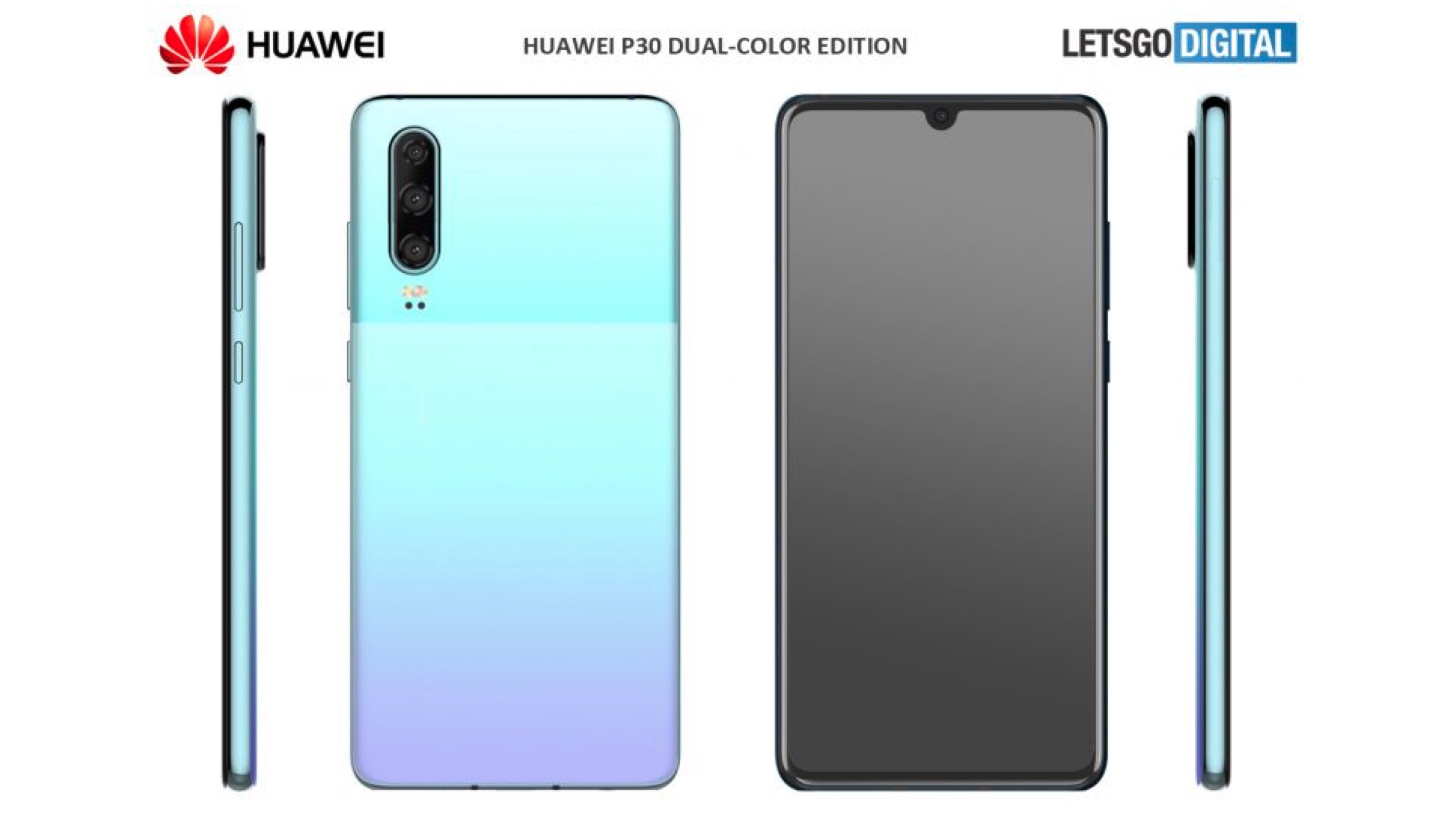
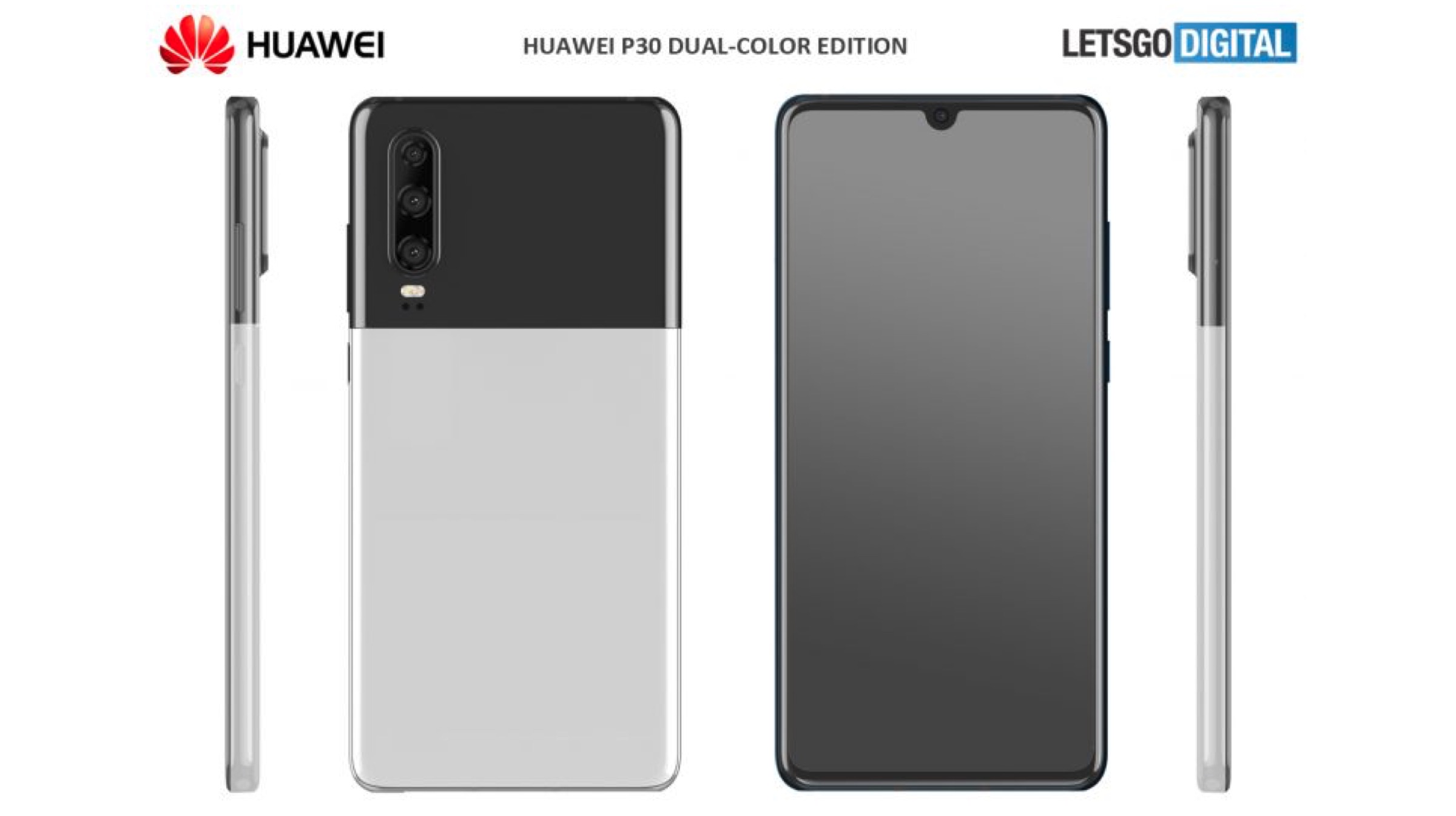
    According to the report, the first colour seems like a variant of the Breathing Crystal colour. Huawei P30’s lower half is similar to the original Breathing Crystal while the top features a solid light blue colour. Notably, the new design patents had initially been filed with the EUIPO (European Union Intellectual Property Office) on 28th May 2019. However, the actual design patents were only seen since 23rd August 2019.

    Dual Colour Variant

    The second upcoming colour for Huawei P30 is unique in its design. Looking at the render, the new variant sports a dual-tone colour scheme pattern. The top half of the device is black while the bottom is grey on the back. This design reminds us of the Google Pixel range of smartphones, which often uses a two-tone colour scheme. It is expected that the company will announce these new colour variants at IFA 2019 which is just around the corner.

    Huawei P30 Quick Specs
    • Processor: Kirin 980 7nm SoC
    • Display: 6.1 inch FHD+ OLED 
    • RAM: 6GB
    • Storage: 128GB
    • Rear Camera: 40MP + 16MP + 8MP
    • Front Camera: 32MP

    Also ReadInstagram Working On Threads, A Snapchat Rivalling Messaging App

    The pattern the Huawei is following for the P30 series new colours is similar to what it has done before. Previously, the P20 series received four new colour variants a couple of months after their official release. The IFA 2019 will start on 6th September 2019 to 11th September 2018. Stay tuned for more updates regarding the event.

  • Samsung Galaxy A10s Launched In India Starting Rs. 9,499

    Samsung Galaxy A10s Launched In India Starting Rs. 9,499

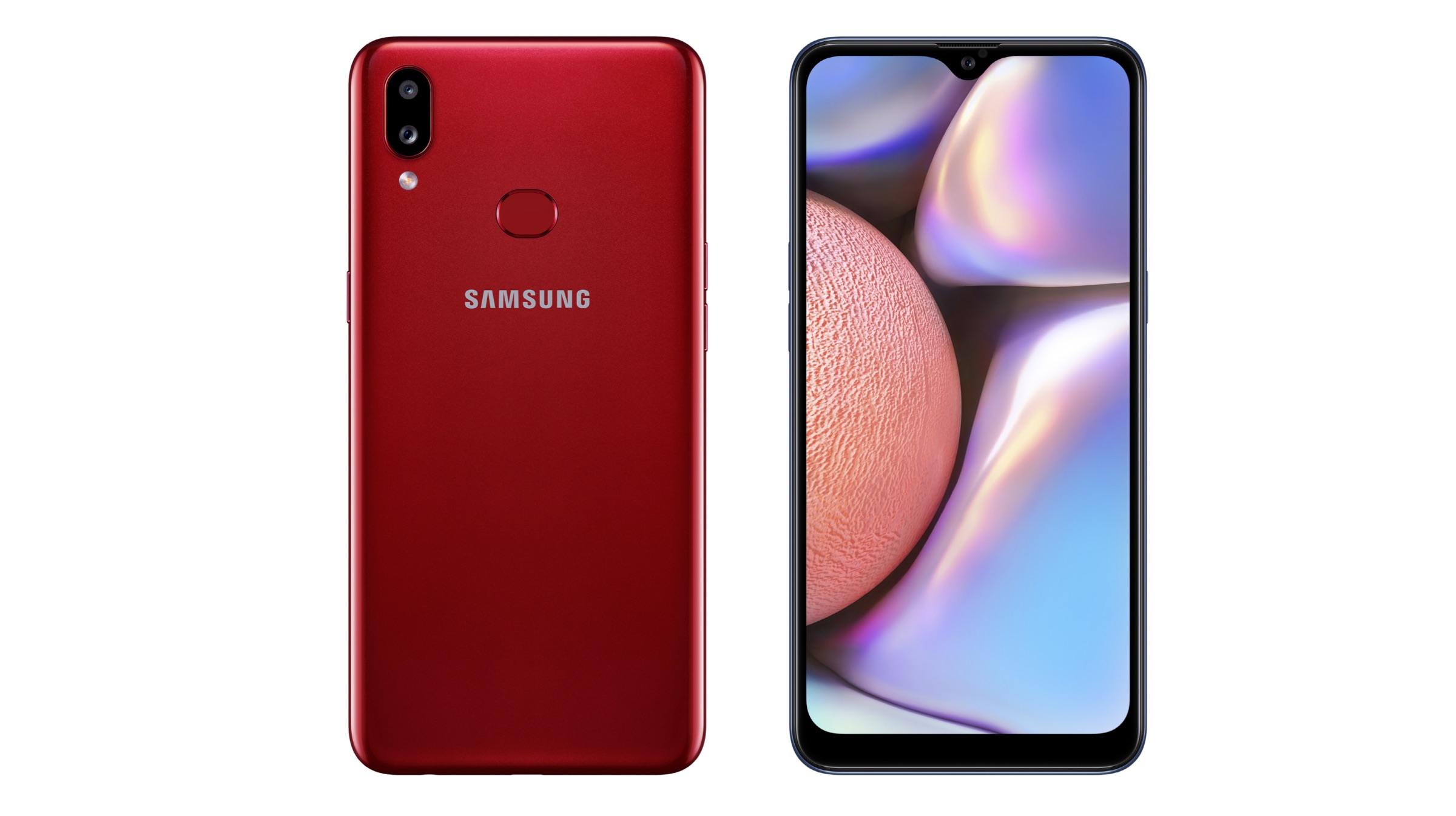
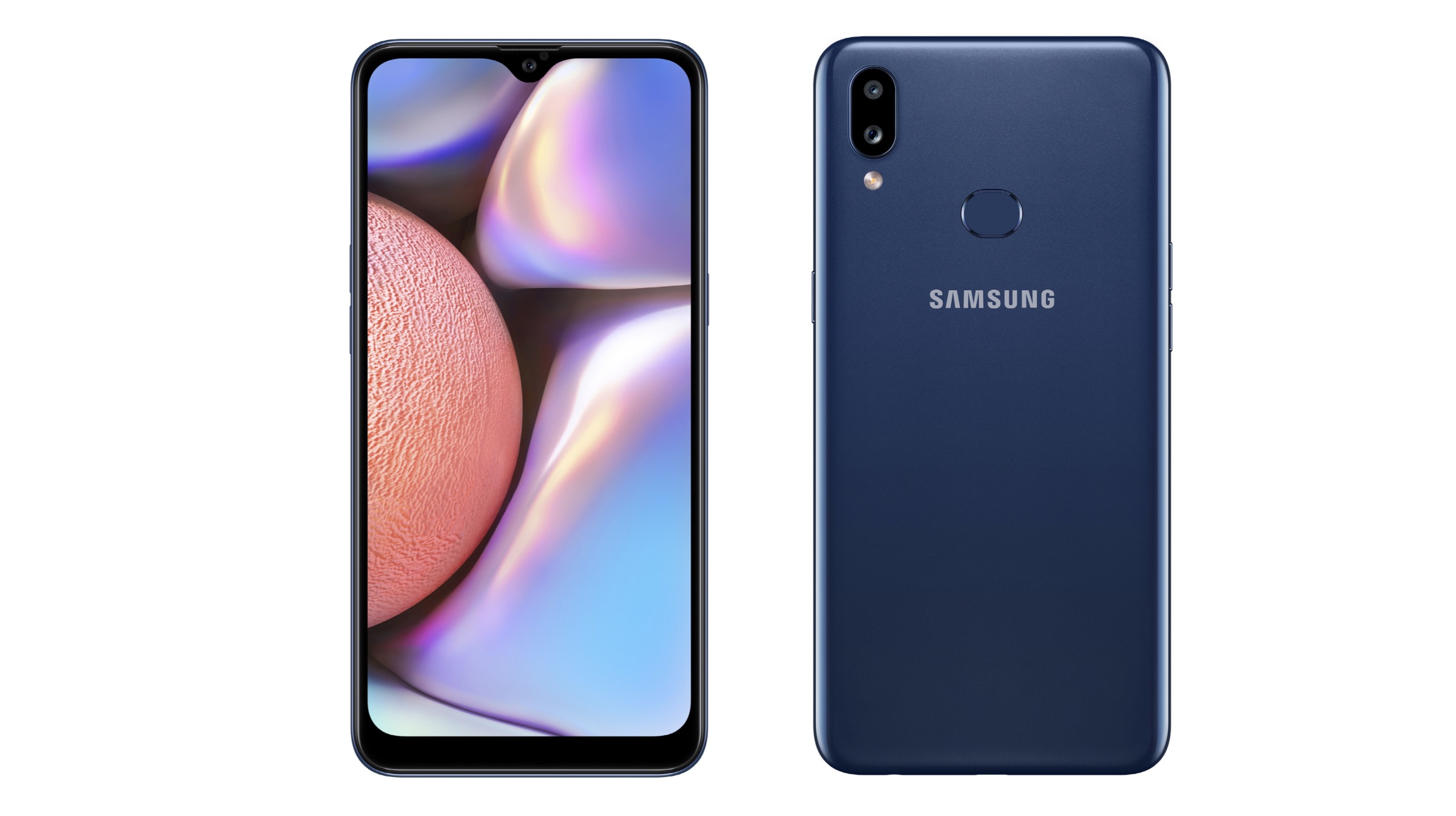
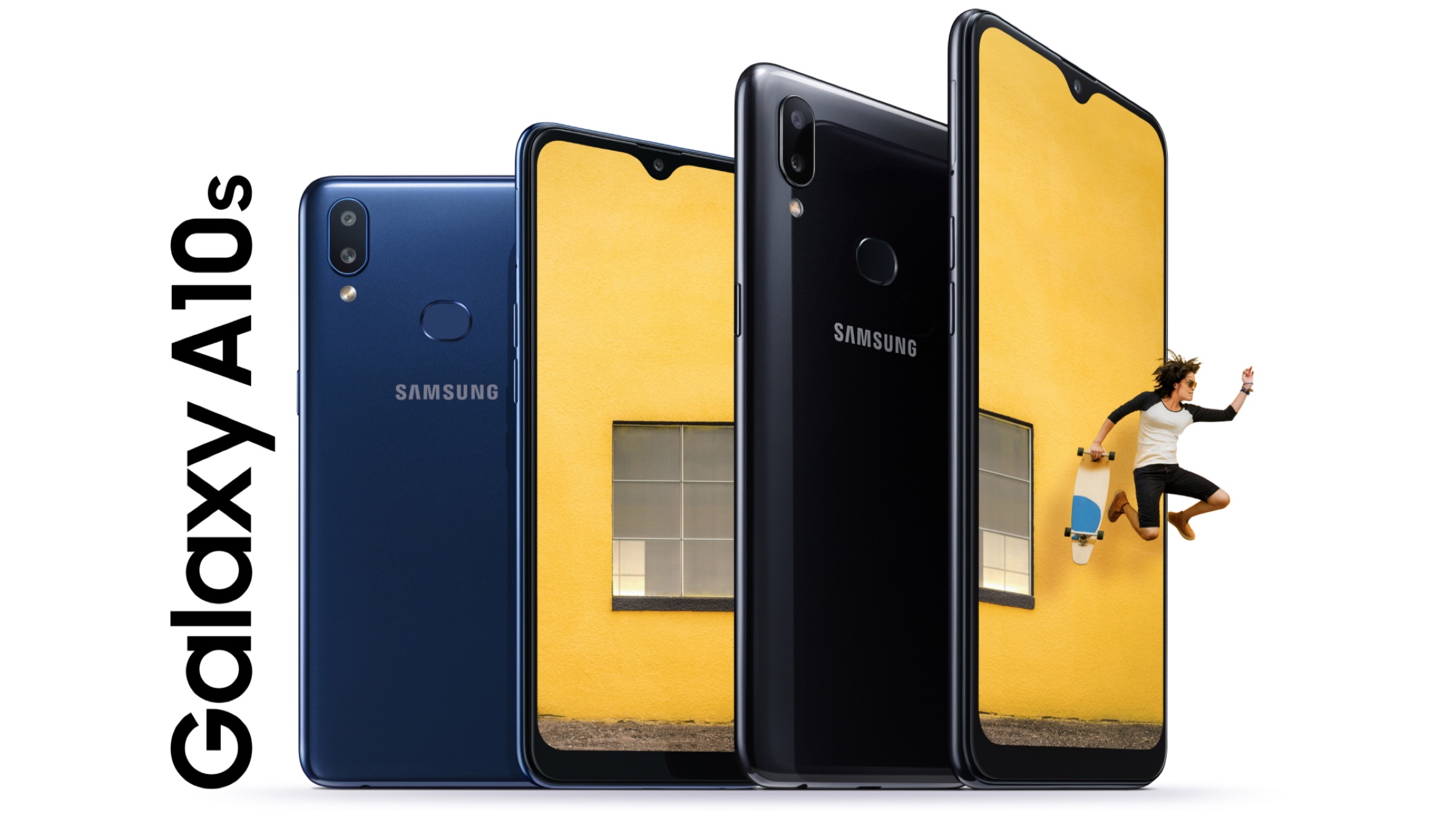
    Earlier this year, Samsung introduced the rehashed Galaxy A series of smartphones. These devices, unlike previous in the lineup, promised better value for money by offering competitive specifications at a lucrative price. The company has today added another handset in the lineup by launching the Galaxy A10s in the Indian market. It is the successor to the Galaxy A10 launched earlier this year and promises better optical performance and some other added features.

    Galaxy A10s

    Galaxy A10s

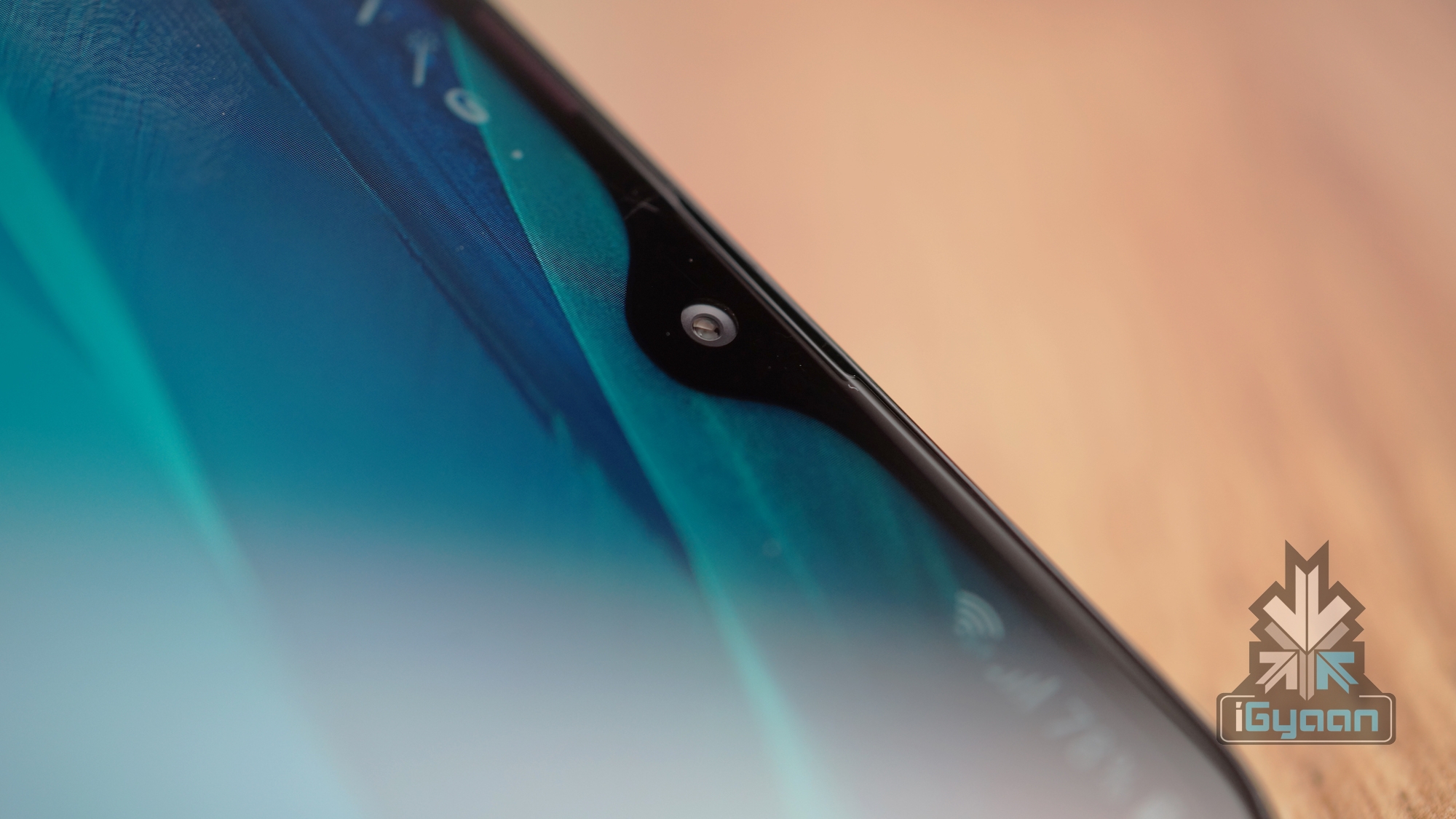
    The Samsung Galaxy A10s measures 156.9 x 75.8 x 7.8mm and weighs 168g. Like its predecessor, the smartphone features a polycarbonate body with a glossy coloured back. It has a 6.2 inch TFT display with a resolution of 1520 x 720 px. To maximise the screen real estate, it also has an Infinity V style notch on the top of the display, just like the Galaxy A10. For biometrics and rapidly accessing the handset, a fingerprint scanner is present on the rear along with the support for face unlock. The addition of the fingerprint scanner is a newly added feature, as it was not present on the previous generation of the Galaxy A10s.

    Under the hood, the Samsung Galaxy A10s is kitted with an unknown Exynos SoC. The chipset is comprised of an Octa-core CPU and an unnamed GPU. In terms of optics, the smartphone has a dual rear camera setup, which is an upgrade from the single rear camera found on its predecessor. The primary lens is an f/1.8 aperture equipped 13MP sensor; which is combined with an f/2.4 aperture equipped 2MP depth sensor. For selfies, an f/2.0 aperture equipped 8MP camera is present on the notch on top of the display. The handset will ship with 2GB of RAM and 32GB of onboard storage, the latter of which is expandable via microSD cards of up to 512GB in capacity.

    Samsung Galaxy A10s

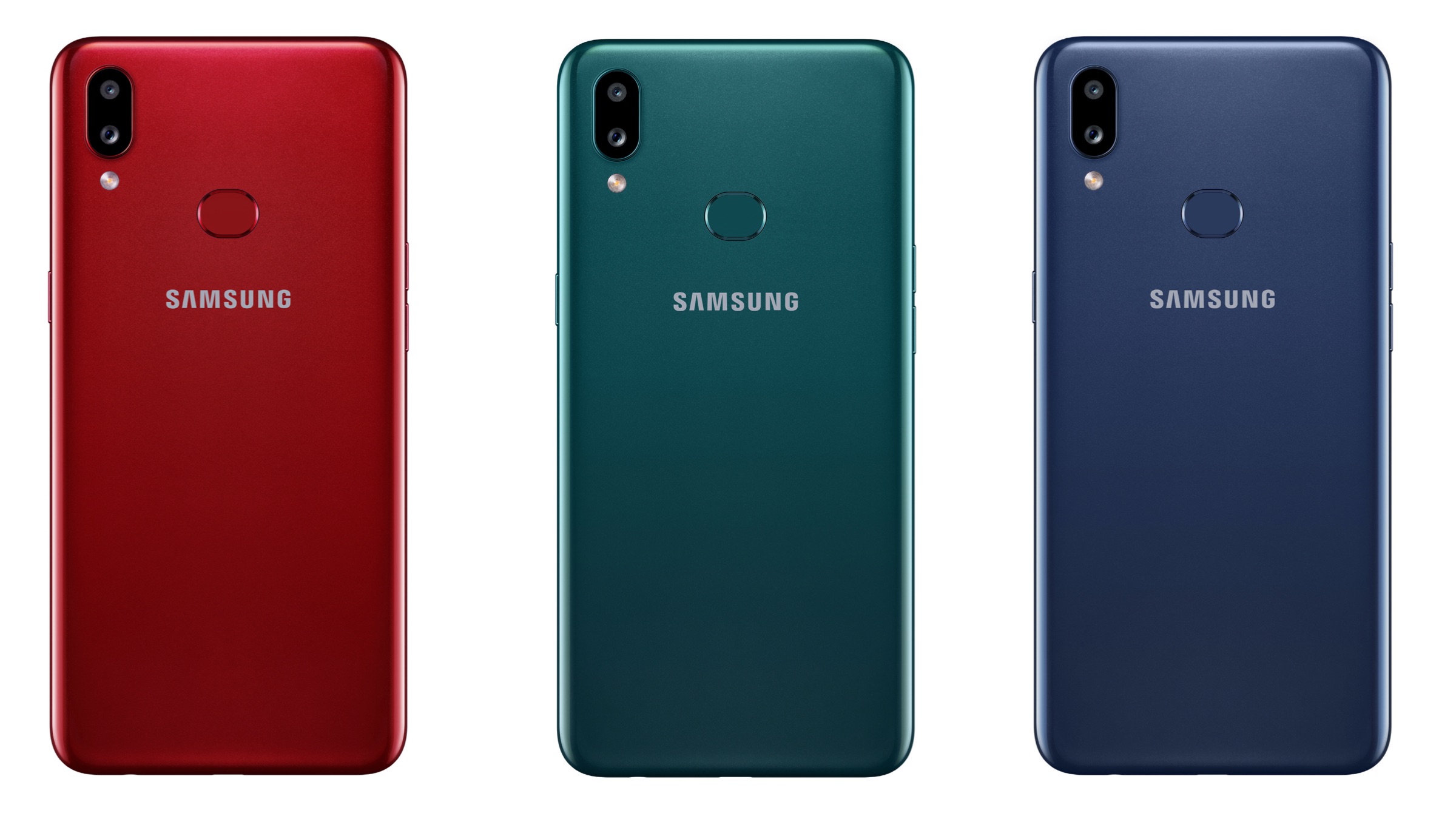
    One of the major upgrades in the Galaxy A10s over the Galaxy A10 in the battery size. The latest smartphone is powered by a 4000 mAh battery, a significant bump of 600 mAh over the previous handset. The device runs on the latest Android 9 Pie which is skinned with Samsung’s OneUI on top. It will be available in three colour variants, namely Black, Green and Black.

    Pricing & Availability

    Samsung

    Also read: Instagram Working On Threads, A Snapchat Rivalling Messaging App

    The Samsung Galaxy A10s has been priced starting Rs. 9,499 for the variant with 2GB of RAM and 32GB of internal storage. The variant with 3GB of RAM and 32GB of onboard memory will cost Rs. 10,499. It will go on sale starting tomorrow, August 28 from major retail outlets, Samsung Opera House and all major e-commerce websites.

  • Xiaomi Redmi Note 8, Note 8 Pro Pricing Leaked Before Launch

    Xiaomi Redmi Note 8, Note 8 Pro Pricing Leaked Before Launch

    Chinese technology giant Xiaomi has announced that it will launch two new smartphones under its Redmi sub-brand on the 29th of August. These devices are confirmed to be the Redmi Note 8 and Redmi Note 8 Pro and will be the successors of the Redmi Note 7 and Redmi Note 7 Pro announced earlier this year. A few weeks before the official launch, the company has been revealing details about the handsets by a series of teasers. While most of the information about them was known, their pricing remained shrouded in mystery. Until now, as a tipster from China has seemingly leaked the alleged pricing of the Redmi Note 8 series.

    Redmi Note 8 Series Pricing

    Redmi Note 8 Pro

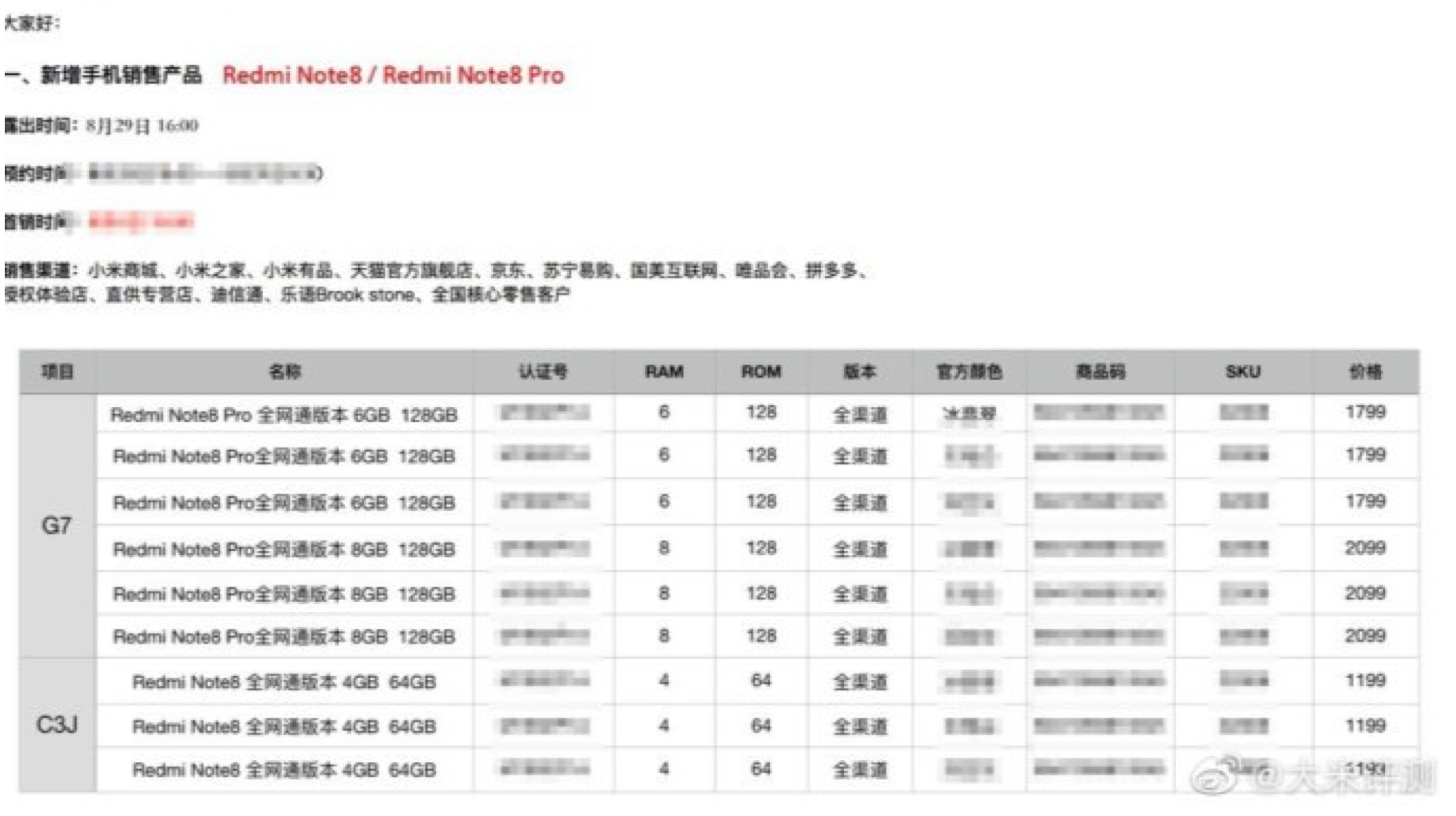
    As mentioned above, the pricing for the upcoming Redmi Note 8 Series, which consists of the Redmi Note 8 and the Redmi Note 8 Pro has been leaked. According to an image shared by a gadget tipster in China, the Redmi Note 8 will start at CNY 1199 (INR 12,000) for the variant with 4GB of RAM and 64GB of internal storage. The image also suggests that it will be the only configuration the smartphone will be available in.

    Redmi Note 8

    The Redmi Note 8 Pro, on the other hand, will be available in two storage variants. It will be priced starting CNY 1799 (INR 18,000) for the 6GB RAM and 128GB internal storage configuration. The top-end variant with 8GB of RAM and 128GB of onboard memory will be priced at CNY 2099 (INR 21,000). Notably, the pricing for both devices is significantly more than their predecessors. It is thus expected that they are taken with a grain of salt as they may turn out to be false.

    Also read: Vivo NEX 3 To Launch Next Month With A Staggering 99.6 % Screen To Body Ratio

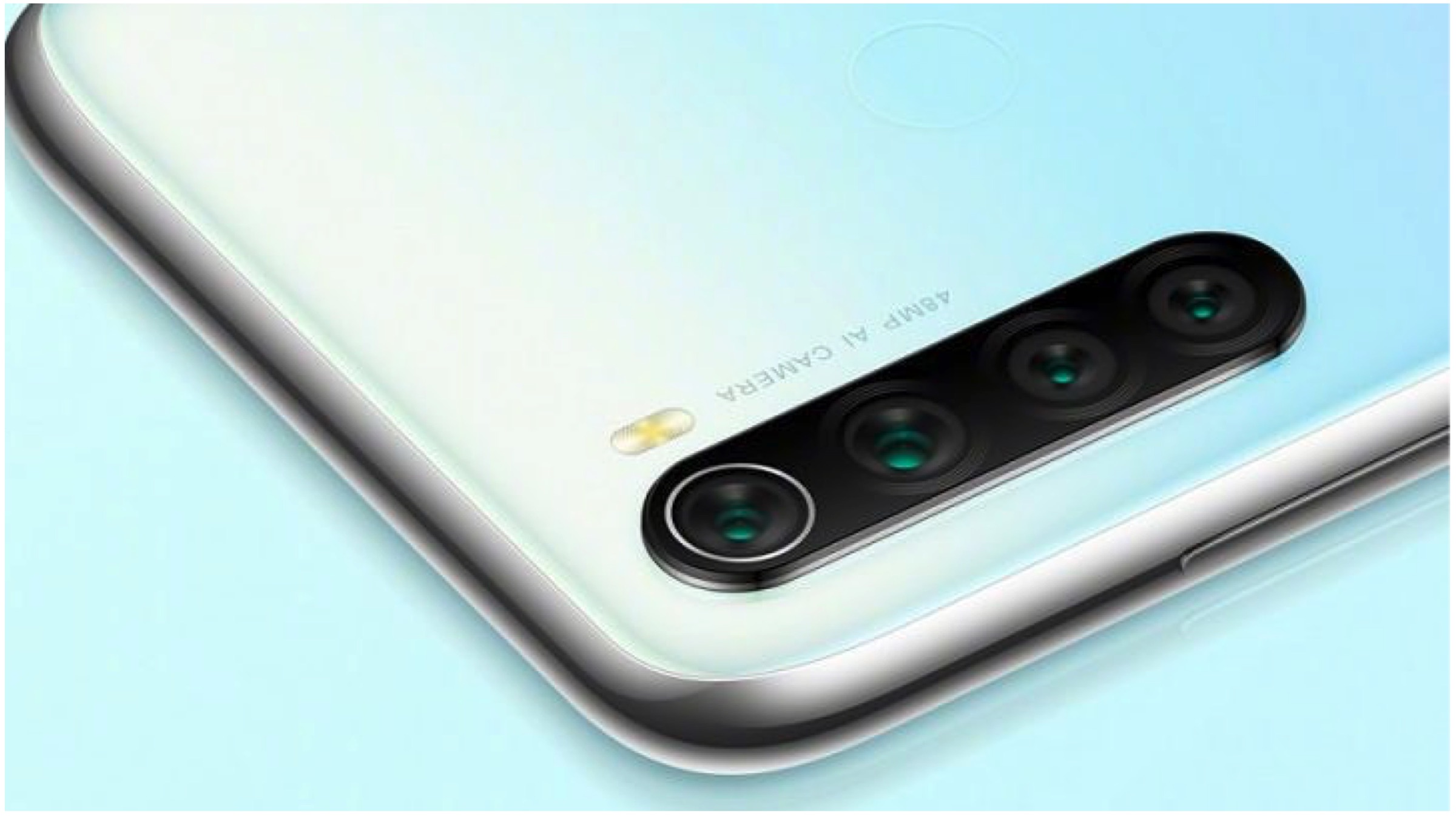
    Past reports of the Redmi Note 8 and Redmi Note 8 Pro have revealed most of their key specifications. Both the smartphones are expected to have a glass sandwich design with a waterdrop notch on top of the display. While the regular Note 8 will run on the Snapdragon 665 SoC, the Pro variant has been confirmed to be kitted with the latest MediaTek Helio G90 chipset. Both devices are also affirmed to have a Quad Camera setup, out of which the primary lens will be a 48MP sensor on the Redmi Note 8 and a 64MP sensor on the Redmi Note 8 Pro. Since China launch for the Redmi Note 8 Series is drawing close, so we will not have to wait too long to confirm the details.

  • Vivo NEX 3 To Launch Next Month With A Staggering 99.6 % Screen To Body Ratio

    Vivo NEX 3 To Launch Next Month With A Staggering 99.6 % Screen To Body Ratio

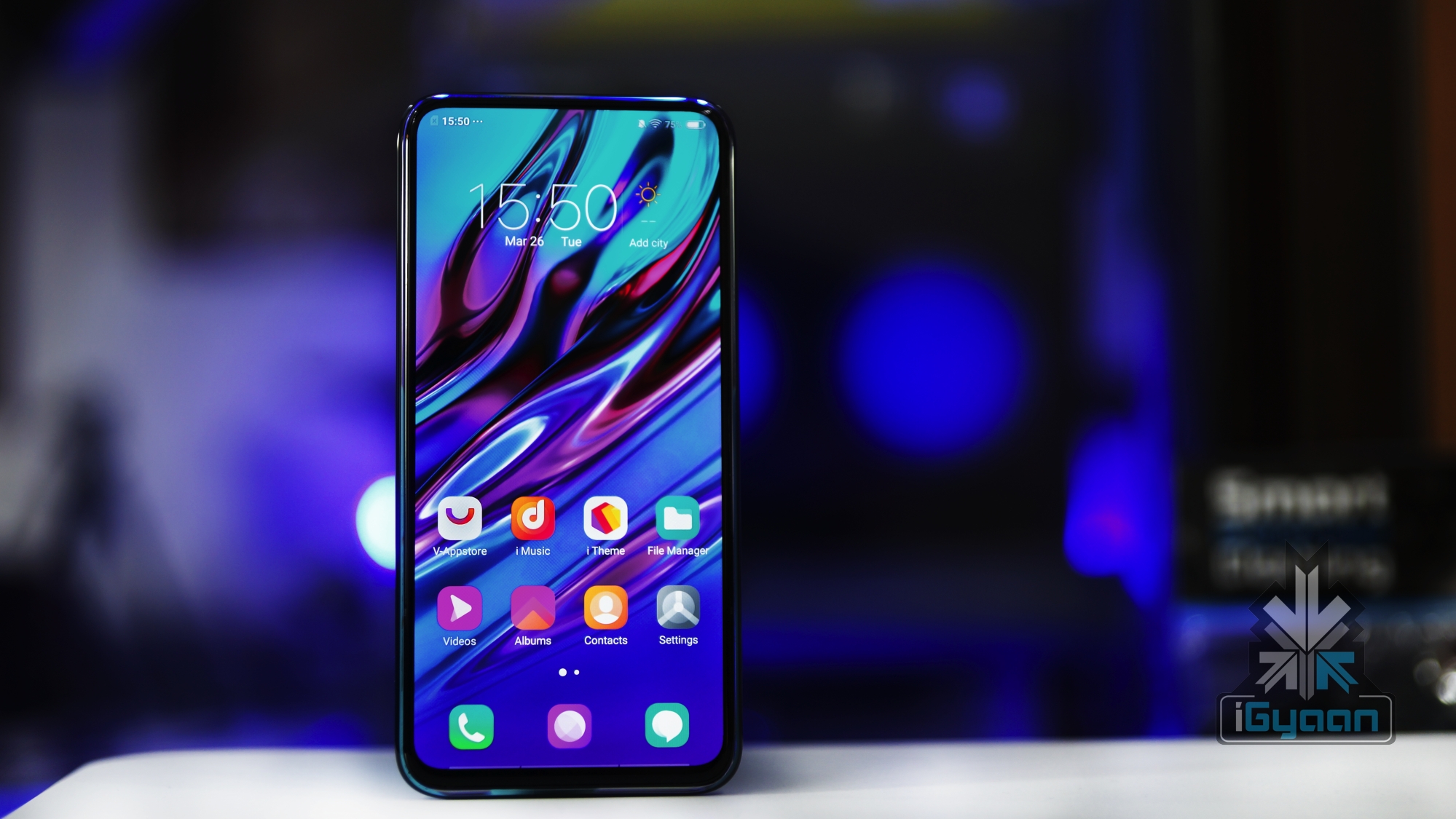
    Chinese smartphone maker Vivo launched the first generation Vivo NEX last year. The smartphone was the first to adopt a pop-up mechanism to house the selfie camera; in a bid to increase the screen to body ratio of the device. The company then followed up with the NEX dual display last year. It was another attempt at making a full display handset, this time with a secondary screen on the back of the smartphone. A while ago, it was revealed that Vivo is once again looking forward to pushing the boundaries with the next device in the lineup, allegedly called the Vivo NEX 3. Now, the company has confirmed the handset will be launched next month. Along with the launch announcement, key specifications of the NEX 3 have also been leaked.

    Vivo NEX 3
    Vivo NEX 3
    Vivo NEX S

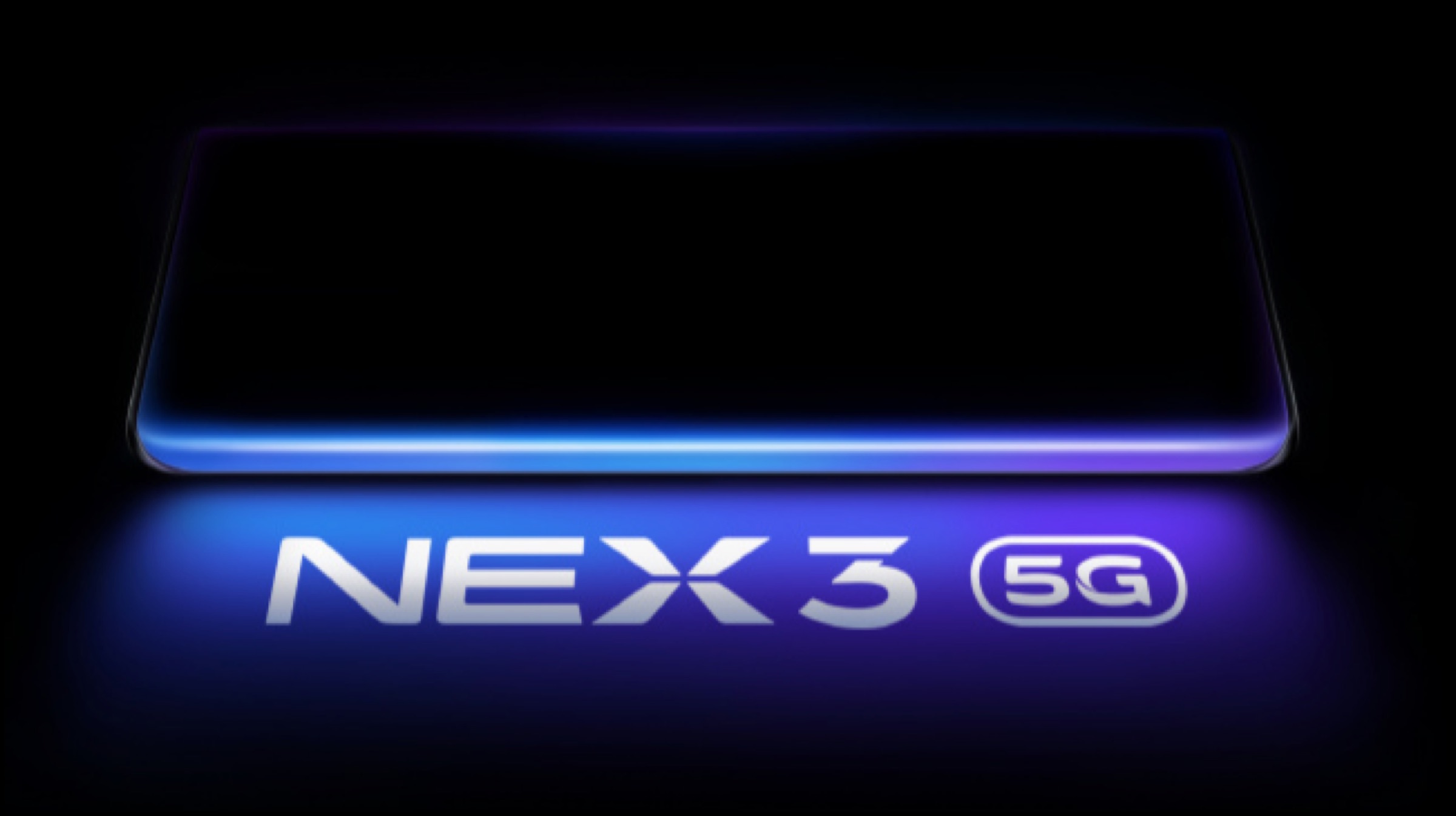
    The Vivo NEX 3 will be the flagship offering by the Chinese brand; and will be the third in the line of smartphones with no notch and a full display. According to the official Vivo account on Chinese social network Weibo, the upcoming smartphone will support 5G networks and have a staggering 99.6 percent screen to body ratio. If true, then it will be the first device to have a screen ratio that high.

    In the teaser image, it is visible that the handset will have extremely curved edges, similar to the waterfall display type shown a while ago. These edges may help the NEX 3 in achieving the aforementioned screen ratio. It is also not known what Vivo will do to hide the front-facing camera. Some speculations hint at that being under the display like the prototype shown by Oppo and Xiaomi.

    A gadget leaker on Twitter has also leaked key specifications of the upcoming Vivo NEX 3. According to them, the smartphone will indeed have a Waterfall display of FHD+ resolution. In terms of optics, it will have a 64MP primary camera made by Samsung. Under the hood, the device will be kitted with the latest 7nm Snapdragon 855 Plus SoC. This will be coupled with features like UFS 3.0 storage, 44W fast wired charging and a 3.5mm headphone jack.

    Also read: Google Nest Hub Launched In India For Rs. 9,999
    In terms of connectivity, the handset may feature a Hi-Fi Quad DAC, NFC and will have two variants supporting 4G and 5G respectively. Unfortunately more details like the launch date and price of the Vivo NEX 3 are not known yet. However, since the launch is just around the corner, we may not have to wait too long to find out.

  • Google Nest Hub Launched In India For Rs. 9,999
    Google Nest Hub Launched In India For Rs. 9,999
    India is emerging as one of the greatest potential market for smart homes and by its extension smart home devices. In other words, India is a market that OEMs are targetting for smart speakers and displays. Two of the leading companies in this segment are Amazon and Google go head to head with new launches. Now, Google has finally launched its first smart display, Google Nest Hub, for the Indian market.

    https://youtu.be/bBpSy7147g8

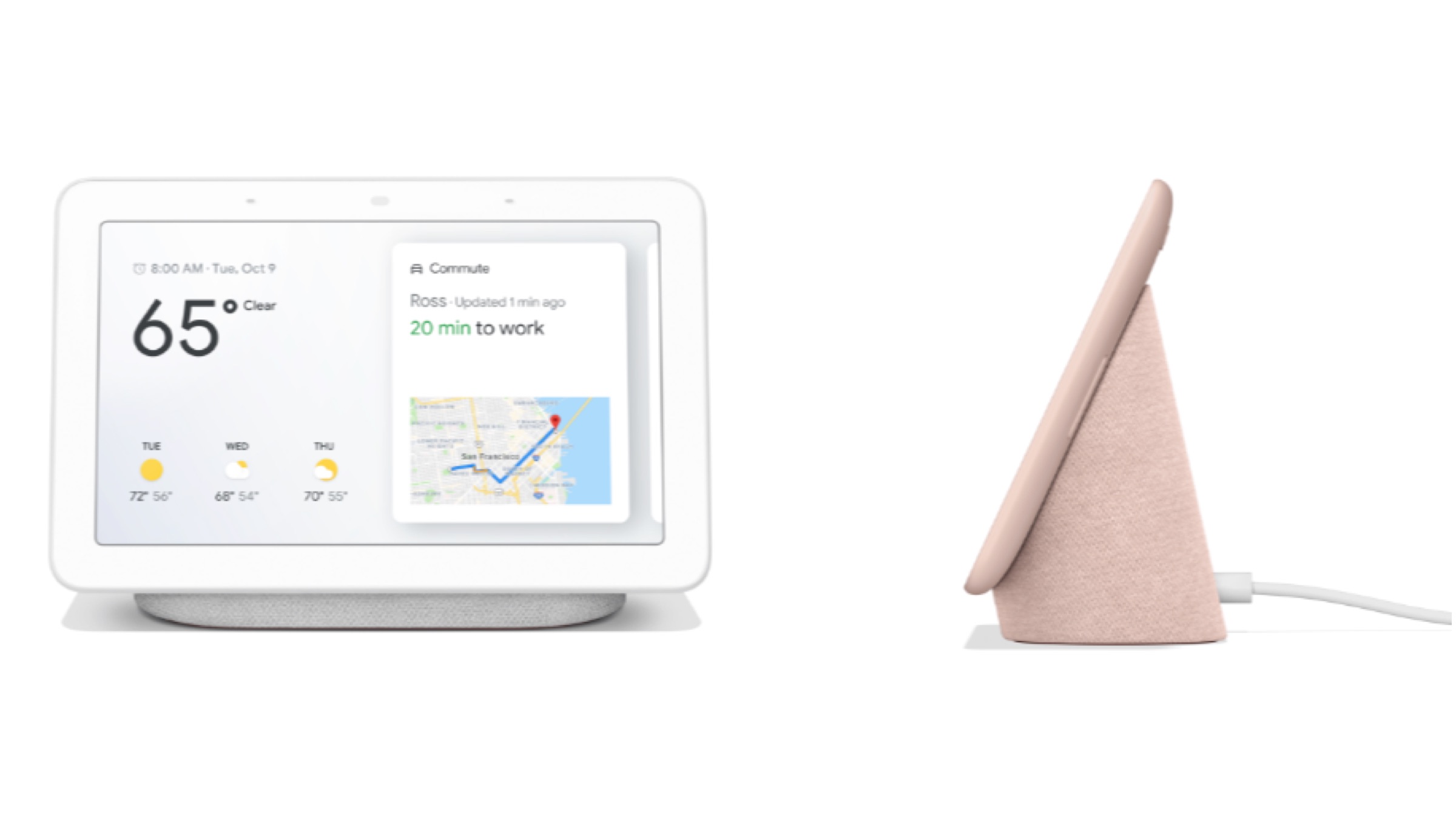
    Google Nest Hub

    Google Nest Hub is basically the Home Hub rebranded which was launched back in October 2018. The device is a part of the Nest ecosystem which means it is compatible with other smart Nest home devices like Nest security cameras and more. Although the device has been technically out for about a year now the rebranded version is only now being launched in India.

    Google Nest Hub

    Specifications & Features

    The Google Nest Hub is a smart display which means it basically looks like a tablet attached to a speaker. It has a 7 inch HD display through which users can interact with different functions. So, unlike a Google Home smart speaker which only has voice input, the it also offers touch input. The device is capable of controlling over 200 million product from over 3,500 brands which includes Xiaomi, LG, Syska and a lot more. Furthermore, it has deep integration with Google Assistant that lets users control most of these products just by voice.

    Google Nest Hub
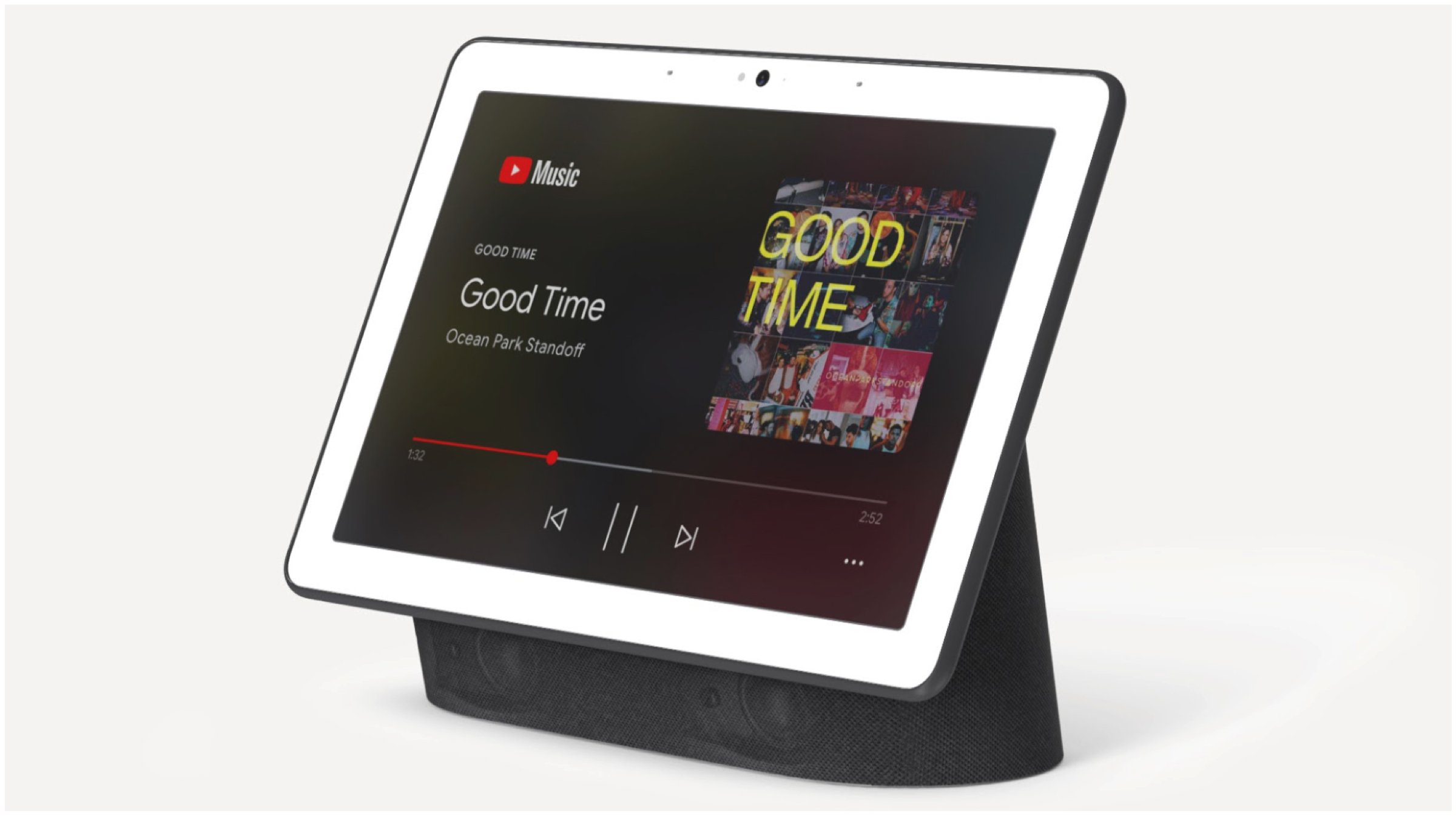
    Google Nest Hub Max

    Also ReadXiaomi Confirms The Redmi Note 8 Will Have Snapdragon 665, 48 MP Quad Cameras

    Price & Availability

    Google’s Nest Hub is available for a price of INR 9,999. Users can purchase it from Flipkart and is bundled with a Xiaomi Mi Security Camera worth INR 1,799 for a limited period time. You can also purchase the smart display from Croma, Tata CliQ, Or Reliance Digital. Unfortunately, it is unknown if the larger 10 inch version with a camera will launched in India or not. The first smart display from the company could be a gateway for more Nest products from Google.
  • Samsung Galaxy M30s To Launch Next Month In India With 48MP Triple Cameras

    Samsung Galaxy M30s To Launch Next Month In India With 48MP Triple Cameras

    Samsung introduced the Galaxy M series of smartphones back in the month of January. It is a lineup of online-only devices ranging from the budget to the mid-range segment. A while ago, it was revealed that a new handset, allegedly called the Galaxy M30s is in the works and will be announced in India soon. This will be an upgraded version of the Galaxy M30 and will be a mid-range smartphone. While details about the device were scarce since the past few weeks, a new report reveals that the Galaxy M30s will be launched next month in the country.

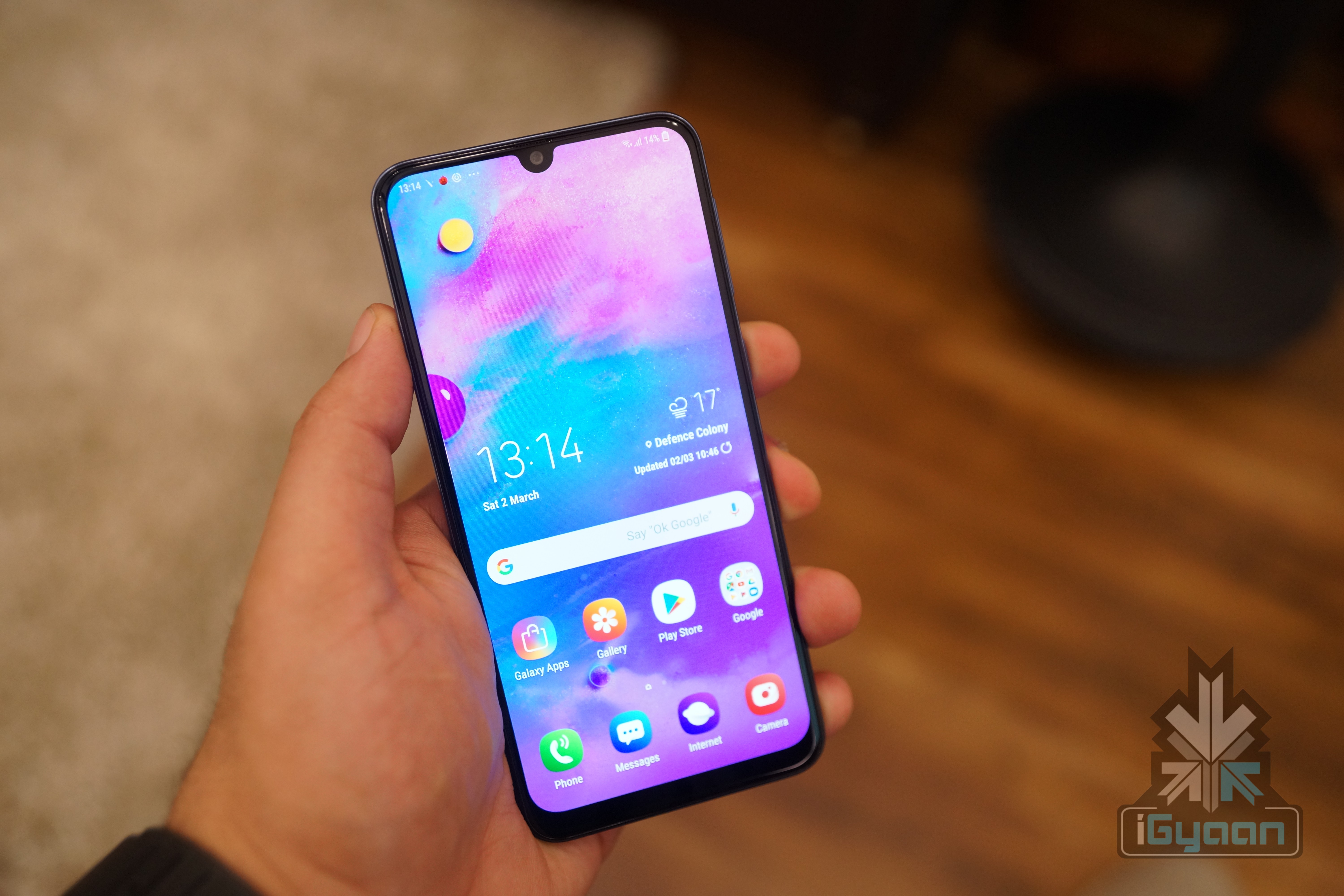
    Samsung Galaxy M30s
    Galaxy M30s
    Galaxy M30

    The latest report arrives via IANS, a reputed independent news agency. It has been revealed that the Samsung Galaxy M30s is ready for primetime and will be unveiled next month in India. Unfortunately, an exact date is not mentioned but it may be in the second half of September. The report also mentions that the upcoming Samsung handset will sport a triple camera setup, out of which the primary camera will be a 48MP sensor. This will be an upgrade over the optical setup found on its predecessor, which also has a triple camera setup, but a 13MP primary sensor.

    Samsung Galaxy M30s

    Also read: Xiaomi Confirms The Redmi Note 8 Will Have Snapdragon 665, 48 MP Quad Cameras

    The previous leaks about the Samsung Galaxy M30s reveal it will be available in three colour options, namely Black, Blue and White. The smartphone may be kitted with the Exynos 9610 SoC like the Galaxy A50, according to another leak in the past. Unfortunately, more details about the handset are not known yet. However, it is expected to be priced in the same, sub Rs. 20,000 price bracket when launched in India. Whatever may be the case though, as the launch seems to be just around the corner, we might not have to wait long to find out.

iGyaan Network
Privacy Overview

This website uses cookies so that we can provide you with the best user experience possible. Cookie information is stored in your browser and performs functions such as recognising you when you return to our website and helping our team to understand which sections of the website you find most interesting and useful.