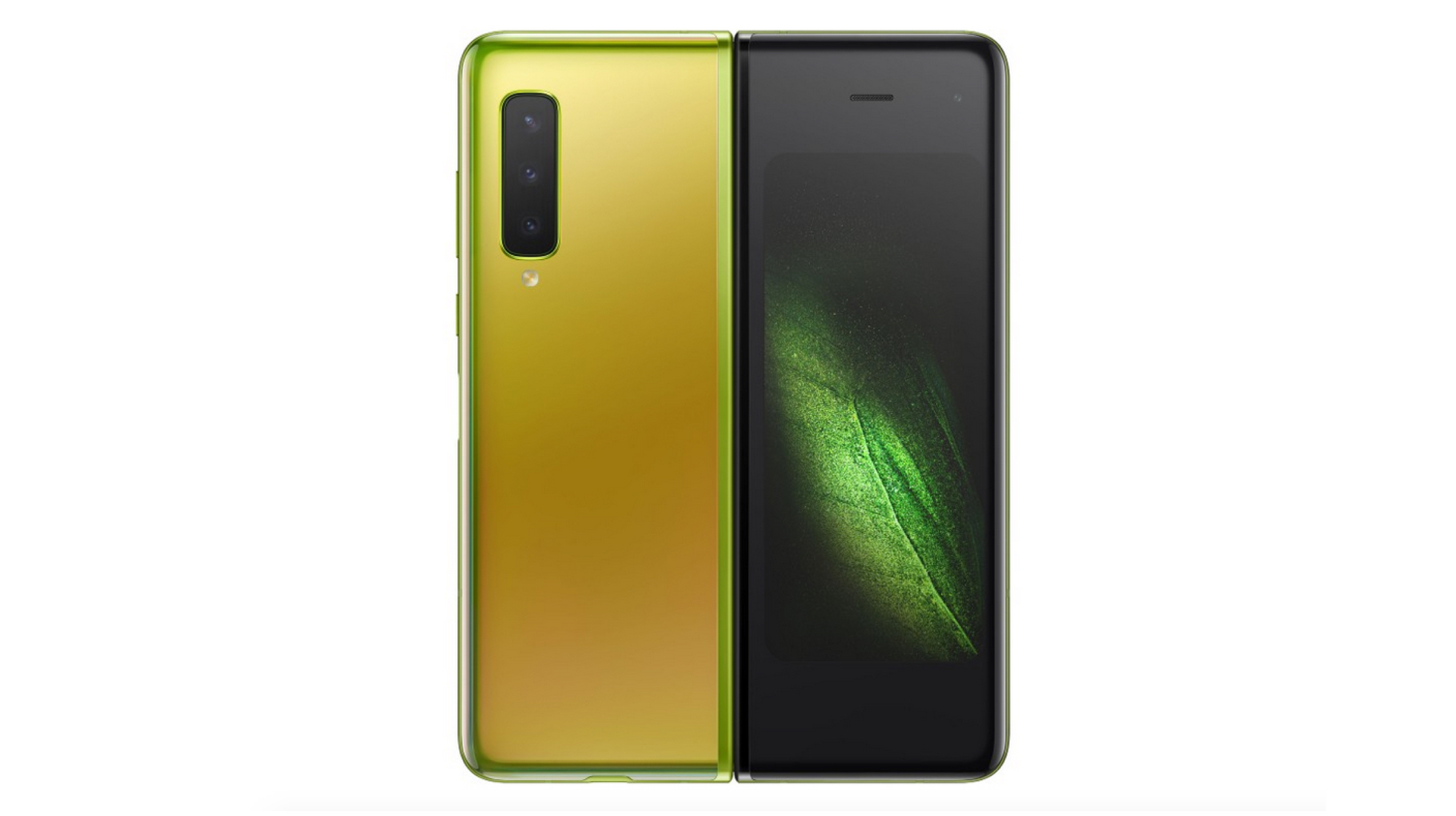
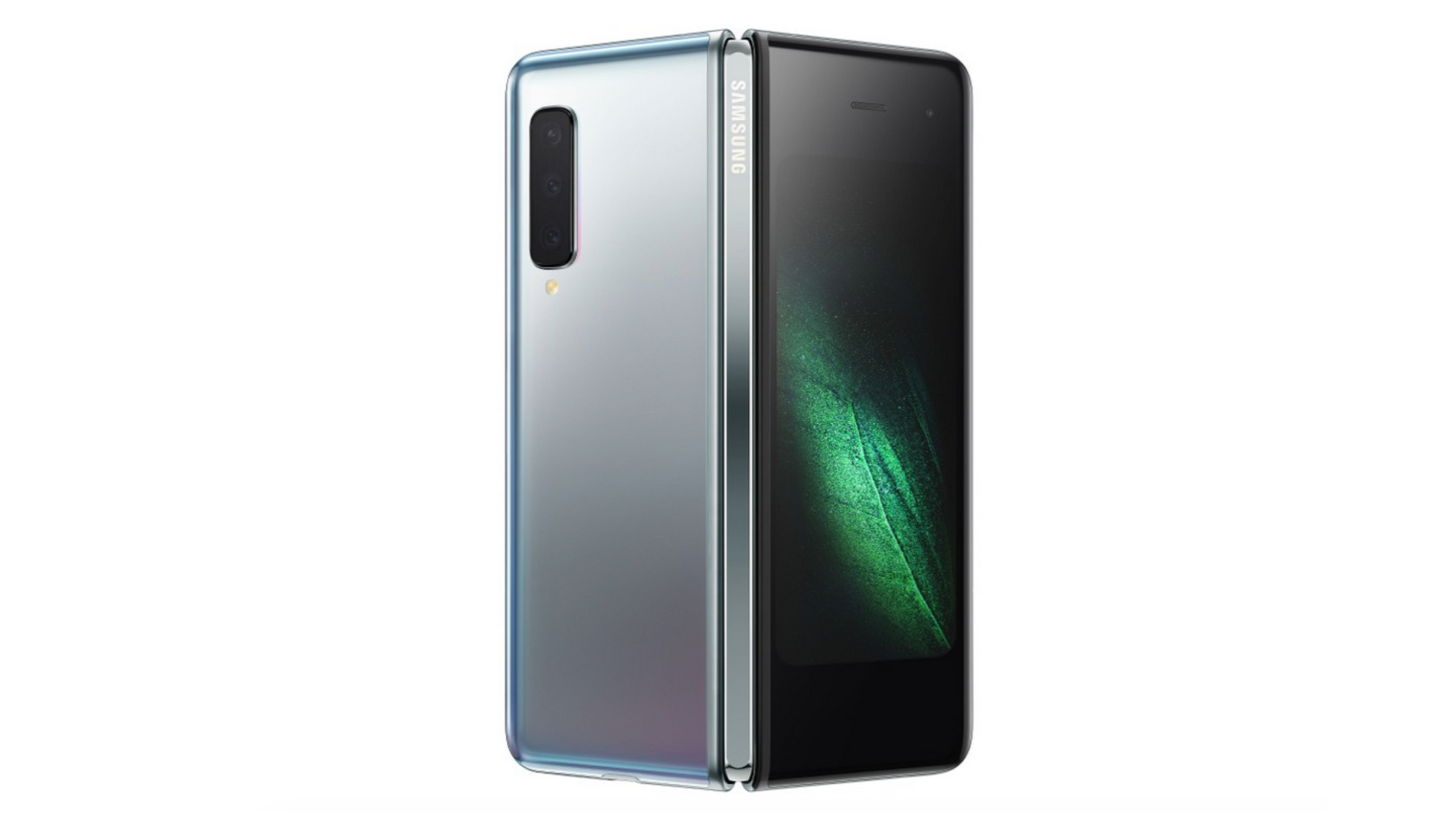
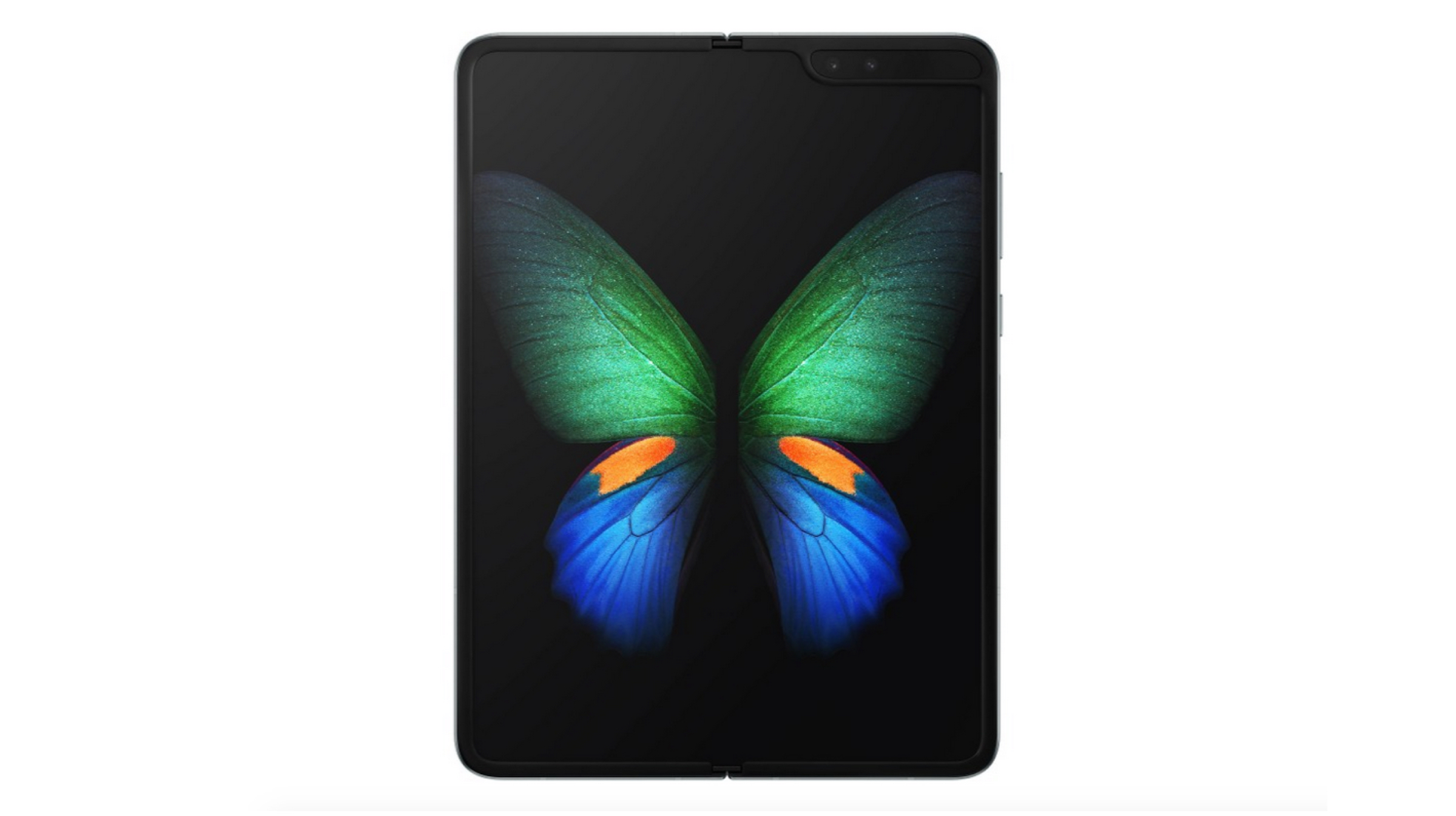
According to a fresh claim made by a reliable source, Samsung will manufacture the high end smartphone in India and the mass production of the device has already begun. Subsequently, the Galaxy Fold is expected to go on sale by the end of July.
The claim of Galaxy Fold’s availability goes in line with the statement made by a senior Samsung executive. In the month of June, the aforementioned executive claimed that all the issues on the Galaxy Fold have been resolved and the device will soon hit the shelves.
Speaking of the Galaxy Fold’s availability in India, it is expected to be launched in the country only after the launch in major markets like the US which as previously mentioned is expected to happen by the end of this month. Therefore, Indian consumers who are waiting for the Galaxy Fold could expect to get their hands on one, sometime in the month of August.
To recall, following are the features of the Galaxy Fold:
The Galaxy Fold has a unique design which as the name suggests can fold into half. It features two displays out of which one is present on the outside and one on the inside. The company refers the 7.3 inch Dynamic AMOLED foldable panel as ‘Infinity Flex’ which has a resolution of 2152 x 1536 px. On the other hand, the main display measures 4.6-inch diagonally and has an HD+ resolution.
The Galaxy Fold is kitted with the Qualcomm Snapdragon 855 SoC which is made using a 7nm fabrication process. It contains an Octa-core CPU combined with an Andreno 640 GPU. In terms of storage, the device features 12GB of RAM and 512GB of onboard storage. It is powered by 2 batteries with a total rated capacity of 4,380mAh. In addition to fast wired charging, it also supports wireless charging.
The Galaxy Fold has a total of six cameras. The triple rear camera setup consists of a 16MP, f/2.2 ultra-wide sensor with a 12MP, f/1.5-2.4 sensor and a 12MP, f/2.4 telephoto sensor. The front camera on the tablet is made up by a 10MP, f/2.2 sensor + 8MP, f/1.9 RGB depth sensor. Additionally, there is a cover camera present above the secondary display with a 10MP f/2.2 sensor. It is offered in four colour options which are as follows:
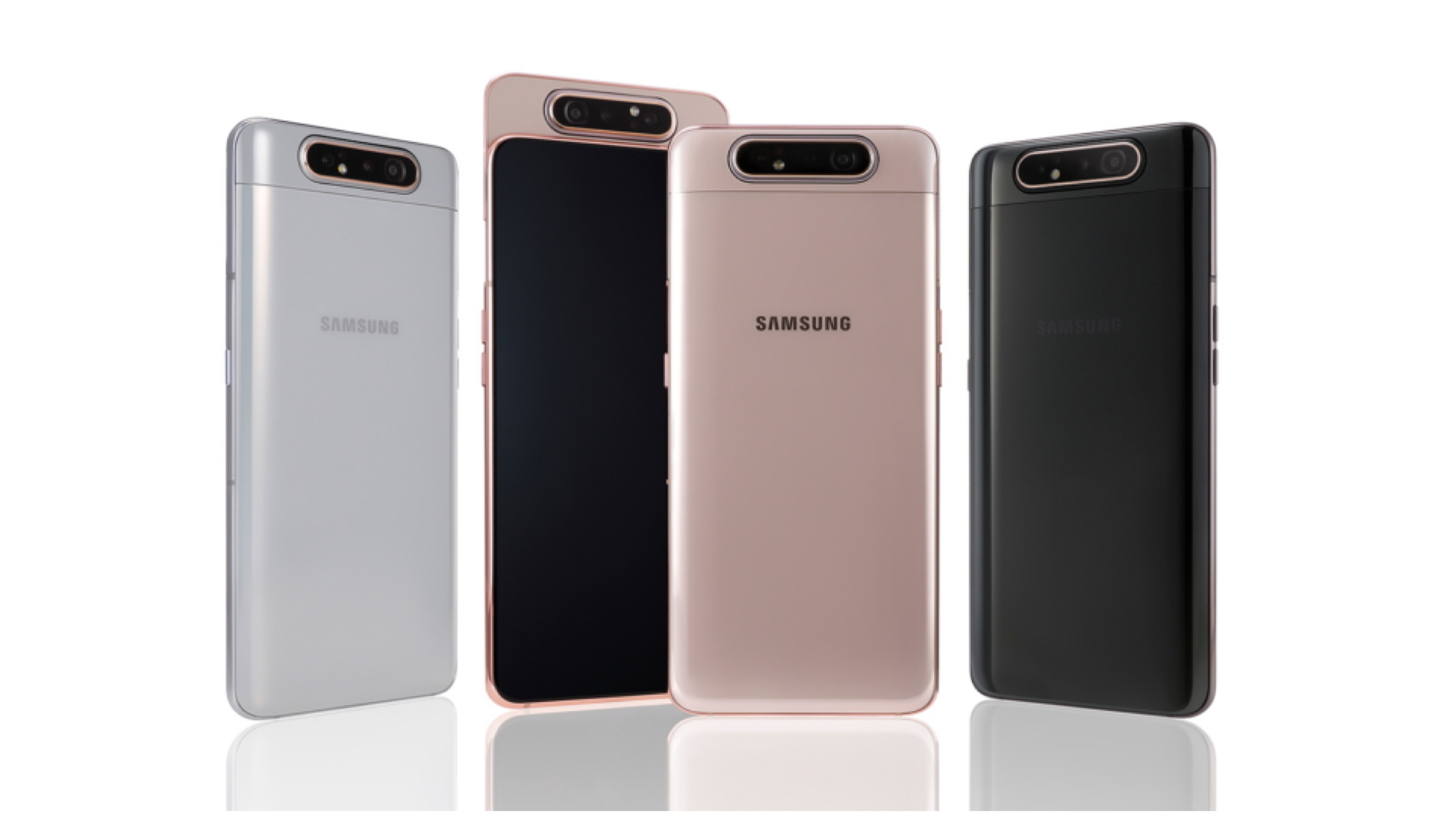
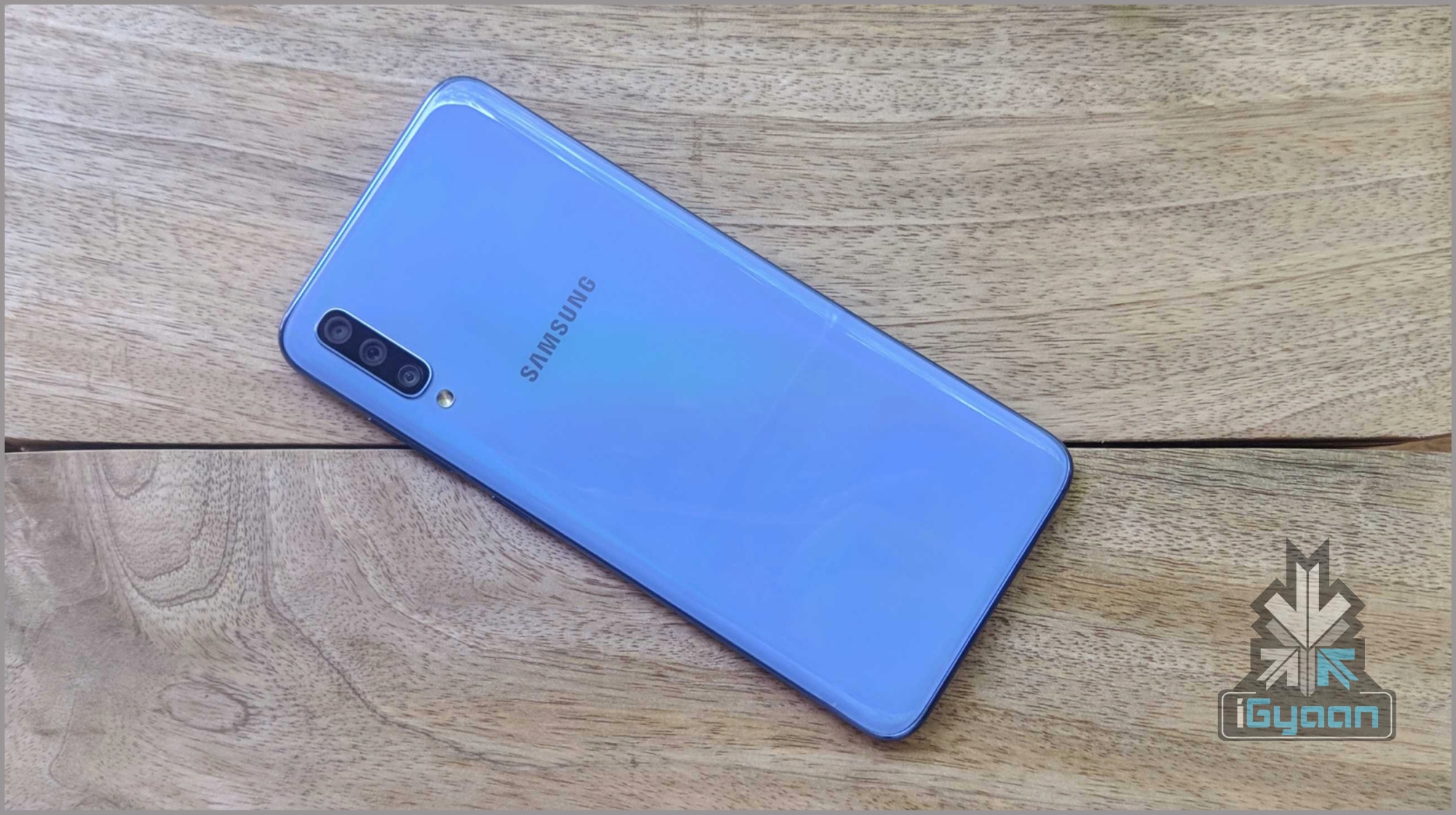
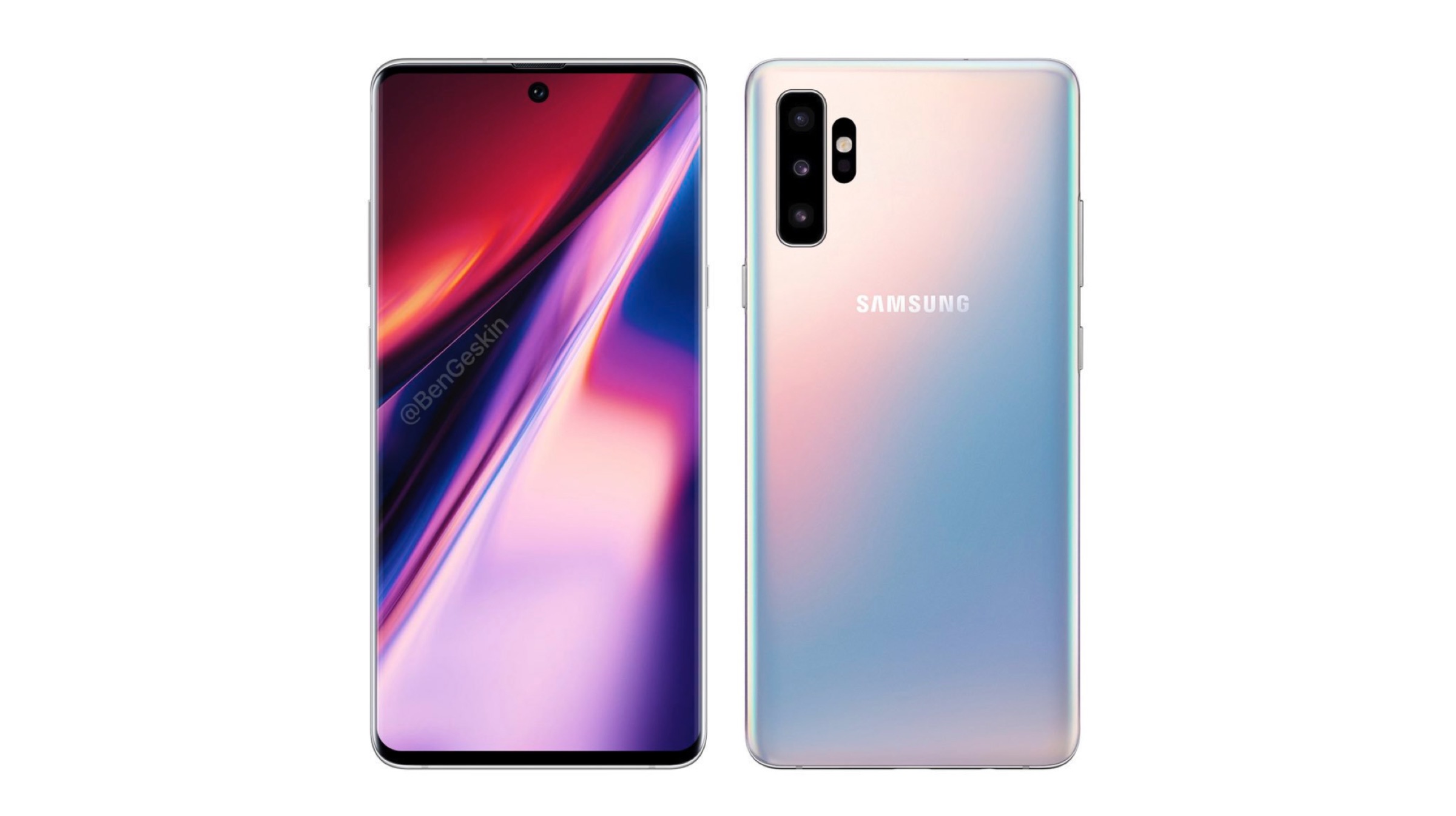
Samsung’s Galaxy A90 has been the centre of various rumours (1,2) that have been rather convoluting. Initial reports had pointed at the device being the Galaxy A80 renamed for different countries while a fresher rumour claimed it to be an entry to the upcoming Galaxy R series. The latest leaks report that the Galaxy A90 is real and will, in fact, launch in two variants.
And in another addition, one of both likely called #GalaxyA90 (SM-A908) comes with a FHD+ sAMOLED Infinity-U display…
According to the famous leakster OnLeaks, The Galaxy A90 is said to ship in two variants with their model numbers being SM-A905 and SM-A908. One of these will likely be a “Pro” variant with beefier specs. Furthermore, the higher specced variant could also be the first A series smartphone to feature a Qualcomm Snapdragon 855 chipset. It is unclear what the standard Galaxy A90 would house but it will most probably be a mid-range chipset like the Snapdragon 730G as found in the Galaxy A80.
The biggest leaks to arrive is regarding the camera of the Galaxy A90 duo. SM-A905 is reportedly equipped with a triple camera set up consisting of a 48MP+12MP+5MP sensors with the new “Tilt OIS” feature. Similarly, the SM-A908 variant also sports the same setup but with different sensors, namely a 48MP+8MP+5MP configuration. Unlike the Galaxy A80, the leak suggests that the upcoming pair of smartphones will not feature any special form of motorized mechanism. Hence, no swivels and rotating cameras.
Samsung Galaxy A70
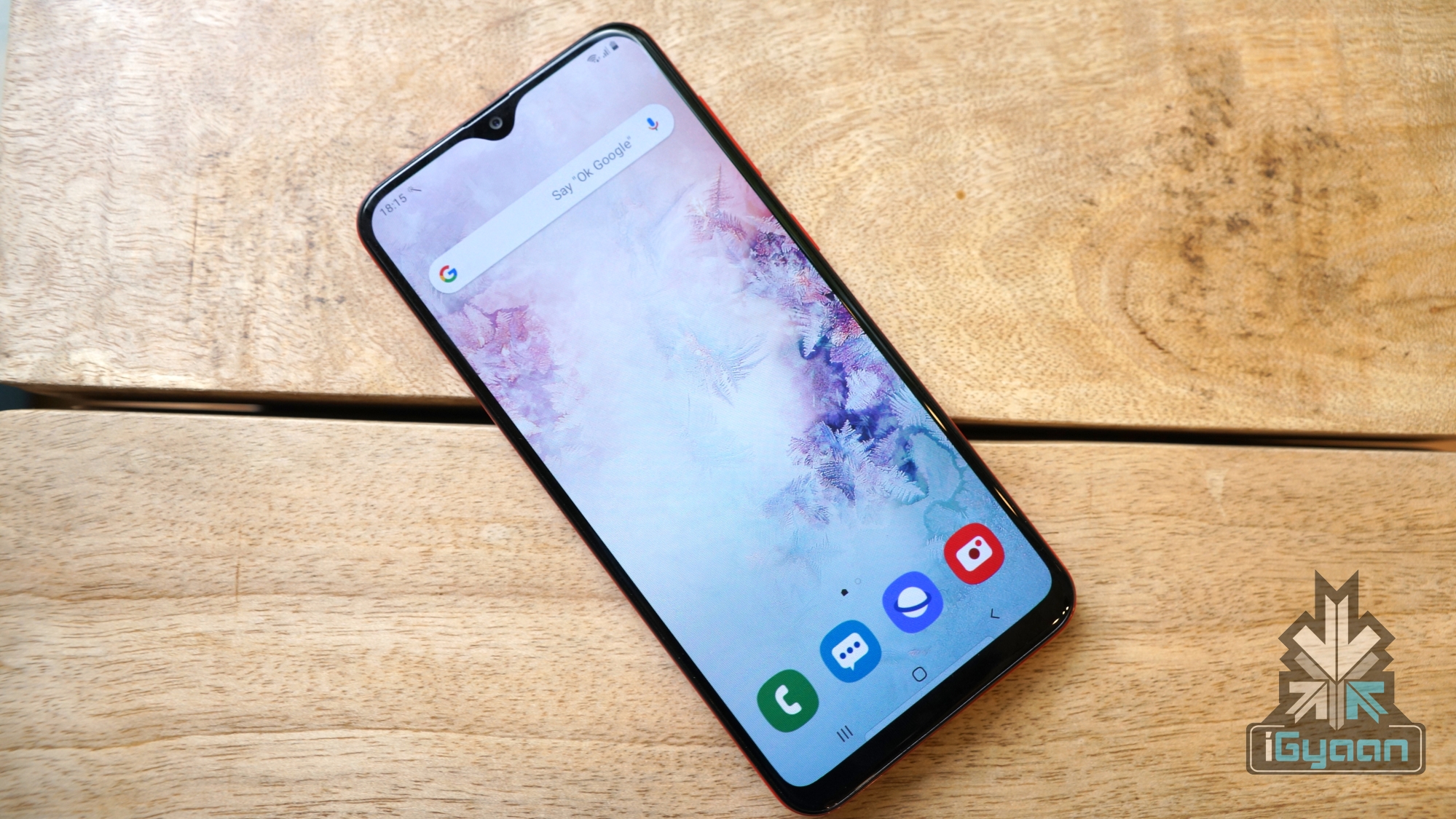
Additionally, the Galaxy A90’s SM-A908 variant is reported to receive an FHD+ SuperAMOLED Infinity-U display. Both the upcoming devices are said to be sized identically, with a 6.7-inch screen. On the other hand, the high-end SM-A905 is assumed to have a QHD panel with a punch hole.
Shockingly, the leak claims that only the affordable variant of the Galaxy A90 will receive 5G networking which will be skipped on the elder sibling. Samsung might be trying to make an appeal for the higher bandwidth on lower priced devices. This will seek to make the cost of entry to the new network more affordable. The move will likely compete with other OEMs that are equipping 5G modems on their affordable lineups. Samsung brought the first true 5G phone and is now seeking to win the race in lower price segments as well. Unfortunately, finer details are not available as even Samsung has yet to make any official statements regarding the Galaxy A90. Updates will be provided in the arriving weeks.
Huawei which was once predicted to take over the title of the world’s number one smartphone sometime in 2020, had to face a major setback in the month of May after the US government designated it to an entity list. The US sanction barred all American companies from having any sort of trade relations with the Chinese corporation.
As it seemed everything was going against Huawei, a meeting that took place at the G20 summit between the leaders of two nations, America and China, turned out to be a big sigh of relief for the Chinese company. The US administration led by Donald Trump has allowed American companies to continue selling hardware and software offerings to Huawei until further notice is released.
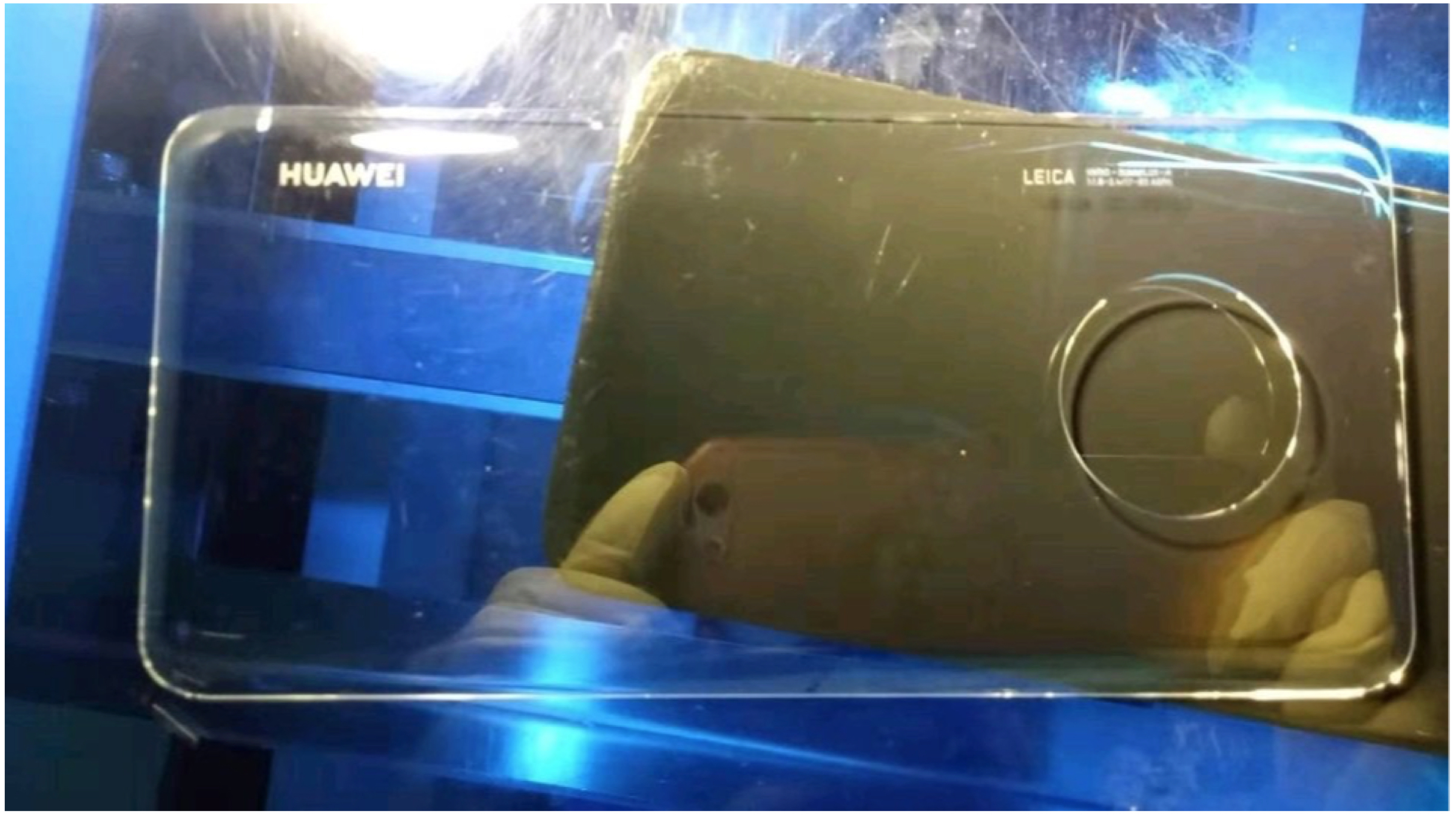
Freshly, an upcoming flagship grade smartphone from Huawei has been spotted on the micro-blogging website, Twitter. According to the source, the upcoming handset is the Mate 30 Pro which will succeed the praiseworthy Huawei Mate 20 Pro from last year.
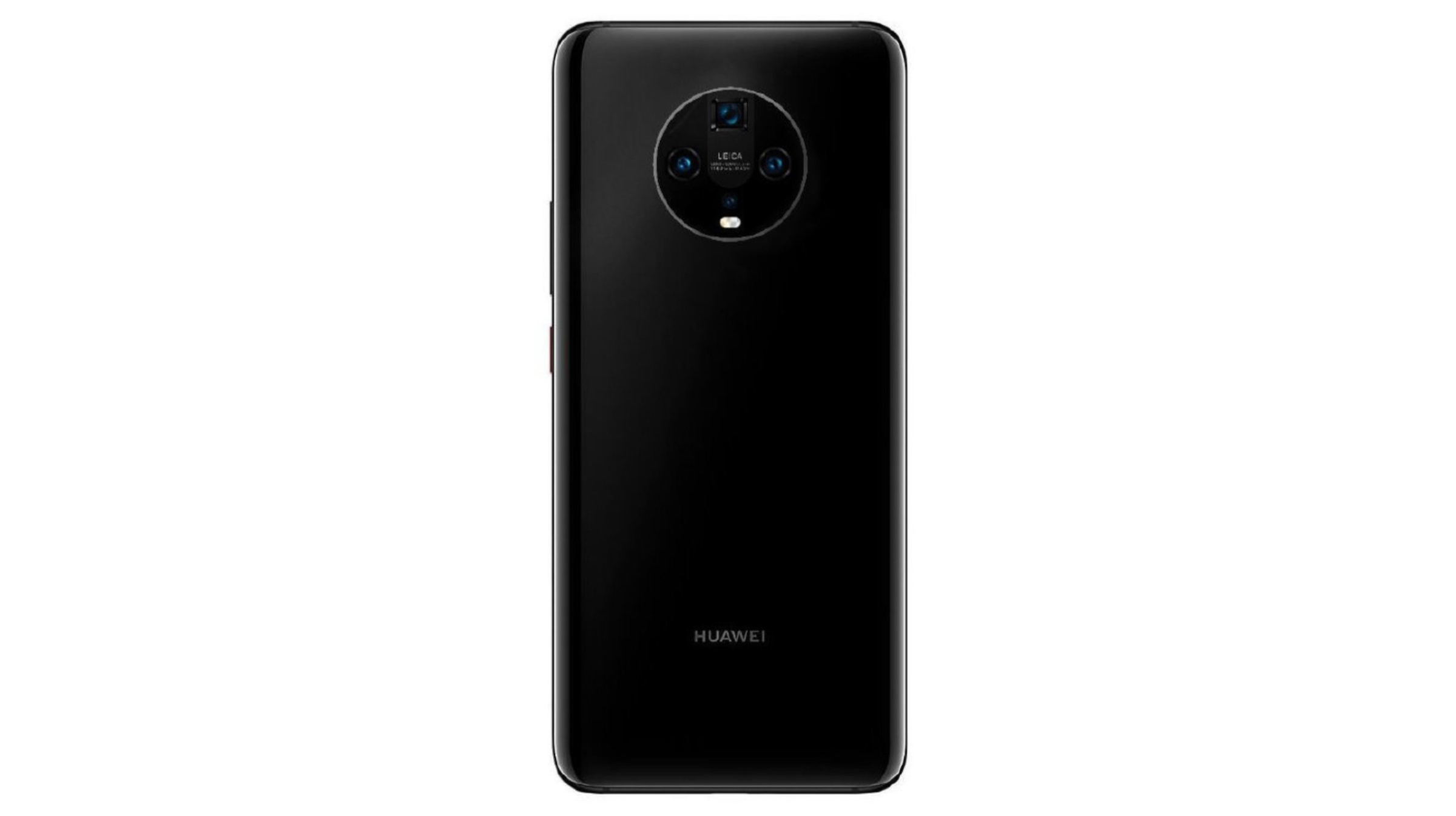
The images shared by the tipster present the alleged render of the Huawei Mate 30 Pro and a plastic case, which correspond with each other.
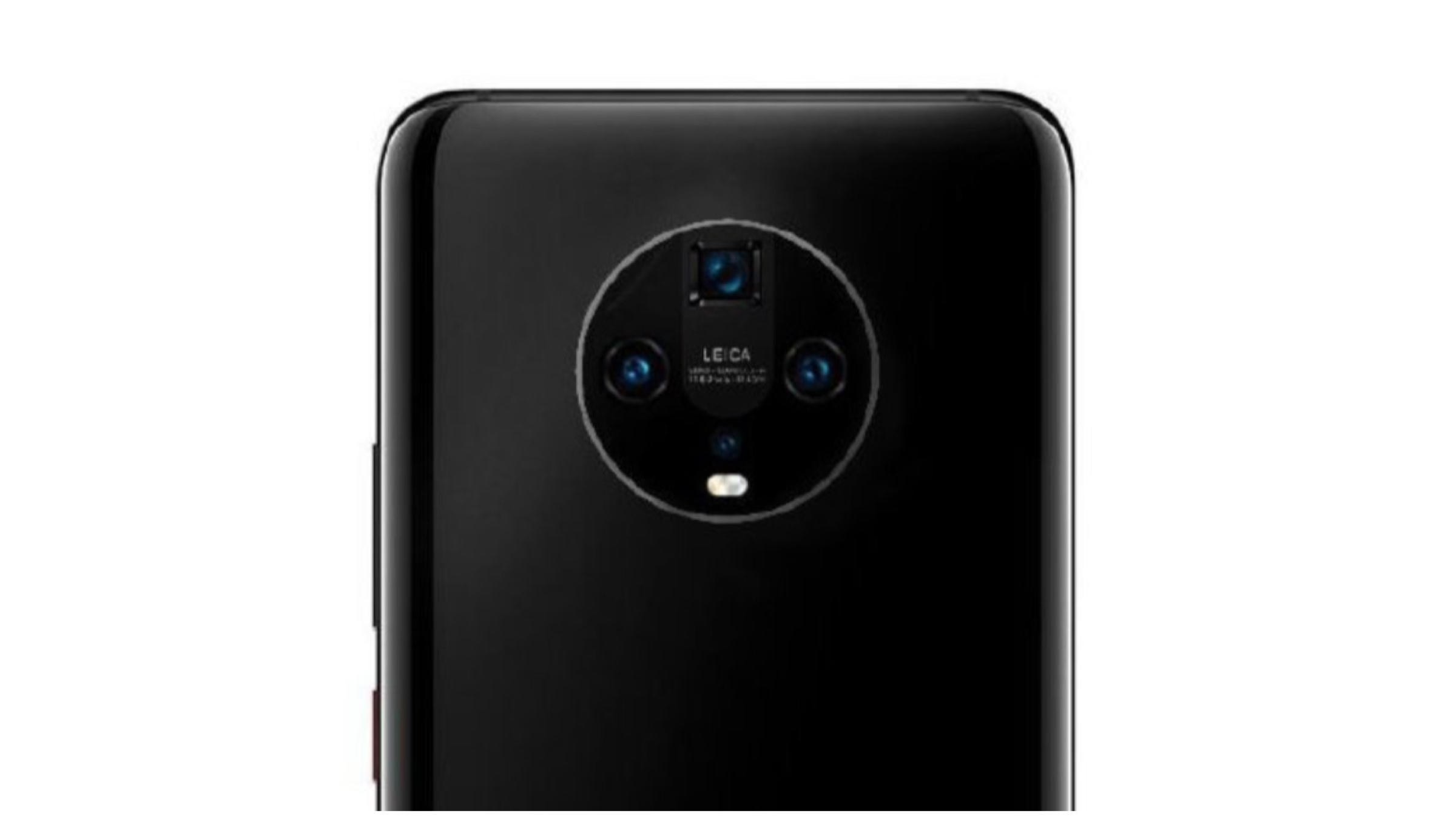
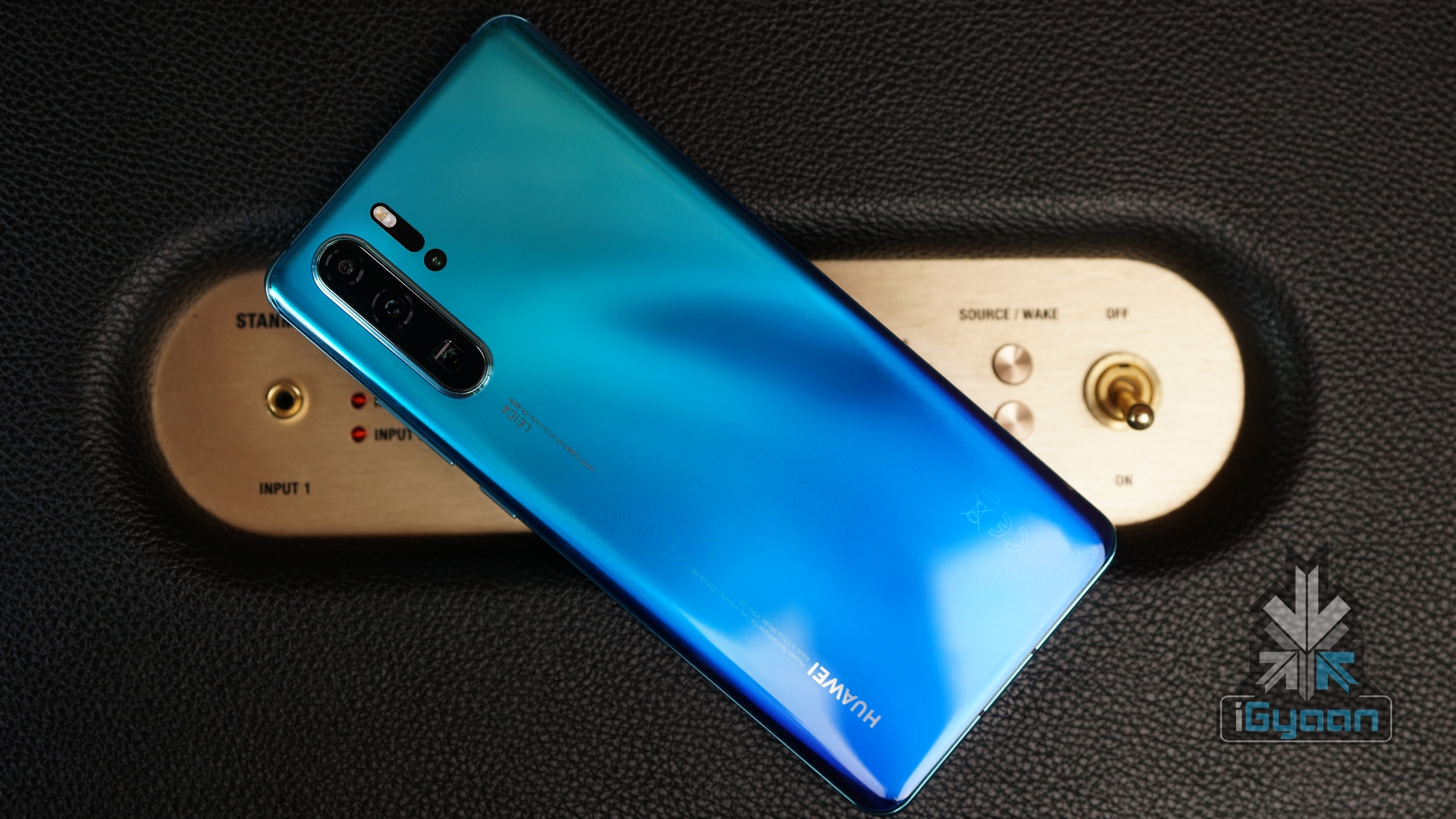
The alleged renders reveal that the rear of the Huawei Mate 30 Pro has a minimalist design that house the company branding and a quad camera setup. The quad rear camera setup is housed in a circular arrangement which also features the Leica branding in the middle. Visual inspection suggests that the topmost camera in the Mate 30 Pro will be a zoom lens as seen on the previously launched Huawei P30 Pro.
Other camera sensors are also assumed to match the ones found on the P30 Pro. Going by past experiences, the ‘Mate’ and ‘P’ series of smartphones have had hetergenous camera setup.
In order to verify the renders and speculations of the Mate 30 Pro, we will have to patiently wait until its launch which is expected to happen in the month of October.
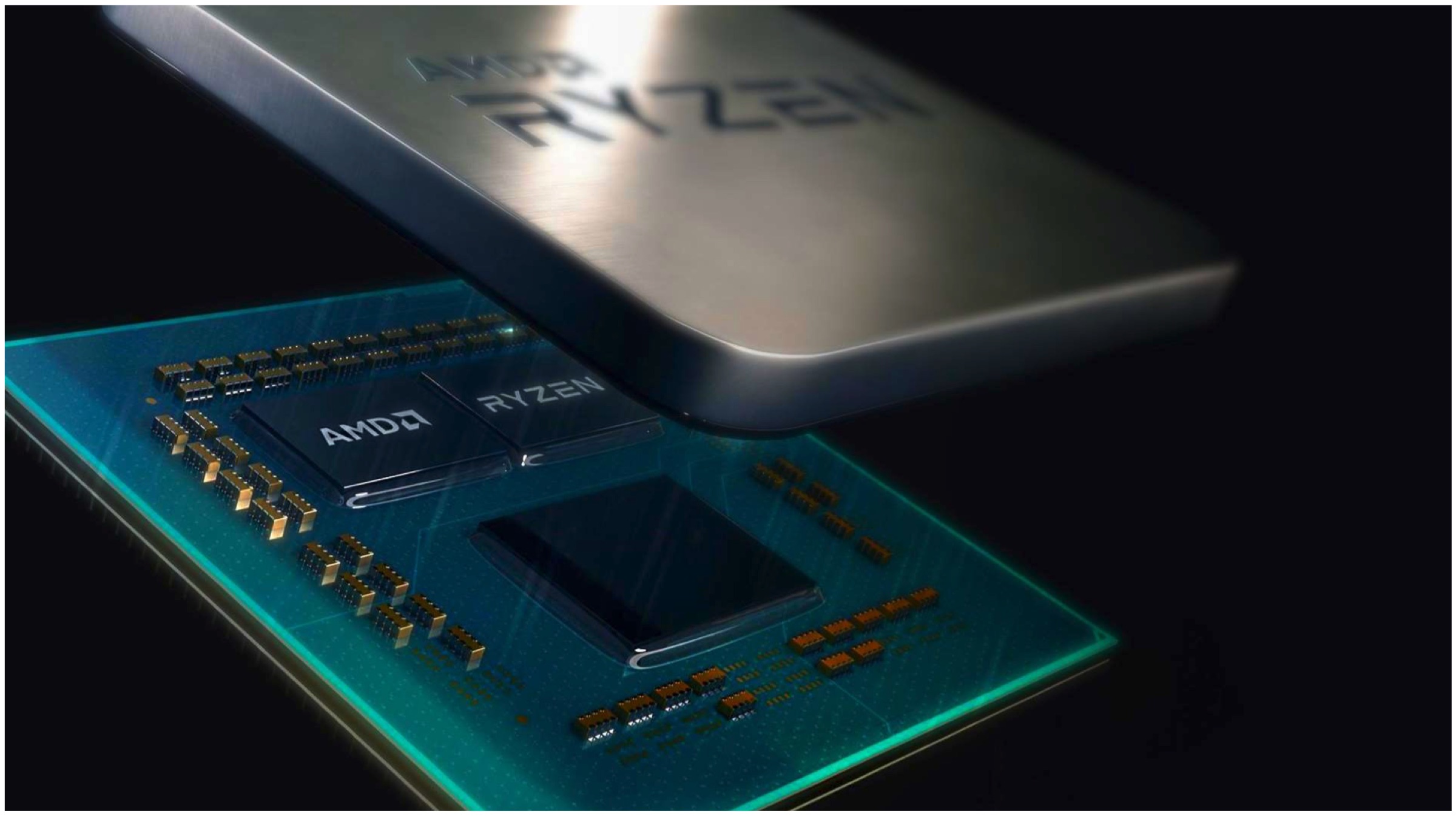
At the Computex 2019, AMD unveiled the 3rd Gen Ryzen desktop processors which are based on the “Zen 2” architecture. The newly introduced CPUs are manufactured using 7 nm process which is a world first for desktop-grade processors. The 3rd Gen Ryzen lineup currently consists of five offerings which start from US $ 199 and go all the way up to $ 499.
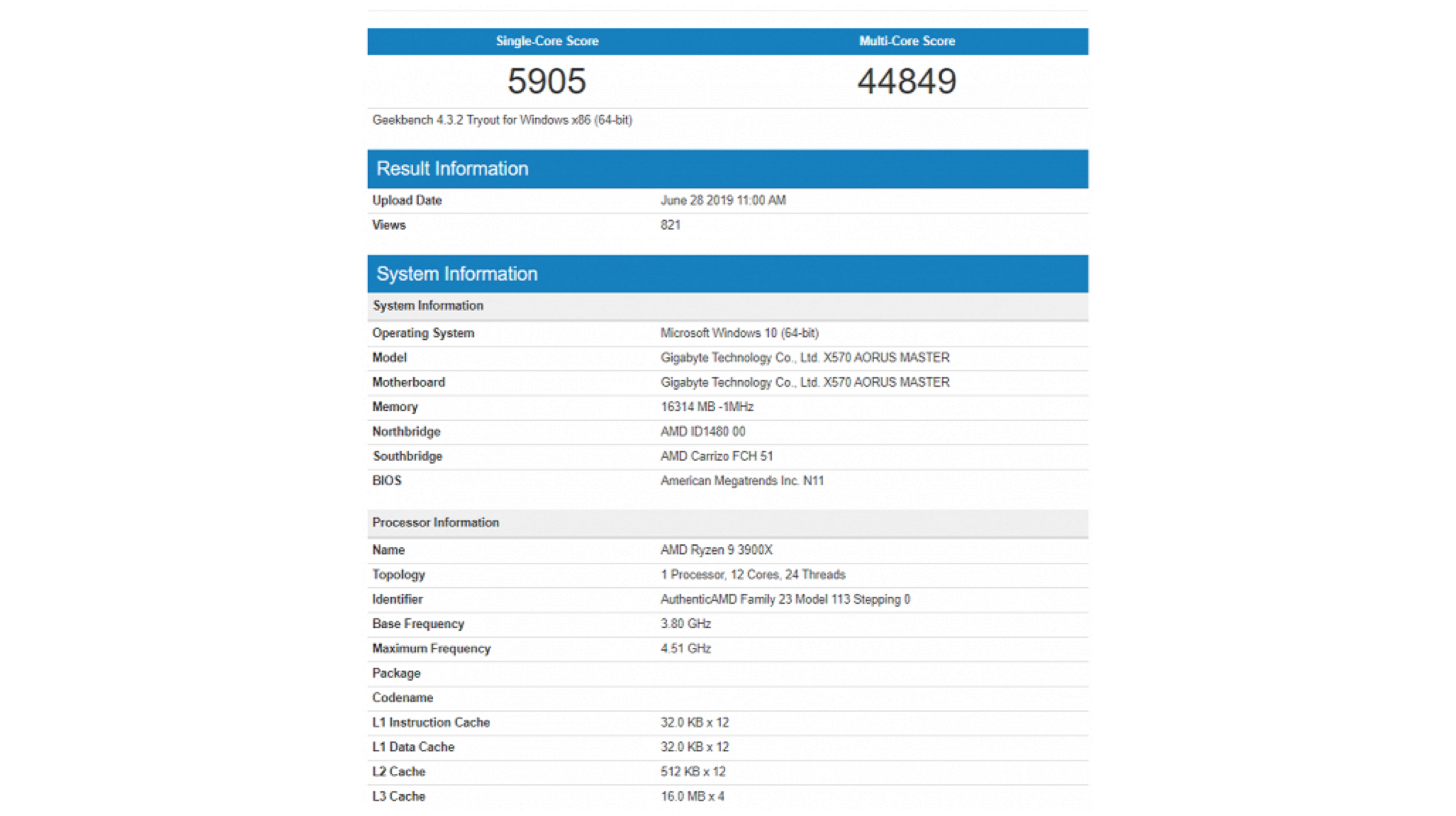
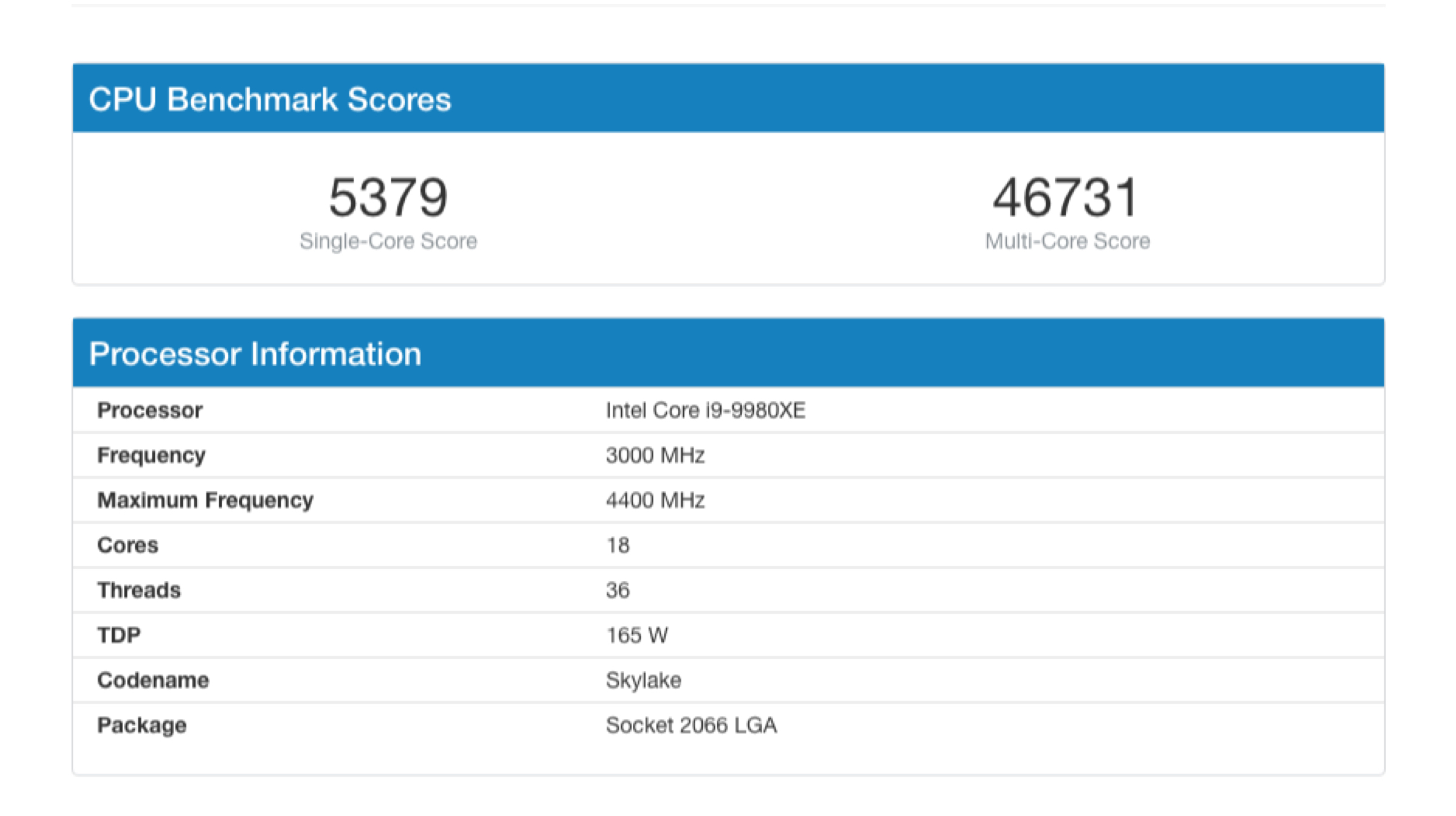
When the 3rd Gen Ryzen CPUs were first unveiled, AMD made clear that the company is going ruthlessly after Intel, not only in terms of price but also performance. Surprisingly, the top of the line Ryzen 9 3900X has been spotted on Geekbench and the results registered by the CPU have managed to surpass Intel’s high-end Intel Core i9 9980XE which costs about 4x the former.
The Ryzen 9 3900X will retail for a price of US $ 499 once it goes on sale later this year, on the other hand, the Intel Core i9 9980XE is currently available for purchase and it costs US $ 1979.
In terms of Geekbench performance, the Ryzen 9 3900X registers a single core score of 5904 and a multi core score of 44849 points. Inversely, team Blue’s i9 9980XE registers a single core score for 5379 points and a multi core score of 46371 points. Clearly, the AMD processor has a higher single core score out of the two, with slightly lower multi core score.
Although higher benchmarks on the AMD Ryzen 3900X won’t necessarily translate to better performance in real life. As the optimisation of software for a certain architecture is also equally important. Nevertheless, with the price that the high-end Ryzen processor is being offered, users can’t really go wrong if they choose this over Intel’s offering.
To sum it up, AMD with its advanced technology and aggressive pricing has made Intel rethink its strategies which will now have to go back to the drawing board.
Till the time Intel is able to justify its offering by either significantly reducing their price or unveiling new lineup of updated processors, AMD can reap the benefits that it has earned by heavily investing in research.
Taiwanese electronics giant Asus launched its latest flagship smartphone, the Asus 6Z in India on the 19th of June. The device was first launched in Valencia Spain on the 16th of May. It succeeds the ZenFone 5Z which was announced last year and boasts of notable improvements in design, camera and the performance department over its predecessor. The device offers top tier specifications and goes up against some of the best devices in the segment like the OnePlus 7. But is the Asus 6Z the new flagship killer in town or is just an underwhelming offering by the company?
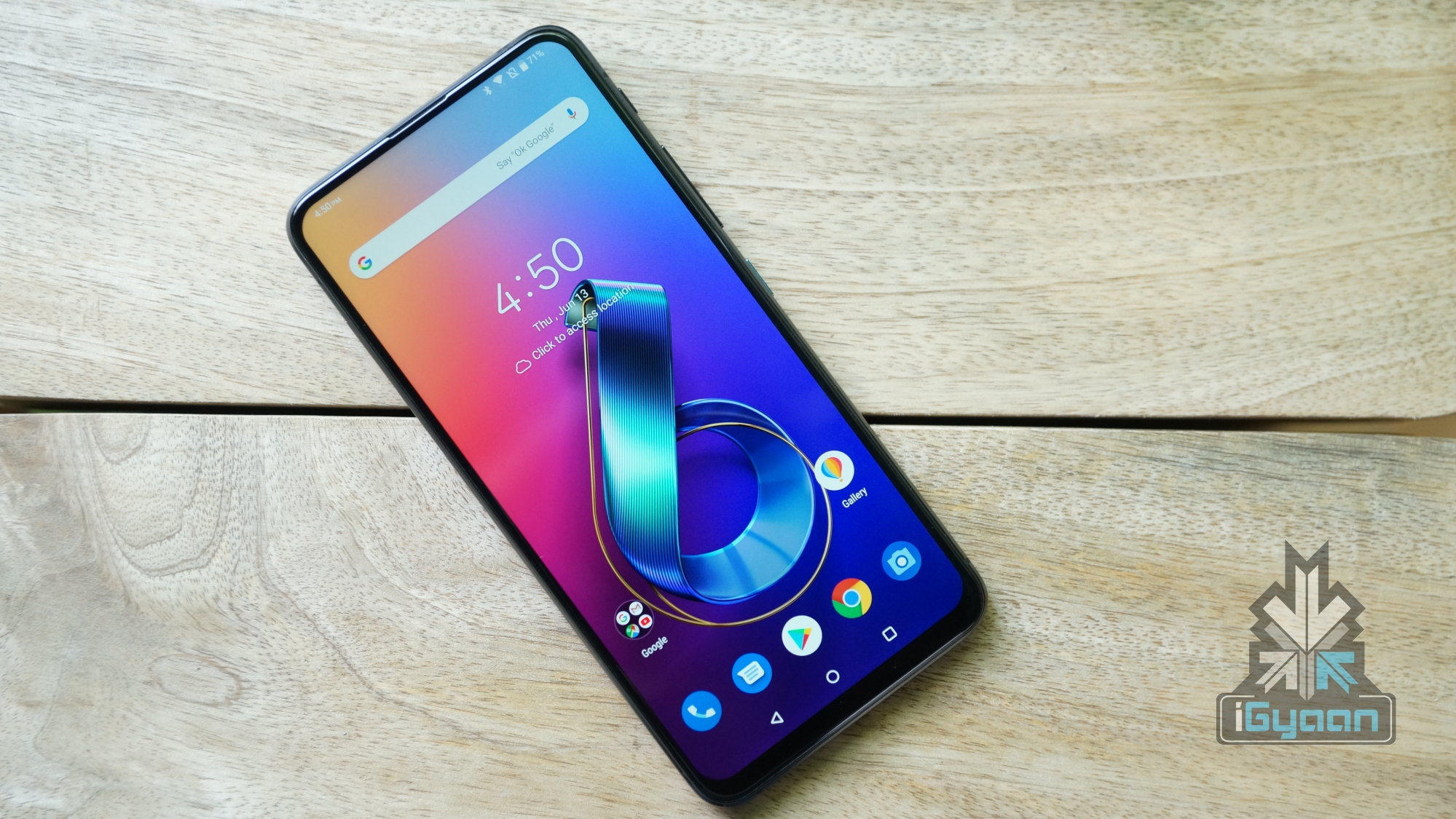
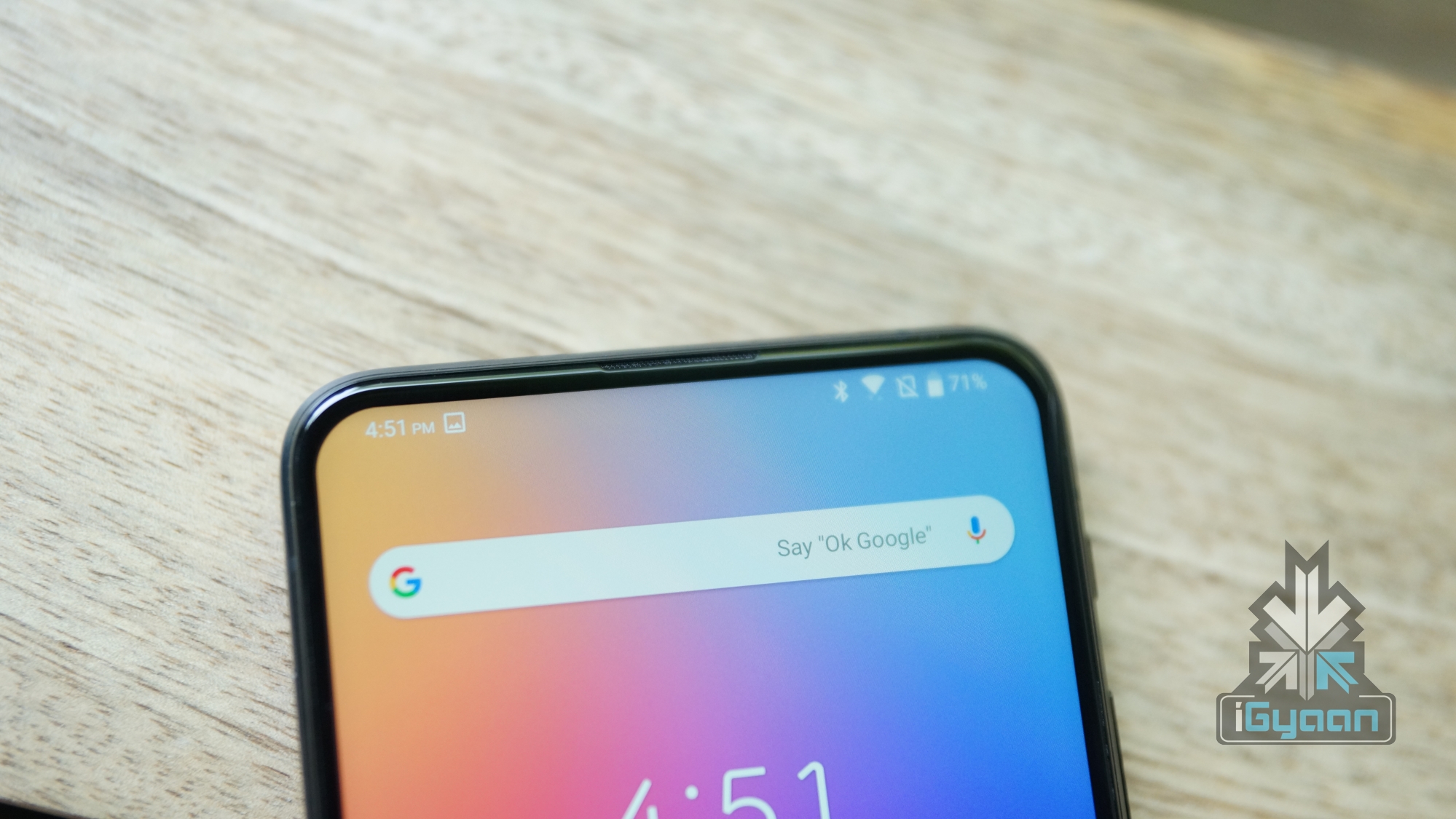
The 6Z has a glass sandwich design with a metal chassis for reinforcement. The front of the smartphone is dominated by a large display with 92 percent screen to body ratio. As the front is nothing but the display, there is nothing to see here, apart from the earpiece at the top. To our surprise, Asus has accommodated a tiny LED notification light on top of the display which is becoming a rarity these days.
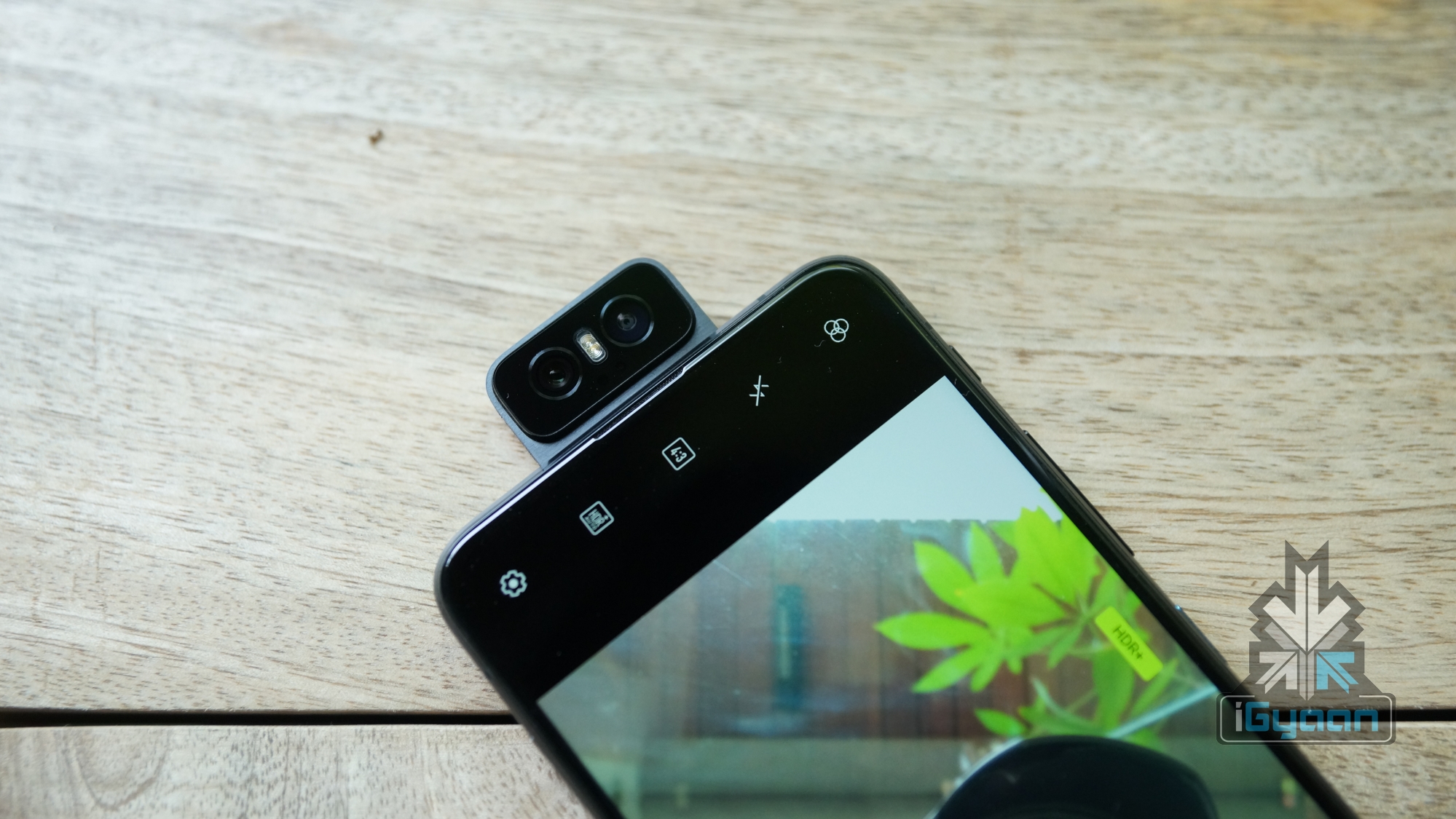
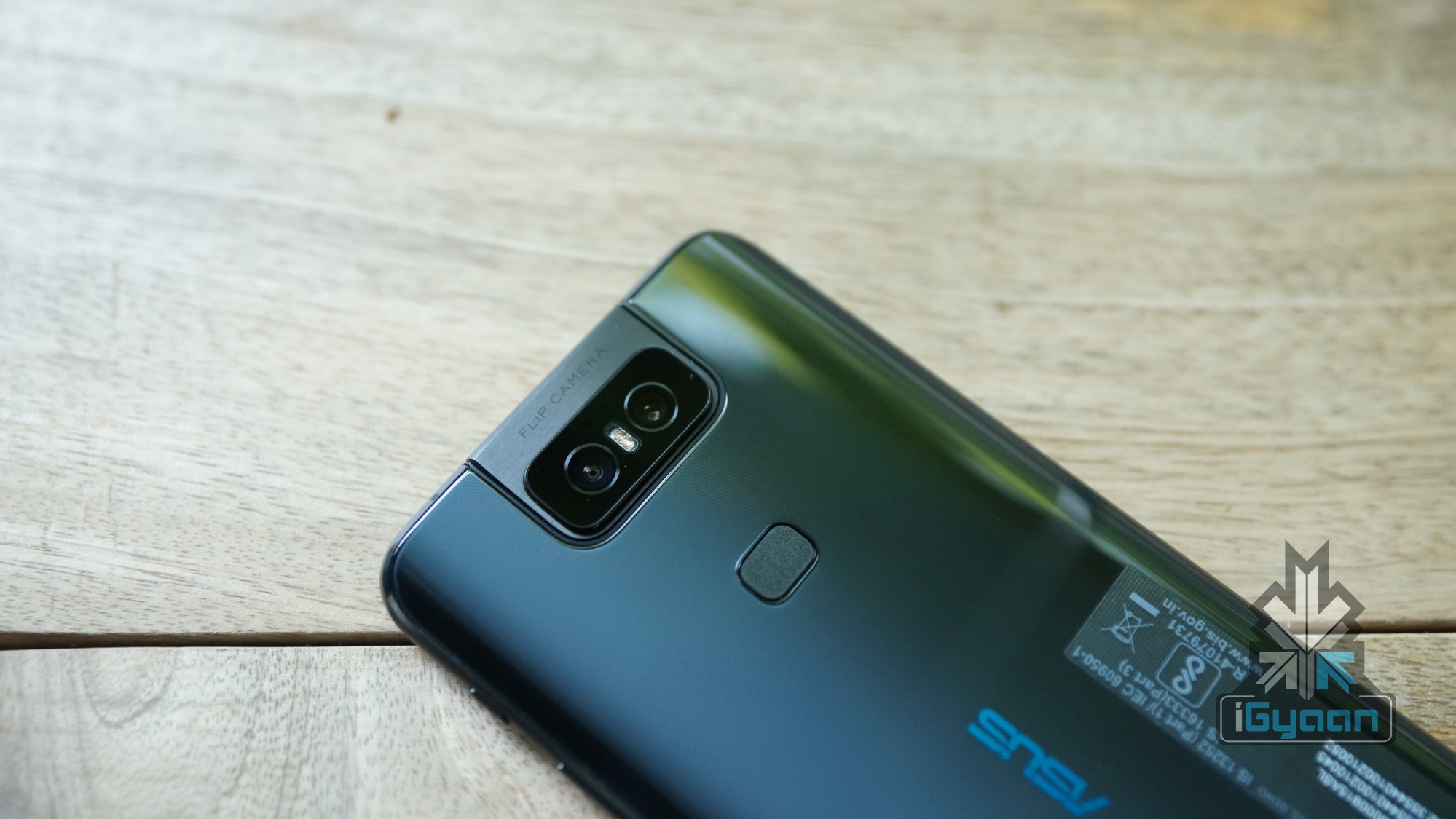
The right side of the device makes room for the volume rocker, the power and a dedicated Google assistant button while the left side of the device is occupied the dual SIM + microSD card slot. The bottom of the Asus 6Z accommodates the USB Type C port, 3.5 mm audio jack and the loudspeaker grille while the top of the device houses the flip camera that can be used as both front camera and rear camera.
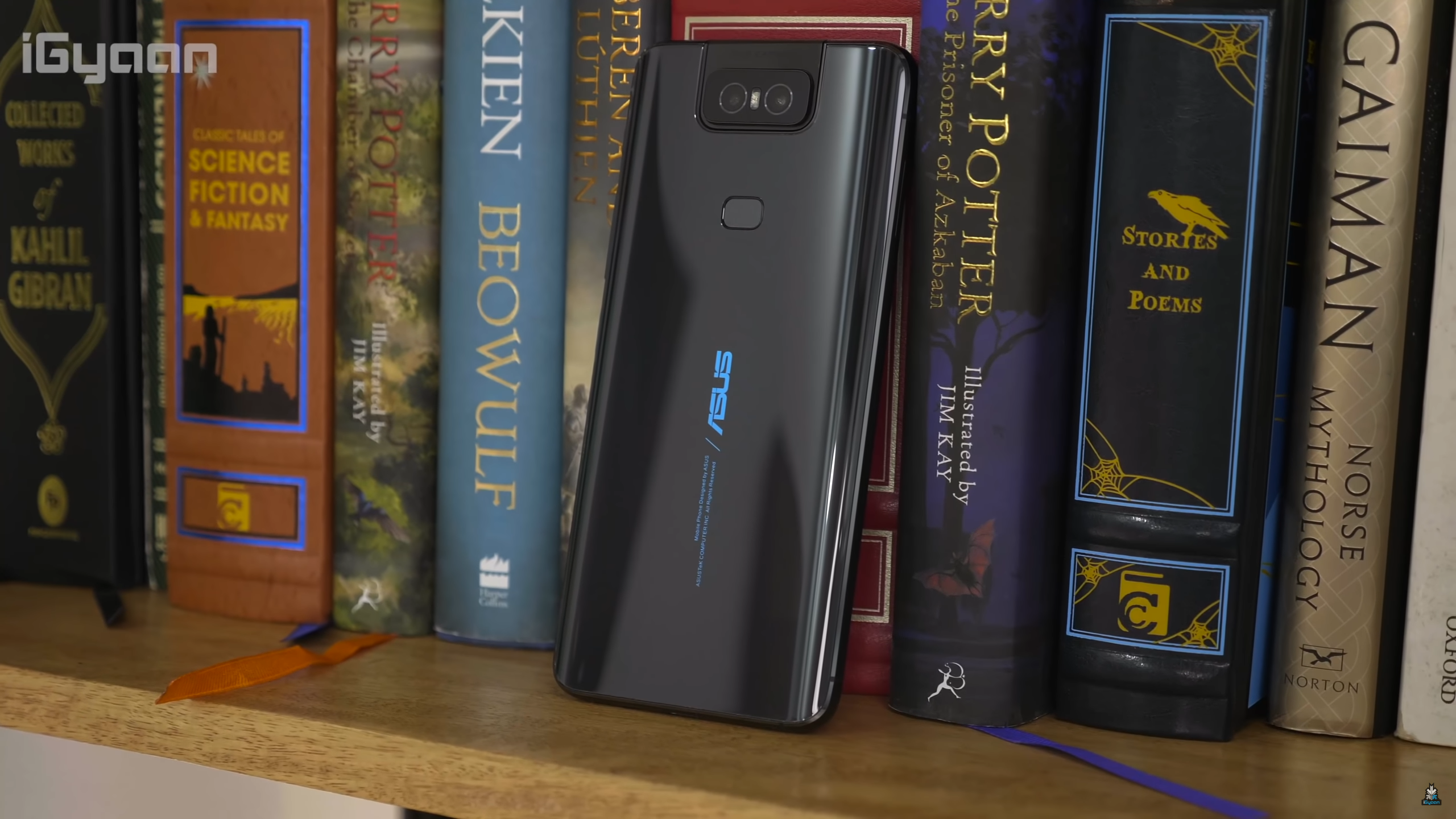
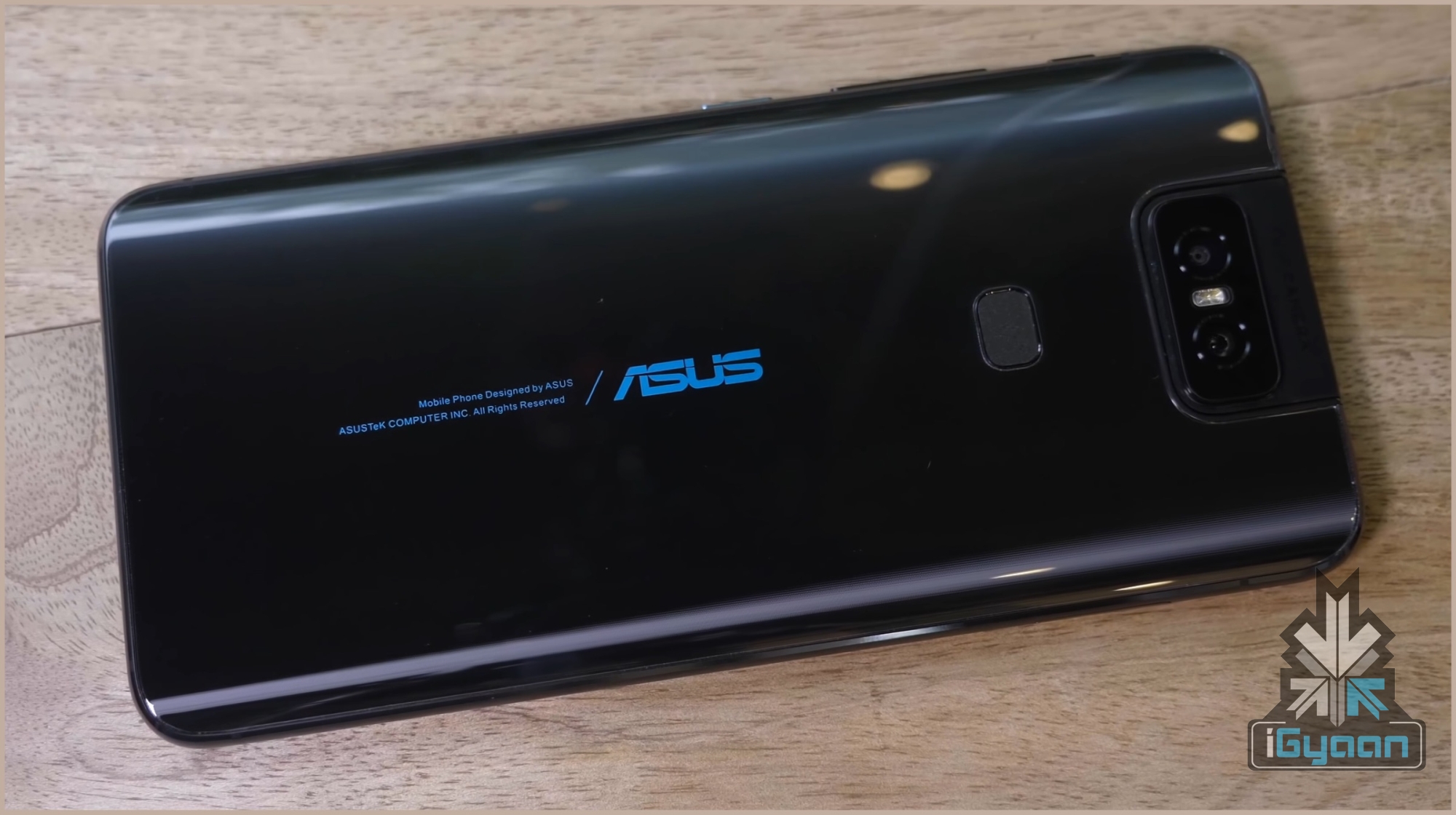
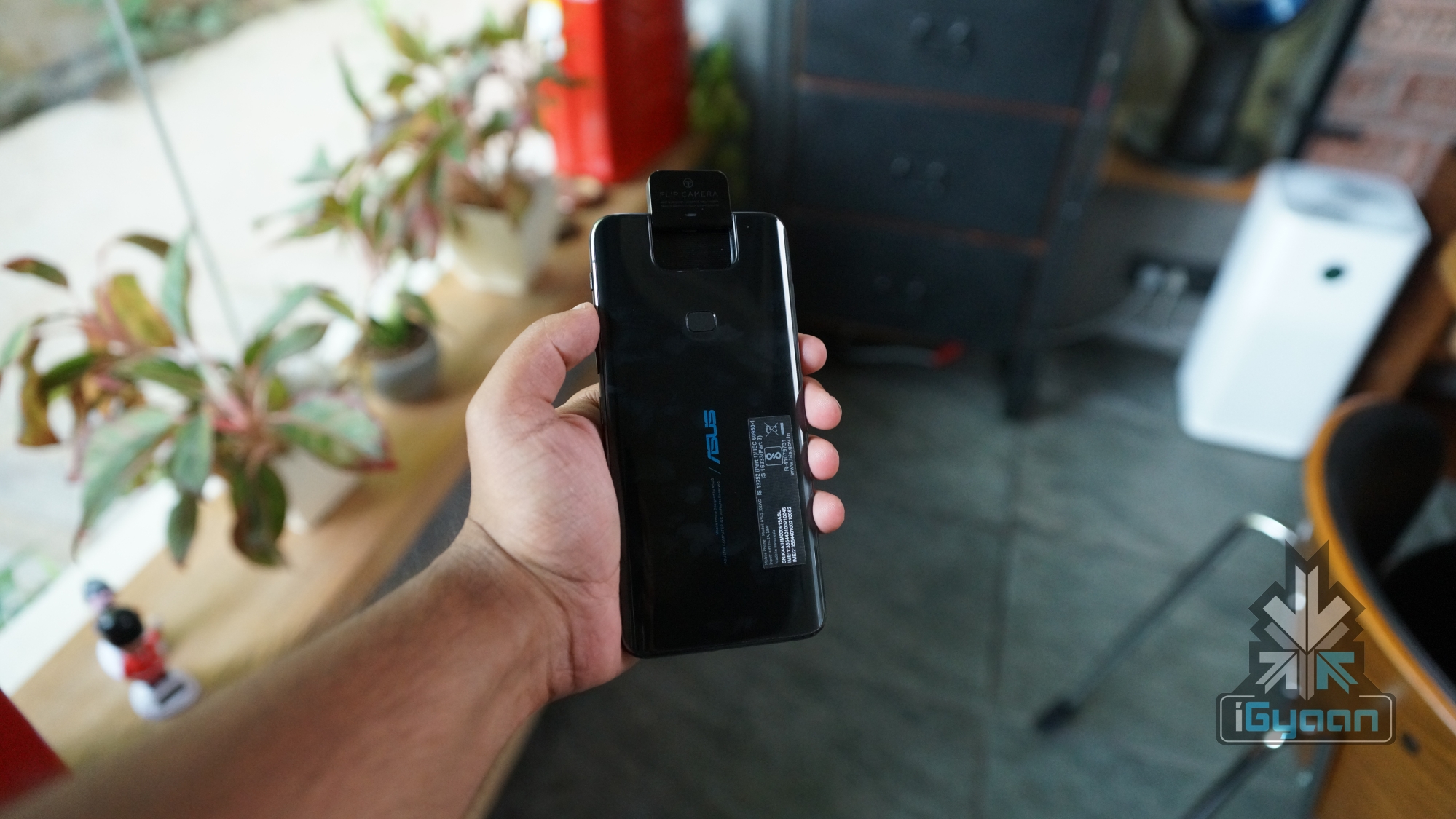
We reviewed the Midnight Black coloured variant of the Asus 6Z which looks and feels premium. The back of the smartphone houses the vertical dual camera setup with the flash. The fingerprint scanner and the company logo is also present on the rear of the device. Overall, the device is solidly built and the design while nothing new, feels fresh. However, we recommend using a case as it can easily slip out of your palm owing to the glass back. Also, the case will prevent the fingerprints which the device easily attracts.
The Asus 6Z is a solidly built device, with a heavy yet reassuring feel in the hand. We tried to manually dislodge the camera mechanism but it did not budge. This implies what lengths the company has gone to in making sure the camera lasts a long time. One thing to note though, the Flip Camera mechanism is only rated for 1,00,000 uses. But it is a result of standardised testing done in a lab, so in real life, the longevity of the mechanism may vary depending on the user.
[section label=”Display”]
Display
The Asus 6Z has a 6.3 inch LCD display which has a resolution of 2340 x 1080px. Unlike most modern smartphones, the device has no obstructions like a notch or a punch hole cutout. This makes for an impressive 92 percent screen to body ratio on the handset, which feels immersive to watch multimedia content on. One issue we have with the display is the maximum brightness. The panel does not offer great brightness levels outdoors. This impacts the legibility and users will have to squint to make out any content on the device.
In terms of quality, the display on the Asus 6Z offers good sharpness, excellent colour reproduction and good contrasts. Unfortunately, as it uses an LCD panel, there are no deep blacks or impeccable viewing angles like in OLED displays. No fret though, as the LCD panel itself is of good quality and should be great for day to day usage.
[section label=”Performance”]
Hardware & Performance
The Asus 6Z is kitted with the latest and greatest from Qualcomm, the 7nm Snapdragon 855 SoC. The chipset is comprised of an Octa-core CPU and the Adreno 640 GPU. It is coupled with up to 8GB of RAM and 256GB of internal storage options. In terms of hardware alone, the smartphone is right up there with the heavyweight champions of this year. The device, along with impressive specs, has a few software tricks up its sleeve. It offers a feature called GameGenie, which will free up RAM and lets users stream content on YouTube and Twitch, turn on do not disturb mode etc. without leaving the game.
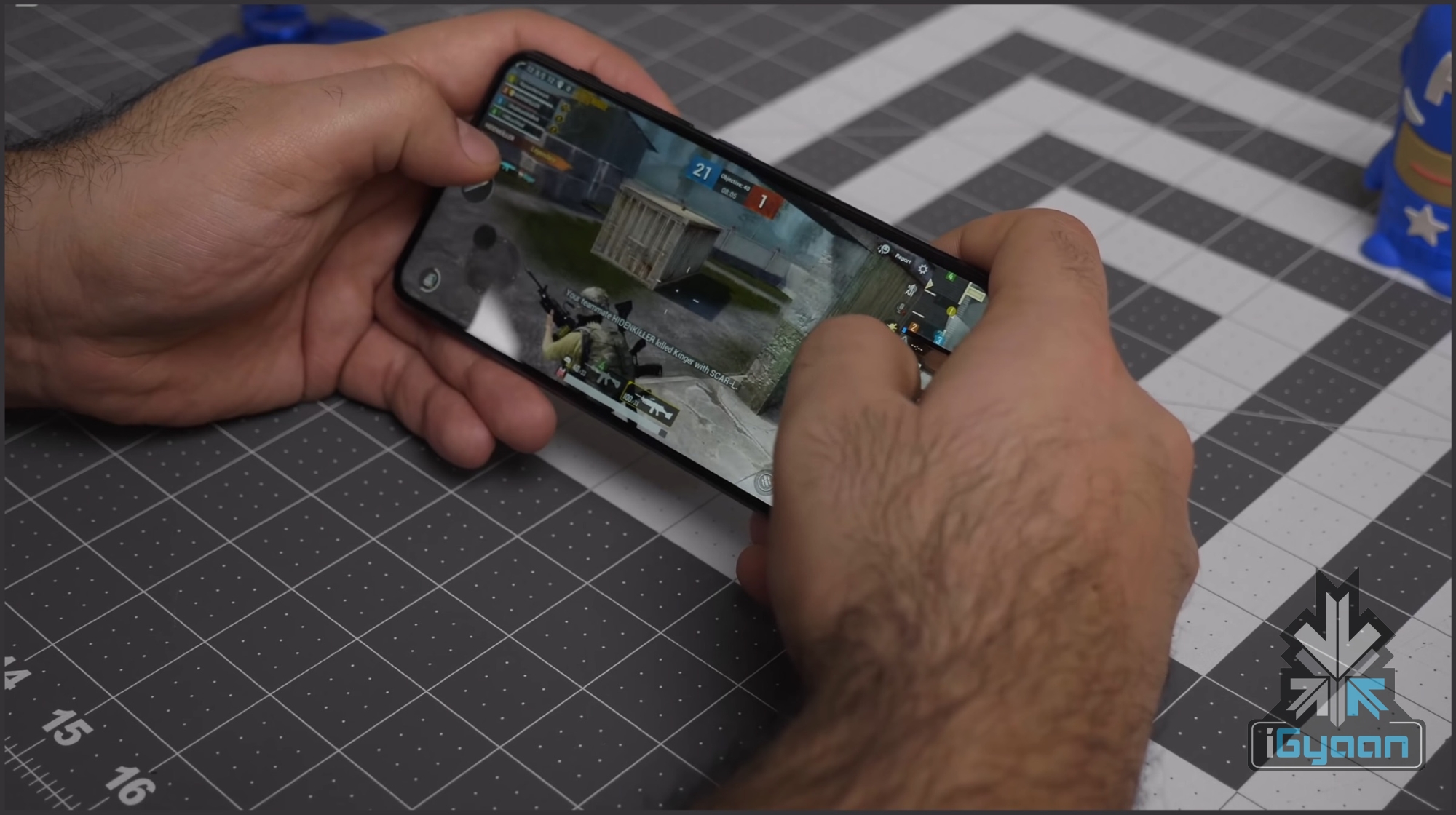
With high-end specifications, the Asus 6Z performs admirably in day to day tasks. It is also an excellent performance while gaming. Playing games like PUBG Mobile, Asphalt 9 and Shadow Fight, the smartphone selected the highest settings. We did not notice any major frame drops while playing the games and the performance was smooth and consistent. However, the device does get a little warm on the back in a 30-minute session of PUBG Mobile.
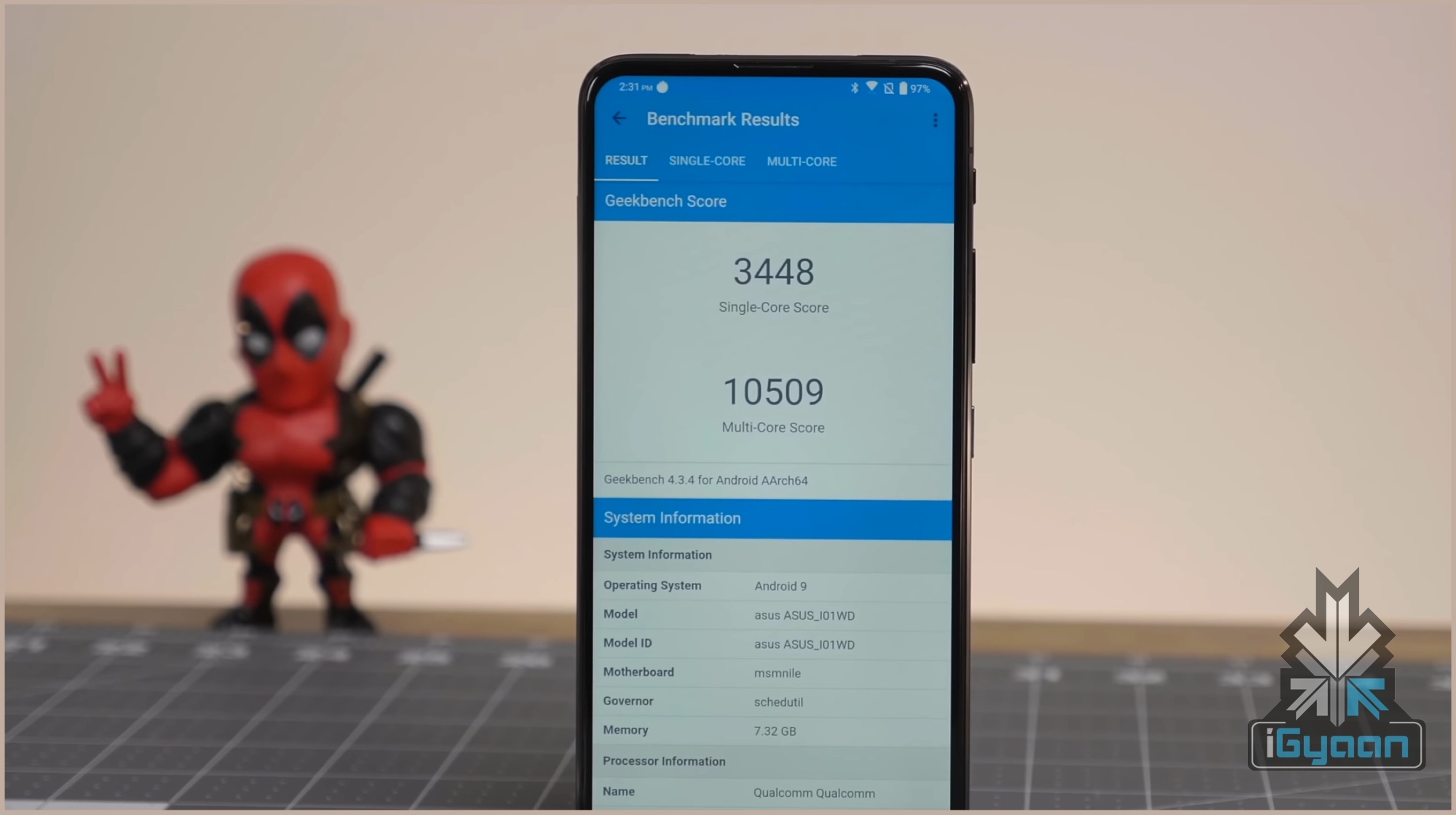
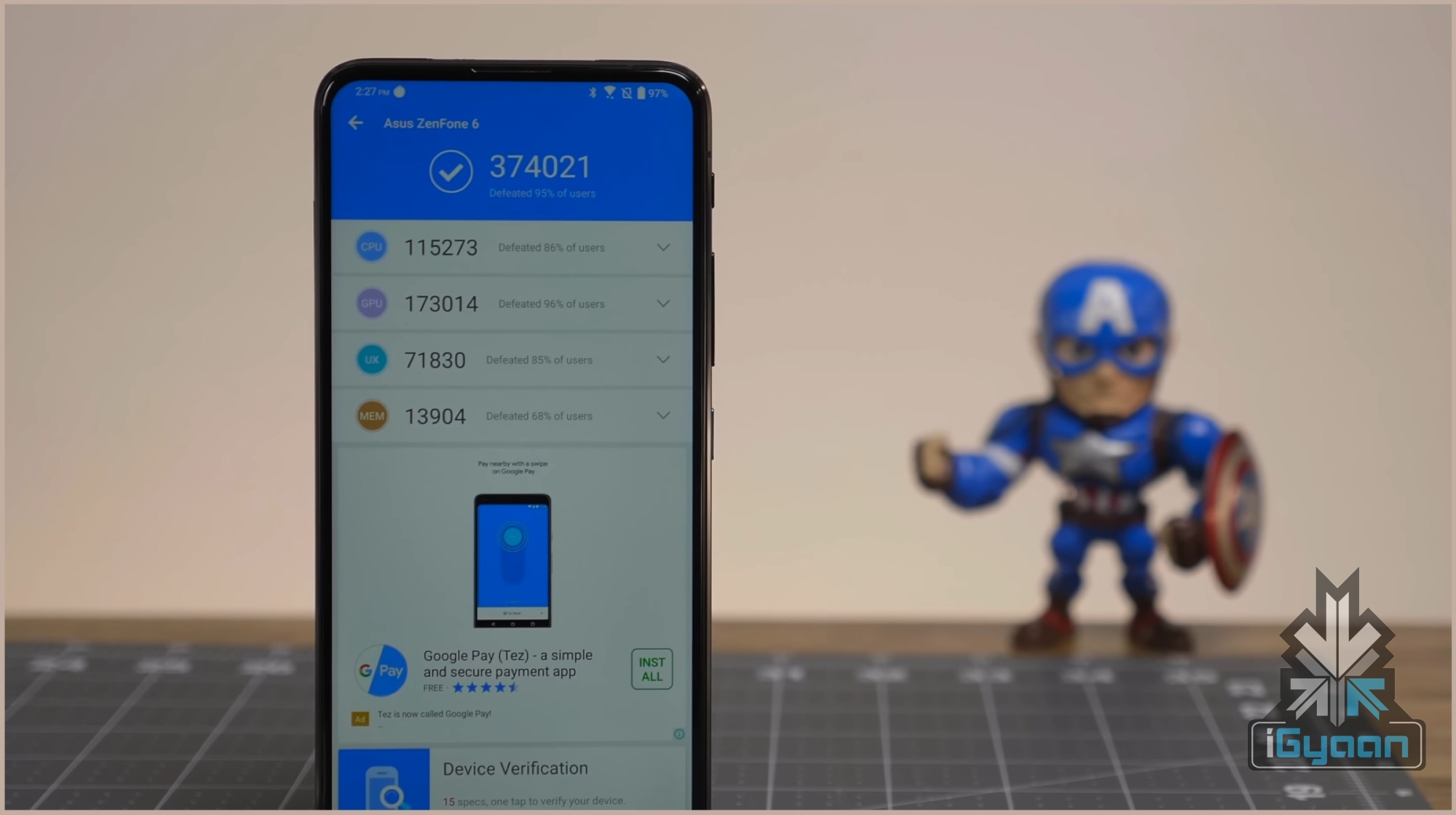
Using benchmarking applications like Antutu and Geekbench on the Asus 6Z does not tell a different story either. While testing the Antutu benchmark, we got an impressive score of 3,74,021 which is on par with the competition. In Geekbench, the device registered a single core score of 3,448 points and a multi-core score of 10,509 points. As is evident from the numbers, the handset will go through everything thrown at it without breaking a sweat.
[section label=”Software & UI”]
Software, UI & Multimedia
The Asus 6Z runs the company’s custom UI version 6 by the company on top of Android 9 Pie. The previous generations of the software were disregarded for the excessive bloat and diverting from Stock Android. It seems like the company has taken a note of that. The smartphone’s UI is almost stock, with minimal bloatware and fast animations, which make it a joy to use.
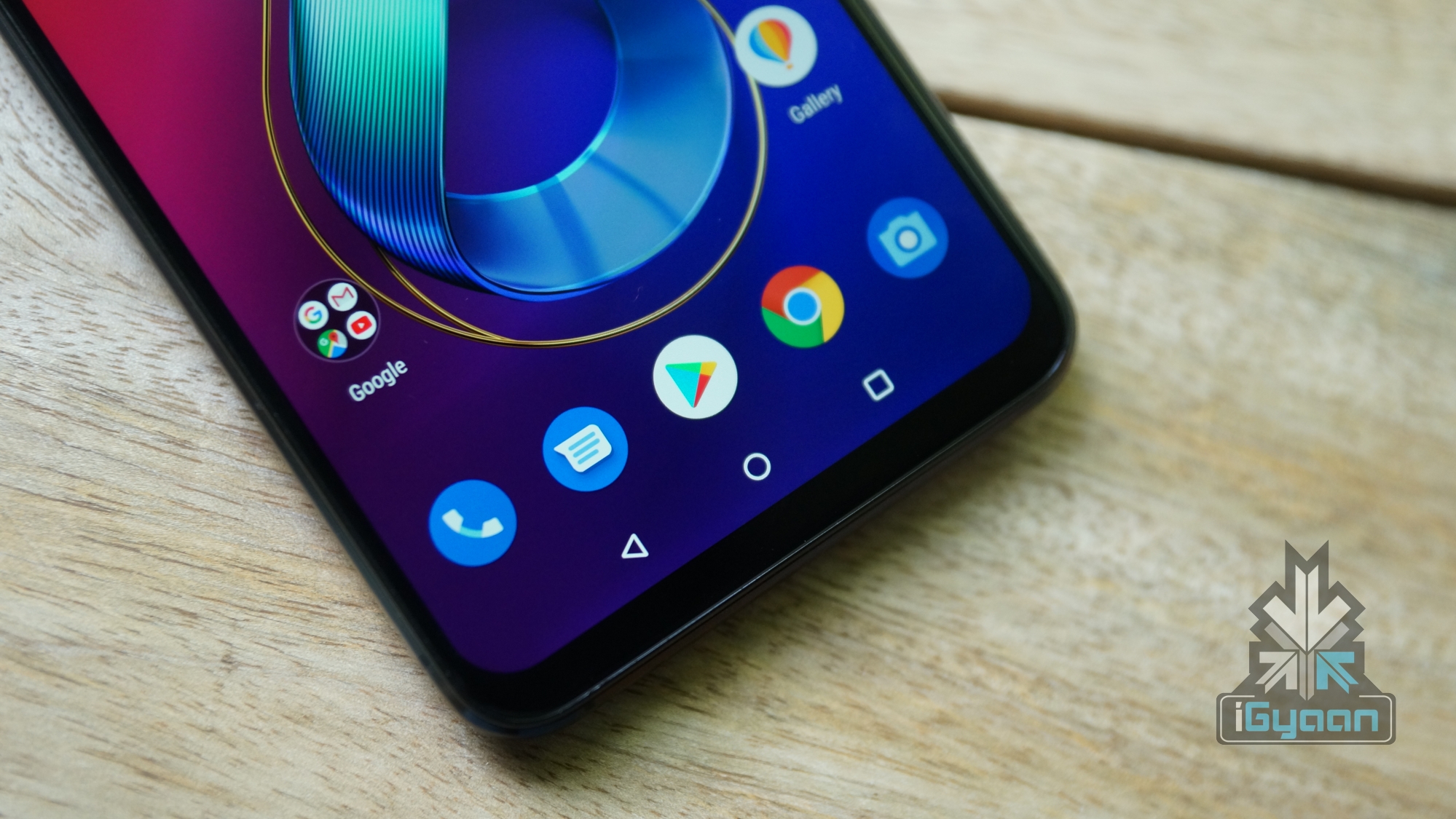
The Asus 6Z supports the basic Android navigation gestures which are bundled with Android 9 Pie. These let users go back with the dedicated back button on the left, a single tap on the centre pill takes you home and a swipe up on it brings out the multitasking menu. Dragging the pill to the right lets users scroll across various applications open in the background.
In terms of sound quality, the Asus 6Z has a single bottom firing speaker which has decent sound output. One downside of the setup is how easy it is to block the speaker grille while holding the device in landscape mode. Audio output via the Bluetooth is great which provides for a good listening experience.
[section label=”Camera”]
Camera
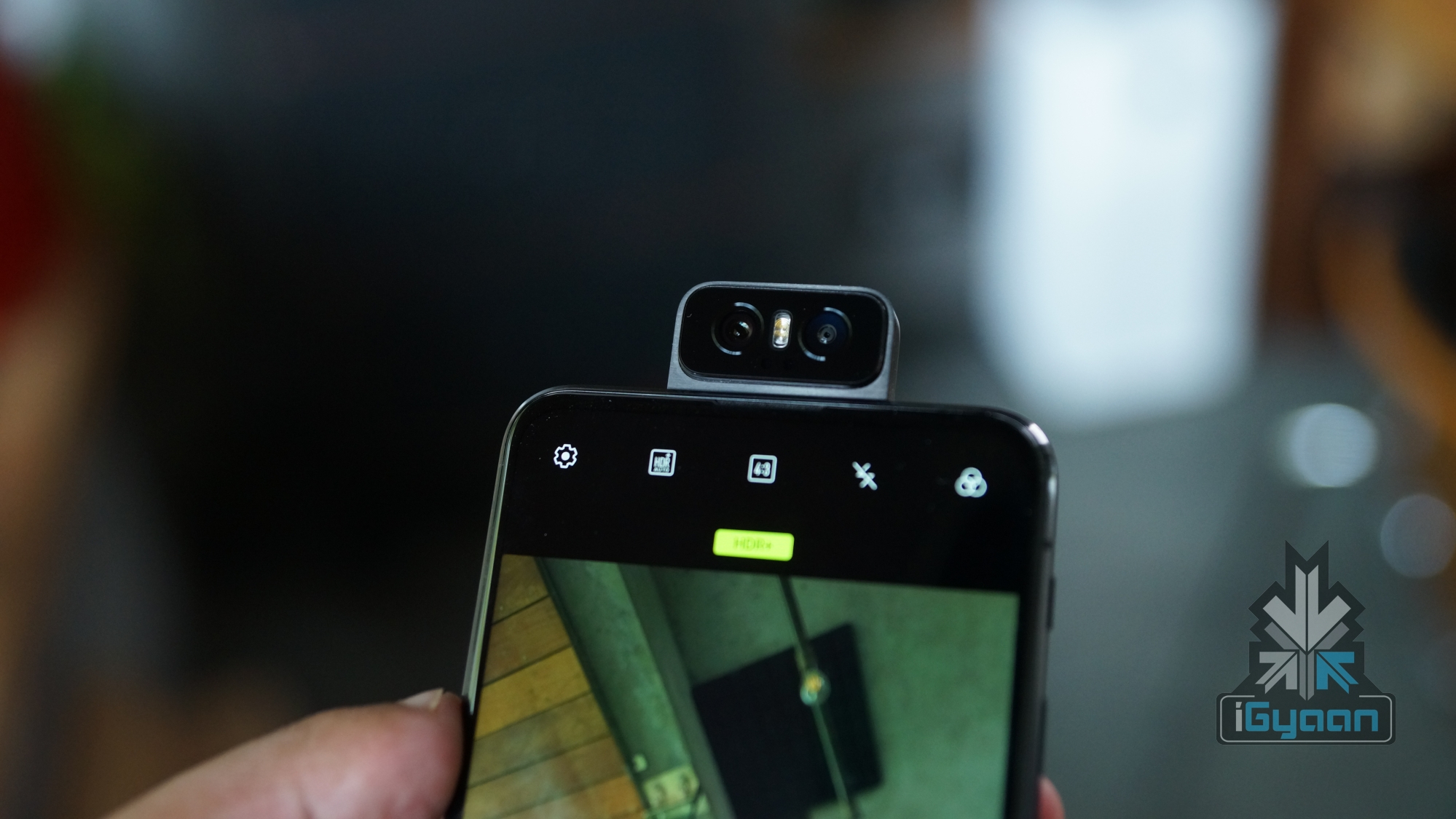
The major attraction on the Asus 6Z is its unique Flip Camera mechanism. It uses a special motor made of liquid metal to rotate the camera setup 180 degrees. As a result of which, there is no selfie camera on the device as it uses the main camera for taking front facing images and videos. This serves as an advantage for the smartphone as the high-resolution sensors on the back have a lot to offer.
In terms of optics, the Asus 6Z has a dual camera setup, comprised of a 48MP primary sensor and a 13MP secondary wide angle sensor. The primary sensor is the ubiquitous Sony IMX 586 sensor also found in handsets like the OnePlus 7 Pro. The camera app bundled with the smartphone is easy to use and has most of the controls laid out on the bottom for easy access with one hand.
Asus 6Z Primary Camera
Asus 6Z Primary Camera
Asus 6Z Ultra Wide
Asus 6Z Low Light
Asus 6Z Outdoors
Asus 6Z Night Mode
In terms of quality, the 48MP primary camera takes great photos. The quality and details are top notch with excellent contrasts. The post-processing adds a little too much saturation but it may fit the taste of some people. An added advantage with the camera is the wide-angle camera, which allows it to fit a lot more in the frame. Like most modern smartphones, there is also a dedicated night mode. This takes a while to take the image but increases the exposure. Images clicked in this mode have better detail but it is no match for Pixel’s Night Sight.
Asus 6Z Primary Camera Selfie Sample
Asus 6Z Primary Camera Selfie Sample
As the flip mechanism allows for the camera to take front facing shots too, selfies on the Asus 6Z are excellent. The images are as good (because it is the same camera, duh!) which makes for a really fun experience. Portrait mode provides great subject separation and video output is one of the best out there. While the smartphone does not have Optical Image Stabilisation (OIS), it uses Electronic Image Stabilisation which churns out stable footage. In terms of Video recording, the device can record in 4K resolution at up to 60fps.
Additional features
There are also some neat tricks that you can do with the Flip Camera on the smartphone. The camera can be placed at a custom angle from 0 to 180 degrees. To do this, there are two options, one via dragging the selfie camera icon up or down or by toggling the volume rockers. It also allows for an auto panorama mode, which as the name suggests taking automatic panoramas with you in it. There is also a neat motion tracking feature, but it is a little slow and doesn’t work every time.
Side Note: While the camera on the Asus 6Z is commendable and offers many features, the housing becomes too hot to touch after a few minutes of usage. The use of moving parts on the smartphone may affect its life in the longer run.
[section label=”Battery”]
Battery and Connectivity
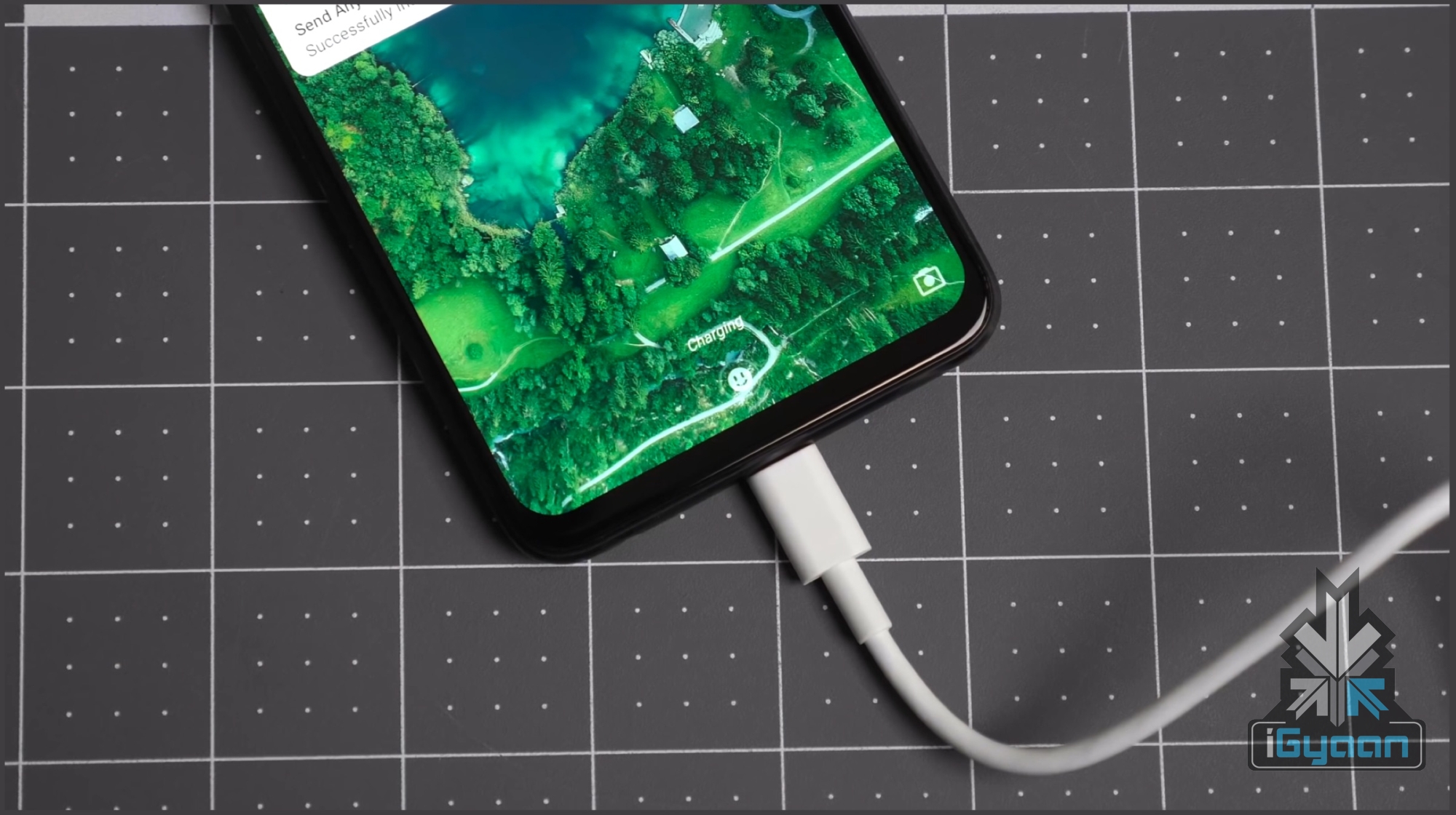
The Asus 6Z is powered by a mammoth 5000mAh battery which can be charged using the bottom mounted USB Type-C port. The battery life of the device is great, with us getting a screen on time of about seven hours on medium usage. The massive battery, combined with stock Android provides the smartphone with acceptable battery life.
In terms of connectivity, the Asus 6Z has WiFi 802.11 b/g/n, Bluetooth 5.0 and also supports 4G VoLTE. The smartphone faced no problems in latching on to Wi-Fi networks and performed as expected. Call quality on the device was excellent, with the earpiece producing loud, crisp audio. The handset was able to perform equivalent to its rivals when it is about network and connectivity.
[section label=”Other Features”]
Other Features
The Asus 6Z has a rear-mounted fingerprint scanner and supports the ever popular face unlock technology. In our usage, we found the fingerprint scanner to be quick in unlocking the smartphone. As the biometric sensor is placed on the rear, it is inaccessible when placed on a flat surface. For those occasions, face unlock usually serves as a handy feature. Although as the smartphone uses a flip mechanism, this is also useless while laying flat on a table. Face unlock also takes a good second to work, as the machine needs to work fully and retract after detecting your face.
The dedicated Google Assistant button is one of the key highlights of the Asus 6Z. Like mentioned above, the button can be pressed to summon the digital voice assistant. With the smartphone, three individual functions have been mapped to the button. Pressing it once will bring up the Google Assistant which can be used to input commands. Clicking the button twice brings up the Assistant dashboard to glance through updates, while a long press on the button turns on the microphone until the key is pressed. This function works like a walkie talkie and is a good addition for quick or longer commands.
[section label=”Verdict”]
Verdict
The Asus 6Z is a worthy flagship that offers everything you can ask for in a smartphone. It has a big, beautiful display, great software, capable cameras and a solid design. However, there are a few caveats to it, like not enough brightness outdoors and the use of mechanical parts, which may affect the longevity of the device. While the parts feel well built and will not wear off anytime soon, there is still a percentage of uncertainty with moving parts. But, if we ignore all of that and focus on the present, then the smartphone does give the OnePlus 7, even the 7 Pro a run for its money.
If you are in a market for a smartphone under Rs. 40,000, the Asus 6Z will not disappoint you. It is truly the newest Flagship Killer in town. However, there are also excellent options such as the aforementioned OnePlus 7, Nubia Red Magic 3 and the Black Shark 2. The latter two of which are gamer oriented and will also offer a lot more if you are into mobile gaming.
At the Apple WWDC 19 event, which was held in the month of June, the company announced its latest Mac Pro computer which is designed for pro consumers, professionals and movie makers. Before the launch of the current gen computer, all Mac Pro machines completed their final assembly in the USA at the Austin, Texas assembly line.
But with the new Mac Pro, Apple is shifting the last stage of assembly of these high-end computers from the United States to China. Noteworthy, even if the last generation Mac Pro was assembled in its home country, components used in it were manufactured in several countries.
According to reports, this effort could help reduce costs related to shipping components to the United States for the last production step. Nevertheless, Apple has partnered with Quanta Computer in China which will be held responsible for finalising assembly of the 2019 Mac Pro future onwards. Users who are unaware can read about the new Mac Pro below:
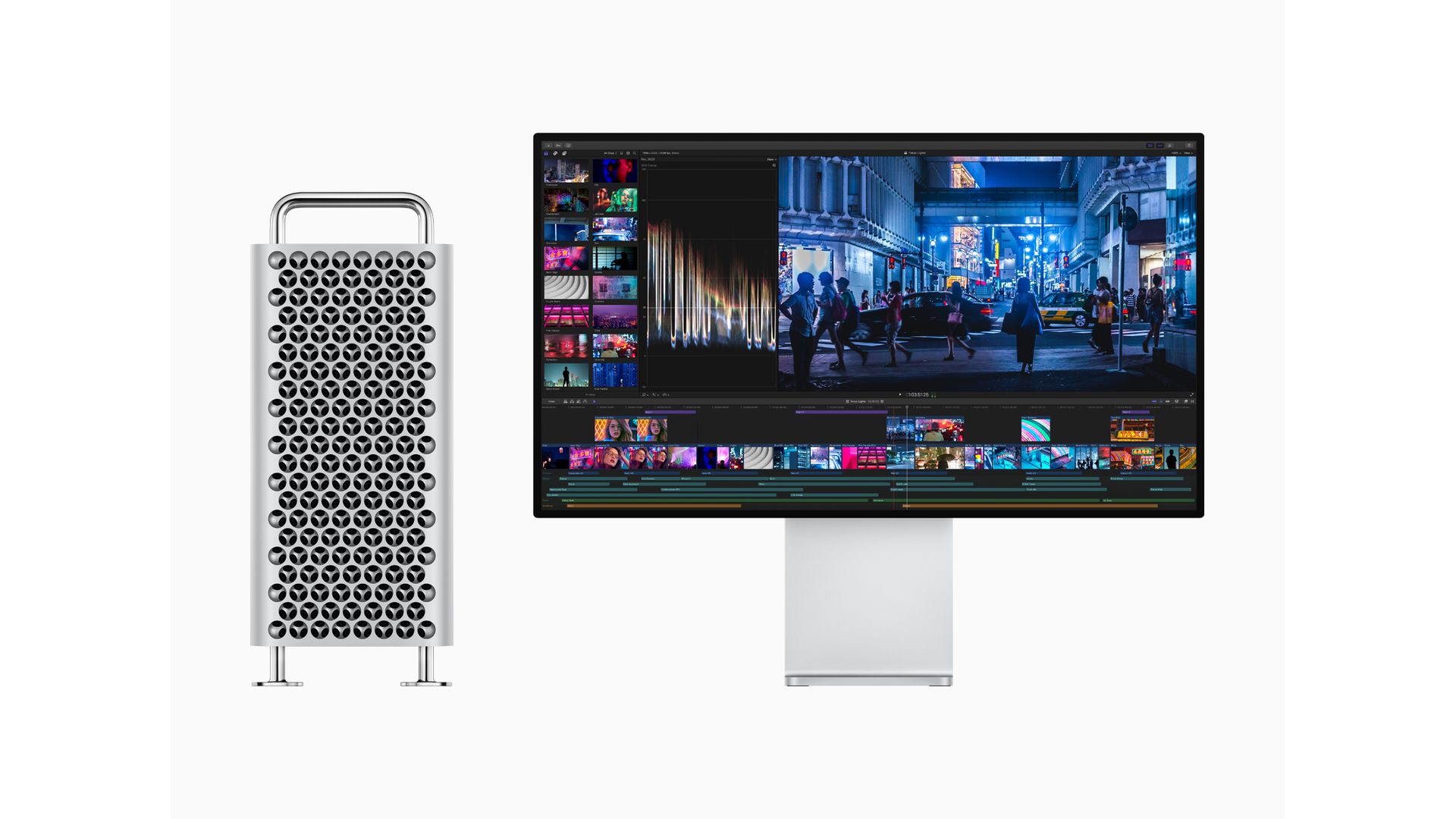
Apple Mac Pro
The Apple Mac Pro is a considerably larger machine in comparison to its predecessor, it measures 529 X 450 x 218 mm and tip the scale at 18 KG. It has two steel handles on top which can be used to easily relocate the computer. The case can also be fitted with optional wheels to enable mobility of the system.
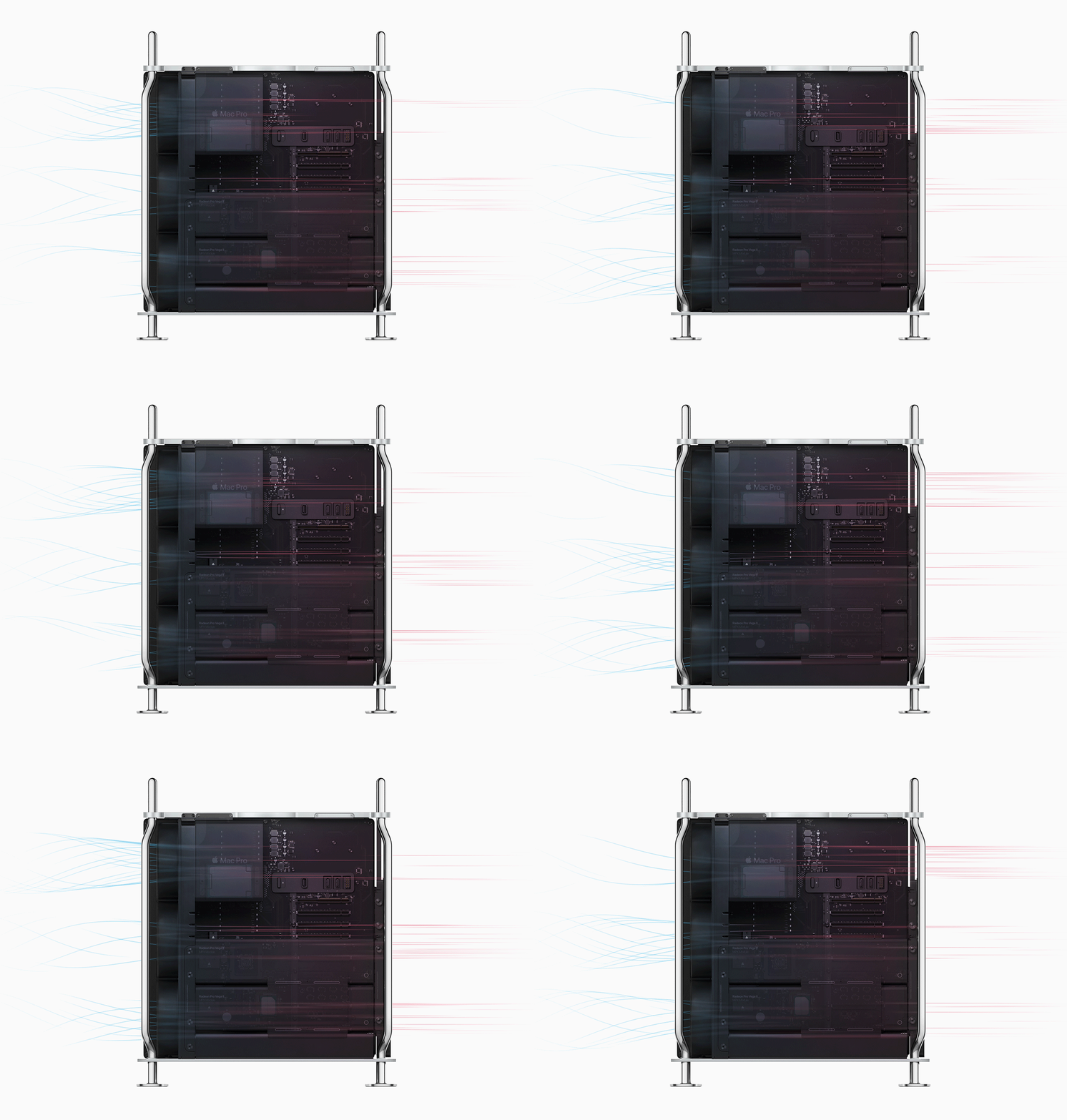
According to the company, the new computer offers state-of-the-art cooling with three large fans which can disperse 300 cubics of feet per minute. This will allow the processor and other components to run at maximum power without thermal throttling.
The latest Apple Mac Pro can be configured with the 28 core Intel Xeon processor with 300W of power. In terms of memory, the Mac Pro supports up to 1.5TB of RAM, which can be divided between six-channel memory across 12 DIMM slots (Dual In-Line Memory Module). The machine has eight built-in PCI Express slots which can be used to install upgrades as the need of the user.
The Mac Pro includes 2 USB-C which can also double up as Thunderbolt 3 ports and two USB-A ports that are present on the front of the case. For wireless connectivity, it also has 802.11 ac Wi-Fi and Bluetooth 5.0
The components of the Mac Pro are powered by a 1400W power supply unit (PSU) which can even compensate for additional components that the user may add in the future. The computer starts at a price of US $ 6000 and it will start shipping later this year.
All in all, the new Mac Pro is an absolute beast of a computer. However, Apple needs to make sure that the product sells at a profit rather than burning a hole in its pocket. Therefore the move of shifting its production to China from the US that has significantly higher labour costs can be justified.
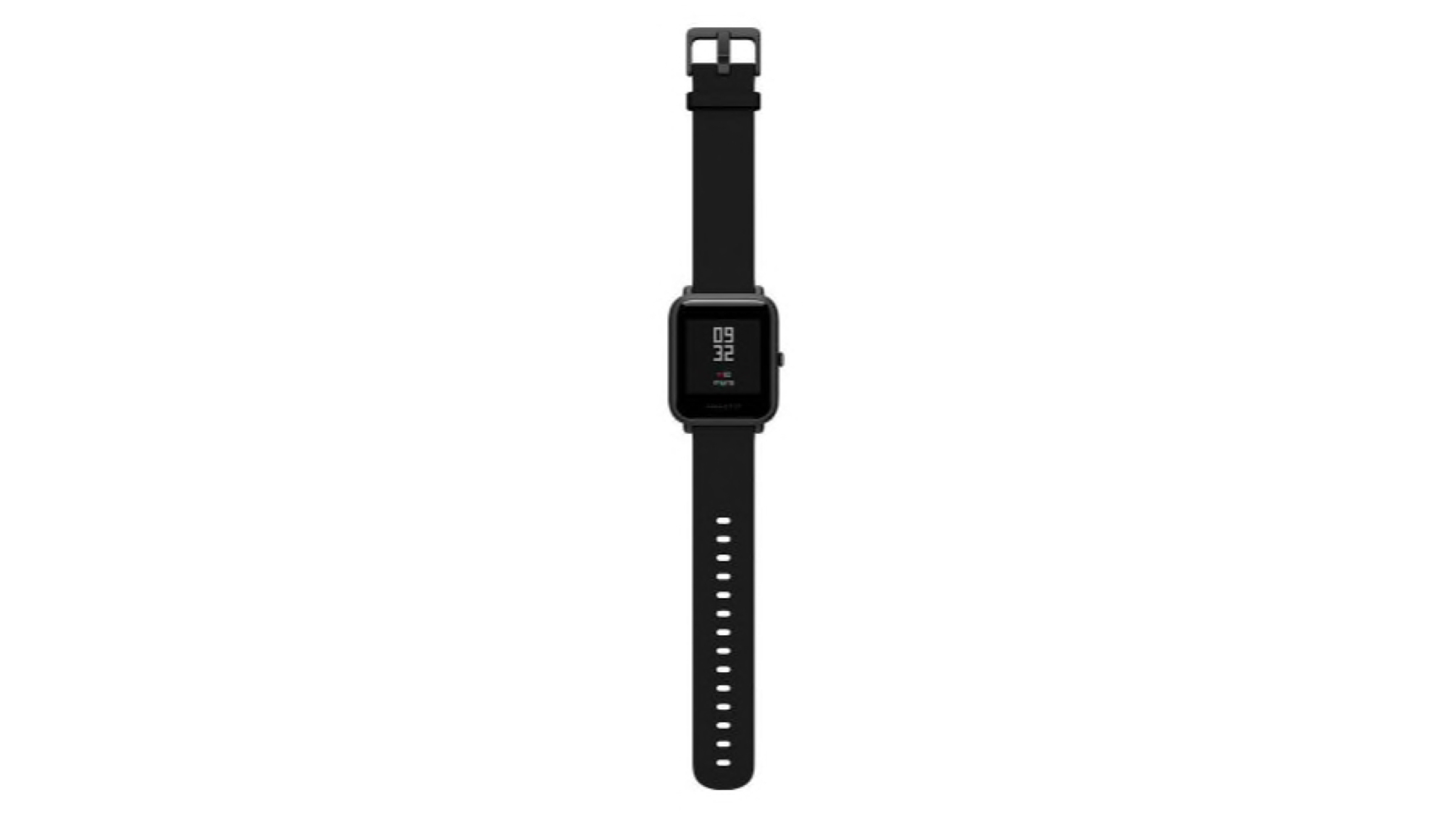
In the month of July last year, Huami, a company backed by Xiaomi launched its two wearable devices in India which include the Amazfit Bip and Amazfit Stratos.
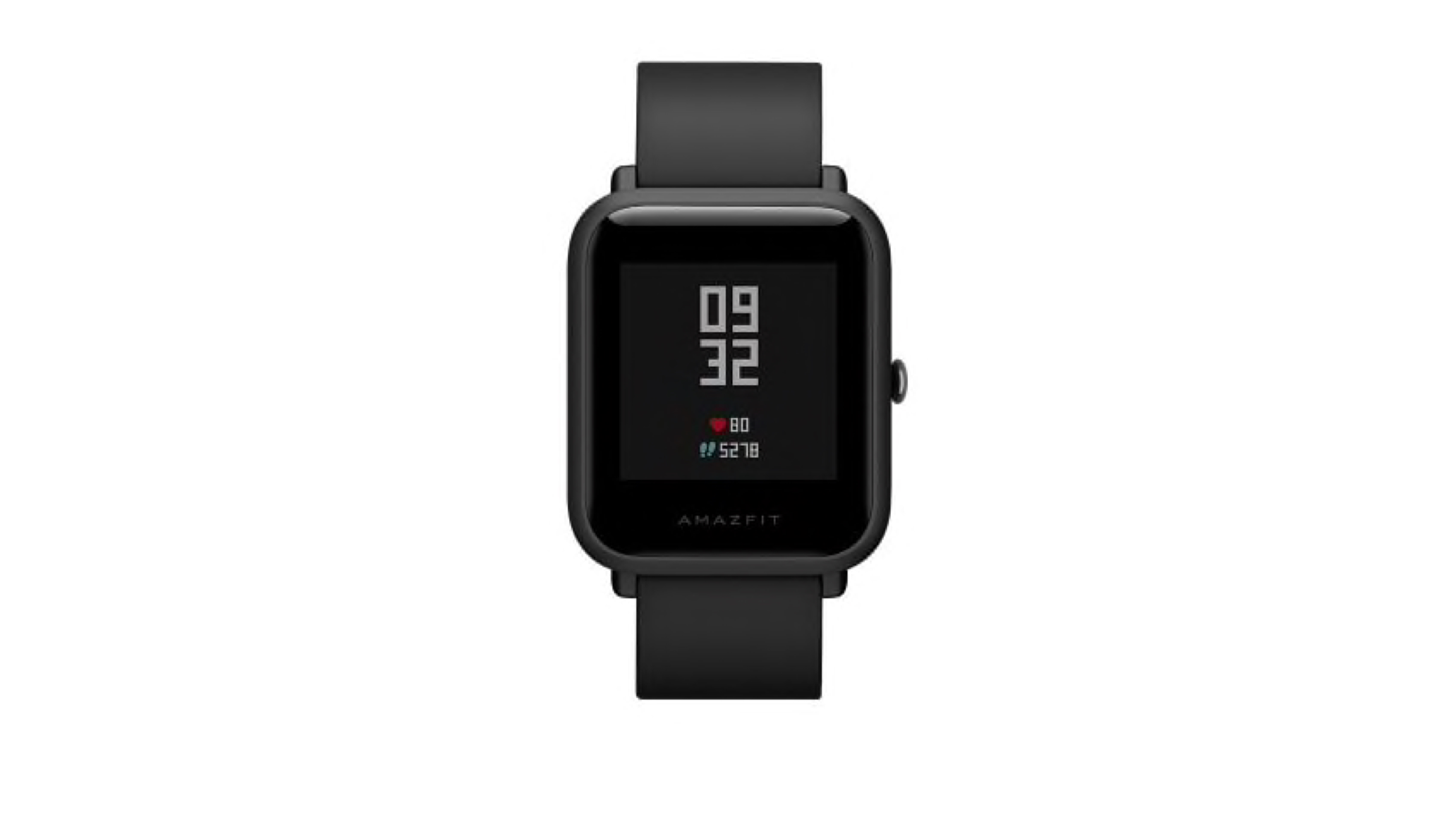
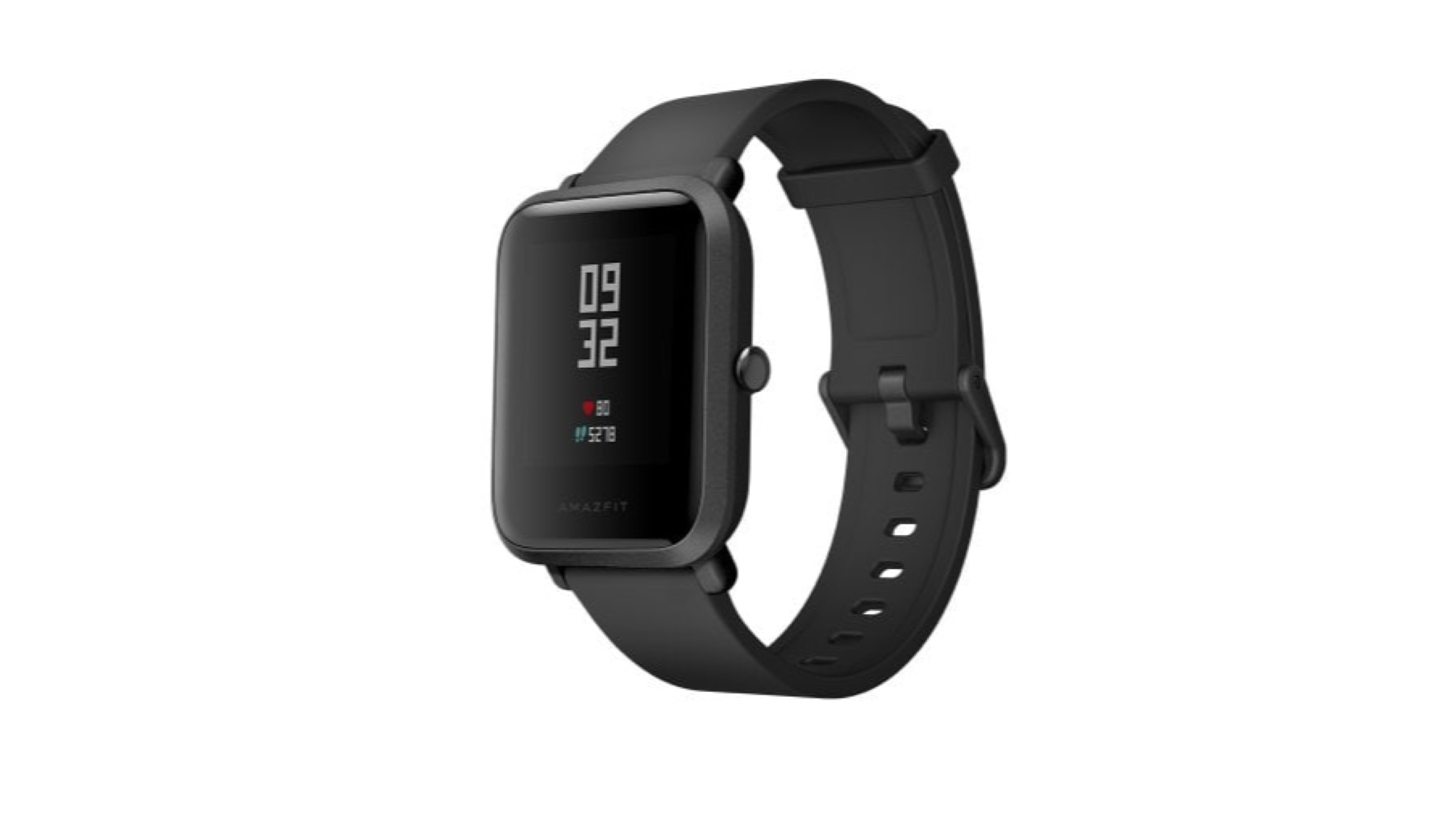
Two weeks ahead of the Amazon India prime day sale, the company has silently listed the Amazfit Bip Lite smartwatch on the e-commerce website. As the name suggests, the newly launched device is an affordable variant of the previously announced Amazfit Bip. However, don’t let the ‘Lite’ suffix mislead you to taking the Amazfit Bip Lite as a substandard product. Even though it has an economical price, it still packs loads of fitness-oriented features in addition to the conventional watch.
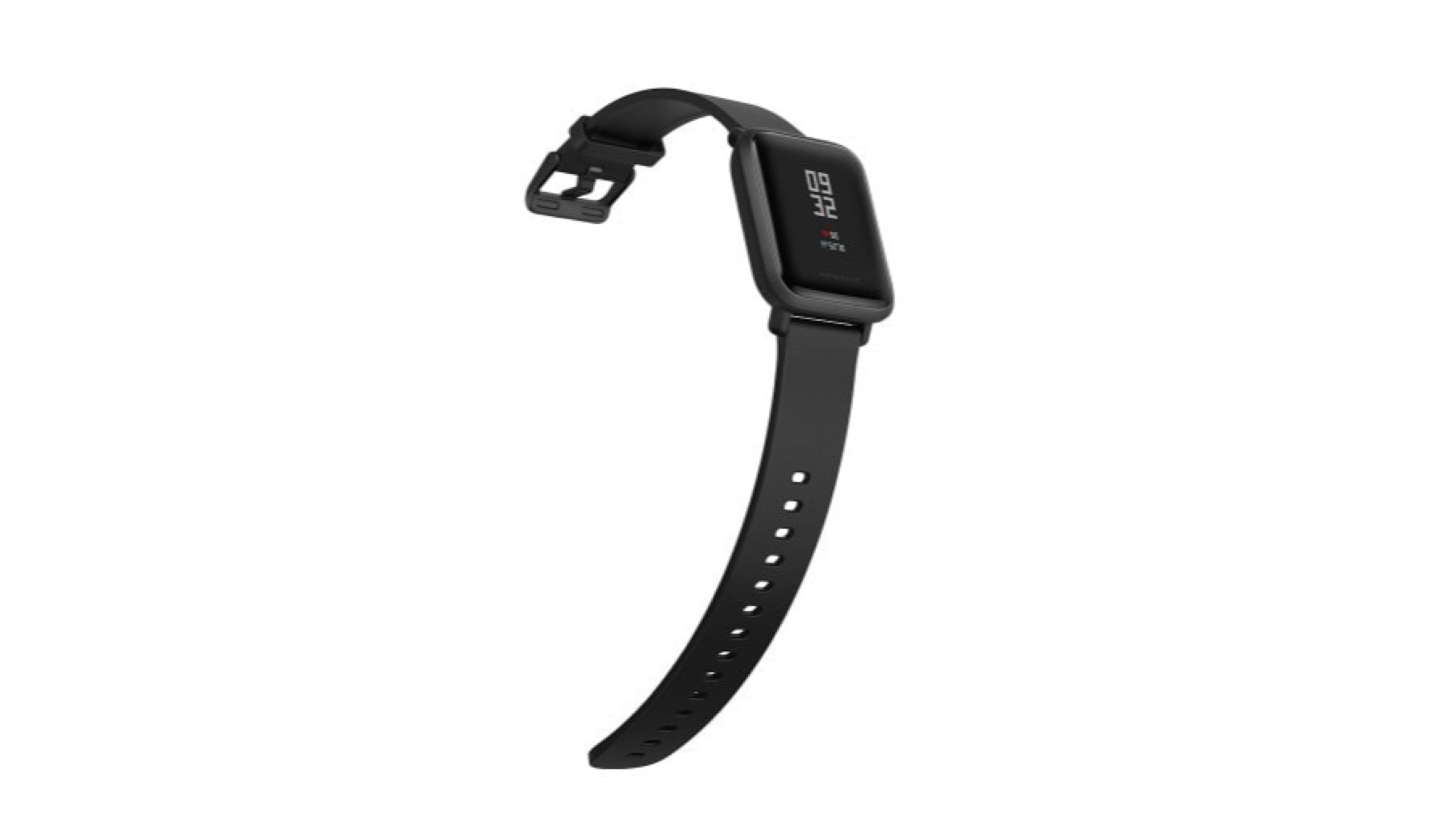
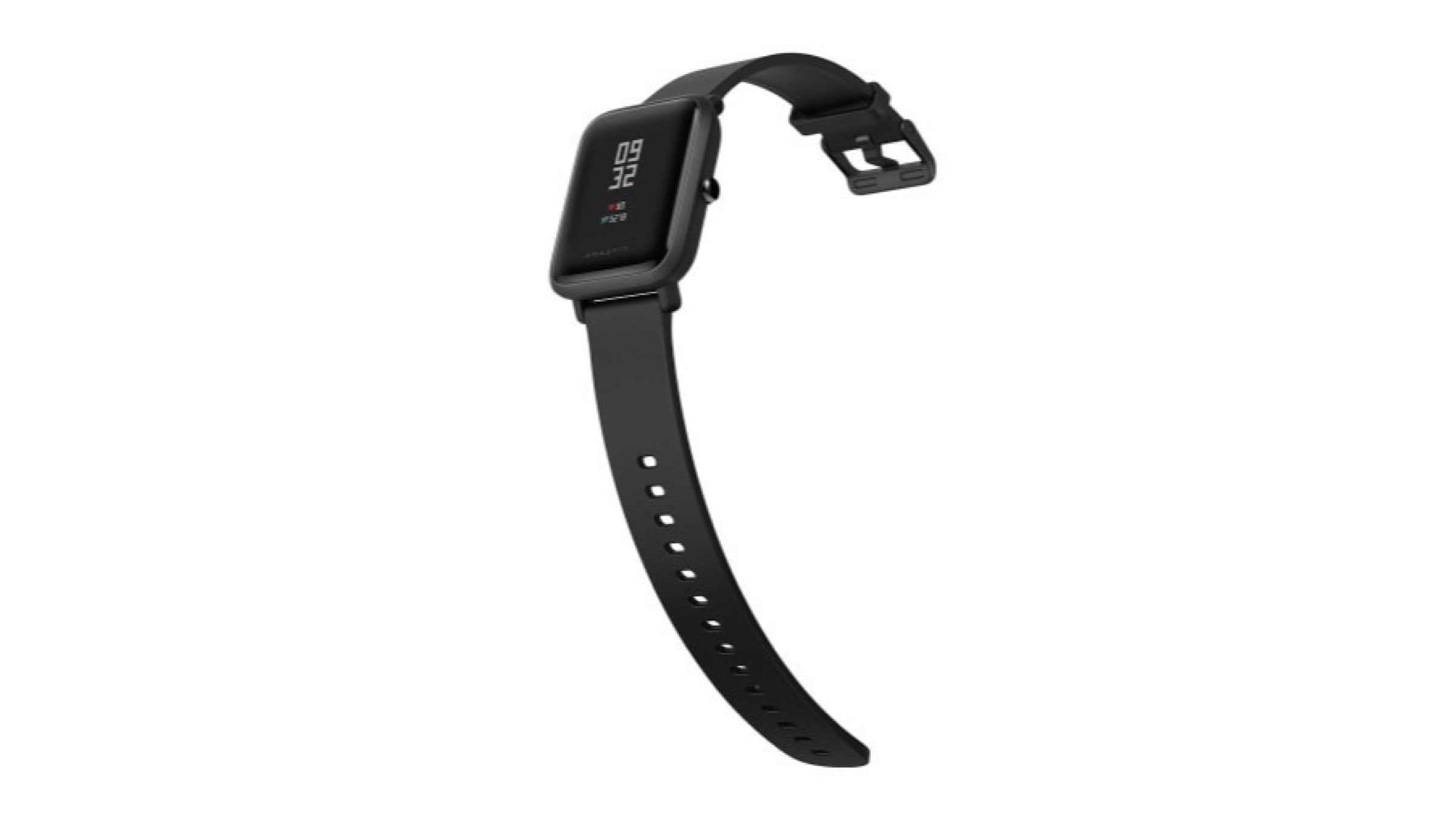
The Amazfit Bip Lite has an elegant design with a square watch dial and soft silicome straps. The smartwatch sports a 1.28 inch colour display which has a resolution of 176 x 176 ppi. To protect the device against scratches it uses a 2.5d Corning Gorilla Glass.
To navigate across various menus and features of the Huami Amazfit Bip Lite, the user can either use the touch button placed below the display or the right side mounted circular crown. The rear side of the fitness watch houses a heart rate monitor which can measure the user’s heart rate on the go.
Besides, the Amazfit Bip Lite also has a pedometer (step counter), sleep monitor and a sedentary reminder. The fitness watch prompts the user with a reminder when they have remained seated for an extended period of time.
The Amazfit Bip Lite is powered by a 190 mAh battery which is claimed to provide a battery backup of 45 days depending on the usage. The battery is charged via a proprietary connector and it takes about 2.5 to fully replenish it.
Talking about features, the Huami Amazfit Bip Lite has a built-in vibration motor which sends haptic feedback when the user receives a message or phone call. The fitness device is compatible with both iOS and Android, also the users can save data for later which can be transferred to an app on the smartphone. Other sensors on the device include a Barometer and GPS.
In addition to the Amazfit Bip Lite smartwatch, the box includes a charging cable and a user manual. The smartwatch is available in a black colour option and is priced at Rs 3,999. As previously mentioned it will be available for purchase with the Amazon Prime day which begins 15th of July.
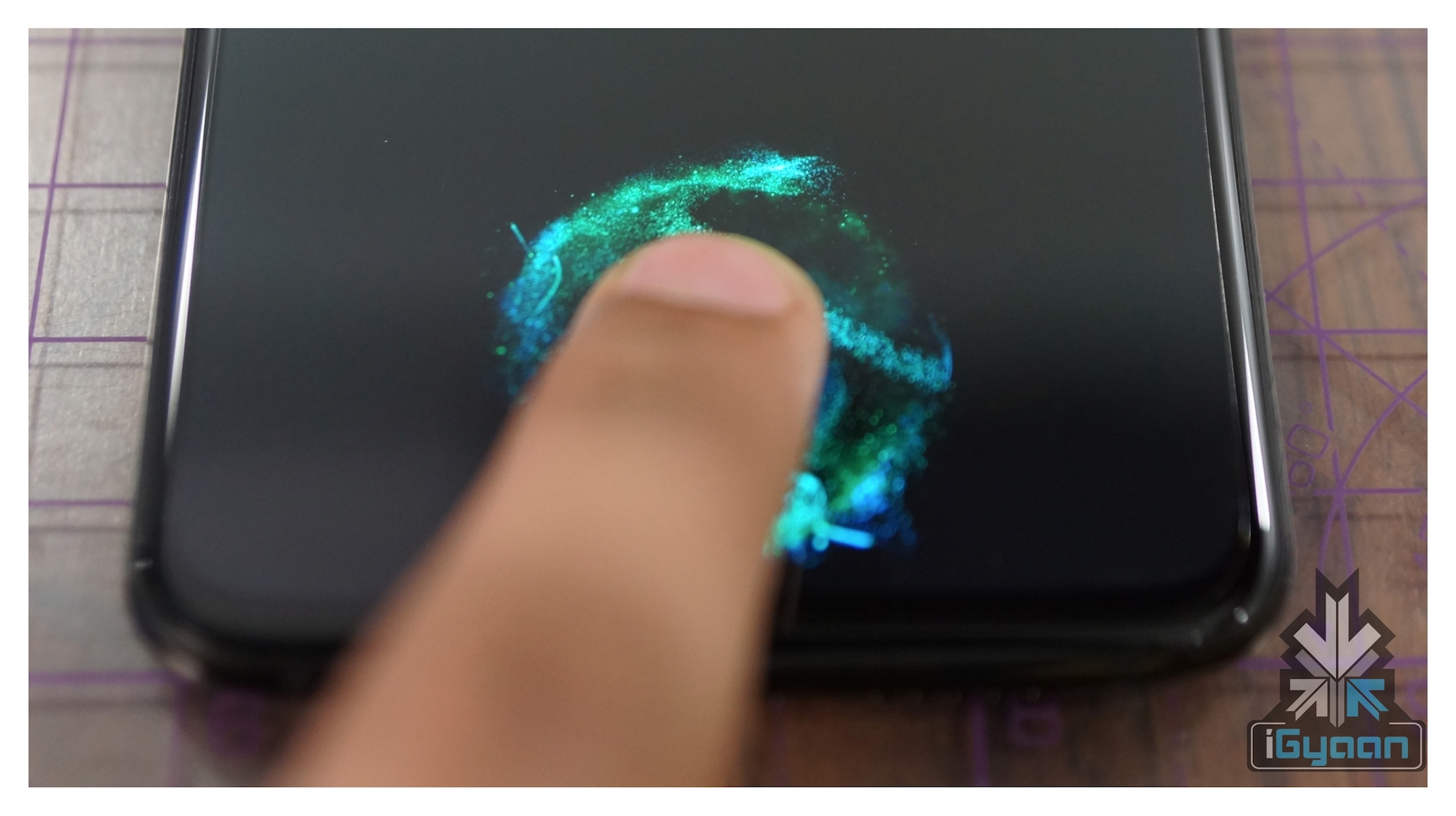
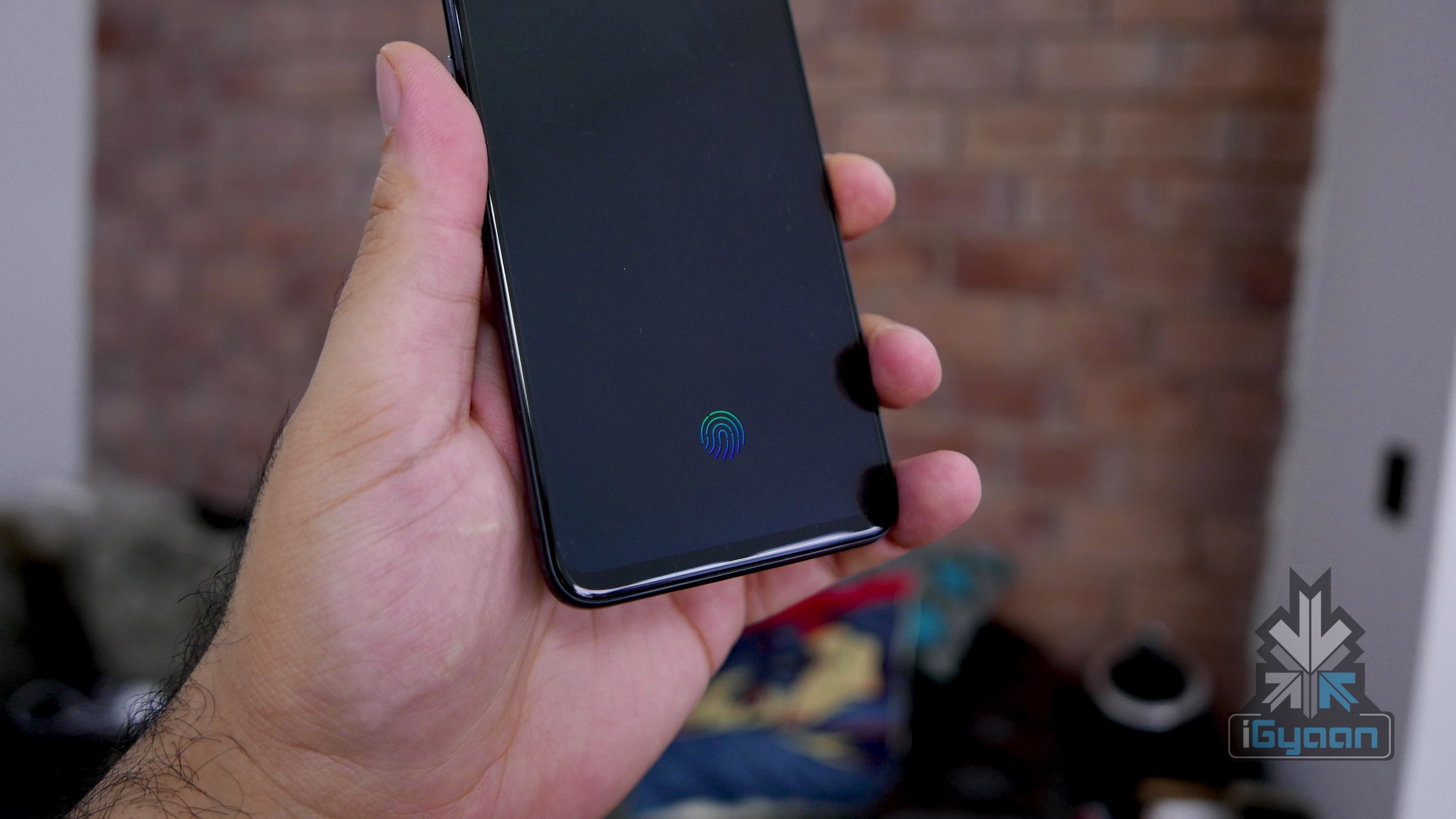
The in display fingerprint scanners for smartphones was first shown off at the Consumer Electronics Show (CES) last year by Vivo. Few months after, the technology was made commercially available in the form of the Vivo X21 UD smartphone. Since then, many other major OEMs have started providing an in display fingerprint sensor on their devices.
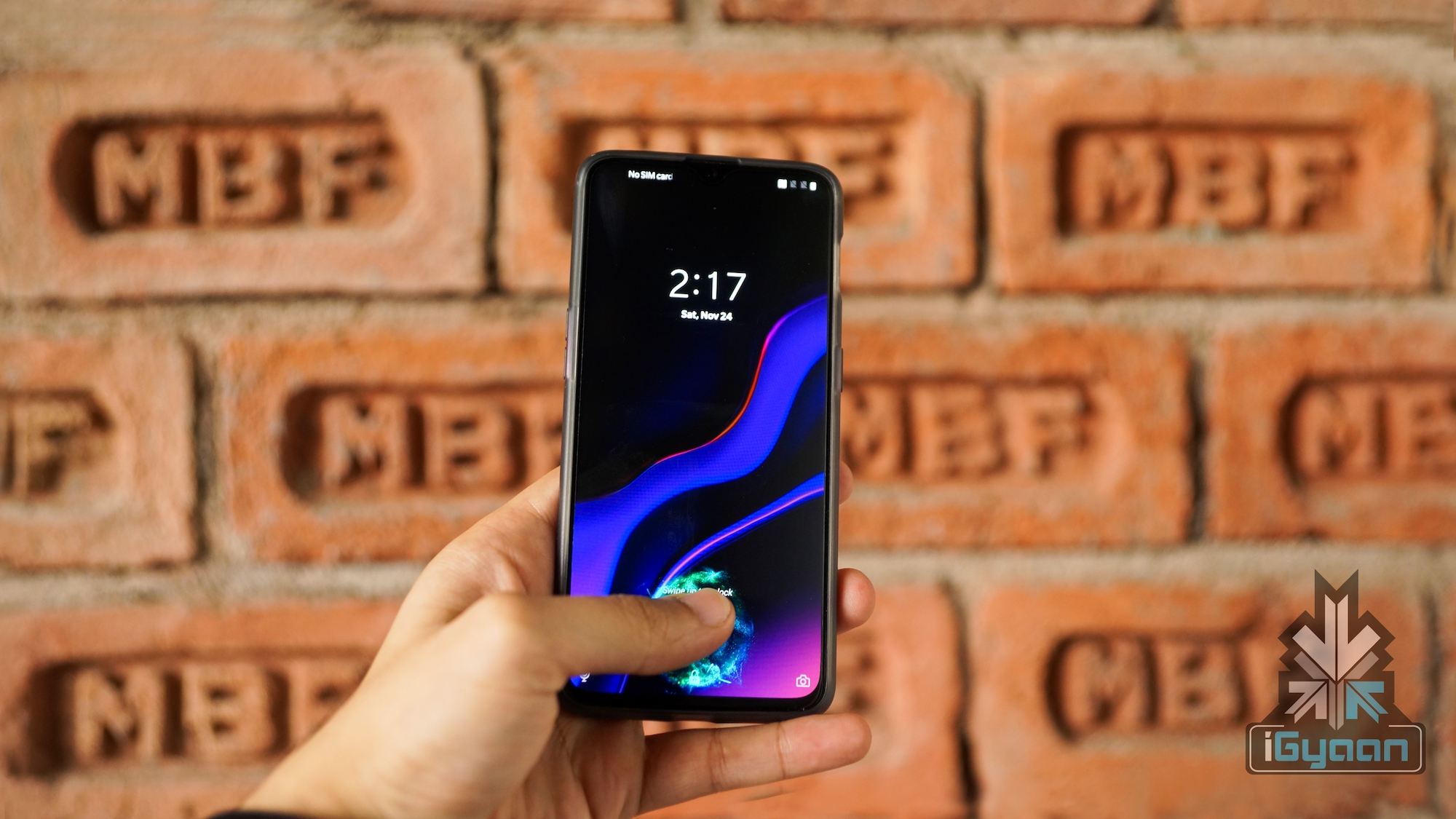
OnePlus 6T
Notably, the feature has been limited to smartphones that feature an OLED display. Mainly due to the reason that only an OLED display allows light to pass through; to authenticate a fingerprint via the underneath mounted sensor. While there are benefits to an OLED display, they are significantly expensive than LCD displays to be used in smartphones.
Now, another Chinese display giant BOE; who is one of the world’s largest display suppliers has announced it has successfully developed the technology. The company plans on mass producing LCD displays with support for in display fingerprint scanners by the end of this year. This suggests handsets with the technology will be ready for primetime by early next year.
What Makes It Groundbreaking?
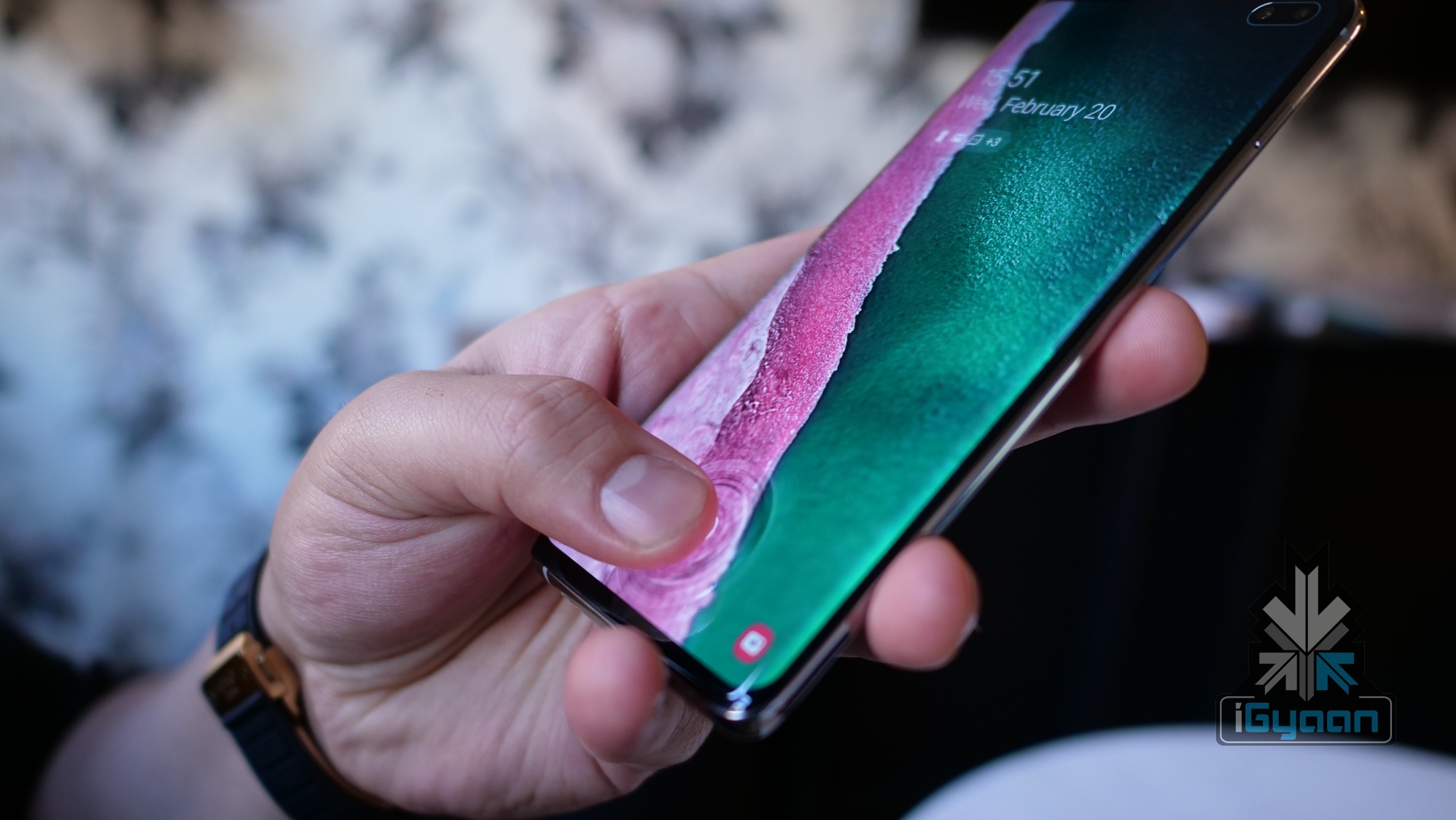
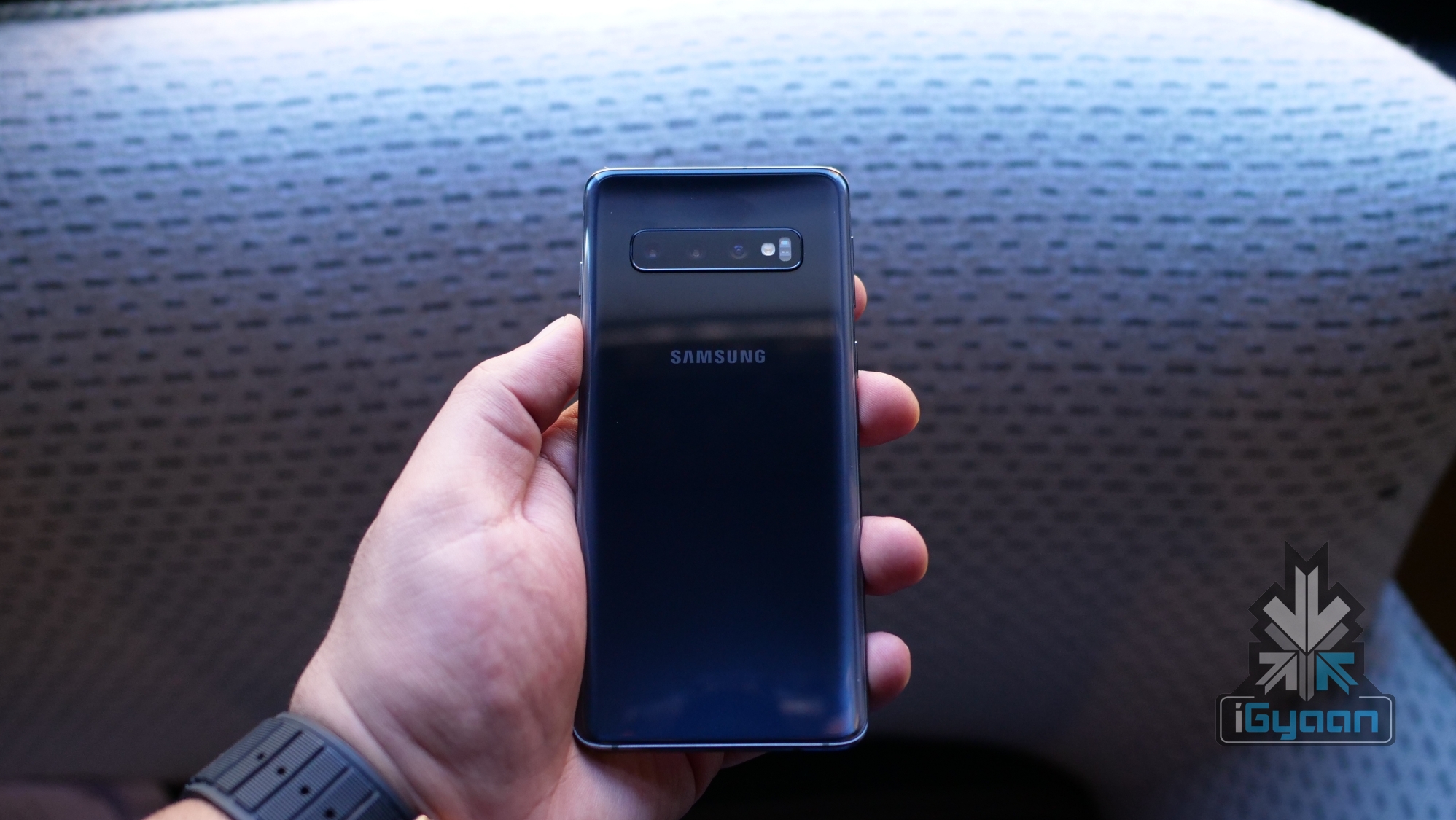
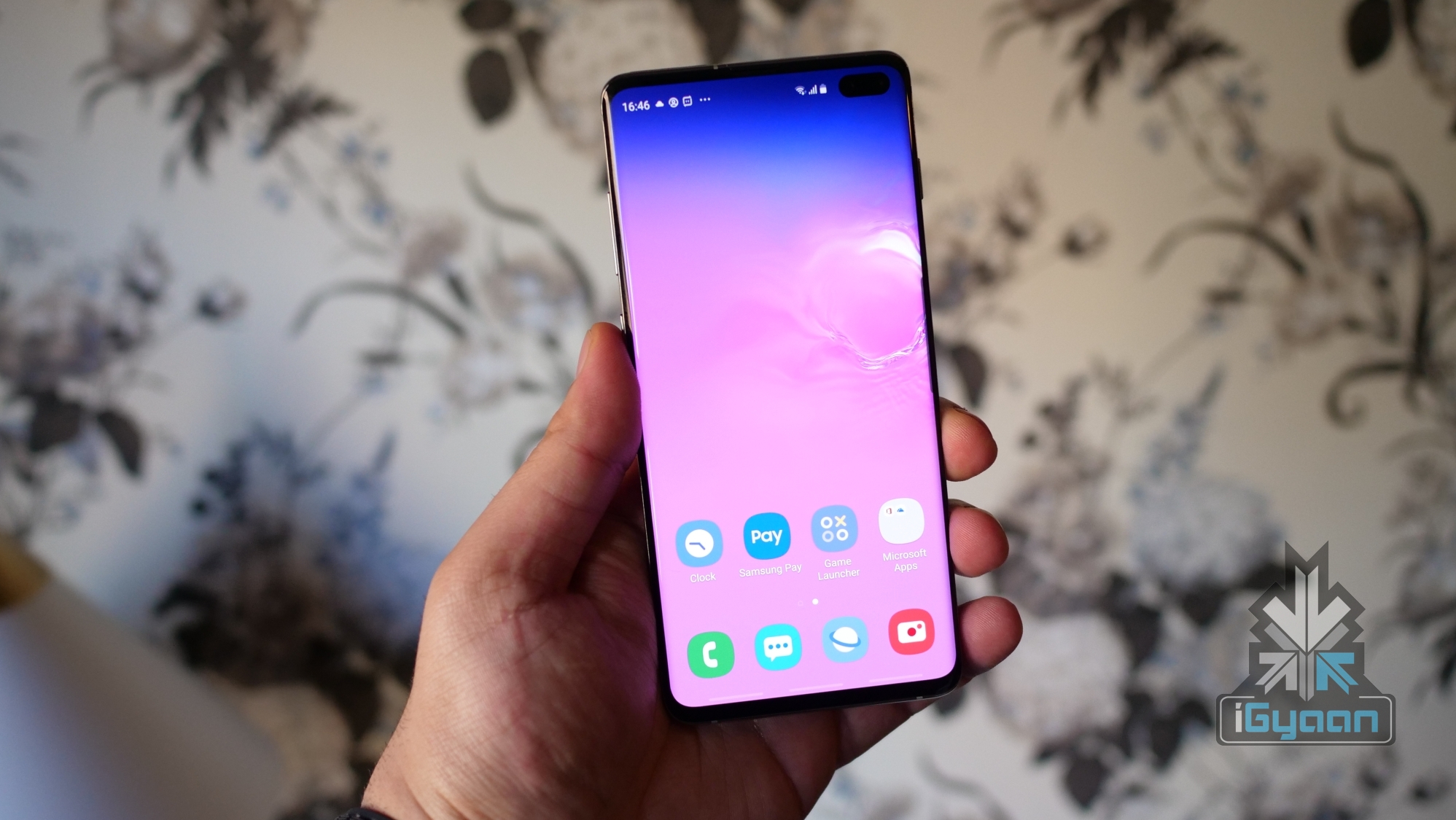
As mentioned above, traditional in display fingerprint scanners use light to authenticate and unlock the smartphone, like in the OnePlus 6T. These are called Optical fingerprint scanners. Samsung in its Galaxy S10, Galaxy S10+and Galaxy S10 5G uses an ultrasonic in display fingerprint sensor. As opposed to optical ones, these use a sonic pulse wave to authenticate the user’s fingerprint and is claimed to be more secure than the former. In the past, both instances have used an OLED display to work because neither light nor a sonic pulse wave can pass through conventional LCD displays.
As LCD displays are more affordable to manufacture and are found in abundance in budget and mid-range smartphones; an LCD in display fingerprint scanner is big news. This insinuates future budget devices may be featuring a fingerprint sensor inside the handset’s screen. Surprisingly, a senior executive at Xiaomi has already confirmed that smartphones with this feature will be released as early as the next year.
Back in the month of April, a Chinese company Fortsense also announced; that it has successfully tested working in display fingerprint scanning technology for LCD displays. This news was considered a groundbreaking breakthrough, as Statistics have shown that LCD-screen models accounted for up to 85% of a total of 1.456 billion smartphones shipped worldwide in 2018. It also meant that if more major display makers follow suit, the technology would be available in major budget devices.
Earlier this year, Samsung launched the tenth iteration of the Galaxy S series of smartphones which carry the “Galaxy S10” branding. Following the successful launch of S10 lineup, Samsung is bracing for the launch of another flagship lineup of handsets, the Galaxy Note 10.
Samsung Galaxy S10+
Unlike past years, the company will launch multiple variants of the 10th Gen Galaxy Note. The upcoming devices will allegedly be called the Galaxy Note 10e, Galaxy Note 10+, Galaxy Note 10 5G and the standard Galaxy Note 10.
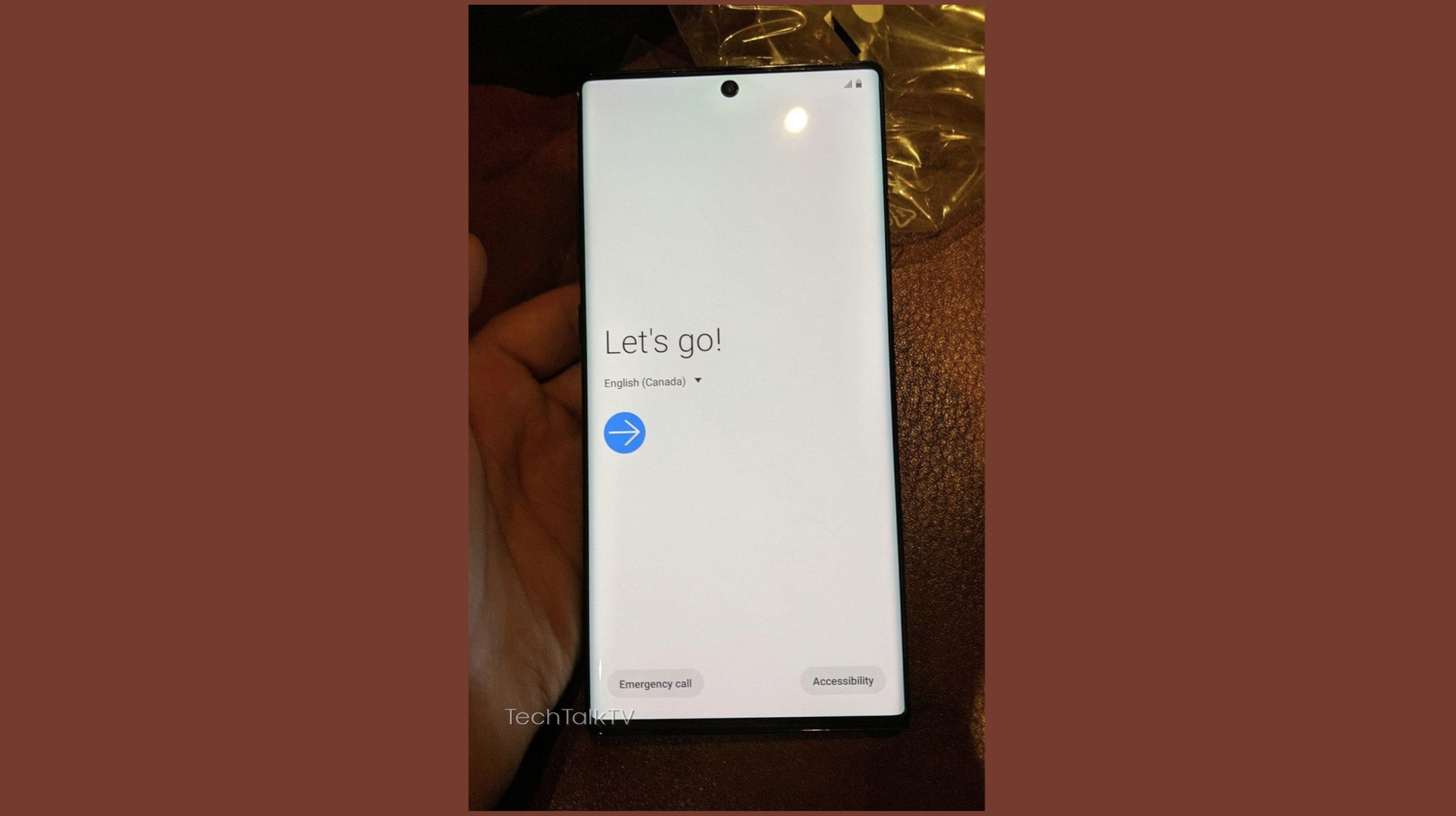
Renders of the upcoming smartphones based on rumours and claims have previously surfaced on the internet. But with the latest leak, the actual images of Galaxy Note 10+ have been revealed by a user on the micro-blogging website, Twitter.
Samsung Galaxy Note 10+ Punch Hole Camera
The leaked images of the Galaxy Note 10+ exhibit a smartphone with large screen display which is surrounded by insignificant bezels. Noteworthy, it also presents a punch hole selfie camera in the display which goes in line with the previously leaked screen protectors.
Samsung Galaxy Note 10+ Front
The Tweet consists of three images, out of which the first one clearly shows that the high end Galaxy Note 10 will be called Galaxy Note 10+ and not Galaxy Note 10 Pro which some reports in the past claimed.
Samsung Galaxy Note 10+ Rear
The third image shared by the leakster reveals the rear of the Galaxy Note 10+. Although the image is very blurred, it can be derived that the smartphone will have a quad rear camera setup which past renders have shown.
The current leak does not provide any specifications of the Galaxy Note 10+ but they can be extracted from past leaks which were previously mentioned.
In terms of chipset, the Galaxy Note 10+ is destined to feature the Snapdragon 855 or the Exynos 9820 SoC which will depend on the region. The device is reported to feature a 4500 mAh batterywhich will support fast charging of 25 W or upwards.
All in all, the Galaxy Note 10+ looks like unique handset with visionary design and top notch features. In order to get precise details of the smartphone including price and features, we will have to wait for Samsung to officially publicise them at the launch event which is expected to happen in the second week of August.
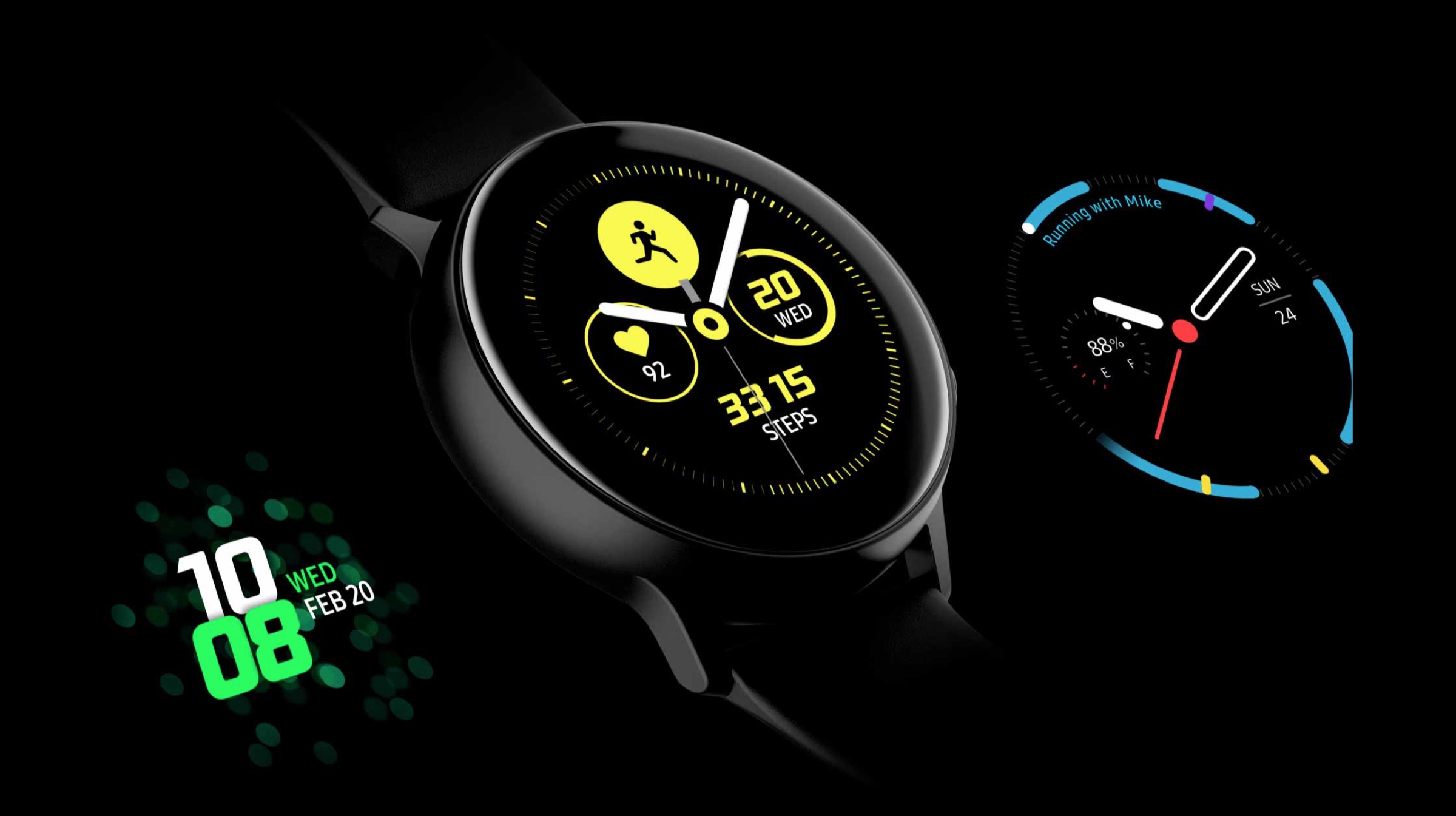
Korean technology giant Samsung rebranded its wearable lineup by dropping the “Gear” label to adopting the iconic “Galaxy” moniker; starting from last year’s Galaxy Watch smartwatch. The company then launched a slew of devices under the new brand name, including the Galaxy Watch Active launched in the month of February this year. It is a fitness-focused wearable and a separate device from the original Galaxy Watch. Now, images of its successor, purportedly called the Galaxy Watch Active 2 have been leaked online.
Samsung Galaxy Watch Active 2
As mentioned above, the Samsung Galaxy Watch Active 2 will be a successor to the smartwatch released a few months ago. The design of the wearable revealed in the image is reminiscent of its predecessor, albeit with a few changes. Unlike the previous generation, the home/power button is round in shape; while the back button on the top right is rectangular. A red circle is also visible in one of the images; which is claimed to be just a design quirk. Over at the back, the device has a new design, with it sporting a circular ring around the heart rate sensor.
In terms of specifications, it has been revealed that the Samsung Galaxy Watch Active 2 will have two variants; one with LTE support and one with support for just Wi-Fi networks. The former will be powered by a 340mAh battery while the latter will be provided with a 237mAh cell. The smartwatch is said to ship with OneUI version 1.5, which is supposedly a considerable improvement over the current version 1.0. Unfortunately more details like the features and the launch date of the Galaxy Watch Active 2 are not known yet. However, the leaked images suggest the device is ready for primetime. While it is arguable that a four-month-old wearable does not need a successor, we trust Samsung to know better; and hope that the update is worth the asking price.
The Flipkart Sale is currently live and numerous smartphones from companies including Samsung, Asus, Xiaomi, Realme among others are being offered on huge discounts. Therefore if you re planning on buying a new smartphone, you can do that right now while saving some cash.
The Flipkart Sale which is currently ongoing will last until the 30th of June 2019. Out of all the products listed, we have shortlisted the devices that offer the best value for money. Mentioned below is the list compiled by us:
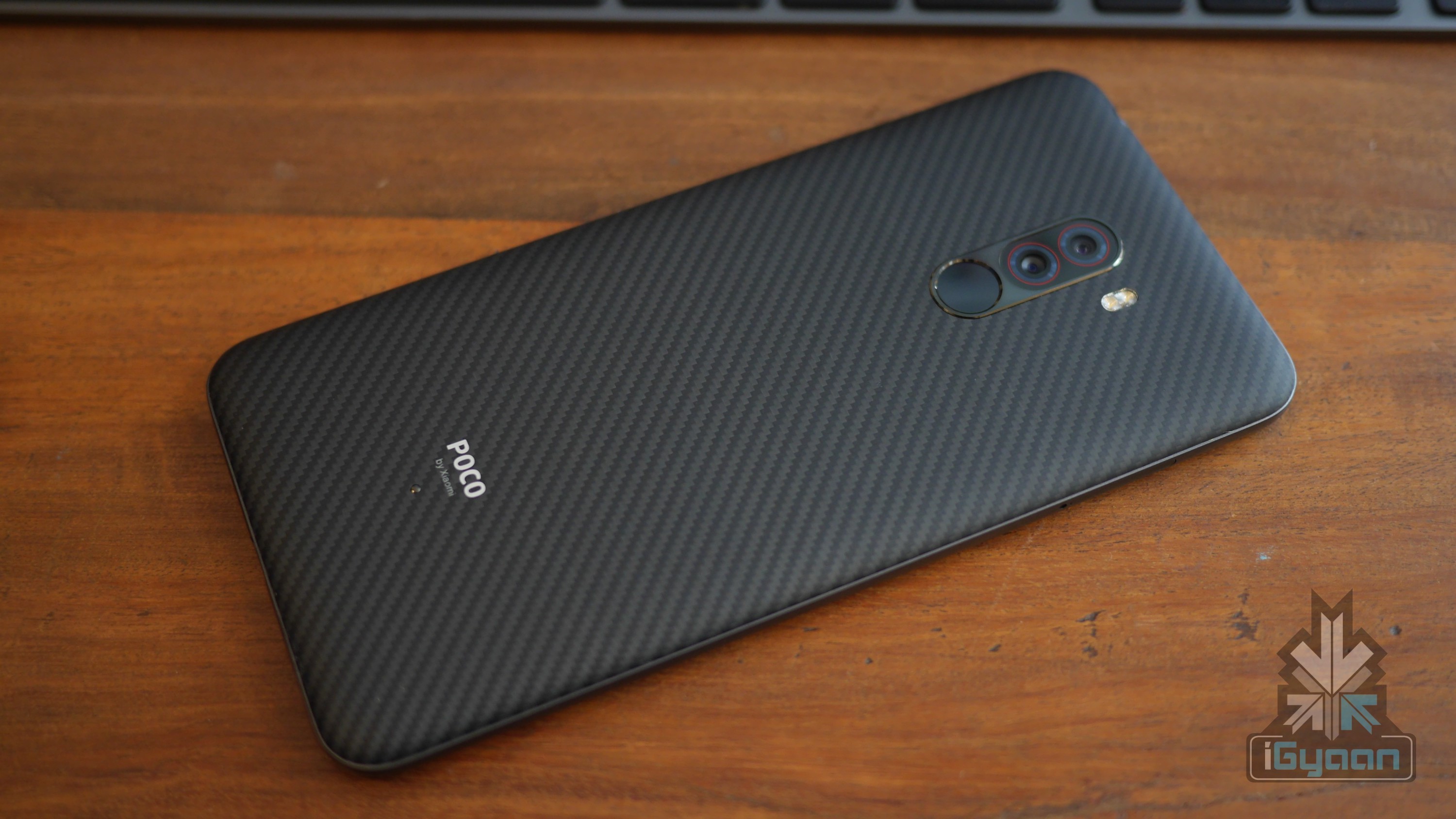
Poco F1
The Poco F1 was launched last year by Xiaomi as a ‘flagship killer’ which it did live up to an extent. The smartphone boasts of the Snapdragon 845 SoC with an Octa Core CPU. It has a robust build and sports a 6.18 inch display with FHD+ resolution.
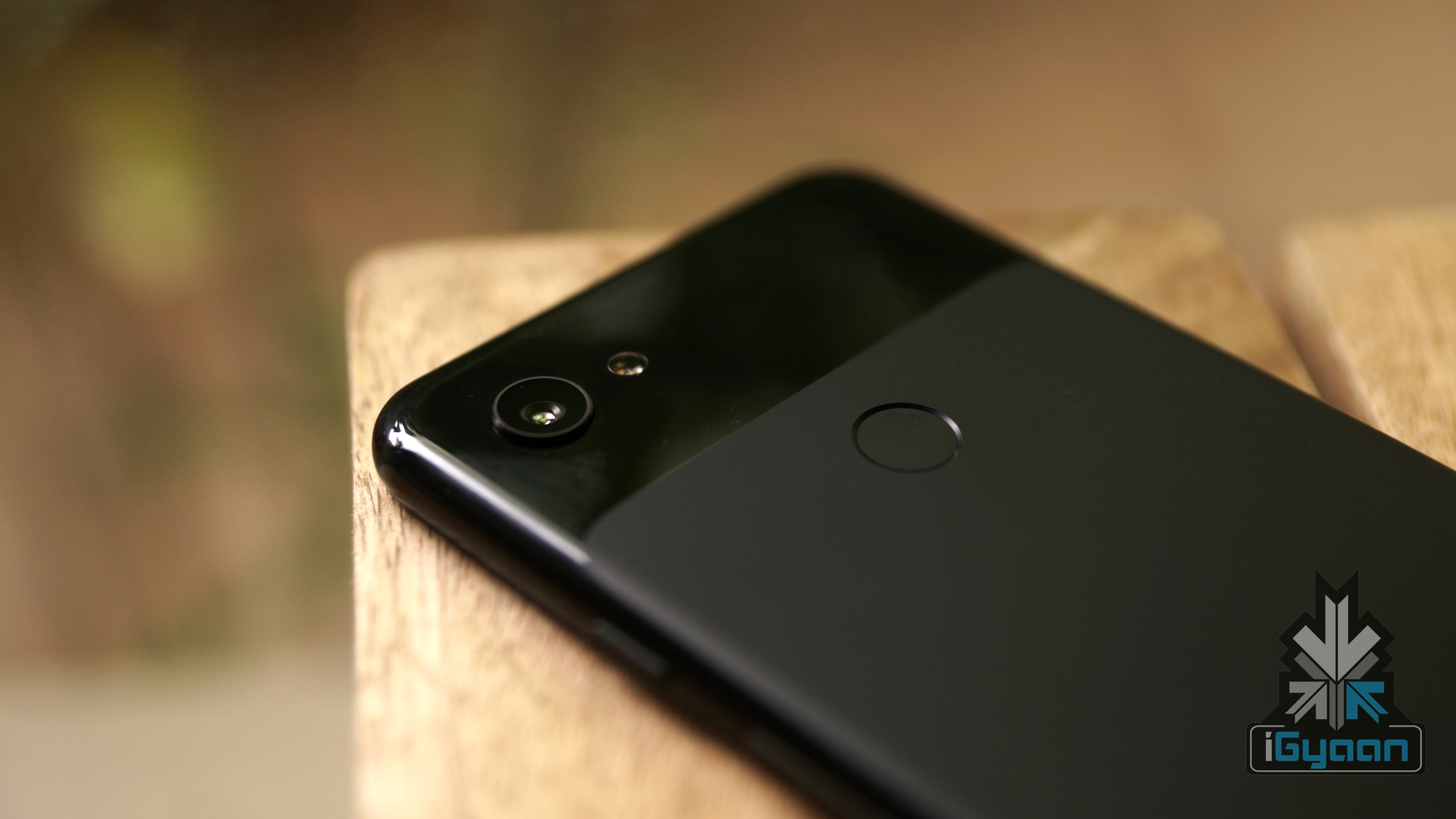
Pixel 3a is the first mid-range offering from Google’s line up of smartphones. The device design strikes a resemblance to its beefier siblings. The Pixel 3a sports the Qualcomm Snapdragon 670 octa-core processor on a 6.0 inch FHD+ OLED display.
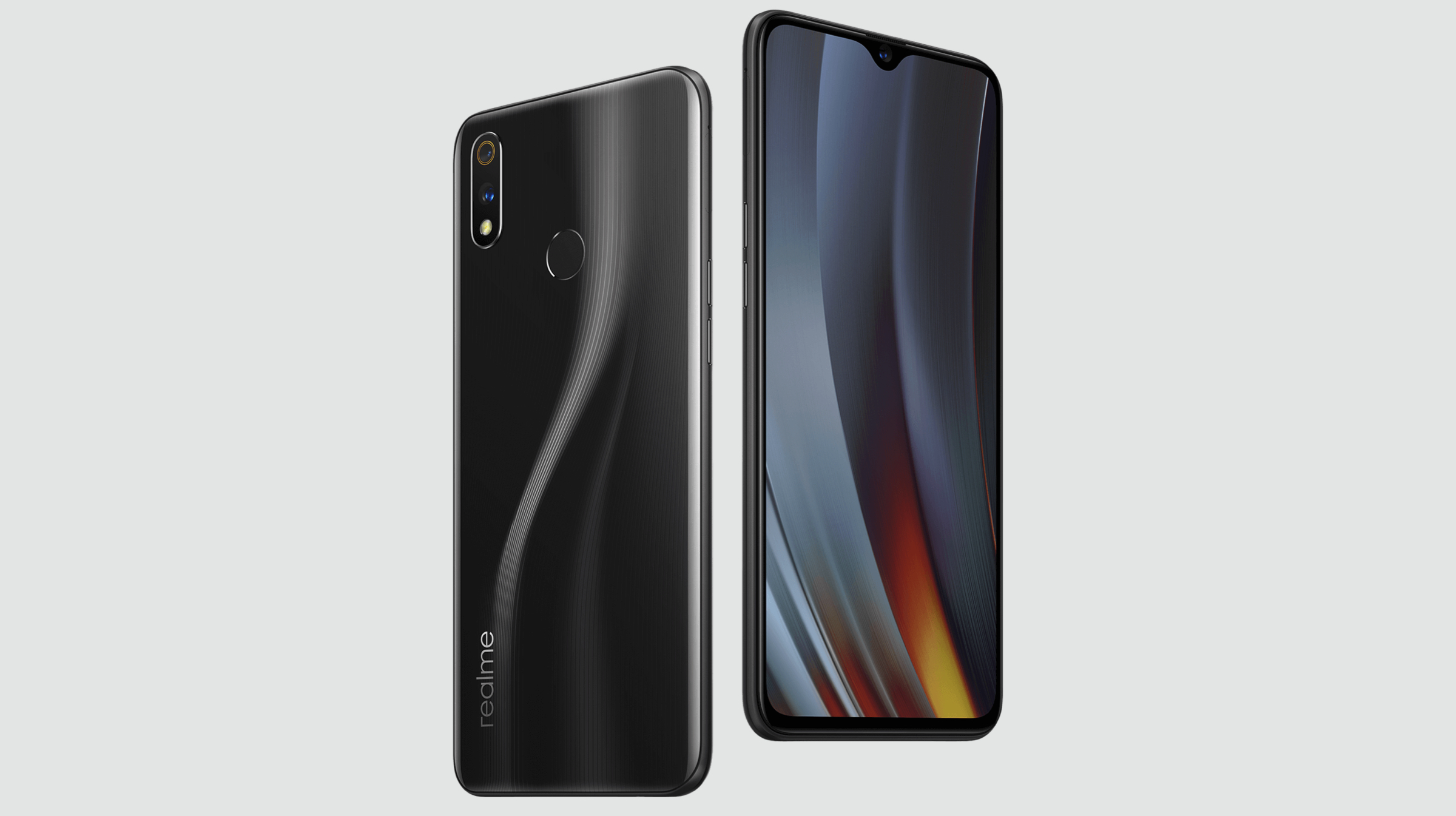
The Realme 3 Pro is the latest entry in the company’s flagship lineup with the Snapdragon 710 SoC. The smartphone offers competitive specifications at a lucrative price tag. On the latest sale, it is now more affordable and offers a better value for money proposition.
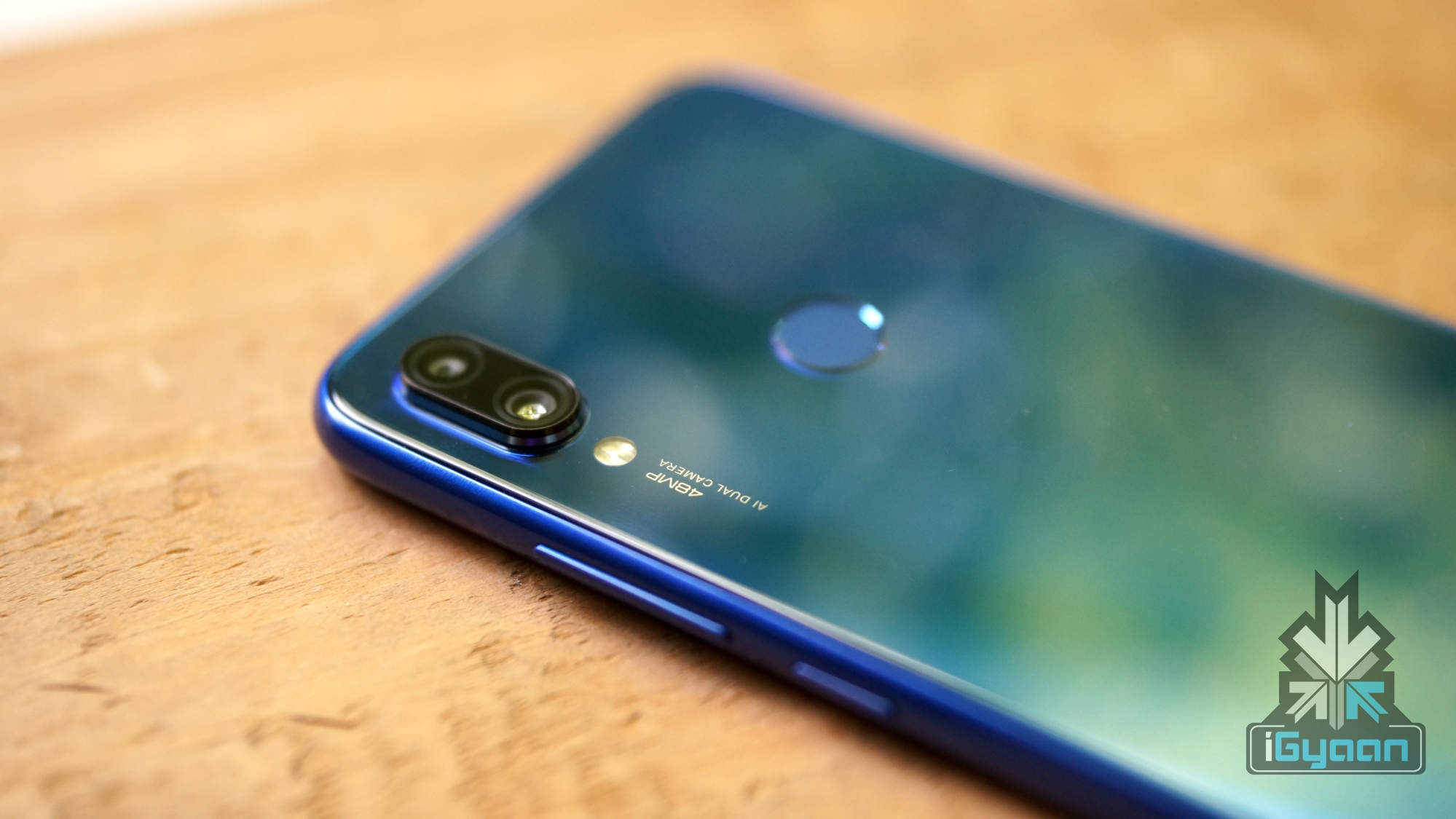
Xiaomi’s Redmi Note 7S is the latest smartphone that features minor upgrades over the Note 7. It is also the most affordable device in the country with a 48MP primary camera. The handset features an attractive design, which is complemented by powerful hardware inside it.
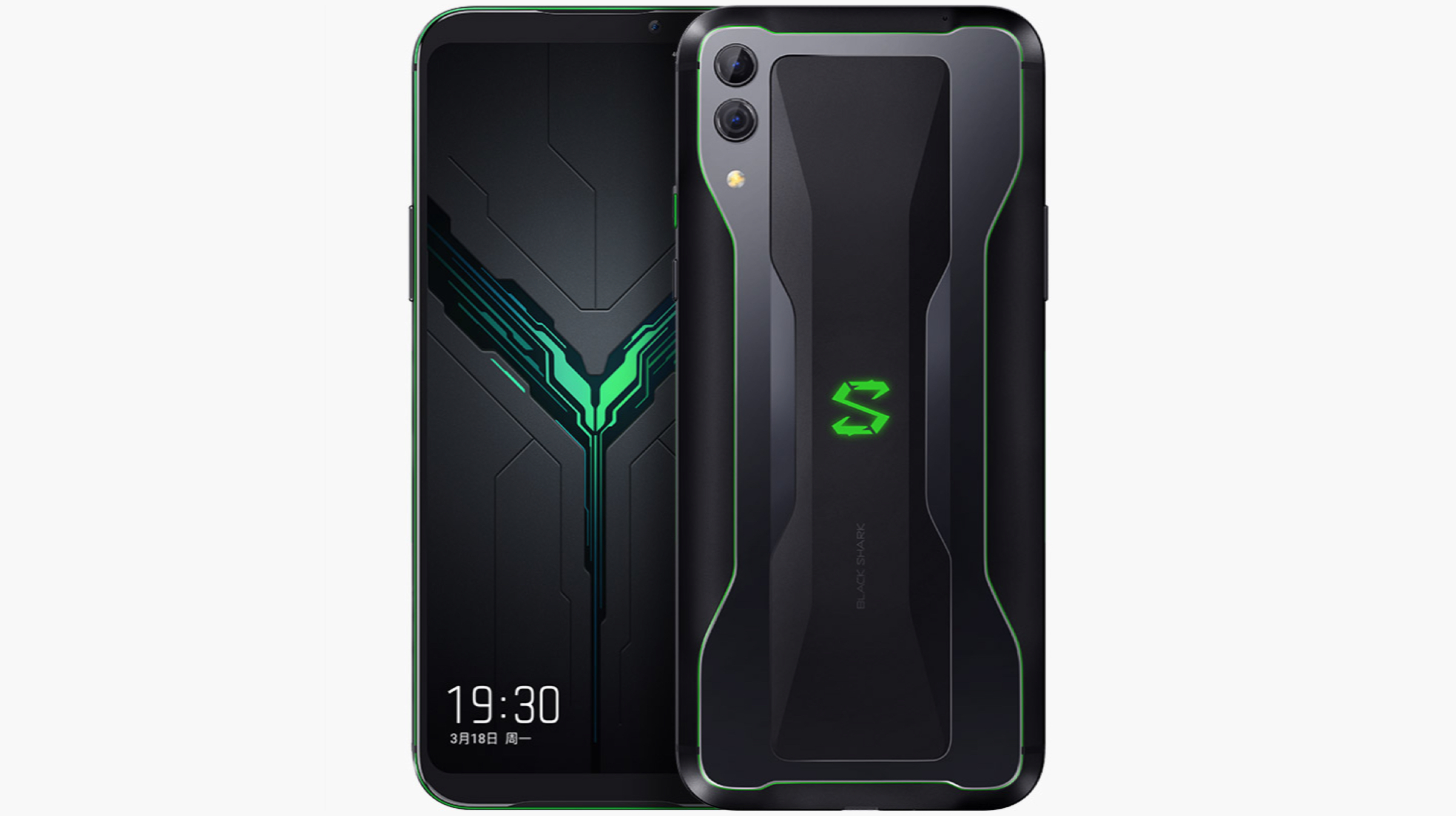
The Xiaomi Black Shark 2 is a smartphone built specifically for gaming with aesthetics and software and enhancements alongside top-notch specs. It is one of the first devices in India to feature the latest 7nm Snapdragon 855 SoC.
Asus launched the mid-range budget smartphone in April 2018 with the stock Android interface and a massive 5,000mAh battery. While the second generation of the device is already out, the handset is still a very popular budget offering that promises great value for money.
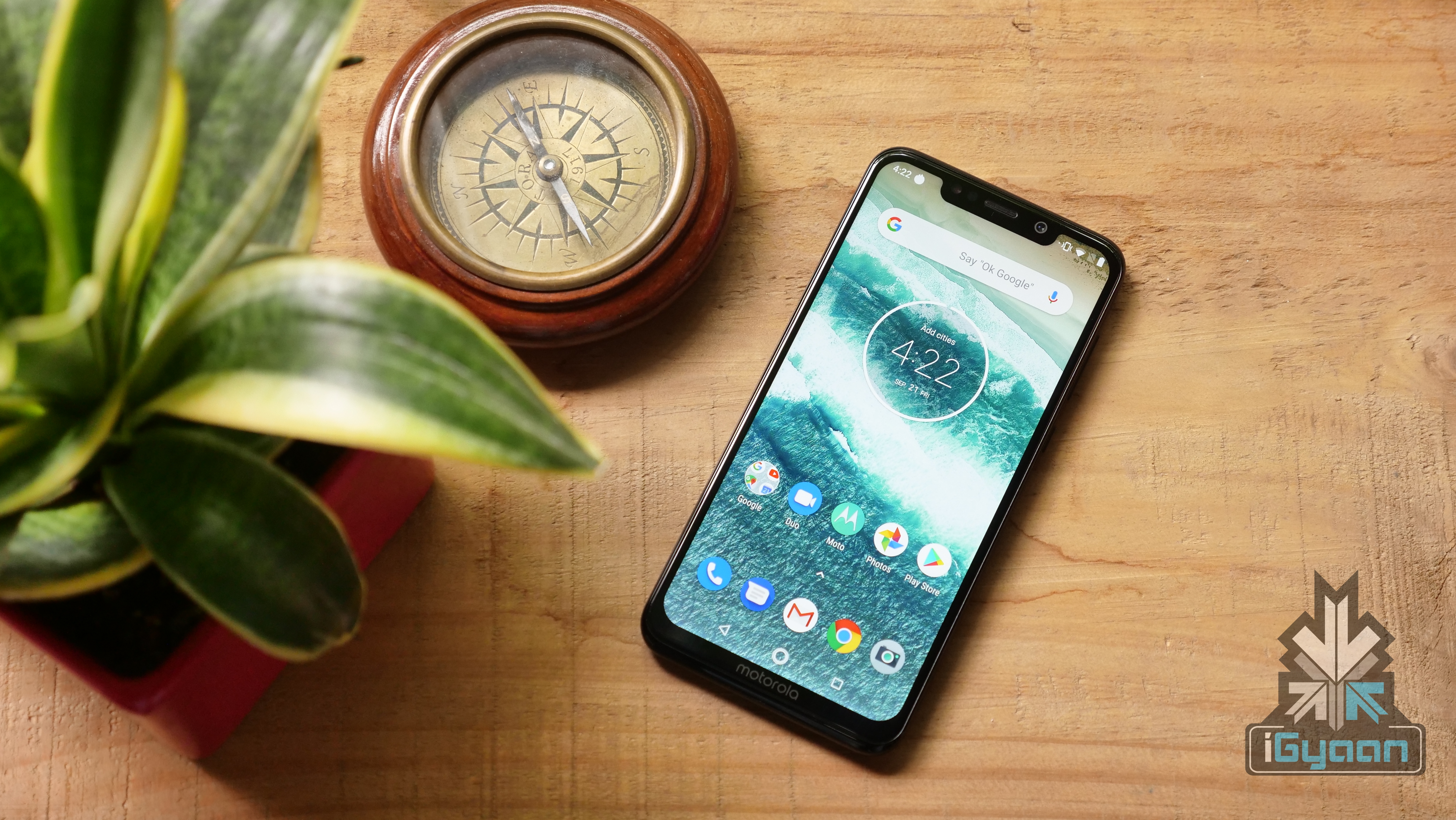
Motorola One Power was an Indian exclusive mid-range device with a notched display and a large 5,000mAh battery. It is an Android One certified device, which means that it runs on stock, bloatware free software with guaranteed updates for two years and security patches for up to three years.
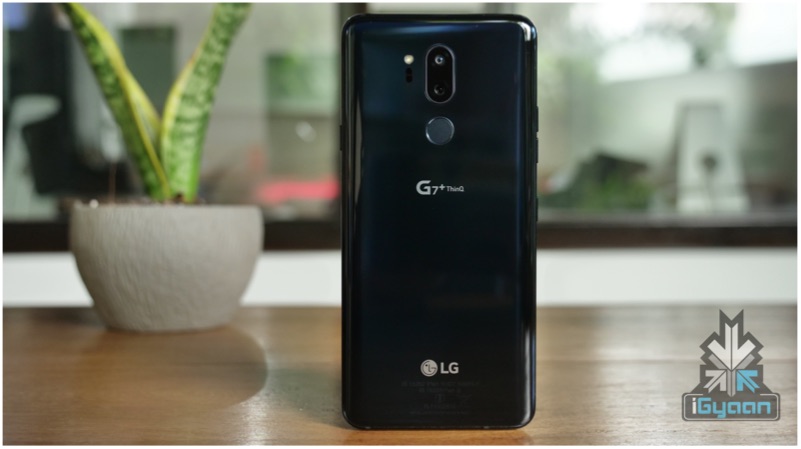
The LG flagship from 2018 that after receiving numerous price slashes became a premium top-notch smartphone on a budget. The device features a modern design with an ultra-bright display, boomsound speakers and an IP68 rating for water and dust resistance.
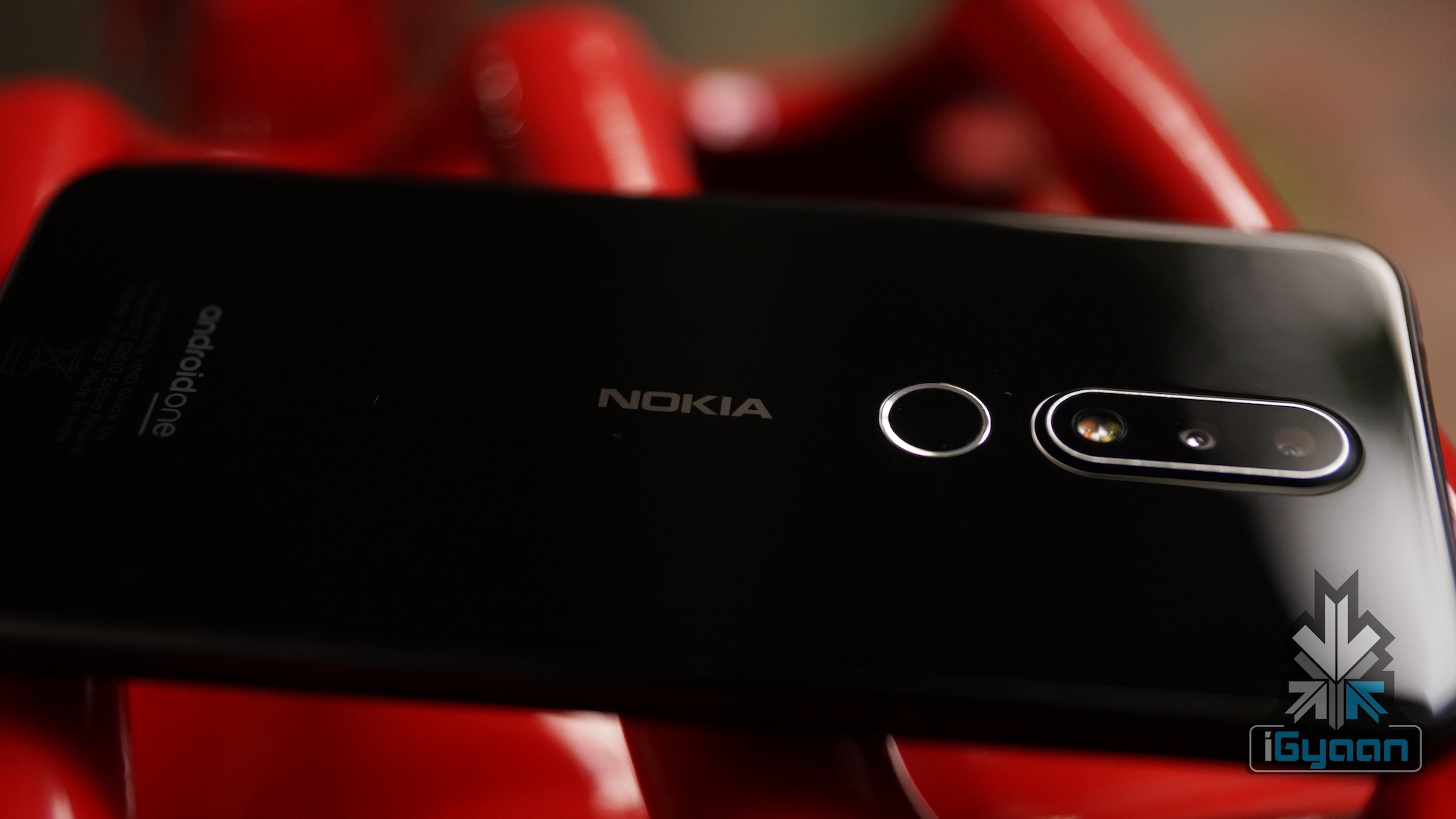
The Nokia 6.1 Plus was a mid-range smartphone that sported a dual camera setup with an aluminium frame body. It offers a clean and stock build of Android which is topped by the Android One certification. This means that it will receive major software updates for two years and security patches for at least three years.
The Nokia 5.1 Plus was unveiled in 2018 as a budget smartphone under 11k that sported a dual camera set up. It offers a clean and stock build of Android which is topped by the Android One certification. This means that it will receive major software updates for two years and security patches for at least three years.
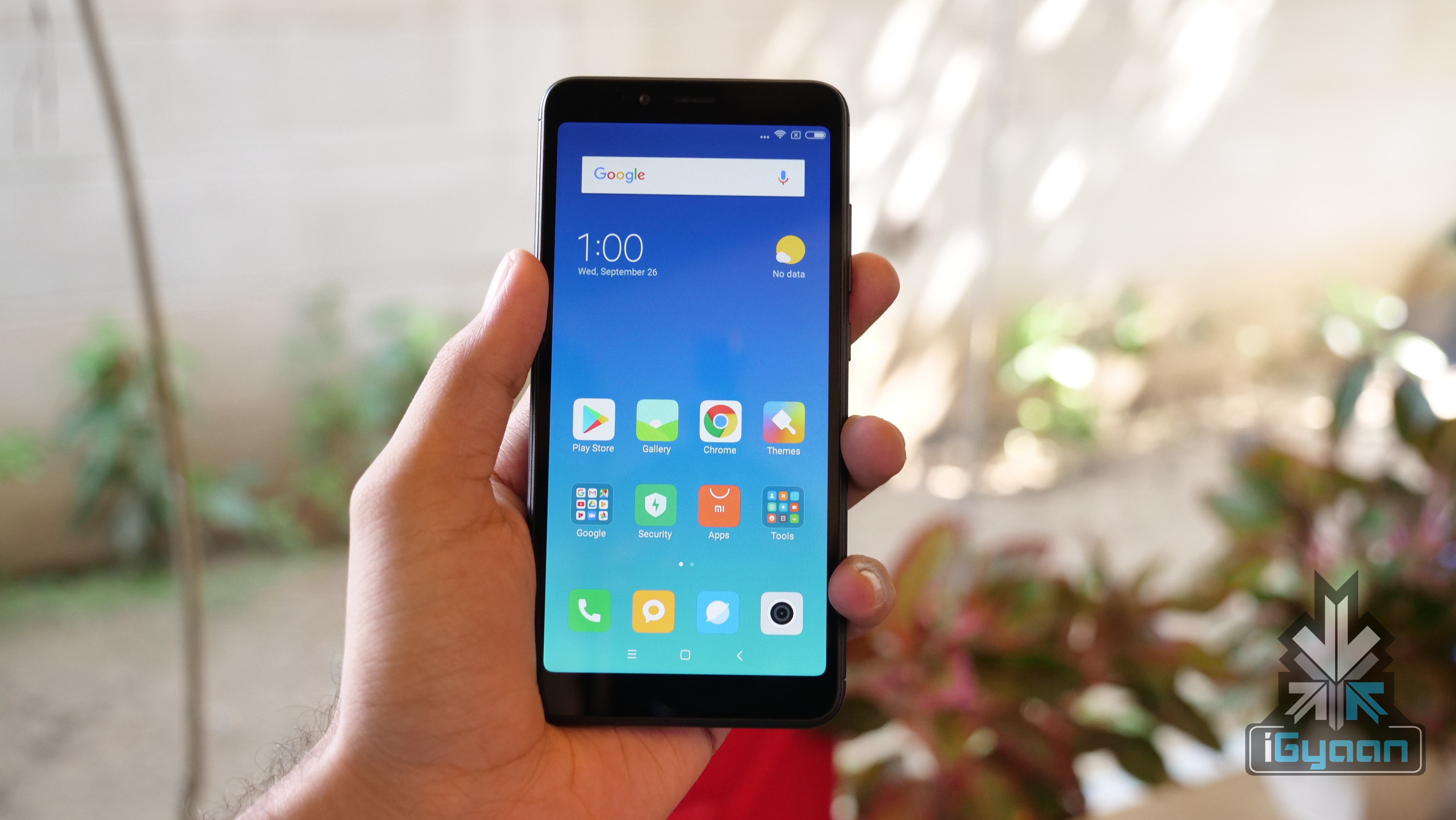
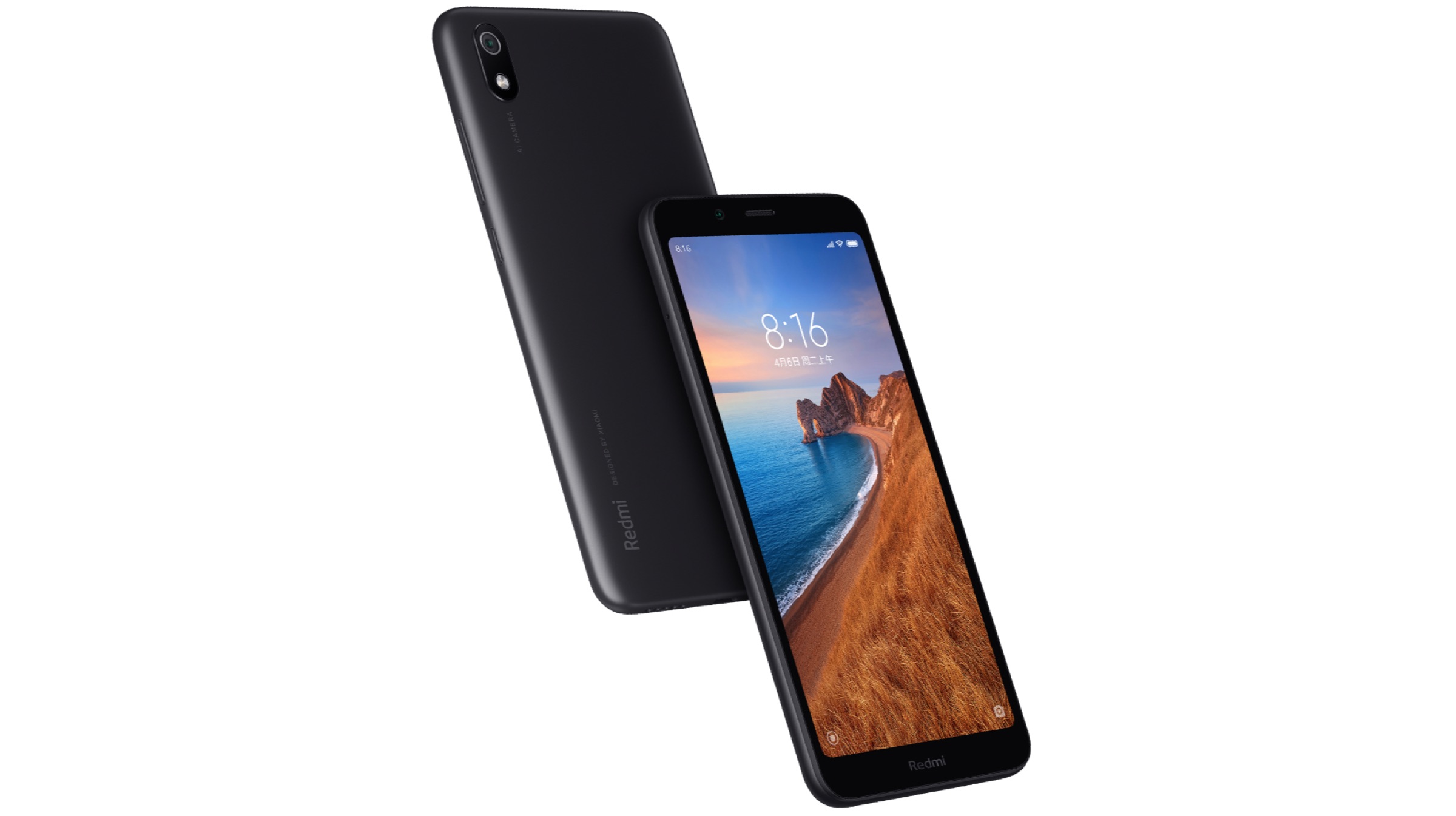
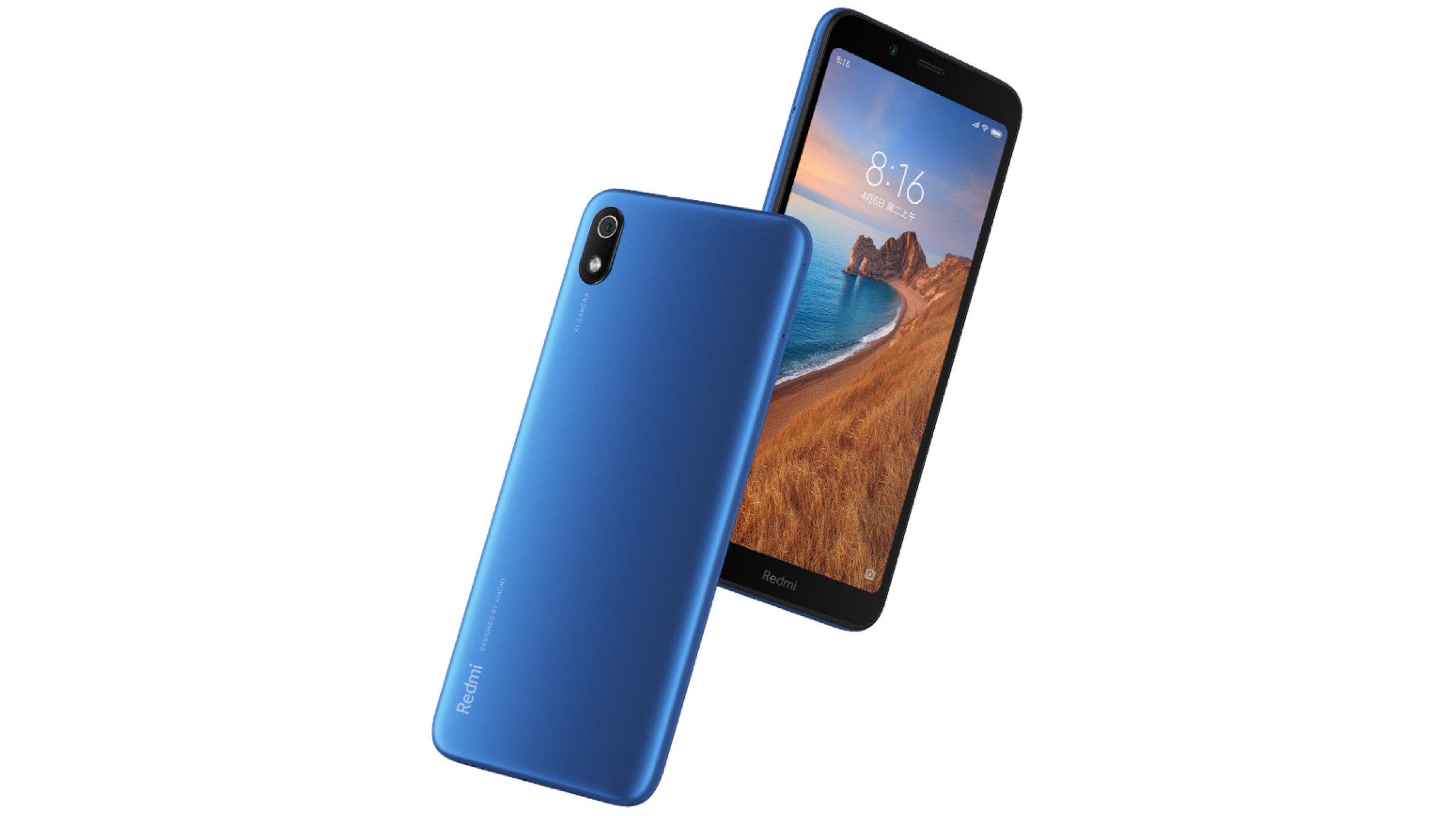
Xiaomi launched its latest budget smartphone, the Redmi 7A in China last month. The device is the successor of the Redmi 6A and is a part of the company’s widely popular Redmi A series. Unfortunately, the company did not provide any specific date for the Indian unveiling of the handset at the time. Now, a senior Xiaomi executive has revealed that the Redmi 7A will be introduced in the Indian market soon. The smartphone may be launched alongside the Redmi K20 series next month.
To recall, the Redmi 7A measures 146.30 × 70.41 × 9.55mm, weighs 150g and has a polycarbonate construction with a similar design to its predecessor. It has a 5.45 inch LCD display with a resolution of 1440 x 720 px and an aspect ratio of 18:9. There are significant bezels on the top and bottom of the device with the company branding at the chin. As it is a budget device, it lacks any form of biometric security like a fingerprint scanner. Users will instead have to rely on conventional unlocking methods; such as numerical pins, patterns and passwords to access the Redmi 7A.
The Xiaomi Redmi 7A runs on the 12nm Snapdragon 439 SoC which is also seen in the Nokia 4.2 (Review). The chipset is comprised of an Octa-core CPU and the Adreno 505 GPU. In terms of optics, the smartphone has a single 13MP rear camera with LED flash. For selfies, a 5MP front-facing camera is present on top of the display. For memory and storage, the handset may be available in the following variants.
2GB RAM and 16GB ROM
3GB RAM and 32GB ROM
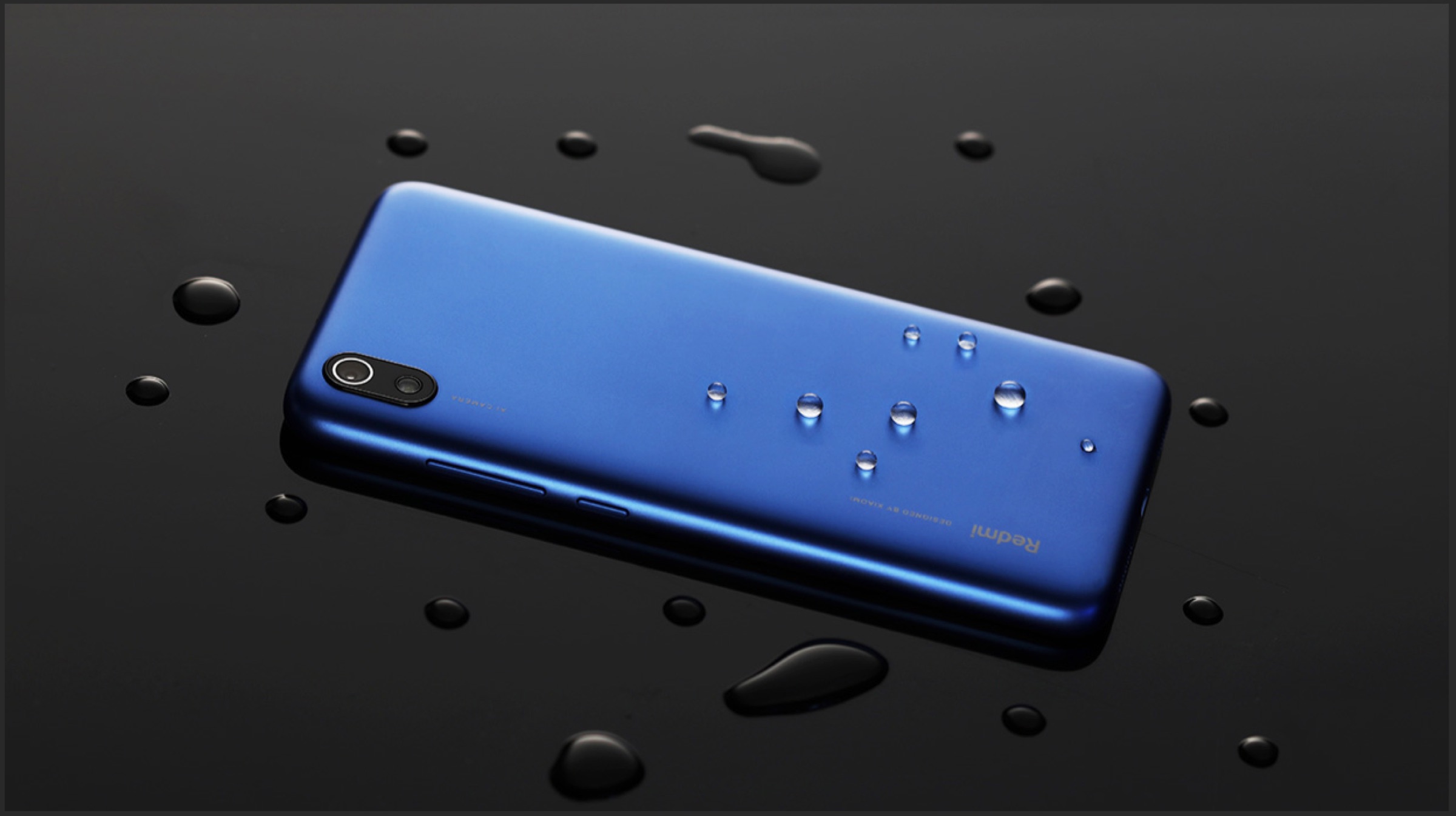
The Xiaomi Redmi 7A is powered by a 4000 mAh battery with support for 10W wired charging. Furthermore, the handset has a triple card slot which supports two SIM cards; and a separate microSD card of up to 256GB in capacity. It has a hydrophobic P2i coating which should make it resistant to a degree of liquid splashes. The smartphone runs on MIUI 10 on top of the current Android 9 Pie.
The Redmi 7A as mentioned above is expected to launch in India next month. The smartphone may be launched alongside the Redmi K20 and Redmi K20 Pro which are confirmed to launch in July. While the pricing of the upcoming budget device is not known for the Indian market; it is expected to be priced near the Rs. 6,000 mark.
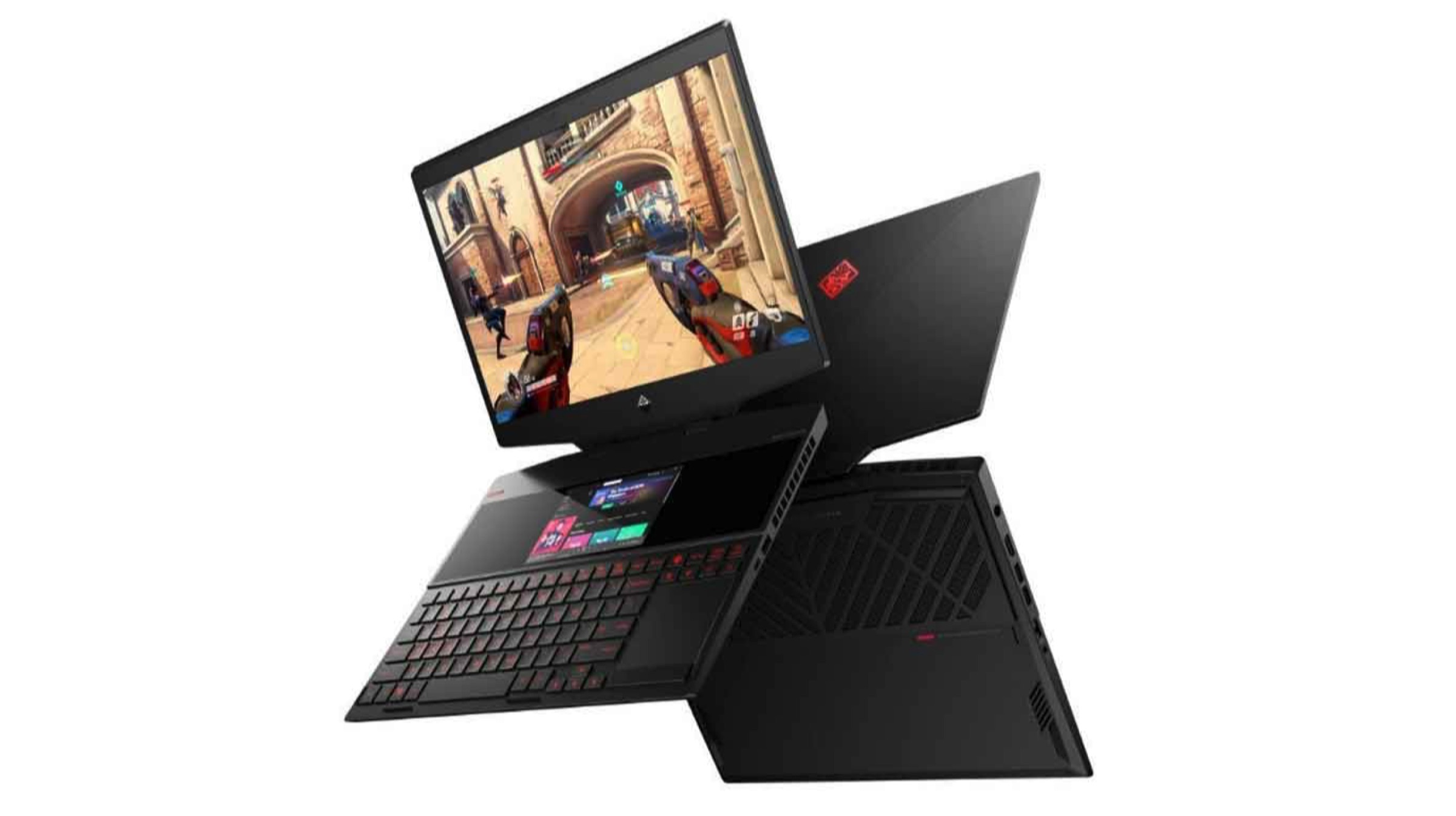
HP has introduced new entries in its range of gaming laptops. Omen laptops are known to sport top end hardware specifications for gaming purposes. The company has now unveiled the world’s first dual-screen gaming laptop, Omen X 2S, which will feature unique cooling mechanisms alongside the new OMEN 15 and Pavilion Gaming 15 laptops.
Key Features:
6-inch secondary 1080p display
15-inch primary with options between FHD and UHD displays.
Thermal Grizzly Conductonaut Thermal Solution
NVIDIA Series Graphics Card upto RTX 2080.
Dual screens laptops have started slowly gaining a more mainstream commercial audience. Computex 2019 was one of the major events where the technology had gained major coverage. The technology is not brand new, but for the first time is available to the gaming markets instead of first-look on prototypes. HP, in a press release, introduced the Omen X 2S that is going to be launched in India along with HP Omen 15 and Pavilion Gaming 15.
New Secondary Screen
The unique gaming laptop will receive various HP enhancements in the software to improve the overall gaming experience. HP Omen X2S will offer numerous multitasking capabilities to the user with its new secondary display. Most gamers out there would tend to listen to music, watch game streamers or even check messages every now and then. The new screen offers the same functionality without ever needing to reach for a smartphone of turning away from the system.
Players can text friends on chatting apps like WhatsApp, browse through the music of their choice from Spotify and even connect to Youtube and Twitch. This is made possible on the 6-inch 1080p secondary screen above the keyboard of the laptop. The smaller display has its interface run by the OMEN Command Centre software that enables simple controls of the new space. The second screen can also highlight certain aspects seen on the main screen such as the map in racing and shooter games.
Design & Cooling
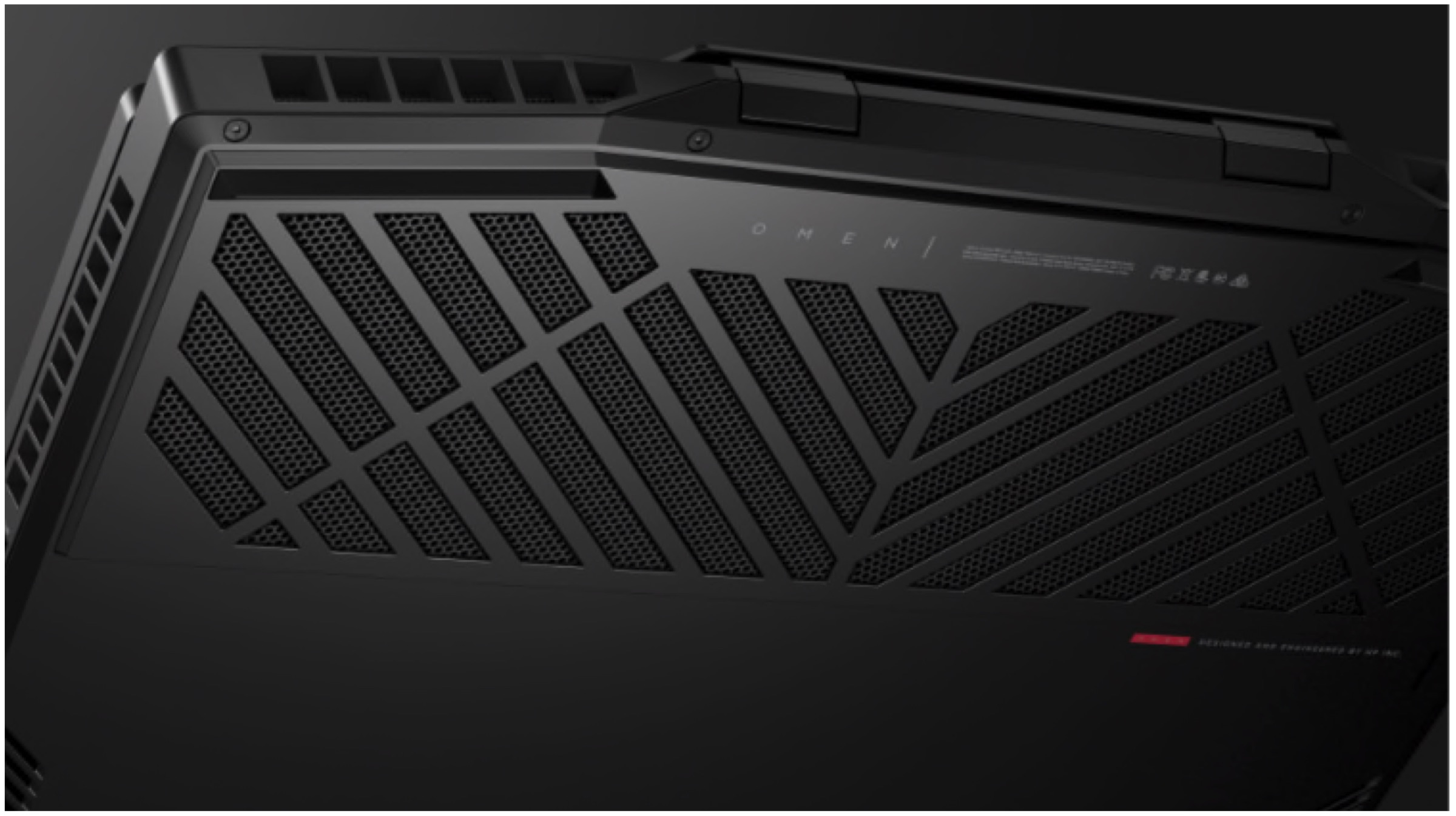
Gaming laptops have historically been known to run with higher power requirements and temperature. Various OEMs have tackled this with their own proprietary cooling solutions. HP brings its own take to the issue with its new OMEN “Tempest”. HP’s Omen X 2S is the first laptop to feature an applied liquid metal compound for its thermal solutions. HP claims that the aforementioned technology will pave the way for smaller and cooler heat management systems.
The upcoming gaming laptop is built on a 20mm full-metal body chassis. Omen X 2S sees a 20% reduction in size over its predecessors with the new cooling method. In terms of aesthetics, the device sports a familiar design that has been seen in previous iterations. The unique hinge and angular designs are what people have come to expect from HP’s Omen lineup.
Internal Specifications
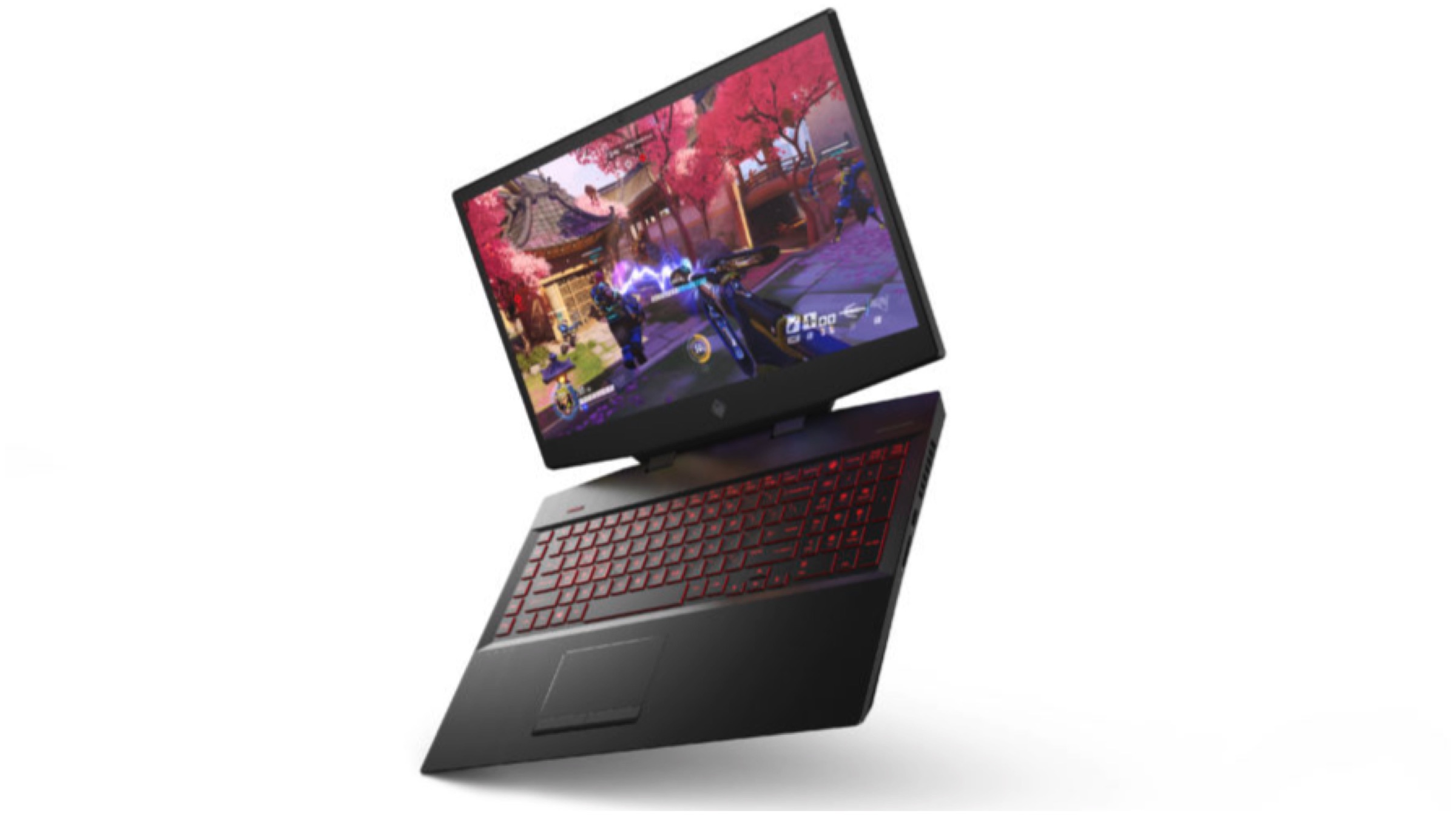
The upcoming gaming laptop, including the Omen 15, are available various configurations that potential buyers can opt for. Omen laptops can be equipped with the latest generation of 9th Gen Intel Core i9 octa-core processor. Graphical fidelity can be provided by the latest video cards from NVIDIA such as the RTX 2080 that feature the cooler and quieter Max-Q designs.
The amount of storage has yet to be detailed but upto 16GB of RAM will be provided by HP. Furthermore, since laptops are portable and more mobile than its desktop variants, the new Intel Wi-FI 6 is being provided as well. It is claimed to be 3 times faster in terms of file transfer speed over the older Wi-Fi 5.
Other Offerings
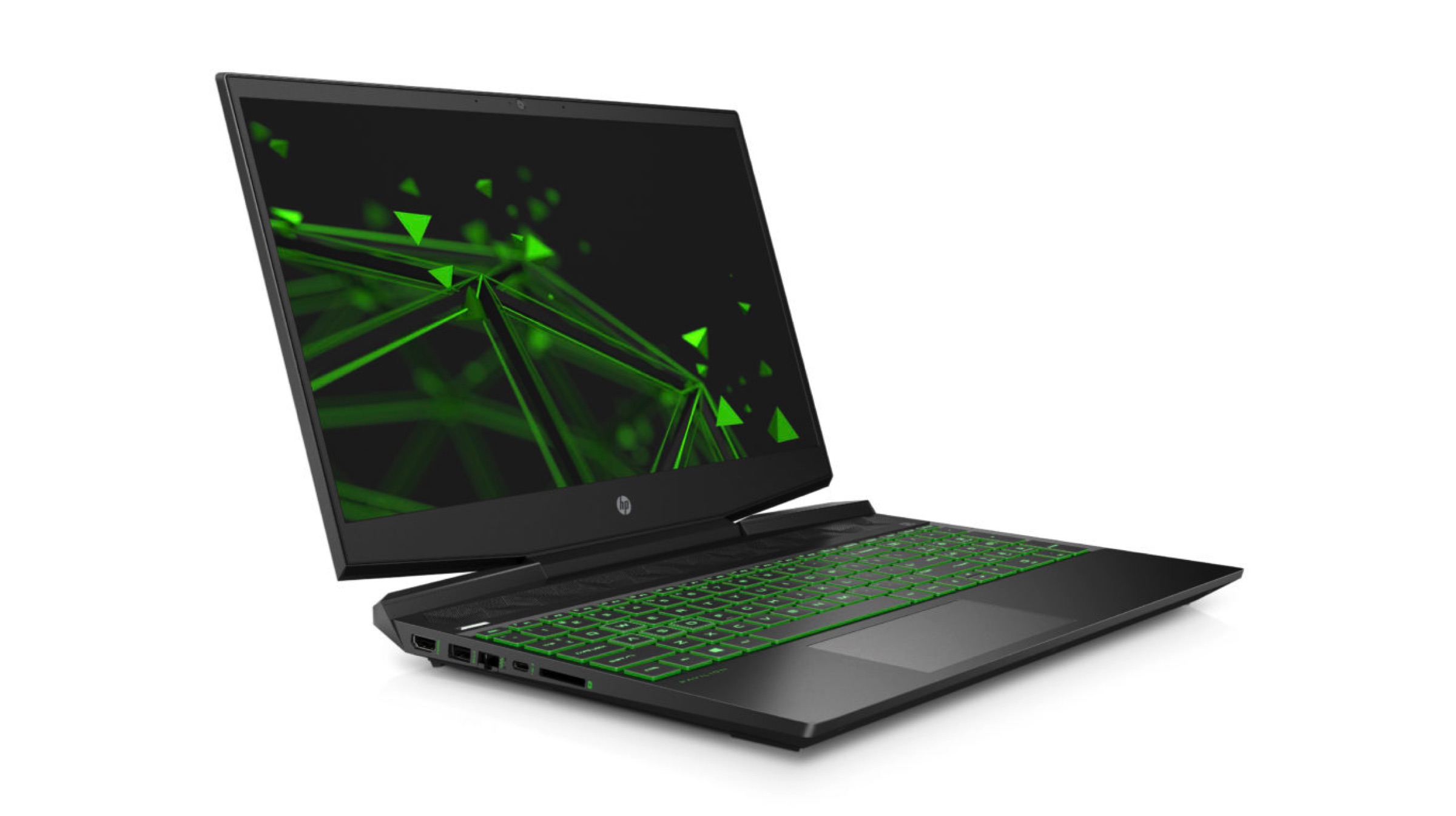
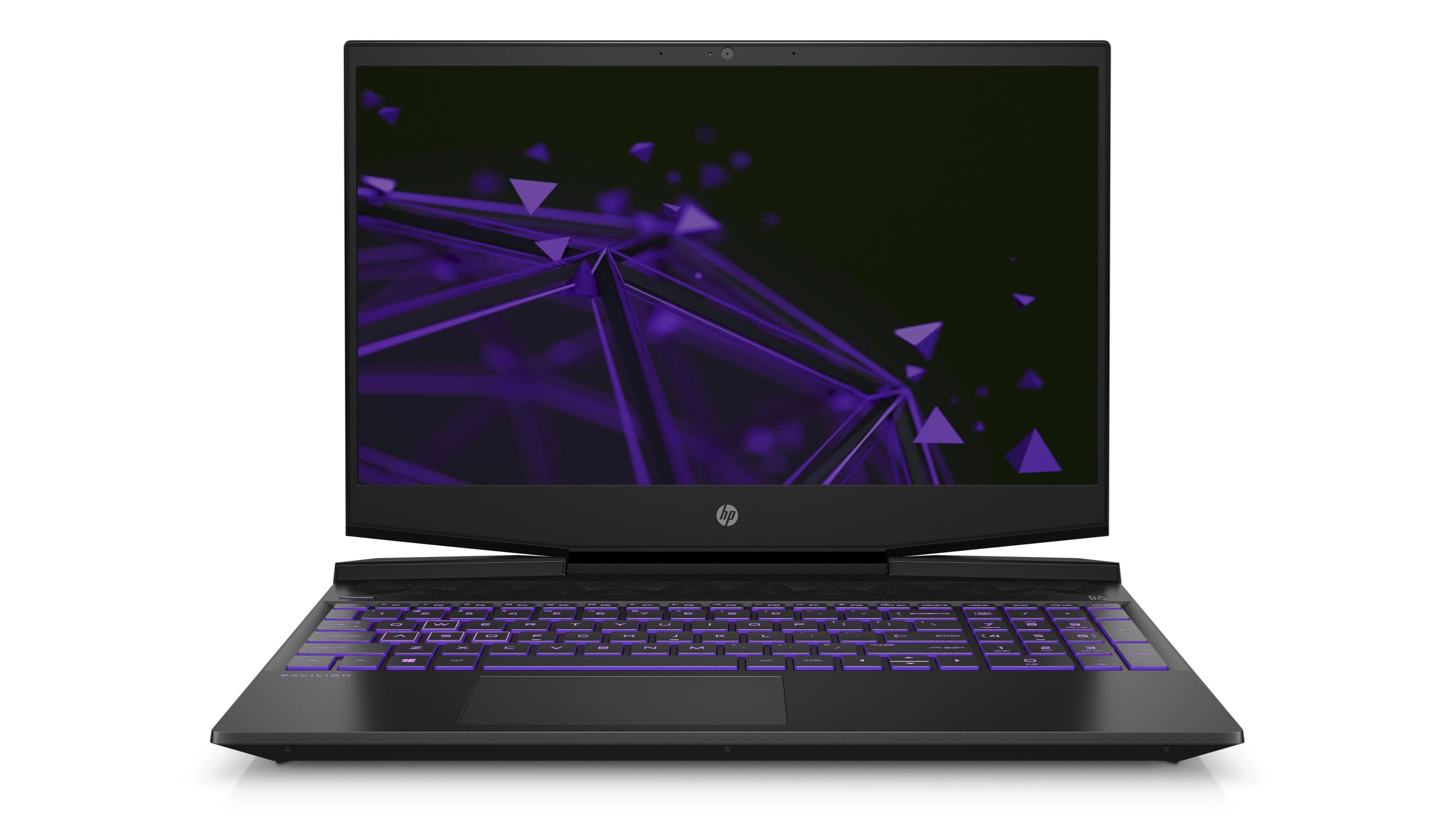
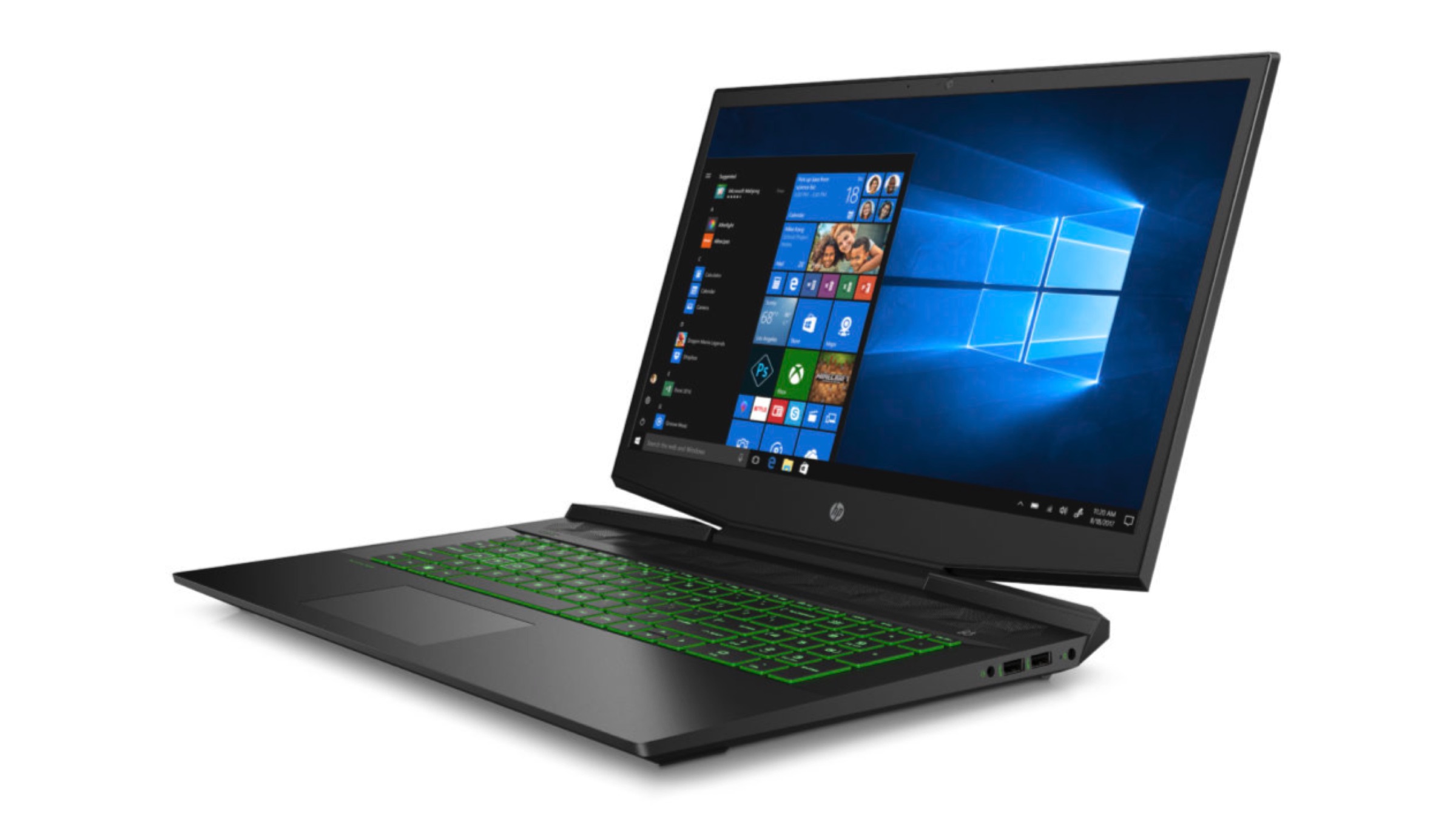
Two additional gaming laptops have also been announced for prospective buyers that don’t intend on spending too much. HP’s Omen 15 and Pavilion Gaming 15 will launch alongside the Omen X 2S. The later is a laptop designed on a thinner frame than its older variants but with improved specifications and performance. However, the gaming system will not receive similar top-notch hardware as the Omen X 2S. The laptop only receives upto the 9th Intel Core i7 CPU alongside NVIDIA’s GTX 1660 Ti with Max-Q design.
Price and Availability
The world’s first dual-screen gaming laptop “Omen X 2S” prices start from Rs. 2,09,990. HP OMEN 15 laptop will have buyers shell out Rs. 1,24,990 while the Pavilion Gaming 15 Laptop will go for Rs. 70, 990. An Omen gaming mouse is being sold on the side which is priced at Rs.1,799. HP is also offering the OMEN Outpost Mousepad which can charge the gaming mouse through the Qi wireless charging technology.
OMEN X 2S is expected to be available from July 1st via HP’s official website. The other two gaming laptops are currently available on the aforementioned website. These products from HP will seek to expand the company’s gaming horizons in the southeastern nation. India, although slow, is rising with the number of people with gaming-specific requirements. The Indian market holds great potential for any OEM and HP’s reception with the products shall be seen in the arriving weeks.
Xiaomi and Amazon are back with the ‘Mi Days Sale’ which is currently ongoing and will continue until June 30. During the sale, several smartphones and accessories from Xiaomi are being offered at discount. Therefore, the consumers who looking to buy any of the Mi devices mentioned below, this might be the best time to do so.
The users who are willing to replace their old devices with a brand new one can also exchange their existing smartphone. The company is offering an additional exchange bonus of upto Rs 3000 which varies depending on the user’s old handset.
Furthermore, Yes Bank credit card holders get an additional 10% discount, if they opt for this mode of payment during checkout. Following is the list of Xiaomi smartphones offered on discount during Mi Days Sale:
Redmi 6 Pro
The Redmi 6 Pro was launched last year as Xiaomi’s budget smartphone in the sub 15k price bracket. It has been discounted by up to Rs. 3,500 from its MRP. During the Mi Days Sale, the smartphone will be available at a price of Rs. 9,999 for the variant with 4GB of RAM and 64GB internal storage.
To recall, the Redmi 6 Pro features a 5.8-inch display with a notch. In terms of performance, the smartphone is kitted with the Snapdragon 625 Octa-core processor. A 4000mAh battery powers the device and the handset runs on Android 8.1 Oreo out of the box. In terms of optics, the Redmi 6 Pro has a 12MP + 5MP dual rear camera setup and a 5MP camera for selfies.
Xiaomi Mi A2
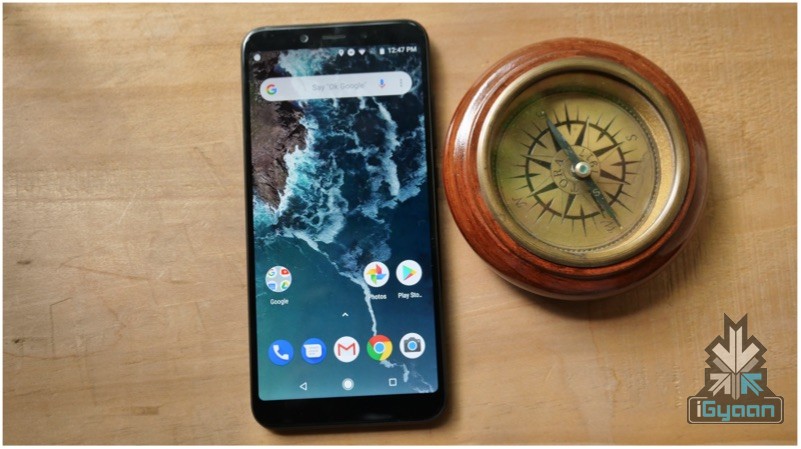
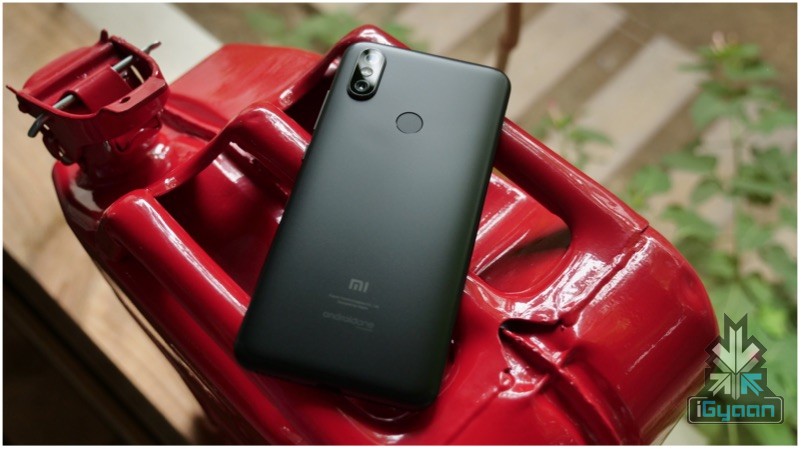
TheXiaomi Mi A2 is the second Android One certified smartphone from the company and is the successor to the Mi A1. During the Mi Days Sale, it will be available at a discounted price of Rs. 10,999 for the variant with 4GB of RAM and 64GB of internal storage. The version with 6GB of RAM and 128GB of onboard storage is priced at Rs 15,999.
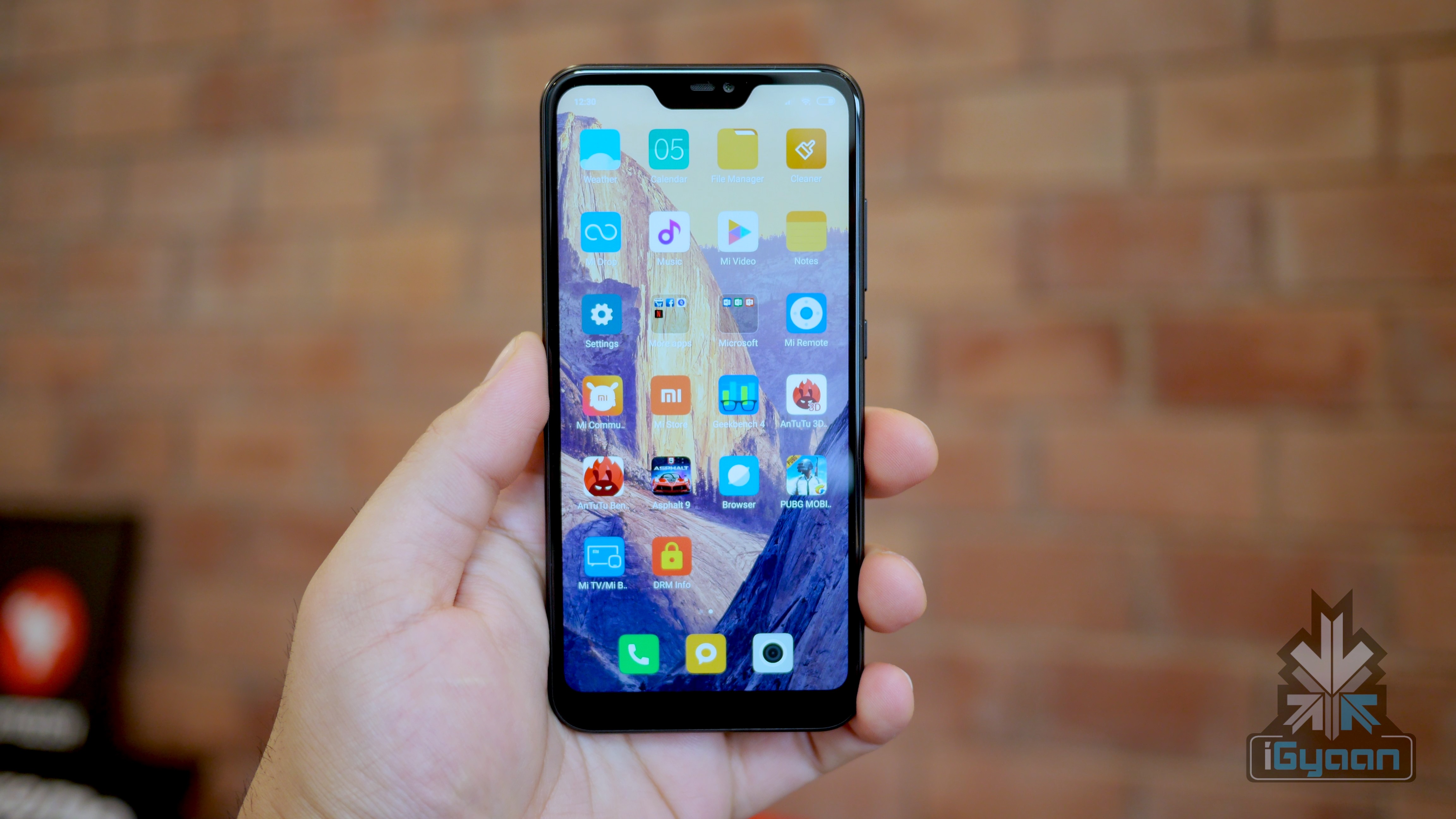
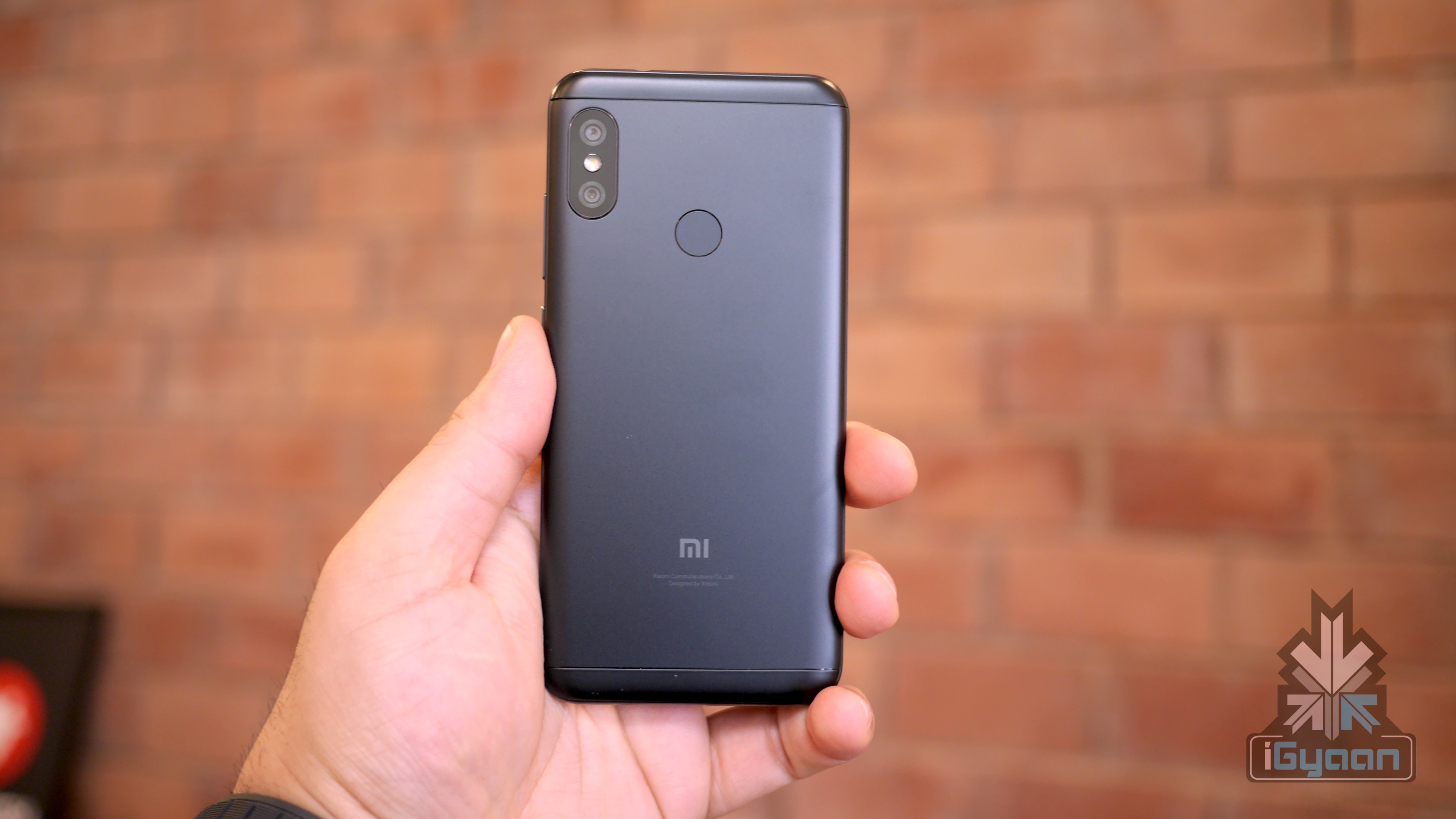
Talking about the specifications, the Mi A2 has a 5.99-inch display with a resolution of 2160 x 1080 px. The smartphone runs on the Snapdragon 660 Octa-core SoC. It is powered by a 3010mAh battery which supports fast charging. As mentioned before, the Mi A2 is Android One certified which implies that it has a clean, stock UI with Android 9 Pie. For photography, it has a dual rear camera setup comprised of a 12MP and a 20MP sensor. The front facing camera is a 20MP sensor.
Redmi Y2
he second gen selfie focussed smartphone from Xiaomi, the Redmi Y2 will also be available at a reduced price during the Mi Days Sale. It will start at Rs 7,999 for the version with 3GB RAM and 32GB internal storage. The variant with 4GB of RAM and 64GB onboard memory has been priced at Rs. 9,719.
The Redmi Y2 is the successor to the Redmi Y1 and features a 5.99-inch display with HD+ resolution. It runs on the Snapdragon 625 Octa-core chipset and is powered by a 3080mAh battery. The smartphone runs on Android 8.1 Oreo out of the box. In terms of optics, there is a dual 12MP + 5MP camera set up at the back while a 16MP sensor is responsible for selfies.
Redmi Note 5 Pro
The Redmi Note 5 Pro was launched in the Q1 of last year and it was one of the first budget device with such thin bezels and dual rear cameras. During the Mi Days Sale, it will be discounted up to Rs. 6,000 from its MRP. The version with 4GB RAM and 64GB of internal storage has been priced at Rs. 11,600. The variant with 6GB RAM and 64GB onboard memory will be available for Rs. 11,999 for a limited time.
In terms of specifications, the Redmi Note 5 Pro has a 5.99-inch display with an FHD+ resolution. The smartphone runs on the Snapdragon 636 SoC and is powered by a 4000mAh battery. At the time of launch, it has Android 7.1.1 Nougat out of the box but has since been updated to Android 8 Oreo. The device has a dual rear camera setup comprising of a 12MP and a 5MP sensor. For selfies, there is a 20MP front camera housed above the display.
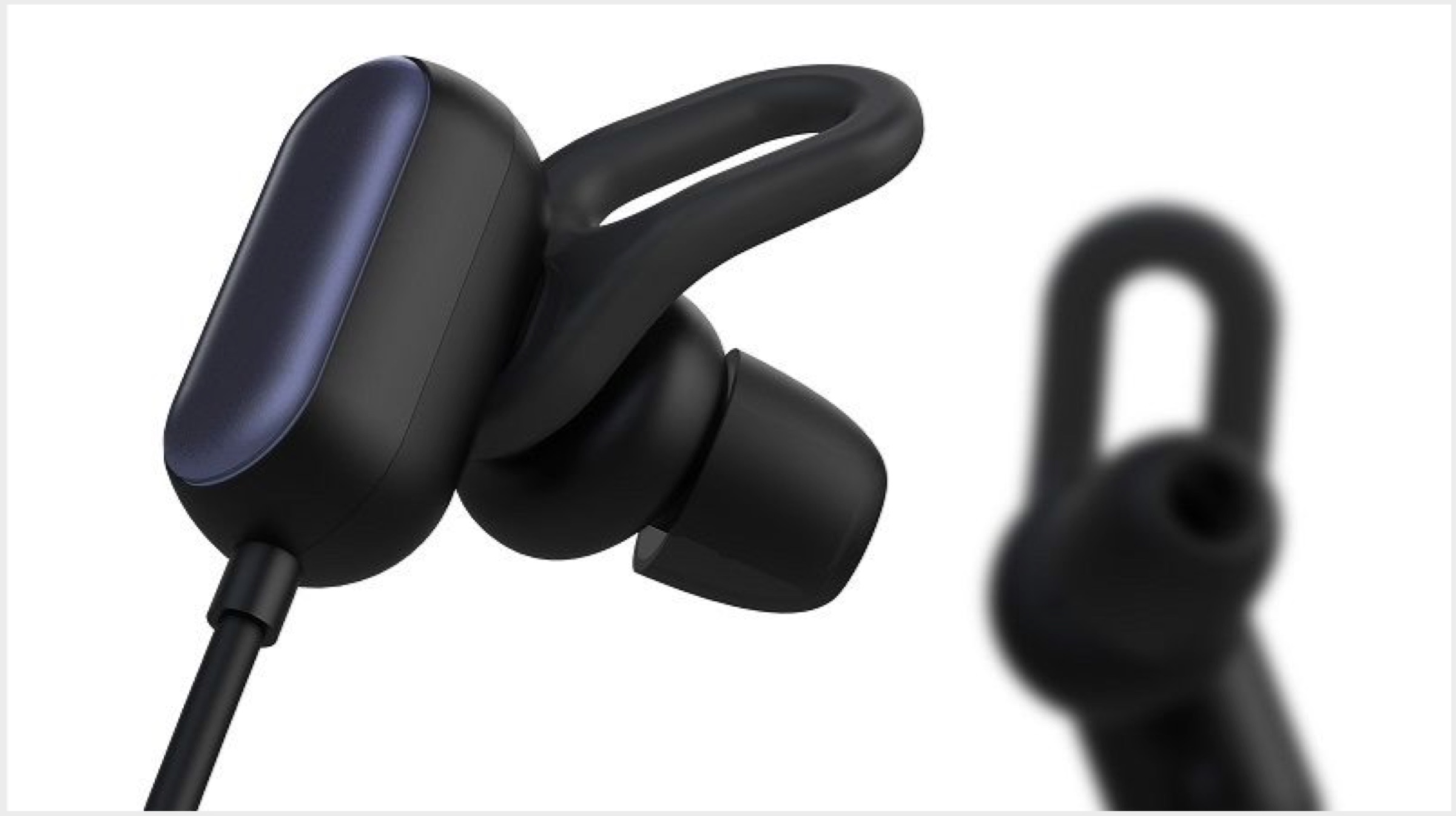
Mi Sports Bluetooth Wireless Earphones
The Mi Sports Bluetooth Wireless earphones were launched on the 28th of February in the country. They have an ergonomic design which provides for a comfortable fit. The earphones also have an in line controller which has three buttons volume up, volume down and play/pause.
The Mi Sports Bluetooth Wireless earphones have and an IPX4 rating that makes them sweat proof, making them a good companion for users who work out regularly. The Bluetooth earphones have an MRP of Rs 1,799 but during the Mi Days Sale they are available for a price of Rs 1,499.
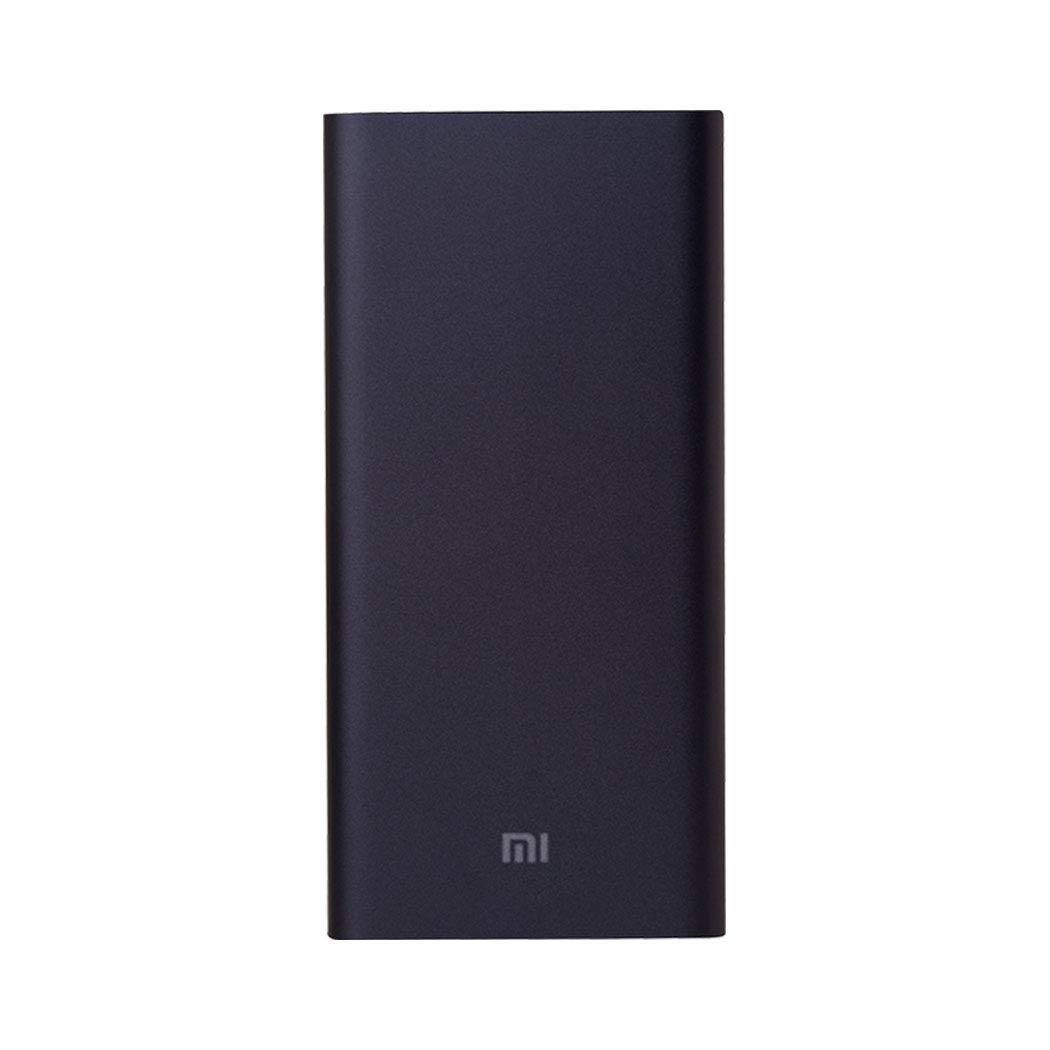
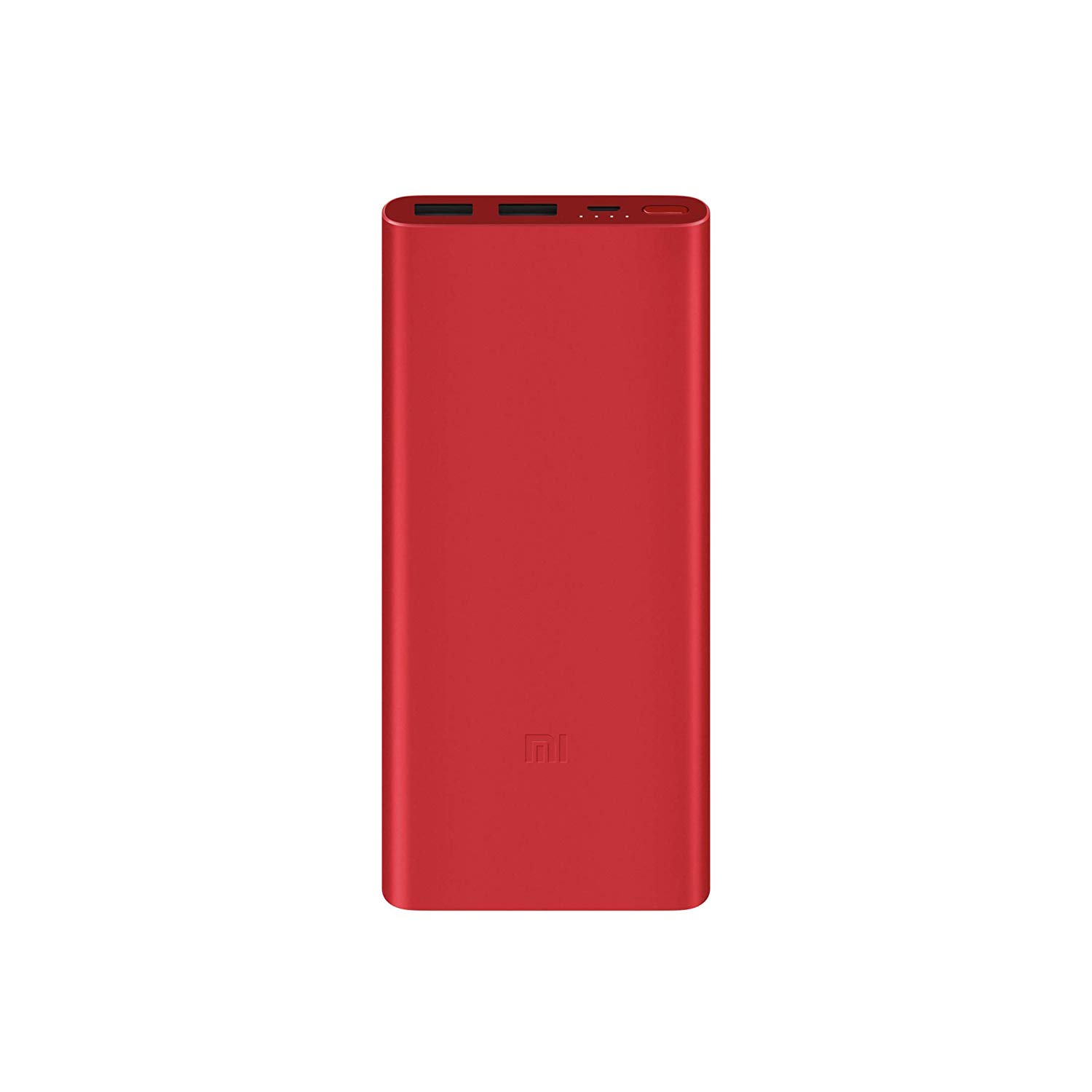
Mi Power Bank 2i
Taking the price into consideration, Xiaomi offers one of the best power banks that have a solid build quality. It has an outer metal casing which gives it a premium look and feel. The Mi Power Bank 2i has a 10,000 mAh battery which can be charged via the top mounted USB type C port.
The Mi Power Bank 2i has dual USB A ports on the top which can simultaneously charge devices. For convenience, it also has a 4 LED indicator which denotes the amount of remaining charge. It has an MRP of Rs 1,199, however, during the Mi Days Sale it is available for Rs 899.
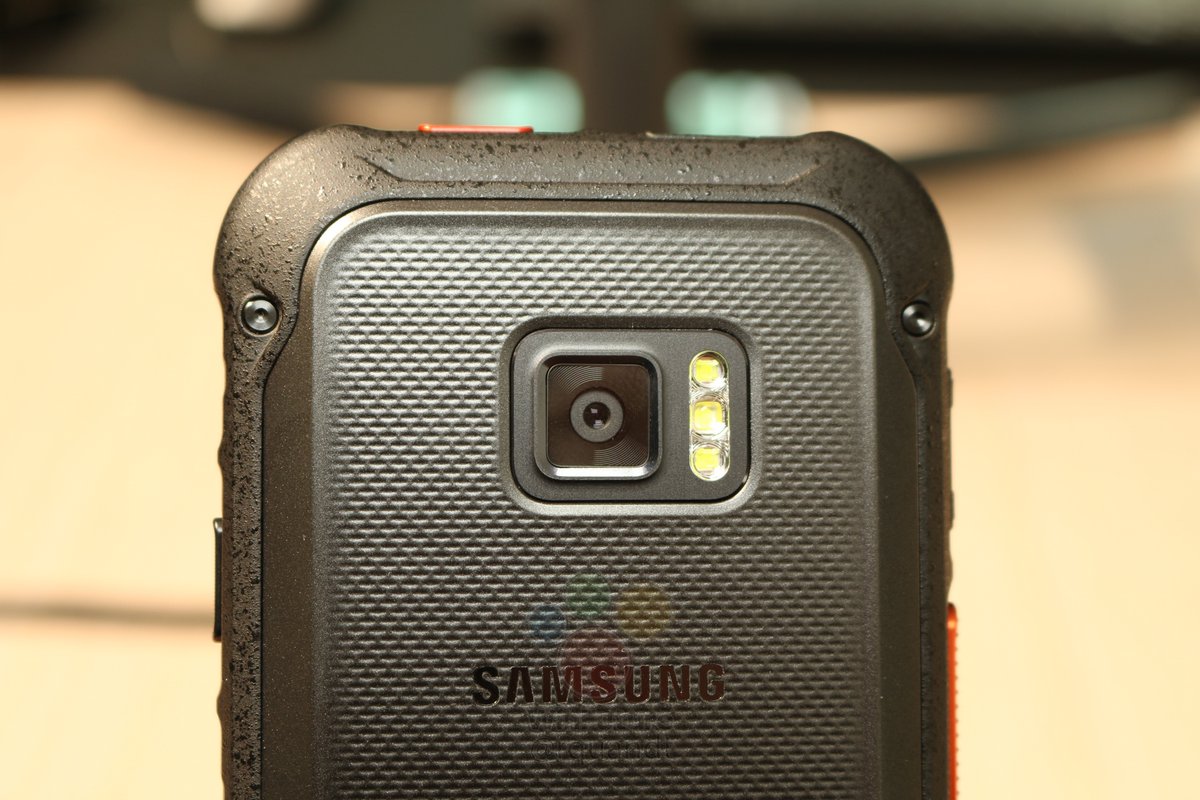
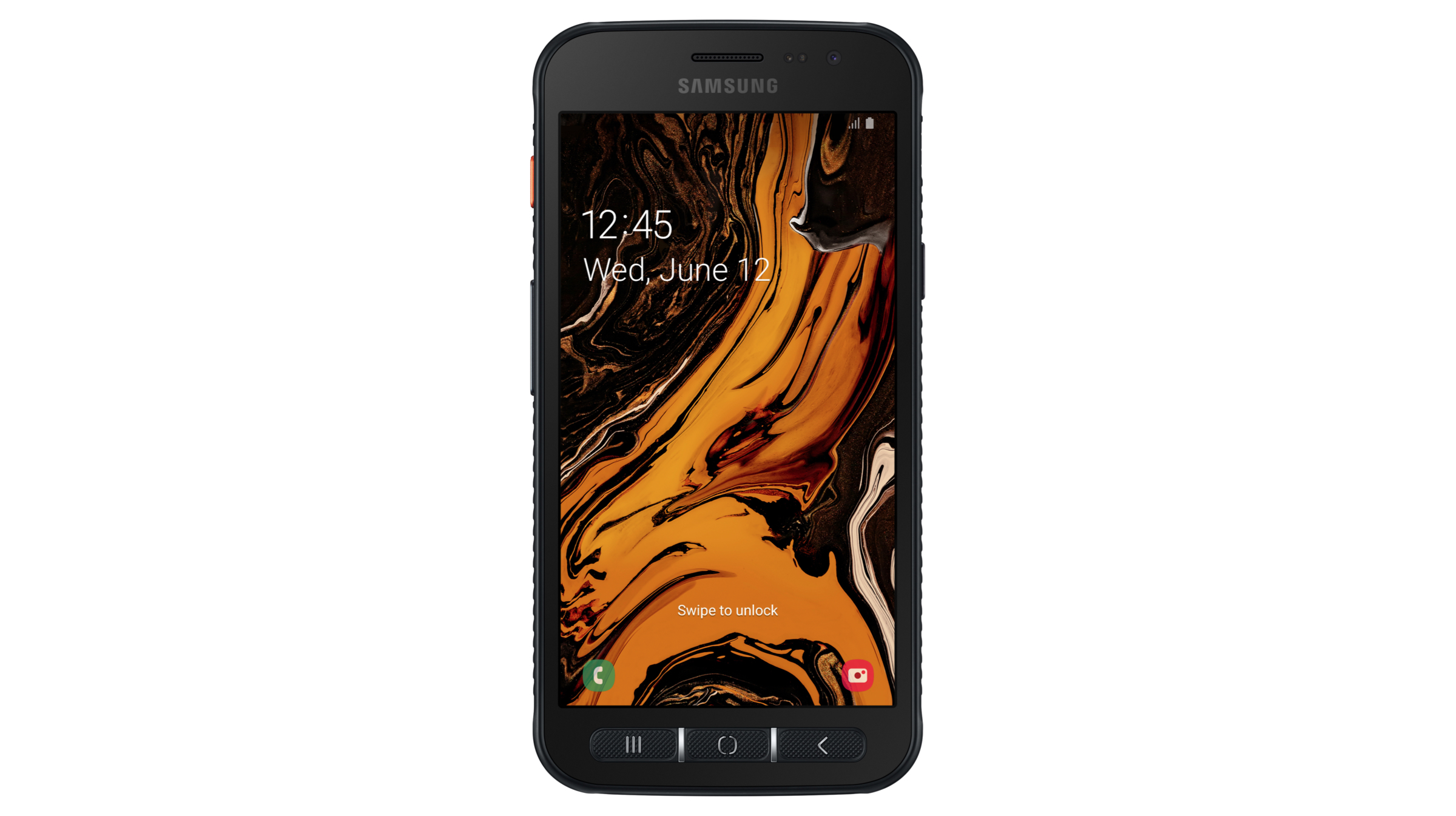
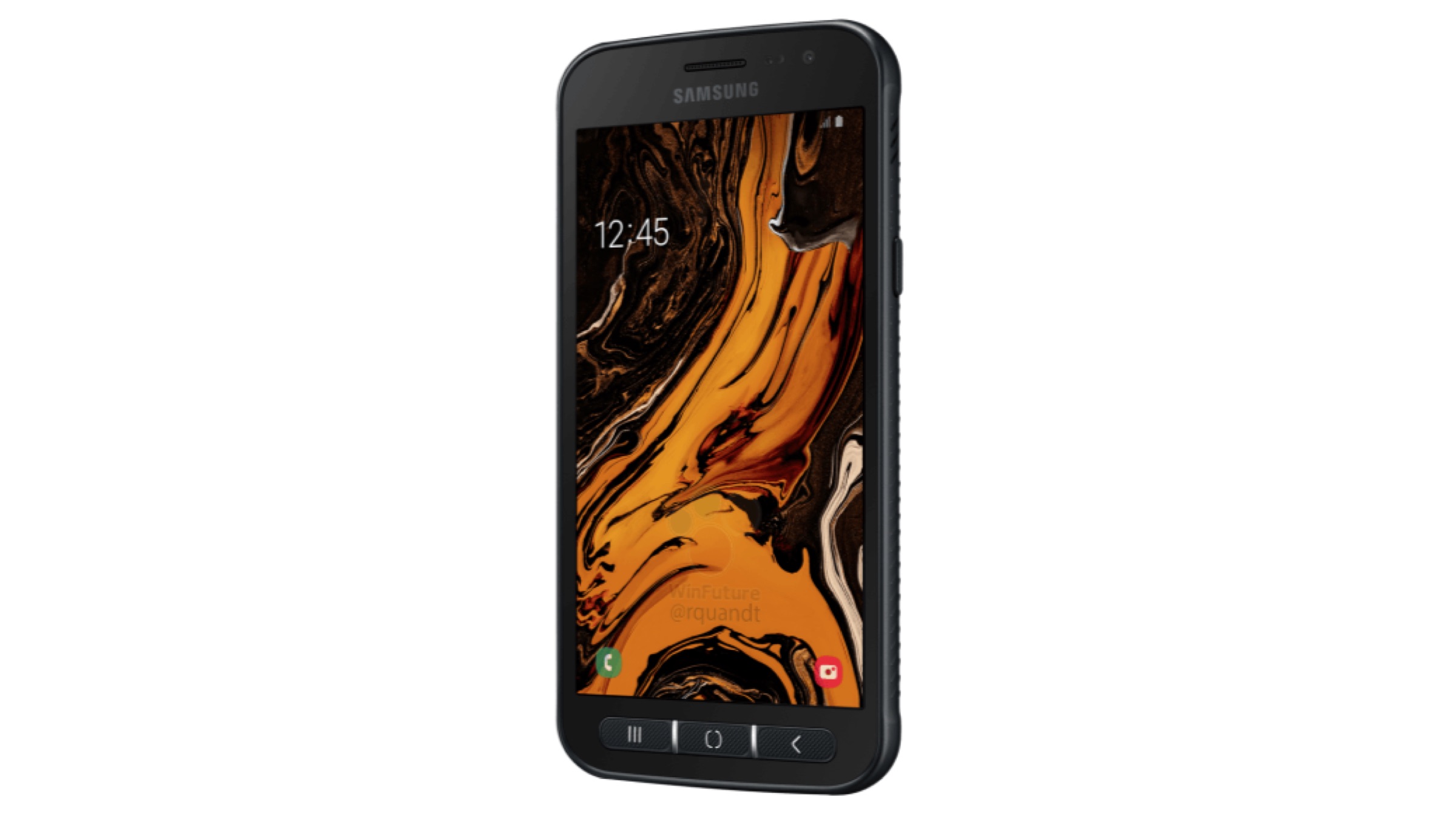
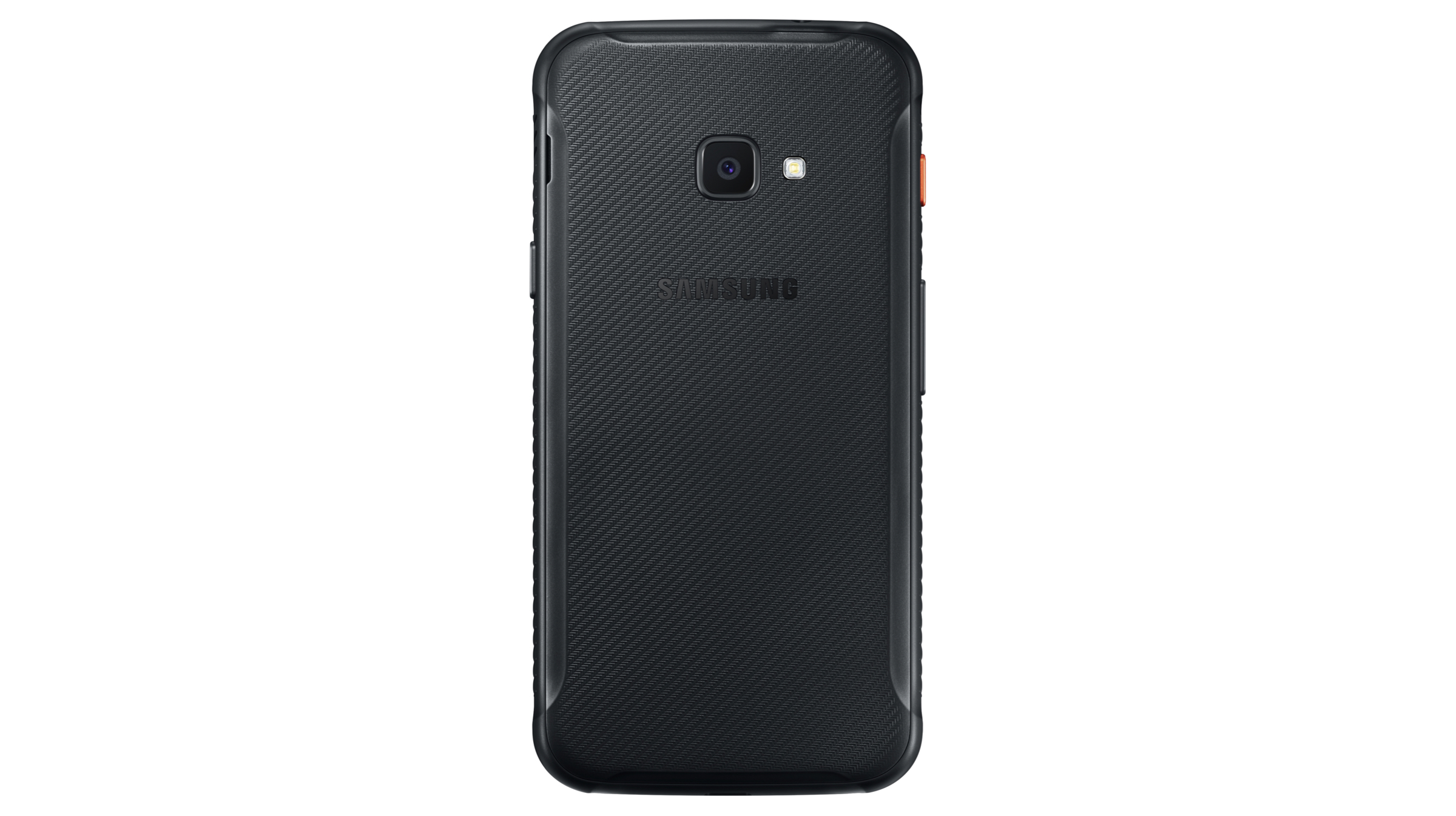
Samsung had just unveiled the XCover 4S earlier this month. A fresh report now showcases that the South Korean company is working on a new device in the lineup of rugged phones. These smartphones are robust and do not require extra protection like cases. The new handset will be dubbed the XCover FieldPro and will bring improvements across the board for the upcoming device.
Samsung applied for a trademark for the device that will probably be an advanced variant of the previously launched XCover 4S. The aforementioned series of smartphones are built to survive tough usage and resist wear and tear in harsh environments not recommended for traditional smartphones. Rugged phones are designed to be dust and waterproof devices and be used in fieldwork areas such as construction or off-shore sights. The XCover FieldPro will most likely sport a more powerful processor and an improved camera over its previous iterations.
Unfortunately, no additional information is available apart from the trademark being filed under the XCover FieldPro name. It is clear through its name that it is a ‘Pro’ model and should feature top of the line or at least better internal specifications than its predecessors. Samsung had previously also launched an extra model for its XCover 3. However, the new variant the XCover 3 Value Edition arrived a year later with just software improvements.
The XCover FieldPro will also run on the Android 9 Pie OS similar to the XCover 4S, if not the upcoming Android 10 Q version. The name of the device initially makes it sound like a gadget accessory for the XCover series but the filed report clearly defines a smartphone. Samsung had filed the patent in the United Kingdom on the 27th of June 2019 with the EUIPO (European Union Intellectual Property Office).
The tech giants rugged XCover lineup of smartphones are integral to the primary industries. These devices are a necessity due to the variety of features offered, such as communication, even in non-ideal workplaces. Samsung’s new addition to the rugged family will be a welcomed entry in the professional series and more information is expected to be revealed in the arriving weeks.