Blog

  • Xiaomi Redmi Note 8, Note 8 Pro Pricing Leaked Before Launch

    Xiaomi Redmi Note 8, Note 8 Pro Pricing Leaked Before Launch

    Chinese technology giant Xiaomi has announced that it will launch two new smartphones under its Redmi sub-brand on the 29th of August. These devices are confirmed to be the Redmi Note 8 and Redmi Note 8 Pro and will be the successors of the Redmi Note 7 and Redmi Note 7 Pro announced earlier this year. A few weeks before the official launch, the company has been revealing details about the handsets by a series of teasers. While most of the information about them was known, their pricing remained shrouded in mystery. Until now, as a tipster from China has seemingly leaked the alleged pricing of the Redmi Note 8 series.

    Redmi Note 8 Series Pricing

    Redmi Note 8 Pro

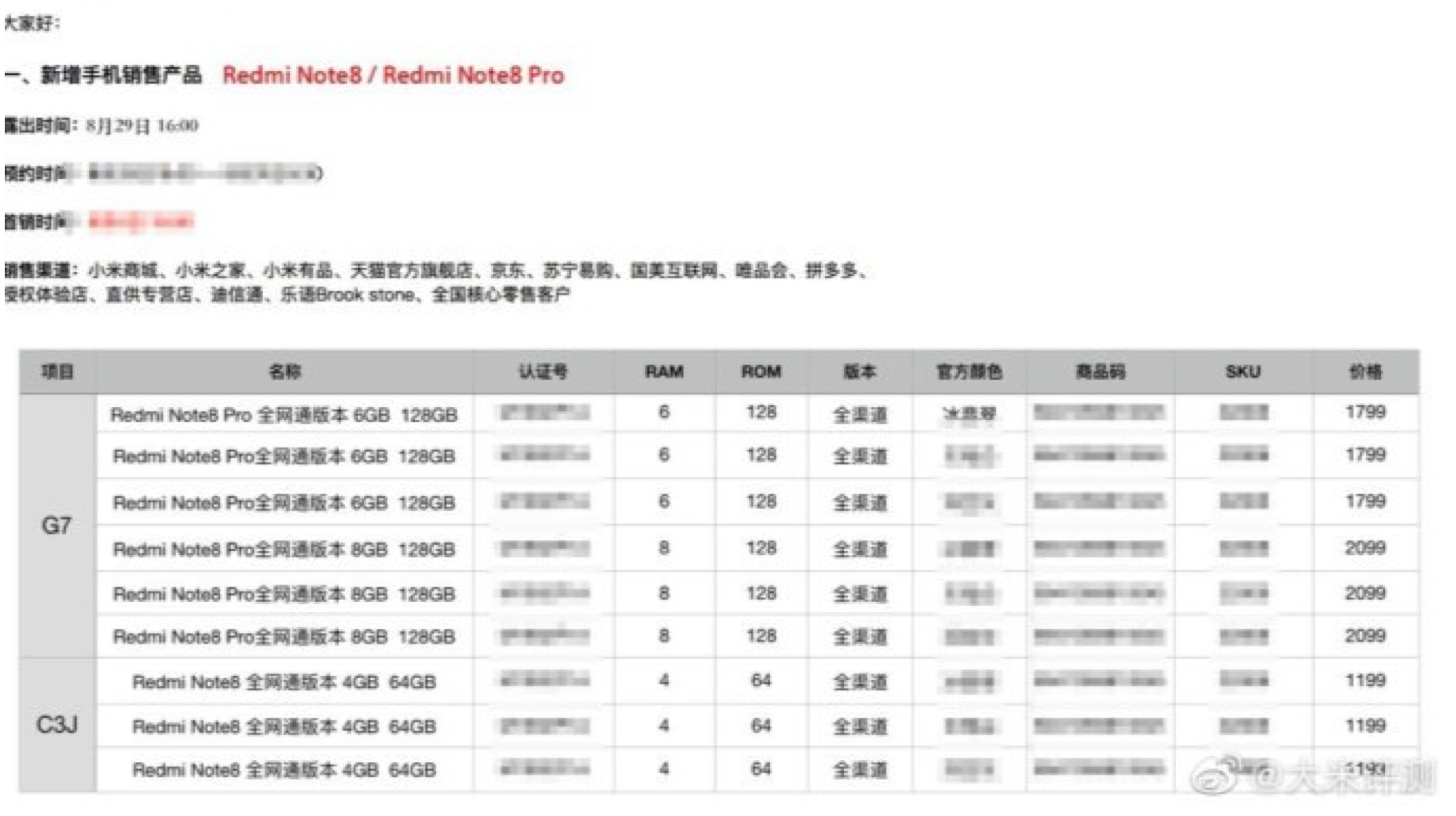
    As mentioned above, the pricing for the upcoming Redmi Note 8 Series, which consists of the Redmi Note 8 and the Redmi Note 8 Pro has been leaked. According to an image shared by a gadget tipster in China, the Redmi Note 8 will start at CNY 1199 (INR 12,000) for the variant with 4GB of RAM and 64GB of internal storage. The image also suggests that it will be the only configuration the smartphone will be available in.

    Redmi Note 8

    The Redmi Note 8 Pro, on the other hand, will be available in two storage variants. It will be priced starting CNY 1799 (INR 18,000) for the 6GB RAM and 128GB internal storage configuration. The top-end variant with 8GB of RAM and 128GB of onboard memory will be priced at CNY 2099 (INR 21,000). Notably, the pricing for both devices is significantly more than their predecessors. It is thus expected that they are taken with a grain of salt as they may turn out to be false.

    Also read: Vivo NEX 3 To Launch Next Month With A Staggering 99.6 % Screen To Body Ratio

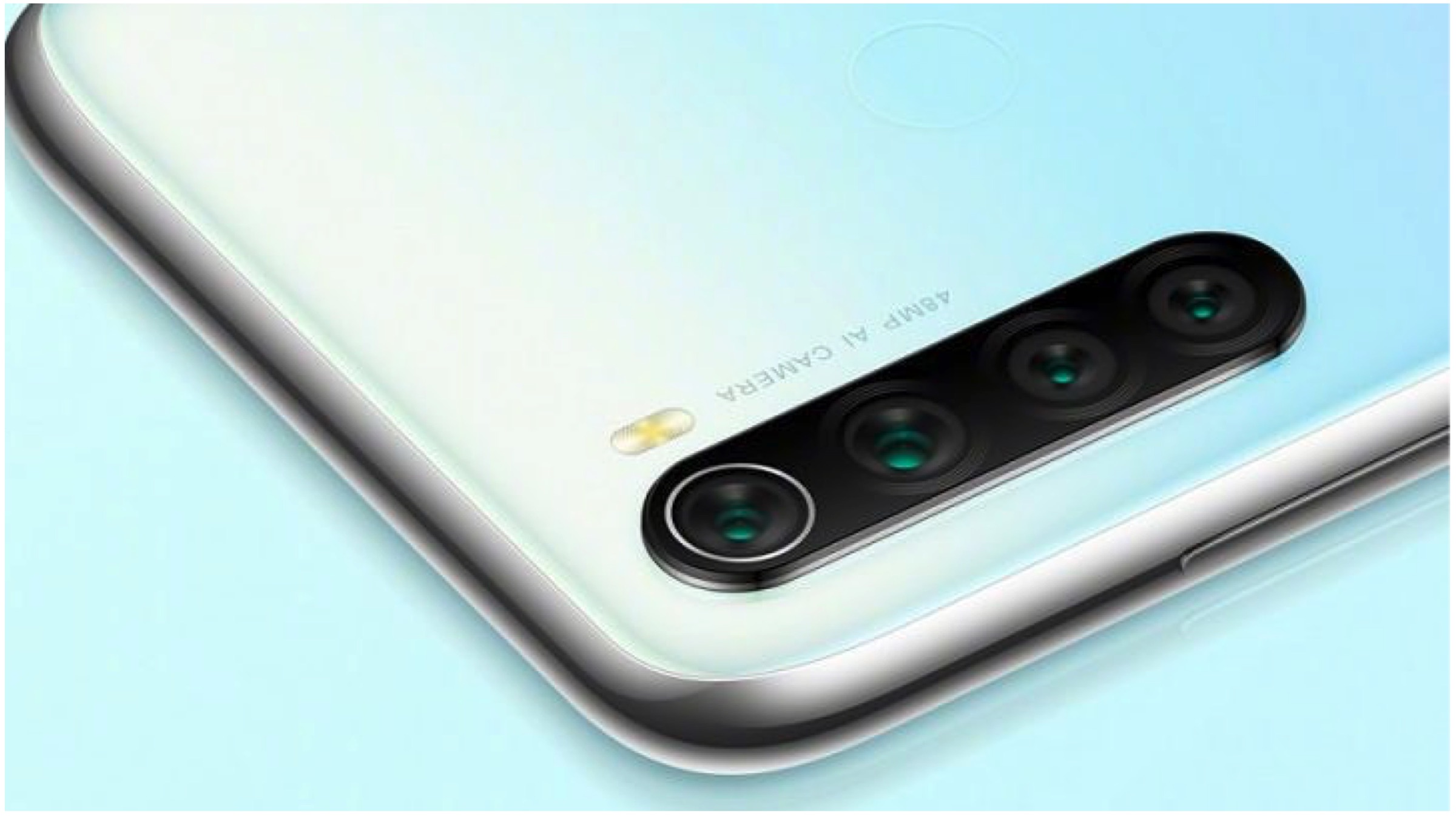
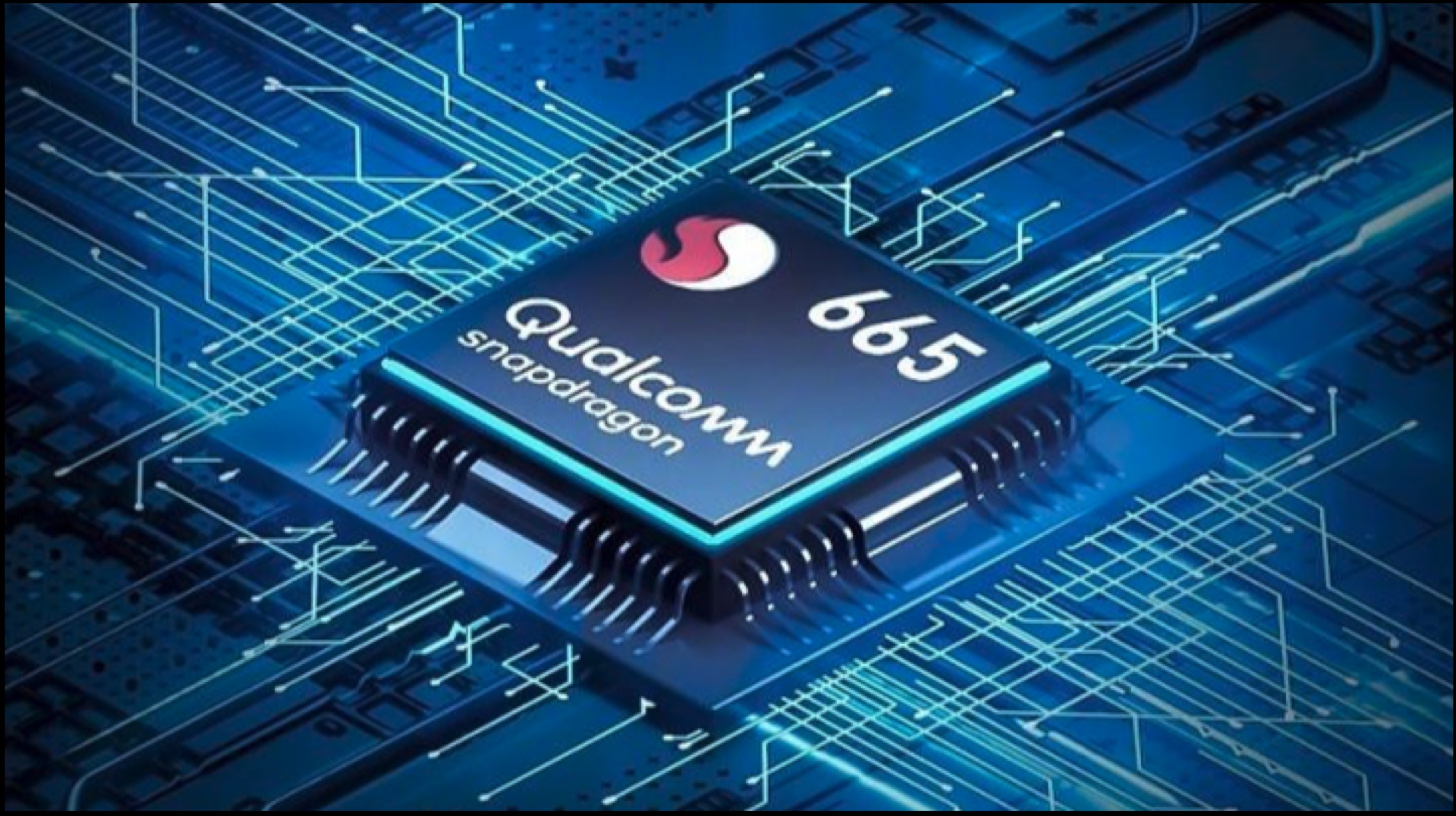
    Past reports of the Redmi Note 8 and Redmi Note 8 Pro have revealed most of their key specifications. Both the smartphones are expected to have a glass sandwich design with a waterdrop notch on top of the display. While the regular Note 8 will run on the Snapdragon 665 SoC, the Pro variant has been confirmed to be kitted with the latest MediaTek Helio G90 chipset. Both devices are also affirmed to have a Quad Camera setup, out of which the primary lens will be a 48MP sensor on the Redmi Note 8 and a 64MP sensor on the Redmi Note 8 Pro. Since China launch for the Redmi Note 8 Series is drawing close, so we will not have to wait too long to confirm the details.

  • Vivo NEX 3 To Launch Next Month With A Staggering 99.6 % Screen To Body Ratio

    Vivo NEX 3 To Launch Next Month With A Staggering 99.6 % Screen To Body Ratio

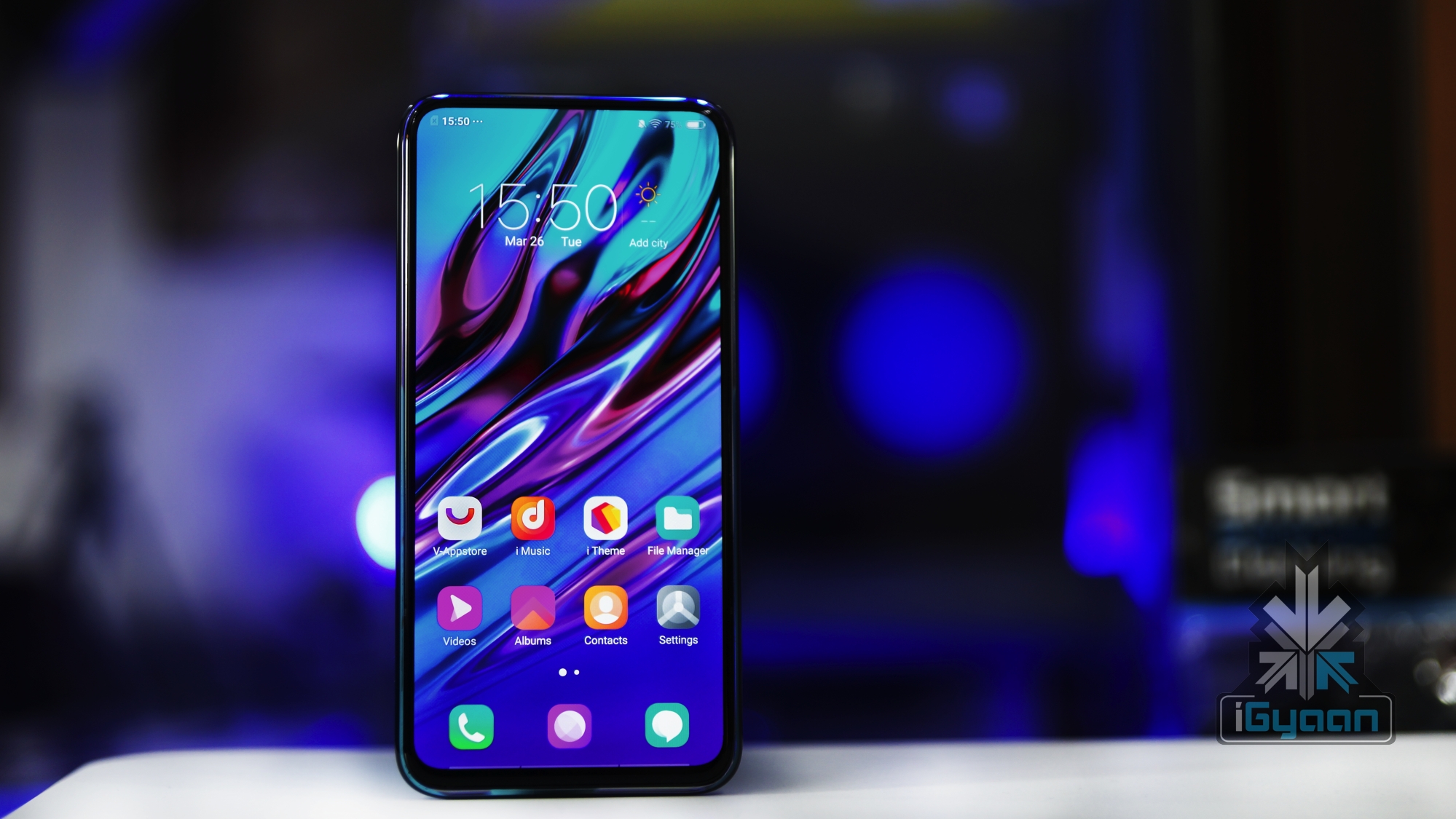
    Chinese smartphone maker Vivo launched the first generation Vivo NEX last year. The smartphone was the first to adopt a pop-up mechanism to house the selfie camera; in a bid to increase the screen to body ratio of the device. The company then followed up with the NEX dual display last year. It was another attempt at making a full display handset, this time with a secondary screen on the back of the smartphone. A while ago, it was revealed that Vivo is once again looking forward to pushing the boundaries with the next device in the lineup, allegedly called the Vivo NEX 3. Now, the company has confirmed the handset will be launched next month. Along with the launch announcement, key specifications of the NEX 3 have also been leaked.

    Vivo NEX 3
    Vivo NEX 3
    Vivo NEX S

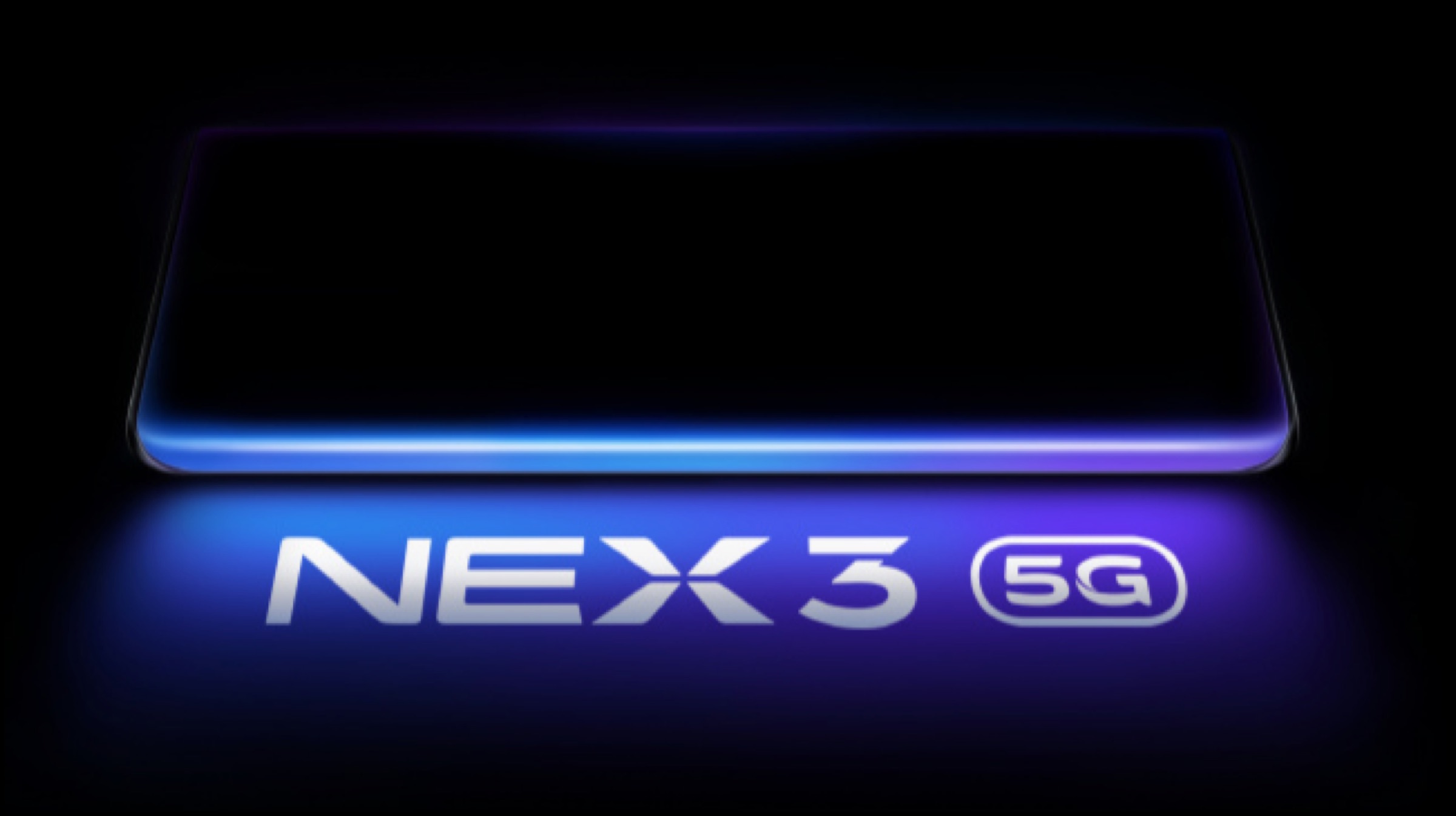
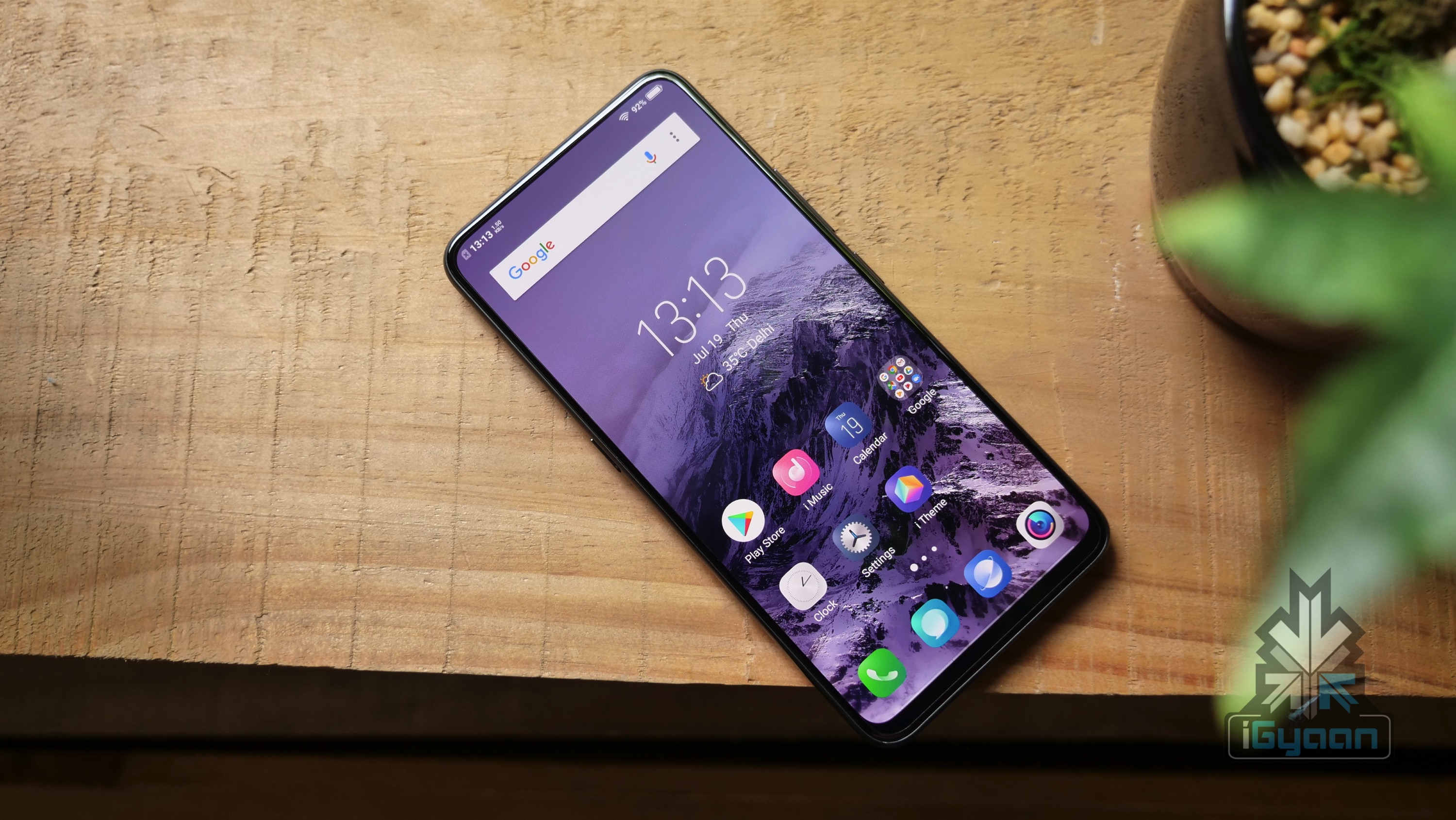
    The Vivo NEX 3 will be the flagship offering by the Chinese brand; and will be the third in the line of smartphones with no notch and a full display. According to the official Vivo account on Chinese social network Weibo, the upcoming smartphone will support 5G networks and have a staggering 99.6 percent screen to body ratio. If true, then it will be the first device to have a screen ratio that high.

    In the teaser image, it is visible that the handset will have extremely curved edges, similar to the waterfall display type shown a while ago. These edges may help the NEX 3 in achieving the aforementioned screen ratio. It is also not known what Vivo will do to hide the front-facing camera. Some speculations hint at that being under the display like the prototype shown by Oppo and Xiaomi.

    A gadget leaker on Twitter has also leaked key specifications of the upcoming Vivo NEX 3. According to them, the smartphone will indeed have a Waterfall display of FHD+ resolution. In terms of optics, it will have a 64MP primary camera made by Samsung. Under the hood, the device will be kitted with the latest 7nm Snapdragon 855 Plus SoC. This will be coupled with features like UFS 3.0 storage, 44W fast wired charging and a 3.5mm headphone jack.

    Also read: Google Nest Hub Launched In India For Rs. 9,999

    In terms of connectivity, the handset may feature a Hi-Fi Quad DAC, NFC and will have two variants supporting 4G and 5G respectively. Unfortunately more details like the launch date and price of the Vivo NEX 3 are not known yet. However, since the launch is just around the corner, we may not have to wait too long to find out.

  • Google Nest Hub Launched In India For Rs. 9,999

    Google Nest Hub Launched In India For Rs. 9,999

    India is emerging as one of the greatest potential market for smart homes and by its extension smart home devices. In other words, India is a market that OEMs are targetting for smart speakers and displays. Two of the leading companies in this segment are Amazon and Google go head to head with new launches. Now, Google has finally launched its first smart display, Google Nest Hub, for the Indian market.

    https://youtu.be/bBpSy7147g8

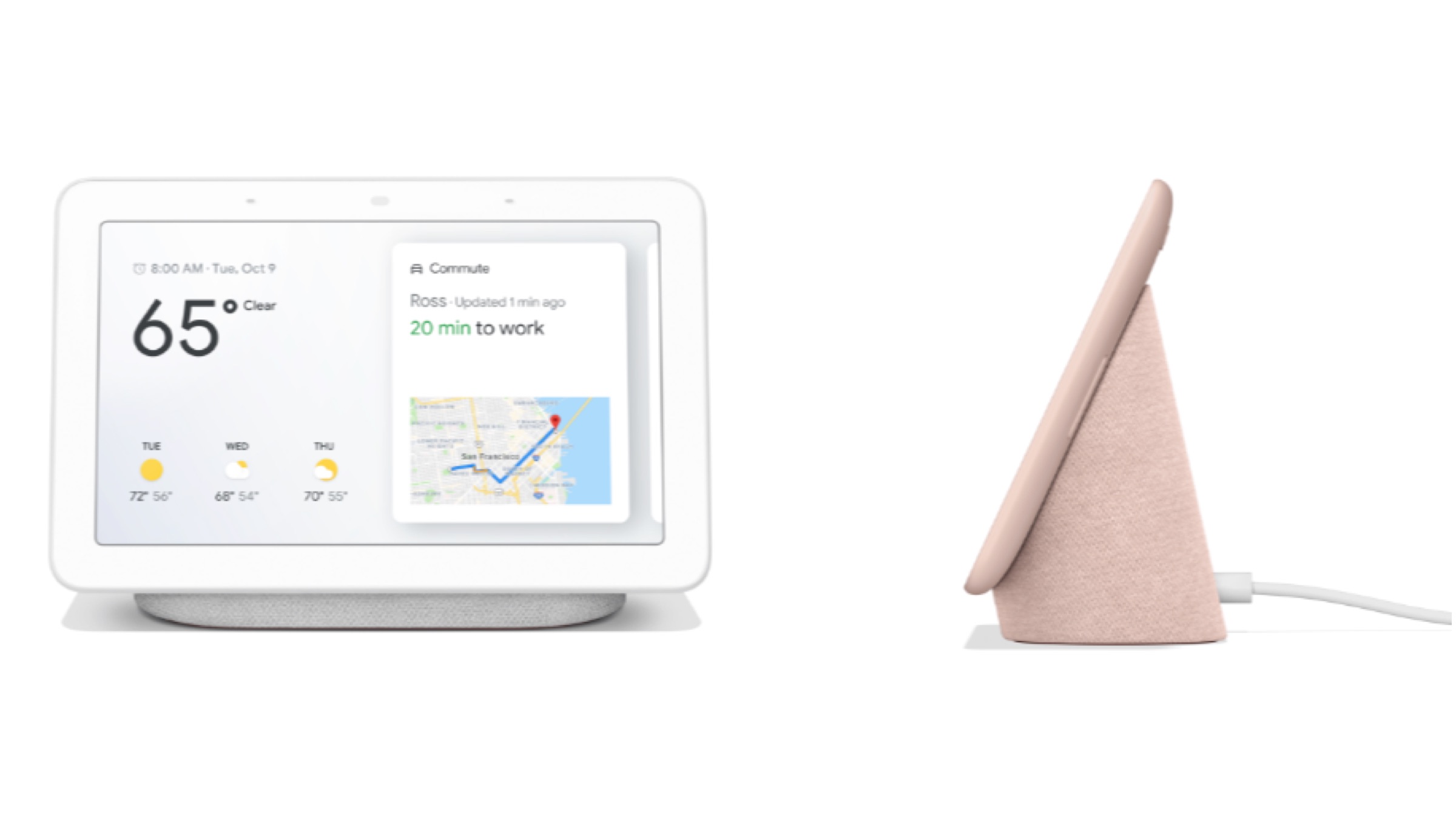
    Google Nest Hub

    Google Nest Hub is basically the Home Hub rebranded which was launched back in October 2018. The device is a part of the Nest ecosystem which means it is compatible with other smart Nest home devices like Nest security cameras and more. Although the device has been technically out for about a year now the rebranded version is only now being launched in India.

    Google Nest Hub

    Specifications & Features

    The Google Nest Hub is a smart display which means it basically looks like a tablet attached to a speaker. It has a 7 inch HD display through which users can interact with different functions. So, unlike a Google Home smart speaker which only has voice input, the it also offers touch input. The device is capable of controlling over 200 million product from over 3,500 brands which includes Xiaomi, LG, Syska and a lot more. Furthermore, it has deep integration with Google Assistant that lets users control most of these products just by voice.

    Google Nest Hub
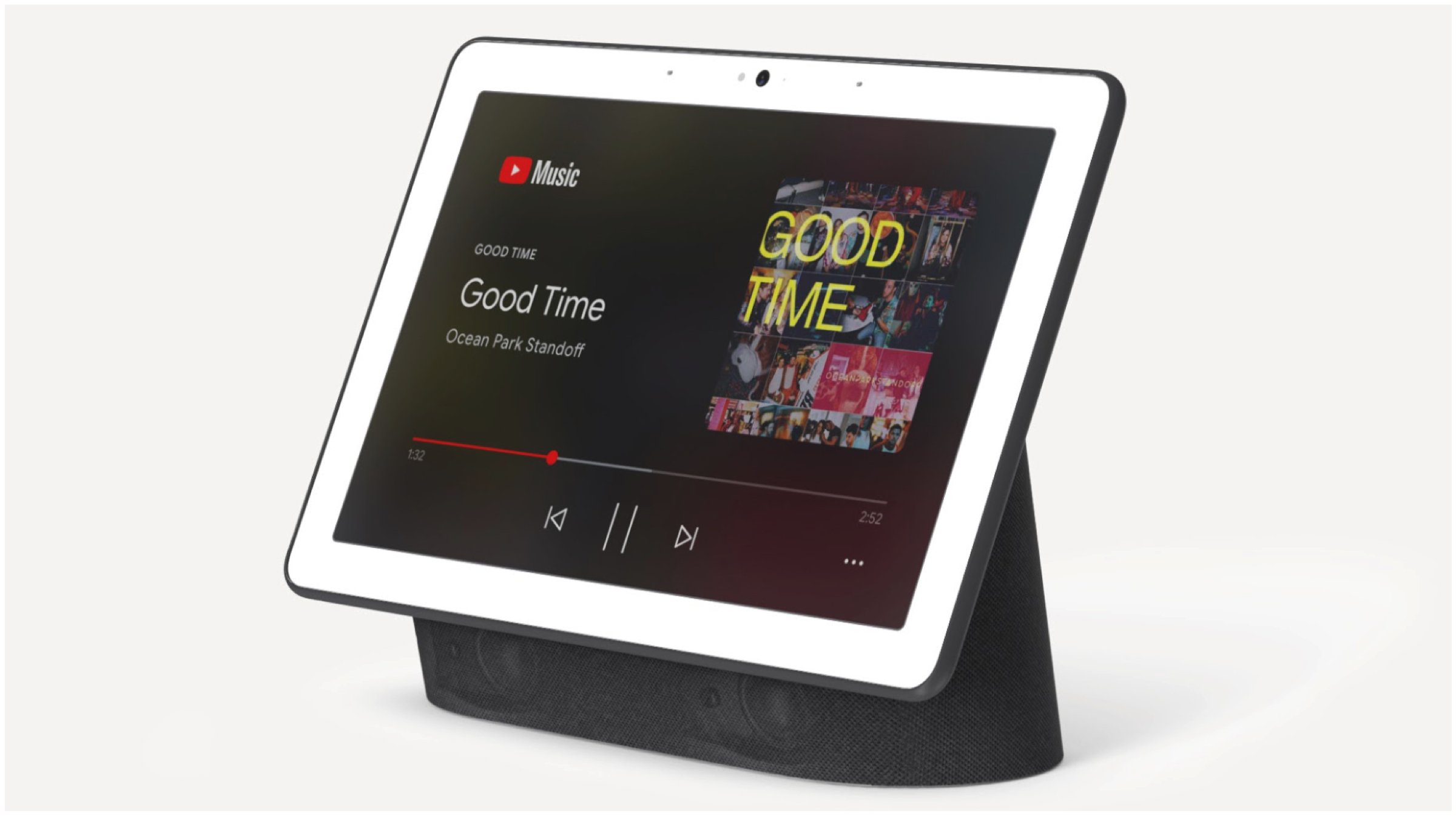
    Google Nest Hub Max

    Also ReadXiaomi Confirms The Redmi Note 8 Will Have Snapdragon 665, 48 MP Quad Cameras

    Price & Availability

    Google’s Nest Hub is available for a price of INR 9,999. Users can purchase it from Flipkart and is bundled with a Xiaomi Mi Security Camera worth INR 1,799 for a limited period time. You can also purchase the smart display from Croma, Tata CliQ, Or Reliance Digital. Unfortunately, it is unknown if the larger 10 inch version with a camera will launched in India or not. The first smart display from the company could be a gateway for more Nest products from Google.

  • Samsung Galaxy M30s To Launch Next Month In India With 48MP Triple Cameras

    Samsung Galaxy M30s To Launch Next Month In India With 48MP Triple Cameras

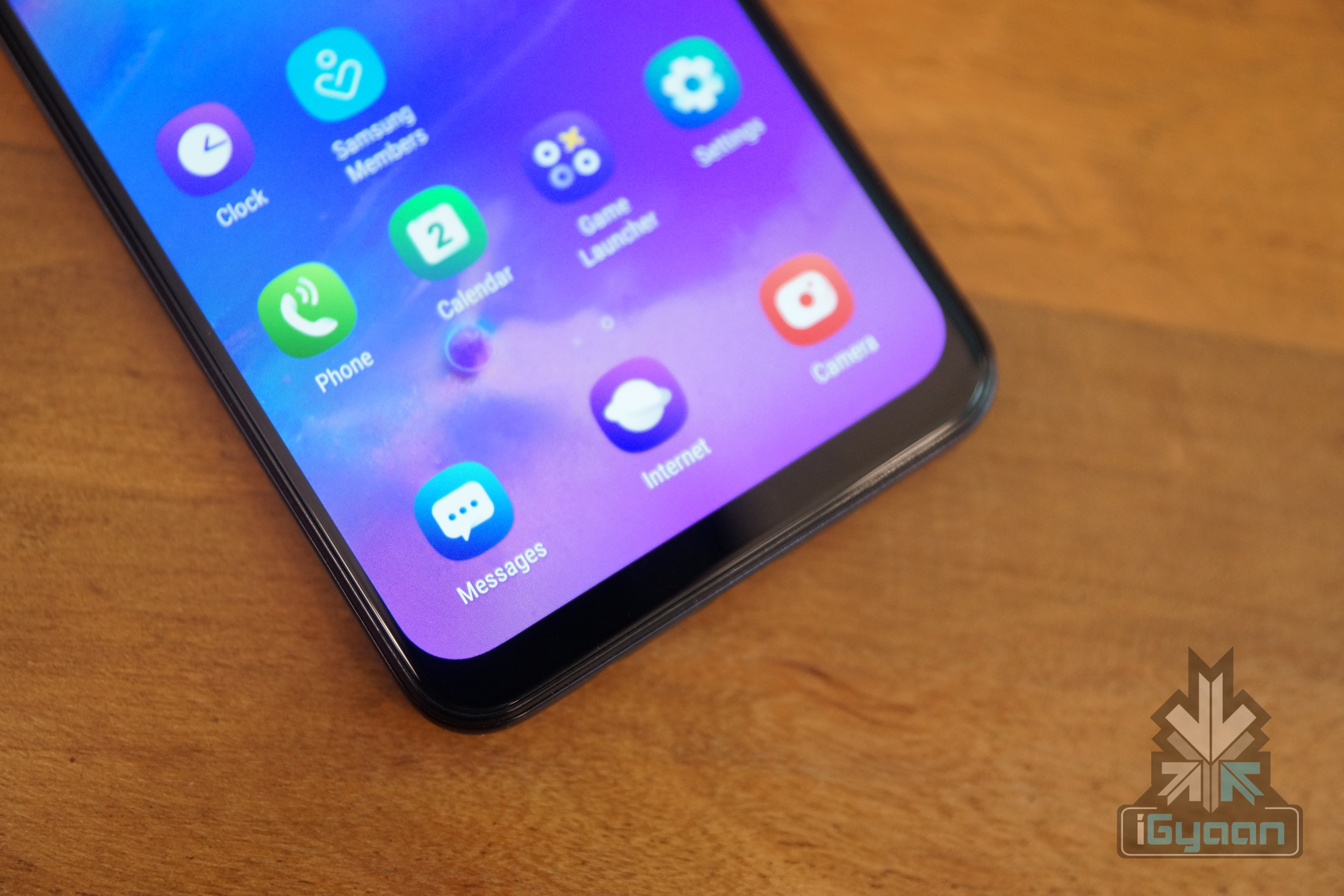
    Samsung introduced the Galaxy M series of smartphones back in the month of January. It is a lineup of online-only devices ranging from the budget to the mid-range segment. A while ago, it was revealed that a new handset, allegedly called the Galaxy M30s is in the works and will be announced in India soon. This will be an upgraded version of the Galaxy M30 and will be a mid-range smartphone. While details about the device were scarce since the past few weeks, a new report reveals that the Galaxy M30s will be launched next month in the country.

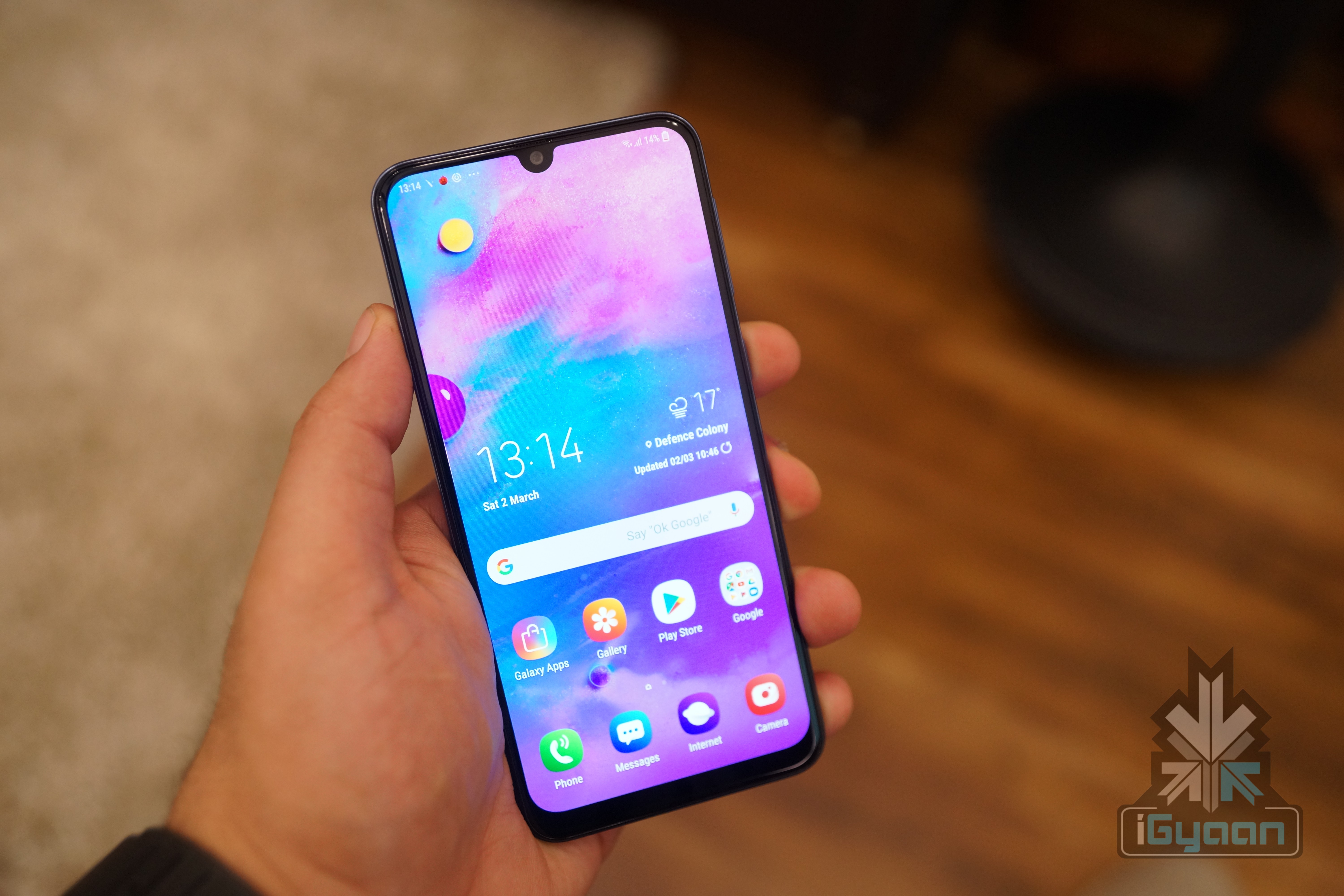
    Samsung Galaxy M30s
    Galaxy M30s
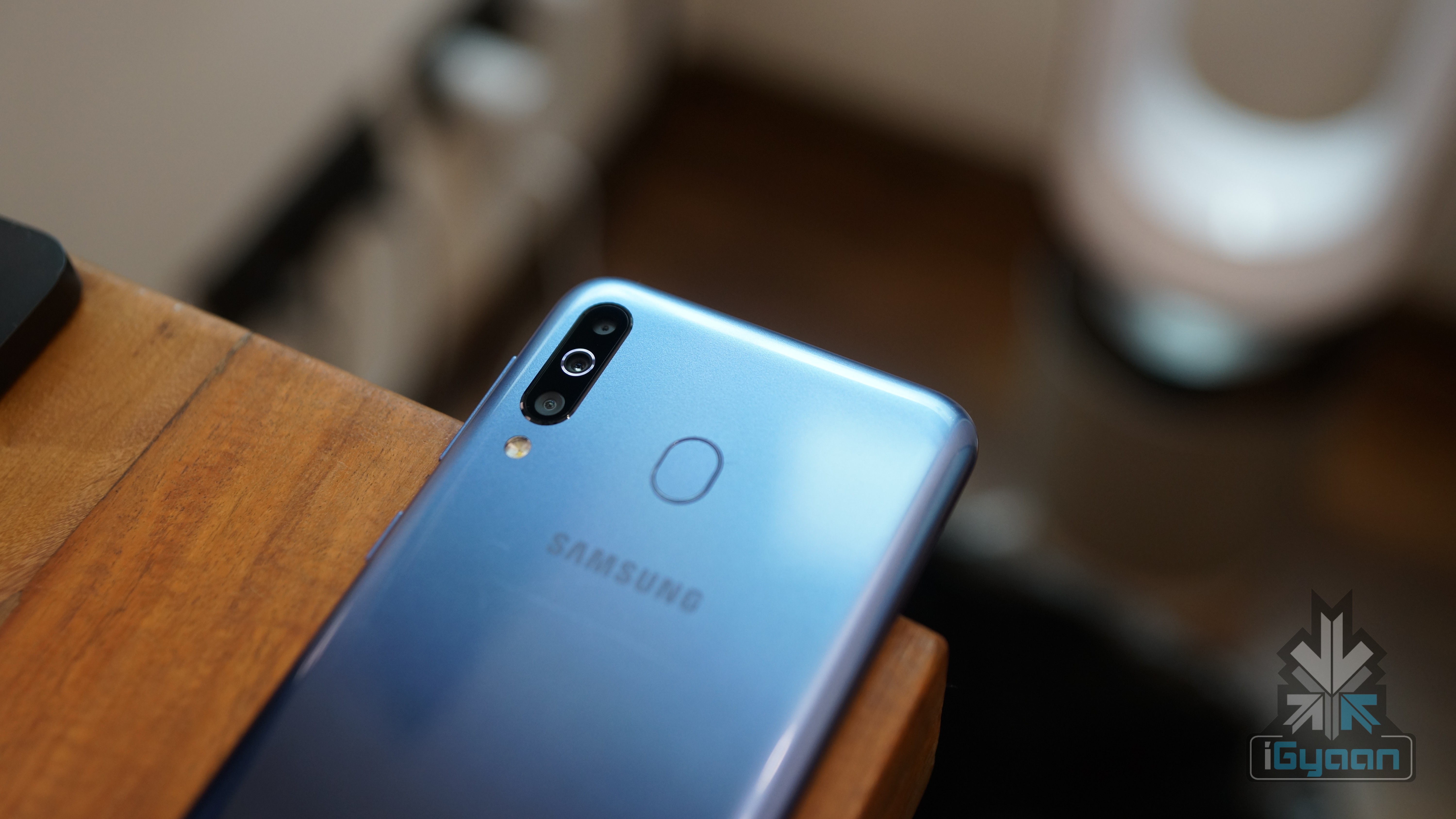
    Galaxy M30

    The latest report arrives via IANS, a reputed independent news agency. It has been revealed that the Samsung Galaxy M30s is ready for primetime and will be unveiled next month in India. Unfortunately, an exact date is not mentioned but it may be in the second half of September. The report also mentions that the upcoming Samsung handset will sport a triple camera setup, out of which the primary camera will be a 48MP sensor. This will be an upgrade over the optical setup found on its predecessor, which also has a triple camera setup, but a 13MP primary sensor.

    Samsung Galaxy M30s

    Also read: Xiaomi Confirms The Redmi Note 8 Will Have Snapdragon 665, 48 MP Quad Cameras

    The previous leaks about the Samsung Galaxy M30s reveal it will be available in three colour options, namely Black, Blue and White. The smartphone may be kitted with the Exynos 9610 SoC like the Galaxy A50, according to another leak in the past. Unfortunately, more details about the handset are not known yet. However, it is expected to be priced in the same, sub Rs. 20,000 price bracket when launched in India. Whatever may be the case though, as the launch seems to be just around the corner, we might not have to wait long to find out.

  • Xiaomi Confirms The Redmi Note 8 Will Have Snapdragon 665, 48 MP Quad Cameras

    Xiaomi Confirms The Redmi Note 8 Will Have Snapdragon 665, 48 MP Quad Cameras

    Back in 2014, Xiaomi’s arrived in India to capture the smartphone market in the mid-range segment. Since then, the company has seen great success with its offerings especially the Redmi Note range of devices. Now, its latest entry, Redmi Note 8, has finally been confirmed and will arrive with Snapdragon 665 and a 48MP quad camera setup.

    Redmi Note 8
    Redmi Note 8 Series

    Xiaomi is set for a big launch in China on 29th August 2019. In the event, it is expected that the company will unveil its smart TV offering alongside laptops, possibly MIUI 11 and the Redmi Note 8 and Note 8 Pro. Last week, we had reported on one of the devices sporting the MediaTek G90T gaming centric SoC for the Note 8 series. Unfortunately, at the time it was unclear if the Note 8 would feature the same. But, Redmi has confirmed that the standard Note 8 will feature Qualcomm’s Snapdragon 665 chipset.

    Redmi Note 8
    What To Expect

    Redmi, through official channels, has confirmed that the Note 8 will arrive with a quad-camera setup which is a first for the company. The primary sensor will be a 48MP shooter alongside a wide-angle lens, macro lens and depth of field sensor. It is yet to be confirmed exactly which image sensor is being used for the 48MP camera but that will soon be known.

    Redmi Note 8

    Also ReadHaunted iPhone XS Flashes Every Night Between 3 AM and 4:30 AM

    The Redmi Note 8 is also confirmed to house Qualcomm’s Snapdragon 665 chipset which uses Samsung’s 11nm LPP process. Notably, the Xiaomi Mi A3 also has the same SoC which is a direct successor to last years Snapdragon 660 that was seen in the Redmi Note 7 device. The newer chipset brings improved battery performance, Vulkan 1.1 API Support and a third-gen AI engine with Hexagon 686 DSP. Finally, the price of the device is yet to be determined to see the actual difference between the Note 8 and Note 8 Pro.

  • Samsung Galaxy Fold Up For Pre Registrations In China, To Launch Next Month

    Samsung Galaxy Fold Up For Pre Registrations In China, To Launch Next Month

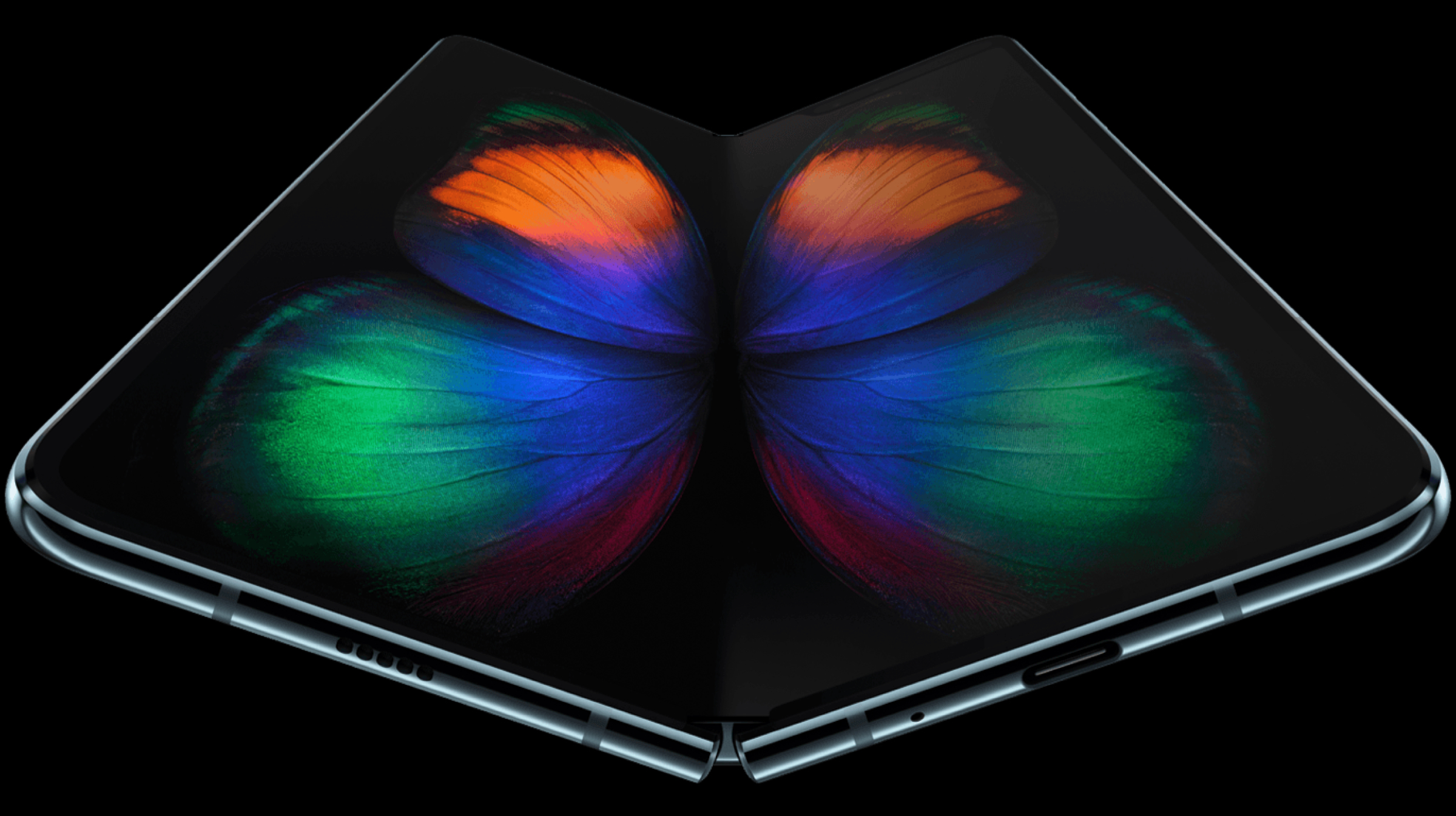
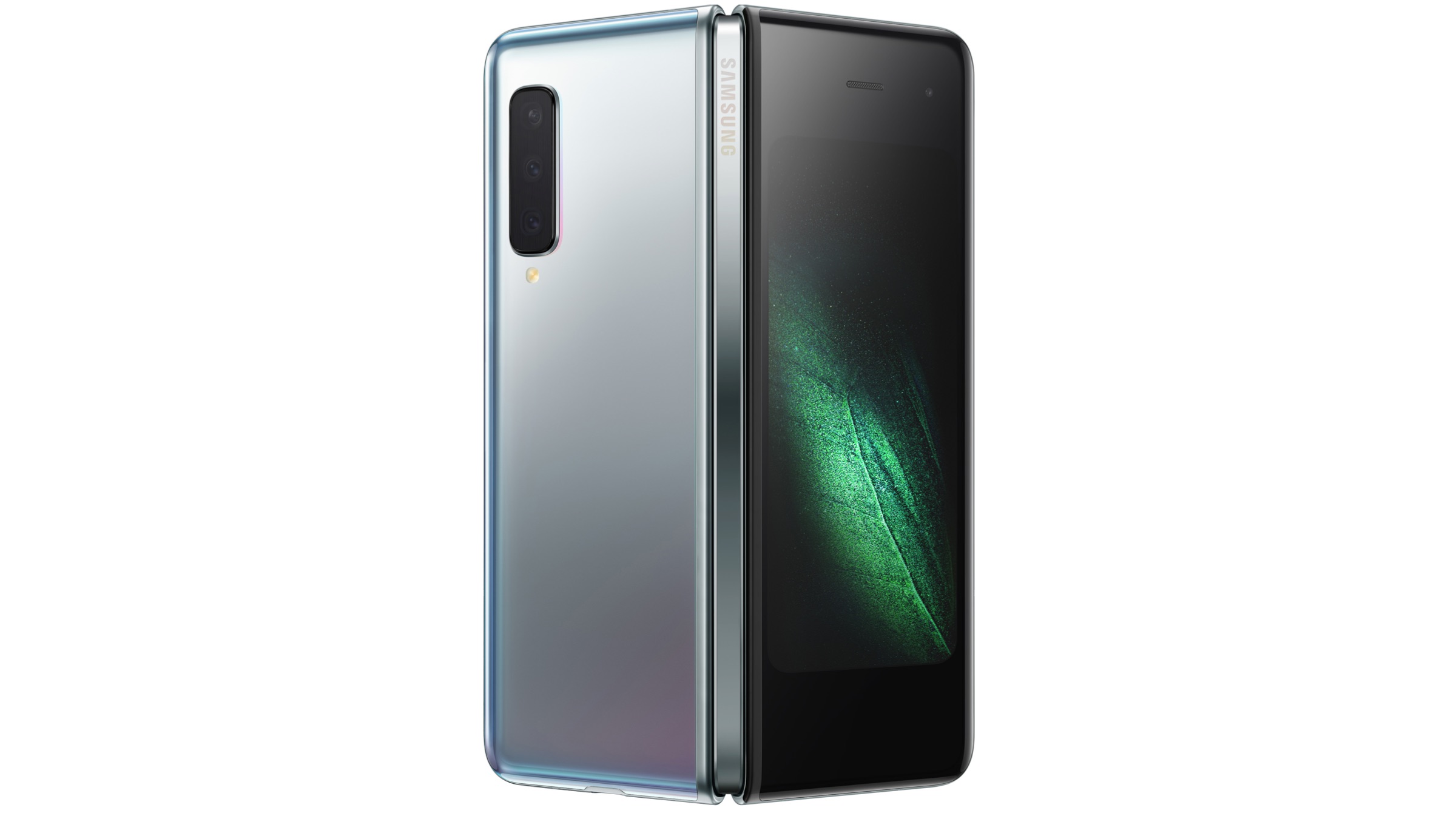
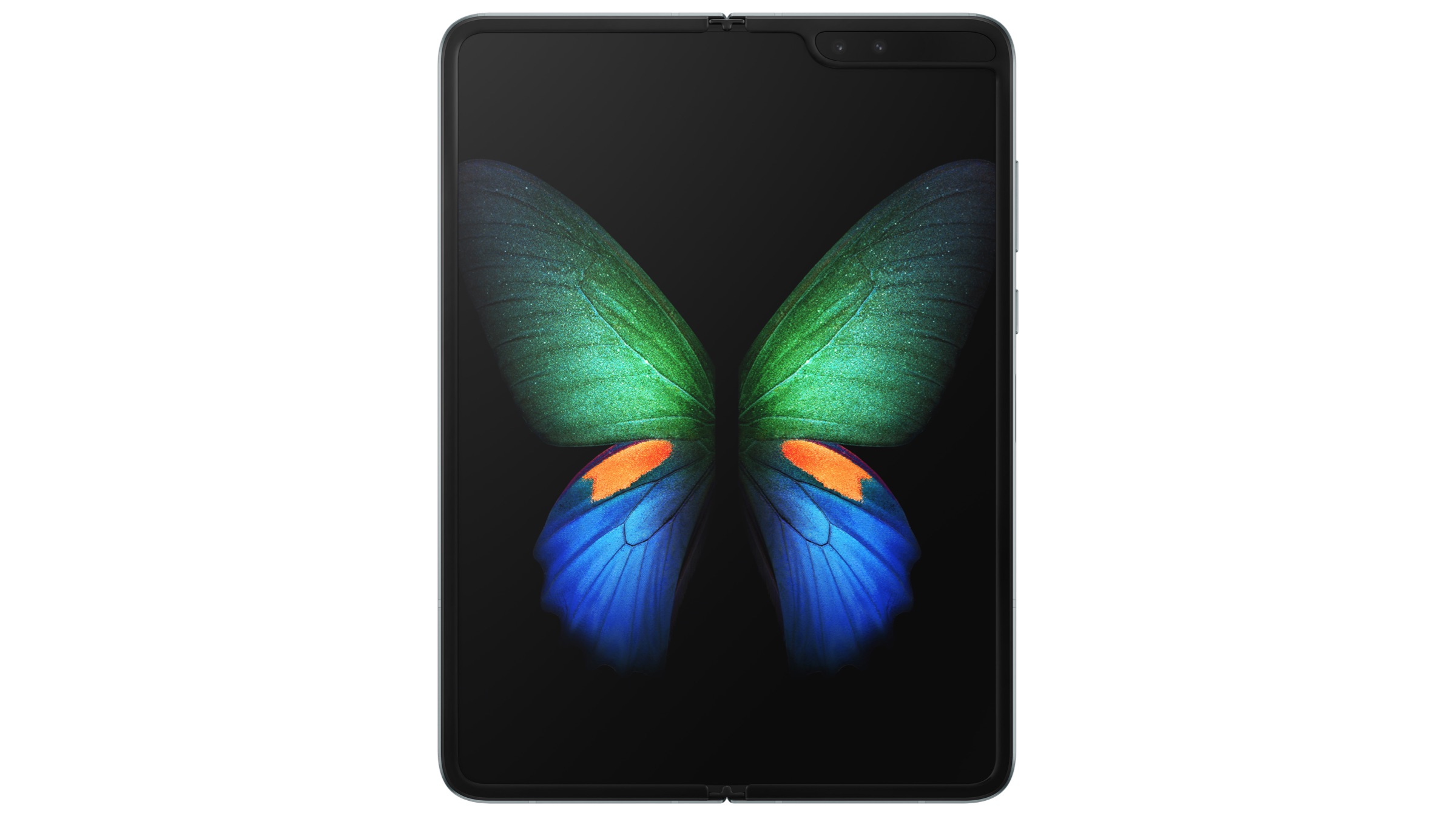
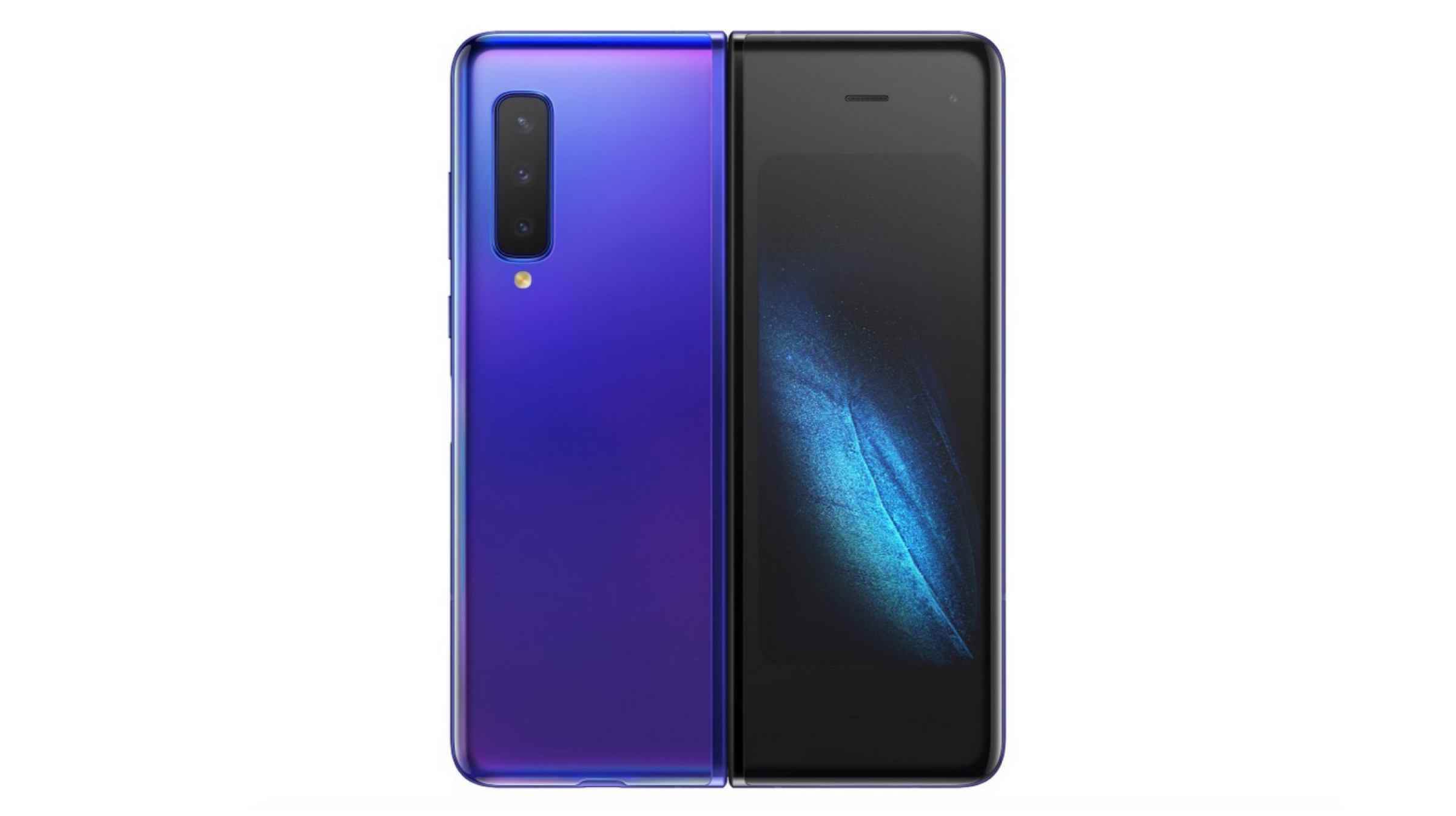
    Korean technology behemoth Samsung announced its first foldable smartphone, the Galaxy Fold back in the month of February. However, just before the device’s official launch which was scheduled for April, review units of the handsets started breaking. The company then had to recall all the smartphones and postponed the release indefinitely. Samsung then announced last month that the problems plaguing the device have been fixed and it will finally be released in September. Now, the claims seem to be rightly addressed as the ambitious foldable handset is up for pre-registration in China.

    Samsung Galaxy Fold

    The aforementioned news arrives after Samsung has started taking pre-registration for the Galaxy Fold on its official Chinese website. There is no shipping date mentioned, so nothing can be said on when the smartphone will start making its way into the market. The pricing for the device remains the same as announced, US$ 1980 (INR 1,36,500), so no changes there. Whatever said, it seems like the company is confident on the device and rightfully so, as in its last press release Samsung listed out all the changes it has made to make sure the Galaxy Fold is durable; and can stand the test of time in the real world.  

    Samsung Galaxy Fold

    According to Samsung, the Galaxy Fold has passed through some design and construction improvements to be certified for a relaunch. These improvements include the extension of the top protective layer of the inside display. The new layer now makes it apparent that it is an integral part of the display and should not be removed.


    Also read: Haunted iPhone XS Flashes Every Night Between 3 AM and 4:30 AM

    The updates to the foldable smartphone also include additional reinforcements to further protect it from external particles while maintaining its folding mechanism. Along with the aforementioned changes, the handset will also feature protection caps on the top and bottom of the hinge area; while also reducing the space between the hinge and the body of the device. If Samsung goes forward with the September release of the Galaxy Fold, it would rival the spotlight Apple’s next iPhones will get which are also due in a couple of weeks. Whatever be the case, we will not have to wait too long to find out.

  • Haunted iPhone XS Flashes Every Night Between 3 AM and 4:30 AM

    Haunted iPhone XS Flashes Every Night Between 3 AM and 4:30 AM

    To begin with, a Reddit user who goes by the username NotRealUserNameHomie‘ has observed that his and his wife’s iPhone XS start strobing by themselves in the middle of the night (between 3 AM and 4:30 AM which apparently are known as witching hours).

    Obviously, the user is asleep between these hours but he has learned about this anomaly while he was doing a routine check of the surveillance camera that supports night vision. See video below

    Although this might seem like a paranormal occurrence, there are a couple of reasons that could be causing this. The source of the light is explainable but details regarding what is triggering it are still unknown. 

    While initially, it seemed like the well-known iPhone feature ‘LED Flash for Alerts’, looking closely reveals that it is not the case. Because, if it was the flashlight strobe the area around would have been lit and it could have been seen via the human eye.

    Alternatively, this is the Infrared dot projector that aids in facial recognition of the FaceID biometric unlocking feature. (DIY: Put a TV remote in front of the camera sensor on your smartphone and look at its display, you will be able to see a light beam clearly which is otherwise invisible to the naked eye)

    While FaceID could be the reason toggling this sensor on the couple’s iPhones, shockingly the Redditor claims that this feature has been disabled on both the iPhones.

    Additionally, the infrared dot projector is also used to determine whether the user is looking at the display or not. This aids the iPhone to keep the display on and prevents it from going into sleep mode after touch inactivity counter has been hit. 

    Similar to FaceID, this aspect could also be detecting movement. Even though Apple has never spoken about it, this could be a deliberate behaviour.

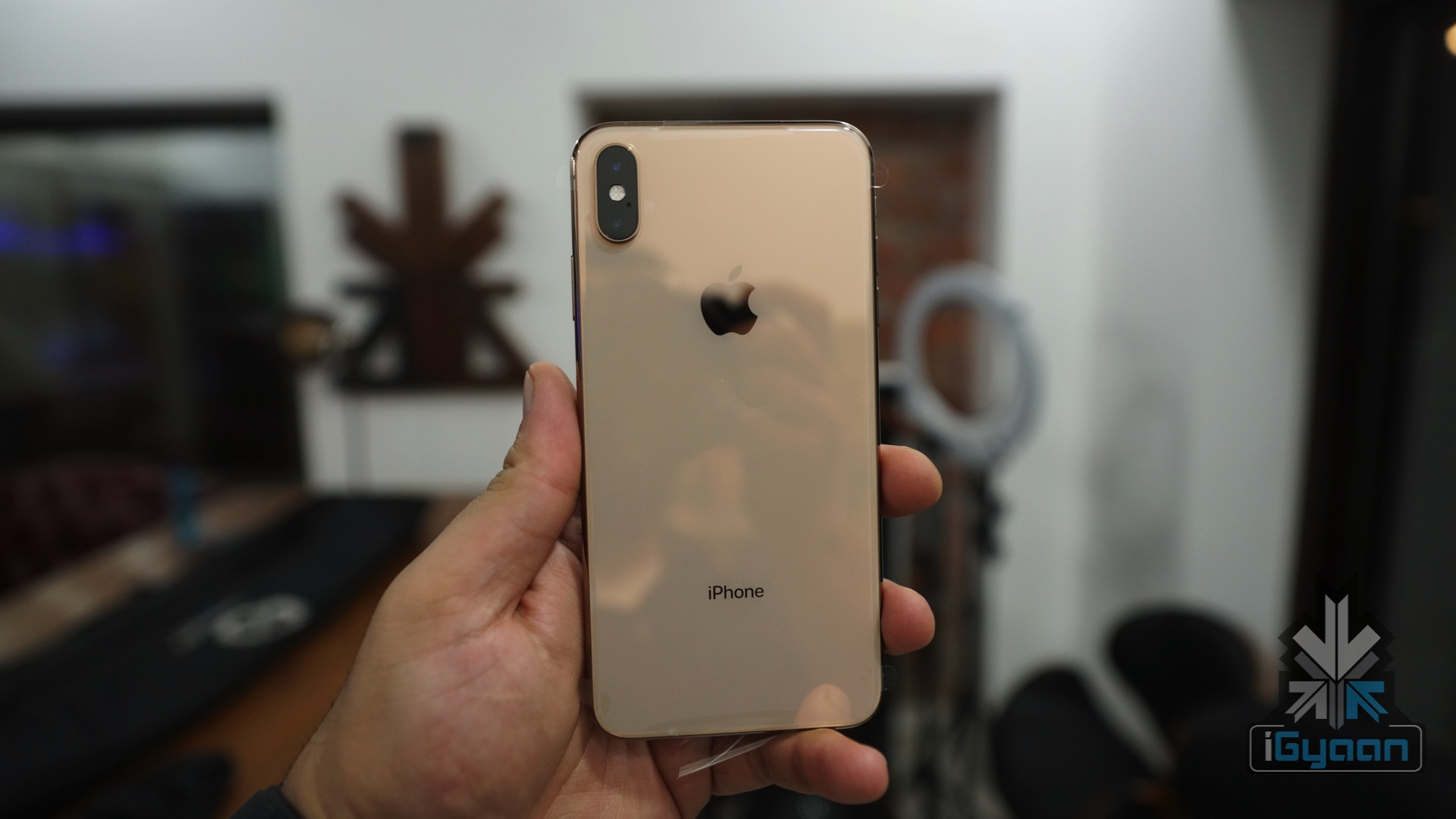
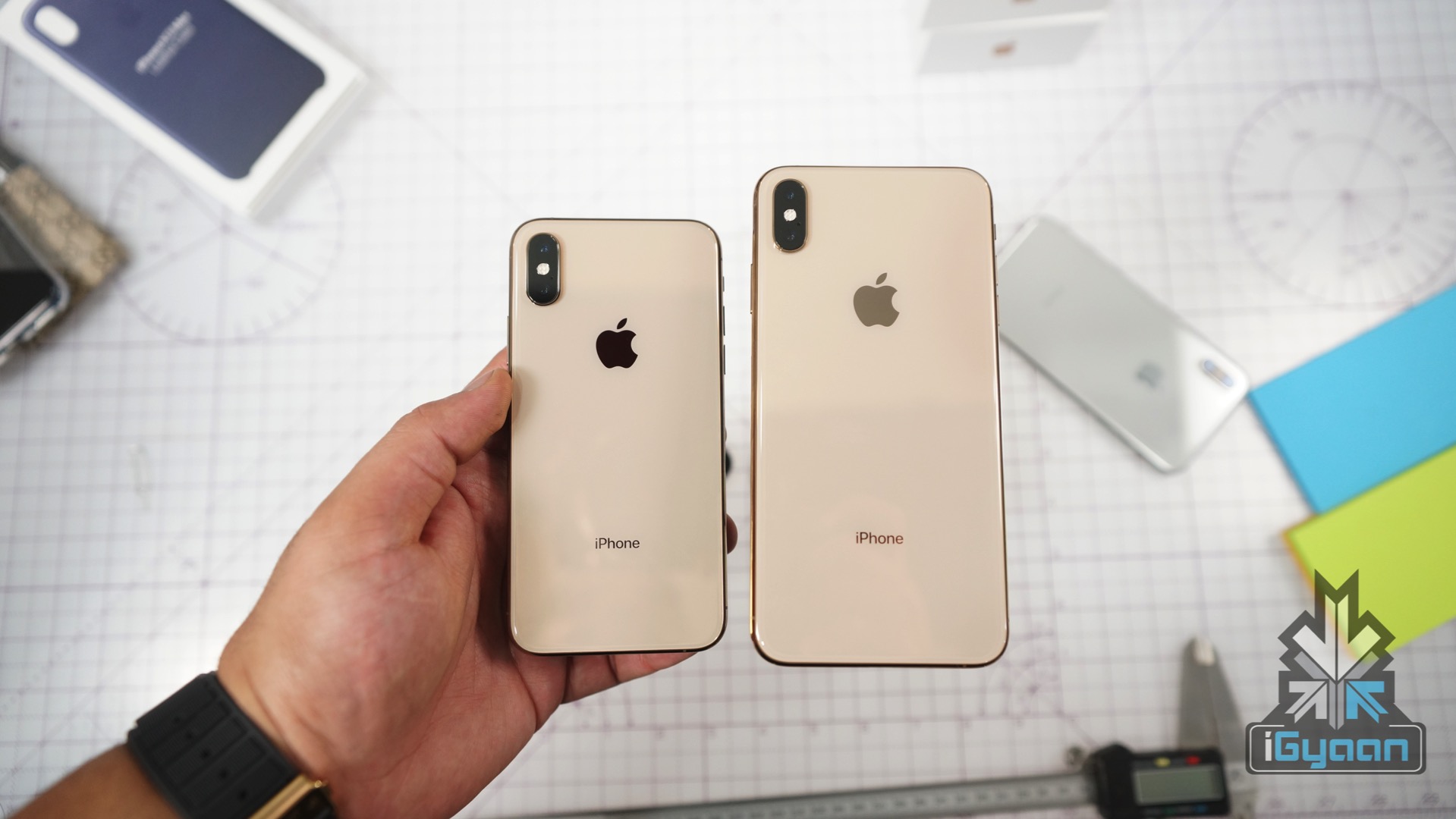
    iPhone XS
    iPhone XS

    Also Read: Key Factors To Consider Before Buying A Laptop

    A theory suggests that the Apple iPhone XS would periodically restart and this execution would be authenticated by the user unknowingly while they are looking at the display during night hours.

    Conclusively, most users would not have a night vision surveillance camera installed in their living space. Therefore, this feature would have gone unnoticed until now. Or there might be some supernatural spirit that is repeatedly toggling the IR projector. 

  • Key Factors To Consider Before Buying A Laptop

    Key Factors To Consider Before Buying A Laptop

    Choosing a perfect laptop can be an overwhelming task due to the abundance of options available in the market. While choosing the right CPU and GPU have their own importance, we believe there are several other options that one must consider before picking the right choice which are listed below.

    Display Size and Weight
    13 Inch MacBook
    13 Inch MacBook Pro

    When it comes to the display size, most consumers tend to be biased towards a larger panel. However, we would recommend you to question yourself beforehand the kind of tasks you intend to perform on your laptop. A lot of customers buy a 15-inch or even a 17-inch laptop which according to us is targeted towards a small group of users or professionals like gamers or video editors.

    The key reason for choosing a laptop over a desktop is, the former being a portable device that can be conveniently transported or carried in a backpack. For people who are always on the go, a 13-inch laptop would prove to be a better option. As per our observation, 15-inch laptops or above (excluding ultrabooks) can be too beefy to be carried around. Defying the whole purpose of them being easy to carry. 

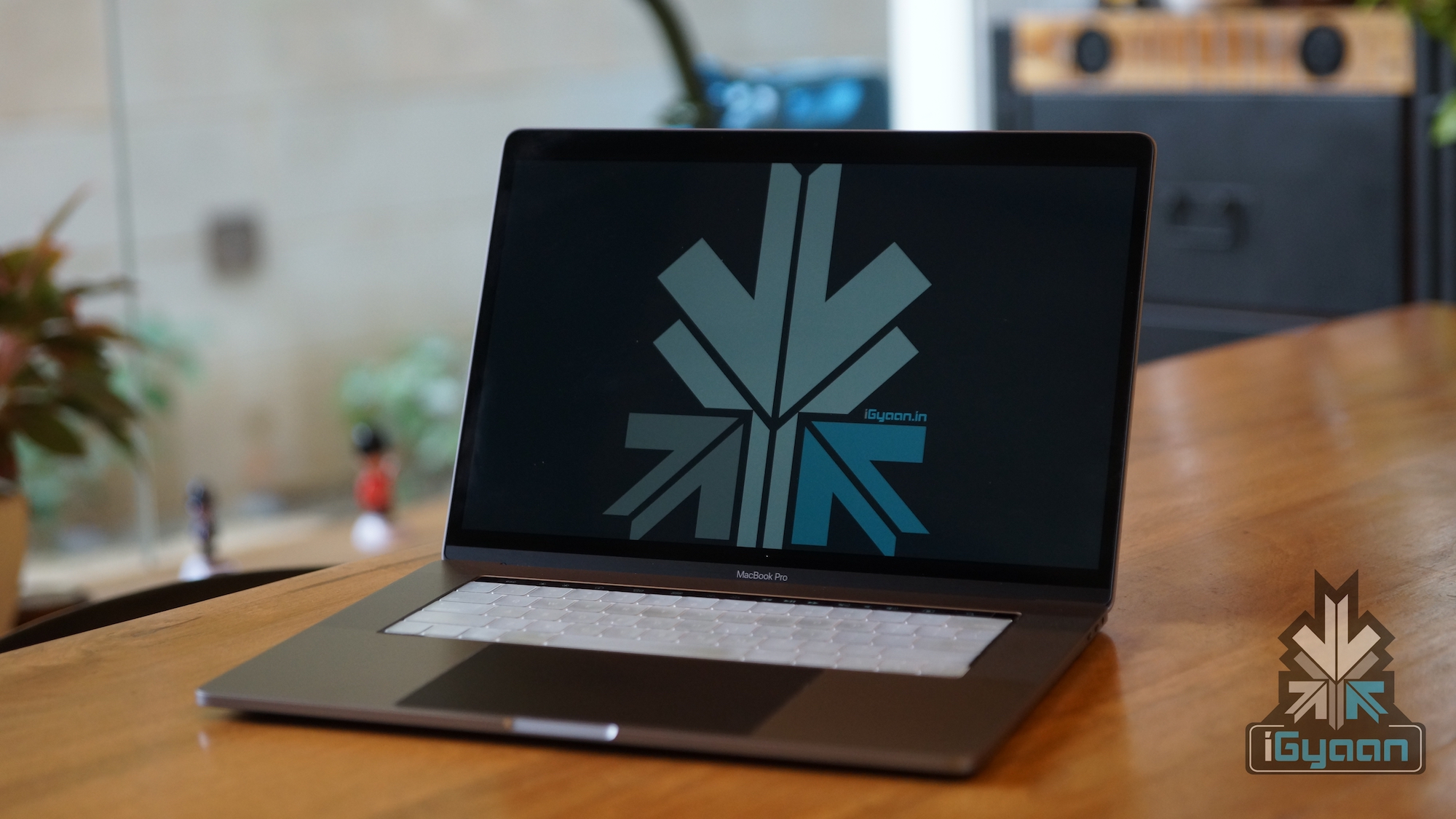
    A bit of my personal experience, the used Thinkpad X240 I bought a couple of months ago to use as a secondary laptop has surprisingly become my go-to choice. It features a 12.5 inch display and weighs just 1.3 kg which is considerably less than my 13 inch MacBook Pro which weighs in at 2.1 kg. 

    Long Battery, Compact Charger With Fast Charging Support


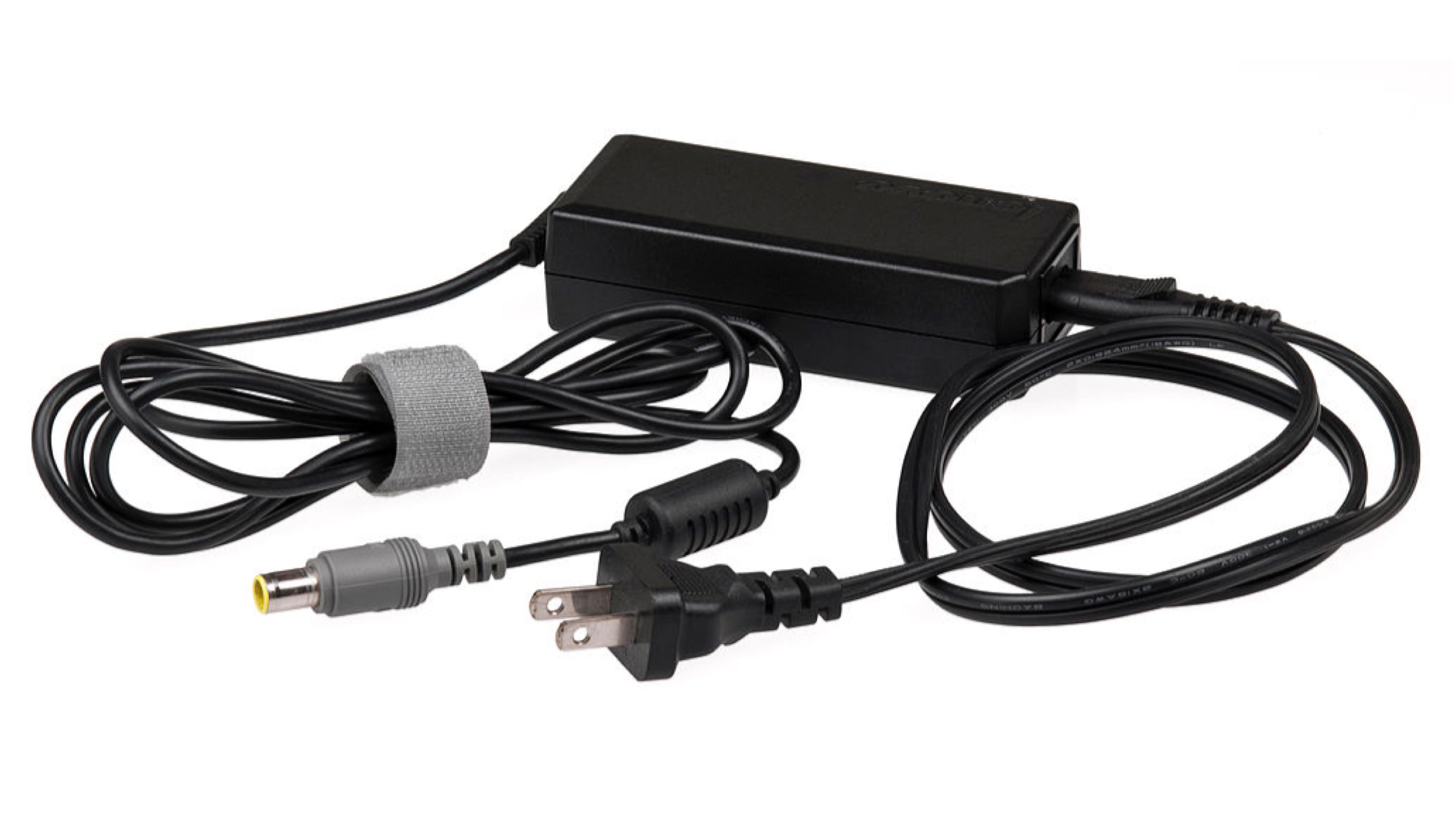
    Laptop Compact ChargerOnce again, when you opt for a laptop instead of a desktop, it is for the ease of portability. Besides choosing the right size display, having a long battery backup is important as well. This aspect will provide you with the freedom of working on for extended periods of time in situations when there is no power outlet around. 

    As observed with budget-friendly 15 inch or larger laptops, companies tend to equip them with a small capacity battery which barely crosses the 3-hour mark. Without getting into much of the details, we believe that a laptop with 45 WHr+ battery capacity is a good option as it could provide a battery backup of 5-7 hours.

    Noteworthy, the battery backup is also hugely affected by the CPU that the laptop features. Therefore, opt for a power-efficient variant that might have a clock speed lower than 2 GHz but supports turbo clocking. If you plan to get an Intel-based laptop, look for “U” or “Y” suffix in the processor name as they mean ‘low power’ or ‘ultra low power’ consumption.

    Another factor to take into consideration is the size of the power brick/charger and the charging speed it supports. Try looking for a laptop that supports and ships with a charger that is rated for 50+ watts so the inbuilt battery can be rapidly topped up. 

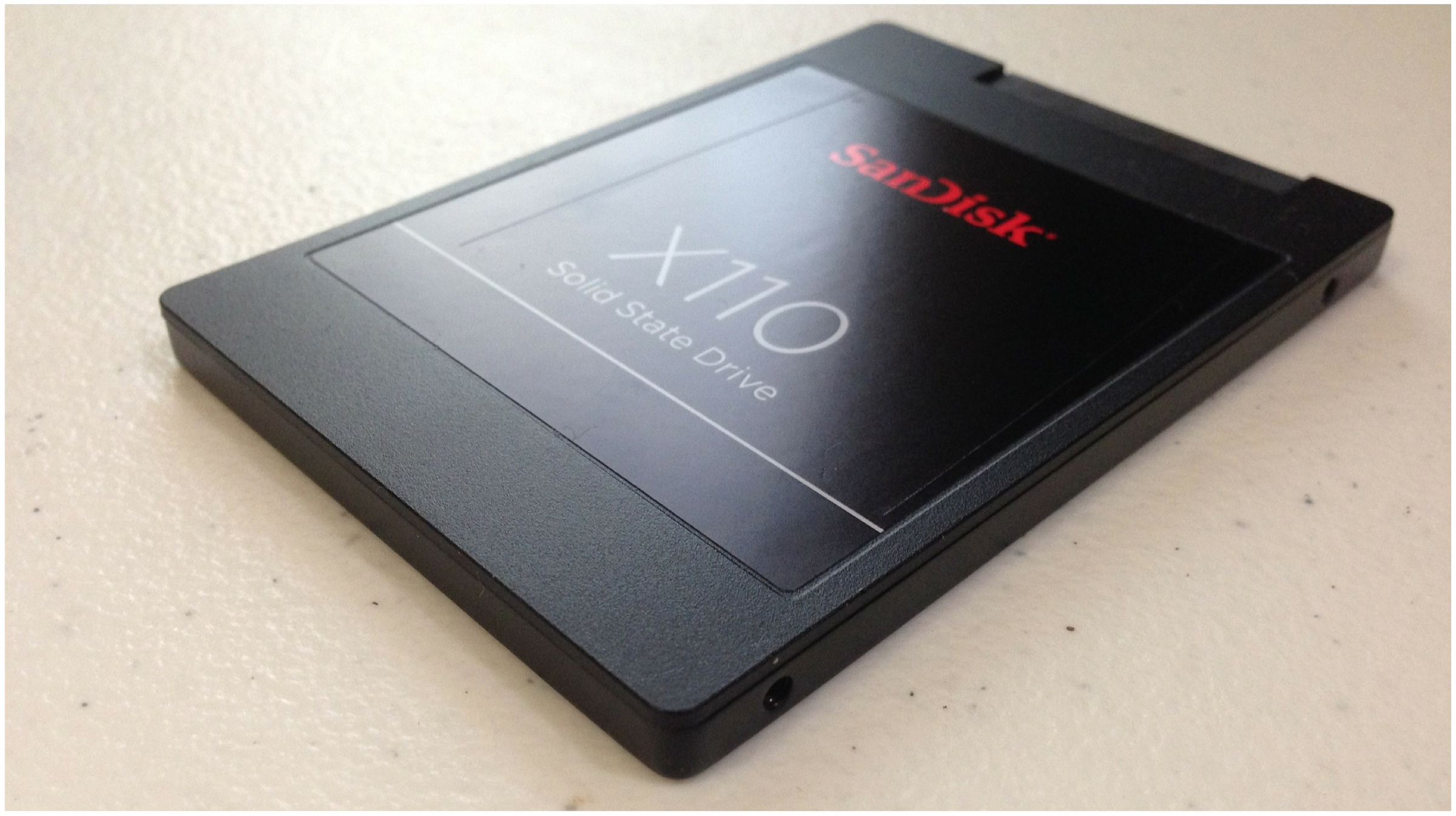
    Faster Storage Over More StorageSSD For Laptop

    Although consumer-grade SSDs have been available for a long period of time, their adaptation has been limited as the default storage type. Based on our observation, conventional hard disks are the biggest bottleneck in any laptop or desktop rather than the CPU or RAM. 

    Even the standard SATA based SSDs are upto 5 to 6 times faster than a spinning hard disk. For the consumer, this could mean boot times falling from 1.5 to 2 minutes to under 20 seconds and applications like games loading much faster. Accordingly, we would suggest that you make sure that the laptop you are about to buy has an SSD in addition to a regular spinning drive.

    In case the laptop does not support multiple storage interfaces, go for the SSD variant and buy an external hard disk additionally. Moreover, due to the abundance of high-speed internet, files like movies can be streamed on-demand rather than being stored on a personal storage medium. 

    Upgradability OptionsLaptop RAM Upgrade

    While buying a laptop also go through the upgradability options it supports. This would allow the user to increase the pre-installed RAM or storage medium which could either be a hard disk or an SSD. 

    In order to save up space and make laptops thinner in size, manufacturers tend to solder the previously mentioned components directly onto the motherboard. Which unfortunately disallows any sort of upgrades after the device has been purchased. 

    Not only will adding RAM or storage be easier but replacing faulty components will also be considerably more economical. As such parts can be swapped with standard off the shelf components are easily available both online and offline. 

    While laptops with an upgradable CPU are now a thing of the past. If you plan to upgrade it later down the road, you should keep it in mind while buying a laptop. 

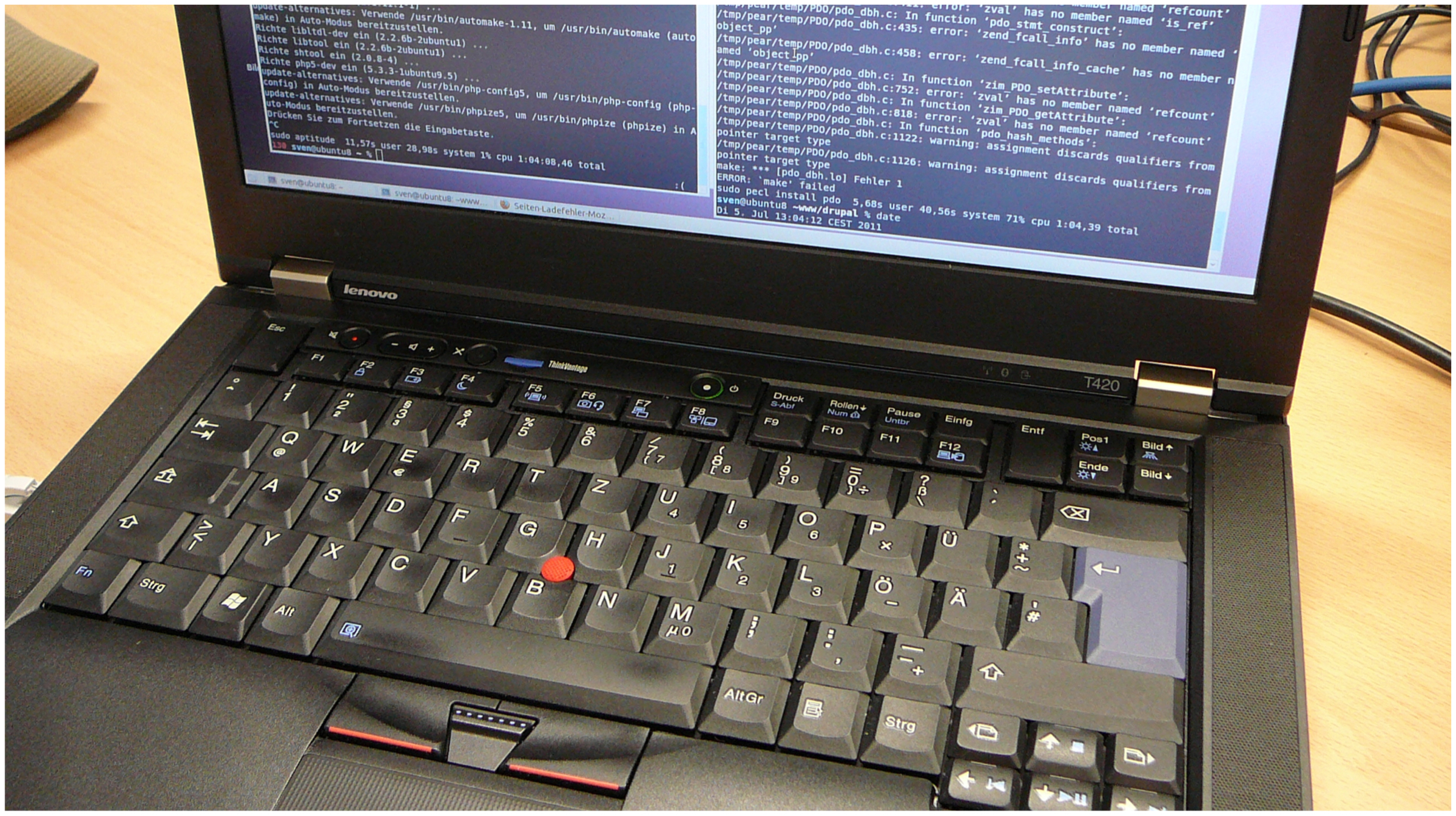
    Build Quality and MaterialsThinkPad Laptop

    While most consumers just choose a laptop based on the way it looks. We would recommend going a bit deeper and inspection the e-commerce website or questioning offline retailer the material that is used to fabricate the machine. Most affordable laptops are made out of plastic which is sprayed with shiny paint that can be easily scratched. 

    Moreover, plastic is prone to cracking or breaking when exposed to an external force. Therefore a metal body laptop could be a better choice as it will age much better. Another preferred material of choice is ‘Magnesium alloy’. A few examples of laptop constructed with this include some models of the Dell Latitude lineup and the Lenovo Thinkpad lineup. 

    Also Read: OnePlus TV Specifications Leaked, Reveal A MediaTek SoC & 3GB RAM

    All in all, these are a handful of things that one must consider before buying a laptop in addition to on paper specifications. 

    Which aspect do you think is the most noteworthy in this list? Also if you have any suggestions that we might have missed upon. Please let us know in the comments below.

  • OnePlus TV Specifications Leaked, Reveal A MediaTek SoC & 3GB RAM

    OnePlus TV Specifications Leaked, Reveal A MediaTek SoC & 3GB RAM

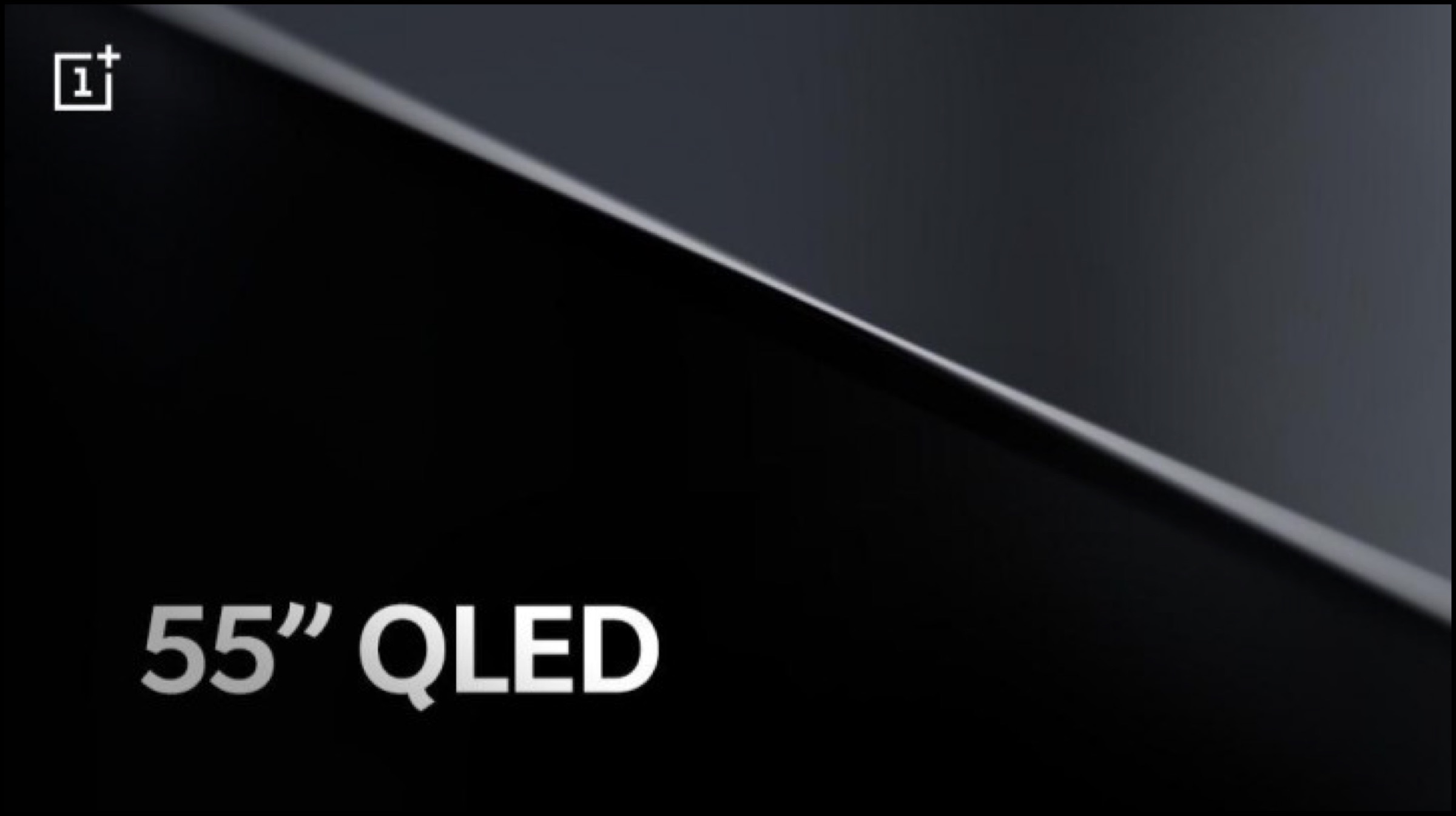
    Chinese smartphone maker OnePlus is expected to launch its first-ever television called OnePlus TV next month. The company has already confirmed that the device will be launched in India exclusively in September and be made available to the rest of the world later this year. Via a Twitter post, it also revealed that the TV will have a 55-inch QLED display when launched and will be exclusively available via Amazon India. Now, as we move closer to the launch date, the key specifications of the OnePlus TV have been leaked online.

    OnePlus TV

    The specifications of the upcoming OnePlus TV have been leaked by a Twitter handle by the name of Android TV Rumors. According to the image embedded in the tweet, the television has been given the codename “Dosa” which is a popular food item in South India. The listing also mentions that the device will run on the MediaTek MT5670 SoC and have a Mali G51 GPU inside. Unfortunately, no details about the mobile chipset inside the OnePlus TV are known yet. The image also mentions that it will have 3GB of RAM inside and will have a resolution of 1920 x 1080 px. This is surprising as it was earlier known to be a 4K television. It is being speculated that the mentioned resolution is only for the menu, which means while actually displaying content, the TV will scale itself into 4K resolution.

    OnePlus TV

    Also read: Android 10 Announced: Looking Back At The 10-Year-Old History Of Android Versions

    The OnePlus TV is expected to run on Android TV 9, which is confirmed by the latest leak. It was known previously that the upcoming television will be a premium offering as the brand is known for its premium smartphones. However, this also means that affordability may not be the number one goal of OnePlus here. It is expected that the OnePlus TV will be launched on the 26th of September, alongside the rumoured OnePlus 7T Pro. Since there is not much time in the announcement, we may not have to wait too long to see the television in action.

  • Android 10 Announced: Looking Back At The 10-Year-Old History Of Android Versions

    Android 10 Announced: Looking Back At The 10-Year-Old History Of Android Versions

    American technology behemoth Google announced earlier this week that the latest version of its Android operating system will be officially called Android 10. By this decision, the company has also broken on the long going tradition of naming the versions after sweet treats or desserts. The latest release also marks the tenth version of the platform, as is evident from the name. The operating system may have had a rocky start back in the year 2008, it has significantly evolved over the years. So to mark the landmark release of Android 10, we look at the extensive history of the software over the years.

    Android 1.0 and 1.1

    Android


    The one that started it all. The first version of the platform was released back in 2008 and it seems like so long ago that it did not even have a dessert name. But just to complete the cycle, enthusiasts have started calling it Android Alpha and Beta for the versions 1.1 and 1.2 respectively. The first generation of the operating system included basic Google apps like Gmail, Maps, Calendar and YouTube. While all of it seems very basic now, it was quite a big deal to have a suite of applications on a mobile phone.

    Android 1.5 – Cupcake

    Android Cupcake

    The Android 1.5 Cupcake was released in 2009, which also established the naming scheme based on sweet treats. Apart from being a monumental release, Cupcake brought about many changes to the platform. It was the first version to include an on-screen keyboard and third-party widgets. The latter provided the platforms one of the most unique features. Fun fact, this was also the first time the operating system gained the functionality enabling video recording on smartphones.

    Android 1.6 – Donut

    Android Donut


    Android 1.6 Donut was also released in the year 2009 and brought about many features to the platform. The first and most significant was adding the search box. What is now a ubiquitous feature was first added to Donut. The version also added support for multiple display sizes, which is a key element for the platform’s success. It also introduced Google Play, which was called the Android Market at the time. The store enabled users to download and try out different apps and games.

    Android 2.0/2.1 – Eclair

    Android Eclair

    The Android Eclair was released after almost six months of Donut, which is not something the company does today. It was sort of like an incremental update, with the platform adding support for Google’s turn by turn navigation and speech to text among other features. Eclair also added live wallpapers, which while it drained a lot of battery, was a really cool feature at the time.

    Android 2.2 – Froyo

    Android Froyo

    Google plopped up the Android 2.2 Froyo just four months after Eclair. This release, just like the Frozen Yogurt it is named after, was a sweet treat to the users as it focussed on increasing the performance of the devices. The release added the support for new Voice Actions and added support for mobile hotspots; which is also an important addition by historical importance.

    Android 2.3 – Gingerbread

     

    Android 2.3 Gingerbread was released in the year 2010 and marked an incremental update over Froyo. The platform gained support for new and improved gaming API for better and graphically intense gaming. It also added NFC connectivity to compatible devices; enhancing their connectivity. Fun fact, Google added a hidden easter egg in the operating system starting Gingerbread. The first hidden surprise was a zombie artwork when the users tapped on the version number multiple times in settings.

    Android 3.0/3.1/3.2 – Honeycomb
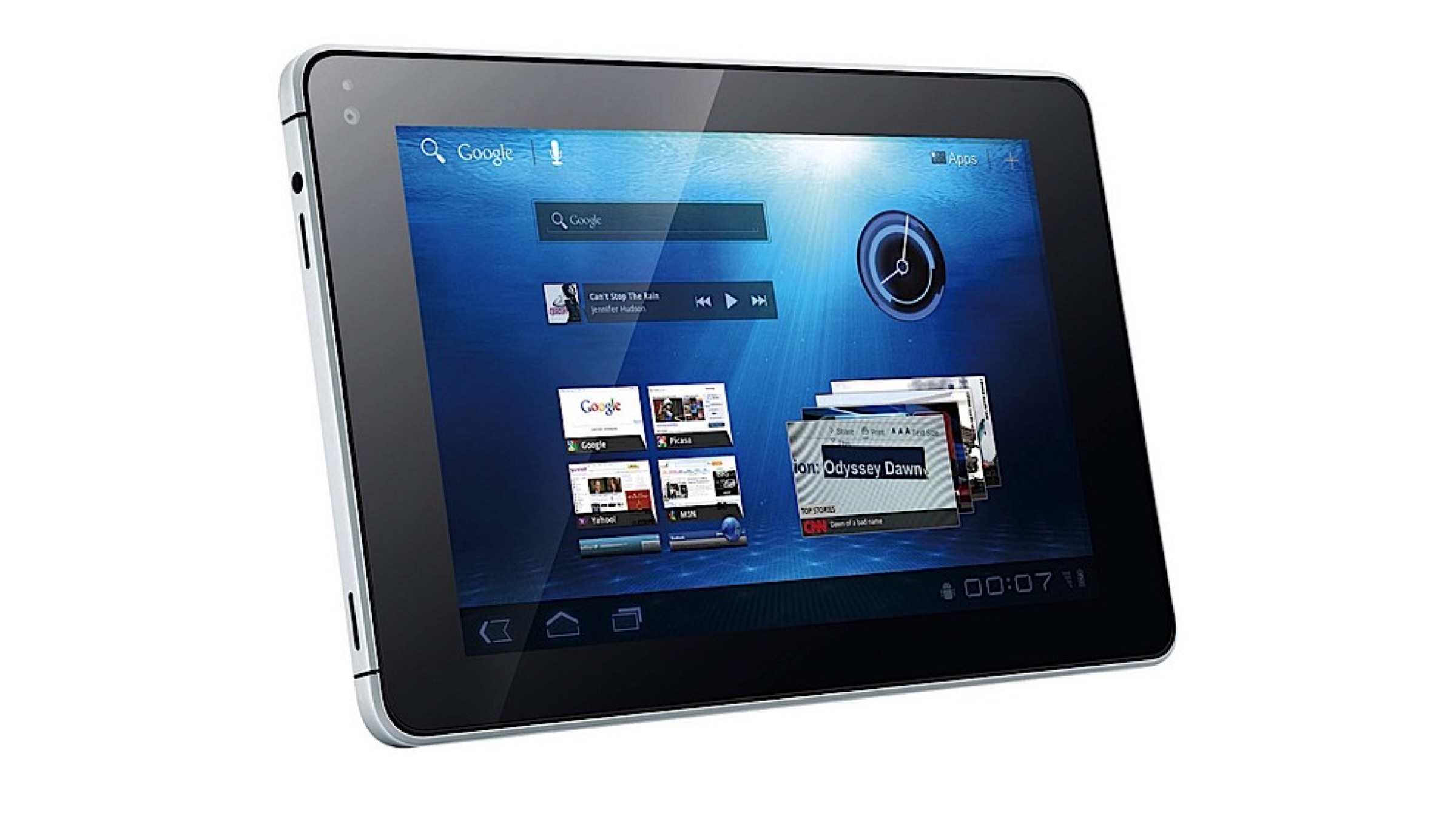
     

    Back in the year 2011, when tablets were becoming all the rage in the market, Google released the Android 3.0 Honeycomb. As a tablet exclusive operating system, it didn’t see many takers but was an important step in the redesigning of the platform. The version saw a user interface that utilised the whole display of the device, which was important in a tablet. However, due to limited application support and not many makers adopting it, Honeycomb is one of the more obscure versions on the list.

    Android 4.0 – Ice Cream Sandwich



    Android 4.0 Ice Cream Sandwich was a major design overhaul for the operating system. Released in the same year as Honeycomb, the version brought about changes like a new Holo design, swipe gestures for notifications and recent apps, and support for Android Beam. Looking back at Ice Cream Sandwich now feels like it was an extremely ambitious update, one which has futuristic vibes going on for it.

    Android 4.1/4.2/4.3 – Jellybean

    Released over multiple periods between 2012 and 2013, the Android 4.1/4.2/4.3 Jellybean was an incremental update over Ice Cream Sandwich. The platform gained support for account switching, which lets multiple users use a smartphone in different ways. It also has Google Now, a barebones digital assistant which has now been christened as Google Assistant. Jellybean also got actionable notifications, which let taking actions without opening certain applications easier.

    Android 4.4 – KitKat
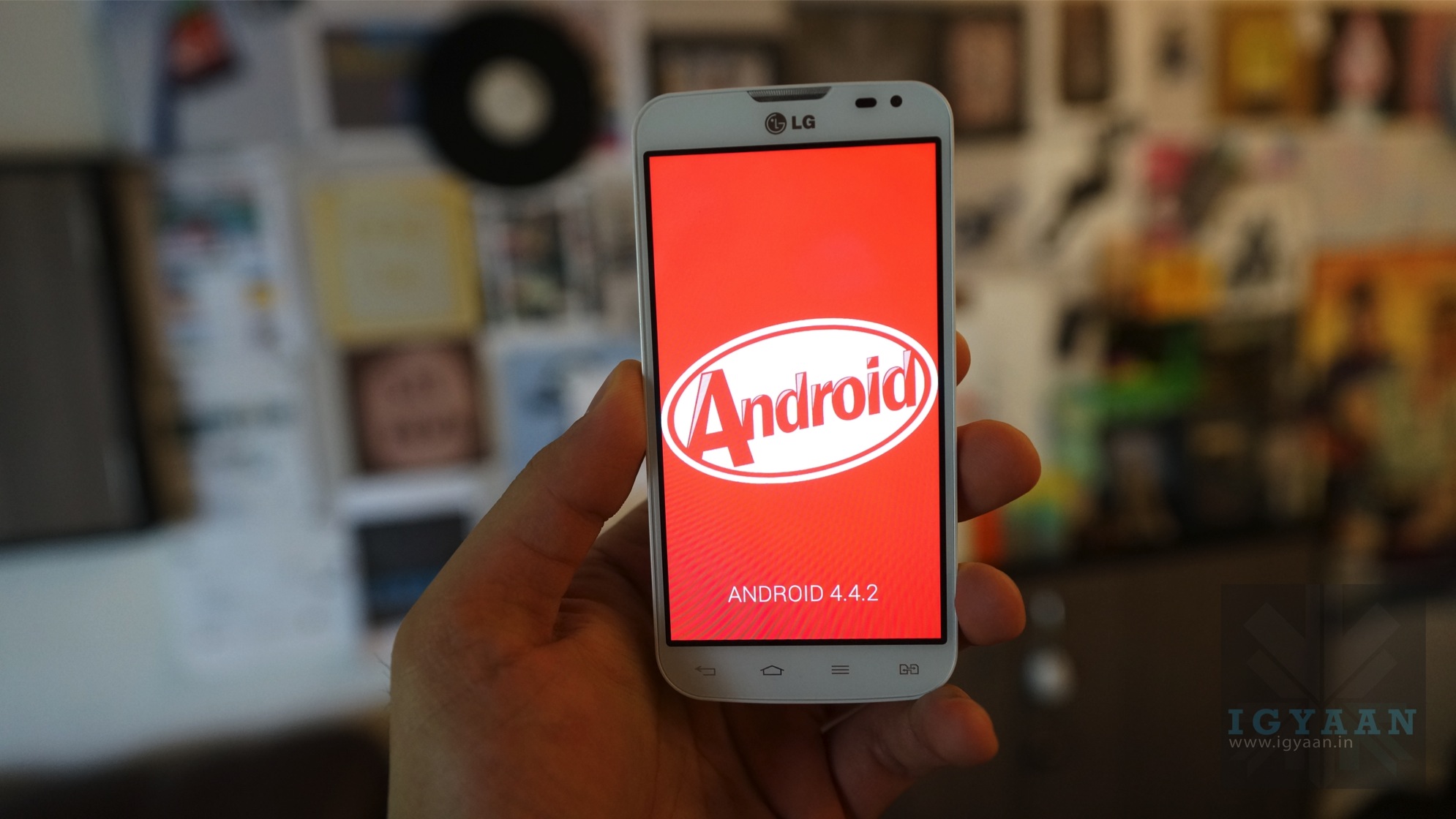
    The name for Android 4.4 KitKat was a result of Google’s partnership with Nestle in the year 2013. This release made for a delicious name, and software refinements all around the operating system. Things like a smart dialer, full-screen applications and the “Okay Google” keyword; which we now take for granted, were first added in KitKat.

    Android 5.0 – Lollipop

    One of the biggest releases of the operating system, Android 5.0 Lollipop saw Google going back to the drawing board in 2014. The company adopted the Material Design theme, which is still in use today and almost redesigned the platform. With the release, lock screen notifications became a thing, and the software gained support for full hands-free “Ok Google” detection. Not to mention the change in the recent apps drawer with the release. Fun fact, Google added a neat little game in the easter egg which resembled Flappy Bird, another smash hit game of the time.

    Android 6.0 – Marshmallow

    Android 6.0 Marshmallow was released in 2015 and was an incremental update over Lollipop. It was in part because the previous version was such a design overhaul that it made for Marshmallow not to do anything drastic. The version added support for things like fingerprint readers and USB Type C ports and added a feature called Now on Tap. It used the company’s machine learning to provide more information on what is being displayed on the device. For granular privacy settings, Marshmallow also had permission controls for each application.

    Android 7.0 – Nougat

    nougat android

    Android 7.0 Nougat, was released in the year 2016 and focussed on improving upon Marshmallow. It was launched alongside the first Google-made smartphone, the Pixel and Pixel XL. With Nougat, the company introduced the split-screen feature and debuted Google Assistant, which is arguably the best digital assistant on a smartphone.

    Android 8.0 – Oreo

    Android 8.0 Oreo was released in the year 2017 and again, was an incremental update over Nougat. The name, much like KitKat was a result of Google’s partnership with a big company, this time it being Nabisco. This release brought about feature like a picture in picture mode, granular control over notifications. One of the landmark features of the sandwich cookie version was the support for Project Treble. It was an attempt by Google to minimise Android Fragmentation; by getting the latest release on most devices faster. Sadly the last bit has not played out very well.

    Android 9 – Pie
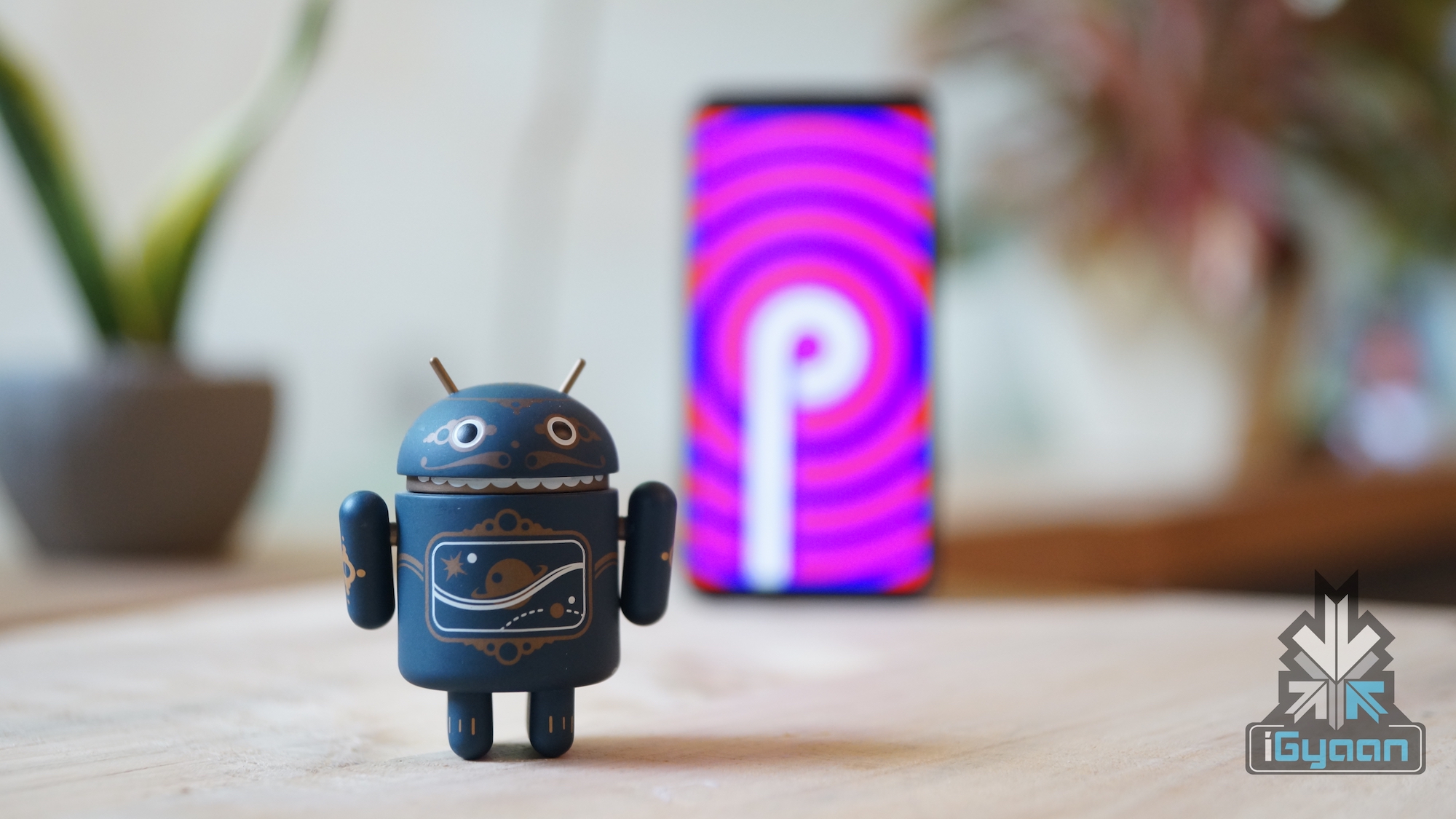
    The last release of the platform yet and one of the most important, Android 9 Pie was baked in the year 2018. It marked a soft reboot in designing the operating system, with the company trying to move away from Material Design. The release introduced new gesture-based navigation, which however half baked they may be; paved the way for all-screen smartphones. Also added to the release were clever software controls for Wi-Fi and mobile data. It also introduced the Digital Wellbeing feature on some devices. This lets users see the amount of time they spend on their smartphones and can limit it.

    Android 10 – No Desserts For You!

    Also read: Lenovo Teases An Upcoming Budget Smartphone, The Lenovo A6 Note

    The latest release by the company, Android 10 as mentioned above does not have an official dessert name. However, according to some reports, Google still has the codename for the release which is named after a dessert that starts with Q. Take your guesses, I’m going with Quiche. However sad the company’s naming decision may be, the latest release will bring about significant changes in the platform. The first one is an all-new navigation gesture system, which resembles the new iPhone gestures. Also arriving in the release are better and faster security updates and support for Live Captions. The final developer’s Beta for the software has just been released; so Google is expected to roll out a stable update in the following weeks.

  • Lenovo Teases An Upcoming Budget Smartphone, The Lenovo A6 Note

    Lenovo Teases An Upcoming Budget Smartphone, The Lenovo A6 Note

    In the month of June last year, Lenovo launched a budget-oriented smartphone, dubbed the Lenovo A5 it was well-received by the consumers. According to a teaser shared by a senior company official, the handset is about to get a successor which will carry the ‘Lenovo A6 Note‘ moniker.

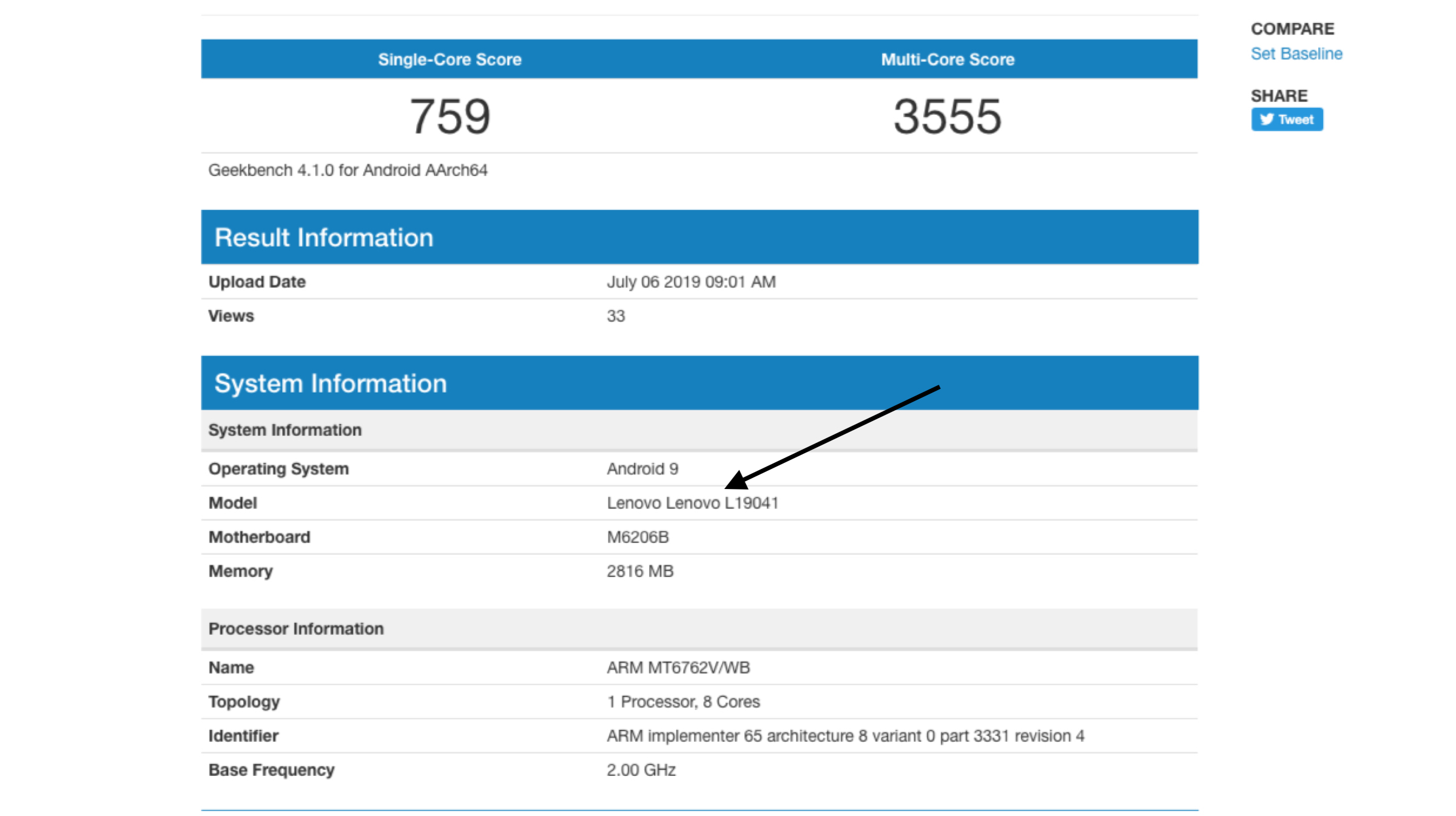
    Moreover, the same smartphone was previously approved by NBTC, the regulatory body of Thailand. Its listing revealed that the model number of the handset is ‘L19041‘ and surprisingly a device with the corresponding model number has been spotted on the benchmarking website Geekbench that has revealed it key specifications. 

    Lenovo A6 Note Design and Features

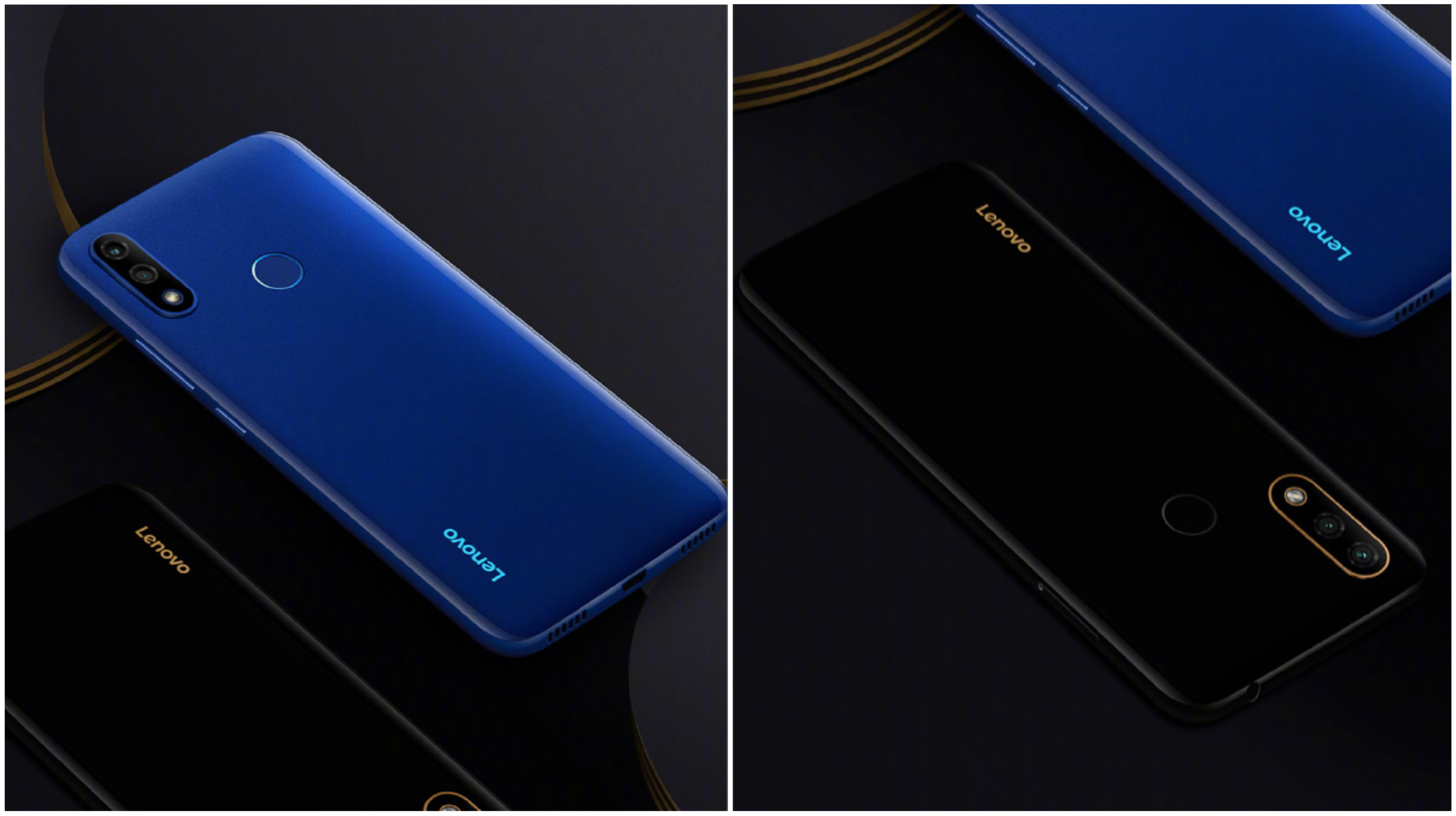
    Going by the official images, the Lenovo A6 Note has an elegant design owing to a high screen body ratio display on the front and a contoured rear panel that seems to be made out of polycarbonate. 

    Like most modern smartphones, the display of the Lenovo A6 Note has a waterdrop notch up top and slim bezels on all sides. The rear of the smartphone houses a dual-camera setup in addition to a fingerprint sensor and vertically marked company branding. 

    As the image show, the Lenovo A6 Note will be available in two colours which include Blue and Black. The accents around the rear camera module and the colour of the company branding looks very slick and attractive. Overall, the company seems to have nailed the design of a budget-friendly smartphone that a lot of other companies might overlook.

    Speaking of the previously mentioned Geekbench score, the handset registers a single-core score of 759 points and a multi-core score of 3555 points. The listing reveals that the hand is equipped with 3 GB of RAM and an Octa Core CPU which clocked at 2.0 GHz. The name of the processor is listed as ‘ARM MT6762V/WB‘ which is the model number for the ‘MediaTek Helio P22′

    Unfortunately, the listing does not reveal other details like the battery capacity, display size or the resolution of the camera sensor. However, taking into consideration the specs of its predecessor and the already revealed specs, we assume the Lenovo A6 Note will have the following features:

    • Display: 6.3 inch, HD+ resolution
    • Front Camera: 13 MP + 2 MP
    • Rear Camera: 8 MP
    • Battery: 4,000 mAh or 5,000 mAh
    • Security: Rear Mounted fingerprint sensor
    • Chipset: Helio P22, Octa Core CPU
    • RAM: 3 GB
    • ROM: 32 GB

    Lenovo A6 Note Price and Launch Date

    Also Read: The Motorola One Action, Who Should Buy It?

    Although the company has not yet revealed the announcement date of the smartphone, the teaser suggests that the launch of Lenovo A6 Note is imminent. The official price will only be publicised at the launch event, however, the device is expected to be priced in the Rs 6,000 and Rs 8,000 price bracket like its predecessor. 


  • Apple iPhone Pro, New iPads And 16 inch MacBook Pro To Launch Soon

    Apple iPhone Pro, New iPads And 16 inch MacBook Pro To Launch Soon

    Apple’s 2019 iPhone is just around the corner. The company is set to unveil its latest iteration of its iconic smartphone range on in the second week of September 2019. The hype and anticipation surrounding it have been high and we have already covered many rumours and reports on it. However, fresh new suggests that Apple is planning to introduce “Pro” models of iPhone for the first time. It is also claimed that new iPads and 16 inch MacBook Pros are also in pipeline. 

    Apple
    iPhone 11 Concept
    2019 iPhone & Pro
    • Apple is reportedly planning on launching three new iPhones as it has done so since 2017. But, it will also launch “Pro” variants of these devices.
    • The Pro iPhone are distinguished by an additional sensor being present on the rear for ultra-wide images. The sensors will capture three images simultaneously and use new artificial intelligence software to automatically correct and combined the photos. 
    Apple
    iPhone XS & XS Max
    • iPhone Pro handsets will have significantly upgraded video recording capabilities as well. Apple has apparently made a feature that allows users to retouch, apply effects, alter colours, reframe and crop videos live on the device while it is recording.
    • Notably, the reverse wireless charging feature that was seen earlier this year with Samsung Galaxy S10 devices will also be found on 2019 iPhones. It is also claimed that the iPhone will now include a multi-angle Face ID sensor that will unlock the device much more easily even when it is laying flat on a table. 

    New 2018 iPhone

    • Apple is making the new iPhone with higher water resistance. It is suggested that the device can last far longer than the 30-minute rating on the currently available iPhones. Additionally, the devices will also be more sturdy with new shatter-resistant technology.
    • The entire 2019 iPhone ranges will house the A13 Apple processor as well as a new Matrix chip that could benefit computer vision and augmented reality performance. On the outside, the Pro phones will look similar to its predecessors in size and design but they will introduce an all new matte finish rear.
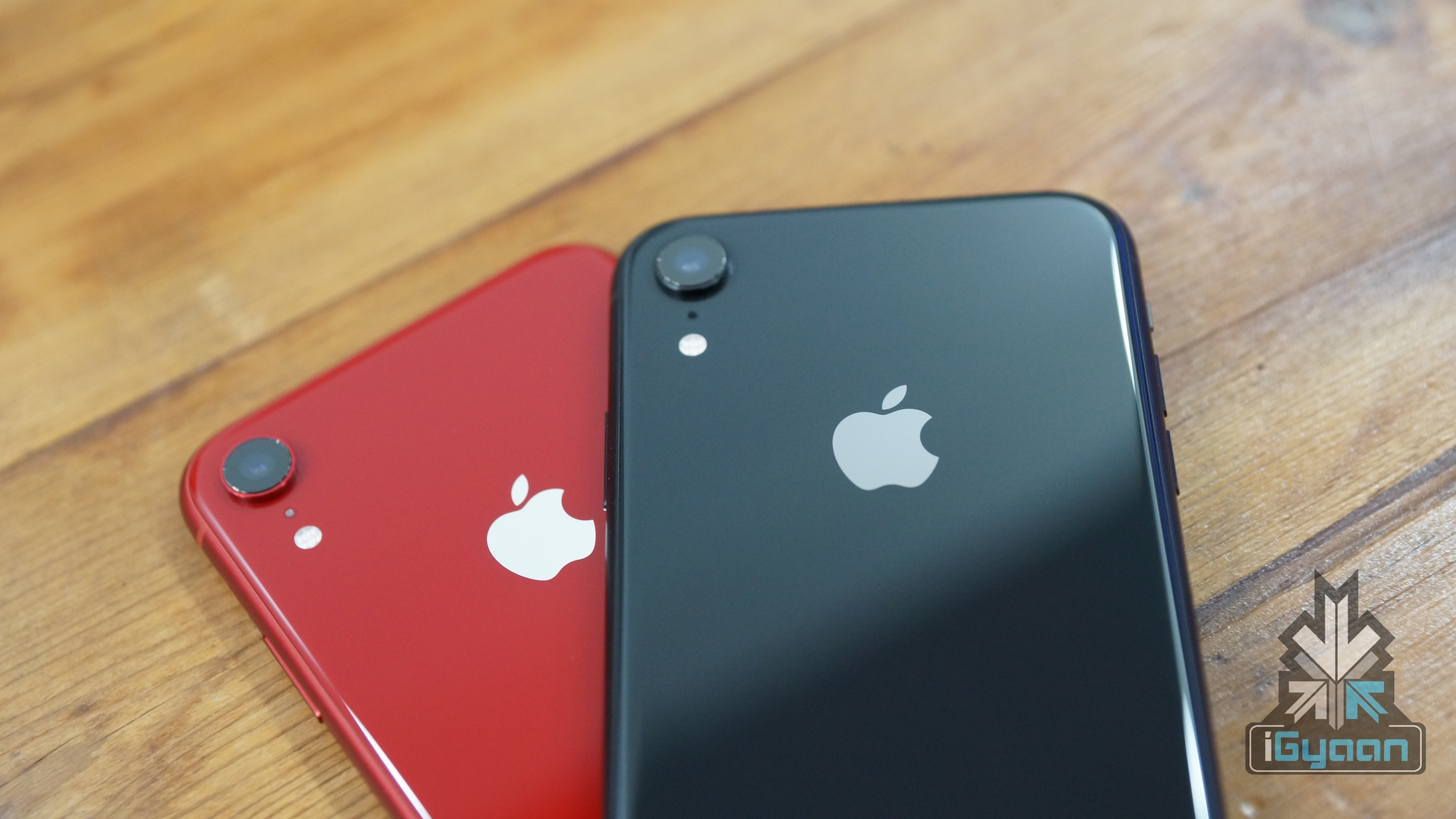
    • 3D Touch will no longer be present in any of the 2019 Apple iPhone range, as the Haptic Touch will replace it. Notewrothy, 5G is not arriving in 2019 iPhones and will be seen in the 2020 models. For iPhone XR, its 2019 iteration will bring incremental improvements. Apart from the faster processor, the handset will reportedly feature a dual camera setup with support for optical zoom.
    Apple
    iPhone XR
    2019 Apple 2019 iPads

    According to the report, Apple is planning on releasing  new 11-inch and 12.9-inch iPad Pros this year. They will feature upgraded cameras that will be similar to the iPhones. It is still unknown if more than one sensor will be found on the back. Noteworthy, the 2019 iPads will also feature a faster processor but will have its design be similar to its predecessors. Apple is also claimed to discontinue its existing entry-level 9.7 inch iPad in favour of a new 10.2-inch model.

    Also ReadMotorola One Action Unboxing And Hands On

    2019 MacBook Pros

    Apple

    The report also states that Apple is set to launch a new 16 inch MacBook Pro in 2019. It will be similar in size to the existing 15 inch MacBook Pro but will sport a 16 inch display owing to thinner bezels. The new model will be aimed towards professionals , though, details regarding the controversial keyboard are still unknown.

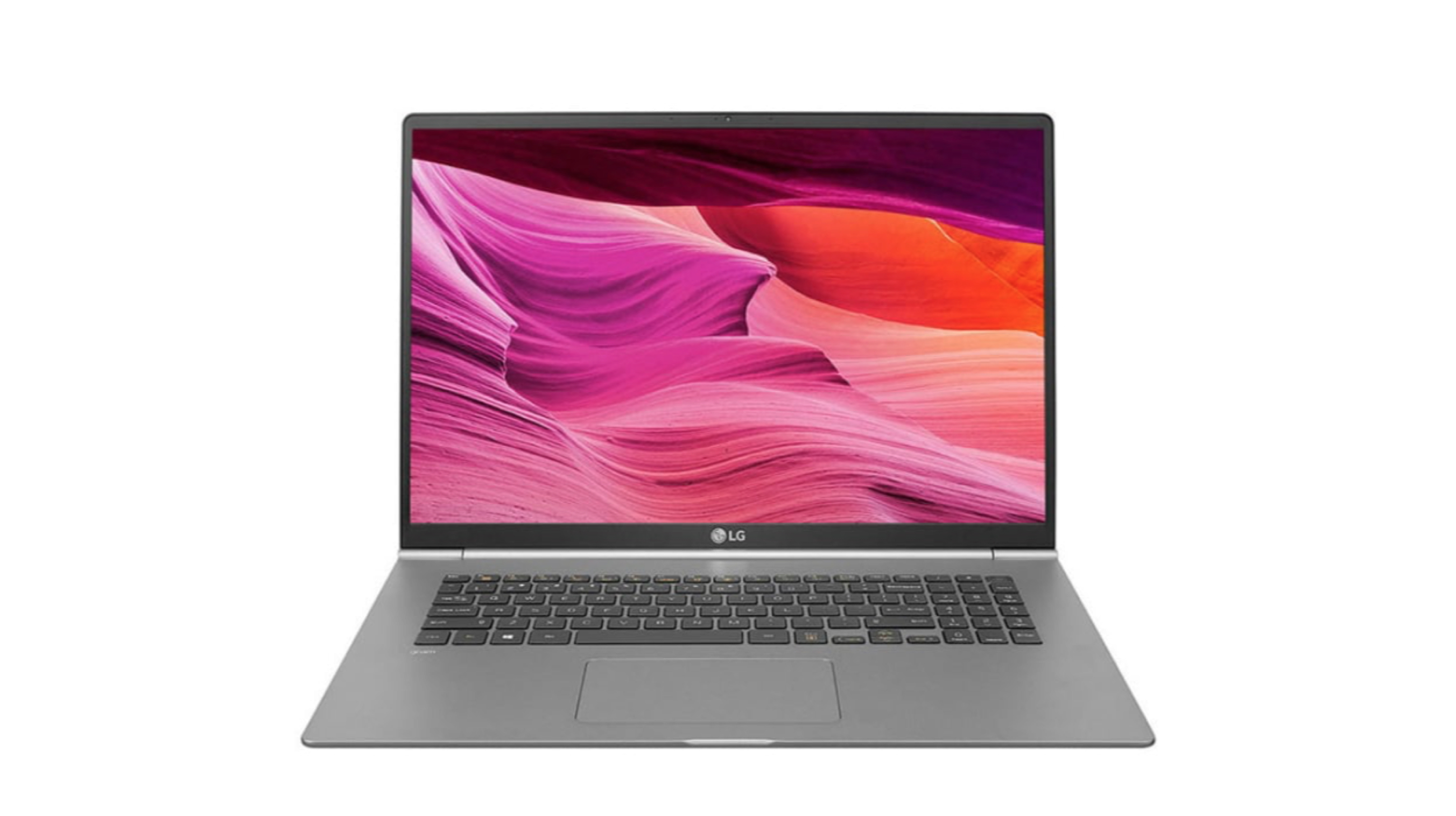
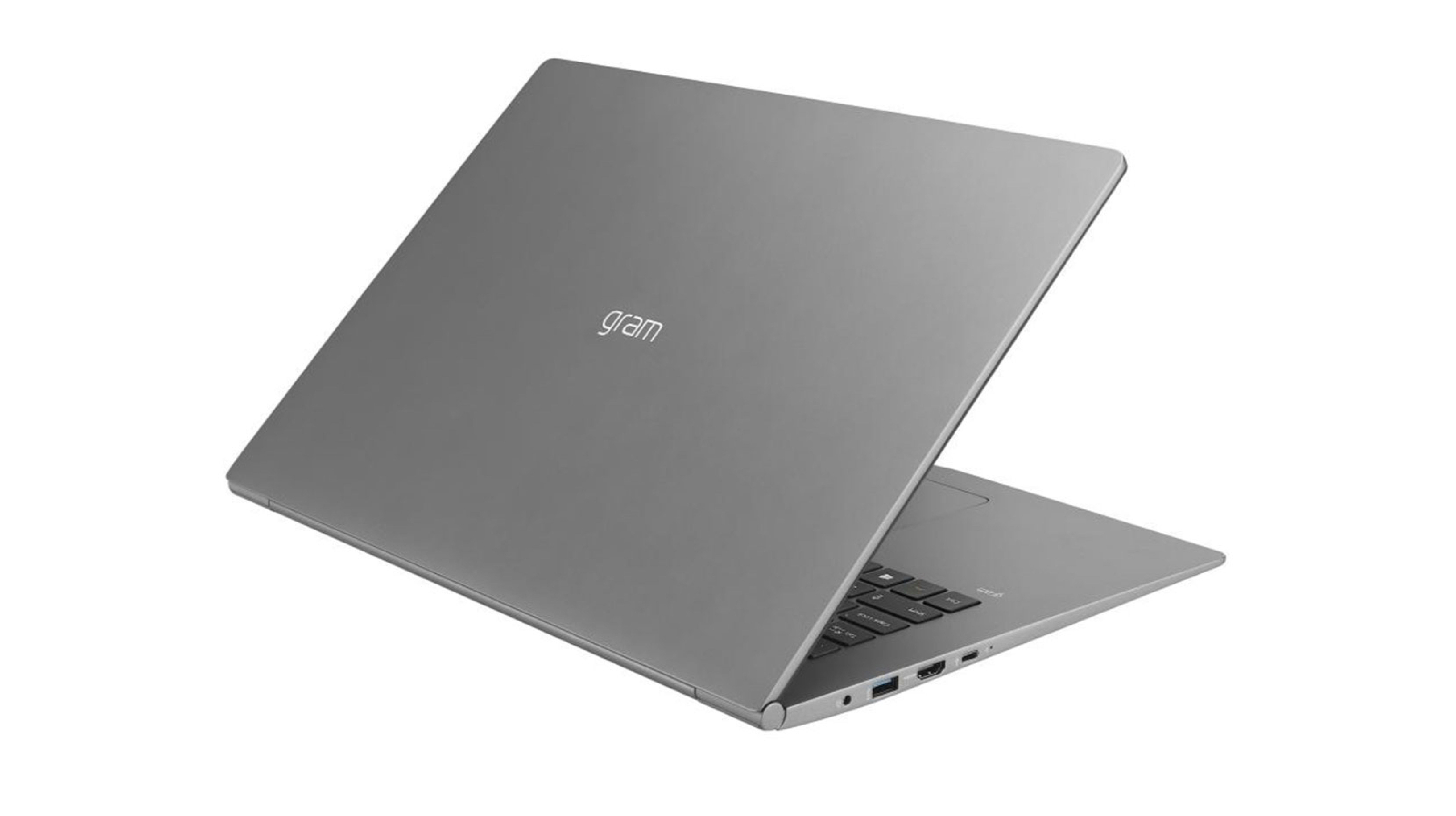
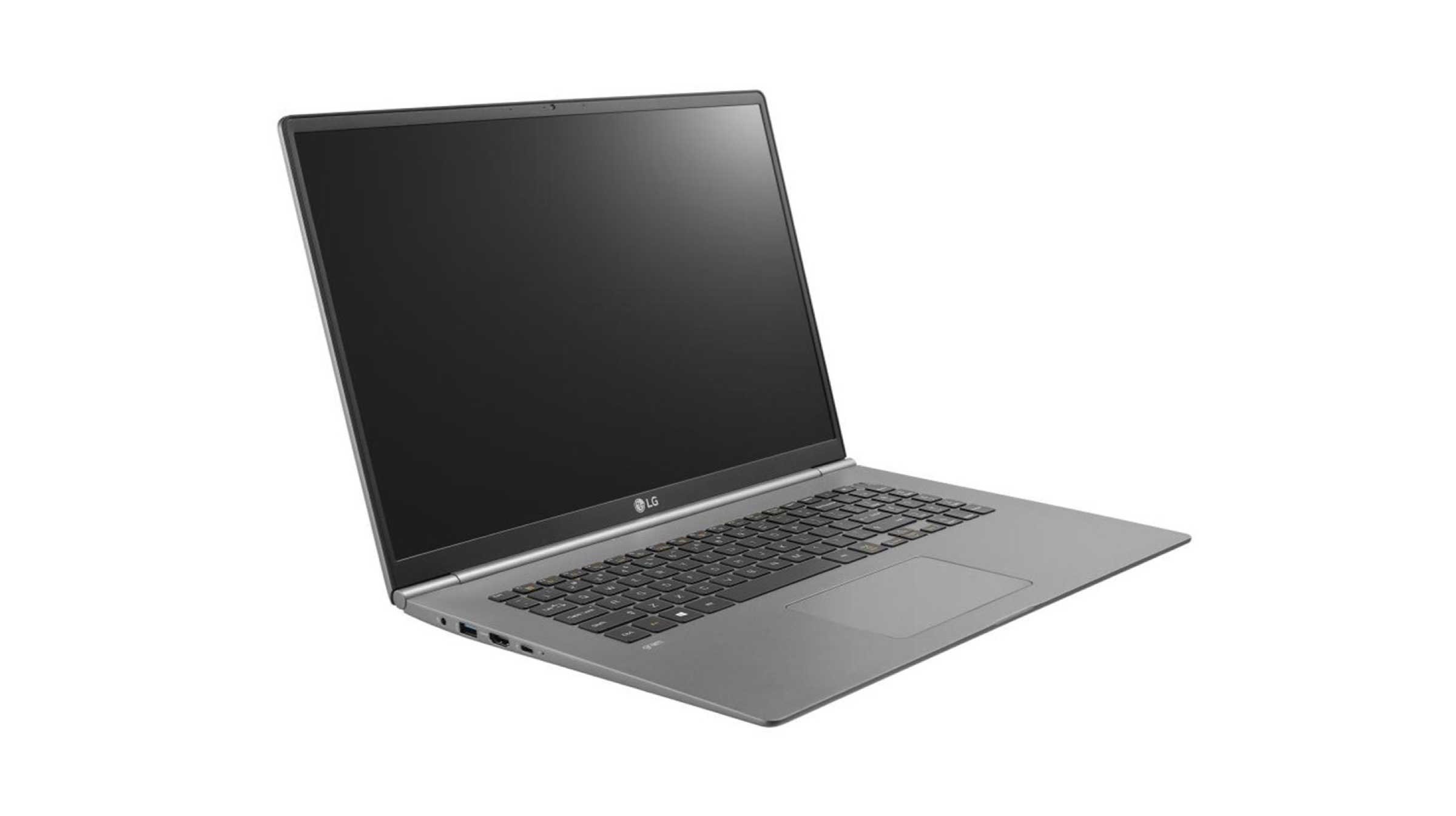
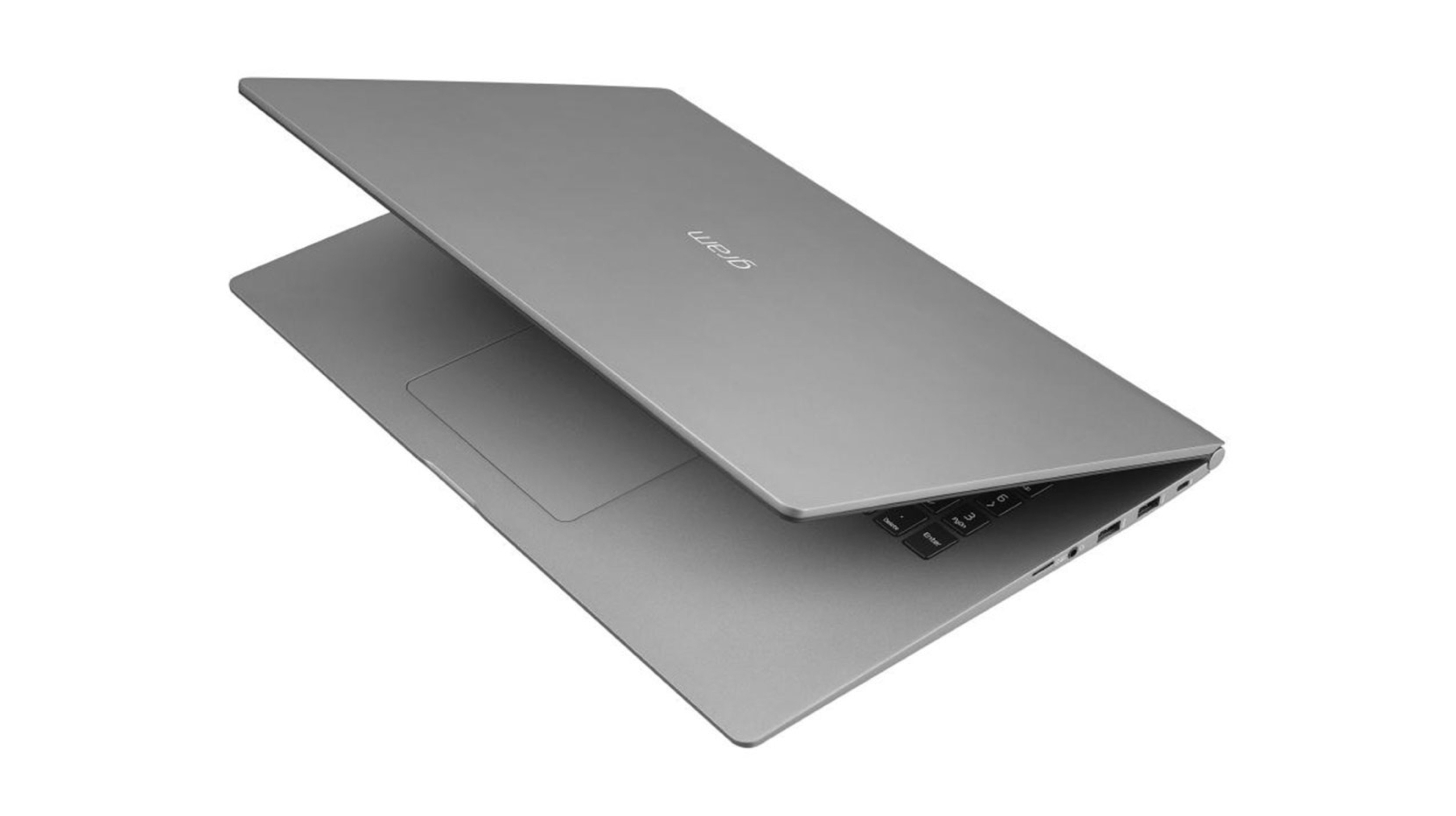
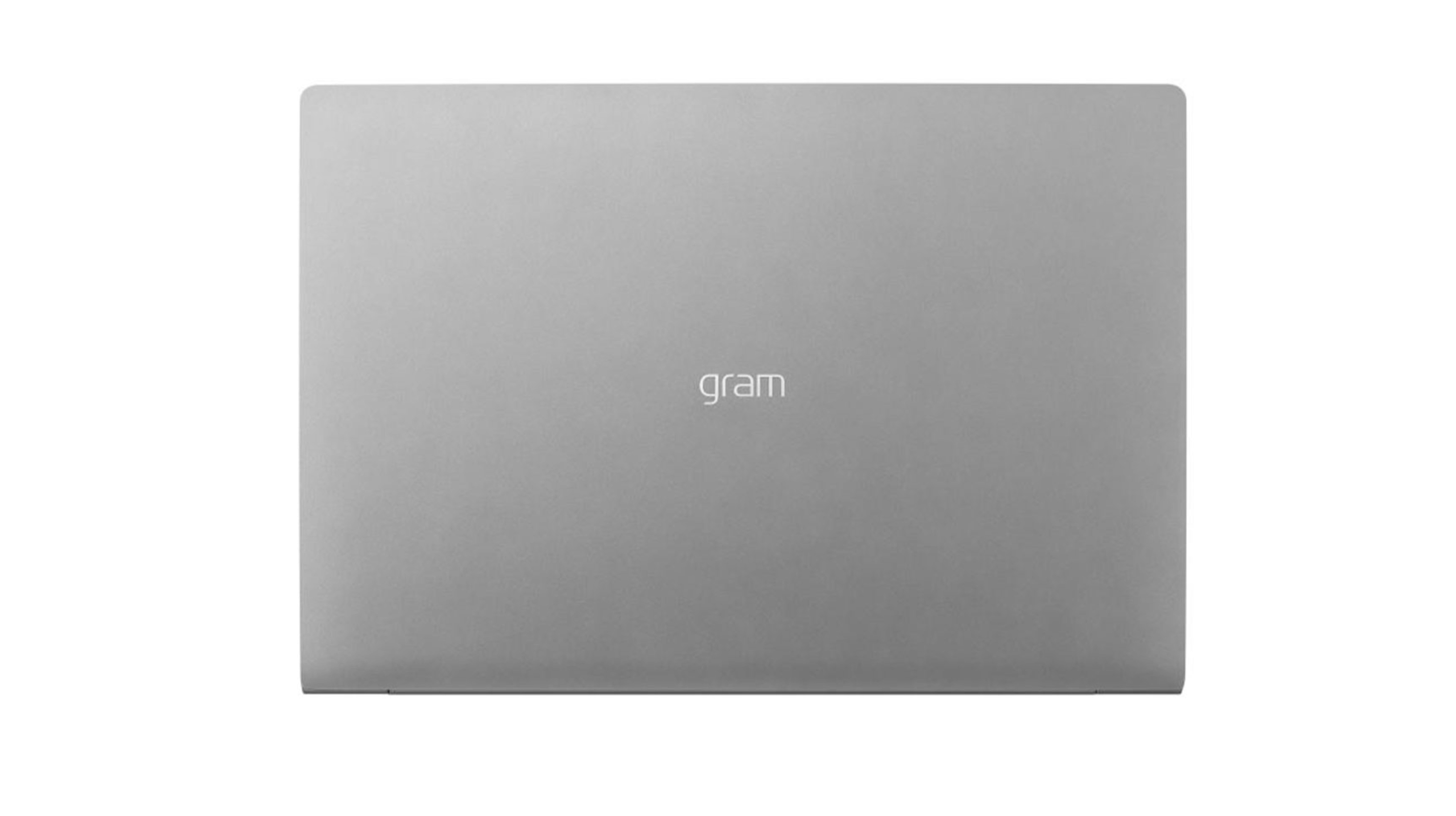
  • LG Gram 17, 15 and 14 Premium Laptops Launched In India

    LG Gram 17, 15 and 14 Premium Laptops Launched In India

    On the 23rd of August, LG launched three premium-grade laptops in India which are dubbed the Gram 17, Gram 15 and Gram 14. All three laptops will be available for purchase starting next week exclusively on Amazon.in. Noteworthy, in the month of February 2019, the Gram 17 that weighs just 1 kg was awarded a Guinness World Record to be the world’s lightest laptop in its category.

    LG Gram 17 Features

    As the name suggests, the LG Gram 17 sports a 17 inch IPS display that has a resolution of 2560 x 1600 pixel and 16:10 aspect ratio. The laptop is kitted with the 8th Gen Intel Core i7 processor which is coupled with Intel UHD graphics.

    In terms of memory and storage, LG Gram 17 can be configured with upto 8 GB of DDR4 RAM and 512 GB of Solid State Drive (SSD). The laptop is powered by a 72 WHr battery and company claims a battery backup of upto 19.5 hours. It features a whole host of input and output ports which include 1x USB Type-C port, 3x USB 3.1 ports, an HDMI port, headphone and mic combo jack, a microSD card slot.

    Other features of the LG Gram 17 include a fingerprint scanner, Precision Glass Touchpad, backlit keyboard and DTS X audio support.

    LG Gram 15 and 14 Features

    The LG Gram 15 packs 15.6 inch display while the LG Gram 14 features a 14 inch display. The former weights 1099 grams while the latter weighs 995 grams. The Gram 15 and Gram 15 are equipped with 8th Generation Intel Core i5 processor. In terms of memory and storage, they have 8 GB of RAM and 256 GB SSD. 

    Both the laptops are claimed to provide a battery backup of upto 21.5 hours which will vary on the type of usage. Input and output ports on the Gram 15 and Gram 14 are similar to the elder Gram 17.

    LG Gram Laptops Price In India

    As previously mentioned the three newly launched laptops from the company will be available for purchase from Amazon.in starting next week. The price of the different models is listed below:

    • LG Gram 17- Rs. 1,26,000
    • LG Gram 15- Rs. 98,000
    • LG Gram 13- Rs. 95,000

    Also Read: Nokia 7.2 Leaked Live Images Showcase A Triple Camera Setup & Waterdrop Notch

    All in all, LG has launched three worthwhile Windows laptop in the country which feature-laden and are capable to take on the notebook computer offerings from all other manufacturers. 

  • Nokia 7.2 Leaked Live Images Showcase A Triple Camera Setup & Waterdrop Notch

    Nokia 7.2 Leaked Live Images Showcase A Triple Camera Setup & Waterdrop Notch

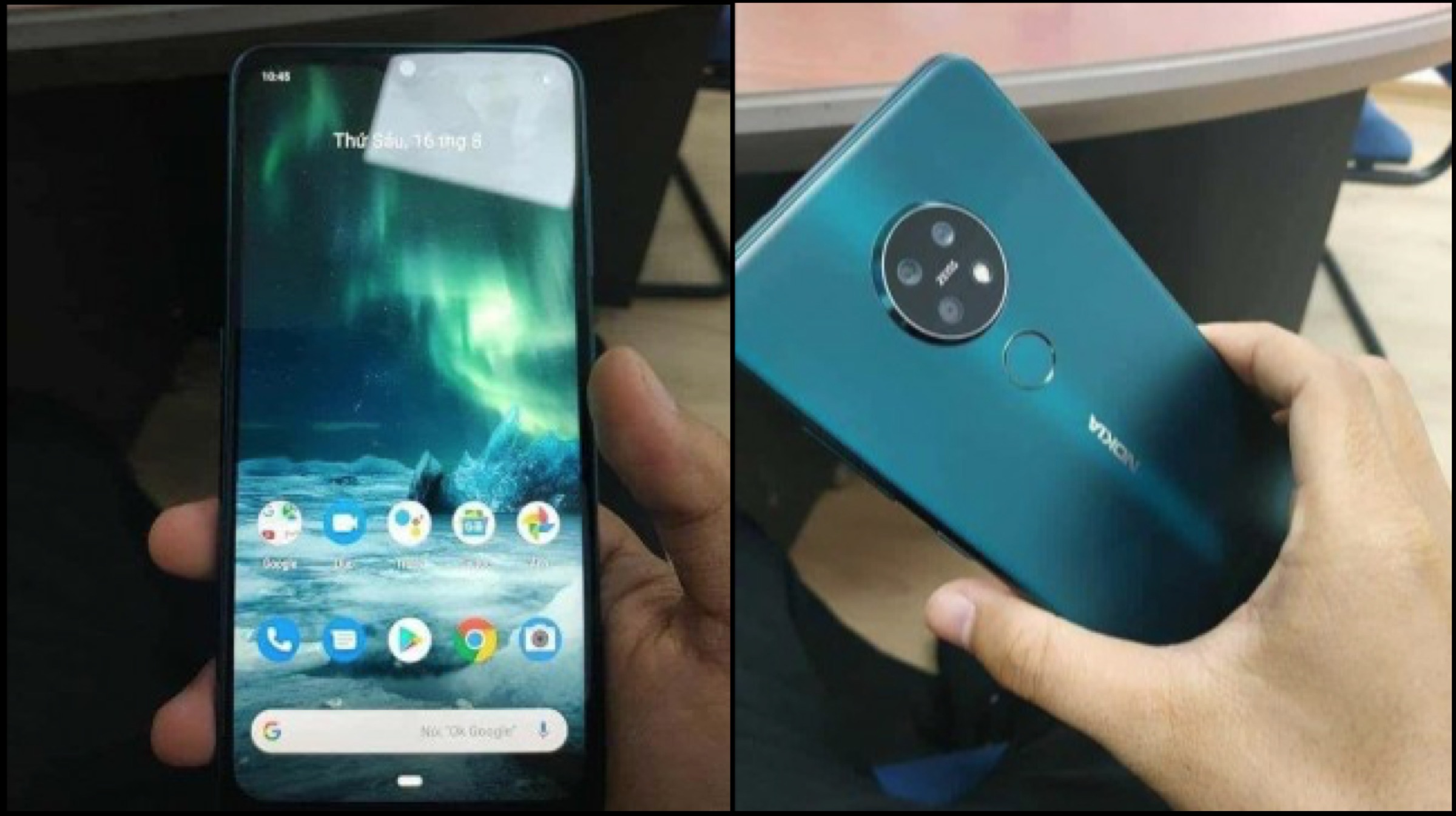
    HMD Global owned Nokia launched the first smartphone under its new 7 series last year. Dubbed the Nokia 7.1, it is a mid-range device which was praised for its premium design and capable specifications. It was then revealed a few days ago that the company is working on its successor which will be called the Nokia 7.2. In the subsequent weeks, the images and design of the handset were leaked online, and it was known that the smartphone is about to launch on the 5th of September at IFA, Berlin. Now as we move closer to the launch, more images of the Nokia 7.2 has surfaced online; which confirm the previously leaked design aspects.

    Nokia 7.2

    Nokia 7.2

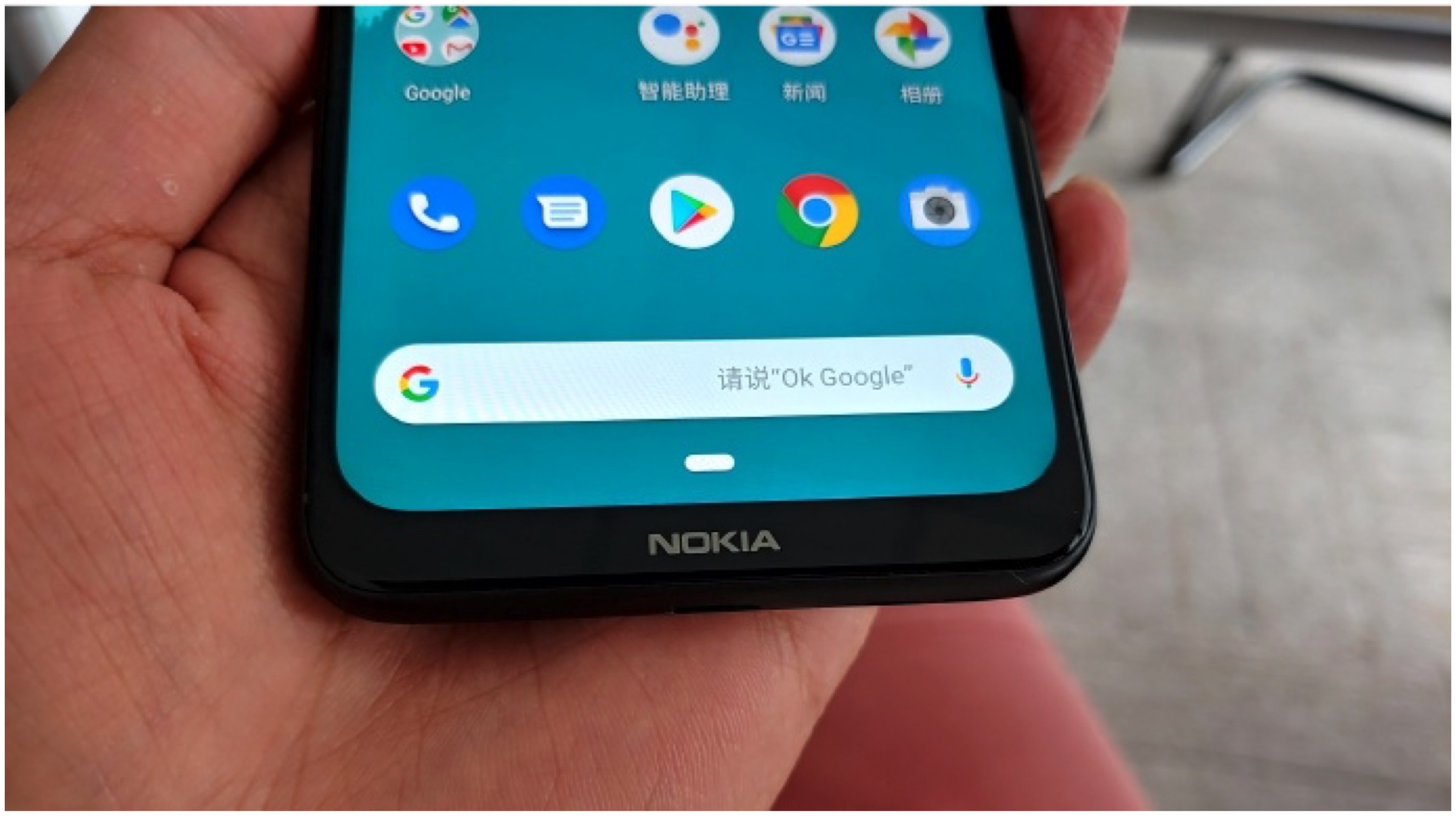
    The Nokia 7.2 will be another mid-range offering from HMD Global. Latest images of the smartphone reveal it will have a glass sandwich design with a bluish-green coloured back panel, but it may be offered in more than one colour when launched. The front of the device has minimal bezels with a waterdrop notch on the top. The interface of the handset is visibly stock Android, which suggests it may be Android One certified. This means it will receive major software updates for two years and security updates for three years.

    Nokia 7.2

    Also read: PUBG Mobile Update Brings New Pirate Themed Game Mode With Zombies

    Over at the back, the Nokia 7.2 has a triple camera setup and an LED flash inside a circular housing. This new design characteristic is unlike what the company has implemented before. Underneath the camera setup, a physical fingerprint sensor can be seen; which may be surprising to some as in-display fingerprint scanners are becoming commonplace in many mid-range devices. While other specifications of the handset are not known, rumours point out to a Snapdragon 710 coupled with up to 6GB of RAM inside. Unfortunately, other details like the pricing of the Nokia 7.2 are not known yet. However, since there is little time left before the official announcement, we might not have to wait too long to find that out. 

  • PUBG Mobile Update Brings New Pirate Themed Game Mode With Zombies

    PUBG Mobile Update Brings New Pirate Themed Game Mode With Zombies

    PUBG Mobile is a multiplayer game which is a port of the massively popular game, PUBG PC. The franchise’s mobile game version has seen sensational success which is growing with each passing day. Its success can be credited to the fast-paced action gameplay seen in the battle royale genre alongside it being constantly updated with new features and modes. PUBG Mobile has unveiled its new update 0.14.0 which brings in pirate theme with undead zombies.

    PUBG Mobile

    PUBG Mobile v0.14.0

    PUBG Mobile is a multiplayer game which has its operations and revenue tied to the number of people playing the game and purchasing in-game items. However, a player can not simply survive on its great gameplay as it tends to get repetitive. Hence, to keep things fresh, Tencent developers are constantly working on adding new content and game modes. The latest build of the game version 0.14.0 brings a brand new sea-faring and pirate exploration PVP (player versus player) mode with undead zombies as your enemies. 

    What’s New?
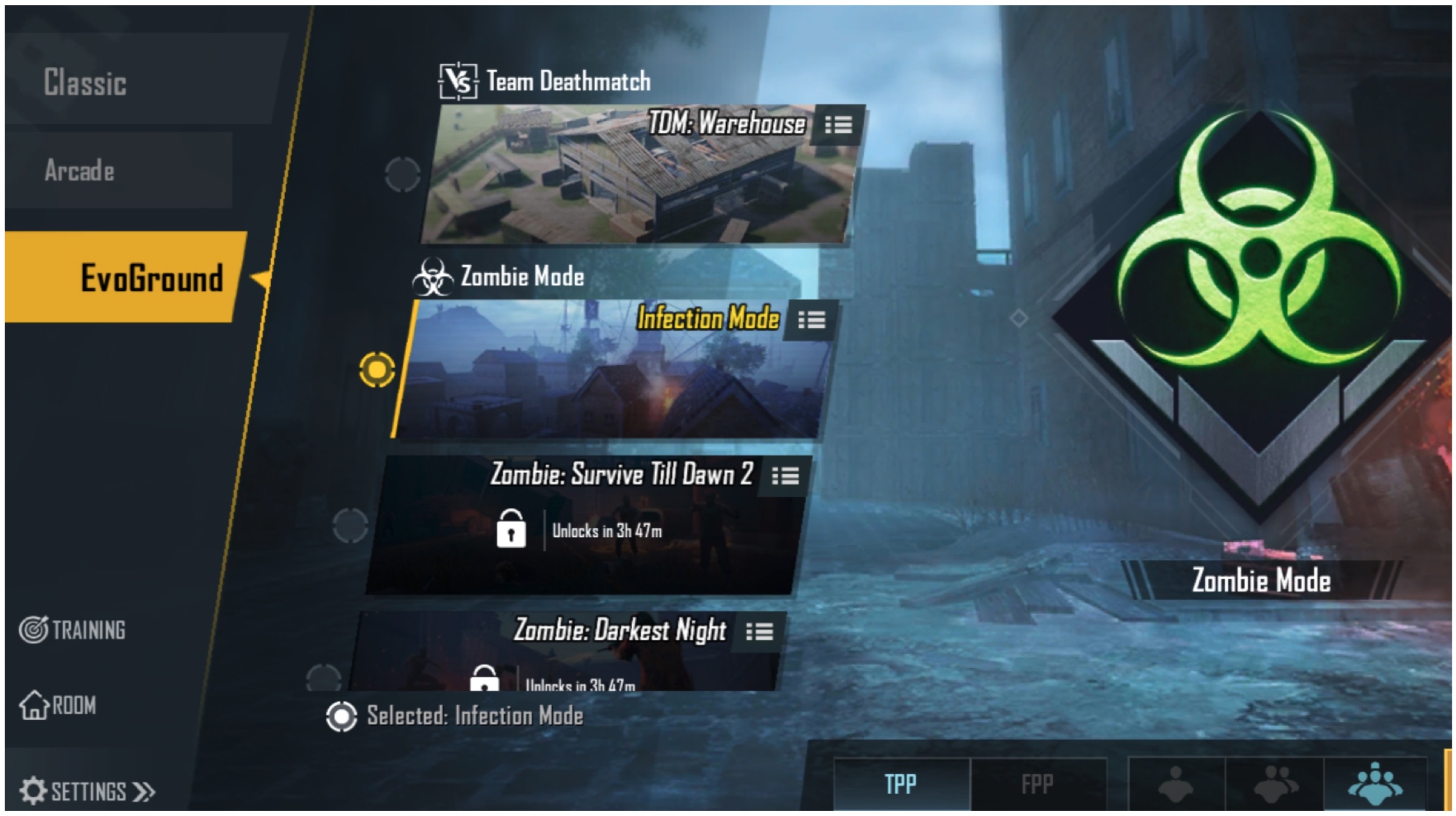
    • The New Infection Mode: Players can now play the new PVP mode in PUBG Mobile. It’s an infection match where at the start of the game players are randomly divided into zombies and defenders. The objective of the former is to eliminate and infect every human player using firearms and weapons while zombies are restricted to melee attacks. The defender, on the other hand, need to survive the onslaught and eliminate zombies that respawn till the timer runs out. Zombies win if every human is infected or lose even if one human survives.
    PUBG Mobile

    • Character System: The new update also brings a brand new character progression system during a match in PUBG Mobile. Each player is assigned a character at the start who carry one skill that is exclusive to the EvoGrounds. Characters can be customized with outfits, voices, emotes and MVP emotes and can be levelled up which give out special rewards as well.

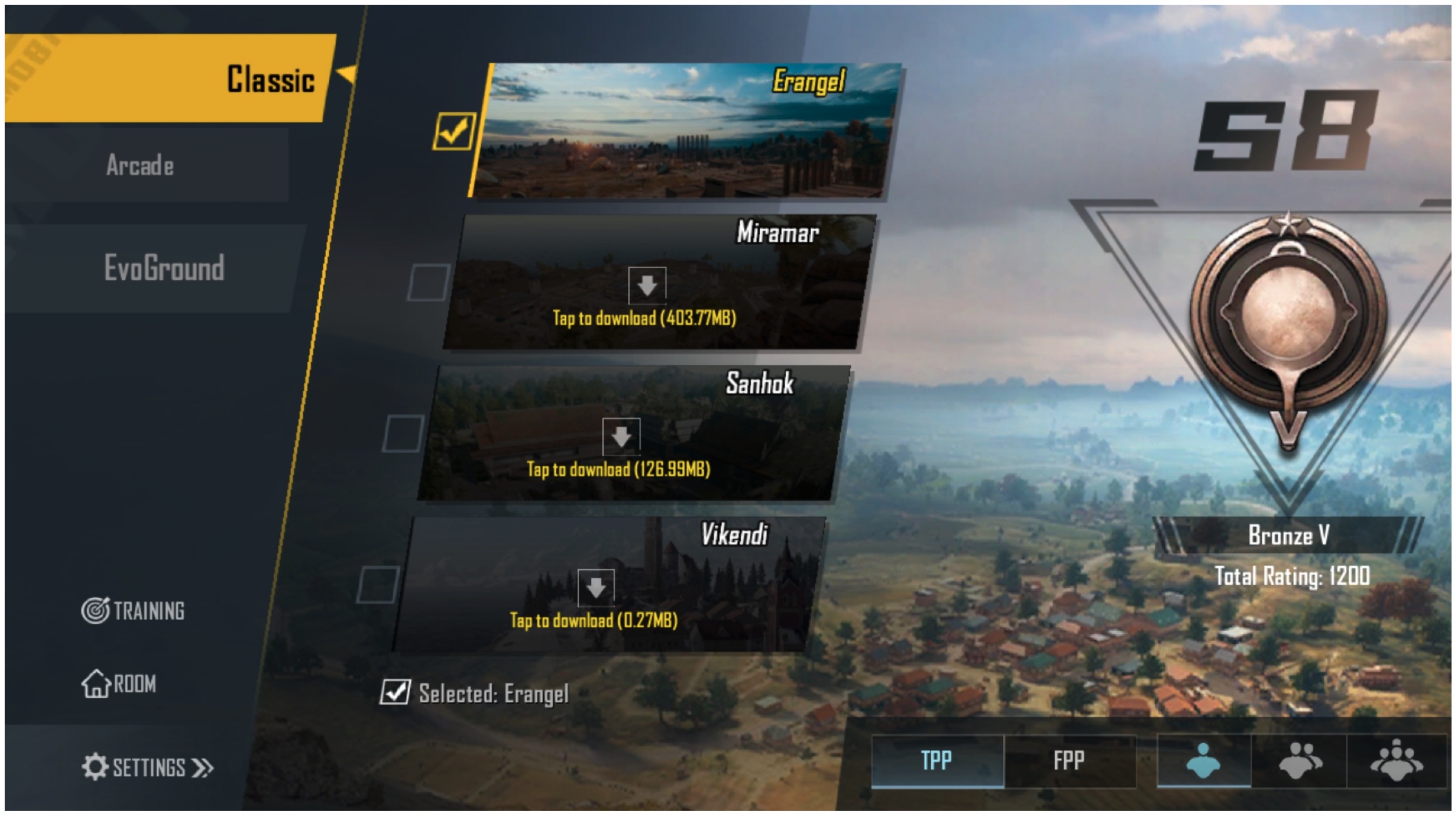
    • Updated UI: PUBG Mobile has also received an overhaul to a few of its menu options. The Matchmaking and Settings are now on the same page and visual effects have been improved.

    • Redesigned Daily missions: The number of Daily Missions are reduced with rewards being adjusted accordingly. Login missions are now random and players can select the missions they wanna pursue 3 times a day from the mission pool.

    PUBG Mobile

    Also ReadThe OnePlus TV Will Have A 55 Inch QLED Display, Company Confirms

    • Improvements and Bug Fixes: PUBG Mobile’s latest update brings numerous quality of life upgrades and bug fixes. Players are now offered an expanded view of item display with improved logic of weapon and vehicle selection. Notably, non-inventory UI functions can not be accessed once in the inventory menu.
iGyaan Network
Privacy Overview

This website uses cookies so that we can provide you with the best user experience possible. Cookie information is stored in your browser and performs functions such as recognising you when you return to our website and helping our team to understand which sections of the website you find most interesting and useful.