Author: Yashonil Gupta

  • Here Are The Top Smartphones Launching In September

    Here Are The Top Smartphones Launching In September

    The year 2019 has seen smartphone launches from almost every major manufacturer. But, a few months to the year still remain and some major releases are still left. As the month of August draws to an end, here are the top upcoming smartphones to look out for in the month of September.

    Apple iPhone 11
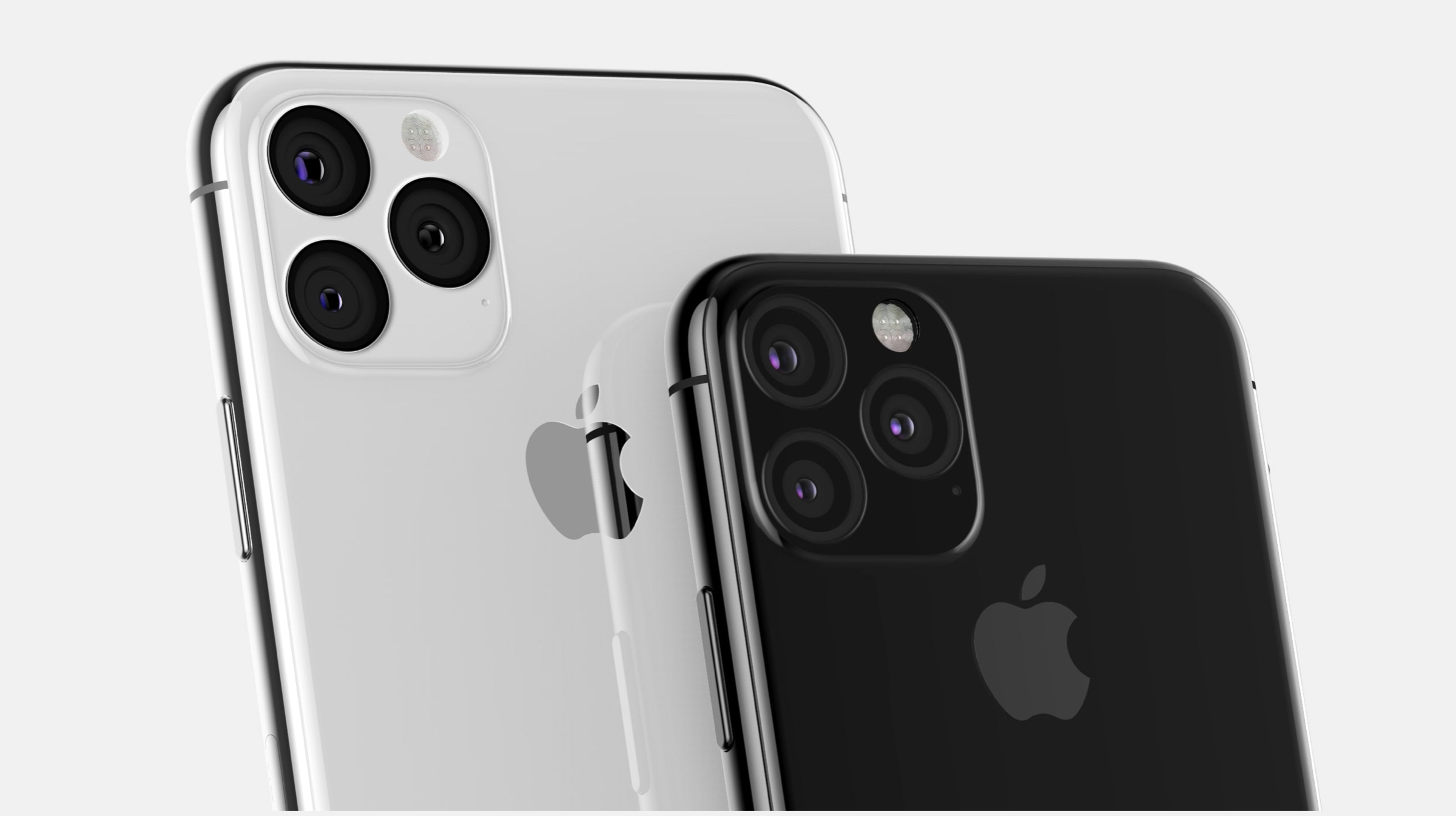
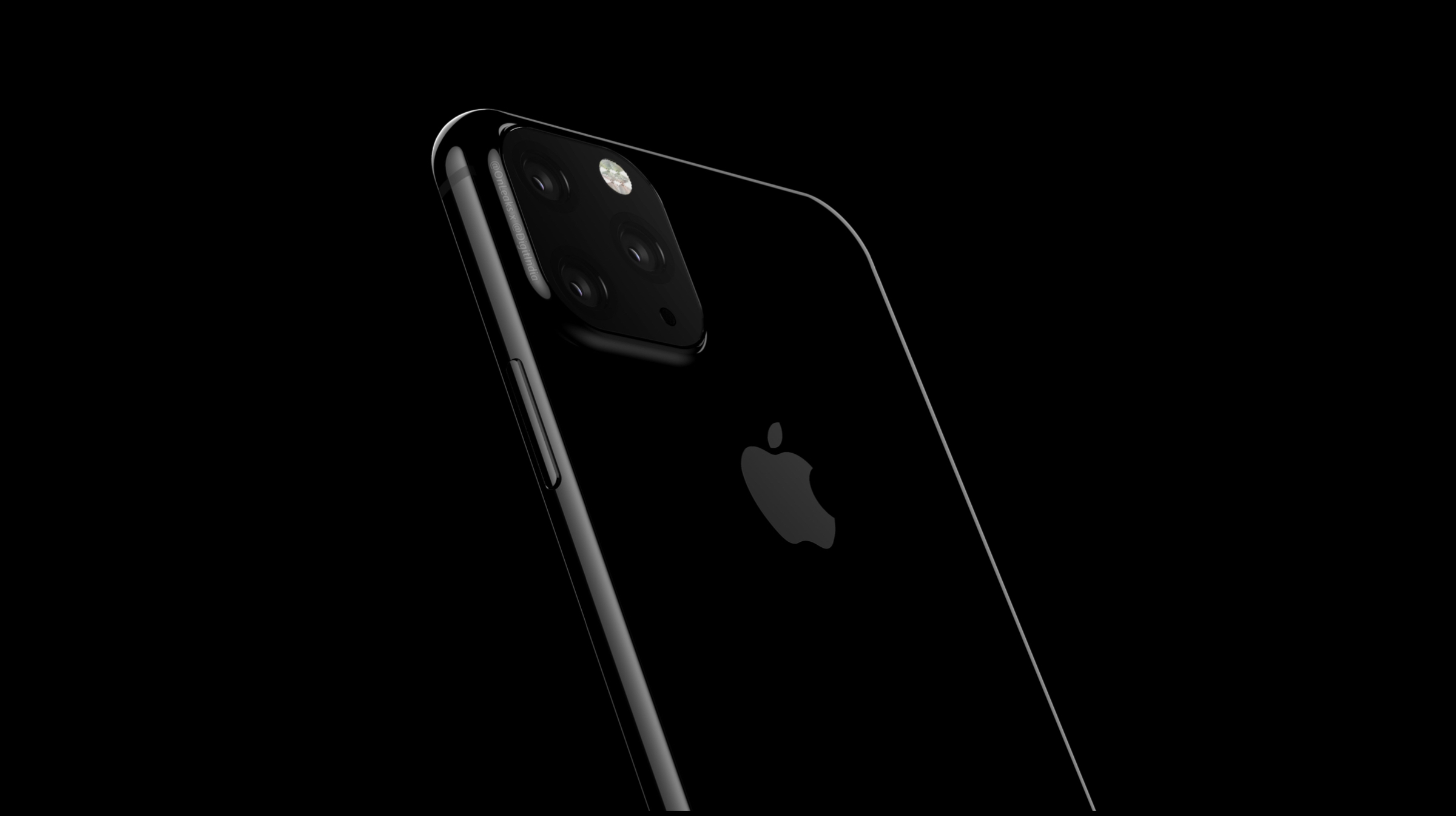
    The Apple iPhone 11 will be the twelveth major smartphone release in Apple’s product cycle and will be launched on the 10th of September. According to all the reports and leaks so far, at least three devices will be released which will be the iPhone 11, iPhone 11 Pro and the iPhone 11 Max. They will be the successors to the iPhone XR, iPhone XS and the iPhone XS Max from last year. The upcoming smartphones are expected to retain the design language of their predecessors, with significant changes in the camera setup.

    While the iPhone 11 will arrive with a dual-camera setup, the iPhone 11 Pro and the iPhone 11 Pro Max will feature a triple camera layout. Apple is expected to debut some new cinematic shooting modes in its upcoming smartphones. Alongside the cameras, the iPhone 11 lineup will also run on the new Apple A13 chipset and will feature reverse wireless charging alongside a larger capacity battery. More details about the devices are expected to be revealed soon.

    Nokia 9.1/7.2/6.2
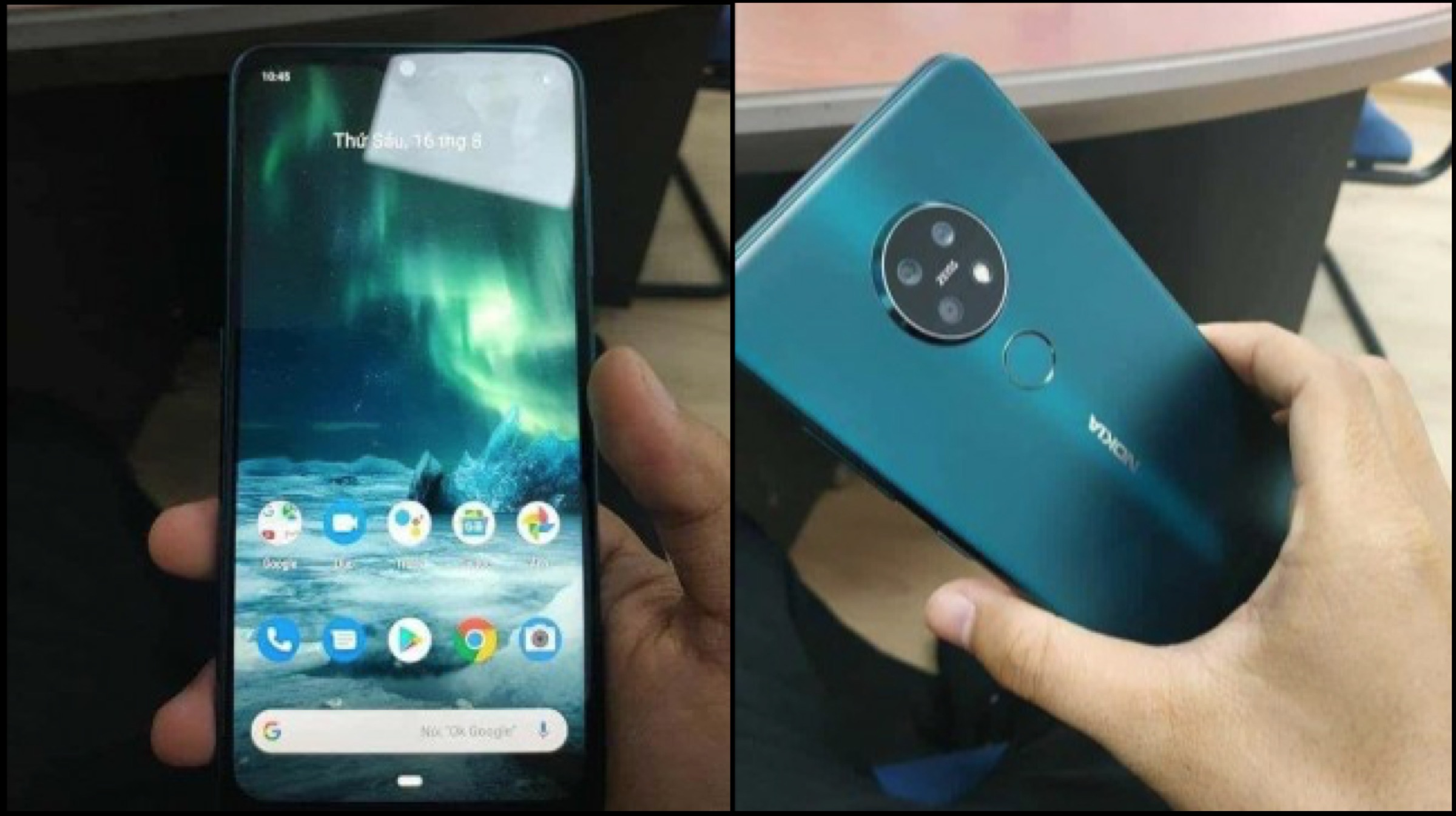
    upcoming smartphone

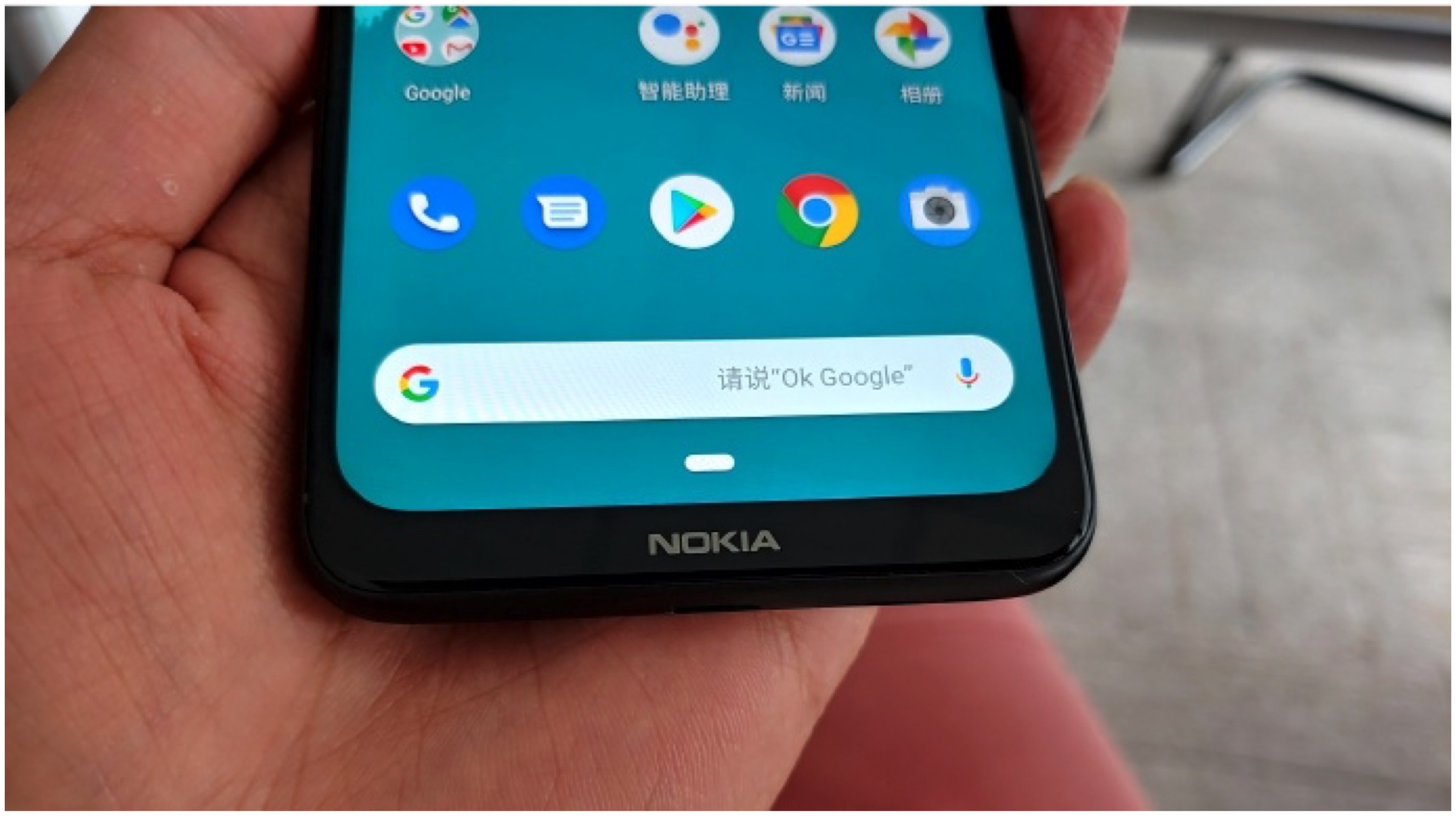
    HMD Global is expected to launch a slew of mobile devices at IFA next week. These will include the Nokia 6.2, Nokia 7.2 and the alleged Nokia 9.1 PureView. While the former two are expected to be a budget offering from the company, the latter will be a flagship device. Past leaks have revealed that the Nokia 6.2 will run on the Snapdragon 660 SoC, the 7.2 will feature the Snapdragon 710 chipset and the 9.1 PureView will have the Snapdragon 855 Plus inside.

    Like other Nokia branded handsets, all three of the upcoming smartphones are expected to have the Android One branding. This means that they are guaranteed to receive major software updates for two years and security updates for three years. Pricing and availability details are expected to be provided at the time of launch

    Samsung Galaxy Fold
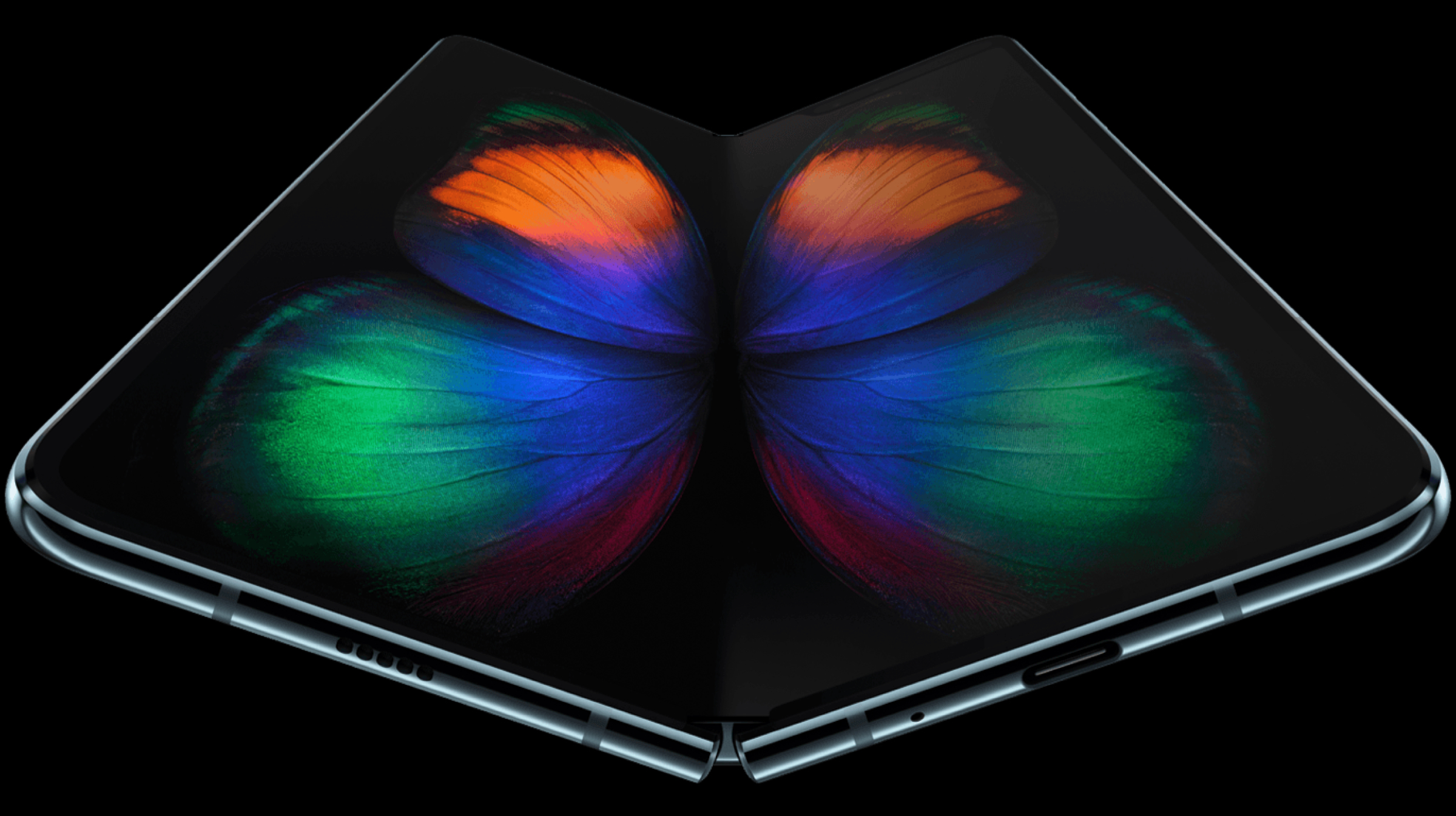
    upcoming smartphone

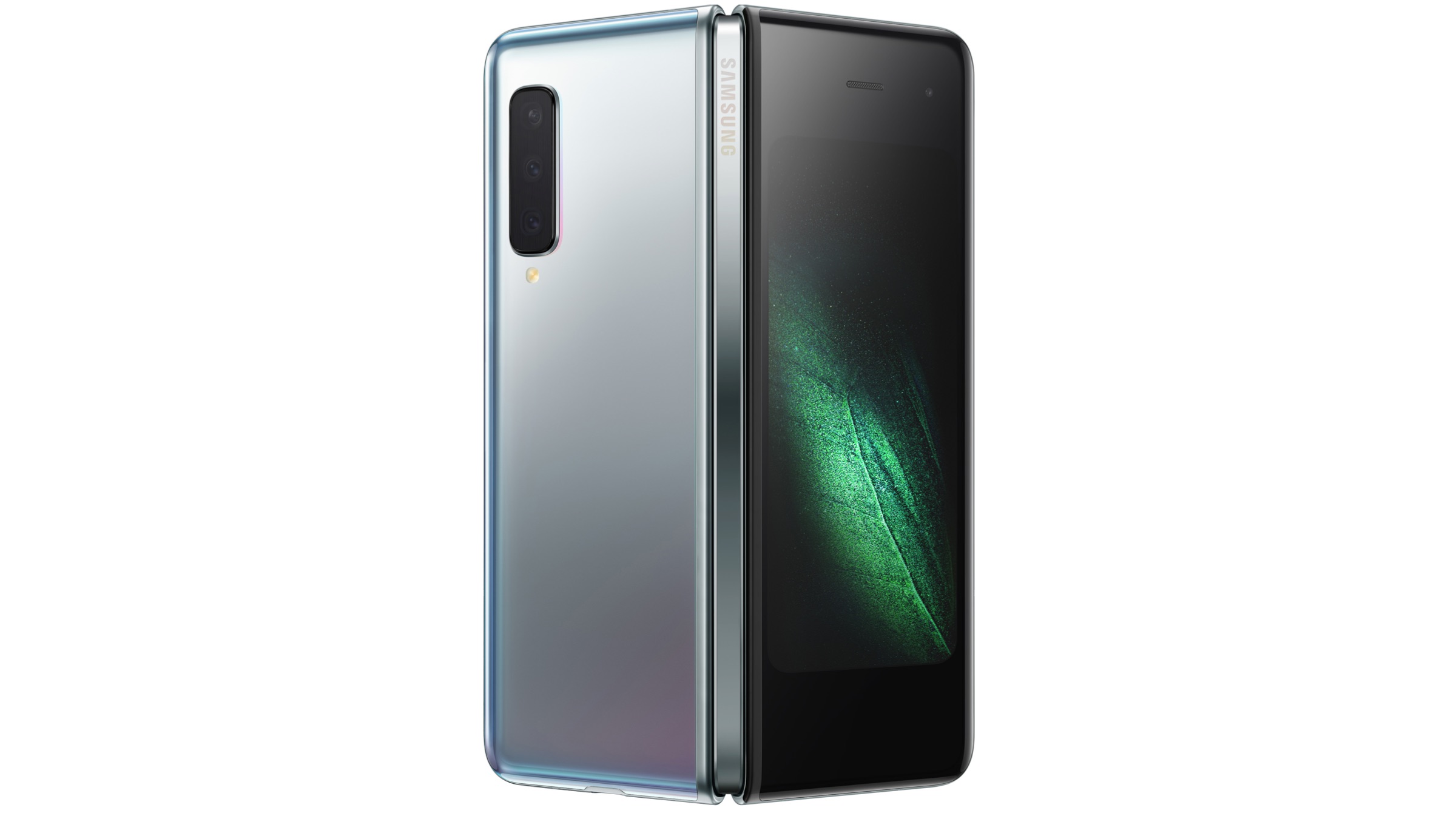
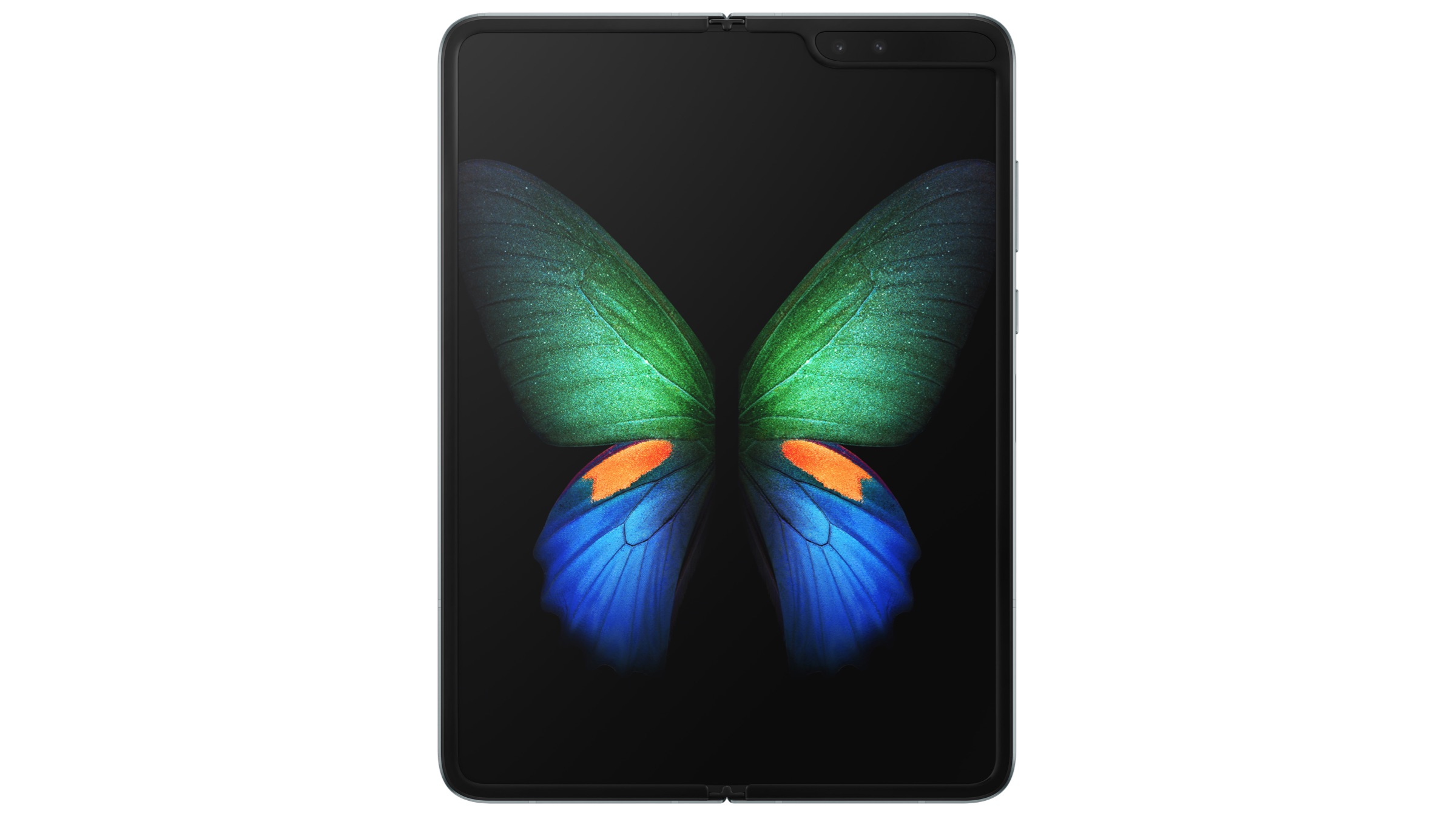
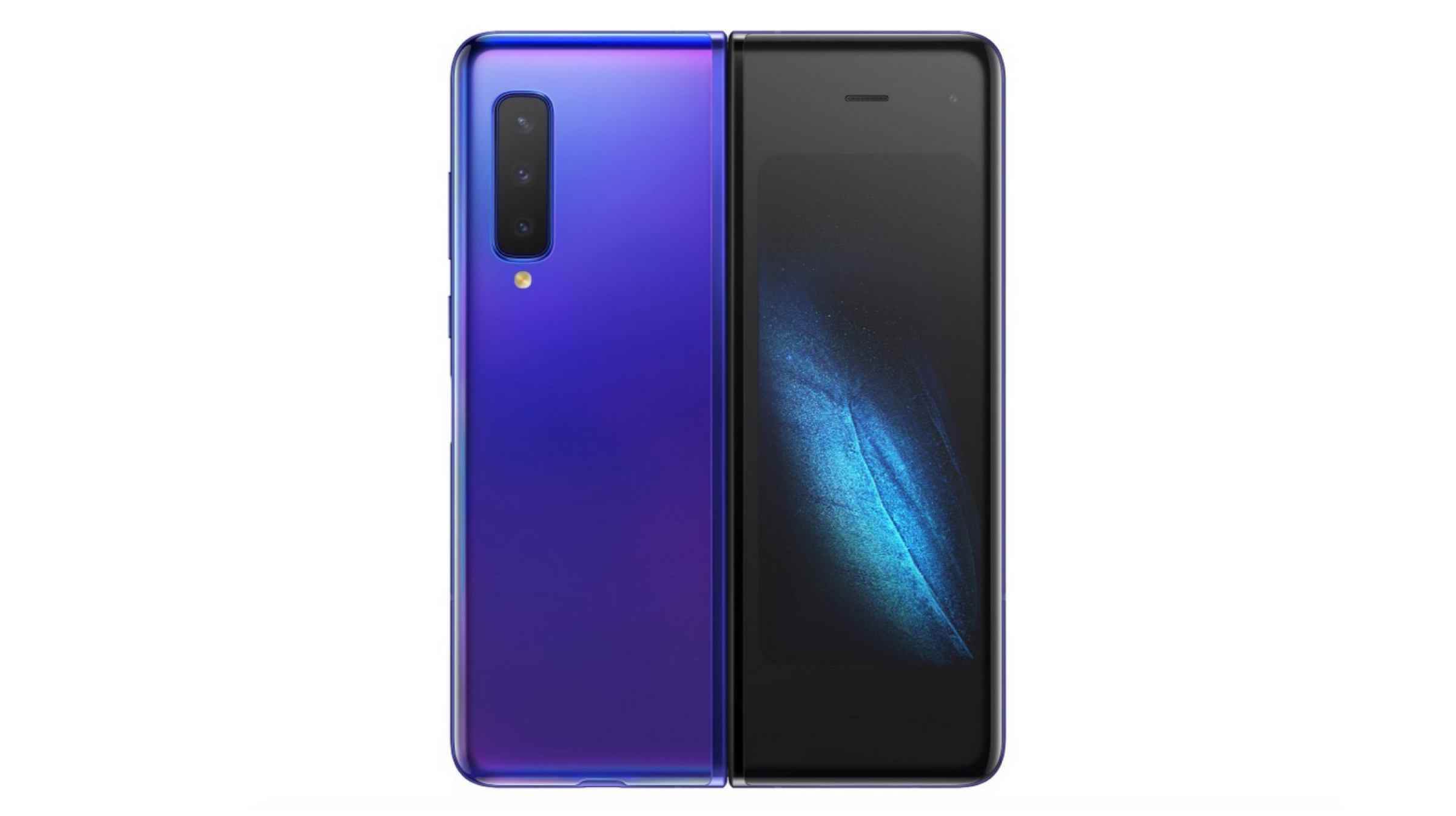
    First announced back in February this year, the launch of the Samsung Galaxy Fold has been delayed multiple times in the past. Due to some serious durability issues, the company kept pushing back the actual launch date of its first foldable handset. However, it announced a few weeks ago that the upcoming smartphone is almost ready for primetime. If leaks are to be believed, the Galaxy Fold may see the light of the day on the 6th of September.

    To recall, the Samsung Galaxy Fold features an innovative folding mechanism which folds inwards. There is a 4.6-inch display on the outside and a 7.2-inch display inside. The smartphone runs on the Snapdragon 855 SoC combined with 12GB of RAM and 512GB of internal storage. Pricing for the handset remains the same, that is US$ 1980 (INR 1,42,000).

    Huawei Mate 30 Series
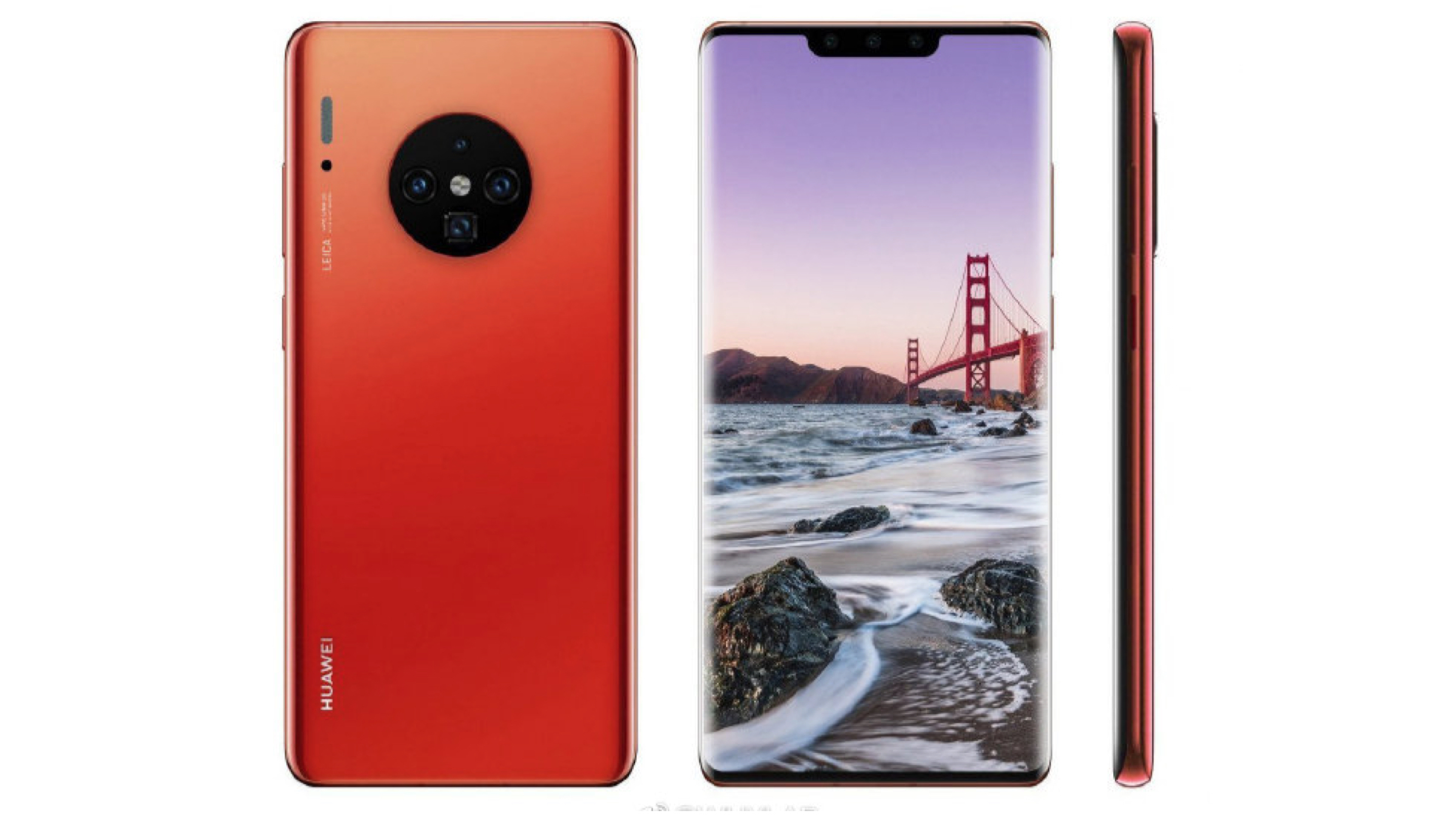
    Chinese telecommunications giant Huawei is also expected to hold a major launch event in September. It will be to announce the company’s upcoming smartphones, the Mate 30 and the Mate 30 Pro. Successors to the Mate 20 series launched last year, they will be a flagship offering by the company. Past leaks have revealed a similar design to their predecessors; with a new quad-camera layout on the back alongside a Xenon flash.

    Both the Mate 30 and the Mate 30 Pro are expected to be kitted with the Kirin 985 SoC coupled with up to 12GB of RAM and 512GB of internal storage. Like the Mate 20 Pro, the Mate 30 Pro may also feature the super-secure facial recognition technology; alongside an in-display fingerprint scanner. According to certain reports, they will be announced on the 19th of September. More details are expected to be unveiled in the following weeks.

    OnePlus 7T/7T Pro
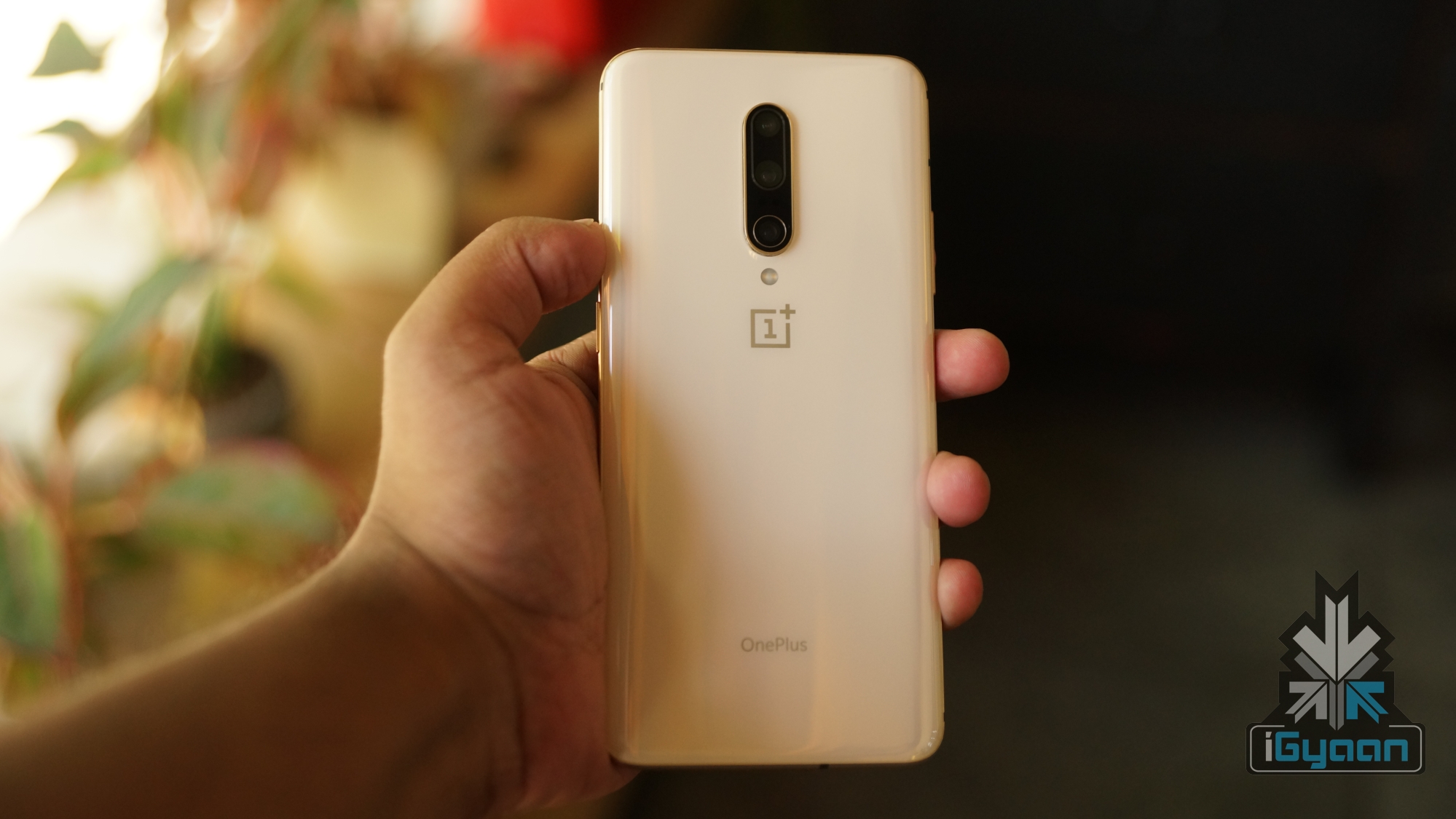
    upcoming smartphone

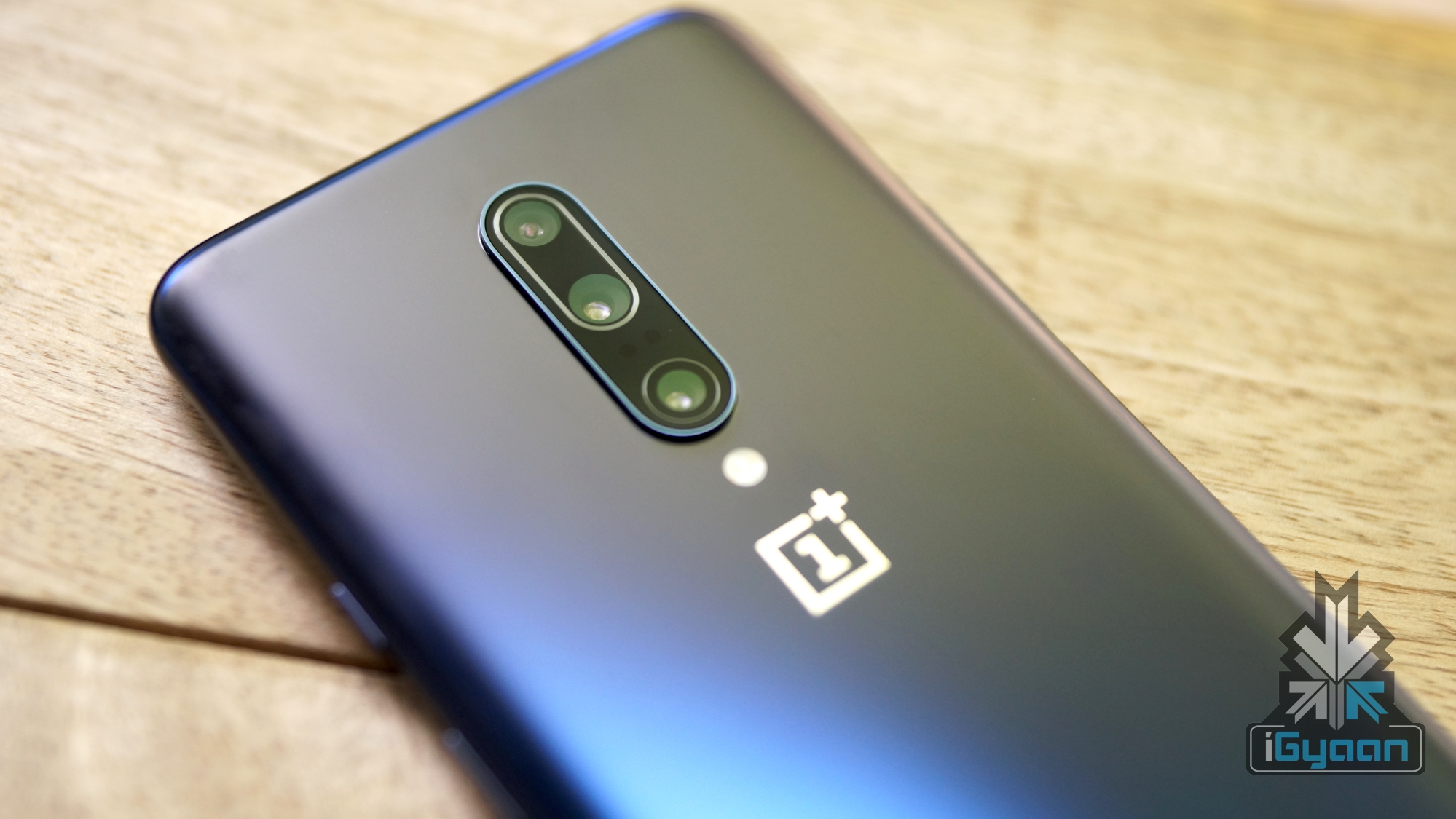
    OnePlus broke its traditional cycle of launching one device at a time; with the launch of the OnePlus 7 and OnePlus 7 Pro earlier this year. The devices may already be getting their successors in the form of the OnePlus 7T and OnePlus 7T Pro on the 26th September. According to previous leaks and reports, the upcoming smartphones will feature a similar design to their predecessors. The real upgrade will be in terms of specifications. Both handsets will run on the latest Snapdragon 855 Plus SoC.

    Also read: What Is Pixel Binning In Smartphone Cameras? Here Is What You Should Know

    The OnePlus 7T is also expected to get a camera upgrade, with the company adding a triple camera setup on the device. It may also feature a new display like the OnePlus 7 Pro. Unfortunately, pricing and other details of the smartphones are still a mystery. However, they are expected to be revealed as we move closer to the launch date.
  • What Is Pixel Binning In Smartphone Cameras? Here Is What You Should Know

    What Is Pixel Binning In Smartphone Cameras? Here Is What You Should Know

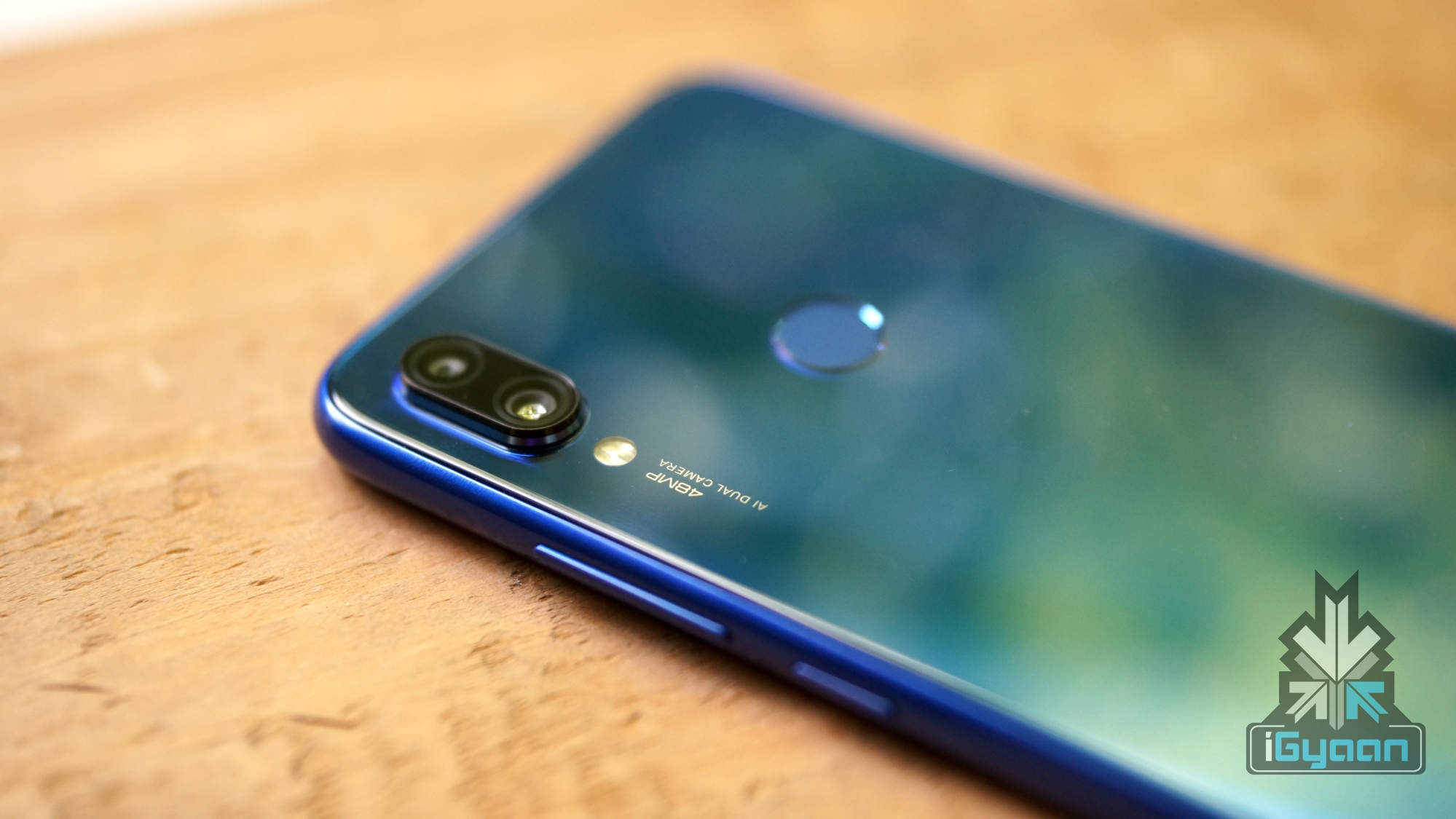
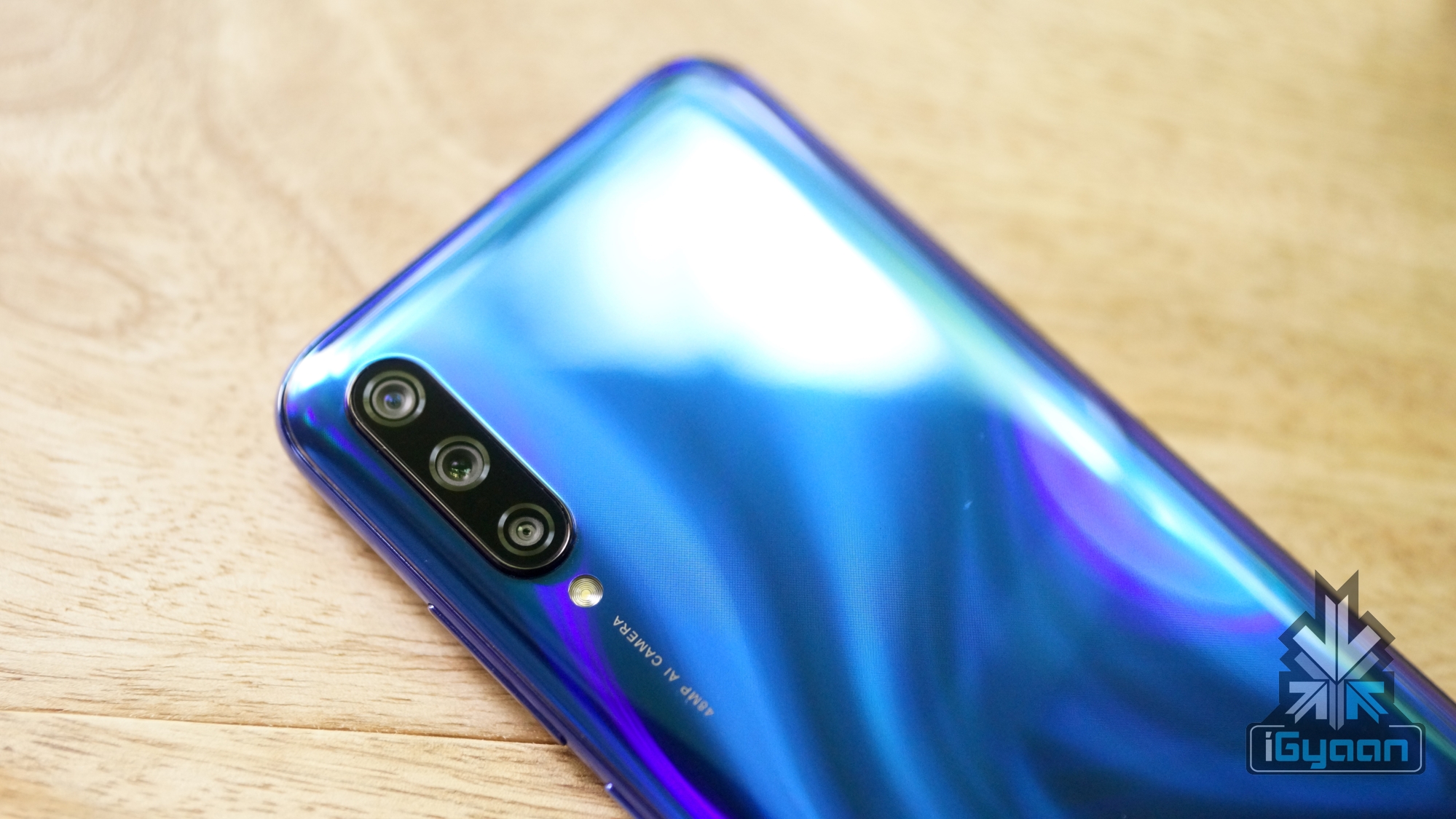
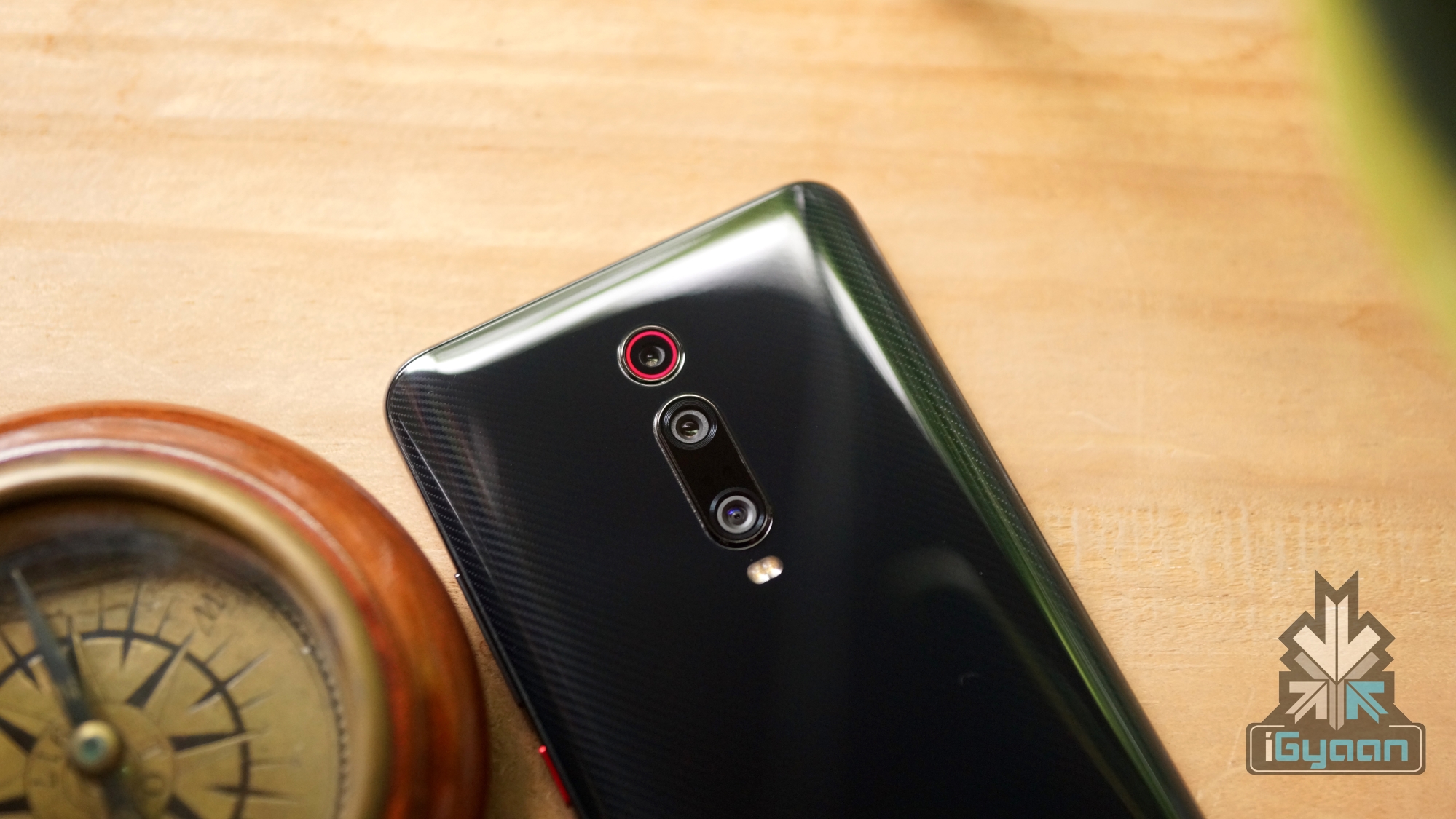
    The year 2019 has seen many innovative features arrive on smartphones. One of the ubiquitous out of the many features this year has been a high-resolution primary camera on the devices. Starting with budget handsets, the trend has trickled up to most modern flagship smartphones, like the OnePlus 7 Pro, Asus 6Z, Nubia Red Magic 3 and the Redmi K20 Pro. All these devices feature the same 48MP Sony IMX586 sensor as their primary camera. What’s special about the sensor is not the megapixel count, but the technology behind it. It uses pixel binning to create sharp 12MP images and the technology is the reason why the sensor is present on many devices. But what exactly is pixel binning? Here is everything you need to know about it.

    Understanding The Concept Of A Pixel
    Pixel Binning
    Redmi K20 Pro

    To understand what pixel binning means, we first have to understand what pixels are. While a pixel is generally defined as the smallest element in a picture represented on screen. However, in this context, pixels are the smallest physical elements on a digital camera sensor that capture light during photography. They are measured using microns, which is a unit of length a million times smaller than a meter. The bigger the pixel size in a camera, the more light it can capture. This will result in much sharper and brighter images, which is the goal of every camera manufacturer. 

    However, the bigger the pixel sensor size is, the bigger the camera unit will be which is a difficult feat to put inside a smartphone’s slender frame. This leads to the intrusive camera bumps that make the device wobble when kept flat. So basically smaller pixel size = bad low light performance, but a larger pixel = huge camera sensor. So, how to fix this issue? This is where the pixel binning technology arrives into the picture.

    What Is Pixel Binning?
    Pixel Binning
    Redmi Note 7S

    Pixel Binning is the process of combining four adjacent pixels into one. So a camera sensor which has a pixel size of 0.8 microns will combine these pixels into a 2×2 grid to form a larger 1.6-micron pixel image. The effective resolution is usually one-fourth of what the sensor is capable of. This means that a 48MP sensor effectively produces 12MP images, and a 64MP sensor will produce 16MP images. Combining the pixels will result in a brighter and sharper image, without the hassles of a huge camera sensor. 

    As mentioned above, the most popular sensor that supports pixel binning in smartphones is the 48MP Sony IMX586. There is also the Samsung ISOCELL GM1 with the same resolution, but it’s not very common and present on a handful of devices like the Redmi Note 7s and the Lenovo Z6 Pro. A few weeks ago, Samsung also announced the ISOCELL HMX, a sensor with a whopping 108MP resolution that uses the pixel binning technology to produce high-resolution 27MP images. This sensor is expected to debut in the upcoming Xiaomi Mi MIX 4 smartphone.

    The Future Of Smartphone Cameras

    While the idea behind the pixel binning technology sounds exciting and a good way to tackle a particular problem, it is not the only way. While the goal was to reduce the camera sensor size and fit it inside a smartphone, most of the devices with the sensors still have a huge camera bump. Additionally, none of the handsets with the famous pixel binned sensors are the best in their class. It is possible to produce better low light images by software, as Google has demonstrated with the Pixel’s Night Sight feature.

    Also read: Apple Will Sell Its Products Online In India For The First Time Through Its Official Website

    So while it may be cool to boast about the 48MP or 64MP camera that your smartphone has, the results they produce are nothing to write home about. Granted, the details they produce are at times extraordinary, but for most social media sharing, where the images are anyway compressed for any of the details to be visible, it frankly doesn’t matter. But, if combined with better software, these pixel binned sensors may be a good thing for future smartphones and definitely one of the better features to have come out recently.

  • First Google Pixel 4 Live Images Reveal A Dual Camera Setup, Prominent Top Bezel

    First Google Pixel 4 Live Images Reveal A Dual Camera Setup, Prominent Top Bezel

    American technology giant Google is expected to launch two new smartphones in the month of October. These devices are revealed to be the Pixel 4 and Pixel 4 XL and will be a flagship offering from the company. Although the launch of the handsets is still a considerable amount of time away, the company has been hard at work in teasing certain details about them through a series of blog posts and tweets. Now, the upcoming Pixel 4 by Google has been leaked in the wild which confirms the design of the smartphone.

    Pixel 4 Live Images

    Google Pixel 4

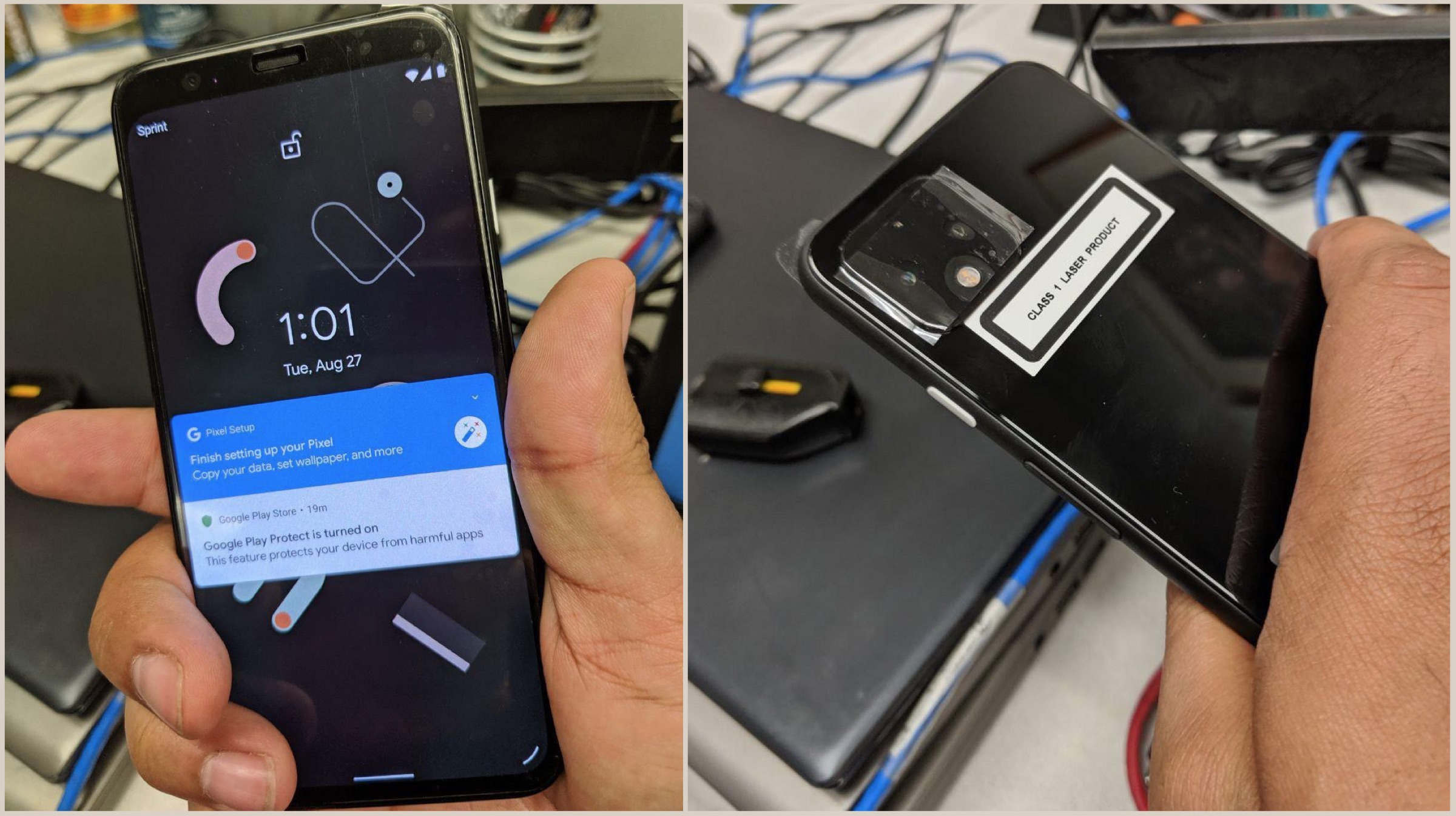
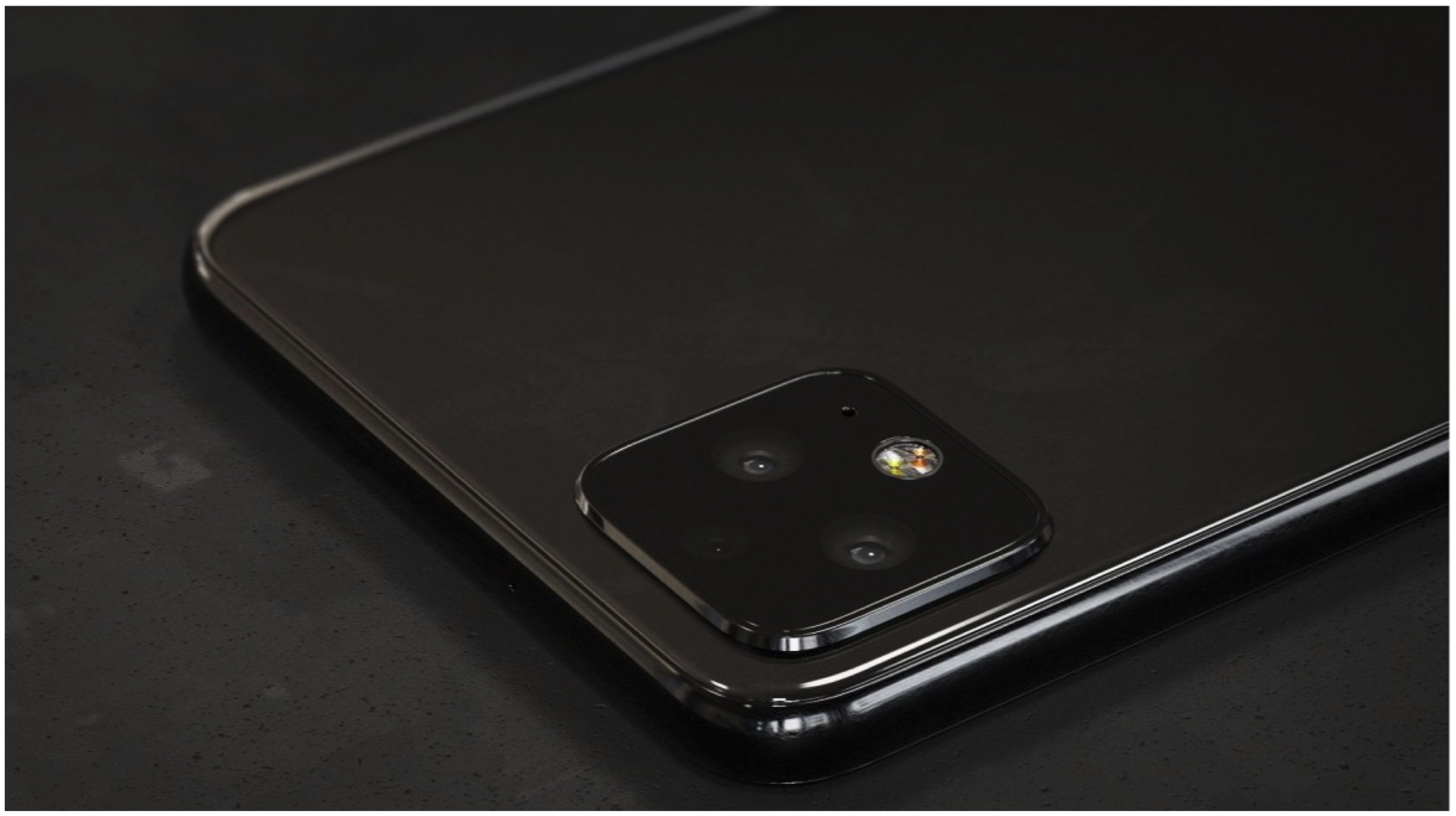
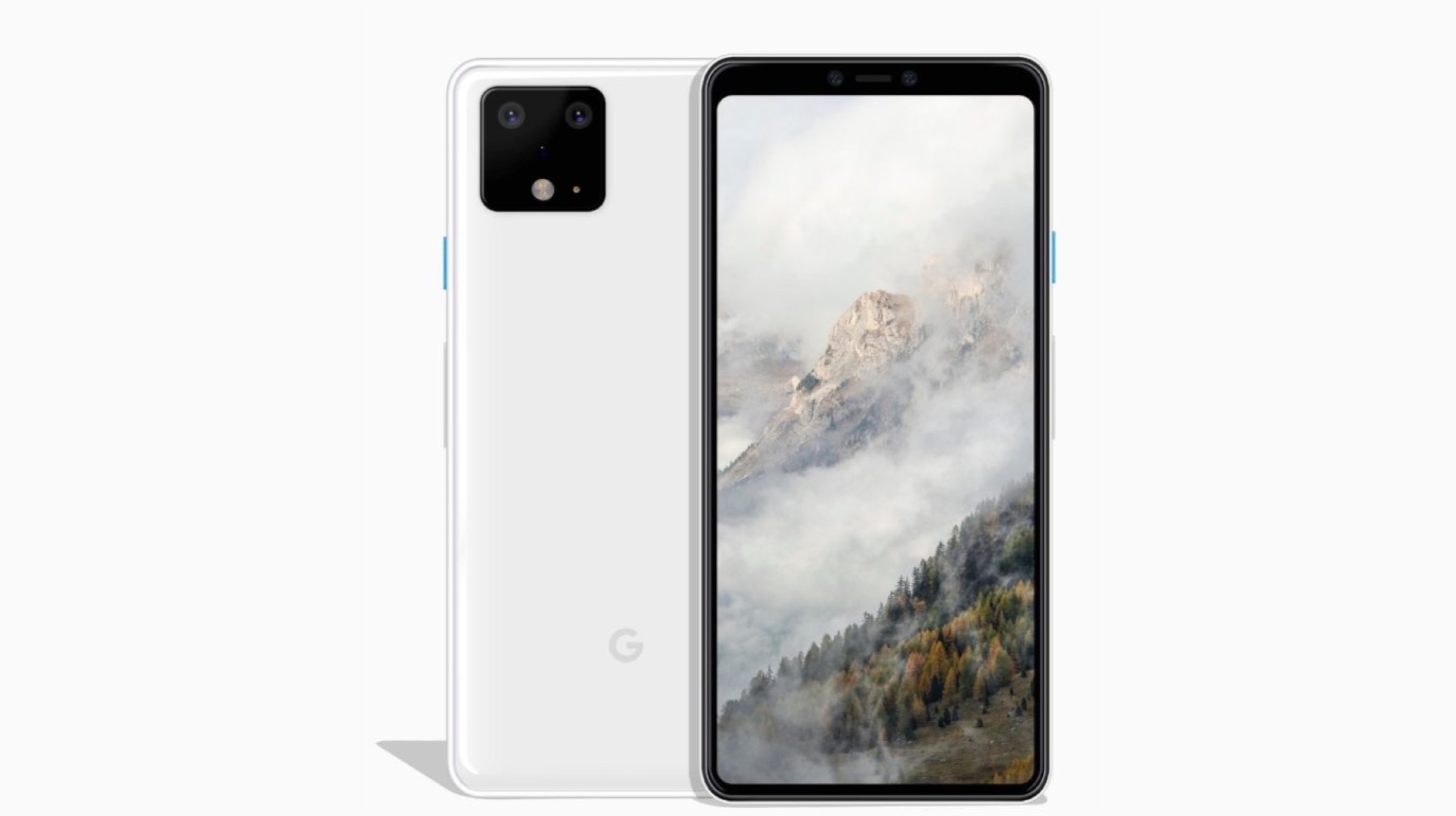
    The first live images revealing the Pixel 4 in its full glory arrive courtesy of an unnamed source. The pictures confirm most of what we already knew about the smartphones, including the glass sandwich design, the large display with a prominent top bezel and a small chin. It seems to be running the Android 10 operating system, which is evident by the lock screen’s design and gesture shortcuts. Furthermore, the notifications prompt the user to set up their Pixel device, which reaffirms that it is indeed the next generation Google flagship. The sides of the leaked handset reveal a white coloured power button on the black unit, which is a unique quirk seen in Pixel devices. Unfortunately, it is not known from the images if they are of the Pixel 4 or the bigger Pixel 4 XL.

    Google Pixel 4

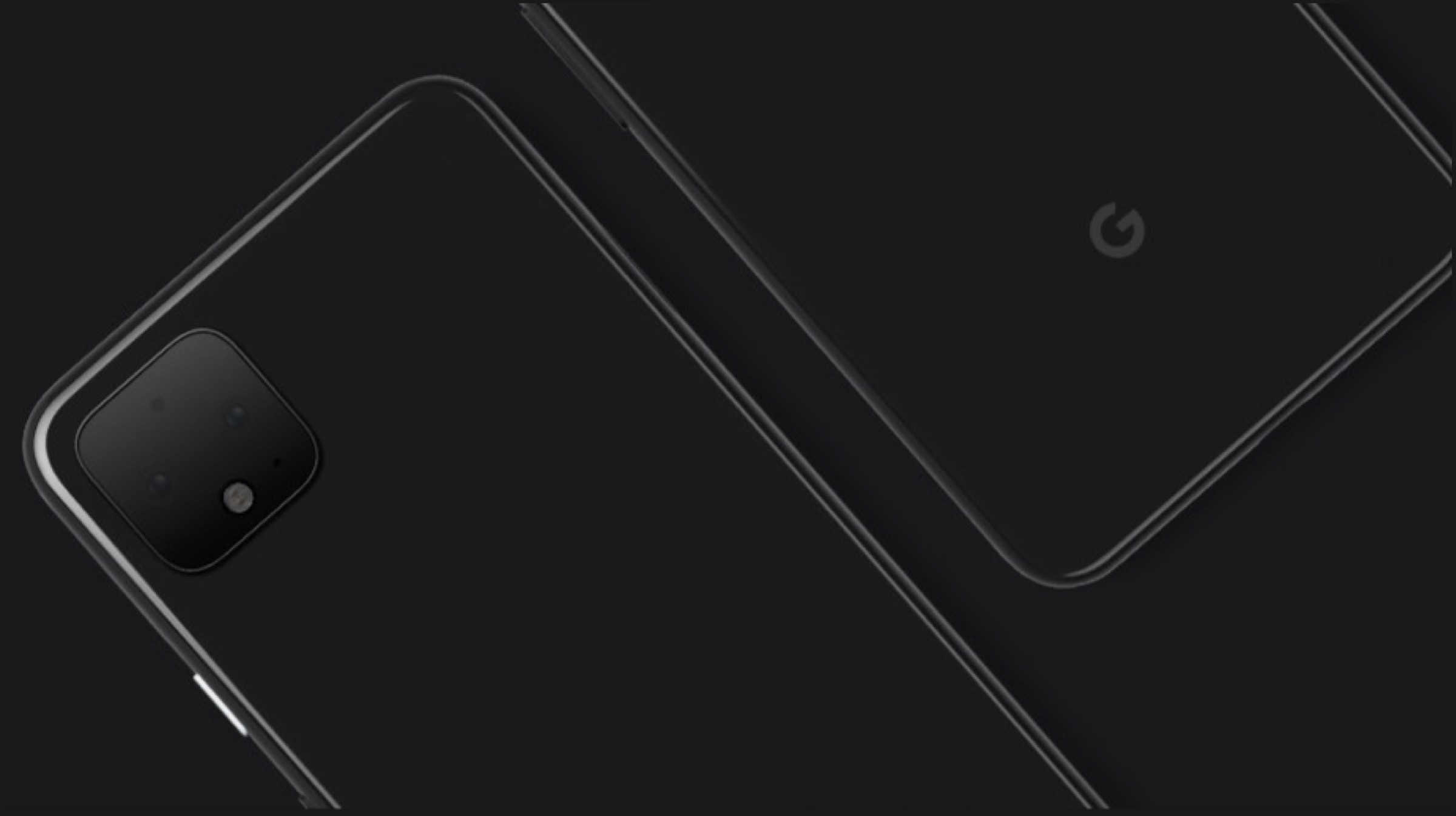
    Over at the back, Google Pixel 4 is seen showcasing the polarising square camera module. It consists of two camera sensors, a spectral image sensor and an LED flash. While the former and latter are commonplace on modern smartphones, the use of a spectral sensor seems to be exclusive to the current and upcoming Pixel smartphones. It may be used to reduce the flicker while shooting a display of an electronic device. Talking about the camera, the handset may sport a 16MP telephoto lens alongside a standard wide lens. 

    Google Pixel 4

    Also read: Lenovo Launches The Legion Y740 And Y540 Gaming Laptops In India

    Past reports of the Google Pixel 4 series elaborate the smartphone in detail. It has been confirmed to support advanced facial recognition and a soli radar chip. While the former is self-explanatory, the latter will allegedly let users control certain aspects of the user interface by certain motions of their hands from afar. Talking about specifications, the devices may run on the 7nm Snapdragon 855 SoC, 6GB of RAM and up to 256GB of internal storage. Since the expected launch is just over a month away, we may not have to wait too long to confirm our suspicions.

  • Samsung Galaxy A10s Launched In India Starting Rs. 9,499

    Samsung Galaxy A10s Launched In India Starting Rs. 9,499

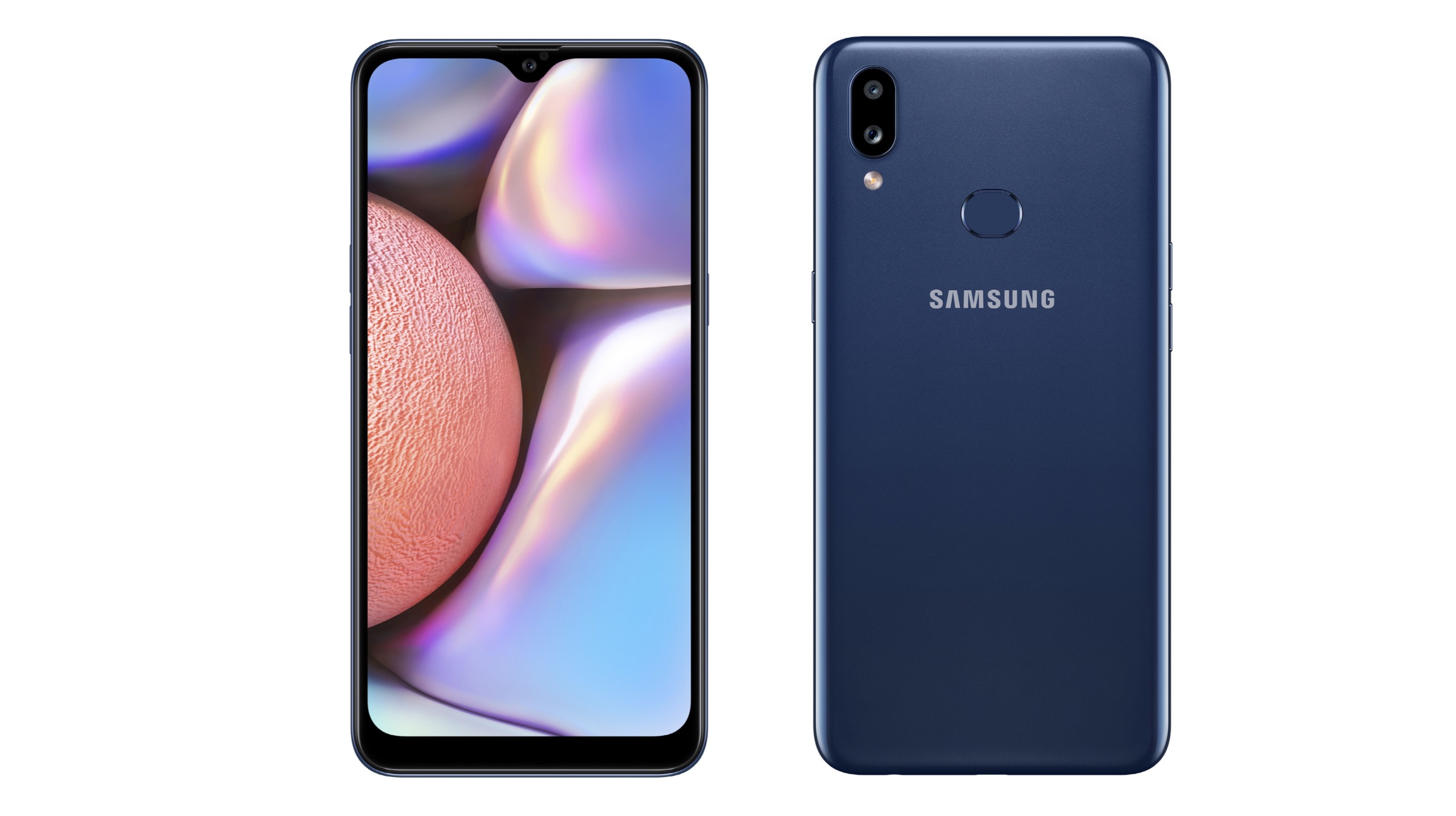
    Earlier this year, Samsung introduced the rehashed Galaxy A series of smartphones. These devices, unlike previous in the lineup, promised better value for money by offering competitive specifications at a lucrative price. The company has today added another handset in the lineup by launching the Galaxy A10s in the Indian market. It is the successor to the Galaxy A10 launched earlier this year and promises better optical performance and some other added features.

    Galaxy A10s

    Galaxy A10s

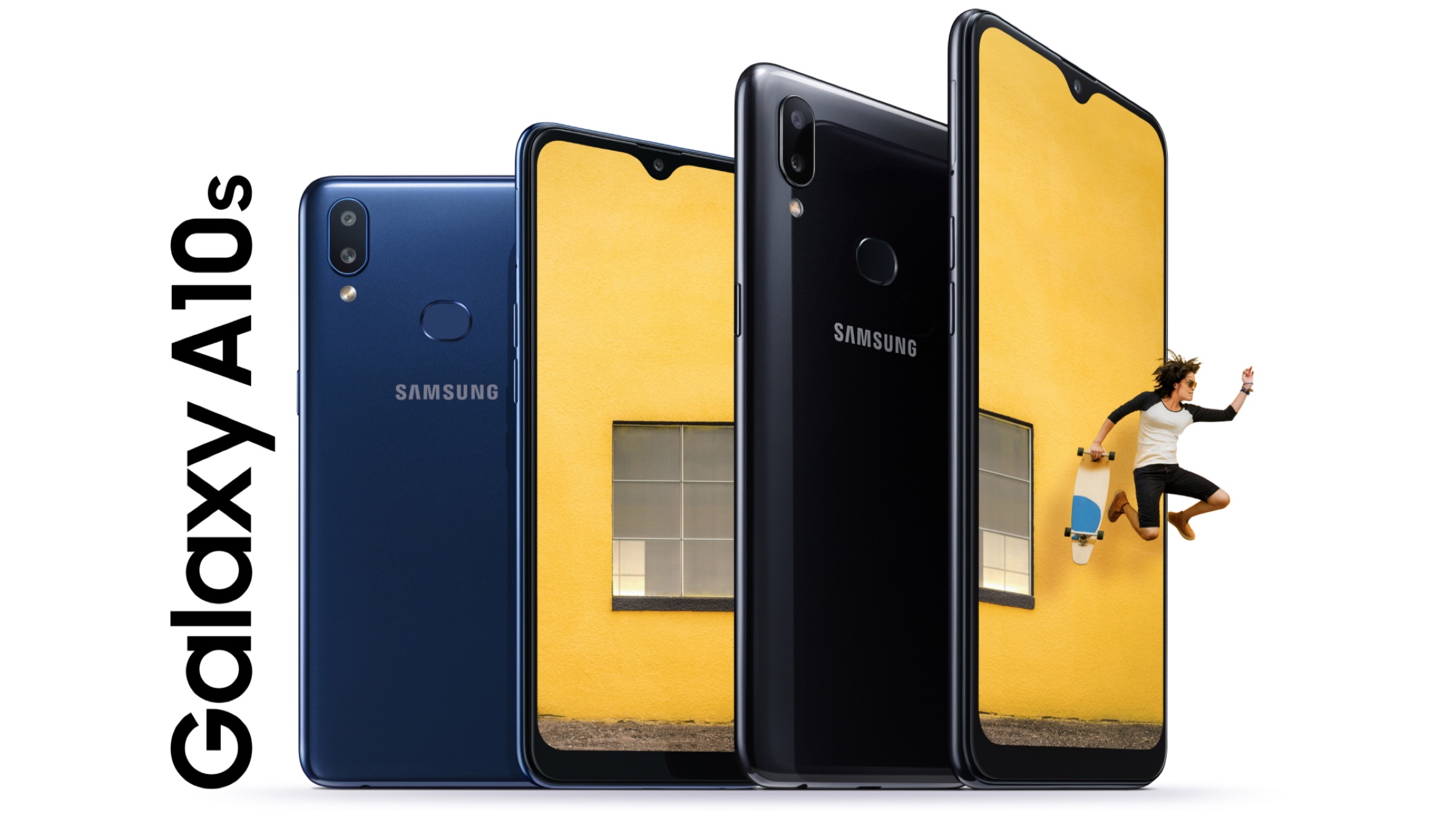
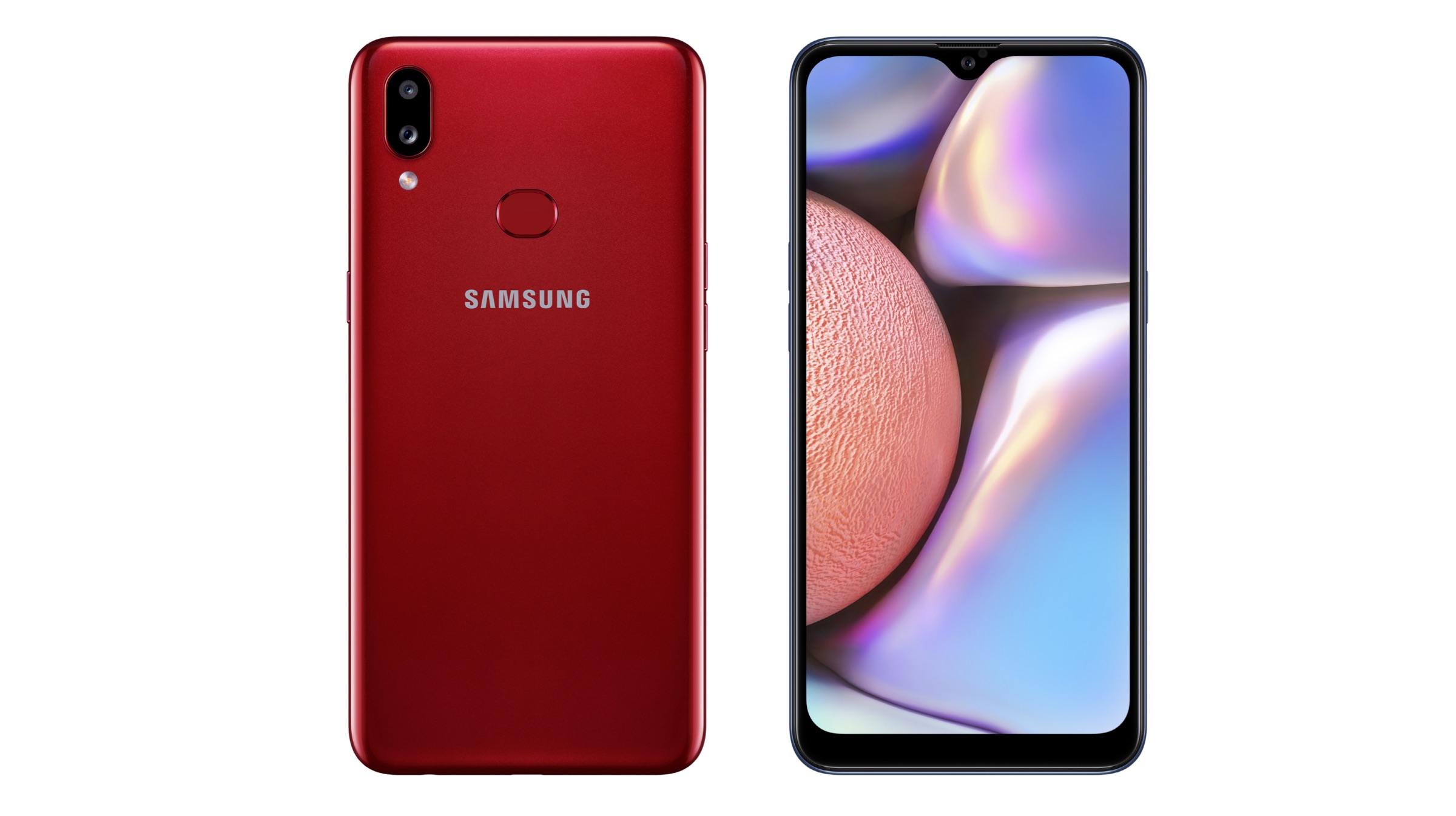
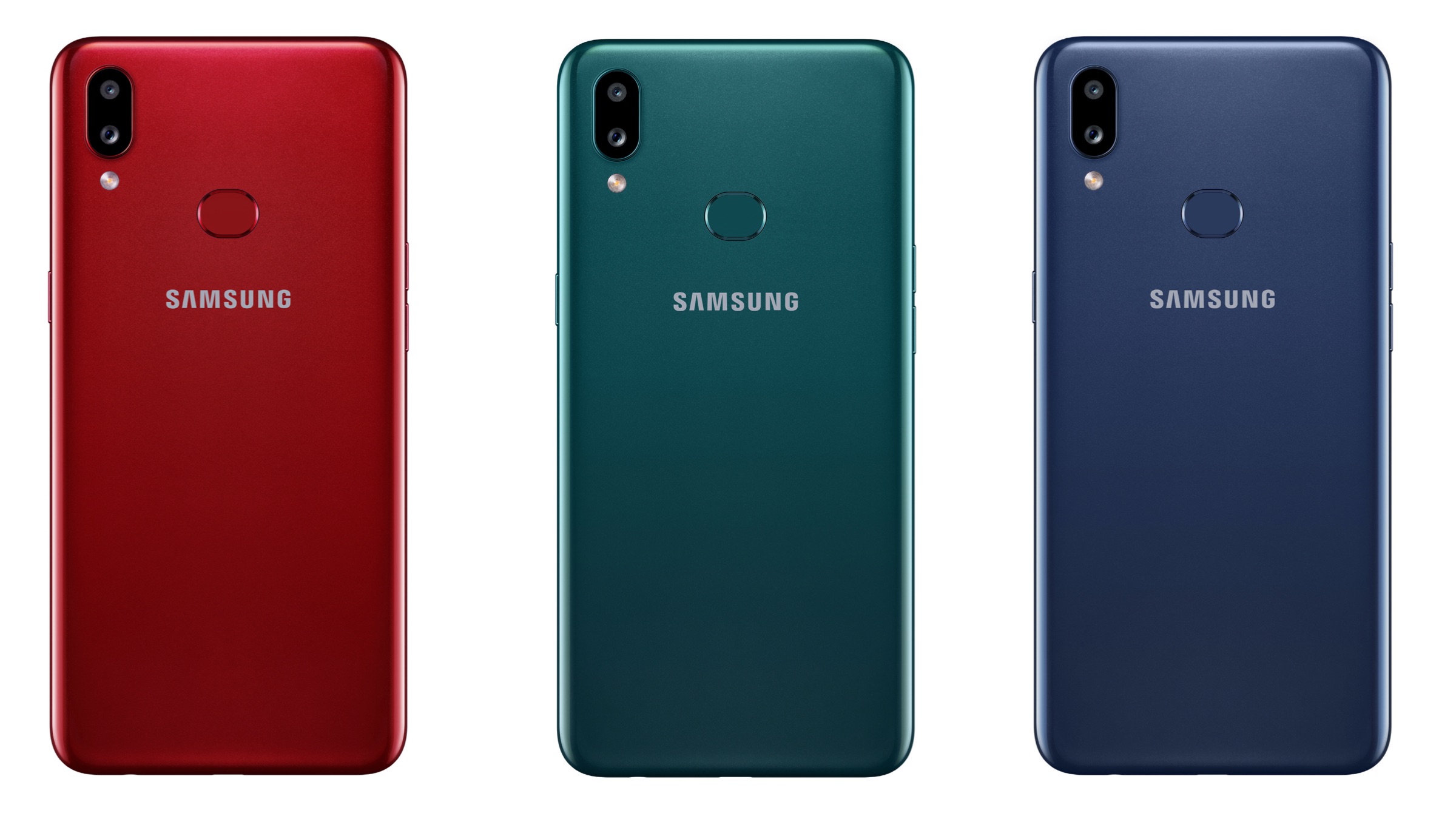
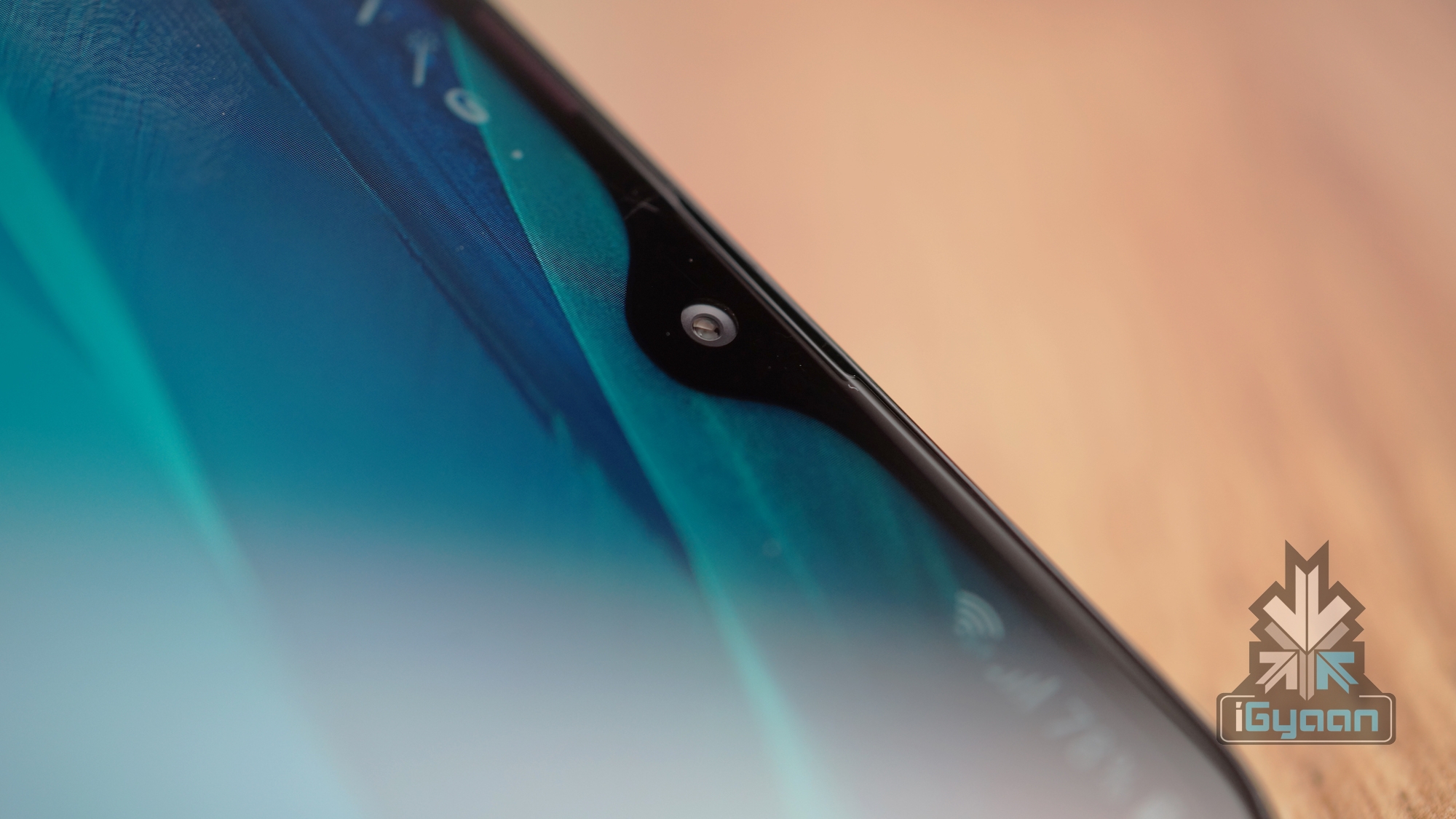
    The Samsung Galaxy A10s measures 156.9 x 75.8 x 7.8mm and weighs 168g. Like its predecessor, the smartphone features a polycarbonate body with a glossy coloured back. It has a 6.2 inch TFT display with a resolution of 1520 x 720 px. To maximise the screen real estate, it also has an Infinity V style notch on the top of the display, just like the Galaxy A10. For biometrics and rapidly accessing the handset, a fingerprint scanner is present on the rear along with the support for face unlock. The addition of the fingerprint scanner is a newly added feature, as it was not present on the previous generation of the Galaxy A10s.

    Under the hood, the Samsung Galaxy A10s is kitted with an unknown Exynos SoC. The chipset is comprised of an Octa-core CPU and an unnamed GPU. In terms of optics, the smartphone has a dual rear camera setup, which is an upgrade from the single rear camera found on its predecessor. The primary lens is an f/1.8 aperture equipped 13MP sensor; which is combined with an f/2.4 aperture equipped 2MP depth sensor. For selfies, an f/2.0 aperture equipped 8MP camera is present on the notch on top of the display. The handset will ship with 2GB of RAM and 32GB of onboard storage, the latter of which is expandable via microSD cards of up to 512GB in capacity.

    Samsung Galaxy A10s

    One of the major upgrades in the Galaxy A10s over the Galaxy A10 in the battery size. The latest smartphone is powered by a 4000 mAh battery, a significant bump of 600 mAh over the previous handset. The device runs on the latest Android 9 Pie which is skinned with Samsung’s OneUI on top. It will be available in three colour variants, namely Black, Green and Black.

    Pricing & Availability

    Samsung

    Also read: Instagram Working On Threads, A Snapchat Rivalling Messaging App

    The Samsung Galaxy A10s has been priced starting Rs. 9,499 for the variant with 2GB of RAM and 32GB of internal storage. The variant with 3GB of RAM and 32GB of onboard memory will cost Rs. 10,499. It will go on sale starting tomorrow, August 28 from major retail outlets, Samsung Opera House and all major e-commerce websites.

  • Xiaomi Redmi Note 8, Note 8 Pro Pricing Leaked Before Launch

    Xiaomi Redmi Note 8, Note 8 Pro Pricing Leaked Before Launch

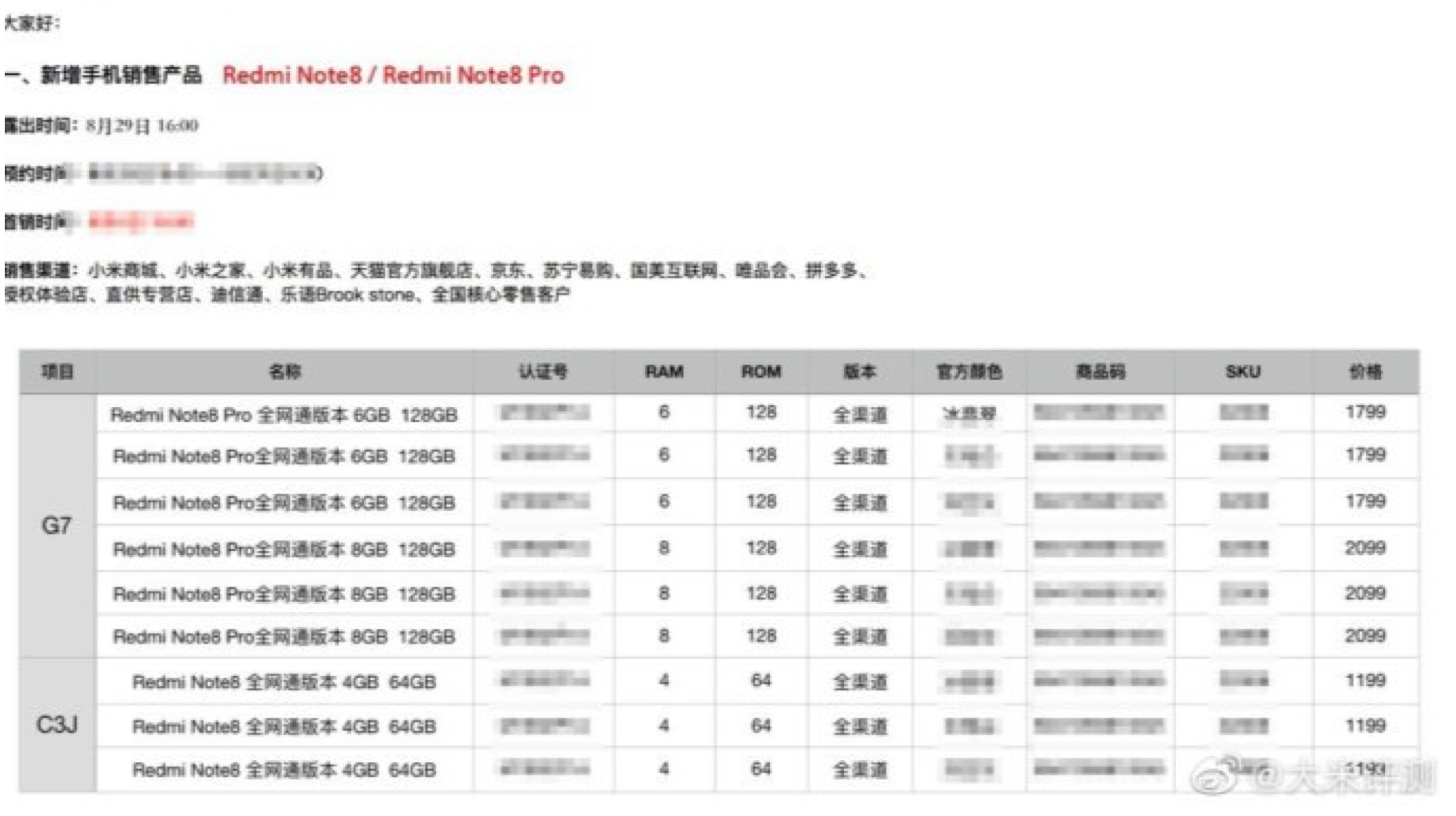
    Chinese technology giant Xiaomi has announced that it will launch two new smartphones under its Redmi sub-brand on the 29th of August. These devices are confirmed to be the Redmi Note 8 and Redmi Note 8 Pro and will be the successors of the Redmi Note 7 and Redmi Note 7 Pro announced earlier this year. A few weeks before the official launch, the company has been revealing details about the handsets by a series of teasers. While most of the information about them was known, their pricing remained shrouded in mystery. Until now, as a tipster from China has seemingly leaked the alleged pricing of the Redmi Note 8 series.

    Redmi Note 8 Series Pricing

    Redmi Note 8 Pro

    As mentioned above, the pricing for the upcoming Redmi Note 8 Series, which consists of the Redmi Note 8 and the Redmi Note 8 Pro has been leaked. According to an image shared by a gadget tipster in China, the Redmi Note 8 will start at CNY 1199 (INR 12,000) for the variant with 4GB of RAM and 64GB of internal storage. The image also suggests that it will be the only configuration the smartphone will be available in.

    Redmi Note 8

    The Redmi Note 8 Pro, on the other hand, will be available in two storage variants. It will be priced starting CNY 1799 (INR 18,000) for the 6GB RAM and 128GB internal storage configuration. The top-end variant with 8GB of RAM and 128GB of onboard memory will be priced at CNY 2099 (INR 21,000). Notably, the pricing for both devices is significantly more than their predecessors. It is thus expected that they are taken with a grain of salt as they may turn out to be false.

    Also read: Vivo NEX 3 To Launch Next Month With A Staggering 99.6 % Screen To Body Ratio

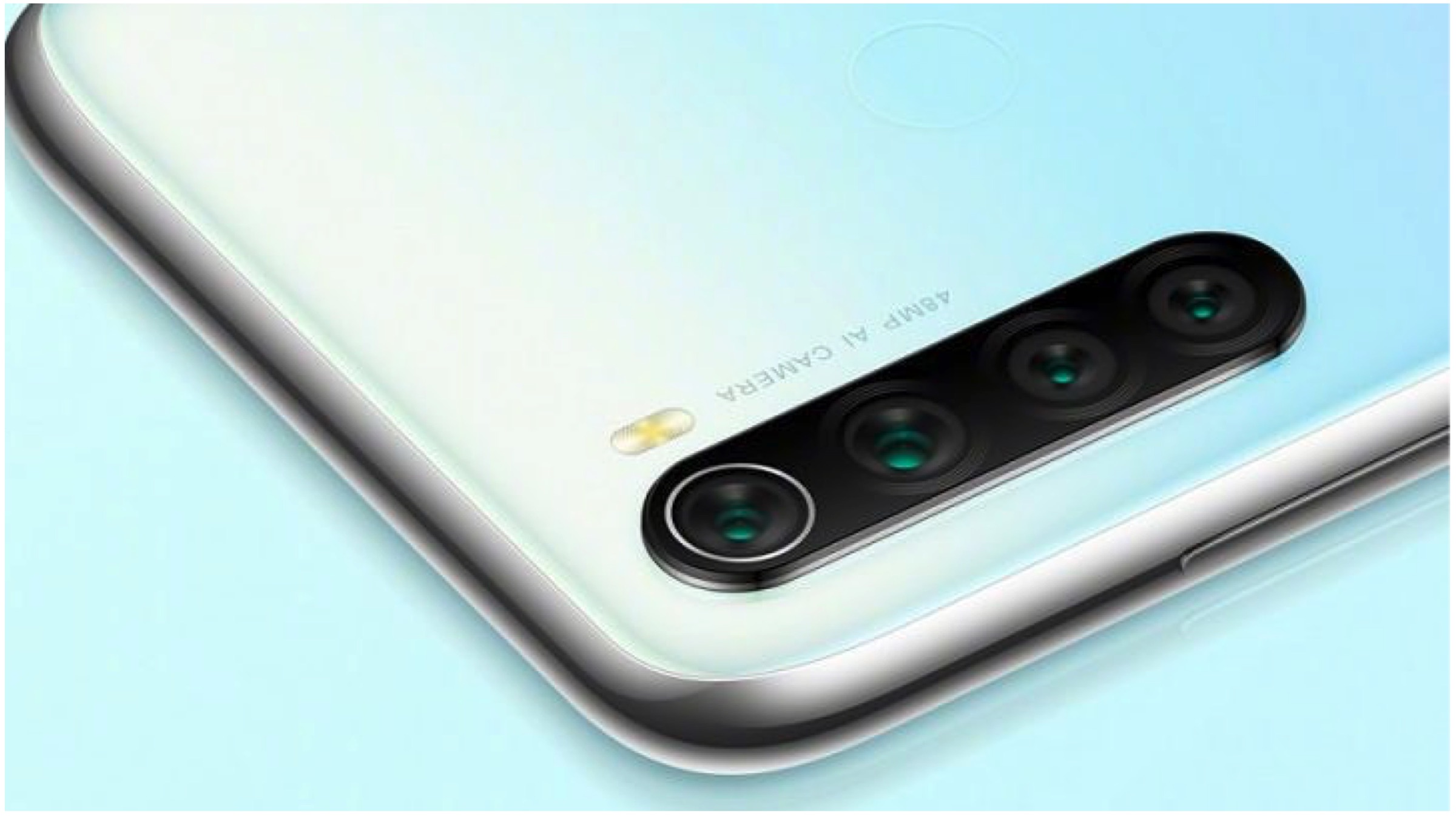
    Past reports of the Redmi Note 8 and Redmi Note 8 Pro have revealed most of their key specifications. Both the smartphones are expected to have a glass sandwich design with a waterdrop notch on top of the display. While the regular Note 8 will run on the Snapdragon 665 SoC, the Pro variant has been confirmed to be kitted with the latest MediaTek Helio G90 chipset. Both devices are also affirmed to have a Quad Camera setup, out of which the primary lens will be a 48MP sensor on the Redmi Note 8 and a 64MP sensor on the Redmi Note 8 Pro. Since China launch for the Redmi Note 8 Series is drawing close, so we will not have to wait too long to confirm the details.

  • Vivo NEX 3 To Launch Next Month With A Staggering 99.6 % Screen To Body Ratio

    Vivo NEX 3 To Launch Next Month With A Staggering 99.6 % Screen To Body Ratio

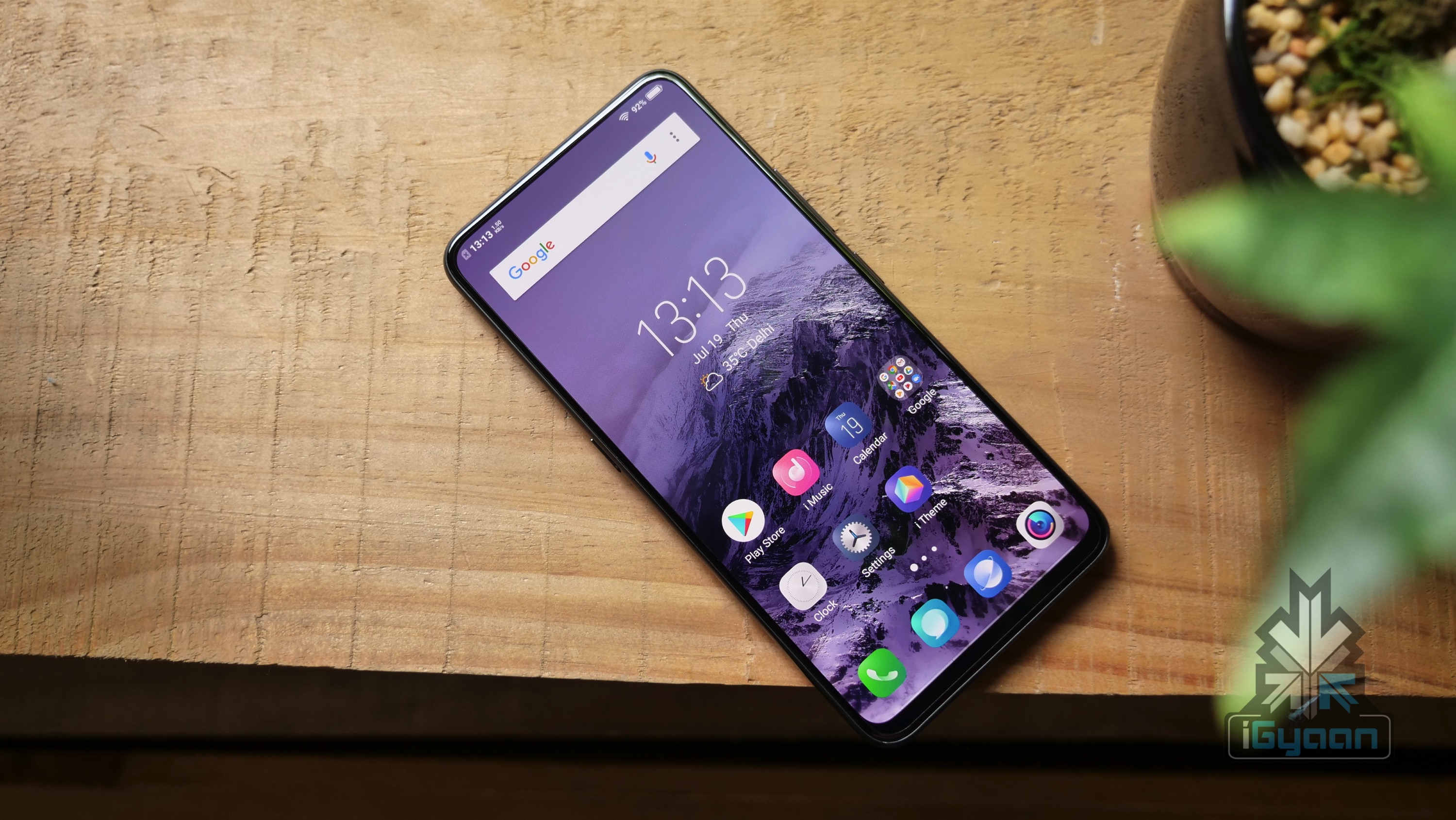
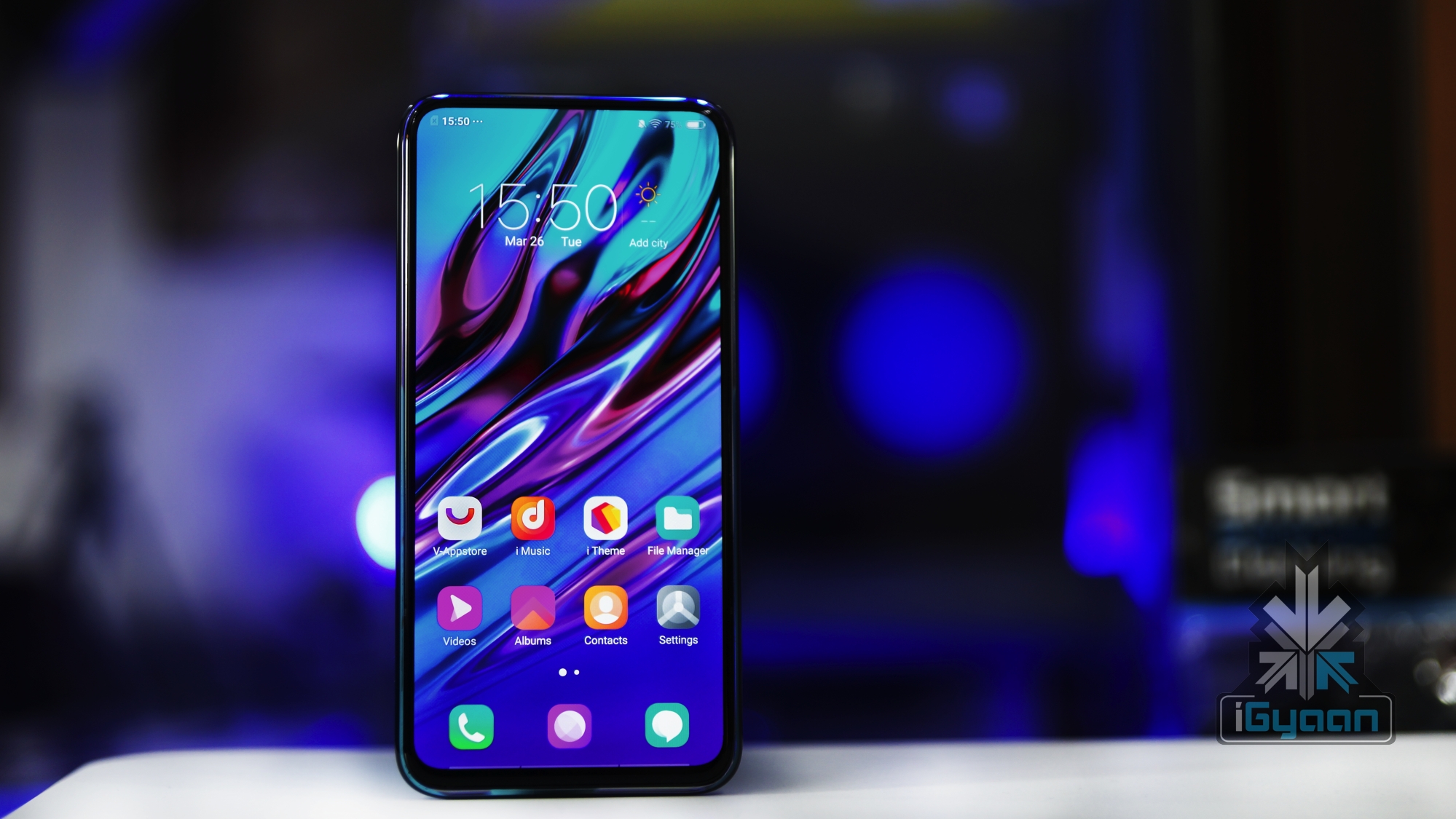
    Chinese smartphone maker Vivo launched the first generation Vivo NEX last year. The smartphone was the first to adopt a pop-up mechanism to house the selfie camera; in a bid to increase the screen to body ratio of the device. The company then followed up with the NEX dual display last year. It was another attempt at making a full display handset, this time with a secondary screen on the back of the smartphone. A while ago, it was revealed that Vivo is once again looking forward to pushing the boundaries with the next device in the lineup, allegedly called the Vivo NEX 3. Now, the company has confirmed the handset will be launched next month. Along with the launch announcement, key specifications of the NEX 3 have also been leaked.

    Vivo NEX 3
    Vivo NEX 3
    Vivo NEX S

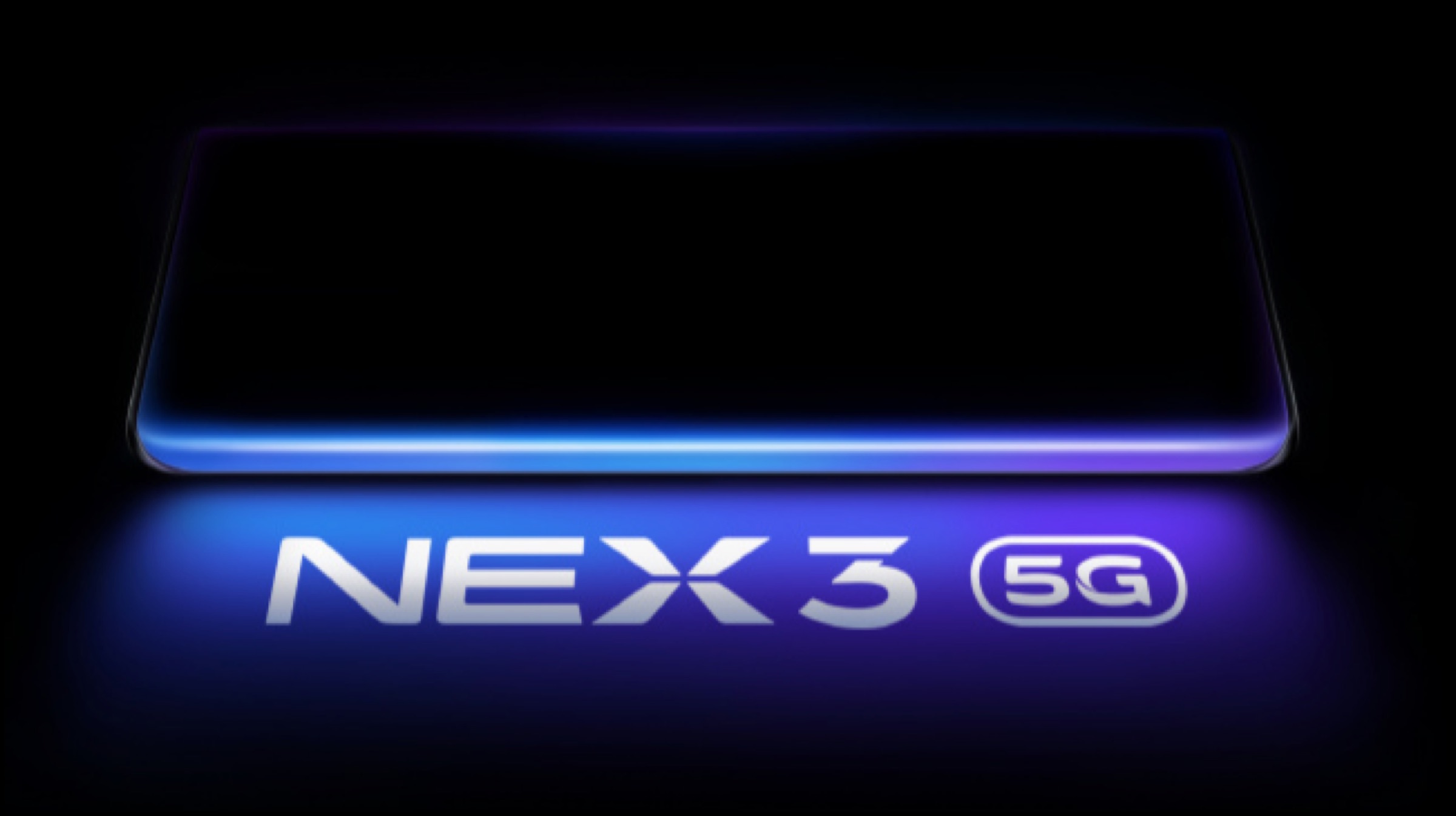
    The Vivo NEX 3 will be the flagship offering by the Chinese brand; and will be the third in the line of smartphones with no notch and a full display. According to the official Vivo account on Chinese social network Weibo, the upcoming smartphone will support 5G networks and have a staggering 99.6 percent screen to body ratio. If true, then it will be the first device to have a screen ratio that high.

    In the teaser image, it is visible that the handset will have extremely curved edges, similar to the waterfall display type shown a while ago. These edges may help the NEX 3 in achieving the aforementioned screen ratio. It is also not known what Vivo will do to hide the front-facing camera. Some speculations hint at that being under the display like the prototype shown by Oppo and Xiaomi.

    A gadget leaker on Twitter has also leaked key specifications of the upcoming Vivo NEX 3. According to them, the smartphone will indeed have a Waterfall display of FHD+ resolution. In terms of optics, it will have a 64MP primary camera made by Samsung. Under the hood, the device will be kitted with the latest 7nm Snapdragon 855 Plus SoC. This will be coupled with features like UFS 3.0 storage, 44W fast wired charging and a 3.5mm headphone jack.

    Also read: Google Nest Hub Launched In India For Rs. 9,999

    In terms of connectivity, the handset may feature a Hi-Fi Quad DAC, NFC and will have two variants supporting 4G and 5G respectively. Unfortunately more details like the launch date and price of the Vivo NEX 3 are not known yet. However, since the launch is just around the corner, we may not have to wait too long to find out.

  • Samsung Galaxy M30s To Launch Next Month In India With 48MP Triple Cameras

    Samsung Galaxy M30s To Launch Next Month In India With 48MP Triple Cameras

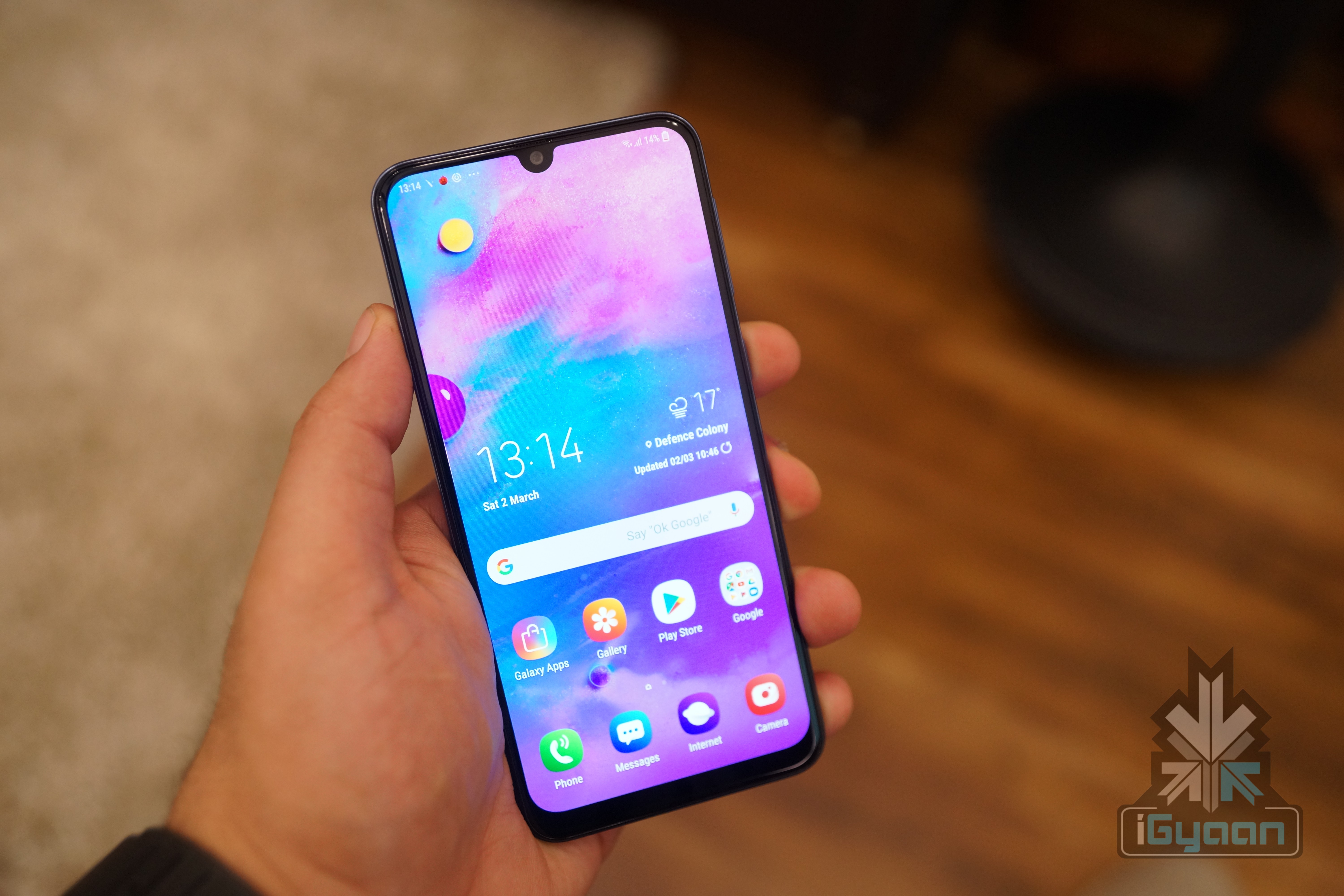
    Samsung introduced the Galaxy M series of smartphones back in the month of January. It is a lineup of online-only devices ranging from the budget to the mid-range segment. A while ago, it was revealed that a new handset, allegedly called the Galaxy M30s is in the works and will be announced in India soon. This will be an upgraded version of the Galaxy M30 and will be a mid-range smartphone. While details about the device were scarce since the past few weeks, a new report reveals that the Galaxy M30s will be launched next month in the country.

    Samsung Galaxy M30s
    Galaxy M30s
    Galaxy M30

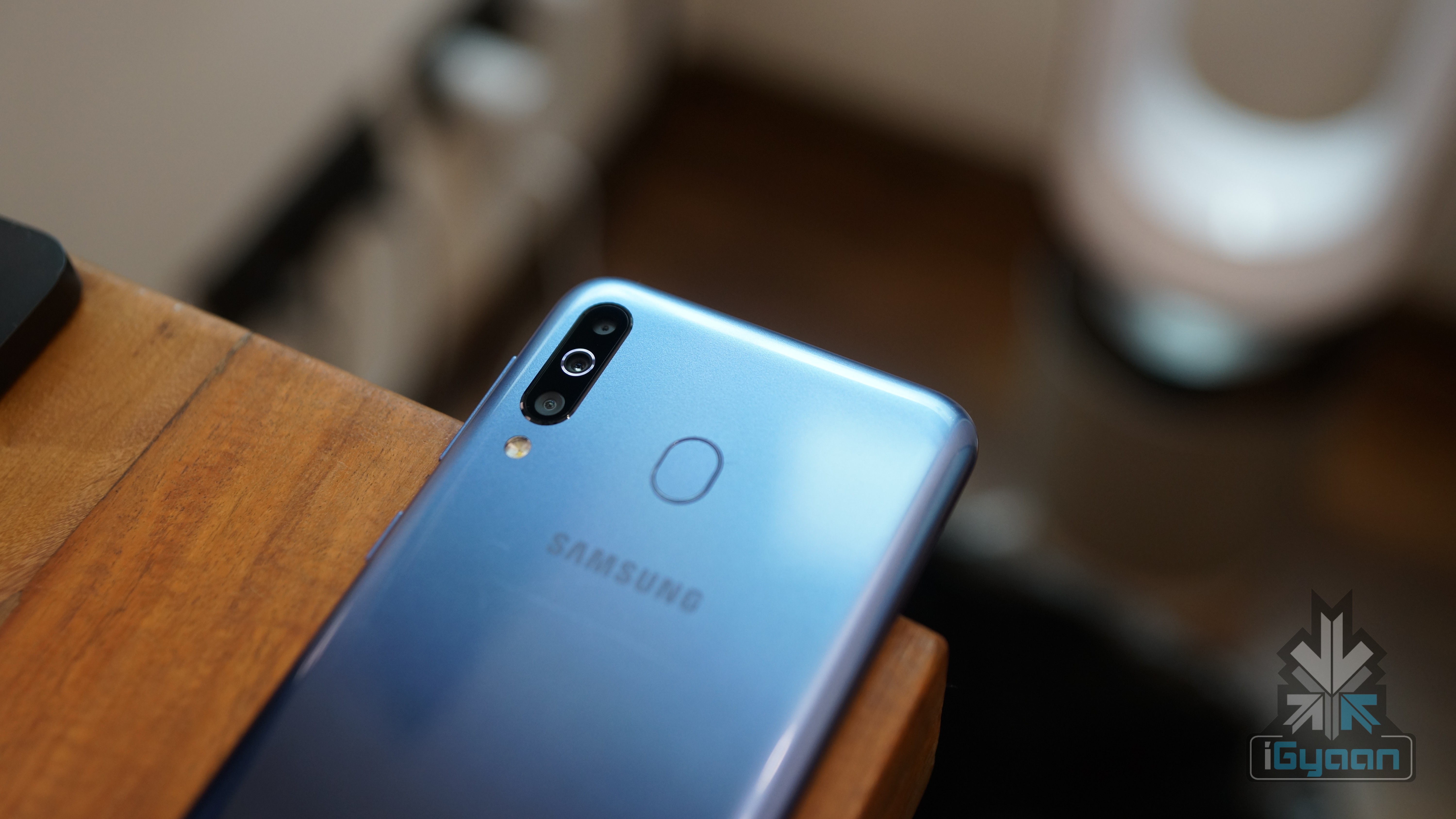
    The latest report arrives via IANS, a reputed independent news agency. It has been revealed that the Samsung Galaxy M30s is ready for primetime and will be unveiled next month in India. Unfortunately, an exact date is not mentioned but it may be in the second half of September. The report also mentions that the upcoming Samsung handset will sport a triple camera setup, out of which the primary camera will be a 48MP sensor. This will be an upgrade over the optical setup found on its predecessor, which also has a triple camera setup, but a 13MP primary sensor.

    Samsung Galaxy M30s

    Also read: Xiaomi Confirms The Redmi Note 8 Will Have Snapdragon 665, 48 MP Quad Cameras

    The previous leaks about the Samsung Galaxy M30s reveal it will be available in three colour options, namely Black, Blue and White. The smartphone may be kitted with the Exynos 9610 SoC like the Galaxy A50, according to another leak in the past. Unfortunately, more details about the handset are not known yet. However, it is expected to be priced in the same, sub Rs. 20,000 price bracket when launched in India. Whatever may be the case though, as the launch seems to be just around the corner, we might not have to wait long to find out.

  • Samsung Galaxy Fold Up For Pre Registrations In China, To Launch Next Month

    Samsung Galaxy Fold Up For Pre Registrations In China, To Launch Next Month

    Korean technology behemoth Samsung announced its first foldable smartphone, the Galaxy Fold back in the month of February. However, just before the device’s official launch which was scheduled for April, review units of the handsets started breaking. The company then had to recall all the smartphones and postponed the release indefinitely. Samsung then announced last month that the problems plaguing the device have been fixed and it will finally be released in September. Now, the claims seem to be rightly addressed as the ambitious foldable handset is up for pre-registration in China.

    Samsung Galaxy Fold

    The aforementioned news arrives after Samsung has started taking pre-registration for the Galaxy Fold on its official Chinese website. There is no shipping date mentioned, so nothing can be said on when the smartphone will start making its way into the market. The pricing for the device remains the same as announced, US$ 1980 (INR 1,36,500), so no changes there. Whatever said, it seems like the company is confident on the device and rightfully so, as in its last press release Samsung listed out all the changes it has made to make sure the Galaxy Fold is durable; and can stand the test of time in the real world.  
    Samsung Galaxy Fold

    According to Samsung, the Galaxy Fold has passed through some design and construction improvements to be certified for a relaunch. These improvements include the extension of the top protective layer of the inside display. The new layer now makes it apparent that it is an integral part of the display and should not be removed.


    Also read: Haunted iPhone XS Flashes Every Night Between 3 AM and 4:30 AM

    The updates to the foldable smartphone also include additional reinforcements to further protect it from external particles while maintaining its folding mechanism. Along with the aforementioned changes, the handset will also feature protection caps on the top and bottom of the hinge area; while also reducing the space between the hinge and the body of the device. If Samsung goes forward with the September release of the Galaxy Fold, it would rival the spotlight Apple’s next iPhones will get which are also due in a couple of weeks. Whatever be the case, we will not have to wait too long to find out.

  • OnePlus TV Specifications Leaked, Reveal A MediaTek SoC & 3GB RAM

    OnePlus TV Specifications Leaked, Reveal A MediaTek SoC & 3GB RAM

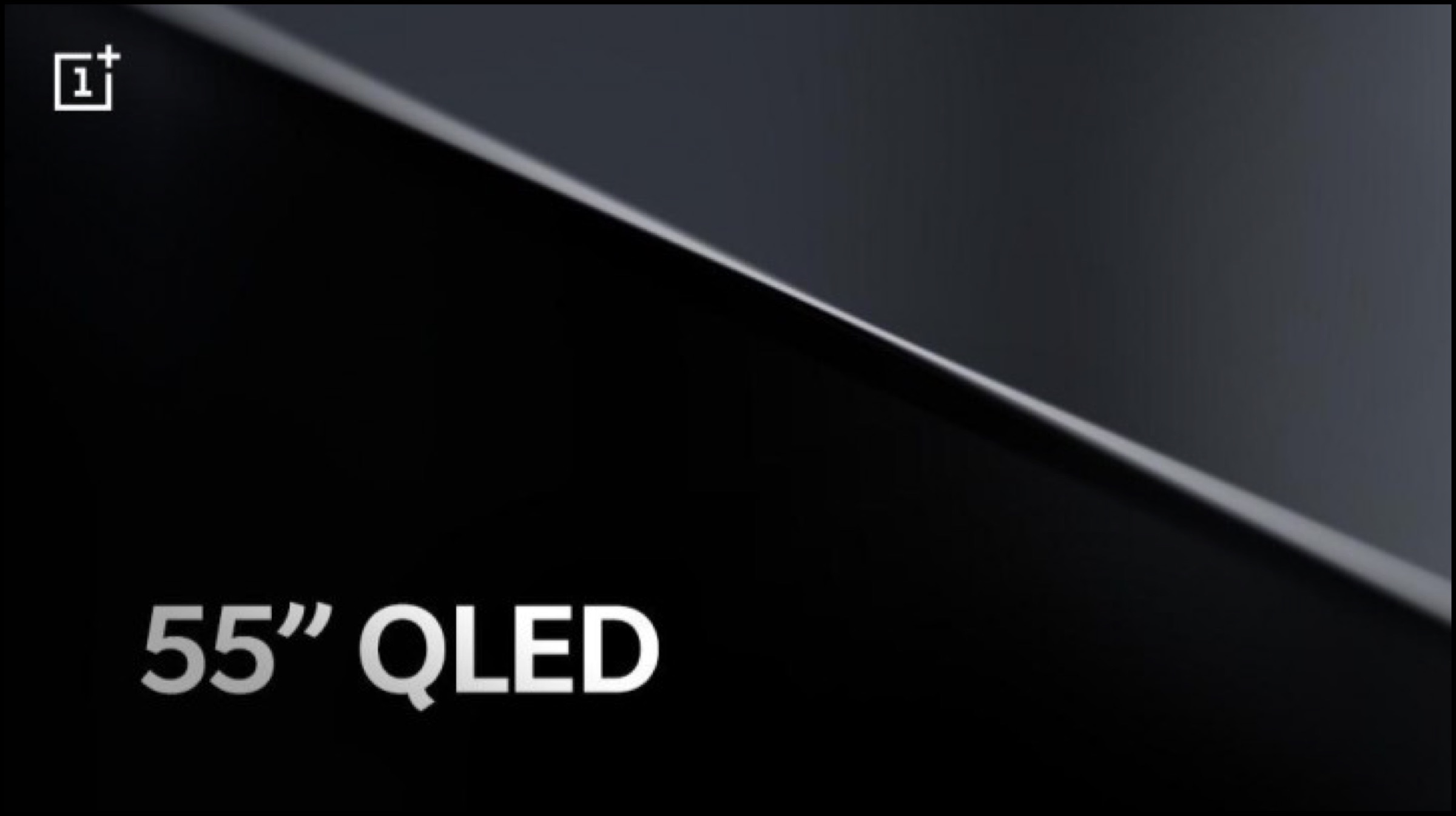
    Chinese smartphone maker OnePlus is expected to launch its first-ever television called OnePlus TV next month. The company has already confirmed that the device will be launched in India exclusively in September and be made available to the rest of the world later this year. Via a Twitter post, it also revealed that the TV will have a 55-inch QLED display when launched and will be exclusively available via Amazon India. Now, as we move closer to the launch date, the key specifications of the OnePlus TV have been leaked online.

    OnePlus TV

    The specifications of the upcoming OnePlus TV have been leaked by a Twitter handle by the name of Android TV Rumors. According to the image embedded in the tweet, the television has been given the codename “Dosa” which is a popular food item in South India. The listing also mentions that the device will run on the MediaTek MT5670 SoC and have a Mali G51 GPU inside. Unfortunately, no details about the mobile chipset inside the OnePlus TV are known yet. The image also mentions that it will have 3GB of RAM inside and will have a resolution of 1920 x 1080 px. This is surprising as it was earlier known to be a 4K television. It is being speculated that the mentioned resolution is only for the menu, which means while actually displaying content, the TV will scale itself into 4K resolution.

    OnePlus TV

    Also read: Android 10 Announced: Looking Back At The 10-Year-Old History Of Android Versions

    The OnePlus TV is expected to run on Android TV 9, which is confirmed by the latest leak. It was known previously that the upcoming television will be a premium offering as the brand is known for its premium smartphones. However, this also means that affordability may not be the number one goal of OnePlus here. It is expected that the OnePlus TV will be launched on the 26th of September, alongside the rumoured OnePlus 7T Pro. Since there is not much time in the announcement, we may not have to wait too long to see the television in action.

  • Android 10 Announced: Looking Back At The 10-Year-Old History Of Android Versions

    Android 10 Announced: Looking Back At The 10-Year-Old History Of Android Versions

    American technology behemoth Google announced earlier this week that the latest version of its Android operating system will be officially called Android 10. By this decision, the company has also broken on the long going tradition of naming the versions after sweet treats or desserts. The latest release also marks the tenth version of the platform, as is evident from the name. The operating system may have had a rocky start back in the year 2008, it has significantly evolved over the years. So to mark the landmark release of Android 10, we look at the extensive history of the software over the years.

    Android 1.0 and 1.1

    Android


    The one that started it all. The first version of the platform was released back in 2008 and it seems like so long ago that it did not even have a dessert name. But just to complete the cycle, enthusiasts have started calling it Android Alpha and Beta for the versions 1.1 and 1.2 respectively. The first generation of the operating system included basic Google apps like Gmail, Maps, Calendar and YouTube. While all of it seems very basic now, it was quite a big deal to have a suite of applications on a mobile phone.

    Android 1.5 – Cupcake

    Android Cupcake

    The Android 1.5 Cupcake was released in 2009, which also established the naming scheme based on sweet treats. Apart from being a monumental release, Cupcake brought about many changes to the platform. It was the first version to include an on-screen keyboard and third-party widgets. The latter provided the platforms one of the most unique features. Fun fact, this was also the first time the operating system gained the functionality enabling video recording on smartphones.

    Android 1.6 – Donut

    Android Donut


    Android 1.6 Donut was also released in the year 2009 and brought about many features to the platform. The first and most significant was adding the search box. What is now a ubiquitous feature was first added to Donut. The version also added support for multiple display sizes, which is a key element for the platform’s success. It also introduced Google Play, which was called the Android Market at the time. The store enabled users to download and try out different apps and games.

    Android 2.0/2.1 – Eclair

    Android Eclair

    The Android Eclair was released after almost six months of Donut, which is not something the company does today. It was sort of like an incremental update, with the platform adding support for Google’s turn by turn navigation and speech to text among other features. Eclair also added live wallpapers, which while it drained a lot of battery, was a really cool feature at the time.

    Android 2.2 – Froyo

    Android Froyo

    Google plopped up the Android 2.2 Froyo just four months after Eclair. This release, just like the Frozen Yogurt it is named after, was a sweet treat to the users as it focussed on increasing the performance of the devices. The release added the support for new Voice Actions and added support for mobile hotspots; which is also an important addition by historical importance.

    Android 2.3 – Gingerbread


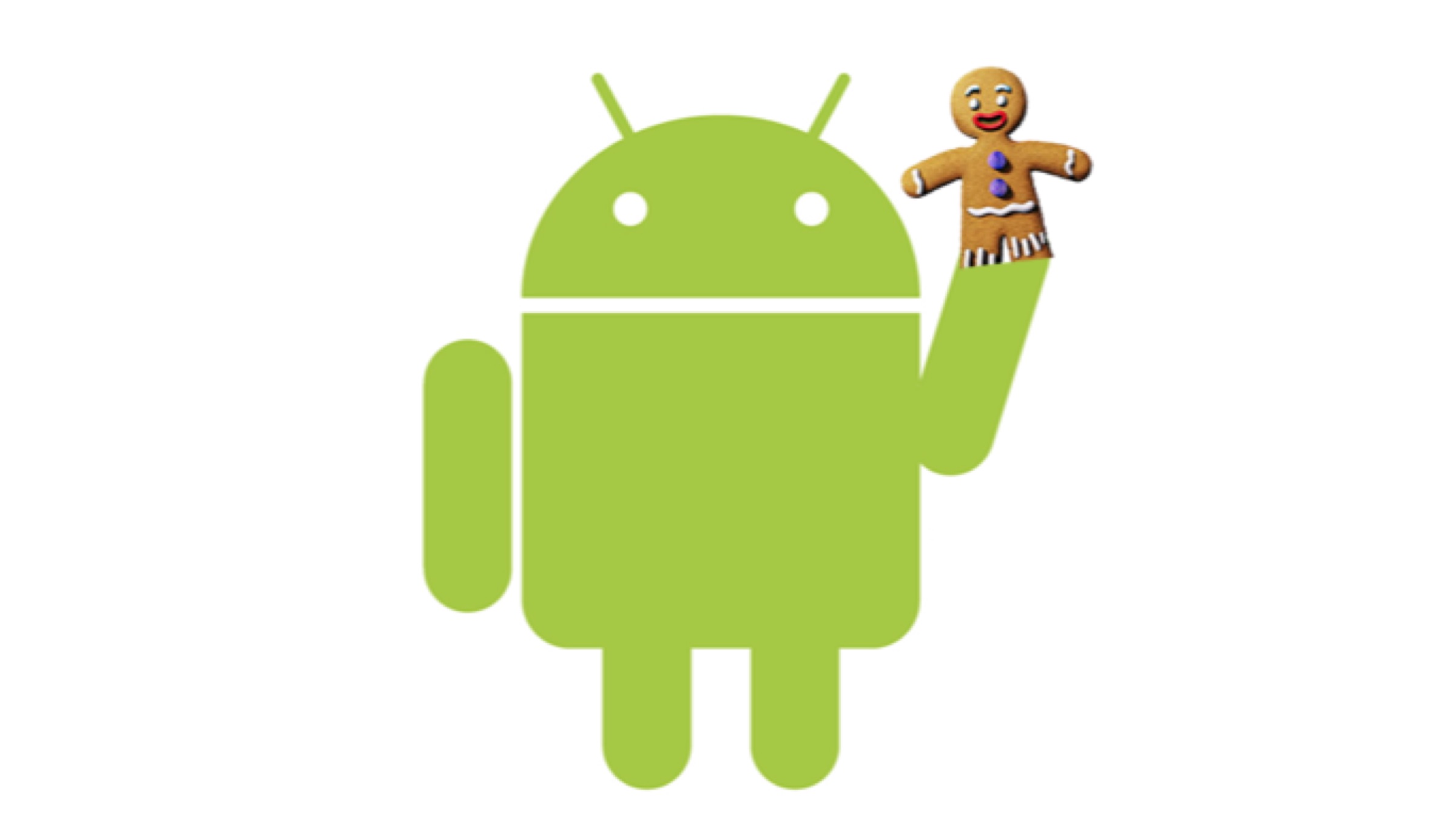
    Android 2.3 Gingerbread was released in the year 2010 and marked an incremental update over Froyo. The platform gained support for new and improved gaming API for better and graphically intense gaming. It also added NFC connectivity to compatible devices; enhancing their connectivity. Fun fact, Google added a hidden easter egg in the operating system starting Gingerbread. The first hidden surprise was a zombie artwork when the users tapped on the version number multiple times in settings.

    Android 3.0/3.1/3.2 – Honeycomb


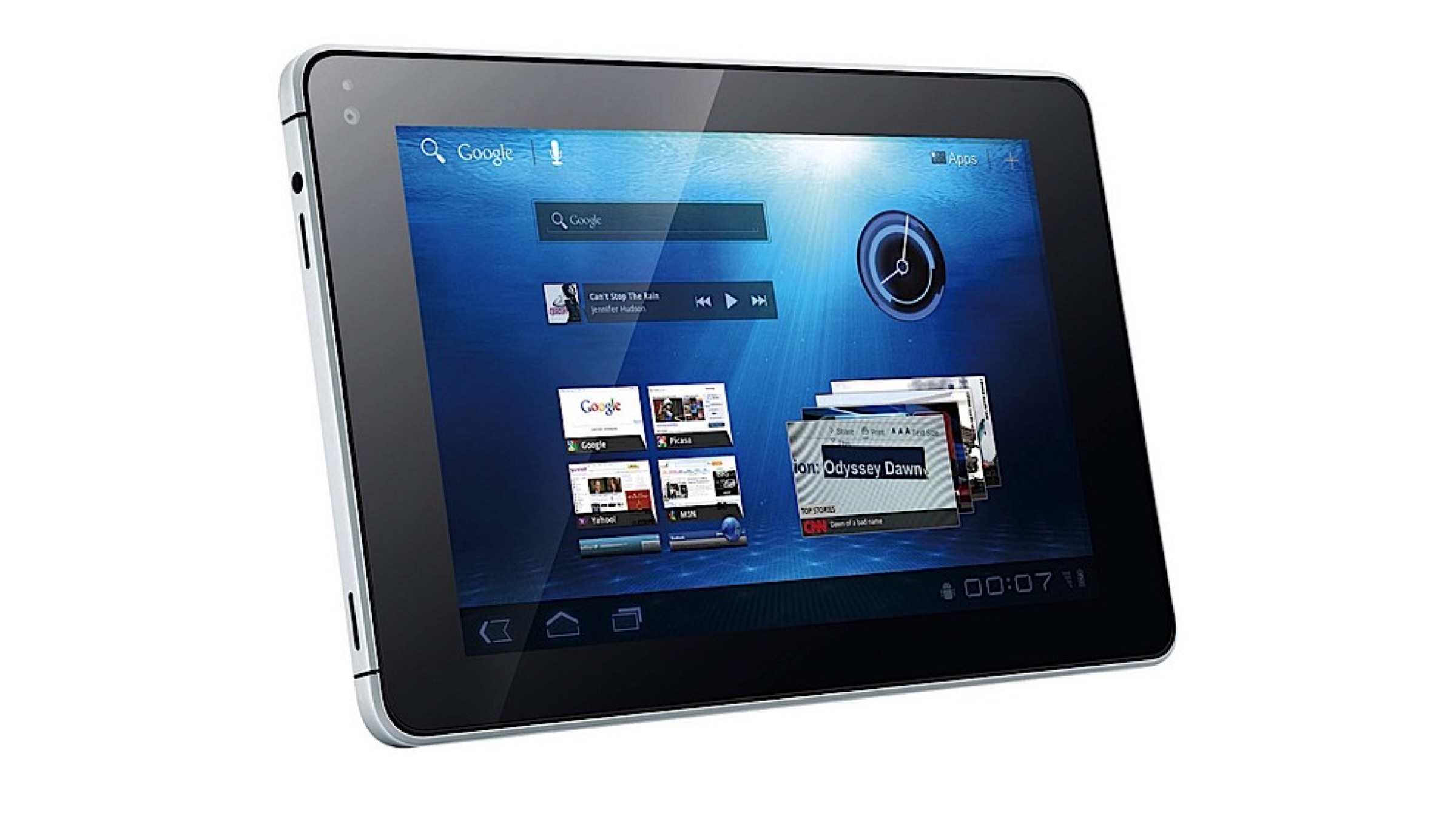
    Back in the year 2011, when tablets were becoming all the rage in the market, Google released the Android 3.0 Honeycomb. As a tablet exclusive operating system, it didn’t see many takers but was an important step in the redesigning of the platform. The version saw a user interface that utilised the whole display of the device, which was important in a tablet. However, due to limited application support and not many makers adopting it, Honeycomb is one of the more obscure versions on the list.

    Android 4.0 – Ice Cream Sandwich


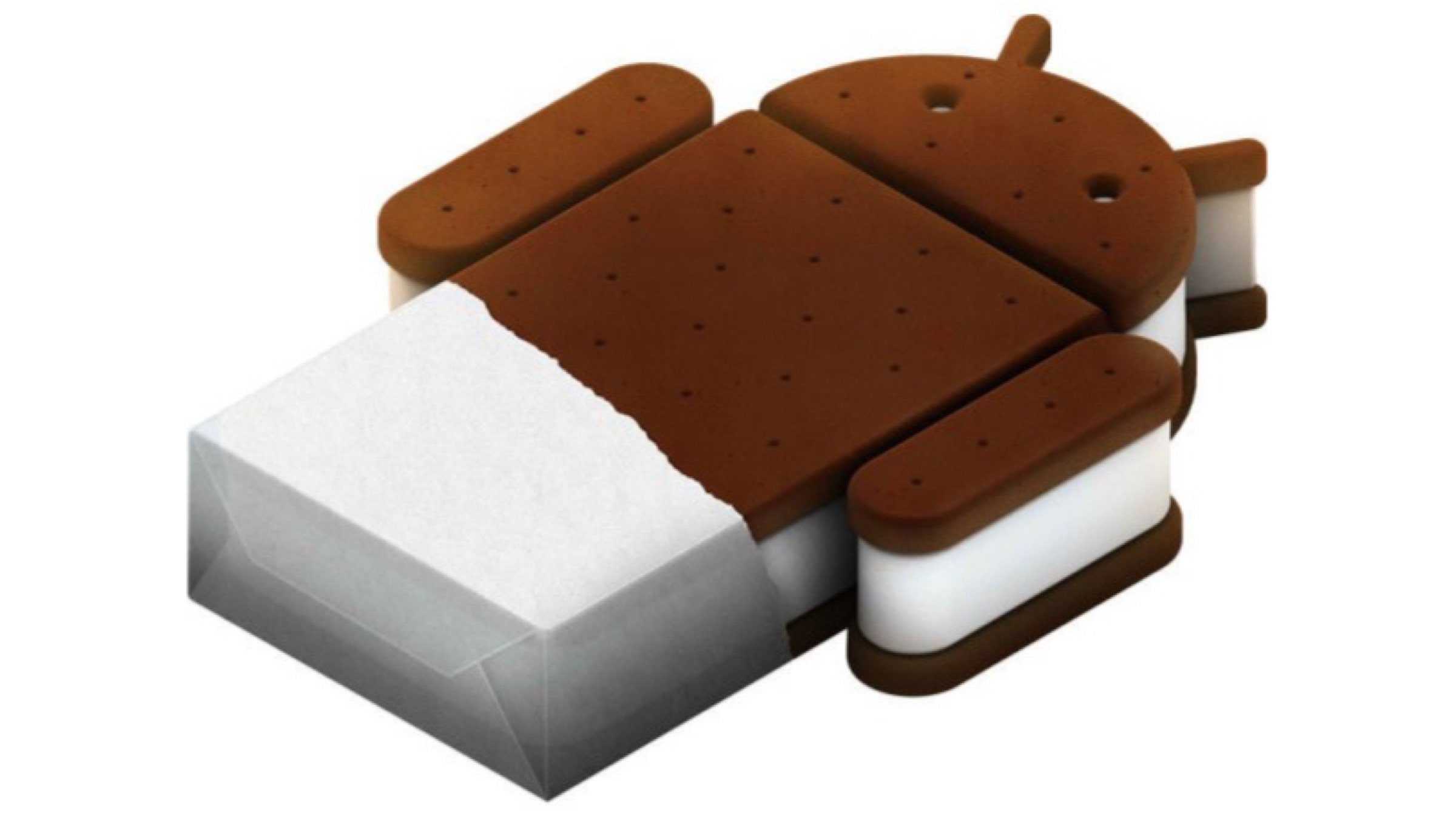
    Android 4.0 Ice Cream Sandwich was a major design overhaul for the operating system. Released in the same year as Honeycomb, the version brought about changes like a new Holo design, swipe gestures for notifications and recent apps, and support for Android Beam. Looking back at Ice Cream Sandwich now feels like it was an extremely ambitious update, one which has futuristic vibes going on for it.

    Android 4.1/4.2/4.3 – Jellybean

    Released over multiple periods between 2012 and 2013, the Android 4.1/4.2/4.3 Jellybean was an incremental update over Ice Cream Sandwich. The platform gained support for account switching, which lets multiple users use a smartphone in different ways. It also has Google Now, a barebones digital assistant which has now been christened as Google Assistant. Jellybean also got actionable notifications, which let taking actions without opening certain applications easier.

    Android 4.4 – KitKat

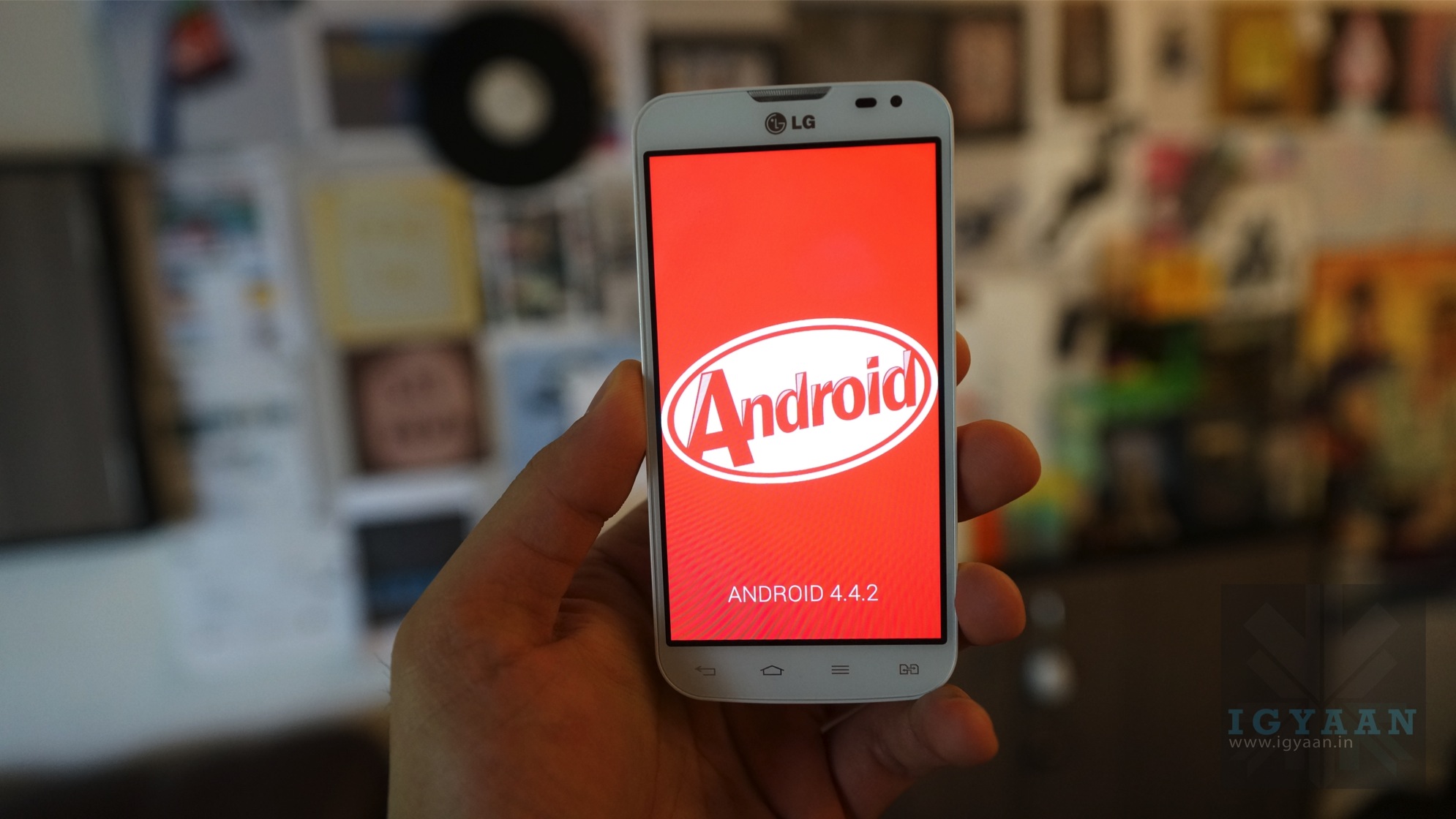
    The name for Android 4.4 KitKat was a result of Google’s partnership with Nestle in the year 2013. This release made for a delicious name, and software refinements all around the operating system. Things like a smart dialer, full-screen applications and the “Okay Google” keyword; which we now take for granted, were first added in KitKat.

    Android 5.0 – Lollipop

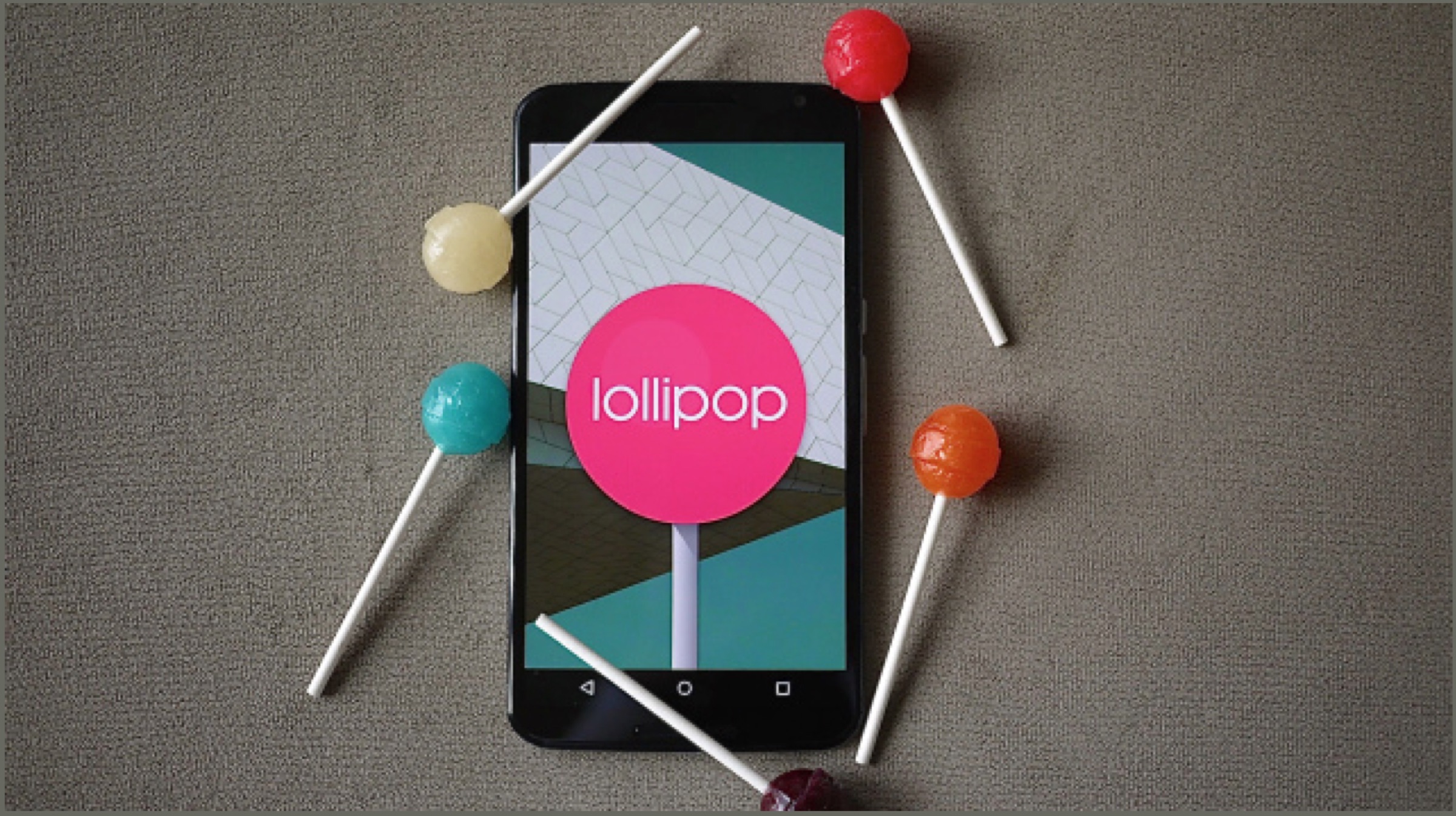
    One of the biggest releases of the operating system, Android 5.0 Lollipop saw Google going back to the drawing board in 2014. The company adopted the Material Design theme, which is still in use today and almost redesigned the platform. With the release, lock screen notifications became a thing, and the software gained support for full hands-free “Ok Google” detection. Not to mention the change in the recent apps drawer with the release. Fun fact, Google added a neat little game in the easter egg which resembled Flappy Bird, another smash hit game of the time.

    Android 6.0 – Marshmallow

    Android 6.0 Marshmallow was released in 2015 and was an incremental update over Lollipop. It was in part because the previous version was such a design overhaul that it made for Marshmallow not to do anything drastic. The version added support for things like fingerprint readers and USB Type C ports and added a feature called Now on Tap. It used the company’s machine learning to provide more information on what is being displayed on the device. For granular privacy settings, Marshmallow also had permission controls for each application.

    Android 7.0 – Nougat

    nougat android

    Android 7.0 Nougat, was released in the year 2016 and focussed on improving upon Marshmallow. It was launched alongside the first Google-made smartphone, the Pixel and Pixel XL. With Nougat, the company introduced the split-screen feature and debuted Google Assistant, which is arguably the best digital assistant on a smartphone.

    Android 8.0 – Oreo

    Android 8.0 Oreo was released in the year 2017 and again, was an incremental update over Nougat. The name, much like KitKat was a result of Google’s partnership with a big company, this time it being Nabisco. This release brought about feature like a picture in picture mode, granular control over notifications. One of the landmark features of the sandwich cookie version was the support for Project Treble. It was an attempt by Google to minimise Android Fragmentation; by getting the latest release on most devices faster. Sadly the last bit has not played out very well.

    Android 9 – Pie

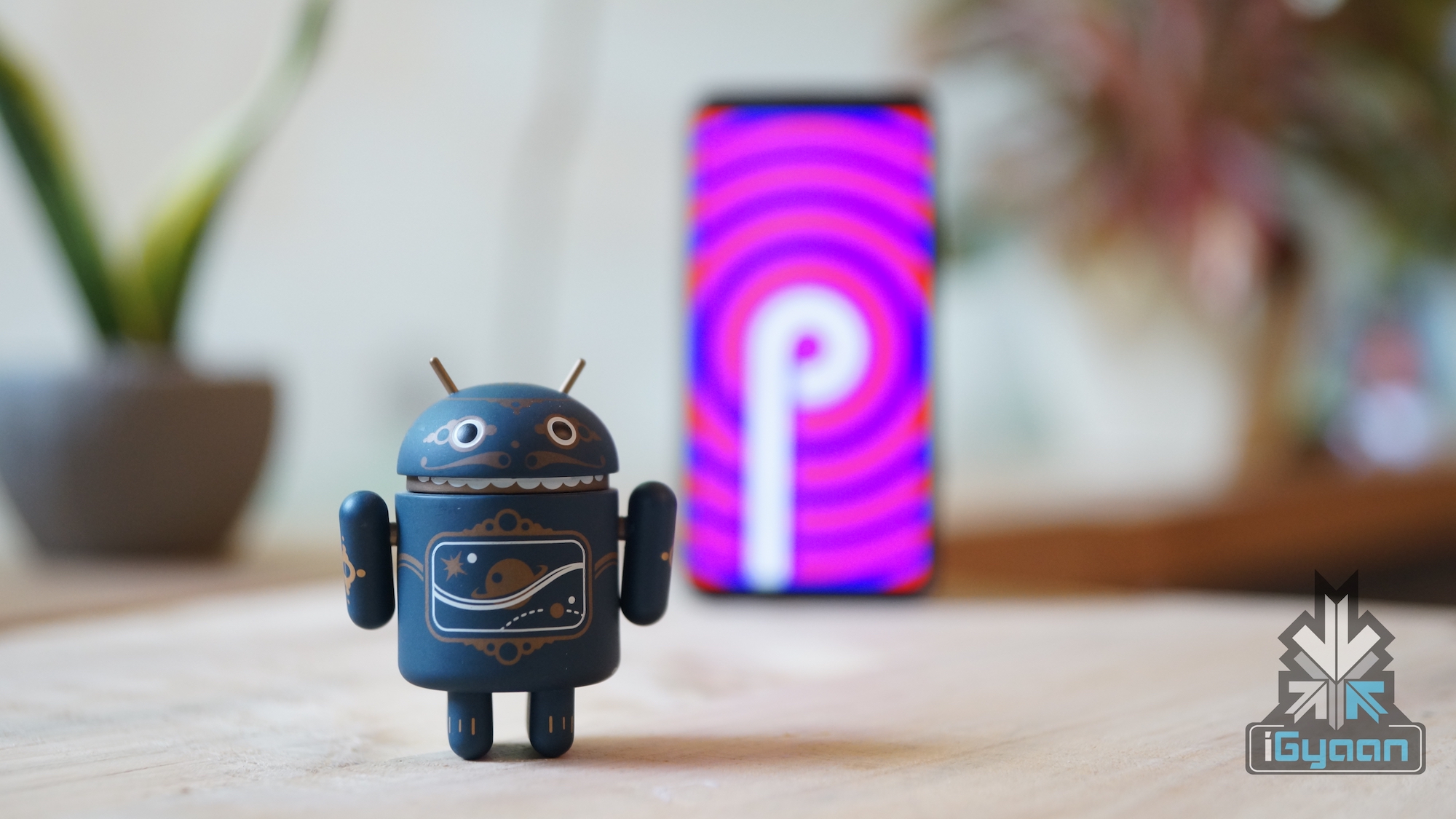
    The last release of the platform yet and one of the most important, Android 9 Pie was baked in the year 2018. It marked a soft reboot in designing the operating system, with the company trying to move away from Material Design. The release introduced new gesture-based navigation, which however half baked they may be; paved the way for all-screen smartphones. Also added to the release were clever software controls for Wi-Fi and mobile data. It also introduced the Digital Wellbeing feature on some devices. This lets users see the amount of time they spend on their smartphones and can limit it.

    Android 10 – No Desserts For You!

    Also read: Lenovo Teases An Upcoming Budget Smartphone, The Lenovo A6 Note

    The latest release by the company, Android 10 as mentioned above does not have an official dessert name. However, according to some reports, Google still has the codename for the release which is named after a dessert that starts with Q. Take your guesses, I’m going with Quiche. However sad the company’s naming decision may be, the latest release will bring about significant changes in the platform. The first one is an all-new navigation gesture system, which resembles the new iPhone gestures. Also arriving in the release are better and faster security updates and support for Live Captions. The final developer’s Beta for the software has just been released; so Google is expected to roll out a stable update in the following weeks.

  • Nokia 7.2 Leaked Live Images Showcase A Triple Camera Setup & Waterdrop Notch

    Nokia 7.2 Leaked Live Images Showcase A Triple Camera Setup & Waterdrop Notch

    HMD Global owned Nokia launched the first smartphone under its new 7 series last year. Dubbed the Nokia 7.1, it is a mid-range device which was praised for its premium design and capable specifications. It was then revealed a few days ago that the company is working on its successor which will be called the Nokia 7.2. In the subsequent weeks, the images and design of the handset were leaked online, and it was known that the smartphone is about to launch on the 5th of September at IFA, Berlin. Now as we move closer to the launch, more images of the Nokia 7.2 has surfaced online; which confirm the previously leaked design aspects.

    Nokia 7.2

    Nokia 7.2

    The Nokia 7.2 will be another mid-range offering from HMD Global. Latest images of the smartphone reveal it will have a glass sandwich design with a bluish-green coloured back panel, but it may be offered in more than one colour when launched. The front of the device has minimal bezels with a waterdrop notch on the top. The interface of the handset is visibly stock Android, which suggests it may be Android One certified. This means it will receive major software updates for two years and security updates for three years.

    Nokia 7.2

    Also read: PUBG Mobile Update Brings New Pirate Themed Game Mode With Zombies

    Over at the back, the Nokia 7.2 has a triple camera setup and an LED flash inside a circular housing. This new design characteristic is unlike what the company has implemented before. Underneath the camera setup, a physical fingerprint sensor can be seen; which may be surprising to some as in-display fingerprint scanners are becoming commonplace in many mid-range devices. While other specifications of the handset are not known, rumours point out to a Snapdragon 710 coupled with up to 6GB of RAM inside. Unfortunately, other details like the pricing of the Nokia 7.2 are not known yet. However, since there is little time left before the official announcement, we might not have to wait too long to find that out. 

  • The OnePlus TV Will Have A 55 Inch QLED Display, Company Confirms

    The OnePlus TV Will Have A 55 Inch QLED Display, Company Confirms

    OnePlus, a Chinese electronics OEM who is best known for its smartphones, announced last year that it will release a Television soon. While the details about the device were scarce for a while, a few days ago, the company revealed that the OnePlus TV is ready for primetime and will be launched next month in September. As we move closer to the official announcement, OnePlus has finally revealed the display size and type of the device. According to a post on microblogging website Twitter by the company’s official handle, the upcoming OnePlus TV will have a 55-inch QLED display.

    OnePlus TV

    As mentioned above, the OnePlus TV will feature a QLED display panel measuring 55 inches. QLED or 4K Quantum Dot displays are a more affordable offering than the competing OLED panels, which have become ubiquitous in televisions these days. Alongside the tweet, the company also posted a link to Amazon India, which means that the upcoming device may exclusively be available on the e-commerce platform when it is launched in India. Users can register by going to the link in the tweet and click on the “Notify Me” button to receive a notification when the television is available for sale.

    OnePlus TV

    Also read: Nokia Announces Android 10 Update Schedule For Existing Smartphones

    OnePlus has already confirmed in the past that its television will be first launched in the Indian market next month. This will be followed by its release in Europe and North American market later this year. As the company is known for making premium, affordable smartphones, the OnePlus TV can also be expected to be a premium device. While the pricing and other details are not available yet, we will not have to wait too long to find out as the release date is just around the corner.

  • Google To Launch The Nest Mini Smart Speaker Alongside The Pixel 4 Lineup

    Google To Launch The Nest Mini Smart Speaker Alongside The Pixel 4 Lineup

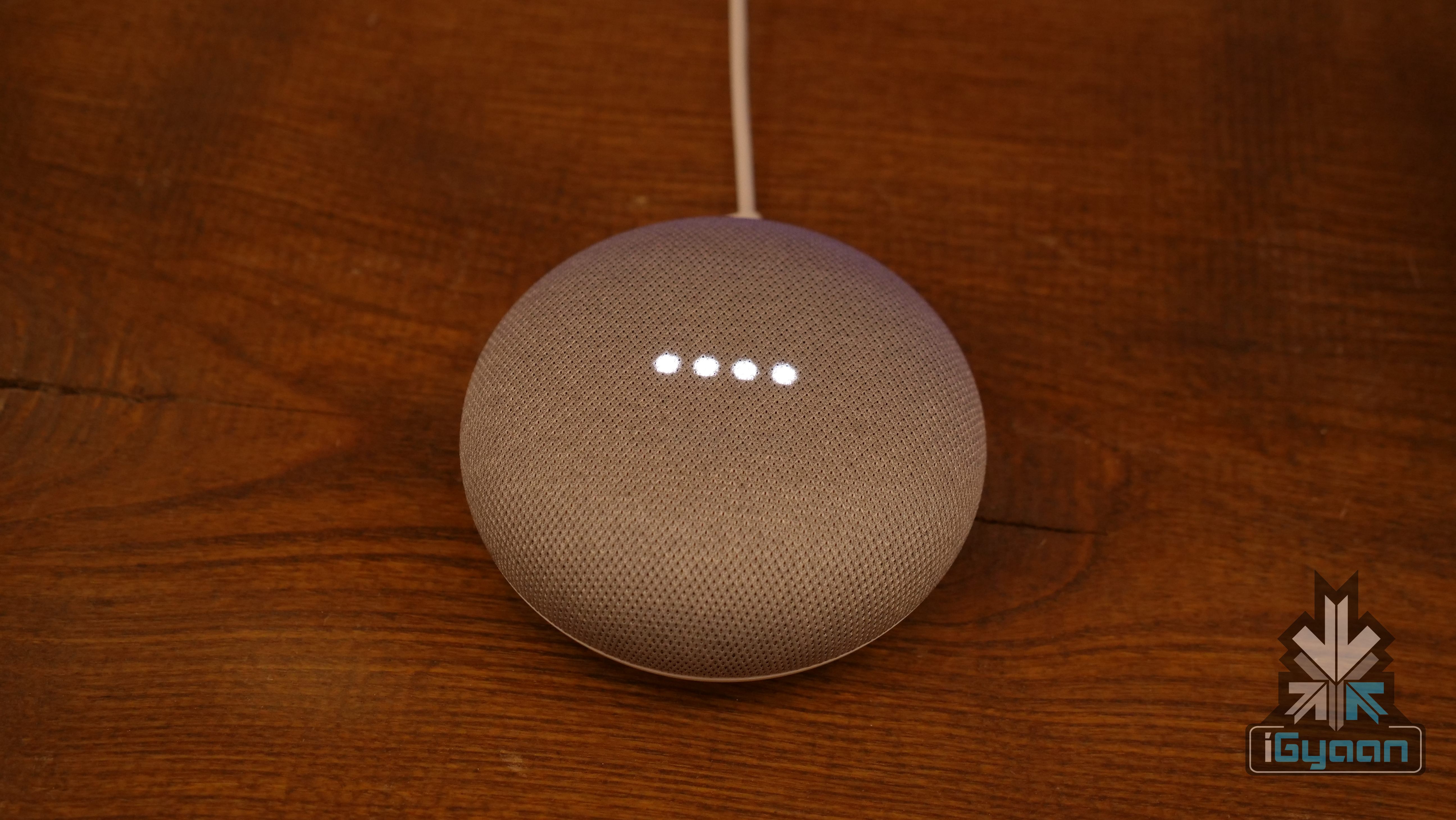
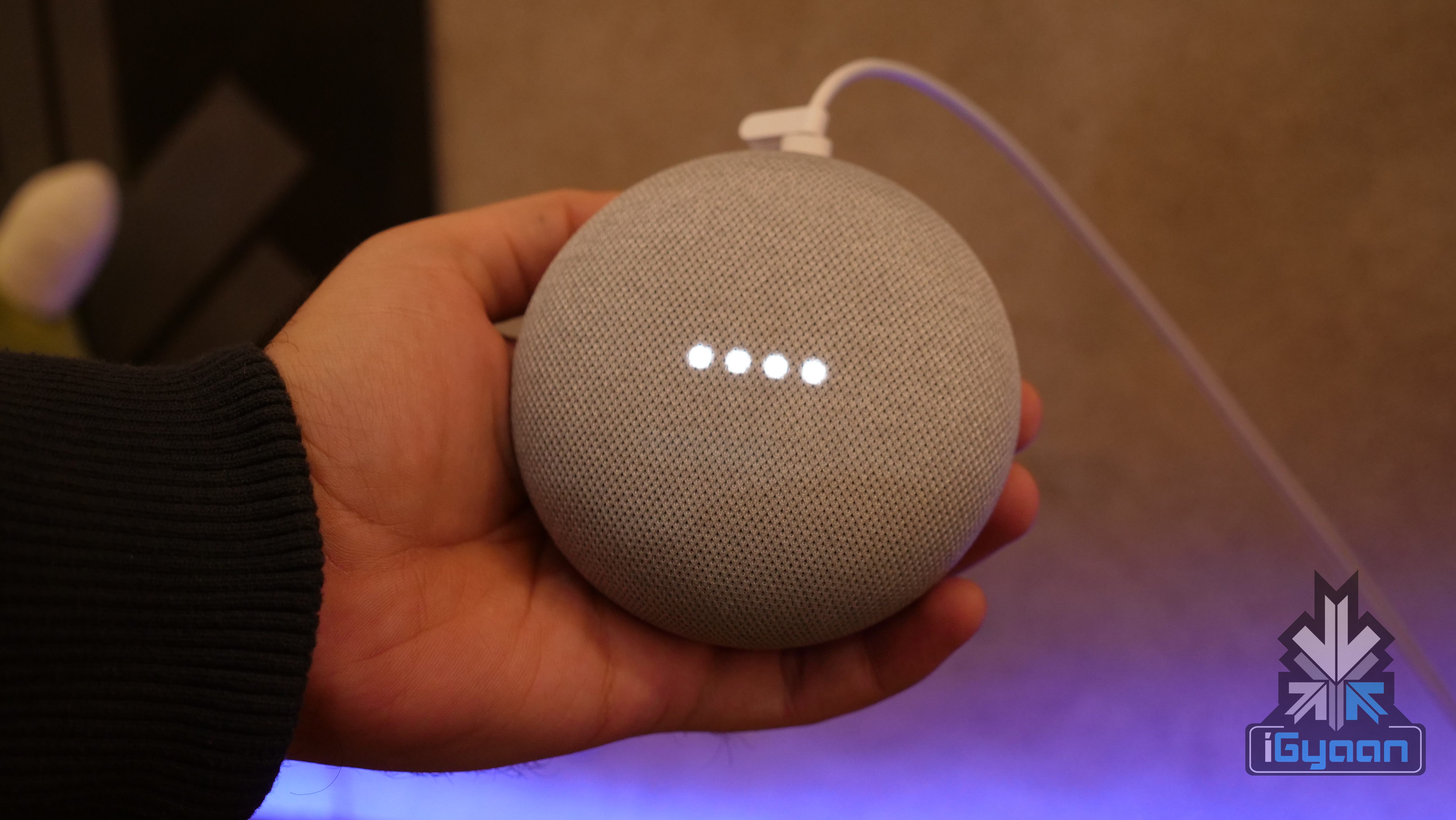
    Back at the Google I/O in the month of May, the company announced that it is rebranding the Home lineup of devices to be called the Nest series. This means that going forward, all the smart speakers and smart displays that once featured in the Google Home range, will now be referred to as Google Nest devices. Now, the latest reports claim that the company is planning to add another smart speaker to the lineup. Allegedly called the Nest Mini, it will be the successor to the Home Mini speaker, which was first unveiled in the year 2017.

    Google Nest Mini
    Google Nest Mini
    Google Home, Home Mini

    According to a report by a known publication, the upcoming smart speaker by Google will be known as the Nest Mini. It will have roughly the same size as its predecessor, with the latest device speculated to be slightly larger. New features that are expected in the upgrade are better sound quality, with more bass and higher maximum volume. It is being rumoured that the Nest Mini will bring along a wall mount built-in. This may be an indication that the speakers will be mountable on the user’s wall with the help of screws.

    Another addition to the upcoming Google Nest Mini will be a 3.5mm audio port, which the Home Mini lacked. The addition of the port will allow users to connect their smartphone to the speaker directly via an auxiliary cable. It will also bring the device in line to its competitor, the Amazon Echo Dot, which has the 3.5mm audio port since its launch in the year 2016. The upcoming smart speaker may also have some kind of proximity awareness, which is speculated to include certain motion sensors. These may be able to detect emergency situations like fire and smoke, or may just be used for directional audio features.

    Also read: Upcoming PUBG Mobile Update Will Add Helicopters, RPGs And Combat Vehicles

    Pricing for the Google Nest Mini is reported to stay the same, so the device, when launched may be priced at US$49 (INR 4,999 in India) just like its the Home Mini. The smart speakers are expected to launch alongside the Pixel 4 series of smartphones, which have historically been announced in October. If the aforementioned launch date turns out to be correct, which seems highly likely, we may not have to wait too long to confirm the details about the Nest Mini.

  • Xiaomi Mi MIX 4 To Launch Next Month With Quad Cameras & Snapdragon 855+ SoC

    Xiaomi Mi MIX 4 To Launch Next Month With Quad Cameras & Snapdragon 855+ SoC

    Chinese smartphone maker Xiaomi launched the first smartphone under its flagship MIX series back in 2016. Dubbed the Mi MIX, the device is believed to have kickstarted the modern trend of a bezel-less display in handsets. The series has since seen generation refreshes in the subsequent year, with the latest Mi MIX 3 being launched in 2018. Now, fresh reports claim that the company is ready for its successor, as the purported Mi MIX 4 is scheduled to launch next month with top-end specifications.

    Mi MIX 4
    Xiaomi Mi MIX 4
    Mi MIX 3

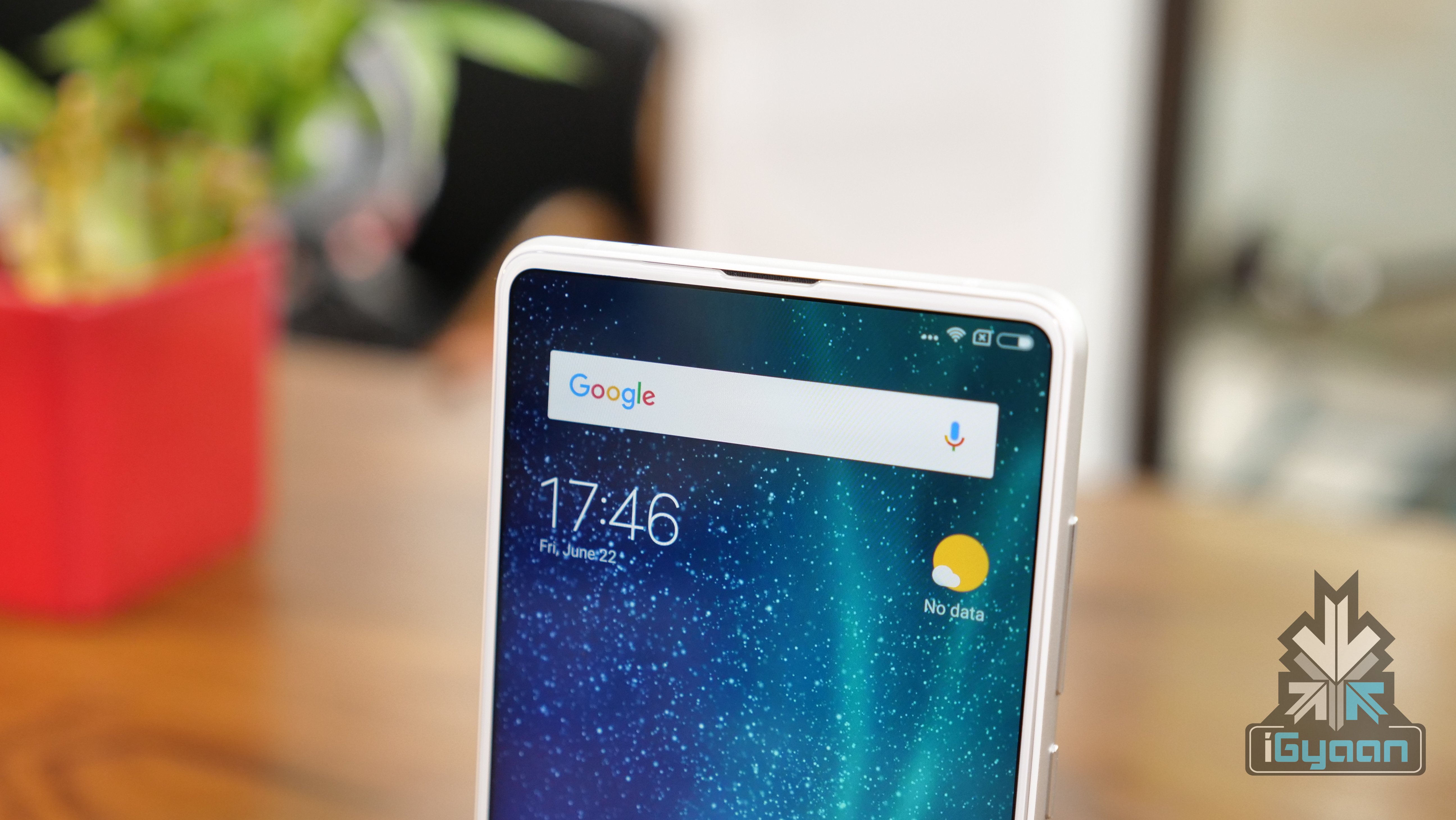
    A post on the Chinese social media website Weibo has surfaced which claims to reveal key specifications of the upcoming Mi MIX 4. It has been mentioned in the post that the smartphone will have a curved 2K display. Exact size is not mentioned, but it is believed that the handset will have a bezel-less display; just like its predecessors and may employ a pop-up selfie camera or the front camera under the display to achieve it. Since its a flagship device, the leak also claims it will run on the latest 7nm Snapdragon 855+ SoC announced a few weeks ago. The chipset is comprised of an Octa-core CPU and an overclocked Adreno 640 GPU.

    In terms of optics, the leak claims the Mi MIX 4 will have a quad camera setup. While it has been known that the primary lens will be a 108MP Samsung HMX sensor, announced a while ago. The secondary and tertiary lens will be a 16MP ultrawide and a 12MP lens. One of the main attractions will be the fourth sensor, which is rumoured to use a periscope mechanism to provide advanced zooming capabilities.

    Xiaomi Mi MIX 4
    Mi MIX 2S

    To ensure high speeds on the forthcoming Mi MIX 4, the leak claims it will support UFS 3.0 storage, like the Galaxy Note 10 series and the OnePlus 7 Pro. For memory and storage, the device may feature up to 12GB of RAM and internal storage of up to a whopping 1TB in capacity. The handset is claimed to be powered by a 4500mAh battery with support for 30W fast wired charging. Like the latest Samsung and Huawei flagship smartphones, the upcoming Xiaomi Mi MIX 4 will also support reverse wireless charging. To top it all off, the device may also very well be the first Xiaomi handset to run on the upcoming MIUI 11, which is speculated to deliver an improved user experience.

    Also read: Realme XT Confirmed To Arrive Before Diwali With A 64MP Quad Camera

    While the leaked specifications of the Xiaomi Mi MIX 4 are in line with a top tier flagship smartphone in 2019, it is recommended to take the leak with a grain of salt. Since the information arrives from a new source, it may very well be false. However, in the case it turns out to be true, the Mi MIX 4 has the potential to be one of the best flagship smartphones of the year. The device launches next month according to the source, so we may not have to wait too long to confirm our suspicions.

iGyaan Network
Privacy Overview

This website uses cookies so that we can provide you with the best user experience possible. Cookie information is stored in your browser and performs functions such as recognising you when you return to our website and helping our team to understand which sections of the website you find most interesting and useful.