Category: Tech

Latest Technology News, Alternative, Bio-Tech, Medical, R&D and Innovations

  • Apple iPad Pro 2019 Rumoured To Feature A Triple Camera Setup

    Apple iPad Pro 2019 Rumoured To Feature A Triple Camera Setup

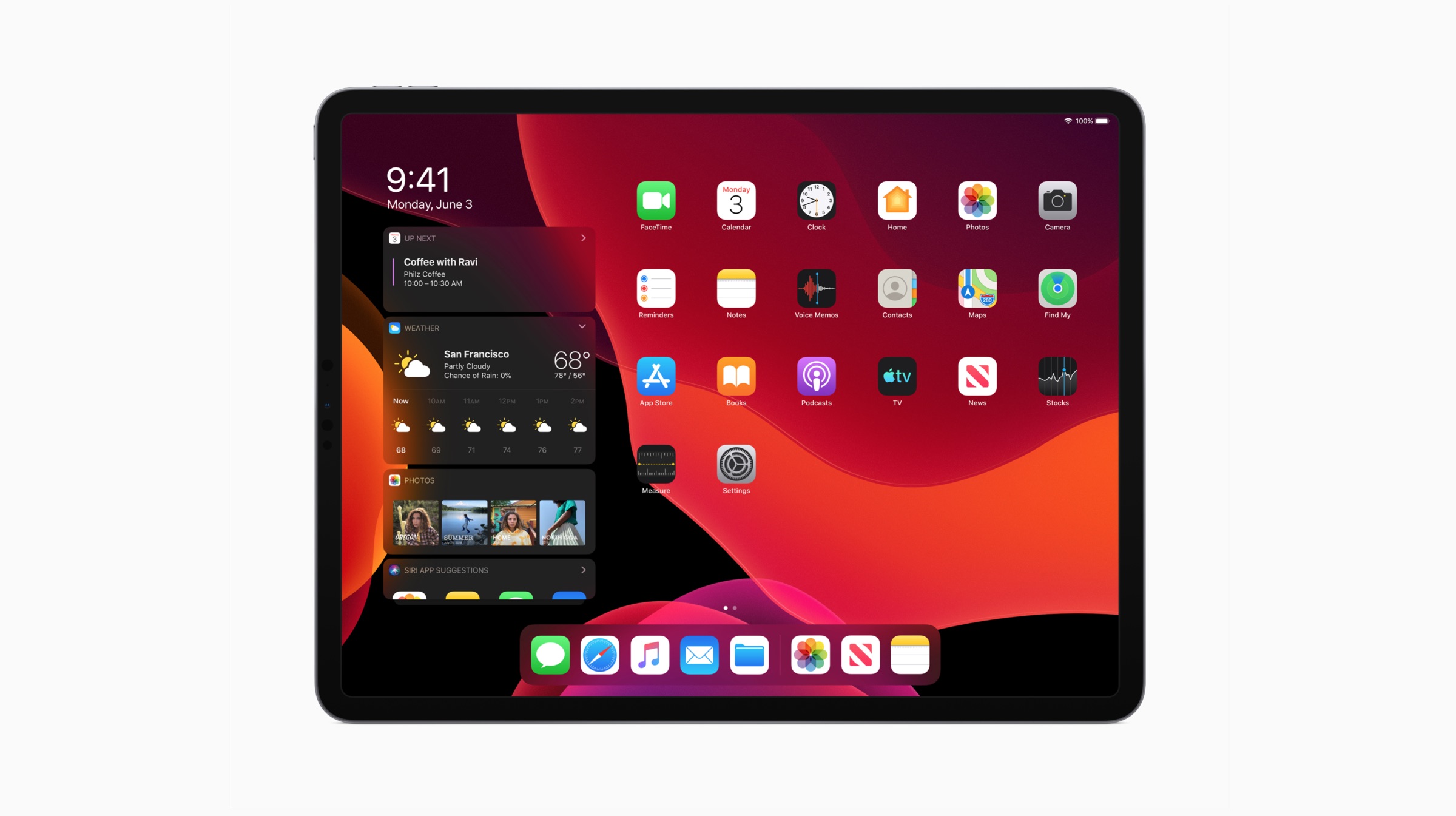
    It was previously reported that Apple is planning on launching multiple variants of its 2019 iPad Pro. The devices are expected to feature notable improvements over their predecessors and add better overall functionality with iPadOS. Now, it is reported that one of the iPad Pro variants will feature a triple camera setup at the rear, a first for the company or any tablet in general.

    iPad Pro
    iPadOS

    Till now, photography is the one department which wasn’t exactly the focus of Apple iPads. However, it may soon change with the upcoming iterations. According to multiple sources, Apple is expected to add additional sensors in both iPad Pro and base iPad. The 10.2 inch iPad is rumoured to feature a dual-camera setup while the Pro variant will receive three image sensors. Earlier this year, the company updated its existing iPad Mini and iPad Air and is expected to bring new versions of iPad and iPad Pros by year-end.  iPad Pro

    The 2019 iPhone is also receiving a similar upgrade with its square triple camera module. The base iPad will probably feature the dual-camera system similar to 2019 iPhone XR while the flagship sensors will also be found on the iPad Pro. The new sensors will enable the smartphone to utilize their augmented reality functionality better. Furthermore, it is expected that the new camera setup will include a telephoto and wide-angle lens alongside the primary sensor.

    iPad Pro

    Also ReadPUBG Mobile Receive Erangel 2.0 Update, Also Teased To Have A Narrative Direction

    The upgrades will be a notable improvement considering this is Apple’s first attempt at a better photograpic experience on the iPad. Historically, every model of iPad that have been released has always featured a decent performing single camera. It is yet to be seen if the front camera also features a notable upgrade. More information is expected to arrive soon, so stay tuned.

  • Samsung Introduces A 108MP Camera Sensor For Smartphones

    Samsung Introduces A 108MP Camera Sensor For Smartphones

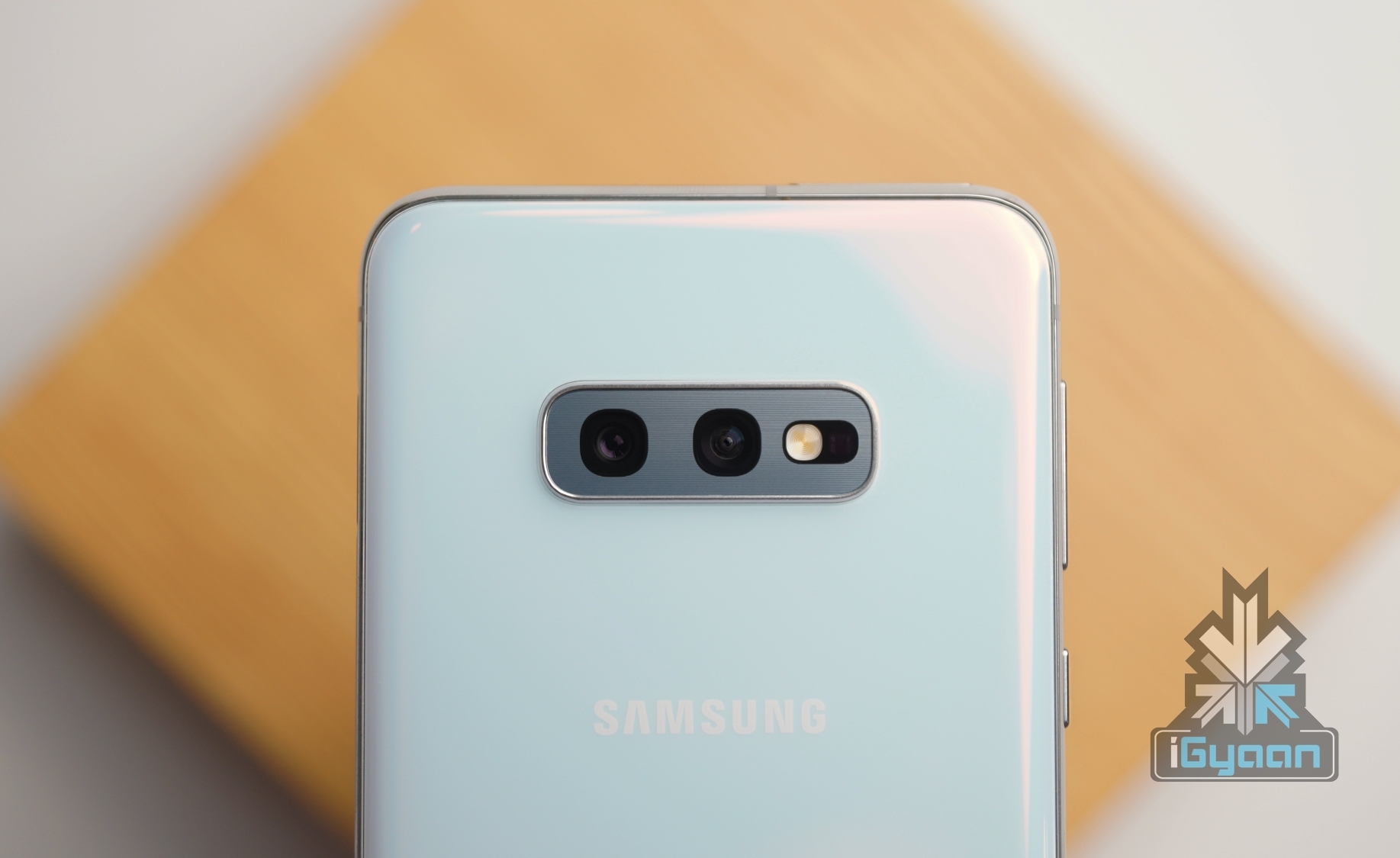
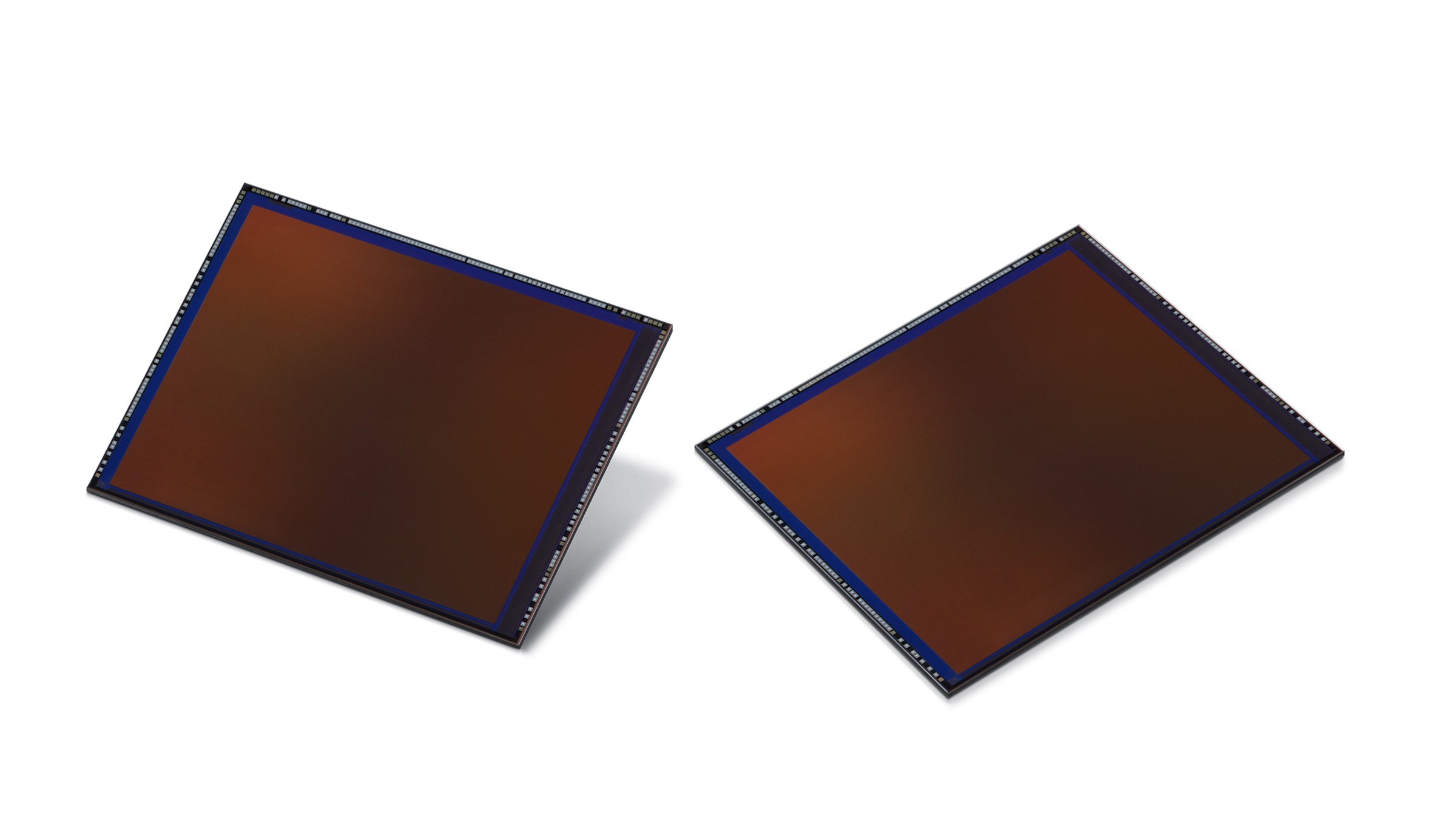
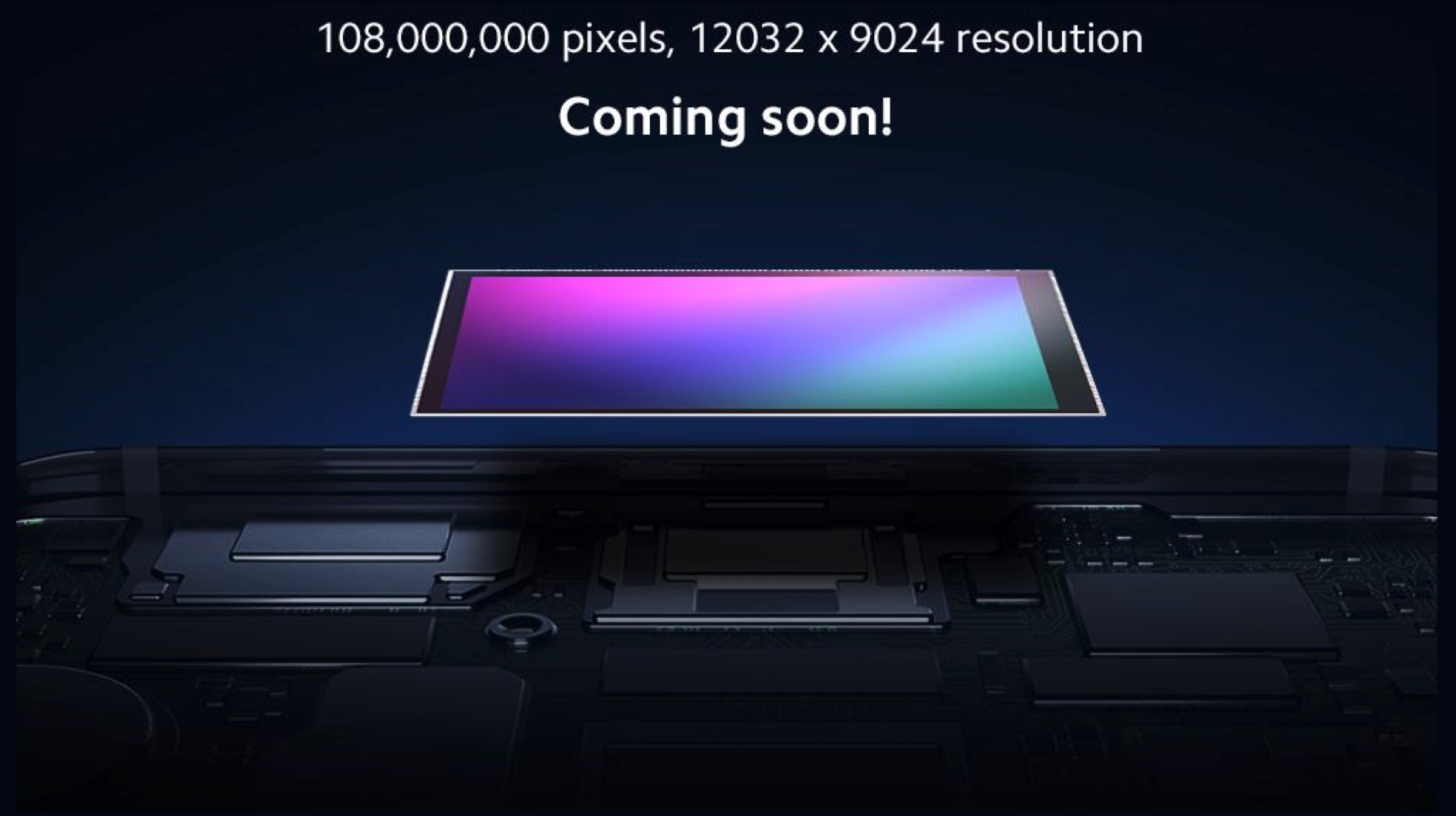
    Korean electronics giant Samsung has introduced a new camera sensor for smartphones. This has been launched under the company’s ISOCELL lineup and features a whopping 108MP resolution. Dubbed the ISOCELL Bright HMX, it is a result of a collaboration between the chaebol and the Chinese smartphone manufacturer Xiaomi; which is no surprise as the latter has already revealed a while ago that the latest sensor will be first seen in a Xiaomi device due to launch later this year. The mass production of the camera sensor is due to begin at the end of August.

    About the sensor

    Samsung

    As mentioned above, the Samsung ISOCELL Bright HMX is the latest smartphone camera sensor from the company. It is next in the lineup of the brand’s high-resolution sensor lineup and bumps up the maximum resolution to 108MP (12032 x 9024px), from the 64MP sensor launched earlier this year. In terms of specifications, the newest sensor has a large size of 1/1.33 inch, making it the first to adopt a size that large. It uses pixel binning Tetracell technology to produce 27MP images. For videos, the ISOCELL Bright HMX is capable of shooting 6K (6016 x 3384px) videos at 30 fps.

    Also read: 10 Things To Do First When You Buy A OnePlus Smartphone

    Other notable features of the new Samsung ISOCELL Bright HMX include Smart-ISO; which selects the level of amplifier gains according to the brightness levels in the surrounding. With a resolution rivalling most modern DSLR cameras, Samsung aims at redefining mobile photography. However, how the newest sensor performs remains to be seen until a smartphone featuring it is released in the markets. Like previously mentioned, Xiaomi has already placed dibs on the Samsung ISOCELL Bright HMX, so it will be seen in a Mi or Redmi branded device first. When the smartphone launches is anyone’s guess, but it is speculated to make its debut either later this year or early next year.

  • 10 Things To Do First When You Buy A OnePlus Smartphone

    10 Things To Do First When You Buy A OnePlus Smartphone

    You have just bought a OnePlus smartphone and are amazed by the boatload of features that this wonderful smartphone has on offer. However, there are several settings that a lot of new users can miss upon as they are either hidden in sub-menus or the user is unaware of this presence. 

    Whenever I meet OnePlus owners (and I meet a lot of them), I feel they are not using a bunch of handy features which could redefine user experience. Therefore, I have compiled a list of top 10 things or settings you must change as soon as you buy a OnePlus smartphone.

    All the points listed here are based on my experience and could vary from user to user. However, I believe for most users, these tricks will definitely come in handy. 

    Also if you want to recommend any options, that we might have missed, you can do that leaving them in the comments section below.

    1.) Get A Glass Screen Protector & Embrace The Case


    OnePlus Screen ProtectorOnePlus is generous enough to ship its devices with a pre-applied screen protector that can prevent the display from scratches. However, we recommend replacing the plastic one with a good quality ‘Glass Screen Protector’. Not only does it have a higher resistance to scratches unlike a pre-applied one, but it will also prevent the display in case of an accidental drop. 

    A glass protector will most likely prevent the screen of the OnePlus smartphone from cracking. As it will absorb the jolt which will translate into cracks. Nonetheless, this accessory is much easier to replace to in comparison to the display and it costs significantly less. 

    Click here to buy a OnePlus screen guard

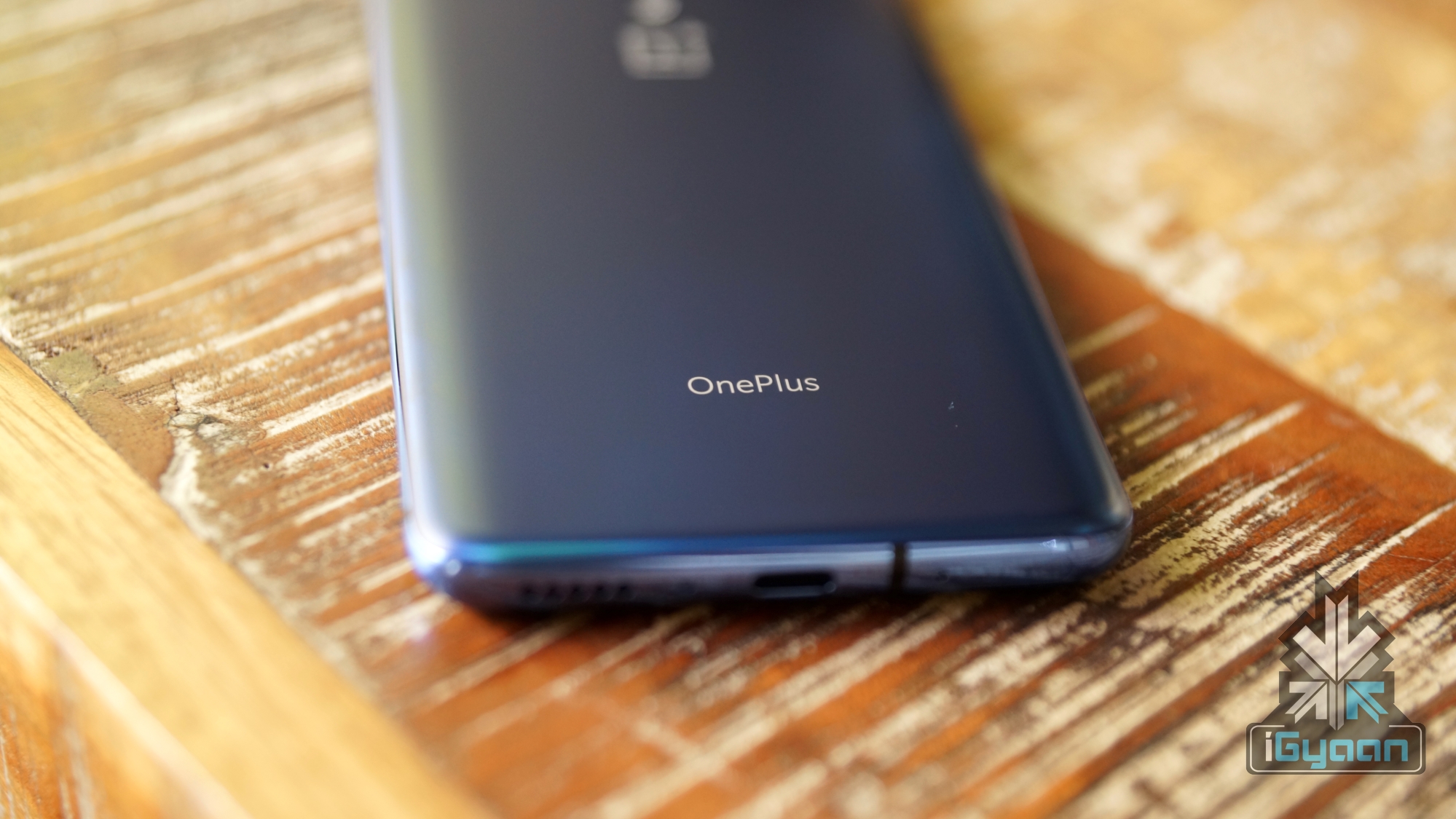
    At the time of writing this article, I am using the OnePlus 6T which I switched over from the OnePlus 6. Both these smartphones and OnePlus handsets thereon (including the OnePlus 7 and OnePlus 7 Pro) have a glass back that is as grippy as a bar of wet soap. In simpler words, the glass back does add a premium feel to the devices but it has made them prone to easily slipping out of one’s hands.
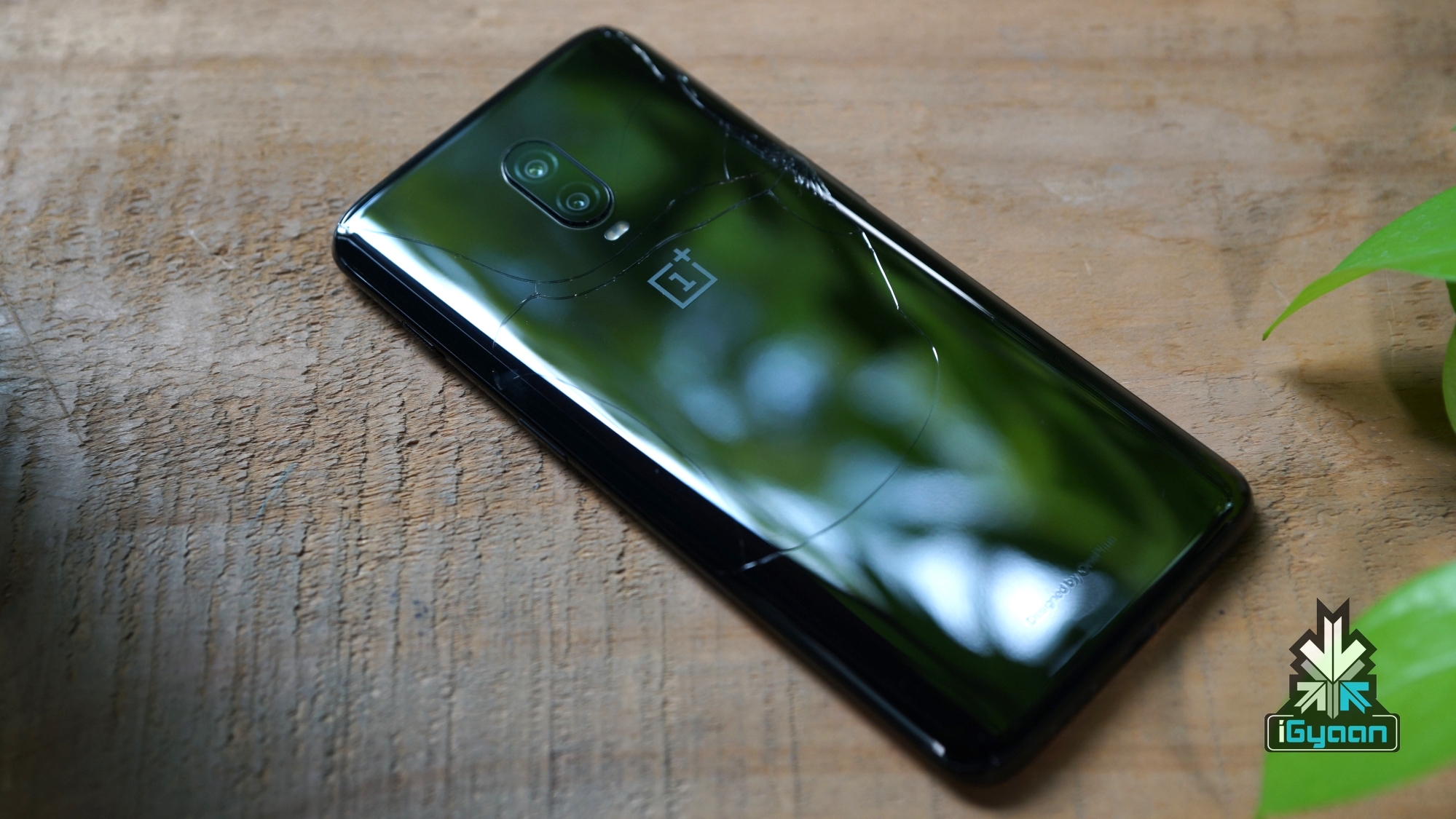
    To take away things, it is highly recommended to use your device with either the in-box protective case or a tacky Burberry one that you might buy from a street vendor. Otherwise, your device could turn out something similar to what my colleague, Sean’s OnePlus 6T did. For reference, the evidence has been shared above.

    2.) Turn On Navigation GesturesOnePlus Navigation Gestures
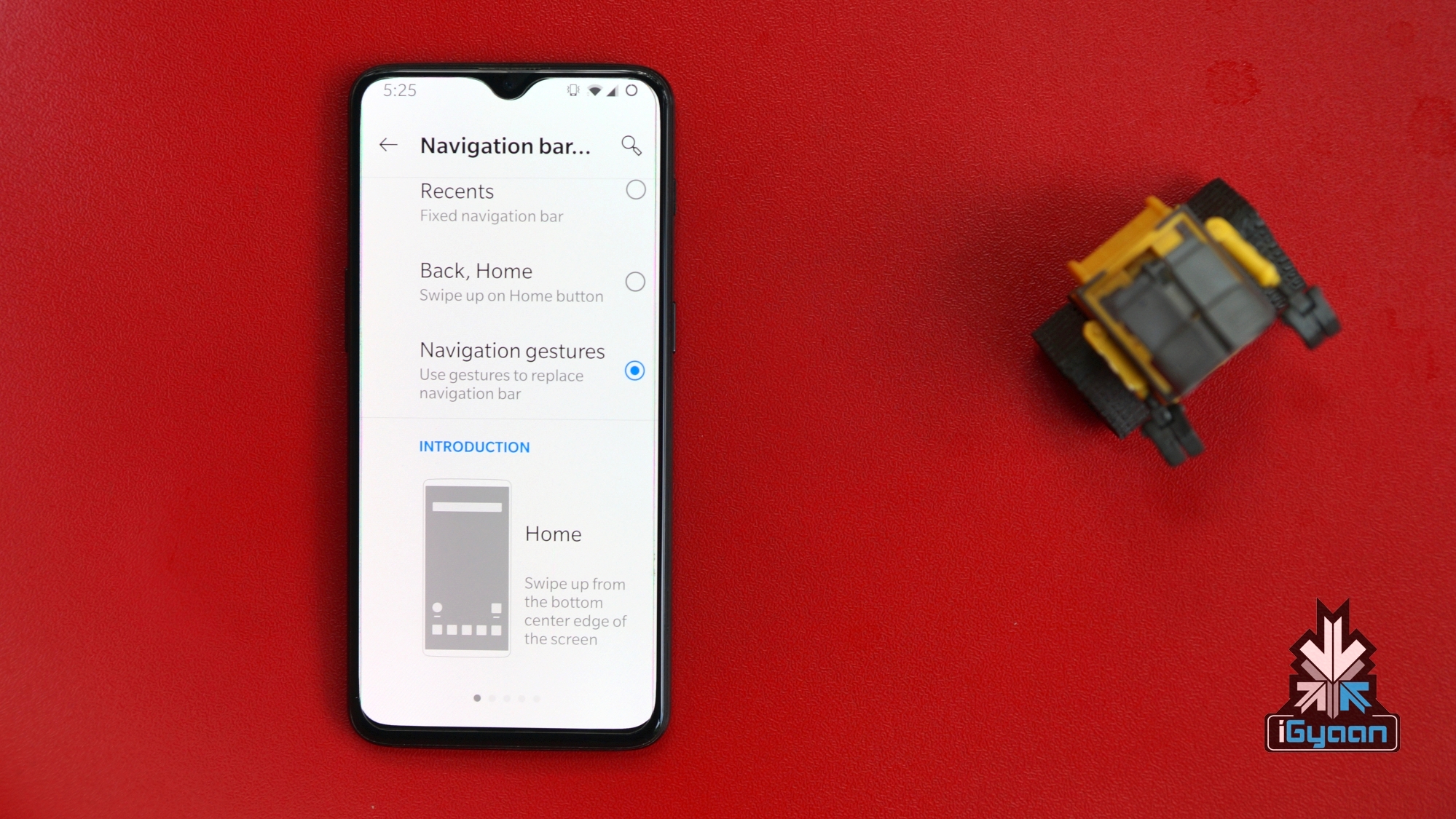
    As a back story, I have jailbroken multiple iOS devices in the past which allowed me to add the functionality to navigate with the help of gestures. A few years later, Apple announced the iPhone X that only supports gestures to get around the menus rather than using a physical home button. 

    Several Android smartphone manufacturers have implemented gestures on their offerings, however, after testing numerous devices and using a OnePlus as my daily driver for over a year. I can vouch on the fact that OnePlus smartphones have one of the best navigation gesture optimisation on Android devices. 

    It may take a day or two, in order to get used to the OnePlus navigation gestures but I promise once you get a hold of them you are never switching back. Whether it is exiting out of applications or switching between them, the gestures make these tasks a breeze. 

    To turn on gestures:

    Open Settings > Buttons & Gestures> Navigation bar & gestures > Navigation Gestures 

    To simplify the switching process, your OnePlus smartphone will also make you go through a few practise runs before turning on the gestures.

    3.) Switch To Dark ThemeOnePlus Dark Mode
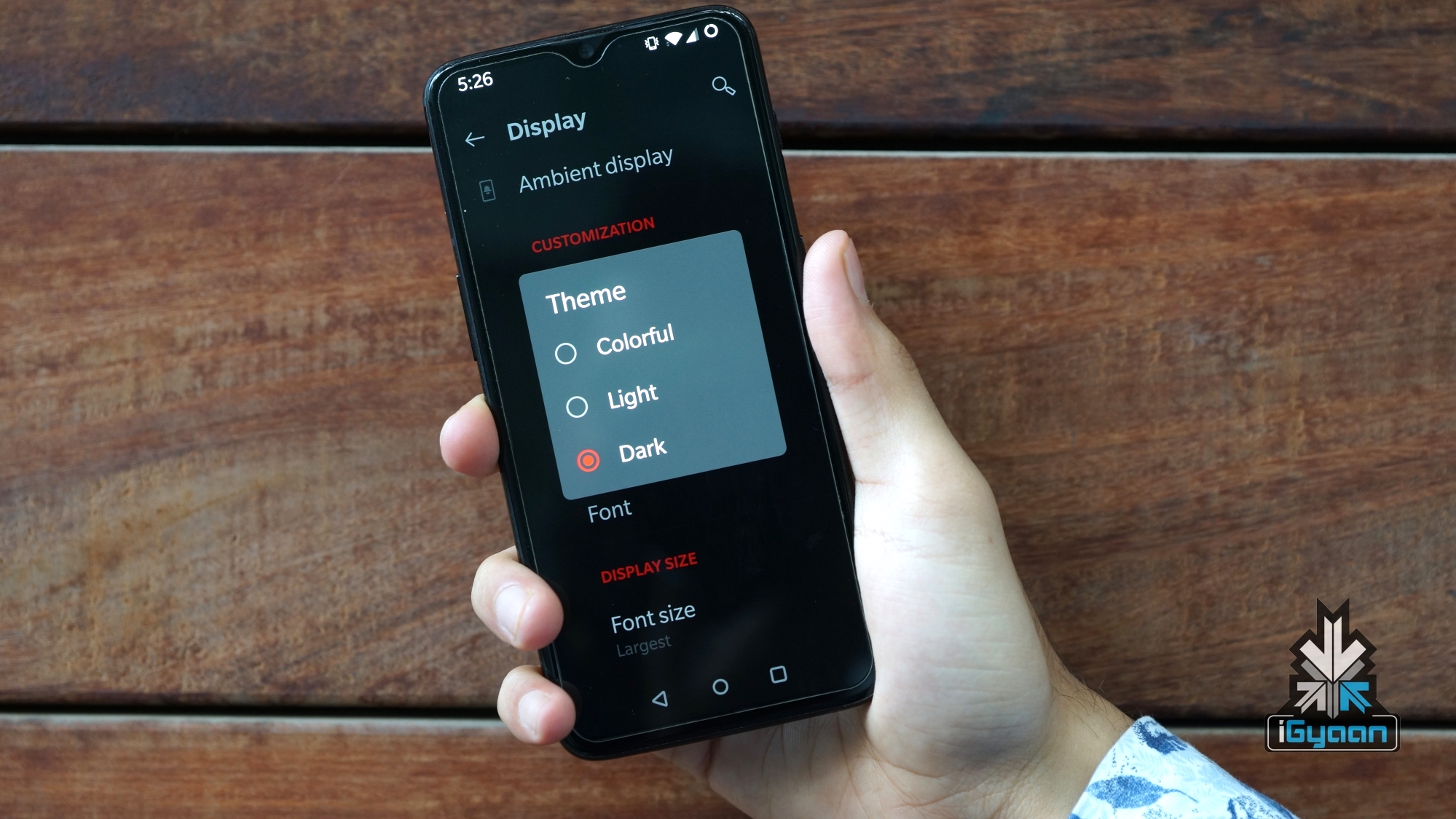
    Out of the box, OnePlus smartphones have the ‘Light’ theme turned on. The AMOLED display that these things feature can be blinding, especially if you are using the handset in dark or underlit lighting conditions. 

    Once you turn on the ‘Dark’ theme, not only will you eliminate a lot of stress from your eyes but it also helps to prolong the battery life of your smartphone. FYI: Pixels on an AMOLED display can be turned off individually, so if the device is displaying something black on the screen, the pixel will actually be turned off rather than illuminating it in dark grey clour which is the case with LCD and TFT displays. 

    To turn on Dark Theme:

    Open Settings > Display (Swipe Down)> Theme> Select Dark

    Bonus Tip: Also turn on reading mode in addition, this will add a yellow hue to everything on the display and will help you sleep better at night. As it minimises Blue light emitted by the display that stimulates the release of melatonin, a hormone that regulates the sleep-wake cycle.

    4.) Turn Auto Face Unlock Off
    OnePlus Face Unlock

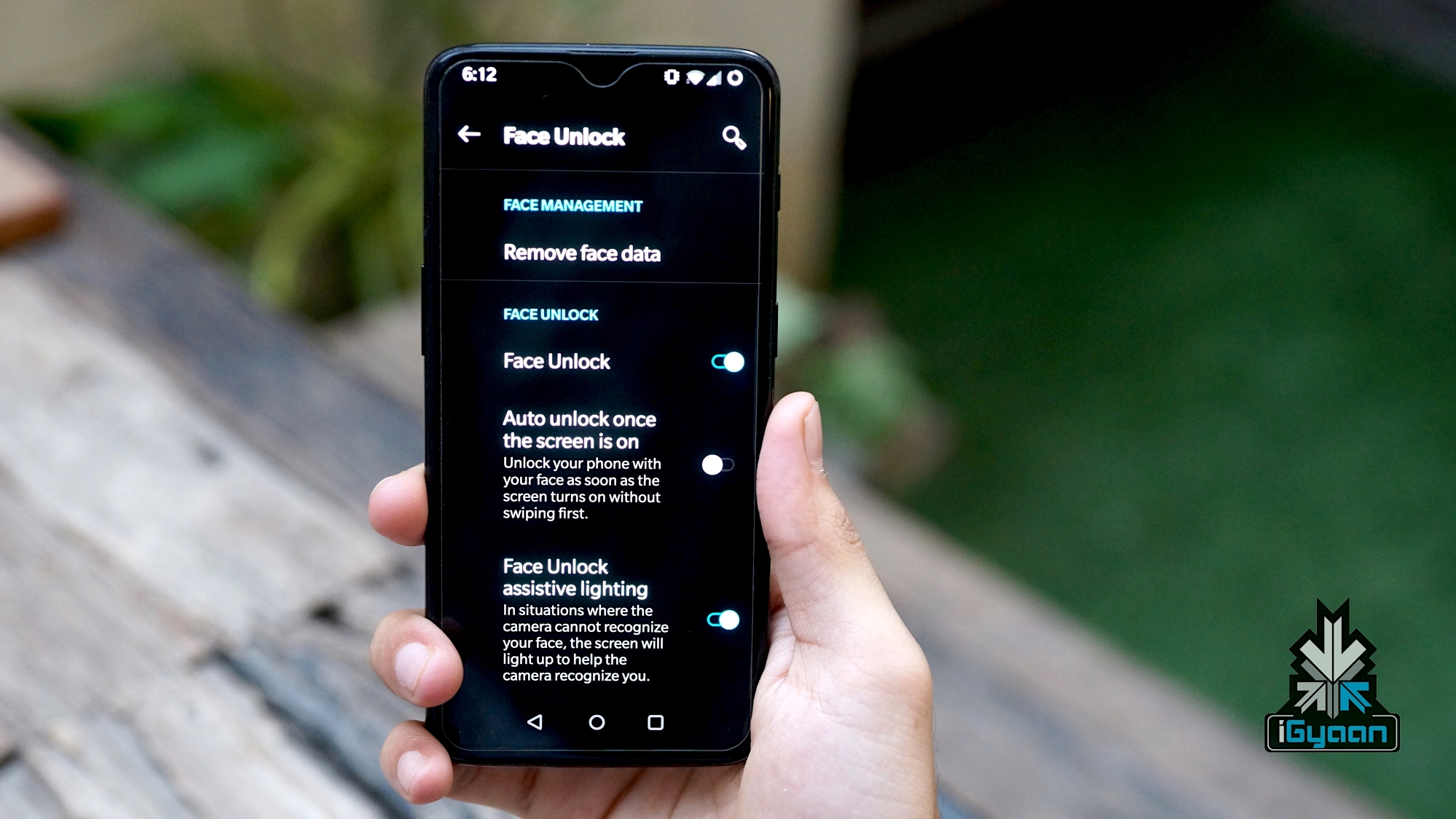
    You have unboxed your OnePlus and have set up the face unlock as the default verification method. But every time you turn on the display to gaze at a notification, the phone unlocks itself. This could be pestering and I have observed several OnePlus owners turn off the face unlock feature due to this. 

    Worry not, OnePlus has thoughtfully added the option to disable auto-unlock by default. In the face unlock segment, just uncheck ‘Auto unlock once the screen is on’ feature. Once you toggle the switch to the off position, your OnePlus smartphone will not unlock by itself.

    Instead, the user will have to swipe up and only then will they be prompted to the home screen.

    To turn off Auto Face Unlock:

    Open Settings > Security & lock screen> Face Unlock (enter password)> Auto unlock once the screen is on

    5.) Turn On Double Tap To Wake And Lock
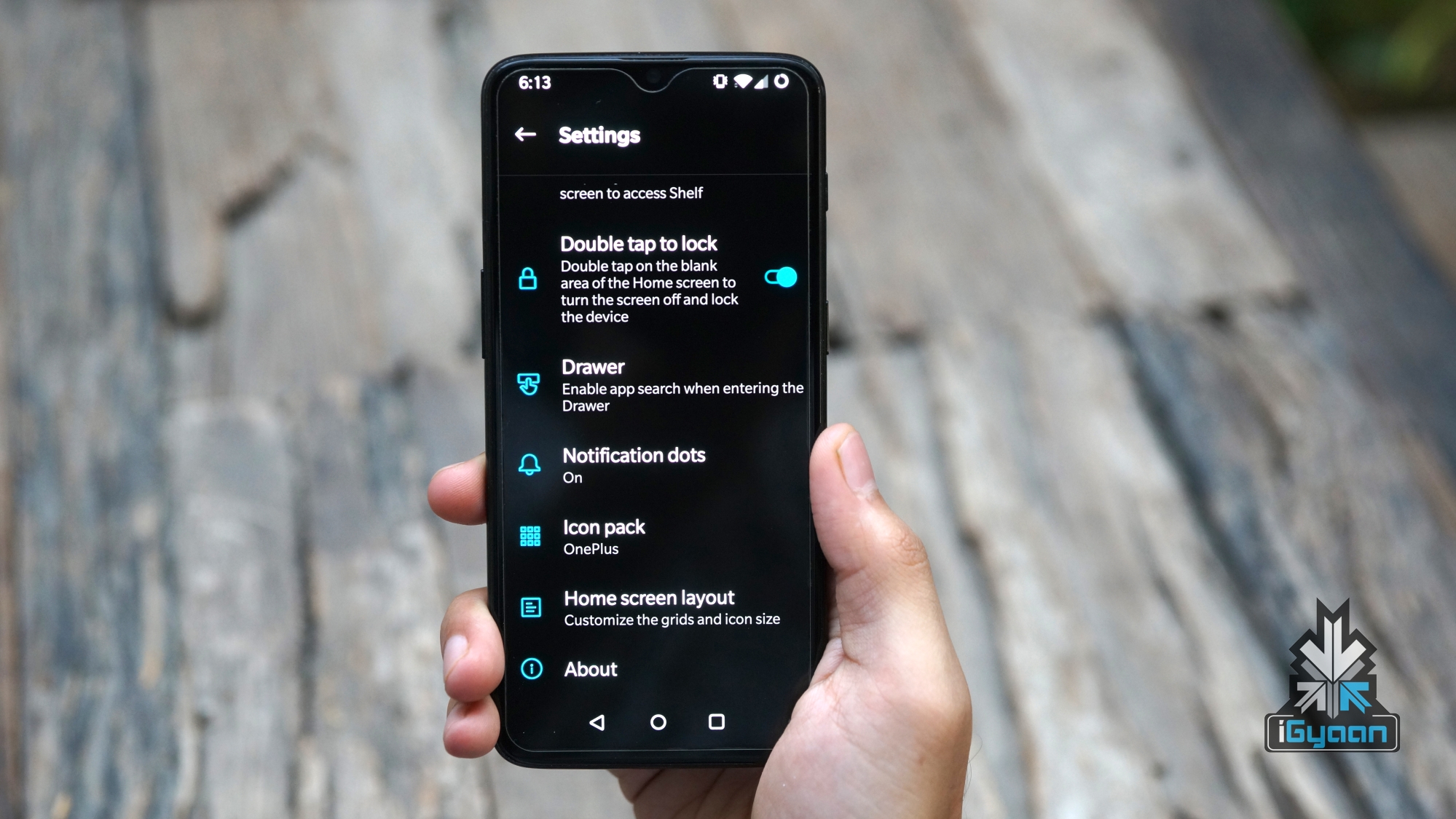
    Due to a large form factor, operating a smartphone with one hand can get difficult at times. Fortunately, OnePlus smartphones have a double-tap gesture that can be used to lock the smartphone from the home screen or wake it from sleep.

    However, the toggle for this feature is hidden in a sub-menu and a large number of users never get to know about this. Once turned on, you will hardly use the side-mounted physical button as it is much harder to operate in comparison to the double-tap gesture. 

    To Turn on:

    • Press and hold an empty area on the home screen
    • Click the gear icon that reads ‘Home setting’
    • Toggle ‘Double-tap to lock’
    6.) Increase Font Size And Icon SizeOnePlus Font Size
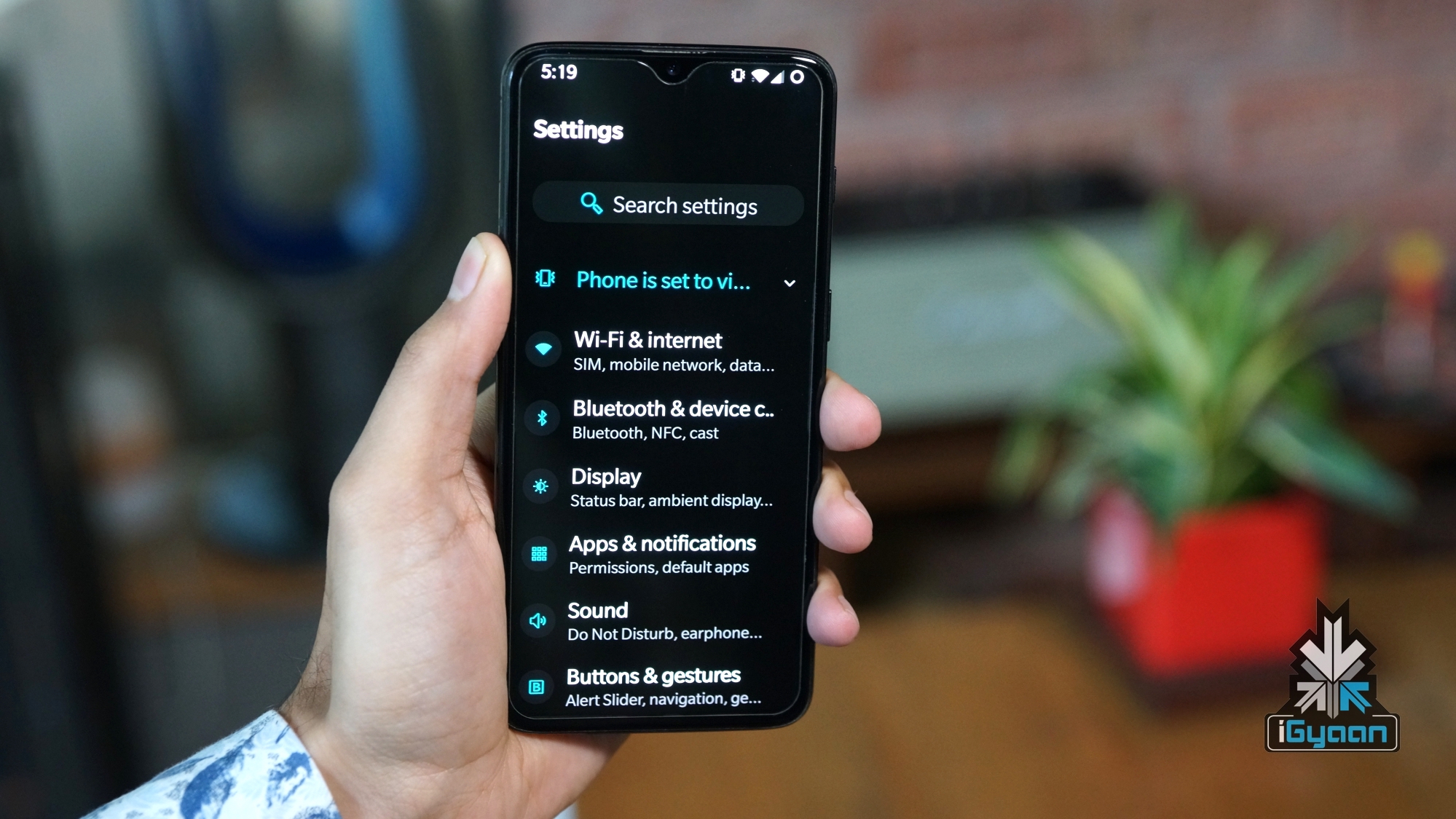
    Being a flagship smartphone, OnePlus smartphones have a comparatively larger display. Especially in the case of the OnePlus 7 Pro. I have experienced that default font-size” can look really minuscule on this huge screen real estate. 

    Therefore, we recommend selecting ‘large’ or ‘largest’ font-size which clearly makes the text a lot larger and it takes away a lot of stress from the eyes. Moreover, elderly who have shortsightedness and use reading glasses can benefit from this selection.
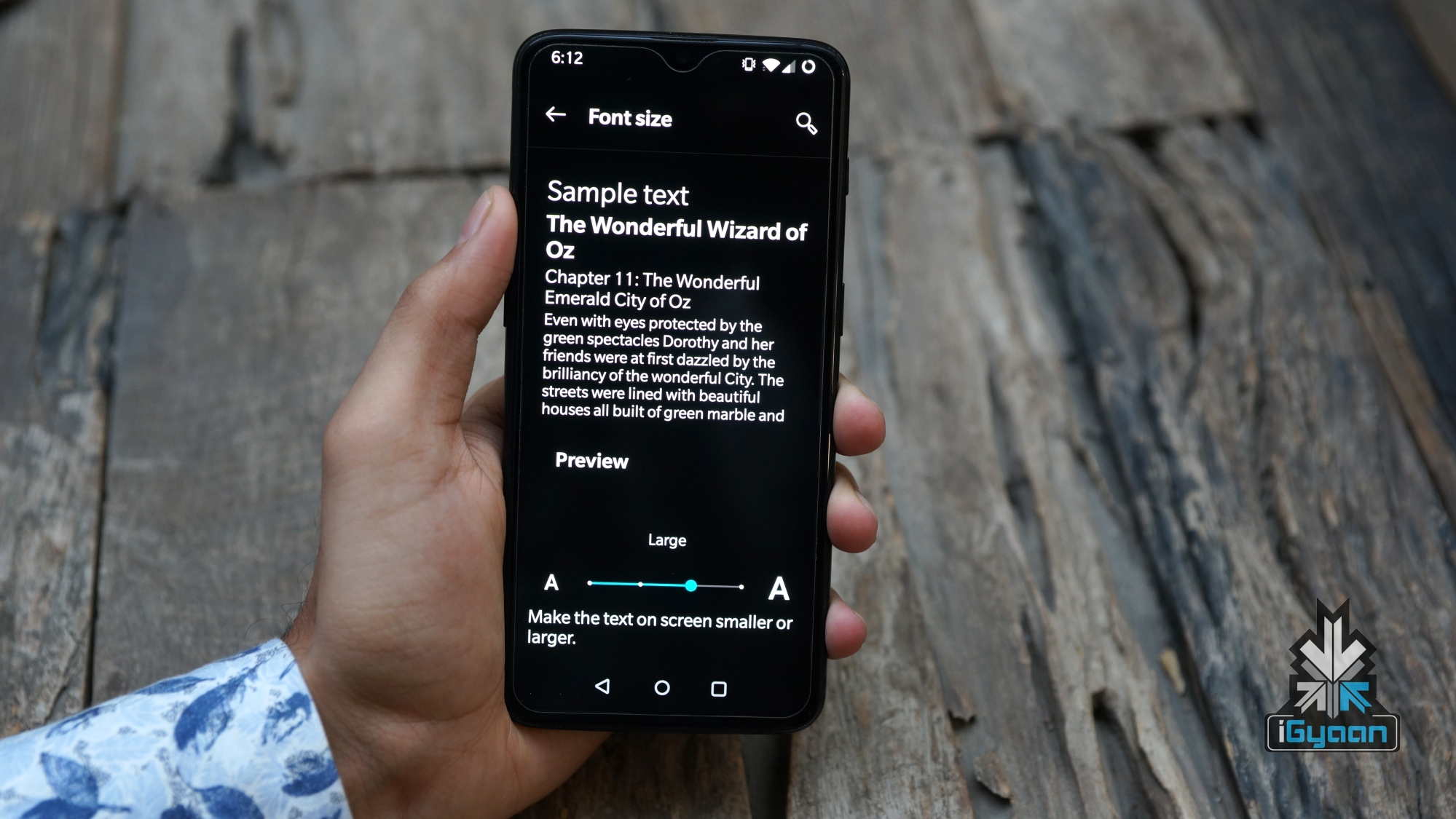
    To go along with the large font size, the user can also increase the size of icons which is again better as per our experience. 

    To increase font size: 

    open Settings > Display > Font Size> Large or largest (as per choice)

    To increase icon size:

    Long press home screen, Select Home Settings > Home screen layout > Icon size

    7.) Check For Latest Update
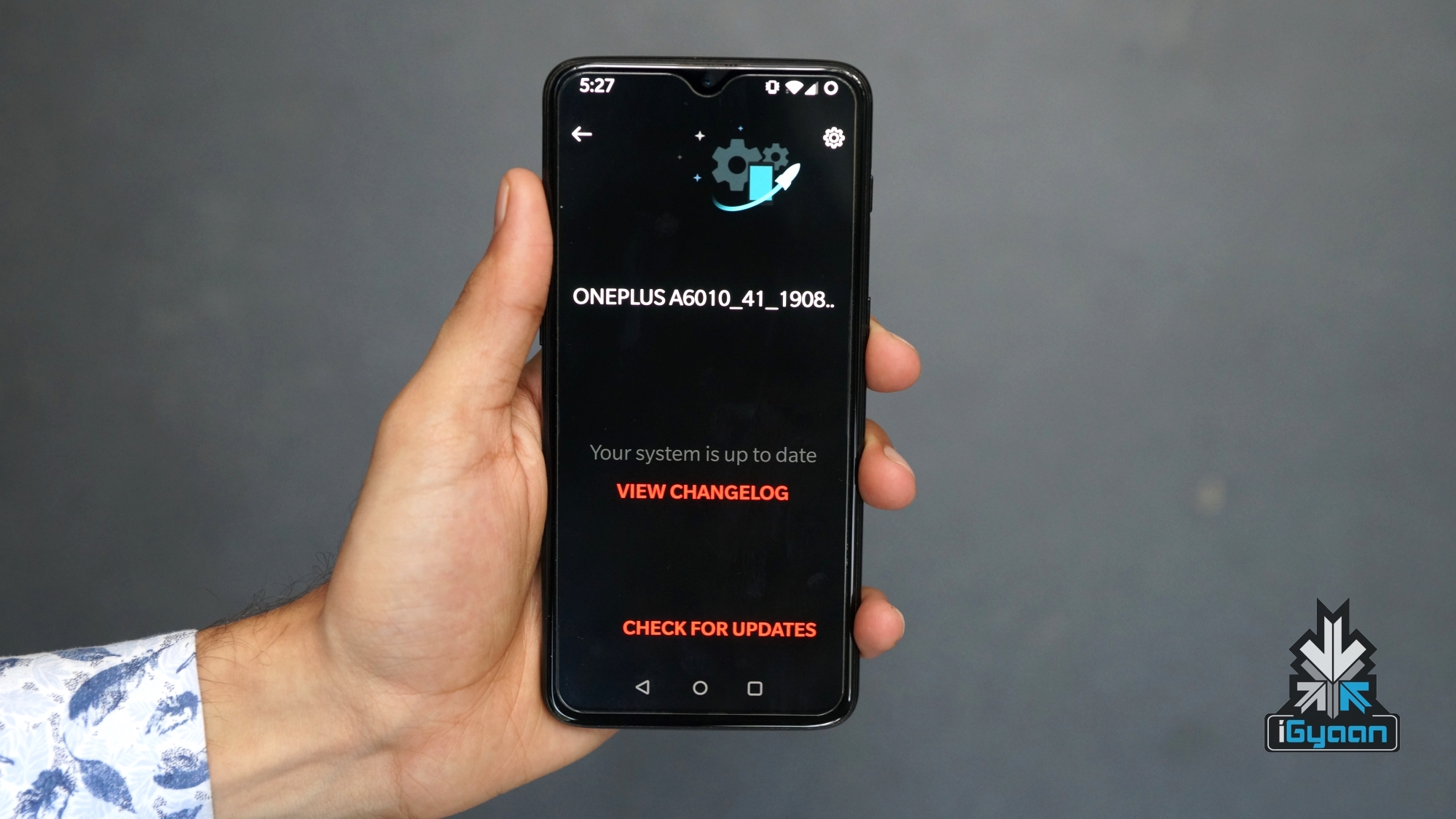
    OnePlus UpdateWhen you buy a OnePlus smartphone, in most cases, the device would have been manufactured a couple of months or weeks before the original date of purchase. Therefore, there is a high possibility that the device will have a pending software update.

    Installing the latest update will not only add new features, but it will also be bundled with an up to date security patch. The patch will fix any vulnerabilities or bugs that the device could have been affected with. These bugs could be exploited by ill-natured entities like hackers with the help of malicious apps. 

    Besides, OnePlus puts a lot of research in OxygenOS which adds several new features with every update. For reference, my OnePlus 6T just received the latest build of Android 9 that added features like Zen Mode, Fnatic mode and screen recorder. 

    All in all, it is a recommended practise to keep any smartphone updated with the latest software. 

    8.) Turn On ‘Raise To Pick Call’ And Lock Screen Gestures
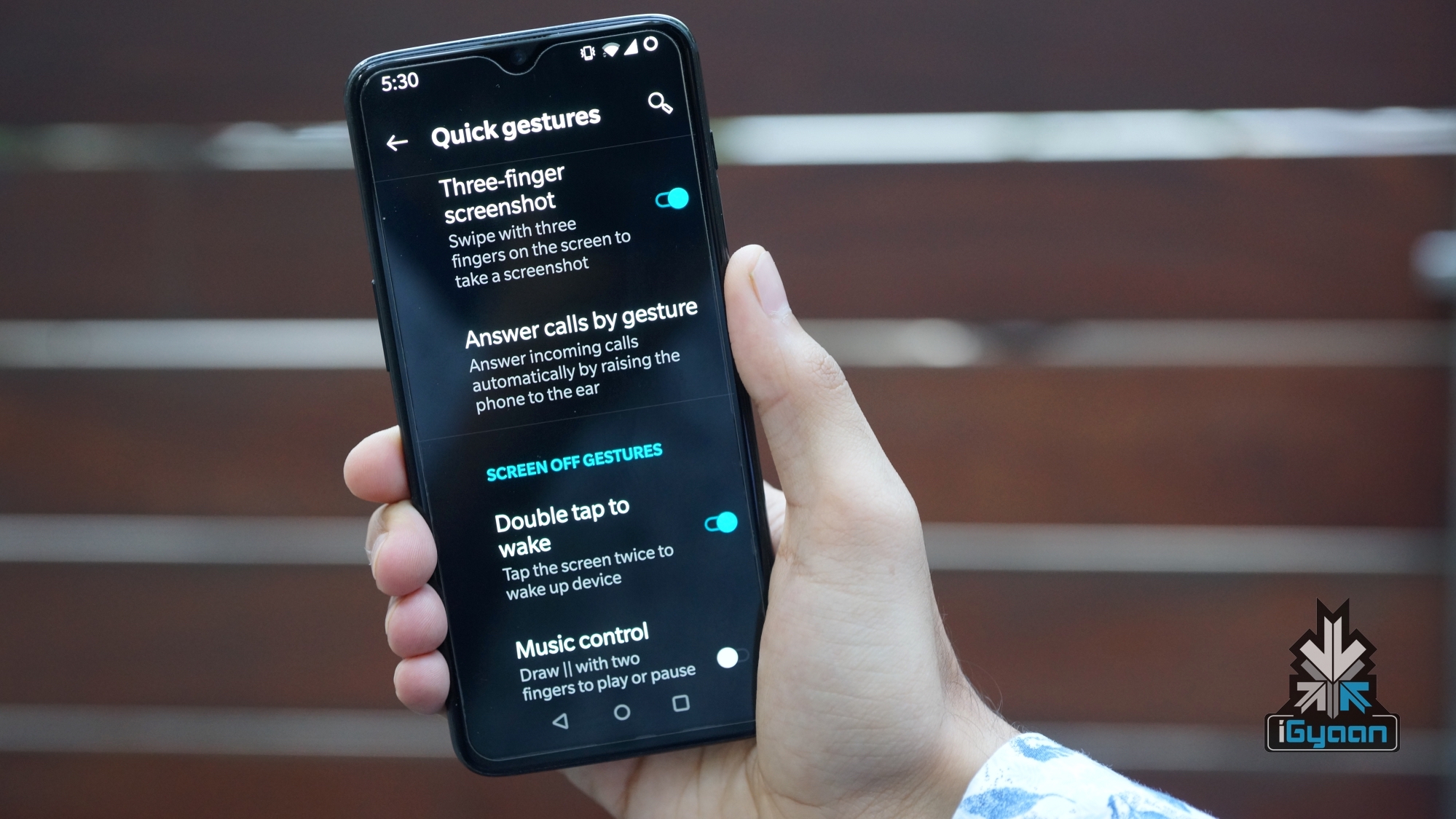
    As the name suggests, the Raise to pick feature automatically accepts an incoming call as you bring the handset close to your ear. When we first saw the feature we were a bit hesitant about using it, but the level of optimisation OnePlus has provided, made us stick with it.

    Another nifty feature that OnePlus smartphones support include lock screen gestures which are turned off by default. These include music controls, quickly opening certain application and turning on the flashlight. 

    To turn on the flashlight, the user can draw an “O” pattern on the lock screen. The same pattern can be used to turn the light off. 

    To pause the ongoing music user can drag down two fingers on the lock screen. Moreover ‘<‘ and ‘>’ patterns can be drawn to seek next or previous music track.

    To turn on all these features, users can search for them individually in the search bar in settings. 

    [Bonus Tip: Swipe three fingers to take a screenshot, once the feature has been turned on users can swipe three fingers on the display whilst in any applications which will capture a screen grab]

    9.) Turn On Wi-Fi Automatically
    Jio might have revolutionised the Telecom sector in India with its aggressively priced data plans. In a lot of cases, a home or office Wi-Fi is a more reliable option. Besides, you never know when that 1.5 GB of data comes in handy. Especially, if you feel like watching some HD Youtube videos during commuting like me.

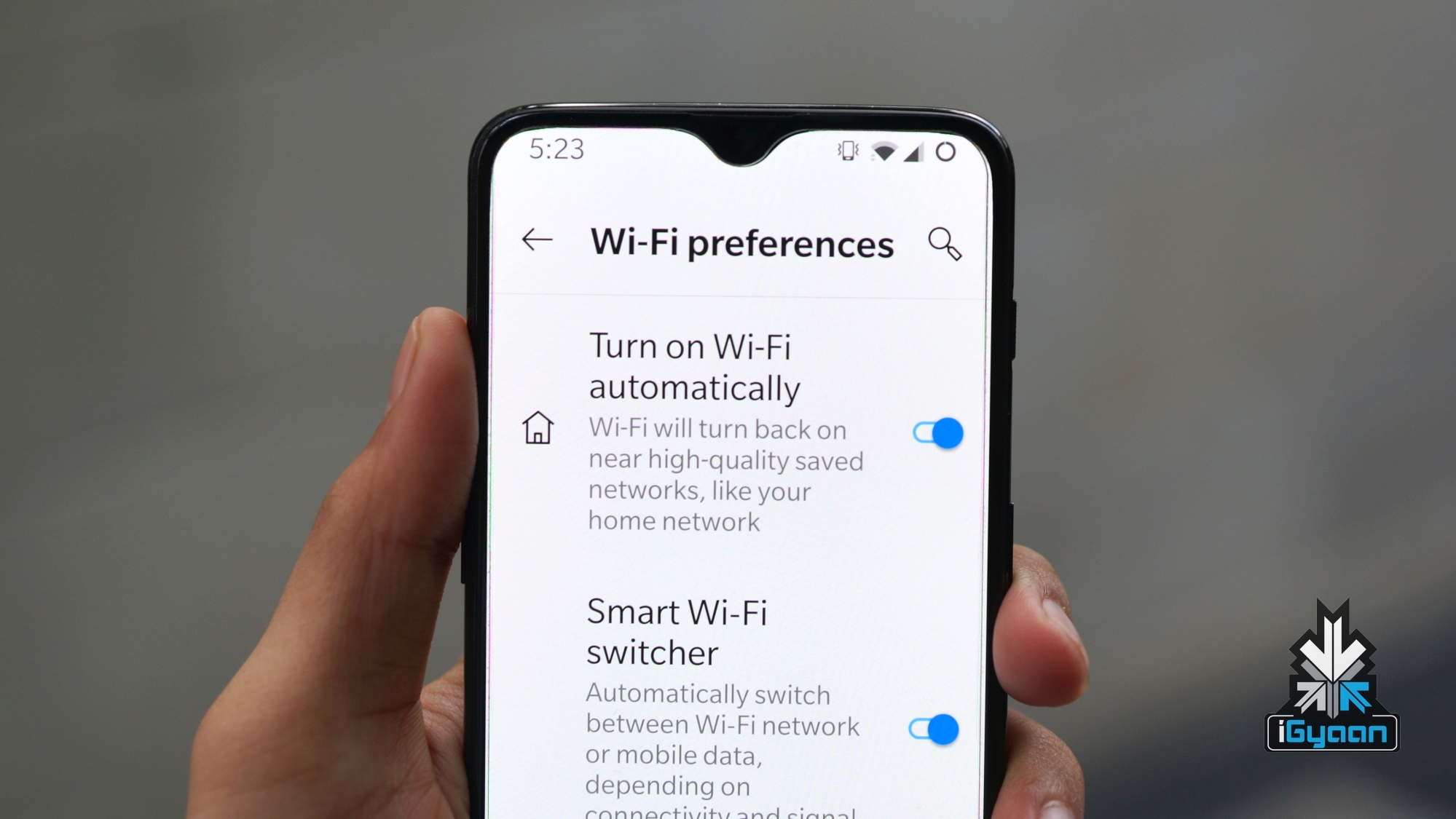
    OnePlus has added another thoughtful feature, which as the name suggests, turns on the Wi-Fi automatically on the smartphone whenever it comes in range with any known network. In our case, the iGyaan Wi-Fi.

    To turn on this setting:

    Open Settings> Wi-Fi & Internet> Wi-Fi> Wi-Fi preferences> (select) Turn on Wi-Fi automatically 

    10.) Hidden Space

    I have come across multiple users that are using third party app lockers to prevent unwanted access to certain applications. OnePlus smartphones, on the other hand, have a dedicated feature for this called ‘Hidden Space’.

    Apps designated to this area, remain hidden and therefore cannot be accessed easily. To access the Hidden Space, users can swipe right from the app drawer. The “+” icon on the top-right edge can be used to add or remove applications manually in the list. 

    Noteworthy, with the latest update, OnePlus has integrated password or fingerprint authentication for this mode making it a lot more useful than before.

    Also Read: Honor Vision TV Launched In China

    Would you like us to write more articles like these and Which tip is your favourite on the list? Let us know in the comments below.

    Disclaimer: This article has been written by a staff member (Sahil) and not Bharat. All the points mentioned in the article are based on my experience of using OnePlus smartphones for a considerable amount of time. And if you are wondering, Bharat uses the iPhone XS Max as his daily driver while carrying additional devices which he is testing at a given point.   
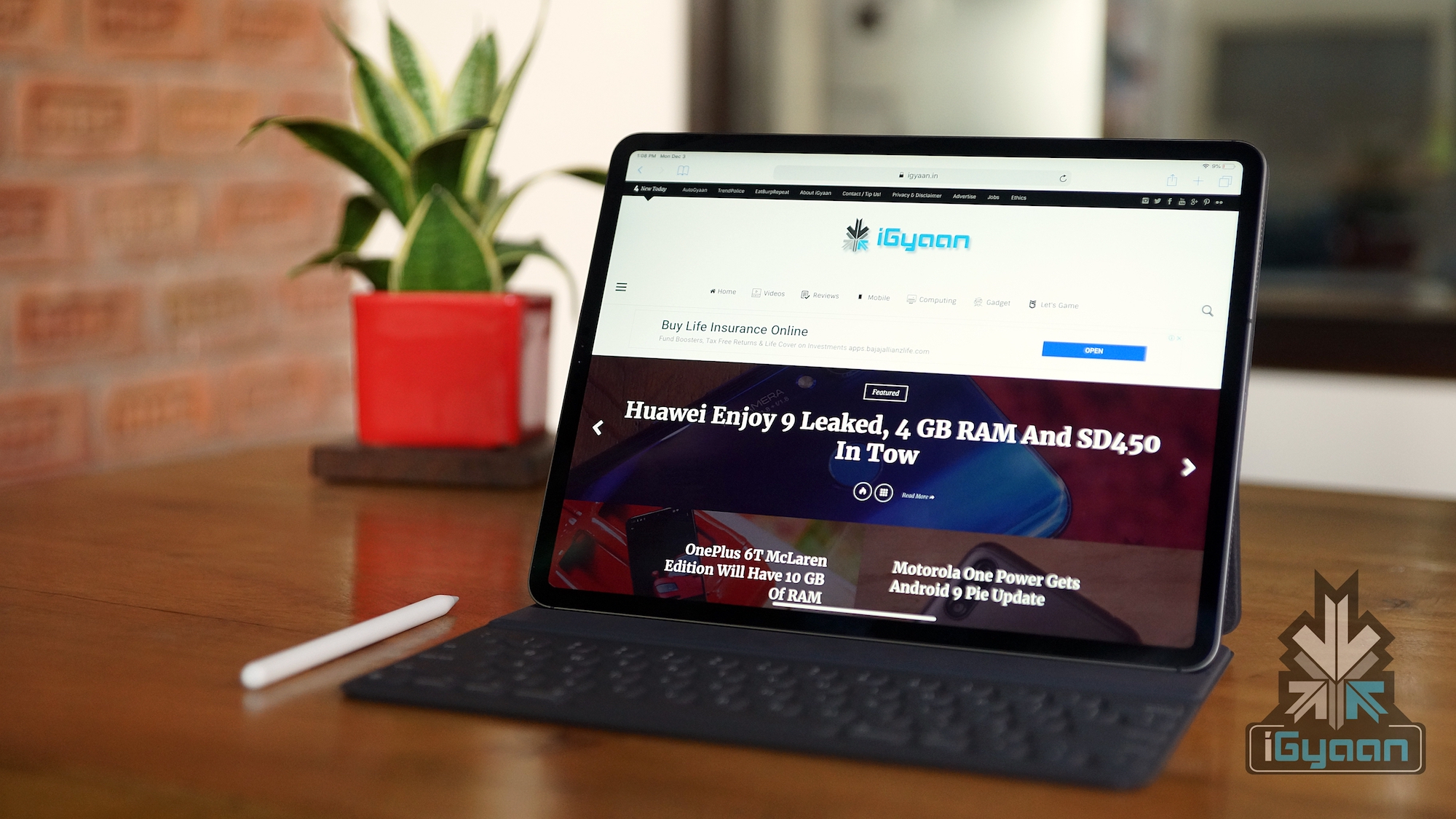
  • Honor Vision TV Launched In China

    Honor Vision TV Launched In China

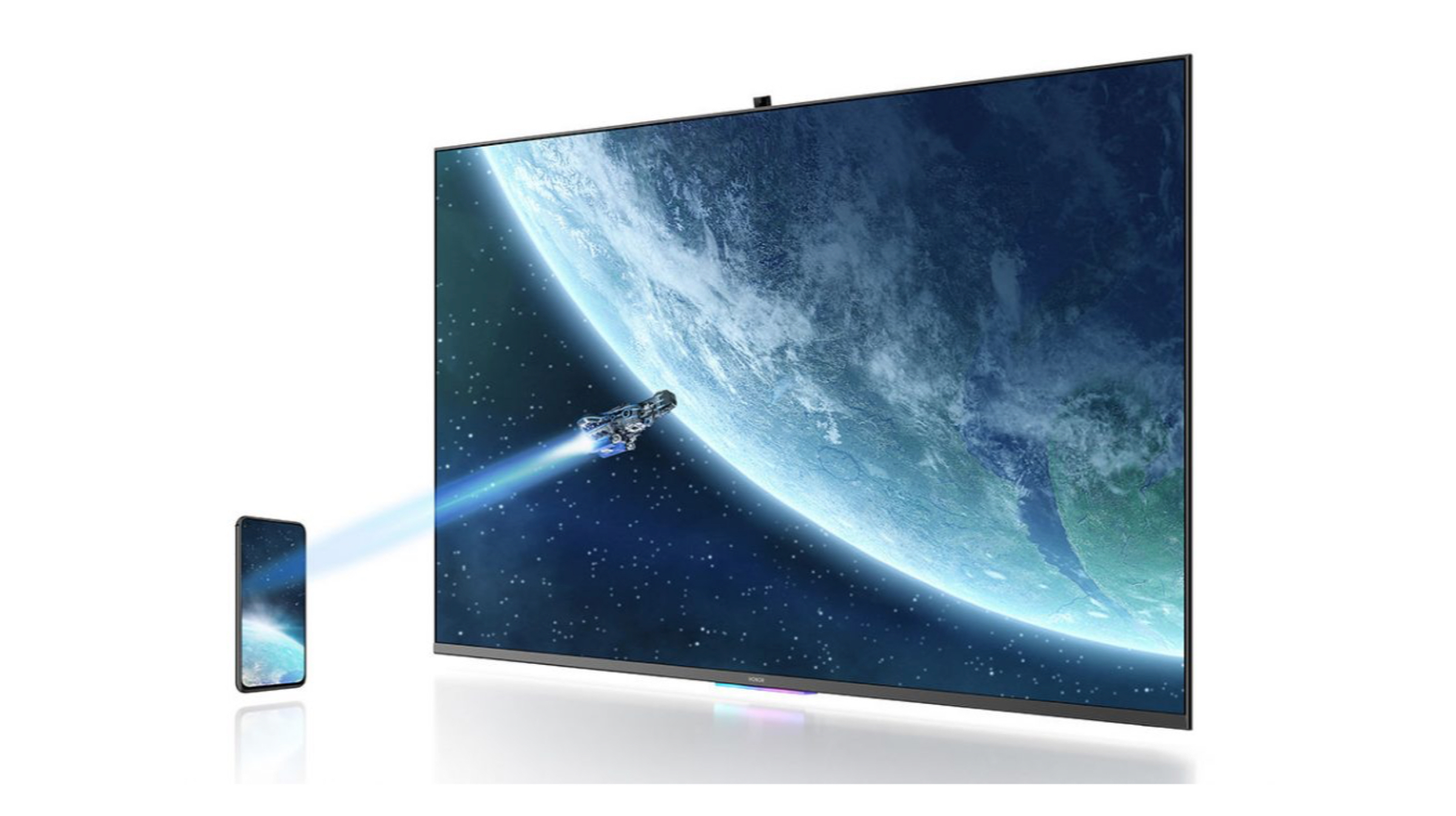
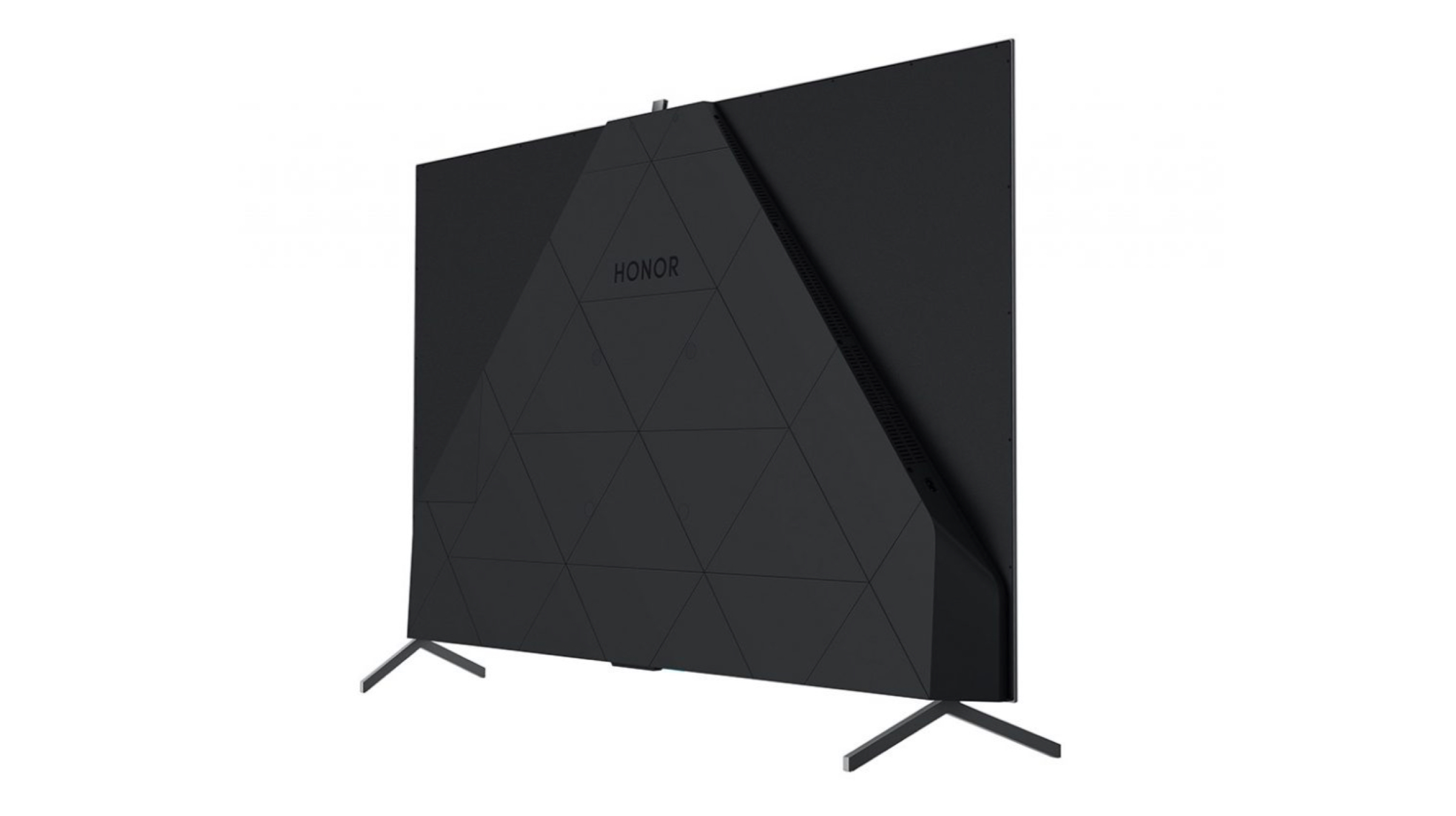
    After numerous leaks and teasers, Huawei’s sub-brand, Honor has finally launched the ‘ Vision ‘ TV in China. The device has a 55-inch 4K display and runs on the newly announced Harmony OS

    Honor Vision TV Features

    The newly launched TV from the company has an elegant design which is accredited to the metal frame that houses an edge-to-edge display. As previously mentioned, it features a 55-inch display that has 4K resolution and has a pixel density of 3840 x 2160 px. The display panel can produce 400 nits of brightness and has a 178 degree wide viewing angle.

    The Honor Vision TV is kitted with the Honoghu Chipset that consists of quad-core CPU and Mali G51MP4 GPU which is clocked at 600 MHz. The TV has 2 GB of RAM which is paired with 16 GB of inbuilt memory. 

    It runs on Harmony OS 1 which support multi-device interaction and Magic-link control that allows users to share content such as pictures from their smartphone wirelessly. The Honor Vision TV has 6 far-field microphones for a voice assistant that can pick up audio even when the user is far away.

    It packs a powerful sound output that is delivered from 4 x 10 W speakers. Connectivity options on the Honor Vision TV include Bluetooth 5.0 and 802.11 a/b/g/n Wi-Fi. It also has a bunch of input and output ports which are as follows:

    • 3 x HDMI 2.0 ( 1 x HDMI  ARC)
    • 1 x USB 3.0
    • 1 x AV
    • 1 x DTMB
    • 1 x S/PDIF
    • 1 x Ethernet port

    In addition to the regular variant, Honor has also launched a ‘Pro’ variant of the Honor TV that features 6×10 W speaker, Motorised Popup camera and 32 GB of inbuilt storage. Rest all the features including the display size and resolution are heterogeneous to the standard variant. 
    Honor Vision TV Price

    Also Read: Discord Introduces Go Live, Allows Gamers To Stream To Up To 10 People

    Both the variants of the Honor Vision TV are currently available for purchase only in China. The price for two different variants are as follows:

    • Standard Variant: CNY 3,799 (Rs 38,000)
    • Pro Variant: CNY 4,799 (Rs 48,000)

    To sum it up, Honor Vision TV is a value for money offering from the company. Unfortunately, India specific launch details of the TV are currently unavailable. Nonetheless, if it launched in the country it will give the aggressively price Xiaomi TV a run for their money. 

  • Discord Introduces Go Live, Allows Gamers To Stream To Up To 10 People

    Discord Introduces Go Live, Allows Gamers To Stream To Up To 10 People

    In the past couple of years, game streaming has becoming massively successful. Twitch, one of the largest streaming platform, has offered many people a chance to showcase their skills or personality. Now, Discord is offering much of the same functionality, but to those that wish to have a closed and smaller viewership with Go Live.Discord Go Live

    Discord

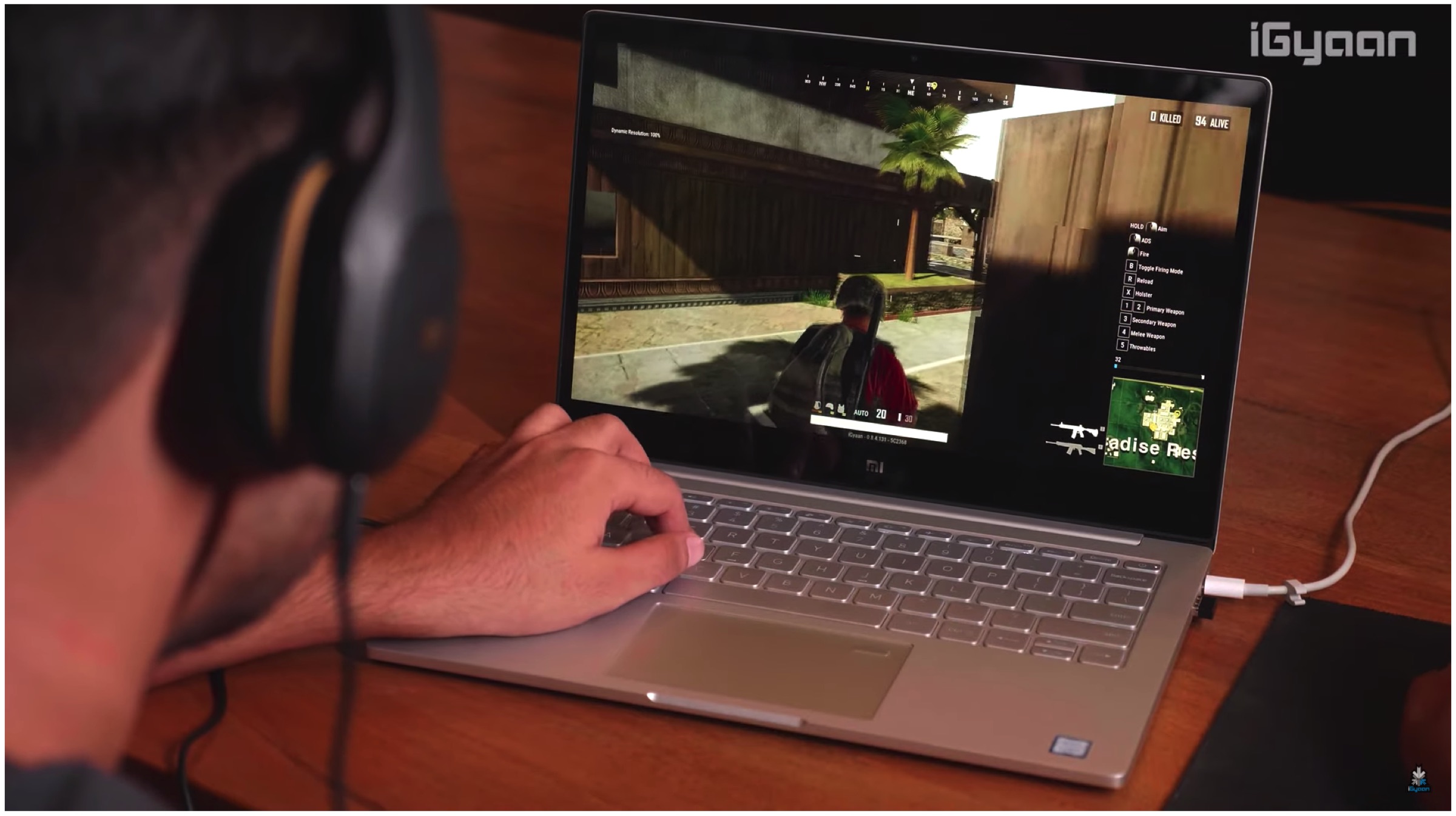
    Discord is a voice chat application that is extremely popular amongst gamers. It is an online voice chat application that allows for commnication between teammates or friends whilst they are playing a game. One of the reasons for its popularities is its quirky UI which is filled to the brim with features. It is available for Android, iOS and Windows. Hence, it a great app even gamers that play PUBG Mobile on their smartphones.  

    Discord

    Go Live

    Previously, users could share their gameplay with their friends in private calls. Now, Discord is introducing the much need feature named Go Live that makes the same possible but for a broader audience. No, it is not turning into the next Twitch like Mixer. It is just allowing for a more closed and interactive experience for its large userbase. It is an exciting new feature and holds potential for a lot of fun to critique your friends in game skills.

    The feature can be accessed after joining any channel in the app and is an extension to he screen sharing feature mentioned above. The streams quality is automatically set at 720p but paid subscribers are offered more options. Nitro Classic subscribers will be able to stream on 1080p at 60fps while Nitro subs are able to stream on 4K at 60fps.

    Discord Go Live

    Also ReadMoto One Action India Launch Date Revealed

    Availability

    The Go Live update is available for both the desktop app or directly via the browser website. Unfortunately, the feature is yet to be announced for Android. It is expected to arrive on the 15th August 2019. Discord is an application which free and also offers a premium service as well. Here is a link to the app for those who wish to try it out. Stay tuned for more.
  • Samsung Galaxy M90 To Soon Launch In India

    Samsung Galaxy M90 To Soon Launch In India

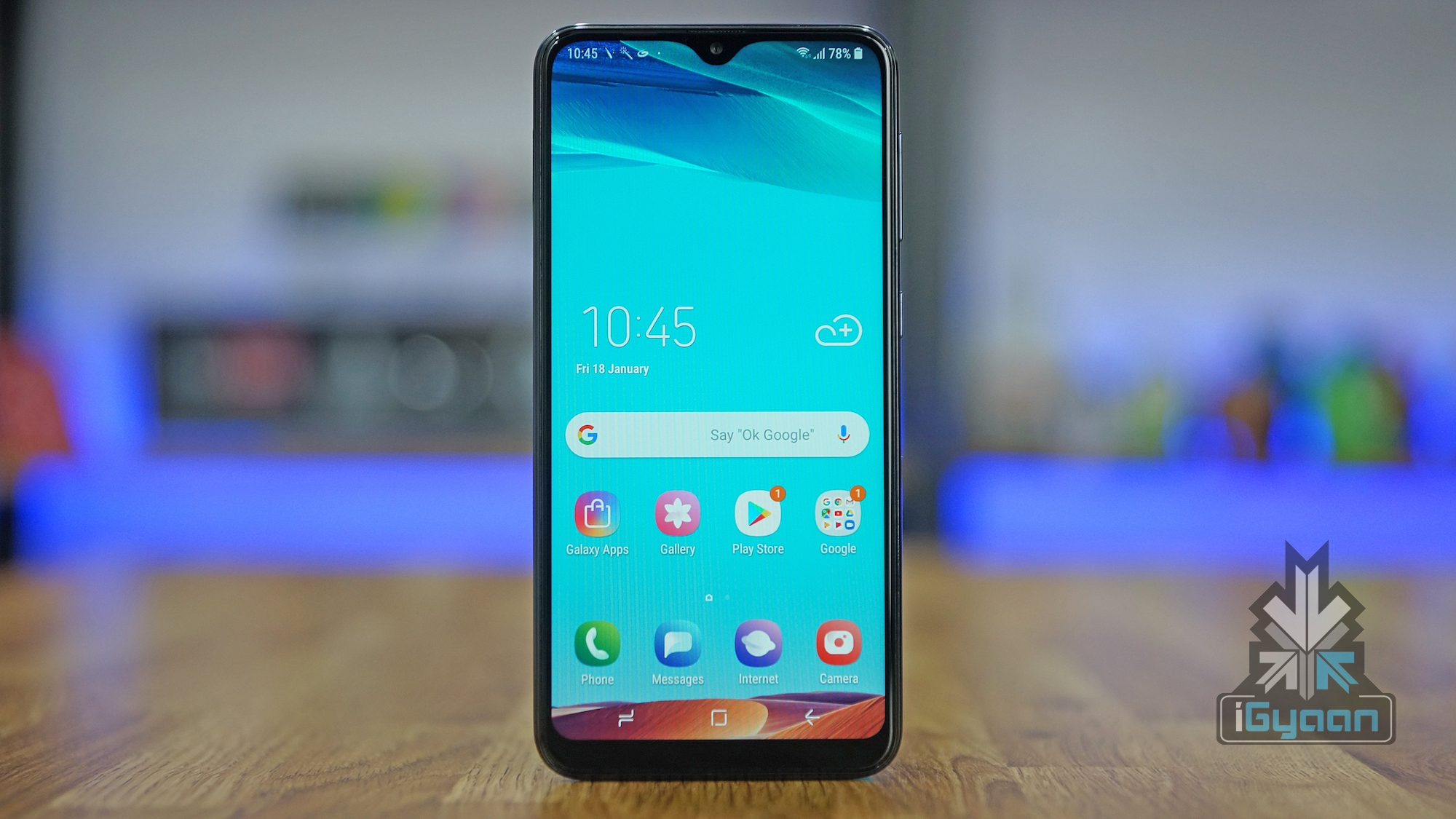
    In January of 2019, Samsung introduced its new Galaxy M series range of smartphones. The main focus of this lineup was to regain its lost market share in India’s highly competitive budget segment. Currently, the affordable segment has the most selling units for any company and is dominated by the likes of Xiaomi. Now, the South Korean giant is reportedly launching the Galaxy M90 in Q4 of 2019 to keep its lineup robust during holiday seasons as well.

    Samsung Galaxy M90
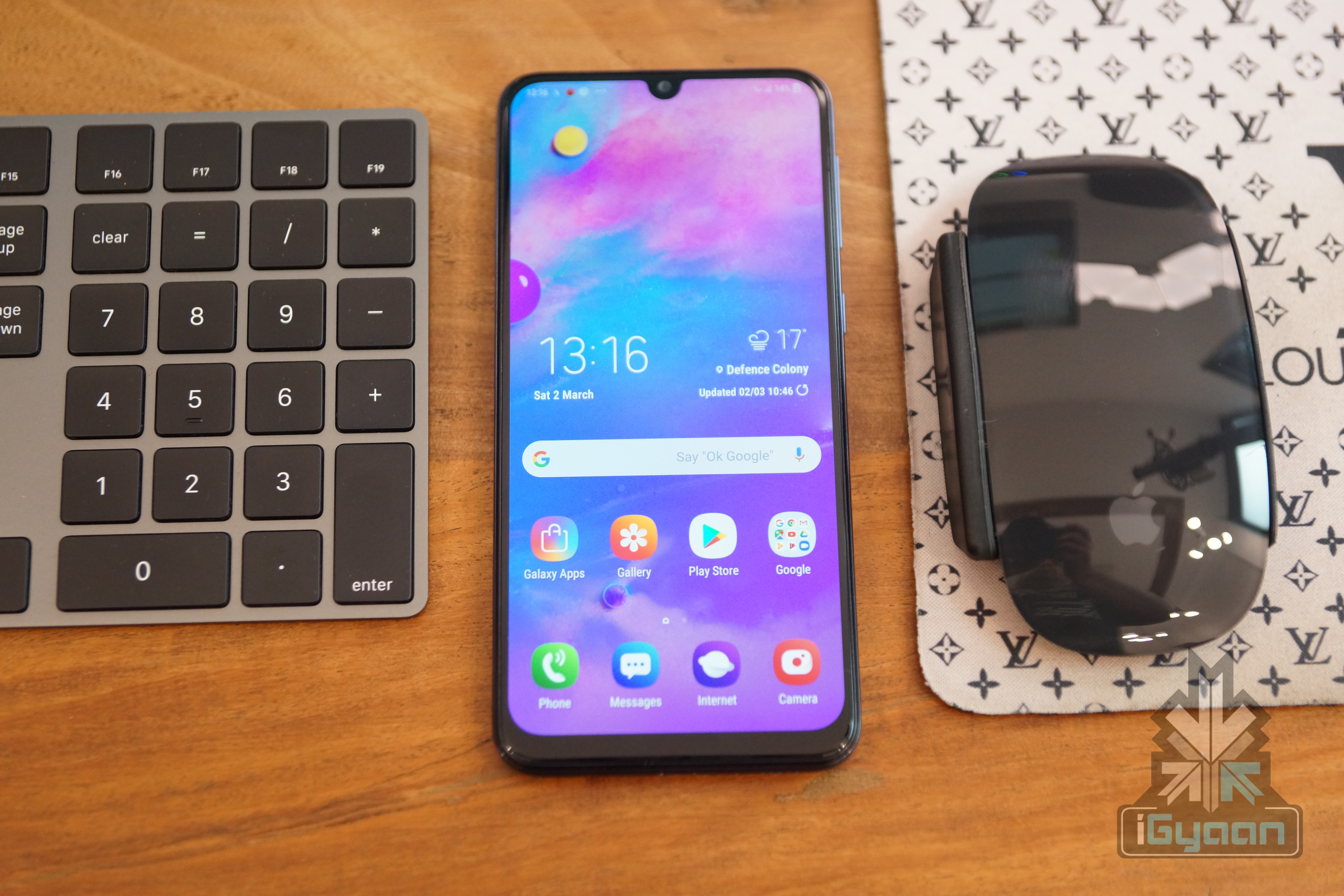
    Samsung Galaxy M40
    Rumoured Specifications

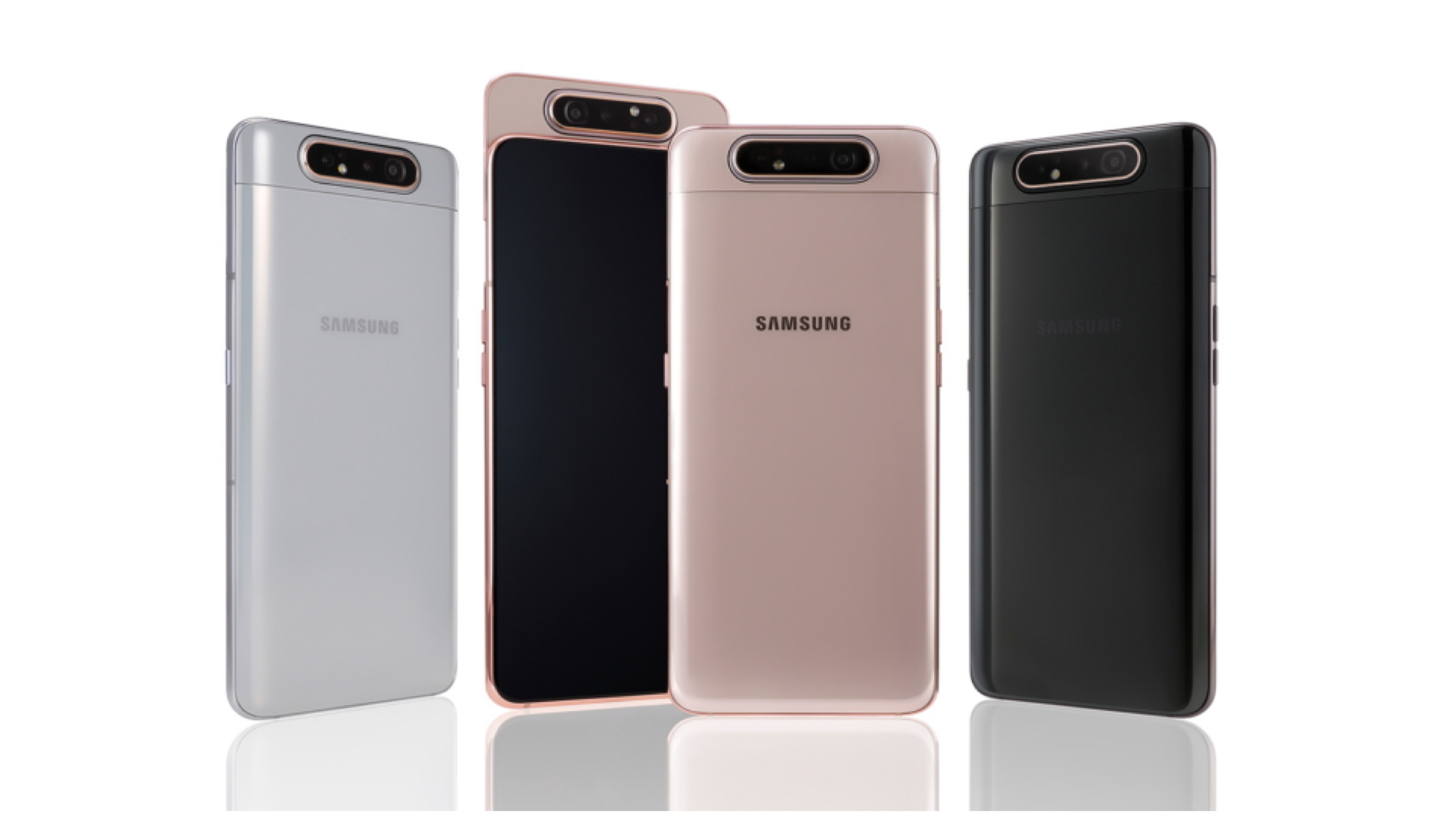
    Previously, Samsung had launched the Galaxy M40 in June which was its most expensive iteration yet. The smartphone features the Snapdragon 675 SoC and is the most powerful entry in the series. Going by the name scheming, it can be assumed that the Galaxy M90 will be the apex predator in this lineup which may feature Snapdragon 730 SoC. The same chipset is also found in the Galaxy A80

    Samsung Galaxy M90
    Samsung Galaxy A80

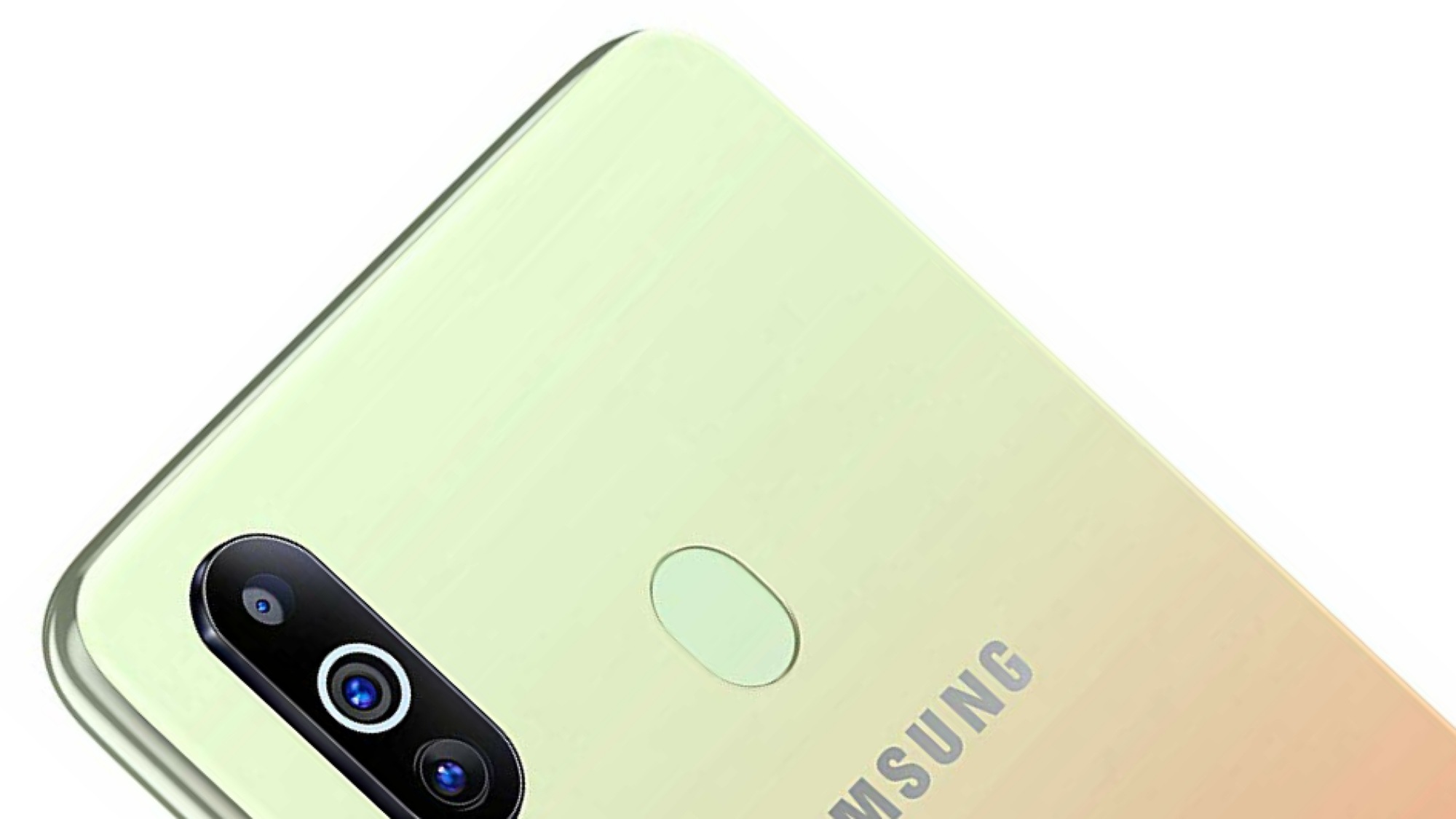
    Furthermore, Samsung Galaxy M90 is expected to feature a bigger display, larger battery and larger storage options in comparison to existing M series smartphones. It is also believed to feature a triple of quad-camera setup on the rear. Samsung is known for its Android 9 Pie based One UI and the M90 will likely feature the same. Notably, Android Q is just around the corner and the device will probably receive an update a couple of months post its launch to One UI 2. 

    Samsung Galaxy M90
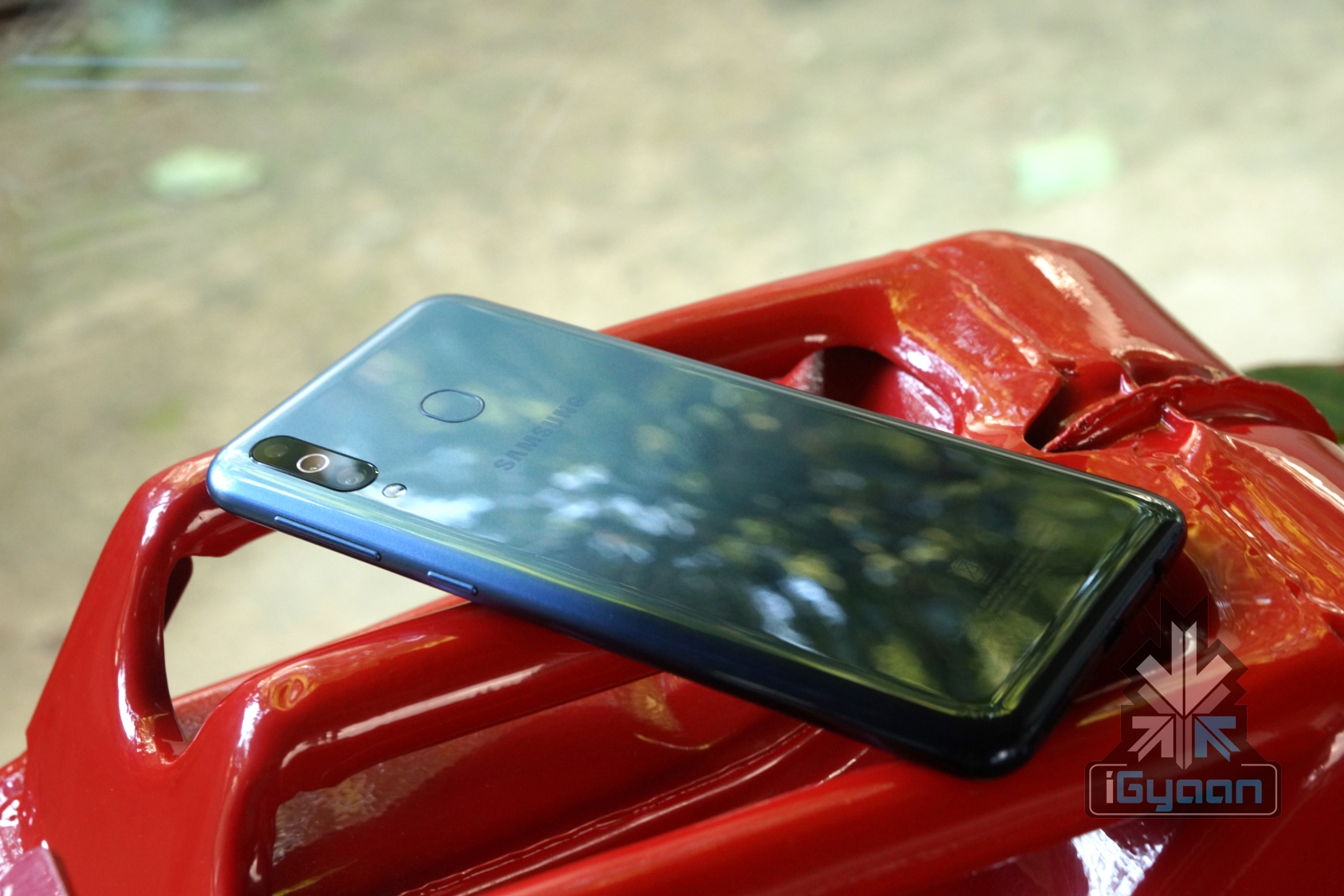
    Samsung Galaxy M30
    Diwali Launch

    According to the report, Galaxy M90 will arrive in multiple variants including SM-M905F. It is also confirmed to be internally codenamed as R6. Unfortunately, the exact specifications of the device are still a mystery, although, its launch is expected to happen around Diwali. It implies that the Samsung handset may arrive just prior to the end of November. 

    Also Read: Amazon Freedom Sale, Top Deals On Smartphones & Accessories

    Samsung needs to make an impressive impact with the Galaxy M90 to stay competitively viable in this segment. It will need to price the device accordingly as well considering Xiaomi has just launched its Redmi K20 series. Xiaomi generally drops prices for its smartphone during holiday sales as well, so Samsung should be wary of its pricing. Conclusively, it remains to be seen if Samsung introduces a well featured-packed phone or a really affordable one to stay relevant.

  • Moto One Action India Launch Date Revealed

    Moto One Action India Launch Date Revealed

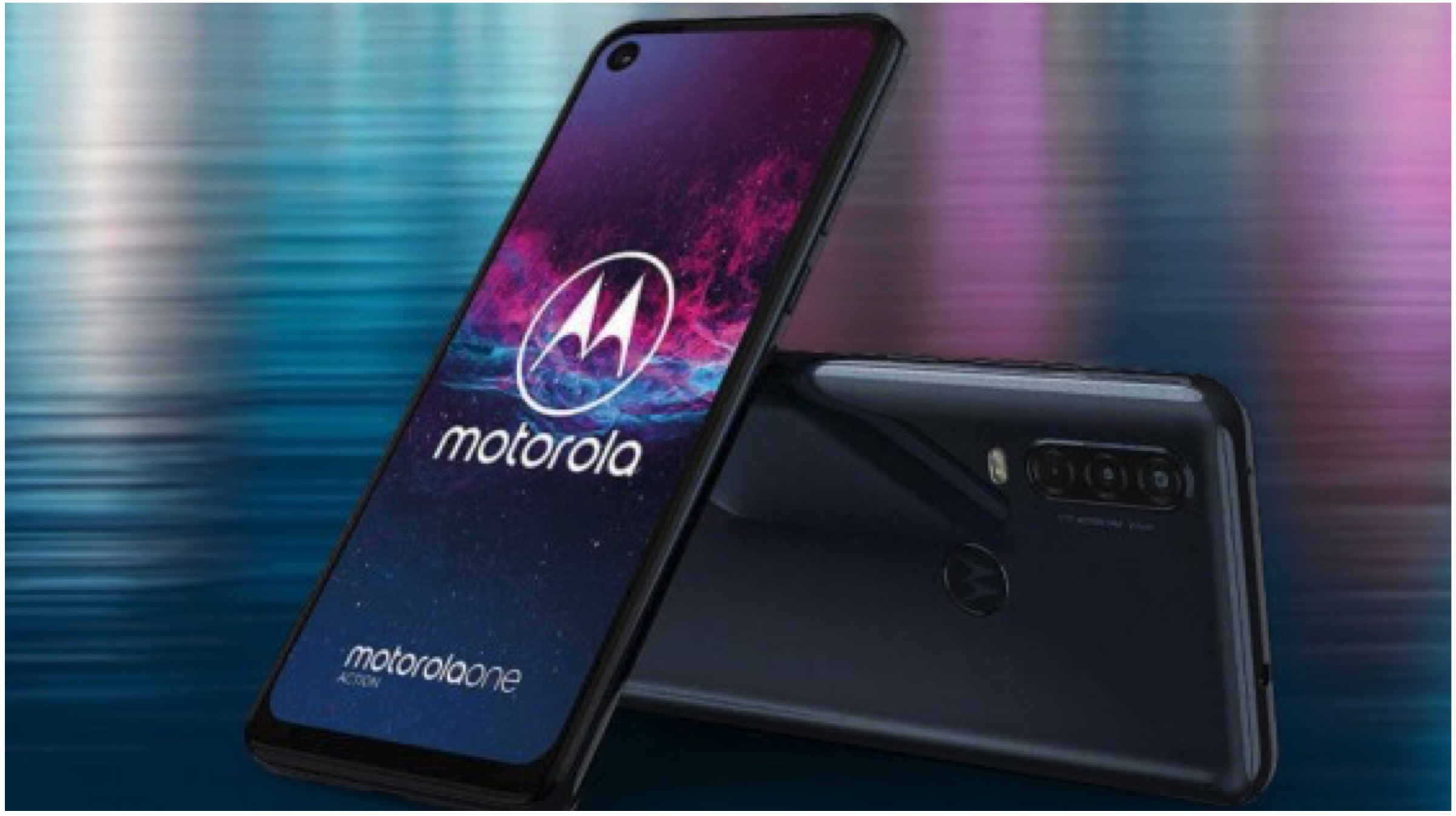
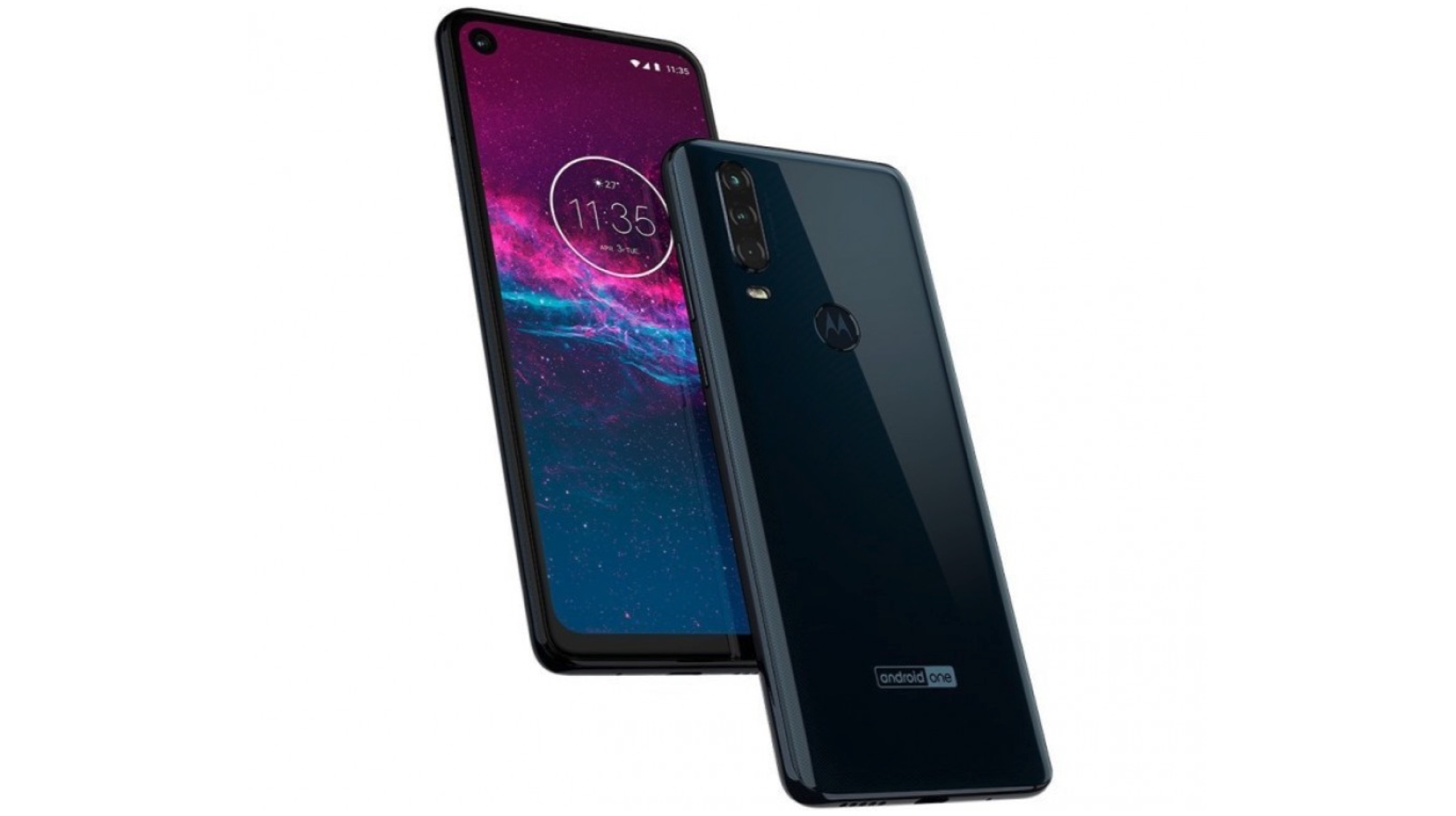
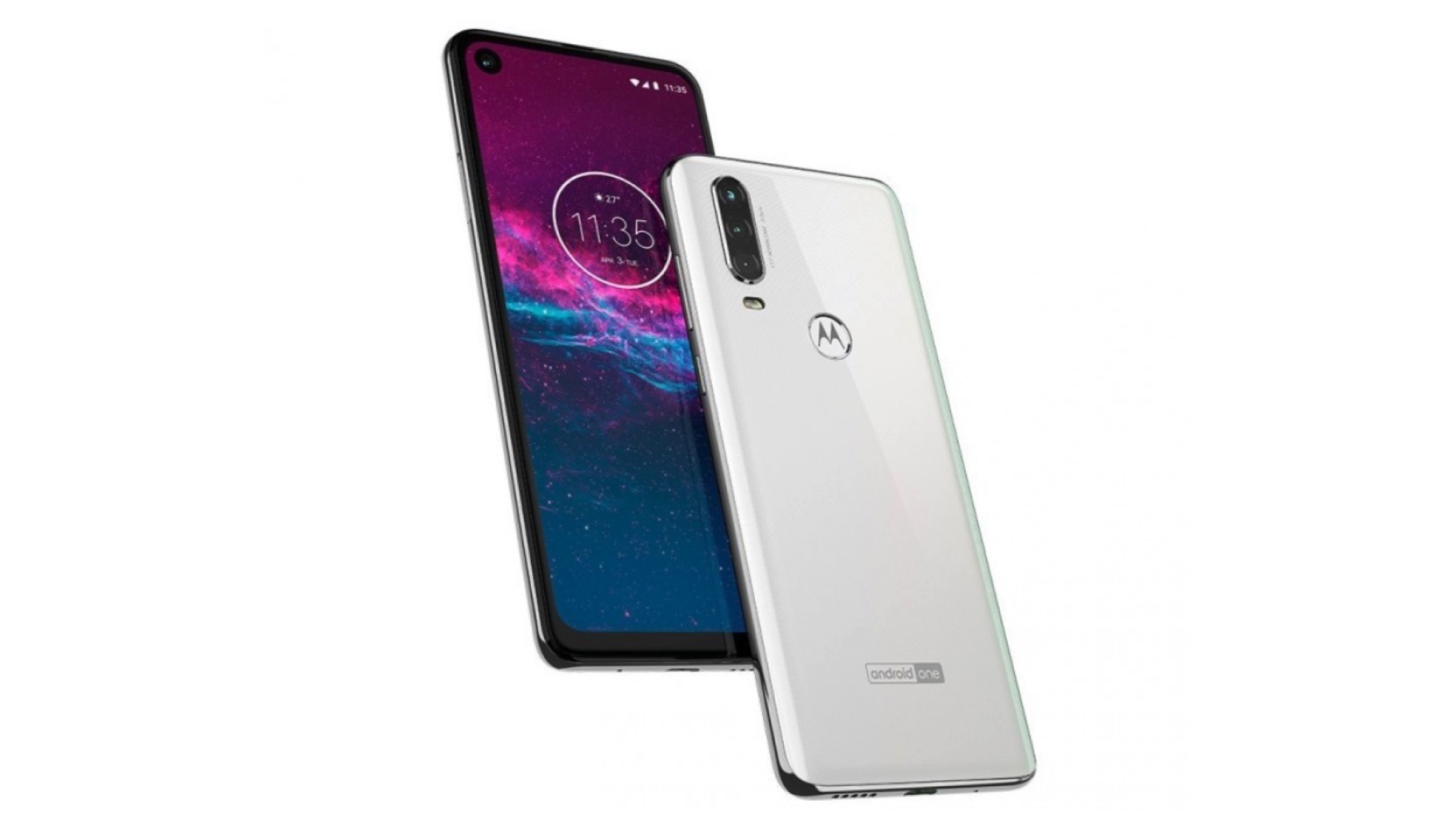
    Motorola has been long rumoured to launch the Moto One Action, its latest mid-ranger. The device has been leaked on several instances but the details about its launch were unavailable.

    However, according to a fresh piece of news, the device will make its debut in India. The source claims that the device will launch on the 23rd of August which is yet to be confirmed by the company. The device was accidentally listed on Amazon which revealed key its details including specs and design.

    Moto One Action Features

    The Moto One Action is equipped with an Exynos 9609 SoC that is also found in its previously launched sibling, the Moto One Vision. The chipset is manufactured by Samsung and it is paired with 4GB of RAM along with 128GB of internal storage.

    The Moto One Action features an unconventionally tall display that has an aspect ratio of 21:9. Besides, it also has a punch hole in the display that makes it stand out of the bunch. The handset runs on the latest Android 9 Pie and is part of the Android One program. Therefore, it is guaranteed to get two major software updates (Android Q and R, in this case) and security updates for up to three years.

    The Moto One Action is powered by a 3,500mAh battery which is likely to support 15W turbocharging that is a staple on Moto smartphones.  Another highlighting feature of the smartphone is its camera module. Moto One Action differentiates itself from the One Vision with its triple camera set up. In comparison, the latter only dual rear cameras.

    The additional sensor on the Moto One Action will be a wide-angle lens which is being dubbed the ‘Action Cam’. The selfie camera of the upcoming device is assumed to be a 12.6MP sensor. Its primary sensor has been confirmed to be a 13MP sensor.

    Expected Price 

    Also Read: Amazon Freedom Sale, Top Deals On Smartphones & Accessories

    According to the leaked Amazon listing, the 6 GB + 128 GB variant of Moto One Action will be priced at EUR 299 (approx. INR 23,685). In addition, the company is also expected to offer the device in other storage configurations for which the price is currently unknown. The other variants are as follows:

    • 3 GB + 32 GB
    • 4 GB + 64 GB

    All in all, the Moto One Action seems like a worthy mid-range smartphone. However, in order to confirm it specs and price, we will have to wait until Motorola officially launches it. To reiterate, the device is reported to launch on the 23rd of August. 

  • Xiaomi Teases The Worlds First 108MP Camera Smartphone

    Xiaomi Teases The Worlds First 108MP Camera Smartphone

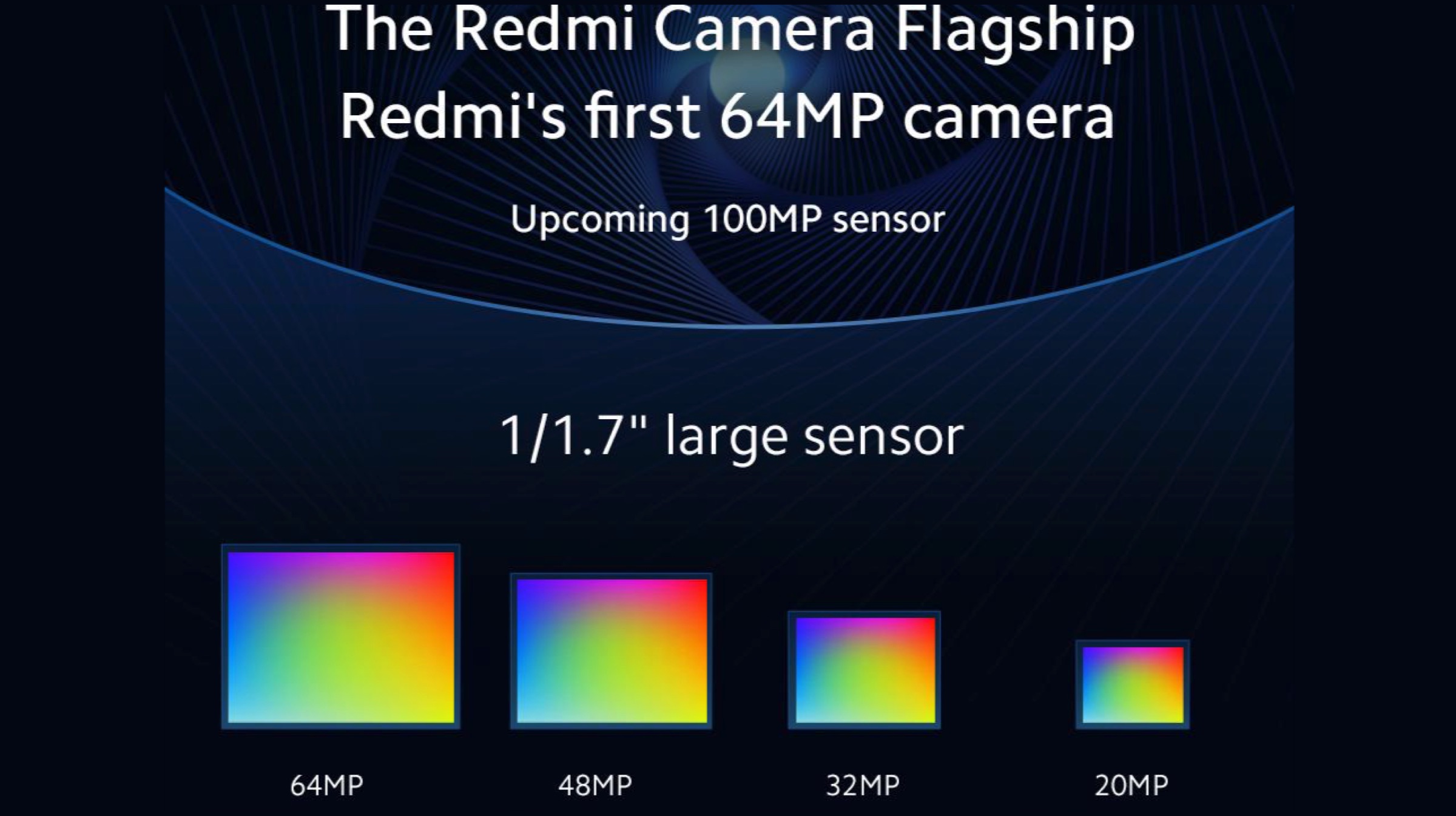
    In 2019, the smartphone industry saw a bump in the overall megapixel count for smartphone cameras. The latest models featured 48MP sensors while most flagships from 2018 didn’t even cross the 20MP mark. Xiaomi is now seeking to take things a step further with components supplied by Samsung. The latest innovation is seeing the South Korean giant push the bounds once again with a 108MP sensor. It trumps the company’s unreleased 64MP GW1 camera sensor as well.

    Samsung GW1 Sensor

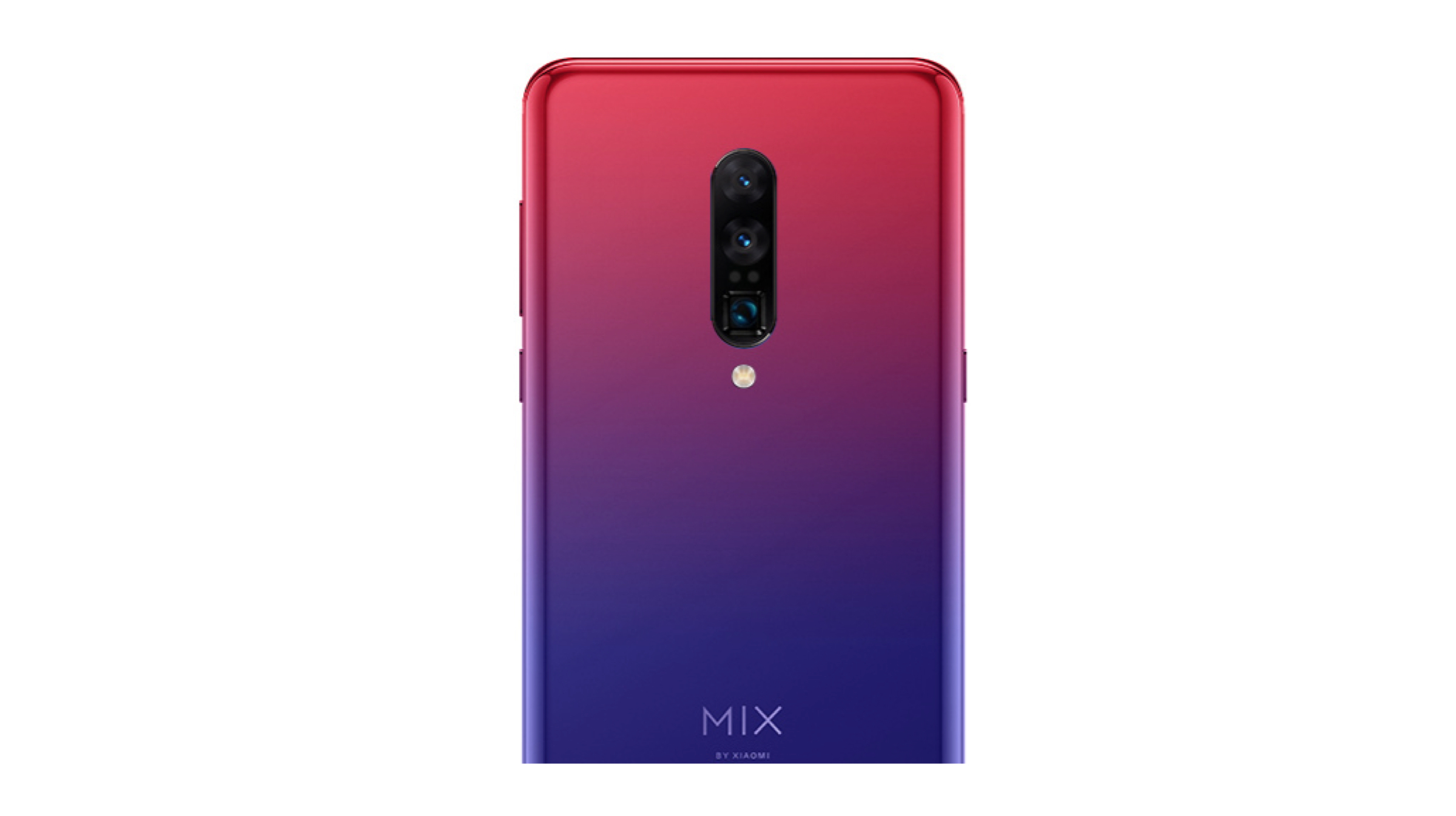
    A few companies like Realme and Xiaomi will employ the GW1 Samsung sensors on their upcoming smartphones. Samsung’s GW1 sensor features ISOCELL Plus technology which uses the large megapixel count to help reduce noise and improve overall image quality in low light scenarios. It is speculated that the Mi Mix 4 will feature the new camera module and will be available by the end of 2019.

    Xiaomi
    Mi Mix 4
    Xiaomi Smartphone With 108MP Sensor

    Xiaomi went on Twitter to boast of the capabilities of the sensor and also to announce the collaboration. According to the tweet, Samsung is confirmed to be working on a 108MP sensor that will debut in an upcoming Xiaomi smartphone. It has the highest resolution of any smartphone camera to date with a picture resolution of 12032 x 9024px. Notably, it is still capable of capturing 27MP images even with 2x digital zoom. The massive sensor size of the camera will enable it to capture to detailed and well exposed even in low light.

    Xiaomi

    Also ReadOnePlus 7 Pro Vs Galaxy Note 10+, Which One Should You Pick?

    When Is It Out?

    It remains to be seen how the camera actually performs in real-life testing. Although, it does sound extremely promising. The upcoming 64MP camera Xiaomi smartphone is expected to arrive in Q4 of 2019. Unfortunately, it is more uncertain regarding when the 108MP sensor would actually be seen. It is expected that the sensor could be seen in certain flagships in Q3-Q4 of 2020 or in early 2021.

  • HP Announces 4 in 1 Convertible Chromebook x360 For Indian Market

    HP Announces 4 in 1 Convertible Chromebook x360 For Indian Market

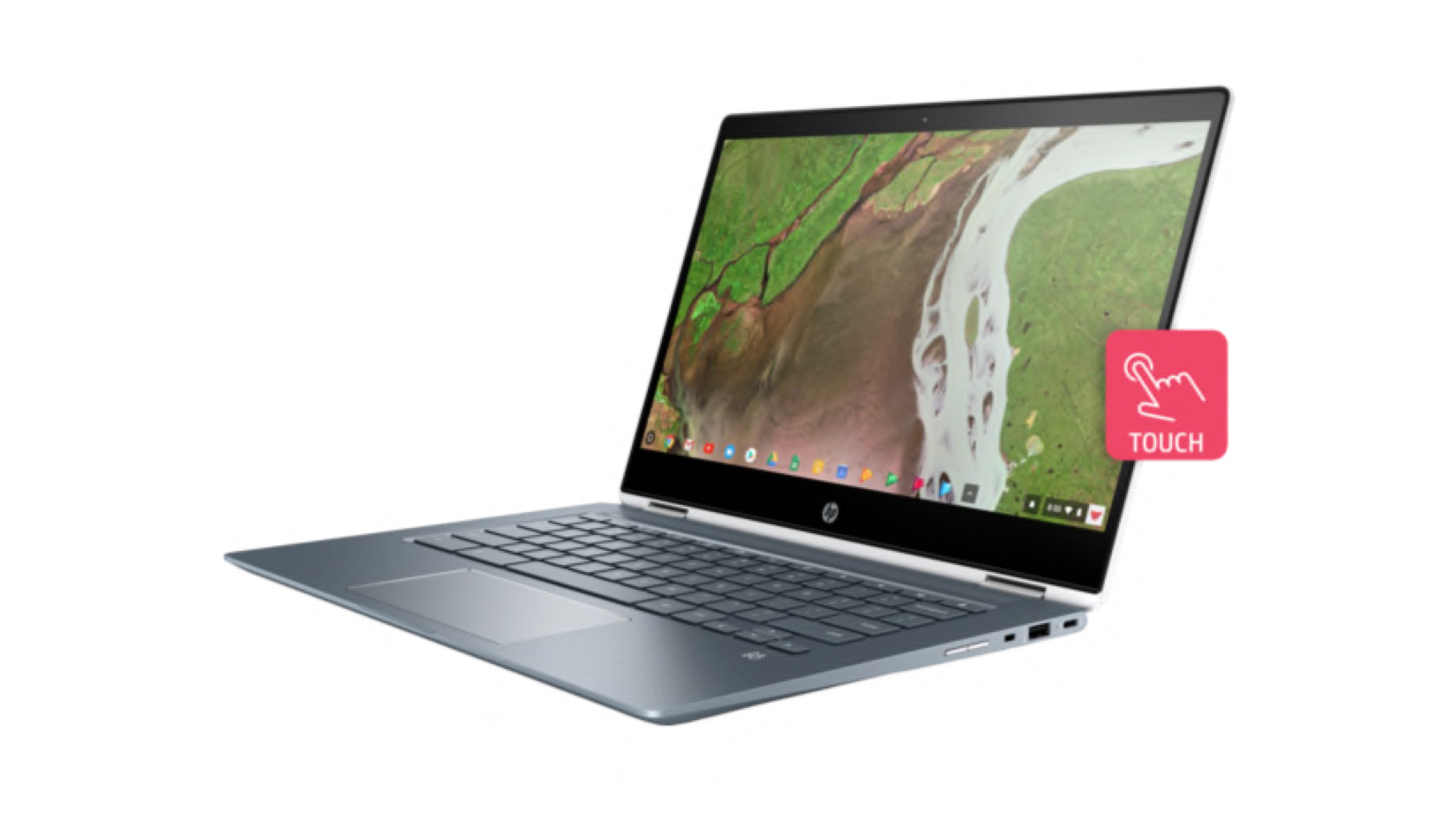
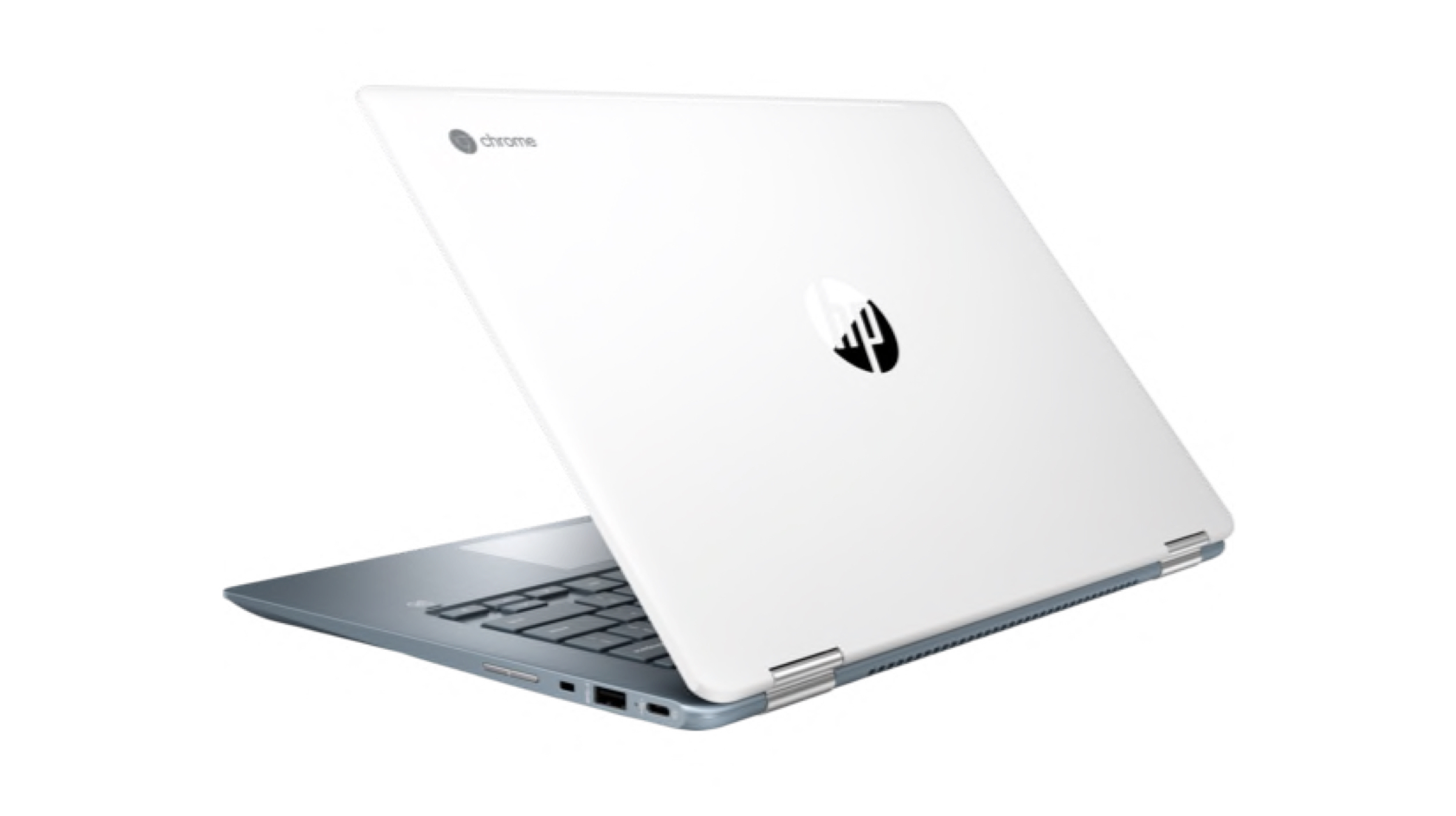
    American tech giant, HP has announced the Chromebook x360 convertible in India. As the name suggests, it runs on Chrome OS that also has the functionality to download Android apps from the built-in Play store. It is aimed towards users who mostly use the laptop for online work rather than offline tasks like video editing or playing games.  

    HP Chromebook x360 Specs & Features

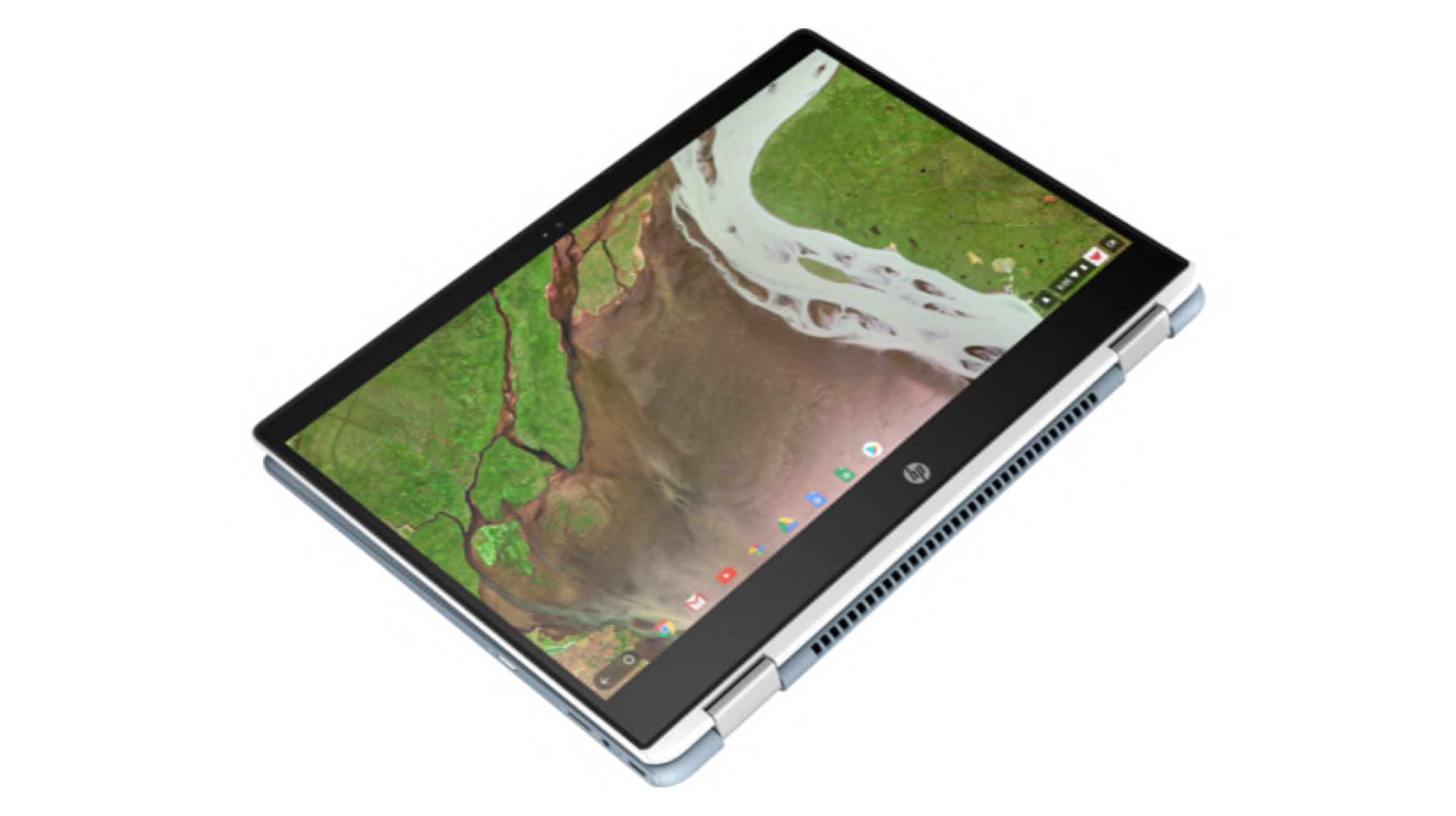
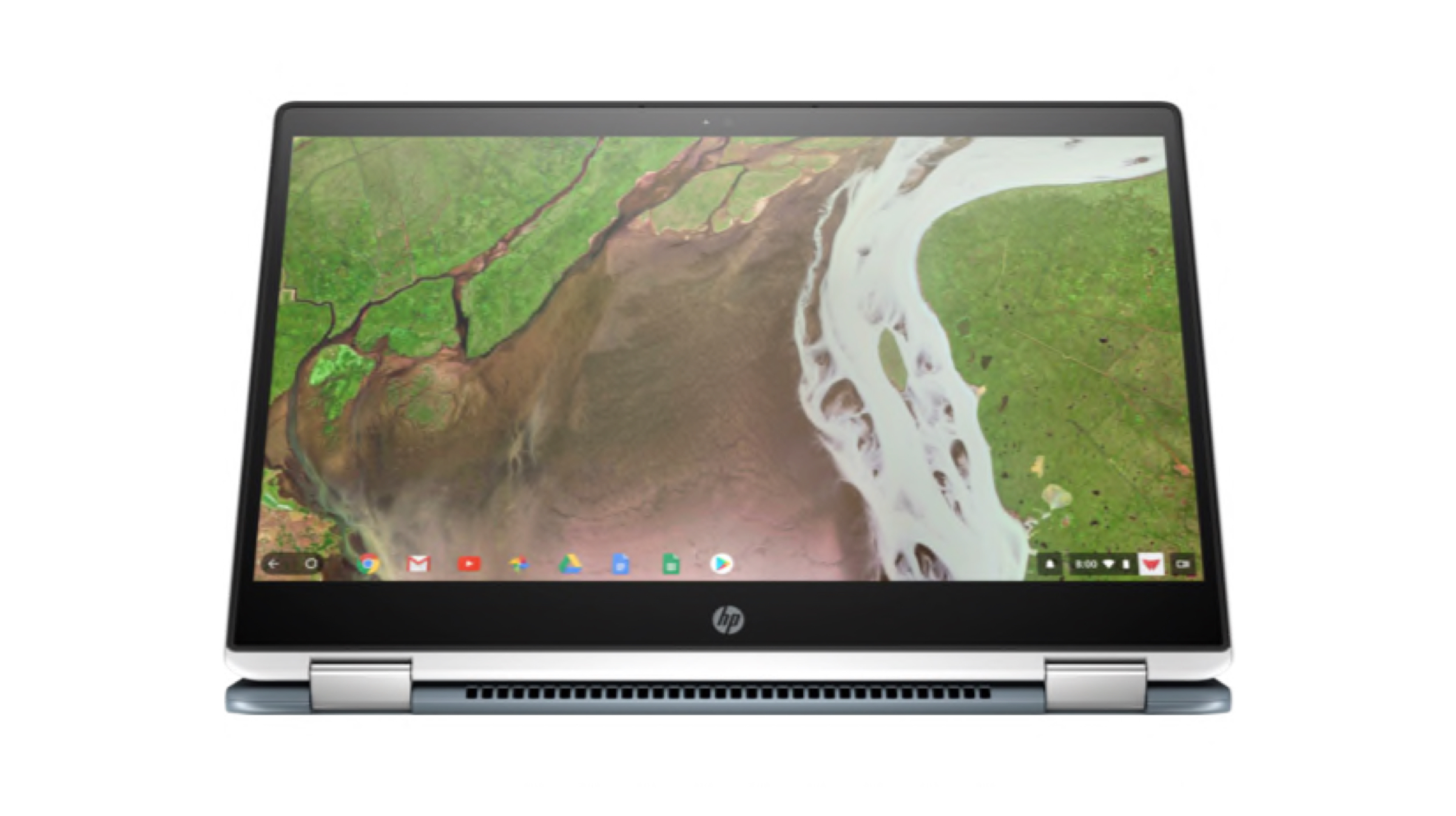
    As previously mentioned, the HP Chromebook x360 has a convertible form factor. It can be used in four different formats which include a laptop, tablet, stand and tent. The notebook computer measures 12.81 x 8.93 x 0.63 in and tips the scale at 1.6 kg.

    The Chromebook x360 features a 14 inch LED touchscreen that has a full HD resolution of 1920 x 1080 px. It features a backlit island-style keyboard and multi-touch trackpad that supports gestures like pinch to zoom and swipe with four fingers.

    Under the hood, the notebook computer features the Core i3-8130 CPU which is an eighth-generation processor and has dual cores. The CPU has a base frequency of 2.2 GHz which can turbo clock upto 4 GHz if need be. The CPU also has integrated UHD Graphics 620.

    The HP Chromebook x360 features 8 GB of DDR4 RAM which is soldered to the motherboard. In terms of storage, it only has 64 GB of eMMC storage which can be further expanded via a microSD card. 

    Wireless connectivity options on the device include 802.11 b/g/n/ac Wi-Fi and Bluetooth 4.2. The HP Chromebook x360 also has a bunch of input and output ports which are as follows:

    • 2x USB 3.1 Gen Type C (charging, power delivery and video out)
    • USB 3.1 Type-A port
    • 3.5 mm audio jack (headphone / microphone combo) 

    The Chromebook x360 also has a Widevision HD camera which along with the built-in microphone can be used for making video calls. 

    It also features dual B&O (Bang & Olufsen) speakers are believed to produce impressive audio output. The notebook computer is powered by a 60 WHr lithium battery which is claimed to provide a battery backup of upto 13 hours and 30 minutes.

    HP Chromebook x360 Price and Availability

    Also Read: Xiaomi Mi A3 To Launch In India On 23rd August

    The HP Chromebook x360 will soon be available for purchase from HP Online Store, HP world stores, Amazon.in and Flipkart.com. It is priced at Rs 44,990 and early buyers of the device get 100 GB of Google Drive storage for 1 year. 

  • Xiaomi Mi A3 To Launch In India On 23rd August

    Xiaomi Mi A3 To Launch In India On 23rd August

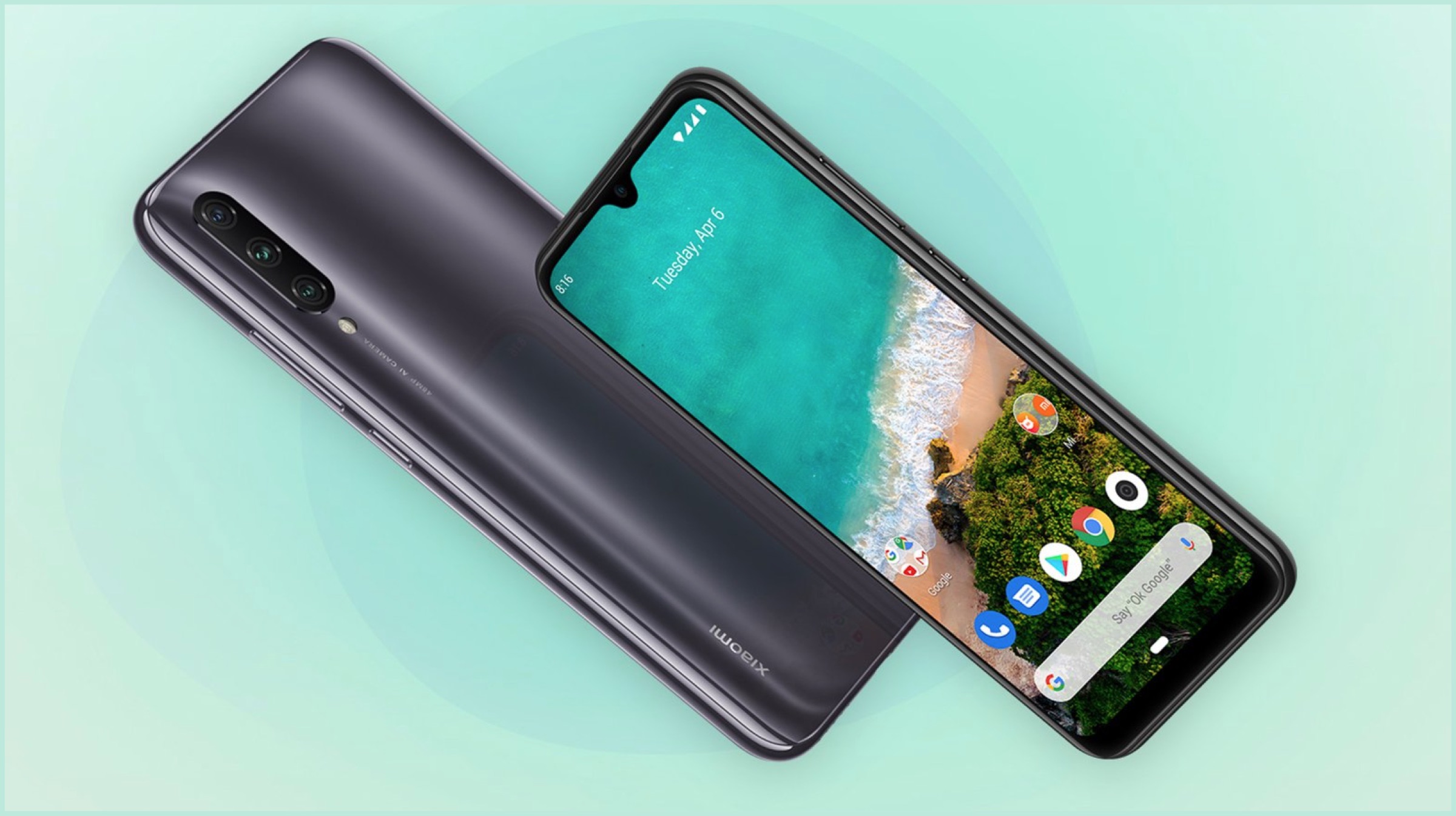
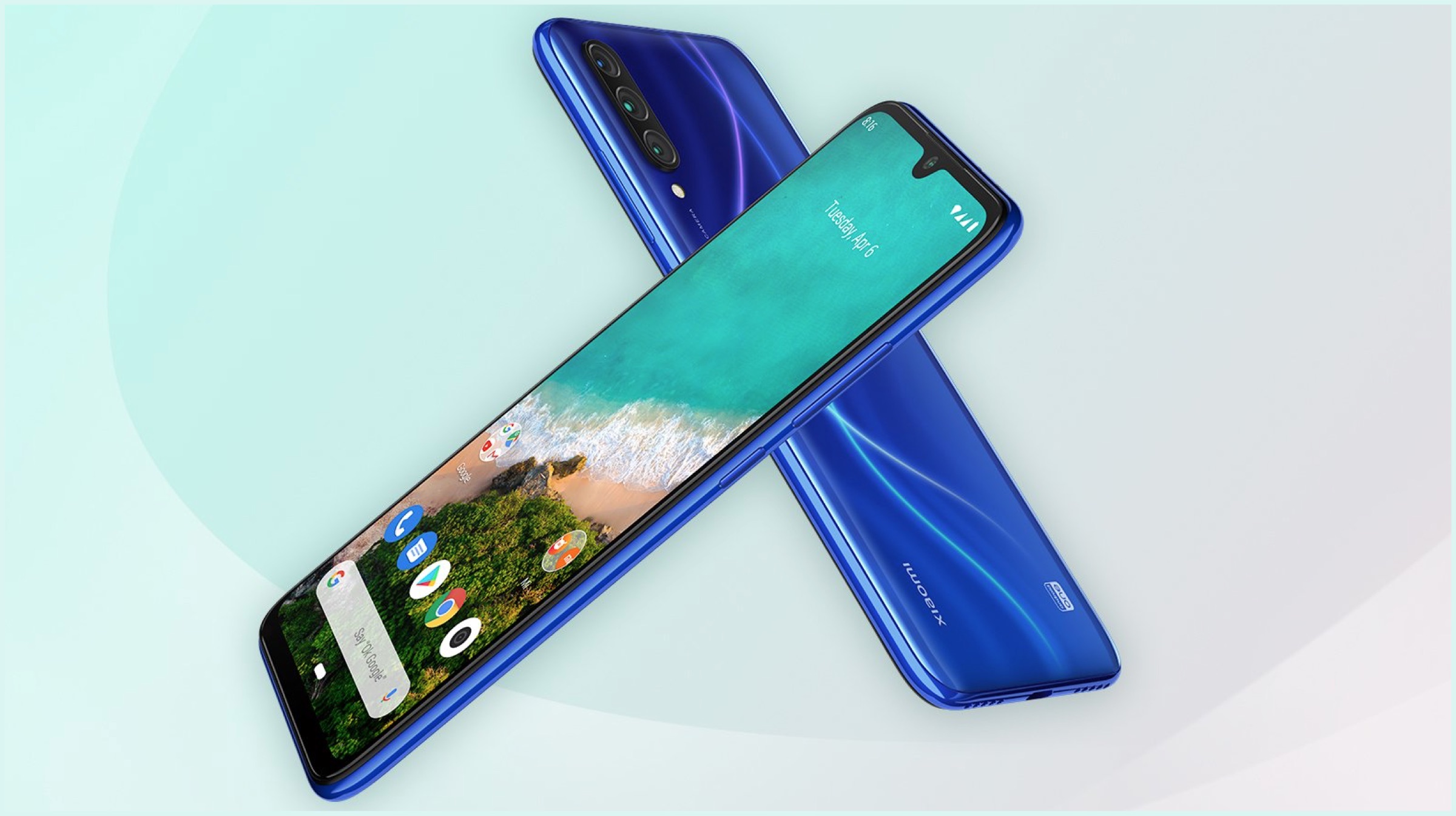
    On 17th July 2019, Xiaomi launched its long-awaited Mi A3 smartphone. The mid range device made its debut in Spain and succeeded the Mi A2 which was launched in the year 2018. Previously, it was uncertain if the device would see an Indian launch. Now, a launch date for the same has been revealed, the device will be sold from 23rd August 2019.

    Xiaomi Mi A3

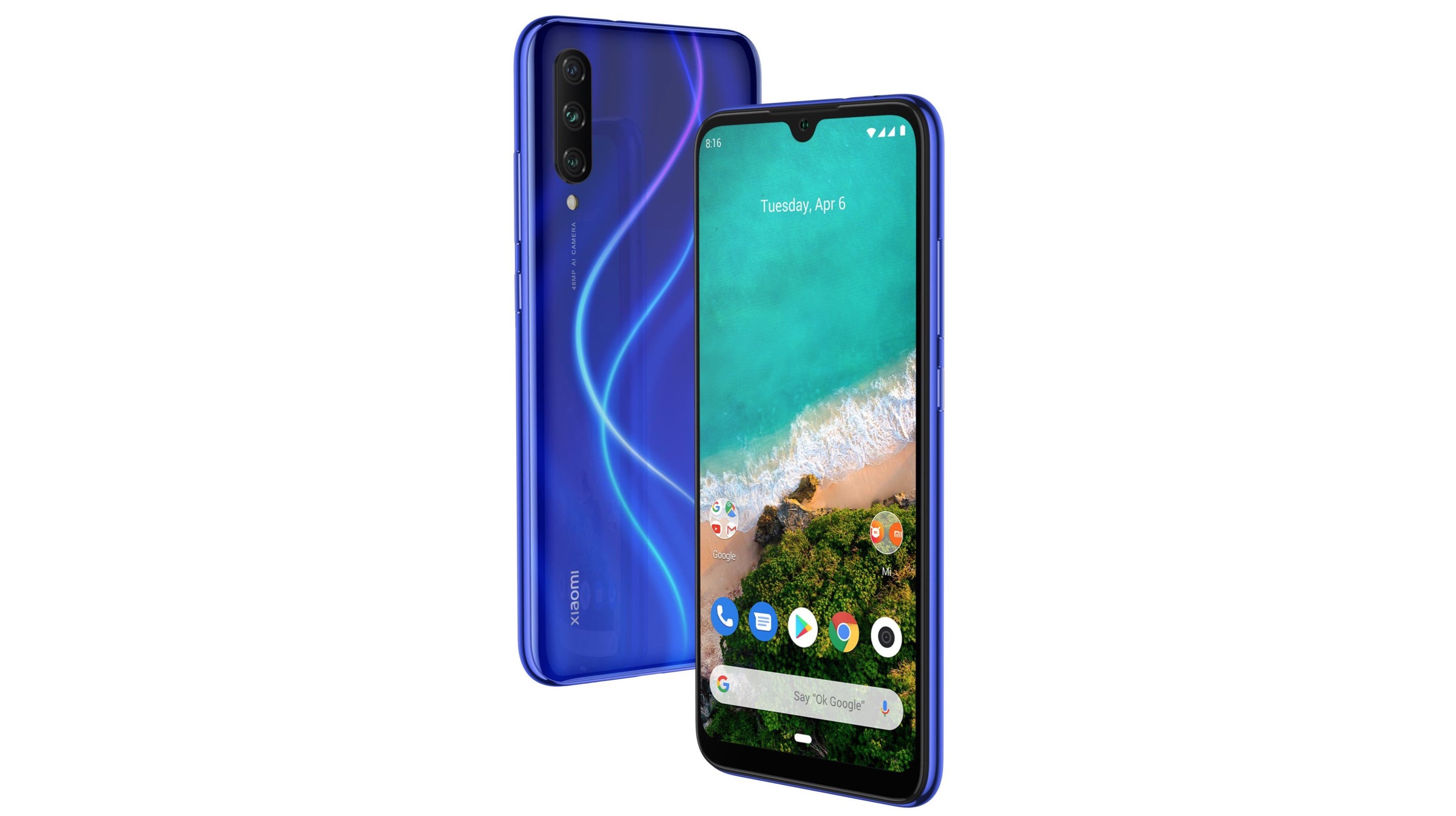
    Similar to its predecessors, the latest iteration is also Android One certified which means it is guaranteed to receive major software updates for two years and security updates for three years. The Xiaomi Mi A3 is based on the Mi CC9e but unfortunately features no real upgrades. It means that it also sports a 6.01 inch OLED display with a 1560 x 720px resolution; a downgrade from the Mi A2 that featured a 1080p panel. The device is equipped with Qualcomm’s Snapdragon 665 Soc which is paired with 4GB of RAM. Internal storage is offered in two variants including 64GB and 128GB. It also supports memory expansion up too 256GB via a microSD card.

    Xiaomi Mi A3

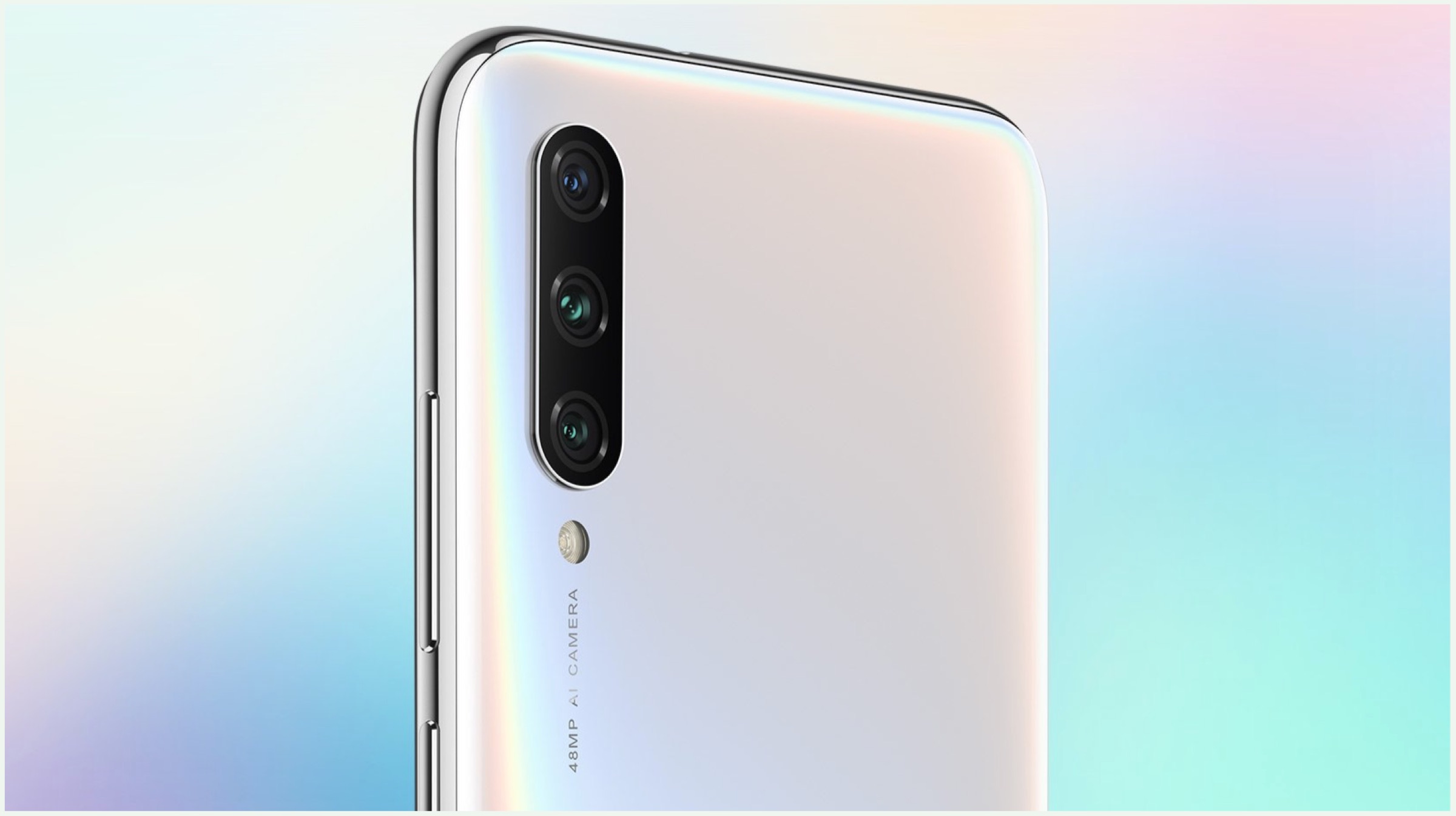
    One of the key defining features of the device is undoubtedly its triple rear camera setup. The Xiaomi Mi A3 sports a 48MP primary camera alongside 8MP wide-angle lens and a 2MP depth sensor. The front of the device houses a 32MP camera sensor for clicking selfies. It is capable of recording 4K videos at 30fps with the rear camera. Furthermore, the front camera only supports capturing 1080p videos at 30fps. Slo-Mo recording is also present on the device.

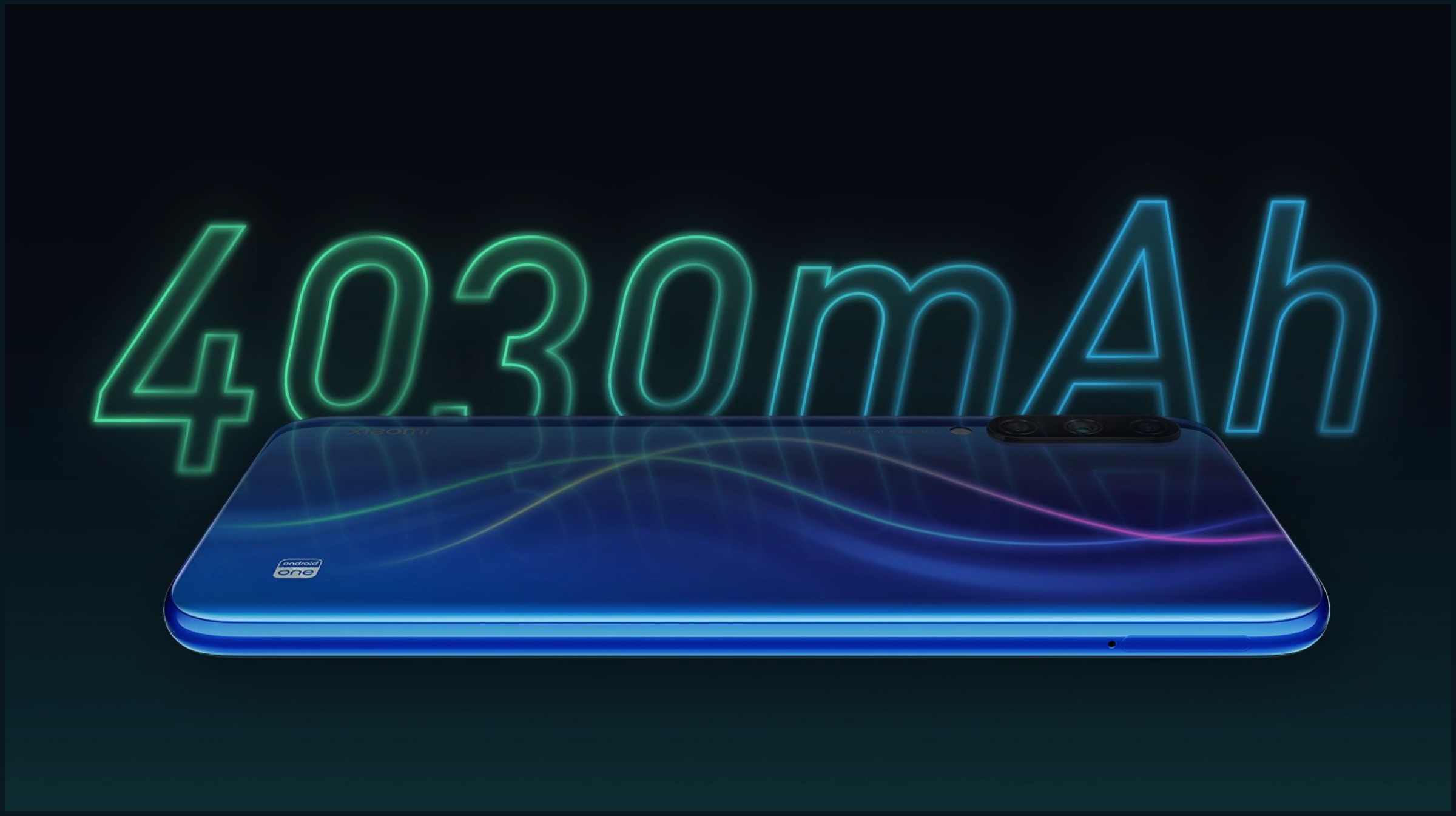
    Additionally, Xiaomi’s Mi A3 has another significant upgrade over its predecessor which is the larger 4030mAh battery. The handset is capable of 18W fast charging, however, only a 10W power adapter is bundled in the box and the former must be bought separately. Xiaomi listened to last years criticism and brought back the 3.5mm headphone jack which was absent in the last years Mi A2.

    Also ReadUpcoming Realme Smartphones To Feature Quad Cameras, Will Launch Before Diwali

    Price and Availability

    The Xiaomi Mi A3 is currently available in Europe and is priced at EUR 249 (approx. INR 19,300) for the 4GB RAM + 64GB ROM variant while the 4GB RAM + 128GB ROM version is priced at EUR 280 (approx. INR 21,600). It is offered in three different colour variants that include ‘Just Blue’, ‘More Than White’ and ‘Kind of Gray’. Reportedly, an Indian launch date for the Xiaomi Mi A3 will be on 23rd August 2019. Unfotunately, we can only wait for an official company announcement to cement the claim, so stay tuned. 

  • OnePlus 7 Pro Vs Galaxy Note 10+, Which One Should You Pick?

    OnePlus 7 Pro Vs Galaxy Note 10+, Which One Should You Pick?

    Earlier this week, Samsung launched the Galaxy Note 10+ which is targeted towards the premium segment. Following the smartphone’s launch in the US, the company has also started taking its pre-orders in India. Clearly, the Galaxy Note 10+ is one of the best Android smartphones that are currently on offer.

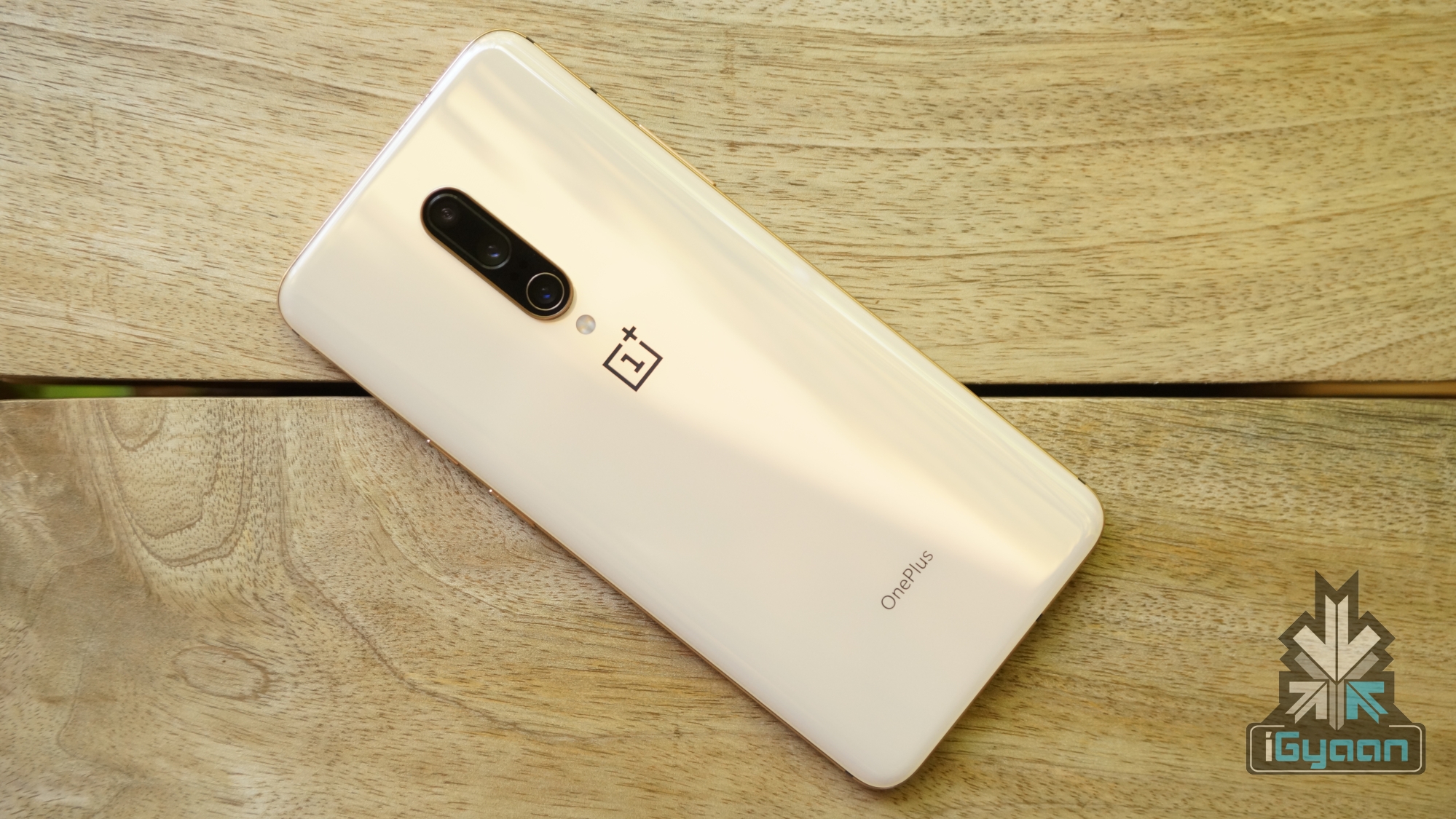
    Besides, the OnePlus 7 Pro is another device that is a worthy contender to this title. Due to the difference in price and specifications, it can be perplexing for the user which device should they pick. In order to simplify the process, we have written a detailed guide that will help you reach the decision and you will be able to pick the best device for yourself based on your requirements. 

    Design And Build


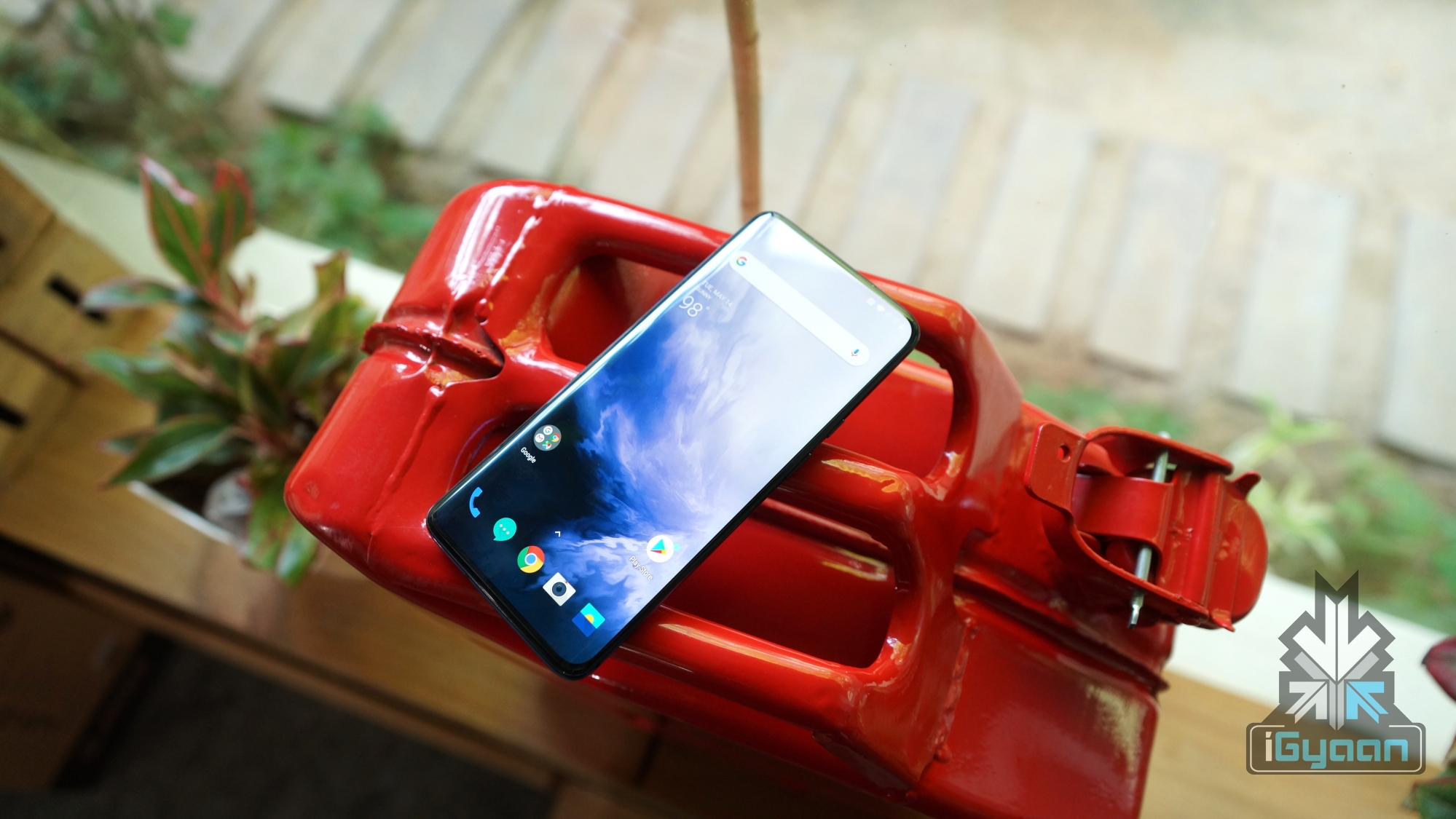
    The front of Galaxy Note 10+ features a punch hole that houses the selfie camera, on the other hand, the OnePlus 7 Pro has a pop-up selfie camera. The front of the two smartphones have negligible bezels on all sides and have a display that tapers towards the sides.  

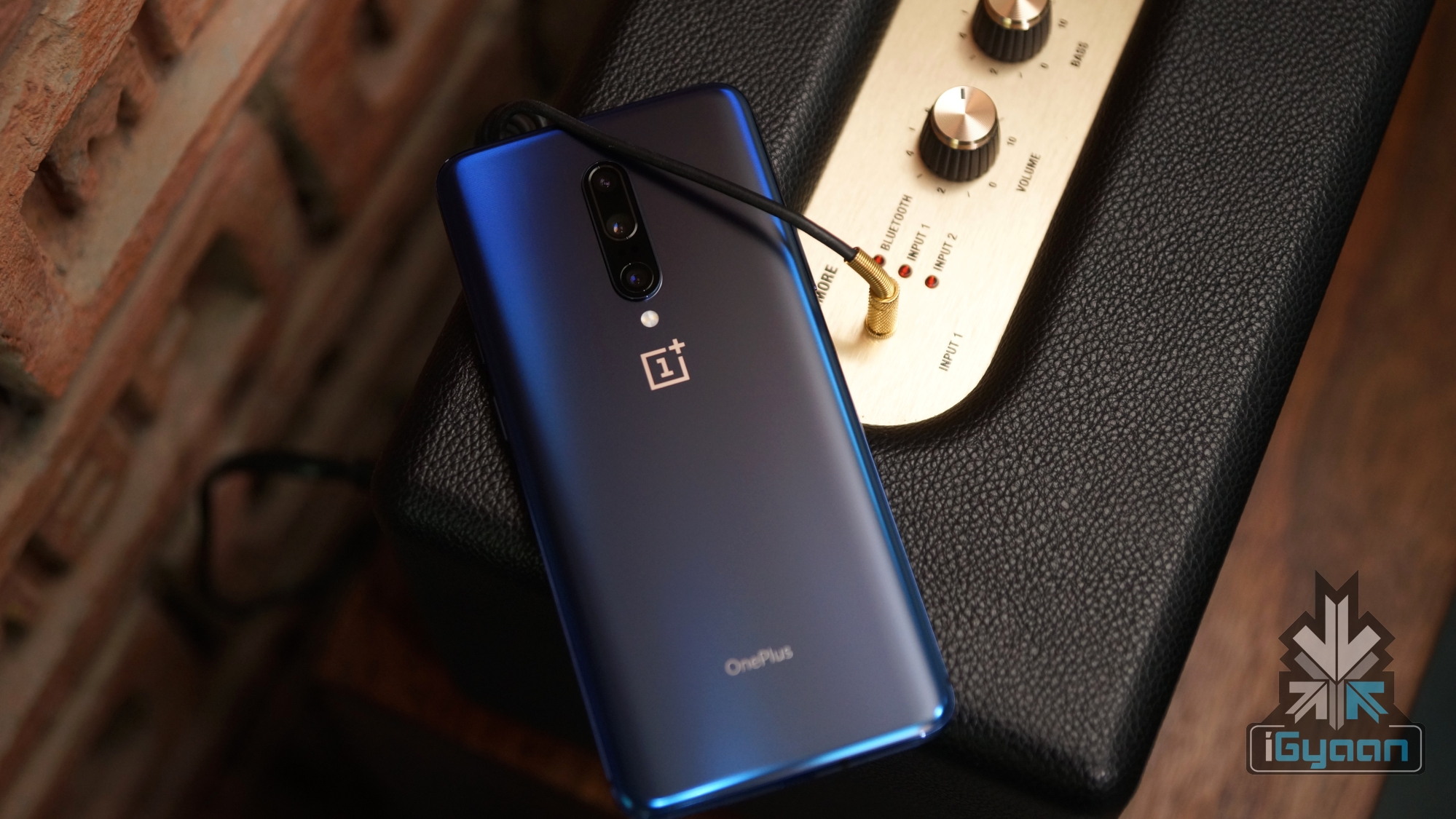
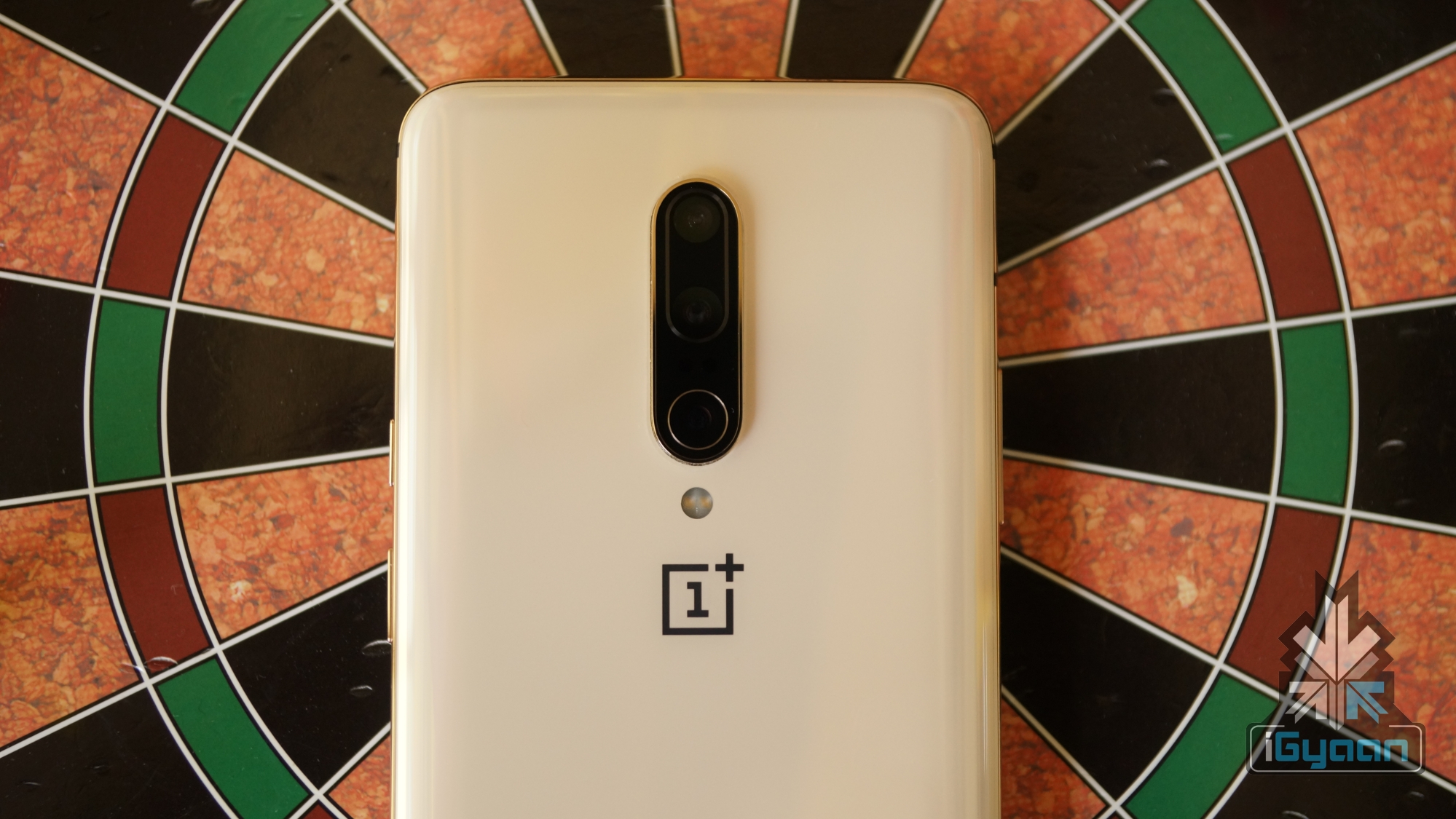
    The rear of both the Galaxy Note 10+ and OnePlus 7  Pro is made out of Glass which carries the company branding and the camera setup. Overall, both the devices are made out of premium materials including glass and metal and they seem to be equally well built. 

    Design is one department that is highly subjective and it varies based on every user’s preference, therefore it is not feasible to choose a clear winner. Hence, this is one department in which the user must choose their poison. 

    Display 

    The Galaxy Note 10+ features a 6.8 inch Dynamic AMOLED display that has a pixel density of 498ppi and is safeguarded with Corning Gorilla Glass 6. On the other hand, the OnePlus 7 Pro has a 6.67 inch Fluid AMOLED display. The display panel has a pixel density of 516 ppi and is protected with Corning Gorilla Glass 5.

    Both the size and pixel density of the display on the two smartphones are similar. However, one notable difference is the 90 Hz refresh rate of OnePlus 7 Pro’s display. 

    We are yet to get our hands on the Note 10+, nonetheless, we have already experienced the Galaxy S10 lineup that features the same display with a smaller size. The display on the device has excellent viewing angles and colour reproduction.

    But, it cannot match the smoothness that the 90 Hz display panel that is found on the OnePlus 7 Pro. Therefore, we give this round to the OnePlus’ offering.

    Battery

    The battery is an important aspect of every smartphone and could be the key decisive factor for a large number of users. Fortunately, both smartphones are powered by large-sized batteries that support fast charging. 

    The OnePlus 7 Pro is powered by a 4,000 mAh battery that supports 30 W Warp charging. In contrast, the Samsung Galaxy Note 10+ features 4300 mAh battery that supports 45 W fast charging. 

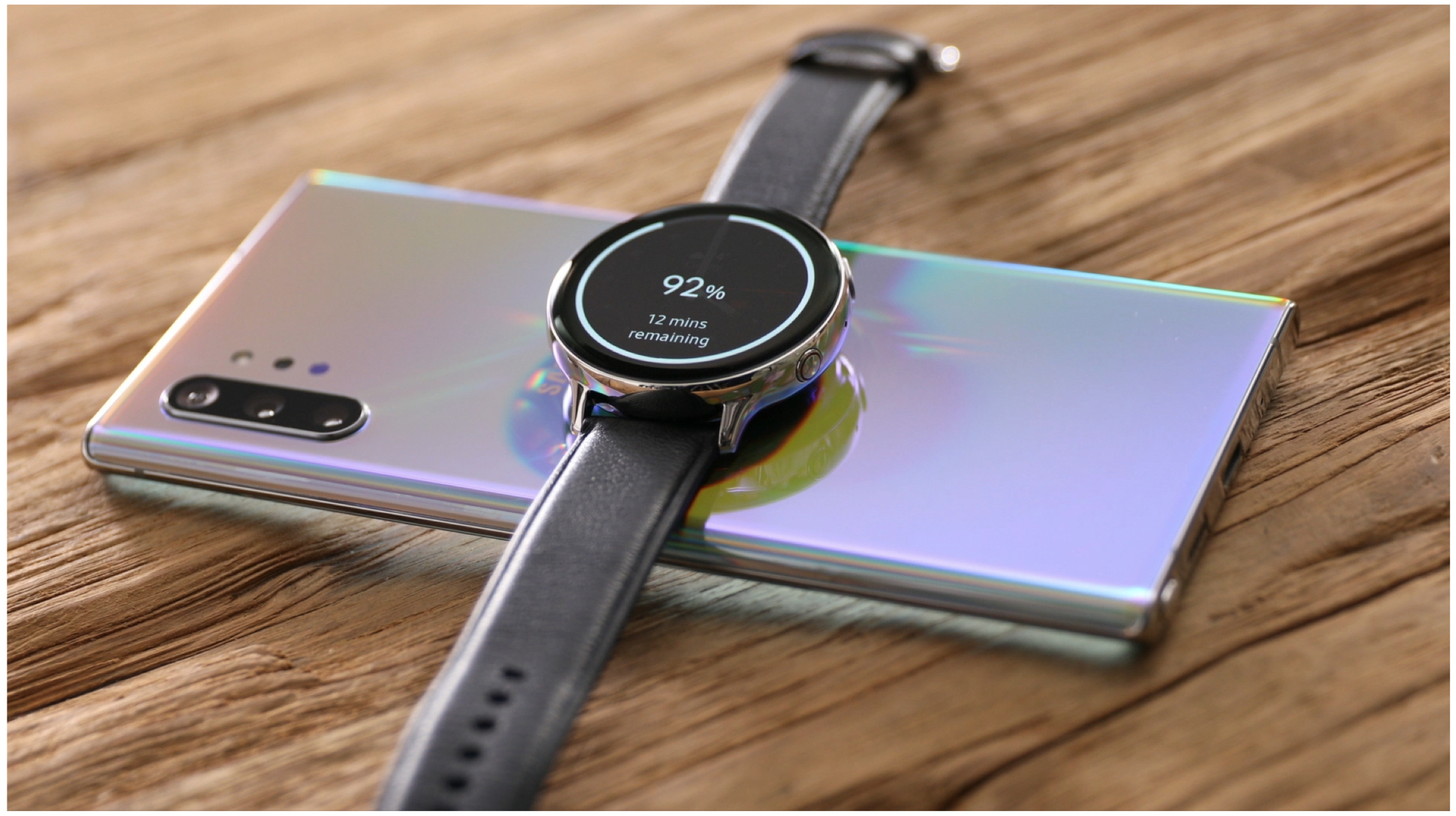
    Not only does the Samsung smartphone have a bigger battery and supports significantly faster-charging speeds, but it also supports wireless charging upto 20 W and reverse wireless charging. Therefore, the clear winner in this domain is the Samsung Galaxy Note 10+. 

    Chipset

    The Galaxy Note 10+ features the Samsung made Exynos 9825 SoC while the OnePlus 7 Pro features the Snapdragon 855. Both the chipsets are manufactured using a 7 nm fabrication process and consist of an Octa-Core CPU.

    In terms of performance, both devices are expected to have comparable performance. However, we will have to wait until we get the Note 10+ to compare it against the OnePlus 7 Pro. 

    [Note: the US variant of the Note 10+ packs Snapdragon 855, which is not being talked about in this article]

    Storage

    The Galaxy Note 10+ and the OnePlus 7 Pro are offered in two storage variants which are listed below:

      Storage Variant 1 Storage Variant 2
    OnePlus 6 GB RAM + 128 GB ROM 8 GB RAM + 256 GB ROM
    Samsung 12 GB RAM + 256 GB ROM 12 GB + 512 GB ROM

    We believe RAM capacities of upto 8 GB are more than sufficient to play any kind of applications including heavy games. However, as technology improves, graphics-intensive games including PUBG can benefit from additional RAM found on the Galaxy Note 10+.

    The Samsung Galaxy Note 10+ is available in upto 512 GB of inbuilt storage. Besides, it also supports memory expandability upto 1 TB via a microSD card.

    The higher RAM capacity, option to choose more storage and support for memory expansion makes the Galaxy Note 10+ a better choice than the OnePlus 7 Pro in this area. 

    [Bonus Tip: Both smartphones use UFS 3.0 storage which offers comparatively faster read and write speeds]

    Camera

    The two devices in our comparison have a single camera on the front. As previously mentioned the OnePlus 7 Pro has a motorised pop-up camera that has a resolution of 16 MP while the Galaxy Note 10+ has a 10 MP sensor that has dual-pixel technology. 

    Both the smartphones have multi-camera setup on the back. The Note 10+ has a quad-camera setup which consists of a 12 MP + 12 MP + 16 MP +ToF sensor. In comparison, the OnePlus 7 Pro only has a triple camera setup which consists of 48 MP + 8 MP + 16 MP sensors.

    The two devices can also capture upto 2160p videos @ 30 fps from the rear camera setup. Moreover, the front camera of the Galaxy Note 10+ can also capture 2160p video @ 30 fps while its competitor’s video capturing capability from the selfie camera is limited to 1080p @ 30 fps. 

    The presence of a ToF camera an better video output form selfie camera allows the Samsung Galaxy Note 10+ to pull ahead of it competitor. At least on paper, the Samsung offering is superior to OnePlus but we will also test the camera on two once the Note 10+ starts shipping later this month. 

    Connectivity and Other Features

    Connectivity options on Samsung Galaxy Note 10+ and OnePlus Pro are also alike. The two devices support 802.11 a/b/g/n/ac W-Fi, Dual LTE, Bluetooth 5.0, GPS, NFC and USB Type C port. 

    The two flagship smartphones have an under-display fingerprint scanner which is a nifty feature. However, the Galaxy Note 10+ uses an ultrasonic sensor while the OnePlus 7 Pro employs an optical sensor.

    Although sensors on both smartphones can instantly bypass the lock screen, the ultrasonic scanner found on the Note 10+ is regarded as more secure and reliable. It tends to work fine even if the user’s hands are smushed with dirt or oil.

    The ultrasonic waves can penetrate such substances whereas an optical sensor won’t be able to match biometrics in case the user has an untidy finger. 

    Other notable features that the Galaxy Note 10+ offers that are absent on the OnePlus offering, include DeX, an Sp02 meter and S-Pen. 

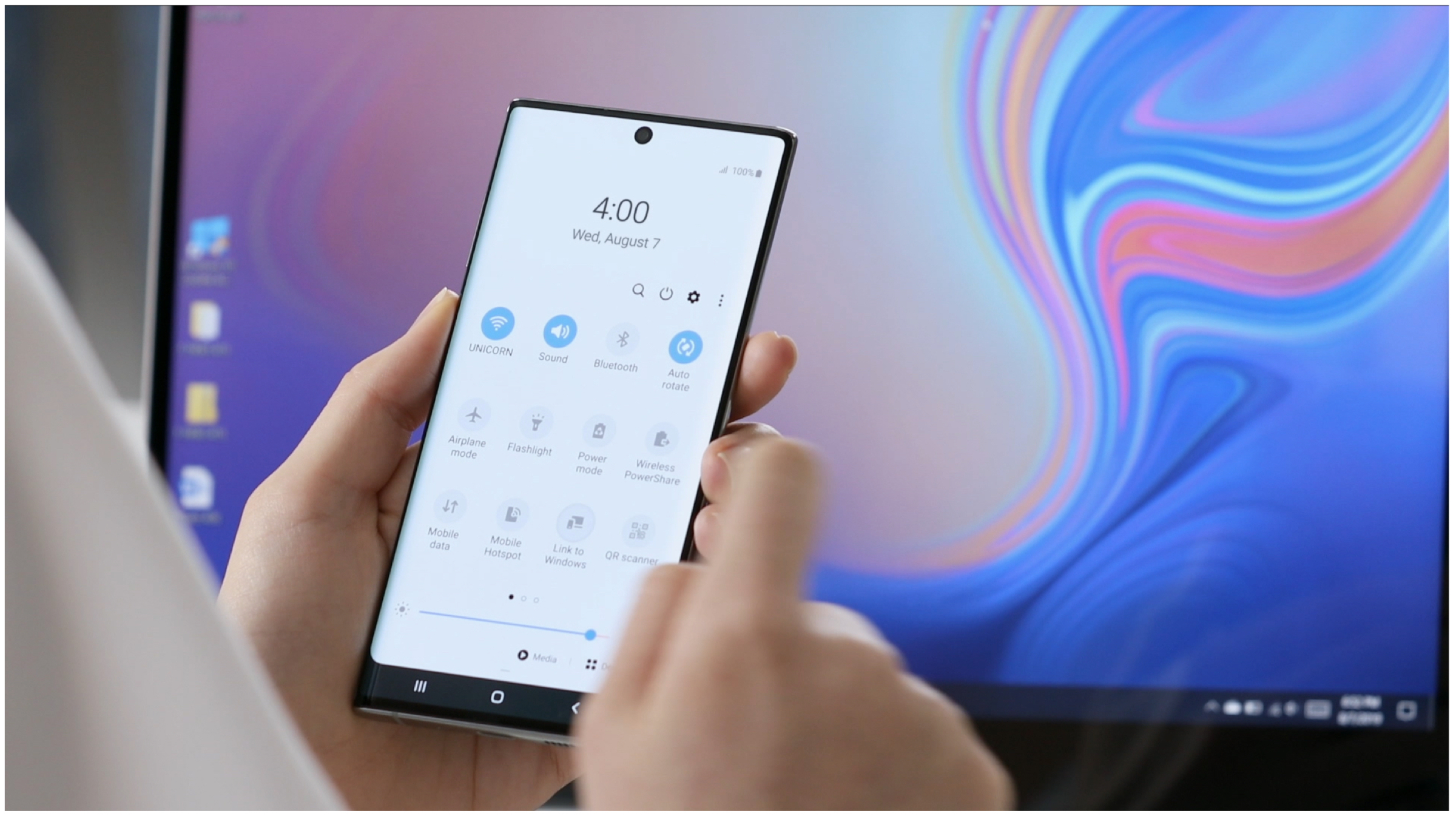
    DeX is short for Desktop Experience, this feature can mirror the contents of the Galaxy Note 10+ on a large screen display. It utilises the phone hardware to produce a desktop-like experience possibly replacing a laptop or desktop computer in certain scenarios. 

    The SpO2 sensor stands for peripheral capillary oxygen saturation it is used to estimate the amount of oxygen in the blood. Therefore, users that have certain health conditions, this feature of Galaxy Note 10+ can be highly beneficial.

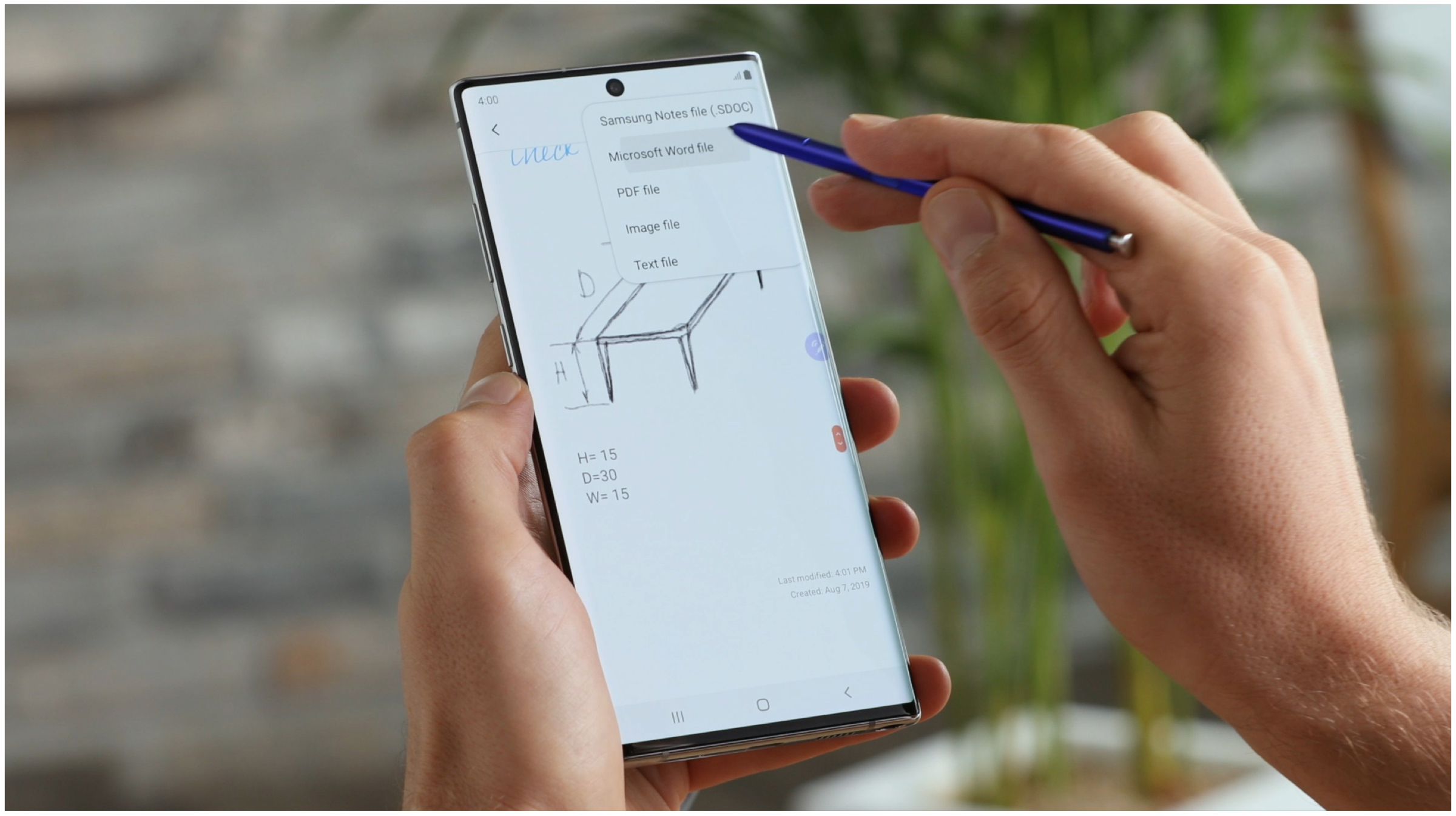
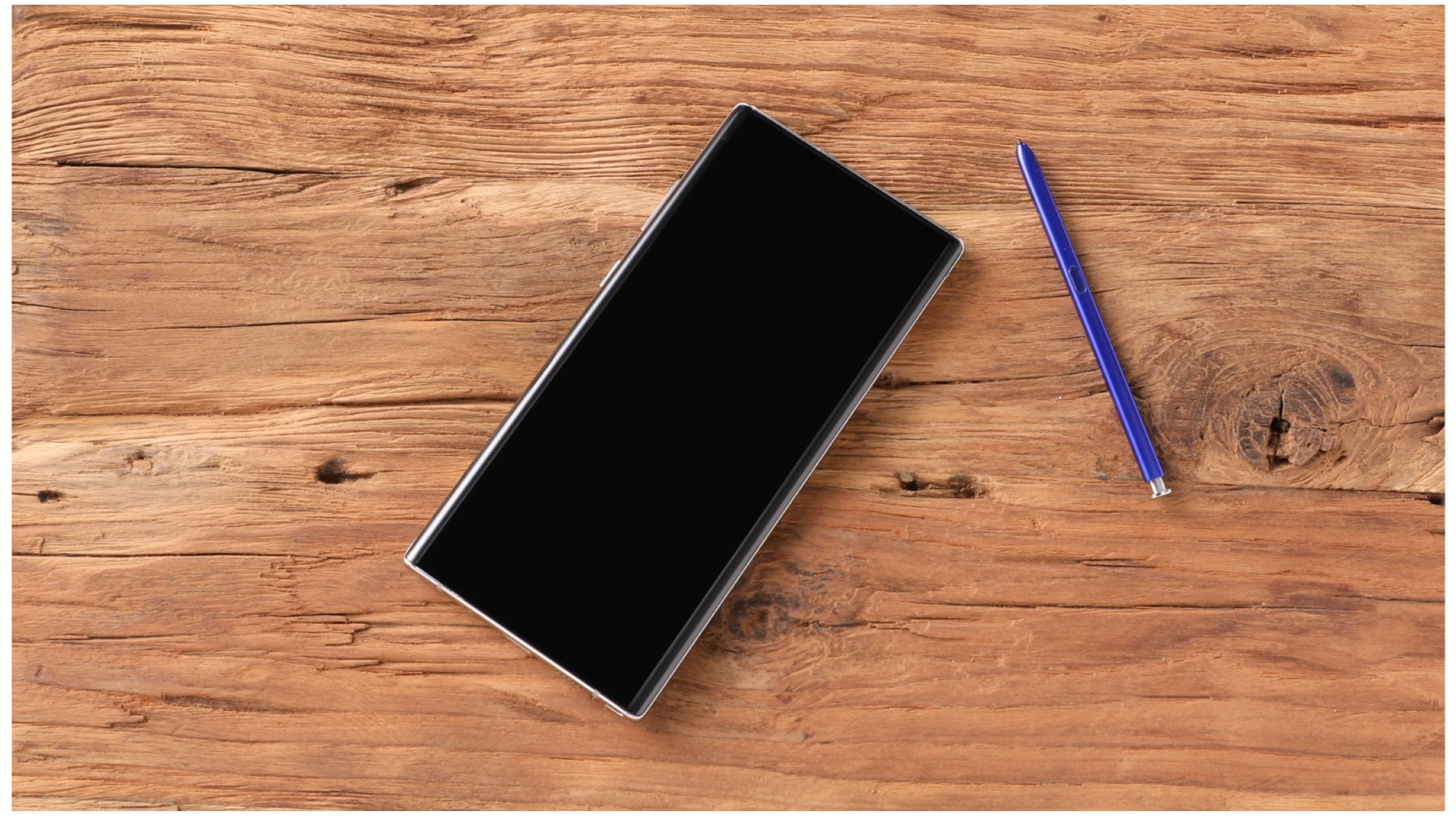
    The Galaxy Note 10+ also ships with the all new S-Pen which adds a whole new dimension of wireless control to the device like remotely clicking pictures or navigating between apps. 

    Price And Conclusion
    Specifications  OnePlus 7 Pro Samsung Galaxy Note 10+
    Price

    6 GB + 128 GB: 48,999

    8 GB + 256 GB: 52,999

    12 GB + 256 GB: 79,999

     12 GB + 512 GB: 89,999

    Display

    6.67 inch

    Fluid AMOLED

    90 Hz

    3120 x 1440 QHD+

    19.5:9  Aspect Ratio

    516 ppi

    Corning Gorilla Glass 5

    6.8 inch

    Dynamic AMOLED

    60 Hz

    3040 x 1440 FHD+

    19:9 Aspect Ratio

    498 ppi

    Corning Gorilla Glass 6

    Chipset

    Snapdragon 855

    7 nm Fabrication Process

    Octa-core 

    Adreno 640 GPU

    Exynos 9825

    7 nm Fabrication Process

    Octa-core 

    Mali G76 MP12 GPU

    RAM

    6 GB

    8 GB

    12 GB

    Storage 128 GB

    256 GB

    256 GB

    512 GB

    Primary Camera

    48 MP, f/1.8, Sony IMX582 (PDAF)

    8 MP, f2.4 (Telephoto)

    16 MP, f/2.4 (ultrawide)

    2160p video@60fps

    720p video@480fps

    12 MP, f/1.5-2.4 (PDAF)

    12 MP, f/2.1 (Telephoto)

    16 MP, f/2.2 (ultrawide)

    TOF 3D VGA camera

    2160p video@60fps

    720p video@960fps

    Front Facing Camera 16 MP

    1080p@30fps

    10 MP

    2160p@30fps

    Battery 

    4000 mAh battery

    30 Watt Warp Charge

    Non-removable Li-Ion 4300 mAh battery

    45 Watt Fast Charge

    Ships With 25 W charger

    Other Features In-display Fingerprint scanner (Optical)

    Face unlock

    In-display Fingerprint scanner (Optical Sensor)

    Face unlock

    DeX Support

    Sp02 Meter

    S-Pen

    Also Read: Qualcomm Snapdragon 865 Benchmark Scores Leaked On Geekbench

    As previously mentioned, both the devices are one of the best Android smartphones that money can buy. We have laid out all the differences in an easy to grasp manner so you can make the right choice based on your needs.

    We feel the OnePlus 7 Pro offers better value in comparison to the Note 10+. However, if you are not constrained with a budget and you want a no holds barred phone that offers higher storage capacities, has several other bells and whistles like the S-Pen and absurdly fast 45 W fast charging, the Note 10+ has to be the device of your choice. 

    Would you like us to write more such articles and what are your thoughts on this one? Do Let us know in the comments below.

  • Huawei Unveils HarmonyOS, Its Android Replacing Operating System

    Huawei Unveils HarmonyOS, Its Android Replacing Operating System

    At the Huawei Developer Conference (HDC) in China on the 9th of August, Chinese telecommunications giant Huawei has unveiled the long-rumoured HongMengOS. Called the HarmonyOS for the global market, the new operating system has been positioned as a replacement to Android. While HarmonyOS has been primarily designed for IoT (Internet of Things) products like smart speakers, displays and wearables; the company claims that if it is no longer allowed to use Android in the future, the new operating system can be used for Huawei smartphones.

    HarmonyOS

    Huawei HarmonyOS

    As mentioned above, the HarmonyOS by Huawei is its operating system for IoT devices. Said to be in development since the last few years, the rumours of it started appearing when the company was barred from doing business with any American company in the month of May. In its presentation, the Consumer Business Group CEO Richard Yu revealed that the new software is microkernel-based, which is apt for IoT devices. Huawei claims that HarmonyOS is not only faster than Android, it is also much safer. The new platform is also open source, which means anyone can access, modify or enhance it.

    Also read: Upcoming Realme Smartphones To Feature Quad Cameras, Will Launch Before Diwali

    While it is hard to believe otherwise, the HarmonyOS by Huawei is not aimed at being an Android competitor. The company is placing the operating system against Google’s Fuchsia, which is a similar microkernel-based software in development for a while now. One advantage of the newest platform by Huawei is that it can run on multiple devices, ranging from different screen sizes. It is speculated that the company will launch various products this year featuring the OS, ranging from smart TVs to maybe even a smartphone. However, it has assured that at least for the near future, the Huawei smartphones will continue to support Android, saving HarmonyOS for a rainy day.

  • Upcoming Realme Smartphones To Feature Quad Cameras, Will Launch Before Diwali

    Upcoming Realme Smartphones To Feature Quad Cameras, Will Launch Before Diwali

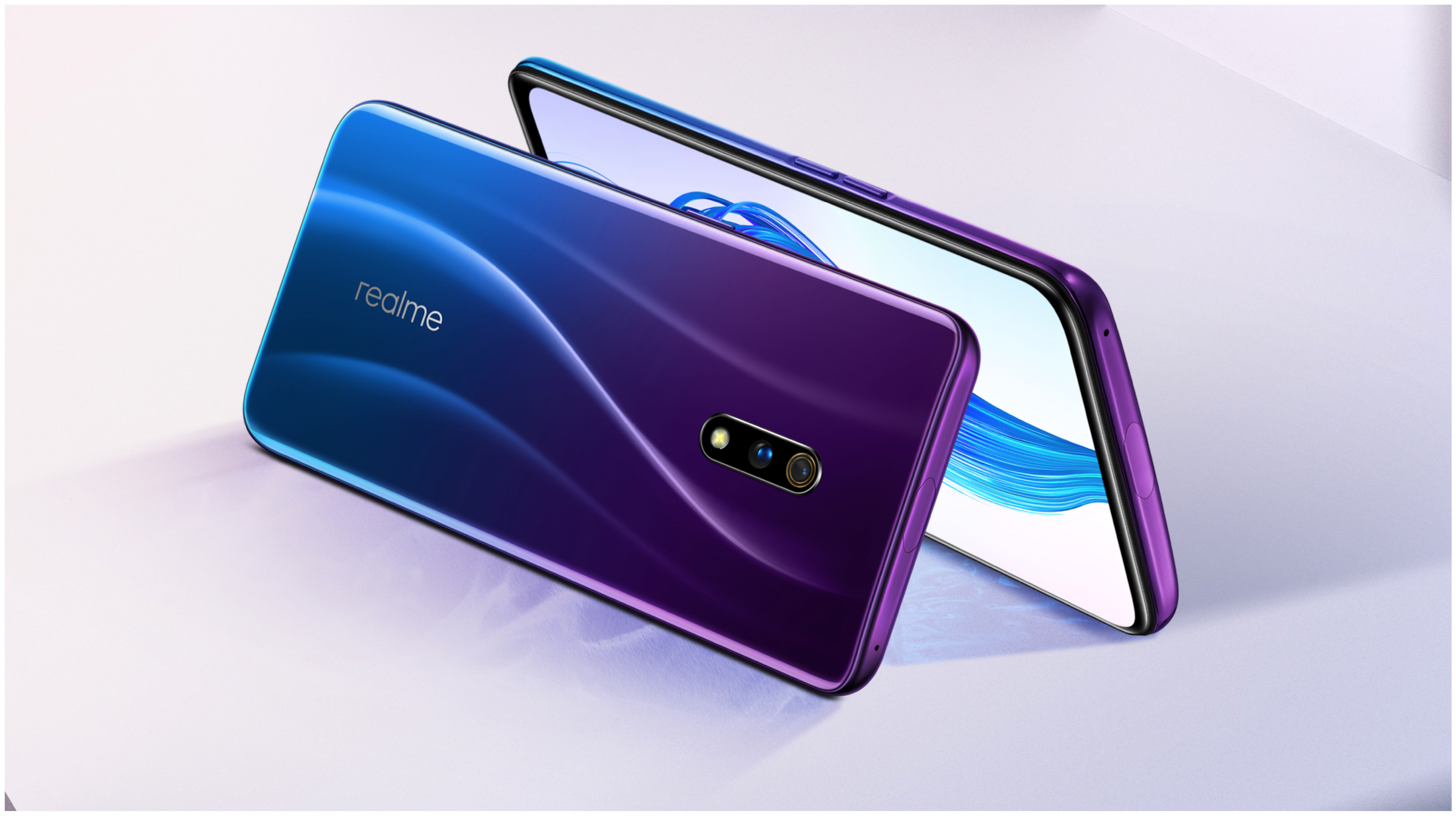
    At Realme’s Camera Innovation Event on 8th August, the company gave out a few features to be expected on its upcoming smartphones. The brand which was previously an Oppo subsidiary has grown to be one of the top 10 company since its relatively short run in the industry. Now, the brand has confirmed that its next-gen Realme Pro and Realme X series of the smartphone will feature quad cameras. They are also confirmed to launch before Diwali. 

    The company’s official Twitter handle and a few of its top executives have been pushing the phrase dare to leap. The “leap” was to describe the jump to quad-camera technology. In the event, the company confirmed that the Realme 3 and X series will have successors that feature quad cameras. Notably, Realme X was just launched in July and is speculated to receive a Pro variant soon. Previously, a 64MP smartphone had been teased by the company that was speculated to be the Realme 5 or 5 Pro. 

    Realme
    Realme X

    In April, it was reported that Realme would soon launch a flagship smartphone with Qualcomm Snapdragon 855 or 855+. It now remains to be seen which device in the various lineups features the top end mobile chipset. After the event, the company also shared its future plans on Twitter. According to the images shared, the quad cameras are set up in a vertical manner on the top left on all three series. Furthermore, the images also hint at an in-display fingerprint scanner since no physical sensor is visible on the rear. 

    Also ReadHonor Band 5 Launched In India, Features A Heart Rate Monitor And AMOLED Display

    Furthermore, Realme has also unveiled camera features such Ultra Resolution, Super Wide Angle, Ultra Macro, Telephoto Lens, Portrait Mode, Expert Mode, Panorama Mode, Ultra Nightscape Mode and Chroma Boost. Unfortunately, the exact launch date of the smartphone is still uncertain. However, we can expect them to launch sometime between now and October 27th 2019. It remains to be seen if the latest iterations launch together or separately.

  • OnePlus 7T Pro Leaks Again

    OnePlus 7T Pro Leaks Again

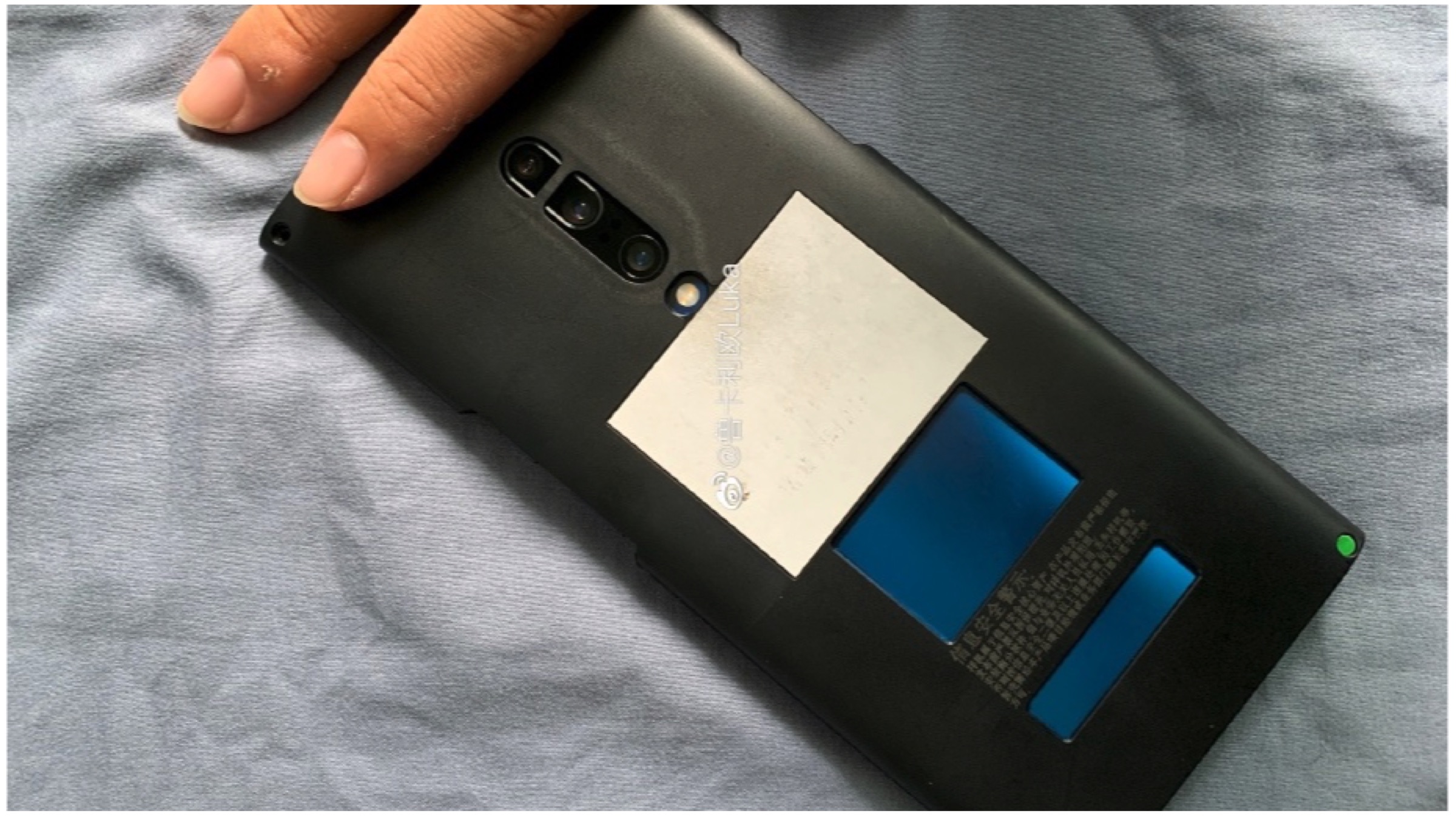
    Previously, we had reported on a supposed leak of the OnePlus 7T Pro. The leak pertained images of the smartphones front panel but nothing apart from that. Now, a fresh report has surfaced that also showcases live shots of the upcoming OnePlus smartphone. The leaked images show a notchless display at the front and a triple camera setup at the rear.

    OnePlus 7T Pro

    OnePlus 7T Pro

    Similar to the previous report, the OnePlus 7T Pro showed up wrapped in a protective case again. It is assumed to be done to hide the exact design. However, according to the images, we can still make out the rear camera module of the device. The front images of the handset reveal a notchless display which is similar to its predecessor, the OnePlus 7 Pro. Its front panel features negligible bezels which are partly due to the fact that it will also houses a pop-up selfie camera. 

    OnePlus 7T Pro

    Whats The Difference?

    On the rear, a blue coloured back panel is visible through a gap in the protective case. So, we might see a blue colour available at the time of the launch. Its rear camera module is set up in a vertical manner on the back and there is an LED flash right below it. A fingerprint scanner isn’t visible and is likely housed underneath the display. Notably, the first two sensors are grouped together while the third has a slight gap between the others. For the most part, the OnePlus 7T Pro looks almost identical to its preceding device. Although, it is to be expected considering its just a upgrade version of the 7 Pro.

    OnePlus 7T Pro

    Also ReadHonor Band 5 Launched In India, Features A Heart Rate Monitor And AMOLED Display

    One of the most noticeable differences between the base and ‘T’ variant is its prominent front speaker. Furthermore, the OnePlus 7T Pro should be a higher specced variant and could supposedly have the Qualcomm Snapdragon 855+. It could also feature an improved camera as well and be offered in new colour options. Unfortunately, there is still no concrete evidence that the device is the OnePlus 7T Pro. Additionally, the company hasn’t made any official announcements either.

  • Qualcomm Snapdragon 865 Benchmark Scores Leaked On Geekbench

    Qualcomm Snapdragon 865 Benchmark Scores Leaked On Geekbench

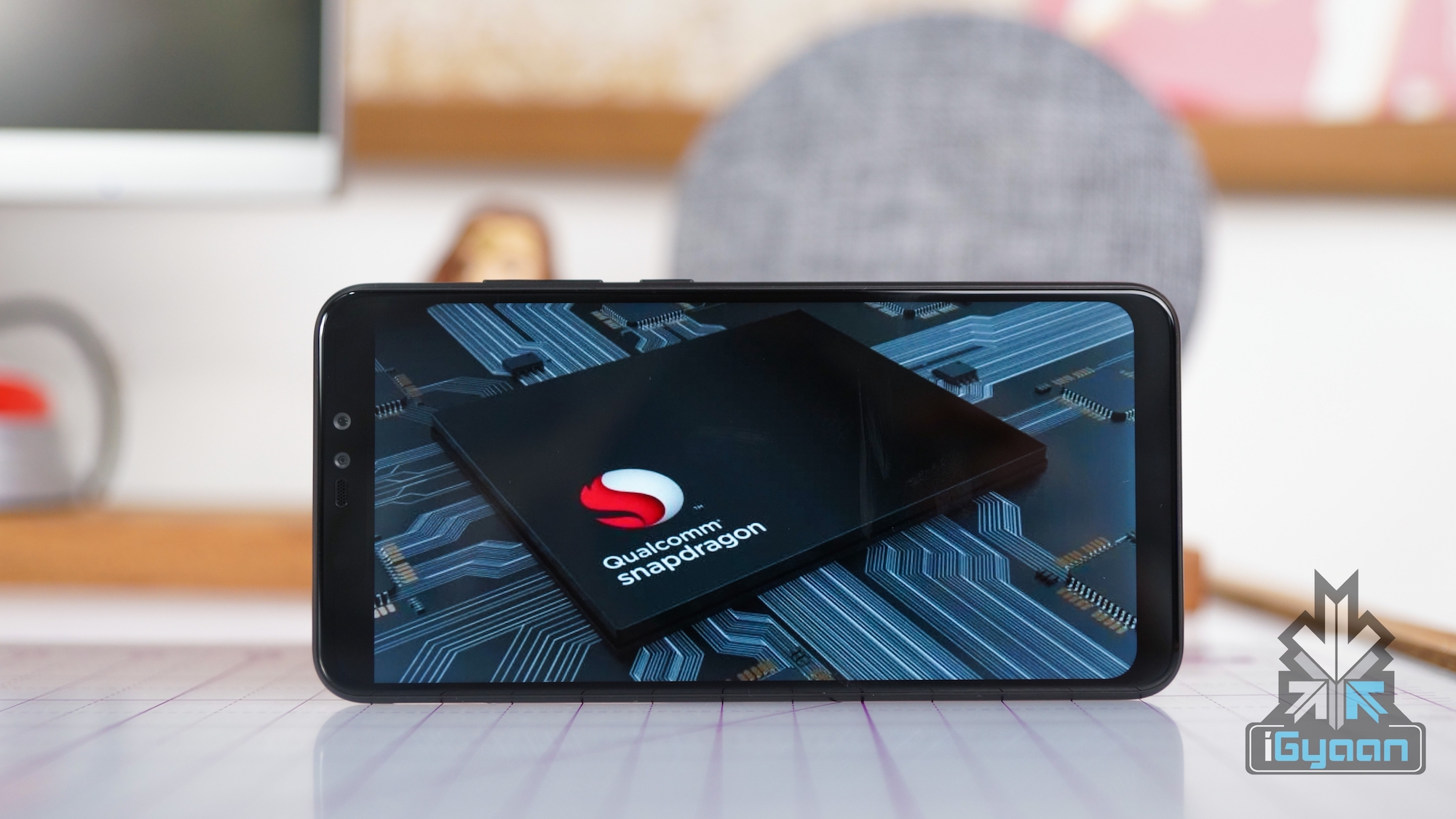
    American technology giant Qualcomm, who is best known for making mobile processors, released its latest flagship smartphone SoC (System on Chip) last year. Dubbed the Snapdragon 855, the chipset has been since seen in almost every major flagship handset released this year so far. The company has also released a mid-cycle refresh of the Snapdragon 855 by launching the Snapdragon 855 Plus a few weeks ago. It is expected that Qualcomm will release a successor to the processor, purportedly called the Snapdragon 865 in the month of December.

    While early details about the upcoming SoC was leaked previously, not much else was known at the moment. Now, the Snapdragon 865 has surfaced on benchmarking platform Geekbench, which reveals the benchmark scores of the upcoming chipset.

    Qualcomm Snapdragon 865

    Qualcomm Snapdragon 865

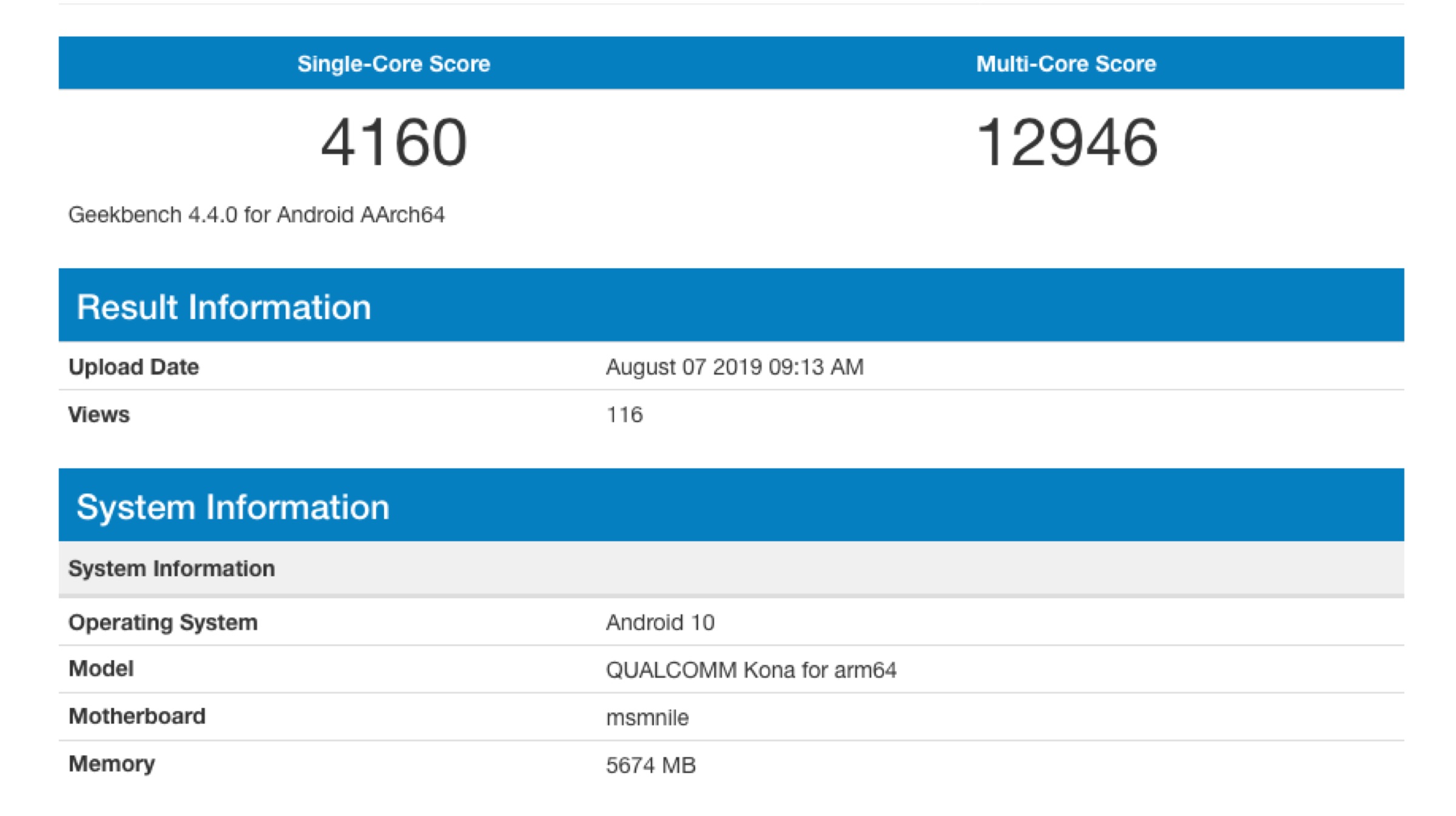
    On the popular benchmarking website Geekbench, the results of the Qualcomm Kona chipset have appeared. The previous leak of the Snapdragon 865 revealed that it has been codenamed Qualcomm Kona. So this means that the scores are of the upcoming flagship chipset. In the website’s single-core test, the SoC has managed to score 4160; while on the multi-core test, it records a score of 12946.

    This is slightly higher than what the smartphones running the Snapdragon 855 could achieve, so it suggests that the upcoming chipset will provide a performance boost in flagship devices. Furthermore, the device used to run the test has been found to be running 6GB of RAM and Android 10, the latter of which is yet to hit the market.

    Qualcomm Snapdragon 855 Plus
    Snapdragon 855 Plus

    Also read: Honor Band 5 Launched In India, Features A Heart Rate Monitor And AMOLED Display

    The Snapdragon 865 SoC from Qualcomm is speculated to be an iterative update over its predecessor. The chipset has been leaked to have two variants, out of which at least one will support 5G connectivity. It may also support LPDDR5X RAM and UFS 3.0 storage similar to the Snapdragon 855.

    Like the previous generations, it is expected that Qualcomm may announce the Snapdragon 865 in the month of December. The first smartphone to sport the latest flagship chipset from the company has usually been a Samsung device; so the upcoming processor may debut with the Galaxy S11 due next year.

iGyaan Network
Privacy Overview

This website uses cookies so that we can provide you with the best user experience possible. Cookie information is stored in your browser and performs functions such as recognising you when you return to our website and helping our team to understand which sections of the website you find most interesting and useful.