Tag: patent

  • Huawei Will Soon Launch Its Flagship P30 Series In Unique New Colours

    Huawei Will Soon Launch Its Flagship P30 Series In Unique New Colours

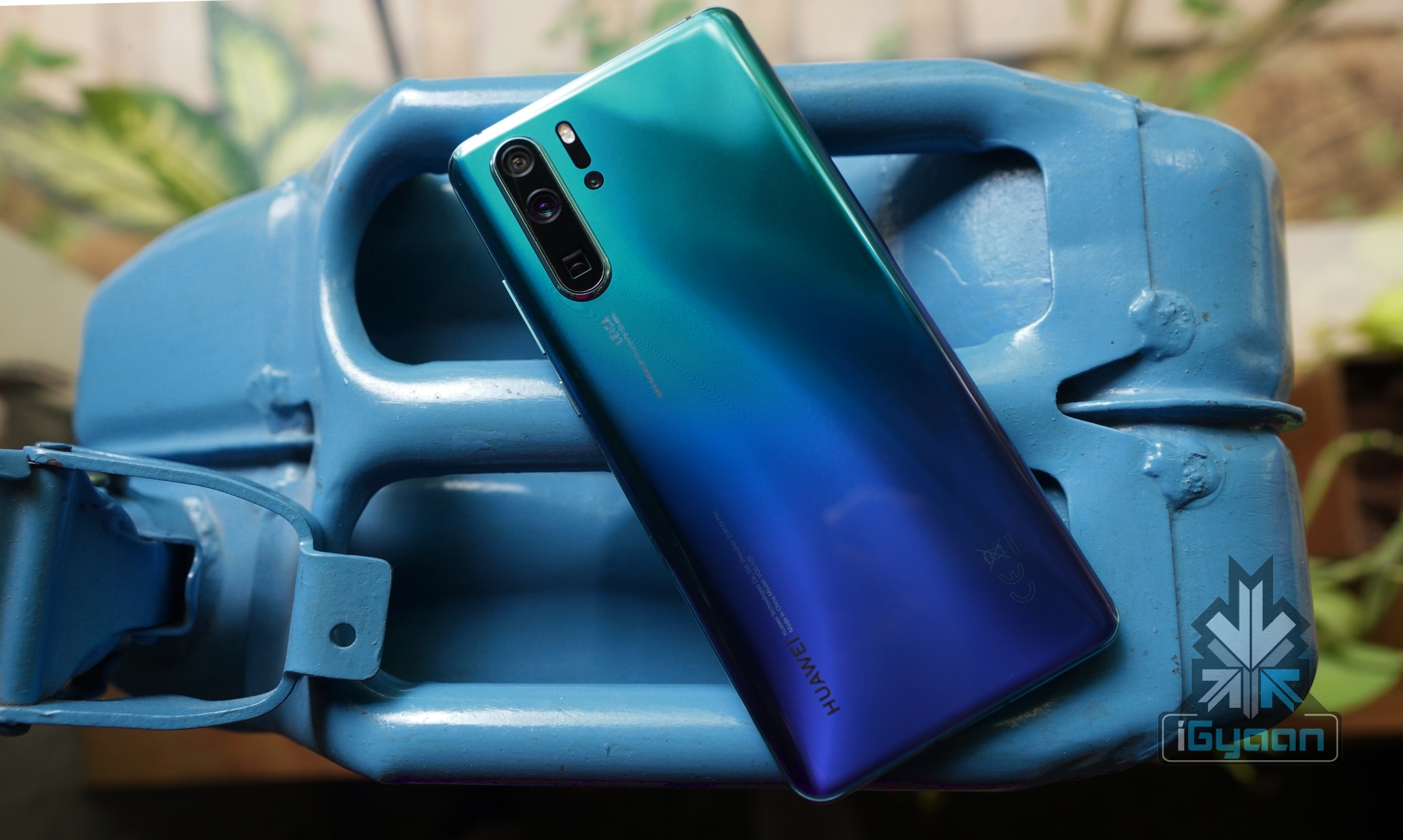
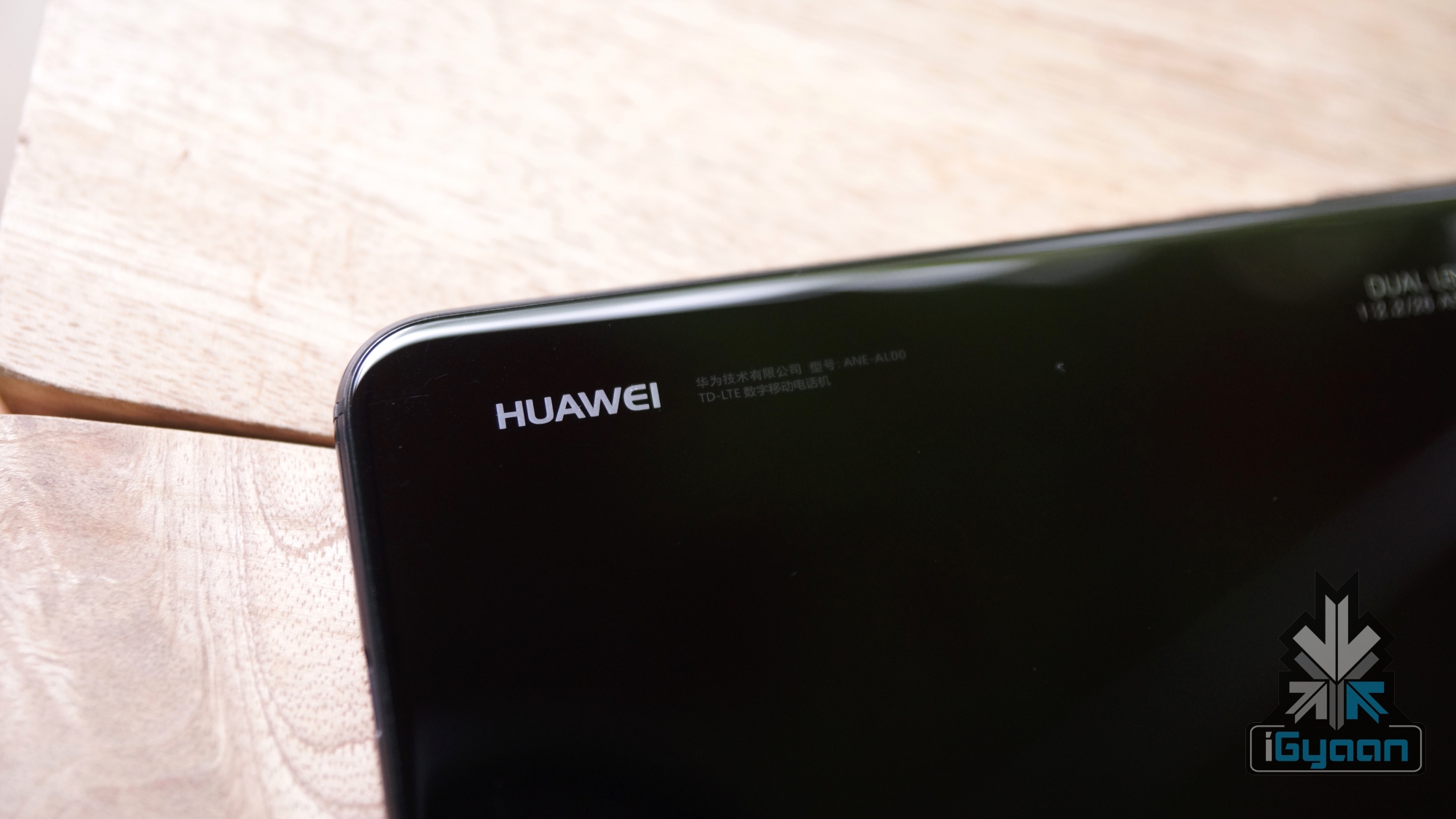
    Earlier this year, Huawei launched the P30 series smartphones globally. The series featured the flagship P30 Pro alongside the standard P30 and P30 Lite. These devices were the direct successors to Huawei’s P20 and P20 Pro and are the companies current flagship handsets and were launched in three colours with two being more common, namely Breathing Crystal and Aurora. Now, it is reported that the devices will arrive in two new colours.
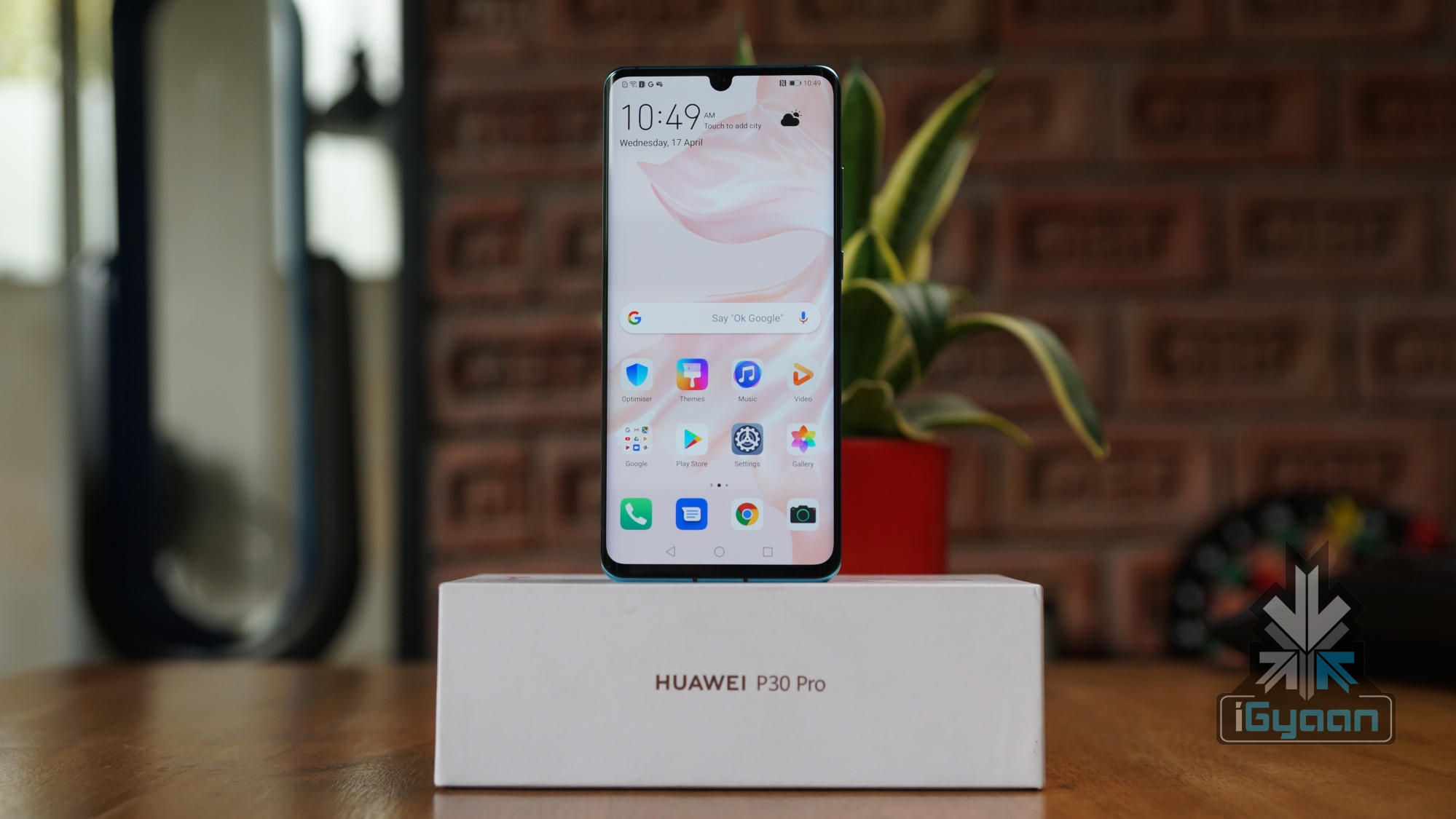
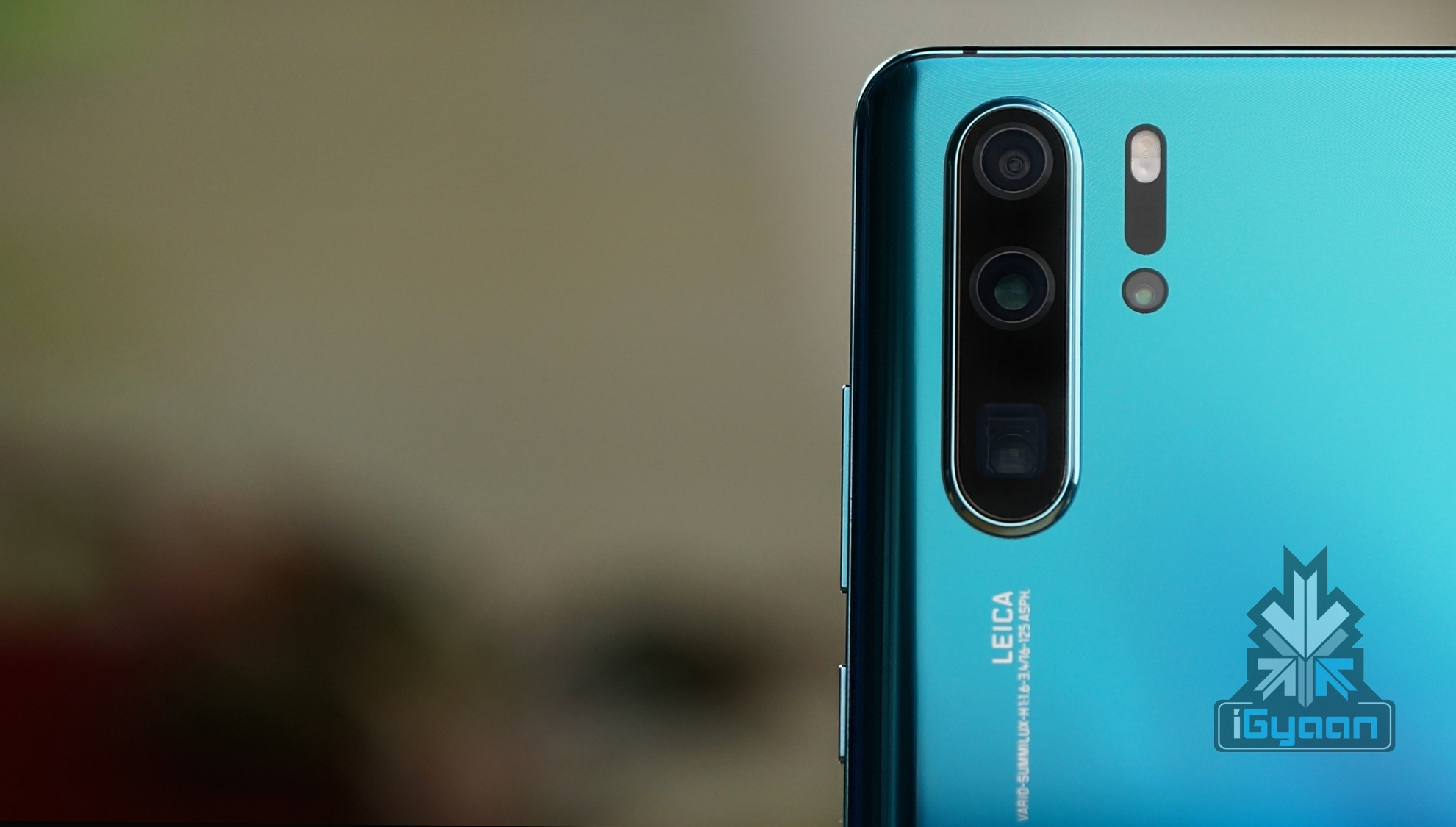
    Huawei P30 Pro

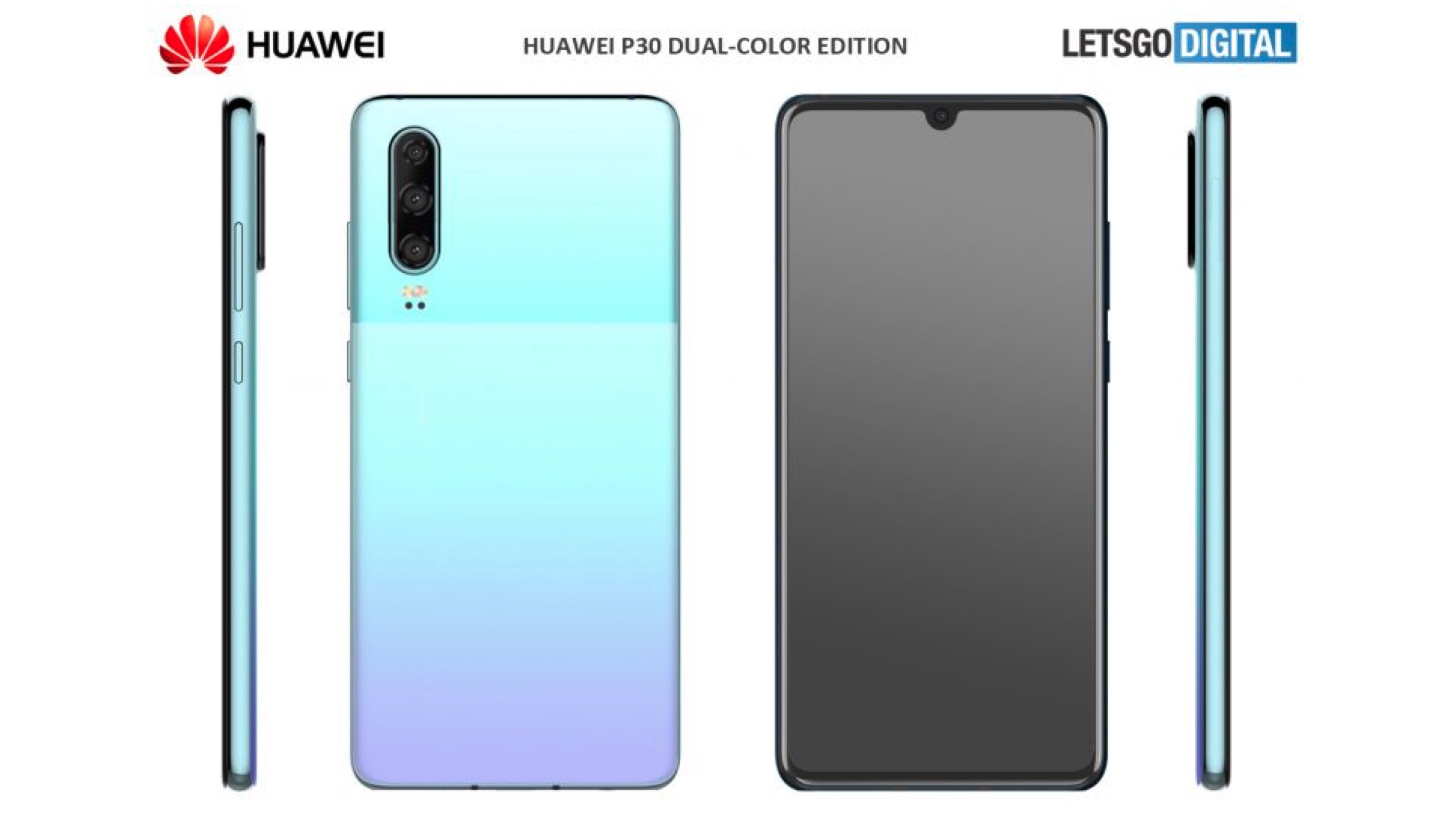
    Breathing Crystal Variant

    According to the report, the first colour seems like a variant of the Breathing Crystal colour. Huawei P30’s lower half is similar to the original Breathing Crystal while the top features a solid light blue colour. Notably, the new design patents had initially been filed with the EUIPO (European Union Intellectual Property Office) on 28th May 2019. However, the actual design patents were only seen since 23rd August 2019.
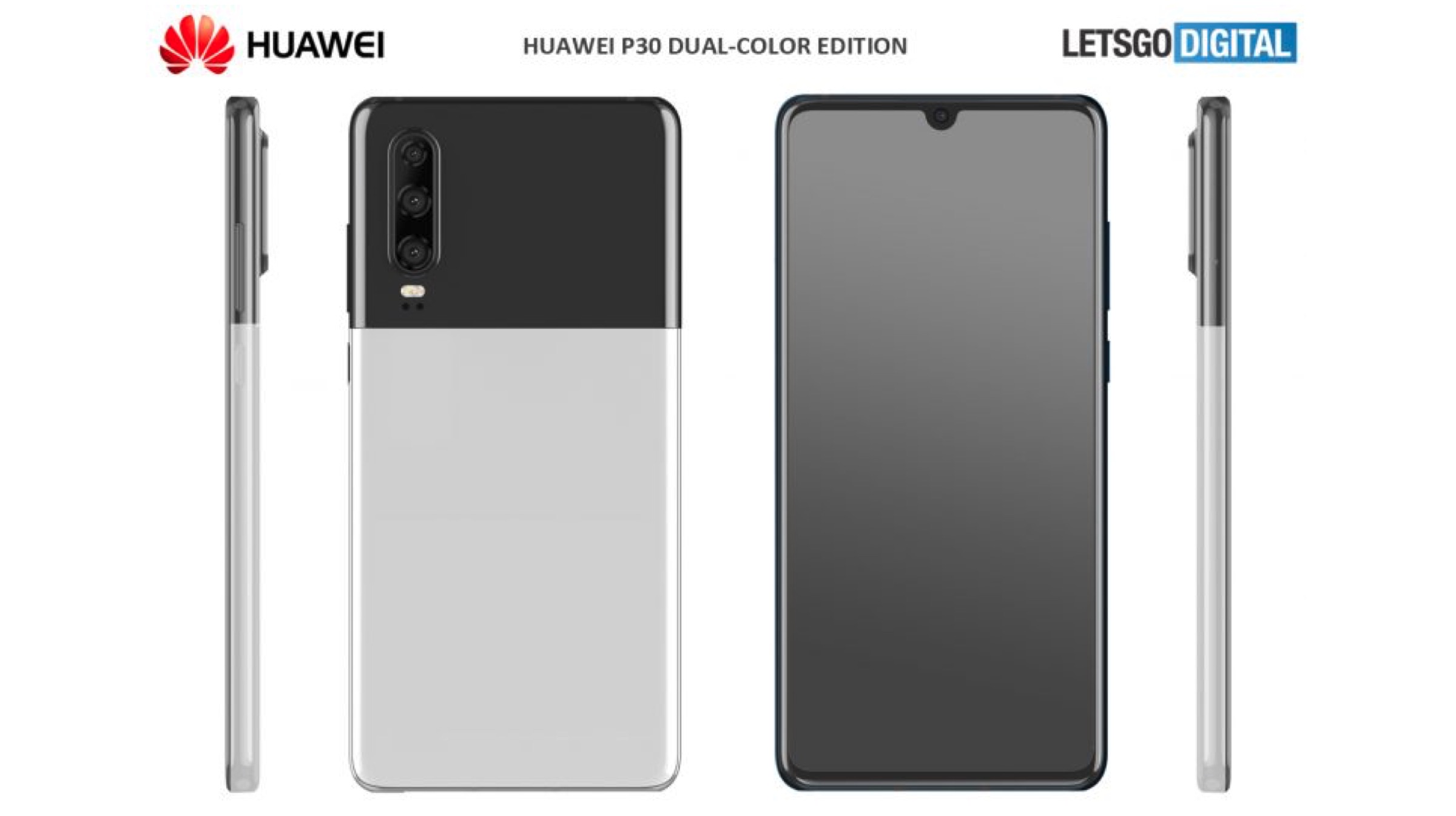
    Dual Colour Variant

    The second upcoming colour for Huawei P30 is unique in its design. Looking at the render, the new variant sports a dual-tone colour scheme pattern. The top half of the device is black while the bottom is grey on the back. This design reminds us of the Google Pixel range of smartphones, which often uses a two-tone colour scheme. It is expected that the company will announce these new colour variants at IFA 2019 which is just around the corner.
    Huawei P30 Quick Specs
    • Processor: Kirin 980 7nm SoC
    • Display: 6.1 inch FHD+ OLED 
    • RAM: 6GB
    • Storage: 128GB
    • Rear Camera: 40MP + 16MP + 8MP
    • Front Camera: 32MP

    Also ReadInstagram Working On Threads, A Snapchat Rivalling Messaging App

    The pattern the Huawei is following for the P30 series new colours is similar to what it has done before. Previously, the P20 series received four new colour variants a couple of months after their official release. The IFA 2019 will start on 6th September 2019 to 11th September 2018. Stay tuned for more updates regarding the event.
  • Samsung Working On A Smartphone That Can Fold Both Ways

    Samsung Working On A Smartphone That Can Fold Both Ways

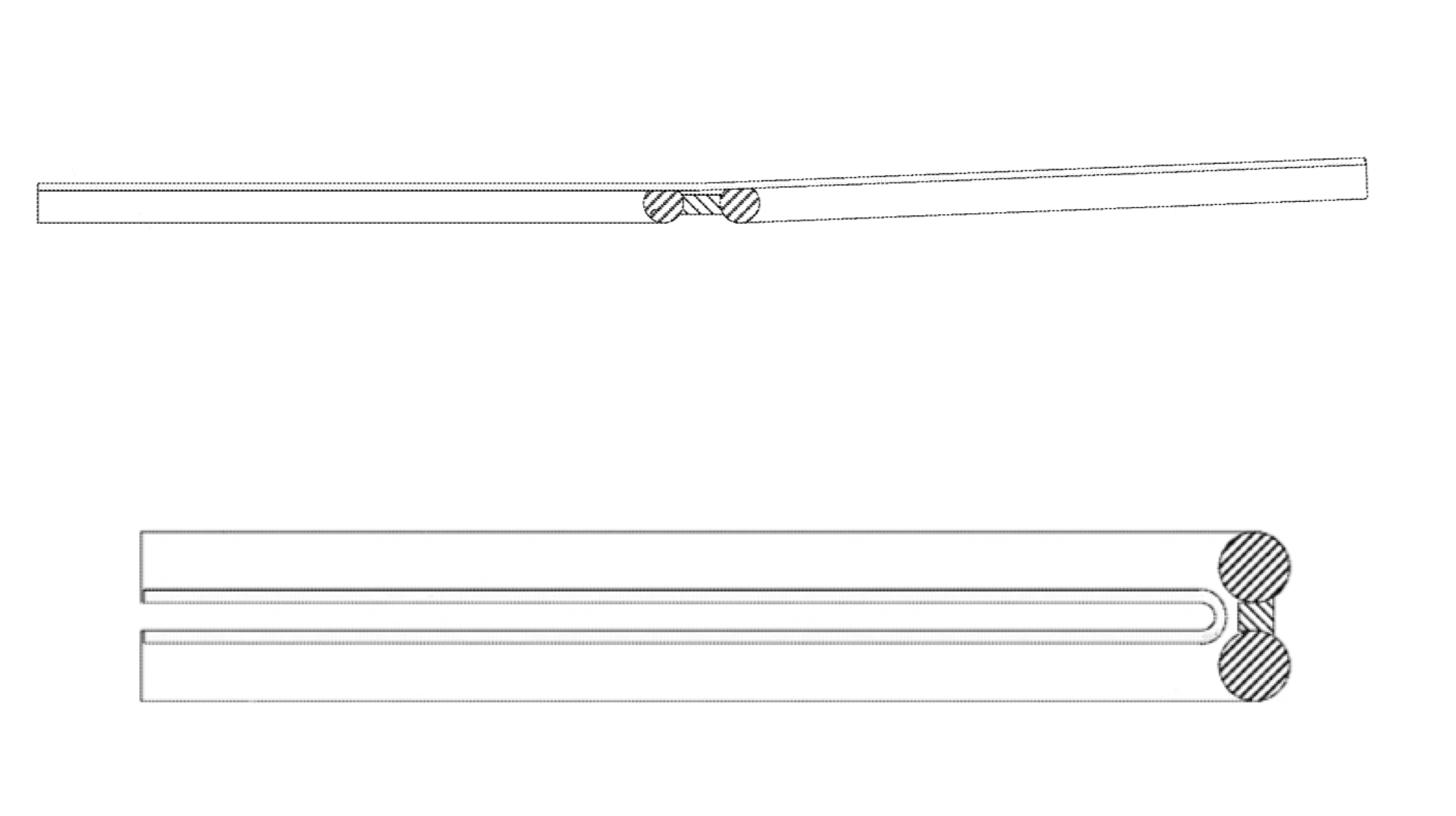
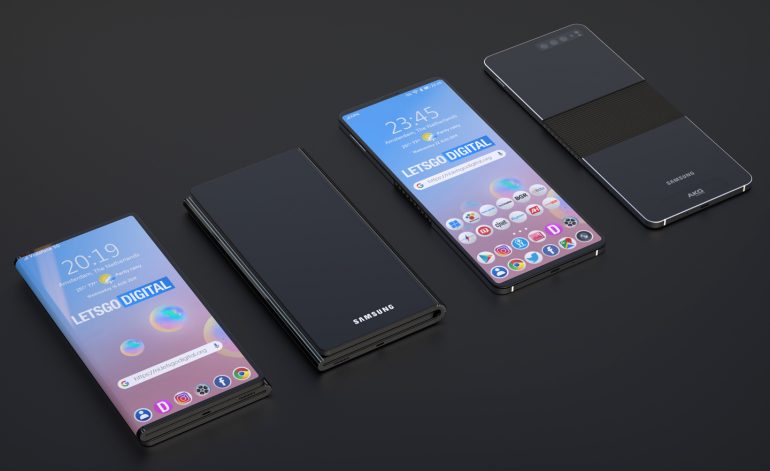
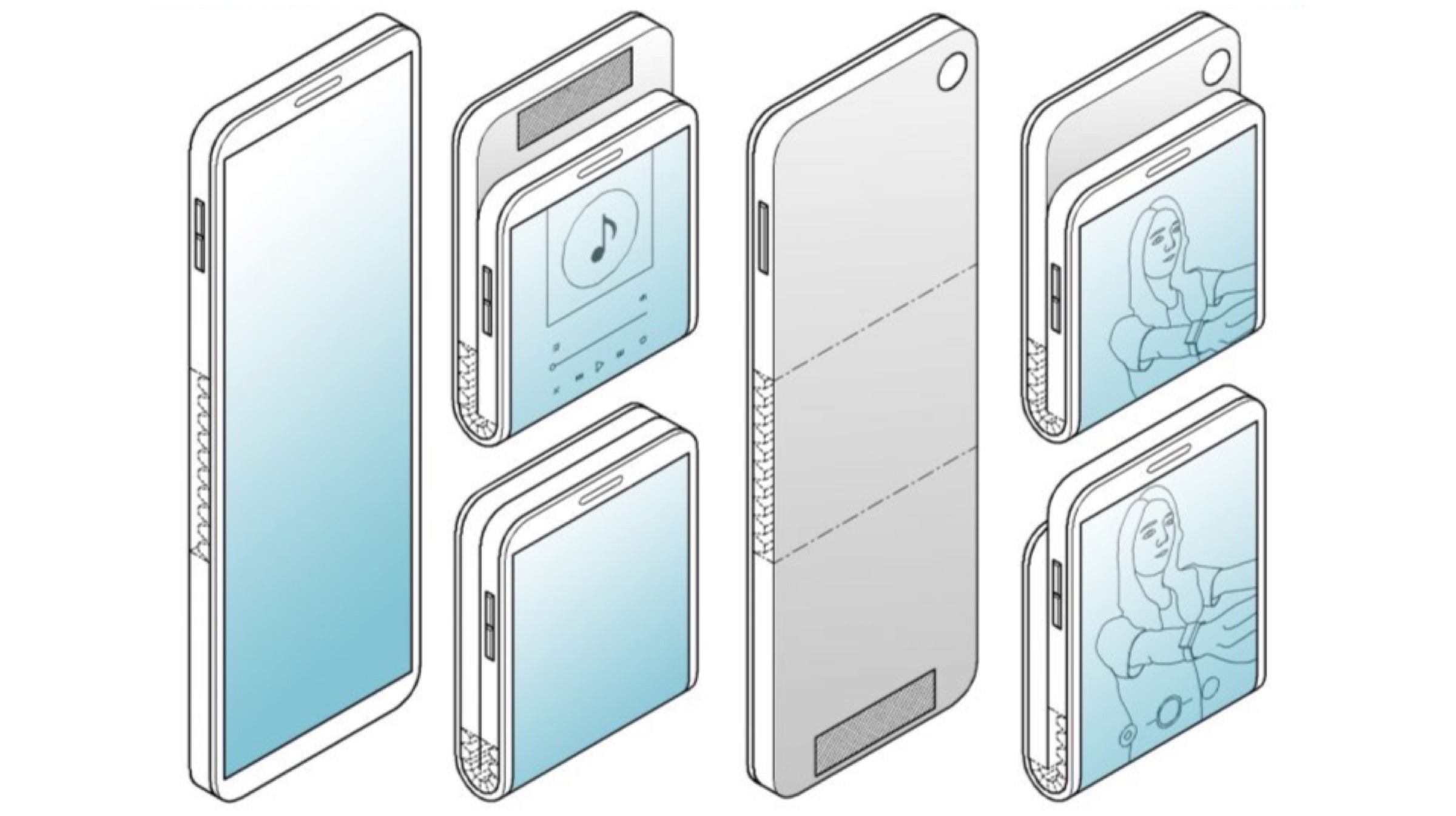
    Korean electronics giant Samsung unveiled its first foldable smartphone, the Galaxy Fold back in the month of February. While the device was claimed to be ready for prime time, just before its launch, problems with its durability started surfacing online. Due to this, the company had to recall the review units of the handsets and postponed the Galaxy Fold’s launch date to several months. While the world is still waiting to see the smartphone in action, latest patent filings by Samsung reveal it is ready with another foldable handset, the latest of which folds both ways.

    Samsung Foldable Smartphone Patents

    Samsung

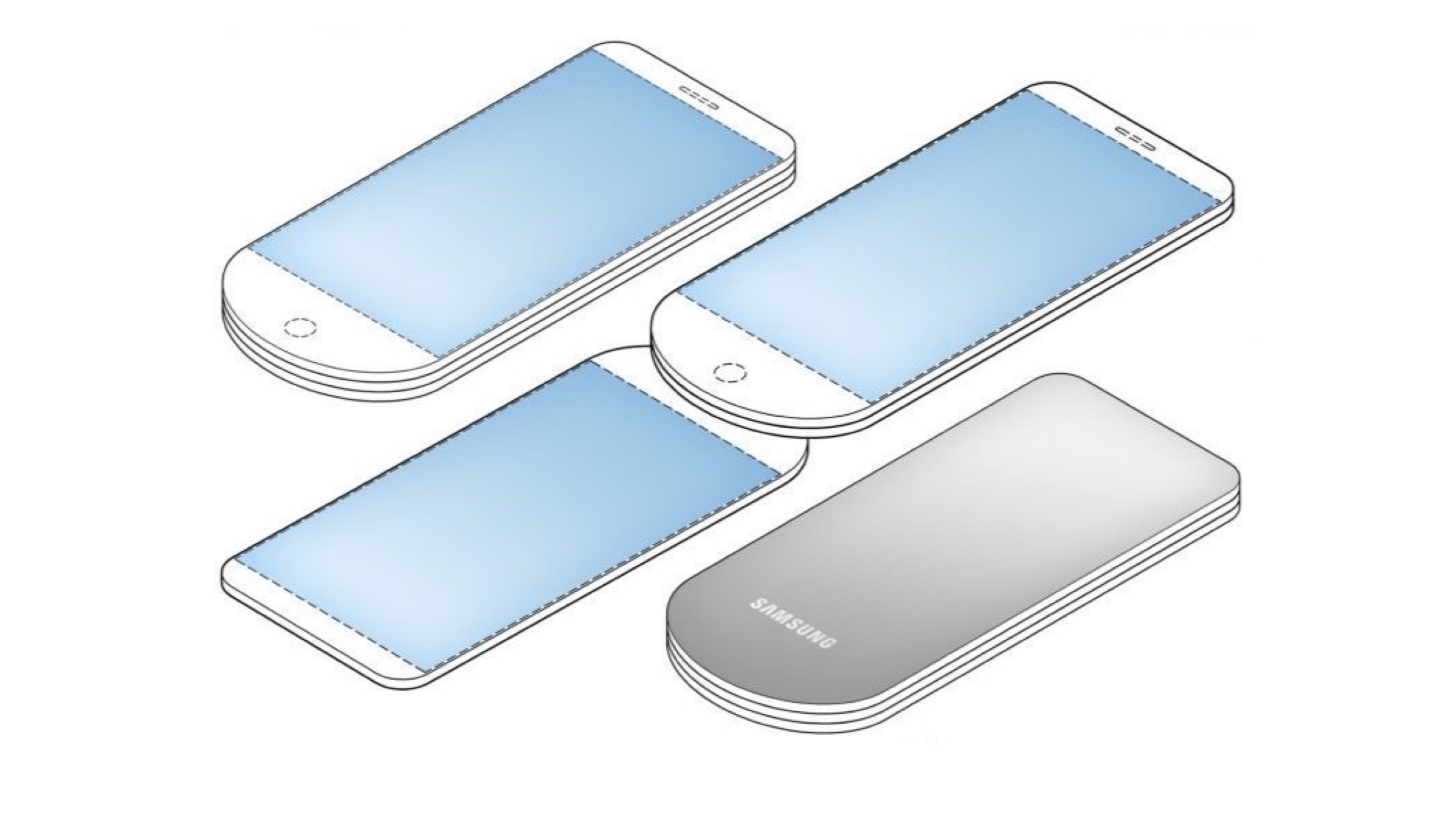
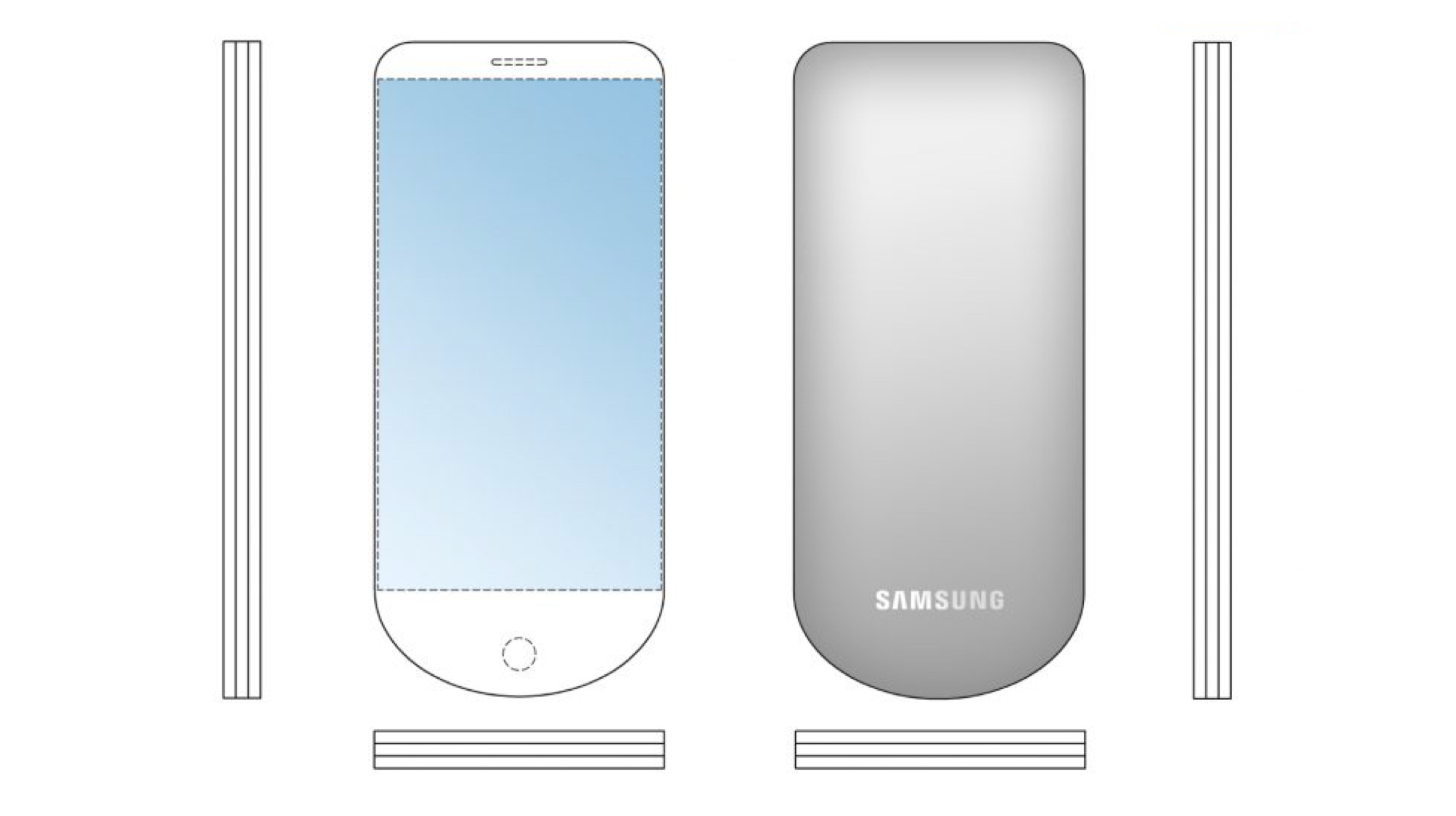
    Samsung filed a patent back in the month of January this year at the United States Patent and Trademark Office (USPTO). It was for a foldable device and the method for controlling it. The patent was finally published on the 8th of August and has been included in the World Intellectual Property Office (WIPO) database, which means that Samsung holds the right to the patent worldwide. Noteworthy, it is just a utility patent and not a design one. This suggests that the design aspects provided by the source can still change. That being said, the design reflected in the renders of the Samsung Galaxy Foldable handset has a bi-directional slide mechanism. This is like the Motorola Razr foldable device concept renders, with the addition of the latest one being able to fold in both directions.

    Samsung

    Also read: Realme XT Confirmed To Arrive Before Diwali With A 64MP Quad Camera

    The patents and the image provided in it also indicate a single camera cutout on the back. The hinge or the mechanism that makes the folding possible is a huge strip on the middle of the device. This reminds of the hinge present on the Royole FlexPai, the world’s first foldable smartphone. As the patent images show that the Samsung handset can be folded both sides, this would make it easier to protect the display, thus increasing durability. While it is not certain when the dual foldable smartphone will hit the markets if at all, but if it does see the light of the day, it looks like a viable competitor to the likes of the Huawei Mate X and the Motorola Razr.

  • Freshly Patented Xiaomi Smartphone Could Be The Poco F2

    Freshly Patented Xiaomi Smartphone Could Be The Poco F2

    In the year 2018, Xiaomi launched the flagship-grade Poco F1 which due to its value for money was well-received across the globe. Six months after its launch, reports via unofficial started surfacing that claimed the company will launch its successor which clearly has not yet happened. 

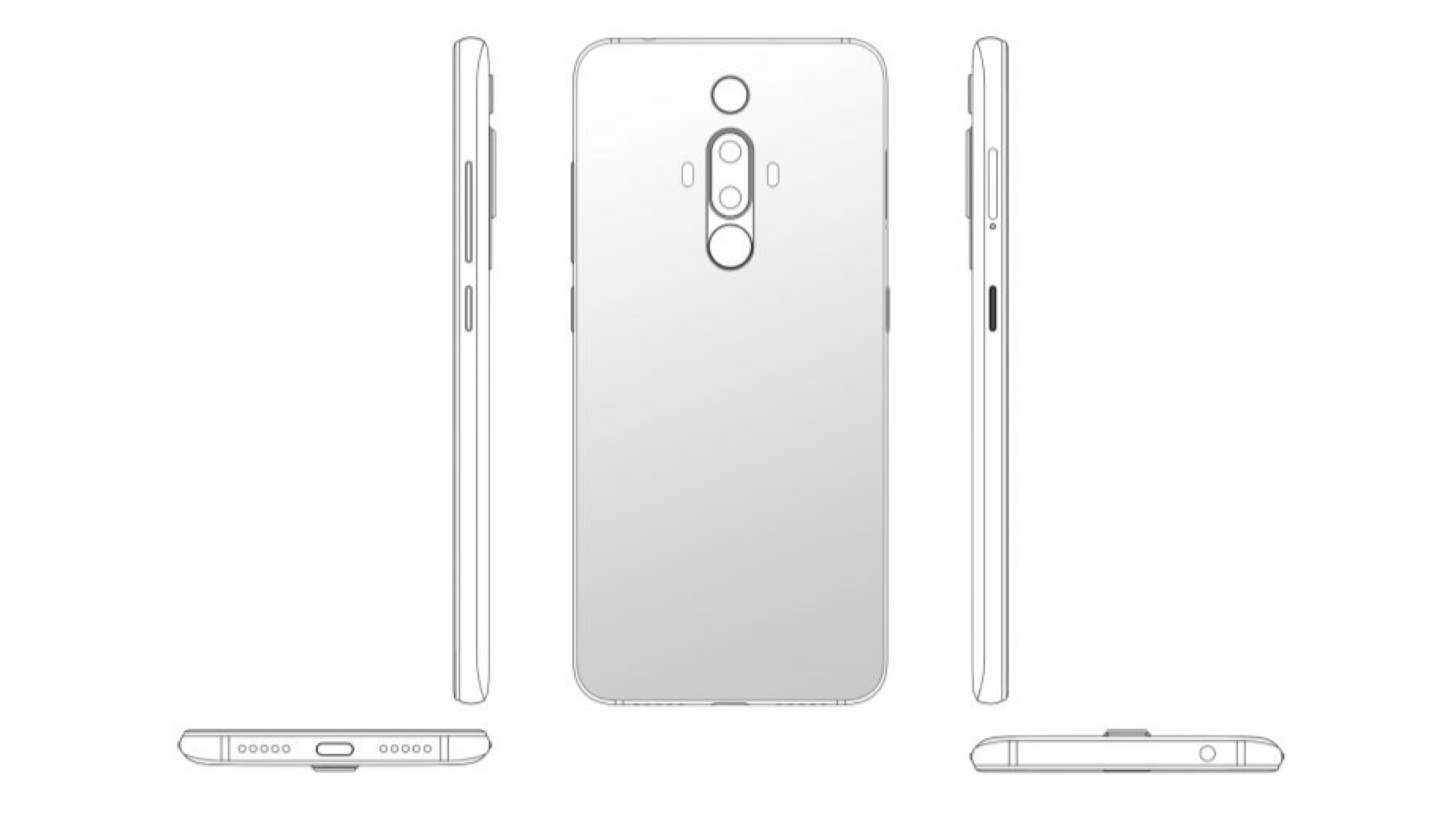
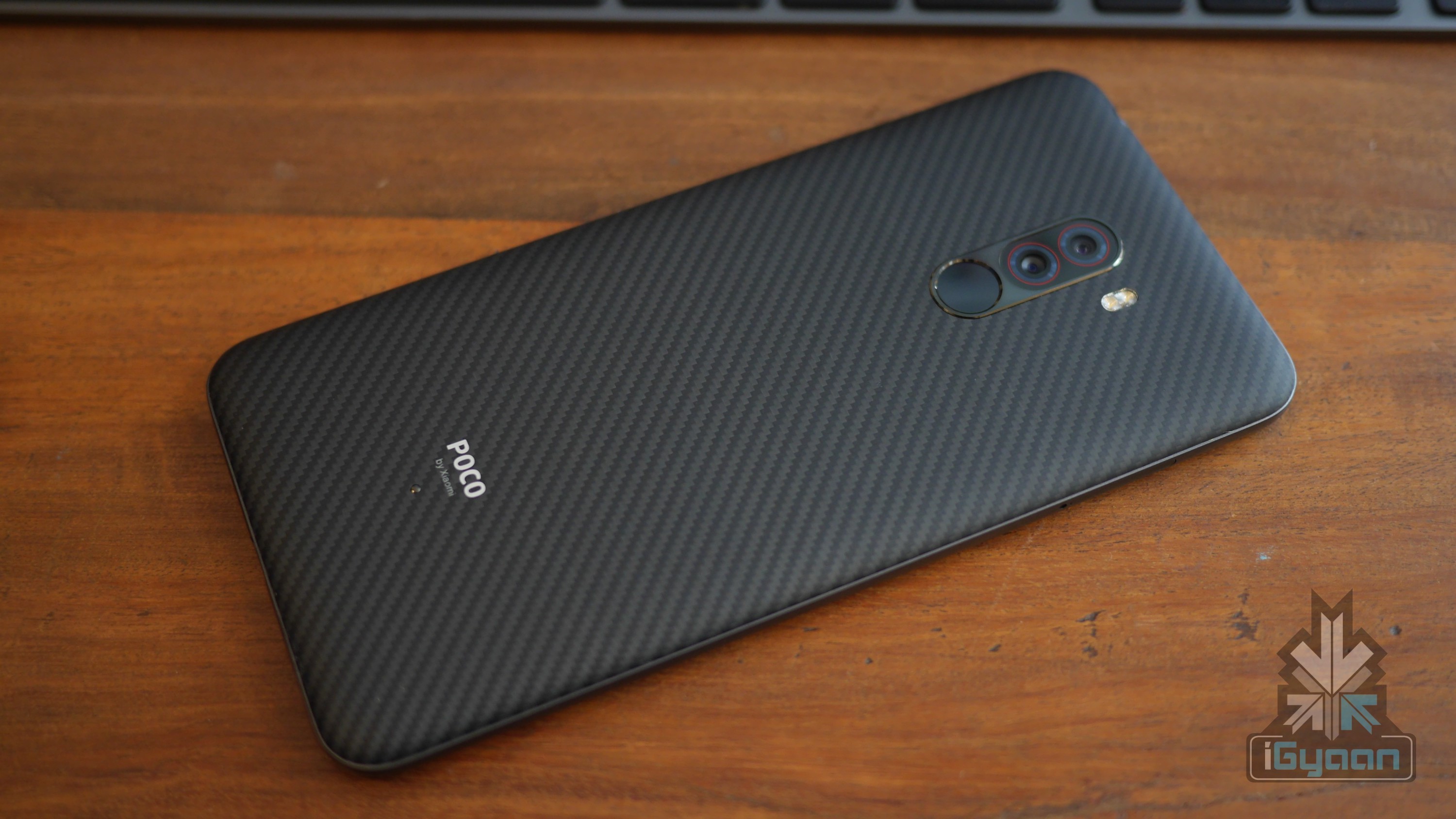
    On the 6th of August, Xiaomi was granted patent for an under development smartphone whose design seems familiar. The rear of the device houses a vertically aligned camera setup and a fingerprint sensor which is reminiscent of the Poco F1.
    Poco F2 Patent Alleged

    Moreover, the placement of USB Type C port, IR blaster and control buttons and SIM card slot on this device is heterogenous to that of the Poco F1. 

    Besides the handset in the patent has triple cameras rather than dual cameras. Due to the similar layout or ports, buttons, sensors and camera module, we believe this could indeed be the long-awaited Xiaomi Poco F2. 

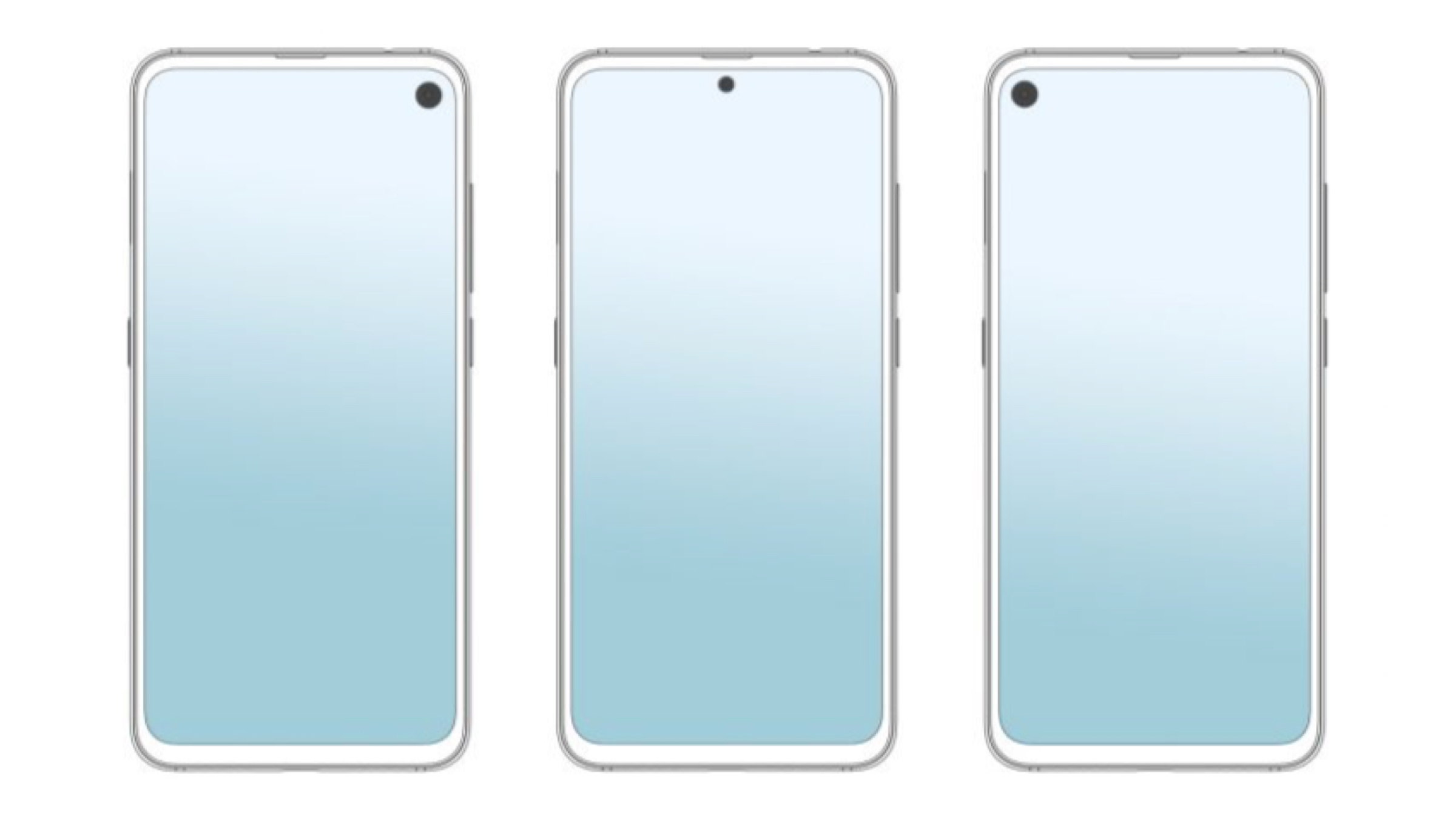
    Talking about the front of the smartphone, it has an elegant looking front fascia. Unlike the original handset that has a wide notch up top, the alleged Poco F2 has a punch hole camera which helps to maximise the screen-to-body ratio.

    Poco F2 Patent AllegedHowever, the patent reveals three different arrangements for the placement of the punch hole camera. Therefore, the company is yet to reach a decision as in which design will be implemented in the commercially available device.

    Unfortunately, the source does not reveal any specifications of the smartphone. Nonetheless, based on our assumptions, the Poco F2 will have the following features:

    • Screen: 6.4 Inch, LCD Display, Full HD Resolution
    • Rear Camera: 48 MP + 8 MP + 13 MP
    • Front Camera: 20 MP
    • Battery: 4,000 mAh, 27 W
    • Chipset: Snapdragon 855
    • CPU: Octa Core
    • GPU: Adreno 640
    • Connectivity: Bluetooth 5.0, 802.11 ac Wi-Fi, USB Type C Port, NFC, GPS
    • Notable Features: Rear Mounted Fingerprint Sensor, Punch Hole Camera

    Also Read: Upcoming Xiaomi Smartphone Will Feature The Samsung GW1 64MP Camera Sensor

    Conclusively, based on our assumptions, this device has a high possibility of being the Poco F2. Though we will have to wait patiently until Xiaomi acknowledges the patent or speaks publically about the handset. 

  • LG Also Patents A Smartphone With Invisible Selfie Camera, Could Launch Soon

    LG Also Patents A Smartphone With Invisible Selfie Camera, Could Launch Soon

    Innovation in the field of smartphones is at an all-time high. In order to increase the screen-to-body ratio on handsets, OEMs have shrunken the bezels around the display. However, this move leads to the dilemma of finding a position to accommodate the selfie camera and the earpiece. 

    As seen on several smartphones, the manufactures have embedded the earpiece in the top bezel which is considerably easy to attain. Apart from this, companies like Samsung and Motorola have developed smartphones that have a punch hole in the display that houses the selfie camera.

    LG smartphone Invisible Selfie CameraEven though this strategy has allowed solving the original difficulty, a punch hole in the display is clearly an obstruction which has prevented users from across the globe to accept this as a mainstream design preference. 

    Nonetheless, taking this innovation a step further, smartphone manufacturers have been developing invisible under-display camera. A handful of companies that already previewed devices with this feature include Oppo and Xiaomi.

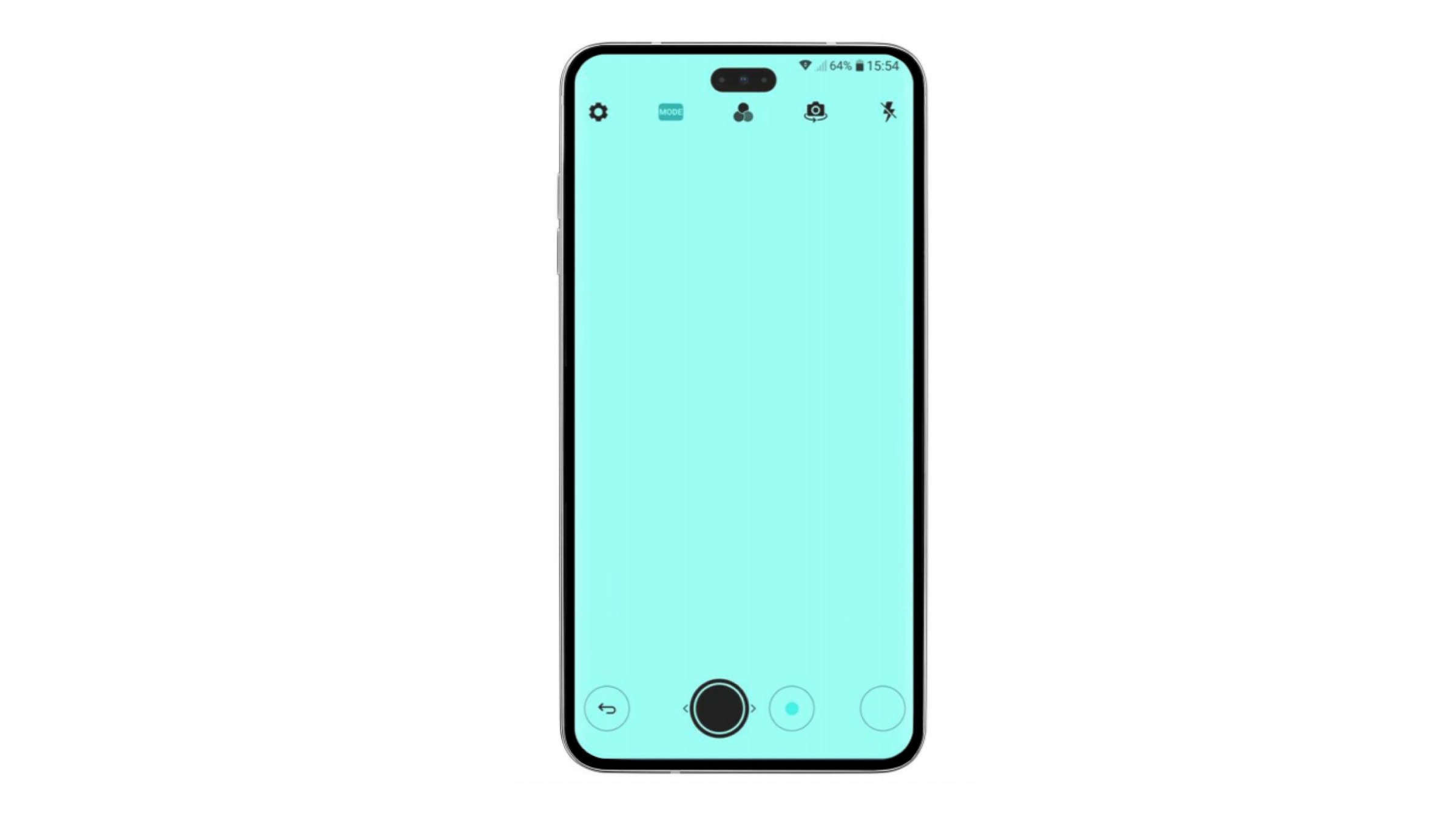
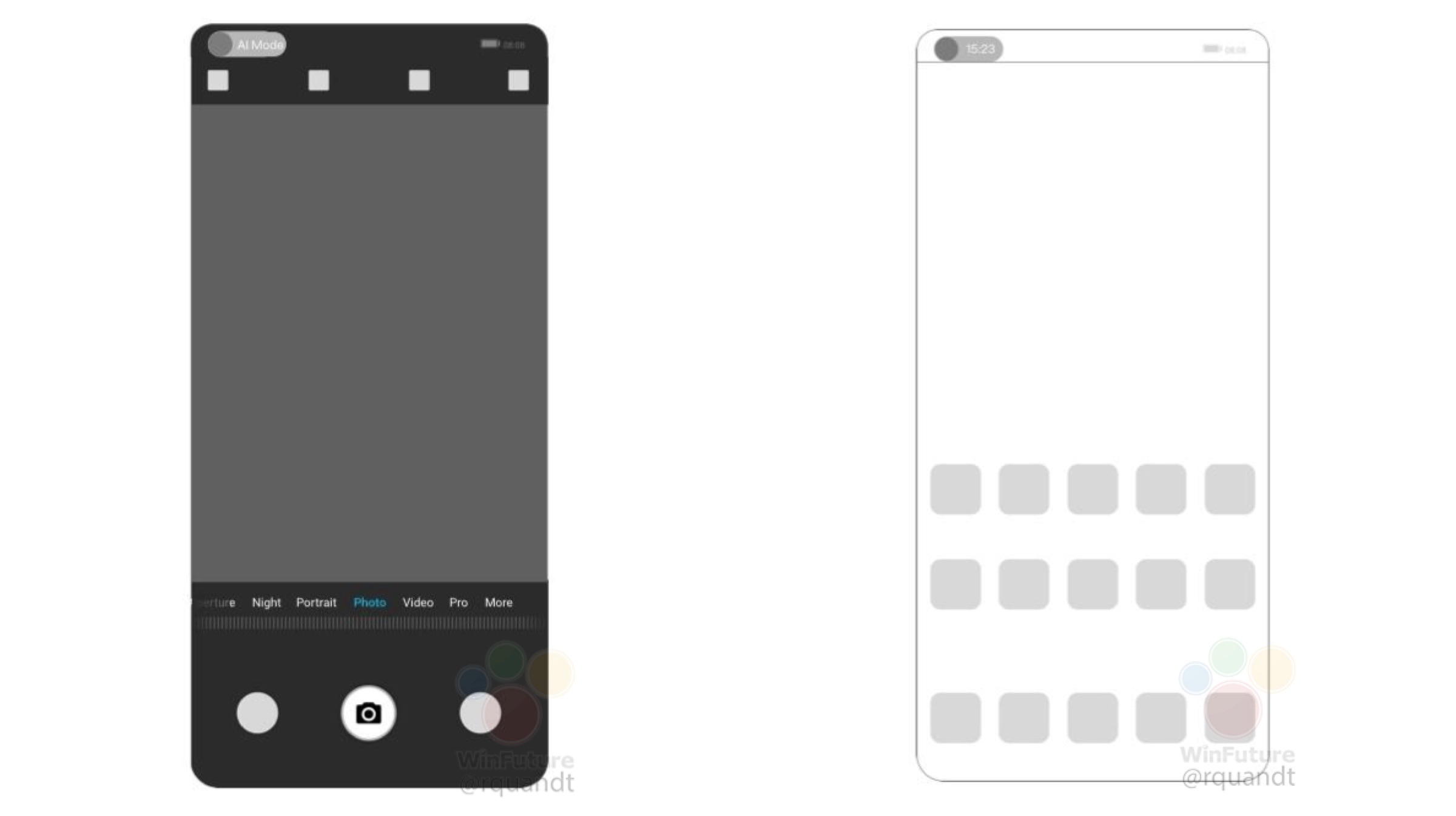
    Not long ago, Korean smartphone maker, LG had filed a patent with KIPO (Korean Intellectual Property Office) which indicates that it is also developing a smartphone with invisible selfie camera technology which sounds promising.LG smartphone Invisible Selfie Camera

    The patent granted to the company shows two different illustrations, out of which, the first one exhibits a smartphone with an edge to edge display without any punch hole. But the second illustration reveals when the camera application is toggled, the selfie camera manifests itself which stays concealed under the display.

    Unfortunately, the patent granted to LG does not reveal any fine details like the features, name or specs of the handset. It is assumed that the technology that will be developed with this device will be incorporated in future smartphones made by LG.

    In order to gain more details about the LG smartphone, we will have to wait patiently until the company publicises concrete information about it. 

    LG smartphone Invisible Selfie Camera

    Also Read: Google To Use Recycled Materials In Its Future Hardware Products

    Nonetheless, the company was granted the patent a couple of months ago, therefore, we believe that a commercially available handset from LG with this feature could launch soon. 

    What are your thoughts on a handset with an invisible selfie camera? Let us know in the comments below.


  • Xiaomi Is Developing A Smartphone With Solar Panel

    Xiaomi Is Developing A Smartphone With Solar Panel

    Chinese conglomerate, Xiaomi launches a wide variety of smartphones every year that range from budget devices like the Redmi Go to flagship-grade Mi Mix and Redmi K20 Pro. Due to its value for money offerings, it has become a well-known brand around the globe.

    Apart from competitively priced devices, the company is also investing resources to develop unique and innovative devices, one of which includes the unreleased two-way foldable smartphone.

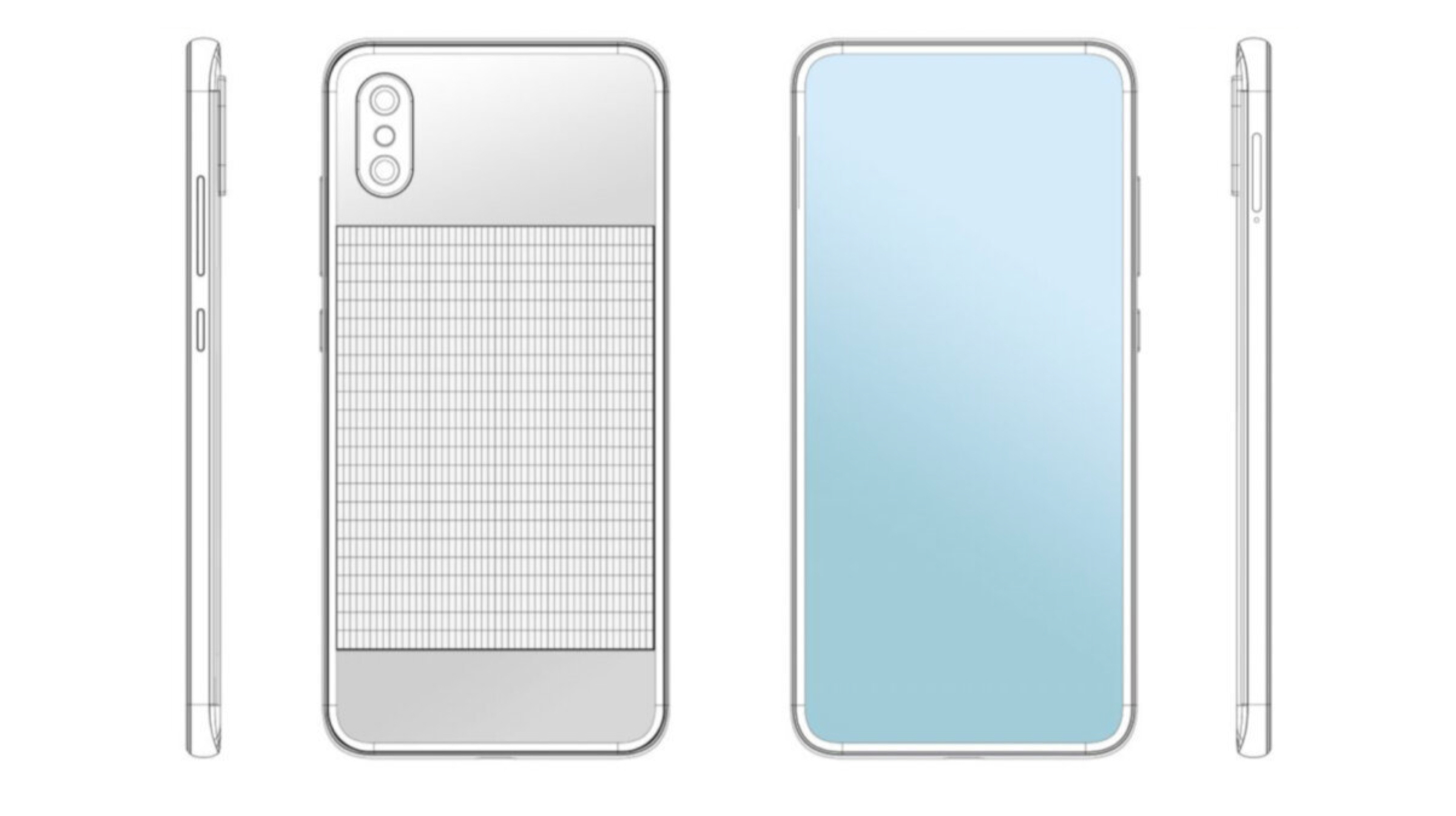
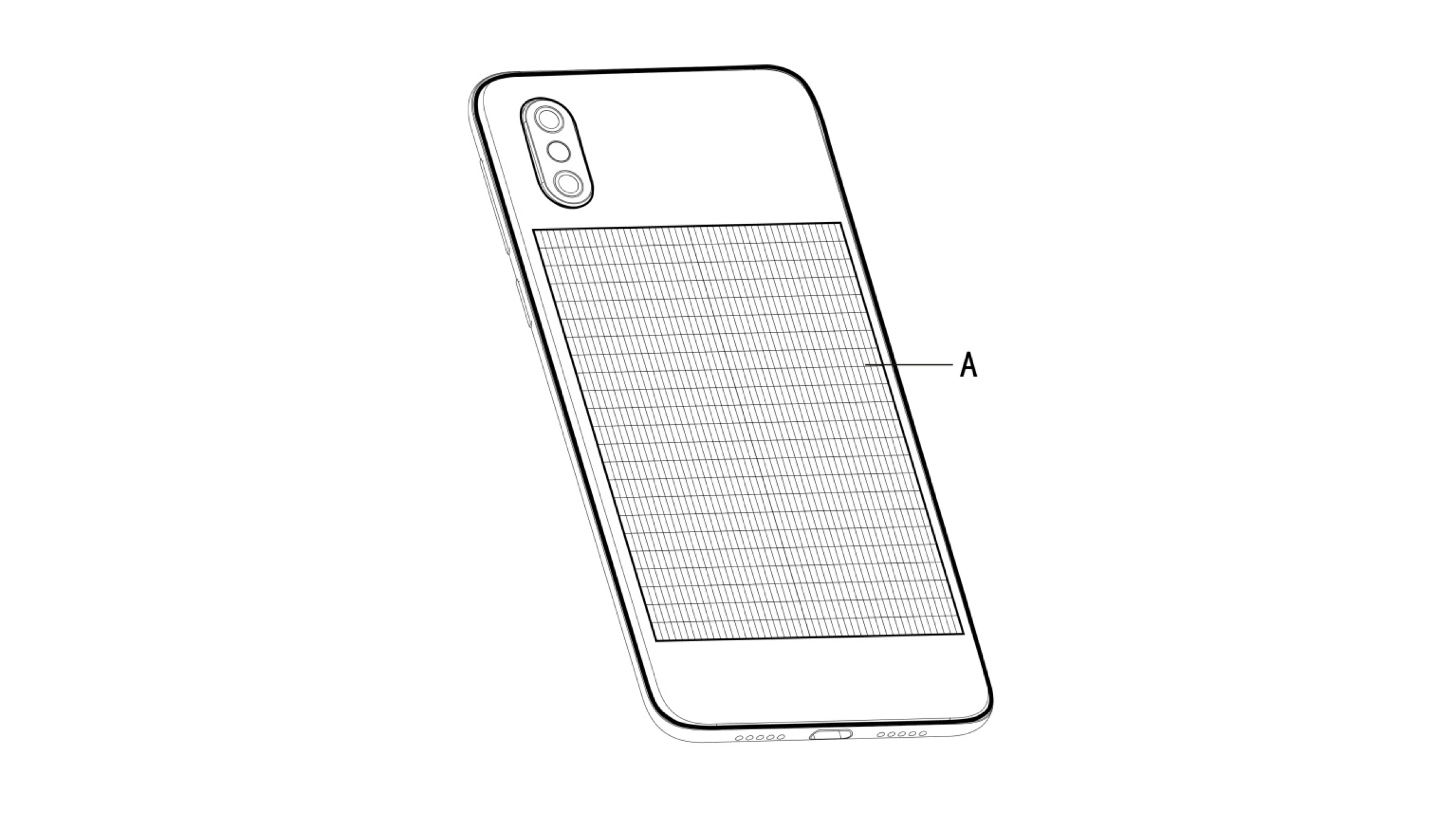
    According to freshly discovered patents, Xiaomi is working on a handset with rear-mounted solar panels. Yes! you read it right, the technology that has been fantasied ever since the inception of smartphones may soon become a reality suggests the patent.

    In terms of design, the front of the Xiaomi smartphone is reminiscent of the Redmi K20 duo that has a high screen-to-body ratio display. The handset lacks a visible fingerprint sensor, therefore, the company could opt for an under-display scanner which is slowly becoming a common sighting on mid-range and premium devices.

    The rear of the Xiaomi device from the patent has a vertically aligned dual-camera setup which slightly protrudes from the surface.

    Noteworthy, the solar panel on the device has been thoughtfully embedded into the rear. Hence, it does not stick out allowing the smartphone to maintain a slim profile which is as portable as a conventional smartphone of this size.

    Clearly, the sole purpose of the solar panel will be to recharge the inbuilt battery of the handset. Unfortunately, fine details like the wattage generated by the solar panel are currently unavailable. 

    Nonetheless, going by its size it is assumed to produce 50-10 watts of energy per hour. For reference, a smartphone with 4000 mAh capacity battery which is rated 3.7 v can hold a total current of 14.8 W. 

    Hence taking the previously mentioned Whr power generation, it would take between 3 to 6 hours to fully replenish the inbuilt battery. 

    Most importantly, the brightness of the sun will also affect the charging speed of the device. Charging a smartphone with a built-in solar panel might take significantly more time in comparison to currently available fast chargers, the technology will only get better with passing time.

    Also Read: Leaked Images Of The OnePlus 7T Pro Spotted Online

    To sum it up, a smartphone with a solar panel is a welcoming addition from Xiaomi. However, the patent does not suggest any launch date of such a device. Consequently, we will have to wait patiently until the company itself reveals more details about.


  • Samsung Smartphone With Triple Swivel Display

    Samsung Smartphone With Triple Swivel Display

    Korean electronics manufacturer, Samsung has had a crucial role in the development of modern-day smartphones. Clearly, the company just does not want to stop here as it keeps on developing new concepts which are revealed from time to time with new patents. 

    Besides working on foldable smartphones or smartphones with an edge-to-edge display, a freshly granted patent suggests, Samsung is conceptualising yet another innovative handset that would be beyond the imagination of most average users.  

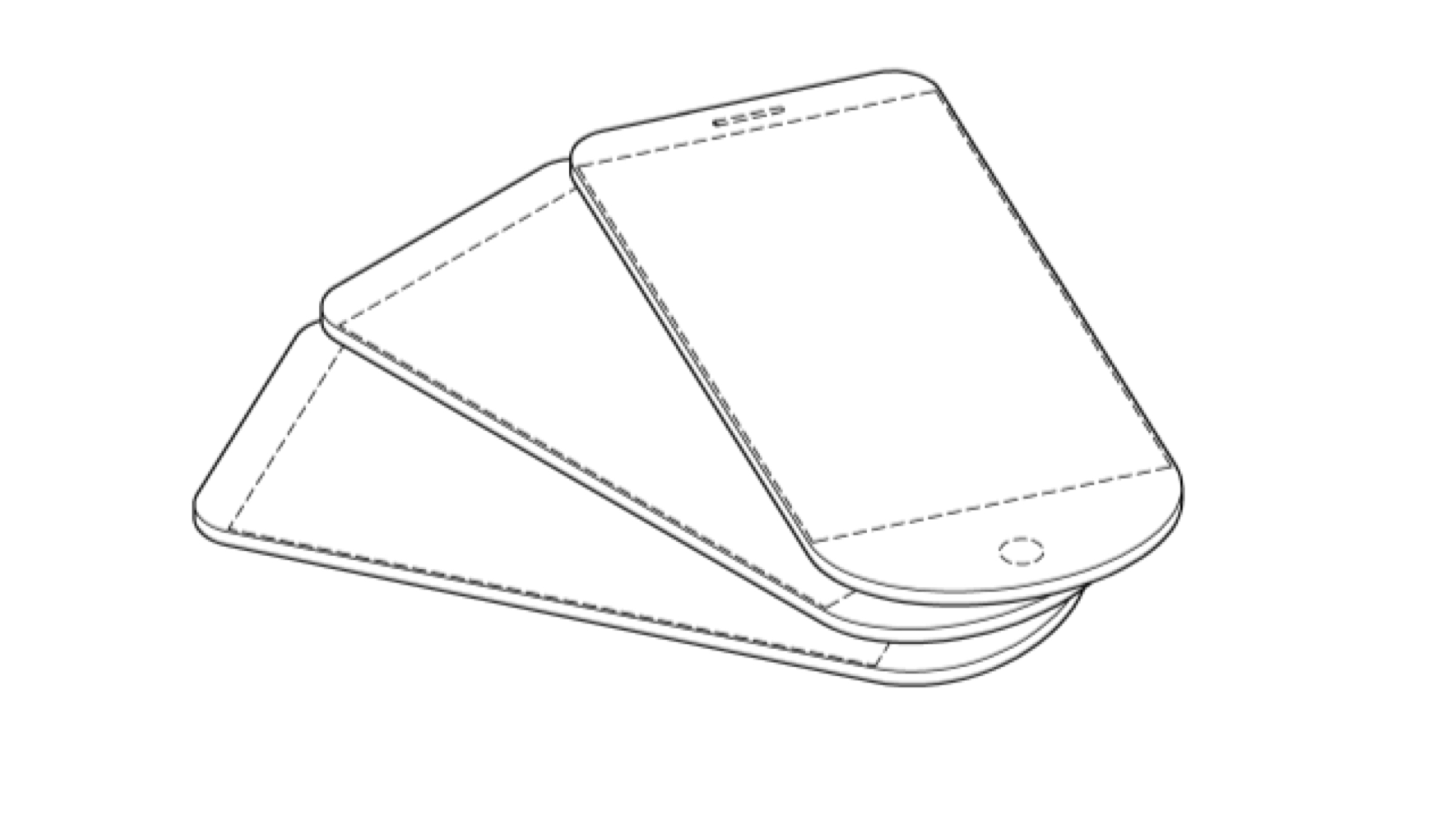
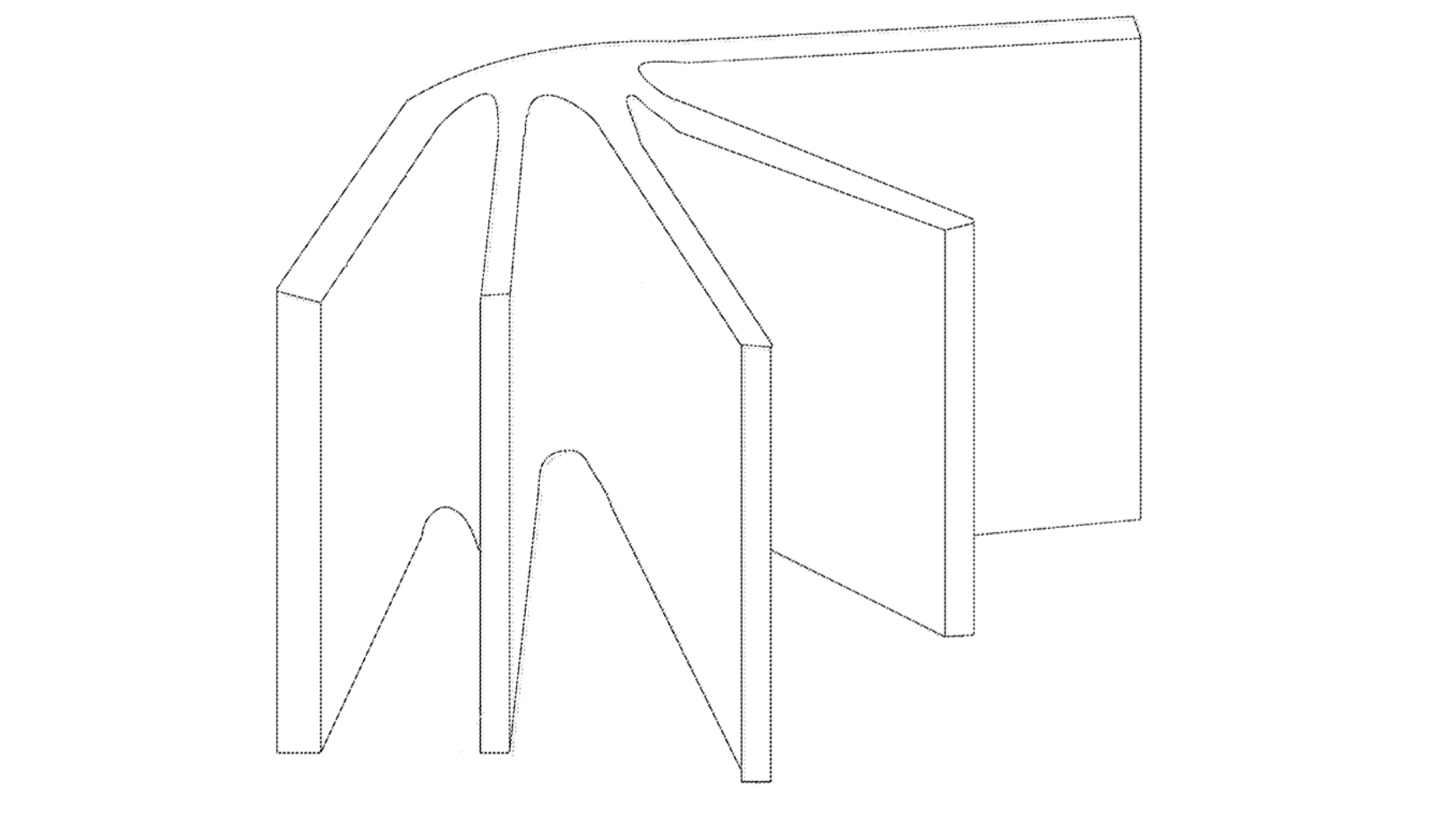
    Samsung Triple Display SmartphoneAt initial glance, the Samsung device in the patent looks like any other conventional smartphone with a display on the front which is surrounded with considerable top and bottom bezels. However, in reality, the dated-looking device conceals three separate displays that swivel around a focal point. 
    Certainly, the three displays on the Samsung device can be used to simultaneously run three different applications which can boost multitasking on a compact smartphone. Even though modern smartphones are nimble enough to rapidly navigate through applications, they can not match the functionality that a device with multiple displays can provide. At the pace mobile devices are evolving, they have the potential to replace a conventional desktop or notebook computer. And the device in the patent seems to be a step in that direction.Samsung Triple Display Smartphone

    Noteworthy, the patent granted to Samsung lacks any kind of buttons, port or other crucial elements like a camera or a fingerprint sensor. Also, accommodating a sizeable battery into a device with such a form factor is another huge challenge.

    Therefore, we believe the technology pioneered with this handset will pave its way into other devices in the future rather than Samsung utilising this exact design.

    To conclude, not much can be said, what Samsung plans to achieve with a device with this form factor. In order to get more information on the topic, we will have to wait for some official news from the company. Samsung Triple Display Smartphone

    Also Read: The Original Doom Trilogy Is Now Available On PS4, Xbox One, Switch, Android And iOS

    What do you think could be a possible use of a smartphone with this innovative design? Let us know in the comments below.


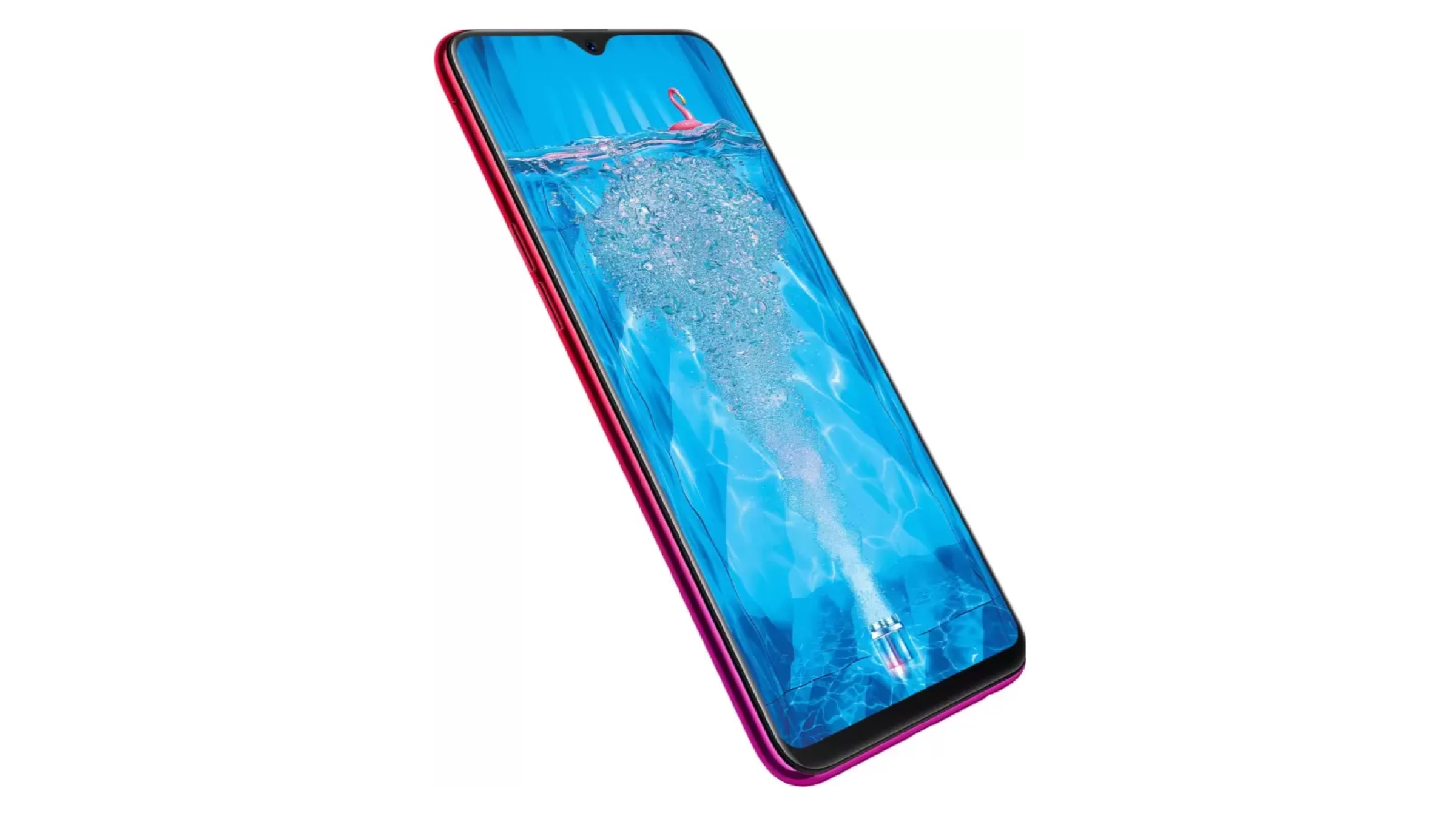
  • Oppo To Launch Over 20 Smartphones In Its Mid Range K Series Soon

    Oppo To Launch Over 20 Smartphones In Its Mid Range K Series Soon

    Chinese smartphone maker Oppo launched the first device under its new K series starting the K1 last year. The handset is a mid-range offering which boasts of competitive specifications at a lucrative price tag. The company then followed up by announcing the K3 smartphone in the month of May. Now, latest patent filings by the company revealed it is working on multiple devices in the K series, as it has filed trademarks for at least 20 devices in the past few days.

    Oppo K Series smartphones

    Oppo

    The trademark applications were submitted by Guangdong Oppo Mobile Telecommunications, the parent company for Oppo. Over 22 applications were filed at the EUIPO (European Union Intellectual Property Office). All the trademarks belonged to devices under the company’s K series of smartphones. The models submitted under the application are Oppo’s K1, K2, K3, K4, K5, K6, K7, K8, K9, K10, K11, K12 and K13. Moreover, the company has also requested a trademark for handsets number in the K series by the dozen. These include the Oppo K20, K30, K40, K50, K60, K70, K80, K90, K100.

    Also read: Qualcomm Announces Snapdragon 855 Plus SoC For Gaming Smartphones

    The trademarks in the application by Oppo have also been categorised as Class 9. This is important as it includes smartphones, confirming that these are indeed future handset models from the company. While most applications are still being investigated and have not been granted, the organisation has granted approval for the K70, K80, K90 and K100 names. Unfortunately, more information about the upcoming smartphones by Oppo is not available yet. It is also not known when the company will launch the 22 devices it has registered trademarks for, however considering it has officially discontinued its F series of mid-range devices; Oppo may be planning to launch most of them by the year’s end.
  • These Samsung Galaxy S11 Renders Based On Patents Are Breathtaking

    These Samsung Galaxy S11 Renders Based On Patents Are Breathtaking

    In the month of February, Samsung unveiled the Galaxy S10 lineup of smartphones which are significantly different that their  predecessors (1). As it seemed Samsung can relax for while as the launch of the future flagship is still distant, a freshly granted patent which allegedly corresponds to the Galaxy S11 has surprised us.

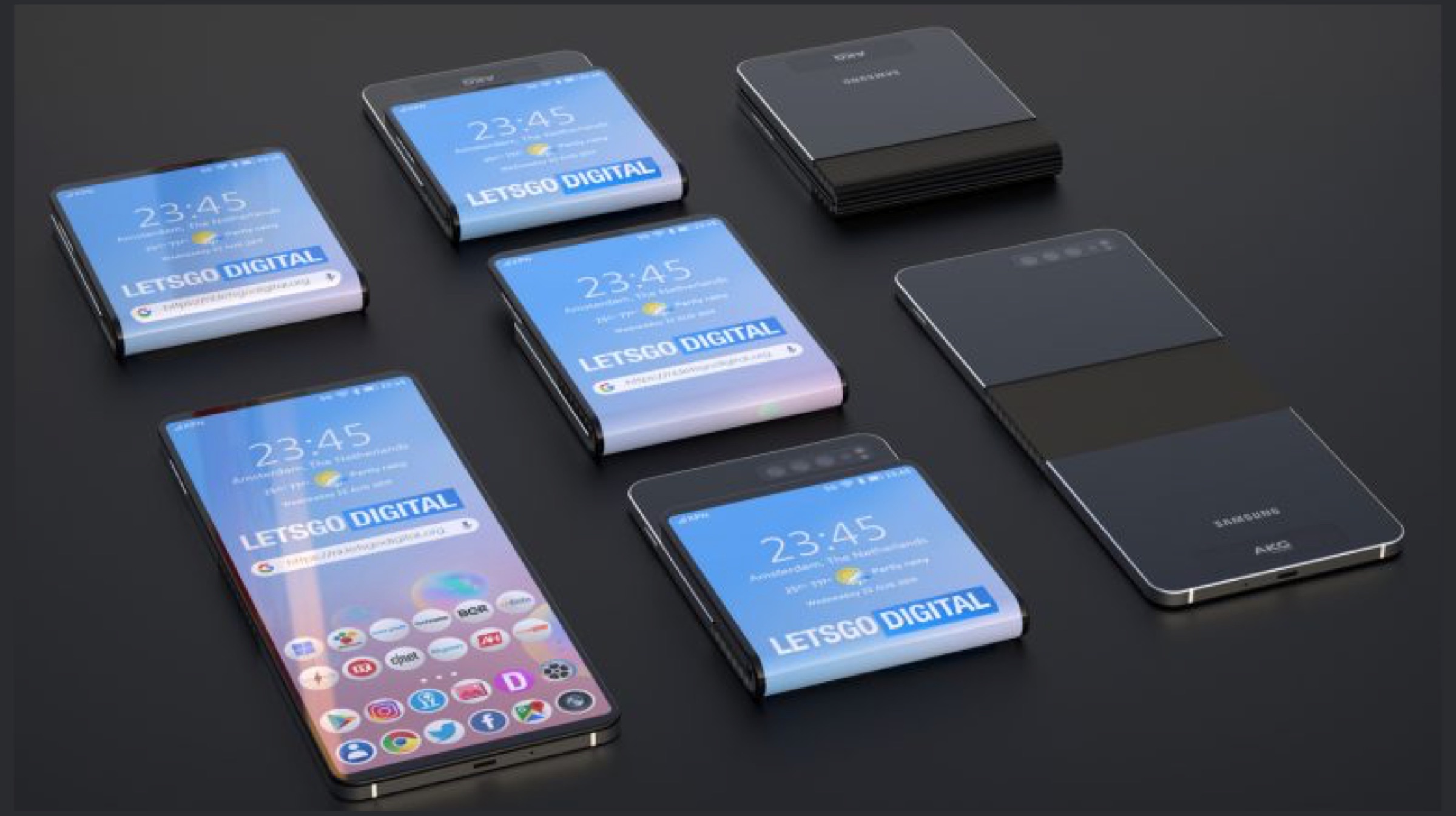
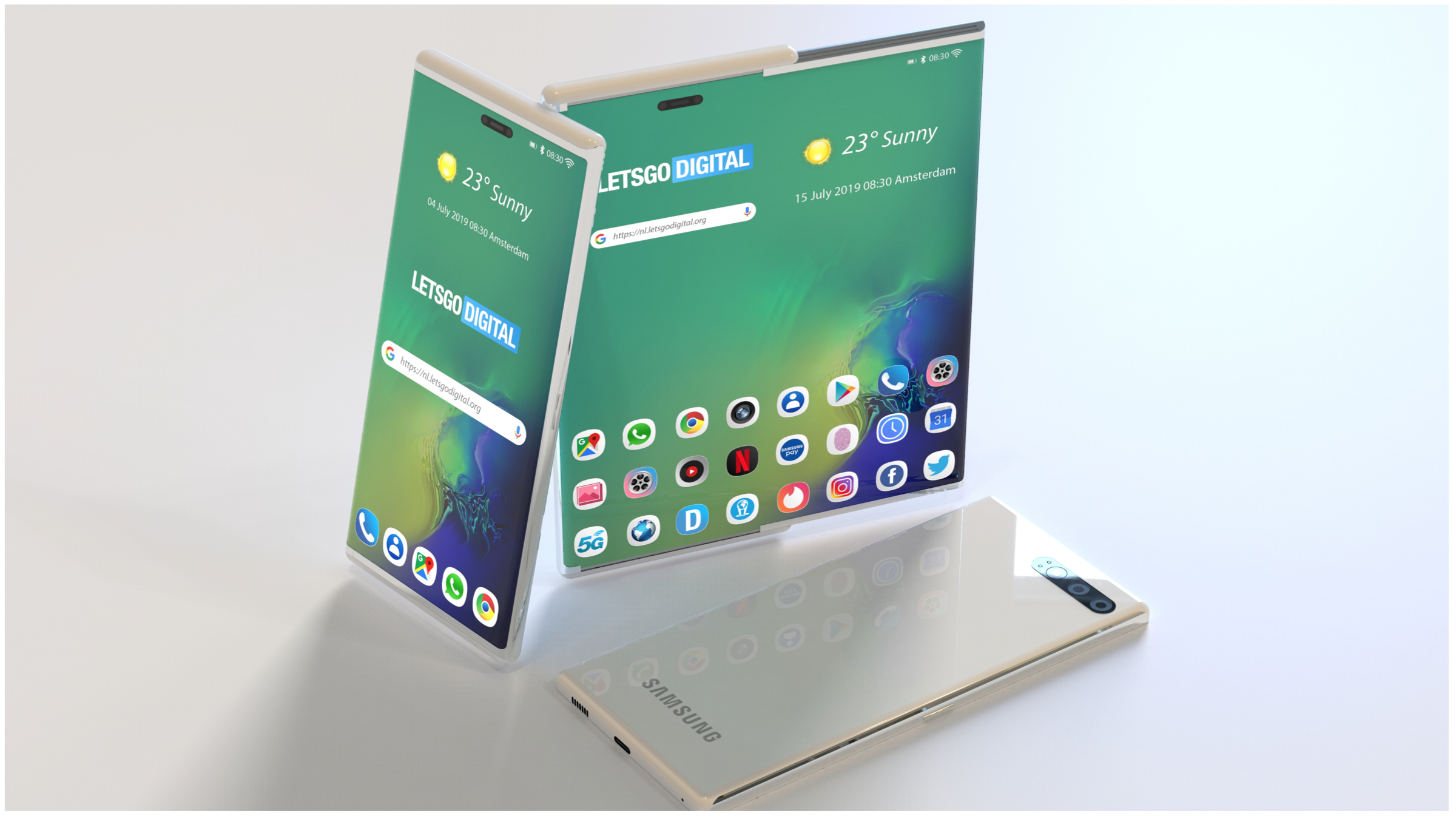
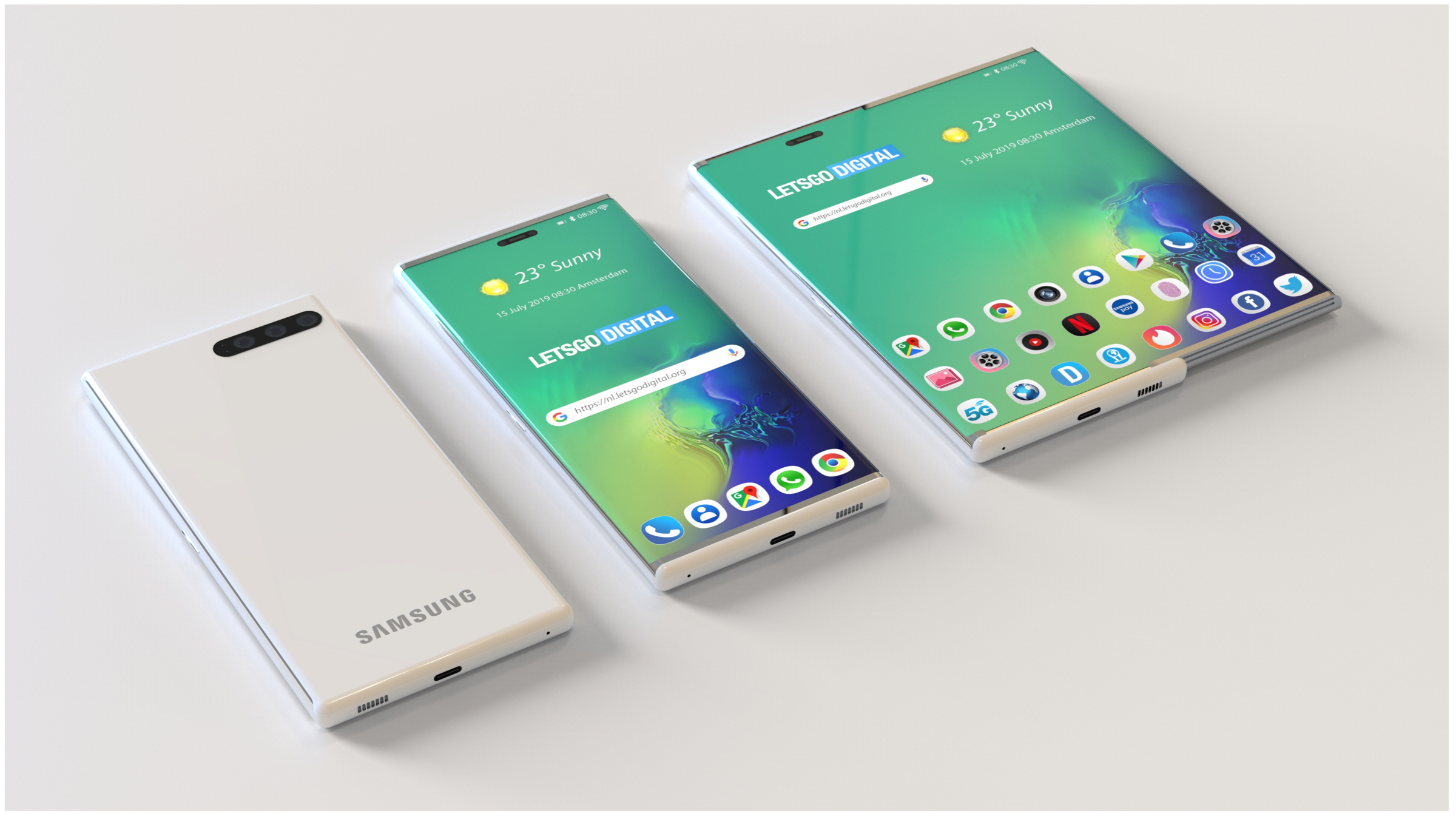
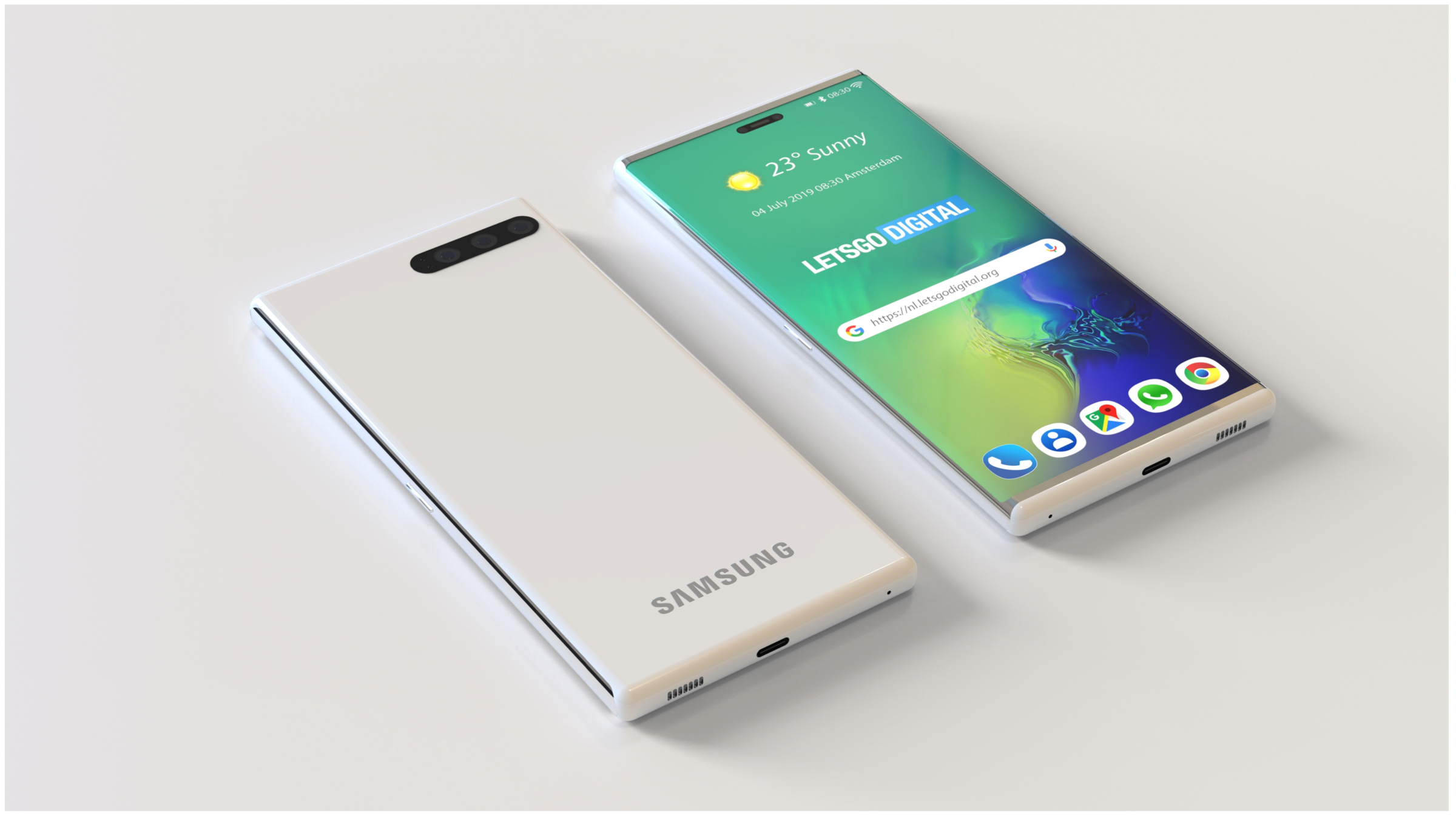
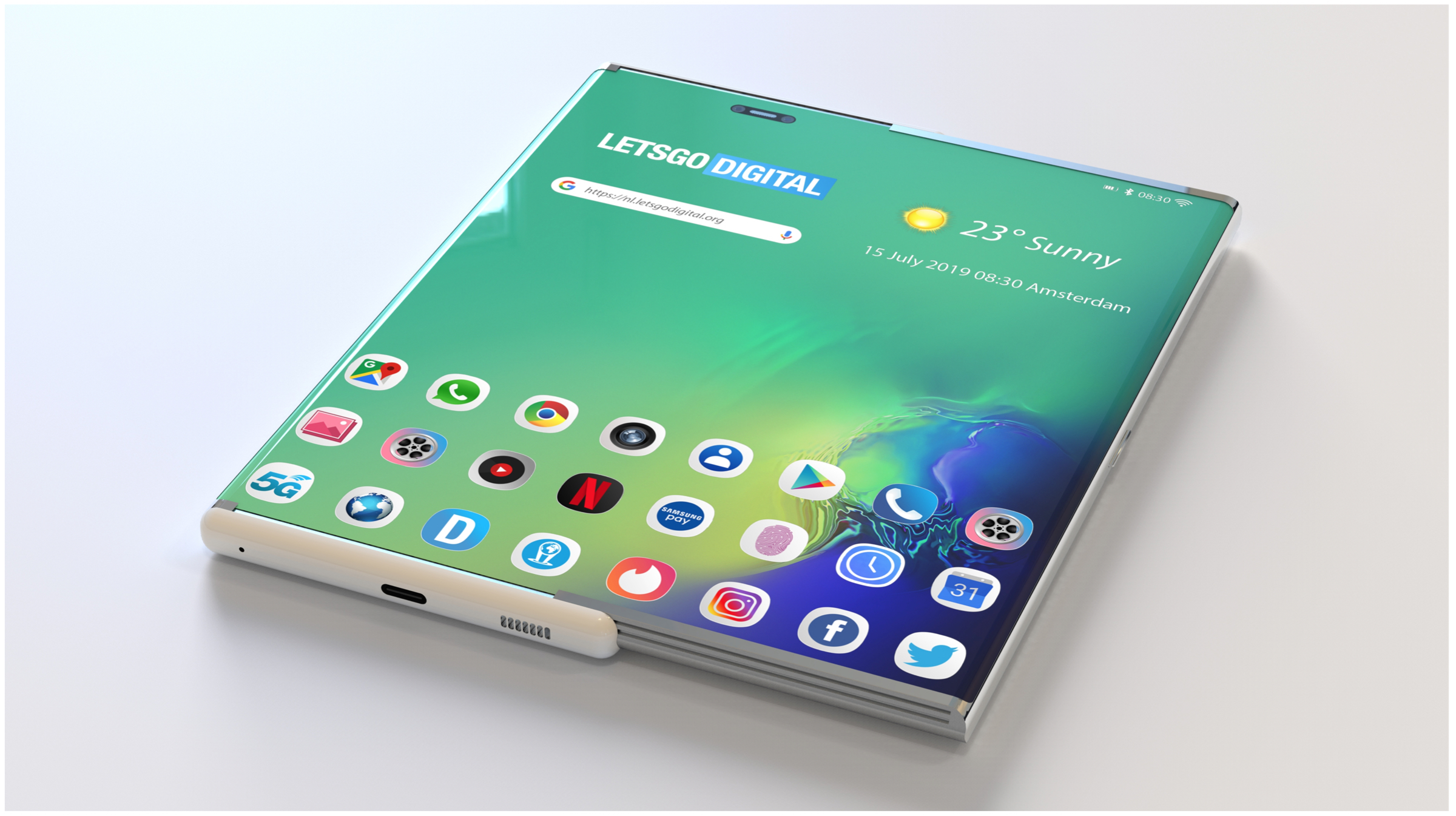
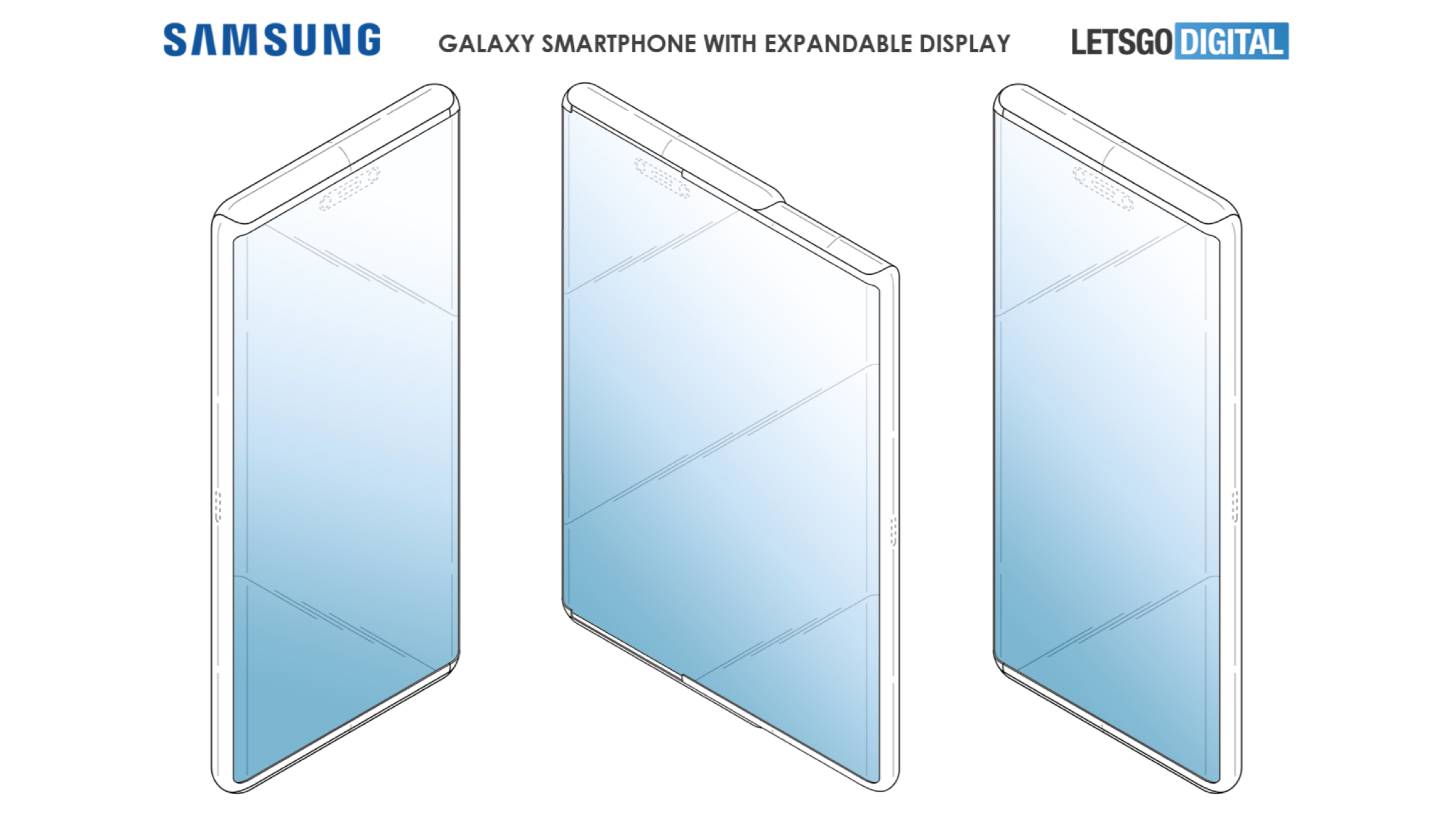
    Samsung Galaxy S11 Extendable Display The patent which supposedly belongs to the Samsung Galaxy S11 has been granted to the company by KIPO (Korean Intellectual Property Office). According to the drawings in the document, the upcoming Galaxy S smartphone will have an expandable display which extends from the right side of the device. Based on the reference images, a German blog named Letsgodigital has created life like 3D renders of the handset which look absolutely astounding.

    Accordingly, the upcoming Galaxy S11 might be Samsung’s second attempt, after Galaxy Fold to accomodate a large screen display on a compact smartphone. Similar to current gen Samsung Galaxy S handsets, the device in the patent also has a punch hole which seems to house an earpiece grill and dual front cameras.Samsung Galaxy S11 Render

    Unforntunately, the patent lacks any information about the functioning of the display. However, it is possible that Samsung might use a rollable display on this device which will tuck itself into a reel like shape when in the closed position. This mechanism could be similar to what is expected with the predicted Sony smartphone.Samsung Galaxy S11 Extendable Display Render

    Having such a display on a smartphone can open up whole new world of possibilities. As a device like this can serve a dual purpose of both a smartphone and a tablet. Nevertheless, conceptualising such a visionary smartphone is easy but turning into a real life device is quite challenging.

    Also Read: Realme X With Pop Up Selfie Camera Launched In India

    Even though the probability of such a display being equipped on the Galaxy S11 are considerably low. However, with the kind of money Samsung expends on R&D, we believe it is only a matter of time that such technology is available at the consumber level. 


  • Apple Is Working On A MacBook With Touchscreen Keyboard

    Apple Is Working On A MacBook With Touchscreen Keyboard

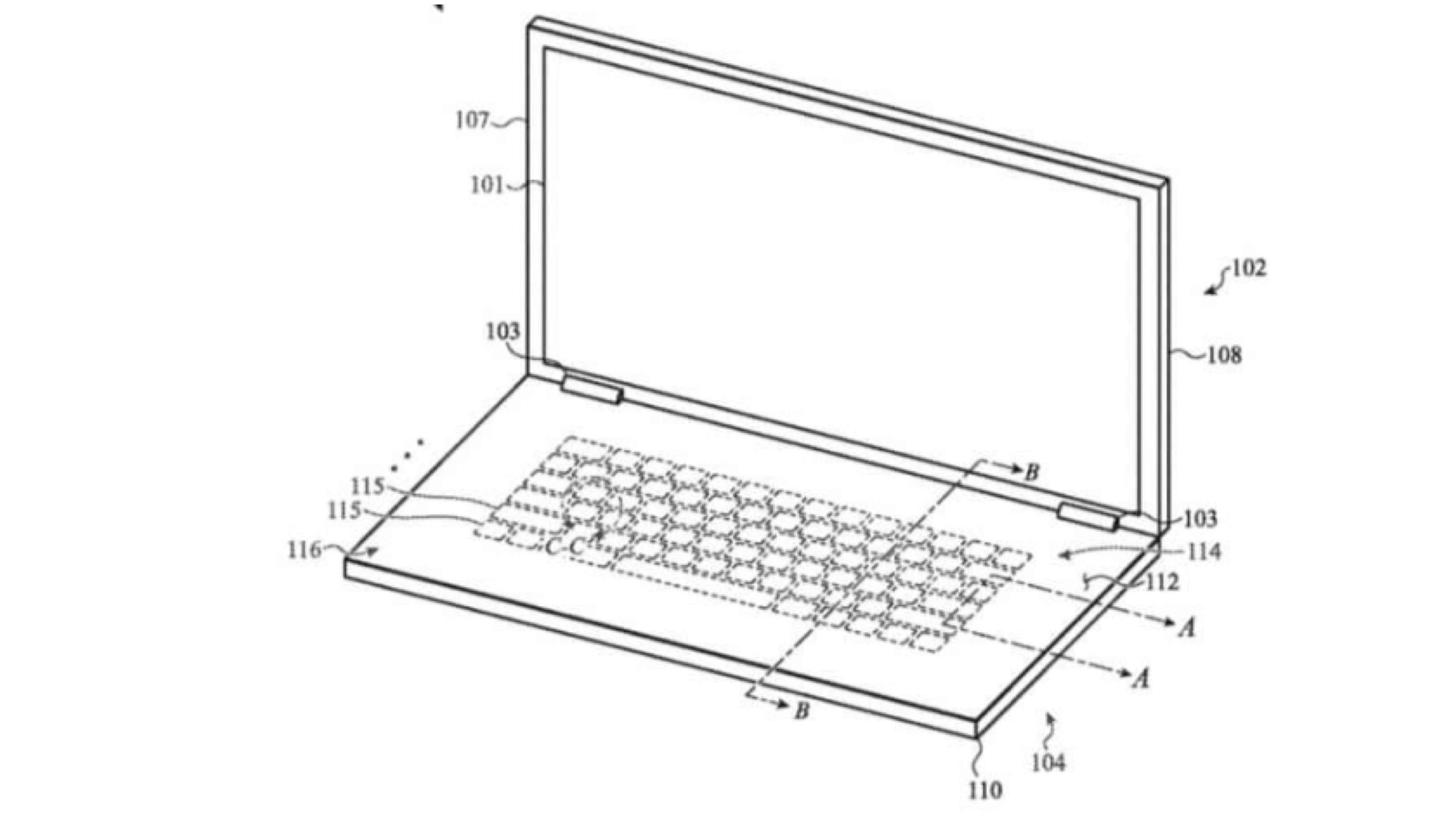
    Multi national tech companies including Apple and Google register a variety of promising developments in the form of patents each year. A large number of such patents do not turn in to real life consumer ready products. But, they do provide the valuable insight which can be used to determine in what direction a particular product or a company is headed towards. Apple MacBook With Dual Display

    According to a freshly granted patent, the Cupertino based electronics giant, Apple is working on a MacBook with two displays. The patent exhibits a notebook computer without a physical keyboard and trackpad, rather it features a secondary touch screen which can be used to operate the machine. Even though there is hardly any information available about the device, this technologys holds the potential to open a new world of possibilities. A couple of benefits of that such a MacBook can bring to the table include:

    • Slimmer Device: The presence of a conventional keyboard restrains OEMs from reducing the thickness of a laptop beyond a certain point. On the other hand, a touch screen is much thinner and therefore Apple can take advantage of the technology to further reduce the thickness of future MacBook notebooks.
    • Longetivity: A mechanical keyboard on a MacBook or any other laptop has a tendency to fail over time if dust particles get accumulated in it. Inversely, such a scenario would not occur with a touch screen display due to absence of any openings or gaps. Nevertheless, a touchscreen is a much more sensitive component. Hence the users need to keep caution not to damage it with accessories like ornaments or a wrist watch.
    • Better Water Resistance: In case of an accident, the liquid can easily seep into the main body of the MacBook which can destroy essential component like a motherboard. Having no gaps in the keyboard would allow the device fair much better in case liquid spillage does happen.
    • Longer Battery Life: The free space that has been created due to the removal of a keyboard and trackpad can be utilised to equip the MacBook with a larger battery pack.
    • Much Versatile Selection Of Accesories and Controls: Due to the touchscreen display’s capability to continuously change the images that are currently being displayed, different applications can show only the necessary controls for that app. This will in turn boost productivity. Besides, existing accesories like the Apple Pencil can be used to add several other functionalities to a MacBook.

    Even though the patent seems like a farfetched idea, it has a plausibility to turn into a real life device. As observed with the TouchBar on existing MacBooks, Apple has already prooved that such technology can be implemented. Furthermore, Chinese tech firm, Lenovo had previously showcased a notebook computer with dual displays which seemed quite usable. Noteworthy, touchscreens are much expensive than conventional keyboard and mouse, hence, this new addition can bump up the price of such a device significantly.

    Also Read: Huawei Confirms HongMeng OS, But Will Stick To Android For The Near Future

    To sum it up, Apple has the technological prowess to fabricate such a MacBook. Given that it chooses this route for its future notebook computers, it would only be a matter of time and perseverance till all the complications are unraveled and this thing turns into reality. 

  • LG Working On A Cryptocurrency Wallet Suggests Patent

    LG Working On A Cryptocurrency Wallet Suggests Patent

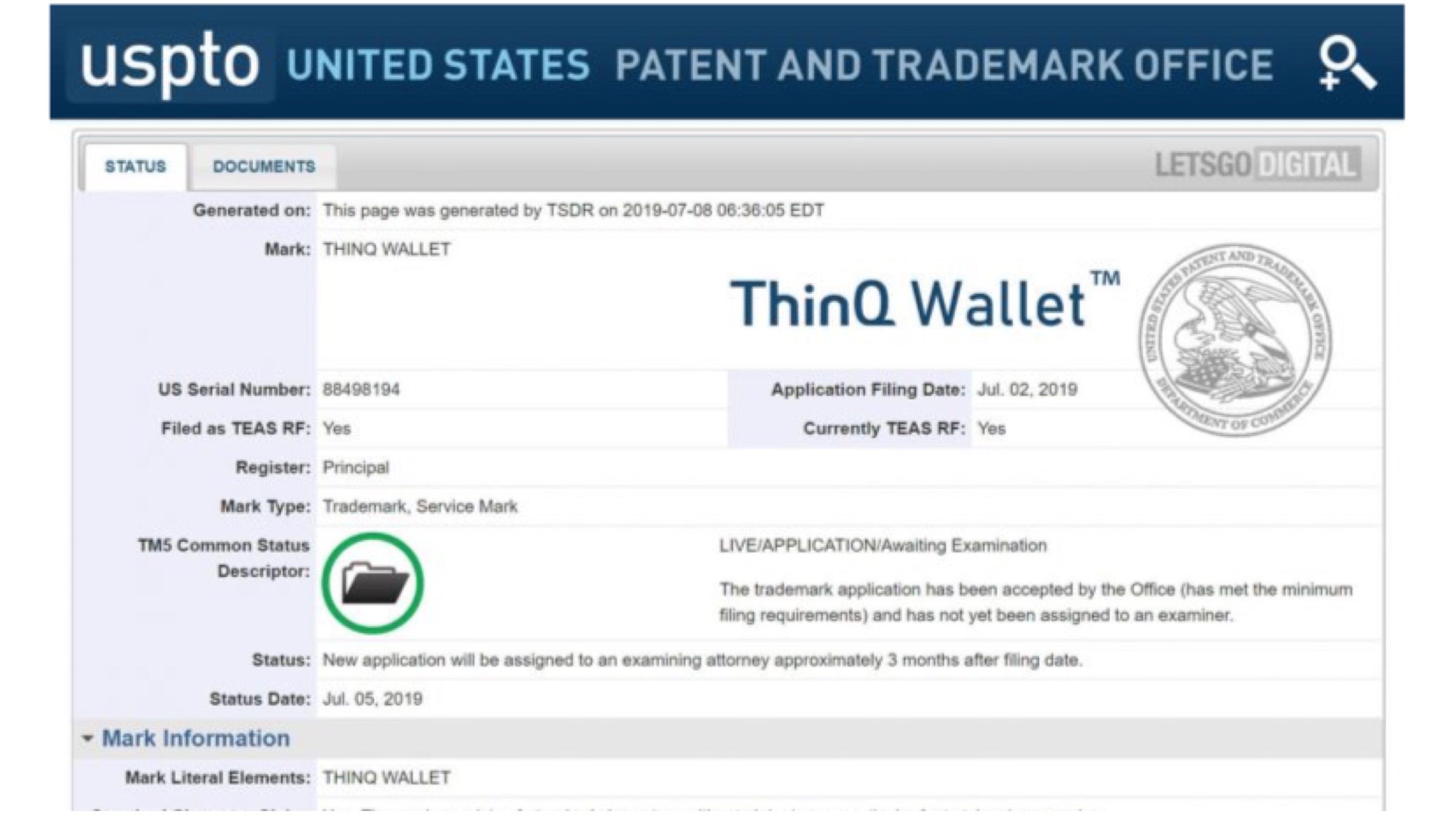
    With the rise in the popularity of cryptocurrencies since the last few years; many major smartphone OEMs have also tried to take advantage of the trend. Taiwanese electronics giant HTC launched its Exodus handset which is based on the blockchain technology for trading and buying cryptocurrencies. Samsung also launched a wallet supporting the currencies with its Galaxy S10 lineup of devices. Now, reports of another major smartphone manufacturer getting into the cryptocurrency market have surfaced online. Latest patent filings by LG reveals it is working on a cryptocurrency wallet for use in its devices. It will be called the ThinQ Wallet and may be introduced soon.

    LG ThinQ Wallet

    LG ThinQ Wallet

    As mentioned above, LG has filed for a patent for a cryptocurrency wallet called the ThinQ Wallet. The patent was filed at the USPTO (The United States Patent and Trademark Office). The description of the listing mentions it is a software for smartphones that specialises in payments. It will use blockchain technology, which is what all the cryptocurrencies are based on. Using it, the company is working on a digital wallet for the currencies, so they will work as a traditional wallet application which specialises in cryptocurrencies like Bitcoin and Ethereum.

    LG
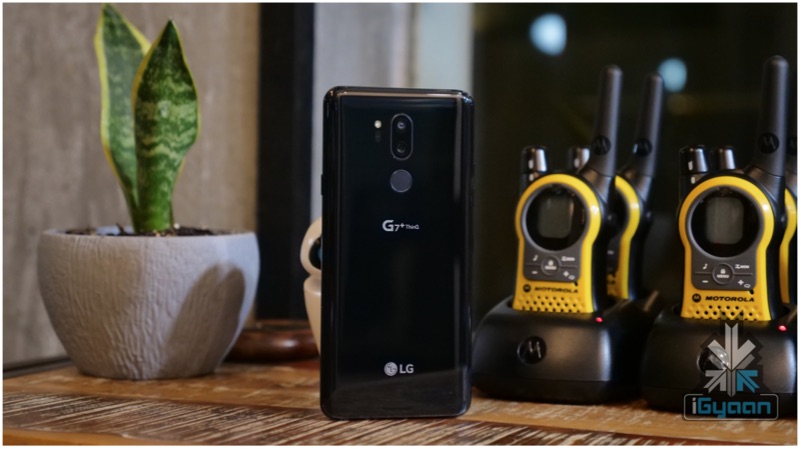
    LG G7 ThiNQ

    Also read: Galaxy Note 10 Will Allegedly Support 20 W Wireless Charging, First On A Samsung Device

    The name ThinQ is used by LG in products that boast of some form of Artificial Intelligence technology; so it may be the case that the wallet when launched will feature AI as one of its features. It is speculated that the company may introduce the ThinQ Wallet alongside a flagship smartphone in the following weeks. Unfortunately, more details about the upcoming device or the cryptocurrency wallet are unknown at the moment. However, the patent listing suggests that we may not have to wait too long to hear about them.

  • Apple AirPower To Relaunch Soon Suggests Patent

    Apple AirPower To Relaunch Soon Suggests Patent

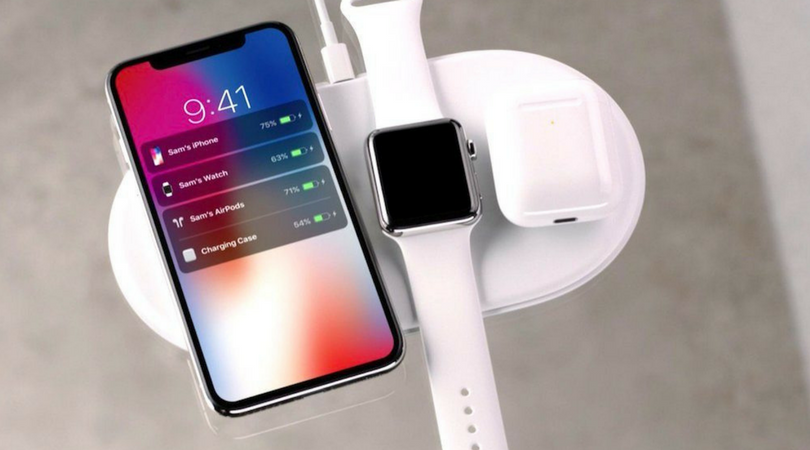
    In the month of March, Apple officially cancelled the long-awaited AirPower wireless charging mat which was first unveiled in the year 2017. Despite the previous announcement, a freshly granted patent by WIPO (World Intellectual Property Office) suggests that wireless charging may still be undergoing development and will reappear soon. 

    What Is AirPower Mat?
    AirPower Wireless
     

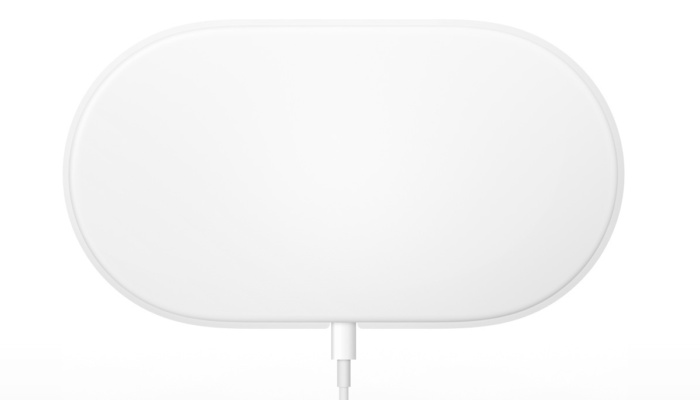
    AirPower is an elegantly designed wireless charging mat capable of simultaneously charging multiple devices. It was originally intended to charge three Apple devices concurrently which include an Apple watch, AirPods and an iPhone. However, the wireless charging mat is not limited to charging Apple devices only. As it is based on the Qi wireless charging which is standardised by numerous consumer electronics manufacturers. Out of all the OEMs that use Qi standard on their devices Samsung, Nokia, Google, Xiaomi are a few.

    Why Was AirPower Cancelled In The First Place?
    iPhone XR 2019
    iPhone XR

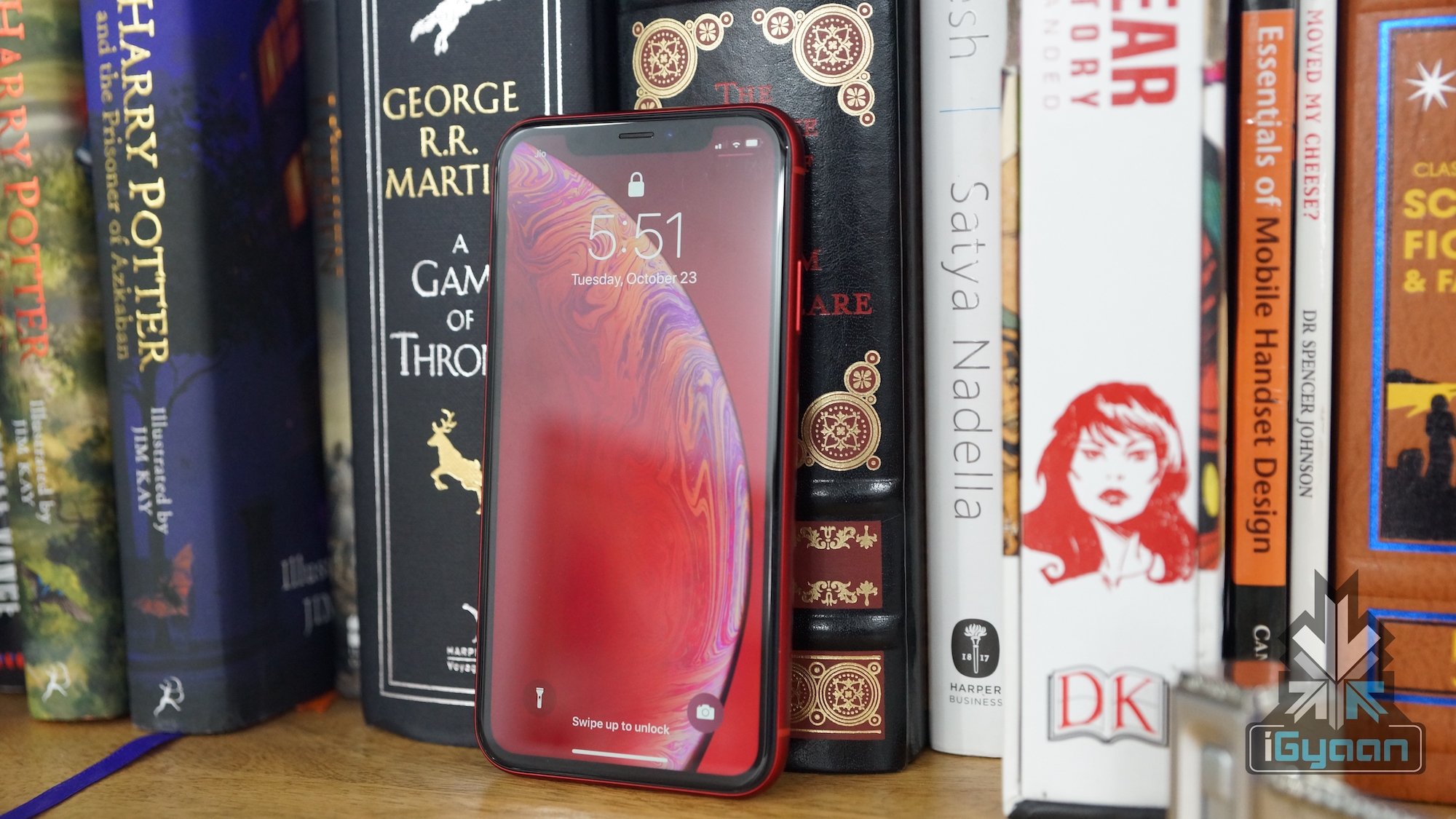
    Apple is a company that is recognised for perfecting a given technology before it makes on appear on the companies globally available products. The AirPower which was originally unveiled in 2017 had overheating issues that the company planned to eliminate before its commercial availability in 2018. Unfortunately, even after working on the AirPower mat for more than two years, the product could not meet the standards that Apple has set for its offerings. Therefore, the company had to cancel the product. 

    Also Read: Puffin OS Is The Mobile Operating System That Can Crush Android Go

    The AirPower that Apple originally unveiled was able to generate a lot of hype around it because of its practicality and simplicity. The freshly granted patent suggests that the product is still alive. Besides, the company might have worked out the problems that wireless charging previously had. In order to rejoice its customers, the innovative product may relaunch soon in an upgraded avatar.

  • Huawei Working On A Smartphone With Camera Under Display

    Huawei Working On A Smartphone With Camera Under Display

    A few weeks ago, Chinese smartphone OEMs Xiaomi and Oppo showcased their first devices with a camera under the display. The latter then went ahead and revealed the technology at the Mobile World Congress (MWC) Shanghai last month. Now, another manufacturer Huawei has filed a patent which reveals it is also working on a handset with the front-facing camera placed under the display.

    About the patent

    Huawei

    Huawei has filed the patent for a smartphone with the camera under the display in the German Patent and Trademark Office. While the implementation of such technology has been showcased before; from the likes of Xiaomi and Oppo, the images in the patent reveal Huawei is trying to take a different approach. While the former two had a centred front-facing camera under the display, the latter places it on the top left. Furthermore, the display over the camera will keep providing necessary functionality within the User Interface (UI); and display information like notification and camera modes. The rest of the software of the smartphone seems like the EMUI skin Huawei uses in its devices.

    Huawei

    Also read: Honor 9X With Pop Up Camera and Kirin 810 Leaked

    The images from the patent filed by Huawei also insinuate that it may place other necessary sensors; like the light and proximity sensors on top of the display. While the idea of the camera cutout behaving like a mini second display seems innovative, it is unclear what purpose it will serve other than being a visual accessory. Unfortunately, more details like the specs and features of the Huawei smartphone are also unknown at the moment. However, as other manufacturers have promised a device with the camera under the display within a year, we may not have to wait for too long to see the technology in action.

  • Google Goes Overboard With A Foldable Device That Resembles A Textbook

    Google Goes Overboard With A Foldable Device That Resembles A Textbook

    American multinational company, Google is at the forefront of technology, be it software or hardware. Following the commendable success it has had with Android in the software domain, the company now plans to dip its toes in futuristic hardware as well. At the 2019 Google I/O developers conference, the company announced that it is working on several foldable smartphones or rather foldable devices.

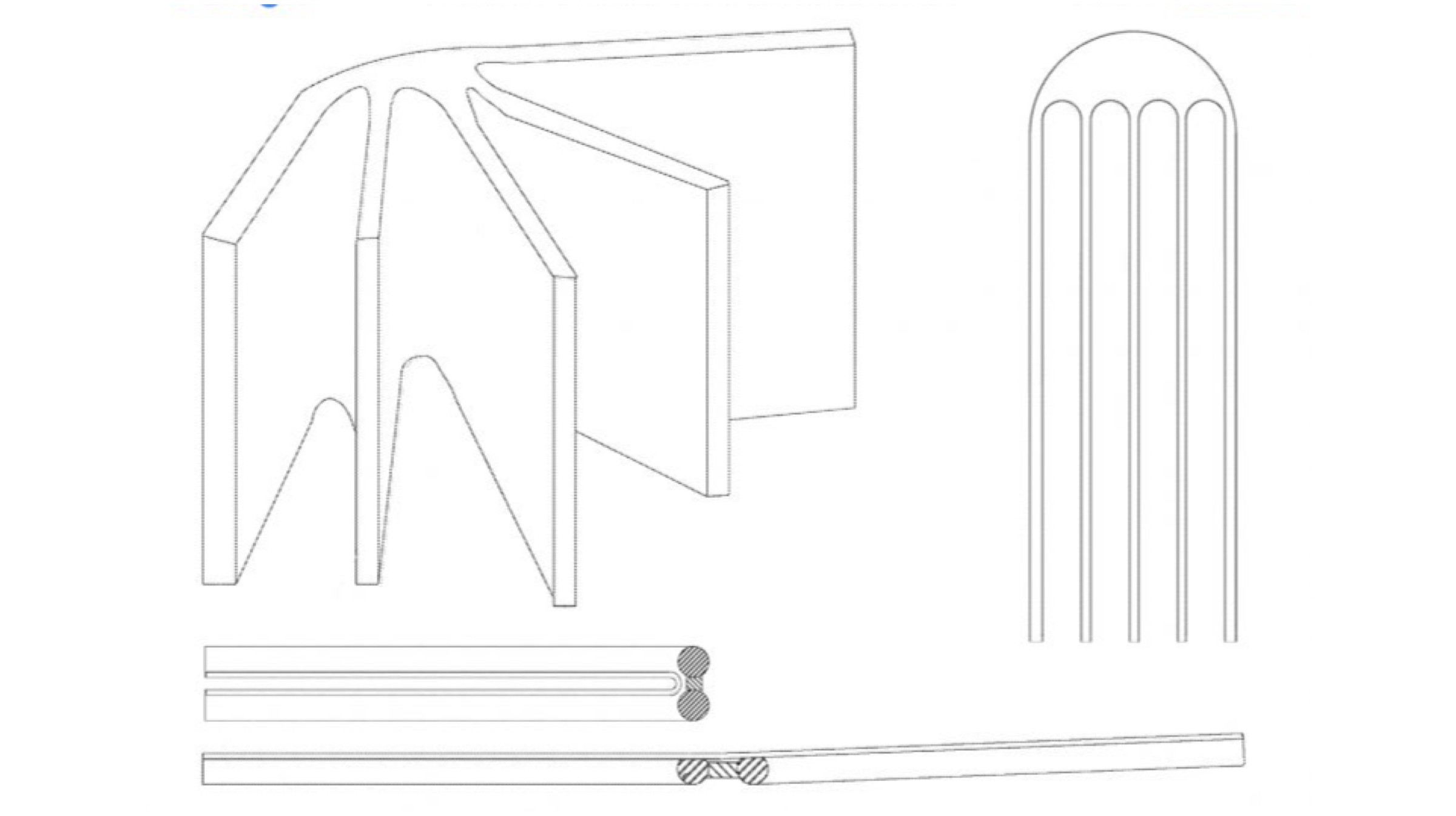
    A freshly granted patent to the company goes in line with the previous announcement. Google has been granted a patent for a unique electronic device which surprisingly resembles a textbook. The device is somewhat similar to the Samsung Galaxy Fold but with a couple more displays or should we say pages.

    Upon close inspection of the patent, it can be divulged that the multiple screens are held together with the main body by a sort of book spine. Speaking of the body, it may be the place where all the electronic components including chipset, motherboard and battery will be placed.

    Although any concrete information about the claim cannot be derived. It is even possible that during its initial prototyping stages, the foldable device from Google may be devoid of any internal components. Instead, it could just be used a multi-fold display which is powered and provided transmission information via an external cord.

    The fundamental aim behind any foldable device is to pack a large display in a body which is significantly smaller or compact than its actual dimensions. The foldable smartphone/device from Google may be conceptualised to run multiple apps simultaneously. In order to switch between applications, the user could scroll between different displays instead of swiping back and forth between apps. 

    Also Read: New PUBG Game Announced By The Developer Of Call of Duty, Dead Space

    To sum it all, the concept or technology seems visionary and promising but such a device seems a bit farfetched when considering the development that has been achieved in the field of the foldable display.

    However, when and if Google is able to successfully develop a device with these aspects and features, it would rather patent the technology and license it to other OEMs than retailing it own devices.  


  • LG Patents A Smartphone With Punch Hole Front Camera

    LG Patents A Smartphone With Punch Hole Front Camera

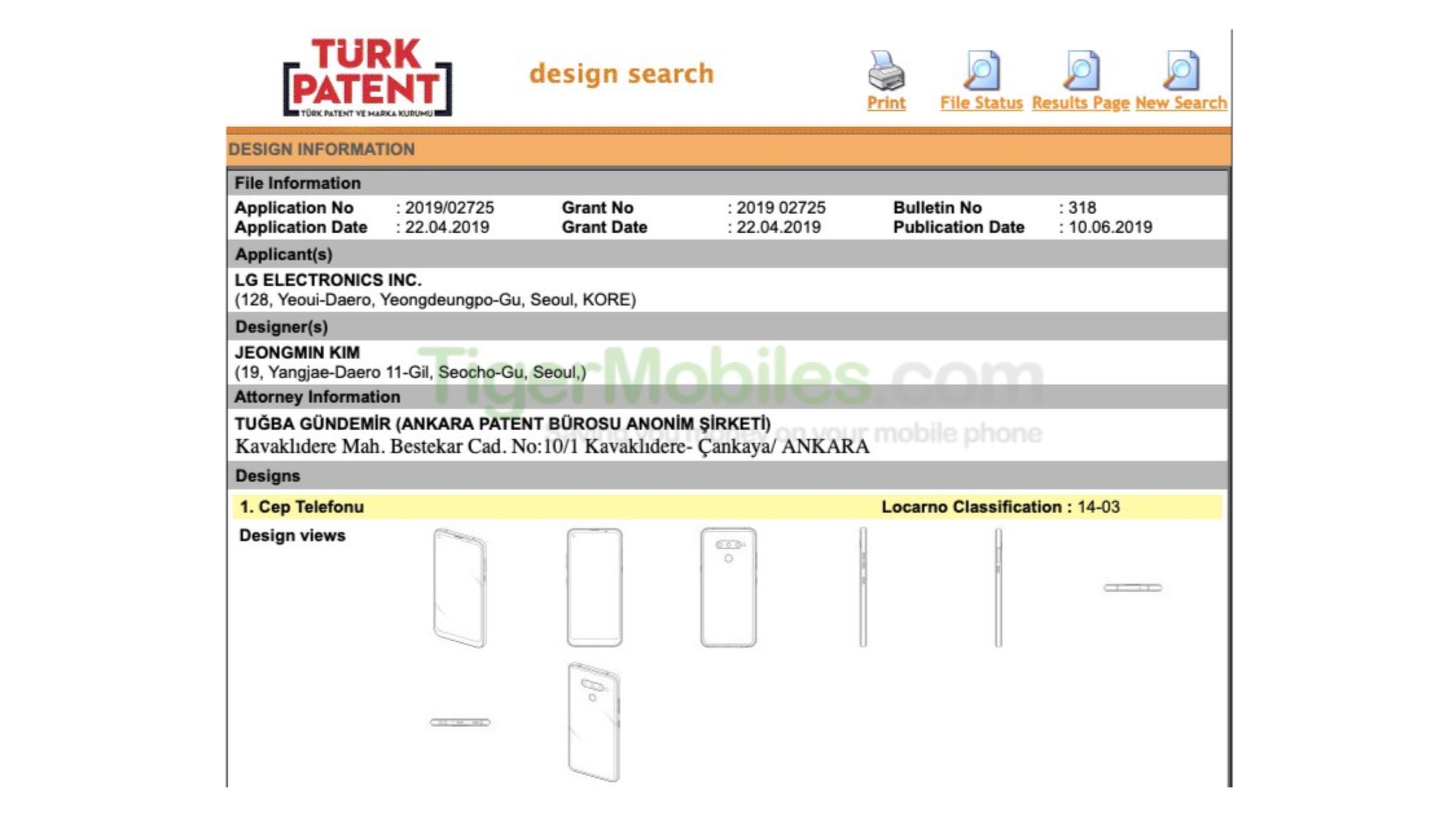
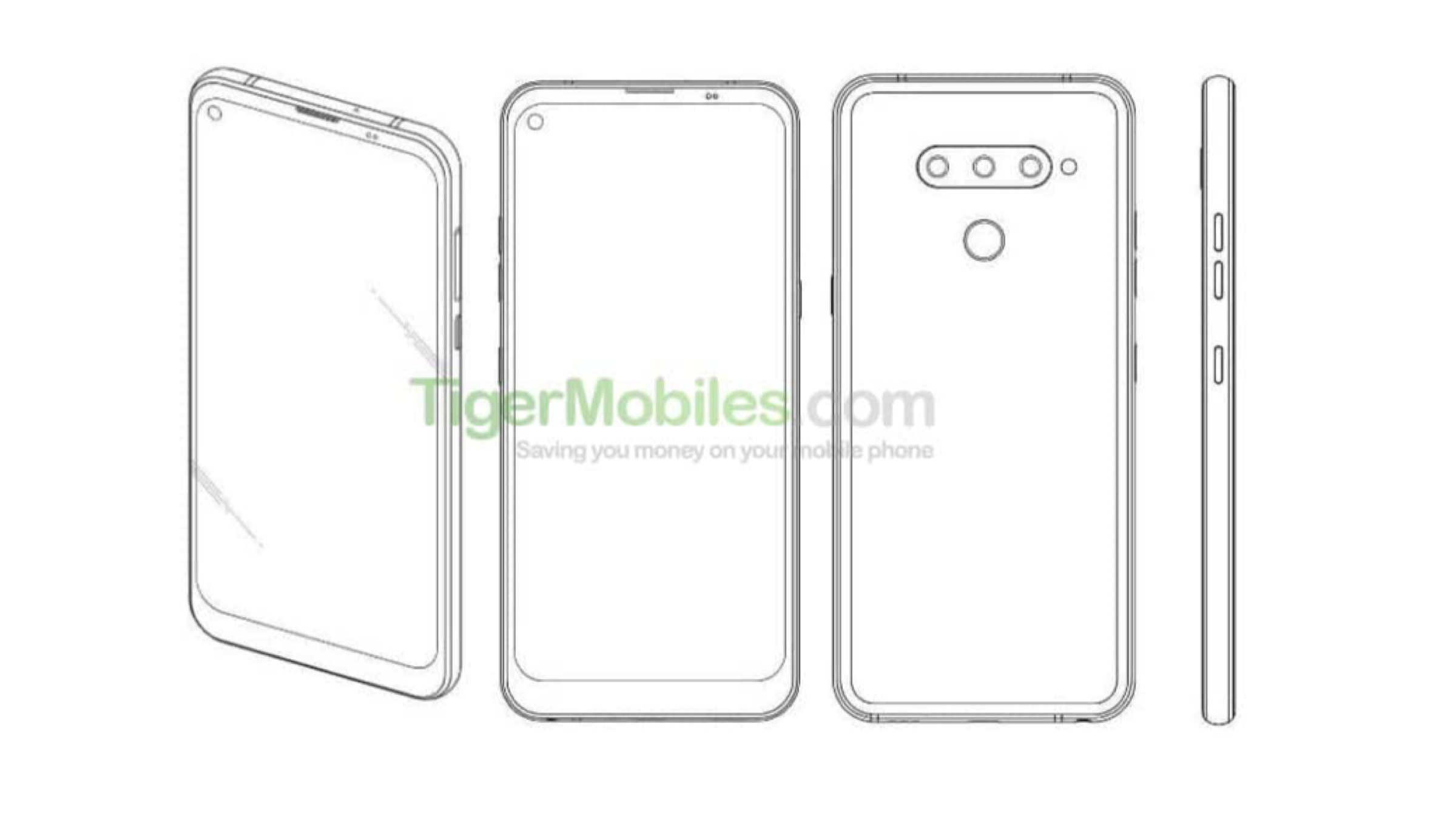
    A glimpse of LG’s upcoming smartphone was seen through a patent granted by the Turkish Patent Institute. The device in question is reported to sport a punch-hole front-facing camera. This would mark the first time LG is planning to use this form of bezel reduction method for an all screen device.

    LG

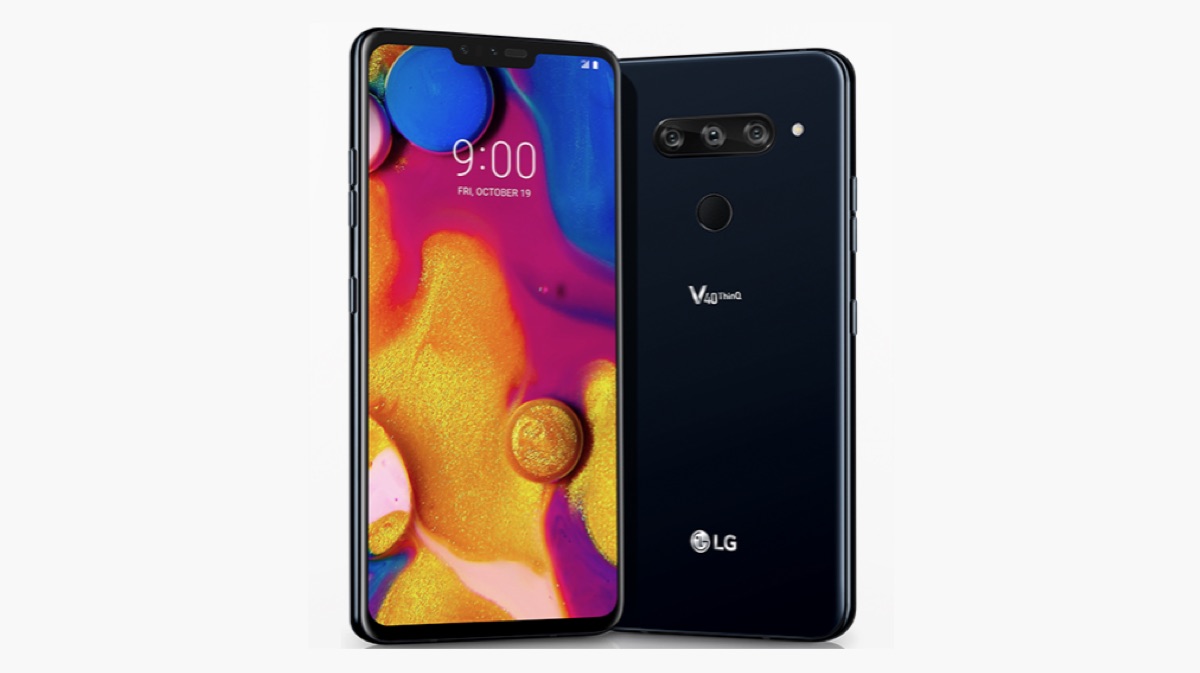
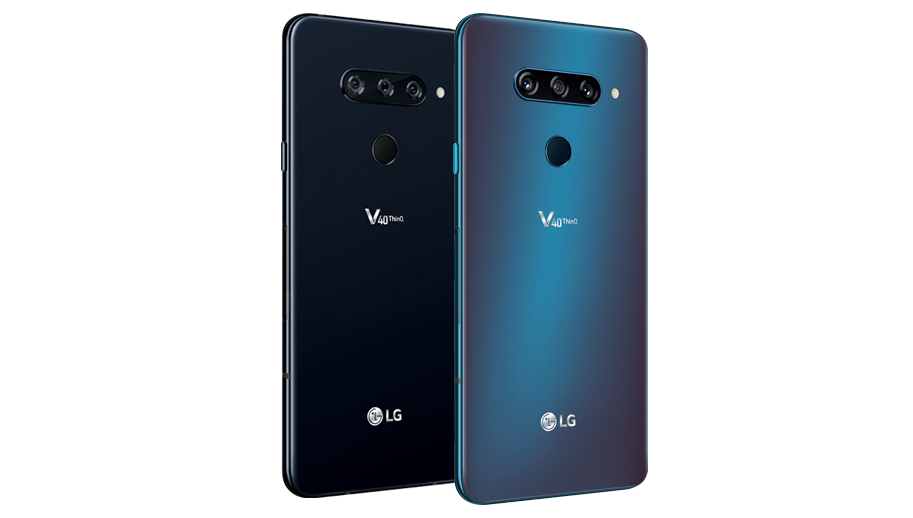
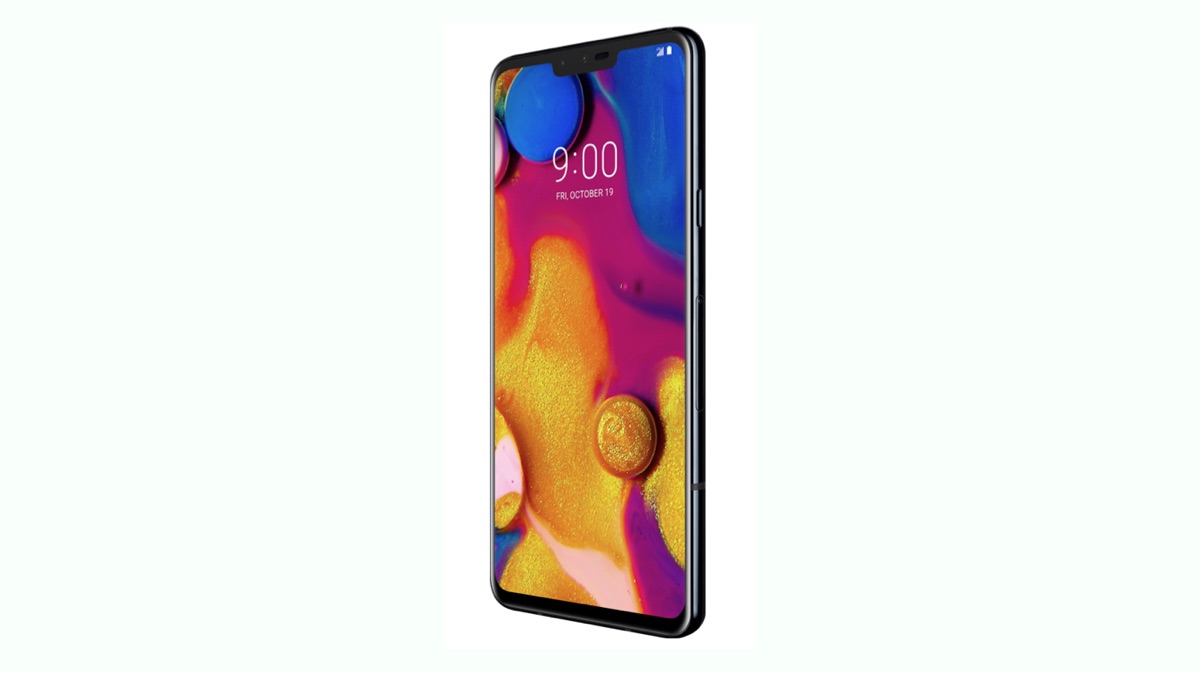
    According to the schematics, the smartphone will sport a punch-hole camera in the top left corner of the screen. The front panel is devoid of any seems apart from bezels on the top alongside an earpiece with necessary sensors and a buttonless bottom. The back, however, is a familiar design that has already been seen before. LG V40 ThinQ is clearly used as an inspiration for the rear layout, as the schematics show a striking resemblance.

    The triple camera module at the back is in an identical pattern to the LG V40 ThinQ with a horizontal placement side by side. A flash flanks the right of the camera set up while the fingerprint sensor is placed right below it. This proves that the new device will not feature an in-display fingerprint scanner at the front. Changes to LG’s formula has been historically slow with the rate of adoption being behind other OEMs at this moment.

    LG

    Unfortunately, no information about specifications as such is available regarding the upcoming device, or rather even if it is planned on being mass produced. With this only assumptions can be made regarding its specifications and hardware. If the device is similar to LG V40 ThinQ then it might see the same sort of top-notch hardware treatment if it launches the coming months.

    LG

    Also ReadSamsung Galaxy Note 10 To Retain 3.5 MM Jack Claims Report

    LG has not had a great record in the global smartphone market in the last few years. With the rise of Chinese companies like Xiaomi and OnePlus, LG has seen a decline in sales both in volume and value. The company has to aggressively price this device or in future iterations be at the forefront of newer technology or innovation to survive in the current highly dynamic smartphone industry

  • Samsung Galaxy Note 10 To Pack In A Time Of Flight Sensor

    Samsung Galaxy Note 10 To Pack In A Time Of Flight Sensor

    It has been revealed that Korean electronics giant Samsung may launch its latest flagship smartphone; the Galaxy Note 10 on the 7th of August. While there is still considerable time before the handset is officially unveiled, a few key details about the device have already been leaked. Now, fresh reports claim that Samsung has filed a trademark which confirms the presence of a Time of Flight (ToF) sensor in the upcoming smartphone.

    Galaxy Note 10 ToF sensor
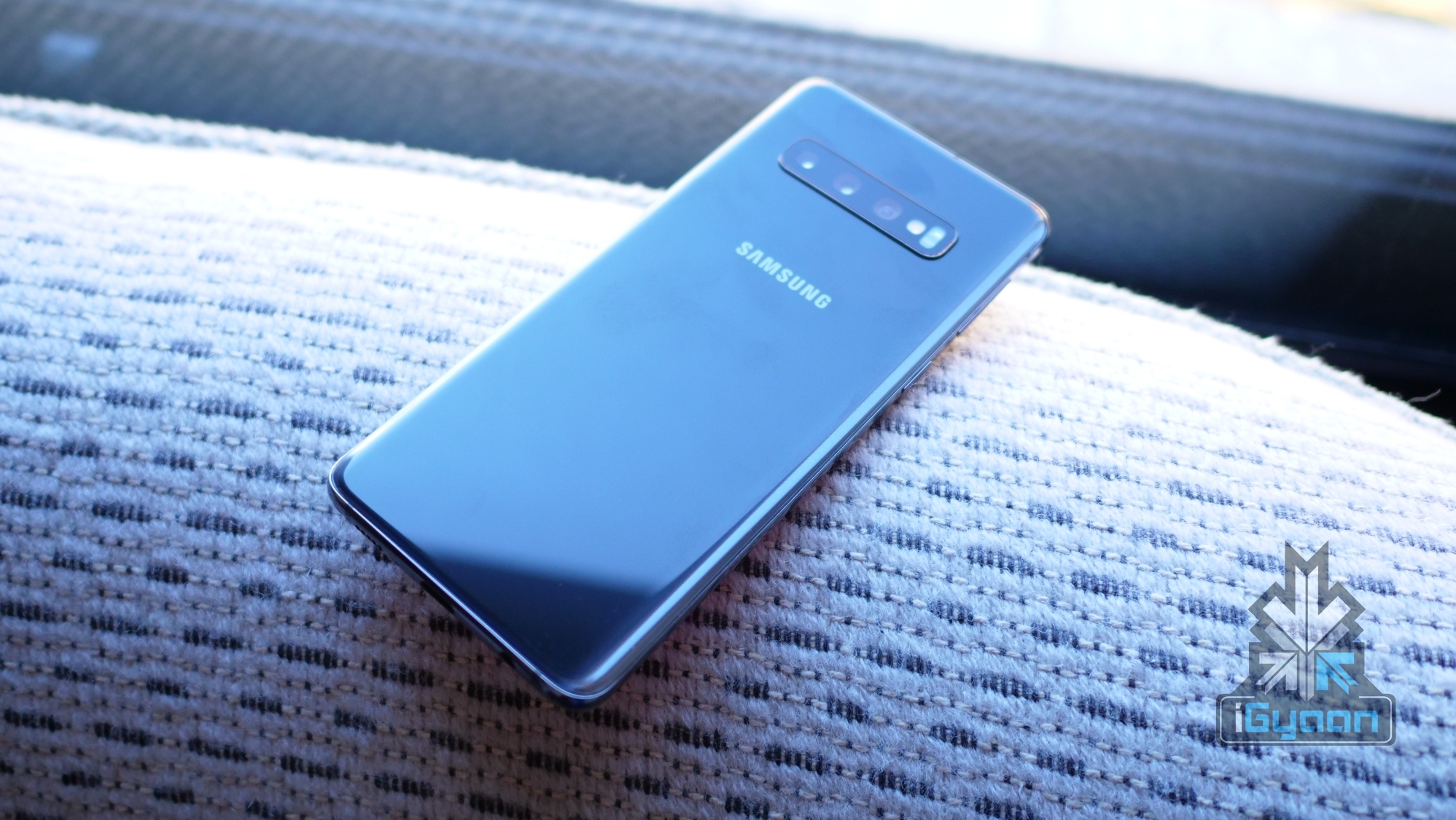
    Samsung Galaxy Note 10
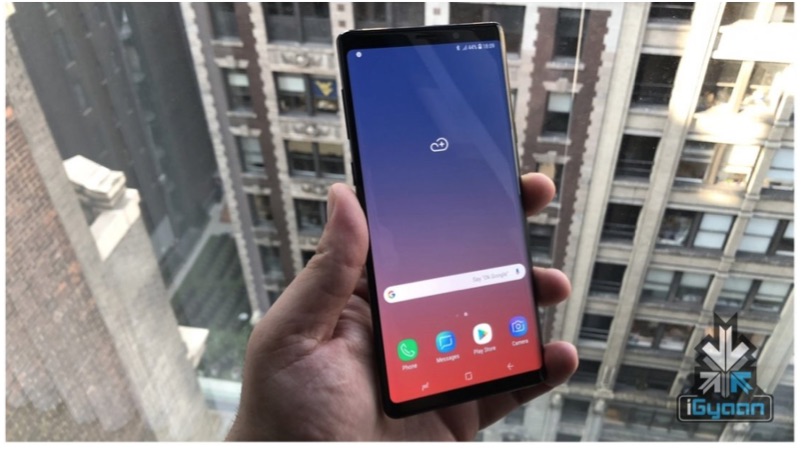
    Galaxy Note 9

    Samsung Electronics filed a trademark with the European Union Intellectual Property Office (EUIPO) on the 20th of June 2019. It was registered under the name Make & Play 3D and was submitted by an intermediary company named Abril Abogados from Madrid, Spain. This company has often acted on behalf of Samsung, so the connection makes sense. The description under the trademark mentions camera module for smartphones and ToF camera for smartphones. It all but confirms the presence of the sensor in at least one variant of the Galaxy Note 10; rumoured to be called the Galaxy Note 10 Pro.

    Galaxy Note 10
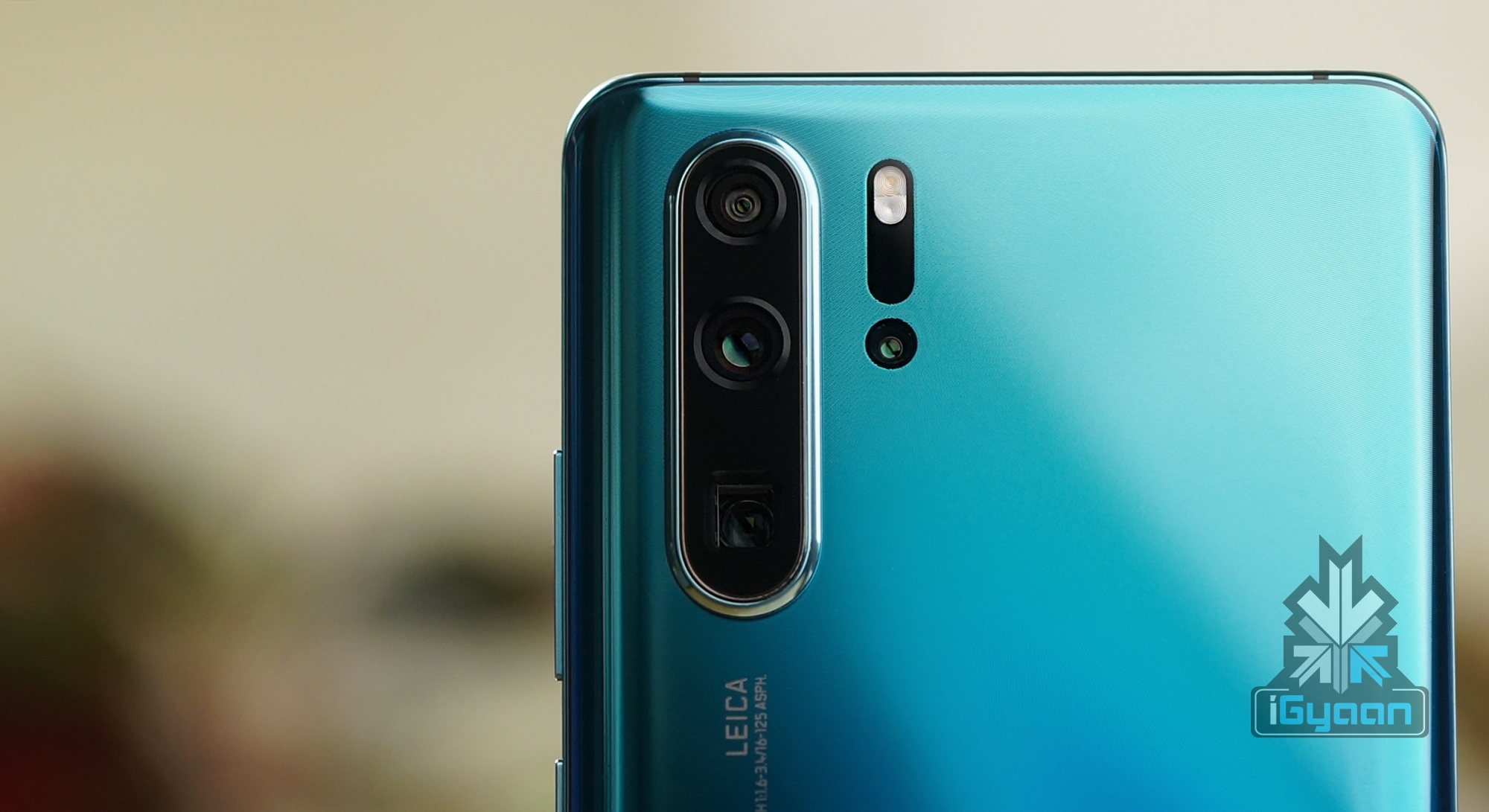
    Huawei P30 Pro

    Also read: Xiaomi Announces The Selfie Centric CC Smartphone Series In China

    A Time of Flight (ToF) sensor as rumoured on the Samsung Galaxy Note 10 is generally used for depth mapping and AI features in smartphones. The sensor is also seen in handsets like the Huawei P30 Pro and LG G8. Even Samsung has used a ToF sensor in its Galaxy S10 5G; which was launched back in the month of February. The naming Make and Play 3D suggests the upcoming flagship device may utilise the camera module for AR purposes. It may sport a feature similar to Google Pixel’s Playground wherein users can put objects in real time using their camera. Unfortunately, more details like the price and specifications of the Galaxy Note 10 remains shrouded in mystery. But one can expect them to be revealed as we move closer to the August launch date.

iGyaan Network
Privacy Overview

This website uses cookies so that we can provide you with the best user experience possible. Cookie information is stored in your browser and performs functions such as recognising you when you return to our website and helping our team to understand which sections of the website you find most interesting and useful.