Tag: patent

  • Huawei Patents A Smartphone With Unique Front Camera Placement

    Huawei Patents A Smartphone With Unique Front Camera Placement

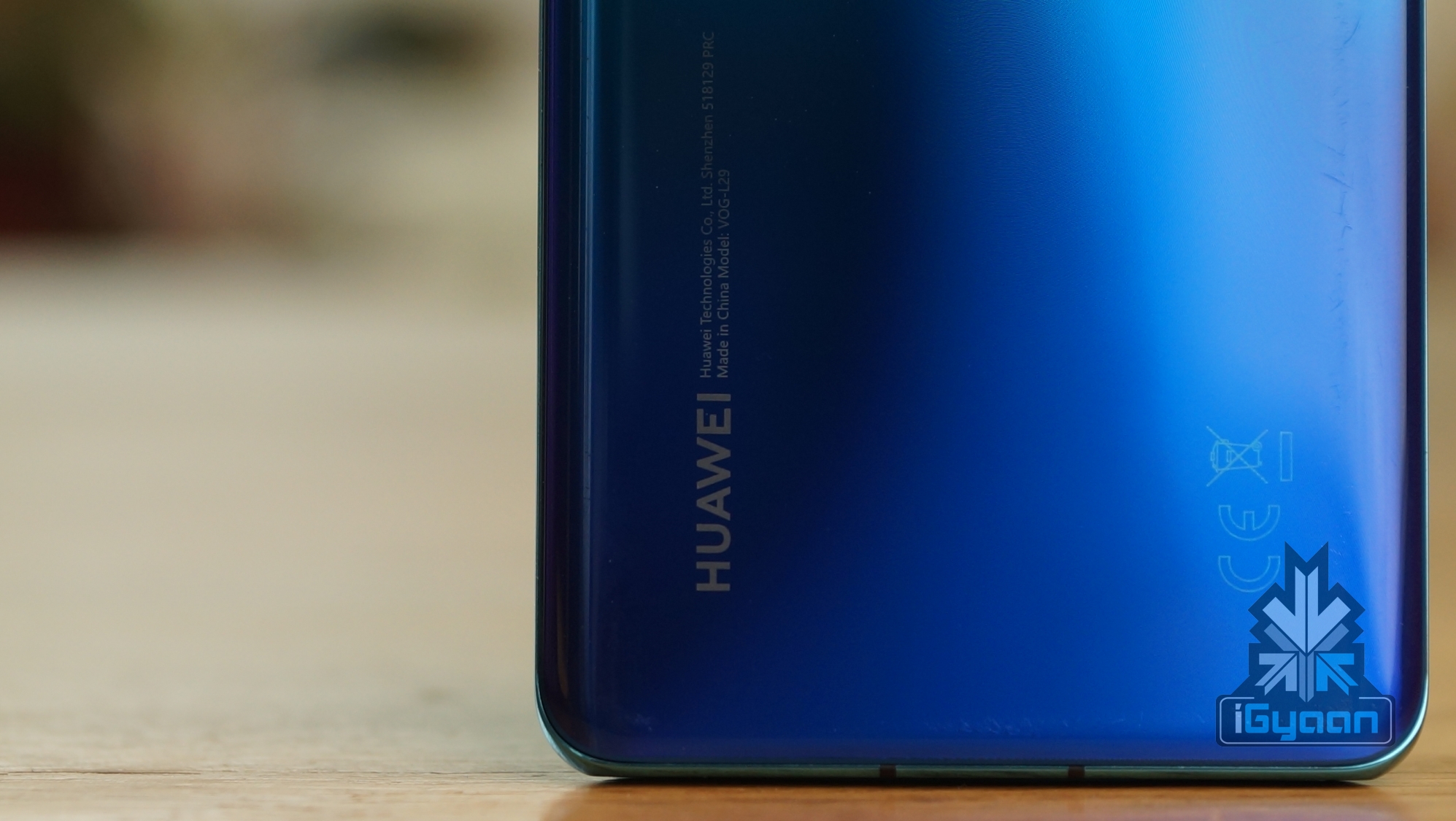
    Chinese manufacturer Huawei has been making a lot of progress over the past years. The company is the second largest smartphone maker in the world after Samsung. Huawei’s latest flagship, the P30 Pro received positive reviews for its innovative camera system, which provides 5x Optical Zoom capabilities. Furthermore, the company is planning to release the Y9 Prime 2019 smartphone in the not-so-distant future. Huawei has patented a new smartphone which has a unique selfie camera design.

    About The Patent
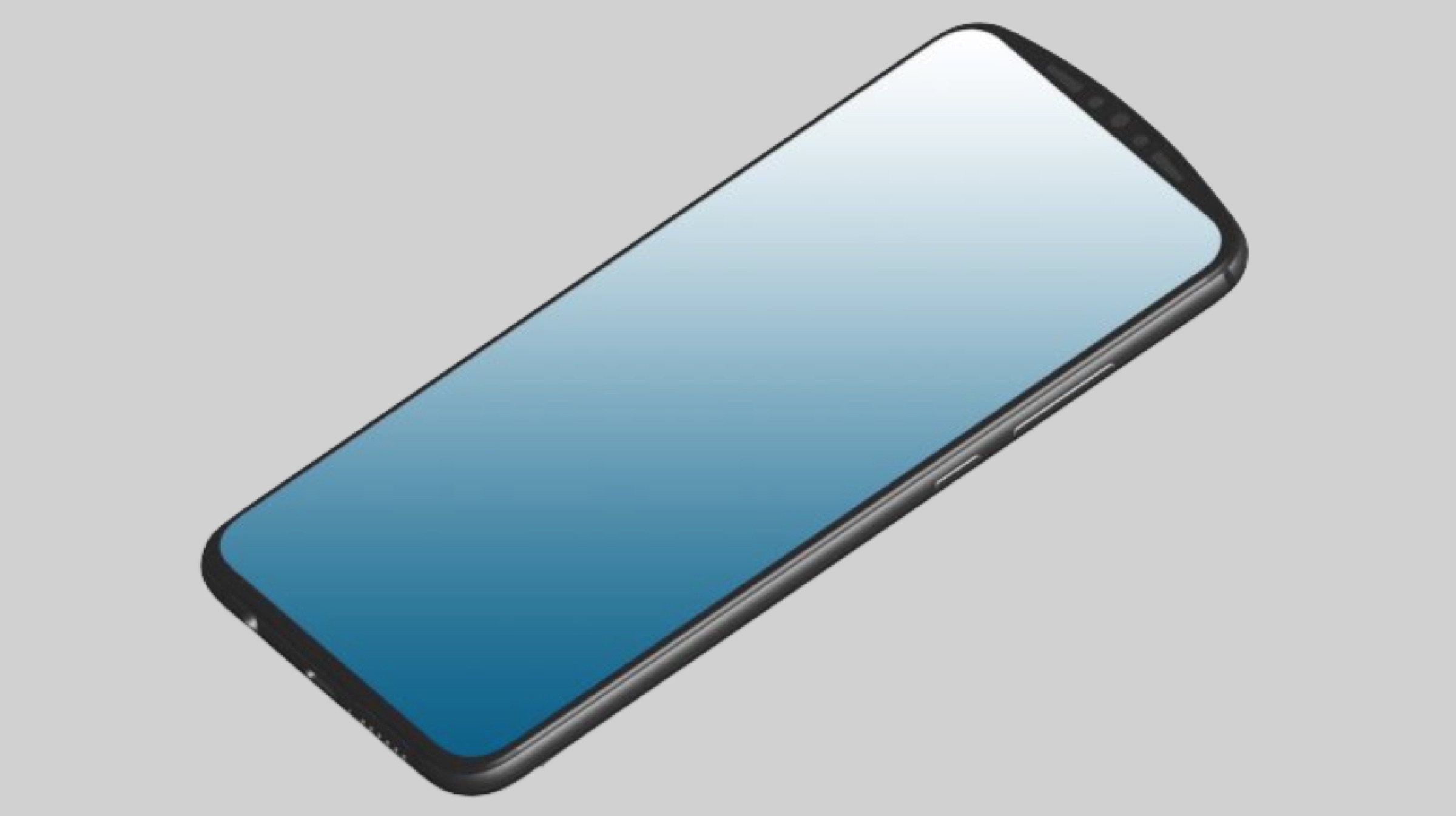
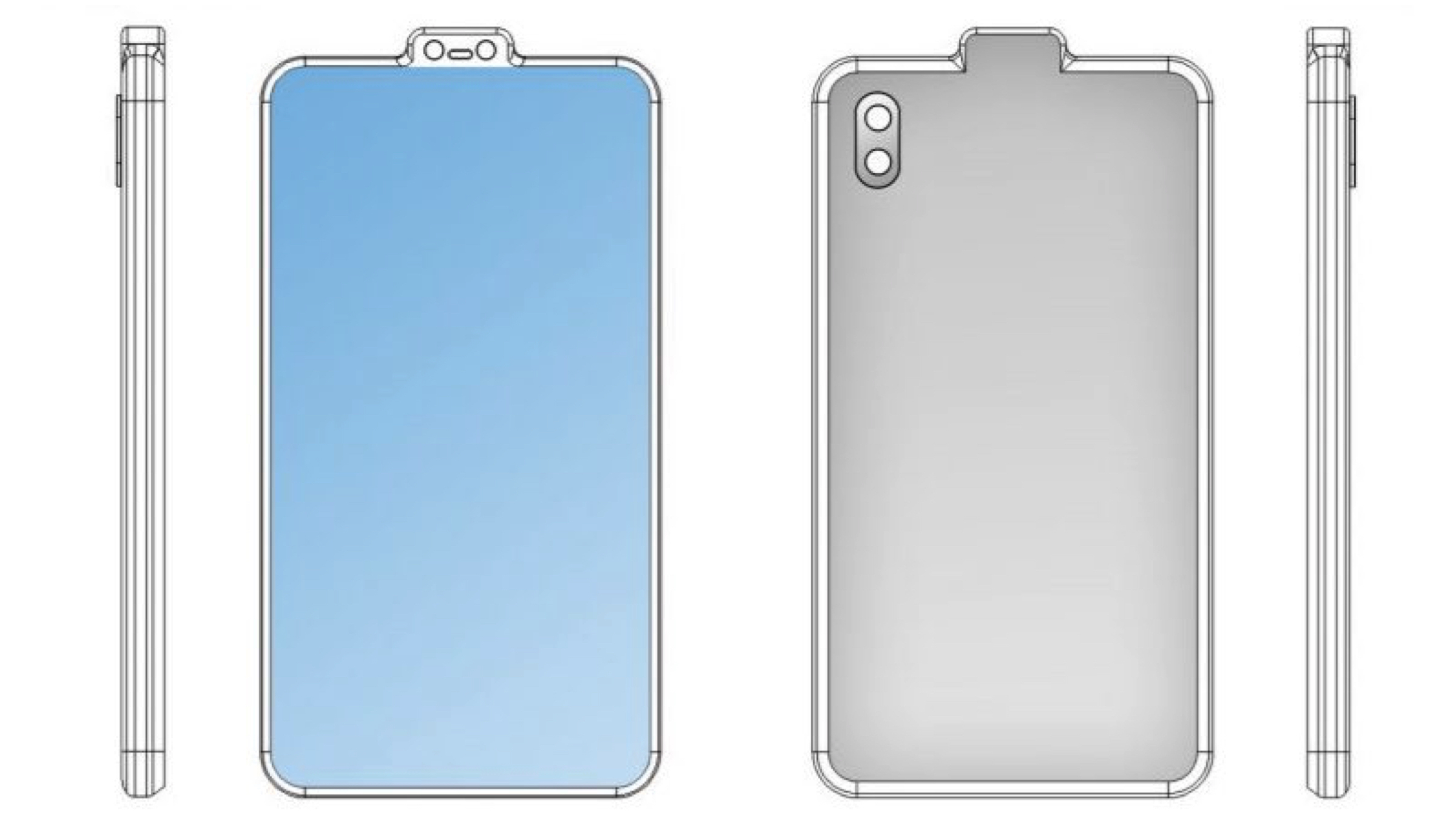
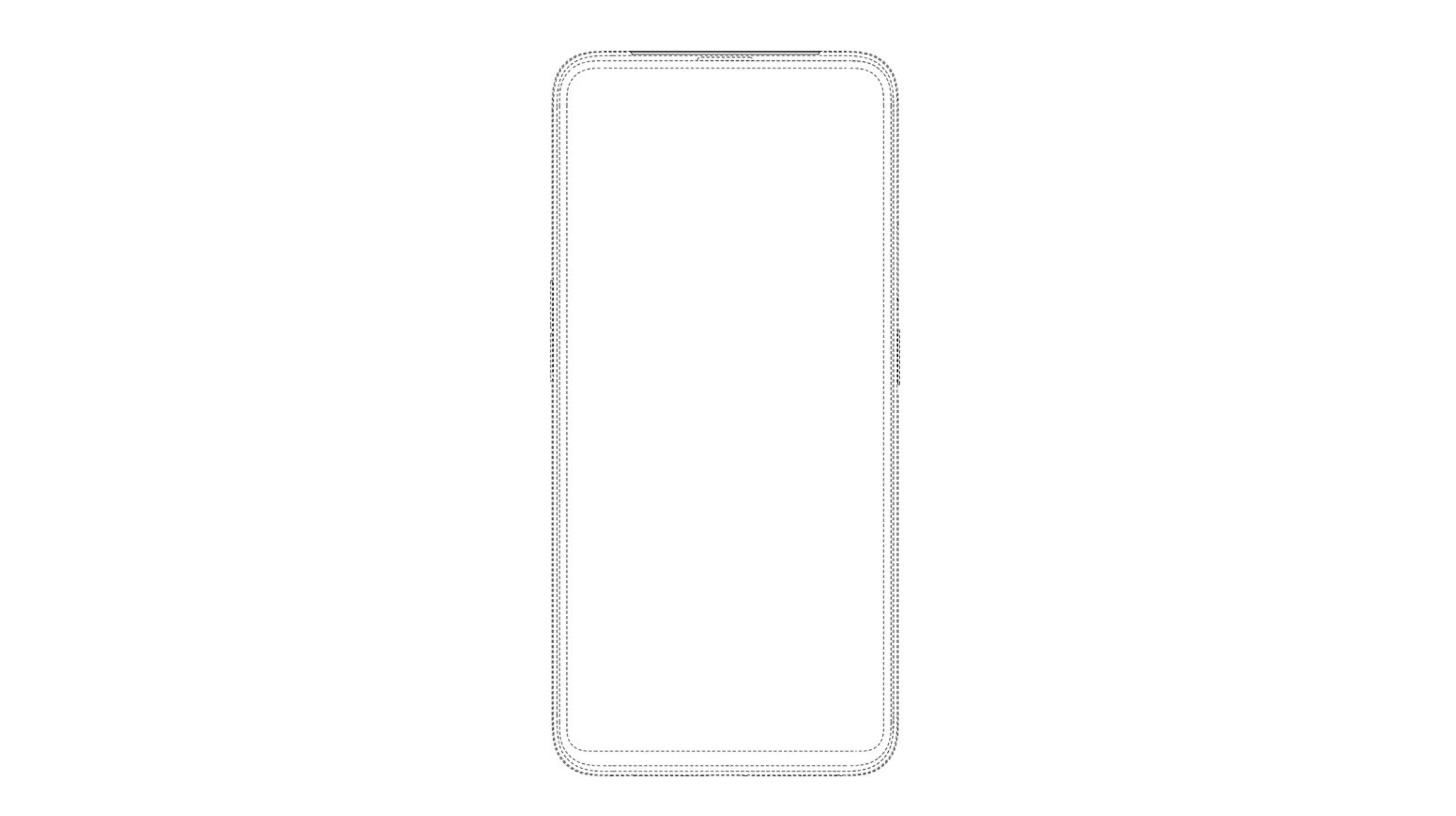
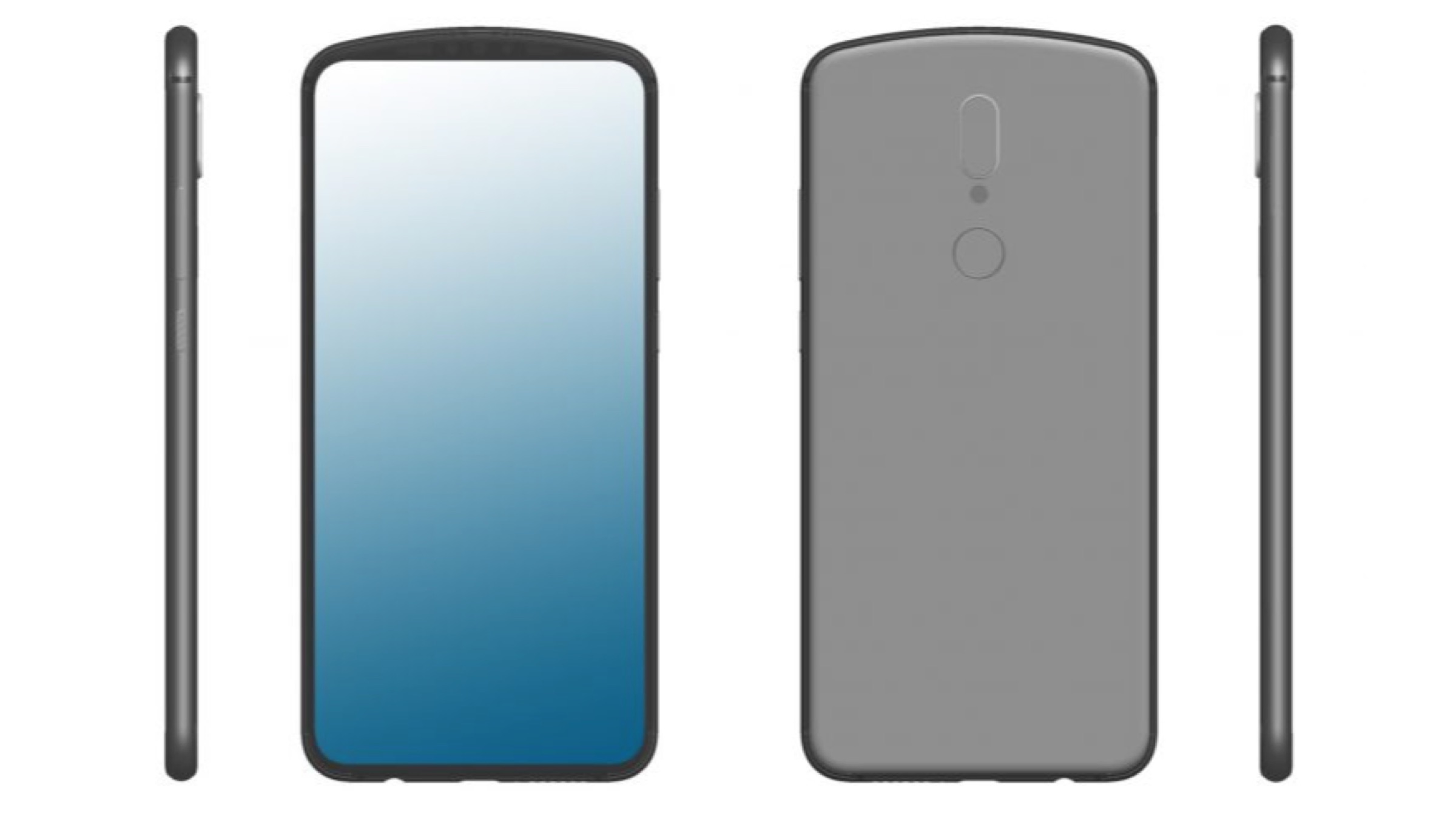
    Huawei PatentThe patent reveals a device which does not feature a notch, yet has a full screen design. The aforementioned patent was first filed with the WIPO (World Intellectual Property Office) in the month of March 2018 and was published on the 7th of May 2019. Interestingly, the depicted smartphone does not have a notch or a pop-up style camera. Instead, the patented handset is slightly rounded on the top, which is the real catch here. 

    The rounded top ensures that there is just enough space at the top to accommodate the front camera sensor and the earpiece. The patent addresses a major drawback in smartphones with pop-up cameras, stating that such devices cannot be deemed waterproof. However, with this new design, Huawei claims that its smartphone can be waterproof and fullscreen at the same time. 
    Huawei PatentAlso Read: Google Assistant Updated With Ton Of Revolutionary Features

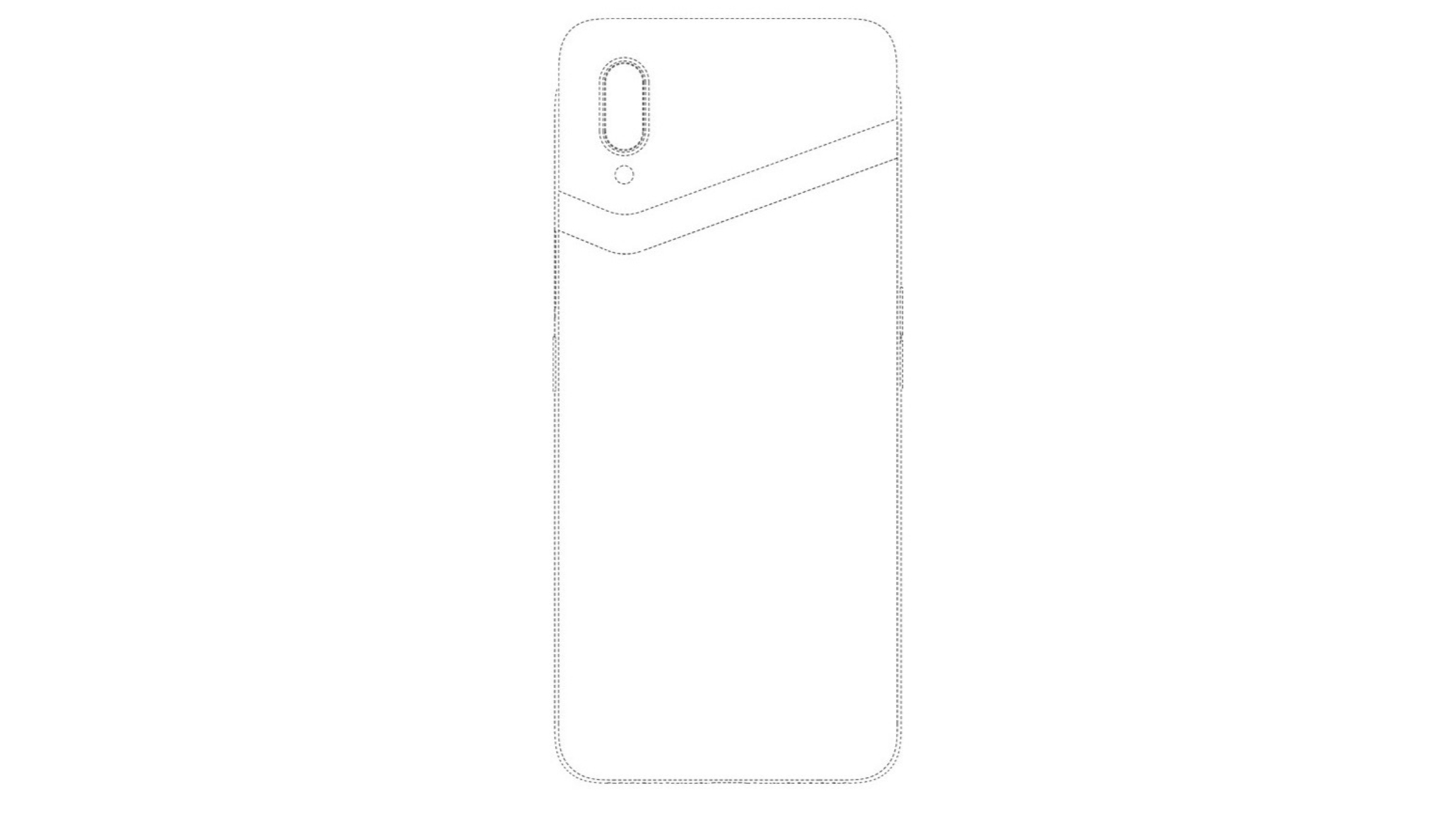
    The rear panel of the Huawei device from the patent has a traditional layout. It sports a dual camera setup and an LED flash with a fingerprint scanner placed just below them. Bottom renders of the device suggest that it will also feature a 3.5mm headphone jack. Clearly, the dual cameras on the handset indicate that it is intended to be a budget smartphone. Since Huawei hasn’t hinted about such a device in the immediate past, chances are that it may be released in the early 2020s or late 2019. However, as of now, all this information should be taken with a grain of salt. 
  • Microsoft Working On An Xbox Controller For Visually Impaired Gamers

    Microsoft Working On An Xbox Controller For Visually Impaired Gamers

    Microsoft’s Xbox gaming console is a renowned device for gaming enthusiasts. To ensure users with limited mobility can enjoy the games of their choice, the company launched the Adaptive controller for the Xbox One console last year. According to a fresh patent that Microsoft has been granted, it is revealed the company is working on another type of controller which is specifically designed for visually impaired gamers. 

    Xbox Braille Controller

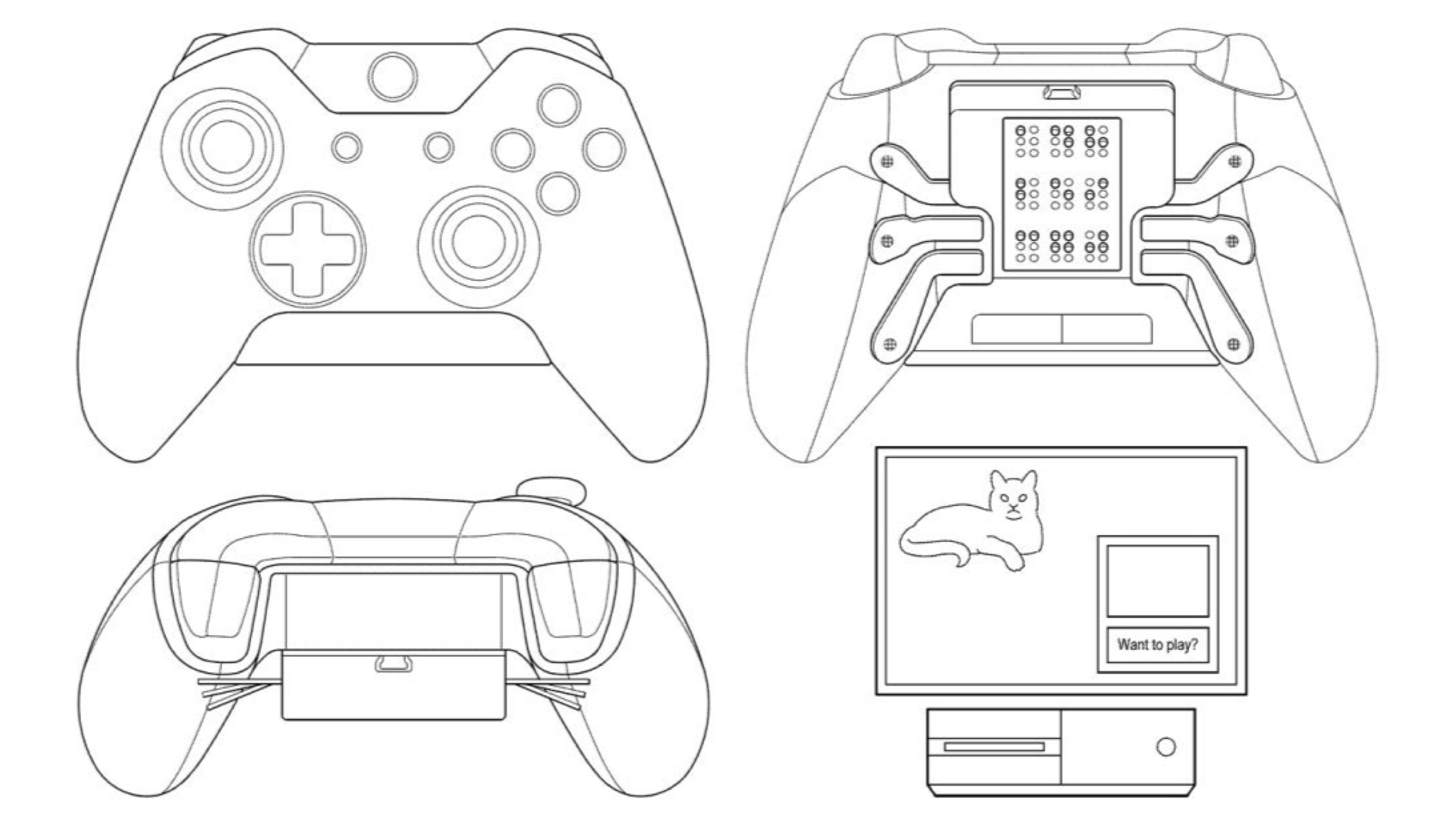
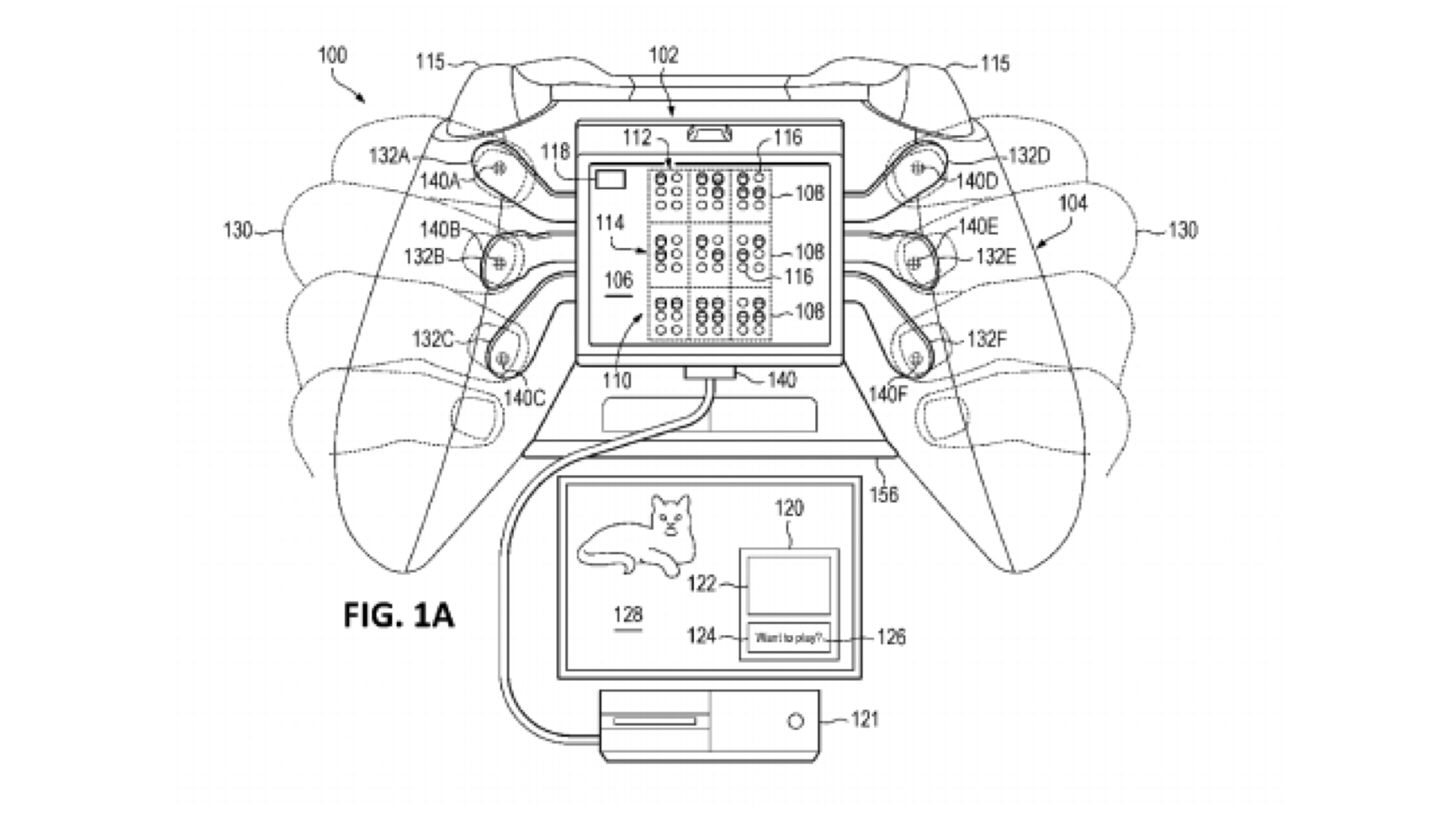
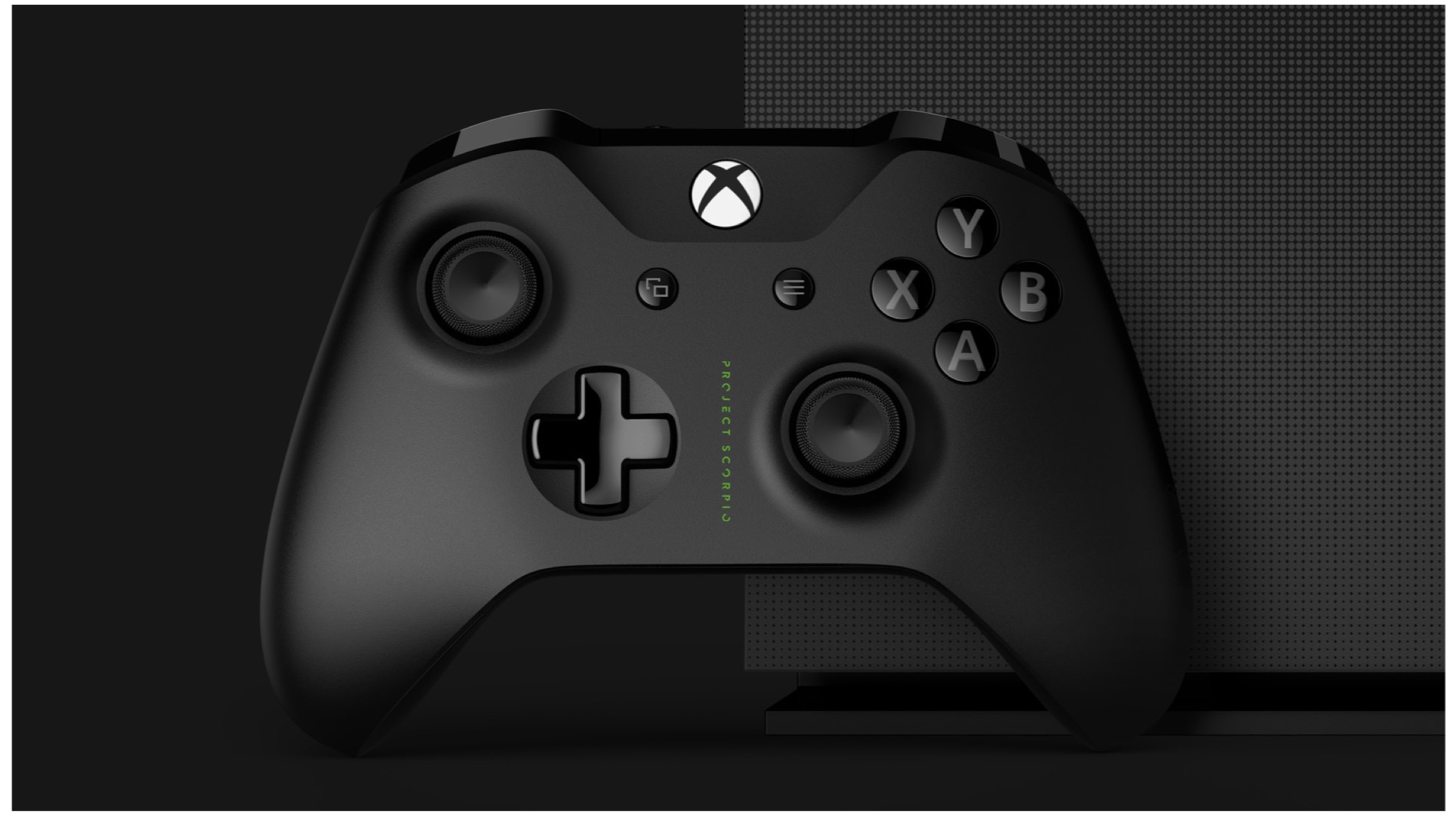
    Microsoft filed for a patent at the World Intellectual Property Office (WIPO) for a “Haptic Braille Output for a game controller”. The patent was published on the 2nd of May and showcases an Xbox controller with support for braille input that supports haptic feedback. Images in the patent present a special braille accessory which can be mounted on the rear of existing Xbox controllers which make it possible to input braille characters. The said accessory is comprised of six paddles and a display, which can show texts or audio in braille. So, for example, a visually impaired gamer can still participate in a chat session with other gamers. For those unaware, Braille is a tactile reading and writing language developed by Louis Braille, a French educator. The language is widely accepted as the standard for the visually impaired.

    Also read: Specifications Of Xiaomi Hercules Smartphone Leaked Online, Could Be The Mi MIX 4

    The patented Xbox game controller from Microsoft is also showcased to recognise speech commands and converting them into a text input. Furthermore, the braille controller may also be capable of giving vibration feedback which can be adjusted per game. As previously mentioned, it can be attached to the back of the controller and the functions can be mapped by the convenience of the gamer using the console, smartphone or PC. While the patent for a braille Xbox controller has been granted to Microsoft, when the company actually releases it is anyone’s guess. 

    For those interested, you can check out Microsoft’s patent here.

  • Apple Patents In-display Fingerprint Scanner, May Feature In Future iPhones

    Apple Patents In-display Fingerprint Scanner, May Feature In Future iPhones

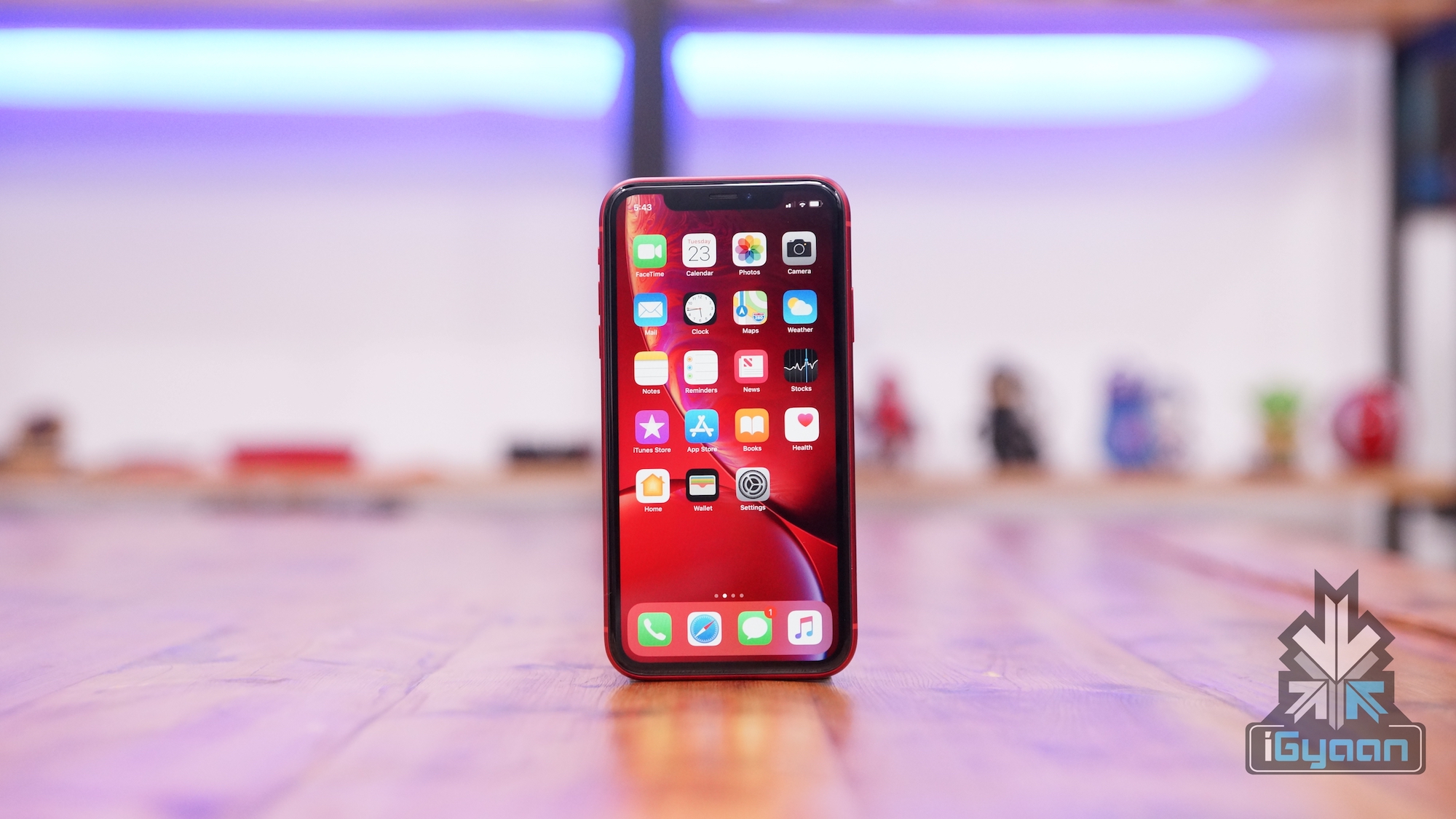
    In-display fingerprint scanners are slowly becoming a norm for flagship smartphones. First incorporated in the Vivo X20 Plus UD, the in-display scanners were later introduced by companies like OnePlus, and Huawei. Furthermore, South Korean technology company Samsung introduced the world’s first ultrasonic fingerprint scanner in the Galaxy S10+. The American technology giant, Apple till now has abstained from implementing the technology on its devices but this is likely to change soon. The company was granted a patent for what looks like to be an in-display biometric scanner for a future iPhone. 

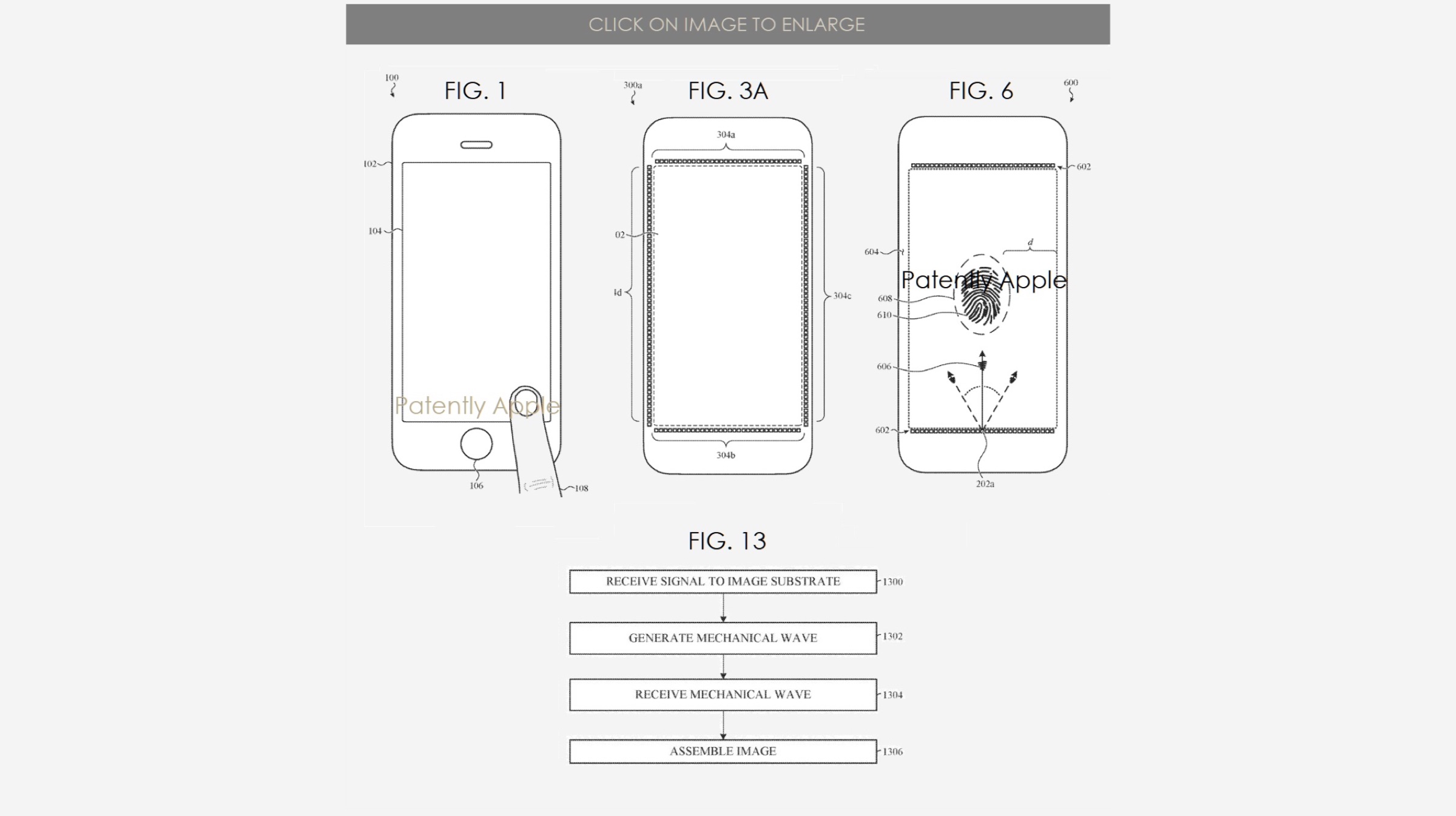
    The patent showcases “methods of biometric imaging of input surfaces”, which directly relate to an acoustic imaging system. Using the aforementioned technique, a high-resolution image of the object can be mapped, in this case, a fingerprint. Since Apple has never used an in-display fingerprint scanner in any of its devices yet, this patent getting published may be a start for the company. 
    How Does The Scanner Work?
    iPhone XR

    As per the patent, an acoustic transducer is configured to generate acoustic outputs in response to a signal from a controller. The outputs may be in the form of mechanical waves or pulses, and they will be coded with the help of the controller. To obtain the image of the fingerprint, the acoustic imaging system can use a multitude of techniques, including reflection, diffraction and transmission. Further notes from the patent state that the acoustic imaging system can also be used to map biometrically unique features of the fingers like size, shape and skin patterns. Moreover, some notes also affirm that the imaging technique can capture features like the user’s ears and other prominent features. 

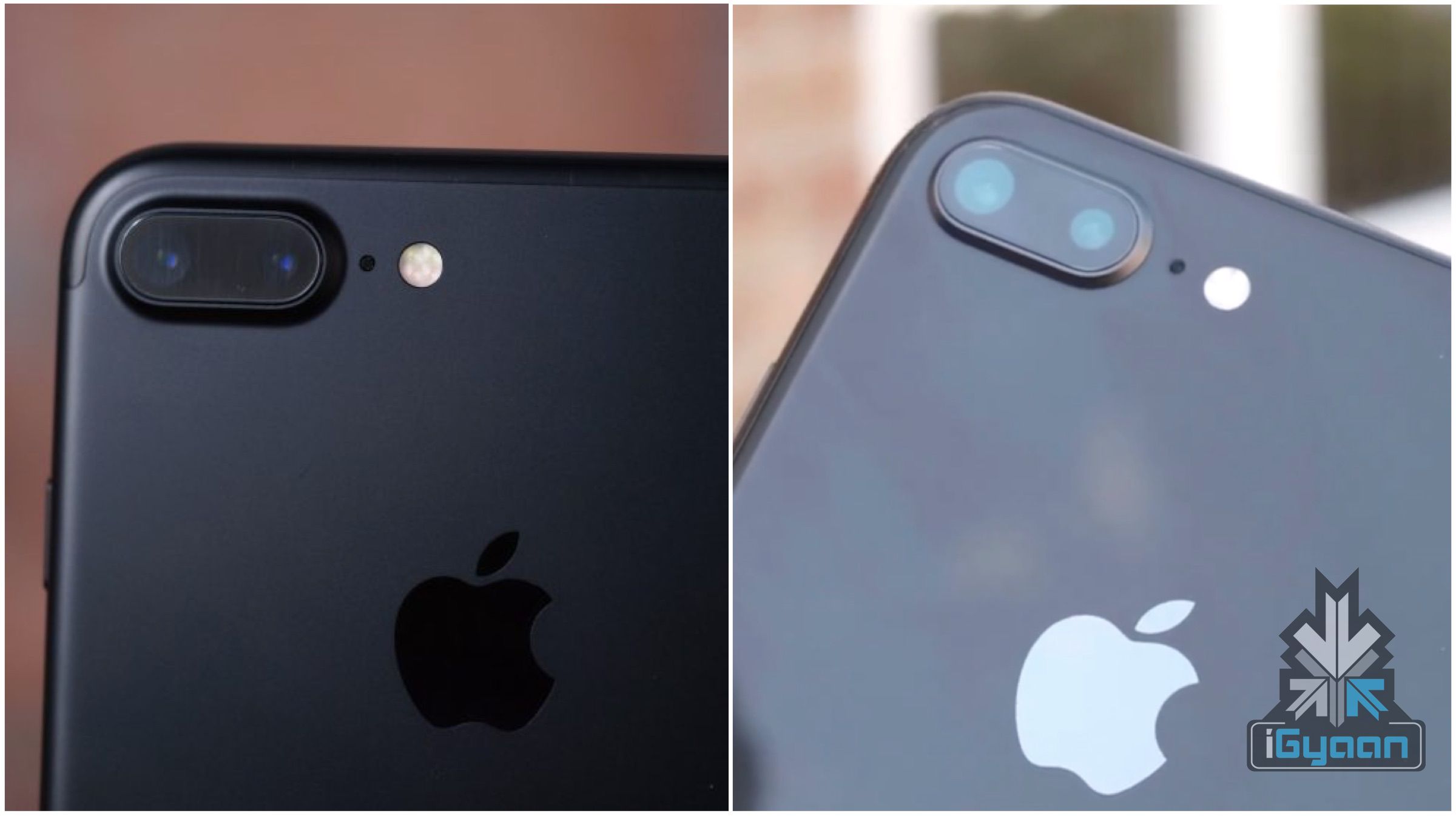
    iPhone 7

    Also Read: Latest Renders Reveal The Upcoming Moto Z4 In All Its Glory

    Considering that Apple originally filed the aforementioned patent in the third quarter of the year 2016, this technology may never see the light of day in the immediate future. However, implications of the same tech can be incorporated in newer Apple devices, and since Apple is highly focused on security detail, it might be the best-in-class too. 

  • Samsung Patents PlayGalaxy Game Link Service For Galaxy Devices

    Samsung Patents PlayGalaxy Game Link Service For Galaxy Devices

    The year 2019 has seen a lot of developments in terms of gaming so far, with Google releasing their cloud-based game streaming service (named Stadia) and Apple following up with their own “Apple Arcade” gaming platform. Companies like Samsung don’t plan to stay behind for a long period of time. A recent patent granted to the company showed that the South Korean Technology company is working on a platform which will enable users to play online games via Galaxy devices.

    About The Patent

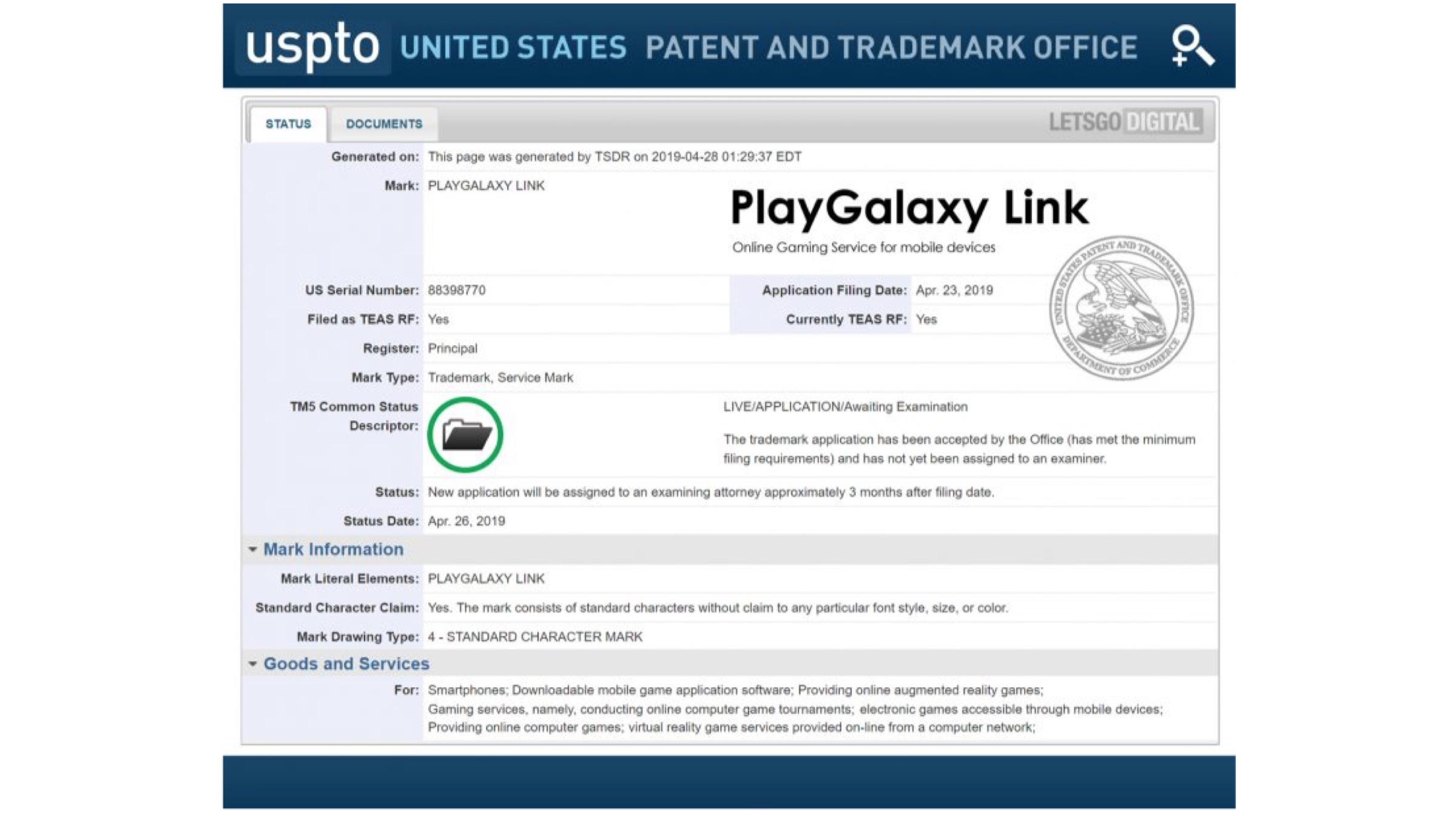
    The patent was first filed by Samsung in America with the United States Patent and Trademark Office, or USPTO. The trademark included details about a service called the PlayGalaxy Link, and was finally published on April 26 in the database of the European Union Intellectual Property Office (EUIPO). As per reports, the patent is categorized under Class 9 and 41. While class 9 is comprised of a broad range of trademarks for scientific, cinematographic and photographic devices, Class 41 mainly covers products which cater to entertainment purposes. 

    Samsung Galaxy S10e

    Previously in April 2019, Samsung was reported to have partnered with Finnish organization “Hatch” to launch a new 5G cloud gaming service in Korea. Furthermore, people who buy the recently launched Galaxy S10 5G get a free three-month premium Hatch subscription. This may be the new gaming service that Samsung has been working on, but nothing can be said for sure, since the trademark for the “PlayGalaxy Link” is applied for in US, not in Korea.

    Also Read: The OnePlus 7 Pro Gets An A+ Display Rating From DisplayMate

    Whatever the case may be, it is clear that Samsung plans to go up against American technology mega-giant Apple and it’s latest gaming service, Apple Arcade. While it is reported that Apple Arcade may be available starting this fall, Samsung may unveil its “PlayGalaxy Link” service sooner than expected. Moreover, the company is also planning to release a smartphone which will be dedicated to gaming. Reports say that such a device may be released under the Galaxy A series branding, but nothing can be confirmed as of now. 

  • Samsung Patents A Distinctive Smartphone With Display On Front And Back

    Samsung Patents A Distinctive Smartphone With Display On Front And Back

    Ever since the race to a bezel-less smartphone started in the year 2016, major OEMs have tried to innovate unique solutions in a bid to maximise the screen real estate in their devices. Along the way, unconventional technologies like a display notch as seen in the iPhone X series, hole punch displays as seen in the Galaxy S10 lineup and dual displays present in Vivo Nex Dual Display and the Nubia X, have surfaced in current smartphones. A fresh patent filed by Korean electronics giant Samsung reveals it is working on a new way to increase the screen to body ratio in future handsets. 

    Samsung Dual Display Smartphone

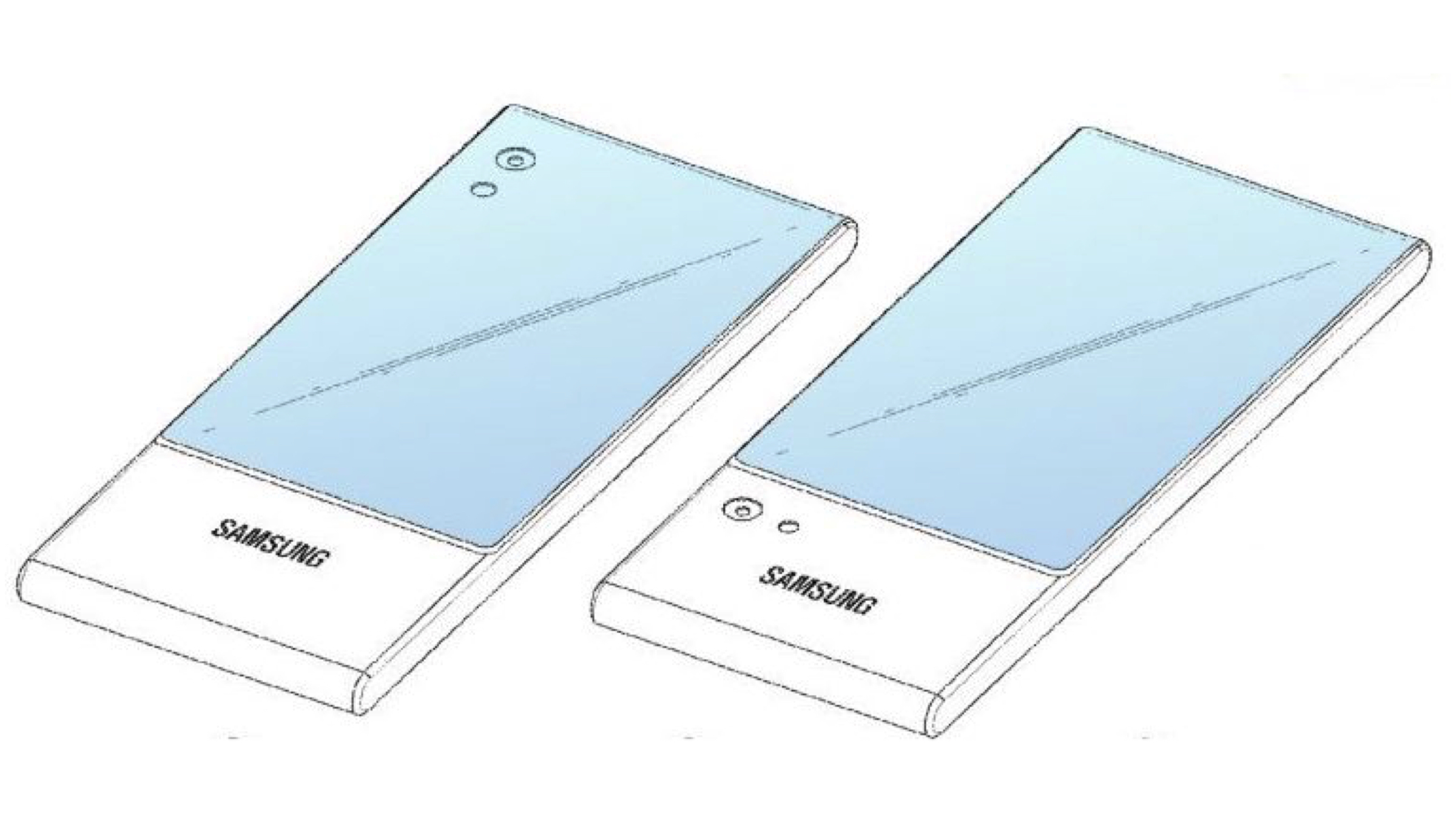
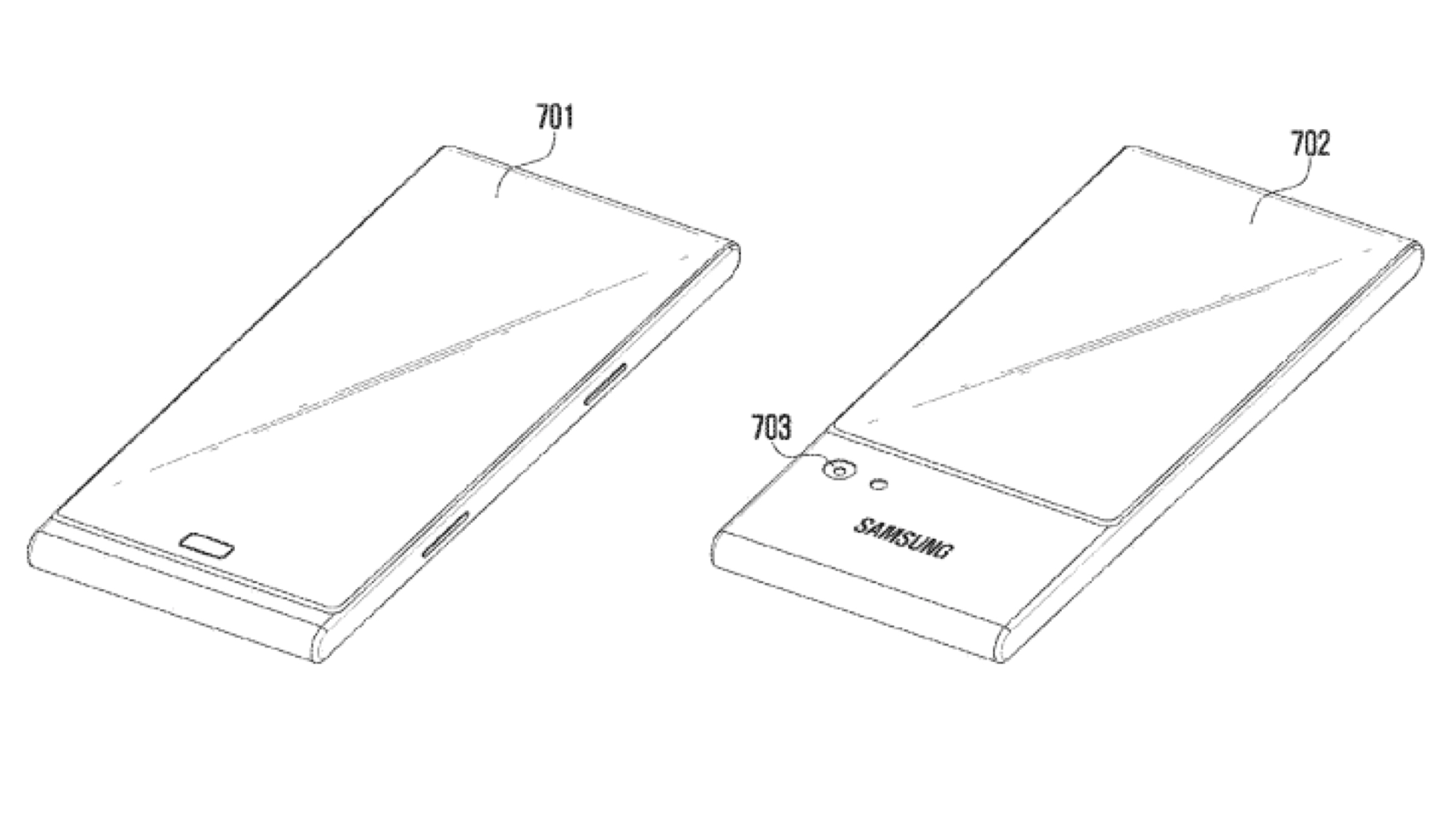
    Samsung filed for a patent with the United States Patent and Trademark Office (USPTO) for the aforementioned smartphone back in October of 2016. It was approved and published in the World Intellectual Property Office (WIPO) database on the 25th of April 2019. The images in the patent reveal a mobile device with an alleged ‘Multi-Plane Display’. This essentially means a device with a display on the front and back which can be controlled simultaneously.

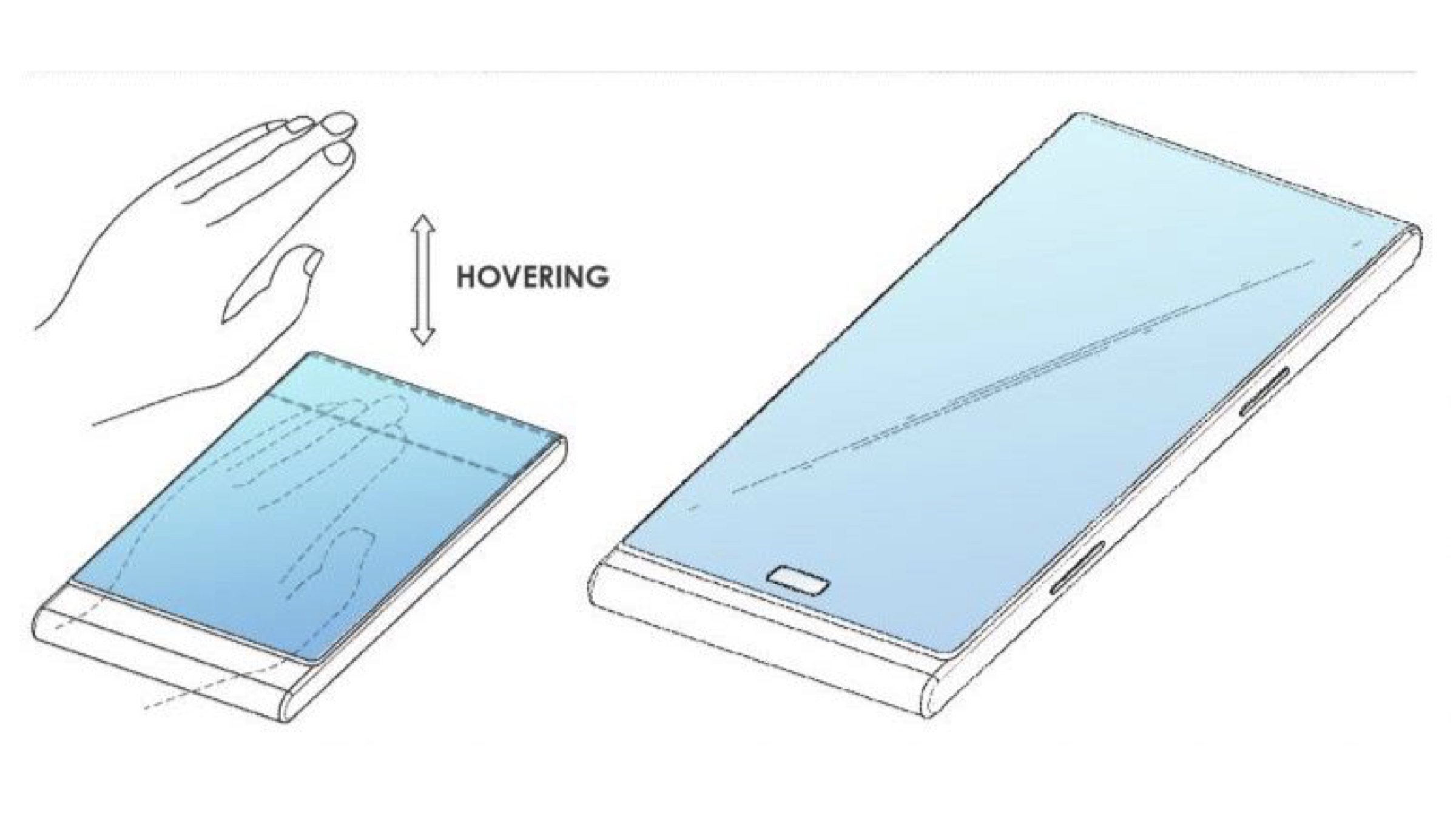
    The aforementioned patent by Samsung shows a smartphone with three different parts of the display. The front of the device is entirely covered by a screen. This screen or display extends to the top of the handset and goes on to cover around 75 percent of the back of the device. While the main display seems folded, it might not need to open and close like the Galaxy Fold foldable smartphone. The patents also reveal a home button inside the display, which might provide haptic feedback when pressed. Samsung’s Dual Display smartphone, when launched may also feature a single camera sensor on the back side of the device. As there are displays on either side, images and videos can be clicked or recorded from the front as well as the back of the handset. 

    Also read: Redmi Popup Camera Phone Spotted In Video

    As far as the usability of Samsung’s Dual Display Smartphone is concerned, the patents reveal the device will use hand gestures to control the User Interface of the handset. A similar operation method was implemented in the LG G8 ThinQ launched back in the month of February. The display on the top may be limited to notifications while the rear panel may be used for taking selfies and using the smartphone with one hand. Unfortunately, no details about the release date and pricing of the device are available yet, but they are expected to be unveiled in the following weeks.

  • Xiaomi Patents A Smartphone With Protruding Notch

    Xiaomi Patents A Smartphone With Protruding Notch

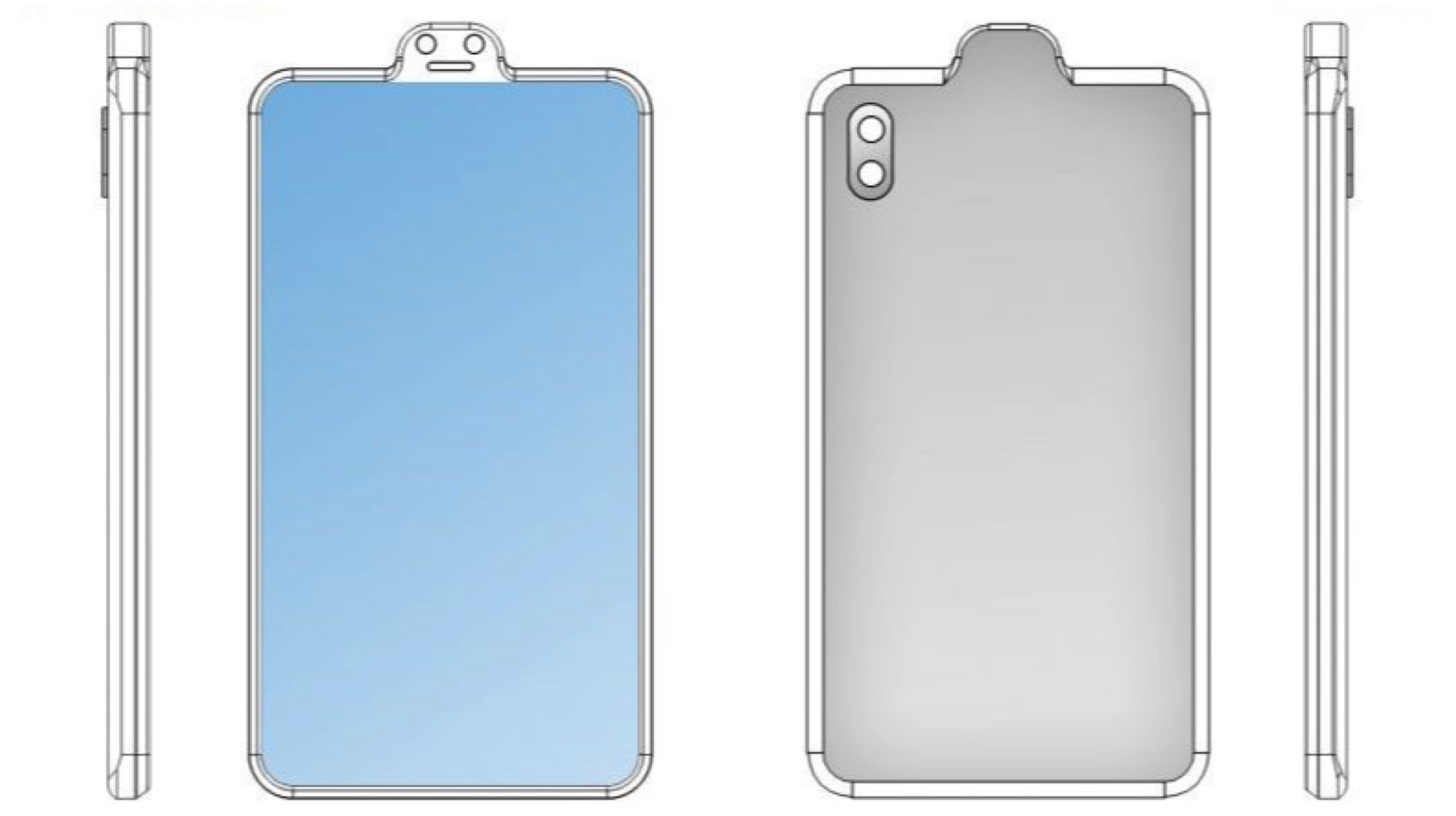
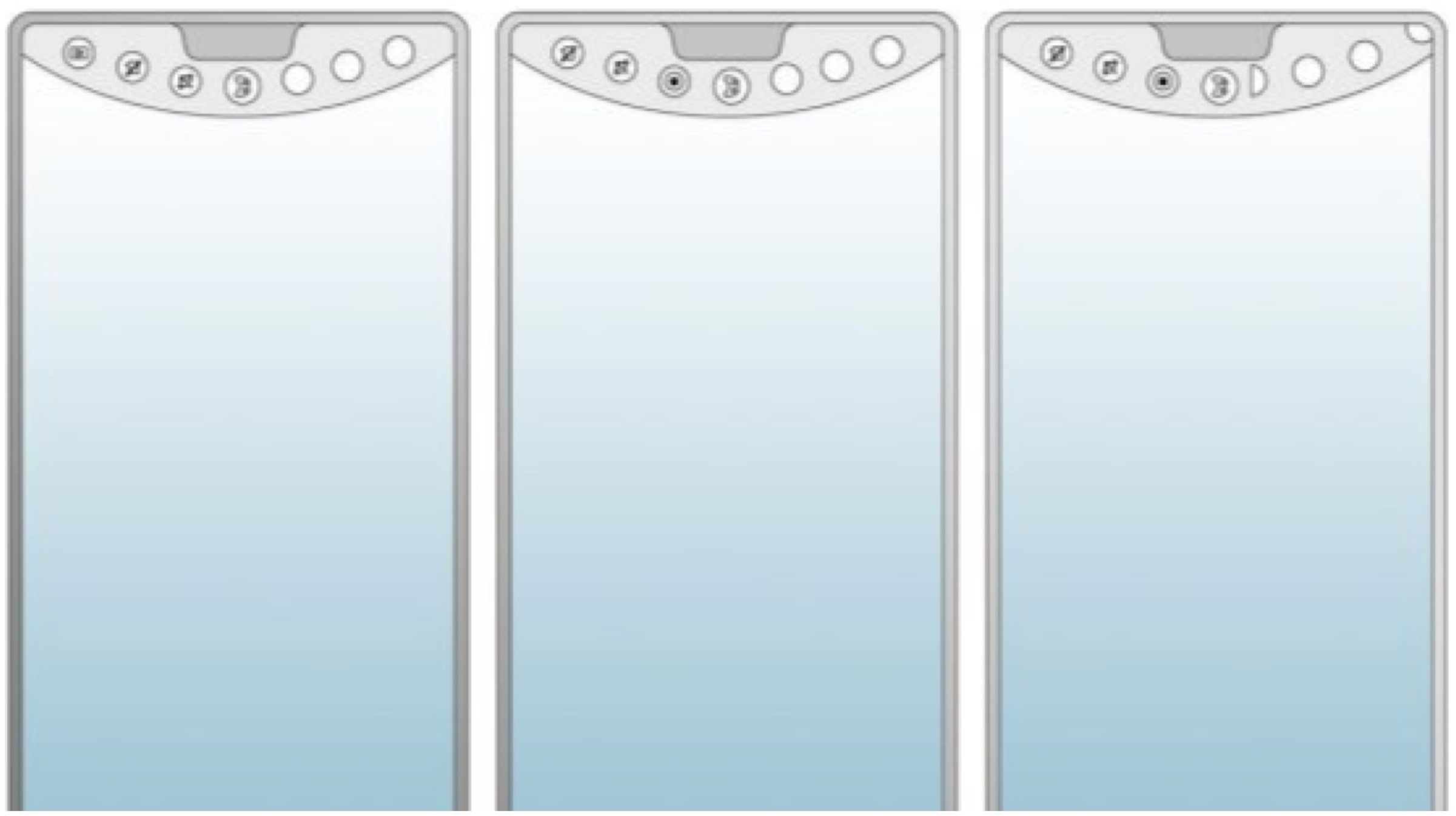
    Since the year 2017, smartphone OEMs have tried multiple ways to maximise the screen real estate in their devices. Some innovative outcomes of the project included display notches of various sizes, hole punch displays and manual/mechanical sliders. Xiaomi, a renowned manufacturer has recently filed a patent which shows another unique way of increasing the screen to body ratio. The patent shows a smartphone with a reverse notch which protrudes from the top of the display. 

    Xiaomi Smartphone With Reverse Notch

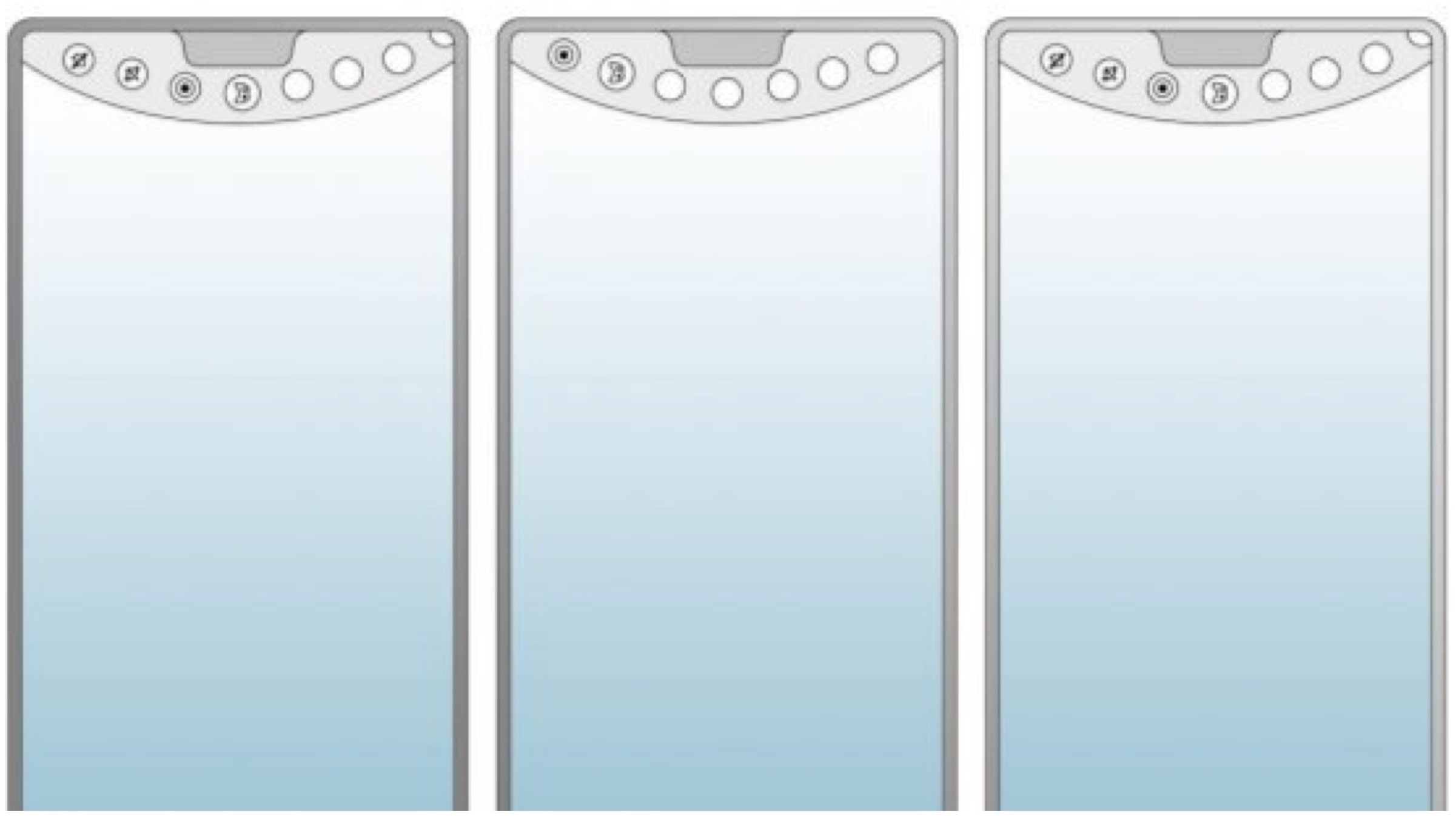
    The patent was applied by Xiaomi in mid-2018 and was published on the 23rd of April. It shows three different models, which slightly differ from each other in terms of design. Common aspects of all three smartphones include an edge to edge display, a dual selfie camera setup and an earpiece on top of the display. They also have a vertical dual rear camera setup on the back. The notch on top of the display is a unique deisgn choice and has never been implemented on a smartphone before. No physical fingerprint sensor is visible in the design of the device, which suggests the company will opt for an in-display scanner on the handset if it launches.

    Also read: Xiaomi Redmi Y3 vs Redmi Note 7, Which One Should You Pick?

    There may be many benefits of a reverse notch design on a smartphone over the conventional way of getting more screen real estate. With the cameras and sensors placed above the display, the chances of them cutting into the screen while consuming media are zero. Furthermore, no moving parts suggest the handset with the design can be made water resistant. However, the structural integrity and the ergonomic factor of the design remains to be seen when it is finally announced. Unfortunately, no details about the launch date of a Xiaomi smartphone with a reverse notch is known as of now.

  • Apple To Soon Launch A Paintbrush For iPad, Reveals Patent

    Apple To Soon Launch A Paintbrush For iPad, Reveals Patent

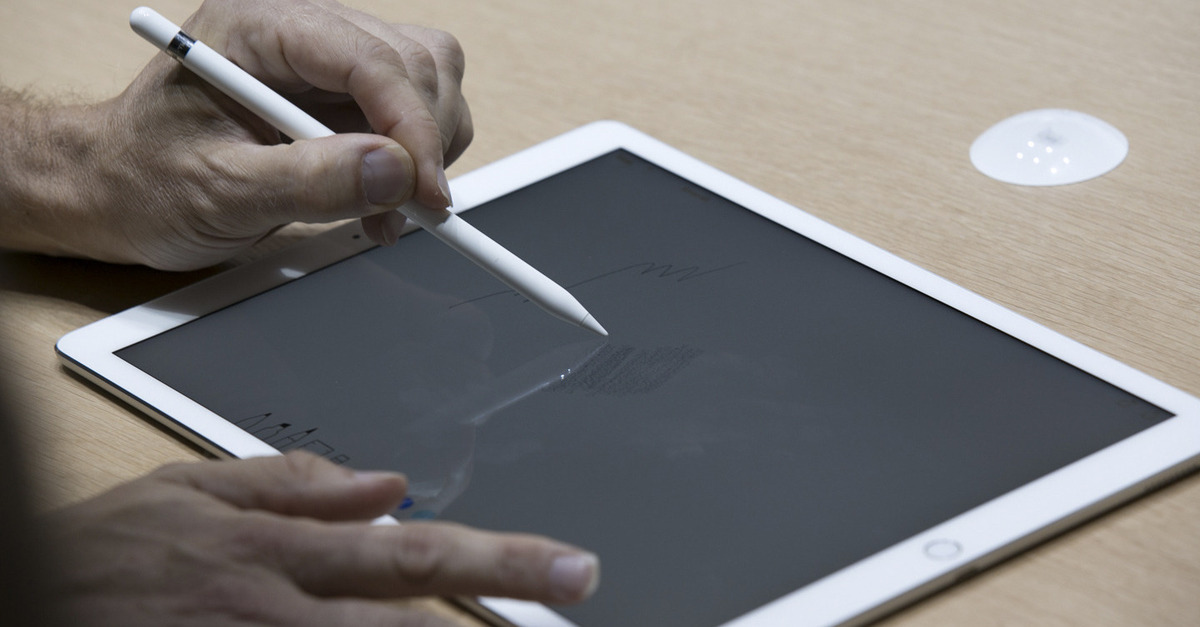
    Apple first launched the Apple Pencil in the year 2015 alongside the first generation iPad Pro. Doodling and drawing were the main implications of the Apple pencil. It communicated with the iPad using Bluetooth and featured a removable cap that concealed a Lightning connector. As per reports, the company is working on another peripheral which will have similar features to the Apple pencil but will be used for painting on the iPad instead of drawing. 

    Apple “Paintbrush” Patent Details

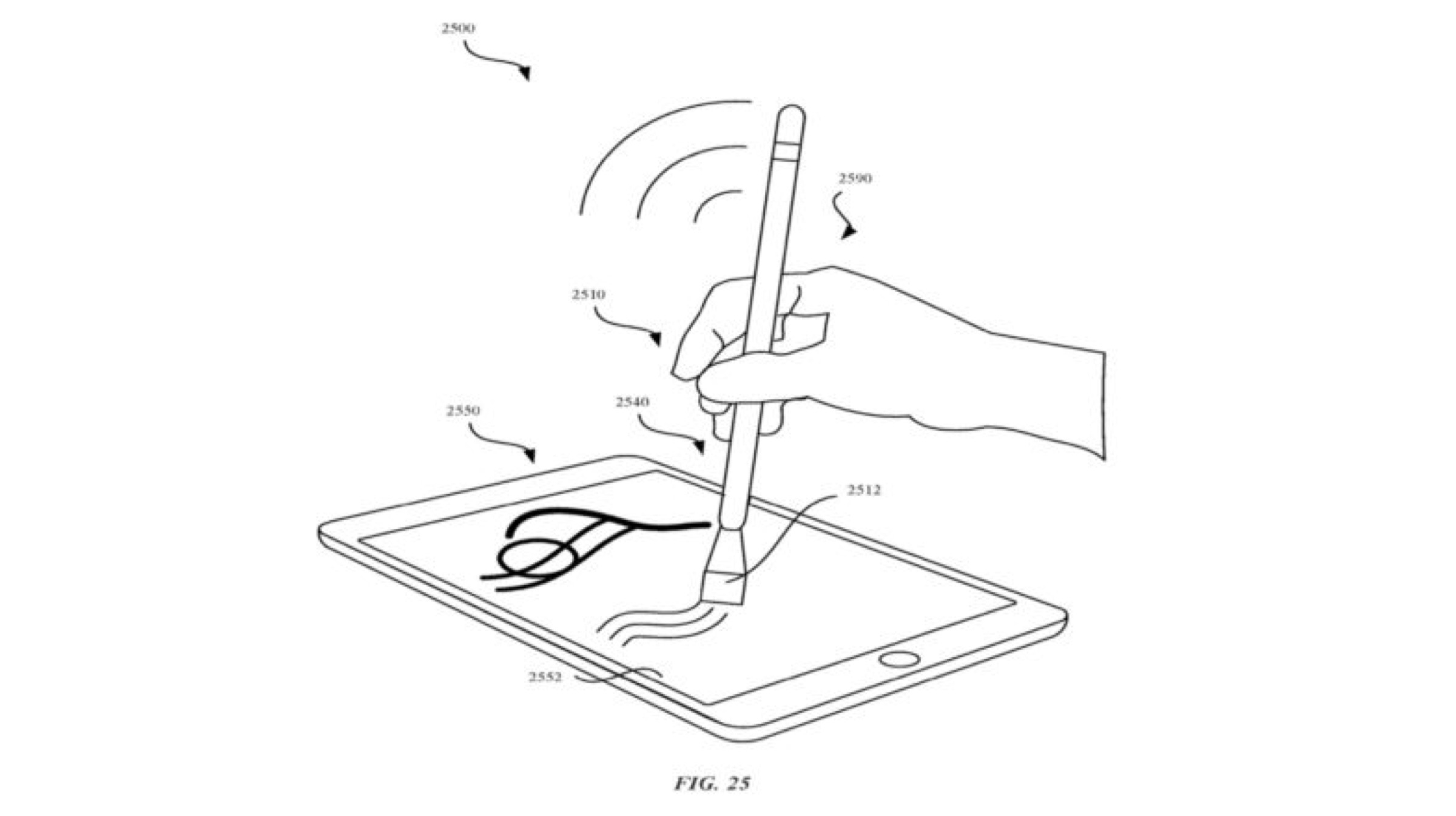
    The speculated “Apple Paintbrush” was patented recently by the company, and the patent represents the “paintbrush” as a “Stylus with multiple inputs”. As per the patent, the “electronic paintbrush” has multiple flexible contact points. Apple’s patent further stated that all the flexible contacts can flex independently of each other, and a feedback response is generated depending upon the change in bending/flexing of the contact members. 

    Apple Pencil

    Even though the Apple Pencil is very versatile regarding its compatibility with the iPad, the company believes that the paintbrush-style-stylus can incorporate a huge change in the way artists paint on Apple’s iPads. The patent granted to the American multinational technology company states that despite a multitude of advancements in order to render the inputs and data from the Apple Pencil, the stylus has still a lot of hurdles to overcome when it comes to modern art. Introducing flexible multiple contact members to a traditional stylus can fix a majority of the aforementioned issues. 

    iPad Pro with the Apple Pencil

    Also Read: Xiaomi Launches The Redmi 7 Budget Smartphone In India

    Such an electronic stylus may have a lot of possibilities in the hands of artists who regularly use iPads for creating content. Previously, the South Korean company, Samsung also published a patent which showcased a stylus with an inbuilt optical camera, indicating towards the advancements regarding styluses and similar peripherals. However, fans should take the news of the Apple Paintbrush with a grain of salt, as there is no official announcement regarding the launch of such an “electronic paintbrush”. 

  • Apple, Qualcomm Drop All Lawsuits, Sign A Six-Year License Agreement

    Apple, Qualcomm Drop All Lawsuits, Sign A Six-Year License Agreement

    In a surprising turn of events, Apple and Qualcomm have dropped all the pending lawsuits against each other. The companies have also signed a six-year license agreement, which may be further extended. Both the companies, the known electronics giant Apple and mobile chip maker Qualcomm had filed multiple lawsuits against each other for copyright infringement. A few days ago, Apple was found guilty and was asked to pay 31 million US $ as a fine.

    About The Case
    iPhone 7

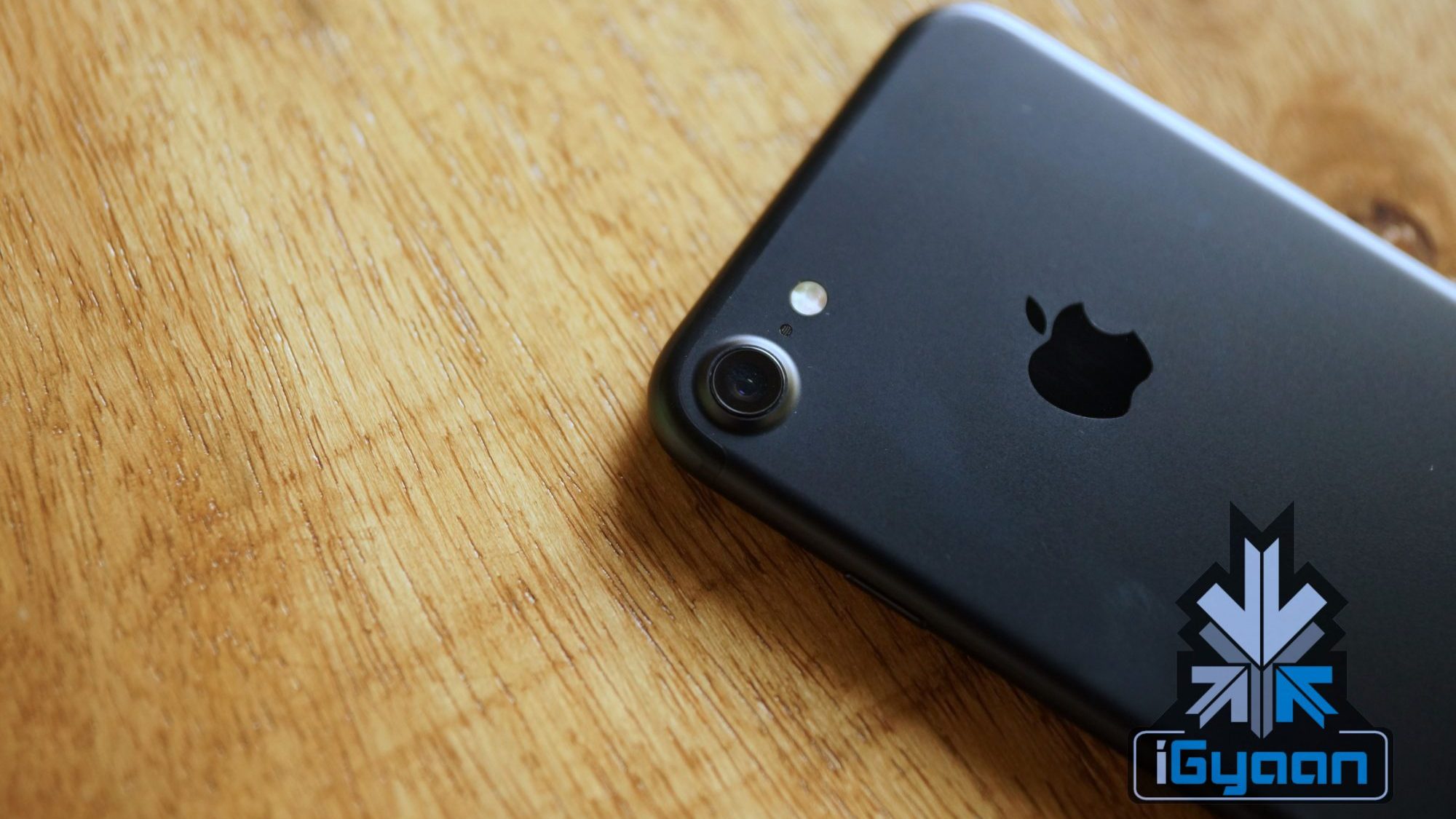
    The lawsuit filed by Qualcomm cited that Apple had violated at least three patents. The damages that it asked for applied to iPhones sold July 2017 onwards, which were kitted with Intel chips. Later in the year 2017, Apple replaced Qualcomm with Intel as its exclusive components supplier. As per reports, in the year 2016, Apple was also using Intel modems in some iPhone variants instead of Qualcomm modems. The devices included the iPhone 7 and 7 Plus. The patents relate to the following functions on mobile devices.

    • Allowing phones to connect to the internet instantly after being switched on
    • The efficiency of the smartphone’s battery and its relation with graphics processing
    • A traffic management function enabling faster data downloads
    The Settlement

    Both Apple and Qualcomm have agreed to reach a settlement as per the former company’s announcement. According to reports, the iPhone maker will have to make a payment to Qualcomm for an undisclosed amount as a part of the settlement. However, the companies have signed a licensing agreement for at least six years and the chipset maker will now supply parts to Apple. This may lead to iPhones sporting Qualcomm’s chips appearing on the shelves once again. 

    Also read: Sony PlayStation 5 With 8K Graphics Teased In An Interview

    Interestingly, Intel, who was the interim supplier for iPhone modems to Apple, has announced it is quitting the manufacturing of 5G modem for smartphones. As the iPhone maker and Qualcomm have finally struck peace, it is expected to lead to the latter supplying its 5G modems in the future smartphones by the former. 

  • Oppo Granted Patent For A Dual Camera Smartphone, Possibly The Reno Lite

    Oppo Granted Patent For A Dual Camera Smartphone, Possibly The Reno Lite

    The Chinese smartphone manufacturer Oppo announced the Reno smartphone series on April 10, 2019. The smartphone featured the world’s first oblique pop-up camera, known as the SharkFin design. The device was warmly received by the audience. In recent news, the company will also release the budget variant of the Oppo Reno smartphone in Switzerland on April 24 this year, along with the top 5G variant in the lineup. Patents for the aforementioned budget smartphone were granted the company on April 9, 2019.

    Oppo Reno Lite

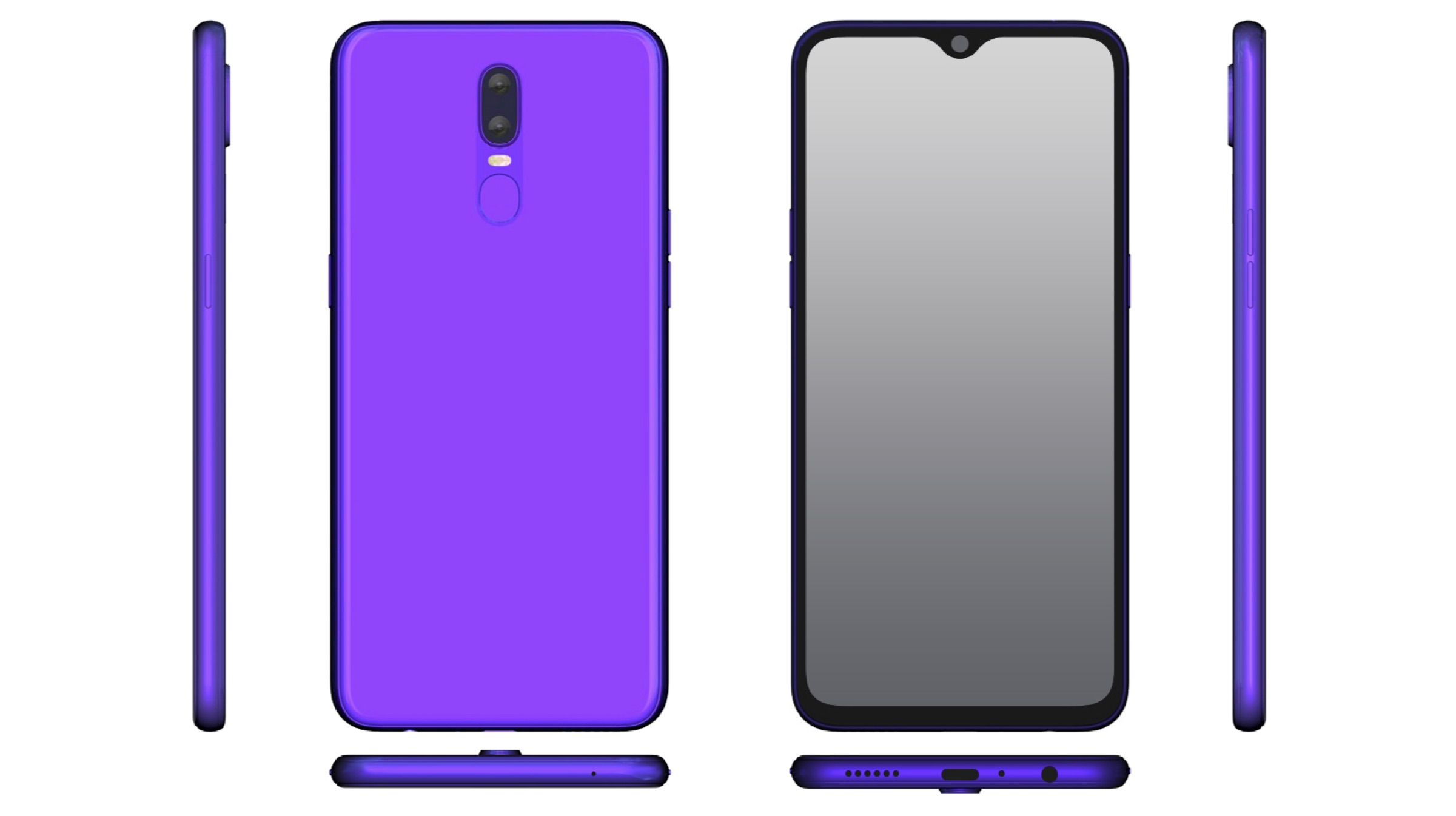
    The design patent was first filed on May 3, 2018, and it showed multiple renders of a future budget Oppo smartphone. The patent was published by the Global Design Database of the WIPO (World Intellectual Property Office), and was originally filed by Guangdong Oppo Mobile Telecommunications. The patent contains sketches as well as colour renders of the possible Reno Lite smartphone.

    Design And Features
    Oppo Reno Lite Notch Designs

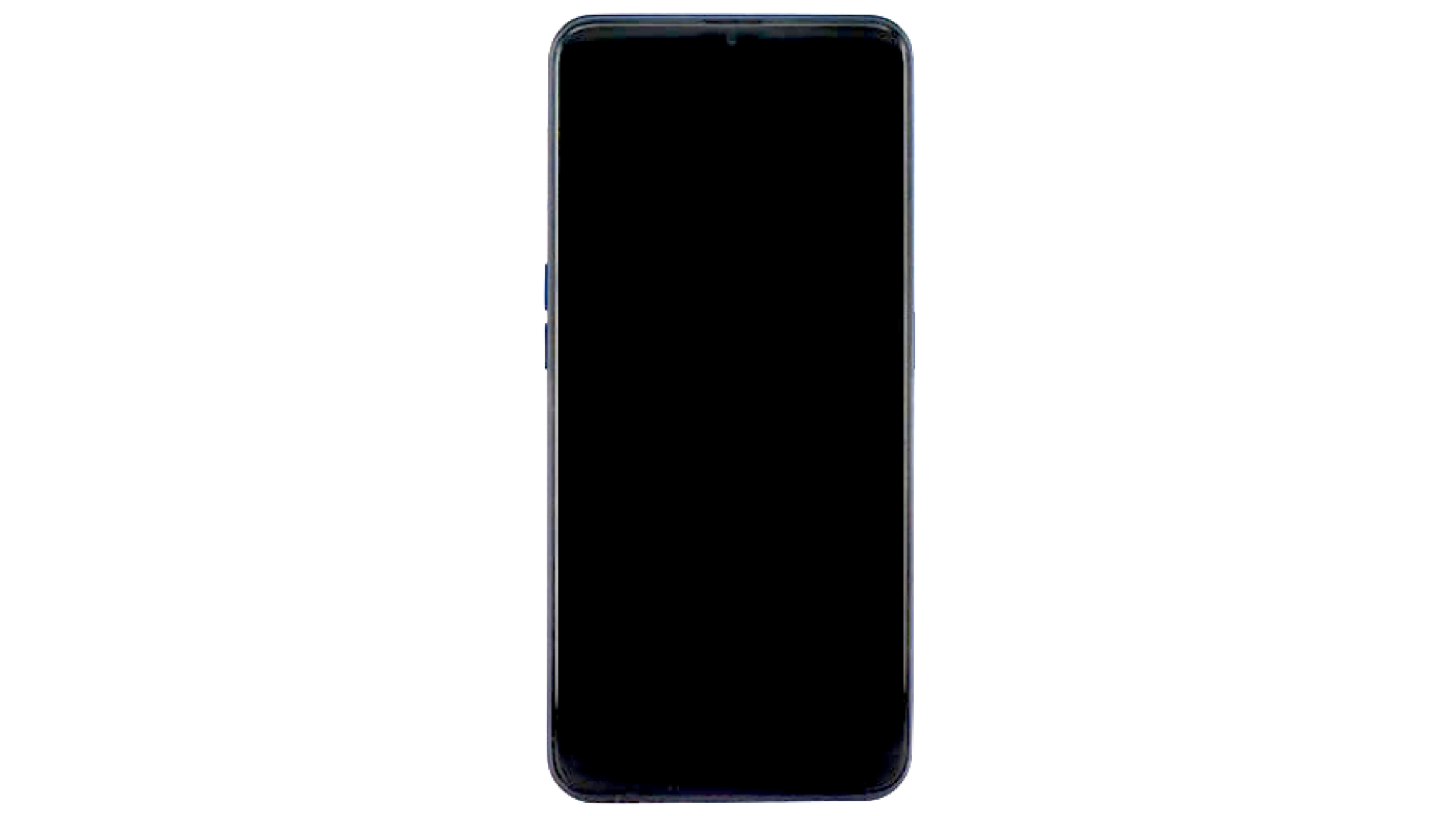
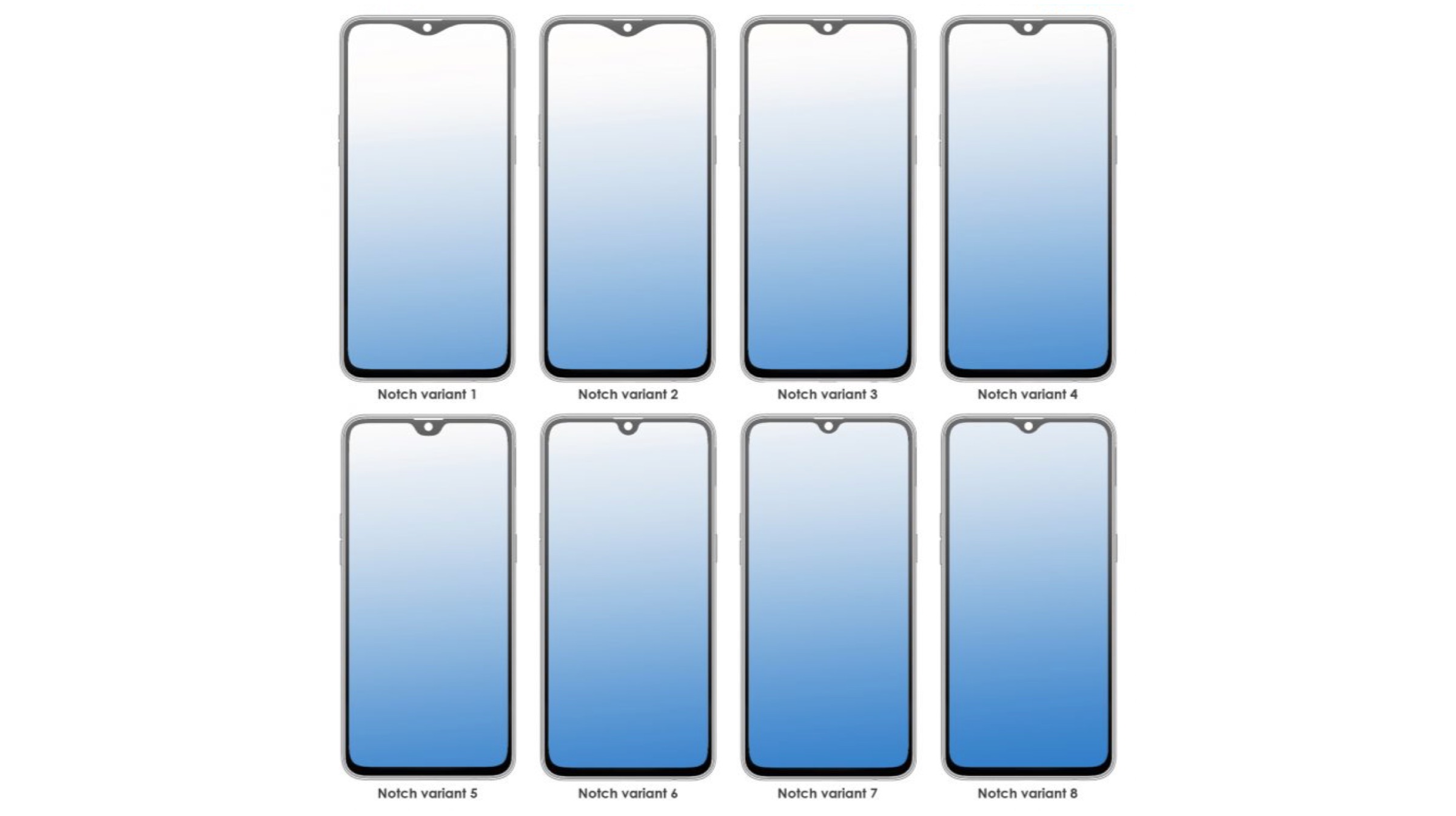
    The front panel of the device has a conventional look. A waterdrop notch adorns the display panel, which houses the front camera. Interestingly, the patent images exhibited eight different notch variants, with minimal differences from each other. As mentioned before, the colour renders of only one device variant are present in the patent, indicating that it may be the final design of the smartphone. The device has a vertically placed dual rear-camera setup, with the LED flash placed at the bottom of the module. 

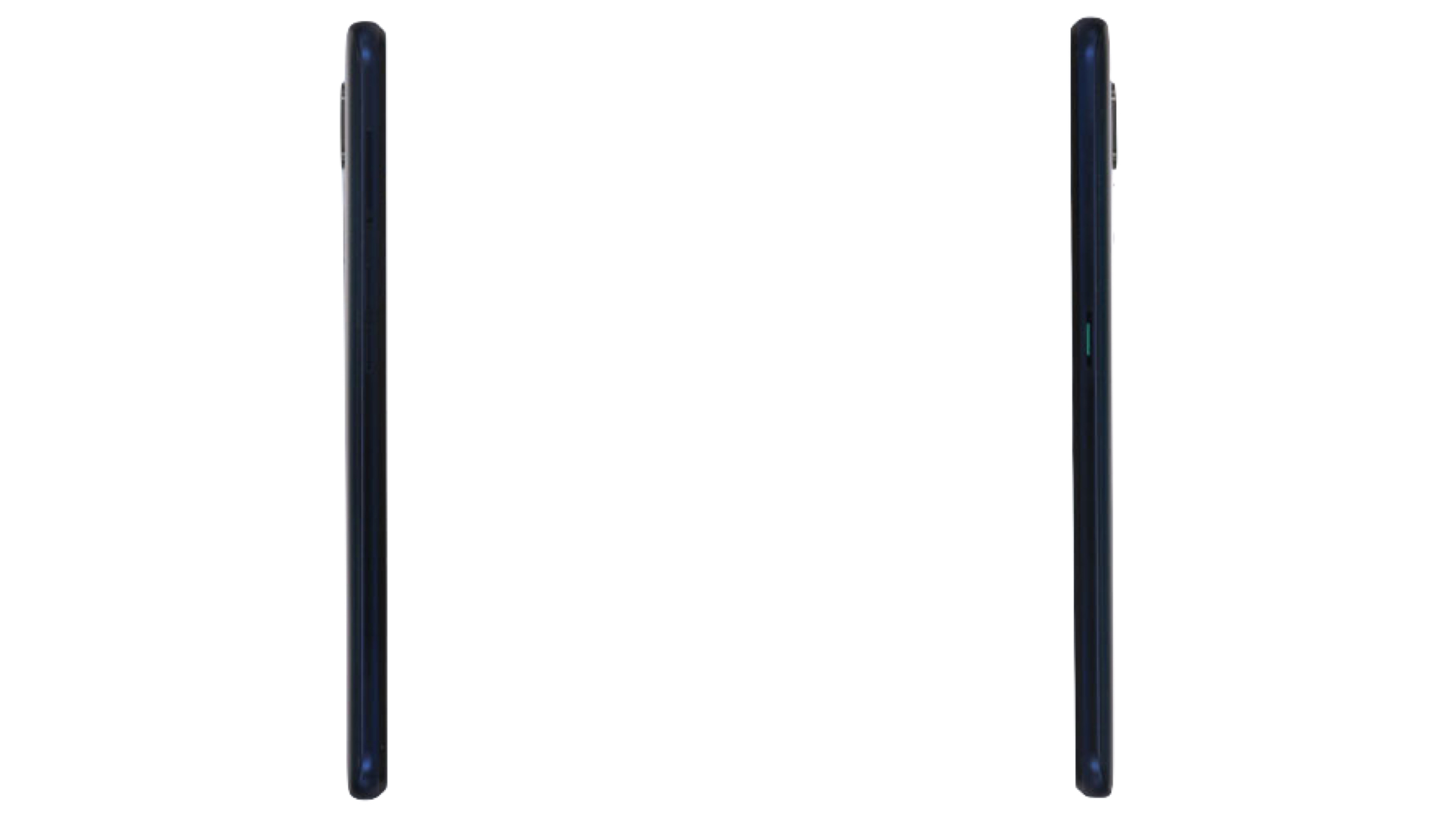
    The left side of the smartphone houses two buttons, which appear to be the volume rockers. The right side of the device accommodates what appears to be the power/lock button. One microphone is present at the top of the smartphone, whereas the other microphone is placed at the bottom of the device, right next to the USB Type-C port, the speaker grille and the 3.5mm headphone jack. 

    Expected Availability
    Oppo Reno Lite – Back Panel

    Also Read: Honor 8S Budget Smartphone Render, Specifications Leak Online

    Additional features include the fingerprint scanner on the rear panel, which is placed just below the dual rear camera setup. The phone has a bit of a chin, which is clearly highlighted in the renders. The Oppo range of smartphones will be globally unveiled on April 24, where the company will announce the price and availability for the same. Reports say that the company will probably launch the smartphones at a very competitive price, which will enable the lineup to go up against the Galaxy A smartphone series by Samsung. 


  • LG Patents Smartphone With A Foldable Transparent Display

    LG Patents Smartphone With A Foldable Transparent Display

    In answer to “Is there any more innovation left for future devices?”, smartphone brands are patenting technologies that were never-heard-of-before. For instance, Lenovo previously patented a clamshell foldable design with a narrow display, and Xiaomi was granted a patent for a smartphone with a bottom notch. South-Korean multinational technology company, LG has been granted a patent for a smartphone with a foldable transparent display.

      The company has been experimenting with the transparent screen design for quite some time now, which was last spotted at CES 2019 (Consumers Electronics Show) when LG showcased a transparent OLED television. Its display had a transparency of 40%. Previously, on SID (Society for Information Display), LG unveiled a flexible and transparent 4K UHD OLED display with a screen size of 77 inches. It may be possible that the company incorporates a similar technology in its future smartphone designs.
    About The Patent

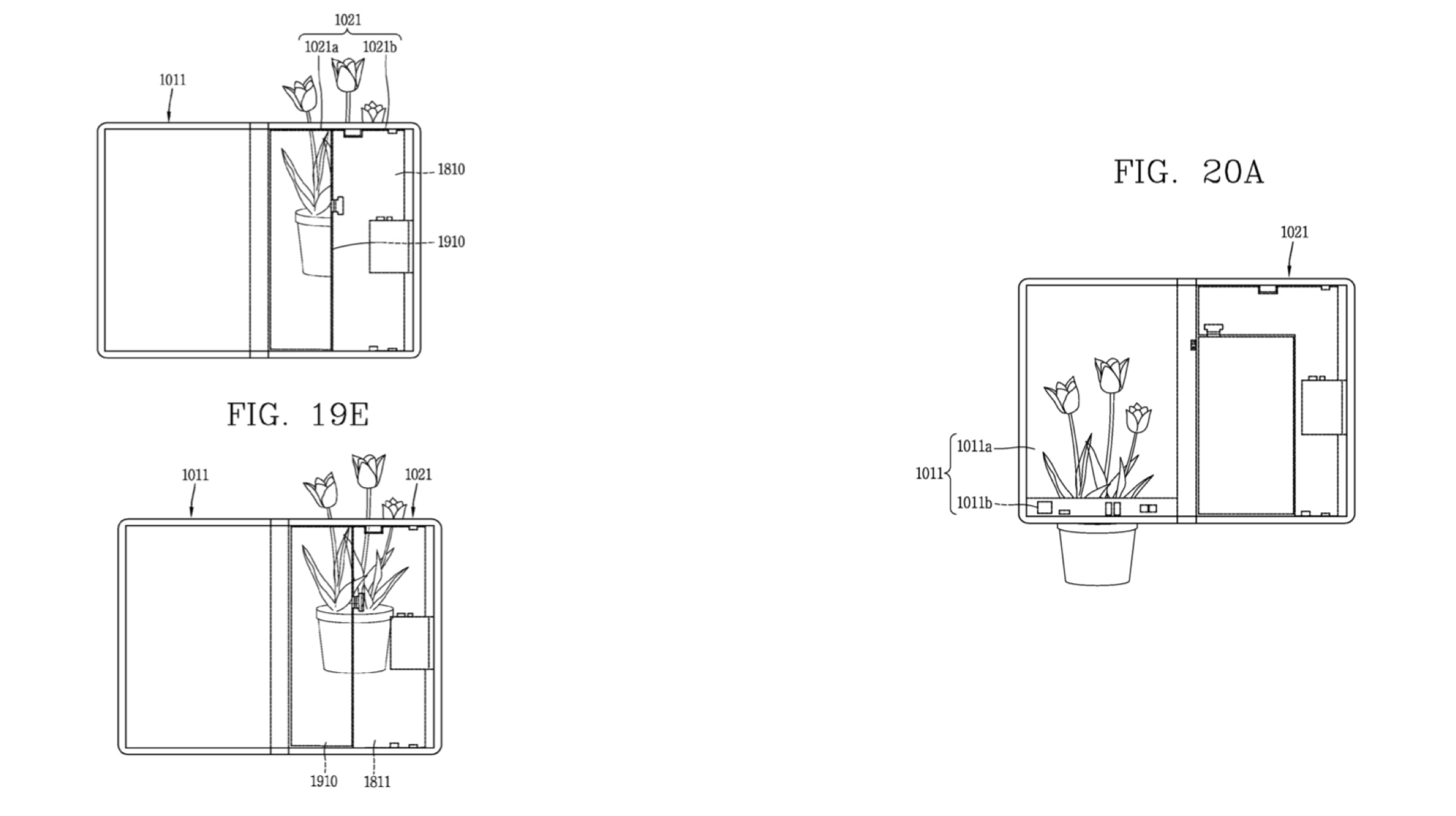
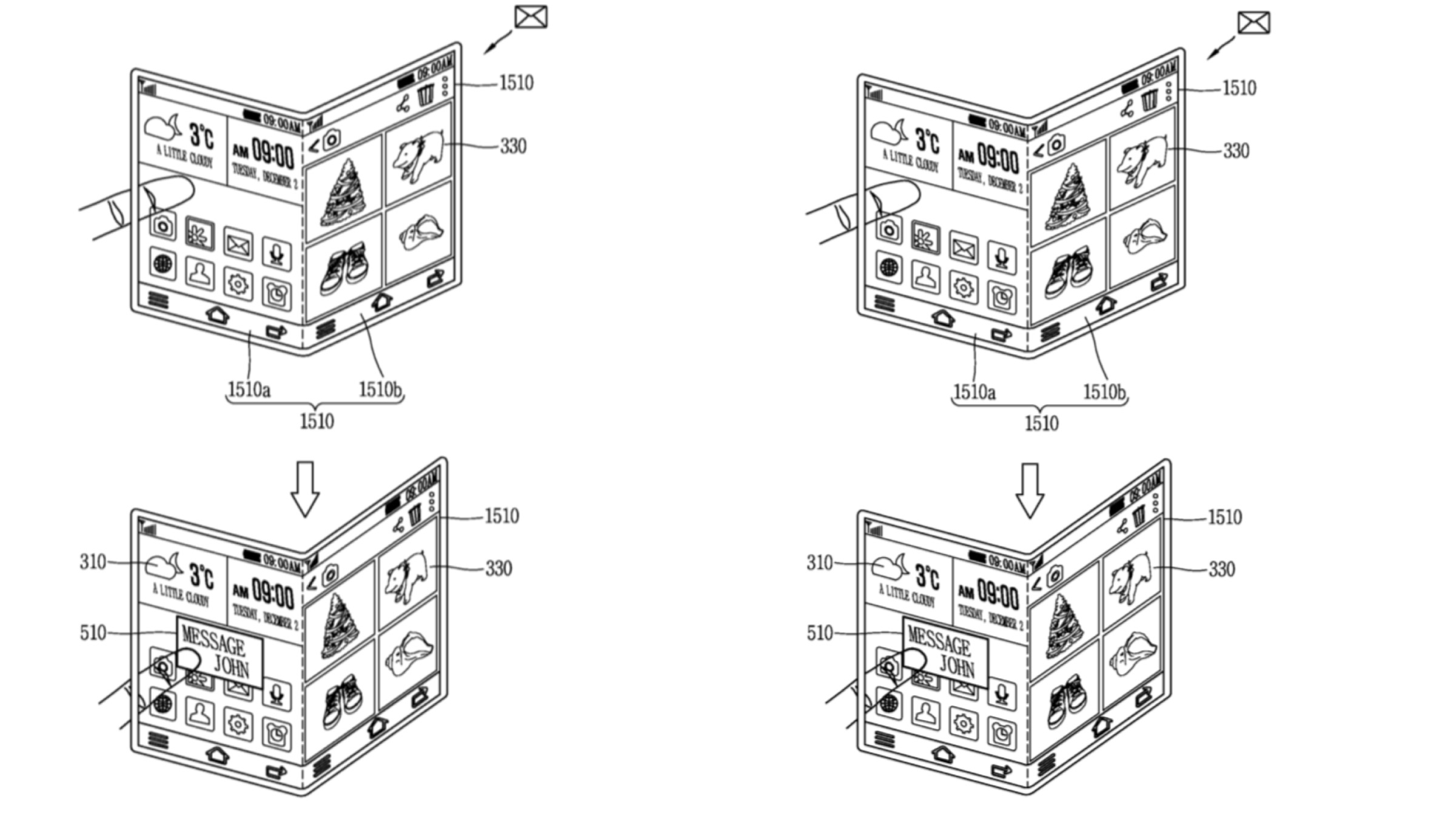
    On April 9, 2019, a patent was published by the United States Patent and Trademark Office (USPTO). Originally filed by LG Electronics more than three years ago, the patent clearly depicts a smartphone with a flexible transparent display. A lot of details are included in the patent, such as the UI (User Interface), operation and the materials required to make the display. This may very well be the first foldable transparent smartphone of its kind.
    Design And Features

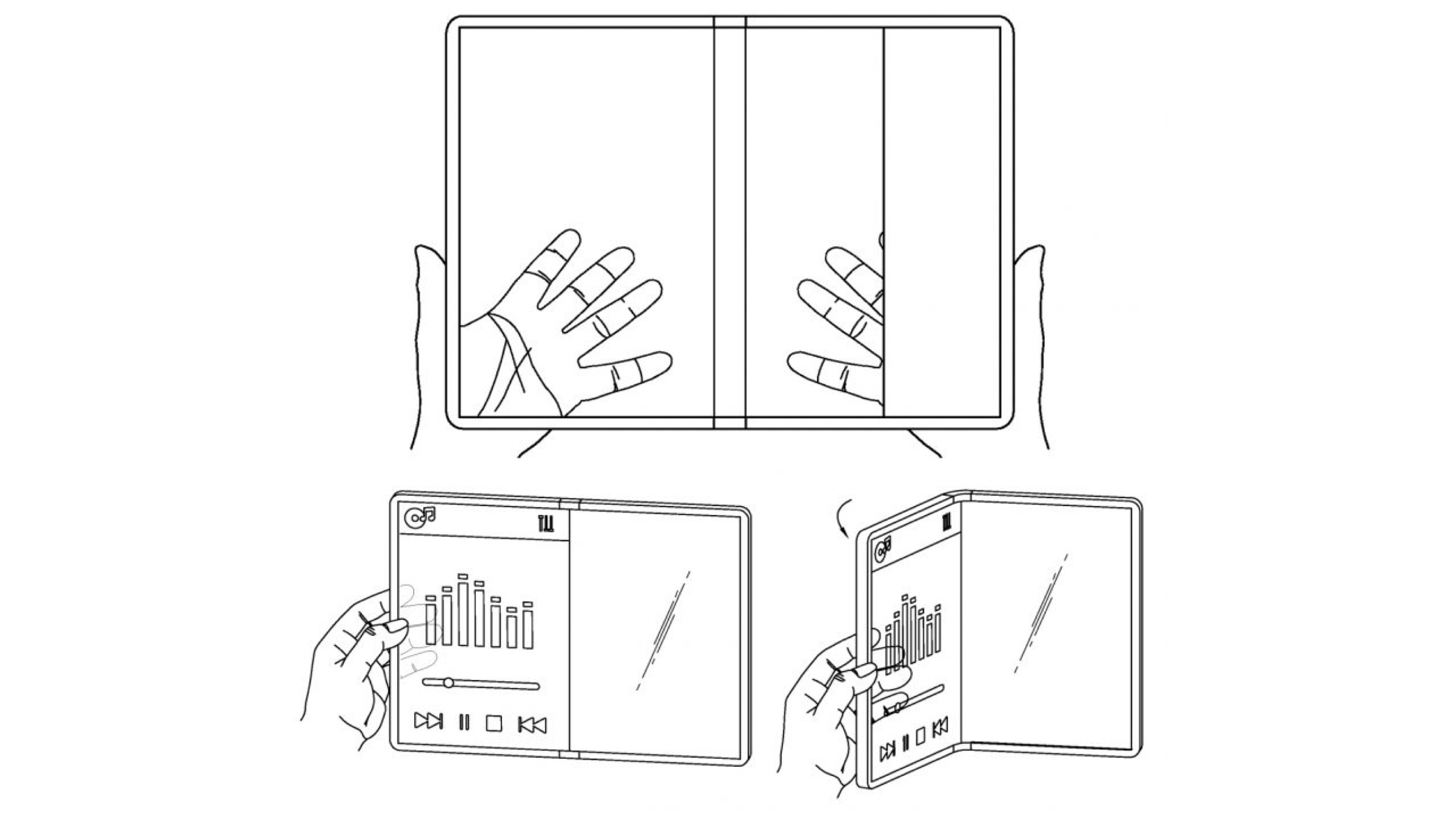
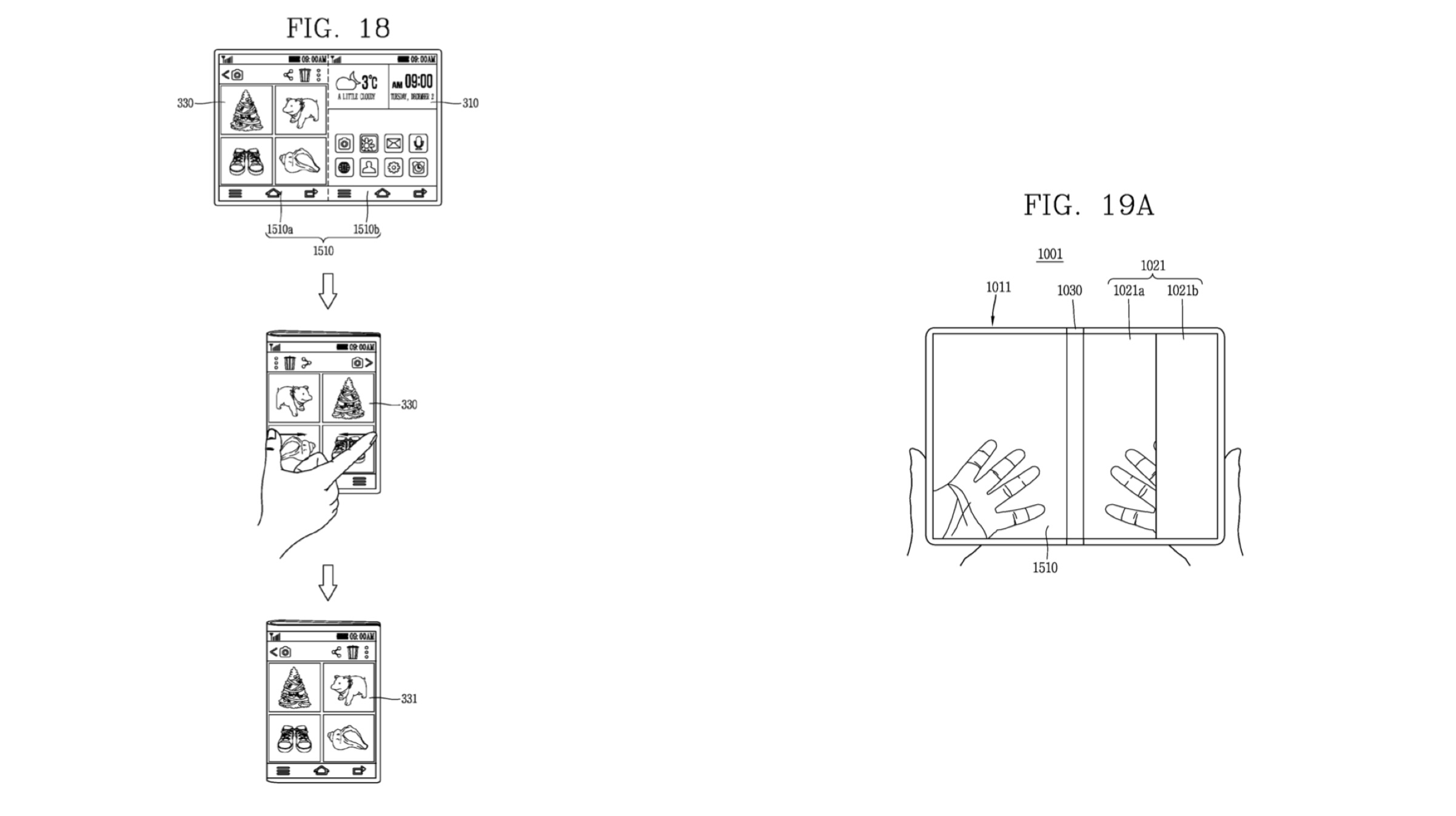
    As per the patent, the smartphone is entirely made of the flexible display, which is incorporated both on the inside and outside the foldable smartphone. The handset can be unfolded to almost double its size, which then enables the user to operate it in the tablet mode. While unfolded, both the left and the right parts can independently turn opaque or transparent, indicating that separate modules will be used for the two adjacent sides of the device. As per the patent, the transparency of the smartphone changes with the way it is held, which is quite interesting.
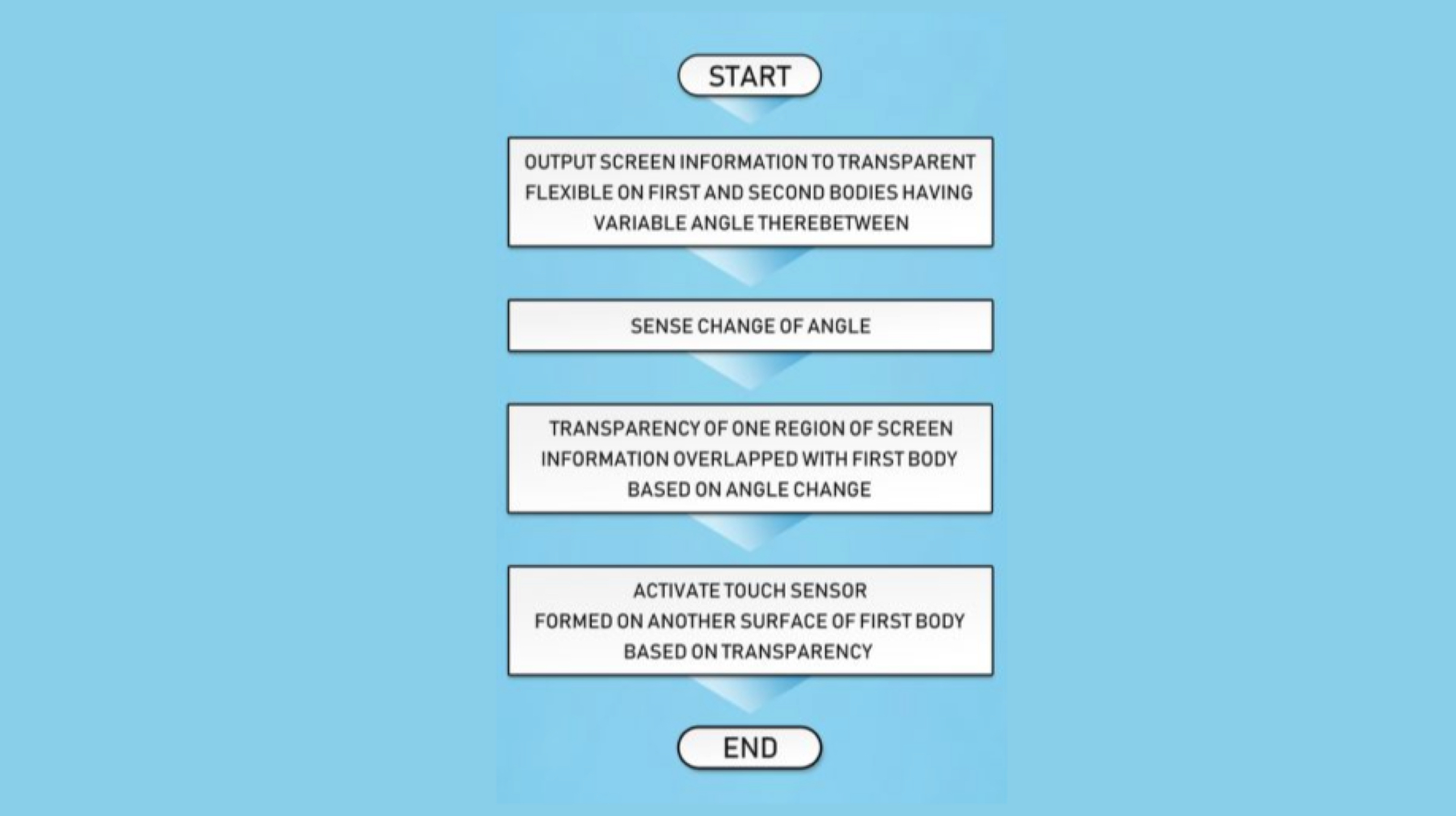
    If the smartphone is lying flat on a surface, the display will exhibit a very low degree of transparency. However, when the smartphone is picked up and folded, the transparency will be clearly visible. Upon increasing the transparency beyond 20%, the rear touch sensor of the device is enabled, with the help of which users can operate the flexible transparent display from the rear. This feature seeks to maximize functionality in such a smartphone.
    Expected Availability

    Also Read: Research Claims Most Pixel And OnePlus Buyers Are Former Samsung Smartphone Owners

    The device will feature a multi-lens camera system, with a multi-camera rear module and a single front camera. A piece of technology like this can still take a lot of time before being commercialized and incorporated in a smartphone. However, considering that foldable smartphones were not even a viable idea some years before, we could see LG releasing their very own flexible transparent smartphone over the course of the next few years. And of course, it will be nothing like any other smartphone released till now.

    The detailed patent can be viewed by clicking here.

  • Oppo Patents Attractive Gaming Interface For Smartphones With Notch Display

    Oppo Patents Attractive Gaming Interface For Smartphones With Notch Display

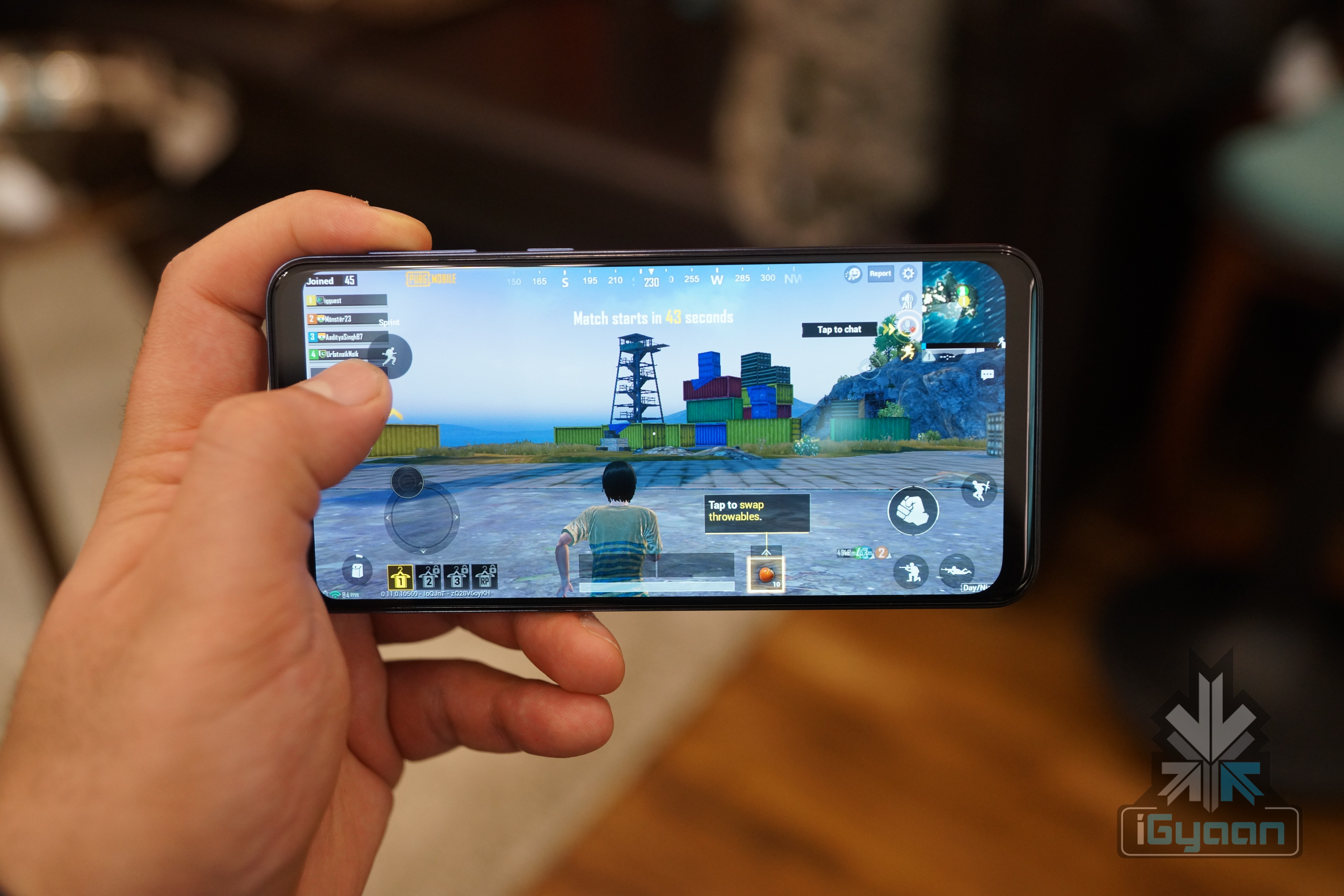
    The popularity of mobile gaming has boomed a lot over the past few months, and some part of the credit goes to smartphone brands launching more budget-aggressive smartphones. Unfortunately, a lot of smartphones feature a notch, which hinders the gaming process on the device. For starters, the notch covers some important aspects of the HUD (Heads Up Display) which forms an integral part of the gaming interface. A great example is PUBG Mobile, where a big notch can cover up the inventory button in some devices. To get rid of such problems, Oppo has patented a stylish gaming interface for smartphones with a notch with interesting functionalities.

    About Oppo’s Gaming Interface

    Smartphones are evolving rapidly, and sure enough, many devices have the capability to run multiple applications at the same time. Higher battery capacities imply that multitasking is even more viable in such devices. More graphic-intensive games can be run on such devices, so Chinese Smartphone manufacturer Oppo has patented a gaming interface, which will allow users to launch certain apps during gaming on the device. 

    Known as the “Game Space”, the feature was first spotted in the Find X, and it brings up an aesthetically pleasing notification list on the left side of the screen while playing games. Using the control wheel, users can toggle the graphics acceleration mode while running graphics intensive games, record their gameplay, take a screenshot, activate Do Not Disturb and even send a Whatsapp message using the same.

    About The Patent

    As per reports, the patents were first applied for by Guangdong Oppo Mobile Telecommunications in 2018, and the Global Design Database of the World Intellectual Property Office (WIPO) published the aforementioned patents on April 2, 2019.

    Also Read: Nubia Alpha Foldable Smartwatch Launched In China

    A special feature of the interface is that it can be used with similar convenience in both the portrait and landscape mode. Users can swipe through the complete list available in the interface around the notch. Furthermore, it does not hinder the view of the game, which may prove to be quite helpful. The feature is expected to be available in future Reno smartphones, which are likely to launch in the month of April.

    Additional images from the patent can be viewed by clicking here

  • Oppo Patents A Smartphone With Sliding Rear And Dual Selfie Cameras

    Oppo Patents A Smartphone With Sliding Rear And Dual Selfie Cameras

    Chinese smartphone maker, Oppo has developed a bunch of innovative smartphones in the past including the Oppo Find X and the Oppo N1. The preceding experiences insinuate that the company is not hesitant of developing unique and unconventional smartphones. A freshly granted patent exhibits that the company is working on yet another original smartphone that has a sliding mechanism which conceals dual front cameras. Although companies including Xiaomi and Lenovo have previously launched handsets with a similar feature, Oppo’s smartphone is distinct and refreshing. 

    Patent Disclosures

    The patent for the aforementioned smartphone with a sliding camera mechanism was granted to Oppo by EUIPO ( European Union Intellectual Property Office) on the 1st of April 2019. In contrast to the comparable Xiaomi Mi Mix 3 and the Lenovo Z5s, the Oppo smartphone has a disparate slider. Instead of the whole sliding rear on the formers, only the top part of the Oppo smartphone slides up. Furthermore, the slider not yet confirmed seems to be operated via electronic motors. The sliding mechanism of handset conceals a couple of selfie cameras. Accrediting to the thin bezels and the hidden selfie cameras, the smartphone from the patent has a high screen to body ratio which provides it with a chic look.

    The rear of the smartphone harbours a dual camera module with an LED flash. The right side of the smartphone is occupied by the power switch and the SIM card tray while the left side is occupied by the volume rockers. Distinctly, the handset does not have a rear mounted fingerprint sensor accordingly it is expected to sport and on-display one.  

     
    Launch Date

    Also Read: Xiaomi Mi A3, Here’s All You Need To Know

    Although Oppo has not made any comments about the launch or development of such a smartphone, the patent is detailed enough and the company can lift the curtains from it any time. 

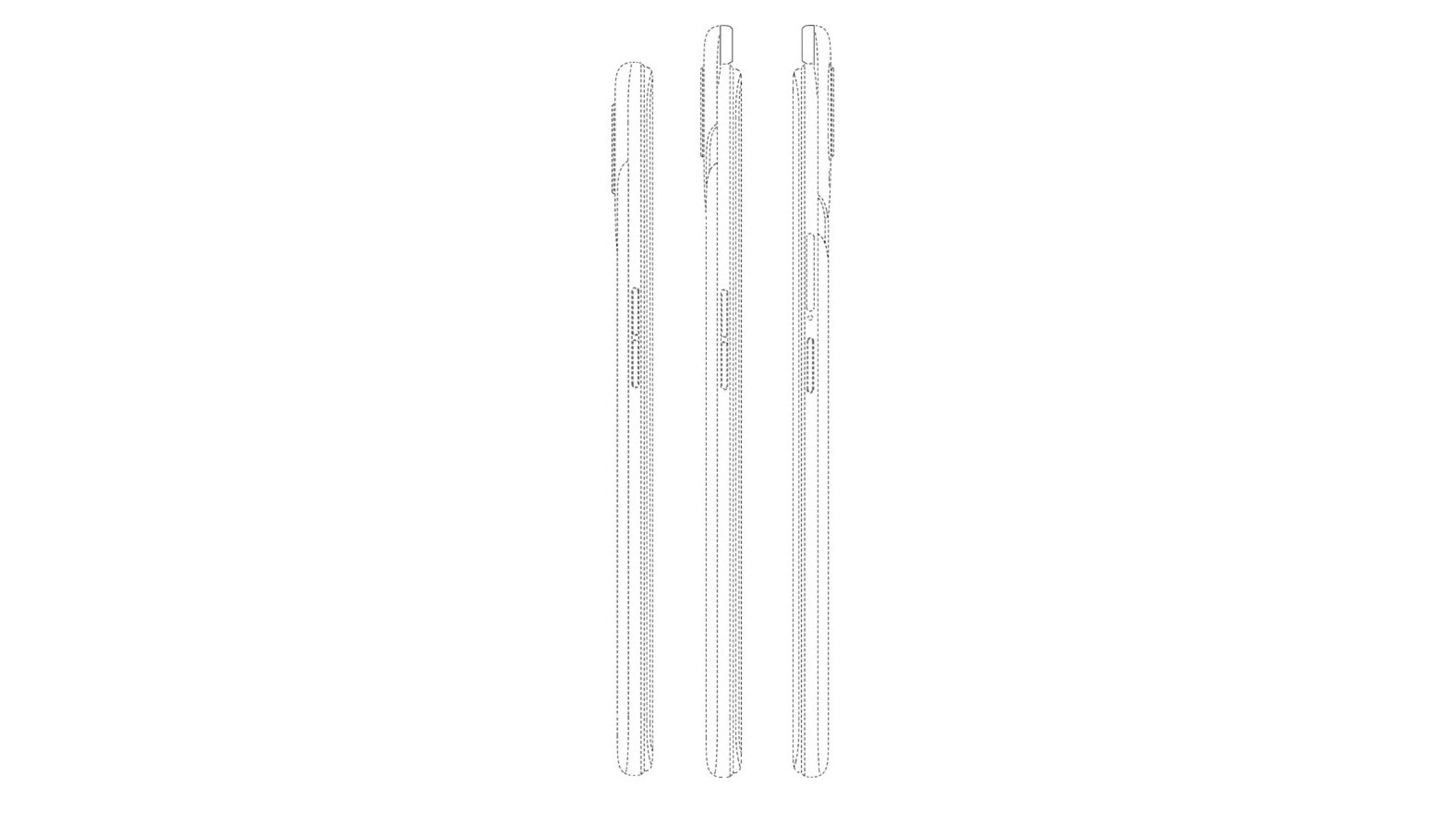
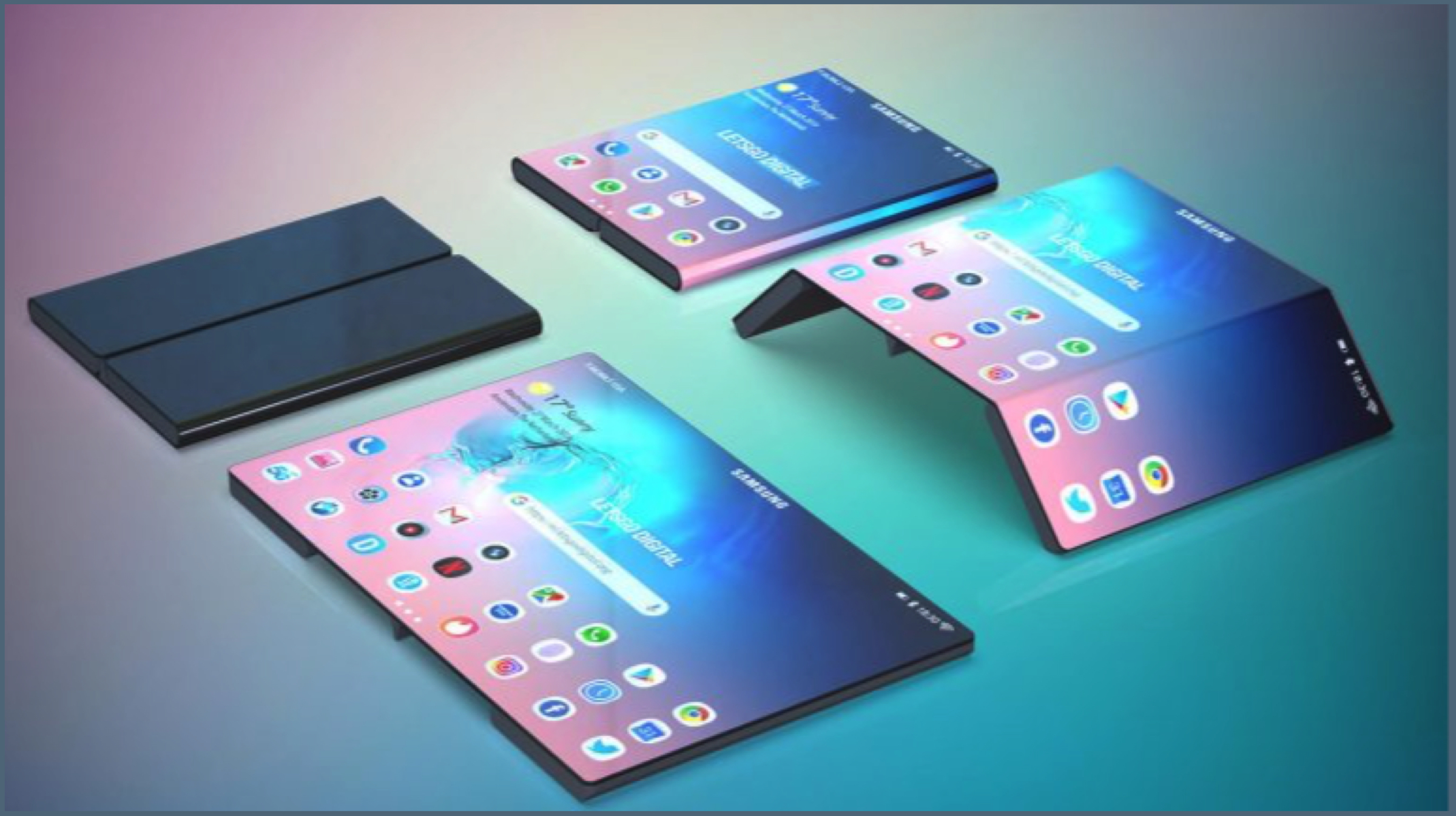
  • Samsung Working On A Two Way Folding Smartphone Claims Patent

    Samsung Working On A Two Way Folding Smartphone Claims Patent

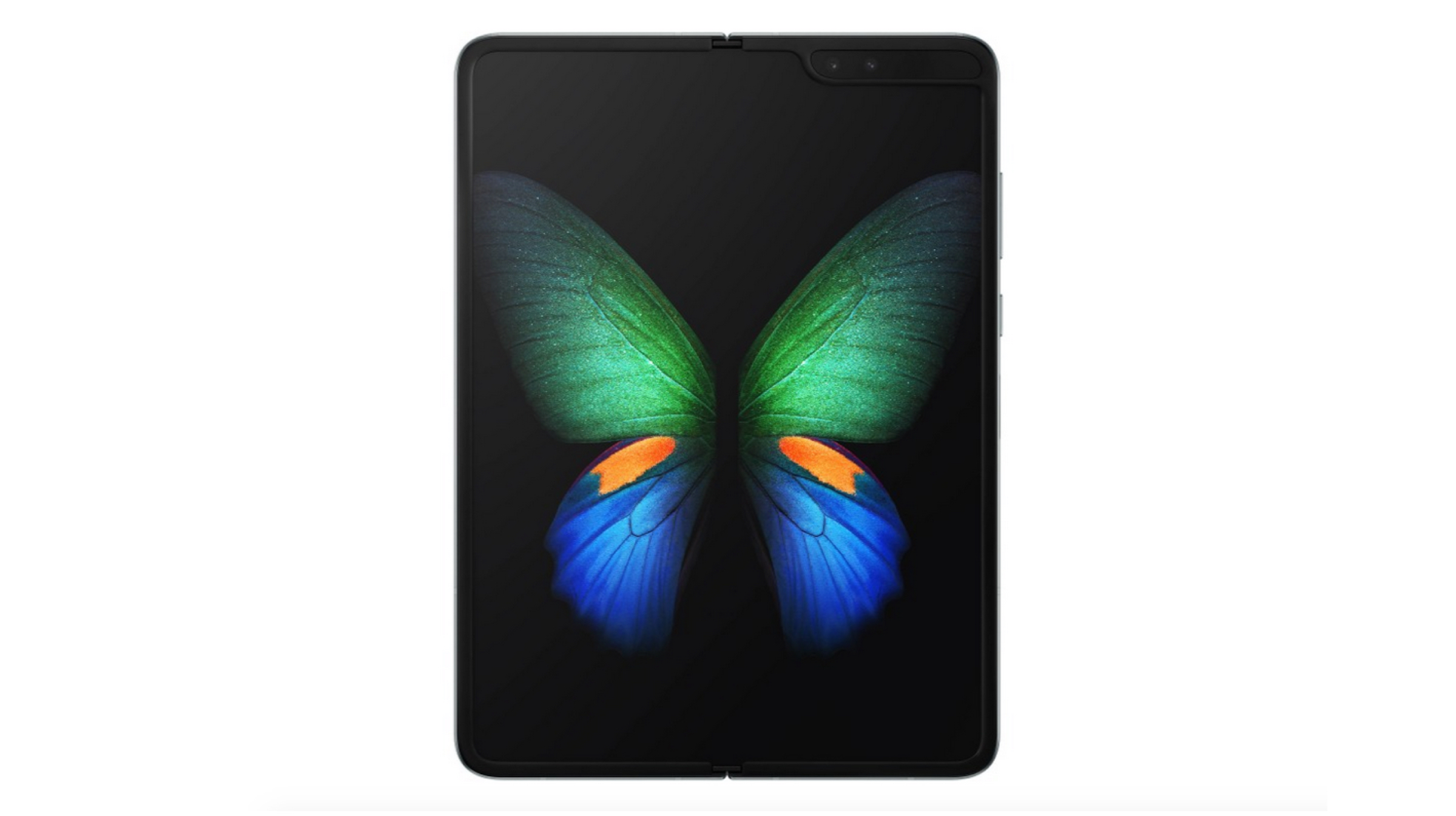
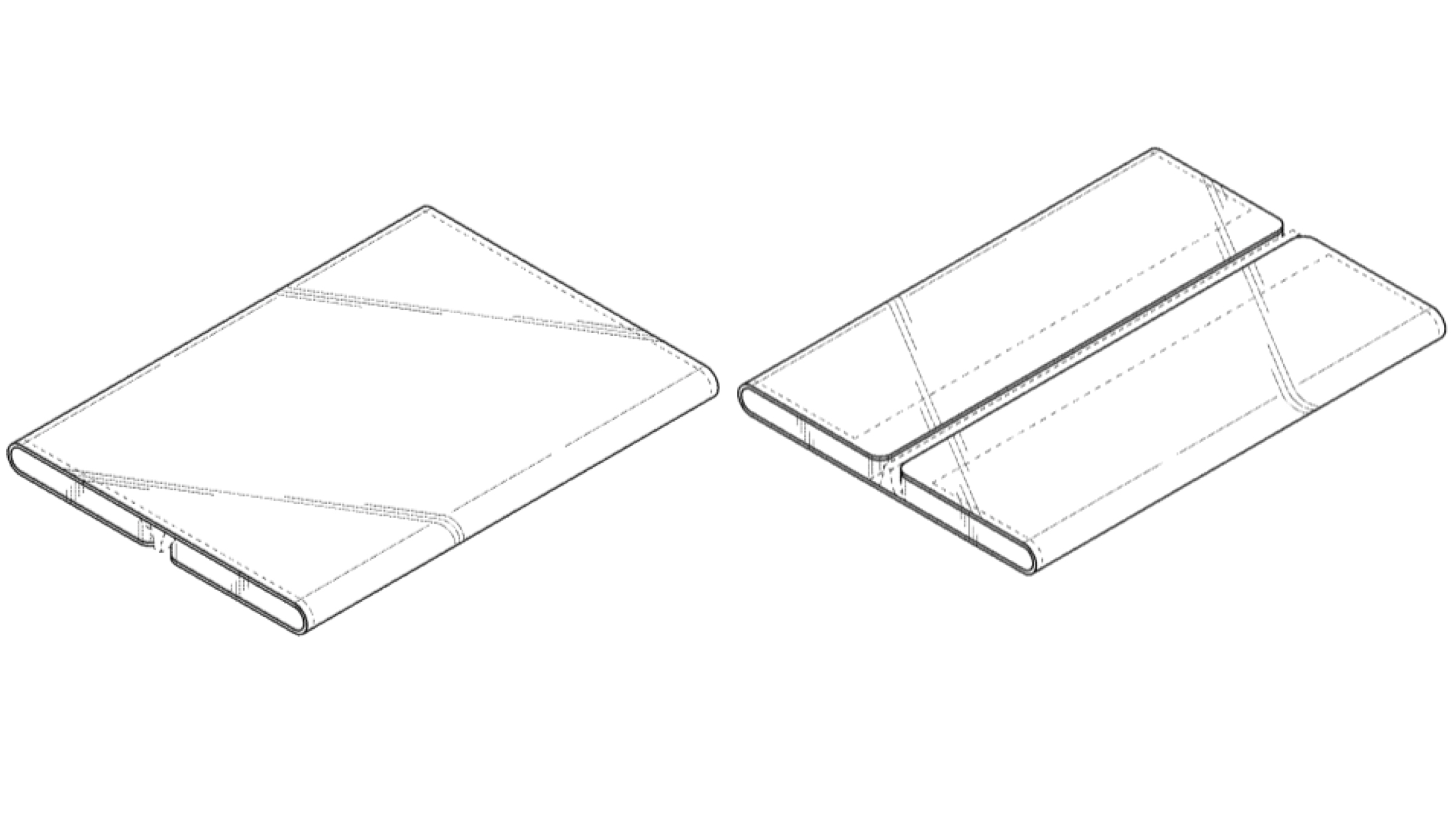
    The year 2019 so far has seen a handful of unique and innovative foldable smartphones. Many manufacturers have already tried their hands on this technology with more expected to follow suit soon. Samsung, one of the biggest smartphone OEMs in the world, showed of it’s device supporting this technology. Called the Galaxy Fold, it was launched alongside the Galaxy S10 series last month. But, a fresh patent filed by the company reveals that it is also planning to launch a two-way folding smartphone, which is similar to the Xiaomi’s foldable device that has leaked multiple times.

    Samsung’s Two Way Foldable Smartphone

    The patent reveals what Samsung may be planning for its next foldable smartphone. First filed in the year 2017, the document of the patent showcases different images of the said device. Upon first inspection, it looks very similar to the handset Xiaomi revealed in a video a while ago. But in contrast to the former, the concept has thinner bezels and offers a larger sized screen in a compact frame. The bigger display can individually be folded from the left and right side of the device and be made into a smaller form factor.

    An unusual finding from the images present in Samsung’s patent is the lack of any physical or hardware features. There is no opening like a charging port or a 3.5mm headphone jack anywhere to be found on the smartphone. Also not visible are any camera sensors on any side of the device. All of this may be an indication that Samsung is not nearly ready to launch the handset, or it may be the case that the company has figured out a workaround of the aforementioned hardware features to make the screen to body ratio as high as possible. 

    Also read: Bethesda Sending Out Early Access Invites To Users For Elder Scrolls: Blades

    Samsung is expected to launch the new foldable smartphone as early as next year. This will be an upgrade to the Galaxy Fold in terms of technology and may be priced as exorbitantly as the former. It is also speculated that with the next generation the company will try to bring the technology to a more accessible, mainstream market. The patent for Samsung’s next foldable device can be viewed here.

  • LG Granted Patent For OLED TVs With Rollable Display

    LG Granted Patent For OLED TVs With Rollable Display

    With the evolution of all forms of technology, TVs are not far behind. In the modern day, a TV is not only limited to its functions and features but it is also something that can improve the aesthetic value of a living room. Manufacturers like Samsung, LG and Sony have a strong grip over the market in terms of TVs. Although the focus from TVs has now shifted to smartphones and mobile devices, these handheld gadgets cannot replace a large screen TV entirely at least for now. LG was granted a patent for a futuristic television that has an unconventional rollable display.

    LG Electronics filed three patents with the Korean Intellectual Property Office (KIPO) in August 2018. The KIPO published the three patents on February 28, 2019, and they clearly depict a roll-up display that emerges from a housing.

    Design And Features

    LG unveiled its first rollable TV at the CES 2018 (Consumer Electronics Show). The company showcased a 65-inch 4K OLED TV called the LG Roled, or the LG Signature OLED R9. It retracts into a cuboidal shaped enclosure when not in use. The company previously stated that the rollable OLED TV will go on sale this year itself. This time, LG has moved past the rollable TV, instead, it is just including a rollable screen in a housing-cum-base for the device.

    The flexible screen is housed in three different types of casings, as shown in the patent images. The housing sports a triangular design to prevent the flexible screen from bending over. All three housing designs are a bit different from each other. The reason for this is not clear, but it may be because LG is testing out the most stable base for the Roll-up screen.

    The TV can also function as a speaker system if the display is not completely raised. Similar to LG’s TV at the CES, the upcoming TV may be equipped with a 100 Watt Dolby Atmos Speaker. The flexible screen can be completely rolled out to have a normally functioning television. In 2018, LG was granted a patent for a similar flexible display for its smartphone.

    Availability

    Also Read: Qualcomm Announces QCS400 SoCs series For Smart Speakers And Soundbars

    No information regarding the futuristic television is available yet, although it seems that the company will take its time to polish the technology before releasing it in the market. As per reports, Samsung is also planning to release a rollable TV whose screen can be rolled towards the sides unlike LG’s design. The TV is expected to be placed at a higher price point too, owing to the technology implemented in the same.

  • Apple Told To Pay Qualcomm Over $31 Million In Patent Infringement Case

    Apple Told To Pay Qualcomm Over $31 Million In Patent Infringement Case

    In the follow up of a heated lawsuit between the noted chipmaker Qualcomm and prominent electronics company Apple, the latest ruling by the San Diego court has found Apple guilty. The company was told to pay a fine of over US$ 31 million to Qualcomm. The amount roughly breaks down to US$ 1.40 per iPhone sold by the company. Notably, it is the exact amount the lawsuit was filed for by the chipmaker. Apple was found by the court to have infringed three patents held by Qualcomm. It was sued back in the year 2017 citing that the company had violated patents related to assisting mobile phones getting a better life.

    What Are The Patents?

    The lawsuit filed by Qualcomm cited that Apple had violated at least three patents. The damages that it asked for applied to iPhones sold July 2017 onwards, which were kitted with Intel chips. Later in the year 2017, Apple replaced Qualcomm with Intel as its exclusive components supplier. As per reports, in the year 2016, Apple was also using Intel modems in some iPhone variants instead of Qualcomm modems. The devices included the iPhone 7 and 7 Plus. The patents relate to the following functions on mobile devices.

    • Allowing phones to connect to the internet instantly after being switched on
    • The efficiency of the smartphone’s battery and its relation with graphics processing
    • A traffic management function enabling faster data downloads

    Also read: Samsung Galaxy A2 Core Android Go Smartphone Leaked

    Interestingly, the past ruling by a German court banned the sales of Apple’s older iPhone models because of a similar patent infringement case. The company then swapped out the Intel’s modem that it had been lately using for the ones manufactured by Qualcomm. This leads the company to be allowed to continue the sales of the said devices. Notably, the biggest lawsuit between the companies will be settled in April 2019, in which Apple has accused Qualcomm of indulging in anti-trust practices and illegally withholding US$ 1 Billion worth of rebates from Apple.

iGyaan Network
Privacy Overview

This website uses cookies so that we can provide you with the best user experience possible. Cookie information is stored in your browser and performs functions such as recognising you when you return to our website and helping our team to understand which sections of the website you find most interesting and useful.