Author: Yashonil Gupta

  • MediaTek To Launch The Helio G90 SoC For Gaming Smartphones Soon

    MediaTek To Launch The Helio G90 SoC For Gaming Smartphones Soon

    With the rise in popularity of mobile gaming, many smartphone manufacturers have launched a specialised gaming handset of its own. Brands like Xiaomi, Nubia and Asus have already unveiled multiple devices that are focused towards gaming. To cater to the high potential market, Qualcomm announced the Snapdragon 855 Plus SoC earlier this week. The chipset is designed to be used in gaming smartphones and boasts of a performance jump over the standard Snapdragon 855. Now, Taiwanese chipset giant MediaTek has also announced that its first gaming-focused SoC, the Helio G90 will launch later this month.

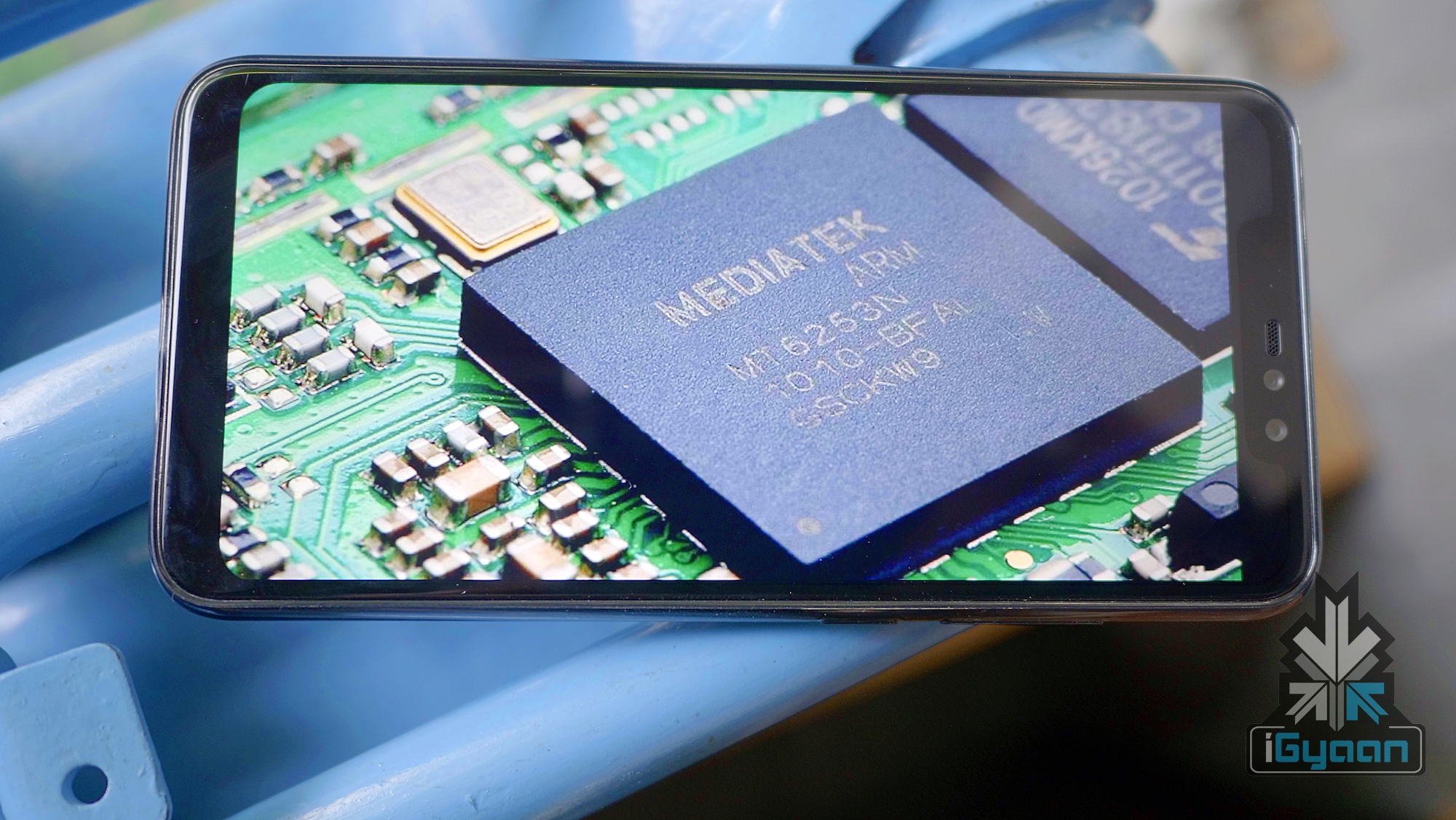
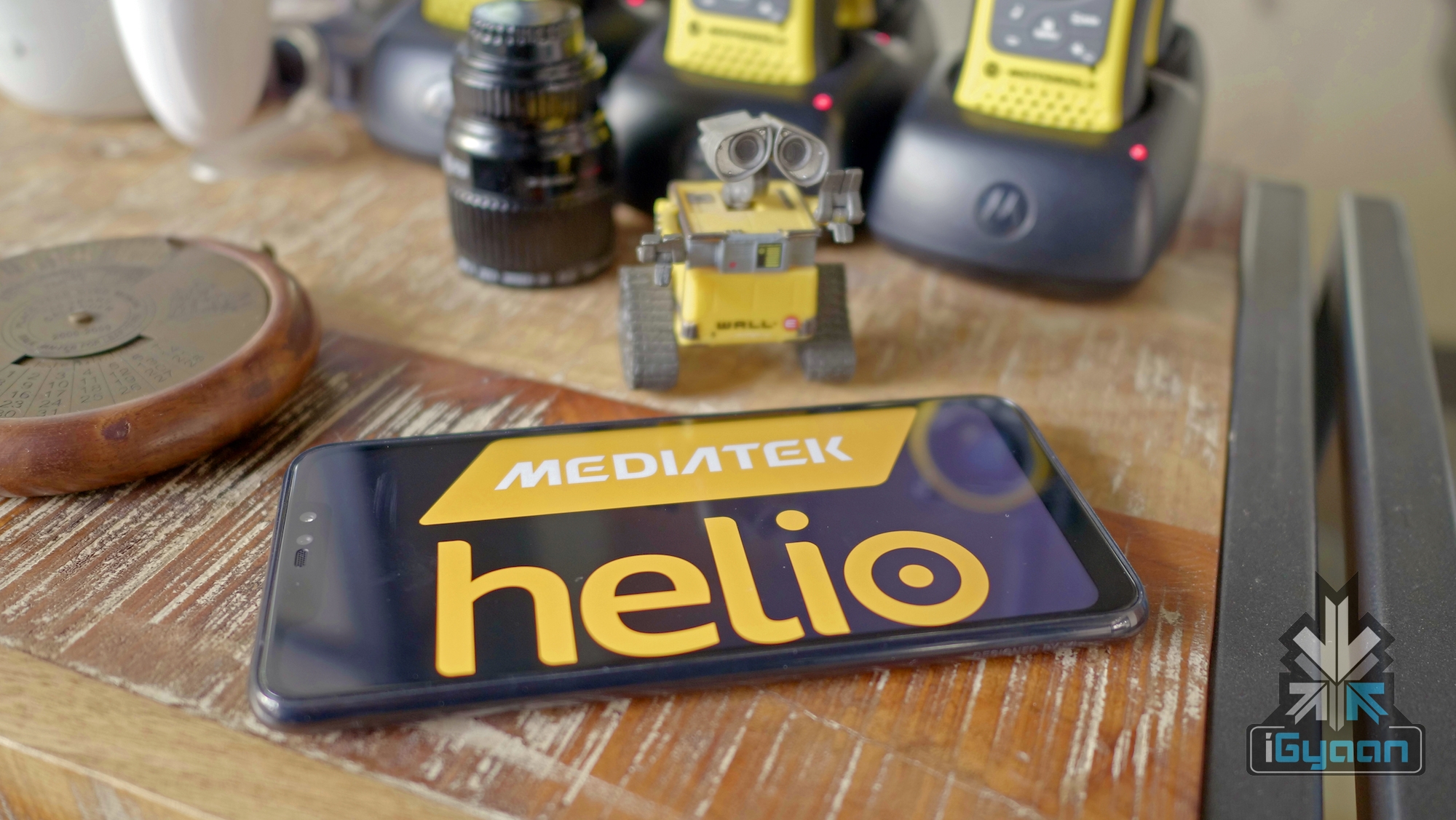
    MediaTek Helio G90

    MediaTek Helio G90

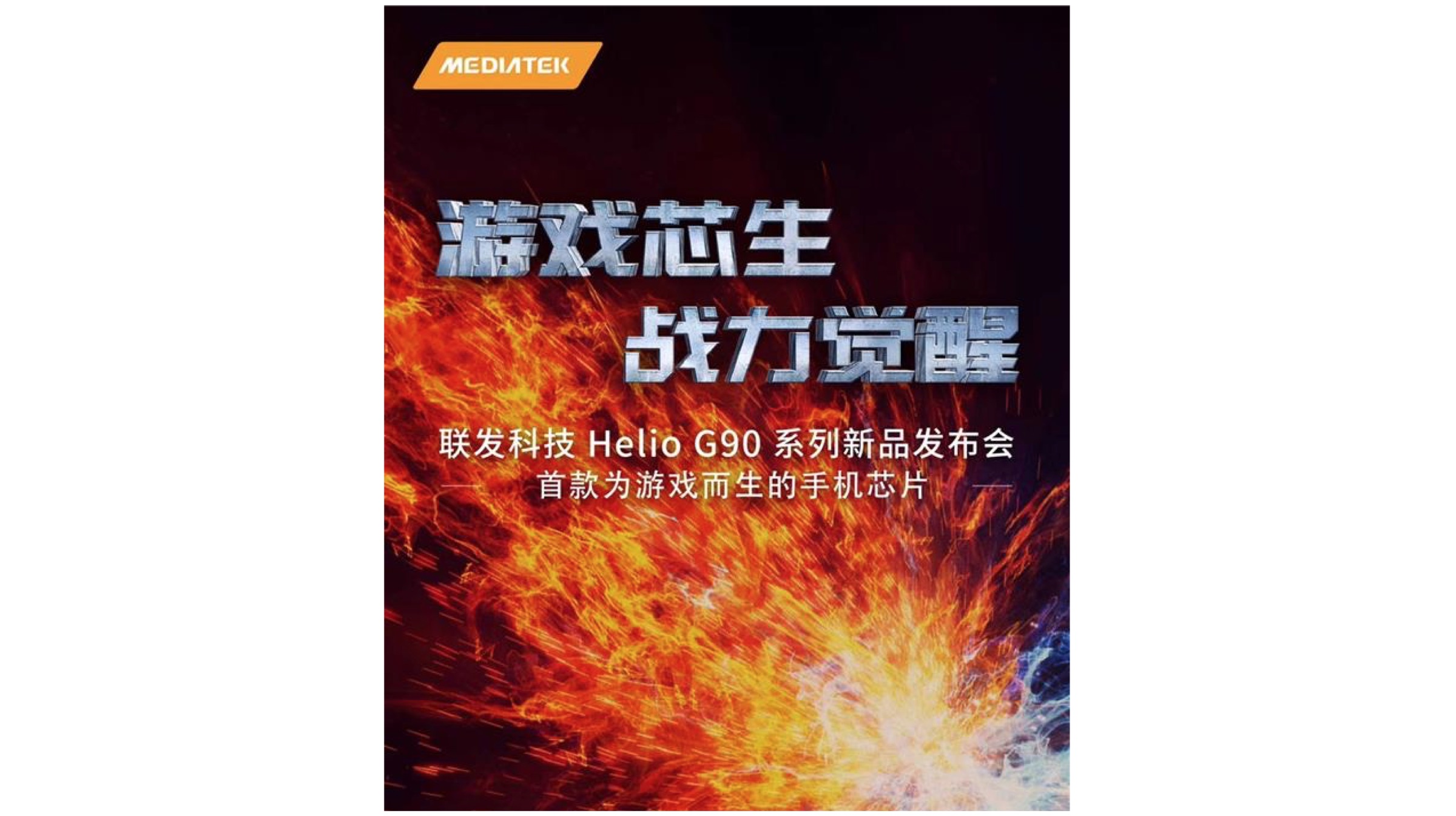
    As mentioned above, the MediaTek Helio G90 will be a gaming-focused mobile chipset from the company. In the official teaser image of the processor, It has been revealed that the G in the name of the SoC stands for gaming.  Unfortunately, the teaser does not reveal any other details about the chipset. Notably, it will be a part of a different series of processors and will coexist beside the company’s Helio A, Helio P and Helio X series of SoCs. The Helio G90, while remains shrouded in mystery may share many specs with the Helio P90; which is MediaTek’s latest chipset because of the shared number. It is speculated that the upcoming processor will have the same, 12nm Octa-core CPU as the Helio P90; albeit with a more powerful GPU.

    MediaTek Helio G90

    Also read: Xiaomi Mi A3 Pricing & Storage Variants Leaked

    MediaTek mobile chipsets have not been the first choice of manufacturers making gaming smartphones until now. With the upcoming Helio G90, the company may be planning on shedding the image and establish itself as a strong contender in the ever-increasing gaming handset market. The launch for the MediaTek Helio G90 SoC is scheduled in Shanghai, China for the 30th of July. While which smartphones will debut with the chipset is not known yet, an official announcement is expected at the unveiling.

  • Xiaomi Mi A3 Pricing & Storage Variants Leaked

    Xiaomi Mi A3 Pricing & Storage Variants Leaked

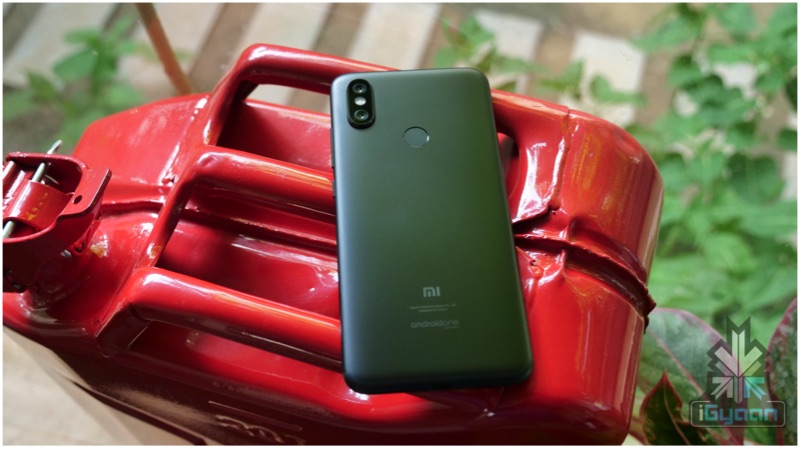
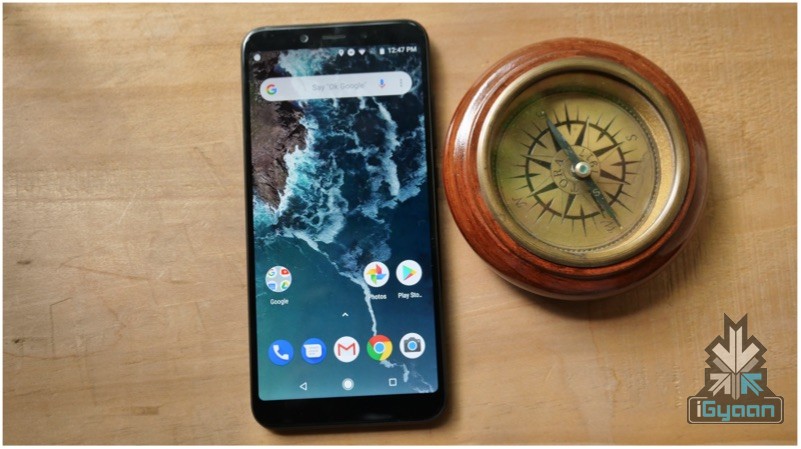
    It is known for a while now that Chinese electronics giant Xiaomi is working on the third iteration of its Mi A series of smartphones, called the Mi A3. Like the Mi A1 and Mi A2 launched in the year 2017 and 2018 respectively, the upcoming device will also be Android One certified. This means that it is guaranteed to receive major software updates for two years and security updates for three years. The Mi A3, which goes official in Spain on the 17th of July has been previously leaked in detail confirming its design and specifications. Now, a popular gadget tipster has revealed the smartphone’s European pricing and storage variants.

    Mi A3 Pricing & Storage

    Xiaomi Mi A3

    The latest leaks reveal that the Xiaomi Mi A3 will be available in two storage variants. While the base variants will have 6GB of RAM and will arrive with 64GB of internal storage; the second variant is expected to feature 6GB of RAM, along with 128GB of onboard memory. As far as pricing is concerned, the tipster has claimed that the base variant will be priced at EUR 295 (Rs. 22,800); while the top tier storage variant may cost EUR 335 (Rs. 25,900). The tipster also notes that these are the prices that retailers in Europe have revealed, so it may not be the final information after all.

    Also read: Honor 9X & 9X Pro With Kirin 810 Revealed Before Launch (Exclusive Images)

    In terms of specifications, past leaks have revealed that the Xiaomi Mi A3 will sport a 6.08-inch display with FHD+ resolution. To maximise the screen real estate, it will have a waterdrop style notch to house the front-facing camera. For biometric security, the smartphone will utilise an in-display fingerprint scanner. Under the hood, the device is expected to be kitted with the 11nm Snapdragon 665 SoC. The chipset has an Octa-core CPU and the Adreno 610 GPU. Unfortunately, more details about the Xiaomi Mi A3 are not available yet, but they are expected to be revealed on the 17th of July; when the smartphone makes its official debut.

  • Oppo To Launch Over 20 Smartphones In Its Mid Range K Series Soon

    Oppo To Launch Over 20 Smartphones In Its Mid Range K Series Soon

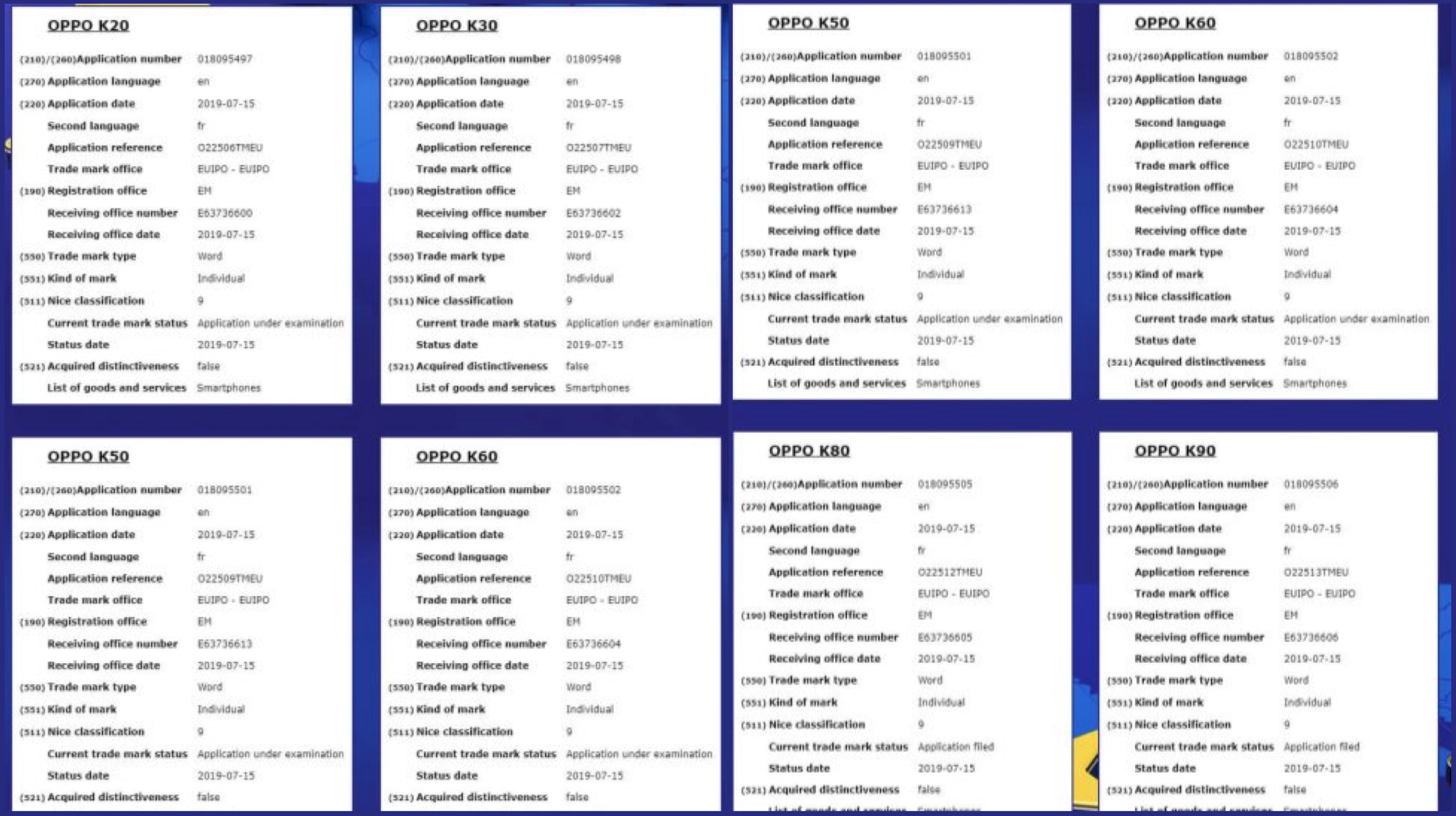
    Chinese smartphone maker Oppo launched the first device under its new K series starting the K1 last year. The handset is a mid-range offering which boasts of competitive specifications at a lucrative price tag. The company then followed up by announcing the K3 smartphone in the month of May. Now, latest patent filings by the company revealed it is working on multiple devices in the K series, as it has filed trademarks for at least 20 devices in the past few days.

    Oppo K Series smartphones

    Oppo

    The trademark applications were submitted by Guangdong Oppo Mobile Telecommunications, the parent company for Oppo. Over 22 applications were filed at the EUIPO (European Union Intellectual Property Office). All the trademarks belonged to devices under the company’s K series of smartphones. The models submitted under the application are Oppo’s K1, K2, K3, K4, K5, K6, K7, K8, K9, K10, K11, K12 and K13. Moreover, the company has also requested a trademark for handsets number in the K series by the dozen. These include the Oppo K20, K30, K40, K50, K60, K70, K80, K90, K100.

    Also read: Qualcomm Announces Snapdragon 855 Plus SoC For Gaming Smartphones

    The trademarks in the application by Oppo have also been categorised as Class 9. This is important as it includes smartphones, confirming that these are indeed future handset models from the company. While most applications are still being investigated and have not been granted, the organisation has granted approval for the K70, K80, K90 and K100 names. Unfortunately, more information about the upcoming smartphones by Oppo is not available yet. It is also not known when the company will launch the 22 devices it has registered trademarks for, however considering it has officially discontinued its F series of mid-range devices; Oppo may be planning to launch most of them by the year’s end.

  • Qualcomm Announces Snapdragon 855 Plus SoC For Gaming Smartphones

    Qualcomm Announces Snapdragon 855 Plus SoC For Gaming Smartphones

    American chipmaker Qualcomm launched its latest flagship mobile processor, the Snapdragon 855 SoC; last year in the month of December. The chipset has since been seen in most Android flagship smartphones this year including the OnePlus 7, OnePlus 7 Pro, Asus 6Z, Nubia Red Magic 3 and the Redmi K20 Pro. Now, in a bid to capture the ever increasing gaming trend in mobile devices, the company has announced the Snapdragon 855 Plus SoC. It offers slight upgrades in the CPU and GPU of the chipset which should offer a better gaming experience.

    Qualcomm Snapdragon 855 Plus

    Qualcomm Snapdragon 855 Plus

    The Qualcomm Snapdragon 855 Plus as the name suggests, is a slightly tuned version of the Snapdragon 855 SoC. While not a successor, the newest chipset is specifically designed for gaming smartphones to offer better performance. In terms of the difference between the chipsets, the major change in the latest mobile processor is that is bumps up the Prime CPU core clock speed up to 2.96GHz. This is a significant increase from the 2.84GHz clock speed on the Prime core of the previous version. Apart from the CPU, the Adreno 640 GPU on the new Snapdragon 855 Plus SoC boasts of a 15 percent performance increase over the GPU in the Snapdragon 855. Other than the aforementioned differences, other specifications of the two chipsets remain the same.

    Qualcomm 865
    Snapdragon 855

    Also read: NVIDIA GeForce RTX 2070 SUPER Review

    While the Qualcomm Snapdragon 855 Plus is the newest offering by the company; it isn’t expected to totally replace the Snapdragon 855 in most of the flagship smartphones launching this year. This is because of the performance increase in the newest chipset will mean that it will generate more heat. Other than gaming handsets, the cooling solutions on most flagship devices may not be suited to handle the amount of heat generated on the peak load of the processor. Furthermore, Taiwanese electronics giant Asus has already announced that its next gaming smartphone, the ROG Phone 2, will be the first in the world to feature the Qualcomm Snapdragon 855 Plus SoC. The device will launch on the 23rd of July, so we don’t have to wait long to see the newest chipset in action.

  • Chandrayaan 2 Mission Called Off By ISRO, Will Be Launched At A Later Date

    Chandrayaan 2 Mission Called Off By ISRO, Will Be Launched At A Later Date

    The Indian Space Research Organisation or ISRO for short is the official space agency of the Government of India. It was expected to launch the much-awaited Chandrayaan 2 mission to the Moon on Monday, that is the 15th if July. However, in an unprecedented move, ISRO has postponed the space mission due to some unforeseen technical problems.

    Chandrayaan 2

    The Chandrayaan 2 mission from ISRO is the successor to the extremely successful Chandrayaan-1 mission from the year 2008. According to the official Twitter handle of the organisation, a technical snag was observed in the launch vehicle around 1 hour before the launch. To make sure the mission goes as smoothly as planned, It has thus cancelled its flight. The new launch date is expected to be announced in the following days. Interestingly, the President of India, Ram Nath Kovind, along with many international journalists were present at Sriharikota to witness the launch of the Chandrayaan 2 mission. This is also the second time the launch date of the mission has been pushed back. Earlier in the month of April, ISRO postponed it due to the failure of Israel’s Beresheet mission.

    ISRO Chandrayaan 2

    Also read: Mi Super Bass Wireless Headphones Launched In India

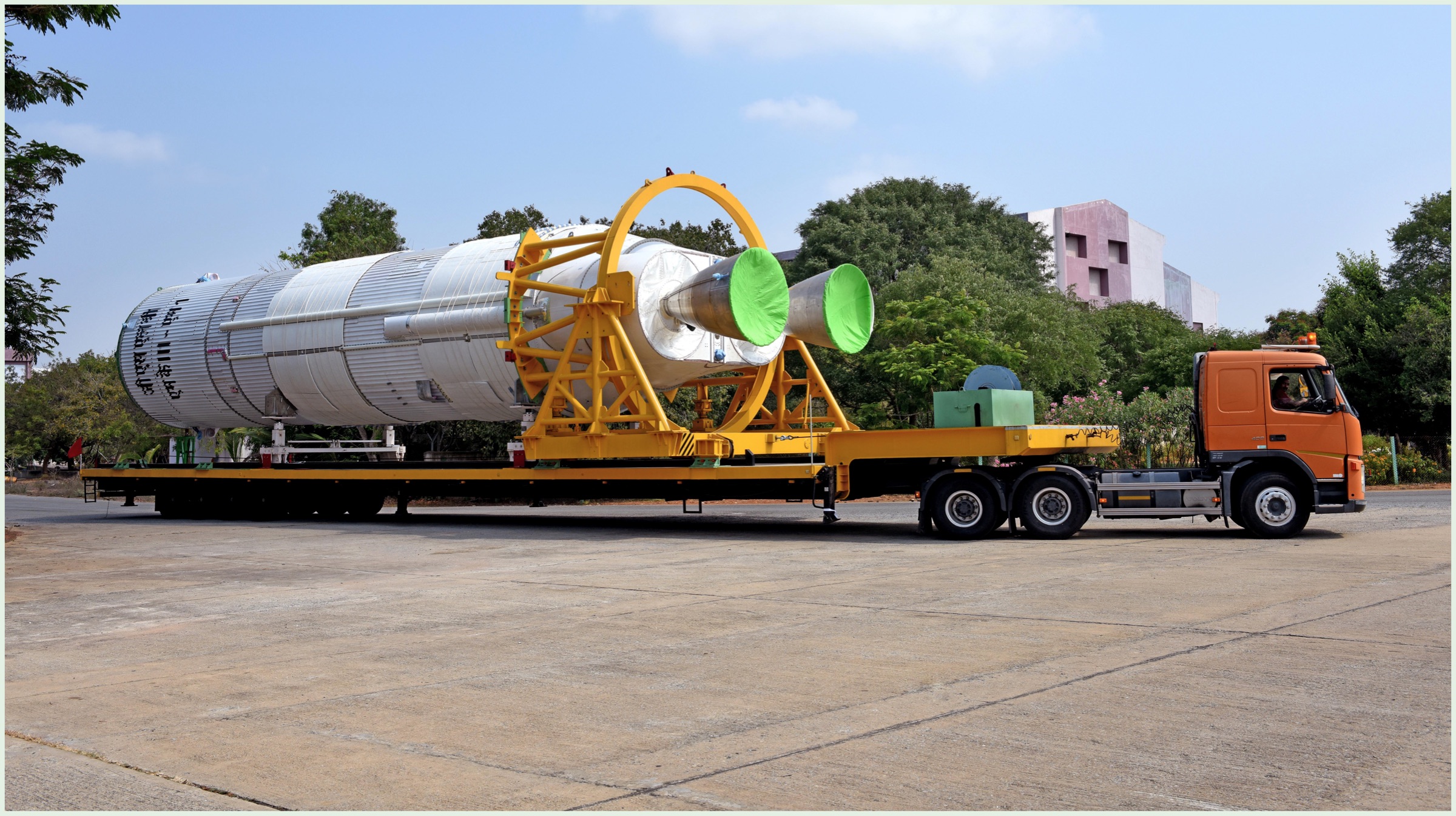
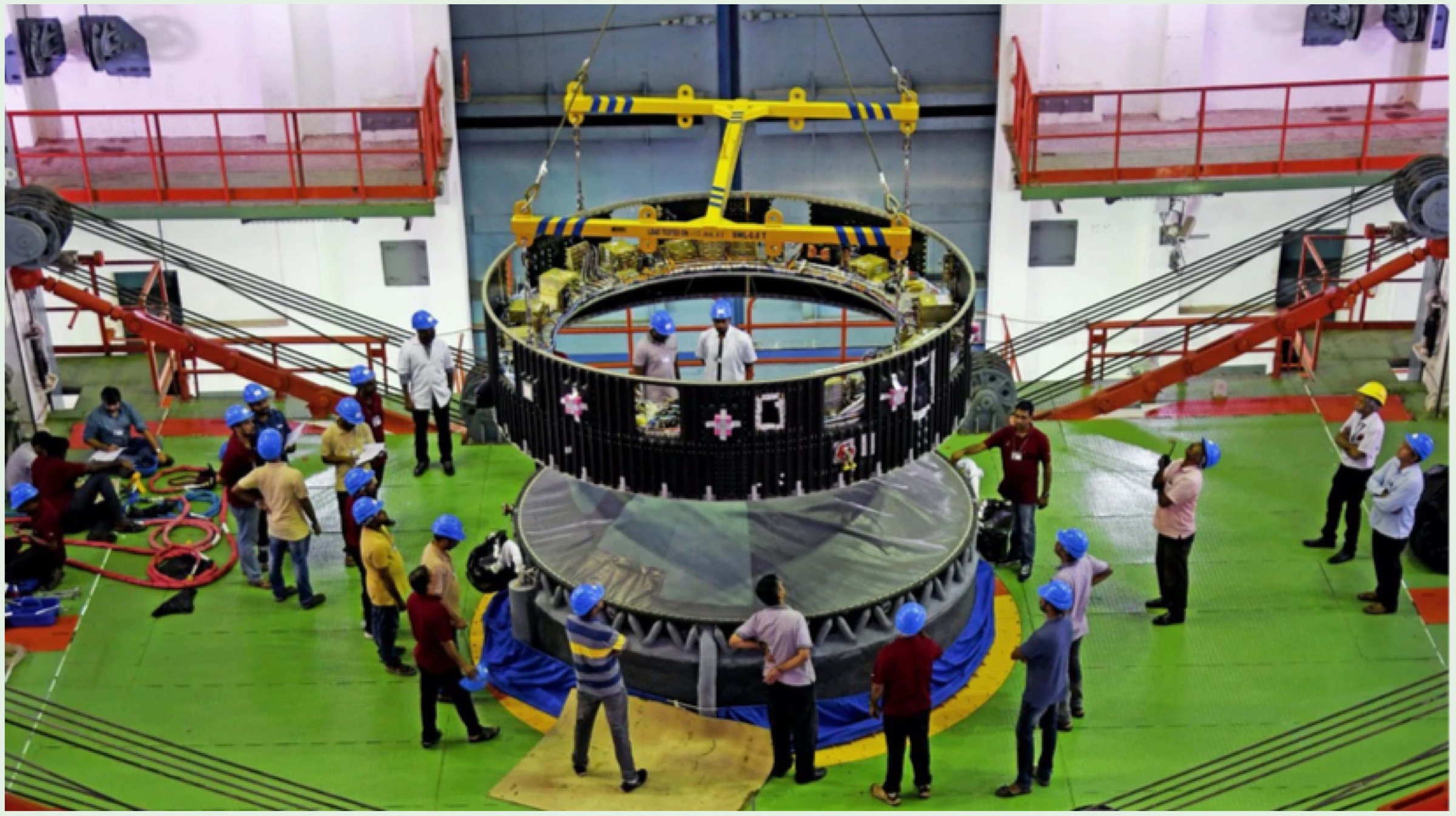
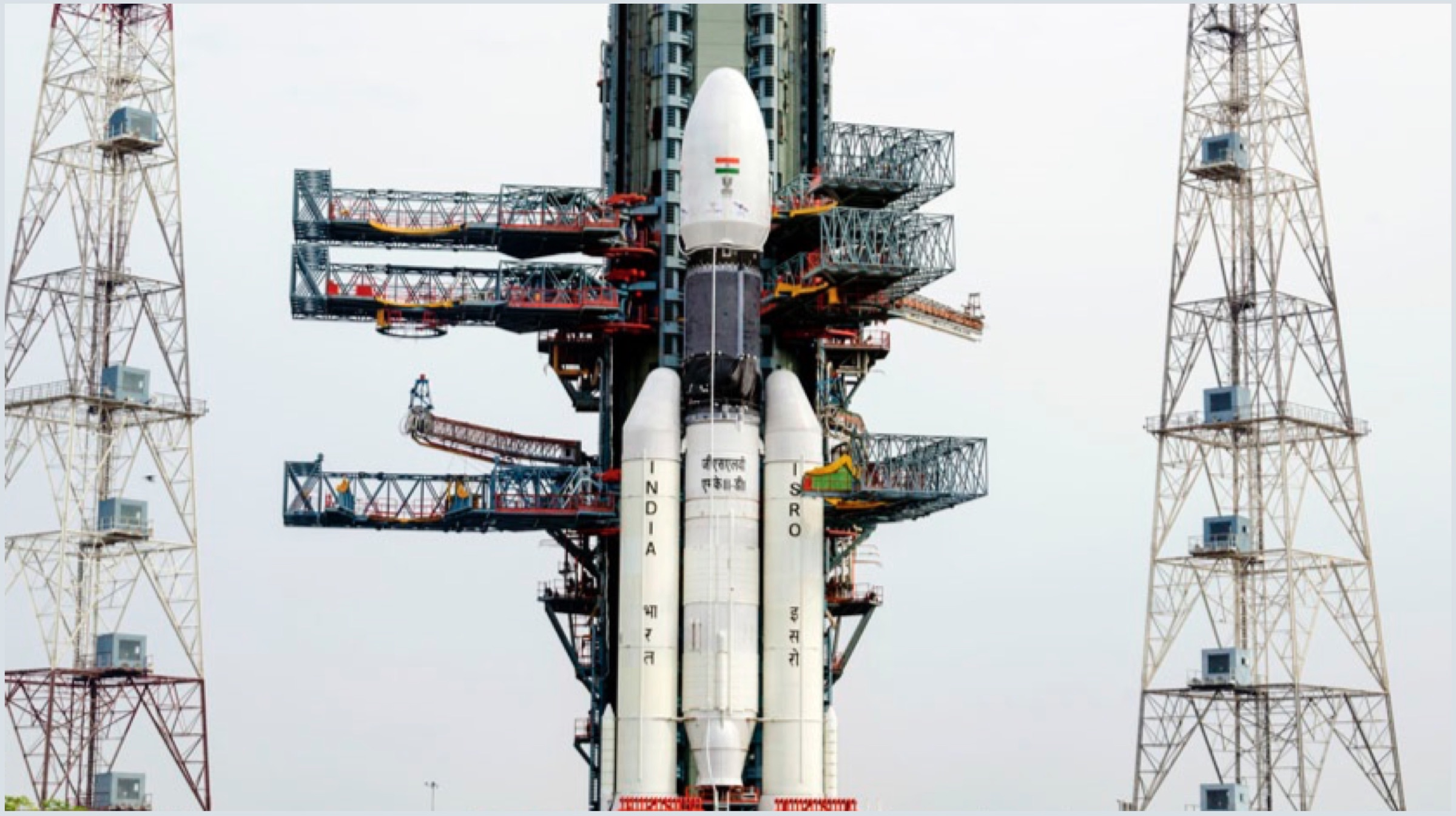
    ISRO’s Chandrayaan 2 mission has been its biggest one since its inception in 1969. It is set to make India the first country to attempt a soft landing on the South Polar region on the Moon. The total duration of the Chandrayaan 2 mission is one year, the time in which the rover will collect all the necessary data required from the Moon’s surface. The aforementioned problem has allegedly occurred in the GSLV Mk III launch vehicle, which is nicknamed “Bahubali”. Notably, the launch vehicle used by ISRO for the mission will be a GSLV (Geosynchronous Satellite Launch Vehicle) Mk III. It is a three-stage heavy-lift launch vehicle developed by the space organisation. The GSLV Mk III is India’s most powerful launcher to date and has been completely designed and fabricated from within the country.

  • Top 5 Failed Mobile Phones That Have Left A Mark On Technology History

    Top 5 Failed Mobile Phones That Have Left A Mark On Technology History

    Ever since the first mobile phone was created in the year 1973 by Motorola, the industry has seen significant technological advancement; which has led us to where we are today, in a world of super advanced smartphones. But, in all the innovation, there were many failures. And some were so remarkable that they are still talked about today, as they have left a considerable mark on technology history. Here are the top 5 mobile phones that have failed badly in the market because of many reasons, but are still remembered for a major reason.

    Nokia N-Gage
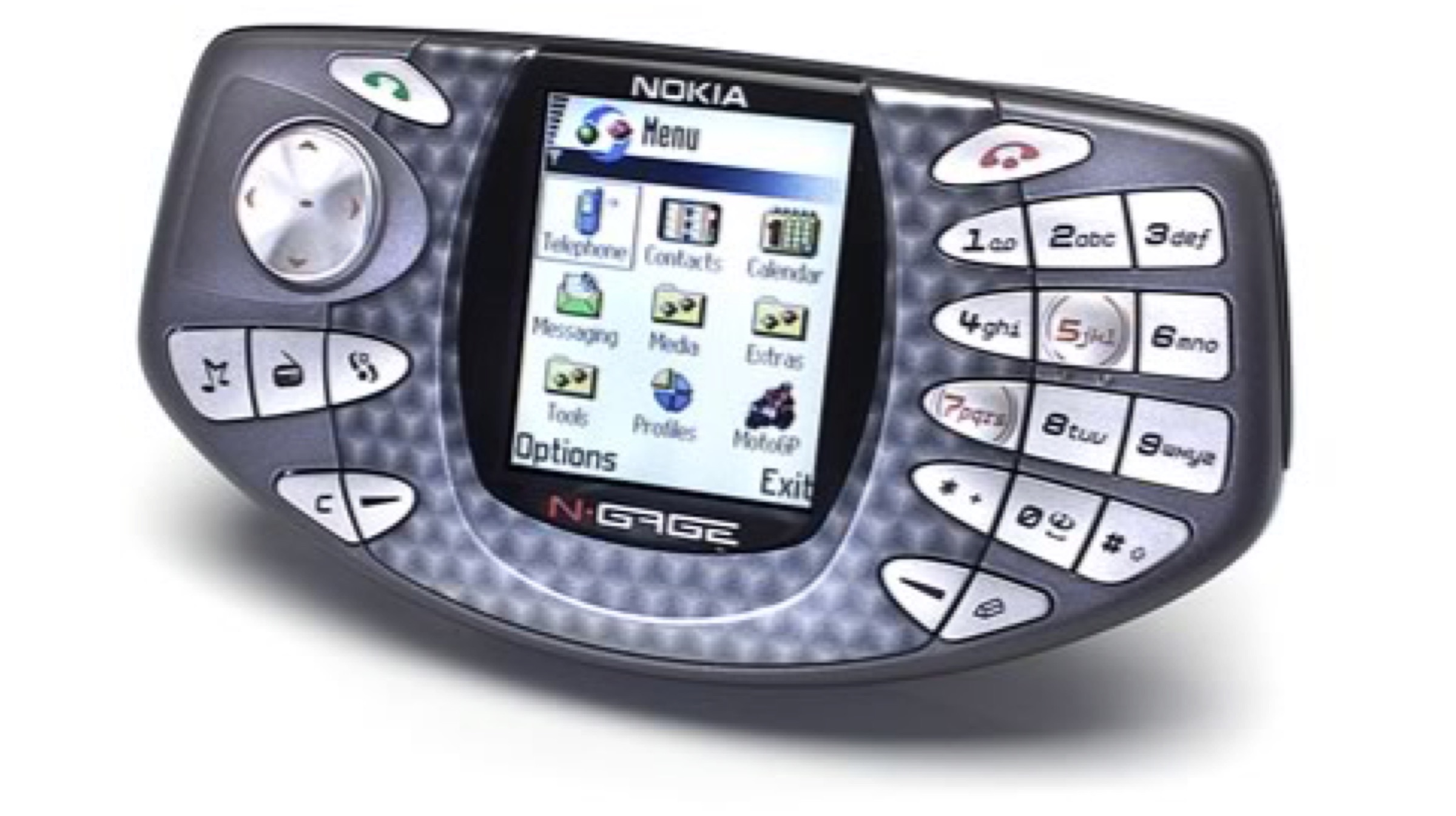
    Mobile Phone

    The Nokia N-Gage was released back in the year 2003, when the company was at the pinnacle of mobile technology. Phones from Nokia were everywhere and for good reason, but then it unveiled the N-Gage. Featuring a weird design, the mobile phone was marketed as a phone, a portable media device and a gaming console. Unfortunately, the N-Gage failed to deliver on either of the promises. The sub-brand was subsequently shut down in 2009, and the mobile phone has been since known as the Taco Phone, because of the shape. The Nokia N-Gage has been honoured by being included in the (in)famous Museum of Failures in Sweden.

    BlackBerry Z10
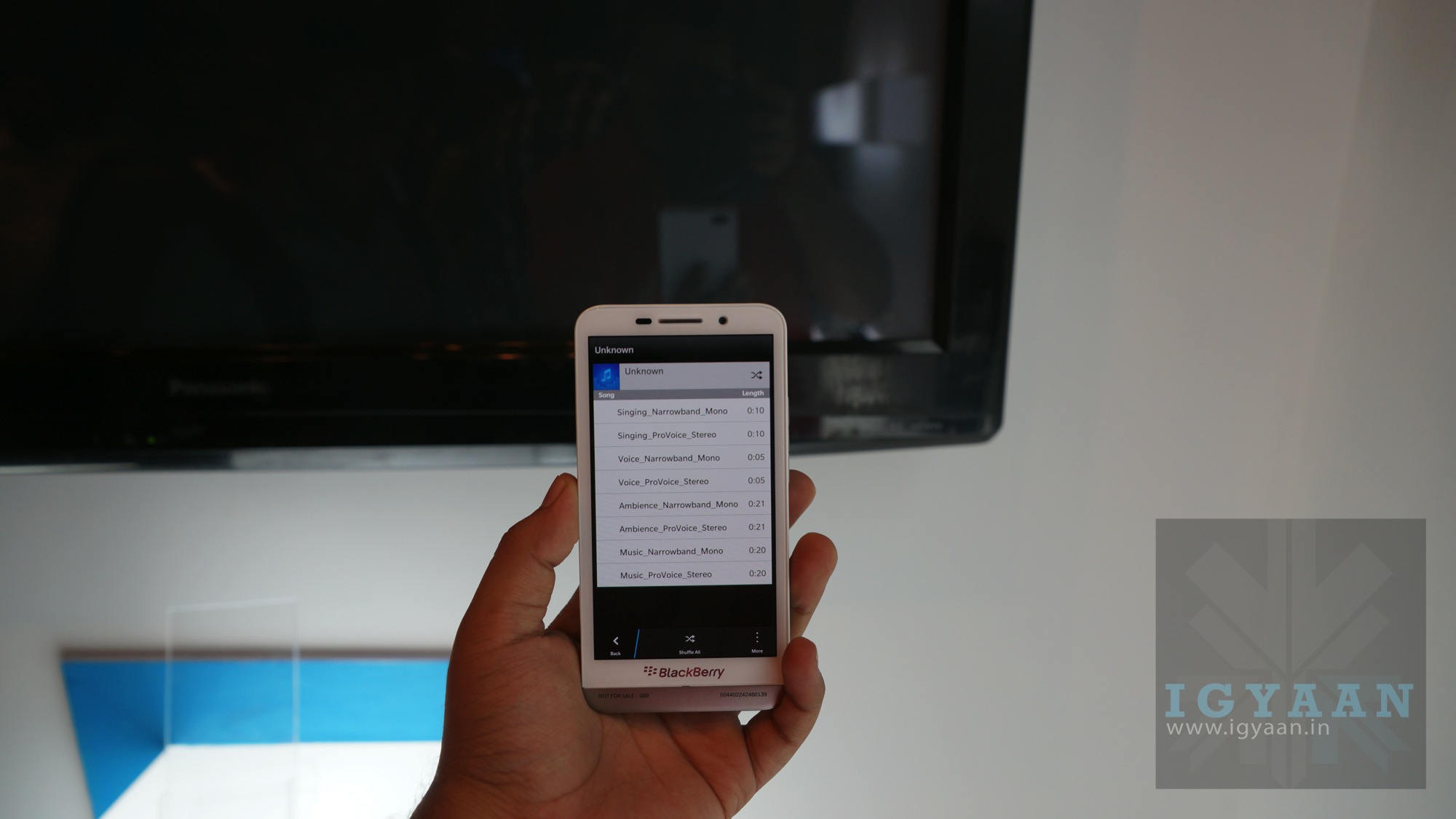
    BlackBerry, like Nokia, was also a force to be reckoned with in the early 2000s. The brand has been credited for making some of the most iconic mobile phones of its time; most of which were really popular among businessmen and corporate because of the enterprise level security and the amazing keyboard. However, after the rise of the popularity of iOS and Android, the BlackBerryOS started to feel outdated and was also void of essential applications.
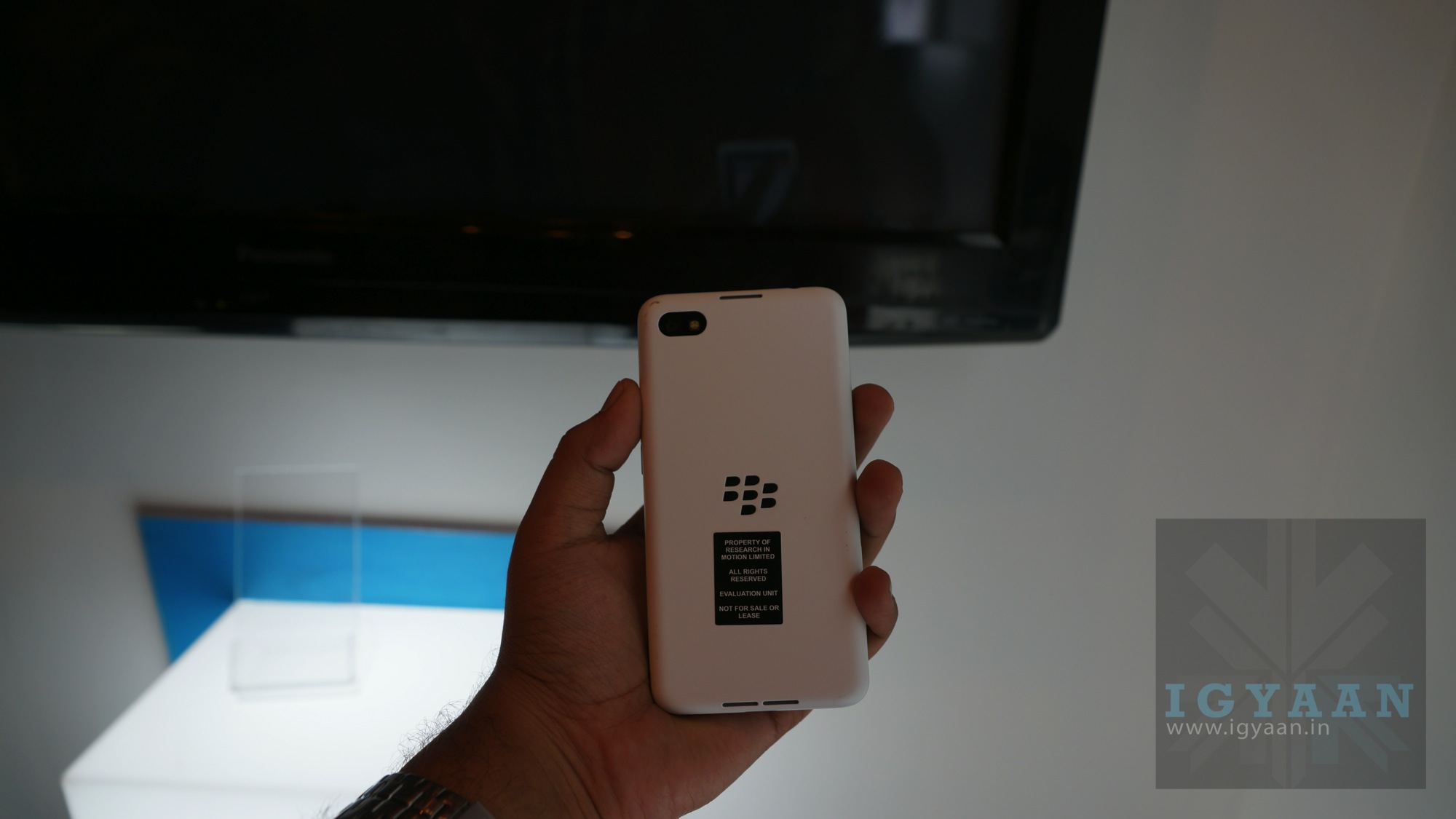
    The company then tried rebranding itself and launched the Z10 running BBOS 10. It was a touchscreen smartphone running an overhauled user interface. What was enticing, is that it also supported Android apps, but the jarring interface and the poor touch support made the Z10 a commercial flop.BlackBerry, in a bid to stay relevant, kept supporting the BBOS10 until the year 2015. The company then kept losing revenue and finally succumbed to using Android in smartphones starting the BlackBerry Priv in 2015. The licensing rights to the iconic brand now belong to TCL which still makes Android smartphones.

    Samsung Galaxy Note 7
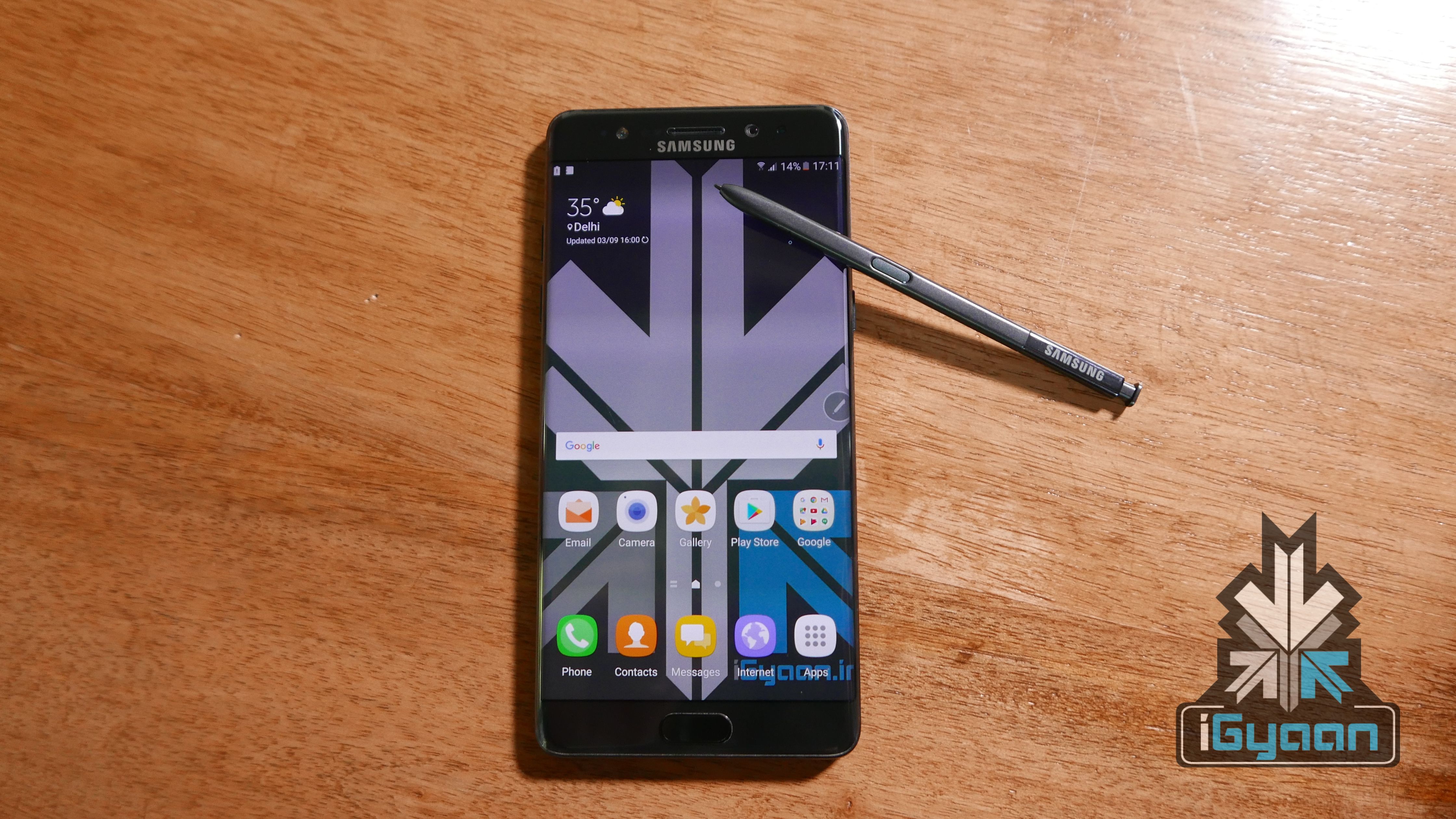
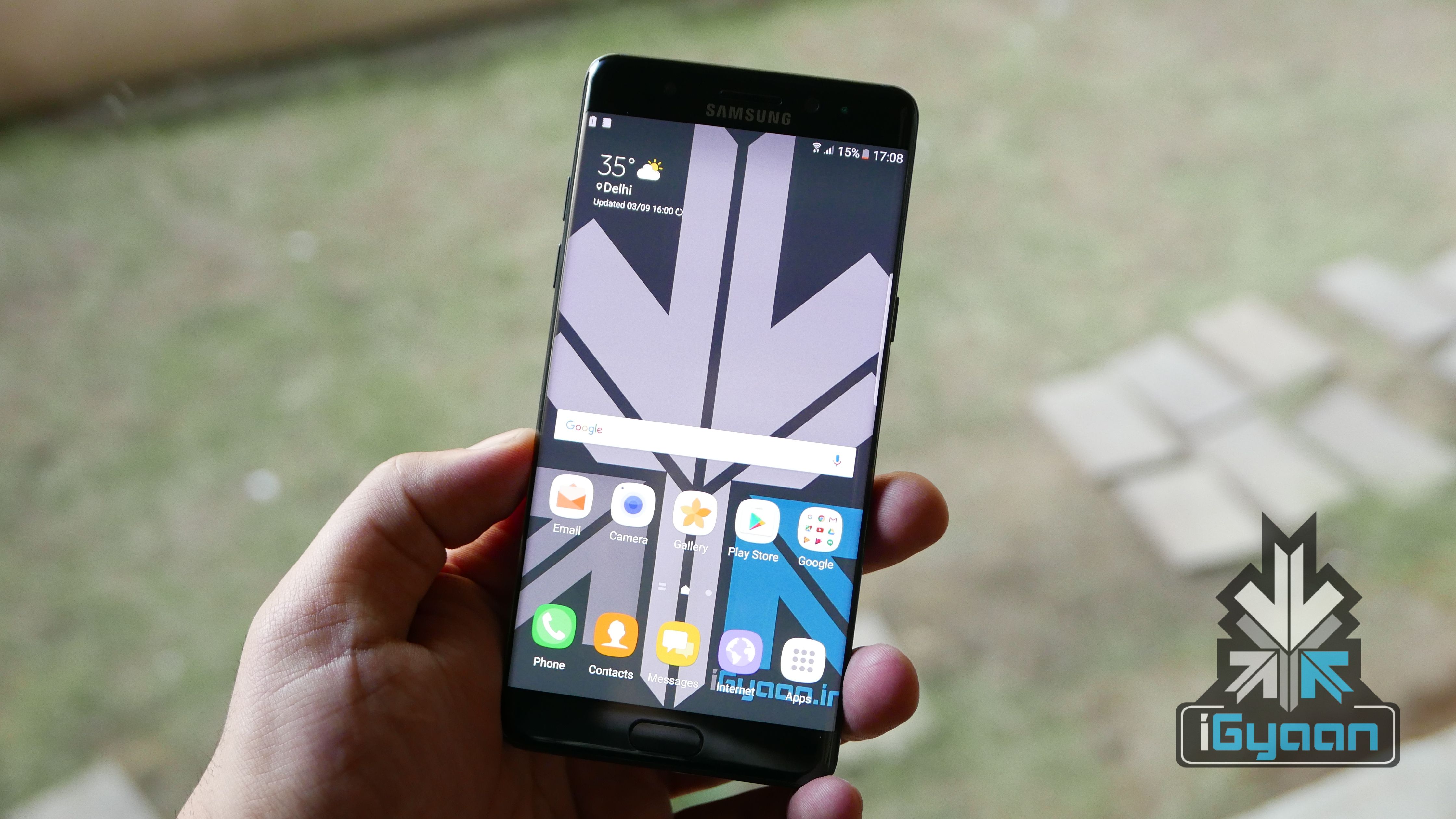
    It wasn’t so much that the Galaxy Note 7 from Samsung was a commercial flop, the smartphone failed as a product. When the company announced the device in the year 2016, the audience was wowed by all the impressive hardware and software features. It was such a hit product, that Samsung managed to sell millions of devices within days of release, and that’s where the problems started. 
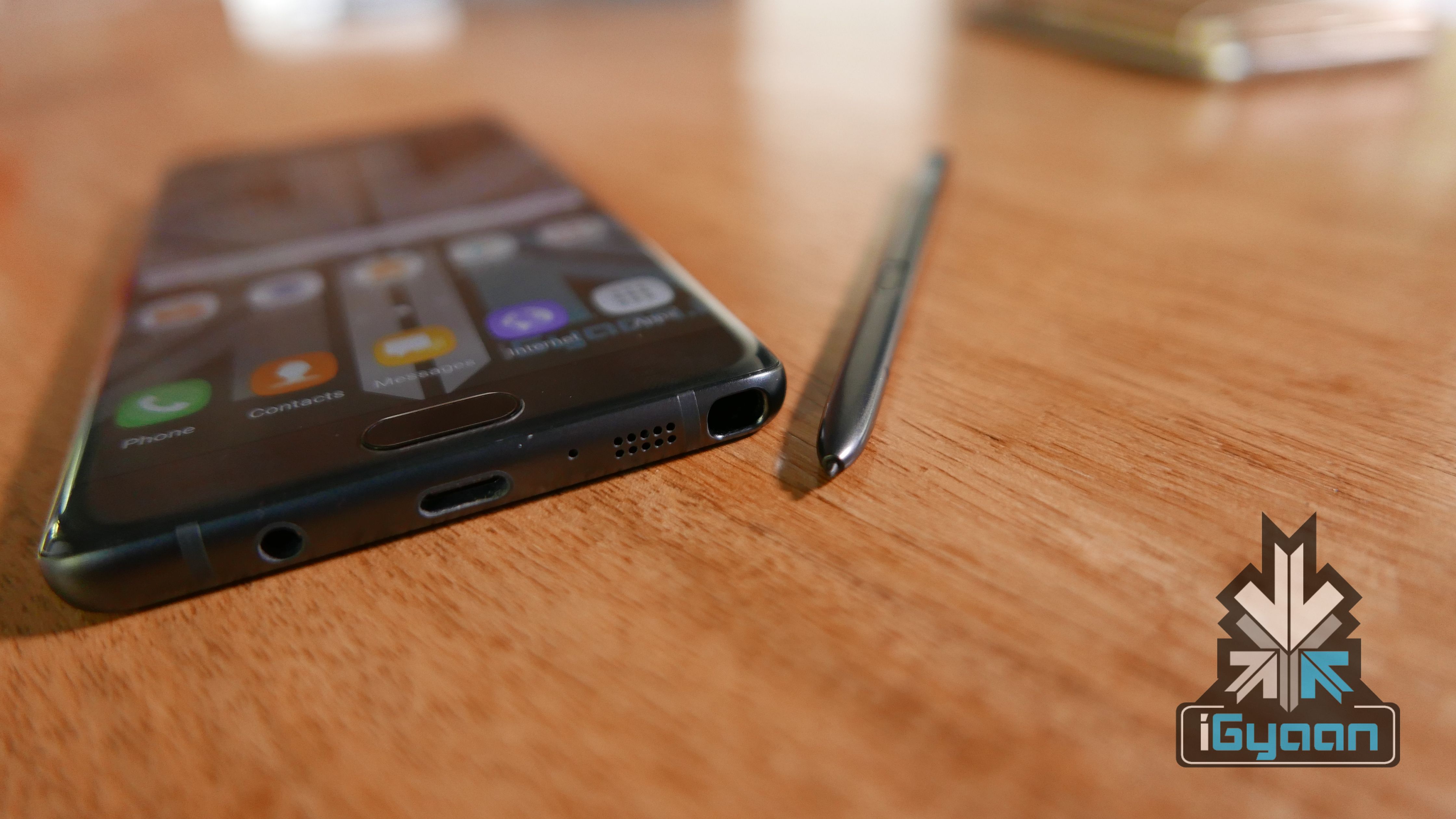
    A lot of users reported that their Galaxy Note 7 started heating up, catching fire and then eventually blowing to smithereens. Samsung tried controlling the situation by recalling all the smartphones and fixing them. But even after the fix was supposedly put into place, more reports of Galaxy Note 7’s blowing up kept surfacing online. This led to the company eventually killing the product altogether.

    The Samsung Galaxy Note 7 was so infamous that memes about it are still popular today. It is also banned from being carried in most flights. The company and the customers have since moved away from the frightening experience, but the Galaxy Note 7 still remains in the memory of people.

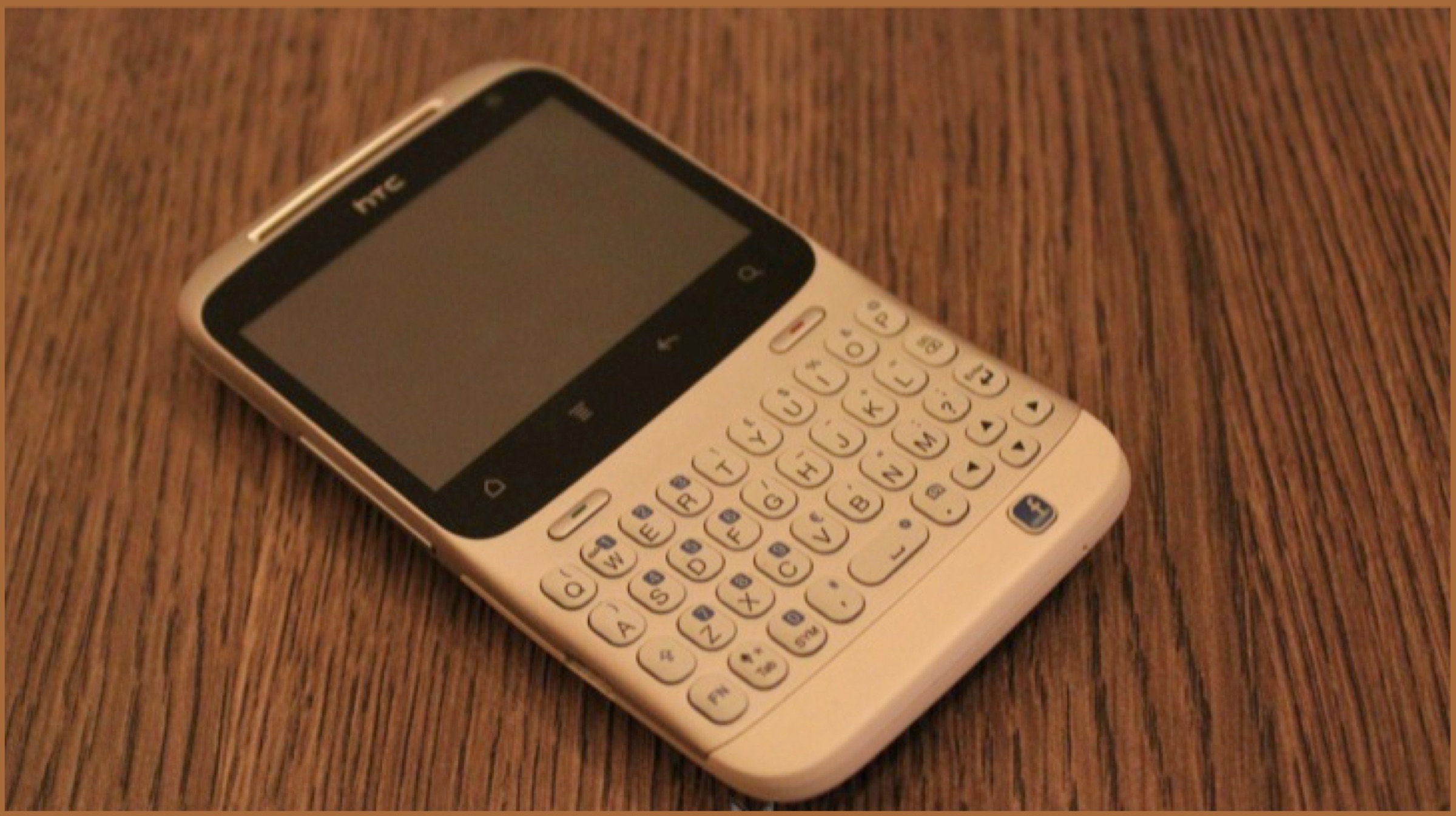
    HTC ChaCha
    Mobile Phone

    Despite its condition today, Taiwanese smartphone maker HTC was a popular company in the first five years of this decade. In the year 2011, the company announced ChaCha and Salsa in a collaboration with Facebook. Aside from being horribly named, these smartphones featured a dedicated Facebook button. And while the latter was not anything spectacular, the ChaCha got all the hate because of the awkward design with a keyboard and again, the Facebook button.

    The HTC ChaCha ran Android 4.0 Jellybean and as mentioned above, featured a keyboard. Because of the not so pleasing name (It literally means uncle in Hindi!) and the useless interface, the ChaCha was a commercial and critical flop.

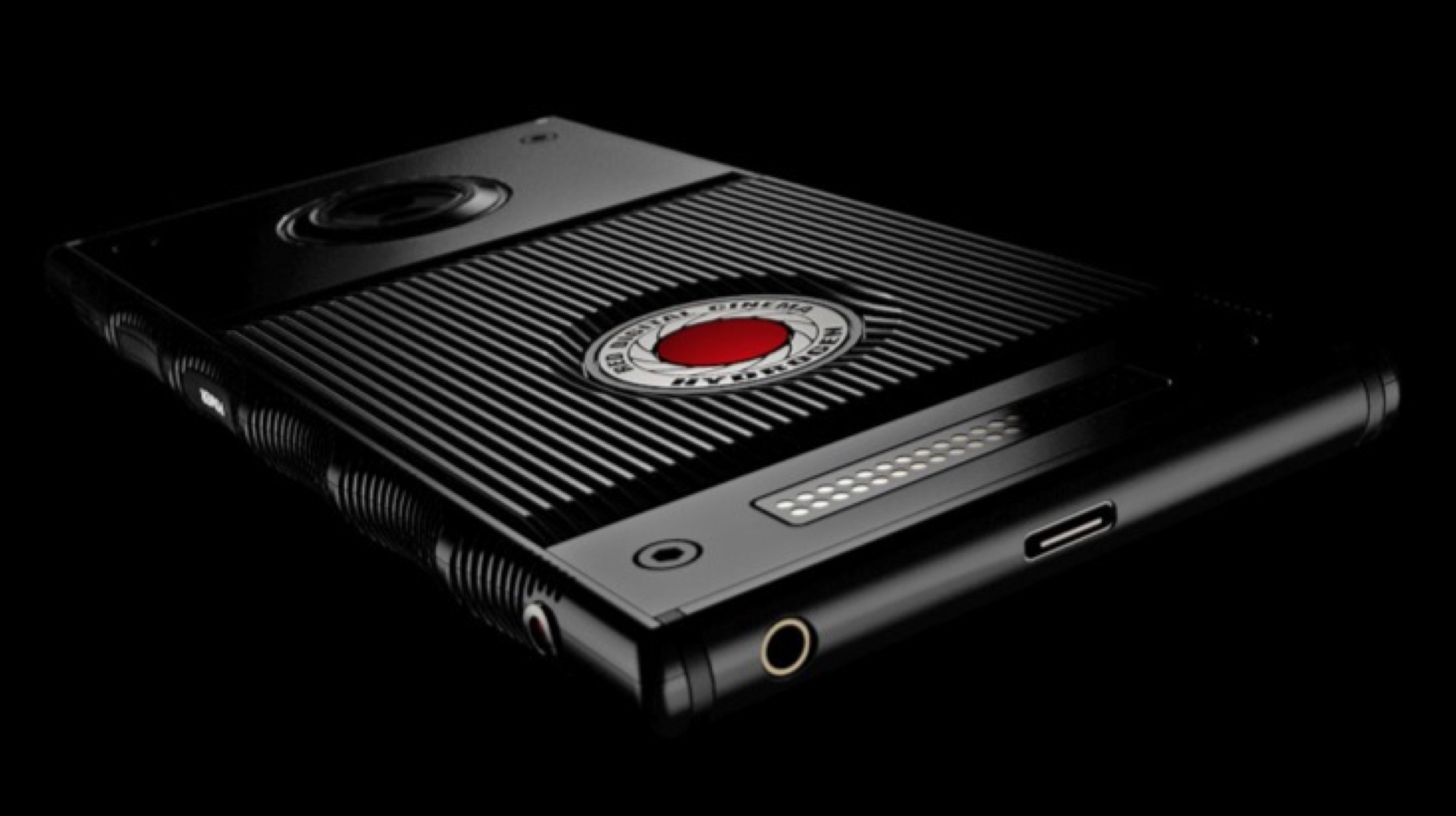
    Red Hydrogen One
    Mobile Phones

    Red, the company behind some of the best cinematic quality available today, tried its hands at making a smartphone in 2018. Called the Red Hydrogen One, the device boasts of a few impressive specifications, including a 4D Holographic display, a sturdy and different design and the ability to attach future camera accessories to the handset. However, due to the eye watering price tag starting at about US$ 1300 for the base variant, the smartphone did not sell well. Add to the fact that the display did not work as advertised and the processor used was also from 2017, the Snapdragon 835.

    Also read: Top Android And iOS Competitors That Got Lost In The Wheel Of Time

    The Red Hydrogen One is a classic example of a company trying to do something they have no experience in, and failing badly. While it is all but confirmed that Red will not release a “Hydrogen Two” in the market, but the company is still expected to give the mobile phone business idea another try, hopefully in a different form.
  • Xiaomi Mi A3 Android One Smartphone Official Images Leaked

    Xiaomi Mi A3 Android One Smartphone Official Images Leaked

    Xiaomi first launched the Mi A1 smartphone back in the year 2017. The device was Android One certified, which meant it is guaranteed to receive major software updates for two years and security updates for at least three years. The company then followed up by launching its successors, the Mi A2 and the Mi A2 Lite next year, which refined on its predecessor’s features. Now, images of another handset in the series, allegedly called the Mi A3 have surfaced online, which reveal a different design from what is generally attributed to the lineup.

    Xiaomi Mi A3

    Xiaomi Mi A3

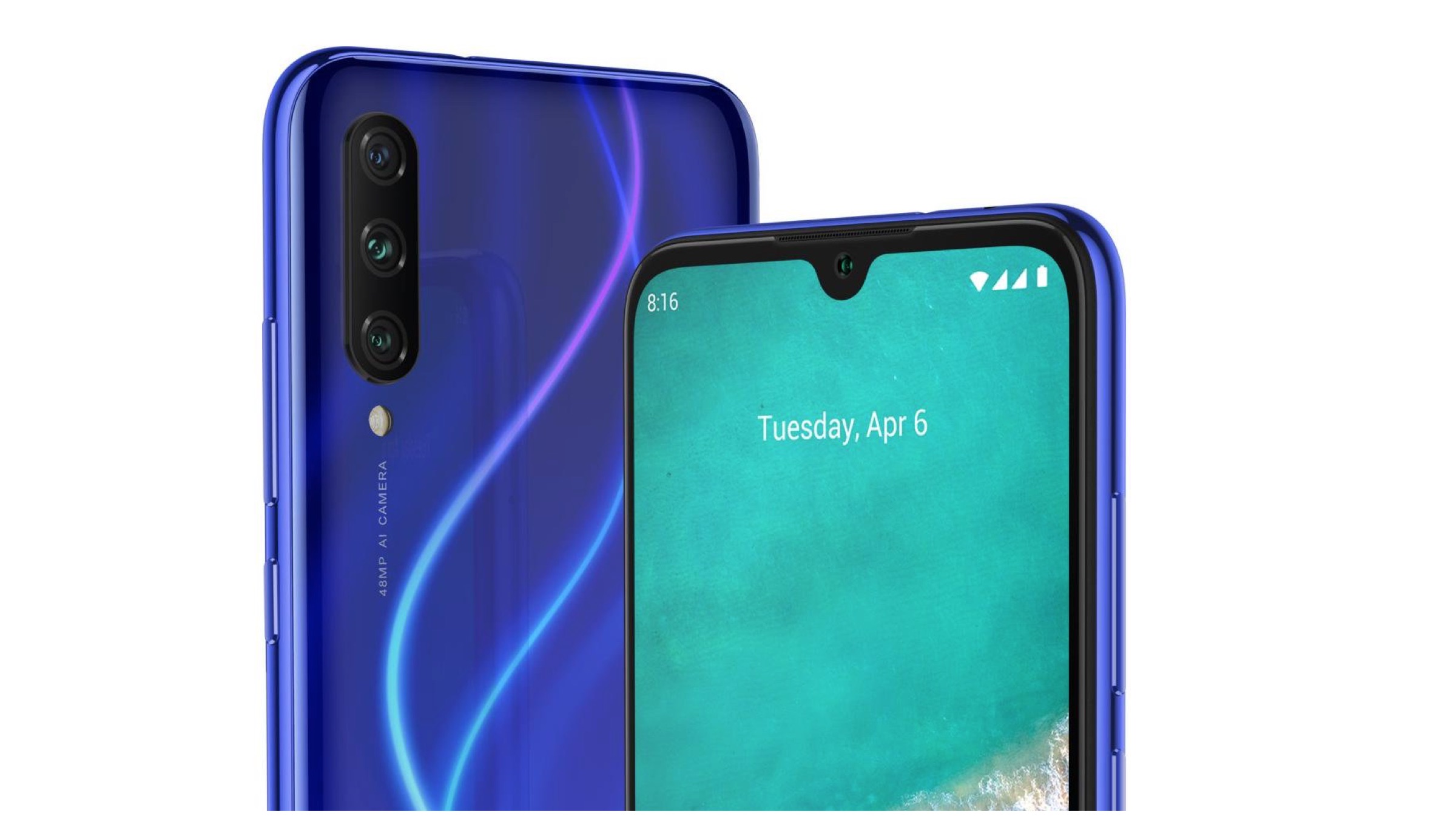
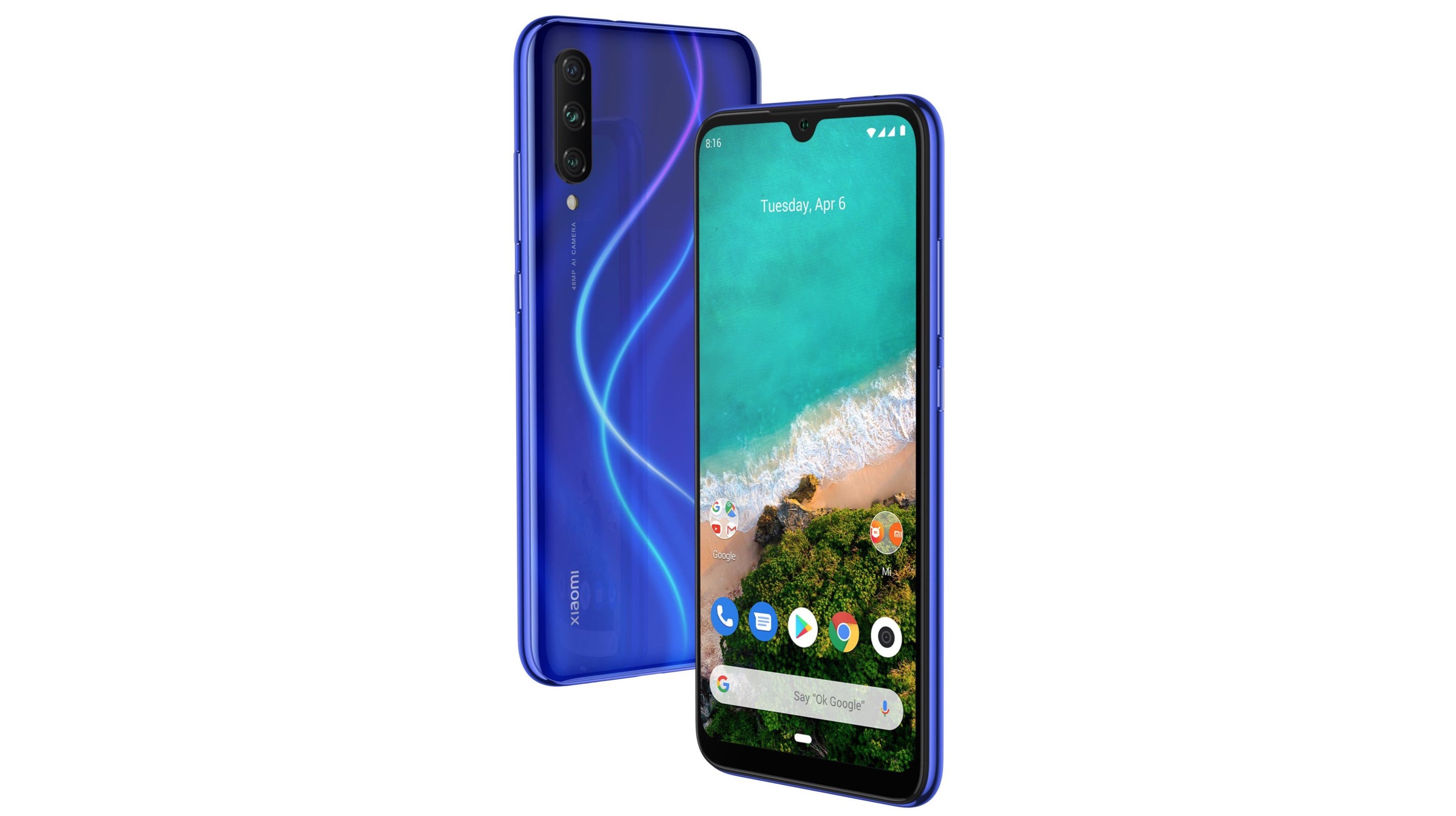
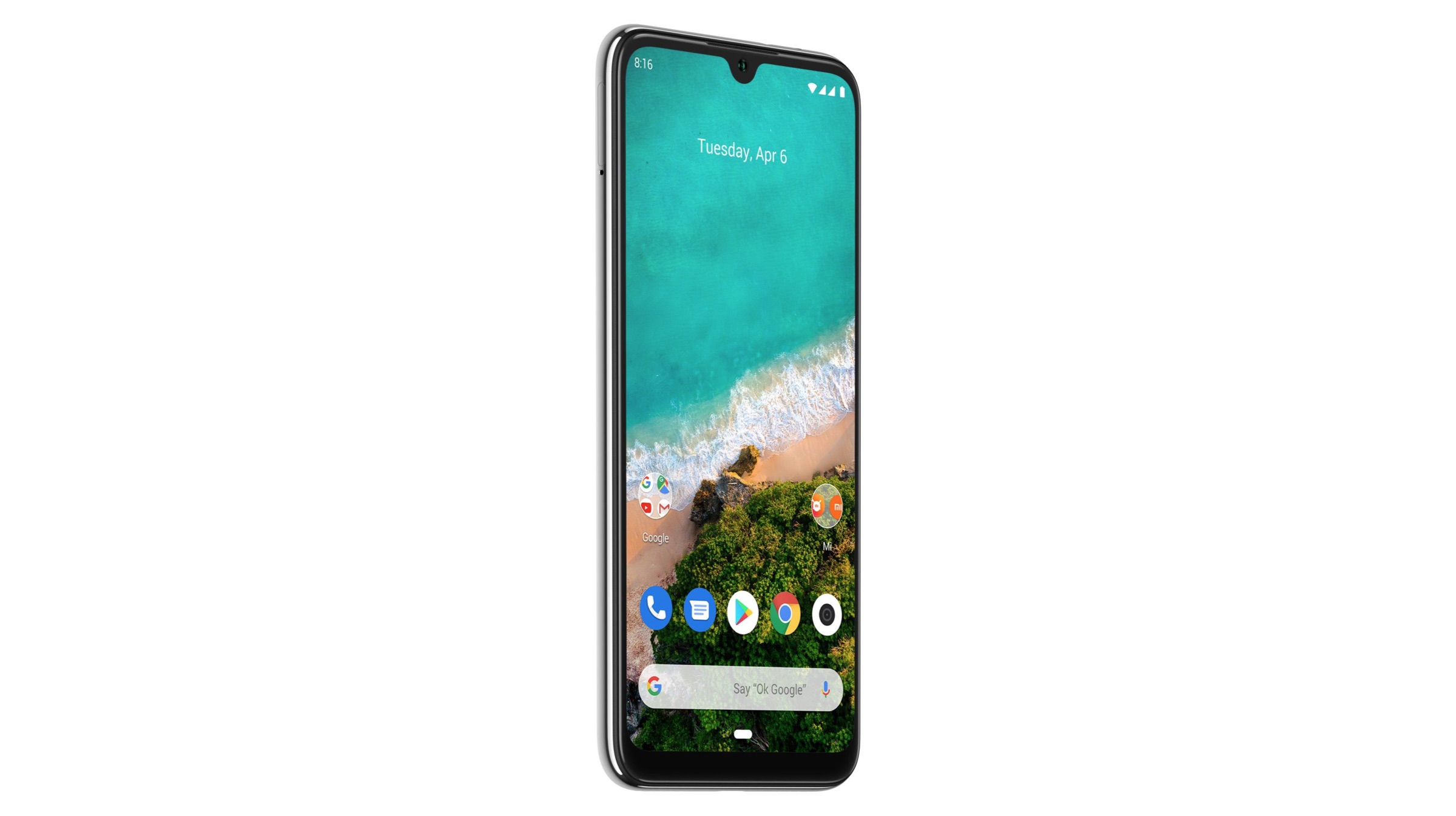
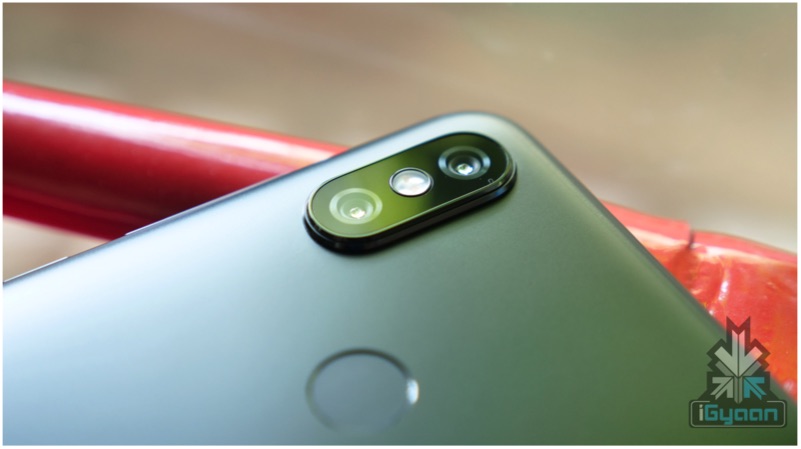
    The Xiaomi Mi A3 will be the more premium version out of the two Android One smartphone reported to be released by the company this year. Freshly leaked images of the smartphone reveal it will have a similar design to the company’s Mi CC9 and Mi CC9e smartphones; that was released earlier this month. The front of the device is dominated by a large display with minimal bezels on the side but a considerable chin on the bottom. To maximise the screen real estate, it has a waterdrop style notch on top of the display which houses the front-facing camera. As it is an Android One certified device, a stock like an interface is visible in at least one of the images of the display.
    Xiaomi Mi A3

    The right side of the Xiaomi Mi A3 has the volume rockers and the power button; while the left side remains empty save for the SIM card tray. The top of the smartphone has an Infrared (IR) blaster to make it work as a remote for certain electronic devices. It also surprisingly houses a 3.5mm headphone jack, which was omitted from its predecessor last year. Over at the back of the Mi A3, a vertical triple camera set up along with the LED flash is visible. The company logo, along with a different than usual Android One branding is placed on the bottom of the device.

    Also read: Amazon Is Developing A Louder Echo Speaker, Also Working On Robots

    In terms of specifications, the Xiaomi Mi A3 has been reported to feature a 6.0-inch display with a FullHD+ resolution. It is also believed that the handset will feature the seventh generation optical in display fingerprint scanner for biometric authentication. The smartphone is expected to run on the 8nm Snapdragon 730 SoC. The chipset is comprised of an Octa-core CPU and the Adreno 618 GPU. Unfortunately, more details, like the pricing and launch date of the device are not known yet. However, the latest influx of leaks suggests that it, along with its sibling the Mi A3 Lite may see the light of the day soon.

  • Samsung Galaxy Note 10 Pricing And Storage Variants Leaked

    Samsung Galaxy Note 10 Pricing And Storage Variants Leaked

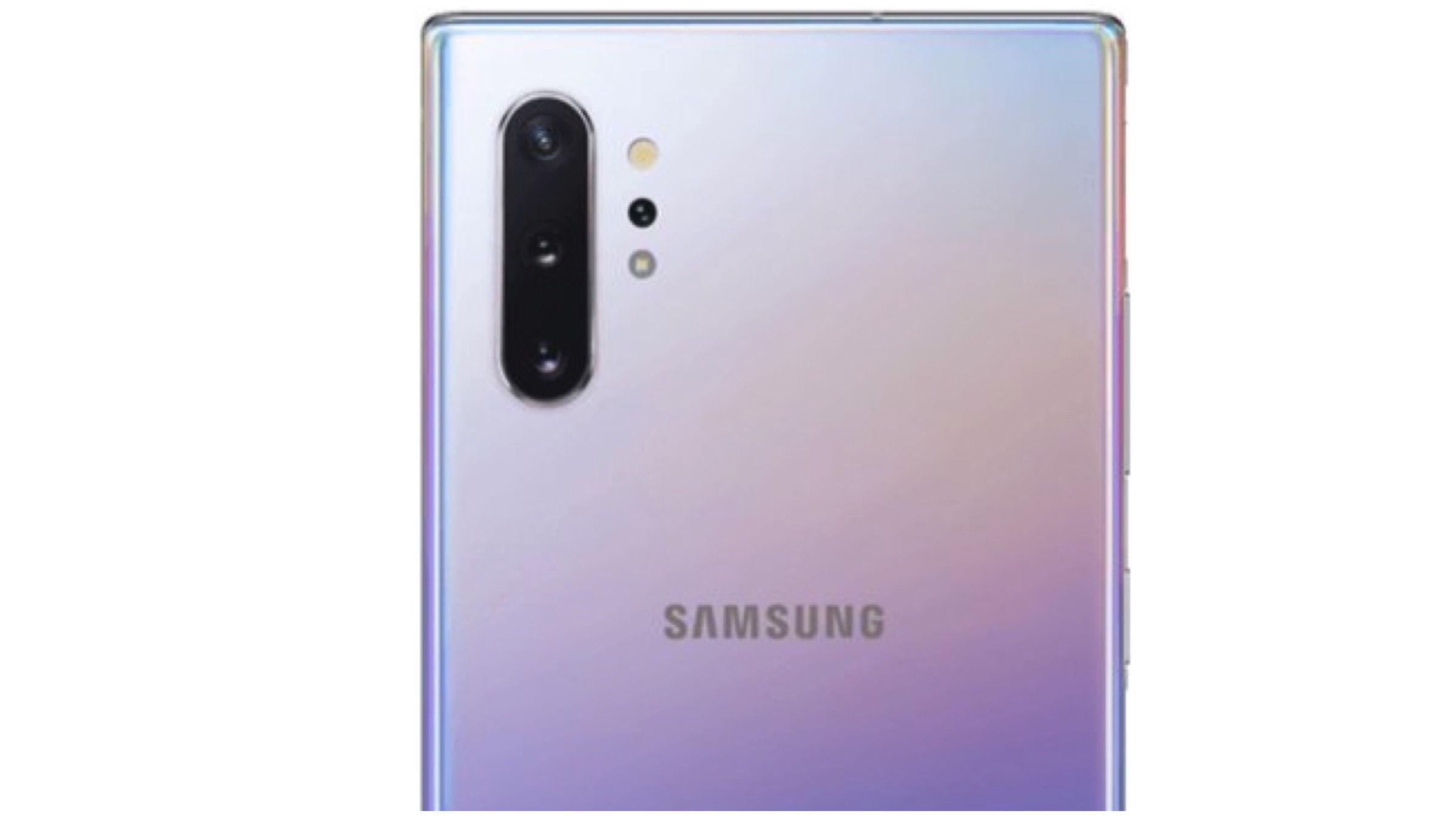
    Samsung is expected to launch its next-generation flagship smartphone, the Galaxy Note 10; at the Galaxy Unpacked event in the US on the 7th of August. It is rumoured that the company will launch two handsets at the event, which may be called the Galaxy Note 10 and the Galaxy Note 10+. While there is still time before the official unveiling, the design and key details of the devices have already been leaked online. Now, a reliable gadget tipster has also revealed what the smartphones will cost in Europe, along with information about their storage variants.

    Galaxy Note 10 Pricing & Storage

    Samsung Galaxy Note 10


    The gadget tipster Roland Quandt on Twitter has revealed that the Samsung Galaxy Note 10 series will have a 256GB base internal storage variant; which will be combined with at least 8GB of RAM. The top end variant has been claimed to be available in a whopping 1TB of internal storage combined with 12GB of RAM. Notably, this is similar to the storage variants of the Galaxy S10 series.

    As far as the pricing is concerned, the base model of the Galaxy Note 10 may be priced at EUR 999 (Rs. 77,100) at the time of launch. The plus variant, on the other hand, has been revealed to start at a price of EUR 1149 (Rs. 88,700) for the base variant. However, since the information is sought from retail dealers in Europe, the pricing and storage variants in other regions may be different.

    Samsung Galaxy Note 10

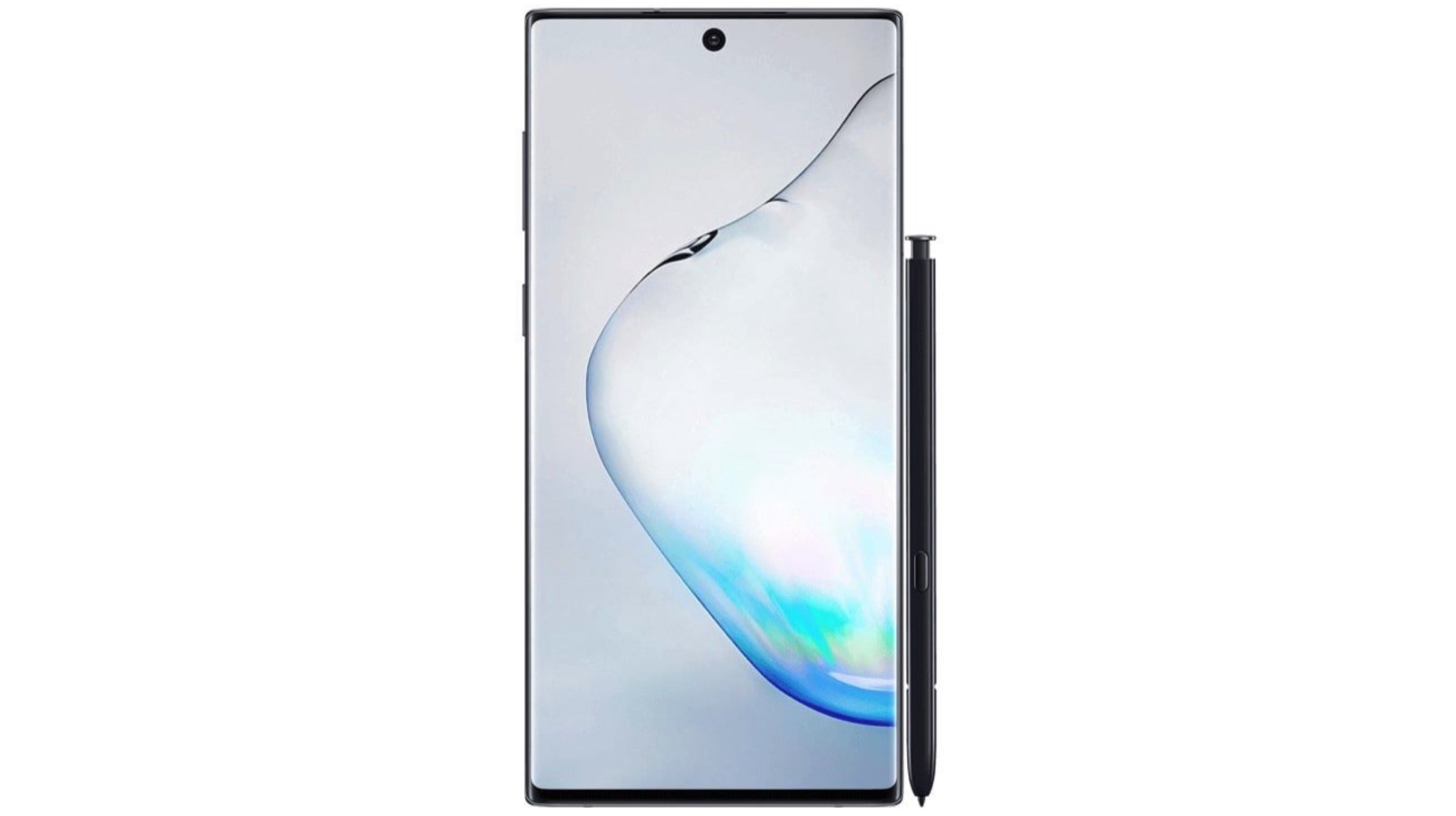
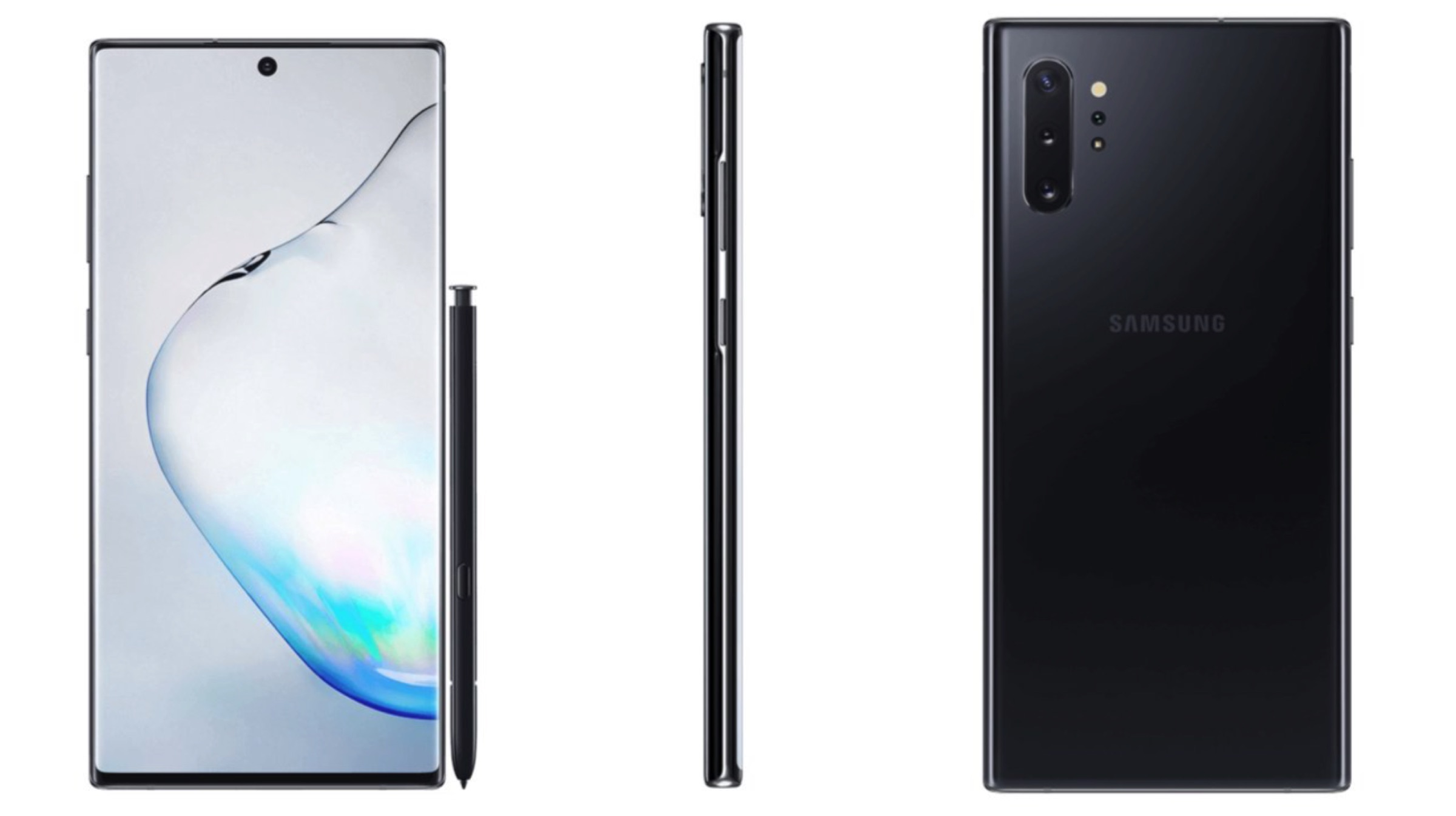
    In terms of specifications, the Galaxy Note 10 has been revealed to feature a 6.3-inch Dynamic OLED display; while its elder sibling will have a 6.7-inch Dynamic OLED display. Leaked images have revealed that the handsets will have minimal bezels on all sides and a centred hole punch hole cutout to house the front-facing camera. This is unlike the cutout on the Galaxy S10 series which was present on the right side of the display.

    Also read: Apple iPhone X & XS Prices To Drop Soon After Made In India Units Arrive

    The smartphones will run on the 7nm Snapdragon 855 SoC or the 8nm Exynos 9820 chipset depending on the country they will be available in. They are also expected to sport an ultrasonic in display fingerprint scanner for authentication. The Samsung Galaxy Note 10 series will also support 45W fast wired charging alongside 20W wireless charging. Unfortunately, more details about the smartphones are not available yet but since the launch is just around the corner, we might not have to wait too long to confirm our suspicions.

  • Samsung Galaxy Watch Active 2 Official Renders Leaked

    Samsung Galaxy Watch Active 2 Official Renders Leaked

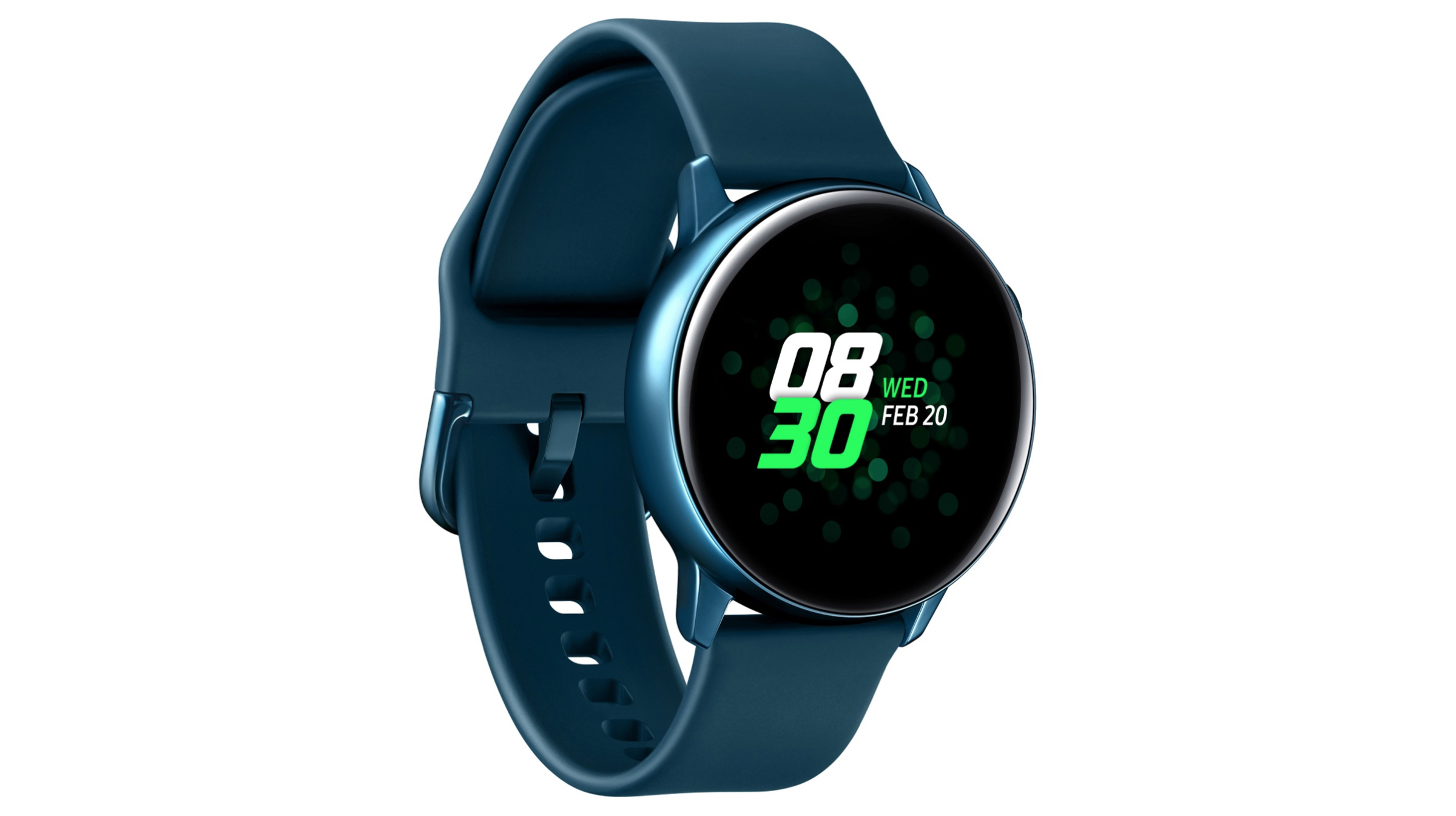
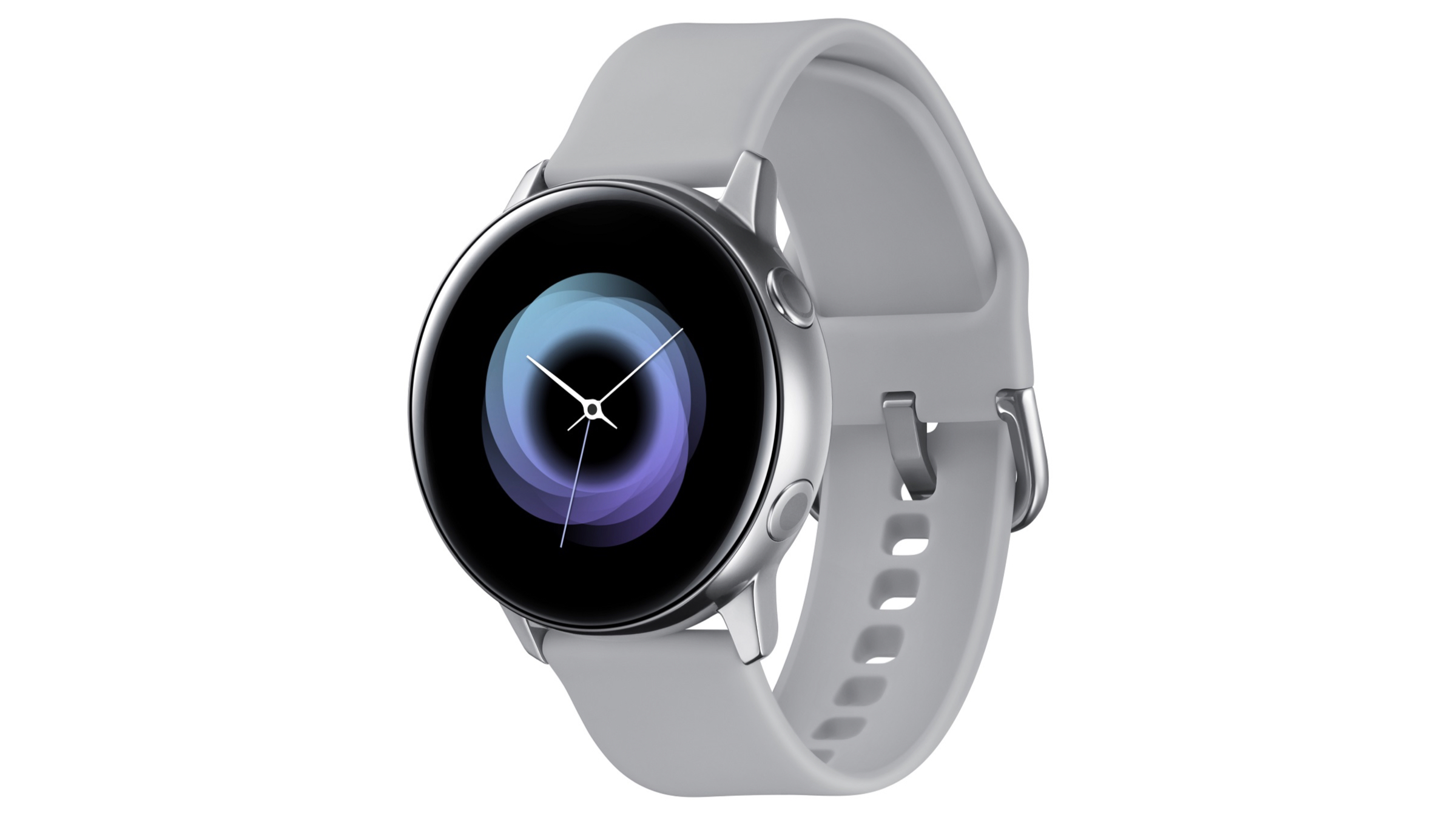
    It was revealed a while ago that Samsung is working on the successor to the Galaxy Watch Active smart wearable released in February this year. The device, purportedly called the Galaxy Watch Active 2 was leaked in images and was expected to launch soon. Now, official press renders of the same have been revealed which suggests it might launch soon.

    Galaxy Watch Active 2

    Samsung Galaxy Watch Active 2

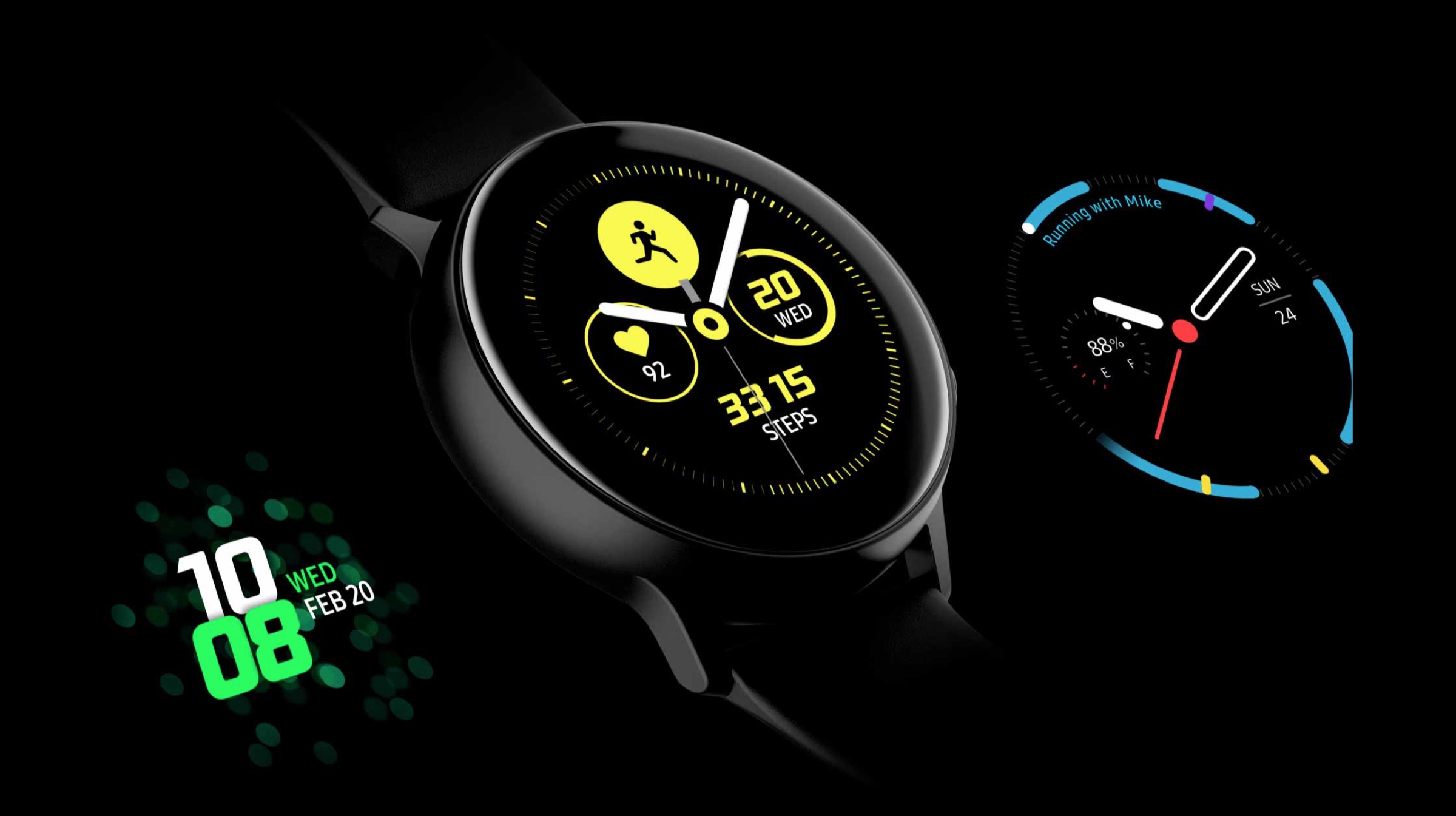
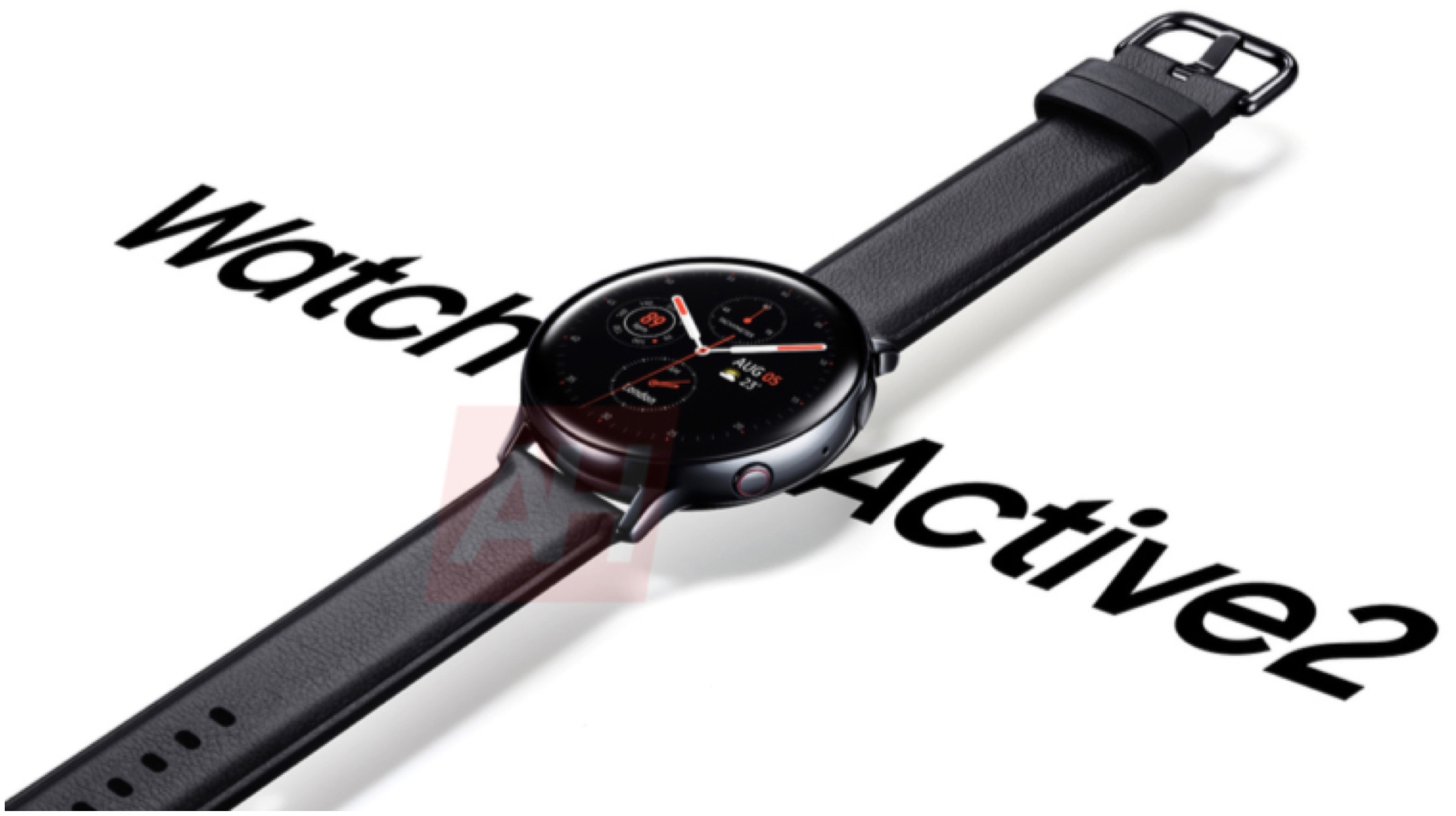
    The Galaxy Watch Active 2, as mentioned above, will be the latest smartwatch by Samsung. Official press renders of the device reveal that it will have a similar design to its predecessor. It lacks a rotating bezel, which was last seen on the Galaxy Watch and was also omitted on the first generation of the Galaxy Watch Active. Unlike the first generation though, the upcoming wearable will have a rectangular button on the top right and a red ring around the bottom right button. It may also be available with a leather strap, which was also not an option on the original version.

    In terms of specifications, it has been revealed that the Samsung Galaxy Watch Active 2 will have two variants; one with LTE support and one with support for just Wi-Fi networks. The former will be powered by a 340mAh battery while the latter will be provided with a 237mAh cell. The smartwatch is said to ship with OneUI version 1.5, which is supposedly a considerable improvement over the current version 1.0.

    Also read: Google Launches A New Social Networking App Called Shoelace

    Unfortunately more details like the features, price and the launch date of the Galaxy Watch Active 2 are not known yet. However, the leaked images suggest the device is ready for primetime. It is speculated that the smartwatch may see the light of the day at the Samsung Galaxy Unpacked event next month, which will also see the launch of the Galaxy Note 10 smartphone by the company.

  • Google Launches A New Social Networking App Called Shoelace

    Google Launches A New Social Networking App Called Shoelace

    American technology giant Google has not found much luck in building a social network. While the company’s Orkut was quite popular when it launched in the year 2004; the subsequent release of Facebook led to the demise of the social networking website in 2014. The company gave the idea another try in 2011 by launching Google+. This time, the release was met with a great response, however, due to the lack of new features it also saw a sharp decline in its popularity. Google+ was officially dissolved in April this year and it looked like the company is done with building a social network in general. Contradicting most expectations, Google has announced Shoelace, a social networking app that lets people connect using different activities.

    Google Shoelace

    As mentioned above, the latest social networking project by Google is called Shoelace. It is a result of the company’s Area 120 team which is known for designing experimental projects as the ambitious Game Builder launched a while ago. The newest creation by the team is a social networking application, that will be available for Android and iOS platforms. How it works is that the app connects the user with people having similar interests as them. They can subsequently take part in an activity together, like yoga or attending a concert together.

    Google Shoelace

    Also read: Xiaomi Redmi K20 & K20 Pro To Go On A Special Alpha Sale Today

    Users on Shoelace can also create a listing for an event or activity that they are participating in; then they can invite their friends or strangers to join in. The application will also suggest different activities and events that the users may like. Unfortunately, Google Shoelace is invite-only, which means you need a special invite from an existing user to join. It is also only available in the New York City of the United States for now, and there is no word on the global rollout. However, the company has not had much luck with social networks, so we will have to wait and see how it pans out.

  • Xiaomi Mi A3, Mi A3 Lite Specifications Leaked, To Launch Soon

    Xiaomi Mi A3, Mi A3 Lite Specifications Leaked, To Launch Soon

    Xiaomi first introduced its first Android One smartphone, the Mi A1 back in the year 2017. The device, as it was running on the Android One program, boasted of guaranteed major software updates for two years; and security updates for at least three years. The company then followed up with the second iteration of the handset by launching the Mi A2 last year. Now, the latest reports reveal that the company is gearing up for the launch of its successors, which will be called the Mi A3 and Mi A3 Lite. Along with the name and the existence of the smartphones, key details about them have also been confirmed.

    Xiaomi Mi A3 series
    Xiaomi Mi A3
    Mi A2

    The Xiaomi Mi A3 and Mi A3 Lite will be the latest of the company’s Android One certified devices. The latest reports reveal the smartphones will have a similar design to the company’s newest CC9 and CC9e handsets launched earlier this month. In terms of specifications, while the Mi A3 will run on the 8nm Snapdragon 730 SoC, the Lite variant will sport the Snapdragon 11nm 675 SoC. While both the chipsets are comprised of an Octa-core CPU, the former sports the Adreno 618 GPU; and the former has the Adreno 612 GPU.

    Xiaomi Mi A3

    Also read: Apple To Introduce In Display TouchID In iPhones Starting Next Year

    The report also reveals that the Mi A3 will sport a triple camera setup, details of which are unknown at the moment. It is also not known what optical setup the Mi A3 Lite features, but it is expected to be a dual lens arrangement. The aforementioned specifications place the upcoming smartphones from Xiaomi in the budget and the mid-range segment respectively; which should also reflect on their pricing when they are launched. Sources allege that the devices may be launched soon, presumably in the month of August. Unfortunately, more details and pricing of the handset are not known yet. However, it looks like we might not have to wait too long to find out.

  • Apple To Introduce In Display TouchID In iPhones Starting Next Year

    Apple To Introduce In Display TouchID In iPhones Starting Next Year

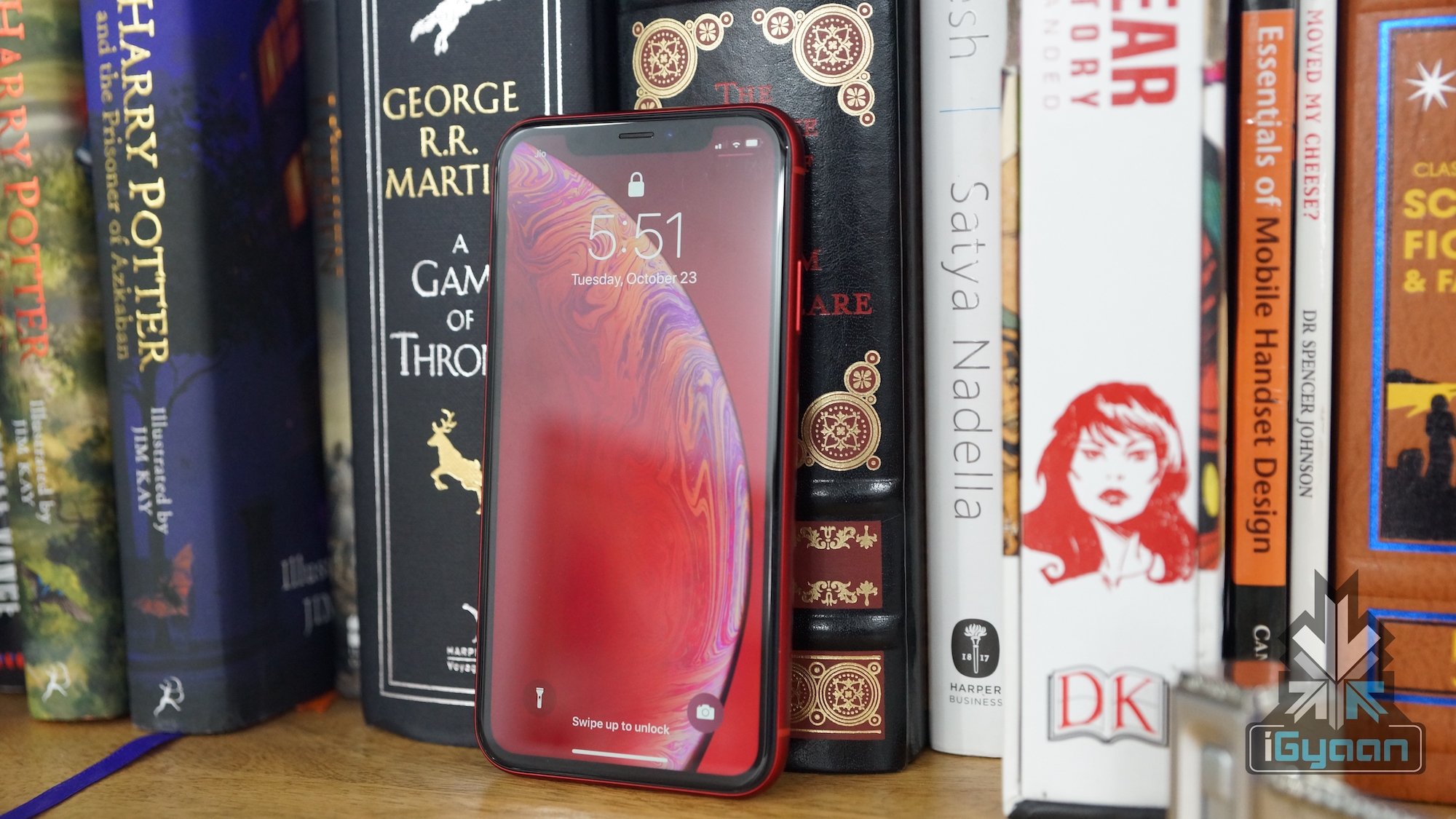
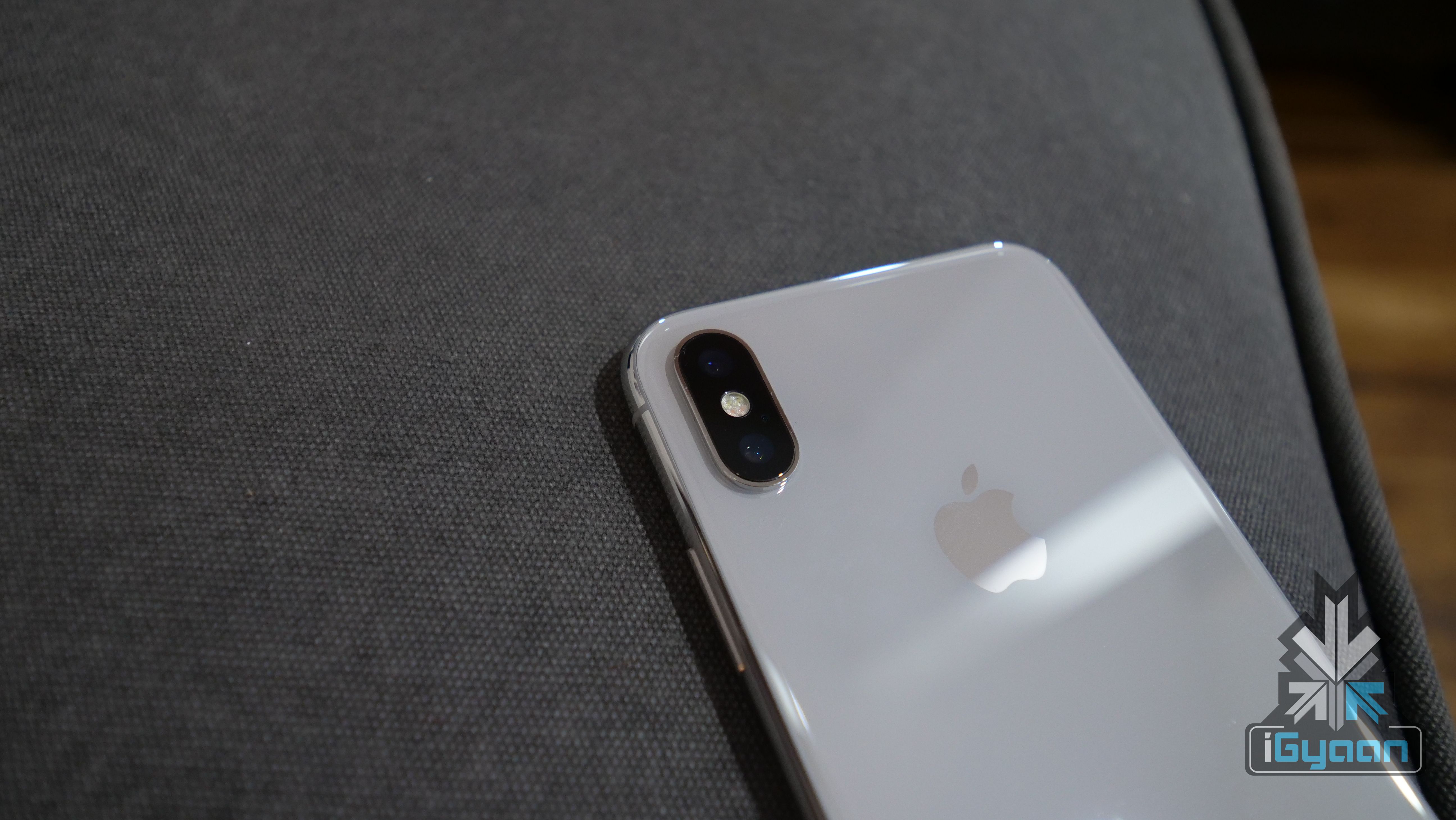
    Apple is expected to launch three new iPhones in the month of September this year. These devices will be upgraded versions of the iPhone XR, iPhone XS and iPhone XS Max respectively. While the launch of the smartphones is highly anticipated; leaks regarding the handsets have revealed that they will be just an iterative update over their predecessor. The company is instead expected to make some major changes with the iPhones starting next year. Now, in a new report, noted Apple analyst Ming-Chi Quo has revealed that at least one of the iPhones released next year may have an In Display TouchID. This suggests that the company may be planning on ditching the FaceID authentication feature soon.

    In Display TouchID

    Apple iPhone

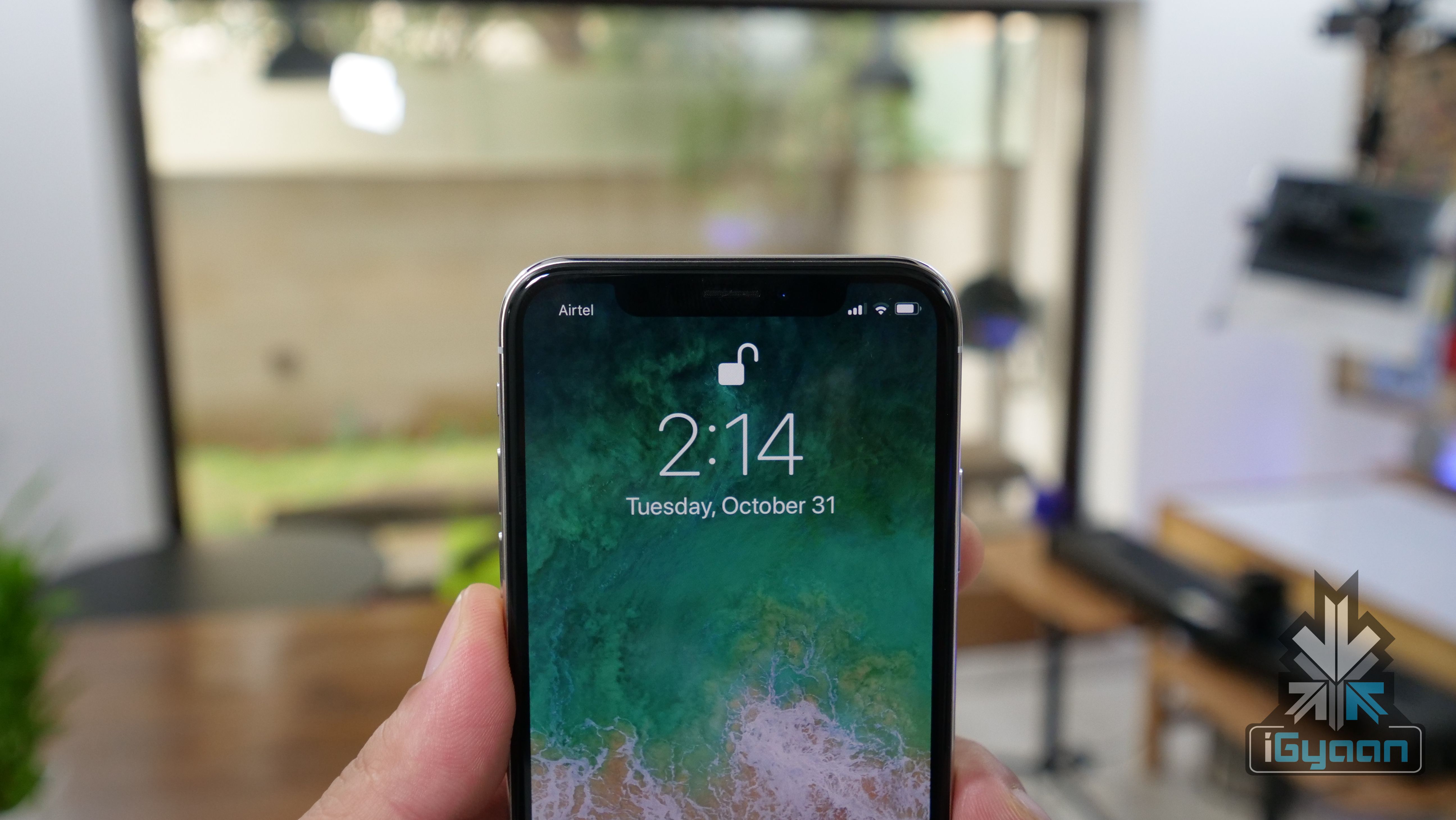
    As mentioned above, iPhones starting the year 2020 may sport an In Display TouchID; which is what Apple calls the fingerprint sensor in its smartphones. This would also result in a smaller front facing notch, which was introduced with the iPhone X in the year 2017. It means that the upcoming devices will see a significant increase in their screen to body ratio. However, the analyst also reveals that Apple may be planning to phase out the FaceID face authentication feature starting next year. It is expected to be fully removed from all the company’s smartphones until the year 2021. Unfortunately, it is not known if the upcoming in display TouchID will use an optical or an ultrasonic sensor for authentication.

    Also read: Nintendo Announces Switch Lite, An Affordable Portable Gaming Console

    Apple is expected to launch an entirely new lineup of handsets next year. These have been revealed to be iPhones with a screen size of 6.7 inches, 5.4 inches and 6.1 inches respectively. Notably, all the three new models may feature an OLED display, which was reserved only for the most premium devices in the lineup. While it is not certain, a fourth device, which will also have TouchID support may be exclusively launched in China alongside the 2020 series of iPhones. It is recommended to take these reports with a grain of salt, as it is unlikely that Apple will be giving up on FaceID after just 3 years of introducing it.

  • Samsung Galaxy Tab S6 Leaked In Images, Reveals Dual Rear Cameras

    Samsung Galaxy Tab S6 Leaked In Images, Reveals Dual Rear Cameras

    It was earlier revealed that Korean electronics giant Samsung will launch its flagship tablet this year. This device will purportedly know the Galaxy Tab S5 as the last iteration in the series was the Galaxy Tab S4. Now, contradicting earlier claims, fresh reports reveal the upcoming tablet from Samsung will be called the Galaxy Tab S6 and expected to launch soon. Along with the new name, a few images of the device have also been leaked.

    Samsung Galaxy Tab S6

    Samsung Galaxy Tab S6

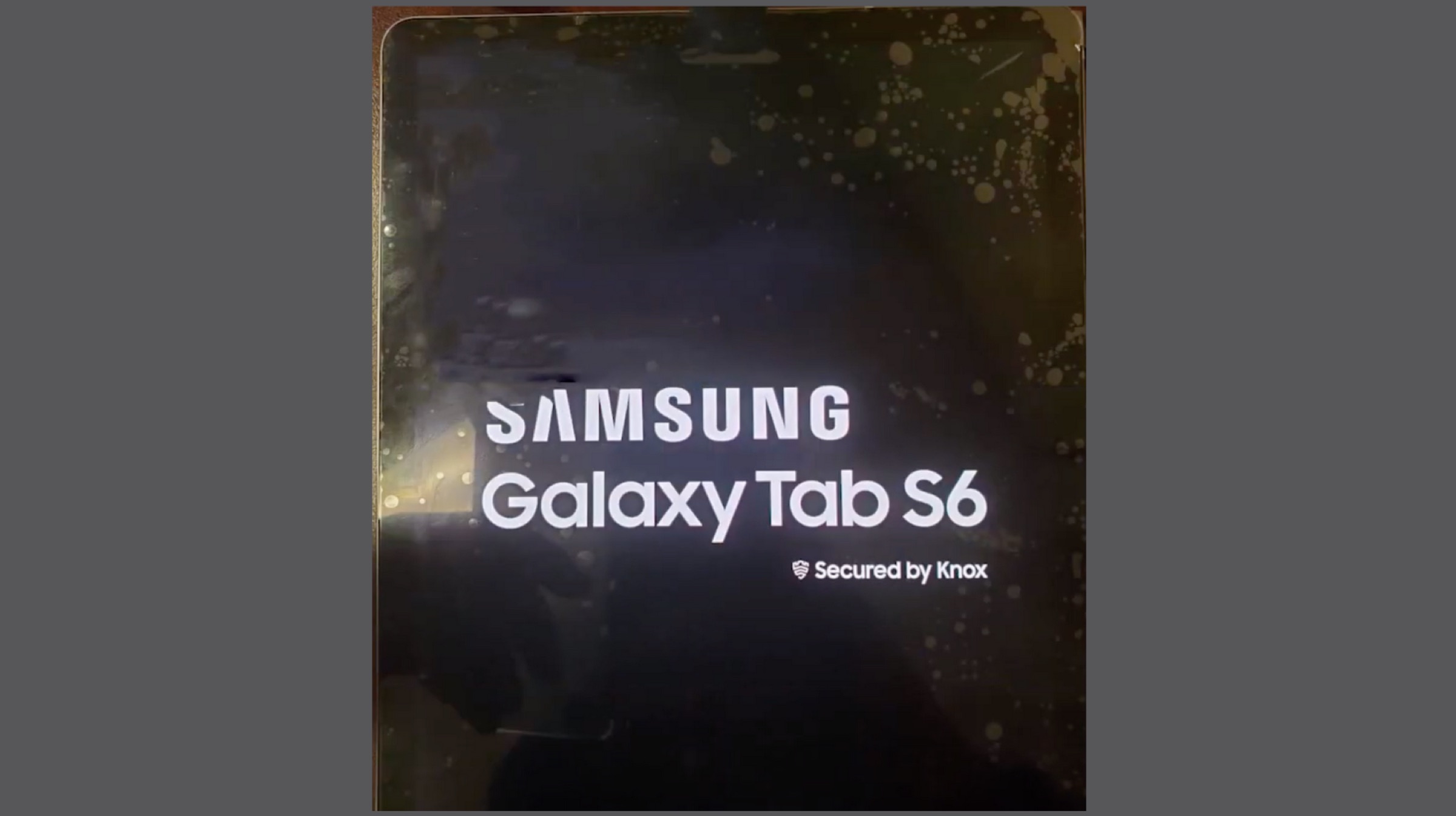
    The Samsung Galaxy Tab S6 will be a flagship tablet offering from the company this year. It will be a successor to the Galaxy Tab S4 launched last year and is expected to feature top tier specifications. Leaked images of the tablet reveal the device will have a large display with thin bezels on all sides. Because of the poor quality of the images, other details about the front are not properly visible. However, the tablet is shown to be in its boot screen which reveals its name and that it will be secured by the company’s Knox software. 

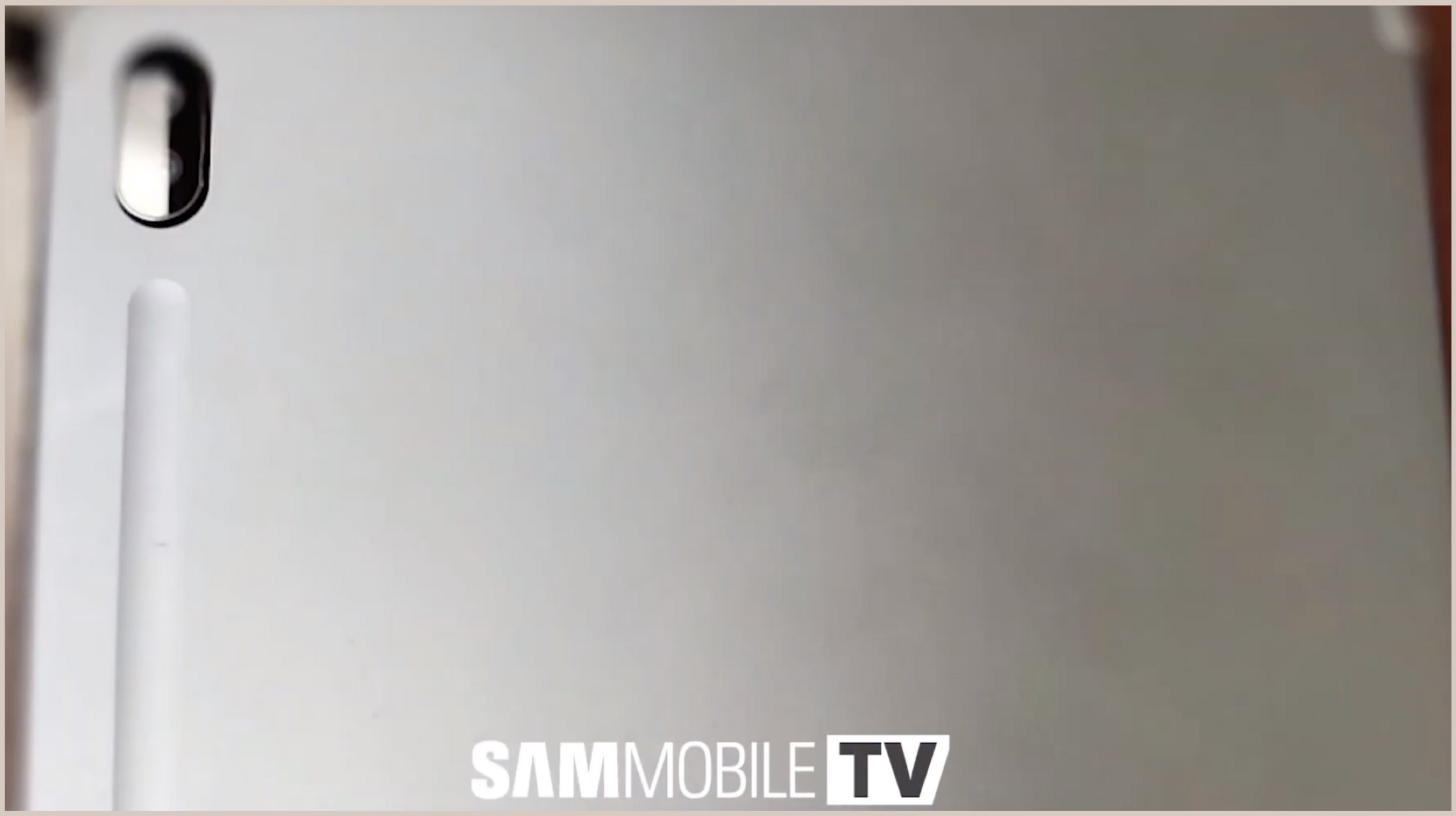
    Over at the back, the Galaxy Tab S6 from Samsung has been revealed to sport a metal back with a ridge to store the S-Pen. The housing is expected to be magnetic to secure the accessory in place. In a surprising move, the device will have dual rear cameras, which are unheard of in the segment. While details about these cameras are not known yet, tablets are not generally known for their optical quality, so it may be nothing to be too excited about.

    Samsung
    Galaxy Tab S4

    Also read: Apple To Increase The Screen Size Of The Base Model iPads In The Future

    Regarding the specifications, the reports claim the Galaxy Tab S6 will have a 10.5-inch display. The device will run on the 7nm Snapdragon 855 SoC which is comprised of an Octa-core CPU and the Adreno 640 GPU. In terms of memory and storage, it will have 6GB of RAM and up to 256GB of internal storage. The Galaxy Tab S6 will run on Android 9 Pie which is expected to be skinned with the company’s OneUI on top. Unfortunately, the rest of the details and pricing of the device is unknown at the moment. However, the tablet is expected to be announced soon, which will confirm all suspicions.

  • Everything You Need To Know About ISRO’s Chandrayaan 2 Mission

    Everything You Need To Know About ISRO’s Chandrayaan 2 Mission

    The Indian Space Research Organisation or ISRO for short is the official space agency of the Government of India. It has been credited for developing space exploration missions at an extremely low budget. ISRO announced a while ago that its next mission, the Chandrayaan 2 will be launched on the 15th of July. The successor to the extremely successful Chandrayaan-1 mission from the year 2008, the upcoming launch has a lot to be excited about. Here is everything you need to know about the Chandrayaan 2 before its flight to outer space.

    ISRO Chandrayaan 2

    • It is the first Indian space campaign to attempt a soft landing on the surface of the Moon.
    • If the launch is successful, India will become the fourth country ever in the world to do a soft landing on the Moon. The ISRO performed a controlled crash landing from the Moon Impact Probe that was a part of the Chandrayaan-1 mission in the year 2008.
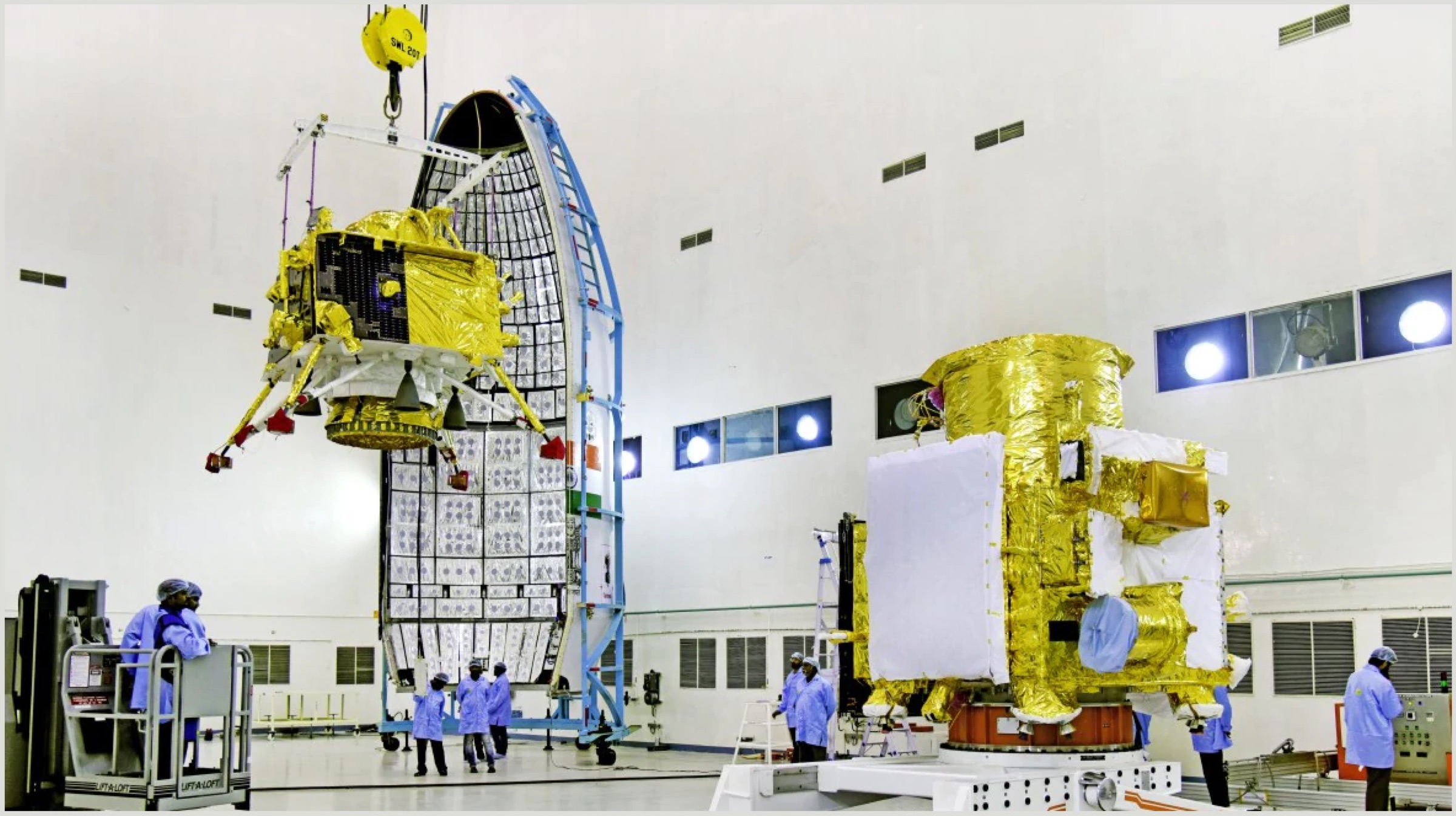
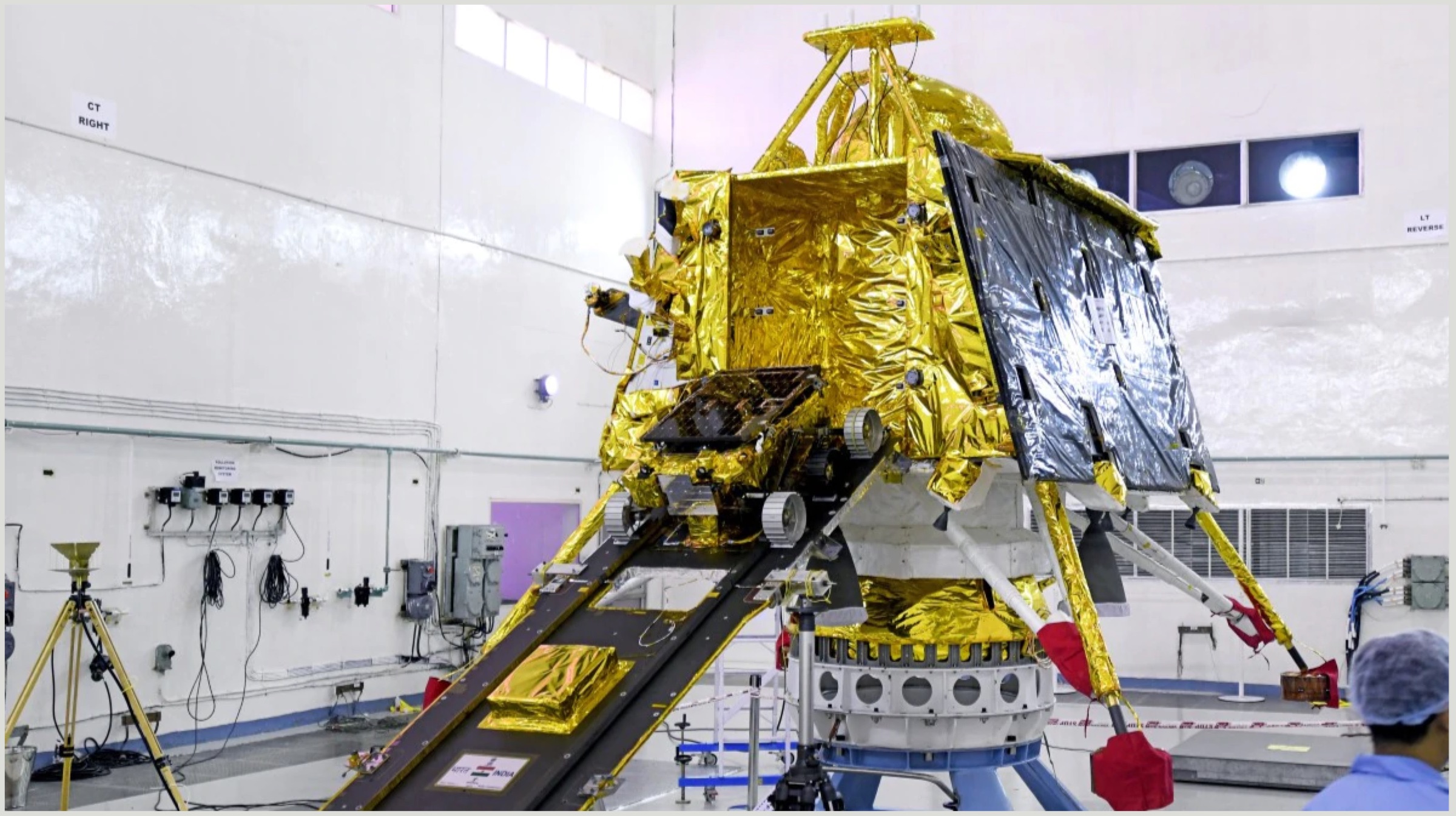
    • The Chandrayaan 2 mission will carry a lander, a rover and several other payloads to the surface of the Moon.

    ISRO Chandrayaan 2

    • The mission will be India’s first rover based space mission. This means it is the first time the country is sending a vehicle to explore and collect data from the surface of the Moon.
    • The Chandrayaan 2 will be the world’s first attempt at reaching the south polar region of the Moon. Talk about setting records in space!
    • The launch vehicle used by ISRO for the mission will be a GSLV (Geosynchronous Satellite Launch Vehicle) Mk III. It is a three-stage heavy-lift launch vehicle developed by the space organisation. The GSLV Mk III is India’s most powerful launcher to date and has been completely designed and fabricated from within the country.

    • The lander of Chandrayaan 2 is called Vikram and has been named after the father of the Indian Space Programme Dr Vikram Sarabhai. The lander is developed to function for a duration of 1 lunar day. A day on Moon is roughly equivalent to 14 days on Earth.
    • The star of the mission, the Pragyan rover is an AI-powered, robotic vehicle with a total of six wheels. The name translates to wisdom in Sanskrit.

    • Chandrayaan 2 will make a soft landing on the surface of the Moon on the 6th of September this year.
    • The total duration of the Chandrayaan 2 mission is one year, the time in which the rover will collect all the necessary data required from the Moon’s surface.
    How to watch the launch:

    The Chandrayaan 2 mission will launch on the 15th of July at 2:51am at the ISRO’s Satish Dhawan Space Centre, Sriharikota. Unfortunately, registrations for watching the event live from the centre have been closed. however, interested people can still watch the event live, which is expected to be telecasted from ISRO’s social media channels.

  • Second Public Beta Of Apple’s iOS 13, iPadOS Released

    Second Public Beta Of Apple’s iOS 13, iPadOS Released

    Apple announced the latest iterations of its operating systems for its devices earlier last month at the World Wide Developer’s Conference (WWDC). These include the new version of the iPhone operating system, iOS 13; a brand new OS for iPads, iPadOS and an upgraded MacOS called MacOS Catalina. The company released the first public betas of the software last month, which can be downloaded by following the guide here. Now, the second public betas of the iOS 13 and iPadOS have been released, which add some features that were seen in the developer’s beta 3 announced last week.

    What’s New?

    Apple iOS 13

    With the second public beta of iOS 13 and iPadOS, Apple has added a few stability improvements. These should improve the performance of the devices running the software and also result in fewer crashes. With the latest update, the FaceTime Attention Correction Feature has also been added to the public beta. Exclusive to the latest iPhones for now, the feature uses Apple’s ARKit to make it seem that the user is maintaining eye contact with other people on a video call via the Facetime application.

    iOS 13

    On the second public beta of the iPadOS, Apple has added a new animation; which is designed to help the users keep track of the Split View Windows that are active at a time. The animation also works while taking full-page screenshots and in some other elements of the User Interface. All the features seen on the Developer Beta 3 have not made their way into the iOS 13 and iPadOS public beta yet. It may be because they are not stable enough to be used by the majority and should make their way in the next update.

    iPadOS

    Also read: Huawei’s HongMengOS May Launch On August 9 In China

    Users already running the first public beta of either the iOS 13 or the iPadOS should get an Over the Air (OTA) update on their device for the second public beta. If not, going to Settings then About and checking Software Updates should do the trick. If you haven’t installed a beta and want to try it out, know that they are not known to be stable and can experience random crashes; it is thus not recommended on one’s primary device. In that case, waiting for the stable release due later this year is recommended.

iGyaan Network
Privacy Overview

This website uses cookies so that we can provide you with the best user experience possible. Cookie information is stored in your browser and performs functions such as recognising you when you return to our website and helping our team to understand which sections of the website you find most interesting and useful.