Category: Tech

Latest Technology News, Alternative, Bio-Tech, Medical, R&D and Innovations

  • Fake Update App Fools 10 Million Samsung Galaxy Owners

    Fake Update App Fools 10 Million Samsung Galaxy Owners

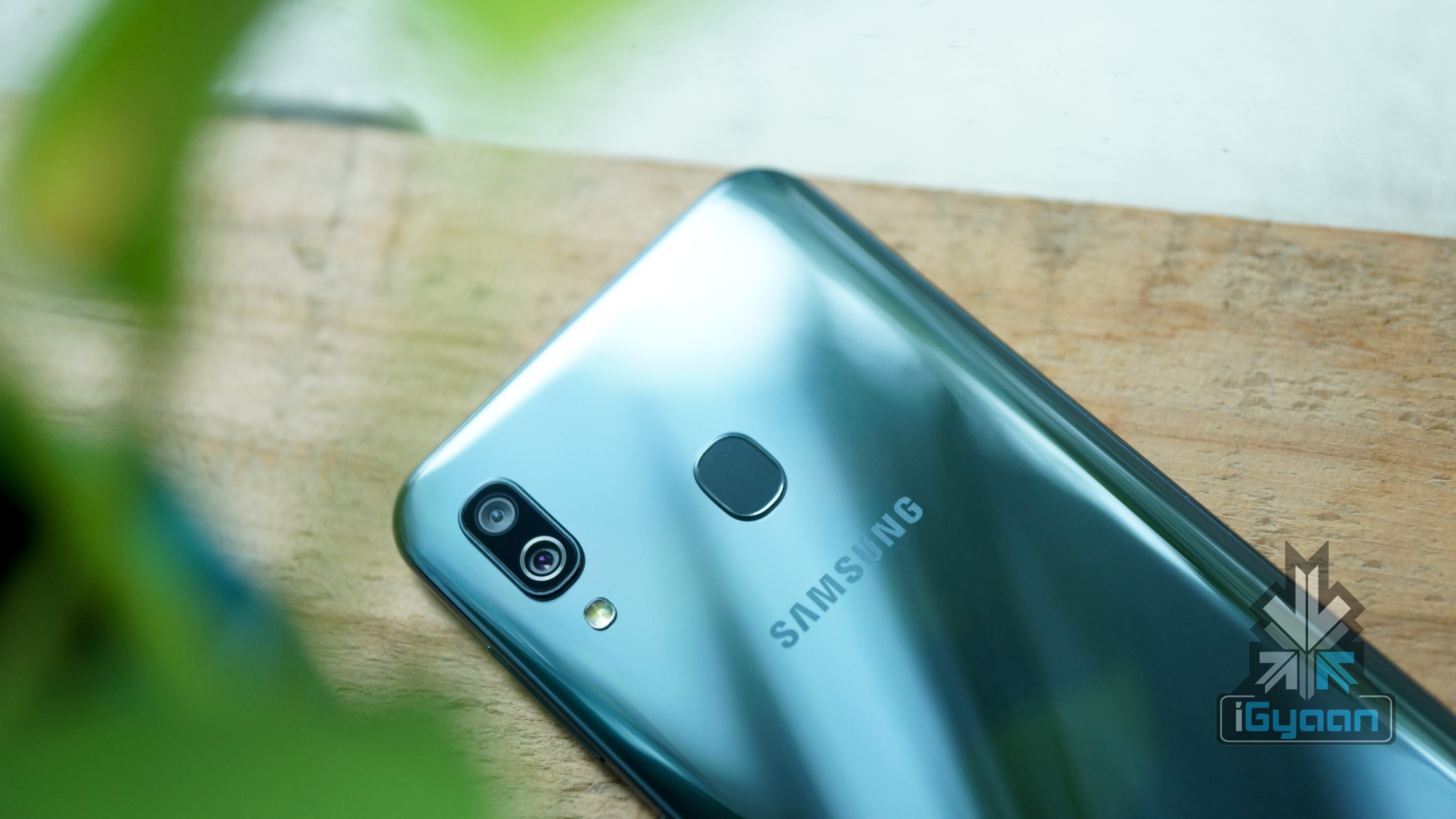
    The Google Play Store has been subjected to multiple incidents for unknowingly circulating applications that are ridden with malware or adware. In the lookout for the latest firmware updates, 10 Million Samsung Galaxy smartphone owners downloaded a fake app from the Play Store.
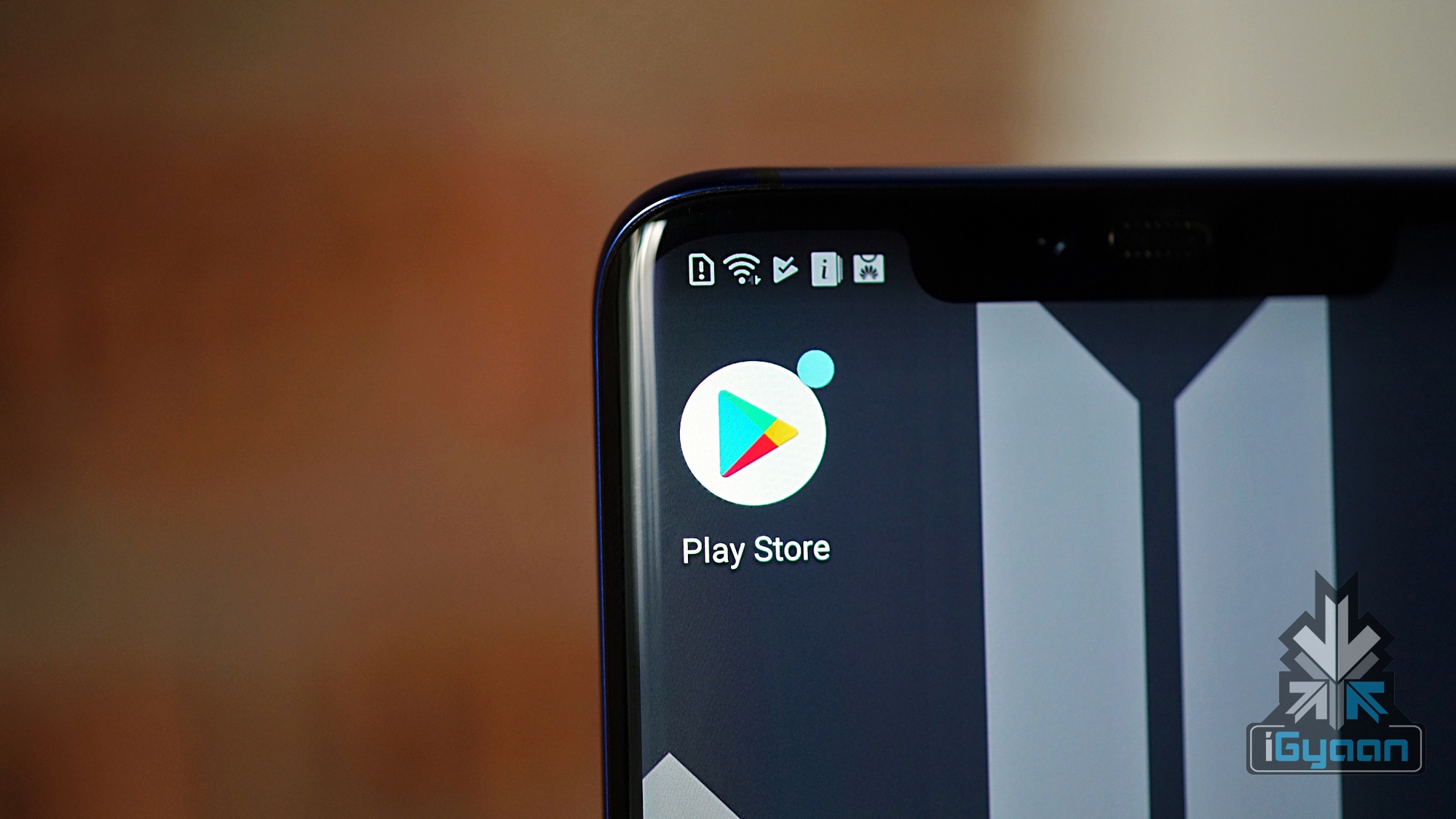
    The “Updates For Samsung” application which has now been taken down from the Play Store is not affiliated with Samsung (yet distributing their firmware). Shockingly, the application offered an annual subscription of US $ 34.99 in exchange for allowing users to download the latest software updates in exchange for high-speed downloads which are freely available in fact (explained later). Samsung Galaxy S10
    Besides, the “Updates For Samsung” app did provide free updates but the downloads were capped to 56 kbps. Therefore, it would take days or even weeks to download an update package which would not weigh more than 2 GB. Hence, a large number of users fell for the trap and ended up paying for the subscription.

    Adding further to the list of concerns is the fact that payments made to purchase a subscription on “Updates For Samsung” were processed through the companies own website and not Google Play which is usually a case. 

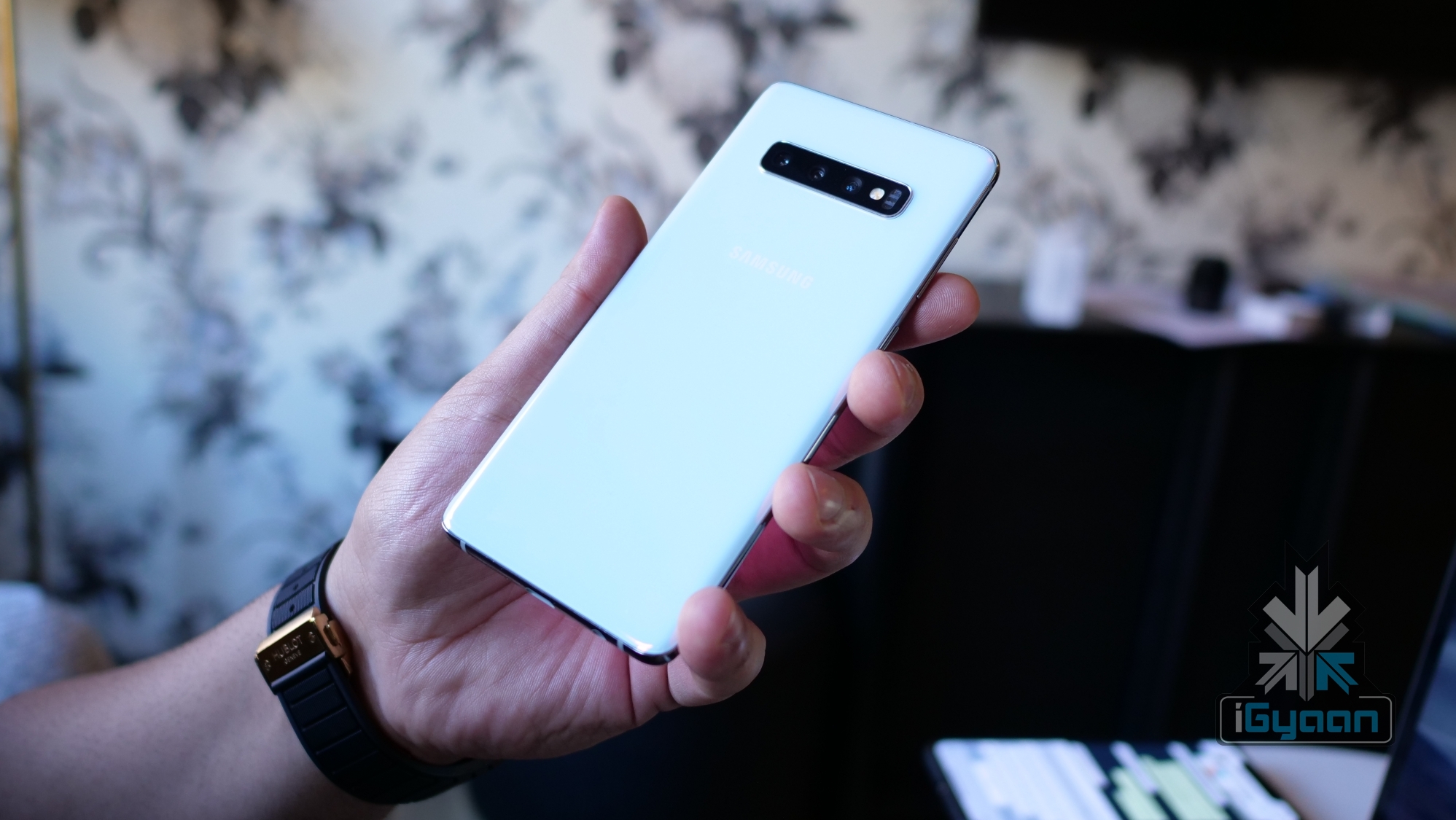
    Furthermore, the “Updates For Samsung” application was loaded with adware and some users complained that it was extremely resource hungry. One user wrote that it could bring the flagship grade Galaxy S10 to a grinding halt which would require a reboot to return to a functional stage. Samsung Galaxy A50
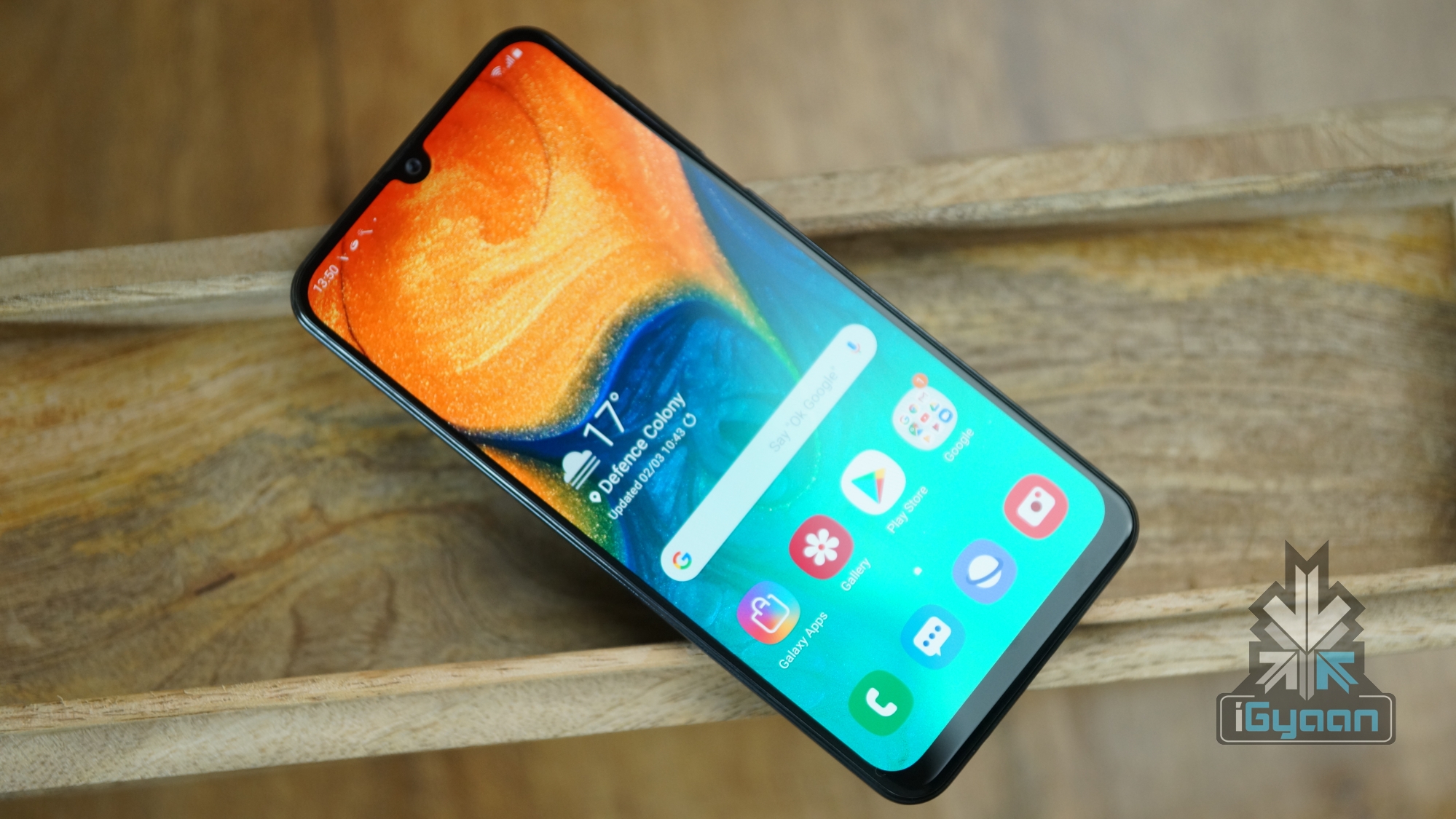
    In case you did not know, every Samsung smartphone has a built-in update checker which can be used to install the latest firmware update without any additional cost. Following is the method that will allow you to check and update your Samsung Galaxy smartphone:

    • Find the Settings app among your listed apps and open it.
    • Look for Software Update in the search tab.
    • Click Check For Updates
    • Scroll through Settings and click on Software Update
    • If an update is available, click Download.
    • Once downloaded, press install.

    Installing an OTA (Over The Air) update can usually take anywhere between 10 minutes to an hour. Even longer in an rare case.

    Also Read: Redmi K20 Pro Indian Price Leaks, Starts At Rs 24,999

    Make sure your device is charged enough to run through the complete installation process or keep it connected to a wall charger. 

    Never press any buttons while the software update is in progress as this can lead to a bricked device. 
  • Top Upcoming Smartphones To Look Out For In Second Half Of 2019

    Top Upcoming Smartphones To Look Out For In Second Half Of 2019

    The year 2019 is half over and we have already witnessed an excessive number of smartphone launches. However, a whole array of high-end flagship smartphones still await to be unveiled. In this story, we will cover the most notable upcoming smartphones that will surely get you excited. Following is the list of smartphones that will launch soon:

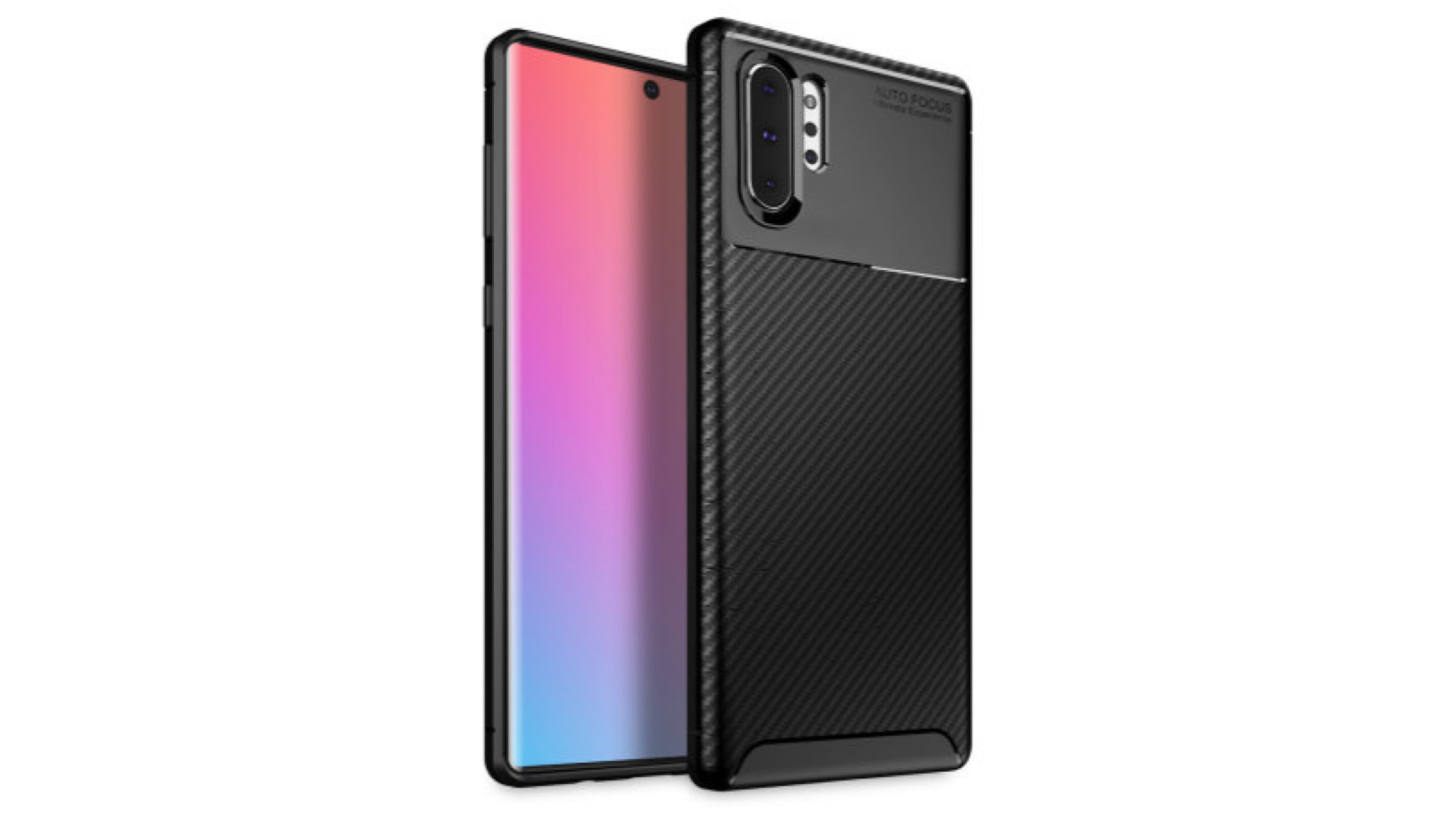
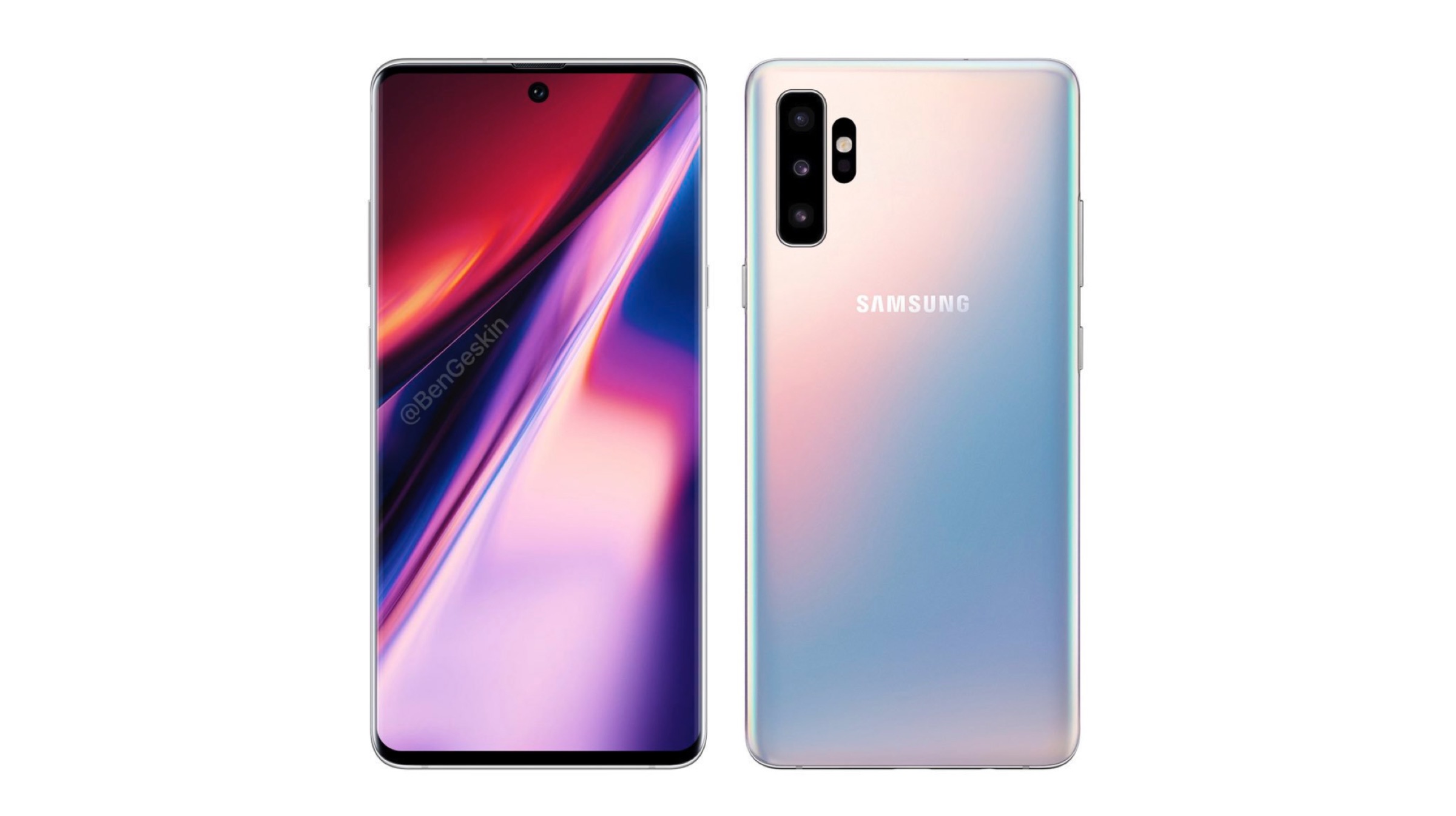
    Galaxy Note 10Galaxy Note 10 Smartphones

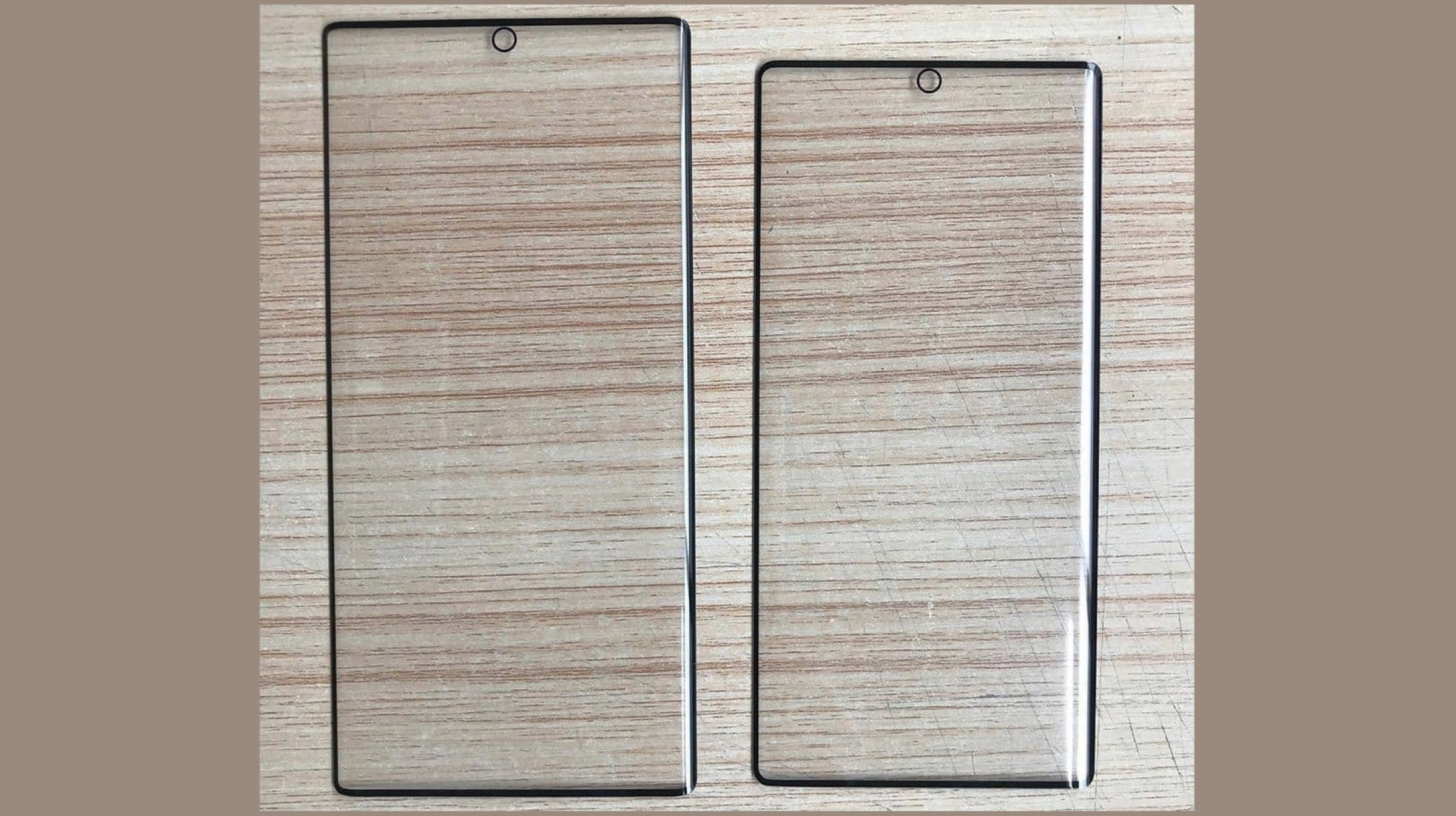
    The Galaxy Note 10 is one of the most anticipated smartphones that Samsung will launch this year. Surprisingly, the company is reported to launch multiple variants of the Galaxy Note 10 which will cater to the needs of different consumer types. According to past leaks, the lineup will consist of four smartphones including Galaxy Note 10, Galaxy Note 10e, Galaxy Note 10+ and Galaxy Note 10 5G.

    The key features that the smartphones in this lineup will have are punch hole camera, edge to edge display, Snapdragon 855 or Exynos 9820 SoC which will be dependent on the region the device is sold in. Staple to Galaxy Note lineup, the upcoming smartphones will have a multi-feature stylus which is reported to have an inbuilt camera.

    Precise details of the Note 10 smartphones including price and specifications will be revealed at the Galaxy Unpacked event which is set for the 7th of August in the USA. Additionally, the re-engineered Galaxy Fold is also expected to make a reappearance at the event. 

    iPhone XI Lineup

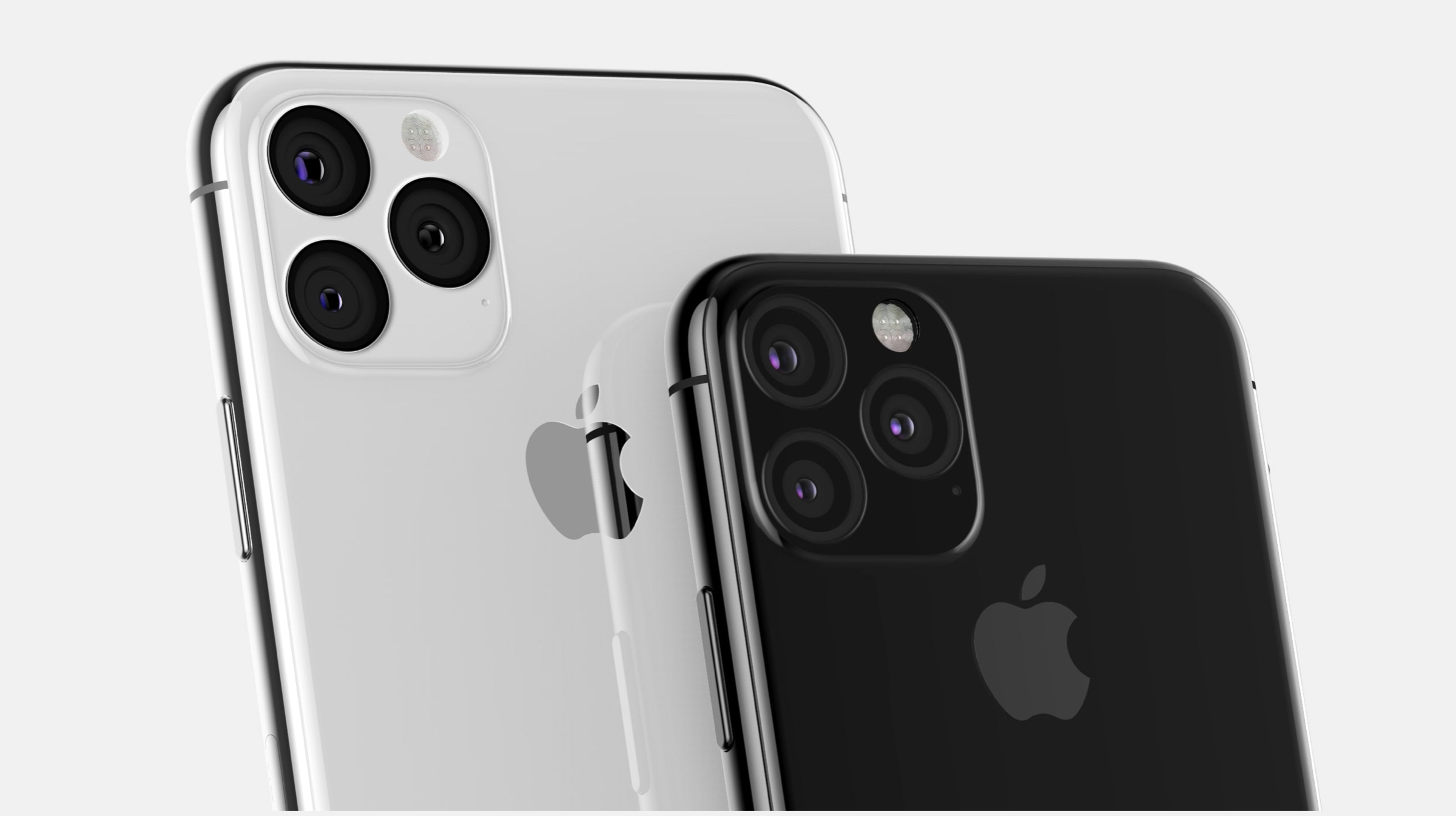
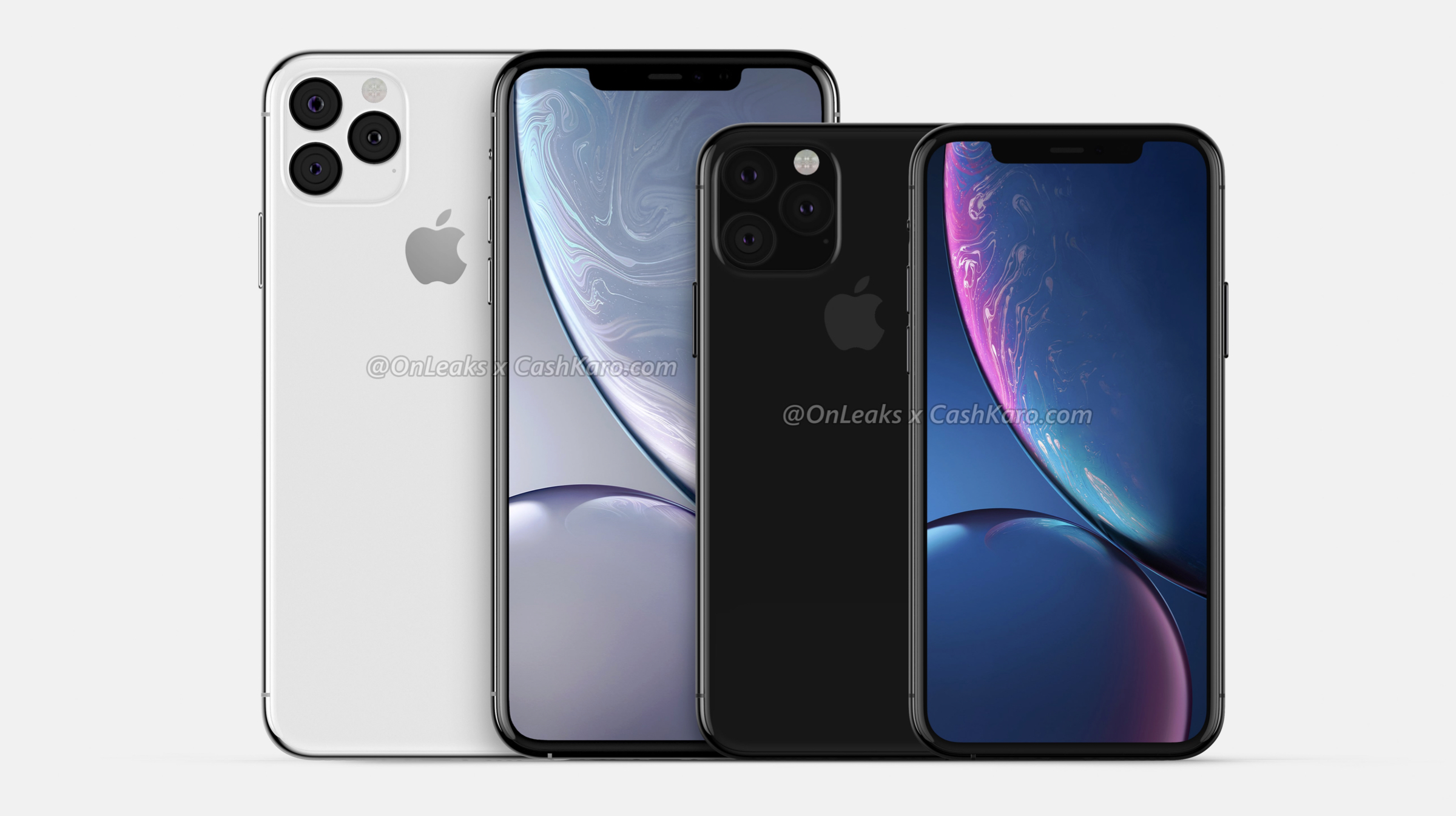
    Following the legacy of the iPhone, Apple will also soon launch its latest smartphones for 2019. Like yesteryear, Apple will launch three iPhone models which will allegedly be called iPhone XI, iPhone XI Max and iPhone XI R. According to leaks and reports, the 2019 iPhone trio will carry forward the same design layout as last year’s model.

    Apple iPhone 2019 Smartphones

    Besides, all three smartphones will get one more camera on the rear which will be a 3D ToF sensor for gathering depth information. Therefore, the flagship grade iPhone XI and iPhone XI Max will have triple rear cameras while the economical iPhone XI R will have dual rear cameras.

    In terms of specifications, the iPhone XI, iPhone XI Max and the iPhone XI R will be kitted with the Apple A13 chipset which will be fabricated using 7 nm process and will be manufactured by TSMC. Also new for 2019, Apple may equip the future iPhones with USB Type C port and will ship the devices with an 18 W fast charger which was previously sold separately. 

    Pixel 4 And Pixel 4 XL

    Google Pixel 4 SmartphonesThe Pixel 4 and Pixel 4 XL will be Google’s 2019 flagship devices which will succeed the Pixel 3 and Pixel 3 XL from 2018. The notable change that the new smartphones are confirmed to have is a multi-camera setup on the rear. Therefore the company will step up its camera performance to another level. As the existing Google Pixel smartphones with a single camera are well recognised for their camera performance, both in under and overexposed lighting conditions. Google Pixel 4

    Talking about hardware, the Pixel 4 lineup is reported to be kitted with the Snapdragon 855 SoC which consists of an Octa-Core CPU and Adreno 640 GPU. The front of the devices may have a punch hole camera along with an under display fingerprint scanner for rapidly logging into the user interface.Google Pixel 4 Smartphones

    Google’s flagship smartphones for 2019 are expected to launch in the month of October which falls in line with the launch of current-gen handsets. 

    Mate 30 Pro

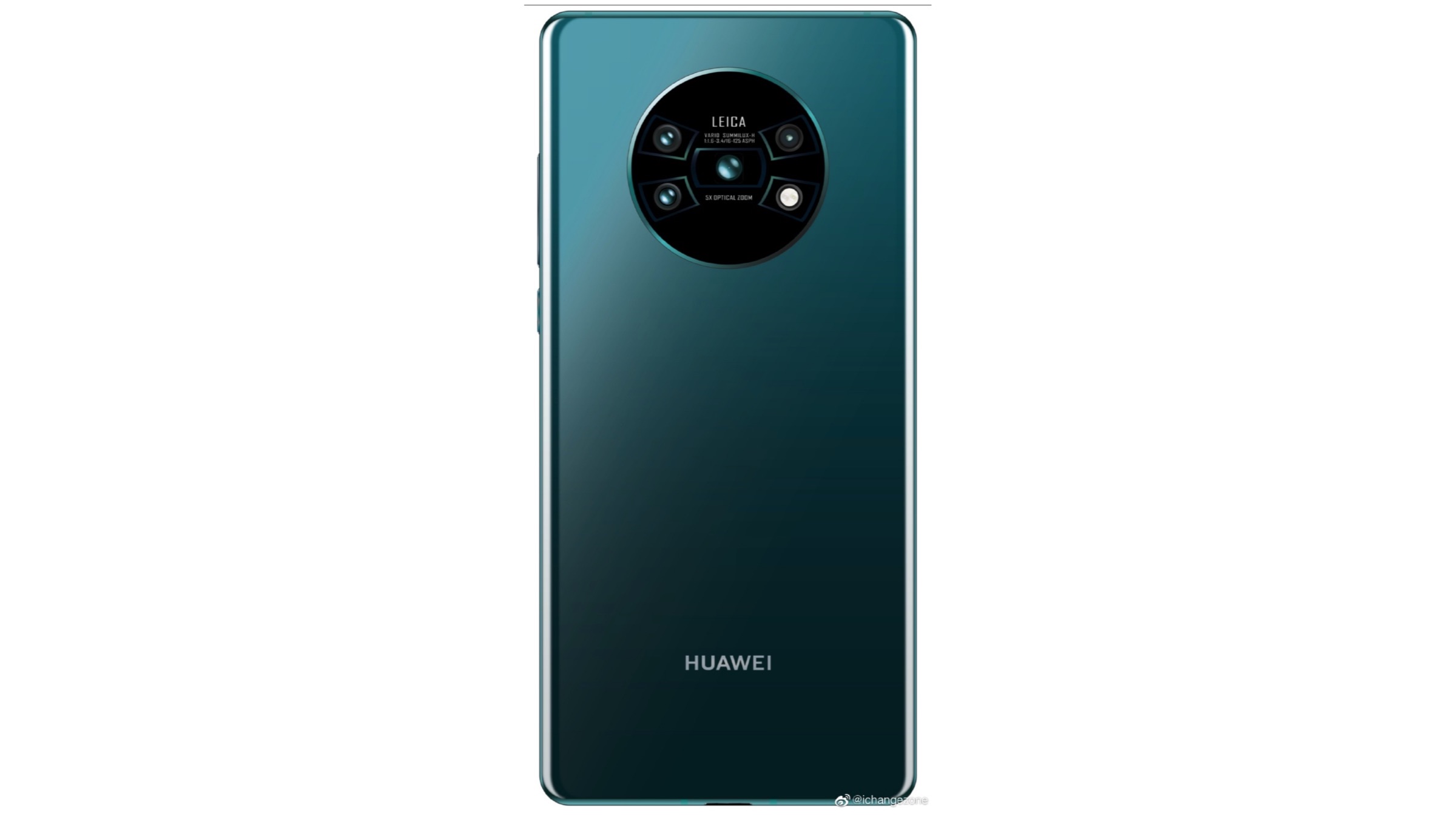
    Huawei P30 pro Render Smartphones The Mate 30 Pro will be Huawei’s second flagship lineup of the year after the P30 lineup which has a focus on photography. The upcoming handset will succeed the Mate 20 Pro which was launched in the month of October last year. Under the hood, the Mate 30 Pro will feature the Kirin 985 SoC which will debut with the flagship smartphone.Smartphones

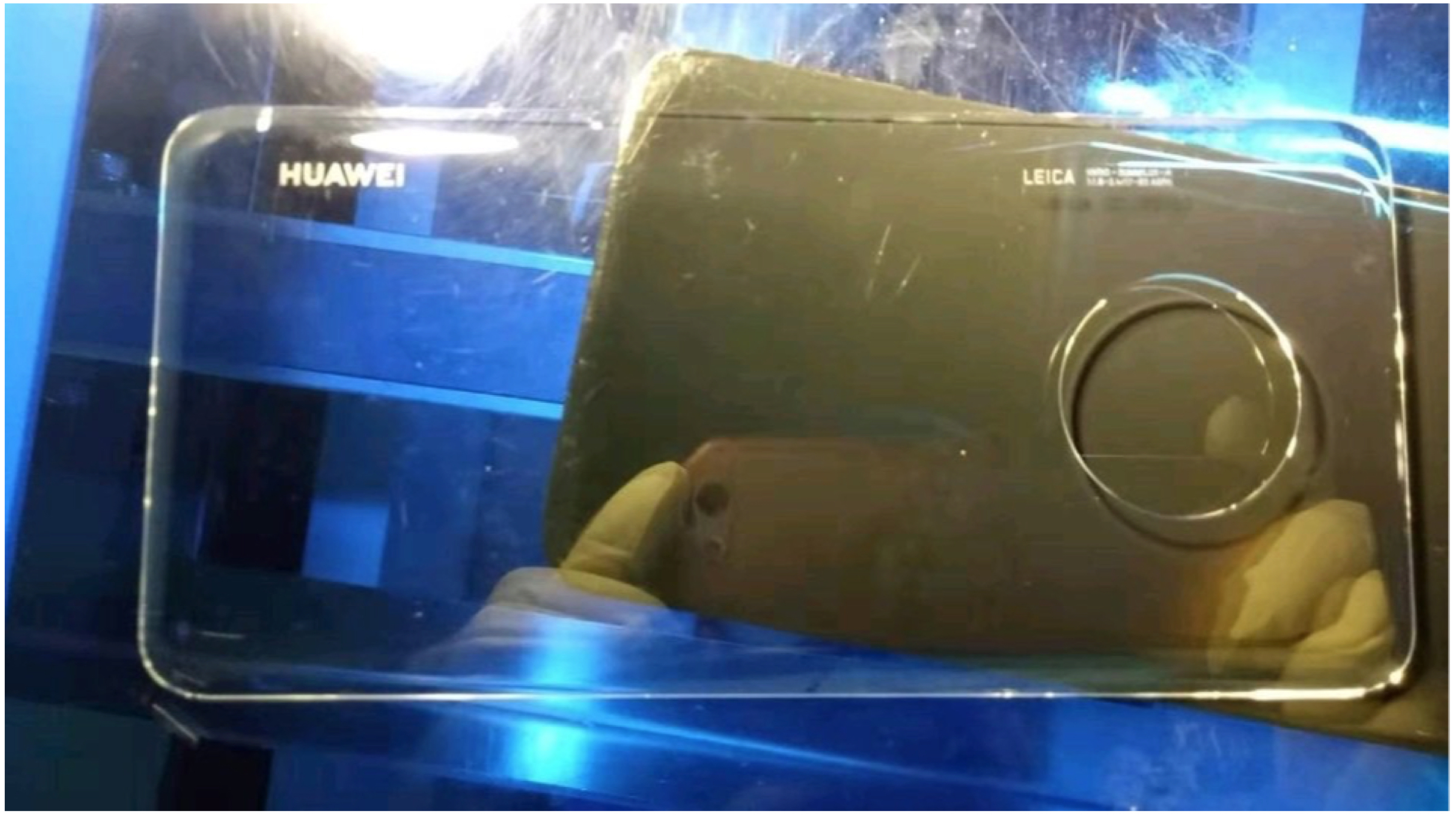
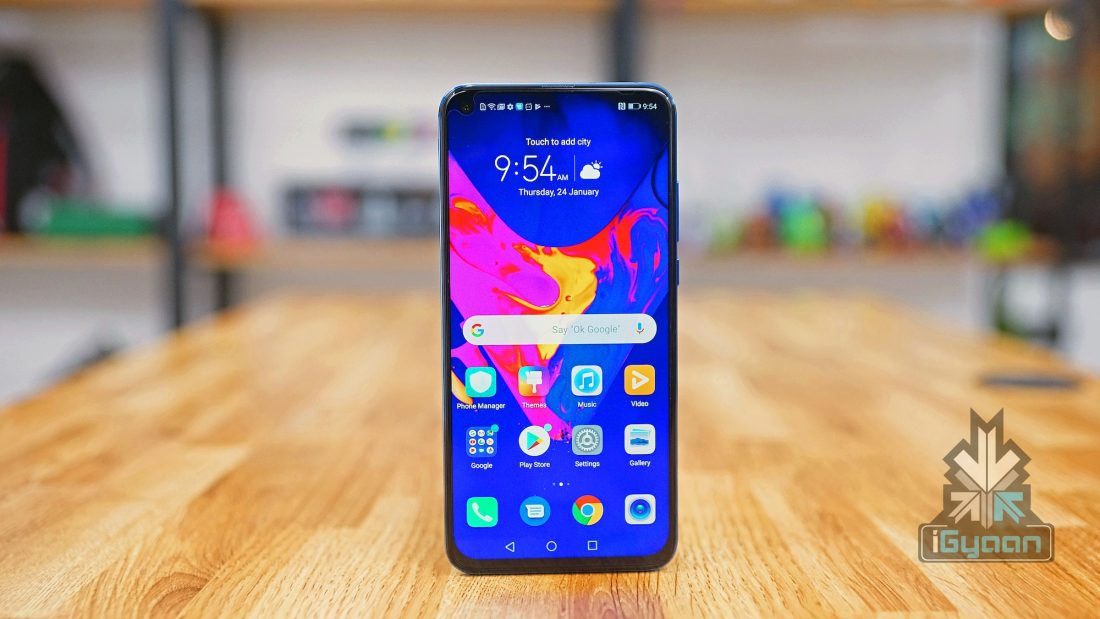
    The Mate 30 Pro is claimed to have a punch hole camera on the front which is becoming a common sighting on premium and mid-range Android smartphones. Speaking of rear camera setup, the device may have a quad rear camera which was exhibited by freshly leaked case and renders.

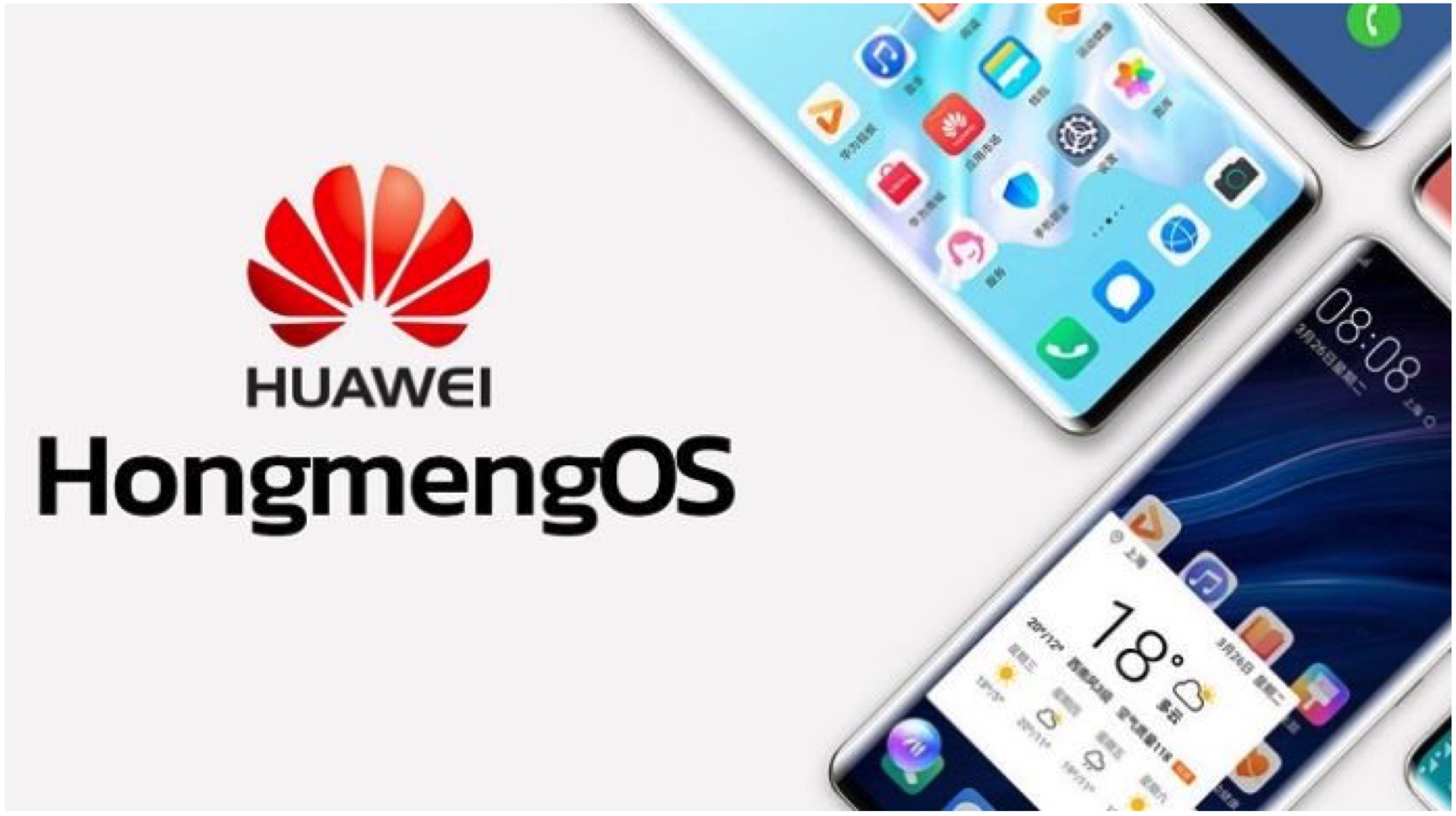
    Noteworthy, the company may unveil the Mate 30 Pro along with HongMeng OS which it has been developing covertly for years. According to a senior executive, the upcoming OS is 60 percent faster than Android OS which seems like an astounding claim. Till the time the company shows real-world demonstrations of the OS, it is recommended to take them with a grain of salt.

    The exact launch date of the Mate 30 Pro is not yet revealed but it is assumed to be announced in the month of October this year. 

    Also Read: Nintendo Gears Up To Dip Toes In Cloud Gaming

    To sum it up, nothing has been set in the stone as of now, and leaks referred to in this story may change before the official unveiling of respective smartphones. Nevertheless, the companies will try their best to offer feature loaded smartphones and rake in the maximum number of customers. 

  • HongMeng OS Is Upto 60 Percent Faster Than Android OS And MacOS

    HongMeng OS Is Upto 60 Percent Faster Than Android OS And MacOS

    It was revealed a while back that Huawei’s proprietary HongMeng OS has been planned in secrecy years ago. The top officials of the Chinese company had decided on the development of a native OS after fearing US based software dominance. Skip a few years forward and that is all but true. Android and Apple are the most popular OS out there that belong from the US with which China has always had unstable trade relations.

    Now, a report claims that the recently announced HongMeng OS is reportedly 60% faster than its main competitor Android.

    HongMeng OS

    HongMeng OS turned out to be Huawei’s trump card against US monopoly. It was finally unveiled from secrecy and had sought to ensure Huawei’s long term market security regardless of international trade relations. In a new report from, Chairman of Huawei had claimed that its HongMeng OS outperforms Android by a massive 60% lead. The aforementioned OS will complete development; regardless of Huawei being able to continue business with US companies. This arrives after the US ban that prohibited the company to have unrestricted operations in the western nation.

    Huawei

    In terms of speed, Huawei has claimed that the OS is much faster than Google’s as well as Apple’s MacOS. HongMeng OS will also be introduced to the company’s laptop computer offerings too and are reportedly faster than MacOS. Huawei’s OS is designed to be versatile with a broad range of compatibility across different electronic devices which will interact with one another. A move that is similar to Apple’s iCloud based electronic economy and family connectivity. The company’s top officials have acknowledged its two giant competitors which have a sizeable application ecosystem; true with Apple’s App Store and Google’s Play Store apps which contain millions of apps. 

    HongMeng OS

      Also ReadRedmi K20 Pro Indian Price Leaks, Starts At Rs 24,999

    The implications of the new report are massive. An OS that is both flexible and more powerful than what is currently offered in the market; it can possibly even disrupt the westward focused technology power structure. The claims can currently not be disproved since the HongMeng OS hasn’t been released yet. However, even exaggerated it may still hold some truth regarding performance and speed.

  • Xiaomi Mi Mix 4 Renders Reveal Triple Rear Cameras

    Xiaomi Mi Mix 4 Renders Reveal Triple Rear Cameras

    The edge to edge display that is prevalent on most flagship smartphones in 2019 was first conceptualised with the Mi Mix from the year 2016. The smartphone has negligible bezels on all sides of the display except for a considerable chin which houses the selfie camera.

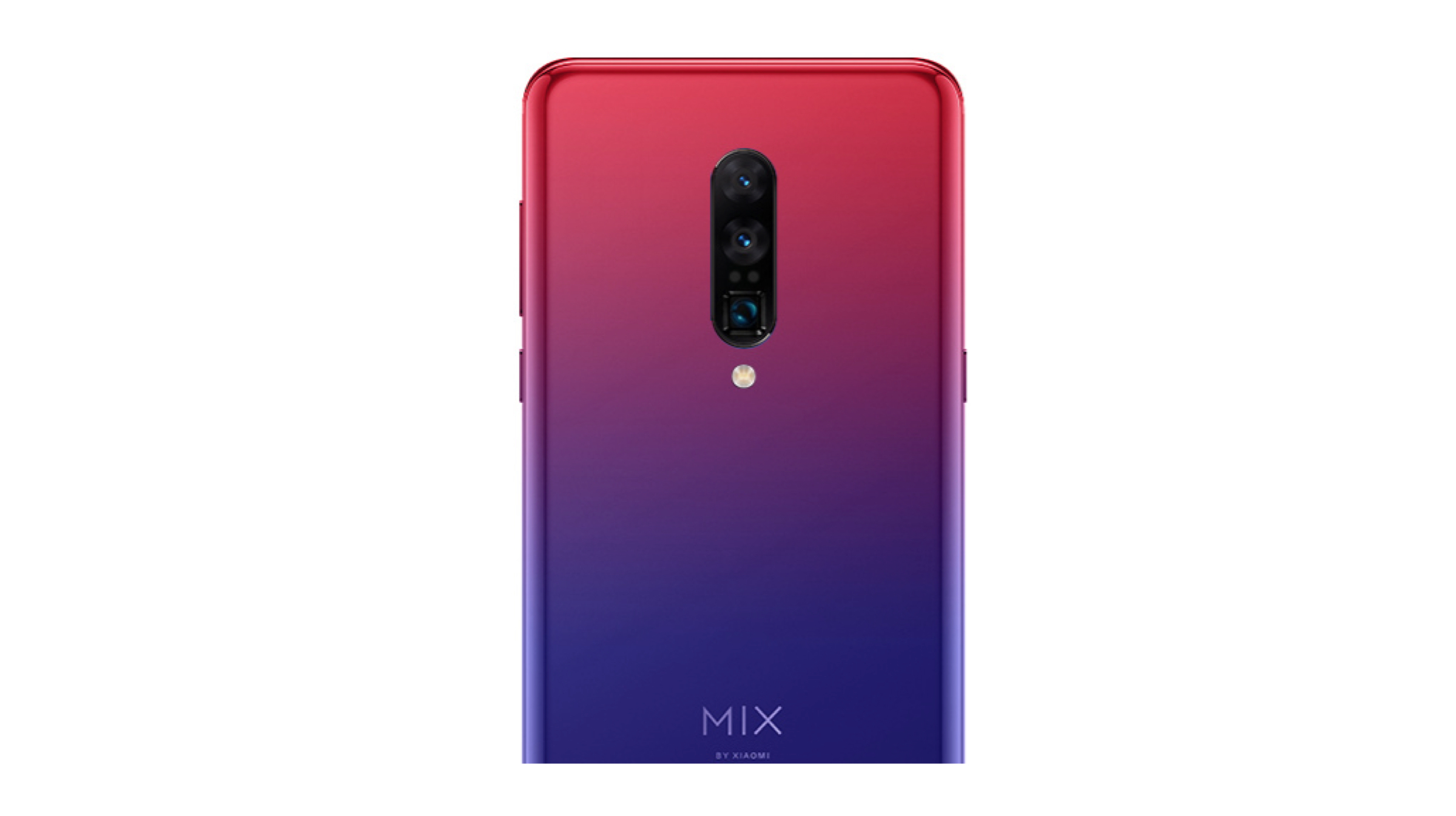
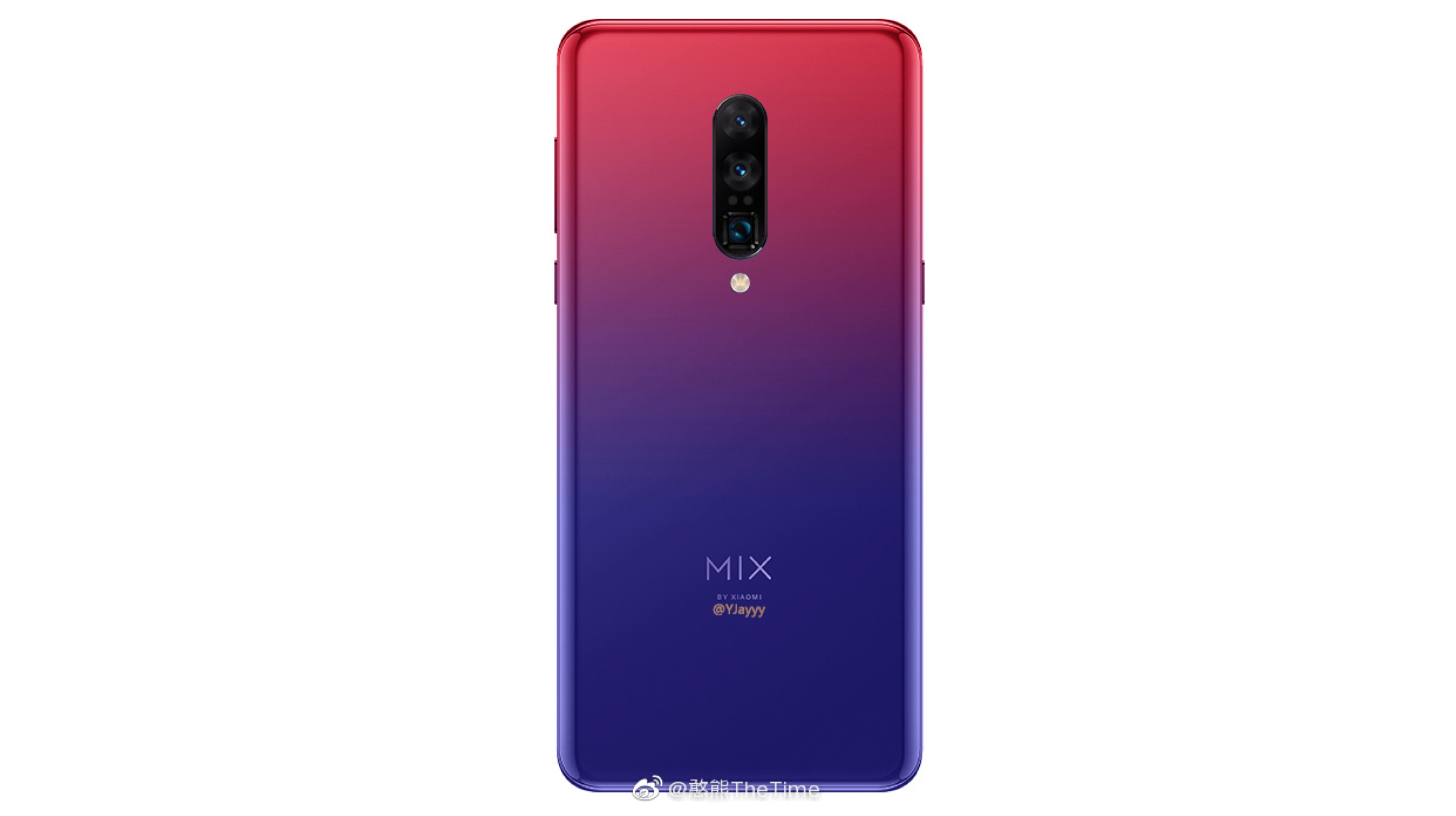
    Currently, in its third generation, Xiaomi is planning to launch the latest iteration of the device. As per chronological name scheming, the upcoming smartphone will be called the Mi Mix 4.  The alleged renders of the handset have surfaced on Chinese social media website, Weibo which have revealed interesting findings of it.Mi Mix 4 Gradient Back

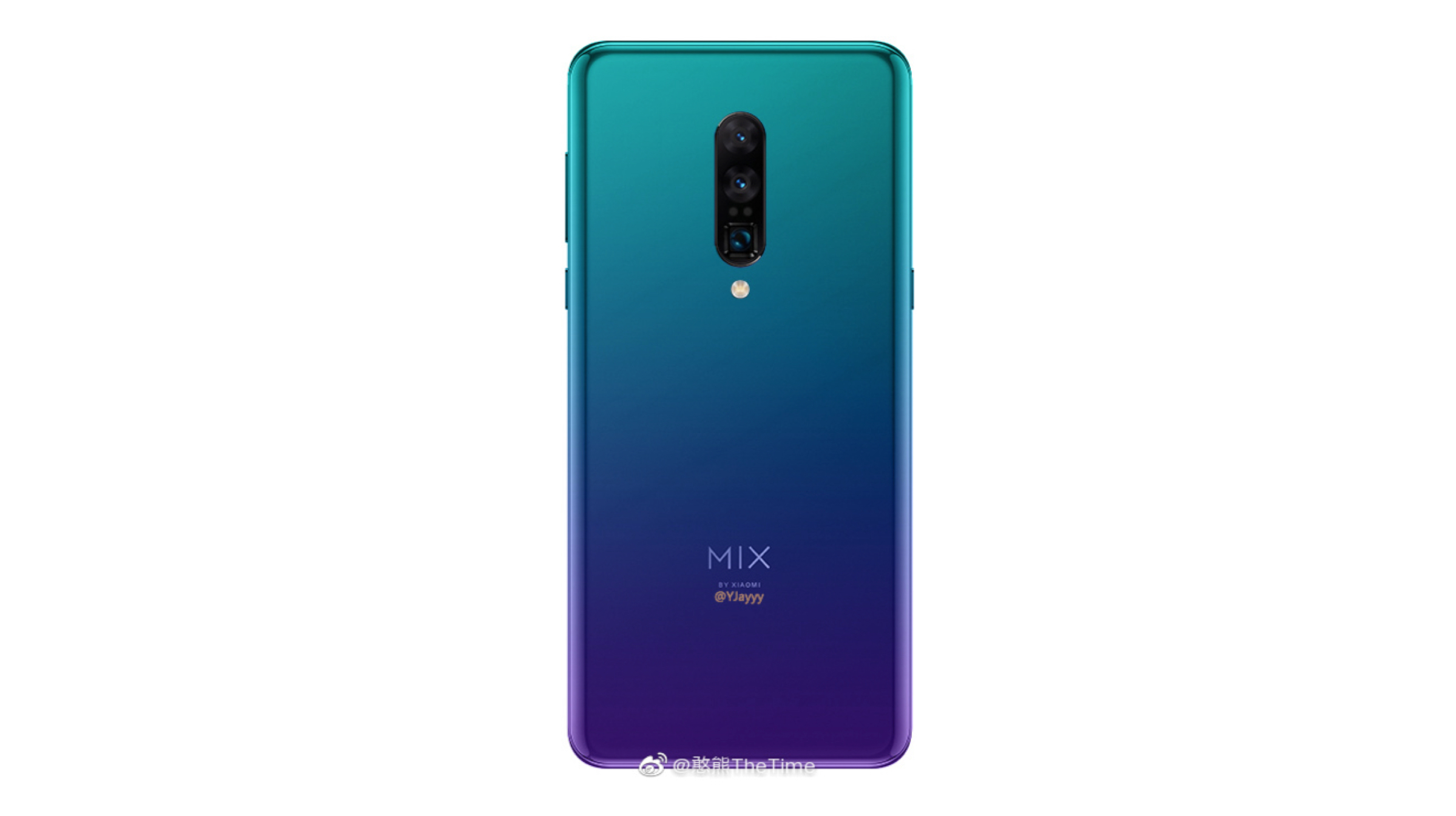
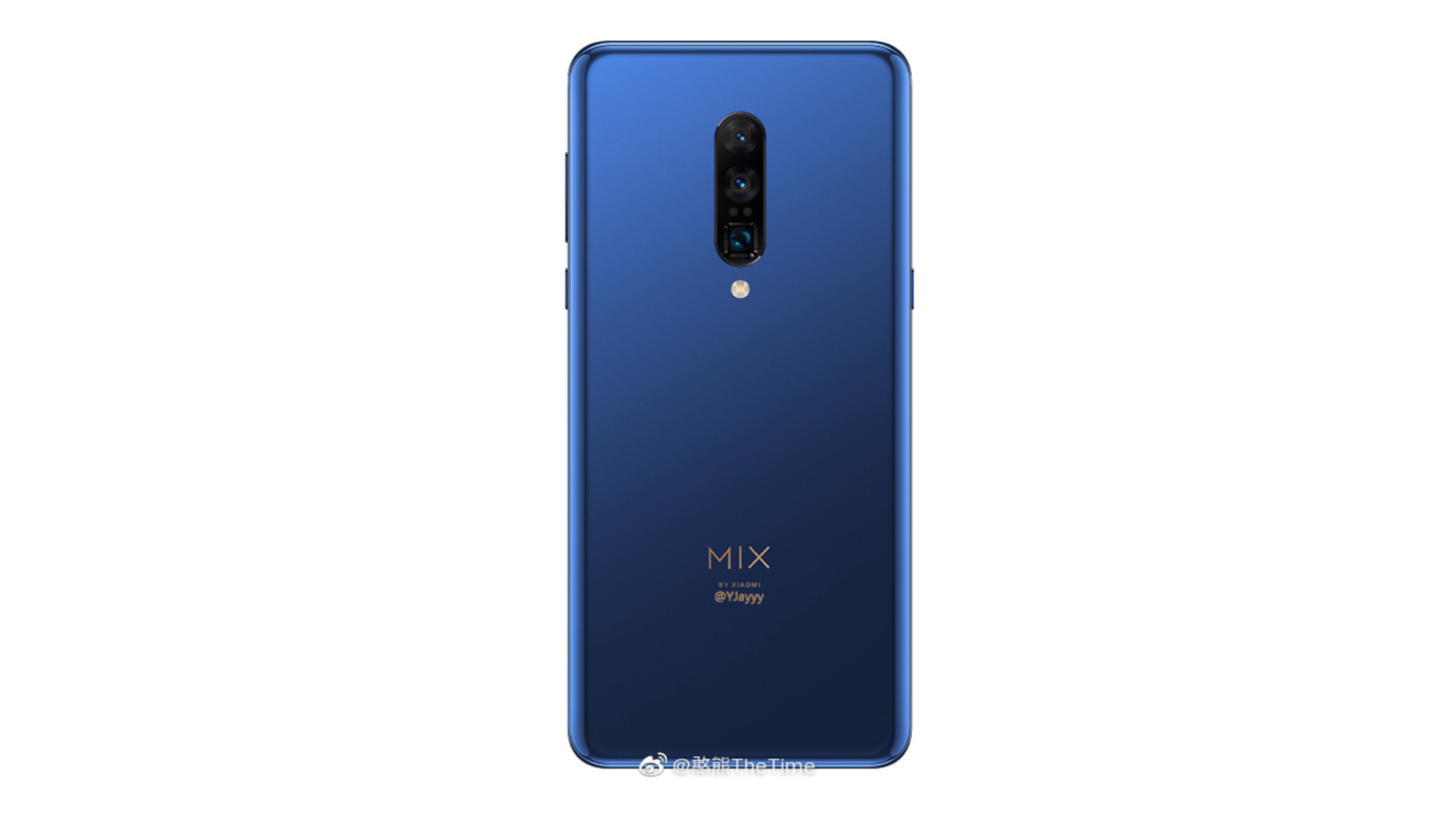
    The alleged renders of the Mi Mix 4 exhibit a modern smartphone that has a gradient back which houses a triple rear camera setup. Upon close inspection, it can be derived that the bootom-most lens in the arrangement has a square shape. A similar sensor is found on the Huawei P30 Pro which supports up to 5X optical zoom and 50x hybrid zoom. Therefore, the Mi Mix 4 may also be equipped with this functionality.

    The right side of the alleged Mi Mix 4 is occupied by the power button and the volume rockers while its left side is occupied by a mute slider. As uncovered by the leaks, the device might be launched in three colour options which include red gradient, green gradient and blue gradient. 

    Xiaomi Mi Mix 4 Triple Rear CameraMi Mix 4 Expectations
    • Under Display selfie camera-  As mentioned previously, Xioami has always adopted innovative techniques to minimise the bezel size on Mi lineup of flagship smartphones. The front facing camera on the current gen Mi Mix 3 is concealed by a slider. To further increase the screen to body ratio, the Mi Mix 4 may incorporate an under display selfie camera which has already been demonstrated by the company.  
    • Snapdragon 855-  Every iteration of the Mi Mix smartphone launched till date has featured flagship processors from Qualcomm for the respective year. Accordingly, the upcoming Mi Mix 4 will be kitted with the Snapdragon 855 SoC which is also found on the Asus 6Z and OnePlus 7
    • 5G-  The 5G technology has been rapidly gaining pace and Xiaomi was the first company to launch a 5G compatible smartphone in the form of Mi Mix 3 5G. This proves that Xiaomi has the technical supremacy to incorporate the technology. And what better way to showcase the greatest of technology in a premium flagship smartphone? In this case the Mi Mix 4.
    • Larger Battery, Faster Charging- The Mi Mix 3 features a 4,000 mAh battery which has become a standard size powerhouse on smartphones in all price brackets. Hence, the Mi Mix 4 may get a bumped up battery backup.

      Besides, the company has showcased a 100 W charger in the past that can charge a 4000 mAh in 17 minutes. If the company can safely implement the technology, the Mi Mix 4 may become the world’s first smartphone to feature this high charging rate. For now, the record is held by Huawei Mate X which can charge with upto 55 W of power.

    Also Read: Redmi K20 Pro Indian Price Leaks, Starts At Rs 24,999

    To sum it up, all the leaks and expectations about the Mi Mix 4 will be verified at the official launch event which is expected to take place in the month of October. Hence, we will have to wait patiently till the time, Xioami provides more details about the handset.  


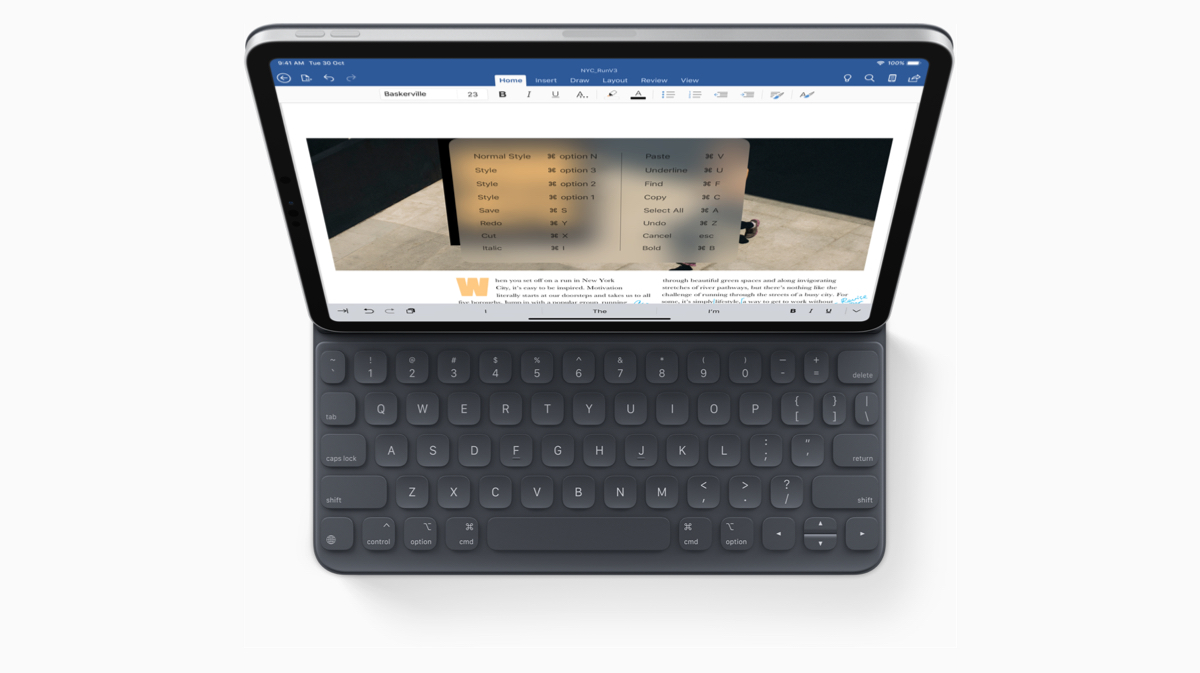
  • Apple Maybe Working On A Laptop Sized Foldable iPad

    Apple Maybe Working On A Laptop Sized Foldable iPad

    Apple iPad is one of the best selling tablet devices in the global market. However, the mobile industry is one of the most volatile markets and currently suffers from oversaturation that has led to a decline in Apple’s sales volume. The American company is reportedly planning on overcoming this slump with the introduction of its first 5G ready devices.

    A new report from a Chinese source has claimed that Apple is developing a foldable iPad with 5G connectivity.

    Apple iPad

    The news arrives after rumours had surfaced on an upcoming dual screen Microsoft Surface laptops. It can be implied that Apple is taking the portable ultrabook category more seriously to compete against Microsoft’s offering. The upcoming foldable iPad would feature the first major redesign in the series in about 10 years and will help boost Apple’s sales. The foldable tablet is also implied to offer 5G networking capabilities alongside the new design philosophy. However, it is unclear as to when the device will be released as a 5G iPhone is more likely to be released before a 5G iPad.

    Apple is rumoured to unveil its first 5G ready iPhone in early 2020, although rumours are also alleging that a 5G iPad might be launched before it. The confusion in launch timelines can only be cleared by an official company statement regarding the matter. Unfortunately, it is still too early for a response to be given out if the device is under early stages of development.

    Apple iPad

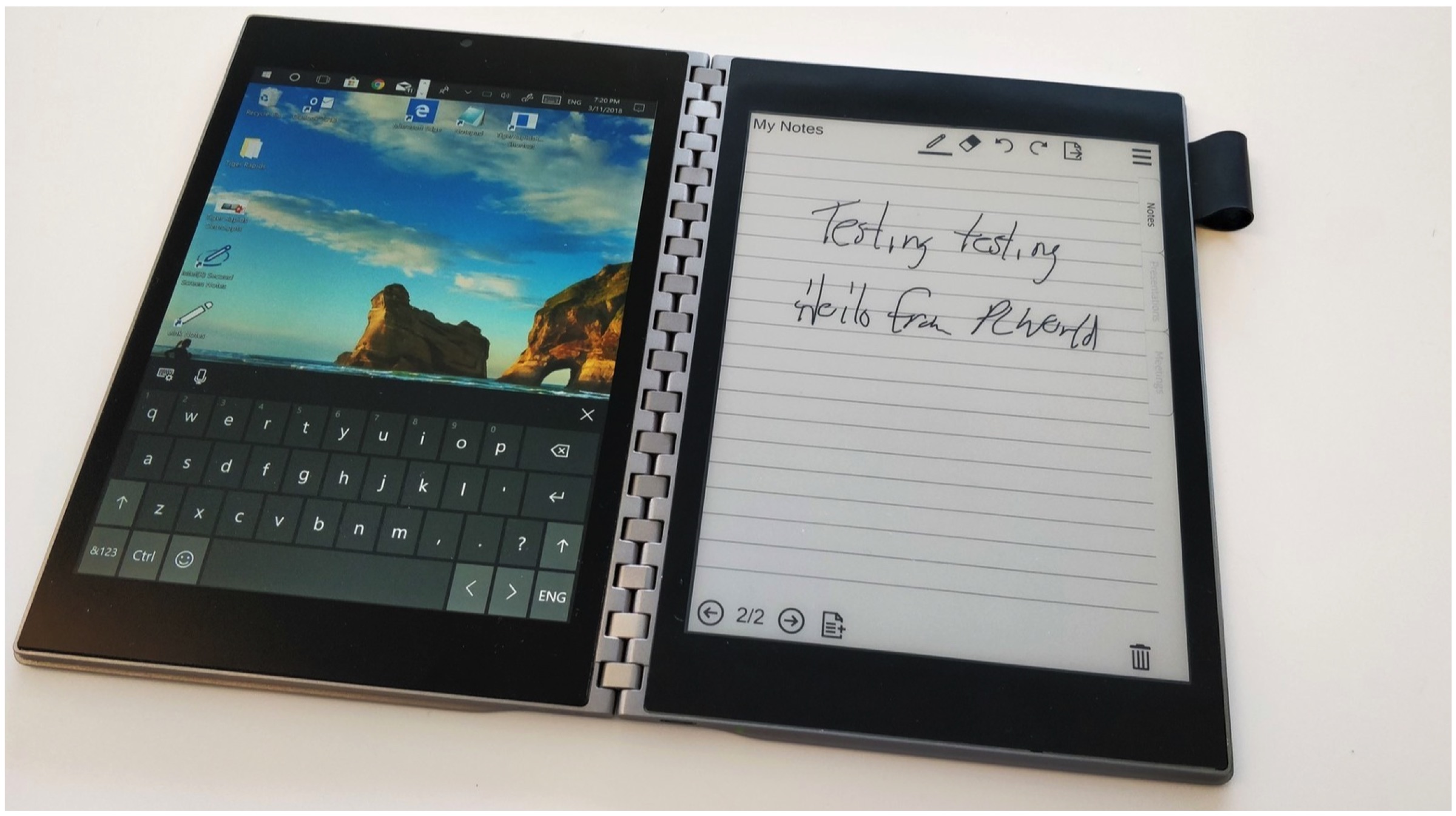
    A foldable smartphone is a hybrid between a tablet and handset, but a foldable tablet will be a tablet and laptop hybrid. Hence, the upcoming device might be a bendable MacBook sized Apple product built for versatility. According to the report, Apple is already seeking suppliers for critical components for the foldable iPad. Rather than simply being a bending MacBook screen, Apple might just include a secondary display for dual screen functionality similar to the rumoured Surface Pro; or include the 2 in 1 hybrid feature that is employed by certain OEMs.

    A foldable 5G iPad would allow users to have a lot more mobility with capable hardware at any given moment. It would enable more productivity with the inclusion of the new faster bandwidth on the go. Apple has yet to make any announcement regarding this information so loyal fans of the brand should not start making victory laps already. The new design could be a much needed fresh breath of air to revitalize the product.

    Apple iPad

     Also ReadAMD Reduces Radeon RX 5700 Prices To Beat NVIDIA RTX Super

    Analysts have also claimed that the first 5G iPad will not be seen until the year 2021. It is not to say that Apple would not include new designs for its upcoming iPad Pro in 2020. The company might be making a bold new step if they do decide to go through with the unique design formula. More information is expected to be available in the arriving weeks with updates following soon.

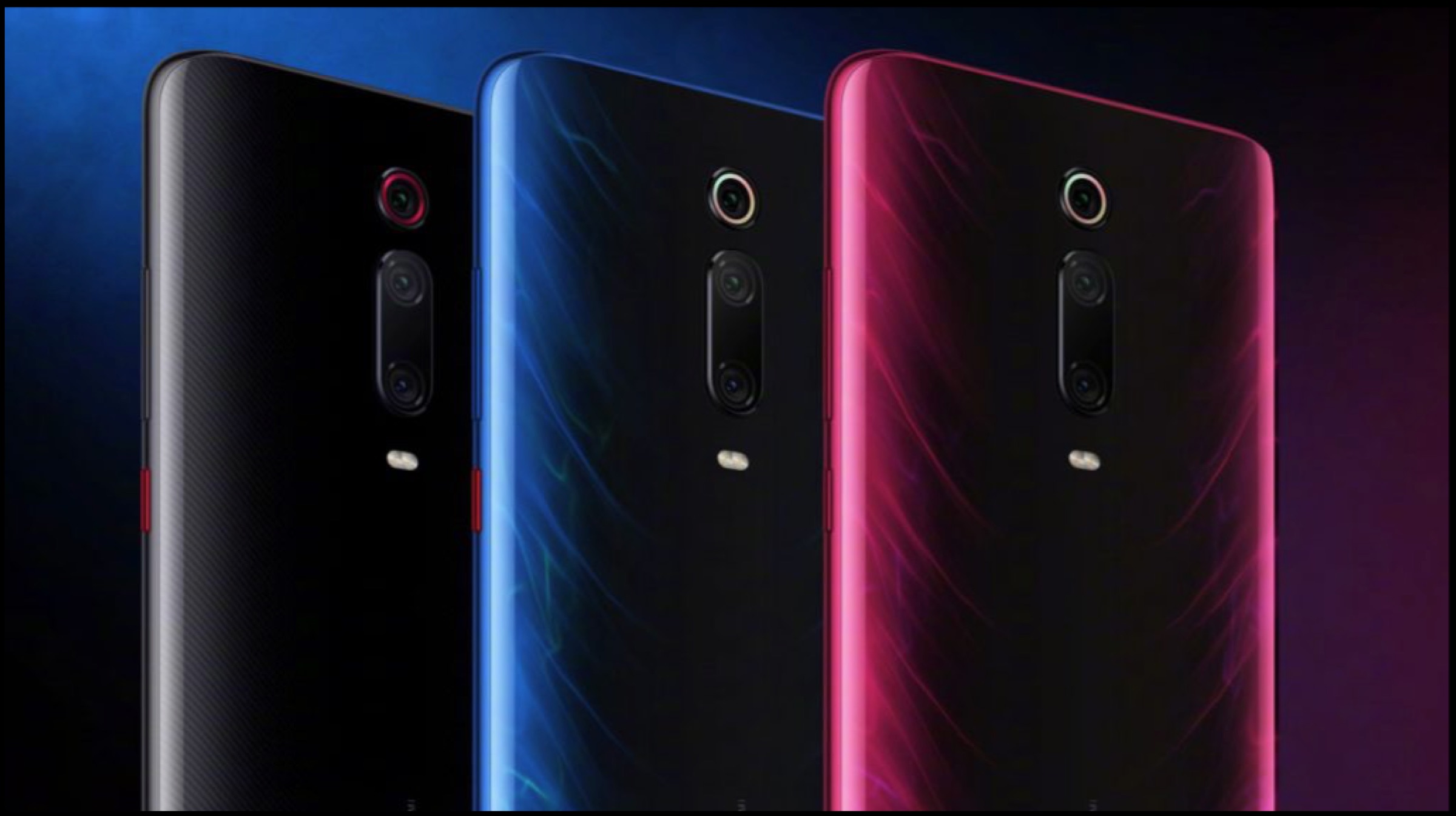
  • Redmi K20 Pro Indian Price Leaks, Starts At Rs 24,999

    Redmi K20 Pro Indian Price Leaks, Starts At Rs 24,999

    Xiaomi’s sub-brand, Redmi unveiled its flagship grade smartphones in China in the month or May. Dubbed the K20 and K20 Pro, the handsets are packed with high-end specifications and carry a lucrative price tag. The two smartphones are highly anticipated in India and earlier this week, Xiaomi announced the devices will be unveiled on the 17th of July at an event which will be held in New Delhi.

    Days before the official unveiling, the alleged prices of the flagship grade K20 Pro have leaked on Twitter. According to the source, the smartphone will be offered in four storage variants for which the prices are as follows:

    • 6 GB + 64 GB- Rs 24,999
    • 6 GB + 128 GB- Rs 25,999
    • 8 GB + 128 GB- Rs 27,999
    • 8 GB + 256 GB- Rs 29,999

    The official prices are yet to be revealed by the company but taking into consideration the current INR to CNY conversion rate the leaked prices seem accurate. As observed with past instances including the Redmi Note 7, Xiaomi is one of the few OEMs that sell a given device on approximate conversion rates in different nations.

    Redmi K20 Pro Specs
    • Display: 6.39-inch AMOLED Full HD+ 2340 × 1080 pixels, 403 ppi, 19.5:9 aspect ratio, Corning Gorilla Glass 5
    • Operating System: Android 9.0 (Pie); MIUI 10
    • Processor: Qualcomm Snapdragon 855 
    • RAM: 6GB/8GB LPDDR4x  
    • Storage: 64GB/128GB/256GB 
    • Rear Cameras: 48 MP + 8 MP + 13 MP, LED Flash 
    • Selfie Camera: 20 MP, Motorised Pop Up 
    • Security: 3D Face Unlock + In-display fingerprint scanner 
    • Connectivity: 4G VoLTE, Wi-Fi 802.11 ac 2.4G + 5G, Bluetooth 5 .0 , NFC, GPS, USB Type-C  
    • Battery: 4000mAh, 27 W fast Charging
    • Dimensions: 156.7 x 74.3 x 8.8 mm
    • Weight: 191g 

    Also Read: AMD Reduces Radeon RX 5700 Prices To Beat NVIDIA RTX Super

    All in all, the Redmi K20 Pro is a praiseworthy smartphone and if Xiaomi is able to launch it at such competitive price, the device will give the Asus 6Z and OnePlus 7 a run for its money. 

    What are your thoughts on the upcoming K20 Pro? Would you choose it over other smartphones in this segment

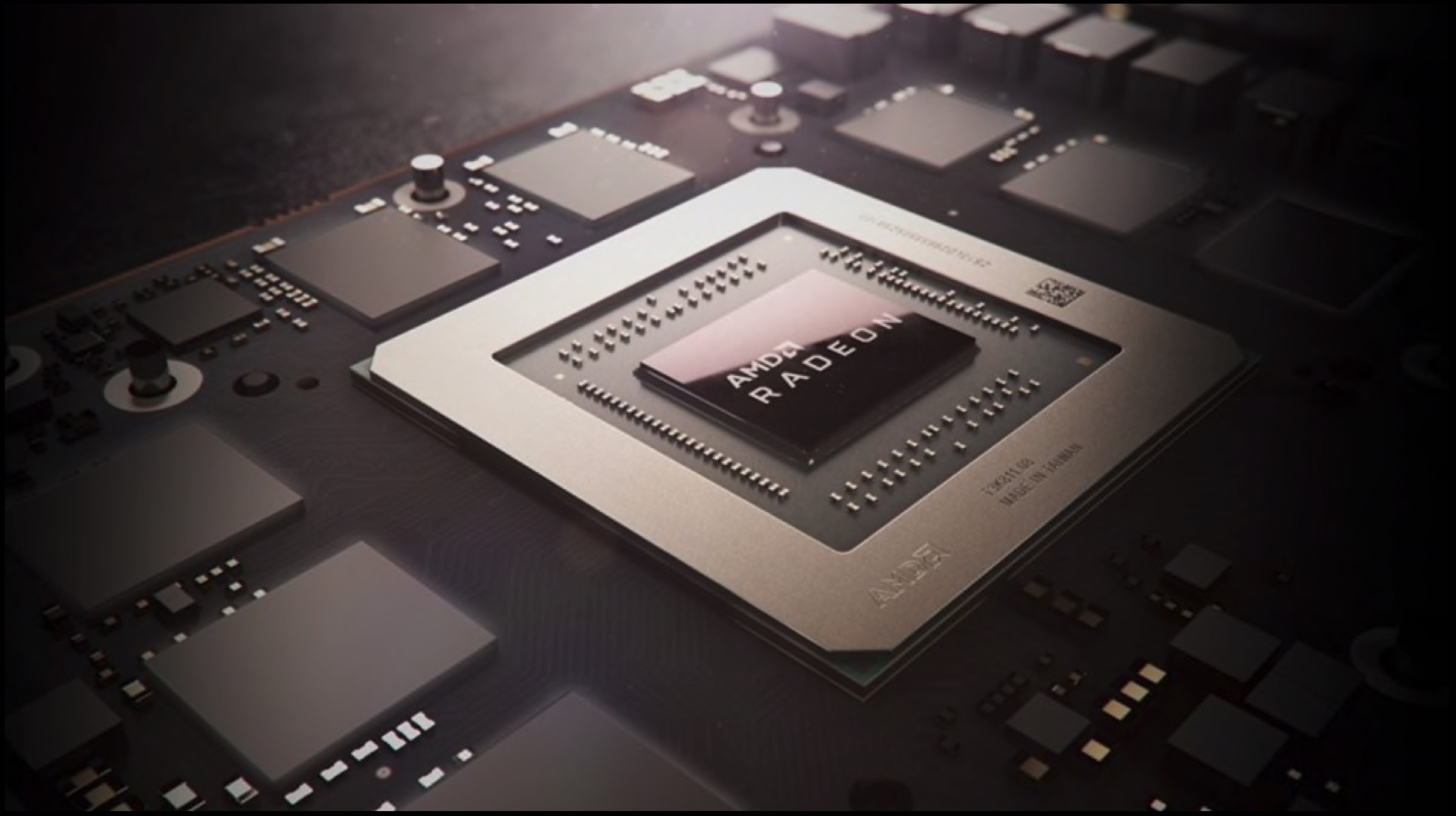
  • AMD Reduces Radeon RX 5700 Prices To Beat NVIDIA RTX Super

    AMD Reduces Radeon RX 5700 Prices To Beat NVIDIA RTX Super

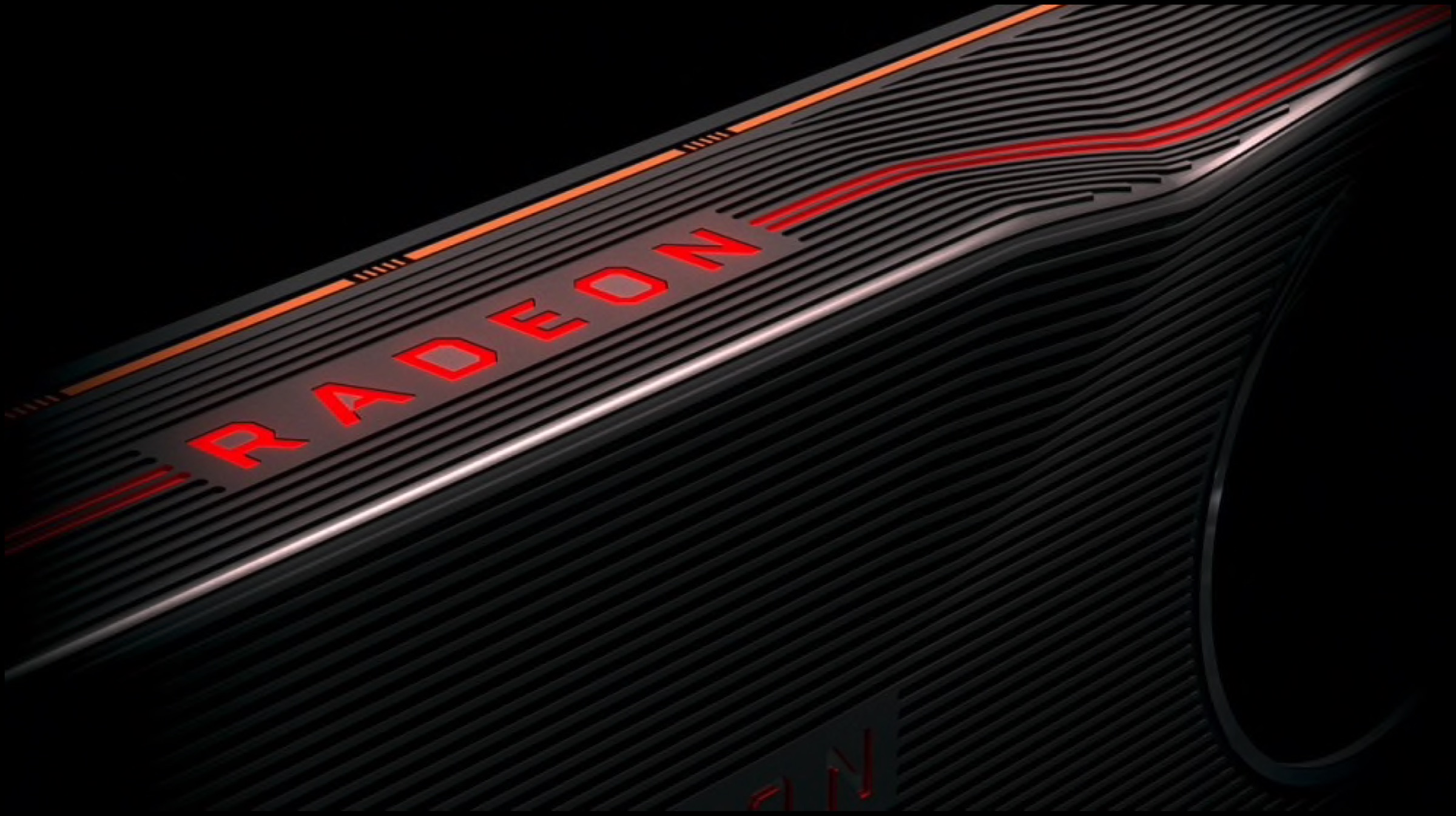
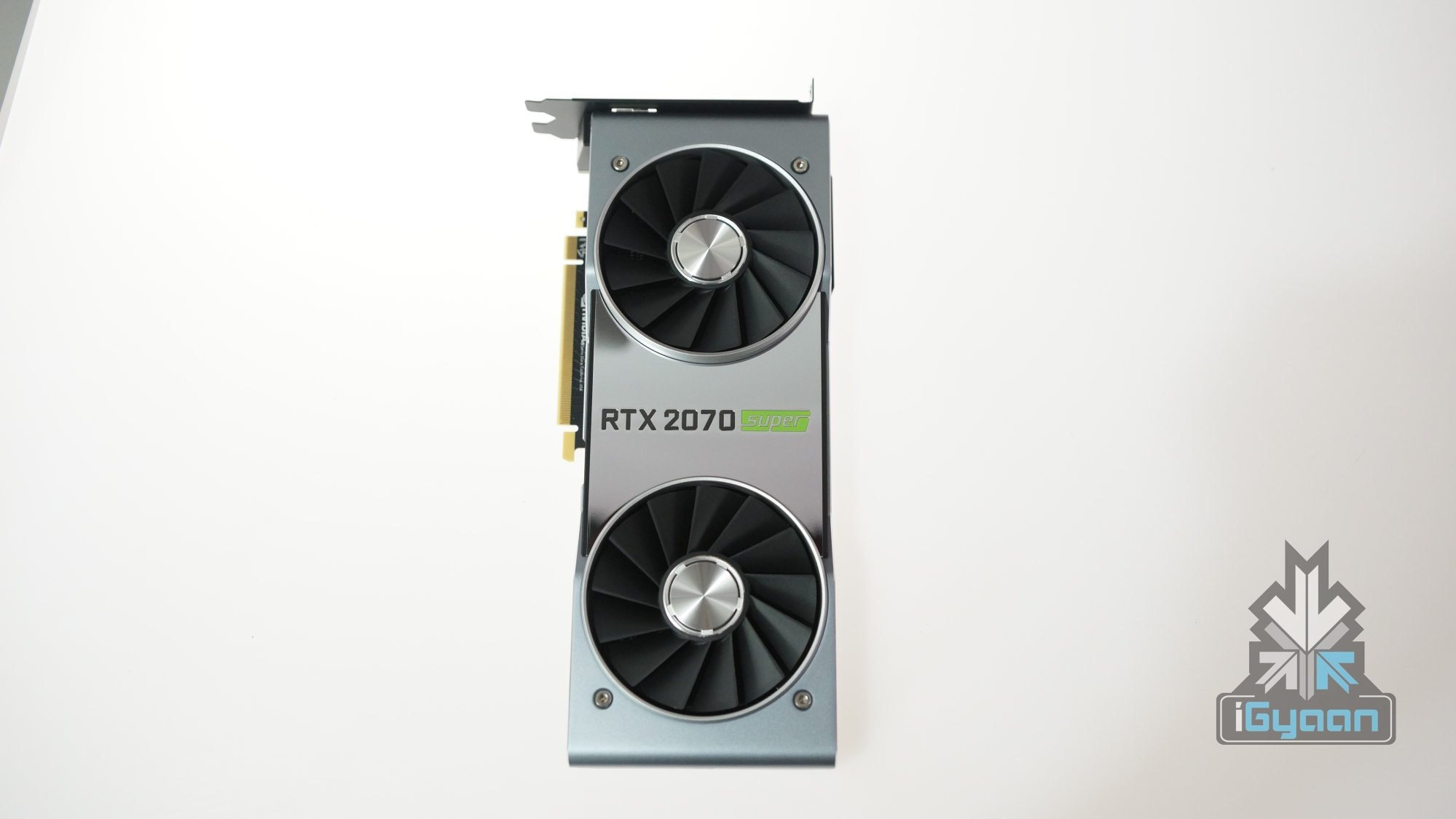
    AMD had announced its latest offerings of graphics card in Computex 2019 in May. The Radeon RX 5700 series was set to take on NVIDIA’s RTX series graphics card by undercutting it in terms of price. However, NVIDIA had just unveiled its own trump card, with the RTX SUPER series which was teased after AMD’s Computex keynote. The latest RTX SUPER cards feature a noticeable bump in performance at a reasonable price tag; so why would gamers go with team red (AMD) cards if they can get a cheaper similarly performing team green (NVIDIA). 

    Now, AMD is countering the latest NVIDIA cards by slashing its price down for the Radeon RX 5700 series before its launch.

    AMD Radeon RX 5700

    The Competitor

    AMD had originally announced its new 7nm NAVI GPUs, the Radeon RX 5700 and RX 5700 XT at a price of $379 (approx. Rs.26,000) and $449 (approx. Rs.31,000) respectively. They were priced in a manner to undercut the RTX 20 series graphics card, mainly the RTX 2060 and RTX 2070. The cards would’ve been a worthy competitor at that price with the performance offered. At launch, the RTX 2060 cost $349 (approx. Rs.23,889) while the RTX 2070 cost $599 (approx. Rs.41,000). The latest RTX 2060 SUPER carries the same price tag as the RX 5700 XT and should deliver performance slightly below it, while the RTX 2070 SUPER is priced at Rs,43,600 for India.

    NVIDIA

    New Price & Availability

    The Radeon RX 5700 series from AMD will launch on 7th July carrying a price tag of $349 (approx. Rs.23,889) for the RX 5700; while the higher end will be sold for $399 (approx. Rs.27,331). NVIDIA had seemingly cut off the AMD’s cards before they had even launched, but team red had been prepared. The decision arrives directly after the launch of the RTX SUPER series graphics cards. The price drop might have already been planned by AMD.

    AMD Radeon RX 5700

    Also ReadXiaomi Mi A3 With Triple Cameras Certified On FCC And IMDA

    One of AMD’s top officials went on Twitter to post the term ‘Jebaited’. It is a word associated with the gaming community. It is basically used when one either outmanoeuvre or outsmart the enemies. The tweet clearly states AMD’s intention of upping its long-running competition with team green. The prices drops are a big deal as gamers finally have a myriad of viable choices at reasonable prices after the boosted prices of yesteryears. Users can look forward to the upcoming Radeon RX 5700 series as a worthy competitor to the RTX SUPER series.

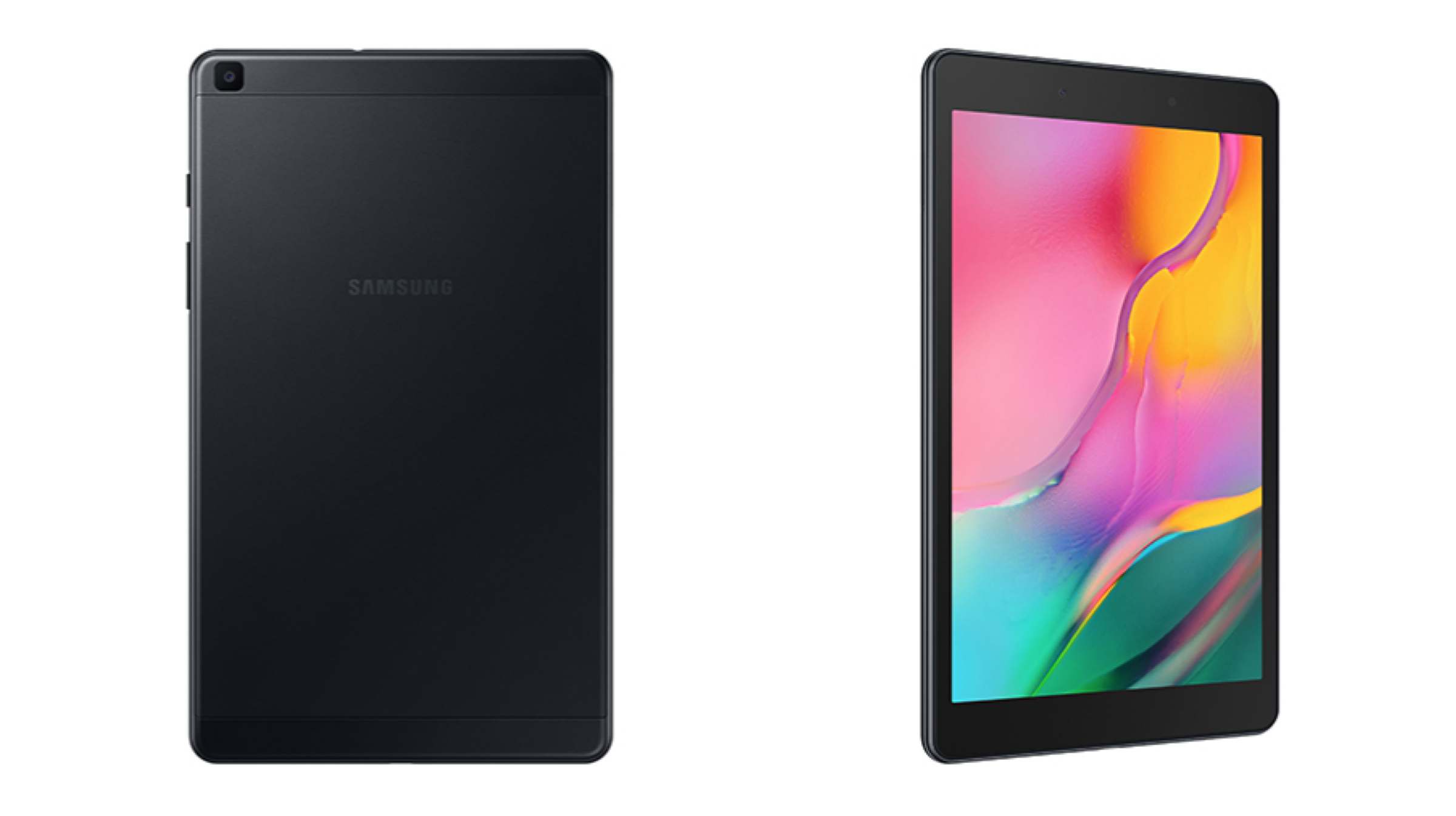
  • Samsung Announces Galaxy Tab A 8.0 With 5100 mAh Battery

    Samsung Announces Galaxy Tab A 8.0 With 5100 mAh Battery

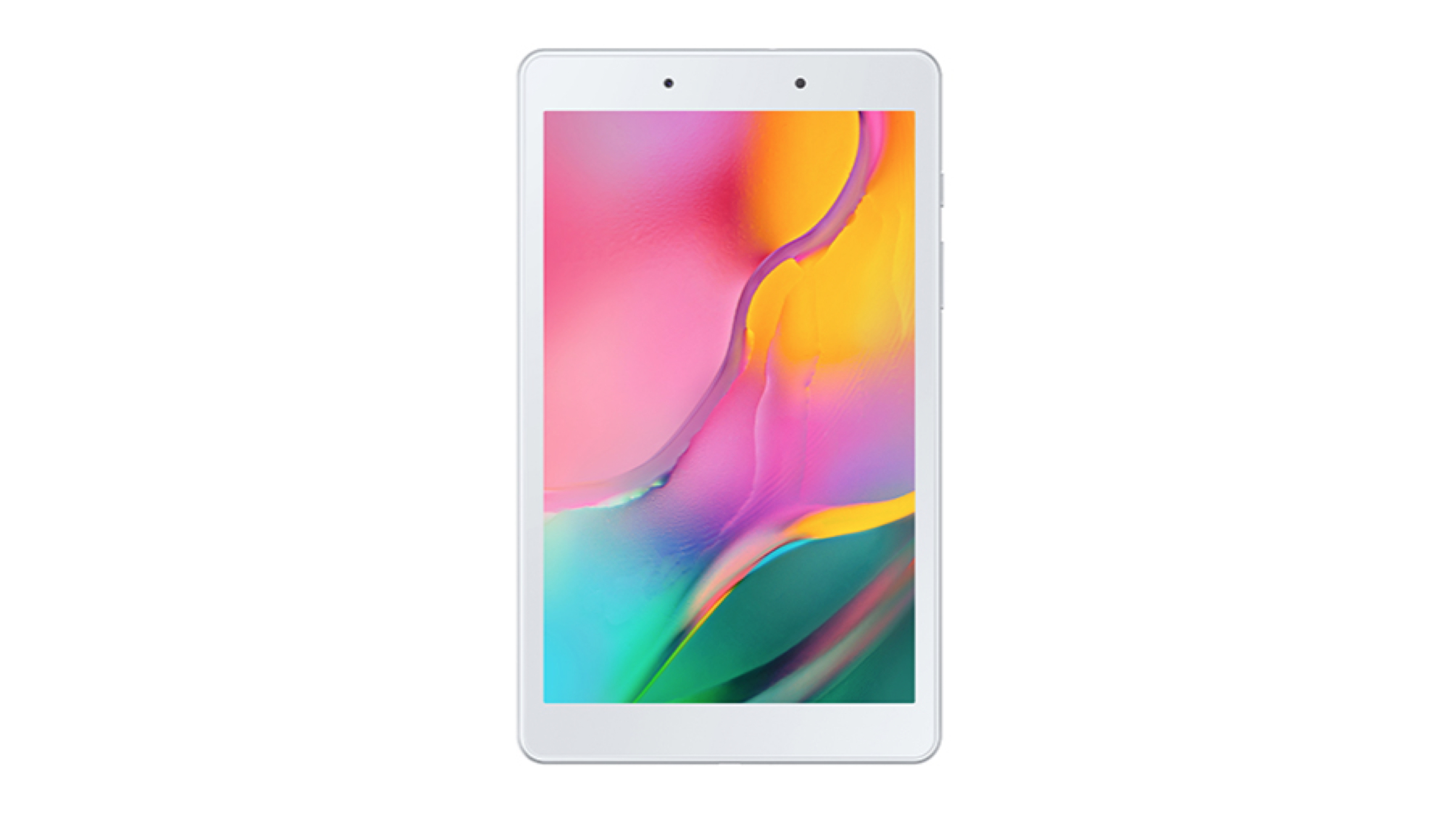
    Following the launch of Galaxy Tab S5e and Galaxy Tab 10.1, Samsung has announced another tablet. The new tablet computer is dubbed the Galaxy Tab A 8.0 and is targeted towards the budget consumers.

    Galaxy Tab A 8.0 Design and Specs

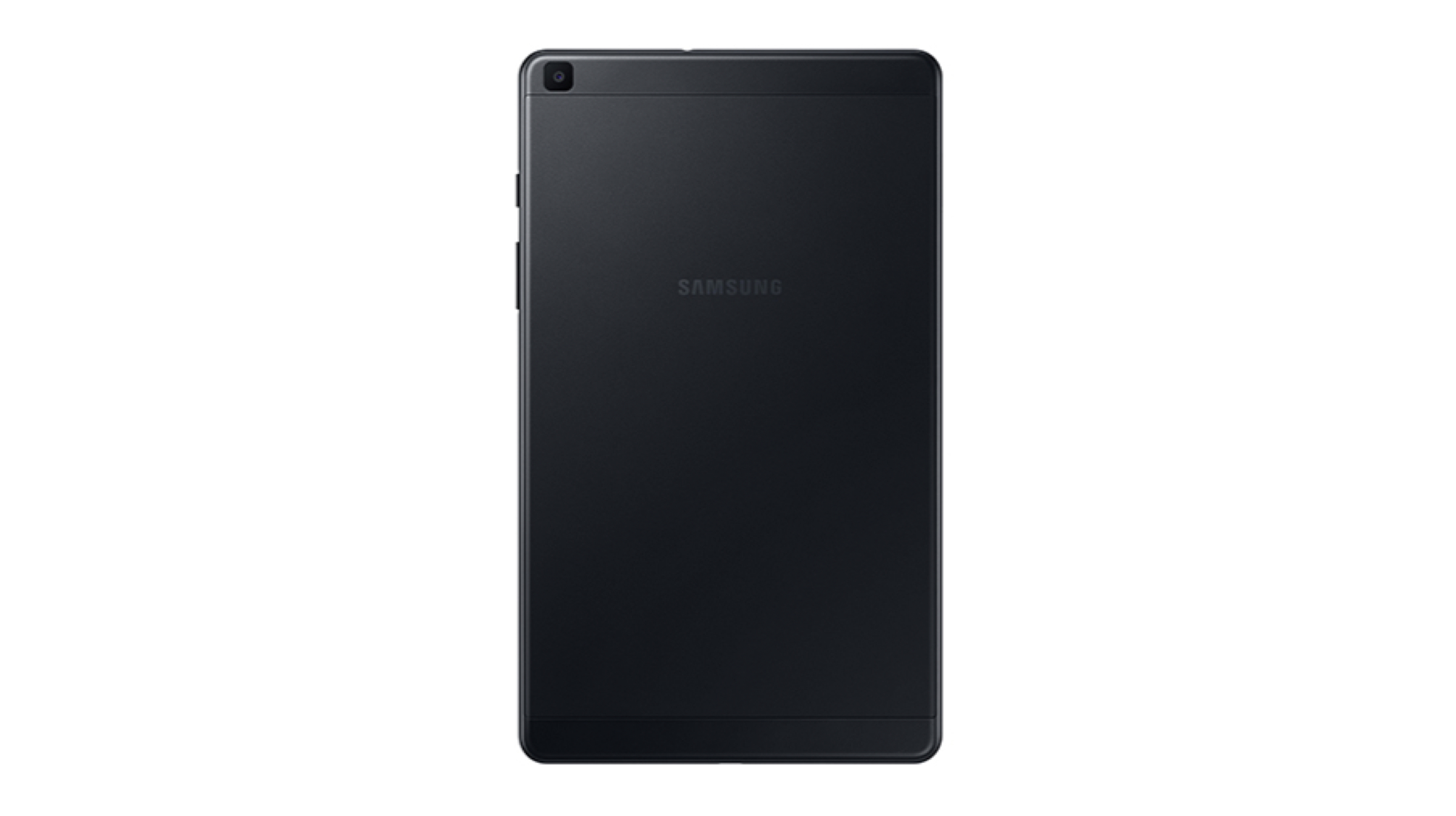
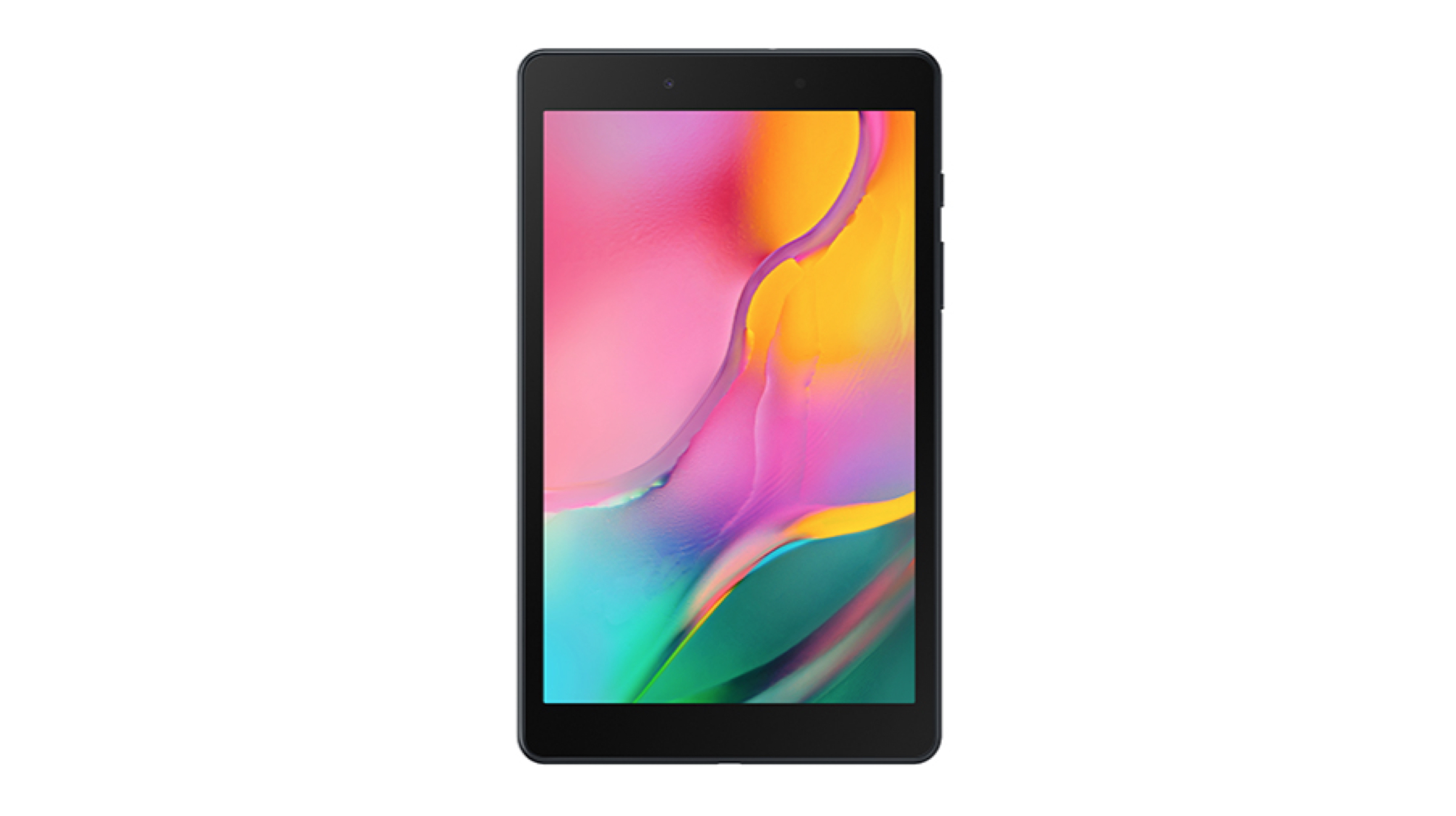
    The front of the Galaxy Tab A 8.0 accommodates an 8 inch TFT display which is surrounded by thick bezels on all four sides. The display panel on the Galaxy Tab 8.0 has a resolution of 1280 x 800 px and 16:10 aspect ratio. The rear of the smartphone has an aluminium construction which houses the company branding and rear-facing camera. 

    In terms of weight and dimensions, the Galaxy Tab A 8.0 measures 210 x 124.4 x 8 mm and tips the scale at 345 g (Wi-Fi variant). The variant with 4G VoLTE support weighs a tad bit more at 347 g. For photography, the tablet computer features and 8 MP camera on the rear and a 2 MP camera on the front which is placed in the bezel above the display. 

    The Galaxy Tab A 8.0 is offered in a single storage variant which packs 2 GB of RAM and 32 GB of ROM. Besides, it also supports memory expansion upto 512 GB via a microSD card. To compliment media consumption on a large screen display, the tablet computer also features dual speakers.

    The Galaxy Tab A 8.0 is powered by a 5,100 mAh battery which supports 10 w charging. Connectivity options on the device include 802.11 Wi-Fi a/b/g/n, Bluetooth 4.2 and micro USB 2.0. The Galaxy Tab A 8.0 is equipped with an Octa Core CPU which has a clock speed of 2.0 GHz.

    Samsung has not revealed the exact details of the chipset on the tablet, however, past leaks claim that it is a Snapdragon 430 SoC. The price of the Galaxy Tab 8.0 is not yet revealed but is expected to be announced shortly. Going by the specs and features it will be a sub US $ 200 tablet. 

    Galaxy Tab A 8.0 Quick Specs
    • 8-inch (1280×800) 16:10 WXGA TFT display
    • Wi-Fi/LTE models
    • 2.0 GHz Quad-Core Snapdragon 429 processor with Adreno 504 GPU
    • 2GB RAM, 32GB internal storage, expandable up to 512GB with microSD
    • Android 9.0(Pie)
    • 8MP autofocus rear camera
    • 2MP front-facing camera
    • Accelerometer, Light Sensor
    • Dimensions: 210 x 124.4 x 8mm; Weight: 345g(Wi-Fi), 347g(LTE)
    • 4G ,WiFi a/b/g/n (2.4 + 5 GHz), Wi-Fi Direct, Bluetooth 4.2 and GPS + GLONASS / Beidou, Micro USB
    • 5100mAh battery

    Also Read: Xiaomi Mi A3 With Triple Cameras Certified On FCC And IMDA

    All in all, the Galaxy Tab A 8.0 has a solid construction with modest specifications. Even though the device is not made purposely for gaming, the segment that it is targeted towards would mostly use it for light media consumption and web browsing. Performing day to day tasks on the tablet won’t be a fuss and if Samsung is able to price it aggressively, it could be a big hit amongst users who are looking for a budget offering or a secondary tablet. 

  • Google Pixel 4 Camera Specs Leaked, May Sport A Rear Telephoto Lens

    Google Pixel 4 Camera Specs Leaked, May Sport A Rear Telephoto Lens

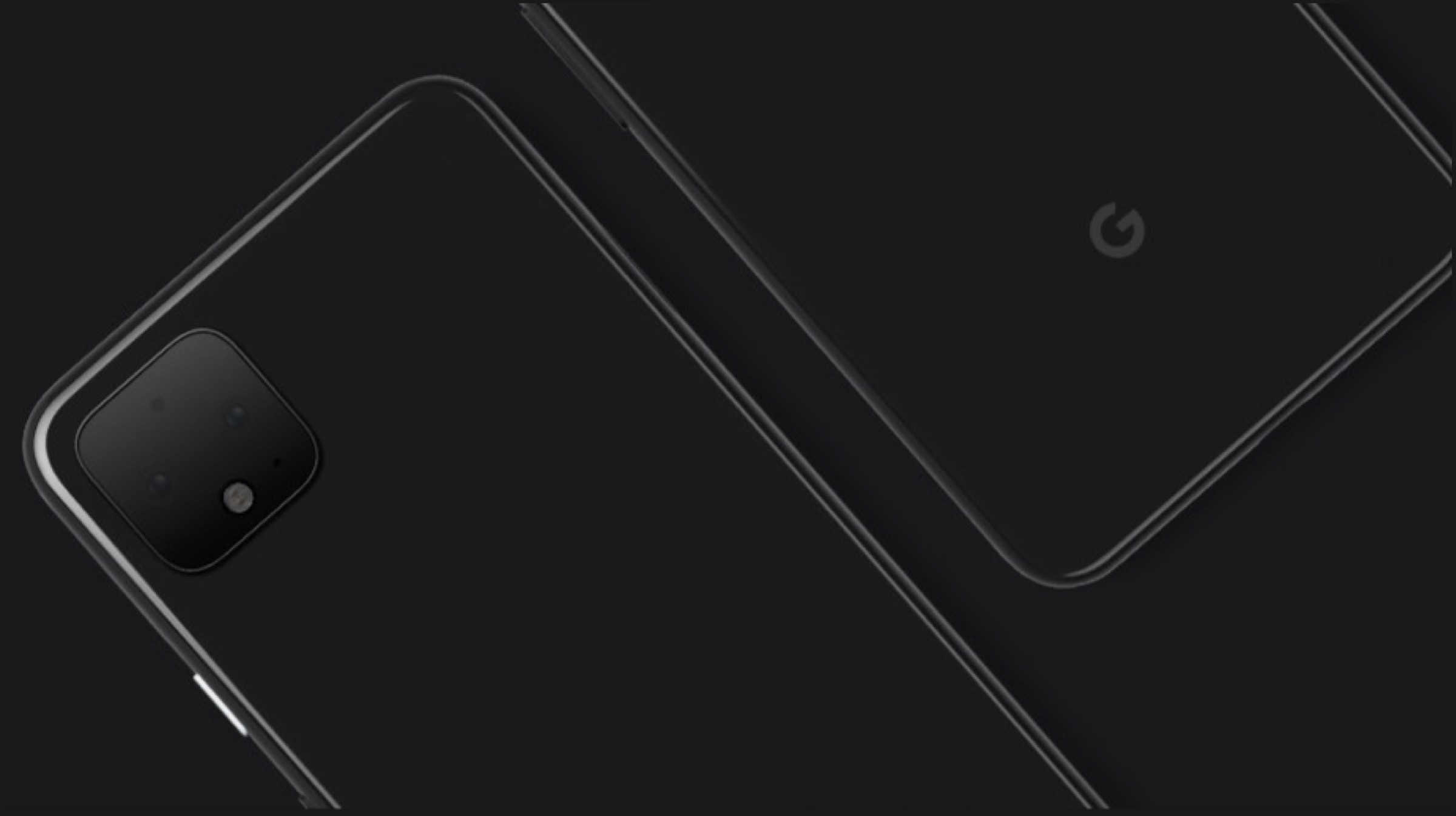
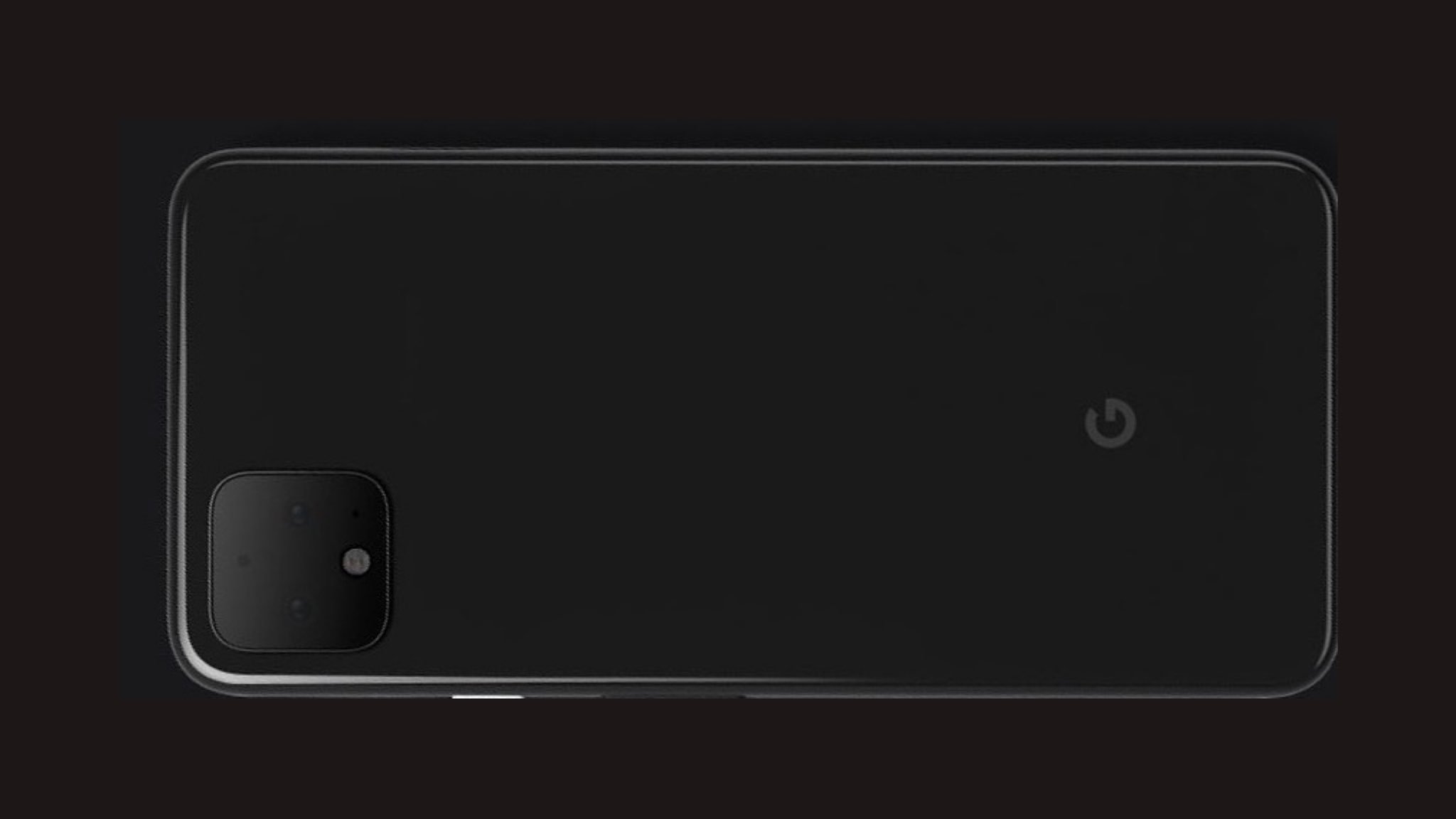
    It is expected that the American technology giant Google will launch the next generation of its flagship smartphones later this year. It has been leaked that these devices, the alleged Pixel 4 and Pixel 4 XL will be announced at an event in the month of October. While there is still a few months till the official unveiling, Google, in a surprising move revealed the handset’s design from the back a few weeks ago; in a bid to create hype around the devices. Now, in another leak, it has been revealed that the Pixel 4 series will sport a telephoto camera at the back.

    Google Pixel 4

    Google Pixel 4

    The Pixel 4 series by Google will be the successor of the Pixel 3 and Pixel 3 XL launched by the company last year. Previously leaked images of the upcoming smartphones reveal it will have a dual camera setup on the back, inside a square camera module; this is in contrast to the setup on the previous generations of the devices which only had one camera at the back. The additional lens in the Pixel 4 series, has been revealed to be a telephoto lens with a resolution of 16MP. This was leaked via the underlying code in the latest Google Camera apk file. This new optical arrangement will be like the dual camera setup found in the iPhone XS/XS Max and the Galaxy Note 9.

    Google Pixel 4

    Also read: Xiaomi Mi A3 With Triple Cameras Certified On FCC And IMDA

    The move by Google to include a telephoto lens in its forthcoming smartphones is surprising, as it launched a feature called Super Res Zoom with the Pixel 3 series last year. The feature used software and the device’s gyroscope to offer high quality zoomed in shots. It was thus speculated that the company will instead install a wide angle lens on the Pixel 4, as a wider field of view is impossible to recreate via software in its current state. However, it may be the case that the company manages to surprise the audience with the unexpected at the last second; or the entire rumour of it using a telephoto lens is proved false. Whatever may be the case, we will have to wait for the official launch to find out, along with the rest of the specifications and the price of the devices.

  • Xiaomi Mi A3 With Triple Cameras Certified On FCC And IMDA

    Xiaomi Mi A3 With Triple Cameras Certified On FCC And IMDA

    Earlier this month, Xiaomi launched the Mi CC9 lineup of smartphones in China. The newly launched devices are packed with up to date features and are priced aggresively. The key highlighting features of the smartphones in this lineup include an under display fingerprint sensor and an AMOLED display. 

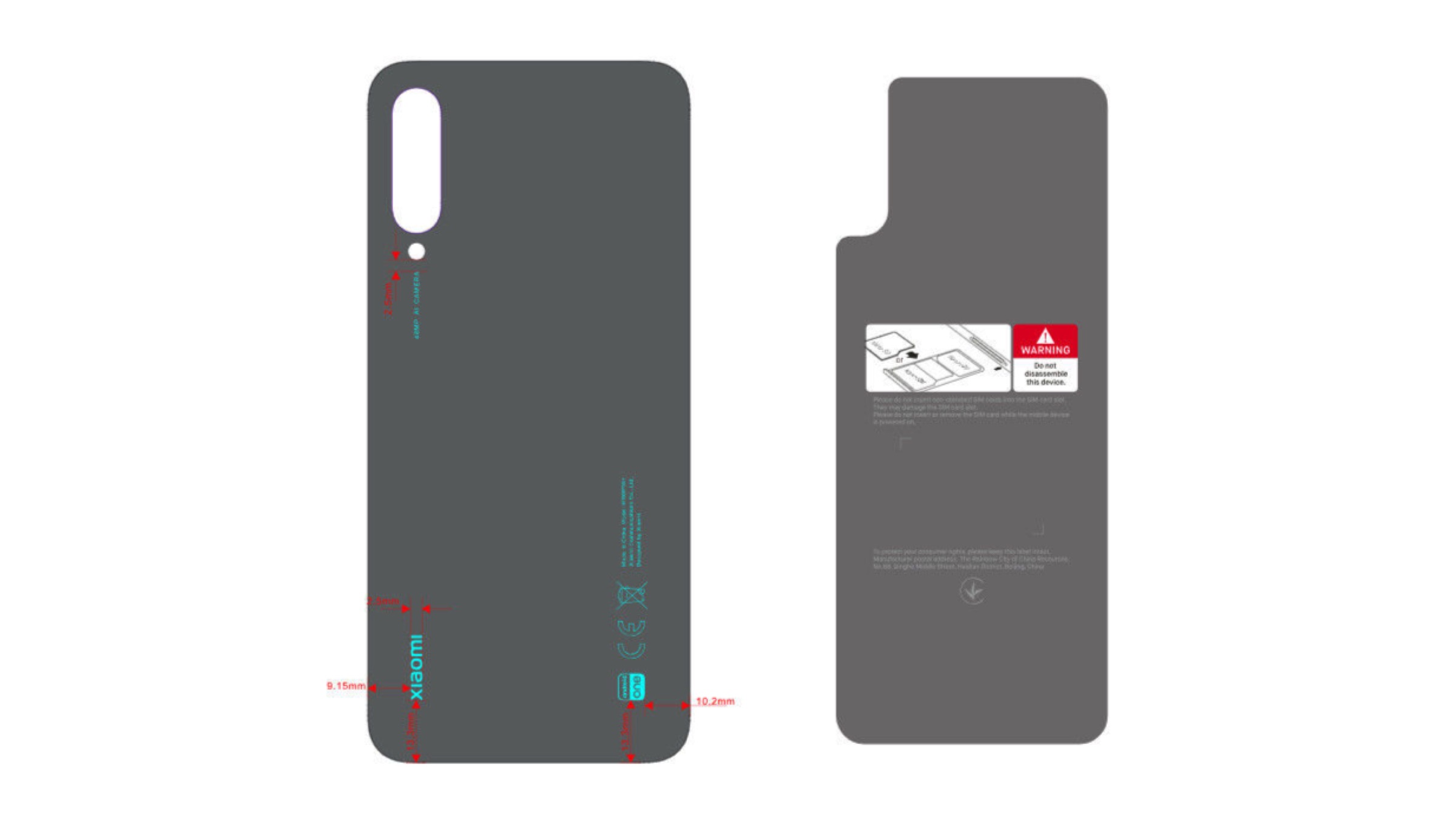
    Following the launch of the devices, rumours started surfacing they will launch as the Mi A3 in the global market. The rumours are now gaining traction with the addition of an FCC certification being received by M1906F9SH model from Xiaomi. It has even appeared on the Singaporean IMDA, with the same model number. The handset is turning out to be the upcoming Android One Mi A3.

    Xiaomi Mi A3

    Design

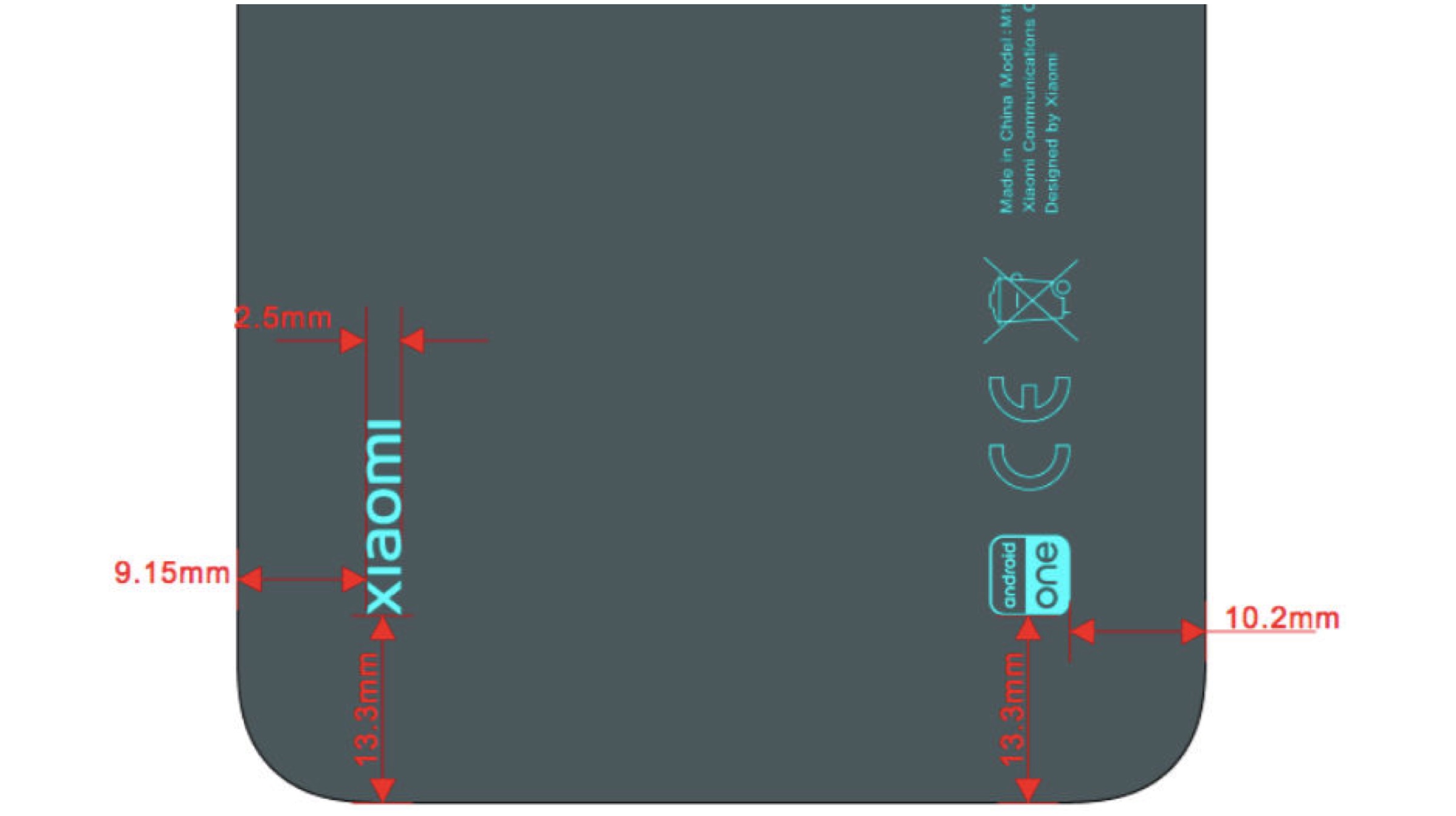
    The upcoming smartphone carries the same model number as the Mi CC9e albeit with a different last letter which is a C in the Mi CC9e. The FCC Certification carried a number of details regarding the upcoming Mi A3’s design and dimensions. According to the schematics, the back panel features both the Android One and Xiaomi logo at the bottom of the device. The device has also reportedly been seen at the EEC in Russia. The large cutout at the rear suggests a possible inclusion of a triple camera set up.

    Specification

    Finer details are unclear right now, so it’s unknown if Mi A3 would sport Mi CC series specifications on the inside. The Mi CC9e ran on the Qualcomm Snapdragon 665 SoC which is not a large improvement over the Mi A2. This could mean that a Mi A3 Lite might also be in development. It is going to sport a 48MP AI assisted primary camera on the rear, which is similar to the CC9e. The markings at the back also highlight a hybrid dual SIM card slot.

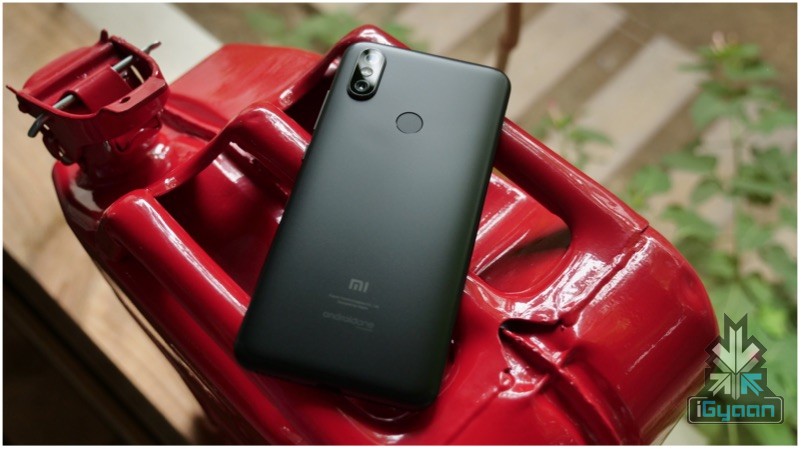
    Xiaomi Mi A2

    The Chinese CC9e featured a 6.01-inch HD+ water drop notch display with a triple camera set up. It housed a 48MP Sony sensor, alongside an 8MP wide-angle lens and a 2MP depth sensor. The device featured a 3.5mm headphone jack which will be a welcomed return to the Mi A3. The aforementioned specs could probably make an appearance on the Mi A3 due to the similar price segments.

    Xiaomi Mi A3

    Also ReadNVIDIA Collaborates With PUBG, Offers Exclusive Limited Edition Skins

    Xiaomi’s Mi A2 was officially launched in July which implies an imminent release of the Mi A3. Its predecessor received a warm welcome in India, so the Mi A3 is likely to be sold for a similar sub 20k price range. More information regarding the smartphone is expected to arrive within the next couple of days, stay tuned for updates.

  • Mysterious Nokia Smartphone Leaked With 48MP Circular Camera Setup

    Mysterious Nokia Smartphone Leaked With 48MP Circular Camera Setup

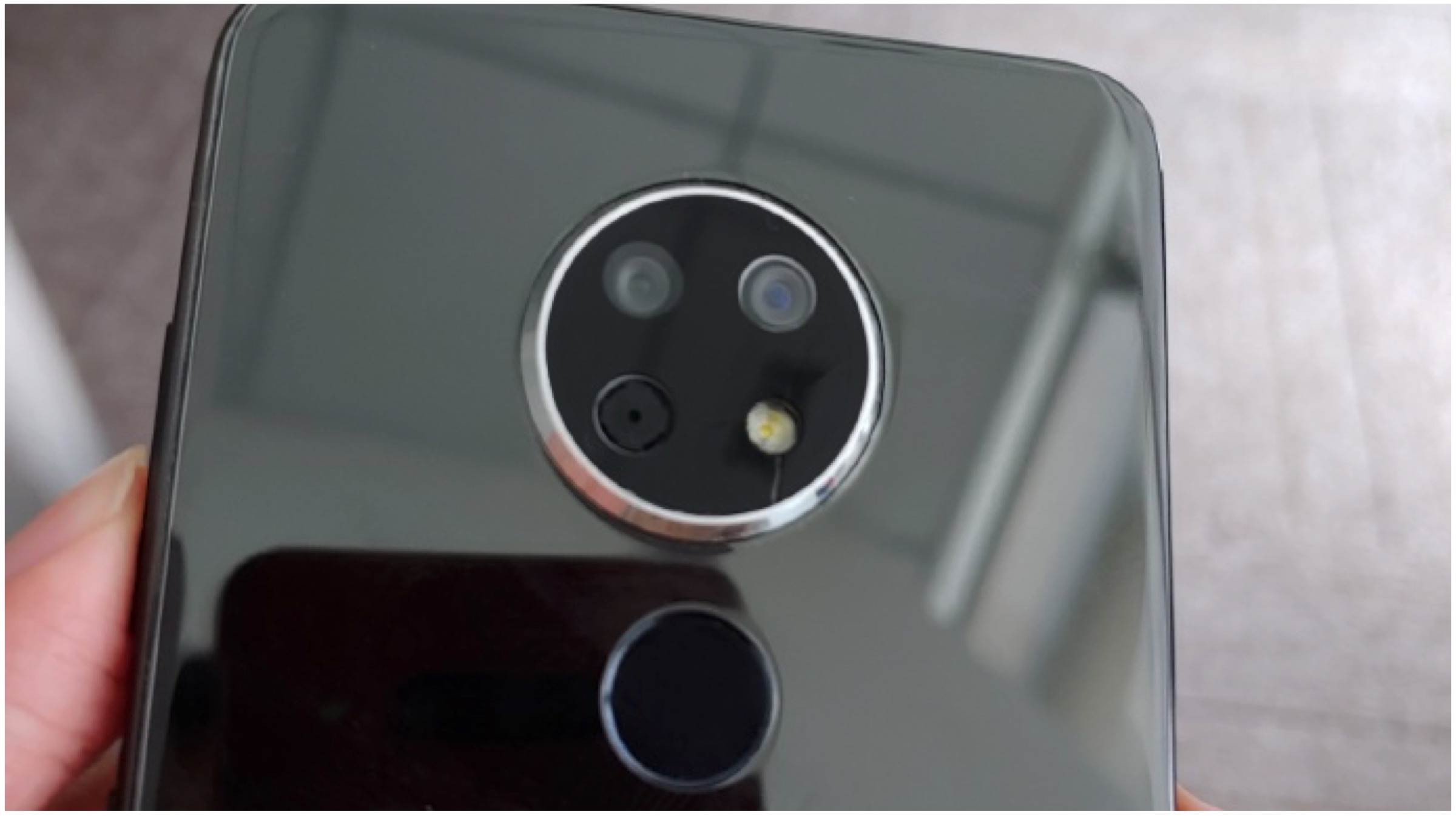
    Nokia brand has been revitalized under the banner of HMD Global, its parent company. The company’s operations are in full swing with launches under various different segments (1,2) in the smartphone market. These smartphones offer near stock Android experience which is appreciated by consumers around the globe. Now, an upcoming Nokia device has been leaked online that features triple rear cameras and focuses on photography. 

    Nokia

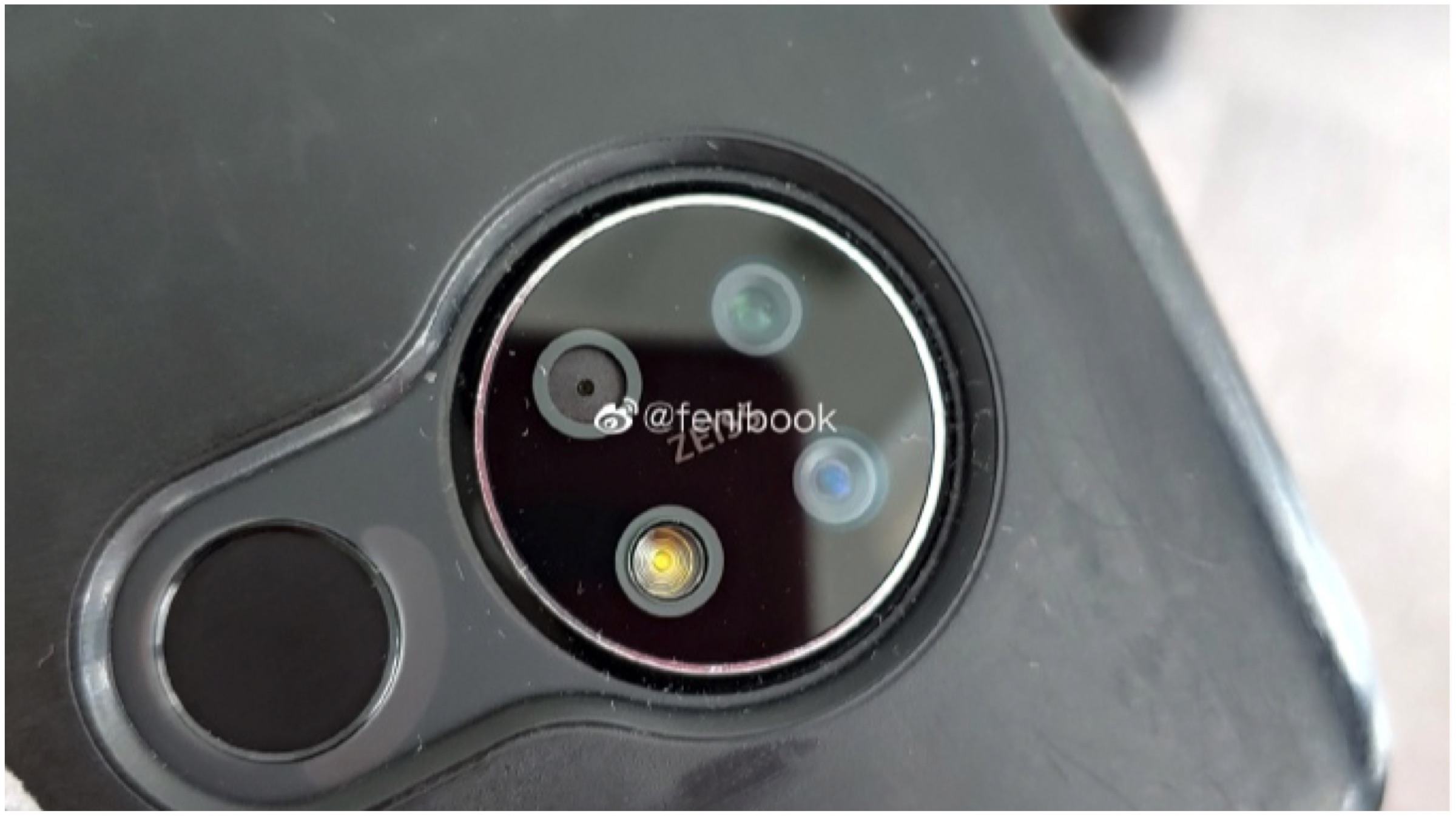
    The images shared by the source provide limited details regarding the handset. It is internally codenamed as “Daredevil” and will run on Android 9 Pie with a Qualcomm Snapdragon SoC. Unfortunately, no finer details can be discerned about the upcoming smartphone from Nokia. The device has a distinct design owing to its circular camera module at the rear. Its camera module will feature a supposed triple camera set up at the rear. A fingerprint scanner can be found right below the cameras on its glossy body.

    Nokia

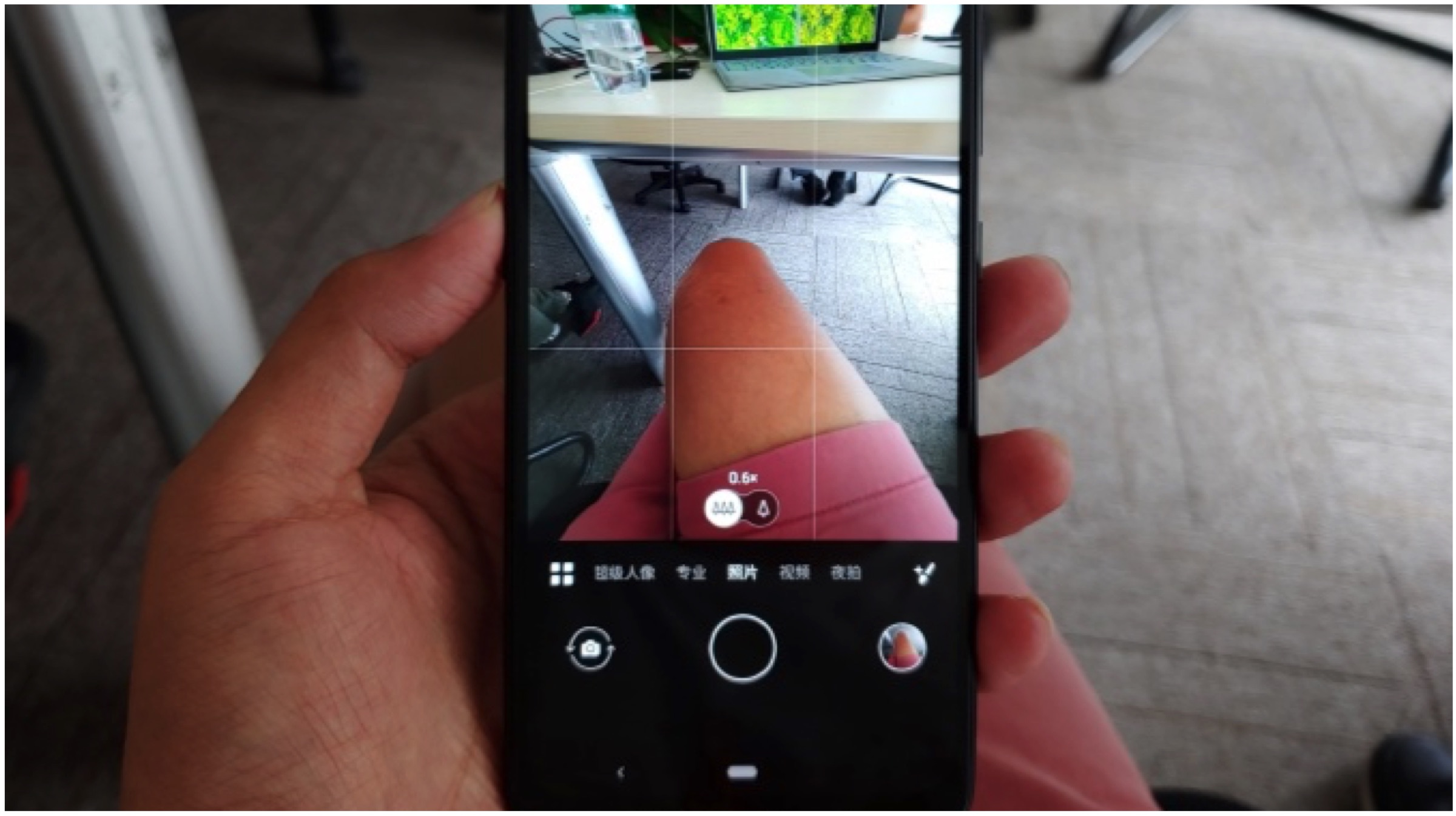
    The main camera of the unknown Nokia device is reportedly a 48MP primary shooter, as seen on the EXIF information. The brand and model of the sensor is unknown. Its secondary camera is likely to be a wide-angle lens after looking at the camera UI; the nature of the third sensor is still a mystery. The front of the Nokia device features a water-drop notch that houses its selfie camera and essential sensors including an ambient light sensor.

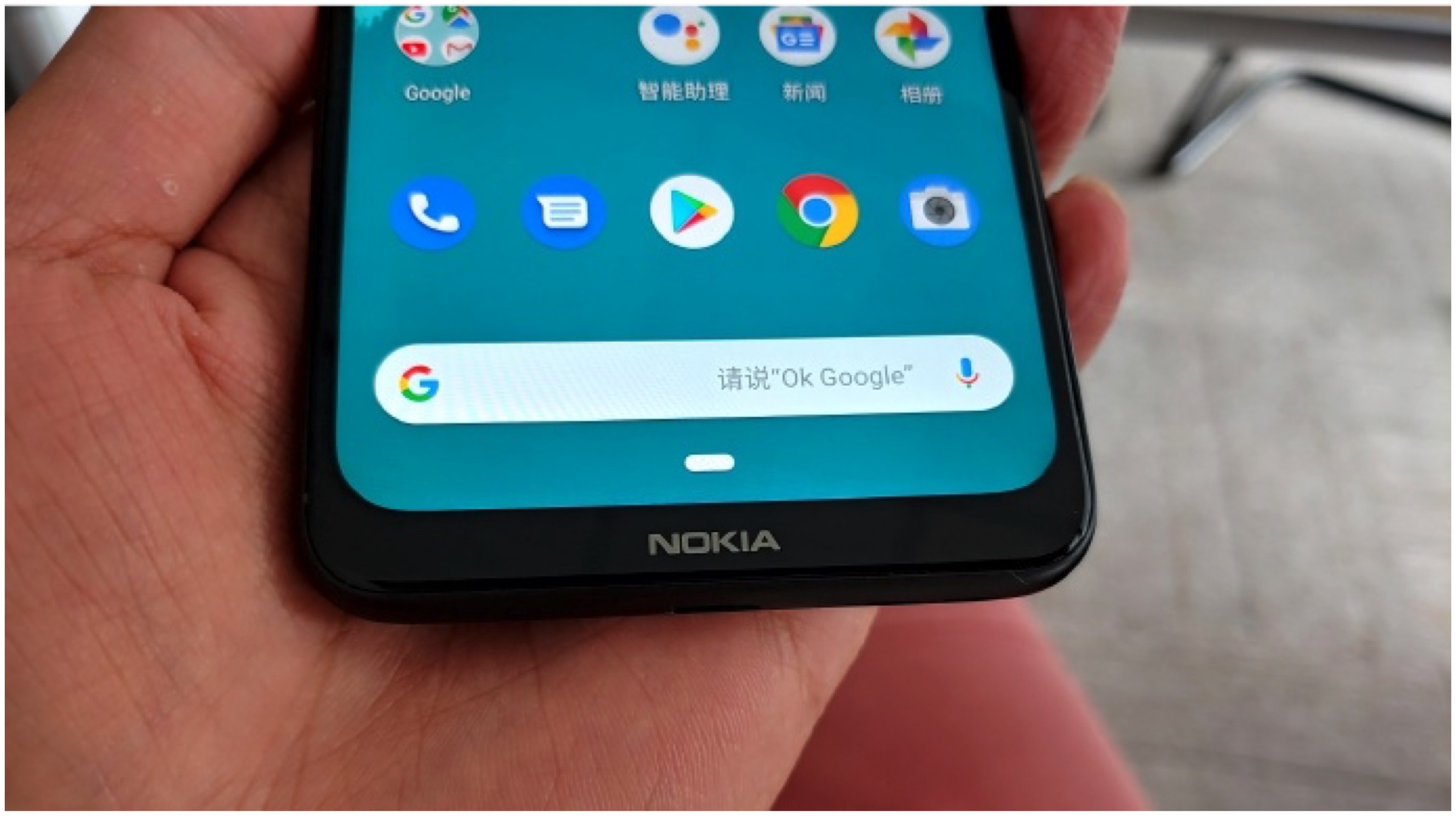
    Skipping a popup camera or under display fingerprint scanner suggests it may be a mid-range handset. The bottom of the device features the company name with a noticeably sized chin.

    Nokia

    Also ReadAsus ROG Phone 2 Gaming Smartphone Launch Date Revealed

    Users will find a SIM card slot on the right of the device above the power button. The volume rockers will be housed on the left. It will also feature a USB Type-C charging port flanked by a mic and a lone speaker on either side. After the Nokia X71, it will be the second handset from the company that features a 48 MP sensor. 

    No details about the launch and availability of the device are currently available. However, they are expected to be revealed in the coming future. 

  • Apple AirPower To Relaunch Soon Suggests Patent

    Apple AirPower To Relaunch Soon Suggests Patent

    In the month of March, Apple officially cancelled the long-awaited AirPower wireless charging mat which was first unveiled in the year 2017. Despite the previous announcement, a freshly granted patent by WIPO (World Intellectual Property Office) suggests that wireless charging may still be undergoing development and will reappear soon. 

    What Is AirPower Mat?
    AirPower Wireless
     

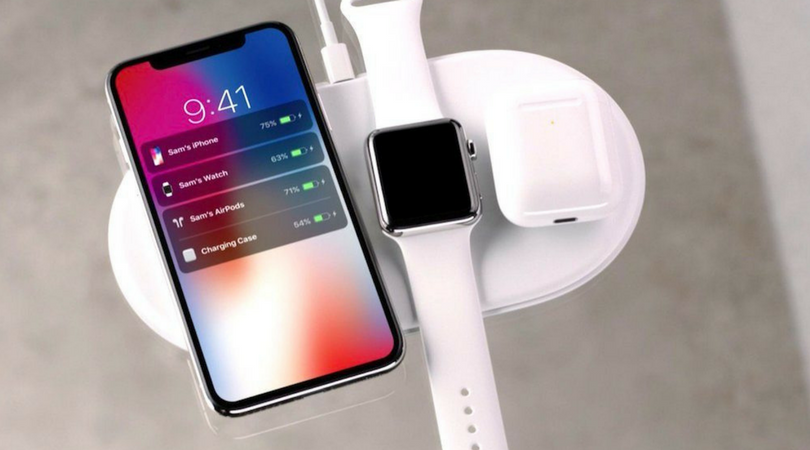
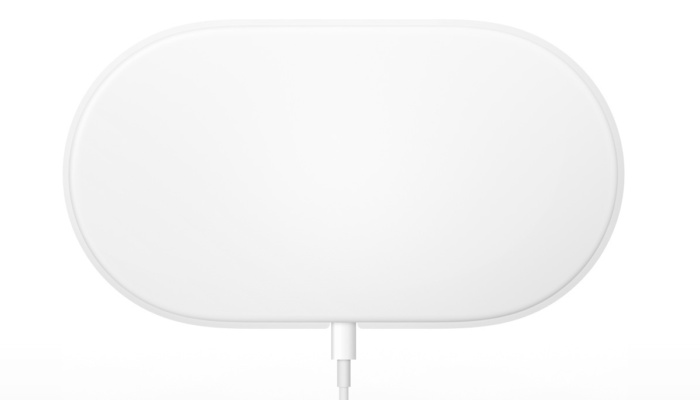
    AirPower is an elegantly designed wireless charging mat capable of simultaneously charging multiple devices. It was originally intended to charge three Apple devices concurrently which include an Apple watch, AirPods and an iPhone. However, the wireless charging mat is not limited to charging Apple devices only. As it is based on the Qi wireless charging which is standardised by numerous consumer electronics manufacturers. Out of all the OEMs that use Qi standard on their devices Samsung, Nokia, Google, Xiaomi are a few.

    Why Was AirPower Cancelled In The First Place?
    iPhone XR 2019
    iPhone XR

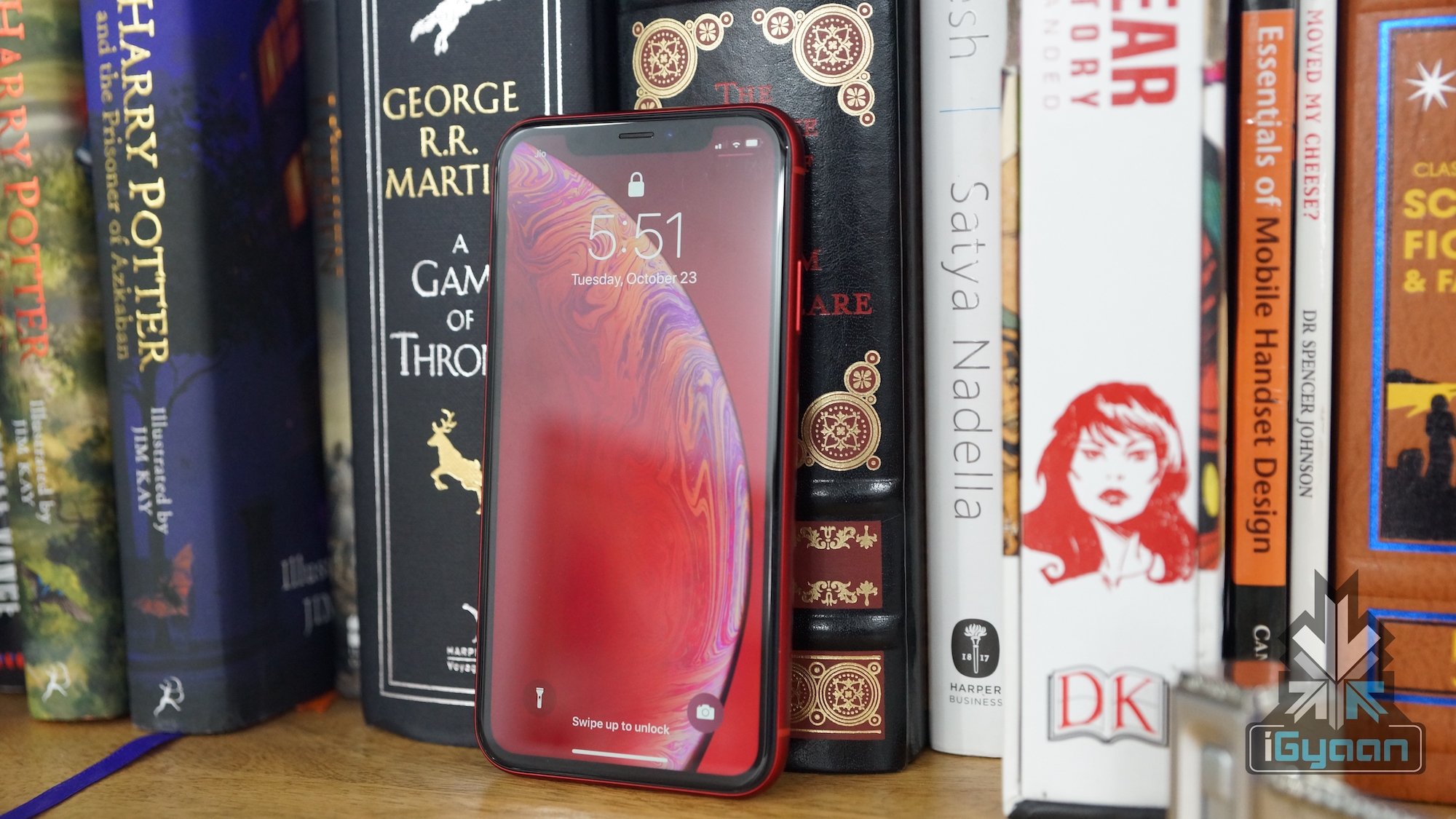
    Apple is a company that is recognised for perfecting a given technology before it makes on appear on the companies globally available products. The AirPower which was originally unveiled in 2017 had overheating issues that the company planned to eliminate before its commercial availability in 2018. Unfortunately, even after working on the AirPower mat for more than two years, the product could not meet the standards that Apple has set for its offerings. Therefore, the company had to cancel the product. 

    Also Read: Puffin OS Is The Mobile Operating System That Can Crush Android Go

    The AirPower that Apple originally unveiled was able to generate a lot of hype around it because of its practicality and simplicity. The freshly granted patent suggests that the product is still alive. Besides, the company might have worked out the problems that wireless charging previously had. In order to rejoice its customers, the innovative product may relaunch soon in an upgraded avatar.

  • Lenovo Cardio 2 Affordable Fitness Band Launched In India

    Lenovo Cardio 2 Affordable Fitness Band Launched In India

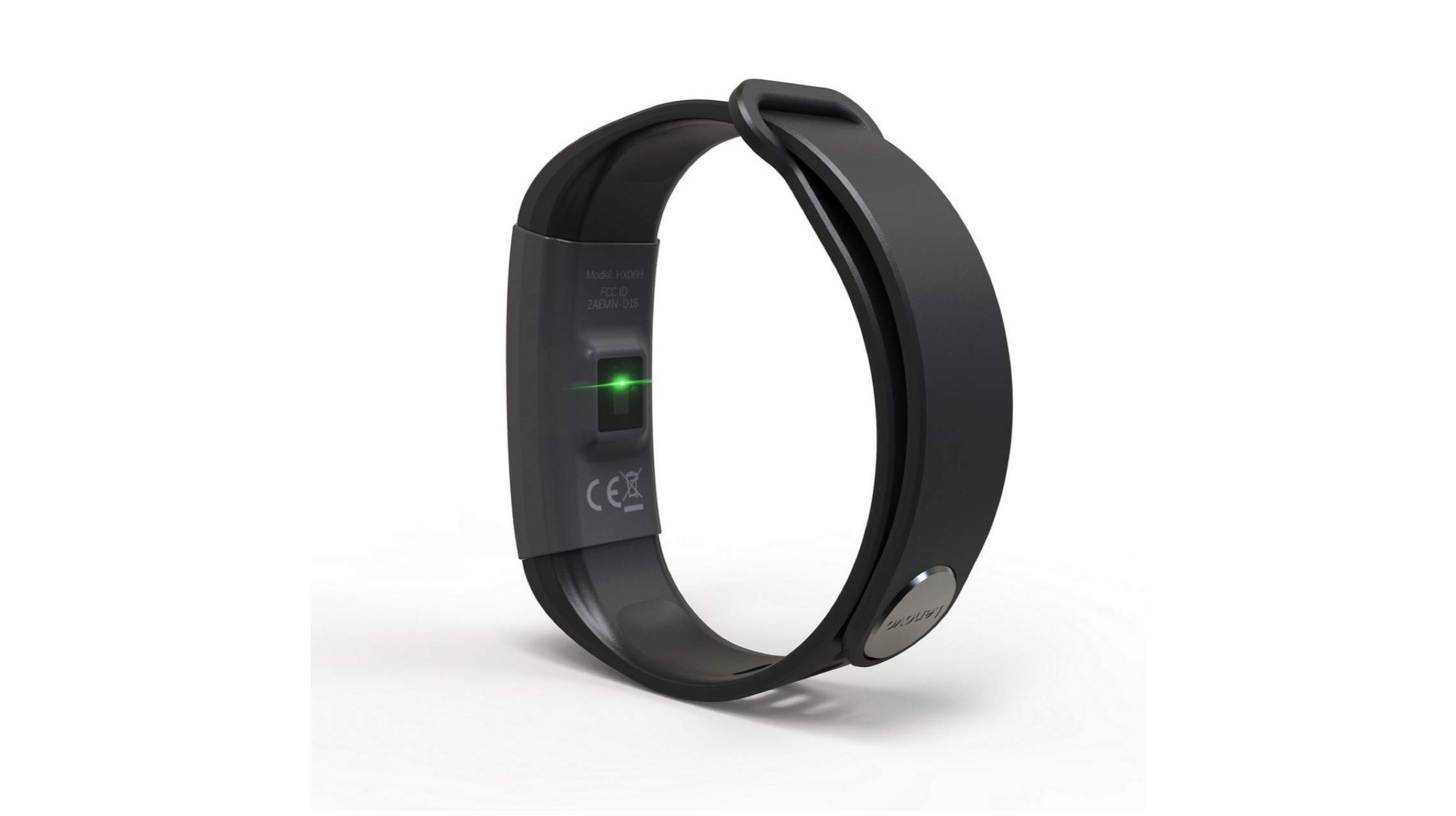
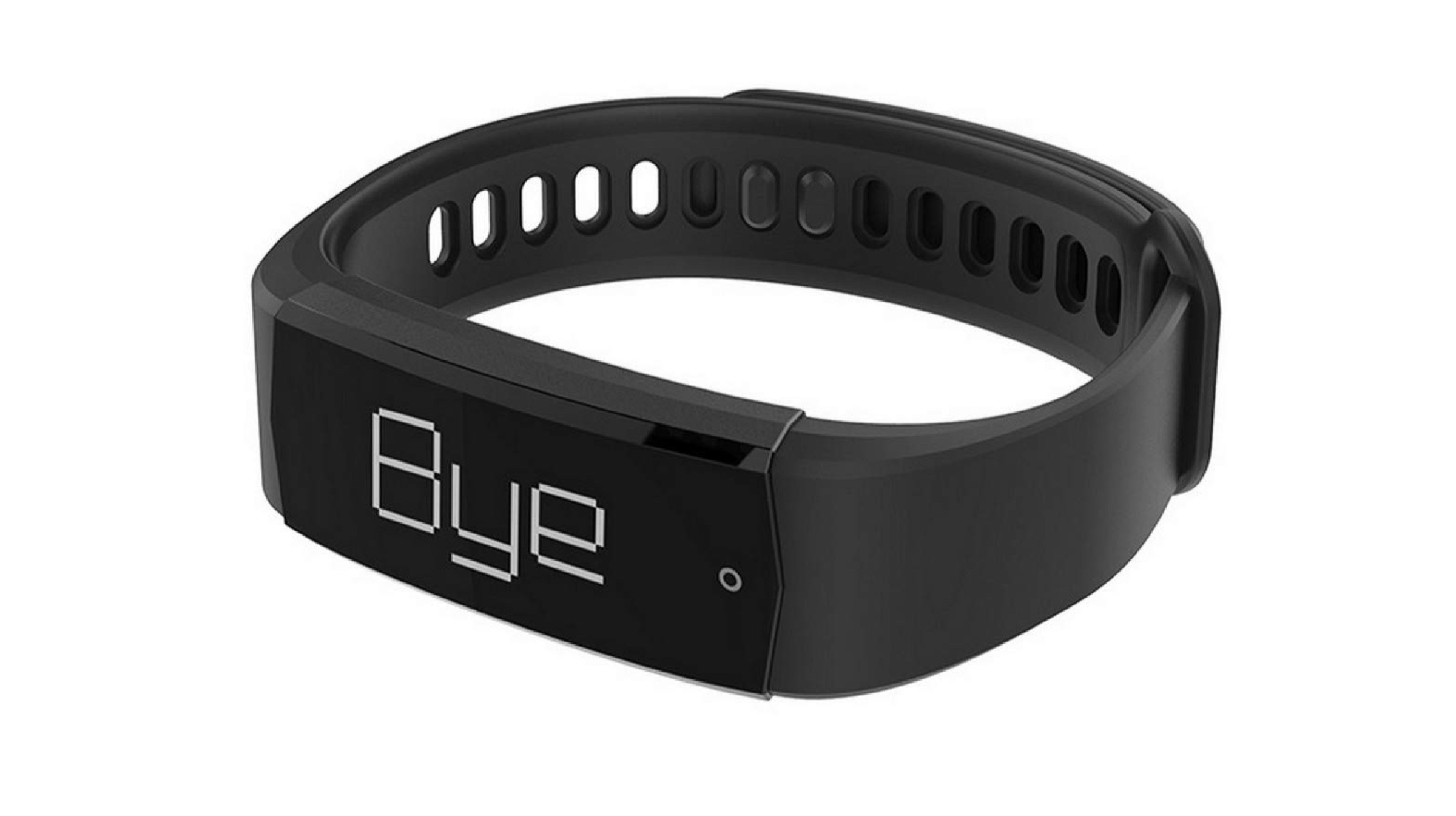
    Chinese smartphone maker, Lenovo has launched the Cardio 2 HX06H Smart Band in India expanding its wearable lineup. The key distinguishing features of the newly launch fitness band is a Heart Rate Monitor (HRM), 20-day battery backup and waterproof rating upto 50 metres. 

    Lenovo Cardio 2 Features and Design

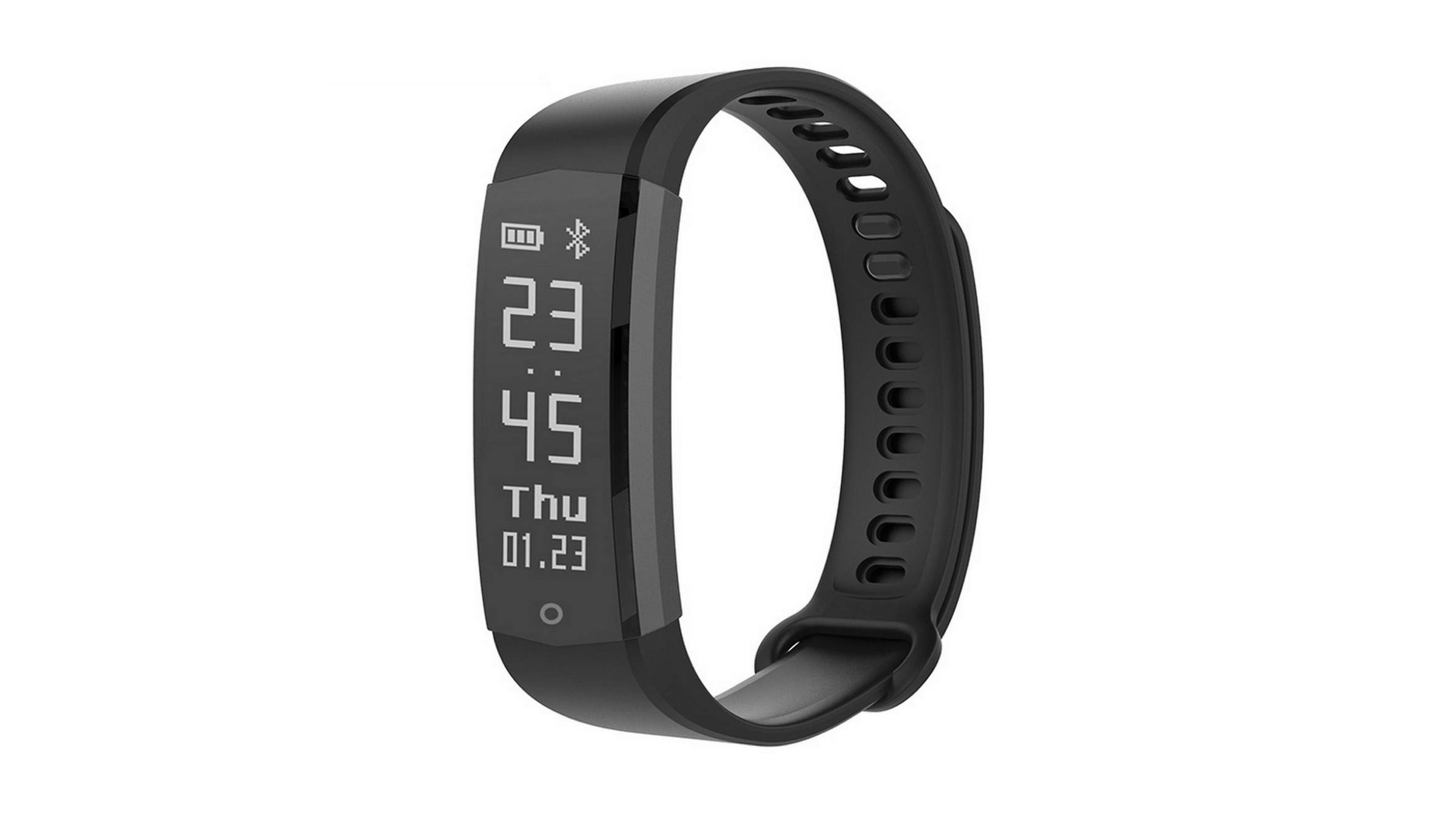
    Lenovo Cardio 2 FrontThe Lenovo Cardio 2 HX06H fitness band has a plastic construction with removable silicon straps. It measures 230 x 230 x 73 mm and tips the scale at 18.1 gram. The fitness band sports a 0.87 inch OLED display that has an HD ready resolution of 1366 x 768 pixels. 

    The Lenovo Cardio 2 HX06H is kitted with the Nordic 52832 processor which is highly power efficient. The device is powered by a 100 mAh battery which the company claims can provide a battery backup of upto 20 days. Unlike the Mi Band 3, the fitness band from Lenovo does not need a proprietary charging connector. Instead, it can be charged via the male USB A port which is concealed by the silicon strap.Lenovo Cardio 2 Heart Rate Monitor

    The Lenovo Cardio 2 has a built in pedometer which can be used to track the number of steps taken by the wearer. It also supports sleep tracking which can be recorded and transferred to a mobile application which available for both Android and iOS platforms. Surprisingly, it also has a Heart Rate Monitor (HRM) which is a welcoming feature in its price segment.

    As previously mentioned the Lenovo Cardio 2 is water resistant upto 50 metres, the user can continue wearing with while bathing or swimming. Due to its water resistance capabilities, it can even be used during sweaty workout sessions. It also has a Multi Sports Mode which allows setting different goals while performing various activities like running, cycling, walking and climbing.Lenovo Cardio 2 Display

    Also Read: Puffin OS Is The Mobile Operating System That Can Crush Android Go

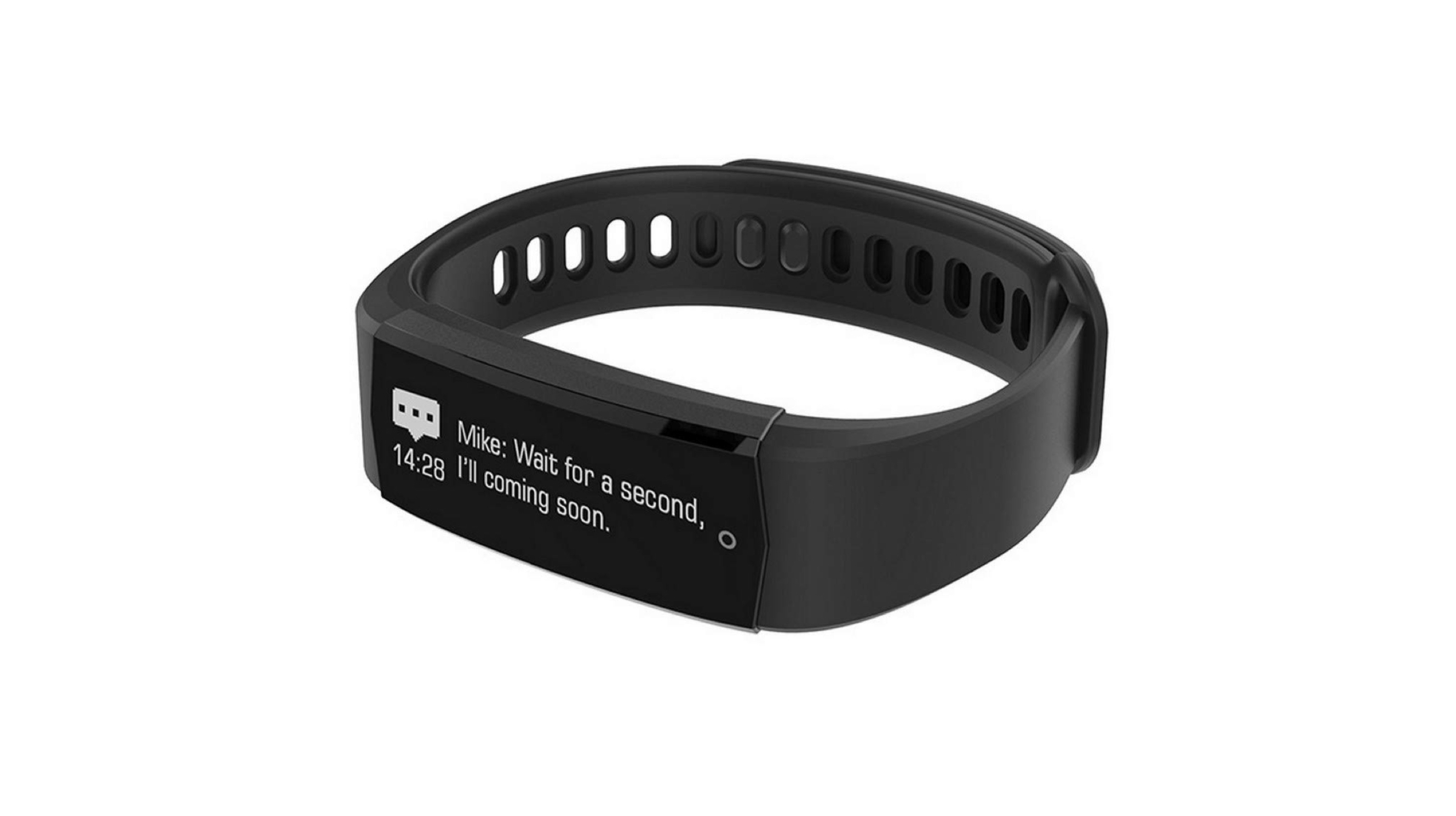
    For connectivity, Lenovo Cardio 2 is equipped with Bluetooth 5.0 which can be used to pair with either an Android or iOS device. The fitness tracker can also be used to display call alerts and SMS that the user would receive on their connected device. It carries a price tag of Rs 1499 and is available for purchase on Amazon.in.
  • Asus ROG Phone 2 Gaming Smartphone Launch Date Revealed

    Asus ROG Phone 2 Gaming Smartphone Launch Date Revealed

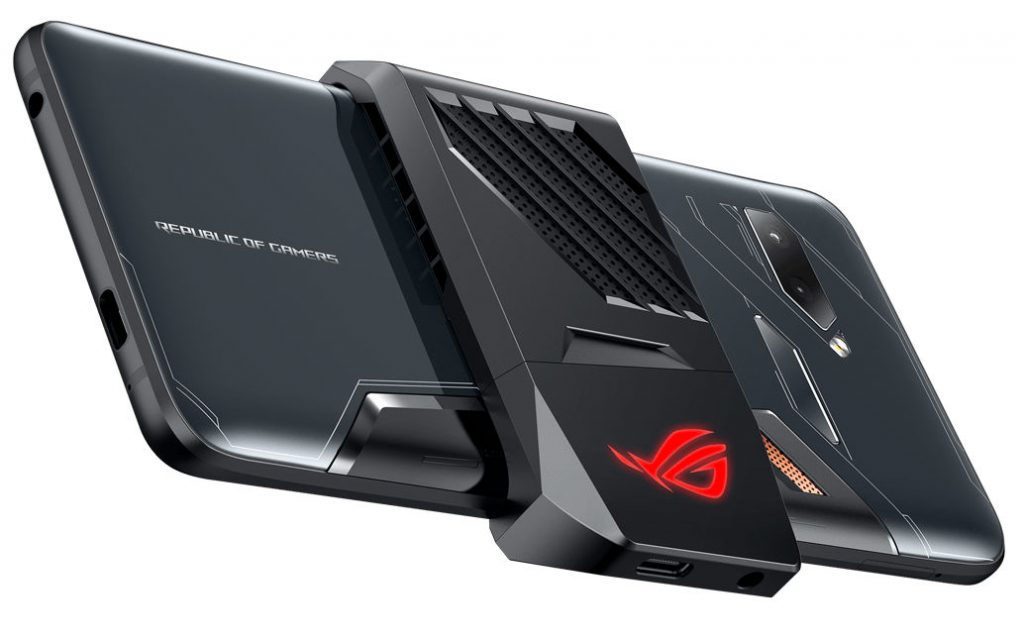
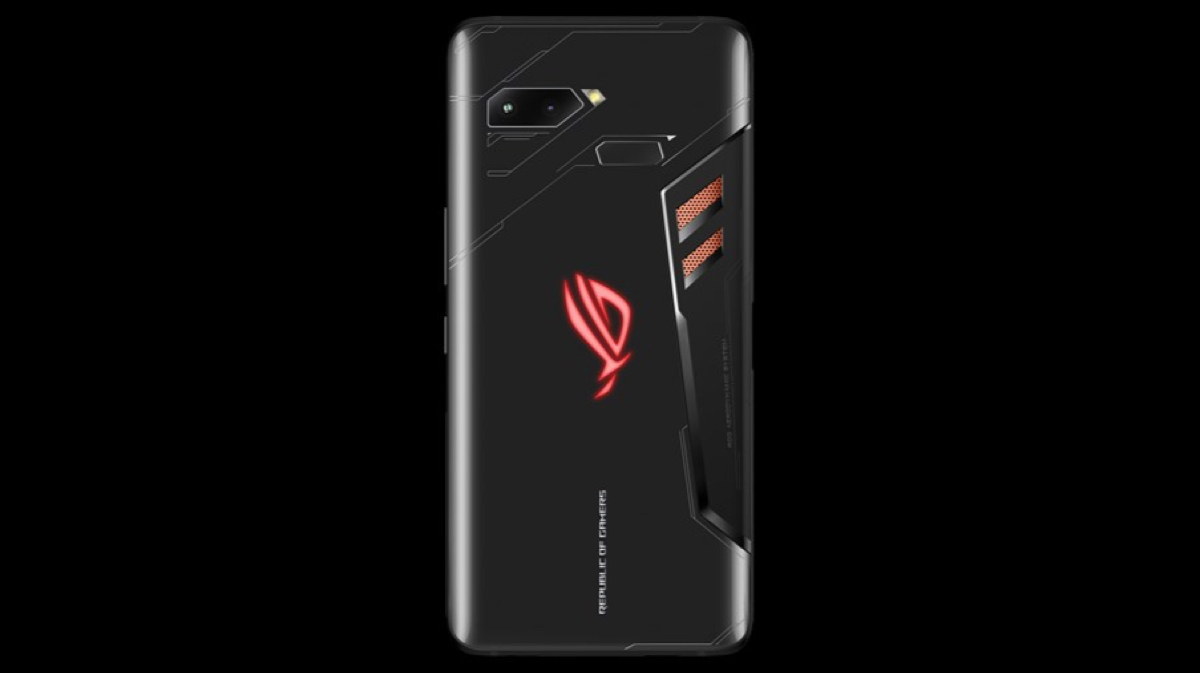
    Its been a while since Asus was confirmed to have been working on the second iteration of ROG Phone (Republic Of Gaming). Asus ROG Phone 2 is going to be the latest device in the gaming smartphone lineup from the company. Previously, many leaks showed an uncertain launch date, but the official release has finally been revealed for the date of 23rd July.

    The Taiwanese company teased an image on the Chinese social media platform Weibo. According to the teaser, date, time and venue location of the ASUS’ press conference has been officially revealed. Notably, Tencent Games will be in collaboration, known for its massively popular multiplayer title, PUBG Mobile. It is expected that the company will showcase other gaming related peripherals which will also be available alongside the Asus ROG Phone 2.

    Asus ROG Phone 2

    Asus will probably be seen flaunting its smooth 120Hz display on its upcoming gaming flagship; a noticeable jump over last gens 90Hz screen. ROG Phone 2 is expected to run an optimized version of PUBG Mobile to fully utilize the 120Hz panel, which is twice the refresh rate found on traditional smartphones. The device was recently reported to have received the 3C Certification in China which also revealed a 30W charger being planned for the device. It will be the second brand after Razer and its Razer Phone lineup to feature such a high refresh rate display panel on its smartphone.
    Asus ROG Phone 2

    Also ReadPuffin OS Is The Mobile Operating System That Can Crush Android Go

    Asus ROG Phone 2 is expected to feature top-end specs similar to its predecessor. It will likely sport at least 6GB of RAM alongside 128GB of ROM run by Qualcomm’s Snapdragon 855 SoC. The upcoming smartphone will be unveiled in China on 23rd July, however, its pricing is still unknown. It will be a great addition to the gaming lineup of smartphones from the company and in the market for gaming enthusiasts.
  • Puffin OS Is The Mobile Operating System That Can Crush Android Go

    Puffin OS Is The Mobile Operating System That Can Crush Android Go

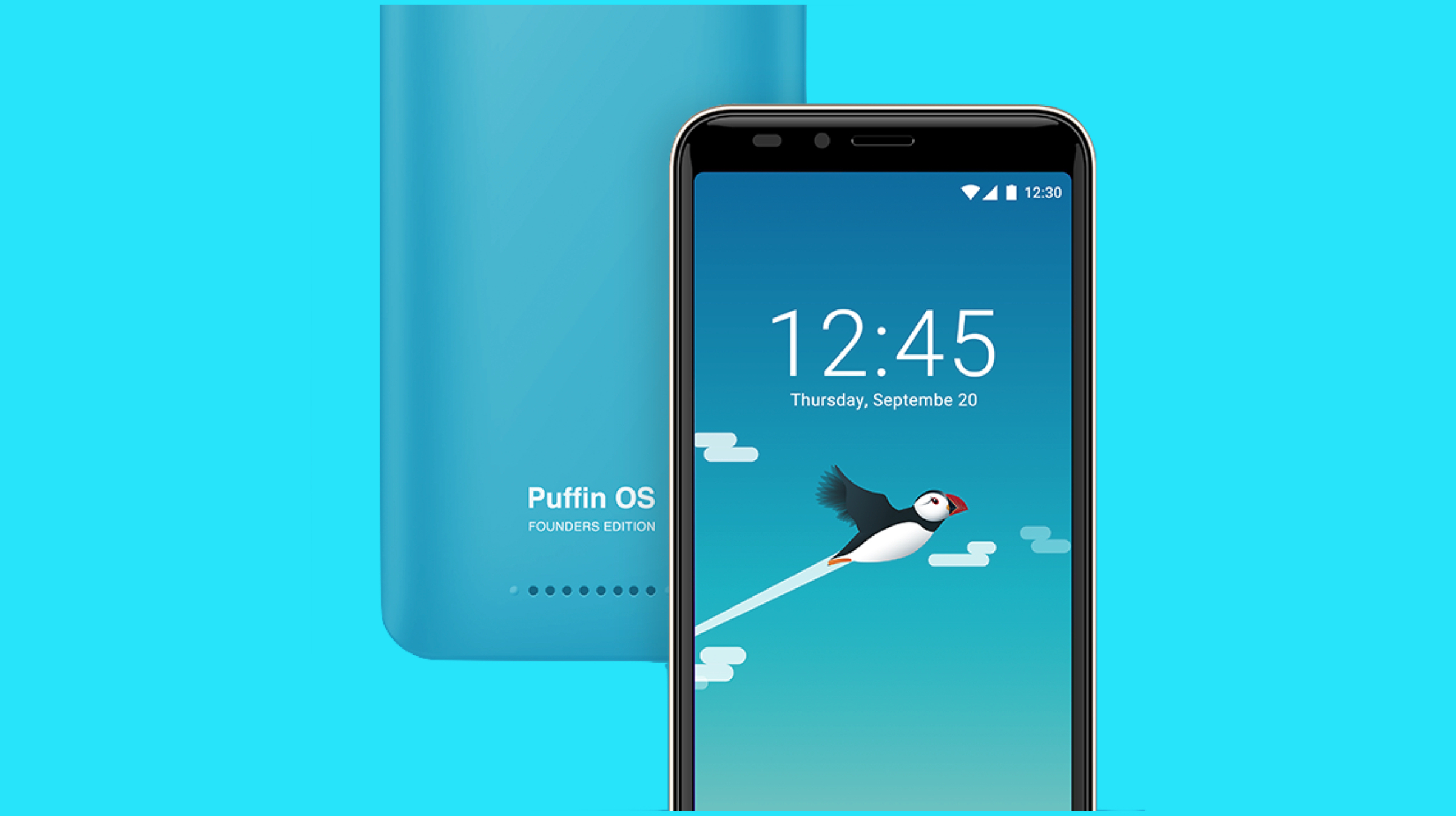
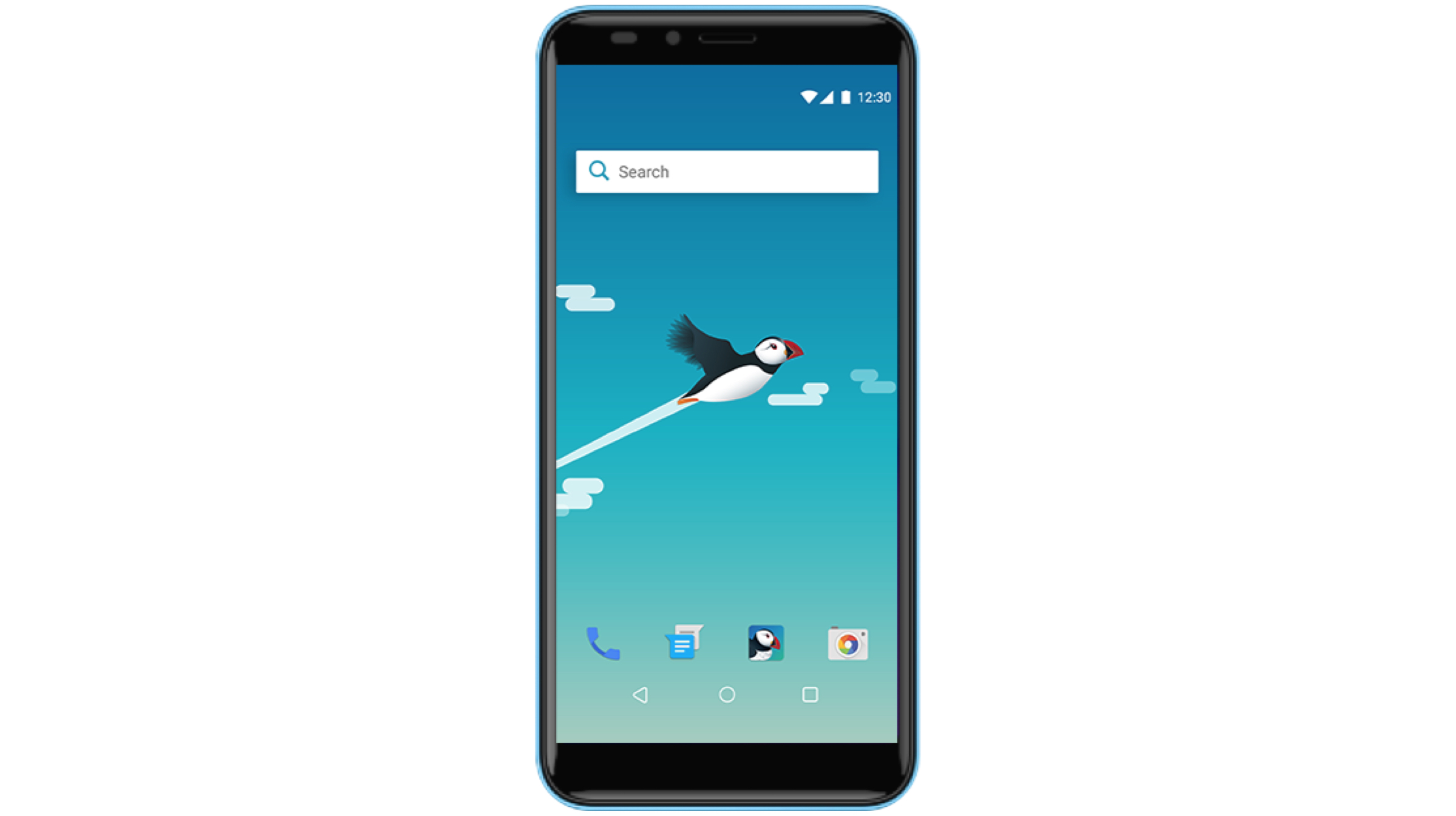
    CloudMosa is an American company which is recognised for its web browser “Puffin”. In comparison to conventional browsers, Puffin browser’s strengths lie in speed and security. Acquiring these two elements from its web browser, CloudMosa has developed a mobile operating system which is called Puffin OS.

    The new mobile OS is chiefly targeted towards handsets that cost US $ 100 or less. According to CloudMosa, Puffin OS bridges the gap that exists between feature phones that run on KaiOS and economical Android smartphones. The company collected data from a couple of independent research organisations and uncovered key limitations in existing sub-US $ 100 mobile phones which either run KaiOS or Android. 

    • 33 percent of all mobile owners use a feature phone which has access to less than 500 applications. This drastically reduces the potential that a conventional smartphone can offer
    • 57 percent of device owners have access to a limited internet connection. Therefore, Android which is currently the most widespread mobile OS also presents a shortcoming. Due to limited internet, the user may not be able to download an application in the first place or existing applications require frequent updates to offer the latest and greatest of features.

    CloudMosa designed Puffin OS in such a manner that it can overcome both the limitations mentioned above. The company claims that its mobile operating system can convert any existing website into a web app. Therefore, users instantly get access to over 1.5 billion applications including Facebook, Youtube and Google Maps.

    The key benefit of this technology is that web apps can run directly on smartphones running on Puffin OS without having to download an application. Furthermore, the new mobile OS is free from any centralised regulatory body. Hence, developers can use open web standards like HTML5, CSS3 and JavaScript to build mobile apps.

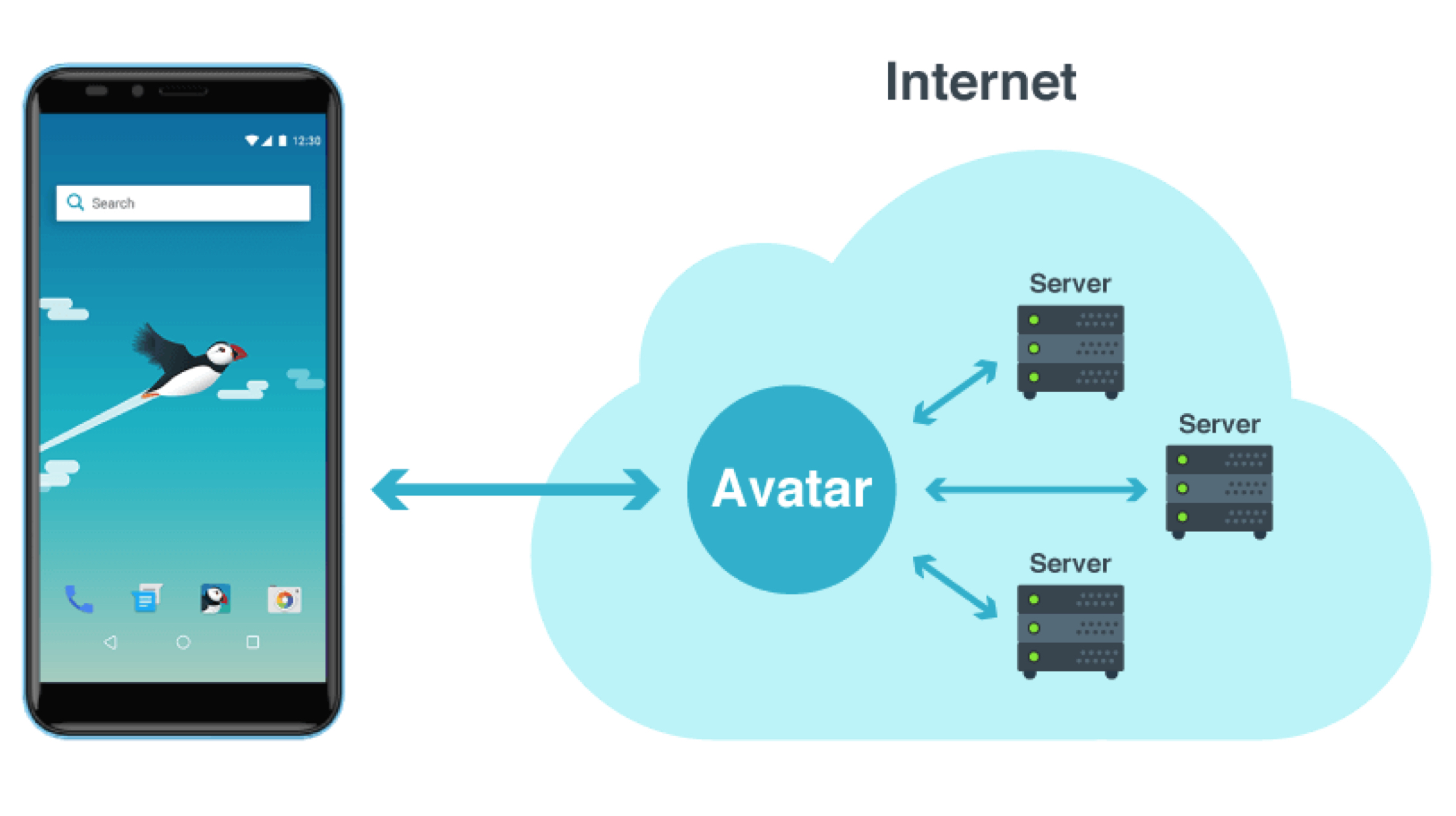
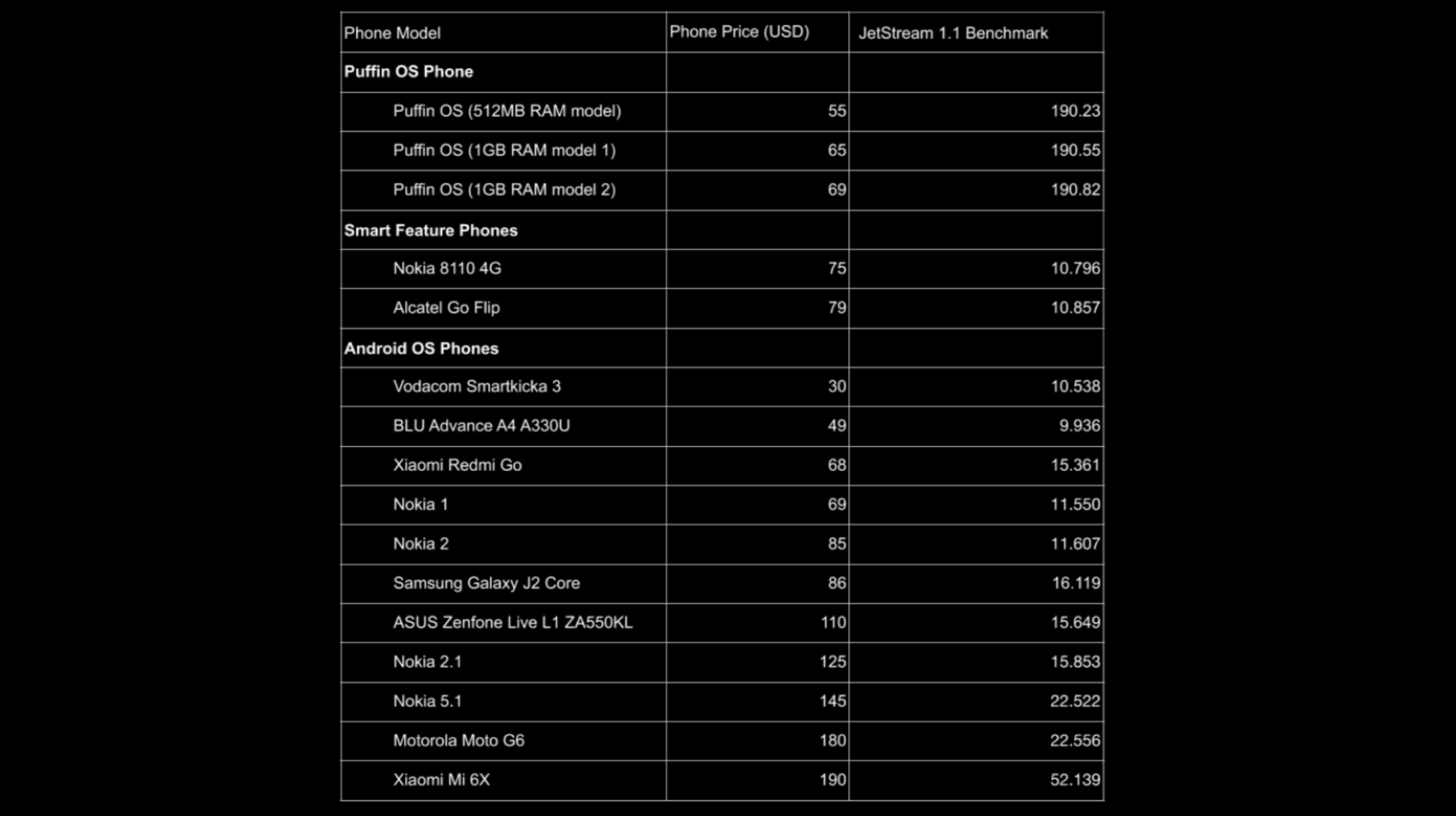
    Noteworthy, Puffin OS is derived from Android but it uses a Technology called “Avatar” which shifts the workload from the local device to a remote computer in the cloud. To demonstrate its capabilities, CloudMosa has shared a benchmark comparing the performance of three mobile operating systems.

    Also Read: Scientists Develop Brighter, More Energy Efficient OLED Display For Smartphones

    To sum it up, the claims made by the company look groundbreaking in comparison to existing options. However, in order to verify them, we will have to until a real-life device is actually demonstrated. Cheerfully, the company will soon be crowdfunding a smarpthone running Puffin OS on Kickstarter whose details are to be revealed soon.


iGyaan Network
Privacy Overview

This website uses cookies so that we can provide you with the best user experience possible. Cookie information is stored in your browser and performs functions such as recognising you when you return to our website and helping our team to understand which sections of the website you find most interesting and useful.