Author: Sahil Kapoor

  • How Chinese Companies Have Helped In Making Smartphones Affordable

    How Chinese Companies Have Helped In Making Smartphones Affordable

    Gone are the days when powerful smartphones were a novelty. In the current scenario devices (1) starting as low as Rs 6,000 can offer as many functionalities as high-end smartphones from the year 2010 to 2012. However, this is not just a coincidence, it is a result of the constant tug of war Chinese OEMs have been playing for over 5 years.

    Some prime examples of the companies that have helped in driving down the costs of mobile devices include Huawei, Xiaomi and BBK Electronics (parent company of Oppo, Vivo, OnePlus and Realme).

    Before we begin the saga of the previously mentioned Chinese OEMs, we will discuss the early days of smartphones and how some key players faired during those times.
    apple
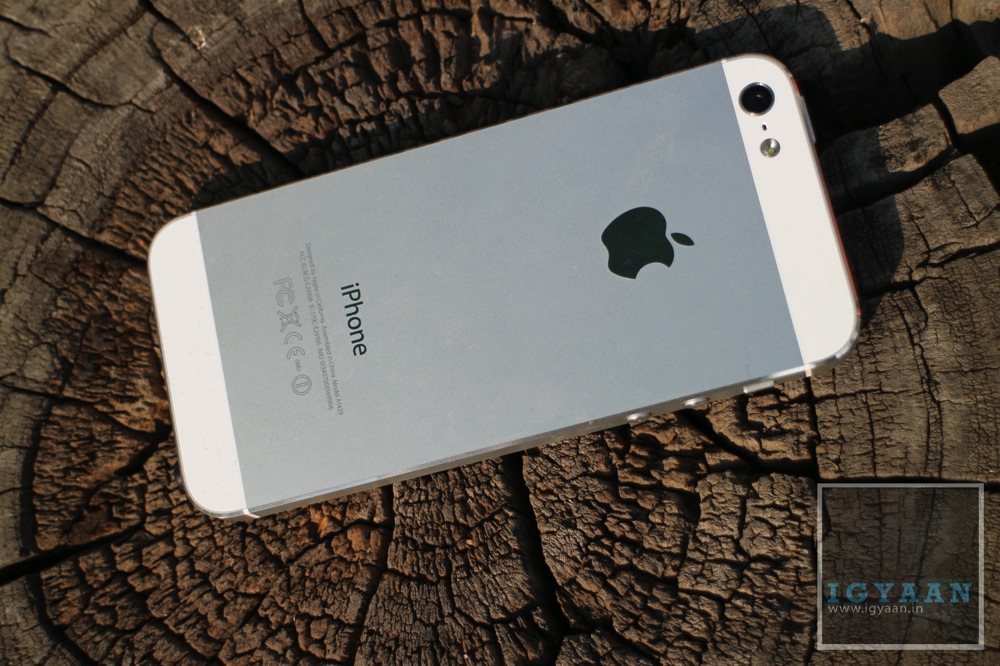
    iPhone 5 From 2012

    We all know, the original iPhone from the year 2007 is considered one of the first smartphones. While Apple maintained a closed ecosystem by only offering iOS on it’s in house developed products, Google, on the other hand, embraced the concept of hardware independence for the Android operating system. 

    Besides Apple, numerous companies tried their luck in the smartphone industry which includes Nokia, Samsung, Blackberry and HTC. While HTC flourished in the early days, it had to fall back due to fierce competition from Chinese competition. 

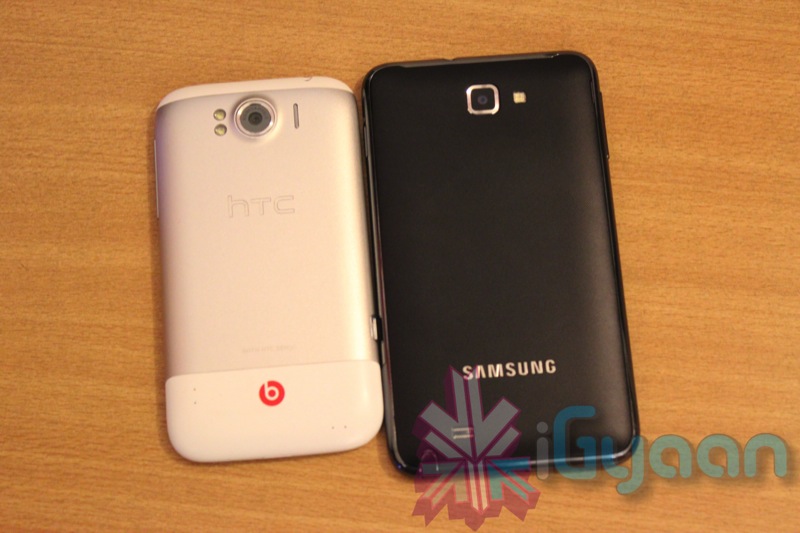
    Talking about Blackberry and Nokia which stood by their in house developed OS (Symbian and BBoS), the companies were pushed to the brink of collapsing due to incompetent software. While Nokia has managed to recover to a fair extent after the adoption of Android, Blackberry still struggles to find a niche which would allow it to stand out of the crowd.HTC Sensation XL And Samsung Galaxy Note smartphones
    Nonetheless, one company that has not only survived but thrived during the early years of a smartphone is Samsung which currently enjoys the position of world’s number one smartphone manufacturer in terms of units sold.

    Over a decade ago, the company was dabbling with operating systems including Windows OS and Palm until it stumbled upon Android. In the year 2009, it launched the ‘GT-I7500 Galaxy’ which was followed by the Galaxy Spica and the Samsung Galaxy S. While the former now rests in peace, the latter is one of the most renowned smartphones of the current era. 

    For three consecutive years until the launch of the Galaxy S4, Samsung was the only company that was able to rake in substantial sales which could match up with the sales figures of Apple iPhone.
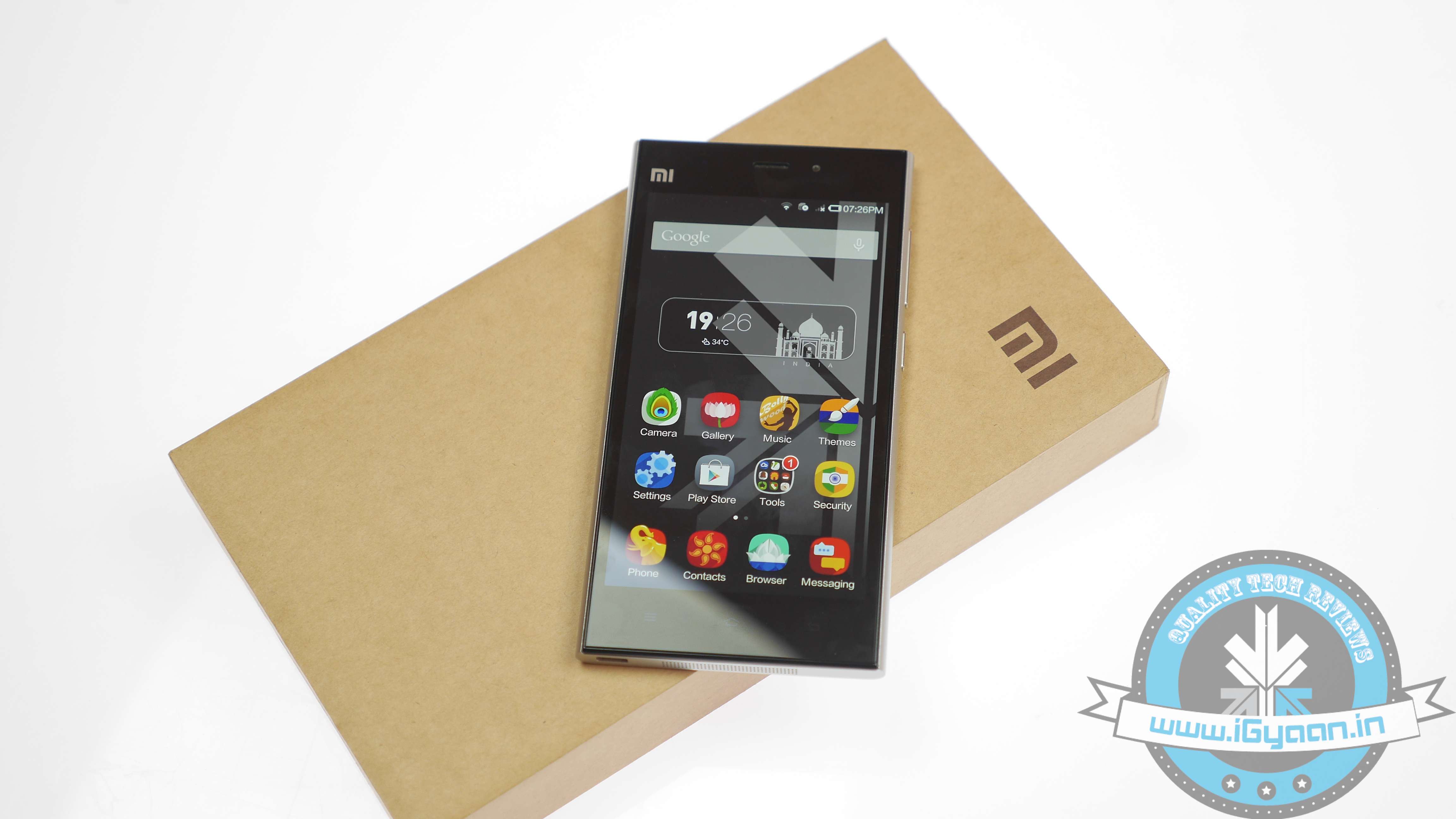
    Xiaomi Mi3 smartphones

    Then came the Mi3 which as we all know was made by Xiaomi. In comparison to Galaxy S4 which retailed for Rs 41,500, the Mi 3 cost only Rs 14,999. The reason for drawing this comparison is due to the fact that Xiaomi’s offering had similar specs to the 4th Gen Galaxy smartphone which include the following:

    • 5 inch Full HD Display (441 ppi)
    • 13 MP Front Camera
    • 2 MP Rear Camera
    • Bluetooth 4.0, 802.11 Wi-Fi
    • Android 4.3

    Now that we have a preface, let’s begin with the factors that allowed Chinese companies to significantly drive down costs of smartphones and associated technologies. 

    • Online Only Business Model: Xiaomi which entered India in the year 2014, sold its devices exclusively online for a long period. This allowed the company to eliminate the traditional supply chain which included several commission bearers.

      Instead, it gave a small fee of Rs 700 to Rs 1,500 to its online partners i.e Amazon and Flipkart. In comparison, a traditional supply chain would incur upto 10 to 30 per cent of the device cost. This strategy is now even adopted by large companies like Samsung that sell devices like the Galaxy M lineup via online channels. 

    • Wafer Thin Margins: In an effort to gain traction and lure in the maximum number of customers, these companies maintain low-profit margins at least during the early years. These companies are also able to save up on development costs as most of the components incorporated in the smartphones are manufactured by other OEMs. 
    • Economies Of Scale:  Rather than selling fewer units with high-profit margin on each unit, Chinese companies tend to stress on selling a maximum number of units to drive up overall profit. Moreover, increased level of production also helps in saving costs.
    • Lean Manufacturing: As observed with several smartphone launches, companies allow users to block units by paying a small booking amount which is a part of lean manufacturing and supply.

      Such practises allow the company to anticipate the demand which can be translated to adjust procurement of raw material, production of devices and storage of these ready products which would again incur costs in the form of warehousing if left piled up.  

    Overall, Chinese OEMs have closely scrutinised all the steps that are required from designing to developing to retailing smartphones. During the process, all the steps or costs that seemed unnecessary have been eliminated that has helped in creating a strong and efficient business model. 
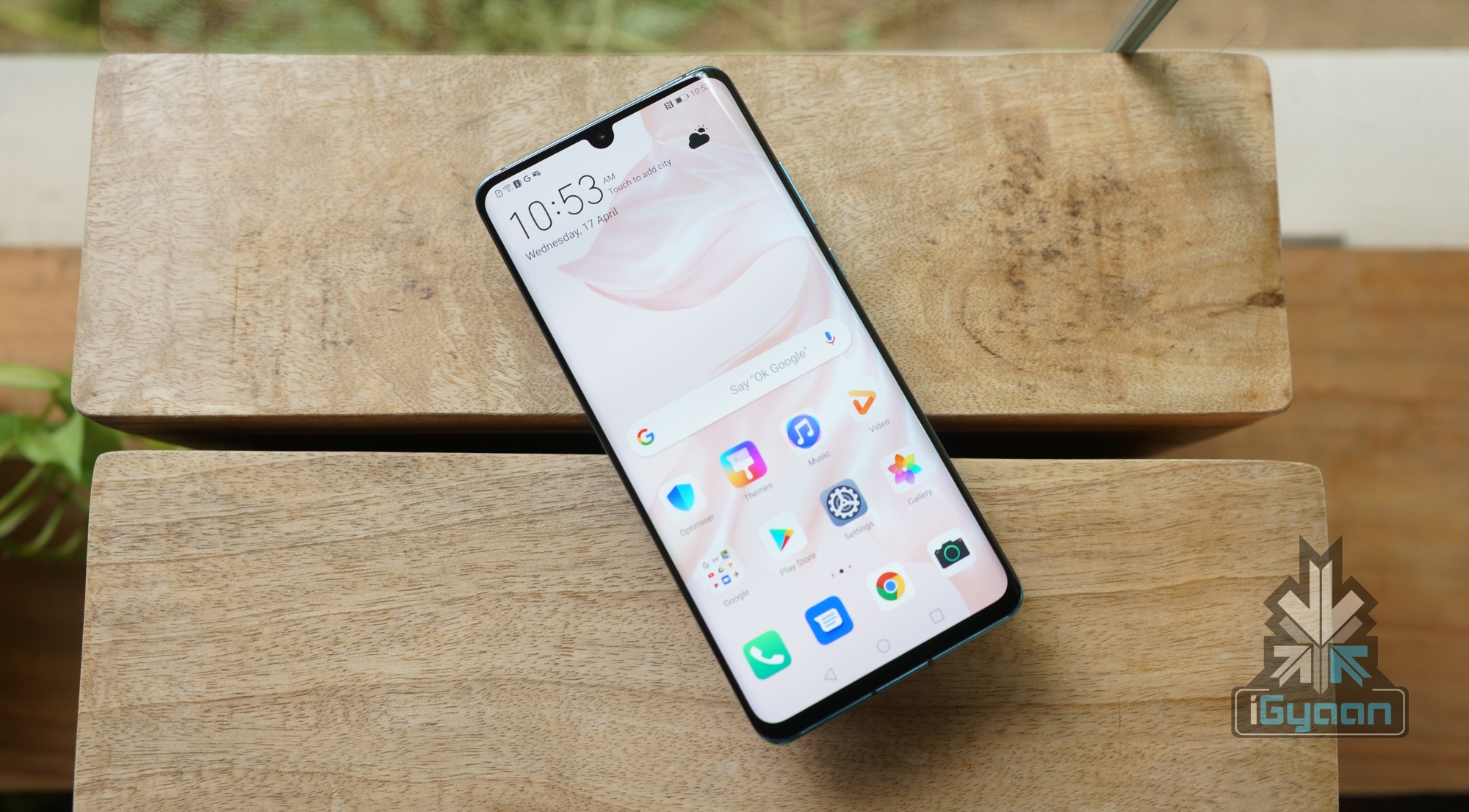
    Huawei P30 ProFor reference, Huawei which has been heavily investing in R&D for a long period is able to design its own components like Kirin chipsets. This allows the company to save costs while allowing room for considerable profit margins. 

    Also Read: Gamescom 2019 Roundup Of The Best Upcoming Games

    Likewise, over the last few years, BBK electronics has also been observed to develop innovative devices like the Vivo Nex, Oppo Find X which have provided the company with a fair share of attention from the global audience.

    To sum things up, this continuous contest played by the Chinese OEMs in order to maintain an edge over the other has helped in driving costs of smartphones consequently making them more affordable for the end-user. 
  • Useful Smartphone Accessories You Might Not Know Exist

    Useful Smartphone Accessories You Might Not Know Exist

    The internet and e-commerce sites are filled with boatloads of mobile accessories which range from selfie sticks to tripods to power banks. However, we have scoured the web to find those accessories which are actually useful and you might not even know that they exist. 

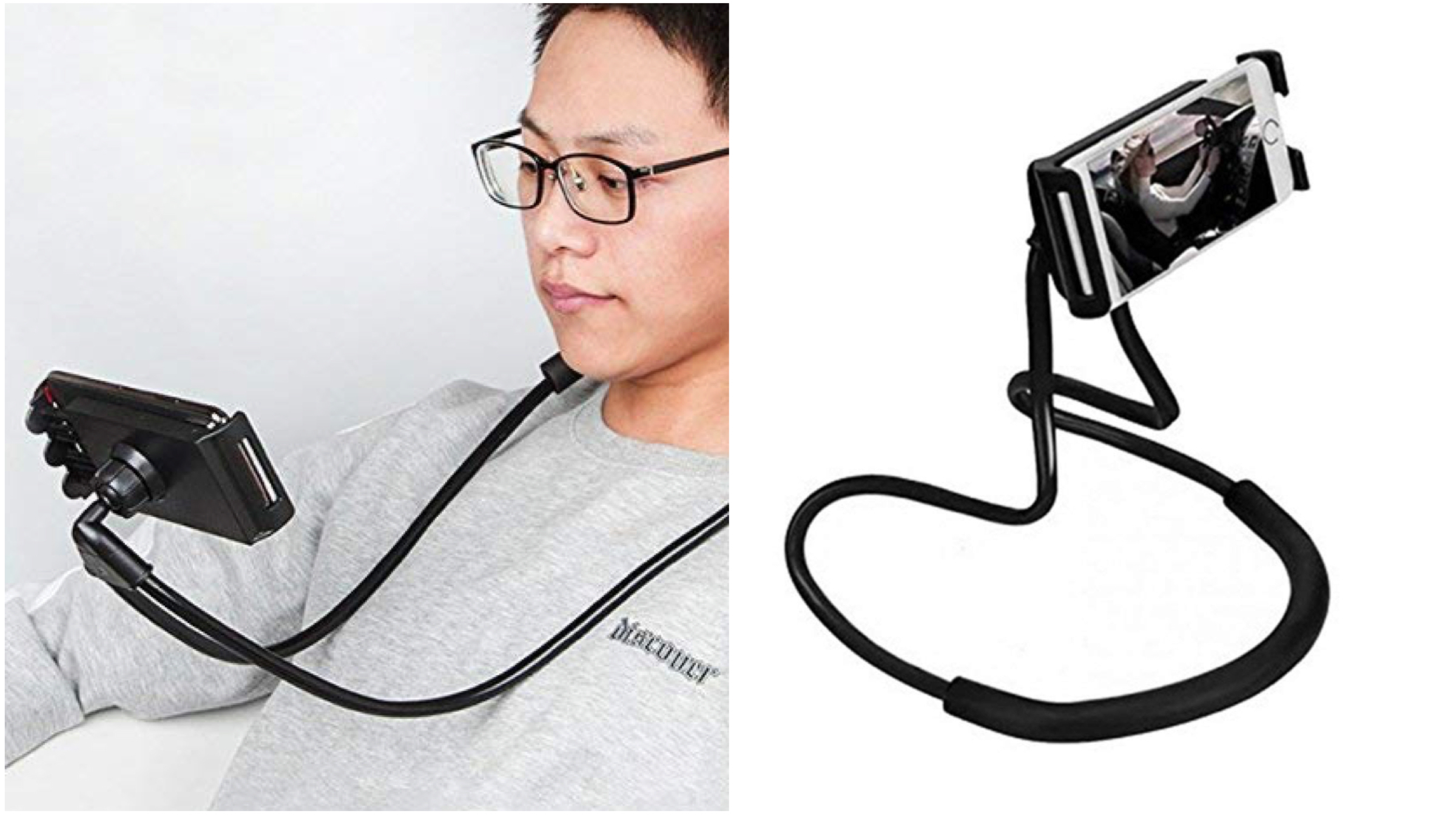
    Neck Smartphone Holder
    mobile accessories

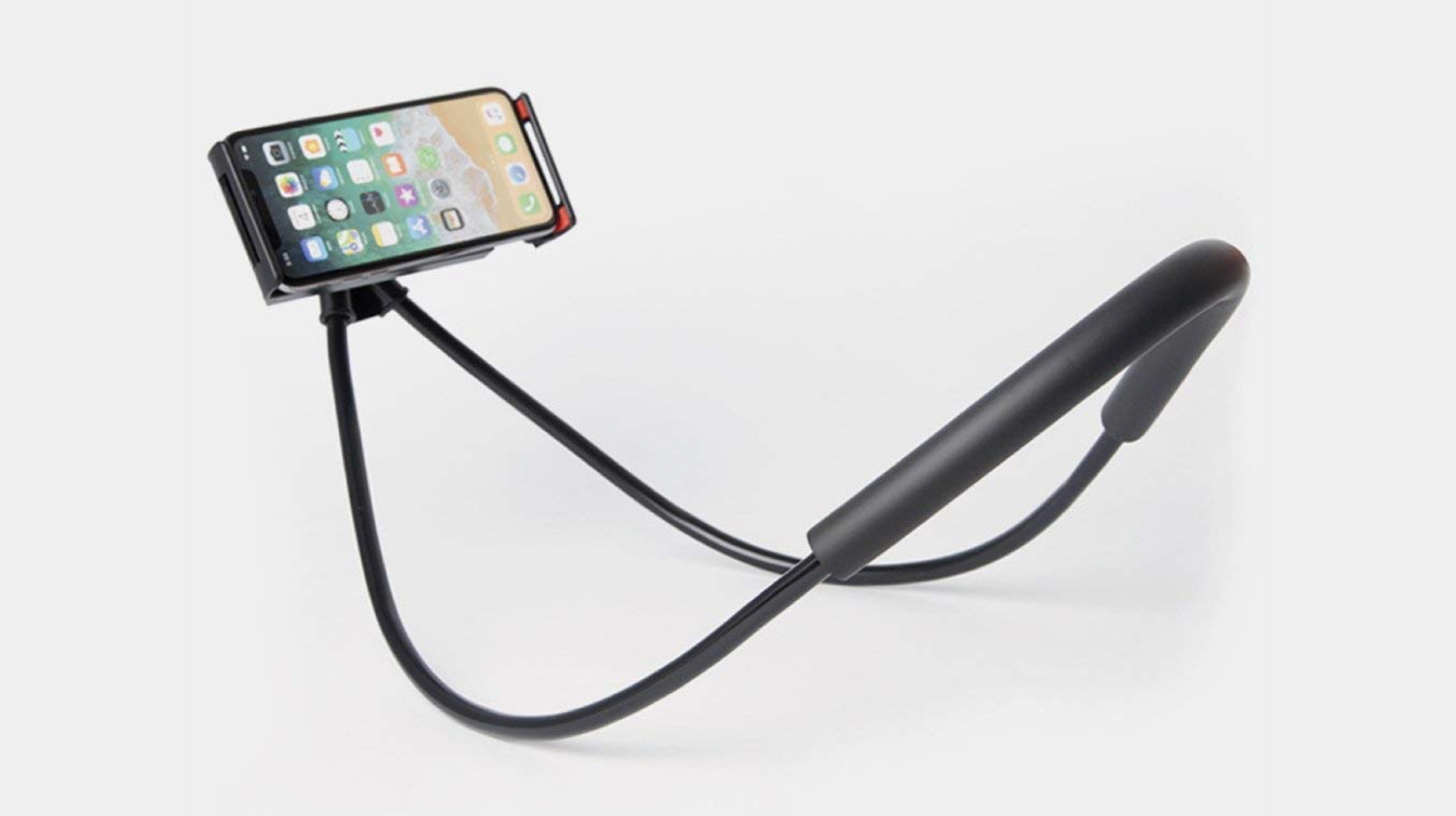
    As the name suggests, this accessory allows the user to hang a smartphone around their neck. It features an extendable mobile holder that can stretch upto 7.5 inch. The legs aka the stand of the accessory are made out of flexible tubing, therefore, the users can adjust them according to their comfort and viewing angle. 

    Funnily enough, the key purpose of this smartphone holder is to replace human hands which would feel tired when staying steady in a given position for an extended period. Besides being used around the neck, users can also encompass it around their back and consume digital content in a leaned back position.

    In additon to the two previously mentioned formats, it can also be used as a dock or a selfie stick.

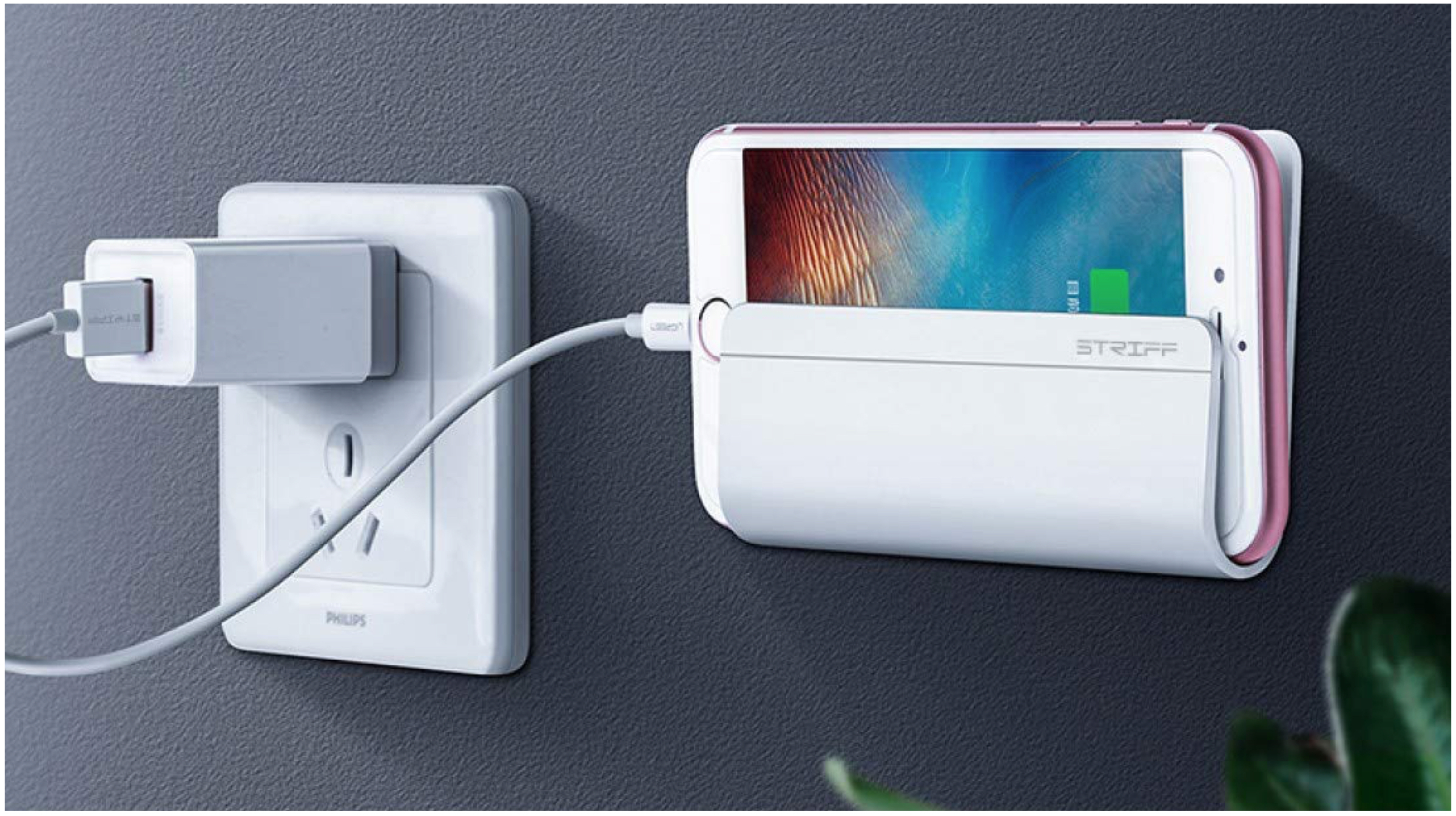
    Wall Mounted Phone Holder
    mobile accessories

    A large majority of people charge their smartphones overnight and chuck it under their pillow which is bad both for the human body and the smartphone. Due to improper heat dissipation, the device may get hot and has a possibility of catching flames which clearly is hazardous.  

    Besides, reports have proven that keeping a mobile as less as 10 cm away from the body can eliminate 98% of the radiation emitted by them. Therefore, the next product on the list, which is a wall-mounted phone holder is a really good option that one must consider. 
    In addition, it also has a cable management system with whose help the user can hide the extra cable. This allows maintaining a tidy and nice aesthetic in a living or workspace. An alternative to this is the ‘flybase’ that hangs on the charger and allows a smartphone to rest on its lap while charging. However, this is ideal for situation when the charging cable is not long enough to reach the ground or a flat surface. 

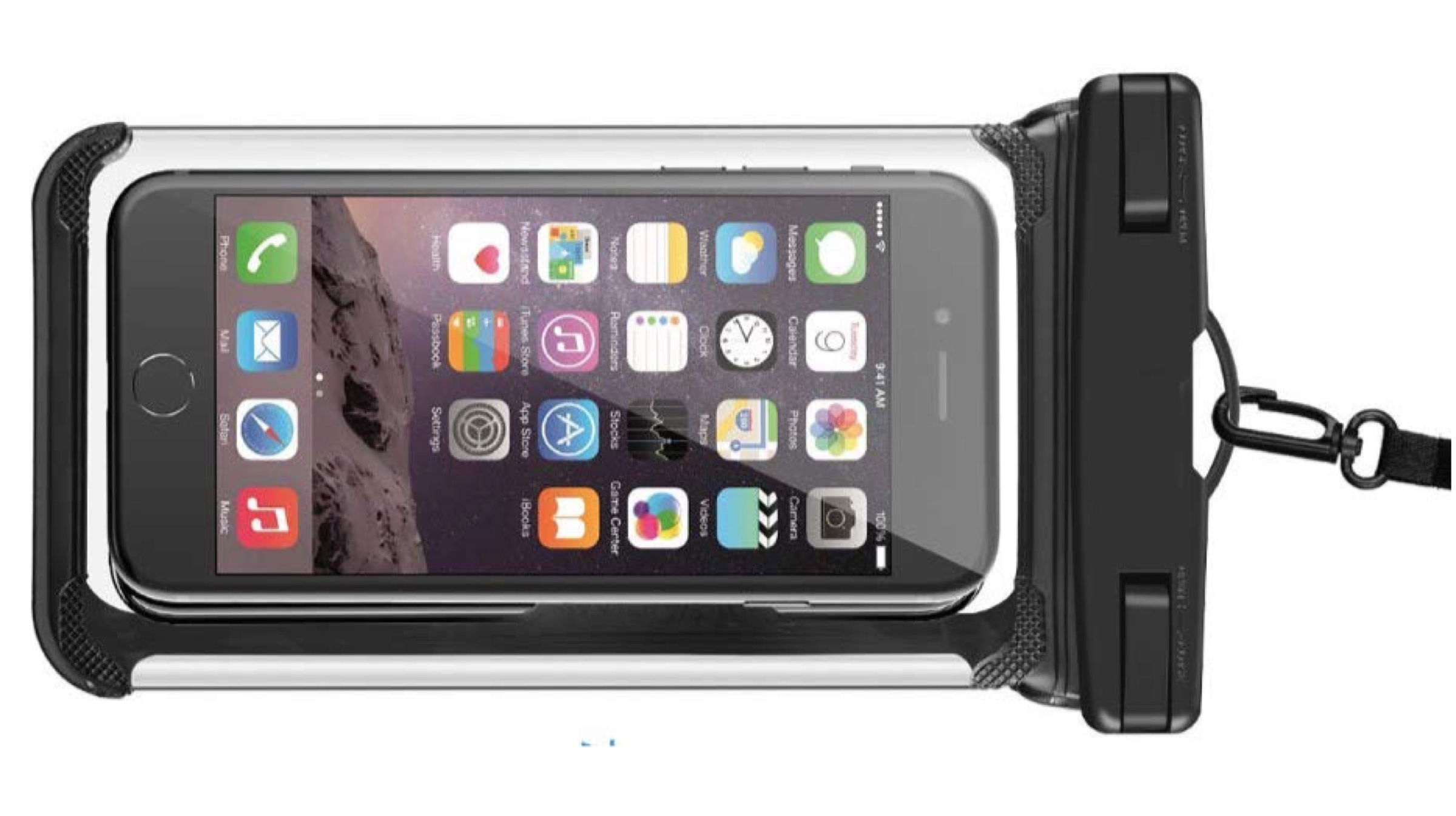
    Waterproof Pouch For Mobile
    mobile accessories

    The next accessory in the list is the waterproof mobile pouch. It is made out of leather and has a see-through TPU layer on the front and back. The top of the pouch has a triple seal which ensures water cannot come in contact with the smartphone that is placed inside. 

    Due to this feature, it can also be used for underwater photography. However, we recommend checking seals on the unit you receive before submerging your smartphone entirely underwater. Besides it also has a built-in lanyard which allows for easily carrying the smartphone while you are enjoying your beach holiday. 
    Although there are several choices online that start for as cheap as Rs 100, we suggest buying a quality product whether the one listed below or any other. 

    Mobile Cleaning Kitmobile accessories

    Smartphones have become an integral part of a modern man’s life and they accompany us wherever we go. Throughout our day we come across several surfaces, out of which, many have a possibility of being contaminated with microbes or pathogens which are invisible to the human eye. Consequently, we can easily pass on these unicellular organisms to our smartphones as well.

    Besides, smartphones have a high possibility of catching dust and lint from the pocket which can accumulate in grooves or slits like the earpiece grill or the charging port. After we take a bath or wash our hands we are able to get rid of most of the dirt or unicellular organisms but that never happens with our mobile phones. 

    The next product on the list is an anti-microbial cleaning gel kit. Not only does it remove any surface dirt, but it can also kill the microbes from the surface of a mobile phone which can spread communicable diseases. 

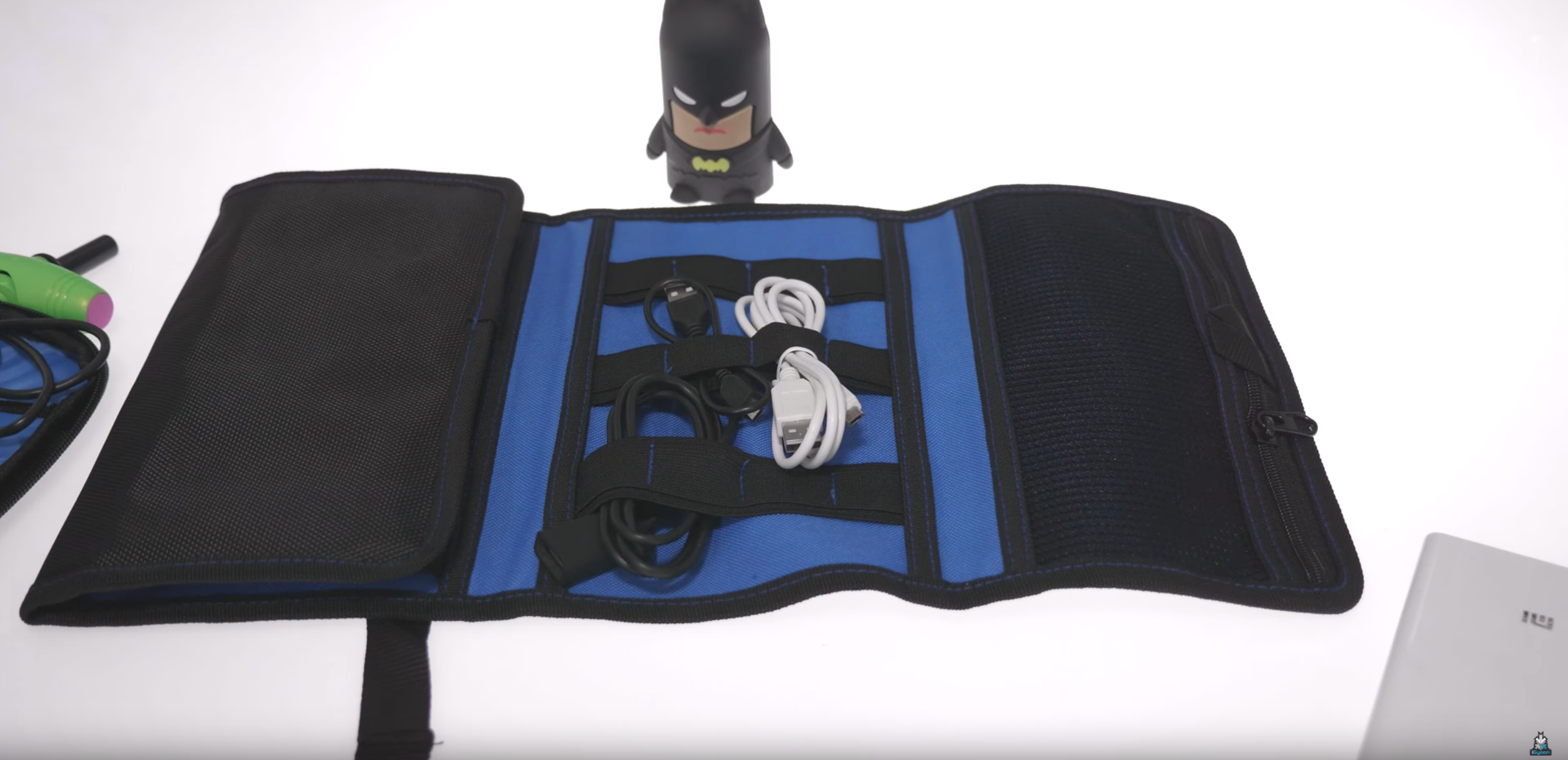
    Travel Organiser Bag

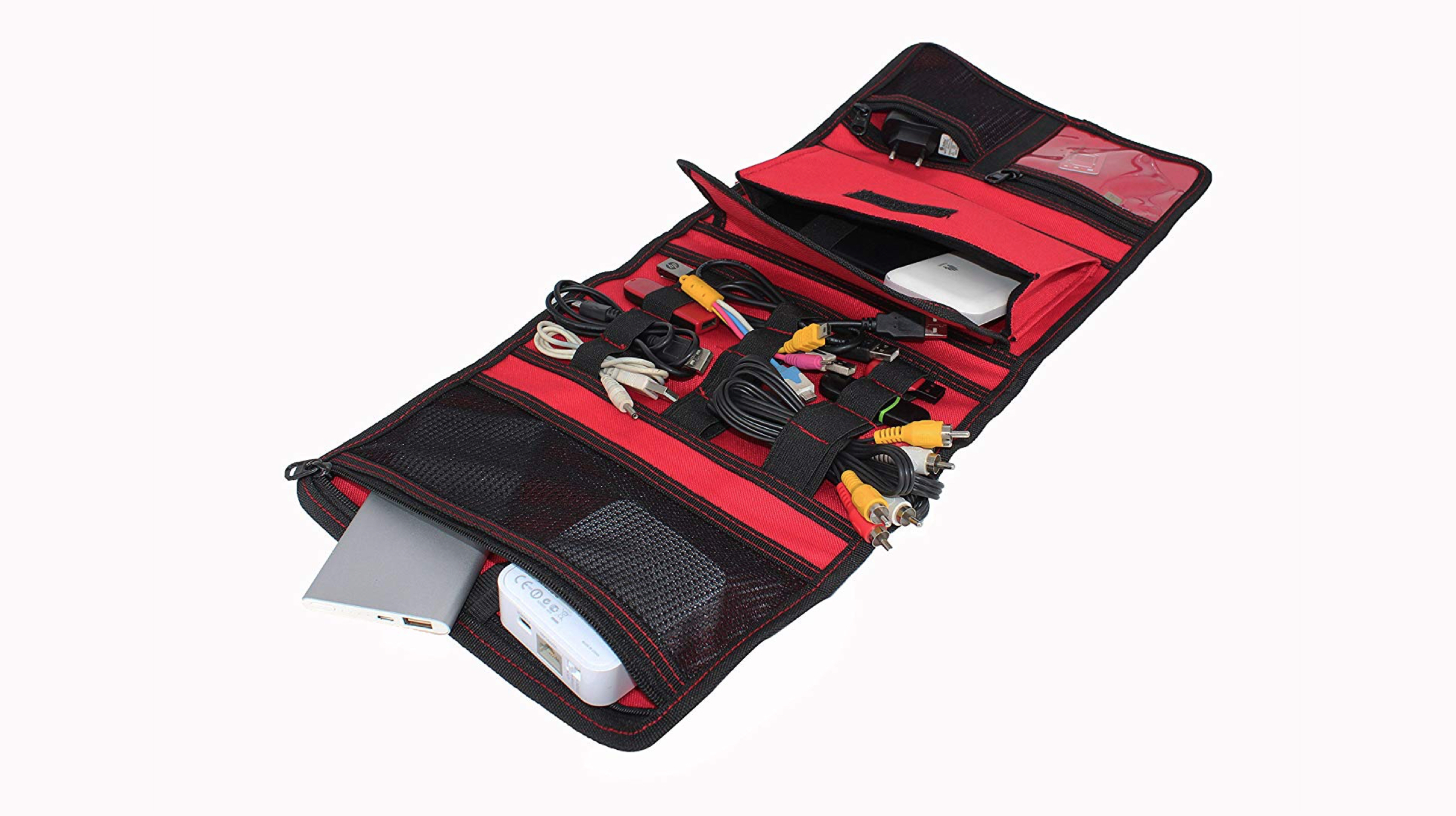
    If you are somebody like us who owns a lot of gadgets and their accompanying accessories. This organiser bag can be a nifty addition to your setup. It has several zip secured pouches which can be used to store different miscellaneous items that can range from a sim ejector pin to chargers and whatnot.

    It also has a dedicated section with elastic straps which can be used to neatly store different cords and cables. For easily carrying it around, the whole pouch wraps into a compact form factor which can be secured with a push buckle. 

    Hi-Speed USB C Pendrive

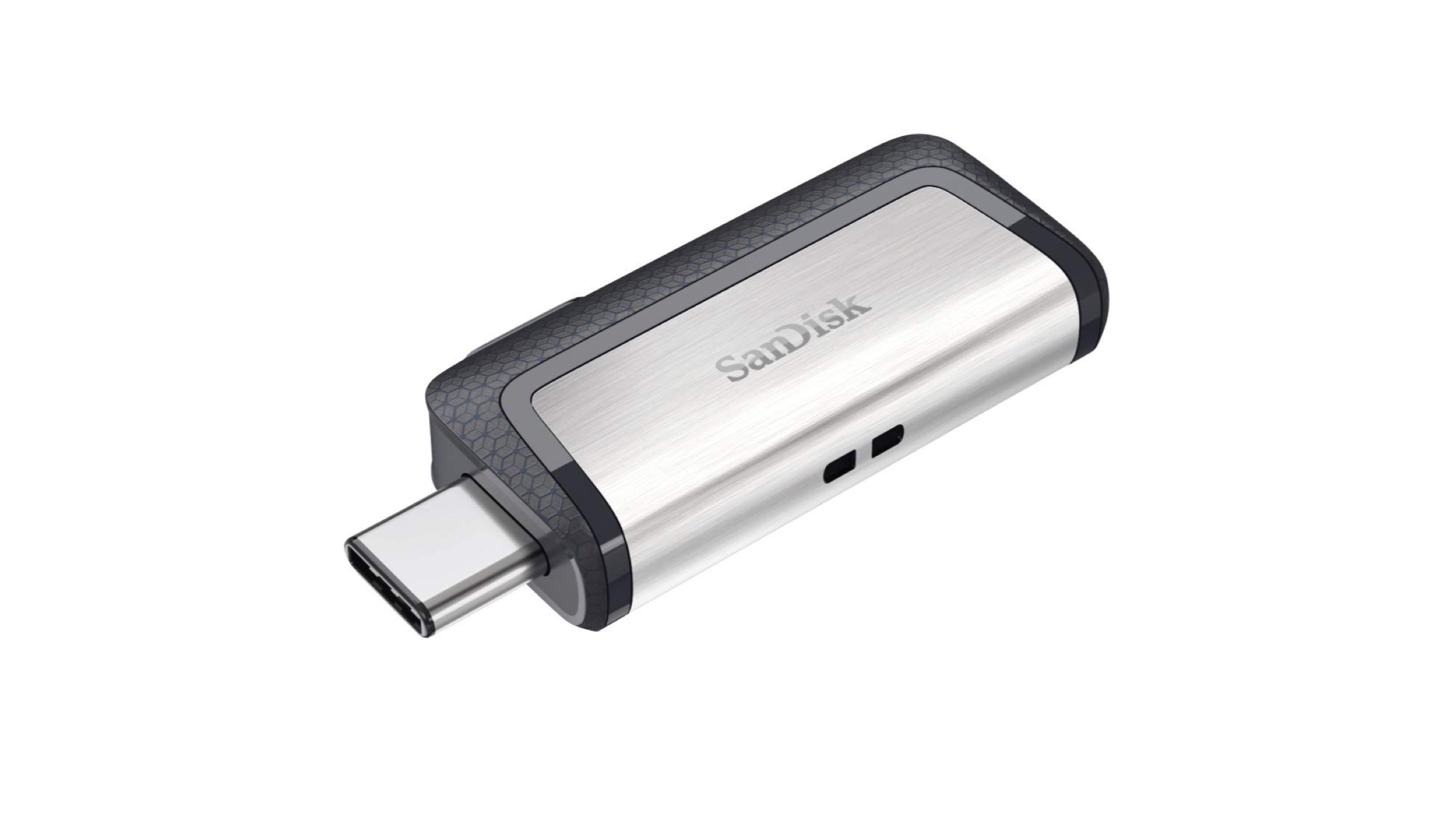
    Although there are plenty of applications available for mobile devices that allow to wirelessly transfer or share data, they might not be the best option for moving large size files. A USB C Pendrive could prove beneficial if you often transfer files larger than 5 GB like us too and from your smartphone.

    Besides sharing data from mobile to mobile, it can also be used to transfer data from smartphone to computer as it also has a conventional USB A port. Although the company claims a transfer speed of 150 Mbps, users can get speeds of upto 50 Mbps which is much faster than wireless sharing.

    Also, mobile devices like the iPad Pro and OnePlus smartphones, don’t support memory expandability via a microSD card, the Dual USB Drive 3.0 could be used to boost the internal memory. Interested users can buy Pendrive of upto 256 GB which will be more than sufficient for most scenarios. 

    Also Read: Xiaomi Plans To Disrupt The Budget Segment With This Smartphone

    Which accessory do you think is the best on this list? Let us know in the comments below.

  • Xiaomi Plans To Disrupt The Budget Segment With This Smartphone

    Xiaomi Plans To Disrupt The Budget Segment With This Smartphone

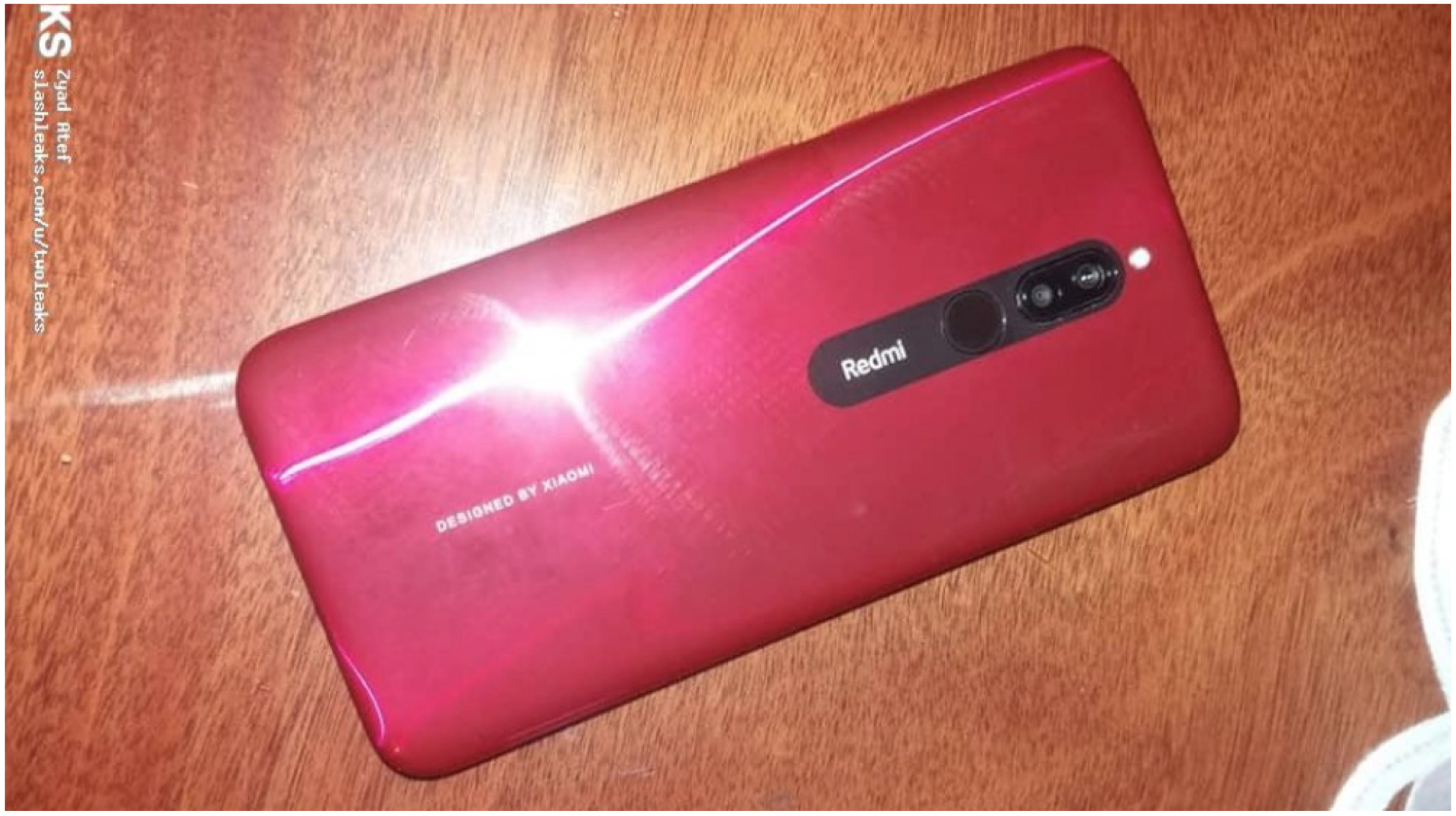
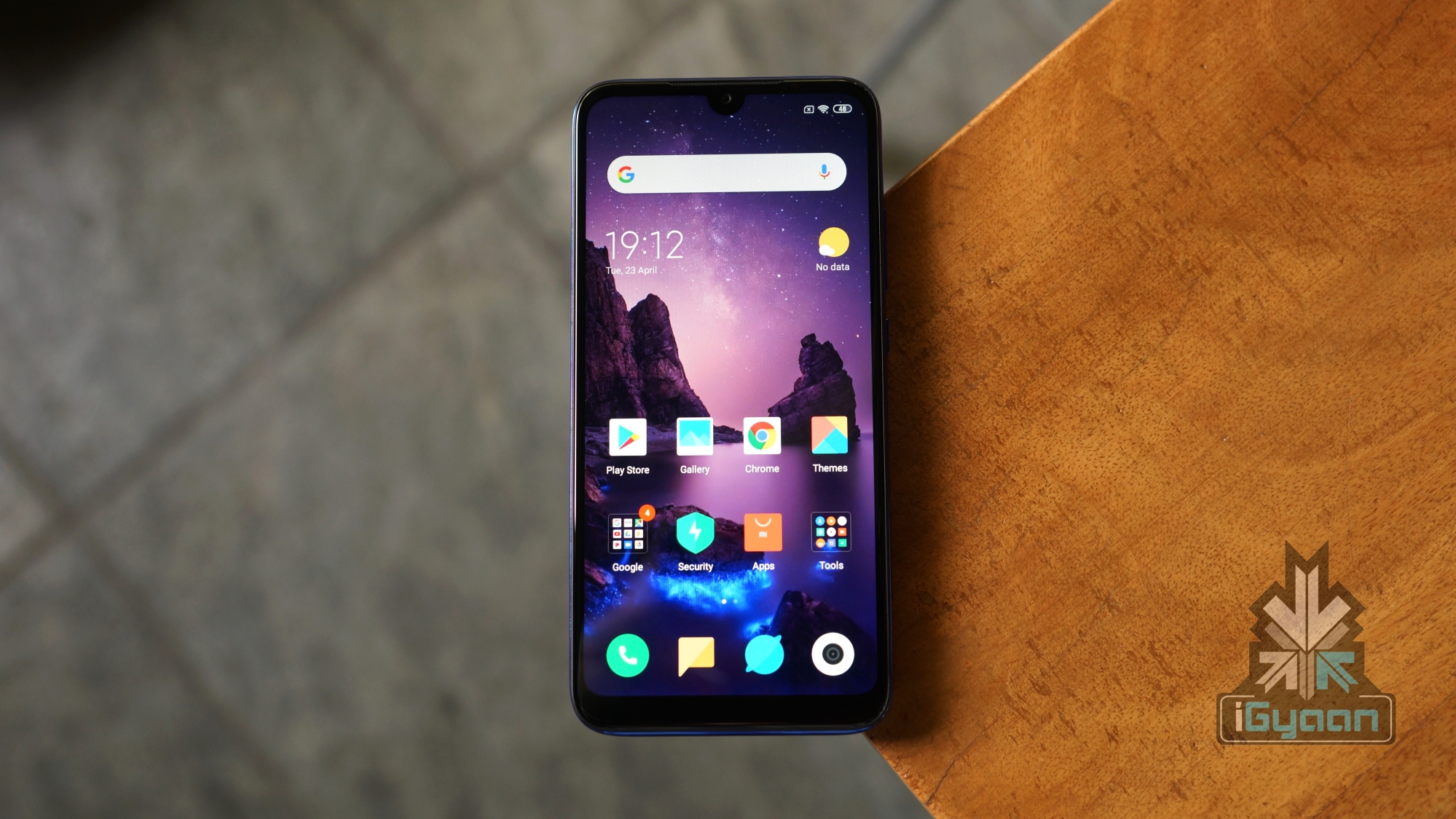
    Last week, we detailed the TENAA listing of an unreleased Xiaomi Smartphone which was believed to be the Redmi 8. According to freshly leaked images, it is instead the Redmi 8A which will be targeted towards the budget segment. As the name suggests, it will succeed the Redmi 7A which debuted in the month of May in China and was later launched in India.

    Although the strategy seems counterproductive to launch a successor in less than 6 months, we assume this could be due to rising competition from companies like Realme. Readers who do not know, the latter has already launched a multitude of handsets in over a year of its existence. Moreover, its latest lineup which consists of the Realme 5 and Realme 5 Pro will be unveiled on the 20th of August.

    Xioami Redmi 8A
    Xioami Redmi 8A Front and Back

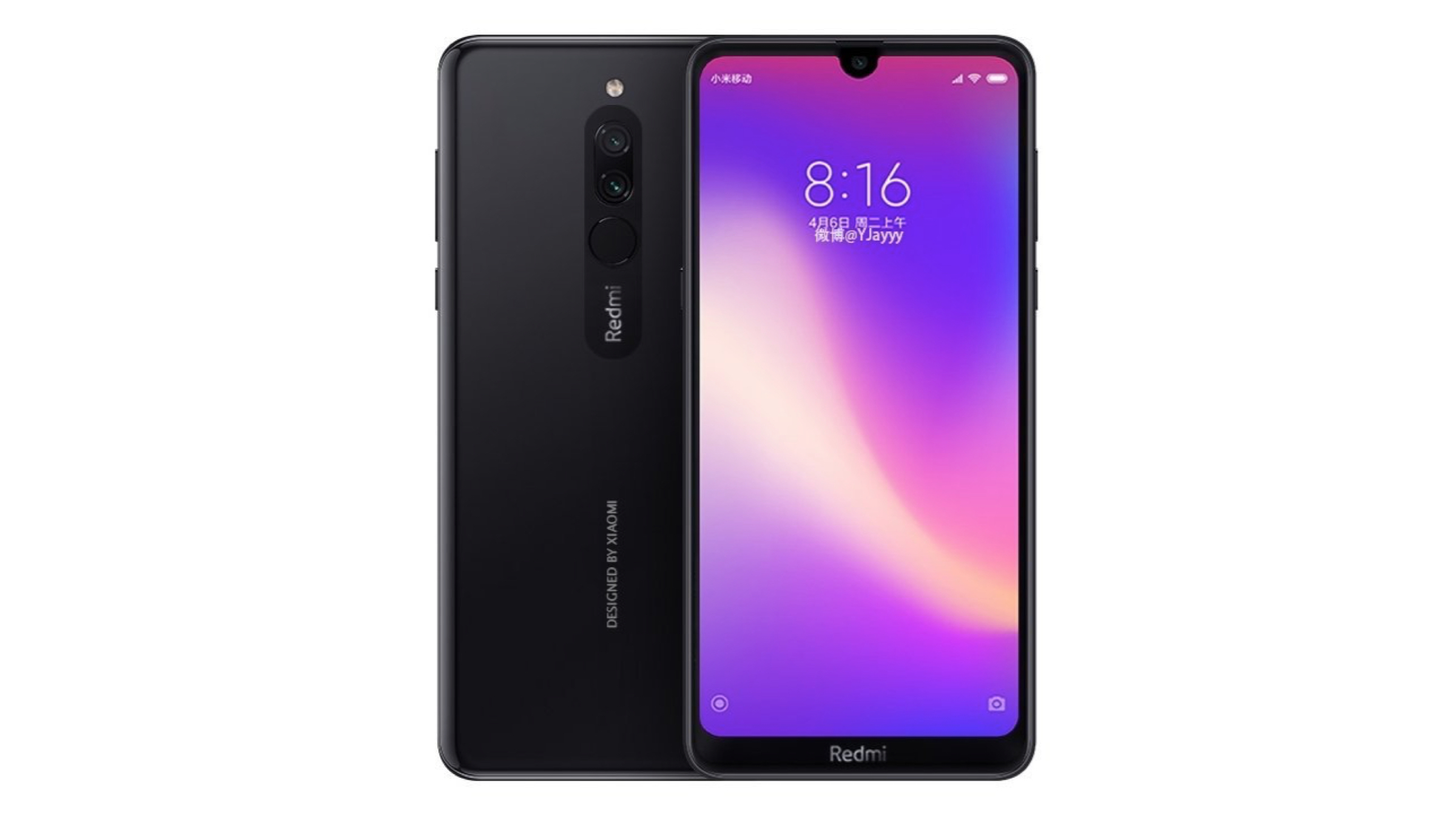
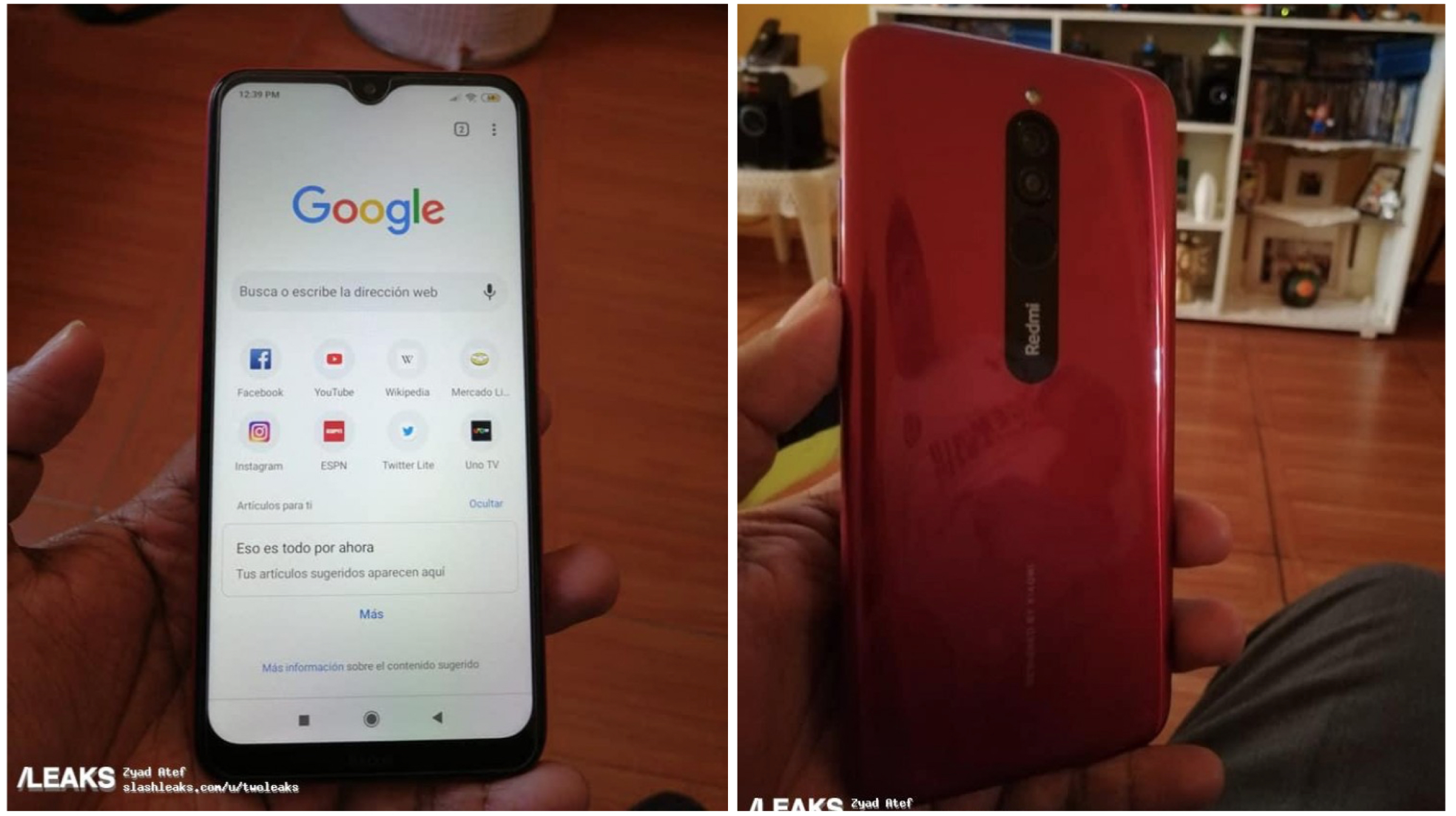
    As per the leaked images, the Redmi 8A features a waterdrop notch display on the front that has a high screen to body ratio. The rear of the device is made out of plastic and it accommodates the company branding and dual camera setup which is arranged vertically in a capsule-shaped ridge. Besides it also features a fingerprint sensor which is a welcoming addition. 

    While we have already talked about the detailed specifications of the Redmi 8a in this post. We will reiterate upon the features which according to us will make this budget smartphone stand out of the crowd.

    Before we begin, it must be noted that these features will only stay relevant if Xiaomi manages to price the upcoming handset similar to the Redmi 7A. According to us, the pricing of the device should be around the Rs 6,500 mark for the base variant which is about Rs 500 expensive than the corresponding variant its preceding device.  

    Best Features of The Upcoming Redmi 8A
    Xioami Redmi 8A Rear
    Xioami Redmi 8A Dual Camera & Fingerprint Sensor
    • Display: The Redmi 8A features a 6.3-inch HD+ display which is a significant upgrade over its predecessor that has a 5.45 inch panel. Moreover, it has a high screen to body ratio which is achieved due to the waterdrop notch present on top of the display. 
    • Battery: A lot of customers that buy entry-level Android smartphones are migrating from feature phones while some buy them to use as a secondary handset. For both the scenarios, a large battery is important and 5,000 mAh battery found on the Redmi 8a can easily allow day-long backup. In fact, for most users, the battery will last for 2 days or even more. 
    • Storage: Due to affordable internet plans, the consumption of digital media has also seen multi-fold growth all around the world. Although the maximum number of Android smartphones support memory expansion via microSD card, most users never bother to buy and install one. Therefore, storage as much as 64 GB on an entry-level smartphone is a great feature. 
    • Fingerprint Sensor: In order to keep costs down whilst still providing a form of biometric verification, companies have opted to go with the face unlock feature which was even observed with the Redmi 7A. However, all of us know, the kind of reliability they offer. Therefore, the fingerprint sensor on the Redmi 8A is a great addition. As it is more reliable and at times easier to the use in situations like under-lit environments. 
    Xioami Redmi 8A
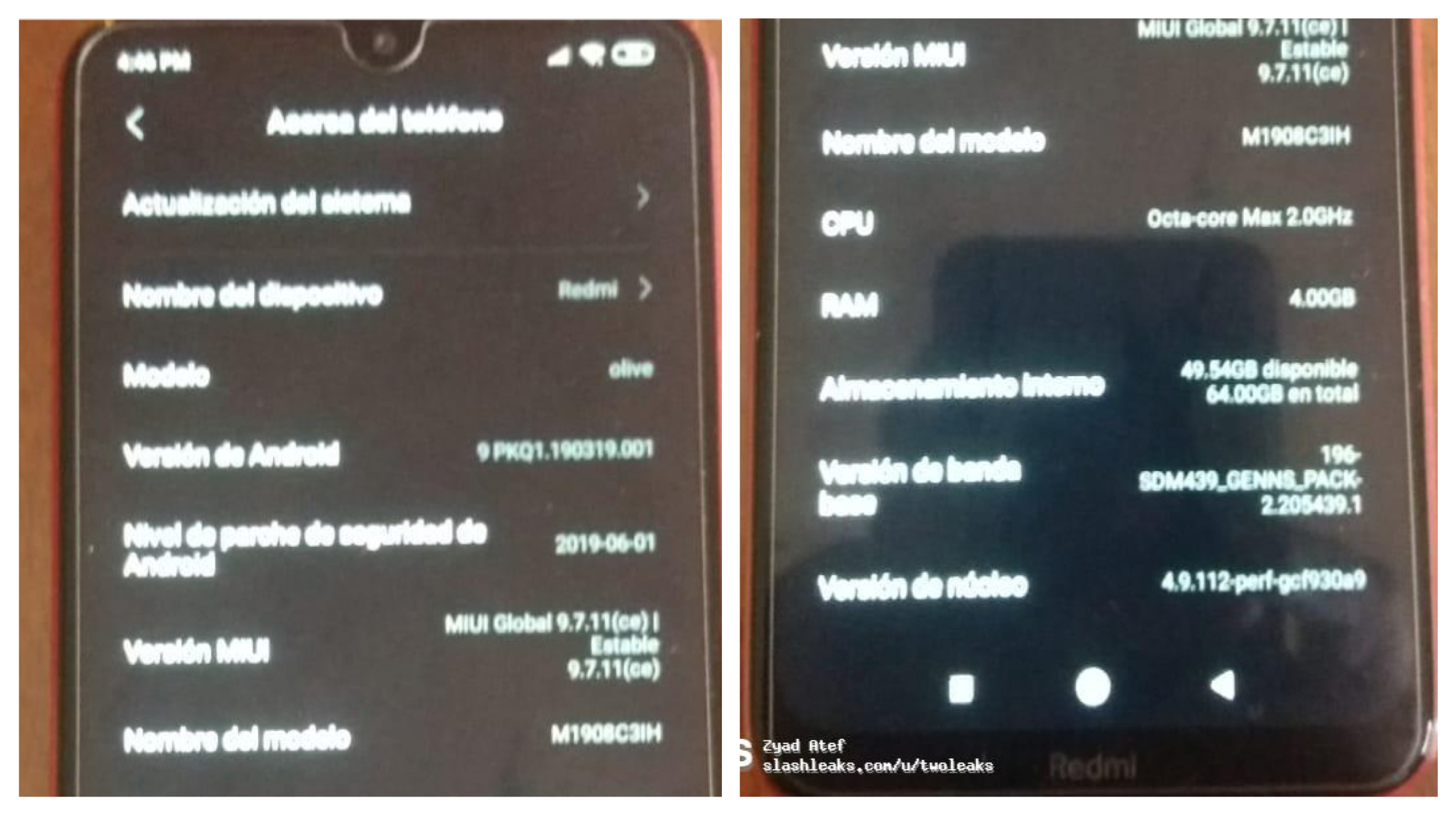
    Xioami Redmi 8A UI In Spanish

    The leaked images of the Redmi 8A exhibit the menus in the Spanish language. Consequently, it is expected to debut in Europe and later on make its way to India. 

    Also Read: Oppo Reno 2, Reno 2F And Reno 2Z Specs and Indian Pricing Leaked

    Even though Xiaomi has not officially revealed its launch date, the device is assumed to be unveiled at the upcoming event on 29th of August which will see the launch of Redmi Note 8 and a 70-inch Redmi branded TV

    To sum things up, the upcoming Redmi 8a holds the potential to become of the best selling smartphone in the budget segment. However, as previously mentioned, Xiaomi needs to retain an aggressive price to give it an edge over its competition. 

    What are your thoughts on the upcoming Redmi 8A, Which feature do you think is its biggest USP (Unique Selling Point)? Let us know in the comments below. 

  • Xiaomi Redmi Note 8 Launch Date Revealed

    Xiaomi Redmi Note 8 Launch Date Revealed

    On the 19th of August, Xiaomi’s co-founder Lei Jun shared the teaser of the upcoming Redmi TV on the Chinese social media site, Weibo. The teaser states that the upcoming TV from the company will have a 70-inch display and will be launched on the 29th of August. 

    Noteworthy, a Chinese netizen commented on the post asking ‘note8 the same day?’. The official instantly replied to the comment with a ‘thumbs up’ emoji which makes it clear that the highly anticipated 8th generation Redmi Note is launching before the month-end. 

    Although the current teaser does not reveal any features or specifications of the upcoming handset, they can be derived from previous teasers.

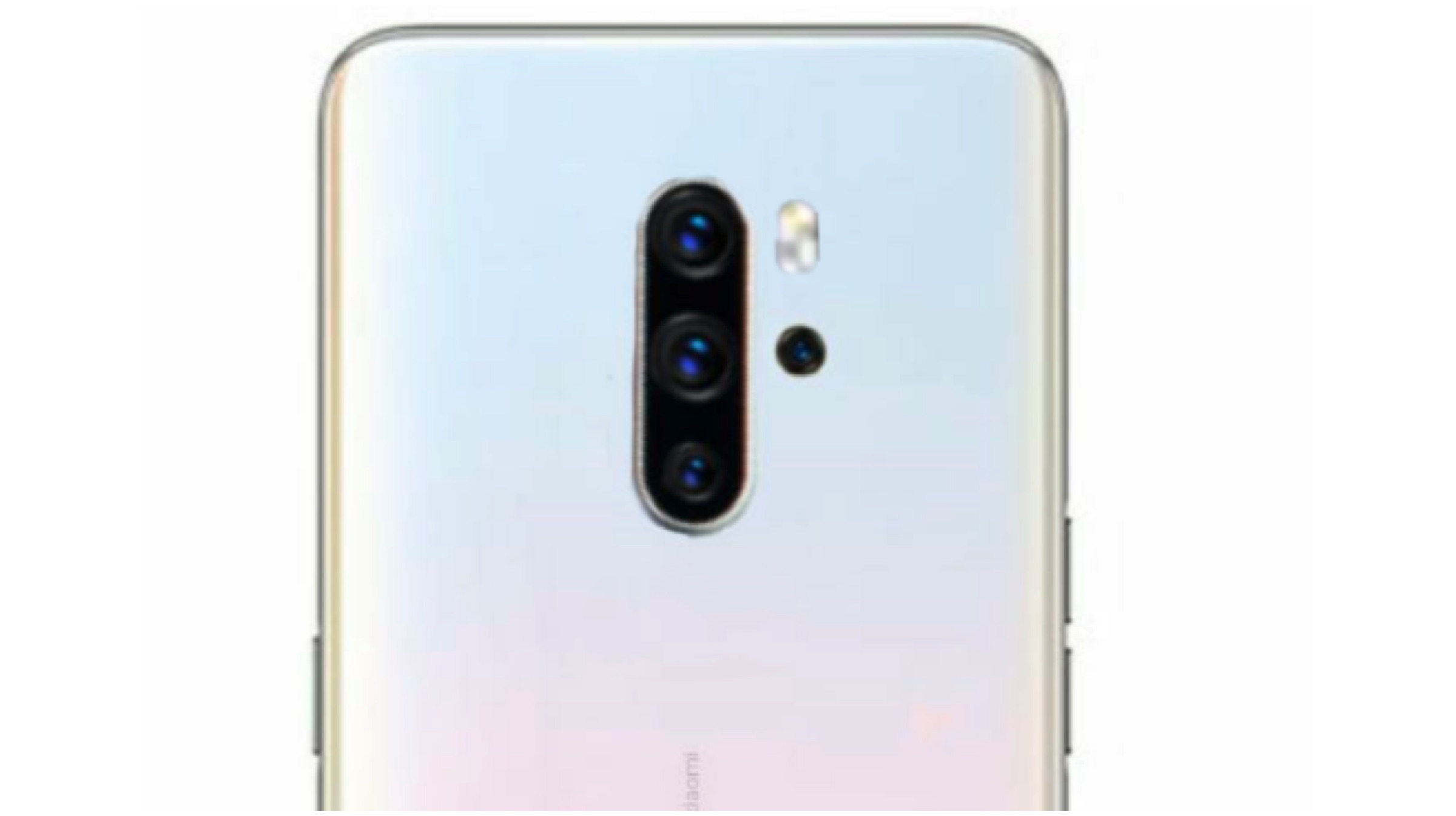
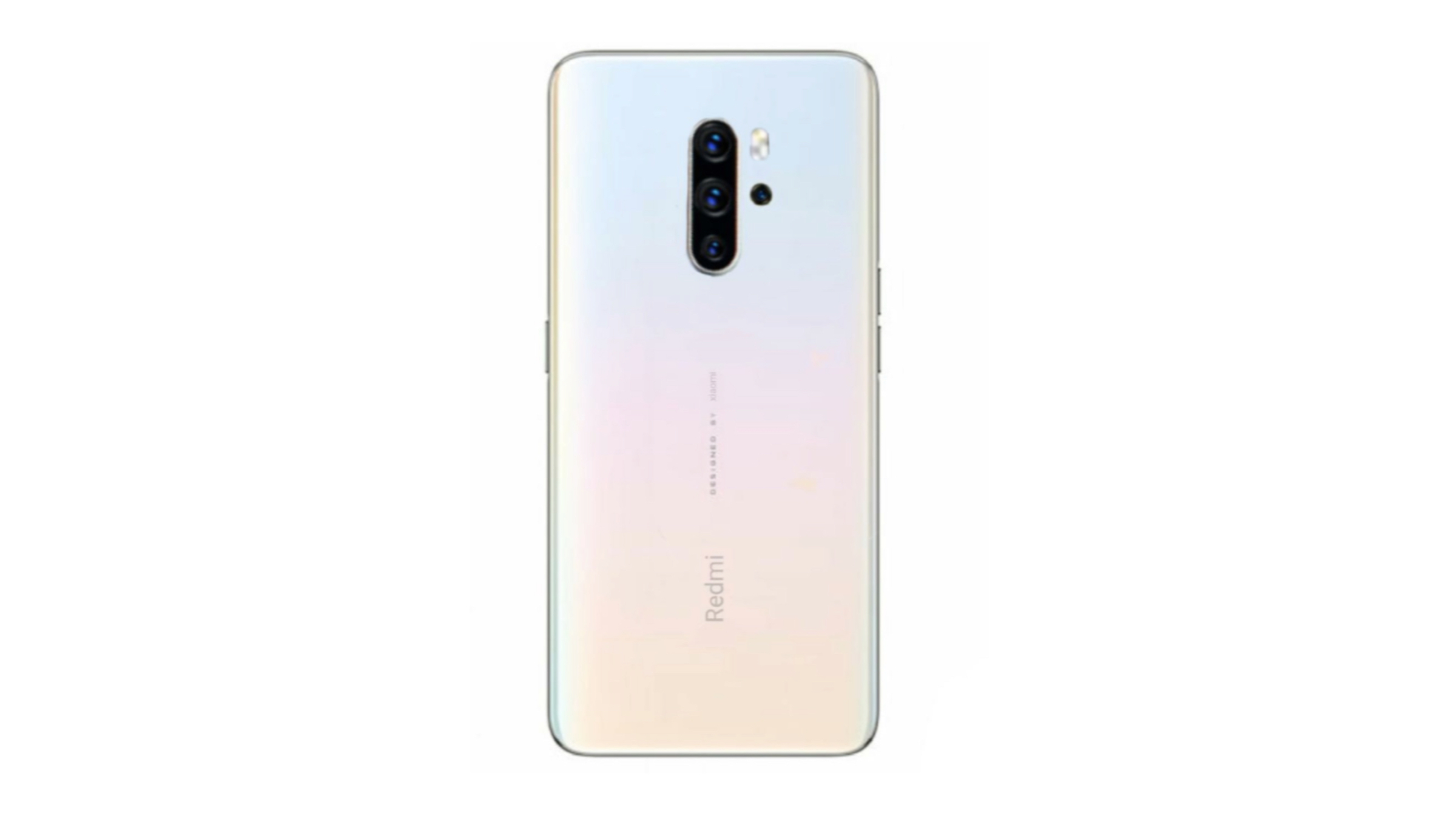
    Redmi Note 8 Render
    Leaked Redmi Note 8 Render

    In the past, the official claimed that the camera setup on the Redmi Note 8 lineup will be a significant improvement, in comparison to its predecessor. The Note 7 smartphones including the Redmi Note 7s and Note 7 Pro have a 48 MP primary rear camera. Therefore, smartphones in the Redmi Note 8 lineup are expected to have a relatively higher resolution sensor. 

    Besides, it has already been revealed that the company is working on a photography centric smartphone that will boast of a 64 Main sensor. Although it has not been confirmed, we believe the smartphone with a 64 MP Samsung made GW1 sensor will be a member of the Redmi Note 8 lineup. 

    Moreover, it was previously confirmed that the Redmi Note 8 will pack a bigger battery than its preceding devices. Additionally, the alleged Redmi 8 was spotted on Chinese regulatory website TENAA and it is powered by a massive 5,000 mAh battery. Likewise, the Note 8 is also expected to feature a similar capacity battery.

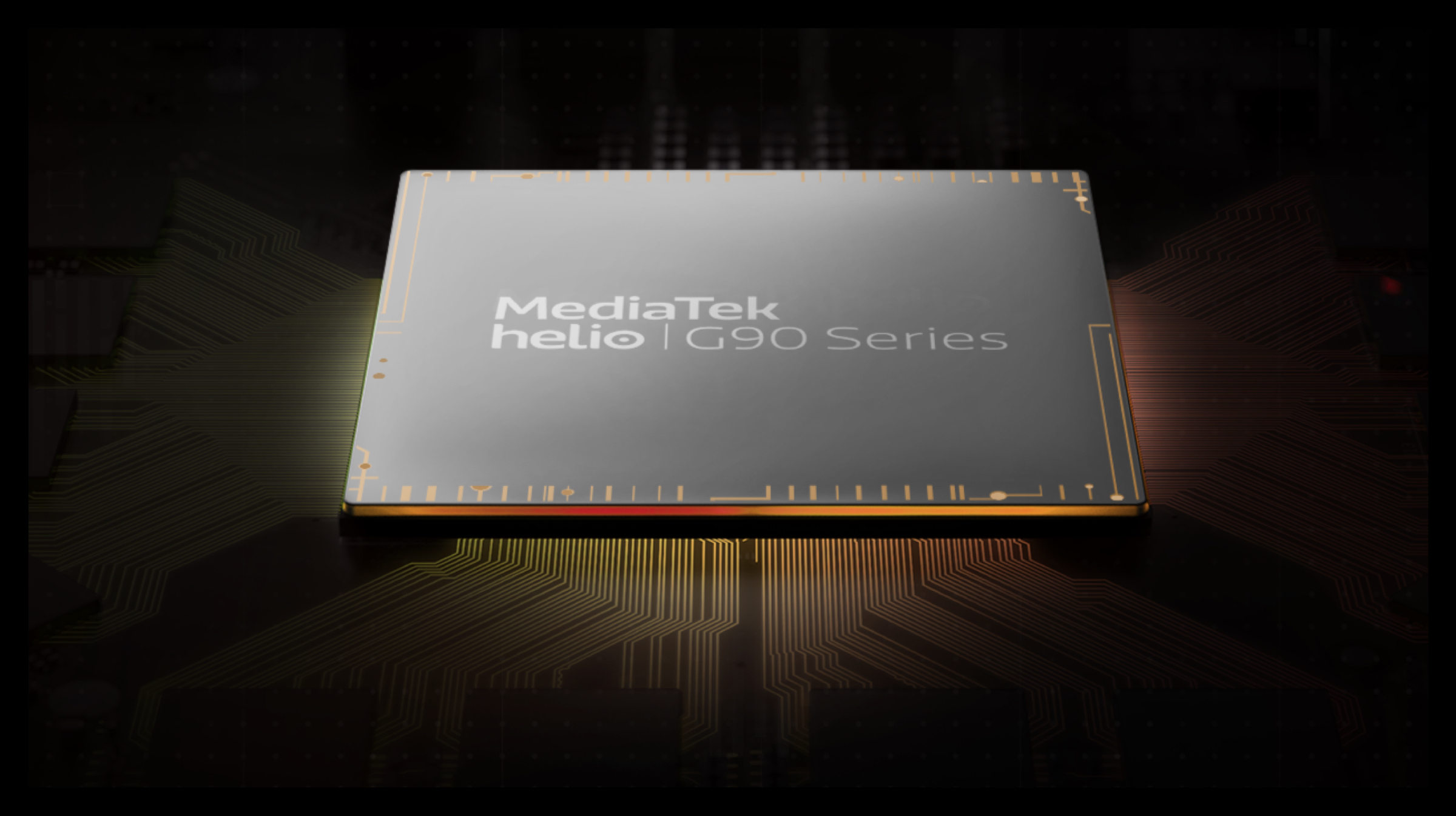
    In terms of chipset, the upcoming Redmi Note 8 smartphones are assumed to be kitted with the MediaTek Helio G90 which was announced last month. To strengthen the claim, at the time of the launch, Manu Kumar Jain from Xiaomi India confirmed that the company will soon launch a device with the newly released MediaTek SoC. 

    Although the details about its display size are currently unknown, the company is believed to pack a display as big or larger than the one found on Note 7 smartphones that accommodate a 6.3-inch panel. 

    In order to make it easier to understand, we have combined the confirmed and expected features of Redmi Note 8 lineup in a linear manner. 

    • Battery: 5,000 mAh, Fast Charging
    • Chipset: MediaTek Helio G90
    • Screen: 6.3 inch or larger
    • RAM: 4 GB, 6 GB, 8 GB
    • Storage: 64 GB, 128 GB
    • Front Camera: 13 MP or higher
    • Rear Camera: Quad Camera Setup, 64 MP Main Camera
    • Biometric Security: In-Display Fingerprint Sensor

    Also Read: Realme 5 Pro Will Have The Snapdragon 710 Claims Geekbench Listing

    Taking all the upgrades into account, the Redmi Note 8 is expected to carry a price tag higher than its predecessor and is assumed to start from Rs 15,000.

    In order to confirm all the leaks and claims, we will have to wait for its official launch. As previously mentioned, the lineup will be revealed on the 29th of August.


  • Realme 5 Pro Will Have The Snapdragon 710 Claims Geekbench Listing

    Realme 5 Pro Will Have The Snapdragon 710 Claims Geekbench Listing

    BBK electronic’s sub-brand and OnePlus’ sister company, Realme is bracing for the launch of its latest smartphone lineup which will carry the Realme 5 branding. The lineup will consist of two handsets which include the ‘standard’ variant and the  ‘Pro’ variant. 

    Earlier this month, the Realme 5 was listed on the popular benchmarking website, Geekbench which revealed its key specs. Similarly, another Realme smartphone has been spotted on the website which allegedly is the beefed up Realme 5 Pro.

    According to the listing, the smartphone packs the Snapdragon 710 SoC which is dissimilar to what was previously claimed. Another unverified report in the past claimed that the device will pack the Snapdragon 712 SoC which may turn out false. Nevertheless, talking about SD710, it consists of an Octa-Core CPU and Adreno 616 GPU.

    The listing also revealed that the alleged Realme 5 Pro has 8 GB of RAM which is usually found in high-end flagship smartphones.  In terms of Geekbench result, the device secures a single-core score of 1143 points and a multi-core score of 4618 points. 

    Shockingly, both the single-core and a multi-core score of this Realme smartphone is much less in comparison to other devices featuring the same chipset including the Realme X. However, benchmarks can be improved by tweaking the software ahead of official announcement.

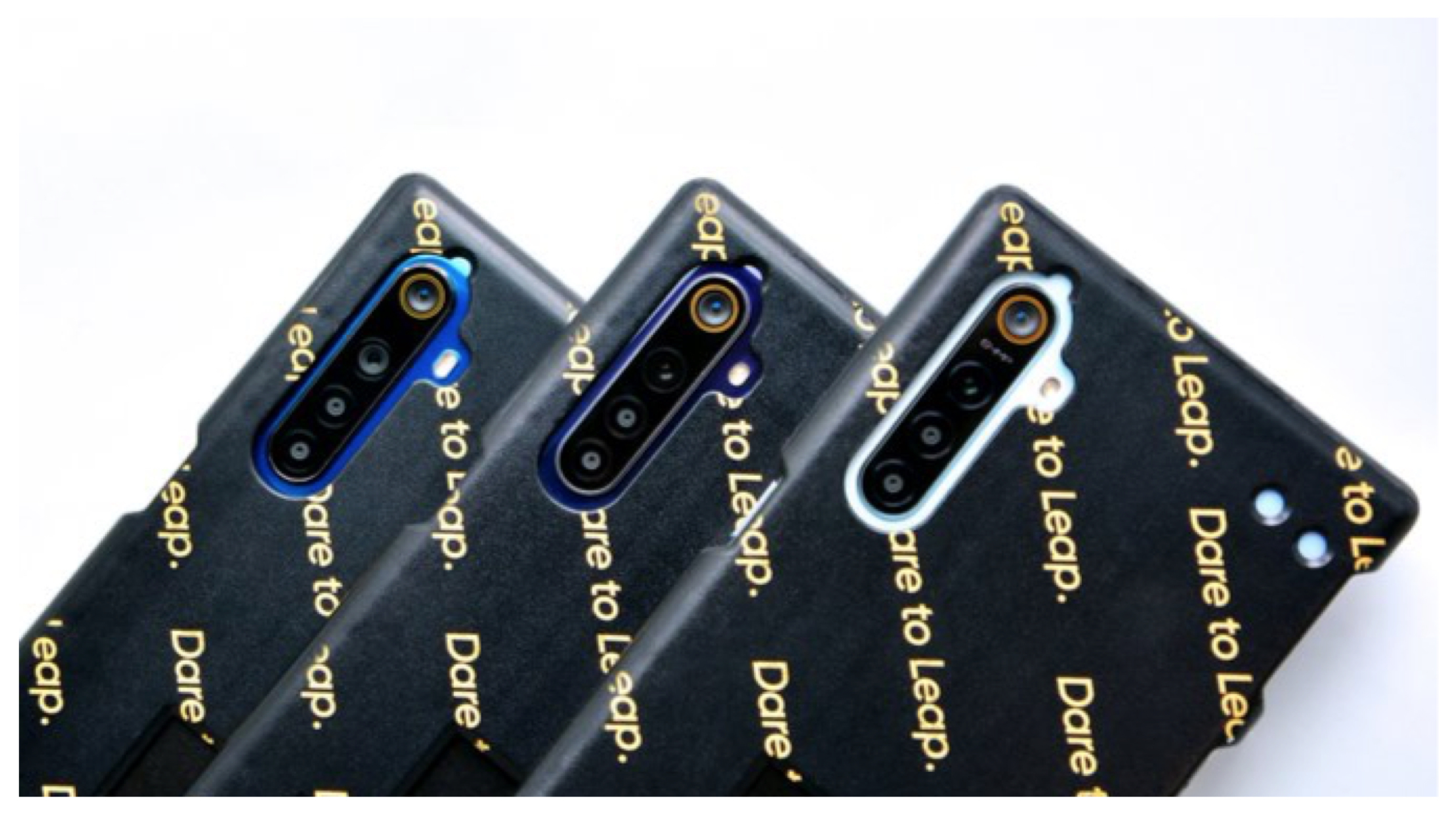
    Although the listing does not reveal any other aspects of the Realme 5 Pro, key details can be derived from prior reports. The key highlighting feature of the smartphone will be its quad-camera rear setup out of which the main sensor will either have a resolution of 48 MP or 64 MP. 

    Also Read: The Upcoming Xiaomi Redmi 8 Packs A Massive 5,000 mAh Battery

    Additionally, it has already been confirmed that the Realme 5 will be priced under Rs 10,000. Accordingly, we believe the Pro variant will cost between the Rs 12,000 and Rs 18,000 which will vary depending on the storage variant.

    In order to confirm all the rumours and leaks, we won’t have to wait for long as the launch date of the smartphone is set for the 20th of August. 


  • The Upcoming Xiaomi Redmi 8 Packs A Massive 5,000 mAh Battery

    The Upcoming Xiaomi Redmi 8 Packs A Massive 5,000 mAh Battery

    Not long ago, we reported about the upcoming Redmi 8 whose images were revealed on TENAA. Freshly, the listing has been updated and detailed specifications of the smartphone have been revealed ahead of its official announcement. The key highlighting feature of the handset will be its mammoth 5,000 mAh lithium cell which will provide for a long battery backup. 

    Redmi 8 Design and Features


    According to the TENAA listing, the Redmi 8 measures 156.3 × 75.4 × 9.4 mm and its tips the scale at 190 g. The handset features a 6.2-inch display that has an HD+ resolution of 1520 x 720 px. Besides, the display has a waterdrop notch up top that houses an 8 MP selfie camera.

    Under the hood, the Redmi 8 features an Octa-Core CPU which has a clock speed of 2.0 GHz. In several other similar listings, we have been able to predict the chipset by matching it with the CPU frequency. However, the 2.0 GHz matches at least three budget chipsets that we are aware of which include the Helio P22, Helio P60 and Snapdragon 625. Therefore, the exact chipset cannot be confirmed, as of now.

    Redmi 8
    Redmi 8 Official Image (From TENAA)

    In terms of storage, the Redmi 8 will be offered in three variants which are listed below:

    • 2 GB + 16 GB
    • 3 GB + 32 GB
    • 4 GB + 64 GB

    In addition to the inbuilt storage, it will also support memory expansion upto 512 GB via a microSD card. As previously mentioned, the handset will be powered by a gigantic 5,000 mAh battery. We hope that smartphone supports some sort of fast charging and Xiaomi is generous enough to bundle a fast charger along with the device itself. 

    The rear of the Redmi 8 features a dual-camera setup, fingerprint sensor and the company branding. The rear camera setup consists of a 12 MP sensor, 8 MP sensor and an LED flash which is placed above the capsule shaped module. It runs on latest Android 9 Pie which is destined to be skinned with MIUI.

    Redmi 8 Quick Specs

    Redmi 8

    Redmi 8 Official Image (From TENAA)

    • Display: 6.2 inch TFT, HD+ 1520 × 720 pixels
    • Operating System: MIUI 10 based on Android 9 Pie 
    • Processor: Octa Core, 2.0 GHz  
    • RAM: 2GB/3GB/4GB   
    • Storage: 16GB/32GB/64GB 
    • Rear Cameras: 12MP + 8 MP, LED Flash 
    • Selfie Camera: 8 MP  
    • Security: Rear Mounted fingerprint scanner 
    • Connectivity: Dual 4G VoLTE, Wi-Fi 802.11 ac 2.4G + 5G, Bluetooth  
    • Battery: 5000mAh 
    • Dimensions: 156.3 × 75.4 × 9.4 mm
    • Weight: 190 g 

    Also Read: Flipkart Launches Its Video Streaming Service To Take On Amazon Prime Video

    All in all, the Redmi 8 seems like a worthy entry-level smartphone. If Xiaomi is able to carry forward the aggressive pricing to the Redmi 7’s successor, it is likely to rake in considerable sales figures for the company. 

  • This Is Huawei’s Answer To The Budget Oriented Redmi 7A

    This Is Huawei’s Answer To The Budget Oriented Redmi 7A

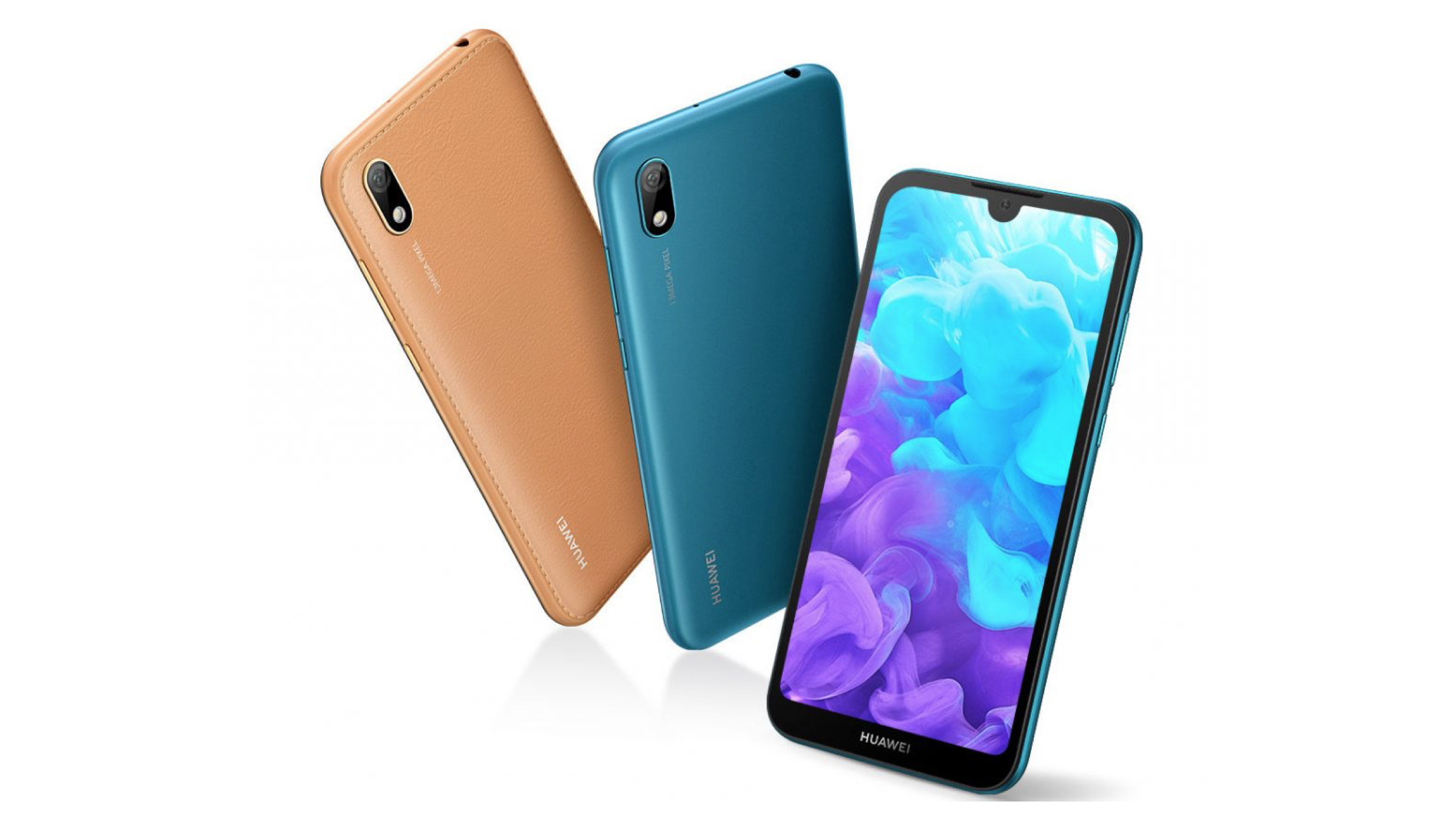
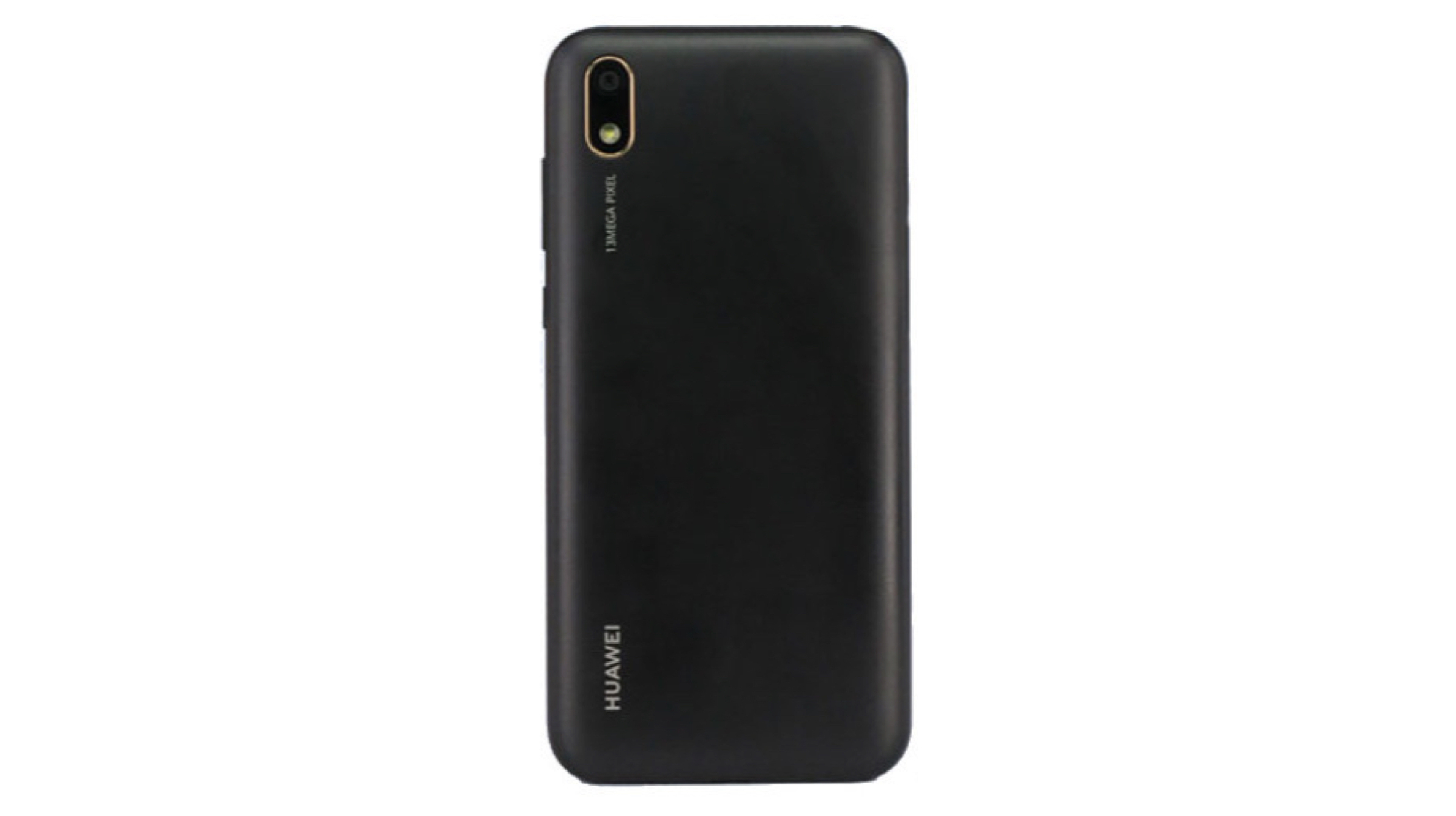
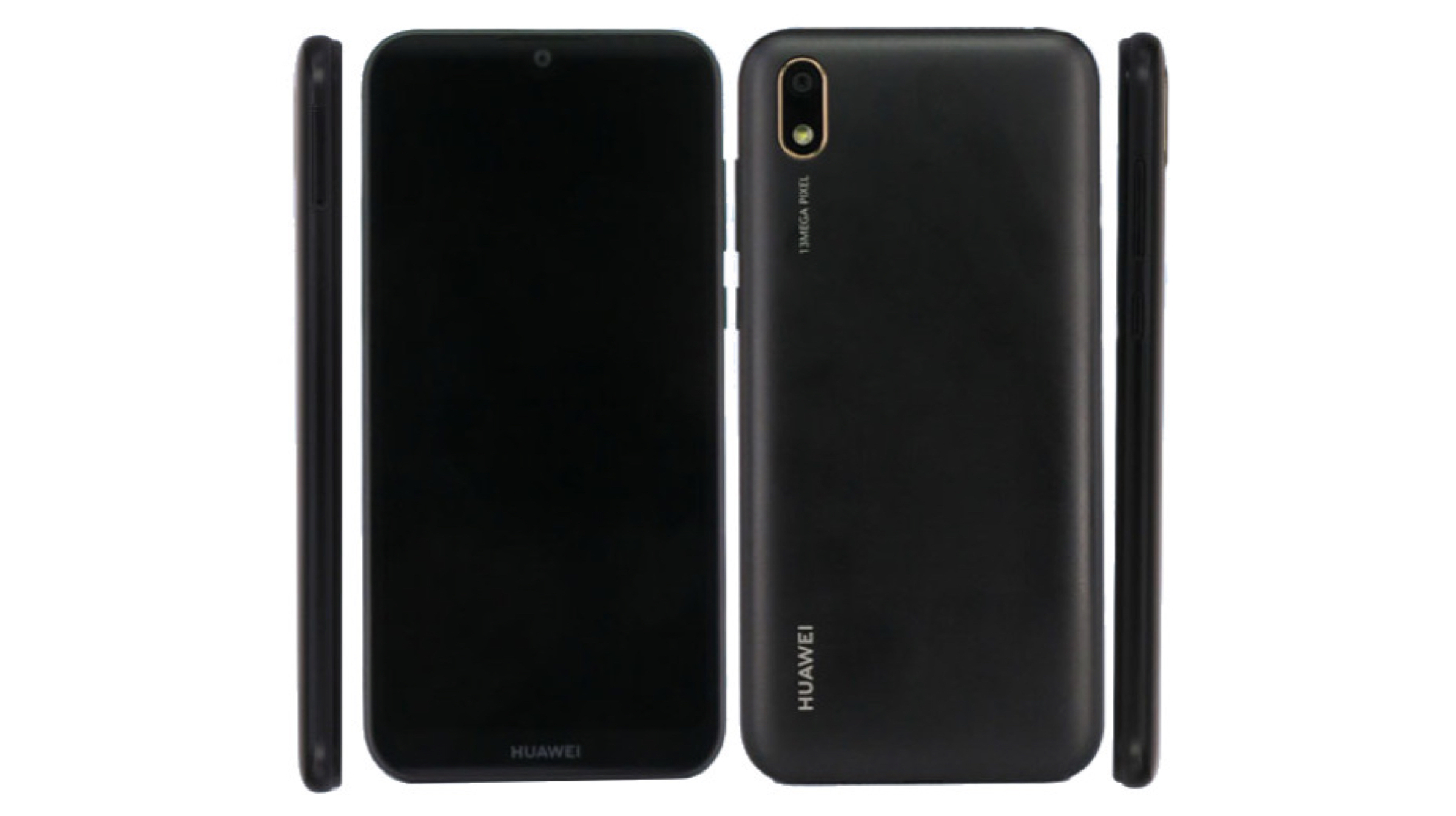
    Despite the US ban, Huawei’s product launches have remained unaffected. An upcoming budget-oriented smartphone from the company has been listed on the Chinese regulatory website, TENAA which states its launch will happen soon. Noteworthy, the arrangement of the rear camera sensor, company branding and the front fascia of this device is highly reminiscent to the previously launched Redmi 7A.

    According to the listing, the Huawei smartphone carries the AMN-AL10 model number. Although the name of the device is currently unavailable it is believed to be placed below the Enjoy 9e which was launched earlier this year.

    The front of the smartphone accommodates a 5.71-inch display that features a waterdrop notch up top. The top, left and right bezels around the display are negligible while the chin below it is comparatively thicker. It also features the company branding below the display which is once again identical to the Redmi 7A.

    In terms of memory and storage, the Huawei smartphone will be offered in two variants which are as follows:

    • 2 GB + 32 GB (expandable upto 512 GB)
    • 3 GB + 64 GB (expandable upto 512 GB)

    As previously mentioned, the rear of the handset features a single 13 MP camera which is accompanied by an LED flash.  Under the hood, the Huawei smartphone features an Octa-Core CPU which is clocked at 2 GHz.

    The device is powered by a 3,000 mAh battery that supports 10 W fast charging. Connectivity options on the smartphone include Dual 4G VoLTE, Wi-Fi 802.11 b/g/n, Bluetooth 4.2, GPS and 3.5 mm headphone jack. It will be offered in three colour variants which include Vermiculite Black, Amber Brown and Turquoise Green.

    Huawei AMN-AL10 specifications
    • 5.71-inch (1520 × 720 pixels) HD+ 19:5:9 2.5D curved glass display
    • 2GHz Octa-Core processor
    • 3000mAh battery
    • 13MP rear camera with LED flash
    • 5MP front-facing camera
    • Dimensions: 147.13×70.78×8.45mm; Weight: 146g
    • Dual 4G VoLTE, Wi-Fi 802.11 b/g/n, Bluetooth 4.2, GPS + GLONASS
    • 2GB RAM with 32GB storage / 3GB RAM with 64GB storage, expandable memory up to 512GB with microSD
    • Android 9.0 (Pie) with EMUI 9.1
    • Dual SIM (nano + nano + microSD)

    Also Read: Mysterious Xiaomi Smartphone Hits TENAA, Could Be The Redmi 8

    Although the price of the smartphone currently unavailable, going by its specs, it will be targeted towards the Rs 6,000 and Rs 8,000 price bracket. In order to gain the availability details and official price, we will have to wait until its launch which is expected to happen soon. 

    Users who are interested in checking out the official listing can do so by clicking here


  • Mysterious Xiaomi Smartphone Hits TENAA, Could Be The Redmi 8

    Mysterious Xiaomi Smartphone Hits TENAA, Could Be The Redmi 8

    On the 16th of August, an upcoming Redmi branded smartphone with model number ‘M1908C3IC’ was listed on the Chinese regulatory website TENAA. While some new agencies claim that this is the Redmi Note 8, which was previously announced to launch soon, we feel that is not the case. 

    Instead, this could be the Redmi 8, the successor of the Redmi 7 which was launched in the month of March. In the past, Redmi smartphones have been upgraded once a year however this may change with the upcoming device. As it has just been six months since the current gen Redmi smartphone was launched.

    We believe this could be a new strategy that Xiaomi has to adopt due to stiff competition from companies like Realme. For users who do not know, in just over 1.5 years of its existence, Realme has launched three generations (1,2,3) and the 4th generation, the Realme 5 will be announced on the 20th of August. 

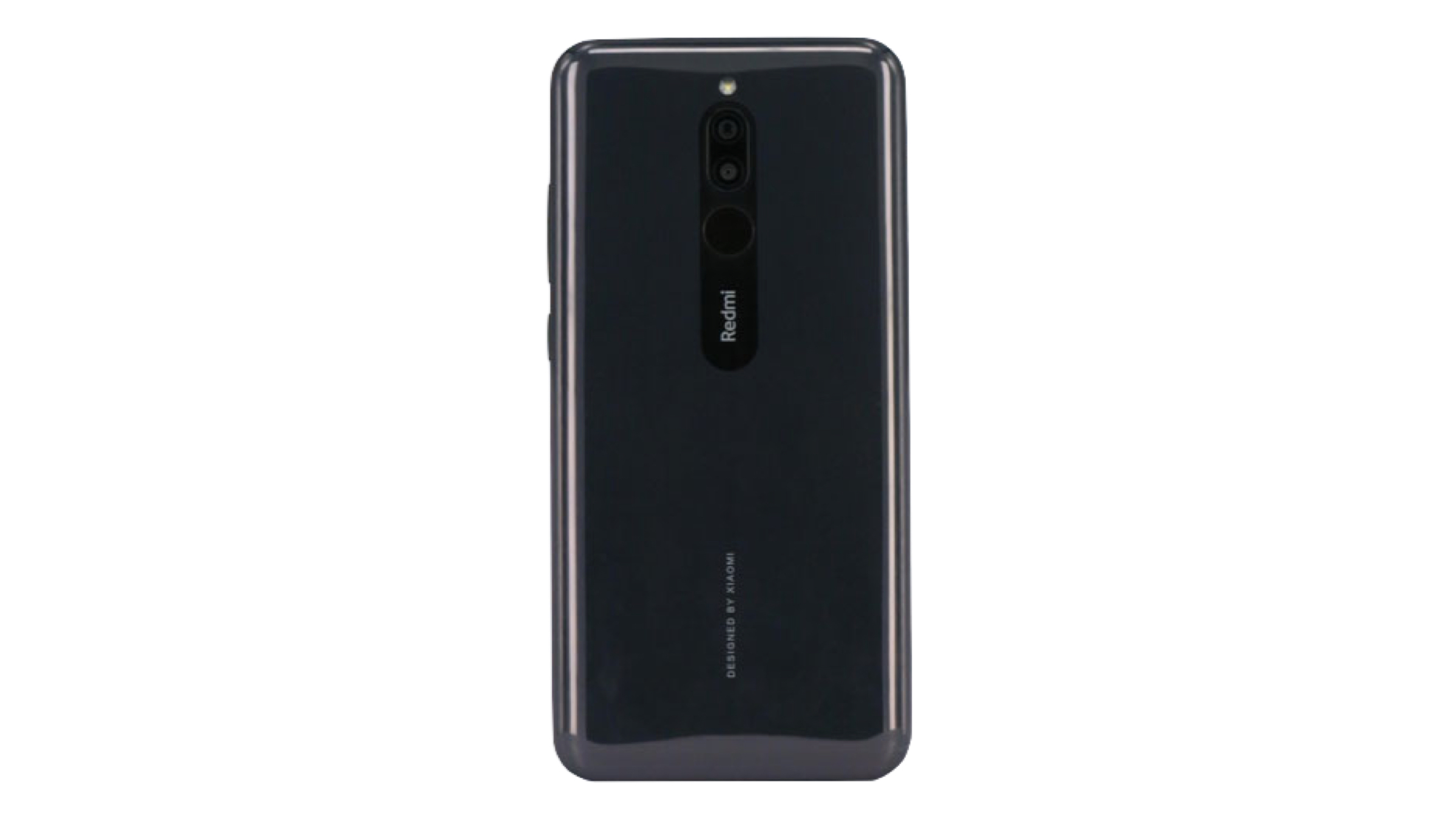
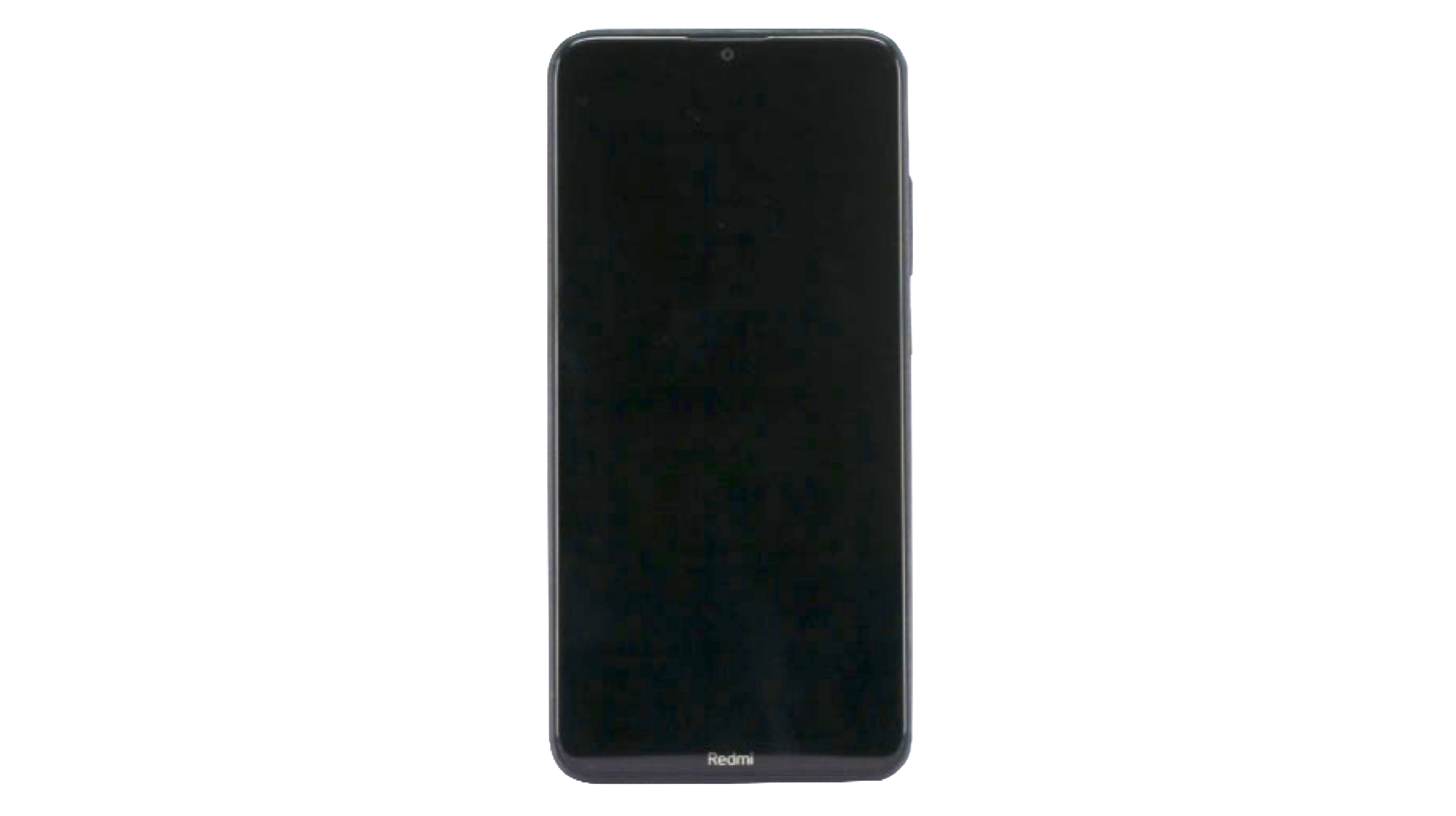
    In terms of design, the alleged Redmi 8 features a water drop notch display on the front along with a plastic back. The front of the smartphone features a considerable chin which houses the Redmi branding. Overall the front of this smartphone is reminiscent of Redmi 7A which is a budget offering. 

    The rear panel of the alleged Redmi 8 has a glossy finish which houses a fingerprint sensor, dual camera setup along with an LED flash, and the company branding which is inscribed vertically. The left side of the smartphone is occupied by what seems to be the power button and the volume rocker.

    Unfortunately, the TENAA listing does not contain any specifications of the device, therefore, we will have to wait until the listing is updated or the handset is officially launched. Speaking of which, its launch date is currently unannounced, nonetheless, the mandatory certification suggests that smartphone will launch soon. 

    Also Read: Motorola One Action Launched, Features A 6.3 Inch Punch Hole Display

    What are your thoughts on this Redmi handset, Do you think that this is the Redmi 8 or some other smartphone? Let us know in the comments below.

    Readers who are interested in checking out the official listing can do so by clicking here.

  • Motorola One Action Launched, Features A 6.3 Inch Punch Hole Display

    Motorola One Action Launched, Features A 6.3 Inch Punch Hole Display

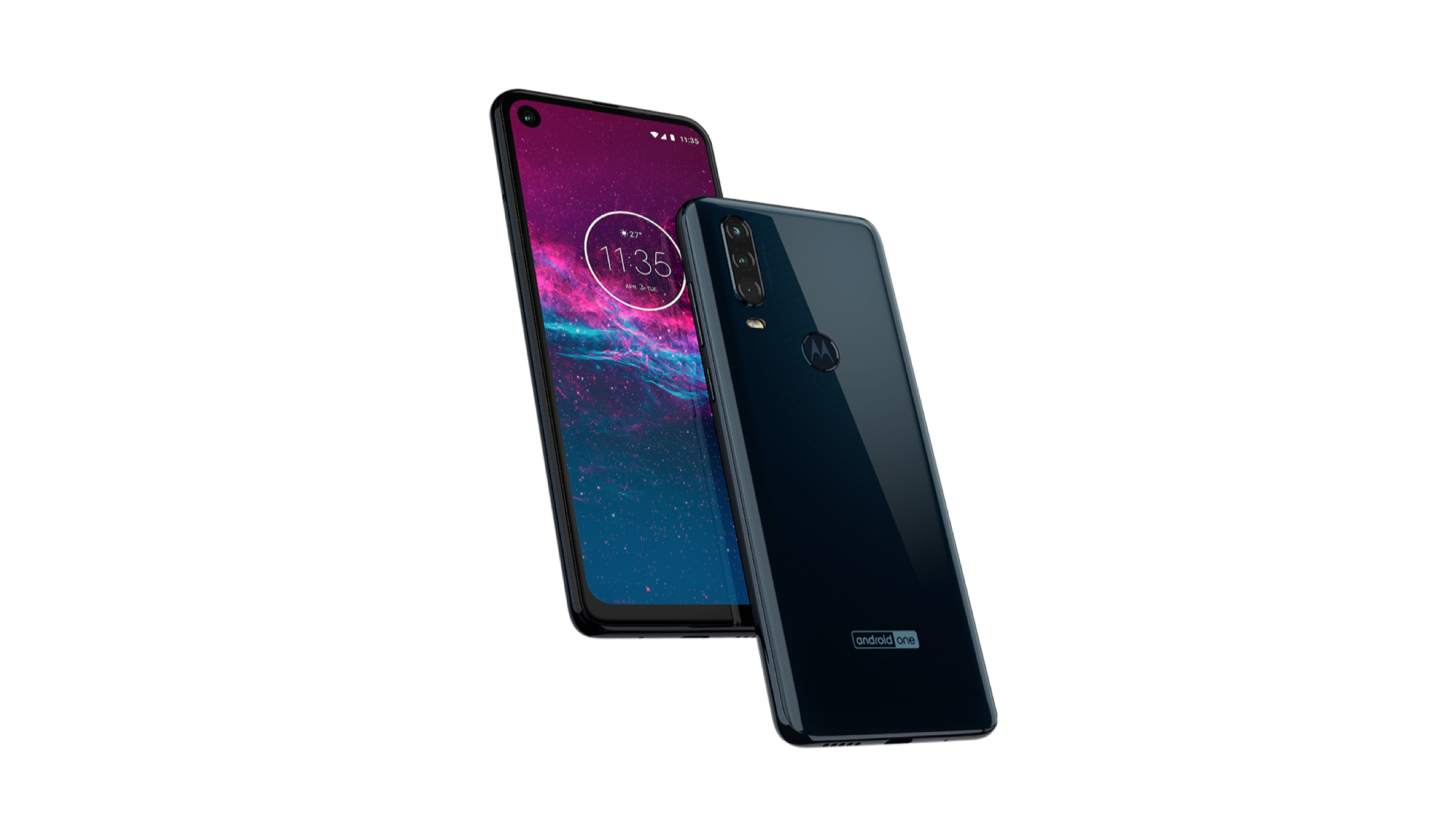
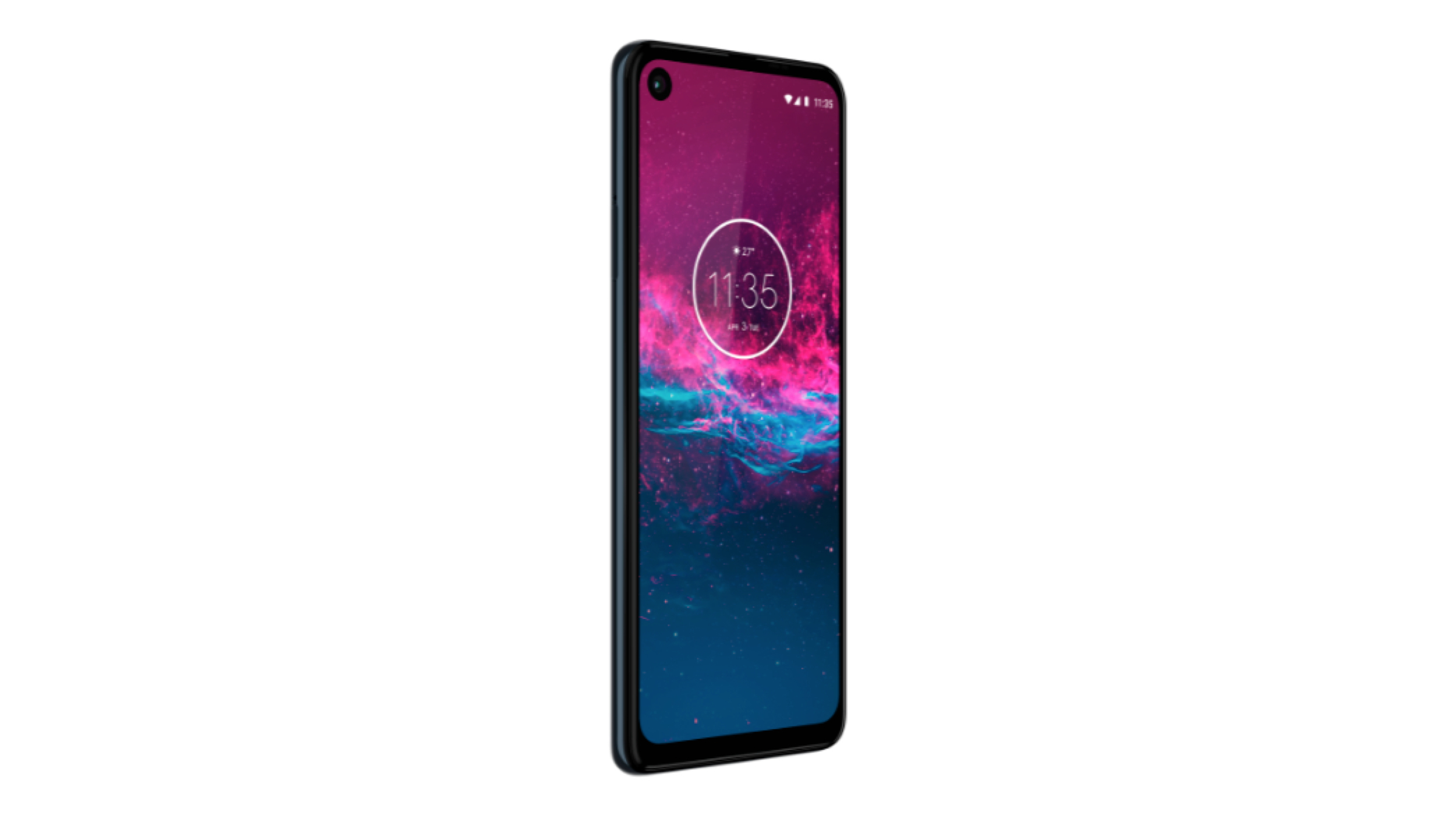
    After much anticipation and numerous leaks, Motorola has finally launched the Moto One Action in Brazil, Mexico and several European countries. The key highlighting feature of the smartphone includes a punch-hole display and a triple rear camera setup. 

    Motorola One Action

    The Motorola One Action features glass on the front and plastic on the back which is held together with a polycarbonate chassis. It measures 160.1 x 71.2 x 9.2 mm and it tips the scale at 181g. It features a 6.3 inch LTPS IPS display with a resolution of 2520 x 1080 px. 

    Like the previously launched Moto One Vision, it also has an unconventionally tall display that has a 21:9 aspect ratio. The display of the smartphone has punch hole cutout on the top left corner which houses a 12 MP selfie camera. For biometric security and rapidly logging into the UI, it also has a rear-mounted fingerprint sensor. Additionally, it also supports face unlock technology.

    The Motorola One Action runs on the latest Android 9 Pie and is Android One certified; which means it will receive two major software updates and security updates for three years. Under the hood, it is kitted with Exynos 9609 SoC which is manufactured by Samsung. The chipset is comprised of an octa-core CPU and the Mali G72 MP3 GPU.

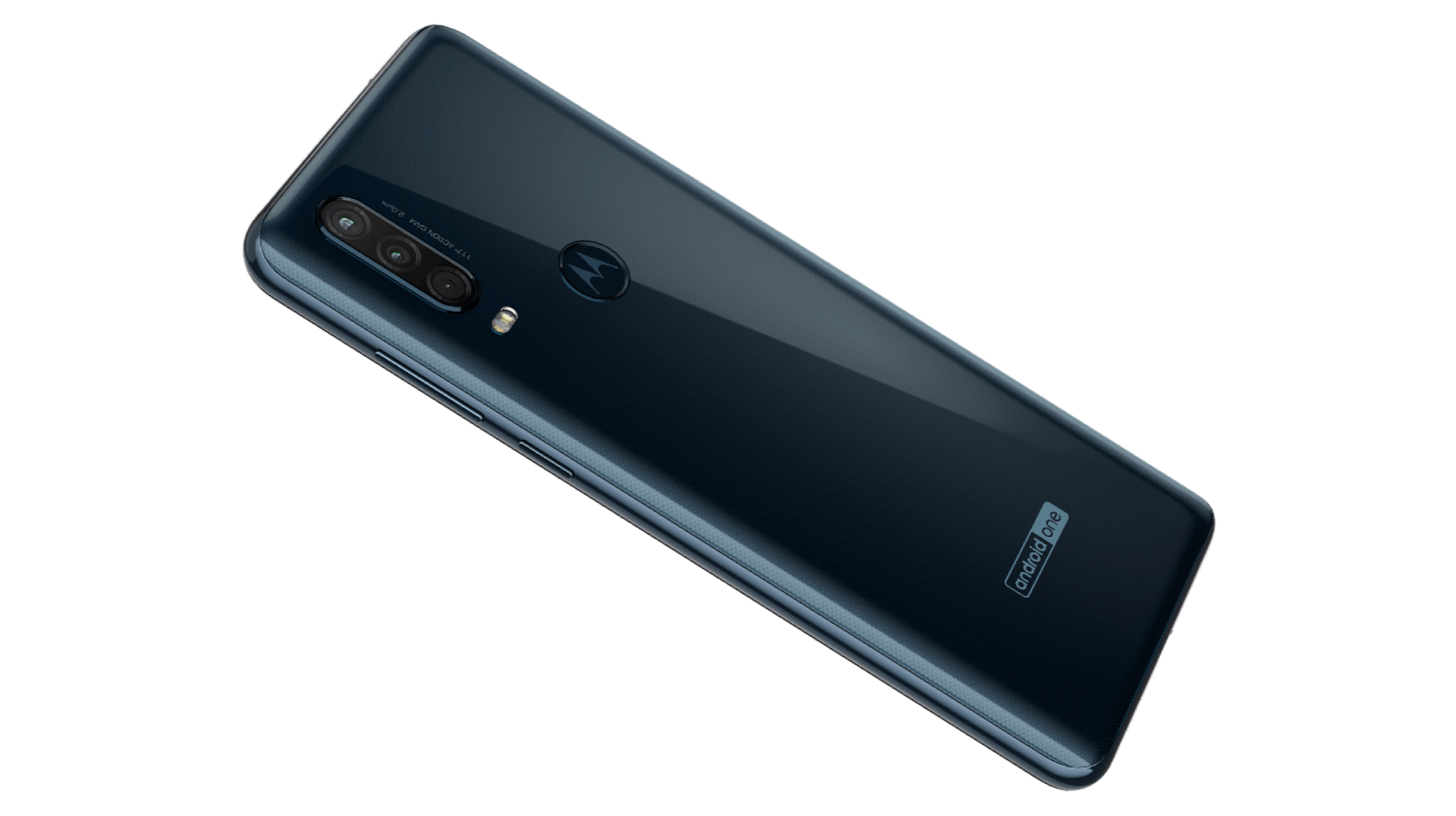
    For photography, the Motorola One Action has a triple rear camera setup which consists of an f/1.8 aperture equipped 12 MP sensor, 5 MP depth sensor and an ultrawide sensor that has a 117-degree field of view. As previously mentioned, it also has a 12 MP front-facing camera.

    The Motorola One Action is powered by a 3,500 mAh battery which support 10 W fast charging. Connectivity options on the smartphone include 802.11 ac Wi-Fi, 4G VoLTE, Bluetooth 5.0, NFC,  USB Type C port and a 3.5 mm headphone jack. 

    Motorola One Action Price, Storage Variants and Colours

    The Motorola One Action is offered in three colour options which include Denim Blue, Pearl White and Aqua Teal. The device is available in just one storage variants for which the price is as follows:

    • 4 GB + 128 GB: £219 (around Rs 18,964)

    All in all, the device has an elegant design which is backed with modest innards. However, we feel the price of the device is a bit steep in comparison to its competitors. 


  • Xiaomi Patents A Smartphone That Transforms Into A Tablet

    Xiaomi Patents A Smartphone That Transforms Into A Tablet

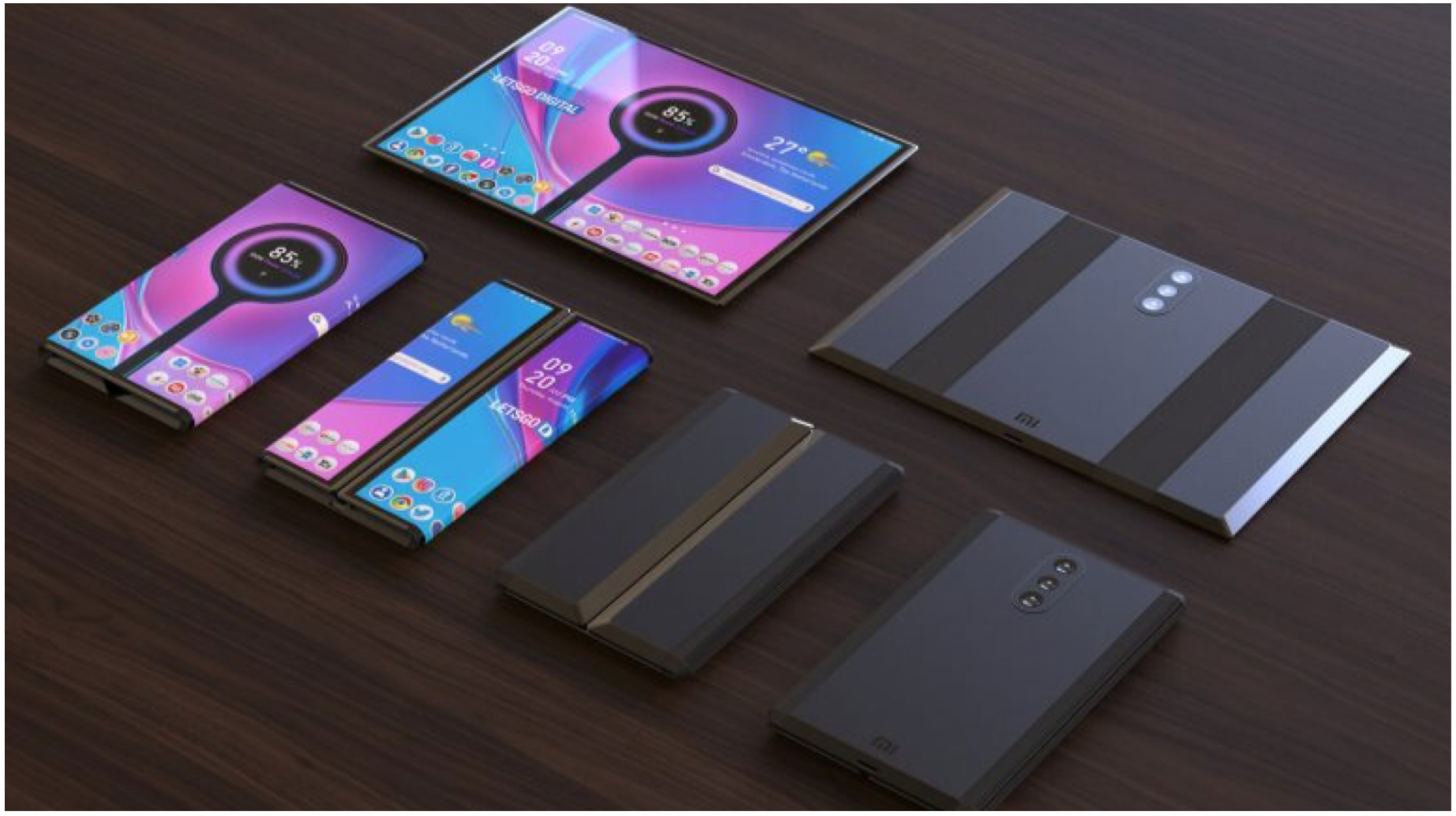
    Earlier this year, a senior Xiaomi executive showcased a foldable smartphone that could transform into a large-screen tablet. Following the event, Samsung and Huawei launched their first foldable smartphones which are dubbed the Galaxy Fold and Mate X respectively. Unfortunately, due to quality issues, the launch of both these handsets have been pushed back to September. 

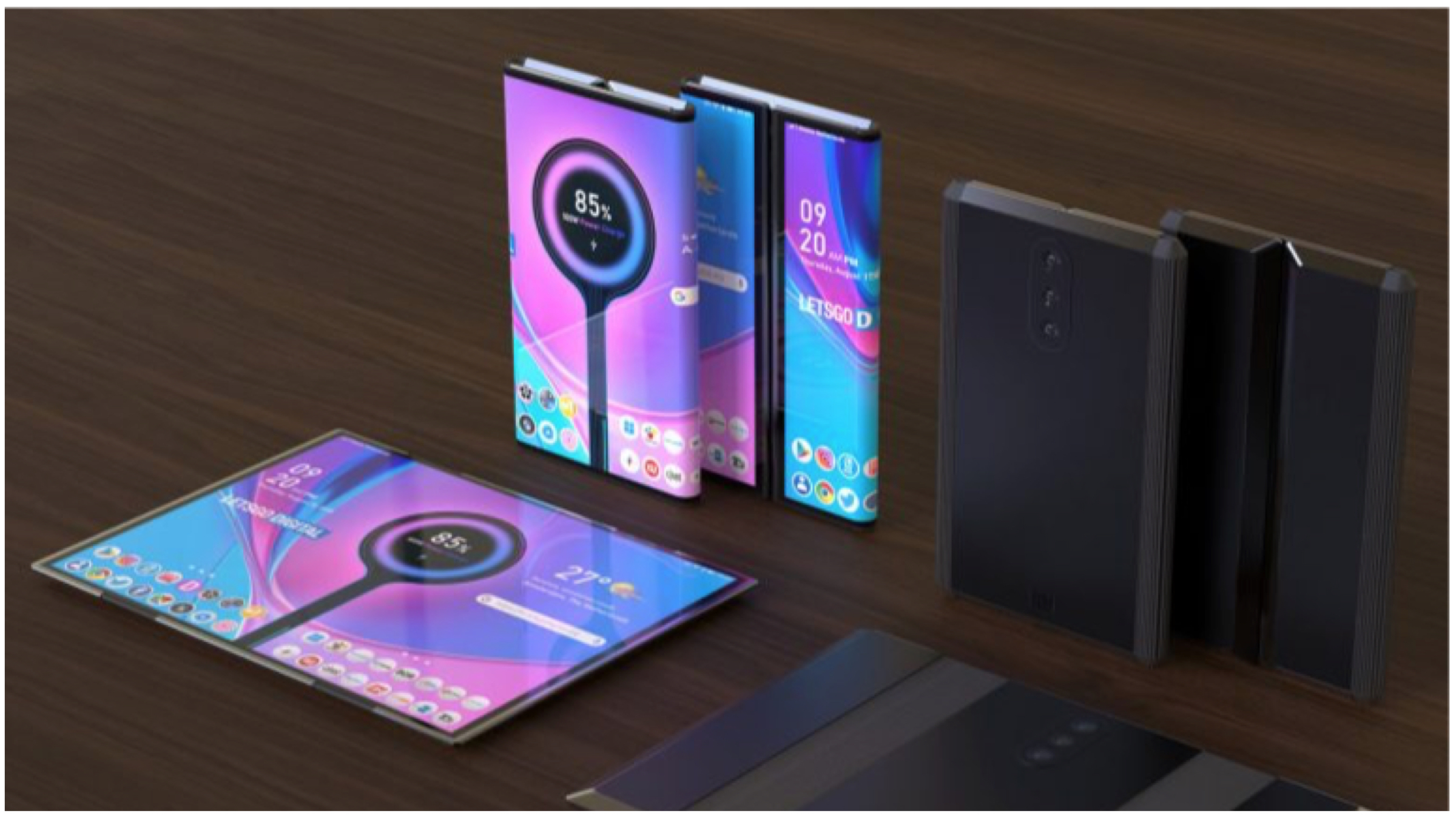
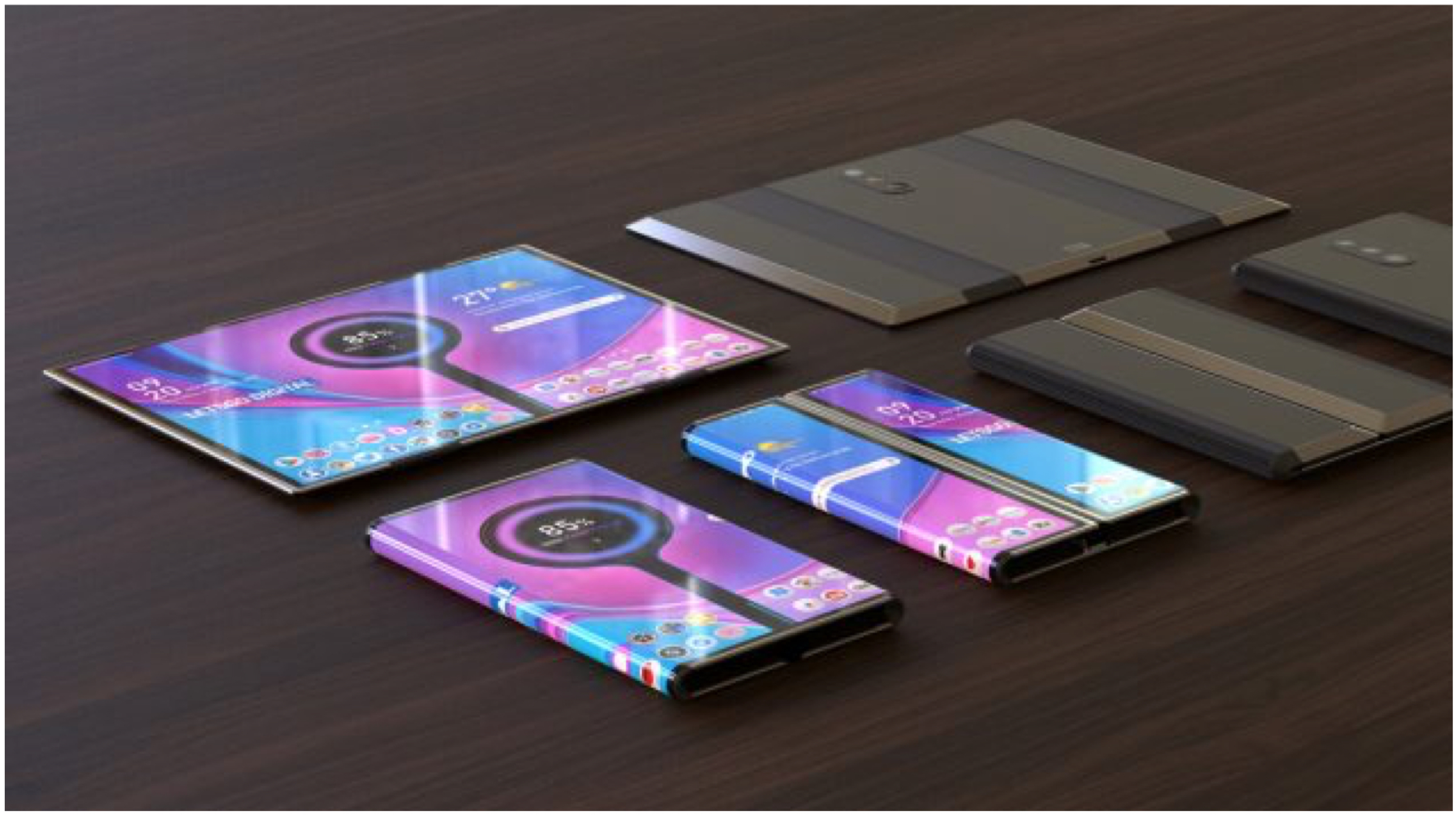
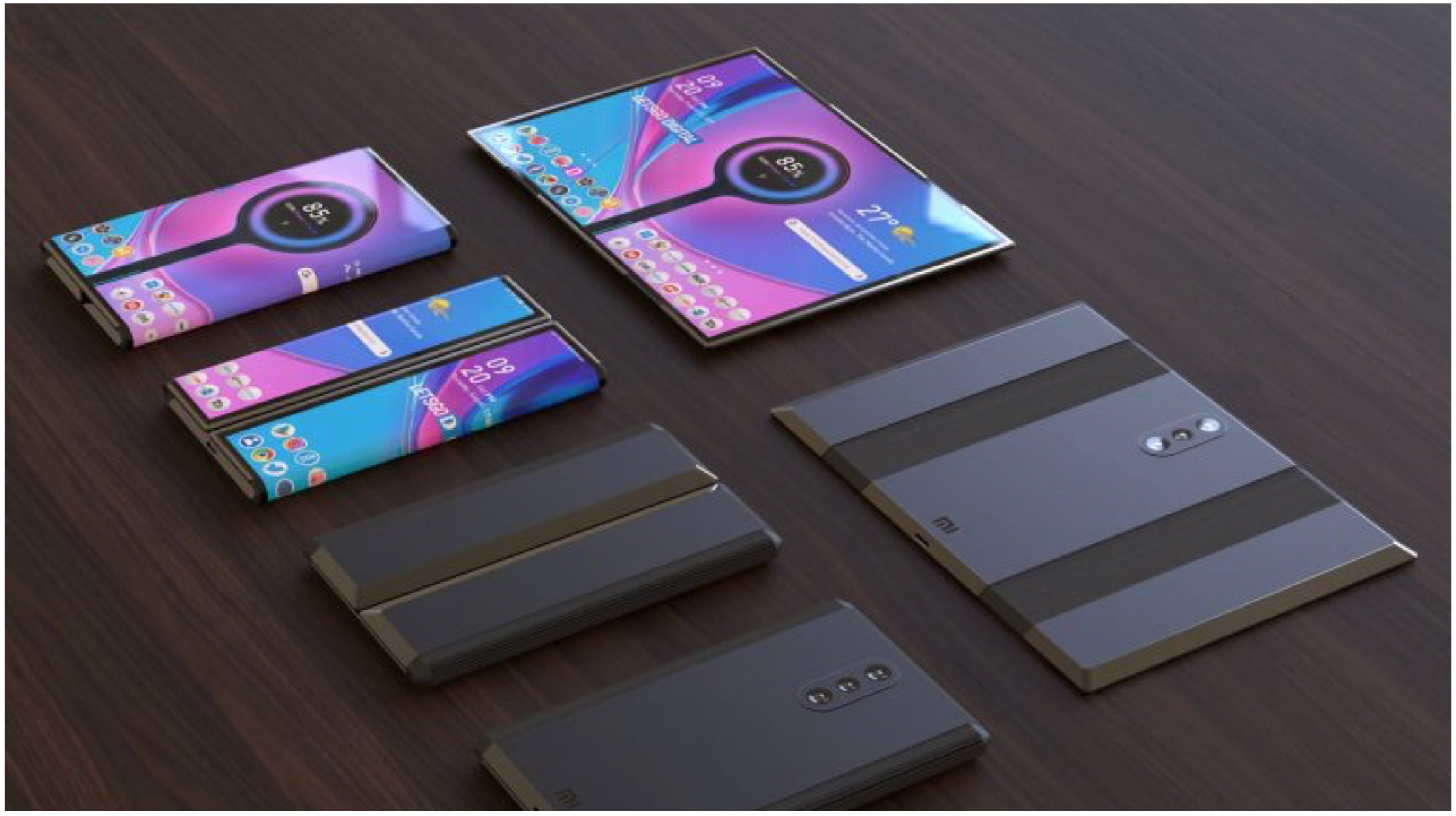
    While Xiaomi was also assumed to launch its foldable smartphone soon after the launch of Huawei and Samsung’s offering, clearly that has not happened. But the company has been granted patents of a foldable smartphone that suggest that the device could launch soon.

    According to the patents, the front of the Xiaomi smartphone has a flexible display that can fold from either end. Noteworthy, the bezels around the display are negligible which provides the device with an overall elegant design.  

    The rear of the Xioami smartphone seems to be made out of metal with two rubber straps that conceal the foldable hinge. The rubber-like material is similar to what is found on the previously launched Royole Flexpai. In addition, it also houses a triple camera setup.

    The images do not reveal any cutout or notch for the front-facing selfie camera on the Xiaomi smartphone. It is likely that the device will debut with an under-display selfie camera, which several companies (1,2) are working on. 

    Also, it does not have a rear-mounted or side-mounted biometric sensor, perhaps, it will have an in-display fingerprint sensor which is slowly becoming a common sighting on premium and mid-range smartphones. 

    In addition to functional design, the Xiaomi smartphone is expected to have high-end specifications. Therefore, it could feature the Snapdragon 855 or 855 Plus chipset. In terms of memory, it is expected to at least have 6 GB of RAM.

    Also Read: Top Tech Best Budget Tech Gadgets and Accessories: August 2019

    In order to verify the claims and leaks, we will have to wait patiently until Xiaomi addresses the device publically. Besides, the foldable smartphone from Xiaomi is expected to be more affordable than Samsung and Huawei’s offering which cost about US $ 2000. 

    What are your thoughts on the foldable smartphone from Xiaomi? Let us know in the comments below.

  • Chinese Man Spotted Using The Huawei Mate 30 Pro On A Subway Train

    Chinese Man Spotted Using The Huawei Mate 30 Pro On A Subway Train

    Over the last few years, Huawei has been a major contributor to the development of smartphones and its corresponding technologies. Due to its designation to the US entity list, Huawei had to face a major setback earlier this year. Nonetheless, it is advancing its thought of visionary smartphones at an unaffected pace. 

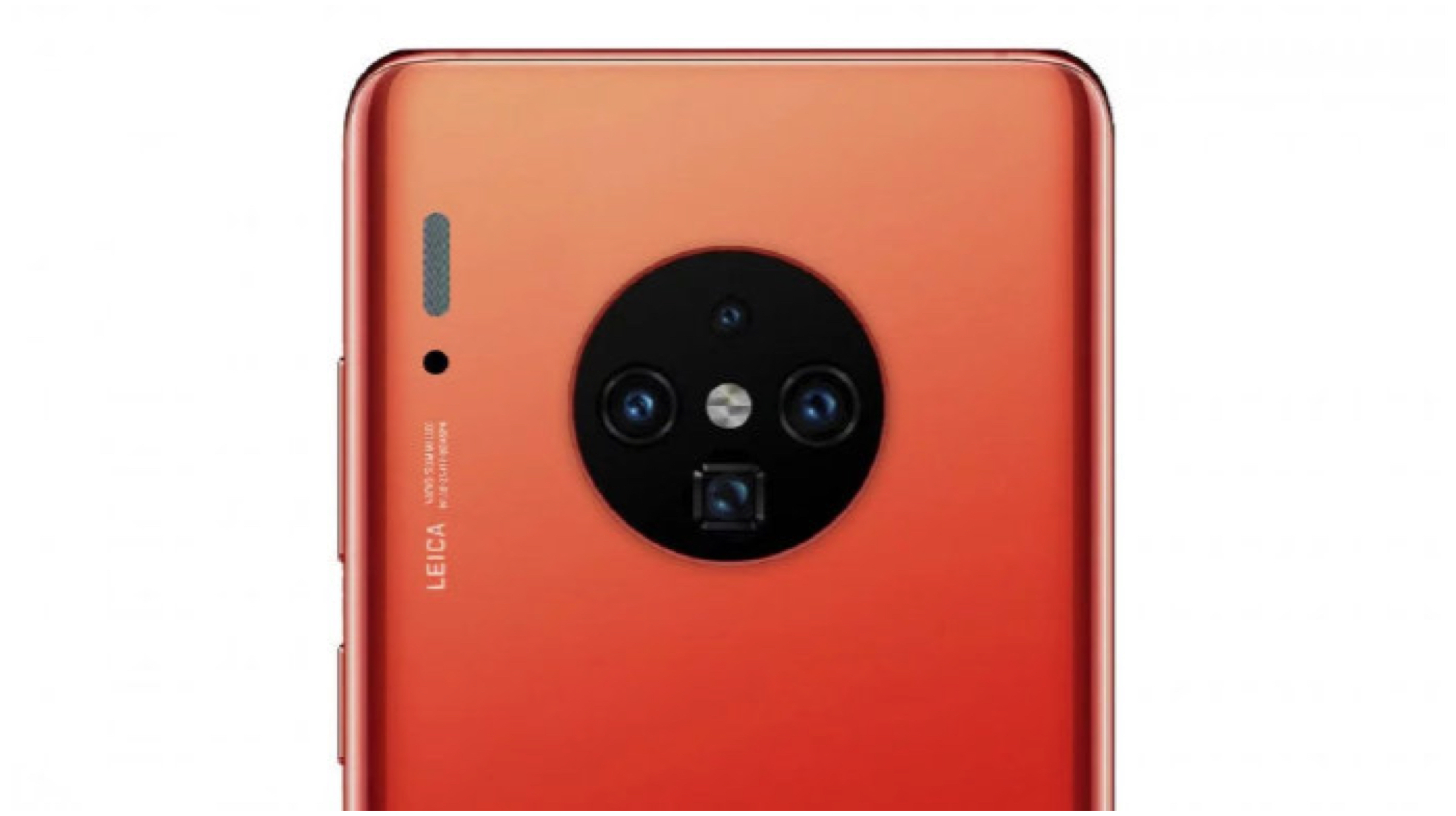
    The prime example of such handsets will be the members of  Mate 30 lineup which will succeed Mate 20 branded devices from the year 2018.Huawei Mate 30 Pro

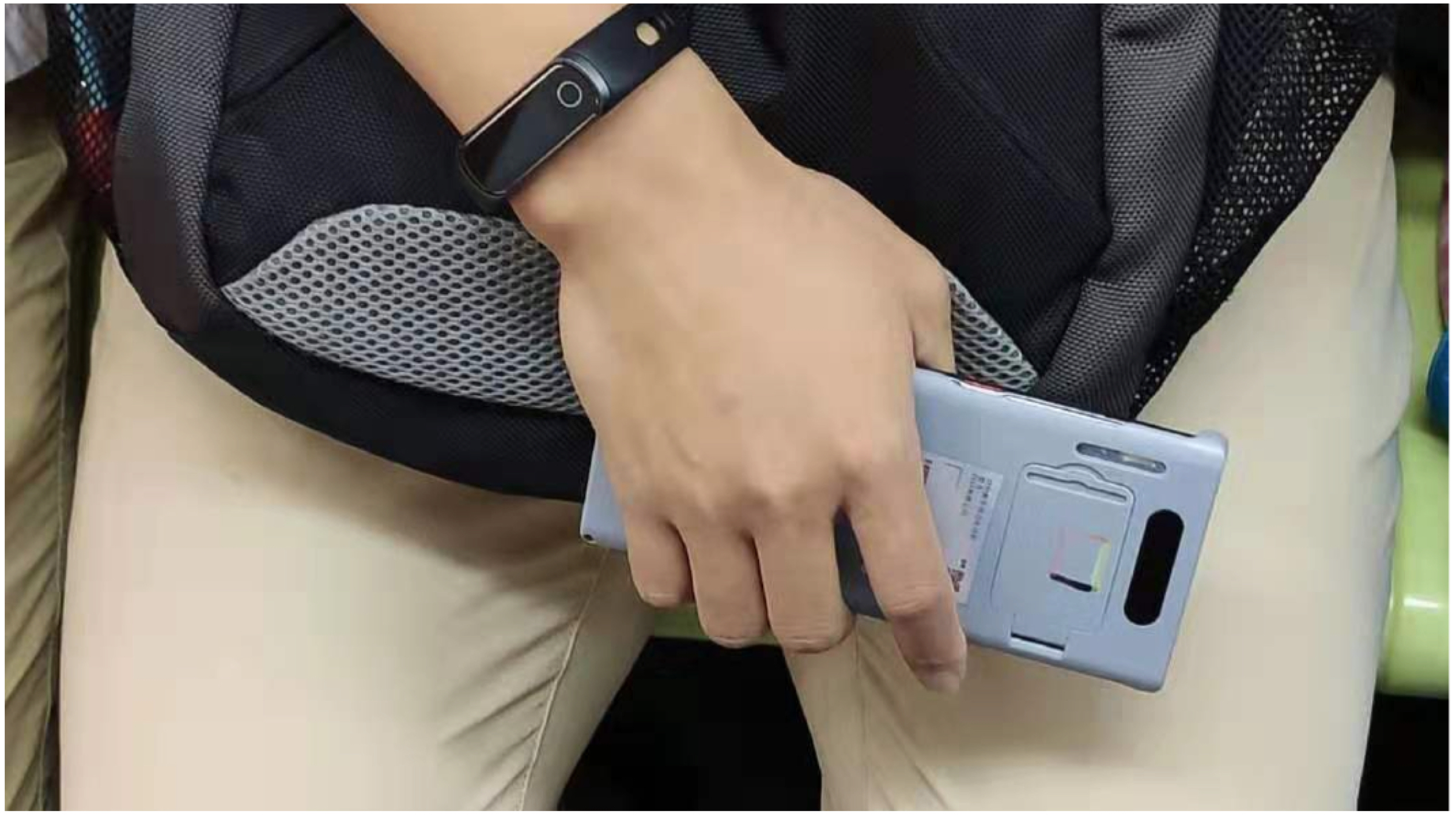
    The renders and features of upcoming Mate 30 and Mate 30 Pro have been revealed at multiple instances (1,2). Freshly, a traveller on the Chinese subway train was spotted using a unique smartphone which is believed to be the high-end Mate 30 Pro. 

    The front of the alleged Mate 30 Pro has an edge-to-edge display that has extremely curved sides. Besides, the top of display features a wide notch that goes in line with previously leaked renders. 

    The rear of the smartphone is concealed with a plastic case that has a couple of cutouts and it covers the camera sensors. The rear left side of the plastic case has a narrow slit which makes room for an elongated flashlight. Huawei Mate 30 Pro

    Unfortunately, the current leak does not exhibit any specifications of the Mate 30 Pro. Nonetheless, it is believed to feature the HiSilicon Kirin 985 or 990 (name not finalised) which will be manufactured by TSMC.

    The upcoming Huawei smartphone is believed to have quad rear camera setup which will be mounted in a circular module. 

    Also Read: Realme 5 Is The Worlds First Quad Camera Smartphone Under INR 10K

    In order to gain more details including the price and features of the Mate 30 Pro we will have to wait until its official launch which is believed to happen in the month of October. 

    On the basis of leaked renders and images, what are your thoughts on the Mate 30 Pro? Let us know in the comments below.

  • Eight Samsung Galaxy A Smartphones Set To Receive Significant Camera Update

    Eight Samsung Galaxy A Smartphones Set To Receive Significant Camera Update

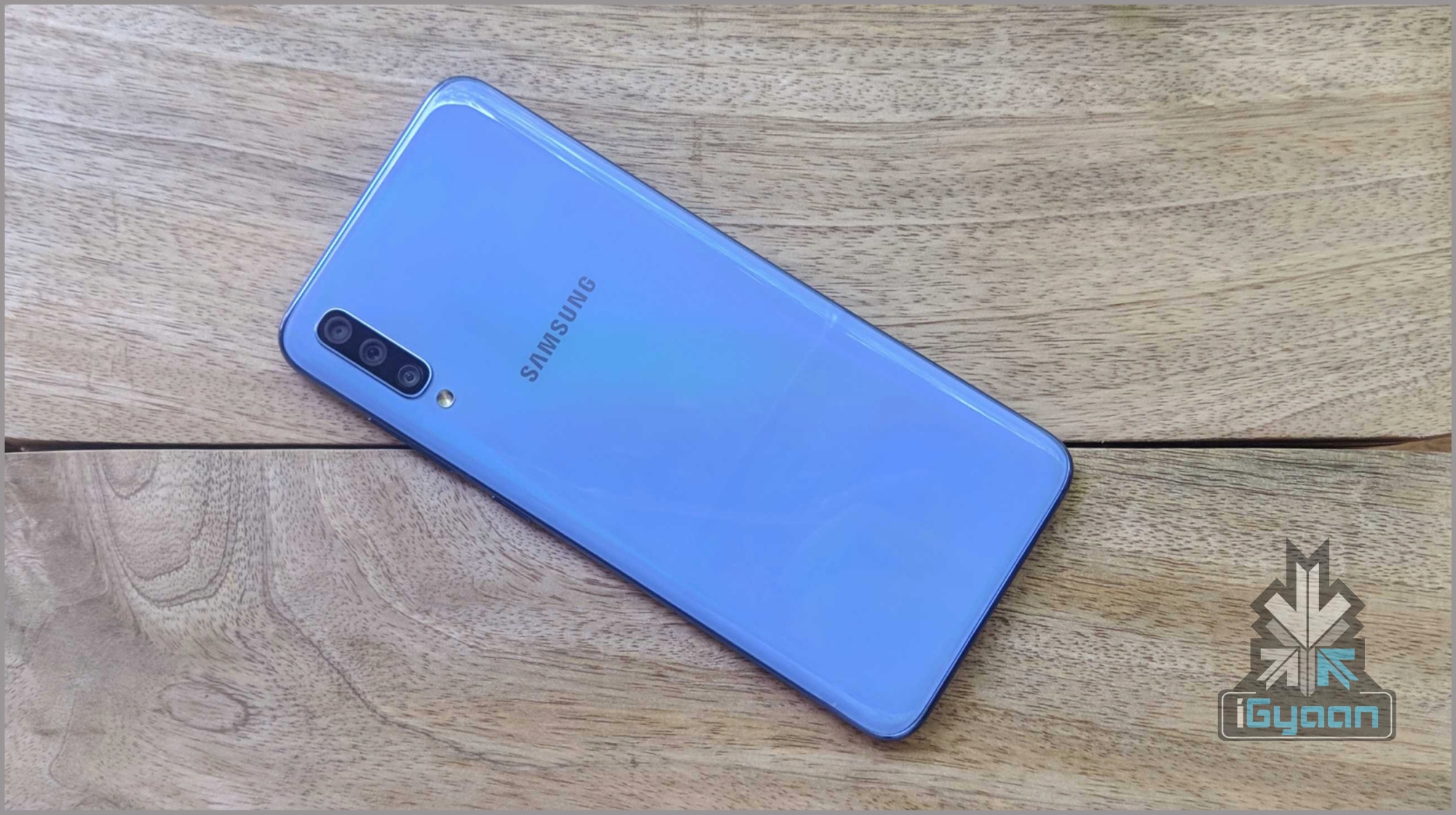
    In the month of February, the Korean electronics giant, Samsung unveiled the Galaxy A10 which is the first smartphone in the revamped Galaxy A lineup. Since then, the company has launched a multitude of other smartphones in this lineup such as the Galaxy A30, the Galaxy A50, and the Galaxy A70.

    Due to their competitive pricing and up to date features, the handsets have registered worthwhile sales figures for the company. It was previously reported that the company is planning to overhaul it existing lineup of Samsung Galaxy A smartphones and a leaked road map reveals, that the future handsets in this series will have a focus on photography.

    Samsung Galaxy A70

    According to the source, the details of the upcoming Samsung Galaxy smartphones are as follows:

    Device Name Rear Camera Setup Composition
    Galaxy A21 13MP (Main) + 8MP (Wide) + 5MP (Depth)
    Galaxy A31 16MP (Main) + 8MP (Wide) + 5MP (Depth)
    Galaxy A41 24MP (Main) + 8MP (Wide) + 5MP (Depth)
    Galaxy A51 32MP (Main) + 12MP (Wide) + 12MP (Telephoto) 2x Optical + 5MP (Depth)
    Galaxy A61 48MP (Main) + 8MP (Wide) + 10MP (Telephoto) 2x Optical + 5MP (Depth)
    Galaxy A71 48MP (Main) + 12MP (Wide) + 12MP (Telephoto) 2x Optical + ToF
    Galaxy A81 64MP (Main) + 16MP (Wide) + 12MP (Telephoto) 2x or 5x Optical + ToF
    Galaxy A91 108MP (Main) + 16MP (Wide) + 12MP (Telephoto) 5x Optical + ToF

    In an effort to maintain simplicity of the name scheming, Samsung has made a chronological increment for all Galaxy smarpthones of 2020. 

    Except for the Samsung Galaxy A 91, the predecessors of all the smartphones listed above have already been launched. In comparison to the original handsets, Samsung will equip all future smartphones with one additional sensor. For reference, the Galaxy A20, A30 and A40 have two sensors while the A50, A60, A70 and A80 have three sensors.

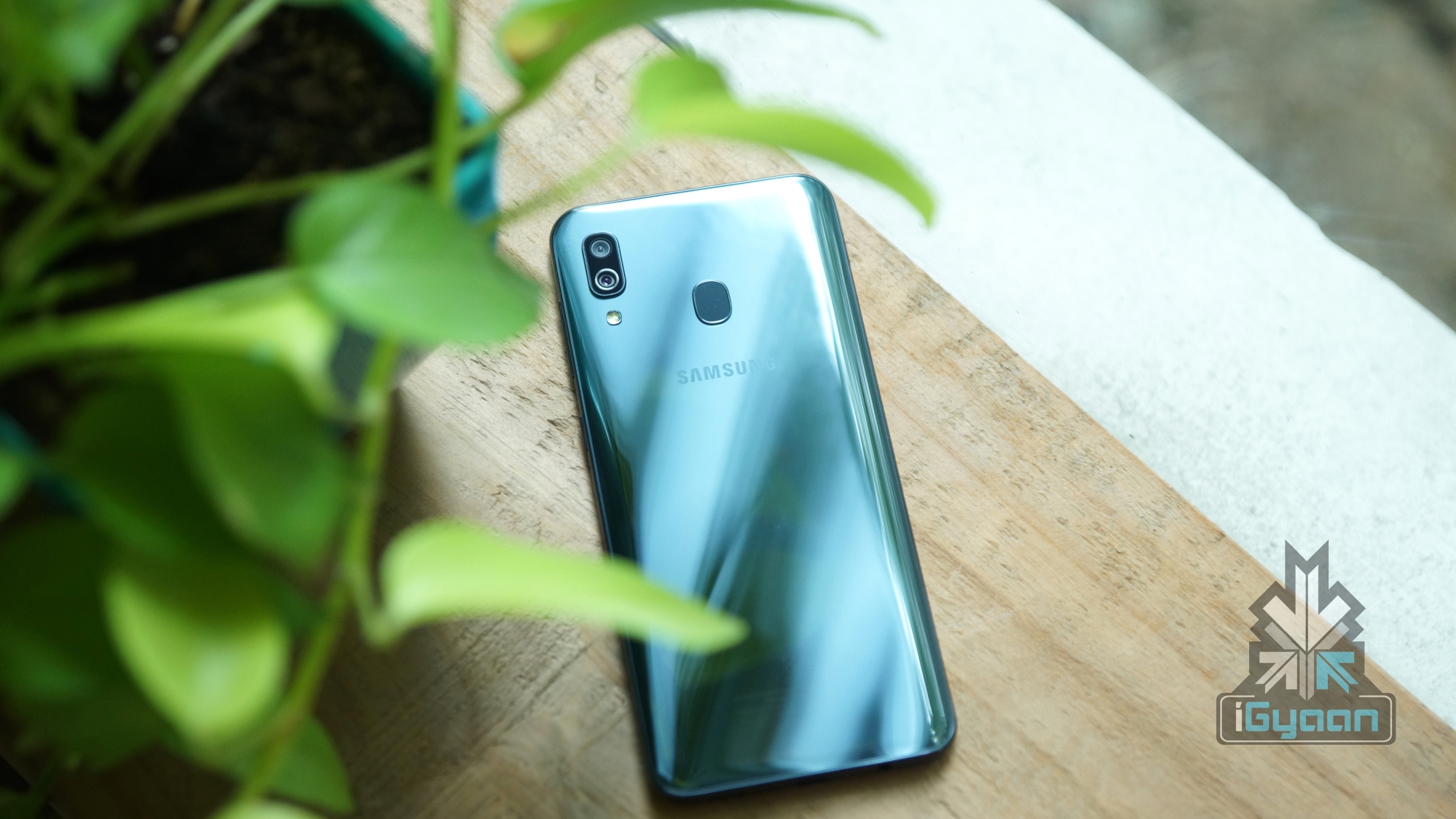
    Samsung Galaxy A30
    Samsung Galaxy A30

    Talking about the Galaxy A90, it is expected to launch soon, as several leaks (1,2) concerning the device have been uncovered in the recent past.

    In addition to improved photography capabilities, Samsung is also assumed to upgrade the innards of future Galaxy A smartphones which includes improved chipsets and refreshed design. 

    Also Read: Redmi Note 8 Design Leaked, Features A Quad Rear Camera

    Although the product strategy and leaked road map seem real, we will have to wait patiently until Samsung speaks aloud about the successors of the original Galaxy A smartphones from the year 2019. As previously mentioned, the upcoming Samsung Galaxy A handsets will be launched in the year 2020.

  • Compact Huawei Nova 5T With 5.5 Inch Punch Hole Display To Launch Soon

    Compact Huawei Nova 5T With 5.5 Inch Punch Hole Display To Launch Soon

    Earlier this year, the US commerce department designated Huawei to an entity list based on allegations of sending sensitive user data to the Chinese government. This move barred all American companies to terminate all sorts of business relations with the Chinese corporation.

    Although the ban has now been lifted Huawei has still not been able to reform its relations with the United States-based companies. It seems that a hindrance as big as this has hardly made any effect on the companies plans. It has been launching aggressively price feature-laden smartphones at regular intervals.

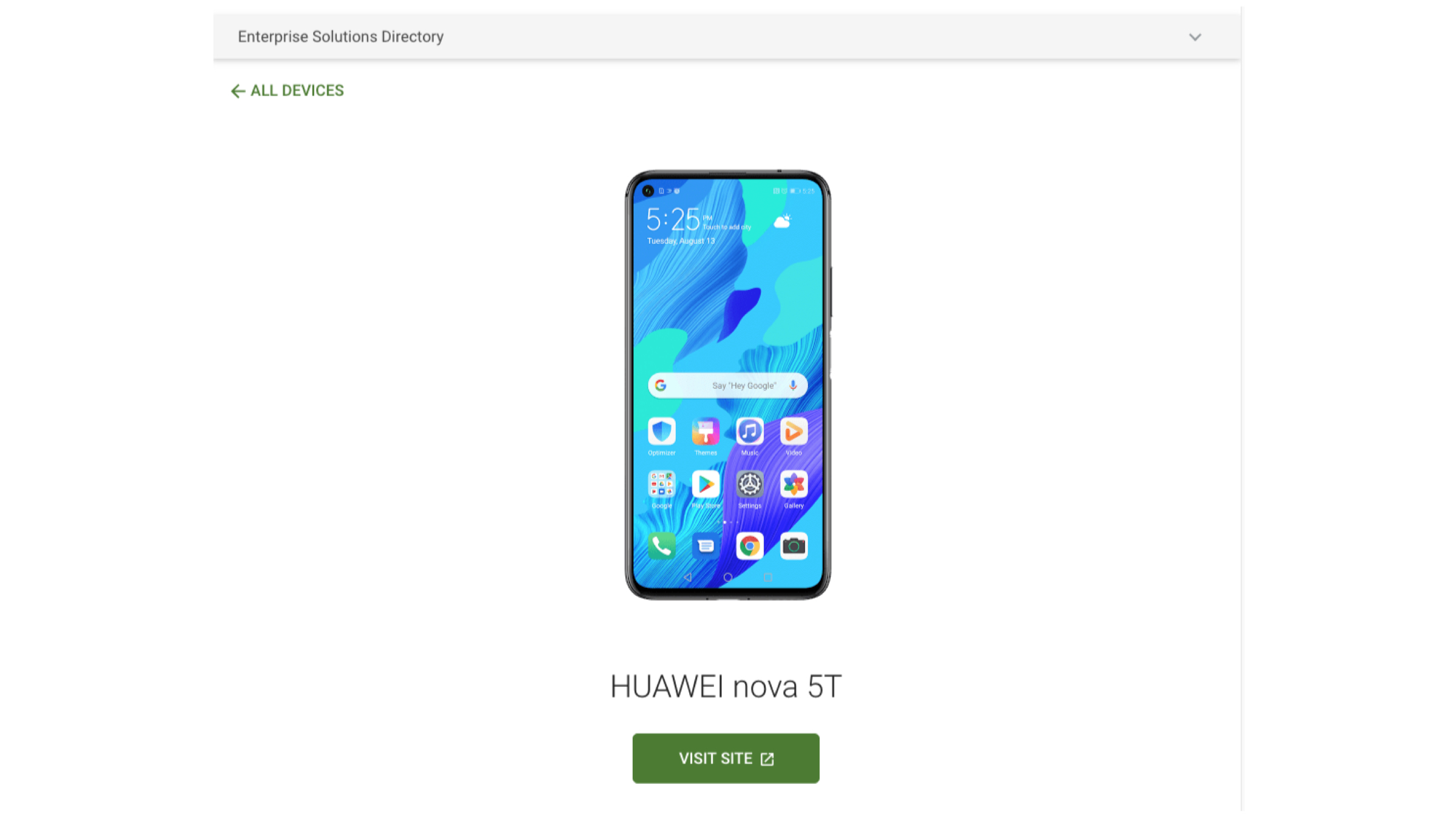
    Huawei Nova 5T
    Huawei Nova 5T Android Enterprise Listing

    According to a fresh Android Enterprise listing, Huawei will soon launch another high-end smartphone which surprisingly will have a compact form factor. Ever since the bid adieu of Sony’s compact Xperia smartphones, the industry has been demanding for smaller devices which have not been delivered yet.

    The upcoming Huawei smartphone will be the Nova 5T and it will be part of the Nova 5 smartphone lineup which was unveiled earlier this year.

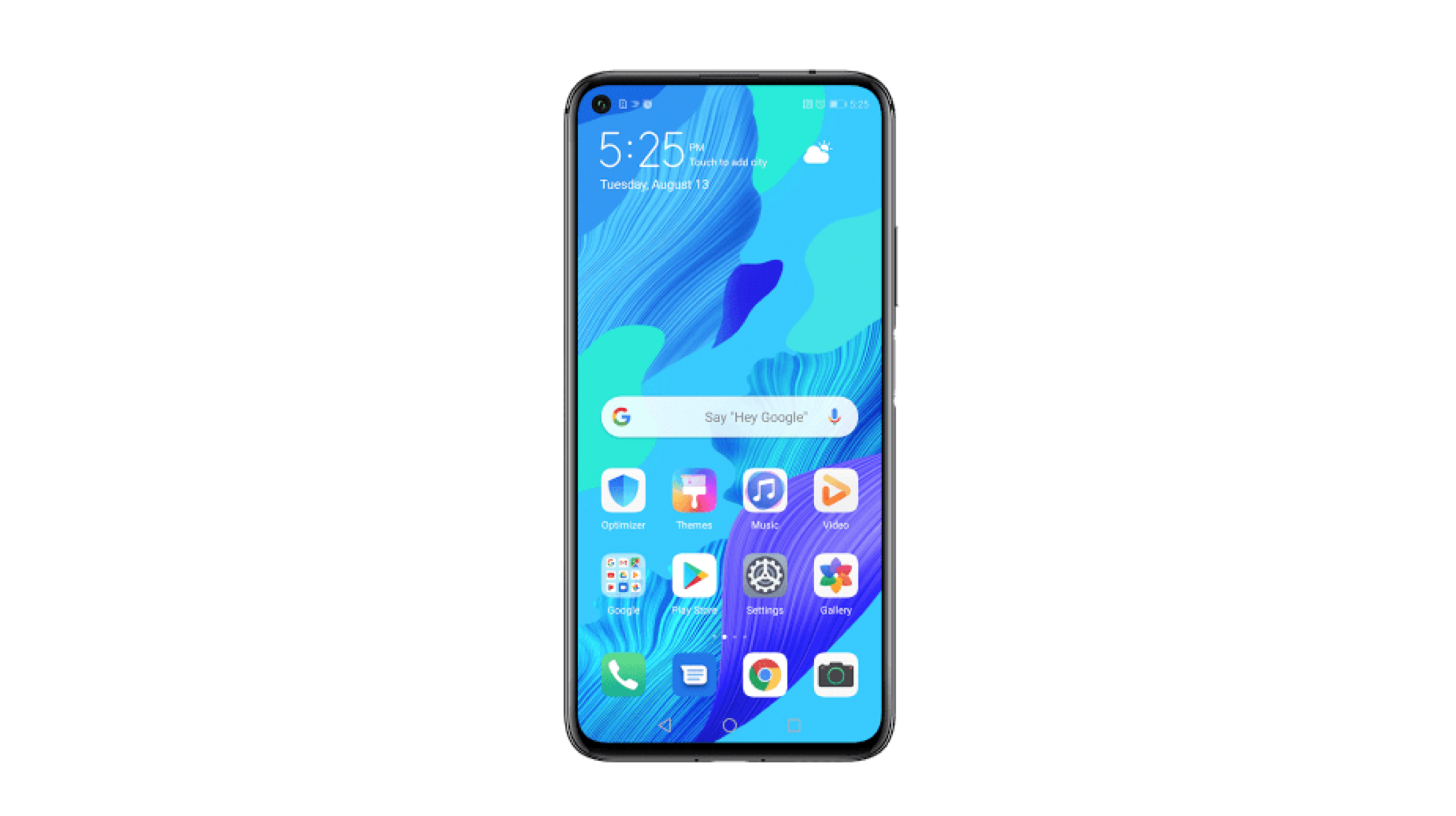
    As per the images listed on Google site, the Huawei Nova 5T has an attractive design which is due to the front which is dominated by an edge to edge display. Overall, the front fascia of the device is similar to the Huawei Nova 5i Pro which has already been launched. The display measures 5.5 inch and it also has a punch hole which houses the front-facing selfie camera. 

    Huawei Nova 5i Pro

    In terms of memory and storage, the Nova 5T will be offered in two storage options which are as follows:

    • 8 GB + 128 GB
    • 8 GB + 256 GB

    For securely and rapidly logging in to the UI, it also has a fingerprint sensor. Although the listing does not reveal it exact location, we believe it will be mounted on the rear. Besides, the Huawei Nova 5T runs on the latest Android 9 Pie and has NFC support. 

    Unfortunately, the listing has not revealed any details of the processor or the camera sensors incorporated on the smartphone. Therefore, they will be revealed at the official launch until another leak reveals them as well. 

    Also Read: This Is What The Upcoming Huawei Mate 30 Pro Looks Like

    The launch date of the smartphone is yet unknown but the Android Enterprise listing suggests it is about to happen soon. 

    If Huawei is able to price the Huawei Nova 5T at an aggressive price, it could turn out to be a huge success as the demand for compact smartphones has been on the rise and the company can cash on this untapped segment of the mobile industry.

    Would you like to buy a smartphone that has a compact form factor? Let us know in the comments below.


  • This Is What The Upcoming Huawei Mate 30 Pro Looks Like

    This Is What The Upcoming Huawei Mate 30 Pro Looks Like

    Huawei is highly anticipated to launch the Mate 30 and Mate 30 Pro which will succeed the Mate 20 lineup from 2018. In comparison to their predecessors, the upcoming device will be a significant step up both in terms of design and features. 

    Earlier this week, a Chinese leakster claimed that Huawei had been waiting for Samsung to launch its 10th Gen Galaxy Note smartphone which at the time of writing this article has happened. The source also reported that the Mate 30 lineup will launch on either 25th or 26th September.Mate 30 Pro

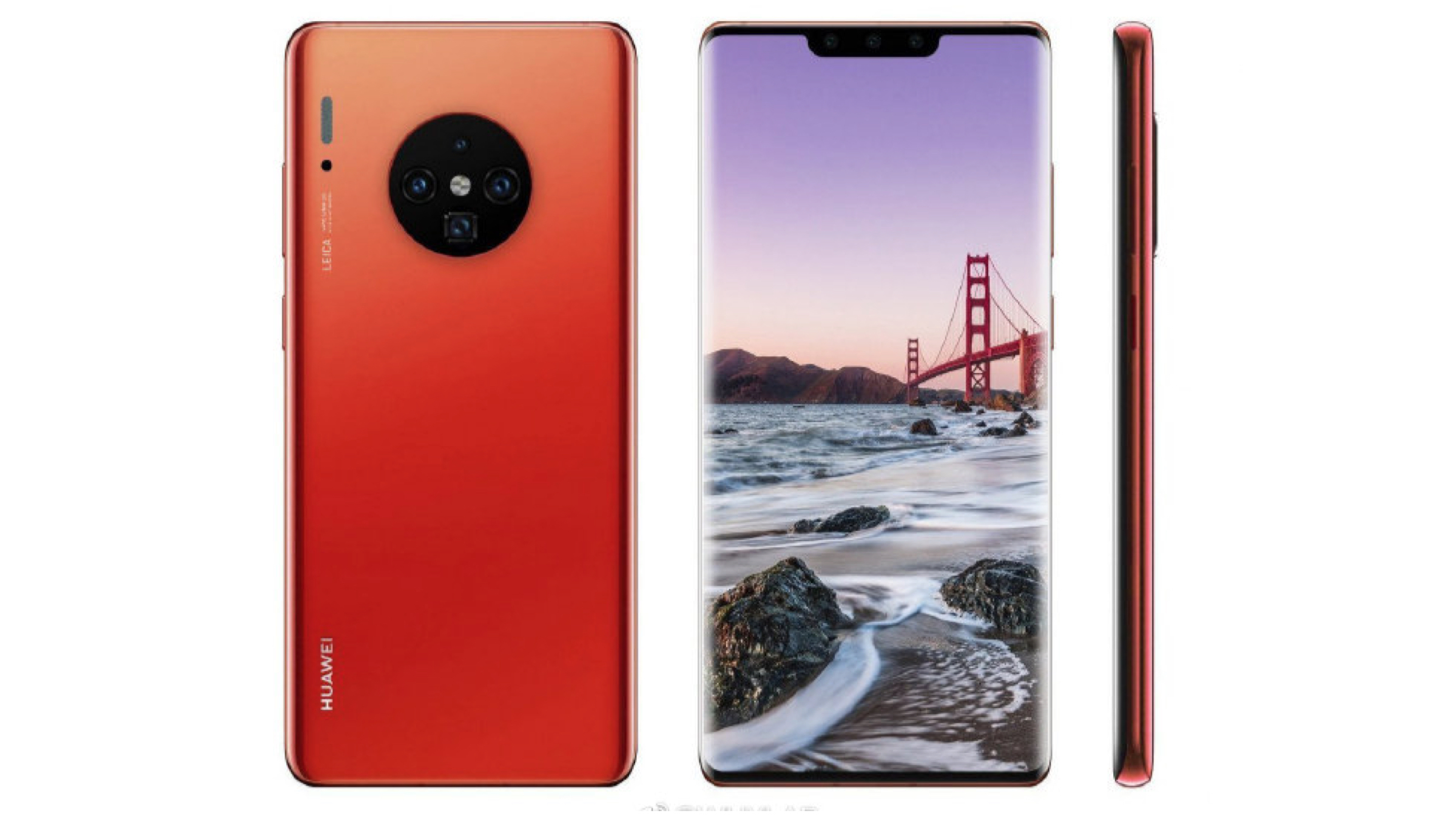
    Ahead of the alleged launch, a fresh set of Mate 30 Pro renders had been shared on Social media website, Weibo. Noteworthy, the images exhibit a similar design to what was previously leaked by a case maker. Though the positioning of the camera sensors is different in the current render. 

    According to the render, the front of the Mate 30 Pro will be dominated by an edge-to-edge large screen display that has a wide notch up top. Furthermore, the sides of its display are unconventionally steep and it seems they touch the rear panel. 

    Like the Mate 20 lineup, the Mate 30 Pro also has a rear glass panel which houses the company branding and the camera setup. The rear camera setup is housed in a circular module and it consists of four sensors in addition to a LED flash.

    Overall, the Mate 30 Pro seems to have a visionary design which will be backed with powerful innards.

    Huawei HiSilicon KirinThe source claims that the device will also support 25 W of wireless charging making it the fastest in the industry. It is believed to feature the HiSilicon Kirin 985 or Kirin 990 SoC (name not finalised) which will be manufactured by TSMC.

    Also Read: Realme 5 Spotted On Geekbench With Octa-Core SoC And 4 GB RAM

    In order to confirm the leaks about the latest generation of Mate smartphone’s from Huawei, we will have to wait patiently as its expected launch date is still distant.

    What are your thoughts on the Mate 30 Pro’s design based on leaked renders? Let us know in the comments below.  

  • Realme 5 Spotted On Geekbench With Octa Core SoC And 4 GB RAM

    Realme 5 Spotted On Geekbench With Octa Core SoC And 4 GB RAM

    Chinese smartphone maker, Realme is bracing for the launch of the Realme 5 smartphone which will debut on the 20th of August in India. Dissimilar to what the chronological name scheming suggests, it the successor to the Realme 3 which was launched earlier this. 

    The company has skipped the number ‘4’ in the lineup as the digit is considered unlucky in the Chinese culture. Likewise, OnePlus which is a sister company of Realme had also skipped this number as the company straightway launched the OnePlus 5 after OnePlus 3.
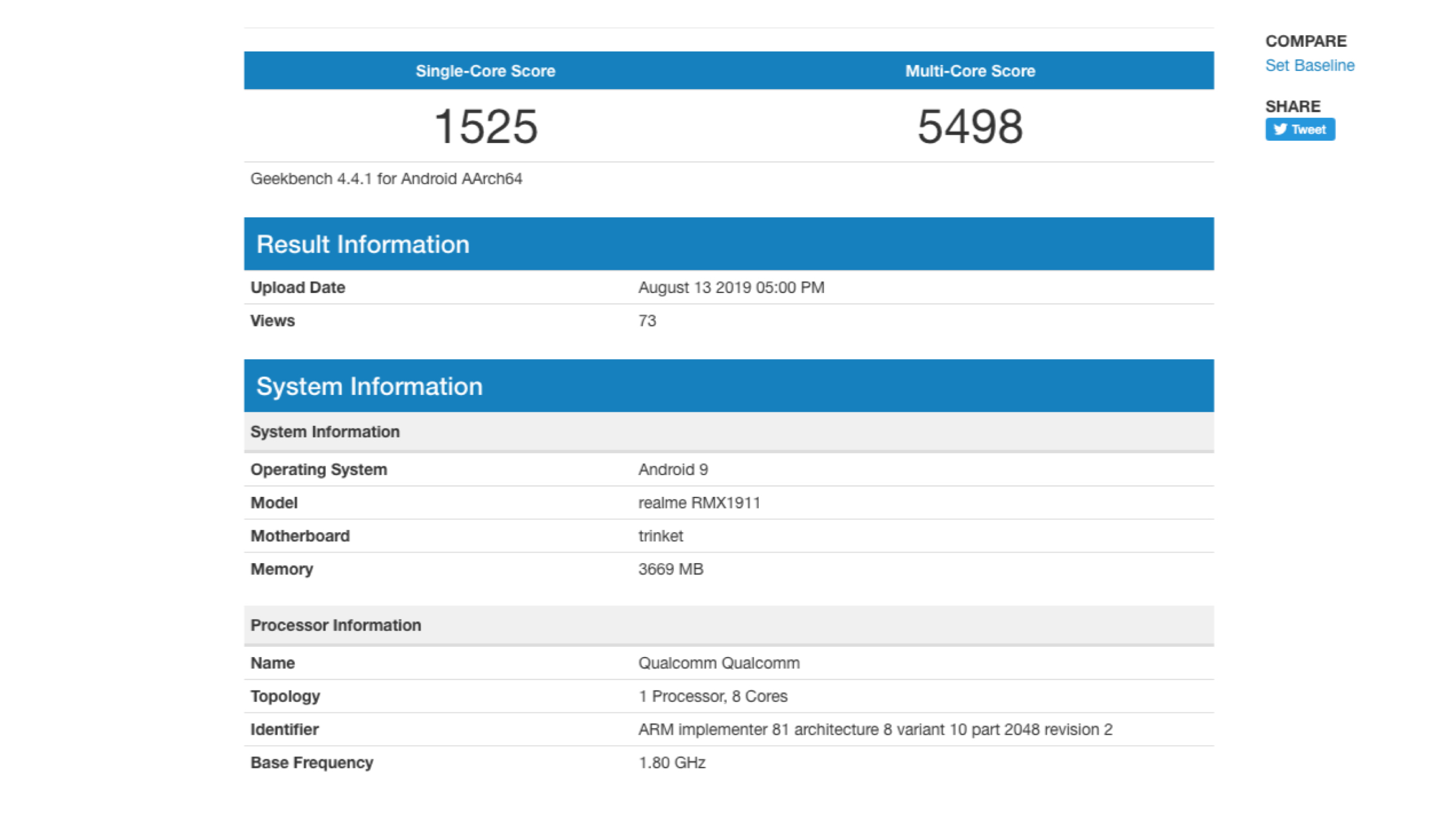
    Realme 5 Geekbench

    Surprisingly, ahead of the official launch, the alleged Realme 5 has been spotted on the popular benchmarking website, Geekbench, which has revealed its key specifications. 

    According to the listing, the Realme 5 registers a single-core score of 1525 points and a multi-core score of 5498 points. This score is similar to what the previously announced Mi A3 was able to secure. However, the Realme device is expected to be comparatively cheaper than the former. 

    The alleged Realme 5 packs an Octa-Core SoC that has a base frequency of 1.8 GHz. Although the listing does not reveal the chipset name, it is supposed to be the Snapdragon 665. In terms of memory, the device has 4 GB of RAM, however, the company is expected to launch higher RAM capacity variants as well.Realme 5 Quad Camera

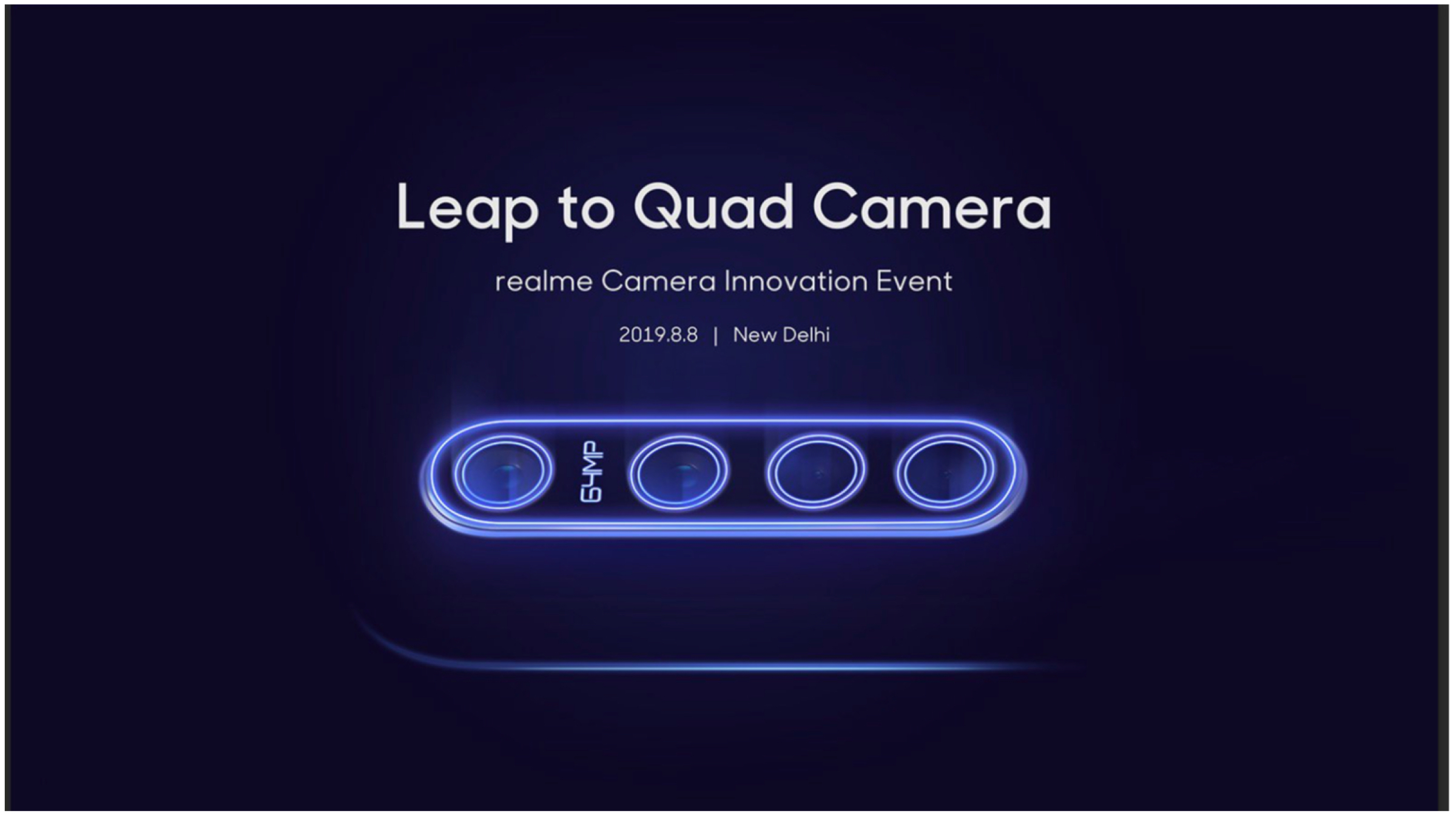
    Besides, it has already been confirmed that the upcoming device will feature a quad rear camera setup, out of which the primary sensor will be the Samsung made GW1 that has a resolution of 64 MP. 

    Also Read: LG Patents Two Foldable Smartphones That Are Reminiscent of Galaxy Fold And Mate X

    Other details including the screen size, storage and battery capacity of the handset are currently unavailable. Nonetheless, as previously mentioned, it is set to launch on the 20th of August. Therefore, we won’t have to wait until its crucial details like price and specs are publicised. 

    What do you think should be the pricing of the Quad Camera equipped Realme 5? Let us know in the comments below.


iGyaan Network
Privacy Overview

This website uses cookies so that we can provide you with the best user experience possible. Cookie information is stored in your browser and performs functions such as recognising you when you return to our website and helping our team to understand which sections of the website you find most interesting and useful.