Category: Apps and Software

Games, Apps, Softwares, Operating Systems and Software Hacks

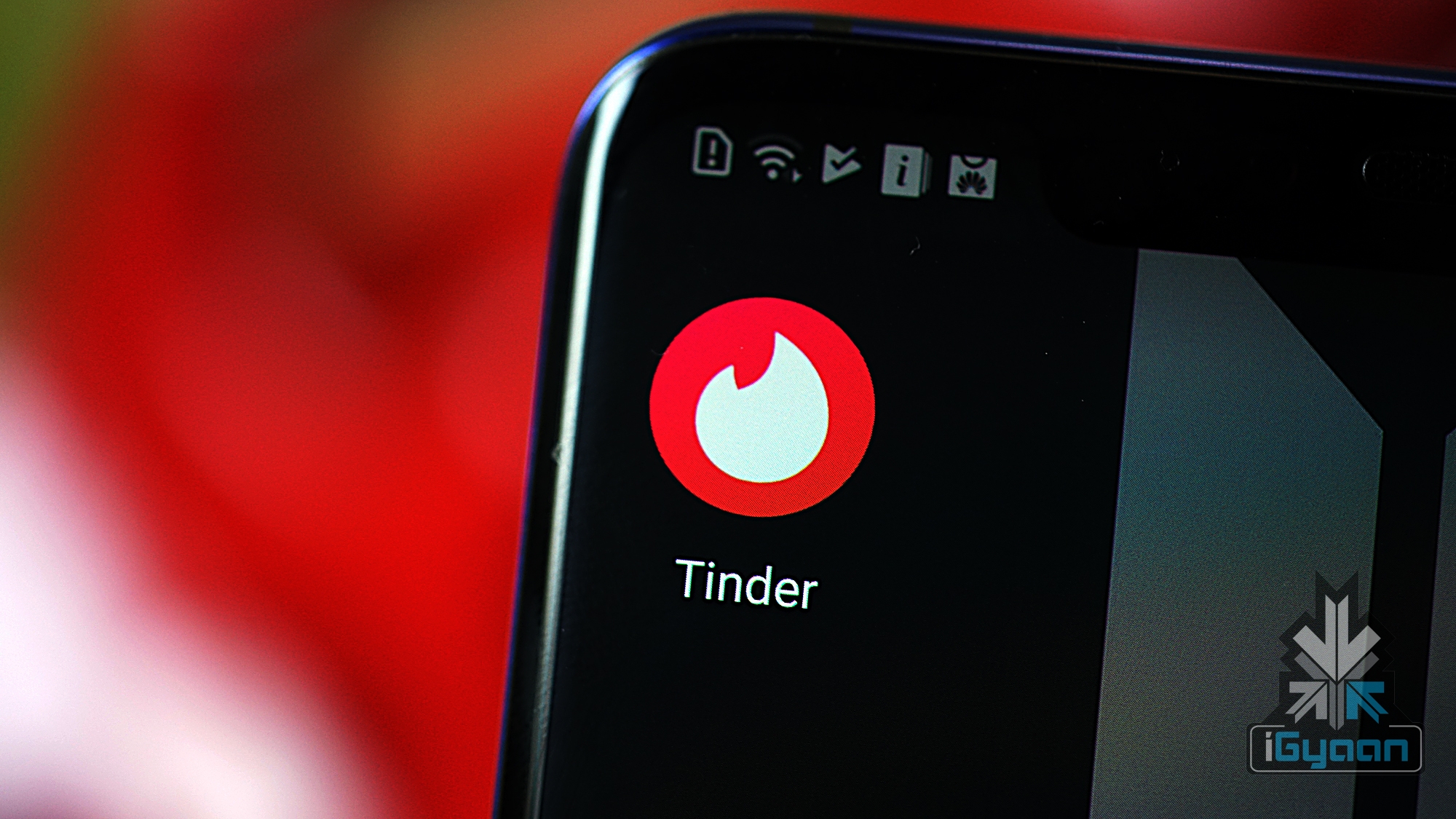
  • Tinder Skips Payments Via Play Store To Save 30 Percent On Commission

    Tinder Skips Payments Via Play Store To Save 30 Percent On Commission

    When it comes to dating applications, Tinder is one of the first names that cross one’s mind. The application was originally launched in the year 2012 and it has now become a global success. Although the app is free to download and use, a paid membership is also offered that adds several functionalities like an unlimited number of swipes, changing the location information and the ability to see whether a message has been read or not.

    According to a latest piece of news, the company is making a massive transition in its default payment process that skips authentication via Google Pay.

    Instead, the users will now be prompted to an external web link that will redirect incoming transfers via Tinder’s very own gateway. Noteworthy, once a user enters their credit card details into this gateway, their payment information is automatically stored with the company. Besides, this also removes the choice to switch back to Google Play for making any future purchases. 

    Nevertheless, a senior company executive who addressed the update has a justifiable reason behind this unforeseen change. Correspondingly, Google, that operates Play Store charges a mandatory 30 percent commission on every transaction that is made via its digital distribution service. Therefore, the platform is a huge moneymaker for the company and it rakes in billions of dollars in terms of revenue each year. Fortnite

    While Tinder going this path won’t affect Google in a radical manner, the profit margins of the former will rise significantly. Besides Tinder, the developer of Fortnite, Epic Games had previously chosen to go the same path as it distributed the game apk aka installer via its own servers and not Google’s. 

    Also Read: Nova 5i Pro With Kirin 810 Thrashes Redmi K20 In Geekbench

    Conclusively, Analysts suggest that this move can have a domino effect and if other huge corporations plan to go down this road, Google will have to devise a mechanism to prevent this from happening and arresting any future loses.

    Do you think that Google should wave off its commission on Applications distributed via play store which may help in reducing the price of a given service? Let us know in the comments below. 

  • Samsung One UI 2.0 With Fresh Features To Debut With Android Q

    Samsung One UI 2.0 With Fresh Features To Debut With Android Q

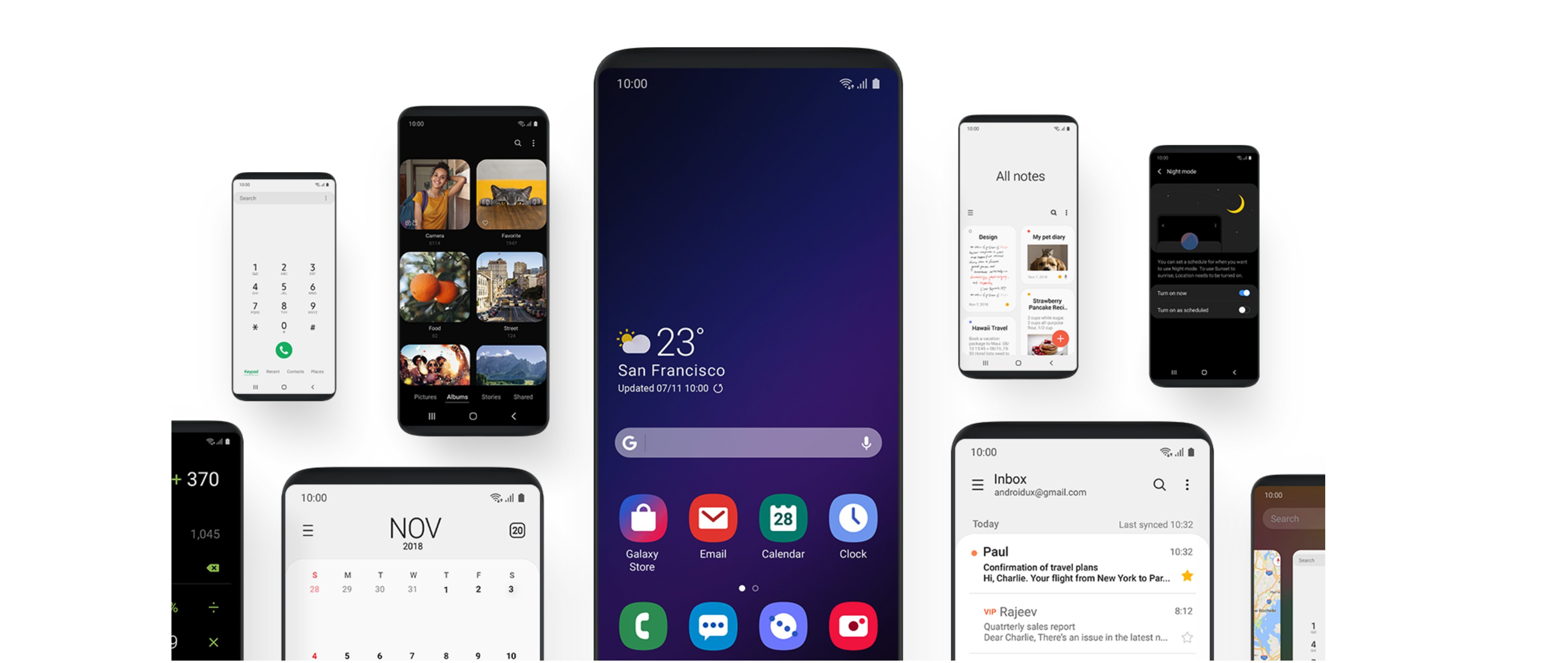
    Samsung had unveiled the One UI in its developer’s conference back in the year 2018. The first iteration of the new interface was first seen in devices that ran the latest Android version, namely Android 9 Pie. It succeeds the Samsung Experience and TouchWiz UI which have found on devices since the early days. Now, fresh news has reported that Samsung’s One UI 2.0 will be launched alongside the release of Android Q.

    Samsung One UI 2.0

    According to the report, Samsung’s Android Q release for its Galaxy lineup of smartphones will include One UI 2.0 from the get-go. Furthermore, it is also claimed that Samsung’s Galaxy S11 will debut with One UI 2.1 which seems to be an exclusive variant of the user interface. One UI was made to enhance the user experience for Samsung’s consumers by streamlining design and functionality. The newest version will also include all the Digital Wellbeing improvements that Google announced at its developer’s conference earlier in May.

    Samsung One UI 2.0
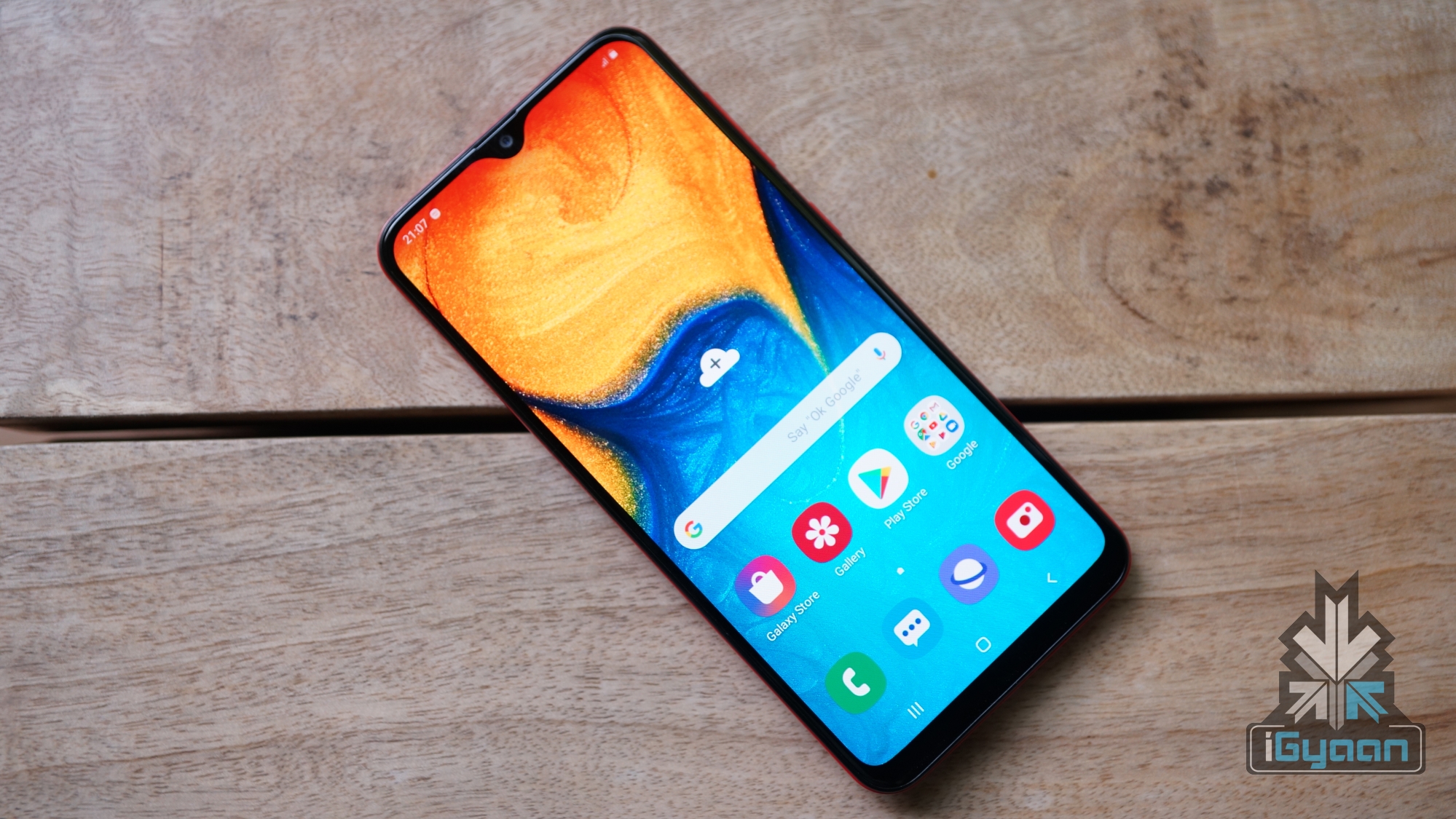
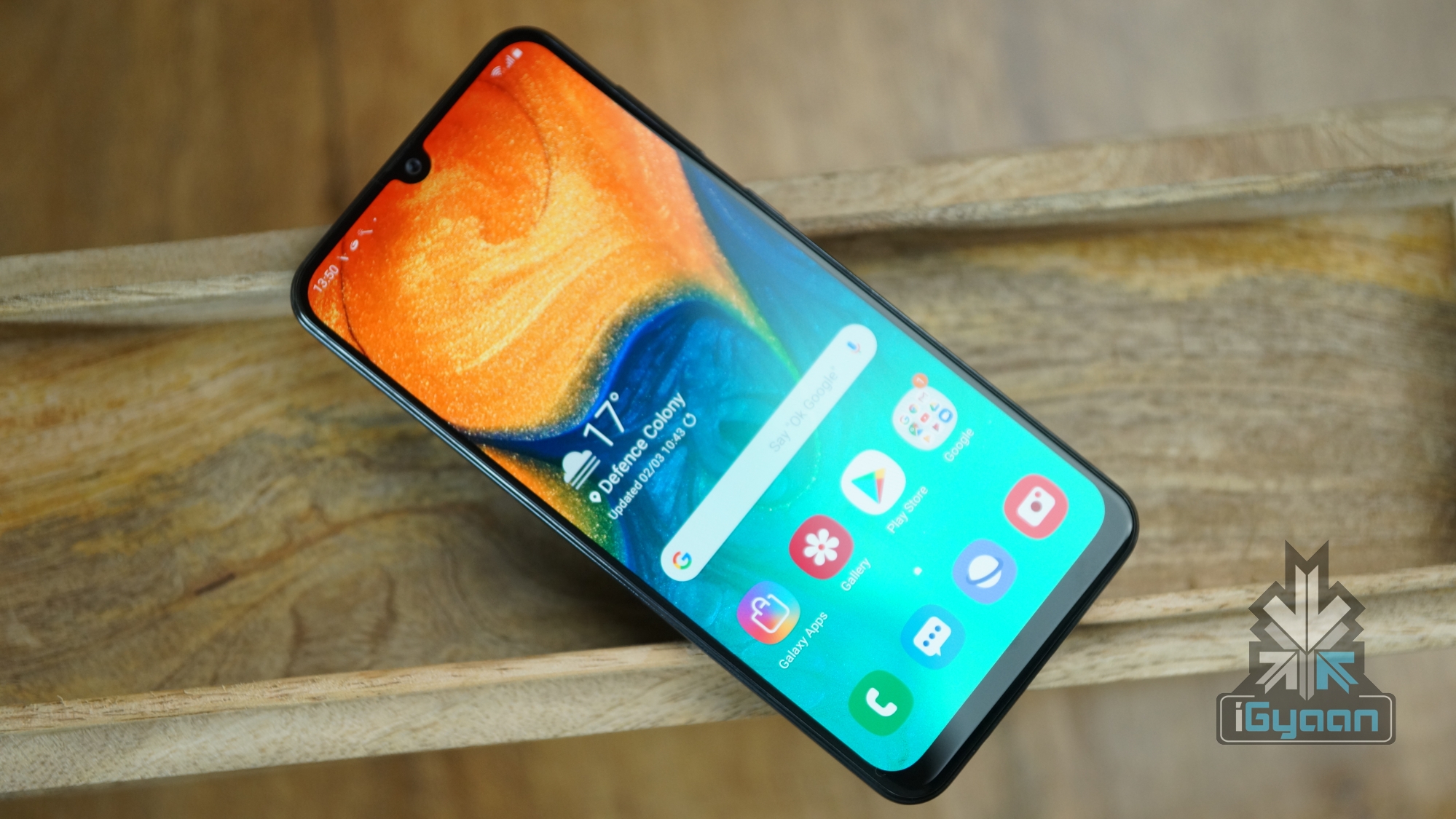
    Galaxy A20

    Currently, the latest One UI version is 1.1 which is running on most Android 9 Pie running Galaxy smartphones. It can be expected that Samsung will roll out new and interesting features with One UI 2.0 which will be exclusive to its range of handsets and tablets. The first iteration brought various minor and major new functionality, like Bixby Routines and a refreshed design. However, many of the previous generations of devices such as Galaxy S9 are yet to benefit from them. Hopefully, the incorporation of Android Q brings a lot of the new changes uniformly across every compatible Samsung devices.

    Android Pie Based OneUI
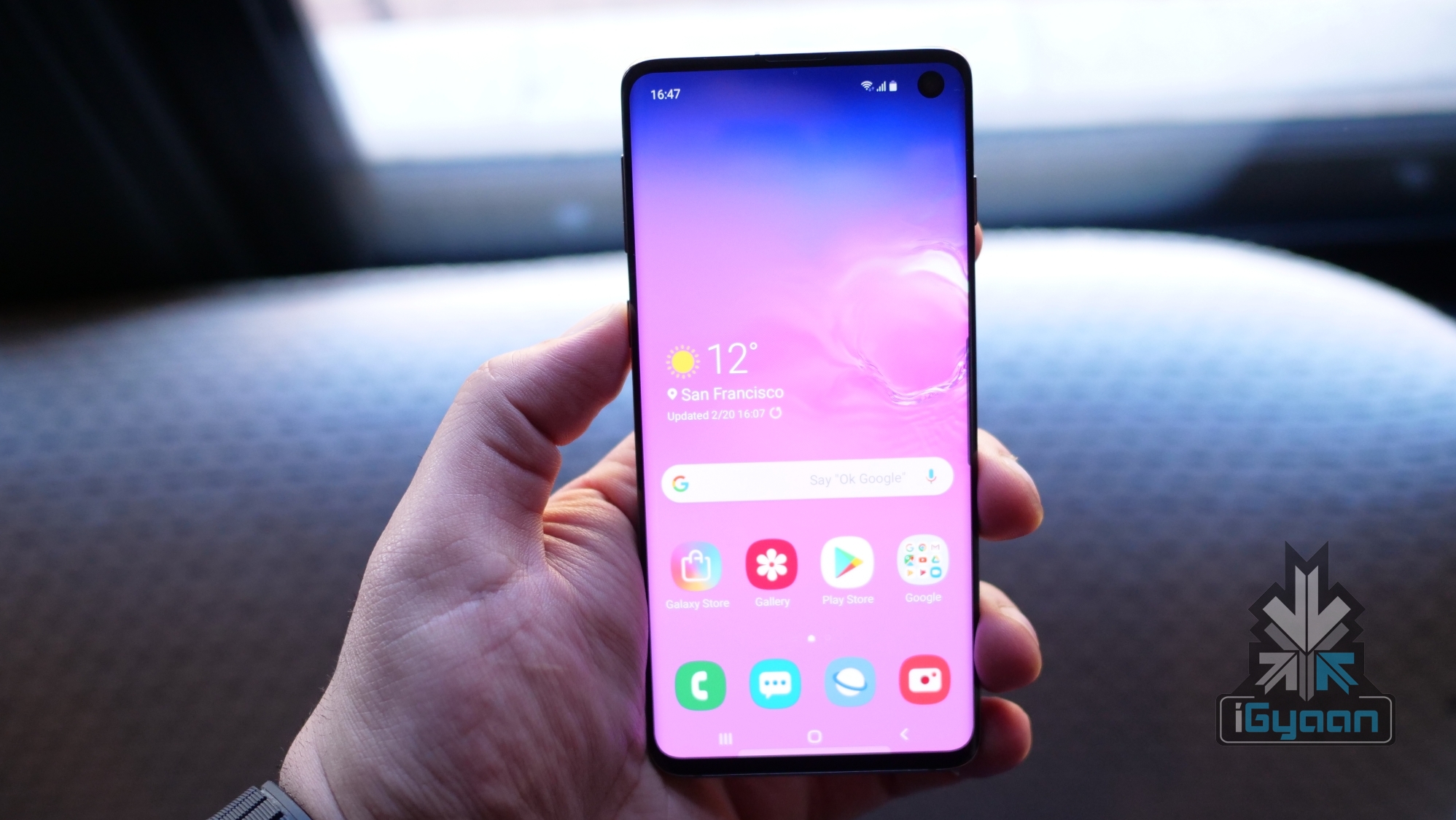
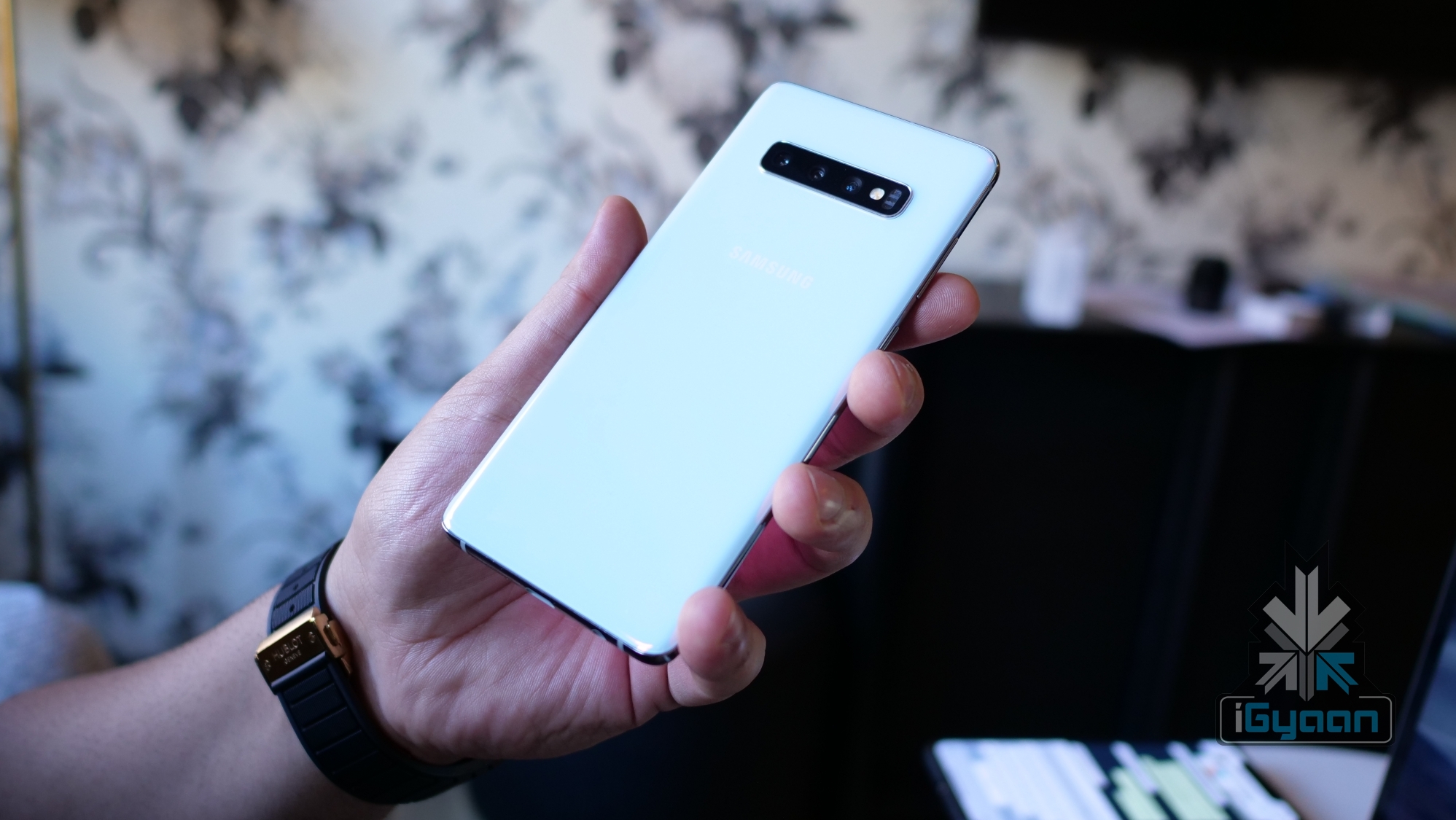
    OneUI On The Galaxy S10

    Also ReadMoto One Action Specs Leaked, Features An Unconventionally Tall Display

    It is still unclear as to what exactly the new feature will entail. Details are sketchy and only speculations have surfaced can be made as of right now. We can only hope for an official company statement to reveal more information which should be expected in the arriving weeks. Updates regarding the upcoming Android Q based One UI 2.0 from Samsung will be provided soon, so stay tuned.

  • Twitter Updated With Pleasing Colour Schemes And Dark Mode

    Twitter Updated With Pleasing Colour Schemes And Dark Mode

    Twitter is one of the most popular social media platforms. The microblogging website/application is an active service that is provided to its large user base. Similar to Facebook, WhatsApp and Instagram; Twitter too has a refresh cycle in which it upgrades certain aspects related to its service. The social media giant has now announced a refreshed new look for its desktop version of the official website. 

    https://twitter.com/Twitter/status/1150812293124546561?ref_src=twsrc^tfw|twcamp^tweetembed|twterm^1150812293124546561&ref_url=https%3A%2F%2Fthenextweb.com%2Fapps%2F2019%2F07%2F15%2Ftwitter-launches-its-faster-cleaner-design-including-new-color-themes%2F

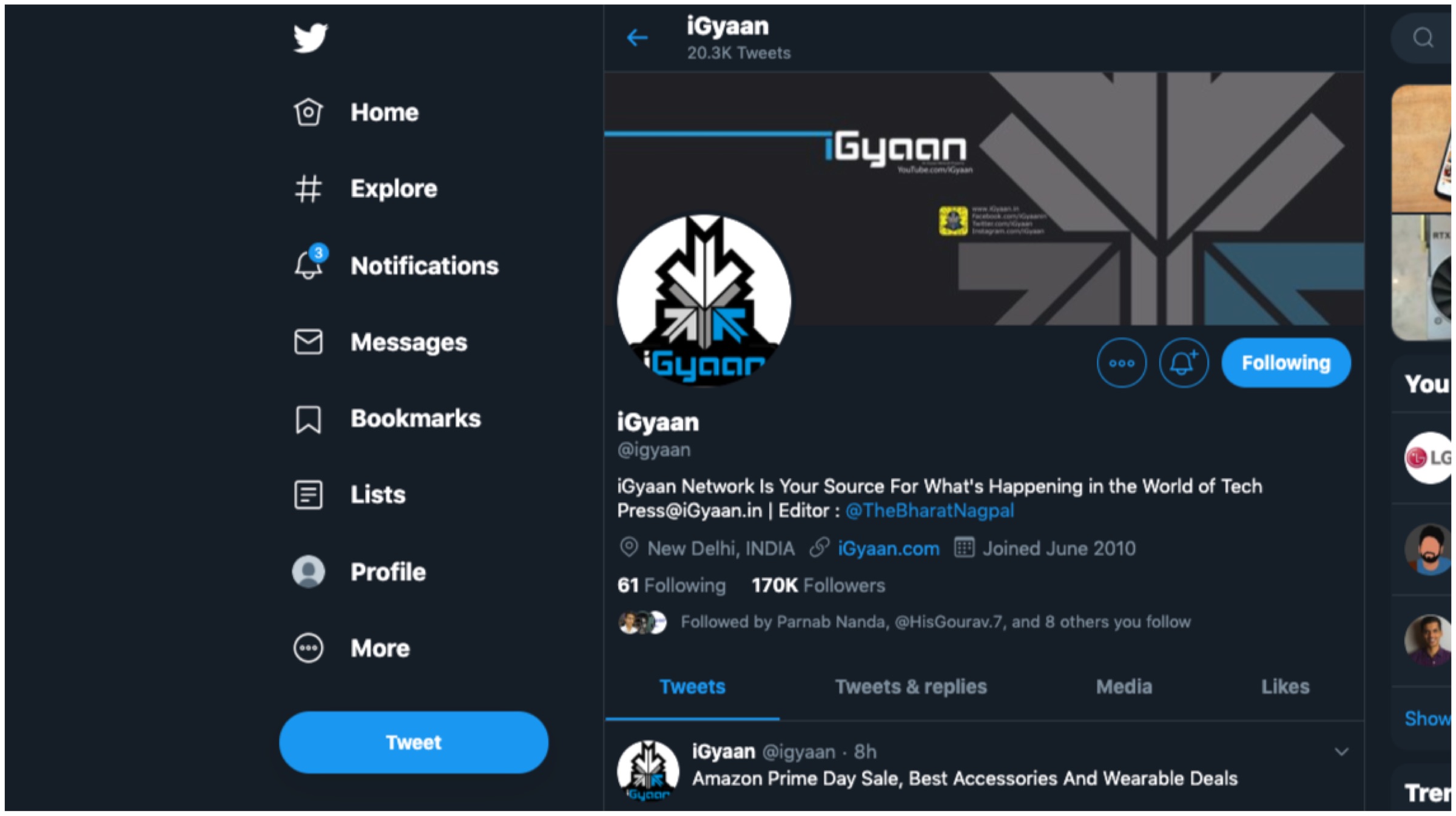
    Previously, Twitter was rumoured to overhaul its aesthetics which has now finally been unveiled. The social network is live with its new skin today (16th of July) and it seeks to offer a more streamlined experience; it goes in line with its mobile application iteration. For a quick look here are all the notable changes that have been made:Twitter

    Changelog
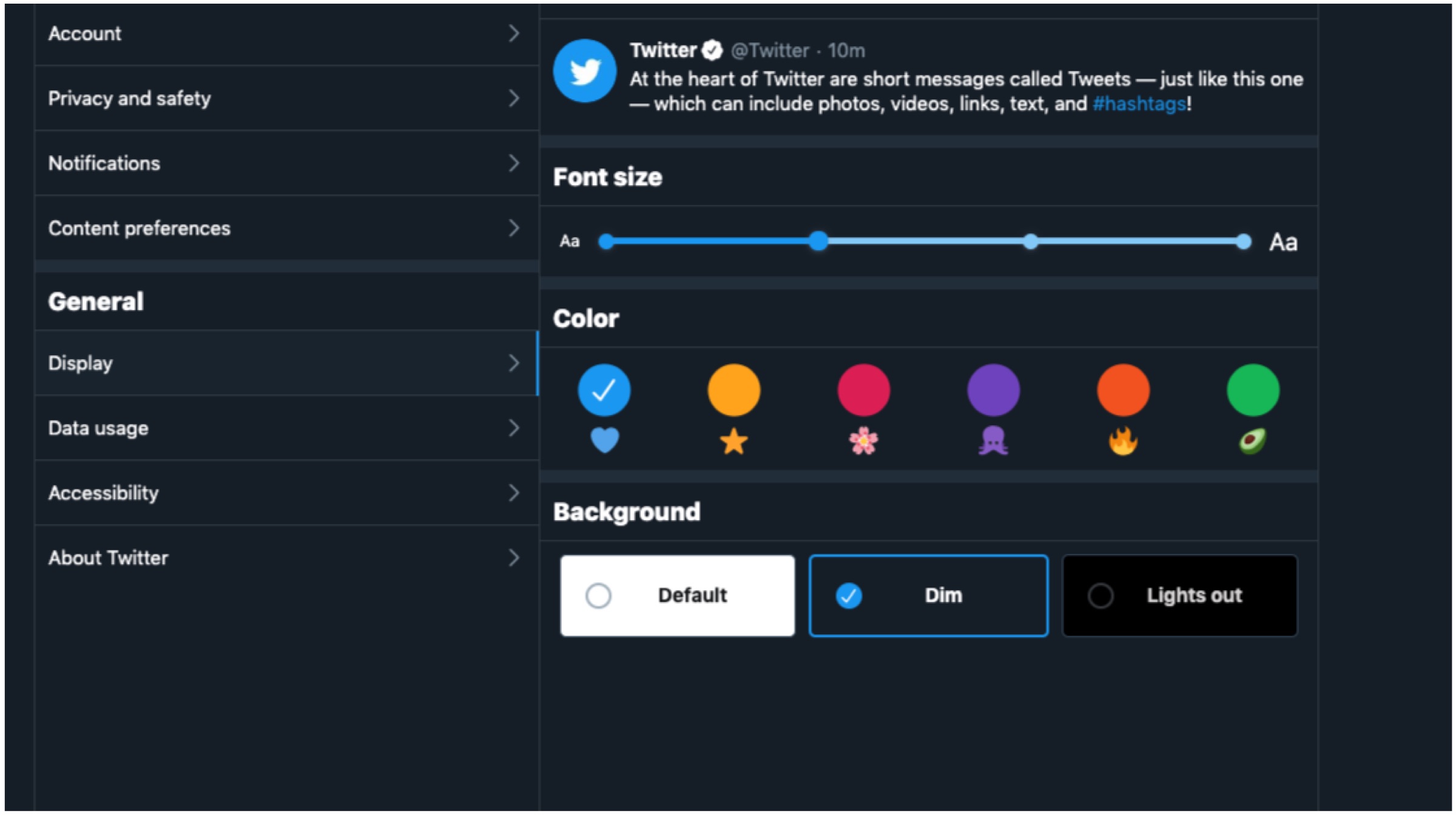
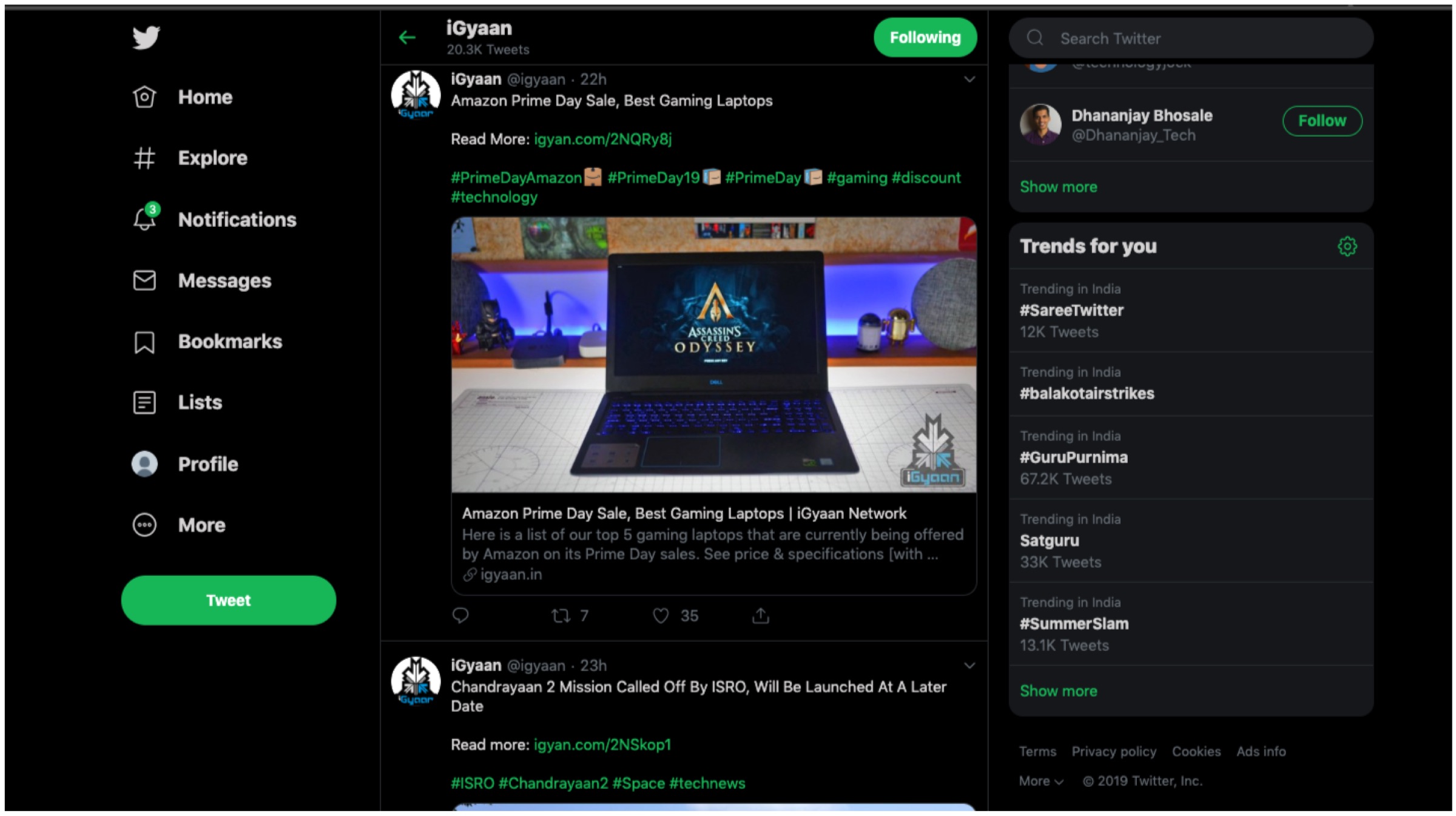
    • Users now have two additional options with dark mode alongside various other themes and colour options.
    • The ‘Explore’ tab is now available on desktop for easier navigation to find live videos or location based posts on Twitter.
    • Direct Messages now offers a larger view which enables users to respond to multiples messages on the same screen.
    • It is now much easier to navigate the side menu as Bookmarks, Lists and Profile as they are now found on the left margin.
    • The sidebar menu allows for seamless switching between different user accounts.

    Twitter

    According to the company, the changes are built upon a major revamp of Twitter’s back end architecture with Twitter.com being remade from scratch. The new changes were made to offer a clean, intuitive and more faster user interface experience to all. It ensures a more efficient platform that have a more unified experience across multiple platforms like PC and smartphones. For example, tablet users are able to use keyboard shortcuts similar to desktop users. Furthermore, the refreshed website will only load features as and when required to save on data on metered connections.

    Twitter

    Also ReadQualcomm Announces Snapdragon 855 Plus SoC For Gaming Smartphones

    Twitter has claimed that its has worked on the aforementioned changes with “hundreds of thousands of responses.” The feedback was received during the testing period which paved the way for the final design. The new look is rolling out gradually and will not be available to everyone immediately. For those who wish to acquire the changes, simply click on your avatar and opt to “Try the new Twitter.” The fresh aesthetics will have its fair share of likes and dislikes, but to us it offers a unique and clean interface. Do let us know what you think of the new changes.

  • Besides HongMeng OS, Huawei Is Also Developing Harmony OS

    Besides HongMeng OS, Huawei Is Also Developing Harmony OS

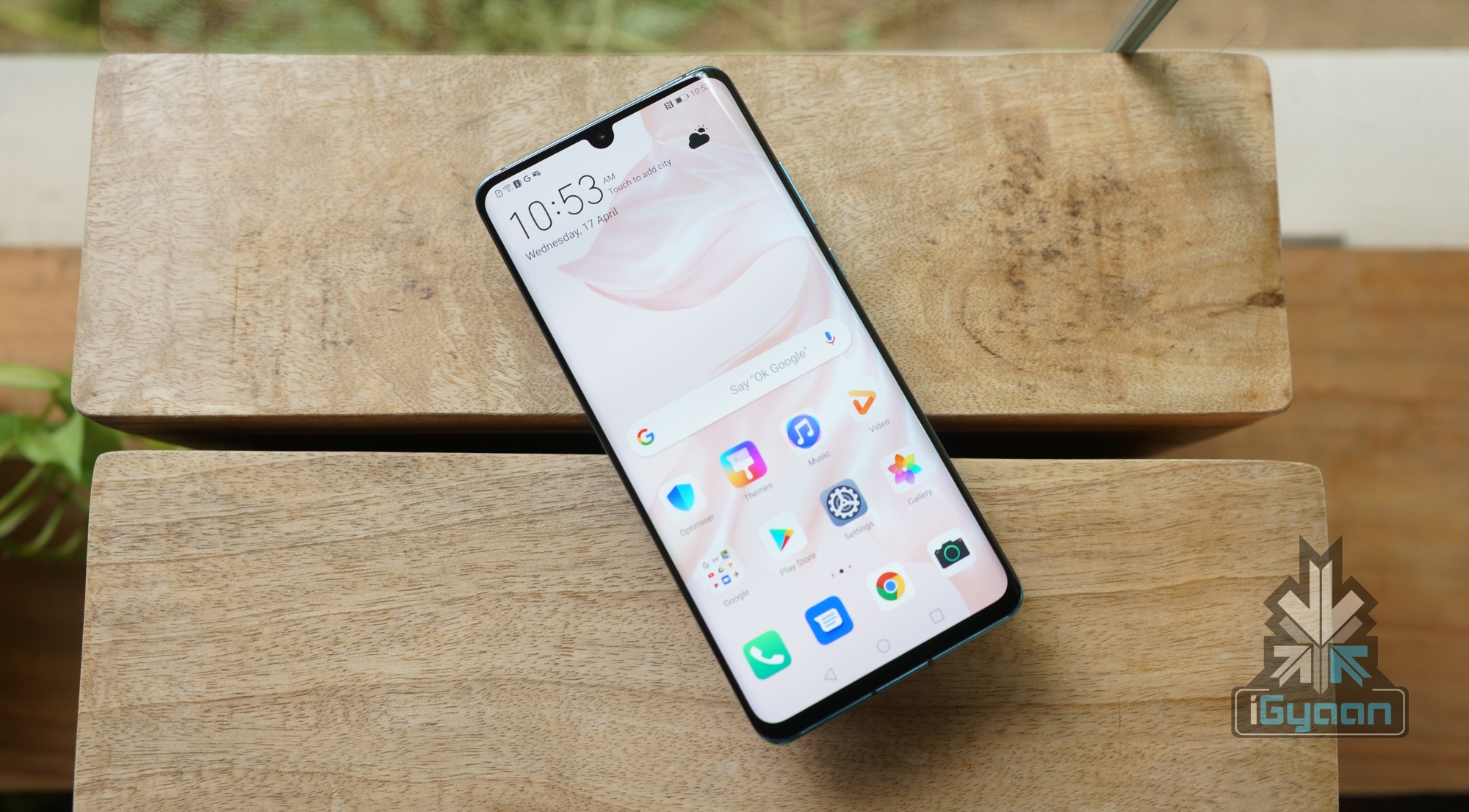
    In the Q2 of 2019, Huawei had to face a major setback after it was entitled to an entity list by the US Commerce Department. This step revoked all American companies from having any sort of trade relations with the Chinese organisation. The major impact of this move was faced by Huawei’s smartphone business which was left stranded after Google was forced to withdraw support of Android OS. Nevertheless, it led to the revelation that Chinese company had been developing its very own operating since 2012 which is called HongMeng OS. Now, a new report states that besides, HongMeng OS, the company is developing another OS which is called Harmony OS.

    Harmony OS

    According to past reports, the HongMeng OS, although nearly ready, is not slated to ship on its handsets post US ban being lifted. The company had planned to introduce the new OS to its other products (like consumer grade home appliances) rather than smartphones. The news arrives after Android is confirmed to be utilized by the company as its primary OS. Notably, HongMeng OS is stated to be faster than both Android OS and MacOS, even if it is not planned for PC, laptops and handsets.

    Harmony OS

    Huawei had filed a trademark application in the EU Intellectual Property Office for its new operating system. In comparison to HongMeng OS, Harmony OS is being built specifically for its diverse range of smartphones. It is probably under development to address future concerns of a similar ban being levied on the company again. Furthermore, Huawei is hosting its developers conference on August 9th through 11th at the company’s Songshan Lake campus. The main focus of the event will be 5G but more news regarding the potential Android replacement OS can be expected to be unveiled then.

    Huawei

    Also ReadRealme X With Pop Up Selfie Camera Launched In India

    The company is taking cautious steps post the ban. It is evident that future ban scares is one of the major driving force behind the development of Harmony OS. Huawei is decreasing its dependency on the west and US based companies through the new OS. No finer details are available as of now but more updates are expected in the arriving weeks.

  • Top 5 Linux Distros That Are Worth Your Attention

    Top 5 Linux Distros That Are Worth Your Attention

    Just like Windows and MacOS, a third operating system that has been in existence for a very long period is Linux. The operating system was originally developed by Linus Torvalds in the year 1991, who till date remains a key contributor to the patform. 

    For users who do not know, Linux is a family of open source operating systems which is available in a large number of variations which are often referred to as “distros”. The word “open source” means that every Linux user holds the right to alter or redistribute their very own customised version of Linux with or without a charge.

    To make it easier to understand, the core of the OS which is the “Linux Kernel” can be referred to as a universal engine. While users have the option to choose the type of car body or the features that they desire, as per their wants and requirements. Due to its open source nature, the Linux Core is picked up by several organisations or even small group of computer nerds that have developed their very own “distro’s”. Out of hundreds of registered Linux flavours, we have compiled a list of top 5 options that you must check out.

    Deepin OS
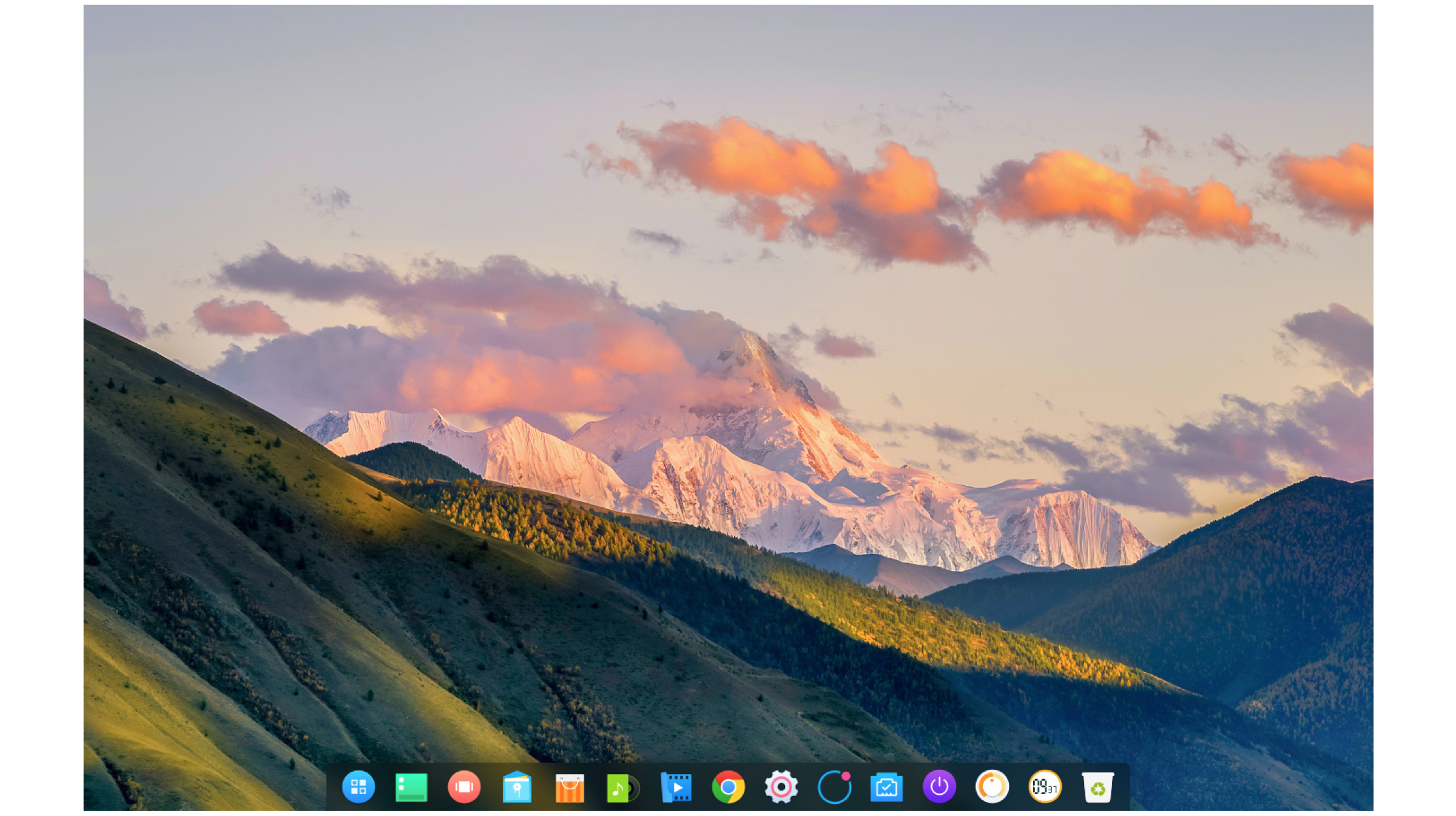
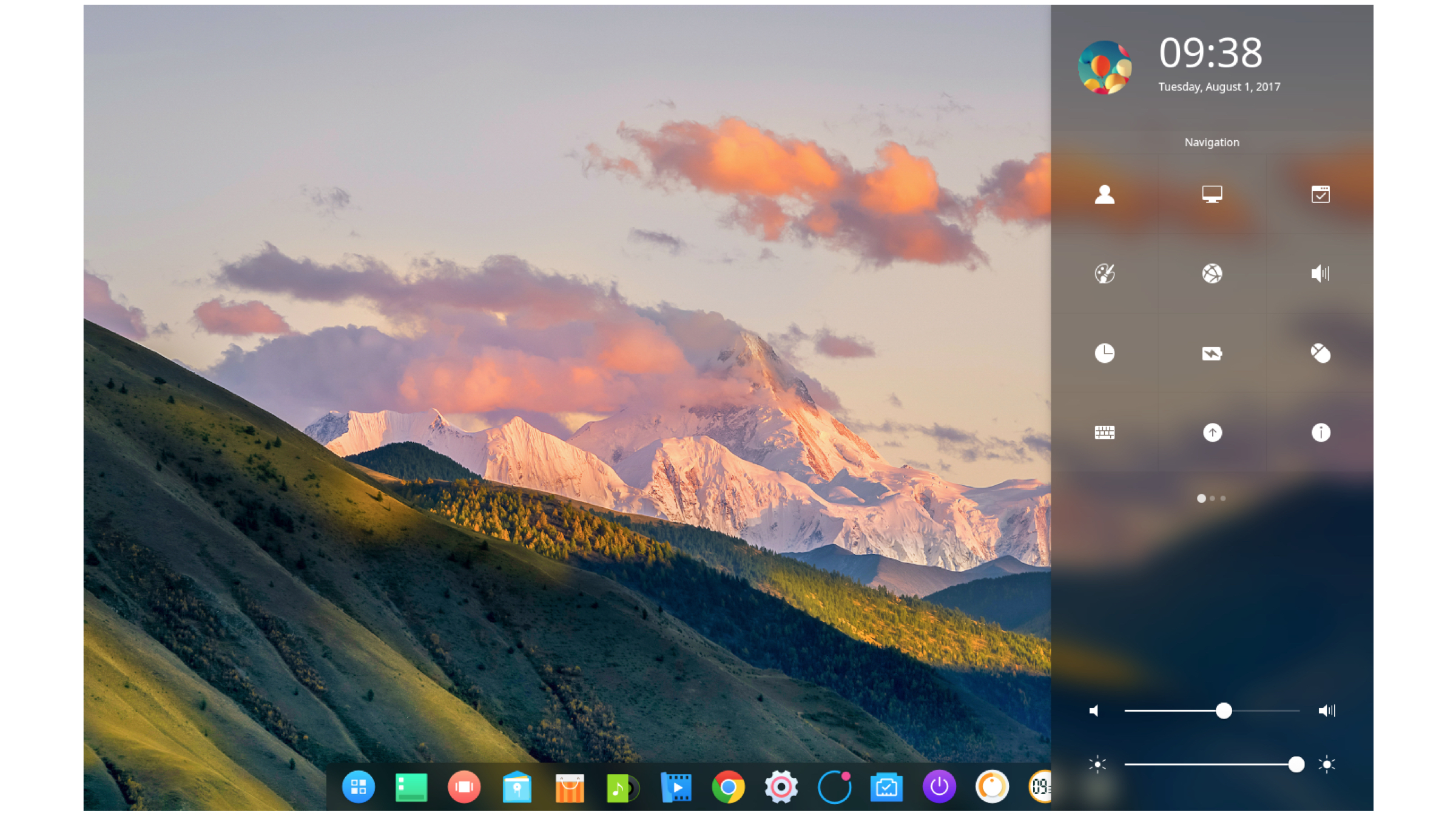
    Right off the bat, Deepin OS is one of the most elegant looking Linux distros. It makes use of translucent animations and panes which provide very appealing aesthetics. The development of the OS is led by Wuhan Deepin Technology co which is a Chinese software organisation. 

    Besides having a refined user interface, it is also very easy to install. Out of the box, it has a variety of native applications built in which include Deepin package manager, Deepin terminal, Deepin Movie, Deepin font manager, Deepin System Monitor, etc. 
    Minimum/Recommended Hardware:

    • CPU: Intel Pentium IV 2GHz or higher
    • Memory: 1 GB (recommended 2 GB)
    • Disk: 10 GB disk space

    Focuses On: Aesthetics and Visual Appeal

    Alternate: Feren OS

    Download Link & Instructions: Click here

    Manjaro Linux
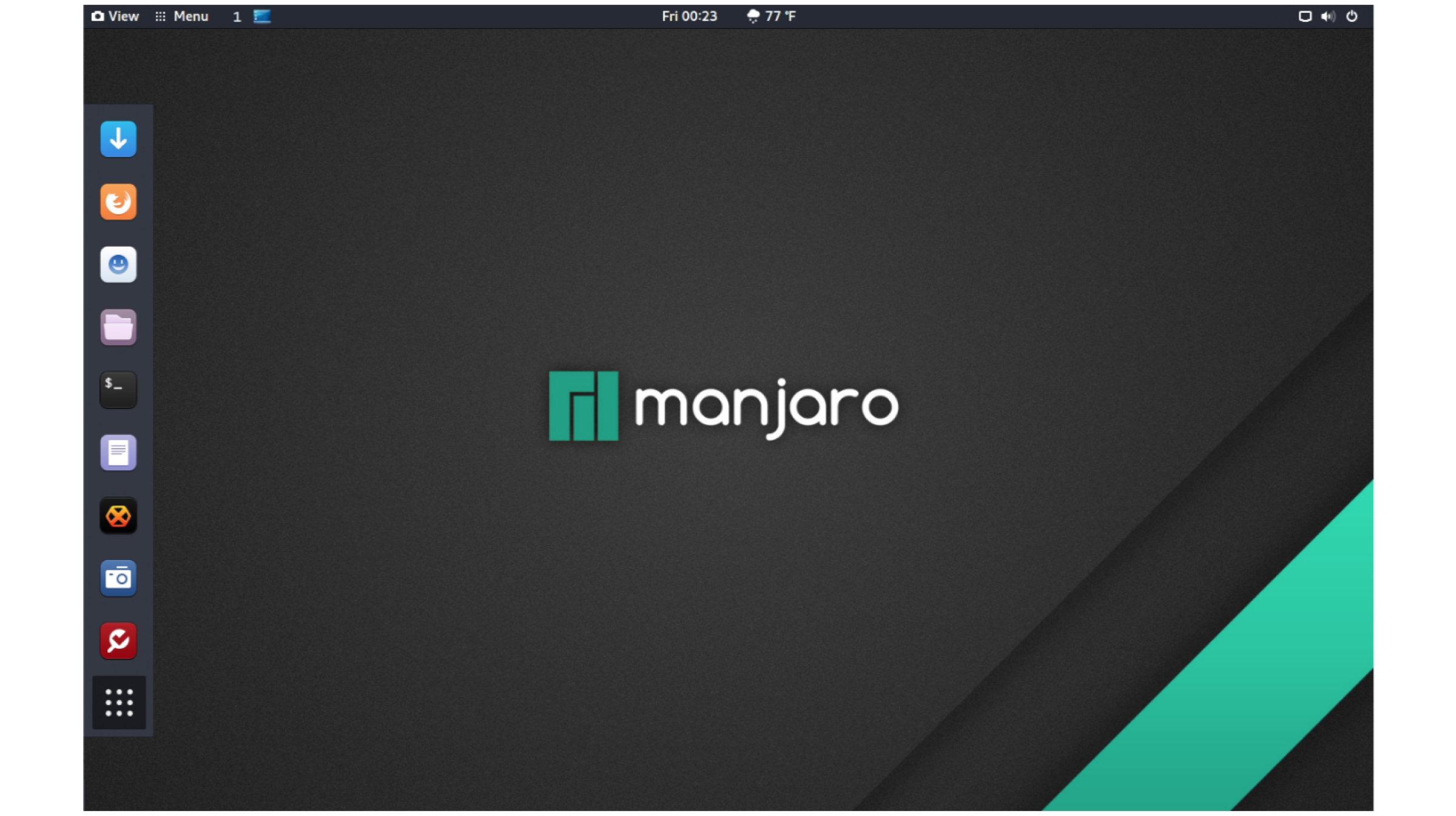
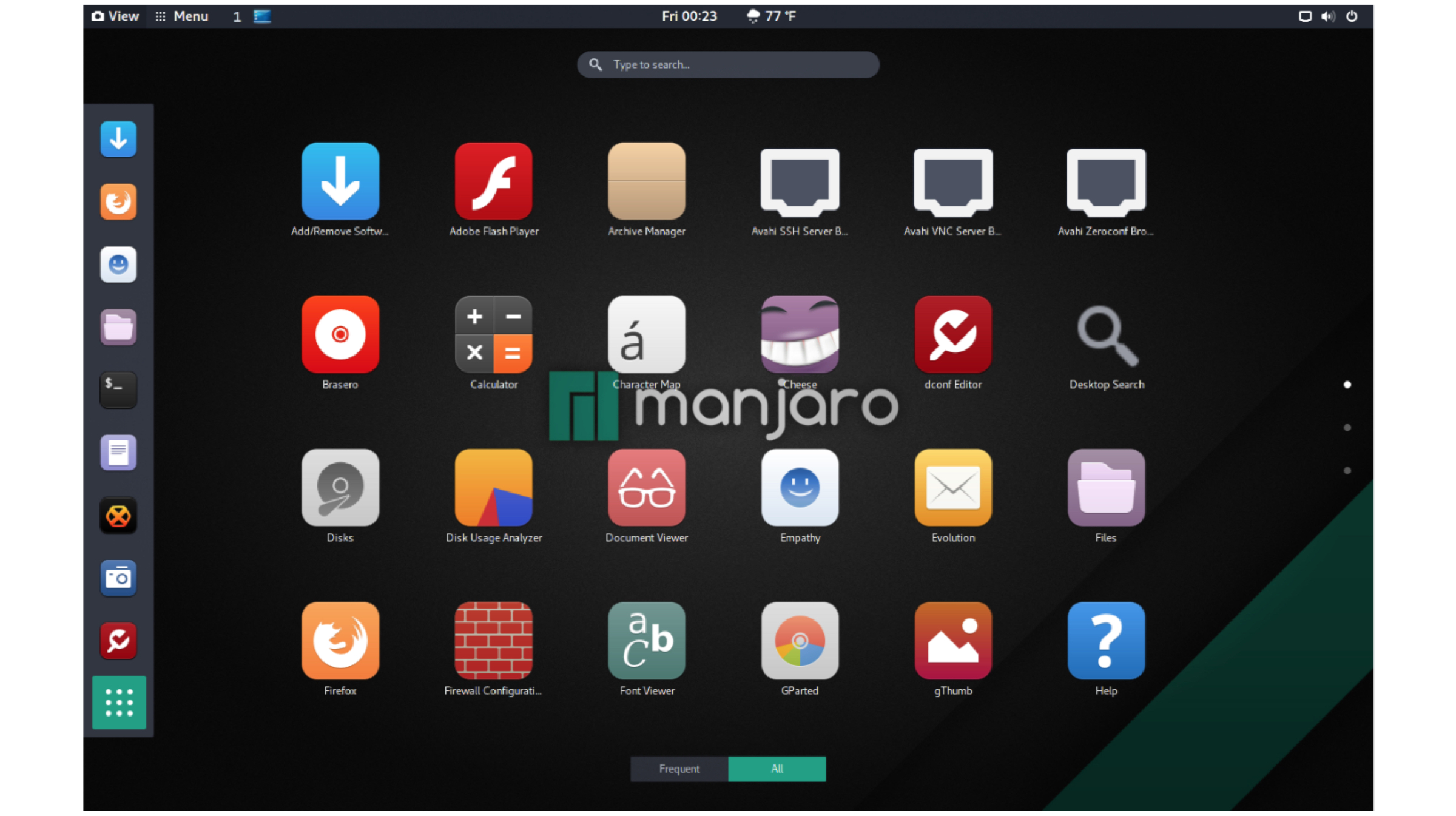
    Manjaro is one of the most used Linux distro right now. It is based on Arch Linux and mainly focuses on user friendliness and stability. Manjaro is feature rich distro that comes with a wide variety of tools and software applications pre-installed. 

    Manjaro Linux is offered in a variety of desktop environments which the user can choose as per their liking. The list of desktop environments include Cinnamon, Gnome, KDE and XFCE. 
    Minimum/Recommended Hardware:

    • CPU: 1 GHz Processor, (recommended HD Graphics)
    • Memory: recommended 4 GB)
    • Disk: 30 GB free disk space

    Pros: Fast and Reliable

    Alternate: Ubuntu

    Download Link & Instructions: Click here 

    Elementary OS

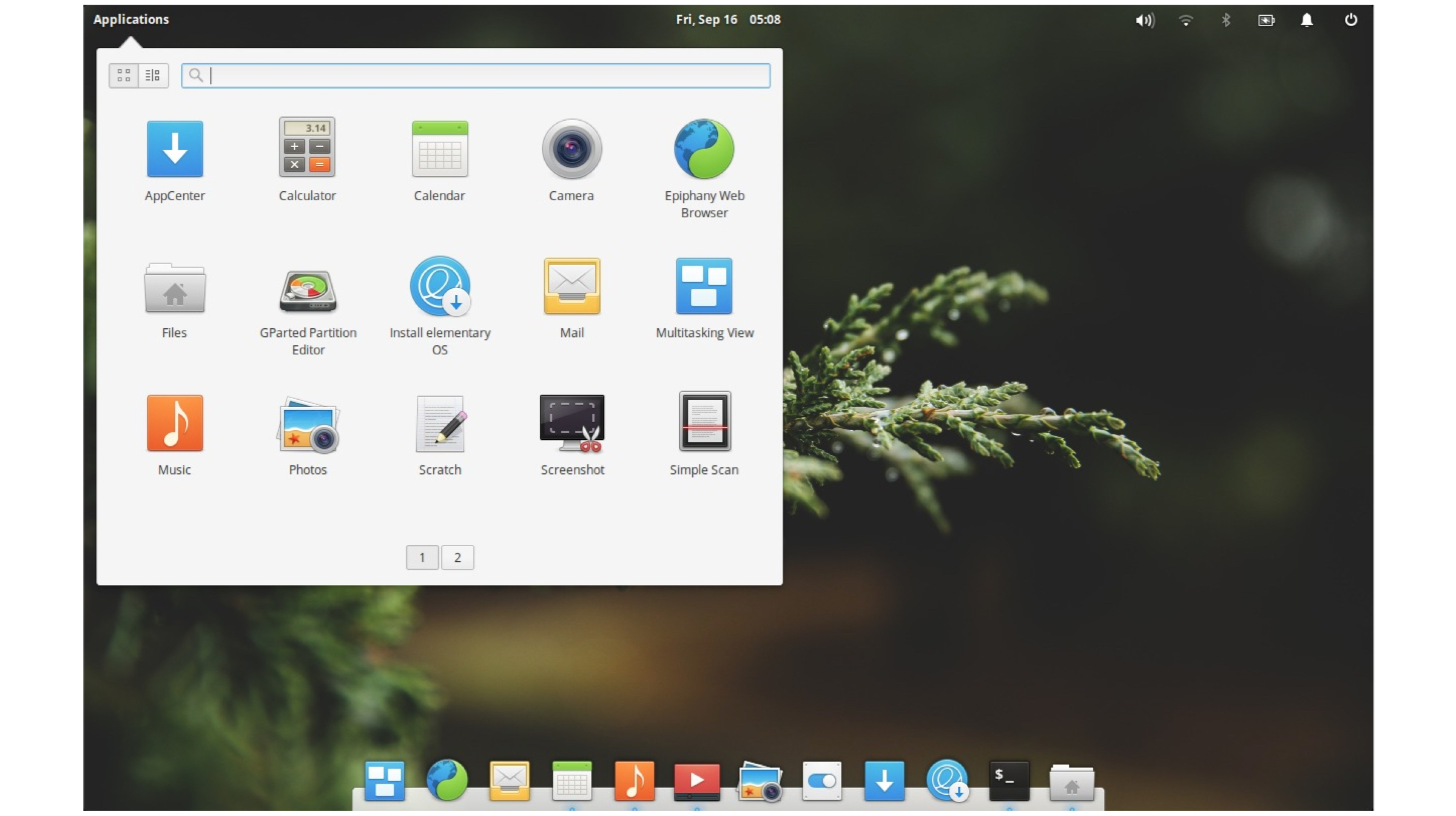
    If you have ever used a Mac computer, you will feel right at home with Elementary OS. The OS was first released in the year 2011 with the codename “Jupiter” and has now reached its fifth stable iteration which is called “Juno”.

    In addition to a simplified user interface, it has a very stable system as it is based on Ubuntu LTS. For kids or newcomers, this OS can turn out an easy to learn option. Moreover, Elementary OS offers extended parental controls settings. Hence, parents can revoke access to unwanted softwares or websites if they wish to do so. 
    Minimum/Recommended Hardware:

    • CPU: Intel i3 or comparable dual-core 64-bit processor
    • Memory: more than 2G RAM, 4G or higher is recommended
    • Disk: 15 GB free disk space

    Pros: Best For Kids (Offers High Level Of Parental Controls, Easy to learn)

    Alternate: Edubuntu

    Download Link & Instructions: Click here (enter 0 if it prompted for a payment amount)

    Parrot OS
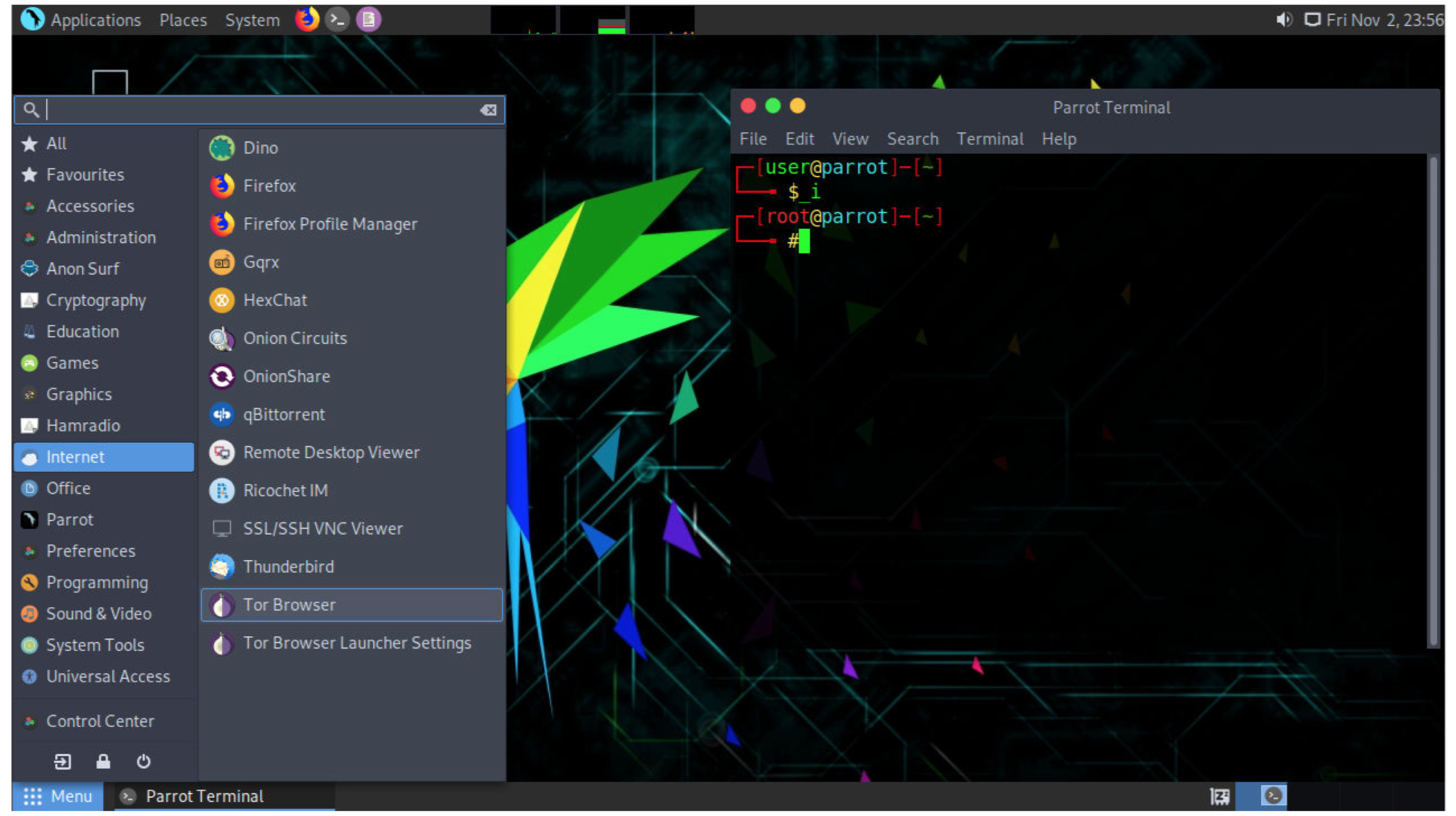
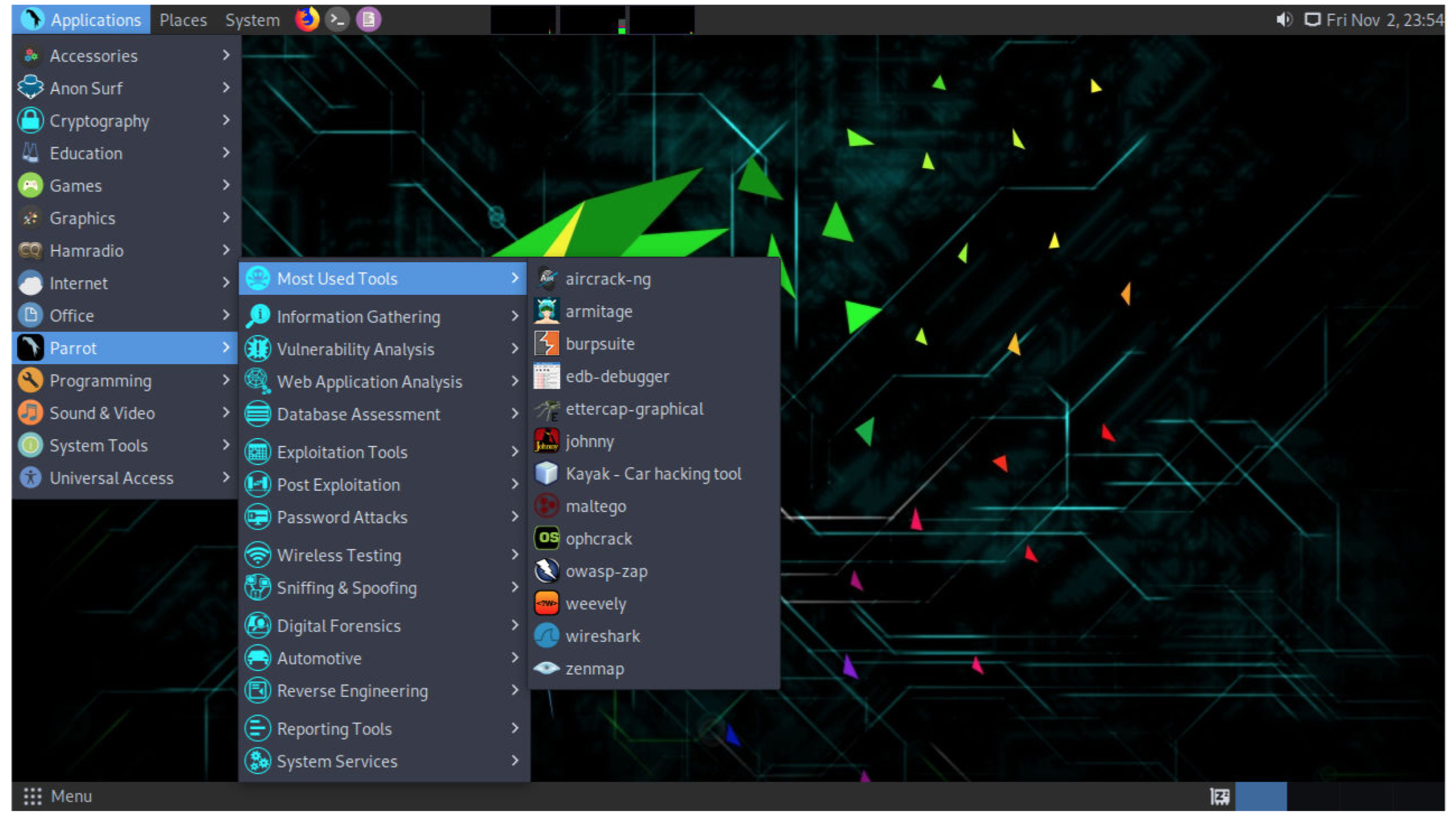
    If you have heard of the term “hacking”, you must be aware of Kali Linux that has become a staple OS for most penetration testers and cyber security specialists. Parrot OS is the new kid in town with a varety of distinguishing elements. 

    Parrot OS is designed to run on computers with less powerful components and it can even run on a machine with RAM as less as 320 MB. Noteworthy, all the processes executed in this OS are sandboxed which means one piece of code can be isolated and prevented communication from other programs. 
    Minimum/Recommended Hardware:

    • CPU: Dual core x86_64 Processor
    • Memory: 2G RAM
    • Disk: 40 GB free disk space

    Focuses on: Security

    Alternate: Kali Linux

    Download Link & Instructions: Click here

    Puppy Linux
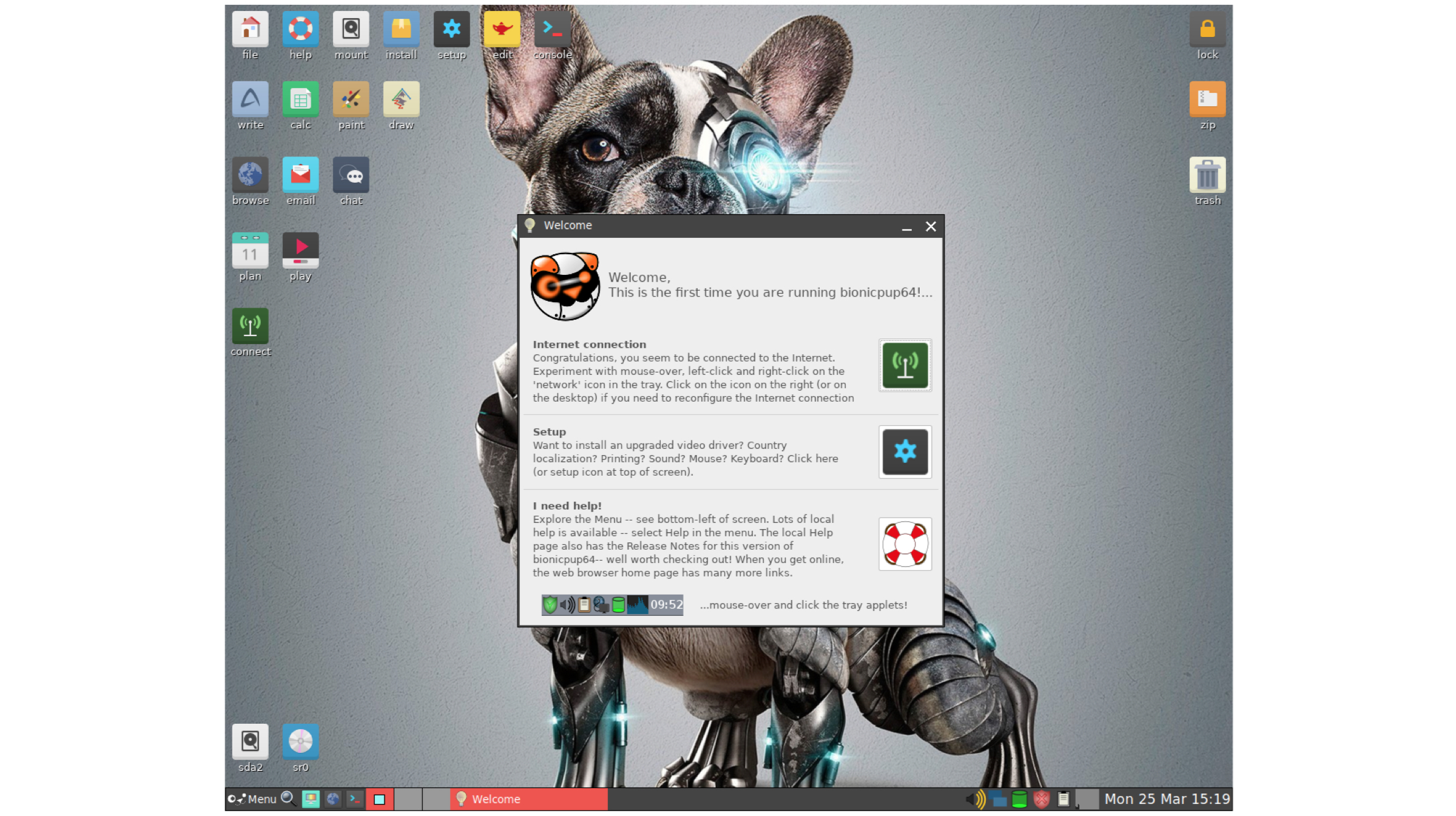
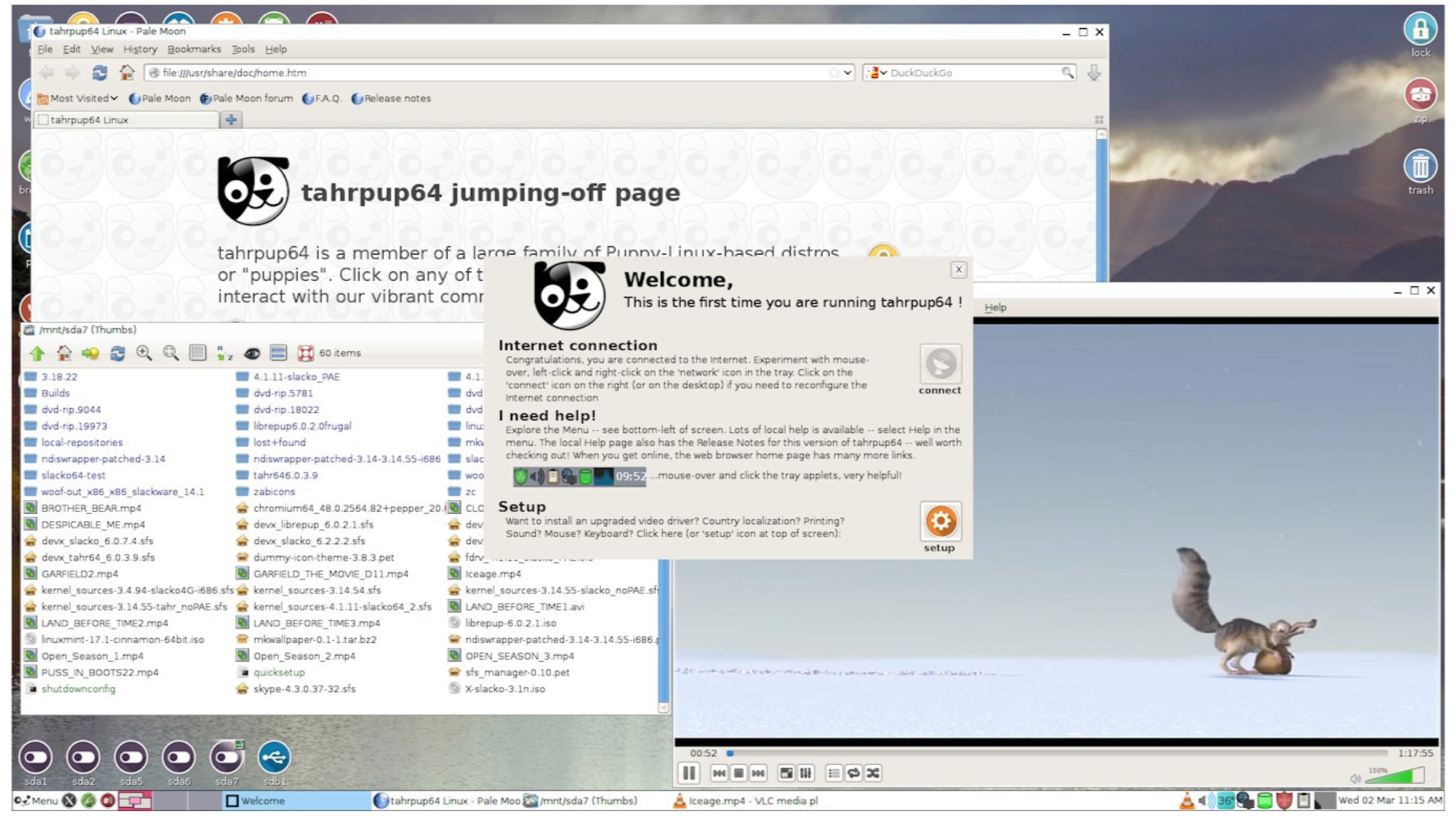
    If you have a decade old PC with outdated components but you do not want to let go off it, we recommend you install Puppy Linux OS on it. This light weight Linux distro can run flawlessly with computers that have RAM memory as low a 256 MB.

    Puppy Linux skips on a lot fancy bells and whistles like graphical animations which allows the OS to provide a refined experience in dated computer systems. Besides, you can install Puppy Linux on a pendrive or thumb drive and run it on a public computer without installation. In today’s day and age where data privacy is a huge concern, Puppy Linux can turn out to be a saviour.
    Minimum/Recommended Hardware:

    • CPU: Pentium 900 MHz
    • Memory: 256 MB RAM
    • Disk: 6GB Disk Space Or Bootable Drive

    Pros: Light Weight

    Alternate: Lubuntu

    Download Link & Instructions: Click here

    All the Linux distro’s mentioned in the article are free to download and use. However, the organisations maintaing them do accept donations, therefore, if they provide any value to you, we recommend you leave a small donation on their respective websites.

    Also Read: Top 5 Failed Mobile Phones That Have Left A Mark On Technology History

    What is your favourite Linux distro and would you like us to cover more Linux related stories? Let us know in the comments below
  • Google Launches A New Social Networking App Called Shoelace

    Google Launches A New Social Networking App Called Shoelace

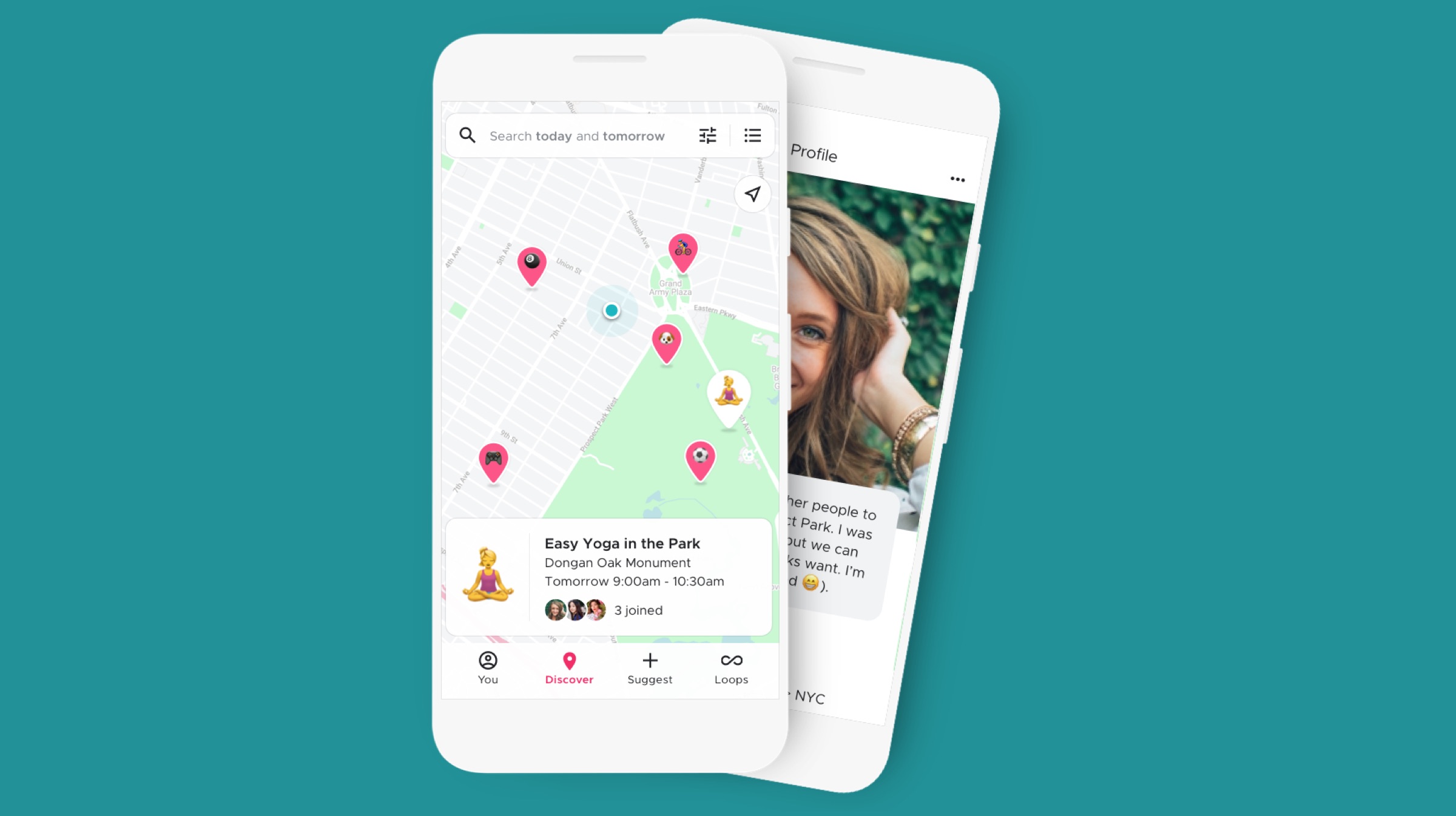
    American technology giant Google has not found much luck in building a social network. While the company’s Orkut was quite popular when it launched in the year 2004; the subsequent release of Facebook led to the demise of the social networking website in 2014. The company gave the idea another try in 2011 by launching Google+. This time, the release was met with a great response, however, due to the lack of new features it also saw a sharp decline in its popularity. Google+ was officially dissolved in April this year and it looked like the company is done with building a social network in general. Contradicting most expectations, Google has announced Shoelace, a social networking app that lets people connect using different activities.
    Google Shoelace

    As mentioned above, the latest social networking project by Google is called Shoelace. It is a result of the company’s Area 120 team which is known for designing experimental projects as the ambitious Game Builder launched a while ago. The newest creation by the team is a social networking application, that will be available for Android and iOS platforms. How it works is that the app connects the user with people having similar interests as them. They can subsequently take part in an activity together, like yoga or attending a concert together.


    Google Shoelace

    Also read: Xiaomi Redmi K20 & K20 Pro To Go On A Special Alpha Sale Today

    Users on Shoelace can also create a listing for an event or activity that they are participating in; then they can invite their friends or strangers to join in. The application will also suggest different activities and events that the users may like. Unfortunately, Google Shoelace is invite-only, which means you need a special invite from an existing user to join. It is also only available in the New York City of the United States for now, and there is no word on the global rollout. However, the company has not had much luck with social networks, so we will have to wait and see how it pans out.

  • Agent Smith Malware Affects 25 Million Android Devices

    Agent Smith Malware Affects 25 Million Android Devices

    The world’s most popular mobile OS, Android has once again been subjected to a wide scale malicious attack. A security firm “Check Point” discovered a new malware which replace portions of known apps with its own code. Noteworthy, the malware has affected more than 25 milion devices around the globe, out of which 15 million are in India alone. 

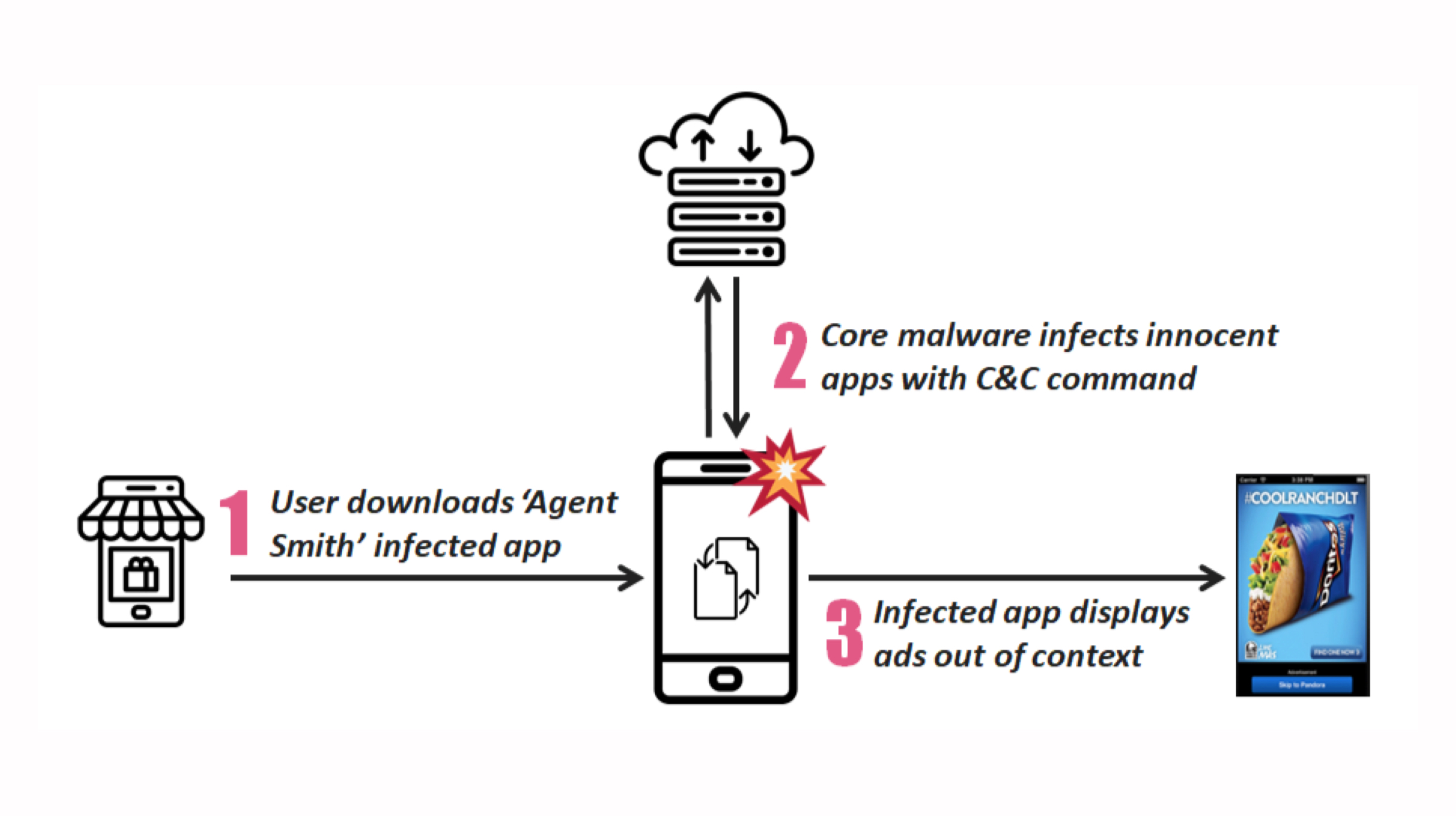
    According to Check Point, the malware is named “Agent Smith” and is designed to target known vulnerabilities  of the Android operating system. The application was revealed to partially replace code on legitimate apps with malicious code. Notably, the whole process was exectuted without the knowledge or permission of the device owner.agent smith malware

    Surprisingly, the malware is not intended to steal user data, instead, it injected the infected apps with lines of  code so that they display advertisements. The developer would earn ad credits whenever a user with infected applications would watch or click on the display advertisements. Therfore, the developer could gain monetary value with the whole scheme. agent smith malware

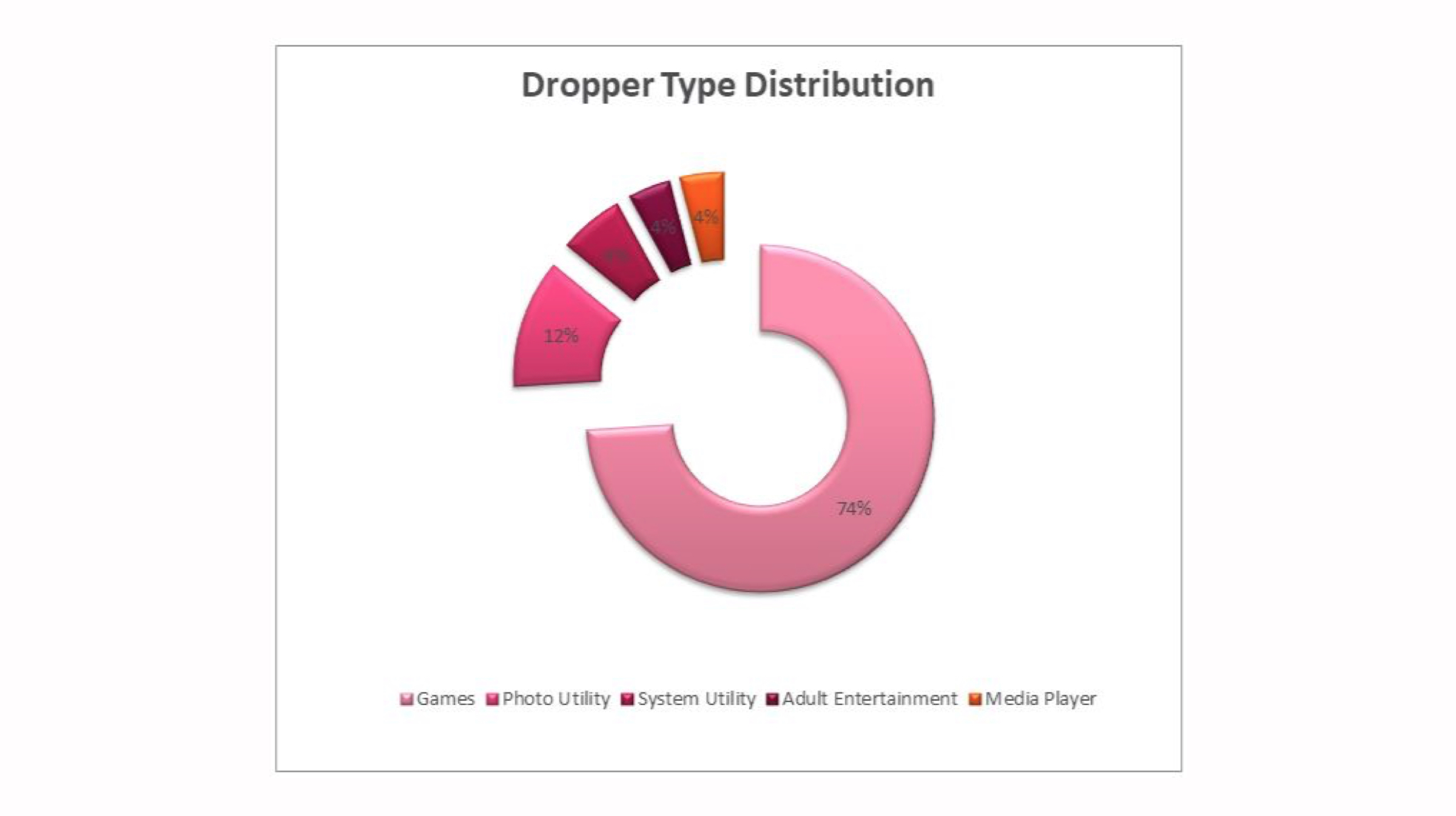
    The reserach agency revealed that the Agent Smith malware mainly targeted well-known apps like WhatsApp and Flipkart, therefore, accounting for the astounding reach it had. The source of the malicious app was traced back to a third party application store which is called 9Apps. The malware was concealed in programs like games, video players and adult entertainment apps which have high demand. agent smith malware

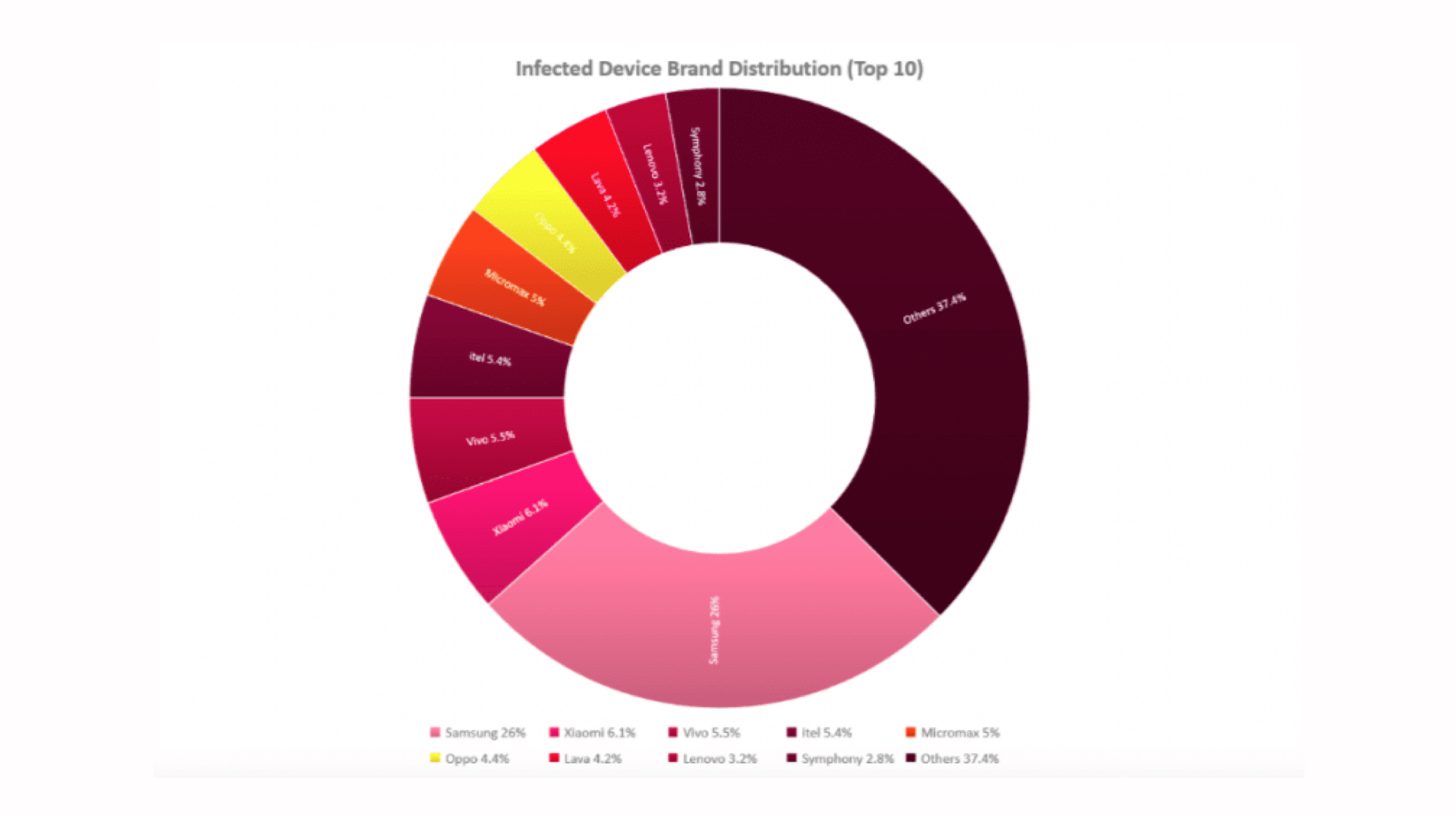
    Check Point also shared a donut graph that shows the distribution of malware on smartphones manufactured by OEMs. At over 26 percent, Samsung device owners carry the maximum share in the information representaion tool. 

    Aside from 15 million Indian smartphones, the malware was even able to spread onto 3,00,000 devices in the US. Surprisingly, the exploits used by the malware to execute the infection process were patched several years ago. However, a large number of developers did not update their respective applications. 

    Also Read:  Apple Will Soon Launch Multiple New iPad Models

    This is just one security breach that has made out to the public. It wont be wrong to assume that several other cases like this still remain covered. Conclusively, in this day and era of widespread technology, nothing seems to be truly safe regardless of security measures that are implented. 

  • Second Public Beta Of Apple’s iOS 13, iPadOS Released

    Second Public Beta Of Apple’s iOS 13, iPadOS Released

    Apple announced the latest iterations of its operating systems for its devices earlier last month at the World Wide Developer’s Conference (WWDC). These include the new version of the iPhone operating system, iOS 13; a brand new OS for iPads, iPadOS and an upgraded MacOS called MacOS Catalina. The company released the first public betas of the software last month, which can be downloaded by following the guide here. Now, the second public betas of the iOS 13 and iPadOS have been released, which add some features that were seen in the developer’s beta 3 announced last week.

    What’s New?

    Apple iOS 13

    With the second public beta of iOS 13 and iPadOS, Apple has added a few stability improvements. These should improve the performance of the devices running the software and also result in fewer crashes. With the latest update, the FaceTime Attention Correction Feature has also been added to the public beta. Exclusive to the latest iPhones for now, the feature uses Apple’s ARKit to make it seem that the user is maintaining eye contact with other people on a video call via the Facetime application.

    iOS 13

    On the second public beta of the iPadOS, Apple has added a new animation; which is designed to help the users keep track of the Split View Windows that are active at a time. The animation also works while taking full-page screenshots and in some other elements of the User Interface. All the features seen on the Developer Beta 3 have not made their way into the iOS 13 and iPadOS public beta yet. It may be because they are not stable enough to be used by the majority and should make their way in the next update.

    iPadOS

    Also read: Huawei’s HongMengOS May Launch On August 9 In China

    Users already running the first public beta of either the iOS 13 or the iPadOS should get an Over the Air (OTA) update on their device for the second public beta. If not, going to Settings then About and checking Software Updates should do the trick. If you haven’t installed a beta and want to try it out, know that they are not known to be stable and can experience random crashes; it is thus not recommended on one’s primary device. In that case, waiting for the stable release due later this year is recommended.

  • Fake Update App Fools 10 Million Samsung Galaxy Owners

    Fake Update App Fools 10 Million Samsung Galaxy Owners

    The Google Play Store has been subjected to multiple incidents for unknowingly circulating applications that are ridden with malware or adware. In the lookout for the latest firmware updates, 10 Million Samsung Galaxy smartphone owners downloaded a fake app from the Play Store.

    The “Updates For Samsung” application which has now been taken down from the Play Store is not affiliated with Samsung (yet distributing their firmware). Shockingly, the application offered an annual subscription of US $ 34.99 in exchange for allowing users to download the latest software updates in exchange for high-speed downloads which are freely available in fact (explained later). Samsung Galaxy S10

    Besides, the “Updates For Samsung” app did provide free updates but the downloads were capped to 56 kbps. Therefore, it would take days or even weeks to download an update package which would not weigh more than 2 GB. Hence, a large number of users fell for the trap and ended up paying for the subscription.

    Adding further to the list of concerns is the fact that payments made to purchase a subscription on “Updates For Samsung” were processed through the companies own website and not Google Play which is usually a case. 

    Furthermore, the “Updates For Samsung” application was loaded with adware and some users complained that it was extremely resource hungry. One user wrote that it could bring the flagship grade Galaxy S10 to a grinding halt which would require a reboot to return to a functional stage. Samsung Galaxy A50

    In case you did not know, every Samsung smartphone has a built-in update checker which can be used to install the latest firmware update without any additional cost. Following is the method that will allow you to check and update your Samsung Galaxy smartphone:

    • Find the Settings app among your listed apps and open it.
    • Look for Software Update in the search tab.
    • Click Check For Updates
    • Scroll through Settings and click on Software Update
    • If an update is available, click Download.
    • Once downloaded, press install.

    Installing an OTA (Over The Air) update can usually take anywhere between 10 minutes to an hour. Even longer in an rare case.

    Also Read: Redmi K20 Pro Indian Price Leaks, Starts At Rs 24,999

    Make sure your device is charged enough to run through the complete installation process or keep it connected to a wall charger. 

    Never press any buttons while the software update is in progress as this can lead to a bricked device. 

  • HongMeng OS Is Upto 60 Percent Faster Than Android OS And MacOS

    HongMeng OS Is Upto 60 Percent Faster Than Android OS And MacOS

    It was revealed a while back that Huawei’s proprietary HongMeng OS has been planned in secrecy years ago. The top officials of the Chinese company had decided on the development of a native OS after fearing US based software dominance. Skip a few years forward and that is all but true. Android and Apple are the most popular OS out there that belong from the US with which China has always had unstable trade relations.

    Now, a report claims that the recently announced HongMeng OS is reportedly 60% faster than its main competitor Android.

    HongMeng OS

    HongMeng OS turned out to be Huawei’s trump card against US monopoly. It was finally unveiled from secrecy and had sought to ensure Huawei’s long term market security regardless of international trade relations. In a new report from, Chairman of Huawei had claimed that its HongMeng OS outperforms Android by a massive 60% lead. The aforementioned OS will complete development; regardless of Huawei being able to continue business with US companies. This arrives after the US ban that prohibited the company to have unrestricted operations in the western nation.

    Huawei

    In terms of speed, Huawei has claimed that the OS is much faster than Google’s as well as Apple’s MacOS. HongMeng OS will also be introduced to the company’s laptop computer offerings too and are reportedly faster than MacOS. Huawei’s OS is designed to be versatile with a broad range of compatibility across different electronic devices which will interact with one another. A move that is similar to Apple’s iCloud based electronic economy and family connectivity. The company’s top officials have acknowledged its two giant competitors which have a sizeable application ecosystem; true with Apple’s App Store and Google’s Play Store apps which contain millions of apps. 

    HongMeng OS

      Also ReadRedmi K20 Pro Indian Price Leaks, Starts At Rs 24,999

    The implications of the new report are massive. An OS that is both flexible and more powerful than what is currently offered in the market; it can possibly even disrupt the westward focused technology power structure. The claims can currently not be disproved since the HongMeng OS hasn’t been released yet. However, even exaggerated it may still hold some truth regarding performance and speed.

  • Apple iCloud And Retail Store Services Suffer Major Outage

    Apple iCloud And Retail Store Services Suffer Major Outage

    The year 2019 has seen many tech giants suffer from major outages within just the first half. Facebook has already suffered from these three times in this year alone. Internet outages have been becoming a more common and widespread phenomenon. In a new report, Apple has also suffered from such a massive problem with its iCloud hosts and broader company services.

    Apple

    Apple reportedly experienced issues with its iCloud-related services as well as services in almost every retail system services. The iCloud outage affected the basic services including Find My Friends, Find My iPhone, Game Center, Photos and Screen Time. The American company claimed that it was just an isolated incident affecting just a handful of people; however, social media suggested it had a more widespread reach.

    Apple

    Apple is also having troubles with its offline retail store systems. Numerous reports surfaced online that claimed employees are unable to complete customer purchases or support requests. It was basically a system-wide lockout from the servers, meaning no one in the world could buy an iPhone for a few hours (from an Apple store). Apple’s System Status page had reported that its iCloud Calendars and Reminders are currently unavailable due to the outage for some users. The company has claimed that it has since resolved issues affecting Apple Pay, Documents, iCloud Sign In and other services. 

    Also ReadHuawei Working On A Smartphone With Camera Under Display

    It marks the second major outage faced by the company in this year and arrives immediately after WhatsApp, Facebook And Instagram faced server issues. The implications of such outages are huge. Humanity now depends on many such crucial online services. Today there are social media platforms facing such problems, soon crucial services like hospitals may also face such situations. Online services are an integral part of modern life and hold a lot of value in today’s time.

  • WhatsApp, Instagram And Facebook Face Major Outage

    WhatsApp, Instagram And Facebook Face Major Outage

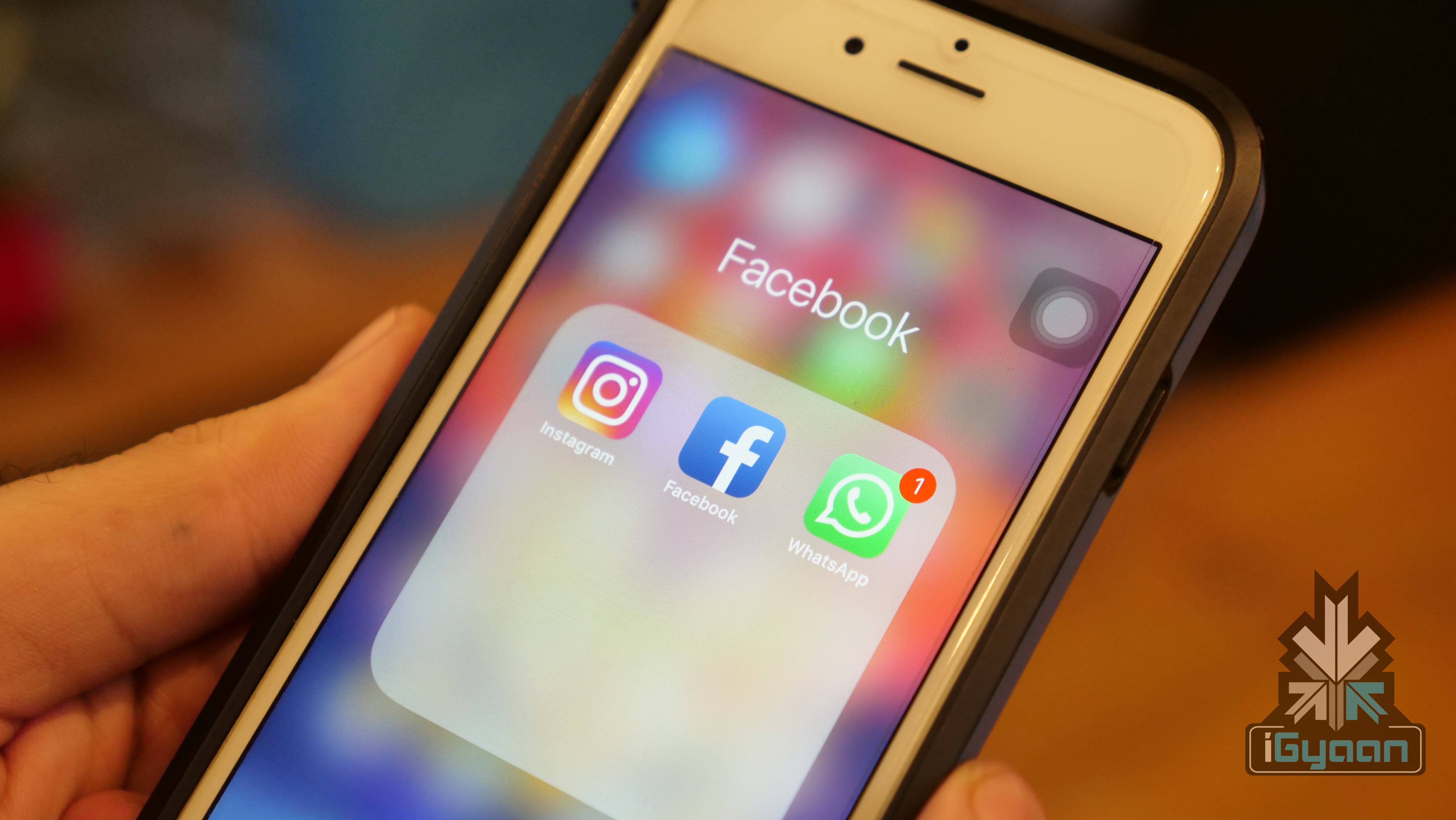
    The trio of social media platforms, Facebook, Instagram and WhatsApp have suffered from a massive outage that affected its users. These platforms have a combined user base that easily crosses over a billion. The latest outage marks the third major issue that has yet been faced by Facebook Inc. which owns the other two platforms.

    Facebook Instagram WhatsApp

    Facebook, Instagram and WhatsApp had started experiencing outages and issues in its service about 12 hours ago. The services are reportedly struggling across the globe, with the problem being severe in the East Coast and in Europe. Many WhatsApp users were either unable to send photos, videos and voice messages or were unable to receive them. However, text messages were unaffected and went through. Hashtags such as Instagram down have already trended on Twitter.

    Instagram

    Instagram had issues regarding its stories and its cycle of post refreshes and preview. Users were either unable to open stories of their followers or see recent posts on their feeds. The problem made it seem like a loss of internet connectivity even if that was not the case. It is still unclear as to what seems to be causing these massive outages. The leading explanation points at a change in the server configuration. Facebook had experienced a massive outage in March, while Facebook, Instagram and WhatsApp experienced another in the following month.

    Facebook has since acknowledged the latest issue plaguing its services. The company has stated that it is currently working to resolve the issues being faced by its large number of users on Instagram and WhatsApp. The services now appear to be almost completely restored for Facebook and WhatsApp, declared via a post shared on Twitter.

    Facebook

    Also ReadHuawei Mate 30 Leaked With The Highest DxOMark Rating

    The respective companies’ are hoping to keep the issue contained and never have to repeat it again. An apology was also issued alongside the announcement of it being fixed. Social media platforms are now an integral part of a modern individual’s life. Outages on social media platform such as Facebook showcase just how strongly it can impact the daily routine of a person. 

  • iOS 13 Beta 3 Features FaceTime Attention Correction Feature

    iOS 13 Beta 3 Features FaceTime Attention Correction Feature

    Apple announced iOS 13 back at WWDC 2019 event in June 2019. The latest version of the OS for Apple’s mobile devices was touted to sport many new practical and quality of life changes within it. The company has since allowed users to opt into the beta program to experience the software first-hand for themselves. The third version of the beta program has introduced many useful new features like the FaceTime Attention Correction.

    Apple iOS 13

    Apple had released the public beta 1 alongside the developer beta 2 features for iOS 13 a couple of days ago. Betas for other products such as the iPadOS, watchOS 6, tvOS 13 and macOS Catalina have also been made available. Users who have already installed the previous versions of the iOS 13 beta will receive an update via OTA. It is only the third iterations of the beta so it will take a while before the live build is finally released.

    iOS 13

    FaceTime Attention Correction

    A tweet was shared on Twitter that had showcased the feature in action with a side by side comparison to for reference. The aforementioned feature makes it seem like a user is looking at the camera even if they are not. The new feature employs visual trickery that allows for a more streamlined conversation on Apple’s video calling solution.

    https://twitter.com/WSig/status/1146146914985009154?ref_src=twsrc^tfw|twcamp^tweetembed|twterm^1146146914985009154&ref_url=https%3A%2F%2Fwww.91mobiles.com%2Fhub%2Fios-13-beta-3-update-released-for-developers-how-to-download-install%2F

    The demonstration showcased both the reworked and untouched images side by side. In the right is the person actually staring at the screen. On the left users can see the edit making it appear like the person is staring into the front camera. The new feature basically corrects eye positioning to make conversations via FaceTime more organic. Unfortunately, the feature is currently exclusive to the iPhone XS and iPhone XS Max flagships from Apple.

    iOS 13

    Other New Features

    The iOS 13 arrives with an all new redesigned action buttons on the Apple keyboard. A new description is also available for the Headphone Audio Levels, full-page screenshots and ‘Me’ tab in Find My App. The update brought changes to the Noise cancellation button in the Control Centre as well with new opacity options in iOS markup tool. A lot more minor new features and improvement have also been added since.

    Apple

    Also ReadPUBG Lite PC Releases In India On 4th July With Hindi Support

    The final version of the iOS 13 is expected to be seen later in the year and will probably be launched alongside the upcoming iPhone. Apple’s new software technique will make video calling a lot more seamless. Users don’t need to consciously stare at the camera to hold a meaningful conversation for the other person. More updates regarding this will follow soon and should be available in the arriving weeks.

  • Indian Government May Launch It Own Chat App Like WhatsApp

    Indian Government May Launch It Own Chat App Like WhatsApp

    The increased hostility between the US and China have sent the rippling waves of cause and effect to the entire world. Trade tensions between the two highly influential regions have already seen victims. Huawei was one of the most notable to be caught in the crossfire. The Chinese company had been dealt a major blow to its business. To combat a similar fate, the Indian Government is considering the development of an indigenous application for chat and emails.

    Indian Government

    The US has shown that it is capable of pressurising or enforcing restrictions which have heavy implications on any organisation or country. Senior Government officials in India were in a state of alert following the US sanctioned bans on Huawei. This was due to companies like Intel, ARM, Google and Qualcomm severing ties with the company after the ban. These large MNCs important due to their technology or services that are utilized by virtually every nation. Furthermore, if for some reason the US places any country on such a blacklist, it can lead to severe complications.

    India, to tackle this, is planning to develop its own proprietary chat app similar to WhatsApp with other homegrown secure communications network. The apps would generally be made available for the various Indian Government agencies, to protect the country from possible vulnerabilities. This will be a counter to any rising geopolitical tensions with other nations. The US Commerce Department banning Huawei incited strong discussions within India’s top brass. The discussion encompassed plans for developing a secure platform for exchanging strategically important information. 

    The southeast Asian country is considering the implementation of this system for Government communications at the very least. This will ensure a degree of autonomy and self-dependence that would not have been achievable otherwise. Indian Government officials have already begun calling for the insulation of communications with reduced reliance on private solutions. The plan details a chat app which will keep and store all important related data within the country and not on some remote servers.

    Indian Government

    The US is currently pressuring India to bar Huawei from 5G in India. This arrives after plans for the first wave of 5G trials. Huawei has asked the Indian Government to take an independent stance on this, with no “back door entry” offered. India has yet to give a response to this. The tech giant received a ban from the US on 21s May, barring Huawei’s products and also barring US companies to supply software or hardware components. A company cannot ever be completely self-reliant. It is a regular phenomenon where technology and services are exchanged within the industries. The same as how Huawei suffered from the ban, any nation could also technically be crippled by strategic nations like the US.

    Indian Government

    Also ReadBlackBerry And LG Are Making Autonomous Cars

    According to Government reports, the US Trade Representatives have already red-flagged India’s data privacy bill and intermediary guidelines. Basically, American companies like Facebook are resisting efforts of data localisation within the Indian subcontinent. The ban on Huawei only points at the possibility of any country being banned whenever they desire to do so. The localisation efforts by the Government could prevent such reliance and save the nation from a crippling state in a worst-case scenario with the “Sarkari” app.

iGyaan Network
Privacy Overview

This website uses cookies so that we can provide you with the best user experience possible. Cookie information is stored in your browser and performs functions such as recognising you when you return to our website and helping our team to understand which sections of the website you find most interesting and useful.