Category: Tech

Latest Technology News, Alternative, Bio-Tech, Medical, R&D and Innovations

  • Sanso X Will Be The World’s First Smartphone With Invisible Selfie Camera

    Sanso X Will Be The World’s First Smartphone With Invisible Selfie Camera

    Sanso is a less known electronics and smartphone manufacturer from Germany. The company is reportedly developing a high-end smartphone which will be packed flagship specifications in addition to a couple of distinguishing features.

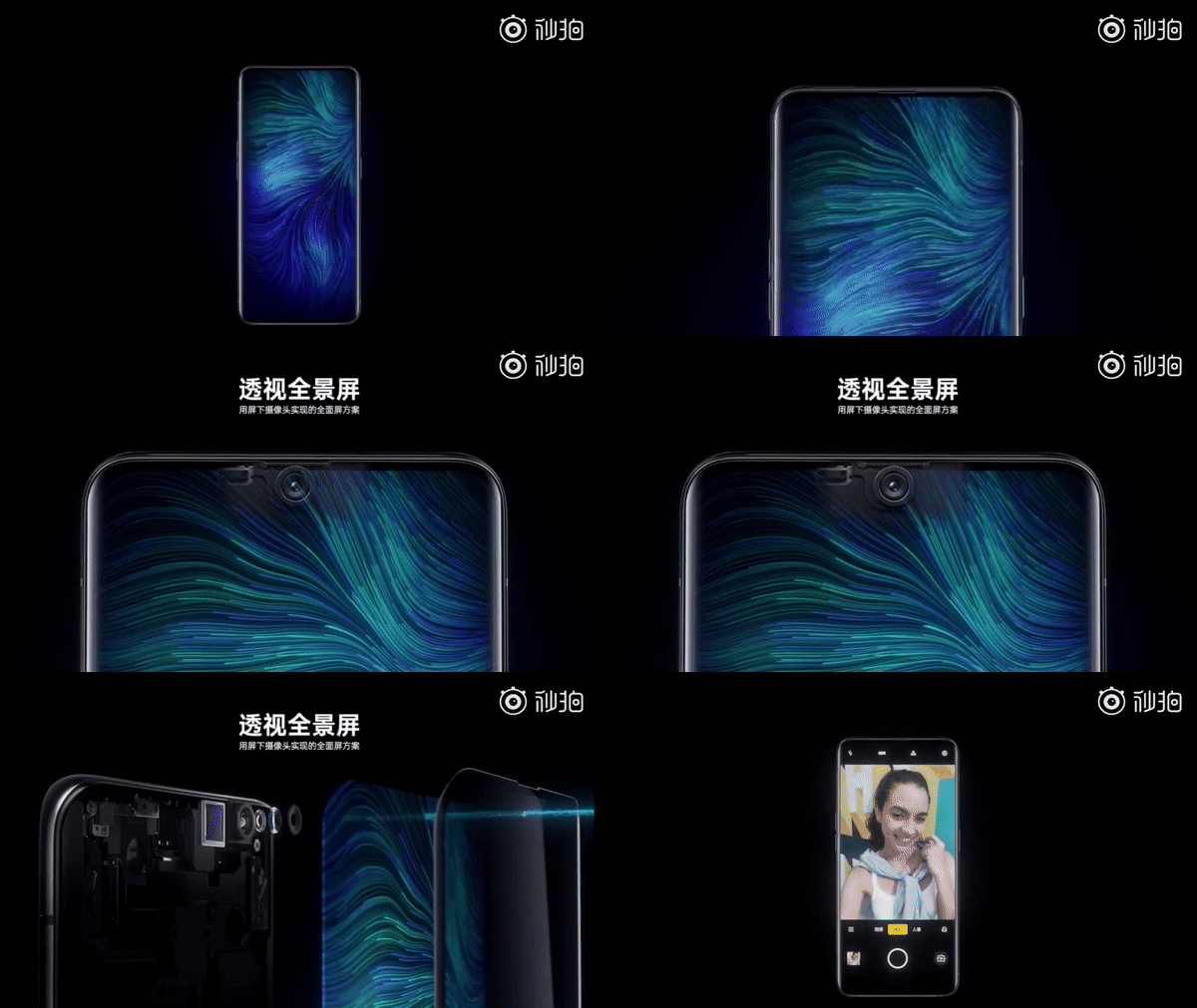
    According to a leak, the upcoming device will be dubbed the Sanso X and it will be the world’s first commercially available smartphone to have an “indisplay camera” sensor. As the name suggests, the front-facing selfie camera on the smartphone will be placed beneath the display and will remain hidden when not in use. As soon as the said camera is toggled, the pixels right above it will turn off allowing the sensor to capture images and videos through the transparent display.

    Sanso X, Indisplay Camera Smartphone Like Oppo
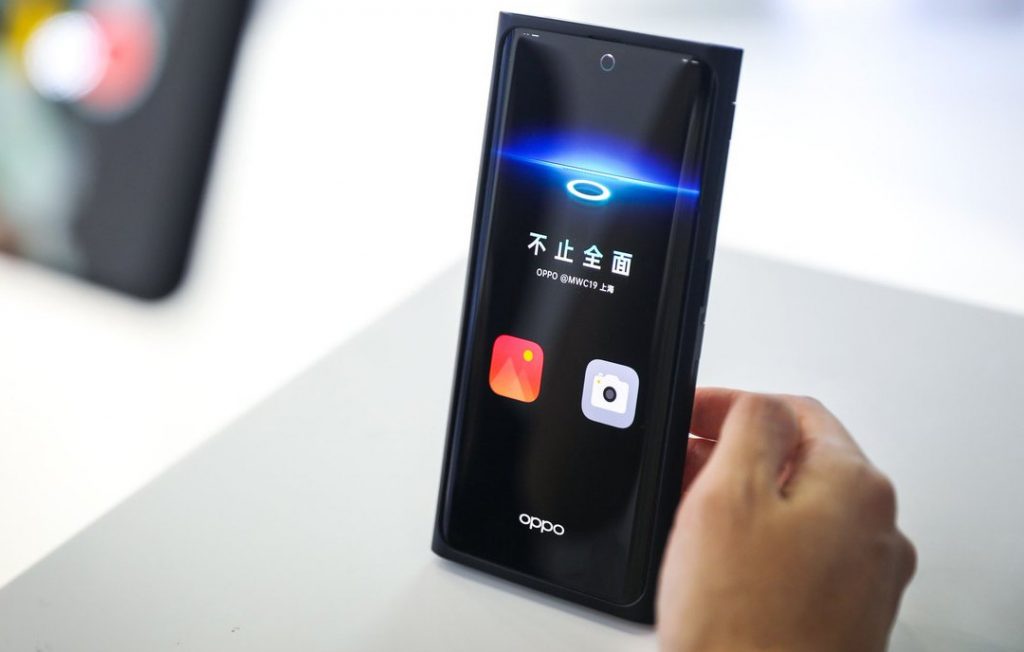
    Oppo Smartphone With Indisplay Camera

    The innovative feature on the Sanso X will reportedly be similar to the prototype smartphone that was showed off by Oppo last month. This will allow the company to pack a seamless display on the front of the device which is devoid of any obstruction causing notch. As of now, it is unknown whether placing the camera under the display will hamper the quality of videos and images captured from it.

    Besides, the Sanso X will also support 5G which is the fifth generation of mobile telecommunication. Like the Galaxy S10 5G, it will incorporate the X50 modem and the Snapdragon 855 SoC which consists of an Octa-Core CPU and Adreno 640 GPU. 

    In terms of design, the Sanso X will have an Anodized metal chassis with glass on both the front and back. The smartphone will feature a 6.3-inch display with 3D curved edges. Notably, the display will have a 90 Hz refresh rate which is the same as the OnePlus 7 Pro. 

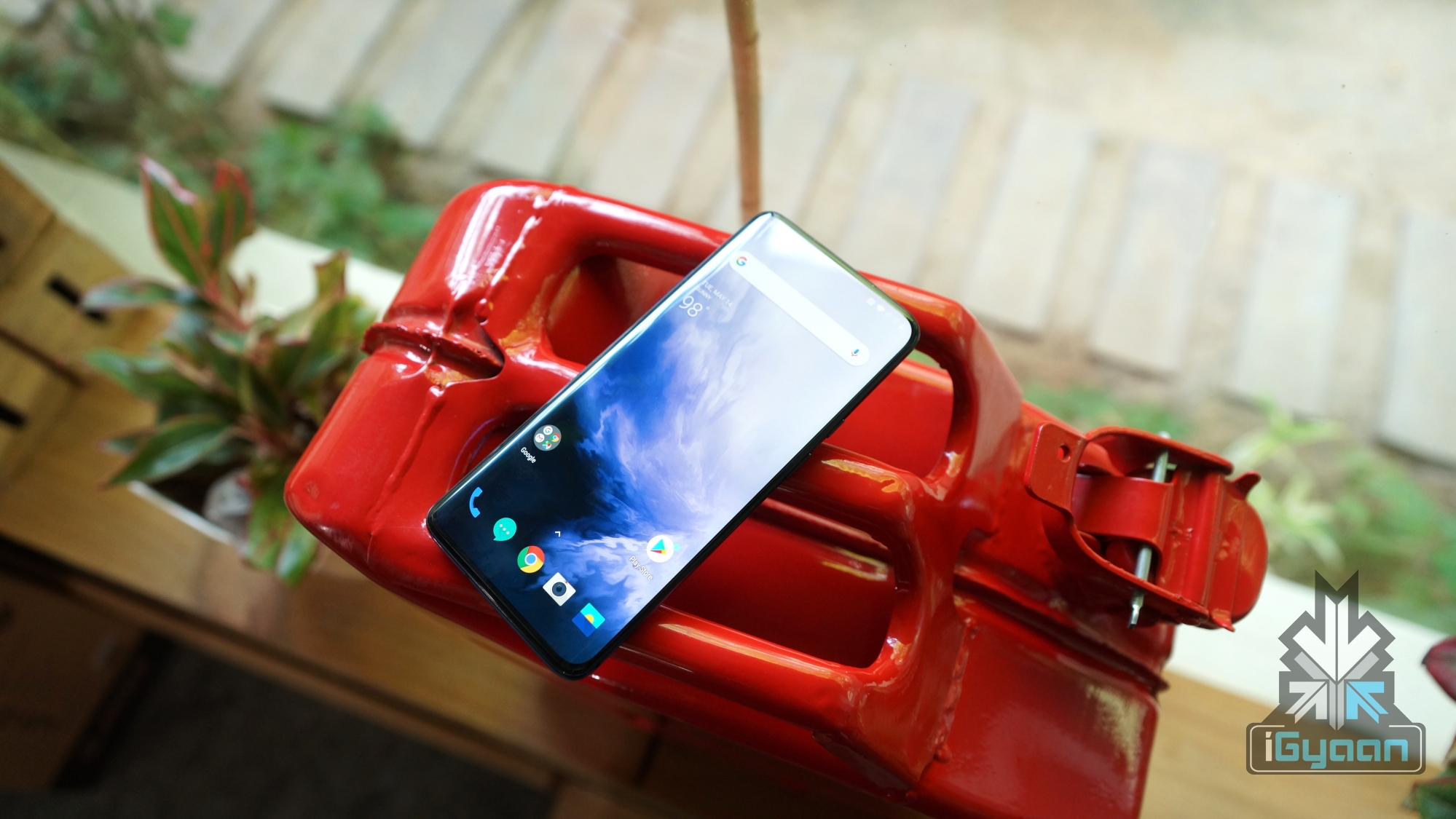
    Sanso X, 90 Hz Display Like OnePlus 7 Pro
    OnePlus 7 Pro With 90 Hz Display

    Listed below are the full specs of Sanso X:

    • Qualcomm® Snapdragon™ X50 5G Modem
    • Product Weight 190g
    • Material Anodized Oxidized Metal CNC Alloy chassis with mirror shiny glass back cover and front & back
    • Gorilla Corning protection 6
    • Resistance Standard – IP67 water resistant
    • Colour – Rose Gold, Diamond Black & Gold mix
    • Power Adapter – 50W EU-charger?5A – Super-Sonic Charging?
    • OS – Android 9.0 Pie
    • Qualcomm Snapdragon 855 chipset
    • 12GB LPDDR4x RAM
    • 512GB of internal storage
    • 6.3 inches, 19.5:9 – Baseless, Full View Infinity Display – 3D Curved Edges (93.4% screen to body ratio)
    • 90Hz refresh rate
    • Corning® Gorilla® 6.0
    • Front camera – 32MP, f/2.0 aperture, wide angle (In-Screen Embedded Camera)
    • Rear camera – 48MP SuperSpectrum Wide angle, f/1.8 aperture, OIS + 20MP Ultra wide angle, f/2.2 aperture + 8MP Telephoto, f/2.4 aperture, OIS, 5X optical zoom.
    • 5X Optical Zoom; 10X Hybrid zoom; 50X digital zoom
    • 4500mAh battery
    • Quick Charge™ 4+ technology; Fast Charging; 10 minutes of charging 4 hours of battery life
    • Under-display fingerprint scanner

    To sum it up, the Sanso X seems like a handset that is capable of disrupting the premium smartphone market. Given, that it is priced aggressively and has a bloat free User Interface. 

    Also Read: Galaxy Note 10 Boasts Of Replacing A Laptop And PC

    In order to verify the claims and leaked specifications of the Sanso X, we will have to until its official launch which is scheduled for December.

     
  • Second Public Beta Of Apple’s iOS 13, iPadOS Released

    Second Public Beta Of Apple’s iOS 13, iPadOS Released

    Apple announced the latest iterations of its operating systems for its devices earlier last month at the World Wide Developer’s Conference (WWDC). These include the new version of the iPhone operating system, iOS 13; a brand new OS for iPads, iPadOS and an upgraded MacOS called MacOS Catalina. The company released the first public betas of the software last month, which can be downloaded by following the guide here. Now, the second public betas of the iOS 13 and iPadOS have been released, which add some features that were seen in the developer’s beta 3 announced last week.

    What’s New?

    Apple iOS 13

    With the second public beta of iOS 13 and iPadOS, Apple has added a few stability improvements. These should improve the performance of the devices running the software and also result in fewer crashes. With the latest update, the FaceTime Attention Correction Feature has also been added to the public beta. Exclusive to the latest iPhones for now, the feature uses Apple’s ARKit to make it seem that the user is maintaining eye contact with other people on a video call via the Facetime application.

    iOS 13

    On the second public beta of the iPadOS, Apple has added a new animation; which is designed to help the users keep track of the Split View Windows that are active at a time. The animation also works while taking full-page screenshots and in some other elements of the User Interface. All the features seen on the Developer Beta 3 have not made their way into the iOS 13 and iPadOS public beta yet. It may be because they are not stable enough to be used by the majority and should make their way in the next update.

    iPadOS

    Also read: Huawei’s HongMengOS May Launch On August 9 In China

    Users already running the first public beta of either the iOS 13 or the iPadOS should get an Over the Air (OTA) update on their device for the second public beta. If not, going to Settings then About and checking Software Updates should do the trick. If you haven’t installed a beta and want to try it out, know that they are not known to be stable and can experience random crashes; it is thus not recommended on one’s primary device. In that case, waiting for the stable release due later this year is recommended.

  • AMD Radeon RX 5700 & 5700 XT GPU Prices Revealed In India

    AMD Radeon RX 5700 & 5700 XT GPU Prices Revealed In India

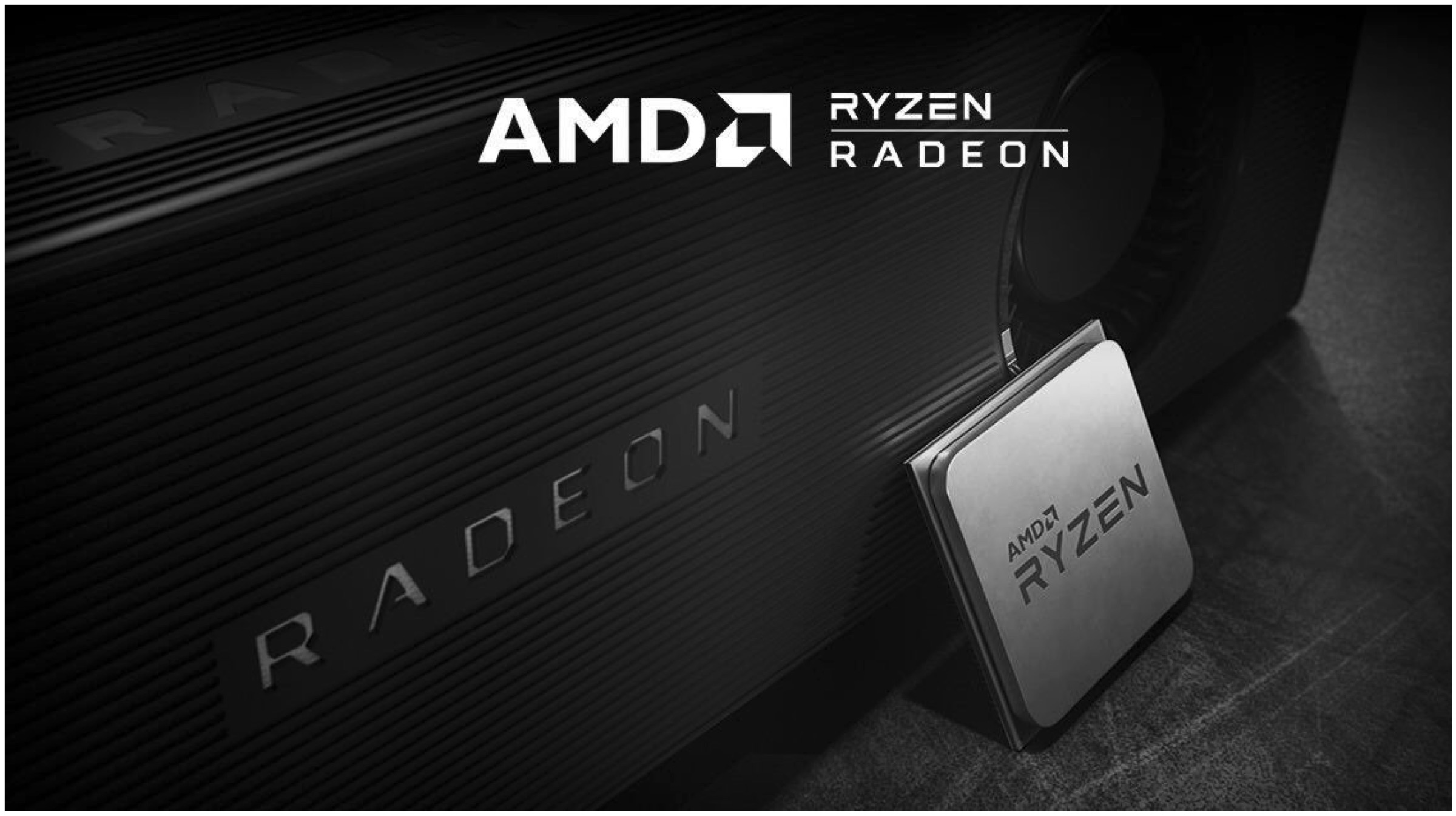
    AMD had announced its latest Radeon RX 5700 & 5700 XT graphics card offerings in its keynote at Computex 2019. It marks the company’s entry into the mid to high tier ranges of GPUs. The video cards were made in response to NVIDIA’s GeForce RTX 20 series GPUs with a better price to performance value. AMD officially launched the cards on 7th July and finally released the official Indian pricing after the surprise price slash.

    Team green’s Ray Tracing enabled cards featured flagship (from the 2080Ti and 2080) to the upper mid range (2070 and 2060) GPUs; unfortunately, the aforementioned PC components also carried a hefty price for the new technology offered. AMD is seeking to fill the premium and mid range gap with its RX 5700 series of powerful cards and lucrative prices. NVIDIA is launching its refreshed, beefed up version of the original, RTX SUPER cards today to be better compete with AMD.

    Specifications

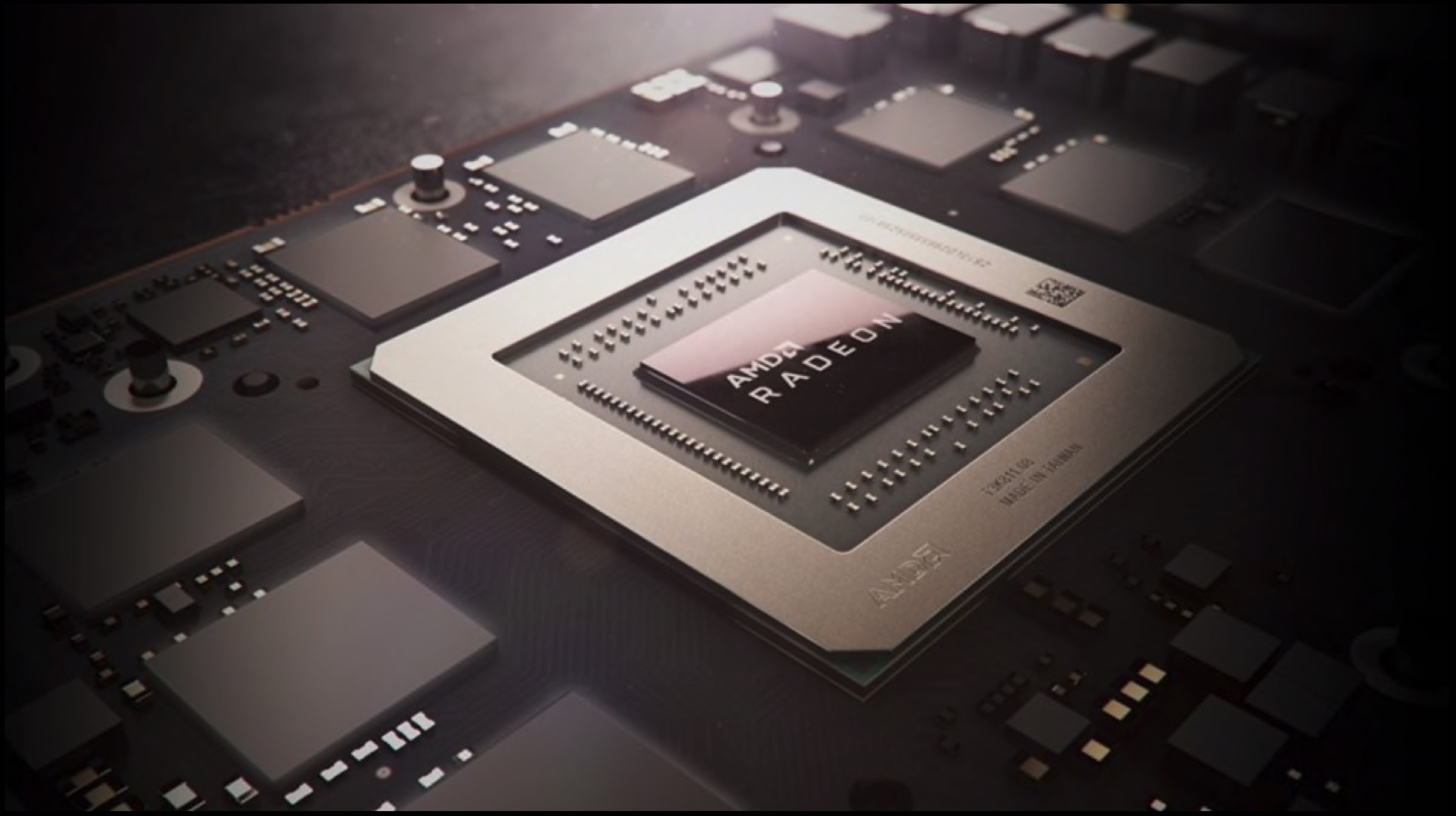
    AMD Radeon RX 5700 XT features 40 compute units or 2560 streaming processors that deliver 9.75 TFLOPs of FP32 performance. The 7nm GPU will sport 8GB of GDDR6 VRAM with a core clock of 1606MHz and a boost clock of 1905 MHz. This is by far the highest clockspeed seen in any AMD GPU, all thanks to its new RDNA architecture and 7nm process. It will compete with the new RTX 2070 SUPER while outperforming the now discontinued vanilla RTX 2070 from NVIDIA.

    On the other hand, the Radeon RX 5700 features 36 compute units or 2304 streaming processors that deliver 7.95 TFLOPs of FP32 performance. The 7nm GPU will sport 8GB of GDDR6 VRAM with a core clock of 1465MHz and a boost clock of 1725 MHz. It will compete with the new RTX 2060 SUPER while outperforming vanilla RTX 2060 from NVIDIA.

    Price & Availability

    The AMD Radeon RX 5700 XT is officially priced at INR 30,990 (INR 36,570, after tax), while the Radeon RX 5700 will sell for INR 26,990 (INR 31,850, after tax). However, AMD is not launching the higher end RX 5700 XT Anniversary Edition in India. The two GPUs will be under AMD’s current flagship the Radeon VII and will also be available from other brands. Variations of the graphics card will be sold by Gigabyte, MSI, Sapphire, ASUS, and more with single digit percentage difference in performance.

    Also ReadLG Working On A Cryptocurrency Wallet Suggests Patent

    It is a great time to be a gamer or build a gaming PC. Prices for viable PC components are now available. The sub $500 market has never been so competitive. Both team green and red offer are offering some great deals that give more choice to consumers which is always a plus point. One can essentially buy from either the RTX SUPER or RX 5700 Series and not regret it. The tech giants have offered great value for money with the new affordable graphics card. The new launches bring a positive impact for the Indian gaming community and culture as a whole.

  • Galaxy Note 10 Boasts Of Replacing A Laptop And PC

    Galaxy Note 10 Boasts Of Replacing A Laptop And PC

    The highly anticipated Samsung Galaxy Note 10 is set to launch on the 7th of August at an event in New York. Similar to the Galaxy S10, the company is alleged to launch four variants of the future flagship which will be called the Note 10e, Note 10+, standard Note 10 and Note 10 5G. 

    As the launch date of the Galaxy Note 10 lineup nears, more features about the device unravel from both official and unofficial sources. This time, Samsung itself has shared a teaser which reveals a distinguishing factor of future smartphones.

    https://twitter.com/samsungID/status/1148215434921086977

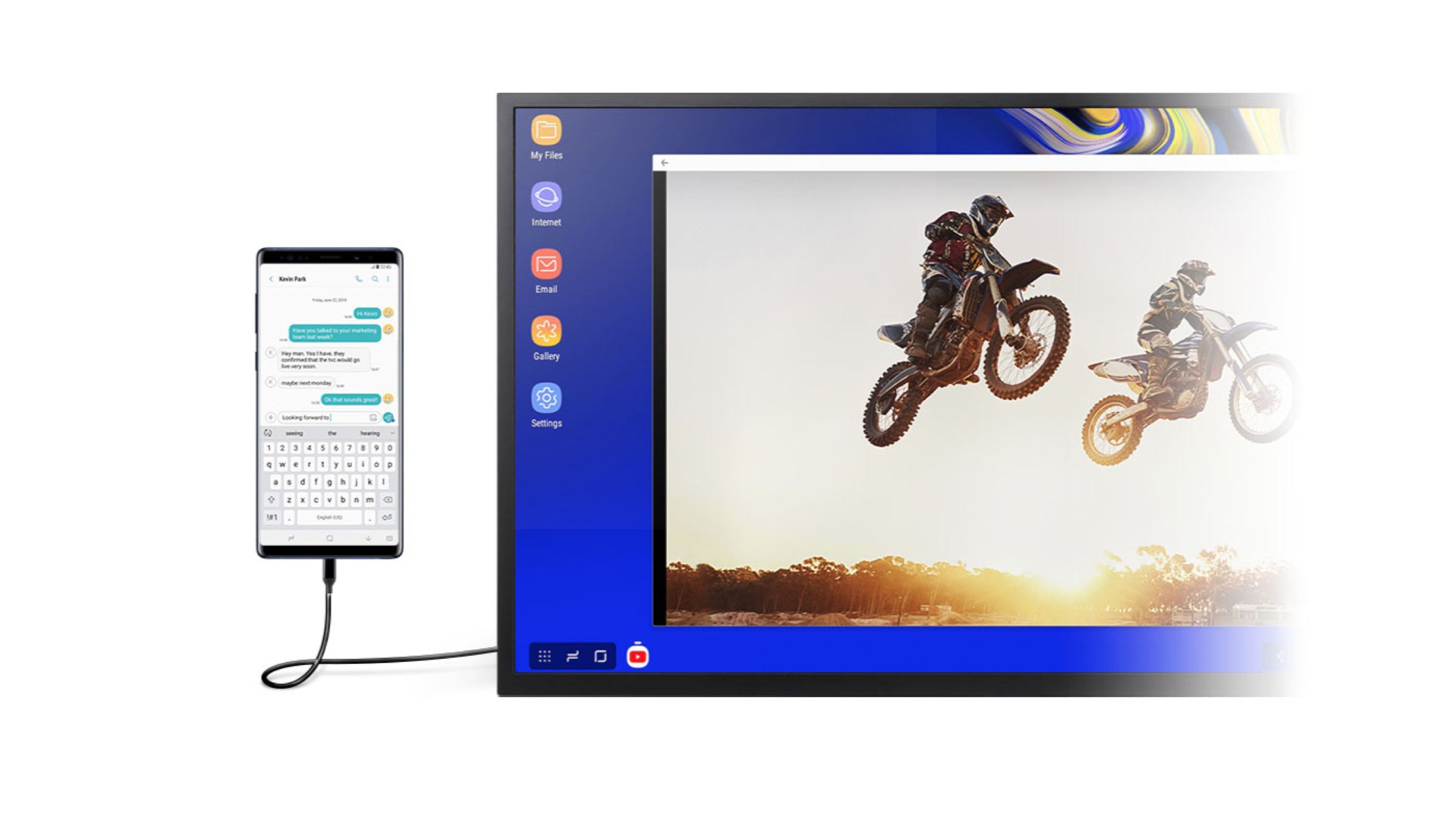
    The teaser boasts that the Galaxy Note 10 will have the functionality to be used as multiple computing devices. In simpler words, the smartphone could be used as a personal computer, a camera and a conventional handset. This will allow users to eliminate the need for carrying multiple devices simultaneously. Besides, the data will also remain synchronised further enhancing the ease of use.Galaxy Note 10 DeX

    To attain the functionality of a computer, the device will make use of the DeX feature which has been present on Samsung devices for a couple of years. DeX is short for “Desktop eXperience” and as the name suggests it allows supported Samsung tablets and smartphones to provide a desktop-like experience by connecting a keyboard, mouse and monitor.Galaxy Note 10 Samsung Dex

    With the Galaxy Note 10, the company is expected to enrich DeX feature with many more updates which can further diminish the gap between an emulated desktop in comparison to traditional PC. Noteworthy, flagship Samsung devices are offered with storage capacity even upto 1 TB. Therefore, storage won’t be an issue and users can even store large files in their pocketable device.

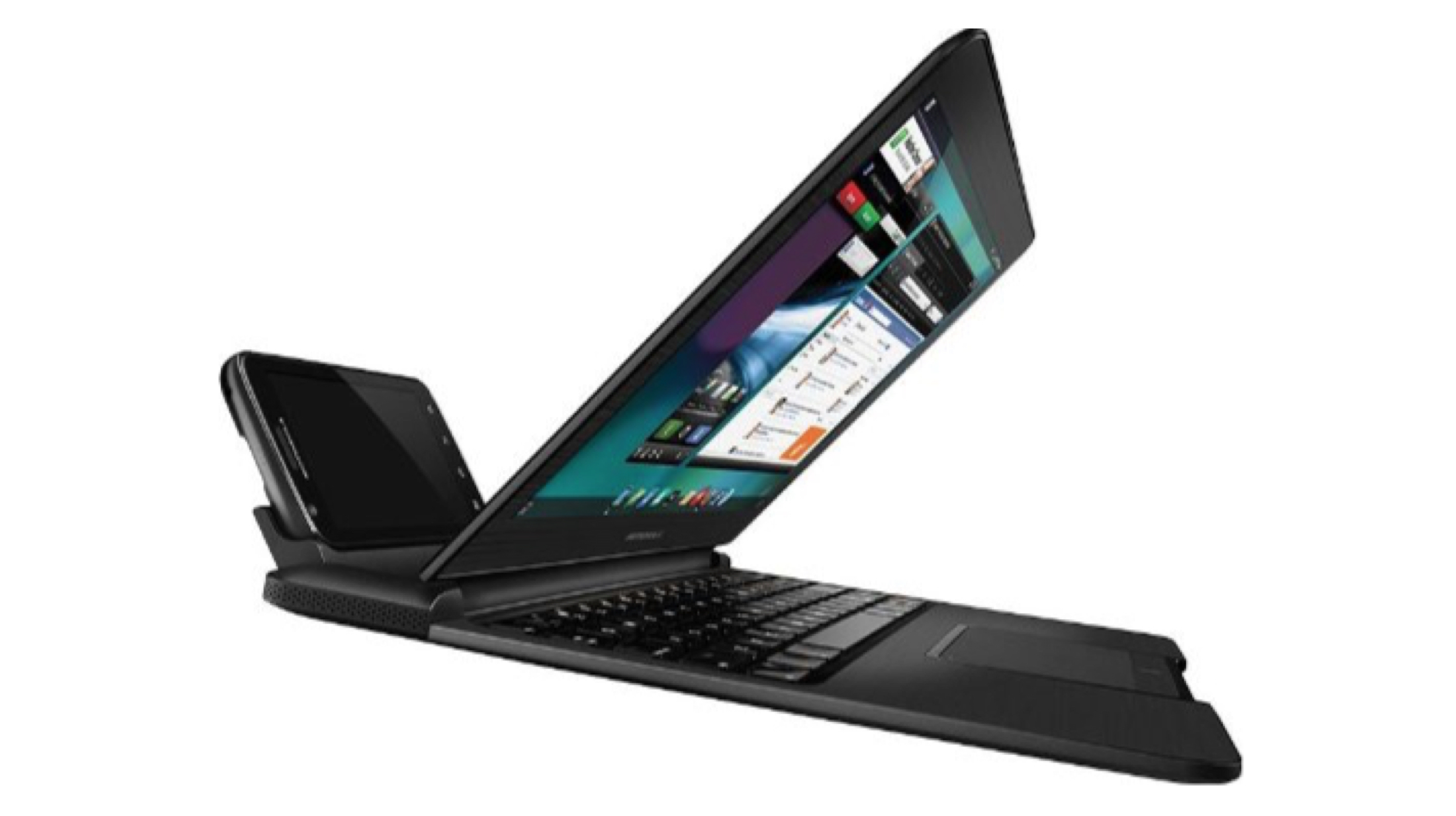
    Although the theory seems farfetched, Samsung could launch a hybrid laptop dock like the Motorola Atrix lapdock which will allow the Galaxy Note 10 to work as an actual laptop. Talking about other features the devices will pack AMOLED display with a centre mounted punch hole, Snapdragon 855 or Exynos 9820 SoC dependent on the region and three or more rear cameras on all variants. 

    Also Read: Galaxy Note 10 Will Allegedly Support 20 W Wireless Charging, First On A Samsung Device

    To conclude, precise details including the multi device functionality of the Galaxy Note 10 smartphones will be revealed at the official launch event which is scheduled for the 7th of August. 


  • Huawei’s HongMengOS May Launch On August 9 In China

    Huawei’s HongMengOS May Launch On August 9 In China

    Chinese telecommunications giant Huawei has had a rollercoaster of a year. While the company was on the brink of becoming the biggest smartphone maker of the world; the US government issued a trade ban on it. This restricted any American company to do business with Huawei. The decision led to the future of its smartphone business laying in jeopardy. However, a while ago, the ban against the company was lifted which meant it could resume business with American organisations. However, it was revealed in the meanwhile that Huawei had been working on its own Operating System(OS) for a while, called HongMengOS. Now, the latest reports reveal that the software may be launched by the company at the Huawei Developer Conference (HDC) in China on the 9th of August.

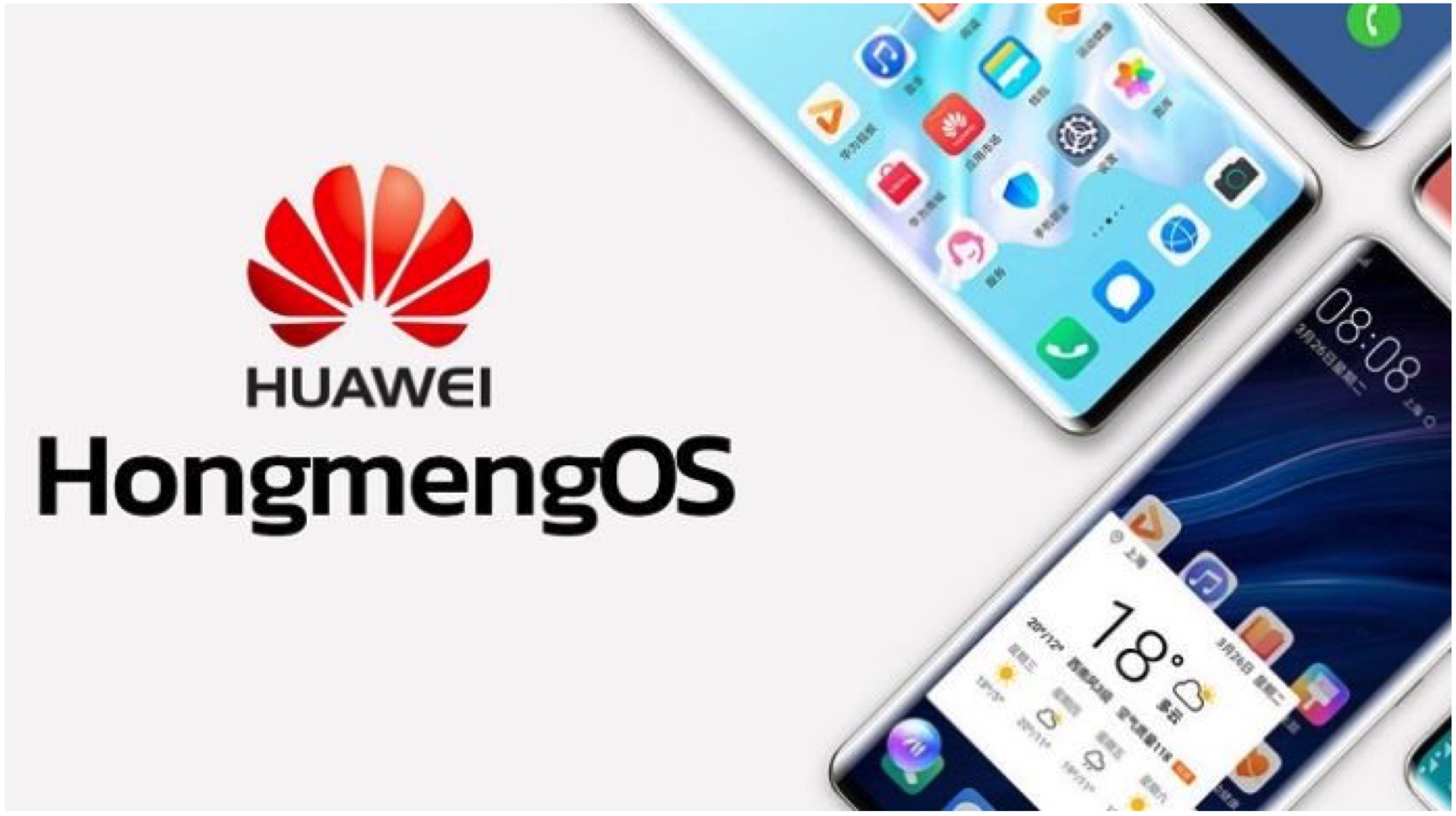
    HongMengOS

    Huawei HongMengOS

    The HongMengOS by Huawei is an alternative to the Android operating system it has been using for its smartphones until now. It has been in development since at least 2012 when the company feared their reliance on US-made technology. While most features and details about HongMengOS are still under wraps, it was revealed that the software will be reportedly 60 percent faster than Android or iOS. Huawei has also been in talks with many developers, out of which around 5,000 are expected to attend its developer conference. Along with them, 1,500 key partners of the company will also be marking their presence at the event, which insinuates that HongMengOS may finally see the light of the day there.

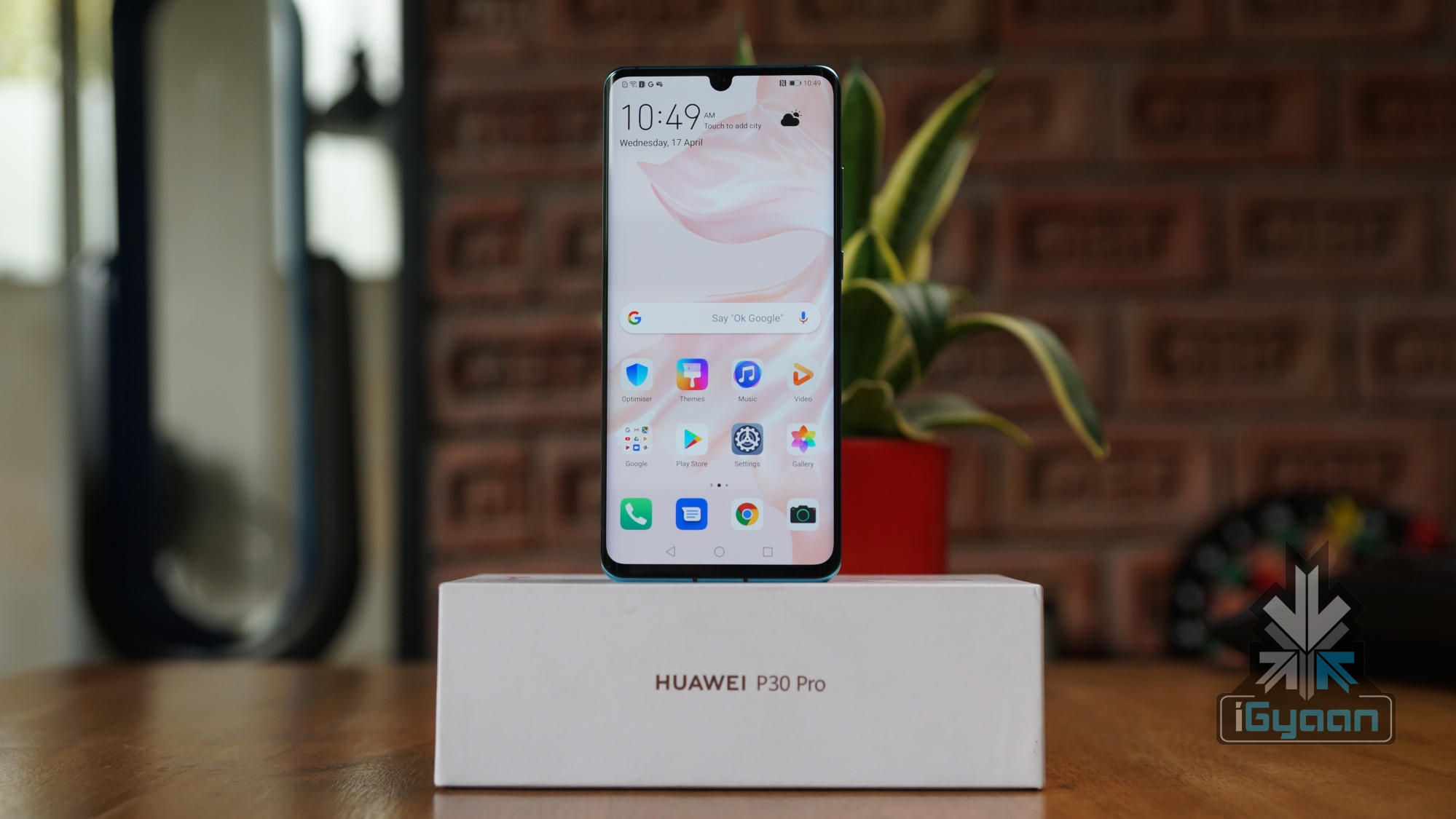
    Huawei P30 Pro
    Huawei P30 Pro

    Also read: LG Working On A Cryptocurrency Wallet Suggests Patent

    Every operating system in order to be successful needs an ecosystem with a plethora of applications. It seems like Huawei, at its developer conference is all set to launch the HongMengOS with just that. It is also speculated that the company will opt for a different name for the OS in the global market and the current name will only be marketed as such in China. Unfortunately, more details about it are shrouded in mystery but are expected to be revealed as we move closer to the launch date.

  • Google Pixel 4 Design Leaked In All Its Glory

    Google Pixel 4 Design Leaked In All Its Glory

    Google’s long-awaited Pixel 4 smartphone is just around the corner. The device is set to launch in October this year and will mark the fourth iteration of the company’s flagship handsets. Following initial leaks, the American company had unveiled the rear design of the device which showcased the new camera module. Now, the latest report reveals the complete design of the Pixel 4 in great detail.

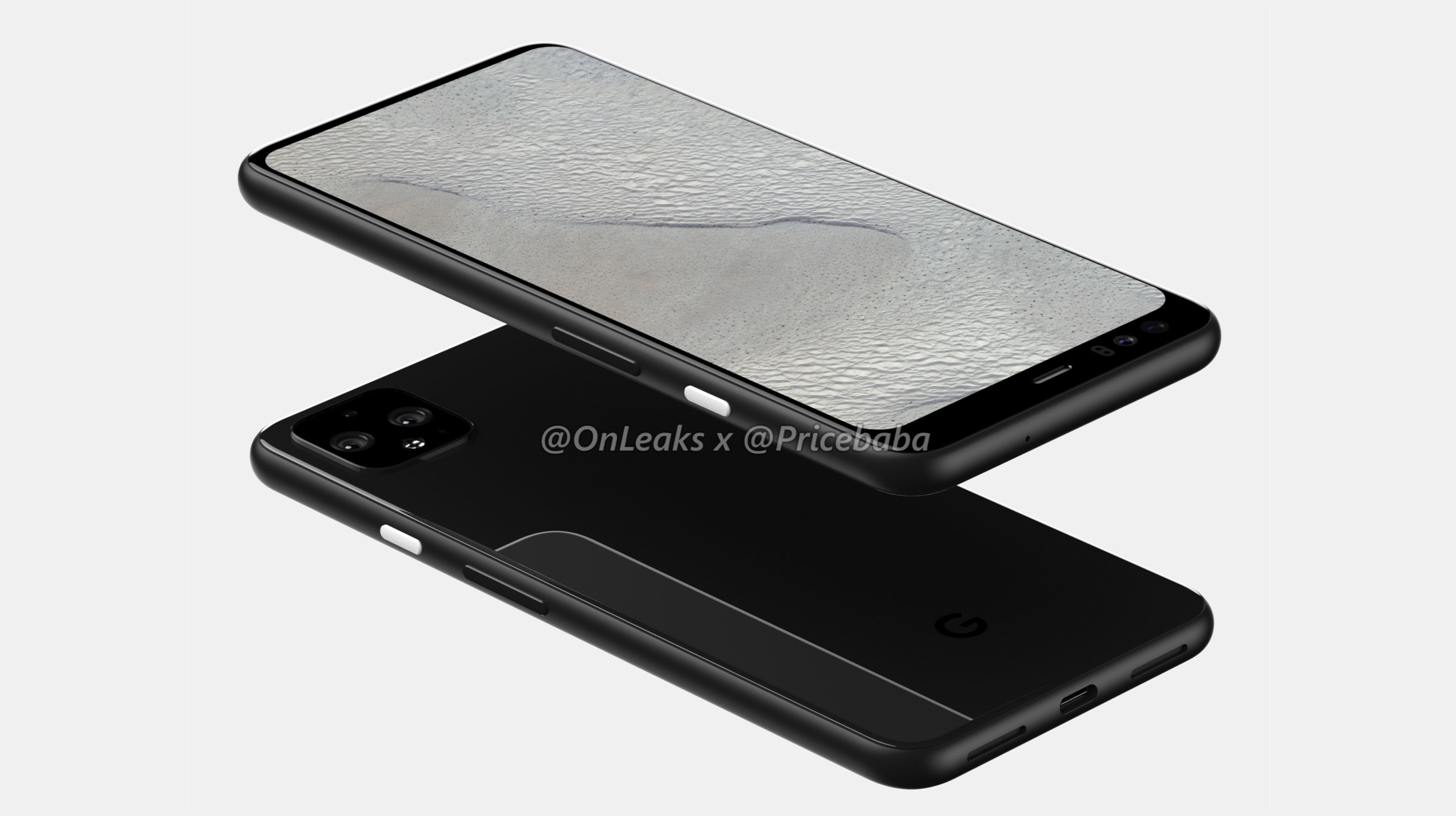
    Google Pixel 4

    According to the source, the front of the Google Pixel 4 XL features minimal bezels on all sides except for a noticeable forehead on top which houses the selfie camera alongside the essential sensors. The power button and volume rockers are housed on the right of the device, while the left is devoid of any seams. Its square rear camera module is seen at the top left on the back panel with the ‘G’ logo on the bottom.

    Google Pixel 4

    While most OEMs are moving towards a full-screen front panel, Google Pixel 4 XL is seen here still sporting the traditional design philosophy. However, the design has a function and meaning behind its existence. The forehead houses two front-facing cameras, primary and wide angle lens, and a specialized sensor for Air Gestures. It has no visible fingerprint sensor at the back which implies that Google will probably include an in display fingerprint sensor.

    Google Pixel 4

    Also ReadIndian Teenager Commits Suicide After Not Being Allowed To Play PUBG Mobile

    Google Pixel 4 will compete with other giant flagship releasing around the time of its release, namely iPhone 11 and Samsung’s Galaxy Note 10. The upcoming device has to bring either great functionality with the Air Gestures or a unique feature to stay relevant amidst the releases. More information is expected to be available in the arriving week with updates being provided soon.

  • Galaxy Note 10 Will Allegedly Support 20 W Wireless Charging, First On A Samsung Device

    Galaxy Note 10 Will Allegedly Support 20 W Wireless Charging, First On A Samsung Device

    With each passing day, more details about the upcoming Samsung Galaxy Note 10 lineup surface online. This time details related to the smartphones charging wattage has been revealed by notable tipster @Rquandt.

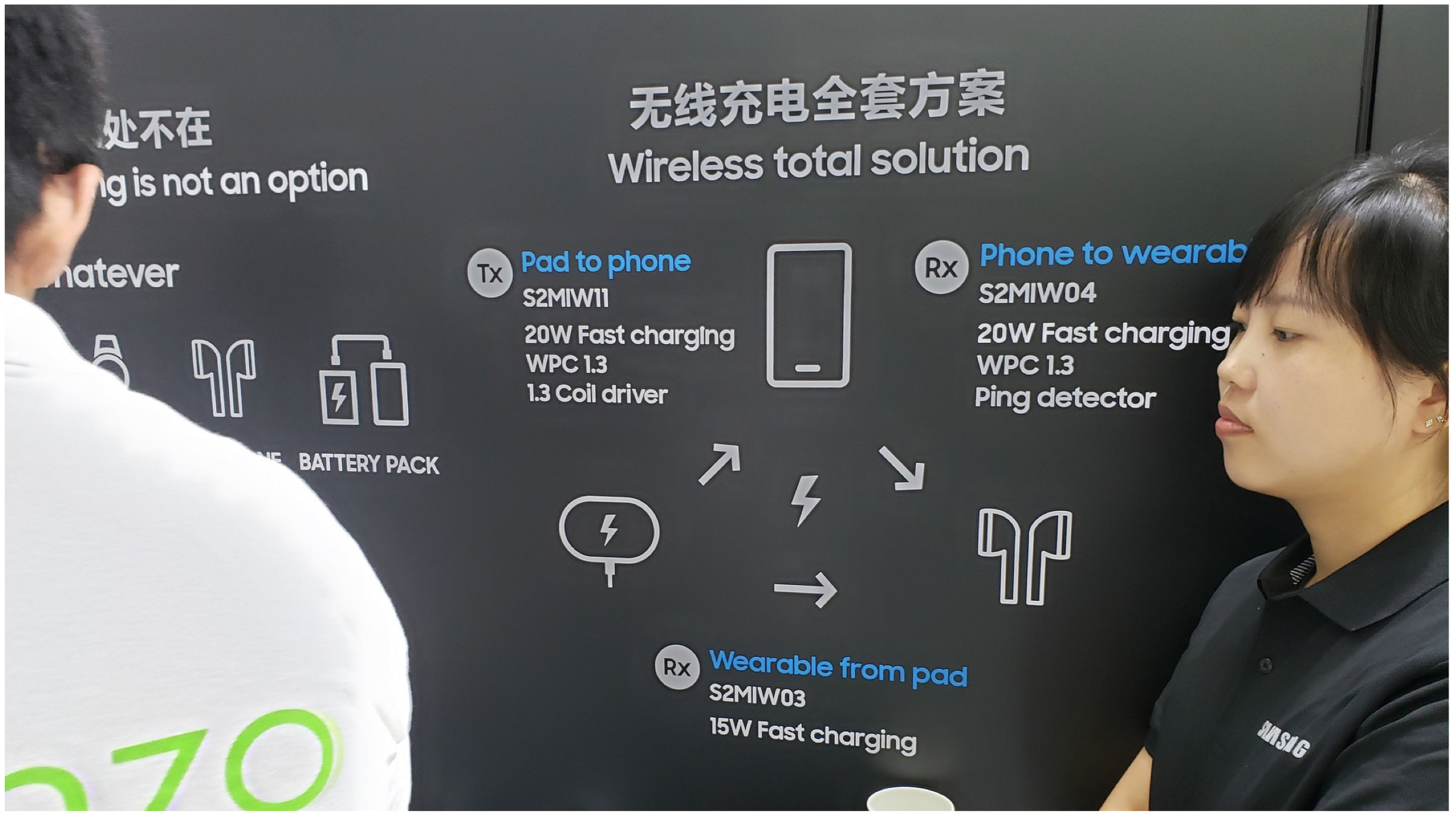
    The source alleged that the upcoming Galaxy Note 10 will support 20 W fast charging which was reassured by a Japanese user. A picture shared by the latter shows a wireless charger which can charge a Samsung smartphone or wearable device with 20 W of maximum power. Surprisingly, not only will upcoming smartphones from the Korean manufacturer be able to take charge at this high wattage but it will also be able to reverse charge other devices at the same rate. Until now, only the Mi Mix 3 can wirelessly charge at 20W but it cannot reverse charge at this high rate. 

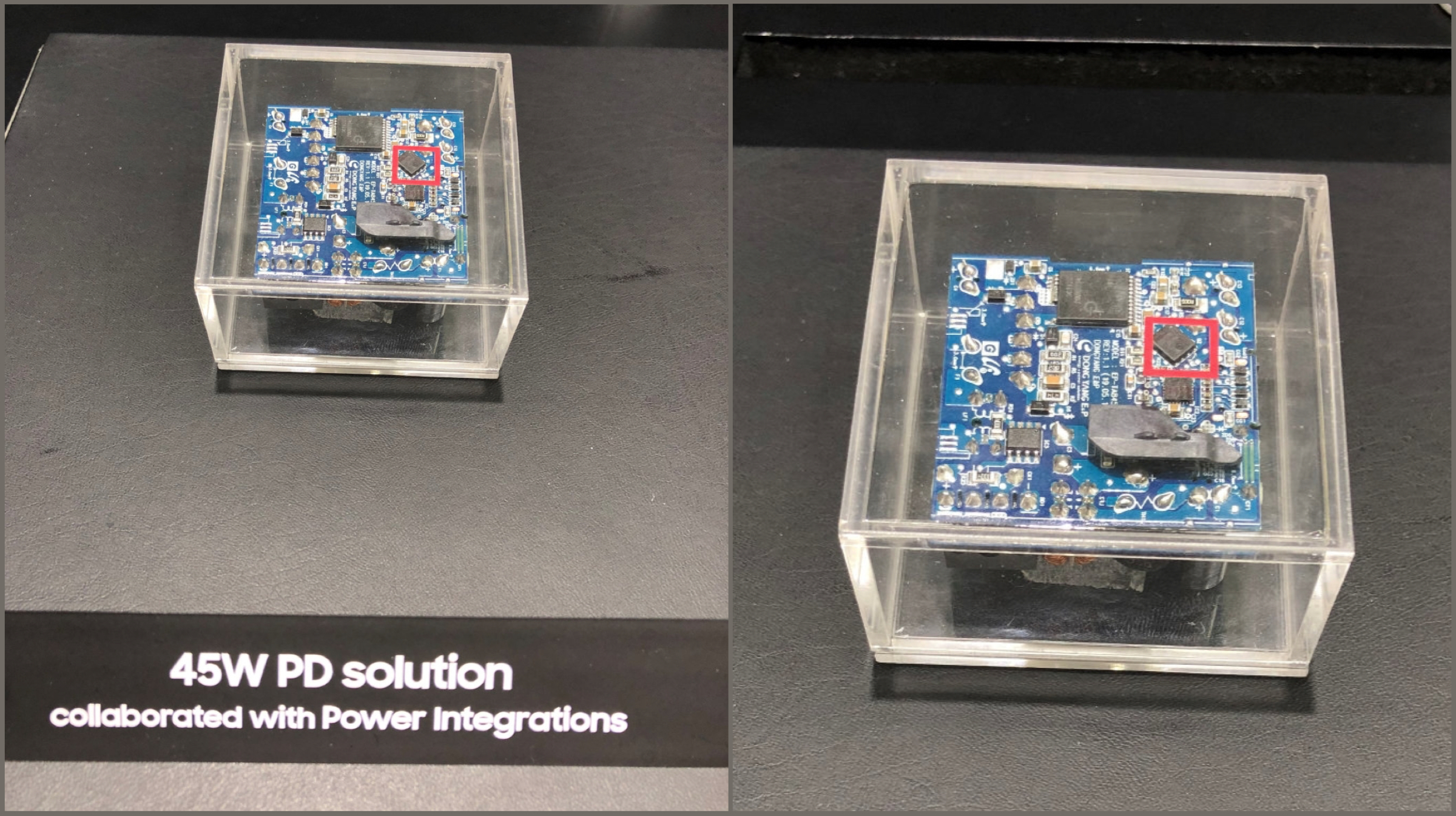
    Besides, the 20 W fast wireless charging, the upcoming flagship grade smartphone will also reportedly support 45 W wired charging which will be fastest on any Samsung smartphone till date. The current leak does not provide any other details about the upcoming Note 10 but they can be derived from past leaks.

    Unlike previous generations, the Galaxy Note 10 will be offered in four different variants which include the standard Galaxy Note 10, Galaxy Note 10, Galaxy Note 10+ and Galaxy Note 10 5G. Out of the four devices, the ‘e’ variant will be the most affordable while the ‘5G’ variant will be most expensive.

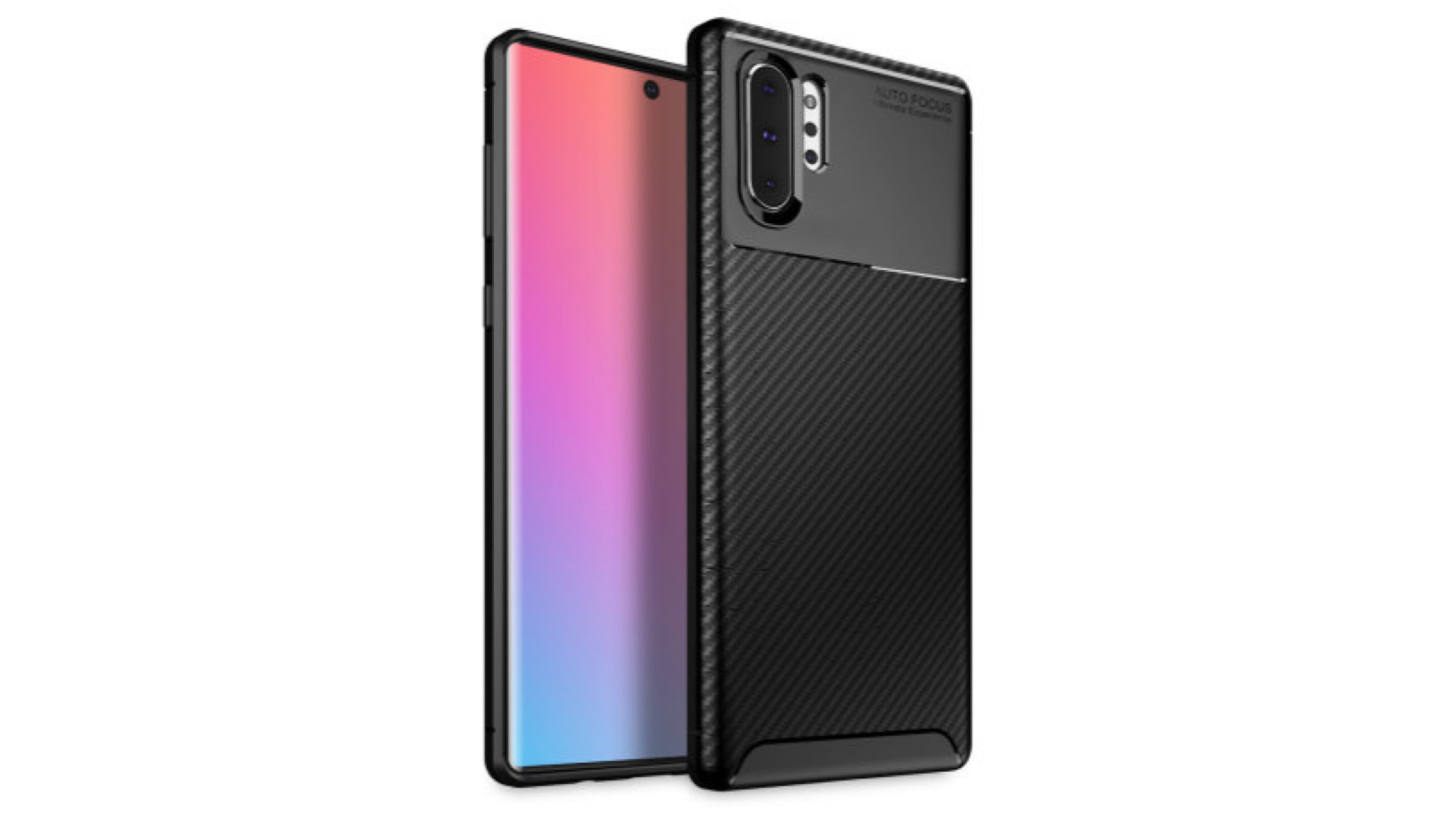
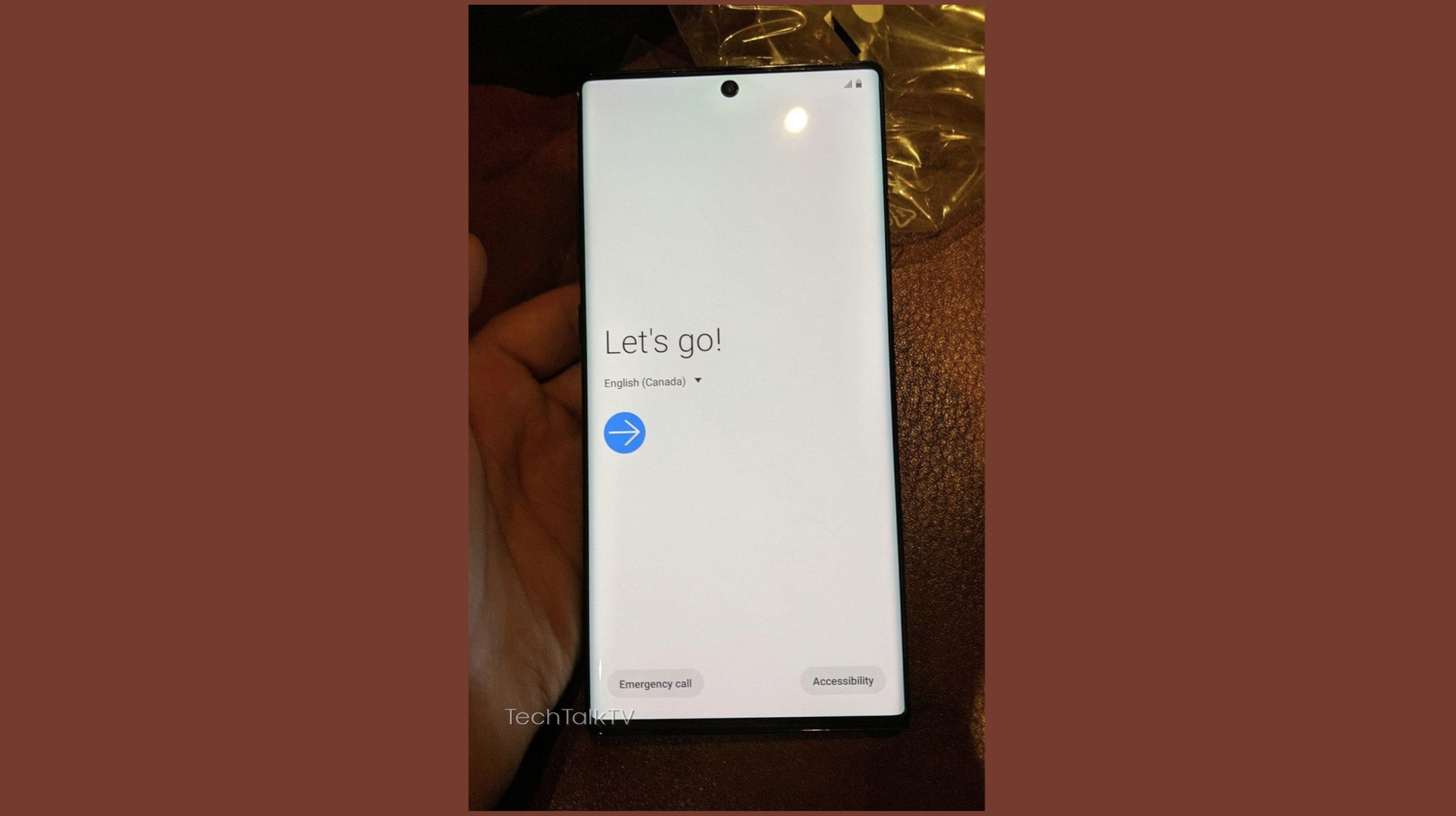
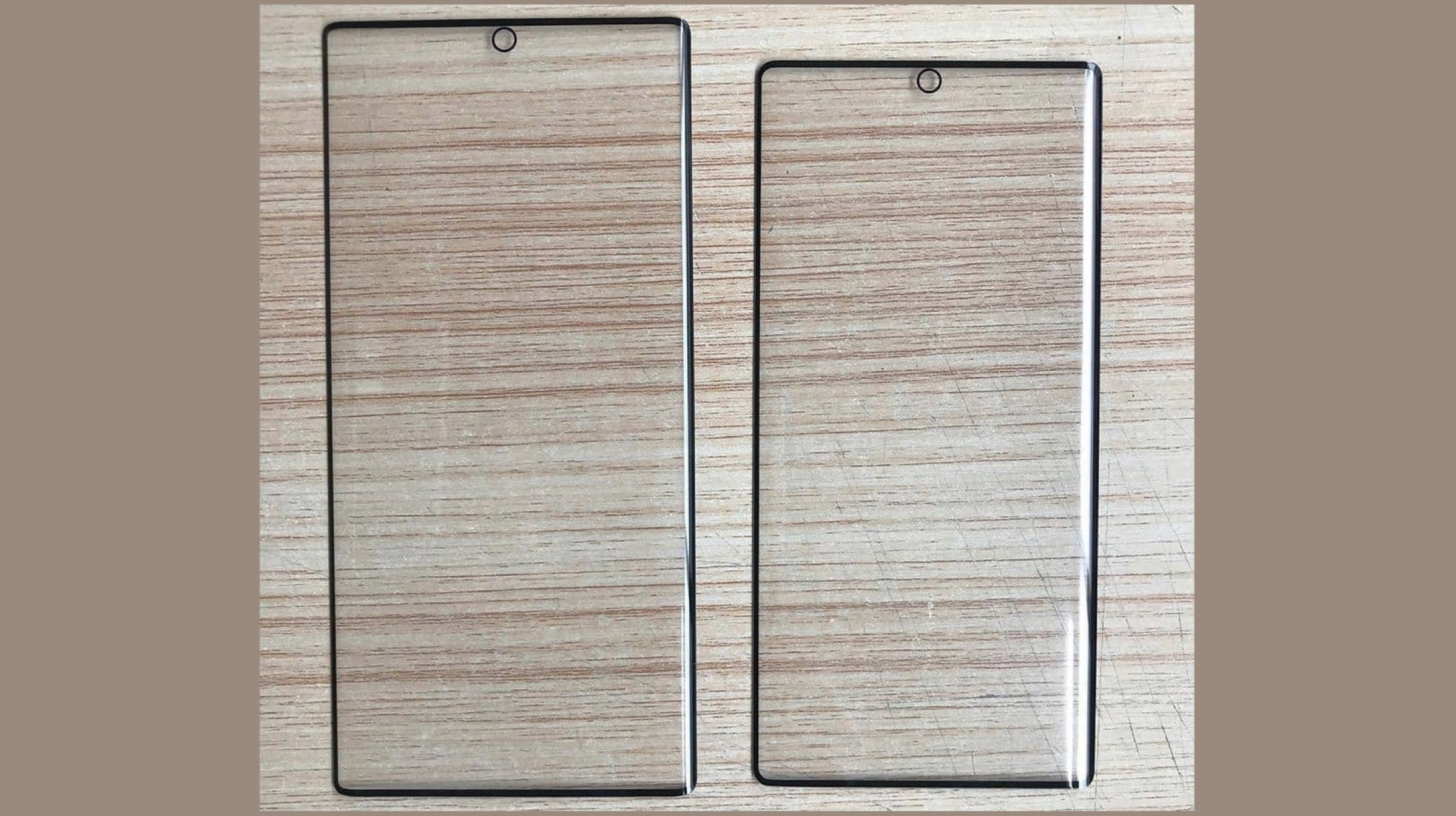
    In terms of looks, the Galaxy Note 10 smartphones will have a punch hole in the display to accommodate the selfie camera. Even though this type of display is also present on the Galaxy S10 lineup, the punch hole on the future smartphones will be considerably smaller. Staple to flagship handsets from Samsung, the upcoming devices will also have AMOLED display.

    Under the hood, all four variants of the Galaxy Note 10 lineup will be kitted with the Snapdragon 855 or Exynos 9820 SoC which will be dependent on the region the smartphone is sold in. Usually, Samsung devices sold in North America and China have Snapdragon chipset and devices sold in the rest of the regions have Exynos which is likely to happen with the Note 10 lineup as well.

    Also Read: You Can Pre Book The Redmi K20 Pro Before Launch, Here’s How

    Other details including the price and camera resolution of Galaxy Note 10 lineup will be revealed at the official launch event which is set to take place on the 7th of July in New York.


  • You Can Pre Book The Redmi K20 Pro Before Launch, Here’s How

    You Can Pre Book The Redmi K20 Pro Before Launch, Here’s How

    Xiaomi had unveiled its new flagship Redmi K20 series in May to its Chinese audiences; which was followed by the European release. Xiaomi is one of the most popular brands in India and has been one of the leading smartphone OEM in the country. It is particularly famous for its budget to mid-range smartphones that the Indian market adores due to their competitive pricing and specs. Hence, Indians have long awaited for the launch of this device in the country.

    Xiaomi’s Redmi K20 has already received a release date of 17th July. But for those who plan to buy and want to skip the predicted cue, here is how to reserve the device a bit earlier. 

    Xiaomi

    How To Pre-Book The Redmi K20

    Xiaomi has announced the new “Alpha Sale” for the upcoming Redmi K20 series of smartphones. It will be the first time this method is being opted by the company. The original sale starts on the 17th of July but the Redmi K20 series flagship will be available from the July 12th for the devout Mi Fans. Prospective buyers that cannot risk having the device being sold out have the opportunity of pre-booking and reserving a unit for themselves. The offer can be availed via Flipkart and the Mi website. 

    Xiaomi

    Users have to pay an initial fee of INR 855 to reserve a Redmi K20 unit and the offer goes live on 12th July at 12 pm. Through this, the users get to directly reach the final check out portal for the purchase on 17th July. If users do not get to avail the pre-booking purchase, the amount will be automatically refunded to their Mi Account or via a coupon in their Flipkart account.

    Redmi K20 Series

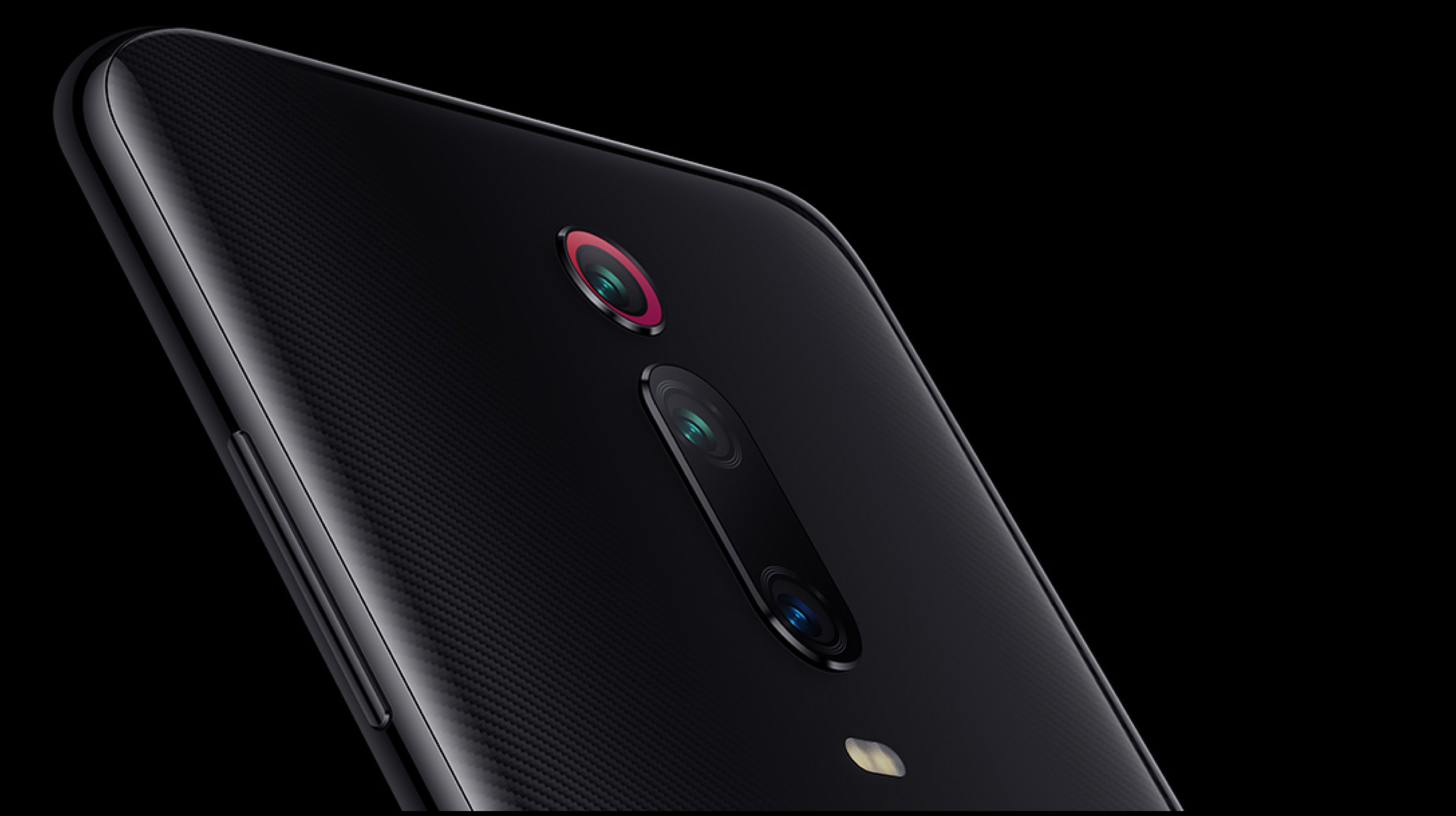
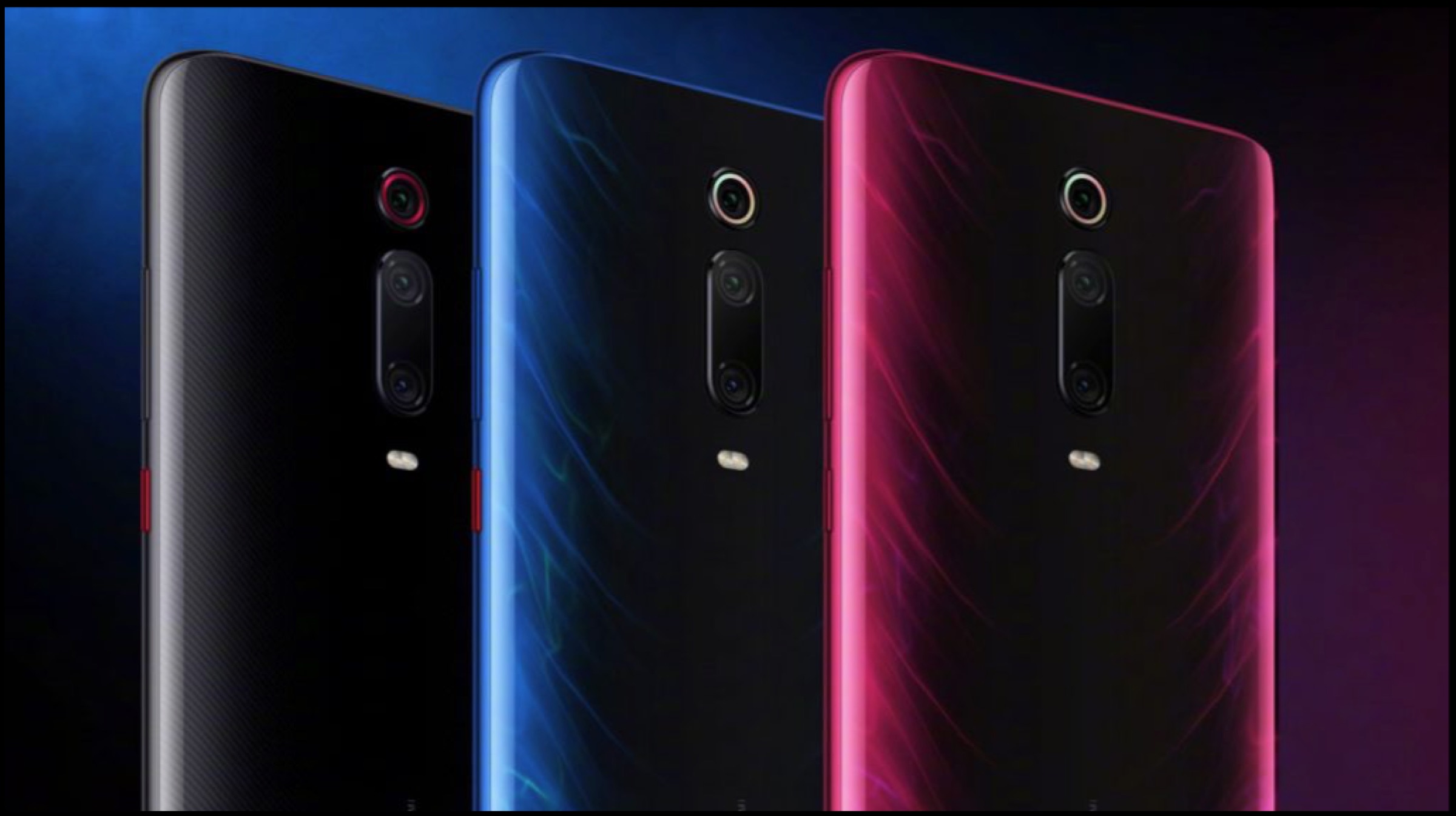
    The Redmi K20 and the K20 Pro have glass on both the front and rear which is held together with a metal chassis. The handsets have a 6.39 inch AMOLED display with a resolution of 2340 x 1080 px. To maximise the screen real estate, they both have a pop-up mechanism on top which houses the front-facing selfie camera. For biometric security and rapidly getting through the lock screen, the Redmi K20 series has an in display fingerprint scanner along with support for face unlock. Both devices are powered by a 4,000mAh battery which is capable of 27W fast charging.

    Redmi K20

    Also ReadSony To Launch A Rollable Smartphone To Compete Against Galaxy Fold

    Under the hood, the economical Redmi K20 is kitted with the 8nm Snapdragon 730 SoC. The chipset is comprised of an Octa-core CPU and the Adreno 618 GPU. On the other hand, the flagship grade Redmi K20 Pro runs on the 7nm Snapdragon 855 SoC which has an Octa-core CPU and the Adreno 640 GPU. In terms of optics, both smartphones have a triple rear camera setup consisting of an f/1.75 aperture equipped 48MP sensor, an f/2.4 aperture equipped 13MP ultra wide angle sensor; and a tertiary f/2.4 aperture equipped 8MP telephoto sensor. For selfies, an f/2.0 aperture equipped 32MP sensor is housed in the pop-up mechanism on top of the handsets.


  • Sony To Launch A Rollable Smartphone To Compete Against Galaxy Fold

    Sony To Launch A Rollable Smartphone To Compete Against Galaxy Fold

    After a decade of smartphones with a rigid form factor, Samsung launched the Galaxy Fold that packs a large screen display in a compact form factor. Likewise, Huawei had also unveiled the Mate X which goes in line with the same philosophy, however, it implements a different design. Amidst display issues, the launch of both smartphones (1,2) has been pushed to a later date. By the time they go sale, Sony might unveil an unconventional smartphone which will join the pack of visionary smartphones. 

    As per a fresh claim, Japanese electronics Titan, Sony is also working on a unique smartphone which will pack a large screen display in a much smaller and portable form factor. Noteworthy, instead of a foldable display, Sony’s offering will employ a rollable display. 

    According to the source, the current prototype that Sony has in the works features a 10x zoom camera and is kitted with the SM7250 SoC. Though, the retail model will reportedly feature a Snapdragon 855 SoC along with the Qualcomm X50 modem. Therefore, the Sony smartphone will be 5G capable. In terms of battery, the device will be powered by a 3220 mAh cell which is most likely to support fast charging.

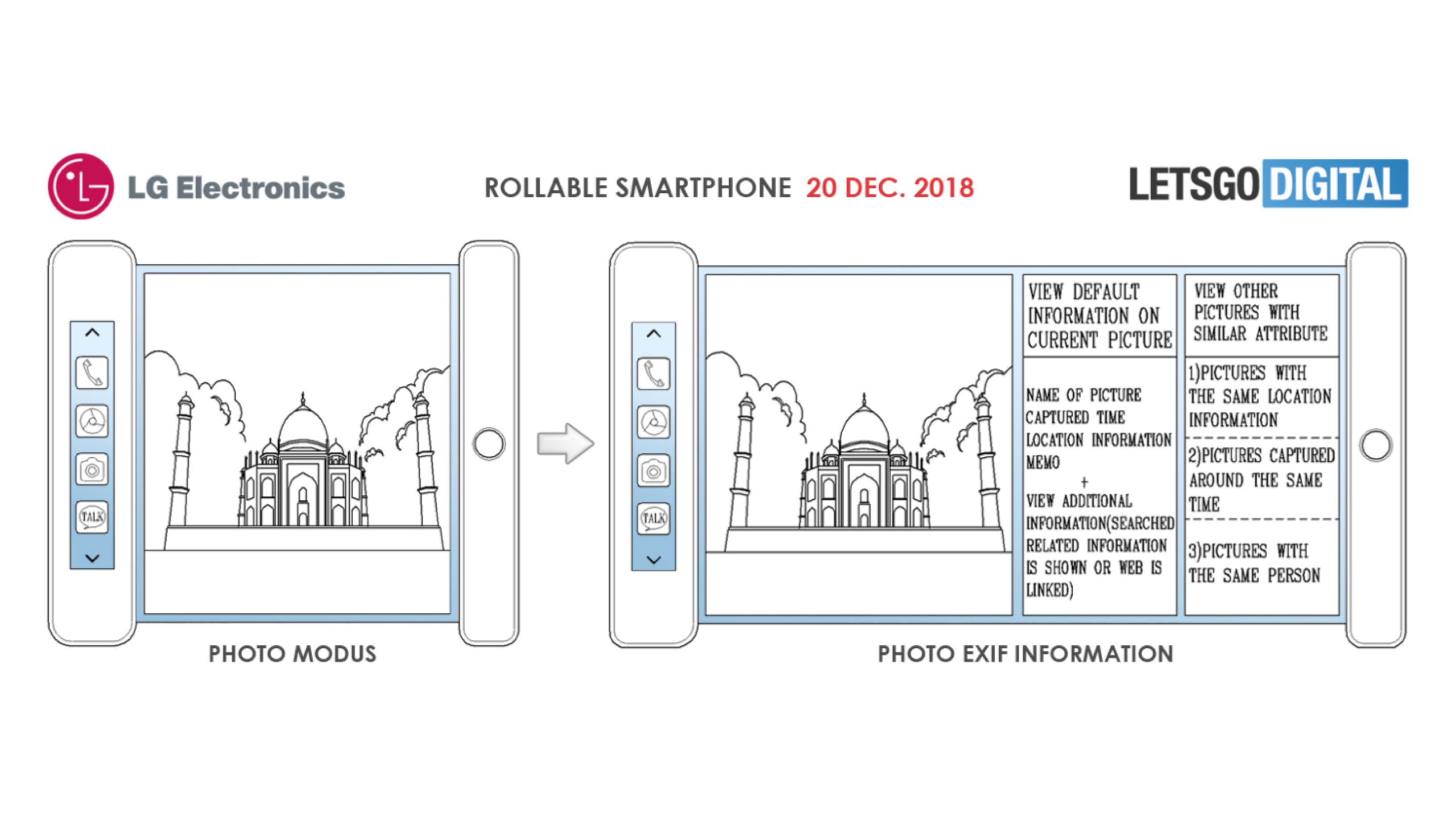
    LG Smartphone Patent With Rollable Display

    Talking more about the looks, the Sony smartphone is reported to have a nautilus design. In simpler words, it will have a spiral design which uncurls to present the rollable large screen display which is similar to a patent which was granted to LG in the past

    Also Read: Samsung Galaxy Fit E Launched In India 

    Even though Sony is yet to confirm the existence or possible launch of a smartphone with this type of form factor. Taking the fact into consideration that Sony has previously launched numerous unconventional smartphones in the Xperia lineup (1,2), this imaginary device has high feasibility of turning in to reality.

    Besides, this would allow the company to steer ahead of the fiercely competent mass market and enter a niche segment where the margins are much higher. 

    Conclusively, we will have to wait patiently as reports claim the unique Sony smartphone will launch in Q4 of 2019 or early 2020.

  • Samsung Galaxy M30s Live Images Leaked

    Samsung Galaxy M30s Live Images Leaked

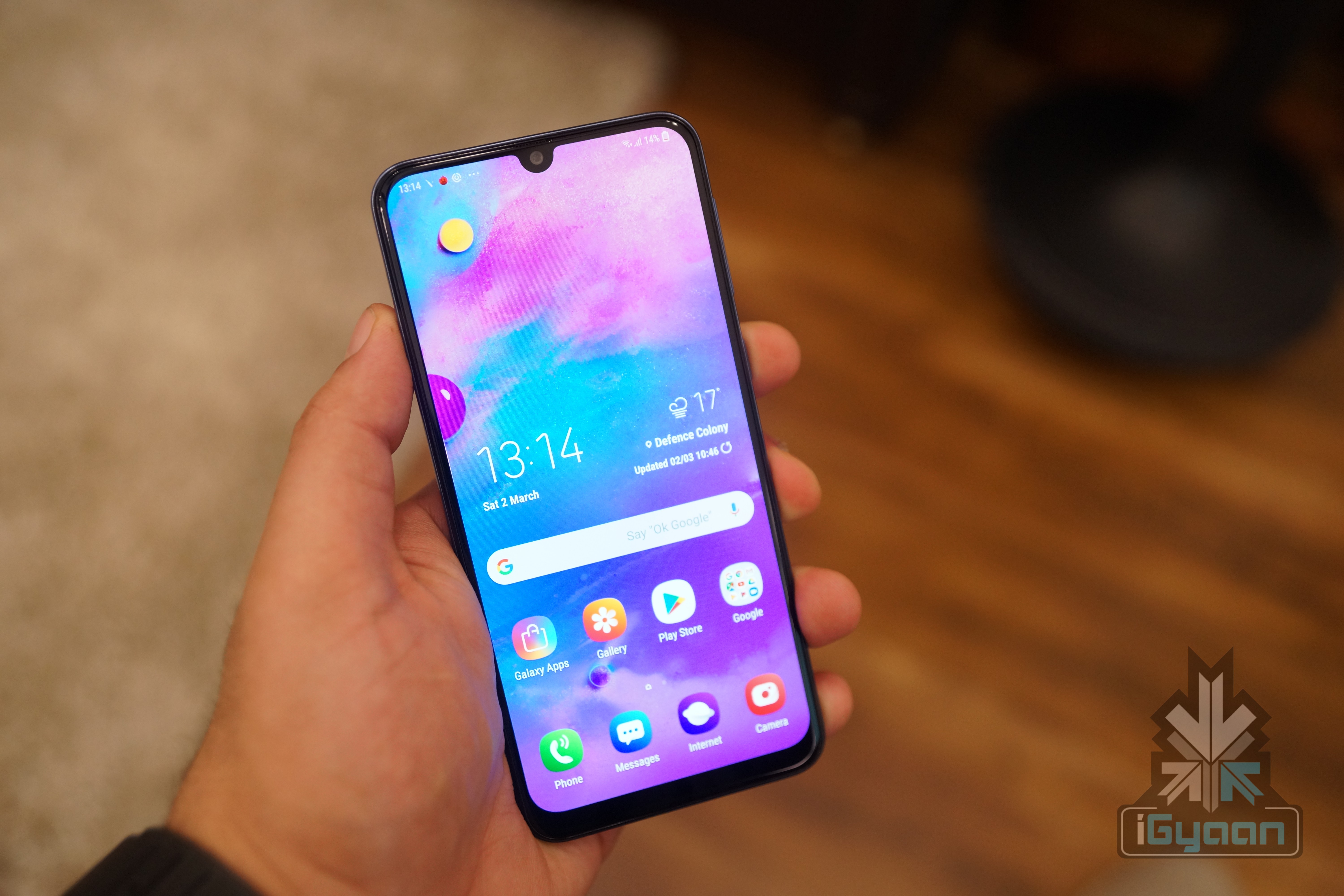
    Samsung is expected to launch a new smartphone in its online-only Galaxy M lineup. This device, purported to be the Galaxy M30s, will be an upgraded variant of the Galaxy M30 launched in the month of February. While a few key details of the handset, including some of its specifications, were previously leaked online; its design remained shrouded in mystery. Now, the images of the exterior casing of the Samsung Galaxy M30s has been leaked online, revealing how the smartphone will look like.

    Samsung Galaxy M30s

    Samsung Galaxy M30s

    The Samsung Galaxy M30s will be a mid-range offering from the company. Latest images of the exterior casing of the smartphone reveal it will have a plastic build similar to the Galaxy M30. The upcoming device will have a wider camera cutout than its predecessor and will have a similar fingerprint scanner placement. The right side of the handset will house the volume rockers; while the left is expected to have the power button. The bottom of the smartphone will have a single loudspeaker grille, USB Type C port and a 3.5mm headphone jack.

    Also read: Microsoft Is Developing An xCloud Console To Take On Google Stadia

    Past leaks of the Samsung Galaxy M30s reveal it will run on an octa-core processor with a clock speed of 1.74GHz. It is acknowledged to be the 10nm Exynos 9610 SoC; which is also present in the Samsung Galaxy A50. The chipset consists of an Octa-core CPU and the Mali G72 MP3 GPU. Also present in the handset is 4GB of RAM which is the same as the regular variant. The device runs on the current Android 9 Pie which is likely to be skinned with the company’s OneUI. Unfortunately, more details like the pricing of the handset are unknown at the moment but the sources claim that it may be closer to launch than ever.

  • Samsung Galaxy Fit E Launched In India

    Samsung Galaxy Fit E Launched In India

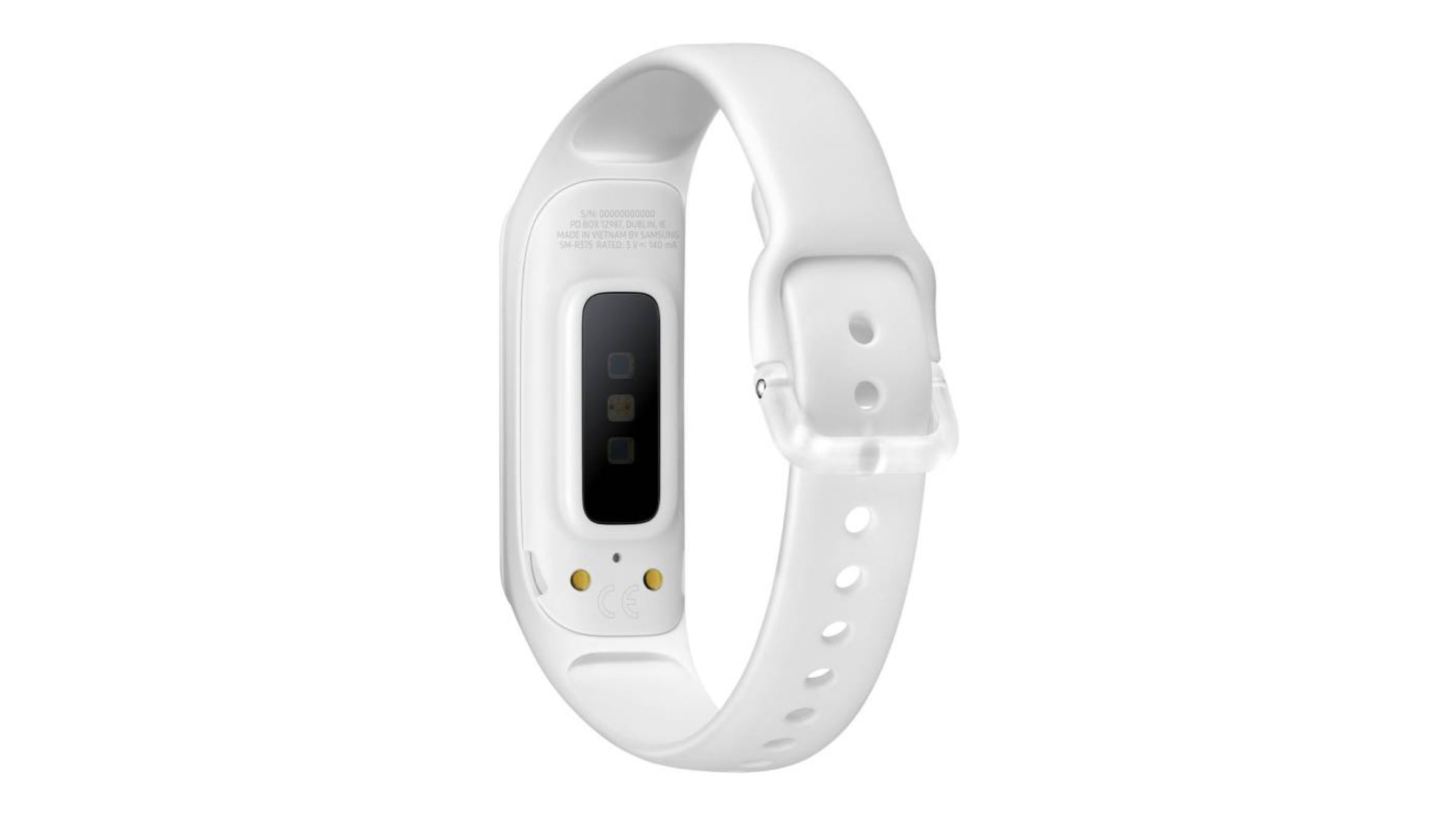
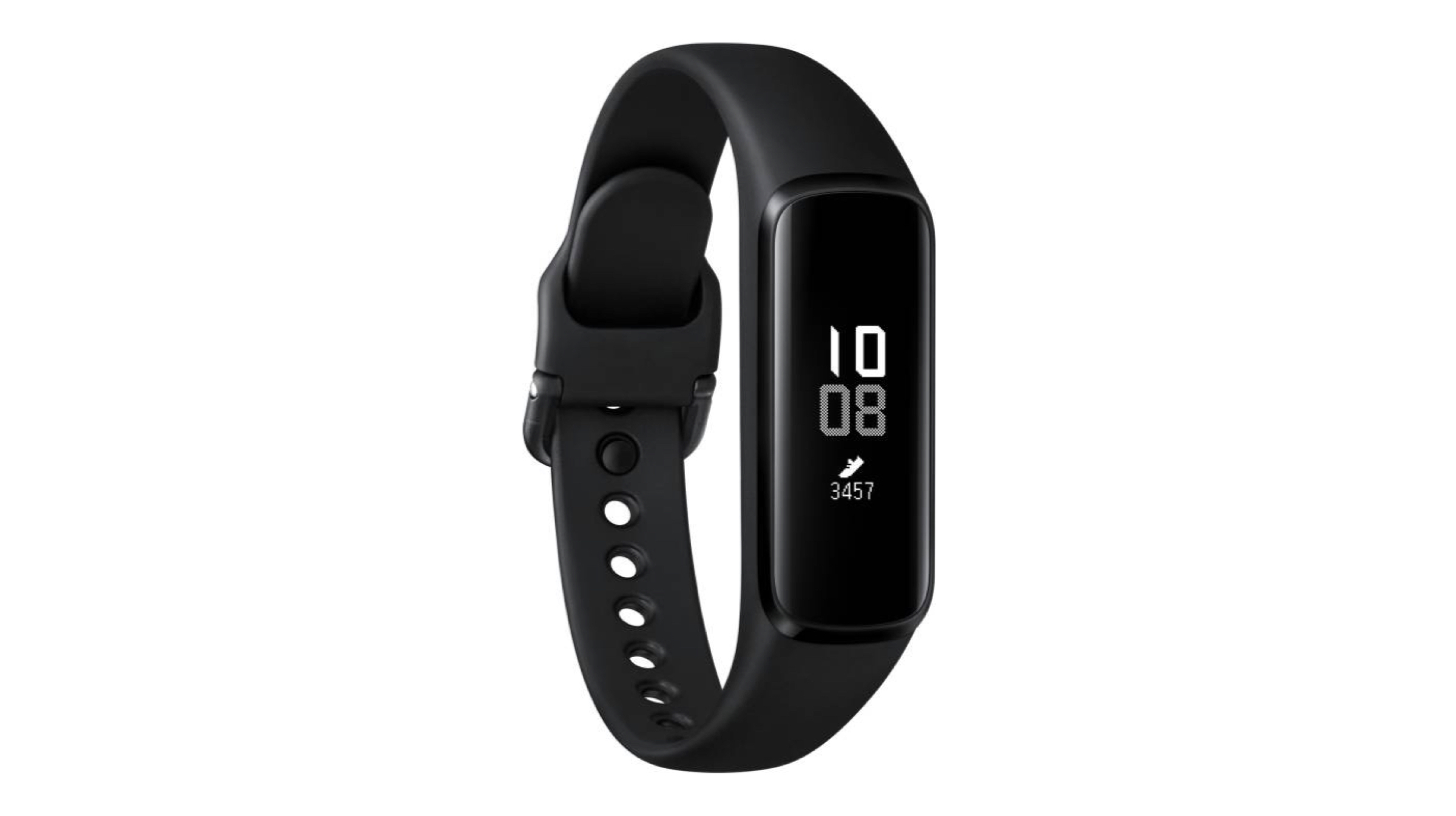
    In the Q1 of 2019, Samsung announced the Galaxy Fit e smartwatch which is now available for purchase in India. The new fitness tracker is budget offering from the company and it competes with the likes of the Mi Band 3 and the upcoming Mi Band 4. The key distinguishing features of the fitness tracker include a heart rate monitor (HRM) and upto week-long battery life.

    Galaxy Fit e Features and Design

    The Galaxy Fit e has an elegant design with a rectangle shaped plastic dial and soft rubber straps. The smart band features a 0.74-inch PMOLED display that has a resolution of 128 x 64 px and 193 ppi. It features a 70 mAh inbuilt battery which can be charged via proprietory Pogo Charging dock.

    In terms of storage, the Galaxy Fit e packs 128KB of RAM and 4MB of ROM. The device has built-in Bluetooth which can be used to pair with supported devices. Noteworthy, the fitness band is compatible with both iOS and Android devices and users can download Samsung’s application from the respective application stores on either platform.

    Click here to buy the Samsung Galaxy Fit e

    As previously mentioned the Galaxy Fit e features a HRM (Heart Rate Monitor) which can be used to track the cardiac health of the pattern. Staple to every fitness tracker, it also supports daily step counter, distance covered, calories burned and sleep, monitor. All the information recorded by the device can be synchronised on the application for reviewing at a later date.

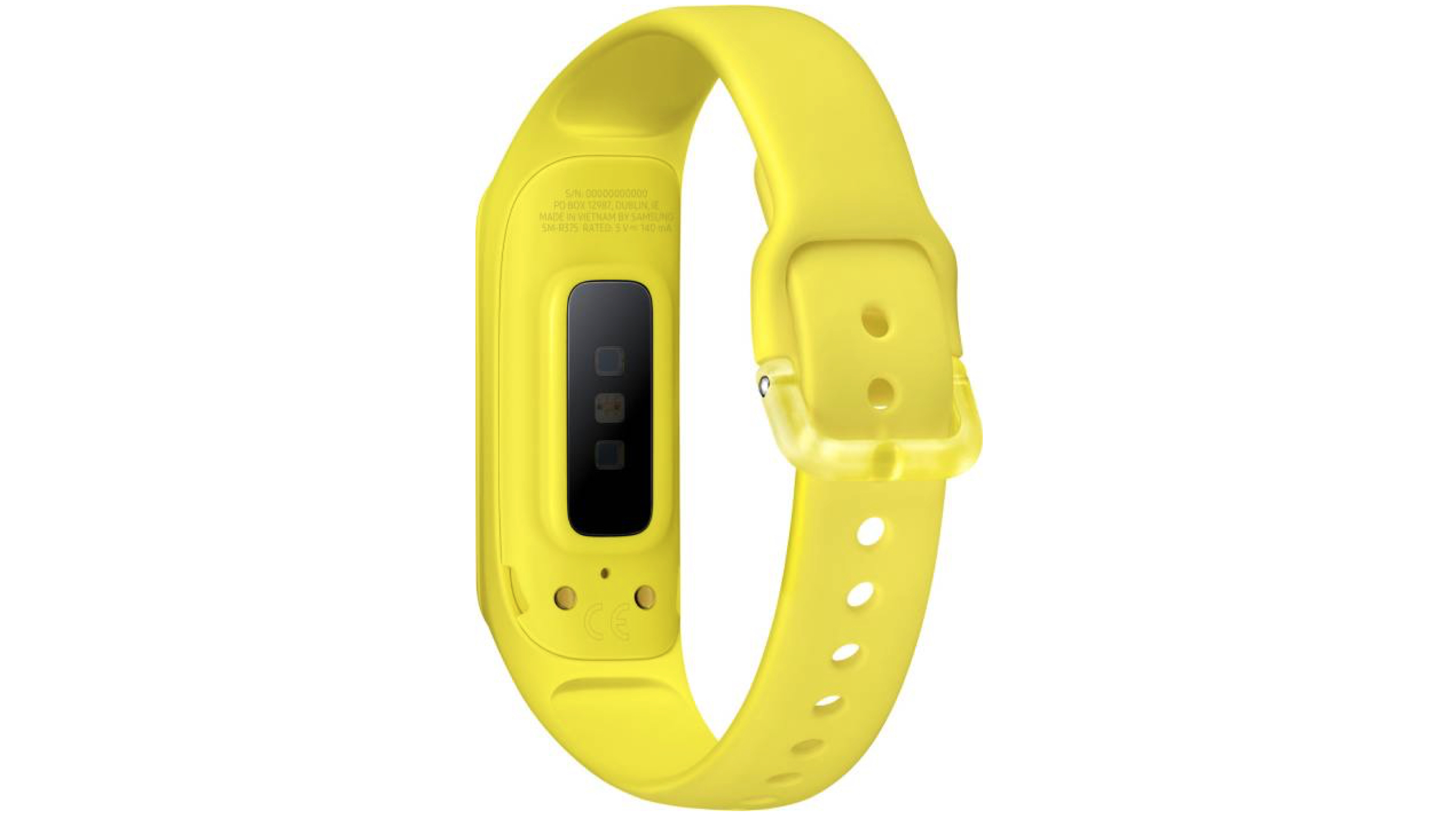
    The Galaxy Fit e is powered by a 70 mAh battery which can be charged via the rear mounted pogo pins. The device is shipped with a proprietary charger which can be used to top up the battery. Furthermore, it is waterproof upto 50 metres, therefore, users can continue wearing the device while swimming or during rainfalls.

    Also Read: Xiaomi Develops A Periscope Camera Module, May Debut With Mi Mix 4

    The Galaxy Fit e is available in three colour options which include Black, White and Yellow. It is available for purchase via both online and offline platforms. The Galaxy Fit e costs Rs 2,490

    Click here to buy the Samsung Galaxy Fit e

  • Xiaomi Develops A Periscope Camera Module, May Debut With Mi Mix 4

    Xiaomi Develops A Periscope Camera Module, May Debut With Mi Mix 4

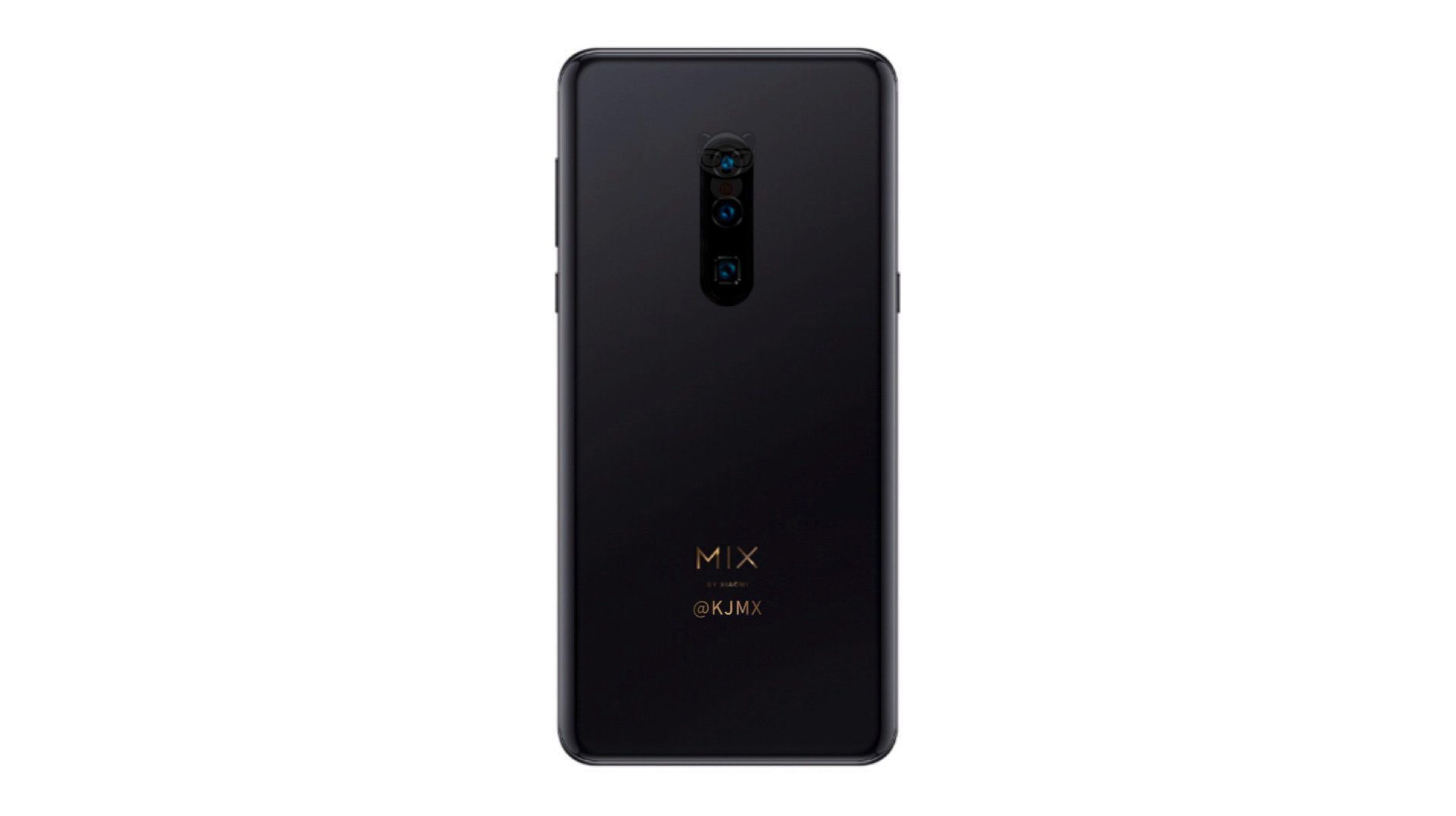
    Smartphone manufacturers have set the norm of having at least two cameras at the rear in most devices now. The nature of the secondary lens was, in most cases, merely to supplement the primary camera. It was most commonly seen in the form of depth sensors to reproduce popular Bokeh effects on ‘Portrait’ modes. The sensor that lately started gaining popularity is the periscope lens that gives a stand-alone functionality. Xiaomi is now reportedly equipping the Mi Mix 4 with such a lens.

    Xiaomi

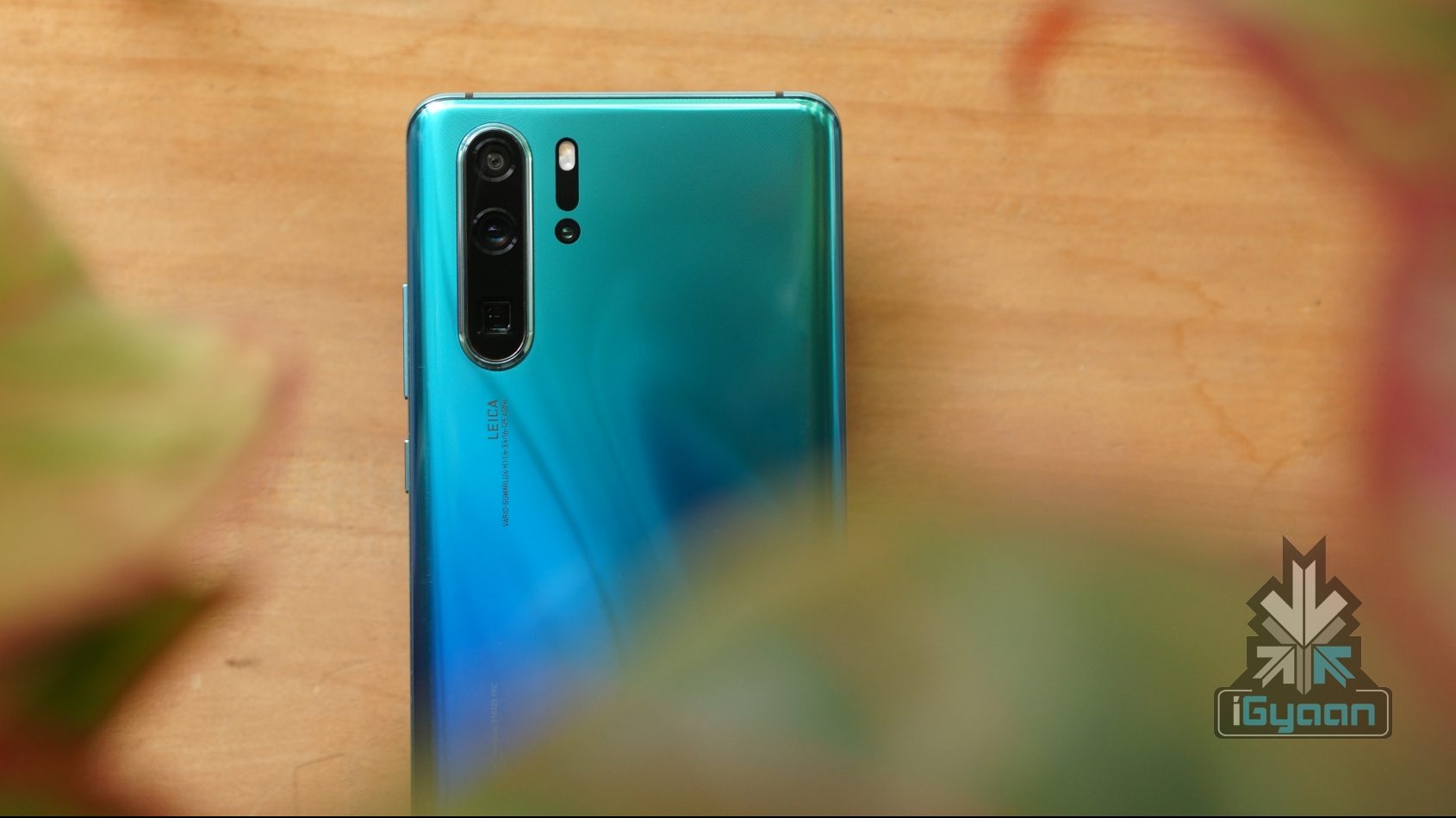
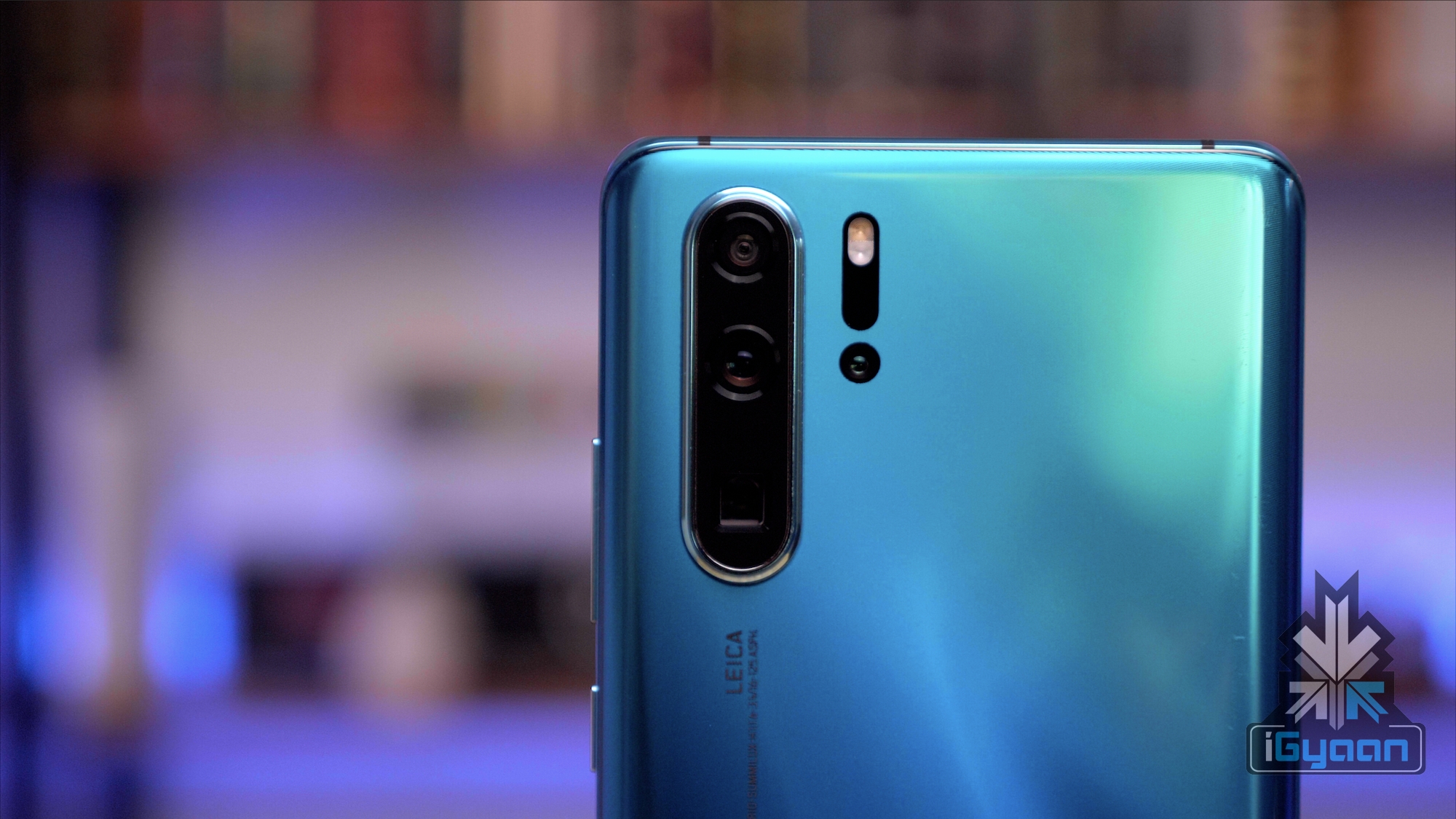
    It is common for premium grade smartphones to feature a wide angle lens and telephoto camera, like in the OnePlus 7 Pro. But OEMs like Huawei and Oppo in their latest flagships have introduced a new form of secondary lenses. Huawei’s P30 Pro and Oppo Reno 10X Zoom feature a periscope lens that offers a much deeper optical zoom than the telephoto counterpart. In a new report, Xiaomi has patented designs for a similar in-house developed module. The new technology will reportedly be incorporated in the upcoming Mi Mix 4.

    Xiaomi
    Huawei P30 Pro

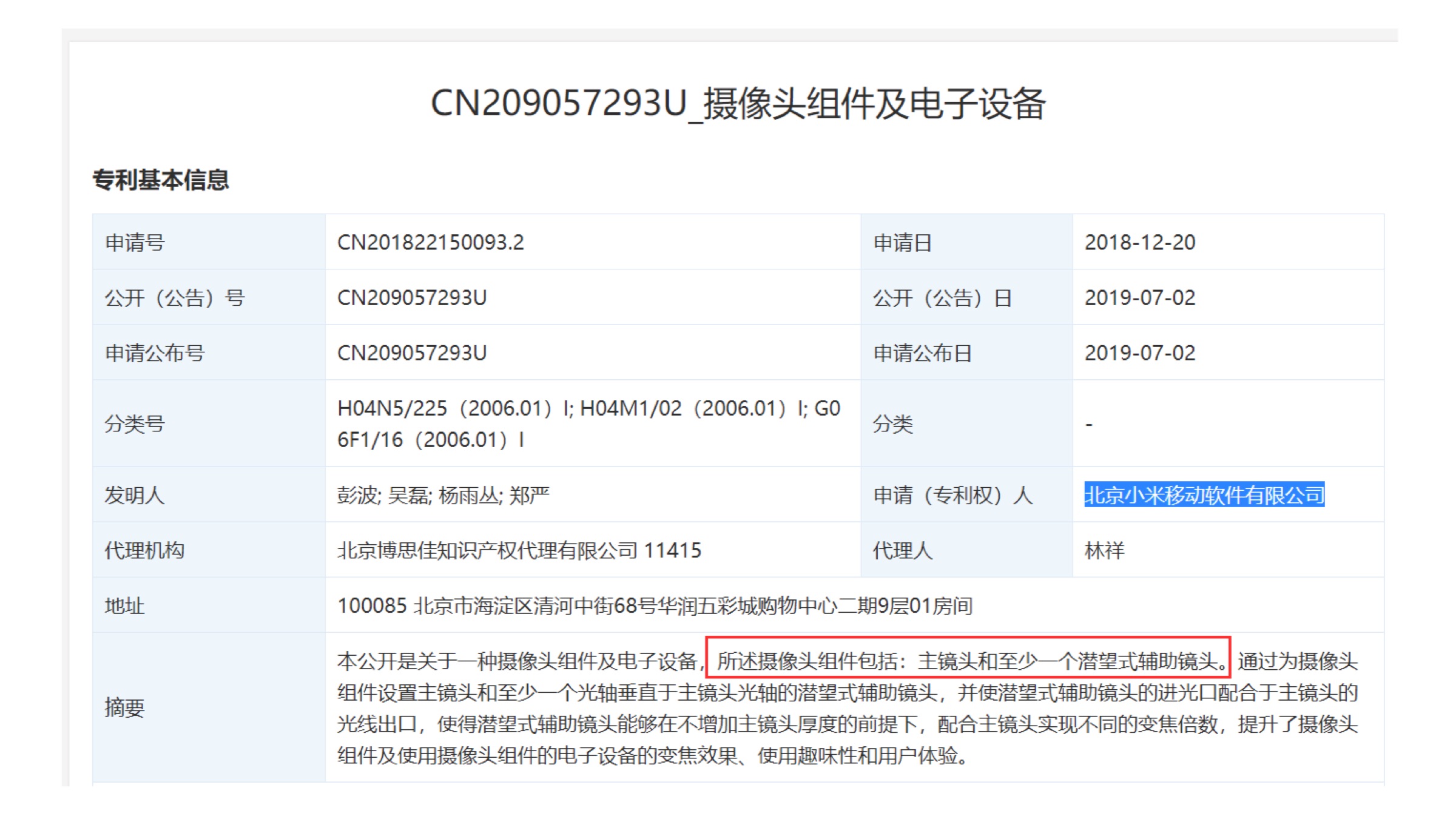
    The report arrives after Xiaomi filed a patent titled, “Camera Components and Electronic Devices.” It details that the camera setup will feature an auxiliary lens alongside the primary shooter. Like an actual periscope, the secondary lens will be set one optical axis perpendicular to the main lens light axis. It enables the befitting of a periscope assist lens directly on the main sensor. In simpler words, the new periscope lens can be incorporated within the main camera without having to increase the lens thickness. Thus, Xiaomi fans can soon expect to see a 5x optical to 10x hybrid zoom on the Mi Mix 4.

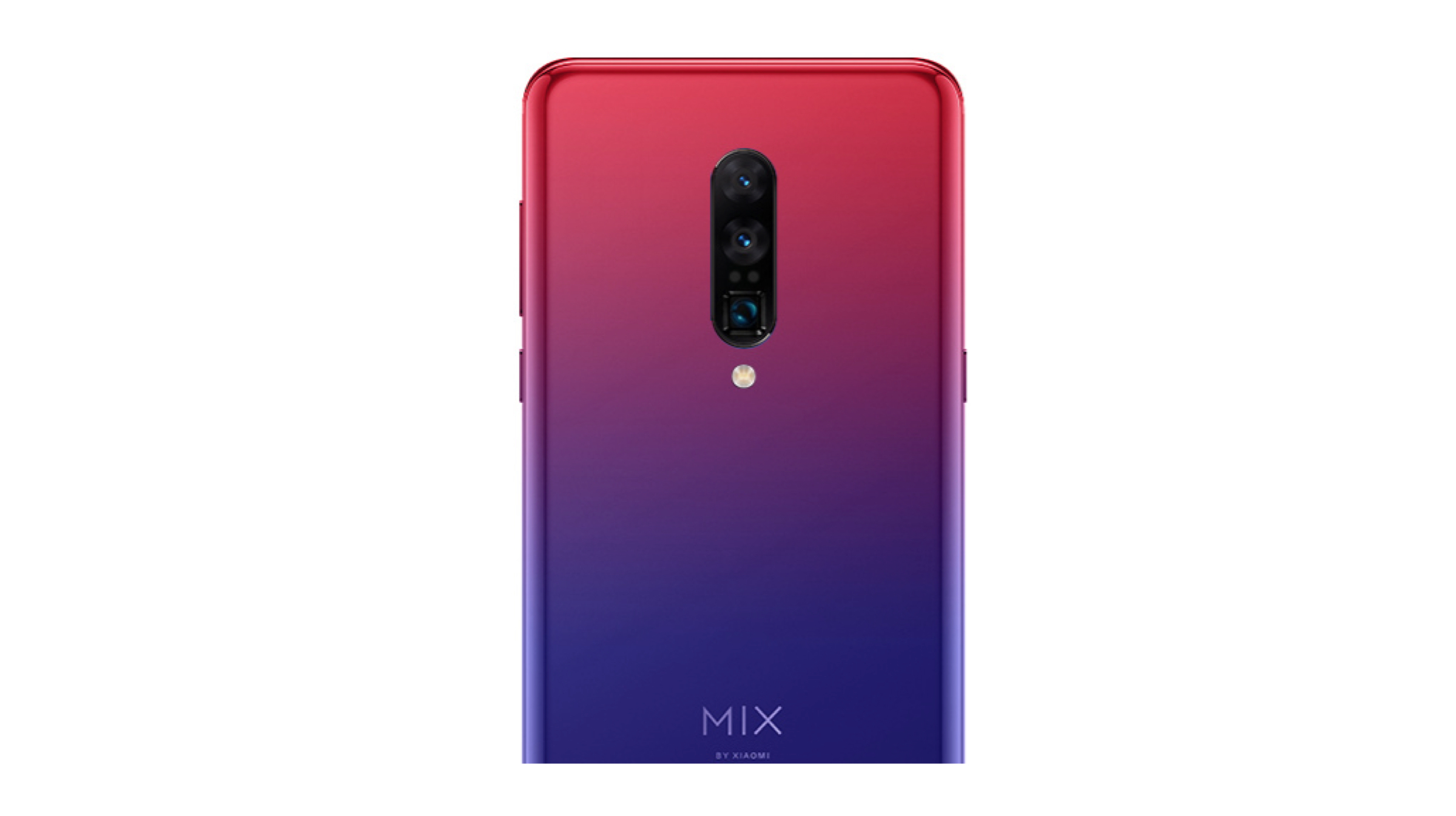
    Mi Mix 4

    Also ReadIndian Pricing Of AMD Ryzen 3000 CPUs Revealed

    The Mi Mix 4 is reported to feature this new technology as it is one at it will be the latest addition to flagship MIX smartphone lineup from Xiaomi. Its new camera lens feature will be a great new feature added to its devices. Users can soon expect to see this type of lens becoming a more common occurrence in upcoming/future smartphones from the company. More information is expected to be available in the arriving week with updates following soon.

  • OnePlus 7 Debuts In Mirror Blue Colour

    OnePlus 7 Debuts In Mirror Blue Colour

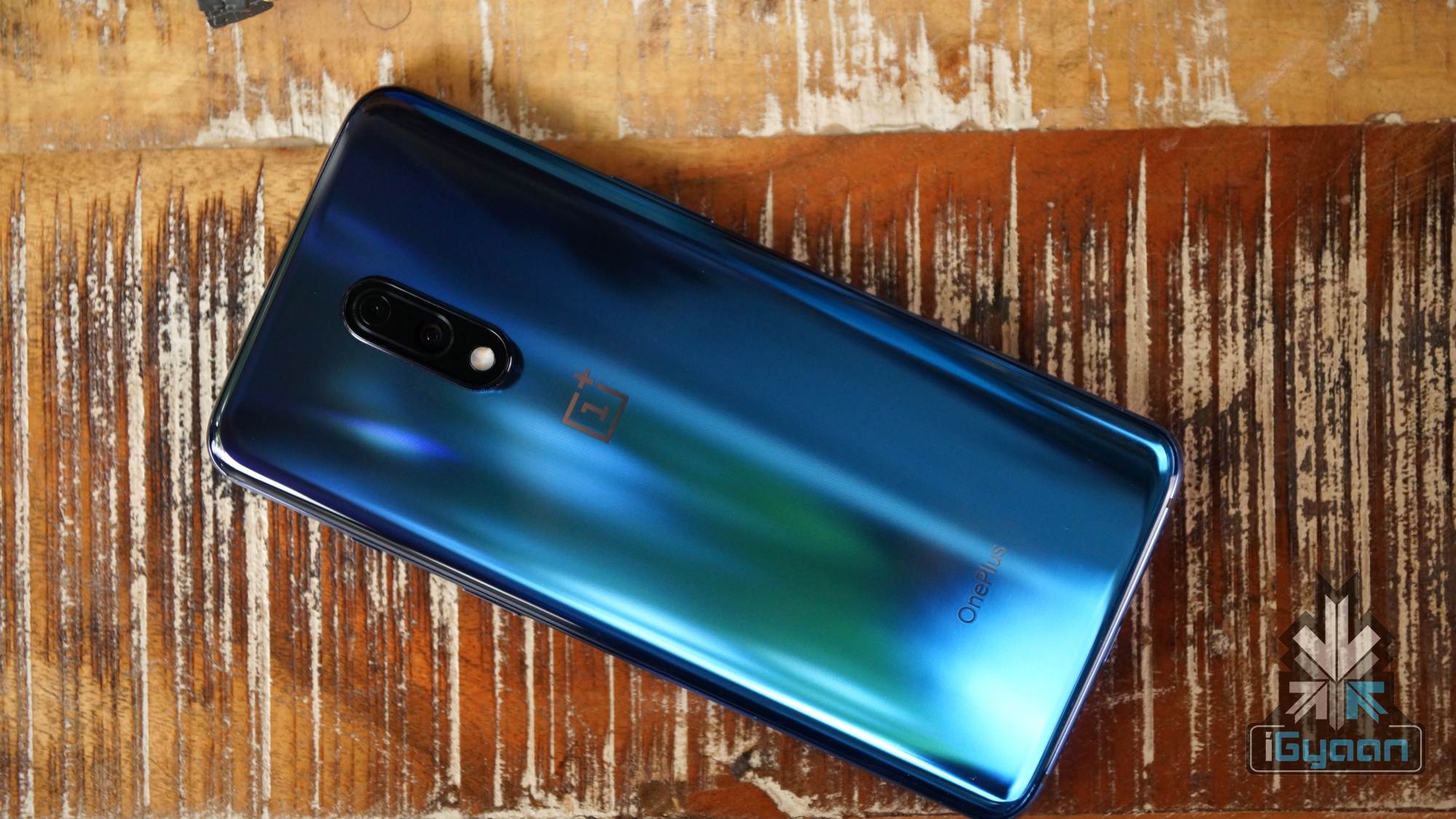
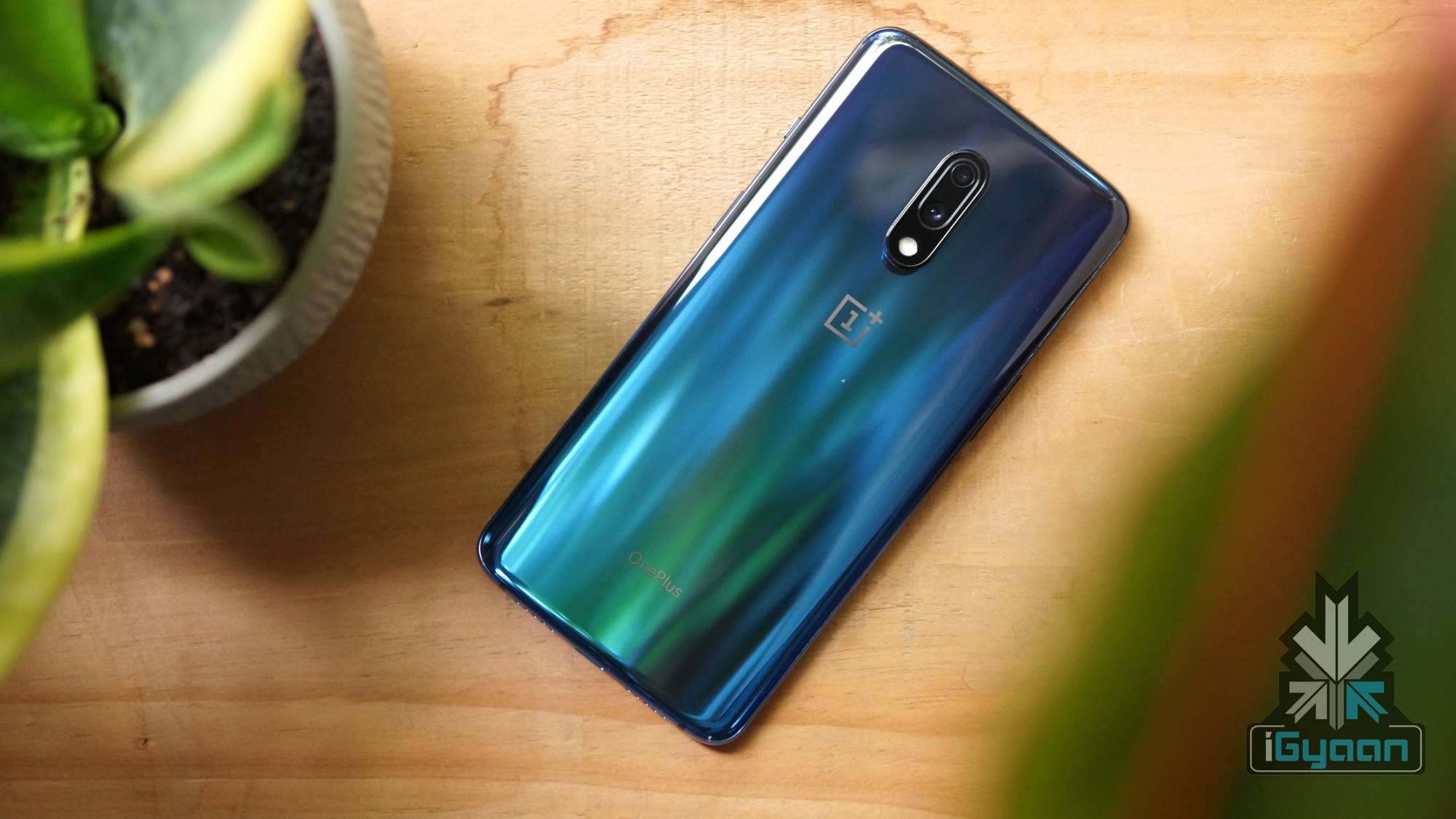
    OnePlus’ latest smartphones, the OnePlus 7 and OnePlus 7 Pro made their global debut on the 14th of May. At the time of launch, the former was announced in two colour options while the latter was announced in three colour options.OnePlus 7 Mirror Blue Rear Camera

    Today, the company has announced another colour option for the OnePlus 7 which is Mirror Blue. Except for the new colour, the specifications and price of the device are heterogeneous to other colour variants which are Mirror Grey and Red. To recall

    The OnePlus 7 measures 157.7 x 74.8 x 8.2 mm and weighs 182 g. It has an all-glass design on the front and back which is held together by a metal chassis. The device features a 6.41 inch AMOLED display with a resolution of 2340 x 1080 px which gives it a pixel density of 402 ppi.OnePlus 7 Mirror Blue Display

    Like the OnePlus 6T, the display of the OnePlus 7 features a water drop notch and an under display fingerprint sensor. Noteworthy, the biometric sensor on the new device is 50 percent larger than its predecessor which provides for even faster unlock times.

    Under the hood, the OnePlus 7 features the Snapdragon 855 SoC which is manufactured using 7 nm fabrication process and is highly power efficient. The chipset consists of an Octa-Core CPU and the Adreno 640 GPU.
    OnePlus 7 Mirror Blue BackThe OnePlus 7 is powered by a 3700 mAh battery which supports 20 W fast charging via the provided Dash Charger. Connectivity options on the smartphone include 802.11 ac Wi-Fi, Dual 4G VoLTE, NFC, GPS and a bottom mounted USB Type C port for charging and data transfer.

    In terms of optics, the OnePlus 7 Pro features a 16 MP front-facing selfie camera which is present in the waterdrop notch and a dual rear setup. The rear camera setup is aligned in a vertical manner which consists of an f/1.7 aperture equipped 48 MP sensor and a 5 MP depth sensor along with an LED flash. 

    OnePlus 7 Mirror Blue Storage Options And Price
    OnePlus 7 Mirror Blue Dual Rear Camera

    Also Read: Indian Pricing Of AMD Ryzen 3000 CPUs Revealed

    The OnePlus 7 Mirror Blue colour will be available for purchase online via Amazon.in and in offline OnePlus stores starting 15th of July. The Mirror Blue OnePlus 7 will be offered in a single storage variant for which the price is as follows:

    • 6 GB + 128 GB: Rs 32,999

    OnePlus 7 Unboxing

  • Indian Pricing Of AMD Ryzen 3000 CPUs Revealed

    Indian Pricing Of AMD Ryzen 3000 CPUs Revealed

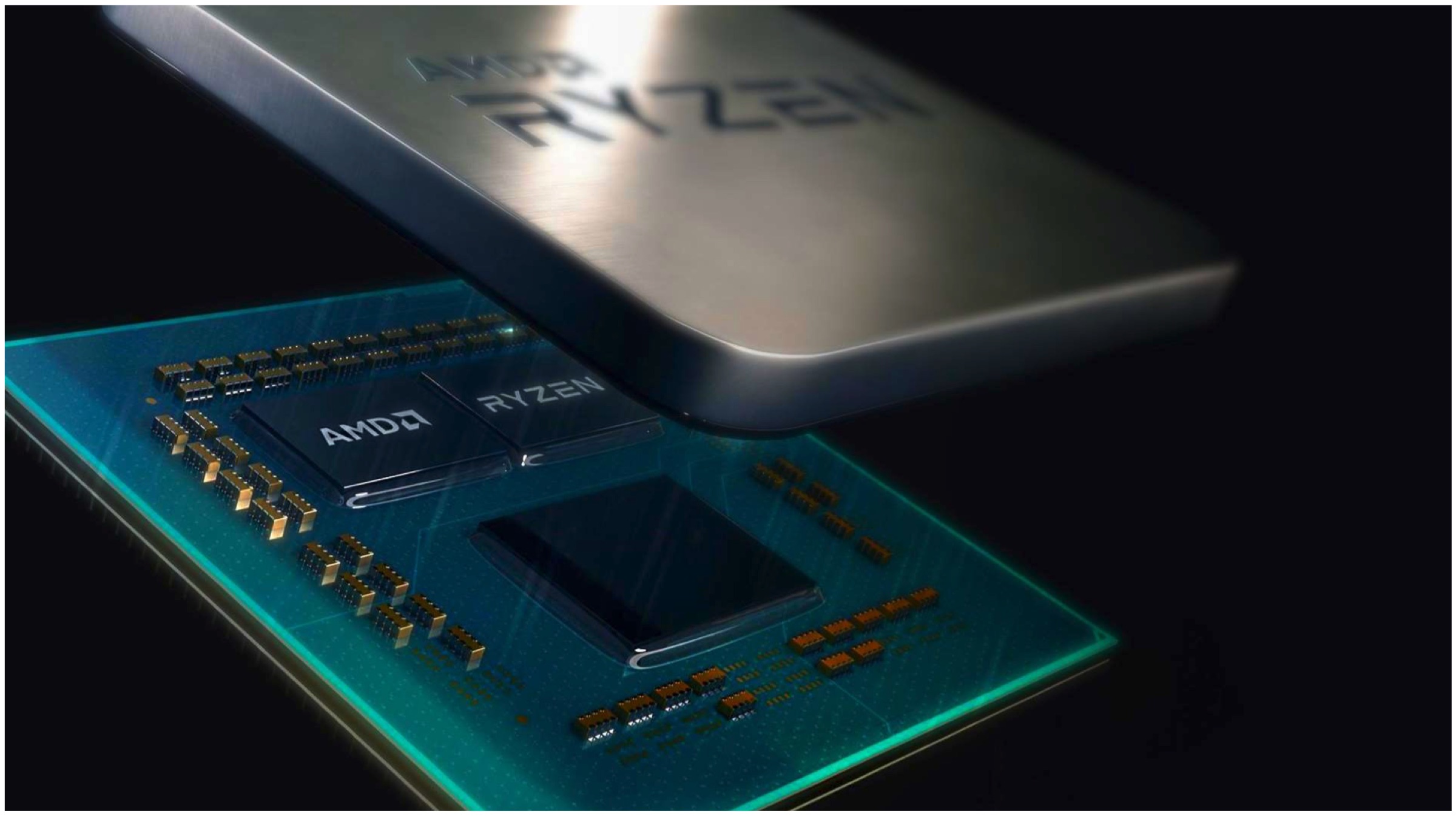
    AMD has finally released its much awaited third generation Ryzen CPUs. The company on the 7/7 (7th of July) launched eight new 7nm Ryzen 3000 series desktop processors. They are the first to incorporate AMD’s latest Zen 2 architecture built on a 7nm manufacturing process. The CPUs will go on sale globally alongside the new NAVI Radeon GPUs and motherboards from the company. AMD has currently only announced the pricing of CPUs for the Indian market.

    Price

    The top end Ryzen 9 3950X with 16 cores will only be available from September. The Ryzen 9 3900X, with 12 cores an 24 threads, will go on sale today for INR 35,990 in India (approx Rs. 42,470 after 18% tax). AMD’s 8 core CPUs like the Ryzen 7 3800X and 3700X are priced at INR 28,490 and INR 24990 (excluding tax) respectively; while the mid range affordable yet powerful cores such as the Ryzen 5 3600X and 3600 will sell for INR 17,690 and INR 14,490 (excluding tax) respectively. The aforementioned cards are all fabricated on a 7nm architecture and will replace the second generation of Ryzen processors.

    Ryzen

    AMD also launched two new APUs, namely, the Ryzen 5 3400G and Ryzen 3200G; they are based on the previous gen Zen+ architecture that features Radeon Vega graphics processors. The prices for the CPUs are INR 10,990 and INR 7,190 (excluding tax) respectively and are aimed at casual or budget gamers. The new launches are AMD’s move on upgrading their single-threaded and multi-threaded performance to outclass the 9th generation Intel Core processors.

    Ryzen

    The Competition

     Intel has infamously struggled with the transition to the 10nm fabrication process and will only incorporate it in its upcoming 10th gen CPUs. The company has stayed competitive by tweaking its 14nm chipsets to give better performance but team red is taking the lead now. The company’s 10th gen Intel Core processors will have to bring great new improvements or features to stay relevant against AMD. Intel and AMD have always been neck-in-neck with their PC components arms race, with Intel always having an edge. Now, AMD is seemingly ahead of the curve and already a step ahead of Intel. Only time will tell how Intel responds to the new threat it faces in the computing industry.

    Also ReadTop Upcoming Smartphones To Look Out For In Second Half Of 2019

    AMD has also launched its new motherboards and NAVI based Radeon GPUs; however, the pricing of the later is yet to be announced for the Indian market. The company will partner with other brands like Asus, Gigabyte, MSI and more to introduce its X570 chipset based motherboards. Its prices range from INR 13,805 for Asus Prime X570-p/CSM to INR 38,150 for Asus ROG Crosshair VIII Formula. The second being a flagship motherboard and both exclude GST taxes.

iGyaan Network
Privacy Overview

This website uses cookies so that we can provide you with the best user experience possible. Cookie information is stored in your browser and performs functions such as recognising you when you return to our website and helping our team to understand which sections of the website you find most interesting and useful.